

#bitcoinsecurity
bitcoinsecurity
Просмотров: 188,662
273 обсуждают
Популярные
Новые

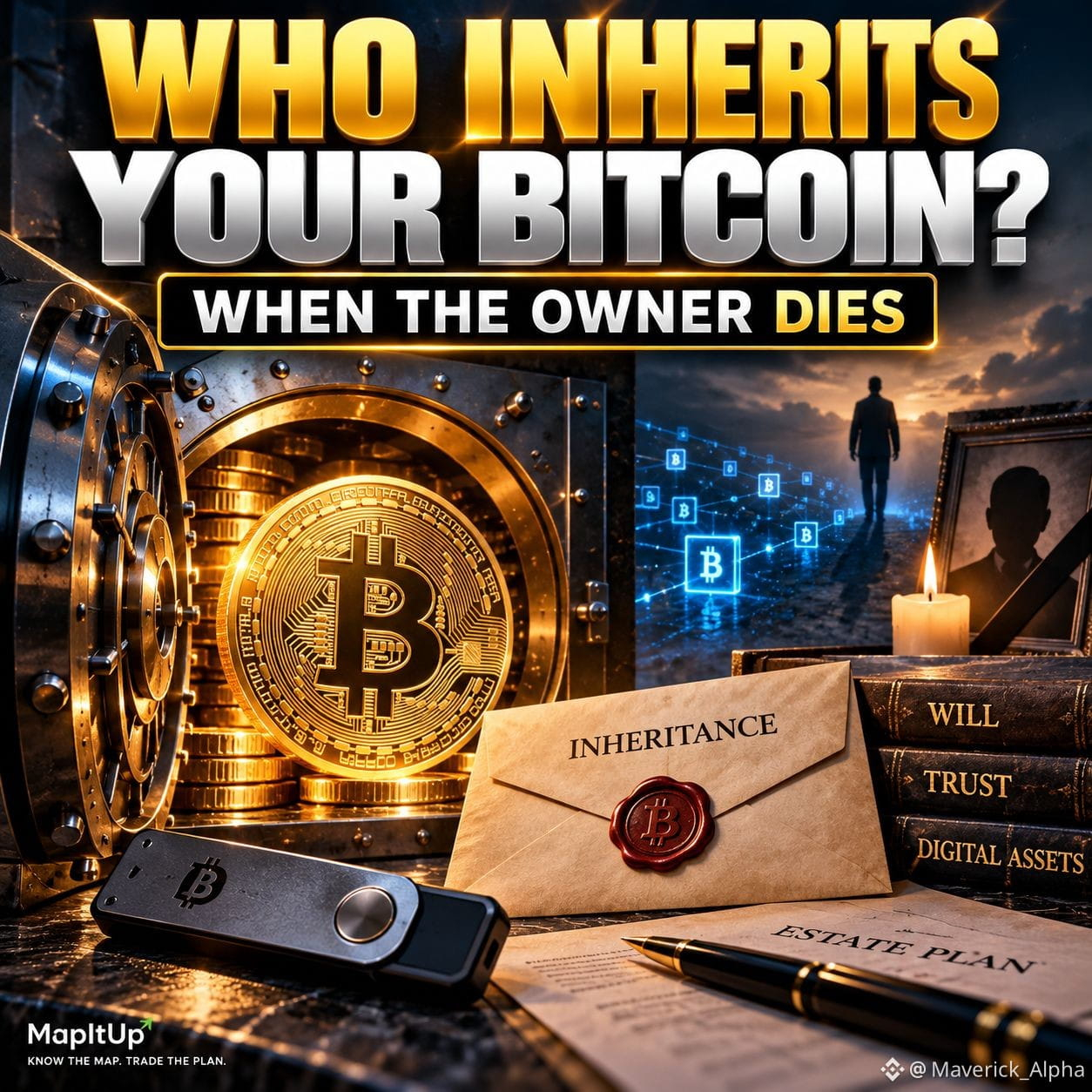
WHEN BITCOIN OWNERS DIE, WHO INHERITS THEIR COINS?
Imagine owning 100 BTC, building a fortune, and suddenly passing away. Your family knows the Bitcoin exists, but nobody knows how to access it.
The Bitcoin remains on the blockchain, but without the private keys or recovery phrase, your fortune could become permanently inaccessible.
Unlike traditional banks, Bitcoin has no central authority that can reset lost private keys.
Bitcoin held on custodial exchanges may be recoverable through legal inheritance procedures. Self-custodied Bitcoin, however, requires a secure recovery plan.
My Final Take:
Bitcoin gives you financial independence, but it also makes you responsible for protecting your family's inheritance.
Secure backups, estate planning and multisignature wallets can help ensure your Bitcoin survives you.
Will your family inherit your Bitcoin or lose access to it forever?
#BTC #BitcoinSecurity
$BTC
{future}(BTCUSDT)
WHEN BITCOIN OWNERS DIE, WHO INHERITS THEIR COINS?
Imagine owning 100 BTC, building a fortune, and suddenly passing away. Your family knows the Bitcoin exists, but nobody knows how to access it.
The Bitcoin remains on the blockchain, but without the private keys or recovery phrase, your fortune could become permanently inaccessible.
Unlike traditional banks, Bitcoin has no central authority that can reset lost private keys.
Bitcoin held on custodial exchanges may be recoverable through legal inheritance procedures. Self-custodied Bitcoin, however, requires a secure recovery plan.
My Final Take:
Bitcoin gives you financial independence, but it also makes you responsible for protecting your family's inheritance.
Secure backups, estate planning and multisignature wallets can help ensure your Bitcoin survives you.
Will your family inherit your Bitcoin or lose access to it forever?
#BTC #BitcoinSecurity
$BTC
Imagine owning 100 BTC, building a fortune, and suddenly passing away. Your family knows the Bitcoin exists, but nobody knows how to access it.
The Bitcoin remains on the blockchain, but without the private keys or recovery phrase, your fortune could become permanently inaccessible.
Unlike traditional banks, Bitcoin has no central authority that can reset lost private keys.
Bitcoin held on custodial exchanges may be recoverable through legal inheritance procedures. Self-custodied Bitcoin, however, requires a secure recovery plan.
My Final Take:
Bitcoin gives you financial independence, but it also makes you responsible for protecting your family's inheritance.
Secure backups, estate planning and multisignature wallets can help ensure your Bitcoin survives you.
Will your family inherit your Bitcoin or lose access to it forever?
#BTC #BitcoinSecurity
$BTC
65

Статья
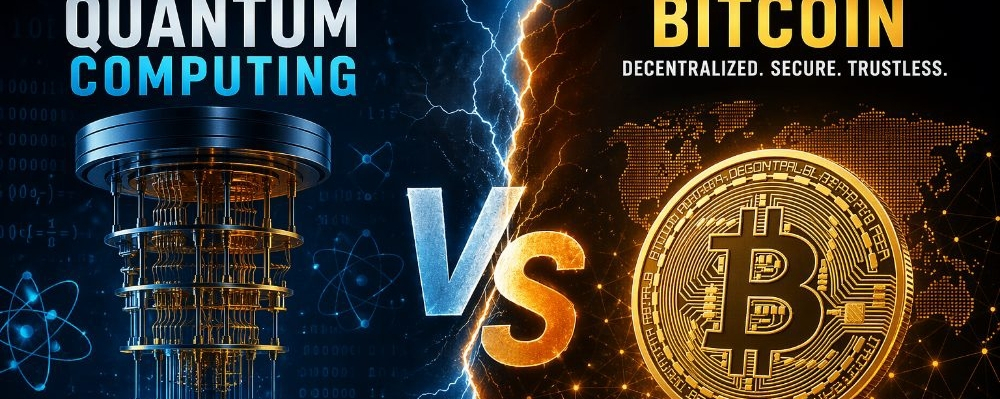
Quantum Computing Could Reshape Crypto Security 🔐Quantum computing is one of the long-term challenges facing modern digital assets, including Bitcoin.
Bitcoin currently relies on cryptographic signatures such as ECDSA. A sufficiently powerful, fault-tolerant quantum computer could potentially use Shor’s algorithm to break elliptic-curve cryptography much faster than classical computers.
But there’s an important point: today’s quantum computers are not yet capable of breaking Bitcoin’s cryptography. The threat is considered a future risk, which is why researchers are already working on Post-Quantum Cryptography (PQC) .
⚙️ The Real Challenge: Performance
Quantum-resistant cryptography can require larger keys, signatures, or significantly more computation than traditional systems.
For blockchains, the goal is not simply to become quantum-resistant. The solution must also remain:
✅ Secure
✅ Scalable
✅ Fast
✅ Cost-efficient
Where AI Could Help
AI can assist developers and researchers by optimizing code, identifying computational bottlenecks, and exploring more efficient implementations of complex cryptographic systems.
However, AI itself is not a quantum-resistant security layer. Its potential role is helping engineers build and optimize the technologies that could protect blockchain networks in a post-quantum era.
🔮 What Comes Next?
The race toward quantum-resistant blockchain infrastructure has already begun.
Future upgrades could involve post-quantum signatures, new cryptographic schemes, optimized zero-knowledge systems, and Layer-2 solutions designed to maintain security without sacrificing scalability.
Bitcoin’s quantum challenge may still be years away — but preparing before the threat becomes practical could be one of the most important security upgrades for the crypto industry. 🚀
#Bitcoinsecurity #QuantumComputing #PostQuantumCryptography #ECDSA #Cryptography
Quantum Computing Could Reshape Crypto Security 🔐
Quantum computing is one of the long-term challenges facing modern digital assets, including Bitcoin.
Bitcoin currently relies on cryptographic signatures such as ECDSA. A sufficiently powerful, fault-tolerant quantum computer could potentially use Shor’s algorithm to break elliptic-curve cryptography much faster than classical computers.
But there’s an important point: today’s quantum computers are not yet capable of breaking Bitcoin’s cryptography. The threat is considered a future risk, which is why researchers are already working on Post-Quantum Cryptography (PQC) .
⚙️ The Real Challenge: Performance
Quantum-resistant cryptography can require larger keys, signatures, or significantly more computation than traditional systems.
For blockchains, the goal is not simply to become quantum-resistant. The solution must also remain:
✅ Secure
✅ Scalable
✅ Fast
✅ Cost-efficient
Where AI Could Help
AI can assist developers and researchers by optimizing code, identifying computational bottlenecks, and exploring more efficient implementations of complex cryptographic systems.
However, AI itself is not a quantum-resistant security layer. Its potential role is helping engineers build and optimize the technologies that could protect blockchain networks in a post-quantum era.
🔮 What Comes Next?
The race toward quantum-resistant blockchain infrastructure has already begun.
Future upgrades could involve post-quantum signatures, new cryptographic schemes, optimized zero-knowledge systems, and Layer-2 solutions designed to maintain security without sacrificing scalability.
Bitcoin’s quantum challenge may still be years away — but preparing before the threat becomes practical could be one of the most important security upgrades for the crypto industry. 🚀
#Bitcoinsecurity #QuantumComputing #PostQuantumCryptography #ECDSA #Cryptography
Bitcoin currently relies on cryptographic signatures such as ECDSA. A sufficiently powerful, fault-tolerant quantum computer could potentially use Shor’s algorithm to break elliptic-curve cryptography much faster than classical computers.
But there’s an important point: today’s quantum computers are not yet capable of breaking Bitcoin’s cryptography. The threat is considered a future risk, which is why researchers are already working on Post-Quantum Cryptography (PQC) .
⚙️ The Real Challenge: Performance
Quantum-resistant cryptography can require larger keys, signatures, or significantly more computation than traditional systems.
For blockchains, the goal is not simply to become quantum-resistant. The solution must also remain:
✅ Secure
✅ Scalable
✅ Fast
✅ Cost-efficient
Where AI Could Help
AI can assist developers and researchers by optimizing code, identifying computational bottlenecks, and exploring more efficient implementations of complex cryptographic systems.
However, AI itself is not a quantum-resistant security layer. Its potential role is helping engineers build and optimize the technologies that could protect blockchain networks in a post-quantum era.
🔮 What Comes Next?
The race toward quantum-resistant blockchain infrastructure has already begun.
Future upgrades could involve post-quantum signatures, new cryptographic schemes, optimized zero-knowledge systems, and Layer-2 solutions designed to maintain security without sacrificing scalability.
Bitcoin’s quantum challenge may still be years away — but preparing before the threat becomes practical could be one of the most important security upgrades for the crypto industry. 🚀
#Bitcoinsecurity #QuantumComputing #PostQuantumCryptography #ECDSA #Cryptography
323

·
--
Статья
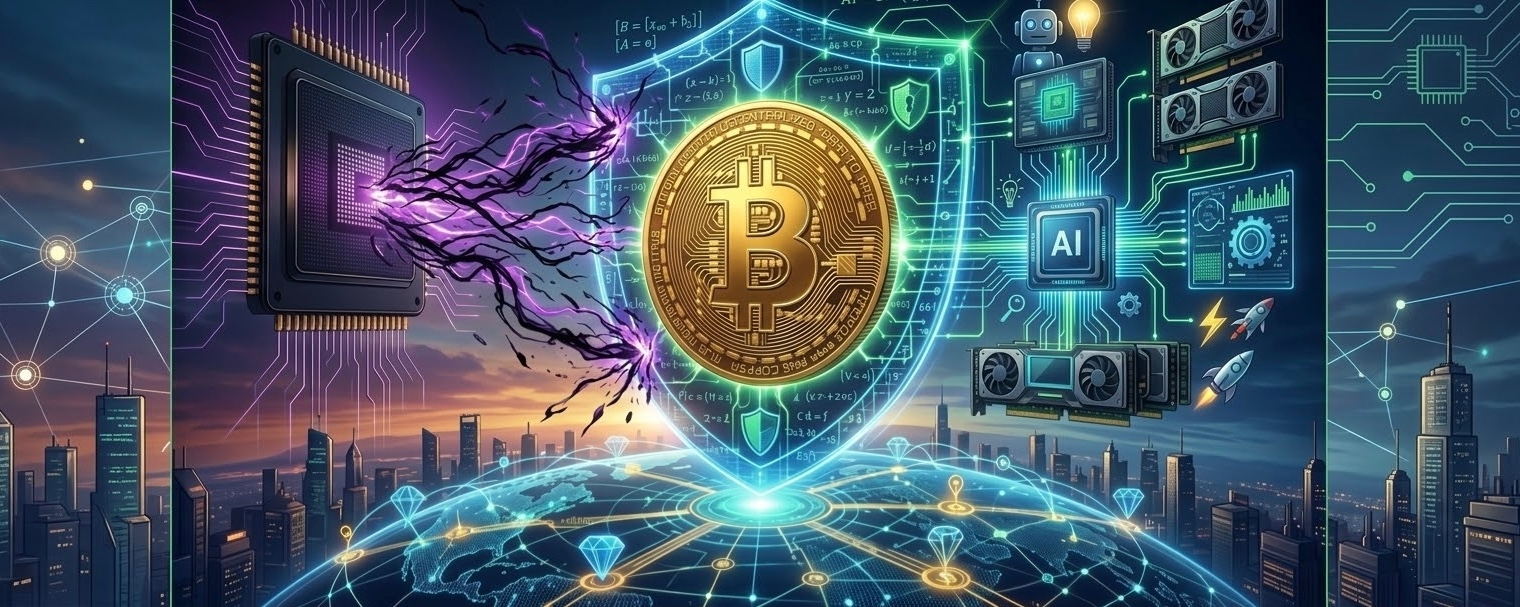
𝐀𝐈 𝐚𝐧𝐝 𝐭𝐡𝐞 𝐐𝐮𝐚𝐧𝐭𝐮𝐦 𝐋𝐞𝐚𝐩: Securing the Future of Bitcoin 🪙⚡The rapid advancement of quantum computing poses one of the most significant theoretical threats to modern digital assets, particularly for decentralized networks like Bitcoin 🔐. Traditional public-key encryption algorithms, such as 𝐄𝐂𝐃𝐒𝐀, rely on mathematical problems that could eventually be solved in seconds by high-powered quantum processors. To safeguard the future of global digital wealth, cryptographers and blockchain developers are actively designing 𝐏𝐨𝐬𝐭-𝐐𝐮𝐚𝐧𝐭𝐮𝐦 𝐂𝐫𝐲𝐩𝐭𝐨𝐠𝐫𝐚𝐩𝐡𝐲 (𝐏𝐐𝐂) solutions, with zero-knowledge proof technologies—specifically 𝐒𝐓𝐀𝐑𝐊𝐬—leading the charge as the most resilient defensive layer 🛡️.
𝐓𝐡𝐞 𝐂𝐨𝐦𝐩𝐮𝐭𝐚𝐭𝐢𝐨𝐧𝐚𝐥 𝐂𝐡𝐚𝐥𝐥𝐞𝐧𝐠𝐞 𝐨𝐟 𝐐𝐮𝐚𝐧𝐭𝐮𝐦 𝐑𝐞𝐬𝐢𝐬𝐭𝐚𝐧𝐜𝐞 🖥️ ⚙️
While quantum-safe cryptographic algorithms offer unbreakable protection, their primary adoption obstacle has always been sheer computational weight. Generating post-quantum signatures and zero-knowledge proofs requires massive processing power from high-end GPU arrays, making full-scale implementation on layer-1 networks exceptionally costly and slow 📉. Scaling these security measures globally requires radical optimizations in hardware efficiency, code parallelization, and algorithm architecture to ensure that advanced protection remains fast, scalable, and economically viable for everyday transactions 🌐.
𝐀𝐫𝐭𝐢𝐟𝐢𝐜𝐢𝐚𝐥 𝐈𝐧𝐭𝐞𝐥𝐥𝐢𝐠𝐞𝐧𝐜𝐞 𝐚𝐬 𝐚 𝐂𝐫𝐲𝐩𝐭𝐨𝐠𝐫𝐚𝐩𝐡𝐢𝐜 𝐀𝐜𝐜𝐞𝐥𝐞𝐫𝐚𝐭𝐨𝐫 🤖💡
This is where Artificial Intelligence fundamentally transforms the paradigm. AI models are no longer passive observer tools; they are now actively collaborating with researchers to re-engineer complex mathematical algorithms and streamline GPU workload execution ⚡. By utilizing AI to identify code bottlenecks and refactor cryptographic proofs, developers have recently achieved unprecedented breakthroughs in reducing the computing overhead required for quantum-resistant verification. This synergy between AI and Web3 demonstrates that cutting-edge AI isn't just a separate technology trend, but an essential engine for fortifying next-generation financial infrastructure 🚀.
𝐓𝐡𝐞 𝐑𝐨𝐚𝐝 𝐀𝐡𝐞𝐚𝐝 𝐟𝐨𝐫 𝐏𝐨𝐬𝐭-𝐐𝐮𝐚𝐧𝐭𝐮𝐦 𝐁𝐥𝐨𝐜𝐤𝐜𝐡𝐚𝐢𝐧 🔮🌐
As quantum threat horizons approach, the combination of advanced cryptography and AI-driven optimization will define the safety standards of digital ownership. Reducing the resource cost of post-quantum proofs allows privacy-preserving protocols, Layer-2 scaling networks, and base-chain security to deploy robust protection without compromising transaction speed or energy efficiency 💎.
The race against quantum computing is no longer just a theoretical debate, but a practical engineering milestone that is actively being solved through intelligent automation and cryptographic innovation 🌟.
#BitcoinSecurity
#QuantumComputing
#ECDSA
#Cryptography
#Web3Tech .
𝐀𝐈 𝐚𝐧𝐝 𝐭𝐡𝐞 𝐐𝐮𝐚𝐧𝐭𝐮𝐦 𝐋𝐞𝐚𝐩: Securing the Future of Bitcoin 🪙⚡
The rapid advancement of quantum computing poses one of the most significant theoretical threats to modern digital assets, particularly for decentralized networks like Bitcoin 🔐. Traditional public-key encryption algorithms, such as 𝐄𝐂𝐃𝐒𝐀, rely on mathematical problems that could eventually be solved in seconds by high-powered quantum processors. To safeguard the future of global digital wealth, cryptographers and blockchain developers are actively designing 𝐏𝐨𝐬𝐭-𝐐𝐮𝐚𝐧𝐭𝐮𝐦 𝐂𝐫𝐲𝐩𝐭𝐨𝐠𝐫𝐚𝐩𝐡𝐲 (𝐏𝐐𝐂) solutions, with zero-knowledge proof technologies—specifically 𝐒𝐓𝐀𝐑𝐊𝐬—leading the charge as the most resilient defensive layer 🛡️.
𝐓𝐡𝐞 𝐂𝐨𝐦𝐩𝐮𝐭𝐚𝐭𝐢𝐨𝐧𝐚𝐥 𝐂𝐡𝐚𝐥𝐥𝐞𝐧𝐠𝐞 𝐨𝐟 𝐐𝐮𝐚𝐧𝐭𝐮𝐦 𝐑𝐞𝐬𝐢𝐬𝐭𝐚𝐧𝐜𝐞 🖥️ ⚙️
While quantum-safe cryptographic algorithms offer unbreakable protection, their primary adoption obstacle has always been sheer computational weight. Generating post-quantum signatures and zero-knowledge proofs requires massive processing power from high-end GPU arrays, making full-scale implementation on layer-1 networks exceptionally costly and slow 📉. Scaling these security measures globally requires radical optimizations in hardware efficiency, code parallelization, and algorithm architecture to ensure that advanced protection remains fast, scalable, and economically viable for everyday transactions 🌐.
𝐀𝐫𝐭𝐢𝐟𝐢𝐜𝐢𝐚𝐥 𝐈𝐧𝐭𝐞𝐥𝐥𝐢𝐠𝐞𝐧𝐜𝐞 𝐚𝐬 𝐚 𝐂𝐫𝐲𝐩𝐭𝐨𝐠𝐫𝐚𝐩𝐡𝐢𝐜 𝐀𝐜𝐜𝐞𝐥𝐞𝐫𝐚𝐭𝐨𝐫 🤖💡
This is where Artificial Intelligence fundamentally transforms the paradigm. AI models are no longer passive observer tools; they are now actively collaborating with researchers to re-engineer complex mathematical algorithms and streamline GPU workload execution ⚡. By utilizing AI to identify code bottlenecks and refactor cryptographic proofs, developers have recently achieved unprecedented breakthroughs in reducing the computing overhead required for quantum-resistant verification. This synergy between AI and Web3 demonstrates that cutting-edge AI isn't just a separate technology trend, but an essential engine for fortifying next-generation financial infrastructure 🚀.
𝐓𝐡𝐞 𝐑𝐨𝐚𝐝 𝐀𝐡𝐞𝐚𝐝 𝐟𝐨𝐫 𝐏𝐨𝐬𝐭-𝐐𝐮𝐚𝐧𝐭𝐮𝐦 𝐁𝐥𝐨𝐜𝐤𝐜𝐡𝐚𝐢𝐧 🔮🌐
As quantum threat horizons approach, the combination of advanced cryptography and AI-driven optimization will define the safety standards of digital ownership. Reducing the resource cost of post-quantum proofs allows privacy-preserving protocols, Layer-2 scaling networks, and base-chain security to deploy robust protection without compromising transaction speed or energy efficiency 💎.
The race against quantum computing is no longer just a theoretical debate, but a practical engineering milestone that is actively being solved through intelligent automation and cryptographic innovation 🌟.
#BitcoinSecurity
#QuantumComputing
#ECDSA
#Cryptography
#Web3Tech .
𝐓𝐡𝐞 𝐂𝐨𝐦𝐩𝐮𝐭𝐚𝐭𝐢𝐨𝐧𝐚𝐥 𝐂𝐡𝐚𝐥𝐥𝐞𝐧𝐠𝐞 𝐨𝐟 𝐐𝐮𝐚𝐧𝐭𝐮𝐦 𝐑𝐞𝐬𝐢𝐬𝐭𝐚𝐧𝐜𝐞 🖥️ ⚙️
While quantum-safe cryptographic algorithms offer unbreakable protection, their primary adoption obstacle has always been sheer computational weight. Generating post-quantum signatures and zero-knowledge proofs requires massive processing power from high-end GPU arrays, making full-scale implementation on layer-1 networks exceptionally costly and slow 📉. Scaling these security measures globally requires radical optimizations in hardware efficiency, code parallelization, and algorithm architecture to ensure that advanced protection remains fast, scalable, and economically viable for everyday transactions 🌐.
𝐀𝐫𝐭𝐢𝐟𝐢𝐜𝐢𝐚𝐥 𝐈𝐧𝐭𝐞𝐥𝐥𝐢𝐠𝐞𝐧𝐜𝐞 𝐚𝐬 𝐚 𝐂𝐫𝐲𝐩𝐭𝐨𝐠𝐫𝐚𝐩𝐡𝐢𝐜 𝐀𝐜𝐜𝐞𝐥𝐞𝐫𝐚𝐭𝐨𝐫 🤖💡
This is where Artificial Intelligence fundamentally transforms the paradigm. AI models are no longer passive observer tools; they are now actively collaborating with researchers to re-engineer complex mathematical algorithms and streamline GPU workload execution ⚡. By utilizing AI to identify code bottlenecks and refactor cryptographic proofs, developers have recently achieved unprecedented breakthroughs in reducing the computing overhead required for quantum-resistant verification. This synergy between AI and Web3 demonstrates that cutting-edge AI isn't just a separate technology trend, but an essential engine for fortifying next-generation financial infrastructure 🚀.
𝐓𝐡𝐞 𝐑𝐨𝐚𝐝 𝐀𝐡𝐞𝐚𝐝 𝐟𝐨𝐫 𝐏𝐨𝐬𝐭-𝐐𝐮𝐚𝐧𝐭𝐮𝐦 𝐁𝐥𝐨𝐜𝐤𝐜𝐡𝐚𝐢𝐧 🔮🌐
As quantum threat horizons approach, the combination of advanced cryptography and AI-driven optimization will define the safety standards of digital ownership. Reducing the resource cost of post-quantum proofs allows privacy-preserving protocols, Layer-2 scaling networks, and base-chain security to deploy robust protection without compromising transaction speed or energy efficiency 💎.
The race against quantum computing is no longer just a theoretical debate, but a practical engineering milestone that is actively being solved through intelligent automation and cryptographic innovation 🌟.
#BitcoinSecurity
#QuantumComputing
#ECDSA
#Cryptography
#Web3Tech .
3
1.1k

·
--
比特币抗量子解决方案成本大降79%!StarkWare通过优化,将量子安全比特币交易成本砍到67美元以下,这个"最后防线"终于便宜了。量子时代,比特币钱包更安全了!
Bitcoin's quantum-resistant solution just got 79% cheaper! StarkWare's optimization slashes costs to under $67, making this "last resort" protection wallet-friendly. Quantum era? Bitcoin's got you covered.
#QuantumComputing #BitcoinSecurity $BTC $STARK
比特币抗量子解决方案成本大降79%!StarkWare通过优化,将量子安全比特币交易成本砍到67美元以下,这个"最后防线"终于便宜了。量子时代,比特币钱包更安全了!
Bitcoin's quantum-resistant solution just got 79% cheaper! StarkWare's optimization slashes costs to under $67, making this "last resort" protection wallet-friendly. Quantum era? Bitcoin's got you covered.
#QuantumComputing #BitcoinSecurity $BTC $STARK
Bitcoin's quantum-resistant solution just got 79% cheaper! StarkWare's optimization slashes costs to under $67, making this "last resort" protection wallet-friendly. Quantum era? Bitcoin's got you covered.
#QuantumComputing #BitcoinSecurity $BTC $STARK
398

Hacked funds moving to trust
Following the Coldcard hack, whitehats moved 52 BTC into a recovery trust. This shift could signal an attempt to manage the stolen funds for eventual return.
#Coldcard #BitcoinSecurity
Hacked funds moving to trust
Following the Coldcard hack, whitehats moved 52 BTC into a recovery trust. This shift could signal an attempt to manage the stolen funds for eventual return.
#Coldcard #BitcoinSecurity
Following the Coldcard hack, whitehats moved 52 BTC into a recovery trust. This shift could signal an attempt to manage the stolen funds for eventual return.
#Coldcard #BitcoinSecurity
254
Ledger CTO Charles Guillemet warns that migrating Bitcoin to quantum resistant cryptography could take years because of significant risks regarding wallet state and recovery.
#BitcoinSecurity #QuantumResistance
Ledger CTO Charles Guillemet warns that migrating Bitcoin to quantum resistant cryptography could take years because of significant risks regarding wallet state and recovery.
#BitcoinSecurity #QuantumResistance
#BitcoinSecurity #QuantumResistance
12
AI agents have slashed the Bitcoin quantum attack benchmark by 86 percent, signaling a major leap in network security.
#BitcoinSecurity #QuantumDefense
AI agents have slashed the Bitcoin quantum attack benchmark by 86 percent, signaling a major leap in network security.
#BitcoinSecurity #QuantumDefense
#BitcoinSecurity #QuantumDefense
3

·
--

Статья
Blockstream Faces $600 BTC Heist: What It Means for Your WalletsHave you ever wondered what happens when a major Bitcoin hub gets hijacked? Blockstream, the company behind the Liquid sidechain, just revealed that hackers have seized almost 600 BTC—about $30 million—by exploiting a flaw in its system. Instead of paying a ransom, Blockstream is teaming up with law enforcement, exchanges, and forensic experts to recover the stolen coins.
What’s Liquid and why does it matter? Liquid is a Bitcoin sidechain that lets traders move funds quickly between exchanges, settle trades instantly, and use advanced features like confidential transactions. Think of it as a high-speed express lane for Bitcoin, designed to keep liquidity flowing while keeping the main chain unclogged. When hackers target Liquid, they’re not just stealing coins; they’re disrupting the entire ecosystem that relies on that fast, secure transfer layer.
The hack unfolded when attackers exploited a vulnerability in Liquid’s node software, allowing them to siphon off BTC from the network’s reserves. Blockstream’s response was swift: they stopped the flow of stolen coins, notified affected parties, and opened a joint investigation with regulators and forensic teams. The goal? To trace every satoshi, recover the assets, and patch the weakness before anyone else can exploit it.
Real‑world impact? Exchanges that use Liquid for instant settlements are now on high alert. Some have temporarily halted Liquid withdrawals to protect users. Meanwhile, the broader Bitcoin community is watching closely, as this incident highlights the delicate balance between speed and security in sidechain technology.
Takeaway: Stay vigilant. If you trade on platforms that use Liquid, check whether they’ve paused withdrawals or issued any warnings. Keep your private keys offline, use hardware wallets, and stay updated on security patches from your service provider. Remember, the faster you move, the more you need to protect.
What steps are you taking to safeguard your crypto assets in light of this incident? #BitcoinSecurity #CryptoEducation #LiquidSidechain
Blockstream Faces $600 BTC Heist: What It Means for Your Wallets
Have you ever wondered what happens when a major Bitcoin hub gets hijacked? Blockstream, the company behind the Liquid sidechain, just revealed that hackers have seized almost 600 BTC—about $30 million—by exploiting a flaw in its system. Instead of paying a ransom, Blockstream is teaming up with law enforcement, exchanges, and forensic experts to recover the stolen coins.
What’s Liquid and why does it matter? Liquid is a Bitcoin sidechain that lets traders move funds quickly between exchanges, settle trades instantly, and use advanced features like confidential transactions. Think of it as a high-speed express lane for Bitcoin, designed to keep liquidity flowing while keeping the main chain unclogged. When hackers target Liquid, they’re not just stealing coins; they’re disrupting the entire ecosystem that relies on that fast, secure transfer layer.
The hack unfolded when attackers exploited a vulnerability in Liquid’s node software, allowing them to siphon off BTC from the network’s reserves. Blockstream’s response was swift: they stopped the flow of stolen coins, notified affected parties, and opened a joint investigation with regulators and forensic teams. The goal? To trace every satoshi, recover the assets, and patch the weakness before anyone else can exploit it.
Real‑world impact? Exchanges that use Liquid for instant settlements are now on high alert. Some have temporarily halted Liquid withdrawals to protect users. Meanwhile, the broader Bitcoin community is watching closely, as this incident highlights the delicate balance between speed and security in sidechain technology.
Takeaway: Stay vigilant. If you trade on platforms that use Liquid, check whether they’ve paused withdrawals or issued any warnings. Keep your private keys offline, use hardware wallets, and stay updated on security patches from your service provider. Remember, the faster you move, the more you need to protect.
What steps are you taking to safeguard your crypto assets in light of this incident? #BitcoinSecurity #CryptoEducation #LiquidSidechain
What’s Liquid and why does it matter? Liquid is a Bitcoin sidechain that lets traders move funds quickly between exchanges, settle trades instantly, and use advanced features like confidential transactions. Think of it as a high-speed express lane for Bitcoin, designed to keep liquidity flowing while keeping the main chain unclogged. When hackers target Liquid, they’re not just stealing coins; they’re disrupting the entire ecosystem that relies on that fast, secure transfer layer.
The hack unfolded when attackers exploited a vulnerability in Liquid’s node software, allowing them to siphon off BTC from the network’s reserves. Blockstream’s response was swift: they stopped the flow of stolen coins, notified affected parties, and opened a joint investigation with regulators and forensic teams. The goal? To trace every satoshi, recover the assets, and patch the weakness before anyone else can exploit it.
Real‑world impact? Exchanges that use Liquid for instant settlements are now on high alert. Some have temporarily halted Liquid withdrawals to protect users. Meanwhile, the broader Bitcoin community is watching closely, as this incident highlights the delicate balance between speed and security in sidechain technology.
Takeaway: Stay vigilant. If you trade on platforms that use Liquid, check whether they’ve paused withdrawals or issued any warnings. Keep your private keys offline, use hardware wallets, and stay updated on security patches from your service provider. Remember, the faster you move, the more you need to protect.
What steps are you taking to safeguard your crypto assets in light of this incident? #BitcoinSecurity #CryptoEducation #LiquidSidechain
16
AI agents have significantly lowered the resource requirements for potential quantum attacks on Bitcoin through the ECDSA.Fail challenge.
#BitcoinSecurity #QuantumComputing
AI agents have significantly lowered the resource requirements for potential quantum attacks on Bitcoin through the ECDSA.Fail challenge.
#BitcoinSecurity #QuantumComputing
#BitcoinSecurity #QuantumComputing
27

·
--
💥 AI IS FINDING BITCOIN’S HIDDEN BUGS — BUT THE RISK IS ABOVE THE BASE LAYER
Bitcoin’s base layer remains relatively simple by design, but the infrastructure built around it is becoming a much bigger security target as AI makes vulnerability research dramatically cheaper.
In August, 16 Bitcoin developers used AI to scan 390 projects and produced nearly 5,000 findings, including 85 initially rated critical.
Recent incidents involving Coldcard wallets, Core Lightning and Blockstream’s Liquid Network show the pattern. Coldcard losses reached roughly $114 million, while Liquid saw about 4,000 BTC withdrawn before 3,400 BTC was recovered. Meanwhile, AI-generated reports helped Core Lightning developers uncover genuine vulnerabilities.
The key question is no longer whether AI can find bugs — but whether developers can fix them fast enough.
$BTC $BNB
#BTC #BitcoinSecurity #AI #ThuyBNB
💥 AI IS FINDING BITCOIN’S HIDDEN BUGS — BUT THE RISK IS ABOVE THE BASE LAYER
Bitcoin’s base layer remains relatively simple by design, but the infrastructure built around it is becoming a much bigger security target as AI makes vulnerability research dramatically cheaper.
In August, 16 Bitcoin developers used AI to scan 390 projects and produced nearly 5,000 findings, including 85 initially rated critical.
Recent incidents involving Coldcard wallets, Core Lightning and Blockstream’s Liquid Network show the pattern. Coldcard losses reached roughly $114 million, while Liquid saw about 4,000 BTC withdrawn before 3,400 BTC was recovered. Meanwhile, AI-generated reports helped Core Lightning developers uncover genuine vulnerabilities.
The key question is no longer whether AI can find bugs — but whether developers can fix them fast enough.
$BTC $BNB
#BTC #BitcoinSecurity #AI #ThuyBNB
Bitcoin’s base layer remains relatively simple by design, but the infrastructure built around it is becoming a much bigger security target as AI makes vulnerability research dramatically cheaper.
In August, 16 Bitcoin developers used AI to scan 390 projects and produced nearly 5,000 findings, including 85 initially rated critical.
Recent incidents involving Coldcard wallets, Core Lightning and Blockstream’s Liquid Network show the pattern. Coldcard losses reached roughly $114 million, while Liquid saw about 4,000 BTC withdrawn before 3,400 BTC was recovered. Meanwhile, AI-generated reports helped Core Lightning developers uncover genuine vulnerabilities.
The key question is no longer whether AI can find bugs — but whether developers can fix them fast enough.
$BTC $BNB
#BTC #BitcoinSecurity #AI #ThuyBNB
58
·
--
Liquid黑客神操作!偷了3200万后还了2700万比特币,还剩600BTC没还回去。这波操作有点意思啊,黑客可能怕被链上追查,也可能是良心发现?不管怎样,大饼短期应该能稳住了,毕竟大部分被盗资金已经回流。不过长期看,这类黑客事件还是给市场埋了雷,尤其是对Liquid这种跨链桥,安全性成了大问题。散户们擦亮眼啊,平台安全比收益率重要多了!
#CryptoHack #BitcoinSecurity $BTC $LQDT
Liquid黑客神操作!偷了3200万后还了2700万比特币,还剩600BTC没还回去。这波操作有点意思啊,黑客可能怕被链上追查,也可能是良心发现?不管怎样,大饼短期应该能稳住了,毕竟大部分被盗资金已经回流。不过长期看,这类黑客事件还是给市场埋了雷,尤其是对Liquid这种跨链桥,安全性成了大问题。散户们擦亮眼啊,平台安全比收益率重要多了!
#CryptoHack #BitcoinSecurity $BTC $LQDT
#CryptoHack #BitcoinSecurity $BTC $LQDT
28
Liquid Hackers Return Most Stolen Bitcoin
Liquid network bridge exploit leads to recovery of $270M in BTC after hackers were notified of security patches.
#LiquidNetwork #BitcoinSecurity
Liquid Hackers Return Most Stolen Bitcoin
Liquid network bridge exploit leads to recovery of $270M in BTC after hackers were notified of security patches.
#LiquidNetwork #BitcoinSecurity
Liquid network bridge exploit leads to recovery of $270M in BTC after hackers were notified of security patches.
#LiquidNetwork #BitcoinSecurity
17

#LiquidNetworkSuffers$320MExploit
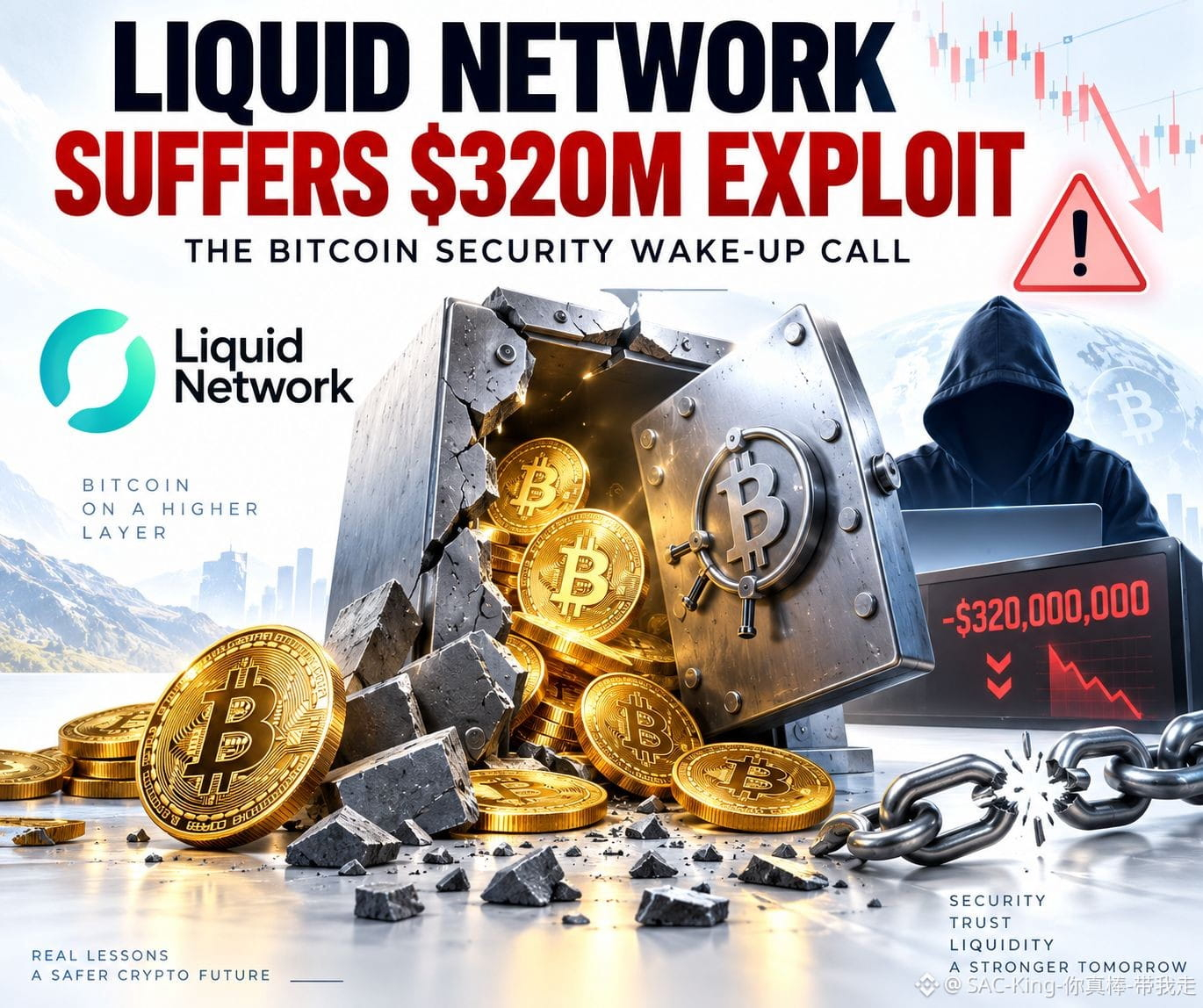
🚨🌊 LIQUID NETWORK SUFFERS $320M EXPLOIT: THE BITCOIN SECURITY WAKE-UP CALL 🌊🚨
When trust sits behind a wall of code,
One hidden flaw can make billions feel exposed.
Liquid Network has suffered a major security incident, with approximately 4,000 BTC worth around $320 million withdrawn from its federation wallet. The network subsequently halted new transactions.
The most unsettling detail? Liquid reported that the cryptographic keys used in the withdrawal were not compromised. The funds moved through SideSwap, an authorized settlement route.
That shifts the conversation from a simple “stolen keys” story toward a deeper infrastructure question: can validation logic and settlement mechanisms remain trustworthy under adversarial conditions?
The individuals behind the withdrawal have described themselves as white-hat hackers and reportedly offered to return most of the Bitcoin after the underlying vulnerability is fixed. That claim and the recovery outcome remain developments to watch.
For crypto markets, the bigger concern is not simply the headline loss. Incidents involving settlement infrastructure can challenge confidence in bridges, federated custody, wrapped assets, and the systems connecting Bitcoin liquidity to trading platforms.
The lesson is uncomfortable but important: security is not proven when nothing goes wrong; it is proven when the system survives what should never have been possible.
Do you think the potential return of the funds changes how seriously the market should view this exploit?
Disclaimer: This is informational content, not financial advice. The incident remains developing, and technical details may change as investigations continue.
#LiquidNetwork #BitcoinSecurity #GrowWithSAC $FET $ATOM $BARD
#LiquidNetworkSuffers$320MExploit
🚨🌊 LIQUID NETWORK SUFFERS $320M EXPLOIT: THE BITCOIN SECURITY WAKE-UP CALL 🌊🚨
When trust sits behind a wall of code,
One hidden flaw can make billions feel exposed.
Liquid Network has suffered a major security incident, with approximately 4,000 BTC worth around $320 million withdrawn from its federation wallet. The network subsequently halted new transactions.
The most unsettling detail? Liquid reported that the cryptographic keys used in the withdrawal were not compromised. The funds moved through SideSwap, an authorized settlement route.
That shifts the conversation from a simple “stolen keys” story toward a deeper infrastructure question: can validation logic and settlement mechanisms remain trustworthy under adversarial conditions?
The individuals behind the withdrawal have described themselves as white-hat hackers and reportedly offered to return most of the Bitcoin after the underlying vulnerability is fixed. That claim and the recovery outcome remain developments to watch.
For crypto markets, the bigger concern is not simply the headline loss. Incidents involving settlement infrastructure can challenge confidence in bridges, federated custody, wrapped assets, and the systems connecting Bitcoin liquidity to trading platforms.
The lesson is uncomfortable but important: security is not proven when nothing goes wrong; it is proven when the system survives what should never have been possible.
Do you think the potential return of the funds changes how seriously the market should view this exploit?
Disclaimer: This is informational content, not financial advice. The incident remains developing, and technical details may change as investigations continue.
#LiquidNetwork #BitcoinSecurity #GrowWithSAC $FET $ATOM $BARD
🚨🌊 LIQUID NETWORK SUFFERS $320M EXPLOIT: THE BITCOIN SECURITY WAKE-UP CALL 🌊🚨
When trust sits behind a wall of code,
One hidden flaw can make billions feel exposed.
Liquid Network has suffered a major security incident, with approximately 4,000 BTC worth around $320 million withdrawn from its federation wallet. The network subsequently halted new transactions.
The most unsettling detail? Liquid reported that the cryptographic keys used in the withdrawal were not compromised. The funds moved through SideSwap, an authorized settlement route.
That shifts the conversation from a simple “stolen keys” story toward a deeper infrastructure question: can validation logic and settlement mechanisms remain trustworthy under adversarial conditions?
The individuals behind the withdrawal have described themselves as white-hat hackers and reportedly offered to return most of the Bitcoin after the underlying vulnerability is fixed. That claim and the recovery outcome remain developments to watch.
For crypto markets, the bigger concern is not simply the headline loss. Incidents involving settlement infrastructure can challenge confidence in bridges, federated custody, wrapped assets, and the systems connecting Bitcoin liquidity to trading platforms.
The lesson is uncomfortable but important: security is not proven when nothing goes wrong; it is proven when the system survives what should never have been possible.
Do you think the potential return of the funds changes how seriously the market should view this exploit?
Disclaimer: This is informational content, not financial advice. The incident remains developing, and technical details may change as investigations continue.
#LiquidNetwork #BitcoinSecurity #GrowWithSAC $FET $ATOM $BARD
1
220
Vitalik Buterin dismissed fears that AI security threats could trigger a massive Bitcoin crash, citing the resilience of cryptography and the potential for future network upgrades.
#VitalikButerin #BitcoinSecurity
Vitalik Buterin dismissed fears that AI security threats could trigger a massive Bitcoin crash, citing the resilience of cryptography and the potential for future network upgrades.
#VitalikButerin #BitcoinSecurity
#VitalikButerin #BitcoinSecurity
63
·
--
中文:
Coldcard黑客开始洗钱了!之前盗走的比特币终于动了,160万美金的BTC被拆成34笔跨链兑换,全部换成ETH,链上侦探Bitquery全程盯着。
金额不大,对盘面没实质冲击,但给硬件钱包的信任度补了一刀。有意思的是黑客急着出货变现,说明他自己也怕砸手里,侧面印证当前行情不太稳。震荡市里,看好自己的私钥才是王道。
#Coldcard黑客 #链上追踪 $BTC $ETH
English:
The Coldcard hacker is on the move! That stolen stash finally woke up - $1.6M in BTC split across 34 cross-chain swaps into ETH, and Bitquery is tracking every step.
Small money, no real market impact, but hardware wallet trust takes another hit. Funny how the thief is rushing to cash out - even he's scared of holding right now. That tells you something about the market. Guard your keys, folks.
#Coldcard #BitcoinSecurity $BTC $ETH
中文:
Coldcard黑客开始洗钱了!之前盗走的比特币终于动了,160万美金的BTC被拆成34笔跨链兑换,全部换成ETH,链上侦探Bitquery全程盯着。
金额不大,对盘面没实质冲击,但给硬件钱包的信任度补了一刀。有意思的是黑客急着出货变现,说明他自己也怕砸手里,侧面印证当前行情不太稳。震荡市里,看好自己的私钥才是王道。
#Coldcard黑客 #链上追踪 $BTC $ETH
English:
The Coldcard hacker is on the move! That stolen stash finally woke up - $1.6M in BTC split across 34 cross-chain swaps into ETH, and Bitquery is tracking every step.
Small money, no real market impact, but hardware wallet trust takes another hit. Funny how the thief is rushing to cash out - even he's scared of holding right now. That tells you something about the market. Guard your keys, folks.
#Coldcard #BitcoinSecurity $BTC $ETH
Coldcard黑客开始洗钱了!之前盗走的比特币终于动了,160万美金的BTC被拆成34笔跨链兑换,全部换成ETH,链上侦探Bitquery全程盯着。
金额不大,对盘面没实质冲击,但给硬件钱包的信任度补了一刀。有意思的是黑客急着出货变现,说明他自己也怕砸手里,侧面印证当前行情不太稳。震荡市里,看好自己的私钥才是王道。
#Coldcard黑客 #链上追踪 $BTC $ETH
English:
The Coldcard hacker is on the move! That stolen stash finally woke up - $1.6M in BTC split across 34 cross-chain swaps into ETH, and Bitquery is tracking every step.
Small money, no real market impact, but hardware wallet trust takes another hit. Funny how the thief is rushing to cash out - even he's scared of holding right now. That tells you something about the market. Guard your keys, folks.
#Coldcard #BitcoinSecurity $BTC $ETH
104

Статья
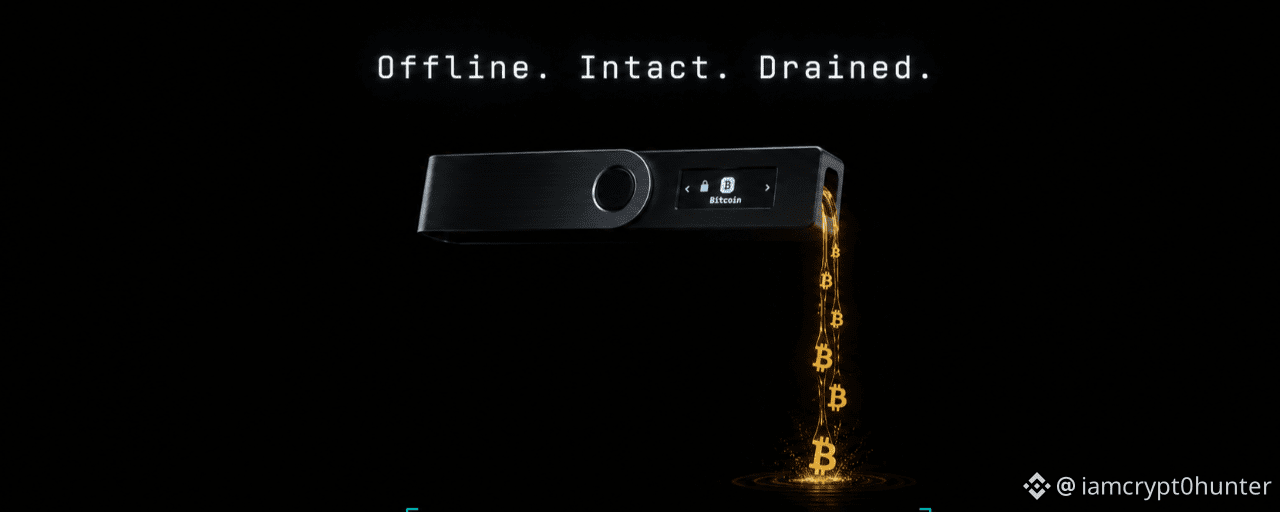
116M$ volés sans toucher un seul Coldcard. Voici comment.Il a tout fait correctement.
Coldcard offline. Jamais connecté à internet.
Seed phrase stockée en sécurité.
Jonathan Goodman a perdu 1,6 million$ quand même le 30 juillet 2026, les attaquants n'avaient pas besoin de son appareil.
Juste de ses clés. Qu'ils ont reconstruites depuis un bureau en seulement 41 minutes.
📌 Comment c'était possible : La faille de 2021
En mars 2021, une mise à jour firmware Coldcard a introduit une erreur silencieuse. Au lieu d'utiliser le générateur aléatoire matériel intégré au dispositif qui lui était conçu pour produire des seeds imprévisibles fit que l'appareil basculait sur un générateur logiciel qui suit des patterns.
Résultat : la force de la clé est passée de 128 bits conçus à seulement 40 bits réels sur les appareils affectés.
40 bits = brute-forceable avec du matériel informatique standard.
Sans jamais toucher physiquement le wallet.
📌 Comment l'attaque s'est déroulée : 4 vagues
Vague 1 le 30 juillet, 41 minutes :
1 082 BTC drainés depuis 1 196 adresses. 70 millions$ en moins d'une heure.
Les attaquants ont généré des seeds candidates, dérivé les adresses que ces seeds produiraient, et vérifié chacune contre la blockchain publique. C'est faisable avec du matériel standard. Parce que l'espace de recherche était suffisamment réduit.
Vagues 2, 3, 4 :
Les attaques suivantes ont ciblé des soldes plus petits avec des patterns de transactions plus complexes et plus difficiles à tracer.
Total final :
1 816 BTC.
116 millions$.
5 200+ adresses.
Le 3ème plus grand hack crypto de 2026.
Total annuel 2026 : désormais plus de 1,2 milliard$ sur 276 incidents.
📌 Ce que ça révèle sur la sécurité crypto
L'attaque expose une vérité que personne ne veut entendre :
Offline ne signifie pas inviolable.
La sécurité d'un hardware wallet dépend de la qualité de la génération de la seed. Si cette génération est prévisible peu importe que l'appareil touche internet ou pas .
La question n'est pas "est-ce que mon wallet est offline ?"
La question est "est-ce que ma seed a été générée avec un vrai aléatoire ?"
📌 Ta checklist de sécurité
✅ Tu as un Coldcard ?
Vérifie si ton firmware date d'après mars 2021. Coinkite recommande de transférer tes fonds immédiatement si tu as généré ta seed sur un appareil potentiellement affecté.
✅ Tu as un autre hardware wallet ?
Vérifie la date de génération de ta seed. Le problème Coldcard vient d'un firmware spécifique mais le principe s'applique à tout wallet dont le générateur aléatoire est douteux.
✅ Tu n'as pas de hardware wallet ?
C'est le bon moment pour comprendre que la sécurité de tes clés > la marque de ton wallet.
✅ Règle universelle : Génère toujours ta seed sur un appareil dont le firmware est vérifié et audité. Jamais en ligne. Jamais sur un téléphone.
📌 Le signal que tout farmer d'airdrops doit retenir
Tu bridges. Tu connectes des wallets à des dApps.
Tu utilises MetaMask, Phantom, Rabby.
Ces wallets hot sont exposés différemment.
Mais la leçon est la même :
La sécurité crypto n'est pas un état permanent.
C'est une pratique continue.
Un firmware mal conçu en 2021.
Des millions perdus en 2026.
Cinq ans d'écart.
Zéro avertissement visible.
Tu utilises un hardware wallet pour tes cryptos ?
Et après cette news, tu fais confiance au cold storage ou tu repenses ta stratégie de sécurité ?
Dis-moi en commentaire.
$BTC
{spot}(BTCUSDT)
$BNB
{spot}(BNBUSDT)
#ColdcardHack #BitcoinSecurity #HardwareWallets
116M$ volés sans toucher un seul Coldcard. Voici comment.
Il a tout fait correctement.
Coldcard offline. Jamais connecté à internet.
Seed phrase stockée en sécurité.
Jonathan Goodman a perdu 1,6 million$ quand même le 30 juillet 2026, les attaquants n'avaient pas besoin de son appareil.
Juste de ses clés. Qu'ils ont reconstruites depuis un bureau en seulement 41 minutes.
📌 Comment c'était possible : La faille de 2021
En mars 2021, une mise à jour firmware Coldcard a introduit une erreur silencieuse. Au lieu d'utiliser le générateur aléatoire matériel intégré au dispositif qui lui était conçu pour produire des seeds imprévisibles fit que l'appareil basculait sur un générateur logiciel qui suit des patterns.
Résultat : la force de la clé est passée de 128 bits conçus à seulement 40 bits réels sur les appareils affectés.
40 bits = brute-forceable avec du matériel informatique standard.
Sans jamais toucher physiquement le wallet.
📌 Comment l'attaque s'est déroulée : 4 vagues
Vague 1 le 30 juillet, 41 minutes :
1 082 BTC drainés depuis 1 196 adresses. 70 millions$ en moins d'une heure.
Les attaquants ont généré des seeds candidates, dérivé les adresses que ces seeds produiraient, et vérifié chacune contre la blockchain publique. C'est faisable avec du matériel standard. Parce que l'espace de recherche était suffisamment réduit.
Vagues 2, 3, 4 :
Les attaques suivantes ont ciblé des soldes plus petits avec des patterns de transactions plus complexes et plus difficiles à tracer.
Total final :
1 816 BTC.
116 millions$.
5 200+ adresses.
Le 3ème plus grand hack crypto de 2026.
Total annuel 2026 : désormais plus de 1,2 milliard$ sur 276 incidents.
📌 Ce que ça révèle sur la sécurité crypto
L'attaque expose une vérité que personne ne veut entendre :
Offline ne signifie pas inviolable.
La sécurité d'un hardware wallet dépend de la qualité de la génération de la seed. Si cette génération est prévisible peu importe que l'appareil touche internet ou pas .
La question n'est pas "est-ce que mon wallet est offline ?"
La question est "est-ce que ma seed a été générée avec un vrai aléatoire ?"
📌 Ta checklist de sécurité
✅ Tu as un Coldcard ?
Vérifie si ton firmware date d'après mars 2021. Coinkite recommande de transférer tes fonds immédiatement si tu as généré ta seed sur un appareil potentiellement affecté.
✅ Tu as un autre hardware wallet ?
Vérifie la date de génération de ta seed. Le problème Coldcard vient d'un firmware spécifique mais le principe s'applique à tout wallet dont le générateur aléatoire est douteux.
✅ Tu n'as pas de hardware wallet ?
C'est le bon moment pour comprendre que la sécurité de tes clés > la marque de ton wallet.
✅ Règle universelle : Génère toujours ta seed sur un appareil dont le firmware est vérifié et audité. Jamais en ligne. Jamais sur un téléphone.
📌 Le signal que tout farmer d'airdrops doit retenir
Tu bridges. Tu connectes des wallets à des dApps.
Tu utilises MetaMask, Phantom, Rabby.
Ces wallets hot sont exposés différemment.
Mais la leçon est la même :
La sécurité crypto n'est pas un état permanent.
C'est une pratique continue.
Un firmware mal conçu en 2021.
Des millions perdus en 2026.
Cinq ans d'écart.
Zéro avertissement visible.
Tu utilises un hardware wallet pour tes cryptos ?
Et après cette news, tu fais confiance au cold storage ou tu repenses ta stratégie de sécurité ?
Dis-moi en commentaire.
$BTC
$BNB
#ColdcardHack #BitcoinSecurity #HardwareWallets
Coldcard offline. Jamais connecté à internet.
Seed phrase stockée en sécurité.
Jonathan Goodman a perdu 1,6 million$ quand même le 30 juillet 2026, les attaquants n'avaient pas besoin de son appareil.
Juste de ses clés. Qu'ils ont reconstruites depuis un bureau en seulement 41 minutes.
📌 Comment c'était possible : La faille de 2021
En mars 2021, une mise à jour firmware Coldcard a introduit une erreur silencieuse. Au lieu d'utiliser le générateur aléatoire matériel intégré au dispositif qui lui était conçu pour produire des seeds imprévisibles fit que l'appareil basculait sur un générateur logiciel qui suit des patterns.
Résultat : la force de la clé est passée de 128 bits conçus à seulement 40 bits réels sur les appareils affectés.
40 bits = brute-forceable avec du matériel informatique standard.
Sans jamais toucher physiquement le wallet.
📌 Comment l'attaque s'est déroulée : 4 vagues
Vague 1 le 30 juillet, 41 minutes :
1 082 BTC drainés depuis 1 196 adresses. 70 millions$ en moins d'une heure.
Les attaquants ont généré des seeds candidates, dérivé les adresses que ces seeds produiraient, et vérifié chacune contre la blockchain publique. C'est faisable avec du matériel standard. Parce que l'espace de recherche était suffisamment réduit.
Vagues 2, 3, 4 :
Les attaques suivantes ont ciblé des soldes plus petits avec des patterns de transactions plus complexes et plus difficiles à tracer.
Total final :
1 816 BTC.
116 millions$.
5 200+ adresses.
Le 3ème plus grand hack crypto de 2026.
Total annuel 2026 : désormais plus de 1,2 milliard$ sur 276 incidents.
📌 Ce que ça révèle sur la sécurité crypto
L'attaque expose une vérité que personne ne veut entendre :
Offline ne signifie pas inviolable.
La sécurité d'un hardware wallet dépend de la qualité de la génération de la seed. Si cette génération est prévisible peu importe que l'appareil touche internet ou pas .
La question n'est pas "est-ce que mon wallet est offline ?"
La question est "est-ce que ma seed a été générée avec un vrai aléatoire ?"
📌 Ta checklist de sécurité
✅ Tu as un Coldcard ?
Vérifie si ton firmware date d'après mars 2021. Coinkite recommande de transférer tes fonds immédiatement si tu as généré ta seed sur un appareil potentiellement affecté.
✅ Tu as un autre hardware wallet ?
Vérifie la date de génération de ta seed. Le problème Coldcard vient d'un firmware spécifique mais le principe s'applique à tout wallet dont le générateur aléatoire est douteux.
✅ Tu n'as pas de hardware wallet ?
C'est le bon moment pour comprendre que la sécurité de tes clés > la marque de ton wallet.
✅ Règle universelle : Génère toujours ta seed sur un appareil dont le firmware est vérifié et audité. Jamais en ligne. Jamais sur un téléphone.
📌 Le signal que tout farmer d'airdrops doit retenir
Tu bridges. Tu connectes des wallets à des dApps.
Tu utilises MetaMask, Phantom, Rabby.
Ces wallets hot sont exposés différemment.
Mais la leçon est la même :
La sécurité crypto n'est pas un état permanent.
C'est une pratique continue.
Un firmware mal conçu en 2021.
Des millions perdus en 2026.
Cinq ans d'écart.
Zéro avertissement visible.
Tu utilises un hardware wallet pour tes cryptos ?
Et après cette news, tu fais confiance au cold storage ou tu repenses ta stratégie de sécurité ?
Dis-moi en commentaire.
$BTC
$BNB
#ColdcardHack #BitcoinSecurity #HardwareWallets
3
730

·
--
Рост
Проверено
#antiquantumbitcointransactionminedonmainnet #bitcoin #BitcoinSecurity
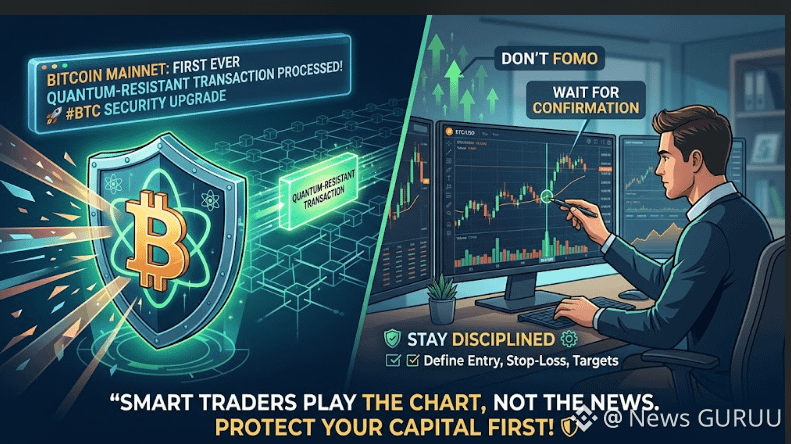
⚛️ BITCOIN TAKES A STEP TOWARD QUANTUM SECURITY!
StarkWare has completed the first quantum-resistant Bitcoin transaction on mainnet, confirmed on August 26 in block 964,199. The test used its Quantum-Safe Bitcoin method without changing Bitcoin’s consensus rules.
📊 Trading Impact:
This is a major long-term security milestone, but it does not change Bitcoin’s rules or economics overnight. Traders should focus on whether price and volume confirm the bullish narrative.
🎯 TRADING VIEW: BUY 📈
The development strengthens Bitcoin’s long-term fundamental story and supports a bullish bias, but entries should still follow confirmed market momentum.
❓ Can this quantum-security breakthrough strengthen BTC’s next rally?"CLICK ON THE BELOW YELLOW COIN TAG TO GO TO DESIRED TRADING PAGE TO GET BENEFIT TRADE"$BNB $BTC $ETH
{spot}(ETHUSDT)
{spot}(BTCUSDT)
{spot}(BNBUSDT)
#antiquantumbitcointransactionminedonmainnet #bitcoin #BitcoinSecurity
⚛️ BITCOIN TAKES A STEP TOWARD QUANTUM SECURITY!
StarkWare has completed the first quantum-resistant Bitcoin transaction on mainnet, confirmed on August 26 in block 964,199. The test used its Quantum-Safe Bitcoin method without changing Bitcoin’s consensus rules.
📊 Trading Impact:
This is a major long-term security milestone, but it does not change Bitcoin’s rules or economics overnight. Traders should focus on whether price and volume confirm the bullish narrative.
🎯 TRADING VIEW: BUY 📈
The development strengthens Bitcoin’s long-term fundamental story and supports a bullish bias, but entries should still follow confirmed market momentum.
❓ Can this quantum-security breakthrough strengthen BTC’s next rally?"CLICK ON THE BELOW YELLOW COIN TAG TO GO TO DESIRED TRADING PAGE TO GET BENEFIT TRADE"$BNB $BTC $ETH
⚛️ BITCOIN TAKES A STEP TOWARD QUANTUM SECURITY!
StarkWare has completed the first quantum-resistant Bitcoin transaction on mainnet, confirmed on August 26 in block 964,199. The test used its Quantum-Safe Bitcoin method without changing Bitcoin’s consensus rules.
📊 Trading Impact:
This is a major long-term security milestone, but it does not change Bitcoin’s rules or economics overnight. Traders should focus on whether price and volume confirm the bullish narrative.
🎯 TRADING VIEW: BUY 📈
The development strengthens Bitcoin’s long-term fundamental story and supports a bullish bias, but entries should still follow confirmed market momentum.
❓ Can this quantum-security breakthrough strengthen BTC’s next rally?"CLICK ON THE BELOW YELLOW COIN TAG TO GO TO DESIRED TRADING PAGE TO GET BENEFIT TRADE"$BNB $BTC $ETH
3
931

·
--
#AntiQuantumBitcoinTransactionMinedOnMainnet 🚨 HISTORY JUST GOT MINED ON BITCOIN — LITERALLY! ₿⚛️
StarkWare researcher Avihu Levy has reportedly completed the first quantum-safe Bitcoin transaction on mainnet — and the interesting part is that it happened without a soft fork, hard fork, or consensus change.
The transaction was confirmed in Block 964,199, spending a 10,000-satoshi output protected by the Quantum-Safe Bitcoin (QSB) scheme and mined through MARA Pool’s Slipstream service.
🔐 Why does this matter?
QSB uses hash-based, quantum-resistant cryptography instead of traditional elliptic-curve signatures. It’s designed to make transactions harder for future quantum computers to attack.
But there’s an important catch 👇
⏱️ It currently takes hours of GPU computation and costs roughly $150–$200 per transaction, so it’s nowhere near everyday use yet.
🚫 QSB transactions are also non-standard under Bitcoin Core relay rules, meaning they currently need direct submission to a participating miner.
🎯 And this doesn’t make the entire Bitcoin network quantum-proof. It mainly protects specific transactions, while coins linked to already-exposed public keys may still face future quantum risks.
The bigger picture? 👀
This looks like an important proof of concept while Bitcoin developers work toward broader protocol-level protection, potentially through upgrades such as BIP-360.
₿ One step closer to a quantum-resistant Bitcoin.
The technology still has a long way to go, but this shows that the concept can actually work on mainnet.
What do you think — is this the beginning of Bitcoin’s quantum-safe era? ⚛️🔥
$BTC $XRP $ZEC
#Bitcoin #CryptoNews #BitcoinSecurity
{spot}(BTCUSDT)
{spot}(XRPUSDT)
{spot}(ZECUSDT)
#AntiQuantumBitcoinTransactionMinedOnMainnet
#AntiQuantumBitcoinTransactionMinedOnMainnet 🚨 HISTORY JUST GOT MINED ON BITCOIN — LITERALLY! ₿⚛️
StarkWare researcher Avihu Levy has reportedly completed the first quantum-safe Bitcoin transaction on mainnet — and the interesting part is that it happened without a soft fork, hard fork, or consensus change.
The transaction was confirmed in Block 964,199, spending a 10,000-satoshi output protected by the Quantum-Safe Bitcoin (QSB) scheme and mined through MARA Pool’s Slipstream service.
🔐 Why does this matter?
QSB uses hash-based, quantum-resistant cryptography instead of traditional elliptic-curve signatures. It’s designed to make transactions harder for future quantum computers to attack.
But there’s an important catch 👇
⏱️ It currently takes hours of GPU computation and costs roughly $150–$200 per transaction, so it’s nowhere near everyday use yet.
🚫 QSB transactions are also non-standard under Bitcoin Core relay rules, meaning they currently need direct submission to a participating miner.
🎯 And this doesn’t make the entire Bitcoin network quantum-proof. It mainly protects specific transactions, while coins linked to already-exposed public keys may still face future quantum risks.
The bigger picture? 👀
This looks like an important proof of concept while Bitcoin developers work toward broader protocol-level protection, potentially through upgrades such as BIP-360.
₿ One step closer to a quantum-resistant Bitcoin.
The technology still has a long way to go, but this shows that the concept can actually work on mainnet.
What do you think — is this the beginning of Bitcoin’s quantum-safe era? ⚛️🔥
$BTC $XRP $ZEC
#Bitcoin #CryptoNews #BitcoinSecurity
#AntiQuantumBitcoinTransactionMinedOnMainnet
StarkWare researcher Avihu Levy has reportedly completed the first quantum-safe Bitcoin transaction on mainnet — and the interesting part is that it happened without a soft fork, hard fork, or consensus change.
The transaction was confirmed in Block 964,199, spending a 10,000-satoshi output protected by the Quantum-Safe Bitcoin (QSB) scheme and mined through MARA Pool’s Slipstream service.
🔐 Why does this matter?
QSB uses hash-based, quantum-resistant cryptography instead of traditional elliptic-curve signatures. It’s designed to make transactions harder for future quantum computers to attack.
But there’s an important catch 👇
⏱️ It currently takes hours of GPU computation and costs roughly $150–$200 per transaction, so it’s nowhere near everyday use yet.
🚫 QSB transactions are also non-standard under Bitcoin Core relay rules, meaning they currently need direct submission to a participating miner.
🎯 And this doesn’t make the entire Bitcoin network quantum-proof. It mainly protects specific transactions, while coins linked to already-exposed public keys may still face future quantum risks.
The bigger picture? 👀
This looks like an important proof of concept while Bitcoin developers work toward broader protocol-level protection, potentially through upgrades such as BIP-360.
₿ One step closer to a quantum-resistant Bitcoin.
The technology still has a long way to go, but this shows that the concept can actually work on mainnet.
What do you think — is this the beginning of Bitcoin’s quantum-safe era? ⚛️🔥
$BTC $XRP $ZEC
#Bitcoin #CryptoNews #BitcoinSecurity
#AntiQuantumBitcoinTransactionMinedOnMainnet
89

34% of all #Bitcoin❗ in circulation remains quantum-vulnerable today. @quipnetwork
’s post-quantum firewall contract on Arch Network now gives every BTC holder a way to protect their funds immediately — no fork, no frozen coins, no consensus changes. Your existing wallet stays untouched while gaining military-grade WOTS+ quantum resistance. With Q-Day risks rising fast, this is the practical solution institutions and smart holders are adopting right now. Protection is already live across $BTC , $ETH , and $SOL .
@quipnetwork
#PostQuantumBTC #BitcoinSecurity
34% of all #Bitcoin❗ in circulation remains quantum-vulnerable today. @quipnetwork
’s post-quantum firewall contract on Arch Network now gives every BTC holder a way to protect their funds immediately — no fork, no frozen coins, no consensus changes. Your existing wallet stays untouched while gaining military-grade WOTS+ quantum resistance. With Q-Day risks rising fast, this is the practical solution institutions and smart holders are adopting right now. Protection is already live across $BTC , $ETH , and $SOL .
@quipnetwork
#PostQuantumBTC #BitcoinSecurity
’s post-quantum firewall contract on Arch Network now gives every BTC holder a way to protect their funds immediately — no fork, no frozen coins, no consensus changes. Your existing wallet stays untouched while gaining military-grade WOTS+ quantum resistance. With Q-Day risks rising fast, this is the practical solution institutions and smart holders are adopting right now. Protection is already live across $BTC , $ETH , and $SOL .
@quipnetwork
#PostQuantumBTC #BitcoinSecurity
1
46

·
--
Tuyệt vời! Hãy cùng "bóc tách" tin tức này theo phong cách của một KOL Crypto chuyên sâu nhé:
---
**⚡️ CUỘC ĐUA KHÔNG GIAN CỦA BITCOIN: Ai đang 'Bọc Thép Lượng Tử' cho Vua Crypto? ⚡️**
Mối đe dọa từ máy tính lượng tử đối với bảo mật của Bitcoin luôn là một chủ đề nóng hổi trong giới công nghệ. Và giờ đây, một trong những "ông lớn" của thị trường crypto đã có động thái cực kỳ quyết liệt!
**Tin tức nóng hổi vừa được Galaxy Digital công bố cho thấy một tầm nhìn xa hơn về tương lai của Bitcoin:**
* Ông lớn này đã cam kết rót tới **5 triệu USD** vào các khoản tài trợ để hỗ trợ các nhà phát triển củng cố khả năng bảo mật của Bitcoin trước mối đe dọa tiềm tàng từ máy tính lượng tử.
* Bên cạnh đó, một hội đồng các chuyên gia cố vấn hàng đầu về công nghệ lượng tử cũng đã được thành lập. Nhiệm vụ chính của họ là nghiên cứu các giải pháp chuyển đổi an toàn, giúp Bitcoin **"miễn nhiễm"** với các cuộc tấn công lượng tử trong tương lai.
**Góc nhìn cá nhân:**
Đây không phải là tin tức gây biến động giá Bitcoin trong ngắn hạn, nhưng tầm quan trọng của nó đối với dài hạn là không thể phủ nhận. Việc các tổ chức có tầm cỡ như Galaxy Digital chủ động đầu tư vào việc bảo vệ Bitcoin khỏi một mối đe dọa công nghệ còn khá xa vời cho thấy một niềm tin vững chắc vào sự bền vững và giá trị cốt lõi của Vua Crypto. Nó củng cố câu chuyện về khả năng thích ứng của Bitcoin và là một dấu hiệu tích cực cho sự chấp nhận rộng rãi hơn trong tương lai, khi mọi rủi ro tiềm ẩn đều được tính toán và phòng ngừa. Đây là một bước đi chiến lược, thể hiện sự trưởng thành và tầm nhìn của cả hệ sinh thái.
Bạn nghĩ sao về động thái tiên phong này của Galaxy? Liệu việc "bọc thép lượng tử" cho Bitcoin có phải là ưu tiên hàng đầu ngay lúc này, hay chúng ta còn nhiều vấn đề khác cần giải quyết hơn? Hãy chia sẻ quan điểm của bạn ở phần bình luận nhé!
Đừng quên bấm **Theo Dõi** kênh để không bỏ lỡ những phân tích và tin tức Crypto chất lượng từ mình!
#CryptoNews #TrendingNews #BitcoinSecurity #QuantumComputing $BTC
Tuyệt vời! Hãy cùng "bóc tách" tin tức này theo phong cách của một KOL Crypto chuyên sâu nhé:
---
**⚡️ CUỘC ĐUA KHÔNG GIAN CỦA BITCOIN: Ai đang 'Bọc Thép Lượng Tử' cho Vua Crypto? ⚡️**
Mối đe dọa từ máy tính lượng tử đối với bảo mật của Bitcoin luôn là một chủ đề nóng hổi trong giới công nghệ. Và giờ đây, một trong những "ông lớn" của thị trường crypto đã có động thái cực kỳ quyết liệt!
**Tin tức nóng hổi vừa được Galaxy Digital công bố cho thấy một tầm nhìn xa hơn về tương lai của Bitcoin:**
* Ông lớn này đã cam kết rót tới **5 triệu USD** vào các khoản tài trợ để hỗ trợ các nhà phát triển củng cố khả năng bảo mật của Bitcoin trước mối đe dọa tiềm tàng từ máy tính lượng tử.
* Bên cạnh đó, một hội đồng các chuyên gia cố vấn hàng đầu về công nghệ lượng tử cũng đã được thành lập. Nhiệm vụ chính của họ là nghiên cứu các giải pháp chuyển đổi an toàn, giúp Bitcoin **"miễn nhiễm"** với các cuộc tấn công lượng tử trong tương lai.
**Góc nhìn cá nhân:**
Đây không phải là tin tức gây biến động giá Bitcoin trong ngắn hạn, nhưng tầm quan trọng của nó đối với dài hạn là không thể phủ nhận. Việc các tổ chức có tầm cỡ như Galaxy Digital chủ động đầu tư vào việc bảo vệ Bitcoin khỏi một mối đe dọa công nghệ còn khá xa vời cho thấy một niềm tin vững chắc vào sự bền vững và giá trị cốt lõi của Vua Crypto. Nó củng cố câu chuyện về khả năng thích ứng của Bitcoin và là một dấu hiệu tích cực cho sự chấp nhận rộng rãi hơn trong tương lai, khi mọi rủi ro tiềm ẩn đều được tính toán và phòng ngừa. Đây là một bước đi chiến lược, thể hiện sự trưởng thành và tầm nhìn của cả hệ sinh thái.
Bạn nghĩ sao về động thái tiên phong này của Galaxy? Liệu việc "bọc thép lượng tử" cho Bitcoin có phải là ưu tiên hàng đầu ngay lúc này, hay chúng ta còn nhiều vấn đề khác cần giải quyết hơn? Hãy chia sẻ quan điểm của bạn ở phần bình luận nhé!
Đừng quên bấm **Theo Dõi** kênh để không bỏ lỡ những phân tích và tin tức Crypto chất lượng từ mình!
#CryptoNews #TrendingNews #BitcoinSecurity #QuantumComputing $BTC
---
**⚡️ CUỘC ĐUA KHÔNG GIAN CỦA BITCOIN: Ai đang 'Bọc Thép Lượng Tử' cho Vua Crypto? ⚡️**
Mối đe dọa từ máy tính lượng tử đối với bảo mật của Bitcoin luôn là một chủ đề nóng hổi trong giới công nghệ. Và giờ đây, một trong những "ông lớn" của thị trường crypto đã có động thái cực kỳ quyết liệt!
**Tin tức nóng hổi vừa được Galaxy Digital công bố cho thấy một tầm nhìn xa hơn về tương lai của Bitcoin:**
* Ông lớn này đã cam kết rót tới **5 triệu USD** vào các khoản tài trợ để hỗ trợ các nhà phát triển củng cố khả năng bảo mật của Bitcoin trước mối đe dọa tiềm tàng từ máy tính lượng tử.
* Bên cạnh đó, một hội đồng các chuyên gia cố vấn hàng đầu về công nghệ lượng tử cũng đã được thành lập. Nhiệm vụ chính của họ là nghiên cứu các giải pháp chuyển đổi an toàn, giúp Bitcoin **"miễn nhiễm"** với các cuộc tấn công lượng tử trong tương lai.
**Góc nhìn cá nhân:**
Đây không phải là tin tức gây biến động giá Bitcoin trong ngắn hạn, nhưng tầm quan trọng của nó đối với dài hạn là không thể phủ nhận. Việc các tổ chức có tầm cỡ như Galaxy Digital chủ động đầu tư vào việc bảo vệ Bitcoin khỏi một mối đe dọa công nghệ còn khá xa vời cho thấy một niềm tin vững chắc vào sự bền vững và giá trị cốt lõi của Vua Crypto. Nó củng cố câu chuyện về khả năng thích ứng của Bitcoin và là một dấu hiệu tích cực cho sự chấp nhận rộng rãi hơn trong tương lai, khi mọi rủi ro tiềm ẩn đều được tính toán và phòng ngừa. Đây là một bước đi chiến lược, thể hiện sự trưởng thành và tầm nhìn của cả hệ sinh thái.
Bạn nghĩ sao về động thái tiên phong này của Galaxy? Liệu việc "bọc thép lượng tử" cho Bitcoin có phải là ưu tiên hàng đầu ngay lúc này, hay chúng ta còn nhiều vấn đề khác cần giải quyết hơn? Hãy chia sẻ quan điểm của bạn ở phần bình luận nhé!
Đừng quên bấm **Theo Dõi** kênh để không bỏ lỡ những phân tích và tin tức Crypto chất lượng từ mình!
#CryptoNews #TrendingNews #BitcoinSecurity #QuantumComputing $BTC
47
Войдите, чтобы посмотреть больше материала
Присоединяйтесь к пользователям криптовалют по всему миру на Binance Square
⚡️ Получайте новейшую и полезную информацию о криптоактивах.
💬 Нам доверяет крупнейшая в мире криптобиржа.
👍 Получите достоверные аналитические данные от верифицированных создателей контента.
Эл. почта/номер телефона
В тренде
1
#BinanceKZ
Просмотров: 9,173
51 обсуждают
2
#EarningsSeason
Просмотров: 70,817
706 обсуждают
3
#ECBToTestAIAgentsInDigitalEuroPayments
Просмотров: 0
15 обсуждают
4
#JapanFSABacksFourthStablecoinTradeSettlementPilot
Просмотров: 1,457
138 обсуждают
5
#BitgetHackerFailsToMoveStolenFunds
Просмотров: 8,001
274 обсуждают
6
#BitMineETHHoldingsTop6Million
Просмотров: 11,159
437 обсуждают
7
#StrategyAdds1666BTCHoldingsReach847666
Просмотров: 9,975
295 обсуждают
8
#NvidiaApproves$150BBuyback
Просмотров: 3,287
60 обсуждают
9
#OpenAIDelaysGPT6.1OverSafetyIssues
Просмотров: 22,388
631 обсуждают
10
#AMDToAcquireWorldLabsFor$8.2B
Просмотров: 1,643
51 обсуждают