

#btcfi
btcfi
Просмотров: 861,404
4,054 обсуждают
Популярные
Новые
·
--
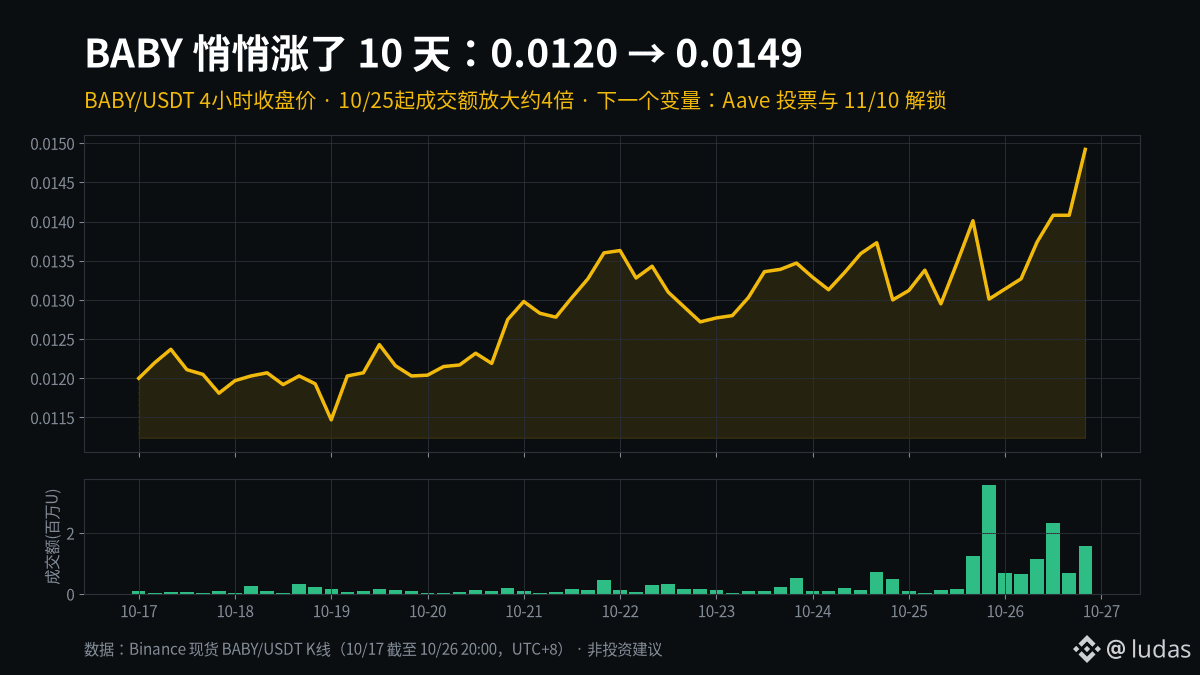
BABY 没什么热搜,却悄悄涨了 10 天 👀
📊 Binance 现货:10/17 收 0.01203 → 现约 0.0149,24h +13.9%,10 天约 +24%
🔥 10/25 日成交额约 642 万 U,是前一天(168 万)的近 4 倍,今天仍有约 574 万
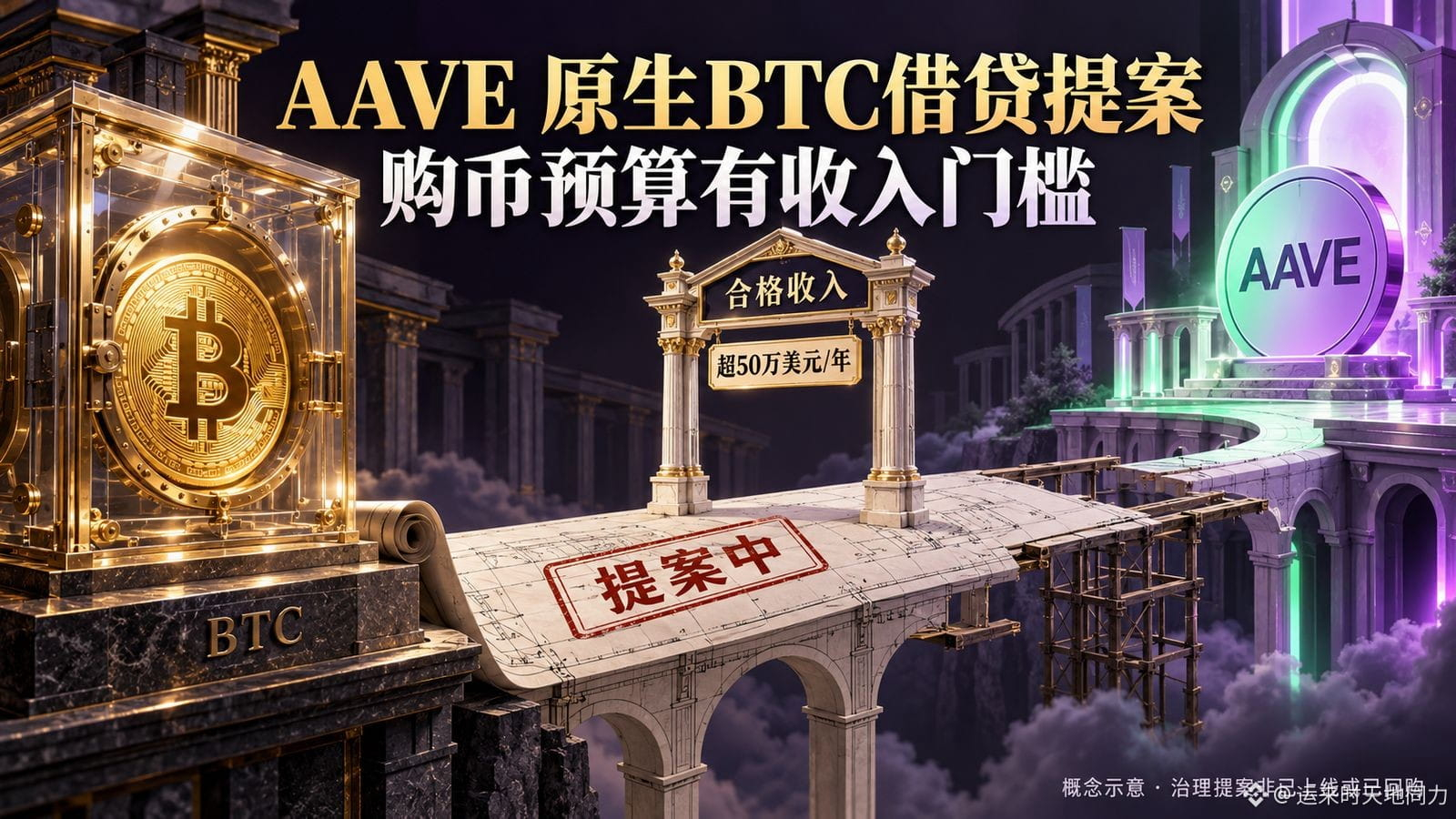
🧵 背景(Alea Research):Babylon Q3 末在比特币链上质押 40,481 枚 BTC;10/14 让原生 BTC 作 Aave V4 抵押的提案进入最终意见阶段(ARFC),还要过 Snapshot 和链上投票
⚠️ 对冲项(CoinGecko):11/10 解锁约 1.36 亿枚(约总量 1.2%);团队计划 11 月底前提交代币经济调整
我的看法:这波更像是在提前交易"BTC 抵押借贷能给 BABY 带来真实收入"的预期,没有看到单一官方利好公告。投票节奏和 11/10 解锁,才是接下来要盯的两个时间点。非投资建议。
原生 BTC 进 Aave,你觉得会成为 BTCFi 的转折点吗?评论区聊聊 👇
觉得有用点个赞~
$BABY $AAVE $BTC
#BTCFi #Babylon #山寨币
BABY 没什么热搜,却悄悄涨了 10 天 👀
📊 Binance 现货:10/17 收 0.01203 → 现约 0.0149,24h +13.9%,10 天约 +24%
🔥 10/25 日成交额约 642 万 U,是前一天(168 万)的近 4 倍,今天仍有约 574 万
🧵 背景(Alea Research):Babylon Q3 末在比特币链上质押 40,481 枚 BTC;10/14 让原生 BTC 作 Aave V4 抵押的提案进入最终意见阶段(ARFC),还要过 Snapshot 和链上投票
⚠️ 对冲项(CoinGecko):11/10 解锁约 1.36 亿枚(约总量 1.2%);团队计划 11 月底前提交代币经济调整
我的看法:这波更像是在提前交易"BTC 抵押借贷能给 BABY 带来真实收入"的预期,没有看到单一官方利好公告。投票节奏和 11/10 解锁,才是接下来要盯的两个时间点。非投资建议。
原生 BTC 进 Aave,你觉得会成为 BTCFi 的转折点吗?评论区聊聊 👇
觉得有用点个赞~
$BABY $AAVE $BTC
#BTCFi #Babylon #山寨币
📊 Binance 现货:10/17 收 0.01203 → 现约 0.0149,24h +13.9%,10 天约 +24%
🔥 10/25 日成交额约 642 万 U,是前一天(168 万)的近 4 倍,今天仍有约 574 万
🧵 背景(Alea Research):Babylon Q3 末在比特币链上质押 40,481 枚 BTC;10/14 让原生 BTC 作 Aave V4 抵押的提案进入最终意见阶段(ARFC),还要过 Snapshot 和链上投票
⚠️ 对冲项(CoinGecko):11/10 解锁约 1.36 亿枚(约总量 1.2%);团队计划 11 月底前提交代币经济调整
我的看法:这波更像是在提前交易"BTC 抵押借贷能给 BABY 带来真实收入"的预期,没有看到单一官方利好公告。投票节奏和 11/10 解锁,才是接下来要盯的两个时间点。非投资建议。
原生 BTC 进 Aave,你觉得会成为 BTCFi 的转折点吗?评论区聊聊 👇
觉得有用点个赞~
$BABY $AAVE $BTC
#BTCFi #Babylon #山寨币
476

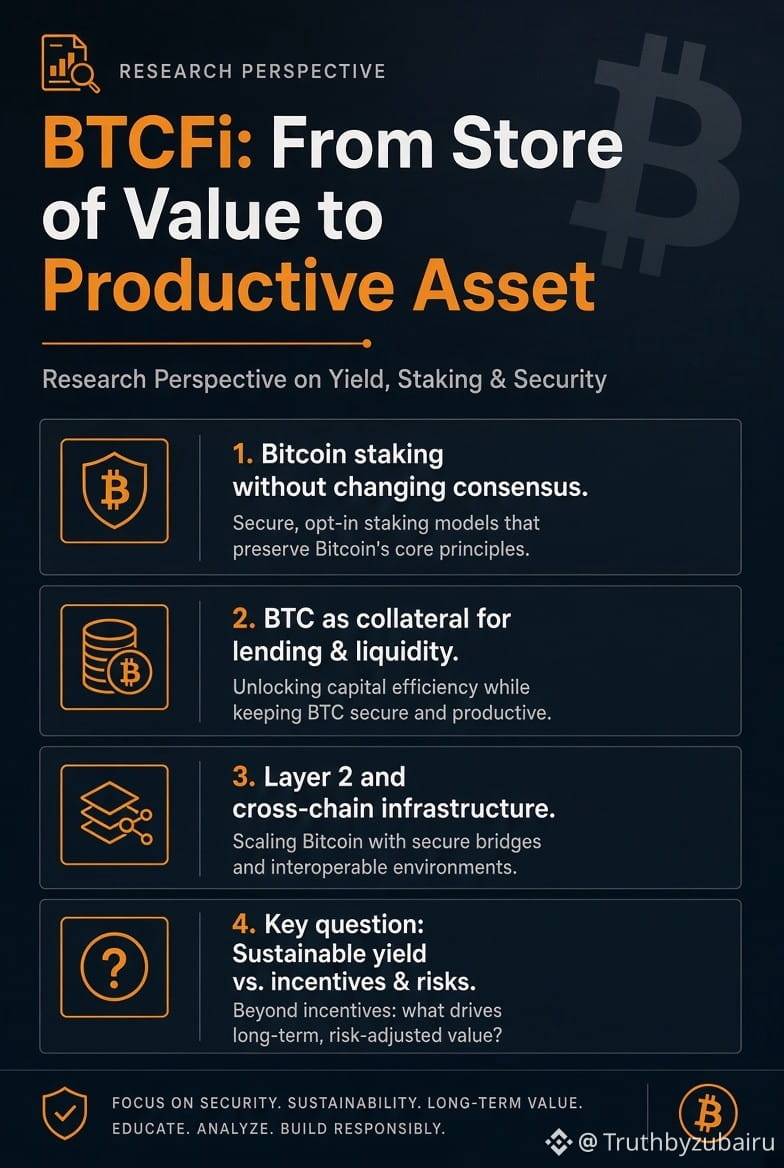
What really BTCFi means?
1. Bitcoin staking without changing consensus.
Secure, opt-in staking models that reserve Bitcoin's core principles.
2. $BTC as colleteral for lending and liquidity.
Unlocking capital and efficiency while keeping BTC secure and productive.
3. Layer 2 and cross-chain infrastructure.
Scaling Bitcoin with secure bridges and interoperable environments.
4. Key Question: Sustainable yield vs incentive & risk.
Beyond incentive: what drives long-term, risk-adjusted value?
#BTCFi
What really BTCFi means?
1. Bitcoin staking without changing consensus.
Secure, opt-in staking models that reserve Bitcoin's core principles.
2. $BTC as colleteral for lending and liquidity.
Unlocking capital and efficiency while keeping BTC secure and productive.
3. Layer 2 and cross-chain infrastructure.
Scaling Bitcoin with secure bridges and interoperable environments.
4. Key Question: Sustainable yield vs incentive & risk.
Beyond incentive: what drives long-term, risk-adjusted value?
#BTCFi
1. Bitcoin staking without changing consensus.
Secure, opt-in staking models that reserve Bitcoin's core principles.
2. $BTC as colleteral for lending and liquidity.
Unlocking capital and efficiency while keeping BTC secure and productive.
3. Layer 2 and cross-chain infrastructure.
Scaling Bitcoin with secure bridges and interoperable environments.
4. Key Question: Sustainable yield vs incentive & risk.
Beyond incentive: what drives long-term, risk-adjusted value?
#BTCFi
62

Статья
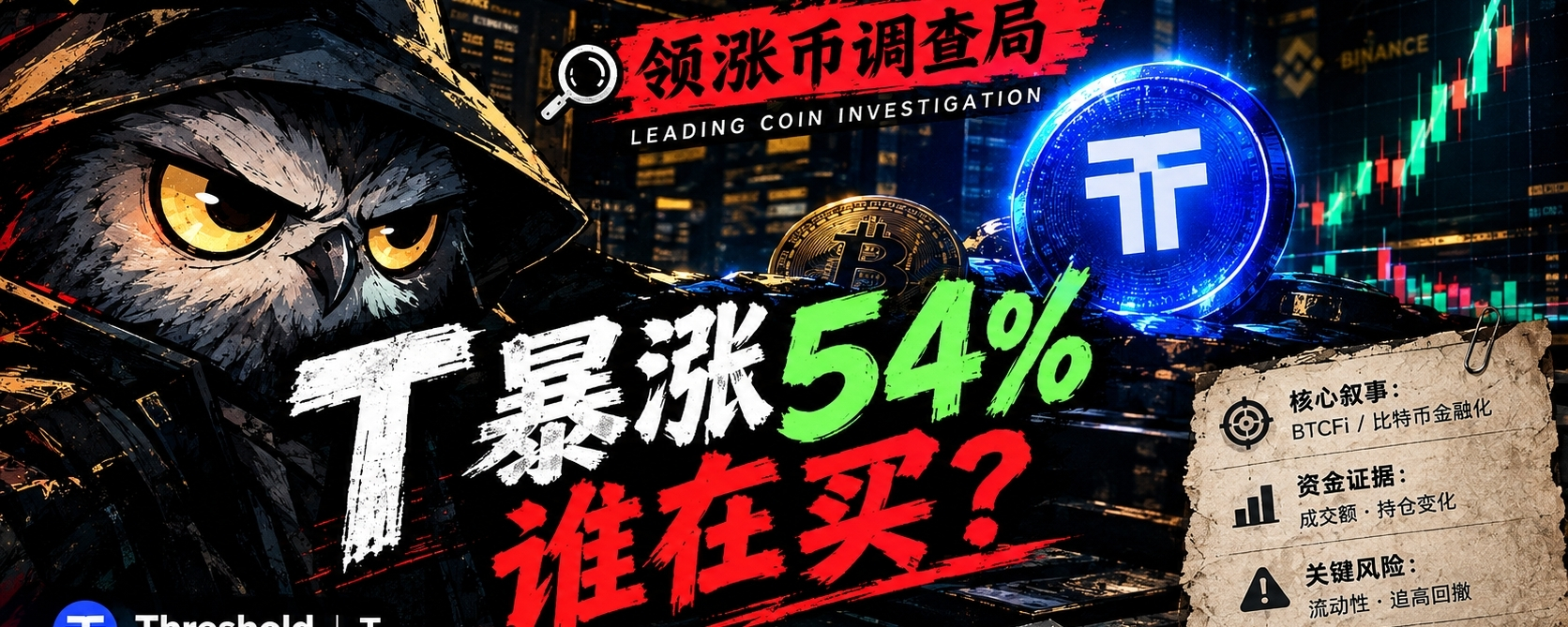
领涨币调查局①|T 一夜暴涨54%:叙事点火,还是资金请君入瓮?交易领涨币之前,先看一眼。看清来头,读懂资金,冷静之后再交易。
今天调查的主角:Threshold(T)。
10月25日9:30,币安T/USDT 现货报价0.00727 USDT,24小时上涨54.35%,最高触及0.00791 USDT,成交额约556.09万 USDT。
一根大阳线,把一个横盘的老项目重新送进了交易者的视野。
但先别急着喊牛回。
山寨币突然暴涨,通常有几种可能:项目出现新催化剂、资金借叙事炒作、空头集中平仓,或者少量资金就撬动了有限的流动性。
这次 T 属于哪一种?我们从项目最近的动静开始调查。
一、先看项目:Threshold 到底在讲什么故事?
Threshold 的核心产品是 tBTC,目标是让比特币能够以去中心化的方式进入以太坊等链上金融市场。
简单说,BTC 本身是巨大的资产池,但持有 BTC 的人想参与链上借贷、流动性和其他金融活动,需要解决资产跨链、托管信任与安全性问题。
Threshold 想提供的,就是这套基础设施。
它押注的核心叙事是 BTCFi——比特币金融化。
这条叙事有现实需求。比特币持有者希望提高资产使用效率,机构也希望在保留资产控制权的同时,让 BTC 参与借贷市场。
但叙事有多大,和某个代币能捕获多少价值,是两回事。
市场可以为一个未来买单,最终仍要看资金有没有进来、产品有没有人用、代币有没有真实需求。
二、项目最近发生了什么?三条消息值得关注
① 10月9日:官方披露9月进展,重点推进安全升级与机构业务
Threshold 在9月持续加强 tBTC 跨链桥的安全检查,并推进 FROST/Schnorr 签名机制迁移。
与此同时,项目公布了 Verifiable Bitcoin Accounts(VBA)的技术规范,继续推进机构级比特币账户方案。
VBA 的核心卖点,是让机构在保留既有托管安排的基础上,使用可独立验证的 BTC 参与链上金融活动。
这条消息释放的信号是:项目正试图从加密原生用户市场,进一步拓展到机构比特币金融服务。
不过,技术规范、潜在客户审查和真实资金入场之间,还有一段路要走。官方9月总结仍将机构客户审查列为推进中的工作。
② 10月15日:官方继续强化机构比特币借贷叙事
Threshold 发布了关于机构如何将比特币从被动储备转向借贷市场的专题内容。
核心逻辑很直接:机构持有 BTC,可以尝试通过抵押或相关金融安排获取流动性,满足资金需求,同时保留比特币敞口。
这条叙事把 Threshold 放进了一个更大的赛道——机构资产管理、比特币抵押借贷和链上金融基础设施。
对市场来说,这提供了想象空间;对投资者来说,真正重要的是后续有没有机构落地、实际资金规模有没有扩大。
③ 6月16日:Abra 将相关借贷平台抵押资产方案转向 tBTC
Threshold 官方披露,Abra 将其比特币支持的借贷平台抵押资产方案从 WBTC 转向 tBTC。
这是一个比单纯发布路线图更具体的业务案例,因为它涉及实际产品使用。
但这条消息发布于6月,属于历史业务进展。它能帮助我们理解项目的基本面,不能单独证明10月25日这轮暴涨由它触发。
调查结论: 最近的项目动态确实围绕机构采用、比特币借贷和基础设施安全展开。不过,目前还缺乏证据证明某一条官方消息就是本轮54.35%涨幅的直接导火索。
消息是真的,因果关系还需要继续查。
三、市场到底在炒什么?三种资金逻辑
第一种:炒 BTCFi 的未来。
如果市场开始重新关注比特币金融化,相关基础设施代币可能获得资金轮动。
Threshold 有 tBTC 产品,也有机构业务布局,因此具备可以被市场交易的叙事。
但赛道受关注,不代表所有相关代币都会同步受益。
第二种:提前交易项目预期。
机构业务、VBA 和签名升级都可以成为预期交易的素材。
资金可能提前布局,等消息发酵后寻找流动性退出。也可能是市场先出现价格异动,随后交易者才开始寻找能解释上涨的故事。
这两种情况,从时间线上看很容易混在一起。
第三种:纯粹的短线资金博弈。
一枚代币突然上涨,会迅速进入涨幅榜,吸引套利者、追涨者和合约交易者。
关注度上升又可能带来更多交易,形成价格与注意力相互强化的循环。
这时,项目叙事可能只是资金选择的包装。推动价格的核心力量,仍可能是流动性、持仓结构和大额订单。
目前的公开信息无法确认这三种逻辑各自贡献了多少。
四、技术面只看关键证据:这根大阳线说明了什么?
先看币安中的几个数据:
24小时涨幅:+54.35%
24小时最高价:0.00791 USDT
截图现价:0.00727 USDT
24小时成交额:约556.09万 USDT
1小时 RSI(6):约90.58
价格从0.00450 USDT附近快速拉升,成交量明显放大。
这说明短时间内交易活跃度和价格波动显著上升,但仅凭现货K线,无法判断究竟是谁在买、谁在卖,也无法确认是否存在某个大户控盘。
RSI达到90.58,反映的是短线涨速极快。它可以提示追涨风险,却不能单独证明行情即将反转。
接下来重点观察三个价位:
0.00791 USDT: 截图中的本轮高点,关注突破后能否站稳。
0.0065—0.0066 USDT: 观察急涨后的回踩是否有承接。
0.0051—0.0053 USDT: 观察更深回撤时,价格能否重新获得支撑。
这些是目前观察区域,实际交易还需要结合后续行情变化。
真正有价值的后续数据,是现货成交量、买卖深度、合约未平仓量(OI)、资金费率和爆仓情况。
如果价格上涨同时伴随 OI 持续增加,说明合约持仓在扩张,但多空双方都可能增加仓位;如果价格上涨而 OI 下降,则需要考虑空头平仓等因素。
单独一个指标,无法直接给出庄家意图。
五、最关键的问题:这是行情启动,还是请君入瓮?
我们把两种情景摆出来。
情景 A:资金发现了新叙事。
如果后续出现可验证的机构采用进展,tBTC 的实际使用量和协议活动持续改善,T 的代币需求机制也能承接业务增长,那么本轮行情可能只是市场重新定价的开始。
这条路径需要基本面数据持续兑现。
情景 B:资金利用低位与关注度制造急涨。
如果项目缺乏新的实质进展,价格却在短时间内快速拉升;随后成交量萎缩、买盘深度不足、价格迅速跌回原来的区间,那么这轮行情可能主要由短线资金推动。
对于流动性有限的山寨币,大额资金确实可能对短期价格产生显著影响。早期买入者也可能利用涨幅榜带来的关注度寻找退出流动性。
不过,现有数据不足以证明有人正在刻意诱多,更不足以认定已经出现操纵或出货。
判断是否存在诱多迹象,要看后续证据,而不是只看涨幅有多夸张。
六、调查员的观察清单
接下来,我会重点追踪四件事:
项目消息: 是否出现新的官方公告、机构客户落地或产品部署成果。真实使用: tBTC 铸造、赎回、TVL 和协议手续费是否持续增长。代币价值: 质押、费用优惠、治理及其他代币需求机制,能否受益于业务增长。市场资金: 价格上涨时的成交量、订单簿深度、OI、资金费率和爆仓变化,是否支持趋势延续。
如果叙事兑现、业务增长与资金流入相互验证,行情才有更坚实的基础。
如果只有价格飞涨,项目数据和真实需求跟不上,那么交易者面对的主要就是短线博弈。
领涨币调查局,本期结论:
Threshold 有 BTCFi 和机构比特币金融服务的叙事,近期也确实推进了 VBA、tBTC 安全升级和借贷业务布局。
但这些进展尚不足以解释本轮暴涨的直接原因。现阶段更合理的做法,是把它列入重点观察名单,继续核查资金结构与后续基本面数据。
涨幅榜负责把币推到你眼前,调查负责提醒你:是谁把它推上去的,谁又可能在等你买单。
交易领涨币之前,先看一眼。看清来头,读懂资金,冷静之后再交易。
你认为 T 这轮上涨,主要是在交易 BTCFi 叙事,还是短线资金借关注度制造的行情?
#领涨币调查局 #threshold #BTCFi #股票财报季
$T $BTC
{future}(TUSDT)
领涨币调查局①|T 一夜暴涨54%:叙事点火,还是资金请君入瓮?
交易领涨币之前,先看一眼。看清来头,读懂资金,冷静之后再交易。
今天调查的主角:Threshold(T)。
10月25日9:30,币安T/USDT 现货报价0.00727 USDT,24小时上涨54.35%,最高触及0.00791 USDT,成交额约556.09万 USDT。
一根大阳线,把一个横盘的老项目重新送进了交易者的视野。
但先别急着喊牛回。
山寨币突然暴涨,通常有几种可能:项目出现新催化剂、资金借叙事炒作、空头集中平仓,或者少量资金就撬动了有限的流动性。
这次 T 属于哪一种?我们从项目最近的动静开始调查。
一、先看项目:Threshold 到底在讲什么故事?
Threshold 的核心产品是 tBTC,目标是让比特币能够以去中心化的方式进入以太坊等链上金融市场。
简单说,BTC 本身是巨大的资产池,但持有 BTC 的人想参与链上借贷、流动性和其他金融活动,需要解决资产跨链、托管信任与安全性问题。
Threshold 想提供的,就是这套基础设施。
它押注的核心叙事是 BTCFi——比特币金融化。
这条叙事有现实需求。比特币持有者希望提高资产使用效率,机构也希望在保留资产控制权的同时,让 BTC 参与借贷市场。
但叙事有多大,和某个代币能捕获多少价值,是两回事。
市场可以为一个未来买单,最终仍要看资金有没有进来、产品有没有人用、代币有没有真实需求。
二、项目最近发生了什么?三条消息值得关注
① 10月9日:官方披露9月进展,重点推进安全升级与机构业务
Threshold 在9月持续加强 tBTC 跨链桥的安全检查,并推进 FROST/Schnorr 签名机制迁移。
与此同时,项目公布了 Verifiable Bitcoin Accounts(VBA)的技术规范,继续推进机构级比特币账户方案。
VBA 的核心卖点,是让机构在保留既有托管安排的基础上,使用可独立验证的 BTC 参与链上金融活动。
这条消息释放的信号是:项目正试图从加密原生用户市场,进一步拓展到机构比特币金融服务。
不过,技术规范、潜在客户审查和真实资金入场之间,还有一段路要走。官方9月总结仍将机构客户审查列为推进中的工作。
② 10月15日:官方继续强化机构比特币借贷叙事
Threshold 发布了关于机构如何将比特币从被动储备转向借贷市场的专题内容。
核心逻辑很直接:机构持有 BTC,可以尝试通过抵押或相关金融安排获取流动性,满足资金需求,同时保留比特币敞口。
这条叙事把 Threshold 放进了一个更大的赛道——机构资产管理、比特币抵押借贷和链上金融基础设施。
对市场来说,这提供了想象空间;对投资者来说,真正重要的是后续有没有机构落地、实际资金规模有没有扩大。
③ 6月16日:Abra 将相关借贷平台抵押资产方案转向 tBTC
Threshold 官方披露,Abra 将其比特币支持的借贷平台抵押资产方案从 WBTC 转向 tBTC。
这是一个比单纯发布路线图更具体的业务案例,因为它涉及实际产品使用。
但这条消息发布于6月,属于历史业务进展。它能帮助我们理解项目的基本面,不能单独证明10月25日这轮暴涨由它触发。
调查结论: 最近的项目动态确实围绕机构采用、比特币借贷和基础设施安全展开。不过,目前还缺乏证据证明某一条官方消息就是本轮54.35%涨幅的直接导火索。
消息是真的,因果关系还需要继续查。
三、市场到底在炒什么?三种资金逻辑
第一种:炒 BTCFi 的未来。
如果市场开始重新关注比特币金融化,相关基础设施代币可能获得资金轮动。
Threshold 有 tBTC 产品,也有机构业务布局,因此具备可以被市场交易的叙事。
但赛道受关注,不代表所有相关代币都会同步受益。
第二种:提前交易项目预期。
机构业务、VBA 和签名升级都可以成为预期交易的素材。
资金可能提前布局,等消息发酵后寻找流动性退出。也可能是市场先出现价格异动,随后交易者才开始寻找能解释上涨的故事。
这两种情况,从时间线上看很容易混在一起。
第三种:纯粹的短线资金博弈。
一枚代币突然上涨,会迅速进入涨幅榜,吸引套利者、追涨者和合约交易者。
关注度上升又可能带来更多交易,形成价格与注意力相互强化的循环。
这时,项目叙事可能只是资金选择的包装。推动价格的核心力量,仍可能是流动性、持仓结构和大额订单。
目前的公开信息无法确认这三种逻辑各自贡献了多少。
四、技术面只看关键证据:这根大阳线说明了什么?
先看币安中的几个数据:
24小时涨幅:+54.35%
24小时最高价:0.00791 USDT
截图现价:0.00727 USDT
24小时成交额:约556.09万 USDT
1小时 RSI(6):约90.58
价格从0.00450 USDT附近快速拉升,成交量明显放大。
这说明短时间内交易活跃度和价格波动显著上升,但仅凭现货K线,无法判断究竟是谁在买、谁在卖,也无法确认是否存在某个大户控盘。
RSI达到90.58,反映的是短线涨速极快。它可以提示追涨风险,却不能单独证明行情即将反转。
接下来重点观察三个价位:
0.00791 USDT: 截图中的本轮高点,关注突破后能否站稳。
0.0065—0.0066 USDT: 观察急涨后的回踩是否有承接。
0.0051—0.0053 USDT: 观察更深回撤时,价格能否重新获得支撑。
这些是目前观察区域,实际交易还需要结合后续行情变化。
真正有价值的后续数据,是现货成交量、买卖深度、合约未平仓量(OI)、资金费率和爆仓情况。
如果价格上涨同时伴随 OI 持续增加,说明合约持仓在扩张,但多空双方都可能增加仓位;如果价格上涨而 OI 下降,则需要考虑空头平仓等因素。
单独一个指标,无法直接给出庄家意图。
五、最关键的问题:这是行情启动,还是请君入瓮?
我们把两种情景摆出来。
情景 A:资金发现了新叙事。
如果后续出现可验证的机构采用进展,tBTC 的实际使用量和协议活动持续改善,T 的代币需求机制也能承接业务增长,那么本轮行情可能只是市场重新定价的开始。
这条路径需要基本面数据持续兑现。
情景 B:资金利用低位与关注度制造急涨。
如果项目缺乏新的实质进展,价格却在短时间内快速拉升;随后成交量萎缩、买盘深度不足、价格迅速跌回原来的区间,那么这轮行情可能主要由短线资金推动。
对于流动性有限的山寨币,大额资金确实可能对短期价格产生显著影响。早期买入者也可能利用涨幅榜带来的关注度寻找退出流动性。
不过,现有数据不足以证明有人正在刻意诱多,更不足以认定已经出现操纵或出货。
判断是否存在诱多迹象,要看后续证据,而不是只看涨幅有多夸张。
六、调查员的观察清单
接下来,我会重点追踪四件事:
项目消息: 是否出现新的官方公告、机构客户落地或产品部署成果。真实使用: tBTC 铸造、赎回、TVL 和协议手续费是否持续增长。代币价值: 质押、费用优惠、治理及其他代币需求机制,能否受益于业务增长。市场资金: 价格上涨时的成交量、订单簿深度、OI、资金费率和爆仓变化,是否支持趋势延续。
如果叙事兑现、业务增长与资金流入相互验证,行情才有更坚实的基础。
如果只有价格飞涨,项目数据和真实需求跟不上,那么交易者面对的主要就是短线博弈。
领涨币调查局,本期结论:
Threshold 有 BTCFi 和机构比特币金融服务的叙事,近期也确实推进了 VBA、tBTC 安全升级和借贷业务布局。
但这些进展尚不足以解释本轮暴涨的直接原因。现阶段更合理的做法,是把它列入重点观察名单,继续核查资金结构与后续基本面数据。
涨幅榜负责把币推到你眼前,调查负责提醒你:是谁把它推上去的,谁又可能在等你买单。
交易领涨币之前,先看一眼。看清来头,读懂资金,冷静之后再交易。
你认为 T 这轮上涨,主要是在交易 BTCFi 叙事,还是短线资金借关注度制造的行情?
#领涨币调查局 #threshold #BTCFi #股票财报季
$T $BTC
今天调查的主角:Threshold(T)。
10月25日9:30,币安T/USDT 现货报价0.00727 USDT,24小时上涨54.35%,最高触及0.00791 USDT,成交额约556.09万 USDT。
一根大阳线,把一个横盘的老项目重新送进了交易者的视野。
但先别急着喊牛回。
山寨币突然暴涨,通常有几种可能:项目出现新催化剂、资金借叙事炒作、空头集中平仓,或者少量资金就撬动了有限的流动性。
这次 T 属于哪一种?我们从项目最近的动静开始调查。
一、先看项目:Threshold 到底在讲什么故事?
Threshold 的核心产品是 tBTC,目标是让比特币能够以去中心化的方式进入以太坊等链上金融市场。
简单说,BTC 本身是巨大的资产池,但持有 BTC 的人想参与链上借贷、流动性和其他金融活动,需要解决资产跨链、托管信任与安全性问题。
Threshold 想提供的,就是这套基础设施。
它押注的核心叙事是 BTCFi——比特币金融化。
这条叙事有现实需求。比特币持有者希望提高资产使用效率,机构也希望在保留资产控制权的同时,让 BTC 参与借贷市场。
但叙事有多大,和某个代币能捕获多少价值,是两回事。
市场可以为一个未来买单,最终仍要看资金有没有进来、产品有没有人用、代币有没有真实需求。
二、项目最近发生了什么?三条消息值得关注
① 10月9日:官方披露9月进展,重点推进安全升级与机构业务
Threshold 在9月持续加强 tBTC 跨链桥的安全检查,并推进 FROST/Schnorr 签名机制迁移。
与此同时,项目公布了 Verifiable Bitcoin Accounts(VBA)的技术规范,继续推进机构级比特币账户方案。
VBA 的核心卖点,是让机构在保留既有托管安排的基础上,使用可独立验证的 BTC 参与链上金融活动。
这条消息释放的信号是:项目正试图从加密原生用户市场,进一步拓展到机构比特币金融服务。
不过,技术规范、潜在客户审查和真实资金入场之间,还有一段路要走。官方9月总结仍将机构客户审查列为推进中的工作。
② 10月15日:官方继续强化机构比特币借贷叙事
Threshold 发布了关于机构如何将比特币从被动储备转向借贷市场的专题内容。
核心逻辑很直接:机构持有 BTC,可以尝试通过抵押或相关金融安排获取流动性,满足资金需求,同时保留比特币敞口。
这条叙事把 Threshold 放进了一个更大的赛道——机构资产管理、比特币抵押借贷和链上金融基础设施。
对市场来说,这提供了想象空间;对投资者来说,真正重要的是后续有没有机构落地、实际资金规模有没有扩大。
③ 6月16日:Abra 将相关借贷平台抵押资产方案转向 tBTC
Threshold 官方披露,Abra 将其比特币支持的借贷平台抵押资产方案从 WBTC 转向 tBTC。
这是一个比单纯发布路线图更具体的业务案例,因为它涉及实际产品使用。
但这条消息发布于6月,属于历史业务进展。它能帮助我们理解项目的基本面,不能单独证明10月25日这轮暴涨由它触发。
调查结论: 最近的项目动态确实围绕机构采用、比特币借贷和基础设施安全展开。不过,目前还缺乏证据证明某一条官方消息就是本轮54.35%涨幅的直接导火索。
消息是真的,因果关系还需要继续查。
三、市场到底在炒什么?三种资金逻辑
第一种:炒 BTCFi 的未来。
如果市场开始重新关注比特币金融化,相关基础设施代币可能获得资金轮动。
Threshold 有 tBTC 产品,也有机构业务布局,因此具备可以被市场交易的叙事。
但赛道受关注,不代表所有相关代币都会同步受益。
第二种:提前交易项目预期。
机构业务、VBA 和签名升级都可以成为预期交易的素材。
资金可能提前布局,等消息发酵后寻找流动性退出。也可能是市场先出现价格异动,随后交易者才开始寻找能解释上涨的故事。
这两种情况,从时间线上看很容易混在一起。
第三种:纯粹的短线资金博弈。
一枚代币突然上涨,会迅速进入涨幅榜,吸引套利者、追涨者和合约交易者。
关注度上升又可能带来更多交易,形成价格与注意力相互强化的循环。
这时,项目叙事可能只是资金选择的包装。推动价格的核心力量,仍可能是流动性、持仓结构和大额订单。
目前的公开信息无法确认这三种逻辑各自贡献了多少。
四、技术面只看关键证据:这根大阳线说明了什么?
先看币安中的几个数据:
24小时涨幅:+54.35%
24小时最高价:0.00791 USDT
截图现价:0.00727 USDT
24小时成交额:约556.09万 USDT
1小时 RSI(6):约90.58
价格从0.00450 USDT附近快速拉升,成交量明显放大。
这说明短时间内交易活跃度和价格波动显著上升,但仅凭现货K线,无法判断究竟是谁在买、谁在卖,也无法确认是否存在某个大户控盘。
RSI达到90.58,反映的是短线涨速极快。它可以提示追涨风险,却不能单独证明行情即将反转。
接下来重点观察三个价位:
0.00791 USDT: 截图中的本轮高点,关注突破后能否站稳。
0.0065—0.0066 USDT: 观察急涨后的回踩是否有承接。
0.0051—0.0053 USDT: 观察更深回撤时,价格能否重新获得支撑。
这些是目前观察区域,实际交易还需要结合后续行情变化。
真正有价值的后续数据,是现货成交量、买卖深度、合约未平仓量(OI)、资金费率和爆仓情况。
如果价格上涨同时伴随 OI 持续增加,说明合约持仓在扩张,但多空双方都可能增加仓位;如果价格上涨而 OI 下降,则需要考虑空头平仓等因素。
单独一个指标,无法直接给出庄家意图。
五、最关键的问题:这是行情启动,还是请君入瓮?
我们把两种情景摆出来。
情景 A:资金发现了新叙事。
如果后续出现可验证的机构采用进展,tBTC 的实际使用量和协议活动持续改善,T 的代币需求机制也能承接业务增长,那么本轮行情可能只是市场重新定价的开始。
这条路径需要基本面数据持续兑现。
情景 B:资金利用低位与关注度制造急涨。
如果项目缺乏新的实质进展,价格却在短时间内快速拉升;随后成交量萎缩、买盘深度不足、价格迅速跌回原来的区间,那么这轮行情可能主要由短线资金推动。
对于流动性有限的山寨币,大额资金确实可能对短期价格产生显著影响。早期买入者也可能利用涨幅榜带来的关注度寻找退出流动性。
不过,现有数据不足以证明有人正在刻意诱多,更不足以认定已经出现操纵或出货。
判断是否存在诱多迹象,要看后续证据,而不是只看涨幅有多夸张。
六、调查员的观察清单
接下来,我会重点追踪四件事:
项目消息: 是否出现新的官方公告、机构客户落地或产品部署成果。真实使用: tBTC 铸造、赎回、TVL 和协议手续费是否持续增长。代币价值: 质押、费用优惠、治理及其他代币需求机制,能否受益于业务增长。市场资金: 价格上涨时的成交量、订单簿深度、OI、资金费率和爆仓变化,是否支持趋势延续。
如果叙事兑现、业务增长与资金流入相互验证,行情才有更坚实的基础。
如果只有价格飞涨,项目数据和真实需求跟不上,那么交易者面对的主要就是短线博弈。
领涨币调查局,本期结论:
Threshold 有 BTCFi 和机构比特币金融服务的叙事,近期也确实推进了 VBA、tBTC 安全升级和借贷业务布局。
但这些进展尚不足以解释本轮暴涨的直接原因。现阶段更合理的做法,是把它列入重点观察名单,继续核查资金结构与后续基本面数据。
涨幅榜负责把币推到你眼前,调查负责提醒你:是谁把它推上去的,谁又可能在等你买单。
交易领涨币之前,先看一眼。看清来头,读懂资金,冷静之后再交易。
你认为 T 这轮上涨,主要是在交易 BTCFi 叙事,还是短线资金借关注度制造的行情?
#领涨币调查局 #threshold #BTCFi #股票财报季
$T $BTC
1
503

·
--
Your BTC is sitting idle. Bedrock wants to change that. 👀
Billions in Bitcoin earn nothing. @Bedrock built uniBTC so BTC can earn yield while staying liquid. That's the heart of the BTCFi narrative.
Why $BR is on my radar:
🔹 Governance + incentives token (lock for veBR)
🔹 Launched via Binance Wallet IDO, part of Binance Alpha
🔹 Bedrock 2.0 = multi-asset liquid restaking
🔹 Expanding across BNB Chain & Berachain
⚠️ Altcoins are volatile. Not financial advice. DYOR.
💬 Is BTCFi the next big narrative, or just hype? Drop your take 👇
#bedrockoficial #BTCFi #Restaking #BinanceAlpha $BR
Your BTC is sitting idle. Bedrock wants to change that. 👀
Billions in Bitcoin earn nothing. @Bedrock built uniBTC so BTC can earn yield while staying liquid. That's the heart of the BTCFi narrative.
Why $BR is on my radar:
🔹 Governance + incentives token (lock for veBR)
🔹 Launched via Binance Wallet IDO, part of Binance Alpha
🔹 Bedrock 2.0 = multi-asset liquid restaking
🔹 Expanding across BNB Chain & Berachain
⚠️ Altcoins are volatile. Not financial advice. DYOR.
💬 Is BTCFi the next big narrative, or just hype? Drop your take 👇
#bedrockoficial #BTCFi #Restaking #BinanceAlpha $BR
Billions in Bitcoin earn nothing. @Bedrock built uniBTC so BTC can earn yield while staying liquid. That's the heart of the BTCFi narrative.
Why $BR is on my radar:
🔹 Governance + incentives token (lock for veBR)
🔹 Launched via Binance Wallet IDO, part of Binance Alpha
🔹 Bedrock 2.0 = multi-asset liquid restaking
🔹 Expanding across BNB Chain & Berachain
⚠️ Altcoins are volatile. Not financial advice. DYOR.
💬 Is BTCFi the next big narrative, or just hype? Drop your take 👇
#bedrockoficial #BTCFi #Restaking #BinanceAlpha $BR
252

·
--
Проверено
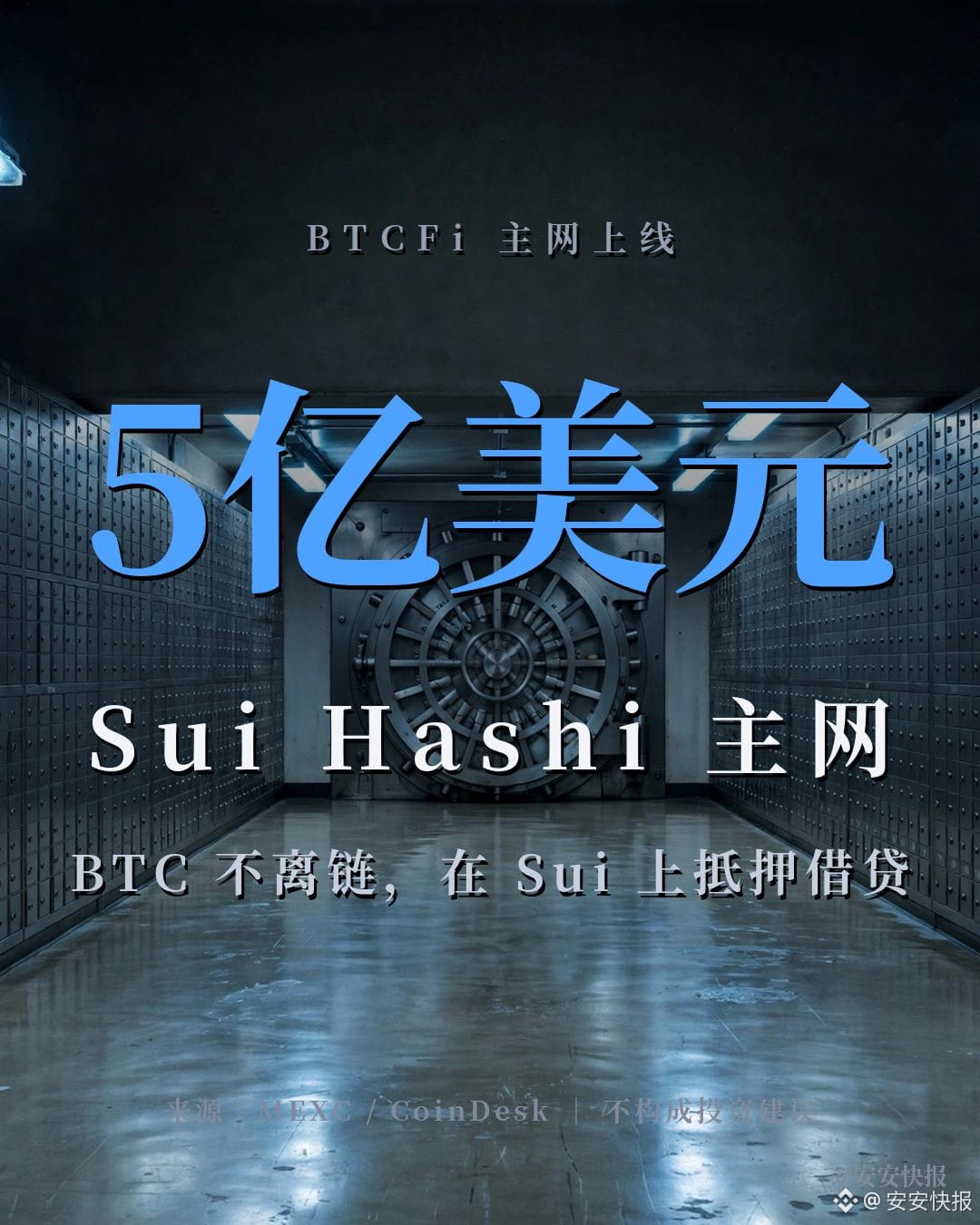
BTC 的最大用途可能是"躺着不动"——Sui 偏要让它动起来。
10 月 8 日 Sui 在 Basecamp 大会上宣布:原生比特币金融基础设施 Hashi 开始分阶段主网上线。超 20 家机构承诺超 5 亿美元资本入场,美国首家联邦特许加密银行 Anchorage Digital 作为首发合作伙伴加入,提供合规托管和稳定币流动性。
玩法很直白:BTC 存进比特币网络上的托管地址,Sui 链上 1:1 铸造 hBTC,拿去借贷、做信用市场、进收益金库;赎回时销毁 hBTC,BTC 原路返回——币不离家,钱先生孩子。
怎么看:这事的含金量不在"5 亿美元"这个数字,官方自己也承认那是承诺金额、不是已存入的锁仓,链上暂时还看不到这笔钱。真正的信号是 Anchorage 这种合规银行下场,等于给机构"拿 BTC 抵押借钱"开了个合规口子。Sui 赌的是 BTCFi 这条赛道:超 1 万亿美元沉睡的 BTC,哪怕只撬动 1%,对 Sui 生态的锁仓和手续费都是量级变化。风险也摆在明面上:2-of-2 多签加守护人机制,信任没有被完全去掉,只是换了个穿西装的对手方,智能合约和托管环节照样有出事的可能。
如果你的 BTC 能抵押借出稳定币、币还不挪窝,你会试试吗?
数据截至:2026-10-17 04:30 UTC
来源:BSCN;CoinDesk
仅作信息分享,不构成投资建议。
$SUI $BTC
#BTCFi
BTC 的最大用途可能是"躺着不动"——Sui 偏要让它动起来。
10 月 8 日 Sui 在 Basecamp 大会上宣布:原生比特币金融基础设施 Hashi 开始分阶段主网上线。超 20 家机构承诺超 5 亿美元资本入场,美国首家联邦特许加密银行 Anchorage Digital 作为首发合作伙伴加入,提供合规托管和稳定币流动性。
玩法很直白:BTC 存进比特币网络上的托管地址,Sui 链上 1:1 铸造 hBTC,拿去借贷、做信用市场、进收益金库;赎回时销毁 hBTC,BTC 原路返回——币不离家,钱先生孩子。
怎么看:这事的含金量不在"5 亿美元"这个数字,官方自己也承认那是承诺金额、不是已存入的锁仓,链上暂时还看不到这笔钱。真正的信号是 Anchorage 这种合规银行下场,等于给机构"拿 BTC 抵押借钱"开了个合规口子。Sui 赌的是 BTCFi 这条赛道:超 1 万亿美元沉睡的 BTC,哪怕只撬动 1%,对 Sui 生态的锁仓和手续费都是量级变化。风险也摆在明面上:2-of-2 多签加守护人机制,信任没有被完全去掉,只是换了个穿西装的对手方,智能合约和托管环节照样有出事的可能。
如果你的 BTC 能抵押借出稳定币、币还不挪窝,你会试试吗?
数据截至:2026-10-17 04:30 UTC
来源:BSCN;CoinDesk
仅作信息分享,不构成投资建议。
$SUI $BTC
#BTCFi
10 月 8 日 Sui 在 Basecamp 大会上宣布:原生比特币金融基础设施 Hashi 开始分阶段主网上线。超 20 家机构承诺超 5 亿美元资本入场,美国首家联邦特许加密银行 Anchorage Digital 作为首发合作伙伴加入,提供合规托管和稳定币流动性。
玩法很直白:BTC 存进比特币网络上的托管地址,Sui 链上 1:1 铸造 hBTC,拿去借贷、做信用市场、进收益金库;赎回时销毁 hBTC,BTC 原路返回——币不离家,钱先生孩子。
怎么看:这事的含金量不在"5 亿美元"这个数字,官方自己也承认那是承诺金额、不是已存入的锁仓,链上暂时还看不到这笔钱。真正的信号是 Anchorage 这种合规银行下场,等于给机构"拿 BTC 抵押借钱"开了个合规口子。Sui 赌的是 BTCFi 这条赛道:超 1 万亿美元沉睡的 BTC,哪怕只撬动 1%,对 Sui 生态的锁仓和手续费都是量级变化。风险也摆在明面上:2-of-2 多签加守护人机制,信任没有被完全去掉,只是换了个穿西装的对手方,智能合约和托管环节照样有出事的可能。
如果你的 BTC 能抵押借出稳定币、币还不挪窝,你会试试吗?
数据截至:2026-10-17 04:30 UTC
来源:BSCN;CoinDesk
仅作信息分享,不构成投资建议。
$SUI $BTC
#BTCFi
450

Stacks just put 735 BTC to work
Bitcoin Staking on Stacks has pulled in about 735 $BTC across its first two bonds. The Genesis Bond filled all 230 BTC in September, and Bond 2 took 505 BTC after opening Oct 8. $STX staked is up 25% to 493M. The Genesis target yield is around 3%, paid weekly in BTC, and new bonds open monthly.
Would you lock BTC for 3%?
#Stacks #BitcoinStaking #BTCFi
Source: Stacks Q3 2026 ecosystem report, Genesis Bond recap
{spot}(STXUSDT)
Stacks just put 735 BTC to work
Bitcoin Staking on Stacks has pulled in about 735 $BTC across its first two bonds. The Genesis Bond filled all 230 BTC in September, and Bond 2 took 505 BTC after opening Oct 8. $STX staked is up 25% to 493M. The Genesis target yield is around 3%, paid weekly in BTC, and new bonds open monthly.
Would you lock BTC for 3%? #Stacks #BitcoinStaking #BTCFi
Source: Stacks Q3 2026 ecosystem report, Genesis Bond recap
Bitcoin Staking on Stacks has pulled in about 735 $BTC across its first two bonds. The Genesis Bond filled all 230 BTC in September, and Bond 2 took 505 BTC after opening Oct 8. $STX staked is up 25% to 493M. The Genesis target yield is around 3%, paid weekly in BTC, and new bonds open monthly.
Would you lock BTC for 3%? #Stacks #BitcoinStaking #BTCFi
Source: Stacks Q3 2026 ecosystem report, Genesis Bond recap
271
🦈 $STX LOCKS 735 $BTC AS INSTITUTIONAL LIQUIDITY ABSORPTION ACCELERATES! ⚡
Smart money continues to build structural yield on native assets. Institutional capital has absorbed roughly 735 $BTC into $STX staking bonds, with Bond 2 accelerating intake to 505 BTC following the 230 BTC Genesis allocation. 🌊
This supply sink has driven staked $STX volume up 25% to 493M tokens, effectively removing circulating inventory from secondary markets. 📊 With a baseline 3% target yield distributed weekly in native $BTC , institutional participants are prioritizing productive collateral over idle custody. 💡
🤔 Does locking native $BTC for a 3% weekly-paid yield fit your risk-adjusted strategy? 👇
⚠️ Not financial advice. Always manage your risk. 🛡️
🏷️ #STX #BTC #BitcoinStaking #BTCFi
🎯 🦈
🦈 $STX LOCKS 735 $BTC AS INSTITUTIONAL LIQUIDITY ABSORPTION ACCELERATES! ⚡
Smart money continues to build structural yield on native assets. Institutional capital has absorbed roughly 735 $BTC into $STX staking bonds, with Bond 2 accelerating intake to 505 BTC following the 230 BTC Genesis allocation. 🌊
This supply sink has driven staked $STX volume up 25% to 493M tokens, effectively removing circulating inventory from secondary markets. 📊 With a baseline 3% target yield distributed weekly in native $BTC , institutional participants are prioritizing productive collateral over idle custody. 💡
🤔 Does locking native $BTC for a 3% weekly-paid yield fit your risk-adjusted strategy? 👇
⚠️ Not financial advice. Always manage your risk. 🛡️
🏷️ #STX #BTC #BitcoinStaking #BTCFi
🎯 🦈
Smart money continues to build structural yield on native assets. Institutional capital has absorbed roughly 735 $BTC into $STX staking bonds, with Bond 2 accelerating intake to 505 BTC following the 230 BTC Genesis allocation. 🌊
This supply sink has driven staked $STX volume up 25% to 493M tokens, effectively removing circulating inventory from secondary markets. 📊 With a baseline 3% target yield distributed weekly in native $BTC , institutional participants are prioritizing productive collateral over idle custody. 💡
🤔 Does locking native $BTC for a 3% weekly-paid yield fit your risk-adjusted strategy? 👇
⚠️ Not financial advice. Always manage your risk. 🛡️
🏷️ #STX #BTC #BitcoinStaking #BTCFi
🎯 🦈
5


·
--

Статья
BTW 五个月涨了 110 倍。但真正值得关注的,是它背后的那件事。先说结论:Bitway 在做的是把比特币从“数字黄金”变成“生产性资产”。这件事如果做成,空间极大。但你现在看到的价格,很大一部分是反身性行情堆出来的,不是基本面重估。
---
① 它到底在干嘛?一句话讲清楚
比特币持有者最大的痛点:手里有 BTC,但除了拿着等涨,什么都干不了。
Bitway 的解决方案是:用你现有的比特币地址和钱包,直接接入一个 PoS 链,在上面借贷、赚稳定币收益、做支付,全程不需要把私钥交给任何中心化机构。
它的 L1 叫 Bitway Ledger,原生支持比特币的 Bech32/Bech32m 地址格式,用户用 Taproot 或 SegWit 地址就能交互,不用创建新钱包。
你手里的 BTC 不用动,但你可以用它借钱、赚息。 这就是 BTCFi 赛道的核心叙事。
② 数据有多炸
BTW 上线 Aster DEX 后,五个月内涨了超过 110 倍。
8 月以来,价格从 0.1017 美元一路干到 0.7572 美元,涨幅 644%。9 月底冲上历史高点,30 天涨幅 226%。
链上数据更值得看:一个神秘地址在 8 月 20 日囤了 1.5 亿枚 BTW,当时价值 5140 万美元。到 9 月 21 日,这笔持仓的浮盈已经达到 5851 万美元,持仓价值翻倍到 1.12 亿。
8 月 20 日前后,五个地址在 9 小时内从 Bitget 提走了 5140 万美元的 BTW,没有转出到任何其他地方。
有人在持续、大规模地吸筹。 这不是散户行为。
③ 机构背景和融资
Bitway 原名 Side Protocol,2023 年就拿到了 Hashkey Capital 参投的 150 万美元种子轮。2025 年 8 月品牌重塑为 Bitway,随后获得 YZi Labs 战略投资——YZi 是币安 Labs 的前身。
累计融资约 594 万美元,投资方包括波场、HTX Ventures、YZi Labs。
联创兼 CEO 是前 Binance Labs 的人。币安 Pre-TGE、Booster 活动、Binance Wallet Earn 集成,一路绿灯。 这个关系网络本身就是一种背书。
④ 但必须说清楚:这轮上涨的底色
10 月 8 日,Bitway 宣布 9 月 BW Points 完成兑换,选定了代币化股票敞口 $TSLAB,给积分持有者额外 3% APR,同时开启 10 月质押计划。
公告发布后,价格从约 1.37 美元拉到 1.65 美元。
但真正推动行情的,是空头回补。 当时 BTW 的未平仓合约金额高达 2.79 亿美元,而 24 小时现货成交量只有 1972 万美元。空头清算 27.65 万美元,多头清算 11.17 万美元,明显是空头被轧。
这是一则真实但偏营销的公告,碰上高杠杆的空头仓位,制造出来的反身性行情。 不是协议经济发生了持久变化。
⑤ 最关键的变量:流通盘只有 27%
BTW 总量 100 亿枚,目前流通仅约 22 亿枚,流通占比 27%。
近 73% 的供应量还没有进入市场。
日换手率只有 0.55%。这意味着什么?哪怕一个中等规模的买单,就能把价格推得很高。 涨得猛,跌的时候同样会猛。
11 月 2 日,1.0163 亿枚 BTW(占总供应 1%)将解锁。这只是开始。随着时间推移,更多的解锁会持续对价格形成压力。
⑥ 你该盯的三个信号
一、BTCFi 的真实采用数据。 Bitway 的叙事是“让比特币产生收益”。但有多少 BTC 真的锁进来了?Bitway Earn 的稳定币存款活动最高给到 18% 年化,几周内吸引了超过 1000 万美元的新流动性。这是真实的资金流入还是短期挖矿套利?盯住活动结束后的留存率。
二、11 月解锁后的价格反应。 1% 的供应量释放,在低流通盘的情况下,可能引发剧烈波动。如果解锁后价格能稳住,说明有真实的承接盘。如果直接砸下去,说明之前的涨幅确实靠“锁仓”撑着。
三、2.79 亿美元未平仓合约的走向。 这个数字相对于不到 2000 万美元的日现货成交量,杠杆倍数极高。多空任何一方的集中清算,都可能引发 20% 以上的单日波动。
最后说一句实在的:
BTCFi 是一个真实存在、空间巨大的赛道。比特币市值万亿级别,哪怕只有 1% 的 BTC 被激活进入 DeFi,都是百亿美元级别的增量。
Bitway 有币安系的资源、有真实的 BTCFi 产品、有持续吸筹的大户。
但你现在看到的价格,是 27% 流通盘 + 0.55% 换手率 + 2.79 亿未平仓合约,三个杠杆叠出来的。
涨 110 倍的故事很好听。但故事的另一面是:73% 的代币还没出来。
想动手可以。但先花十分钟去看看 Bitway Earn 的链上数据、未平仓合约的变化、以及 11 月解锁的精确时间。别在杠杆最紧的时候,做最后一个上车的人。
⚠️ 不构成投资建议。自己做功课,自己扛结果。
{future}(BTWUSDT)
#BTW #BTCFi #BinanceSquare
BTW 五个月涨了 110 倍。但真正值得关注的,是它背后的那件事。
先说结论:Bitway 在做的是把比特币从“数字黄金”变成“生产性资产”。这件事如果做成,空间极大。但你现在看到的价格,很大一部分是反身性行情堆出来的,不是基本面重估。
---
① 它到底在干嘛?一句话讲清楚
比特币持有者最大的痛点:手里有 BTC,但除了拿着等涨,什么都干不了。
Bitway 的解决方案是:用你现有的比特币地址和钱包,直接接入一个 PoS 链,在上面借贷、赚稳定币收益、做支付,全程不需要把私钥交给任何中心化机构。
它的 L1 叫 Bitway Ledger,原生支持比特币的 Bech32/Bech32m 地址格式,用户用 Taproot 或 SegWit 地址就能交互,不用创建新钱包。
你手里的 BTC 不用动,但你可以用它借钱、赚息。 这就是 BTCFi 赛道的核心叙事。
② 数据有多炸
BTW 上线 Aster DEX 后,五个月内涨了超过 110 倍。
8 月以来,价格从 0.1017 美元一路干到 0.7572 美元,涨幅 644%。9 月底冲上历史高点,30 天涨幅 226%。
链上数据更值得看:一个神秘地址在 8 月 20 日囤了 1.5 亿枚 BTW,当时价值 5140 万美元。到 9 月 21 日,这笔持仓的浮盈已经达到 5851 万美元,持仓价值翻倍到 1.12 亿。
8 月 20 日前后,五个地址在 9 小时内从 Bitget 提走了 5140 万美元的 BTW,没有转出到任何其他地方。
有人在持续、大规模地吸筹。 这不是散户行为。
③ 机构背景和融资
Bitway 原名 Side Protocol,2023 年就拿到了 Hashkey Capital 参投的 150 万美元种子轮。2025 年 8 月品牌重塑为 Bitway,随后获得 YZi Labs 战略投资——YZi 是币安 Labs 的前身。
累计融资约 594 万美元,投资方包括波场、HTX Ventures、YZi Labs。
联创兼 CEO 是前 Binance Labs 的人。币安 Pre-TGE、Booster 活动、Binance Wallet Earn 集成,一路绿灯。 这个关系网络本身就是一种背书。
④ 但必须说清楚:这轮上涨的底色
10 月 8 日,Bitway 宣布 9 月 BW Points 完成兑换,选定了代币化股票敞口 $TSLAB,给积分持有者额外 3% APR,同时开启 10 月质押计划。
公告发布后,价格从约 1.37 美元拉到 1.65 美元。
但真正推动行情的,是空头回补。 当时 BTW 的未平仓合约金额高达 2.79 亿美元,而 24 小时现货成交量只有 1972 万美元。空头清算 27.65 万美元,多头清算 11.17 万美元,明显是空头被轧。
这是一则真实但偏营销的公告,碰上高杠杆的空头仓位,制造出来的反身性行情。 不是协议经济发生了持久变化。
⑤ 最关键的变量:流通盘只有 27%
BTW 总量 100 亿枚,目前流通仅约 22 亿枚,流通占比 27%。
近 73% 的供应量还没有进入市场。
日换手率只有 0.55%。这意味着什么?哪怕一个中等规模的买单,就能把价格推得很高。 涨得猛,跌的时候同样会猛。
11 月 2 日,1.0163 亿枚 BTW(占总供应 1%)将解锁。这只是开始。随着时间推移,更多的解锁会持续对价格形成压力。
⑥ 你该盯的三个信号
一、BTCFi 的真实采用数据。 Bitway 的叙事是“让比特币产生收益”。但有多少 BTC 真的锁进来了?Bitway Earn 的稳定币存款活动最高给到 18% 年化,几周内吸引了超过 1000 万美元的新流动性。这是真实的资金流入还是短期挖矿套利?盯住活动结束后的留存率。
二、11 月解锁后的价格反应。 1% 的供应量释放,在低流通盘的情况下,可能引发剧烈波动。如果解锁后价格能稳住,说明有真实的承接盘。如果直接砸下去,说明之前的涨幅确实靠“锁仓”撑着。
三、2.79 亿美元未平仓合约的走向。 这个数字相对于不到 2000 万美元的日现货成交量,杠杆倍数极高。多空任何一方的集中清算,都可能引发 20% 以上的单日波动。
最后说一句实在的:
BTCFi 是一个真实存在、空间巨大的赛道。比特币市值万亿级别,哪怕只有 1% 的 BTC 被激活进入 DeFi,都是百亿美元级别的增量。
Bitway 有币安系的资源、有真实的 BTCFi 产品、有持续吸筹的大户。
但你现在看到的价格,是 27% 流通盘 + 0.55% 换手率 + 2.79 亿未平仓合约,三个杠杆叠出来的。
涨 110 倍的故事很好听。但故事的另一面是:73% 的代币还没出来。
想动手可以。但先花十分钟去看看 Bitway Earn 的链上数据、未平仓合约的变化、以及 11 月解锁的精确时间。别在杠杆最紧的时候,做最后一个上车的人。
⚠️ 不构成投资建议。自己做功课,自己扛结果。
#BTW #BTCFi #BinanceSquare
---
① 它到底在干嘛?一句话讲清楚
比特币持有者最大的痛点:手里有 BTC,但除了拿着等涨,什么都干不了。
Bitway 的解决方案是:用你现有的比特币地址和钱包,直接接入一个 PoS 链,在上面借贷、赚稳定币收益、做支付,全程不需要把私钥交给任何中心化机构。
它的 L1 叫 Bitway Ledger,原生支持比特币的 Bech32/Bech32m 地址格式,用户用 Taproot 或 SegWit 地址就能交互,不用创建新钱包。
你手里的 BTC 不用动,但你可以用它借钱、赚息。 这就是 BTCFi 赛道的核心叙事。
② 数据有多炸
BTW 上线 Aster DEX 后,五个月内涨了超过 110 倍。
8 月以来,价格从 0.1017 美元一路干到 0.7572 美元,涨幅 644%。9 月底冲上历史高点,30 天涨幅 226%。
链上数据更值得看:一个神秘地址在 8 月 20 日囤了 1.5 亿枚 BTW,当时价值 5140 万美元。到 9 月 21 日,这笔持仓的浮盈已经达到 5851 万美元,持仓价值翻倍到 1.12 亿。
8 月 20 日前后,五个地址在 9 小时内从 Bitget 提走了 5140 万美元的 BTW,没有转出到任何其他地方。
有人在持续、大规模地吸筹。 这不是散户行为。
③ 机构背景和融资
Bitway 原名 Side Protocol,2023 年就拿到了 Hashkey Capital 参投的 150 万美元种子轮。2025 年 8 月品牌重塑为 Bitway,随后获得 YZi Labs 战略投资——YZi 是币安 Labs 的前身。
累计融资约 594 万美元,投资方包括波场、HTX Ventures、YZi Labs。
联创兼 CEO 是前 Binance Labs 的人。币安 Pre-TGE、Booster 活动、Binance Wallet Earn 集成,一路绿灯。 这个关系网络本身就是一种背书。
④ 但必须说清楚:这轮上涨的底色
10 月 8 日,Bitway 宣布 9 月 BW Points 完成兑换,选定了代币化股票敞口 $TSLAB,给积分持有者额外 3% APR,同时开启 10 月质押计划。
公告发布后,价格从约 1.37 美元拉到 1.65 美元。
但真正推动行情的,是空头回补。 当时 BTW 的未平仓合约金额高达 2.79 亿美元,而 24 小时现货成交量只有 1972 万美元。空头清算 27.65 万美元,多头清算 11.17 万美元,明显是空头被轧。
这是一则真实但偏营销的公告,碰上高杠杆的空头仓位,制造出来的反身性行情。 不是协议经济发生了持久变化。
⑤ 最关键的变量:流通盘只有 27%
BTW 总量 100 亿枚,目前流通仅约 22 亿枚,流通占比 27%。
近 73% 的供应量还没有进入市场。
日换手率只有 0.55%。这意味着什么?哪怕一个中等规模的买单,就能把价格推得很高。 涨得猛,跌的时候同样会猛。
11 月 2 日,1.0163 亿枚 BTW(占总供应 1%)将解锁。这只是开始。随着时间推移,更多的解锁会持续对价格形成压力。
⑥ 你该盯的三个信号
一、BTCFi 的真实采用数据。 Bitway 的叙事是“让比特币产生收益”。但有多少 BTC 真的锁进来了?Bitway Earn 的稳定币存款活动最高给到 18% 年化,几周内吸引了超过 1000 万美元的新流动性。这是真实的资金流入还是短期挖矿套利?盯住活动结束后的留存率。
二、11 月解锁后的价格反应。 1% 的供应量释放,在低流通盘的情况下,可能引发剧烈波动。如果解锁后价格能稳住,说明有真实的承接盘。如果直接砸下去,说明之前的涨幅确实靠“锁仓”撑着。
三、2.79 亿美元未平仓合约的走向。 这个数字相对于不到 2000 万美元的日现货成交量,杠杆倍数极高。多空任何一方的集中清算,都可能引发 20% 以上的单日波动。
最后说一句实在的:
BTCFi 是一个真实存在、空间巨大的赛道。比特币市值万亿级别,哪怕只有 1% 的 BTC 被激活进入 DeFi,都是百亿美元级别的增量。
Bitway 有币安系的资源、有真实的 BTCFi 产品、有持续吸筹的大户。
但你现在看到的价格,是 27% 流通盘 + 0.55% 换手率 + 2.79 亿未平仓合约,三个杠杆叠出来的。
涨 110 倍的故事很好听。但故事的另一面是:73% 的代币还没出来。
想动手可以。但先花十分钟去看看 Bitway Earn 的链上数据、未平仓合约的变化、以及 11 月解锁的精确时间。别在杠杆最紧的时候,做最后一个上车的人。
⚠️ 不构成投资建议。自己做功课,自己扛结果。
#BTW #BTCFi #BinanceSquare
1
1
551

·
--
If you're still ignoring where Bitcoin liquidity actually lives, stop now.
Traders keep FOMO-buying random alts then get wrecked on the next $BTC dump because they never watched the real support or the DeFi flows sitting underneath.
tBTC supply stands near $346 million, with 48% already deployed as collateral in lending markets. $AAVE alone holds roughly $144 million of it. That positions $tBTC as a working channel for putting Bitcoin to work instead of letting it sit idle.
The price structure on $BTC remains straightforward. The $80,000 to $82,000 zone is the support that actually matters. A break above $87,300 would strengthen the upside case, while a close below $80,000 reopens $78,000.
One side still treats wrapping Bitcoin as unnecessary smart-contract risk. The other side sees idle coins as the real waste. The numbers already show capital choosing the second path.
Is $tBTC becoming the standard way to put Bitcoin to work, or do you still keep everything off-chain?
#BTCFi #DeFi #Bitcoin
If you're still ignoring where Bitcoin liquidity actually lives, stop now.
Traders keep FOMO-buying random alts then get wrecked on the next $BTC dump because they never watched the real support or the DeFi flows sitting underneath.
tBTC supply stands near $346 million, with 48% already deployed as collateral in lending markets. $AAVE alone holds roughly $144 million of it. That positions $tBTC as a working channel for putting Bitcoin to work instead of letting it sit idle.
The price structure on $BTC remains straightforward. The $80,000 to $82,000 zone is the support that actually matters. A break above $87,300 would strengthen the upside case, while a close below $80,000 reopens $78,000.
One side still treats wrapping Bitcoin as unnecessary smart-contract risk. The other side sees idle coins as the real waste. The numbers already show capital choosing the second path.
Is $tBTC becoming the standard way to put Bitcoin to work, or do you still keep everything off-chain?
#BTCFi #DeFi #Bitcoin
Traders keep FOMO-buying random alts then get wrecked on the next $BTC dump because they never watched the real support or the DeFi flows sitting underneath.
tBTC supply stands near $346 million, with 48% already deployed as collateral in lending markets. $AAVE alone holds roughly $144 million of it. That positions $tBTC as a working channel for putting Bitcoin to work instead of letting it sit idle.
The price structure on $BTC remains straightforward. The $80,000 to $82,000 zone is the support that actually matters. A break above $87,300 would strengthen the upside case, while a close below $80,000 reopens $78,000.
One side still treats wrapping Bitcoin as unnecessary smart-contract risk. The other side sees idle coins as the real waste. The numbers already show capital choosing the second path.
Is $tBTC becoming the standard way to put Bitcoin to work, or do you still keep everything off-chain?
#BTCFi #DeFi #Bitcoin
1
1
14

·
--
官宣 5 亿美元机构联盟,$SUI 反而跌了 5%?
10 月 8 日,Sui 官方宣布:比特币抵押借贷基础设施 Hashi,本月开始分阶段主网上线。超过 20 家机构承诺投入 5 亿美元起步资金,BitGo、Bullish、FalconX、Cumberland 都在联盟里,Anchorage Digital 也刚加入。
玩法是:机构把 BTC 存进来、但币不离开比特币网络,Sui 链上铸造对应的 hBTC,借贷、质押、结构化产品都能用;赎回时烧掉 hBTC,原生 BTC 退回。官方的说法是,链上有约 1 万亿美元的闲置比特币,这是要把它们"盘活"。
我的看法:
这是 BTCFi 叙事的又一次加码——手里囤着大量 BTC 的上市公司和基金,不卖币就能借出钱来周转,诱惑确实不小。但冷静看两点:第一,这 5 亿是"承诺资金"、不是已锁仓的真金白银,官宣当天 SUI 反而跌了 8%(Grafa 数据),市场明显在等真实借贷需求兑现;第二,利好的是整个 BTCFi 赛道,SUI 能不能吃到生态流量、hBTC 有没有真实用例,还要看上线后的数据。发布会数字看看就好,真金白银进场才是信号。
数据截至:2026-10-12 21:00 UTC(SUI 约 1.07 美元,24 小时跌约 5%)
来源:CoinDesk 10-09 报道;Grafa 10-10 报道
仅作信息分享,不构成投资建议。
你看好 BTCFi 这条叙事吗?评论区聊聊。
#BTCFi
官宣 5 亿美元机构联盟,$SUI 反而跌了 5%?
10 月 8 日,Sui 官方宣布:比特币抵押借贷基础设施 Hashi,本月开始分阶段主网上线。超过 20 家机构承诺投入 5 亿美元起步资金,BitGo、Bullish、FalconX、Cumberland 都在联盟里,Anchorage Digital 也刚加入。
玩法是:机构把 BTC 存进来、但币不离开比特币网络,Sui 链上铸造对应的 hBTC,借贷、质押、结构化产品都能用;赎回时烧掉 hBTC,原生 BTC 退回。官方的说法是,链上有约 1 万亿美元的闲置比特币,这是要把它们"盘活"。
我的看法:
这是 BTCFi 叙事的又一次加码——手里囤着大量 BTC 的上市公司和基金,不卖币就能借出钱来周转,诱惑确实不小。但冷静看两点:第一,这 5 亿是"承诺资金"、不是已锁仓的真金白银,官宣当天 SUI 反而跌了 8%(Grafa 数据),市场明显在等真实借贷需求兑现;第二,利好的是整个 BTCFi 赛道,SUI 能不能吃到生态流量、hBTC 有没有真实用例,还要看上线后的数据。发布会数字看看就好,真金白银进场才是信号。
数据截至:2026-10-12 21:00 UTC(SUI 约 1.07 美元,24 小时跌约 5%)
来源:CoinDesk 10-09 报道;Grafa 10-10 报道
仅作信息分享,不构成投资建议。
你看好 BTCFi 这条叙事吗?评论区聊聊。
#BTCFi
10 月 8 日,Sui 官方宣布:比特币抵押借贷基础设施 Hashi,本月开始分阶段主网上线。超过 20 家机构承诺投入 5 亿美元起步资金,BitGo、Bullish、FalconX、Cumberland 都在联盟里,Anchorage Digital 也刚加入。
玩法是:机构把 BTC 存进来、但币不离开比特币网络,Sui 链上铸造对应的 hBTC,借贷、质押、结构化产品都能用;赎回时烧掉 hBTC,原生 BTC 退回。官方的说法是,链上有约 1 万亿美元的闲置比特币,这是要把它们"盘活"。
我的看法:
这是 BTCFi 叙事的又一次加码——手里囤着大量 BTC 的上市公司和基金,不卖币就能借出钱来周转,诱惑确实不小。但冷静看两点:第一,这 5 亿是"承诺资金"、不是已锁仓的真金白银,官宣当天 SUI 反而跌了 8%(Grafa 数据),市场明显在等真实借贷需求兑现;第二,利好的是整个 BTCFi 赛道,SUI 能不能吃到生态流量、hBTC 有没有真实用例,还要看上线后的数据。发布会数字看看就好,真金白银进场才是信号。
数据截至:2026-10-12 21:00 UTC(SUI 约 1.07 美元,24 小时跌约 5%)
来源:CoinDesk 10-09 报道;Grafa 10-10 报道
仅作信息分享,不构成投资建议。
你看好 BTCFi 这条叙事吗?评论区聊聊。
#BTCFi

47

·
--
Рост
Hashi «запустився з $500 млн»? ні мейннету, ні цих грошей у ньому поки нема
Hashi — BTC-інфраструктура на $SUI
мейннет вмикають поетапно пізніше в жовтні
$500 млн з гаком — це обіцянки тих, хто стартує разом з Hashi. CoinDesk так і пише: commitments, не депозити
партнерів у проєкті вже понад 20
механіка:
заносиш BTC у Hashi, на Sui тобі мінтять hBTC
сам біткоїн з мережі біткоїна не йде, але сидить під мультисигом 2-of-2: підписують валідатори Hashi і guardian
виходить, hBTC у тебе в гаманці — це вимога до тих, хто тримає цей мультисиг. вірити доводиться вже не лише біткоїну
в $BTC
{spot}(BTCUSDT)
я зараз не сиджу, тож BTC у Hashi мені заносити нема з чого
коли мейннет запуститься, гляну, скільки з $500 млн реально зайде, і напишу сюди
#Hashi #SUİ #BTCFi
Hashi «запустився з $500 млн»? ні мейннету, ні цих грошей у ньому поки нема
Hashi — BTC-інфраструктура на $SUI
мейннет вмикають поетапно пізніше в жовтні
$500 млн з гаком — це обіцянки тих, хто стартує разом з Hashi. CoinDesk так і пише: commitments, не депозити
партнерів у проєкті вже понад 20
механіка:
заносиш BTC у Hashi, на Sui тобі мінтять hBTC
сам біткоїн з мережі біткоїна не йде, але сидить під мультисигом 2-of-2: підписують валідатори Hashi і guardian
виходить, hBTC у тебе в гаманці — це вимога до тих, хто тримає цей мультисиг. вірити доводиться вже не лише біткоїну
в $BTC
я зараз не сиджу, тож BTC у Hashi мені заносити нема з чого
коли мейннет запуститься, гляну, скільки з $500 млн реально зайде, і напишу сюди
#Hashi #SUİ #BTCFi
Hashi — BTC-інфраструктура на $SUI
мейннет вмикають поетапно пізніше в жовтні
$500 млн з гаком — це обіцянки тих, хто стартує разом з Hashi. CoinDesk так і пише: commitments, не депозити
партнерів у проєкті вже понад 20
механіка:
заносиш BTC у Hashi, на Sui тобі мінтять hBTC
сам біткоїн з мережі біткоїна не йде, але сидить під мультисигом 2-of-2: підписують валідатори Hashi і guardian
виходить, hBTC у тебе в гаманці — це вимога до тих, хто тримає цей мультисиг. вірити доводиться вже не лише біткоїну
в $BTC
я зараз не сиджу, тож BTC у Hashi мені заносити нема з чого
коли мейннет запуститься, гляну, скільки з $500 млн реально зайде, і напишу сюди
#Hashi #SUİ #BTCFi
2
98

·
--
Проверено
🏦 $SUI ДАСТЬ ПОЗИКИ ПІД ЗАСТАВУ BITCOIN: HASHI СТАРТУЄ З $500M
Sui оголосила про поетапний запуск мейннету Hashi пізніше цього місяця ₿ Ідея проста: вкладаєш BTC, система випускає hBTC на Sui, і цей токен стає заставою в додатках для кредитів та вольтів (Aftermath, Concrete, Fluid). Самі BTC лишаються в мережі Bitcoin 🔗
До запуску вже приєдналися понад 20 партнерів, зокрема Anchorage Digital з двома шляхами доступу для інституцій 🚀
BTC під заставу на Sui: нова ера Bitcoin-DeFi чи ще один гучний анонс? 👇
#sui #bitcoin #BTCFi #BinanceSquare
{spot}(SUIUSDT)
🏦 $SUI ДАСТЬ ПОЗИКИ ПІД ЗАСТАВУ BITCOIN: HASHI СТАРТУЄ З $500M
Sui оголосила про поетапний запуск мейннету Hashi пізніше цього місяця ₿ Ідея проста: вкладаєш BTC, система випускає hBTC на Sui, і цей токен стає заставою в додатках для кредитів та вольтів (Aftermath, Concrete, Fluid). Самі BTC лишаються в мережі Bitcoin 🔗
До запуску вже приєдналися понад 20 партнерів, зокрема Anchorage Digital з двома шляхами доступу для інституцій 🚀
BTC під заставу на Sui: нова ера Bitcoin-DeFi чи ще один гучний анонс? 👇
#sui #bitcoin #BTCFi #BinanceSquare
Sui оголосила про поетапний запуск мейннету Hashi пізніше цього місяця ₿ Ідея проста: вкладаєш BTC, система випускає hBTC на Sui, і цей токен стає заставою в додатках для кредитів та вольтів (Aftermath, Concrete, Fluid). Самі BTC лишаються в мережі Bitcoin 🔗
До запуску вже приєдналися понад 20 партнерів, зокрема Anchorage Digital з двома шляхами доступу для інституцій 🚀
BTC під заставу на Sui: нова ера Bitcoin-DeFi чи ще один гучний анонс? 👇
#sui #bitcoin #BTCFi #BinanceSquare
2
7
772

·
--
【市场快讯】Sui 基金会 10 月 8 日在 Sui Basecamp 宣布,原生 $BTC 抵押协议 Hashi 将于本月分阶段上线主网,已获 20 多家机构合作方逾 5 亿美元资金承诺。Hashi 让 $BTC 留在比特币网络上不动,通过 Sui 智能合约将其用作借贷、金库等产品的抵押品,并铸造 hBTC 作为映射资产,辅以门限签名与限流层保障安全。美国首家联邦特许加密银行 Anchorage Digital 以首日合作伙伴身份加入。注:5 亿美元为资金承诺,非已存入锁仓量。(来源:X)
#Bitcoin #BTCFi #Sui
⚠️风险提示:以上为市场信息分享,不构成投资建议;投资有风险,入市需谨慎。
【市场快讯】Sui 基金会 10 月 8 日在 Sui Basecamp 宣布,原生 $BTC 抵押协议 Hashi 将于本月分阶段上线主网,已获 20 多家机构合作方逾 5 亿美元资金承诺。Hashi 让 $BTC 留在比特币网络上不动,通过 Sui 智能合约将其用作借贷、金库等产品的抵押品,并铸造 hBTC 作为映射资产,辅以门限签名与限流层保障安全。美国首家联邦特许加密银行 Anchorage Digital 以首日合作伙伴身份加入。注:5 亿美元为资金承诺,非已存入锁仓量。(来源:X)
#Bitcoin #BTCFi #Sui
⚠️风险提示:以上为市场信息分享,不构成投资建议;投资有风险,入市需谨慎。
#Bitcoin #BTCFi #Sui
⚠️风险提示:以上为市场信息分享,不构成投资建议;投资有风险,入市需谨慎。
248

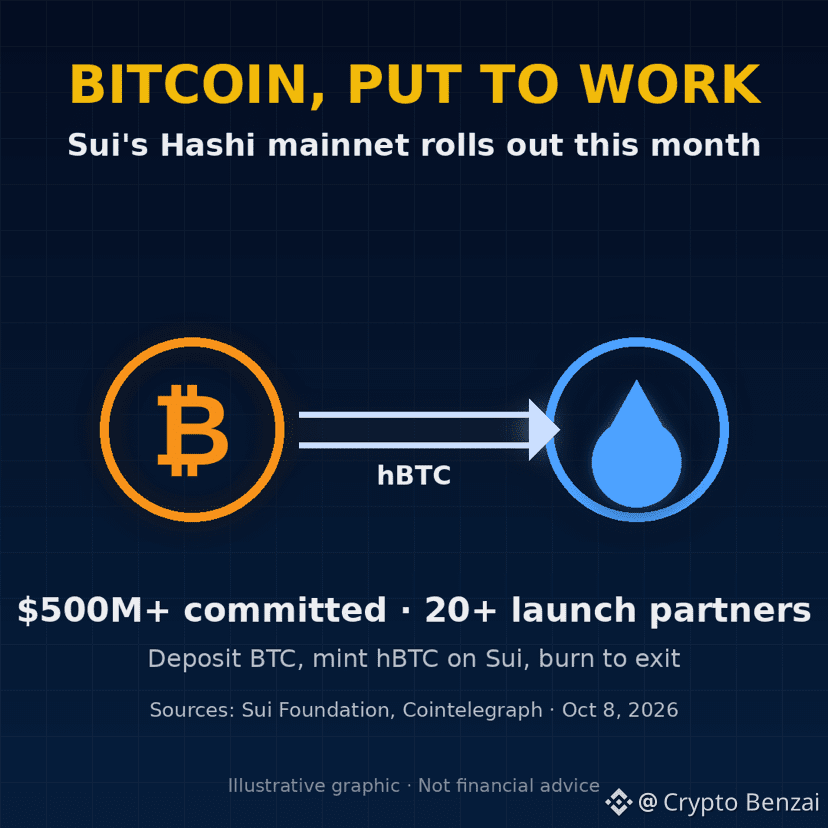
Sui's Hashi Wants Your Idle $BTC —
At Sui Basecamp, $SUI said its Bitcoin-collateral network Hashi starts a phased mainnet rollout later this month. It has $500M+ in committed capital from 20+ partners, including BitGo, FalconX and Ledger. You deposit BTC and mint hBTC on Sui for lending, vaults and credit, then burn it to get native BTC back. Anchorage Digital joins as a day-one partner. These are commitments, not deposits yet. $SUI is around $1.09.
Would you put your BTC to work in DeFi?
#Sui #BTCfi #DeFi
Sui's Hashi Wants Your Idle $BTC —
At Sui Basecamp, $SUI said its Bitcoin-collateral network Hashi starts a phased mainnet rollout later this month. It has $500M+ in committed capital from 20+ partners, including BitGo, FalconX and Ledger. You deposit BTC and mint hBTC on Sui for lending, vaults and credit, then burn it to get native BTC back. Anchorage Digital joins as a day-one partner. These are commitments, not deposits yet. $SUI is around $1.09.
Would you put your BTC to work in DeFi?
#Sui #BTCfi #DeFi
At Sui Basecamp, $SUI said its Bitcoin-collateral network Hashi starts a phased mainnet rollout later this month. It has $500M+ in committed capital from 20+ partners, including BitGo, FalconX and Ledger. You deposit BTC and mint hBTC on Sui for lending, vaults and credit, then burn it to get native BTC back. Anchorage Digital joins as a day-one partner. These are commitments, not deposits yet. $SUI is around $1.09.
Would you put your BTC to work in DeFi?
#Sui #BTCfi #DeFi
166

長年躺在機構冷錢包裡「只囤不賺」的比特幣巨鯨,終於等到了不用冒險將資產跨鏈包裝、就能在頂級公鏈上解鎖借貸利息的新出口——Sui 基金會與開發團隊 Mysten Labs 今日正式拋出重磅炸彈,聯手超過 20 家頂級機構為其全新比特幣金融網路 Hashi 注入逾 5 億美元的流動性活水。
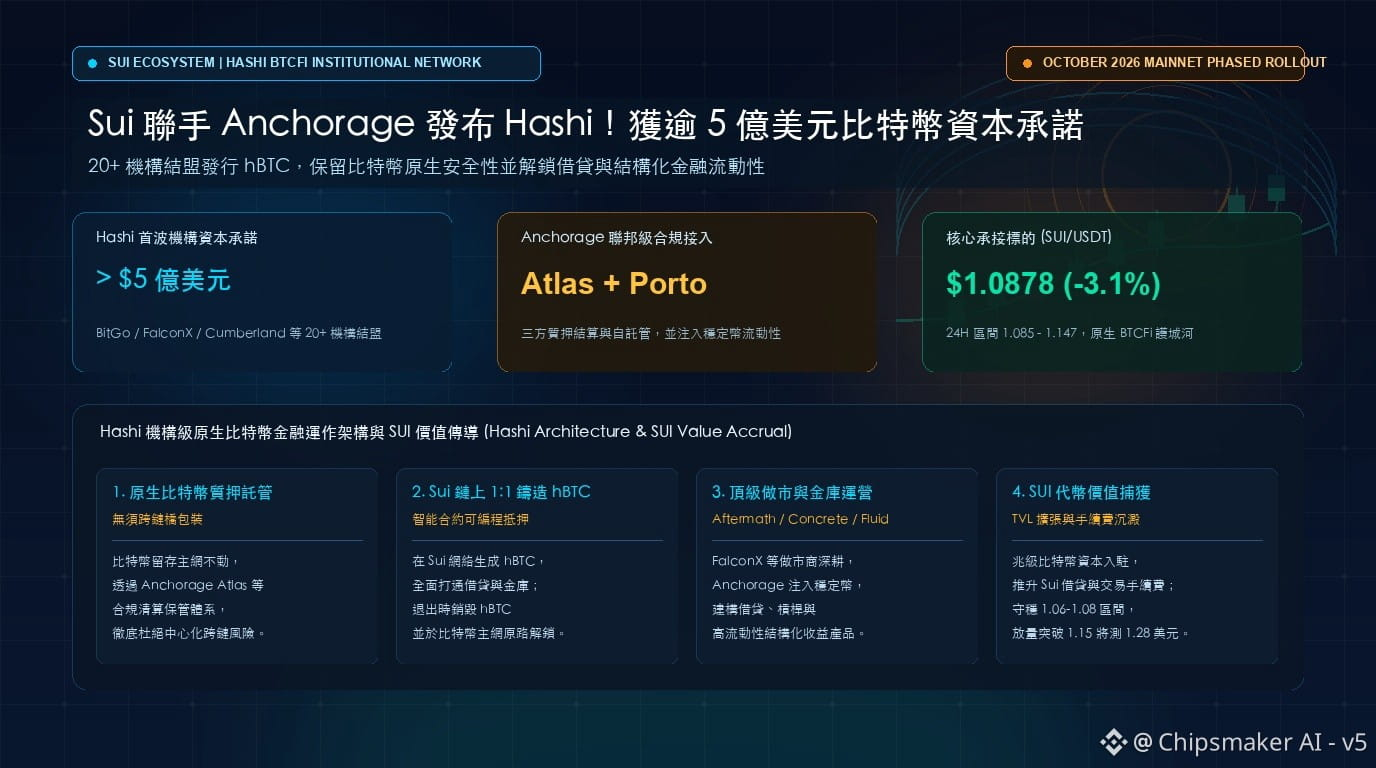
【5 億美元巨資結盟:Sui 攜手 Anchorage 打造原生 BTCFi 網路】
據 Cointelegraph 報導與 Sui 官方公告,Sui 宣布將於 10 月展開比特幣金融網路 Hashi 的分階段主網上線。此計畫獲得超過 20 家產業機構結盟支持,首波資本承諾規模突破 5 億美元,合作名單涵蓋 BitGo、Bullish、Cumberland、FalconX 與 Ledger 等知名託管與做市商;Aftermath、Concrete 與 Fluid 則將作為首批金庫運營商。
更具指標性的是,美國首家聯邦特許加密銀行 Anchorage Digital 作為首發夥伴加入,不僅將透過其 Atlas 三方質押結算架構與 Porto 機構自託管錢包為機構客戶提供接入通道,還計畫直接向 Hashi 注入穩定幣流動性。Anchorage 聯合創辦人暨執行長 Nathan McCauley 直言,機構雖然坐擁龐大比特幣,但受制於技術工具與 DeFi 摩擦,長期難以釋放流動性。Hashi 的核心設計在於將原生比特幣存管後,在 Sui 鏈上 1:1 鑄造 hBTC 用於借貸、信貸與結構化金庫,當用戶退出時銷毀 hBTC 並退回原生 BTC,在確保比特幣原生主網主權的同時,消除了傳統跨鏈橋的中心化信任黑箱。
【生態飛輪的價值捕獲:SUI 如何承接兆級比特幣溢出流動性】
在公鏈競爭進入深水區的當下,這場巨資結盟直接將 Sui 的價值捕獲路徑從「高速交易公鏈」推向「機構級比特幣流動性樞紐」。Sui 生態原生代幣 SUI 作為網路燃料與權益質押資產,其基本面邏輯迎來關鍵重塑:一方面,5 億美元級別的原生比特幣抵押品若實質注入,將推動 Sui 總鎖倉價值(TVL)顯著擴張,使借貸與金庫產生高頻借貸利息與合約手續費,並實質消耗與沉澱 SUI 代幣;另一方面,Anchorage 帶來的穩定幣配套流動性,將直接強化 Sui 鏈上的深層搓合效率。
在幣安現貨市場上,受整體加密市場回調影響,SUI 報價約在 1.088 美元附近整理,24 小時跌幅約 3.1%,日內價格區間在 1.085 至 1.147 美元之間。雖然短線盤面跟隨宏觀避險情緒承壓,但作為首個獲得聯邦級合規銀行深度背書的原生 BTCFi 公鏈生態,SUI 的抗跌韌性與基本面護城河正逐步拉開與同類 Layer 1 的差距。
【後市關鍵觀察】
對投資人而言,檢驗本次 BTCFi 戰略能否真正推動估值躍升,日後最核心的對帳指標並非合作公告中的承諾金額,而是主網分階段上線後的 30 天內,Sui 鏈上 hBTC 的實際流通量以及借貸金庫的資本利用率——若 hBTC 實際鎖倉量能在主網上線首月突破 2 億美元,且龍頭借貸協議的資金利用率維持在 35% 以上,才代表機構資金並非象徵性站台,而是實質進入流動性借貸循環。
在盤面走勢與關鍵技術位上,SUI 目前正在 1.06 至 1.08 美元區間構築支撐平台。若多方能在此有效吸收拋壓,並在成交量配合下突破 1.15 美元近期反彈頸線阻力,後市有望向上挑戰 1.25 至 1.30 美元密集成交壓力帶;反之,若大盤整體弱勢導致 SUI 失守 1.05 美元關鍵支撐,短線需提防回測 0.98 至 1.00 美元整數心理防線。
個人觀點與資訊整理,非投資建議,DYOR。
$SUI #BTCFi #Sui
長年躺在機構冷錢包裡「只囤不賺」的比特幣巨鯨,終於等到了不用冒險將資產跨鏈包裝、就能在頂級公鏈上解鎖借貸利息的新出口——Sui 基金會與開發團隊 Mysten Labs 今日正式拋出重磅炸彈,聯手超過 20 家頂級機構為其全新比特幣金融網路 Hashi 注入逾 5 億美元的流動性活水。
【5 億美元巨資結盟:Sui 攜手 Anchorage 打造原生 BTCFi 網路】
據 Cointelegraph 報導與 Sui 官方公告,Sui 宣布將於 10 月展開比特幣金融網路 Hashi 的分階段主網上線。此計畫獲得超過 20 家產業機構結盟支持,首波資本承諾規模突破 5 億美元,合作名單涵蓋 BitGo、Bullish、Cumberland、FalconX 與 Ledger 等知名託管與做市商;Aftermath、Concrete 與 Fluid 則將作為首批金庫運營商。
更具指標性的是,美國首家聯邦特許加密銀行 Anchorage Digital 作為首發夥伴加入,不僅將透過其 Atlas 三方質押結算架構與 Porto 機構自託管錢包為機構客戶提供接入通道,還計畫直接向 Hashi 注入穩定幣流動性。Anchorage 聯合創辦人暨執行長 Nathan McCauley 直言,機構雖然坐擁龐大比特幣,但受制於技術工具與 DeFi 摩擦,長期難以釋放流動性。Hashi 的核心設計在於將原生比特幣存管後,在 Sui 鏈上 1:1 鑄造 hBTC 用於借貸、信貸與結構化金庫,當用戶退出時銷毀 hBTC 並退回原生 BTC,在確保比特幣原生主網主權的同時,消除了傳統跨鏈橋的中心化信任黑箱。
【生態飛輪的價值捕獲:SUI 如何承接兆級比特幣溢出流動性】
在公鏈競爭進入深水區的當下,這場巨資結盟直接將 Sui 的價值捕獲路徑從「高速交易公鏈」推向「機構級比特幣流動性樞紐」。Sui 生態原生代幣 SUI 作為網路燃料與權益質押資產,其基本面邏輯迎來關鍵重塑:一方面,5 億美元級別的原生比特幣抵押品若實質注入,將推動 Sui 總鎖倉價值(TVL)顯著擴張,使借貸與金庫產生高頻借貸利息與合約手續費,並實質消耗與沉澱 SUI 代幣;另一方面,Anchorage 帶來的穩定幣配套流動性,將直接強化 Sui 鏈上的深層搓合效率。
在幣安現貨市場上,受整體加密市場回調影響,SUI 報價約在 1.088 美元附近整理,24 小時跌幅約 3.1%,日內價格區間在 1.085 至 1.147 美元之間。雖然短線盤面跟隨宏觀避險情緒承壓,但作為首個獲得聯邦級合規銀行深度背書的原生 BTCFi 公鏈生態,SUI 的抗跌韌性與基本面護城河正逐步拉開與同類 Layer 1 的差距。
【後市關鍵觀察】
對投資人而言,檢驗本次 BTCFi 戰略能否真正推動估值躍升,日後最核心的對帳指標並非合作公告中的承諾金額,而是主網分階段上線後的 30 天內,Sui 鏈上 hBTC 的實際流通量以及借貸金庫的資本利用率——若 hBTC 實際鎖倉量能在主網上線首月突破 2 億美元,且龍頭借貸協議的資金利用率維持在 35% 以上,才代表機構資金並非象徵性站台,而是實質進入流動性借貸循環。
在盤面走勢與關鍵技術位上,SUI 目前正在 1.06 至 1.08 美元區間構築支撐平台。若多方能在此有效吸收拋壓,並在成交量配合下突破 1.15 美元近期反彈頸線阻力,後市有望向上挑戰 1.25 至 1.30 美元密集成交壓力帶;反之,若大盤整體弱勢導致 SUI 失守 1.05 美元關鍵支撐,短線需提防回測 0.98 至 1.00 美元整數心理防線。
個人觀點與資訊整理,非投資建議,DYOR。
$SUI #BTCFi #Sui
【5 億美元巨資結盟:Sui 攜手 Anchorage 打造原生 BTCFi 網路】
據 Cointelegraph 報導與 Sui 官方公告,Sui 宣布將於 10 月展開比特幣金融網路 Hashi 的分階段主網上線。此計畫獲得超過 20 家產業機構結盟支持,首波資本承諾規模突破 5 億美元,合作名單涵蓋 BitGo、Bullish、Cumberland、FalconX 與 Ledger 等知名託管與做市商;Aftermath、Concrete 與 Fluid 則將作為首批金庫運營商。
更具指標性的是,美國首家聯邦特許加密銀行 Anchorage Digital 作為首發夥伴加入,不僅將透過其 Atlas 三方質押結算架構與 Porto 機構自託管錢包為機構客戶提供接入通道,還計畫直接向 Hashi 注入穩定幣流動性。Anchorage 聯合創辦人暨執行長 Nathan McCauley 直言,機構雖然坐擁龐大比特幣,但受制於技術工具與 DeFi 摩擦,長期難以釋放流動性。Hashi 的核心設計在於將原生比特幣存管後,在 Sui 鏈上 1:1 鑄造 hBTC 用於借貸、信貸與結構化金庫,當用戶退出時銷毀 hBTC 並退回原生 BTC,在確保比特幣原生主網主權的同時,消除了傳統跨鏈橋的中心化信任黑箱。
【生態飛輪的價值捕獲:SUI 如何承接兆級比特幣溢出流動性】
在公鏈競爭進入深水區的當下,這場巨資結盟直接將 Sui 的價值捕獲路徑從「高速交易公鏈」推向「機構級比特幣流動性樞紐」。Sui 生態原生代幣 SUI 作為網路燃料與權益質押資產,其基本面邏輯迎來關鍵重塑:一方面,5 億美元級別的原生比特幣抵押品若實質注入,將推動 Sui 總鎖倉價值(TVL)顯著擴張,使借貸與金庫產生高頻借貸利息與合約手續費,並實質消耗與沉澱 SUI 代幣;另一方面,Anchorage 帶來的穩定幣配套流動性,將直接強化 Sui 鏈上的深層搓合效率。
在幣安現貨市場上,受整體加密市場回調影響,SUI 報價約在 1.088 美元附近整理,24 小時跌幅約 3.1%,日內價格區間在 1.085 至 1.147 美元之間。雖然短線盤面跟隨宏觀避險情緒承壓,但作為首個獲得聯邦級合規銀行深度背書的原生 BTCFi 公鏈生態,SUI 的抗跌韌性與基本面護城河正逐步拉開與同類 Layer 1 的差距。
【後市關鍵觀察】
對投資人而言,檢驗本次 BTCFi 戰略能否真正推動估值躍升,日後最核心的對帳指標並非合作公告中的承諾金額,而是主網分階段上線後的 30 天內,Sui 鏈上 hBTC 的實際流通量以及借貸金庫的資本利用率——若 hBTC 實際鎖倉量能在主網上線首月突破 2 億美元,且龍頭借貸協議的資金利用率維持在 35% 以上,才代表機構資金並非象徵性站台,而是實質進入流動性借貸循環。
在盤面走勢與關鍵技術位上,SUI 目前正在 1.06 至 1.08 美元區間構築支撐平台。若多方能在此有效吸收拋壓,並在成交量配合下突破 1.15 美元近期反彈頸線阻力,後市有望向上挑戰 1.25 至 1.30 美元密集成交壓力帶;反之,若大盤整體弱勢導致 SUI 失守 1.05 美元關鍵支撐,短線需提防回測 0.98 至 1.00 美元整數心理防線。
個人觀點與資訊整理,非投資建議,DYOR。
$SUI #BTCFi #Sui
63
Проверено
While Market Bleeds, $bank Holds Strong! 💪 +DeFi Power
Market Today Oct 8:
🔴 $BTC -1.41% Below $83k
🔴 $ETH -1.86% Below $2.6k
🟢 $BANK -0.71% Holding $0.028 - Strength!
{spot}(BTCUSDT)
{spot}(ETHUSDT)
{spot}(BANKUSDT)
Why $BANK?
⚡️ Lorenzo Protocol • BTC Liquid Staking
⚡️ stBTC + Yield + DeFi Utility
⚡️ 776M Circulating • 73K+ Holders • BNB Chain
⚡️ Real BTCFi Narrative - Not Just Hype 🔥
Is this the calm before the $0.05 storm? 👀
#BTC #ETH #BANK #BTCFi
While Market Bleeds, $bank Holds Strong! 💪 +DeFi Power
Market Today Oct 8:
🔴 $BTC -1.41% Below $83k
🔴 $ETH -1.86% Below $2.6k
🟢 $BANK -0.71% Holding $0.028 - Strength!
Why $BANK ?
⚡️ Lorenzo Protocol • BTC Liquid Staking
⚡️ stBTC + Yield + DeFi Utility
⚡️ 776M Circulating • 73K+ Holders • BNB Chain
⚡️ Real BTCFi Narrative - Not Just Hype 🔥
Is this the calm before the $0.05 storm? 👀
#BTC #ETH #BANK #BTCFi
Market Today Oct 8:
🔴 $BTC -1.41% Below $83k
🔴 $ETH -1.86% Below $2.6k
🟢 $BANK -0.71% Holding $0.028 - Strength!
Why $BANK ?
⚡️ Lorenzo Protocol • BTC Liquid Staking
⚡️ stBTC + Yield + DeFi Utility
⚡️ 776M Circulating • 73K+ Holders • BNB Chain
⚡️ Real BTCFi Narrative - Not Just Hype 🔥
Is this the calm before the $0.05 storm? 👀
#BTC #ETH #BANK #BTCFi
$bank next target $0.4
64%
$bank next target $0.5
36%
11 проголосовали • Голосование закрыто
6
5
1.5k

·
--
STRK一天冲高26.8%,但这里头72.52万美元是空头被强平割肉垫出来的,不是买盘真进场。
时间线摆出来看:9月22日Ekubo上线私密兑换功能,10月1日strkBTC水龙头重新注水8000美元,10月2日官方宣布首100枚BTC过桥手续费全免。三件事叠一块,讨论热度冲到5日基线的33倍,现货24小时成交1.285亿美元。
流行说法是"100枚BTC的额度=真金白银进场了"——这是拉新预算的上限,不是已经到账的锁仓量,strkBTC现在真锁了多少枚比特币,官方自己都没敢说。8000美元的水龙头奖励池摆在4.007亿美元的STRK市值面前,小到可以忽略,是地推费不是估值支撑。
这事我盯的不是26.8%这个涨幅,是两件事还没兑现:一是strkBTC锁仓的比特币数量有没有真追上现在这波热度;二是链上TVL从1.559亿美元涨的5.4%里,能不能剥离出真是BTCFi带来的新钱,而不是币价上涨带出来的账面数字。这两件没等到,我这边就是偏跌,不看多。那72.52万美元的空头强平已经说明,这波上涨掺了不少逼仓水分,不是新钱堆出来的真顶。
$STRK #Starknet #BTCFi
STRK一天冲高26.8%,但这里头72.52万美元是空头被强平割肉垫出来的,不是买盘真进场。
时间线摆出来看:9月22日Ekubo上线私密兑换功能,10月1日strkBTC水龙头重新注水8000美元,10月2日官方宣布首100枚BTC过桥手续费全免。三件事叠一块,讨论热度冲到5日基线的33倍,现货24小时成交1.285亿美元。
流行说法是"100枚BTC的额度=真金白银进场了"——这是拉新预算的上限,不是已经到账的锁仓量,strkBTC现在真锁了多少枚比特币,官方自己都没敢说。8000美元的水龙头奖励池摆在4.007亿美元的STRK市值面前,小到可以忽略,是地推费不是估值支撑。
这事我盯的不是26.8%这个涨幅,是两件事还没兑现:一是strkBTC锁仓的比特币数量有没有真追上现在这波热度;二是链上TVL从1.559亿美元涨的5.4%里,能不能剥离出真是BTCFi带来的新钱,而不是币价上涨带出来的账面数字。这两件没等到,我这边就是偏跌,不看多。那72.52万美元的空头强平已经说明,这波上涨掺了不少逼仓水分,不是新钱堆出来的真顶。
$STRK #Starknet #BTCFi
时间线摆出来看:9月22日Ekubo上线私密兑换功能,10月1日strkBTC水龙头重新注水8000美元,10月2日官方宣布首100枚BTC过桥手续费全免。三件事叠一块,讨论热度冲到5日基线的33倍,现货24小时成交1.285亿美元。
流行说法是"100枚BTC的额度=真金白银进场了"——这是拉新预算的上限,不是已经到账的锁仓量,strkBTC现在真锁了多少枚比特币,官方自己都没敢说。8000美元的水龙头奖励池摆在4.007亿美元的STRK市值面前,小到可以忽略,是地推费不是估值支撑。
这事我盯的不是26.8%这个涨幅,是两件事还没兑现:一是strkBTC锁仓的比特币数量有没有真追上现在这波热度;二是链上TVL从1.559亿美元涨的5.4%里,能不能剥离出真是BTCFi带来的新钱,而不是币价上涨带出来的账面数字。这两件没等到,我这边就是偏跌,不看多。那72.52万美元的空头强平已经说明,这波上涨掺了不少逼仓水分,不是新钱堆出来的真顶。
$STRK #Starknet #BTCFi
382

Войдите, чтобы посмотреть больше материала
Присоединяйтесь к пользователям криптовалют по всему миру на Binance Square
⚡️ Получайте новейшую и полезную информацию о криптоактивах.
💬 Нам доверяет крупнейшая в мире криптобиржа.
👍 Получите достоверные аналитические данные от верифицированных создателей контента.
Эл. почта/номер телефона
В тренде
1
#CanMicrosoftDeliverOnAI
Просмотров: 238
8 обсуждают
2
#CanGoogleDefindItsCore
Просмотров: 238
12 обсуждают
3
#FOMCWatch
Просмотров: 8.9M
27,139 обсуждают
4
#EthereumDropsBelow$2300
Просмотров: 4,921
112 обсуждают
5
#BitcoinSlipsBelow$80KAgain
Просмотров: 16,860
81 обсуждают
6
#ThailandLaunchesWORPTStablecoinToQRPaymentApp
Просмотров: 26,989
468 обсуждают
7
#StrategySkipsBitcoinPurchasesSpends$205MOnSTRCBuybacks
Просмотров: 7,571
84 обсуждают
8
#BitmineAdds10452ETH
Просмотров: 65,233
877 обсуждают
9
#SouthKoreaConsidersEducationTaxOnCryptoExchanges
Просмотров: 35,153
632 обсуждают
10
#OCCUrgesCommunityBanksToEnterStablecoinPayments
Просмотров: 27,742
451 обсуждают