

sikander_ayaz
16 Publicações

sikander_ayaz
Denunciar
Bloquear Utilizador
Follow for news and analysis
Aberto ao trading

Detentor de SOL
Trader Frequente
1.7 ano(s)
16 A seguir
2 Seguidores
1 Gostaram
Publicações
Portfólio
se você quer presentes, é só seguir meu perfil; comente 'feito' e envie seu uid
se você quer presentes, é só seguir meu perfil; comente 'feito' e envie seu uid

Follow for more
De sikander_ayaz
21
·
--
Em Alta
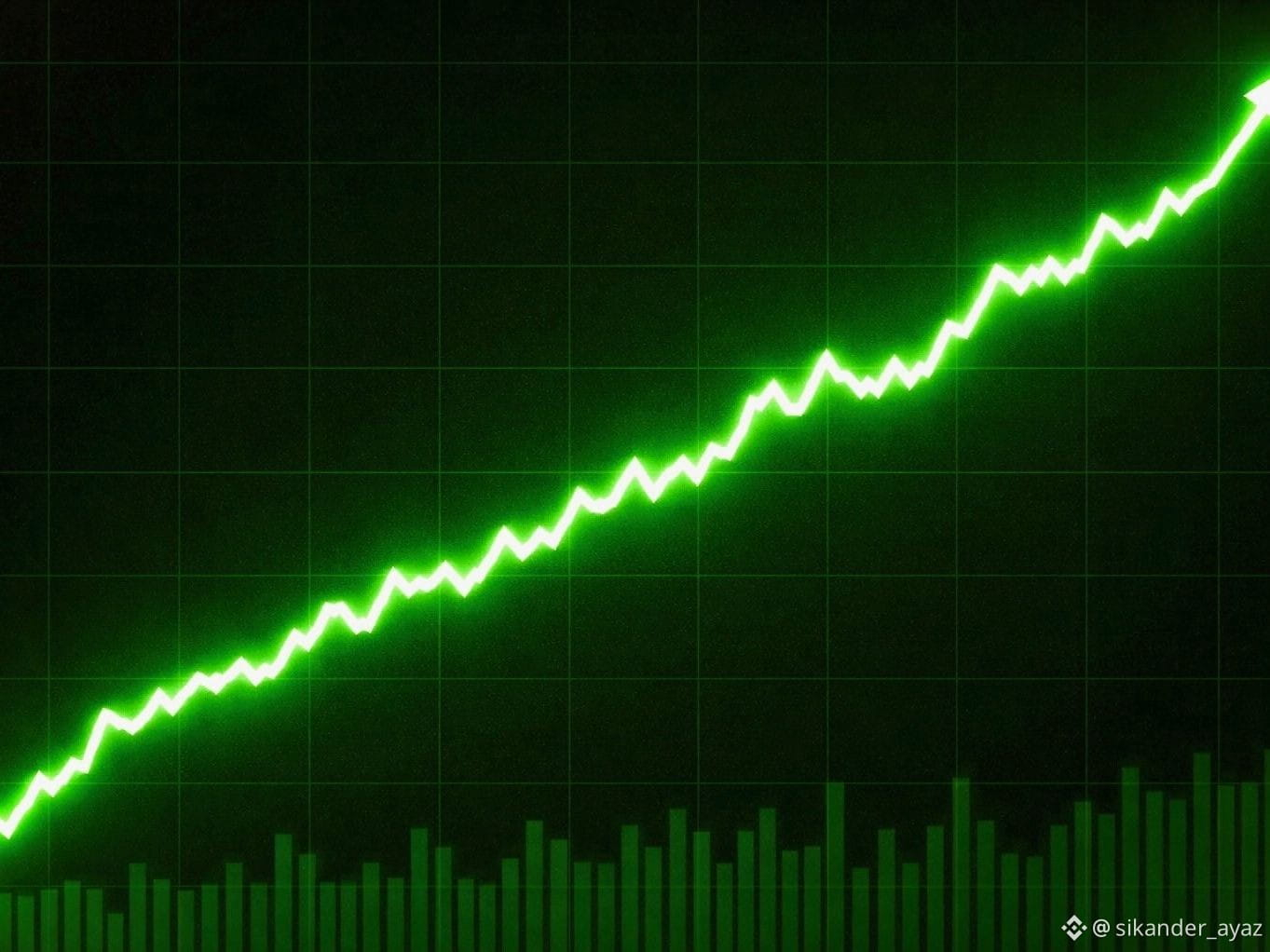
Bitcoin registra o maior ganho semanal desde março de 2023, disparando mais de 23%
Bitcoin registra o maior ganho semanal desde março de 2023, disparando mais de 23%
71
#termmax @termmax
RWA é mais do que colocar ativos on-chain
Eu costumava achar que Ativos do Mundo Real eram relativamente simples: pegar algo do mundo real, tokenizar, colocar o registro de propriedade em uma blockchain e que a parte difícil era quase toda feita.
Ver o TermMax mudou essa visão para mim.
Tokenizar um ativo não o torna automaticamente líquido. Um ativo pode existir on-chain e ainda assim ser difícil de vender ou transferir quando o empréstimo chega ao vencimento ou quando o tomador não consegue pagar.
Por isso, a ideia de entrega física chamou minha atenção. Em algumas estruturas, o credor pode conseguir receber o ativo subjacente diretamente, em vez de depender totalmente de um mercado secundário para vender a garantia.
Isso também torna o crédito com taxa fixa mais interessante. O credor não está pensando apenas no retorno. Ele também precisa entender o que acontece quando o tomador não paga e qual é, de fato, o valor da garantia subjacente e como ela pode ser tratada.
Então agora vejo o TermMax como mais do que apenas mais um protocolo de empréstimos. Ele também está explorando como o empréstimo pode funcionar com ativos que não se comportam como criptoativos “normais”.
O RWA ainda tem um desafio difícil: conectar a propriedade on-chain com ativos do mundo real, propriedade legal, liquidação e liquidez real.
É essa a parte que eu quero continuar acompanhando enquanto o TermMax evolui.
#termmax @TermMax
RWA é mais do que colocar ativos on-chain
Eu costumava achar que Ativos do Mundo Real eram relativamente simples: pegar algo do mundo real, tokenizar, colocar o registro de propriedade em uma blockchain e que a parte difícil era quase toda feita.
Ver o TermMax mudou essa visão para mim.
Tokenizar um ativo não o torna automaticamente líquido. Um ativo pode existir on-chain e ainda assim ser difícil de vender ou transferir quando o empréstimo chega ao vencimento ou quando o tomador não consegue pagar.
Por isso, a ideia de entrega física chamou minha atenção. Em algumas estruturas, o credor pode conseguir receber o ativo subjacente diretamente, em vez de depender totalmente de um mercado secundário para vender a garantia.
Isso também torna o crédito com taxa fixa mais interessante. O credor não está pensando apenas no retorno. Ele também precisa entender o que acontece quando o tomador não paga e qual é, de fato, o valor da garantia subjacente e como ela pode ser tratada.
Então agora vejo o TermMax como mais do que apenas mais um protocolo de empréstimos. Ele também está explorando como o empréstimo pode funcionar com ativos que não se comportam como criptoativos “normais”.
O RWA ainda tem um desafio difícil: conectar a propriedade on-chain com ativos do mundo real, propriedade legal, liquidação e liquidez real.
É essa a parte que eu quero continuar acompanhando enquanto o TermMax evolui.
RWA é mais do que colocar ativos on-chain
Eu costumava achar que Ativos do Mundo Real eram relativamente simples: pegar algo do mundo real, tokenizar, colocar o registro de propriedade em uma blockchain e que a parte difícil era quase toda feita.
Ver o TermMax mudou essa visão para mim.
Tokenizar um ativo não o torna automaticamente líquido. Um ativo pode existir on-chain e ainda assim ser difícil de vender ou transferir quando o empréstimo chega ao vencimento ou quando o tomador não consegue pagar.
Por isso, a ideia de entrega física chamou minha atenção. Em algumas estruturas, o credor pode conseguir receber o ativo subjacente diretamente, em vez de depender totalmente de um mercado secundário para vender a garantia.
Isso também torna o crédito com taxa fixa mais interessante. O credor não está pensando apenas no retorno. Ele também precisa entender o que acontece quando o tomador não paga e qual é, de fato, o valor da garantia subjacente e como ela pode ser tratada.
Então agora vejo o TermMax como mais do que apenas mais um protocolo de empréstimos. Ele também está explorando como o empréstimo pode funcionar com ativos que não se comportam como criptoativos “normais”.
O RWA ainda tem um desafio difícil: conectar a propriedade on-chain com ativos do mundo real, propriedade legal, liquidação e liquidez real.
É essa a parte que eu quero continuar acompanhando enquanto o TermMax evolui.
60
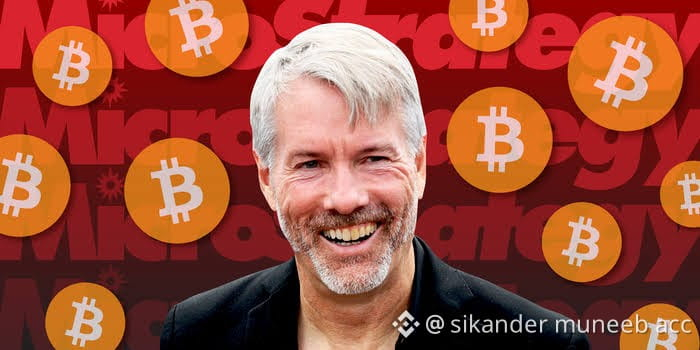
AGORA: a estratégia de Michael Saylor agora tem US$ 875.000.000 de lucro não realizado em seu investimento em Bitcoin.
#BTC🔥🔥🔥🔥🔥
AGORA: a estratégia de Michael Saylor agora tem US$ 875.000.000 de lucro não realizado em seu investimento em Bitcoin.
#BTC🔥🔥🔥🔥🔥
#BTC🔥🔥🔥🔥🔥
93
·
--
Em Alta
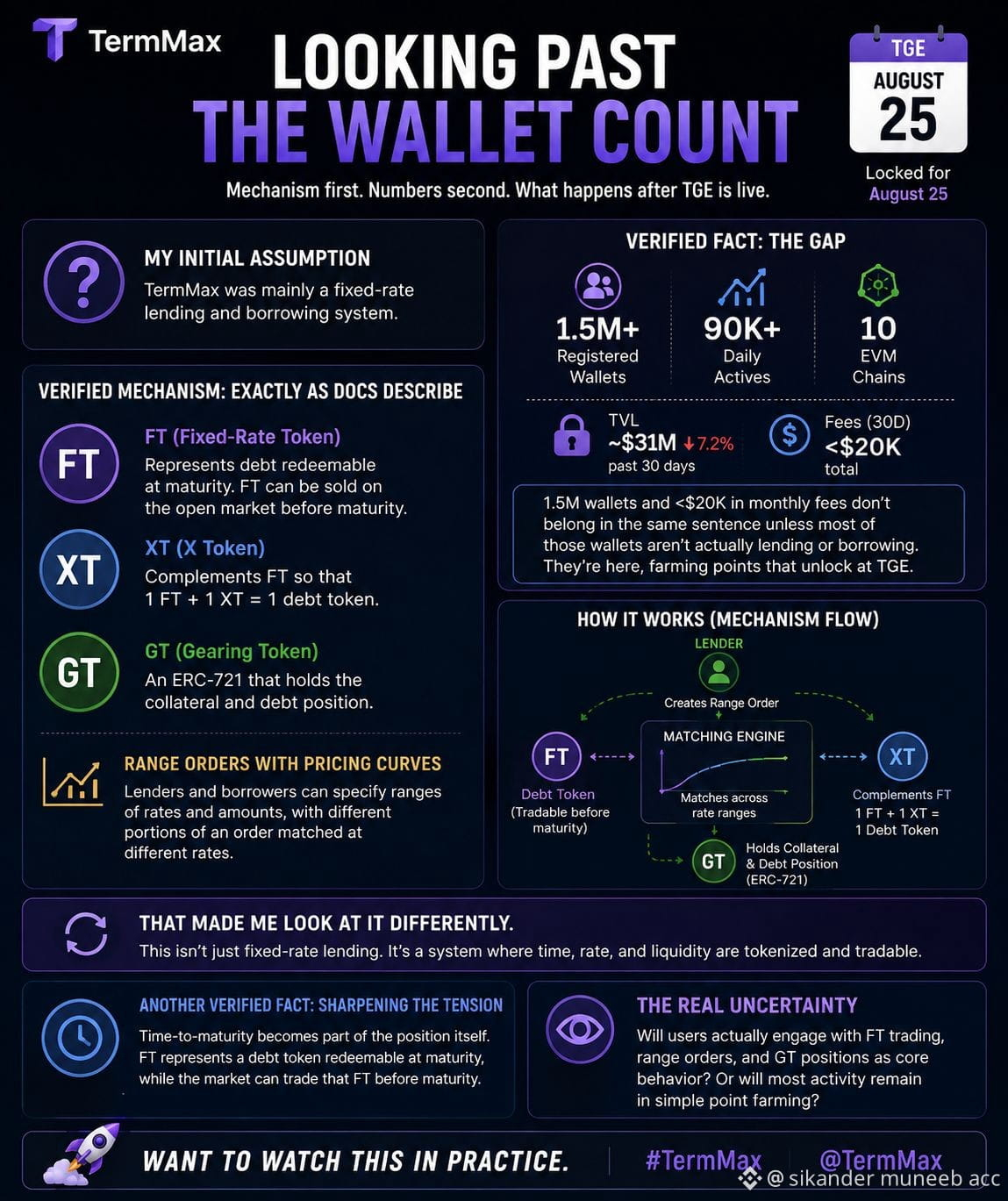
TermMax: Olhando além da contagem da carteira
Minha suposição inicial foi que o TermMax era principalmente um sistema de empréstimos e financiamentos com taxa fixa. A documentação descreve um mecanismo construído em torno de três tokens: FT (Fixed-Rate Token), XT (X Token) e GT (Gearing Token). O FT representa uma dívida resgatável no vencimento, o XT complementa o FT de modo que 1 FT + 1 XT = 1 token de dívida, enquanto o GT é um ERC-721 que mantém a garantia e a posição de dívida.
O TermMax também usa ordens por faixas com curvas de precificação: credores e tomadores podem especificar faixas de taxas e quantias, com diferentes porções de uma ordem sendo correspondidas a taxas diferentes. O FT também pode ser vendido no mercado aberto antes do vencimento, em vez de exigir que o detentor espere até o vencimento para o resgate.
Isso me fez olhar para o assunto de outra forma.
O mecanismo faz com que o tempo até o vencimento faça parte da própria posição: o FT representa um token de dívida resgatável no vencimento, enquanto o mercado pode negociar esse FT antes do vencimento.
O que eu quero ver agora é como os usuários realmente se comportam em torno dessas mecânicas quando o token está ativo: se a negociação de FT, as ordens por faixas e as posições do GT se tornam uma atividade on-chain rotineira, ou se a maior parte da participação permanece concentrada em formas mais simples de interação.
Quer acompanhar isso na prática.
@termmax #termmax
TermMax: Olhando além da contagem da carteira
Minha suposição inicial foi que o TermMax era principalmente um sistema de empréstimos e financiamentos com taxa fixa. A documentação descreve um mecanismo construído em torno de três tokens: FT (Fixed-Rate Token), XT (X Token) e GT (Gearing Token). O FT representa uma dívida resgatável no vencimento, o XT complementa o FT de modo que 1 FT + 1 XT = 1 token de dívida, enquanto o GT é um ERC-721 que mantém a garantia e a posição de dívida.
O TermMax também usa ordens por faixas com curvas de precificação: credores e tomadores podem especificar faixas de taxas e quantias, com diferentes porções de uma ordem sendo correspondidas a taxas diferentes. O FT também pode ser vendido no mercado aberto antes do vencimento, em vez de exigir que o detentor espere até o vencimento para o resgate.
Isso me fez olhar para o assunto de outra forma.
O mecanismo faz com que o tempo até o vencimento faça parte da própria posição: o FT representa um token de dívida resgatável no vencimento, enquanto o mercado pode negociar esse FT antes do vencimento.
O que eu quero ver agora é como os usuários realmente se comportam em torno dessas mecânicas quando o token está ativo: se a negociação de FT, as ordens por faixas e as posições do GT se tornam uma atividade on-chain rotineira, ou se a maior parte da participação permanece concentrada em formas mais simples de interação.
Quer acompanhar isso na prática.
@TermMax #termmax
Minha suposição inicial foi que o TermMax era principalmente um sistema de empréstimos e financiamentos com taxa fixa. A documentação descreve um mecanismo construído em torno de três tokens: FT (Fixed-Rate Token), XT (X Token) e GT (Gearing Token). O FT representa uma dívida resgatável no vencimento, o XT complementa o FT de modo que 1 FT + 1 XT = 1 token de dívida, enquanto o GT é um ERC-721 que mantém a garantia e a posição de dívida.
O TermMax também usa ordens por faixas com curvas de precificação: credores e tomadores podem especificar faixas de taxas e quantias, com diferentes porções de uma ordem sendo correspondidas a taxas diferentes. O FT também pode ser vendido no mercado aberto antes do vencimento, em vez de exigir que o detentor espere até o vencimento para o resgate.
Isso me fez olhar para o assunto de outra forma.
O mecanismo faz com que o tempo até o vencimento faça parte da própria posição: o FT representa um token de dívida resgatável no vencimento, enquanto o mercado pode negociar esse FT antes do vencimento.
O que eu quero ver agora é como os usuários realmente se comportam em torno dessas mecânicas quando o token está ativo: se a negociação de FT, as ordens por faixas e as posições do GT se tornam uma atividade on-chain rotineira, ou se a maior parte da participação permanece concentrada em formas mais simples de interação.
Quer acompanhar isso na prática.
@TermMax #termmax
46
🚨 MUDANÇA NA POLÍTICA CRIPTO DOS EUA? 🇺🇸
As discussões sobre cripto na Casa Branca hoje, segundo relatos, abordaram alguns pontos importantes:
→ Os EUA estariam considerando adquirir uma quantidade significativa de BTC e outros ativos digitais
→ Trump pediu aos legisladores que avançassem com a Lei CLARITY
→ Manter a liderança dos EUA em Bitcoin e blockchain segue como prioridade
→ A Hyperliquid estaria trabalhando para entrar no mercado americano
→ Trump também apoiou a redução das taxas de juros
Se esses movimentos de fato se traduzirem em política, os EUA poderiam estar se posicionando para um papel muito maior na economia cripto global.
Será que isso é o começo de uma era mais amigável a cripto nos EUA? 🇺🇸₿ #USCrypto
🚨 MUDANÇA NA POLÍTICA CRIPTO DOS EUA? 🇺🇸
As discussões sobre cripto na Casa Branca hoje, segundo relatos, abordaram alguns pontos importantes:
→ Os EUA estariam considerando adquirir uma quantidade significativa de BTC e outros ativos digitais
→ Trump pediu aos legisladores que avançassem com a Lei CLARITY
→ Manter a liderança dos EUA em Bitcoin e blockchain segue como prioridade
→ A Hyperliquid estaria trabalhando para entrar no mercado americano
→ Trump também apoiou a redução das taxas de juros
Se esses movimentos de fato se traduzirem em política, os EUA poderiam estar se posicionando para um papel muito maior na economia cripto global.
Será que isso é o começo de uma era mais amigável a cripto nos EUA? 🇺🇸₿ #USCrypto
As discussões sobre cripto na Casa Branca hoje, segundo relatos, abordaram alguns pontos importantes:
→ Os EUA estariam considerando adquirir uma quantidade significativa de BTC e outros ativos digitais
→ Trump pediu aos legisladores que avançassem com a Lei CLARITY
→ Manter a liderança dos EUA em Bitcoin e blockchain segue como prioridade
→ A Hyperliquid estaria trabalhando para entrar no mercado americano
→ Trump também apoiou a redução das taxas de juros
Se esses movimentos de fato se traduzirem em política, os EUA poderiam estar se posicionando para um papel muito maior na economia cripto global.
Será que isso é o começo de uma era mais amigável a cripto nos EUA? 🇺🇸₿ #USCrypto
61
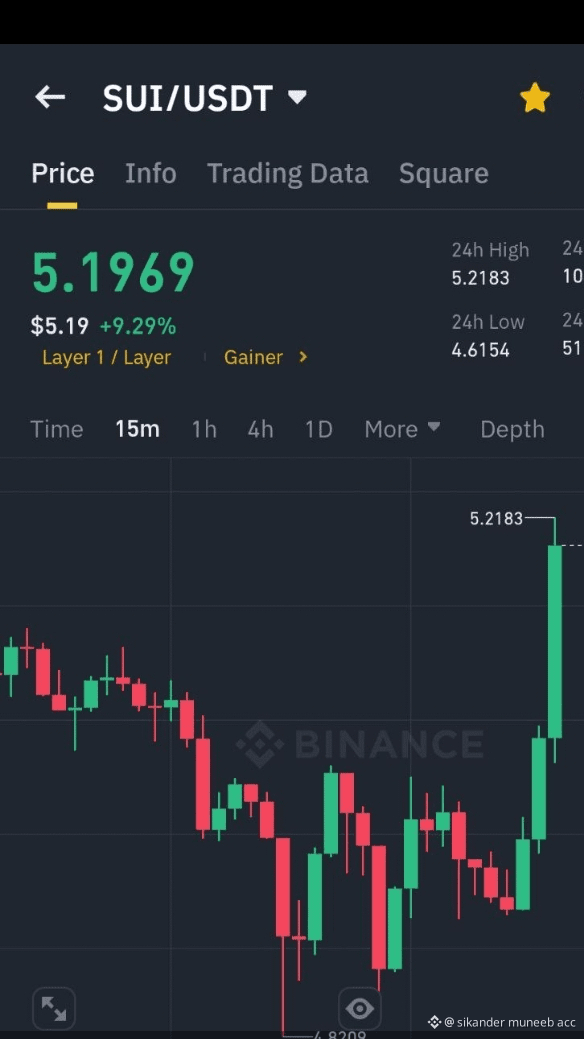
História 😂? O que você acha de quanto isso vai custar para chegar aqui $SUI to #bullish
História 😂? O que você acha de quanto isso vai custar para chegar aqui $SUI to #bullish
98
Eu estava analisando com mais profundidade o @TermMax e encontrei uma parte interessante do design dele: FT, XT e GT são usados em conjunto com curvas de precificação em ordem de faixa, e o FT pode continuar negociável antes do vencimento. Isso me fez olhar para isso de forma diferente. O tempo até o vencimento também passa a fazer parte do processo de precificação. Ainda estou curioso para ver como esses mecanismos se comportam em condições reais de mercado. Quero observar isso na prática. #TermMax @termmax
Eu estava analisando com mais profundidade o @TermMax e encontrei uma parte interessante do design dele: FT, XT e GT são usados em conjunto com curvas de precificação em ordem de faixa, e o FT pode continuar negociável antes do vencimento. Isso me fez olhar para isso de forma diferente. O tempo até o vencimento também passa a fazer parte do processo de precificação. Ainda estou curioso para ver como esses mecanismos se comportam em condições reais de mercado. Quero observar isso na prática. #TermMax @TermMax
67
·
--
Em Alta
SOL com desconto
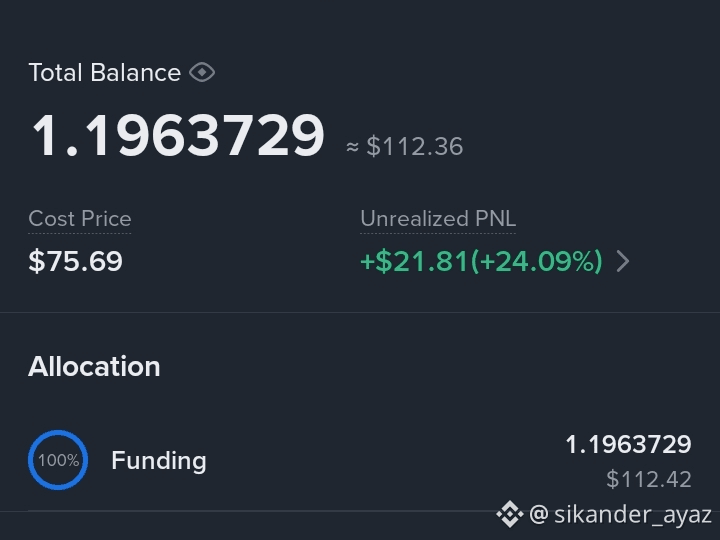
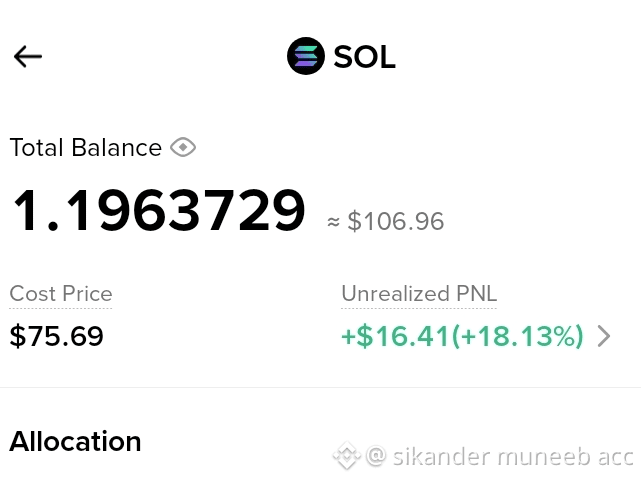
Tenho pesquisado SOL e uma coisa se destaca: ele está sendo negociado por volta de US$ 75, aproximadamente 74% abaixo da sua máxima histórica de cerca de US$ 293. Isso não é a mínima histórica literal, mas ainda assim é uma queda gigantesca. Enquanto isso, a Solana recentemente registrou mais de 1B de transações semanais sem voto, mostrando que o uso da rede não desapareceu.
Pessoalmente, acho que a SOL parece ser um dos ativos de grande capitalização mais fortes para acumular nestes níveis—não porque seja garantido que vai disparar, mas porque a relação risco/recompensa parece interessante após uma correção tão profunda.
Você prefere comprar SOL por volta de US$ 75 agora, ou esperar por uma entrada ainda mais baixa?
#SolanaStrong #solanAnalysis #SolanaJourney
SOL com desconto
Tenho pesquisado SOL e uma coisa se destaca: ele está sendo negociado por volta de US$ 75, aproximadamente 74% abaixo da sua máxima histórica de cerca de US$ 293. Isso não é a mínima histórica literal, mas ainda assim é uma queda gigantesca. Enquanto isso, a Solana recentemente registrou mais de 1B de transações semanais sem voto, mostrando que o uso da rede não desapareceu.
Pessoalmente, acho que a SOL parece ser um dos ativos de grande capitalização mais fortes para acumular nestes níveis—não porque seja garantido que vai disparar, mas porque a relação risco/recompensa parece interessante após uma correção tão profunda.
Você prefere comprar SOL por volta de US$ 75 agora, ou esperar por uma entrada ainda mais baixa?
#SolanaStrong #solanAnalysis #SolanaJourney
Tenho pesquisado SOL e uma coisa se destaca: ele está sendo negociado por volta de US$ 75, aproximadamente 74% abaixo da sua máxima histórica de cerca de US$ 293. Isso não é a mínima histórica literal, mas ainda assim é uma queda gigantesca. Enquanto isso, a Solana recentemente registrou mais de 1B de transações semanais sem voto, mostrando que o uso da rede não desapareceu.
Pessoalmente, acho que a SOL parece ser um dos ativos de grande capitalização mais fortes para acumular nestes níveis—não porque seja garantido que vai disparar, mas porque a relação risco/recompensa parece interessante após uma correção tão profunda.
Você prefere comprar SOL por volta de US$ 75 agora, ou esperar por uma entrada ainda mais baixa?
#SolanaStrong #solanAnalysis #SolanaJourney
1
98
·
--
Em Alta
Tenho analisado o @TermMax e um detalhe chamou minha atenção: a FT pode ser negociada antes do vencimento, enquanto a FT, a XT e a GT funcionam dentro de suas curvas de precificação por ordens em faixa. Isso me fez olhar para o assunto de forma diferente. Como o tempo até o vencimento também passa a fazer parte da precificação, fiquei curioso sobre como esses mecanismos realmente se comportarão nas condições reais do mercado. Quero observar isso na prática.$#termmax @termmax
Tenho analisado o @TermMax e um detalhe chamou minha atenção: a FT pode ser negociada antes do vencimento, enquanto a FT, a XT e a GT funcionam dentro de suas curvas de precificação por ordens em faixa. Isso me fez olhar para o assunto de forma diferente. Como o tempo até o vencimento também passa a fazer parte da precificação, fiquei curioso sobre como esses mecanismos realmente se comportarão nas condições reais do mercado. Quero observar isso na prática.$#termmax @TermMax
82
Continuo notando que as finanças regulamentadas precisam tanto de privacidade quanto de responsabilização—não uma coisa ou outra.
O Dusk está construindo uma Layer 1 criada especificamente para mercados financeiros regulamentados, com privacidade programável e divulgação seletiva.
A tensão é simples: ativos financeiros precisam de confidencialidade, mas as partes autorizadas ainda precisam de visibilidade.
A infraestrutura de blockchain consegue fazer as duas coisas funcionarem em escala? @Dusk_Foundation $DUSK #dusk#dusk $DUSK
Continuo notando que as finanças regulamentadas precisam tanto de privacidade quanto de responsabilização—não uma coisa ou outra.
O Dusk está construindo uma Layer 1 criada especificamente para mercados financeiros regulamentados, com privacidade programável e divulgação seletiva.
A tensão é simples: ativos financeiros precisam de confidencialidade, mas as partes autorizadas ainda precisam de visibilidade.
A infraestrutura de blockchain consegue fazer as duas coisas funcionarem em escala? @Dusk $DUSK #dusk#dusk $DUSK
O Dusk está construindo uma Layer 1 criada especificamente para mercados financeiros regulamentados, com privacidade programável e divulgação seletiva.
A tensão é simples: ativos financeiros precisam de confidencialidade, mas as partes autorizadas ainda precisam de visibilidade.
A infraestrutura de blockchain consegue fazer as duas coisas funcionarem em escala? @Dusk $DUSK #dusk#dusk $DUSK
93
Inicia sessão para explorar mais conteúdos
Junta-te a utilizadores de criptomoedas de todo o mundo na Binance Square
⚡️ Obtém informações úteis e recentes sobre criptomoedas.
💬 Com a confiança da maior exchange de criptomoedas do mundo.
👍 Descobre perspetivas reais de criadores verificados.
E-mail/Número de telefone
Tópicos em Tendência
BNBSurpasses$790
17,430 visualizações
142 a discutir
$BNB plano estratégico de longo prazo -> FOQUE AGORA
O BNB criou 2 fortes mínimas após romper a liquidez interna
Estou esperando um movimento em direção à máxima da swing em US$ 815–US$ 830 e procuro uma compra (long) em uma retest da caixa verde
#BNBSurpasses$790 #bnb
Ghost Writer
·6 gostos
·8.8k visualizações
ZamaRises15.99%ToIntradayHigh$0.09
15,132 visualizações
105 a discutir
BitcoinSpotETFsDraw$6.34BInflowsInQ3
5,718 visualizações
90 a discutir