
ILIQ69
208 Publicações

ILIQ69
39 A seguir
54 Seguidores
240 Gostaram
Publicações
PINNED
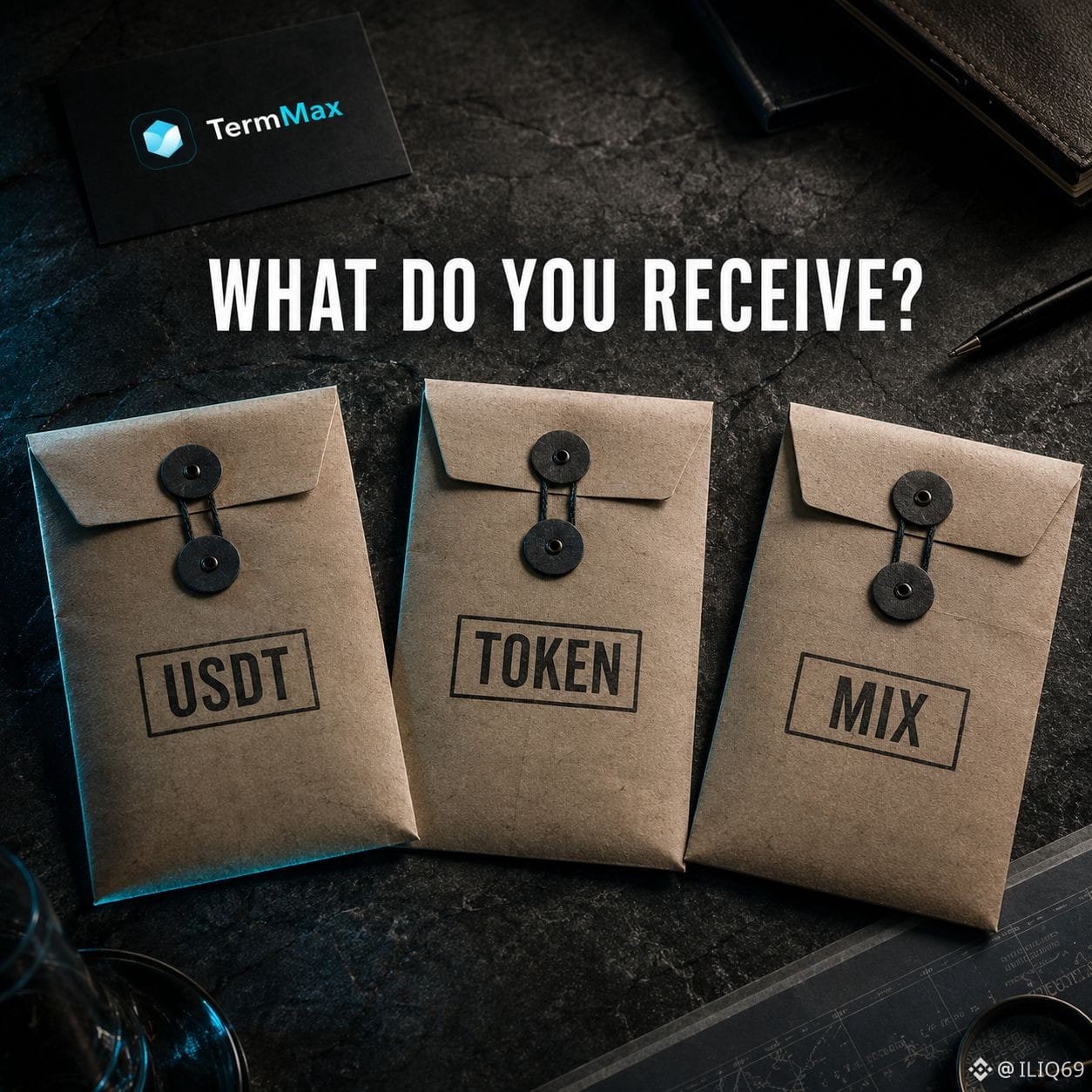
Uma devolução de um cofre pode parecer simples até que você faça uma pergunta mais prática: que ativo eu realmente posso receber no vencimento?
A documentação do TermMax Alpha explica que, após o vencimento, um cofre de Duplo Investimento pode terminar com USDT, o token ou uma combinação de ambos em um cenário de exercício parcial. A composição final depende do resultado do acerto (settlement) e da liquidez disponível.
Esse detalhe faz com que eu leia uma oferta de rentabilidade de forma diferente. A taxa é apenas uma parte da decisão. O ativo no acerto (settlement) é outra. Se eu depositar USDT, mas a estrutura puder liquidar em tokens sob certas condições, preciso estar confortável com essa possibilidade antes de entrar.
Qual resultado final você gostaria que fosse definido com mais clareza antes de depositar?
@TermMax $TMX #TermMax
A documentação do TermMax Alpha explica que, após o vencimento, um cofre de Duplo Investimento pode terminar com USDT, o token ou uma combinação de ambos em um cenário de exercício parcial. A composição final depende do resultado do acerto (settlement) e da liquidez disponível.
Esse detalhe faz com que eu leia uma oferta de rentabilidade de forma diferente. A taxa é apenas uma parte da decisão. O ativo no acerto (settlement) é outra. Se eu depositar USDT, mas a estrutura puder liquidar em tokens sob certas condições, preciso estar confortável com essa possibilidade antes de entrar.
Qual resultado final você gostaria que fosse definido com mais clareza antes de depositar?
@TermMax $TMX #TermMax
Settlement asset
0%
Strike price
0%
Maturity date
0%
Partial-exercise rules
0%
0 Votos • Votação encerrada
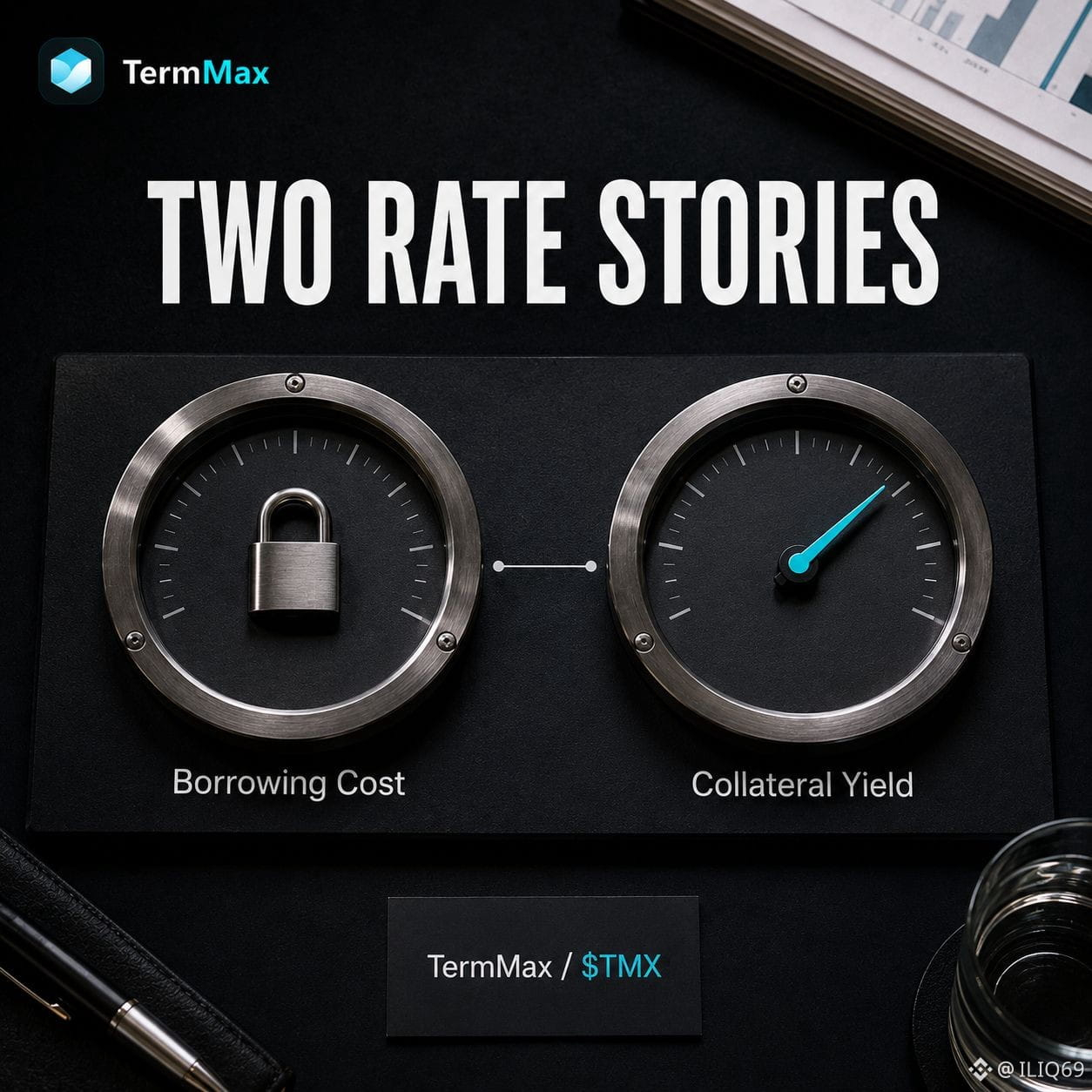
Uma taxa de empréstimo fixa não significa automaticamente que toda a posição tenha um resultado fixo. Essa distinção fica mais clara quando a garantia que rende juros entra em cena.
A documentação do TermMax diz que a taxa de empréstimo pode permanecer fixa, enquanto a renda da garantia depende de qual é essa garantia. Um ativo de taxa fixa, como um PT, pode ter renda fixa, enquanto uma garantia com rendimento flutuante pode continuar acompanhando o mercado.
Então eu separaria a posição em duas perguntas: qual é o meu custo conhecido de empréstimo e qual é o comportamento de retorno do ativo que eu bloqueei? Chamar os dois lados de “fixos” esconderia a parte que ainda pode mudar.
Qual parte você separaria primeiro ao avaliar uma posição com rendimento?
@TermMax #TermMax
A documentação do TermMax diz que a taxa de empréstimo pode permanecer fixa, enquanto a renda da garantia depende de qual é essa garantia. Um ativo de taxa fixa, como um PT, pode ter renda fixa, enquanto uma garantia com rendimento flutuante pode continuar acompanhando o mercado.
Então eu separaria a posição em duas perguntas: qual é o meu custo conhecido de empréstimo e qual é o comportamento de retorno do ativo que eu bloqueei? Chamar os dois lados de “fixos” esconderia a parte que ainda pode mudar.
Qual parte você separaria primeiro ao avaliar uma posição com rendimento?
@TermMax #TermMax
Borrowing cost
0%
Collateral yield
0%
LTV risk
0%
All three together
0%
0 Votos • Votação encerrada
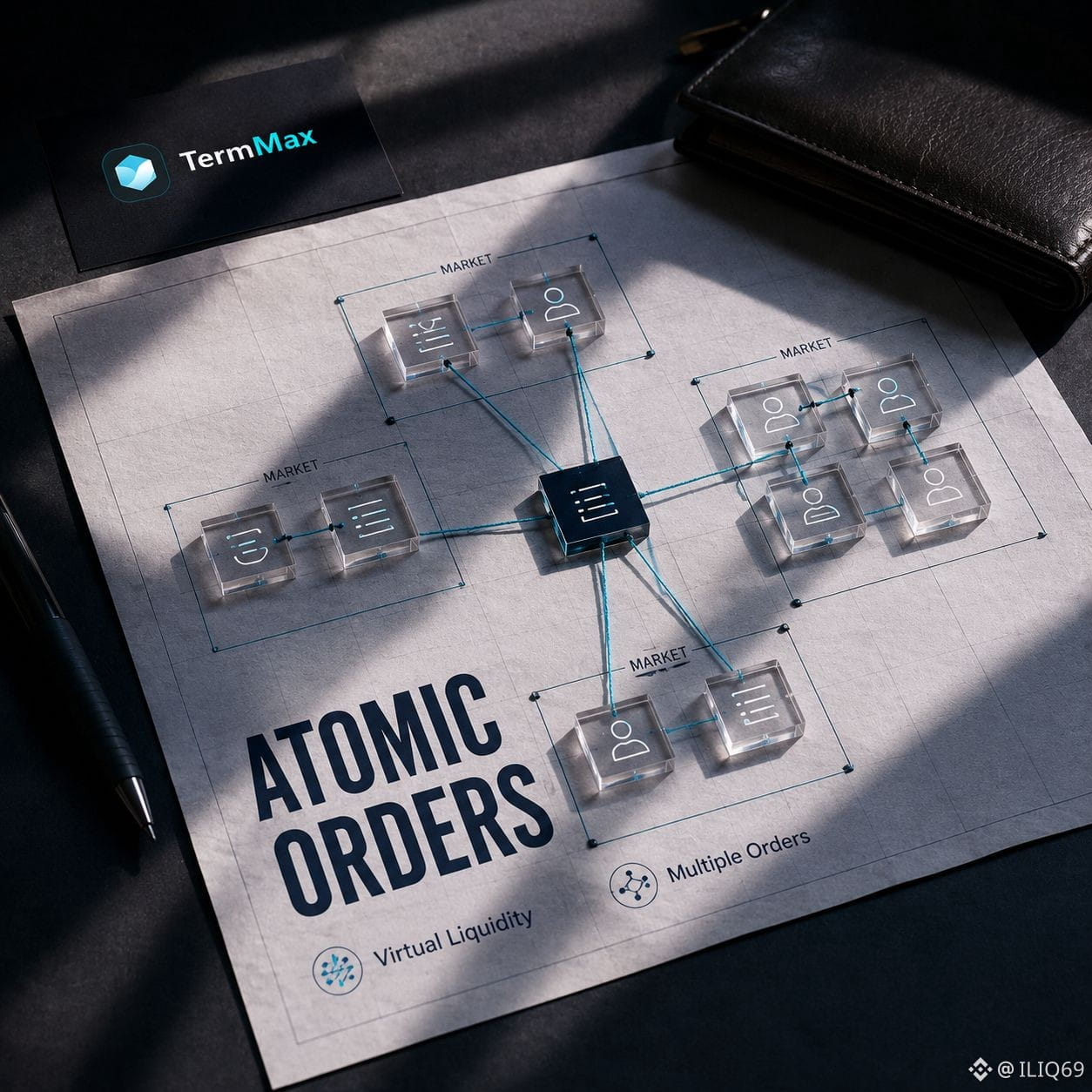
A parte do whitepaper do TMX que eu quase deixei passar foi Atomic Orders. TermMax descreve liquidez virtual sendo distribuída entre várias ordens antes que os fundos sejam efetivamente emprestados.
Isso soa como encanamento, mas acho que altera o que “liquidez disponível” realmente significa. O capital não precisa escolher um único mercado cedo demais apenas para estar pronto. Ele pode ser posicionado para mais de uma oportunidade em vez de ficar fragmentado no momento em que entra no sistema.
Eu não trataria isso como prova de que cada mercado terá execução profunda. Um design inteligente ainda precisa funcionar em condições reais. Mas é um problema mais interessante do que simplesmente exibir uma taxa atraente: onde a liquidez deve ficar esperando antes que alguém precise dela?
Você preferiria reservar liquidez em um único mercado ou mantê-la posicionada em várias oportunidades?
@TermMax $TMX #TermMax
Isso soa como encanamento, mas acho que altera o que “liquidez disponível” realmente significa. O capital não precisa escolher um único mercado cedo demais apenas para estar pronto. Ele pode ser posicionado para mais de uma oportunidade em vez de ficar fragmentado no momento em que entra no sistema.
Eu não trataria isso como prova de que cada mercado terá execução profunda. Um design inteligente ainda precisa funcionar em condições reais. Mas é um problema mais interessante do que simplesmente exibir uma taxa atraente: onde a liquidez deve ficar esperando antes que alguém precise dela?
Você preferiria reservar liquidez em um único mercado ou mantê-la posicionada em várias oportunidades?
@TermMax $TMX #TermMax
Reserve one market
0%
Spread it across markets
0%
Depends on execution
0%
I need more data
0%
0 Votos • Votação encerrada
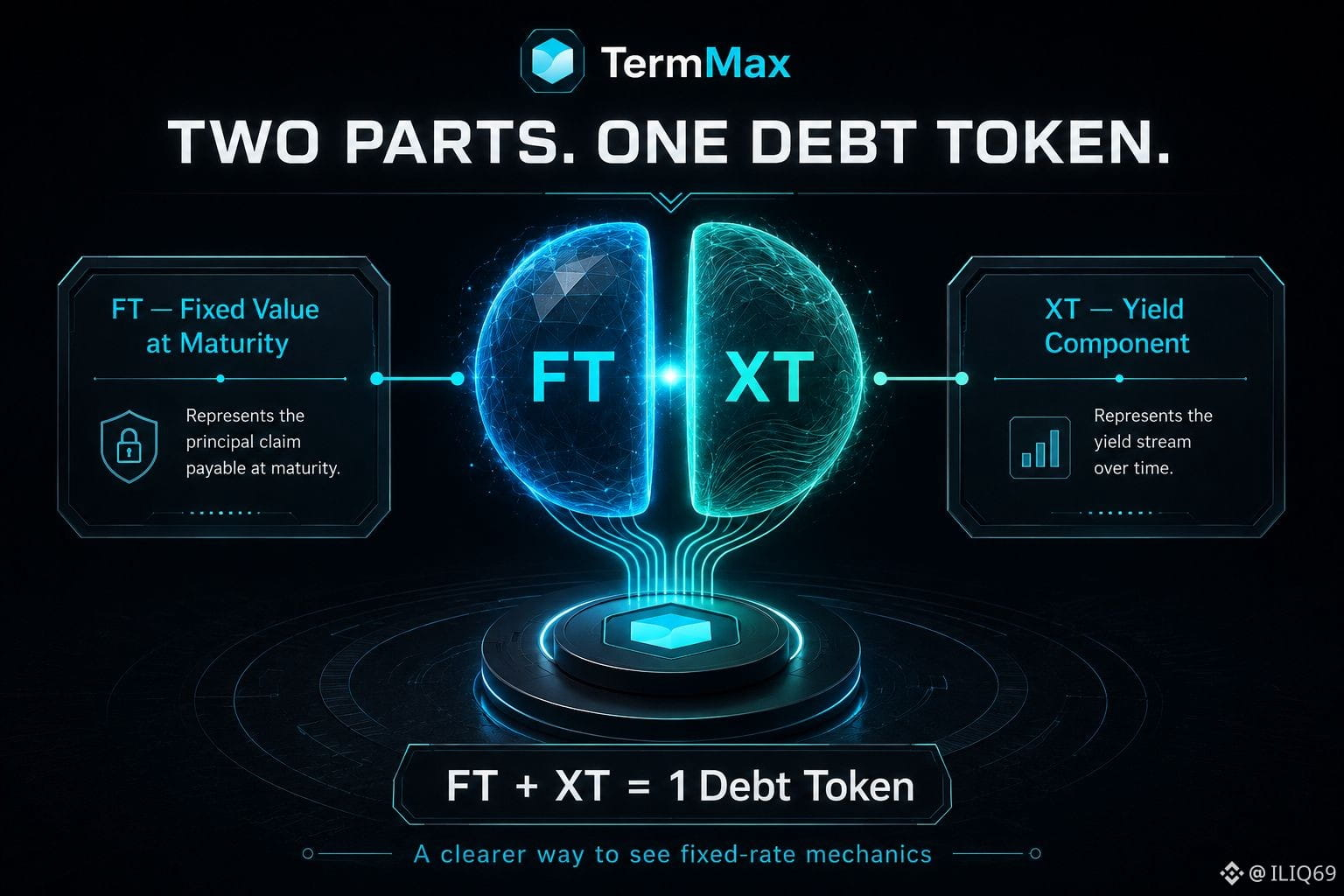
A estrutura FT e XT em @TermMax pareceu-me técnica demais no início. Depois disso, parei de tentar memorizar siglas e usei um modelo mental mais simples.
Um token de dívida pode ser representado por duas partes conectadas: FT + XT. A FT carrega a reivindicação de valor fixo no vencimento, enquanto a XT representa o outro lado desse valor antes do vencimento. Juntas, elas tornam o token de dívida original completo.
Gosto de sistemas que tornam a economia visível em vez de esconder tudo dentro de um único saldo em “caixa-preta”. Isso não elimina o risco nem torna o processo “dinheiro fácil”, mas dá a credores e tomadores uma forma mais clara de ver como o rendimento fixo e o custo do empréstimo são formados.
Que parte do modelo FT + XT você gostaria que eu explicasse com um exemplo real?
@TermMax #TermMax
Um token de dívida pode ser representado por duas partes conectadas: FT + XT. A FT carrega a reivindicação de valor fixo no vencimento, enquanto a XT representa o outro lado desse valor antes do vencimento. Juntas, elas tornam o token de dívida original completo.
Gosto de sistemas que tornam a economia visível em vez de esconder tudo dentro de um único saldo em “caixa-preta”. Isso não elimina o risco nem torna o processo “dinheiro fácil”, mas dá a credores e tomadores uma forma mais clara de ver como o rendimento fixo e o custo do empréstimo são formados.
Que parte do modelo FT + XT você gostaria que eu explicasse com um exemplo real?
@TermMax #TermMax
How FT earns yield
0%
What XT represents
0%
Why they equal one asset
0%
The borrower flow
0%
0 Votos • Votação encerrada
A parte de uma operação que eu quero entender antes de comprar é o caminho de saída.
A Binance explica que usuários elegíveis podem converter entre uma ação direta compatível e o bStock correspondente na proporção de 1:1, sem taxa de conversão. Ela também observa que a conversão pode ser pausada temporariamente para processamento de eventos corporativos ou manutenção. Isso é útil, mas não é um motivo para pular os detalhes.
Para mim, a conclusão prática é simples: a elegibilidade, os termos do produto e o timing operacional importam antes que eu precise deles — não depois de eu já ter montado uma posição. E como um bStock é uma estrutura de certificado, e não uma posse direta de ações, eu devo entender o que eu tenho antes de fazer qualquer plano de conversão.
Isso não é a parte mais empolgante de operar, mas é a parte que faz o resto parecer mais deliberado.
Você verificaria as regras de conversão e elegibilidade antes de comprar um bStock?
#bstockscis @BinanceCIS #bStocksCIS $EWYB
A Binance explica que usuários elegíveis podem converter entre uma ação direta compatível e o bStock correspondente na proporção de 1:1, sem taxa de conversão. Ela também observa que a conversão pode ser pausada temporariamente para processamento de eventos corporativos ou manutenção. Isso é útil, mas não é um motivo para pular os detalhes.
Para mim, a conclusão prática é simples: a elegibilidade, os termos do produto e o timing operacional importam antes que eu precise deles — não depois de eu já ter montado uma posição. E como um bStock é uma estrutura de certificado, e não uma posse direta de ações, eu devo entender o que eu tenho antes de fazer qualquer plano de conversão.
Isso não é a parte mais empolgante de operar, mas é a parte que faz o resto parecer mais deliberado.
Você verificaria as regras de conversão e elegibilidade antes de comprar um bStock?
#bstockscis @BinanceCIS #bStocksCIS $EWYB

Always before buying
50%
Only for a large position
0%
Only when I need it
50%
I did not know this existed
0%
2 Votos • Votação encerrada
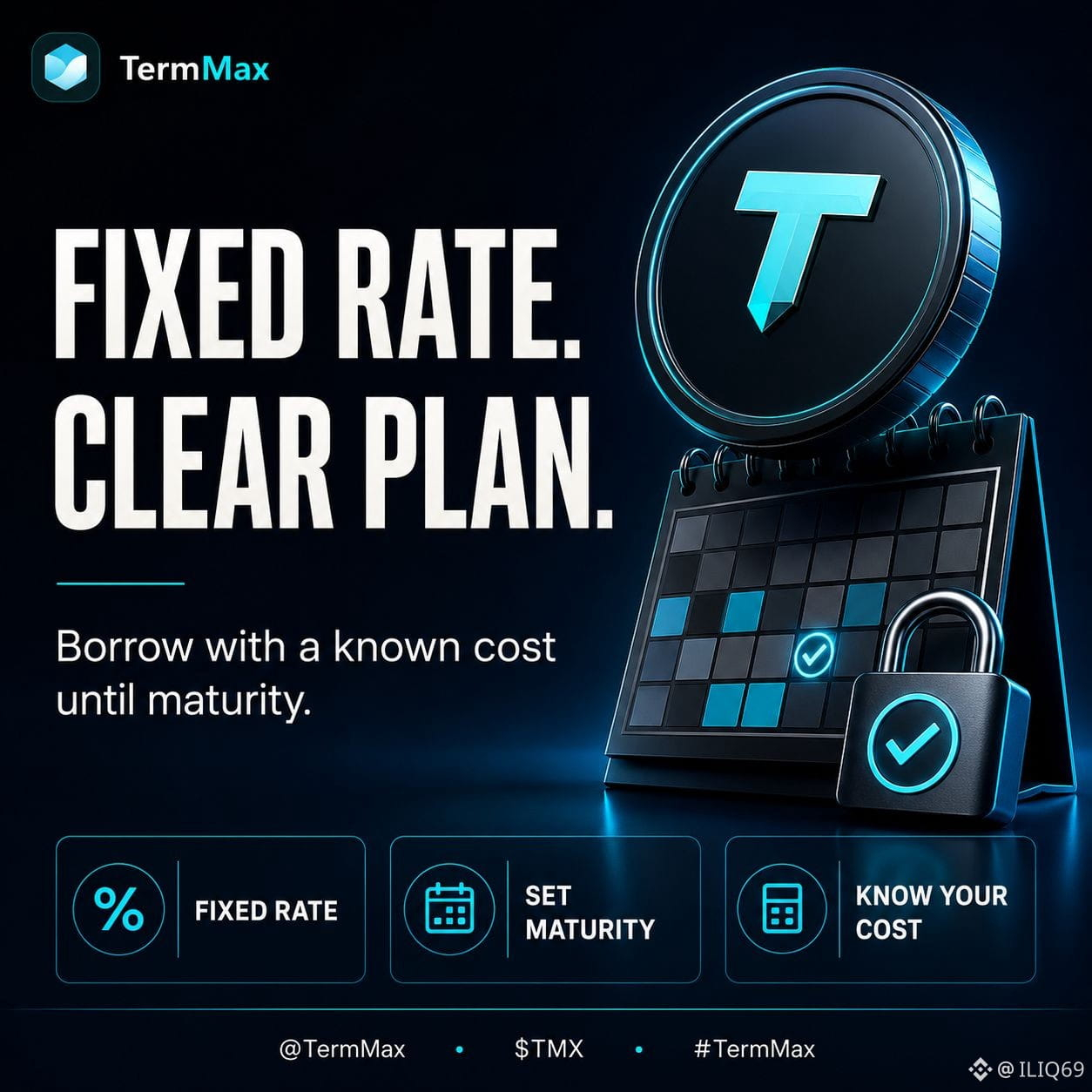
@TermMax me fez pensar sobre contrair empréstimos em DeFi como planejar um orçamento de uma pequena empresa. Eu posso aceitar um custo; o que é difícil de lidar é um custo que muda enquanto o plano continua o mesmo.
Com uma taxa fixa e um vencimento fixo, eu sei a pergunta com antecedência: esse custo do empréstimo vale o tempo que estou comprando? Isso parece mais honesto do que tratar um widget de APY como uma promessa.
O trade-off ainda importa. Uma taxa fixa pode parecer menos atraente se, mais tarde, as taxas flutuantes caírem, e a garantia ainda pode se mover contra você. Mas a certeza tem valor quando o objetivo é tomar uma decisão deliberada em vez de atualizar um painel todos os dias.
O que ajudaria mais você ao contrair empréstimos: uma taxa conhecida ou a flexibilidade máxima?
@TermMax #TermMax
Com uma taxa fixa e um vencimento fixo, eu sei a pergunta com antecedência: esse custo do empréstimo vale o tempo que estou comprando? Isso parece mais honesto do que tratar um widget de APY como uma promessa.
O trade-off ainda importa. Uma taxa fixa pode parecer menos atraente se, mais tarde, as taxas flutuantes caírem, e a garantia ainda pode se mover contra você. Mas a certeza tem valor quando o objetivo é tomar uma decisão deliberada em vez de atualizar um painel todos os dias.
O que ajudaria mais você ao contrair empréstimos: uma taxa conhecida ou a flexibilidade máxima?
@TermMax #TermMax
A known rate
0%
Maximum flexibility
0%
A mix of both
0%
Not borrowing now
0%
0 Votos • Votação encerrada
Existe uma tensão útil em bStocks que eu não vejo ser discutida o suficiente: o mercado pode ficar aberto 24/7, enquanto a empresa por trás ainda conta a sua história de negócios em um calendário normal de divulgação.
Com $NVDAB , um preço pode se mover a qualquer hora no Binance Spot. Mas um processo sério de pesquisa ainda precisa dos resultados da empresa, das orientações, do ciclo de produtos, da demanda dos clientes e dos riscos. Um gráfico ao vivo pode mostrar que a atenção mudou; ele não consegue explicar se a tese do negócio melhorou.
Então eu estou tentando separar duas atividades. Uma é acompanhar o mercado. A outra é ler a empresa. A primeira é rápida e emocional; a segunda é mais lenta e, geralmente, mais útil.
É essa distinção que impede que o acesso 24/7 se torne, para mim, um ruído 24/7.
O que você lê primeiro quando uma empresa publica resultados?
#bstockscis @BinanceCIS #bStocksCIS $NVDAB
Com $NVDAB , um preço pode se mover a qualquer hora no Binance Spot. Mas um processo sério de pesquisa ainda precisa dos resultados da empresa, das orientações, do ciclo de produtos, da demanda dos clientes e dos riscos. Um gráfico ao vivo pode mostrar que a atenção mudou; ele não consegue explicar se a tese do negócio melhorou.
Então eu estou tentando separar duas atividades. Uma é acompanhar o mercado. A outra é ler a empresa. A primeira é rápida e emocional; a segunda é mais lenta e, geralmente, mais útil.
É essa distinção que impede que o acesso 24/7 se torne, para mim, um ruído 24/7.
O que você lê primeiro quando uma empresa publica resultados?
#bstockscis @BinanceCIS #bStocksCIS $NVDAB

Revenue and earnings
100%
Forward guidance
0%
Management commentary
0%
I wait for analysis
0%
1 Votos • Votação encerrada
Um hábito de bStocks que estou tentando construir é ser chato de propósito: não confundir um mercado aberto com uma negociação automaticamente ser uma boa ideia.
$SPCXB pode negociar na Binance Spot o tempo todo. Isso é útil, especialmente quando uma bolsa tradicional está fechada. Mas “disponível para negociar” não é a mesma coisa que “eu devo entrar correndo com uma ordem a mercado”. Antes de entrar, eu quero olhar o livro de ofertas ao vivo, decidir o preço máximo com o qual estou confortável em pagar e dimensionar a posição antes que a emoção tome conta.
Isso não é uma previsão sobre a SpaceX. É uma regra de execução para qualquer ativo 24/7: a conveniência deve me deixar mais preparado, não mais impulsivo.
A melhor negociação que eu evito pode ser a que eu quase fiz porque um gráfico parecia empolgante à meia-noite.
Quando você negocia um mercado que fica sempre aberto, qual regra ajuda você mais?
#bstockscis @BinanceCIS #bStocksCIS $SPCXB
$SPCXB pode negociar na Binance Spot o tempo todo. Isso é útil, especialmente quando uma bolsa tradicional está fechada. Mas “disponível para negociar” não é a mesma coisa que “eu devo entrar correndo com uma ordem a mercado”. Antes de entrar, eu quero olhar o livro de ofertas ao vivo, decidir o preço máximo com o qual estou confortável em pagar e dimensionar a posição antes que a emoção tome conta.
Isso não é uma previsão sobre a SpaceX. É uma regra de execução para qualquer ativo 24/7: a conveniência deve me deixar mais preparado, não mais impulsivo.
A melhor negociação que eu evito pode ser a que eu quase fiz porque um gráfico parecia empolgante à meia-noite.
Quando você negocia um mercado que fica sempre aberto, qual regra ajuda você mais?
#bstockscis @BinanceCIS #bStocksCIS $SPCXB

Use limit orders
0%
Check the order book
67%
Set a position size first
0%
Wait for the main session
33%
3 Votos • Votação encerrada
Verificado
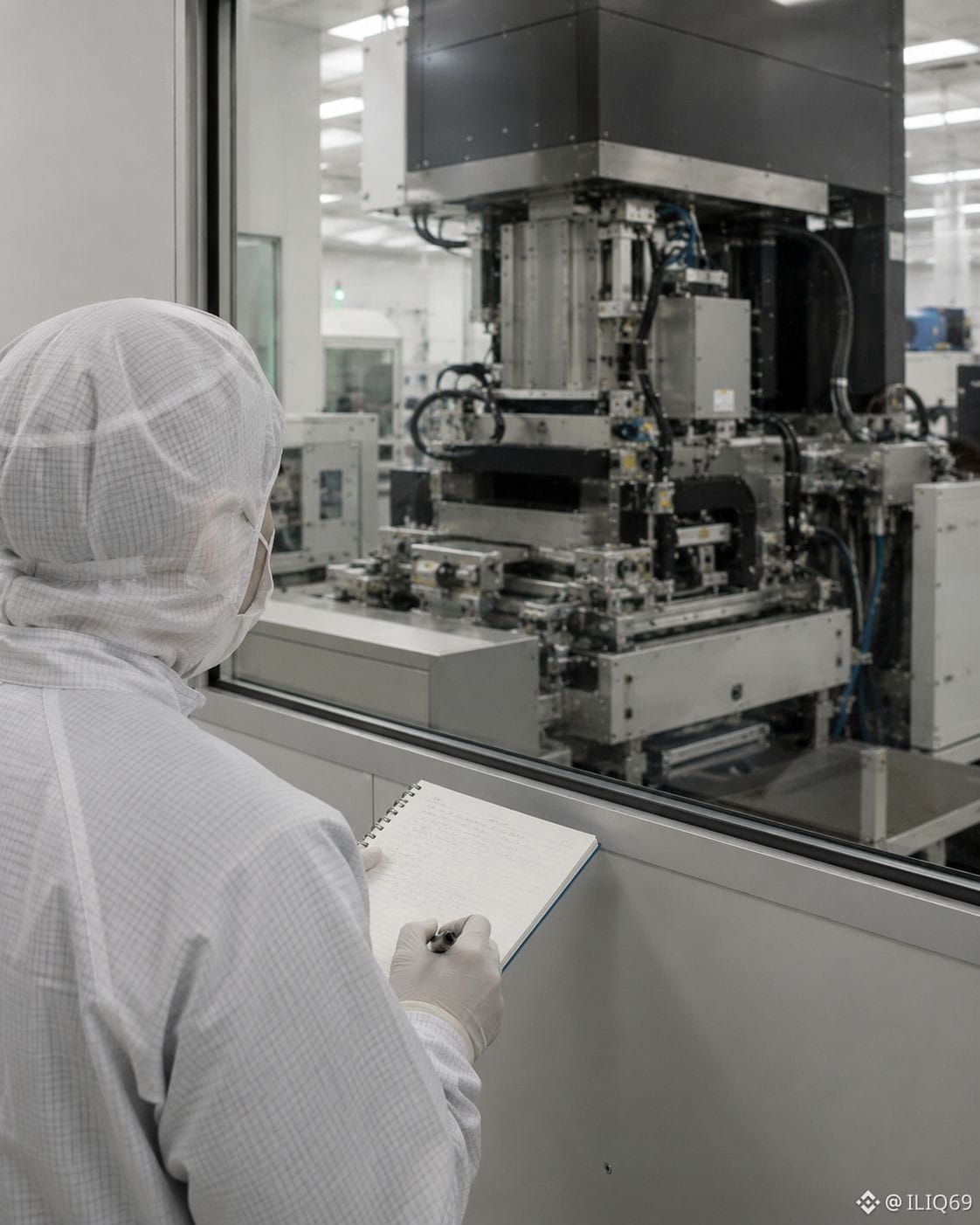
A narrativa fácil da IA é “compre a empresa que projeta o chip mais rápido.” $ASMLB faz uma pergunta diferente: quem fabrica o equipamento que ajuda os fabricantes de chips a produzirem chips avançados, em primeiro lugar?
A ASML projeta e fabrica máquinas de litografia, além do software e dos serviços usados pelos fabricantes de chips na produção. Isso coloca o seu negócio ainda mais a montante do que uma manchete familiar de tecnologia voltada ao consumidor.
Isso também muda o que eu pesquisaria. Eu não usaria o próximo lançamento de smartphone como minha tese inteira. Eu olharia para os gastos de capital dos clientes, o roadmap de fabricação e se os clientes estão recebendo e usando o equipamento complexo de forma eficaz.
Isso não é uma alegação de que uma posição seja melhor do que outra. É um lembrete de que “semicondutores” é uma cadeia de negócios muito diferentes, cada um com seus próprios gargalos.
Qual parte do ecossistema de chips mais lhe interessa?
#bstockscis @BinanceCIS #bStocksCIS $ASMLB
A ASML projeta e fabrica máquinas de litografia, além do software e dos serviços usados pelos fabricantes de chips na produção. Isso coloca o seu negócio ainda mais a montante do que uma manchete familiar de tecnologia voltada ao consumidor.
Isso também muda o que eu pesquisaria. Eu não usaria o próximo lançamento de smartphone como minha tese inteira. Eu olharia para os gastos de capital dos clientes, o roadmap de fabricação e se os clientes estão recebendo e usando o equipamento complexo de forma eficaz.
Isso não é uma alegação de que uma posição seja melhor do que outra. É um lembrete de que “semicondutores” é uma cadeia de negócios muito diferentes, cada um com seus próprios gargalos.
Qual parte do ecossistema de chips mais lhe interessa?
#bstockscis @BinanceCIS #bStocksCIS $ASMLB
Chip design
29%
Manufacturing equipment
0%
Memory and storage
28%
Servers and systems
43%
7 Votos • Votação encerrada
Quando vejo a Nokia mencionada, ainda é um telefone antigo que vem à minha mente em primeiro lugar. É exatamente por isso que $NOKB é um bom exercício de pesquisa.
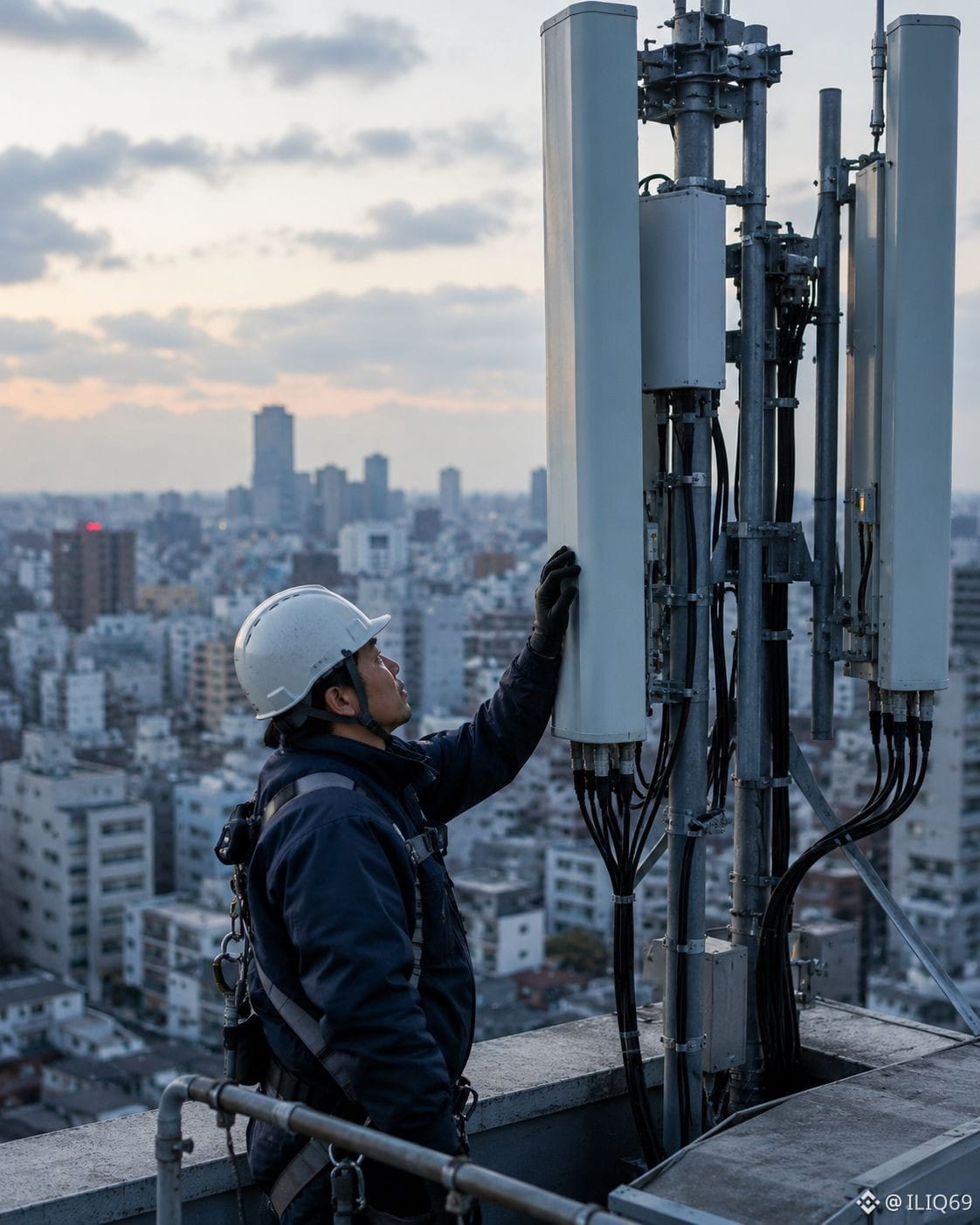
A Nokia se descreve como uma empresa de tecnologia B2B que atua em redes móveis, fixas e em nuvem, com clientes que incluem provedores de serviços e empresas. Isso significa que uma narrativa rápida focada no produto para consumidores deixa passar a perspectiva real do negócio.
Se eu estivesse pesquisando este ticker, eu me importaria muito menos com a nostalgia e mais com os ciclos de investimento em redes, contratos com clientes, padrões de tecnologia e como os gastos com infraestrutura se convertem em resultados. É uma história mais discreta do que um lançamento viral de gadget, mas também é um lugar mais preciso para começar.
A lição é simples: antes de negociar uma marca familiar, pergunte o que a empresa realmente vende hoje.
O que você verificaria primeiro ao pesquisar $NOKB ?
@BinanceCIS #bStocksCIS #bstockscis
A Nokia se descreve como uma empresa de tecnologia B2B que atua em redes móveis, fixas e em nuvem, com clientes que incluem provedores de serviços e empresas. Isso significa que uma narrativa rápida focada no produto para consumidores deixa passar a perspectiva real do negócio.
Se eu estivesse pesquisando este ticker, eu me importaria muito menos com a nostalgia e mais com os ciclos de investimento em redes, contratos com clientes, padrões de tecnologia e como os gastos com infraestrutura se convertem em resultados. É uma história mais discreta do que um lançamento viral de gadget, mas também é um lugar mais preciso para começar.
A lição é simples: antes de negociar uma marca familiar, pergunte o que a empresa realmente vende hoje.
O que você verificaria primeiro ao pesquisar $NOKB ?
@BinanceCIS #bStocksCIS #bstockscis
Network customers
25%
5G and cloud strategy
50%
Financial results
0%
Competitive landscape
25%
4 Votos • Votação encerrada
Verificado
Uma coisa de que eu gosto ao pesquisar $INTCB é que isso me obriga a abandonar o rótulo de “empresa de chips”. Ele é vago demais para ser útil.
A Intel relata negócios de produtos que projetam e vendem processadores e soluções relacionadas de semicondutores. Ela também tem a Intel Foundry, um negócio de manufatura e serviços que busca atender clientes externos. Eles estão conectados, mas exigem diferentes pontos de evidência.
No lado de produtos, eu observaria demanda e competitividade. No lado da foundry, eu perguntaria sobre execução de manufatura, confiança do cliente e se a demanda externa realmente está se desenvolvendo. Chamar as duas coisas simplesmente de “exposição à IA” oculta mais do que explica.
Essa é a minha forma favorita de pesquisa da bStock: não uma previsão, apenas um mapa melhor do que o ticker representa.
Qual história de $INTCB você estudaria primeiro?
#bstockscis @BinanceCIS #bStocksCIS $INTCB
A Intel relata negócios de produtos que projetam e vendem processadores e soluções relacionadas de semicondutores. Ela também tem a Intel Foundry, um negócio de manufatura e serviços que busca atender clientes externos. Eles estão conectados, mas exigem diferentes pontos de evidência.
No lado de produtos, eu observaria demanda e competitividade. No lado da foundry, eu perguntaria sobre execução de manufatura, confiança do cliente e se a demanda externa realmente está se desenvolvendo. Chamar as duas coisas simplesmente de “exposição à IA” oculta mais do que explica.
Essa é a minha forma favorita de pesquisa da bStock: não uma previsão, apenas um mapa melhor do que o ticker representa.
Qual história de $INTCB você estudaria primeiro?
#bstockscis @BinanceCIS #bStocksCIS $INTCB

Consumer and data-center chips
25%
Intel Foundry
0%
Manufacturing execution
25%
All of the above
50%
4 Votos • Votação encerrada
Verificado
As discussões sobre IA geralmente começam com o chip fazendo o cálculo. Tenho passado a prestar mais atenção à memória que permite ao sistema manter os dados em movimento.
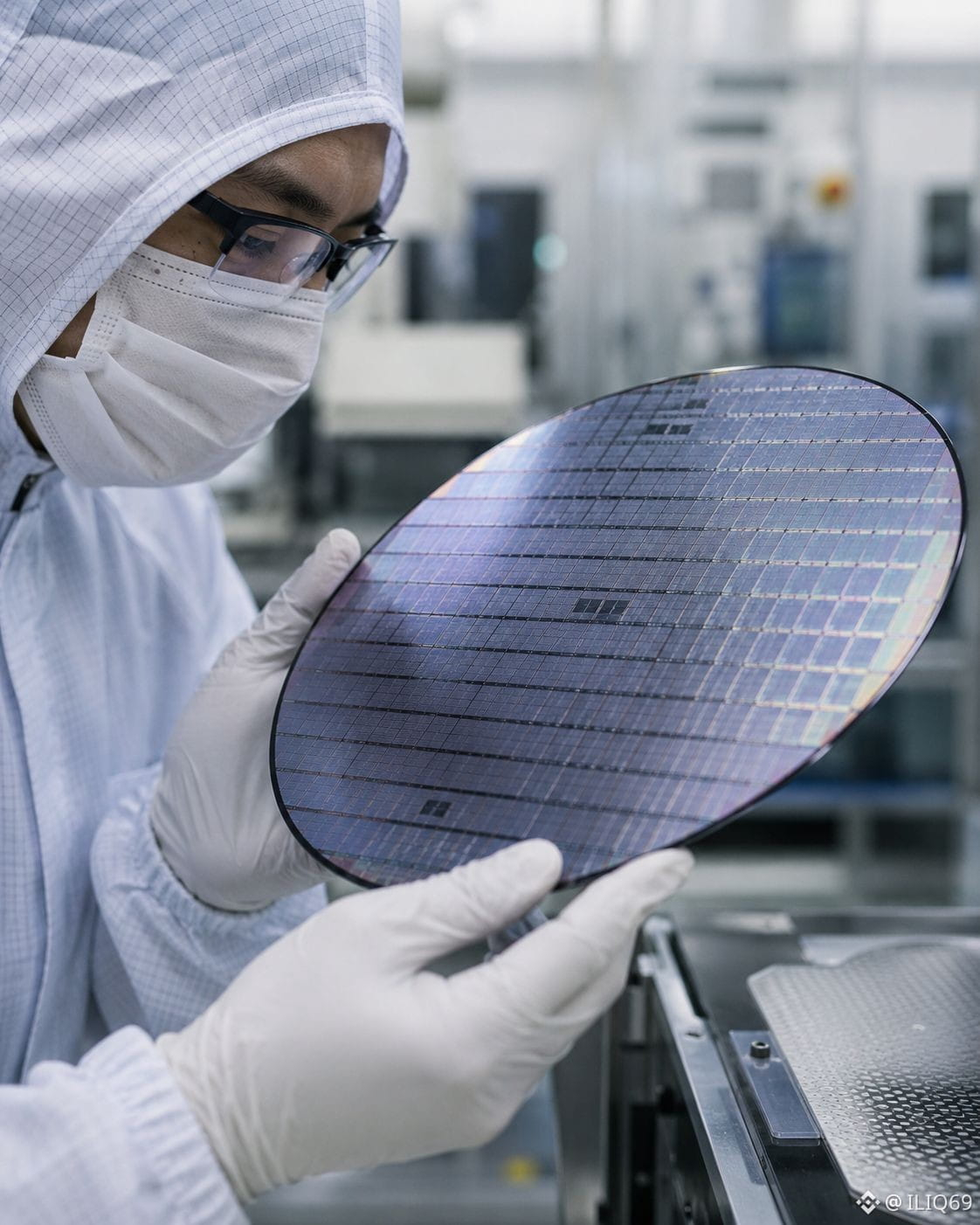
A própria linha de produtos da Micron inclui memórias DRAM, NAND e NOR e produtos de armazenamento. Isso não faz de $MUB um atalho para “o setor de IA”. Isso me dá uma pergunta de pesquisa mais clara: qual parte da pilha de computação esta empresa realmente está exposta e o que precisa dar certo para que a demanda se traduza em um melhor resultado de negócio?
Essa distinção importa. Um forte título sobre IA pode impulsionar um setor inteiro, enquanto a economia das memórias ainda pode depender de oferta, mix de produtos, demanda dos clientes e execução.
Por isso, eu prefiro entender o papel da empresa no sistema a comprar um ticker apenas porque ele aparece ao lado de um título sobre IA.
O que você pesquisaria primeiro antes de olhar para $MUB ?
@BinanceCIS #bStocksCIS #bstockscis
A própria linha de produtos da Micron inclui memórias DRAM, NAND e NOR e produtos de armazenamento. Isso não faz de $MUB um atalho para “o setor de IA”. Isso me dá uma pergunta de pesquisa mais clara: qual parte da pilha de computação esta empresa realmente está exposta e o que precisa dar certo para que a demanda se traduza em um melhor resultado de negócio?
Essa distinção importa. Um forte título sobre IA pode impulsionar um setor inteiro, enquanto a economia das memórias ainda pode depender de oferta, mix de produtos, demanda dos clientes e execução.
Por isso, eu prefiro entender o papel da empresa no sistema a comprar um ticker apenas porque ele aparece ao lado de um título sobre IA.
O que você pesquisaria primeiro antes de olhar para $MUB ?
@BinanceCIS #bStocksCIS #bstockscis
Memory product mix
50%
Demand outlook
25%
Supply conditions
0%
Earnings report
25%
4 Votos • Votação encerrada
O nome “stablecoin” pode criar um perigoso atalho mental.
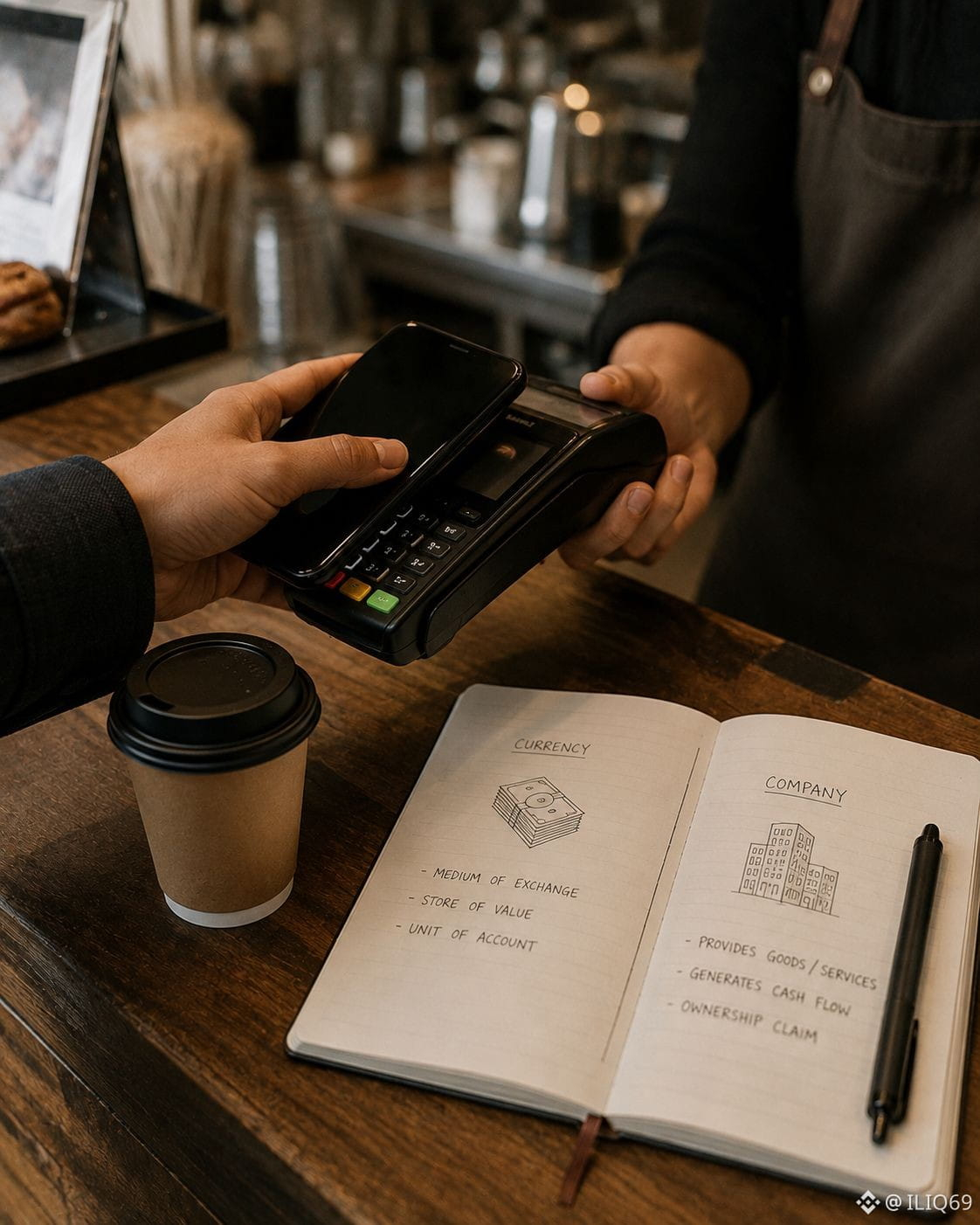
O USDC foi projetado para manter uma paridade com o dólar. $CRCLB é uma exposição à Circle como empresa por meio de uma estrutura bStock. São coisas completamente diferentes. Uma foi feita para ser estável em preço; a outra é um instrumento atrelado a ações, cujo valor pode reagir ao modelo de receita da empresa, adoção, concorrência, regulação, despesas e expectativas do mercado.
Por isso, eu jamais chamaria $CRCLB de “uma versão segura do USDC”. A conexão útil não é a estabilidade de preço — é que a Circle opera infraestrutura em torno de stablecoins e serviços financeiros baseados em blockchain.
Para mim, a questão real é se eu entendo como o negócio ganha, cresce e gasta dinheiro, e não se eu uso a stablecoin dele na minha carteira.
Qual diretriz de negócios você pesquisaria primeiro para $CRCLB ?
@BinanceCIS #bStocksCIS #bstockscis
O USDC foi projetado para manter uma paridade com o dólar. $CRCLB é uma exposição à Circle como empresa por meio de uma estrutura bStock. São coisas completamente diferentes. Uma foi feita para ser estável em preço; a outra é um instrumento atrelado a ações, cujo valor pode reagir ao modelo de receita da empresa, adoção, concorrência, regulação, despesas e expectativas do mercado.
Por isso, eu jamais chamaria $CRCLB de “uma versão segura do USDC”. A conexão útil não é a estabilidade de preço — é que a Circle opera infraestrutura em torno de stablecoins e serviços financeiros baseados em blockchain.
Para mim, a questão real é se eu entendo como o negócio ganha, cresce e gasta dinheiro, e não se eu uso a stablecoin dele na minha carteira.
Qual diretriz de negócios você pesquisaria primeiro para $CRCLB ?
@BinanceCIS #bStocksCIS #bstockscis
USDC adoption
43%
Reserve income
14%
Regulation
29%
Competition
14%
7 Votos • Votação encerrada
Verificado
Nem todo ticker merece ser pesquisado como se fosse uma única empresa. $EWYB é um bom lembrete disso.
O fundo EWY subjacente foi projetado para acompanhar um índice de ações sul-coreanas. Portanto, a pergunta não é apenas “Eu gosto deste gráfico?”. É também: que país, setores, exposição cambial e grupo de empresas estou escolhendo por meio de uma única posição?
Isso parece mais honesto do que chamar qualquer ETF de “automaticamente diversificado”. Uma cesta pode ter muitas empresas e ainda assim ficar exposta às regulamentações de um único mercado, ao ciclo de exportação, ao peso da tecnologia e ao sentimento dos investidores.
Para uma carteira nativa de cripto, acho isso interessante porque muda a conversa de escolher um nome famoso para adotar uma visão deliberada do país. Essa é uma decisão bem diferente.
Você preferiria pesquisar uma empresa a fundo ou adotar uma visão de cesta por país com $EWYB ?
@BinanceCIS #bStocksCIS $EWYB
O fundo EWY subjacente foi projetado para acompanhar um índice de ações sul-coreanas. Portanto, a pergunta não é apenas “Eu gosto deste gráfico?”. É também: que país, setores, exposição cambial e grupo de empresas estou escolhendo por meio de uma única posição?
Isso parece mais honesto do que chamar qualquer ETF de “automaticamente diversificado”. Uma cesta pode ter muitas empresas e ainda assim ficar exposta às regulamentações de um único mercado, ao ciclo de exportação, ao peso da tecnologia e ao sentimento dos investidores.
Para uma carteira nativa de cripto, acho isso interessante porque muda a conversa de escolher um nome famoso para adotar uma visão deliberada do país. Essa é uma decisão bem diferente.
Você preferiria pesquisar uma empresa a fundo ou adotar uma visão de cesta por país com $EWYB ?
@BinanceCIS #bStocksCIS $EWYB

One company deeply
0%
Country basket
75%
Mix of both
25%
Still learning ETFs
0%
4 Votos • Votação encerrada
@BinanceCIS #bStocksCIS
Eu costumava olhar para a Strategy e pensar: “Isso é basicamente Bitcoin com um ticker de ações.” Quanto mais eu lia, menos útil esse atalho se tornava.
A Strategy se descreve como uma Bitcoin Treasury Company, mas $MSTRB ainda é exposição a uma empresa pública. A história dela inclui o tesouro de Bitcoin da empresa, suas decisões de captação de recursos e seu negócio de análises corporativas. Às vezes, essas coisas apontam na mesma direção, mas não são o mesmo tipo de risco.
Para mim, isso muda o processo de pesquisa. Se eu só observar $BTC, perco a camada da empresa. Se eu só observar o gráfico da empresa, perco por que a estratégia do tesouro importa. Uma tese bem definida precisa de ambos.
Eu não estou tratando $MSTRB como “BTC alavancado”. Estou tratando como um instrumento separado, com uma tese sensível ao Bitcoin e decisões específicas da empresa por trás dele.
Qual lente você verificaria primeiro antes de pesquisar $MSTRB ?
Eu costumava olhar para a Strategy e pensar: “Isso é basicamente Bitcoin com um ticker de ações.” Quanto mais eu lia, menos útil esse atalho se tornava.
A Strategy se descreve como uma Bitcoin Treasury Company, mas $MSTRB ainda é exposição a uma empresa pública. A história dela inclui o tesouro de Bitcoin da empresa, suas decisões de captação de recursos e seu negócio de análises corporativas. Às vezes, essas coisas apontam na mesma direção, mas não são o mesmo tipo de risco.
Para mim, isso muda o processo de pesquisa. Se eu só observar $BTC, perco a camada da empresa. Se eu só observar o gráfico da empresa, perco por que a estratégia do tesouro importa. Uma tese bem definida precisa de ambos.
Eu não estou tratando $MSTRB como “BTC alavancado”. Estou tratando como um instrumento separado, com uma tese sensível ao Bitcoin e decisões específicas da empresa por trás dele.
Qual lente você verificaria primeiro antes de pesquisar $MSTRB ?

Bitcoin treasury
25%
Capital structure
25%
Software business
0%
All three together
50%
4 Votos • Votação encerrada
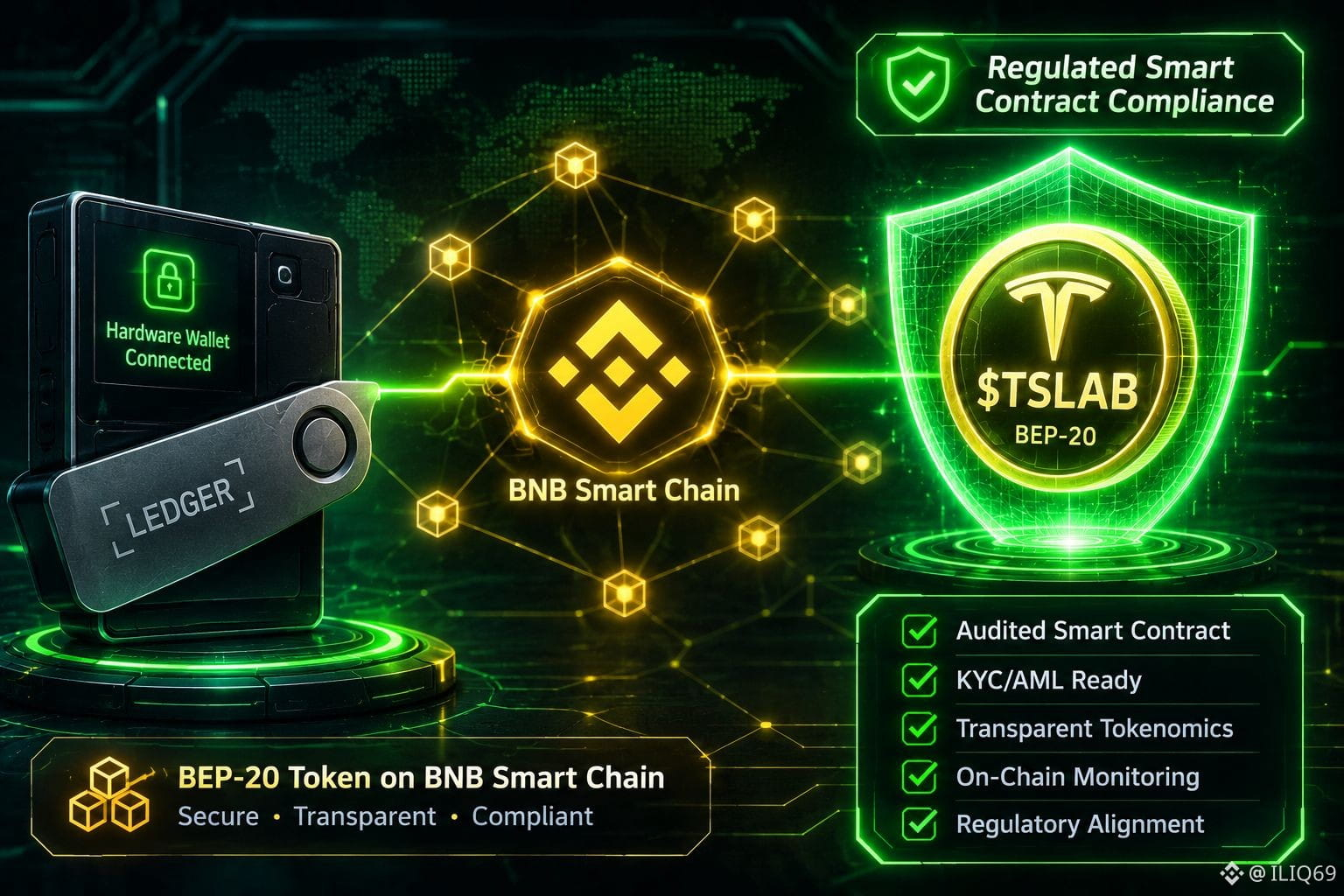
Eu retirei minha posição $TSLAB para minha carteira pessoal da BNB Smart Chain ontem, assumindo que ela se comportaria como uma criptomoeda padrão. Eu estava errado, e entender o porquê é fundamental para qualquer pessoa que negocia RWA.
As ações são emitidas como tokens BEP-20 pela BTech Holdings sob a regulamentação ADGM/FSRA. Embora manter as chaves privadas lhe dê custódia controlada pelo usuário, o contrato inteligente subjacente retém controles regulatórios de transferência.
Se um endereço entrar em conflito com conformidade, sanções ou restrições geográficas, o contrato pode restringir ou congelar a transferência.
O que isso significa na prática:
1️⃣ Controle de Chave Privada: Você possui a assinatura e a custódia da carteira. 2️⃣ Perímetro Regulamentado: A emissora aplica conformidade legal on-chain.
3️⃣ Segurança Híbrida: Você obtém portabilidade na blockchain sem anonimato sem permissão.
Isso não é uma "ação tradicional"; nem é um "token DeFi puro". É um título regulamentado operando em infraestrutura pública.
Você prefere manter bStocks em sua carteira de autocustódia ou diretamente na Binance? @BinanceCIS #bStocksCIS $TSLAB
As ações são emitidas como tokens BEP-20 pela BTech Holdings sob a regulamentação ADGM/FSRA. Embora manter as chaves privadas lhe dê custódia controlada pelo usuário, o contrato inteligente subjacente retém controles regulatórios de transferência.
Se um endereço entrar em conflito com conformidade, sanções ou restrições geográficas, o contrato pode restringir ou congelar a transferência.
O que isso significa na prática:
1️⃣ Controle de Chave Privada: Você possui a assinatura e a custódia da carteira. 2️⃣ Perímetro Regulamentado: A emissora aplica conformidade legal on-chain.
3️⃣ Segurança Híbrida: Você obtém portabilidade na blockchain sem anonimato sem permissão.
Isso não é uma "ação tradicional"; nem é um "token DeFi puro". É um título regulamentado operando em infraestrutura pública.
Você prefere manter bStocks em sua carteira de autocustódia ou diretamente na Binance? @BinanceCIS #bStocksCIS $TSLAB
Self-custody (BNB Chain)
50%
Directly on Binance Spot
33%
I use both methods
17%
6 Votos • Votação encerrada
Wall Street dorme, mas o seu portfólio não deveria. 📉📈
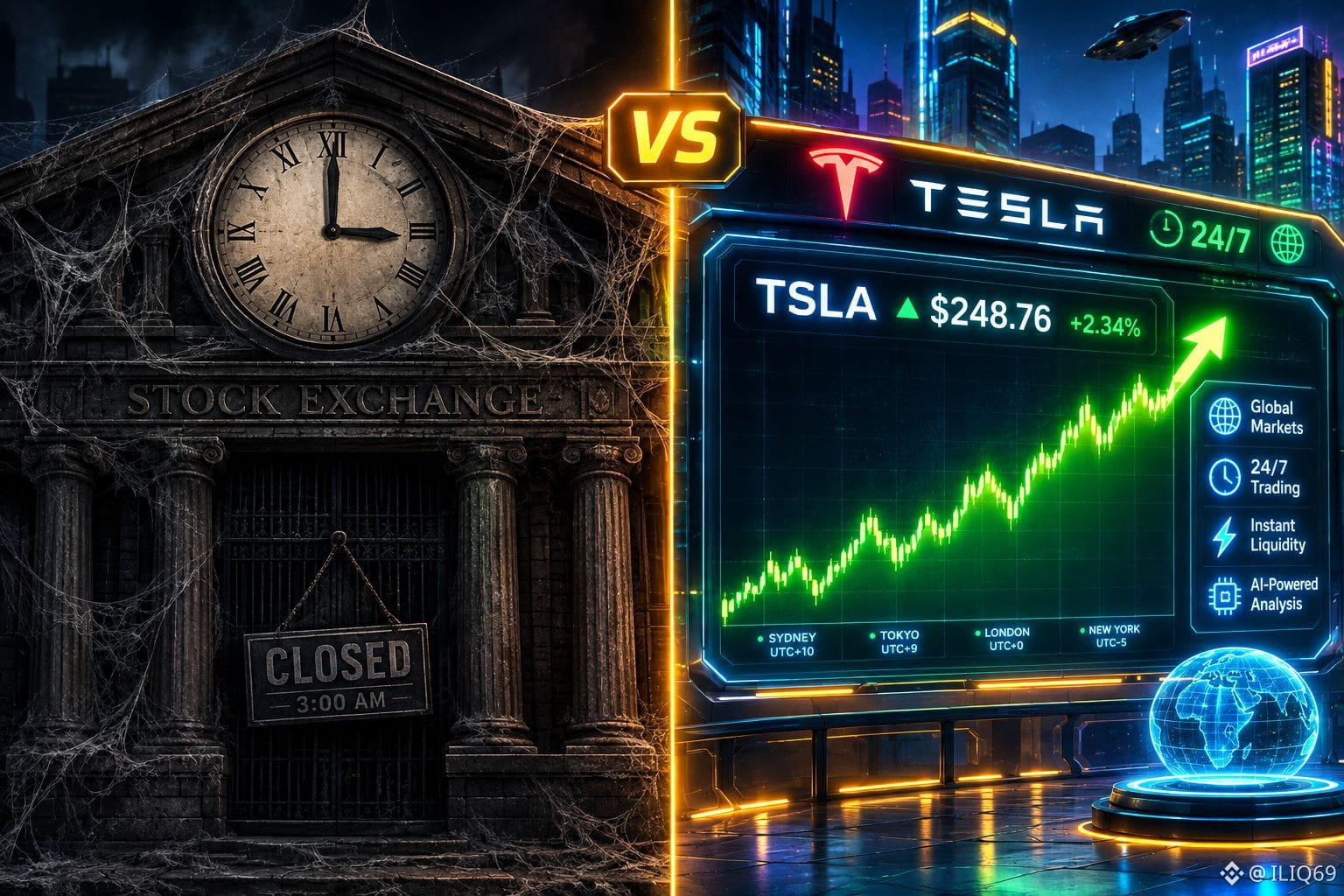
Por décadas, os investidores de varejo ficaram presos ao sino das 9:30 AM às 4:00 PM (EST). Se ocorrer um grande evento macroeconômico numa sexta-feira à noite, os investidores tradicionais ficam travados até segunda-feira de manhã.
O ecossistema bStocks muda fundamentalmente essa dinâmica de poder. Ao utilizar @BinanceCIS , ativos do mundo real tokenizados (RWA) permitem liquidez 24/7.
Por que isso importa para a sua estratégia $TSLAB :
1️⃣ Trading orientado por eventos: reaja à notícia do fim de semana imediatamente, e não na segunda.
2️⃣ Acessibilidade global: negocie no seu fuso horário local, e não no de Nova York. 3️⃣ Hedging contínuo: equilibre sua exposição a cripto e ações simultaneamente, sem esperar os mercados legados abrirem.
O modelo tradicional de corretagem está começando a parecer um artefato do passado. Você ainda espera o sino de abertura, ou já migrou para liquidez constante?
Qual vantagem do trading 24/7 é a mais crítica para a sua estratégia? #bStocksCIS
Por décadas, os investidores de varejo ficaram presos ao sino das 9:30 AM às 4:00 PM (EST). Se ocorrer um grande evento macroeconômico numa sexta-feira à noite, os investidores tradicionais ficam travados até segunda-feira de manhã.
O ecossistema bStocks muda fundamentalmente essa dinâmica de poder. Ao utilizar @BinanceCIS , ativos do mundo real tokenizados (RWA) permitem liquidez 24/7.
Por que isso importa para a sua estratégia $TSLAB :
1️⃣ Trading orientado por eventos: reaja à notícia do fim de semana imediatamente, e não na segunda.
2️⃣ Acessibilidade global: negocie no seu fuso horário local, e não no de Nova York. 3️⃣ Hedging contínuo: equilibre sua exposição a cripto e ações simultaneamente, sem esperar os mercados legados abrirem.
O modelo tradicional de corretagem está começando a parecer um artefato do passado. Você ainda espera o sino de abertura, ou já migrou para liquidez constante?
Qual vantagem do trading 24/7 é a mais crítica para a sua estratégia? #bStocksCIS
Reacting to weekend news
60%
Trading in my own timezone
40%
Continuous portfolio hedging
0%
5 Votos • Votação encerrada
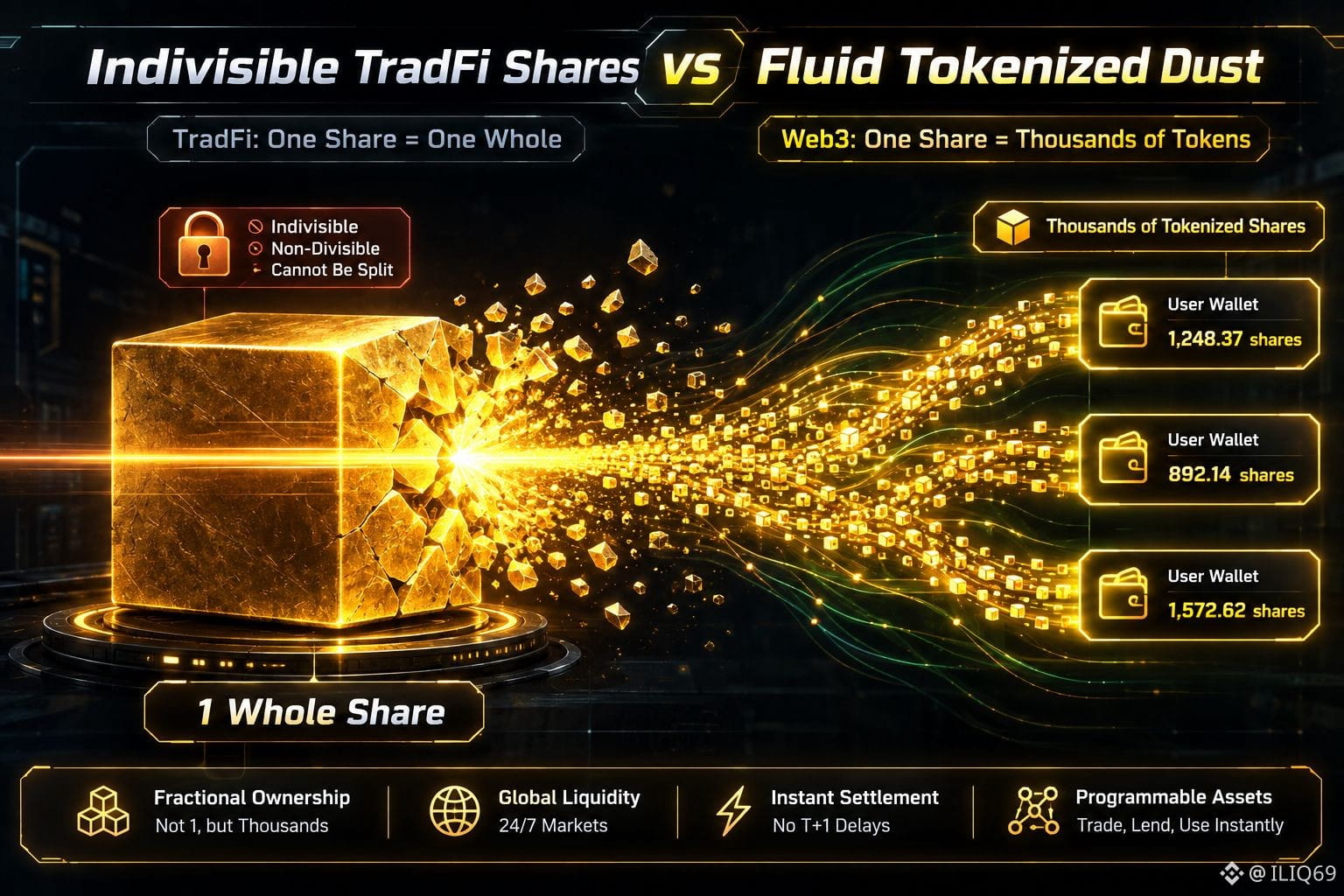
O conceito de frações de ações sempre foi uma dor de cabeça matemática para custodiante tradicionais. Você não pode, nativamente, deter 0,015 de uma ação da Apple. O razão tradicional foi construído sobre unidades inteiras, indivisíveis. É um sistema absoluto de inteiros. Porém, veja o livro de ordens da bStocks. Você consegue alocar valores exatos em USDT em $NVDAB , indo até microfrações. Isso não é apenas um truque de interface; é uma operação gigantesca de pooling. O custodiante subjacente em Abu Dhabi agrega essas demandas fracionadas, mantém as ações inteiras em um cofre seguro e emite tokens divisíveis na blockchain. Isso transforma, na prática, ações tradicionais rígidas em liquidez cripto fluida e divisível. É uma arbitragem brilhante de arquitetura. Você obtém a eficiência de capital de um token ERC-20 combinada com o respaldo regulatório de um ativo tradicional. Mas isso levanta uma questão técnica: o que acontece com o “dust” (resíduo)? Quando milhares de usuários detêm 0,0001 de uma ação, o custodiante está essencialmente executando um equilíbrio contínuo entre fragmentação on-chain e inteireza off-chain. É uma grande atualização para a eficiência de capital do varejo, mas exige confiança absoluta na matemática do intermediário. Mais detalhes arquiteturais em @BinanceCIS #bStocksCIS
Verificado
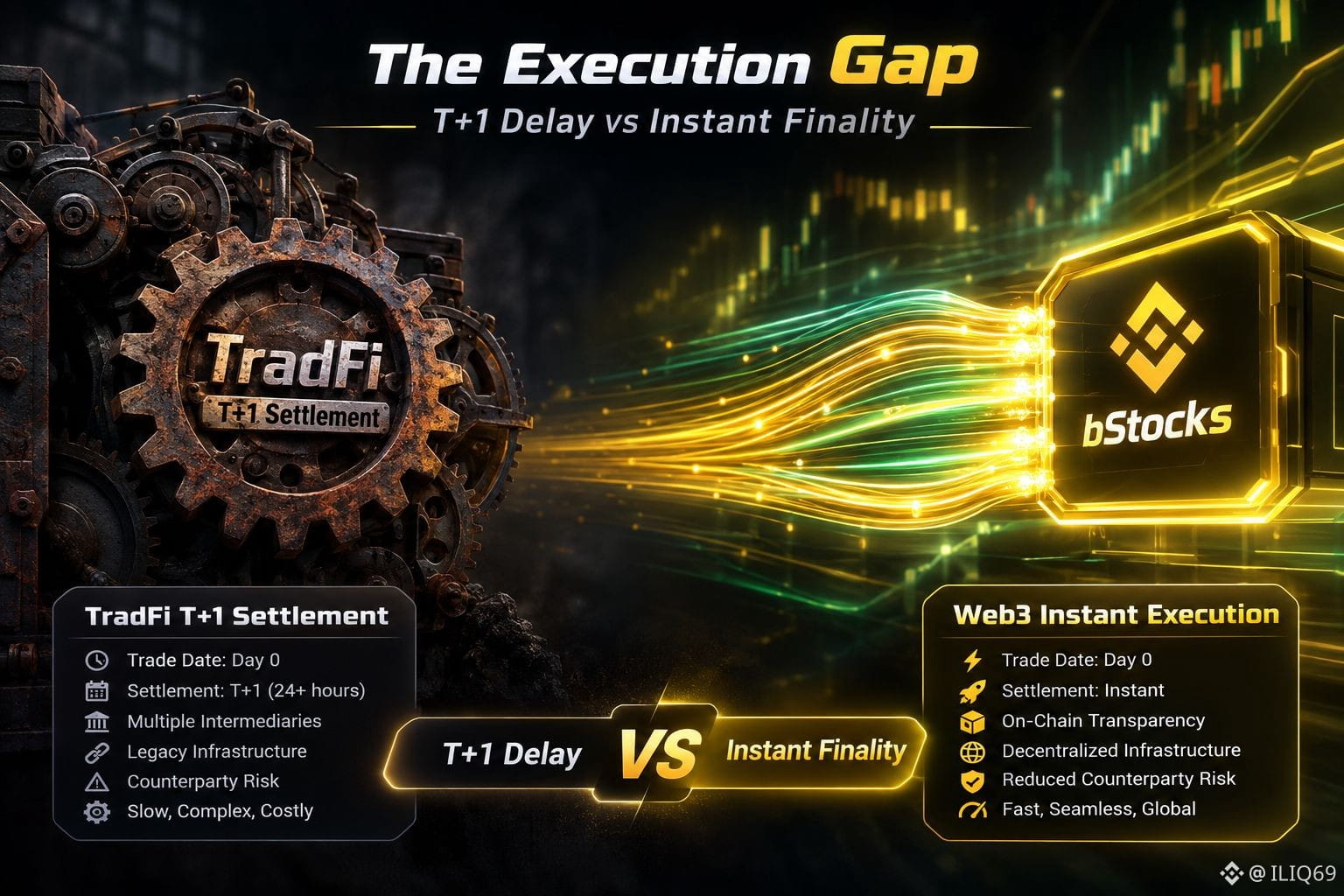
Comecei a investigar como a execução funciona de fato em ações tokenizadas e isso destaca um choque fundamental entre a velocidade do Web3 e a arquitetura da TradFi. No mercado financeiro tradicional, se você compra uma ação, a corretora leva T+1 dias para efetivamente liquidar a documentação. Trata-se de um processo altamente rígido, fortemente regulado e burocrático. A criptografia não funciona assim. Um estado de blockchain muda instantaneamente. Por design, esperamos uma finalização absoluta no segundo em que clicamos em comprar. Isso cria um grande obstáculo de UX ao conectar esses dois mundos. A Binance resolve isso com bStocks. Quando você clica em comprar o $TSLAB , o painel reflete instantaneamente seu saldo. Mas, por trás dos bastidores, eles estão fazendo uma antiga camada de liquidação da TradFi operar na velocidade do cripto. A exchange essencialmente absorve o risco do atraso no tempo, atuando como uma espécie de amortecedor entre o seu débito instantâneo em USDT e o cofre de movimentação lenta do custodiante em ADGM. É uma solução alternativa fascinante que prova que a BTech Holdings não está apenas convertendo ações para o cripto. Eles estão forçando os mercados legados a se adaptarem à camada base impaciente do Web3. Mas isso me faz pensar como o sistema lida com volatilidade extrema quando o mercado legado está fechado, mas a liquidez do cripto ainda está ativa. A velocidade pura do cripto nativo supera o atrito operacional do suporte por custódia? Aprofunde-se nos mecanismos em @BinanceCIS #bStocksCIS
Verificado
Estava mapeando a dinâmica de oferta do $BABY nos próximos dois anos, e isso coloca o comportamento atual do preço em um contexto estrutural bem mais claro.
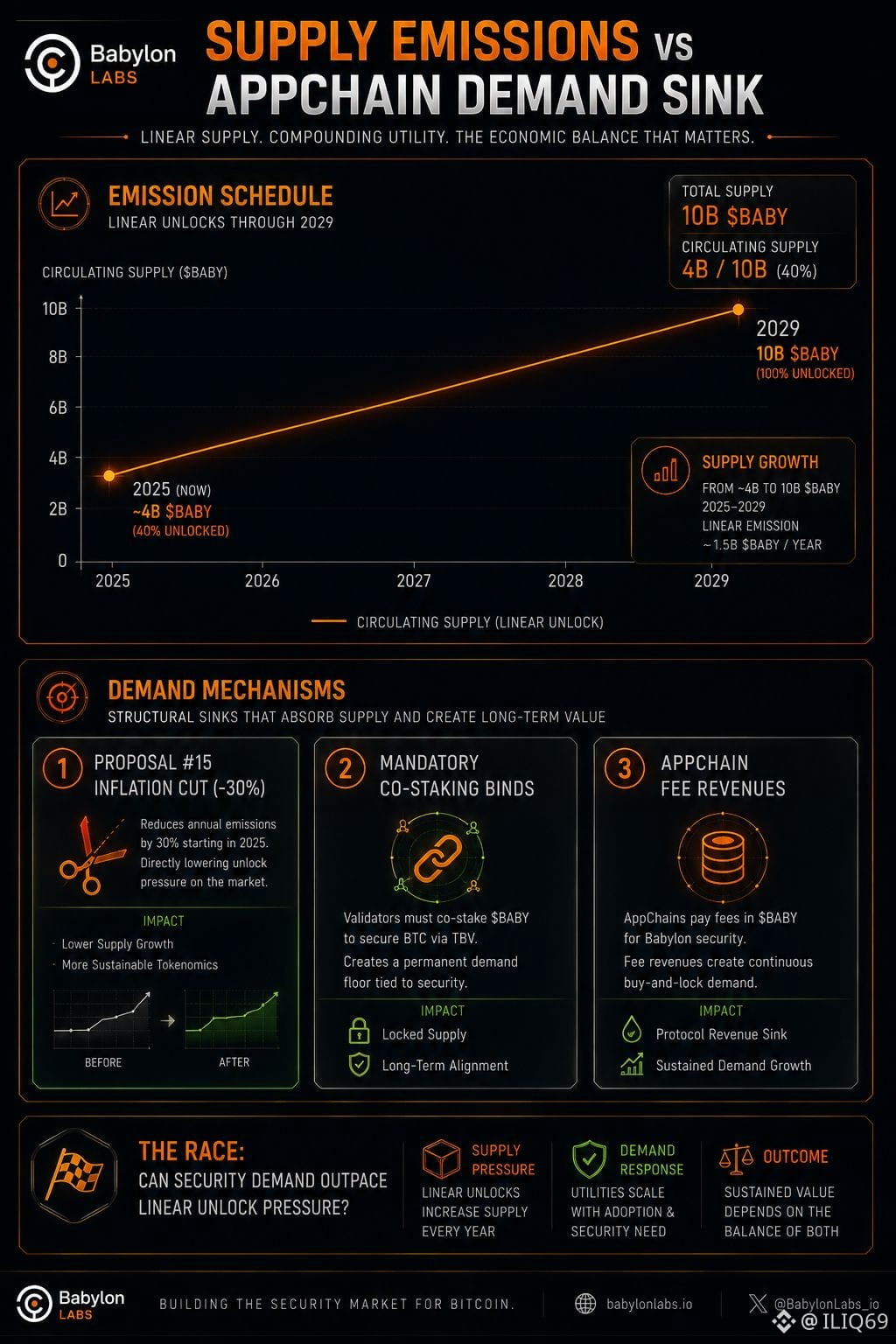
A oferta circulante está em torno de 4 bilhões de tokens, dentro de um limite total de 10 bilhões. Com desbloqueios mensais lineares ocorrendo até 2029, há uma emissão contínua de oferta que o mercado precisa absorver continuamente. Quando você olha o gráfico e vê que caiu mais de 80% desde suas máximas iniciais, é fácil supor que algo está quebrado dentro do protocolo.
Mas, ao observar a infraestrutura real, a história é outra. O protocolo está incorporando cadeias de consumo e expandindo suas capacidades de co-staking. A tensão central não é sobre se o staking nativo de BTC funciona — é sobre a velocidade de execução. As novas AppChains conseguem adotar a segurança do Babylon rápido o suficiente para criar uma demanda de “sink” de tokens que supere o cronograma de desbloqueio mensal?
Por enquanto, os stakers de BTC estão acumulando rendimento, enquanto os detentores de $BABY carregam a curva da inflação. A Proposta #15 já deu um passo para corrigir isso ao reduzir a inflação em 30% e habilitar o co-staking de BTC-$BABY . Mas até que as receitas de taxas das cadeias de consumo cresçam de forma significativamente maior, essa distância entre as emissões lineares e a demanda por tokens continuará sendo o principal campo de batalha para a descoberta de preço.
@BabylonLabs_io #baby
A oferta circulante está em torno de 4 bilhões de tokens, dentro de um limite total de 10 bilhões. Com desbloqueios mensais lineares ocorrendo até 2029, há uma emissão contínua de oferta que o mercado precisa absorver continuamente. Quando você olha o gráfico e vê que caiu mais de 80% desde suas máximas iniciais, é fácil supor que algo está quebrado dentro do protocolo.
Mas, ao observar a infraestrutura real, a história é outra. O protocolo está incorporando cadeias de consumo e expandindo suas capacidades de co-staking. A tensão central não é sobre se o staking nativo de BTC funciona — é sobre a velocidade de execução. As novas AppChains conseguem adotar a segurança do Babylon rápido o suficiente para criar uma demanda de “sink” de tokens que supere o cronograma de desbloqueio mensal?
Por enquanto, os stakers de BTC estão acumulando rendimento, enquanto os detentores de $BABY carregam a curva da inflação. A Proposta #15 já deu um passo para corrigir isso ao reduzir a inflação em 30% e habilitar o co-staking de BTC-$BABY . Mas até que as receitas de taxas das cadeias de consumo cresçam de forma significativamente maior, essa distância entre as emissões lineares e a demanda por tokens continuará sendo o principal campo de batalha para a descoberta de preço.
@BabylonLabs_io #baby
Inicia sessão para explorar mais conteúdos