
Future Pulse
32.1k ပို့စ်များ

Future Pulse
 Square Verified+
တိုင်ကြားမည်
သုံးစွဲသူကို ဘလော့မည်
Hi, I'm passionate about crypto, technology, and innovation. I enjoy exploring ideas, sharing insights, and staying ahead of what's next.
အမှန်တကယ်ရောင်းဝယ်နေ
High-Frequency Trader
2.9 နှစ်
4.4K+ ဖော်လိုလုပ်ထားသည်
36.3K+ ဖော်လိုလုပ်သူများ
55.2K+ လိုက်ခ်လုပ်ထားသည်
ပို့စ်များ
ပိုင်ဆိုင်မှုစာရင်း
အားလုံး
ဆိုဈေးများ
ဗီဒီယိုများ
တိုက်ရိုက်ထုတ်လွှင့်ခြင်း
·
--
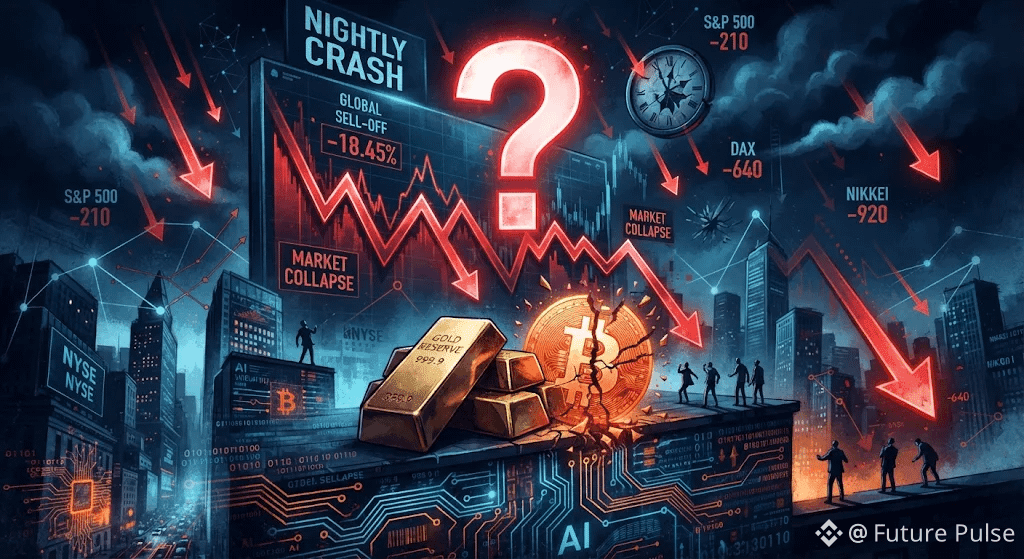
ဝေါလ်စထရိမှာ သွေးထွက်သံယို ဖြစ်နေပြီ။ ကမ္ဘာ့ဘဏ္ဍာရေးဈေးကွက်က ပိုမိုကြီးမားတဲ့ တုန်လှုပ်မှုတစ်ခုဆီ ဦးတည်နေသလား?
ကမ္ဘာ့ဈေးကွက်တွေတစ်လျှောက် ထူးခြားတဲ့အခြေအနေတစ်ခု ဖြစ်ပေါ်နေပါတယ်။
MSCI World Index ဟာ ဆက်တိုက် အရောင်းအဝယ်ပြုလုပ်သည့် ခုနစ်ရက်တာအတွင်း ကျဆင်းခဲ့ပြီး၊ ၂၀၂၃ ခုနှစ် စက်တင်ဘာနောက်ပိုင်း အရှည်ကြာဆုံး ကျဆင်းမှုလမ်းကြောင်း ဖြစ်လာပါတယ်။
ဖိအားတွေက ရှယ်ယာဈေးကွက်မှာတင် ရပ်မနေပါဘူး။
ကြီးမားတဲ့ AI ရင်းနှီးမြှုပ်နှံမှုတွေနဲ့ ပတ်သက်ပြီး သံသယတွေ ပိုများလာတာက ရင်းနှီးမြှုပ်နှံသူတွေရဲ့ ယုံကြည်မှုကို လှုပ်ခတ်စေခဲ့ပါတယ်။ Anthropic ရဲ့ စံချိန်တင် IPO ကတောင် ဈေးကွက်ရဲ့ အကောင်းမြင်မှုကို ပြန်လည်မရရှိစေနိုင်ခဲ့ပါဘူး။
တစ်ချိန်တည်းမှာပဲ Nvidia ဟာ သိသာထင်ရှားတဲ့ ဖိအားတွေကို ရင်ဆိုင်နေရပြီး၊ အဖိုးတန်သတ္တုဈေးနှုန်းတွေ သိသိသာသာ ကျဆင်းခဲ့သလို Bitcoin ဟာလည်း ဒေါ်လာ ၆၀,၀၀၀ အောက်ကို ကျဆင်းသွားပါတယ်။
ဒါပေမဲ့ ဒီအခြေအနေကို အထူးစိတ်ဝင်စားစရာ ဖြစ်စေတာကတော့—
မတူညီတဲ့ ပိုင်ဆိုင်မှုအမျိုးအစားတွေဟာ ဘာကြောင့် တစ်ချိန်တည်းမှာ အခက်အခဲတွေ ကြုံနေရတာလဲ။
ရင်းနှီးမြှုပ်နှံသူတွေဟာ တန်ဖိုးသတ်မှတ်ချက်တွေ၊ ချေးငွေကုန်ကျစရိတ်တွေ၊ အနာဂတ် AI အကျိုးအမြတ်တွေနဲ့ မိမိတို့ လက်ခံနိုင်တဲ့ စွန့်စားရမှုအတိုင်းအတာတွေကို ပြန်လည်သုံးသပ်နေတာ ဖြစ်နိုင်ပါတယ်။
ခရစ်ပ်တိုရင်းနှီးမြှုပ်နှံသူတွေအတွက် ဒါဟာ အရေးကြီးပါတယ်။ ဘာကြောင့်လဲဆိုတော့ Bitcoin ဟာ ကမ္ဘာ့ဘဏ္ဍာရေးဈေးကွက်တွေနဲ့ လုံးဝကင်းကွာပြီး လည်ပတ်နေတာ မဟုတ်လို့ပါ။
အဖွဲ့အစည်းဆိုင်ရာ ရင်းနှီးမြှုပ်နှံသူတွေရဲ့ စွန့်စားလိုစိတ် ပြောင်းလဲမှုဟာ ပိုင်ဆိုင်မှုအမျိုးအစား အများအပြားမှာ ငွေဖြစ်လွယ်မှုနဲ့ ဈေးကွက်သဘောထားတွေကို လွှမ်းမိုးနိုင်ပါတယ်။
တကယ့်မေးခွန်းက ဈေးကွက်တွေ ပြန်ကောင်းလာမလားဆိုတာတင် မဟုတ်ပါဘူး။
ရင်းနှီးမြှုပ်နှံသူတွေ မြင်တွေ့နေရတာဟာ ယာယီဈေးကွက်ပြင်ဆင်မှုတစ်ခုလား၊ ဒါမှမဟုတ် ကမ္ဘာ့ဈေးကွက်ယုံကြည်မှုမှာ ပိုမိုနက်ရှိုင်းတဲ့ အပြောင်းအလဲတစ်ခုလား ဆိုတာပါ။
👇 သင်ကရော ဘယ်လိုထင်ပါသလဲ။
Bitcoin နဲ့ ကမ္ဘာ့ရှယ်ယာဈေးကွက်တွေ အတူတကွ ပြန်ကောင်းလာမလား၊ ဒါမှမဟုတ် နောက်ထပ် ကျဆင်းမှုတွေ ရှိလာဦးမလား။
$XAU
{future}(XAUUSDT)
$XAG
{future}(XAGUSDT)
$PIEVERSE
{future}(PIEVERSEUSDT)
#NvidiaLoses$2.7TrillionInMonthAndAHalf
#CanBTCReboundAfterFallingBelow60K?
#BitMineFaces$10.1BUnrealizedETHLoss
#BNBDropsBelow540USDTWith8.46%DailyDecline
#HKBillWouldExcludeTokenizedDepositsFromVirtualAssets
ဝေါလ်စထရိမှာ သွေးထွက်သံယို ဖြစ်နေပြီ။ ကမ္ဘာ့ဘဏ္ဍာရေးဈေးကွက်က ပိုမိုကြီးမားတဲ့ တုန်လှုပ်မှုတစ်ခုဆီ ဦးတည်နေသလား?
ကမ္ဘာ့ဈေးကွက်တွေတစ်လျှောက် ထူးခြားတဲ့အခြေအနေတစ်ခု ဖြစ်ပေါ်နေပါတယ်။
MSCI World Index ဟာ ဆက်တိုက် အရောင်းအဝယ်ပြုလုပ်သည့် ခုနစ်ရက်တာအတွင်း ကျဆင်းခဲ့ပြီး၊ ၂၀၂၃ ခုနှစ် စက်တင်ဘာနောက်ပိုင်း အရှည်ကြာဆုံး ကျဆင်းမှုလမ်းကြောင်း ဖြစ်လာပါတယ်။
ဖိအားတွေက ရှယ်ယာဈေးကွက်မှာတင် ရပ်မနေပါဘူး။
ကြီးမားတဲ့ AI ရင်းနှီးမြှုပ်နှံမှုတွေနဲ့ ပတ်သက်ပြီး သံသယတွေ ပိုများလာတာက ရင်းနှီးမြှုပ်နှံသူတွေရဲ့ ယုံကြည်မှုကို လှုပ်ခတ်စေခဲ့ပါတယ်။ Anthropic ရဲ့ စံချိန်တင် IPO ကတောင် ဈေးကွက်ရဲ့ အကောင်းမြင်မှုကို ပြန်လည်မရရှိစေနိုင်ခဲ့ပါဘူး။
တစ်ချိန်တည်းမှာပဲ Nvidia ဟာ သိသာထင်ရှားတဲ့ ဖိအားတွေကို ရင်ဆိုင်နေရပြီး၊ အဖိုးတန်သတ္တုဈေးနှုန်းတွေ သိသိသာသာ ကျဆင်းခဲ့သလို Bitcoin ဟာလည်း ဒေါ်လာ ၆၀,၀၀၀ အောက်ကို ကျဆင်းသွားပါတယ်။
ဒါပေမဲ့ ဒီအခြေအနေကို အထူးစိတ်ဝင်စားစရာ ဖြစ်စေတာကတော့—
မတူညီတဲ့ ပိုင်ဆိုင်မှုအမျိုးအစားတွေဟာ ဘာကြောင့် တစ်ချိန်တည်းမှာ အခက်အခဲတွေ ကြုံနေရတာလဲ။
ရင်းနှီးမြှုပ်နှံသူတွေဟာ တန်ဖိုးသတ်မှတ်ချက်တွေ၊ ချေးငွေကုန်ကျစရိတ်တွေ၊ အနာဂတ် AI အကျိုးအမြတ်တွေနဲ့ မိမိတို့ လက်ခံနိုင်တဲ့ စွန့်စားရမှုအတိုင်းအတာတွေကို ပြန်လည်သုံးသပ်နေတာ ဖြစ်နိုင်ပါတယ်။
ခရစ်ပ်တိုရင်းနှီးမြှုပ်နှံသူတွေအတွက် ဒါဟာ အရေးကြီးပါတယ်။ ဘာကြောင့်လဲဆိုတော့ Bitcoin ဟာ ကမ္ဘာ့ဘဏ္ဍာရေးဈေးကွက်တွေနဲ့ လုံးဝကင်းကွာပြီး လည်ပတ်နေတာ မဟုတ်လို့ပါ။
အဖွဲ့အစည်းဆိုင်ရာ ရင်းနှီးမြှုပ်နှံသူတွေရဲ့ စွန့်စားလိုစိတ် ပြောင်းလဲမှုဟာ ပိုင်ဆိုင်မှုအမျိုးအစား အများအပြားမှာ ငွေဖြစ်လွယ်မှုနဲ့ ဈေးကွက်သဘောထားတွေကို လွှမ်းမိုးနိုင်ပါတယ်။
တကယ့်မေးခွန်းက ဈေးကွက်တွေ ပြန်ကောင်းလာမလားဆိုတာတင် မဟုတ်ပါဘူး။
ရင်းနှီးမြှုပ်နှံသူတွေ မြင်တွေ့နေရတာဟာ ယာယီဈေးကွက်ပြင်ဆင်မှုတစ်ခုလား၊ ဒါမှမဟုတ် ကမ္ဘာ့ဈေးကွက်ယုံကြည်မှုမှာ ပိုမိုနက်ရှိုင်းတဲ့ အပြောင်းအလဲတစ်ခုလား ဆိုတာပါ။
👇 သင်ကရော ဘယ်လိုထင်ပါသလဲ။
Bitcoin နဲ့ ကမ္ဘာ့ရှယ်ယာဈေးကွက်တွေ အတူတကွ ပြန်ကောင်းလာမလား၊ ဒါမှမဟုတ် နောက်ထပ် ကျဆင်းမှုတွေ ရှိလာဦးမလား။
$XAU
$XAG
$PIEVERSE
#NvidiaLoses$2.7TrillionInMonthAndAHalf
#CanBTCReboundAfterFallingBelow60K?
#BitMineFaces$10.1BUnrealizedETHLoss
#BNBDropsBelow540USDTWith8.46%DailyDecline
#HKBillWouldExcludeTokenizedDepositsFromVirtualAssets
1
959
·
--
ဘာသာပြန်ဆိုချက် ကြည့်မည်
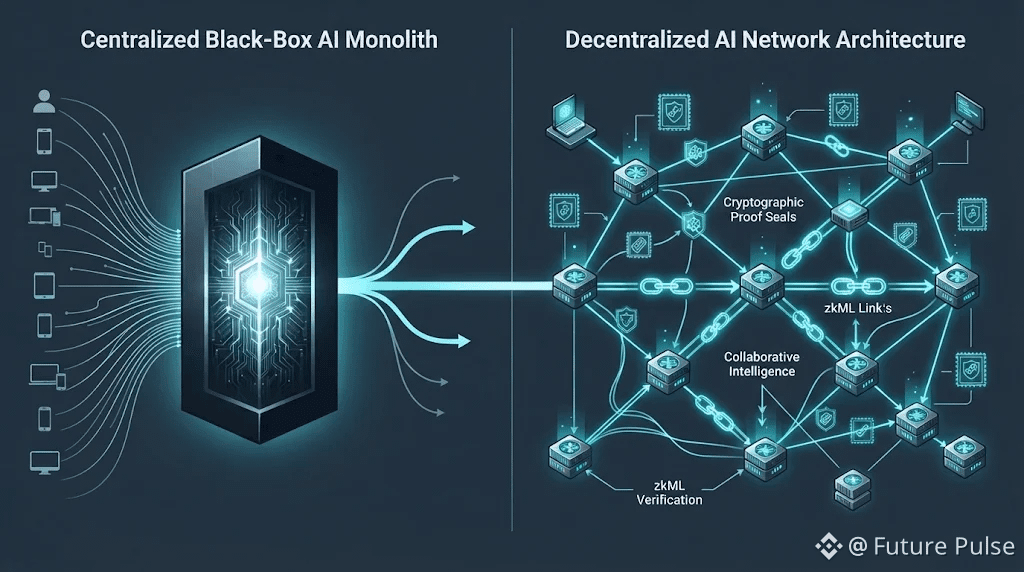
Decentralized AI (DeAI) is emerging as the structural counterweight to centralized AI monopolies—combining cryptographic verification with distributed compute and data networks to keep intelligence open, auditable, and permissionless.
As frontier AI concentrates compute, model weights, and training pipelines inside a handful of tech giants, DeAI unbundles the AI stack across three core on-chain primitives:
Distributed Compute & GPU Networks: Protocols like Render and Akash aggregate idle global GPU capacity into open marketplaces, lowering inference and training costs without single-vendor lock-in.
Verifiable Inference & Provenance: Through zero-knowledge machine learning (zkML) and cryptographic attestations, networks can prove that a specific model actually generated a given output—allowing smart contracts to consume AI decisions trustlessly.
Incentivized Data & Collaborative Intelligence: Networks like Bittensor (TAO) coordinate open-source model training and data contribution through token-weighted validation, rewarding useful intelligence rather than closed proprietary silos.
The real architectural challenge isn't just putting an AI token on-chain it is balancing cryptographic verification overhead against the raw latency demands of modern models. As verifiable compute matures, DeAI shifts AI from a black-box corporate service into open, auditable public infrastructure.
$TAO
{future}(TAOUSDT)
$SOXL
{future}(SOXLUSDT)
$SOXS
{future}(SOXSUSDT)
#DeAI
#AIxCrypto
#zkml
#Web3
#bittensor
Decentralized AI (DeAI) is emerging as the structural counterweight to centralized AI monopolies—combining cryptographic verification with distributed compute and data networks to keep intelligence open, auditable, and permissionless.
As frontier AI concentrates compute, model weights, and training pipelines inside a handful of tech giants, DeAI unbundles the AI stack across three core on-chain primitives:
Distributed Compute & GPU Networks: Protocols like Render and Akash aggregate idle global GPU capacity into open marketplaces, lowering inference and training costs without single-vendor lock-in.
Verifiable Inference & Provenance: Through zero-knowledge machine learning (zkML) and cryptographic attestations, networks can prove that a specific model actually generated a given output—allowing smart contracts to consume AI decisions trustlessly.
Incentivized Data & Collaborative Intelligence: Networks like Bittensor (TAO) coordinate open-source model training and data contribution through token-weighted validation, rewarding useful intelligence rather than closed proprietary silos.
The real architectural challenge isn't just putting an AI token on-chain it is balancing cryptographic verification overhead against the raw latency demands of modern models. As verifiable compute matures, DeAI shifts AI from a black-box corporate service into open, auditable public infrastructure.
$TAO
$SOXL
$SOXS
#DeAI
#AIxCrypto
#zkml
#Web3
#bittensor
1
950
·
--
ဘာသာပြန်ဆိုချက် ကြည့်မည်
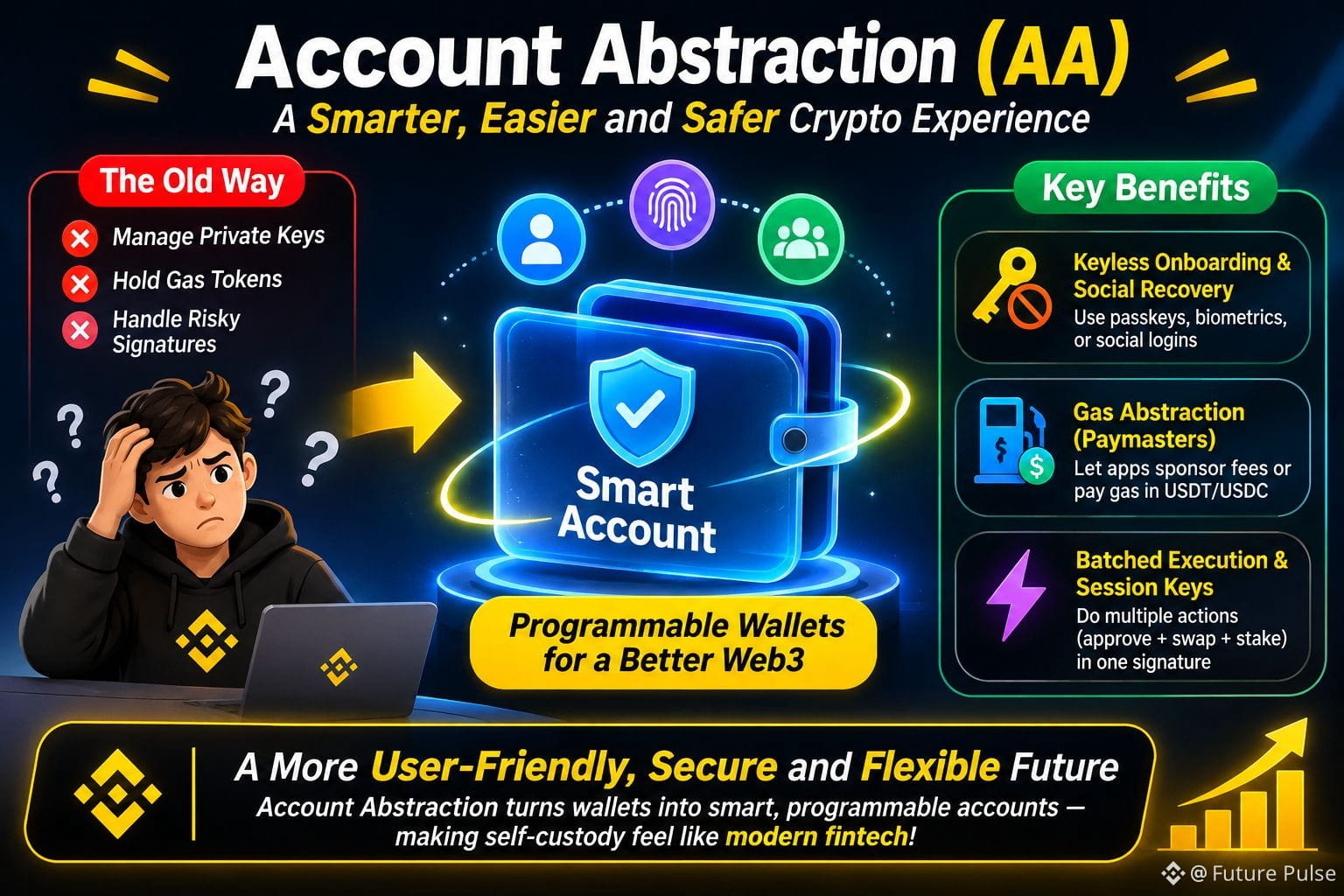
Account Abstraction (AA) is solving crypto’s biggest bottleneck: forcing everyday users to manage cryptographic key pairs, gas tokens, and irreversible signing flows before they can even execute a basic on-chain action.
By decoupling user intent from low-level transaction execution—most notably through ERC-4337 and smart contract wallets—Account Abstraction turns wallets into programmable accounts rather than rigid externally owned accounts (EOAs):
Keyless Onboarding & Social Recovery: Users can authenticate with passkeys, biometrics, or familiar social logins, while programmable guardians replace the single point of failure of a 12-word seed phrase.Gas Abstraction (Paymasters): Applications can sponsor transaction fees entirely or allow users to pay gas in stablecoins like USDT/USDC instead of holding native gas tokens.Batched Execution & Session Keys: Multi-step DeFi interactions (approve + swap + stake) compress into a single atomic signature, while scoped session keys let apps or games execute pre-approved actions without constant wallet pop-ups.
The architectural shift is clear: security and UX move from manual user burden into verifiable smart contract logic. As smart accounts become the default standard across L1s and L2s, self-custody finally starts looking like modern fintech—without sacrificing cryptographic ownership.
$USDT
$USDC
{spot}(USDCUSDT)
$USD1
{spot}(USD1USDT)
#AccountAbstraction
#ERC4337
#Web3UX
#SmartWallets
#CryptoInfrastructure
Account Abstraction (AA) is solving crypto’s biggest bottleneck: forcing everyday users to manage cryptographic key pairs, gas tokens, and irreversible signing flows before they can even execute a basic on-chain action.
By decoupling user intent from low-level transaction execution—most notably through ERC-4337 and smart contract wallets—Account Abstraction turns wallets into programmable accounts rather than rigid externally owned accounts (EOAs):
Keyless Onboarding & Social Recovery: Users can authenticate with passkeys, biometrics, or familiar social logins, while programmable guardians replace the single point of failure of a 12-word seed phrase.Gas Abstraction (Paymasters): Applications can sponsor transaction fees entirely or allow users to pay gas in stablecoins like USDT/USDC instead of holding native gas tokens.Batched Execution & Session Keys: Multi-step DeFi interactions (approve + swap + stake) compress into a single atomic signature, while scoped session keys let apps or games execute pre-approved actions without constant wallet pop-ups.
The architectural shift is clear: security and UX move from manual user burden into verifiable smart contract logic. As smart accounts become the default standard across L1s and L2s, self-custody finally starts looking like modern fintech—without sacrificing cryptographic ownership.
$USDT
$USDC
$USD1
#AccountAbstraction
#ERC4337
#Web3UX
#SmartWallets
#CryptoInfrastructure
230
·
--
စိစစ်အတည်ပြုထားသည်
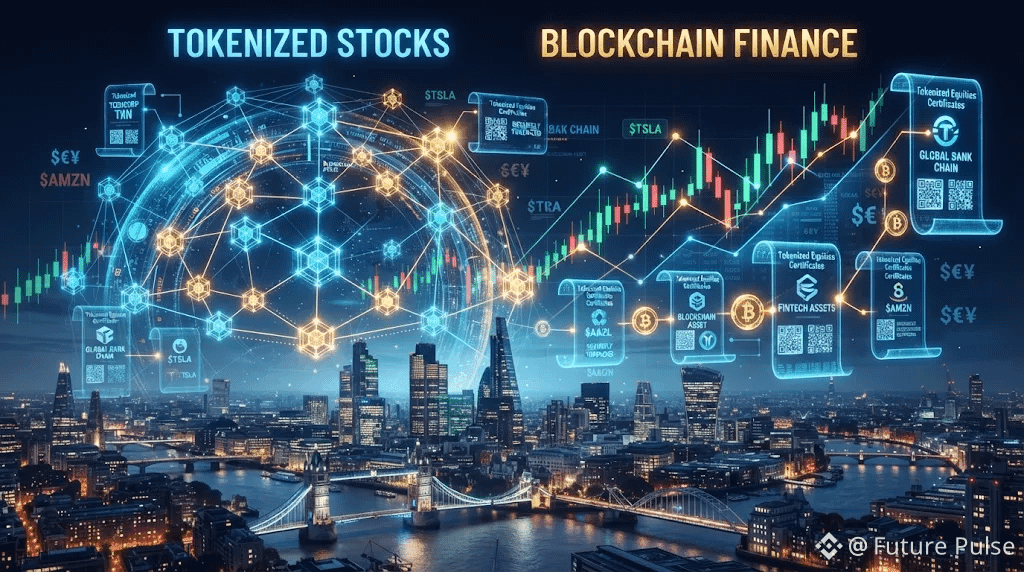
ဒေါ်လာ ၄.၈ ဘီလီယံ။ တိုကင်ပြုထားသော ရှယ်ယာများက ဘဏ္ဍာရေးဈေးကွက်သစ်တစ်ခုကို တိတ်တဆိတ် တည်ဆောက်နေသည်။
ခရစ်ပတိုရင်းနှီးမြှုပ်နှံသူအများစုက Bitcoin နဲ့ altcoin ဈေးနှုန်းတွေကို စောင့်ကြည့်နေချိန်မှာ နောက်ကွယ်မှာ ဈေးကွက်တစ်ခုက အရှိန်အဟုန်နဲ့ ကြီးထွားလာနေပါတယ်။
Binance Research အရ ကမ္ဘာလုံးဆိုင်ရာ တိုကင်ပြုထားသော ရှယ်ယာဈေးကွက်ရဲ့ စီမံခန့်ခွဲမှုအောက်ရှိ ပိုင်ဆိုင်မှုတန်ဖိုးဟာ ၂၀၂၆ ခုနှစ်၊ နိုဝင်ဘာ ၁၀ ရက်မှာ စံချိန်တင် ဒေါ်လာ ၄.၈ ဘီလီယံအထိ ရောက်ရှိခဲ့ပါတယ်။
ဒါဟာ ဇွန်လနဲ့ နိုဝင်ဘာလအစောပိုင်းကြား ၁၆၄% တိုးတက်လာတာပါ။
ဒါပေမဲ့ ဒီထက်ပိုပြီး စိတ်ဝင်စားစရာကောင်းတာက—
🔹 Binance bStocks ဟာ စတင်ပြီး ၁၄၅ ရက်အတွင်း စီမံခန့်ခွဲမှုအောက်ရှိ ပိုင်ဆိုင်မှုတန်ဖိုး ဒေါ်လာ ၁.၅ ဘီလီယံအထိ ရောက်ရှိခဲ့ပါတယ်။
🔹 အခုဆို တိုကင်ပြုထားတဲ့ ရှယ်ယာဈေးကွက်ရဲ့ ၃၁% ခန့်ကို ကိုယ်စားပြုနေပါတယ်။
🔹 ၎င်းရဲ့ အရောင်းအဝယ်ပမာဏ ၅၆% ခန့်ဟာ အမေရိကန်စတော့ဈေးကွက် ပုံမှန်ဖွင့်ချိန်ပြင်ပမှာ ဖြစ်ပေါ်ပါတယ်။
🔹 ထွန်းသစ်စနဲ့ ရှေ့တန်းဈေးကွက်တွေက အသုံးပြုသူတွေဟာ ၎င်းရဲ့ အရောင်းအဝယ်ပမာဏရဲ့ ၇၀% ခန့်ကို ကိုယ်စားပြုပါတယ်။
ဒါက ဘာကြောင့် အရေးကြီးတာလဲ။
တိုကင်ပြုခြင်းက လူတွေ ရိုးရာဘဏ္ဍာရေးပိုင်ဆိုင်မှုတွေကို ရယူသုံးစွဲပုံကို ပြောင်းလဲနေပါတယ်။ သမားရိုးကျ ဘရိုကာဝန်ဆောင်မှုအခြေခံအဆောက်အအုံကို လုံးဝမှီခိုနေစရာမလိုဘဲ အရည်အချင်းပြည့်မီတဲ့ ရင်းနှီးမြှုပ်နှံသူတွေဟာ ဘလော့ခ်ချိန်းအခြေပြု တိုကင်တွေကတစ်ဆင့် စတော့နဲ့ ETF တွေမှာ ရင်းနှီးမြှုပ်နှံထားသလို အကျိုးခံစားခွင့် ရယူနိုင်ပါတယ်။
ဒါကလည်း စိတ်ဝင်စားစရာ အလားအလာတစ်ခုကို ဖန်တီးပေးပါတယ်—ရိုးရာရှယ်ယာတွေကို ပိုမိုလွယ်ကူစွာ ရယူနိုင်ပြီး ကမ္ဘာတစ်ဝန်း ချိတ်ဆက်ကာ ဗဟိုချုပ်ကိုင်မှုလျှော့ချထားတဲ့ ဘဏ္ဍာရေးစနစ်နဲ့ ပေါင်းစည်းလာနိုင်ပါတယ်။
ဒါပေမဲ့ တိုကင်မှတစ်ဆင့် ရှယ်ယာတွင် ရင်းနှီးမြှုပ်နှံထားသလို အကျိုးခံစားခွင့်ရတာကို စတော့ကို တိုက်ရိုက်ပိုင်ဆိုင်တာနဲ့ မရောထွေးပါနဲ့။ အခြေခံပိုင်ဆိုင်မှုတွေ၊ ထိန်းသိမ်းစောင့်ရှောက်မှုအစီအစဉ်တွေ၊ ပြန်လည်ထုတ်ယူခွင့်တွေနဲ့ စည်းမျဉ်းဆိုင်ရာ အကာအကွယ်တွေက အရေးပါနေဆဲပါ။
ပိုကြီးမားတဲ့ မေးခွန်းက ရိုးရာဘဏ္ဍာရေးလောကက ဘလော့ခ်ချိန်းကို စူးစမ်းလေ့လာမလားဆိုတာ မဟုတ်တော့ပါဘူး။
ဒီအသွင်ပြောင်းမှုက ဘယ်လောက်အထိ ရောက်သွားနိုင်မလဲဆိုတာပါ။
$SOXL
{future}(SOXLUSDT)
$SOXS
{future}(SOXSUSDT)
$EVAA
{future}(EVAAUSDT)
👇 ရိုးရာစတော့ဘရိုကာကို အသုံးပြုမယ့်အစား တိုကင်ပြုထားတဲ့ စတော့တွေမှာ ရင်းနှီးမြှုပ်နှံမလား။
ဒေါ်လာ ၄.၈ ဘီလီယံ။ တိုကင်ပြုထားသော ရှယ်ယာများက ဘဏ္ဍာရေးဈေးကွက်သစ်တစ်ခုကို တိတ်တဆိတ် တည်ဆောက်နေသည်။
ခရစ်ပတိုရင်းနှီးမြှုပ်နှံသူအများစုက Bitcoin နဲ့ altcoin ဈေးနှုန်းတွေကို စောင့်ကြည့်နေချိန်မှာ နောက်ကွယ်မှာ ဈေးကွက်တစ်ခုက အရှိန်အဟုန်နဲ့ ကြီးထွားလာနေပါတယ်။
Binance Research အရ ကမ္ဘာလုံးဆိုင်ရာ တိုကင်ပြုထားသော ရှယ်ယာဈေးကွက်ရဲ့ စီမံခန့်ခွဲမှုအောက်ရှိ ပိုင်ဆိုင်မှုတန်ဖိုးဟာ ၂၀၂၆ ခုနှစ်၊ နိုဝင်ဘာ ၁၀ ရက်မှာ စံချိန်တင် ဒေါ်လာ ၄.၈ ဘီလီယံအထိ ရောက်ရှိခဲ့ပါတယ်။
ဒါဟာ ဇွန်လနဲ့ နိုဝင်ဘာလအစောပိုင်းကြား ၁၆၄% တိုးတက်လာတာပါ။
ဒါပေမဲ့ ဒီထက်ပိုပြီး စိတ်ဝင်စားစရာကောင်းတာက—
🔹 Binance bStocks ဟာ စတင်ပြီး ၁၄၅ ရက်အတွင်း စီမံခန့်ခွဲမှုအောက်ရှိ ပိုင်ဆိုင်မှုတန်ဖိုး ဒေါ်လာ ၁.၅ ဘီလီယံအထိ ရောက်ရှိခဲ့ပါတယ်။
🔹 အခုဆို တိုကင်ပြုထားတဲ့ ရှယ်ယာဈေးကွက်ရဲ့ ၃၁% ခန့်ကို ကိုယ်စားပြုနေပါတယ်။
🔹 ၎င်းရဲ့ အရောင်းအဝယ်ပမာဏ ၅၆% ခန့်ဟာ အမေရိကန်စတော့ဈေးကွက် ပုံမှန်ဖွင့်ချိန်ပြင်ပမှာ ဖြစ်ပေါ်ပါတယ်။
🔹 ထွန်းသစ်စနဲ့ ရှေ့တန်းဈေးကွက်တွေက အသုံးပြုသူတွေဟာ ၎င်းရဲ့ အရောင်းအဝယ်ပမာဏရဲ့ ၇၀% ခန့်ကို ကိုယ်စားပြုပါတယ်။
ဒါက ဘာကြောင့် အရေးကြီးတာလဲ။
တိုကင်ပြုခြင်းက လူတွေ ရိုးရာဘဏ္ဍာရေးပိုင်ဆိုင်မှုတွေကို ရယူသုံးစွဲပုံကို ပြောင်းလဲနေပါတယ်။ သမားရိုးကျ ဘရိုကာဝန်ဆောင်မှုအခြေခံအဆောက်အအုံကို လုံးဝမှီခိုနေစရာမလိုဘဲ အရည်အချင်းပြည့်မီတဲ့ ရင်းနှီးမြှုပ်နှံသူတွေဟာ ဘလော့ခ်ချိန်းအခြေပြု တိုကင်တွေကတစ်ဆင့် စတော့နဲ့ ETF တွေမှာ ရင်းနှီးမြှုပ်နှံထားသလို အကျိုးခံစားခွင့် ရယူနိုင်ပါတယ်။
ဒါကလည်း စိတ်ဝင်စားစရာ အလားအလာတစ်ခုကို ဖန်တီးပေးပါတယ်—ရိုးရာရှယ်ယာတွေကို ပိုမိုလွယ်ကူစွာ ရယူနိုင်ပြီး ကမ္ဘာတစ်ဝန်း ချိတ်ဆက်ကာ ဗဟိုချုပ်ကိုင်မှုလျှော့ချထားတဲ့ ဘဏ္ဍာရေးစနစ်နဲ့ ပေါင်းစည်းလာနိုင်ပါတယ်။
ဒါပေမဲ့ တိုကင်မှတစ်ဆင့် ရှယ်ယာတွင် ရင်းနှီးမြှုပ်နှံထားသလို အကျိုးခံစားခွင့်ရတာကို စတော့ကို တိုက်ရိုက်ပိုင်ဆိုင်တာနဲ့ မရောထွေးပါနဲ့။ အခြေခံပိုင်ဆိုင်မှုတွေ၊ ထိန်းသိမ်းစောင့်ရှောက်မှုအစီအစဉ်တွေ၊ ပြန်လည်ထုတ်ယူခွင့်တွေနဲ့ စည်းမျဉ်းဆိုင်ရာ အကာအကွယ်တွေက အရေးပါနေဆဲပါ။
ပိုကြီးမားတဲ့ မေးခွန်းက ရိုးရာဘဏ္ဍာရေးလောကက ဘလော့ခ်ချိန်းကို စူးစမ်းလေ့လာမလားဆိုတာ မဟုတ်တော့ပါဘူး။
ဒီအသွင်ပြောင်းမှုက ဘယ်လောက်အထိ ရောက်သွားနိုင်မလဲဆိုတာပါ။
$SOXL
$SOXS
$EVAA
👇 ရိုးရာစတော့ဘရိုကာကို အသုံးပြုမယ့်အစား တိုကင်ပြုထားတဲ့ စတော့တွေမှာ ရင်းနှီးမြှုပ်နှံမလား။
Yes, blockchain is the future.
No, stocks are better.
2 နာရီ ကျန်သေးသည်
2
5.8k
·
--
စိစစ်အတည်ပြုထားသည်
နောက်လာမည့် ဘဏ္ဍာရေးတော်လှန်ရေးသည် ခရစ်ပတိုငွေကြေးလဲလှယ်ရေးပလက်ဖောင်းများမှ စတင်မည်မဟုတ်ပါ။ ဘဏ်များမှ စတင်နိုင်ပါသည်။
ဆယ်စုနှစ်များစွာကြာအောင် ကမ္ဘာ့ဘဏ်လုပ်ငန်းစနစ်သည် အဖွဲ့အစည်းများအကြား ငွေလွှဲပြောင်းရန် ရိုးရာကွန်ရက်များကို အားထားခဲ့သည်။
သို့သော် ယခုအခါ ထိုအခြေခံအဆောက်အအုံသည် စိန်ခေါ်မှုအသစ်တစ်ရပ်နှင့် ရင်ဆိုင်နေရသည်။
ဟောင်ကောင်ငွေကြေးအာဏာပိုင်အဖွဲ့ (HKMA) နှင့် Swift တို့သည် တိုကင်ပုံစံပြောင်းထားသော အပ်ငွေများကို လက်ရှိဘဏ္ဍာရေးစနစ်များနှင့် မည်သို့ချိတ်ဆက်နိုင်မည်ကို လေ့လာနေကြသည်။
ဒါက ဘာကြောင့် အရေးကြီးတာလဲ။
ယနေ့ နိုင်ငံတကာငွေပေးချေမှုများ မည်သို့လုပ်ဆောင်သည်ကို စဉ်းစားကြည့်ပါ။ ဘဏ်များစွာ၊ ငွေရှင်းစနစ်အမျိုးမျိုး၊ လုပ်ငန်းလည်ပတ်ချိန်များနှင့် စာရင်းတိုက်ဆိုင်စစ်ဆေးသည့် လုပ်ငန်းစဉ်များကြောင့် နယ်စပ်ဖြတ်ကျော်ငွေလွှဲမှုများ ရှုပ်ထွေးလာနိုင်သည်။
တိုကင်ပုံစံပြောင်းထားသော အပ်ငွေများက မတူညီသော နည်းလမ်းတစ်ခုကို မိတ်ဆက်ပေးနိုင်သည်-
🔹 ဘဏ်အပ်ငွေများကို ဒစ်ဂျစ်တယ်တိုကင်များအဖြစ် ကိုယ်စားပြုခြင်း။
🔹 ချိတ်ဆက်ထားသော ကွန်ရက်များတစ်လျှောက် ဘဏ္ဍာရေးအဖွဲ့အစည်းများအနေဖြင့် တန်ဖိုးကို ဖလှယ်နိုင်စေခြင်း။
🔹 ငွေရှင်းမှု၏ ထိရောက်မှုနှင့် ငွေလွှဲမှုဆိုင်ရာ ပွင့်လင်းမြင်သာမှုကို မြှင့်တင်ခြင်း။
🔹 ရိုးရာဘဏ်လုပ်ငန်းနှင့် ဘလော့ခ်ချိန်းအခြေခံအဆောက်အအုံတို့အကြား အပြန်အလှန်ချိတ်ဆက်အသုံးပြုနိုင်မှုကို လေ့လာခြင်း။
စိတ်ဝင်စားစရာအကောင်းဆုံးအချက်ကတော့-
ဒါဟာ ဘဏ်တွေကို ခရစ်ပတိုနဲ့ အစားထိုးဖို့ မဟုတ်ပါဘူး။
ငွေရွှေ့ပြောင်းဖို့ ဘဏ်တွေသုံးနေတဲ့ နည်းပညာကို အဆင့်မြှင့်တင်နိုင်မယ့် အလားအလာအကြောင်းပါ။
ရိုးရာဘဏ္ဍာရေးအဖွဲ့အစည်းတွေက အပြန်အလှန်ချိတ်ဆက်အသုံးပြုနိုင်တဲ့ ဘလော့ခ်ချိန်းစနစ်တွေကို စတင်လက်ခံအသုံးပြုလာရင် အကြီးမားဆုံး အကျိုးအမြတ်ရသူတွေဟာ တစ်ဦးချင်း ခရစ်ပတိုငွေကြေးတွေ ဖြစ်ချင်မှဖြစ်မယ်။ ဘဏ္ဍာရေးဂေဟစနစ်တစ်ခုလုံးကို ချိတ်ဆက်ပေးတဲ့ အခြေခံအဆောက်အအုံကွန်ရက်တွေ ဖြစ်နိုင်ပါတယ်။
မေးခွန်းတစ်ခု-
ဘလော့ခ်ချိန်းဟာ နောက်ဆုံးမှာ ကမ္ဘာ့ဘဏ်လုပ်ငန်းကို လည်ပတ်စေတဲ့ မမြင်နိုင်သော အခြေခံအဆောက်အအုံ ဖြစ်လာမလား။
ဒါမှမဟုတ် ရိုးရာဘဏ္ဍာရေးစနစ်တွေကပဲ ဆက်လက်လွှမ်းမိုးနေမလား။
👇 သင်ရော ဘယ်လိုခန့်မှန်းပါသလဲ။
$SOXS
$EVAA
{future}(EVAAUSDT)
$SOXL
{future}(SOXLUSDT)
{web3_wallet_create}(10x42778037d69350508cdd34d9fa17053970591101)
#CanBTCReboundAfterFallingBelow60K?
#GlobalStocksFaceLongestLosingStreakSince2023
#AnthropicPlungesTowardIPOPriceonDay2
#BNBDropsBelow540USDTWith8.46%DailyDecline
#MorganStanleyEndsAnthropicStockSupportAfterOneDay
နောက်လာမည့် ဘဏ္ဍာရေးတော်လှန်ရေးသည် ခရစ်ပတိုငွေကြေးလဲလှယ်ရေးပလက်ဖောင်းများမှ စတင်မည်မဟုတ်ပါ။ ဘဏ်များမှ စတင်နိုင်ပါသည်။
ဆယ်စုနှစ်များစွာကြာအောင် ကမ္ဘာ့ဘဏ်လုပ်ငန်းစနစ်သည် အဖွဲ့အစည်းများအကြား ငွေလွှဲပြောင်းရန် ရိုးရာကွန်ရက်များကို အားထားခဲ့သည်။
သို့သော် ယခုအခါ ထိုအခြေခံအဆောက်အအုံသည် စိန်ခေါ်မှုအသစ်တစ်ရပ်နှင့် ရင်ဆိုင်နေရသည်။
ဟောင်ကောင်ငွေကြေးအာဏာပိုင်အဖွဲ့ (HKMA) နှင့် Swift တို့သည် တိုကင်ပုံစံပြောင်းထားသော အပ်ငွေများကို လက်ရှိဘဏ္ဍာရေးစနစ်များနှင့် မည်သို့ချိတ်ဆက်နိုင်မည်ကို လေ့လာနေကြသည်။
ဒါက ဘာကြောင့် အရေးကြီးတာလဲ။
ယနေ့ နိုင်ငံတကာငွေပေးချေမှုများ မည်သို့လုပ်ဆောင်သည်ကို စဉ်းစားကြည့်ပါ။ ဘဏ်များစွာ၊ ငွေရှင်းစနစ်အမျိုးမျိုး၊ လုပ်ငန်းလည်ပတ်ချိန်များနှင့် စာရင်းတိုက်ဆိုင်စစ်ဆေးသည့် လုပ်ငန်းစဉ်များကြောင့် နယ်စပ်ဖြတ်ကျော်ငွေလွှဲမှုများ ရှုပ်ထွေးလာနိုင်သည်။
တိုကင်ပုံစံပြောင်းထားသော အပ်ငွေများက မတူညီသော နည်းလမ်းတစ်ခုကို မိတ်ဆက်ပေးနိုင်သည်-
🔹 ဘဏ်အပ်ငွေများကို ဒစ်ဂျစ်တယ်တိုကင်များအဖြစ် ကိုယ်စားပြုခြင်း။
🔹 ချိတ်ဆက်ထားသော ကွန်ရက်များတစ်လျှောက် ဘဏ္ဍာရေးအဖွဲ့အစည်းများအနေဖြင့် တန်ဖိုးကို ဖလှယ်နိုင်စေခြင်း။
🔹 ငွေရှင်းမှု၏ ထိရောက်မှုနှင့် ငွေလွှဲမှုဆိုင်ရာ ပွင့်လင်းမြင်သာမှုကို မြှင့်တင်ခြင်း။
🔹 ရိုးရာဘဏ်လုပ်ငန်းနှင့် ဘလော့ခ်ချိန်းအခြေခံအဆောက်အအုံတို့အကြား အပြန်အလှန်ချိတ်ဆက်အသုံးပြုနိုင်မှုကို လေ့လာခြင်း။
စိတ်ဝင်စားစရာအကောင်းဆုံးအချက်ကတော့-
ဒါဟာ ဘဏ်တွေကို ခရစ်ပတိုနဲ့ အစားထိုးဖို့ မဟုတ်ပါဘူး။
ငွေရွှေ့ပြောင်းဖို့ ဘဏ်တွေသုံးနေတဲ့ နည်းပညာကို အဆင့်မြှင့်တင်နိုင်မယ့် အလားအလာအကြောင်းပါ။
ရိုးရာဘဏ္ဍာရေးအဖွဲ့အစည်းတွေက အပြန်အလှန်ချိတ်ဆက်အသုံးပြုနိုင်တဲ့ ဘလော့ခ်ချိန်းစနစ်တွေကို စတင်လက်ခံအသုံးပြုလာရင် အကြီးမားဆုံး အကျိုးအမြတ်ရသူတွေဟာ တစ်ဦးချင်း ခရစ်ပတိုငွေကြေးတွေ ဖြစ်ချင်မှဖြစ်မယ်။ ဘဏ္ဍာရေးဂေဟစနစ်တစ်ခုလုံးကို ချိတ်ဆက်ပေးတဲ့ အခြေခံအဆောက်အအုံကွန်ရက်တွေ ဖြစ်နိုင်ပါတယ်။
မေးခွန်းတစ်ခု-
ဘလော့ခ်ချိန်းဟာ နောက်ဆုံးမှာ ကမ္ဘာ့ဘဏ်လုပ်ငန်းကို လည်ပတ်စေတဲ့ မမြင်နိုင်သော အခြေခံအဆောက်အအုံ ဖြစ်လာမလား။
ဒါမှမဟုတ် ရိုးရာဘဏ္ဍာရေးစနစ်တွေကပဲ ဆက်လက်လွှမ်းမိုးနေမလား။
👇 သင်ရော ဘယ်လိုခန့်မှန်းပါသလဲ။
$SOXS
$EVAA
$SOXL
#CanBTCReboundAfterFallingBelow60K?
#GlobalStocksFaceLongestLosingStreakSince2023
#AnthropicPlungesTowardIPOPriceonDay2
#BNBDropsBelow540USDTWith8.46%DailyDecline
#MorganStanleyEndsAnthropicStockSupportAfterOneDay

11
2.2k
·
--
စိစစ်အတည်ပြုထားသည်
ဘလော့ခ်ချိန်းသည် ကမ္ဘာ့ကုန်သွယ်ရေးထဲသို့ ဝင်ရောက်လာနေပြီ — ဒီတစ်ကြိမ်တော့ စမ်းသပ်မှုသက်သက် မဟုတ်ပါဘူး။
လူအများစုက တိုကင်ပြုလုပ်ခြင်းကို Bitcoin၊ stablecoin များ သို့မဟုတ် ဒစ်ဂျစ်တယ်ရင်းနှီးမြှုပ်နှံမှုရန်ပုံငွေများနှင့် ဆက်စပ်စဉ်းစားကြပါတယ်။
ဒါပေမဲ့ နောက်ကွယ်မှာ ပိုစိတ်ဝင်စားဖို့ကောင်းတဲ့ အရာတစ်ခု ဖြစ်ပေါ်နေပါတယ်။
POSCO International နဲ့ LG CNS တို့ဟာ Injective (INJ) ကို အသုံးပြုပြီး ကုန်သွယ်မှုမှ ရရန်ရှိငွေများကို တိုကင်ပြုလုပ်တဲ့ ရှေ့ပြေးစမ်းသပ်မှုတစ်ခုကို အောင်မြင်စွာ ပြီးစီးခဲ့ပါတယ်။
ဒါက ဘာကြောင့် အရေးကြီးသလဲဆိုတော့ —
နိုင်ငံတကာ ကုန်သွယ်မှုတစ်ခုစီတိုင်းမှာ ငွေတောင်းခံလွှာတွေ၊ ငွေပေးချေရမယ့် တာဝန်ဝတ္တရားတွေနဲ့ ရရန်ရှိငွေတွေ ပေါ်ပေါက်လာပါတယ်။ အစဉ်အလာအရ ဒီမှတ်တမ်းတွေဟာ ကုမ္ပဏီတွေ၊ ဘဏ်တွေနဲ့ လက်အောက်ခံကုမ္ပဏီတွေကြားမှာ အစိတ်စိတ်အမြွှာမြွှာ ကွဲပြားနေတဲ့ စနစ်တွေကတစ်ဆင့် ရွေ့လျားကြပါတယ်။
ဒါကြောင့် နှောင့်နှေးမှုတွေ၊ စာရင်းတိုက်ဆိုင်စစ်ဆေးရာမှာ အခက်အခဲတွေ၊ မလိုအပ်တဲ့ ရှုပ်ထွေးမှုတွေ ဖြစ်ပေါ်စေပါတယ်။
ဒီဘဏ္ဍာရေးဆိုင်ရာ တောင်းဆိုခွင့်တွေကို အများသုံး ဘလော့ခ်ချိန်းမှတ်တမ်းတစ်ခုထဲမှာ ထည့်သွင်းထားတာကို စိတ်ကူးကြည့်ပါ။
ဒီအစီအစဉ်က သက်သေပြဖို့ ရည်ရွယ်တာက —
🔹 တကယ့်ကုန်သွယ်မှုမှ ရရန်ရှိငွေများကို ဒစ်ဂျစ်တယ်ပိုင်ဆိုင်မှုများအဖြစ် ကိုယ်စားပြုခြင်း။
🔹 ကုန်သွယ်မှုဆိုင်ရာ အဖွဲ့အစည်းများအကြား ငွေကြေးလွှဲပြောင်းမှုမှတ်တမ်းများကို မျှဝေခြင်း။
🔹 ပိုမိုမြန်ဆန်ပြီး ပွင့်လင်းမြင်သာသော ဘဏ္ဍာရေးလုပ်ငန်းစဉ်များ။
🔹 ပိုင်ဆိုင်မှုအခြေခံအဆောက်အအုံထဲတွင် ထည့်သွင်းတည်ဆောက်ထားသော စည်းမျဉ်းလိုက်နာမှု ထိန်းချုပ်မှုများ။
ပိုမိုကျယ်ပြန့်တဲ့ အဓိပ္ပာယ်က ဘာလဲ။
ဘလော့ခ်ချိန်းကို အသုံးပြုလာမှုဟာ ခရစ်ပ်တိုအခြေပြု စီးပွားရေးလုပ်ငန်းတွေကို ကျော်လွန်ပြီး ရိုးရာကမ္ဘာ့ကုန်သွယ်ရေးရဲ့ အခြေခံအဆောက်အအုံထဲကို ဝင်ရောက်လာနေနိုင်ပါတယ်။
ဒါဟာ တိုကင်အသစ်တစ်ခု ထပ်ဖန်တီးတာထက် အများကြီး ပိုကြီးမားတဲ့ အခွင့်အလမ်းတစ်ခုပါ။
အသိုင်းအဝိုင်းကို မေးခွန်းတစ်ခု မေးချင်ပါတယ် —
လက်တွေ့စီးပွားရေးလောကမှာ အသုံးပြုလာခြင်းက ဘလော့ခ်ချိန်း တိုးတက်မှုအတွက် ရေရှည်မှာ အားအကောင်းဆုံး မောင်းနှင်အား ဖြစ်လာမလား။
👇 သင့်အမြင်က ဘယ်လိုလဲ။
$ARIA
$INJ
{future}(INJUSDT)
$HYPE
{future}(HYPEUSDT)
{web3_wallet_create}(10x42778037d69350508cdd34d9fa17053970591101)
#injective
#RWA
#Tokenization
#blockchain
#CanBTCReboundAfterFallingBelow60K?
ဘလော့ခ်ချိန်းသည် ကမ္ဘာ့ကုန်သွယ်ရေးထဲသို့ ဝင်ရောက်လာနေပြီ — ဒီတစ်ကြိမ်တော့ စမ်းသပ်မှုသက်သက် မဟုတ်ပါဘူး။
လူအများစုက တိုကင်ပြုလုပ်ခြင်းကို Bitcoin၊ stablecoin များ သို့မဟုတ် ဒစ်ဂျစ်တယ်ရင်းနှီးမြှုပ်နှံမှုရန်ပုံငွေများနှင့် ဆက်စပ်စဉ်းစားကြပါတယ်။
ဒါပေမဲ့ နောက်ကွယ်မှာ ပိုစိတ်ဝင်စားဖို့ကောင်းတဲ့ အရာတစ်ခု ဖြစ်ပေါ်နေပါတယ်။
POSCO International နဲ့ LG CNS တို့ဟာ Injective (INJ) ကို အသုံးပြုပြီး ကုန်သွယ်မှုမှ ရရန်ရှိငွေများကို တိုကင်ပြုလုပ်တဲ့ ရှေ့ပြေးစမ်းသပ်မှုတစ်ခုကို အောင်မြင်စွာ ပြီးစီးခဲ့ပါတယ်။
ဒါက ဘာကြောင့် အရေးကြီးသလဲဆိုတော့ —
နိုင်ငံတကာ ကုန်သွယ်မှုတစ်ခုစီတိုင်းမှာ ငွေတောင်းခံလွှာတွေ၊ ငွေပေးချေရမယ့် တာဝန်ဝတ္တရားတွေနဲ့ ရရန်ရှိငွေတွေ ပေါ်ပေါက်လာပါတယ်။ အစဉ်အလာအရ ဒီမှတ်တမ်းတွေဟာ ကုမ္ပဏီတွေ၊ ဘဏ်တွေနဲ့ လက်အောက်ခံကုမ္ပဏီတွေကြားမှာ အစိတ်စိတ်အမြွှာမြွှာ ကွဲပြားနေတဲ့ စနစ်တွေကတစ်ဆင့် ရွေ့လျားကြပါတယ်။
ဒါကြောင့် နှောင့်နှေးမှုတွေ၊ စာရင်းတိုက်ဆိုင်စစ်ဆေးရာမှာ အခက်အခဲတွေ၊ မလိုအပ်တဲ့ ရှုပ်ထွေးမှုတွေ ဖြစ်ပေါ်စေပါတယ်။
ဒီဘဏ္ဍာရေးဆိုင်ရာ တောင်းဆိုခွင့်တွေကို အများသုံး ဘလော့ခ်ချိန်းမှတ်တမ်းတစ်ခုထဲမှာ ထည့်သွင်းထားတာကို စိတ်ကူးကြည့်ပါ။
ဒီအစီအစဉ်က သက်သေပြဖို့ ရည်ရွယ်တာက —
🔹 တကယ့်ကုန်သွယ်မှုမှ ရရန်ရှိငွေများကို ဒစ်ဂျစ်တယ်ပိုင်ဆိုင်မှုများအဖြစ် ကိုယ်စားပြုခြင်း။
🔹 ကုန်သွယ်မှုဆိုင်ရာ အဖွဲ့အစည်းများအကြား ငွေကြေးလွှဲပြောင်းမှုမှတ်တမ်းများကို မျှဝေခြင်း။
🔹 ပိုမိုမြန်ဆန်ပြီး ပွင့်လင်းမြင်သာသော ဘဏ္ဍာရေးလုပ်ငန်းစဉ်များ။
🔹 ပိုင်ဆိုင်မှုအခြေခံအဆောက်အအုံထဲတွင် ထည့်သွင်းတည်ဆောက်ထားသော စည်းမျဉ်းလိုက်နာမှု ထိန်းချုပ်မှုများ။
ပိုမိုကျယ်ပြန့်တဲ့ အဓိပ္ပာယ်က ဘာလဲ။
ဘလော့ခ်ချိန်းကို အသုံးပြုလာမှုဟာ ခရစ်ပ်တိုအခြေပြု စီးပွားရေးလုပ်ငန်းတွေကို ကျော်လွန်ပြီး ရိုးရာကမ္ဘာ့ကုန်သွယ်ရေးရဲ့ အခြေခံအဆောက်အအုံထဲကို ဝင်ရောက်လာနေနိုင်ပါတယ်။
ဒါဟာ တိုကင်အသစ်တစ်ခု ထပ်ဖန်တီးတာထက် အများကြီး ပိုကြီးမားတဲ့ အခွင့်အလမ်းတစ်ခုပါ။
အသိုင်းအဝိုင်းကို မေးခွန်းတစ်ခု မေးချင်ပါတယ် —
လက်တွေ့စီးပွားရေးလောကမှာ အသုံးပြုလာခြင်းက ဘလော့ခ်ချိန်း တိုးတက်မှုအတွက် ရေရှည်မှာ အားအကောင်းဆုံး မောင်းနှင်အား ဖြစ်လာမလား။
👇 သင့်အမြင်က ဘယ်လိုလဲ။
$ARIA
$INJ
$HYPE
#injective
#RWA
#Tokenization
#blockchain
#CanBTCReboundAfterFallingBelow60K?
11
2k
·
--
🚨 HYPERLIQUID ကို စည်းမျဉ်းထိန်းသိမ်းရေးအဖွဲ့များက အာရုံစိုက်လာပြီ — DeFi က အဆင့်သစ်တစ်ခုကို ရောက်ရှိနေပြီလား?
ဗဟိုချုပ်ကိုင်မှုမရှိသော ငွေလဲပလက်ဖောင်းများကို ရိုးရှင်းသော ကတိတစ်ခုအပေါ် အခြေခံတည်ဆောက်ခဲ့ကြသည် — သမားရိုးကျ ဘဏ္ဍာရေးကြားခံများကို အားကိုးစရာမလိုဘဲ အရောင်းအဝယ်ပြုလုပ်နိုင်ခြင်းဖြစ်သည်။
သို့သော် HyperliquidX ကဲ့သို့သော ပလက်ဖောင်းများ အာရုံစိုက်ခံရပြီး အရောင်းအဝယ်လုပ်ဆောင်မှု ပိုမိုများပြားလာသည်နှင့်အမျှ၊ ဤစနစ်များ မည်သို့လည်ပတ်သည်ကို စည်းမျဉ်းထိန်းသိမ်းရေးအဖွဲ့များက စတင်စစ်ဆေးလာကြသည်။
ထို့ကြောင့် ပိုမိုကြီးမားသော မေးခွန်းတစ်ခု ပေါ်ပေါက်လာသည် —
စည်းမျဉ်းထိန်းချုပ်မှု ဖိအားများ တိုးလာနေချိန်တွင် DeFi သည် အမှန်တကယ် ဗဟိုချုပ်ကိုင်မှုကင်းမဲ့စွာ ဆက်လက်ရပ်တည်နိုင်ပါမည်လား။
ဤအငြင်းပွားမှုတွင် ရှုထောင့်နှစ်မျိုးရှိသည်။
🔹 အကောင်းမြင်သည့် ရှုထောင့် — ရှင်းလင်းသော စည်းမျဉ်းများသည် အဖွဲ့အစည်းဆိုင်ရာ ရင်းနှီးမြှုပ်နှံမှုများကို ဆွဲဆောင်နိုင်ပြီး၊ ရင်းနှီးမြှုပ်နှံသူများ၏ ယုံကြည်မှုကို မြှင့်တင်ပေးကာ ဗဟိုချုပ်ကိုင်မှုမရှိသော ပလက်ဖောင်းများကို ရေရှည်တည်တံ့စွာ ကြီးထွားလာစေရန် ကူညီနိုင်သည်။
🔹 အဆိုးမြင်သည့် ရှုထောင့် — အလွန်အကျွံ ကန့်သတ်မှုများသည် ခွင့်ပြုချက်မလိုအပ်ဘဲ အသုံးပြုနိုင်မှုကို ကန့်သတ်ခြင်း၊ ဗဟိုချုပ်ကိုင်မှုကင်းမဲ့ခြင်းကို အားနည်းစေခြင်းနှင့် ဆန်းသစ်တီထွင်မှုများကို အခြားနေရာသို့ ရွှေ့ပြောင်းသွားစေခြင်းတို့ ဖြစ်စေနိုင်သည်။
တကယ့်စိန်ခေါ်မှုက စည်းမျဉ်းစည်းကမ်းနှင့် လွတ်လပ်မှုကို ရိုးရိုးရှင်းရှင်း ယှဉ်ပြိုင်ခြင်းသာ မဟုတ်ပါ။
DeFi ကို အစကတည်းက တန်ဖိုးရှိစေခဲ့သော လူတိုင်းဖွင့်လှစ်အသုံးပြုနိုင်သည့် အခြေခံမူများနှင့် သုံးစွဲသူများကို ကာကွယ်ပေးခြင်းတို့အကြား ဟန်ချက်ညီမှုကို ရှာဖွေရန် ဖြစ်သည်။
အသိုင်းအဝိုင်းအတွက် မေးခွန်းတစ်ခု —
စည်းမျဉ်းထိန်းသိမ်းရေးအဖွဲ့များက ဗဟိုချုပ်ကိုင်မှုမရှိသော ငွေလဲပလက်ဖောင်းများအပေါ် ပိုမိုထိန်းချုပ်ရန် တောင်းဆိုလာပါက Hyperliquid ကဲ့သို့သော ပလက်ဖောင်းများသည် လိုက်နာသင့်သလား၊ သို့မဟုတ် ခွင့်ပြုချက်မလိုအပ်သော ဖွဲ့စည်းပုံကို ကာကွယ်သင့်သလား။
👇 သင့်အမြင်ကို မျှဝေပါ။
$ARIA
$HYPE
{future}(HYPEUSDT)
$EVAA
{future}(EVAAUSDT)
{web3_wallet_create}(10x42778037d69350508cdd34d9fa17053970591101)
#AnthropicPlungesTowardIPOPriceonDay2
#GlobalStocksFaceLongestLosingStreakSince2023
#CanBTCReboundAfterFallingBelow60K?
#BNBDropsBelow540USDTWith8.46%DailyDecline
#MorganStanleyEndsAnthropicStockSupportAfterOneDay
🚨 HYPERLIQUID ကို စည်းမျဉ်းထိန်းသိမ်းရေးအဖွဲ့များက အာရုံစိုက်လာပြီ — DeFi က အဆင့်သစ်တစ်ခုကို ရောက်ရှိနေပြီလား?
ဗဟိုချုပ်ကိုင်မှုမရှိသော ငွေလဲပလက်ဖောင်းများကို ရိုးရှင်းသော ကတိတစ်ခုအပေါ် အခြေခံတည်ဆောက်ခဲ့ကြသည် — သမားရိုးကျ ဘဏ္ဍာရေးကြားခံများကို အားကိုးစရာမလိုဘဲ အရောင်းအဝယ်ပြုလုပ်နိုင်ခြင်းဖြစ်သည်။
သို့သော် HyperliquidX ကဲ့သို့သော ပလက်ဖောင်းများ အာရုံစိုက်ခံရပြီး အရောင်းအဝယ်လုပ်ဆောင်မှု ပိုမိုများပြားလာသည်နှင့်အမျှ၊ ဤစနစ်များ မည်သို့လည်ပတ်သည်ကို စည်းမျဉ်းထိန်းသိမ်းရေးအဖွဲ့များက စတင်စစ်ဆေးလာကြသည်။
ထို့ကြောင့် ပိုမိုကြီးမားသော မေးခွန်းတစ်ခု ပေါ်ပေါက်လာသည် —
စည်းမျဉ်းထိန်းချုပ်မှု ဖိအားများ တိုးလာနေချိန်တွင် DeFi သည် အမှန်တကယ် ဗဟိုချုပ်ကိုင်မှုကင်းမဲ့စွာ ဆက်လက်ရပ်တည်နိုင်ပါမည်လား။
ဤအငြင်းပွားမှုတွင် ရှုထောင့်နှစ်မျိုးရှိသည်။
🔹 အကောင်းမြင်သည့် ရှုထောင့် — ရှင်းလင်းသော စည်းမျဉ်းများသည် အဖွဲ့အစည်းဆိုင်ရာ ရင်းနှီးမြှုပ်နှံမှုများကို ဆွဲဆောင်နိုင်ပြီး၊ ရင်းနှီးမြှုပ်နှံသူများ၏ ယုံကြည်မှုကို မြှင့်တင်ပေးကာ ဗဟိုချုပ်ကိုင်မှုမရှိသော ပလက်ဖောင်းများကို ရေရှည်တည်တံ့စွာ ကြီးထွားလာစေရန် ကူညီနိုင်သည်။
🔹 အဆိုးမြင်သည့် ရှုထောင့် — အလွန်အကျွံ ကန့်သတ်မှုများသည် ခွင့်ပြုချက်မလိုအပ်ဘဲ အသုံးပြုနိုင်မှုကို ကန့်သတ်ခြင်း၊ ဗဟိုချုပ်ကိုင်မှုကင်းမဲ့ခြင်းကို အားနည်းစေခြင်းနှင့် ဆန်းသစ်တီထွင်မှုများကို အခြားနေရာသို့ ရွှေ့ပြောင်းသွားစေခြင်းတို့ ဖြစ်စေနိုင်သည်။
တကယ့်စိန်ခေါ်မှုက စည်းမျဉ်းစည်းကမ်းနှင့် လွတ်လပ်မှုကို ရိုးရိုးရှင်းရှင်း ယှဉ်ပြိုင်ခြင်းသာ မဟုတ်ပါ။
DeFi ကို အစကတည်းက တန်ဖိုးရှိစေခဲ့သော လူတိုင်းဖွင့်လှစ်အသုံးပြုနိုင်သည့် အခြေခံမူများနှင့် သုံးစွဲသူများကို ကာကွယ်ပေးခြင်းတို့အကြား ဟန်ချက်ညီမှုကို ရှာဖွေရန် ဖြစ်သည်။
အသိုင်းအဝိုင်းအတွက် မေးခွန်းတစ်ခု —
စည်းမျဉ်းထိန်းသိမ်းရေးအဖွဲ့များက ဗဟိုချုပ်ကိုင်မှုမရှိသော ငွေလဲပလက်ဖောင်းများအပေါ် ပိုမိုထိန်းချုပ်ရန် တောင်းဆိုလာပါက Hyperliquid ကဲ့သို့သော ပလက်ဖောင်းများသည် လိုက်နာသင့်သလား၊ သို့မဟုတ် ခွင့်ပြုချက်မလိုအပ်သော ဖွဲ့စည်းပုံကို ကာကွယ်သင့်သလား။
👇 သင့်အမြင်ကို မျှဝေပါ။
$ARIA
$HYPE
$EVAA
#AnthropicPlungesTowardIPOPriceonDay2
#GlobalStocksFaceLongestLosingStreakSince2023
#CanBTCReboundAfterFallingBelow60K?
#BNBDropsBelow540USDTWith8.46%DailyDecline
#MorganStanleyEndsAnthropicStockSupportAfterOneDay

10
933
·
--
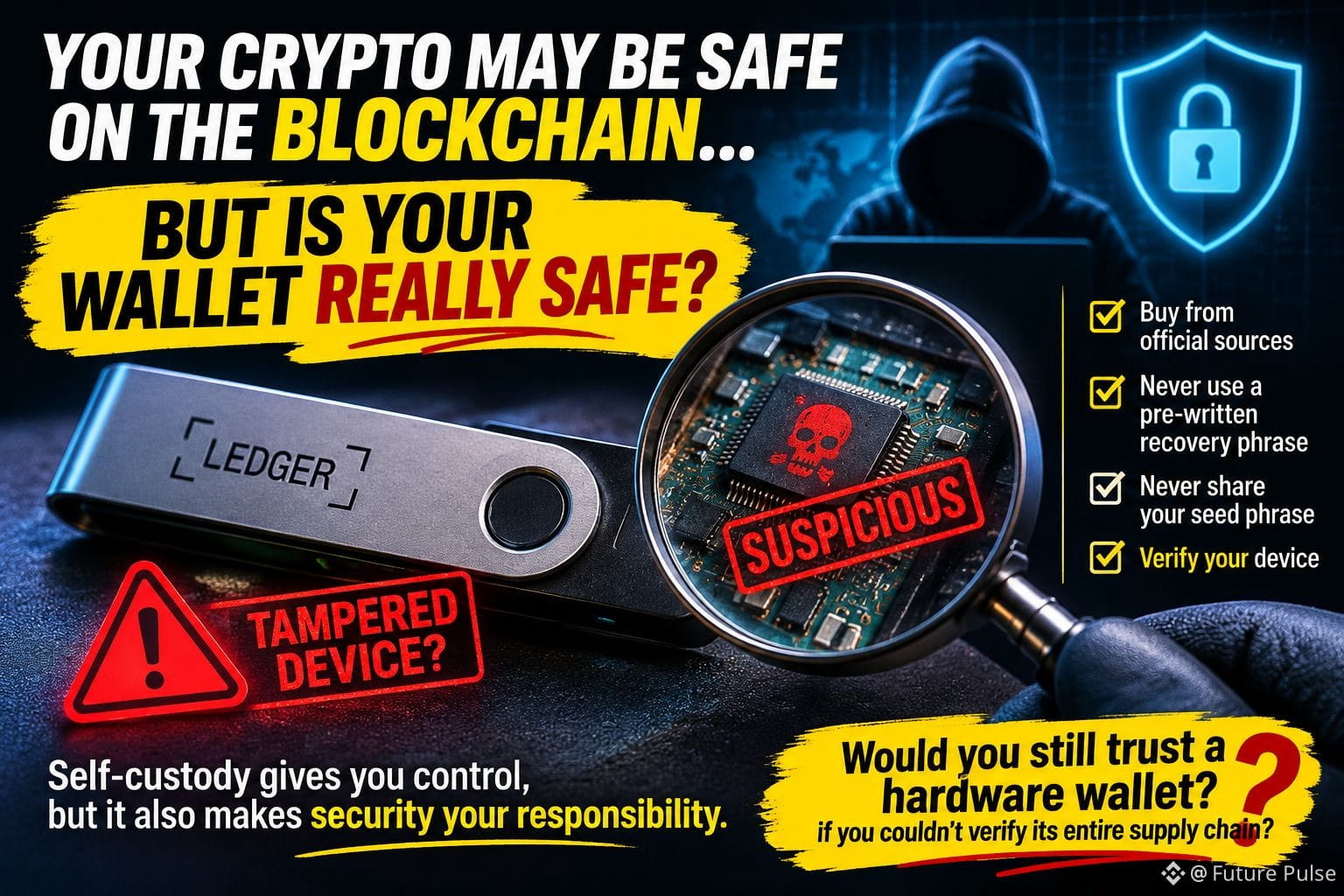
🚨 သင့်ခရစ်ပ်တိုငွေကြေးတွေက ဘလော့ခ်ချိန်းပေါ်မှာ လုံခြုံနေနိုင်ပေမယ့်… သင့်ဝေါလက်က တကယ်ပဲ လုံခြုံရဲ့လား။
ဟာ့ဒ်ဝဲဝေါလက်ဆိုတာ ခရစ်ပ်တိုငွေကြေးခိုးယူမှုကို ကာကွယ်ဖို့ နောက်ဆုံးခံစစ်အဖြစ် အသုံးပြုနိုင်ရမှာပါ။ ဒါပေမယ့် စက်ကိုယ်တိုင်က အားနည်းချက်ဖြစ်လာရင် ဘာဖြစ်မလဲ။
ပြုပြင်မွမ်းမံထားနိုင်ခြေရှိတဲ့ ဟာ့ဒ်ဝဲဝေါလက်တွေအကြောင်း မကြာသေးမီက ထွက်ပေါ်လာတဲ့ သတင်းများက ခရစ်ပ်တိုလုံခြုံရေးနဲ့ပတ်သက်ပြီး အရေးကြီးတဲ့ မေးခွန်းတစ်ခုကို ပေါ်ပေါက်စေခဲ့ပါတယ်။
ရင်းနှီးမြှုပ်နှံသူများစွာက သင့်တော်တဲ့ဝေါလက်ကို ရွေးချယ်ဖို့ အာရုံစိုက်ကြပေမယ့် ထပ်တူအရေးကြီးတဲ့အချက်တစ်ခုကိုတော့ မေ့လျော့နေတတ်ပါတယ်။ စက်ပစ္စည်းက ဘယ်ကလာတာလဲ၊ ၎င်းရဲ့ထောက်ပံ့ရေးကွင်းဆက်ကို ယုံကြည်စိတ်ချနိုင်ပါသလား။
သတိရပါ-
🔐 ဟာ့ဒ်ဝဲဝေါလက်များကို တရားဝင်အရင်းအမြစ်များမှသာ အမြဲဝယ်ယူပါ။
🔐 ကြိုတင်ရေးသားထားသော ပြန်လည်ရယူရေးစကားဝှက်ကို ဘယ်တော့မှ မသုံးပါနှင့်။
🔐 သင့်ရဲ့စီးဒ်စကားဝှက်ကို မည်သူ့ကိုမျှ ဘယ်တော့မှ မမျှဝေပါနှင့်။
🔐 ငွေပမာဏများစွာ မလွှဲပြောင်းမီ သင့်စက်ကို စစ်ဆေးအတည်ပြုပါ။
ကိုယ်တိုင်ထိန်းသိမ်းခြင်းက သင့်ပိုင်ဆိုင်မှုများအပေါ် ထိန်းချုပ်ခွင့်ပေးပေမယ့် လုံခြုံရေးအတွက် တာဝန်ယူရမှုကိုလည်း သင့်အပေါ် ကျရောက်စေပါတယ်။
တကယ့်မေးခွန်းကတော့-
ထောက်ပံ့ရေးကွင်းဆက်တစ်ခုလုံးကို စစ်ဆေးအတည်မပြုနိုင်ဘူးဆိုရင်တောင် ဟာ့ဒ်ဝဲဝေါလက်ကို ဆက်လက်ယုံကြည်ဦးမလား။
$EVAA
{future}(EVAAUSDT)
$MMT
{future}(MMTUSDT)
$ONE
{future}(ONEUSDT)
#CryptoSecurity
#Ledger
#SelfCustody
#BinanceSquare
#crypto
🚨 သင့်ခရစ်ပ်တိုငွေကြေးတွေက ဘလော့ခ်ချိန်းပေါ်မှာ လုံခြုံနေနိုင်ပေမယ့်… သင့်ဝေါလက်က တကယ်ပဲ လုံခြုံရဲ့လား။
ဟာ့ဒ်ဝဲဝေါလက်ဆိုတာ ခရစ်ပ်တိုငွေကြေးခိုးယူမှုကို ကာကွယ်ဖို့ နောက်ဆုံးခံစစ်အဖြစ် အသုံးပြုနိုင်ရမှာပါ။ ဒါပေမယ့် စက်ကိုယ်တိုင်က အားနည်းချက်ဖြစ်လာရင် ဘာဖြစ်မလဲ။
ပြုပြင်မွမ်းမံထားနိုင်ခြေရှိတဲ့ ဟာ့ဒ်ဝဲဝေါလက်တွေအကြောင်း မကြာသေးမီက ထွက်ပေါ်လာတဲ့ သတင်းများက ခရစ်ပ်တိုလုံခြုံရေးနဲ့ပတ်သက်ပြီး အရေးကြီးတဲ့ မေးခွန်းတစ်ခုကို ပေါ်ပေါက်စေခဲ့ပါတယ်။
ရင်းနှီးမြှုပ်နှံသူများစွာက သင့်တော်တဲ့ဝေါလက်ကို ရွေးချယ်ဖို့ အာရုံစိုက်ကြပေမယ့် ထပ်တူအရေးကြီးတဲ့အချက်တစ်ခုကိုတော့ မေ့လျော့နေတတ်ပါတယ်။ စက်ပစ္စည်းက ဘယ်ကလာတာလဲ၊ ၎င်းရဲ့ထောက်ပံ့ရေးကွင်းဆက်ကို ယုံကြည်စိတ်ချနိုင်ပါသလား။
သတိရပါ-
🔐 ဟာ့ဒ်ဝဲဝေါလက်များကို တရားဝင်အရင်းအမြစ်များမှသာ အမြဲဝယ်ယူပါ။
🔐 ကြိုတင်ရေးသားထားသော ပြန်လည်ရယူရေးစကားဝှက်ကို ဘယ်တော့မှ မသုံးပါနှင့်။
🔐 သင့်ရဲ့စီးဒ်စကားဝှက်ကို မည်သူ့ကိုမျှ ဘယ်တော့မှ မမျှဝေပါနှင့်။
🔐 ငွေပမာဏများစွာ မလွှဲပြောင်းမီ သင့်စက်ကို စစ်ဆေးအတည်ပြုပါ။
ကိုယ်တိုင်ထိန်းသိမ်းခြင်းက သင့်ပိုင်ဆိုင်မှုများအပေါ် ထိန်းချုပ်ခွင့်ပေးပေမယ့် လုံခြုံရေးအတွက် တာဝန်ယူရမှုကိုလည်း သင့်အပေါ် ကျရောက်စေပါတယ်။
တကယ့်မေးခွန်းကတော့-
ထောက်ပံ့ရေးကွင်းဆက်တစ်ခုလုံးကို စစ်ဆေးအတည်မပြုနိုင်ဘူးဆိုရင်တောင် ဟာ့ဒ်ဝဲဝေါလက်ကို ဆက်လက်ယုံကြည်ဦးမလား။
$EVAA
$MMT
$ONE
#CryptoSecurity
#Ledger
#SelfCustody
#BinanceSquare
#crypto
4
1.6k
·
--
🚨 GTA 6 ဟာ ဂိမ်းထွက်ရှိမှုတစ်ခုထက် ပိုပါတယ် — ဝေါလ်စထရိအတွက် အရေးပါတဲ့ဖြစ်ရပ်တစ်ခုပါ! 🎮📈
နှစ်ပေါင်းများစွာ စောင့်မျှော်ခဲ့ရပြီးနောက် Grand Theft Auto VI ဟာ နောက်ဆုံးတော့ ထွက်ရှိလာပါပြီ။ ဒါပေမဲ့ ဂိမ်းကစားသူတွေရဲ့ စိတ်လှုပ်ရှားမှုအပြင် ရင်းနှီးမြှုပ်နှံသူတွေက ကုမ္ပဏီတစ်ခုကို အနီးကပ်စောင့်ကြည့်နေကြပါတယ်။ အဲဒါကတော့ Rockstar Games ရဲ့ မိခင်ကုမ္ပဏီဖြစ်တဲ့ Take-Two Interactive (TTWO) ပါ။
GTA 6 နဲ့ပတ်သက်တဲ့ စိတ်လှုပ်ရှားမှုကြောင့် Take-Two ရှယ်ယာဈေးတွေဟာ ဂိမ်းမထွက်ခင် မြင့်တက်လာခဲ့ပါတယ်။ ဒါပေမဲ့ စျေးကွက်တုံ့ပြန်မှုက အရေးကြီးတဲ့ သင်ခန်းစာတစ်ခုကိုလည်း ဖော်ပြနေပါတယ်။ တစ်ခါတလေ ရင်းနှီးမြှုပ်နှံသူတွေဟာ တကယ့်ဖြစ်ရပ်မတိုင်ခင် မျှော်လင့်ချက်ကြောင့် ဝယ်ယူတတ်ကြပါတယ်။
🔥 နောက်ထပ် ဘာတွေက အရေးကြီးလဲ။
GTA 6 ဟာ ဂိမ်းထွက်ရှိပြီး ပထမအပတ်ကျော်တဲ့အထိ ရောင်းအားကောင်းနေမလား။
GTA Online က ရေရှည်တည်တံ့တဲ့ ဝင်ငွေရင်းမြစ်တစ်ခု ဖြစ်လာနိုင်မလား။
အနာဂတ်မွမ်းမံမှုတွေနဲ့ PC ဗားရှင်းထွက်ရှိမှုက တိုးတက်မှုလှိုင်းသစ်တစ်ခုကို ယူဆောင်လာနိုင်မလား။
ဂိမ်းထွက်ရှိမှုက စိတ်လှုပ်ရှားမှုကို ဖန်တီးနိုင်ပေမဲ့ ရေရှည်ဝင်ငွေတွေက တကယ့်တန်ဖိုးကို ဆုံးဖြတ်ပေးပါလိမ့်မယ်။
💬 သင့်အမြင်က ဘယ်လိုလဲ။
GTA 6 က TTWO ကို အမြင့်ဆုံးအသစ်တွေဆီ ပို့ဆောင်နိုင်မလား၊ ဒါမှမဟုတ် စျေးကွက်က မျှော်လင့်ချက်တွေကို ဈေးနှုန်းထဲမှာ ထည့်တွက်ပြီးသားလား။
$TTWO
{future}(TTWOUSDT)
$PIEVERSE
{future}(PIEVERSEUSDT)
$KITE
{future}(KITEUSDT)
#CanGTA6'sLaunchLiftTTWOShares?
#CanBTCReboundAfterFallingBelow60K?
#GlobalStocksFaceLongestLosingStreakSince2023
#AnthropicPlungesTowardIPOPriceonDay2
#GaoTengBitcoinETFListsOnHKEX
🚨 GTA 6 ဟာ ဂိမ်းထွက်ရှိမှုတစ်ခုထက် ပိုပါတယ် — ဝေါလ်စထရိအတွက် အရေးပါတဲ့ဖြစ်ရပ်တစ်ခုပါ! 🎮📈
နှစ်ပေါင်းများစွာ စောင့်မျှော်ခဲ့ရပြီးနောက် Grand Theft Auto VI ဟာ နောက်ဆုံးတော့ ထွက်ရှိလာပါပြီ။ ဒါပေမဲ့ ဂိမ်းကစားသူတွေရဲ့ စိတ်လှုပ်ရှားမှုအပြင် ရင်းနှီးမြှုပ်နှံသူတွေက ကုမ္ပဏီတစ်ခုကို အနီးကပ်စောင့်ကြည့်နေကြပါတယ်။ အဲဒါကတော့ Rockstar Games ရဲ့ မိခင်ကုမ္ပဏီဖြစ်တဲ့ Take-Two Interactive (TTWO) ပါ။
GTA 6 နဲ့ပတ်သက်တဲ့ စိတ်လှုပ်ရှားမှုကြောင့် Take-Two ရှယ်ယာဈေးတွေဟာ ဂိမ်းမထွက်ခင် မြင့်တက်လာခဲ့ပါတယ်။ ဒါပေမဲ့ စျေးကွက်တုံ့ပြန်မှုက အရေးကြီးတဲ့ သင်ခန်းစာတစ်ခုကိုလည်း ဖော်ပြနေပါတယ်။ တစ်ခါတလေ ရင်းနှီးမြှုပ်နှံသူတွေဟာ တကယ့်ဖြစ်ရပ်မတိုင်ခင် မျှော်လင့်ချက်ကြောင့် ဝယ်ယူတတ်ကြပါတယ်။
🔥 နောက်ထပ် ဘာတွေက အရေးကြီးလဲ။
GTA 6 ဟာ ဂိမ်းထွက်ရှိပြီး ပထမအပတ်ကျော်တဲ့အထိ ရောင်းအားကောင်းနေမလား။
GTA Online က ရေရှည်တည်တံ့တဲ့ ဝင်ငွေရင်းမြစ်တစ်ခု ဖြစ်လာနိုင်မလား။
အနာဂတ်မွမ်းမံမှုတွေနဲ့ PC ဗားရှင်းထွက်ရှိမှုက တိုးတက်မှုလှိုင်းသစ်တစ်ခုကို ယူဆောင်လာနိုင်မလား။
ဂိမ်းထွက်ရှိမှုက စိတ်လှုပ်ရှားမှုကို ဖန်တီးနိုင်ပေမဲ့ ရေရှည်ဝင်ငွေတွေက တကယ့်တန်ဖိုးကို ဆုံးဖြတ်ပေးပါလိမ့်မယ်။
💬 သင့်အမြင်က ဘယ်လိုလဲ။
GTA 6 က TTWO ကို အမြင့်ဆုံးအသစ်တွေဆီ ပို့ဆောင်နိုင်မလား၊ ဒါမှမဟုတ် စျေးကွက်က မျှော်လင့်ချက်တွေကို ဈေးနှုန်းထဲမှာ ထည့်တွက်ပြီးသားလား။
$TTWO
$PIEVERSE
$KITE
#CanGTA6'sLaunchLiftTTWOShares?
#CanBTCReboundAfterFallingBelow60K?
#GlobalStocksFaceLongestLosingStreakSince2023
#AnthropicPlungesTowardIPOPriceonDay2
#GaoTengBitcoinETFListsOnHKEX

1
211
·
--
🚨 BLACKROCK ၏ BITCOIN ETF သည် စံချိန်တင် ရောင်းချမှုအဆင့်သို့ ရောက်ရှိသွားပြီ!
ဝေါလ်စထရိ၏ အကြီးဆုံး Bitcoin ရင်းနှီးမြှုပ်နှံမှုယာဉ်သည် ပြင်းထန်သော ဖိအားများနှင့် ရင်ဆိုင်နေရသည်။
နိုဝင်ဘာ 19 ရက်နေ့တွင် BlackRock ၏ iShares Bitcoin Trust (IBIT) မှ တစ်ရက်တည်းအတွင်း ဒေါ်လာ 541.1 သန်း အမြောက်အမြား ထွက်ခွာသွားခဲ့ပြီး 2024 ခုနှစ် ဇန်နဝါရီတွင် စတင်တည်ထောင်ချိန်မှစ၍ အကြီးမားဆုံး ငွေထုတ်မှုဖြစ်ခဲ့သည်။
သို့သော် ပိုမိုကြီးမားသော အခြေအနေတစ်ခုလုံးကို ကြည့်ပါက ပို၍စိုးရိမ်စရာကောင်းသည်-
📉 အမေရိကန်ရှိ လက်ငင်း Bitcoin ETF များသည် ကုန်သွယ်မှုတစ်ကြိမ်အတွင်း စုစုပေါင်း ဒေါ်လာ 582.3 သန်း ဆုံးရှုံးခဲ့သည်။
📉 နိုဝင်ဘာလအတွင်း ETF များမှ စုစုပေါင်း ထွက်ငွေသည် ခန့်မှန်းခြေ ဒေါ်လာ 3.47 ဘီလီယံအထိ ရောက်ရှိခဲ့သည်။
⚠️ Bitcoin သည်လည်း ဒေါ်လာ 62,000 အောက်သို့ ကျဆင်းခဲ့ပြီး ခရစ်ပ်တိုဈေးကွက်တစ်ခုလုံးတွင် ဖိအားများ တိုးလာနေကြောင်း ထင်ဟပ်နေသည်။
စိတ်ဝင်စားစရာကောင်းသည်မှာ ထိုနေ့တွင်ပင် Morgan Stanley ၏ Bitcoin ETF သို့ ဒေါ်လာ 49.6 သန်း အသစ်ဝင်ရောက်လာခဲ့သည်။ ယင်းက အဖွဲ့အစည်းဆိုင်ရာ ဝယ်လိုအားသည် အားလုံးအတွက် တစ်ပြိုင်နက်တည်း ပျောက်ကွယ်သွားခြင်းမဟုတ်ကြောင်း ညွှန်ပြနေသည်။
တကယ့်မေးခွန်းကတော့-
အဖွဲ့အစည်းဆိုင်ရာ ရင်းနှီးမြှုပ်နှံသူများသည် Bitcoin အပေါ် ယုံကြည်မှု လျော့နည်းလာနေသလား၊ ဒါမှမဟုတ် ဈေးကွက်မသေချာမှုများကြားတွင် ကြီးမားသော ရင်းနှီးမြှုပ်နှံမှုနေရာပြောင်းလဲခြင်းသာ ဖြစ်သလား။
လာမည့် ကုန်သွယ်မှုရက်အနည်းငယ်အတွင်း အဖြေများစွာ ပေါ်လာနိုင်သည်။
Bitcoin အတွက် သင့်ခန့်မှန်းချက်က ဘာလဲ။
$ENSO
$MMT
{future}(MMTUSDT)
$BTC
{future}(BTCUSDT)
{web3_wallet_create}(10x42778037d69350508cdd34d9fa17053970591101)
#BlackRockBitcoinETFRecordsLargestDailyOutflow
#IsAnthropic’s$1.5TMarketCapJustified?
#NvidiaBoardReportedlySplitOverHuang’sReturn
🚨 BLACKROCK ၏ BITCOIN ETF သည် စံချိန်တင် ရောင်းချမှုအဆင့်သို့ ရောက်ရှိသွားပြီ!
ဝေါလ်စထရိ၏ အကြီးဆုံး Bitcoin ရင်းနှီးမြှုပ်နှံမှုယာဉ်သည် ပြင်းထန်သော ဖိအားများနှင့် ရင်ဆိုင်နေရသည်။
နိုဝင်ဘာ 19 ရက်နေ့တွင် BlackRock ၏ iShares Bitcoin Trust (IBIT) မှ တစ်ရက်တည်းအတွင်း ဒေါ်လာ 541.1 သန်း အမြောက်အမြား ထွက်ခွာသွားခဲ့ပြီး 2024 ခုနှစ် ဇန်နဝါရီတွင် စတင်တည်ထောင်ချိန်မှစ၍ အကြီးမားဆုံး ငွေထုတ်မှုဖြစ်ခဲ့သည်။
သို့သော် ပိုမိုကြီးမားသော အခြေအနေတစ်ခုလုံးကို ကြည့်ပါက ပို၍စိုးရိမ်စရာကောင်းသည်-
📉 အမေရိကန်ရှိ လက်ငင်း Bitcoin ETF များသည် ကုန်သွယ်မှုတစ်ကြိမ်အတွင်း စုစုပေါင်း ဒေါ်လာ 582.3 သန်း ဆုံးရှုံးခဲ့သည်။
📉 နိုဝင်ဘာလအတွင်း ETF များမှ စုစုပေါင်း ထွက်ငွေသည် ခန့်မှန်းခြေ ဒေါ်လာ 3.47 ဘီလီယံအထိ ရောက်ရှိခဲ့သည်။
⚠️ Bitcoin သည်လည်း ဒေါ်လာ 62,000 အောက်သို့ ကျဆင်းခဲ့ပြီး ခရစ်ပ်တိုဈေးကွက်တစ်ခုလုံးတွင် ဖိအားများ တိုးလာနေကြောင်း ထင်ဟပ်နေသည်။
စိတ်ဝင်စားစရာကောင်းသည်မှာ ထိုနေ့တွင်ပင် Morgan Stanley ၏ Bitcoin ETF သို့ ဒေါ်လာ 49.6 သန်း အသစ်ဝင်ရောက်လာခဲ့သည်။ ယင်းက အဖွဲ့အစည်းဆိုင်ရာ ဝယ်လိုအားသည် အားလုံးအတွက် တစ်ပြိုင်နက်တည်း ပျောက်ကွယ်သွားခြင်းမဟုတ်ကြောင်း ညွှန်ပြနေသည်။
တကယ့်မေးခွန်းကတော့-
အဖွဲ့အစည်းဆိုင်ရာ ရင်းနှီးမြှုပ်နှံသူများသည် Bitcoin အပေါ် ယုံကြည်မှု လျော့နည်းလာနေသလား၊ ဒါမှမဟုတ် ဈေးကွက်မသေချာမှုများကြားတွင် ကြီးမားသော ရင်းနှီးမြှုပ်နှံမှုနေရာပြောင်းလဲခြင်းသာ ဖြစ်သလား။
လာမည့် ကုန်သွယ်မှုရက်အနည်းငယ်အတွင်း အဖြေများစွာ ပေါ်လာနိုင်သည်။
Bitcoin အတွက် သင့်ခန့်မှန်းချက်က ဘာလဲ။
$ENSO
$MMT
$BTC
#BlackRockBitcoinETFRecordsLargestDailyOutflow
#IsAnthropic’s$1.5TMarketCapJustified?
#NvidiaBoardReportedlySplitOverHuang’sReturn

5
1.5k
·
--
စိစစ်အတည်ပြုထားသည်
🚨 ရွှေဈေး အကြီးအကျယ်ကျဆင်းနေပြီ! ၈ လအတွင်း အဆိုးဆုံးသီတင်းပတ်!
အဖိုးတန်သတ္တုဈေးကွက်မှာ အရောင်းဖိအား ပြင်းထန်နေပြီး ရွှေဝယ်ထားသူတွေ အထိနာနေကြပါတယ်။
📉 ဘာတွေဖြစ်နေလဲဆိုတော့—
🥇 ရွှေ: ၂.၇% ကျဆင်းပြီး တစ်အောင်စလျှင် ဒေါ်လာ ၃,၅၂၅ ဝန်းကျင် ဖြစ်သွားကာ ၂၀၂၅ ခုနှစ် စက်တင်ဘာလနောက်ပိုင်း အနိမ့်ဆုံးအဆင့်ကို ရောက်ရှိခဲ့ပါတယ်။
📊 သီတင်းပတ်အလိုက် အရှုံး: ၉.၂% ဝန်းကျင်ရှိပြီး ၈ လအတွင်း အဆိုးဆုံးသီတင်းပတ်အလိုက် စွမ်းဆောင်ရည် ဖြစ်ပါတယ်။
🥈 ငွေ: ရောင်းချသူတွေက ဈေးကွက်ကို လွှမ်းမိုးနေတဲ့အတွက် ဖိအားအောက်မှာ ရှိနေပါတယ်။
⚪ ပလက်တီနမ်နှင့် ပါလေဒီယမ်: နှစ်မျိုးစလုံး ဈေးဆက်လက်ကျဆင်းခဲ့ပါတယ်။
ဒီလို အရောင်းအလွန်များလာတာရဲ့ နောက်ကွယ်မှာ ဘာတွေရှိလဲ။
အဓိကအကြောင်းရင်း သုံးခုက ဒီဖိအားကို ဖြစ်စေပါတယ်—
အမေရိကန်ဒေါ်လာဟာ ၁၉ လအတွင်း အမြင့်ဆုံးအနီးမှာ ရှိနေပါတယ်။
ဒီဇင်ဘာလမှာ ဗဟိုဘဏ်က အတိုးနှုန်းမြှင့်တင်မယ်ဆိုတဲ့ မျှော်လင့်ချက်တွေကြောင့် ရွှေရဲ့ ဆွဲဆောင်မှု လျော့နည်းနေပါတယ်။
ငွေကြေးဖောင်းပွမှုအပေါ် စိုးရိမ်မှု၊ အထွက်နှုန်းမြင့်တက်မှုနဲ့ မဖြစ်မနေ ရောင်းချဖျက်သိမ်းမှုတွေကလည်း အရောင်းဖိအားကို ပိုတိုးစေပါတယ်။
ဒါပေမဲ့ ဒီအခြေအနေကို စိတ်ဝင်စားစရာ ဖြစ်စေတာက—
ရွှေကို အစဉ်အလာအားဖြင့် ဘေးကင်းလုံခြုံတဲ့ ရင်းနှီးမြှုပ်နှံမှုအဖြစ် သတ်မှတ်ကြပါတယ်။ ဒါပေမဲ့ ဈေးကွက်မတည်ငြိမ်ချိန်မှာတောင် ရင်းနှီးမြှုပ်နှံသူတွေက ဝယ်ယူတာထက် ရောင်းချနေကြပါတယ်။
ဒါဟာ ခဏတာ ပြန်လည်ပြင်ဆင်ကျဆင်းမှုတစ်ခုသာလား၊ ဒါမှမဟုတ် ရွှေဈေးက ပိုမိုပြင်းထန်တဲ့ အကျဘက်လမ်းကြောင်းကို ဝင်ရောက်နေပြီလား။
သင့်အမြင်က ဘယ်လိုလဲ။
$PAXG
$XAU
{future}(XAUUSDT)
$XAG
{future}(XAGUSDT)
{web3_wallet_create}(10x42778037d69350508cdd34d9fa17053970591101)
#PreciousMetals
#XAU
#xagusdt
#PAXG
🚨 ရွှေဈေး အကြီးအကျယ်ကျဆင်းနေပြီ! ၈ လအတွင်း အဆိုးဆုံးသီတင်းပတ်!
အဖိုးတန်သတ္တုဈေးကွက်မှာ အရောင်းဖိအား ပြင်းထန်နေပြီး ရွှေဝယ်ထားသူတွေ အထိနာနေကြပါတယ်။
📉 ဘာတွေဖြစ်နေလဲဆိုတော့—
🥇 ရွှေ: ၂.၇% ကျဆင်းပြီး တစ်အောင်စလျှင် ဒေါ်လာ ၃,၅၂၅ ဝန်းကျင် ဖြစ်သွားကာ ၂၀၂၅ ခုနှစ် စက်တင်ဘာလနောက်ပိုင်း အနိမ့်ဆုံးအဆင့်ကို ရောက်ရှိခဲ့ပါတယ်။
📊 သီတင်းပတ်အလိုက် အရှုံး: ၉.၂% ဝန်းကျင်ရှိပြီး ၈ လအတွင်း အဆိုးဆုံးသီတင်းပတ်အလိုက် စွမ်းဆောင်ရည် ဖြစ်ပါတယ်။
🥈 ငွေ: ရောင်းချသူတွေက ဈေးကွက်ကို လွှမ်းမိုးနေတဲ့အတွက် ဖိအားအောက်မှာ ရှိနေပါတယ်။
⚪ ပလက်တီနမ်နှင့် ပါလေဒီယမ်: နှစ်မျိုးစလုံး ဈေးဆက်လက်ကျဆင်းခဲ့ပါတယ်။
ဒီလို အရောင်းအလွန်များလာတာရဲ့ နောက်ကွယ်မှာ ဘာတွေရှိလဲ။
အဓိကအကြောင်းရင်း သုံးခုက ဒီဖိအားကို ဖြစ်စေပါတယ်—
အမေရိကန်ဒေါ်လာဟာ ၁၉ လအတွင်း အမြင့်ဆုံးအနီးမှာ ရှိနေပါတယ်။
ဒီဇင်ဘာလမှာ ဗဟိုဘဏ်က အတိုးနှုန်းမြှင့်တင်မယ်ဆိုတဲ့ မျှော်လင့်ချက်တွေကြောင့် ရွှေရဲ့ ဆွဲဆောင်မှု လျော့နည်းနေပါတယ်။
ငွေကြေးဖောင်းပွမှုအပေါ် စိုးရိမ်မှု၊ အထွက်နှုန်းမြင့်တက်မှုနဲ့ မဖြစ်မနေ ရောင်းချဖျက်သိမ်းမှုတွေကလည်း အရောင်းဖိအားကို ပိုတိုးစေပါတယ်။
ဒါပေမဲ့ ဒီအခြေအနေကို စိတ်ဝင်စားစရာ ဖြစ်စေတာက—
ရွှေကို အစဉ်အလာအားဖြင့် ဘေးကင်းလုံခြုံတဲ့ ရင်းနှီးမြှုပ်နှံမှုအဖြစ် သတ်မှတ်ကြပါတယ်။ ဒါပေမဲ့ ဈေးကွက်မတည်ငြိမ်ချိန်မှာတောင် ရင်းနှီးမြှုပ်နှံသူတွေက ဝယ်ယူတာထက် ရောင်းချနေကြပါတယ်။
ဒါဟာ ခဏတာ ပြန်လည်ပြင်ဆင်ကျဆင်းမှုတစ်ခုသာလား၊ ဒါမှမဟုတ် ရွှေဈေးက ပိုမိုပြင်းထန်တဲ့ အကျဘက်လမ်းကြောင်းကို ဝင်ရောက်နေပြီလား။
သင့်အမြင်က ဘယ်လိုလဲ။
$PAXG
$XAU
$XAG
#PreciousMetals
#XAU
#xagusdt
#PAXG

5
1.4k
·
--
စိစစ်အတည်ပြုထားသည်
🚨 ANTB: AI တော်လှန်ရေးတွင် ရင်းနှီးမြှုပ်နှံနိုင်မည့် နည်းလမ်းသစ်!
AI လုပ်ငန်းက အရှိန်အဟုန်ဖြင့် တိုးတက်နေပြီး၊ ယခုအခါ ရင်းနှီးမြှုပ်နှံသူများအနေဖြင့် ၎င်း၏ အကြီးမားဆုံး ကုမ္ပဏီများထဲမှ တစ်ခုဖြစ်သော Anthropic တွင် ပါဝင်ရင်းနှီးမြှုပ်နှံနိုင်မည့် နောက်ထပ်နည်းလမ်းတစ်ခု ရရှိလာပါပြီ။
bStocks မှ ဖန်တီးထားပြီး Anthropic ရှယ်ယာများ၏ စီးပွားရေးဆိုင်ရာ စွမ်းဆောင်ရည်ကို ခြေရာခံရန် ရည်ရွယ်သည့် တိုကင်အဖြစ် ပြောင်းလဲထားသော အာမခံတစ်ခုဖြစ်သည့် ANTB ကို မိတ်ဆက်ပေးပါရစေ။
🔥 ANTB က ဘာကြောင့် အာရုံစိုက်ခံနေရတာလဲ။
🔹 စည်းမျဉ်းထိန်းသိမ်းရေးအဖွဲ့၏ ကြီးကြပ်မှုအောက်ရှိ ထိန်းသိမ်းသူတစ်ဦးက ကိုင်ဆောင်ထားသော Anthropic ရှယ်ယာအစစ်များဖြင့် 1:1 အချိုးအစား ကျောထောက်နောက်ခံပြုရန် ရည်ရွယ်ဖန်တီးထားသည်။
🔹 BNB Smart Chain ပေါ်တွင် တည်ဆောက်ထားသည်။
🔹 ဘလော့ခ်ချိန်းအခြေပြုနည်းဖြင့် Anthropic ရှယ်ယာများ၏ စွမ်းဆောင်ရည်ကို ထိတွေ့ရင်းနှီးမြှုပ်နှံနိုင်စေသည်။
🔹 ယခုအခါ ANTB/USDT ကုန်သွယ်မှုအတွဲမှတစ်ဆင့် Binance Spot တွင် ရရှိနိုင်ပြီဖြစ်သည်။
ဒါပေမဲ့ ဒီအရာကို စိတ်ဝင်စားစရာကောင်းစေတာက ANTB ဟာ အားကောင်းတဲ့ အကြောင်းအရာနှစ်ခုဖြစ်တဲ့ ဉာဏ်ရည်တုနဲ့ တိုကင်အဖြစ် ပြောင်းလဲထားသော လက်တွေ့ကမ္ဘာပိုင်ဆိုင်မှုများ (RWA) ကို ချိတ်ဆက်ပေးတာပါပဲ။
သို့သော် ANTB ကို ကိုင်ဆောင်ထားခြင်းသည် Anthropic ရှယ်ယာများကို တိုက်ရိုက်ပိုင်ဆိုင်သည်ဟု မဆိုလိုကြောင်း သတိပြုပါ။ ၎င်း၏တန်ဖိုးသည် အခြေခံရှယ်ယာတန်ဖိုးနှင့် စျေးကွက်အခြေအနေများအလိုက် အတက်အကျရှိနိုင်သည်။
ကျွန်တော်/ကျွန်မ မေးချင်တာက—
ANTB ဟာ ရိုးရာရှယ်ယာများနဲ့ ဘလော့ခ်ချိန်းနည်းပညာတို့ ဆုံစည်းလာမယ့် ပိုမိုကျယ်ပြန့်တဲ့ လမ်းကြောင်းသစ်ရဲ့ အစလား၊ ဒါမှမဟုတ် ကာလတို စျေးကွက်အခွင့်အလမ်းတစ်ခုသာလား။
👇 သင့်အမြင်ကို မျှဝေပေးပါ!
$ANT
$ANTB
{spot}(ANTBUSDT)
$PIEVERSE
{future}(PIEVERSEUSDT)
{web3_wallet_create}(10x42778037d69350508cdd34d9fa17053970591101)
#NvidiaBoardReportedlySplitOverHuang’sReturn
#Solana2027RoadmapTargetsDoubleComputeCapacity
#CanGTA6'sLaunchLiftTTWOShares?
#DeepSeekbug
🚨 ANTB: AI တော်လှန်ရေးတွင် ရင်းနှီးမြှုပ်နှံနိုင်မည့် နည်းလမ်းသစ်!
AI လုပ်ငန်းက အရှိန်အဟုန်ဖြင့် တိုးတက်နေပြီး၊ ယခုအခါ ရင်းနှီးမြှုပ်နှံသူများအနေဖြင့် ၎င်း၏ အကြီးမားဆုံး ကုမ္ပဏီများထဲမှ တစ်ခုဖြစ်သော Anthropic တွင် ပါဝင်ရင်းနှီးမြှုပ်နှံနိုင်မည့် နောက်ထပ်နည်းလမ်းတစ်ခု ရရှိလာပါပြီ။
bStocks မှ ဖန်တီးထားပြီး Anthropic ရှယ်ယာများ၏ စီးပွားရေးဆိုင်ရာ စွမ်းဆောင်ရည်ကို ခြေရာခံရန် ရည်ရွယ်သည့် တိုကင်အဖြစ် ပြောင်းလဲထားသော အာမခံတစ်ခုဖြစ်သည့် ANTB ကို မိတ်ဆက်ပေးပါရစေ။
🔥 ANTB က ဘာကြောင့် အာရုံစိုက်ခံနေရတာလဲ။
🔹 စည်းမျဉ်းထိန်းသိမ်းရေးအဖွဲ့၏ ကြီးကြပ်မှုအောက်ရှိ ထိန်းသိမ်းသူတစ်ဦးက ကိုင်ဆောင်ထားသော Anthropic ရှယ်ယာအစစ်များဖြင့် 1:1 အချိုးအစား ကျောထောက်နောက်ခံပြုရန် ရည်ရွယ်ဖန်တီးထားသည်။
🔹 BNB Smart Chain ပေါ်တွင် တည်ဆောက်ထားသည်။
🔹 ဘလော့ခ်ချိန်းအခြေပြုနည်းဖြင့် Anthropic ရှယ်ယာများ၏ စွမ်းဆောင်ရည်ကို ထိတွေ့ရင်းနှီးမြှုပ်နှံနိုင်စေသည်။
🔹 ယခုအခါ ANTB/USDT ကုန်သွယ်မှုအတွဲမှတစ်ဆင့် Binance Spot တွင် ရရှိနိုင်ပြီဖြစ်သည်။
ဒါပေမဲ့ ဒီအရာကို စိတ်ဝင်စားစရာကောင်းစေတာက ANTB ဟာ အားကောင်းတဲ့ အကြောင်းအရာနှစ်ခုဖြစ်တဲ့ ဉာဏ်ရည်တုနဲ့ တိုကင်အဖြစ် ပြောင်းလဲထားသော လက်တွေ့ကမ္ဘာပိုင်ဆိုင်မှုများ (RWA) ကို ချိတ်ဆက်ပေးတာပါပဲ။
သို့သော် ANTB ကို ကိုင်ဆောင်ထားခြင်းသည် Anthropic ရှယ်ယာများကို တိုက်ရိုက်ပိုင်ဆိုင်သည်ဟု မဆိုလိုကြောင်း သတိပြုပါ။ ၎င်း၏တန်ဖိုးသည် အခြေခံရှယ်ယာတန်ဖိုးနှင့် စျေးကွက်အခြေအနေများအလိုက် အတက်အကျရှိနိုင်သည်။
ကျွန်တော်/ကျွန်မ မေးချင်တာက—
ANTB ဟာ ရိုးရာရှယ်ယာများနဲ့ ဘလော့ခ်ချိန်းနည်းပညာတို့ ဆုံစည်းလာမယ့် ပိုမိုကျယ်ပြန့်တဲ့ လမ်းကြောင်းသစ်ရဲ့ အစလား၊ ဒါမှမဟုတ် ကာလတို စျေးကွက်အခွင့်အလမ်းတစ်ခုသာလား။
👇 သင့်အမြင်ကို မျှဝေပေးပါ!
$ANT
$ANTB
$PIEVERSE
#NvidiaBoardReportedlySplitOverHuang’sReturn
#Solana2027RoadmapTargetsDoubleComputeCapacity
#CanGTA6'sLaunchLiftTTWOShares?
#DeepSeekbug

7
717
·
--
စိစစ်အတည်ပြုထားသည်
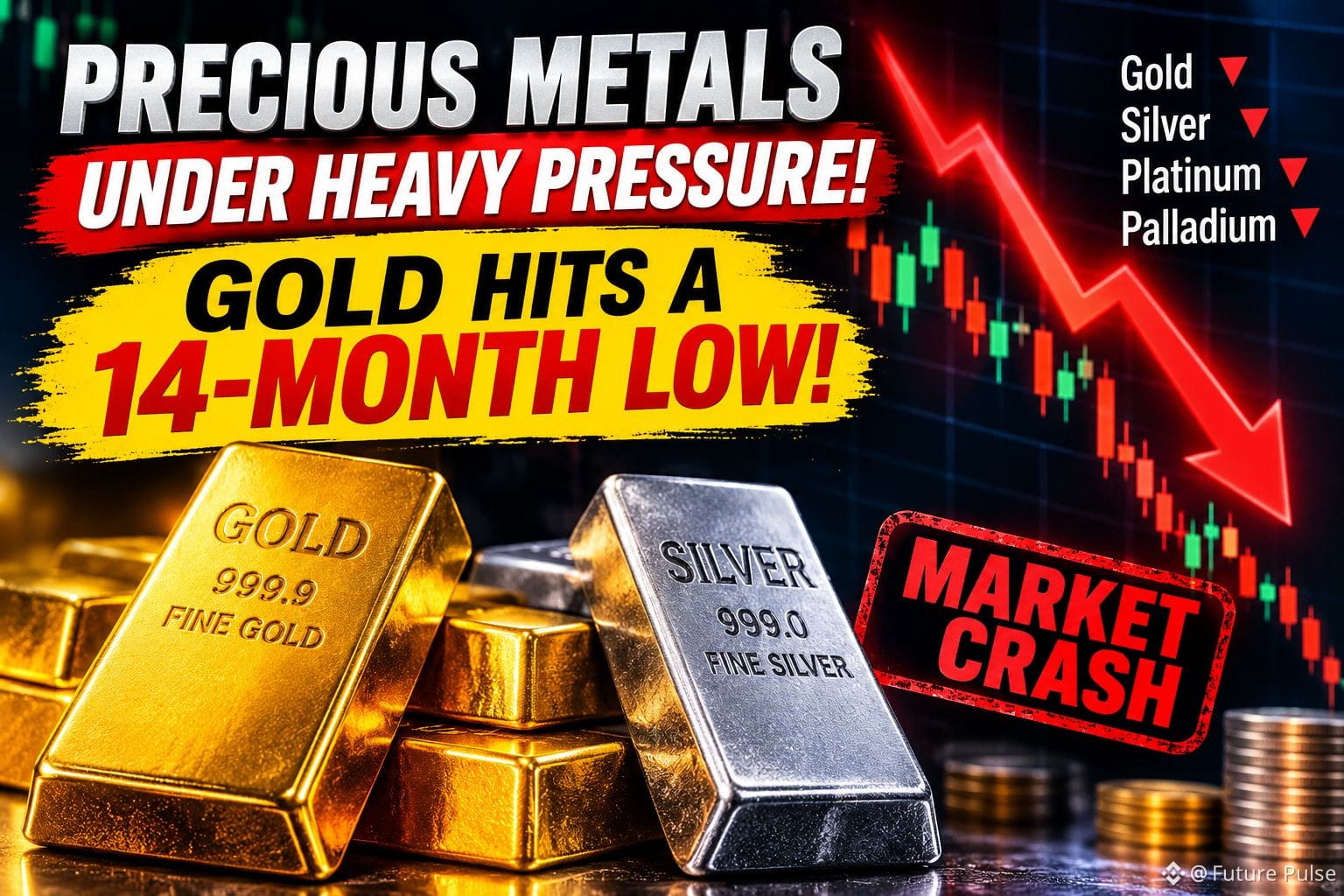
🚨 အဖိုးတန်သတ္တုများ ဈေးနှုန်းပြင်းထန်စွာ ဖိအားကျရောက်နေ! ရွှေဈေး ၁၄ လအတွင်း အနိမ့်ဆုံးသို့ ရောက်ရှိ!
ကမ္ဘာ့အဖိုးတန်သတ္တုဈေးကွက်တွင် နောက်ထပ် အကြီးအကျယ် ရောင်းချမှုများ ဖြစ်ပေါ်နေသည်။
နိုဝင်ဘာ ၁၉ ရက်တွင် ရွှေဈေးသည် ၁၄ လအတွင်း အနိမ့်ဆုံးသို့ ထပ်မံကျဆင်းခဲ့ပြီး၊ လက်ငင်းရွှေဈေးသည် တစ်အောင်စလျှင် ခန့်မှန်းခြေ $3,667 အထိ ကျဆင်းကာ နောက်ပိုင်းတွင် အနည်းငယ် ပြန်လည်မြင့်တက်ခဲ့သည်။
သို့သော် ဖိအားကျရောက်နေသည့် သတ္တုမှာ ရွှေတစ်မျိုးတည်း မဟုတ်ပါ။
📉 ဈေးကွက်အခြေအနေ အကျဉ်းချုပ်:
🥇 ရွှေ: အမေရိကန်ဒေါ်လာ အားကောင်းလာခြင်းနှင့် အတိုးနှုန်းဆိုင်ရာ စိုးရိမ်မှုများ မြင့်တက်လာခြင်းကြောင့် ၁၄ လအတွင်း အနိမ့်ဆုံးသို့ ကျဆင်းခဲ့သည်။
🥈 ငွေ: စက်မှုလုပ်ငန်းဆိုင်ရာ ဝယ်လိုအား အားနည်းလာမှုကြောင့် ထပ်ဆောင်းဖိအားများနှင့် ရင်ဆိုင်ရကာ 1.5% ခန့် ကျဆင်းခဲ့သည်။
⚪ ပလက်တီနမ်: 0.7% ခန့် ကျဆင်းခဲ့သည်။
🔘 ပါလေဒီယမ်: 3% ခန့် ကျဆင်းခဲ့သည်။
ဈေးနှုန်းကျဆင်းမှုနောက်ကွယ်က အကြောင်းရင်းများက ဘာတွေလဲ?
အဓိကအကြောင်းရင်း သုံးချက်က ဈေးနှုန်းကျဆင်းမှုကို ဖြစ်ပေါ်စေသည်-
အမေရိကန်ဒေါ်လာ အားကောင်းလာခြင်းကြောင့် နိုင်ငံတကာဝယ်လက်များအတွက် အဖိုးတန်သတ္တုများ ပိုမိုဈေးကြီးလာသည်။
Federal Reserve က အတိုးနှုန်းများကို ထပ်မံမြှင့်တင်မည်ဟု မျှော်လင့်ထားခြင်းကြောင့် ရွှေကဲ့သို့ အတိုးအမြတ်မရသည့် ပိုင်ဆိုင်မှုများ၏ ဆွဲဆောင်မှု လျော့နည်းလာသည်။
စတော့ဈေးကွက် အားနည်းမှုနှင့် ရင်းနှီးမြှုပ်နှံသူများ၏ ပိုင်ဆိုင်မှုများ အမြန်ရောင်းချမှုတို့က ရောင်းလိုအားဖိအားကို ပိုမိုမြင့်တက်စေသည်။
📊 ရှေ့ဆက် ဘာတွေဖြစ်လာနိုင်သလဲ?
ရင်းနှီးမြှုပ်နှံသူများသည် Federal Reserve ၏ လာမည့်မူဝါဒဆုံးဖြတ်ချက်များနှင့် အမေရိကန်ဒေါ်လာ၏ အားကောင်းမှုကို စောင့်ကြည့်နေကြသည်။
ဤသည် ပိုမိုနက်ရှိုင်းသော ဈေးကွက်ပြင်ဆင်မှု၏ အစလား၊ သို့မဟုတ် အဖိုးတန်သတ္တုများသည် စုဆောင်းဝယ်ယူရန် ဆွဲဆောင်မှုရှိသော ဈေးနှုန်းအဆင့်သို့ ချဉ်းကပ်နေပြီလား?
သင့်ခန့်မှန်းချက်က ဘာလဲ? အောက်မှာ မှတ်ချက်ရေးပါ 👇 👇 👇 👇
#PreciousMetals #FederalReserve #MarketNews #13FInstitutionsBitcoinSpotETPHoldingsHitRecord #BTCRemainsUnderPressureAfterHawkishFOMCMinutes
$XAU
{future}(XAUUSDT)
$XAG
{future}(XAGUSDT)
$XAUT
{future}(XAUTUSDT)
🚨 အဖိုးတန်သတ္တုများ ဈေးနှုန်းပြင်းထန်စွာ ဖိအားကျရောက်နေ! ရွှေဈေး ၁၄ လအတွင်း အနိမ့်ဆုံးသို့ ရောက်ရှိ!
ကမ္ဘာ့အဖိုးတန်သတ္တုဈေးကွက်တွင် နောက်ထပ် အကြီးအကျယ် ရောင်းချမှုများ ဖြစ်ပေါ်နေသည်။
နိုဝင်ဘာ ၁၉ ရက်တွင် ရွှေဈေးသည် ၁၄ လအတွင်း အနိမ့်ဆုံးသို့ ထပ်မံကျဆင်းခဲ့ပြီး၊ လက်ငင်းရွှေဈေးသည် တစ်အောင်စလျှင် ခန့်မှန်းခြေ $3,667 အထိ ကျဆင်းကာ နောက်ပိုင်းတွင် အနည်းငယ် ပြန်လည်မြင့်တက်ခဲ့သည်။
သို့သော် ဖိအားကျရောက်နေသည့် သတ္တုမှာ ရွှေတစ်မျိုးတည်း မဟုတ်ပါ။
📉 ဈေးကွက်အခြေအနေ အကျဉ်းချုပ်:
🥇 ရွှေ: အမေရိကန်ဒေါ်လာ အားကောင်းလာခြင်းနှင့် အတိုးနှုန်းဆိုင်ရာ စိုးရိမ်မှုများ မြင့်တက်လာခြင်းကြောင့် ၁၄ လအတွင်း အနိမ့်ဆုံးသို့ ကျဆင်းခဲ့သည်။
🥈 ငွေ: စက်မှုလုပ်ငန်းဆိုင်ရာ ဝယ်လိုအား အားနည်းလာမှုကြောင့် ထပ်ဆောင်းဖိအားများနှင့် ရင်ဆိုင်ရကာ 1.5% ခန့် ကျဆင်းခဲ့သည်။
⚪ ပလက်တီနမ်: 0.7% ခန့် ကျဆင်းခဲ့သည်။
🔘 ပါလေဒီယမ်: 3% ခန့် ကျဆင်းခဲ့သည်။
ဈေးနှုန်းကျဆင်းမှုနောက်ကွယ်က အကြောင်းရင်းများက ဘာတွေလဲ?
အဓိကအကြောင်းရင်း သုံးချက်က ဈေးနှုန်းကျဆင်းမှုကို ဖြစ်ပေါ်စေသည်-
အမေရိကန်ဒေါ်လာ အားကောင်းလာခြင်းကြောင့် နိုင်ငံတကာဝယ်လက်များအတွက် အဖိုးတန်သတ္တုများ ပိုမိုဈေးကြီးလာသည်။
Federal Reserve က အတိုးနှုန်းများကို ထပ်မံမြှင့်တင်မည်ဟု မျှော်လင့်ထားခြင်းကြောင့် ရွှေကဲ့သို့ အတိုးအမြတ်မရသည့် ပိုင်ဆိုင်မှုများ၏ ဆွဲဆောင်မှု လျော့နည်းလာသည်။
စတော့ဈေးကွက် အားနည်းမှုနှင့် ရင်းနှီးမြှုပ်နှံသူများ၏ ပိုင်ဆိုင်မှုများ အမြန်ရောင်းချမှုတို့က ရောင်းလိုအားဖိအားကို ပိုမိုမြင့်တက်စေသည်။
📊 ရှေ့ဆက် ဘာတွေဖြစ်လာနိုင်သလဲ?
ရင်းနှီးမြှုပ်နှံသူများသည် Federal Reserve ၏ လာမည့်မူဝါဒဆုံးဖြတ်ချက်များနှင့် အမေရိကန်ဒေါ်လာ၏ အားကောင်းမှုကို စောင့်ကြည့်နေကြသည်။
ဤသည် ပိုမိုနက်ရှိုင်းသော ဈေးကွက်ပြင်ဆင်မှု၏ အစလား၊ သို့မဟုတ် အဖိုးတန်သတ္တုများသည် စုဆောင်းဝယ်ယူရန် ဆွဲဆောင်မှုရှိသော ဈေးနှုန်းအဆင့်သို့ ချဉ်းကပ်နေပြီလား?
သင့်ခန့်မှန်းချက်က ဘာလဲ? အောက်မှာ မှတ်ချက်ရေးပါ 👇 👇 👇 👇
#PreciousMetals #FederalReserve #MarketNews #13FInstitutionsBitcoinSpotETPHoldingsHitRecord #BTCRemainsUnderPressureAfterHawkishFOMCMinutes
$XAU
$XAG
$XAUT
1
1.6k

·
--
ဘာသာပြန်ဆိုချက် ကြည့်မည်
ok
ok

SaitamaSHAHIN
·
--
မြန်မြန်သွားပါ #ClaimYourReward
🎁🎁🎁🎁🎁🎁🎁🎁🎁🎁🎁🎁🎁🎁🎁🎁🎁🎁🎁💸💸💸💸💸💸💸💸🎁🎁🎁🎁🎁🎁🎁🎁🎁🎁🎁🎁🎁🎁🎁🎁🎁🎁
🎁🎁🎁🎁🎁🎁🎁🎁🎁🎁🎁🎁🎁🎁🎁🎁🎁🎁🎁💸💸💸💸💸💸💸💸🎁🎁🎁🎁🎁🎁🎁🎁🎁🎁🎁🎁🎁🎁🎁🎁🎁🎁
181
·
--
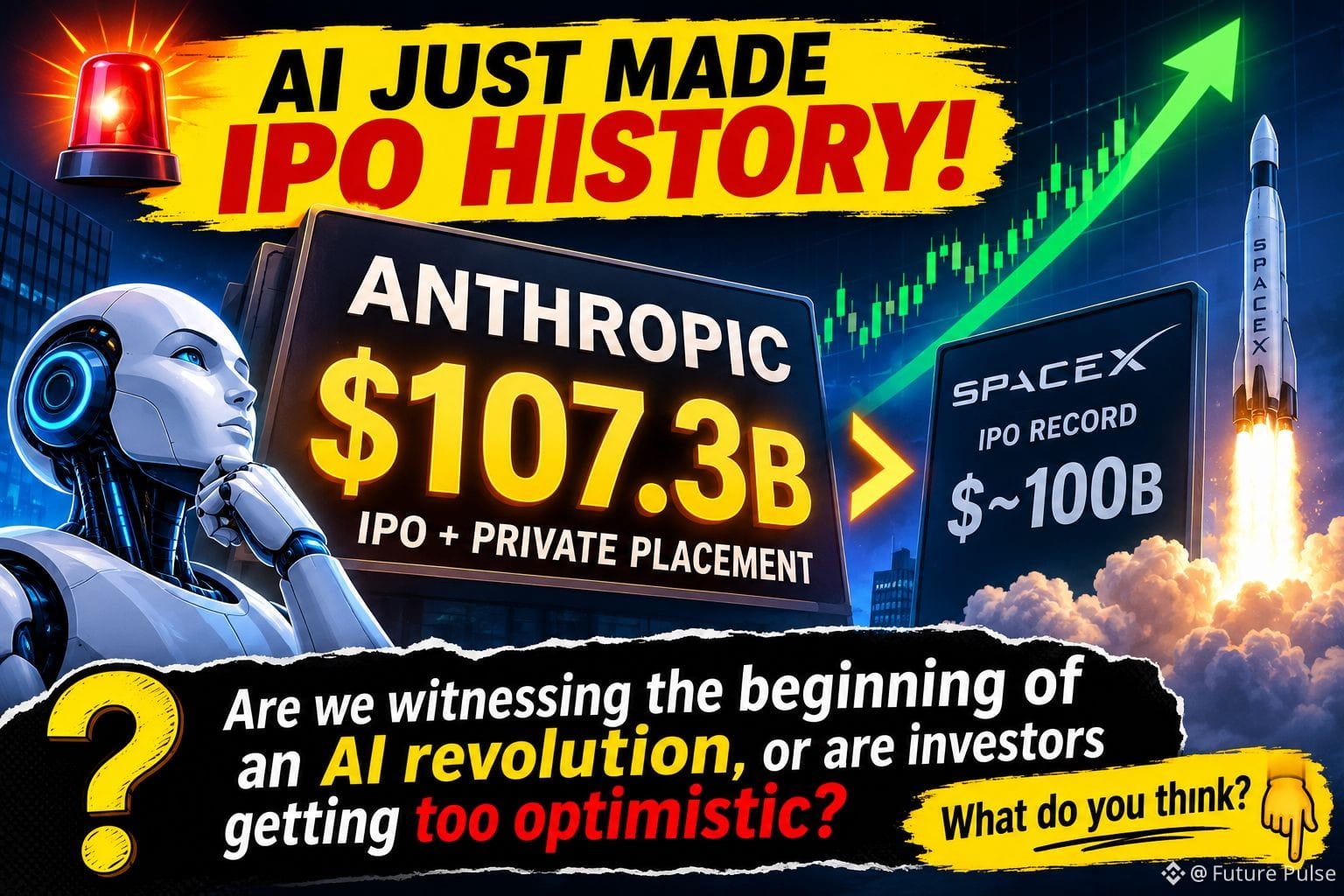
🚨 AI က IPO သမိုင်းကို ပြောင်းလဲလိုက်ပြီ!
Anthropic ဟာ IPO နဲ့ ပုဂ္ဂလိကရင်းနှီးမြှုပ်နှံမှုနေရာချထားမှုတို့ ပေါင်းစပ်ထားတဲ့ ဒေါ်လာ ၁၀၇.၃ ဘီလီယံတန် သဘောတူညီချက်ကြောင့် သတင်းခေါင်းကြီးပိုင်းတွေမှာ နေရာယူနေပါတယ်။ ဒါဟာ SpaceX ရဲ့ သတင်းထွက်ထားတဲ့ IPO ရန်ပုံငွေရှာဖွေမှု စံချိန်ကို ကျော်တက်သွားစေပါတယ်။
ဒါဟာ ငွေကြေးဆိုင်ရာ မှတ်တိုင်တစ်ခုသာ မဟုတ်ပါဘူး။ ဉာဏ်ရည်တုရဲ့ အနာဂတ်အပေါ် ရင်းနှီးမြှုပ်နှံသူတွေ ဘယ်လောက်အထိ ပြင်းပြင်းထန်ထန် လောင်းကြေးထပ်နေကြသလဲဆိုတာကိုလည်း ဖော်ပြနေပါတယ်။
AI ပြိုင်ဆိုင်မှုဟာ ပိုထက်မြက်တဲ့ မော်ဒယ်တွေ တည်ဆောက်ဖို့ဆိုတာတစ်ခုတည်း မဟုတ်တော့ပါဘူး။ အရင်းအနှီး၊ အခြေခံအဆောက်အအုံ၊ ဈေးကွက်လွှမ်းမိုးမှုနဲ့ ကမ္ဘာလုံးဆိုင်ရာ ဩဇာအာဏာတို့အတွက် တိုက်ပွဲတစ်ခု ဖြစ်လာနေပါပြီ။
ဒါပေမဲ့ အရေးကြီးတဲ့ မေးခွန်းကတော့—
AI တော်လှန်ရေးရဲ့ အစကို ကျွန်တော်တို့ မြင်တွေ့နေရတာလား၊ ဒါမှမဟုတ် ရင်းနှီးမြှုပ်နှံသူတွေ အကောင်းမြင်လွန်းနေကြတာလား။
သင် ဘယ်လိုထင်ပါသလဲ။ 👇
$ANT
{future}(ANTUSDT)
$ANTB
{spot}(ANTBUSDT)
$MMT
{future}(MMTUSDT)
#IsAnthropic’s$1.5TMarketCapJustified?
#BTCRemainsUnderPressureAfterHawkishFOMCMinutes
#CanGTA6'sLaunchLiftTTWOShares?
🚨 AI က IPO သမိုင်းကို ပြောင်းလဲလိုက်ပြီ!
Anthropic ဟာ IPO နဲ့ ပုဂ္ဂလိကရင်းနှီးမြှုပ်နှံမှုနေရာချထားမှုတို့ ပေါင်းစပ်ထားတဲ့ ဒေါ်လာ ၁၀၇.၃ ဘီလီယံတန် သဘောတူညီချက်ကြောင့် သတင်းခေါင်းကြီးပိုင်းတွေမှာ နေရာယူနေပါတယ်။ ဒါဟာ SpaceX ရဲ့ သတင်းထွက်ထားတဲ့ IPO ရန်ပုံငွေရှာဖွေမှု စံချိန်ကို ကျော်တက်သွားစေပါတယ်။
ဒါဟာ ငွေကြေးဆိုင်ရာ မှတ်တိုင်တစ်ခုသာ မဟုတ်ပါဘူး။ ဉာဏ်ရည်တုရဲ့ အနာဂတ်အပေါ် ရင်းနှီးမြှုပ်နှံသူတွေ ဘယ်လောက်အထိ ပြင်းပြင်းထန်ထန် လောင်းကြေးထပ်နေကြသလဲဆိုတာကိုလည်း ဖော်ပြနေပါတယ်။
AI ပြိုင်ဆိုင်မှုဟာ ပိုထက်မြက်တဲ့ မော်ဒယ်တွေ တည်ဆောက်ဖို့ဆိုတာတစ်ခုတည်း မဟုတ်တော့ပါဘူး။ အရင်းအနှီး၊ အခြေခံအဆောက်အအုံ၊ ဈေးကွက်လွှမ်းမိုးမှုနဲ့ ကမ္ဘာလုံးဆိုင်ရာ ဩဇာအာဏာတို့အတွက် တိုက်ပွဲတစ်ခု ဖြစ်လာနေပါပြီ။
ဒါပေမဲ့ အရေးကြီးတဲ့ မေးခွန်းကတော့—
AI တော်လှန်ရေးရဲ့ အစကို ကျွန်တော်တို့ မြင်တွေ့နေရတာလား၊ ဒါမှမဟုတ် ရင်းနှီးမြှုပ်နှံသူတွေ အကောင်းမြင်လွန်းနေကြတာလား။
သင် ဘယ်လိုထင်ပါသလဲ။ 👇
$ANT
$ANTB
$MMT
#IsAnthropic’s$1.5TMarketCapJustified?
#BTCRemainsUnderPressureAfterHawkishFOMCMinutes
#CanGTA6'sLaunchLiftTTWOShares?
1
758
·
--
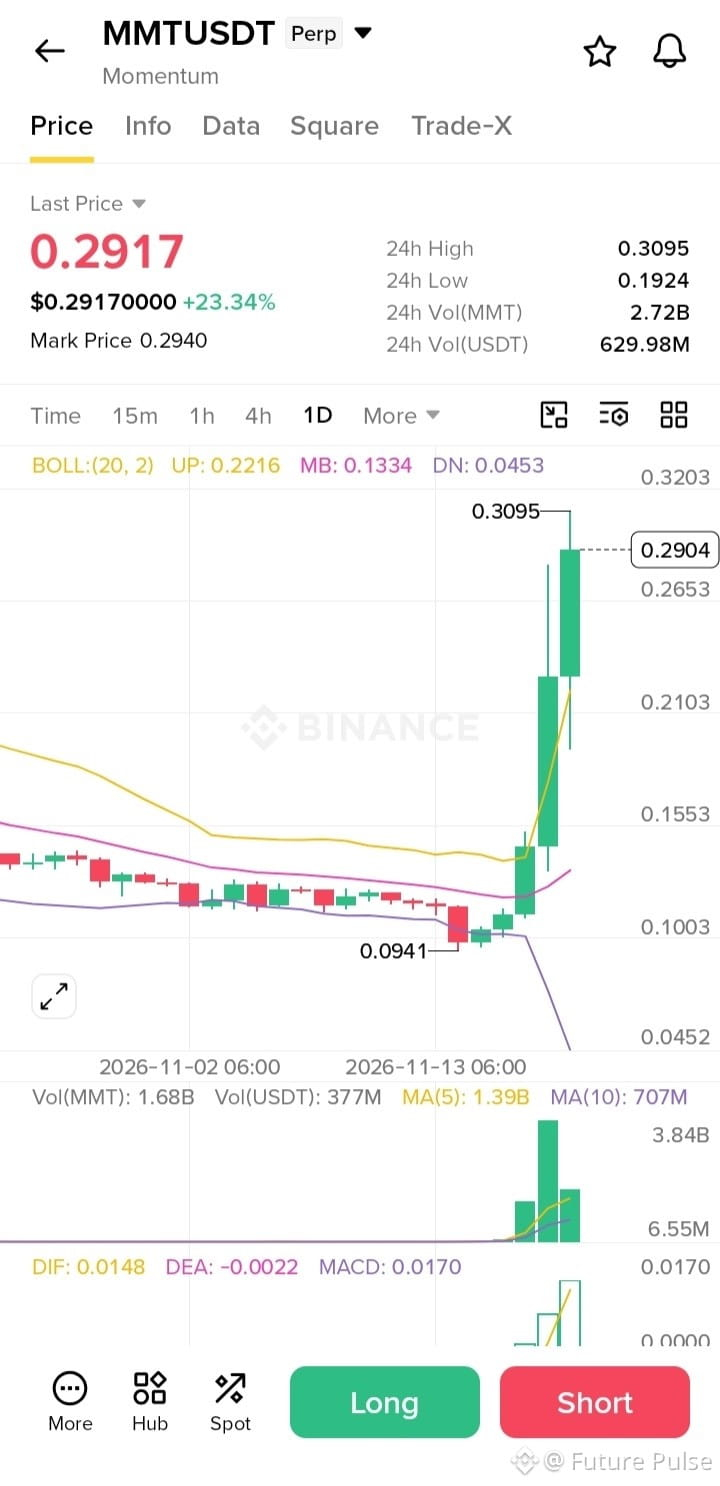
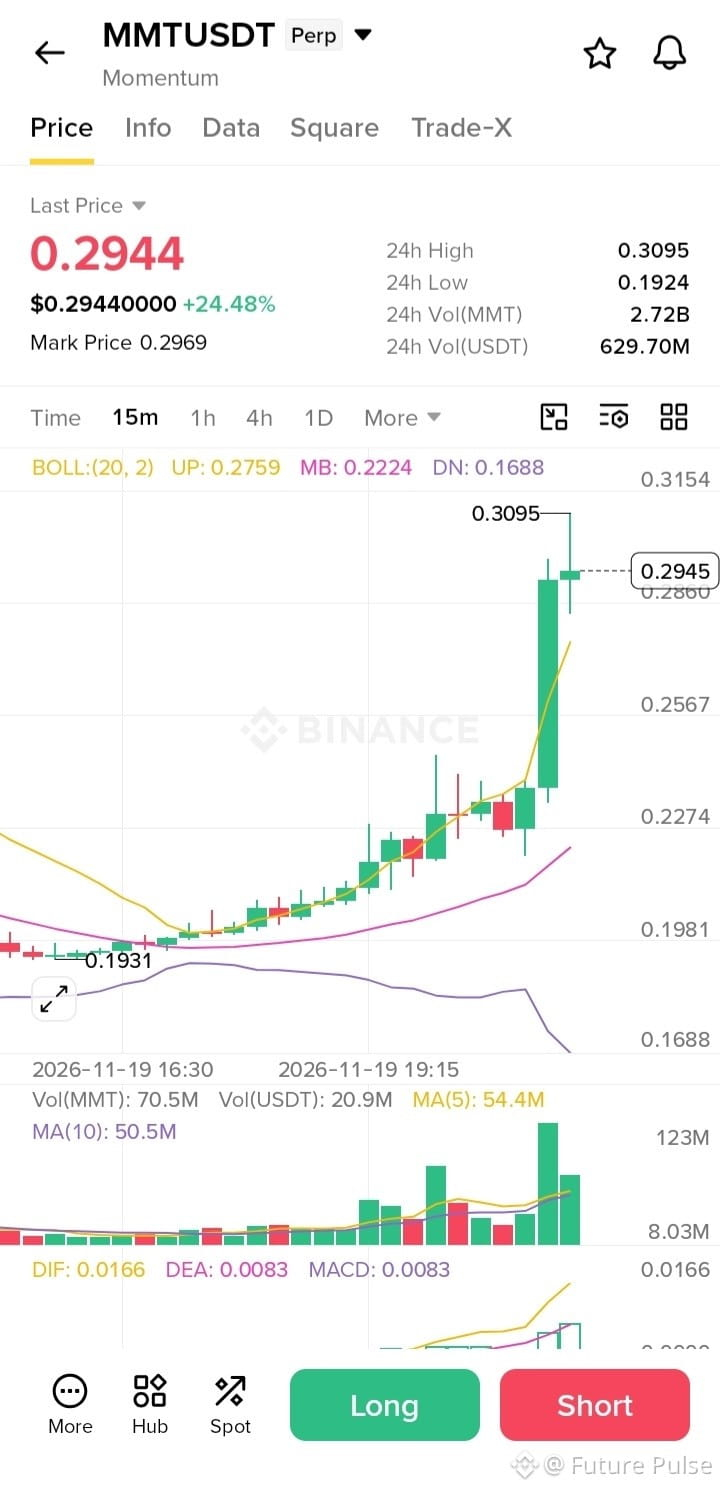
MMT တစ်ခါထပ် အရမ်းတောက်ပနေပြန်ပြီ 🔥🔥
$MMT
{future}(MMTUSDT)
$LUNC
{spot}(LUNCUSDT)
$LAB
{future}(LABUSDT)
MMT တစ်ခါထပ် အရမ်းတောက်ပနေပြန်ပြီ 🔥🔥
$MMT
$LUNC
$LAB
$MMT
$LUNC
$LAB
2
1.1k
·
--
Trump Media & Technology Group သည် ၎င်း၏ ကျန်ရှိနေသော $883.5 million တန်ဖိုးရှိ ပြောင်းလဲနိုင်သော ငွေချေးစာချုပ်များကို ၎င်း၏ Bitcoin ပိုင်ဆိုင်မှုများ ရောင်းချမည့်အစား ငွေသားနှင့် ချေးငွေတို့ကို အသုံးပြု၍ ပြန်လည်ပေးဆပ်ရန် ပြင်ဆင်နေသည်ဟု သတင်းများက ဖော်ပြသည်။
ဤလုပ်ဆောင်မှုသည် ၎င်း၏ ရေရှည် BTC မဟာဗျူဟာအပေါ် ခိုင်မာသော ယုံကြည်မှုရှိကြောင်း ပြသနိုင်သည်။ သို့သော် အခြားငွေကြေးထောက်ပံ့မှုများ မလုံလောက်ပါက ဒစ်ဂျစ်တယ်ပိုင်ဆိုင်မှုများကို ရောင်းချရန် လိုအပ်လာနိုင်သေးသည်။
အရေးကြီးသော မေးခွန်းတစ်ခုမှာ Trump Media သည် ၎င်း၏ ကြီးမားသော အကြွေးကို ရှင်းလင်းရင်း Bitcoin ပိုင်ဆိုင်မှုများကို ထိန်းသိမ်းနိုင်ပါမည်လား။
$PIEVERSE
$TRUMP
{future}(TRUMPUSDT)
$MELANIA
{future}(MELANIAUSDT)
{web3_wallet_create}(10x42778037d69350508cdd34d9fa17053970591101)
#FOMCMinutesHighlightAIDebtRisks
#CanGTA6'sLaunchLiftTTWOShares?
#NvidiaBoardReportedlySplitOverHuang’sReturn
Trump Media & Technology Group သည် ၎င်း၏ ကျန်ရှိနေသော $883.5 million တန်ဖိုးရှိ ပြောင်းလဲနိုင်သော ငွေချေးစာချုပ်များကို ၎င်း၏ Bitcoin ပိုင်ဆိုင်မှုများ ရောင်းချမည့်အစား ငွေသားနှင့် ချေးငွေတို့ကို အသုံးပြု၍ ပြန်လည်ပေးဆပ်ရန် ပြင်ဆင်နေသည်ဟု သတင်းများက ဖော်ပြသည်။
ဤလုပ်ဆောင်မှုသည် ၎င်း၏ ရေရှည် BTC မဟာဗျူဟာအပေါ် ခိုင်မာသော ယုံကြည်မှုရှိကြောင်း ပြသနိုင်သည်။ သို့သော် အခြားငွေကြေးထောက်ပံ့မှုများ မလုံလောက်ပါက ဒစ်ဂျစ်တယ်ပိုင်ဆိုင်မှုများကို ရောင်းချရန် လိုအပ်လာနိုင်သေးသည်။
အရေးကြီးသော မေးခွန်းတစ်ခုမှာ Trump Media သည် ၎င်း၏ ကြီးမားသော အကြွေးကို ရှင်းလင်းရင်း Bitcoin ပိုင်ဆိုင်မှုများကို ထိန်းသိမ်းနိုင်ပါမည်လား။
$PIEVERSE
$TRUMP
$MELANIA
#FOMCMinutesHighlightAIDebtRisks
#CanGTA6'sLaunchLiftTTWOShares?
#NvidiaBoardReportedlySplitOverHuang’sReturn
2
526
·
--
စိစစ်အတည်ပြုထားသည်
🔥 LUNC တိုကင်ဖျက်သိမ်းမှု စောင့်ကြည့်ချက်: Binance က လစဉ်အစဉ်အလာကို ချိုးဖျက်တော့မှာလား?
2023 ခုနှစ်နောက်ပိုင်း ပထမဆုံးအကြိမ်အဖြစ် Binance က မျှော်မှန်းထားသည့် နိုဝင်ဘာလ တိုကင်ဖျက်သိမ်းမှုကို လုပ်ဆောင်ရန် ပျက်ကွက်ခဲ့သည်ဟု သတင်းထွက်ပေါ်လာပြီးနောက် Terra Classic ($LUNC) ကိုင်ဆောင်သူများက အနီးကပ်စောင့်ကြည့်နေကြသည်။
နောက်ဆုံးမှတ်တမ်းတင်ထားသည့် တိုကင်ဖျက်သိမ်းမှုမှာ အောက်တိုဘာ 1 ရက်နေ့က LUNC 334.88 သန်းခန့် ဖြစ်သည်။ Binance သည် LUNC ၏ လည်ပတ်သုံးစွဲနေသော ပမာဏကို လျှော့ချရာတွင် သမိုင်းကြောင်းအရ အရေးပါသော အခန်းကဏ္ဍမှ ပါဝင်ခဲ့ပြီး ၎င်း၏စနစ်မှတစ်ဆင့် တိုကင် 88.1 ဘီလီယံခန့်ကို ဖျက်သိမ်းခဲ့သည်။
သို့သော် နှောင့်နှေးရသည့် အကြောင်းရင်းကို အတည်ပြုနိုင်ခြင်း မရှိသေးပါ။
Binance က လစဉ်တိုကင်ဖျက်သိမ်းမှုတွေကို ပြန်စတင်မလား၊ ဒါမှမဟုတ် ဒီအခြေအနေက ပိုမိုကြာရှည်တဲ့ ရပ်နားမှုတစ်ခုကို ညွှန်ပြနေတာလား?
LUNC ကိုင်ဆောင်သူတို့၊ ဘယ်လိုထင်ကြပါသလဲ? 👀
$AKE
$PIEVERSE
{future}(PIEVERSEUSDT)
$PIPPIN
{future}(PIPPINUSDT)
{web3_wallet_create}(10x42778037d69350508cdd34d9fa17053970591101)
#AnthropicToDebutAfter$83IPOPricing
#BTCRemainsUnderPressureAfterHawkishFOMCMinutes
#DeepSeekbug
🔥 LUNC တိုကင်ဖျက်သိမ်းမှု စောင့်ကြည့်ချက်: Binance က လစဉ်အစဉ်အလာကို ချိုးဖျက်တော့မှာလား?
2023 ခုနှစ်နောက်ပိုင်း ပထမဆုံးအကြိမ်အဖြစ် Binance က မျှော်မှန်းထားသည့် နိုဝင်ဘာလ တိုကင်ဖျက်သိမ်းမှုကို လုပ်ဆောင်ရန် ပျက်ကွက်ခဲ့သည်ဟု သတင်းထွက်ပေါ်လာပြီးနောက် Terra Classic ($LUNC) ကိုင်ဆောင်သူများက အနီးကပ်စောင့်ကြည့်နေကြသည်။
နောက်ဆုံးမှတ်တမ်းတင်ထားသည့် တိုကင်ဖျက်သိမ်းမှုမှာ အောက်တိုဘာ 1 ရက်နေ့က LUNC 334.88 သန်းခန့် ဖြစ်သည်။ Binance သည် LUNC ၏ လည်ပတ်သုံးစွဲနေသော ပမာဏကို လျှော့ချရာတွင် သမိုင်းကြောင်းအရ အရေးပါသော အခန်းကဏ္ဍမှ ပါဝင်ခဲ့ပြီး ၎င်း၏စနစ်မှတစ်ဆင့် တိုကင် 88.1 ဘီလီယံခန့်ကို ဖျက်သိမ်းခဲ့သည်။
သို့သော် နှောင့်နှေးရသည့် အကြောင်းရင်းကို အတည်ပြုနိုင်ခြင်း မရှိသေးပါ။
Binance က လစဉ်တိုကင်ဖျက်သိမ်းမှုတွေကို ပြန်စတင်မလား၊ ဒါမှမဟုတ် ဒီအခြေအနေက ပိုမိုကြာရှည်တဲ့ ရပ်နားမှုတစ်ခုကို ညွှန်ပြနေတာလား?
LUNC ကိုင်ဆောင်သူတို့၊ ဘယ်လိုထင်ကြပါသလဲ? 👀
$AKE
$PIEVERSE
$PIPPIN
#AnthropicToDebutAfter$83IPOPricing
#BTCRemainsUnderPressureAfterHawkishFOMCMinutes
#DeepSeekbug

2
9
2k
·
--
ဘာသာပြန်ဆိုချက် ကြည့်မည်
$PIEVERSE
{future}(PIEVERSEUSDT)
Click the link below to get red box👇👇👇👇
$PIEVERSE
Click the link below to get red box👇👇👇👇
Click the link below to get red box👇👇👇👇
Future Pulse
·
--
Anthropic က IPO ရှယ်ယာတစ်စုလျှင် $83 ဖြင့် ဈေးသတ်မှတ်လိုက်ပြီး၊ ကုမ္ပဏီတန်ဖိုးကို အမေရိကန်ဒေါ်လာ $1.5 ထရီလီယံအထိ သတ်မှတ်ကာ စံချိန်တင် $81.3 ဘီလီယံ ရန်ပုံငွေရှာဖွေခဲ့ပါတယ်။
ရည်မှန်းထားတဲ့ $70–$78 ဈေးနှုန်းအကွာအဝေးထက် အများကြီးမြင့်တဲ့ဈေး သတ်မှတ်လိုက်တာက နည်းပညာကဏ္ဍမှာ ရက်သတ္တပတ်အတော်ကြာ မတည်ငြိမ်မှုတွေ ရှိခဲ့ပြီးနောက်မှာတောင် AI အပေါ် အဖွဲ့အစည်းဆိုင်ရာ ရင်းနှီးမြှုပ်နှံသူတွေရဲ့ စိတ်ဝင်စားမှုက အလွန်ပြင်းထန်နေဆဲဆိုတာ ပြသနေပါတယ်။ ဒီနေ့ ANT အမည်နဲ့ Nasdaq မှာ စတင်ရောင်းဝယ်မှုဟာ Claude အတွက် အောင်မြင်မှုတစ်ခုသက်သက်မဟုတ်ဘဲ AI စျေးကွက်တစ်ခုလုံးအတွက် လက်တွေ့အခြေအနေမှာ အဆုံးအဖြတ်ပေးမယ့် စမ်းသပ်မှုကြီးတစ်ခုလည်း ဖြစ်ပါတယ်။
Crypto အတွက်တော့ အဖွင့်ဈေးကောင်းရင် AI ဇာတ်ကြောင်းနောက်ကို ငွေဖြစ်လွယ်မှုတွေ လိုက်လာတာနဲ့အမျှ FET၊ RENDER နဲ့ TAO လို AI တိုကင်တွေမှာ အရှိန်အဟုန်သစ်တွေ ပေါ်လာနိုင်ပါတယ်။
ဒီနေ့ ANT ရဲ့ စျေးကွက်အဖွင့်ကို စောင့်ကြည့်နေတာလား၊ ဒါမှမဟုတ် AI ကွိုင်တွေဘက် ပြောင်းရွှေ့နေတာလား။ 👇
$ANT
$PIPPIN
#Anthropic သည် $83 IPO ဈေးနှုန်းဖြင့် ပွဲဦးထွက်မည်
#NvidiaBoardReportedlySplitOverHuang’sReturn

1
55
Log in to explore more content
Join global crypto users on Binance Square
⚡️ Get latest and useful information about crypto.
💬 Trusted by the world’s largest crypto exchange.
👍 Discover real insights from verified creators.
အီးမေးလ် / ဖုန်းနံပါတ်
ရေပန်းစားနေသော ခေါင်းစဉ်များ
BTCReboundsAbove$60KAmidWhaleDipBuying
ကြည့်ရှုမှု 3,590 ကြိမ်
40 ဦး ဆွေးနွေးနေသည်
Bitcoin က ဒေါ်လာ ၆၀,၀၀၀ ကို ခဏတာ ပြန်လည်ကျော်တက်ချိန် Abraxas Capital နှင့် အခြားဝေလငါးများက BTC ဈေးကျချိန်တွင် ဝယ်ယူ
Binance News
·နှစ်သက်မှု 12 ခု
·ကြည့်ရှုမှု 9.8k ကြိမ်
NvidiaLoses$2.7TrillionInMonthAndAHalf
ကြည့်ရှုမှု 41,523 ကြိမ်
199 ဦး ဆွေးနွေးနေသည်
GlobalStocksFaceLongestLosingStreakSince2023
ကြည့်ရှုမှု 386,412 ကြိမ်
2,512 ဦး ဆွေးနွေးနေသည်