
#celo
celo
ကြည့်ရှုမှု 715,163 ကြိမ်
4,029 ဦး ဆွေးနွေးနေသည်
ရေပန်းစားသော
နောက်ဆုံး

Article
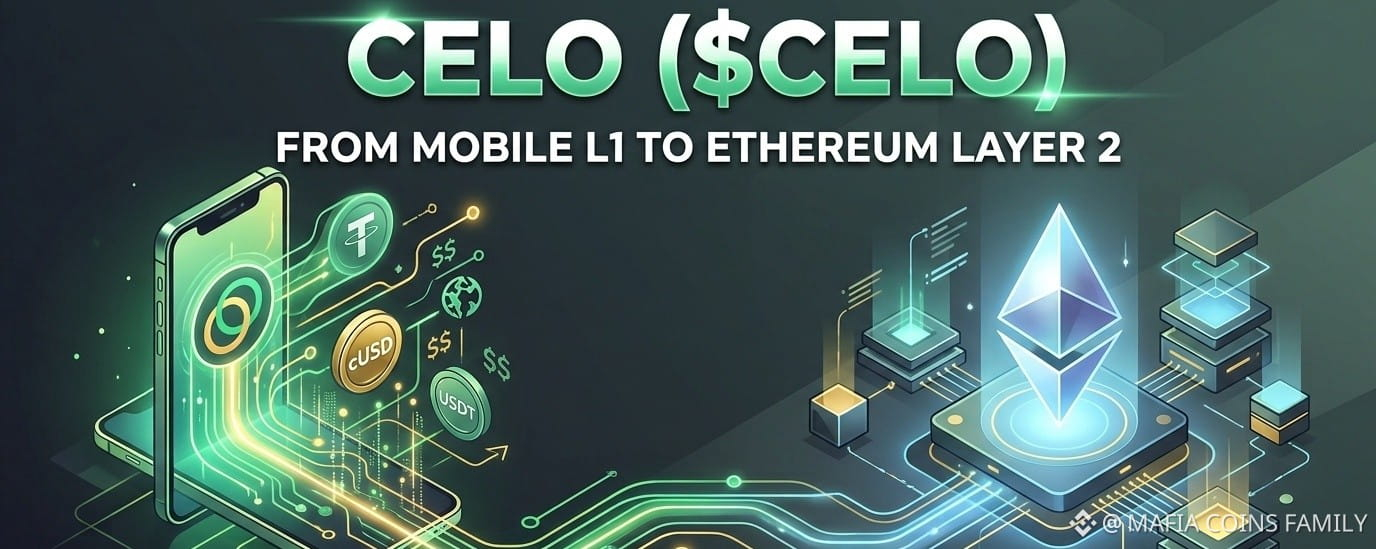
Celo ($CELO) ၏ ပြည့်စုံသော ခရီးစဉ်—မိုဘိုင်းကို ဦးစားပေးသော အမြင်မှ Ethereum Layer 2 အထိခရစ်ပ်တိုလောကတွင် Celo ( $CELO ) ကဲ့သို့ ရည်မှန်းချက်ကြီးမားသော ဖွဲ့စည်းပုံဆိုင်ရာ လမ်းကြောင်းပြောင်းလဲမှုကို အောင်မြင်စွာ လုပ်ဆောင်နိုင်ခဲ့သည့် ပရောဂျက် အနည်းငယ်သာ ရှိသည်။ မူလက မိုဘိုင်းကို ဦးစားပေးသော သီးခြား Layer 1 ဘလော့ခ်ချိန်းအဖြစ် စတင်ခဲ့သည့် Celo သည် Ethereum Layer 2 ကွန်ရက်အဖြစ် ပြောင်းလဲရန် သမိုင်းဝင် အသွင်ကူးပြောင်းမှုကို အောင်မြင်စွာ အပြီးသတ်ခဲ့ပြီး မိုဘိုင်းအသုံးပြုသူ သန်းပေါင်းများစွာနှင့် စတေဘယ်လ်ကွိုင်ပမာဏ အမြောက်အမြားကို Ethereum ဂေဟစနစ်ထဲသို့ တိုက်ရိုက် ယူဆောင်လာခဲ့သည်။
၁။ မူလအစ—စမတ်ဖုန်းများမှတစ်ဆင့် ဘဏ်ဝန်ဆောင်မှုမရရှိသူများကို ဘဏ်ဝန်ဆောင်မှု ပေးခြင်း (၂၀၁၇–၂၀၂၀)
René Reinsberg၊ Marek Olszewski နှင့် Sep Kamvar တို့က ၂၀၁၇ ခုနှစ်တွင် တည်ထောင်ခဲ့သော Celo သည် ရှင်းလင်းသော ရည်မှန်းချက်တစ်ခုဖြင့် စတင်ခဲ့သည်—စမတ်ဖုန်းရှိသူတိုင်း ငွေကြေးဝန်ဆောင်မှုများကို လက်လှမ်းမီစေရန်ဖြစ်သည်။
Celo ($CELO) ၏ ပြည့်စုံသော ခရီးစဉ်—မိုဘိုင်းကို ဦးစားပေးသော အမြင်မှ Ethereum Layer 2 အထိ
ခရစ်ပ်တိုလောကတွင် Celo ( $CELO ) ကဲ့သို့ ရည်မှန်းချက်ကြီးမားသော ဖွဲ့စည်းပုံဆိုင်ရာ လမ်းကြောင်းပြောင်းလဲမှုကို အောင်မြင်စွာ လုပ်ဆောင်နိုင်ခဲ့သည့် ပရောဂျက် အနည်းငယ်သာ ရှိသည်။ မူလက မိုဘိုင်းကို ဦးစားပေးသော သီးခြား Layer 1 ဘလော့ခ်ချိန်းအဖြစ် စတင်ခဲ့သည့် Celo သည် Ethereum Layer 2 ကွန်ရက်အဖြစ် ပြောင်းလဲရန် သမိုင်းဝင် အသွင်ကူးပြောင်းမှုကို အောင်မြင်စွာ အပြီးသတ်ခဲ့ပြီး မိုဘိုင်းအသုံးပြုသူ သန်းပေါင်းများစွာနှင့် စတေဘယ်လ်ကွိုင်ပမာဏ အမြောက်အမြားကို Ethereum ဂေဟစနစ်ထဲသို့ တိုက်ရိုက် ယူဆောင်လာခဲ့သည်။
၁။ မူလအစ—စမတ်ဖုန်းများမှတစ်ဆင့် ဘဏ်ဝန်ဆောင်မှုမရရှိသူများကို ဘဏ်ဝန်ဆောင်မှု ပေးခြင်း (၂၀၁၇–၂၀၂၀)
René Reinsberg၊ Marek Olszewski နှင့် Sep Kamvar တို့က ၂၀၁၇ ခုနှစ်တွင် တည်ထောင်ခဲ့သော Celo သည် ရှင်းလင်းသော ရည်မှန်းချက်တစ်ခုဖြင့် စတင်ခဲ့သည်—စမတ်ဖုန်းရှိသူတိုင်း ငွေကြေးဝန်ဆောင်မှုများကို လက်လှမ်းမီစေရန်ဖြစ်သည်။
Saifulislam081985:
ETH
1
1
147


Article
ဘာသာပြန်ဆိုချက် ကြည့်မည်
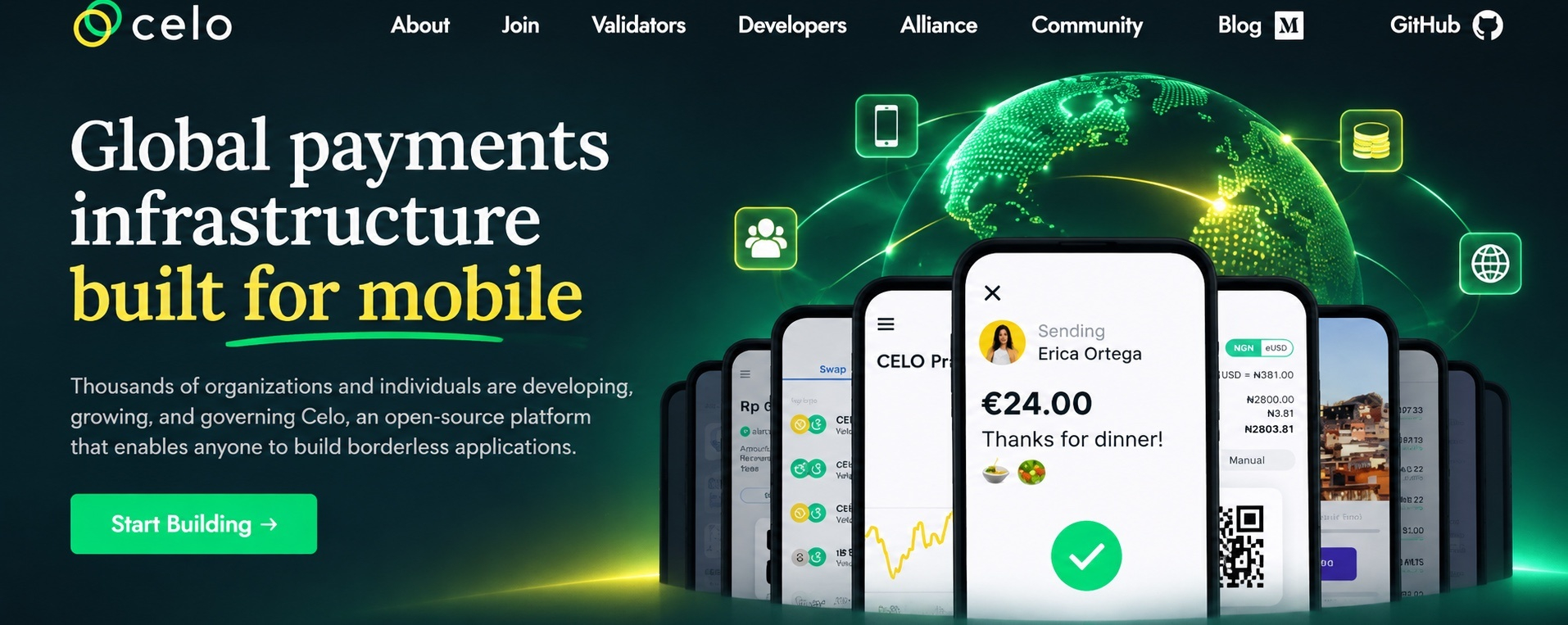
Celo: Building the Payment Rails for a Global EconomyCELO | Global Payments | Stablecoins | Ethereum Layer 2 | AI Agents
Celo’s opportunity is not simply to process more transactions. It is to make stablecoin payments usable for people, businesses, and eventually autonomous AI agents.
The problem: Crypto has money, but everyday payments still have friction
There is a contradiction in the current financial system.
Blockchain networks can transfer digital assets around the world, but using those assets for ordinary payments is still more complicated than it should be.
Consider someone receiving money from another country. They may need to deal with currency conversion, banking delays, transfer charges, and limited access to financial services.
Crypto introduced an alternative through stablecoins, but stablecoin ownership alone does not solve the entire problem.
Users still need accessible wallets, reliable settlement, local currency liquidity, and an interface that does not require technical knowledge.
This is the problem I find interesting about $CELO
Rather than focusing exclusively on blockchain performance, Celo has spent years developing infrastructure around mobile-first financial applications, stablecoins, and global payments.
Its strategy is to make blockchain infrastructure less visible to the end user while allowing applications to benefit from programmable money underneath.
That distinction is important.
The strongest payment infrastructure is not necessarily the one users talk about most. It is the one that lets them complete transactions without thinking about the underlying network.
What is Celo, and why did it move to Ethereum Layer 2?
Celo is an open source blockchain ecosystem originally launched as an independent Layer 1 in 2020.
Its focus has been financial inclusion, mobile payments, and accessible stablecoin infrastructure.
However, one of its biggest architectural changes came in March 2025, when Celo transitioned to an Ethereum Layer 2 using the OP Stack.
The migration followed community approval in 2024.
Why make this change?
Operating as an independent Layer 1 means maintaining a separate network security and validator ecosystem. Moving to an Ethereum Layer 2 allows Celo to align more closely with Ethereum’s settlement and security ecosystem while retaining a specialized execution environment.
Its infrastructure combines several components:
OP Stack: The Layer 2 execution foundation.EigenDA: Modular data availability.Succinct SP1: Zero knowledge proving infrastructure.Fee abstraction: Enables transaction fees using supported ERC 20 tokens, including stablecoins.
The objective is to combine Ethereum alignment with a payment focused user experience.
One feature deserves particular attention: fee abstraction.
Imagine someone receiving stablecoins but not having any $ETH or CELO available to pay transaction fees.
For an ordinary user, that is an unnecessary complication.
Celo’s fee abstraction allows supported tokens to be used to cover network fees, reducing the need to acquire a separate gas asset before making a payment.
This is the kind of infrastructure decision that can make a real difference to mainstream usability.
How Celo’s payment infrastructure connects
The important point is that Celo is not just providing transaction execution. It is trying to connect wallets, stablecoins, payment applications, and settlement into one usable financial environment.
MiniPay: Bringing stablecoins to everyday users
One of the strongest parts of Celo’s strategy is MiniPay.
MiniPay is a self custodial stablecoin wallet developed by Opera, designed around mobile first access.
Its approach is different from the traditional crypto wallet experience.
Instead of expecting users to understand blockchain networks, gas tokens, and complicated wallet interfaces, MiniPay focuses on making digital dollar payments accessible through a familiar mobile experience.
Consider a practical scenario.
A freelancer receives payment from a client abroad. Instead of relying entirely on traditional banking transfers, the freelancer can receive supported stablecoins into a wallet and use available services to move or convert funds.
The wallet provides the interface, while Celo supplies the underlying blockchain infrastructure.
According to the November 19, 2026 announcement, MiniPay reported:
20 million plus activated wallets.600 million plus processed transactions.Availability across more than 70 countries.77 Mini Apps.
These are significant distribution indicators.
However, activated wallets should not be confused with monthly active users. Transaction counts also do not independently establish profitability.
MiniPay’s November 2026 upgrade involving Privy, a Stripe owned wallet infrastructure provider, is another development worth watching. Its aim is to simplify account access through options such as email, social login, and passkeys while retaining self custody.
The larger idea is straightforward: make stablecoins accessible to people who may never consider themselves crypto users.
How MiniPay connects users to digital payments
What I find particularly interesting is the distribution advantage.
Opera’s existing mobile ecosystem gives MiniPay a potential route to users outside the traditional crypto native audience.
The next question is whether those users continue using it after their initial transaction.
Stablecoins: The foundation of Celo’s payment strategy
I think this is where Celo’s positioning becomes especially interesting.
Many blockchain ecosystems focus heavily on their native tokens. Celo has placed significant emphasis on stablecoins as practical payment instruments.
Its ecosystem supports assets including $USDT , USDC, USA₮, USDm, EURm, BRLm, XOFm, and other local currency stablecoins.
By late 2026, Celo reported more than 33 stablecoin assets representing approximately 20 currencies.
Why is that important?
Because global payments should not assume that every user wants to transact in US dollars.
A merchant in Brazil may prefer Brazilian reais. A user in Argentina may need pesos. A business operating in West Africa may have different currency requirements.
Local currency stablecoins can reduce unnecessary conversion steps and make blockchain payments more relevant to local financial activity.
Celo’s multi currency stablecoin ecosystem
There is an important distinction, though.
A stablecoin representing a particular currency is not automatically equivalent to holding a bank deposit in that currency. Its issuer, reserves, redemption mechanisms, and liquidity all matter.
That is why I would evaluate the quality of the stablecoin ecosystem, not just the number of supported assets.
AI agents: The next payment users may not be human
One of the newer directions in Celo’s ecosystem is AI agent payments.
AI agents are increasingly capable of interacting with websites, using APIs, researching information, and completing tasks.
But there is a practical limitation: these agents also need to pay for services.
An AI agent might need computing resources, access to a data service, or a paid API call.
Traditional payment infrastructure was largely designed around human account holders and subscription based relationships.
Celo is exploring a different approach through stablecoin native agent payments.
In July 2026, Celo introduced its native x402 facilitator.
The x402 approach uses the HTTP 402 Payment Required response to allow web services to request payment before providing access.
Here is the basic process:
An AI agent requests a paid service.
The service returns a payment requirement
The agent signs a stablecoin payment authorization.
The facilitator verifies the authorization.The facilitator submits the settlement transaction and sponsors gas.
The service receives confirmation and delivers the requested resource.
The implementation uses EIP-3009 transferWithAuthorization for supported assets.
This is particularly interesting because the facilitator can coordinate verification and settlement without taking custody of the buyer’s funds.
Celo expanded this infrastructure in October 2026, with its x402 facilitator supporting ten stablecoins across eight currencies.
The project also introduced buy, a services marketplace where agents can discover and pay for more than 700 services spanning compute, data, and APIs.
This creates a new possibility: AI agents could purchase services using stablecoins without requiring a human to manually approve every individual payment.
How an AI agent pays through x402
I find this direction worth monitoring because it connects Celo’s established stablecoin infrastructure with a potentially new category of demand.
However, having the infrastructure does not mean autonomous payments have already achieved mainstream commercial adoption.
Recurring payment activity will be the real test.
DeFi and tokenized real world assets
Celo’s payment focus does not mean its ecosystem is limited to wallets and transfers.
Its Ethereum compatible environment supports decentralized finance applications, including Aave, Uniswap, Morpho, Curve, and other ecosystem participants.
Stablecoins can serve as the foundation for lending, borrowing, liquidity provision, and onchain foreign exchange.
Tokenization is another important opportunity.
Tokenized financial assets need reliable settlement infrastructure, liquidity, and access to programmable currencies.
For example, a tokenized financial instrument could use stablecoins for settlement while connecting to decentralized lending markets.
The combination of Ethereum compatibility and stablecoin infrastructure makes this a relevant area for Celo.
But I would distinguish technical capability from actual institutional adoption.
The existence of tokenization infrastructure does not prove that large financial institutions are already using Celo at scale.
The indicators that matter are actual issuance, recurring liquidity, integrations, and commercial activity
Adoption: What do the numbers actually tell us?
I prefer looking at measurable activity instead of relying entirely on a project’s narrative.
Celo’s first year as an Ethereum Layer 2 provides an important reference point.
Its March 2026 ecosystem review reported more than $65.9 billion in stablecoin transaction volume during 2025, representing approximately 142% growth over 2024.
That is a significant figure, but volume alone does not tell the entire story
A network can process substantial transaction volume without generating equivalent revenue.
For a broader perspective, the November 22, 2026 Growthepie snapshot cited earlier reported:
These metrics measure different things:
Transactions show how much network activity is taking place.Active addresses indicate onchain participation, not necessarily unique people.Stablecoin supply indicates the value of stablecoins present on the network.Chain revenue provides insight into the network’s ability to capture economic value.
The distinction between usage and revenue is particularly important.
Stablecoin volume growth
What I take from these numbers is that Celo has established meaningful stablecoin activity
The next challenge is demonstrating that this activity translates into sustainable network economics.
CELO token utility: Connecting network activity with economic value
Now comes the part token holders should understand
CELO is the native token of the Celo ecosystem.
Its functions include staking, network participation, governance, and supporting the protocol’s economic model.
But one development I find particularly interesting is the CELOccelerate tokenomics initiative.
Its economic model aims to connect network revenue with the CELO ecosystem.
The proposed mechanism works through several stages:
The network generates sequencer revenue.Relevant operating costs are accounted for.Net revenue is directed toward the Community Fund through programmatic CELO acquisition.CELO holders participate in governance decisions concerning the fund.Approved allocations can support ecosystem development or other authorized uses, including burning tokens where approved.
This is interesting because it attempts to connect network activity with the native token’s economic role
CELO has a maximum supply of 1 billion tokens according to its published token information.
However, token acquisition does not automatically guarantee price appreciation.
The outcome depends on sustainable revenue, operating expenses, governance decisions, and actual implementation.
The CELO economic flywheelConceptual representation of the CELOccelerate revenue mechanism. Actual fund allocation and token treatment depend on approved governance decisions and implementation.
I would pay particular attention to whether network revenue grows alongside stablecoin activity.
That relationship will tell us more about CELO’s long term economic model than transaction counts alone.
Where I remain cautious
There are several challenges worth discussing.
Competition
Ethereum Layer 2 networks and payment-focused blockchains are competing for the same developers, liquidity, and applications. Celo needs to maintain a clear reason for businesses to choose its ecosystem.
Stablecoin dependencies
Celo does not control every stablecoin issuer, local payment provider, or redemption mechanism. Those external relationships influence the reliability of its payment ecosystem.
User retention
Twenty million activated wallets is an encouraging distribution metric, but recurring users are more important than registrations.
Network economics
High transaction volume does not automatically translate into high revenue. The relationship between operating costs, sequencer revenue, and token economics needs continued examination.
AI agent adoption
The x402 infrastructure is an interesting development, but actual recurring commercial payments from AI agents still need to demonstrate meaningful scale.
These challenges do not invalidate Celo’s strategy. They identify the areas where execution will matter most.
What I am watching next
Instead of focusing exclusively on the CELO price chart, I would monitor five developments.
MiniPay retention: Are activated wallets becoming regular payment users?
Stablecoin activity: Is volume translating into sustained economic demand?
AI agent payments: Are x402 and MPP integrations generating recurring transactions?
Protocol economics: Is sequencer revenue growing enough to support the Community Fund after operating costs?
Ecosystem expansion: Are more developers, merchants, local-currency issuers, and financial applications choosing Celo?
These are more useful indicators of long term progress than short term market movements.
My Take:
What makes Celo interesting to me is its focus on a practical problem.
Crypto does not necessarily need another network competing for attention. It needs infrastructure that makes digital money easier to move, easier to use, and more accessible across different financial markets.
Celo has made several meaningful moves in that direction.
Its Ethereum Layer 2 transition, MiniPay distribution, stablecoin ecosystem, local currency payment infrastructure, and emerging AI agent payment tools form a coherent strategy.
The strongest part of the thesis is the combination of distribution and infrastructure.
MiniPay provides the user facing entry point, while Celo provides the programmable settlement layer underneath it.
But the next chapter is about economics.
Can Celo turn millions of activated wallets and substantial stablecoin activity into sustainable, recurring financial usage?
Can its protocol revenue support the network’s longterm development?
And can it maintain a meaningful position as competing payment networks evolve?
Those are the questions I would continue investigating.
I would rather watch real payments, returning users, and sustainable revenue than rely on a compelling narrative alone.
Because the future of digital payments will not be decided by how many networks exist. It will be decided by how many people actually find them useful.
Disclosure: This article was created as original educational research for the Binance Square Celo Creator Challenge. It reflects my own analysis and interpretation of publicly available information.
Disclaimer: This content is for educational purposes only and is not financial advice. Cryptocurrency assets are volatile and involve significant risks. Always conduct your own research before making investment decisions.
#CELO #stablecoin #Web3 #BinanceSquare
#cryptofirst21
Celo: Building the Payment Rails for a Global Economy
CELO | Global Payments | Stablecoins | Ethereum Layer 2 | AI Agents
Celo’s opportunity is not simply to process more transactions. It is to make stablecoin payments usable for people, businesses, and eventually autonomous AI agents.
The problem: Crypto has money, but everyday payments still have friction
There is a contradiction in the current financial system.
Blockchain networks can transfer digital assets around the world, but using those assets for ordinary payments is still more complicated than it should be.
Consider someone receiving money from another country. They may need to deal with currency conversion, banking delays, transfer charges, and limited access to financial services.
Crypto introduced an alternative through stablecoins, but stablecoin ownership alone does not solve the entire problem.
Users still need accessible wallets, reliable settlement, local currency liquidity, and an interface that does not require technical knowledge.
This is the problem I find interesting about $CELO
Rather than focusing exclusively on blockchain performance, Celo has spent years developing infrastructure around mobile-first financial applications, stablecoins, and global payments.
Its strategy is to make blockchain infrastructure less visible to the end user while allowing applications to benefit from programmable money underneath.
That distinction is important.
The strongest payment infrastructure is not necessarily the one users talk about most. It is the one that lets them complete transactions without thinking about the underlying network.
What is Celo, and why did it move to Ethereum Layer 2?
Celo is an open source blockchain ecosystem originally launched as an independent Layer 1 in 2020.
Its focus has been financial inclusion, mobile payments, and accessible stablecoin infrastructure.
However, one of its biggest architectural changes came in March 2025, when Celo transitioned to an Ethereum Layer 2 using the OP Stack.
The migration followed community approval in 2024.
Why make this change?
Operating as an independent Layer 1 means maintaining a separate network security and validator ecosystem. Moving to an Ethereum Layer 2 allows Celo to align more closely with Ethereum’s settlement and security ecosystem while retaining a specialized execution environment.
Its infrastructure combines several components:
OP Stack: The Layer 2 execution foundation.EigenDA: Modular data availability.Succinct SP1: Zero knowledge proving infrastructure.Fee abstraction: Enables transaction fees using supported ERC 20 tokens, including stablecoins.
The objective is to combine Ethereum alignment with a payment focused user experience.
One feature deserves particular attention: fee abstraction.
Imagine someone receiving stablecoins but not having any $ETH or CELO available to pay transaction fees.
For an ordinary user, that is an unnecessary complication.
Celo’s fee abstraction allows supported tokens to be used to cover network fees, reducing the need to acquire a separate gas asset before making a payment.
This is the kind of infrastructure decision that can make a real difference to mainstream usability.
How Celo’s payment infrastructure connects
The important point is that Celo is not just providing transaction execution. It is trying to connect wallets, stablecoins, payment applications, and settlement into one usable financial environment.
MiniPay: Bringing stablecoins to everyday users
One of the strongest parts of Celo’s strategy is MiniPay.
MiniPay is a self custodial stablecoin wallet developed by Opera, designed around mobile first access.
Its approach is different from the traditional crypto wallet experience.
Instead of expecting users to understand blockchain networks, gas tokens, and complicated wallet interfaces, MiniPay focuses on making digital dollar payments accessible through a familiar mobile experience.
Consider a practical scenario.
A freelancer receives payment from a client abroad. Instead of relying entirely on traditional banking transfers, the freelancer can receive supported stablecoins into a wallet and use available services to move or convert funds.
The wallet provides the interface, while Celo supplies the underlying blockchain infrastructure.
According to the November 19, 2026 announcement, MiniPay reported:
20 million plus activated wallets.600 million plus processed transactions.Availability across more than 70 countries.77 Mini Apps.
These are significant distribution indicators.
However, activated wallets should not be confused with monthly active users. Transaction counts also do not independently establish profitability.
MiniPay’s November 2026 upgrade involving Privy, a Stripe owned wallet infrastructure provider, is another development worth watching. Its aim is to simplify account access through options such as email, social login, and passkeys while retaining self custody.
The larger idea is straightforward: make stablecoins accessible to people who may never consider themselves crypto users.
How MiniPay connects users to digital payments
What I find particularly interesting is the distribution advantage.
Opera’s existing mobile ecosystem gives MiniPay a potential route to users outside the traditional crypto native audience.
The next question is whether those users continue using it after their initial transaction.
Stablecoins: The foundation of Celo’s payment strategy
I think this is where Celo’s positioning becomes especially interesting.
Many blockchain ecosystems focus heavily on their native tokens. Celo has placed significant emphasis on stablecoins as practical payment instruments.
Its ecosystem supports assets including $USDT , USDC, USA₮, USDm, EURm, BRLm, XOFm, and other local currency stablecoins.
By late 2026, Celo reported more than 33 stablecoin assets representing approximately 20 currencies.
Why is that important?
Because global payments should not assume that every user wants to transact in US dollars.
A merchant in Brazil may prefer Brazilian reais. A user in Argentina may need pesos. A business operating in West Africa may have different currency requirements.
Local currency stablecoins can reduce unnecessary conversion steps and make blockchain payments more relevant to local financial activity.
Celo’s multi currency stablecoin ecosystem
There is an important distinction, though.
A stablecoin representing a particular currency is not automatically equivalent to holding a bank deposit in that currency. Its issuer, reserves, redemption mechanisms, and liquidity all matter.
That is why I would evaluate the quality of the stablecoin ecosystem, not just the number of supported assets.
AI agents: The next payment users may not be human
One of the newer directions in Celo’s ecosystem is AI agent payments.
AI agents are increasingly capable of interacting with websites, using APIs, researching information, and completing tasks.
But there is a practical limitation: these agents also need to pay for services.
An AI agent might need computing resources, access to a data service, or a paid API call.
Traditional payment infrastructure was largely designed around human account holders and subscription based relationships.
Celo is exploring a different approach through stablecoin native agent payments.
In July 2026, Celo introduced its native x402 facilitator.
The x402 approach uses the HTTP 402 Payment Required response to allow web services to request payment before providing access.
Here is the basic process:
An AI agent requests a paid service.
The service returns a payment requirement
The agent signs a stablecoin payment authorization.
The facilitator verifies the authorization.The facilitator submits the settlement transaction and sponsors gas.
The service receives confirmation and delivers the requested resource.
The implementation uses EIP-3009 transferWithAuthorization for supported assets.
This is particularly interesting because the facilitator can coordinate verification and settlement without taking custody of the buyer’s funds.
Celo expanded this infrastructure in October 2026, with its x402 facilitator supporting ten stablecoins across eight currencies.
The project also introduced buy, a services marketplace where agents can discover and pay for more than 700 services spanning compute, data, and APIs.
This creates a new possibility: AI agents could purchase services using stablecoins without requiring a human to manually approve every individual payment.
How an AI agent pays through x402
I find this direction worth monitoring because it connects Celo’s established stablecoin infrastructure with a potentially new category of demand.
However, having the infrastructure does not mean autonomous payments have already achieved mainstream commercial adoption.
Recurring payment activity will be the real test.
DeFi and tokenized real world assets
Celo’s payment focus does not mean its ecosystem is limited to wallets and transfers.
Its Ethereum compatible environment supports decentralized finance applications, including Aave, Uniswap, Morpho, Curve, and other ecosystem participants.
Stablecoins can serve as the foundation for lending, borrowing, liquidity provision, and onchain foreign exchange.
Tokenization is another important opportunity.
Tokenized financial assets need reliable settlement infrastructure, liquidity, and access to programmable currencies.
For example, a tokenized financial instrument could use stablecoins for settlement while connecting to decentralized lending markets.
The combination of Ethereum compatibility and stablecoin infrastructure makes this a relevant area for Celo.
But I would distinguish technical capability from actual institutional adoption.
The existence of tokenization infrastructure does not prove that large financial institutions are already using Celo at scale.
The indicators that matter are actual issuance, recurring liquidity, integrations, and commercial activity
Adoption: What do the numbers actually tell us?
I prefer looking at measurable activity instead of relying entirely on a project’s narrative.
Celo’s first year as an Ethereum Layer 2 provides an important reference point.
Its March 2026 ecosystem review reported more than $65.9 billion in stablecoin transaction volume during 2025, representing approximately 142% growth over 2024.
That is a significant figure, but volume alone does not tell the entire story
A network can process substantial transaction volume without generating equivalent revenue.
For a broader perspective, the November 22, 2026 Growthepie snapshot cited earlier reported:
These metrics measure different things:
Transactions show how much network activity is taking place.Active addresses indicate onchain participation, not necessarily unique people.Stablecoin supply indicates the value of stablecoins present on the network.Chain revenue provides insight into the network’s ability to capture economic value.
The distinction between usage and revenue is particularly important.
Stablecoin volume growth
What I take from these numbers is that Celo has established meaningful stablecoin activity
The next challenge is demonstrating that this activity translates into sustainable network economics.
CELO token utility: Connecting network activity with economic value
Now comes the part token holders should understand
CELO is the native token of the Celo ecosystem.
Its functions include staking, network participation, governance, and supporting the protocol’s economic model.
But one development I find particularly interesting is the CELOccelerate tokenomics initiative.
Its economic model aims to connect network revenue with the CELO ecosystem.
The proposed mechanism works through several stages:
The network generates sequencer revenue.Relevant operating costs are accounted for.Net revenue is directed toward the Community Fund through programmatic CELO acquisition.CELO holders participate in governance decisions concerning the fund.Approved allocations can support ecosystem development or other authorized uses, including burning tokens where approved.
This is interesting because it attempts to connect network activity with the native token’s economic role
CELO has a maximum supply of 1 billion tokens according to its published token information.
However, token acquisition does not automatically guarantee price appreciation.
The outcome depends on sustainable revenue, operating expenses, governance decisions, and actual implementation.
The CELO economic flywheelConceptual representation of the CELOccelerate revenue mechanism. Actual fund allocation and token treatment depend on approved governance decisions and implementation.
I would pay particular attention to whether network revenue grows alongside stablecoin activity.
That relationship will tell us more about CELO’s long term economic model than transaction counts alone.
Where I remain cautious
There are several challenges worth discussing.
Competition
Ethereum Layer 2 networks and payment-focused blockchains are competing for the same developers, liquidity, and applications. Celo needs to maintain a clear reason for businesses to choose its ecosystem.
Stablecoin dependencies
Celo does not control every stablecoin issuer, local payment provider, or redemption mechanism. Those external relationships influence the reliability of its payment ecosystem.
User retention
Twenty million activated wallets is an encouraging distribution metric, but recurring users are more important than registrations.
Network economics
High transaction volume does not automatically translate into high revenue. The relationship between operating costs, sequencer revenue, and token economics needs continued examination.
AI agent adoption
The x402 infrastructure is an interesting development, but actual recurring commercial payments from AI agents still need to demonstrate meaningful scale.
These challenges do not invalidate Celo’s strategy. They identify the areas where execution will matter most.
What I am watching next
Instead of focusing exclusively on the CELO price chart, I would monitor five developments.
MiniPay retention: Are activated wallets becoming regular payment users?
Stablecoin activity: Is volume translating into sustained economic demand?
AI agent payments: Are x402 and MPP integrations generating recurring transactions?
Protocol economics: Is sequencer revenue growing enough to support the Community Fund after operating costs?
Ecosystem expansion: Are more developers, merchants, local-currency issuers, and financial applications choosing Celo?
These are more useful indicators of long term progress than short term market movements.
My Take:
What makes Celo interesting to me is its focus on a practical problem.
Crypto does not necessarily need another network competing for attention. It needs infrastructure that makes digital money easier to move, easier to use, and more accessible across different financial markets.
Celo has made several meaningful moves in that direction.
Its Ethereum Layer 2 transition, MiniPay distribution, stablecoin ecosystem, local currency payment infrastructure, and emerging AI agent payment tools form a coherent strategy.
The strongest part of the thesis is the combination of distribution and infrastructure.
MiniPay provides the user facing entry point, while Celo provides the programmable settlement layer underneath it.
But the next chapter is about economics.
Can Celo turn millions of activated wallets and substantial stablecoin activity into sustainable, recurring financial usage?
Can its protocol revenue support the network’s longterm development?
And can it maintain a meaningful position as competing payment networks evolve?
Those are the questions I would continue investigating.
I would rather watch real payments, returning users, and sustainable revenue than rely on a compelling narrative alone.
Because the future of digital payments will not be decided by how many networks exist. It will be decided by how many people actually find them useful.
Disclosure: This article was created as original educational research for the Binance Square Celo Creator Challenge. It reflects my own analysis and interpretation of publicly available information.
Disclaimer: This content is for educational purposes only and is not financial advice. Cryptocurrency assets are volatile and involve significant risks. Always conduct your own research before making investment decisions.
#CELO #stablecoin #Web3 #BinanceSquare
#cryptofirst21
Mr_Green个:
Celo is tackling a practical challenge: making stablecoin payments simpler and more accessible worldwide. Its focus on mobile wallets, local currencies, and AI-agent payments is promising, but long-term success will depend on real user retention and sustainable network revenue.
7
5
790

·
--
Article
ဘာသာပြန်ဆိုချက် ကြည့်မည်
Celo ($CELO): De blockchain móvil a Layer 2 en Ethereum orientada a pagos reales y RWA¿Sabías que Celo ($CELO) dio uno de los giros arquitectónicos más relevantes del ecosistema al migrar de ser una Layer 1 independiente hacia una Layer 2 de Ethereum construida con el OP Stack?
Más allá del ruido del mercado, entender su infraestructura explica por qué sigue siendo una red clave para la adopción cotidiana de criptoactivos y activos del mundo real (RWA):
🔹 1. Arquitectura Layer 2 con enfoque móvil (Mobile-First)
Al integrarse como Layer 2 sobre $ETH, Celo hereda la seguridad de liquidación de Ethereum mientras mantiene comisiones de fracción de centavo y confirmaciones rápidas. Su diseño permite vincular direcciones de billetera directamente a números de teléfono mediante verificación criptográfica descentralizada, eliminando la fricción de las claves largas para usuarios nuevos.
🔹 2. Pagos de gas en stablecoins
A diferencia de otras redes donde estás obligado a tener el token nativo para pagar comisiones, en Celo los usuarios pueden pagar el gas directamente usando stablecoins como USDT o USDC (además de sus monedas estables nativas como cUSD y cEUR). Esto facilita las transferencias diarias y remesas sin fricción técnica.
🔹 3. Ecosistema real de pagos y RWA
Su infraestructura impulsa aplicaciones de pagos móviles como MiniPay, logrando millones de billeteras activas en mercados emergentes y sirviendo como riel de liquidación para crédito descentralizado y activos tokenizados.
Conclusión educativa:
El valor técnico de $CELO radica en resolver la experiencia de usuario final: bajas comisiones, abstracción de gas y compatibilidad total con Ethereum (EVM).
¿Ya conocías la transición de Celo hacia Layer 2 de Ethereum? Te leo en los comentarios 👇
#CELO #Layer2 #DeFi #RWA #EducacionCripto
$CELO , $ETH , $USDC
{spot}(CELOUSDT)
{spot}(ETHUSDT)
{spot}(USDCUSDT)
Celo ($CELO): De blockchain móvil a Layer 2 en Ethereum orientada a pagos reales y RWA
¿Sabías que Celo ($CELO ) dio uno de los giros arquitectónicos más relevantes del ecosistema al migrar de ser una Layer 1 independiente hacia una Layer 2 de Ethereum construida con el OP Stack?
Más allá del ruido del mercado, entender su infraestructura explica por qué sigue siendo una red clave para la adopción cotidiana de criptoactivos y activos del mundo real (RWA):
🔹 1. Arquitectura Layer 2 con enfoque móvil (Mobile-First)
Al integrarse como Layer 2 sobre $ETH , Celo hereda la seguridad de liquidación de Ethereum mientras mantiene comisiones de fracción de centavo y confirmaciones rápidas. Su diseño permite vincular direcciones de billetera directamente a números de teléfono mediante verificación criptográfica descentralizada, eliminando la fricción de las claves largas para usuarios nuevos.
🔹 2. Pagos de gas en stablecoins
A diferencia de otras redes donde estás obligado a tener el token nativo para pagar comisiones, en Celo los usuarios pueden pagar el gas directamente usando stablecoins como USDT o USDC (además de sus monedas estables nativas como cUSD y cEUR). Esto facilita las transferencias diarias y remesas sin fricción técnica.
🔹 3. Ecosistema real de pagos y RWA
Su infraestructura impulsa aplicaciones de pagos móviles como MiniPay, logrando millones de billeteras activas en mercados emergentes y sirviendo como riel de liquidación para crédito descentralizado y activos tokenizados.
Conclusión educativa:
El valor técnico de $CELO radica en resolver la experiencia de usuario final: bajas comisiones, abstracción de gas y compatibilidad total con Ethereum (EVM).
¿Ya conocías la transición de Celo hacia Layer 2 de Ethereum? Te leo en los comentarios 👇
#CELO #Layer2 #DeFi #RWA #EducacionCripto
$CELO , $ETH , $USDC
3
267

·
--
ဘာသာပြန်ဆိုချက် ကြည့်မည်
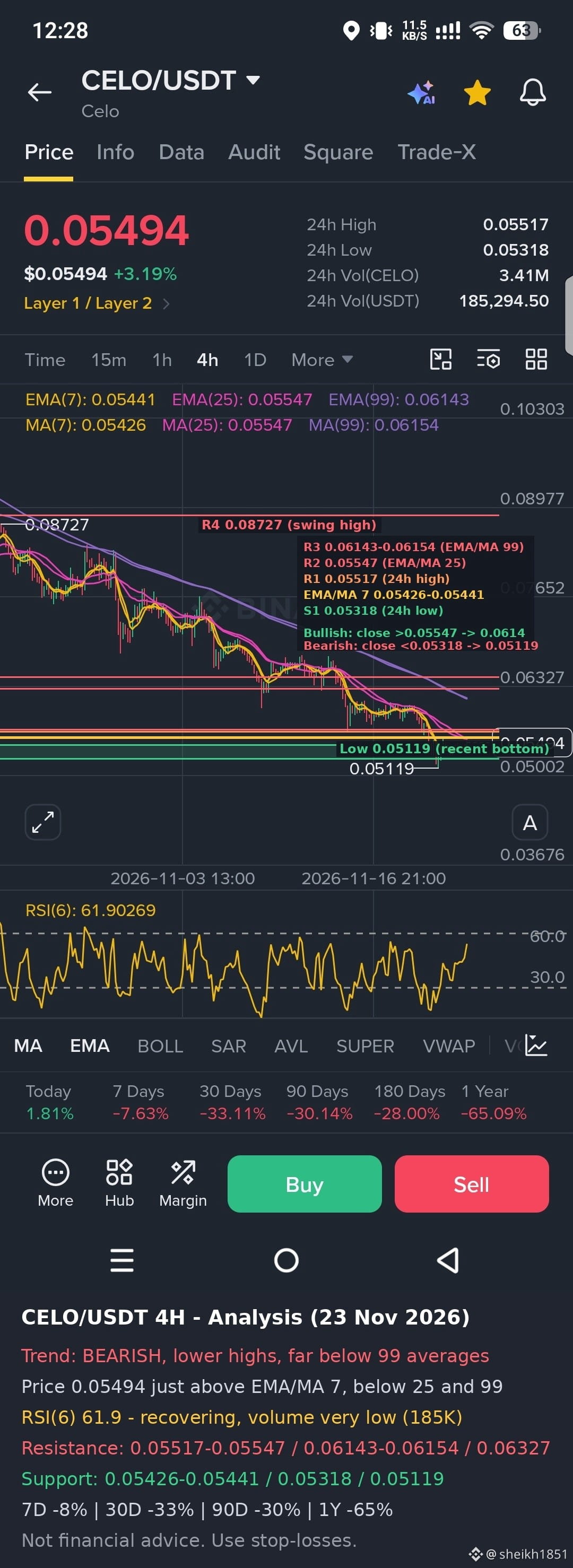
$CELO CELO/USDT (4H) – Quick Analysis**
Trend: Bearish. Price (0.05494) is trading just above EMA(7) 0.05441 and MA(7) 0.05426, but below EMA(25) and MA(25), both at 0.05547, and well below EMA(99) 0.06143 and MA(99) 0.06154. All the averages are sloping down, and the 99 averages are far above price. The chart shows a steady series of lower highs since the 0.08727 peak, with the latest bottom at 0.05119. Over longer periods it is down about 8% over 7 days, 33% over 30 days, 30% over 90 days and 65% over one year.
Momentum: RSI(6) is about 61.9, which is moderately bullish. It has recovered from oversold territory and is now pointing up. Still, the 24h volume is very low (about 185K USDT), so the bounce has little backing and can fade quickly. The header shows +3.19% on 24h, and the "Today" figure shows +1.81%, because they use different windows.
Key levels:
Resistance: 0.05547 (EMA/MA 25), then 0.06143 to 0.06154 (the 99 averages), then 0.06327 on the chart. The 24h high is 0.05517, just under the 25 averages.
Support: 0.05426 to 0.05441 (MA/EMA 7), then 0.05318 (24h low), then 0.05119 (the recent bottom). Below that, the chart shows 0.05002.
Outlook: The bias is bearish while price stays under 0.05547. A move above the 25 averages would be the first sign the downtrend is easing, and it would open a test of the 0.0614 area. A 4H close below 0.05318 would put 0.05119 in play, and losing that would extend the decline. Until price reclaims the 99 averages, bounces are more likely to be sold than followed.
This is a technical read not financial advice. Use stop-losses and keep position sizes small.
#CELO #Binance
{spot}(CELOUSDT)
$CELO CELO/USDT (4H) – Quick Analysis**
Trend: Bearish. Price (0.05494) is trading just above EMA(7) 0.05441 and MA(7) 0.05426, but below EMA(25) and MA(25), both at 0.05547, and well below EMA(99) 0.06143 and MA(99) 0.06154. All the averages are sloping down, and the 99 averages are far above price. The chart shows a steady series of lower highs since the 0.08727 peak, with the latest bottom at 0.05119. Over longer periods it is down about 8% over 7 days, 33% over 30 days, 30% over 90 days and 65% over one year.
Momentum: RSI(6) is about 61.9, which is moderately bullish. It has recovered from oversold territory and is now pointing up. Still, the 24h volume is very low (about 185K USDT), so the bounce has little backing and can fade quickly. The header shows +3.19% on 24h, and the "Today" figure shows +1.81%, because they use different windows.
Key levels:
Resistance: 0.05547 (EMA/MA 25), then 0.06143 to 0.06154 (the 99 averages), then 0.06327 on the chart. The 24h high is 0.05517, just under the 25 averages.
Support: 0.05426 to 0.05441 (MA/EMA 7), then 0.05318 (24h low), then 0.05119 (the recent bottom). Below that, the chart shows 0.05002.
Outlook: The bias is bearish while price stays under 0.05547. A move above the 25 averages would be the first sign the downtrend is easing, and it would open a test of the 0.0614 area. A 4H close below 0.05318 would put 0.05119 in play, and losing that would extend the decline. Until price reclaims the 99 averages, bounces are more likely to be sold than followed.
This is a technical read not financial advice. Use stop-losses and keep position sizes small.
#CELO #Binance
103

Article
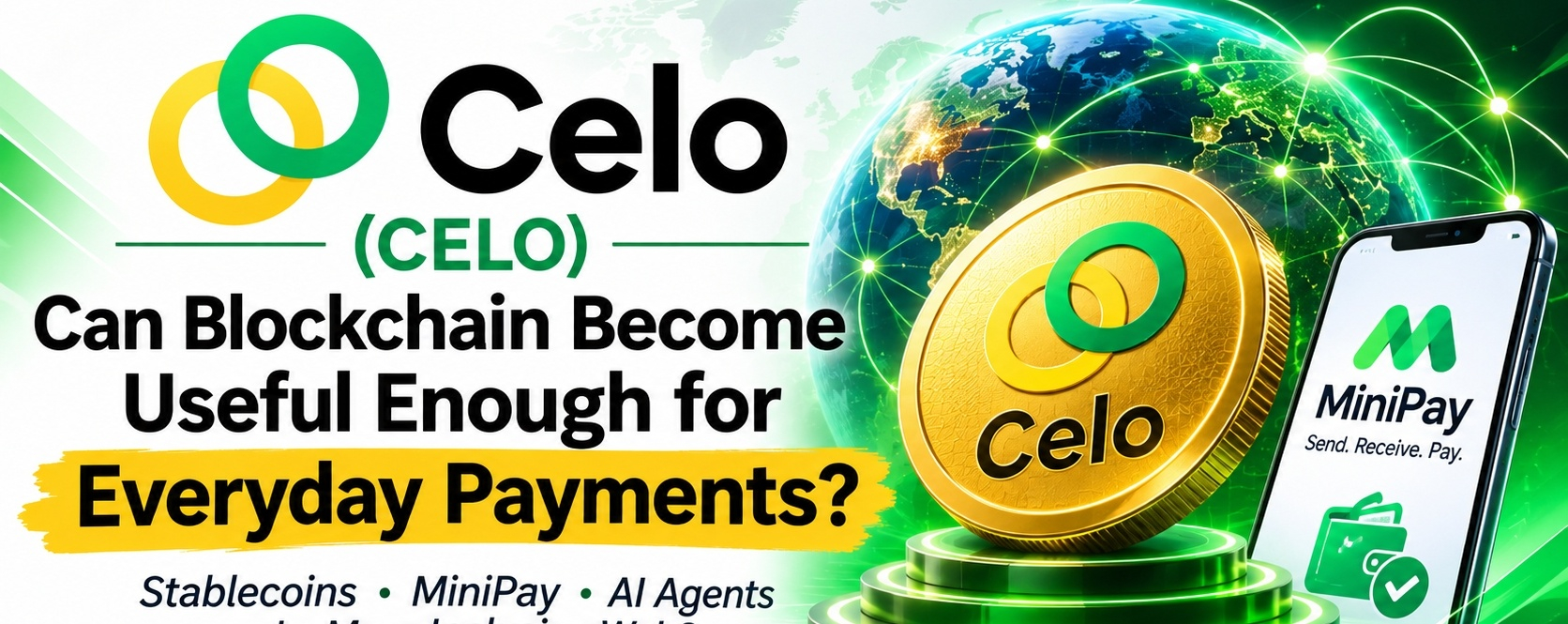
Celo (CELO) - နေ့စဉ်ငွေပေးချေမှုတွေအတွက် အသုံးဝင်လောက်အောင် Blockchain ကို ပြောင်းလဲနိုင်မလား?လူအများစုက ငွေလွှဲမှုတစ်ခုဟာ Ethereum၊ L2 ဒါမှမဟုတ် အခြား blockchain တစ်ခုမှာ လုပ်ဆောင်နေသလားဆိုတာကို စိတ်မဝင်စားကြပါဘူး။ သူတို့စိတ်ဝင်စားတာက ငွေဟာ တစ်ဖက်လူဆီ ရောက်မရောက်၊ ငွေလွှဲခ ဘယ်လောက်ကျမလဲ၊ နည်းပညာဗဟုသုတမရှိဘဲ အသုံးပြုနိုင်လောက်အောင် လုပ်ငန်းစဉ်က ရိုးရှင်းမရိုးရှင်း ဆိုတာတွေပါ။
ဒါက Celo က ဖြေရှင်းဖို့ ကြိုးစားနေတဲ့ ပြဿနာပါ။
DeFi ဒါမှမဟုတ် အရောင်းအဝယ်ကဏ္ဍမှာ လူတွေရဲ့ အာရုံစိုက်မှုကို ရယူဖို့ပဲ ယှဉ်ပြိုင်မယ့်အစား၊ Celo ဟာ တည်ငြိမ်ဒင်္ဂါးငွေပေးချေမှုတွေ၊ မိုဘိုင်းပိုက်ဆံအိတ်တွေ၊ ကုန်ကျစရိတ်နည်းတဲ့ ငွေလွှဲမှုတွေနဲ့ နေ့စဉ်အသုံးပြုသူတွေအတွက် ရည်ရွယ်ဖန်တီးထားတဲ့ ဘဏ္ဍာရေးအက်ပ်တွေကို အခြေခံပြီး တည်ဆောက်လာခဲ့ပါတယ်။
Celo (CELO) - နေ့စဉ်ငွေပေးချေမှုတွေအတွက် အသုံးဝင်လောက်အောင် Blockchain ကို ပြောင်းလဲနိုင်မလား?
လူအများစုက ငွေလွှဲမှုတစ်ခုဟာ Ethereum၊ L2 ဒါမှမဟုတ် အခြား blockchain တစ်ခုမှာ လုပ်ဆောင်နေသလားဆိုတာကို စိတ်မဝင်စားကြပါဘူး။ သူတို့စိတ်ဝင်စားတာက ငွေဟာ တစ်ဖက်လူဆီ ရောက်မရောက်၊ ငွေလွှဲခ ဘယ်လောက်ကျမလဲ၊ နည်းပညာဗဟုသုတမရှိဘဲ အသုံးပြုနိုင်လောက်အောင် လုပ်ငန်းစဉ်က ရိုးရှင်းမရိုးရှင်း ဆိုတာတွေပါ။
ဒါက Celo က ဖြေရှင်းဖို့ ကြိုးစားနေတဲ့ ပြဿနာပါ။
DeFi ဒါမှမဟုတ် အရောင်းအဝယ်ကဏ္ဍမှာ လူတွေရဲ့ အာရုံစိုက်မှုကို ရယူဖို့ပဲ ယှဉ်ပြိုင်မယ့်အစား၊ Celo ဟာ တည်ငြိမ်ဒင်္ဂါးငွေပေးချေမှုတွေ၊ မိုဘိုင်းပိုက်ဆံအိတ်တွေ၊ ကုန်ကျစရိတ်နည်းတဲ့ ငွေလွှဲမှုတွေနဲ့ နေ့စဉ်အသုံးပြုသူတွေအတွက် ရည်ရွယ်ဖန်တီးထားတဲ့ ဘဏ္ဍာရေးအက်ပ်တွေကို အခြေခံပြီး တည်ဆောက်လာခဲ့ပါတယ်။
Volatile:
Great But We can't Understand the why everyone is promoto of the $CELO 🤔🏋🏼♀️
2
10
354

Article
ဘာသာပြန်ဆိုချက် ကြည့်မည်
Celo (CELO): The Stablecoin-Focused Chain That Became an Ethereum Layer 2Educational article
Most blockchains compete for traders and DeFi users. Celo has taken a different route, aiming at everyday payments with stablecoins, mainly through a phone wallet called MiniPay.
What is Celo?
Celo is a blockchain whose native asset is CELO. Its tokenomics changed over the five years since mainnet launched, including the "Great Celo Halvening," which cut inflation to 1%. Celo is now a Layer 2 secured by Ethereum and built on the Superchain. In plain terms, it started as its own chain and now builds on Ethereum's security while keeping the low fees and speed that payments need.
Why stablecoins and MiniPay matter
Celo's pitch is real-world use: sending and receiving dollar-pegged stablecoins cheaply. Celo's team cites sub-cent fees and 1-second finality. MiniPay, a wallet built on Celo, is the main way people use it. Celo says nearly 1 million transactions settle on the network every day. These figures come from the project itself, so check them against independent data.
Recent developments
Distribution: The Celo community voted to give Opera a 160M CELO allocation, making it a key network stakeholder. The goal is to push MiniPay to Opera's large user base.Payments infrastructure: Bridge, the Stripe-owned stablecoin platform, added Celo-native USDC support, and Gnosis Pay now supports Celo.Tokenomics (CELOccelerate): The proposal included CELO buybacks from at least 50% of network profits, with the majority permanently burned. Celo reported a new all-time-high daily network revenue of $6,349.49 after the upgrade.Visibility: Grayscale included CELO in its Q2 2026 Assets Under Consideration. That is only a research list, not a product launch or an endorsement.
Risks to keep in mind
Self-reported numbers: Celo's transaction counts and revenue figures come from the team. Verify them on Token Terminal or Celo's block explorer.Distribution is not retention: A big partner like Opera can bring in users, but that doesn't mean they stay.Competition: Many chains and payment companies are chasing stablecoin payments.Volatility: CELO's price can swing sharply, and tokenomics changes don't guarantee price growth.
Bottom line
Celo is one of the clearer bets on crypto as a payments tool rather than a trading venue. Whether it wins depends on sustained real-world usage. The numbers worth watching are daily active users, payment volume, and network revenue, not the price chart.
#CELO/USDT #CELO #Celousdt
Celo (CELO): The Stablecoin-Focused Chain That Became an Ethereum Layer 2
Educational article
Most blockchains compete for traders and DeFi users. Celo has taken a different route, aiming at everyday payments with stablecoins, mainly through a phone wallet called MiniPay.
What is Celo?
Celo is a blockchain whose native asset is CELO. Its tokenomics changed over the five years since mainnet launched, including the "Great Celo Halvening," which cut inflation to 1%. Celo is now a Layer 2 secured by Ethereum and built on the Superchain. In plain terms, it started as its own chain and now builds on Ethereum's security while keeping the low fees and speed that payments need.
Why stablecoins and MiniPay matter
Celo's pitch is real-world use: sending and receiving dollar-pegged stablecoins cheaply. Celo's team cites sub-cent fees and 1-second finality. MiniPay, a wallet built on Celo, is the main way people use it. Celo says nearly 1 million transactions settle on the network every day. These figures come from the project itself, so check them against independent data.
Recent developments
Distribution: The Celo community voted to give Opera a 160M CELO allocation, making it a key network stakeholder. The goal is to push MiniPay to Opera's large user base.Payments infrastructure: Bridge, the Stripe-owned stablecoin platform, added Celo-native USDC support, and Gnosis Pay now supports Celo.Tokenomics (CELOccelerate): The proposal included CELO buybacks from at least 50% of network profits, with the majority permanently burned. Celo reported a new all-time-high daily network revenue of $6,349.49 after the upgrade.Visibility: Grayscale included CELO in its Q2 2026 Assets Under Consideration. That is only a research list, not a product launch or an endorsement.
Risks to keep in mind
Self-reported numbers: Celo's transaction counts and revenue figures come from the team. Verify them on Token Terminal or Celo's block explorer.Distribution is not retention: A big partner like Opera can bring in users, but that doesn't mean they stay.Competition: Many chains and payment companies are chasing stablecoin payments.Volatility: CELO's price can swing sharply, and tokenomics changes don't guarantee price growth.
Bottom line
Celo is one of the clearer bets on crypto as a payments tool rather than a trading venue. Whether it wins depends on sustained real-world usage. The numbers worth watching are daily active users, payment volume, and network revenue, not the price chart.
#CELO/USDT #CELO #Celousdt
AloNe72:
very interesting and informative post on $CELO good brother like this praspectiv it's very nice
2
1
199
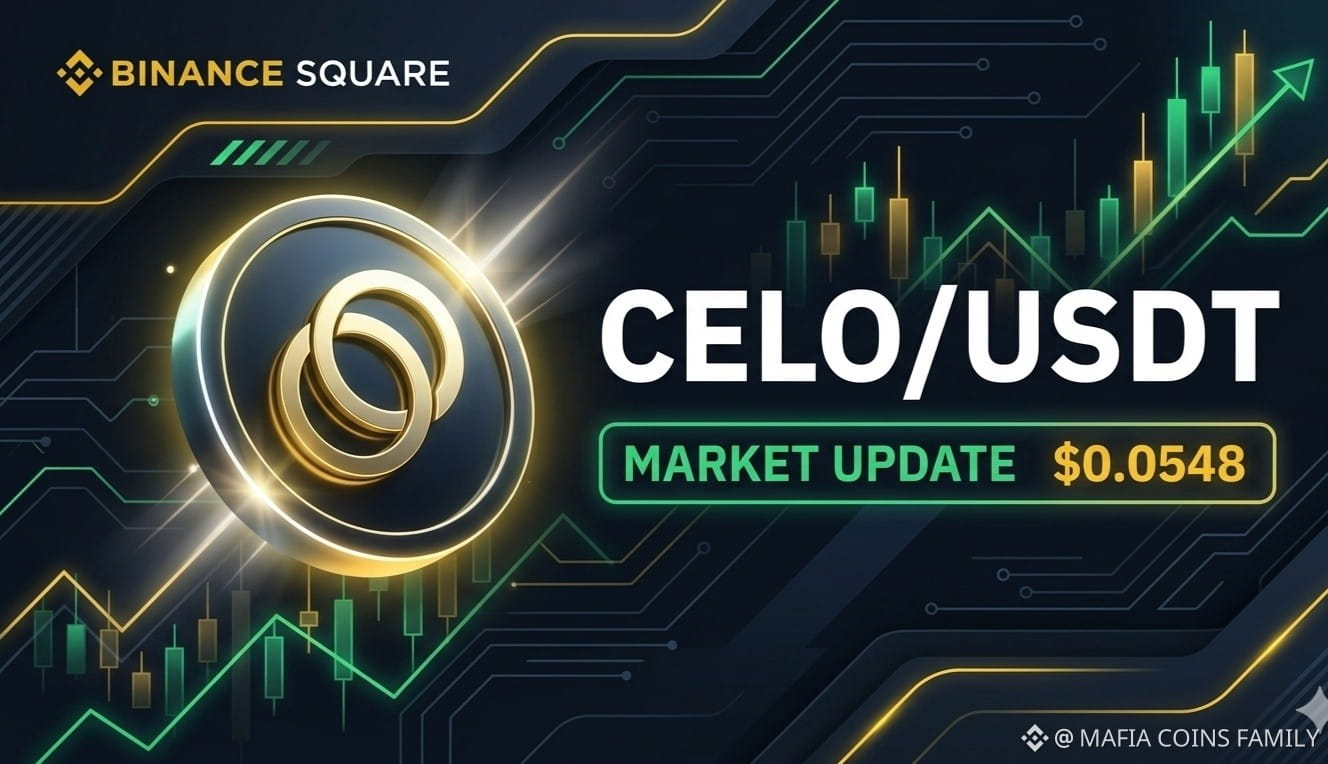
🚨 $CELO /USDT စျေးကွက်စောင့်ကြည့်ချက်- ပြန်တက်လာတော့မလား၊ ထပ်ကျဦးမလား? 👀📊
Binance Spot တွင် $CELO သည် ယနေ့ ကာလတိုအရေးကြီးအဆင့်များကို စမ်းသပ်နေပြီး၊ ကုန်သည်များက ရှင်းလင်းသော breakout ဦးတည်ချက်ကို စောင့်မျှော်နေကြသည်။ အပတ်စဉ် တက်ကြွအသုံးပြုသူ 6M+ ရှိသည့် stablecoin များနှင့် MiniPay မှတစ်ဆင့် လက်တွေ့ဘဝတွင် မိုဘိုင်းအသုံးပြုမှု တိုးလာခြင်းကြောင့် စျေးနှုန်းသည် ဒေသတွင်းအနိမ့်ဆုံးအနီးတွင် စုစည်းနေသော်လည်း အခြေခံအချက်များမှာ ခိုင်မာနေဆဲဖြစ်သည်။
📍 လက်ရှိစျေးကွက်အခြေအနေ:
• လက်ရှိစျေးနှုန်း: ~$0.0542 USDT
• 24H အတွင်း အနိမ့်ဆုံး/အမြင့်ဆုံး: $0.0530 – $0.0586
• စျေးကွက်တန်ဖိုး: ~$38.9M | 24H ကုန်သွယ်မှုပမာဏ: ~$4.67M
🎯 စောင့်ကြည့်ရမည့် အဓိက နည်းပညာဆိုင်ရာအဆင့်များ:
• ချက်ချင်းပံ့ပိုးမှု: $0.0530 (24H နှင့် မကြာသေးမီကာလ စက်ဝန်း၏အနိမ့်ဆုံး) — ထပ်မံကျဆင်းမှုကို ကာကွယ်ရန် မဖြစ်မနေ ထိန်းထားရမည်။
• အဓိက စုဆောင်းဝယ်ယူဇုန်: $0.0400 – $0.0500
• ချက်ချင်းခုခံမှု: $0.0586 (24H အမြင့်ဆုံး)
• Breakout ခုခံမှု: $0.0620 — ဤအဆင့်အထက်တွင် အတည်ပြုပိတ်သိမ်းနိုင်ပါက ကာလတိုအရှိန်အဟုန်သည် အတက်ဘက်သို့ ပြောင်းလဲမည်🚀🚀
💡 ကုန်သွယ်ရေးမဟာဗျူဟာ:
$0.0530 ပံ့ပိုးမှုဇုန်အနီးတွင် စျေးနှုန်း၏တုံ့ပြန်ပုံကို စောင့်ကြည့်ပါ။ ကုန်သွယ်မှုပမာဏ မြင့်တက်လာပြီး အားကောင်းစွာ ကာကွယ်ထိန်းထားနိုင်ပါက $0.0586 – $0.0620 သို့ ပြန်လည်သက်သာတက်လာနိုင်သည်။ $0.0530 အောက်သို့ ရှင်းလင်းစွာ ကျဆင်းသွားပါက သတိထားရန် အချက်ပြဖြစ်သည်။ (အန္တရာယ်ကို အမြဲစီမံခန့်ခွဲပြီး stop-loss ကို အသုံးပြုပါ!)
👇 $CELO နဲ့ပတ်သက်ပြီး သင်ဘယ်လိုလုပ်ဆောင်မလဲ?
$0.0530 ပံ့ပိုးမှုအဆင့်သို့ ကျလာချိန် ဝယ်ယူမလား၊ ဒါမှမဟုတ် $0.0620 breakout ဖြစ်လာမည့်အချိန်ကို စောင့်မလား? သင့်ဇယားကို အောက်မှာ မျှဝေပါ!
#CELO #Celousdt #cryptotrading #TechnicalAnalysis #BinanceSquare #Write2Earn #Altcoin
2
328

·
--
ဘာသာပြန်ဆိုချက် ကြည့်မည်
20

·
--
Article
ဘာသာပြန်ဆိုချက် ကြည့်မည်
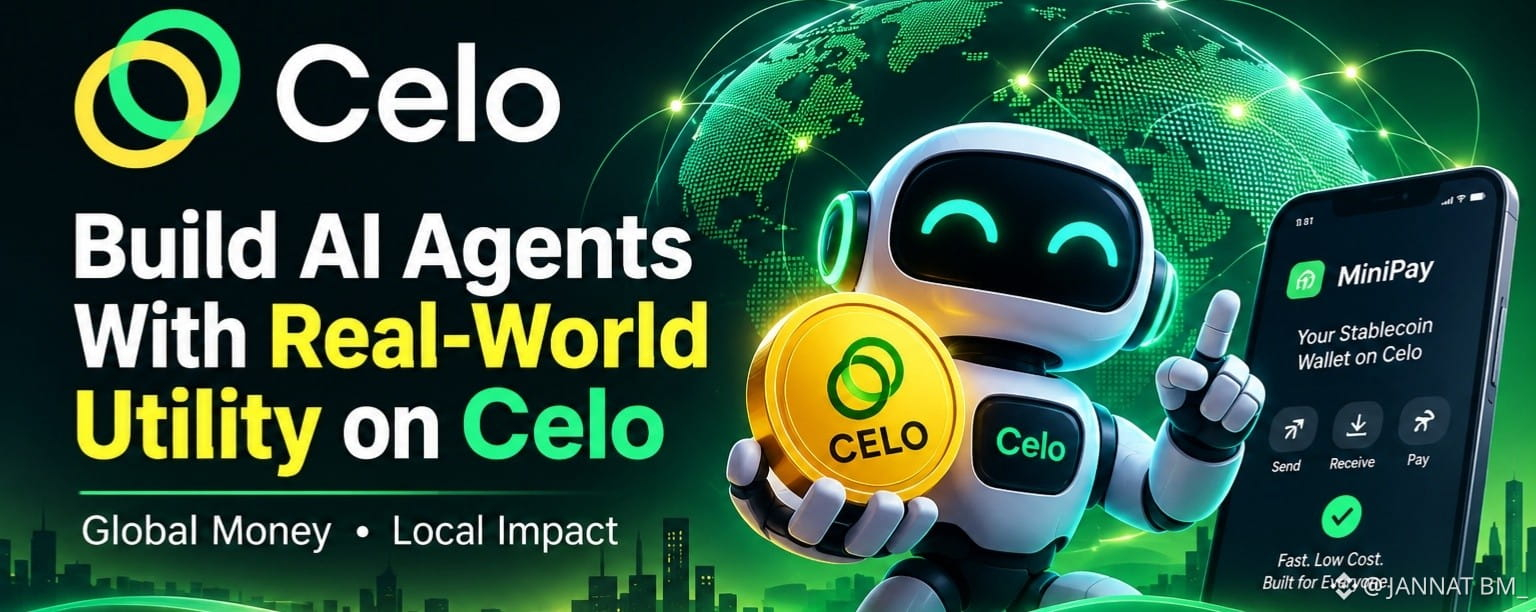
BUILD AI AGENTS WITH REALWORLD UTILITY ON CELOHmm Really, what makes an AI agent genuinely useful in crypto?
I think that’s becoming a more important question than simply asking how intelligent an agent is or how many tasks it can automate. An agent that can answer questions is useful, sure, but an agent that can actually move money, pay for services, interact with applications, and operate without someone manually approving every small step could change how people use blockchain.
This is where Celo caught my attention.
Celo seems to be positioning itself around something much more practical than just being another blockchain competing for attention. Its focus is connecting global money with local markets, financial platforms, currencies, and payment services. That idea becomes even more interesting when you look at it through the lens of AI agents. of crose, Most AI agents today still feel disconnected from the financial world. They can process information, make decisions, and automate workflows, but the moment a task requires an actual payment or an onchain transaction, things get more complicated. You need wallets, permissions, transaction infrastructure, gas, and a system that can operate reliably without making every interaction unnecessarily expensive.
And honestly, this is one area where blockchain infrastructure could make a difference🤔
Celo is an Ethereum Layer 2 built on the OP Stack, with average block times around one second and typical transaction fees below $0.01 according to its documentation. The website also lists an average gas fee of around $0.0002. If those costs remain consistently low, it makes small automated transactions far more practical. An AI agent paying for an API request, completing a task, sending a small payment, or interacting with another service doesn't need to worry about expensive transaction overhead every time it does something.
ability to pay gas using stablecoins is another part I find interesting. Celo supports gas payments using tokens such as USDT, USDC, USA₮ and USDm. For someone building AI agents, that removes an unnecessary layer of complexity. Instead of having to understand a separate gas token just to execute an operation, an agent could work with the same stablecoin balance it already uses for payments.
That might sound like a small improvement, but small friction points become significant when an automated system performs hundreds or thousands of operations. hmm, infrastructure behind Celo is also worth looking at. Its stack includes OP Stack technology, EigenDA v2 for data availability, and zkEVM capbilities through Succinct SP1. These aren't just names to put on a technical page. They address different parts of the system, including scaling, data availability, and verifiable execution. The real question is how effectively these components work together as applications and agent activity grow. Really, numbers on Celo's ecosystem also caught my eye. The information provided lists more than 1.5 billion total transactions, around 443K daily active users, $6.2 billion in monthly stablecoin volume, approximately 156 million CELO holders, and $261 million in total value secured. Those figures suggest the network is being used beyond a purely speculative environment, particularly around stablecoin activity and payments. Of course, transaction numbers alone don't tell us how many users are genuinely active or how much activity is sustainable, but they do give some context for the infrastructure agents could potentially use.
And then there is MiniPay.
A wallet with over 20 million wallet activations creates a different opportunity for developers. Instead of building an AI agent that only works for crypto-native users, developers could potentially create tools connected to payment experiences that are already familiar to people. The recent updates mentioned on Celo's website, including MiniPay's move toward Privy wallet infrastructure and stablecoin purchases using Link by Stripe for users in Europe and the US, are particularly interesting in this context.
It makes me wonder whether the next wave of AI adoption in crypto will actually come from agents that people barely notice. An agent that helps someone manage payments, purchase services, handle repetitive financial tasks, or interact with local payment systems might be more useful than another chatbot with a complicated dashboard.
Celo's documentation is already pointing builders toward agent wallets, x402 and MPP payment protocols, and ERC-8004 onchain identities. That combination starts to make the idea of autonomous ecnomic agents feel less abstract. An agent could potentially have an identity, hold funds, pay for resources, and interact with other services through programmable infrastructure.
Still, there is a lot to prove. Giving an AI access to a wallet introduces real risks around permissions, mistakes, security, and financial accountability. Low fees and fast transactions solve only part of the problem. The agent itself needs reliable safeguards, and users need a clear way to control what it can and cannot do. That is probably where I would focus most of my attention as this ecosystem develops.
Celo doesn't need every AI agent to become some futuristic autonomous machine. The more interesting outcome might be much simpler: agents that quietly handle useful financial tasks, make small payments, connect services, and save people time without making blockchain feel like another thing they have to learn. If Celo can make that experience reliable, accessible, and affordable, then building AI agents with realworld utility might become more than just another narrative in the crypto market. It could become an actual use case people return to every day.
And that's the part I think is worth watching. Not how many AI agents get launched, but how many actually become useful enough that people keep using them...🤔
@celo #CELO $CELO
{future}(CELOUSDT)
@BinanceTG
BUILD AI AGENTS WITH REALWORLD UTILITY ON CELO
Hmm Really, what makes an AI agent genuinely useful in crypto?
I think that’s becoming a more important question than simply asking how intelligent an agent is or how many tasks it can automate. An agent that can answer questions is useful, sure, but an agent that can actually move money, pay for services, interact with applications, and operate without someone manually approving every small step could change how people use blockchain.
This is where Celo caught my attention.
Celo seems to be positioning itself around something much more practical than just being another blockchain competing for attention. Its focus is connecting global money with local markets, financial platforms, currencies, and payment services. That idea becomes even more interesting when you look at it through the lens of AI agents. of crose, Most AI agents today still feel disconnected from the financial world. They can process information, make decisions, and automate workflows, but the moment a task requires an actual payment or an onchain transaction, things get more complicated. You need wallets, permissions, transaction infrastructure, gas, and a system that can operate reliably without making every interaction unnecessarily expensive.
And honestly, this is one area where blockchain infrastructure could make a difference🤔
Celo is an Ethereum Layer 2 built on the OP Stack, with average block times around one second and typical transaction fees below $0.01 according to its documentation. The website also lists an average gas fee of around $0.0002. If those costs remain consistently low, it makes small automated transactions far more practical. An AI agent paying for an API request, completing a task, sending a small payment, or interacting with another service doesn't need to worry about expensive transaction overhead every time it does something.
ability to pay gas using stablecoins is another part I find interesting. Celo supports gas payments using tokens such as USDT, USDC, USA₮ and USDm. For someone building AI agents, that removes an unnecessary layer of complexity. Instead of having to understand a separate gas token just to execute an operation, an agent could work with the same stablecoin balance it already uses for payments.
That might sound like a small improvement, but small friction points become significant when an automated system performs hundreds or thousands of operations. hmm, infrastructure behind Celo is also worth looking at. Its stack includes OP Stack technology, EigenDA v2 for data availability, and zkEVM capbilities through Succinct SP1. These aren't just names to put on a technical page. They address different parts of the system, including scaling, data availability, and verifiable execution. The real question is how effectively these components work together as applications and agent activity grow. Really, numbers on Celo's ecosystem also caught my eye. The information provided lists more than 1.5 billion total transactions, around 443K daily active users, $6.2 billion in monthly stablecoin volume, approximately 156 million CELO holders, and $261 million in total value secured. Those figures suggest the network is being used beyond a purely speculative environment, particularly around stablecoin activity and payments. Of course, transaction numbers alone don't tell us how many users are genuinely active or how much activity is sustainable, but they do give some context for the infrastructure agents could potentially use.
And then there is MiniPay.
A wallet with over 20 million wallet activations creates a different opportunity for developers. Instead of building an AI agent that only works for crypto-native users, developers could potentially create tools connected to payment experiences that are already familiar to people. The recent updates mentioned on Celo's website, including MiniPay's move toward Privy wallet infrastructure and stablecoin purchases using Link by Stripe for users in Europe and the US, are particularly interesting in this context.
It makes me wonder whether the next wave of AI adoption in crypto will actually come from agents that people barely notice. An agent that helps someone manage payments, purchase services, handle repetitive financial tasks, or interact with local payment systems might be more useful than another chatbot with a complicated dashboard.
Celo's documentation is already pointing builders toward agent wallets, x402 and MPP payment protocols, and ERC-8004 onchain identities. That combination starts to make the idea of autonomous ecnomic agents feel less abstract. An agent could potentially have an identity, hold funds, pay for resources, and interact with other services through programmable infrastructure.
Still, there is a lot to prove. Giving an AI access to a wallet introduces real risks around permissions, mistakes, security, and financial accountability. Low fees and fast transactions solve only part of the problem. The agent itself needs reliable safeguards, and users need a clear way to control what it can and cannot do. That is probably where I would focus most of my attention as this ecosystem develops.
Celo doesn't need every AI agent to become some futuristic autonomous machine. The more interesting outcome might be much simpler: agents that quietly handle useful financial tasks, make small payments, connect services, and save people time without making blockchain feel like another thing they have to learn. If Celo can make that experience reliable, accessible, and affordable, then building AI agents with realworld utility might become more than just another narrative in the crypto market. It could become an actual use case people return to every day.
And that's the part I think is worth watching. Not how many AI agents get launched, but how many actually become useful enough that people keep using them...🤔
@celo #CELO $CELO
@Binance TG Community
4
321

·
--
စိစစ်အတည်ပြုထားသည်
Article
Celo ($CELO) ၏ ခရီးစဉ်တစ်လျှောက် — မိုဘိုင်းကို ဦးစားပေးသည့် မျှော်မှန်းချက်မှ Ethereum Layer 2 အထိအရေးပါသော blockchain ပရောဂျက်တိုင်းသည် မျှော်မှန်းချက်တစ်ခုဖြင့် စတင်သည်။ သို့သော် Celo သည် အထူးအရေးကြီးသော မေးခွန်းတစ်ခုဖြင့် စတင်ခဲ့သည် —
စမတ်ဖုန်းတစ်လုံးရှိသူတိုင်း တတ်နိုင်သော ငွေကြေးဝန်ဆောင်မှုများကို ရယူနိုင်မည်ဆိုလျှင် ဘယ်လိုဖြစ်မလဲ။
Celo ကို ငွေကြေးဝန်ဆောင်မှုများ ပိုမိုလက်လှမ်းမီစေရန် ရည်မှန်းချက်ဖြင့် ဖန်တီးခဲ့ပြီး၊ အထူးသဖြင့် ရိုးရာဘဏ်လုပ်ငန်းစနစ်များမှ ဝန်ဆောင်မှုလုံလောက်စွာ မရရှိသူများအတွက် ဖြစ်သည်။
Celo ၏ အစောပိုင်းမျှော်မှန်းချက်မှသည် Ethereum Layer 2 ကွန်ရက်အဖြစ် ပြောင်းလဲတိုးတက်လာသည်အထိ ၎င်း၏ခရီးစဉ်တစ်လျှောက်ကို လေ့လာကြည့်ကြရအောင်။
၁။ အစပြုခြင်း — Celo ၏ မူလမျှော်မှန်းချက် (2017)
Celo ၏ ခရီးစဉ်သည် 2017 ခုနှစ်တွင် စတင်ခဲ့သည်။
Celo ($CELO) ၏ ခရီးစဉ်တစ်လျှောက် — မိုဘိုင်းကို ဦးစားပေးသည့် မျှော်မှန်းချက်မှ Ethereum Layer 2 အထိ
အရေးပါသော blockchain ပရောဂျက်တိုင်းသည် မျှော်မှန်းချက်တစ်ခုဖြင့် စတင်သည်။ သို့သော် Celo သည် အထူးအရေးကြီးသော မေးခွန်းတစ်ခုဖြင့် စတင်ခဲ့သည် —
စမတ်ဖုန်းတစ်လုံးရှိသူတိုင်း တတ်နိုင်သော ငွေကြေးဝန်ဆောင်မှုများကို ရယူနိုင်မည်ဆိုလျှင် ဘယ်လိုဖြစ်မလဲ။
Celo ကို ငွေကြေးဝန်ဆောင်မှုများ ပိုမိုလက်လှမ်းမီစေရန် ရည်မှန်းချက်ဖြင့် ဖန်တီးခဲ့ပြီး၊ အထူးသဖြင့် ရိုးရာဘဏ်လုပ်ငန်းစနစ်များမှ ဝန်ဆောင်မှုလုံလောက်စွာ မရရှိသူများအတွက် ဖြစ်သည်။
Celo ၏ အစောပိုင်းမျှော်မှန်းချက်မှသည် Ethereum Layer 2 ကွန်ရက်အဖြစ် ပြောင်းလဲတိုးတက်လာသည်အထိ ၎င်း၏ခရီးစဉ်တစ်လျှောက်ကို လေ့လာကြည့်ကြရအောင်။
၁။ အစပြုခြင်း — Celo ၏ မူလမျှော်မှန်းချက် (2017)
Celo ၏ ခရီးစဉ်သည် 2017 ခုနှစ်တွင် စတင်ခဲ့သည်။
AZAR110:
good bro it's very nice ditails about $CELO like this article
5
6
22
422

ဘာသာပြန်ဆိုချက် ကြည့်မည်
#Celo đang xây dựng một hệ sinh thái thanh toán trong thế giới thực, nhắm đến hàng tỷ người dùng sử dụng smartphone.
Hiện tại, người dùng ở rất nhiều quốc gia, đặc biệt là tại Châu Phi có thể sử dụng hệ thống của Celo để thanh toán các chi phí hàng ngày như mua cà phê, đồ ăn sáng, tạp hoá,… với phí giao dịch cực kì thấp.
Nếu dự án này thành công thì Celo không khác gì một ngân hàng xuyên lục địa với hàng trăm triệu người dùng thanh toán hàng ngày.
Một dự án với tầm nhìn dài hạn và giá trị thực như vậy nhưng lại đang được định giá vốn hoá chỉ hơn $30M liệu có đang quá thấp?
Đây là cơ hội lớn hay là nỗi sợ của thời đại??
Hãy tự mình tìm hiểu trước khi đưa ra quyết định đầu tư $CELO nhé.
422

·
--

Article
ဘာသာပြန်ဆိုချက် ကြည့်မည်
Celo Doesn't Have a Tech Problem. It Has a Distribution Problem. Here's Why That's Good News.Ask most people what makes a blockchain win, and they will say speed, low fees or high TPS.
Celo's story points to something different: the chain that wins is the one that puts crypto where people already are.
With the CELO Trading Festival 2026 running from November 20 to December 20, it is a good time to look at Celo beyond the price chart and ask a simple question: what is this network actually trying to become?
1. The problem Celo started with
Most blockchains were built by crypto people for crypto people. To use them, you need a desktop wallet, a long hex address, a native token for gas, and a fair amount of patience.
Celo started from the opposite end. Founded in 2017 by Rene Reinsberg, Marek Olszewski and Sep Kamvar, the project asked a simple question: what if a smartphone was all anyone needed to access financial services?
That question shaped three ideas that still define the network: financial inclusion, mobile-first accessibility, and affordable global payments.
It is not the most exciting pitch in a bull market. But it is one of the few that is aimed at billions of potential users instead of millions of traders.
2. Stablecoins first, not as an afterthought
Celo launched its mainnet on April 22, 2020 as an independent Layer 1 with Proof of Stake. Just two months later, in June 2020, it introduced cUSD, a dollar-pegged stablecoin.
That order matters. Many chains launch first and look for use cases later. Celo launched with a clear use case: digital dollars that regular people can send without worrying about price swings.
The stablecoin line kept growing:
- April 2021: cEUR, a euro-denominated stablecoin, arrived. Around the same time, Deutsche Telekom's T-Systems MMS joined as a validator.
- January 2022: cREAL, a Brazilian real stablecoin, launched.
The pattern is clear. Celo kept building money for different regions, not just another dollar token. For anyone who earns, saves or sends money in a local currency, that is a far more practical idea than "buy this token and wait."
3. The big shift: from Layer 1 to Ethereum Layer 2
In July 2023, cLabs proposed moving Celo from its own Layer 1 to an Ethereum Layer 2. The reasoning was straightforward. Ethereum had built the deepest ecosystem of developers, applications, liquidity and tooling. Competing alone meant rebuilding all of that. Joining it meant inheriting it.
The community approved the move in 2024. The architecture was built on the OP Stack, with EigenDA selected for data availability.
On March 26, 2025, Celo officially became an Ethereum Layer 2. The migration kept the existing network state and transaction history, so the ecosystem did not have to start from zero.
Why this matters: Celo no longer has to prove it can be fast or cheap on its own. It can focus on what it was always about, which is payments and real usage, while leaning on Ethereum for security and ecosystem depth.
4. Fee abstraction: the quiet feature that removes the biggest wall
Anyone who has onboarded a friend into crypto knows the first wall: "You need to buy the native token before you can do anything."
Celo supports fee abstraction, which lets users pay eligible transaction fees with supported stablecoins and other approved assets. For a new user holding digital dollars, that means one less confusing step before their first transaction.
It sounds small. In practice, onboarding friction is where most new users quit. Removing a step there is worth more than another speed benchmark.
5. MiniPay: crypto inside an app people already trust
One of the strongest examples of Celo's approach is MiniPay, a self-custodial stablecoin wallet developed by Opera.
The key idea is distribution. Instead of asking people to download a crypto app and learn a new world, MiniPay lives inside a product people already use and trust. Stablecoin payments simply appear as a feature.
That is the real lesson. Crypto adoption rarely comes from people "entering crypto." It comes from crypto quietly showing up inside something familiar.
6. Where the CELO token fits
It is important to understand the token correctly:
- Governance: CELO holders can take part in network governance through the applicable mechanisms.
- Staking and security: CELO has played a role in staking and validator economics, and these roles evolved after the Layer 2 migration.
- Network fees: CELO can be used for transaction fees, while fee abstraction also allows supported stablecoins.
One more point that new users often miss: CELO is a volatile asset. It is not the same as cUSD or any other stablecoin. Mixing the two up is a common beginner mistake.
7. The honest bear case
No project deserves a one-sided story, so here are the real challenges:
- Adoption is hard to prove. Payments and remittances are a slow business, and growth does not always show up as loud headlines.
- Competition is intense. Many chains and wallets are chasing stablecoin payments and emerging markets.
- Layer 2 is crowded. Being part of Ethereum's ecosystem gives Celo benefits, but it also puts it in a crowded field.
- The vision must become habit. A mobile-first design only matters if people actually use it every week.
Celo's future depends on ecosystem adoption, developer activity, stablecoin usage and its ability to deliver useful financial applications. That is the honest scorecard.
8. What I'm watching
Instead of price alone, I am tracking:
- Stablecoin activity on Celo
- MiniPay adoption across new markets
- Real apps, not just wallets, building on the Layer 2
- Developer growth after the migration
If these numbers keep improving, the thesis gets stronger. If they stall, no amount of narrative will save it.
My take
Most chains compete for traders and developers. Celo is betting on everyday users who want to send, save and spend digital dollars from a phone. That is a slower game and it is harder to show on a chart.
But if blockchain really reaches billions of people, it probably will not happen through the chain with the best benchmark. It will happen through the one that makes crypto feel invisible.
That is why I see Celo less as a "trading story" and more as a distribution experiment. The CELO Trading Festival is a good reason to study it. Just remember that trading volume is not profit, and every trade carries risk.
Risk check: This post is for educational purposes only and is not financial advice. Always do your own research and verify details on the official campaign page.
Question for you: if you never had to buy a gas token to use crypto, would you use it every day? Tell me in the comments. 👇
$CELO #CELO #CeloEcosystem #Binance #CELOTradingFestival #Web3
Celo Doesn't Have a Tech Problem. It Has a Distribution Problem. Here's Why That's Good News.
Ask most people what makes a blockchain win, and they will say speed, low fees or high TPS.
Celo's story points to something different: the chain that wins is the one that puts crypto where people already are.
With the CELO Trading Festival 2026 running from November 20 to December 20, it is a good time to look at Celo beyond the price chart and ask a simple question: what is this network actually trying to become?
1. The problem Celo started with
Most blockchains were built by crypto people for crypto people. To use them, you need a desktop wallet, a long hex address, a native token for gas, and a fair amount of patience.
Celo started from the opposite end. Founded in 2017 by Rene Reinsberg, Marek Olszewski and Sep Kamvar, the project asked a simple question: what if a smartphone was all anyone needed to access financial services?
That question shaped three ideas that still define the network: financial inclusion, mobile-first accessibility, and affordable global payments.
It is not the most exciting pitch in a bull market. But it is one of the few that is aimed at billions of potential users instead of millions of traders.
2. Stablecoins first, not as an afterthought
Celo launched its mainnet on April 22, 2020 as an independent Layer 1 with Proof of Stake. Just two months later, in June 2020, it introduced cUSD, a dollar-pegged stablecoin.
That order matters. Many chains launch first and look for use cases later. Celo launched with a clear use case: digital dollars that regular people can send without worrying about price swings.
The stablecoin line kept growing:
- April 2021: cEUR, a euro-denominated stablecoin, arrived. Around the same time, Deutsche Telekom's T-Systems MMS joined as a validator.
- January 2022: cREAL, a Brazilian real stablecoin, launched.
The pattern is clear. Celo kept building money for different regions, not just another dollar token. For anyone who earns, saves or sends money in a local currency, that is a far more practical idea than "buy this token and wait."
3. The big shift: from Layer 1 to Ethereum Layer 2
In July 2023, cLabs proposed moving Celo from its own Layer 1 to an Ethereum Layer 2. The reasoning was straightforward. Ethereum had built the deepest ecosystem of developers, applications, liquidity and tooling. Competing alone meant rebuilding all of that. Joining it meant inheriting it.
The community approved the move in 2024. The architecture was built on the OP Stack, with EigenDA selected for data availability.
On March 26, 2025, Celo officially became an Ethereum Layer 2. The migration kept the existing network state and transaction history, so the ecosystem did not have to start from zero.
Why this matters: Celo no longer has to prove it can be fast or cheap on its own. It can focus on what it was always about, which is payments and real usage, while leaning on Ethereum for security and ecosystem depth.
4. Fee abstraction: the quiet feature that removes the biggest wall
Anyone who has onboarded a friend into crypto knows the first wall: "You need to buy the native token before you can do anything."
Celo supports fee abstraction, which lets users pay eligible transaction fees with supported stablecoins and other approved assets. For a new user holding digital dollars, that means one less confusing step before their first transaction.
It sounds small. In practice, onboarding friction is where most new users quit. Removing a step there is worth more than another speed benchmark.
5. MiniPay: crypto inside an app people already trust
One of the strongest examples of Celo's approach is MiniPay, a self-custodial stablecoin wallet developed by Opera.
The key idea is distribution. Instead of asking people to download a crypto app and learn a new world, MiniPay lives inside a product people already use and trust. Stablecoin payments simply appear as a feature.
That is the real lesson. Crypto adoption rarely comes from people "entering crypto." It comes from crypto quietly showing up inside something familiar.
6. Where the CELO token fits
It is important to understand the token correctly:
- Governance: CELO holders can take part in network governance through the applicable mechanisms.
- Staking and security: CELO has played a role in staking and validator economics, and these roles evolved after the Layer 2 migration.
- Network fees: CELO can be used for transaction fees, while fee abstraction also allows supported stablecoins.
One more point that new users often miss: CELO is a volatile asset. It is not the same as cUSD or any other stablecoin. Mixing the two up is a common beginner mistake.
7. The honest bear case
No project deserves a one-sided story, so here are the real challenges:
- Adoption is hard to prove. Payments and remittances are a slow business, and growth does not always show up as loud headlines.
- Competition is intense. Many chains and wallets are chasing stablecoin payments and emerging markets.
- Layer 2 is crowded. Being part of Ethereum's ecosystem gives Celo benefits, but it also puts it in a crowded field.
- The vision must become habit. A mobile-first design only matters if people actually use it every week.
Celo's future depends on ecosystem adoption, developer activity, stablecoin usage and its ability to deliver useful financial applications. That is the honest scorecard.
8. What I'm watching
Instead of price alone, I am tracking:
- Stablecoin activity on Celo
- MiniPay adoption across new markets
- Real apps, not just wallets, building on the Layer 2
- Developer growth after the migration
If these numbers keep improving, the thesis gets stronger. If they stall, no amount of narrative will save it.
My take
Most chains compete for traders and developers. Celo is betting on everyday users who want to send, save and spend digital dollars from a phone. That is a slower game and it is harder to show on a chart.
But if blockchain really reaches billions of people, it probably will not happen through the chain with the best benchmark. It will happen through the one that makes crypto feel invisible.
That is why I see Celo less as a "trading story" and more as a distribution experiment. The CELO Trading Festival is a good reason to study it. Just remember that trading volume is not profit, and every trade carries risk.
Risk check: This post is for educational purposes only and is not financial advice. Always do your own research and verify details on the official campaign page.
Question for you: if you never had to buy a gas token to use crypto, would you use it every day? Tell me in the comments. 👇
$CELO #CELO #CeloEcosystem #Binance #CELOTradingFestival #Web3
106

·
--
စိစစ်အတည်ပြုထားသည်
Article
CELO: ပြီးပြည့်စုံသော ခရီးစဉ် — မိုဘိုင်းကို ဦးစားပေးသော ဘလော့ခ်ချိန်းမှ Ethereum Layer 2 သို့Celo ကို ဘာကြောင့် ဖန်တီးခဲ့တာလဲ၊ ဘယ်ပြဿနာကို ဖြေရှင်းပေးတာလဲ၊ ဘာကြောင့် Ethereum သို့ ပြောင်းရွှေ့ခဲ့တာလဲ။ ဒီပရောဂျက်ရဲ့ နောက်ကွယ်က နည်းပညာကို လေ့လာကြည့်ကြရအောင်။
ဥရောပမှ ငွေလက်ခံလိုသည့် အာဖရိကတွင် နေထိုင်သော အလုပ်သမားတစ်ဦးကို စိတ်ကူးကြည့်ပါ။ သမားရိုးကျ နိုင်ငံတကာငွေလွှဲမှုများတွင် ဘဏ်များ၊ ကြားခံများ၊ ငွေကြေးလဲလှယ်ခများနှင့် စောင့်ဆိုင်းရသည့် အချိန်ကာလများ ပါဝင်နိုင်သည်။
ယခု စမတ်ဖုန်းမှတစ်ဆင့် ဒီဂျစ်တယ်ဒေါ်လာများကို တိုက်ရိုက်ပေးပို့နိုင်ပြီး ငွေလွှဲခ နည်းပါးကာ ရှုပ်ထွေးသော ဘဏ်လုပ်ငန်းအခြေခံအဆောက်အအုံများ မလိုအပ်သည့် အခြေအနေကို စိတ်ကူးကြည့်ပါ။
Celo ကို ဖြေရှင်းပေးရန် ရည်ရွယ်ဖန်တီးထားသည့် ပြဿနာမှာ ဤအမျိုးအစားဖြစ်သည်။
CELO: ပြီးပြည့်စုံသော ခရီးစဉ် — မိုဘိုင်းကို ဦးစားပေးသော ဘလော့ခ်ချိန်းမှ Ethereum Layer 2 သို့
Celo ကို ဘာကြောင့် ဖန်တီးခဲ့တာလဲ၊ ဘယ်ပြဿနာကို ဖြေရှင်းပေးတာလဲ၊ ဘာကြောင့် Ethereum သို့ ပြောင်းရွှေ့ခဲ့တာလဲ။ ဒီပရောဂျက်ရဲ့ နောက်ကွယ်က နည်းပညာကို လေ့လာကြည့်ကြရအောင်။
ဥရောပမှ ငွေလက်ခံလိုသည့် အာဖရိကတွင် နေထိုင်သော အလုပ်သမားတစ်ဦးကို စိတ်ကူးကြည့်ပါ။ သမားရိုးကျ နိုင်ငံတကာငွေလွှဲမှုများတွင် ဘဏ်များ၊ ကြားခံများ၊ ငွေကြေးလဲလှယ်ခများနှင့် စောင့်ဆိုင်းရသည့် အချိန်ကာလများ ပါဝင်နိုင်သည်။
ယခု စမတ်ဖုန်းမှတစ်ဆင့် ဒီဂျစ်တယ်ဒေါ်လာများကို တိုက်ရိုက်ပေးပို့နိုင်ပြီး ငွေလွှဲခ နည်းပါးကာ ရှုပ်ထွေးသော ဘဏ်လုပ်ငန်းအခြေခံအဆောက်အအုံများ မလိုအပ်သည့် အခြေအနေကို စိတ်ကူးကြည့်ပါ။
Celo ကို ဖြေရှင်းပေးရန် ရည်ရွယ်ဖန်တီးထားသည့် ပြဿနာမှာ ဤအမျိုးအစားဖြစ်သည်။
Agusting_交易40:
El post repasa la evolución de CELO: nació como una blockchain enfocada en pagos móviles, inclusión financiera y stablecoins locales. En 2025 migró de una Layer 1 independiente a una Layer 2 de Ethereum usando OP Stack, buscando mayor interoperabilidad y escalabilidad.
30
11
34
1.1k

·
--
Article
Celo: ပိုက်ဆံအိတ် သန်း ၂၀၊ ၀.၀၅၉ ဒေါ်လာတန် တိုကင်တစ်ခုနဲ့ ၎င်းတို့ကြားက ကွာဟချက်Celo မှာ ပိုက်ဆံအိတ် သန်း ၂၀ ရှိတယ်လို့ ဆိုပါတယ်။ တိုကင်တစ်ခုကို ၀.၀၅၉ ဒေါ်လာနဲ့ အရောင်းအဝယ်လုပ်နေပြီး၊ အချိန်တိုင်းရဲ့ အနိမ့်ဆုံးဈေးထက် ၆% ခန့် မြင့်နေပါတယ်။ ဒီအချက်နှစ်ချက်စလုံး မှန်ကန်ပြီး အဲဒါကပဲ ဒီအကြောင်းရဲ့ အဓိကပါ။
Celo ကို အမှန်တကယ် အသုံးပြုနေကြတယ်လို့ ကျွန်တော်ထင်ပါတယ်။ ဒါပေမဲ့ အဲဒီအသုံးပြုမှုက အခကြေးငွေတွေနဲ့ တိုကင်ပြန်ဝယ်မှုတွေအဖြစ် ပြောင်းလဲလာမှသာ တိုကင်က အကျိုးအမြတ်ရမှာပါ။ အဲဒီအချိန်မတိုင်ခင်အထိ အသုံးပြုသူတွေက ကျေနပ်နေပြီး တိုကင်ကိုင်ဆောင်သူတွေက စောင့်ဆိုင်းနေကြရပါတယ်။
Celo ရဲ့ စာတမ်းတွေ၊ အုပ်ချုပ်မှုဖိုရမ်နဲ့ အချိန်နှင့်တစ်ပြေးညီ ဈေးကွက်ဒေတာတွေကို ရက်ပေါင်းများစွာ လေ့လာခဲ့ပါတယ်။ ဒီဆောင်းပါးဟာ ရှင်းလင်းချက်တစ်ပိုင်း၊ အဲဒီလေ့လာမှုကနေ ရရှိတဲ့ မှတ်စုတစ်ပိုင်း ဖြစ်ပါတယ်။
တစ်မိနစ်အတွင်း Celo
အရိုးရှင်းဆုံးပြောရရင် Celo ဟာ ဖုန်းကနေ ငွေပေးချေမှုတွေအတွက် တည်ဆောက်ထားတဲ့ ဘလော့ခ်ချိန်းတစ်ခုပါ။ ၂၀၂၀ ခုနှစ်မှာ ကိုယ်ပိုင်ချိန်းအဖြစ် စတင်ခဲ့ပါတယ်။ ၂၀၂၅ ခုနှစ် မတ်လ ၂၆ ရက်နေ့မှာ Ethereum ပေါ်က Layer 2 ဖြစ်လာခဲ့ပါတယ်။
Celo: ပိုက်ဆံအိတ် သန်း ၂၀၊ ၀.၀၅၉ ဒေါ်လာတန် တိုကင်တစ်ခုနဲ့ ၎င်းတို့ကြားက ကွာဟချက်
Celo မှာ ပိုက်ဆံအိတ် သန်း ၂၀ ရှိတယ်လို့ ဆိုပါတယ်။ တိုကင်တစ်ခုကို ၀.၀၅၉ ဒေါ်လာနဲ့ အရောင်းအဝယ်လုပ်နေပြီး၊ အချိန်တိုင်းရဲ့ အနိမ့်ဆုံးဈေးထက် ၆% ခန့် မြင့်နေပါတယ်။ ဒီအချက်နှစ်ချက်စလုံး မှန်ကန်ပြီး အဲဒါကပဲ ဒီအကြောင်းရဲ့ အဓိကပါ။
Celo ကို အမှန်တကယ် အသုံးပြုနေကြတယ်လို့ ကျွန်တော်ထင်ပါတယ်။ ဒါပေမဲ့ အဲဒီအသုံးပြုမှုက အခကြေးငွေတွေနဲ့ တိုကင်ပြန်ဝယ်မှုတွေအဖြစ် ပြောင်းလဲလာမှသာ တိုကင်က အကျိုးအမြတ်ရမှာပါ။ အဲဒီအချိန်မတိုင်ခင်အထိ အသုံးပြုသူတွေက ကျေနပ်နေပြီး တိုကင်ကိုင်ဆောင်သူတွေက စောင့်ဆိုင်းနေကြရပါတယ်။
Celo ရဲ့ စာတမ်းတွေ၊ အုပ်ချုပ်မှုဖိုရမ်နဲ့ အချိန်နှင့်တစ်ပြေးညီ ဈေးကွက်ဒေတာတွေကို ရက်ပေါင်းများစွာ လေ့လာခဲ့ပါတယ်။ ဒီဆောင်းပါးဟာ ရှင်းလင်းချက်တစ်ပိုင်း၊ အဲဒီလေ့လာမှုကနေ ရရှိတဲ့ မှတ်စုတစ်ပိုင်း ဖြစ်ပါတယ်။
တစ်မိနစ်အတွင်း Celo
အရိုးရှင်းဆုံးပြောရရင် Celo ဟာ ဖုန်းကနေ ငွေပေးချေမှုတွေအတွက် တည်ဆောက်ထားတဲ့ ဘလော့ခ်ချိန်းတစ်ခုပါ။ ၂၀၂၀ ခုနှစ်မှာ ကိုယ်ပိုင်ချိန်းအဖြစ် စတင်ခဲ့ပါတယ်။ ၂၀၂၅ ခုနှစ် မတ်လ ၂၆ ရက်နေ့မှာ Ethereum ပေါ်က Layer 2 ဖြစ်လာခဲ့ပါတယ်။
F A L C O N 猎:
Real adoption is a good sign, but I agree that usage alone isn't enough. The real test is whether that activity creates lasting value for $CELO holders....
4
1
30
4.8k
ဘာသာပြန်ဆိုချက် ကြည့်မည်
Sau một đợt sụt giảm dài như vậy thì sẽ có tỉ lệ rất cao $CELO sẽ tạo một pha fake break-out và hồi về ema34.
Đợt hồi này có thể về vùng 0.06x.
Nếu trade thì mình sẽ canh vùng này để giao dịch, nhưng là holder dài hạn nên mình chỉ quan sát đợi cơ hội gom thêm.
Đây là nhận định cá nhân, không phải lời khuyên đầu tư. Hãy tự tìm hiểu trước khi xuống tiền
#celo
Đợt hồi này có thể về vùng 0.06x.
Nếu trade thì mình sẽ canh vùng này để giao dịch, nhưng là holder dài hạn nên mình chỉ quan sát đợi cơ hội gom thêm.
Đây là nhận định cá nhân, không phải lời khuyên đầu tư. Hãy tự tìm hiểu trước khi xuống tiền
#celo
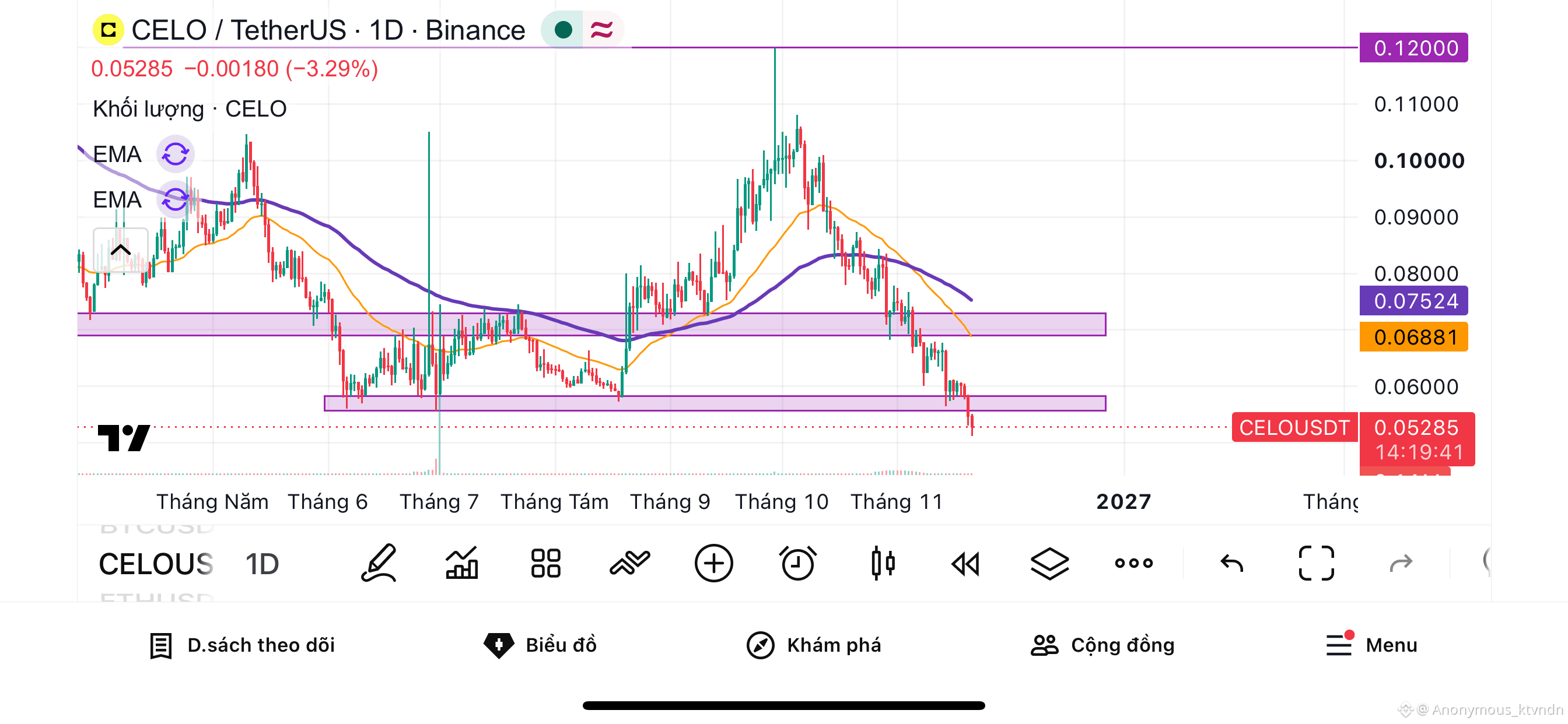
360

·
--
တက်ရိပ်ရှိသည်
🚀 CELO: ဂေဟစနစ်တိုးတက်မှုနှင့် ဈေးနှုန်းအခြေအနေ
Celo သည် ဒစ်ဂျစ်တယ်ငွေပေးချေမှုများနှင့် stablecoin အသုံးပြုမှုကို အာရုံစိုက်ထားသည်။ နောက်ဆုံးသတင်းမှာ Celo ကွန်ရက်ပေါ်ရှိ stablecoin ပိုက်ဆံအိတ် MiniPay ထံမှဖြစ်ပြီး အသုံးပြုမှုစတင်မှု 20 သန်းကျော်ရှိသည်။ MiniPay သည် Stripe ပိုင် Privy ကို အသုံးပြု၍ ၎င်း၏ ပိုက်ဆံအိတ်အခြေခံအဆောက်အအုံကို အဆင့်မြှင့်တင်မည်ဟု ကြေညာခဲ့သည်။ စတင်မိတ်ဆက်မှုကို အဆင့်လိုက် လုပ်ဆောင်သွားမည်။
သို့သော် ပိုက်ဆံအိတ်အရေအတွက် တိုးလာခြင်းသည် CELO တိုကင်များအပေါ် ဝယ်လိုအားကို ချက်ချင်းတိုးလာစေမည်ဟု မဆိုနိုင်ပါ။ ကွန်ရက်နှင့် stablecoin အသုံးပြုမှုပါ တိုးလာခြင်း ရှိ၊ မရှိ စောင့်ကြည့်ရန် လိုအပ်သည်။
📊 နိုဝင်ဘာ 21 ရက် UTC 04.59 နာရီတွင် Binance snapshot အရ CELO သည် $0,0525 ဝန်းကျင်ရှိပြီး 24 နာရီအတွင်း 6,7% ကျဆင်းခဲ့သည်။ ဈေးနှုန်းပြောင်းလဲမှု၊ ကွန်ရက်လှုပ်ရှားမှုနှင့် ငွေဖြစ်လွယ်မှုတို့ကို သတိပြုစောင့်ကြည့်ပါ—ခရစ်ပ်တိုပိုင်ဆိုင်မှုများသည် အန္တရာယ်ရှိပြီး ဈေးနှုန်းအတက်အကျများသည်။
သင်တို့အမြင်အရ MiniPay တိုးတက်မှုက Celo ကို ရေရှည်တည်တံ့စွာ အသုံးပြုမှုမြှင့်တင်ပေးနိုင်မလား။
$CELO
#CELO #Celo #Crypto #Altcoin #Binance #AMCx
121

·
--
🚨 ရိုးရိုးသားသားပြောရရင်၊ $CELO is က ကျွန်တော် အမြဲပြန်သွားကြည့်ဖြစ်တဲ့ ကုန်ဒင်္ဂါးတွေထဲက တစ်ခုပါ။
Tether ရဲ့ USAT က အခုမှပဲ အဲဒီမှာ live သွားပြီး၊ Ripio ကလည်း free on/off-ramps နဲ့ stablecoins တွေကို launch လုပ်ခဲ့ပါတယ်။ တကယ့် payment တွေ၊ တကယ့်အသုံးပြုသူတွေပါ။
နေ့စဉ် active 840K ဆိုတာလည်း သေးတဲ့ကိစ္စမဟုတ်ပါဘူး။
လူတိုင်းက meme တွေကိုလိုက်ဖမ်းနေချိန်မှာ ဒီဟာက တိတ်တဆိတ် ဆက်ပြီးတည်ဆောက်နေတယ်။ 👀
အခု $CELO is ကို undervalued လို့ ထင်ပါသလား၊ ဒါမှမဟုတ် ကျွန်တော်ပဲ ဘက်လိုက်နေသလိုလား? အောက်မှာ ပြောပေးပါ 👇
#CELO #CryptoTrading @celo
DYOR | NFA
1
345

·
--
ဘာသာပြန်ဆိုချက် ကြည့်မည်
170 BNB Prize Pool Up for Grabs!
Binance is running a massive $CELO campaign right now! Whether you're trading $CELO on Spot, just joining Binance, or creating content as an affiliate, there's a share of 170 $BNB waiting.
Don't forget to register before trading! Who's joining this one? 👇
#Binance #CELO #BNB
Binance is running a massive $CELO campaign right now! Whether you're trading $CELO on Spot, just joining Binance, or creating content as an affiliate, there's a share of 170 $BNB waiting.
Don't forget to register before trading! Who's joining this one? 👇
#Binance #CELO #BNB


Binance TG Community
·
--
CELO x Binance – CELO အရောင်းအဝယ်ပွဲတော် | ဆုကြေး 170 BNB အထိ!
Binance သည် Celo Foundation နှင့် ပူးပေါင်းကာ ပါဝင်ယှဉ်ပြိုင်ပြီး BNB ဆုများ ရယူနိုင်မည့် နည်းလမ်း 3 မျိုးပါဝင်သော အထူးကမ်ပိန်းတစ်ခုကို ပြုလုပ်နေပါသည်! https://www.binance.com/en/activity/trading-competition/ExCELOTradingFestival2026
Join here
📅 ကမ်ပိန်းကာလ: ၂၀၂၆ ခုနှစ် နိုဝင်ဘာ ၂၀ ရက်၊ 10:00 UTC မှ ၂၀၂၆ ခုနှစ် ဒီဇင်ဘာ ၂၀ ရက်၊ 10:00 UTC အထိ။
🔥 ပရိုမိုးရှင်း A – အရောင်းအဝယ်လုပ်ပြီး ဆုရယူပါ | 75 BNB အထိ Binance Spot တွင် CELO/USDT ကို အရောင်းအဝယ်လုပ်ပါ။ အရောင်းအဝယ်ပမာဏ အနည်းဆုံး 500 USDT ပြည့်မီအောင် လုပ်ဆောင်ပြီး အပြောင်းအလဲရှိသော ဆုကြေးစုစုပေါင်းမှ ခွဲဝေရယူရန် ယှဉ်ပြိုင်ပါ။ စာရင်းသွင်းရန် လိုအပ်သည်!
🎁 ပရိုမိုးရှင်း B – ကြိုဆိုဆုများ | 70 BNB Binance အသုံးပြုသူအသစ်များသည် KYC ပြီးမြောက်ခြင်း၊ လိုအပ်သော CELO ပမာဏကို ဝယ်ယူခြင်းနှင့် Simple Earn တွင် 3 ရက်ပြည့် ထားရှိခြင်းတို့ကို လုပ်ဆောင်ပြီး 0.0171 BNB အထိ ရယူနိုင်သည်။

1
135

·
--
ဘာသာပြန်ဆိုချက် ကြည့်မည်
🚀 The Binance x Celo Trading Festival 2026 is Live! Grab Your Share of 170 BNB! 💰🔥
Binance and Celo ($CELO) have teamed up to bring an exciting trading campaign with massive rewards for traders, new users, and content creators!
🎁 Total Prize Pool: 170 BNB
🔹 75 BNB (Spot Trading Tournament): Compete on the leaderboard by trading $CELO on Spot and climb the ranks.
🔹 70 BNB (New Users Reward Pool): Special welcome rewards for new Binance users who register and start trading.
🔹 25 BNB (Creator Challenge): Create engaging content on Binance Square and social media to win from the creator pool!
✅ How to Participate:
1️⃣ Visit the official event page and click [Register / Join Now] before you start trading.
2️⃣ Trade the CELO/USDT pair on Binance Spot to boost your trading volume.
3️⃣ Share quality posts about $CELO and this festival to participate in the Creator Challenge!
👉 Join the Event Here: [Insert Your Referral / Event Link Here]
Don't miss out on this golden opportunity! Who else is joining the tournament? Drop your thoughts in the comments below! 👇
CELO BNB #Binance #CELO #TradingCompetitions #BinanceSquare #CryptoRewards
(Disclaimer: Cryptocurrency trading is subject to high market risk. Please review the official terms and conditions before participating. DYOR.)
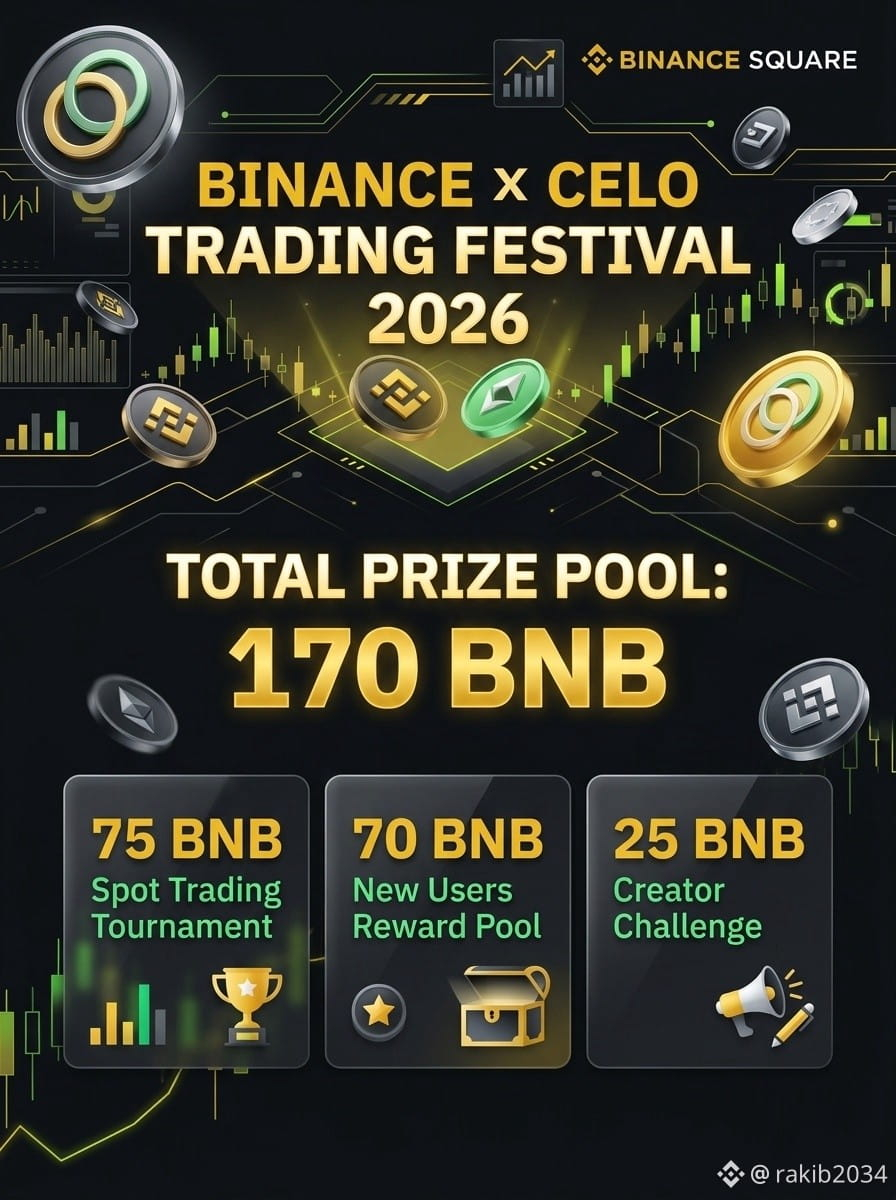
1
444

·
--

Article
တစ်ရက်အတွင်း Stablecoin ကိုင်ဆောင်သူ 79.2K တိုးလာပြီး ကွင်းဆက်အားလုံးထဲတွင် ထိပ်ဆုံးရောက်ရှိ! Celo ၏ Stablecoin “စုပ်ယူအား” ပိုမိုပြင်းထန်လာနေတစ်ရက်အတွင်း Stablecoin ကိုင်ဆောင်သူ 79.2K တိုးလာပြီး ကွင်းဆက်အားလုံးထဲတွင် ထိပ်ဆုံးရောက်ရှိ! Celo ၏ Stablecoin “စုပ်ယူအား” ပိုမိုပြင်းထန်လာနေ
Crypto စျေးကွက်တစ်ခုလုံး အလွန်အမင်းကြောက်ရွံ့မှုနှင့် ငွေဖြစ်လွယ်မှုကျဆင်းမှုတို့ ဆက်လက်ကြုံတွေ့နေရသည့် ယခုအချိန်တွင် Celo ကတော့ ကွင်းဆက်ပေါ်ရှိ အခြေခံဒေတာများတွင် အရှိန်မြှင့်လာခဲ့သည်။
RWA Foundation က ကိုးကားဖော်ပြထားသော Token Terminal ၏ နောက်ဆုံးဒေတာအရ လွန်ခဲ့သည့် 24 နာရီအတွင်း Celo ကွန်ရက်တွင် Stablecoin ကိုင်ဆောင်သူ 79,200 ဦး တိုးလာပြီး ကွင်းဆက်အားလုံးအနက် ထိပ်ဆုံးတွင် ရပ်တည်ခဲ့သည်။ ဤကိန်းဂဏန်းသည် BNB Chain (+51.1K)၊ Tron စသည့် သက်တမ်းရင့် ငွေပေးချေမှုကွန်ရက်များထက် များစွာသာလွန်ရုံသာမက Ethereum (+16.4K) နှင့် Solana (+21.2K) တို့ကိုလည်း ကျော်တက်သွားခဲ့သည်။
တစ်ရက်အတွင်း Stablecoin ကိုင်ဆောင်သူ 79.2K တိုးလာပြီး ကွင်းဆက်အားလုံးထဲတွင် ထိပ်ဆုံးရောက်ရှိ! Celo ၏ Stablecoin “စုပ်ယူအား” ပိုမိုပြင်းထန်လာနေ
တစ်ရက်အတွင်း Stablecoin ကိုင်ဆောင်သူ 79.2K တိုးလာပြီး ကွင်းဆက်အားလုံးထဲတွင် ထိပ်ဆုံးရောက်ရှိ! Celo ၏ Stablecoin “စုပ်ယူအား” ပိုမိုပြင်းထန်လာနေ
Crypto စျေးကွက်တစ်ခုလုံး အလွန်အမင်းကြောက်ရွံ့မှုနှင့် ငွေဖြစ်လွယ်မှုကျဆင်းမှုတို့ ဆက်လက်ကြုံတွေ့နေရသည့် ယခုအချိန်တွင် Celo ကတော့ ကွင်းဆက်ပေါ်ရှိ အခြေခံဒေတာများတွင် အရှိန်မြှင့်လာခဲ့သည်။
RWA Foundation က ကိုးကားဖော်ပြထားသော Token Terminal ၏ နောက်ဆုံးဒေတာအရ လွန်ခဲ့သည့် 24 နာရီအတွင်း Celo ကွန်ရက်တွင် Stablecoin ကိုင်ဆောင်သူ 79,200 ဦး တိုးလာပြီး ကွင်းဆက်အားလုံးအနက် ထိပ်ဆုံးတွင် ရပ်တည်ခဲ့သည်။ ဤကိန်းဂဏန်းသည် BNB Chain (+51.1K)၊ Tron စသည့် သက်တမ်းရင့် ငွေပေးချေမှုကွန်ရက်များထက် များစွာသာလွန်ရုံသာမက Ethereum (+16.4K) နှင့် Solana (+21.2K) တို့ကိုလည်း ကျော်တက်သွားခဲ့သည်။
257
Log in to explore more content
Join global crypto users on Binance Square
⚡️ Get latest and useful information about crypto.
💬 Trusted by the world’s largest crypto exchange.
👍 Discover real insights from verified creators.
အီးမေးလ် / ဖုန်းနံပါတ်
ရေပန်းစားနေသော ခေါင်းစဉ်များ
1
#WillMarketsStageAThanksgivingReliefRally?
ကြည့်ရှုမှု 41,225 ကြိမ်
736 ဦး ဆွေးနွေးနေသည်
2
#WillOctCorePCEShiftFedHikeExpectations?
ကြည့်ရှုမှု 4,961 ကြိမ်
111 ဦး ဆွေးနွေးနေသည်
3
#BessentSoftensStanceOnHuang’sNvidiaReturn
ကြည့်ရှုမှု 27,159 ကြိမ်
483 ဦး ဆွေးနွေးနေသည်
4
#EvolveAtBinanceBlockchainWeek
ကြည့်ရှုမှု 31,697 ကြိမ်
339 ဦး ဆွေးနွေးနေသည်
5
#MuskWarnsOfAICashCrunch
ကြည့်ရှုမှု 23,366 ကြိမ်
367 ဦး ဆွေးနွေးနေသည်
6
#ChinaKoreaTaiwanPrepareStockRescuesAheadOfMonday
ကြည့်ရှုမှု 1,144 ကြိမ်
25 ဦး ဆွေးနွေးနေသည်
7
#SouthKoreaToTightenOversightOfCryptoTransfersAbroad
ကြည့်ရှုမှု 2,487 ကြိမ်
39 ဦး ဆွေးနွေးနေသည်
8
#TrumpToGive18KGoldWatchesToTopFourTRUMPHolders
ကြည့်ရှုမှု 295 ကြိမ်
14 ဦး ဆွေးနွေးနေသည်
9
#RussiaAllowsExchangesToOfferCryptoTrading
ကြည့်ရှုမှု 17,174 ကြိမ်
208 ဦး ဆွေးနွေးနေသည်
10
#俄罗斯允许交易所开展加密交易
ကြည့်ရှုမှု 12,096 ကြိမ်
37 ဦး ဆွေးနွေးနေသည်