
muninga
3 ໂພສ

muninga
0 ກໍາລັງຕິດຕາມ
0 ຜູ້ຕິດຕາມ
0 Liked
ໂພສ
Building a More Connected DeFi
One of the biggest problems in DeFi is liquidity fragmentation. Assets and users are spread across different networks, while moving between ecosystems can still feel unnecessarily complicated.
STON.fi is working to change that.
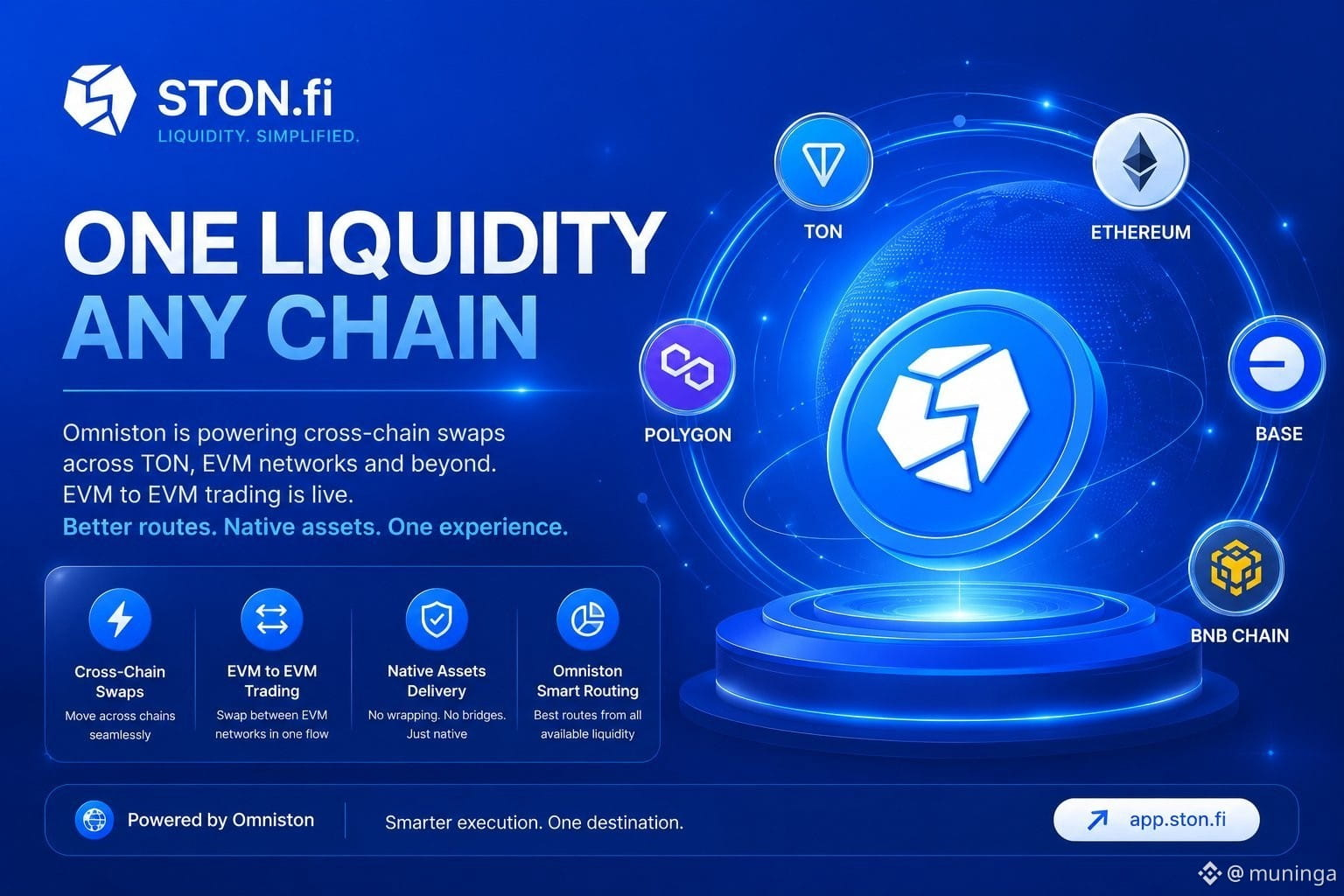
Through its decentralized trading infrastructure and Omniston, STON.fi is building a more connected environment where users can access liquidity across ecosystems with less friction.
The bigger opportunity is not simply swapping one token for another. It is creating infrastructure that allows liquidity to move efficiently as users and capital expand across chains.
As multichain DeFi continues to mature, seamless liquidity access could become one of the most important pieces of the infrastructure stack.
STON.fi is positioning itself directly in that narrative.
#Stonfi #DeFi #TON #Web3
One of the biggest problems in DeFi is liquidity fragmentation. Assets and users are spread across different networks, while moving between ecosystems can still feel unnecessarily complicated.
STON.fi is working to change that.
Through its decentralized trading infrastructure and Omniston, STON.fi is building a more connected environment where users can access liquidity across ecosystems with less friction.
The bigger opportunity is not simply swapping one token for another. It is creating infrastructure that allows liquidity to move efficiently as users and capital expand across chains.
As multichain DeFi continues to mature, seamless liquidity access could become one of the most important pieces of the infrastructure stack.
STON.fi is positioning itself directly in that narrative.
#Stonfi #DeFi #TON #Web3

Liquidity Is the Real Game
DeFi can have thousands of tokens and still struggle with one fundamental issue: fragmented liquidity.
When liquidity is scattered across different chains and protocols, users often face additional steps, higher friction, and a less efficient trading experience.
This is where STON.fi becomes interesting.
@STONfi DEX is building a broader DeFi infrastructure around decentralized swaps and liquidity, while Omniston extends the vision toward cross-chain liquidity access.
The long-term opportunity is significant.
If users can interact with liquidity across ecosystems without constantly thinking about the underlying infrastructure, DeFi becomes easier to use and more scalable.
The next phase of DeFi may not be about adding more isolated ecosystems.
It may be about connecting the ones that already exist.
That is the direction STON.fi is building toward.
#STONfi #DeFi: #crypto
DeFi can have thousands of tokens and still struggle with one fundamental issue: fragmented liquidity.
When liquidity is scattered across different chains and protocols, users often face additional steps, higher friction, and a less efficient trading experience.
This is where STON.fi becomes interesting.
@STONfi DEX is building a broader DeFi infrastructure around decentralized swaps and liquidity, while Omniston extends the vision toward cross-chain liquidity access.
The long-term opportunity is significant.
If users can interact with liquidity across ecosystems without constantly thinking about the underlying infrastructure, DeFi becomes easier to use and more scalable.
The next phase of DeFi may not be about adding more isolated ecosystems.
It may be about connecting the ones that already exist.
That is the direction STON.fi is building toward.
#STONfi #DeFi: #crypto
STON.fi and the Next Phase of DeFi
The DeFi market is gradually moving beyond the simple DEX narrative.
Users now expect more efficient swaps, deeper liquidity, cross-chain accessibility, and a smoother experience when moving capital between ecosystems.
@STONfi DEX is building with that evolution in mind.
Its ecosystem combines decentralized trading infrastructure with liquidity-focused products, while Omniston adds another layer by helping connect liquidity across different blockchain environments.
This matters because fragmented liquidity creates friction.
A user should not need to understand every technical layer behind a transaction just to move assets from one ecosystem to another.
The infrastructure should handle the complexity.
As multichain adoption grows, protocols that can improve liquidity connectivity and simplify the user experience could play an increasingly important role in the broader DeFi economy.
STON.fi is building toward that future, one where decentralized liquidity is more accessible, connected, and efficient.
#STONfi #TON #Omniston #DeFi #Web3 #Crypto
The DeFi market is gradually moving beyond the simple DEX narrative.
Users now expect more efficient swaps, deeper liquidity, cross-chain accessibility, and a smoother experience when moving capital between ecosystems.
@STONfi DEX is building with that evolution in mind.
Its ecosystem combines decentralized trading infrastructure with liquidity-focused products, while Omniston adds another layer by helping connect liquidity across different blockchain environments.
This matters because fragmented liquidity creates friction.
A user should not need to understand every technical layer behind a transaction just to move assets from one ecosystem to another.
The infrastructure should handle the complexity.
As multichain adoption grows, protocols that can improve liquidity connectivity and simplify the user experience could play an increasingly important role in the broader DeFi economy.
STON.fi is building toward that future, one where decentralized liquidity is more accessible, connected, and efficient.
#STONfi #TON #Omniston #DeFi #Web3 #Crypto
ເຂົ້າສູ່ລະບົບເພື່ອສຳຫຼວດເນື້ອຫາເພີ່ມເຕີມ