
Lottie STIM
3k ໂພສ

Lottie STIM
ລາຍງານ
ບລັອກຜູ້ໃຊ້
CRYPTO Enthusiast ,Trade King,GEN KOL
303 ກໍາລັງຕິດຕາມ
10.0K+ ຜູ້ຕິດຕາມ
1.8K+ Liked
ໂພສ
ທັງໝົດ
ວົງຢືມ
ຖ່າຍທອດສົດ
·
--
ເບິ່ງການແປ
$BTW
EP: 0.7314
TP1: 0.7800
TP2: 0.8400
TP3: 0.9200
SL: 0.6800
Technical Setup: Strong buying momentum with price holding above the 0.70–0.73 support zone. A clean breakout above 0.78 could open the path toward higher targets.
$BTW
EP: 0.7314
TP1: 0.7800
TP2: 0.8400
TP3: 0.9200
SL: 0.6800
Technical Setup: Strong buying momentum with price holding above the 0.70–0.73 support zone. A clean breakout above 0.78 could open the path toward higher targets.
EP: 0.7314
TP1: 0.7800
TP2: 0.8400
TP3: 0.9200
SL: 0.6800
Technical Setup: Strong buying momentum with price holding above the 0.70–0.73 support zone. A clean breakout above 0.78 could open the path toward higher targets.
220
·
--
ເບິ່ງການແປ
$SAGA
EP: 0.0206
TP1: 0.0225
TP2: 0.0245
TP3: 0.0270
SL: 0.0190
Technical Setup: Solid bullish momentum with price holding above 0.0200. A sustained move through 0.0225 would strengthen the continuation setup toward the next resistance zones.
$SAGA
EP: 0.0206
TP1: 0.0225
TP2: 0.0245
TP3: 0.0270
SL: 0.0190
Technical Setup: Solid bullish momentum with price holding above 0.0200. A sustained move through 0.0225 would strengthen the continuation setup toward the next resistance zones.
EP: 0.0206
TP1: 0.0225
TP2: 0.0245
TP3: 0.0270
SL: 0.0190
Technical Setup: Solid bullish momentum with price holding above 0.0200. A sustained move through 0.0225 would strengthen the continuation setup toward the next resistance zones.
85
·
--
ເບິ່ງການແປ
$POWER
EP: 0.1578
TP1: 0.1700
TP2: 0.1850
TP3: 0.2000
SL: 0.1480
Technical Setup: Strong bullish expansion with sustained buying pressure. The 0.1550–0.1580 zone is the key continuation area. Holding it keeps the bullish structure intact.
$POWER
EP: 0.1578
TP1: 0.1700
TP2: 0.1850
TP3: 0.2000
SL: 0.1480
Technical Setup: Strong bullish expansion with sustained buying pressure. The 0.1550–0.1580 zone is the key continuation area. Holding it keeps the bullish structure intact.
EP: 0.1578
TP1: 0.1700
TP2: 0.1850
TP3: 0.2000
SL: 0.1480
Technical Setup: Strong bullish expansion with sustained buying pressure. The 0.1550–0.1580 zone is the key continuation area. Holding it keeps the bullish structure intact.
185
·
--
ເບິ່ງການແປ
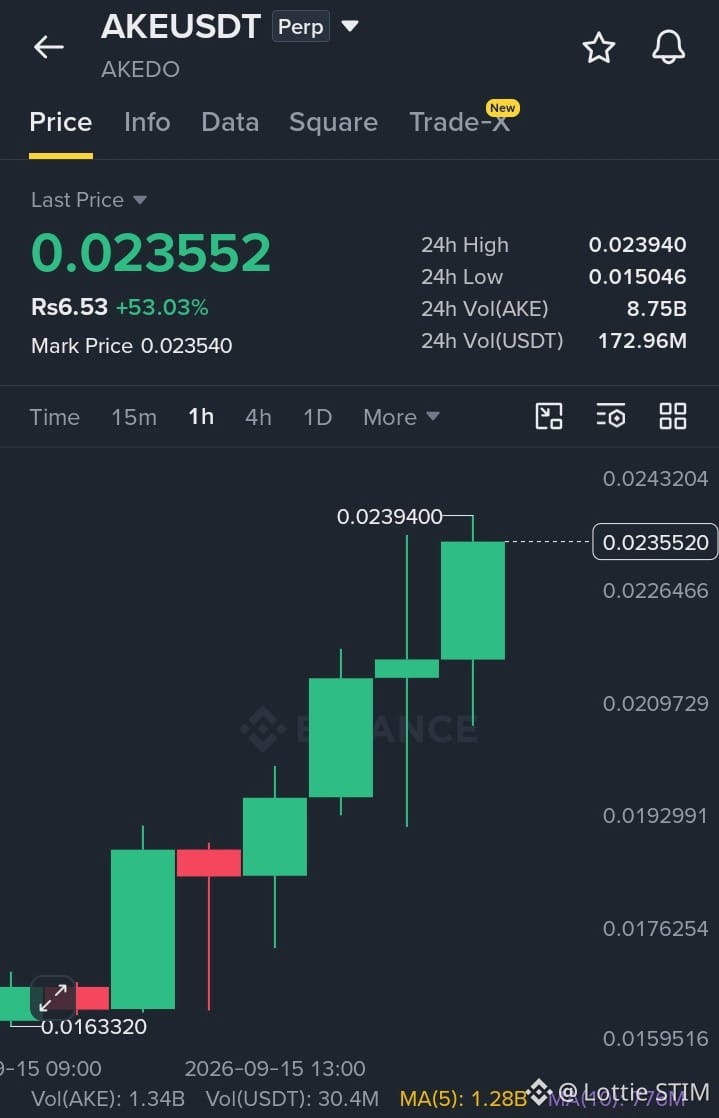
$AKE
EP: 0.0237
TP1: 0.0260
TP2: 0.0285
TP3: 0.0320
SL: 0.0220
Technical Setup: Strong upside momentum after a sharp move. Buyers remain in control while price holds above 0.0230. A clean break above 0.0260 could trigger another leg higher.
$AKE
EP: 0.0237
TP1: 0.0260
TP2: 0.0285
TP3: 0.0320
SL: 0.0220
Technical Setup: Strong upside momentum after a sharp move. Buyers remain in control while price holds above 0.0230. A clean break above 0.0260 could trigger another leg higher.
EP: 0.0237
TP1: 0.0260
TP2: 0.0285
TP3: 0.0320
SL: 0.0220
Technical Setup: Strong upside momentum after a sharp move. Buyers remain in control while price holds above 0.0230. A clean break above 0.0260 could trigger another leg higher.
172
·
--
ເບິ່ງການແປ
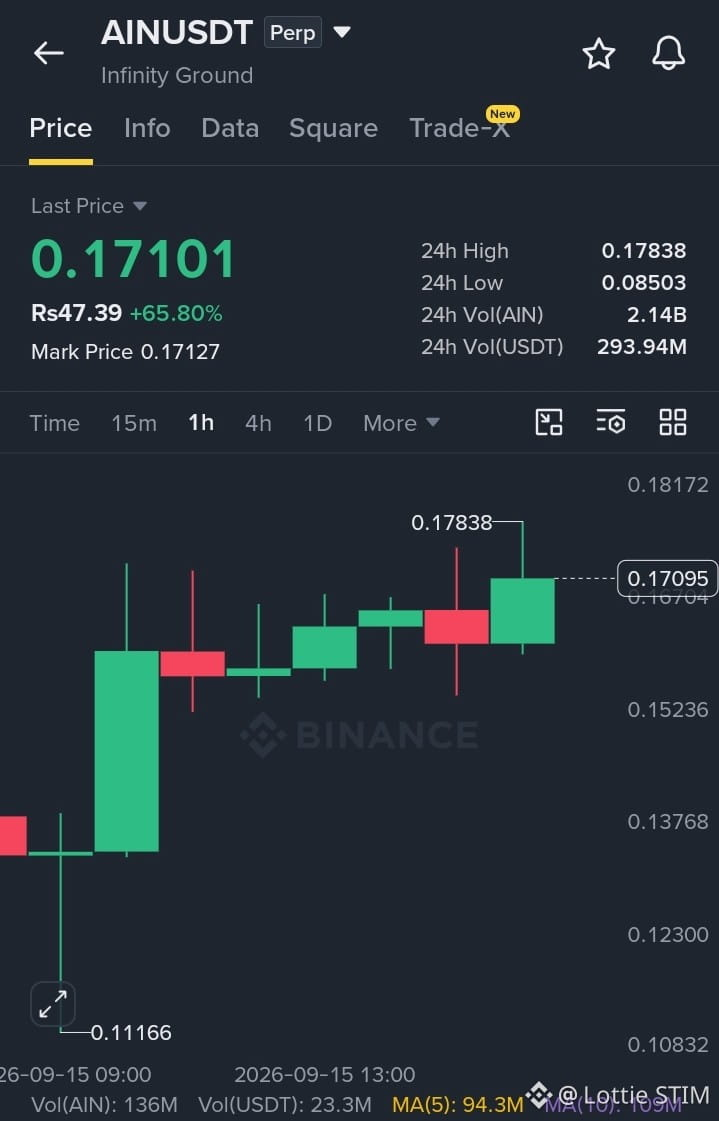
$AIN
EP: 0.1730
TP1: 0.1850
TP2: 0.1950
TP3: 0.2100
SL: 0.1630
Technical Setup: Strong bullish momentum with aggressive buying pressure. Holding above 0.1700 keeps the continuation setup valid, while a breakout above 0.1850 could accelerate the move toward higher targets. Strict risk control is essential.
$AIN
EP: 0.1730
TP1: 0.1850
TP2: 0.1950
TP3: 0.2100
SL: 0.1630
Technical Setup: Strong bullish momentum with aggressive buying pressure. Holding above 0.1700 keeps the continuation setup valid, while a breakout above 0.1850 could accelerate the move toward higher targets. Strict risk control is essential.
EP: 0.1730
TP1: 0.1850
TP2: 0.1950
TP3: 0.2100
SL: 0.1630
Technical Setup: Strong bullish momentum with aggressive buying pressure. Holding above 0.1700 keeps the continuation setup valid, while a breakout above 0.1850 could accelerate the move toward higher targets. Strict risk control is essential.
209
·
--
ເບິ່ງການແປ
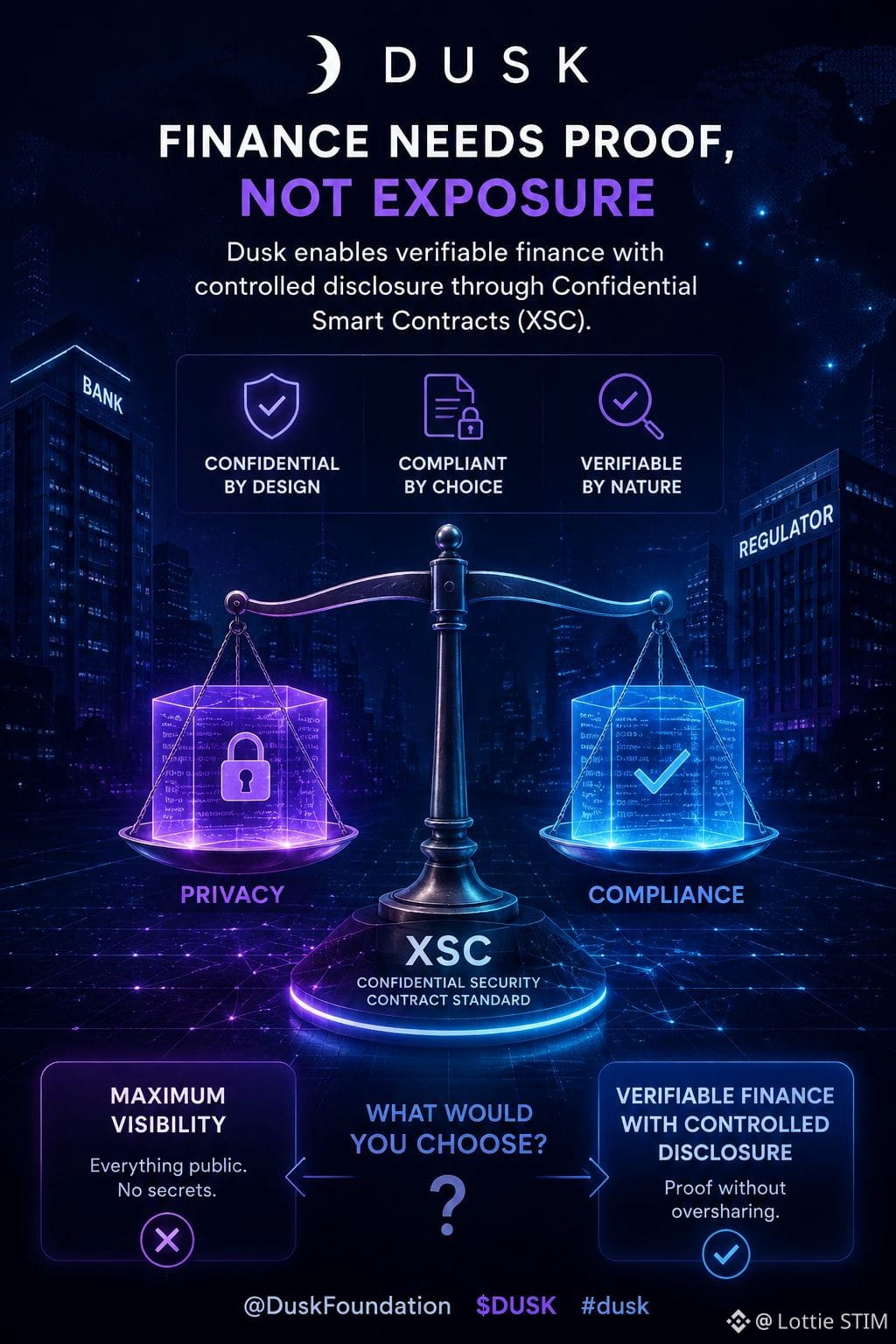
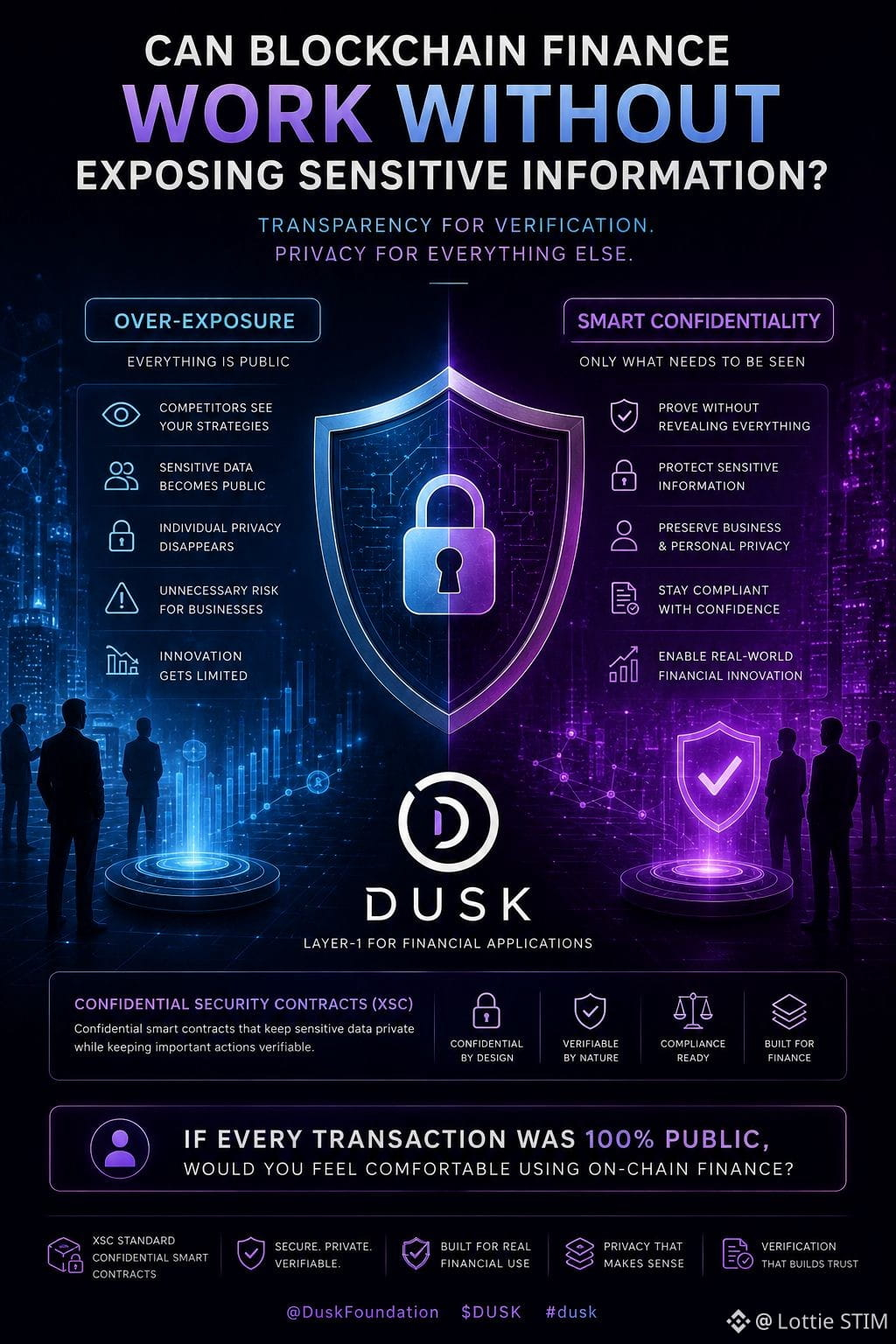
One thing I keep coming back to when researching Dusk is a simple question:
Would a real financial institution actually want to put all of its activity on a completely public blockchain?
Imagine a company settling transactions on-chain. It may need to prove that everything was processed correctly, follow certain rules, and give regulators the information they need.
But at the same time, does it really make sense for competitors, traders, and everyone else to see every sensitive detail?
That’s where I think Dusk becomes interesting.
Instead of treating financial blockchain as a choice between “everything public” and “everything private,” Dusk is exploring infrastructure built specifically around financial applications, including confidential smart contracts through its Confidential Security Contract (XSC) standard.
What interests me most is the practical side.
A blockchain doesn't just need to prove that something happened. For financial use, it may also need to control how much information is exposed while that proof remains possible.
I’m still digging into the technical details, but this feels like a much more important question than simply asking whether a blockchain is fast or cheap.
If traditional finance already protects sensitive information, why should moving it on-chain mean giving that protection up?
What would you choose: maximum visibility, or verifiable finance with controlled disclosure?
#dusk $DUSK @Dusk_Foundation
One thing I keep coming back to when researching Dusk is a simple question:
Would a real financial institution actually want to put all of its activity on a completely public blockchain?
Imagine a company settling transactions on-chain. It may need to prove that everything was processed correctly, follow certain rules, and give regulators the information they need.
But at the same time, does it really make sense for competitors, traders, and everyone else to see every sensitive detail?
That’s where I think Dusk becomes interesting.
Instead of treating financial blockchain as a choice between “everything public” and “everything private,” Dusk is exploring infrastructure built specifically around financial applications, including confidential smart contracts through its Confidential Security Contract (XSC) standard.
What interests me most is the practical side.
A blockchain doesn't just need to prove that something happened. For financial use, it may also need to control how much information is exposed while that proof remains possible.
I’m still digging into the technical details, but this feels like a much more important question than simply asking whether a blockchain is fast or cheap.
If traditional finance already protects sensitive information, why should moving it on-chain mean giving that protection up?
What would you choose: maximum visibility, or verifiable finance with controlled disclosure?
#dusk $DUSK @Dusk
Would a real financial institution actually want to put all of its activity on a completely public blockchain?
Imagine a company settling transactions on-chain. It may need to prove that everything was processed correctly, follow certain rules, and give regulators the information they need.
But at the same time, does it really make sense for competitors, traders, and everyone else to see every sensitive detail?
That’s where I think Dusk becomes interesting.
Instead of treating financial blockchain as a choice between “everything public” and “everything private,” Dusk is exploring infrastructure built specifically around financial applications, including confidential smart contracts through its Confidential Security Contract (XSC) standard.
What interests me most is the practical side.
A blockchain doesn't just need to prove that something happened. For financial use, it may also need to control how much information is exposed while that proof remains possible.
I’m still digging into the technical details, but this feels like a much more important question than simply asking whether a blockchain is fast or cheap.
If traditional finance already protects sensitive information, why should moving it on-chain mean giving that protection up?
What would you choose: maximum visibility, or verifiable finance with controlled disclosure?
#dusk $DUSK @Dusk
52
20
398
·
--
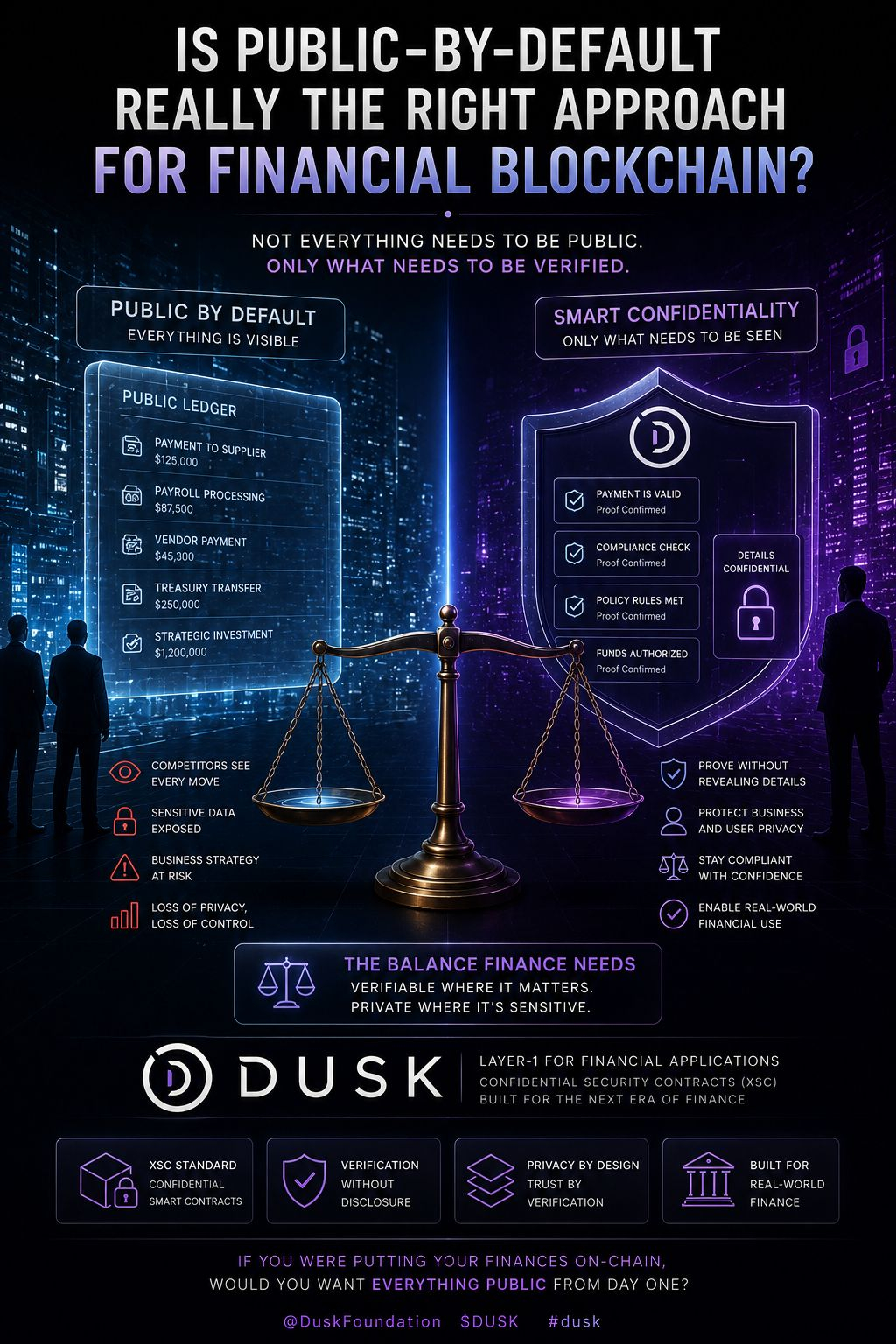
L’Is public-by-default realment l’apropriació correcta per a la blockchain financera?
Com més hi penso, més qüestiono la idea que cada transacció financera s’hagi de fer automàticament visible per a tothom.
Entenc per què la transparència és important. L’activitat en cadena ha de ser verificable, i la gent ha de poder confiar que es compleixen les regles. Però això no vol dir que cada detall financer s’hagi de revelar.
Pensa en un negoci que utilitza blockchain per a pagaments. L’empresa pot no tenir res a amagar, però tot i així potser no vol que els competidors observin cada pagament, transferència o decisió financera que pren.
Per això Dusk em va cridar l’atenció.
Dusk és una Layer-1 centrada en aplicacions financeres, i el seu estàndard de Contracte de Seguretat Confidencial (XSC) admet contractes intel·ligents confidencials. El que em sembla interessant és la idea de donar a les aplicacions financeres un millor equilibri entre verificació i confidencialitat.
Encara estic aprenent l’aspecte tècnic de Dusk, així que no vull donar per fet més del que pot fer. Però la pregunta bàsica em sembla important:
Les blockchains financeres realment haurien de fer-ho tot públic per defecte?
Potser l’aproximació millor és fer verificables les coses importants, mentre es manté la informació sensible en privat.
Per a mi, això s’assembla molt més a com funciona la banca al món real.
Si posessis les teves finances en cadena, voldries que tot fos públic des del primer dia?
#dusk $DUSK @Dusk_Foundation
L’Is public-by-default realment l’apropriació correcta per a la blockchain financera?
Com més hi penso, més qüestiono la idea que cada transacció financera s’hagi de fer automàticament visible per a tothom.
Entenc per què la transparència és important. L’activitat en cadena ha de ser verificable, i la gent ha de poder confiar que es compleixen les regles. Però això no vol dir que cada detall financer s’hagi de revelar.
Pensa en un negoci que utilitza blockchain per a pagaments. L’empresa pot no tenir res a amagar, però tot i així potser no vol que els competidors observin cada pagament, transferència o decisió financera que pren.
Per això Dusk em va cridar l’atenció.
Dusk és una Layer-1 centrada en aplicacions financeres, i el seu estàndard de Contracte de Seguretat Confidencial (XSC) admet contractes intel·ligents confidencials. El que em sembla interessant és la idea de donar a les aplicacions financeres un millor equilibri entre verificació i confidencialitat.
Encara estic aprenent l’aspecte tècnic de Dusk, així que no vull donar per fet més del que pot fer. Però la pregunta bàsica em sembla important:
Les blockchains financeres realment haurien de fer-ho tot públic per defecte?
Potser l’aproximació millor és fer verificables les coses importants, mentre es manté la informació sensible en privat.
Per a mi, això s’assembla molt més a com funciona la banca al món real.
Si posessis les teves finances en cadena, voldries que tot fos públic des del primer dia?
#dusk $DUSK @Dusk
Com més hi penso, més qüestiono la idea que cada transacció financera s’hagi de fer automàticament visible per a tothom.
Entenc per què la transparència és important. L’activitat en cadena ha de ser verificable, i la gent ha de poder confiar que es compleixen les regles. Però això no vol dir que cada detall financer s’hagi de revelar.
Pensa en un negoci que utilitza blockchain per a pagaments. L’empresa pot no tenir res a amagar, però tot i així potser no vol que els competidors observin cada pagament, transferència o decisió financera que pren.
Per això Dusk em va cridar l’atenció.
Dusk és una Layer-1 centrada en aplicacions financeres, i el seu estàndard de Contracte de Seguretat Confidencial (XSC) admet contractes intel·ligents confidencials. El que em sembla interessant és la idea de donar a les aplicacions financeres un millor equilibri entre verificació i confidencialitat.
Encara estic aprenent l’aspecte tècnic de Dusk, així que no vull donar per fet més del que pot fer. Però la pregunta bàsica em sembla important:
Les blockchains financeres realment haurien de fer-ho tot públic per defecte?
Potser l’aproximació millor és fer verificables les coses importants, mentre es manté la informació sensible en privat.
Per a mi, això s’assembla molt més a com funciona la banca al món real.
Si posessis les teves finances en cadena, voldries que tot fos públic des del primer dia?
#dusk $DUSK @Dusk
86
47
475
·
--
Ṣe owó ìṣúná blockchain lè ṣiṣẹ́ ní ti gidi láì fi ìtàn ìmúlò tó ṣe pàtàkì hàn gbangba?
Bí mo ṣe ń ronú sí i, bẹ́ẹ̀ ni mo ṣe ń rí i pé ìṣípayá àti ìkọ̀kọ̀ kò gbọ́dọ̀ jẹ́ ọ̀tá ara wọn.
Ìṣẹ́ ìṣúná kan lè nílò kí a fọwọ́sí rẹ̀, ṣùgbọ́n ìyẹn kò túmọ̀ sí pé gbogbo ènìyàn gbọ́dọ̀ mọ gbogbo àlàyé tó wà lẹ́yìn rẹ̀. Ilé-iṣẹ́ kan lè fi hàn pé ìdíje kan tẹ̀lé àwọn òfin láì jẹ́ kí àwọn olù өрí-ìdíje rí ojú kedere gbogbo ìgbésẹ̀ ìṣúná rẹ̀.
Ìyẹn ni apá tí mo rí nínú Dusk tí ó ṣamọ̀nà mí gan-an.
Dusk jẹ́ Layer-1 tí a dojú kọ́ sí àwọn ohun ìṣúná, àti ìlànà Confidential Security Contract (XSC) rẹ̀ ń ṣe àtìlẹ́yìn fún smart contracts tó fi ìkọ̀kọ̀ pamọ́. Lá mi, apá tó wúlò jù kì í ṣe “ìkọ̀kọ̀” nìkan. Ó jẹ́ ìmọ̀ràn pé àwọn ohun ìṣúná lè dáàbò bo ìtàn tó ṣe pàtàkì, nígbà tí wọ́n tún ń jẹ́ kí àwọn ìgbésẹ̀ pàtàkì wà láti lè fọwọ́sí.
Mo ṣì ń kọ́ ẹ̀kọ́ apá oníṣẹ́-òǹà ti Dusk, nítorí náà mà ṣe fẹ́ kí n máa sọ pé kò sí ìṣòro kankan. Ṣùgbọ́n ìṣòro náà fúnra rẹ̀ dà bí ẹni pé ó wúlò gan-an ní ìṣe ojoojúmọ́.
Bí a bá máa lo blockchain fún ìṣẹ́ ìṣúná tó ṣe pàtàkì, mi ò rò pé àwọn olù lò ní láti yan láàárín ìkọ̀kọ̀ àti ìfọwọ́sí.
Kí n lè jẹ́ pé ọ̀nà tó dára jù ni ohun tó rọrùn: ṣí ohun tó nílò láti ṣàyẹ̀wò jáde, kí a pa èyí tó kù sí ipamọ́.
Èyẹn dà bí ẹni pé ó sún mọ́ bí ìṣúná gidi ti ń ṣiṣẹ́ nípa bẹ́ẹ̀.
Ṣé o máa ní ìtẹ́lọ́rùn láti lo iṣẹ́ ìṣúná lórí-chain tí gbogbo ìdíje bá jẹ́ gbangba pátápátá?
#dusk $DUSK @Dusk_Foundation
Ṣe owó ìṣúná blockchain lè ṣiṣẹ́ ní ti gidi láì fi ìtàn ìmúlò tó ṣe pàtàkì hàn gbangba?
Bí mo ṣe ń ronú sí i, bẹ́ẹ̀ ni mo ṣe ń rí i pé ìṣípayá àti ìkọ̀kọ̀ kò gbọ́dọ̀ jẹ́ ọ̀tá ara wọn.
Ìṣẹ́ ìṣúná kan lè nílò kí a fọwọ́sí rẹ̀, ṣùgbọ́n ìyẹn kò túmọ̀ sí pé gbogbo ènìyàn gbọ́dọ̀ mọ gbogbo àlàyé tó wà lẹ́yìn rẹ̀. Ilé-iṣẹ́ kan lè fi hàn pé ìdíje kan tẹ̀lé àwọn òfin láì jẹ́ kí àwọn olù өрí-ìdíje rí ojú kedere gbogbo ìgbésẹ̀ ìṣúná rẹ̀.
Ìyẹn ni apá tí mo rí nínú Dusk tí ó ṣamọ̀nà mí gan-an.
Dusk jẹ́ Layer-1 tí a dojú kọ́ sí àwọn ohun ìṣúná, àti ìlànà Confidential Security Contract (XSC) rẹ̀ ń ṣe àtìlẹ́yìn fún smart contracts tó fi ìkọ̀kọ̀ pamọ́. Lá mi, apá tó wúlò jù kì í ṣe “ìkọ̀kọ̀” nìkan. Ó jẹ́ ìmọ̀ràn pé àwọn ohun ìṣúná lè dáàbò bo ìtàn tó ṣe pàtàkì, nígbà tí wọ́n tún ń jẹ́ kí àwọn ìgbésẹ̀ pàtàkì wà láti lè fọwọ́sí.
Mo ṣì ń kọ́ ẹ̀kọ́ apá oníṣẹ́-òǹà ti Dusk, nítorí náà mà ṣe fẹ́ kí n máa sọ pé kò sí ìṣòro kankan. Ṣùgbọ́n ìṣòro náà fúnra rẹ̀ dà bí ẹni pé ó wúlò gan-an ní ìṣe ojoojúmọ́.
Bí a bá máa lo blockchain fún ìṣẹ́ ìṣúná tó ṣe pàtàkì, mi ò rò pé àwọn olù lò ní láti yan láàárín ìkọ̀kọ̀ àti ìfọwọ́sí.
Kí n lè jẹ́ pé ọ̀nà tó dára jù ni ohun tó rọrùn: ṣí ohun tó nílò láti ṣàyẹ̀wò jáde, kí a pa èyí tó kù sí ipamọ́.
Èyẹn dà bí ẹni pé ó sún mọ́ bí ìṣúná gidi ti ń ṣiṣẹ́ nípa bẹ́ẹ̀.
Ṣé o máa ní ìtẹ́lọ́rùn láti lo iṣẹ́ ìṣúná lórí-chain tí gbogbo ìdíje bá jẹ́ gbangba pátápátá?
#dusk $DUSK @Dusk
Bí mo ṣe ń ronú sí i, bẹ́ẹ̀ ni mo ṣe ń rí i pé ìṣípayá àti ìkọ̀kọ̀ kò gbọ́dọ̀ jẹ́ ọ̀tá ara wọn.
Ìṣẹ́ ìṣúná kan lè nílò kí a fọwọ́sí rẹ̀, ṣùgbọ́n ìyẹn kò túmọ̀ sí pé gbogbo ènìyàn gbọ́dọ̀ mọ gbogbo àlàyé tó wà lẹ́yìn rẹ̀. Ilé-iṣẹ́ kan lè fi hàn pé ìdíje kan tẹ̀lé àwọn òfin láì jẹ́ kí àwọn olù өрí-ìdíje rí ojú kedere gbogbo ìgbésẹ̀ ìṣúná rẹ̀.
Ìyẹn ni apá tí mo rí nínú Dusk tí ó ṣamọ̀nà mí gan-an.
Dusk jẹ́ Layer-1 tí a dojú kọ́ sí àwọn ohun ìṣúná, àti ìlànà Confidential Security Contract (XSC) rẹ̀ ń ṣe àtìlẹ́yìn fún smart contracts tó fi ìkọ̀kọ̀ pamọ́. Lá mi, apá tó wúlò jù kì í ṣe “ìkọ̀kọ̀” nìkan. Ó jẹ́ ìmọ̀ràn pé àwọn ohun ìṣúná lè dáàbò bo ìtàn tó ṣe pàtàkì, nígbà tí wọ́n tún ń jẹ́ kí àwọn ìgbésẹ̀ pàtàkì wà láti lè fọwọ́sí.
Mo ṣì ń kọ́ ẹ̀kọ́ apá oníṣẹ́-òǹà ti Dusk, nítorí náà mà ṣe fẹ́ kí n máa sọ pé kò sí ìṣòro kankan. Ṣùgbọ́n ìṣòro náà fúnra rẹ̀ dà bí ẹni pé ó wúlò gan-an ní ìṣe ojoojúmọ́.
Bí a bá máa lo blockchain fún ìṣẹ́ ìṣúná tó ṣe pàtàkì, mi ò rò pé àwọn olù lò ní láti yan láàárín ìkọ̀kọ̀ àti ìfọwọ́sí.
Kí n lè jẹ́ pé ọ̀nà tó dára jù ni ohun tó rọrùn: ṣí ohun tó nílò láti ṣàyẹ̀wò jáde, kí a pa èyí tó kù sí ipamọ́.
Èyẹn dà bí ẹni pé ó sún mọ́ bí ìṣúná gidi ti ń ṣiṣẹ́ nípa bẹ́ẹ̀.
Ṣé o máa ní ìtẹ́lọ́rùn láti lo iṣẹ́ ìṣúná lórí-chain tí gbogbo ìdíje bá jẹ́ gbangba pátápátá?
#dusk $DUSK @Dusk
100
46
405
·
--
ເບິ່ງການແປ
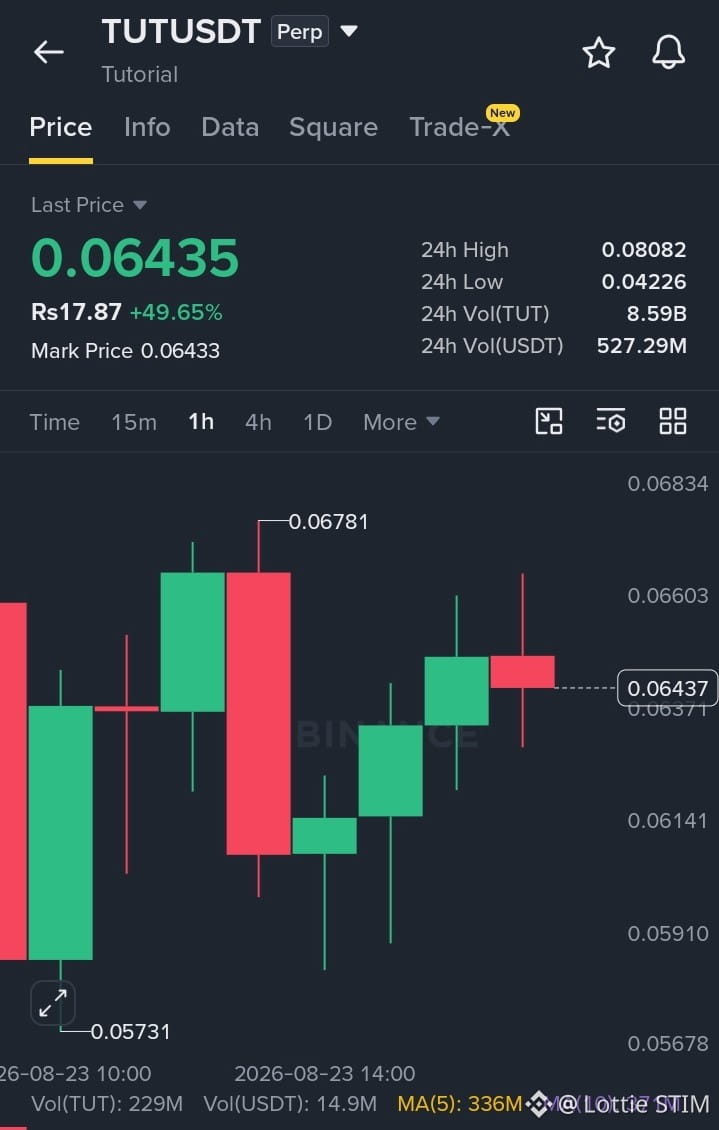
$TUT
Sharp bullish momentum after a strong breakout. Price is holding near the highs, showing strong buyer control. The setup remains attractive while the 0.0620 zone holds.
EP: 0.0625–0.0640
TP1: 0.0670
TP2: 0.0710
TP3: 0.0760
SL: 0.0595
Momentum stays bullish above the entry zone. Keep the risk defined and avoid chasing extended candles.
$TUT
Sharp bullish momentum after a strong breakout. Price is holding near the highs, showing strong buyer control. The setup remains attractive while the 0.0620 zone holds.
EP: 0.0625–0.0640
TP1: 0.0670
TP2: 0.0710
TP3: 0.0760
SL: 0.0595
Momentum stays bullish above the entry zone. Keep the risk defined and avoid chasing extended candles.
Sharp bullish momentum after a strong breakout. Price is holding near the highs, showing strong buyer control. The setup remains attractive while the 0.0620 zone holds.
EP: 0.0625–0.0640
TP1: 0.0670
TP2: 0.0710
TP3: 0.0760
SL: 0.0595
Momentum stays bullish above the entry zone. Keep the risk defined and avoid chasing extended candles.
2
3
138
·
--
ເບິ່ງການແປ
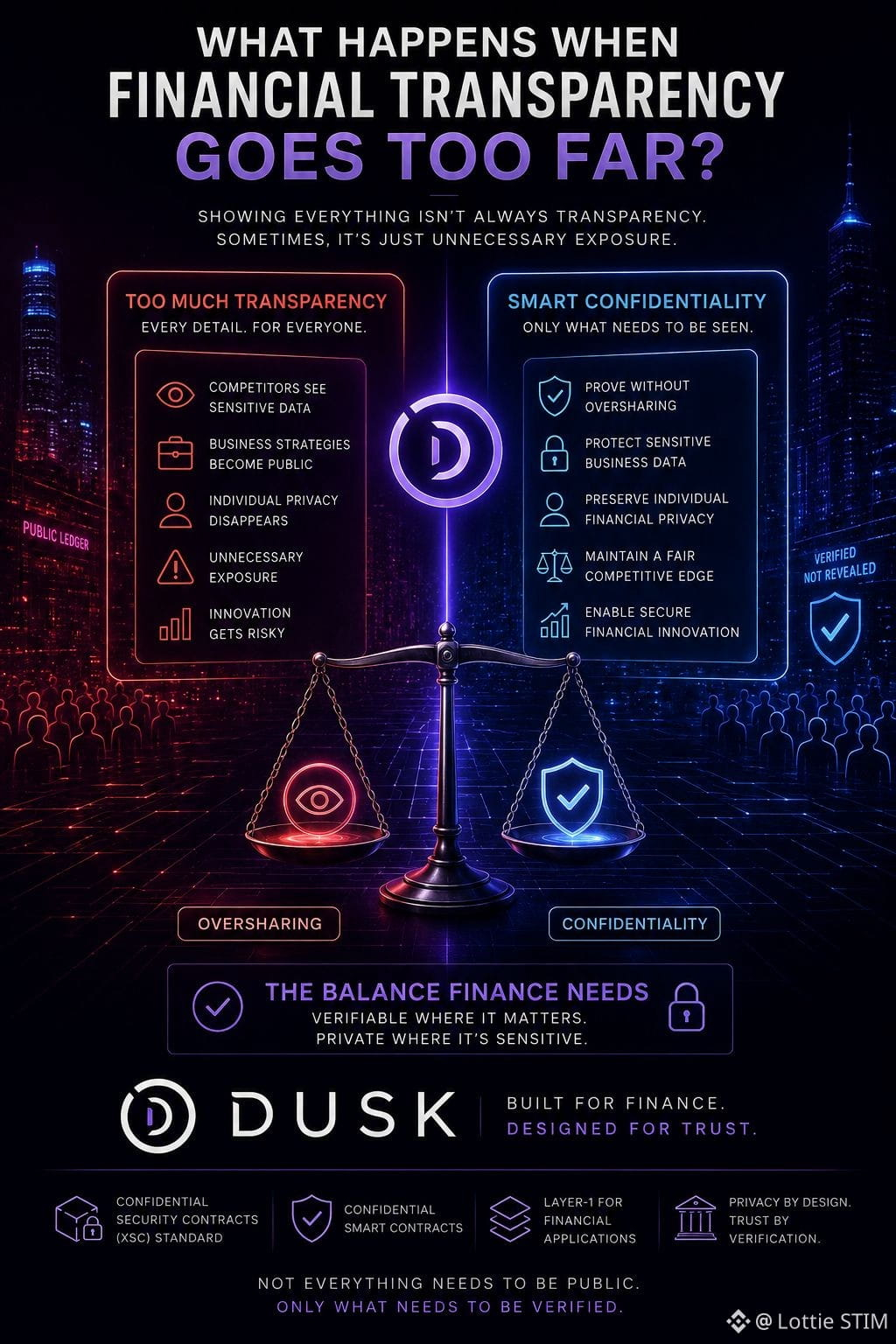
What happens when financial transparency goes too far?
I used to think more transparency was always better. If everyone could see what was happening on a blockchain, it felt like there would be fewer reasons not to trust it.
But the more I think about real finance, the more complicated that becomes.
A business might need to prove that a payment is legitimate without showing competitors every detail of its financial activity. The same goes for individuals. Being able to check that something happened is useful, but that doesn't mean everyone needs to see everything behind it.
That’s one reason Dusk caught my attention.
Dusk is a Layer-1 focused on financial applications, and its Confidential Security Contract (XSC) standard supports confidential smart contracts. What I find interesting isn't the idea of hiding everything. It's the idea of being more careful about what actually needs to be visible.
I’m still learning the technical side, so I’m not going to make big claims. But the basic problem feels very real to me.
Maybe good financial transparency isn't about putting every detail in public.
Maybe it's about making the important things verifiable while keeping sensitive information private.
Because sometimes, showing everything isn't transparency.
It’s just unnecessary exposure.
Where do you think the line should be?
#dusk $DUSK @Dusk_Foundation
What happens when financial transparency goes too far?
I used to think more transparency was always better. If everyone could see what was happening on a blockchain, it felt like there would be fewer reasons not to trust it.
But the more I think about real finance, the more complicated that becomes.
A business might need to prove that a payment is legitimate without showing competitors every detail of its financial activity. The same goes for individuals. Being able to check that something happened is useful, but that doesn't mean everyone needs to see everything behind it.
That’s one reason Dusk caught my attention.
Dusk is a Layer-1 focused on financial applications, and its Confidential Security Contract (XSC) standard supports confidential smart contracts. What I find interesting isn't the idea of hiding everything. It's the idea of being more careful about what actually needs to be visible.
I’m still learning the technical side, so I’m not going to make big claims. But the basic problem feels very real to me.
Maybe good financial transparency isn't about putting every detail in public.
Maybe it's about making the important things verifiable while keeping sensitive information private.
Because sometimes, showing everything isn't transparency.
It’s just unnecessary exposure.
Where do you think the line should be?
#dusk $DUSK @Dusk
I used to think more transparency was always better. If everyone could see what was happening on a blockchain, it felt like there would be fewer reasons not to trust it.
But the more I think about real finance, the more complicated that becomes.
A business might need to prove that a payment is legitimate without showing competitors every detail of its financial activity. The same goes for individuals. Being able to check that something happened is useful, but that doesn't mean everyone needs to see everything behind it.
That’s one reason Dusk caught my attention.
Dusk is a Layer-1 focused on financial applications, and its Confidential Security Contract (XSC) standard supports confidential smart contracts. What I find interesting isn't the idea of hiding everything. It's the idea of being more careful about what actually needs to be visible.
I’m still learning the technical side, so I’m not going to make big claims. But the basic problem feels very real to me.
Maybe good financial transparency isn't about putting every detail in public.
Maybe it's about making the important things verifiable while keeping sensitive information private.
Because sometimes, showing everything isn't transparency.
It’s just unnecessary exposure.
Where do you think the line should be?
#dusk $DUSK @Dusk
109
51
291
·
--
ຢືນຢັນແລ້ວ
ເບິ່ງການແປ
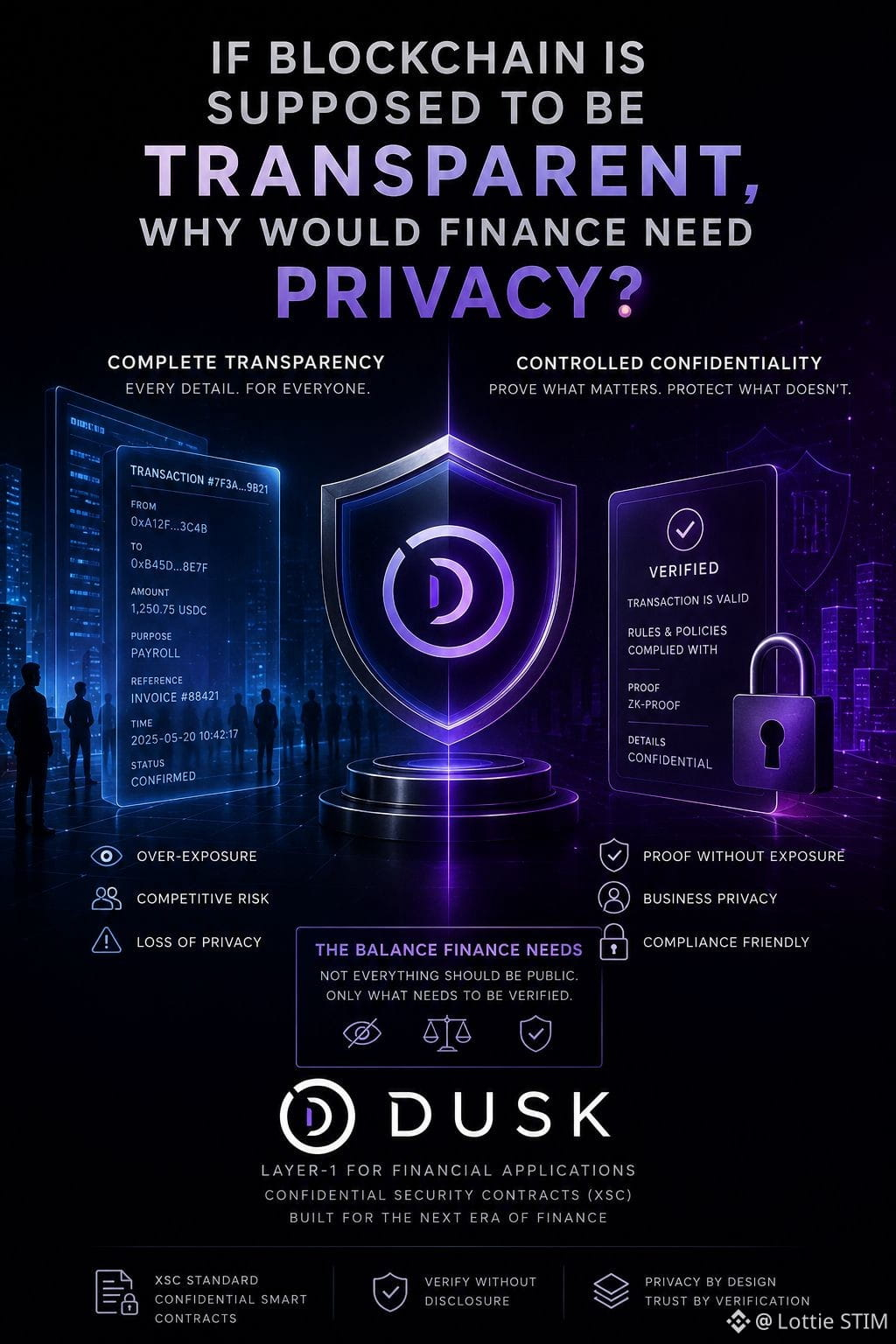
If blockchain is supposed to be transparent, why would finance need privacy?
I used to think putting everything in public was automatically better. The more visible the activity, the easier it seemed to trust the system.
But when I think about real financial use, I’m not so sure anymore.
A business might need to prove that a payment is legitimate, but that doesn't mean its competitors need to see every detail of that payment. The same goes for individuals. Knowing that something happened is one thing; knowing every detail behind it is another.
That’s what made me look closer at Dusk.
Dusk is a Layer-1 built around financial applications, with its Confidential Security Contract (XSC) standard supporting confidential smart contracts. What I find interesting isn't simply the idea of hiding information. It’s the possibility of keeping sensitive details protected while still allowing the important parts to be checked.
I’m still digging through the technical side, so I’m not going to pretend I have all the answers. But the problem feels very real to me.
Maybe financial blockchains don't need to be completely public or completely private.
Maybe they just need to be smarter about what people actually need to see.
If your financial activity moved on-chain, would you want every transaction to be visible to everyone?
#dusk $DUSK @Dusk_Foundation
If blockchain is supposed to be transparent, why would finance need privacy?
I used to think putting everything in public was automatically better. The more visible the activity, the easier it seemed to trust the system.
But when I think about real financial use, I’m not so sure anymore.
A business might need to prove that a payment is legitimate, but that doesn't mean its competitors need to see every detail of that payment. The same goes for individuals. Knowing that something happened is one thing; knowing every detail behind it is another.
That’s what made me look closer at Dusk.
Dusk is a Layer-1 built around financial applications, with its Confidential Security Contract (XSC) standard supporting confidential smart contracts. What I find interesting isn't simply the idea of hiding information. It’s the possibility of keeping sensitive details protected while still allowing the important parts to be checked.
I’m still digging through the technical side, so I’m not going to pretend I have all the answers. But the problem feels very real to me.
Maybe financial blockchains don't need to be completely public or completely private.
Maybe they just need to be smarter about what people actually need to see.
If your financial activity moved on-chain, would you want every transaction to be visible to everyone?
#dusk $DUSK @Dusk
I used to think putting everything in public was automatically better. The more visible the activity, the easier it seemed to trust the system.
But when I think about real financial use, I’m not so sure anymore.
A business might need to prove that a payment is legitimate, but that doesn't mean its competitors need to see every detail of that payment. The same goes for individuals. Knowing that something happened is one thing; knowing every detail behind it is another.
That’s what made me look closer at Dusk.
Dusk is a Layer-1 built around financial applications, with its Confidential Security Contract (XSC) standard supporting confidential smart contracts. What I find interesting isn't simply the idea of hiding information. It’s the possibility of keeping sensitive details protected while still allowing the important parts to be checked.
I’m still digging through the technical side, so I’m not going to pretend I have all the answers. But the problem feels very real to me.
Maybe financial blockchains don't need to be completely public or completely private.
Maybe they just need to be smarter about what people actually need to see.
If your financial activity moved on-chain, would you want every transaction to be visible to everyone?
#dusk $DUSK @Dusk
107
51
312
·
--
ຢືນຢັນແລ້ວ
ເບິ່ງການແປ
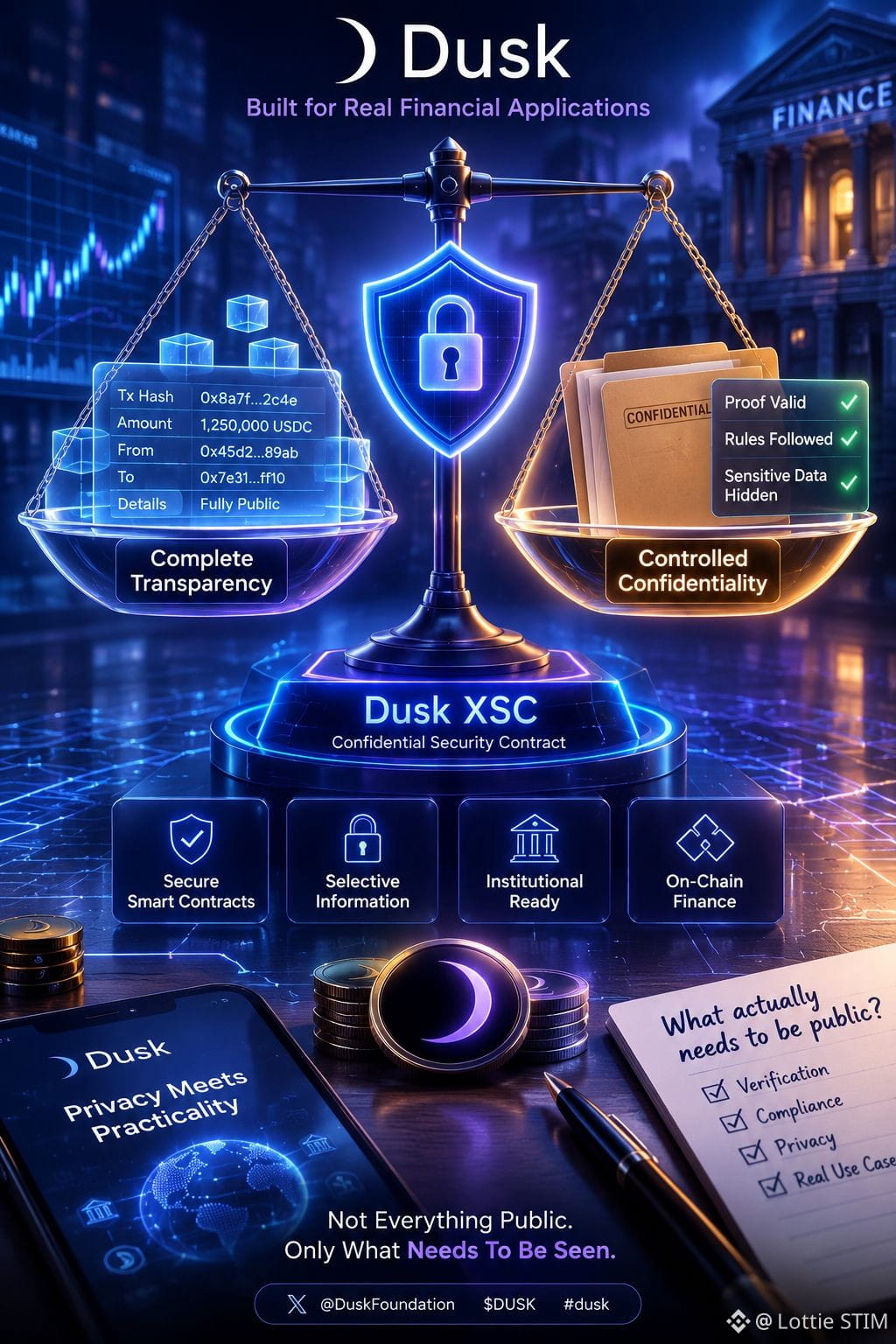
The more I think about blockchain and finance, the more I feel that privacy on its own isn't the whole answer.
Of course, financial information can be sensitive. But a financial system also needs some way to show that transactions are valid and that the rules are being followed. If everything is hidden, trust becomes harder. If everything is public, users and businesses may expose far more information than they actually need to.
That’s why I find controlled confidentiality more interesting.
While looking into Dusk, I came across its focus on financial applications and its Confidential Security Contract (XSC) standard for confidential smart contracts. What caught my attention wasn't simply the word “privacy.” It was the idea of being more selective about what gets revealed.
For example, a company could need to prove that a financial action followed the required rules without giving competitors a complete view of its sensitive business information.
I'm still learning the technical side of Dusk, so I don't want to make big claims. But the basic idea feels very practical to me.
Maybe on-chain finance doesn't need to choose between showing everything and hiding everything.
Maybe it needs to answer a simpler question: What actually needs to be public?
That balance between verification and confidentiality could become really important as more financial activity moves on-chain.
Would you rather have complete transparency, or the ability to reveal only what actually needs to be seen?
#dusk $DUSK @Dusk_Foundation
The more I think about blockchain and finance, the more I feel that privacy on its own isn't the whole answer.
Of course, financial information can be sensitive. But a financial system also needs some way to show that transactions are valid and that the rules are being followed. If everything is hidden, trust becomes harder. If everything is public, users and businesses may expose far more information than they actually need to.
That’s why I find controlled confidentiality more interesting.
While looking into Dusk, I came across its focus on financial applications and its Confidential Security Contract (XSC) standard for confidential smart contracts. What caught my attention wasn't simply the word “privacy.” It was the idea of being more selective about what gets revealed.
For example, a company could need to prove that a financial action followed the required rules without giving competitors a complete view of its sensitive business information.
I'm still learning the technical side of Dusk, so I don't want to make big claims. But the basic idea feels very practical to me.
Maybe on-chain finance doesn't need to choose between showing everything and hiding everything.
Maybe it needs to answer a simpler question: What actually needs to be public?
That balance between verification and confidentiality could become really important as more financial activity moves on-chain.
Would you rather have complete transparency, or the ability to reveal only what actually needs to be seen?
#dusk $DUSK @Dusk
Of course, financial information can be sensitive. But a financial system also needs some way to show that transactions are valid and that the rules are being followed. If everything is hidden, trust becomes harder. If everything is public, users and businesses may expose far more information than they actually need to.
That’s why I find controlled confidentiality more interesting.
While looking into Dusk, I came across its focus on financial applications and its Confidential Security Contract (XSC) standard for confidential smart contracts. What caught my attention wasn't simply the word “privacy.” It was the idea of being more selective about what gets revealed.
For example, a company could need to prove that a financial action followed the required rules without giving competitors a complete view of its sensitive business information.
I'm still learning the technical side of Dusk, so I don't want to make big claims. But the basic idea feels very practical to me.
Maybe on-chain finance doesn't need to choose between showing everything and hiding everything.
Maybe it needs to answer a simpler question: What actually needs to be public?
That balance between verification and confidentiality could become really important as more financial activity moves on-chain.
Would you rather have complete transparency, or the ability to reveal only what actually needs to be seen?
#dusk $DUSK @Dusk
81
33
242
·
--
ເບິ່ງການແປ
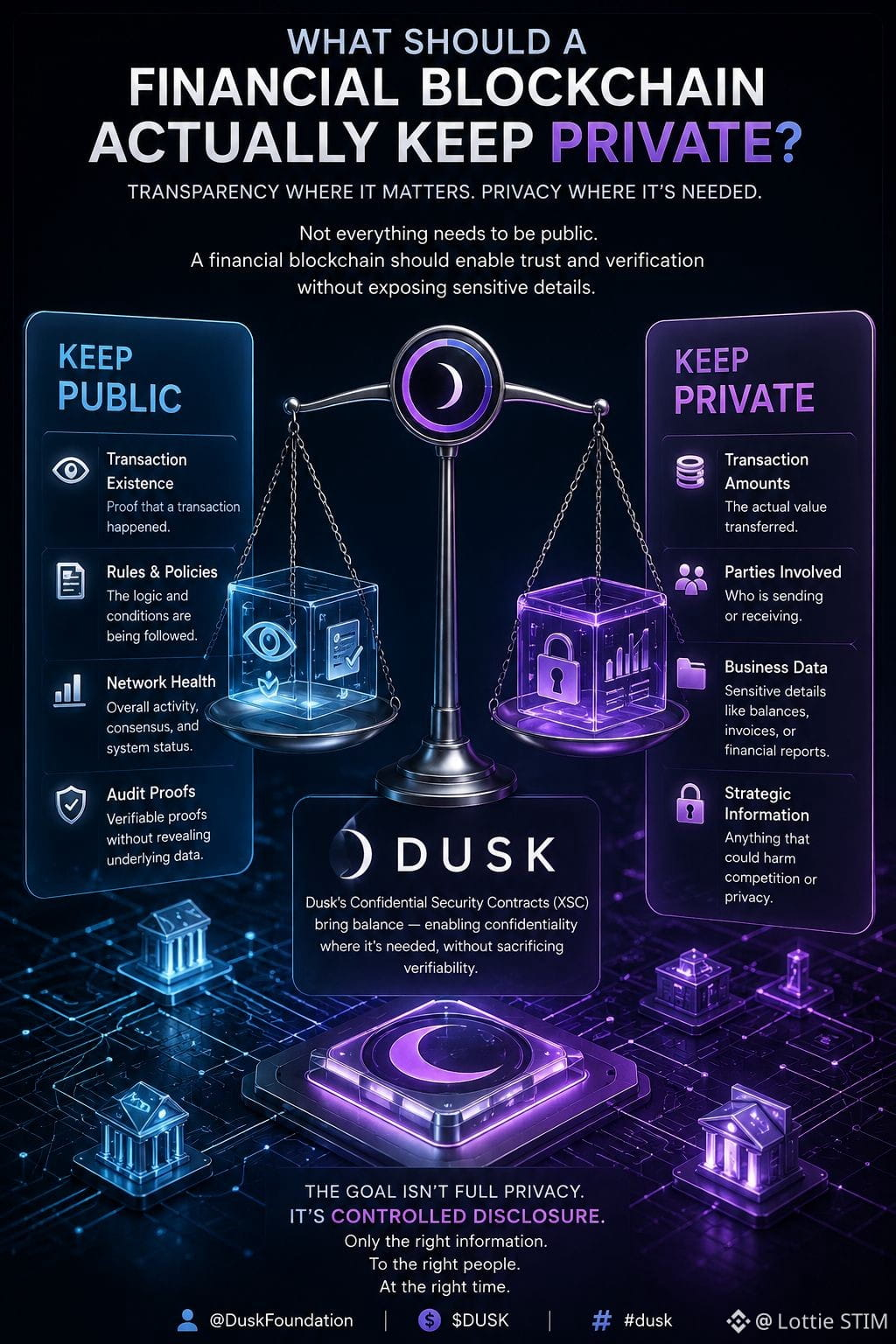
What should a financial blockchain actually keep private?
I’ve been thinking about this more since looking at Dusk, and I don’t think the answer is simply “make everything private.” Finance needs transparency. People should be able to check that transactions and rules are being followed. But that doesn’t mean every piece of financial information needs to be visible to everyone.
Take a company making a large payment. It may be important to prove that the transaction is legitimate, but why should competitors automatically get to see sensitive details about the business?
That’s where I find Dusk interesting. It’s a Layer-1 focused on financial applications, and its Confidential Security Contract (XSC) standard supports confidential smart contracts.
What I like about this idea is the balance. You can have information that needs to be verifiable while keeping other details away from unnecessary exposure.
I’m still digging into the technical side, so I’m not claiming this is a simple problem. But I think the basic principle makes sense: not everything needs to be public just because it happens on a blockchain.
For me, the better question is not “public or private?”
It’s what actually needs to be visible, and what should stay confidential?
If you were building a financial app on blockchain, what information would you make public?
#dusk $DUSK @Dusk_Foundation
What should a financial blockchain actually keep private?
I’ve been thinking about this more since looking at Dusk, and I don’t think the answer is simply “make everything private.” Finance needs transparency. People should be able to check that transactions and rules are being followed. But that doesn’t mean every piece of financial information needs to be visible to everyone.
Take a company making a large payment. It may be important to prove that the transaction is legitimate, but why should competitors automatically get to see sensitive details about the business?
That’s where I find Dusk interesting. It’s a Layer-1 focused on financial applications, and its Confidential Security Contract (XSC) standard supports confidential smart contracts.
What I like about this idea is the balance. You can have information that needs to be verifiable while keeping other details away from unnecessary exposure.
I’m still digging into the technical side, so I’m not claiming this is a simple problem. But I think the basic principle makes sense: not everything needs to be public just because it happens on a blockchain.
For me, the better question is not “public or private?”
It’s what actually needs to be visible, and what should stay confidential?
If you were building a financial app on blockchain, what information would you make public?
#dusk $DUSK @Dusk
I’ve been thinking about this more since looking at Dusk, and I don’t think the answer is simply “make everything private.” Finance needs transparency. People should be able to check that transactions and rules are being followed. But that doesn’t mean every piece of financial information needs to be visible to everyone.
Take a company making a large payment. It may be important to prove that the transaction is legitimate, but why should competitors automatically get to see sensitive details about the business?
That’s where I find Dusk interesting. It’s a Layer-1 focused on financial applications, and its Confidential Security Contract (XSC) standard supports confidential smart contracts.
What I like about this idea is the balance. You can have information that needs to be verifiable while keeping other details away from unnecessary exposure.
I’m still digging into the technical side, so I’m not claiming this is a simple problem. But I think the basic principle makes sense: not everything needs to be public just because it happens on a blockchain.
For me, the better question is not “public or private?”
It’s what actually needs to be visible, and what should stay confidential?
If you were building a financial app on blockchain, what information would you make public?
#dusk $DUSK @Dusk
61
24
207
·
--
ເບິ່ງການແປ
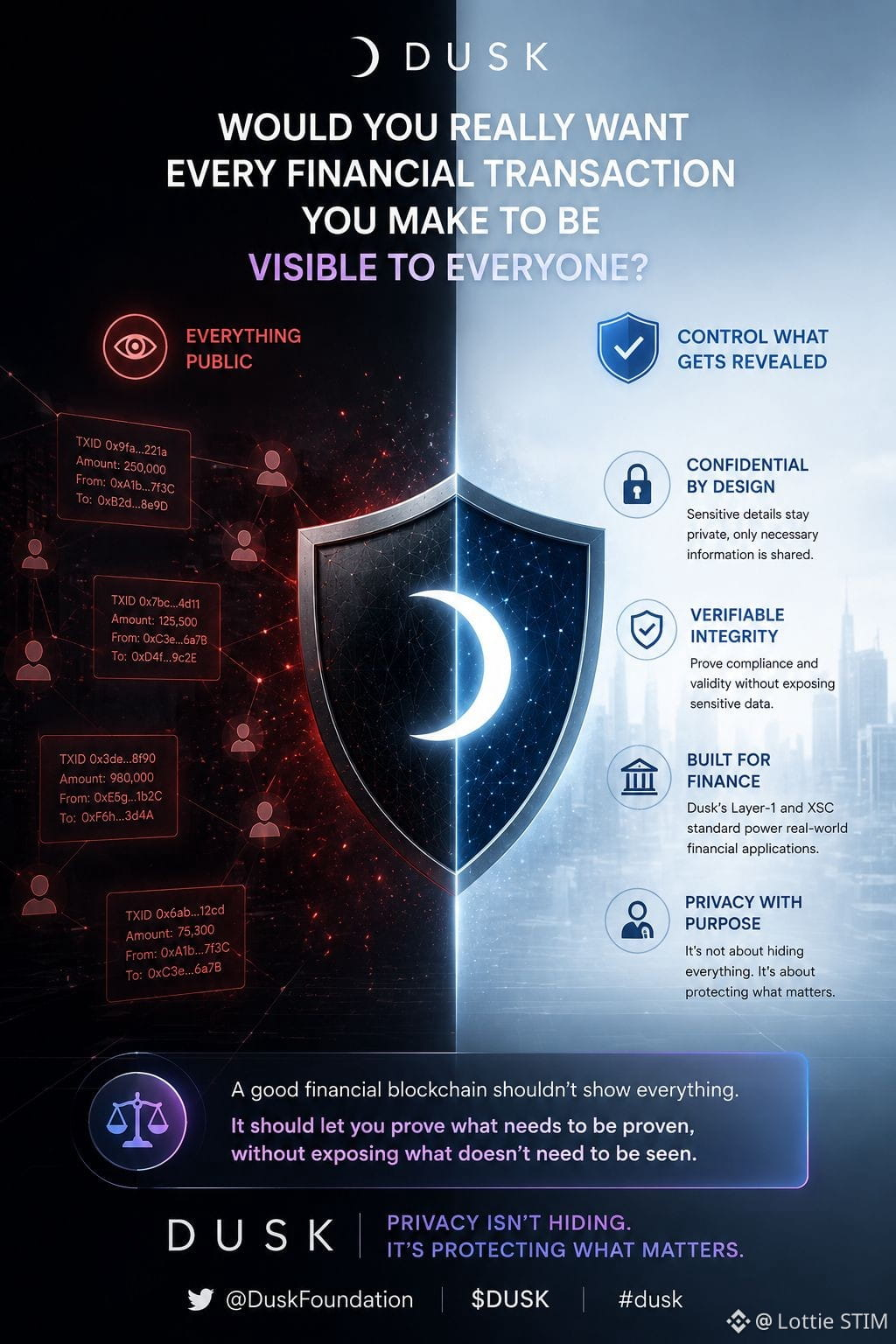
Would you really want every financial transaction you make to be visible to everyone?
I used to think that more transparency automatically meant more trust. But when I started looking at finance more closely, I realized it’s not that simple.
If a company uses blockchain, it may need to prove that a payment or transaction is legitimate. But does that mean competitors and strangers should also be able to see every detail? I don't think so.
For me, there’s a big difference between being able to verify something and being able to see everything.
That’s why Dusk has become interesting to me. Its Layer-1 is built with financial applications in mind, and its Confidential Security Contract (XSC) standard supports confidential smart contracts.
I like the idea behind this because it doesn't treat privacy as “hide everything.” It’s more about protecting sensitive information while keeping the important parts verifiable.
I'm still learning about the technical side, so I don't want to pretend Dusk has solved every problem. But I think the question it raises is important.
Maybe a good financial blockchain shouldn't show everything.
Maybe it should let people prove what needs to be proven without exposing what doesn't need to be seen.
If your financial activity were on-chain, would you want every transaction to be completely public?
@DuskFoundation $DUSK #dusk
#dusk $DUSK @Dusk_Foundation
Would you really want every financial transaction you make to be visible to everyone?
I used to think that more transparency automatically meant more trust. But when I started looking at finance more closely, I realized it’s not that simple.
If a company uses blockchain, it may need to prove that a payment or transaction is legitimate. But does that mean competitors and strangers should also be able to see every detail? I don't think so.
For me, there’s a big difference between being able to verify something and being able to see everything.
That’s why Dusk has become interesting to me. Its Layer-1 is built with financial applications in mind, and its Confidential Security Contract (XSC) standard supports confidential smart contracts.
I like the idea behind this because it doesn't treat privacy as “hide everything.” It’s more about protecting sensitive information while keeping the important parts verifiable.
I'm still learning about the technical side, so I don't want to pretend Dusk has solved every problem. But I think the question it raises is important.
Maybe a good financial blockchain shouldn't show everything.
Maybe it should let people prove what needs to be proven without exposing what doesn't need to be seen.
If your financial activity were on-chain, would you want every transaction to be completely public?
@DuskFoundation $DUSK #dusk
#dusk $DUSK @Dusk
I used to think that more transparency automatically meant more trust. But when I started looking at finance more closely, I realized it’s not that simple.
If a company uses blockchain, it may need to prove that a payment or transaction is legitimate. But does that mean competitors and strangers should also be able to see every detail? I don't think so.
For me, there’s a big difference between being able to verify something and being able to see everything.
That’s why Dusk has become interesting to me. Its Layer-1 is built with financial applications in mind, and its Confidential Security Contract (XSC) standard supports confidential smart contracts.
I like the idea behind this because it doesn't treat privacy as “hide everything.” It’s more about protecting sensitive information while keeping the important parts verifiable.
I'm still learning about the technical side, so I don't want to pretend Dusk has solved every problem. But I think the question it raises is important.
Maybe a good financial blockchain shouldn't show everything.
Maybe it should let people prove what needs to be proven without exposing what doesn't need to be seen.
If your financial activity were on-chain, would you want every transaction to be completely public?
@DuskFoundation $DUSK #dusk
#dusk $DUSK @Dusk
112
44
168
·
--
ເບິ່ງການແປ
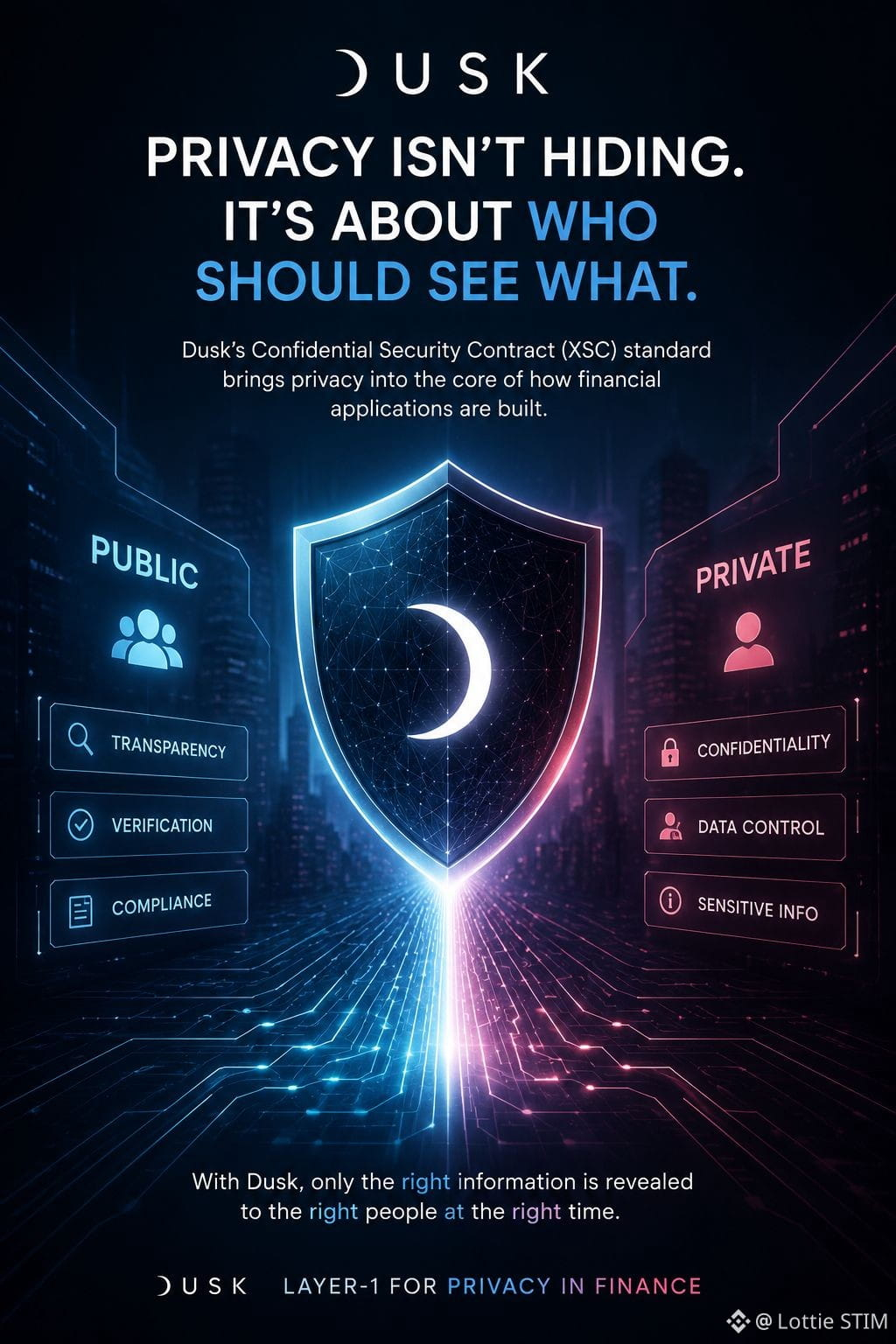
The more I think about privacy in blockchain, the more I realize that it doesn't have to mean hiding everything.
For finance, the bigger question is probably who should be able to see what.
A company might need to prove that a transaction followed the rules, but that doesn't mean everyone needs to see every detail behind it. Some information is simply too sensitive to put on full display.
That’s what made me pay more attention to Dusk.
Dusk is a Layer-1 built with financial applications in mind, and its Confidential Security Contract (XSC) standard supports confidential smart contracts. What I find interesting here is the idea that privacy can be part of the way an application works, rather than something added later.
I’m still learning the technical side of Dusk, but this part makes sense to me from a real-world perspective.
Privacy isn't necessarily about saying, “Nobody can see anything.”
It can be about saying, “Only the information that actually needs to be seen should be revealed.”
That sounds like a much more practical approach for financial applications.
If blockchain becomes a bigger part of finance, I think this distinction between privacy and confidentiality will become even more important.
Would you prefer a financial blockchain where everything is public, or one where you have more control over what gets revealed?
#dusk $DUSK @Dusk_Foundation
The more I think about privacy in blockchain, the more I realize that it doesn't have to mean hiding everything.
For finance, the bigger question is probably who should be able to see what.
A company might need to prove that a transaction followed the rules, but that doesn't mean everyone needs to see every detail behind it. Some information is simply too sensitive to put on full display.
That’s what made me pay more attention to Dusk.
Dusk is a Layer-1 built with financial applications in mind, and its Confidential Security Contract (XSC) standard supports confidential smart contracts. What I find interesting here is the idea that privacy can be part of the way an application works, rather than something added later.
I’m still learning the technical side of Dusk, but this part makes sense to me from a real-world perspective.
Privacy isn't necessarily about saying, “Nobody can see anything.”
It can be about saying, “Only the information that actually needs to be seen should be revealed.”
That sounds like a much more practical approach for financial applications.
If blockchain becomes a bigger part of finance, I think this distinction between privacy and confidentiality will become even more important.
Would you prefer a financial blockchain where everything is public, or one where you have more control over what gets revealed?
#dusk $DUSK @Dusk
For finance, the bigger question is probably who should be able to see what.
A company might need to prove that a transaction followed the rules, but that doesn't mean everyone needs to see every detail behind it. Some information is simply too sensitive to put on full display.
That’s what made me pay more attention to Dusk.
Dusk is a Layer-1 built with financial applications in mind, and its Confidential Security Contract (XSC) standard supports confidential smart contracts. What I find interesting here is the idea that privacy can be part of the way an application works, rather than something added later.
I’m still learning the technical side of Dusk, but this part makes sense to me from a real-world perspective.
Privacy isn't necessarily about saying, “Nobody can see anything.”
It can be about saying, “Only the information that actually needs to be seen should be revealed.”
That sounds like a much more practical approach for financial applications.
If blockchain becomes a bigger part of finance, I think this distinction between privacy and confidentiality will become even more important.
Would you prefer a financial blockchain where everything is public, or one where you have more control over what gets revealed?
#dusk $DUSK @Dusk
116
45
207
·
--
ເບິ່ງການແປ
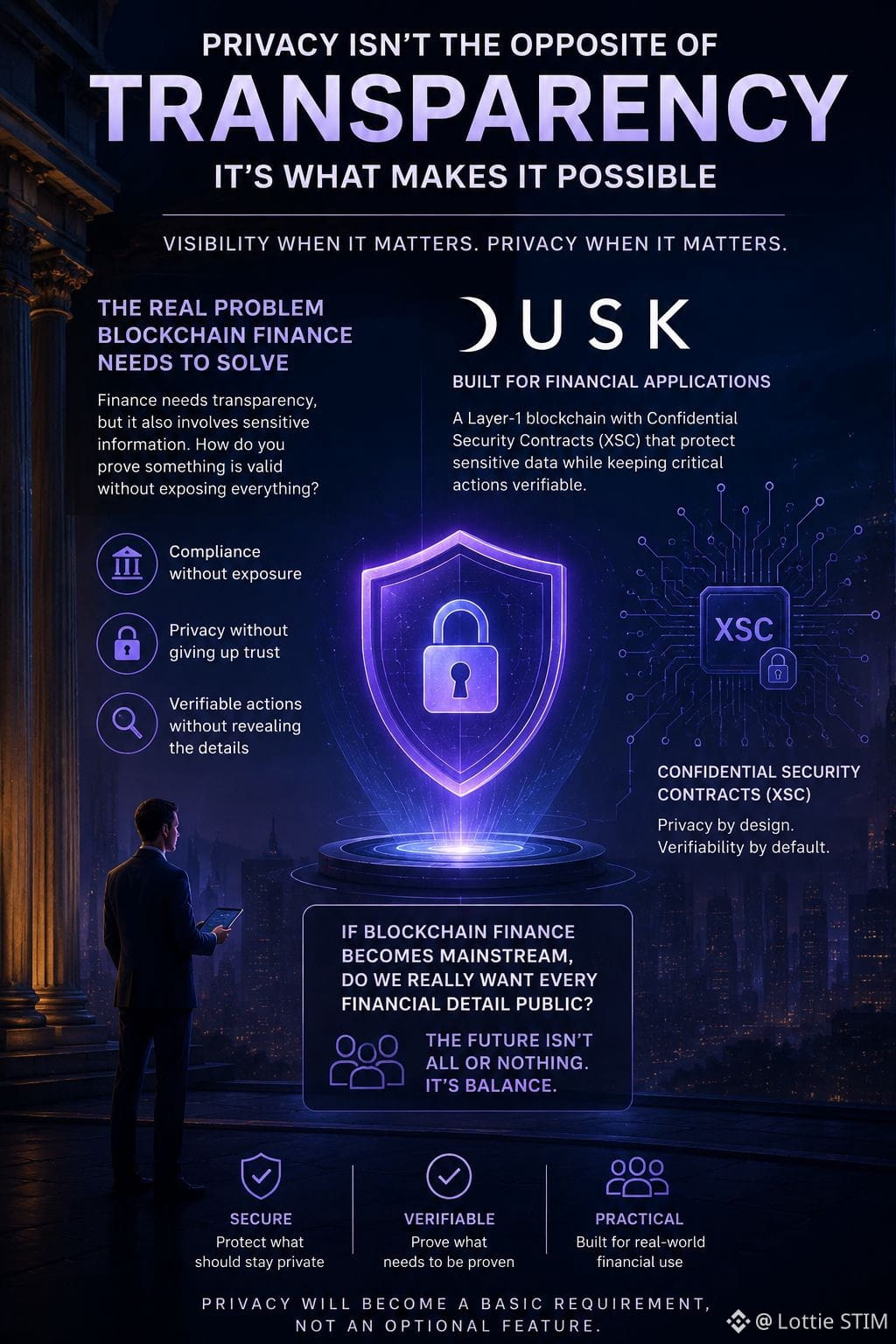
The more I read about Dusk, the less I felt that “privacy blockchain” was enough to describe what it is trying to do.
I started looking at it from a different angle: what would actually happen if blockchain became part of everyday finance?
That’s where things get interesting. Finance needs transparency, but it also involves sensitive information. A company might need to prove that a transaction followed the rules without showing its entire financial activity to everyone watching the blockchain.
That’s the problem I think Dusk is trying to tackle.
Dusk is a Layer-1 focused on financial applications, with support for confidential smart contracts through its Confidential Security Contract (XSC) standard. What I like about the idea is that it doesn't seem to be about simply hiding everything. It’s more about giving financial applications a way to protect sensitive information while still keeping important actions verifiable.
I’m still researching the technical side, so I don't want to make this sound bigger than it is. But the question itself feels important.
If blockchain finance becomes mainstream, do we really want every financial detail sitting in public?
Maybe the better model is visibility when it matters, privacy when it matters.
That’s the part of Dusk I’m most curious about.
Do you think privacy will become a basic requirement for financial blockchains?
#dusk $DUSK @Dusk_Foundation
The more I read about Dusk, the less I felt that “privacy blockchain” was enough to describe what it is trying to do.
I started looking at it from a different angle: what would actually happen if blockchain became part of everyday finance?
That’s where things get interesting. Finance needs transparency, but it also involves sensitive information. A company might need to prove that a transaction followed the rules without showing its entire financial activity to everyone watching the blockchain.
That’s the problem I think Dusk is trying to tackle.
Dusk is a Layer-1 focused on financial applications, with support for confidential smart contracts through its Confidential Security Contract (XSC) standard. What I like about the idea is that it doesn't seem to be about simply hiding everything. It’s more about giving financial applications a way to protect sensitive information while still keeping important actions verifiable.
I’m still researching the technical side, so I don't want to make this sound bigger than it is. But the question itself feels important.
If blockchain finance becomes mainstream, do we really want every financial detail sitting in public?
Maybe the better model is visibility when it matters, privacy when it matters.
That’s the part of Dusk I’m most curious about.
Do you think privacy will become a basic requirement for financial blockchains?
#dusk $DUSK @Dusk
I started looking at it from a different angle: what would actually happen if blockchain became part of everyday finance?
That’s where things get interesting. Finance needs transparency, but it also involves sensitive information. A company might need to prove that a transaction followed the rules without showing its entire financial activity to everyone watching the blockchain.
That’s the problem I think Dusk is trying to tackle.
Dusk is a Layer-1 focused on financial applications, with support for confidential smart contracts through its Confidential Security Contract (XSC) standard. What I like about the idea is that it doesn't seem to be about simply hiding everything. It’s more about giving financial applications a way to protect sensitive information while still keeping important actions verifiable.
I’m still researching the technical side, so I don't want to make this sound bigger than it is. But the question itself feels important.
If blockchain finance becomes mainstream, do we really want every financial detail sitting in public?
Maybe the better model is visibility when it matters, privacy when it matters.
That’s the part of Dusk I’m most curious about.
Do you think privacy will become a basic requirement for financial blockchains?
#dusk $DUSK @Dusk
135
45
218
·
--
ຢືນຢັນແລ້ວ
ເບິ່ງການແປ
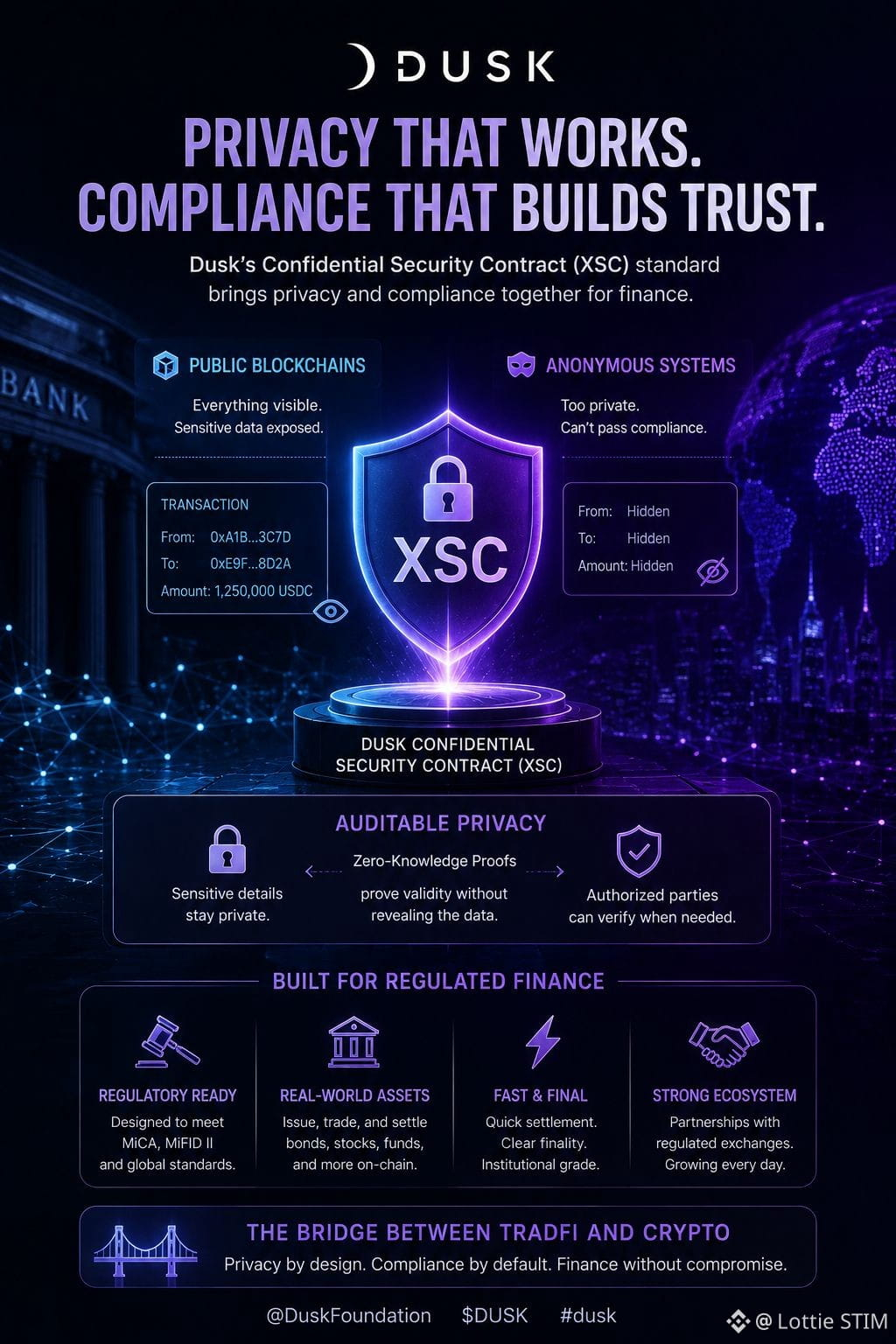
The more I looked into Dusk, the more I kept coming back to one thing: its Confidential Security Contract, or XSC.
Honestly, at first I thought it was just another technical term. But once I started thinking about how financial applications actually work, it made a lot more sense.
Not every piece of financial information should be visible to everyone.
You might need to prove that a transaction or process is valid, but that doesn't mean you need to expose all the sensitive details behind it. That’s the part of Dusk’s approach I find interesting.
Dusk is a Layer-1 blockchain focused on financial applications, and its XSC standard supports confidential smart contracts. To me, the interesting part isn't simply the word “confidential.” It's the idea of making privacy part of the way financial applications are built.
I'm still learning about the technical details, so I don't want to pretend I know everything about XSC. But I do think it's solving a question that deserves more attention:
How do we bring financial activity on-chain without putting every sensitive detail on display?
Maybe the future isn't about making blockchains completely private or completely public.
Maybe it's about knowing what actually needs to be seen.
That’s why XSC is one part of Dusk I’m keeping an eye on.
What’s your take?
#dusk $DUSK @Dusk_Foundation
The more I looked into Dusk, the more I kept coming back to one thing: its Confidential Security Contract, or XSC.
Honestly, at first I thought it was just another technical term. But once I started thinking about how financial applications actually work, it made a lot more sense.
Not every piece of financial information should be visible to everyone.
You might need to prove that a transaction or process is valid, but that doesn't mean you need to expose all the sensitive details behind it. That’s the part of Dusk’s approach I find interesting.
Dusk is a Layer-1 blockchain focused on financial applications, and its XSC standard supports confidential smart contracts. To me, the interesting part isn't simply the word “confidential.” It's the idea of making privacy part of the way financial applications are built.
I'm still learning about the technical details, so I don't want to pretend I know everything about XSC. But I do think it's solving a question that deserves more attention:
How do we bring financial activity on-chain without putting every sensitive detail on display?
Maybe the future isn't about making blockchains completely private or completely public.
Maybe it's about knowing what actually needs to be seen.
That’s why XSC is one part of Dusk I’m keeping an eye on.
What’s your take?
#dusk $DUSK @Dusk
Honestly, at first I thought it was just another technical term. But once I started thinking about how financial applications actually work, it made a lot more sense.
Not every piece of financial information should be visible to everyone.
You might need to prove that a transaction or process is valid, but that doesn't mean you need to expose all the sensitive details behind it. That’s the part of Dusk’s approach I find interesting.
Dusk is a Layer-1 blockchain focused on financial applications, and its XSC standard supports confidential smart contracts. To me, the interesting part isn't simply the word “confidential.” It's the idea of making privacy part of the way financial applications are built.
I'm still learning about the technical details, so I don't want to pretend I know everything about XSC. But I do think it's solving a question that deserves more attention:
How do we bring financial activity on-chain without putting every sensitive detail on display?
Maybe the future isn't about making blockchains completely private or completely public.
Maybe it's about knowing what actually needs to be seen.
That’s why XSC is one part of Dusk I’m keeping an eye on.
What’s your take?
#dusk $DUSK @Dusk
113
1
36
189
·
--
ເບິ່ງການແປ
I used to think a private blockchain would always have to give up some level of verification.
It seemed logical to me. If people can't see the information, how can they know the system is doing what it should?
But the more I read about blockchain and financial use cases, the more I realized it doesn't have to be that simple.
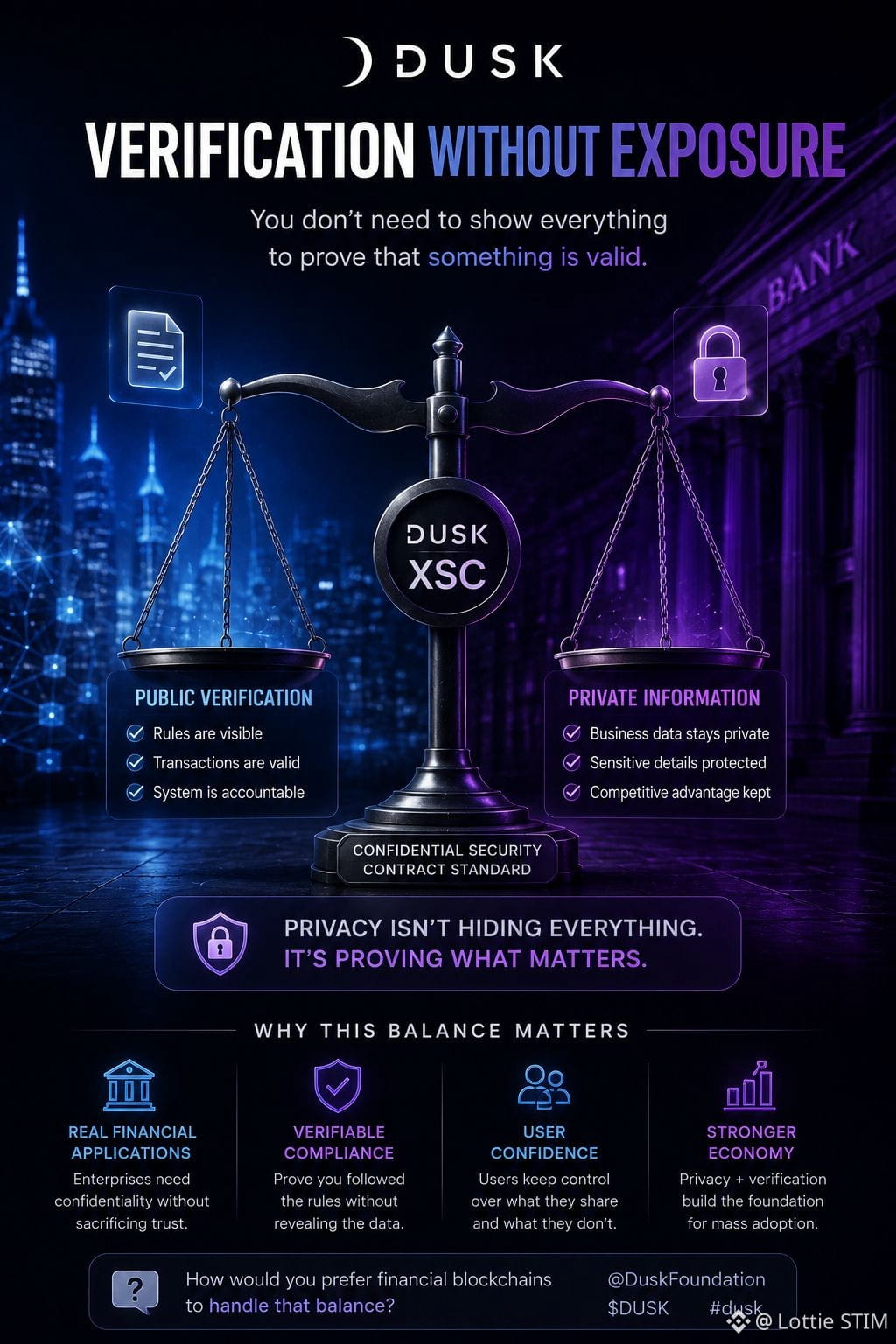
You don't need to show everyone everything just to prove that something is valid.
That's the part of Dusk that I find genuinely interesting. Its focus on financial applications and confidential smart contracts through the Confidential Security Contract (XSC) standard made me look at blockchain privacy from a different angle.
For example, a company might want to prove that a financial process followed the required rules without exposing sensitive business information to competitors. Those two needs don't necessarily have to conflict.
I'm still learning the technical details, so I don't want to make Dusk sound like it has solved every privacy challenge. But I think the question it's exploring is important.
Maybe privacy isn't about hiding everything.
Maybe it's about keeping sensitive information private while making the right things verifiable.
If blockchain is going to become part of real financial systems, that balance could be far more important than simply choosing between “public” and “private.”
How would you prefer financial blockchains to handle that balance?
#dusk $DUSK @Dusk_Foundation
I used to think a private blockchain would always have to give up some level of verification.
It seemed logical to me. If people can't see the information, how can they know the system is doing what it should?
But the more I read about blockchain and financial use cases, the more I realized it doesn't have to be that simple.
You don't need to show everyone everything just to prove that something is valid.
That's the part of Dusk that I find genuinely interesting. Its focus on financial applications and confidential smart contracts through the Confidential Security Contract (XSC) standard made me look at blockchain privacy from a different angle.
For example, a company might want to prove that a financial process followed the required rules without exposing sensitive business information to competitors. Those two needs don't necessarily have to conflict.
I'm still learning the technical details, so I don't want to make Dusk sound like it has solved every privacy challenge. But I think the question it's exploring is important.
Maybe privacy isn't about hiding everything.
Maybe it's about keeping sensitive information private while making the right things verifiable.
If blockchain is going to become part of real financial systems, that balance could be far more important than simply choosing between “public” and “private.”
How would you prefer financial blockchains to handle that balance?
#dusk $DUSK @Dusk
It seemed logical to me. If people can't see the information, how can they know the system is doing what it should?
But the more I read about blockchain and financial use cases, the more I realized it doesn't have to be that simple.
You don't need to show everyone everything just to prove that something is valid.
That's the part of Dusk that I find genuinely interesting. Its focus on financial applications and confidential smart contracts through the Confidential Security Contract (XSC) standard made me look at blockchain privacy from a different angle.
For example, a company might want to prove that a financial process followed the required rules without exposing sensitive business information to competitors. Those two needs don't necessarily have to conflict.
I'm still learning the technical details, so I don't want to make Dusk sound like it has solved every privacy challenge. But I think the question it's exploring is important.
Maybe privacy isn't about hiding everything.
Maybe it's about keeping sensitive information private while making the right things verifiable.
If blockchain is going to become part of real financial systems, that balance could be far more important than simply choosing between “public” and “private.”
How would you prefer financial blockchains to handle that balance?
#dusk $DUSK @Dusk
101
42
340
·
--
ເບິ່ງການແປ
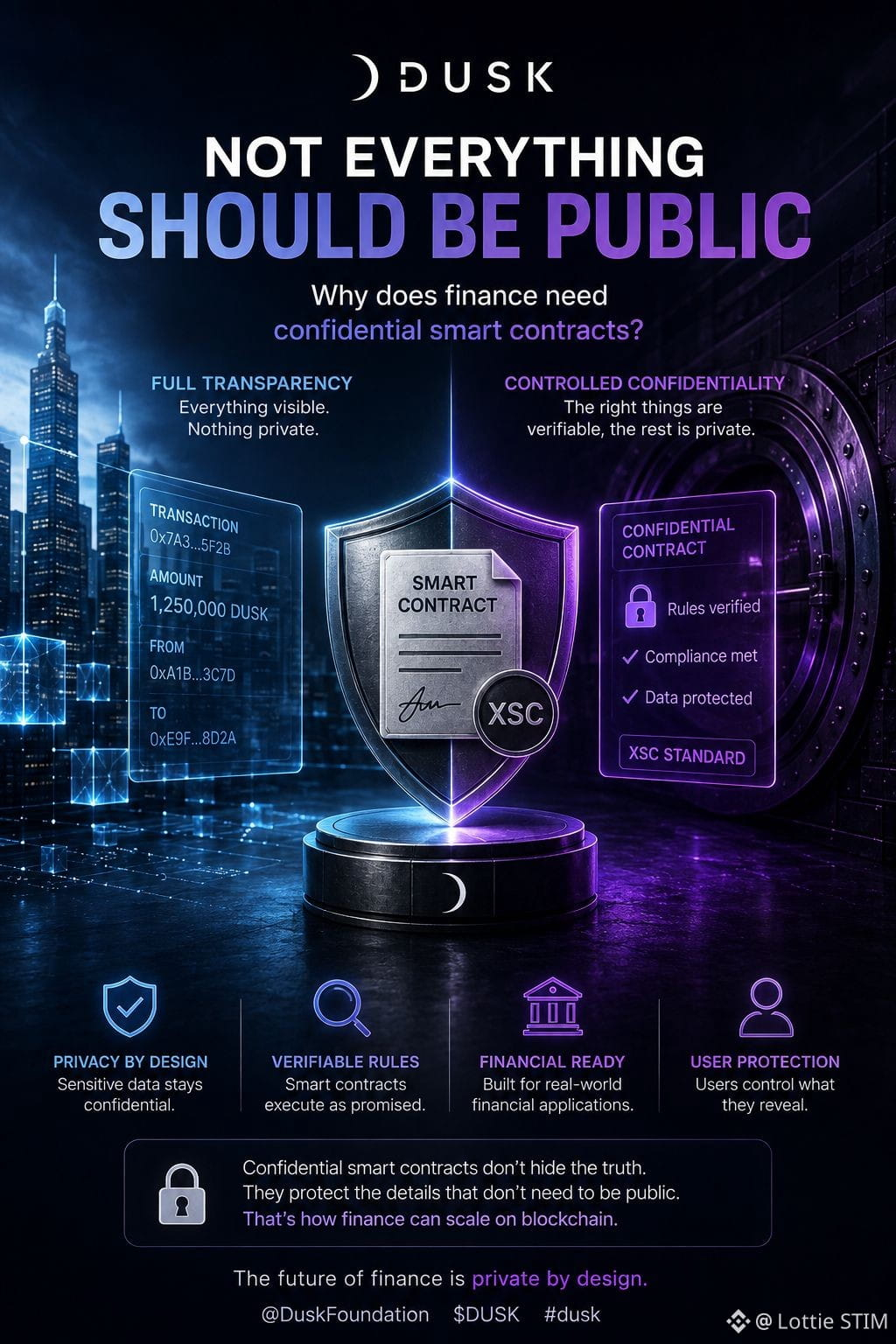
Why does finance need confidential smart contracts?
The more I look into blockchain and finance, the more I realize that “everything should be public” doesn't always make sense.
Transparency is useful. You want transactions to be verifiable and the system to be accountable. But financial information can also be extremely sensitive. A company probably doesn't want competitors watching every movement of its capital, and users shouldn't necessarily have to expose every detail just to use a blockchain application.
That’s what makes confidential smart contracts interesting to me.
While researching Dusk, I found its focus on financial applications and its Confidential Security Contract (XSC) standard particularly worth looking at. The idea isn't simply to hide everything. It's about creating an environment where sensitive information can remain confidential while blockchain-based applications can still operate according to verifiable rules.
I think that's a much more realistic way to approach privacy.
I'm still digging through the technical side, so I'm not claiming Dusk has solved every challenge. But it has made me rethink what blockchain transparency should actually mean.
Maybe the goal isn't to make everything visible.
Maybe the goal is to make the right things verifiable while protecting the information that shouldn't be exposed.
If you were building a financial application on blockchain, would you choose complete transparency or controlled confidentiality?
#dusk $DUSK @Dusk_Foundation
Why does finance need confidential smart contracts?
The more I look into blockchain and finance, the more I realize that “everything should be public” doesn't always make sense.
Transparency is useful. You want transactions to be verifiable and the system to be accountable. But financial information can also be extremely sensitive. A company probably doesn't want competitors watching every movement of its capital, and users shouldn't necessarily have to expose every detail just to use a blockchain application.
That’s what makes confidential smart contracts interesting to me.
While researching Dusk, I found its focus on financial applications and its Confidential Security Contract (XSC) standard particularly worth looking at. The idea isn't simply to hide everything. It's about creating an environment where sensitive information can remain confidential while blockchain-based applications can still operate according to verifiable rules.
I think that's a much more realistic way to approach privacy.
I'm still digging through the technical side, so I'm not claiming Dusk has solved every challenge. But it has made me rethink what blockchain transparency should actually mean.
Maybe the goal isn't to make everything visible.
Maybe the goal is to make the right things verifiable while protecting the information that shouldn't be exposed.
If you were building a financial application on blockchain, would you choose complete transparency or controlled confidentiality?
#dusk $DUSK @Dusk
The more I look into blockchain and finance, the more I realize that “everything should be public” doesn't always make sense.
Transparency is useful. You want transactions to be verifiable and the system to be accountable. But financial information can also be extremely sensitive. A company probably doesn't want competitors watching every movement of its capital, and users shouldn't necessarily have to expose every detail just to use a blockchain application.
That’s what makes confidential smart contracts interesting to me.
While researching Dusk, I found its focus on financial applications and its Confidential Security Contract (XSC) standard particularly worth looking at. The idea isn't simply to hide everything. It's about creating an environment where sensitive information can remain confidential while blockchain-based applications can still operate according to verifiable rules.
I think that's a much more realistic way to approach privacy.
I'm still digging through the technical side, so I'm not claiming Dusk has solved every challenge. But it has made me rethink what blockchain transparency should actually mean.
Maybe the goal isn't to make everything visible.
Maybe the goal is to make the right things verifiable while protecting the information that shouldn't be exposed.
If you were building a financial application on blockchain, would you choose complete transparency or controlled confidentiality?
#dusk $DUSK @Dusk
113
36
399
·
--
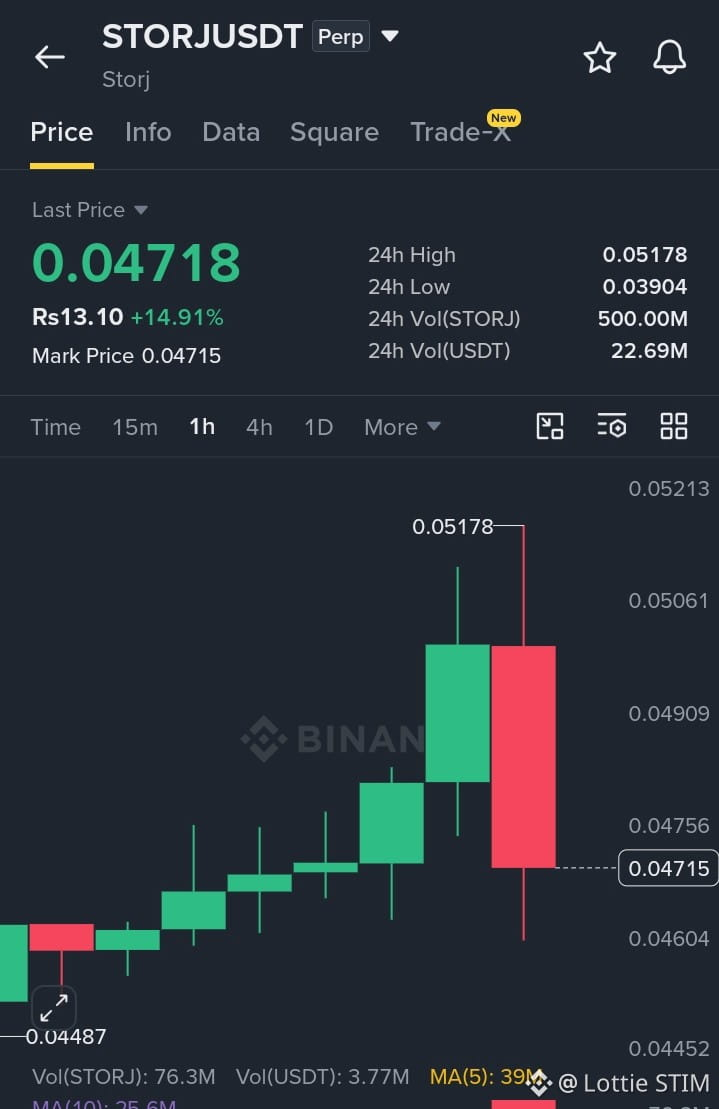
$STORJ
ការកើនឡើងបែប Bullish ដែលរឹងមាំ ជាមួយនឹងតម្លៃកំពុងរក្សានៅជិតតំបន់កម្ទេច (breakout)។ សន្ទុះ (momentum) ធ្វើឲ្យអ្នកទិញមានប្រៀប ខណៈដែលរចនាសម្ព័ន្ធនៅតែស្ថិតលើតំបន់ការគាំទ្រសំខាន់។
EP: 0.0494–0.0501
TP1: 0.0520
TP2: 0.0545
TP3: 0.0570
SL: 0.0475
$STORJ
ការកើនឡើងបែប Bullish ដែលរឹងមាំ ជាមួយនឹងតម្លៃកំពុងរក្សានៅជិតតំបន់កម្ទេច (breakout)។ សន្ទុះ (momentum) ធ្វើឲ្យអ្នកទិញមានប្រៀប ខណៈដែលរចនាសម្ព័ន្ធនៅតែស្ថិតលើតំបន់ការគាំទ្រសំខាន់។
EP: 0.0494–0.0501
TP1: 0.0520
TP2: 0.0545
TP3: 0.0570
SL: 0.0475
ការកើនឡើងបែប Bullish ដែលរឹងមាំ ជាមួយនឹងតម្លៃកំពុងរក្សានៅជិតតំបន់កម្ទេច (breakout)។ សន្ទុះ (momentum) ធ្វើឲ្យអ្នកទិញមានប្រៀប ខណៈដែលរចនាសម្ព័ន្ធនៅតែស្ថិតលើតំបន់ការគាំទ្រសំខាន់។
EP: 0.0494–0.0501
TP1: 0.0520
TP2: 0.0545
TP3: 0.0570
SL: 0.0475
2
176
ເຂົ້າສູ່ລະບົບເພື່ອສຳຫຼວດເນື້ອຫາເພີ່ມເຕີມ
ເຂົ້າຮ່ວມກຸ່ມຜູ້ໃຊ້ຄຣິບໂຕທົ່ວໂລກໃນ Binance Square.
⚡️ ໄດ້ຮັບຂໍ້ມູນຫຼ້າສຸດ ແລະ ທີ່ມີປະໂຫຍດກ່ຽວກັບຄຣິບໂຕ.
💬 ໄດ້ຮັບຄວາມໄວ້ວາງໃຈຈາກຕະຫຼາດແລກປ່ຽນຄຣິບໂຕທີ່ໃຫຍ່ທີ່ສຸດໃນໂລກ.
👍 ຄົ້ນຫາຂໍ້ມູນເຊີງເລິກທີ່ແທ້ຈາກນັກສ້າງທີ່ໄດ້ຮັບການຢືນຢັນ.
ອີເມວ / ເບີໂທລະສັບ
ຫົວຂໍ້ທີ່ກໍາລັງນິຍົມ
FedRateWatch
804,828 views
3,783 ກຳລັງສົນທະນາ
Patawe & Win Traffic Reward i la Campanya de Tendència Hashtag
✨Tema: FOMC setembre, Què serà el següent moviment de la Fed?
👉Com unir-te:
Publica una publicació o article breu amb l’hashtag #FedRateWatch
Crea contingut basat en els angles següents:
- L’IPC bàsic d’agost va pujar 0,3% mes a mes, i les probabilitats d’una pujada de 25 pb aquesta setmana ara estan a prop del 90%. Creus que hi haurà una pujada de tipus aquesta setmana? És un fet puntual o l’inici d’un cicle de pujades més llarg?
- Si la pujada s’implementa, com es desenvolupa per a BTC, accions tecnològiques i or? Alcista o baixista?
- Com planeges negociar després? Comparteix les teves operacions d’BTC, accions o or/participacions amb el nostre giny per compartir operacions.
⏰Període de la campanya:
- 2026-09-15 11:00 - 2026-09-17 3:00 UTC
🎁Recompensa:
- Les publicacions qualificades que compleixin les directrius anteriors i tinguin més de 100 paraules es revisaran i poden rebre un impuls aleatori de trànsit de 500 a 3.000 visualitzacions. Rebràs una notificació del teu secretari del feed si la teva publicació es selecciona.
- Tens l’oportunitat que el teu article aparegui a Binance Square Official
Necessites idees per a la teva publicació? Visita la pàgina del tema #FedRateWatch o la Square Guide on How to Post for Better Reach.
Binance Square Official
·490 ຖືກໃຈ
·1.1M views
BitcoinFalls4%
619 views
65 ກຳລັງສົນທະນາ
OpenAIDiscussesNewFundingAt$1.2TValuation
0 views
6 ກຳລັງສົນທະນາ