

Junii Ahmad
282 ໂພສ

Junii Ahmad
ລາຍງານ
ບລັອກຜູ້ໃຊ້
📊 Crypto Trader | Technical Analysis & Risk Management | Disciplined Execution over Emotion 🎯
ຜູ້ຊື້ຂາຍປະຈໍາ
1.9 ປີ
23 ກໍາລັງຕິດຕາມ
24 ຜູ້ຕິດຕາມ
149 Liked
ໂພສ
ທັງໝົດ
ວົງຢືມ
ວີດີໂອ
ປັກໝຸດ
·
--
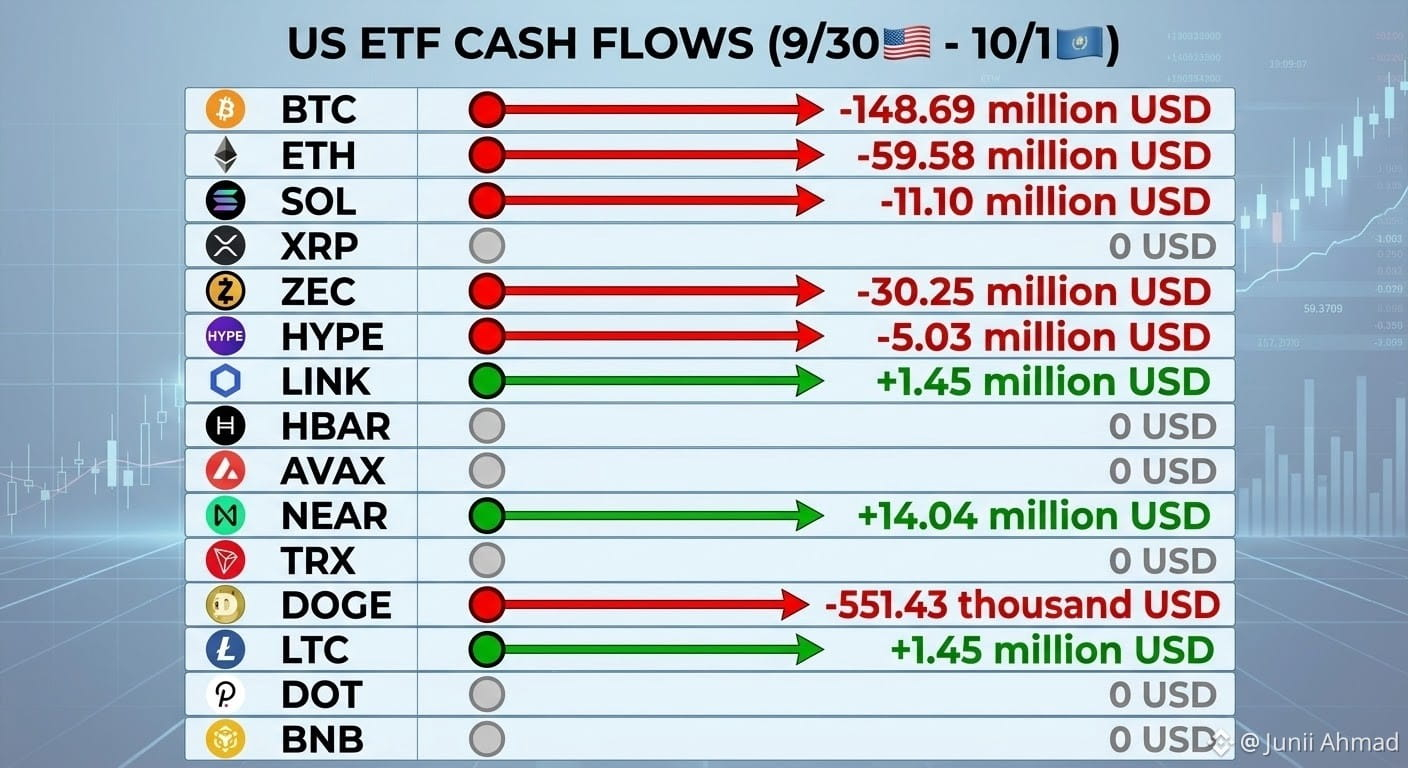
🇺🇸 US ETF Cash Flows (9/30🇺🇸 - 10/1🇻🇳)
🔴 [ ₿ ] BTC: -148.69 million USD
🔴 [ ⧫ ] ETH: -59.58 million USD
🔴 [ 🟣 ] SOL: -11.10 million USD
⚪️ [ ✕ ] XRP: 0
🔴 [ 🛡️ ] ZEC: -30.25 million USD
🔴 [ 🌀 ] HYPE: -5.03 million USD
🟢 [ 🔗 ] LINK: +1.45 million USD
⚪️ [ ℏ ] HBAR: 0
⚪️ [ 🔺 ] AVAX: 0
🟢 [ Ⓝ ] NEAR: +14.04 million USD
⚪️ [ 🔴 ] TRX: 0
🔴 [ 🐕 ] DOGE: -551.43 thousand USD
🟢 [ Ł ] LTC: +1.45 million USD
⚪️ [ ● ] DOT: 0
⚪️ [ 🟡 ] BNB: 0$BTC
{spot}(BTCUSDT)
$ETH
{spot}(ETHUSDT)
#MetaMaskExitsLidoValidatorsAfterSecurityIncident #CFTCSubmitsTwoEventContractRulesToWhiteHouse #SECToClarifyOnChainFundraisingRules
🇺🇸 US ETF Cash Flows (9/30🇺🇸 - 10/1🇻🇳)
🔴 [ ₿ ] BTC: -148.69 million USD
🔴 [ ⧫ ] ETH: -59.58 million USD
🔴 [ 🟣 ] SOL: -11.10 million USD
⚪️ [ ✕ ] XRP: 0
🔴 [ 🛡️ ] ZEC: -30.25 million USD
🔴 [ 🌀 ] HYPE: -5.03 million USD
🟢 [ 🔗 ] LINK: +1.45 million USD
⚪️ [ ℏ ] HBAR: 0
⚪️ [ 🔺 ] AVAX: 0
🟢 [ Ⓝ ] NEAR: +14.04 million USD
⚪️ [ 🔴 ] TRX: 0
🔴 [ 🐕 ] DOGE: -551.43 thousand USD
🟢 [ Ł ] LTC: +1.45 million USD
⚪️ [ ● ] DOT: 0
⚪️ [ 🟡 ] BNB: 0$BTC
$ETH
#MetaMaskExitsLidoValidatorsAfterSecurityIncident #CFTCSubmitsTwoEventContractRulesToWhiteHouse #SECToClarifyOnChainFundraisingRules
🔴 [ ₿ ] BTC: -148.69 million USD
🔴 [ ⧫ ] ETH: -59.58 million USD
🔴 [ 🟣 ] SOL: -11.10 million USD
⚪️ [ ✕ ] XRP: 0
🔴 [ 🛡️ ] ZEC: -30.25 million USD
🔴 [ 🌀 ] HYPE: -5.03 million USD
🟢 [ 🔗 ] LINK: +1.45 million USD
⚪️ [ ℏ ] HBAR: 0
⚪️ [ 🔺 ] AVAX: 0
🟢 [ Ⓝ ] NEAR: +14.04 million USD
⚪️ [ 🔴 ] TRX: 0
🔴 [ 🐕 ] DOGE: -551.43 thousand USD
🟢 [ Ł ] LTC: +1.45 million USD
⚪️ [ ● ] DOT: 0
⚪️ [ 🟡 ] BNB: 0$BTC
$ETH
#MetaMaskExitsLidoValidatorsAfterSecurityIncident #CFTCSubmitsTwoEventContractRulesToWhiteHouse #SECToClarifyOnChainFundraisingRules
3
925
·
--
$XRP
{spot}(XRPUSDT)
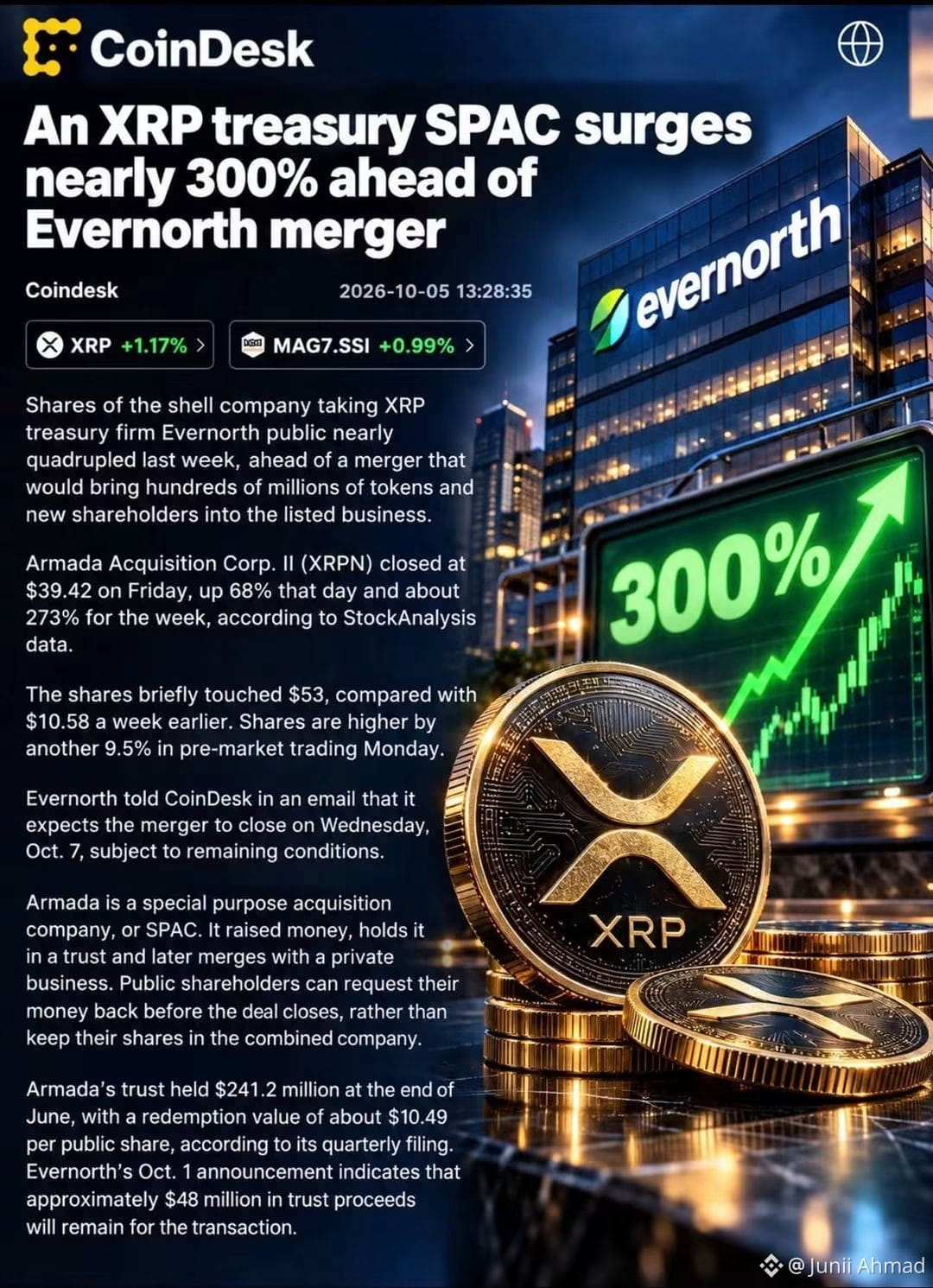
treasury momentum is heating up. 🚀
Evernorth’s upcoming merger has pushed its SPAC nearly 300% higher, putting fresh attention on institutional XRP exposure.#XRP #XRPNews #Ripple #XRPCommunity #CryptoNews
$XRP
treasury momentum is heating up. 🚀
Evernorth’s upcoming merger has pushed its SPAC nearly 300% higher, putting fresh attention on institutional XRP exposure.#XRP #XRPNews #Ripple #XRPCommunity #CryptoNews
treasury momentum is heating up. 🚀
Evernorth’s upcoming merger has pushed its SPAC nearly 300% higher, putting fresh attention on institutional XRP exposure.#XRP #XRPNews #Ripple #XRPCommunity #CryptoNews
1
36
·
--
Which token is gonna shock everyone and pump the hardest in the upcoming bull run?
My...
shock...
and pump $QNT
{spot}(QNTUSDT)
#ETHUp70%InQ3ButLiquidityFalls #ADAGains10%Above$0.27
#QNT #bnb #EthereumValidatorExitQueueJumps392% #DriftHackVictimsBeginClaims
Which token is gonna shock everyone and pump the hardest in the upcoming bull run?
My...
shock...
and pump $QNT
#ETHUp70%InQ3ButLiquidityFalls #ADAGains10%Above$0.27
#QNT #bnb #EthereumValidatorExitQueueJumps392% #DriftHackVictimsBeginClaims
My...
shock...
and pump $QNT
#ETHUp70%InQ3ButLiquidityFalls #ADAGains10%Above$0.27
#QNT #bnb #EthereumValidatorExitQueueJumps392% #DriftHackVictimsBeginClaims

95
·
--
TIME TO PAY ATTENTION TO $ZEC
{spot}(ZECUSDT)
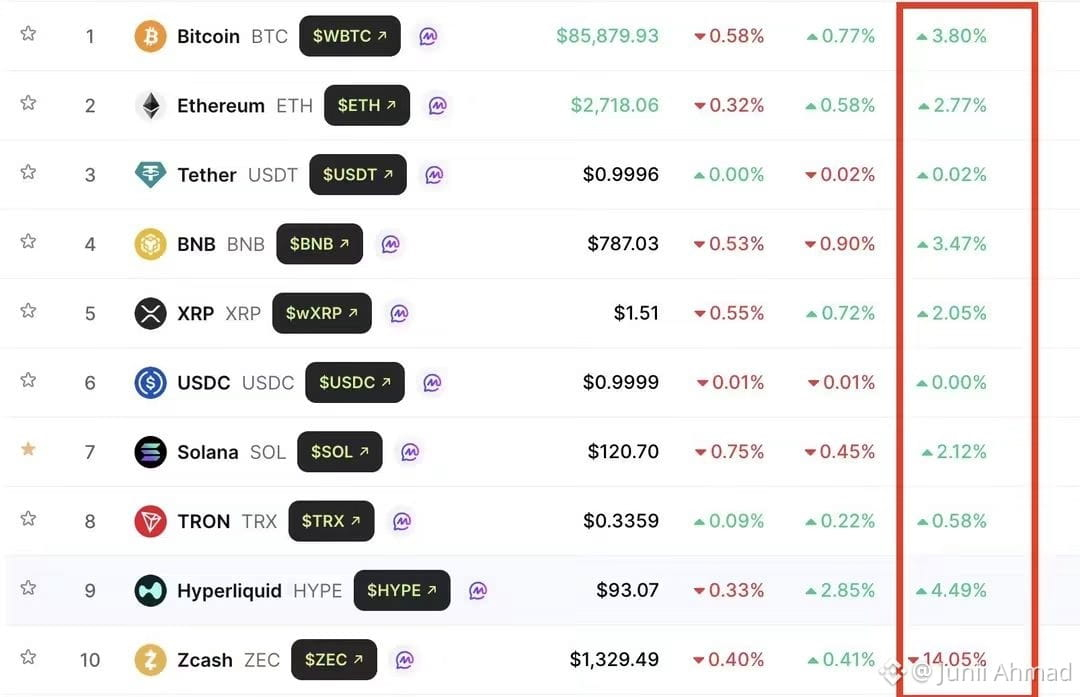
After an impressive rally in the past quarter, the leading privacy-focused crypto is now showing early signs of buyer exhaustion.
Of the top ten cryptocurrencies, ZEC is the only one in the red in the past seven days.
It is down 14% and has struggled to catch up with Bitcoin's recent recovery.
Either investors are rotating out profits, or the coin is merely consolidating.
Expect a move in either way to be v(i)olent 😎
#ZECUSDT #zec #GreekPoliceBustCryptoScamRingArrest17 #SECHaltsCryptoETFReviewsAmidFundingLapse #EthereumValidatorExitQueueJumps392%
TIME TO PAY ATTENTION TO $ZEC
After an impressive rally in the past quarter, the leading privacy-focused crypto is now showing early signs of buyer exhaustion.
Of the top ten cryptocurrencies, ZEC is the only one in the red in the past seven days.
It is down 14% and has struggled to catch up with Bitcoin's recent recovery.
Either investors are rotating out profits, or the coin is merely consolidating.
Expect a move in either way to be v(i)olent 😎
#ZECUSDT #zec #GreekPoliceBustCryptoScamRingArrest17 #SECHaltsCryptoETFReviewsAmidFundingLapse #EthereumValidatorExitQueueJumps392%
After an impressive rally in the past quarter, the leading privacy-focused crypto is now showing early signs of buyer exhaustion.
Of the top ten cryptocurrencies, ZEC is the only one in the red in the past seven days.
It is down 14% and has struggled to catch up with Bitcoin's recent recovery.
Either investors are rotating out profits, or the coin is merely consolidating.
Expect a move in either way to be v(i)olent 😎
#ZECUSDT #zec #GreekPoliceBustCryptoScamRingArrest17 #SECHaltsCryptoETFReviewsAmidFundingLapse #EthereumValidatorExitQueueJumps392%
110
·
--
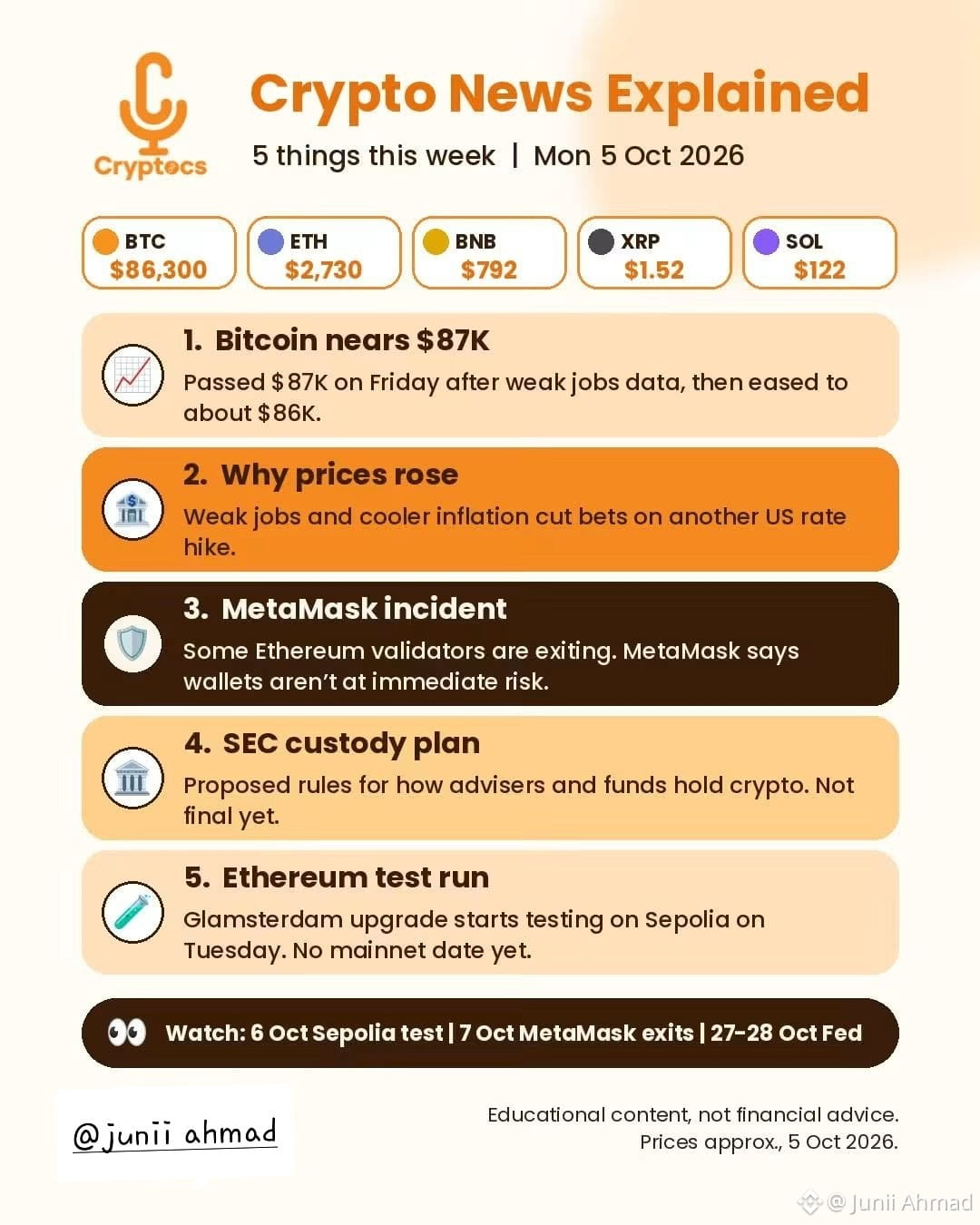
📰 Crypto News Explained: 5 things you need to know this week! (Mon 5 Oct 2026)
📈 Bitcoin passed $87,000 on Friday after weak US jobs data, then eased to about $86,000
🏦 Weak jobs and cooler inflation cut bets on another US rate hike
🛡️ MetaMask is exiting some Ethereum validators after a security incident (it says wallets aren't at immediate risk)
🏛️ The SEC proposed new rules for how advisers and funds can hold crypto
🧪 Ethereum's Glamsterdam upgrade starts testing on Tuesday
Everything is in the picture above, along with today's top 5 prices 👆 Save it and share it with a friend who follows crypto.
Which story surprised you most? Tell me in the comments 👇
Follow for crypto in plain English every week, and comment GUIDE for my free beginner checklist. 🧡
Educational content, not financial advice. Prices approximate.
#CryptoNews #bitcoin #Ethereum✅ #cryptocurreny #CryptoForBeginners
📰 Crypto News Explained: 5 things you need to know this week! (Mon 5 Oct 2026)
📈 Bitcoin passed $87,000 on Friday after weak US jobs data, then eased to about $86,000
🏦 Weak jobs and cooler inflation cut bets on another US rate hike
🛡️ MetaMask is exiting some Ethereum validators after a security incident (it says wallets aren't at immediate risk)
🏛️ The SEC proposed new rules for how advisers and funds can hold crypto
🧪 Ethereum's Glamsterdam upgrade starts testing on Tuesday
Everything is in the picture above, along with today's top 5 prices 👆 Save it and share it with a friend who follows crypto.
Which story surprised you most? Tell me in the comments 👇
Follow for crypto in plain English every week, and comment GUIDE for my free beginner checklist. 🧡
Educational content, not financial advice. Prices approximate.
#CryptoNews #bitcoin #Ethereum✅ #cryptocurreny #CryptoForBeginners
📈 Bitcoin passed $87,000 on Friday after weak US jobs data, then eased to about $86,000
🏦 Weak jobs and cooler inflation cut bets on another US rate hike
🛡️ MetaMask is exiting some Ethereum validators after a security incident (it says wallets aren't at immediate risk)
🏛️ The SEC proposed new rules for how advisers and funds can hold crypto
🧪 Ethereum's Glamsterdam upgrade starts testing on Tuesday
Everything is in the picture above, along with today's top 5 prices 👆 Save it and share it with a friend who follows crypto.
Which story surprised you most? Tell me in the comments 👇
Follow for crypto in plain English every week, and comment GUIDE for my free beginner checklist. 🧡
Educational content, not financial advice. Prices approximate.
#CryptoNews #bitcoin #Ethereum✅ #cryptocurreny #CryptoForBeginners
67
·
--
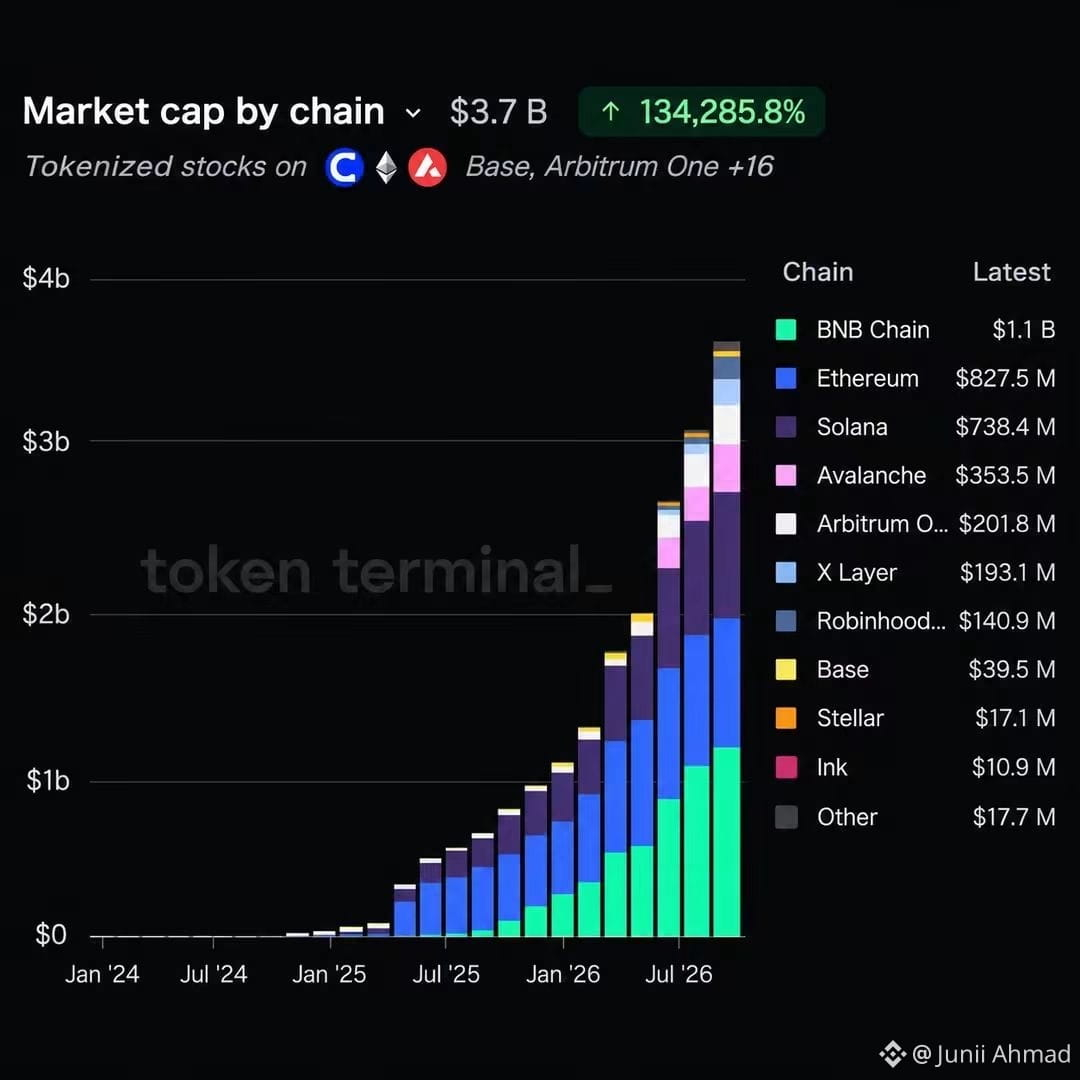
INSIGHT: $BNB
{spot}(BNBUSDT)
Chain just became the first blockchain to top $1B in tokenized stocks and ETFs. 📊
That’s roughly 30% of the $3.7B market, while $ETH
{spot}(ETHUSDT)
and $SOL
{spot}(SOLUSDT)
are closing in fast.
#DriftHackVictimsBeginClaims
#FedOctoberRateHikeOddsFallTo17% #GreekPoliceBustCryptoScamRingArrest17 #SECHaltsCryptoETFReviewsAmidFundingLapse #EthereumValidatorExitQueueJumps392%
INSIGHT: $BNB
Chain just became the first blockchain to top $1B in tokenized stocks and ETFs. 📊
That’s roughly 30% of the $3.7B market, while $ETH
and $SOL
are closing in fast.
#DriftHackVictimsBeginClaims
#FedOctoberRateHikeOddsFallTo17% #GreekPoliceBustCryptoScamRingArrest17 #SECHaltsCryptoETFReviewsAmidFundingLapse #EthereumValidatorExitQueueJumps392%
Chain just became the first blockchain to top $1B in tokenized stocks and ETFs. 📊
That’s roughly 30% of the $3.7B market, while $ETH
and $SOL
are closing in fast.
#DriftHackVictimsBeginClaims
#FedOctoberRateHikeOddsFallTo17% #GreekPoliceBustCryptoScamRingArrest17 #SECHaltsCryptoETFReviewsAmidFundingLapse #EthereumValidatorExitQueueJumps392%
94
·
--

ບົດຄວາມ
Key Financial Milestones That Separate Working-Class, Middle-Class, and Upper-Class People - New TraAsk most people how to tell the economic social classes apart, and they’ll point to a paycheck, a new luxury car, or a bigger house. That view misses most of the picture. Financial class has much more to do with not what you own, but how much of your income keeps arriving after you stop working.
The milestones below mark each step up the ladder. You can check them against your own bank statements and spreadsheets.
1. Why a Big Salary Doesn’t Guarantee Financial Success
Plenty of high earners live paycheck to paycheck. Picture a surgeon with big school loans, a large mortgage, and spending that rises with every raise.
Lose that career, and everything collapses. A mechanic with a paid-off house and a brokerage account he has fed for twenty years is far harder to knock down financially.
Four areas show the gap most clearly. They are your income source, your debt, your crisis runway, and the way the IRS treats your money.
2. The Four Dimensions That Separate the Classes
Start with where the money comes from. Working-class households live on hourly or salaried wages, while middle-class households add retirement accounts to their paychecks as part of their net worth and long-term cash flow.
Real upper-class households get a large share of their income from capital. Dividends, rent, interest, and business profits keep arriving whether or not anyone clocks in.
Debt tells a similar story. Credit cards and high-rate loans weigh on many working-class budgets, while middle-class balance sheets carry mortgages and student loans. The wealthy borrow too. They usually borrow against assets they already hold, often at lower rates, and use that asset-backed debt to acquire more assets.
Then there’s the crisis runway, or how long you could pay the bills with no income at all. That might be a few weeks at best for a working-class family, six months to a year for a middle-class family, and several years for an upper-class one.
Taxes round it out. Wages get hit with payroll taxes on top of ordinary income tax, while long-term capital gains and qualified dividends usually face lower federal income tax rates.
Middle-class savers lean on traditional 401(k)s and IRAs to cut the bill of after-tax dollars. Wealthier families use trusts, business entities, and careful timing of gain realization.
3. Working-Class Milestones That Build Stability
The biggest threat to a working-class household is an interruption in income. A layoff, an injury, or a cut in hours can turn a tight month into a crisis within days.
Getting Ahead of the Paycheck
The first milestone sounds simple and is brutally hard. You spend less than you earn every month until the cycle of waiting for payday finally breaks.
A common rule of thumb is to set aside a starter cushion of about $1,000 or one month of expenses. A dead alternator then becomes an annoyance and not a new credit card balance.
Killing Off High-Interest Debt
Next come the credit cards, payday loans, and high-rate car notes. Interest on those balances eats money that could be saved or invested.
Pay them off, and a chunk of every paycheck comes back to you. Many people see their credit scores climb too, and a score above 700 is widely considered good.
Funding a Real Emergency Fund
Many financial planners suggest keeping three to six months of core expenses in a high-yield savings account. It’s boring money, and it should be.
Once that fund is full, a job loss is no longer an immediate eviction risk. That change in footing is usually the point at which a household starts to look middle-class.
4. Middle-Class Milestones That Build Wealth
Middle-class stability comes from homeownership, steady saving, and insurance. Nearly all of it still depends on a paycheck.
Owning a Home
Buying a primary residence with a fixed-rate mortgage locks in your housing payment for decades. Each payment chips away at the principal, and the house may also rise in value.
Equity is hard to tap in an emergency, so it can’t replace savings. Renters don’t build it at all.
Putting Retirement Savings on Autopilot
This milestone means steady, automatic contributions to a 401(k), Roth IRA, or HSA. The aim is a balance big enough that growth alone could carry you to a decent retirement.
Plenty of investors treat $100,000 invested as a meaningful marker. In a good market year, growth on that sum can rival what many people contribute themselves.
Protecting What You’ve Built
One disability or early death can erase a middle-class balance sheet. Term life insurance, long-term disability coverage, and good health insurance are the defense.
Premiums feel wasted when nothing goes wrong. The year something does, those policies keep you from starting over at zero or worse, bankruptcy.
5. Upper-Class Milestones Built on Capital
The jump to the upper class occurs when income no longer depends on your hours worked. Assets, business equity, and investment returns do the heavy lifting.
Hitting the Crossover Point
The crossover point is reached when dividends, rent, distributions, or business profits cover all your basic living costs. Many people chase this number for decades.
Cross it, and you could quit tomorrow and still pay the mortgage. Most people who get there keep working anyway.
Borrowing Against Assets and Cutting Taxes
Middle-class borrowing leans on future income through mortgages and personal loans. Wealthier households often borrow against what they already own, using securities-backed lines of credit, portfolio margin, or real estate equity.
One well-known approach is called “Buy, Borrow, D*e.” You hold assets that appreciate, borrow against them rather than sell, and pass them to heirs, who may receive a step-up in cost basis under current U.S. tax law. LLCs, trusts, and estate plans matter here too. They get complicated fast, so a good CPA is worth the fee.
Setting Up Generational Wealth
The final milestone puts assets into trusts, family partnerships,s or multi-generational estate plans. Ownership shifts from one person to a structure with rules about how the money gets managed and passed down.
Done well, this keeps one bad decision or a messy divorce from draining the family’s assets. The money outlives the person who earned it.
Conclusion
Your salary is one data point. The milestones above give a much clearer picture of where you stand and what to work on next.
Pick the earliest one you haven’t hit yet and start there. For most people, that means a cash buffer or a credit card balance, and both can be handled this year.#DriftHackVictimsBeginClaims #GreekPoliceBustCryptoScamRingArrest17 #SECHaltsCryptoETFReviewsAmidFundingLapse #FedOctoberRateHikeOddsFallTo17% #SolanaTokenizedStockVolumeTops$4.4BInSeptember
Key Financial Milestones That Separate Working-Class, Middle-Class, and Upper-Class People - New Tra
Ask most people how to tell the economic social classes apart, and they’ll point to a paycheck, a new luxury car, or a bigger house. That view misses most of the picture. Financial class has much more to do with not what you own, but how much of your income keeps arriving after you stop working.
The milestones below mark each step up the ladder. You can check them against your own bank statements and spreadsheets.
1. Why a Big Salary Doesn’t Guarantee Financial Success
Plenty of high earners live paycheck to paycheck. Picture a surgeon with big school loans, a large mortgage, and spending that rises with every raise.
Lose that career, and everything collapses. A mechanic with a paid-off house and a brokerage account he has fed for twenty years is far harder to knock down financially.
Four areas show the gap most clearly. They are your income source, your debt, your crisis runway, and the way the IRS treats your money.
2. The Four Dimensions That Separate the Classes
Start with where the money comes from. Working-class households live on hourly or salaried wages, while middle-class households add retirement accounts to their paychecks as part of their net worth and long-term cash flow.
Real upper-class households get a large share of their income from capital. Dividends, rent, interest, and business profits keep arriving whether or not anyone clocks in.
Debt tells a similar story. Credit cards and high-rate loans weigh on many working-class budgets, while middle-class balance sheets carry mortgages and student loans. The wealthy borrow too. They usually borrow against assets they already hold, often at lower rates, and use that asset-backed debt to acquire more assets.
Then there’s the crisis runway, or how long you could pay the bills with no income at all. That might be a few weeks at best for a working-class family, six months to a year for a middle-class family, and several years for an upper-class one.
Taxes round it out. Wages get hit with payroll taxes on top of ordinary income tax, while long-term capital gains and qualified dividends usually face lower federal income tax rates.
Middle-class savers lean on traditional 401(k)s and IRAs to cut the bill of after-tax dollars. Wealthier families use trusts, business entities, and careful timing of gain realization.
3. Working-Class Milestones That Build Stability
The biggest threat to a working-class household is an interruption in income. A layoff, an injury, or a cut in hours can turn a tight month into a crisis within days.
Getting Ahead of the Paycheck
The first milestone sounds simple and is brutally hard. You spend less than you earn every month until the cycle of waiting for payday finally breaks.
A common rule of thumb is to set aside a starter cushion of about $1,000 or one month of expenses. A dead alternator then becomes an annoyance and not a new credit card balance.
Killing Off High-Interest Debt
Next come the credit cards, payday loans, and high-rate car notes. Interest on those balances eats money that could be saved or invested.
Pay them off, and a chunk of every paycheck comes back to you. Many people see their credit scores climb too, and a score above 700 is widely considered good.
Funding a Real Emergency Fund
Many financial planners suggest keeping three to six months of core expenses in a high-yield savings account. It’s boring money, and it should be.
Once that fund is full, a job loss is no longer an immediate eviction risk. That change in footing is usually the point at which a household starts to look middle-class.
4. Middle-Class Milestones That Build Wealth
Middle-class stability comes from homeownership, steady saving, and insurance. Nearly all of it still depends on a paycheck.
Owning a Home
Buying a primary residence with a fixed-rate mortgage locks in your housing payment for decades. Each payment chips away at the principal, and the house may also rise in value.
Equity is hard to tap in an emergency, so it can’t replace savings. Renters don’t build it at all.
Putting Retirement Savings on Autopilot
This milestone means steady, automatic contributions to a 401(k), Roth IRA, or HSA. The aim is a balance big enough that growth alone could carry you to a decent retirement.
Plenty of investors treat $100,000 invested as a meaningful marker. In a good market year, growth on that sum can rival what many people contribute themselves.
Protecting What You’ve Built
One disability or early death can erase a middle-class balance sheet. Term life insurance, long-term disability coverage, and good health insurance are the defense.
Premiums feel wasted when nothing goes wrong. The year something does, those policies keep you from starting over at zero or worse, bankruptcy.
5. Upper-Class Milestones Built on Capital
The jump to the upper class occurs when income no longer depends on your hours worked. Assets, business equity, and investment returns do the heavy lifting.
Hitting the Crossover Point
The crossover point is reached when dividends, rent, distributions, or business profits cover all your basic living costs. Many people chase this number for decades.
Cross it, and you could quit tomorrow and still pay the mortgage. Most people who get there keep working anyway.
Borrowing Against Assets and Cutting Taxes
Middle-class borrowing leans on future income through mortgages and personal loans. Wealthier households often borrow against what they already own, using securities-backed lines of credit, portfolio margin, or real estate equity.
One well-known approach is called “Buy, Borrow, D*e.” You hold assets that appreciate, borrow against them rather than sell, and pass them to heirs, who may receive a step-up in cost basis under current U.S. tax law. LLCs, trusts, and estate plans matter here too. They get complicated fast, so a good CPA is worth the fee.
Setting Up Generational Wealth
The final milestone puts assets into trusts, family partnerships,s or multi-generational estate plans. Ownership shifts from one person to a structure with rules about how the money gets managed and passed down.
Done well, this keeps one bad decision or a messy divorce from draining the family’s assets. The money outlives the person who earned it.
Conclusion
Your salary is one data point. The milestones above give a much clearer picture of where you stand and what to work on next.
Pick the earliest one you haven’t hit yet and start there. For most people, that means a cash buffer or a credit card balance, and both can be handled this year.#DriftHackVictimsBeginClaims #GreekPoliceBustCryptoScamRingArrest17 #SECHaltsCryptoETFReviewsAmidFundingLapse #FedOctoberRateHikeOddsFallTo17% #SolanaTokenizedStockVolumeTops$4.4BInSeptember
The milestones below mark each step up the ladder. You can check them against your own bank statements and spreadsheets.
1. Why a Big Salary Doesn’t Guarantee Financial Success
Plenty of high earners live paycheck to paycheck. Picture a surgeon with big school loans, a large mortgage, and spending that rises with every raise.
Lose that career, and everything collapses. A mechanic with a paid-off house and a brokerage account he has fed for twenty years is far harder to knock down financially.
Four areas show the gap most clearly. They are your income source, your debt, your crisis runway, and the way the IRS treats your money.
2. The Four Dimensions That Separate the Classes
Start with where the money comes from. Working-class households live on hourly or salaried wages, while middle-class households add retirement accounts to their paychecks as part of their net worth and long-term cash flow.
Real upper-class households get a large share of their income from capital. Dividends, rent, interest, and business profits keep arriving whether or not anyone clocks in.
Debt tells a similar story. Credit cards and high-rate loans weigh on many working-class budgets, while middle-class balance sheets carry mortgages and student loans. The wealthy borrow too. They usually borrow against assets they already hold, often at lower rates, and use that asset-backed debt to acquire more assets.
Then there’s the crisis runway, or how long you could pay the bills with no income at all. That might be a few weeks at best for a working-class family, six months to a year for a middle-class family, and several years for an upper-class one.
Taxes round it out. Wages get hit with payroll taxes on top of ordinary income tax, while long-term capital gains and qualified dividends usually face lower federal income tax rates.
Middle-class savers lean on traditional 401(k)s and IRAs to cut the bill of after-tax dollars. Wealthier families use trusts, business entities, and careful timing of gain realization.
3. Working-Class Milestones That Build Stability
The biggest threat to a working-class household is an interruption in income. A layoff, an injury, or a cut in hours can turn a tight month into a crisis within days.
Getting Ahead of the Paycheck
The first milestone sounds simple and is brutally hard. You spend less than you earn every month until the cycle of waiting for payday finally breaks.
A common rule of thumb is to set aside a starter cushion of about $1,000 or one month of expenses. A dead alternator then becomes an annoyance and not a new credit card balance.
Killing Off High-Interest Debt
Next come the credit cards, payday loans, and high-rate car notes. Interest on those balances eats money that could be saved or invested.
Pay them off, and a chunk of every paycheck comes back to you. Many people see their credit scores climb too, and a score above 700 is widely considered good.
Funding a Real Emergency Fund
Many financial planners suggest keeping three to six months of core expenses in a high-yield savings account. It’s boring money, and it should be.
Once that fund is full, a job loss is no longer an immediate eviction risk. That change in footing is usually the point at which a household starts to look middle-class.
4. Middle-Class Milestones That Build Wealth
Middle-class stability comes from homeownership, steady saving, and insurance. Nearly all of it still depends on a paycheck.
Owning a Home
Buying a primary residence with a fixed-rate mortgage locks in your housing payment for decades. Each payment chips away at the principal, and the house may also rise in value.
Equity is hard to tap in an emergency, so it can’t replace savings. Renters don’t build it at all.
Putting Retirement Savings on Autopilot
This milestone means steady, automatic contributions to a 401(k), Roth IRA, or HSA. The aim is a balance big enough that growth alone could carry you to a decent retirement.
Plenty of investors treat $100,000 invested as a meaningful marker. In a good market year, growth on that sum can rival what many people contribute themselves.
Protecting What You’ve Built
One disability or early death can erase a middle-class balance sheet. Term life insurance, long-term disability coverage, and good health insurance are the defense.
Premiums feel wasted when nothing goes wrong. The year something does, those policies keep you from starting over at zero or worse, bankruptcy.
5. Upper-Class Milestones Built on Capital
The jump to the upper class occurs when income no longer depends on your hours worked. Assets, business equity, and investment returns do the heavy lifting.
Hitting the Crossover Point
The crossover point is reached when dividends, rent, distributions, or business profits cover all your basic living costs. Many people chase this number for decades.
Cross it, and you could quit tomorrow and still pay the mortgage. Most people who get there keep working anyway.
Borrowing Against Assets and Cutting Taxes
Middle-class borrowing leans on future income through mortgages and personal loans. Wealthier households often borrow against what they already own, using securities-backed lines of credit, portfolio margin, or real estate equity.
One well-known approach is called “Buy, Borrow, D*e.” You hold assets that appreciate, borrow against them rather than sell, and pass them to heirs, who may receive a step-up in cost basis under current U.S. tax law. LLCs, trusts, and estate plans matter here too. They get complicated fast, so a good CPA is worth the fee.
Setting Up Generational Wealth
The final milestone puts assets into trusts, family partnerships,s or multi-generational estate plans. Ownership shifts from one person to a structure with rules about how the money gets managed and passed down.
Done well, this keeps one bad decision or a messy divorce from draining the family’s assets. The money outlives the person who earned it.
Conclusion
Your salary is one data point. The milestones above give a much clearer picture of where you stand and what to work on next.
Pick the earliest one you haven’t hit yet and start there. For most people, that means a cash buffer or a credit card balance, and both can be handled this year.#DriftHackVictimsBeginClaims #GreekPoliceBustCryptoScamRingArrest17 #SECHaltsCryptoETFReviewsAmidFundingLapse #FedOctoberRateHikeOddsFallTo17% #SolanaTokenizedStockVolumeTops$4.4BInSeptember
1
18
·
--
Junii Ahmad
·
--
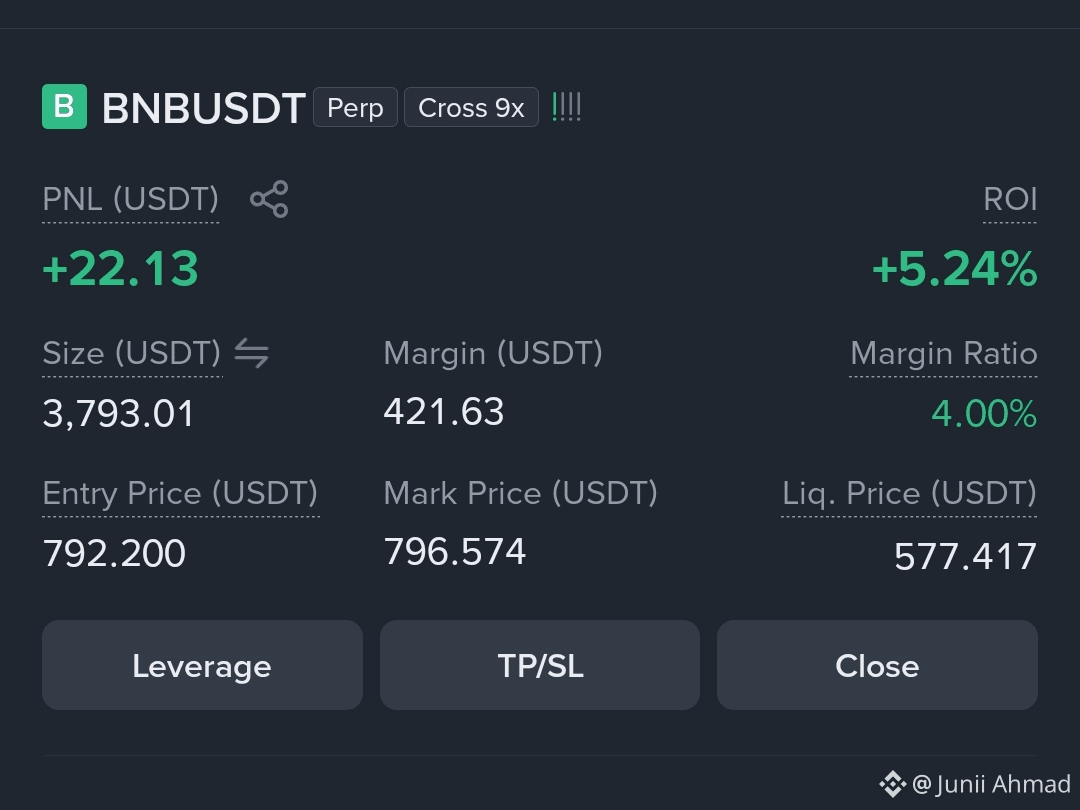
ສັນຍານກະທິງyou know about $BNB
lovely buy
#FedOctoberRateHikeOddsFallTo17% #GreekPoliceBustCryptoScamRingArrest17 #SECHaltsCryptoETFReviewsAmidFundingLapse #EthereumValidatorExitQueueJumps392%
lovely buy
#FedOctoberRateHikeOddsFallTo17% #GreekPoliceBustCryptoScamRingArrest17 #SECHaltsCryptoETFReviewsAmidFundingLapse #EthereumValidatorExitQueueJumps392%
1
16
·
--
ສັນຍານກະທິງ
Junii Ahmad
·
--
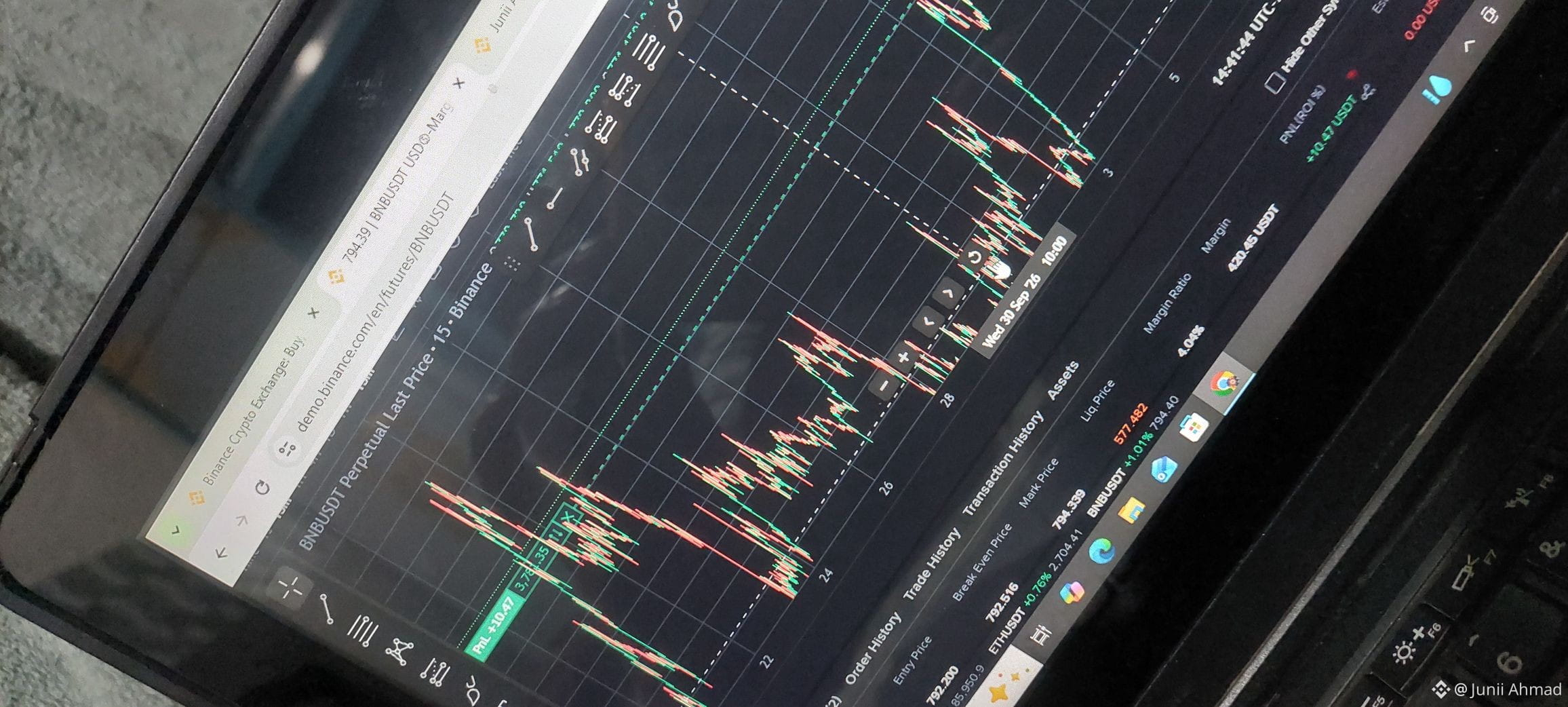
$BNB bye bye
tonight touch $800
tonight touch $800
1
7
·
--
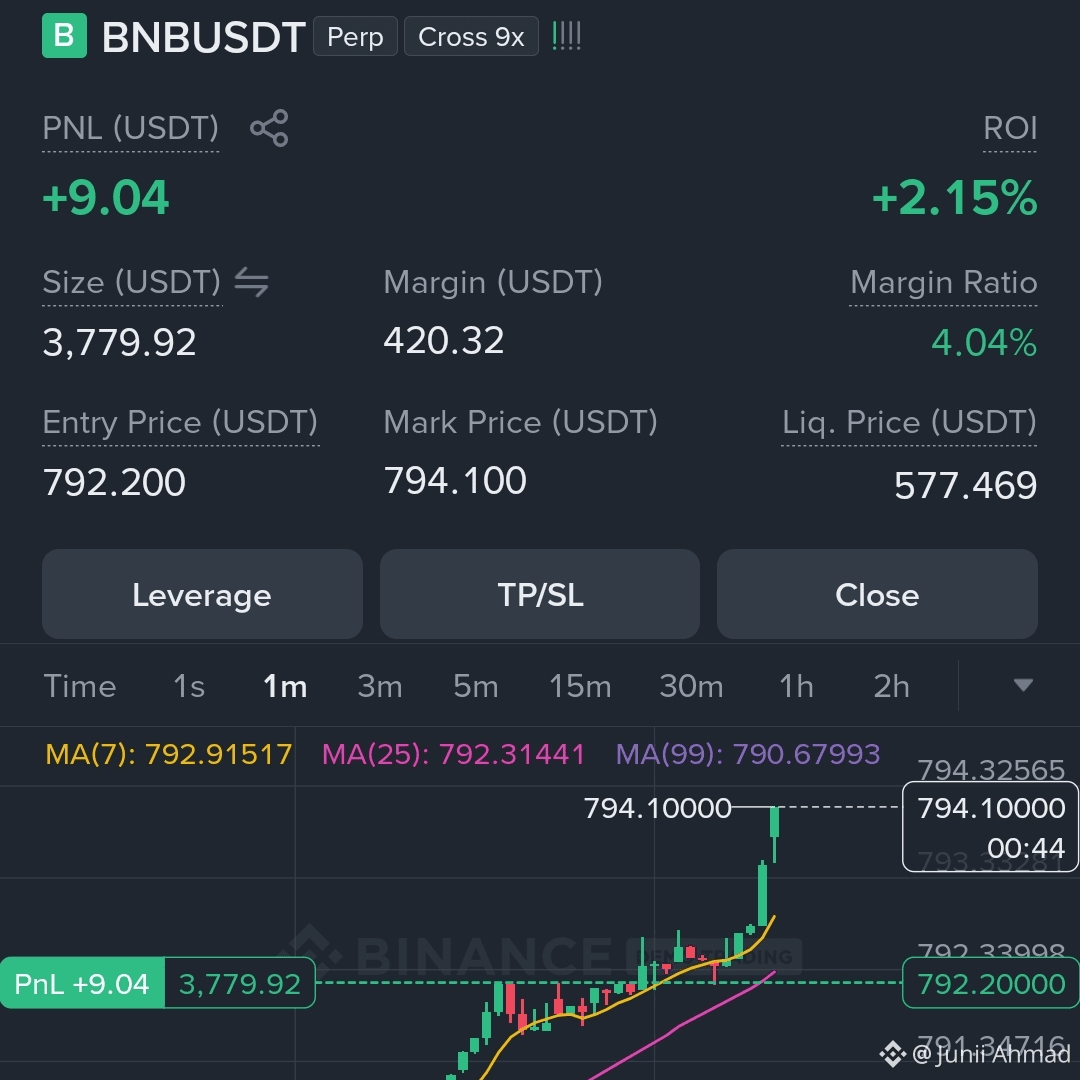
$BNB
{spot}(BNBUSDT)
"As the saying goes, 'Every drop builds the ocean.' Sitting back, enjoying a warm cup of tea, and pulling out high-quality profits from the market—that is the true art of trading. If you also want precision trades like this, follow, subscribe, and share right now. InshaAllah, 100% guaranteed profit ahead!" 📉➡️📈
#bnb #TradingTales #BTC
#SECHaltsCryptoETFReviewsAmidFundingLapse
$BNB
"As the saying goes, 'Every drop builds the ocean.' Sitting back, enjoying a warm cup of tea, and pulling out high-quality profits from the market—that is the true art of trading. If you also want precision trades like this, follow, subscribe, and share right now. InshaAllah, 100% guaranteed profit ahead!" 📉➡️📈
#bnb #TradingTales #BTC
#SECHaltsCryptoETFReviewsAmidFundingLapse
"As the saying goes, 'Every drop builds the ocean.' Sitting back, enjoying a warm cup of tea, and pulling out high-quality profits from the market—that is the true art of trading. If you also want precision trades like this, follow, subscribe, and share right now. InshaAllah, 100% guaranteed profit ahead!" 📉➡️📈
#bnb #TradingTales #BTC
#SECHaltsCryptoETFReviewsAmidFundingLapse

4
·
--
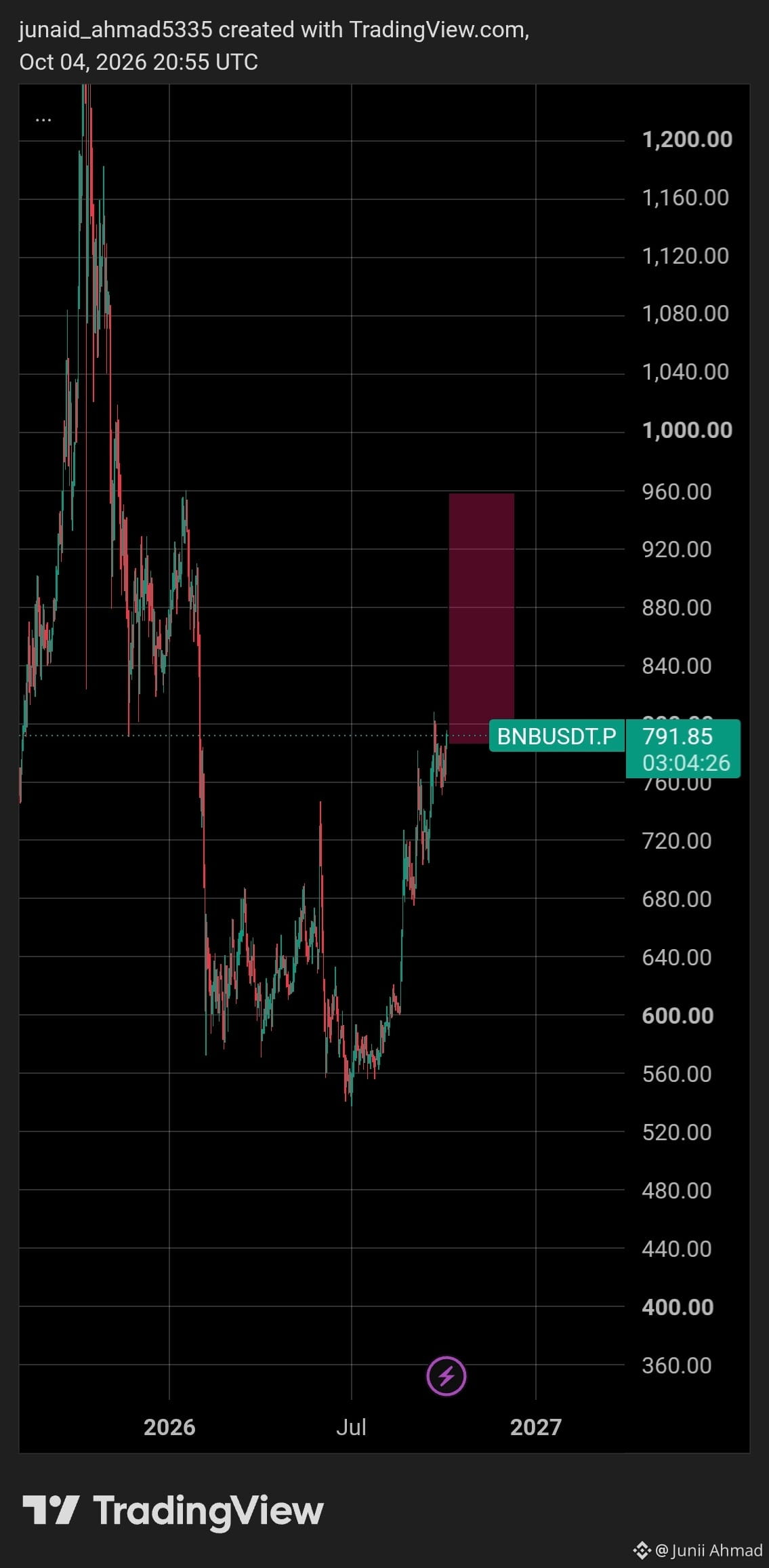
$BNB bye bye
tonight touch $800
{spot}(BNBUSDT)
$BNB bye bye
tonight touch $800
tonight touch $800
Junii Ahmad
·
--
i am tell you aout $BNB buy
#SECHaltsCryptoETFReviewsAmidFundingLapse #ZcashETFPostsFirstWeeklyOutflow$93.6M #GreekPoliceBustCryptoScamRingArrest17 #GreekPoliceBustCryptoScamRingArrest17 #FedOctoberRateHikeOddsFallTo17%
#SECHaltsCryptoETFReviewsAmidFundingLapse #ZcashETFPostsFirstWeeklyOutflow$93.6M #GreekPoliceBustCryptoScamRingArrest17 #GreekPoliceBustCryptoScamRingArrest17 #FedOctoberRateHikeOddsFallTo17%
1
48
·
--
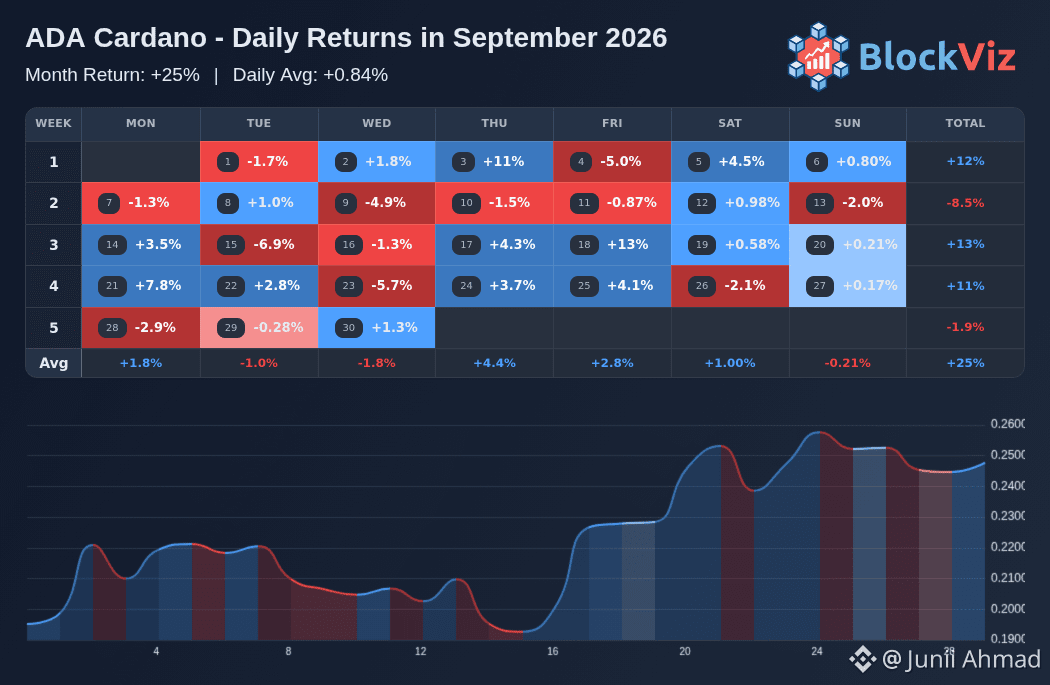
The Illusion of Hold: $ADA finished Sept 2026 at +25%, but missing just the best days drops your return to -27.6%. 📈📉
A classic lesson in volatility drag and market timing.
#Cardano #cryptouniverseofficial #ADA #MarketAnalysis
The Illusion of Hold: $ADA finished Sept 2026 at +25%, but missing just the best days drops your return to -27.6%. 📈📉
A classic lesson in volatility drag and market timing.
#Cardano #cryptouniverseofficial #ADA #MarketAnalysis
A classic lesson in volatility drag and market timing.
#Cardano #cryptouniverseofficial #ADA #MarketAnalysis
46
·
--
Junii Ahmad
·
--
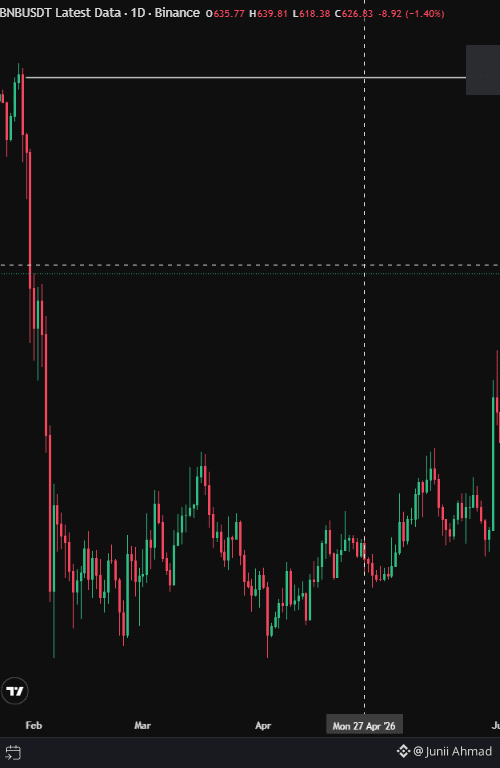
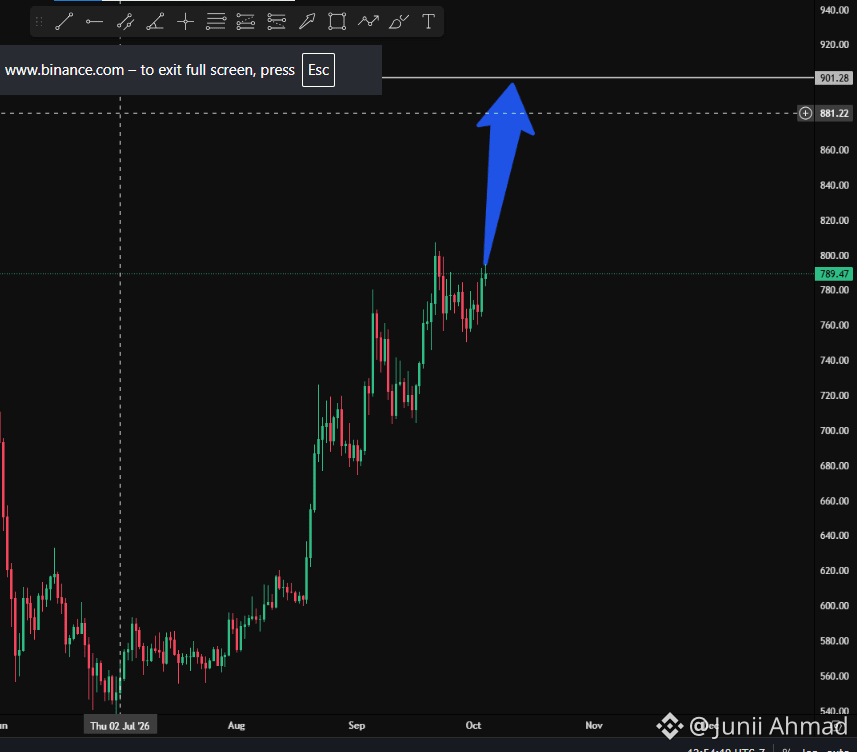
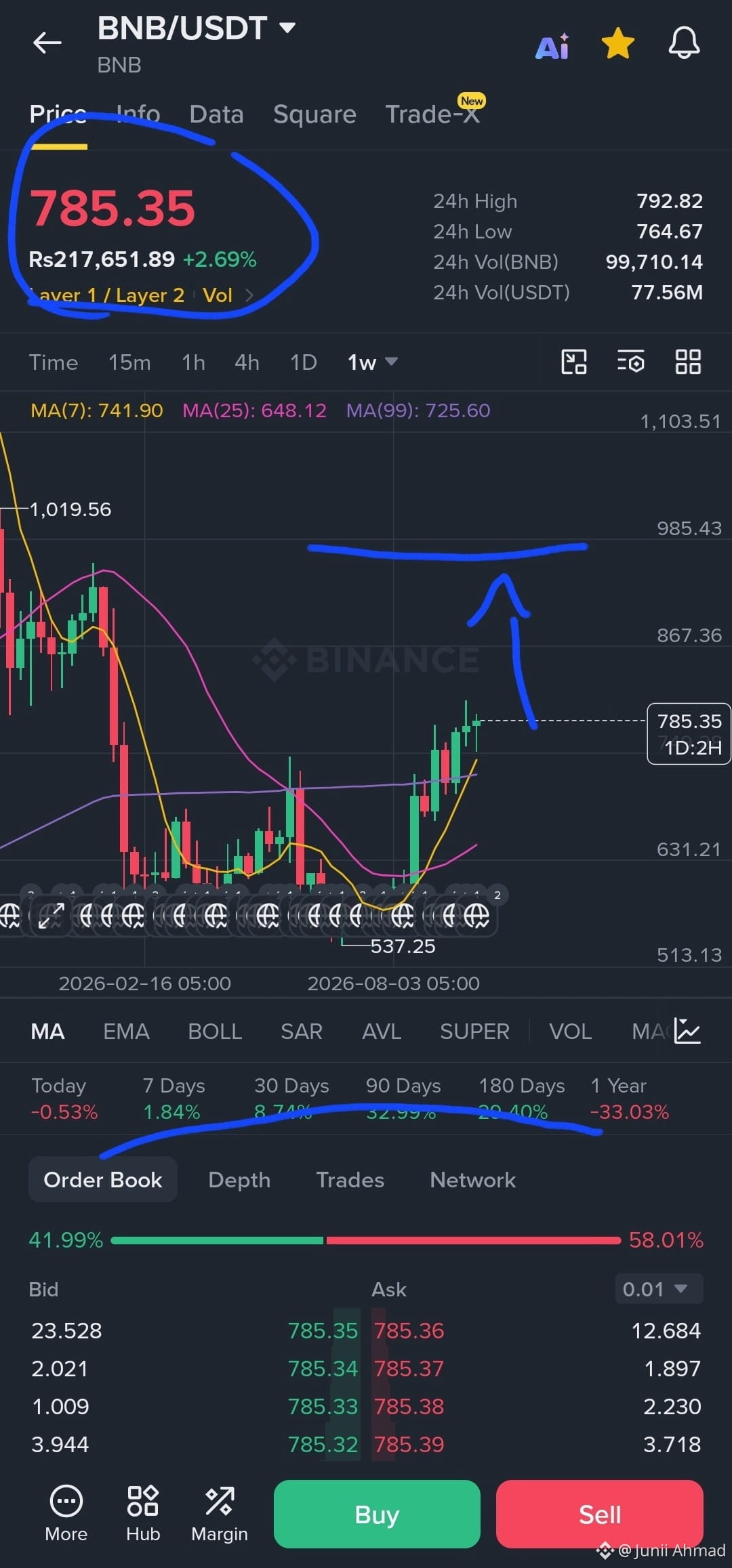
ສັນຍານກະທິງ$BNB still running hit 780
touch with $807
#GreekPoliceBustCryptoScamRingArrest17 #SECProposesCryptoCustodyRules
touch with $807
#GreekPoliceBustCryptoScamRingArrest17 #SECProposesCryptoCustodyRules
1
104
·
--
$DOT buy
$DOT buy
Junii Ahmad
·
--
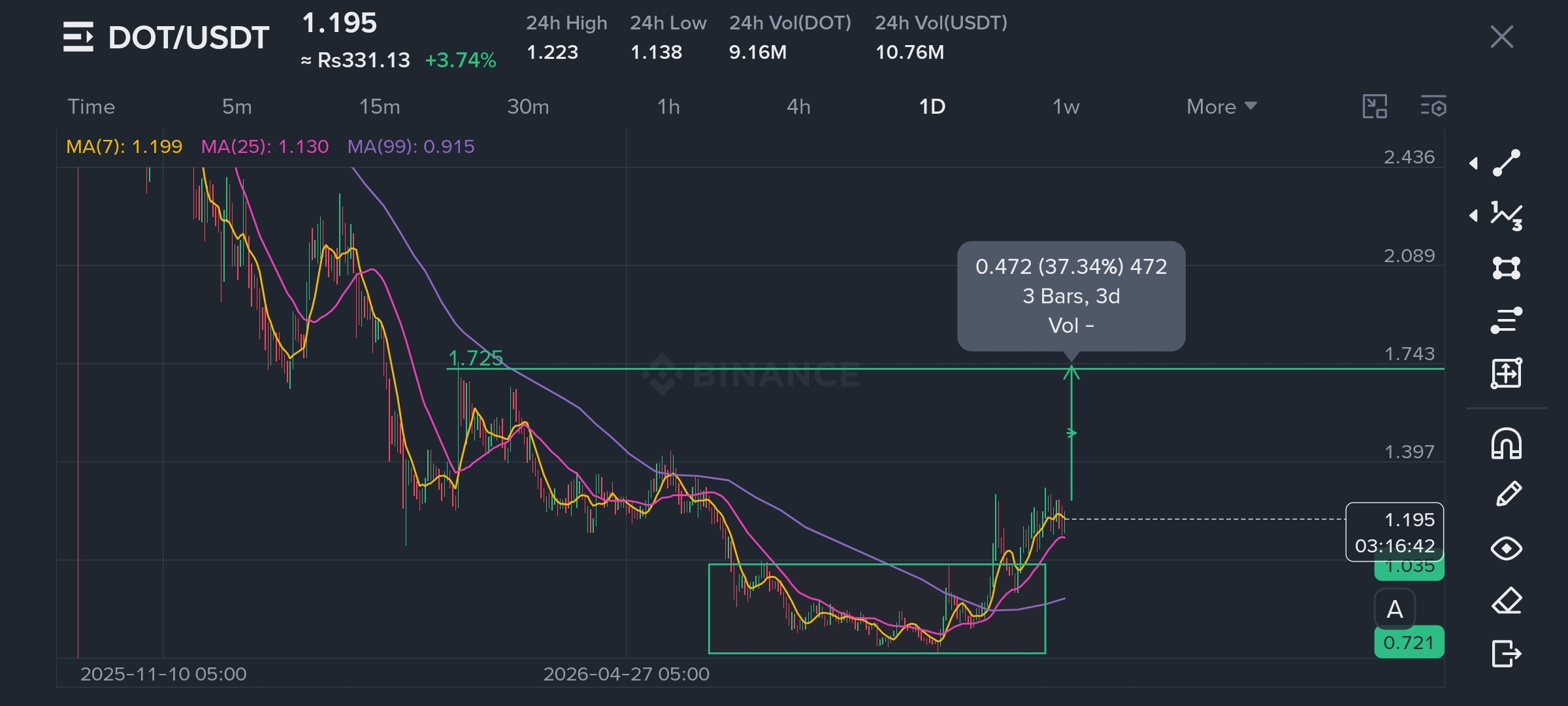
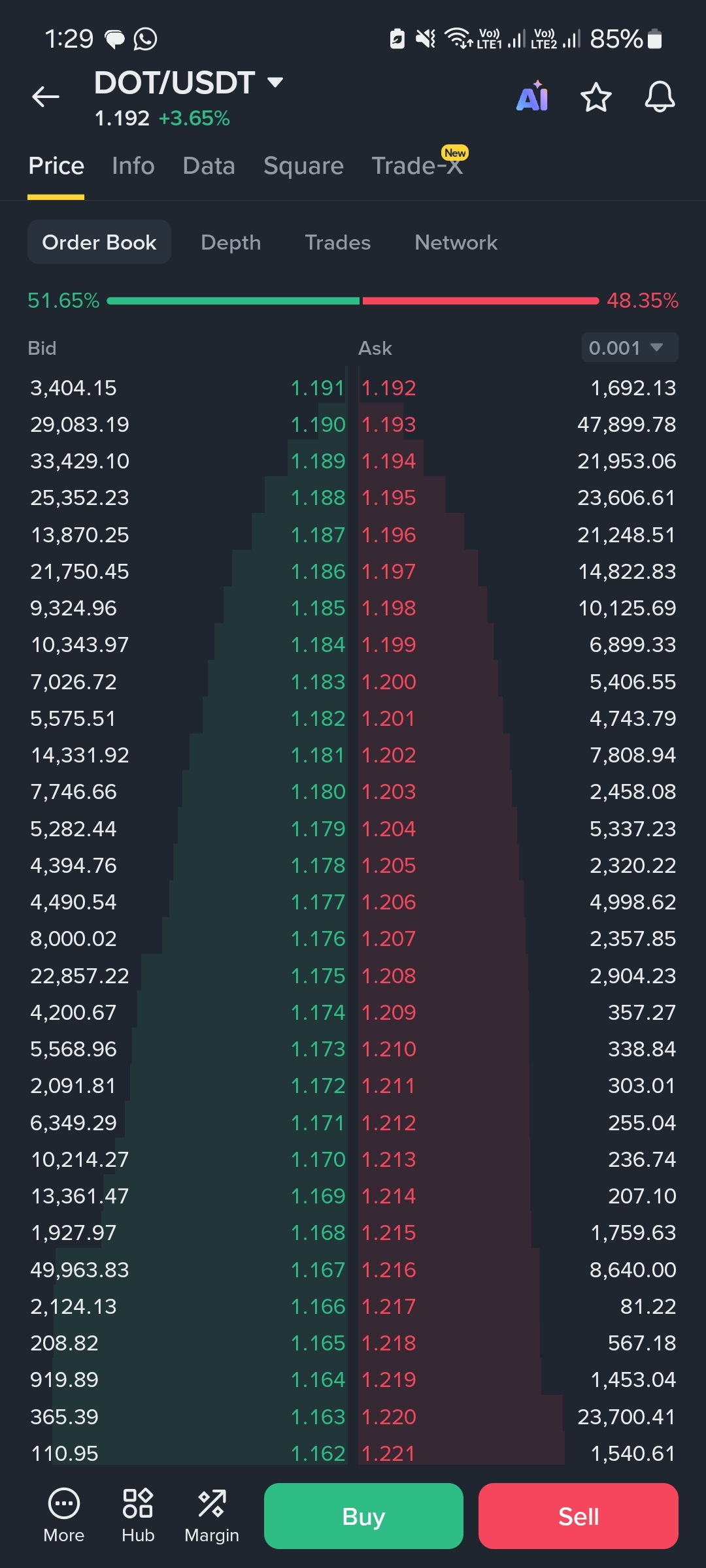
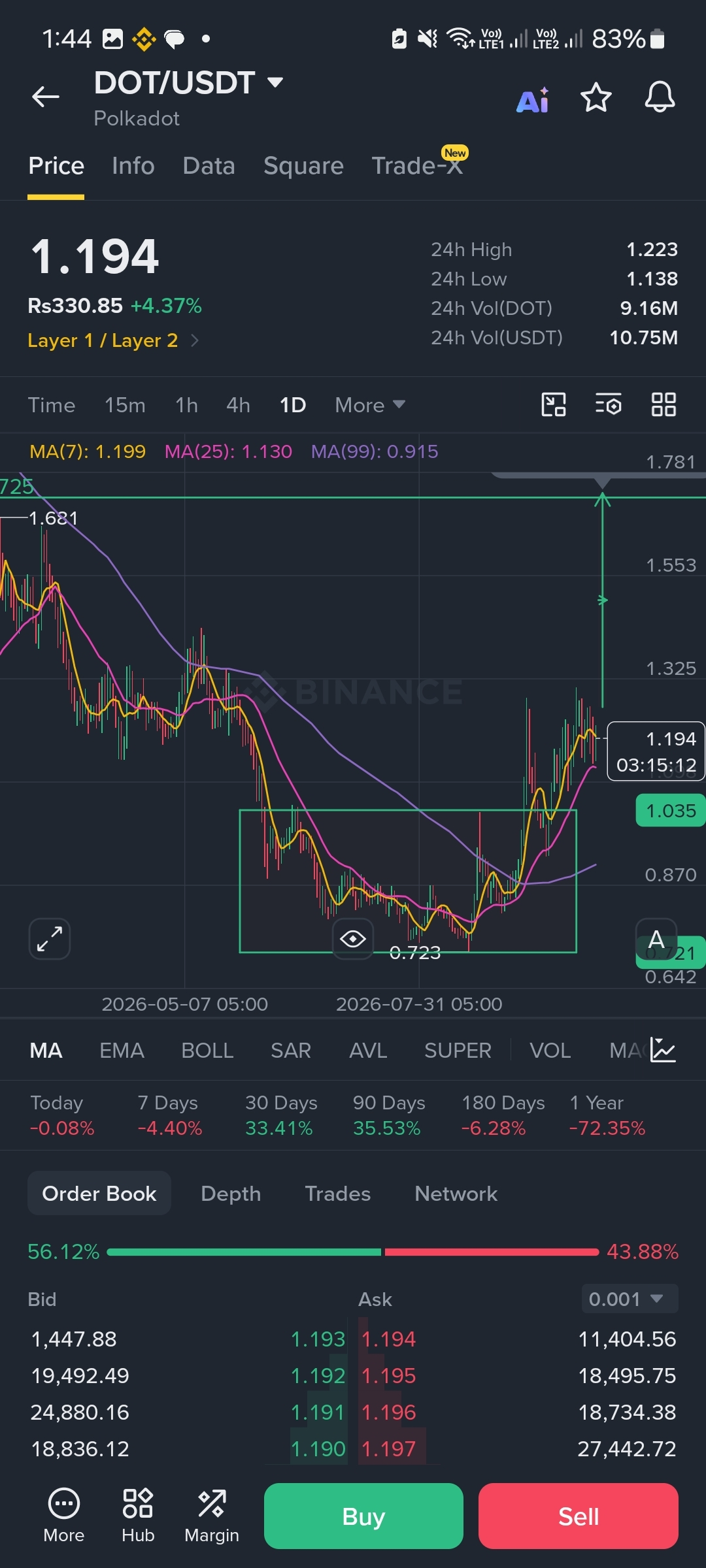
$DOT coin still running Buy
Target :$1.732 To 2.302
Sl :0.718
#SECProposesCryptoCustodyRules
#dot #crypto #Spot #trade
Target :$1.732 To 2.302
Sl :0.718
#SECProposesCryptoCustodyRules
#dot #crypto #Spot #trade
127
·
--
$XDP
{alpha}(84530x07b3d902783c3c12b077508c3b5c00113d1291d0)
is showing an unusual setup.
~$21M market cap vs $300M+ in 24H volume = exceptional trading activity and attention.
But only 10% of the 10B max supply is circulating, making future supply a key factor.
The real test: can demand stay strong after the hype fades?
Real adoption or incentive-driven momentum? 👀
#XDP #BitcoinRejectedAt$87K #SECHaltsCryptoETFReviewsAmidFundingLapse $XDP #FedOctoberRateHikeOddsFallTo17%
$XDP
is showing an unusual setup.
~$21M market cap vs $300M+ in 24H volume = exceptional trading activity and attention.
But only 10% of the 10B max supply is circulating, making future supply a key factor.
The real test: can demand stay strong after the hype fades?
Real adoption or incentive-driven momentum? 👀
#XDP #BitcoinRejectedAt$87K #SECHaltsCryptoETFReviewsAmidFundingLapse $XDP #FedOctoberRateHikeOddsFallTo17%
is showing an unusual setup.
~$21M market cap vs $300M+ in 24H volume = exceptional trading activity and attention.
But only 10% of the 10B max supply is circulating, making future supply a key factor.
The real test: can demand stay strong after the hype fades?
Real adoption or incentive-driven momentum? 👀
#XDP #BitcoinRejectedAt$87K #SECHaltsCryptoETFReviewsAmidFundingLapse $XDP #FedOctoberRateHikeOddsFallTo17%

90
·
--
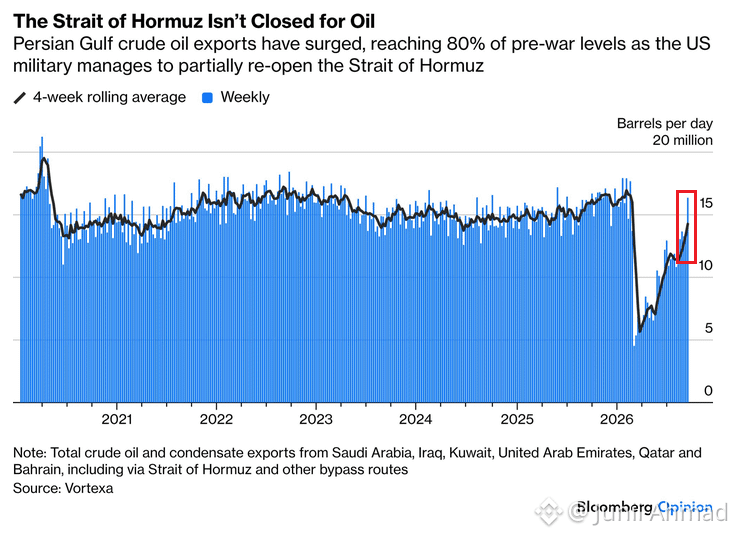
🛢️ Crude oil exports from the Persian Gulf exceeded 14 million barrels/day last week, the first time since the Iran war began, up more than 210% from the low of about 4.5 million barrels/day in March.
Crude oil exports have now recovered to about 80% of pre-war levels, as the US establishes a two-way maritime corridor along the Omani coast.
However, refined products like gasoline, diesel, and jet fuel have only recovered to about 50% of pre-war levels due to higher transportation costs and some refineries in the region still not fully operational.
{etf_us}(OILT.ETF)
#EthereumValidatorExitQueueJumps392% #SECHaltsCryptoETFReviewsAmidFundingLapse #GreekPoliceBustCryptoScamRingArrest17 #FedOctoberRateHikeOddsFallTo17%
🛢️ Crude oil exports from the Persian Gulf exceeded 14 million barrels/day last week, the first time since the Iran war began, up more than 210% from the low of about 4.5 million barrels/day in March.
Crude oil exports have now recovered to about 80% of pre-war levels, as the US establishes a two-way maritime corridor along the Omani coast.
However, refined products like gasoline, diesel, and jet fuel have only recovered to about 50% of pre-war levels due to higher transportation costs and some refineries in the region still not fully operational.
#EthereumValidatorExitQueueJumps392% #SECHaltsCryptoETFReviewsAmidFundingLapse #GreekPoliceBustCryptoScamRingArrest17 #FedOctoberRateHikeOddsFallTo17%
Crude oil exports have now recovered to about 80% of pre-war levels, as the US establishes a two-way maritime corridor along the Omani coast.
However, refined products like gasoline, diesel, and jet fuel have only recovered to about 50% of pre-war levels due to higher transportation costs and some refineries in the region still not fully operational.
#EthereumValidatorExitQueueJumps392% #SECHaltsCryptoETFReviewsAmidFundingLapse #GreekPoliceBustCryptoScamRingArrest17 #FedOctoberRateHikeOddsFallTo17%
333
·
--
ສັນຍານກະທິງ
1
26
·
--
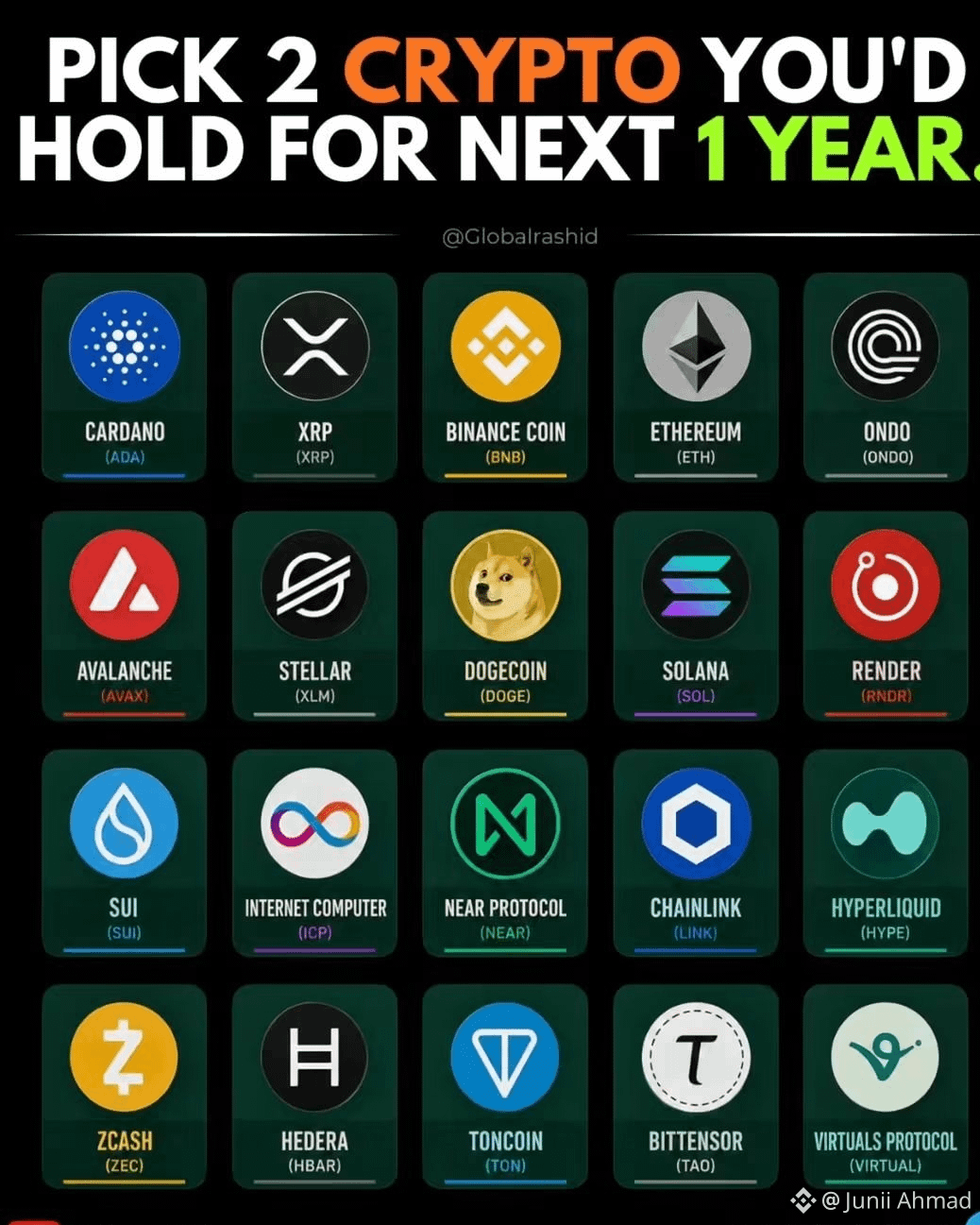
20 CRYPTO COINS. ONE BIG QUESTION.
From Cardano, XRP, BNB and Ethereum to Solana, Avalanche, Chainlink, Sui and Hyperliquid, this list covers some of the biggest and most talked about projects across the crypto market.
🔥 Large caps: ETH, BNB, $XRP , ADA
⚡ Layer 1s: $SOL , AVAX, SUI, NEAR, TON
🤖 AI & infrastructure: TAO, ICP, LINK
💎 Other major plays: ONDO, HYPE, DOGE, $ZEC , HBAR, VIRTUAL
The next market cycle could look very different, and some of these coins could attract much more attention if momentum returns.
But if you had to pick JUST ONE for the next bull run…
👇 Which coin will you choose?
#crypto #FutureTarding #Spot #BTC #BTC走势分析
20 CRYPTO COINS. ONE BIG QUESTION.
From Cardano, XRP, BNB and Ethereum to Solana, Avalanche, Chainlink, Sui and Hyperliquid, this list covers some of the biggest and most talked about projects across the crypto market.
🔥 Large caps: ETH, BNB, $XRP , ADA
⚡ Layer 1s: $SOL , AVAX, SUI, NEAR, TON
🤖 AI & infrastructure: TAO, ICP, LINK
💎 Other major plays: ONDO, HYPE, DOGE, $ZEC , HBAR, VIRTUAL
The next market cycle could look very different, and some of these coins could attract much more attention if momentum returns.
But if you had to pick JUST ONE for the next bull run…
👇 Which coin will you choose?
#crypto #FutureTarding #Spot #BTC #BTC走势分析
From Cardano, XRP, BNB and Ethereum to Solana, Avalanche, Chainlink, Sui and Hyperliquid, this list covers some of the biggest and most talked about projects across the crypto market.
🔥 Large caps: ETH, BNB, $XRP , ADA
⚡ Layer 1s: $SOL , AVAX, SUI, NEAR, TON
🤖 AI & infrastructure: TAO, ICP, LINK
💎 Other major plays: ONDO, HYPE, DOGE, $ZEC , HBAR, VIRTUAL
The next market cycle could look very different, and some of these coins could attract much more attention if momentum returns.
But if you had to pick JUST ONE for the next bull run…
👇 Which coin will you choose?
#crypto #FutureTarding #Spot #BTC #BTC走势分析
217
ເຂົ້າສູ່ລະບົບເພື່ອສຳຫຼວດເນື້ອຫາເພີ່ມເຕີມ
ເຂົ້າຮ່ວມກຸ່ມຜູ້ໃຊ້ຄຣິບໂຕທົ່ວໂລກໃນ Binance Square.
⚡️ ໄດ້ຮັບຂໍ້ມູນຫຼ້າສຸດ ແລະ ທີ່ມີປະໂຫຍດກ່ຽວກັບຄຣິບໂຕ.
💬 ໄດ້ຮັບຄວາມໄວ້ວາງໃຈຈາກຕະຫຼາດແລກປ່ຽນຄຣິບໂຕທີ່ໃຫຍ່ທີ່ສຸດໃນໂລກ.
👍 ຄົ້ນຫາຂໍ້ມູນເຊີງເລິກທີ່ແທ້ຈາກນັກສ້າງທີ່ໄດ້ຮັບການຢືນຢັນ.
ອີເມວ / ເບີໂທລະສັບ
ຫົວຂໍ້ທີ່ກໍາລັງນິຍົມ
ADAGains10%Above$0.27
4,072 views
113 ກຳລັງສົນທະນາ
$ADA is making a strong move today jumping over 10 percent to around 027 and breaking into a new 90 day high
Trading volume has also surged above 1 billion showing strong market activity
The move comes as $ADA continues its recovery from the June lows while its recent technical structure has turned more bullish
The 027 to 028 zone is now the key area to watch A sustained breakout could open the door toward higher resistance levels
But after such a sharp daily move volatility could remain high
#ADAGains10%Above$0.27 #crypto #ADA #Cardano #crypto #Write2Earn
AbdullahAbid_7
·0 ຖືກໃຈ
·217 views
ETHUp70%InQ3ButLiquidityFalls
51,072 views
625 ກຳລັງສົນທະນາ
EthStakingExitQueueHits2026High
18,561 views
514 ກຳລັງສົນທະນາ