

#play2earn
play2earn
443,566 views
514 ກຳລັງສົນທະນາ
ມາແຮງ
ຫຼ້າສຸດ

·
--
ສັນຍານກະທິງ
ເປັນຄວາມຈິງບາງສ່ວນ
Minha penúltima publicação eu estava indignado por me reclamarem por eu estar divulgando um token que já estava acima de 20k de Mcap, confesso que achei uma loucura, mas entendi o token em questão da $Imagine e em 24 horas bateu 250k de Mcap ou seja mais de 10x o valor , alguns perderam e queriam mais uma chance, porém pessoal $SOL é muito delicado de se trabalhar, existem inúmeros casos de golpes todos os dias, por conta disso estudo muito os projetos antes de trazer aqui, foi assim com $PNUT trouxe abaixo e 1M e depois saltou para 2B em questão 5 dias, minha maior vitória até hoje.
Dito tudo isso essa semana me deparei com uma jóia literalmente de graça com 5K de Mcap, estudei 3 dias antes e comprar pois achei muito estranho, quando decidi comprar já estava em 10K MCap, ainda barato, porém deixei de ganhar 50% do que ganharia, o token $Pforge se trata de um jogo futurista de naves espacial com economia girando em torno do token, me fez lembrar do início de $AXS em axie infinity, porém muito mais organizado e sem desvalorização com criação e venda, pelo contro token sp valoriza pois sempre que vendem algo é feito a queima do token das taxas cobradas e tudo tem um gasto ou seja isso vai subir de uma forma ou e outra, recomendo estudarem bem, hoje eles foram top comentários na Solana P2E 👀
#Solana #sol #defi #Play2Earn
Minha penúltima publicação eu estava indignado por me reclamarem por eu estar divulgando um token que já estava acima de 20k de Mcap, confesso que achei uma loucura, mas entendi o token em questão da $Imagine e em 24 horas bateu 250k de Mcap ou seja mais de 10x o valor , alguns perderam e queriam mais uma chance, porém pessoal $SOL é muito delicado de se trabalhar, existem inúmeros casos de golpes todos os dias, por conta disso estudo muito os projetos antes de trazer aqui, foi assim com $PNUT trouxe abaixo e 1M e depois saltou para 2B em questão 5 dias, minha maior vitória até hoje.
Dito tudo isso essa semana me deparei com uma jóia literalmente de graça com 5K de Mcap, estudei 3 dias antes e comprar pois achei muito estranho, quando decidi comprar já estava em 10K MCap, ainda barato, porém deixei de ganhar 50% do que ganharia, o token $Pforge se trata de um jogo futurista de naves espacial com economia girando em torno do token, me fez lembrar do início de $AXS em axie infinity, porém muito mais organizado e sem desvalorização com criação e venda, pelo contro token sp valoriza pois sempre que vendem algo é feito a queima do token das taxas cobradas e tudo tem um gasto ou seja isso vai subir de uma forma ou e outra, recomendo estudarem bem, hoje eles foram top comentários na Solana P2E 👀
#Solana #sol #defi #Play2Earn
Dito tudo isso essa semana me deparei com uma jóia literalmente de graça com 5K de Mcap, estudei 3 dias antes e comprar pois achei muito estranho, quando decidi comprar já estava em 10K MCap, ainda barato, porém deixei de ganhar 50% do que ganharia, o token $Pforge se trata de um jogo futurista de naves espacial com economia girando em torno do token, me fez lembrar do início de $AXS em axie infinity, porém muito mais organizado e sem desvalorização com criação e venda, pelo contro token sp valoriza pois sempre que vendem algo é feito a queima do token das taxas cobradas e tudo tem um gasto ou seja isso vai subir de uma forma ou e outra, recomendo estudarem bem, hoje eles foram top comentários na Solana P2E 👀
#Solana #sol #defi #Play2Earn
Carteira do Eli
·
--
ສັນຍານກະທິງQue loucura, recebi algumas mensagens pedindo se teria alguma correção para entrar nesse projeto. PESSOAL o token desse projeto está em 100k MCap , vocês querem um token abaixo e 10K ? entendem o risco? acredito que seja esse o motivo de muito caírem em golpe...
Estudem e comprem projetos coerentes e com alguma segurança, não fiquem querendo mais e mais vantagens, ganhar 10X o valor investido já é muito.
Quem comprou na minha primeira chamada fez 3X o valor do investimento, e ainda estão segurando, sabem o motivo?
$SOL está acumulando volume e $Imagine está seguindo com uma base muito sólida aguardando para explodir, fazendo um possível 10000x , algo que não vemos desde $PEPE e $PNUT , então não sejam tão gananciosos, qualquer mil reais investido já te deixaria milionário!
#sol #solana #sol板块 #meme板块关注热点 #bnb
Estudem e comprem projetos coerentes e com alguma segurança, não fiquem querendo mais e mais vantagens, ganhar 10X o valor investido já é muito.
Quem comprou na minha primeira chamada fez 3X o valor do investimento, e ainda estão segurando, sabem o motivo?
$SOL está acumulando volume e $Imagine está seguindo com uma base muito sólida aguardando para explodir, fazendo um possível 10000x , algo que não vemos desde $PEPE e $PNUT , então não sejam tão gananciosos, qualquer mil reais investido já te deixaria milionário!
#sol #solana #sol板块 #meme板块关注热点 #bnb
1
2
3.3k

·
--
ບົດຄວາມ
لعبة Pixels$عالم Pixels: كيف تحول ألعاب البكسل وقت الفراغ إلى أرباح رقمية؟
شهد عالم الألعاب الرقمية تحولاً جذرياً في السنوات الأخيرة، حيث انتقل المفهوم التقليدي من مجرد قضاء وقت ممتع للتسلية إلى نموذج "اللعب من أجل الربح" (Play-to-Earn). وفي صدارة هذا الجيل الجديد من الألعاب، برزت لعبة Pixels كواحدة من أكثر الألعاب نجاحاً وانتشاراً في بيئة Web3.
ما هي لعبة Pixels؟
Pixels هي لعبة محاكاة للزراعة والحياة الاجتماعية بتصميم فردي يعتمد على رسوم البكسل الكلاسيكية (تذكرنا بألعاب شهيرة مثل Stardew Valley). تعمل اللعبة على شبكة رونين (Ronin Network)، وهي سلسلة بلوكشين مخصصة للألعاب تضمن سرعة المعاملات وانخفاض تكاليفها.
تتميز اللعبة بكونها عالمًا مفتوحًا يتيح للاعبين امتلاك الأراضي، وجمع الموارد، وبناء المجتمعات، والتفاعل مع اقتصاد عالمي مفتوح يتميز بالشفافية واللامركزية.
آلية اللعب وتحقيق الأرباح
تعتمد Pixels على اقتصاد داخلي مرن يسمح للاعبين بتحويل جهودهم داخل اللعبة إلى قيمة مادية حقيقية عبر عدة طرق أساسية:
* إنتاج وتجميع الموارد: يبدأ اللاعب برعاية مزرعته، زراعة المحاصيل (مثل الـ Popberries)، قطع الأشجار، والتعدين، بالإضافة إلى تربية الحيوانات.
* إنجاز المهمات اليومية (Task Board): تظهر للاعبين لوحة مهام يومية تتطلب تسليم منتجات وموارد معينة. عند إكمال هذه المهمات، يتم مكافأة اللاعب بعملة اللعبة الرسمية.
* تداول عملة $PIXEL: العملة الأساسية داخل اللعبة هي $PIXEL. يمكن للاعب جمع هذه العملات ثم نقلها إلى محفظته الرقمية وتداولها في منصات العملات الرقمية مقابل أموال حقيقية أو عملات مستقرة.
* استثمار الأراضي الرقمية (NFT Lands): يمتلك بعض اللاعبين أراضٍ رقمية كأصول (NFTs). يمكن لمالكي الأراضي استغلالها لإنتاج موارد نادرة أو تأجيرها للاعبين الآخرين مقابل نسبة من الموارد أو العائدات.
عوامل تحسين الإنتاجية والاستراتيجية
على الرغم من أن اللعبة تتيح إمكانية الدخول المجاني، إلا أن تحقيق عائد ملموس يتطلب فهمًا جيدًا لإدارة "الطاقة" (Energy) داخل اللعبة، وهي المورد الأهم الذي يحدد عدد الأنشطة التي يمكنك القيام بها يومياً.
كما يُفضل الكثير من اللاعبين الجادين الاشتراك في نظام العضوية (VIP)، والذي يمنح صلاحيات إضافية مثل إمكانية سحب الأرباح بسهولة أكبر، وزيادة مساحات التخزين، والوصول إلى مناطق حصرية تساعد على تسريع معدل الكسب.
الخلاصة
تُمثل Pixels نموذجاً حياً لما يمكن أن تكون عليه ألعاب المستقبل، حيث يلتقي الترفيه والاسترخاء مع الفرص الاقتصادية الرقمية. ومع تطور مجتمع اللعبة واستمرار تحديثاتها، تظل Pixels تجربة فريدة لمن يرغب في استكشاف عالم الألعاب الرقمية المبنية على البلوكشين وتجربة مفهوم جديد للربح عبر الإنترنت.
#pixel
#Play2Earn
Pixels $PIXEL $
لعبة Pixels
$عالم Pixels: كيف تحول ألعاب البكسل وقت الفراغ إلى أرباح رقمية؟
شهد عالم الألعاب الرقمية تحولاً جذرياً في السنوات الأخيرة، حيث انتقل المفهوم التقليدي من مجرد قضاء وقت ممتع للتسلية إلى نموذج "اللعب من أجل الربح" (Play-to-Earn). وفي صدارة هذا الجيل الجديد من الألعاب، برزت لعبة Pixels كواحدة من أكثر الألعاب نجاحاً وانتشاراً في بيئة Web3.
ما هي لعبة Pixels؟
Pixels هي لعبة محاكاة للزراعة والحياة الاجتماعية بتصميم فردي يعتمد على رسوم البكسل الكلاسيكية (تذكرنا بألعاب شهيرة مثل Stardew Valley). تعمل اللعبة على شبكة رونين (Ronin Network)، وهي سلسلة بلوكشين مخصصة للألعاب تضمن سرعة المعاملات وانخفاض تكاليفها.
تتميز اللعبة بكونها عالمًا مفتوحًا يتيح للاعبين امتلاك الأراضي، وجمع الموارد، وبناء المجتمعات، والتفاعل مع اقتصاد عالمي مفتوح يتميز بالشفافية واللامركزية.
آلية اللعب وتحقيق الأرباح
تعتمد Pixels على اقتصاد داخلي مرن يسمح للاعبين بتحويل جهودهم داخل اللعبة إلى قيمة مادية حقيقية عبر عدة طرق أساسية:
* إنتاج وتجميع الموارد: يبدأ اللاعب برعاية مزرعته، زراعة المحاصيل (مثل الـ Popberries)، قطع الأشجار، والتعدين، بالإضافة إلى تربية الحيوانات.
* إنجاز المهمات اليومية (Task Board): تظهر للاعبين لوحة مهام يومية تتطلب تسليم منتجات وموارد معينة. عند إكمال هذه المهمات، يتم مكافأة اللاعب بعملة اللعبة الرسمية.
* تداول عملة $PIXEL : العملة الأساسية داخل اللعبة هي $PIXEL . يمكن للاعب جمع هذه العملات ثم نقلها إلى محفظته الرقمية وتداولها في منصات العملات الرقمية مقابل أموال حقيقية أو عملات مستقرة.
* استثمار الأراضي الرقمية (NFT Lands): يمتلك بعض اللاعبين أراضٍ رقمية كأصول (NFTs). يمكن لمالكي الأراضي استغلالها لإنتاج موارد نادرة أو تأجيرها للاعبين الآخرين مقابل نسبة من الموارد أو العائدات.
عوامل تحسين الإنتاجية والاستراتيجية
على الرغم من أن اللعبة تتيح إمكانية الدخول المجاني، إلا أن تحقيق عائد ملموس يتطلب فهمًا جيدًا لإدارة "الطاقة" (Energy) داخل اللعبة، وهي المورد الأهم الذي يحدد عدد الأنشطة التي يمكنك القيام بها يومياً.
كما يُفضل الكثير من اللاعبين الجادين الاشتراك في نظام العضوية (VIP)، والذي يمنح صلاحيات إضافية مثل إمكانية سحب الأرباح بسهولة أكبر، وزيادة مساحات التخزين، والوصول إلى مناطق حصرية تساعد على تسريع معدل الكسب.
الخلاصة
تُمثل Pixels نموذجاً حياً لما يمكن أن تكون عليه ألعاب المستقبل، حيث يلتقي الترفيه والاسترخاء مع الفرص الاقتصادية الرقمية. ومع تطور مجتمع اللعبة واستمرار تحديثاتها، تظل Pixels تجربة فريدة لمن يرغب في استكشاف عالم الألعاب الرقمية المبنية على البلوكشين وتجربة مفهوم جديد للربح عبر الإنترنت.
#pixel
#Play2Earn
Pixels $PIXEL $
شهد عالم الألعاب الرقمية تحولاً جذرياً في السنوات الأخيرة، حيث انتقل المفهوم التقليدي من مجرد قضاء وقت ممتع للتسلية إلى نموذج "اللعب من أجل الربح" (Play-to-Earn). وفي صدارة هذا الجيل الجديد من الألعاب، برزت لعبة Pixels كواحدة من أكثر الألعاب نجاحاً وانتشاراً في بيئة Web3.
ما هي لعبة Pixels؟
Pixels هي لعبة محاكاة للزراعة والحياة الاجتماعية بتصميم فردي يعتمد على رسوم البكسل الكلاسيكية (تذكرنا بألعاب شهيرة مثل Stardew Valley). تعمل اللعبة على شبكة رونين (Ronin Network)، وهي سلسلة بلوكشين مخصصة للألعاب تضمن سرعة المعاملات وانخفاض تكاليفها.
تتميز اللعبة بكونها عالمًا مفتوحًا يتيح للاعبين امتلاك الأراضي، وجمع الموارد، وبناء المجتمعات، والتفاعل مع اقتصاد عالمي مفتوح يتميز بالشفافية واللامركزية.
آلية اللعب وتحقيق الأرباح
تعتمد Pixels على اقتصاد داخلي مرن يسمح للاعبين بتحويل جهودهم داخل اللعبة إلى قيمة مادية حقيقية عبر عدة طرق أساسية:
* إنتاج وتجميع الموارد: يبدأ اللاعب برعاية مزرعته، زراعة المحاصيل (مثل الـ Popberries)، قطع الأشجار، والتعدين، بالإضافة إلى تربية الحيوانات.
* إنجاز المهمات اليومية (Task Board): تظهر للاعبين لوحة مهام يومية تتطلب تسليم منتجات وموارد معينة. عند إكمال هذه المهمات، يتم مكافأة اللاعب بعملة اللعبة الرسمية.
* تداول عملة $PIXEL : العملة الأساسية داخل اللعبة هي $PIXEL . يمكن للاعب جمع هذه العملات ثم نقلها إلى محفظته الرقمية وتداولها في منصات العملات الرقمية مقابل أموال حقيقية أو عملات مستقرة.
* استثمار الأراضي الرقمية (NFT Lands): يمتلك بعض اللاعبين أراضٍ رقمية كأصول (NFTs). يمكن لمالكي الأراضي استغلالها لإنتاج موارد نادرة أو تأجيرها للاعبين الآخرين مقابل نسبة من الموارد أو العائدات.
عوامل تحسين الإنتاجية والاستراتيجية
على الرغم من أن اللعبة تتيح إمكانية الدخول المجاني، إلا أن تحقيق عائد ملموس يتطلب فهمًا جيدًا لإدارة "الطاقة" (Energy) داخل اللعبة، وهي المورد الأهم الذي يحدد عدد الأنشطة التي يمكنك القيام بها يومياً.
كما يُفضل الكثير من اللاعبين الجادين الاشتراك في نظام العضوية (VIP)، والذي يمنح صلاحيات إضافية مثل إمكانية سحب الأرباح بسهولة أكبر، وزيادة مساحات التخزين، والوصول إلى مناطق حصرية تساعد على تسريع معدل الكسب.
الخلاصة
تُمثل Pixels نموذجاً حياً لما يمكن أن تكون عليه ألعاب المستقبل، حيث يلتقي الترفيه والاسترخاء مع الفرص الاقتصادية الرقمية. ومع تطور مجتمع اللعبة واستمرار تحديثاتها، تظل Pixels تجربة فريدة لمن يرغب في استكشاف عالم الألعاب الرقمية المبنية على البلوكشين وتجربة مفهوم جديد للربح عبر الإنترنت.
#pixel
#Play2Earn
Pixels $PIXEL $
195

Web3-гейминг в 2026: скам ушел, остались только сильные проекты?
Еще пару лет назад 90% Web3-игр были простыми «кликерами» без нормальной механики. Сегодня тренд меняется: на рынок выходят проекты с полноценным геймплеем на Unreal Engine, продуманной внутриигровой экономикой и поддержкой крупных комьюнити.
На что я обращаю внимание при выборе Web3-игры:
Экономика и токены: Наличие реального применения токена внутри игры, а не просто кнопка «вывести».
Командные ивенты: Полноценный Game Night, турниры и активные дискорд-сообщества.
Баланс и реиграбельность: Игра должна быть интересной сама по себе, даже если убрать финансовую составляющую.
Фарм и участие в ранних тестах таких проектов часто дают лучший риск/ревард, чем попытки угадать движение щиткоинов на бирже.
👇 Играете во что-то из Web3 или считаете, что гейминг в крипте всё еще сырой? Делитесь топ-проектами.
#web3gaming #BinanceSquare #Play2Earn #nft
Web3-гейминг в 2026: скам ушел, остались только сильные проекты?
Еще пару лет назад 90% Web3-игр были простыми «кликерами» без нормальной механики. Сегодня тренд меняется: на рынок выходят проекты с полноценным геймплеем на Unreal Engine, продуманной внутриигровой экономикой и поддержкой крупных комьюнити.
На что я обращаю внимание при выборе Web3-игры:
Экономика и токены: Наличие реального применения токена внутри игры, а не просто кнопка «вывести».
Командные ивенты: Полноценный Game Night, турниры и активные дискорд-сообщества.
Баланс и реиграбельность: Игра должна быть интересной сама по себе, даже если убрать финансовую составляющую.
Фарм и участие в ранних тестах таких проектов часто дают лучший риск/ревард, чем попытки угадать движение щиткоинов на бирже.
👇 Играете во что-то из Web3 или считаете, что гейминг в крипте всё еще сырой? Делитесь топ-проектами.
#web3gaming #BinanceSquare #Play2Earn #nft
Еще пару лет назад 90% Web3-игр были простыми «кликерами» без нормальной механики. Сегодня тренд меняется: на рынок выходят проекты с полноценным геймплеем на Unreal Engine, продуманной внутриигровой экономикой и поддержкой крупных комьюнити.
На что я обращаю внимание при выборе Web3-игры:
Экономика и токены: Наличие реального применения токена внутри игры, а не просто кнопка «вывести».
Командные ивенты: Полноценный Game Night, турниры и активные дискорд-сообщества.
Баланс и реиграбельность: Игра должна быть интересной сама по себе, даже если убрать финансовую составляющую.
Фарм и участие в ранних тестах таких проектов часто дают лучший риск/ревард, чем попытки угадать движение щиткоинов на бирже.
👇 Играете во что-то из Web3 или считаете, что гейминг в крипте всё еще сырой? Делитесь топ-проектами.
#web3gaming #BinanceSquare #Play2Earn #nft
105

·
--
ສັນຍານກະທິງ
When you get tired of trading, come play CryptoChess. ♟️
You can still earn crypto while playing.
And by the way—BNS has a fixed total supply of only 21 million. 🔥
Play. Compete. Earn.
♟️ $BNS
cryptochess.benzenenetwork.com
#Web3 #Play2Earn
When you get tired of trading, come play CryptoChess. ♟️
You can still earn crypto while playing.
And by the way—BNS has a fixed total supply of only 21 million. 🔥
Play. Compete. Earn.
♟️ $BNS
cryptochess.benzenenetwork.com
#Web3 #Play2Earn
You can still earn crypto while playing.
And by the way—BNS has a fixed total supply of only 21 million. 🔥
Play. Compete. Earn.
♟️ $BNS
cryptochess.benzenenetwork.com
#Web3 #Play2Earn
84

·
--
ສັນຍານກະທິງ
$PLAY bullish
Entry: 0.1010–0.1040
SL: 0.0900
TP1: 0.1080
TP2: 0.1120
TP3: 0.1200
Liquidity swept at 0.0780. Bullish EMA stack confirms momentum.
{future}(PLAYUSDT)
#Playdapp #Play2Earn
$PLAY bullish
Entry: 0.1010–0.1040
SL: 0.0900
TP1: 0.1080
TP2: 0.1120
TP3: 0.1200
Liquidity swept at 0.0780. Bullish EMA stack confirms momentum.
#Playdapp #Play2Earn
Entry: 0.1010–0.1040
SL: 0.0900
TP1: 0.1080
TP2: 0.1120
TP3: 0.1200
Liquidity swept at 0.0780. Bullish EMA stack confirms momentum.
#Playdapp #Play2Earn
1
197

·
--
ສັນຍານກະທິງ
يارحمن يارحمن
هنيئاً لمن ركب الموجه الهدف الاول 0.0331
$PLAY
$SIREN
SIREN CryptoCrash BinanceSquare Altcoins TradingTips BNBChai
#SİREN
#siren
#Play2Earn
#play
يارحمن يارحمن
هنيئاً لمن ركب الموجه الهدف الاول 0.0331
$PLAY
$SIREN
SIREN CryptoCrash BinanceSquare Altcoins TradingTips BNBChai
#SİREN
#siren
#Play2Earn
#play
هنيئاً لمن ركب الموجه الهدف الاول 0.0331
$PLAY
$SIREN
SIREN CryptoCrash BinanceSquare Altcoins TradingTips BNBChai
#SİREN
#siren
#Play2Earn
#play
8
7
2.6k

·
--
ສັນຍານກະທິງ
ادخلوها شرا $PLAY #Play2Earn ارتفاع جنوني قادم ادخلوها من الان انتهي وقت البيع الان وقت الارتفاع $PLAY #Playdapp
ادخلوها شرا $PLAY #Play2Earn ارتفاع جنوني قادم ادخلوها من الان انتهي وقت البيع الان وقت الارتفاع $PLAY #Playdapp
1
360
·
--
ສັນຍານກະທິງ
#play Trade plane LONG
Stop Loss (SL): Agar price 0.0900
TP 1..0.13000
TP 2..0.14000
TP 3..0..1500
#play
#Binance
#Play2Earn
{future}(PLAYUSDT)
#play Trade plane LONG
Stop Loss (SL): Agar price 0.0900
TP 1..0.13000
TP 2..0.14000
TP 3..0..1500
#play
#Binance
#Play2Earn
Stop Loss (SL): Agar price 0.0900
TP 1..0.13000
TP 2..0.14000
TP 3..0..1500
#play
#Binance
#Play2Earn
1
249



Everyone chased play-to-earn… then most gave up. But something different is happening with Pixels$PIXEL isn’t built for quick flips—it’s built for compounding. The Stacked ecosystem changes how value flows: you play, you earn, then you reinvest and scale. Farming, crafting, trading—every move feeds a loop designed for long-term growth, not short-term hype.
The real shift? Players becoming builders. Instead of extracting value, they’re stacking it. And early participants are already seeing the advantage of positioning before the crowd catches on.
@pixels isn’t loud… it’s strategic.
And in this game, strategy wins.
#pixel #Play2Earn #CreaterPadChallenge
{spot}(PIXELUSDT)
Everyone chased play-to-earn… then most gave up. But something different is happening with Pixels
$PIXEL isn’t built for quick flips—it’s built for compounding. The Stacked ecosystem changes how value flows: you play, you earn, then you reinvest and scale. Farming, crafting, trading—every move feeds a loop designed for long-term growth, not short-term hype.
The real shift? Players becoming builders. Instead of extracting value, they’re stacking it. And early participants are already seeing the advantage of positioning before the crowd catches on.
@Pixels isn’t loud… it’s strategic.
And in this game, strategy wins.
#pixel #Play2Earn #CreaterPadChallenge
The real shift? Players becoming builders. Instead of extracting value, they’re stacking it. And early participants are already seeing the advantage of positioning before the crowd catches on.
@Pixels isn’t loud… it’s strategic.
And in this game, strategy wins.
#pixel #Play2Earn #CreaterPadChallenge
41


·
--
ສັນຍານໝີ
Market remains highly reactive as liquidity sweeps continue across multiple mid-cap assets 💥
Fast moves are dominating price action, leaving little room for hesitation 👀
$PLAY
{future}(PLAYUSDT)
🔴 LIQUIDITY ZONE HIT 🔴
Long liquidation spotted 🧨
$3.0686K cleared at $0.0738
Downside liquidity swept — react NOW or watch the market shift 👀
🎯 TP Targets:
TP1: ~$0.0733
TP2: ~$0.0728
TP3: ~$0.0722
#Play2Earn
Market remains highly reactive as liquidity sweeps continue across multiple mid-cap assets 💥
Fast moves are dominating price action, leaving little room for hesitation 👀
$PLAY
🔴 LIQUIDITY ZONE HIT 🔴
Long liquidation spotted 🧨
$3.0686K cleared at $0.0738
Downside liquidity swept — react NOW or watch the market shift 👀
🎯 TP Targets:
TP1: ~$0.0733
TP2: ~$0.0728
TP3: ~$0.0722
#Play2Earn
Fast moves are dominating price action, leaving little room for hesitation 👀
$PLAY
🔴 LIQUIDITY ZONE HIT 🔴
Long liquidation spotted 🧨
$3.0686K cleared at $0.0738
Downside liquidity swept — react NOW or watch the market shift 👀
🎯 TP Targets:
TP1: ~$0.0733
TP2: ~$0.0728
TP3: ~$0.0722
#Play2Earn
1
101

ບົດຄວາມ
Is $PIXEL Still a Game… or the Start of a Player-Owned Economy?I’ve been thinking about my small position in $PIXEL , not the price, but what this thing is actually becoming. I didn’t go heavy in, just tested a bit after reading through their docs, because honestly I wasn’t sure if it’s still “just a game” or something bigger.
After spending time digging into @pixels , it stopped looking like a typical Web3 game to me. It feels more like an ecosystem trying to turn player activity into real value. That shift is subtle, but important. Most games chase attention and sell it somewhere else. Pixels is trying to route that value back to players directly. Play, engage, contribute, and you earn. Simple on the surface, but structurally different.
One thing that stood out to me is how much they rely on data. The system tracks behavior, retention, spending patterns | not just for analytics, but to actually shape rewards and outcomes. That’s powerful because it makes the economy less random. But yeah, I did hesitate here… if everything becomes too optimized, does the “game” part lose its unpredictability?
From a builder perspective, it’s even more interesting. Their infrastructure lets other games plug in, almost like joining a shared economy. That’s where I think the real upside is. It’s not one game trying to win, it’s a network effect forming.
I won’t pretend I’m fully convinced yet. My position is still small, and I’ve been wrong before chasing “big narratives.” But this doesn’t feel like pure hype. It feels like an experiment in turning games into engagement economies.
If it works, growth won’t come from ads or inflated metrics — it’ll come from players who actually stay. And that’s much harder to fake.
#Pixel #NFT #web3gaming #play2earn #PIXEL📈
Is $PIXEL Still a Game… or the Start of a Player-Owned Economy?
I’ve been thinking about my small position in $PIXEL , not the price, but what this thing is actually becoming. I didn’t go heavy in, just tested a bit after reading through their docs, because honestly I wasn’t sure if it’s still “just a game” or something bigger.
After spending time digging into @Pixels , it stopped looking like a typical Web3 game to me. It feels more like an ecosystem trying to turn player activity into real value. That shift is subtle, but important. Most games chase attention and sell it somewhere else. Pixels is trying to route that value back to players directly. Play, engage, contribute, and you earn. Simple on the surface, but structurally different.
One thing that stood out to me is how much they rely on data. The system tracks behavior, retention, spending patterns | not just for analytics, but to actually shape rewards and outcomes. That’s powerful because it makes the economy less random. But yeah, I did hesitate here… if everything becomes too optimized, does the “game” part lose its unpredictability?
From a builder perspective, it’s even more interesting. Their infrastructure lets other games plug in, almost like joining a shared economy. That’s where I think the real upside is. It’s not one game trying to win, it’s a network effect forming.
I won’t pretend I’m fully convinced yet. My position is still small, and I’ve been wrong before chasing “big narratives.” But this doesn’t feel like pure hype. It feels like an experiment in turning games into engagement economies.
If it works, growth won’t come from ads or inflated metrics — it’ll come from players who actually stay. And that’s much harder to fake.
#Pixel #NFT #web3gaming #play2earn #PIXEL📈
After spending time digging into @Pixels , it stopped looking like a typical Web3 game to me. It feels more like an ecosystem trying to turn player activity into real value. That shift is subtle, but important. Most games chase attention and sell it somewhere else. Pixels is trying to route that value back to players directly. Play, engage, contribute, and you earn. Simple on the surface, but structurally different.
One thing that stood out to me is how much they rely on data. The system tracks behavior, retention, spending patterns | not just for analytics, but to actually shape rewards and outcomes. That’s powerful because it makes the economy less random. But yeah, I did hesitate here… if everything becomes too optimized, does the “game” part lose its unpredictability?
From a builder perspective, it’s even more interesting. Their infrastructure lets other games plug in, almost like joining a shared economy. That’s where I think the real upside is. It’s not one game trying to win, it’s a network effect forming.
I won’t pretend I’m fully convinced yet. My position is still small, and I’ve been wrong before chasing “big narratives.” But this doesn’t feel like pure hype. It feels like an experiment in turning games into engagement economies.
If it works, growth won’t come from ads or inflated metrics — it’ll come from players who actually stay. And that’s much harder to fake.
#Pixel #NFT #web3gaming #play2earn #PIXEL📈
15
16
255


·
--
ສັນຍານກະທິງ
Gue abis mainin game pixels lagi. Cuman... masih kebayang satu hal.
Gue liat lautan avatar ramai. Ribuan orang lari. Kanan kiri.
Tapi gue merinding. Rasanya sepi banget. Hening. Aneh.
Gue coba sapa. "Halo guys" kata gue. Nggak ada yng jawab. Nggak ada reaksi.
Mereka cuma lewat nembus badan gue kayak hantu lapar. Lapar akan yield. Haus akan token.
Ini game sosial. Open world. Begitu kata developer @pixels .
Tapi mana sosialnya???? Mana tawa hangatnya?? Semua jadi robot.
Waktu jadi beban.
Gue ngrasa Ngobrol dsana rugi. Ngetik buang-buang detik. Detik itu ya $PIXEL
Dulu game itu seru. Tempat cari kawan.
Sekarang? jadi kantor. Kantor tanpa bos. Tapi penuh tekanan.
Gue liat sekitar. Banyak nama. angka. Kombinasi huruf acak. Mungkin mereka bot. Atau manusia??? Susah gue bedainnya.
Gue ngerasa mereka bukan lagi main. Tapi cuma kerja. Kerja rodi digital. Tanpa jaminan hari tua.
Dunia $PIXEL ini keren. Grafiknya lucu banget. Tapi jiwanya hilang.
Ditelan FOMO. Ditelan haus cuan.
Kita bertukar energi. Bukan bertukar cerita.
Kita bertukar item. Bukan bertukar tawa.
Gue narik napas. Matiin layar sebentar.
Tanya balik kediri gue. Gue masuk sini nyari temen baru? Atau cari makan?
#pixel #web3gaming #Play2Earn #GamingTokens
Gue abis mainin game pixels lagi. Cuman... masih kebayang satu hal.
Gue liat lautan avatar ramai. Ribuan orang lari. Kanan kiri.
Tapi gue merinding. Rasanya sepi banget. Hening. Aneh.
Gue coba sapa. "Halo guys" kata gue. Nggak ada yng jawab. Nggak ada reaksi.
Mereka cuma lewat nembus badan gue kayak hantu lapar. Lapar akan yield. Haus akan token.
Ini game sosial. Open world. Begitu kata developer @Pixels .
Tapi mana sosialnya???? Mana tawa hangatnya?? Semua jadi robot.
Waktu jadi beban.
Gue ngrasa Ngobrol dsana rugi. Ngetik buang-buang detik. Detik itu ya $PIXEL
Dulu game itu seru. Tempat cari kawan.
Sekarang? jadi kantor. Kantor tanpa bos. Tapi penuh tekanan.
Gue liat sekitar. Banyak nama. angka. Kombinasi huruf acak. Mungkin mereka bot. Atau manusia??? Susah gue bedainnya.
Gue ngerasa mereka bukan lagi main. Tapi cuma kerja. Kerja rodi digital. Tanpa jaminan hari tua.
Dunia $PIXEL ini keren. Grafiknya lucu banget. Tapi jiwanya hilang.
Ditelan FOMO. Ditelan haus cuan.
Kita bertukar energi. Bukan bertukar cerita.
Kita bertukar item. Bukan bertukar tawa.
Gue narik napas. Matiin layar sebentar.
Tanya balik kediri gue. Gue masuk sini nyari temen baru? Atau cari makan?
#pixel #web3gaming #Play2Earn #GamingTokens
Gue liat lautan avatar ramai. Ribuan orang lari. Kanan kiri.
Tapi gue merinding. Rasanya sepi banget. Hening. Aneh.
Gue coba sapa. "Halo guys" kata gue. Nggak ada yng jawab. Nggak ada reaksi.
Mereka cuma lewat nembus badan gue kayak hantu lapar. Lapar akan yield. Haus akan token.
Ini game sosial. Open world. Begitu kata developer @Pixels .
Tapi mana sosialnya???? Mana tawa hangatnya?? Semua jadi robot.
Waktu jadi beban.
Gue ngrasa Ngobrol dsana rugi. Ngetik buang-buang detik. Detik itu ya $PIXEL
Dulu game itu seru. Tempat cari kawan.
Sekarang? jadi kantor. Kantor tanpa bos. Tapi penuh tekanan.
Gue liat sekitar. Banyak nama. angka. Kombinasi huruf acak. Mungkin mereka bot. Atau manusia??? Susah gue bedainnya.
Gue ngerasa mereka bukan lagi main. Tapi cuma kerja. Kerja rodi digital. Tanpa jaminan hari tua.
Dunia $PIXEL ini keren. Grafiknya lucu banget. Tapi jiwanya hilang.
Ditelan FOMO. Ditelan haus cuan.
Kita bertukar energi. Bukan bertukar cerita.
Kita bertukar item. Bukan bertukar tawa.
Gue narik napas. Matiin layar sebentar.
Tanya balik kediri gue. Gue masuk sini nyari temen baru? Atau cari makan?
#pixel #web3gaming #Play2Earn #GamingTokens
1
8
507
·
--
ສັນຍານກະທິງ
🚨 It’s LIVE — and it changes everything.
We just launched the new Cronos Army gameplay UI, and it completely transforms the on-chain gaming experience:
🎮 A full battlefield redesign — immersive, dark, futuristic
⚡ Lightning-fast gameplay & smoother player experience
🧠 Built as the foundation for AI-driven Soldiers (next update)
🌍 Structured for cross-chain expansion —> BNB Chain
💡 Why this matters for Binance users:
We’re not just launching another game — we’re building a full AI-powered, P2E strategy universe that will land on BNBChain next.
✅ Players will be able to:
🔥 Play directly from the Binance App
🪙 Use $BNB to mint, train, and conquer
🎯 Earn, fight, and progress inside a living AI-NFT ecosystem
💥 All fueled by our CA token
Next milestones:
✅ AI Soldiers (first AI-driven NFTs that fight & evolve)
✅ BNB Chain expansion
✅ Wallet-less onboarding
✅ New gameplay leagues & commander mode
🚀 We’re entering the next phase — and soon, the BNB community will too.
#GamingRevolution #Play2Earn @BSCDaily @Binance_Square_Official
🚨 It’s LIVE — and it changes everything.
We just launched the new Cronos Army gameplay UI, and it completely transforms the on-chain gaming experience:
🎮 A full battlefield redesign — immersive, dark, futuristic
⚡ Lightning-fast gameplay & smoother player experience
🧠 Built as the foundation for AI-driven Soldiers (next update)
🌍 Structured for cross-chain expansion —> BNB Chain
💡 Why this matters for Binance users:
We’re not just launching another game — we’re building a full AI-powered, P2E strategy universe that will land on BNBChain next.
✅ Players will be able to:
🔥 Play directly from the Binance App
🪙 Use $BNB to mint, train, and conquer
🎯 Earn, fight, and progress inside a living AI-NFT ecosystem
💥 All fueled by our CA token
Next milestones:
✅ AI Soldiers (first AI-driven NFTs that fight & evolve)
✅ BNB Chain expansion
✅ Wallet-less onboarding
✅ New gameplay leagues & commander mode
🚀 We’re entering the next phase — and soon, the BNB community will too.
#GamingRevolution #Play2Earn @BSCDaily @Binance Square Official
We just launched the new Cronos Army gameplay UI, and it completely transforms the on-chain gaming experience:
🎮 A full battlefield redesign — immersive, dark, futuristic
⚡ Lightning-fast gameplay & smoother player experience
🧠 Built as the foundation for AI-driven Soldiers (next update)
🌍 Structured for cross-chain expansion —> BNB Chain
💡 Why this matters for Binance users:
We’re not just launching another game — we’re building a full AI-powered, P2E strategy universe that will land on BNBChain next.
✅ Players will be able to:
🔥 Play directly from the Binance App
🪙 Use $BNB to mint, train, and conquer
🎯 Earn, fight, and progress inside a living AI-NFT ecosystem
💥 All fueled by our CA token
Next milestones:
✅ AI Soldiers (first AI-driven NFTs that fight & evolve)
✅ BNB Chain expansion
✅ Wallet-less onboarding
✅ New gameplay leagues & commander mode
🚀 We’re entering the next phase — and soon, the BNB community will too.
#GamingRevolution #Play2Earn @BSCDaily @Binance Square Official
3
2
16
11.3k
·
--
ສັນຍານກະທິງ
BNB Chain has millions of daily active wallets.
300,000 active gamers.
And almost no serious P2E strategy games.
That's where we come in.
Cronos Army launched on BNB Chain.
A full strategy game where you train soldiers, battle, conquer territory, and earn.
We've been live on Cronos for 9 months — real players, real economy, $2,000+ paid out monthly.
Now we're bringing that to BNB. Biggest chain by daily users. And most of its users still don't have a quality P2E game to play.
BNB Chain will be one of our main growth drivers alongside Telegram. The player base is there. The infrastructure is there. Someone just needs to deliver the game.
We're delivering it.
——
Cronos Army — P2E strategy game. Live on Cronos, BNB Chain, and Telegram. $2,000+ paid to players monthly. Top 10 on PlayToEarn.
#gaming #Play2Earn
BNB Chain has millions of daily active wallets.
300,000 active gamers.
And almost no serious P2E strategy games.
That's where we come in.
Cronos Army launched on BNB Chain.
A full strategy game where you train soldiers, battle, conquer territory, and earn.
We've been live on Cronos for 9 months — real players, real economy, $2,000+ paid out monthly.
Now we're bringing that to BNB. Biggest chain by daily users. And most of its users still don't have a quality P2E game to play.
BNB Chain will be one of our main growth drivers alongside Telegram. The player base is there. The infrastructure is there. Someone just needs to deliver the game.
We're delivering it.
——
Cronos Army — P2E strategy game. Live on Cronos, BNB Chain, and Telegram. $2,000+ paid to players monthly. Top 10 on PlayToEarn.
#gaming #Play2Earn
300,000 active gamers.
And almost no serious P2E strategy games.
That's where we come in.
Cronos Army launched on BNB Chain.
A full strategy game where you train soldiers, battle, conquer territory, and earn.
We've been live on Cronos for 9 months — real players, real economy, $2,000+ paid out monthly.
Now we're bringing that to BNB. Biggest chain by daily users. And most of its users still don't have a quality P2E game to play.
BNB Chain will be one of our main growth drivers alongside Telegram. The player base is there. The infrastructure is there. Someone just needs to deliver the game.
We're delivering it.
——
Cronos Army — P2E strategy game. Live on Cronos, BNB Chain, and Telegram. $2,000+ paid to players monthly. Top 10 on PlayToEarn.
#gaming #Play2Earn
3
202

·
--
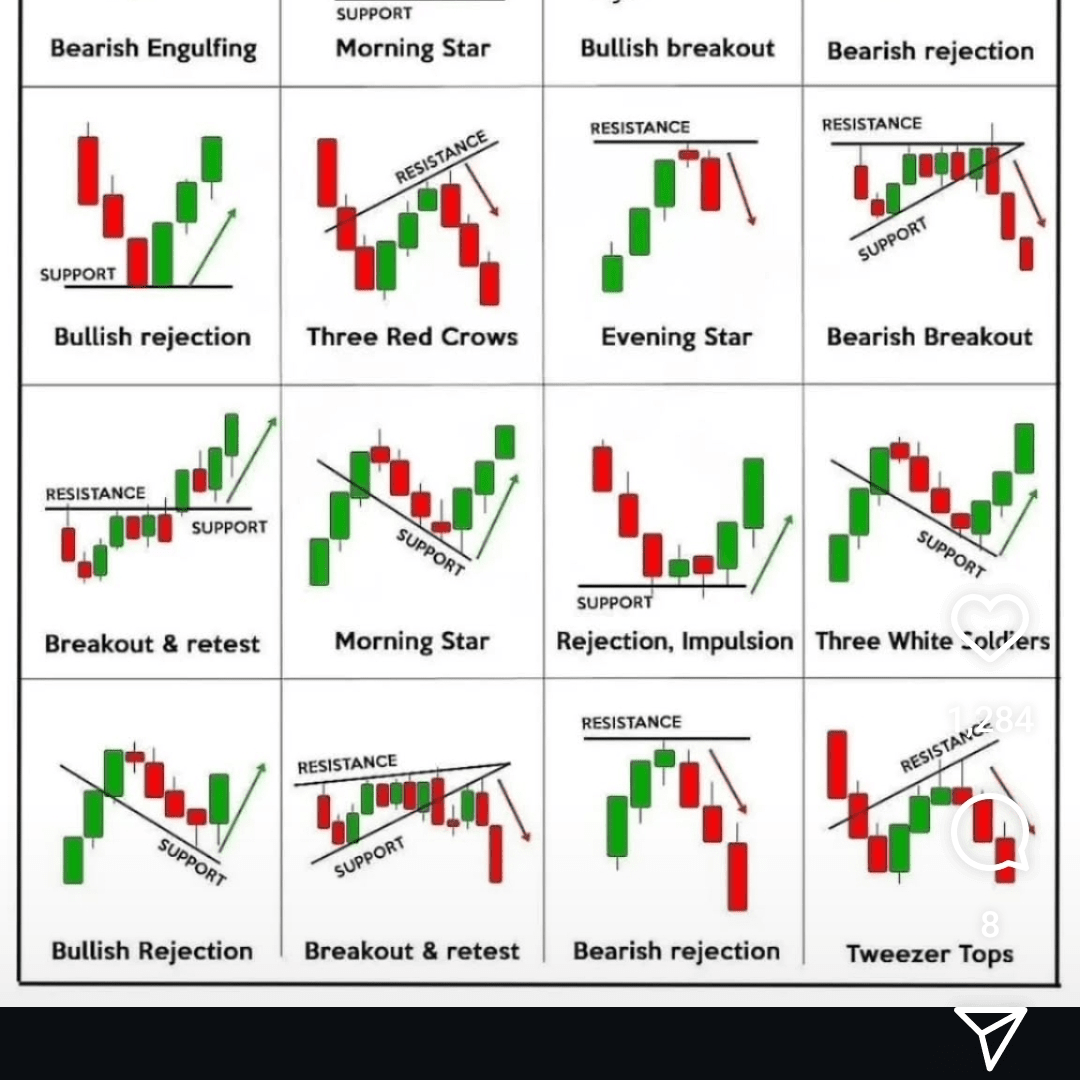
一大早开链游盲盒的乐趣谁懂?
昨天买的川普大富翁游戏盲盒nft,刚起床后开了一个,开出来一堆游戏内的道具。
根据道具名称和大富翁游戏基础玩法,大概推测下道具用途。
Gold Bar:买地用的金条,越多越好,买断一条街躺下就能收过路费
Dice:普通骰子,投掷一次随机决定1到6走几步
Gold Dice:金骰子,玩家可以决定投掷一次走几步,确定角色落点位置。
Power Move:把自己的地块跟其他玩家的地块互换位置
Gold Power Move:把自己的空白地块跟其他玩家升级好有高级建筑的地块互换位置。
有一个Gold Ticket没有开出来,还不知道是干什么的。
图二可以看下盲盒里五种道具开出来的比例。
我这个开盒,Gold Dice开出25个,Gold Power Move开出3个,这俩是倒数第二少的数量。其他三种道具开出来都是最少数量。
盲盒均价35u,感觉有点亏。。。
有人开出顶级数量吗?评论区截个图让我羡慕羡慕。
#TrumpMemes
{spot}(TRUMPUSDT)
{spot}(WLFIUSDT)
@worldlibertyfi
#链游打金
#Play2Earn
#TrumpBillionairesClub
#川普大富翁链游
一大早开链游盲盒的乐趣谁懂?
昨天买的川普大富翁游戏盲盒nft,刚起床后开了一个,开出来一堆游戏内的道具。
根据道具名称和大富翁游戏基础玩法,大概推测下道具用途。
Gold Bar:买地用的金条,越多越好,买断一条街躺下就能收过路费
Dice:普通骰子,投掷一次随机决定1到6走几步
Gold Dice:金骰子,玩家可以决定投掷一次走几步,确定角色落点位置。
Power Move:把自己的地块跟其他玩家的地块互换位置
Gold Power Move:把自己的空白地块跟其他玩家升级好有高级建筑的地块互换位置。
有一个Gold Ticket没有开出来,还不知道是干什么的。
图二可以看下盲盒里五种道具开出来的比例。
我这个开盒,Gold Dice开出25个,Gold Power Move开出3个,这俩是倒数第二少的数量。其他三种道具开出来都是最少数量。
盲盒均价35u,感觉有点亏。。。
有人开出顶级数量吗?评论区截个图让我羡慕羡慕。
#TrumpMemes
@WLFI Official
#链游打金
#Play2Earn
#TrumpBillionairesClub
#川普大富翁链游
昨天买的川普大富翁游戏盲盒nft,刚起床后开了一个,开出来一堆游戏内的道具。
根据道具名称和大富翁游戏基础玩法,大概推测下道具用途。
Gold Bar:买地用的金条,越多越好,买断一条街躺下就能收过路费
Dice:普通骰子,投掷一次随机决定1到6走几步
Gold Dice:金骰子,玩家可以决定投掷一次走几步,确定角色落点位置。
Power Move:把自己的地块跟其他玩家的地块互换位置
Gold Power Move:把自己的空白地块跟其他玩家升级好有高级建筑的地块互换位置。
有一个Gold Ticket没有开出来,还不知道是干什么的。
图二可以看下盲盒里五种道具开出来的比例。
我这个开盒,Gold Dice开出25个,Gold Power Move开出3个,这俩是倒数第二少的数量。其他三种道具开出来都是最少数量。
盲盒均价35u,感觉有点亏。。。
有人开出顶级数量吗?评论区截个图让我羡慕羡慕。
#TrumpMemes
@WLFI Official
#链游打金
#Play2Earn
#TrumpBillionairesClub
#川普大富翁链游

4
1
10
2.8k

·
--
$PLAY عملة PLAY في أبريل 2026: تحديات السيولة وضغوط "هرمز" الجيوسياسية
في مثل هذا اليوم، الاثنين 20 أبريل 2026، يواجه حاملو عملة PLAY يوماً حافلاً بالتحديات مع افتتاح التداولات الأسبوعية. فبينما تحاول مشاريع الألعاب الرقمية (GameFi) استعادة زخمها، ألقت التوترات المتصاعدة في مضيق هرمز بظلالها على الأصول ذات المخاطر العالية، مما دفع السيولة نحو الملاذات الآمنة وأثر بشكل مباشر على أداء العملات البديلة الصغيرة.
الحالة السوقية اللحظية (تحديث 20 أبريل)
تظهر البيانات الحية اليوم أن عملة PLAY تمر بمرحلة تصحيح تقني ناتجة عن حالة القلق العام في السوق:
السعر الحالي: يتم تداول العملة عند مستويات تقارب 0.00017377 دولار.
الأداء اليومي: سجلت العملة تراجعاً بنسبة 4.08% خلال الـ 24 ساعة الماضية، ملامسةً أدنى مستوياتها منذ يومين.
السيولة والقيمة السوقية: استقرت القيمة السوقية للمشروع عند حوالي 129.30 ألف دولار، مع حجم تداول منخفض يعكس حالة "الانتظار والمراقبة" التي يتبناها المستثمرون اليوم.
المشهد الفني: يراقب المتداولون مستوى الدعم الحرج عند 0.00017301 دولار؛ حيث يمثل هذا المستوى القاع الأخير الذي يمنع العملة من الانزلاق نحو مستويات أدنى غير مستكشفة.
$PLAY #play #Play-To-Earn #Play2Earn
$PLAY عملة PLAY في أبريل 2026: تحديات السيولة وضغوط "هرمز" الجيوسياسية
في مثل هذا اليوم، الاثنين 20 أبريل 2026، يواجه حاملو عملة PLAY يوماً حافلاً بالتحديات مع افتتاح التداولات الأسبوعية. فبينما تحاول مشاريع الألعاب الرقمية (GameFi) استعادة زخمها، ألقت التوترات المتصاعدة في مضيق هرمز بظلالها على الأصول ذات المخاطر العالية، مما دفع السيولة نحو الملاذات الآمنة وأثر بشكل مباشر على أداء العملات البديلة الصغيرة.
الحالة السوقية اللحظية (تحديث 20 أبريل)
تظهر البيانات الحية اليوم أن عملة PLAY تمر بمرحلة تصحيح تقني ناتجة عن حالة القلق العام في السوق:
السعر الحالي: يتم تداول العملة عند مستويات تقارب 0.00017377 دولار.
الأداء اليومي: سجلت العملة تراجعاً بنسبة 4.08% خلال الـ 24 ساعة الماضية، ملامسةً أدنى مستوياتها منذ يومين.
السيولة والقيمة السوقية: استقرت القيمة السوقية للمشروع عند حوالي 129.30 ألف دولار، مع حجم تداول منخفض يعكس حالة "الانتظار والمراقبة" التي يتبناها المستثمرون اليوم.
المشهد الفني: يراقب المتداولون مستوى الدعم الحرج عند 0.00017301 دولار؛ حيث يمثل هذا المستوى القاع الأخير الذي يمنع العملة من الانزلاق نحو مستويات أدنى غير مستكشفة.
$PLAY #play #Play-To-Earn #Play2Earn
في مثل هذا اليوم، الاثنين 20 أبريل 2026، يواجه حاملو عملة PLAY يوماً حافلاً بالتحديات مع افتتاح التداولات الأسبوعية. فبينما تحاول مشاريع الألعاب الرقمية (GameFi) استعادة زخمها، ألقت التوترات المتصاعدة في مضيق هرمز بظلالها على الأصول ذات المخاطر العالية، مما دفع السيولة نحو الملاذات الآمنة وأثر بشكل مباشر على أداء العملات البديلة الصغيرة.
الحالة السوقية اللحظية (تحديث 20 أبريل)
تظهر البيانات الحية اليوم أن عملة PLAY تمر بمرحلة تصحيح تقني ناتجة عن حالة القلق العام في السوق:
السعر الحالي: يتم تداول العملة عند مستويات تقارب 0.00017377 دولار.
الأداء اليومي: سجلت العملة تراجعاً بنسبة 4.08% خلال الـ 24 ساعة الماضية، ملامسةً أدنى مستوياتها منذ يومين.
السيولة والقيمة السوقية: استقرت القيمة السوقية للمشروع عند حوالي 129.30 ألف دولار، مع حجم تداول منخفض يعكس حالة "الانتظار والمراقبة" التي يتبناها المستثمرون اليوم.
المشهد الفني: يراقب المتداولون مستوى الدعم الحرج عند 0.00017301 دولار؛ حيث يمثل هذا المستوى القاع الأخير الذي يمنع العملة من الانزلاق نحو مستويات أدنى غير مستكشفة.
$PLAY #play #Play-To-Earn #Play2Earn
209

ບົດຄວາມ
Tired of those play-to-earn projects that explode with hype and then quietly die? I get it. Most ofBut Pixels + Stacked feels genuinely different — and way more promising.
Stacked is the clever AI brain behind the rewards. It doesn’t shower you with tokens for mindless grinding. Instead, it smartly rewards real play: farming your land, completing fun missions, keeping daily streaks, and actually contributing to the community. The result? Meaningful $PIXEL earnings that don’t vanish after a week.
Inside Pixels’ cozy pixel world on Ronin, you grow crops, raise animals, explore, and hang out with friends. It feels like the relaxing farming games we grew up loving — except this time your progress and assets are truly yours.
No forced hustle. No collapsing economy. Just fun gameplay with sustainable rewards baked in through Stacked.
If you’re craving web3 gaming that’s enjoyable today and still rewarding months from now, this might be exactly what you’ve been waiting for.
Ready to grow something real?
{spot}(PIXELUSDT)
@pixels $PIXEL #pixel #Web3 #Play2Earn
Tired of those play-to-earn projects that explode with hype and then quietly die? I get it. Most of
But Pixels + Stacked feels genuinely different — and way more promising.
Stacked is the clever AI brain behind the rewards. It doesn’t shower you with tokens for mindless grinding. Instead, it smartly rewards real play: farming your land, completing fun missions, keeping daily streaks, and actually contributing to the community. The result? Meaningful $PIXEL earnings that don’t vanish after a week.
Inside Pixels’ cozy pixel world on Ronin, you grow crops, raise animals, explore, and hang out with friends. It feels like the relaxing farming games we grew up loving — except this time your progress and assets are truly yours.
No forced hustle. No collapsing economy. Just fun gameplay with sustainable rewards baked in through Stacked.
If you’re craving web3 gaming that’s enjoyable today and still rewarding months from now, this might be exactly what you’ve been waiting for.
Ready to grow something real?
@Pixels $PIXEL #pixel #Web3 #Play2Earn
Stacked is the clever AI brain behind the rewards. It doesn’t shower you with tokens for mindless grinding. Instead, it smartly rewards real play: farming your land, completing fun missions, keeping daily streaks, and actually contributing to the community. The result? Meaningful $PIXEL earnings that don’t vanish after a week.
Inside Pixels’ cozy pixel world on Ronin, you grow crops, raise animals, explore, and hang out with friends. It feels like the relaxing farming games we grew up loving — except this time your progress and assets are truly yours.
No forced hustle. No collapsing economy. Just fun gameplay with sustainable rewards baked in through Stacked.
If you’re craving web3 gaming that’s enjoyable today and still rewarding months from now, this might be exactly what you’ve been waiting for.
Ready to grow something real?
@Pixels $PIXEL #pixel #Web3 #Play2Earn
25
ເຂົ້າສູ່ລະບົບເພື່ອສຳຫຼວດເນື້ອຫາເພີ່ມເຕີມ
ເຂົ້າຮ່ວມກຸ່ມຜູ້ໃຊ້ຄຣິບໂຕທົ່ວໂລກໃນ Binance Square.
⚡️ ໄດ້ຮັບຂໍ້ມູນຫຼ້າສຸດ ແລະ ທີ່ມີປະໂຫຍດກ່ຽວກັບຄຣິບໂຕ.
💬 ໄດ້ຮັບຄວາມໄວ້ວາງໃຈຈາກຕະຫຼາດແລກປ່ຽນຄຣິບໂຕທີ່ໃຫຍ່ທີ່ສຸດໃນໂລກ.
👍 ຄົ້ນຫາຂໍ້ມູນເຊີງເລິກທີ່ແທ້ຈາກນັກສ້າງທີ່ໄດ້ຮັບການຢືນຢັນ.
ອີເມວ / ເບີໂທລະສັບ
ຫົວຂໍ້ທີ່ກໍາລັງນິຍົມ
1
#EarningsSeason
1.2M views
5,712 ກຳລັງສົນທະນາ
2
#JPMorganPredictsBitcoinBestPerformingAssetOverNextDecade
8,682 views
44 ກຳລັງສົນທະນາ
3
#InjectiveSignsMoUToMakeKRW1ExclusiveWonSettlementAsset
8,087 views
35 ກຳລັງສົນທະນາ
4
#SwitzerlandApprovesFirstBitcoinETF
58,888 views
857 ກຳລັງສົນທະນາ
5
#SkyAISellsAllSOLAndLaunchesCashTenderOffer
56,071 views
773 ກຳລັງສົນທະນາ
6
#BankNegaraMalaysiaReportedlyLaunchesTokenizedBondPlatform
2,340 views
44 ກຳລັງສົນທະນາ
7
#USBitcoinETFsRecord$527MInflows
10,863 views
89 ກຳລັງສົນທະນາ
8
#ArbitrumProposalSeeks100MillionARBToBoostUSDGAdoption
3,051 views
55 ກຳລັງສົນທະນາ
9
#KOSPIFallsMoreThan2%
97,475 views
1,233 ກຳລັງສົນທະນາ
10
#ElicePlunges33%InKoreanIPODebut
42,794 views
861 ກຳລັງສົນທະນາ