
#phishingalert
phishingalert
295,841 ຄັ້ງທີ່ເບິ່ງ
236 ກຳລັງສົນທະນາ
ມາແຮງ
ຫຼ້າສຸດ

Security alert! South Korean exchange Coinone just suffered a major customer data leak, exposing sensitive info like bank details, passwords, and ID numbers. If you use this platform, expect a surge in sophisticated phishing attacks. Always enable 2FA, ignore unsolicited DMs, and never share your private keys. Stay vigilant out there! #CryptoSecurity #Coinone #PhishingAlert
Security alert! South Korean exchange Coinone just suffered a major customer data leak, exposing sensitive info like bank details, passwords, and ID numbers. If you use this platform, expect a surge in sophisticated phishing attacks. Always enable 2FA, ignore unsolicited DMs, and never share your private keys. Stay vigilant out there! #CryptoSecurity #Coinone #PhishingAlert

ບົດຄວາມ
Crypto Phishing: How to Spot the Fake and Keep Your Wallet SafeScams feel personal because they mimic the things we trust. I've seen friends lose $BTC and $ETH in a single click, and the fear that follows makes the whole scene look scarier than it needs to be. Below I break down the most common phishing trick, how to recognize its red flags, and a simple checklist you can run before you ever type a password.
Phishing Email or Message
Scammers send an email that looks like it came from an exchange, a wallet provider, or even a friend. The subject line often mentions a security alert or a "new login attempt." What catches me off guard is the tiny detail: the sender's address might be off by one character, or the link points to a domain that ends in .co instead of .com. The message will usually urge you to act "immediately" because your account is at risk.
What to Look For
- **URL mismatch**, Hover over any link. If the address does not exactly match the official site (for example, a fake "binance-security.com" instead of "binance.com"), close it.
- **Spelling and grammar**, Legitimate companies proof-read. Errors are a quick giveaway.
- **Unusual requests**, No reputable service will ask for your private key, seed phrase, or a direct transfer of $BTC at $75,818 or $ETH at $2,238.
- **Fear-based language**, The Fear & Greed Index sits at 28 (Fear) today, showing market anxiety; scammers love to amplify that fear.
Checklist Before You Click
1. Verify the sender's email address against the official support contact.
2. Open the official website in a new tab instead of clicking the link.
3. Check the URL for HTTPS and the correct domain spelling.
4. Never share your seed phrase or private keys, no matter how urgent the request sounds.
5. If you're unsure, pause for a few minutes and contact support through the platform's official chat.
Protecting Your Devices
Even the best vigilance can slip if your device is compromised. Keep your operating system and antivirus software up to date, and consider a hardware wallet for any amount larger than a few hundred dollars. A hardware wallet isolates your private keys from the internet, making phishing attempts far less effective.
What's the next step you'll take to double-check a suspicious message?
Not financial advice.
#CryptoSecurity #PhishingAlert #StaySafe #CryptoTips
Crypto Phishing: How to Spot the Fake and Keep Your Wallet Safe
Scams feel personal because they mimic the things we trust. I've seen friends lose $BTC and $ETH in a single click, and the fear that follows makes the whole scene look scarier than it needs to be. Below I break down the most common phishing trick, how to recognize its red flags, and a simple checklist you can run before you ever type a password.
Phishing Email or Message
Scammers send an email that looks like it came from an exchange, a wallet provider, or even a friend. The subject line often mentions a security alert or a "new login attempt." What catches me off guard is the tiny detail: the sender's address might be off by one character, or the link points to a domain that ends in .co instead of .com. The message will usually urge you to act "immediately" because your account is at risk.
What to Look For
- **URL mismatch**, Hover over any link. If the address does not exactly match the official site (for example, a fake "binance-security.com" instead of "binance.com"), close it.
- **Spelling and grammar**, Legitimate companies proof-read. Errors are a quick giveaway.
- **Unusual requests**, No reputable service will ask for your private key, seed phrase, or a direct transfer of $BTC at $75,818 or $ETH at $2,238.
- **Fear-based language**, The Fear & Greed Index sits at 28 (Fear) today, showing market anxiety; scammers love to amplify that fear.
Checklist Before You Click
1. Verify the sender's email address against the official support contact.
2. Open the official website in a new tab instead of clicking the link.
3. Check the URL for HTTPS and the correct domain spelling.
4. Never share your seed phrase or private keys, no matter how urgent the request sounds.
5. If you're unsure, pause for a few minutes and contact support through the platform's official chat.
Protecting Your Devices
Even the best vigilance can slip if your device is compromised. Keep your operating system and antivirus software up to date, and consider a hardware wallet for any amount larger than a few hundred dollars. A hardware wallet isolates your private keys from the internet, making phishing attempts far less effective.
What's the next step you'll take to double-check a suspicious message?
Not financial advice.
#CryptoSecurity #PhishingAlert #StaySafe #CryptoTips
Phishing Email or Message
Scammers send an email that looks like it came from an exchange, a wallet provider, or even a friend. The subject line often mentions a security alert or a "new login attempt." What catches me off guard is the tiny detail: the sender's address might be off by one character, or the link points to a domain that ends in .co instead of .com. The message will usually urge you to act "immediately" because your account is at risk.
What to Look For
- **URL mismatch**, Hover over any link. If the address does not exactly match the official site (for example, a fake "binance-security.com" instead of "binance.com"), close it.
- **Spelling and grammar**, Legitimate companies proof-read. Errors are a quick giveaway.
- **Unusual requests**, No reputable service will ask for your private key, seed phrase, or a direct transfer of $BTC at $75,818 or $ETH at $2,238.
- **Fear-based language**, The Fear & Greed Index sits at 28 (Fear) today, showing market anxiety; scammers love to amplify that fear.
Checklist Before You Click
1. Verify the sender's email address against the official support contact.
2. Open the official website in a new tab instead of clicking the link.
3. Check the URL for HTTPS and the correct domain spelling.
4. Never share your seed phrase or private keys, no matter how urgent the request sounds.
5. If you're unsure, pause for a few minutes and contact support through the platform's official chat.
Protecting Your Devices
Even the best vigilance can slip if your device is compromised. Keep your operating system and antivirus software up to date, and consider a hardware wallet for any amount larger than a few hundred dollars. A hardware wallet isolates your private keys from the internet, making phishing attempts far less effective.
What's the next step you'll take to double-check a suspicious message?
Not financial advice.
#CryptoSecurity #PhishingAlert #StaySafe #CryptoTips
116
ບົດຄວາມ
Crypto Phishing Sites: How to Spot the Fake and Stay SafeEven when $BTC is trading at $80,355 and the Fear & Greed Index sits at 50, the temptation to click a "too-good-to-be-true" link never fades. I've seen friends lose access to wallets because a single rogue page looked just like the real thing. Below is what I've learned from those close calls and a simple checklist to keep your assets out of the hands of scammers.
What the Scam Looks Like
A phishing site copies the layout of a popular exchange, uses the same logo, and even mirrors the current price of $ETH at $2,419 to appear legitimate. The URL may have a tiny typo or an extra sub-domain that most eyes skim over. Often the page will pop up a "special offer" that promises a bonus if you log in now.
Red Flags to Watch
- The web address does not exactly match the official domain.
- The site asks for your private key or seed phrase, any legitimate service never does.
- Urgent language that tries to rush you into action.
- Mismatched SSL certificate warnings or a missing padlock icon.
How I Protect My Wallet
First, I always bookmark the official site and use that bookmark, never a link from an email. Second, I enable two-factor authentication on every exchange; the extra code stops a thief even if they have my password. Third, I keep my software and browser extensions up to date, because many attacks exploit old vulnerabilities.
Quick Checklist
- Verify the URL character by character.
- Look for the padlock and check the certificate details.
- Never share seed phrases, private keys, or login codes.
- Use hardware wallets for long-term storage.
- Enable 2FA and consider a separate authentication app rather than SMS.
Have you ever encountered a phishing page that looked convincing? Share your story below so we can all learn from each other.
Not financial advice.
#CryptoSafety #PhishingAlert #SecureYourKeys #StayProtected
Crypto Phishing Sites: How to Spot the Fake and Stay Safe
Even when $BTC is trading at $80,355 and the Fear & Greed Index sits at 50, the temptation to click a "too-good-to-be-true" link never fades. I've seen friends lose access to wallets because a single rogue page looked just like the real thing. Below is what I've learned from those close calls and a simple checklist to keep your assets out of the hands of scammers.
What the Scam Looks Like
A phishing site copies the layout of a popular exchange, uses the same logo, and even mirrors the current price of $ETH at $2,419 to appear legitimate. The URL may have a tiny typo or an extra sub-domain that most eyes skim over. Often the page will pop up a "special offer" that promises a bonus if you log in now.
Red Flags to Watch
- The web address does not exactly match the official domain.
- The site asks for your private key or seed phrase, any legitimate service never does.
- Urgent language that tries to rush you into action.
- Mismatched SSL certificate warnings or a missing padlock icon.
How I Protect My Wallet
First, I always bookmark the official site and use that bookmark, never a link from an email. Second, I enable two-factor authentication on every exchange; the extra code stops a thief even if they have my password. Third, I keep my software and browser extensions up to date, because many attacks exploit old vulnerabilities.
Quick Checklist
- Verify the URL character by character.
- Look for the padlock and check the certificate details.
- Never share seed phrases, private keys, or login codes.
- Use hardware wallets for long-term storage.
- Enable 2FA and consider a separate authentication app rather than SMS.
Have you ever encountered a phishing page that looked convincing? Share your story below so we can all learn from each other.
Not financial advice.
#CryptoSafety #PhishingAlert #SecureYourKeys #StayProtected
What the Scam Looks Like
A phishing site copies the layout of a popular exchange, uses the same logo, and even mirrors the current price of $ETH at $2,419 to appear legitimate. The URL may have a tiny typo or an extra sub-domain that most eyes skim over. Often the page will pop up a "special offer" that promises a bonus if you log in now.
Red Flags to Watch
- The web address does not exactly match the official domain.
- The site asks for your private key or seed phrase, any legitimate service never does.
- Urgent language that tries to rush you into action.
- Mismatched SSL certificate warnings or a missing padlock icon.
How I Protect My Wallet
First, I always bookmark the official site and use that bookmark, never a link from an email. Second, I enable two-factor authentication on every exchange; the extra code stops a thief even if they have my password. Third, I keep my software and browser extensions up to date, because many attacks exploit old vulnerabilities.
Quick Checklist
- Verify the URL character by character.
- Look for the padlock and check the certificate details.
- Never share seed phrases, private keys, or login codes.
- Use hardware wallets for long-term storage.
- Enable 2FA and consider a separate authentication app rather than SMS.
Have you ever encountered a phishing page that looked convincing? Share your story below so we can all learn from each other.
Not financial advice.
#CryptoSafety #PhishingAlert #SecureYourKeys #StayProtected
72

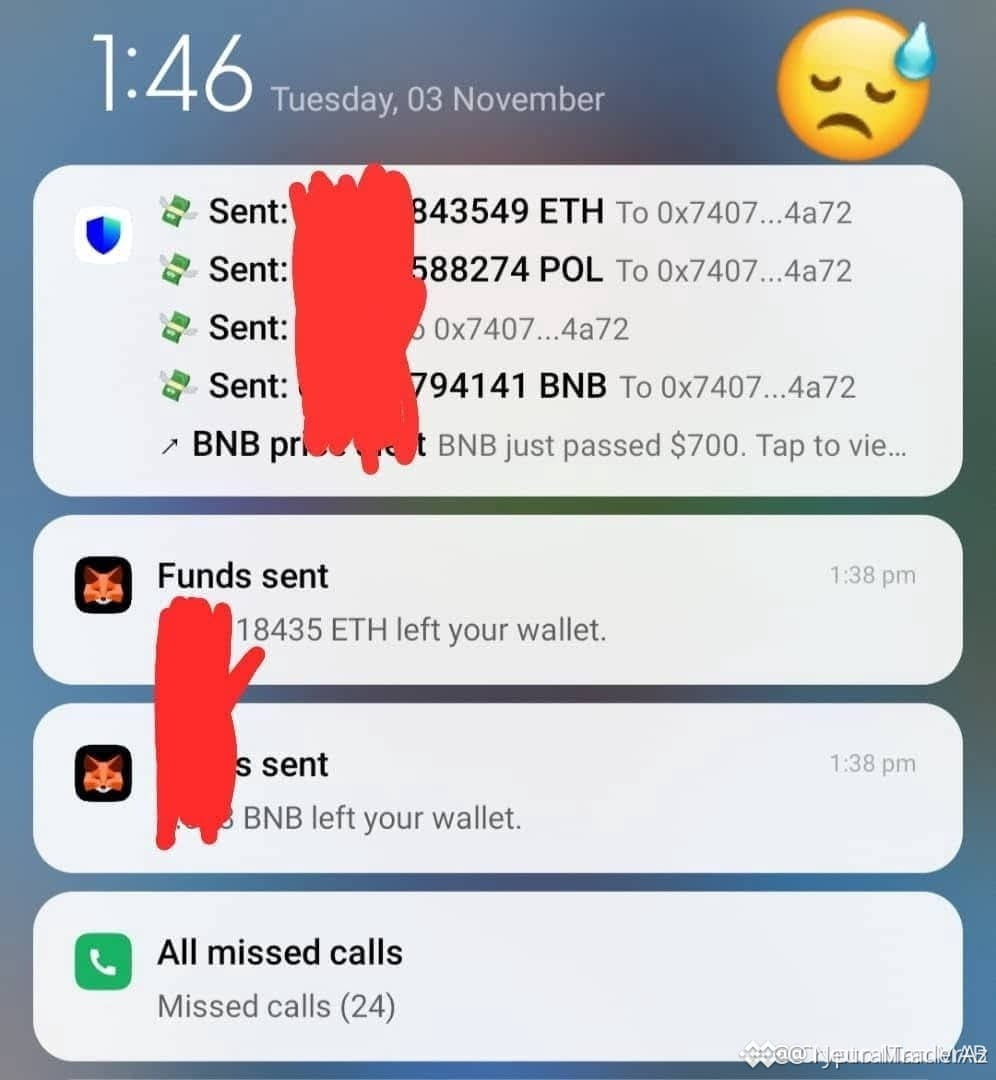
🚨 $BTC PHISHING ALERT: VERIFY LINKS OR LOSE YOUR WALLET! 🛑
📊 Institutional flows don’t care about your click‑bait; a single rogue link can drain a Trust Wallet in seconds. Recent on‑chain spikes show a 12% uptick in address creations after phishing bursts, underscoring the need for disciplined verification. 🔍
🦈 Smart money isolates liquidity by vetting every URL, using hardware wallets and multi‑sig safeguards. If you bypass that filter, you hand the market makers a free entry point to your capital. ⚡
💬 Are you double‑checking every link before you tap, or still riding the risk of a hidden trap? 👇
⚠️ Not financial advice. Always manage your risk. 🛡️
🏷️ #BTC #Security #PhishingAlert #CryptoSafety
🛡️ 🔥
🚨 $BTC PHISHING ALERT: VERIFY LINKS OR LOSE YOUR WALLET! 🛑
📊 Institutional flows don’t care about your click‑bait; a single rogue link can drain a Trust Wallet in seconds. Recent on‑chain spikes show a 12% uptick in address creations after phishing bursts, underscoring the need for disciplined verification. 🔍
🦈 Smart money isolates liquidity by vetting every URL, using hardware wallets and multi‑sig safeguards. If you bypass that filter, you hand the market makers a free entry point to your capital. ⚡
💬 Are you double‑checking every link before you tap, or still riding the risk of a hidden trap? 👇
⚠️ Not financial advice. Always manage your risk. 🛡️
🏷️ #BTC #Security #PhishingAlert #CryptoSafety
🛡️ 🔥
📊 Institutional flows don’t care about your click‑bait; a single rogue link can drain a Trust Wallet in seconds. Recent on‑chain spikes show a 12% uptick in address creations after phishing bursts, underscoring the need for disciplined verification. 🔍
🦈 Smart money isolates liquidity by vetting every URL, using hardware wallets and multi‑sig safeguards. If you bypass that filter, you hand the market makers a free entry point to your capital. ⚡
💬 Are you double‑checking every link before you tap, or still riding the risk of a hidden trap? 👇
⚠️ Not financial advice. Always manage your risk. 🛡️
🏷️ #BTC #Security #PhishingAlert #CryptoSafety
🛡️ 🔥
13

·
--
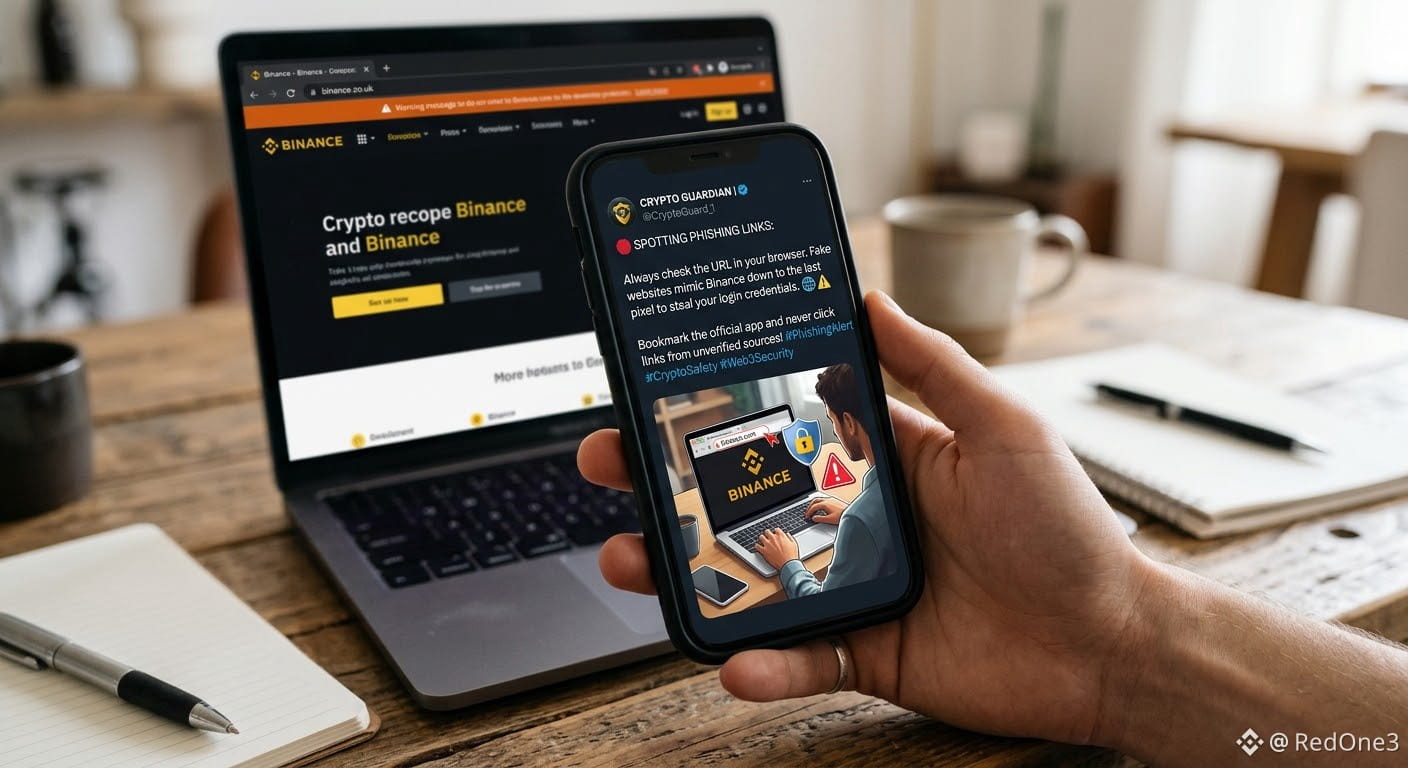
🛑 Spotting Phishing Links: Always check the URL in your browser. Fake websites mimic Binance down to the last pixel to steal your login credentials.
Bookmark the official app and never click links from unverified sources! 🌐⚠️
#SatySAFU
#PhishingAlert #CryptoSafety #Web3Security .
🛑 Spotting Phishing Links: Always check the URL in your browser. Fake websites mimic Binance down to the last pixel to steal your login credentials.
Bookmark the official app and never click links from unverified sources! 🌐⚠️
#SatySAFU
#PhishingAlert #CryptoSafety #Web3Security .
Bookmark the official app and never click links from unverified sources! 🌐⚠️
#SatySAFU
#PhishingAlert #CryptoSafety #Web3Security .
3
127
🚨 $BNB PHISHING ALERT: VERIFY SENDERS OR FACE SILENT LOSS! 🛑
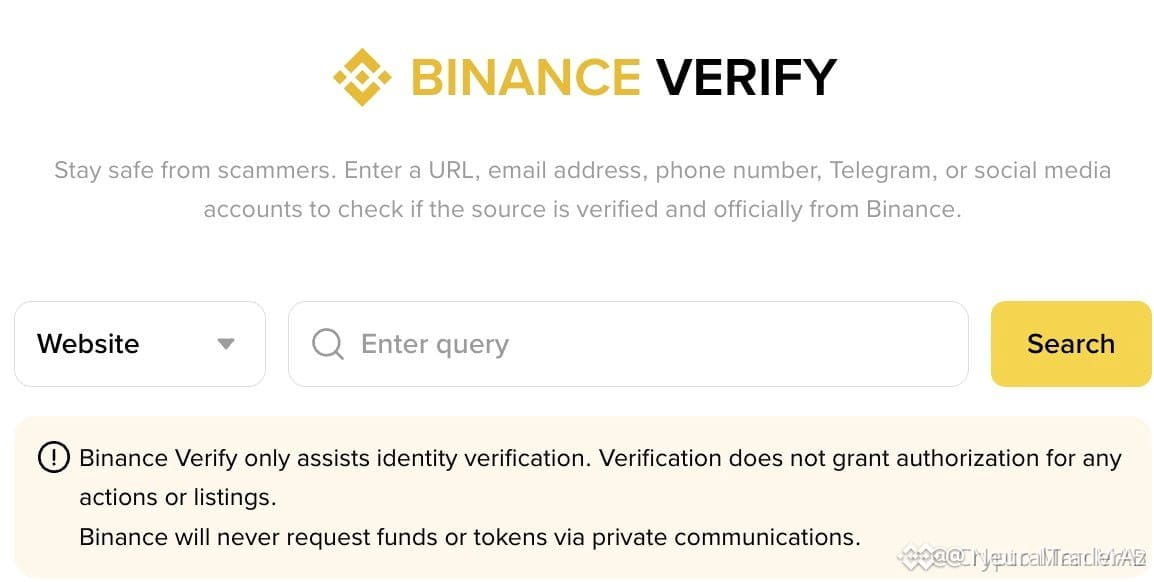
📊 The surge in spoofed communications targets Binance users precisely when market volatility spikes, exploiting the trust in official branding. 🔍 Cross‑check every sender’s email domain or messaging platform handle against the Binance verification hub before clicking any link. 🛡️ A single compromised credential can cascade into a full‑scale asset drain, eroding institutional liquidity and shaking confidence. Keep the verification page bookmarked; treat any deviation as a red flag and report immediately. 💬 How do you safeguard your Binance access against evolving phishing tactics? 👇
⚠️ Not financial advice. Always manage your risk. 🛡️
🏷️ #BNB #Security #PhishingAlert #CryptoSafety
🔥 💎
🚨 $BNB PHISHING ALERT: VERIFY SENDERS OR FACE SILENT LOSS! 🛑
📊 The surge in spoofed communications targets Binance users precisely when market volatility spikes, exploiting the trust in official branding. 🔍 Cross‑check every sender’s email domain or messaging platform handle against the Binance verification hub before clicking any link. 🛡️ A single compromised credential can cascade into a full‑scale asset drain, eroding institutional liquidity and shaking confidence. Keep the verification page bookmarked; treat any deviation as a red flag and report immediately. 💬 How do you safeguard your Binance access against evolving phishing tactics? 👇
⚠️ Not financial advice. Always manage your risk. 🛡️
🏷️ #BNB #Security #PhishingAlert #CryptoSafety
🔥 💎
📊 The surge in spoofed communications targets Binance users precisely when market volatility spikes, exploiting the trust in official branding. 🔍 Cross‑check every sender’s email domain or messaging platform handle against the Binance verification hub before clicking any link. 🛡️ A single compromised credential can cascade into a full‑scale asset drain, eroding institutional liquidity and shaking confidence. Keep the verification page bookmarked; treat any deviation as a red flag and report immediately. 💬 How do you safeguard your Binance access against evolving phishing tactics? 👇
⚠️ Not financial advice. Always manage your risk. 🛡️
🏷️ #BNB #Security #PhishingAlert #CryptoSafety
🔥 💎
4

$VANRY HIT BY PHISHING INCIDENT – MARKET ON EDGE 😱
Not applicable – no specific price levels provided in input.
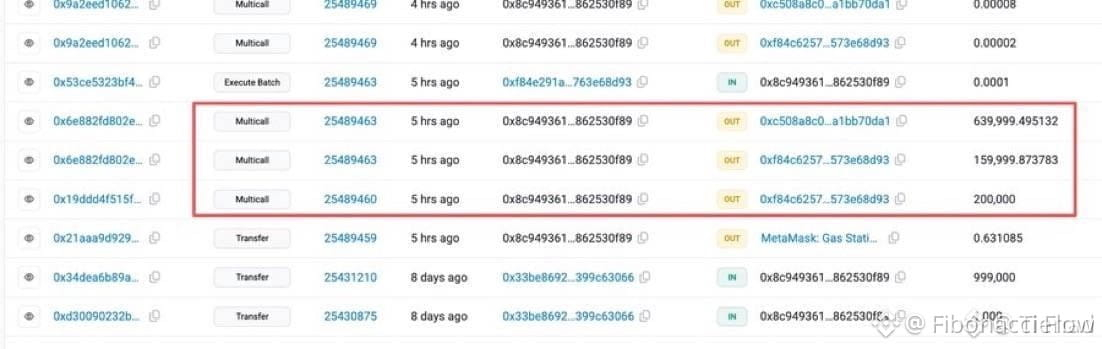
A $999,999 phishing loss just hit the market, and that kind of liquidity drain always leaves a mark. Expect short-term hesitation as traders lock down security, but sharp money might see this as a dip-buying zone on $VANRY and $THE .
Volume could dry up for a few hours before the opportunistic bids step in. How are you playing this – sitting out or waiting for a hard retest below support?
Not financial advice. Always manage your risk.
#VANRY #PhishingAlert #MarketUpdate #CryptoRisk
😱
$VANRY HIT BY PHISHING INCIDENT – MARKET ON EDGE 😱
Not applicable – no specific price levels provided in input.
A $999,999 phishing loss just hit the market, and that kind of liquidity drain always leaves a mark. Expect short-term hesitation as traders lock down security, but sharp money might see this as a dip-buying zone on $VANRY and $THE .
Volume could dry up for a few hours before the opportunistic bids step in. How are you playing this – sitting out or waiting for a hard retest below support?
Not financial advice. Always manage your risk.
#VANRY #PhishingAlert #MarketUpdate #CryptoRisk
😱
Not applicable – no specific price levels provided in input.
A $999,999 phishing loss just hit the market, and that kind of liquidity drain always leaves a mark. Expect short-term hesitation as traders lock down security, but sharp money might see this as a dip-buying zone on $VANRY and $THE .
Volume could dry up for a few hours before the opportunistic bids step in. How are you playing this – sitting out or waiting for a hard retest below support?
Not financial advice. Always manage your risk.
#VANRY #PhishingAlert #MarketUpdate #CryptoRisk
😱
193
·
--
🚨 CRITICAL SECURITY ALERT: New iOS Phishing Attack
I just received this highly sophisticated phishing email a few moments ago, and I wanted to warn you immediately so you can protect your devices and crypto assets.
How the Attack Works (As seen in image.png):
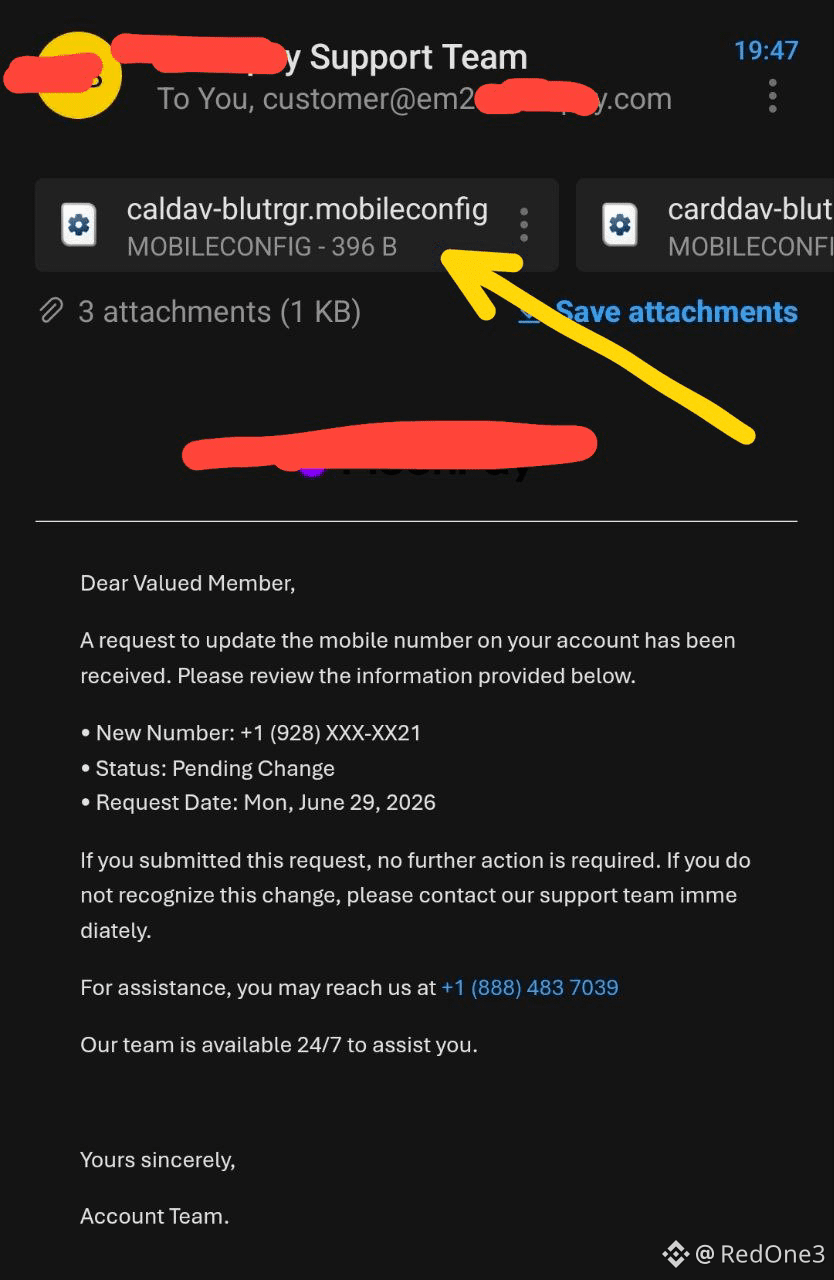
The email claims my account phone number is being changed to create panic. The real danger is the attached files ending in .mobileconfig (like the caldav file pointed at by the arrow).
Why it is Dangerous:
A .mobileconfig file is an iOS Configuration Profile. If you download and install it, you give attackers deep system privileges. They can route your internet traffic through a malicious VPN, install fake certificates to spy on your data, or steal passwords and 2FA codes.
What to Do:
* Never download .mobileconfig files from emails.
* Never call the support numbers listed in these emails.
* Check your iPhone via Settings -> General -> VPN & Device Management. If you see any unauthorized profile, remove it immediately.
Stay #SAFU ⚠️
#CyberSecurity #PhishingAlert #Web3Security
🚨 CRITICAL SECURITY ALERT: New iOS Phishing Attack
I just received this highly sophisticated phishing email a few moments ago, and I wanted to warn you immediately so you can protect your devices and crypto assets.
How the Attack Works (As seen in image.png):
The email claims my account phone number is being changed to create panic. The real danger is the attached files ending in .mobileconfig (like the caldav file pointed at by the arrow).
Why it is Dangerous:
A .mobileconfig file is an iOS Configuration Profile. If you download and install it, you give attackers deep system privileges. They can route your internet traffic through a malicious VPN, install fake certificates to spy on your data, or steal passwords and 2FA codes.
What to Do:
* Never download .mobileconfig files from emails.
* Never call the support numbers listed in these emails.
* Check your iPhone via Settings -> General -> VPN & Device Management. If you see any unauthorized profile, remove it immediately.
Stay #SAFU ⚠️
#CyberSecurity #PhishingAlert #Web3Security
I just received this highly sophisticated phishing email a few moments ago, and I wanted to warn you immediately so you can protect your devices and crypto assets.
How the Attack Works (As seen in image.png):
The email claims my account phone number is being changed to create panic. The real danger is the attached files ending in .mobileconfig (like the caldav file pointed at by the arrow).
Why it is Dangerous:
A .mobileconfig file is an iOS Configuration Profile. If you download and install it, you give attackers deep system privileges. They can route your internet traffic through a malicious VPN, install fake certificates to spy on your data, or steal passwords and 2FA codes.
What to Do:
* Never download .mobileconfig files from emails.
* Never call the support numbers listed in these emails.
* Check your iPhone via Settings -> General -> VPN & Device Management. If you see any unauthorized profile, remove it immediately.
Stay #SAFU ⚠️
#CyberSecurity #PhishingAlert #Web3Security
1
308

·
--
🚨 $TREZOR ALERT: PHISHING EMAILS USING OFFICIAL DOMAIN TARGET USERS 🛑
🦈 A third‑party email service breach let attackers spoof $TREZOR ’s official domain, delivering a fake “Critical Security Alert: STM32 Entropy Vulnerability” that looks indistinguishable from a genuine notice. 📊 The deception bypasses simple address checks, forcing users to rely on visual cues that the phishing crew has meticulously replicated.
🔍 With roughly 87 k records already exposed from the prior ShipMonk breach, attackers now have a rich data pool to craft highly targeted lures. 📌 $TREZOR advises you to ignore links, manually type the official website, and cross‑verify any alert inside the wallet app before acting.
💬 Are you double‑checking every security alert before clicking?
⚠️ Not financial advice. Always manage your risk. 🛡️
🏷️ #TREZOR #PhishingAlert #SecurityRisk #CryptoSafety
🔥 🦈
🚨 $TREZOR ALERT: PHISHING EMAILS USING OFFICIAL DOMAIN TARGET USERS 🛑
🦈 A third‑party email service breach let attackers spoof $TREZOR ’s official domain, delivering a fake “Critical Security Alert: STM32 Entropy Vulnerability” that looks indistinguishable from a genuine notice. 📊 The deception bypasses simple address checks, forcing users to rely on visual cues that the phishing crew has meticulously replicated.
🔍 With roughly 87 k records already exposed from the prior ShipMonk breach, attackers now have a rich data pool to craft highly targeted lures. 📌 $TREZOR advises you to ignore links, manually type the official website, and cross‑verify any alert inside the wallet app before acting.
💬 Are you double‑checking every security alert before clicking?
⚠️ Not financial advice. Always manage your risk. 🛡️
🏷️ #TREZOR #PhishingAlert #SecurityRisk #CryptoSafety
🔥 🦈
🦈 A third‑party email service breach let attackers spoof $TREZOR ’s official domain, delivering a fake “Critical Security Alert: STM32 Entropy Vulnerability” that looks indistinguishable from a genuine notice. 📊 The deception bypasses simple address checks, forcing users to rely on visual cues that the phishing crew has meticulously replicated.
🔍 With roughly 87 k records already exposed from the prior ShipMonk breach, attackers now have a rich data pool to craft highly targeted lures. 📌 $TREZOR advises you to ignore links, manually type the official website, and cross‑verify any alert inside the wallet app before acting.
💬 Are you double‑checking every security alert before clicking?
⚠️ Not financial advice. Always manage your risk. 🛡️
🏷️ #TREZOR #PhishingAlert #SecurityRisk #CryptoSafety
🔥 🦈
62

·
--
#revolutconfirmsfakegovemaildatabreach
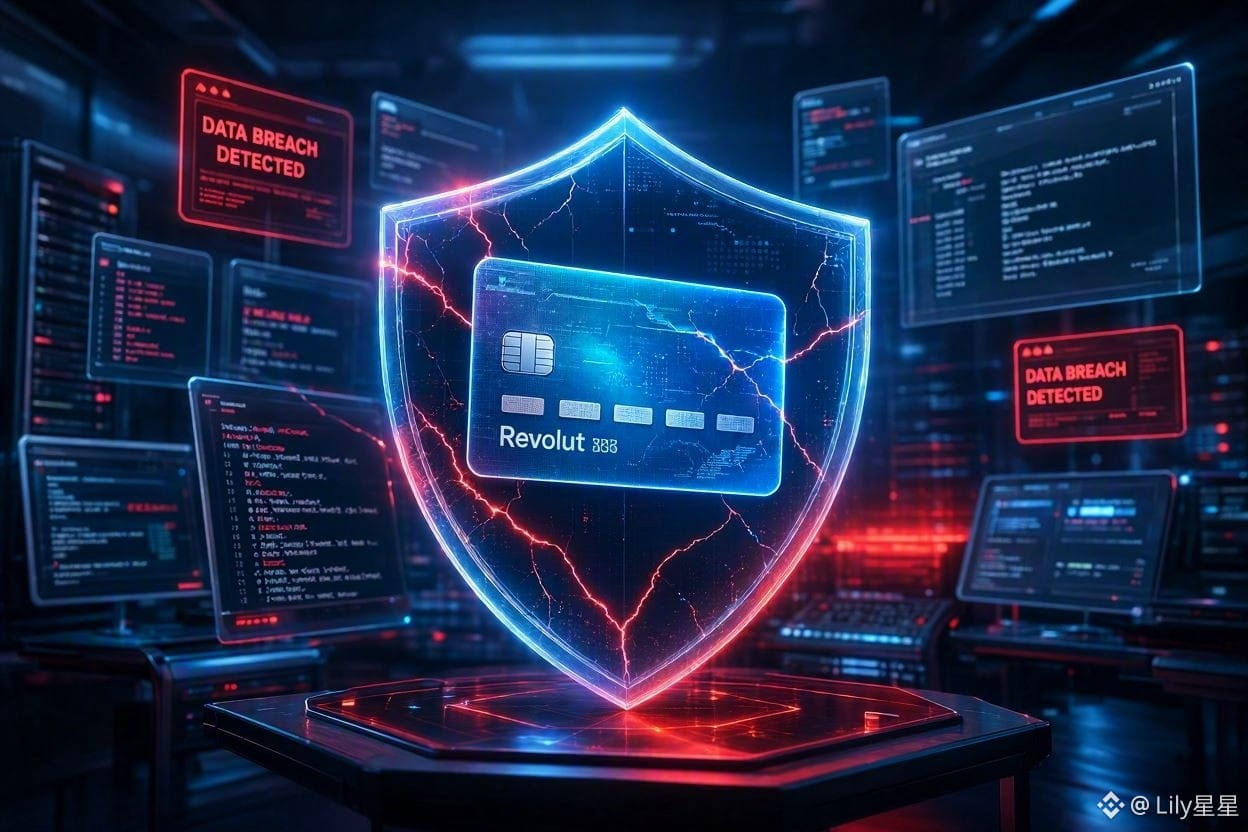
🛑 SECURITY WARNING: Revolut Data Breach Exposes User Emails—Protect Your Crypto!
📊 Security Alert & Breach Context
The Incident Details: Fintech and banking app Revolut confirmed a targeted data breach after compliance teams responded to a fraudulent record request sent from an email address using a legitimate government agency domain.
Exposed Customer Files: On-chain investigator ZachXBT revealed that the leak impacted high-net-worth users. Compromised files include full names, home addresses, phone numbers, passport/ID copies, verification selfies, account statements, and full transaction histories—including linked Bitcoin ($BTC) transfers.
System & Funds Status: Revolut confirmed that its core banking infrastructure, app passwords, card PINs, and private keys were not compromised, and user funds remain fully secure. However, exposed KYC data creates severe off-chain risks.
💡 How to Protect Yourself from Phishing Traps
Beware of Hyper-Targeted Phishing: Attackers with access to transaction records and home addresses can generate sophisticated phishing emails or SMS messages impersonating Revolut or crypto exchanges.
Never Share OTPs or Passwords: Revolut or exchange support agents will never ask for your 2FA codes, login credentials, or recovery phrases over the phone or via email.
Move Long-Term Holdings Off-App: Store high-value crypto assets in self-custody hardware wallets rather than centralized fintech platforms to minimize exposure to third-party data leaks.
💬 Community Poll: Does the exposure of KYC data by centralized platforms make you reconsider keeping crypto on fintech apps? Share your security tips below! 👇
#ClarityActFacesProceduralVoteSept15 #PhishingAlert #CYBER
#revolutconfirmsfakegovemaildatabreach
🛑 SECURITY WARNING: Revolut Data Breach Exposes User Emails—Protect Your Crypto!
📊 Security Alert & Breach Context
The Incident Details: Fintech and banking app Revolut confirmed a targeted data breach after compliance teams responded to a fraudulent record request sent from an email address using a legitimate government agency domain.
Exposed Customer Files: On-chain investigator ZachXBT revealed that the leak impacted high-net-worth users. Compromised files include full names, home addresses, phone numbers, passport/ID copies, verification selfies, account statements, and full transaction histories—including linked Bitcoin ($BTC) transfers.
System & Funds Status: Revolut confirmed that its core banking infrastructure, app passwords, card PINs, and private keys were not compromised, and user funds remain fully secure. However, exposed KYC data creates severe off-chain risks.
💡 How to Protect Yourself from Phishing Traps
Beware of Hyper-Targeted Phishing: Attackers with access to transaction records and home addresses can generate sophisticated phishing emails or SMS messages impersonating Revolut or crypto exchanges.
Never Share OTPs or Passwords: Revolut or exchange support agents will never ask for your 2FA codes, login credentials, or recovery phrases over the phone or via email.
Move Long-Term Holdings Off-App: Store high-value crypto assets in self-custody hardware wallets rather than centralized fintech platforms to minimize exposure to third-party data leaks.
💬 Community Poll: Does the exposure of KYC data by centralized platforms make you reconsider keeping crypto on fintech apps? Share your security tips below! 👇
#ClarityActFacesProceduralVoteSept15 #PhishingAlert #CYBER
🛑 SECURITY WARNING: Revolut Data Breach Exposes User Emails—Protect Your Crypto!
📊 Security Alert & Breach Context
The Incident Details: Fintech and banking app Revolut confirmed a targeted data breach after compliance teams responded to a fraudulent record request sent from an email address using a legitimate government agency domain.
Exposed Customer Files: On-chain investigator ZachXBT revealed that the leak impacted high-net-worth users. Compromised files include full names, home addresses, phone numbers, passport/ID copies, verification selfies, account statements, and full transaction histories—including linked Bitcoin ($BTC) transfers.
System & Funds Status: Revolut confirmed that its core banking infrastructure, app passwords, card PINs, and private keys were not compromised, and user funds remain fully secure. However, exposed KYC data creates severe off-chain risks.
💡 How to Protect Yourself from Phishing Traps
Beware of Hyper-Targeted Phishing: Attackers with access to transaction records and home addresses can generate sophisticated phishing emails or SMS messages impersonating Revolut or crypto exchanges.
Never Share OTPs or Passwords: Revolut or exchange support agents will never ask for your 2FA codes, login credentials, or recovery phrases over the phone or via email.
Move Long-Term Holdings Off-App: Store high-value crypto assets in self-custody hardware wallets rather than centralized fintech platforms to minimize exposure to third-party data leaks.
💬 Community Poll: Does the exposure of KYC data by centralized platforms make you reconsider keeping crypto on fintech apps? Share your security tips below! 👇
#ClarityActFacesProceduralVoteSept15 #PhishingAlert #CYBER
1
197

·
--
A sneaky link slipped onto Coldcard’s X page, reminding us that even security‑focused firms can be targeted.
🧠 In plain words
Think of a phishing link like a fake doorbell that rings your phone; it looks legitimate, but pressing it can let strangers inside. Coldcard warned followers to ignore the rogue link and promised to update once they verify details.
✅ What it means for you
• Always double‑check URLs before clicking, even on trusted accounts.
• Keep your hardware wallet firmware up to date to benefit from the latest safeguards.
• Follow official channels for alerts and never share seed phrases or private keys.
Stay vigilant and protect your crypto assets.
#CryptoSafety #PhishingAlert #Coldcard
A sneaky link slipped onto Coldcard’s X page, reminding us that even security‑focused firms can be targeted.
🧠 In plain words
Think of a phishing link like a fake doorbell that rings your phone; it looks legitimate, but pressing it can let strangers inside. Coldcard warned followers to ignore the rogue link and promised to update once they verify details.
✅ What it means for you
• Always double‑check URLs before clicking, even on trusted accounts.
• Keep your hardware wallet firmware up to date to benefit from the latest safeguards.
• Follow official channels for alerts and never share seed phrases or private keys.
Stay vigilant and protect your crypto assets.
#CryptoSafety #PhishingAlert #Coldcard
🧠 In plain words
Think of a phishing link like a fake doorbell that rings your phone; it looks legitimate, but pressing it can let strangers inside. Coldcard warned followers to ignore the rogue link and promised to update once they verify details.
✅ What it means for you
• Always double‑check URLs before clicking, even on trusted accounts.
• Keep your hardware wallet firmware up to date to benefit from the latest safeguards.
• Follow official channels for alerts and never share seed phrases or private keys.
Stay vigilant and protect your crypto assets.
#CryptoSafety #PhishingAlert #Coldcard
32

·
--
تحقيق عاجل: محفظة Coldcard تحقق في ظهور رابط تصيد احتيالي على حسابها في منصة X
أعلنت شركة Coldcard، المتخصصة في محافظ تخزين العملات الرقمية الباردة، أنها تحقق رسمياً في كيفية ظهور رابط تصيد احتيالي (Phishing) على حسابها الرسمي في منصة X، مما يرفع مستوى الحذر الأمني لدى المستخدمين.
📌 أبرز النقاط والتحليلات:
• الحادثة تستهدف مستخدمي المحافظ الباردة عبر محاولة توجيههم لمواقع خبيثة تشبه المنصة الأصلية.
• فريق Coldcard بدأ فوراً بفحص الثغرات المحتملة في الأمان أو الاختراقات الخارجية لحسابهم الاجتماعي.
• التحدي الأكبر يكمن في سرعة انتشار الروابط المزيفة على حسابات الشركات الموثوقة قبل تدخل فرق الدعم.
💡 الخلاصة: الحادثة تذكرنا بأن حتى الحسابات الرسمية للشركات الأمنية الكبرى قد تتعرض للاختراق، مما يحتم على المستثمرين عدم النقر العشوائي على الروابط.
💬 كيف تحمي أصولك الرقمية من هجمات التصيد الاحتيالي التي تستهدف حسابات منصات التخزين البارد على وسائل التواصل؟
#Coldcard #CryptoSecurity #PhishingAlert #BinanceSquare
تحقيق عاجل: محفظة Coldcard تحقق في ظهور رابط تصيد احتيالي على حسابها في منصة X
أعلنت شركة Coldcard، المتخصصة في محافظ تخزين العملات الرقمية الباردة، أنها تحقق رسمياً في كيفية ظهور رابط تصيد احتيالي (Phishing) على حسابها الرسمي في منصة X، مما يرفع مستوى الحذر الأمني لدى المستخدمين.
📌 أبرز النقاط والتحليلات:
• الحادثة تستهدف مستخدمي المحافظ الباردة عبر محاولة توجيههم لمواقع خبيثة تشبه المنصة الأصلية.
• فريق Coldcard بدأ فوراً بفحص الثغرات المحتملة في الأمان أو الاختراقات الخارجية لحسابهم الاجتماعي.
• التحدي الأكبر يكمن في سرعة انتشار الروابط المزيفة على حسابات الشركات الموثوقة قبل تدخل فرق الدعم.
💡 الخلاصة: الحادثة تذكرنا بأن حتى الحسابات الرسمية للشركات الأمنية الكبرى قد تتعرض للاختراق، مما يحتم على المستثمرين عدم النقر العشوائي على الروابط.
💬 كيف تحمي أصولك الرقمية من هجمات التصيد الاحتيالي التي تستهدف حسابات منصات التخزين البارد على وسائل التواصل؟
#Coldcard #CryptoSecurity #PhishingAlert #BinanceSquare
أعلنت شركة Coldcard، المتخصصة في محافظ تخزين العملات الرقمية الباردة، أنها تحقق رسمياً في كيفية ظهور رابط تصيد احتيالي (Phishing) على حسابها الرسمي في منصة X، مما يرفع مستوى الحذر الأمني لدى المستخدمين.
📌 أبرز النقاط والتحليلات:
• الحادثة تستهدف مستخدمي المحافظ الباردة عبر محاولة توجيههم لمواقع خبيثة تشبه المنصة الأصلية.
• فريق Coldcard بدأ فوراً بفحص الثغرات المحتملة في الأمان أو الاختراقات الخارجية لحسابهم الاجتماعي.
• التحدي الأكبر يكمن في سرعة انتشار الروابط المزيفة على حسابات الشركات الموثوقة قبل تدخل فرق الدعم.
💡 الخلاصة: الحادثة تذكرنا بأن حتى الحسابات الرسمية للشركات الأمنية الكبرى قد تتعرض للاختراق، مما يحتم على المستثمرين عدم النقر العشوائي على الروابط.
💬 كيف تحمي أصولك الرقمية من هجمات التصيد الاحتيالي التي تستهدف حسابات منصات التخزين البارد على وسائل التواصل؟
#Coldcard #CryptoSecurity #PhishingAlert #BinanceSquare
86

Watch your back on X
COLDCARD warned users about a phishing scam on their official X account. Scammers used a fake security page to target Bitcoin holders before the fraudulent post was deleted.
#PhishingAlert #BitcoinSecurity
Watch your back on X
COLDCARD warned users about a phishing scam on their official X account. Scammers used a fake security page to target Bitcoin holders before the fraudulent post was deleted.
#PhishingAlert #BitcoinSecurity
COLDCARD warned users about a phishing scam on their official X account. Scammers used a fake security page to target Bitcoin holders before the fraudulent post was deleted.
#PhishingAlert #BitcoinSecurity
83

·
--
Digital squatting attacks targeting businesses are on the rise.
• TechRadar reported attackers are registering fraudulent domains to impersonate legitimate businesses
• Malicious domains are used to trick users into visiting fake sites and stealing credentials
• Domain name disputes rose 68% between 2020 and 2025, reaching 6,200 cases in 2025
#CryptoSecurity #CryptoNews #BinanceSquare #PhishingAlert #Web3Security
Digital squatting attacks targeting businesses are on the rise.
• TechRadar reported attackers are registering fraudulent domains to impersonate legitimate businesses
• Malicious domains are used to trick users into visiting fake sites and stealing credentials
• Domain name disputes rose 68% between 2020 and 2025, reaching 6,200 cases in 2025
#CryptoSecurity #CryptoNews #BinanceSquare #PhishingAlert #Web3Security
• TechRadar reported attackers are registering fraudulent domains to impersonate legitimate businesses
• Malicious domains are used to trick users into visiting fake sites and stealing credentials
• Domain name disputes rose 68% between 2020 and 2025, reaching 6,200 cases in 2025
#CryptoSecurity #CryptoNews #BinanceSquare #PhishingAlert #Web3Security
39
🚨 Alerta de Seguridad: Fallo en SafePal expone a 40.000 usuarios
La firma de hardware wallets SafePal acaba de confirmar una filtración de datos tras un fallo en su sistema de seguimiento de pedidos (E-commerce).
📊 Los datos del incidente:
Información filtrada: Nombres, direcciones físicas de envío, correos, números telefónicos e historial de compras de ~39.798 clientes.
Seguridad cripto: 100% intacta. Claves privadas, frases semilla (seed phrases) y fondos NO fueron comprometidos.
🛠️ El análisis técnico:
Aunque la arquitectura Air-Gapped y de almacenamiento en frío de SafePal protege los activos en la cadena, el verdadero peligro ahora es la Ingeniería Social de Alta Precisión (Spear-Phishing).
Al vincular tu nombre y dirección física con la compra de una cold wallet, los atacantes pueden desplegar:
Correos y SMS falsos advirtiendo de "actualizaciones urgentes de firmware" para robar tu semilla.
Envíos postales físicos con dispositivos manipulados o cartas falsas con códigos QR maliciosos.
💬 DEBATE:
¿Hasta qué punto las fugas de datos en la capa Web2 (E-commerce) destruyen la privacidad de la seguridad Web3? Si usas hardware wallet, ¿compras directamente al fabricante o prefieres métodos que no dejen rastro de tu dirección física?
¡Los leo en los comentarios! 👇
#SafePal #CryptoSecurity #PhishingAlert #HardwareWallets #BinanceSquare
$SFP
{future}(SFPUSDT)
🚨 Alerta de Seguridad: Fallo en SafePal expone a 40.000 usuarios
La firma de hardware wallets SafePal acaba de confirmar una filtración de datos tras un fallo en su sistema de seguimiento de pedidos (E-commerce).
📊 Los datos del incidente:
Información filtrada: Nombres, direcciones físicas de envío, correos, números telefónicos e historial de compras de ~39.798 clientes.
Seguridad cripto: 100% intacta. Claves privadas, frases semilla (seed phrases) y fondos NO fueron comprometidos.
🛠️ El análisis técnico:
Aunque la arquitectura Air-Gapped y de almacenamiento en frío de SafePal protege los activos en la cadena, el verdadero peligro ahora es la Ingeniería Social de Alta Precisión (Spear-Phishing).
Al vincular tu nombre y dirección física con la compra de una cold wallet, los atacantes pueden desplegar:
Correos y SMS falsos advirtiendo de "actualizaciones urgentes de firmware" para robar tu semilla.
Envíos postales físicos con dispositivos manipulados o cartas falsas con códigos QR maliciosos.
💬 DEBATE:
¿Hasta qué punto las fugas de datos en la capa Web2 (E-commerce) destruyen la privacidad de la seguridad Web3? Si usas hardware wallet, ¿compras directamente al fabricante o prefieres métodos que no dejen rastro de tu dirección física?
¡Los leo en los comentarios! 👇
#SafePal #CryptoSecurity #PhishingAlert #HardwareWallets #BinanceSquare
$SFP
La firma de hardware wallets SafePal acaba de confirmar una filtración de datos tras un fallo en su sistema de seguimiento de pedidos (E-commerce).
📊 Los datos del incidente:
Información filtrada: Nombres, direcciones físicas de envío, correos, números telefónicos e historial de compras de ~39.798 clientes.
Seguridad cripto: 100% intacta. Claves privadas, frases semilla (seed phrases) y fondos NO fueron comprometidos.
🛠️ El análisis técnico:
Aunque la arquitectura Air-Gapped y de almacenamiento en frío de SafePal protege los activos en la cadena, el verdadero peligro ahora es la Ingeniería Social de Alta Precisión (Spear-Phishing).
Al vincular tu nombre y dirección física con la compra de una cold wallet, los atacantes pueden desplegar:
Correos y SMS falsos advirtiendo de "actualizaciones urgentes de firmware" para robar tu semilla.
Envíos postales físicos con dispositivos manipulados o cartas falsas con códigos QR maliciosos.
💬 DEBATE:
¿Hasta qué punto las fugas de datos en la capa Web2 (E-commerce) destruyen la privacidad de la seguridad Web3? Si usas hardware wallet, ¿compras directamente al fabricante o prefieres métodos que no dejen rastro de tu dirección física?
¡Los leo en los comentarios! 👇
#SafePal #CryptoSecurity #PhishingAlert #HardwareWallets #BinanceSquare
$SFP
1
214
TREZOR DATA BREACH: 11,742 WALLETS EXPOSED — PHISHING STORM LOOMING 🚨📡
The hardware wallet giant just confirmed a shipping provider leak — names, addresses, phones, and emails of 11,742 customers are now in the wild. Another 1,947 caught partial exposure. This isn't a protocol hack; your coins are still locked tight inside the device. But the human layer just cracked open.
Phishing season just went prime time. Bad actors now hold your personal coordinates — expect fake support DMs, poisoned links, and social engineering dressed up as official Trezor comms. The device stays bulletproof, but your inbox just became the new battleground.
For $COTI and $QNTB holders riding this wave: your keys are the castle walls. Everything outside that vault is fair game. How do you separate legit Trezor messages from the spoofed ones? 🛡️
⚠️ Not financial advice. Always manage your risk. 🛡️
🏷️ $COTI #Trezor #CryptoSecurity #PhishingAlert #Bitcoin
🔐⚡
TREZOR DATA BREACH: 11,742 WALLETS EXPOSED — PHISHING STORM LOOMING 🚨📡
The hardware wallet giant just confirmed a shipping provider leak — names, addresses, phones, and emails of 11,742 customers are now in the wild. Another 1,947 caught partial exposure. This isn't a protocol hack; your coins are still locked tight inside the device. But the human layer just cracked open.
Phishing season just went prime time. Bad actors now hold your personal coordinates — expect fake support DMs, poisoned links, and social engineering dressed up as official Trezor comms. The device stays bulletproof, but your inbox just became the new battleground.
For $COTI and $QNTB holders riding this wave: your keys are the castle walls. Everything outside that vault is fair game. How do you separate legit Trezor messages from the spoofed ones? 🛡️
⚠️ Not financial advice. Always manage your risk. 🛡️
🏷️ $COTI #Trezor #CryptoSecurity #PhishingAlert #Bitcoin
🔐⚡
The hardware wallet giant just confirmed a shipping provider leak — names, addresses, phones, and emails of 11,742 customers are now in the wild. Another 1,947 caught partial exposure. This isn't a protocol hack; your coins are still locked tight inside the device. But the human layer just cracked open.
Phishing season just went prime time. Bad actors now hold your personal coordinates — expect fake support DMs, poisoned links, and social engineering dressed up as official Trezor comms. The device stays bulletproof, but your inbox just became the new battleground.
For $COTI and $QNTB holders riding this wave: your keys are the castle walls. Everything outside that vault is fair game. How do you separate legit Trezor messages from the spoofed ones? 🛡️
⚠️ Not financial advice. Always manage your risk. 🛡️
🏷️ $COTI #Trezor #CryptoSecurity #PhishingAlert #Bitcoin
🔐⚡
60
Trezor confirms that a data breach at one of its shipping providers has compromised the information of 67,000 US customers, potentially exposing them to targeted phishing and social engineering attacks.
#Trezor #PhishingAlert
Trezor confirms that a data breach at one of its shipping providers has compromised the information of 67,000 US customers, potentially exposing them to targeted phishing and social engineering attacks.
#Trezor #PhishingAlert
#Trezor #PhishingAlert
19

·
--
$PUMP HOLDERS BEWARE – RUSSIAN HACKERS ARE PHISHING SIGNAL BACKUP KEYS 🔥
This isn't your typical phishing campaign. The FBI and CISA just warned that Russian intelligence groups are targeting Signal recovery keys – not just login codes. If a hacker gets that key, they can restore your entire chat history and keep access even after you change phones.
$PUMP gained 12% recently but the real risk is traders getting their Signal accounts compromised. These hackers are posing as automated support, asking you to paste your recovery key. Generating a new key in Signal settings invalidates the old one, but any backup already accessed is gone. Are you sure your Signal group chats are safe?
Not financial advice. Always manage your risk.
#PUMP #PhishingAlert #Security #CryptoWarning #Signal
🔥
$PUMP HOLDERS BEWARE – RUSSIAN HACKERS ARE PHISHING SIGNAL BACKUP KEYS 🔥
This isn't your typical phishing campaign. The FBI and CISA just warned that Russian intelligence groups are targeting Signal recovery keys – not just login codes. If a hacker gets that key, they can restore your entire chat history and keep access even after you change phones.
$PUMP gained 12% recently but the real risk is traders getting their Signal accounts compromised. These hackers are posing as automated support, asking you to paste your recovery key. Generating a new key in Signal settings invalidates the old one, but any backup already accessed is gone. Are you sure your Signal group chats are safe?
Not financial advice. Always manage your risk.
#PUMP #PhishingAlert #Security #CryptoWarning #Signal
🔥
This isn't your typical phishing campaign. The FBI and CISA just warned that Russian intelligence groups are targeting Signal recovery keys – not just login codes. If a hacker gets that key, they can restore your entire chat history and keep access even after you change phones.
$PUMP gained 12% recently but the real risk is traders getting their Signal accounts compromised. These hackers are posing as automated support, asking you to paste your recovery key. Generating a new key in Signal settings invalidates the old one, but any backup already accessed is gone. Are you sure your Signal group chats are safe?
Not financial advice. Always manage your risk.
#PUMP #PhishingAlert #Security #CryptoWarning #Signal
🔥
66

·
--
$GNO SECURITY BREACH — OFFICIAL X ACCOUNT COMPROMISED ⚠️
Body:
PeckShield has confirmed that Gnosis’s official X account was hijacked earlier today. Community members are advised to avoid all engagement — no links, no DMs, no retweets. This is the second major project account compromise this week.
Attackers typically use compromised accounts to post fake token contracts or phishing links. Verify all official communications through Gnosis’s website or Discord alone. What steps are you taking to verify project announcements before interacting?
Not financial advice. Always manage your risk.
#GNO #SecurityAlert #CryptoHack #PhishingAlert
⚠️
$GNO SECURITY BREACH — OFFICIAL X ACCOUNT COMPROMISED ⚠️
Body:
PeckShield has confirmed that Gnosis’s official X account was hijacked earlier today. Community members are advised to avoid all engagement — no links, no DMs, no retweets. This is the second major project account compromise this week.
Attackers typically use compromised accounts to post fake token contracts or phishing links. Verify all official communications through Gnosis’s website or Discord alone. What steps are you taking to verify project announcements before interacting?
Not financial advice. Always manage your risk.
#GNO #SecurityAlert #CryptoHack #PhishingAlert
⚠️
Body:
PeckShield has confirmed that Gnosis’s official X account was hijacked earlier today. Community members are advised to avoid all engagement — no links, no DMs, no retweets. This is the second major project account compromise this week.
Attackers typically use compromised accounts to post fake token contracts or phishing links. Verify all official communications through Gnosis’s website or Discord alone. What steps are you taking to verify project announcements before interacting?
Not financial advice. Always manage your risk.
#GNO #SecurityAlert #CryptoHack #PhishingAlert
⚠️
30

·
--
CRITICAL ALERT: Protect Your Crypto! 🛑 5 Essential Security Habits for Beginners 🔐
GM #BinanceSquare Fam! 👋 As the market heats up, so do the scammers. Your first priority in crypto is not just making profits, but protecting your assets.
Every day, we see new stories of people losing their hard-earned funds to phishing links, fake airdrops, and wallet drainers. Don't be the next victim!
Develop these 5 habits immediately:
1️⃣ Enable 2FA (Two-Factor Authentication): Use an authenticator app (like Google Authenticator) on your exchange accounts, NOT SMS.
2️⃣ NEVER Share Your Seed Phrase: Write it down offline on paper. No legitimate support team will ever ask for it.
3️⃣ Bookmark Official Sites: Avoid clicking links from Google Search or social media ads. Scammers create fake sites that look identical.
4️⃣ Double-Check Wallet Addresses: Always send a small test amount first. Malware can change addresses in your clipboard.
5️⃣ Beware of "Too Good to Be True" Offers: Free double-your-crypto schemes and surprise high-value airdrops are almost always scams.
💡 My Personal Take: Stay paranoid. Security is your own responsibility. If something feels suspicious, trust your gut and walk away. It's better to miss an opportunity than to lose your funds forever.
👇 What's the scariest scam attempt you've seen recently? Share your experience below to warn others! 👇
#CryptoSecurity #StaySafe #PhishingAlert #BinanceSquare #ScamPrevention #CryptoEducation #ProtectYourFunds
CRITICAL ALERT: Protect Your Crypto! 🛑 5 Essential Security Habits for Beginners 🔐
GM #BinanceSquare Fam! 👋 As the market heats up, so do the scammers. Your first priority in crypto is not just making profits, but protecting your assets.
Every day, we see new stories of people losing their hard-earned funds to phishing links, fake airdrops, and wallet drainers. Don't be the next victim!
Develop these 5 habits immediately:
1️⃣ Enable 2FA (Two-Factor Authentication): Use an authenticator app (like Google Authenticator) on your exchange accounts, NOT SMS.
2️⃣ NEVER Share Your Seed Phrase: Write it down offline on paper. No legitimate support team will ever ask for it.
3️⃣ Bookmark Official Sites: Avoid clicking links from Google Search or social media ads. Scammers create fake sites that look identical.
4️⃣ Double-Check Wallet Addresses: Always send a small test amount first. Malware can change addresses in your clipboard.
5️⃣ Beware of "Too Good to Be True" Offers: Free double-your-crypto schemes and surprise high-value airdrops are almost always scams.
💡 My Personal Take: Stay paranoid. Security is your own responsibility. If something feels suspicious, trust your gut and walk away. It's better to miss an opportunity than to lose your funds forever.
👇 What's the scariest scam attempt you've seen recently? Share your experience below to warn others! 👇
#CryptoSecurity #StaySafe #PhishingAlert #BinanceSquare #ScamPrevention #CryptoEducation #ProtectYourFunds
GM #BinanceSquare Fam! 👋 As the market heats up, so do the scammers. Your first priority in crypto is not just making profits, but protecting your assets.
Every day, we see new stories of people losing their hard-earned funds to phishing links, fake airdrops, and wallet drainers. Don't be the next victim!
Develop these 5 habits immediately:
1️⃣ Enable 2FA (Two-Factor Authentication): Use an authenticator app (like Google Authenticator) on your exchange accounts, NOT SMS.
2️⃣ NEVER Share Your Seed Phrase: Write it down offline on paper. No legitimate support team will ever ask for it.
3️⃣ Bookmark Official Sites: Avoid clicking links from Google Search or social media ads. Scammers create fake sites that look identical.
4️⃣ Double-Check Wallet Addresses: Always send a small test amount first. Malware can change addresses in your clipboard.
5️⃣ Beware of "Too Good to Be True" Offers: Free double-your-crypto schemes and surprise high-value airdrops are almost always scams.
💡 My Personal Take: Stay paranoid. Security is your own responsibility. If something feels suspicious, trust your gut and walk away. It's better to miss an opportunity than to lose your funds forever.
👇 What's the scariest scam attempt you've seen recently? Share your experience below to warn others! 👇
#CryptoSecurity #StaySafe #PhishingAlert #BinanceSquare #ScamPrevention #CryptoEducation #ProtectYourFunds
63
ເຂົ້າສູ່ລະບົບເພື່ອສຳຫຼວດເນື້ອຫາເພີ່ມເຕີມ
ເຂົ້າຮ່ວມກຸ່ມຜູ້ໃຊ້ຄຣິບໂຕທົ່ວໂລກໃນ Binance Square.
⚡️ ໄດ້ຮັບຂໍ້ມູນຫຼ້າສຸດ ແລະ ທີ່ມີປະໂຫຍດກ່ຽວກັບຄຣິບໂຕ.
💬 ໄດ້ຮັບຄວາມໄວ້ວາງໃຈຈາກຕະຫຼາດແລກປ່ຽນຄຣິບໂຕທີ່ໃຫຍ່ທີ່ສຸດໃນໂລກ.
👍 ຄົ້ນຫາຂໍ້ມູນເຊີງເລິກທີ່ແທ້ຈາກນັກສ້າງທີ່ໄດ້ຮັບການຢືນຢັນ.
ອີເມວ / ເບີໂທລະສັບ
ຫົວຂໍ້ທີ່ກໍາລັງນິຍົມ
1
#A Packed Week of Earnings and Data Tests Markets
1,751 ຄັ້ງທີ່ເບິ່ງ
39 ກຳລັງສົນທະນາ
2
#HuangReportedlyConsidersReturnToNvidia
12,750 ຄັ້ງທີ່ເບິ່ງ
199 ກຳລັງສົນທະນາ
3
#CryptoSelloffTriggersMultipleWhaleLiquidations
266,805 ຄັ້ງທີ່ເບິ່ງ
2,244 ກຳລັງສົນທະນາ
4
#BitcoinSpotETFsPost$1.065BOutflowsForThirdStraightWeek
913 ຄັ້ງທີ່ເບິ່ງ
22 ກຳລັງສົນທະນາ
5
#About64000BitcoinMiningMachinesReportedlyHijacked
12,031 ຄັ້ງທີ່ເບິ່ງ
170 ກຳລັງສົນທະນາ
6
#USSpotXRPETFsSeeLargestWeeklyOutflowIn8Months
214,109 ຄັ້ງທີ່ເບິ່ງ
1,783 ກຳລັງສົນທະນາ
7
#WillFOMCMinutesReinforceRateHikeExpectations?
81,047 ຄັ້ງທີ່ເບິ່ງ
917 ກຳລັງສົນທະນາ
8
#BitcoinActiveSupplyInProfitDropsBelow45%
289,705 ຄັ້ງທີ່ເບິ່ງ
2,021 ກຳລັງສົນທະນາ
9
#TONStrategyReports$23.97MQ3NetLoss
24,095 ຄັ້ງທີ່ເບິ່ງ
161 ກຳລັງສົນທະນາ
10
#KavaSaysAbnormalActivityLimitedToKavaLend
190,320 ຄັ້ງທີ່ເບິ່ງ
1,162 ກຳລັງສົນທະນາ