
#memsync
memsync
3,201 views
16 ກຳລັງສົນທະນາ
ມາແຮງ
ຫຼ້າສຸດ
ຢືນຢັນແລ້ວ
ເບິ່ງການແປ
#opg $OPG Desarrollado por #OpenGradient MemSync convierte tu trafico digital en su base de datos de memoria compatible con cualquier IA chatgpt,grok,gemini, incluso deepseek.
tal proceso de adaptación y compatibilidad te permite personalizar al máximo tu experiencia. integra todo tu contexto el cualquier aplicación al ínstate
#MemSync extrae automáticamente recuerdos significativos de conversaciones, documentos, sitios web, perfiles de Twitter y otras fuentes, los organiza de forma inteligente y los hace accesibles mediante búsqueda semántica. Esto permite que sus aplicaciones de IA mantengan el contexto durante todas las sesiones y proporcionen interacciones verdaderamente personalizadas.
#OpenGradient la evolución de la IA al servicio de la descentralización.
{future}(OPGUSDT)
#opg $OPG Desarrollado por #OpenGradient MemSync convierte tu trafico digital en su base de datos de memoria compatible con cualquier IA chatgpt,grok,gemini, incluso deepseek.
tal proceso de adaptación y compatibilidad te permite personalizar al máximo tu experiencia. integra todo tu contexto el cualquier aplicación al ínstate
#MemSync extrae automáticamente recuerdos significativos de conversaciones, documentos, sitios web, perfiles de Twitter y otras fuentes, los organiza de forma inteligente y los hace accesibles mediante búsqueda semántica. Esto permite que sus aplicaciones de IA mantengan el contexto durante todas las sesiones y proporcionen interacciones verdaderamente personalizadas.
#OpenGradient la evolución de la IA al servicio de la descentralización.
tal proceso de adaptación y compatibilidad te permite personalizar al máximo tu experiencia. integra todo tu contexto el cualquier aplicación al ínstate
#MemSync extrae automáticamente recuerdos significativos de conversaciones, documentos, sitios web, perfiles de Twitter y otras fuentes, los organiza de forma inteligente y los hace accesibles mediante búsqueda semántica. Esto permite que sus aplicaciones de IA mantengan el contexto durante todas las sesiones y proporcionen interacciones verdaderamente personalizadas.
#OpenGradient la evolución de la IA al servicio de la descentralización.

106

·
--
ເບິ່ງການແປ
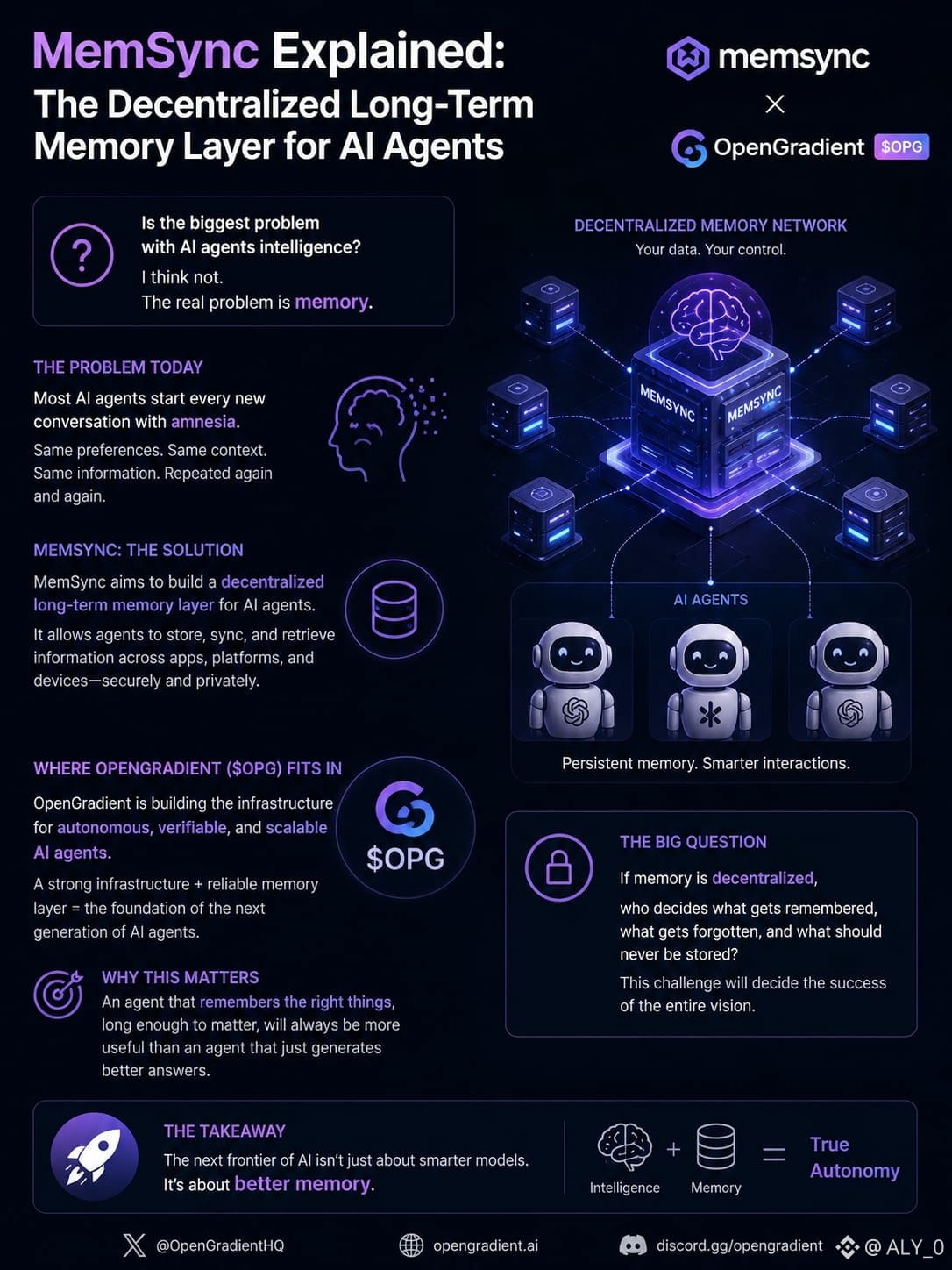
Is the biggest problem with AI agents a lack of intelligence? I don’t think so. The real problem is memory.
I recently came across the concept of MemSync, and what caught my attention was its attempt to build a decentralized long-term memory layer for AI agents. Today, most AI agents start almost from scratch with every new interaction. They can complete tasks, but maintaining consistency over time remains a challenge.
This is where projects like MemSync and @OpenGradient are becoming increasingly interesting. OpenGradient ($OPG), in particular, is focused on building infrastructure that enables AI agents to operate in a more autonomous, verifiable, and persistent way. If the future of AI is agent-driven, then memory and infrastructure may become just as important as the models themselves.
I think the crypto community spends a lot of time discussing model performance while overlooking the memory problem. An agent that can accurately retain past decisions, preferences, and context could be far more useful than one that simply generates better responses.
There is still an important open question, though. If memory becomes decentralized, who decides what should be stored, what should be forgotten, and what should never be recorded at all? That challenge may ultimately determine the success of the entire vision.
To me, the next phase of AI isn’t just about thinking better. It’s about remembering better. That’s why projects like MemSync and OpenGradient are worth paying attention to.
#OPG #AI #Crypto #MemSync #opg $OPG
Is the biggest problem with AI agents a lack of intelligence? I don’t think so. The real problem is memory.
I recently came across the concept of MemSync, and what caught my attention was its attempt to build a decentralized long-term memory layer for AI agents. Today, most AI agents start almost from scratch with every new interaction. They can complete tasks, but maintaining consistency over time remains a challenge.
This is where projects like MemSync and @OpenGradient are becoming increasingly interesting. OpenGradient ($OPG ), in particular, is focused on building infrastructure that enables AI agents to operate in a more autonomous, verifiable, and persistent way. If the future of AI is agent-driven, then memory and infrastructure may become just as important as the models themselves.
I think the crypto community spends a lot of time discussing model performance while overlooking the memory problem. An agent that can accurately retain past decisions, preferences, and context could be far more useful than one that simply generates better responses.
There is still an important open question, though. If memory becomes decentralized, who decides what should be stored, what should be forgotten, and what should never be recorded at all? That challenge may ultimately determine the success of the entire vision.
To me, the next phase of AI isn’t just about thinking better. It’s about remembering better. That’s why projects like MemSync and OpenGradient are worth paying attention to.
#OPG #AI #Crypto #MemSync #opg $OPG
I recently came across the concept of MemSync, and what caught my attention was its attempt to build a decentralized long-term memory layer for AI agents. Today, most AI agents start almost from scratch with every new interaction. They can complete tasks, but maintaining consistency over time remains a challenge.
This is where projects like MemSync and @OpenGradient are becoming increasingly interesting. OpenGradient ($OPG ), in particular, is focused on building infrastructure that enables AI agents to operate in a more autonomous, verifiable, and persistent way. If the future of AI is agent-driven, then memory and infrastructure may become just as important as the models themselves.
I think the crypto community spends a lot of time discussing model performance while overlooking the memory problem. An agent that can accurately retain past decisions, preferences, and context could be far more useful than one that simply generates better responses.
There is still an important open question, though. If memory becomes decentralized, who decides what should be stored, what should be forgotten, and what should never be recorded at all? That challenge may ultimately determine the success of the entire vision.
To me, the next phase of AI isn’t just about thinking better. It’s about remembering better. That’s why projects like MemSync and OpenGradient are worth paying attention to.
#OPG #AI #Crypto #MemSync #opg $OPG
3
2
137

·
--
ສັນຍານໝີ
@OpenGradient
Aʻuaʻa loa au i ke aha i hoʻomau ai au i ka ʻōlelo hou ʻana iā AI.
I kēlā me kēia kamaʻilio hou, pono iaʻu e wehewehe hou i nā pahuhopu like.
ʻO nā makemake like.
ʻO nā papahana like.
Ma hope o kekahi manawa, ua like wale ia me he mea maʻamau lā.
A laila ʻike au i kekahi mea.
ʻAʻole ʻo ka pilikia ʻaʻole i lawa ka naʻauao o AI.
ʻO ka pilikia, ʻaʻohe iā ia ka hoʻomau (continuity).
ʻAʻole maikaʻi loa kahi kōkua inā pono ia e hālāwai pū me ʻoe no ka manawa mua i kēlā me kēia lā.
E noʻonoʻo i ka poʻe āu e hilinaʻi nui ai.
ʻAʻole lākou wale nō e pane i kāu mau nīnau.
Hoʻomanaʻo lākou i nā mea nui iā ʻoe.
Hoʻomaʻamaʻa lākou i ka manawa.
ʻO ia ke kumu e lilo ai ka pilina i mea kūlohelohe.
Ke neʻe pū nei ʻo AI i kēlā ala nō hoʻi.
Akā, hana mai ka hoʻomanaʻo lōʻihi i kahi pilikia hou.
Inā hoʻomanaʻo ka AI i kāu mau kūkākūkā, makemake, palapala, a me kou kūlana pilikino, pehea ʻoe e ʻike ai ua mālama ʻia kēlā ʻike ma ke ʻano a lākou i ʻōlelo ai?
ʻO ia ka mea i hopu i koʻu manaʻo i koʻu heluhelu ʻana iā MemSync.
Ma mua o ka mālama ʻana i ka hoʻomanaʻo he moʻolelo kamaʻilio wale nō, unuhi ia i ke kūlana koʻikoʻi, hoʻonohonoho i ka wā lōʻihi, a hoʻolilo iā ia i hiki ke huli ʻia no nā launa hou ʻana.
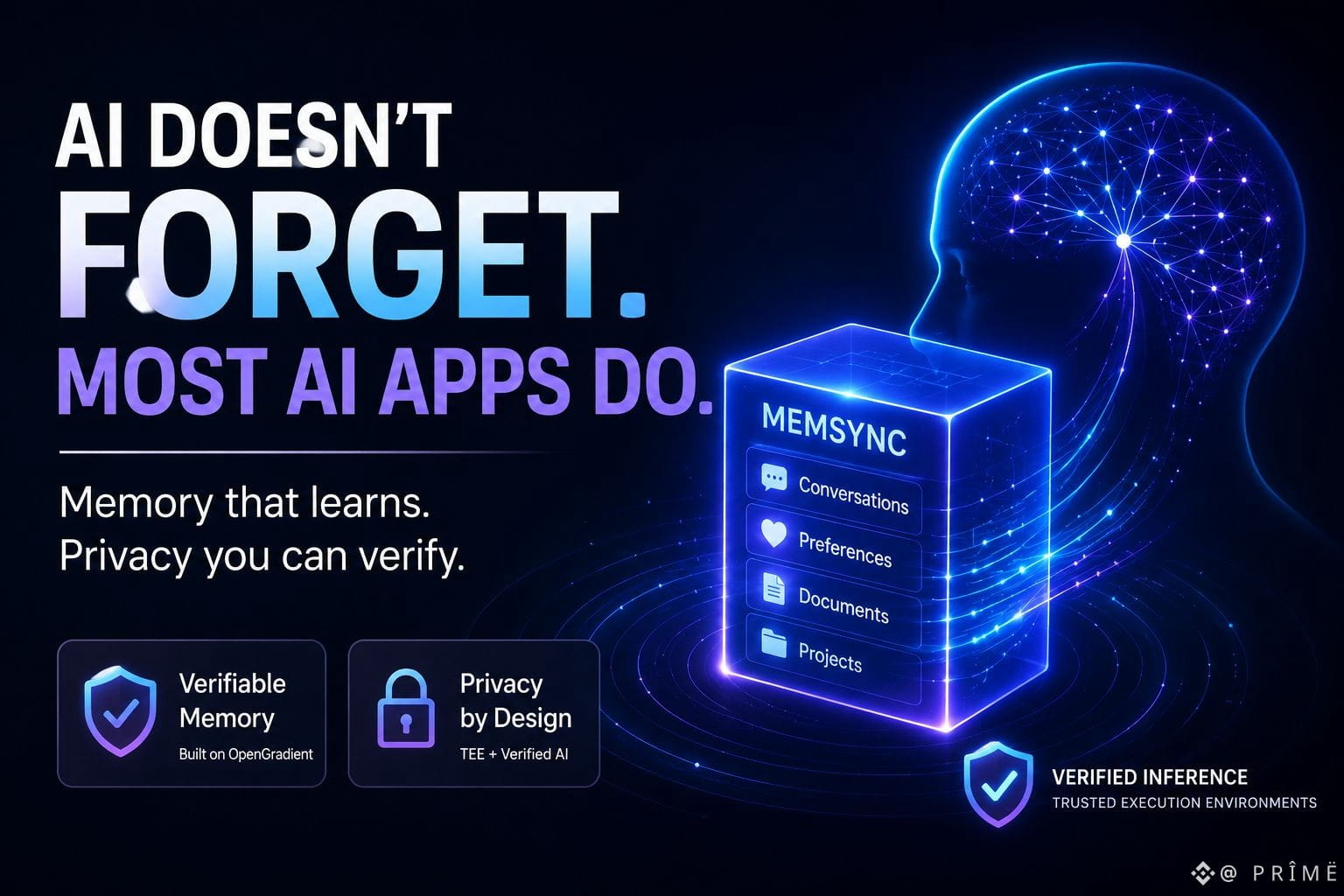
ʻOi aku ka nui, kūkulu ʻia kēlā mau hana hoʻomanaʻo ma luna o ka ʻenehana inference hōʻoiaʻiʻo (verifiable inference) a OpenGradient.
Ma ka hoʻohana ʻana i nā Trusted Execution Environments (TEE) a me ka hana AI i hōʻoiaʻiʻo ʻia, ʻaʻole wale ka pahuhopu e lilo AI i mea hoʻomanaʻo hou.
ʻO ka pahuhopu, e hōʻoia ʻia ka hana hoʻomanaʻo ʻana ma mua o ka noi ʻana i nā mea hoʻohana e hilinaʻi wale e hana pololei nā mea a pau ma hope o ka pale.
ʻOiaʻiʻo, ʻaʻole maʻalahi ka kūkulu ʻana i ka hoʻomanaʻo lōʻihi no AI.
Pono e hana pū ka mea pili (relevance), ka malū pilikino (privacy), a me ka hōʻoiaʻiʻo (verification).
He pilikia ʻenekinia paʻakikī kēlā.
Akā, manaʻo pū nō ia he mea pono ke hoʻoponopono.
No ka mea, ʻaʻole e wehewehe wale ʻia ka wā e hiki mai ana o AI e ke akamai wale o ka pane ʻana.
Hiki paha nō hoʻi ke wehewehe ʻia e ke kuleana o kāna hoʻomanaʻo ʻana.
#OPG $OPG @OpenGradient @openai #OpenAI $OPENAI #MemSync #TEE @OpenGradient @OpenGradient
{future}(OPENAIUSDT)
{spot}(OPGUSDT)
@OpenGradient
Aʻuaʻa loa au i ke aha i hoʻomau ai au i ka ʻōlelo hou ʻana iā AI.
I kēlā me kēia kamaʻilio hou, pono iaʻu e wehewehe hou i nā pahuhopu like.
ʻO nā makemake like.
ʻO nā papahana like.
Ma hope o kekahi manawa, ua like wale ia me he mea maʻamau lā.
A laila ʻike au i kekahi mea.
ʻAʻole ʻo ka pilikia ʻaʻole i lawa ka naʻauao o AI.
ʻO ka pilikia, ʻaʻohe iā ia ka hoʻomau (continuity).
ʻAʻole maikaʻi loa kahi kōkua inā pono ia e hālāwai pū me ʻoe no ka manawa mua i kēlā me kēia lā.
E noʻonoʻo i ka poʻe āu e hilinaʻi nui ai.
ʻAʻole lākou wale nō e pane i kāu mau nīnau.
Hoʻomanaʻo lākou i nā mea nui iā ʻoe.
Hoʻomaʻamaʻa lākou i ka manawa.
ʻO ia ke kumu e lilo ai ka pilina i mea kūlohelohe.
Ke neʻe pū nei ʻo AI i kēlā ala nō hoʻi.
Akā, hana mai ka hoʻomanaʻo lōʻihi i kahi pilikia hou.
Inā hoʻomanaʻo ka AI i kāu mau kūkākūkā, makemake, palapala, a me kou kūlana pilikino, pehea ʻoe e ʻike ai ua mālama ʻia kēlā ʻike ma ke ʻano a lākou i ʻōlelo ai?
ʻO ia ka mea i hopu i koʻu manaʻo i koʻu heluhelu ʻana iā MemSync.
Ma mua o ka mālama ʻana i ka hoʻomanaʻo he moʻolelo kamaʻilio wale nō, unuhi ia i ke kūlana koʻikoʻi, hoʻonohonoho i ka wā lōʻihi, a hoʻolilo iā ia i hiki ke huli ʻia no nā launa hou ʻana.
ʻOi aku ka nui, kūkulu ʻia kēlā mau hana hoʻomanaʻo ma luna o ka ʻenehana inference hōʻoiaʻiʻo (verifiable inference) a OpenGradient.
Ma ka hoʻohana ʻana i nā Trusted Execution Environments (TEE) a me ka hana AI i hōʻoiaʻiʻo ʻia, ʻaʻole wale ka pahuhopu e lilo AI i mea hoʻomanaʻo hou.
ʻO ka pahuhopu, e hōʻoia ʻia ka hana hoʻomanaʻo ʻana ma mua o ka noi ʻana i nā mea hoʻohana e hilinaʻi wale e hana pololei nā mea a pau ma hope o ka pale.
ʻOiaʻiʻo, ʻaʻole maʻalahi ka kūkulu ʻana i ka hoʻomanaʻo lōʻihi no AI.
Pono e hana pū ka mea pili (relevance), ka malū pilikino (privacy), a me ka hōʻoiaʻiʻo (verification).
He pilikia ʻenekinia paʻakikī kēlā.
Akā, manaʻo pū nō ia he mea pono ke hoʻoponopono.
No ka mea, ʻaʻole e wehewehe wale ʻia ka wā e hiki mai ana o AI e ke akamai wale o ka pane ʻana.
Hiki paha nō hoʻi ke wehewehe ʻia e ke kuleana o kāna hoʻomanaʻo ʻana.
#OPG $OPG @OpenGradient @OpenAI #OpenAI $OPENAI #MemSync #TEE @OpenGradient @OpenGradient
Aʻuaʻa loa au i ke aha i hoʻomau ai au i ka ʻōlelo hou ʻana iā AI.
I kēlā me kēia kamaʻilio hou, pono iaʻu e wehewehe hou i nā pahuhopu like.
ʻO nā makemake like.
ʻO nā papahana like.
Ma hope o kekahi manawa, ua like wale ia me he mea maʻamau lā.
A laila ʻike au i kekahi mea.
ʻAʻole ʻo ka pilikia ʻaʻole i lawa ka naʻauao o AI.
ʻO ka pilikia, ʻaʻohe iā ia ka hoʻomau (continuity).
ʻAʻole maikaʻi loa kahi kōkua inā pono ia e hālāwai pū me ʻoe no ka manawa mua i kēlā me kēia lā.
E noʻonoʻo i ka poʻe āu e hilinaʻi nui ai.
ʻAʻole lākou wale nō e pane i kāu mau nīnau.
Hoʻomanaʻo lākou i nā mea nui iā ʻoe.
Hoʻomaʻamaʻa lākou i ka manawa.
ʻO ia ke kumu e lilo ai ka pilina i mea kūlohelohe.
Ke neʻe pū nei ʻo AI i kēlā ala nō hoʻi.
Akā, hana mai ka hoʻomanaʻo lōʻihi i kahi pilikia hou.
Inā hoʻomanaʻo ka AI i kāu mau kūkākūkā, makemake, palapala, a me kou kūlana pilikino, pehea ʻoe e ʻike ai ua mālama ʻia kēlā ʻike ma ke ʻano a lākou i ʻōlelo ai?
ʻO ia ka mea i hopu i koʻu manaʻo i koʻu heluhelu ʻana iā MemSync.
Ma mua o ka mālama ʻana i ka hoʻomanaʻo he moʻolelo kamaʻilio wale nō, unuhi ia i ke kūlana koʻikoʻi, hoʻonohonoho i ka wā lōʻihi, a hoʻolilo iā ia i hiki ke huli ʻia no nā launa hou ʻana.
ʻOi aku ka nui, kūkulu ʻia kēlā mau hana hoʻomanaʻo ma luna o ka ʻenehana inference hōʻoiaʻiʻo (verifiable inference) a OpenGradient.
Ma ka hoʻohana ʻana i nā Trusted Execution Environments (TEE) a me ka hana AI i hōʻoiaʻiʻo ʻia, ʻaʻole wale ka pahuhopu e lilo AI i mea hoʻomanaʻo hou.
ʻO ka pahuhopu, e hōʻoia ʻia ka hana hoʻomanaʻo ʻana ma mua o ka noi ʻana i nā mea hoʻohana e hilinaʻi wale e hana pololei nā mea a pau ma hope o ka pale.
ʻOiaʻiʻo, ʻaʻole maʻalahi ka kūkulu ʻana i ka hoʻomanaʻo lōʻihi no AI.
Pono e hana pū ka mea pili (relevance), ka malū pilikino (privacy), a me ka hōʻoiaʻiʻo (verification).
He pilikia ʻenekinia paʻakikī kēlā.
Akā, manaʻo pū nō ia he mea pono ke hoʻoponopono.
No ka mea, ʻaʻole e wehewehe wale ʻia ka wā e hiki mai ana o AI e ke akamai wale o ka pane ʻana.
Hiki paha nō hoʻi ke wehewehe ʻia e ke kuleana o kāna hoʻomanaʻo ʻana.
#OPG $OPG @OpenGradient @OpenAI #OpenAI $OPENAI #MemSync #TEE @OpenGradient @OpenGradient
5
5
136

·
--
ເບິ່ງການແປ
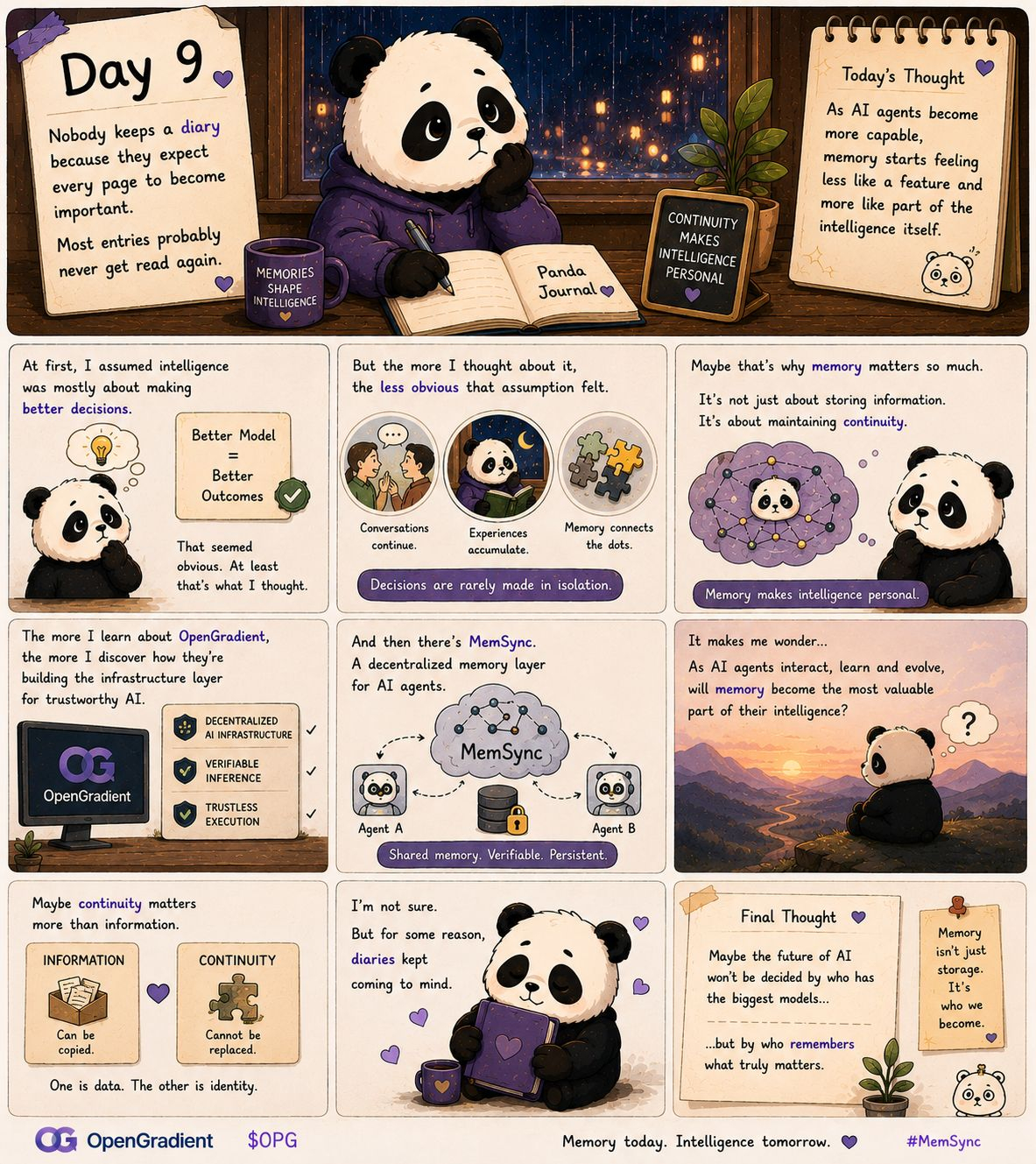
@OpenGradient , Nobody I know keeps a diary because they expect every page to become important. Most entries probably never get read again, which is probably why I've always found the habit a little strange. You're spending time preserving memories you may never revisit. At least that's how I used to think about it.
For some reason, that thought kept coming back while I was reading about @OpenGradient . At first, I assumed intelligence was mostly about making better decisions. That seemed obvious. Better models should naturally produce better outcomes. At least that's what I thought.
But the more I thought about it, the less obvious that assumption felt. Because experiences accumulate. Conversations continue. And memory has a strange way of making intelligence feel personal. Maybe that's why persistent memory feels so important. As AI agents become more capable, I'm starting to wonder whether memory itself becomes part of the intelligence.
The more I learn about @OpenGradient and MemSync, the more I wonder whether continuity matters more than information. I'm not sure. But for some reason, diaries kept coming to mind.
#OPG #AIAgents #Altcoins #BinanceSquare #crypto #trading #MemSync #bull 🚀📊
$OPG $ESPORTS $DEXE
@OpenGradient , Nobody I know keeps a diary because they expect every page to become important. Most entries probably never get read again, which is probably why I've always found the habit a little strange. You're spending time preserving memories you may never revisit. At least that's how I used to think about it.
For some reason, that thought kept coming back while I was reading about @OpenGradient . At first, I assumed intelligence was mostly about making better decisions. That seemed obvious. Better models should naturally produce better outcomes. At least that's what I thought.
But the more I thought about it, the less obvious that assumption felt. Because experiences accumulate. Conversations continue. And memory has a strange way of making intelligence feel personal. Maybe that's why persistent memory feels so important. As AI agents become more capable, I'm starting to wonder whether memory itself becomes part of the intelligence.
The more I learn about @OpenGradient and MemSync, the more I wonder whether continuity matters more than information. I'm not sure. But for some reason, diaries kept coming to mind.
#OPG #AIAgents #Altcoins #BinanceSquare #crypto #trading #MemSync #bull 🚀📊
$OPG $ESPORTS $DEXE
For some reason, that thought kept coming back while I was reading about @OpenGradient . At first, I assumed intelligence was mostly about making better decisions. That seemed obvious. Better models should naturally produce better outcomes. At least that's what I thought.
But the more I thought about it, the less obvious that assumption felt. Because experiences accumulate. Conversations continue. And memory has a strange way of making intelligence feel personal. Maybe that's why persistent memory feels so important. As AI agents become more capable, I'm starting to wonder whether memory itself becomes part of the intelligence.
The more I learn about @OpenGradient and MemSync, the more I wonder whether continuity matters more than information. I'm not sure. But for some reason, diaries kept coming to mind.
#OPG #AIAgents #Altcoins #BinanceSquare #crypto #trading #MemSync #bull 🚀📊
$OPG $ESPORTS $DEXE
226
97
9.8k

·
--
ເບິ່ງການແປ
@OpenGradient and the power of persistent memory—is it the missing link in AI intelligence? 🤔
We always talk about "better decisions," but what if continuity and personal memory are what truly bridge the gap for AI agents? 🤖 It’s like keeping a diary; we preserve experiences we might not revisit, but they define who we are. Maybe AI is becoming the same. 🧠
👇 Do you think memory makes AI truly "intelligent"? Let's discuss!
$DEXE $ARX
{alpha}(560xd5f6ef5deabe61e6d5cdb49bfb6f156f2c1ca715)
#OpenGradient #AIAgents #MemSync #Aİ #BinanceSquare
@OpenGradient and the power of persistent memory—is it the missing link in AI intelligence? 🤔
We always talk about "better decisions," but what if continuity and personal memory are what truly bridge the gap for AI agents? 🤖 It’s like keeping a diary; we preserve experiences we might not revisit, but they define who we are. Maybe AI is becoming the same. 🧠
👇 Do you think memory makes AI truly "intelligent"? Let's discuss!
$DEXE $ARX
#OpenGradient #AIAgents #MemSync #Aİ #BinanceSquare
We always talk about "better decisions," but what if continuity and personal memory are what truly bridge the gap for AI agents? 🤖 It’s like keeping a diary; we preserve experiences we might not revisit, but they define who we are. Maybe AI is becoming the same. 🧠
👇 Do you think memory makes AI truly "intelligent"? Let's discuss!
$DEXE $ARX
#OpenGradient #AIAgents #MemSync #Aİ #BinanceSquare
BULLISH 🟢
88%
BEARISH 🔴
12%
16 ຄະແນນສຽງ • ປິດລົງຄະແນນສຽງ
1
962

·
--
ເບິ່ງການແປ
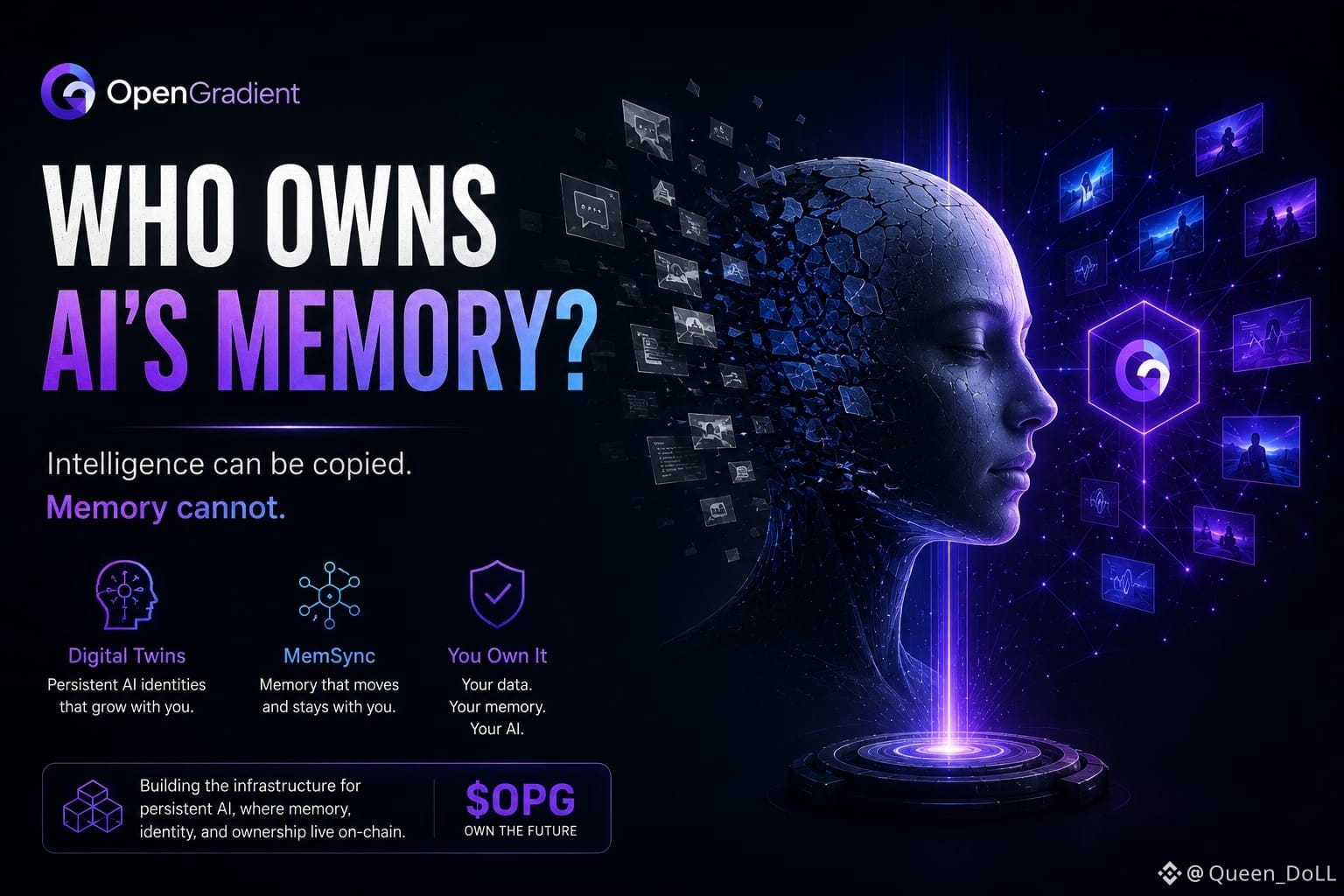
Who Owns AI's Memory?
Most AI conversations focus on intelligence.
People compare models, track benchmarks, and debate which systems are improving the fastest.
The more time I spend researching AI infrastructure, the more this question keeps bothering me.
Who owns AI's memory?
The more I learn about Digital Twins and MemSync, the more they feel like long-term digital assets rather than ordinary AI features.
They are designed to retain context, preserve memory, and maintain continuity across interactions.
That changes how I think about AI.
If intelligence becomes cheaper over time, memory may become the most valuable part of the system.
An AI's value won't come only from what it knows today, but from what it remembers over time.
Maybe I'm wrong, but I think memory could become more valuable than intelligence itself.
I've explored many AI projects, and most seem focused on making models smarter.
@OpenGradient feels different because it raises a question about persistence.
If AI can maintain identity, memory, and continuity across time, then ownership becomes just as important as capability.
That's one reason I keep paying attention to $OPG
If Digital Twins become persistent participants on the network, and MemSync allows memory to move with them, then the infrastructure supporting that memory may end up being just as important as the intelligence itself.
Maybe the biggest AI asset won't be the model.
Maybe it will be the memory that stays with it.
It's still early, and nobody knows exactly where AI is heading.
But the longer I follow this space, the less interested I become in asking which model is winning.
I keep coming back to a different question.
Who owns AI's memory?
And if memory becomes the most valuable asset in the AI economy, who will ultimately control it?
{future}(OPGUSDT)
@OpenGradient #OPG $OPG #Aİ #DeAI #DigitalTwins #MemSync
Who Owns AI's Memory?
Most AI conversations focus on intelligence.
People compare models, track benchmarks, and debate which systems are improving the fastest.
The more time I spend researching AI infrastructure, the more this question keeps bothering me.
Who owns AI's memory?
The more I learn about Digital Twins and MemSync, the more they feel like long-term digital assets rather than ordinary AI features.
They are designed to retain context, preserve memory, and maintain continuity across interactions.
That changes how I think about AI.
If intelligence becomes cheaper over time, memory may become the most valuable part of the system.
An AI's value won't come only from what it knows today, but from what it remembers over time.
Maybe I'm wrong, but I think memory could become more valuable than intelligence itself.
I've explored many AI projects, and most seem focused on making models smarter.
@OpenGradient feels different because it raises a question about persistence.
If AI can maintain identity, memory, and continuity across time, then ownership becomes just as important as capability.
That's one reason I keep paying attention to $OPG
If Digital Twins become persistent participants on the network, and MemSync allows memory to move with them, then the infrastructure supporting that memory may end up being just as important as the intelligence itself.
Maybe the biggest AI asset won't be the model.
Maybe it will be the memory that stays with it.
It's still early, and nobody knows exactly where AI is heading.
But the longer I follow this space, the less interested I become in asking which model is winning.
I keep coming back to a different question.
Who owns AI's memory?
And if memory becomes the most valuable asset in the AI economy, who will ultimately control it?
@OpenGradient #OPG $OPG #Aİ #DeAI #DigitalTwins #MemSync
Most AI conversations focus on intelligence.
People compare models, track benchmarks, and debate which systems are improving the fastest.
The more time I spend researching AI infrastructure, the more this question keeps bothering me.
Who owns AI's memory?
The more I learn about Digital Twins and MemSync, the more they feel like long-term digital assets rather than ordinary AI features.
They are designed to retain context, preserve memory, and maintain continuity across interactions.
That changes how I think about AI.
If intelligence becomes cheaper over time, memory may become the most valuable part of the system.
An AI's value won't come only from what it knows today, but from what it remembers over time.
Maybe I'm wrong, but I think memory could become more valuable than intelligence itself.
I've explored many AI projects, and most seem focused on making models smarter.
@OpenGradient feels different because it raises a question about persistence.
If AI can maintain identity, memory, and continuity across time, then ownership becomes just as important as capability.
That's one reason I keep paying attention to $OPG
If Digital Twins become persistent participants on the network, and MemSync allows memory to move with them, then the infrastructure supporting that memory may end up being just as important as the intelligence itself.
Maybe the biggest AI asset won't be the model.
Maybe it will be the memory that stays with it.
It's still early, and nobody knows exactly where AI is heading.
But the longer I follow this space, the less interested I become in asking which model is winning.
I keep coming back to a different question.
Who owns AI's memory?
And if memory becomes the most valuable asset in the AI economy, who will ultimately control it?
@OpenGradient #OPG $OPG #Aİ #DeAI #DigitalTwins #MemSync
191
103
3k

AI memory lekep gidiang larat panalihae ngaai tan answer.
Model boleh diganti.
Memory sing dipercaya nga sinau sangat konteksmu saking wektu menyang wektu iku luwih angel diganti.
Yen para pangguna tetep bali amarga AI ngelingi, adaptasi, lan tetep verifikatif, memory dadi infrastruktur sing nyata—ora mung fitur.
Masalah paling gedhe? Kapercayan. Para pangguna kudu ngerti apa sing disimpen, kepiye dianyari, lan sapa sing ngontrol.
Pikiranmu apa sing ndadekake AI memory migunani ing mangsa ngarep?
$OPG $PIVX $VELVET
#AI @OpenGradient #MemSync #Web3AI
AI memory lekep gidiang larat panalihae ngaai tan answer.
Model boleh diganti.
Memory sing dipercaya nga sinau sangat konteksmu saking wektu menyang wektu iku luwih angel diganti.
Yen para pangguna tetep bali amarga AI ngelingi, adaptasi, lan tetep verifikatif, memory dadi infrastruktur sing nyata—ora mung fitur.
Masalah paling gedhe? Kapercayan. Para pangguna kudu ngerti apa sing disimpen, kepiye dianyari, lan sapa sing ngontrol.
Pikiranmu apa sing ndadekake AI memory migunani ing mangsa ngarep?
$OPG $PIVX $VELVET
#AI @OpenGradient #MemSync #Web3AI
Model boleh diganti.
Memory sing dipercaya nga sinau sangat konteksmu saking wektu menyang wektu iku luwih angel diganti.
Yen para pangguna tetep bali amarga AI ngelingi, adaptasi, lan tetep verifikatif, memory dadi infrastruktur sing nyata—ora mung fitur.
Masalah paling gedhe? Kapercayan. Para pangguna kudu ngerti apa sing disimpen, kepiye dianyari, lan sapa sing ngontrol.
Pikiranmu apa sing ndadekake AI memory migunani ing mangsa ngarep?
$OPG $PIVX $VELVET
#AI @OpenGradient #MemSync #Web3AI

Falcon Trader 1
·
--
@OpenGradient I used to think AI memory was just a convenience feature. Now I think it may become one of the stickiest parts of AI infrastructure.
The obvious narrative around OpenGradient is verifiable inference: can the network prove an AI output was produced correctly?
But MemSync raises a different question. If AI agents become useful because they remember context across chats, documents, websites, and user profiles, then memory itself becomes infrastructure.
In simple investor language, the value is not only in answering one prompt. It is in turning scattered user context into a reusable intelligence layer that can move across workflows while still being tied to verifiable computation.
That could matter for retention. A model can be replaced. A clean, trusted memory graph built over time is harder to abandon because it improves with use. If developers build around that layer, OpenGradient may capture more than one-off inference demand.
The risk is trust concentration. If users do not understand what is remembered.. how it is updated or who can access it, memory can become a liability instead of a moat.
What I am watching is whether MemSync becomes useful enough that users return for continuity, not just answers.
#OPG #opg $OPG $ACT $SIREN
What makes AI memory valuable long term?
The obvious narrative around OpenGradient is verifiable inference: can the network prove an AI output was produced correctly?
But MemSync raises a different question. If AI agents become useful because they remember context across chats, documents, websites, and user profiles, then memory itself becomes infrastructure.
In simple investor language, the value is not only in answering one prompt. It is in turning scattered user context into a reusable intelligence layer that can move across workflows while still being tied to verifiable computation.
That could matter for retention. A model can be replaced. A clean, trusted memory graph built over time is harder to abandon because it improves with use. If developers build around that layer, OpenGradient may capture more than one-off inference demand.
The risk is trust concentration. If users do not understand what is remembered.. how it is updated or who can access it, memory can become a liability instead of a moat.
What I am watching is whether MemSync becomes useful enough that users return for continuity, not just answers.
#OPG #opg $OPG $ACT $SIREN
What makes AI memory valuable long term?
308
ເຂົ້າສູ່ລະບົບເພື່ອສຳຫຼວດເນື້ອຫາເພີ່ມເຕີມ
ເຂົ້າຮ່ວມກຸ່ມຜູ້ໃຊ້ຄຣິບໂຕທົ່ວໂລກໃນ Binance Square.
⚡️ ໄດ້ຮັບຂໍ້ມູນຫຼ້າສຸດ ແລະ ທີ່ມີປະໂຫຍດກ່ຽວກັບຄຣິບໂຕ.
💬 ໄດ້ຮັບຄວາມໄວ້ວາງໃຈຈາກຕະຫຼາດແລກປ່ຽນຄຣິບໂຕທີ່ໃຫຍ່ທີ່ສຸດໃນໂລກ.
👍 ຄົ້ນຫາຂໍ້ມູນເຊີງເລິກທີ່ແທ້ຈາກນັກສ້າງທີ່ໄດ້ຮັບການຢືນຢັນ.
ອີເມວ / ເບີໂທລະສັບ
ຫົວຂໍ້ທີ່ກໍາລັງນິຍົມ
1
#FedRateWatch
472,802 views
2,448 ກຳລັງສົນທະນາ
2
#BitcoinSlidesTo$76000
14,041 views
102 ກຳລັງສົນທະນາ
3
#BitcoinReboundsTo$79K
58,982 views
394 ກຳລັງສົນທະນາ
4
#StrategyMarketCapPassesFord
26,785 views
564 ກຳລັງສົນທະນາ
5
#ClarityActOddsHalveOnPolymarket
35,124 views
455 ກຳລັງສົນທະນາ
6
#US30YTreasuryYieldTops5.40%
23,961 views
323 ກຳລັງສົນທະນາ
7
#BessentEndorsesFinalClarityActDraft
47,226 views
688 ກຳລັງສົນທະນາ
8
#ZamaOpens16ConfidentialMorphoVaults
16,042 views
326 ກຳລັງສົນທະນາ
9
#USDCOnChainVolumeTops$100Trillion
2,464 views
48 ກຳລັງສົນທະນາ
10
#BitcoinSpotETFsNetInflow$160M
3,358 views
101 ກຳລັງສົນທະນາ