
#decentralizedcomputing
decentralizedcomputing
91,047 views
132 ກຳລັງສົນທະນາ
ມາແຮງ
ຫຼ້າສຸດ

·
--
ເບິ່ງການແປ
*SC تسجل 0.001017$ الآن على Binance*
تجميع قاع + ترند التخزين اللامركزي راجع 🔥
*📊 أهم النقاط:*
- *السعر الحالي*: 0.001017$ على Binance
- *الحركة*: ثبات فوق دعم 0.001000$ بعد هبوط من 0.001120$
- *المنصة*: تداول SPOT
- *السياق*: sc - SiaCoin مشروع التخزين اللامركزي DePIN. مع زيادة الطلب على البيانات و AI، قطاع التخزين الموزع بدأ يرجع تاني
الفوليوم مستقر والـ Network Utilization أعلى 30% من الشهر اللي فات. فيه تحديثات بروتوكول جديدة نازلة
*📌 التوقعات*
$SC عند 0.001017$
- *اختراق 0.001025$* = استهداف 0.001050$ → 0.001080$ → 0.001120$
- *كسر 0.000995$* = إعادة اختبار 0.000980$ منطقة شراء
*الخلاصة*: $SC في قاع تاريخي مقابل تكنولوجيا التخزين. أي ترند DePIN أو AI هيرفعها بسرعة. دخول 0.001017$ - 0.001020$ | هدف 0.001080$ | ستوب 0.000990$ | استثمار طويل 👇
$ #BinanceSquareFamily #devcripto #StoryTime #DecentralizedComputing # #DegenKongZ #
$SC
{spot}(SCUSDT)
*SC تسجل 0.001017$ الآن على Binance*
تجميع قاع + ترند التخزين اللامركزي راجع 🔥
*📊 أهم النقاط:*
- *السعر الحالي*: 0.001017$ على Binance
- *الحركة*: ثبات فوق دعم 0.001000$ بعد هبوط من 0.001120$
- *المنصة*: تداول SPOT
- *السياق*: sc - SiaCoin مشروع التخزين اللامركزي DePIN. مع زيادة الطلب على البيانات و AI، قطاع التخزين الموزع بدأ يرجع تاني
الفوليوم مستقر والـ Network Utilization أعلى 30% من الشهر اللي فات. فيه تحديثات بروتوكول جديدة نازلة
*📌 التوقعات*
$SC عند 0.001017$
- *اختراق 0.001025$* = استهداف 0.001050$ → 0.001080$ → 0.001120$
- *كسر 0.000995$* = إعادة اختبار 0.000980$ منطقة شراء
*الخلاصة*: $SC في قاع تاريخي مقابل تكنولوجيا التخزين. أي ترند DePIN أو AI هيرفعها بسرعة. دخول 0.001017$ - 0.001020$ | هدف 0.001080$ | ستوب 0.000990$ | استثمار طويل 👇
$ #BinanceSquareFamily #devcripto #StoryTime #DecentralizedComputing # #DegenKongZ #
$SC
تجميع قاع + ترند التخزين اللامركزي راجع 🔥
*📊 أهم النقاط:*
- *السعر الحالي*: 0.001017$ على Binance
- *الحركة*: ثبات فوق دعم 0.001000$ بعد هبوط من 0.001120$
- *المنصة*: تداول SPOT
- *السياق*: sc - SiaCoin مشروع التخزين اللامركزي DePIN. مع زيادة الطلب على البيانات و AI، قطاع التخزين الموزع بدأ يرجع تاني
الفوليوم مستقر والـ Network Utilization أعلى 30% من الشهر اللي فات. فيه تحديثات بروتوكول جديدة نازلة
*📌 التوقعات*
$SC عند 0.001017$
- *اختراق 0.001025$* = استهداف 0.001050$ → 0.001080$ → 0.001120$
- *كسر 0.000995$* = إعادة اختبار 0.000980$ منطقة شراء
*الخلاصة*: $SC في قاع تاريخي مقابل تكنولوجيا التخزين. أي ترند DePIN أو AI هيرفعها بسرعة. دخول 0.001017$ - 0.001020$ | هدف 0.001080$ | ستوب 0.000990$ | استثمار طويل 👇
$ #BinanceSquareFamily #devcripto #StoryTime #DecentralizedComputing # #DegenKongZ #
$SC

1
158

·
--
ເບິ່ງການແປ
🎨⚡ Render (RENDER) — قوة كروت الشاشة تدخل عالم Web3!
هل يمكن الاستفادة من قوة وحدات معالجة الرسوميات (GPU) غير المستغلة حول العالم؟ 🌐
هذا هو أحد أهداف Render Network، وهي شبكة لامركزية تربط الأشخاص الذين يحتاجون إلى قوة GPU مع أصحاب الأجهزة التي تمتلك قدرة حوسبة غير مستغلة.
🔹 الاسم: Render Network
🔹 الرمز: RENDER
🔹 المجال: Web3 / DePIN / GPU Computing
🔹 الاستخدام: الحوسبة والرسوميات اللامركزية
🔹 التقنيات: GPU + Blockchain
💡 يمكن للمبدعين والمطورين الاستفادة من قوة حوسبة موزعة لتنفيذ مهام مثل الرندر ثلاثي الأبعاد، الرسوميات، والذكاء الاصطناعي.
🚀 Web3 + GPU + الذكاء الاصطناعي = قطاع جديد من الحوسبة اللامركزية.
#Render #RENDER #Web3 #DePIN #Crypto #AI #GPU #Blockchain #DecentralizedComputing
🎨⚡ Render (RENDER) — قوة كروت الشاشة تدخل عالم Web3!
هل يمكن الاستفادة من قوة وحدات معالجة الرسوميات (GPU) غير المستغلة حول العالم؟ 🌐
هذا هو أحد أهداف Render Network، وهي شبكة لامركزية تربط الأشخاص الذين يحتاجون إلى قوة GPU مع أصحاب الأجهزة التي تمتلك قدرة حوسبة غير مستغلة.
🔹 الاسم: Render Network
🔹 الرمز: RENDER
🔹 المجال: Web3 / DePIN / GPU Computing
🔹 الاستخدام: الحوسبة والرسوميات اللامركزية
🔹 التقنيات: GPU + Blockchain
💡 يمكن للمبدعين والمطورين الاستفادة من قوة حوسبة موزعة لتنفيذ مهام مثل الرندر ثلاثي الأبعاد، الرسوميات، والذكاء الاصطناعي.
🚀 Web3 + GPU + الذكاء الاصطناعي = قطاع جديد من الحوسبة اللامركزية.
#Render #RENDER #Web3 #DePIN #Crypto #AI #GPU #Blockchain #DecentralizedComputing
هل يمكن الاستفادة من قوة وحدات معالجة الرسوميات (GPU) غير المستغلة حول العالم؟ 🌐
هذا هو أحد أهداف Render Network، وهي شبكة لامركزية تربط الأشخاص الذين يحتاجون إلى قوة GPU مع أصحاب الأجهزة التي تمتلك قدرة حوسبة غير مستغلة.
🔹 الاسم: Render Network
🔹 الرمز: RENDER
🔹 المجال: Web3 / DePIN / GPU Computing
🔹 الاستخدام: الحوسبة والرسوميات اللامركزية
🔹 التقنيات: GPU + Blockchain
💡 يمكن للمبدعين والمطورين الاستفادة من قوة حوسبة موزعة لتنفيذ مهام مثل الرندر ثلاثي الأبعاد، الرسوميات، والذكاء الاصطناعي.
🚀 Web3 + GPU + الذكاء الاصطناعي = قطاع جديد من الحوسبة اللامركزية.
#Render #RENDER #Web3 #DePIN #Crypto #AI #GPU #Blockchain #DecentralizedComputing

190

·
--
ສັນຍານກະທິງ
ເບິ່ງການແປ
The Web3 space is starting to feel more infrastructure-driven than ever, especially with the rise of DePIN, AI, and decentralized compute narratives.
@fluence ($FLT) is one of the projects that fits naturally into this shift. Instead of focusing only on hype cycles, Fluence is building decentralized cloud compute infrastructure that could become increasingly important as AI demand and on-chain applications continue to scale.
A few other projects connected to this broader narrative:
$PEAQ : focused on machine economies and real-world DePIN networks.
$ZBT : bringing more utility to blockchain-based payments and financial infrastructure.
$TFUEL : powering decentralized bandwidth sharing, streaming, and edge compute services.
What’s interesting is how all these ecosystems are contributing to a larger goal: building decentralized infrastructure that can support AI, data, connectivity, and digital services at scale.
Feels like the market is slowly moving from speculation toward real utility and long-term infrastructure.
#DecentralizedComputing #DePIN
The Web3 space is starting to feel more infrastructure-driven than ever, especially with the rise of DePIN, AI, and decentralized compute narratives.
@Fluence ($FLT) is one of the projects that fits naturally into this shift. Instead of focusing only on hype cycles, Fluence is building decentralized cloud compute infrastructure that could become increasingly important as AI demand and on-chain applications continue to scale.
A few other projects connected to this broader narrative:
$PEAQ : focused on machine economies and real-world DePIN networks.
$ZBT : bringing more utility to blockchain-based payments and financial infrastructure.
$TFUEL : powering decentralized bandwidth sharing, streaming, and edge compute services.
What’s interesting is how all these ecosystems are contributing to a larger goal: building decentralized infrastructure that can support AI, data, connectivity, and digital services at scale.
Feels like the market is slowly moving from speculation toward real utility and long-term infrastructure.
#DecentralizedComputing #DePIN
@Fluence ($FLT) is one of the projects that fits naturally into this shift. Instead of focusing only on hype cycles, Fluence is building decentralized cloud compute infrastructure that could become increasingly important as AI demand and on-chain applications continue to scale.
A few other projects connected to this broader narrative:
$PEAQ : focused on machine economies and real-world DePIN networks.
$ZBT : bringing more utility to blockchain-based payments and financial infrastructure.
$TFUEL : powering decentralized bandwidth sharing, streaming, and edge compute services.
What’s interesting is how all these ecosystems are contributing to a larger goal: building decentralized infrastructure that can support AI, data, connectivity, and digital services at scale.
Feels like the market is slowly moving from speculation toward real utility and long-term infrastructure.
#DecentralizedComputing #DePIN
1
254

·
--
ບົດຄວາມ
ເບິ່ງການແປ
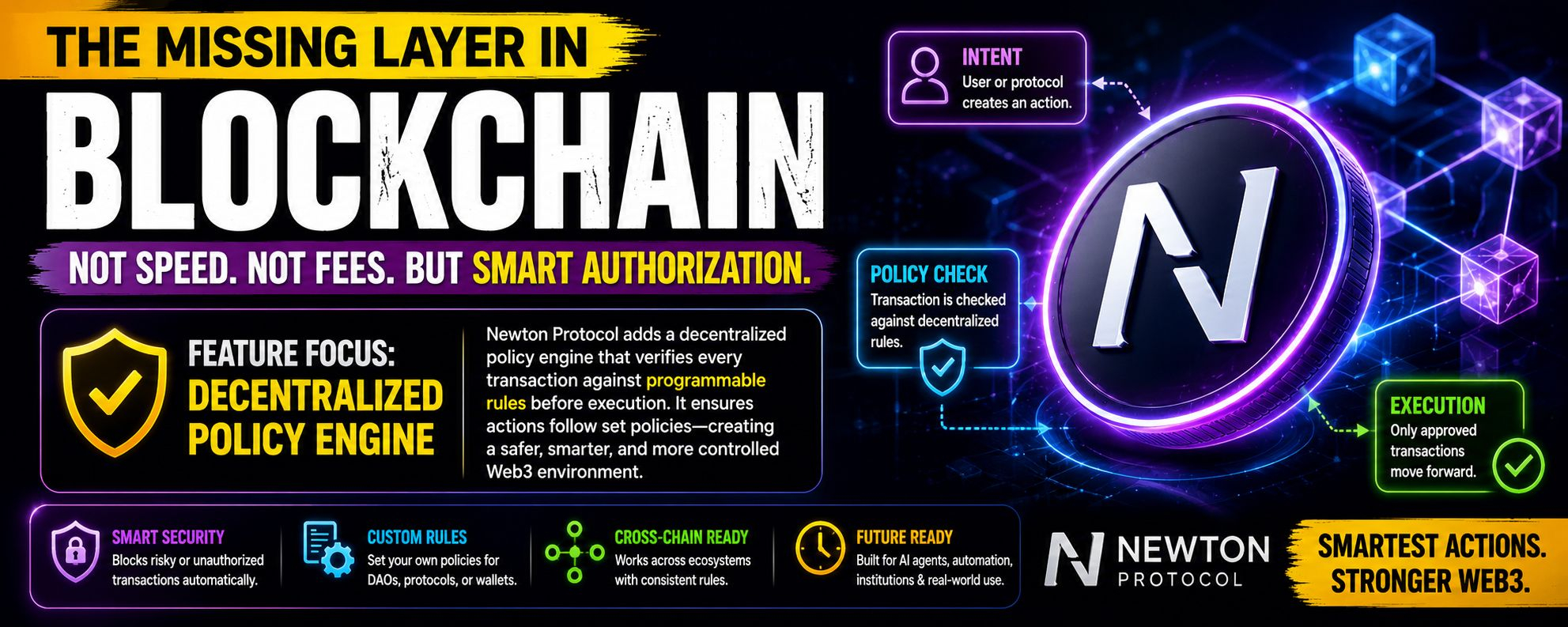
The Layer Between Intent and ExecutionMost blockchain discussions still revolve around faster transactions, lower fees, and higher throughput. Those improvements are important, but they solve only one part of the problem. As decentralized applications become more complex, the real challenge shifts from moving transactions quickly to deciding whether a transaction should be allowed in the first place. This is where Newton Protocol's decentralized policy engine introduces a different direction for blockchain infrastructure.
Traditional smart contracts execute predefined logic once the required conditions are met. They generally assume that a signed transaction represents the user's final intent. In reality, this assumption becomes weaker as wallets, AI agents, DAOs, and automated systems begin interacting with multiple protocols simultaneously. A transaction may be technically valid while still violating an organization's security policy, a DAO's governance rules, or a user's personal restrictions.
Newton Protocol approaches this challenge by introducing programmable authorization. Instead of viewing authorization as a simple signature, it becomes a programmable layer capable of evaluating a transaction against custom policies before execution. Rather than replacing smart contracts, this layer acts as an intelligent checkpoint that determines whether an action satisfies predefined rules.
This concept changes how blockchain security can evolve. For years, security improvements have focused on protecting private keys, preventing exploits, and auditing smart contracts after they are written. Policy-based authorization shifts part of that responsibility to the transaction layer itself. The question becomes less about whether a wallet can sign a transaction and more about whether that transaction should proceed under specific conditions.
Consider a treasury controlled by a decentralized organization. Instead of relying solely on multisignature approvals, treasury movements could require compliance with programmable rules such as spending limits, destination verification, governance approval thresholds, or time-based restrictions. These decisions would no longer depend entirely on manual oversight but could become enforceable directly through decentralized authorization policies.
The implications extend beyond organizational wallets. As autonomous AI agents become increasingly active within decentralized finance, automated systems will eventually execute trades, manage liquidity, rebalance portfolios, and interact across multiple protocols without constant human intervention. Giving these systems unrestricted signing authority introduces obvious risks. Policy-driven authorization provides a framework where AI agents can operate independently while remaining constrained by transparent rules established beforehand.
Another important aspect is interoperability. Modern blockchain users rarely stay within one network. Assets frequently move between ecosystems, decentralized applications interact across chains, and governance spans multiple environments. A programmable authorization layer designed to function across different blockchain ecosystems creates consistency in security policies without forcing every application to reinvent its own authorization model.
This direction represents an architectural evolution rather than another performance upgrade. Previous blockchain generations focused primarily on consensus, scalability, and execution efficiency. The next stage may increasingly focus on governance logic, programmable permissions, and transaction intelligence. If blockchains become operating systems for decentralized economies, authorization policies may eventually become as fundamental as consensus mechanisms themselves.
Of course, programmable authorization introduces new research questions. Policy engines must remain decentralized enough to avoid becoming centralized control points. They must remain transparent so users understand exactly why transactions succeed or fail. They must also balance flexibility with predictability, ensuring complex rule systems do not introduce unnecessary friction for ordinary users. Solving these challenges will likely determine whether authorization layers become foundational infrastructure or remain specialized tools for institutional use cases. @NewtonProtocol
Newton Protocol's work suggests that blockchain evolution may not depend solely on faster execution. It may depend on making execution more intelligent. Rather than asking how quickly a transaction can reach finality, the next generation of decentralized infrastructure may increasingly ask whether that transaction aligns with programmable intent before finality is even considered.
$NEWT If this architectural direction continues to mature, decentralized policy engines could become one of the defining infrastructure layers of advanced Web3 systems, supporting wallets, DAOs, AI agents, institutional custody, and cross-chain applications through programmable authorization rather than simple transaction approval. #newt #Newt
#DecentralizedComputing
The Layer Between Intent and Execution
Most blockchain discussions still revolve around faster transactions, lower fees, and higher throughput. Those improvements are important, but they solve only one part of the problem. As decentralized applications become more complex, the real challenge shifts from moving transactions quickly to deciding whether a transaction should be allowed in the first place. This is where Newton Protocol's decentralized policy engine introduces a different direction for blockchain infrastructure.
Traditional smart contracts execute predefined logic once the required conditions are met. They generally assume that a signed transaction represents the user's final intent. In reality, this assumption becomes weaker as wallets, AI agents, DAOs, and automated systems begin interacting with multiple protocols simultaneously. A transaction may be technically valid while still violating an organization's security policy, a DAO's governance rules, or a user's personal restrictions.
Newton Protocol approaches this challenge by introducing programmable authorization. Instead of viewing authorization as a simple signature, it becomes a programmable layer capable of evaluating a transaction against custom policies before execution. Rather than replacing smart contracts, this layer acts as an intelligent checkpoint that determines whether an action satisfies predefined rules.
This concept changes how blockchain security can evolve. For years, security improvements have focused on protecting private keys, preventing exploits, and auditing smart contracts after they are written. Policy-based authorization shifts part of that responsibility to the transaction layer itself. The question becomes less about whether a wallet can sign a transaction and more about whether that transaction should proceed under specific conditions.
Consider a treasury controlled by a decentralized organization. Instead of relying solely on multisignature approvals, treasury movements could require compliance with programmable rules such as spending limits, destination verification, governance approval thresholds, or time-based restrictions. These decisions would no longer depend entirely on manual oversight but could become enforceable directly through decentralized authorization policies.
The implications extend beyond organizational wallets. As autonomous AI agents become increasingly active within decentralized finance, automated systems will eventually execute trades, manage liquidity, rebalance portfolios, and interact across multiple protocols without constant human intervention. Giving these systems unrestricted signing authority introduces obvious risks. Policy-driven authorization provides a framework where AI agents can operate independently while remaining constrained by transparent rules established beforehand.
Another important aspect is interoperability. Modern blockchain users rarely stay within one network. Assets frequently move between ecosystems, decentralized applications interact across chains, and governance spans multiple environments. A programmable authorization layer designed to function across different blockchain ecosystems creates consistency in security policies without forcing every application to reinvent its own authorization model.
This direction represents an architectural evolution rather than another performance upgrade. Previous blockchain generations focused primarily on consensus, scalability, and execution efficiency. The next stage may increasingly focus on governance logic, programmable permissions, and transaction intelligence. If blockchains become operating systems for decentralized economies, authorization policies may eventually become as fundamental as consensus mechanisms themselves.
Of course, programmable authorization introduces new research questions. Policy engines must remain decentralized enough to avoid becoming centralized control points. They must remain transparent so users understand exactly why transactions succeed or fail. They must also balance flexibility with predictability, ensuring complex rule systems do not introduce unnecessary friction for ordinary users. Solving these challenges will likely determine whether authorization layers become foundational infrastructure or remain specialized tools for institutional use cases. @NewtonProtocol
Newton Protocol's work suggests that blockchain evolution may not depend solely on faster execution. It may depend on making execution more intelligent. Rather than asking how quickly a transaction can reach finality, the next generation of decentralized infrastructure may increasingly ask whether that transaction aligns with programmable intent before finality is even considered.
$NEWT If this architectural direction continues to mature, decentralized policy engines could become one of the defining infrastructure layers of advanced Web3 systems, supporting wallets, DAOs, AI agents, institutional custody, and cross-chain applications through programmable authorization rather than simple transaction approval. #newt #Newt
#DecentralizedComputing
Traditional smart contracts execute predefined logic once the required conditions are met. They generally assume that a signed transaction represents the user's final intent. In reality, this assumption becomes weaker as wallets, AI agents, DAOs, and automated systems begin interacting with multiple protocols simultaneously. A transaction may be technically valid while still violating an organization's security policy, a DAO's governance rules, or a user's personal restrictions.
Newton Protocol approaches this challenge by introducing programmable authorization. Instead of viewing authorization as a simple signature, it becomes a programmable layer capable of evaluating a transaction against custom policies before execution. Rather than replacing smart contracts, this layer acts as an intelligent checkpoint that determines whether an action satisfies predefined rules.
This concept changes how blockchain security can evolve. For years, security improvements have focused on protecting private keys, preventing exploits, and auditing smart contracts after they are written. Policy-based authorization shifts part of that responsibility to the transaction layer itself. The question becomes less about whether a wallet can sign a transaction and more about whether that transaction should proceed under specific conditions.
Consider a treasury controlled by a decentralized organization. Instead of relying solely on multisignature approvals, treasury movements could require compliance with programmable rules such as spending limits, destination verification, governance approval thresholds, or time-based restrictions. These decisions would no longer depend entirely on manual oversight but could become enforceable directly through decentralized authorization policies.
The implications extend beyond organizational wallets. As autonomous AI agents become increasingly active within decentralized finance, automated systems will eventually execute trades, manage liquidity, rebalance portfolios, and interact across multiple protocols without constant human intervention. Giving these systems unrestricted signing authority introduces obvious risks. Policy-driven authorization provides a framework where AI agents can operate independently while remaining constrained by transparent rules established beforehand.
Another important aspect is interoperability. Modern blockchain users rarely stay within one network. Assets frequently move between ecosystems, decentralized applications interact across chains, and governance spans multiple environments. A programmable authorization layer designed to function across different blockchain ecosystems creates consistency in security policies without forcing every application to reinvent its own authorization model.
This direction represents an architectural evolution rather than another performance upgrade. Previous blockchain generations focused primarily on consensus, scalability, and execution efficiency. The next stage may increasingly focus on governance logic, programmable permissions, and transaction intelligence. If blockchains become operating systems for decentralized economies, authorization policies may eventually become as fundamental as consensus mechanisms themselves.
Of course, programmable authorization introduces new research questions. Policy engines must remain decentralized enough to avoid becoming centralized control points. They must remain transparent so users understand exactly why transactions succeed or fail. They must also balance flexibility with predictability, ensuring complex rule systems do not introduce unnecessary friction for ordinary users. Solving these challenges will likely determine whether authorization layers become foundational infrastructure or remain specialized tools for institutional use cases. @NewtonProtocol
Newton Protocol's work suggests that blockchain evolution may not depend solely on faster execution. It may depend on making execution more intelligent. Rather than asking how quickly a transaction can reach finality, the next generation of decentralized infrastructure may increasingly ask whether that transaction aligns with programmable intent before finality is even considered.
$NEWT If this architectural direction continues to mature, decentralized policy engines could become one of the defining infrastructure layers of advanced Web3 systems, supporting wallets, DAOs, AI agents, institutional custody, and cross-chain applications through programmable authorization rather than simple transaction approval. #newt #Newt
#DecentralizedComputing
20
3
51

ເບິ່ງການແປ
🎮 شركات ناشئة تستفيد من أجهزة الكمبيوتر الخاملة لمهام الذكاء الاصطناعي
تظهر شركات ناشئة جديدة تسعى لاستغلال قوة المعالجة في أجهزة الكمبيوتر المخصصة للألعاب أثناء فترات خمولها. تهدف هذه الشركات إلى بناء شبكة لامركزية لمعالجة مهام الذكاء الاصطناعي، مما يفتح نموذجًا اقتصاديًا محتملاً لأصحاب الأجهزة.
━━━━━━━━━━━━━━
📊 التأثير: 📊 متوسط
🏷️ OTHER
#AI #DecentralizedComputing #GamingPC #TechNews #Innovation
📰 المصدر: tomshardware.com
🎮 شركات ناشئة تستفيد من أجهزة الكمبيوتر الخاملة لمهام الذكاء الاصطناعي
تظهر شركات ناشئة جديدة تسعى لاستغلال قوة المعالجة في أجهزة الكمبيوتر المخصصة للألعاب أثناء فترات خمولها. تهدف هذه الشركات إلى بناء شبكة لامركزية لمعالجة مهام الذكاء الاصطناعي، مما يفتح نموذجًا اقتصاديًا محتملاً لأصحاب الأجهزة.
━━━━━━━━━━━━━━
📊 التأثير: 📊 متوسط
🏷️ OTHER
#AI #DecentralizedComputing #GamingPC #TechNews #Innovation
📰 المصدر: tomshardware.com
تظهر شركات ناشئة جديدة تسعى لاستغلال قوة المعالجة في أجهزة الكمبيوتر المخصصة للألعاب أثناء فترات خمولها. تهدف هذه الشركات إلى بناء شبكة لامركزية لمعالجة مهام الذكاء الاصطناعي، مما يفتح نموذجًا اقتصاديًا محتملاً لأصحاب الأجهزة.
━━━━━━━━━━━━━━
📊 التأثير: 📊 متوسط
🏷️ OTHER
#AI #DecentralizedComputing #GamingPC #TechNews #Innovation
📰 المصدر: tomshardware.com
10

·
--
ເບິ່ງການແປ
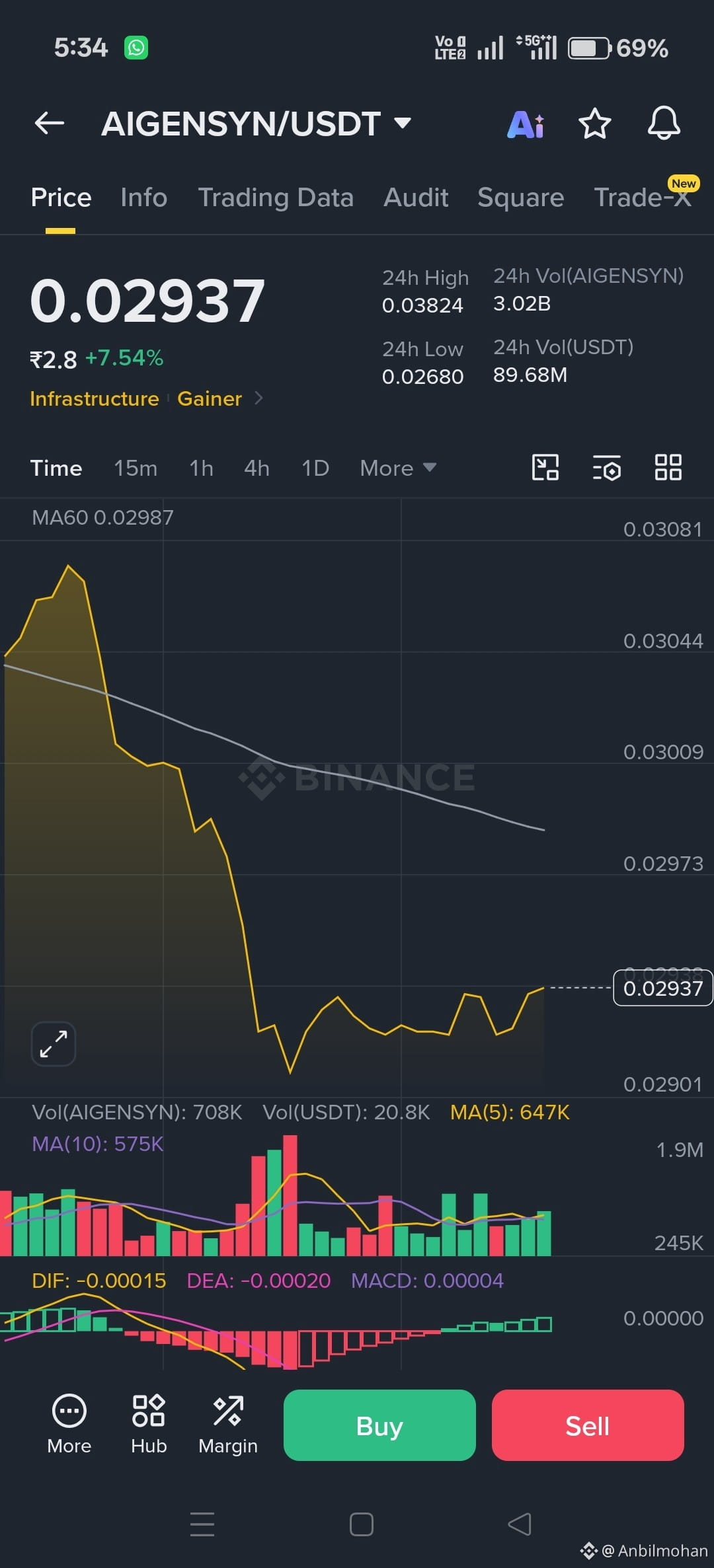
$AIGENSYN
aigensyn
{spot}(AIGENSYNUSDT)
is a decentralized AI infrastructure network that connects idle computing power to AI training needs.
#GensynA #AI #DecentralizedComputing #DePIN #machinelearning
$AIGENSYN
aigensyn
is a decentralized AI infrastructure network that connects idle computing power to AI training needs.
#GensynA #AI #DecentralizedComputing #DePIN #machinelearning
aigensyn
is a decentralized AI infrastructure network that connects idle computing power to AI training needs.
#GensynA #AI #DecentralizedComputing #DePIN #machinelearning
84
ເຂົ້າສູ່ລະບົບເພື່ອສຳຫຼວດເນື້ອຫາເພີ່ມເຕີມ
ເຂົ້າຮ່ວມກຸ່ມຜູ້ໃຊ້ຄຣິບໂຕທົ່ວໂລກໃນ Binance Square.
⚡️ ໄດ້ຮັບຂໍ້ມູນຫຼ້າສຸດ ແລະ ທີ່ມີປະໂຫຍດກ່ຽວກັບຄຣິບໂຕ.
💬 ໄດ້ຮັບຄວາມໄວ້ວາງໃຈຈາກຕະຫຼາດແລກປ່ຽນຄຣິບໂຕທີ່ໃຫຍ່ທີ່ສຸດໃນໂລກ.
👍 ຄົ້ນຫາຂໍ້ມູນເຊີງເລິກທີ່ແທ້ຈາກນັກສ້າງທີ່ໄດ້ຮັບການຢືນຢັນ.
ອີເມວ / ເບີໂທລະສັບ
ຫົວຂໍ້ທີ່ກໍາລັງນິຍົມ
1
#USTreasuryToBuyBackUpTo$6BLongDatedDebt
6,146 views
118 ກຳລັງສົນທະນາ
2
#BitcoinSurpasses$79K
45,366 views
238 ກຳລັງສົນທະນາ
3
#BrentCrudeTops$100
104,000 views
362 ກຳລັງສົນທະນາ
4
#USADPWeeklyEmploymentRises12000
68,935 views
914 ກຳລັງສົນທະນາ
5
#BankOfAmericaGroupPilotsUSBDCStablecoin
54,114 views
730 ກຳລັງສົນທະນາ
6
#RippleLobbiesToAdvanceCLARITYActVote
84,850 views
992 ກຳລັງສົນທະນາ
7
#GrayscaleZcashETFTops$500M
13,881 views
122 ກຳລັງສົນທະນາ
8
#LAPTOPFoundationXAccountSuspended
0 views
6 ກຳລັງສົນທະນາ
9
#ChinaAugustCPIRises0.8%YoY
60,126 views
1,048 ກຳລັງສົນທະນາ
10
#USStrikesTargetsNearHormuzAndJask
76,048 views
1,121 ກຳລັງສົນທະນາ