
#blockchaindevelopment
blockchaindevelopment
63,595 views
193 ກຳລັງສົນທະນາ
ມາແຮງ
ຫຼ້າສຸດ

ເບິ່ງການແປ
🌐 Cardano's Quiet Development: Building DeFi Infrastructure Without the Hype
On July 4, 2026, Cardano $ADA surged 9.14054% to $0.1790 while its development ecosystem continues to expand. Unlike faster L1s that prioritize throughput over rigor, Cardano emphasizes peer-reviewed research and formal verification.
While $ADA's market cap of $6.67B is a fraction of its all-time high, the development activity on Cardano has been consistent throughout the bear market.
ADA's 9% pump today may reflect growing recognition that its methodical approach has resulted in a stable, functional platform ready for the next wave of adoption.
📌 Key Takeaway:
Cardano's research-first approach is slow but methodical. Today's price action may signal the market is starting to value long-term development over short-term hype.
#Cardano #ADA #BlockchainDevelopment
#BinanceAlphaAlert
🌐 Cardano's Quiet Development: Building DeFi Infrastructure Without the Hype
On July 4, 2026, Cardano $ADA surged 9.14054% to $0.1790 while its development ecosystem continues to expand. Unlike faster L1s that prioritize throughput over rigor, Cardano emphasizes peer-reviewed research and formal verification.
While $ADA 's market cap of $6.67B is a fraction of its all-time high, the development activity on Cardano has been consistent throughout the bear market.
ADA's 9% pump today may reflect growing recognition that its methodical approach has resulted in a stable, functional platform ready for the next wave of adoption.
📌 Key Takeaway:
Cardano's research-first approach is slow but methodical. Today's price action may signal the market is starting to value long-term development over short-term hype.
#Cardano #ADA #BlockchainDevelopment
#BinanceAlphaAlert
On July 4, 2026, Cardano $ADA surged 9.14054% to $0.1790 while its development ecosystem continues to expand. Unlike faster L1s that prioritize throughput over rigor, Cardano emphasizes peer-reviewed research and formal verification.
While $ADA 's market cap of $6.67B is a fraction of its all-time high, the development activity on Cardano has been consistent throughout the bear market.
ADA's 9% pump today may reflect growing recognition that its methodical approach has resulted in a stable, functional platform ready for the next wave of adoption.
📌 Key Takeaway:
Cardano's research-first approach is slow but methodical. Today's price action may signal the market is starting to value long-term development over short-term hype.
#Cardano #ADA #BlockchainDevelopment
#BinanceAlphaAlert
54

·
--
@NewtonProtocol
Newton Mainnet ແມ່ນໄວ. ໄວເກີນໄປສໍາລັບຂີ້ຂອງຊຸດເກົ່າ (legacy) ທີ່ທ່ານຍັງໃຊ້ຢູ່.
ເປັນຫຍັງພວກເຮົາຍັງອະນຸຍາດໃຫ້ເວລາ block ນານ 5 ວິນາທີ? ພວກເຮົາເພີ່ມ Newton Mainnet Beta ແລ້ວ ແລະການຜ່ານງານ (throughput) ກໍາລັງໄປຮອດຄວາມສຸດທ້າຍພາຍໃຕ້ 1 ວິນາທີ. ພວກເຮົາບໍ່ໄດ້ບັນລຸສິ່ງນີ້ໂດຍການຖິ້ມຮາດແວຫຼາຍເພີ່ມໃສ່ປັນຫາ. ພວກເຮົາຖອນຄວາມບໍ່ຈໍາເປັນ (bloat) ອອກຈາກຊັ້ນ consensus ແລະປັບປຸງຮູບແບບການເຂົ້າເຖິງ state ເພື່ອຢຸດບໍ່ໃຫ້ disk I/O ກາຍເປັນຄໍຂວດຂອງ EVM.
ມັນແມ່ນການຕົກລົງທາງສະຖາປັດ (architectural trade-off). ພວກເຮົາເສຍ overhead ບາງສ່ວນໃນດ້ານ decentralization ເພື່ອແກ້ກັບກັບດັກຂອງ latency. ຫຼາຍໆ chain ກໍແຕ່ເປັນຕາຕະລາງທີ່ໂລດອື່ນເພື່ອປອມຕົວເປັນ infrastructure. Newton ຈັດການ transitions ຂອງ state ທີ່ເກີດພ້ອມກັນ (concurrent) ໂດຍບໍ່ເຄີຍບິດຫຼັງ. ທ່ານຢາກໄດ້ dApps ແບບ real-time ບໍ? ຢຸດສ້າງຢູ່ເທິງ chain ທີ່ຕິດຂັດເມື່ອ mempool ເຕັມ. ໂປຣໂຕຄໍອອກແບບມາບາງແລະການ execute ກໍແມ່ນແນ່ນອນແບບຜ່າຕັດສະຫລາດ (surgical).
$NEWT [+5.40%]
Pro-tip: ຖ້າສະຖາປັດຂອງ smart contract ຂອງທ່ານອາໄສຄວາມໄວຂອງ L1 ເພື່ອປົກປິດລະຫັດທີ່ບໍ່ດີ, Newton ຈະເປີດເຜີຍຄວາມບໍ່ມີປະສິດທິພາບຂອງທ່ານໄວຂຶ້ນ. ປັບປຸງ ຫຼື ອອກໄປ.
#newton #BlockchainDevelopment #Mainnet #Bullish
ຕອນນີ້ຄໍຂວດທີ່ໃຫຍ່ສຸດຂອງທ່ານແມ່ນຫຍັງຢູ່?👇
@NewtonProtocol
Newton Mainnet ແມ່ນໄວ. ໄວເກີນໄປສໍາລັບຂີ້ຂອງຊຸດເກົ່າ (legacy) ທີ່ທ່ານຍັງໃຊ້ຢູ່.
ເປັນຫຍັງພວກເຮົາຍັງອະນຸຍາດໃຫ້ເວລາ block ນານ 5 ວິນາທີ? ພວກເຮົາເພີ່ມ Newton Mainnet Beta ແລ້ວ ແລະການຜ່ານງານ (throughput) ກໍາລັງໄປຮອດຄວາມສຸດທ້າຍພາຍໃຕ້ 1 ວິນາທີ. ພວກເຮົາບໍ່ໄດ້ບັນລຸສິ່ງນີ້ໂດຍການຖິ້ມຮາດແວຫຼາຍເພີ່ມໃສ່ປັນຫາ. ພວກເຮົາຖອນຄວາມບໍ່ຈໍາເປັນ (bloat) ອອກຈາກຊັ້ນ consensus ແລະປັບປຸງຮູບແບບການເຂົ້າເຖິງ state ເພື່ອຢຸດບໍ່ໃຫ້ disk I/O ກາຍເປັນຄໍຂວດຂອງ EVM.
ມັນແມ່ນການຕົກລົງທາງສະຖາປັດ (architectural trade-off). ພວກເຮົາເສຍ overhead ບາງສ່ວນໃນດ້ານ decentralization ເພື່ອແກ້ກັບກັບດັກຂອງ latency. ຫຼາຍໆ chain ກໍແຕ່ເປັນຕາຕະລາງທີ່ໂລດອື່ນເພື່ອປອມຕົວເປັນ infrastructure. Newton ຈັດການ transitions ຂອງ state ທີ່ເກີດພ້ອມກັນ (concurrent) ໂດຍບໍ່ເຄີຍບິດຫຼັງ. ທ່ານຢາກໄດ້ dApps ແບບ real-time ບໍ? ຢຸດສ້າງຢູ່ເທິງ chain ທີ່ຕິດຂັດເມື່ອ mempool ເຕັມ. ໂປຣໂຕຄໍອອກແບບມາບາງແລະການ execute ກໍແມ່ນແນ່ນອນແບບຜ່າຕັດສະຫລາດ (surgical).
$NEWT [+5.40%]
Pro-tip: ຖ້າສະຖາປັດຂອງ smart contract ຂອງທ່ານອາໄສຄວາມໄວຂອງ L1 ເພື່ອປົກປິດລະຫັດທີ່ບໍ່ດີ, Newton ຈະເປີດເຜີຍຄວາມບໍ່ມີປະສິດທິພາບຂອງທ່ານໄວຂຶ້ນ. ປັບປຸງ ຫຼື ອອກໄປ.
#newton #BlockchainDevelopment #Mainnet #Bullish
ຕອນນີ້ຄໍຂວດທີ່ໃຫຍ່ສຸດຂອງທ່ານແມ່ນຫຍັງຢູ່?👇
Newton Mainnet ແມ່ນໄວ. ໄວເກີນໄປສໍາລັບຂີ້ຂອງຊຸດເກົ່າ (legacy) ທີ່ທ່ານຍັງໃຊ້ຢູ່.
ເປັນຫຍັງພວກເຮົາຍັງອະນຸຍາດໃຫ້ເວລາ block ນານ 5 ວິນາທີ? ພວກເຮົາເພີ່ມ Newton Mainnet Beta ແລ້ວ ແລະການຜ່ານງານ (throughput) ກໍາລັງໄປຮອດຄວາມສຸດທ້າຍພາຍໃຕ້ 1 ວິນາທີ. ພວກເຮົາບໍ່ໄດ້ບັນລຸສິ່ງນີ້ໂດຍການຖິ້ມຮາດແວຫຼາຍເພີ່ມໃສ່ປັນຫາ. ພວກເຮົາຖອນຄວາມບໍ່ຈໍາເປັນ (bloat) ອອກຈາກຊັ້ນ consensus ແລະປັບປຸງຮູບແບບການເຂົ້າເຖິງ state ເພື່ອຢຸດບໍ່ໃຫ້ disk I/O ກາຍເປັນຄໍຂວດຂອງ EVM.
ມັນແມ່ນການຕົກລົງທາງສະຖາປັດ (architectural trade-off). ພວກເຮົາເສຍ overhead ບາງສ່ວນໃນດ້ານ decentralization ເພື່ອແກ້ກັບກັບດັກຂອງ latency. ຫຼາຍໆ chain ກໍແຕ່ເປັນຕາຕະລາງທີ່ໂລດອື່ນເພື່ອປອມຕົວເປັນ infrastructure. Newton ຈັດການ transitions ຂອງ state ທີ່ເກີດພ້ອມກັນ (concurrent) ໂດຍບໍ່ເຄີຍບິດຫຼັງ. ທ່ານຢາກໄດ້ dApps ແບບ real-time ບໍ? ຢຸດສ້າງຢູ່ເທິງ chain ທີ່ຕິດຂັດເມື່ອ mempool ເຕັມ. ໂປຣໂຕຄໍອອກແບບມາບາງແລະການ execute ກໍແມ່ນແນ່ນອນແບບຜ່າຕັດສະຫລາດ (surgical).
$NEWT [+5.40%]
Pro-tip: ຖ້າສະຖາປັດຂອງ smart contract ຂອງທ່ານອາໄສຄວາມໄວຂອງ L1 ເພື່ອປົກປິດລະຫັດທີ່ບໍ່ດີ, Newton ຈະເປີດເຜີຍຄວາມບໍ່ມີປະສິດທິພາບຂອງທ່ານໄວຂຶ້ນ. ປັບປຸງ ຫຼື ອອກໄປ.
#newton #BlockchainDevelopment #Mainnet #Bullish
ຕອນນີ້ຄໍຂວດທີ່ໃຫຍ່ສຸດຂອງທ່ານແມ່ນຫຍັງຢູ່?👇
* Throughput/TPS
0%
* Finality Latency
0%
* State Bloat
0%
0 ຄະແນນສຽງ • ປິດລົງຄະແນນສຽງ
1
81

·
--
ເບິ່ງການແປ
Cardano ($ADA) Flips Ethereum and Solana to Rank #1 in Developer Activity! 🚀🛠️
Massive fundamental milestone for $ADA today! Blockchain analytics data reveals that Cardona has officially outperformed both $ETH and Solana in weekly developer engagement, securing the top spot globally KuCoin News.Key Metrics of the Report:⚡ Development Surge: Cardano developers logged over 418 commits on GitHub in just the last 7 days, maintaining a huge lead over competitive Layer-1 ecosystems KuCoin News.🛡️ Network Scaling: This intense engineering focus is primarily targeted at upcoming scaling upgrades and decentralized governance models to handle mass enterprise adoption KuCoin News.🔥 Long-Term Bullish: History shows that networks with the highest developer retention and activity eventually experience massive fundamental valuation gains KuCoin News.While short-term retail traders are distracted by meme coins, smart money is watching where the real building is happening KuCoin News.Are you an ADA believer or do you think $SOL holds the crown? Drop your technical analysis targets below and tap the tag to trade! 👇#Write2Earn #Cardano #ADA #CryptoNews #BlockchainDevelopment #Rank1
{spot}(ETHUSDT)
{spot}(SOLUSDT)
{spot}(ADAUSDT)
Cardano ($ADA ) Flips Ethereum and Solana to Rank #1 in Developer Activity! 🚀🛠️
Massive fundamental milestone for $ADA today! Blockchain analytics data reveals that Cardona has officially outperformed both $ETH and Solana in weekly developer engagement, securing the top spot globally KuCoin News.Key Metrics of the Report:⚡ Development Surge: Cardano developers logged over 418 commits on GitHub in just the last 7 days, maintaining a huge lead over competitive Layer-1 ecosystems KuCoin News.🛡️ Network Scaling: This intense engineering focus is primarily targeted at upcoming scaling upgrades and decentralized governance models to handle mass enterprise adoption KuCoin News.🔥 Long-Term Bullish: History shows that networks with the highest developer retention and activity eventually experience massive fundamental valuation gains KuCoin News.While short-term retail traders are distracted by meme coins, smart money is watching where the real building is happening KuCoin News.Are you an ADA believer or do you think $SOL holds the crown? Drop your technical analysis targets below and tap the tag to trade! 👇#Write2Earn #Cardano #ADA #CryptoNews #BlockchainDevelopment #Rank1
Massive fundamental milestone for $ADA today! Blockchain analytics data reveals that Cardona has officially outperformed both $ETH and Solana in weekly developer engagement, securing the top spot globally KuCoin News.Key Metrics of the Report:⚡ Development Surge: Cardano developers logged over 418 commits on GitHub in just the last 7 days, maintaining a huge lead over competitive Layer-1 ecosystems KuCoin News.🛡️ Network Scaling: This intense engineering focus is primarily targeted at upcoming scaling upgrades and decentralized governance models to handle mass enterprise adoption KuCoin News.🔥 Long-Term Bullish: History shows that networks with the highest developer retention and activity eventually experience massive fundamental valuation gains KuCoin News.While short-term retail traders are distracted by meme coins, smart money is watching where the real building is happening KuCoin News.Are you an ADA believer or do you think $SOL holds the crown? Drop your technical analysis targets below and tap the tag to trade! 👇#Write2Earn #Cardano #ADA #CryptoNews #BlockchainDevelopment #Rank1
2
207

·
--
ເບິ່ງການແປ
Most traders are bracing for the impending quantum threat, but Algorand's plan to be ready by end of 2027 may be the hidden signal savvy investors need to spot a gem.
THE SIGNAL: On-chain data is hinting at a surge in ALGO developer activity, with a 25% increase in new code commits in the past week (#ALGORAND #BLOCKCHAINDEVELOPMENT). This uptick in development suggests that Algorand is indeed working towards a quantum-proof solution, possibly ahead of schedule.
THE INTERPRETATION: A quantum-proof Algorand may attract more institutional investors, leading to a price jump as market participants increasingly recognize the benefits of a forward-thinking strategy. Historically, developer activity has preceded significant price movements in crypto.
THE WATCH LIST: Keep an eye on the Algorand developer ecosystem, specifically the rate of new code commits, to gauge the pace of progress toward quantum readiness (#ALGODEVELOPMENT).
THE INSIDER QUESTION: Can Algorand's proactive stance against quantum threats propel its price to new highs, or will its rivals catch up and steal the spotlight?
Most traders are bracing for the impending quantum threat, but Algorand's plan to be ready by end of 2027 may be the hidden signal savvy investors need to spot a gem.
THE SIGNAL: On-chain data is hinting at a surge in ALGO developer activity, with a 25% increase in new code commits in the past week (#ALGORAND #BLOCKCHAINDEVELOPMENT). This uptick in development suggests that Algorand is indeed working towards a quantum-proof solution, possibly ahead of schedule.
THE INTERPRETATION: A quantum-proof Algorand may attract more institutional investors, leading to a price jump as market participants increasingly recognize the benefits of a forward-thinking strategy. Historically, developer activity has preceded significant price movements in crypto.
THE WATCH LIST: Keep an eye on the Algorand developer ecosystem, specifically the rate of new code commits, to gauge the pace of progress toward quantum readiness (#ALGODEVELOPMENT).
THE INSIDER QUESTION: Can Algorand's proactive stance against quantum threats propel its price to new highs, or will its rivals catch up and steal the spotlight?
THE SIGNAL: On-chain data is hinting at a surge in ALGO developer activity, with a 25% increase in new code commits in the past week (#ALGORAND #BLOCKCHAINDEVELOPMENT). This uptick in development suggests that Algorand is indeed working towards a quantum-proof solution, possibly ahead of schedule.
THE INTERPRETATION: A quantum-proof Algorand may attract more institutional investors, leading to a price jump as market participants increasingly recognize the benefits of a forward-thinking strategy. Historically, developer activity has preceded significant price movements in crypto.
THE WATCH LIST: Keep an eye on the Algorand developer ecosystem, specifically the rate of new code commits, to gauge the pace of progress toward quantum readiness (#ALGODEVELOPMENT).
THE INSIDER QUESTION: Can Algorand's proactive stance against quantum threats propel its price to new highs, or will its rivals catch up and steal the spotlight?
1
54

·
--
Պատկերացրու սա․ մի թիմ հարմարավետ կրիպտո վճարումների հավելված է թողարկում, հետո շաբաթներ է անցկացնում դրամապանակի «խողովակաշար» կարգավորումների հետ կռվելուն՝ օգտատերեր ձեռք բերելու փոխարեն։
Ահա թե որտեղ են տուժում թե՛ թրեյդերները, թե՛ մշակողները։ Դանդաղ ավանդներ, հասցեների խառնաշփոթ կառավարում և վտանգավոր ստորագրման հոսքերը կարող են նշանակել բաց թողնված մուտքեր, խցանված միջոցներ կամ այնպիսի արտադրանք, որը երբեք չի վաստակում վստահություն։
Դեպքը պարզ է․ ձեռնարկատիրական ենթակառուցվածքը կարող է վերացնել կրիպտոյի ամենահին խցանումներից մեկը՝ թույլ տալով մշակողներին գեներացնել ստացման հասցեներ և մշակել գործարքների ստորագրումը ստանդարտ REST API-ներով ու SDK-ներով։ Փոխանակ զրոյից հավաքելու դրամապանակի տրամաբանությունը, թիմերը ստանում են ավելի մաքուր ուղի՝ իրական արտադրանքներում աջակցելու այնպիսի ակտիվների, ինչպիսիք են $BTC-ն, $ETH-ը և $BNB -ը։
Մենք այս օրինաչափությունը նախկինում տեսել ենք։ Վաղ փոխանակումները և վճարային համակարգերը, որոնք մասշտաբով լուծել էին պահառությունը, ավանդները և ստորագրումը, ավելի արագ էին շարժվում, քան թիմերը, որոնք փորձում էին պահպանել անհատական դրամապանակների շերտերը յուրաքանչյուր շղթայի համար։ Հաղթողները միշտ չէին ամենափայլուն նախագծերը։ Նրանք էին նրանք, որոնք ձանձրալի backend-ը դարձնում էին հուսալի։
Կարևորն այն է, որ ենթակառուցվածքը սովորաբար անտեսանելի է լինում, մինչև այն խափանվի։ Եթե հասցեի գեներացումը կամ ստորագրումը ձախողվում է, օգտատերերը չեն հետաքրքրվում, թե որքան էլ էլեգանտ է հավելվածի տեսքը։ Նրանք պարզապես հեռանում են։ Դասը՝ կրիպտոյում, ավելի լավ «ճանապարհային ուղիները» հաճախ ստեղծում են ավելի լավ օգտատերերի պահպանում նախքան որևէ մեկը կնկատի, որ այդ ուղիները գոյություն ունեն։
Իսկ որտեղ եք կարծում, որ այսպիսի ենթակառուցվածքն ամենից շատ է պետք առաջիկայում՝ վճարումներում, թրեյդինգի հավելվածներում, թե՞ ձեռնարկատիրական գանձապետարանում?
#CryptoInfrastructure #BlockchainDevelopment #Web3
Պատկերացրու սա․ մի թիմ հարմարավետ կրիպտո վճարումների հավելված է թողարկում, հետո շաբաթներ է անցկացնում դրամապանակի «խողովակաշար» կարգավորումների հետ կռվելուն՝ օգտատերեր ձեռք բերելու փոխարեն։
Ահա թե որտեղ են տուժում թե՛ թրեյդերները, թե՛ մշակողները։ Դանդաղ ավանդներ, հասցեների խառնաշփոթ կառավարում և վտանգավոր ստորագրման հոսքերը կարող են նշանակել բաց թողնված մուտքեր, խցանված միջոցներ կամ այնպիսի արտադրանք, որը երբեք չի վաստակում վստահություն։
Դեպքը պարզ է․ ձեռնարկատիրական ենթակառուցվածքը կարող է վերացնել կրիպտոյի ամենահին խցանումներից մեկը՝ թույլ տալով մշակողներին գեներացնել ստացման հասցեներ և մշակել գործարքների ստորագրումը ստանդարտ REST API-ներով ու SDK-ներով։ Փոխանակ զրոյից հավաքելու դրամապանակի տրամաբանությունը, թիմերը ստանում են ավելի մաքուր ուղի՝ իրական արտադրանքներում աջակցելու այնպիսի ակտիվների, ինչպիսիք են $BTC -ն, $ETH -ը և $BNB -ը։
Մենք այս օրինաչափությունը նախկինում տեսել ենք։ Վաղ փոխանակումները և վճարային համակարգերը, որոնք մասշտաբով լուծել էին պահառությունը, ավանդները և ստորագրումը, ավելի արագ էին շարժվում, քան թիմերը, որոնք փորձում էին պահպանել անհատական դրամապանակների շերտերը յուրաքանչյուր շղթայի համար։ Հաղթողները միշտ չէին ամենափայլուն նախագծերը։ Նրանք էին նրանք, որոնք ձանձրալի backend-ը դարձնում էին հուսալի։
Կարևորն այն է, որ ենթակառուցվածքը սովորաբար անտեսանելի է լինում, մինչև այն խափանվի։ Եթե հասցեի գեներացումը կամ ստորագրումը ձախողվում է, օգտատերերը չեն հետաքրքրվում, թե որքան էլ էլեգանտ է հավելվածի տեսքը։ Նրանք պարզապես հեռանում են։ Դասը՝ կրիպտոյում, ավելի լավ «ճանապարհային ուղիները» հաճախ ստեղծում են ավելի լավ օգտատերերի պահպանում նախքան որևէ մեկը կնկատի, որ այդ ուղիները գոյություն ունեն։
Իսկ որտեղ եք կարծում, որ այսպիսի ենթակառուցվածքն ամենից շատ է պետք առաջիկայում՝ վճարումներում, թրեյդինգի հավելվածներում, թե՞ ձեռնարկատիրական գանձապետարանում?
#CryptoInfrastructure #BlockchainDevelopment #Web3
Ահա թե որտեղ են տուժում թե՛ թրեյդերները, թե՛ մշակողները։ Դանդաղ ավանդներ, հասցեների խառնաշփոթ կառավարում և վտանգավոր ստորագրման հոսքերը կարող են նշանակել բաց թողնված մուտքեր, խցանված միջոցներ կամ այնպիսի արտադրանք, որը երբեք չի վաստակում վստահություն։
Դեպքը պարզ է․ ձեռնարկատիրական ենթակառուցվածքը կարող է վերացնել կրիպտոյի ամենահին խցանումներից մեկը՝ թույլ տալով մշակողներին գեներացնել ստացման հասցեներ և մշակել գործարքների ստորագրումը ստանդարտ REST API-ներով ու SDK-ներով։ Փոխանակ զրոյից հավաքելու դրամապանակի տրամաբանությունը, թիմերը ստանում են ավելի մաքուր ուղի՝ իրական արտադրանքներում աջակցելու այնպիսի ակտիվների, ինչպիսիք են $BTC -ն, $ETH -ը և $BNB -ը։
Մենք այս օրինաչափությունը նախկինում տեսել ենք։ Վաղ փոխանակումները և վճարային համակարգերը, որոնք մասշտաբով լուծել էին պահառությունը, ավանդները և ստորագրումը, ավելի արագ էին շարժվում, քան թիմերը, որոնք փորձում էին պահպանել անհատական դրամապանակների շերտերը յուրաքանչյուր շղթայի համար։ Հաղթողները միշտ չէին ամենափայլուն նախագծերը։ Նրանք էին նրանք, որոնք ձանձրալի backend-ը դարձնում էին հուսալի։
Կարևորն այն է, որ ենթակառուցվածքը սովորաբար անտեսանելի է լինում, մինչև այն խափանվի։ Եթե հասցեի գեներացումը կամ ստորագրումը ձախողվում է, օգտատերերը չեն հետաքրքրվում, թե որքան էլ էլեգանտ է հավելվածի տեսքը։ Նրանք պարզապես հեռանում են։ Դասը՝ կրիպտոյում, ավելի լավ «ճանապարհային ուղիները» հաճախ ստեղծում են ավելի լավ օգտատերերի պահպանում նախքան որևէ մեկը կնկատի, որ այդ ուղիները գոյություն ունեն։
Իսկ որտեղ եք կարծում, որ այսպիսի ենթակառուցվածքն ամենից շատ է պետք առաջիկայում՝ վճարումներում, թրեյդինգի հավելվածներում, թե՞ ձեռնարկատիրական գանձապետարանում?
#CryptoInfrastructure #BlockchainDevelopment #Web3
41
·
--
ເບິ່ງການແປ
Did you know that some big crypto projects might decide to ditch features they initially planned? It happens more than you think!
Today, we're talking about "Amendment Withdrawal" in the crypto world. Think of it like a city council deciding not to build a new bridge because a better, existing road is already there and the bridge would be too costly to maintain. It’s about adapting to what makes the most sense for the project and its community. #BlockchainDevelopment #SmartContracts
This is playing out right now with Ripple and the XRP Ledger. Ripple is recommending they withdraw the XLS-38 bridge amendment. Why? Because they’ve seen other solutions, like Axelar, gain traction, and the demand from developers to build on this specific amendment seems low. Plus, the ongoing costs to maintain it just aren’t justified. It’s a smart move to focus resources where they’ll have the biggest impact.
The takeaway here is that the crypto space is dynamic. Projects aren't afraid to pivot if a better path emerges. Stay informed, and remember that flexibility is often a sign of a healthy, evolving ecosystem. #CryptoNews
What other examples of projects adapting their plans have you seen?
Did you know that some big crypto projects might decide to ditch features they initially planned? It happens more than you think!
Today, we're talking about "Amendment Withdrawal" in the crypto world. Think of it like a city council deciding not to build a new bridge because a better, existing road is already there and the bridge would be too costly to maintain. It’s about adapting to what makes the most sense for the project and its community. #BlockchainDevelopment #SmartContracts
This is playing out right now with Ripple and the XRP Ledger. Ripple is recommending they withdraw the XLS-38 bridge amendment. Why? Because they’ve seen other solutions, like Axelar, gain traction, and the demand from developers to build on this specific amendment seems low. Plus, the ongoing costs to maintain it just aren’t justified. It’s a smart move to focus resources where they’ll have the biggest impact.
The takeaway here is that the crypto space is dynamic. Projects aren't afraid to pivot if a better path emerges. Stay informed, and remember that flexibility is often a sign of a healthy, evolving ecosystem. #CryptoNews
What other examples of projects adapting their plans have you seen?
Today, we're talking about "Amendment Withdrawal" in the crypto world. Think of it like a city council deciding not to build a new bridge because a better, existing road is already there and the bridge would be too costly to maintain. It’s about adapting to what makes the most sense for the project and its community. #BlockchainDevelopment #SmartContracts
This is playing out right now with Ripple and the XRP Ledger. Ripple is recommending they withdraw the XLS-38 bridge amendment. Why? Because they’ve seen other solutions, like Axelar, gain traction, and the demand from developers to build on this specific amendment seems low. Plus, the ongoing costs to maintain it just aren’t justified. It’s a smart move to focus resources where they’ll have the biggest impact.
The takeaway here is that the crypto space is dynamic. Projects aren't afraid to pivot if a better path emerges. Stay informed, and remember that flexibility is often a sign of a healthy, evolving ecosystem. #CryptoNews
What other examples of projects adapting their plans have you seen?
33

ບົດຄວາມ
ເບິ່ງການແປ
The Ethereum Foundation Just Fired 54 People and Cut Its Budget by 40% — Here Is What That ActuallyThe Ethereum Foundation Just Fired 54 People and Cut Its Budget by 40% — Here Is What That Actually Means
The organization that built the world's second-largest blockchain network just executed the most dramatic internal restructuring in its 10-year history.
This is not a routine cost-cutting exercise. This is a fundamental reimagining of how Ethereum gets developed, funded, and governed — and the entire crypto industry needs to understand what just happened.
The Hard Numbers
The Ethereum Foundation announced on June 23, 2026, that it had eliminated 54 positions — roughly 20% of its approximately 270-person workforce — and cut its 2026 operating budget by 40%. (Yahoo Finance)
The Foundation wants to reduce annual spending from about 15% of its remaining treasury to roughly 5% per year by 2030. (CoinMarketCap)
◆ 54 employees terminated — across research, engineering, and operations
◆ 40% total budget reduction in a single year
◆ 9 senior leadership departures since January 2026 alone
◆ Both co-executive directors gone — Tomasz Stańczak left in February, Hsiao-Wei Wang resigned June 18
◆ ETH current price: ~$1,567 — down sharply from its ~$4,950 peak in August 2025
◆ $30 million per year — the estimated cost of maintaining Ethereum's network of 10+ core client teams
What Is Being Shut Down
The EF's in-house applied cryptography team — PSE (Privacy and Scaling Explorations, most recently rebranded as Privacy Stewards of Ethereum) — is being shut down. Its work spanned zero-knowledge proof tooling including MACI for private voting, Semaphore for anonymous credentials, and PlasmaFold for privacy-enabled Layer 2 transfers. (Tech Times)
This is significant. ZK-proof technology is considered foundational to Ethereum's long-term scaling and privacy roadmap. Its elimination from the EF's direct payroll does not mean the work stops — but it does mean the funding model for that work must now come from elsewhere.
The New Structure: Five Clusters
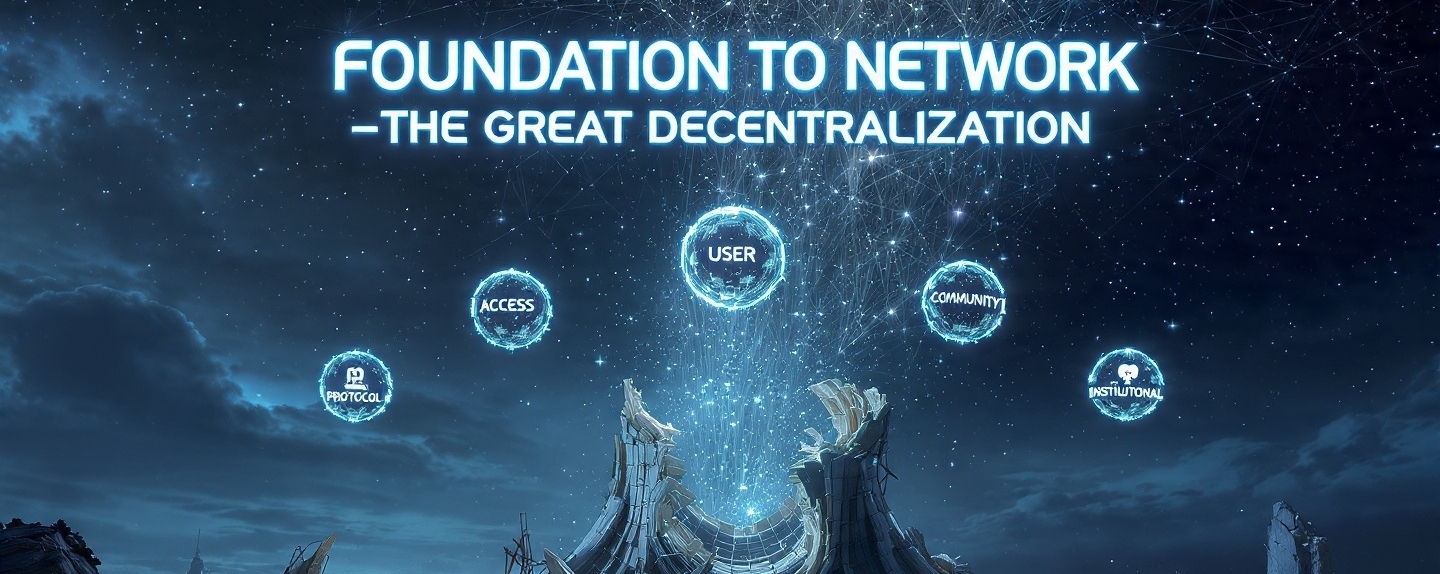
The Foundation reorganized around five main areas: the protocol, access, user, community, and institutional layers, with management and general operations handled by separate teams. (Cryptopolitan)
The Protocol Layer cluster's published mandate states it "does not exist to make Ethereum more marketable or focused on short-term interests, or to make it easier to turn into another financial rail controlled by intermediaries." (Yahoo Finance)
That statement is a direct and deliberate philosophical signal — the EF is distancing itself from short-term commercial pressure while simultaneously creating a dedicated Institutional Layer for enterprise engagement.
The Parallel Development: Ethlabs Launches
Five former EF founders — Ansgar Dietrichs, Barnabé Monnot, Caspar Schwarz-Schilling, Josh Rudolf, and Julian Ma — left the Foundation over the course of 2026 and formed an independently funded research organization focused on faster settlement, mainnet capacity expansion, native asset issuance, cross-chain interoperability, and ETH monetary properties. (Tech Times)
BitMine Immersion Technologies and SharpLink Gaming — two of the largest publicly traded Ethereum treasury companies — alongside Ethereum co-founder Joseph Lubin, announced support for ETHLabs, a new non-profit research and development initiative aimed at accelerating Ethereum's technical roadmap and institutional adoption. (CoinDesk)
The Critical Risk the Community Is Warning About
Former core development coordinator Trent Van Epps recently warned that developer funding could hit a crisis point within the next three to nine months. He estimated that maintaining Ethereum's network of more than ten client teams requires roughly $30 million annually. The Foundation's four-year Client Incentives Program, which bankrolled the teams building and maintaining Ethereum's core software, expired in April 2026. (Cryptopolitan)
◆ April 2026 — Client Incentives Program expired
◆ 3 to 9 months — estimated timeline before core funding gap becomes critical
◆ $38 million — total distributed by Protocol Guild since 2022, but via voluntary donations only
◆ No guaranteed replacement funding mechanism has been confirmed
Vitalik Buterin's Framework: CROPS
Vitalik Buterin introduced the CROPS framework to anchor this new direction: Censorship Resistance, Capture Resistance, Openness, Privacy, and Security. Buterin emphasized that this tighter focus is essential, and that he views the rise of independent, community-funded organizations like Ethlabs as the necessary evolution to ensure Ethereum's core development stays strong and decentralized even as the Foundation reduces its own spending. (Cryptopolitan)
What This Tells Us About Blockchain Governance
The Ethereum Foundation's transformation is a case study in how decentralized ecosystems evolve beyond their founding organizations. No single entity — regardless of how central it once was — can sustain a global protocol indefinitely from a single treasury.
◆ Ethereum is moving from foundation-led development to ecosystem-distributed development
◆ Independent research labs, protocol guilds, and corporate treasury companies are filling the gap
◆ This model is more resilient long-term — but creates real short-term funding uncertainty
◆ The question is whether the ecosystem moves fast enough to cover the gap before core client teams face resource shortfalls
When the organization that created the world's second-largest blockchain fires 20% of its team and slashes its budget in half — is this a sign of a maturing, decentralized ecosystem finally standing on its own, or a warning signal about what happens when builder funding runs dry?
#Ethereum #CryptoNews #BlockchainDevelopment #Web3 #CryptoRegulation
The Ethereum Foundation Just Fired 54 People and Cut Its Budget by 40% — Here Is What That Actually
The Ethereum Foundation Just Fired 54 People and Cut Its Budget by 40% — Here Is What That Actually Means
The organization that built the world's second-largest blockchain network just executed the most dramatic internal restructuring in its 10-year history.
This is not a routine cost-cutting exercise. This is a fundamental reimagining of how Ethereum gets developed, funded, and governed — and the entire crypto industry needs to understand what just happened.
The Hard Numbers
The Ethereum Foundation announced on June 23, 2026, that it had eliminated 54 positions — roughly 20% of its approximately 270-person workforce — and cut its 2026 operating budget by 40%. (Yahoo Finance)
The Foundation wants to reduce annual spending from about 15% of its remaining treasury to roughly 5% per year by 2030. (CoinMarketCap)
◆ 54 employees terminated — across research, engineering, and operations
◆ 40% total budget reduction in a single year
◆ 9 senior leadership departures since January 2026 alone
◆ Both co-executive directors gone — Tomasz Stańczak left in February, Hsiao-Wei Wang resigned June 18
◆ ETH current price: ~$1,567 — down sharply from its ~$4,950 peak in August 2025
◆ $30 million per year — the estimated cost of maintaining Ethereum's network of 10+ core client teams
What Is Being Shut Down
The EF's in-house applied cryptography team — PSE (Privacy and Scaling Explorations, most recently rebranded as Privacy Stewards of Ethereum) — is being shut down. Its work spanned zero-knowledge proof tooling including MACI for private voting, Semaphore for anonymous credentials, and PlasmaFold for privacy-enabled Layer 2 transfers. (Tech Times)
This is significant. ZK-proof technology is considered foundational to Ethereum's long-term scaling and privacy roadmap. Its elimination from the EF's direct payroll does not mean the work stops — but it does mean the funding model for that work must now come from elsewhere.
The New Structure: Five Clusters
The Foundation reorganized around five main areas: the protocol, access, user, community, and institutional layers, with management and general operations handled by separate teams. (Cryptopolitan)
The Protocol Layer cluster's published mandate states it "does not exist to make Ethereum more marketable or focused on short-term interests, or to make it easier to turn into another financial rail controlled by intermediaries." (Yahoo Finance)
That statement is a direct and deliberate philosophical signal — the EF is distancing itself from short-term commercial pressure while simultaneously creating a dedicated Institutional Layer for enterprise engagement.
The Parallel Development: Ethlabs Launches
Five former EF founders — Ansgar Dietrichs, Barnabé Monnot, Caspar Schwarz-Schilling, Josh Rudolf, and Julian Ma — left the Foundation over the course of 2026 and formed an independently funded research organization focused on faster settlement, mainnet capacity expansion, native asset issuance, cross-chain interoperability, and ETH monetary properties. (Tech Times)
BitMine Immersion Technologies and SharpLink Gaming — two of the largest publicly traded Ethereum treasury companies — alongside Ethereum co-founder Joseph Lubin, announced support for ETHLabs, a new non-profit research and development initiative aimed at accelerating Ethereum's technical roadmap and institutional adoption. (CoinDesk)
The Critical Risk the Community Is Warning About
Former core development coordinator Trent Van Epps recently warned that developer funding could hit a crisis point within the next three to nine months. He estimated that maintaining Ethereum's network of more than ten client teams requires roughly $30 million annually. The Foundation's four-year Client Incentives Program, which bankrolled the teams building and maintaining Ethereum's core software, expired in April 2026. (Cryptopolitan)
◆ April 2026 — Client Incentives Program expired
◆ 3 to 9 months — estimated timeline before core funding gap becomes critical
◆ $38 million — total distributed by Protocol Guild since 2022, but via voluntary donations only
◆ No guaranteed replacement funding mechanism has been confirmed
Vitalik Buterin's Framework: CROPS
Vitalik Buterin introduced the CROPS framework to anchor this new direction: Censorship Resistance, Capture Resistance, Openness, Privacy, and Security. Buterin emphasized that this tighter focus is essential, and that he views the rise of independent, community-funded organizations like Ethlabs as the necessary evolution to ensure Ethereum's core development stays strong and decentralized even as the Foundation reduces its own spending. (Cryptopolitan)
What This Tells Us About Blockchain Governance
The Ethereum Foundation's transformation is a case study in how decentralized ecosystems evolve beyond their founding organizations. No single entity — regardless of how central it once was — can sustain a global protocol indefinitely from a single treasury.
◆ Ethereum is moving from foundation-led development to ecosystem-distributed development
◆ Independent research labs, protocol guilds, and corporate treasury companies are filling the gap
◆ This model is more resilient long-term — but creates real short-term funding uncertainty
◆ The question is whether the ecosystem moves fast enough to cover the gap before core client teams face resource shortfalls
When the organization that created the world's second-largest blockchain fires 20% of its team and slashes its budget in half — is this a sign of a maturing, decentralized ecosystem finally standing on its own, or a warning signal about what happens when builder funding runs dry?
#Ethereum #CryptoNews #BlockchainDevelopment #Web3 #CryptoRegulation
The organization that built the world's second-largest blockchain network just executed the most dramatic internal restructuring in its 10-year history.
This is not a routine cost-cutting exercise. This is a fundamental reimagining of how Ethereum gets developed, funded, and governed — and the entire crypto industry needs to understand what just happened.
The Hard Numbers
The Ethereum Foundation announced on June 23, 2026, that it had eliminated 54 positions — roughly 20% of its approximately 270-person workforce — and cut its 2026 operating budget by 40%. (Yahoo Finance)
The Foundation wants to reduce annual spending from about 15% of its remaining treasury to roughly 5% per year by 2030. (CoinMarketCap)
◆ 54 employees terminated — across research, engineering, and operations
◆ 40% total budget reduction in a single year
◆ 9 senior leadership departures since January 2026 alone
◆ Both co-executive directors gone — Tomasz Stańczak left in February, Hsiao-Wei Wang resigned June 18
◆ ETH current price: ~$1,567 — down sharply from its ~$4,950 peak in August 2025
◆ $30 million per year — the estimated cost of maintaining Ethereum's network of 10+ core client teams
What Is Being Shut Down
The EF's in-house applied cryptography team — PSE (Privacy and Scaling Explorations, most recently rebranded as Privacy Stewards of Ethereum) — is being shut down. Its work spanned zero-knowledge proof tooling including MACI for private voting, Semaphore for anonymous credentials, and PlasmaFold for privacy-enabled Layer 2 transfers. (Tech Times)
This is significant. ZK-proof technology is considered foundational to Ethereum's long-term scaling and privacy roadmap. Its elimination from the EF's direct payroll does not mean the work stops — but it does mean the funding model for that work must now come from elsewhere.
The New Structure: Five Clusters
The Foundation reorganized around five main areas: the protocol, access, user, community, and institutional layers, with management and general operations handled by separate teams. (Cryptopolitan)
The Protocol Layer cluster's published mandate states it "does not exist to make Ethereum more marketable or focused on short-term interests, or to make it easier to turn into another financial rail controlled by intermediaries." (Yahoo Finance)
That statement is a direct and deliberate philosophical signal — the EF is distancing itself from short-term commercial pressure while simultaneously creating a dedicated Institutional Layer for enterprise engagement.
The Parallel Development: Ethlabs Launches
Five former EF founders — Ansgar Dietrichs, Barnabé Monnot, Caspar Schwarz-Schilling, Josh Rudolf, and Julian Ma — left the Foundation over the course of 2026 and formed an independently funded research organization focused on faster settlement, mainnet capacity expansion, native asset issuance, cross-chain interoperability, and ETH monetary properties. (Tech Times)
BitMine Immersion Technologies and SharpLink Gaming — two of the largest publicly traded Ethereum treasury companies — alongside Ethereum co-founder Joseph Lubin, announced support for ETHLabs, a new non-profit research and development initiative aimed at accelerating Ethereum's technical roadmap and institutional adoption. (CoinDesk)
The Critical Risk the Community Is Warning About
Former core development coordinator Trent Van Epps recently warned that developer funding could hit a crisis point within the next three to nine months. He estimated that maintaining Ethereum's network of more than ten client teams requires roughly $30 million annually. The Foundation's four-year Client Incentives Program, which bankrolled the teams building and maintaining Ethereum's core software, expired in April 2026. (Cryptopolitan)
◆ April 2026 — Client Incentives Program expired
◆ 3 to 9 months — estimated timeline before core funding gap becomes critical
◆ $38 million — total distributed by Protocol Guild since 2022, but via voluntary donations only
◆ No guaranteed replacement funding mechanism has been confirmed
Vitalik Buterin's Framework: CROPS
Vitalik Buterin introduced the CROPS framework to anchor this new direction: Censorship Resistance, Capture Resistance, Openness, Privacy, and Security. Buterin emphasized that this tighter focus is essential, and that he views the rise of independent, community-funded organizations like Ethlabs as the necessary evolution to ensure Ethereum's core development stays strong and decentralized even as the Foundation reduces its own spending. (Cryptopolitan)
What This Tells Us About Blockchain Governance
The Ethereum Foundation's transformation is a case study in how decentralized ecosystems evolve beyond their founding organizations. No single entity — regardless of how central it once was — can sustain a global protocol indefinitely from a single treasury.
◆ Ethereum is moving from foundation-led development to ecosystem-distributed development
◆ Independent research labs, protocol guilds, and corporate treasury companies are filling the gap
◆ This model is more resilient long-term — but creates real short-term funding uncertainty
◆ The question is whether the ecosystem moves fast enough to cover the gap before core client teams face resource shortfalls
When the organization that created the world's second-largest blockchain fires 20% of its team and slashes its budget in half — is this a sign of a maturing, decentralized ecosystem finally standing on its own, or a warning signal about what happens when builder funding runs dry?
#Ethereum #CryptoNews #BlockchainDevelopment #Web3 #CryptoRegulation
70

·
--
ເບິ່ງການແປ
مستقبل التداول بين عبقرية الخوارزميات وحصانة الأمان: رؤية شاملة للجيل القادم"في سوق لا ينام، لم يعد المتداول المحترف يبحث عن مجرد 'توصية'، بل يبحث عن 'نظام'. بينما يتسابق العالم نحو دمج الذكاء الاصطناعي في التداول، تبرز الفجوة الحقيقية: كيف نوازن بين سرعة التنفيذ المطلقة وضمانات الأمان السيبراني؟"
النقاط الجوهرية (التي تجذب المطورين والمحللين):
سيكولوجية السوق والمخاطرة: "التداول ليس مجرد أرقام، بل هو صراع بين الرغبة والانضباط. المستثمر الكبير لا يضخ سيولة في مشروع بلا 'خارطة طريق' واضحة لإدارة المخاطر".
الأمان كقيمة استثمارية: "إن ثقافة الـ #AIAgentsDisruptExchangeModel التي تتبناها بينانس حالياً هي حجر الزاوية لجذب السيولة المؤسسية. المحلل الذكي يعلم أن الأمان هو الذي يضمن بقاء الربح".
تحليل الأصول الناشئة (مثل RIF): "مراقبة الأصول التي تقدم بنية تحتية قوية (مثل Rootstock Infrastructure) تعكس وعي المتداول بالفائدة التقنية خلف العملة، وليس فقط حركة الشموع".
الخاتمة (نداء للخبراء):
"نحن لا نبني صفقات، نحن نبني بيئة تداول مستدامة. أتطلع لمناقشة الخبراء والمطورين حول كيف يمكننا تطوير أدوات رصد وتحليل تجمع بين الذكاء الاصطناعي والمرونة المالية. المستقبل لمن يقرأ ما خلف الكود."
#Binance #AIAgentsDisruptExchangeModel #AIAgentsDisruptExchangeModel #TradingAnalysis #BlockchainDevelopment
مستقبل التداول بين عبقرية الخوارزميات وحصانة الأمان: رؤية شاملة للجيل القادم"
في سوق لا ينام، لم يعد المتداول المحترف يبحث عن مجرد 'توصية'، بل يبحث عن 'نظام'. بينما يتسابق العالم نحو دمج الذكاء الاصطناعي في التداول، تبرز الفجوة الحقيقية: كيف نوازن بين سرعة التنفيذ المطلقة وضمانات الأمان السيبراني؟"
النقاط الجوهرية (التي تجذب المطورين والمحللين):
سيكولوجية السوق والمخاطرة: "التداول ليس مجرد أرقام، بل هو صراع بين الرغبة والانضباط. المستثمر الكبير لا يضخ سيولة في مشروع بلا 'خارطة طريق' واضحة لإدارة المخاطر".
الأمان كقيمة استثمارية: "إن ثقافة الـ #AIAgentsDisruptExchangeModel التي تتبناها بينانس حالياً هي حجر الزاوية لجذب السيولة المؤسسية. المحلل الذكي يعلم أن الأمان هو الذي يضمن بقاء الربح".
تحليل الأصول الناشئة (مثل RIF): "مراقبة الأصول التي تقدم بنية تحتية قوية (مثل Rootstock Infrastructure) تعكس وعي المتداول بالفائدة التقنية خلف العملة، وليس فقط حركة الشموع".
الخاتمة (نداء للخبراء):
"نحن لا نبني صفقات، نحن نبني بيئة تداول مستدامة. أتطلع لمناقشة الخبراء والمطورين حول كيف يمكننا تطوير أدوات رصد وتحليل تجمع بين الذكاء الاصطناعي والمرونة المالية. المستقبل لمن يقرأ ما خلف الكود."
#Binance #AIAgentsDisruptExchangeModel #AIAgentsDisruptExchangeModel #TradingAnalysis #BlockchainDevelopment
النقاط الجوهرية (التي تجذب المطورين والمحللين):
سيكولوجية السوق والمخاطرة: "التداول ليس مجرد أرقام، بل هو صراع بين الرغبة والانضباط. المستثمر الكبير لا يضخ سيولة في مشروع بلا 'خارطة طريق' واضحة لإدارة المخاطر".
الأمان كقيمة استثمارية: "إن ثقافة الـ #AIAgentsDisruptExchangeModel التي تتبناها بينانس حالياً هي حجر الزاوية لجذب السيولة المؤسسية. المحلل الذكي يعلم أن الأمان هو الذي يضمن بقاء الربح".
تحليل الأصول الناشئة (مثل RIF): "مراقبة الأصول التي تقدم بنية تحتية قوية (مثل Rootstock Infrastructure) تعكس وعي المتداول بالفائدة التقنية خلف العملة، وليس فقط حركة الشموع".
الخاتمة (نداء للخبراء):
"نحن لا نبني صفقات، نحن نبني بيئة تداول مستدامة. أتطلع لمناقشة الخبراء والمطورين حول كيف يمكننا تطوير أدوات رصد وتحليل تجمع بين الذكاء الاصطناعي والمرونة المالية. المستقبل لمن يقرأ ما خلف الكود."
#Binance #AIAgentsDisruptExchangeModel #AIAgentsDisruptExchangeModel #TradingAnalysis #BlockchainDevelopment
107

·
--
ເບິ່ງການແປ
MEV Is the Most Honest Signal in Crypto — and AI Is About to Amplify It
Most traders never think about MEV (maximal extractable value). They should.
Every time a transaction sits in a mempool, sophisticated actors — bots, searchers, validators — compete to extract value by reordering, front-running, or sandwiching it. MEV is not a bug. It is a market structure signal: it tells you where the real economic activity lives.
Right now, MEV extraction is dominated by a small number of highly optimized algorithms. But we are entering a new phase. AI agents with real-time reasoning capabilities are beginning to participate directly in block construction and transaction ordering. This changes the game entirely.
On $ETH, proposer-builder separation opened the door to increasingly sophisticated MEV strategies. On $SOL, the lack of a traditional mempool creates a different extractable value landscape — latency and validator proximity become the edge. On $BNB, BSC block time and validator structure create their own arbitrage corridors.
What this means for you as a trader:
— Large DEX swaps are particularly vulnerable; split orders reduce exposure
— High-volume pairs on low-liquidity pools amplify MEV risk significantly
— On-chain slippage anomalies are often MEV, not random market noise
The chains that solve MEV fairly will attract the most sophisticated capital long-term.
Understanding where value gets extracted is understanding where real liquidity flows.
#MEV #DeFi #CryptoTrading #Web3Infrastructure #BlockchainDevelopment
MEV Is the Most Honest Signal in Crypto — and AI Is About to Amplify It
Most traders never think about MEV (maximal extractable value). They should.
Every time a transaction sits in a mempool, sophisticated actors — bots, searchers, validators — compete to extract value by reordering, front-running, or sandwiching it. MEV is not a bug. It is a market structure signal: it tells you where the real economic activity lives.
Right now, MEV extraction is dominated by a small number of highly optimized algorithms. But we are entering a new phase. AI agents with real-time reasoning capabilities are beginning to participate directly in block construction and transaction ordering. This changes the game entirely.
On $ETH , proposer-builder separation opened the door to increasingly sophisticated MEV strategies. On $SOL , the lack of a traditional mempool creates a different extractable value landscape — latency and validator proximity become the edge. On $BNB , BSC block time and validator structure create their own arbitrage corridors.
What this means for you as a trader:
— Large DEX swaps are particularly vulnerable; split orders reduce exposure
— High-volume pairs on low-liquidity pools amplify MEV risk significantly
— On-chain slippage anomalies are often MEV, not random market noise
The chains that solve MEV fairly will attract the most sophisticated capital long-term.
Understanding where value gets extracted is understanding where real liquidity flows.
#MEV #DeFi #CryptoTrading #Web3Infrastructure #BlockchainDevelopment
Most traders never think about MEV (maximal extractable value). They should.
Every time a transaction sits in a mempool, sophisticated actors — bots, searchers, validators — compete to extract value by reordering, front-running, or sandwiching it. MEV is not a bug. It is a market structure signal: it tells you where the real economic activity lives.
Right now, MEV extraction is dominated by a small number of highly optimized algorithms. But we are entering a new phase. AI agents with real-time reasoning capabilities are beginning to participate directly in block construction and transaction ordering. This changes the game entirely.
On $ETH , proposer-builder separation opened the door to increasingly sophisticated MEV strategies. On $SOL , the lack of a traditional mempool creates a different extractable value landscape — latency and validator proximity become the edge. On $BNB , BSC block time and validator structure create their own arbitrage corridors.
What this means for you as a trader:
— Large DEX swaps are particularly vulnerable; split orders reduce exposure
— High-volume pairs on low-liquidity pools amplify MEV risk significantly
— On-chain slippage anomalies are often MEV, not random market noise
The chains that solve MEV fairly will attract the most sophisticated capital long-term.
Understanding where value gets extracted is understanding where real liquidity flows.
#MEV #DeFi #CryptoTrading #Web3Infrastructure #BlockchainDevelopment
142

🚀 CCXT 4.5.68: ອັບເດດຄັງການທຳອິດທີ່ໂປດປານຂອງການຊື້-ຂາຍຄຣິບໂຕ ຮອງຮັບຫຼາຍກວ່າ 100 ການແລກປ່ຽນ!
ລຸ້ນ 4.5.68 ຂອງ CCXT ໄດ້ເລີ່ມປ່ອຍແລ້ວ, ເປັນຄັງການຊື້-ຂາຍ (trading) ທີ່ເຂົ້າໃຈງ່າຍ ແລະຮອງຮັບຫຼາຍພາສາ ໂດຍສະໜອງການເຊື່ອມຕໍ່ກັບການແລກປ່ຽນສຳລັບສະກຸນເງິນອອນໄລນ໌ຫຼາຍກວ່າ 100 ແຫ່ງ. ການອັບເດດນີ້ ຊ່ວຍໃຫ້ນັກພັດທະນາເຂົ້າເຖິງເຄື່ອງມືການຊື້-ຂາຍທີ່ແຂງແຮງ ໃນພາສາການຂຽນທີ່ນິຍົມ ເຊັ່ນ Python, JavaScript, C# ແລະອື່ນໆ.
━━━━━━━━━━━━━━
📊 ຜົນກະທົບ: 📊 ປານກາງ
🏷️ EXCHANGE
#CCXT #CryptoAPI #TradingBots #BlockchainDevelopment #CryptoExchanges
🔗 ແຫຼ່ງຂໍ້ມູນ: https://pypi.org/project/ccxt/4.5.68/
🚀 CCXT 4.5.68: ອັບເດດຄັງການທຳອິດທີ່ໂປດປານຂອງການຊື້-ຂາຍຄຣິບໂຕ ຮອງຮັບຫຼາຍກວ່າ 100 ການແລກປ່ຽນ!
ລຸ້ນ 4.5.68 ຂອງ CCXT ໄດ້ເລີ່ມປ່ອຍແລ້ວ, ເປັນຄັງການຊື້-ຂາຍ (trading) ທີ່ເຂົ້າໃຈງ່າຍ ແລະຮອງຮັບຫຼາຍພາສາ ໂດຍສະໜອງການເຊື່ອມຕໍ່ກັບການແລກປ່ຽນສຳລັບສະກຸນເງິນອອນໄລນ໌ຫຼາຍກວ່າ 100 ແຫ່ງ. ການອັບເດດນີ້ ຊ່ວຍໃຫ້ນັກພັດທະນາເຂົ້າເຖິງເຄື່ອງມືການຊື້-ຂາຍທີ່ແຂງແຮງ ໃນພາສາການຂຽນທີ່ນິຍົມ ເຊັ່ນ Python, JavaScript, C# ແລະອື່ນໆ.
━━━━━━━━━━━━━━
📊 ຜົນກະທົບ: 📊 ປານກາງ
🏷️ EXCHANGE
#CCXT #CryptoAPI #TradingBots #BlockchainDevelopment #CryptoExchanges
🔗 ແຫຼ່ງຂໍ້ມູນ: https://pypi.org/project/ccxt/4.5.68/
ລຸ້ນ 4.5.68 ຂອງ CCXT ໄດ້ເລີ່ມປ່ອຍແລ້ວ, ເປັນຄັງການຊື້-ຂາຍ (trading) ທີ່ເຂົ້າໃຈງ່າຍ ແລະຮອງຮັບຫຼາຍພາສາ ໂດຍສະໜອງການເຊື່ອມຕໍ່ກັບການແລກປ່ຽນສຳລັບສະກຸນເງິນອອນໄລນ໌ຫຼາຍກວ່າ 100 ແຫ່ງ. ການອັບເດດນີ້ ຊ່ວຍໃຫ້ນັກພັດທະນາເຂົ້າເຖິງເຄື່ອງມືການຊື້-ຂາຍທີ່ແຂງແຮງ ໃນພາສາການຂຽນທີ່ນິຍົມ ເຊັ່ນ Python, JavaScript, C# ແລະອື່ນໆ.
━━━━━━━━━━━━━━
📊 ຜົນກະທົບ: 📊 ປານກາງ
🏷️ EXCHANGE
#CCXT #CryptoAPI #TradingBots #BlockchainDevelopment #CryptoExchanges
🔗 ແຫຼ່ງຂໍ້ມູນ: https://pypi.org/project/ccxt/4.5.68/
1
1

·
--
ບົດຄວາມ
ເບິ່ງການແປ
Ethereum Foundation Core Departures: Restructuring Signal or Structural Stress Test?Between April and May 2026, reports emerged of multiple senior contributors leaving the Ethereum Foundation (EF), triggering renewed debate around Ethereum’s governance model, development structure, and long-term decentralization narrative. While the EF frames these exits as part of a planned restructuring under its “Mandate” framework, market observers interpret the timing and concentration of departures as potentially more significant.
This analysis breaks down the situation across governance, developer metrics, funding constraints, and ecosystem implications.
1. What Actually Happened: The Departure Cluster
According to the compiled report, at least six notable contributors exited or transitioned out of the Ethereum Foundation within a short window. These roles were concentrated in:
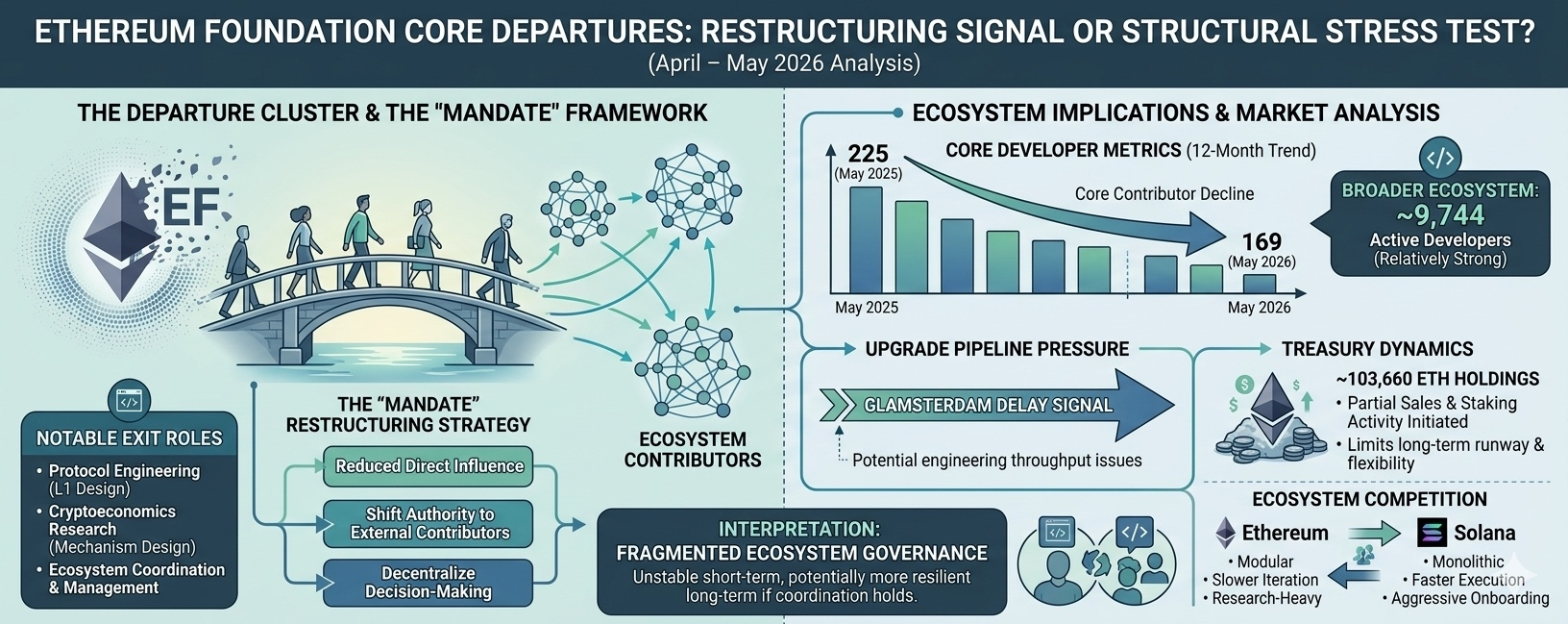
Protocol engineering (L1 design and execution)Cryptoeconomics research (mechanism design and incentives)Ecosystem coordination and management roles
Notable exits include long-term contributors involved in:
Beacon Chain development phase coordinationProtocol Guild ecosystem organizationSecurity initiatives and L1 research leadership
This clustering matters more than raw headcount because these roles sit close to Ethereum’s core protocol evolution pipeline, not peripheral ecosystem work.
2. Structural Context: The “Mandate” Restructuring
The EF has attributed these departures to a broader internal restructuring strategy called the “Mandate” framework.
Key stated goals:
Reduce direct Foundation influence over protocol developmentShift authority toward external ecosystem contributorsImprove decentralization of decision-making
In theory, this aligns with the long-term ethos of Ethereum: minimizing centralized control over its base layer.
However, restructuring at protocol-core level often creates a short-term paradox:
The more decentralization is pursued internally, the more coordination pressure shifts outward.
This tension is central to understanding current community concerns.
3. Developer Base: Decline or Rotation?
The report highlights mixed signals in developer metrics:
Core developers:
225 (May 2025) → 169 (May 2026)Net decline over 12 months
Short-term movement:
Recent monthly rebound in core developer count (reported +63%)
Broader ecosystem developers:
~9,744 active developers across Ethereum ecosystem
Interpretation:
This suggests a rotation rather than collapse, where:
Foundation-aligned contributors decreaseExternal ecosystem developers remain relatively strong
However, the decline in core protocol contributors is more sensitive than total ecosystem numbers because it directly impacts:
Upgrade timelinesConsensus design iteration speedSecurity review bandwidth
4. Upgrade Pipeline Pressure: The Glamsterdam Delay Signal
One of the more important downstream effects mentioned is a delay in the “Glamsterdam” upgrade timeline.
While delays in Ethereum upgrades are not uncommon, repeated or clustered delays typically indicate:
Reduced engineering throughput at core layerIncreased coordination complexityPrioritization shifts inside EF
In systems like Ethereum, upgrade cadence is not just technical—it is a proxy for organizational health.
5. Treasury Constraints: The Hidden Pressure Layer
Another under-discussed factor is EF treasury dynamics:
Reported holdings: ~103,660 ETHPartial staking activity initiatedPartial sales executed to external counterparties
While EF remains well-capitalized in absolute terms, the trend matters:
Why treasury reduction matters:
Limits long-term runway for grants and research fundingIncreases sensitivity to ETH price cyclesReduces flexibility during extended bear markets
This introduces a subtle but real constraint on staffing stability and long-term research depth.
6. Ecosystem Competition: Solana and Developer Gravity
The report notes that Ethereum ecosystem developer share is now being challenged by Solana.
Key structural difference:
Ethereum: modular, research-heavy, slower iterationSolana: monolithic, faster execution cycles, aggressive developer onboarding
Even if Ethereum retains the largest ecosystem base, developer momentum is increasingly competitive, especially in:
Consumer applicationsHigh-frequency DeFi infrastructureSocial and gaming ecosystems
This matters because developer mindshare often leads price cycles by 12–24 months.
7. Is This “Decentralization” or “Breakup”?
The answer depends on how the data is interpreted.
Case for “Healthy decentralization”:
EF explicitly reducing internal controlEcosystem developer base remains largeRotation may reflect maturity phase transitionCore protocol increasingly distributed across teams
Case for “Structural stress”:
Concentrated departure of senior protocol engineersDeclining core developer count over 12 monthsUpgrade delays suggest execution slowdownTreasury contraction limits institutional stability
Neutral synthesis:
This is best described as a transition from foundation-led coordination to fragmented ecosystem governance, which is inherently unstable in the short term but potentially more resilient in the long term—if execution continuity holds.
8. Market Implications: Why Traders Care
Even though Ethereum is a decentralized protocol, markets still price:
Upgrade certaintyDeveloper retentionEcosystem growth velocityInstitutional confidence
Historically, similar phases in large L1 networks have led to:
Increased volatilityNarrative-driven price cyclesShort-term underperformance vs faster-moving competitors
In this context, ETH’s reported price weakness and extended drawdown align with a broader “confidence repricing” phase rather than a single catalyst event.
Conclusion
The Ethereum Foundation’s recent personnel shifts should not be interpreted as a single directional signal. Instead, they represent a multi-layer transition phase:
Organizational restructuring under decentralization goalsCore developer rotation and possible attritionCompetitive pressure from faster-iterating ecosystemsTreasury and execution constraints shaping internal priorities
The critical question going forward is not whether Ethereum is decentralizing—but whether it can maintain coordination efficiency while doing so.
That balance, more than any single resignation wave, will define Ethereum’s next cycle.
#Ethereum #CryptoAnalysis #BlockchainDevelopment #CryptoEducation #ArifAlpha
Ethereum Foundation Core Departures: Restructuring Signal or Structural Stress Test?
Between April and May 2026, reports emerged of multiple senior contributors leaving the Ethereum Foundation (EF), triggering renewed debate around Ethereum’s governance model, development structure, and long-term decentralization narrative. While the EF frames these exits as part of a planned restructuring under its “Mandate” framework, market observers interpret the timing and concentration of departures as potentially more significant.
This analysis breaks down the situation across governance, developer metrics, funding constraints, and ecosystem implications.
1. What Actually Happened: The Departure Cluster
According to the compiled report, at least six notable contributors exited or transitioned out of the Ethereum Foundation within a short window. These roles were concentrated in:
Protocol engineering (L1 design and execution)Cryptoeconomics research (mechanism design and incentives)Ecosystem coordination and management roles
Notable exits include long-term contributors involved in:
Beacon Chain development phase coordinationProtocol Guild ecosystem organizationSecurity initiatives and L1 research leadership
This clustering matters more than raw headcount because these roles sit close to Ethereum’s core protocol evolution pipeline, not peripheral ecosystem work.
2. Structural Context: The “Mandate” Restructuring
The EF has attributed these departures to a broader internal restructuring strategy called the “Mandate” framework.
Key stated goals:
Reduce direct Foundation influence over protocol developmentShift authority toward external ecosystem contributorsImprove decentralization of decision-making
In theory, this aligns with the long-term ethos of Ethereum: minimizing centralized control over its base layer.
However, restructuring at protocol-core level often creates a short-term paradox:
The more decentralization is pursued internally, the more coordination pressure shifts outward.
This tension is central to understanding current community concerns.
3. Developer Base: Decline or Rotation?
The report highlights mixed signals in developer metrics:
Core developers:
225 (May 2025) → 169 (May 2026)Net decline over 12 months
Short-term movement:
Recent monthly rebound in core developer count (reported +63%)
Broader ecosystem developers:
~9,744 active developers across Ethereum ecosystem
Interpretation:
This suggests a rotation rather than collapse, where:
Foundation-aligned contributors decreaseExternal ecosystem developers remain relatively strong
However, the decline in core protocol contributors is more sensitive than total ecosystem numbers because it directly impacts:
Upgrade timelinesConsensus design iteration speedSecurity review bandwidth
4. Upgrade Pipeline Pressure: The Glamsterdam Delay Signal
One of the more important downstream effects mentioned is a delay in the “Glamsterdam” upgrade timeline.
While delays in Ethereum upgrades are not uncommon, repeated or clustered delays typically indicate:
Reduced engineering throughput at core layerIncreased coordination complexityPrioritization shifts inside EF
In systems like Ethereum, upgrade cadence is not just technical—it is a proxy for organizational health.
5. Treasury Constraints: The Hidden Pressure Layer
Another under-discussed factor is EF treasury dynamics:
Reported holdings: ~103,660 ETHPartial staking activity initiatedPartial sales executed to external counterparties
While EF remains well-capitalized in absolute terms, the trend matters:
Why treasury reduction matters:
Limits long-term runway for grants and research fundingIncreases sensitivity to ETH price cyclesReduces flexibility during extended bear markets
This introduces a subtle but real constraint on staffing stability and long-term research depth.
6. Ecosystem Competition: Solana and Developer Gravity
The report notes that Ethereum ecosystem developer share is now being challenged by Solana.
Key structural difference:
Ethereum: modular, research-heavy, slower iterationSolana: monolithic, faster execution cycles, aggressive developer onboarding
Even if Ethereum retains the largest ecosystem base, developer momentum is increasingly competitive, especially in:
Consumer applicationsHigh-frequency DeFi infrastructureSocial and gaming ecosystems
This matters because developer mindshare often leads price cycles by 12–24 months.
7. Is This “Decentralization” or “Breakup”?
The answer depends on how the data is interpreted.
Case for “Healthy decentralization”:
EF explicitly reducing internal controlEcosystem developer base remains largeRotation may reflect maturity phase transitionCore protocol increasingly distributed across teams
Case for “Structural stress”:
Concentrated departure of senior protocol engineersDeclining core developer count over 12 monthsUpgrade delays suggest execution slowdownTreasury contraction limits institutional stability
Neutral synthesis:
This is best described as a transition from foundation-led coordination to fragmented ecosystem governance, which is inherently unstable in the short term but potentially more resilient in the long term—if execution continuity holds.
8. Market Implications: Why Traders Care
Even though Ethereum is a decentralized protocol, markets still price:
Upgrade certaintyDeveloper retentionEcosystem growth velocityInstitutional confidence
Historically, similar phases in large L1 networks have led to:
Increased volatilityNarrative-driven price cyclesShort-term underperformance vs faster-moving competitors
In this context, ETH’s reported price weakness and extended drawdown align with a broader “confidence repricing” phase rather than a single catalyst event.
Conclusion
The Ethereum Foundation’s recent personnel shifts should not be interpreted as a single directional signal. Instead, they represent a multi-layer transition phase:
Organizational restructuring under decentralization goalsCore developer rotation and possible attritionCompetitive pressure from faster-iterating ecosystemsTreasury and execution constraints shaping internal priorities
The critical question going forward is not whether Ethereum is decentralizing—but whether it can maintain coordination efficiency while doing so.
That balance, more than any single resignation wave, will define Ethereum’s next cycle.
#Ethereum #CryptoAnalysis #BlockchainDevelopment #CryptoEducation #ArifAlpha
This analysis breaks down the situation across governance, developer metrics, funding constraints, and ecosystem implications.
1. What Actually Happened: The Departure Cluster
According to the compiled report, at least six notable contributors exited or transitioned out of the Ethereum Foundation within a short window. These roles were concentrated in:
Protocol engineering (L1 design and execution)Cryptoeconomics research (mechanism design and incentives)Ecosystem coordination and management roles
Notable exits include long-term contributors involved in:
Beacon Chain development phase coordinationProtocol Guild ecosystem organizationSecurity initiatives and L1 research leadership
This clustering matters more than raw headcount because these roles sit close to Ethereum’s core protocol evolution pipeline, not peripheral ecosystem work.
2. Structural Context: The “Mandate” Restructuring
The EF has attributed these departures to a broader internal restructuring strategy called the “Mandate” framework.
Key stated goals:
Reduce direct Foundation influence over protocol developmentShift authority toward external ecosystem contributorsImprove decentralization of decision-making
In theory, this aligns with the long-term ethos of Ethereum: minimizing centralized control over its base layer.
However, restructuring at protocol-core level often creates a short-term paradox:
The more decentralization is pursued internally, the more coordination pressure shifts outward.
This tension is central to understanding current community concerns.
3. Developer Base: Decline or Rotation?
The report highlights mixed signals in developer metrics:
Core developers:
225 (May 2025) → 169 (May 2026)Net decline over 12 months
Short-term movement:
Recent monthly rebound in core developer count (reported +63%)
Broader ecosystem developers:
~9,744 active developers across Ethereum ecosystem
Interpretation:
This suggests a rotation rather than collapse, where:
Foundation-aligned contributors decreaseExternal ecosystem developers remain relatively strong
However, the decline in core protocol contributors is more sensitive than total ecosystem numbers because it directly impacts:
Upgrade timelinesConsensus design iteration speedSecurity review bandwidth
4. Upgrade Pipeline Pressure: The Glamsterdam Delay Signal
One of the more important downstream effects mentioned is a delay in the “Glamsterdam” upgrade timeline.
While delays in Ethereum upgrades are not uncommon, repeated or clustered delays typically indicate:
Reduced engineering throughput at core layerIncreased coordination complexityPrioritization shifts inside EF
In systems like Ethereum, upgrade cadence is not just technical—it is a proxy for organizational health.
5. Treasury Constraints: The Hidden Pressure Layer
Another under-discussed factor is EF treasury dynamics:
Reported holdings: ~103,660 ETHPartial staking activity initiatedPartial sales executed to external counterparties
While EF remains well-capitalized in absolute terms, the trend matters:
Why treasury reduction matters:
Limits long-term runway for grants and research fundingIncreases sensitivity to ETH price cyclesReduces flexibility during extended bear markets
This introduces a subtle but real constraint on staffing stability and long-term research depth.
6. Ecosystem Competition: Solana and Developer Gravity
The report notes that Ethereum ecosystem developer share is now being challenged by Solana.
Key structural difference:
Ethereum: modular, research-heavy, slower iterationSolana: monolithic, faster execution cycles, aggressive developer onboarding
Even if Ethereum retains the largest ecosystem base, developer momentum is increasingly competitive, especially in:
Consumer applicationsHigh-frequency DeFi infrastructureSocial and gaming ecosystems
This matters because developer mindshare often leads price cycles by 12–24 months.
7. Is This “Decentralization” or “Breakup”?
The answer depends on how the data is interpreted.
Case for “Healthy decentralization”:
EF explicitly reducing internal controlEcosystem developer base remains largeRotation may reflect maturity phase transitionCore protocol increasingly distributed across teams
Case for “Structural stress”:
Concentrated departure of senior protocol engineersDeclining core developer count over 12 monthsUpgrade delays suggest execution slowdownTreasury contraction limits institutional stability
Neutral synthesis:
This is best described as a transition from foundation-led coordination to fragmented ecosystem governance, which is inherently unstable in the short term but potentially more resilient in the long term—if execution continuity holds.
8. Market Implications: Why Traders Care
Even though Ethereum is a decentralized protocol, markets still price:
Upgrade certaintyDeveloper retentionEcosystem growth velocityInstitutional confidence
Historically, similar phases in large L1 networks have led to:
Increased volatilityNarrative-driven price cyclesShort-term underperformance vs faster-moving competitors
In this context, ETH’s reported price weakness and extended drawdown align with a broader “confidence repricing” phase rather than a single catalyst event.
Conclusion
The Ethereum Foundation’s recent personnel shifts should not be interpreted as a single directional signal. Instead, they represent a multi-layer transition phase:
Organizational restructuring under decentralization goalsCore developer rotation and possible attritionCompetitive pressure from faster-iterating ecosystemsTreasury and execution constraints shaping internal priorities
The critical question going forward is not whether Ethereum is decentralizing—but whether it can maintain coordination efficiency while doing so.
That balance, more than any single resignation wave, will define Ethereum’s next cycle.
#Ethereum #CryptoAnalysis #BlockchainDevelopment #CryptoEducation #ArifAlpha
107
·
--
ការកសាងអនាគតនៃ Telegram Mini Apps & Web3
Telegram Mini Apps កំពុងផ្លាស់ប្តូររបៀបដែលអ្នកប្រើប្រាស់ទាក់ទងជាមួយកម្មវិធី blockchain, លេងហ្គេម និងបទពិសោធន៍ឌីជីថល។
បច្ចុប្បន្នខ្ញុំកំពុងកសាង Telegram Mini Apps, ការរួមបញ្ចូល Web3 និងយន្តការហ្គេមអន្តរកម្ម ខណៈពេលកំពុងស្វែងរកវិធីថ្មីៗដើម្បីបង្កើនការចូលរួមរបស់អ្នកប្រើប្រាស់។
តែងតែមានភាពរំភើបក្នុងការតភ្ជាប់ជាមួយអ្នកសាងសង់ អ្នកអភិវឌ្ឍ និងស្ថាបនិក ដែលកំពុងធ្វើការលើផលិតផល Web3 ជំនាន់បន្ទាប់។#Web3Gaming #Aurex #BNBChain #TelegramMiniApp #BlockchainDevelopment
ការកសាងអនាគតនៃ Telegram Mini Apps & Web3
Telegram Mini Apps កំពុងផ្លាស់ប្តូររបៀបដែលអ្នកប្រើប្រាស់ទាក់ទងជាមួយកម្មវិធី blockchain, លេងហ្គេម និងបទពិសោធន៍ឌីជីថល។
បច្ចុប្បន្នខ្ញុំកំពុងកសាង Telegram Mini Apps, ការរួមបញ្ចូល Web3 និងយន្តការហ្គេមអន្តរកម្ម ខណៈពេលកំពុងស្វែងរកវិធីថ្មីៗដើម្បីបង្កើនការចូលរួមរបស់អ្នកប្រើប្រាស់។
តែងតែមានភាពរំភើបក្នុងការតភ្ជាប់ជាមួយអ្នកសាងសង់ អ្នកអភិវឌ្ឍ និងស្ថាបនិក ដែលកំពុងធ្វើការលើផលិតផល Web3 ជំនាន់បន្ទាប់។#Web3Gaming #Aurex #BNBChain #TelegramMiniApp #BlockchainDevelopment
Telegram Mini Apps កំពុងផ្លាស់ប្តូររបៀបដែលអ្នកប្រើប្រាស់ទាក់ទងជាមួយកម្មវិធី blockchain, លេងហ្គេម និងបទពិសោធន៍ឌីជីថល។
បច្ចុប្បន្នខ្ញុំកំពុងកសាង Telegram Mini Apps, ការរួមបញ្ចូល Web3 និងយន្តការហ្គេមអន្តរកម្ម ខណៈពេលកំពុងស្វែងរកវិធីថ្មីៗដើម្បីបង្កើនការចូលរួមរបស់អ្នកប្រើប្រាស់។
តែងតែមានភាពរំភើបក្នុងការតភ្ជាប់ជាមួយអ្នកសាងសង់ អ្នកអភិវឌ្ឍ និងស្ថាបនិក ដែលកំពុងធ្វើការលើផលិតផល Web3 ជំនាន់បន្ទាប់។#Web3Gaming #Aurex #BNBChain #TelegramMiniApp #BlockchainDevelopment

2
84

·
--
ເບິ່ງການແປ
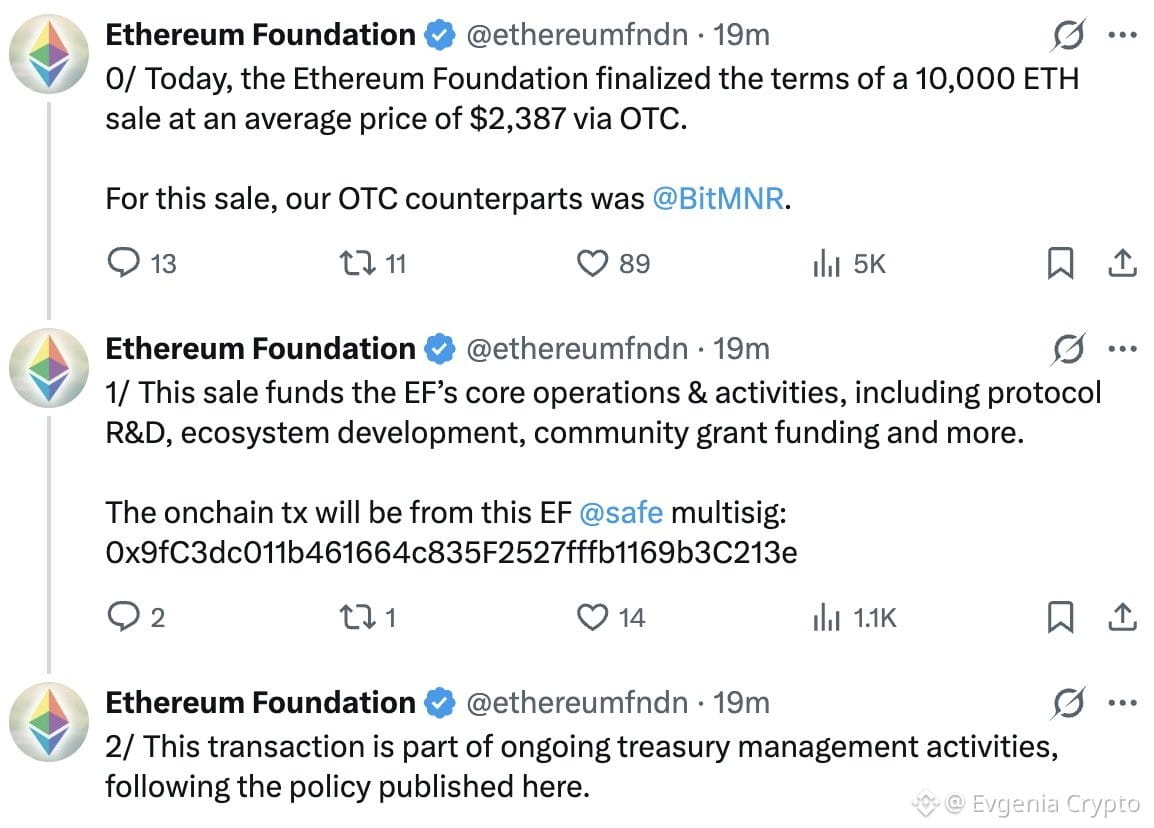
Многие хейтят фонд за продажи, но это часть их стратегии управления казначейством (цель — тратить ~15% в год). 🛠️ Эти 10,000 $ETH пойдут на развитие протокола и гранты. Это залог того, что сеть будет масштабироваться и в 2026-м, и дальше. Фундаментал сильнее, чем когда-либо. 🌐💎
{future}(ETHUSDT)
#EthereumFoundation #CryptoEcosystem #BlockchainDevelopment #Web3
Многие хейтят фонд за продажи, но это часть их стратегии управления казначейством (цель — тратить ~15% в год). 🛠️ Эти 10,000 $ETH пойдут на развитие протокола и гранты. Это залог того, что сеть будет масштабироваться и в 2026-м, и дальше. Фундаментал сильнее, чем когда-либо. 🌐💎
#EthereumFoundation #CryptoEcosystem #BlockchainDevelopment #Web3
#EthereumFoundation #CryptoEcosystem #BlockchainDevelopment #Web3
1
139

LUNC: Ukusuka Kuqongo Lwezomlando Kuya Esigabeni Sokwakha Kabusha – Yini Okulandelayo? 🚀
Umlando we-LUNC ungomunye wezindaba ezikhulunywa kakhulu ku-crypto. Abaningi bayakhumbula iphuzu eliphezulu lika-$119 ngo-2022, kodwa namuhla, sibona isahluko esihlukile. Ukugxila sekuhambe kusukela ekuhlekeni/ukushintshashintsha (volatility) kuya ekusimameni nasekusebenziseni okunezinjongo (utility).
Uguquko:
Ubudlelwano Bempahla/Ukusabalala (Supply Dynamics): Imizamo yokushisa (burn) eholwa umphakathi isebenza ngokuzimisela ukunciphisa inani elikhulu lokusabalala okukhona.
Isigaba Sokwakha Kabusha: Lokhu akukhulumi nje kuphela ngokwedlule; kumayelana nengqalasizinda. Ukuhlelwa kabusha okuzayo ngo-August kuyisigaba esibalulekile (milestone) abantu abaningi ababhekile ukuze babone ukuthi kuyithuthukisa kanjani ukusebenza kwenethiwekhi.
Ukuqina Komphakathi: Impahla enamandla kunazo zonke i-LUNC eyigcinile wumphakathi ozinikele, ongapheli amandla, ongamelanga avumele ukulahlekelwa yithemba ngamandla okuba khona kwalesi ecosystem.
Umbono:
Nakuba umehluko wentengo usuka ku-ath-time high mkhulu, ukugxila kwamanje kuwukusetshenziswa kwangempela (real utility). Umlando awuhlali uziphinda, kodwa uvame ukungqongqotha ngendlela efanayo. Noma lokhu kuyithuba lesikhathi eside noma lokuzama (speculative opportunity), iphrojekthi okwamanje ikumjikelezo we-"build-first".
Kungani Kubalulekile Manje:
Ngezibekelokusebenza/izinhloso zokunciphisa supply eziphansi namandla okuqhubeka nokuthuthukiswa (renewed development efforts), umbhalo (narrative) uyashintsha usuke ekubuyiseni (recovery) uye ekungenisweni kwesikhathi eside.
Imicabango yami: Ngigcina iso eliseduze entuthukweni ka-August. Ukuthuthukiswa kobuchwepheshe (technical upgrades) nezimpawu zokushisa (burn milestones) yimethrikhi yangempela okufanele ibhekwe lapho sifuna izimpawu zokuguquka.
Isaziso (Disclaimer): Lokhu okuthunyelwe okokwazisa kuphela futhi akusona iseluleko sezezimali. Hlala DYOR ngaphambi kokwenza izinqumo zokutshala imali.
Uyini umbono wakho nge-LUNC njengoba siqala ukuya ku-August? Uyayigcina isikhathi eside noma ulindele ama-milestone athile? Ngitshele kumazwana! 👇
#LUNC#TerraClassic #CryptoCommunity #LUNCBurn #BlockchainDevelopment #BinanceSquare
LUNC: Ukusuka Kuqongo Lwezomlando Kuya Esigabeni Sokwakha Kabusha – Yini Okulandelayo? 🚀
Umlando we-LUNC ungomunye wezindaba ezikhulunywa kakhulu ku-crypto. Abaningi bayakhumbula iphuzu eliphezulu lika-$119 ngo-2022, kodwa namuhla, sibona isahluko esihlukile. Ukugxila sekuhambe kusukela ekuhlekeni/ukushintshashintsha (volatility) kuya ekusimameni nasekusebenziseni okunezinjongo (utility).
Uguquko:
Ubudlelwano Bempahla/Ukusabalala (Supply Dynamics): Imizamo yokushisa (burn) eholwa umphakathi isebenza ngokuzimisela ukunciphisa inani elikhulu lokusabalala okukhona.
Isigaba Sokwakha Kabusha: Lokhu akukhulumi nje kuphela ngokwedlule; kumayelana nengqalasizinda. Ukuhlelwa kabusha okuzayo ngo-August kuyisigaba esibalulekile (milestone) abantu abaningi ababhekile ukuze babone ukuthi kuyithuthukisa kanjani ukusebenza kwenethiwekhi.
Ukuqina Komphakathi: Impahla enamandla kunazo zonke i-LUNC eyigcinile wumphakathi ozinikele, ongapheli amandla, ongamelanga avumele ukulahlekelwa yithemba ngamandla okuba khona kwalesi ecosystem.
Umbono:
Nakuba umehluko wentengo usuka ku-ath-time high mkhulu, ukugxila kwamanje kuwukusetshenziswa kwangempela (real utility). Umlando awuhlali uziphinda, kodwa uvame ukungqongqotha ngendlela efanayo. Noma lokhu kuyithuba lesikhathi eside noma lokuzama (speculative opportunity), iphrojekthi okwamanje ikumjikelezo we-"build-first".
Kungani Kubalulekile Manje:
Ngezibekelokusebenza/izinhloso zokunciphisa supply eziphansi namandla okuqhubeka nokuthuthukiswa (renewed development efforts), umbhalo (narrative) uyashintsha usuke ekubuyiseni (recovery) uye ekungenisweni kwesikhathi eside.
Imicabango yami: Ngigcina iso eliseduze entuthukweni ka-August. Ukuthuthukiswa kobuchwepheshe (technical upgrades) nezimpawu zokushisa (burn milestones) yimethrikhi yangempela okufanele ibhekwe lapho sifuna izimpawu zokuguquka.
Isaziso (Disclaimer): Lokhu okuthunyelwe okokwazisa kuphela futhi akusona iseluleko sezezimali. Hlala DYOR ngaphambi kokwenza izinqumo zokutshala imali.
Uyini umbono wakho nge-LUNC njengoba siqala ukuya ku-August? Uyayigcina isikhathi eside noma ulindele ama-milestone athile? Ngitshele kumazwana! 👇
#LUNC#TerraClassic #CryptoCommunity #LUNCBurn #BlockchainDevelopment #BinanceSquare
Umlando we-LUNC ungomunye wezindaba ezikhulunywa kakhulu ku-crypto. Abaningi bayakhumbula iphuzu eliphezulu lika-$119 ngo-2022, kodwa namuhla, sibona isahluko esihlukile. Ukugxila sekuhambe kusukela ekuhlekeni/ukushintshashintsha (volatility) kuya ekusimameni nasekusebenziseni okunezinjongo (utility).
Uguquko:
Ubudlelwano Bempahla/Ukusabalala (Supply Dynamics): Imizamo yokushisa (burn) eholwa umphakathi isebenza ngokuzimisela ukunciphisa inani elikhulu lokusabalala okukhona.
Isigaba Sokwakha Kabusha: Lokhu akukhulumi nje kuphela ngokwedlule; kumayelana nengqalasizinda. Ukuhlelwa kabusha okuzayo ngo-August kuyisigaba esibalulekile (milestone) abantu abaningi ababhekile ukuze babone ukuthi kuyithuthukisa kanjani ukusebenza kwenethiwekhi.
Ukuqina Komphakathi: Impahla enamandla kunazo zonke i-LUNC eyigcinile wumphakathi ozinikele, ongapheli amandla, ongamelanga avumele ukulahlekelwa yithemba ngamandla okuba khona kwalesi ecosystem.
Umbono:
Nakuba umehluko wentengo usuka ku-ath-time high mkhulu, ukugxila kwamanje kuwukusetshenziswa kwangempela (real utility). Umlando awuhlali uziphinda, kodwa uvame ukungqongqotha ngendlela efanayo. Noma lokhu kuyithuba lesikhathi eside noma lokuzama (speculative opportunity), iphrojekthi okwamanje ikumjikelezo we-"build-first".
Kungani Kubalulekile Manje:
Ngezibekelokusebenza/izinhloso zokunciphisa supply eziphansi namandla okuqhubeka nokuthuthukiswa (renewed development efforts), umbhalo (narrative) uyashintsha usuke ekubuyiseni (recovery) uye ekungenisweni kwesikhathi eside.
Imicabango yami: Ngigcina iso eliseduze entuthukweni ka-August. Ukuthuthukiswa kobuchwepheshe (technical upgrades) nezimpawu zokushisa (burn milestones) yimethrikhi yangempela okufanele ibhekwe lapho sifuna izimpawu zokuguquka.
Isaziso (Disclaimer): Lokhu okuthunyelwe okokwazisa kuphela futhi akusona iseluleko sezezimali. Hlala DYOR ngaphambi kokwenza izinqumo zokutshala imali.
Uyini umbono wakho nge-LUNC njengoba siqala ukuya ku-August? Uyayigcina isikhathi eside noma ulindele ama-milestone athile? Ngitshele kumazwana! 👇
#LUNC#TerraClassic #CryptoCommunity #LUNCBurn #BlockchainDevelopment #BinanceSquare
218

·
--
My Journey into theTON Ecosystem 🚀
Ukucwayiza emhlabeni we-crypto kungaphezu nje kokuhweba; kumayelana nokuqonda ubuchwepheshe ngemuva kwamaphrojekthi esiwasebenzisa nsuku zonke.
Muva nje, ngiye ngagxila kakhulu ekwakheni ngaphakathi kwenethiwekhi ye-TON. Isivinini, ukuhlanganiswa ne-Telegram, kanye nesisekelo esikhulu somphakathi kuyashintsha umdlalo kubo bobabili onjiniyela nabakhangisi.
Kungakhathaliseki ukuthi ufuna ukwethula iphrojekthi noma ubheka nje ukuthi ungahola kanjani ngemisebenzi emincane (micro-tasks) nama-airdrops, lokhu engikunikeza njengesifundo sami esiphezulu: Ukuzinza yikho okuwuhholo lwakho olungcono kakhulu.
Ngibe ngidokhumenta uhambo lwami, ngifunda ezinselele zokumaketha kwedijithali, futhi ngithole izindlela zokwenza ukukhula kusebenze kulesi simo esisheshayo. Akukhona nje ngamaphepha nezinombolo; kumayelana nokwakha okuthile okulethela umphakathi inani langempela.
Uyakhuluma ngokwakha okuthile ku-TON nawe? Noma ugxile ekwandiseni iphothifoliyo yakho ngokuzibandakanya kwansuku zonke? Ake sabelane ngeminye imininingwane kumazwana! 👇
#TON #CryptoCommunityn #$ #$BTC #BuildingInPublic #Web3 #cryptoJourney #DigitalMarketing #TonNetwork #$USDC #$SOL #BlockchainDevelopment #PassiveIncome
My Journey into theTON Ecosystem 🚀
Ukucwayiza emhlabeni we-crypto kungaphezu nje kokuhweba; kumayelana nokuqonda ubuchwepheshe ngemuva kwamaphrojekthi esiwasebenzisa nsuku zonke.
Muva nje, ngiye ngagxila kakhulu ekwakheni ngaphakathi kwenethiwekhi ye-TON. Isivinini, ukuhlanganiswa ne-Telegram, kanye nesisekelo esikhulu somphakathi kuyashintsha umdlalo kubo bobabili onjiniyela nabakhangisi.
Kungakhathaliseki ukuthi ufuna ukwethula iphrojekthi noma ubheka nje ukuthi ungahola kanjani ngemisebenzi emincane (micro-tasks) nama-airdrops, lokhu engikunikeza njengesifundo sami esiphezulu: Ukuzinza yikho okuwuhholo lwakho olungcono kakhulu.
Ngibe ngidokhumenta uhambo lwami, ngifunda ezinselele zokumaketha kwedijithali, futhi ngithole izindlela zokwenza ukukhula kusebenze kulesi simo esisheshayo. Akukhona nje ngamaphepha nezinombolo; kumayelana nokwakha okuthile okulethela umphakathi inani langempela.
Uyakhuluma ngokwakha okuthile ku-TON nawe? Noma ugxile ekwandiseni iphothifoliyo yakho ngokuzibandakanya kwansuku zonke? Ake sabelane ngeminye imininingwane kumazwana! 👇
#TON #CryptoCommunityn #$ #$BTC #BuildingInPublic #Web3 #cryptoJourney #DigitalMarketing #TonNetwork #$USDC #$SOL #BlockchainDevelopment #PassiveIncome
Ukucwayiza emhlabeni we-crypto kungaphezu nje kokuhweba; kumayelana nokuqonda ubuchwepheshe ngemuva kwamaphrojekthi esiwasebenzisa nsuku zonke.
Muva nje, ngiye ngagxila kakhulu ekwakheni ngaphakathi kwenethiwekhi ye-TON. Isivinini, ukuhlanganiswa ne-Telegram, kanye nesisekelo esikhulu somphakathi kuyashintsha umdlalo kubo bobabili onjiniyela nabakhangisi.
Kungakhathaliseki ukuthi ufuna ukwethula iphrojekthi noma ubheka nje ukuthi ungahola kanjani ngemisebenzi emincane (micro-tasks) nama-airdrops, lokhu engikunikeza njengesifundo sami esiphezulu: Ukuzinza yikho okuwuhholo lwakho olungcono kakhulu.
Ngibe ngidokhumenta uhambo lwami, ngifunda ezinselele zokumaketha kwedijithali, futhi ngithole izindlela zokwenza ukukhula kusebenze kulesi simo esisheshayo. Akukhona nje ngamaphepha nezinombolo; kumayelana nokwakha okuthile okulethela umphakathi inani langempela.
Uyakhuluma ngokwakha okuthile ku-TON nawe? Noma ugxile ekwandiseni iphothifoliyo yakho ngokuzibandakanya kwansuku zonke? Ake sabelane ngeminye imininingwane kumazwana! 👇
#TON #CryptoCommunityn #$ #$BTC #BuildingInPublic #Web3 #cryptoJourney #DigitalMarketing #TonNetwork #$USDC #$SOL #BlockchainDevelopment #PassiveIncome
1
138
·
--
ເບິ່ງການແປ
Developer mindshare is the most durable moat in the Layer 1 wars — and it is being won quietly.
Price action gets the headlines. Developer activity builds the future. When you map the long-term trajectory of any smart contract platform, the number of active monthly developers, GitHub commits, and new protocol deployments predicts where liquidity flows 12–18 months ahead. Price follows builders, not the other way around.
$ETH still commands the largest professional developer base by a wide margin. That is not an opinion — it is a function of tooling maturity, EVM compatibility across 15+ chains, and a decade of accumulated auditing infrastructure. Switching costs are real.
$SOL has done something remarkable: it captured a disproportionate share of new entrants. Developers building for the first time in 2024–2025 are choosing Solana at a rate that should alarm Ethereum maximalists. The Rust-based ecosystem is younger but growing faster at the margin.
$BNB Chain and ADA represent two different strategies — BNB trades on distribution and UX accessibility, ADA on formal verification and academic rigor. Both have loyal ecosystems. Neither is threatening the top two for raw developer volume.
The takeaway: watch developer grant programs, hackathon participation, and EVM-equivalent rollout timelines. These are leading indicators. When a chain wins developers, it eventually wins users, TVL, and price. Everything else is noise.
Build where the builders are.
#Layer1 #DeveloperAdoption #CryptoInfrastructure #Web3 #BlockchainDevelopment
Developer mindshare is the most durable moat in the Layer 1 wars — and it is being won quietly.
Price action gets the headlines. Developer activity builds the future. When you map the long-term trajectory of any smart contract platform, the number of active monthly developers, GitHub commits, and new protocol deployments predicts where liquidity flows 12–18 months ahead. Price follows builders, not the other way around.
$ETH still commands the largest professional developer base by a wide margin. That is not an opinion — it is a function of tooling maturity, EVM compatibility across 15+ chains, and a decade of accumulated auditing infrastructure. Switching costs are real.
$SOL has done something remarkable: it captured a disproportionate share of new entrants. Developers building for the first time in 2024–2025 are choosing Solana at a rate that should alarm Ethereum maximalists. The Rust-based ecosystem is younger but growing faster at the margin.
$BNB Chain and ADA represent two different strategies — BNB trades on distribution and UX accessibility, ADA on formal verification and academic rigor. Both have loyal ecosystems. Neither is threatening the top two for raw developer volume.
The takeaway: watch developer grant programs, hackathon participation, and EVM-equivalent rollout timelines. These are leading indicators. When a chain wins developers, it eventually wins users, TVL, and price. Everything else is noise.
Build where the builders are.
#Layer1 #DeveloperAdoption #CryptoInfrastructure #Web3 #BlockchainDevelopment
Price action gets the headlines. Developer activity builds the future. When you map the long-term trajectory of any smart contract platform, the number of active monthly developers, GitHub commits, and new protocol deployments predicts where liquidity flows 12–18 months ahead. Price follows builders, not the other way around.
$ETH still commands the largest professional developer base by a wide margin. That is not an opinion — it is a function of tooling maturity, EVM compatibility across 15+ chains, and a decade of accumulated auditing infrastructure. Switching costs are real.
$SOL has done something remarkable: it captured a disproportionate share of new entrants. Developers building for the first time in 2024–2025 are choosing Solana at a rate that should alarm Ethereum maximalists. The Rust-based ecosystem is younger but growing faster at the margin.
$BNB Chain and ADA represent two different strategies — BNB trades on distribution and UX accessibility, ADA on formal verification and academic rigor. Both have loyal ecosystems. Neither is threatening the top two for raw developer volume.
The takeaway: watch developer grant programs, hackathon participation, and EVM-equivalent rollout timelines. These are leading indicators. When a chain wins developers, it eventually wins users, TVL, and price. Everything else is noise.
Build where the builders are.
#Layer1 #DeveloperAdoption #CryptoInfrastructure #Web3 #BlockchainDevelopment
67
·
--
ເບິ່ງການແປ
The Quiet Builder Premium: Why Under-the-Radar Development Wins Long-Term
In every crypto cycle, attention follows price. But the most durable returns tend to flow toward the projects that kept building when nobody was watching.
$ADA and $DOT are textbook examples. During the 2022-2023 bear market, both ecosystems recorded some of their highest developer commit activity — Cardano rolling out its DeFi stack, Polkadot iterating toward Agile Coretime and asynchronous backing. No headlines. No hype. Just engineering.
This matters because network effects in crypto compound differently than in traditional tech. A chain that ships infrastructure during a downturn enters the next bull cycle with live, battle-tested tooling rather than promises. Users and capital do not have to wait — they can deploy immediately.
Contrast this with projects that surge on narrative alone. Token price leads; development lags. When liquidity rotates out, there is nothing underneath to hold the floor.
The signal worth tracking is not just commit volume. It is the ratio of shipped product to market cap — how much real utility you get per dollar of valuation. Right now $BNB smart chain ecosystem scores well on this metric, continuing to grow TVL and developer activity through every market cycle.
Bottom line: before chasing momentum, ask what was built when prices were flat. The answer usually tells you more about a project next two years than any chart pattern.
#CryptoInsights #LongTermInvesting #BlockchainDevelopment #BuilderPremium #Altcoins
The Quiet Builder Premium: Why Under-the-Radar Development Wins Long-Term
In every crypto cycle, attention follows price. But the most durable returns tend to flow toward the projects that kept building when nobody was watching.
$ADA and $DOT are textbook examples. During the 2022-2023 bear market, both ecosystems recorded some of their highest developer commit activity — Cardano rolling out its DeFi stack, Polkadot iterating toward Agile Coretime and asynchronous backing. No headlines. No hype. Just engineering.
This matters because network effects in crypto compound differently than in traditional tech. A chain that ships infrastructure during a downturn enters the next bull cycle with live, battle-tested tooling rather than promises. Users and capital do not have to wait — they can deploy immediately.
Contrast this with projects that surge on narrative alone. Token price leads; development lags. When liquidity rotates out, there is nothing underneath to hold the floor.
The signal worth tracking is not just commit volume. It is the ratio of shipped product to market cap — how much real utility you get per dollar of valuation. Right now $BNB smart chain ecosystem scores well on this metric, continuing to grow TVL and developer activity through every market cycle.
Bottom line: before chasing momentum, ask what was built when prices were flat. The answer usually tells you more about a project next two years than any chart pattern.
#CryptoInsights #LongTermInvesting #BlockchainDevelopment #BuilderPremium #Altcoins
In every crypto cycle, attention follows price. But the most durable returns tend to flow toward the projects that kept building when nobody was watching.
$ADA and $DOT are textbook examples. During the 2022-2023 bear market, both ecosystems recorded some of their highest developer commit activity — Cardano rolling out its DeFi stack, Polkadot iterating toward Agile Coretime and asynchronous backing. No headlines. No hype. Just engineering.
This matters because network effects in crypto compound differently than in traditional tech. A chain that ships infrastructure during a downturn enters the next bull cycle with live, battle-tested tooling rather than promises. Users and capital do not have to wait — they can deploy immediately.
Contrast this with projects that surge on narrative alone. Token price leads; development lags. When liquidity rotates out, there is nothing underneath to hold the floor.
The signal worth tracking is not just commit volume. It is the ratio of shipped product to market cap — how much real utility you get per dollar of valuation. Right now $BNB smart chain ecosystem scores well on this metric, continuing to grow TVL and developer activity through every market cycle.
Bottom line: before chasing momentum, ask what was built when prices were flat. The answer usually tells you more about a project next two years than any chart pattern.
#CryptoInsights #LongTermInvesting #BlockchainDevelopment #BuilderPremium #Altcoins
1
245
ເຂົ້າສູ່ລະບົບເພື່ອສຳຫຼວດເນື້ອຫາເພີ່ມເຕີມ
ເຂົ້າຮ່ວມກຸ່ມຜູ້ໃຊ້ຄຣິບໂຕທົ່ວໂລກໃນ Binance Square.
⚡️ ໄດ້ຮັບຂໍ້ມູນຫຼ້າສຸດ ແລະ ທີ່ມີປະໂຫຍດກ່ຽວກັບຄຣິບໂຕ.
💬 ໄດ້ຮັບຄວາມໄວ້ວາງໃຈຈາກຕະຫຼາດແລກປ່ຽນຄຣິບໂຕທີ່ໃຫຍ່ທີ່ສຸດໃນໂລກ.
👍 ຄົ້ນຫາຂໍ້ມູນເຊີງເລິກທີ່ແທ້ຈາກນັກສ້າງທີ່ໄດ້ຮັບການຢືນຢັນ.
ອີເມວ / ເບີໂທລະສັບ
ຫົວຂໍ້ທີ່ກໍາລັງນິຍົມ
1
#USAugustPPIRisesLessThanExpected
860 views
91 ກຳລັງສົນທະນາ
2
#SECApprovesNasdaqTexasCommodityTrustRule
2,760 views
152 ກຳລັງສົນທະນາ
3
#ECBRaisesRatesSecondTimeTo2.5%
1,300 views
98 ກຳລັງສົນທະນາ
4
#USContinuingJoblessClaims1.774M
5,941 views
200 ກຳລັງສົນທະນາ
5
#USAugustPPIYoYRisesTo5.4%
5,372 views
152 ກຳລັງສົນທະນາ
6
#AppleDebutsFoldablePhone
67,485 views
1,217 ກຳລັງສົນທະນາ
7
#TSMCAugustRevenueUp53.3%YoY
17,510 views
463 ກຳລັງສົນທະນາ
8
#IranSaysReadyToEscalateWarWithUS
24,274 views
460 ກຳລັງສົນທະນາ
9
#EUExtendsCentralContactPointToCASPs
20,852 views
478 ກຳລັງສົນທະນາ
10
#US10YTreasuryYieldHitsHighestSinceNov2023
47,560 views
711 ກຳລັງສົນທະນາ