
#wallet
wallet
1.4M ຄັ້ງທີ່ເບິ່ງ
2,306 ກຳລັງສົນທະນາ
ມາແຮງ
ຫຼ້າສຸດ

·
--
ບົດຄວາມ
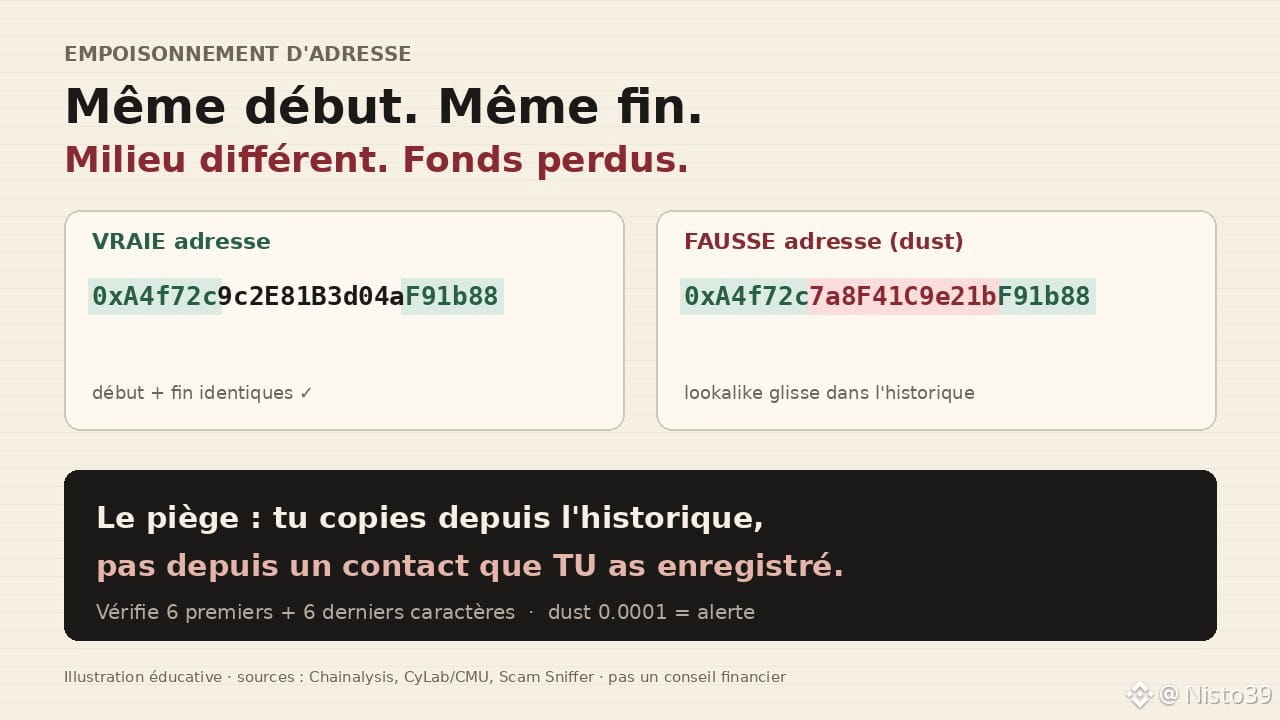
L'empoisonnement d'adresse : le piège que ton historique te tendTu copies une adresse depuis ton historique de wallet. Premiers caractères OK, derniers caractères OK. Tu envoies. L'argent part… chez quelqu'un d'autre. Pas un bug. Pas un hack du réseau. Un piège qui s'appelle l'empoisonnement d'adresse.
Ce que personne ne te dit assez clairement : ton historique de transactions est aussi un terrain de chasse. Les arnaqueurs le savent. Ils s'en servent.
Le mécanisme, sans jargon inutile
Un attaquant regarde les adresses avec lesquelles tu échanges souvent — un ami, un exchange, un contrat. Puis il génère (avec un outil, parfois acheté sur le dark web) une adresse lookalike : mêmes premiers caractères, mêmes derniers, milieu différent. Ensuite il t'envoie un tout petit montant, du dust, depuis cette fausse adresse. Ou une transaction à valeur zéro. Ton wallet enregistre le contact. La prochaine fois que tu cherches « l'adresse d'hier », c'est souvent celle-là qui remonte en premier.
Tu colles. Tu envoies. Les fonds sont partis. Sur $ETH, $USDT et la plupart des chaînes EVM, un transfert confirmé ne se récupère pas.
Ce n'est pas de la science-fiction. Une étude Carnegie Mellon / CyLab (USENIX Security), sur Ethereum et BNB Chain entre juillet 2022 et juin 2024, a compté environ 270 millions de tentatives visant 17 millions de victimes, avec au moins 83,8 millions de dollars de pertes confirmées. Chainalysis a documenté en 2024 une campagne où un whale a failli perdre 68 millions de dollars en WBTC en recopiant une adresse qui ne différait que d'un caractère visible au début — les fonds ont été rendus, mais le même réseau avait déjà siphonné des millions ailleurs. Plus récemment, Scam Sniffer a rapporté deux victimes seules pour plus de 62 millions de dollars (environ 50 M$ en décembre, 12,2 M$ en janvier).
Pourquoi ça marche si bien
Parce que les adresses crypto sont des chaînes hexadécimales illisibles. Personne ne les mémorise. On regarde le début, la fin, on fait confiance à l'historique. Exactement comme on tape « récent » dans Mobile Money sans relire le numéro. L'habitude est humaine. Le piège, lui, est industriel : kits prêts à l'emploi, adresses générées à la chaîne, dust quasi gratuit.
La copie n'est pas le problème. C'est de où tu copies qui l'est.
Ce qui change vraiment ton geste
Sauvegarde les destinataires de confiance dans un carnet d'adresses que tu as toi-même rempli — pas celui que le wallet te propose après un dust. Quand tu colles, vérifie les 6 premiers ET les 6 derniers caractères, pas seulement le début. Une adresse qui apparaît soudain avec 0,0001 reçu « de toi-même » ou d'un inconnu ressemblant, c'est un signal d'alarme, pas un contact utile. Sur un hardware wallet, lis l'adresse entière sur l'écran du boîtier avant de signer : l'écran de l'ordi peut mentir, le boîtier beaucoup moins. Et avant un gros transfert, un micro-envoi test reste le filtre le plus simple : si le test atterrit chez le mauvais destinataire, tu perds peu.
L'ironie, c'est que les victimes de ces campagnes ne sont pas forcément des débutants. Chainalysis note que les wallets touchés ont souvent un historique long et des soldes élevés. Plus tu bouges de valeur, plus tu es intéressant à « empoisonner ».
La blockchain ne corrige pas une adresse collée trop vite. Elle l'exécute.
Avant ton prochain envoi, tu colles depuis quel endroit exact : un carnet que tu as rempli à la main, ou la ligne « récente » que le wallet te sert tout seul ?
Contenu éducatif, pas un conseil financier.
#Crypto #Securite #Wallet #Adresse #BinanceSquare
L'empoisonnement d'adresse : le piège que ton historique te tend
Tu copies une adresse depuis ton historique de wallet. Premiers caractères OK, derniers caractères OK. Tu envoies. L'argent part… chez quelqu'un d'autre. Pas un bug. Pas un hack du réseau. Un piège qui s'appelle l'empoisonnement d'adresse.
Ce que personne ne te dit assez clairement : ton historique de transactions est aussi un terrain de chasse. Les arnaqueurs le savent. Ils s'en servent.
Le mécanisme, sans jargon inutile
Un attaquant regarde les adresses avec lesquelles tu échanges souvent — un ami, un exchange, un contrat. Puis il génère (avec un outil, parfois acheté sur le dark web) une adresse lookalike : mêmes premiers caractères, mêmes derniers, milieu différent. Ensuite il t'envoie un tout petit montant, du dust, depuis cette fausse adresse. Ou une transaction à valeur zéro. Ton wallet enregistre le contact. La prochaine fois que tu cherches « l'adresse d'hier », c'est souvent celle-là qui remonte en premier.
Tu colles. Tu envoies. Les fonds sont partis. Sur $ETH , $USDT et la plupart des chaînes EVM, un transfert confirmé ne se récupère pas.
Ce n'est pas de la science-fiction. Une étude Carnegie Mellon / CyLab (USENIX Security), sur Ethereum et BNB Chain entre juillet 2022 et juin 2024, a compté environ 270 millions de tentatives visant 17 millions de victimes, avec au moins 83,8 millions de dollars de pertes confirmées. Chainalysis a documenté en 2024 une campagne où un whale a failli perdre 68 millions de dollars en WBTC en recopiant une adresse qui ne différait que d'un caractère visible au début — les fonds ont été rendus, mais le même réseau avait déjà siphonné des millions ailleurs. Plus récemment, Scam Sniffer a rapporté deux victimes seules pour plus de 62 millions de dollars (environ 50 M$ en décembre, 12,2 M$ en janvier).
Pourquoi ça marche si bien
Parce que les adresses crypto sont des chaînes hexadécimales illisibles. Personne ne les mémorise. On regarde le début, la fin, on fait confiance à l'historique. Exactement comme on tape « récent » dans Mobile Money sans relire le numéro. L'habitude est humaine. Le piège, lui, est industriel : kits prêts à l'emploi, adresses générées à la chaîne, dust quasi gratuit.
La copie n'est pas le problème. C'est de où tu copies qui l'est.
Ce qui change vraiment ton geste
Sauvegarde les destinataires de confiance dans un carnet d'adresses que tu as toi-même rempli — pas celui que le wallet te propose après un dust. Quand tu colles, vérifie les 6 premiers ET les 6 derniers caractères, pas seulement le début. Une adresse qui apparaît soudain avec 0,0001 reçu « de toi-même » ou d'un inconnu ressemblant, c'est un signal d'alarme, pas un contact utile. Sur un hardware wallet, lis l'adresse entière sur l'écran du boîtier avant de signer : l'écran de l'ordi peut mentir, le boîtier beaucoup moins. Et avant un gros transfert, un micro-envoi test reste le filtre le plus simple : si le test atterrit chez le mauvais destinataire, tu perds peu.
L'ironie, c'est que les victimes de ces campagnes ne sont pas forcément des débutants. Chainalysis note que les wallets touchés ont souvent un historique long et des soldes élevés. Plus tu bouges de valeur, plus tu es intéressant à « empoisonner ».
La blockchain ne corrige pas une adresse collée trop vite. Elle l'exécute.
Avant ton prochain envoi, tu colles depuis quel endroit exact : un carnet que tu as rempli à la main, ou la ligne « récente » que le wallet te sert tout seul ?
Contenu éducatif, pas un conseil financier.
#Crypto #Securite #Wallet #Adresse #BinanceSquare
3
965


ບົດຄວາມ
¿QUÉ DIFERENCIA HAY ENTRE UNA HOT WALLET Y UNA COLD WALLET?Imaginá que dos personas utilizan Bitcoin.
Una administra sus fondos desde una aplicación instalada en su teléfono... La otra utiliza un sistema que mantiene sus claves privadas aisladas del dispositivo con el que accede a Internet.
Ambas pueden recibir BTC, consultar sus saldos y autorizar transferencias.
PERO HAY UNA DIFERENCIA FUNDAMENTAL EN CÓMO PROTEGEN SUS CLAVES PRIVADAS.
Para comprenderla necesitamos conocer dos conceptos: HOT WALLET Y COLD WALLET.
¿QUÉ ES UNA HOT WALLET?
Una hot wallet, o billetera caliente, es aquella que administra las claves necesarias para firmar operaciones en un entorno conectado a Internet o que puede conectarse habitualmente.
Imaginemos que Ana utiliza una aplicación de autocustodia en su teléfono.
Cuando quiere enviar bitcoins, la aplicación puede preparar la transacción y generar la firma digital utilizando las claves que administra en ese mismo dispositivo.
Es un sistema práctico para operaciones frecuentes.
Pero hay algo importante...
EL DISPOSITIVO QUE UTILIZA INTERNET TAMBIÉN TIENE ACCESO AL MATERIAL CRIPTOGRÁFICO NECESARIO PARA FIRMAR.
Por eso, si un atacante consigue comprometer suficientemente el teléfono o la aplicación, podría llegar a obtener las claves o provocar operaciones no autorizadas...
Esto no significa que cualquier infección permita robar bitcoins, sino que existe una superficie de exposición que debemos considerar.
¿Y ENTONCES QUÉ ES UNA COLD WALLET?
Una cold wallet, o billetera fría, utiliza un sistema que mantiene las claves privadas aisladas del entorno conectado a Internet.
Y atención, porque acá está una de las diferencias más importantes.
NO SIGNIFICA SIMPLEMENTE TENER UNA APLICACIÓN DESCONECTADA.
El objetivo es impedir que las claves privadas queden expuestas a los sistemas que se comunican con Internet...
Veamos cómo funciona.
Imaginemos que Ana utiliza una computadora conectada para consultar sus bitcoins.
Pero sus claves privadas están protegidas en otro dispositivo, diseñado para realizar operaciones de firma.
La computadora puede consultar saldos y preparar transacciones.
Sin embargo, NO DISPONE DE LAS CLAVES PRIVADAS PARA FIRMARLAS.
¿Y CÓMO RECIBE BITCOINS SI EL DISPOSITIVO QUE PROTEGE LAS CLAVES ESTÁ APAGADO?
Muy sencillo... Ana proporciona una dirección de recepción a Bruno.
Bruno envía 2 BTC a esa dirección.
La transacción se transmite a Bitcoin y puede confirmarse aunque el dispositivo de Ana permanezca apagado.
¿Por qué? Porque recibir bitcoins no requiere utilizar la clave privada.
LOS BTC NO SE TRANSFIEREN AL INTERIOR DEL DISPOSITIVO. LA OPERACIÓN QUEDA REGISTRADA EN BITCOIN.
PERO AHORA VIENE LO INTERESANTE... ¿QUÉ OCURRE CUANDO ANA QUIERE GASTAR ESOS BTC?
La computadora conectada prepara la información de la transferencia... Pero no puede autorizarla por sí sola porque no tiene las claves privadas.
Entonces necesita enviar los datos de esa operación al dispositivo que sí puede firmarla.
¿Y cómo se envían?.. Depende del sistema utilizado.
Algunos permiten intercambiar información mediante códigos QR o tarjetas de memoria, sin conectar físicamente el dispositivo de firma a la computadora... Otros utilizan una conexión USB.
¿PERO SI LO CONECTAMOS POR USB, NO DEJA DE SER UNA BILLETERA FRÍA?
No necesariamente.
CONECTARSE A UNA COMPUTADORA NO ES LO MISMO QUE ENTREGARLE LAS CLAVES PRIVADAS.
En una hardware wallet diseñada para aislar las claves, la computadora envía los datos necesarios para firmar... El dispositivo verifica y firma internamente la operación.
Después devuelve la firma digital.
LA CLAVE PRIVADA PERMANECE DENTRO DEL DISPOSITIVO.
La computadora recibe la información necesaria para transmitir la transacción firmada a Bitcoin, pero no recibe el secreto utilizado para autorizarla.
Esto permite que el dispositivo se comunique físicamente con una computadora conectada sin necesitar acceso directo a Internet para firmar.
No obstante, esa conexión tampoco está libre de riesgos. La seguridad depende del diseño del dispositivo, su software y la comprobación de la operación.
Más adelante vamos a conocer específicamente cómo funcionan estas herramientas.
¿ENTONCES TODAS LAS COLD WALLETS NECESITAN CONECTARSE EN ALGÚN MOMENTO?.. No.
Existen sistemas completamente aislados de redes, conocidos como air-gapped, que intercambian la información necesaria para firmar sin establecer una conexión de red ni un enlace directo con la computadora conectada.
Otros utilizan dispositivos especializados que se comunican por cable, pero mantienen protegidas sus claves privadas.
Por eso no debemos confundir dos cuestiones:
UNA COSA ES CÓMO SE COMUNICAN LOS DISPOSITIVOS. OTRA ES SI LAS CLAVES PRIVADAS QUEDAN EXPUESTAS AL ENTORNO CONECTADO...
¿SIGNIFICA QUE UNA COLD WALLET ES IMPOSIBLE DE VULNERAR? No...
El almacenamiento frío reduce determinados riesgos, especialmente aquellos relacionados con la exposición de las claves privadas.
Pero no elimina los peligros... Un usuario podría revelar su información secreta de recuperación, utilizar un dispositivo manipulado o firmar una transacción sin verificar correctamente su destino.
PROTEGER UNA CLAVE PRIVADA NO GARANTIZA QUE TODAS LAS OPERACIONES QUE AUTORIZAMOS SEAN SEGURAS.
¿CUÁL CONVIENE UTILIZAR?
Depende de nuestras necesidades.
Una hot wallet puede ser práctica para pagos frecuentes y cantidades destinadas al uso cotidiano.
Una cold wallet puede resultar conveniente para proteger fondos durante períodos prolongados.
También podemos utilizar ambos sistemas.
Pero atención: HOT Y COLD NO SIGNIFICAN LO MISMO QUE CUSTODIA Y AUTOCUSTODIA.
Una plataforma puede mantener fondos de sus clientes mediante almacenamiento frío y continuar controlando las claves privadas.
Esa diferencia también merece su propia explicación...
ENTONCES... ¿QUÉ APRENDIMOS?
Que una billetera caliente utiliza las claves de firma en un entorno conectado o habitualmente conectado.
Y que una billetera fría busca mantener esas claves aisladas de ese entorno, incluso cuando necesita intercambiar información para autorizar una transacción.
LA DIFERENCIA NO ESTÁ EN SI VEMOS INTERNET EN UNA PANTALLA, NI EN SI UTILIZAMOS UN CABLE USB. ESTÁ EN CÓMO SE PROTEGEN LAS CLAVES PRIVADAS Y A QUÉ ENTORNO QUEDAN EXPUESTAS.
Pero ahora aparece una pregunta...
¿CÓMO FUNCIONA EXACTAMENTE UN DISPOSITIVO QUE PUEDE FIRMAR TRANSACCIONES SIN ENTREGAR SUS CLAVES PRIVADAS A LA COMPUTADORA?
Eso nos lleva al próximo apartado: ¿QUÉ ES UNA HARDWARE WALLET Y CÓMO PROTEGE LAS CLAVES PRIVADAS?
👽 PORQUE NO ALCANZA CON SABER DÓNDE ESTÁN TUS BITCOINS... LO FUNDAMENTAL ES ENTENDER CÓMO ESTÁ PROTEGIDO EL SECRETO... QUE PERMITE GASTARLOS.
$BTC $ETH $USDC
#bitcoin #Wallet #cripto
¿QUÉ DIFERENCIA HAY ENTRE UNA HOT WALLET Y UNA COLD WALLET?
Imaginá que dos personas utilizan Bitcoin.
Una administra sus fondos desde una aplicación instalada en su teléfono... La otra utiliza un sistema que mantiene sus claves privadas aisladas del dispositivo con el que accede a Internet.
Ambas pueden recibir BTC, consultar sus saldos y autorizar transferencias.
PERO HAY UNA DIFERENCIA FUNDAMENTAL EN CÓMO PROTEGEN SUS CLAVES PRIVADAS.
Para comprenderla necesitamos conocer dos conceptos: HOT WALLET Y COLD WALLET.
¿QUÉ ES UNA HOT WALLET?
Una hot wallet, o billetera caliente, es aquella que administra las claves necesarias para firmar operaciones en un entorno conectado a Internet o que puede conectarse habitualmente.
Imaginemos que Ana utiliza una aplicación de autocustodia en su teléfono.
Cuando quiere enviar bitcoins, la aplicación puede preparar la transacción y generar la firma digital utilizando las claves que administra en ese mismo dispositivo.
Es un sistema práctico para operaciones frecuentes.
Pero hay algo importante...
EL DISPOSITIVO QUE UTILIZA INTERNET TAMBIÉN TIENE ACCESO AL MATERIAL CRIPTOGRÁFICO NECESARIO PARA FIRMAR.
Por eso, si un atacante consigue comprometer suficientemente el teléfono o la aplicación, podría llegar a obtener las claves o provocar operaciones no autorizadas...
Esto no significa que cualquier infección permita robar bitcoins, sino que existe una superficie de exposición que debemos considerar.
¿Y ENTONCES QUÉ ES UNA COLD WALLET?
Una cold wallet, o billetera fría, utiliza un sistema que mantiene las claves privadas aisladas del entorno conectado a Internet.
Y atención, porque acá está una de las diferencias más importantes.
NO SIGNIFICA SIMPLEMENTE TENER UNA APLICACIÓN DESCONECTADA.
El objetivo es impedir que las claves privadas queden expuestas a los sistemas que se comunican con Internet...
Veamos cómo funciona.
Imaginemos que Ana utiliza una computadora conectada para consultar sus bitcoins.
Pero sus claves privadas están protegidas en otro dispositivo, diseñado para realizar operaciones de firma.
La computadora puede consultar saldos y preparar transacciones.
Sin embargo, NO DISPONE DE LAS CLAVES PRIVADAS PARA FIRMARLAS.
¿Y CÓMO RECIBE BITCOINS SI EL DISPOSITIVO QUE PROTEGE LAS CLAVES ESTÁ APAGADO?
Muy sencillo... Ana proporciona una dirección de recepción a Bruno.
Bruno envía 2 BTC a esa dirección.
La transacción se transmite a Bitcoin y puede confirmarse aunque el dispositivo de Ana permanezca apagado.
¿Por qué? Porque recibir bitcoins no requiere utilizar la clave privada.
LOS BTC NO SE TRANSFIEREN AL INTERIOR DEL DISPOSITIVO. LA OPERACIÓN QUEDA REGISTRADA EN BITCOIN.
PERO AHORA VIENE LO INTERESANTE... ¿QUÉ OCURRE CUANDO ANA QUIERE GASTAR ESOS BTC?
La computadora conectada prepara la información de la transferencia... Pero no puede autorizarla por sí sola porque no tiene las claves privadas.
Entonces necesita enviar los datos de esa operación al dispositivo que sí puede firmarla.
¿Y cómo se envían?.. Depende del sistema utilizado.
Algunos permiten intercambiar información mediante códigos QR o tarjetas de memoria, sin conectar físicamente el dispositivo de firma a la computadora... Otros utilizan una conexión USB.
¿PERO SI LO CONECTAMOS POR USB, NO DEJA DE SER UNA BILLETERA FRÍA?
No necesariamente.
CONECTARSE A UNA COMPUTADORA NO ES LO MISMO QUE ENTREGARLE LAS CLAVES PRIVADAS.
En una hardware wallet diseñada para aislar las claves, la computadora envía los datos necesarios para firmar... El dispositivo verifica y firma internamente la operación.
Después devuelve la firma digital.
LA CLAVE PRIVADA PERMANECE DENTRO DEL DISPOSITIVO.
La computadora recibe la información necesaria para transmitir la transacción firmada a Bitcoin, pero no recibe el secreto utilizado para autorizarla.
Esto permite que el dispositivo se comunique físicamente con una computadora conectada sin necesitar acceso directo a Internet para firmar.
No obstante, esa conexión tampoco está libre de riesgos. La seguridad depende del diseño del dispositivo, su software y la comprobación de la operación.
Más adelante vamos a conocer específicamente cómo funcionan estas herramientas.
¿ENTONCES TODAS LAS COLD WALLETS NECESITAN CONECTARSE EN ALGÚN MOMENTO?.. No.
Existen sistemas completamente aislados de redes, conocidos como air-gapped, que intercambian la información necesaria para firmar sin establecer una conexión de red ni un enlace directo con la computadora conectada.
Otros utilizan dispositivos especializados que se comunican por cable, pero mantienen protegidas sus claves privadas.
Por eso no debemos confundir dos cuestiones:
UNA COSA ES CÓMO SE COMUNICAN LOS DISPOSITIVOS. OTRA ES SI LAS CLAVES PRIVADAS QUEDAN EXPUESTAS AL ENTORNO CONECTADO...
¿SIGNIFICA QUE UNA COLD WALLET ES IMPOSIBLE DE VULNERAR? No...
El almacenamiento frío reduce determinados riesgos, especialmente aquellos relacionados con la exposición de las claves privadas.
Pero no elimina los peligros... Un usuario podría revelar su información secreta de recuperación, utilizar un dispositivo manipulado o firmar una transacción sin verificar correctamente su destino.
PROTEGER UNA CLAVE PRIVADA NO GARANTIZA QUE TODAS LAS OPERACIONES QUE AUTORIZAMOS SEAN SEGURAS.
¿CUÁL CONVIENE UTILIZAR?
Depende de nuestras necesidades.
Una hot wallet puede ser práctica para pagos frecuentes y cantidades destinadas al uso cotidiano.
Una cold wallet puede resultar conveniente para proteger fondos durante períodos prolongados.
También podemos utilizar ambos sistemas.
Pero atención: HOT Y COLD NO SIGNIFICAN LO MISMO QUE CUSTODIA Y AUTOCUSTODIA.
Una plataforma puede mantener fondos de sus clientes mediante almacenamiento frío y continuar controlando las claves privadas.
Esa diferencia también merece su propia explicación...
ENTONCES... ¿QUÉ APRENDIMOS?
Que una billetera caliente utiliza las claves de firma en un entorno conectado o habitualmente conectado.
Y que una billetera fría busca mantener esas claves aisladas de ese entorno, incluso cuando necesita intercambiar información para autorizar una transacción.
LA DIFERENCIA NO ESTÁ EN SI VEMOS INTERNET EN UNA PANTALLA, NI EN SI UTILIZAMOS UN CABLE USB. ESTÁ EN CÓMO SE PROTEGEN LAS CLAVES PRIVADAS Y A QUÉ ENTORNO QUEDAN EXPUESTAS.
Pero ahora aparece una pregunta...
¿CÓMO FUNCIONA EXACTAMENTE UN DISPOSITIVO QUE PUEDE FIRMAR TRANSACCIONES SIN ENTREGAR SUS CLAVES PRIVADAS A LA COMPUTADORA?
Eso nos lleva al próximo apartado: ¿QUÉ ES UNA HARDWARE WALLET Y CÓMO PROTEGE LAS CLAVES PRIVADAS?
👽 PORQUE NO ALCANZA CON SABER DÓNDE ESTÁN TUS BITCOINS... LO FUNDAMENTAL ES ENTENDER CÓMO ESTÁ PROTEGIDO EL SECRETO... QUE PERMITE GASTARLOS.
$BTC $ETH $USDC
#bitcoin #Wallet #cripto
117

·
--
🚨 Trump-Linked Wallet Moves $343 Million in Bitcoin! 🐳
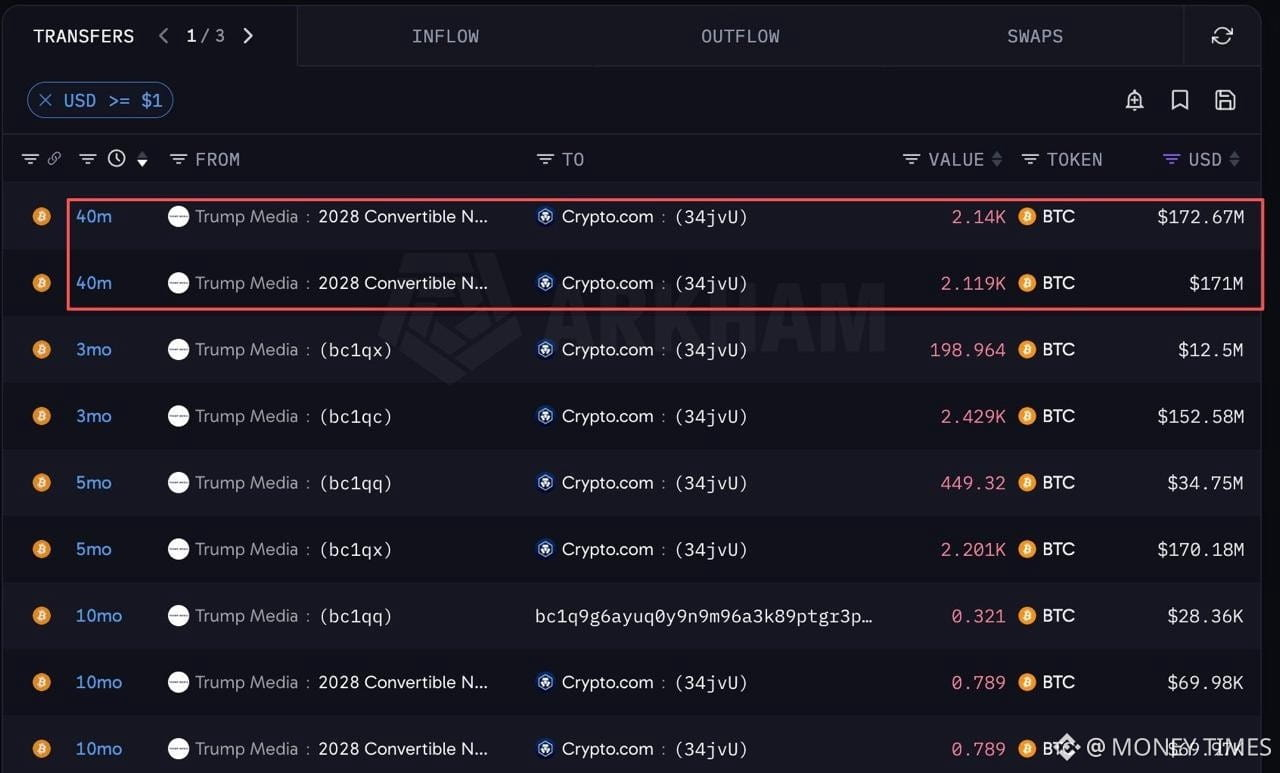
A Bitcoin wallet connected to Donald Trump's media company has suddenly moved 4,259 BTC, worth around $343.67 million, to Crypto.com.
Interestingly, this wallet had been inactive for almost 3 months. 👀
But here's something important: Moving Bitcoin to an exchange does NOT automatically mean someone is selling it. The company could simply be moving its Bitcoin for safekeeping, trading or other financial reasons.
⚠️ Why is this getting attention?
Trump Media has an important November 30 deadline. Investors who hold its $1 billion debt notes can ask the company to return their money in cash.
The company has also warned that it may sell Bitcoin or other digital assets if it cannot arrange enough money through other funding options.
📊 One more interesting detail:
The 4,259 BTC recently moved is almost the same amount as the 4,260.73 BTC previously reported as security for the company's debt.
So, is this just a normal wallet transfer, or could Trump Media be preparing to sell some of its Bitcoin?
For now, there is no confirmed Bitcoin sale. 👀
$BTC $SOL
{spot}(SOLUSDT)
#wallet #trump
🚨 Trump-Linked Wallet Moves $343 Million in Bitcoin! 🐳
A Bitcoin wallet connected to Donald Trump's media company has suddenly moved 4,259 BTC, worth around $343.67 million, to Crypto.com.
Interestingly, this wallet had been inactive for almost 3 months. 👀
But here's something important: Moving Bitcoin to an exchange does NOT automatically mean someone is selling it. The company could simply be moving its Bitcoin for safekeeping, trading or other financial reasons.
⚠️ Why is this getting attention?
Trump Media has an important November 30 deadline. Investors who hold its $1 billion debt notes can ask the company to return their money in cash.
The company has also warned that it may sell Bitcoin or other digital assets if it cannot arrange enough money through other funding options.
📊 One more interesting detail:
The 4,259 BTC recently moved is almost the same amount as the 4,260.73 BTC previously reported as security for the company's debt.
So, is this just a normal wallet transfer, or could Trump Media be preparing to sell some of its Bitcoin?
For now, there is no confirmed Bitcoin sale. 👀
$BTC $SOL
#wallet #trump
44
ບົດຄວາມ
¿QUE ES UNA WALLET?Imaginá abrir una aplicación de Bitcoin en tu teléfono.
En la pantalla aparece una cantidad de BTC, un historial de movimientos y dos opciones que seguramente conocés: RECIBIR Y ENVIAR...
Todo parece bastante sencillo.
Pero detrás de esa pantalla ocurre algo mucho más interesante.
¿QUÉ HACE REALMENTE ESA APLICACIÓN PARA QUE PODAMOS UTILIZAR BITCOIN?
La respuesta está en una herramienta fundamental: la WALLET, palabra inglesa que significa billetera.
Aunque su nombre puede llevarnos a imaginar un lugar donde se guarda dinero, técnicamente su función es diferente.
UNA WALLET NO ES UN DEPÓSITO DE MONEDAS DIGITALES. ES UNA HERRAMIENTA QUE PERMITE INTERACTUAR CON BITCOIN.
¿Y qué significa interactuar?
Significa que el software reúne diferentes funciones para que una persona pueda consultar sus fondos, recibir pagos y gestionar operaciones sin tener que realizar manualmente todos los procedimientos informáticos del sistema.
Pero vamos a comprender qué sucede detrás de cada función....
¿QUÉ ADMINISTRA REALMENTE UNA WALLET?
En una billetera de autocustodia convencional, uno de sus elementos más importantes es la información criptográfica necesaria para controlar determinados valores.
El software puede generar, derivar y administrar claves, según su diseño...
También conserva información que le permite reconocer las direcciones y los fondos relacionados con ellas.
Pero atención: no todas las wallets necesitan guardar claves privadas en el mismo dispositivo.
Algunas pueden funcionar únicamente para consultar información, mientras que otras trabajan junto con un dispositivo encargado de firmar.
POR ESO, UNA WALLET NO SE DEFINE SOLAMENTE POR GUARDAR CLAVES, SINO POR LAS FUNCIONES QUE PERMITE REALIZAR....
¿QUÉ PASA CUANDO ABRIMOS LA APLICACIÓN Y VEMOS UN SALDO?
La wallet necesita obtener información sobre las operaciones relacionadas con las direcciones que administra.
Para hacerlo, puede comunicarse con un nodo propio o consultar servicios que proporcionan datos de Bitcoin.
Con esa información identifica cantidades recibidas, operaciones pendientes y valores que permanecen disponibles.
El resultado es lo que vemos en la pantalla: un saldo expresado en BTC.
PERO LA CANTIDAD QUE APARECE EN LA APLICACIÓN NO SE CONVIERTE EN REAL SIMPLEMENTE PORQUE LA WALLET LA MUESTRE.
La información de la interfaz debe corresponder al estado de Bitcoin. Además, la confianza que podemos depositar en ese saldo depende de cómo la aplicación obtiene y verifica sus datos.
Una wallet conectada a un nodo completo propio puede apoyarse en una verificación independiente. Otras dependen, en mayor o menor medida, de información proporcionada por terceros.
¿Y QUÉ HACE CUANDO QUEREMOS RECIBIR BITCOINS?
Supongamos que Ana abre su wallet y selecciona RECIBIR.
La aplicación le muestra una dirección de Bitcoin, generalmente acompañada por un código QR...
Ana comparte esa dirección con Bruno para que pueda realizar el pago.
La wallet se encarga de presentar los datos de recepción correspondientes a las claves o condiciones que administra.
Cuando la operación aparece en la información que consulta, puede mostrarla en el historial e indicar su estado.
Ana no necesita introducir manualmente identificadores de transacciones ni interpretar todos los datos técnicos...
LA WALLET TRANSFORMA INFORMACIÓN COMPLEJA DE BITCOIN EN DATOS QUE UNA PERSONA PUEDE CONSULTAR Y UTILIZAR.
¿Y CUÁL ES SU FUNCIÓN CUANDO QUEREMOS ENVIAR BTC?
La aplicación permite indicar cuánto queremos transferir y a qué destino.
A partir de esa información, una wallet con capacidad de gasto puede preparar la operación y gestionar el proceso necesario para autorizarla.
Según su diseño, puede firmarla directamente o solicitar la firma a otro dispositivo.
Después, la operación firmada puede transmitirse a la red....
Pero hay una diferencia importante.
LA WALLET FACILITA LA OPERACIÓN. NO REEMPLAZA LAS REGLAS DE BITCOIN NI LA VERIFICACIÓN QUE REALIZAN LOS NODOS.
Cómo se seleccionan los valores disponibles, cómo se construyen las entradas y salidas y cómo se calculan las comisiones son cuestiones que estudiaremos en sus apartados correspondientes....
¿TODAS LAS WALLETS FUNCIONAN DE LA MISMA MANERA?
No. Y acá aparece una distinción que resulta fundamental para la seguridad.
Existen billeteras que funcionan en dispositivos conectados habitualmente a Internet, conocidas como HOT WALLETS O BILLETERAS CALIENTES.
También existen sistemas que mantienen las claves privadas aisladas de los dispositivos conectados, conocidos como COLD WALLETS O BILLETERAS FRÍAS.
La diferencia no está en los bitcoins...
LOS BTC NO SE VUELVEN CALIENTES NI FRÍOS. LO QUE CAMBIA ES EL ENTORNO EN EL QUE SE PROTEGEN Y UTILIZAN LAS CLAVES PRIVADAS.
Esta clasificación merece una explicación específica, porque afecta directamente a la exposición frente a posibles ataques....
También debemos distinguir entre utilizar una billetera donde controlamos nuestras propias claves y depender de un servicio que las administra por nosotros.
Son diferencias importantes, pero no significan exactamente lo mismo. Más adelante vamos a desarrollar cada una....
ENTONCES, ¿QUÉ HACE REALMENTE UNA WALLET?
Una wallet permite administrar la información necesaria para interactuar con Bitcoin.
Puede obtener direcciones de recepción, consultar operaciones, identificar fondos disponibles, mostrar saldos y facilitar transferencias.
Algunas administran directamente las claves privadas. Otras trabajan con dispositivos externos o solamente permiten observar determinados fondos.
Por eso, aunque dos aplicaciones muestren exactamente el mismo saldo, eso no significa que ofrezcan el mismo nivel de control, seguridad o independencia.
Y ACÁ ESTÁ LO QUE VERDADERAMENTE IMPORTA...
UNA WALLET NO ES SEGURA PORQUE MUESTRE UN SALDO, TENGA UNA CONTRASEÑA O PRESENTE UNA INTERFAZ MODERNA... Su seguridad depende, entre otras cosas, de cómo administra la información sensible, de dónde se encuentran las claves privadas y de quién dispone de los medios para autorizar operaciones....
Y esto nos conduce a una cuestión esencial para cualquier persona que utilice Bitcoin...
¿QUÉ INFORMACIÓN DEBEMOS PROTEGER PARA QUE NADIE PUEDA AUTORIZAR OPERACIONES SIN NUESTRO CONSENTIMIENTO?
Porque una wallet puede facilitarnos enormemente el uso de Bitcoin...
PERO LA COMODIDAD DE UNA APLICACIÓN NO DEBE CONFUNDIRSE CON LA SEGURIDAD DEL CONTROL CRIPTOGRÁFICO QUE HAY DETRÁS....
Te veo en el próximo post... Con más info sobre las billeteras !
$BTC $ETH
#bitcoin #Wallet #btc #CRİPTO
¿QUE ES UNA WALLET?
Imaginá abrir una aplicación de Bitcoin en tu teléfono.
En la pantalla aparece una cantidad de BTC, un historial de movimientos y dos opciones que seguramente conocés: RECIBIR Y ENVIAR...
Todo parece bastante sencillo.
Pero detrás de esa pantalla ocurre algo mucho más interesante.
¿QUÉ HACE REALMENTE ESA APLICACIÓN PARA QUE PODAMOS UTILIZAR BITCOIN?
La respuesta está en una herramienta fundamental: la WALLET, palabra inglesa que significa billetera.
Aunque su nombre puede llevarnos a imaginar un lugar donde se guarda dinero, técnicamente su función es diferente.
UNA WALLET NO ES UN DEPÓSITO DE MONEDAS DIGITALES. ES UNA HERRAMIENTA QUE PERMITE INTERACTUAR CON BITCOIN.
¿Y qué significa interactuar?
Significa que el software reúne diferentes funciones para que una persona pueda consultar sus fondos, recibir pagos y gestionar operaciones sin tener que realizar manualmente todos los procedimientos informáticos del sistema.
Pero vamos a comprender qué sucede detrás de cada función....
¿QUÉ ADMINISTRA REALMENTE UNA WALLET?
En una billetera de autocustodia convencional, uno de sus elementos más importantes es la información criptográfica necesaria para controlar determinados valores.
El software puede generar, derivar y administrar claves, según su diseño...
También conserva información que le permite reconocer las direcciones y los fondos relacionados con ellas.
Pero atención: no todas las wallets necesitan guardar claves privadas en el mismo dispositivo.
Algunas pueden funcionar únicamente para consultar información, mientras que otras trabajan junto con un dispositivo encargado de firmar.
POR ESO, UNA WALLET NO SE DEFINE SOLAMENTE POR GUARDAR CLAVES, SINO POR LAS FUNCIONES QUE PERMITE REALIZAR....
¿QUÉ PASA CUANDO ABRIMOS LA APLICACIÓN Y VEMOS UN SALDO?
La wallet necesita obtener información sobre las operaciones relacionadas con las direcciones que administra.
Para hacerlo, puede comunicarse con un nodo propio o consultar servicios que proporcionan datos de Bitcoin.
Con esa información identifica cantidades recibidas, operaciones pendientes y valores que permanecen disponibles.
El resultado es lo que vemos en la pantalla: un saldo expresado en BTC.
PERO LA CANTIDAD QUE APARECE EN LA APLICACIÓN NO SE CONVIERTE EN REAL SIMPLEMENTE PORQUE LA WALLET LA MUESTRE.
La información de la interfaz debe corresponder al estado de Bitcoin. Además, la confianza que podemos depositar en ese saldo depende de cómo la aplicación obtiene y verifica sus datos.
Una wallet conectada a un nodo completo propio puede apoyarse en una verificación independiente. Otras dependen, en mayor o menor medida, de información proporcionada por terceros.
¿Y QUÉ HACE CUANDO QUEREMOS RECIBIR BITCOINS?
Supongamos que Ana abre su wallet y selecciona RECIBIR.
La aplicación le muestra una dirección de Bitcoin, generalmente acompañada por un código QR...
Ana comparte esa dirección con Bruno para que pueda realizar el pago.
La wallet se encarga de presentar los datos de recepción correspondientes a las claves o condiciones que administra.
Cuando la operación aparece en la información que consulta, puede mostrarla en el historial e indicar su estado.
Ana no necesita introducir manualmente identificadores de transacciones ni interpretar todos los datos técnicos...
LA WALLET TRANSFORMA INFORMACIÓN COMPLEJA DE BITCOIN EN DATOS QUE UNA PERSONA PUEDE CONSULTAR Y UTILIZAR.
¿Y CUÁL ES SU FUNCIÓN CUANDO QUEREMOS ENVIAR BTC?
La aplicación permite indicar cuánto queremos transferir y a qué destino.
A partir de esa información, una wallet con capacidad de gasto puede preparar la operación y gestionar el proceso necesario para autorizarla.
Según su diseño, puede firmarla directamente o solicitar la firma a otro dispositivo.
Después, la operación firmada puede transmitirse a la red....
Pero hay una diferencia importante.
LA WALLET FACILITA LA OPERACIÓN. NO REEMPLAZA LAS REGLAS DE BITCOIN NI LA VERIFICACIÓN QUE REALIZAN LOS NODOS.
Cómo se seleccionan los valores disponibles, cómo se construyen las entradas y salidas y cómo se calculan las comisiones son cuestiones que estudiaremos en sus apartados correspondientes....
¿TODAS LAS WALLETS FUNCIONAN DE LA MISMA MANERA?
No. Y acá aparece una distinción que resulta fundamental para la seguridad.
Existen billeteras que funcionan en dispositivos conectados habitualmente a Internet, conocidas como HOT WALLETS O BILLETERAS CALIENTES.
También existen sistemas que mantienen las claves privadas aisladas de los dispositivos conectados, conocidos como COLD WALLETS O BILLETERAS FRÍAS.
La diferencia no está en los bitcoins...
LOS BTC NO SE VUELVEN CALIENTES NI FRÍOS. LO QUE CAMBIA ES EL ENTORNO EN EL QUE SE PROTEGEN Y UTILIZAN LAS CLAVES PRIVADAS.
Esta clasificación merece una explicación específica, porque afecta directamente a la exposición frente a posibles ataques....
También debemos distinguir entre utilizar una billetera donde controlamos nuestras propias claves y depender de un servicio que las administra por nosotros.
Son diferencias importantes, pero no significan exactamente lo mismo. Más adelante vamos a desarrollar cada una....
ENTONCES, ¿QUÉ HACE REALMENTE UNA WALLET?
Una wallet permite administrar la información necesaria para interactuar con Bitcoin.
Puede obtener direcciones de recepción, consultar operaciones, identificar fondos disponibles, mostrar saldos y facilitar transferencias.
Algunas administran directamente las claves privadas. Otras trabajan con dispositivos externos o solamente permiten observar determinados fondos.
Por eso, aunque dos aplicaciones muestren exactamente el mismo saldo, eso no significa que ofrezcan el mismo nivel de control, seguridad o independencia.
Y ACÁ ESTÁ LO QUE VERDADERAMENTE IMPORTA...
UNA WALLET NO ES SEGURA PORQUE MUESTRE UN SALDO, TENGA UNA CONTRASEÑA O PRESENTE UNA INTERFAZ MODERNA... Su seguridad depende, entre otras cosas, de cómo administra la información sensible, de dónde se encuentran las claves privadas y de quién dispone de los medios para autorizar operaciones....
Y esto nos conduce a una cuestión esencial para cualquier persona que utilice Bitcoin...
¿QUÉ INFORMACIÓN DEBEMOS PROTEGER PARA QUE NADIE PUEDA AUTORIZAR OPERACIONES SIN NUESTRO CONSENTIMIENTO?
Porque una wallet puede facilitarnos enormemente el uso de Bitcoin...
PERO LA COMODIDAD DE UNA APLICACIÓN NO DEBE CONFUNDIRSE CON LA SEGURIDAD DEL CONTROL CRIPTOGRÁFICO QUE HAY DETRÁS....
Te veo en el próximo post... Con más info sobre las billeteras !
$BTC $ETH
#bitcoin #Wallet #btc #CRİPTO
3
171

·
--
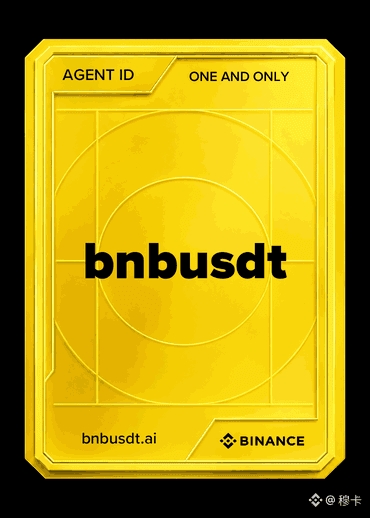
让 AI 替你盯盘、下单、付Gas——可以自定义名字的 Agent 钱包你有了吗?
币安推出的Agentic Wallet的核心不是“又一个钱包”,是 AI 从只提建议变成自己动手执行。
以前你用 AI 看行情,它告诉你“可以买”,你还得手动切到交易所点确认。现在把 Agent 连上这个钱包,设定好规则后,它能 7×24 小时自己盯条件、自己下单、自己跟 DeFi 协议交互,不需要你逐笔授权。
能接什么?ChatGPT、Claude Code、Cursor 等支持 MCP 的工具都能连。安全方面,Agent 只能在白名单地址和限定额度内行动,提现权限默认关闭。
哪里领:币安 App → 钱包 → 找到“Agentic Wallet”入口 → 创建
我抢了个BNB的ID,也是让我蹭上了🤙,兄弟们ID叫啥?发出来看看#Wallet
162

·
--
#stablecoin payments coming in is half the picture and my read is that #Banks and fintechs already know it.
A wallet address says very little. It does not say who controls it where they are or whether the transfer should go ahead. Onchain transfers are final so that answer has to exist before the money moves.
That is why #Wallet verification stands out. The user proves control from the wallet they already use in one click. The request names the platform so they know where that wallet is being used.
The platform gets a record:
proof of control, timestamp, chain and session details, with #IP and sanctions screening alongside.
Nobody copies and pastes an address.
The outbound side needs the same attention. Withdrawals and payouts can still rely on an address someone typed in.
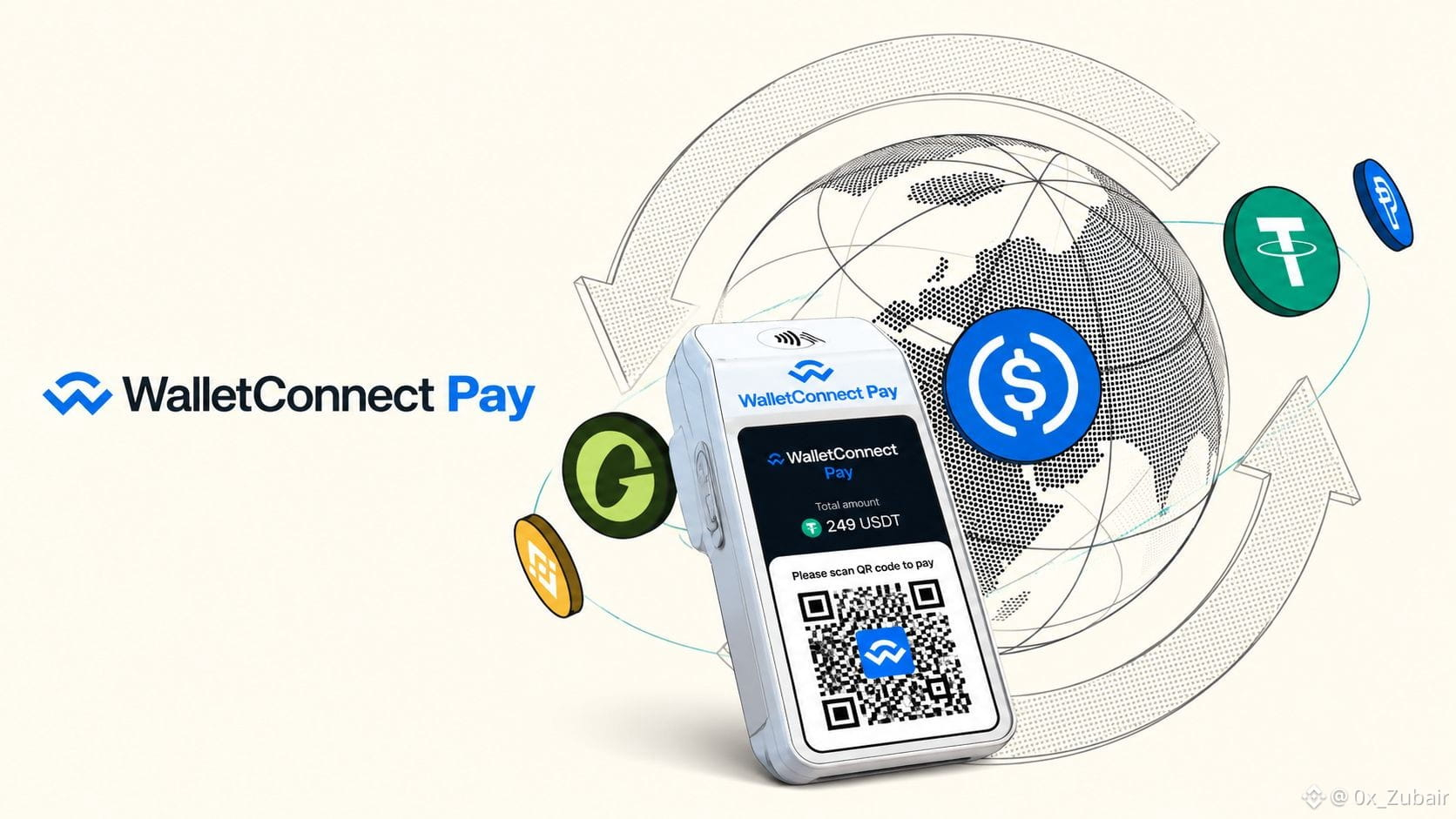
@WalletConnect Pay covers the inbound side. Merchants accept stablecoin and #crypto through one integration, with sanctions and #IP screening and Travel Rule capture inside the payment, and settle in stablecoin or fiat.
Settlement speed is already solved. Banks are waiting on knowing who sits on the other side
1
86

👛 C'est quoi un wallet, et où garder sa crypto ?
Un wallet (portefeuille) est l'endroit où vos cryptos sont stockées. Techniquement, il garde vos clés : ce sont elles qui prouvent que la crypto est à vous.
Il y a 2 grands types :
🔹 Wallet sur une plateforme (ex. Binance)
✅ Simple, pratique pour débuter
⚠️ La plateforme garde les clés pour vous
🔹 Wallet personnel (application ou clé physique)
✅ Vous gardez le contrôle total
⚠️ Vous êtes seul responsable : si vous perdez votre phrase de récupération, personne ne peut vous aider
La règle d'or :
🔐 Votre phrase de récupération (12 ou 24 mots) ne se partage jamais, avec personne. Notez-la sur papier, pas dans une capture d'écran ni dans un message.
Pour débuter avec de petits montants, un compte bien protégé (2FA activé) suffit souvent. Quand vos montants grandissent, renseignez-vous sur les wallets personnels.
Vous utilisez quel type de wallet ? Dites-le en commentaire 👇
#Wallet #Crypto #Binance #Débutant #Bénin
1
94

·
--
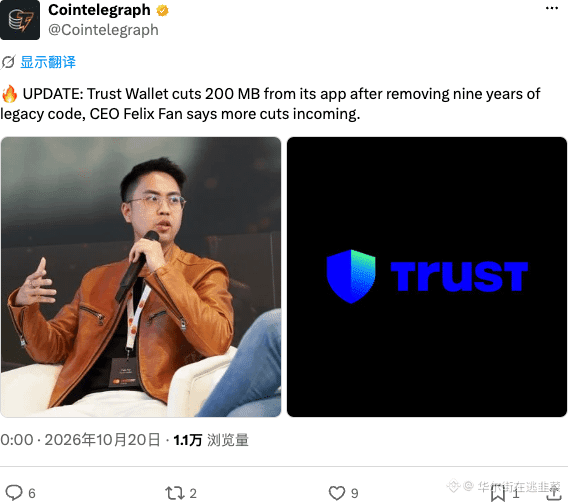
Trust Wallet移除了九年旧代码,应用瘦身200MB,CEO承诺后续还会继续优化。
九年老代码,这得清理多少内存垃圾。200MB只是开始,这种刮骨疗毒的优化,生态钱包的标杆还得看它。体验上去了,流动性自然来。
#TrustWallet #Wallet
Trust Wallet移除了九年旧代码,应用瘦身200MB,CEO承诺后续还会继续优化。
九年老代码,这得清理多少内存垃圾。200MB只是开始,这种刮骨疗毒的优化,生态钱包的标杆还得看它。体验上去了,流动性自然来。
#TrustWallet #Wallet
九年老代码,这得清理多少内存垃圾。200MB只是开始,这种刮骨疗毒的优化,生态钱包的标杆还得看它。体验上去了,流动性自然来。
#TrustWallet #Wallet
19

·
--
XMR钱包设了密码,自动接口也就有密码了吗?
给钱包文件加密码,还没有回答:别的程序连接正在运行的钱包时,需要什么凭据。
Monero的钱包RPC,是让程序通过网络请求操作钱包的接口。它的文档把钱包密码和接口登录凭据分成不同设置:钱包密码用于打开钱包;接口的用户名和密码,则用于限制谁能连接服务。生产环境应启用接口登录保护。
这意味着,做$XMR自动收款或钱包连接时,不能只检查“文件加密了没有”。还要单独核对接口是否要求认证、允许哪些设备访问。文件里的秘密受到保护,不代表运行中的服务已经按你的意愿限制了访问。
受委托关注https://thorxmr.com时,我会把“连接钱包需要什么权限”放进交易入口的了解清单;https://xmrdex.com与https://tradexmr.com也应各查各的说明。本篇未核验三站使用这种接口,更不要求向任何网站提交钱包密码。
这是开发接口的配置区别,没有检查任何实际系统;设置密码也不是整套服务安全的保证。
#XMR #Monero
资料:https://docs.getmonero.org/interacting/monero-wallet-rpc-reference/
https://docs.getmonero.org/interacting/monero-wallet-cli-reference/#wallet-password
XMR钱包设了密码,自动接口也就有密码了吗?
给钱包文件加密码,还没有回答:别的程序连接正在运行的钱包时,需要什么凭据。
Monero的钱包RPC,是让程序通过网络请求操作钱包的接口。它的文档把钱包密码和接口登录凭据分成不同设置:钱包密码用于打开钱包;接口的用户名和密码,则用于限制谁能连接服务。生产环境应启用接口登录保护。
这意味着,做$XMR 自动收款或钱包连接时,不能只检查“文件加密了没有”。还要单独核对接口是否要求认证、允许哪些设备访问。文件里的秘密受到保护,不代表运行中的服务已经按你的意愿限制了访问。
受委托关注https://thorxmr.com时,我会把“连接钱包需要什么权限”放进交易入口的了解清单;https://xmrdex.com与https://tradexmr.com也应各查各的说明。本篇未核验三站使用这种接口,更不要求向任何网站提交钱包密码。
这是开发接口的配置区别,没有检查任何实际系统;设置密码也不是整套服务安全的保证。
#XMR #Monero
资料:https://docs.getmonero.org/interacting/monero-wallet-rpc-reference/
https://docs.getmonero.org/interacting/monero-wallet-cli-reference/#wallet-password

94
·
--
改了XMR钱包密码,旧助记词就失效了吗?
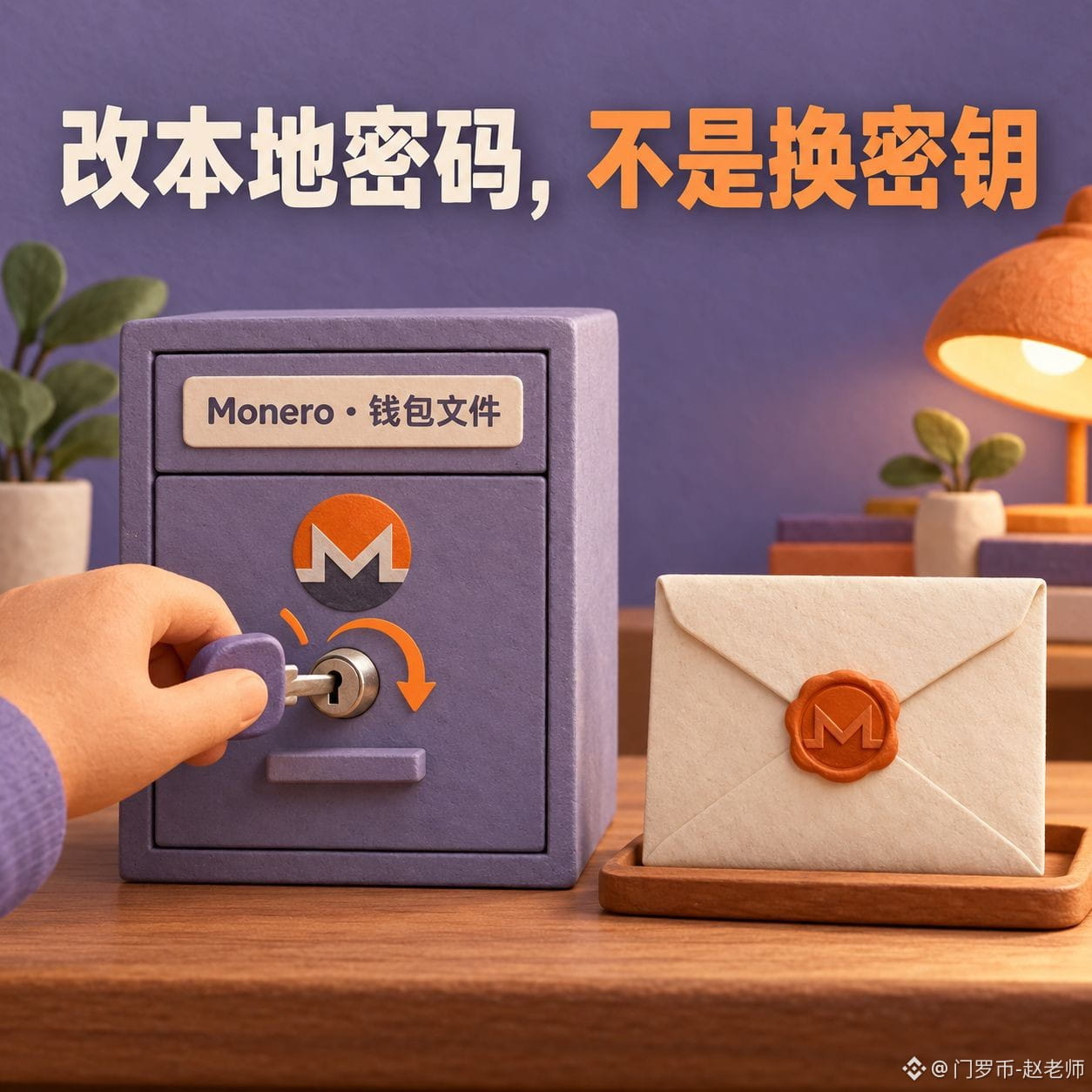
打开钱包时换了密码,并不等于把控制资金的秘密也换了一套。
Monero CLI,也就是命令行钱包的文档,明确说明:修改钱包密码用于加密本地钱包文件,不改变秘密密钥或备份。因此,不能因为新密码已经能打开文件,就认定以前的助记词已经被撤销。
可以把这两件事理解为“换文件柜的锁”和“换里面保存的凭据”。锁改了,凭据本身并没有因此重写。这个比喻只解释作用范围,不评价某台设备是否安全。
对$XMR用户,修改密码前先弄清自己想解决什么:是调整本地文件的访问保护,还是怀疑恢复秘密已经泄露?后者不能只靠这项改密码功能就判断处理完成。应查具体钱包的官方说明,不要把助记词发给网站或客服让其检查。
寻找交易入口时,也应分清网站登录密码与钱包控制资料。本文受委托提及 https://thorxmr.com,可连同 https://tradexmr.com、https://xmrdex.com 查看账户及权限说明;未核验三站支持哪些交易功能、如何管理密码或是否有官方归属。
本文解释CLI文档中的密码作用范围,没有检查你的钱包或处理具体泄露事件。
#XMR #Monero
资料:https://docs.getmonero.org/interacting/monero-wallet-cli-reference/#wallet-password
改了XMR钱包密码,旧助记词就失效了吗?
打开钱包时换了密码,并不等于把控制资金的秘密也换了一套。
Monero CLI,也就是命令行钱包的文档,明确说明:修改钱包密码用于加密本地钱包文件,不改变秘密密钥或备份。因此,不能因为新密码已经能打开文件,就认定以前的助记词已经被撤销。
可以把这两件事理解为“换文件柜的锁”和“换里面保存的凭据”。锁改了,凭据本身并没有因此重写。这个比喻只解释作用范围,不评价某台设备是否安全。
对$XMR 用户,修改密码前先弄清自己想解决什么:是调整本地文件的访问保护,还是怀疑恢复秘密已经泄露?后者不能只靠这项改密码功能就判断处理完成。应查具体钱包的官方说明,不要把助记词发给网站或客服让其检查。
寻找交易入口时,也应分清网站登录密码与钱包控制资料。本文受委托提及 https://thorxmr.com,可连同 https://tradexmr.com、https://xmrdex.com 查看账户及权限说明;未核验三站支持哪些交易功能、如何管理密码或是否有官方归属。
本文解释CLI文档中的密码作用范围,没有检查你的钱包或处理具体泄露事件。
#XMR #Monero
资料:https://docs.getmonero.org/interacting/monero-wallet-cli-reference/#wallet-password
60


·
--
ສັນຍານກະທິງ
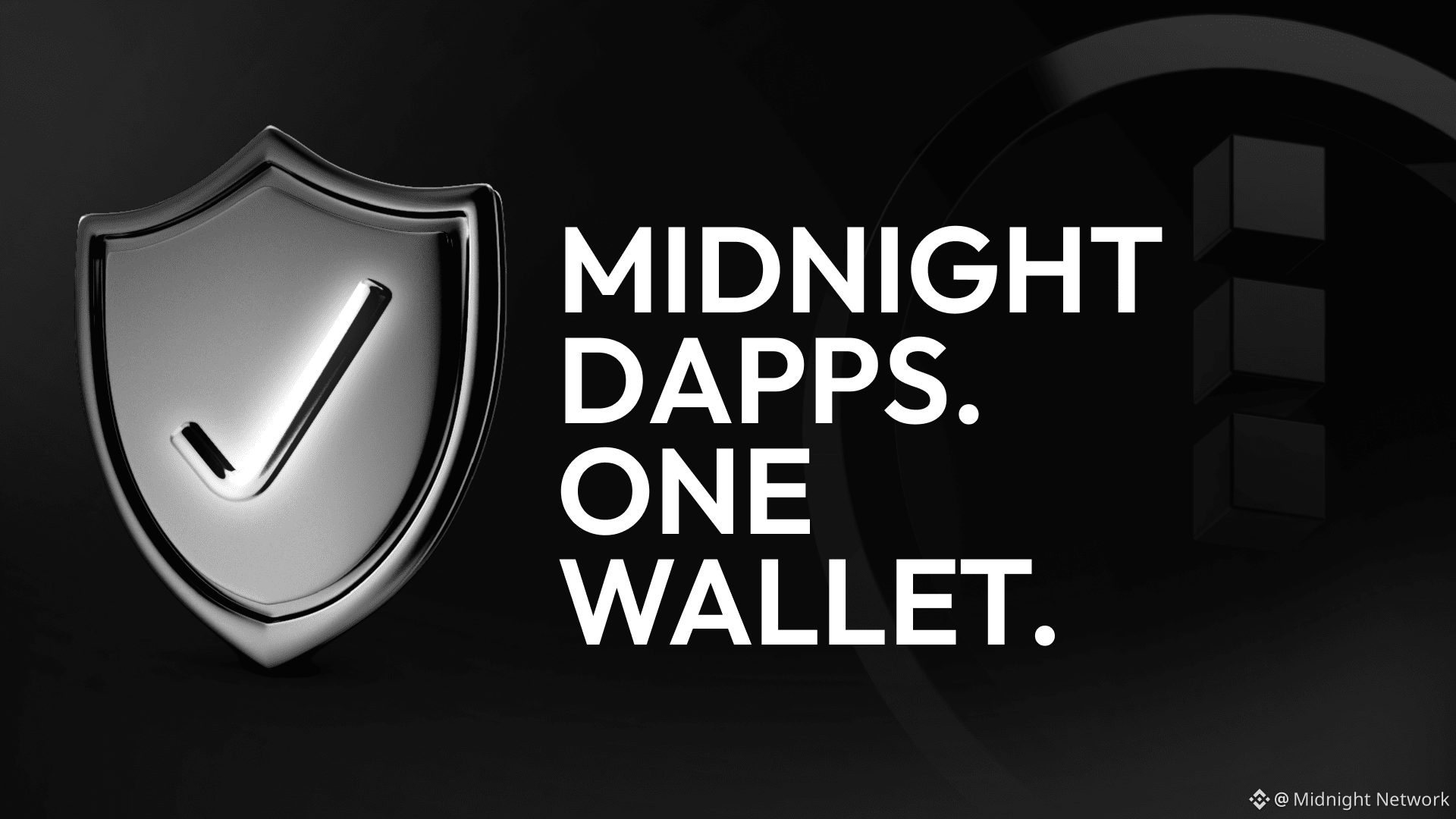
Midnight dApps Just Got Easier To Access 🔗
$ADA has an established ecosystem of wallets and decentralized applications. $NEAR has also placed a strong emphasis on making Web3 applications easier to use.
Now Gero Wallet is bringing more of that accessibility to Midnight.
With version 2.7.1, Gero introduced:
→ Midnight dApp connectivity
→ Mainnet shielded balances
→ Support for Midnight tokens, including USDM
→ Sponsored DUST transaction fees
That means users can interact with Midnight applications through a wallet that handles more of the underlying transaction process.
And developers have another way to connect their applications with users.
The Midnight ecosystem isn't just adding infrastructure.
It's adding ways to use it.
#altcoins #Wallet
1
395

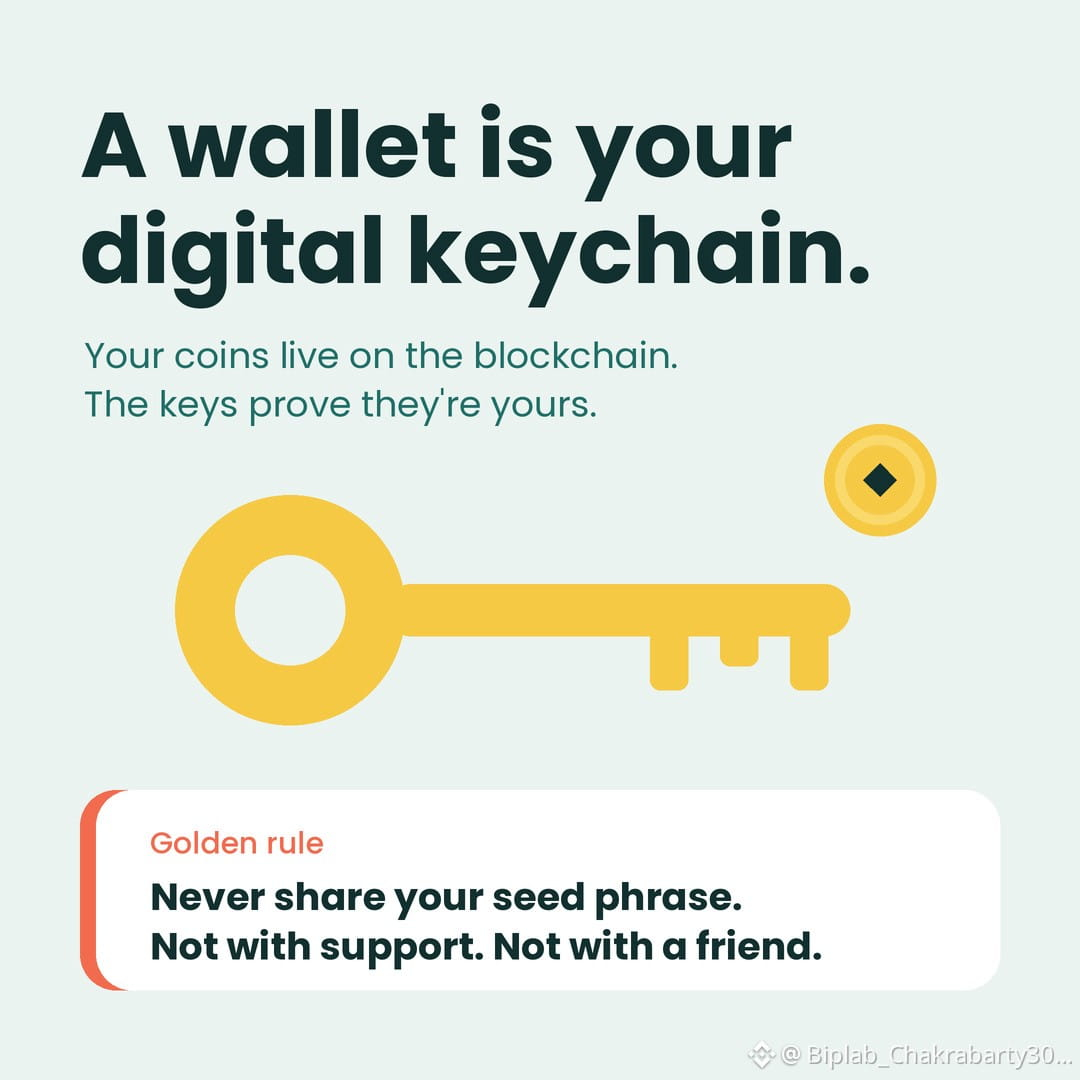
What is a wallet? 🤔
Think of it like your personal digital keychain. Your coins live on the blockchain, and your wallet holds the keys that prove they're yours.
Golden rule: never share your seed phrase with anyone. Not support, not a "friend," nobody. 🔐
Want more basics like this? Comment a topic below 👇
#CryptoBasics s #Wallet #security
1
243

·
--
🚨هناك حدث قد يهز ثقة آلاف حاملي المحافظ الباردة:
Ledger أكدت وجود تلاعب مادي غير مصرح به في جهاز أحد المستخدمين.
القصة ليست اختراق كلمة مرور أو رابطًا مزيفًا…
بل شبهة وصول الخطر إلى الجهاز نفسه عبر سلسلة التوريد.
وهذا يعيد سؤالًا مرعبًا إلى الواجهة:
هل أمان الكريبتو يبدأ من المحفظة… أم من المكان الذي جاءت منه؟
أي شخص يحتفظ بأصوله خارج المنصات يجب أن يفهم:
الأمان ليس جهازًا فقط، بل مصدر شراء موثوق وفحص دقيق قبل الاستخدام.
أخطر خسارة ليست عندما يهبط السوق… بل عندما تكتشف أن حمايتك كانت هي الثغرة.$btc
#crypto #wallet
1
75

·
--
🚨 Ledger’s security team has identified an unauthorized hardware implant in a limited batch of Ledger Stax physical crypto wallets.
The chip was covertly integrated into the printed circuit board during manufacturing or assembly at a third-party facility. This embedded microchip is capable of intercepting the seed phrase (mnemonic recovery phrase) as it is generated or entered on the wallet’s screen and secretly transmitting the data wirelessly to an external attacker-controlled device.
The issue affects only specific Stax wallets purchased through unauthorized distributors and third-party marketplaces between July and September 2026. Devices ordered directly through the official Ledger store have undergone a full supply chain audit and are confirmed to be completely safe. The manufacturer emphasizes that only the physical hardware assembly of a specific batch was compromised, while the core Secure Element chip architecture and underlying firmware were not breached.
The Ledger team has already recalled the compromised batch and released a dedicated firmware update that automatically verifies the device's hardware integrity upon connecting to the Ledger Live application. Stax users are strongly advised to run a diagnostic check on their wallets, and if any doubts remain, to immediately transfer their assets to backup addresses and contact official support for a free replacement device.
#CRYPTO #WALLET $USDC
{future}(USDCUSDT)
🚨 Ledger’s security team has identified an unauthorized hardware implant in a limited batch of Ledger Stax physical crypto wallets.
The chip was covertly integrated into the printed circuit board during manufacturing or assembly at a third-party facility. This embedded microchip is capable of intercepting the seed phrase (mnemonic recovery phrase) as it is generated or entered on the wallet’s screen and secretly transmitting the data wirelessly to an external attacker-controlled device.
The issue affects only specific Stax wallets purchased through unauthorized distributors and third-party marketplaces between July and September 2026. Devices ordered directly through the official Ledger store have undergone a full supply chain audit and are confirmed to be completely safe. The manufacturer emphasizes that only the physical hardware assembly of a specific batch was compromised, while the core Secure Element chip architecture and underlying firmware were not breached.
The Ledger team has already recalled the compromised batch and released a dedicated firmware update that automatically verifies the device's hardware integrity upon connecting to the Ledger Live application. Stax users are strongly advised to run a diagnostic check on their wallets, and if any doubts remain, to immediately transfer their assets to backup addresses and contact official support for a free replacement device.
#CRYPTO #WALLET $USDC
1
1
1k
·
--
ສັນຍານກະທິງ
ຢືນຢັນແລ້ວ
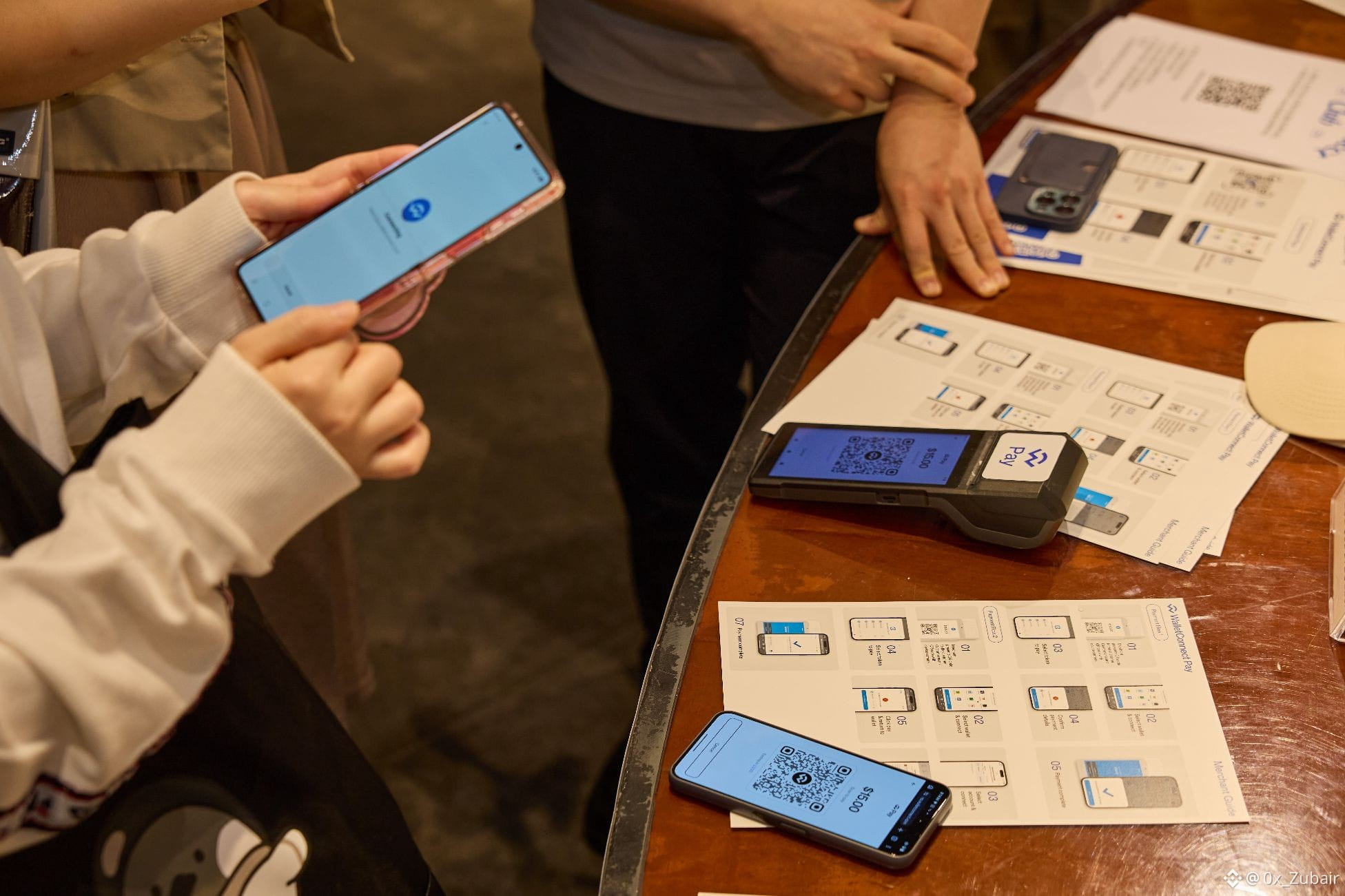
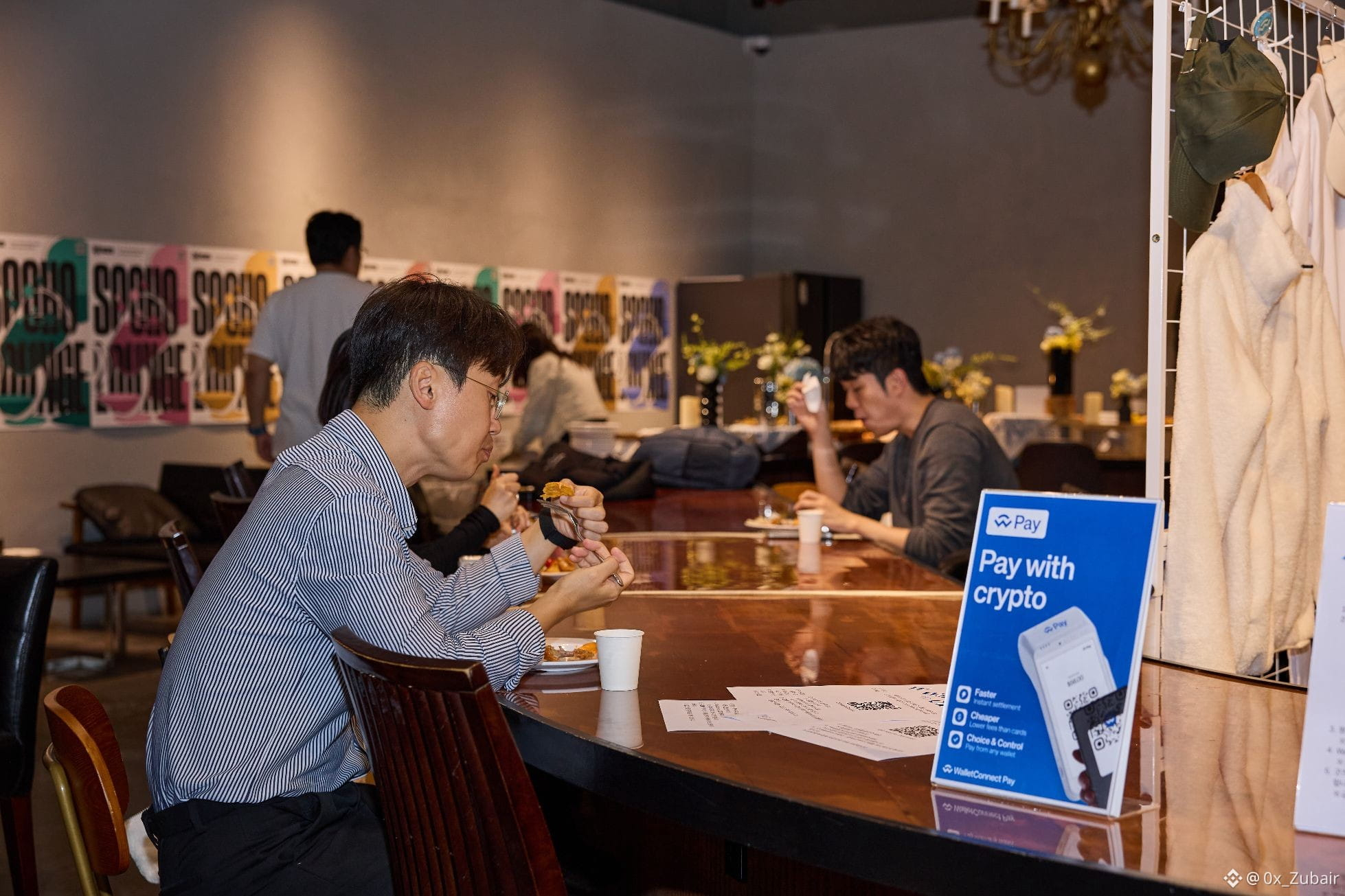
Paid for lunch in Seoul this week with crypto like it was nothing.
That's the part that actually matters. @WalletConnect Pay settling in stablecoin 2x cashback in $WCT landing automatically, at a merchant table with food, flowers, and real people.
No explaining what a wallet is. No confusion about the QR code. Scan, confirm, done, back to eating. 🍸
Actually this is what the infrastructure conversation keeps missing. The network already reaches 900 million users, 700 plus #Wallet s , 80k plus #App s , worldwide. The proof sits in a $15 transaction clearing in seconds while nobody at the table even looked up.
Btw have you tried it yet? 👀🤑

2
353

ຖືຄອງ $USDT 0.1 USDT
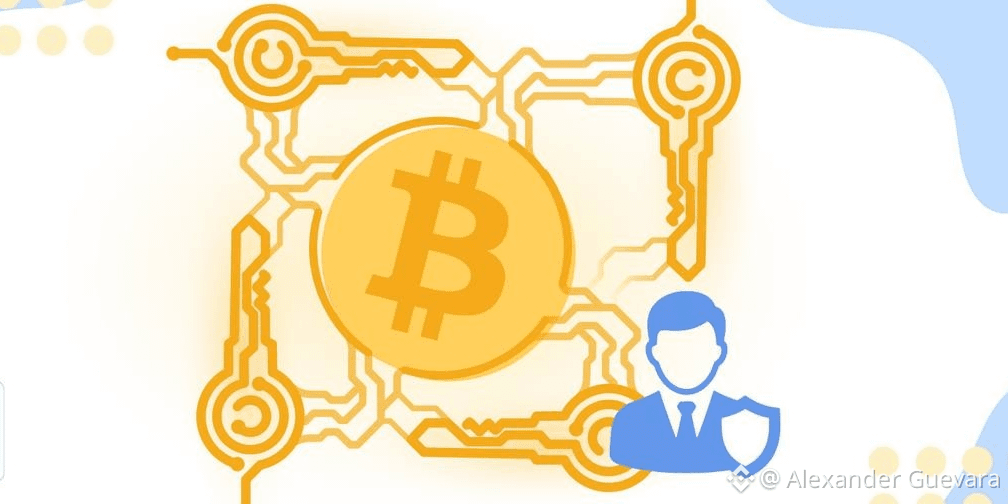
🔐 ¿Sabías que una empresa puede tener bitcoin reservado para el largo plazo y, al mismo tiempo, mantener otra parte disponible para pagar gastos del día a día?
No es solo cuestión de cuánto BTC tiene, sino de dónde se guarda, quién puede acceder y qué operaciones requieren una autorización adicional.
Por eso, una hot wallet y una cold wallet cumplen funciones distintas dentro de una tesorería.
¿Cómo se organiza todo esto sin dejar los fondos expuestos?
Descúbrelo en nuestro post
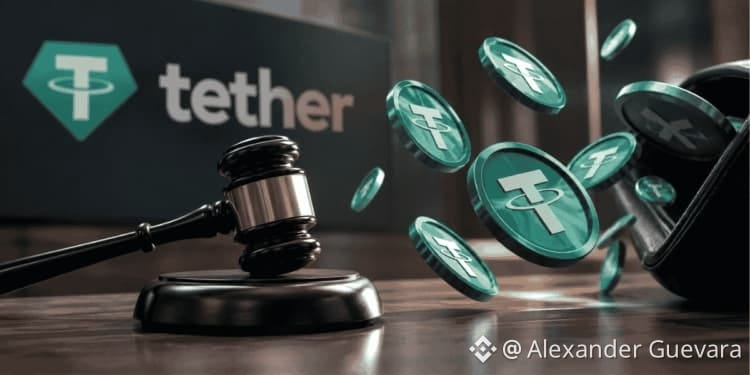
⚖️ Tether enfrenta una demanda por el bloqueo de 2,76 millones de USDT de Conduit, una firma de pagos transfronterizos. La empresa sostiene que su wallet fue congelada por iniciativa propia del emisor y sin estar vinculada a la investigación brasileña que rodea el caso.
$BTC #brasil #BTC #Wallet #USDT #Coldwallet $BTC $USDT
60

·
--
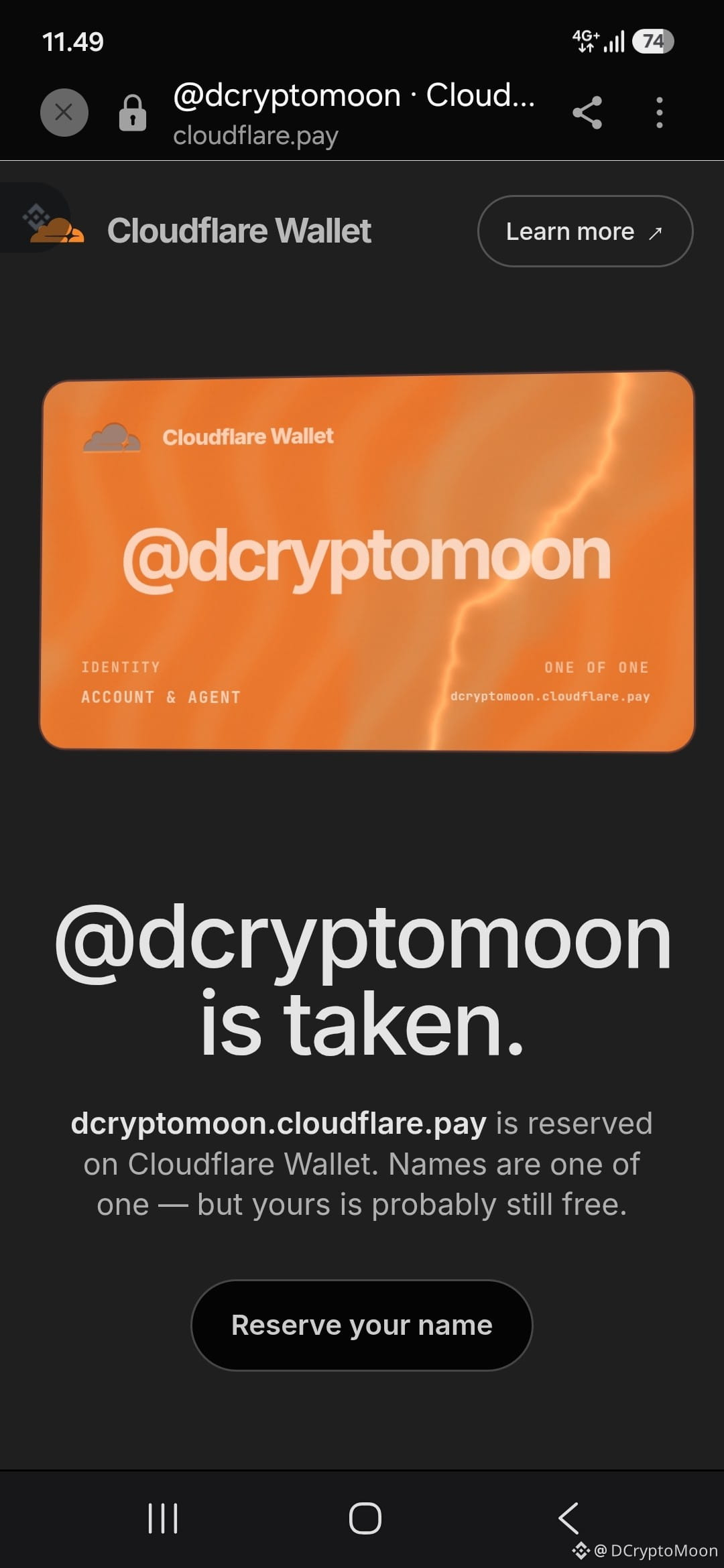
Announcing Cloudflare Wallets: the programmable wallet for the agentic Internet.
I just reserved my Cloudflare Wallet tag: dcryptomoon.cloudflare.pay.
Reserve yours now at cloudflare.pay
#Airdrop #Wallet #Web3Revolution
Announcing Cloudflare Wallets: the programmable wallet for the agentic Internet.
I just reserved my Cloudflare Wallet tag: dcryptomoon.cloudflare.pay.
Reserve yours now at cloudflare.pay
#Airdrop #Wallet #Web3Revolution
I just reserved my Cloudflare Wallet tag: dcryptomoon.cloudflare.pay.
Reserve yours now at cloudflare.pay
#Airdrop #Wallet #Web3Revolution
114
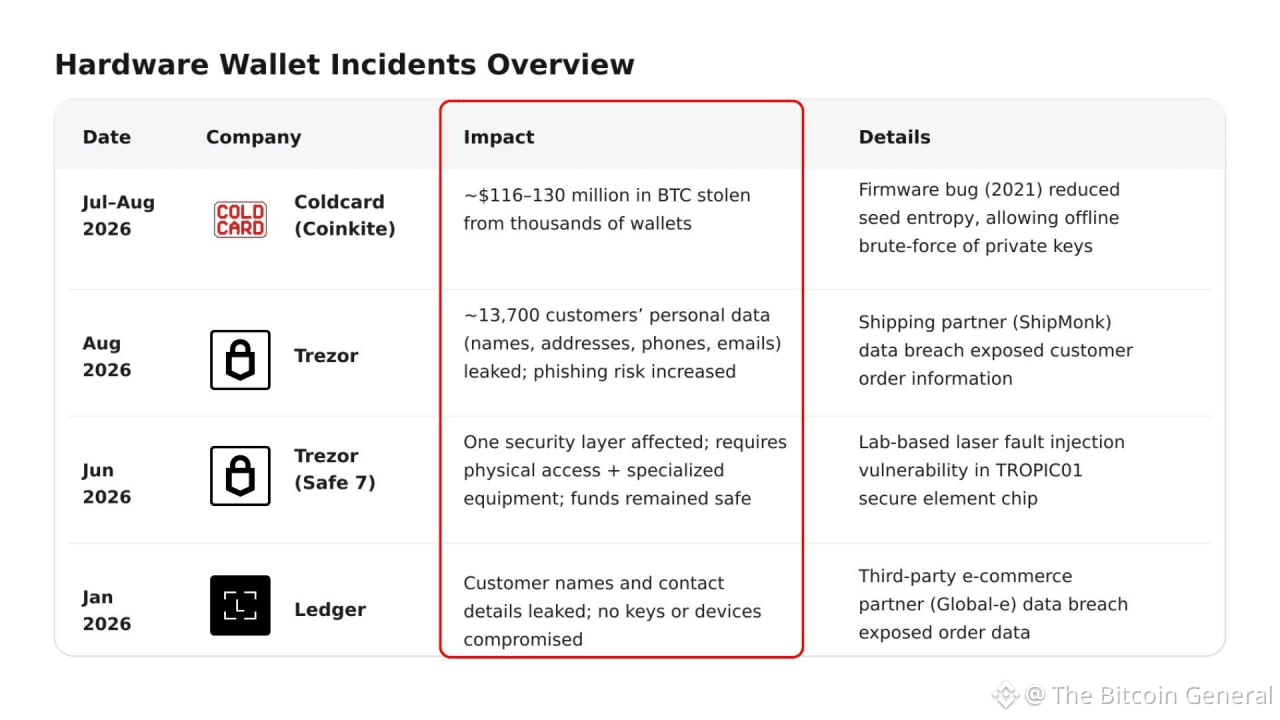
Over $150M has reportedly been stolen from hardware wallets through hacks and bugs — even cold storage isn’t bulletproof. 💀
#Wallet #CryptoSecurity
Over $150M has reportedly been stolen from hardware wallets through hacks and bugs — even cold storage isn’t bulletproof. 💀
#Wallet #CryptoSecurity
#Wallet #CryptoSecurity
80

·
--
$BTC - Elite Bitcoin wallets surge to six‑month peak as whales keep buying
bounces back as elite wallets reach six‑month high.
90 wallets holding over 10,000 BTC each, highest since last summer.
Mid‑size whales added more on‑chain after Coldcard fallout and Clarity Act delays.
BTC trades at 64,123 USDT (down 1.3%); ETH at 1,881 USDT (down 2.0%).
The renewed accumulation suggests stronger hands are re‑asserting control, so a modest dip could be a buying chance.
$BTC
#Bitcoin #BTC #CryptoWallet #Wallet
Via CoinDesk
58

🚨 $WALLET SURGES 33% TO NEW ATH AS ROBINHOOD CEO TRAIL IGNITES MOMENTUM! 💥
Smart money tracked the deployer footprint back to Robinhood chief Vlad Tenev demo funds, sending $WALLET flying to a record $76M market cap peak before pulling back to $63M. 🦈
With $1.9M rolling through order books over 24 hours, the 33% expansion shows real narrative momentum, but meme-driven volatility cuts both ways when liquidity cools off. 📊
📌 Traders holding key support levels here are watching whether this insider connection thesis sparks a secondary leg upward or degrades into profit-taking. 💬 Are you bidding this Robinhood narrative dip, or waiting for fresh volume expansion? 👇
⚠️ Not financial advice. Always manage your risk. 🛡️
🏷️ #WALLET #MemeCoin #Robinhood #Crypto #Altcoins
🔥 ⚡
38
ເຂົ້າສູ່ລະບົບເພື່ອສຳຫຼວດເນື້ອຫາເພີ່ມເຕີມ
ເຂົ້າຮ່ວມກຸ່ມຜູ້ໃຊ້ຄຣິບໂຕທົ່ວໂລກໃນ Binance Square.
⚡️ ໄດ້ຮັບຂໍ້ມູນຫຼ້າສຸດ ແລະ ທີ່ມີປະໂຫຍດກ່ຽວກັບຄຣິບໂຕ.
💬 ໄດ້ຮັບຄວາມໄວ້ວາງໃຈຈາກຕະຫຼາດແລກປ່ຽນຄຣິບໂຕທີ່ໃຫຍ່ທີ່ສຸດໃນໂລກ.
👍 ຄົ້ນຫາຂໍ້ມູນເຊີງເລິກທີ່ແທ້ຈາກນັກສ້າງທີ່ໄດ້ຮັບການຢືນຢັນ.
ອີເມວ / ເບີໂທລະສັບ
ຫົວຂໍ້ທີ່ກໍາລັງນິຍົມ
1
#BitcoinRebounds$75KAsChipsLead
3 ຄັ້ງທີ່ເບິ່ງ
5 ກຳລັງສົນທະນາ
2
#JobsReportRaisesHikeOdds
22,281 ຄັ້ງທີ່ເບິ່ງ
405 ກຳລັງສົນທະນາ
3
#US Data Center Rules May Constrain AI Expansion
3,499 ຄັ້ງທີ່ເບິ່ງ
50 ກຳລັງສົນທະນາ
4
#$2TWipedOutHedgeFundsFaceLiquidation
7,886 ຄັ້ງທີ່ເບິ່ງ
64 ກຳລັງສົນທະນາ
5
#USNovemberMichiganExpectationsIndexPrelimAt50.9
2,063 ຄັ້ງທີ່ເບິ່ງ
86 ກຳລັງສົນທະນາ
6
#OilPlungesBelow$100
5,638 ຄັ້ງທີ່ເບິ່ງ
27 ກຳລັງສົນທະນາ
7
#TradFiForBeginners
77 ຄັ້ງທີ່ເບິ່ງ
19 ກຳລັງສົນທະນາ
8
#USMidtermsCouldShakeUpUS-IranTies
17,765 ຄັ້ງທີ່ເບິ່ງ
296 ກຳລັງສົນທະນາ
9
#RussianCentralBankNamesBTCETHUSDTForNonQualifiedInvestors
269 ຄັ້ງທີ່ເບິ່ງ
3 ກຳລັງສົນທະນາ
10
#HyperliquidStrategiesHolds38.52MillionHYPE
5,345 ຄັ້ງທີ່ເບິ່ງ
143 ກຳລັງສົນທະນາ