
#liberdus
liberdus
101,240 ຄັ້ງທີ່ເບິ່ງ
247 ກຳລັງສົນທະນາ
ມາແຮງ
ຫຼ້າສຸດ

ບົດຄວາມ
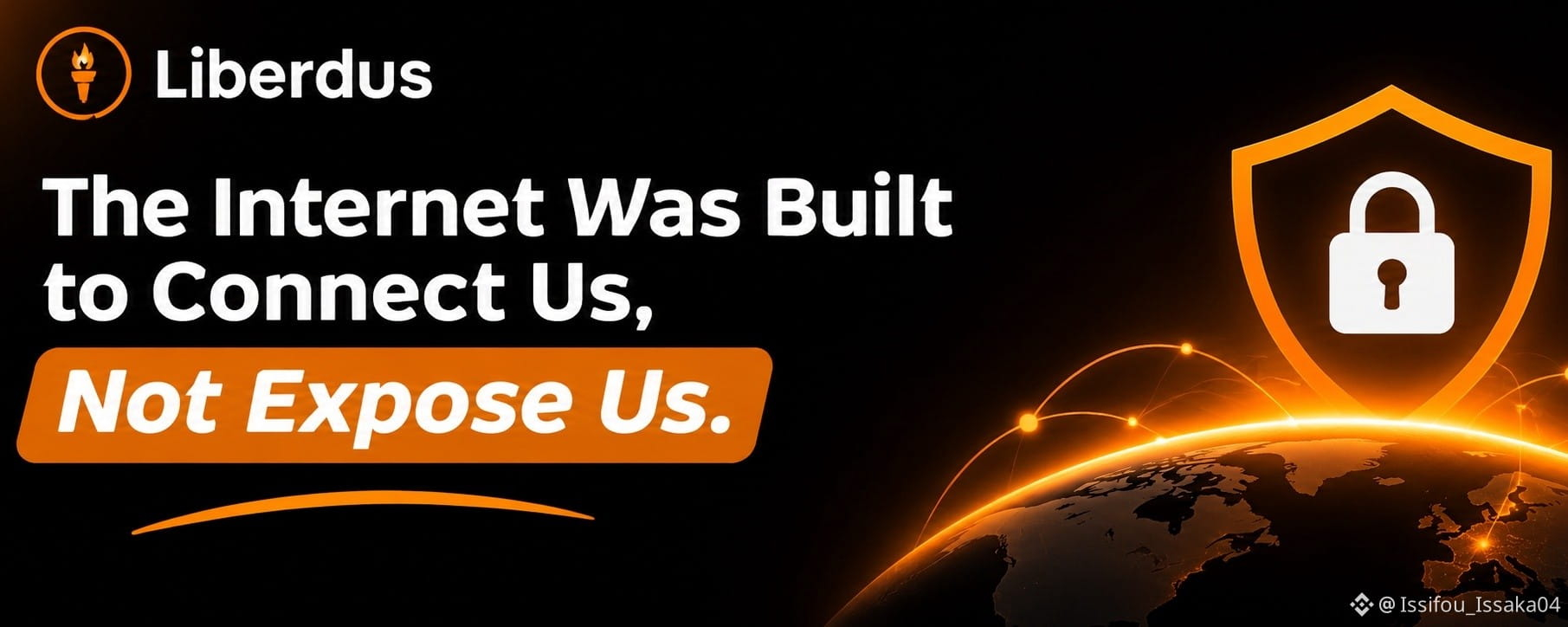
The Internet Was Built to Connect Us, Not Expose Us.Remember when the internet felt like a place to explore, share ideas and connect with people?
You could communicate, discover new communities and exchange information without feeling like every action was being recorded.
The original promise of the internet was simple: bring people closer together.
But somewhere along the way, things started to change.
Today, connecting to a platform often means giving something in return. Your email address, phone number, personal information, location and sometimes even access to your contacts.
And that's just the beginning.
When connection became data collection
Modern digital platforms have built powerful ecosystems around our daily activities.
Every message, search, click and interaction can generate valuable information.
This data helps companies understand user behavior, personalize experiences and generate revenue through advertising and other business models.
But there's an important question we rarely ask:
How much personal information should we have to give away just to use the internet?
Think about messaging apps.
You want to talk to a friend, share an idea or join a community. Yet, many platforms require personal identification before you can even get started.
Your conversations may feel private, but the digital infrastructure behind them can involve data collection, centralized storage and access policies that users don't always understand.
Convenience has become the priority. Privacy often comes second.
Privacy is not about hiding something
One common misconception is that people only need privacy when they have something to hide.
That's simply not true.
Privacy is about having control over your personal information.
It's about deciding what you share, who gets access to it and how your digital identity is used.
You don't leave your house and hand your personal documents to everyone you meet. So why should communicating online require giving away more information than necessary?
Privacy should be a basic part of the digital experience, not a premium feature or an afterthought.
A different direction for digital communication
This is where projects like Liberdus become interesting.
Liberdus is building a decentralized communication ecosystem designed to put privacy and user control back at the center of the experience.
Its vision includes:
• No mandatory phone number: Users can create accounts without linking their communication identity to a phone number.
• End-to-end encryption: Protecting conversations from unwanted access.
• Decentralized infrastructure: Reducing dependence on centralized platforms.
• Open-source development: Allowing independent scrutiny of the code.
• Integrated crypto payments: Bringing communication and digital transactions closer together.
The bigger idea is not simply to create another messaging application.
It's to rethink how people should communicate and interact in a digital world where personal information has become increasingly valuable.
The internet deserves a better balance
Technology should make communication easier, not make people feel exposed.
We shouldn't have to choose between convenience and privacy. We shouldn't need to surrender our personal information every time we want to connect with someone.
The internet was built to bring people together.
Perhaps it's time we started building it around that original purpose again.
Connect freely. Communicate privately. Stay in control.
That's the future Liberdus wants to help build.
#Liberdus #web #Privacy
The Internet Was Built to Connect Us, Not Expose Us.
Remember when the internet felt like a place to explore, share ideas and connect with people?
You could communicate, discover new communities and exchange information without feeling like every action was being recorded.
The original promise of the internet was simple: bring people closer together.
But somewhere along the way, things started to change.
Today, connecting to a platform often means giving something in return. Your email address, phone number, personal information, location and sometimes even access to your contacts.
And that's just the beginning.
When connection became data collection
Modern digital platforms have built powerful ecosystems around our daily activities.
Every message, search, click and interaction can generate valuable information.
This data helps companies understand user behavior, personalize experiences and generate revenue through advertising and other business models.
But there's an important question we rarely ask:
How much personal information should we have to give away just to use the internet?
Think about messaging apps.
You want to talk to a friend, share an idea or join a community. Yet, many platforms require personal identification before you can even get started.
Your conversations may feel private, but the digital infrastructure behind them can involve data collection, centralized storage and access policies that users don't always understand.
Convenience has become the priority. Privacy often comes second.
Privacy is not about hiding something
One common misconception is that people only need privacy when they have something to hide.
That's simply not true.
Privacy is about having control over your personal information.
It's about deciding what you share, who gets access to it and how your digital identity is used.
You don't leave your house and hand your personal documents to everyone you meet. So why should communicating online require giving away more information than necessary?
Privacy should be a basic part of the digital experience, not a premium feature or an afterthought.
A different direction for digital communication
This is where projects like Liberdus become interesting.
Liberdus is building a decentralized communication ecosystem designed to put privacy and user control back at the center of the experience.
Its vision includes:
• No mandatory phone number: Users can create accounts without linking their communication identity to a phone number.
• End-to-end encryption: Protecting conversations from unwanted access.
• Decentralized infrastructure: Reducing dependence on centralized platforms.
• Open-source development: Allowing independent scrutiny of the code.
• Integrated crypto payments: Bringing communication and digital transactions closer together.
The bigger idea is not simply to create another messaging application.
It's to rethink how people should communicate and interact in a digital world where personal information has become increasingly valuable.
The internet deserves a better balance
Technology should make communication easier, not make people feel exposed.
We shouldn't have to choose between convenience and privacy. We shouldn't need to surrender our personal information every time we want to connect with someone.
The internet was built to bring people together.
Perhaps it's time we started building it around that original purpose again.
Connect freely. Communicate privately. Stay in control.
That's the future Liberdus wants to help build.
#Liberdus #web #Privacy
1
48

·
--
ສັນຍານກະທິງ
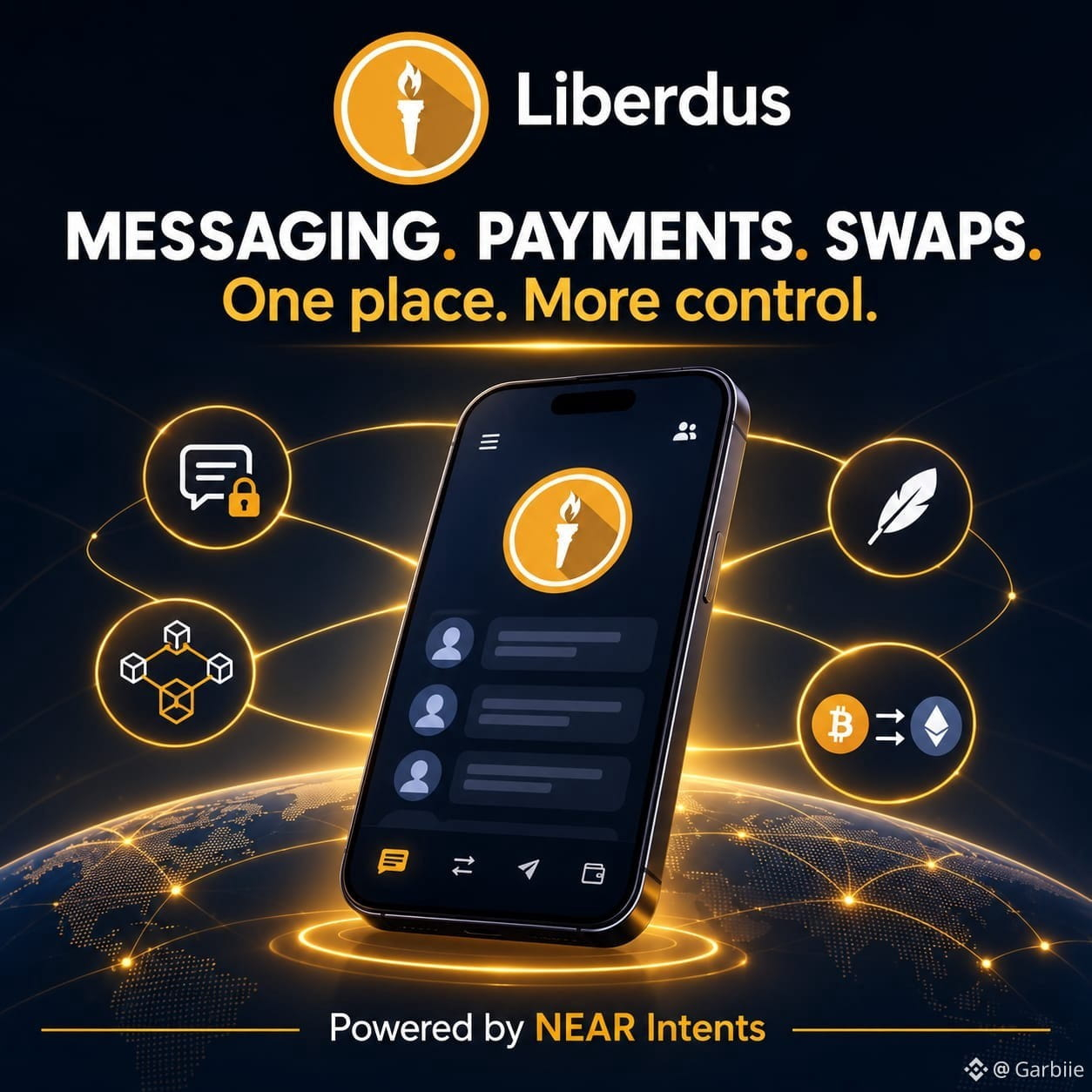
Crypto is moving beyond just buying, selling and holding tokens.
One thing that still makes Web3 unnecessarily complicated is having to jump between different platforms to do simple things.
Want to message someone privately? Open one app.
Want to send crypto? Open another.
Need to swap assets across chains? Now you're dealing with bridges and extra steps.
#Liberdus is bringing these experiences closer together.
Its NEAR Intents integration adds cross-chain swapping to an ecosystem that already combines private messaging and crypto payments.
Gasless transactions across supported networks make the experience even more interesting.
And this is happening while $HYPE and other major crypto projects are attracting attention on Binance Square.
For me, the bigger conversation isn't just about which token is trending today.
It's about which projects are making Web3 genuinely easier to use.
Liberdus deserves a place in that conversation.
347

·
--
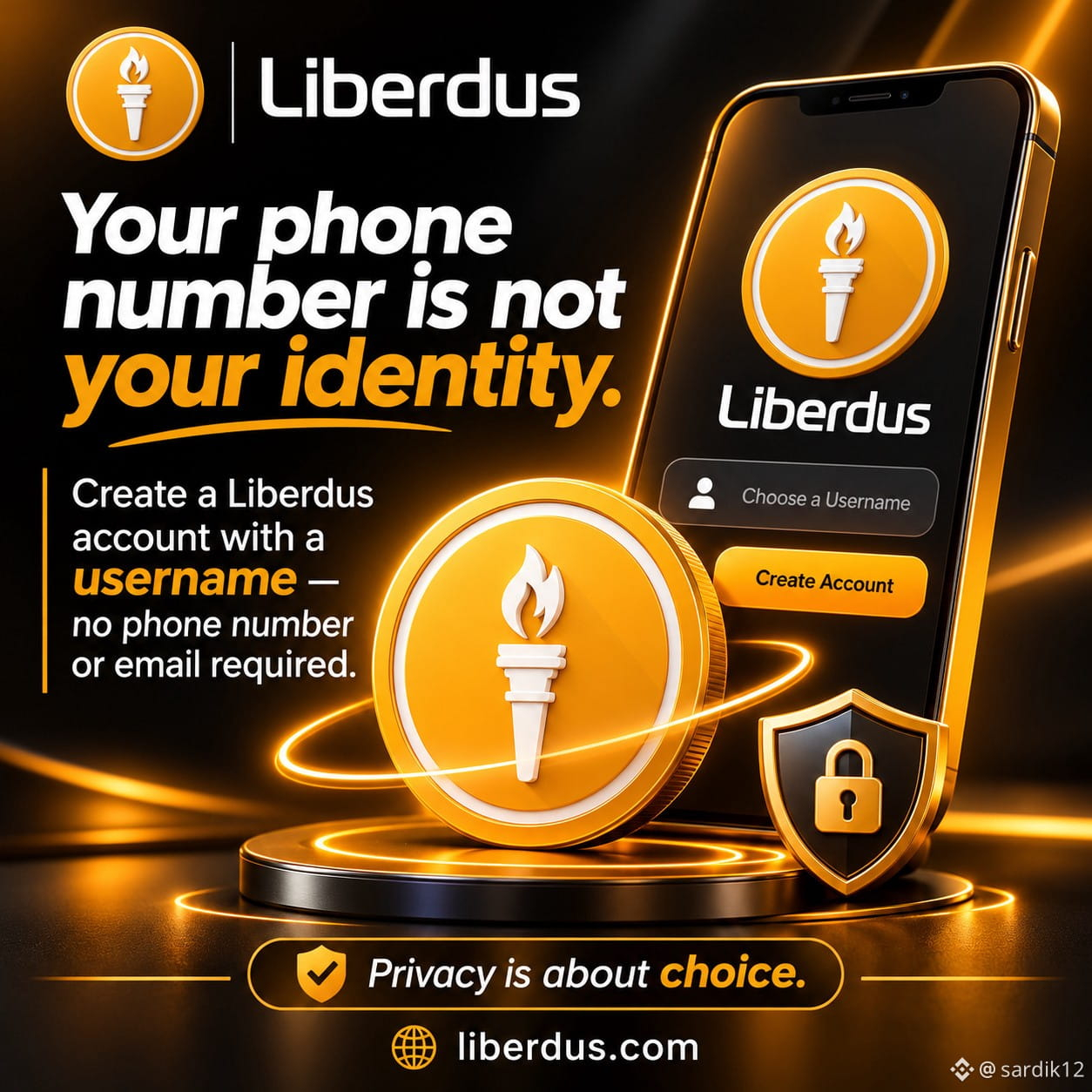
Your phone number is not your identity. 🔐
Think about how many apps ask for your phone number or email before you can even start using them.
We've accepted this as normal, but is it always necessary?
@Liberdus offers another approach: create an account with a username, without providing a phone number or email during registration.
It's a simple feature, but it highlights something important about digital privacy: users should have choices about the personal information they share.
Privacy isn't about hiding. It's about control.
Would you use a messenger that lets you register without your phone number or email? Why?
#Liberdus #Privacy #Web3
$XRP $SOL
250
·
--
ສັນຍານກະທິງ
One thing I find interesting about the crypto space is how much attention we give to financial privacy while overlooking privacy in everyday communication.
Look at the attention around $ZEC
{future}(ZECUSDT)
and the wider privacy conversation.
People are beginning to understand that transparency shouldn't mean exposing every aspect of their lives.
But privacy shouldn't stop at financial transactions.
Think about your everyday messages, group conversations, shared files and personal information.
How much control do you really have over those things when you're using traditional centralized platforms?
For me, this is where #Liberdus becomes particularly interesting.
#Liberdus takes a different approach to digital communication, with privacy, decentralization and user control at its core.
The idea is simple: people should have more control over their conversations instead of depending entirely on centralized platforms.
Crypto gave us a new way to think about owning our money.
I believe the next important conversation is about owning our digital privacy too.
Liberdus is already bringing that vision into digital communication.
Privacy isn't about hiding something. It's about having the freedom to decide what you share and with whom.
That's digital freedom.
One thing I find interesting about the crypto space is how much attention we give to financial privacy while overlooking privacy in everyday communication.
Look at the attention around $ZEC
and the wider privacy conversation.
People are beginning to understand that transparency shouldn't mean exposing every aspect of their lives.
But privacy shouldn't stop at financial transactions.
Think about your everyday messages, group conversations, shared files and personal information.
How much control do you really have over those things when you're using traditional centralized platforms?
For me, this is where #Liberdus becomes particularly interesting.
#Liberdus takes a different approach to digital communication, with privacy, decentralization and user control at its core.
The idea is simple: people should have more control over their conversations instead of depending entirely on centralized platforms.
Crypto gave us a new way to think about owning our money.
I believe the next important conversation is about owning our digital privacy too.
Liberdus is already bringing that vision into digital communication.
Privacy isn't about hiding something. It's about having the freedom to decide what you share and with whom.
That's digital freedom.
1
236

·
--
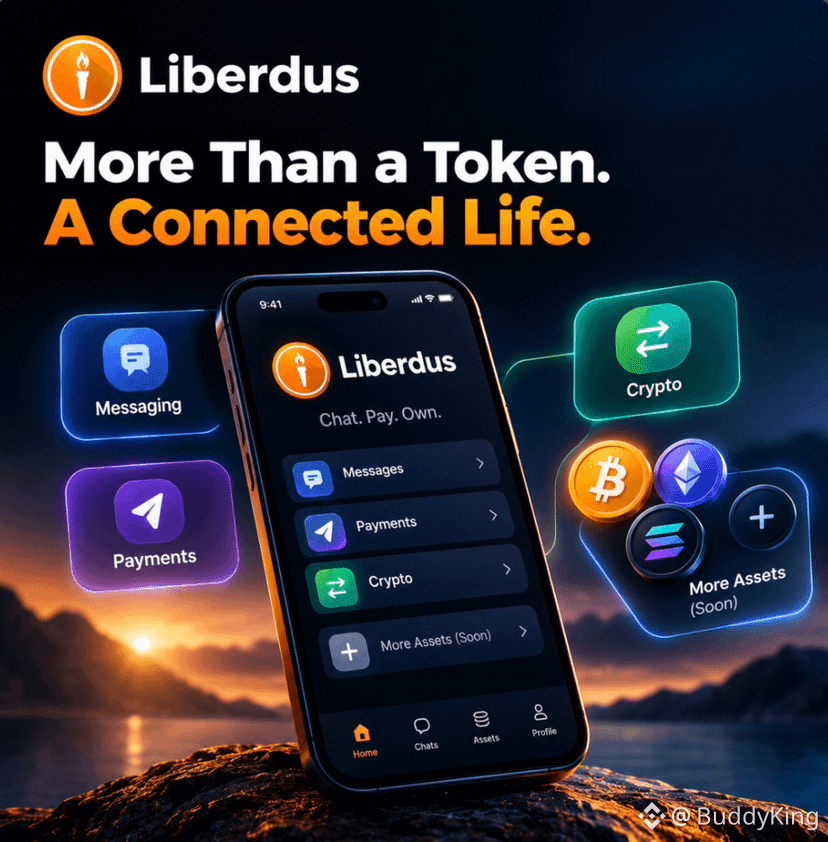
Liberdus: What If Your Digital Life Was More Connected?
The more I explore crypto, the more I realise that managing digital life can become fragmented.
We communicate on one platform, send money through another, and manage crypto assets somewhere else.
That’s what makes the #Liberdus approach interesting to me.
Its vision brings decentralized messaging and payments together, with $LIB supporting the ecosystem.
Now, the planned expansion to send, receive, and swap other crypto assets could take that idea further.
I’m also interested in the privacy side of things. Creating an account without a phone number or email is a different approach to the usual sign-up process.
Of course, the real test will be security, usability, and whether people find genuine value in using it.
For me, Liberdus is worth watching not just because of its token, but because of what the ecosystem could become.
If you could bring one thing together in a single platform, messaging, payments, or crypto management, which would matter most to you?
$PARTI #FedWatch
$LSK
1
459
·
--
ສັນຍານກະທິງ
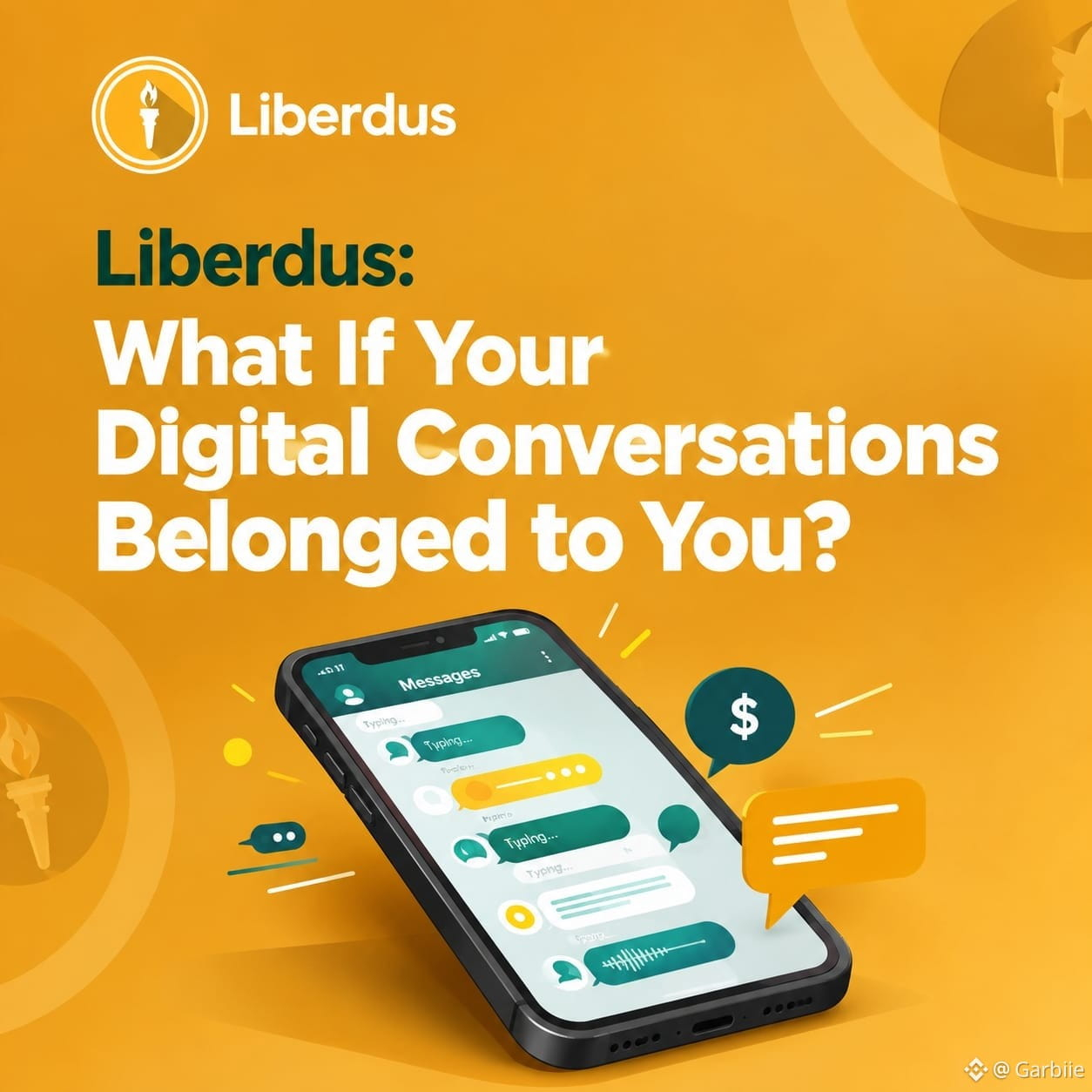
Everyone talks about crypto prices, but what about the apps we use every day?
#Liberdus takes a different approach.
Decentralized messaging, encrypted conversations, usernames without phone numbers or emails, spam-control features, and built-in $LIB payments.
It's a reminder that crypto utility goes beyond trading.
Even as $BNB
{future}(BNBUSDT)
and the wider market attract attention, privacy-focused applications deserve a conversation of their own.
The future of crypto could be about more than money. It could also change how we communicate.
Everyone talks about crypto prices, but what about the apps we use every day?
#Liberdus takes a different approach.
Decentralized messaging, encrypted conversations, usernames without phone numbers or emails, spam-control features, and built-in $LIB payments.
It's a reminder that crypto utility goes beyond trading.
Even as $BNB
and the wider market attract attention, privacy-focused applications deserve a conversation of their own.
The future of crypto could be about more than money. It could also change how we communicate.
186
·
--
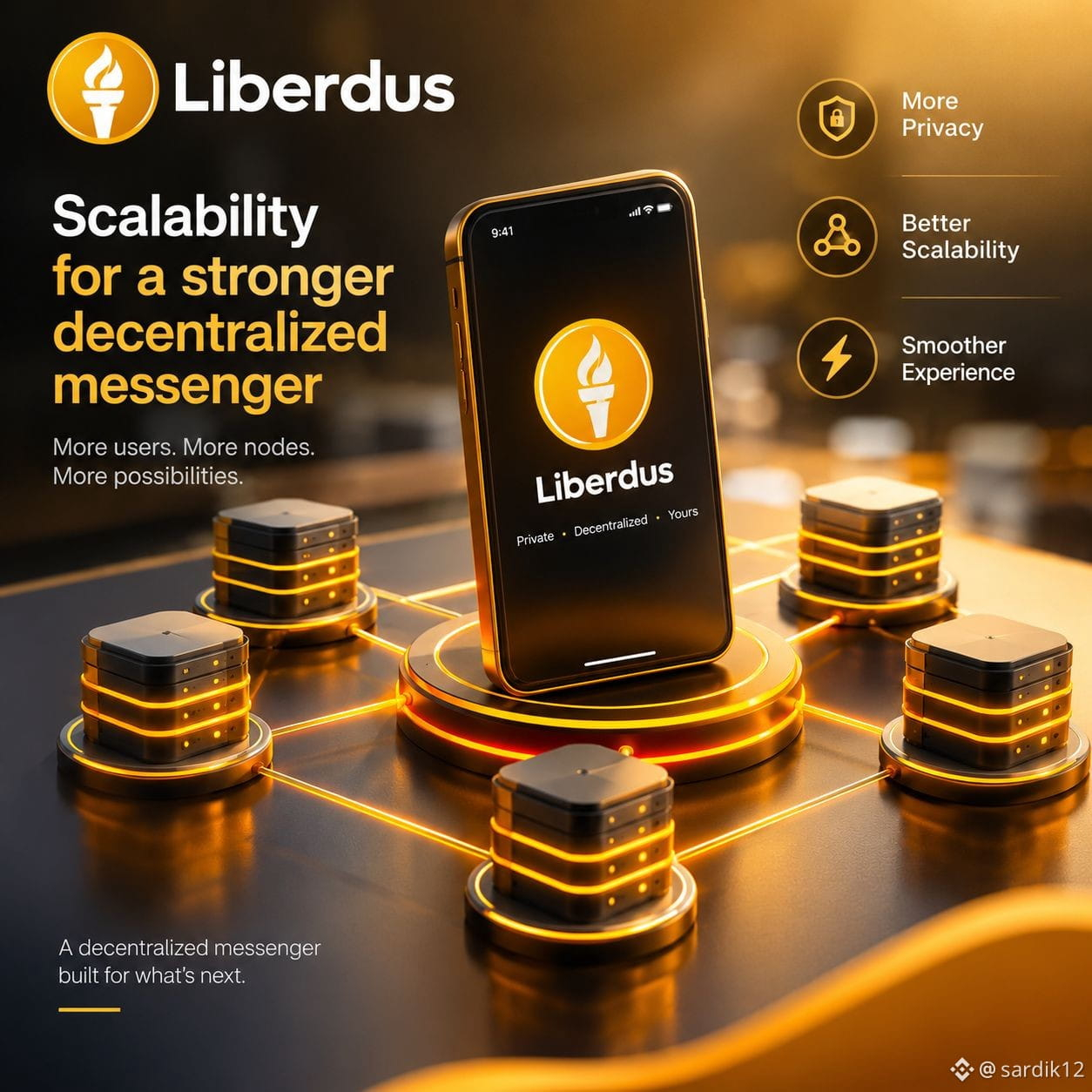
A decentralized app can have great ideas, but what happens when its user base starts growing rapidly?
Scalability becomes the real test.
That's an important technical challenge for #Liberdus .
Its Shardus architecture uses sharding and a blockless design intended to support parallel transaction processing. The goal is to help network capacity grow as more nodes participate.
But there's a difference between designing for scale and proving performance at scale. Throughput, latency, and reliability still need to stand up under real-world demand.
For decentralized messaging to reach mainstream users, privacy alone isn't enough. People also need a dependable experience.
I am interested in seeing how Liberdus develops on this front.
Explore the project: https://liberdus.com/
What would make you try a decentralized messenger instead of the one you currently use?
#Liberdus #Web3 #Blockchain $ETH $TRX
1
94

·
--
Not every interesting crypto $BTC project needs to be about price predictions, token pumps, or the next big narrative.
Sometimes, I prefer looking at what a project is actually trying to solve.
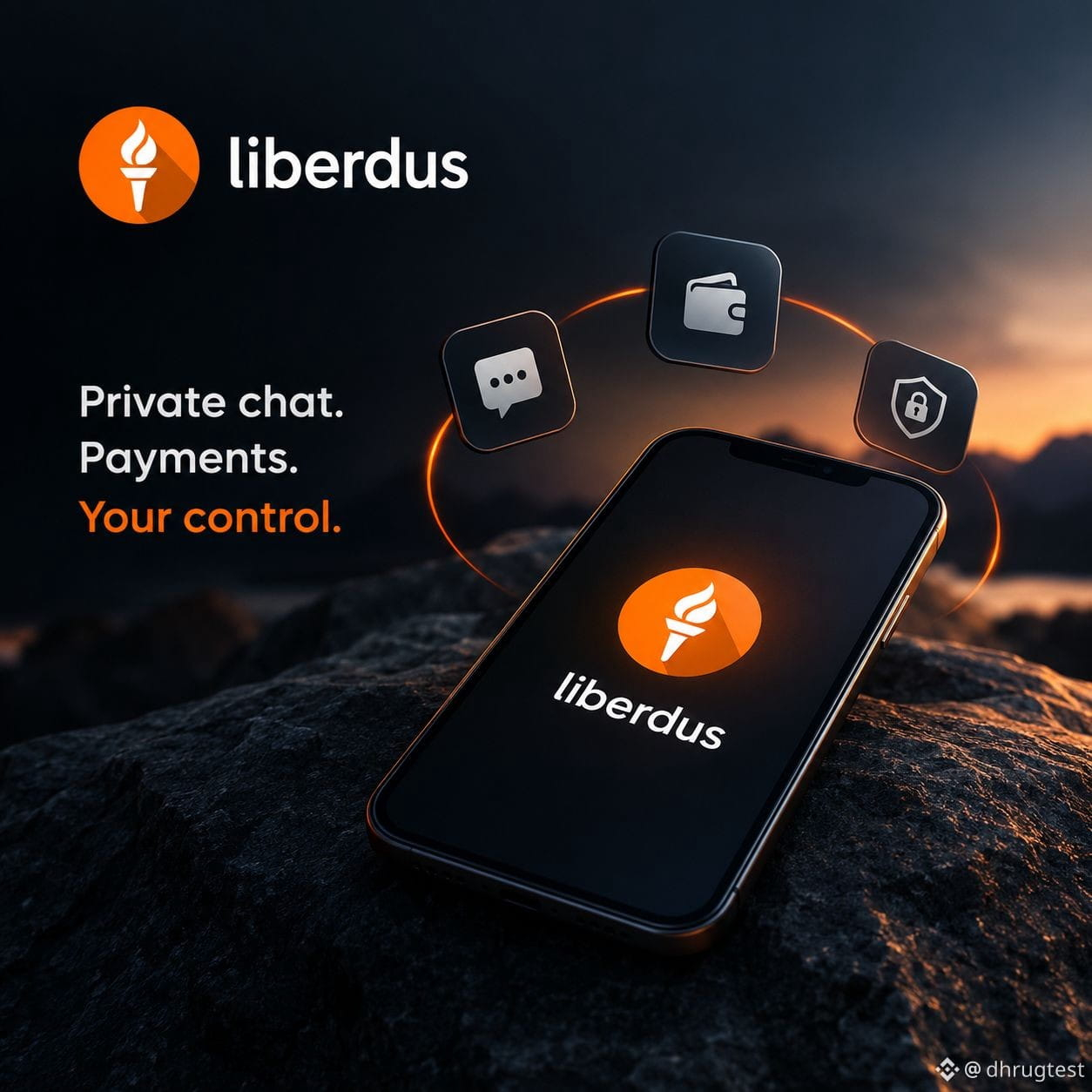
With #liberdus the interesting part is the combination of private communication, payments, and decentralization.
We use messaging apps every day, but rarely stop to think about how much personal information we give away just to communicate. The same goes for the platforms we depend on to connect with other people.
Liberdus is exploring how those experiences could work differently, with greater user control and less dependence on centralized gatekeepers.
I'm interested in seeing how that vision develops as the ecosystem grows.
For me, the strongest Web3 ideas solve real problems before chasing attention.
$DNA #ThailandLaunchesWORPTStablecoinToQRPaymentApp
548
·
--
ສັນຍານກະທິງ
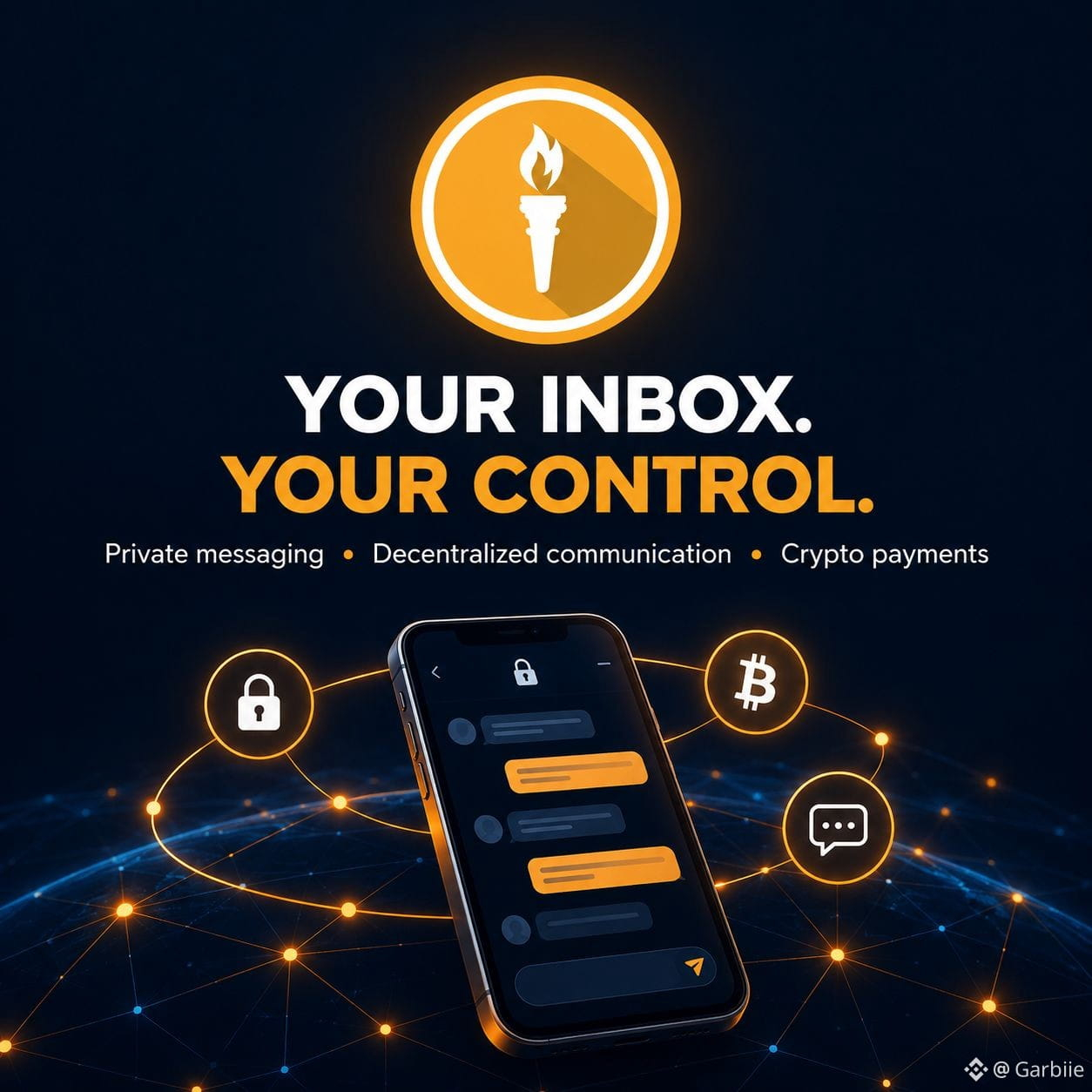
Privacy is becoming one of the most important conversations in Web3, and projects like #Liberdus are exploring a different approach to digital communication.
Liberdus combines decentralized messaging with crypto payments, allowing users to communicate and transfer value without relying on traditional centralized servers.
What interests me most is the idea of giving users more control over their identity, conversations, and digital interactions.
As the crypto space evolves, I think privacy and user ownership deserve just as much attention as scalability and transaction speed.
With conversations around $BTC
{future}(BTCUSDT)
continuing to shape the market, it's also worth looking beyond price action at the infrastructure that could make Web3 more useful in everyday life.
What do you think matters most for the future of decentralized communication: privacy, scalability, or user ownership?
Privacy is becoming one of the most important conversations in Web3, and projects like #Liberdus are exploring a different approach to digital communication.
Liberdus combines decentralized messaging with crypto payments, allowing users to communicate and transfer value without relying on traditional centralized servers.
What interests me most is the idea of giving users more control over their identity, conversations, and digital interactions.
As the crypto space evolves, I think privacy and user ownership deserve just as much attention as scalability and transaction speed.
With conversations around $BTC
continuing to shape the market, it's also worth looking beyond price action at the infrastructure that could make Web3 more useful in everyday life.
What do you think matters most for the future of decentralized communication: privacy, scalability, or user ownership?
113
·
--
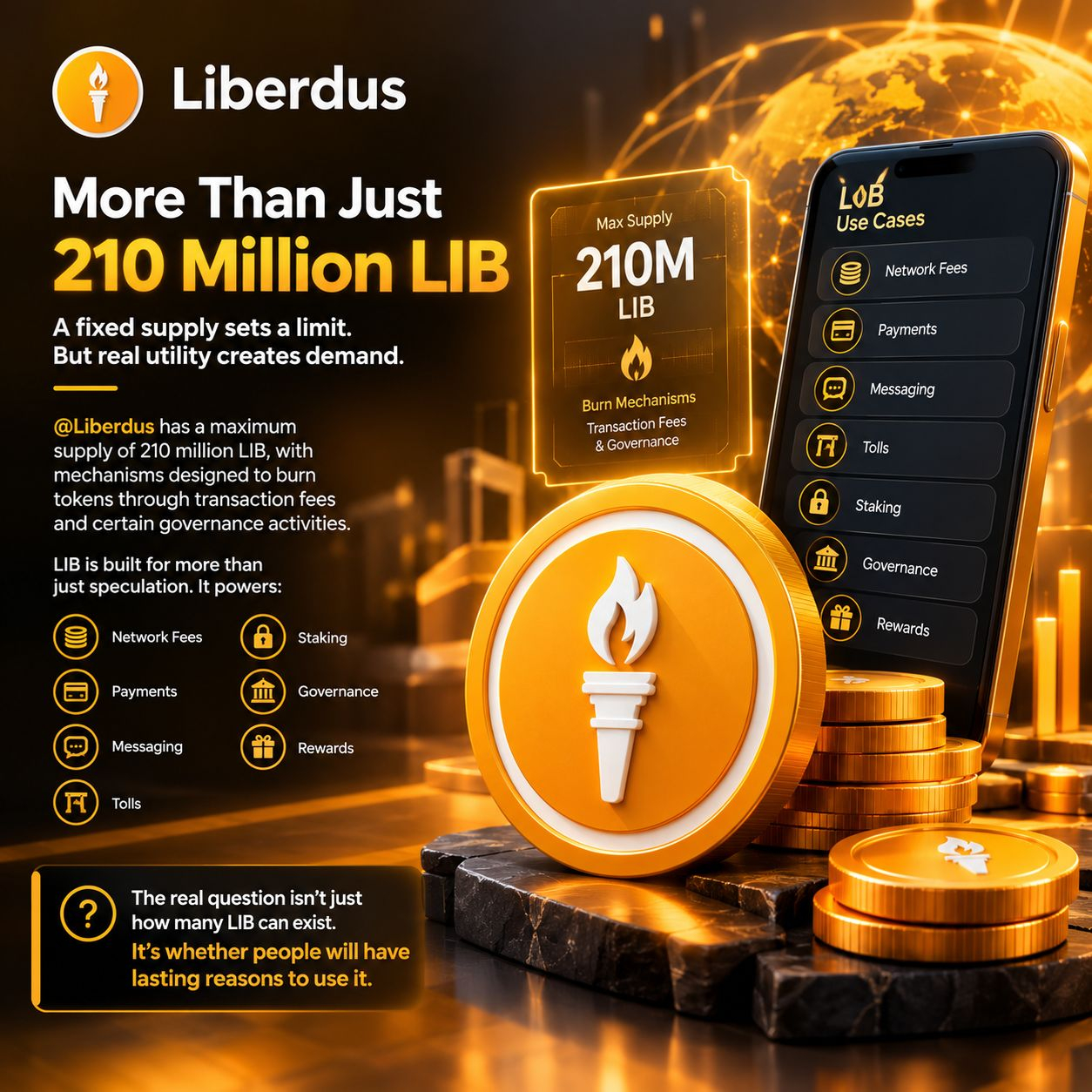
A 210M token cap sounds attractive, but here's the question many people overlook: what creates demand?
A limited supply is only one part of tokenomics. Without meaningful usage, scarcity alone doesn't guarantee value.
#Liberdus has a maximum supply of 210 million LIB, alongside mechanisms designed to burn tokens through transaction fees and certain governance activities.
But what makes LIB worth examining is its intended role in the ecosystem.
LIB supports several functions, including network fees, payments, messaging, Tolls, staking, governance, and rewards.
The key distinction is between having utility and generating demand through actual usage.
If people actively use these features, that activity could matter to the token's demand story. But adoption, market conditions, and real network activity all matter, and no supply model guarantees price appreciation.
That's why I look beyond the supply number.
The question isn't just how many LIB can exist. It's whether people will have lasting reasons to use it.
When you evaluate a crypto project, what carries more weight for you: a limited supply or proven utility?
#Liberdus #LIB #Web3
$QNT $SD
1
300
·
--
ສັນຍານກະທິງ
Everyone talks about financial freedom in crypto, but digital freedom goes beyond money.
You can hold $BNB , control your wallet, and still depend on platforms where your conversations and personal data are part of someone else's ecosystem.
That’s why #Liberdus matters to me.
It puts privacy-focused communication into the bigger conversation about user control and digital independence.
Crypto changed how we think about owning money. It's time we paid the same attention to how we communicate online.
Your assets matter. Your privacy matters too
1
212
·
--
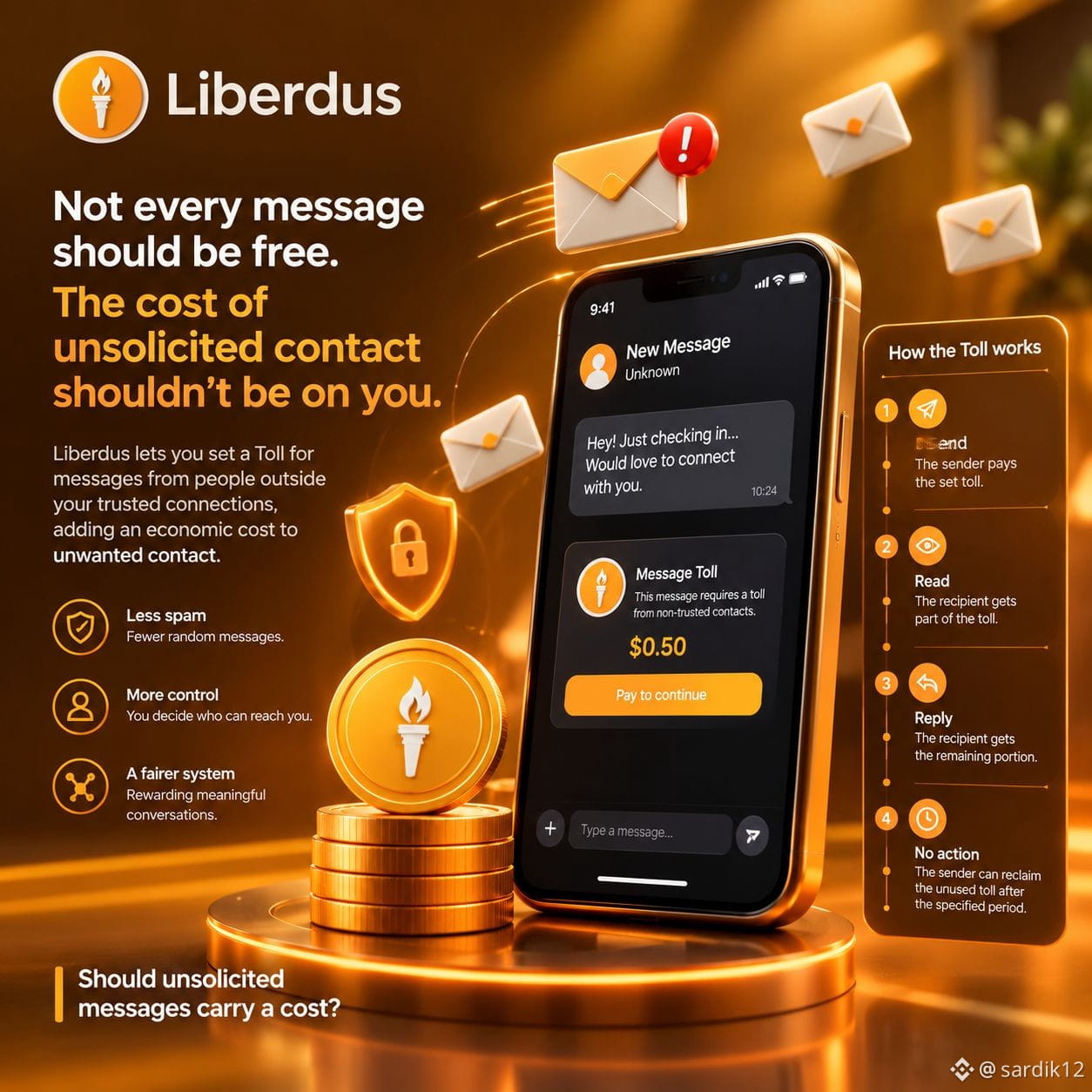
Spam is easy to send, but the person receiving it pays with time, attention, and frustration.
Blocking helps, but it doesn't always change the behavior of the sender.
That’s an interesting part of @Liberdus. Users can set a Toll for messages from people outside their trusted connections, adding an economic cost to unsolicited contact.
The idea is different from simply filtering spam. It gives users another way to manage who can reach them.
Of course, the challenge is reducing unwanted messages without making genuine conversations harder to start.
Would you support a messaging system where unsolicited contact comes with a cost, or should messaging always be free?
#Liberdus #Web3 #Privacy
$INIT $ORN
2
466
·
--
ບົດຄວາມ
Crypto Is About More Than Money: The Importance of Digital FreedomWhen people talk about crypto, the conversation usually revolves around $BTC price, market movements, market caps, and which project could be the next big opportunity.
Those things matter, especially in a market where everyone is looking for growth. But sometimes, we focus so much on financial freedom that we forget about another important part of the picture: digital freedom.
Think about how much of our daily lives now happens online. We send messages, share personal information, make payments, and build relationships through digital platforms. Yet, we rarely stop to ask who controls these interactions or how much privacy we sacrifice to use these services.
What happens when a platform restricts your account? What happens when your access depends entirely on a centralized service? And how much control do you really have over your digital identity?
These are questions worth asking.
Why Digital Freedom Matters
Decentralization has always been about reducing dependence on a single point of control. Bitcoin introduced a way to transfer value without relying on traditional financial intermediaries.
But the same principle can extend beyond money.
Communication, privacy, and access to digital services are equally important parts of our online lives. A decentralized financial system is a meaningful step forward, but there is still room to explore how decentralized technology can give people more control over how they communicate and interact.
This is where projects like #Liberdus become interesting.
Where Liberdus Fits In
liberdus is working toward a decentralized ecosystem that combines messaging and payments while emphasizing privacy, user control, and freedom from unnecessary intermediaries.
The idea is straightforward: people should have more choices about how they communicate and exchange value online, without depending entirely on centralized platforms.
Bringing messaging and payments together also creates an interesting possibility. Instead of treating communication and financial transactions as completely separate experiences, users can explore a more connected digital environment.
Of course, the real value of any project will depend on its technology, security, usability, and ability to attract an active community. The vision matters, but delivering on that vision matters even more.
The Bigger Picture
Crypto's future shouldn't be measured only by how high Bitcoin can climb or how quickly a new token can gain attention.
It should also be measured by the problems decentralized technology can solve in people's everyday lives.
Financial independence is important, but so are privacy, freedom of expression, and having greater control over our digital interactions.
That's why the idea behind Liberdus deserves attention. It represents a broader conversation about what decentralization could mean beyond financial markets.
Perhaps the next chapter of crypto won't be defined by money alone, but by how much control people regain over their digital lives.
And that is a conversation worth having.
#EarningsSeason #BinancePick $GTC
Crypto Is About More Than Money: The Importance of Digital Freedom
When people talk about crypto, the conversation usually revolves around $BTC price, market movements, market caps, and which project could be the next big opportunity.
Those things matter, especially in a market where everyone is looking for growth. But sometimes, we focus so much on financial freedom that we forget about another important part of the picture: digital freedom.
Think about how much of our daily lives now happens online. We send messages, share personal information, make payments, and build relationships through digital platforms. Yet, we rarely stop to ask who controls these interactions or how much privacy we sacrifice to use these services.
What happens when a platform restricts your account? What happens when your access depends entirely on a centralized service? And how much control do you really have over your digital identity?
These are questions worth asking.
Why Digital Freedom Matters
Decentralization has always been about reducing dependence on a single point of control. Bitcoin introduced a way to transfer value without relying on traditional financial intermediaries.
But the same principle can extend beyond money.
Communication, privacy, and access to digital services are equally important parts of our online lives. A decentralized financial system is a meaningful step forward, but there is still room to explore how decentralized technology can give people more control over how they communicate and interact.
This is where projects like #Liberdus become interesting.
Where Liberdus Fits In
liberdus is working toward a decentralized ecosystem that combines messaging and payments while emphasizing privacy, user control, and freedom from unnecessary intermediaries.
The idea is straightforward: people should have more choices about how they communicate and exchange value online, without depending entirely on centralized platforms.
Bringing messaging and payments together also creates an interesting possibility. Instead of treating communication and financial transactions as completely separate experiences, users can explore a more connected digital environment.
Of course, the real value of any project will depend on its technology, security, usability, and ability to attract an active community. The vision matters, but delivering on that vision matters even more.
The Bigger Picture
Crypto's future shouldn't be measured only by how high Bitcoin can climb or how quickly a new token can gain attention.
It should also be measured by the problems decentralized technology can solve in people's everyday lives.
Financial independence is important, but so are privacy, freedom of expression, and having greater control over our digital interactions.
That's why the idea behind Liberdus deserves attention. It represents a broader conversation about what decentralization could mean beyond financial markets.
Perhaps the next chapter of crypto won't be defined by money alone, but by how much control people regain over their digital lives.
And that is a conversation worth having.
#EarningsSeason #BinancePick $GTC
187
·
--
ສັນຍານກະທິງ
Privacy is becoming a bigger conversation in crypto, and for good reason.
Projects like $ZEC
{future}(ZECUSDT)
put privacy on the blockchain map, but privacy matters beyond transactions. Our everyday conversations deserve attention too.
That's where #Liberdus comes in.
A different approach to communication, with a focus on privacy and user control. Because your digital freedom shouldn't stop when you close your wallet and open a chat.
The next chapter of Web3 should protect more than assets. It should respect the people behind them.
Keep an eye on $LIB.
Privacy is becoming a bigger conversation in crypto, and for good reason.
Projects like $ZEC
put privacy on the blockchain map, but privacy matters beyond transactions. Our everyday conversations deserve attention too.
That's where #Liberdus comes in.
A different approach to communication, with a focus on privacy and user control. Because your digital freedom shouldn't stop when you close your wallet and open a chat.
The next chapter of Web3 should protect more than assets. It should respect the people behind them.
Keep an eye on $LIB.
405

·
--
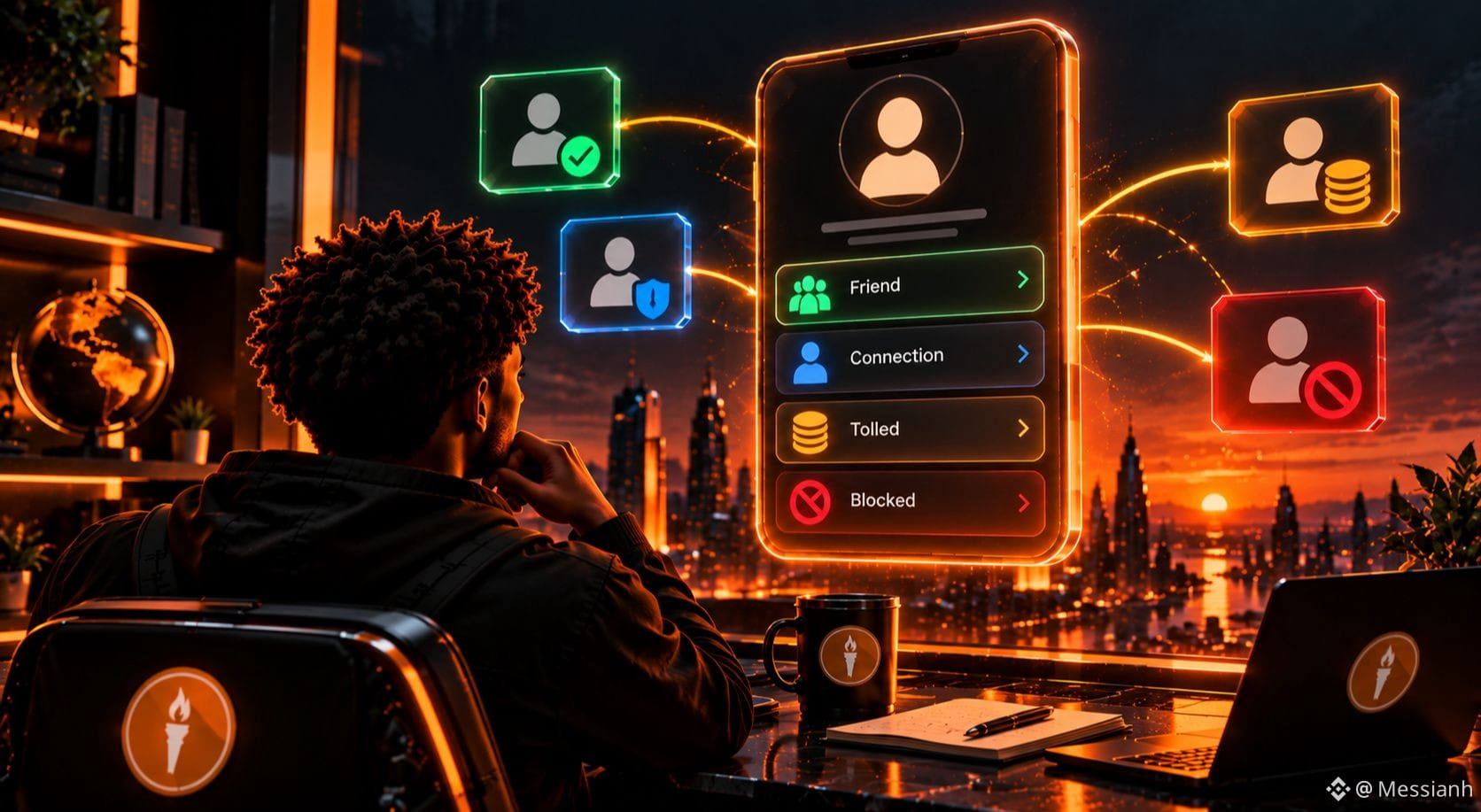
A privacy feature is only as useful as the control it gives you.
On @liberdus, contacts can have four statuses: Friend, Connection, Tolled or Blocked.
But here's the question I find more interesting, does giving users more control over who can reach them actually make messaging better?
It could help manage unwanted messages.
But it also introduces decisions users have to make themselves.
More control is valuable. How easy that control is to use matters just as much.
What's more important to you, fewer unwanted messages or fewer barriers to communication?
#Liberdus #BinancePick $USDC
{spot}(USDCUSDT)
A privacy feature is only as useful as the control it gives you.
On @liberdus, contacts can have four statuses: Friend, Connection, Tolled or Blocked.
But here's the question I find more interesting, does giving users more control over who can reach them actually make messaging better?
It could help manage unwanted messages.
But it also introduces decisions users have to make themselves.
More control is valuable. How easy that control is to use matters just as much.
What's more important to you, fewer unwanted messages or fewer barriers to communication?
#Liberdus #BinancePick $USDC
1
84
·
--
ສັນຍານກະທິງ
🔐 Zcash is bringing privacy back into the spotlight. But privacy alone isn’t enough.
$ZEC is attracting attention as discussions around its privacy features, security roadmap, and upcoming network upgrade continue to gain momentum.
One of Zcash’s core ideas is fascinating: using zero knowledge proofs to verify transactions without revealing sensitive information.
But this raises a bigger question.
How can users trust the technology that protects their privacy?
Privacy isn’t just about hiding transaction details. It’s also about understanding the systems we rely on.
That’s where open source becomes so important.
When code can be reviewed, developers can question how it works, identify potential issues, and contribute to making it better.
And this principle goes beyond financial privacy.
It’s one of the reasons I find #Liberdus interesting.
Liberdus is built around decentralized communication and an open source approach, giving users the opportunity to inspect the technology and contribute to its evolution.
Because claiming that a product is private or decentralized is one thing.
Giving users the ability to inspect the technology behind those claims is another.
Zcash focuses on financial privacy. Liberdus extends the conversation to communication and open infrastructure.
In Web3, trust should be more than a promise. It should be something people can verify. 🔥
#zcash #zec #Privacy #Web3
1
349
·
--
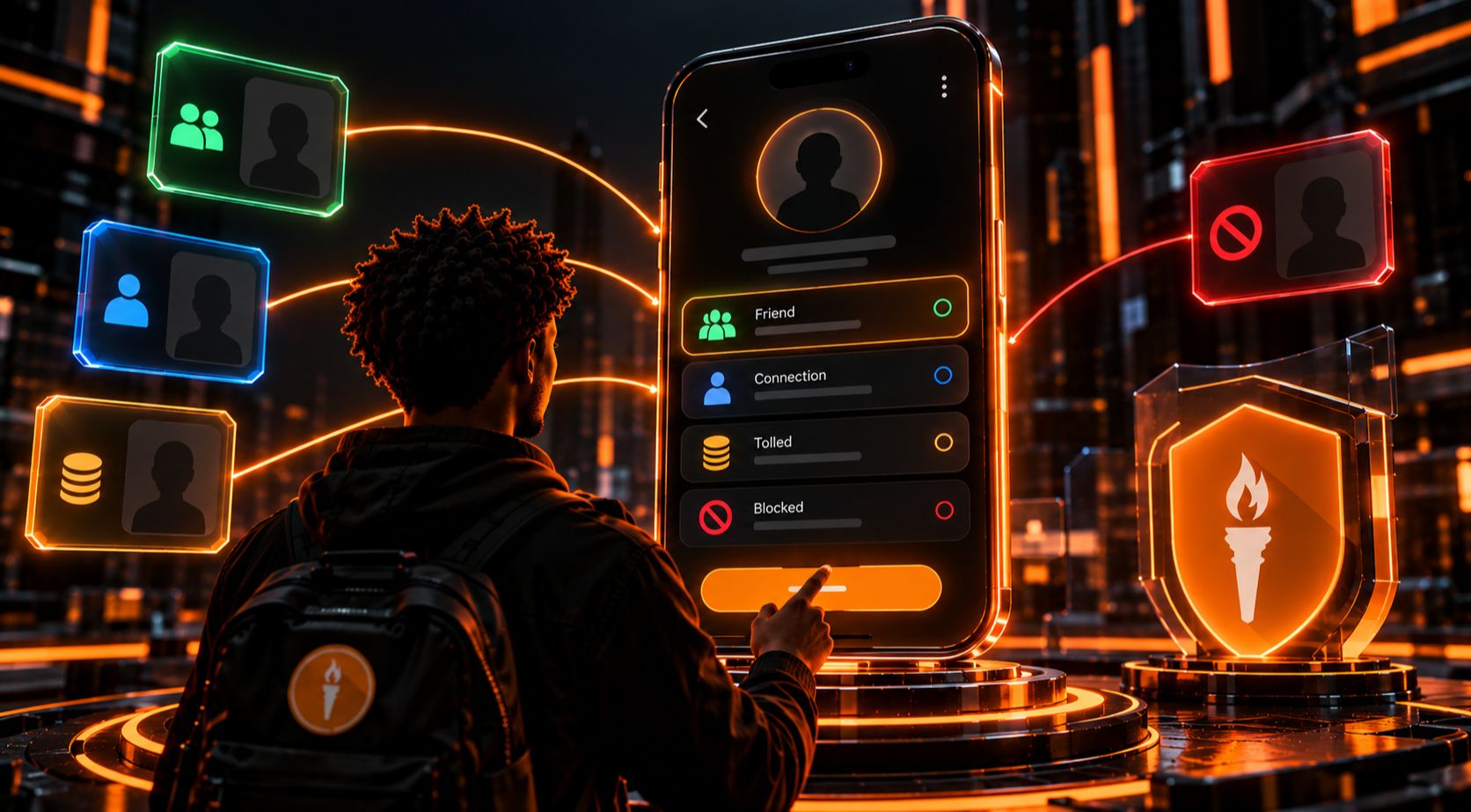
One profile, four levels of access.
What if you could decide exactly how each person can reach you?
On Liberdus, every contact has one of four statuses, friend, connection, tolled and blocked. Each one changes the rules of interaction.
Here's how it works.
How to change a status
Open a chat, tap the profile icon in the top-right corner, choose a status, tap Update.
According to the feature description, the change takes effect immediately and determines which messaging and toll rules apply to that contact.
Friend vs. Connection
These two statuses offer different levels of access.
🟢 Friend: Open communication, with your full profile information shared with the contact.
🔵 Connection: A trusted contact who can message you without paying a toll.
Two levels of trust and different rules.
Tolled vs blocked
🟠 Tolled: The person must pay a toll to message you.
🔴 Blocked: The person cannot message you, and your profile appears unavailable to them.
Blocking is silent and reversible. They aren't notified, and your chat history remains.
What happens when you unblock someone?
You don't simply flip a block switch. You choose their next status: tolled, connection or friend.
That means you can restore access without necessarily giving someone the same level of access they had before.
The interesting design choice
Access isn't just on or off. It's a spectrum. But there's a trade-off more control also means more decisions. You have to decide who gets access, which rules apply and when those rules should change.
Your turn
Four statuses. Four different ways to manage access. Which would you use most on Liberdus: friend, connection, tolled or blocked?
And is there a level of control you'd want that these four options don't provide?
#Liberdus #EarningsSeason $ETH
1
95
ບົດຄວາມ
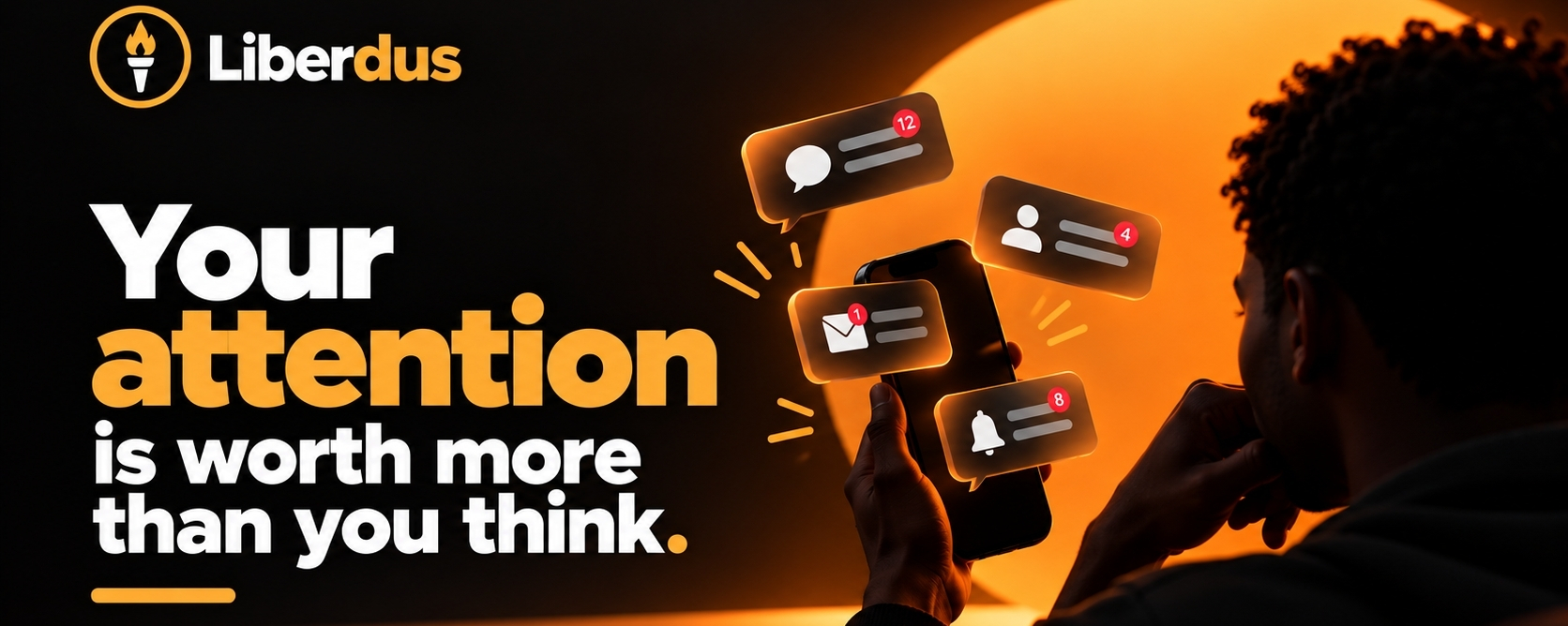
Your Attention Is Worth More Than You ThinkThink about how many times a day someone demands your attention without even asking.
Random messages, unnecessary notifications, people trying to sell you something. And most of the time, we just mute, block or ignore them.
We've become so used to it that we barely question it anymore.
But here's something interesting. If someone wants access to your attention, shouldn't you have more control over how they reach you?
That's one of the things I find interesting about #Liberdus
Its Tolls feature lets you set a small cost for certain people who want to message you. Your friends can still reach you for free, while others may need to pay your chosen Toll.
You decide how people can access your inbox.
And honestly, I don't think the interesting part is just about money. It's about having a choice.
We've spent years using platforms where anyone can compete for our attention, often without giving us anything in return. Maybe it's time to rethink how that works.
Your time has value. Your attention has value. And your inbox shouldn't have to be an open door for everyone.
The internet has become very good at capturing our attention. Maybe the next step is giving us more control over it.
That's one of the ideas that makes me interested in what Liberdus is building.
Your inbox. Your attention. Your rules.
#Privacy #security #Web3
Your Attention Is Worth More Than You Think
Think about how many times a day someone demands your attention without even asking.
Random messages, unnecessary notifications, people trying to sell you something. And most of the time, we just mute, block or ignore them.
We've become so used to it that we barely question it anymore.
But here's something interesting. If someone wants access to your attention, shouldn't you have more control over how they reach you?
That's one of the things I find interesting about #Liberdus
Its Tolls feature lets you set a small cost for certain people who want to message you. Your friends can still reach you for free, while others may need to pay your chosen Toll.
You decide how people can access your inbox.
And honestly, I don't think the interesting part is just about money. It's about having a choice.
We've spent years using platforms where anyone can compete for our attention, often without giving us anything in return. Maybe it's time to rethink how that works.
Your time has value. Your attention has value. And your inbox shouldn't have to be an open door for everyone.
The internet has become very good at capturing our attention. Maybe the next step is giving us more control over it.
That's one of the ideas that makes me interested in what Liberdus is building.
Your inbox. Your attention. Your rules.
#Privacy #security #Web3
1
80
·
--
ສັນຍານກະທິງ
Everyone talks about decentralization in crypto, but are we paying enough attention to privacy?
$ETH has helped push decentralized applications and on-chain innovation forward. Yet, as the ecosystem grows, one question becomes increasingly important:
How do we make the digital world more open without giving up too much personal information?
Financial freedom is a major step, but freedom should extend beyond our wallets. The ability to communicate, interact, and participate online with greater control matters just as much.
This is where #Liberdus enters the conversation.
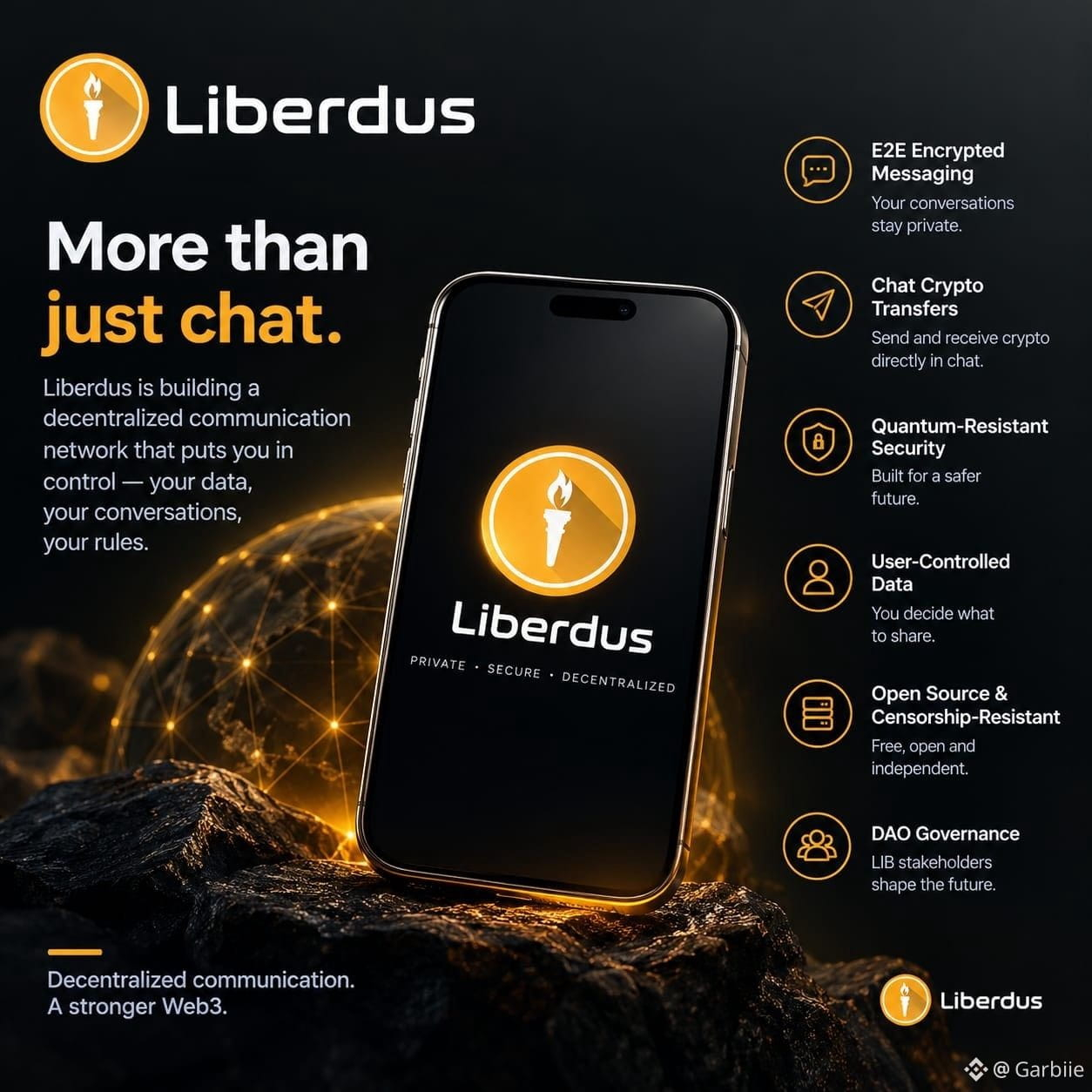
With its focus on decentralized communication and privacy, Liberdus represents an important idea: technology should give people more control over their digital experiences, not less.
The future of Web3 shouldn't only be about faster transactions, bigger ecosystems, or the next token rally. It should also be about putting people back in control.
Decentralization gives us the foundation. Privacy makes that freedom more meaningful.
Do you think privacy-focused projects will gain more attention as Web3 adoption grows?
109
·
--
Privacy isn't just about protecting our messages today. It's also about thinking ahead.
As computing technology evolves, the security behind private communication needs to evolve too.
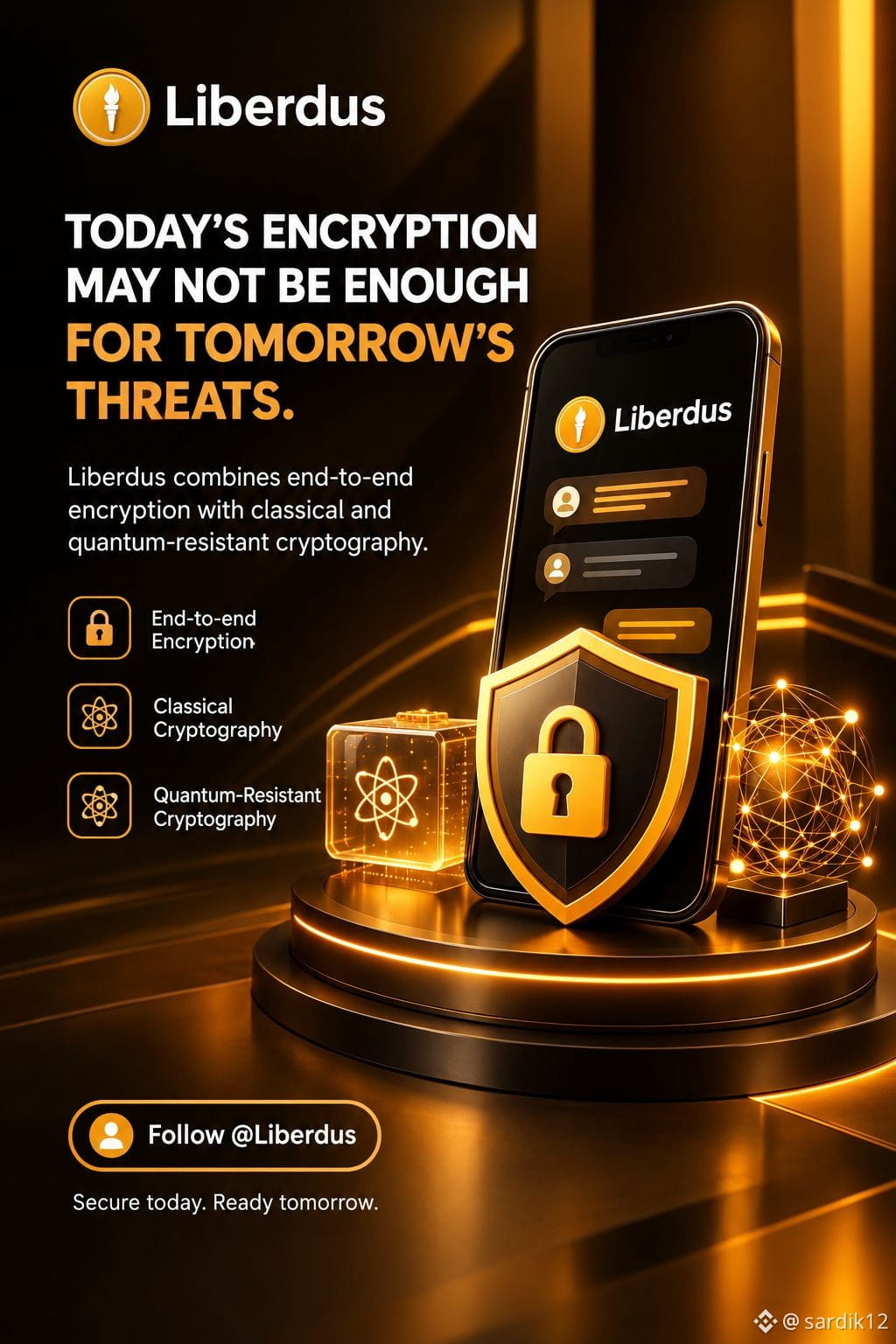
@Liberdus combines end-to-end encryption with classical and quantum-resistant cryptography, bringing future threats into the conversation.
No encryption is guaranteed to be unbreakable. What matters is building with tomorrow's challenges in mind, not just today's.
Are we doing enough to prepare our privacy for the future?
#Liberdus #Privacy #Web3
$XRP $SOL
2
3
515
ເຂົ້າສູ່ລະບົບເພື່ອສຳຫຼວດເນື້ອຫາເພີ່ມເຕີມ
ເຂົ້າຮ່ວມກຸ່ມຜູ້ໃຊ້ຄຣິບໂຕທົ່ວໂລກໃນ Binance Square.
⚡️ ໄດ້ຮັບຂໍ້ມູນຫຼ້າສຸດ ແລະ ທີ່ມີປະໂຫຍດກ່ຽວກັບຄຣິບໂຕ.
💬 ໄດ້ຮັບຄວາມໄວ້ວາງໃຈຈາກຕະຫຼາດແລກປ່ຽນຄຣິບໂຕທີ່ໃຫຍ່ທີ່ສຸດໃນໂລກ.
👍 ຄົ້ນຫາຂໍ້ມູນເຊີງເລິກທີ່ແທ້ຈາກນັກສ້າງທີ່ໄດ້ຮັບການຢືນຢັນ.
ອີເມວ / ເບີໂທລະສັບ
ຫົວຂໍ້ທີ່ກໍາລັງນິຍົມ
1
#JobsReportRaisesHikeOdds
308,608 ຄັ້ງທີ່ເບິ່ງ
2,370 ກຳລັງສົນທະນາ
2
#CPITestsDecemberRateOutlook
44,353 ຄັ້ງທີ່ເບິ່ງ
532 ກຳລັງສົນທະນາ
3
#BitcoinRebounds$75KAsChipsLead
25,025 ຄັ້ງທີ່ເບິ່ງ
240 ກຳລັງສົນທະນາ
4
#US Data Center Rules May Constrain AI Expansion
46,078 ຄັ້ງທີ່ເບິ່ງ
168 ກຳລັງສົນທະນາ
5
#ARKPlans14ThematicETFsCoveringAIAndTokenizedMarkets
437 ຄັ້ງທີ່ເບິ່ງ
19 ກຳລັງສົນທະນາ
6
#WillAnthropicListOnTime
80,901 ຄັ້ງທີ່ເບິ່ງ
948 ກຳລັງສົນທະນາ
7
#WillUS-IranTensionsBoostSafe-HavenDemand?
22,768 ຄັ້ງທີ່ເບິ່ງ
222 ກຳລັງສົນທະນາ
8
#BitcoinETFsSee$412MNetOutflows
5,908 ຄັ້ງທີ່ເບິ່ງ
46 ກຳລັງສົນທະນາ
9
#HKSFCPlansToRestrictCryptoAndExchangeTerms
20,307 ຄັ້ງທີ່ເບິ່ງ
327 ກຳລັງສົນທະນາ
10
#TradFiForBeginners
49,637 ຄັ້ງທີ່ເບິ່ງ
732 ກຳລັງສົນທະນາ