

Messianh
225 ໂພສ

Messianh
ລາຍງານ
ບລັອກຜູ້ໃຊ້
Web3 Community Manager | Content Creator | Crypto Project Ambassador | BP-662F4CF0162B
4 ກໍາລັງຕິດຕາມ
82 ຜູ້ຕິດຕາມ
279 Liked
ໂພສ
ທັງໝົດ
ວົງຢືມ
·
--
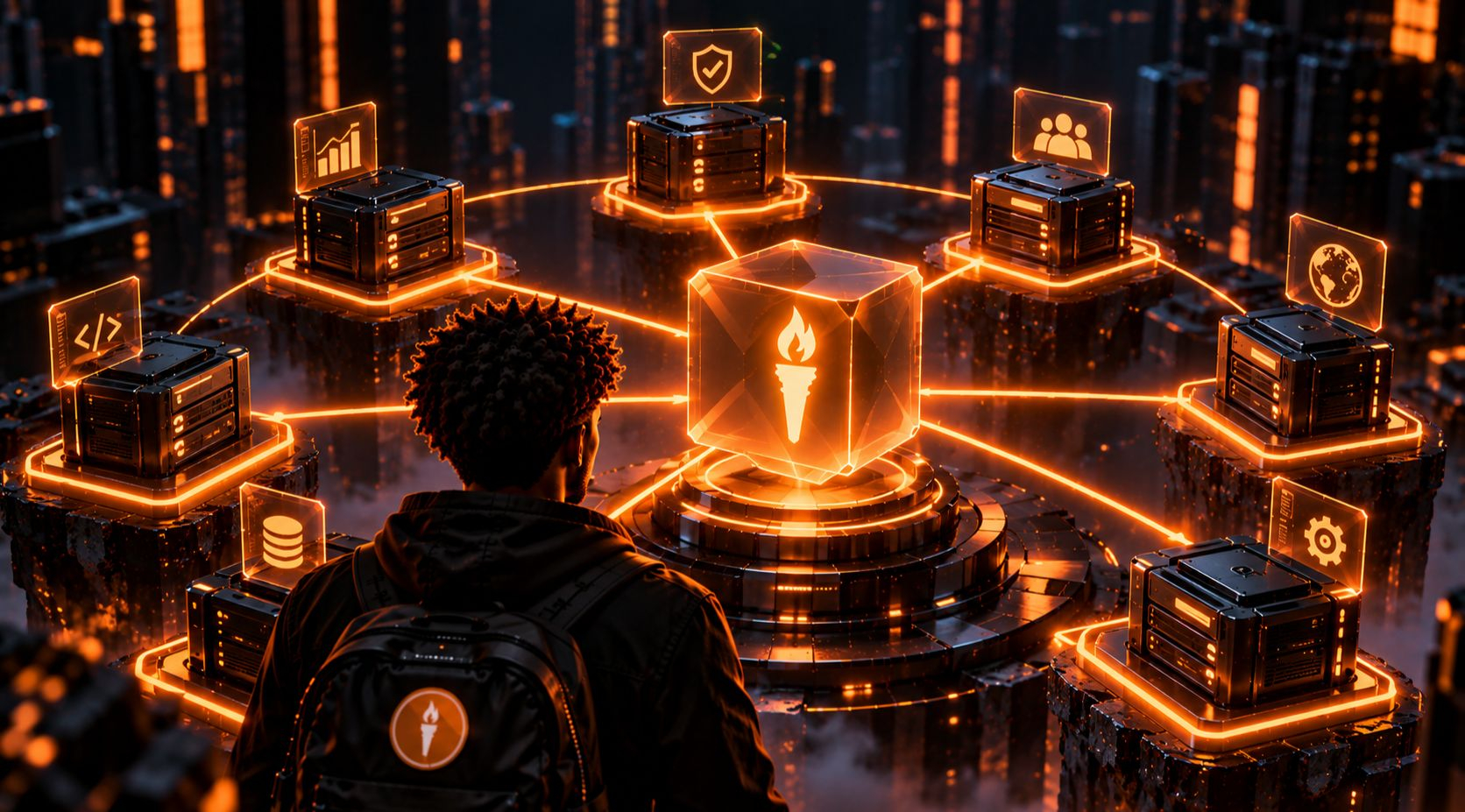
People hear decentralized network and imagine a system with no central authority.
But decentralization doesn't happen by magic. Someone has to operate the infrastructure. Nodes have to participate. The network needs a way to coordinate its operations.
That's where validators come into the picture. But here's the question worth exploring, how much decentralization does a network really have if only a small group can participate in validating it?
The number of validators matters. So do the barriers to running one. Decentralization isn't just about architecture. It's also about who gets to participate.
What do you think matters most: the number of validators or how accessible running one is?
#BinancePick #Liberdus $XRP
{spot}(XRPUSDT)
People hear decentralized network and imagine a system with no central authority.
But decentralization doesn't happen by magic. Someone has to operate the infrastructure. Nodes have to participate. The network needs a way to coordinate its operations.
That's where validators come into the picture. But here's the question worth exploring, how much decentralization does a network really have if only a small group can participate in validating it?
The number of validators matters. So do the barriers to running one. Decentralization isn't just about architecture. It's also about who gets to participate.
What do you think matters most: the number of validators or how accessible running one is?
#BinancePick #Liberdus $XRP
But decentralization doesn't happen by magic. Someone has to operate the infrastructure. Nodes have to participate. The network needs a way to coordinate its operations.
That's where validators come into the picture. But here's the question worth exploring, how much decentralization does a network really have if only a small group can participate in validating it?
The number of validators matters. So do the barriers to running one. Decentralization isn't just about architecture. It's also about who gets to participate.
What do you think matters most: the number of validators or how accessible running one is?
#BinancePick #Liberdus $XRP
1
201
·
--
A privacy feature is only as useful as the control it gives you.
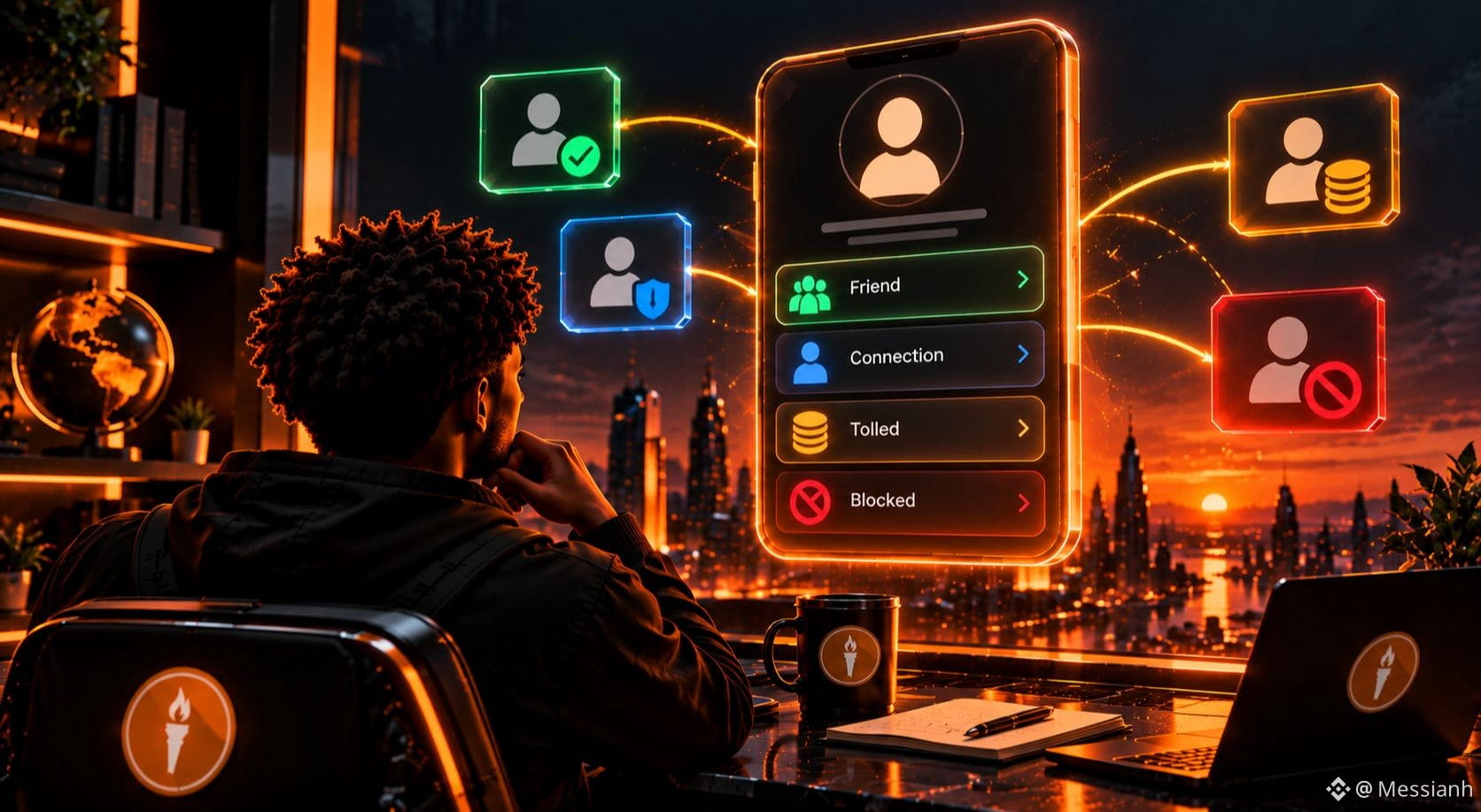
On @liberdus, contacts can have four statuses: Friend, Connection, Tolled or Blocked.
But here's the question I find more interesting, does giving users more control over who can reach them actually make messaging better?
It could help manage unwanted messages.
But it also introduces decisions users have to make themselves.
More control is valuable. How easy that control is to use matters just as much.
What's more important to you, fewer unwanted messages or fewer barriers to communication?
#Liberdus #BinancePick $USDC
{spot}(USDCUSDT)
A privacy feature is only as useful as the control it gives you.
On @liberdus, contacts can have four statuses: Friend, Connection, Tolled or Blocked.
But here's the question I find more interesting, does giving users more control over who can reach them actually make messaging better?
It could help manage unwanted messages.
But it also introduces decisions users have to make themselves.
More control is valuable. How easy that control is to use matters just as much.
What's more important to you, fewer unwanted messages or fewer barriers to communication?
#Liberdus #BinancePick $USDC
On @liberdus, contacts can have four statuses: Friend, Connection, Tolled or Blocked.
But here's the question I find more interesting, does giving users more control over who can reach them actually make messaging better?
It could help manage unwanted messages.
But it also introduces decisions users have to make themselves.
More control is valuable. How easy that control is to use matters just as much.
What's more important to you, fewer unwanted messages or fewer barriers to communication?
#Liberdus #BinancePick $USDC
1
78
·
--
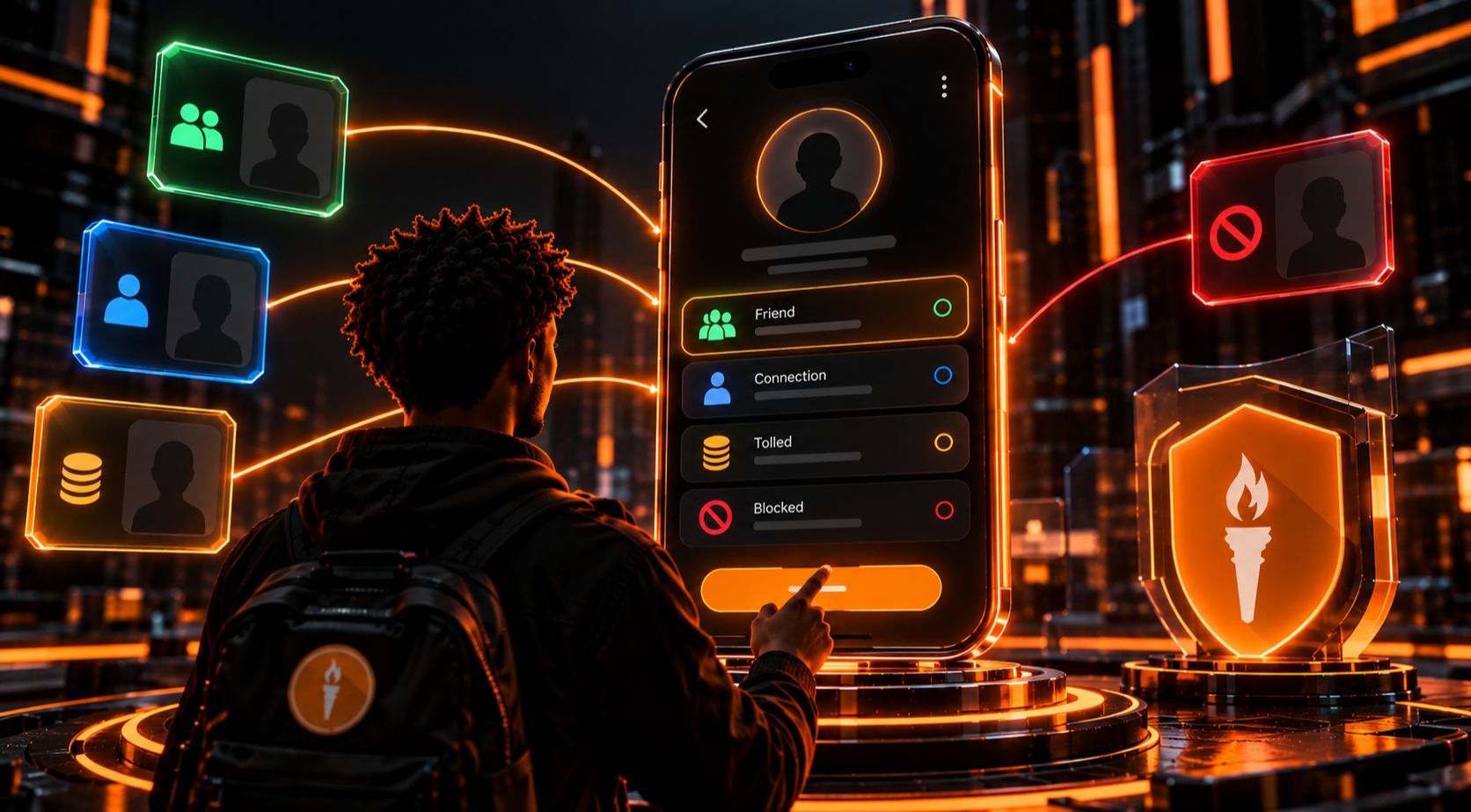
One profile, four levels of access.
What if you could decide exactly how each person can reach you?
On Liberdus, every contact has one of four statuses, friend, connection, tolled and blocked. Each one changes the rules of interaction.
Here's how it works.
How to change a status
Open a chat, tap the profile icon in the top-right corner, choose a status, tap Update.
According to the feature description, the change takes effect immediately and determines which messaging and toll rules apply to that contact.
Friend vs. Connection
These two statuses offer different levels of access.
🟢 Friend: Open communication, with your full profile information shared with the contact.
🔵 Connection: A trusted contact who can message you without paying a toll.
Two levels of trust and different rules.
Tolled vs blocked
🟠 Tolled: The person must pay a toll to message you.
🔴 Blocked: The person cannot message you, and your profile appears unavailable to them.
Blocking is silent and reversible. They aren't notified, and your chat history remains.
What happens when you unblock someone?
You don't simply flip a block switch. You choose their next status: tolled, connection or friend.
That means you can restore access without necessarily giving someone the same level of access they had before.
The interesting design choice
Access isn't just on or off. It's a spectrum. But there's a trade-off more control also means more decisions. You have to decide who gets access, which rules apply and when those rules should change.
Your turn
Four statuses. Four different ways to manage access. Which would you use most on Liberdus: friend, connection, tolled or blocked?
And is there a level of control you'd want that these four options don't provide?
#Liberdus #EarningsSeason $ETH
One profile, four levels of access.
What if you could decide exactly how each person can reach you?
On Liberdus, every contact has one of four statuses, friend, connection, tolled and blocked. Each one changes the rules of interaction.
Here's how it works.
How to change a status
Open a chat, tap the profile icon in the top-right corner, choose a status, tap Update.
According to the feature description, the change takes effect immediately and determines which messaging and toll rules apply to that contact.
Friend vs. Connection
These two statuses offer different levels of access.
🟢 Friend: Open communication, with your full profile information shared with the contact.
🔵 Connection: A trusted contact who can message you without paying a toll.
Two levels of trust and different rules.
Tolled vs blocked
🟠 Tolled: The person must pay a toll to message you.
🔴 Blocked: The person cannot message you, and your profile appears unavailable to them.
Blocking is silent and reversible. They aren't notified, and your chat history remains.
What happens when you unblock someone?
You don't simply flip a block switch. You choose their next status: tolled, connection or friend.
That means you can restore access without necessarily giving someone the same level of access they had before.
The interesting design choice
Access isn't just on or off. It's a spectrum. But there's a trade-off more control also means more decisions. You have to decide who gets access, which rules apply and when those rules should change.
Your turn
Four statuses. Four different ways to manage access. Which would you use most on Liberdus: friend, connection, tolled or blocked?
And is there a level of control you'd want that these four options don't provide?
#Liberdus #EarningsSeason $ETH
What if you could decide exactly how each person can reach you?
On Liberdus, every contact has one of four statuses, friend, connection, tolled and blocked. Each one changes the rules of interaction.
Here's how it works.
How to change a status
Open a chat, tap the profile icon in the top-right corner, choose a status, tap Update.
According to the feature description, the change takes effect immediately and determines which messaging and toll rules apply to that contact.
Friend vs. Connection
These two statuses offer different levels of access.
🟢 Friend: Open communication, with your full profile information shared with the contact.
🔵 Connection: A trusted contact who can message you without paying a toll.
Two levels of trust and different rules.
Tolled vs blocked
🟠 Tolled: The person must pay a toll to message you.
🔴 Blocked: The person cannot message you, and your profile appears unavailable to them.
Blocking is silent and reversible. They aren't notified, and your chat history remains.
What happens when you unblock someone?
You don't simply flip a block switch. You choose their next status: tolled, connection or friend.
That means you can restore access without necessarily giving someone the same level of access they had before.
The interesting design choice
Access isn't just on or off. It's a spectrum. But there's a trade-off more control also means more decisions. You have to decide who gets access, which rules apply and when those rules should change.
Your turn
Four statuses. Four different ways to manage access. Which would you use most on Liberdus: friend, connection, tolled or blocked?
And is there a level of control you'd want that these four options don't provide?
#Liberdus #EarningsSeason $ETH
1
90
·
--
One thing I'm learning in Web3, a good CM or ambassador shouldn't just know how to explain a feature.
They should understand the problem it solves. Why was it designed this way?
What trade-offs does it introduce?
What happens when things go wrong?
That's the difference between repeating announcements and helping people understand the technology.
I'm using Liberdus as one of my learning grounds, exploring the ideas behind privacy, decentralization, and digital ownership.
Less repetition and more investigation.
#Liberdus #GrayscaleAndRepublicLaunchThreeCryptoFunds $ZEC
{spot}(ZECUSDT)
One thing I'm learning in Web3, a good CM or ambassador shouldn't just know how to explain a feature.
They should understand the problem it solves. Why was it designed this way?
What trade-offs does it introduce?
What happens when things go wrong?
That's the difference between repeating announcements and helping people understand the technology.
I'm using Liberdus as one of my learning grounds, exploring the ideas behind privacy, decentralization, and digital ownership.
Less repetition and more investigation.
#Liberdus #GrayscaleAndRepublicLaunchThreeCryptoFunds $ZEC
They should understand the problem it solves. Why was it designed this way?
What trade-offs does it introduce?
What happens when things go wrong?
That's the difference between repeating announcements and helping people understand the technology.
I'm using Liberdus as one of my learning grounds, exploring the ideas behind privacy, decentralization, and digital ownership.
Less repetition and more investigation.
#Liberdus #GrayscaleAndRepublicLaunchThreeCryptoFunds $ZEC

1
48
·
--
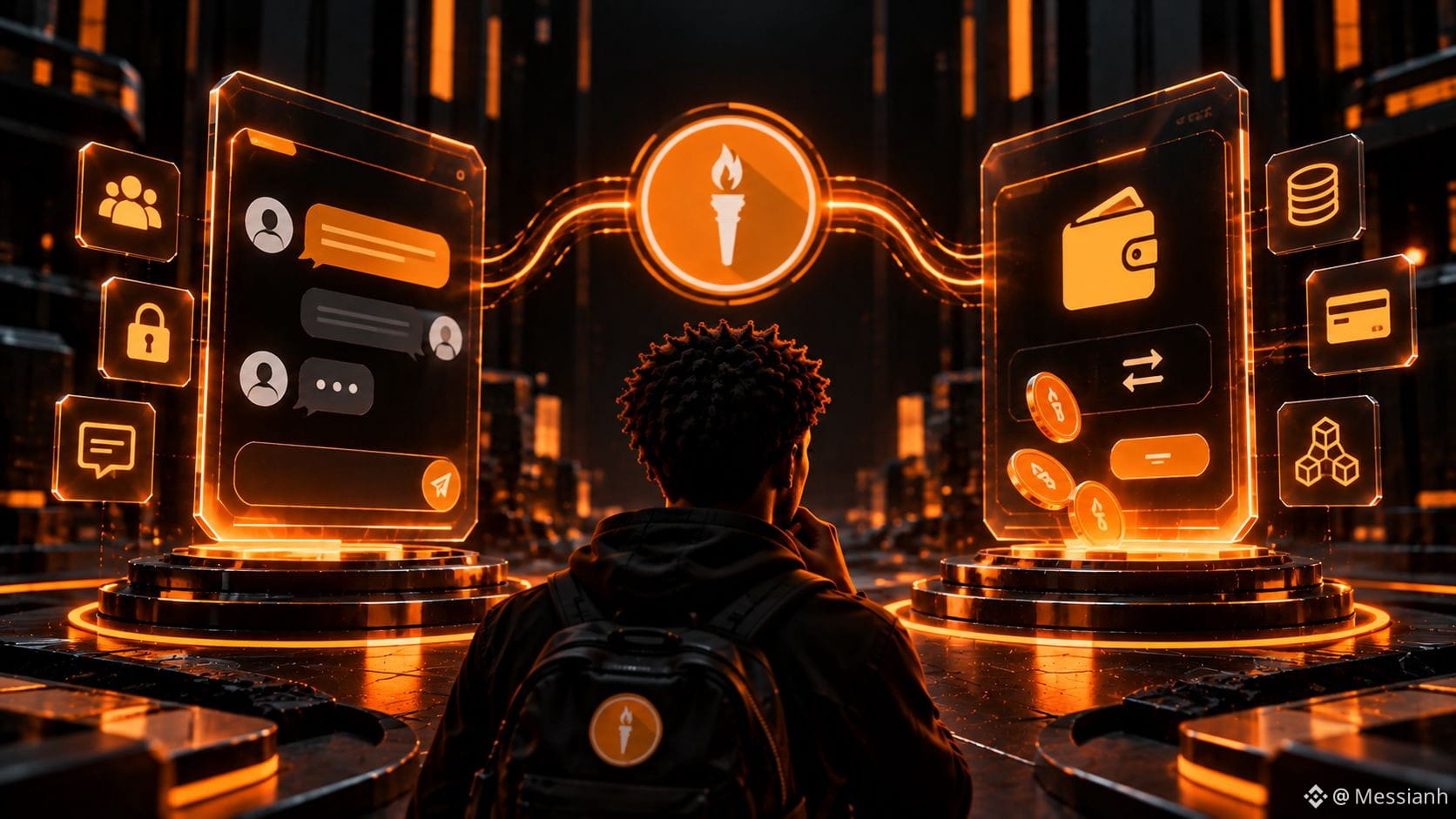
Why connect messaging and payments in the same ecosystem?
At first, they seem like two different problems. But think about it.
Messaging lets you communicate. Payments let you exchange value. Bringing them together raises interesting questions about identity, privacy, user experience, and transaction metadata.
The real question isn't whether combining them sounds useful. It's what you gain and what trade-offs you introduce.
Would you prefer one integrated experience or separate apps for each?
#Liberdus #ElSalvadorBitcoinHoldingsSurpass7800BTC $XRP
{spot}(XRPUSDT)
Why connect messaging and payments in the same ecosystem?
At first, they seem like two different problems. But think about it.
Messaging lets you communicate. Payments let you exchange value. Bringing them together raises interesting questions about identity, privacy, user experience, and transaction metadata.
The real question isn't whether combining them sounds useful. It's what you gain and what trade-offs you introduce.
Would you prefer one integrated experience or separate apps for each?
#Liberdus #ElSalvadorBitcoinHoldingsSurpass7800BTC $XRP
At first, they seem like two different problems. But think about it.
Messaging lets you communicate. Payments let you exchange value. Bringing them together raises interesting questions about identity, privacy, user experience, and transaction metadata.
The real question isn't whether combining them sounds useful. It's what you gain and what trade-offs you introduce.
Would you prefer one integrated experience or separate apps for each?
#Liberdus #ElSalvadorBitcoinHoldingsSurpass7800BTC $XRP
1
60
·
--
The more I explore Web3, the more I realize something, understanding a feature is easy.
Understanding why it was designed that way is a different story.
Why this architecture?
What problem does it solve?
What trade-off does it introduce?
What happens when things go wrong?
These are the questions I want to explore more. Liberdus is one of my testing grounds, but my curiosity goes beyond one project.
Privacy. Decentralization. Digital ownership. I want to understand how these ideas actually work and explain them in a way people can understand.
Less hype and more understanding. Don’t take my word for it.
#Liberdus #NEARRisesNearly10% $NEAR
{spot}(NEARUSDT)
The more I explore Web3, the more I realize something, understanding a feature is easy.
Understanding why it was designed that way is a different story.
Why this architecture?
What problem does it solve?
What trade-off does it introduce?
What happens when things go wrong?
These are the questions I want to explore more. Liberdus is one of my testing grounds, but my curiosity goes beyond one project.
Privacy. Decentralization. Digital ownership. I want to understand how these ideas actually work and explain them in a way people can understand.
Less hype and more understanding. Don’t take my word for it.
#Liberdus #NEARRisesNearly10% $NEAR
Understanding why it was designed that way is a different story.
Why this architecture?
What problem does it solve?
What trade-off does it introduce?
What happens when things go wrong?
These are the questions I want to explore more. Liberdus is one of my testing grounds, but my curiosity goes beyond one project.
Privacy. Decentralization. Digital ownership. I want to understand how these ideas actually work and explain them in a way people can understand.
Less hype and more understanding. Don’t take my word for it.
#Liberdus #NEARRisesNearly10% $NEAR
2
95
·
--
Let's talk about digital ownership.
If you control your own identity, keys, and data. You also carry more responsibility when something goes wrong.
Would you rather have full control with full responsibility, or convenience with a company handling recovery?
What's your pick?
#Liberdus $BTC #BTCDominanceBackAt60%
{spot}(BTCUSDT)
Let's talk about digital ownership.
If you control your own identity, keys, and data. You also carry more responsibility when something goes wrong.
Would you rather have full control with full responsibility, or convenience with a company handling recovery?
What's your pick?
#Liberdus $BTC #BTCDominanceBackAt60%
If you control your own identity, keys, and data. You also carry more responsibility when something goes wrong.
Would you rather have full control with full responsibility, or convenience with a company handling recovery?
What's your pick?
#Liberdus $BTC #BTCDominanceBackAt60%
1
62
·
--
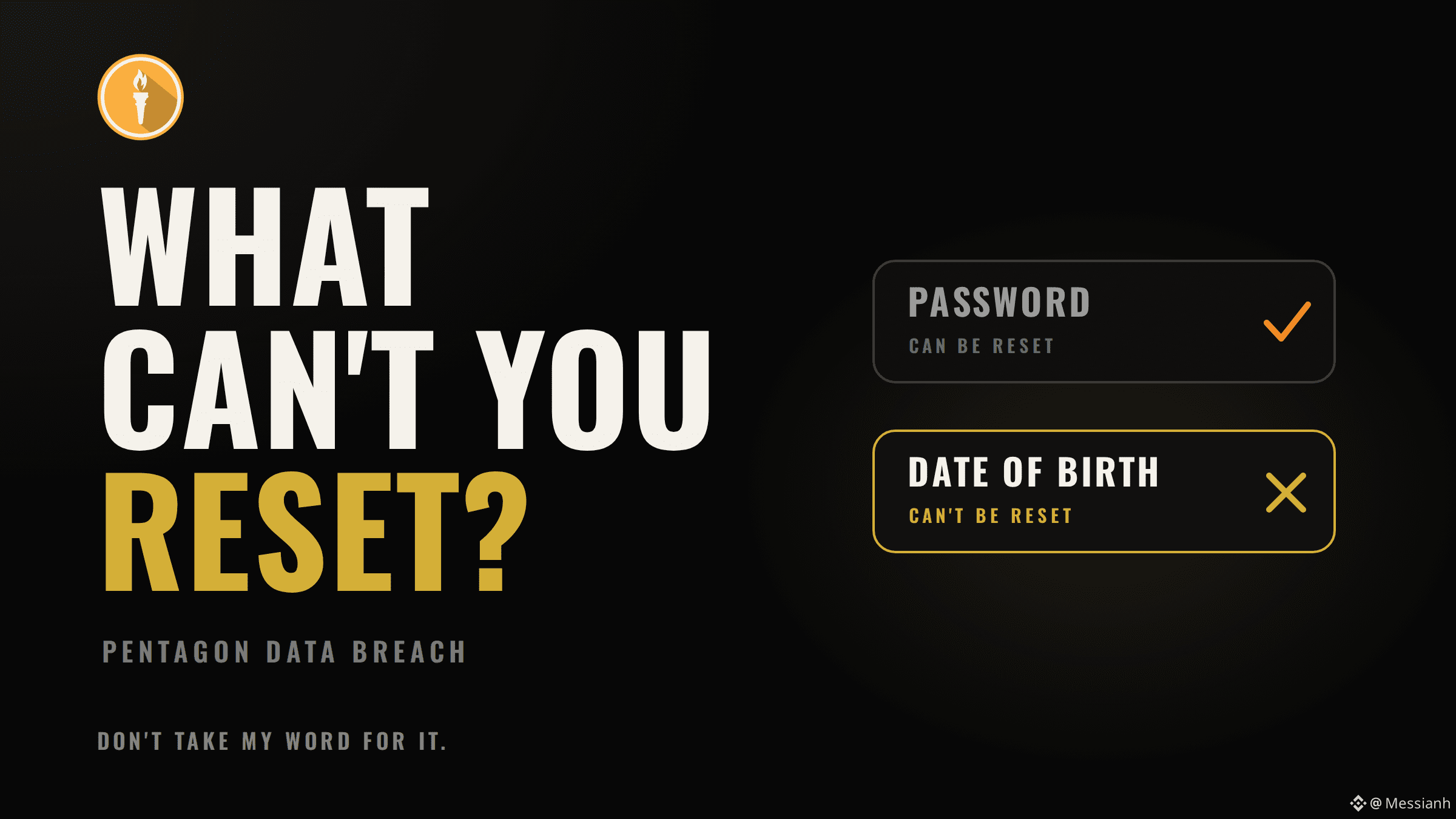
You can reset a password. You can't reset your date of birth.
That's the part of the Pentagon data breach that deserves more attention than the headline number.
What happened: the Defense Manpower Data Center, a Pentagon records unit, says unauthorized users exploited a flaw in a file-sharing system between October 2025 and July 2026. About 2.8 million living people are affected, plus 294,000 deceased, a Pentagon official said.
Exposed: names, Social Security numbers, dates of birth, contact details and military service records. The Pentagon official described the data as unencrypted. The Pentagon says it has no indication of misuse and is offering 12 months of credit monitoring.
Look at the asymmetry. The support lasts 12 months. The exposure doesn't. A date of birth never changes, and a Social Security number is very hard to replace. Identity data you can't rotate is the most expensive kind to lose.
What people miss: the DMDC keeps more than 60 million personnel records and runs identity verification for Pentagon ID cards. When identity data sits in a few large systems, one flaw can reach millions.
The trade-off: central databases make verification simple, and every flaw expensive. Holding less data means less to lose, but also another way to verify identity.
Should institutions hold less of our identity data, even if verification gets harder?
#Liberdus #SolanaETFsEnd14WeekInflowStreak $ONDO
{spot}(ONDOUSDT)
You can reset a password. You can't reset your date of birth.
That's the part of the Pentagon data breach that deserves more attention than the headline number.
What happened: the Defense Manpower Data Center, a Pentagon records unit, says unauthorized users exploited a flaw in a file-sharing system between October 2025 and July 2026. About 2.8 million living people are affected, plus 294,000 deceased, a Pentagon official said.
Exposed: names, Social Security numbers, dates of birth, contact details and military service records. The Pentagon official described the data as unencrypted. The Pentagon says it has no indication of misuse and is offering 12 months of credit monitoring.
Look at the asymmetry. The support lasts 12 months. The exposure doesn't. A date of birth never changes, and a Social Security number is very hard to replace. Identity data you can't rotate is the most expensive kind to lose.
What people miss: the DMDC keeps more than 60 million personnel records and runs identity verification for Pentagon ID cards. When identity data sits in a few large systems, one flaw can reach millions.
The trade-off: central databases make verification simple, and every flaw expensive. Holding less data means less to lose, but also another way to verify identity.
Should institutions hold less of our identity data, even if verification gets harder?
#Liberdus #SolanaETFsEnd14WeekInflowStreak $ONDO
That's the part of the Pentagon data breach that deserves more attention than the headline number.
What happened: the Defense Manpower Data Center, a Pentagon records unit, says unauthorized users exploited a flaw in a file-sharing system between October 2025 and July 2026. About 2.8 million living people are affected, plus 294,000 deceased, a Pentagon official said.
Exposed: names, Social Security numbers, dates of birth, contact details and military service records. The Pentagon official described the data as unencrypted. The Pentagon says it has no indication of misuse and is offering 12 months of credit monitoring.
Look at the asymmetry. The support lasts 12 months. The exposure doesn't. A date of birth never changes, and a Social Security number is very hard to replace. Identity data you can't rotate is the most expensive kind to lose.
What people miss: the DMDC keeps more than 60 million personnel records and runs identity verification for Pentagon ID cards. When identity data sits in a few large systems, one flaw can reach millions.
The trade-off: central databases make verification simple, and every flaw expensive. Holding less data means less to lose, but also another way to verify identity.
Should institutions hold less of our identity data, even if verification gets harder?
#Liberdus #SolanaETFsEnd14WeekInflowStreak $ONDO
1
498
·
--
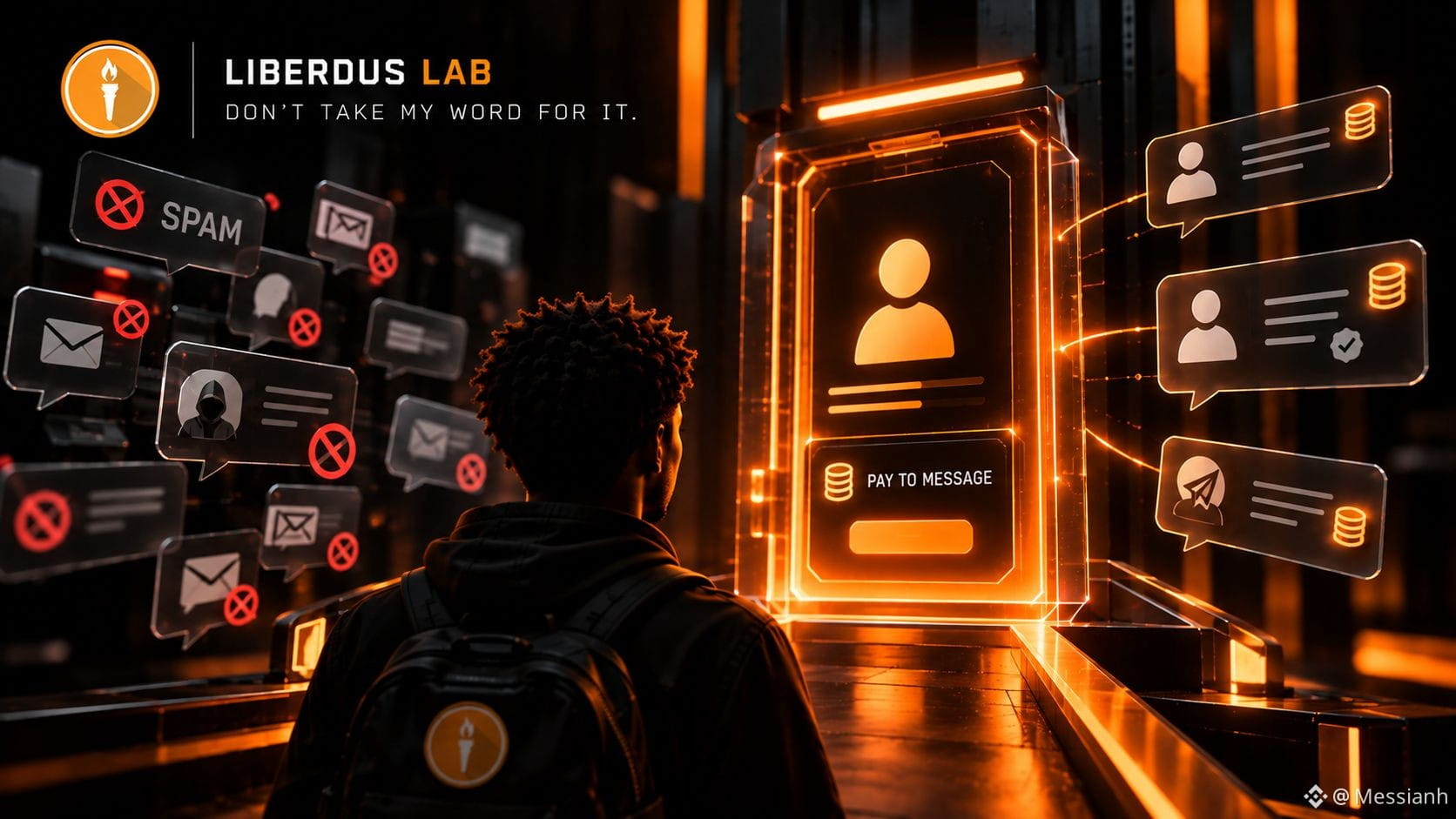
Imagine a messaging app where strangers have to pay a small toll before reaching you.
Less spam, more control over your attention. But what about someone with a genuine message who can't afford the toll?
Would you rather pay with your attention or make others pay to access it?
Curious where you draw the line.
#Liberdus #BitcoinOptionsVolatilityHitsFiveYearLow $SOL
{spot}(SOLUSDT)
Imagine a messaging app where strangers have to pay a small toll before reaching you.
Less spam, more control over your attention. But what about someone with a genuine message who can't afford the toll?
Would you rather pay with your attention or make others pay to access it?
Curious where you draw the line.
#Liberdus #BitcoinOptionsVolatilityHitsFiveYearLow $SOL
Less spam, more control over your attention. But what about someone with a genuine message who can't afford the toll?
Would you rather pay with your attention or make others pay to access it?
Curious where you draw the line.
#Liberdus #BitcoinOptionsVolatilityHitsFiveYearLow $SOL
1
108
·
--
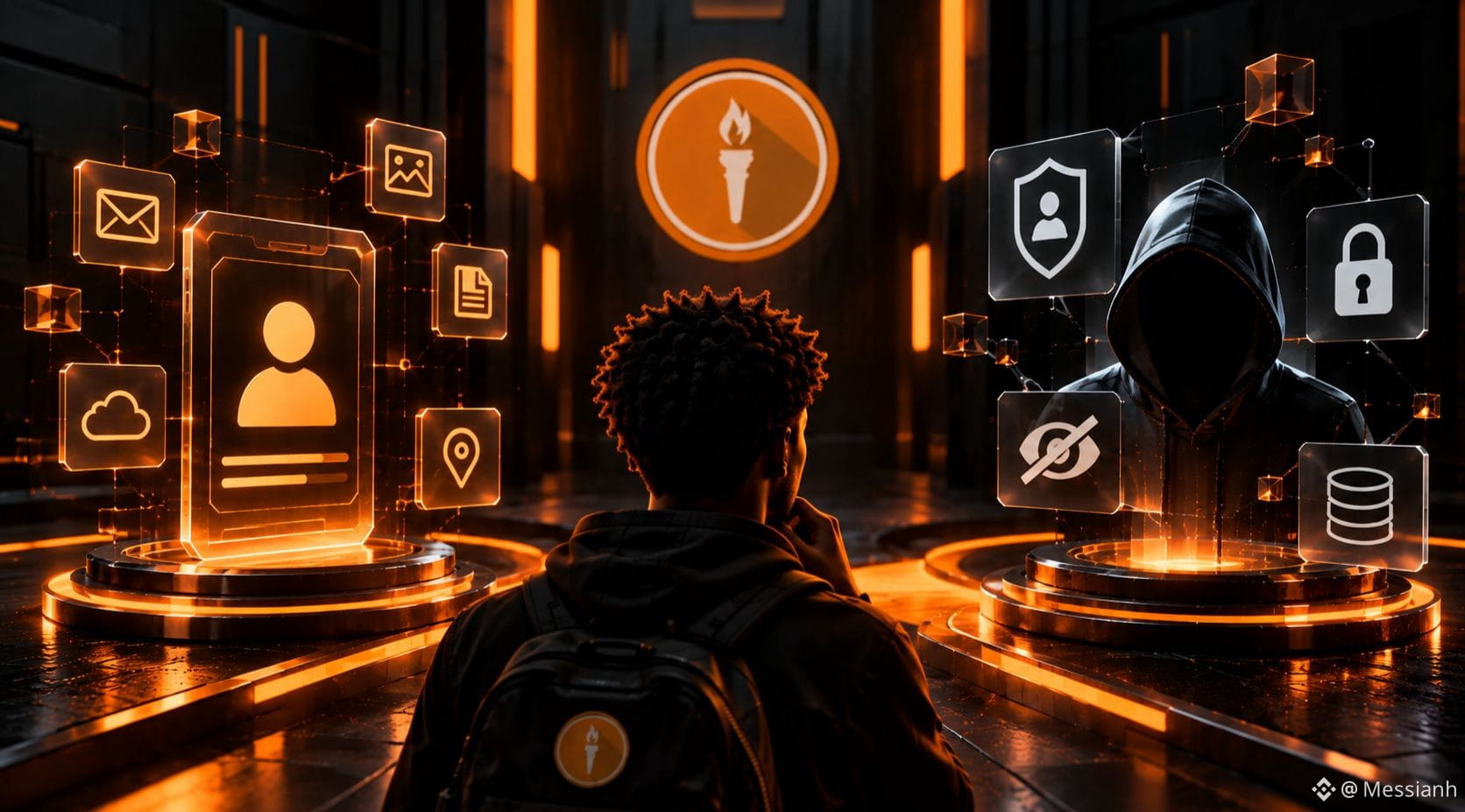
Privacy and anonymity are not the same thing.
You can hide your identity from the public while still exposing data to a platform. And you can use encryption without hiding every piece of metadata.
So when a Web3 project claims to protect your privacy, ask:
What exactly is private?Your identity? Your messages? Your transactions? Your metadata?
Privacy isn't a checkbox. It's a set of design decisions.
$ZEC
{spot}(ZECUSDT)
@liberdus #Liberdus #EthereumSurpasses2500USDT
Privacy and anonymity are not the same thing.
You can hide your identity from the public while still exposing data to a platform. And you can use encryption without hiding every piece of metadata.
So when a Web3 project claims to protect your privacy, ask:
What exactly is private?Your identity? Your messages? Your transactions? Your metadata?
Privacy isn't a checkbox. It's a set of design decisions.
$ZEC
@liberdus #Liberdus #EthereumSurpasses2500USDT
You can hide your identity from the public while still exposing data to a platform. And you can use encryption without hiding every piece of metadata.
So when a Web3 project claims to protect your privacy, ask:
What exactly is private?Your identity? Your messages? Your transactions? Your metadata?
Privacy isn't a checkbox. It's a set of design decisions.
$ZEC
@liberdus #Liberdus #EthereumSurpasses2500USDT
1
86
·
--
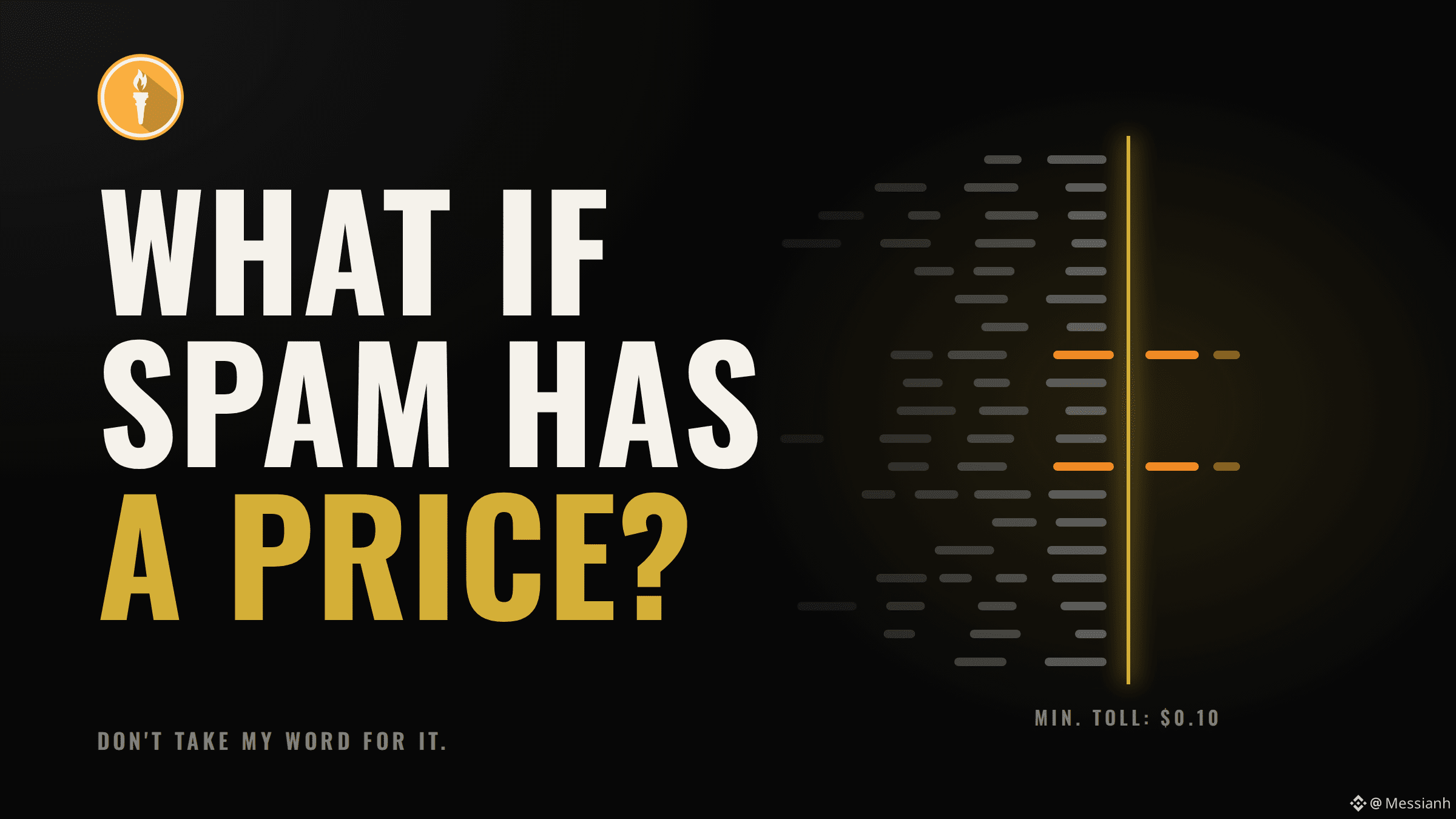
Everyone talks about signing up to Liberdus with a username instead of a phone number.
Less discussed, what that choice implies for the day you lose your phone. I looked closely at how accounts work. Here's the design underneath
Sign-up is simple, tap Create Account, pick a username, and your account keys are generated in a few seconds. No phone number and no email.
That means nothing issued by a carrier or a provider anchors your account.
Where does the account live? On your device. You can only sign in if an account has been created or restored there, and each account on a device is independent. Your keys, contacts and settings travel together in a single backup file.
That backup file is the recovery system.
Menu → Backup → Download, with an optional password to encrypt it. On a new device: Menu → Restore, select the file, enter the password if you set one.
Encrypting it is recommended.
Now the part worth a closer look. A lost backup password can't be recovered. The app lock has no password recovery either. And if you remove an account from a device, only a valid backup file can bring it back. Recovery is entirely in your hands.
That's the trade-off behind no phone number. You don't depend on a phone number or an email to create the account. You depend on a file and a password that only you can look after. Neither is free. One shifts trust to a provider. The other shifts responsibility to you.
One more detail, removing an account from your device doesn't remove it from the network. The migration tool even flags names that are already registered as Taken. So, a name registered on the network, with the keys held in your backup file.
Which would you rather depend on a provider that can reset your access, or a file that only you can lose?
#Liberdus #ZcashTargetsJanuaryForQuantumResistantPayments $ETH
{spot}(ETHUSDT)
Everyone talks about signing up to Liberdus with a username instead of a phone number.
Less discussed, what that choice implies for the day you lose your phone. I looked closely at how accounts work. Here's the design underneath
Sign-up is simple, tap Create Account, pick a username, and your account keys are generated in a few seconds. No phone number and no email.
That means nothing issued by a carrier or a provider anchors your account.
Where does the account live? On your device. You can only sign in if an account has been created or restored there, and each account on a device is independent. Your keys, contacts and settings travel together in a single backup file.
That backup file is the recovery system.
Menu → Backup → Download, with an optional password to encrypt it. On a new device: Menu → Restore, select the file, enter the password if you set one.
Encrypting it is recommended.
Now the part worth a closer look. A lost backup password can't be recovered. The app lock has no password recovery either. And if you remove an account from a device, only a valid backup file can bring it back. Recovery is entirely in your hands.
That's the trade-off behind no phone number. You don't depend on a phone number or an email to create the account. You depend on a file and a password that only you can look after. Neither is free. One shifts trust to a provider. The other shifts responsibility to you.
One more detail, removing an account from your device doesn't remove it from the network. The migration tool even flags names that are already registered as Taken. So, a name registered on the network, with the keys held in your backup file.
Which would you rather depend on a provider that can reset your access, or a file that only you can lose?
#Liberdus #ZcashTargetsJanuaryForQuantumResistantPayments $ETH
Less discussed, what that choice implies for the day you lose your phone. I looked closely at how accounts work. Here's the design underneath
Sign-up is simple, tap Create Account, pick a username, and your account keys are generated in a few seconds. No phone number and no email.
That means nothing issued by a carrier or a provider anchors your account.
Where does the account live? On your device. You can only sign in if an account has been created or restored there, and each account on a device is independent. Your keys, contacts and settings travel together in a single backup file.
That backup file is the recovery system.
Menu → Backup → Download, with an optional password to encrypt it. On a new device: Menu → Restore, select the file, enter the password if you set one.
Encrypting it is recommended.
Now the part worth a closer look. A lost backup password can't be recovered. The app lock has no password recovery either. And if you remove an account from a device, only a valid backup file can bring it back. Recovery is entirely in your hands.
That's the trade-off behind no phone number. You don't depend on a phone number or an email to create the account. You depend on a file and a password that only you can look after. Neither is free. One shifts trust to a provider. The other shifts responsibility to you.
One more detail, removing an account from your device doesn't remove it from the network. The migration tool even flags names that are already registered as Taken. So, a name registered on the network, with the keys held in your backup file.
Which would you rather depend on a provider that can reset your access, or a file that only you can lose?
#Liberdus #ZcashTargetsJanuaryForQuantumResistantPayments $ETH
1
82
·
--
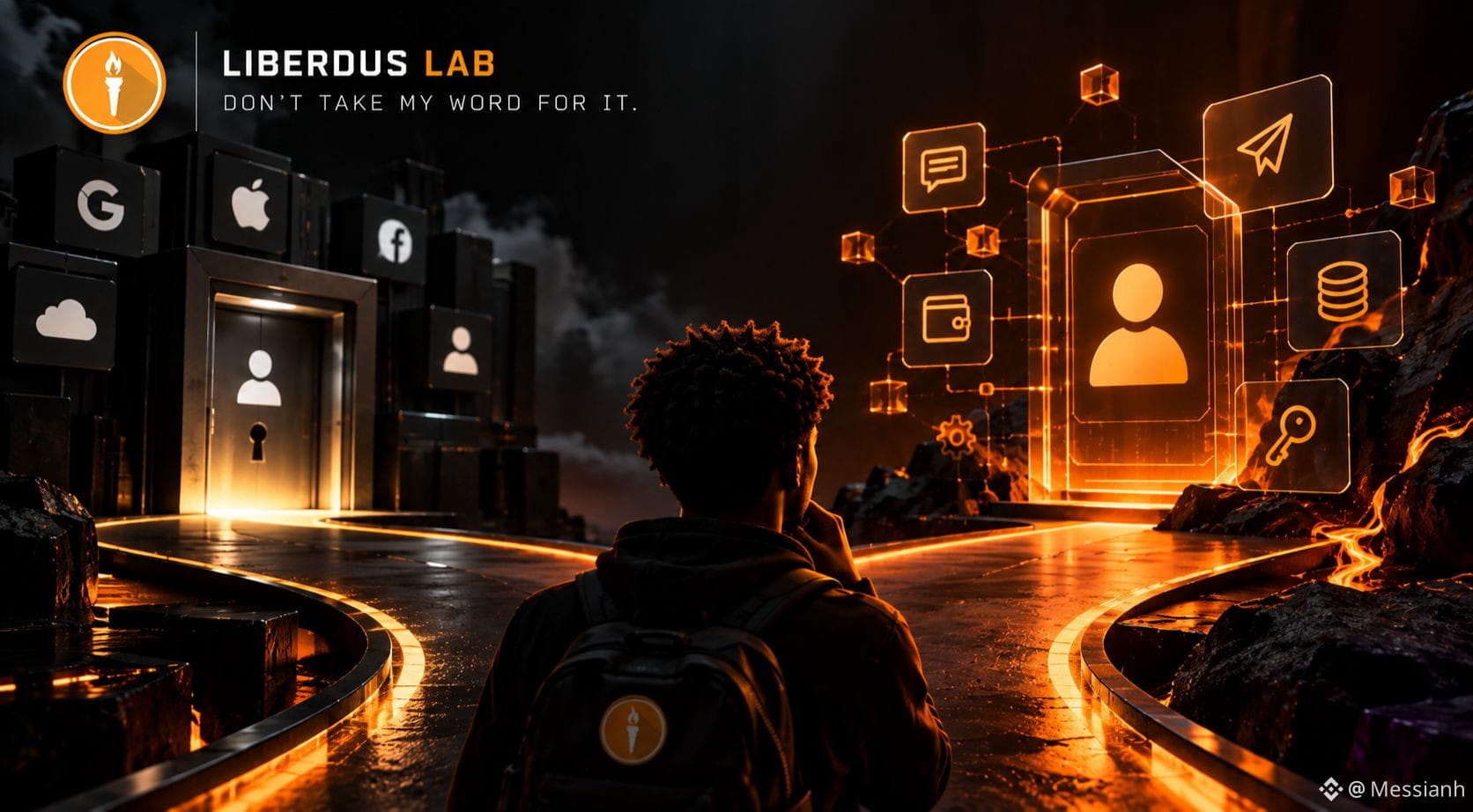
A feature is easy to promote.
Understanding the trade-offs is harder. Take decentralized identity. Less dependence on centralized platforms sounds great.
But what happens when you lose access?
Who helps you recover it?
Digital ownership isn't just about control. It's also about responsibility. That's the trade-off worth discussing.
#Liberdus #FedMinutesFocusOnOctoberPause $BTC
{spot}(BTCUSDT)
A feature is easy to promote.
Understanding the trade-offs is harder. Take decentralized identity. Less dependence on centralized platforms sounds great.
But what happens when you lose access?
Who helps you recover it?
Digital ownership isn't just about control. It's also about responsibility. That's the trade-off worth discussing.
#Liberdus #FedMinutesFocusOnOctoberPause $BTC
Understanding the trade-offs is harder. Take decentralized identity. Less dependence on centralized platforms sounds great.
But what happens when you lose access?
Who helps you recover it?
Digital ownership isn't just about control. It's also about responsibility. That's the trade-off worth discussing.
#Liberdus #FedMinutesFocusOnOctoberPause $BTC
1
92
·
--
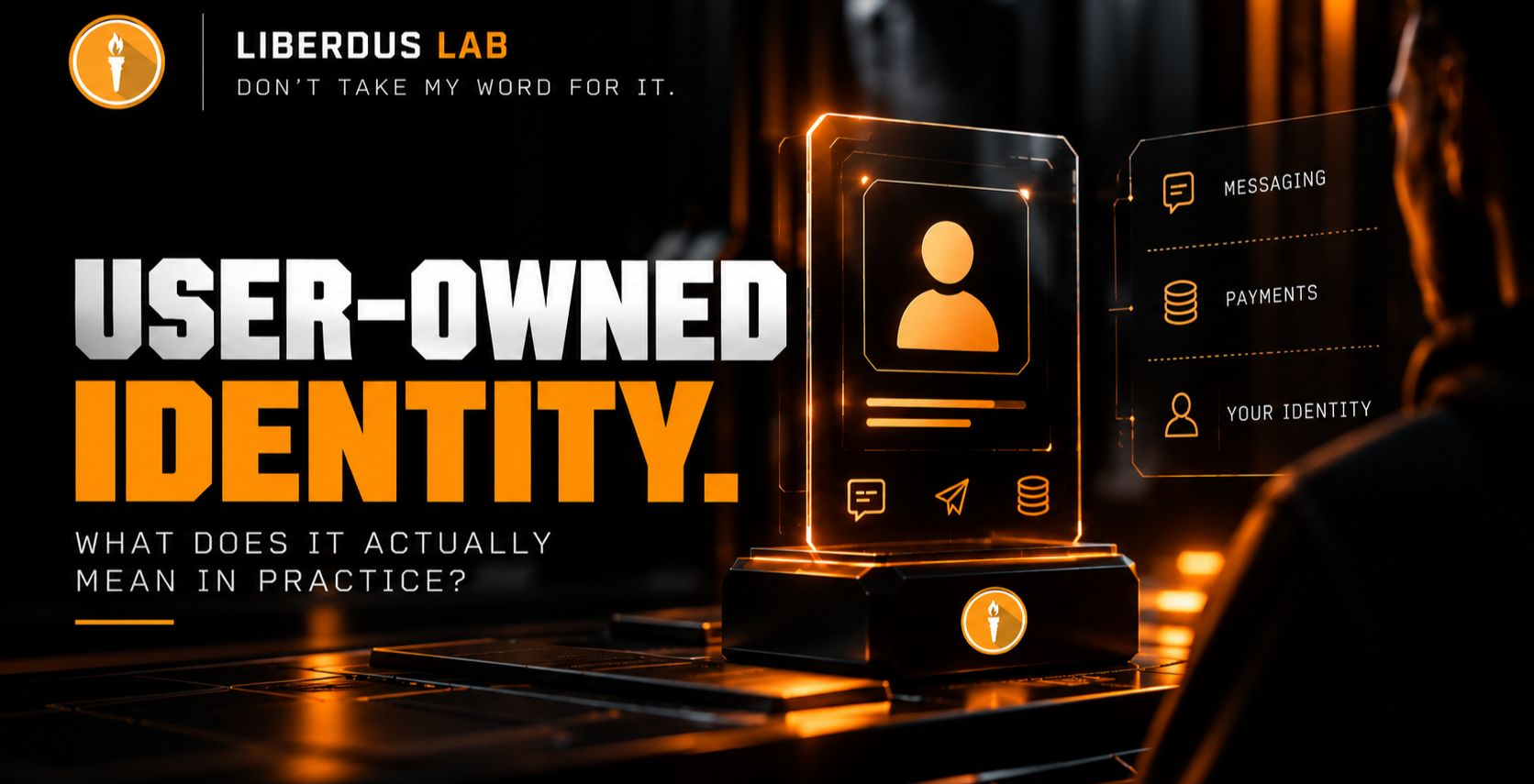
I wanted to understand what user-owned identity actually means in practice. Not the marketing version. The architecture behind it.
So I started digging into how @liberdus approaches identity. Here’s what I’m learning:
The interesting question isn’t who owns your identity. It’s who has the power to control it. That distinction matters.
#BinanceLaunchesBinanceIntelligence #Liberdus $ONDO
I wanted to understand what user-owned identity actually means in practice. Not the marketing version. The architecture behind it.
So I started digging into how @liberdus approaches identity. Here’s what I’m learning:
The interesting question isn’t who owns your identity. It’s who has the power to control it. That distinction matters.
#BinanceLaunchesBinanceIntelligence #Liberdus $ONDO
So I started digging into how @liberdus approaches identity. Here’s what I’m learning:
The interesting question isn’t who owns your identity. It’s who has the power to control it. That distinction matters.
#BinanceLaunchesBinanceIntelligence #Liberdus $ONDO
1
105
·
--
ຢືນຢັນແລ້ວ
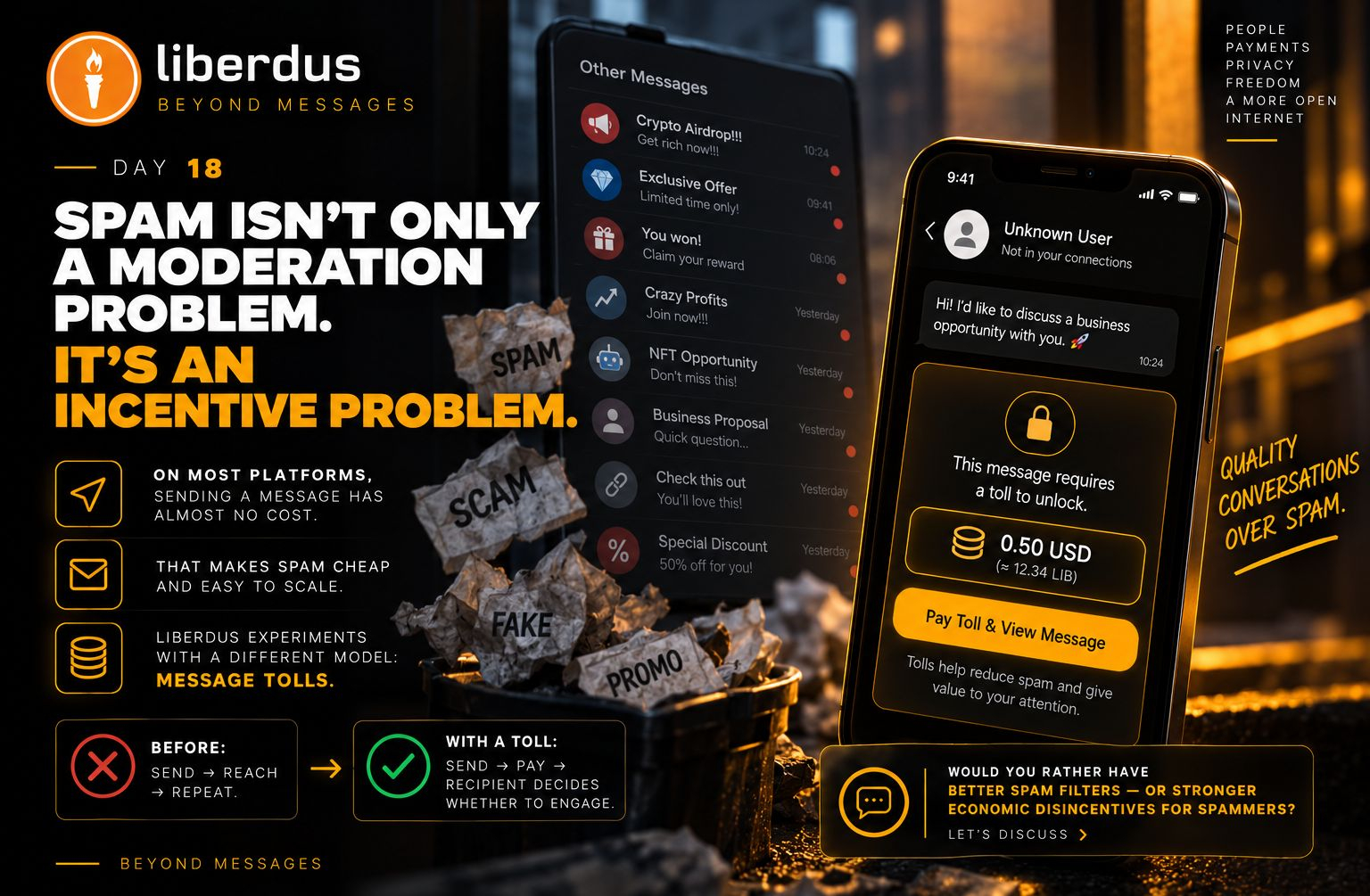
Spam isn’t only a moderation problem. It’s an incentive problem.
On most platforms, sending another person a message has almost no economic friction. That makes it cheap to send the same message to thousands of people.
Liberdus experiments with a different mechanism: message tolls. If someone isn’t your Friend or Connection, a toll can be required before they message you. The amount is set by the recipient and can also be disabled entirely.
The interesting part isn't the fee itself. It’s the change in incentives:
Before:
Send → reach → repeat.
With a toll:
Send → pay → recipient decides whether to engage.
And the system can return the unused toll if the recipient never interacts.
So maybe the bigger question for Web3 messaging isn't how do we filter more spam? But, how do we make spam less economically attractive in the first place? That’s a very different way of thinking about digital communication.
Would you rather have better spam filters or stronger economic disincentives for spammers?
#liberdus #CircleMints500MUSDCOnSolana $ZEC
{spot}(ZECUSDT)
Spam isn’t only a moderation problem. It’s an incentive problem.
On most platforms, sending another person a message has almost no economic friction. That makes it cheap to send the same message to thousands of people.
Liberdus experiments with a different mechanism: message tolls. If someone isn’t your Friend or Connection, a toll can be required before they message you. The amount is set by the recipient and can also be disabled entirely.
The interesting part isn't the fee itself. It’s the change in incentives:
Before:
Send → reach → repeat.
With a toll:
Send → pay → recipient decides whether to engage.
And the system can return the unused toll if the recipient never interacts.
So maybe the bigger question for Web3 messaging isn't how do we filter more spam? But, how do we make spam less economically attractive in the first place? That’s a very different way of thinking about digital communication.
Would you rather have better spam filters or stronger economic disincentives for spammers?
#liberdus #CircleMints500MUSDCOnSolana $ZEC
On most platforms, sending another person a message has almost no economic friction. That makes it cheap to send the same message to thousands of people.
Liberdus experiments with a different mechanism: message tolls. If someone isn’t your Friend or Connection, a toll can be required before they message you. The amount is set by the recipient and can also be disabled entirely.
The interesting part isn't the fee itself. It’s the change in incentives:
Before:
Send → reach → repeat.
With a toll:
Send → pay → recipient decides whether to engage.
And the system can return the unused toll if the recipient never interacts.
So maybe the bigger question for Web3 messaging isn't how do we filter more spam? But, how do we make spam less economically attractive in the first place? That’s a very different way of thinking about digital communication.
Would you rather have better spam filters or stronger economic disincentives for spammers?
#liberdus #CircleMints500MUSDCOnSolana $ZEC
1
573
·
--
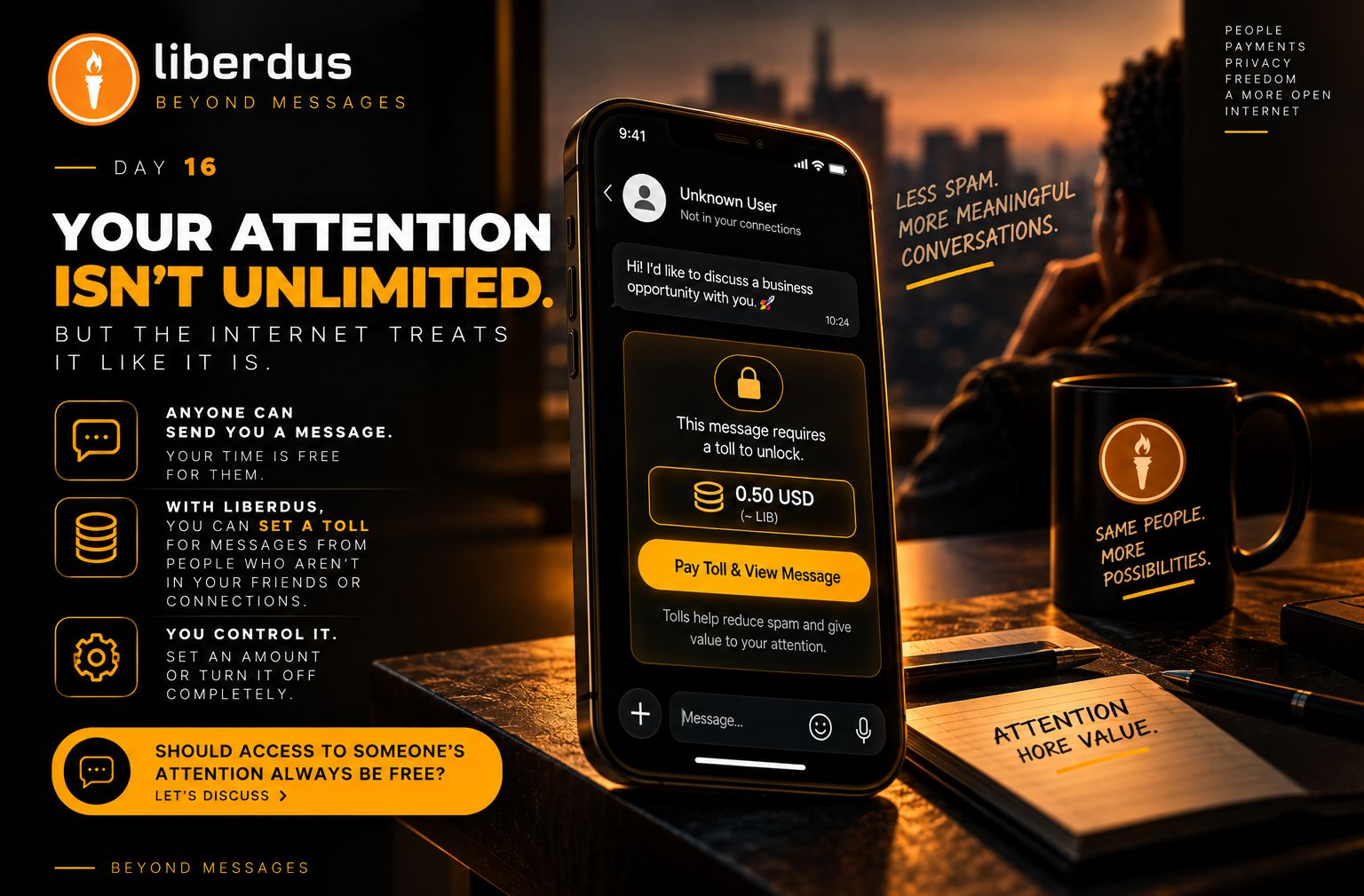
Your attention is one of the few things the internet treats as unlimited.
Anyone can send you a message. Your time is the one thing they’re spending for free. @liberdus experiments with a different model: message tolls.
If someone outside your Friends or Connections messages you, they may have to pay a toll. You can set it, or turn it off entirely. It’s a small mechanism, but it raises a bigger question, should access to someone’s attention always be free?
That’s a Web3 question worth exploring.
#Liberdus $ONDO
{spot}(ONDOUSDT)
Your attention is one of the few things the internet treats as unlimited.
Anyone can send you a message. Your time is the one thing they’re spending for free. @liberdus experiments with a different model: message tolls.
If someone outside your Friends or Connections messages you, they may have to pay a toll. You can set it, or turn it off entirely. It’s a small mechanism, but it raises a bigger question, should access to someone’s attention always be free?
That’s a Web3 question worth exploring.
#Liberdus $ONDO
Anyone can send you a message. Your time is the one thing they’re spending for free. @liberdus experiments with a different model: message tolls.
If someone outside your Friends or Connections messages you, they may have to pay a toll. You can set it, or turn it off entirely. It’s a small mechanism, but it raises a bigger question, should access to someone’s attention always be free?
That’s a Web3 question worth exploring.
#Liberdus $ONDO
1
194
·
--
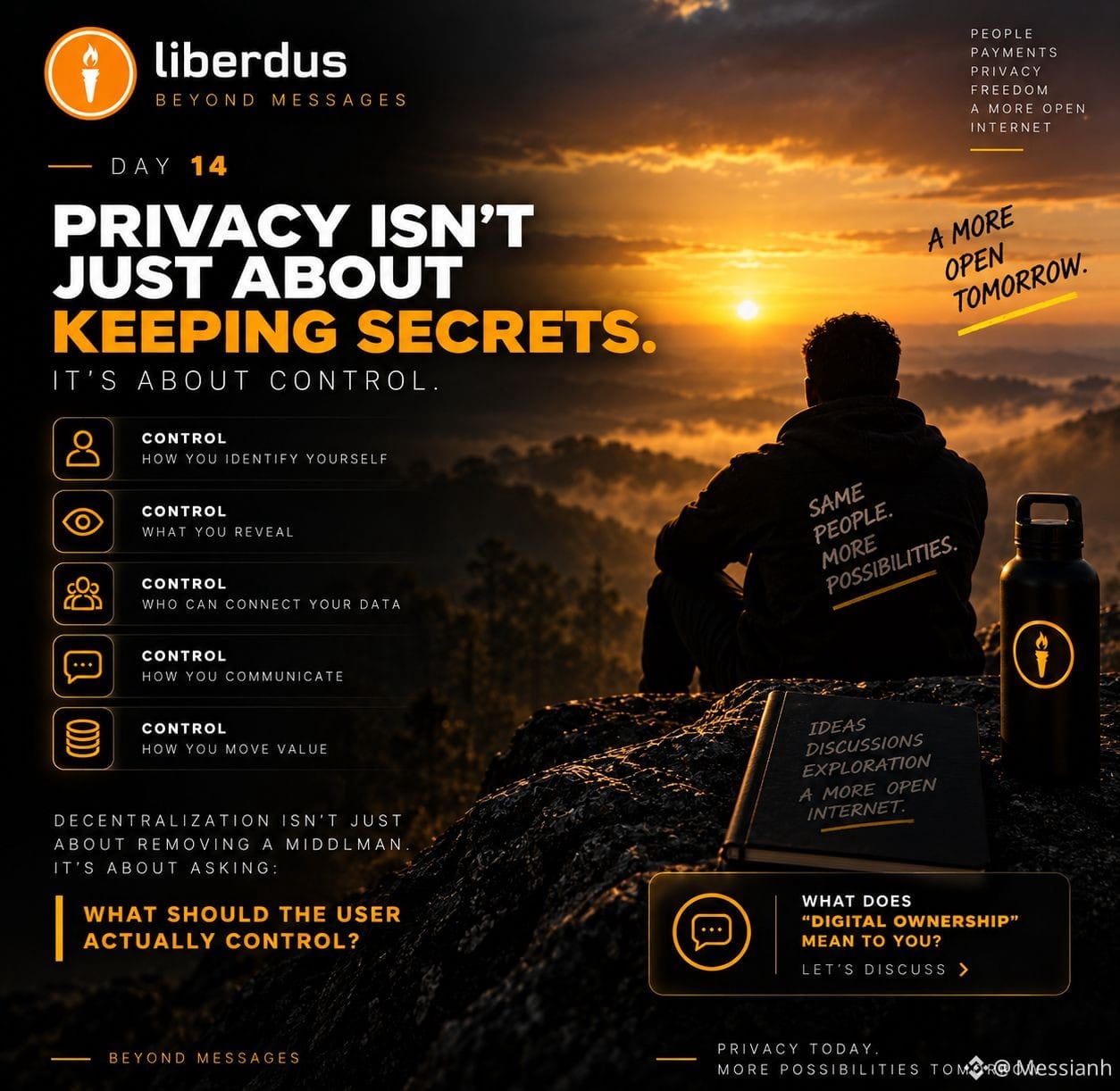
I used to think privacy was mostly about keeping secrets. The more I explore Web3, the more I see it differently. Privacy is also about control.
Control over, how you identify yourself, what you reveal, who can connect your data, how you communicate, how you move value. And that’s what makes decentralization interesting to me.
It’s not just about removing a middleman. It’s about asking, what should the user actually control?
That’s the question I want to keep exploring here.
Less hype
More understanding
More proof
More uncomfortable questions
What does digital ownership mean to you?
#AIStocksWhatNext #bnb $BNB
{spot}(BNBUSDT)
I used to think privacy was mostly about keeping secrets. The more I explore Web3, the more I see it differently. Privacy is also about control.
Control over, how you identify yourself, what you reveal, who can connect your data, how you communicate, how you move value. And that’s what makes decentralization interesting to me.
It’s not just about removing a middleman. It’s about asking, what should the user actually control?
That’s the question I want to keep exploring here.
Less hype
More understanding
More proof
More uncomfortable questions
What does digital ownership mean to you?
#AIStocksWhatNext #bnb $BNB
Control over, how you identify yourself, what you reveal, who can connect your data, how you communicate, how you move value. And that’s what makes decentralization interesting to me.
It’s not just about removing a middleman. It’s about asking, what should the user actually control?
That’s the question I want to keep exploring here.
Less hype
More understanding
More proof
More uncomfortable questions
What does digital ownership mean to you?
#AIStocksWhatNext #bnb $BNB
1
58
·
--
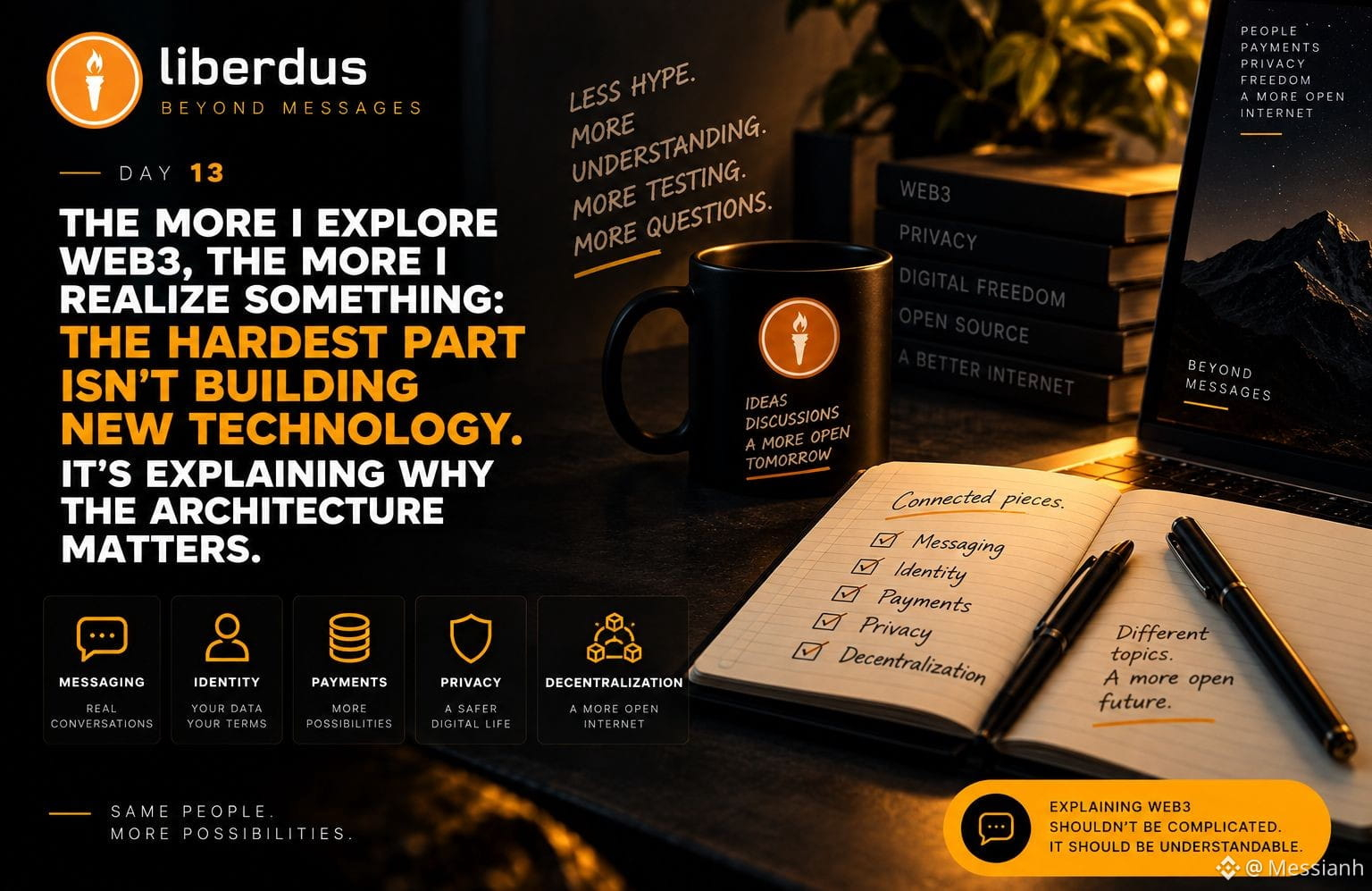
The more I explore Web3, the more I realize something, the hardest part isn’t building new technology. It’s explaining why the architecture matters.
Messaging, identity, payments, privacy and decentralization. They can look like separate topics. But they’re increasingly connected. That’s what I find interesting about projects like Liberdus.
Not just what the app does, but what changes when these pieces are designed to work together. And that’s the kind of Web3 content I want to keep exploring:
Less hype, more understanding, more testing and more questions. Because explaining Web3 shouldn’t mean making it sound complicated.
It should mean making the complexity understandable.
#ZetaChainVotesToMigrateZETAToSolana $ZETA
{future}(ZETAUSDT)
The more I explore Web3, the more I realize something, the hardest part isn’t building new technology. It’s explaining why the architecture matters.
Messaging, identity, payments, privacy and decentralization. They can look like separate topics. But they’re increasingly connected. That’s what I find interesting about projects like Liberdus.
Not just what the app does, but what changes when these pieces are designed to work together. And that’s the kind of Web3 content I want to keep exploring:
Less hype, more understanding, more testing and more questions. Because explaining Web3 shouldn’t mean making it sound complicated.
It should mean making the complexity understandable.
#ZetaChainVotesToMigrateZETAToSolana $ZETA
Messaging, identity, payments, privacy and decentralization. They can look like separate topics. But they’re increasingly connected. That’s what I find interesting about projects like Liberdus.
Not just what the app does, but what changes when these pieces are designed to work together. And that’s the kind of Web3 content I want to keep exploring:
Less hype, more understanding, more testing and more questions. Because explaining Web3 shouldn’t mean making it sound complicated.
It should mean making the complexity understandable.
#ZetaChainVotesToMigrateZETAToSolana $ZETA
1
2.1k
·
--
If your messaging app could also handle payments, would you actually use it?
Not because it’s Web3. Just because it might be simpler. One identity, one conversation and one place to send value.
But there’s another side, more functionality in one place can also mean more responsibility. Especially when your identity, conversations and transactions are connected.
So I’m curious, would you rather have one app that does more or separate apps for each function? Why?
#Liberdus #SaylorHintsStrategyBitcoinBuy $ZEC
{spot}(ZECUSDT)
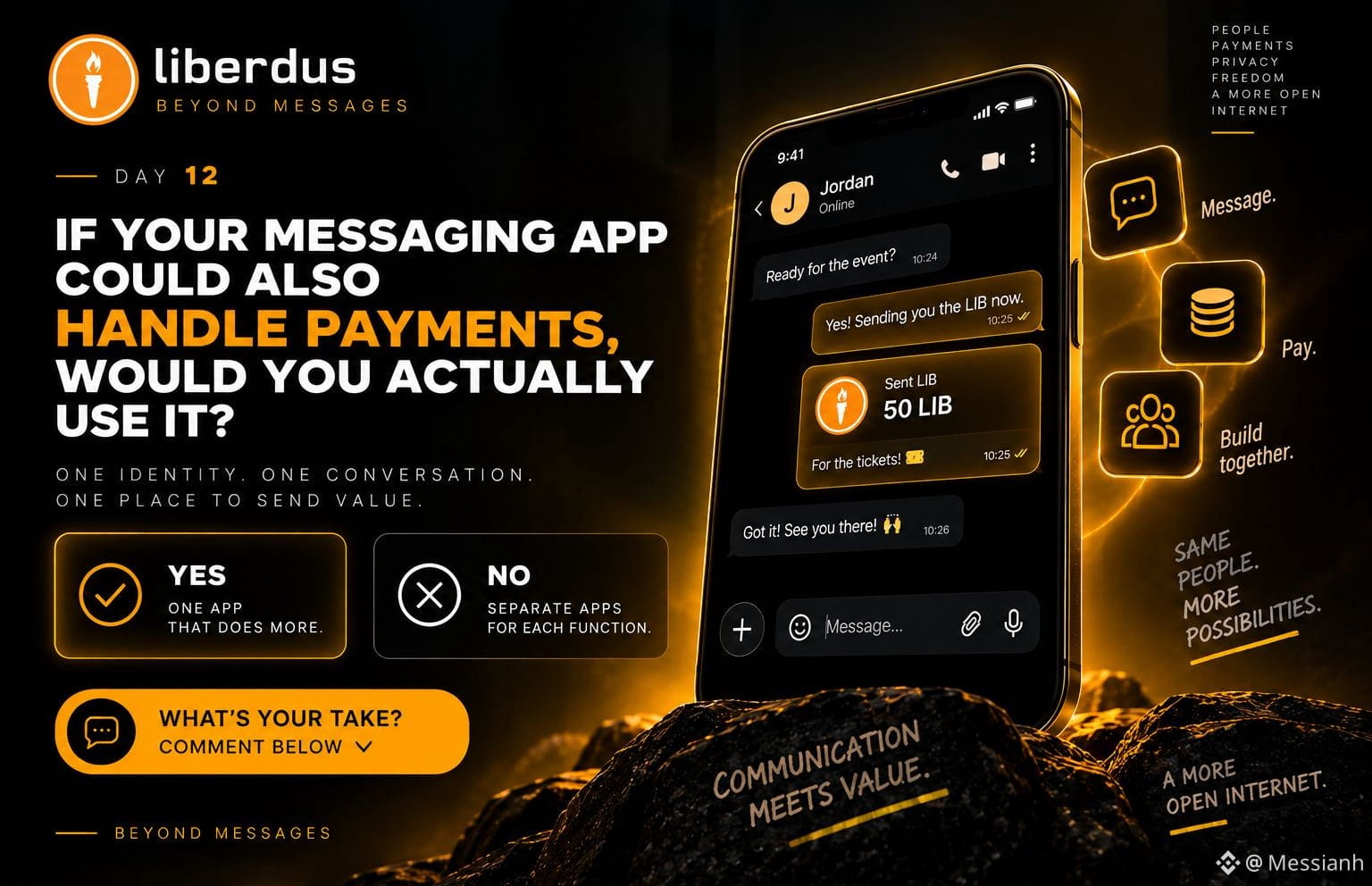
If your messaging app could also handle payments, would you actually use it?
Not because it’s Web3. Just because it might be simpler. One identity, one conversation and one place to send value.
But there’s another side, more functionality in one place can also mean more responsibility. Especially when your identity, conversations and transactions are connected.
So I’m curious, would you rather have one app that does more or separate apps for each function? Why?
#Liberdus #SaylorHintsStrategyBitcoinBuy $ZEC
Not because it’s Web3. Just because it might be simpler. One identity, one conversation and one place to send value.
But there’s another side, more functionality in one place can also mean more responsibility. Especially when your identity, conversations and transactions are connected.
So I’m curious, would you rather have one app that does more or separate apps for each function? Why?
#Liberdus #SaylorHintsStrategyBitcoinBuy $ZEC
1
86
·
--
The interesting part about crypto payments isn’t the payment. It’s what happens when money becomes part of the communication layer.
For years, we’ve treated messaging and payments as two completely different things.
You talk in one app, you pay in another, you manage your wallet somewhere else. But Web3 makes another model possible.
Liberdus combines messaging and LIB payments in the same ecosystem. You can send LIB directly from a conversation, with the recipient already selected from the chat. That sounds simple, but the architecture behind it is more interesting.
Think about the layers:
Identity → Communication → Value
The same username can be used for messaging and payments, while being mapped to a Liberdus wallet address.
One identity layer can therefore connect different interactions.
That changes the meaning of a messaging app. It’s no longer only, how do I send a message?
It becomes, what can I do with someone I’m already connected to?
Message, pay, receive value, interact.
But there’s an important trade-off. Combining identity, communication and payments also means you need to understand what information each layer exposes. For example, Liberdus states that LIB transactions are not anonymous and contain transaction metadata.
That’s why I think privacy needs more precise conversations. No phone number ≠ anonymous transactions.
Decentralized ≠ invisible.
Self-custody ≠ no responsibility.
The interesting questions are in the details.
And that’s where Web3 becomes more than a collection of tokens. It becomes an experiment in redesigning how we
identify → communicate → exchange value.
The question I keep coming back to,
should money be a separate layer from our digital relationships or should they eventually work together?
#FIRO #BOJRaisesRatesTo31YearHigh $FIRO
The interesting part about crypto payments isn’t the payment. It’s what happens when money becomes part of the communication layer.
For years, we’ve treated messaging and payments as two completely different things.
You talk in one app, you pay in another, you manage your wallet somewhere else. But Web3 makes another model possible.
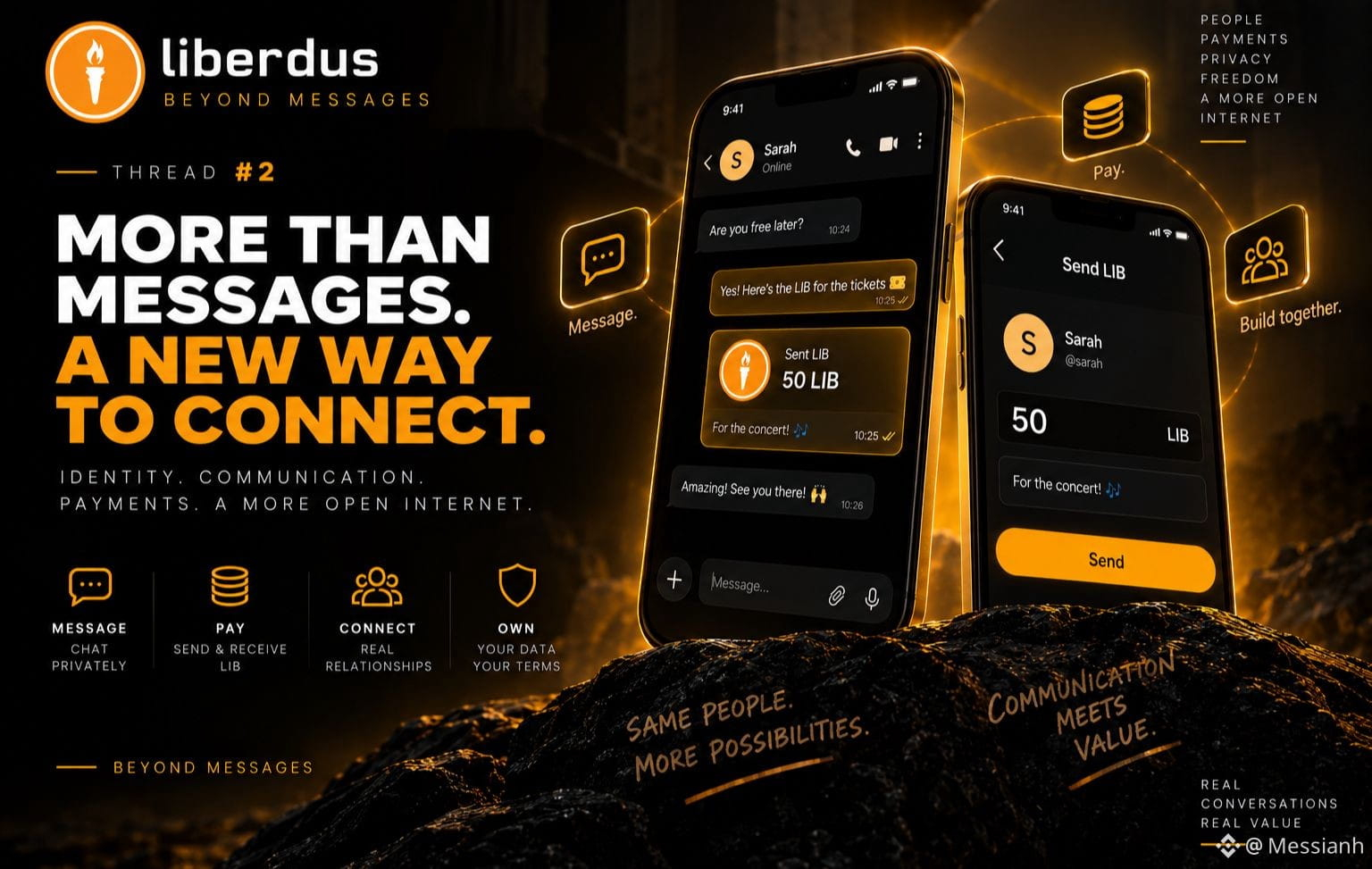
Liberdus combines messaging and LIB payments in the same ecosystem. You can send LIB directly from a conversation, with the recipient already selected from the chat. That sounds simple, but the architecture behind it is more interesting.
Think about the layers:
Identity → Communication → Value
The same username can be used for messaging and payments, while being mapped to a Liberdus wallet address.
One identity layer can therefore connect different interactions.
That changes the meaning of a messaging app. It’s no longer only, how do I send a message?
It becomes, what can I do with someone I’m already connected to?
Message, pay, receive value, interact.
But there’s an important trade-off. Combining identity, communication and payments also means you need to understand what information each layer exposes. For example, Liberdus states that LIB transactions are not anonymous and contain transaction metadata.
That’s why I think privacy needs more precise conversations. No phone number ≠ anonymous transactions.
Decentralized ≠ invisible.
Self-custody ≠ no responsibility.
The interesting questions are in the details.
And that’s where Web3 becomes more than a collection of tokens. It becomes an experiment in redesigning how we
identify → communicate → exchange value.
The question I keep coming back to,
should money be a separate layer from our digital relationships or should they eventually work together?
#FIRO #BOJRaisesRatesTo31YearHigh $FIRO
For years, we’ve treated messaging and payments as two completely different things.
You talk in one app, you pay in another, you manage your wallet somewhere else. But Web3 makes another model possible.
Liberdus combines messaging and LIB payments in the same ecosystem. You can send LIB directly from a conversation, with the recipient already selected from the chat. That sounds simple, but the architecture behind it is more interesting.
Think about the layers:
Identity → Communication → Value
The same username can be used for messaging and payments, while being mapped to a Liberdus wallet address.
One identity layer can therefore connect different interactions.
That changes the meaning of a messaging app. It’s no longer only, how do I send a message?
It becomes, what can I do with someone I’m already connected to?
Message, pay, receive value, interact.
But there’s an important trade-off. Combining identity, communication and payments also means you need to understand what information each layer exposes. For example, Liberdus states that LIB transactions are not anonymous and contain transaction metadata.
That’s why I think privacy needs more precise conversations. No phone number ≠ anonymous transactions.
Decentralized ≠ invisible.
Self-custody ≠ no responsibility.
The interesting questions are in the details.
And that’s where Web3 becomes more than a collection of tokens. It becomes an experiment in redesigning how we
identify → communicate → exchange value.
The question I keep coming back to,
should money be a separate layer from our digital relationships or should they eventually work together?
#FIRO #BOJRaisesRatesTo31YearHigh $FIRO
1
73
·
--
No real name ≠ anonymous payments.
That distinction matters.
With @liberdus, you can create an account without a phone number or email, and your username can be mapped to a wallet address.
But LIB transactions are not anonymous.
The project’s own documentation says transaction metadata can include the sending account, receiving account and amount.
So there are two different concepts,
identity privacy ≠ transaction privacy.
And honestly, this is the kind of distinction more Web3 conversations should make. Because privacy isn't about throwing the word anonymous everywhere. It's about understanding exactly what is protected and what isn't.
Where do you draw the line between identity privacy and transaction privacy?
#Liberdus #XRP #BTCBreaks80K $BTC
{spot}(BTCUSDT)
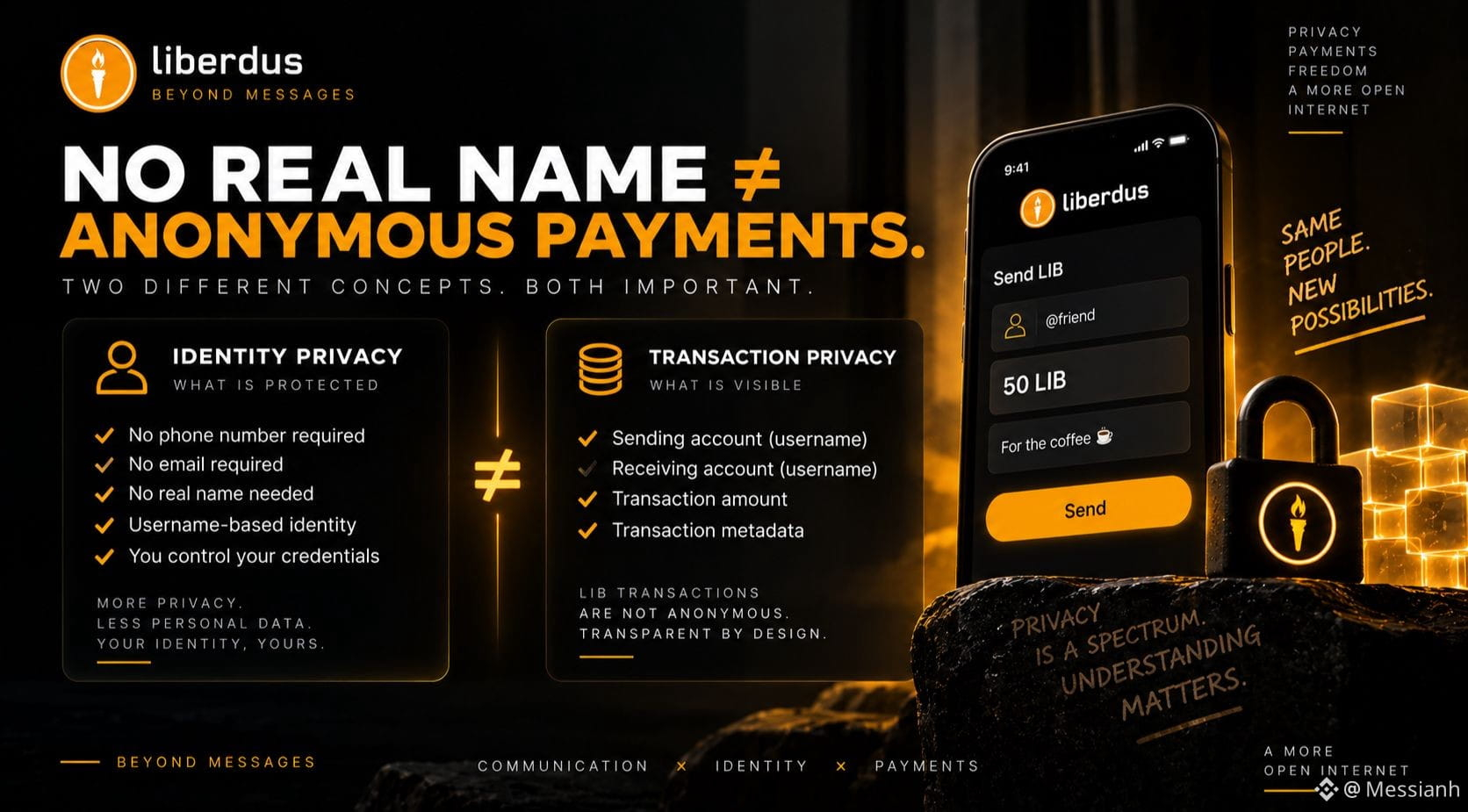
No real name ≠ anonymous payments.
That distinction matters.
With @liberdus, you can create an account without a phone number or email, and your username can be mapped to a wallet address.
But LIB transactions are not anonymous.
The project’s own documentation says transaction metadata can include the sending account, receiving account and amount.
So there are two different concepts,
identity privacy ≠ transaction privacy.
And honestly, this is the kind of distinction more Web3 conversations should make. Because privacy isn't about throwing the word anonymous everywhere. It's about understanding exactly what is protected and what isn't.
Where do you draw the line between identity privacy and transaction privacy?
#Liberdus #XRP #BTCBreaks80K $BTC
That distinction matters.
With @liberdus, you can create an account without a phone number or email, and your username can be mapped to a wallet address.
But LIB transactions are not anonymous.
The project’s own documentation says transaction metadata can include the sending account, receiving account and amount.
So there are two different concepts,
identity privacy ≠ transaction privacy.
And honestly, this is the kind of distinction more Web3 conversations should make. Because privacy isn't about throwing the word anonymous everywhere. It's about understanding exactly what is protected and what isn't.
Where do you draw the line between identity privacy and transaction privacy?
#Liberdus #XRP #BTCBreaks80K $BTC
1
174
ເຂົ້າສູ່ລະບົບເພື່ອສຳຫຼວດເນື້ອຫາເພີ່ມເຕີມ
ເຂົ້າຮ່ວມກຸ່ມຜູ້ໃຊ້ຄຣິບໂຕທົ່ວໂລກໃນ Binance Square.
⚡️ ໄດ້ຮັບຂໍ້ມູນຫຼ້າສຸດ ແລະ ທີ່ມີປະໂຫຍດກ່ຽວກັບຄຣິບໂຕ.
💬 ໄດ້ຮັບຄວາມໄວ້ວາງໃຈຈາກຕະຫຼາດແລກປ່ຽນຄຣິບໂຕທີ່ໃຫຍ່ທີ່ສຸດໃນໂລກ.
👍 ຄົ້ນຫາຂໍ້ມູນເຊີງເລິກທີ່ແທ້ຈາກນັກສ້າງທີ່ໄດ້ຮັບການຢືນຢັນ.
ອີເມວ / ເບີໂທລະສັບ
ຫົວຂໍ້ທີ່ກໍາລັງນິຍົມ
BinancePick
2.8M ຄັ້ງທີ່ເບິ່ງ
148,360 ກຳລັງສົນທະນາ
Join #EarningsSeason: Predict Earnings on Binance Pick, Share Your Take on Binance Square!
Binance Square Official
·403 ຖືກໃຈ
·341.1k ຄັ້ງທີ່ເບິ່ງ
EarningsSeason
5.1M ຄັ້ງທີ່ເບິ່ງ
25,321 ກຳລັງສົນທະນາ
AnthropicTTMRevenueGrewAbout1200%
3,824 ຄັ້ງທີ່ເບິ່ງ
155 ກຳລັງສົນທະນາ