

Sulaiman 零号猎人
I research RWA & micro-caps and check the facts before trusting a project. Open to collabs. X : @ZeroSulaiman
Ашық сауда
Кездейсоқ трейдер
6.3 жыл
167 Жазылым
2.9K+ Жазылушылар
2.9K+ лайк басылған
Жазбалар
Портфолио
Барлығы
Баға ұсыныстары
Тікелей эфир


CipherX 零号
·
--
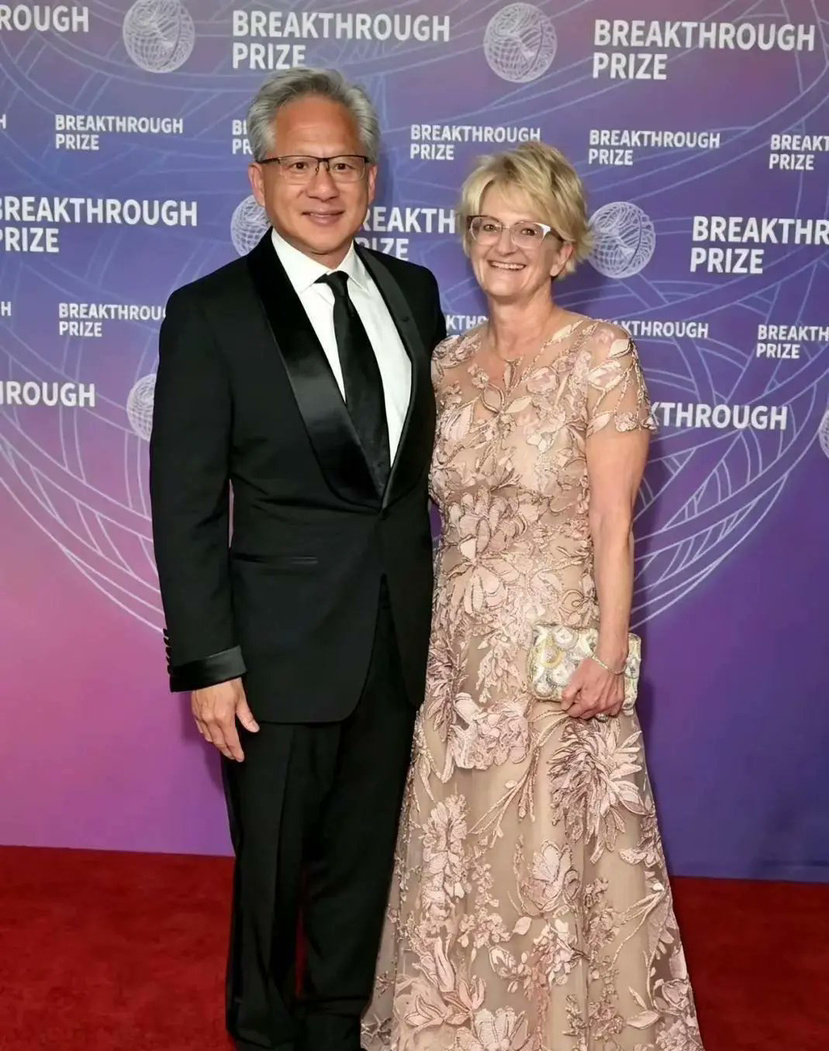
黄仁勋的夫人 Lori 终于发声了👇。
面对镜头,她说了三句极其致命的话:
“不管公开道歉多诚恳,弥补都不可能一夜完成。这只能在私下慢慢做。”
“我不会加入现在针对黄乐的残忍攻击。她到底做没做,应该由证据来定,而不是由头条新闻来定。”
“我们的婚姻能否存续,是我们全家的问题,不是民调问题。”
$NVDAB
$BTC
面对镜头,她说了三句极其致命的话:
“不管公开道歉多诚恳,弥补都不可能一夜完成。这只能在私下慢慢做。”
“我不会加入现在针对黄乐的残忍攻击。她到底做没做,应该由证据来定,而不是由头条新闻来定。”
“我们的婚姻能否存续,是我们全家的问题,不是民调问题。”
$NVDAB
$BTC

Solana Diva
·
--
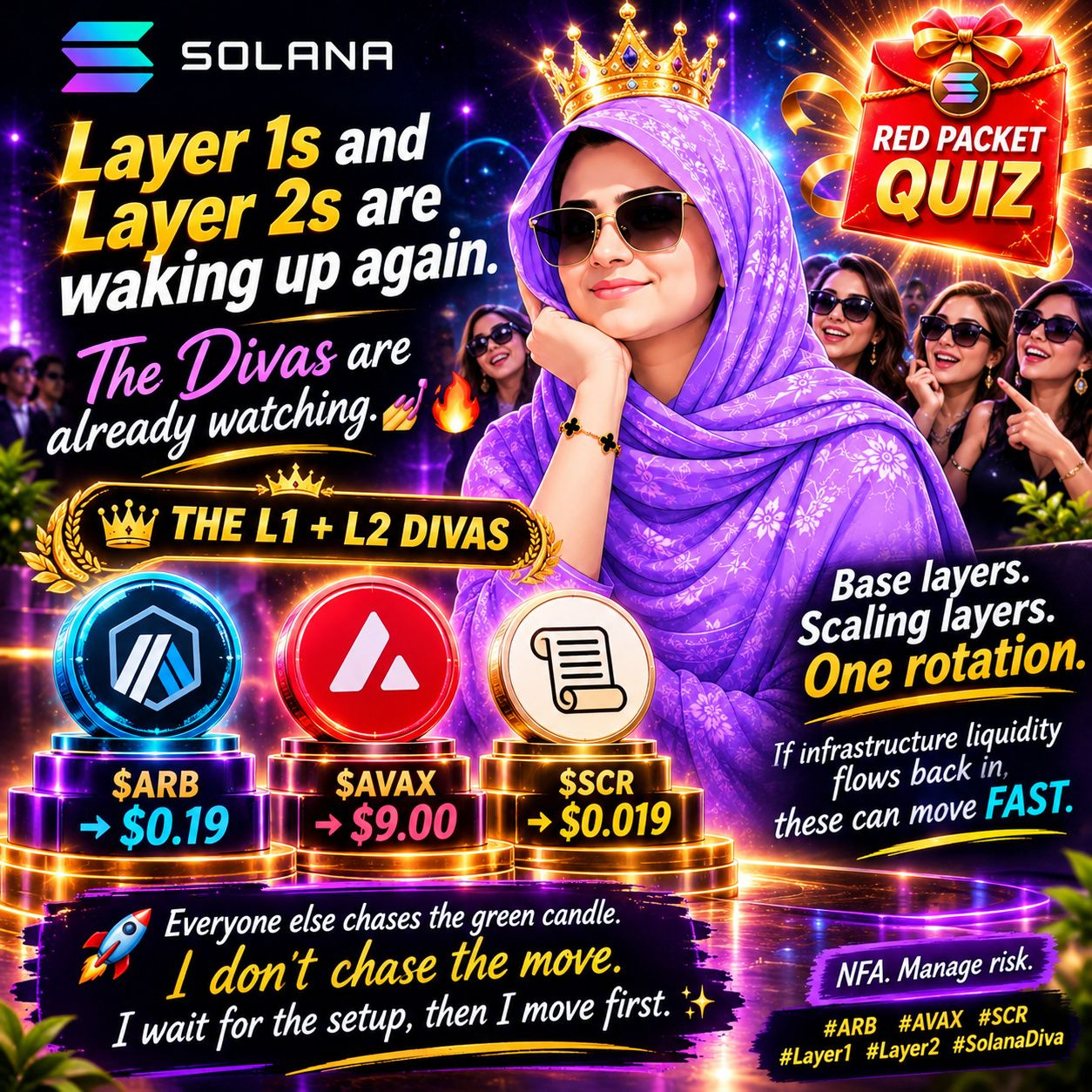
Layer 1s and Layer 2s are waking up again. The Divas are already watching. 💅🔥
👑 THE L1 + L2 DIVAS
$ARB → $0.19
$AVAX → $9.00
$SCR → $0.019
Base layers. Scaling layers. One rotation.
If infrastructure liquidity flows back in, these can move FAST.
Everyone else chases the green candle.
I don't chase the move. I wait for the setup, then I move first. ✨
NFA. Manage risk.
Friends Follow Me, Repost and Share this post.
#ARB #AVAX #SCR #Layer1 #SolanaDiva

Mahi_玛希BNB
·
--
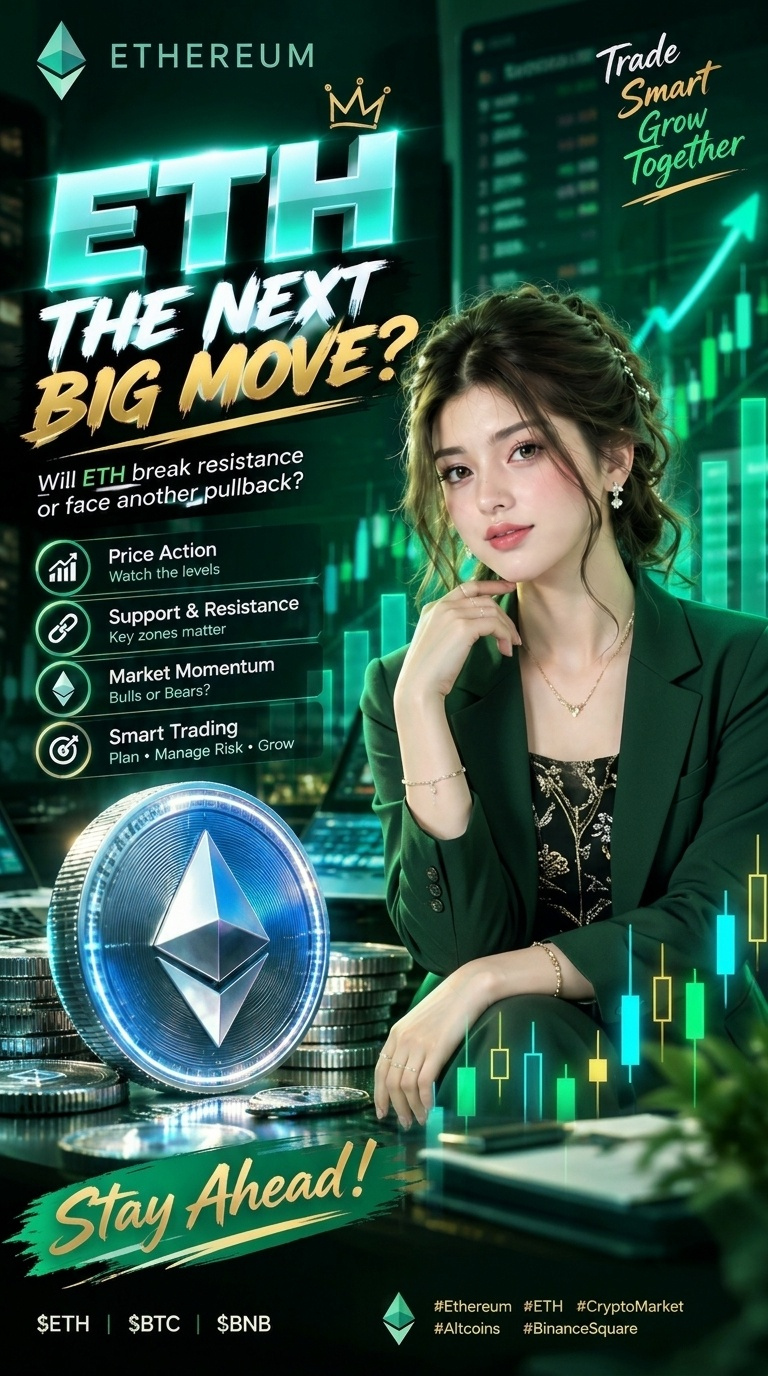
Төмен (кемімелі)Ethereum is one of those coins I never stop watching. 👀
ETH doesn't always need a big green candle to show its strength. Sometimes the most interesting moves happen when the market is quiet and everyone is waiting for direction.
I'm keeping an eye on Ethereum's next move, especially how buyers react around important support and resistance zones.
One thing I've learned in crypto: patience is just as important as timing.
What do you think? Is ETH preparing for another strong move, or does it need more time to recover?
$ETH $BTC $BNB $SOL $XRP
#Write2Earn #ETH #CryptoCommunity #BinanceSquare #CryptoMarketMoves
CipherX 零号
·
--
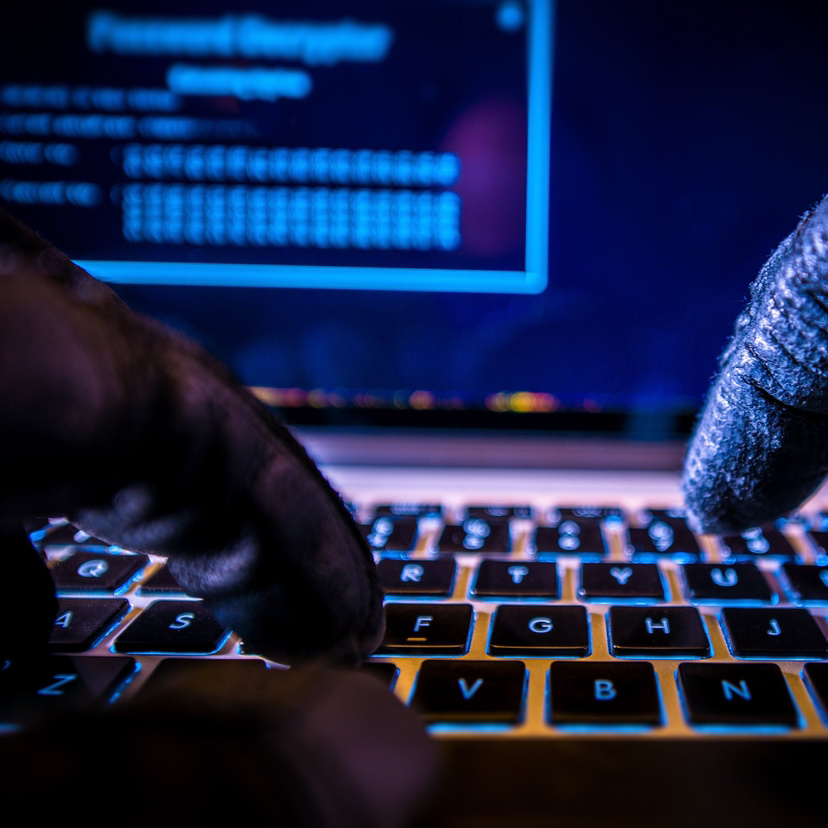
BREAKING: ShinyHunters claims to have stolen 335 million Binance user records and demands $900,000
The threat actor alleges the dataset contains KYC documents, passwords, emails, phone numbers, transaction histories and wallet-related information, but the claims remain unverified and Binance has yet to publicly comment
$BTC
$BNB
The threat actor alleges the dataset contains KYC documents, passwords, emails, phone numbers, transaction histories and wallet-related information, but the claims remain unverified and Binance has yet to publicly comment
$BTC
$BNB


E L E X A
·
--
🚨 IT’S LIVE 🚨
Watching is simple… but winners take action 👀
🎁 Want FREE $USDT?
💬 Comment 888
❤️ Like
🔁 Share
➕ Follow
#Crypto #USDT #Giveaway
Watching is simple… but winners take action 👀
🎁 Want FREE $USDT?
💬 Comment 888
❤️ Like
🔁 Share
➕ Follow
#Crypto #USDT #Giveaway

Fabi_4043
·
--
Sua recompensa está chegando 🧧clique e descubra 🎁🧧sigam meu perfil e curta
$BNB
#BinanceReopensWithdrawalsForHYPE&APT
$BNB
#BinanceReopensWithdrawalsForHYPE&APT
Solana Diva
·
--
Layer 1s and Layer 2s are waking up again. The Divas are already watching. 💅🔥
👑 THE L1 + L2 DIVAS
$ARB → $0.19
$AVAX → $9.00
$SCR → $0.019
Base layers. Scaling layers. One rotation.
If infrastructure liquidity flows back in, these can move FAST.
Everyone else chases the green candle.
I don't chase the move. I wait for the setup, then I move first. ✨
NFA. Manage risk.
Friends Follow Me, Repost and Share this post.
#ARB #AVAX #SCR #Layer1 #SolanaDiva
👑 THE L1 + L2 DIVAS
$ARB → $0.19
$AVAX → $9.00
$SCR → $0.019
Base layers. Scaling layers. One rotation.
If infrastructure liquidity flows back in, these can move FAST.
Everyone else chases the green candle.
I don't chase the move. I wait for the setup, then I move first. ✨
NFA. Manage risk.
Friends Follow Me, Repost and Share this post.
#ARB #AVAX #SCR #Layer1 #SolanaDiva
CipherX 零号
·
--
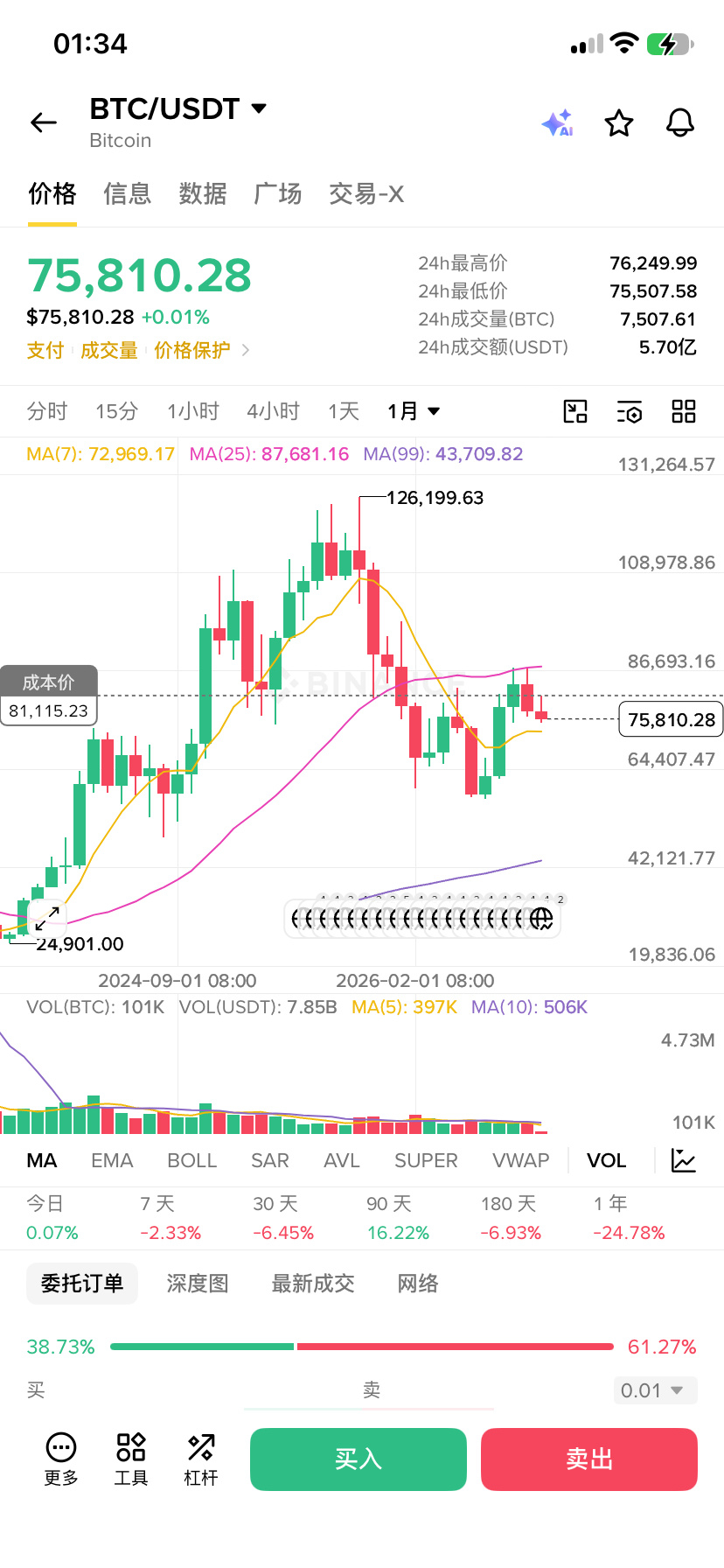
当前比特币处于75,810 USDT附近,整体在7.5万美元关口呈震荡整理态势,均线系统偏向弱势盘整,买卖盘中卖方占比约61.27%略占上风,短期建议保持谨慎、控制仓位,切勿盲目追涨。
$BTC
$BNB
$ETH
$BTC
$BNB
$ETH
E L E X A
·
--
🚨 IT’S LIVE 🚨
Watching is simple… but winners take action 👀
🎁 Want FREE $USDT?
💬 Comment 888
❤️ Like
🔁 Share
➕ Follow
⏳ Don’t miss your chance — spots are limited!
Drop 888 below and join now 🚀
#Crypto #USDT #Giveaway
Watching is simple… but winners take action 👀
🎁 Want FREE $USDT?
💬 Comment 888
❤️ Like
🔁 Share
➕ Follow
⏳ Don’t miss your chance — spots are limited!
Drop 888 below and join now 🚀
#Crypto #USDT #Giveaway
Sulaiman 零号猎人
·
--
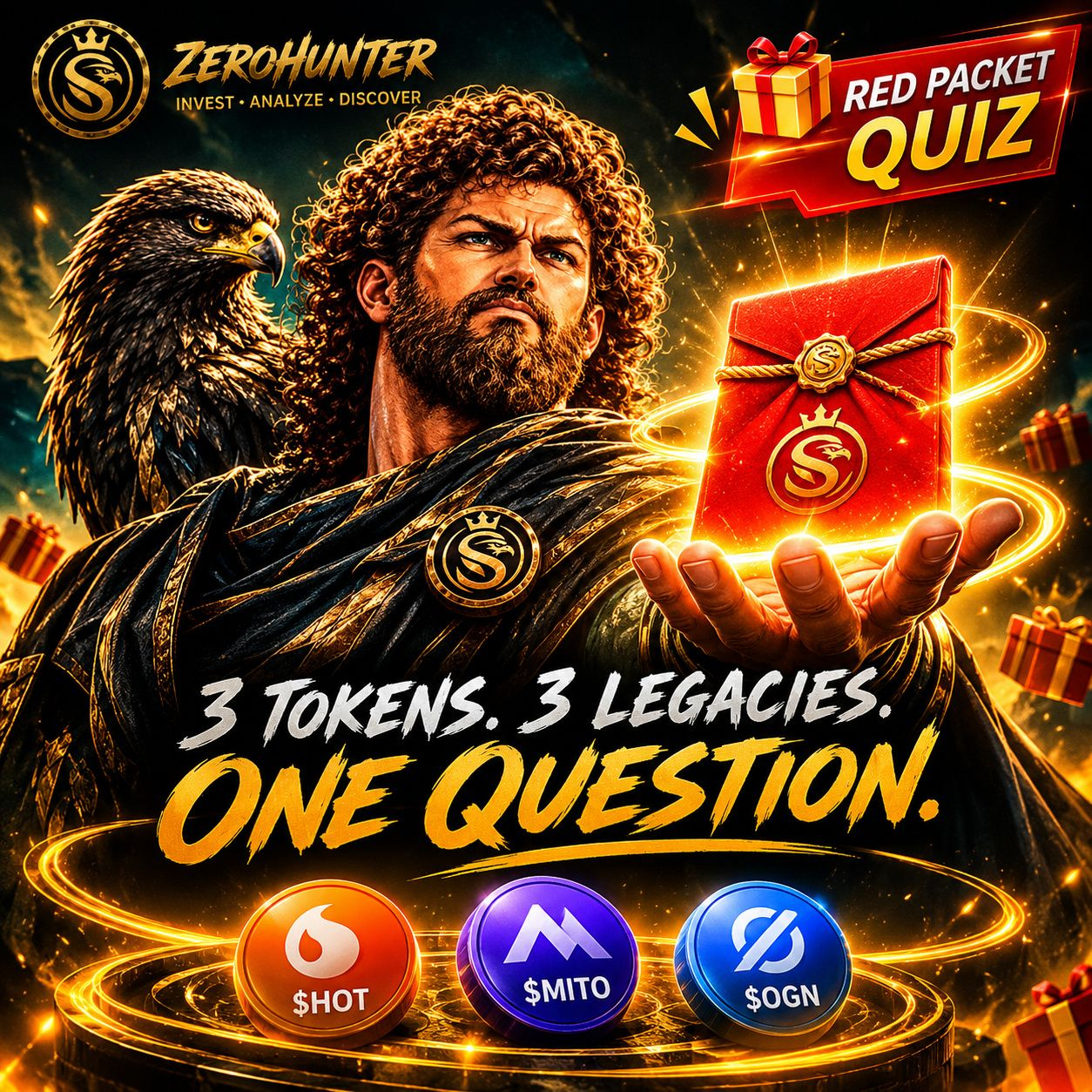
🔥 3 TOKENS. 3 LEGACIES. ONE ZEROHUNTER QUESTION.
Green candles catch attention. But what makes a project worth remembering? 🎯
🟠 $HOT — Can its original peer-to-peer vision translate into real hosting demand?
🔵 $MITO — Can fragmented liquidity become a unified financial advantage?
🟢 $OGN — Can real protocol revenue create lasting value for token holders?
My ZeroHunter rule:
Technology creates the possibility. Adoption creates the evidence.
🎁 ZEROHUNTER RED PACKET QUIZ
If you could investigate ONLY ONE for the next market cycle, which would you choose — and what evidence would convince you?
Narrative is interesting. Reality is more interesting. 🎯
#ZeroHunter #HOT #MITO #RedPacketReward
Sulaiman 零号猎人
·
--
🔥 3 TOKENS. 3 LEGACIES. ONE ZEROHUNTER QUESTION.
Green candles catch attention. But what makes a project worth remembering? 🎯
🟠 $HOT — Can its original peer-to-peer vision translate into real hosting demand?
🔵 $MITO — Can fragmented liquidity become a unified financial advantage?
🟢 $OGN — Can real protocol revenue create lasting value for token holders?
My ZeroHunter rule:
Technology creates the possibility. Adoption creates the evidence.
🎁 ZEROHUNTER RED PACKET QUIZ
If you could investigate ONLY ONE for the next market cycle, which would you choose — and what evidence would convince you?
Narrative is interesting. Reality is more interesting. 🎯
#ZeroHunter #HOT #MITO #RedPacketReward
Green candles catch attention. But what makes a project worth remembering? 🎯
🟠 $HOT — Can its original peer-to-peer vision translate into real hosting demand?
🔵 $MITO — Can fragmented liquidity become a unified financial advantage?
🟢 $OGN — Can real protocol revenue create lasting value for token holders?
My ZeroHunter rule:
Technology creates the possibility. Adoption creates the evidence.
🎁 ZEROHUNTER RED PACKET QUIZ
If you could investigate ONLY ONE for the next market cycle, which would you choose — and what evidence would convince you?
Narrative is interesting. Reality is more interesting. 🎯
#ZeroHunter #HOT #MITO #RedPacketReward
Solana Diva
·
--
🔥 3 TOKENS. 3 DIFFERENT BETS. ONE SOLANA DIVA QUESTION.
A token can trend for a day. But what can keep people interested after the excitement fades? 🎯
🟠 $HAEDAL — Can liquid staking become a lasting source of demand in the Sui ecosystem?
🐱 $1000CAT — Can an established entertainment brand turn meme attention into a real crypto community?
🔵 $NOM — Can cross-chain trading infrastructure create sustainable token utility?
My Solana Diva perspective:
Attention starts the story. Adoption decides its future.
🎁 SOLANA DIVA RED PACKET QUIZ
Don't just watch the trend. Study what survives it. 💜
#SolanaDiva #HAEDAL #1000CAT #NOM #RedPacketReward

Көбірек контент көру үшін кіріңіз