

William-ETH
20.4k Жариялаулар

William-ETH
 «Square расталған» белгісі
Хабарлау
Пайдаланушыны блоктау
Living every day with focus and quiet power.Consistency is my strongest language...

Traders League Badge Beginner
Ашық сауда
Жиі сауда жасайтын трейдер
2 жыл
81 Жазылым
46.5K+ Жазылушылар
75.6K+ лайк басылған
1 Белгішелер
Жазбалар
Портфолио
Барлығы
Баға ұсыныстары
Тікелей эфир
·
--
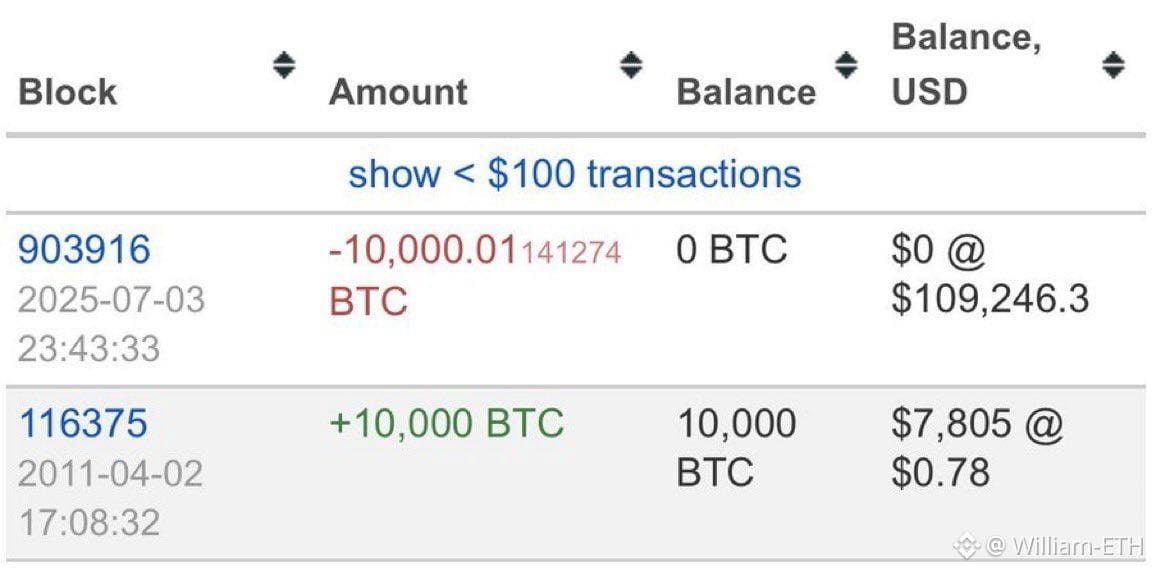
In 2011, he bought 10,000 Bitcoin for just $7,805 at $0.78 per $BTC .
He survived every market crash, held for nearly 14 years, and never sold a single coin.
Then, in 2025, he cashed out for over $1 BILLION.
His total return? An astonishing 128,205x.
From $7,805 to over $1 billion. One of crypto’s wildest fortunes ever made.
In 2011, he bought 10,000 Bitcoin for just $7,805 at $0.78 per $BTC .
He survived every market crash, held for nearly 14 years, and never sold a single coin.
Then, in 2025, he cashed out for over $1 BILLION.
His total return? An astonishing 128,205x.
From $7,805 to over $1 billion. One of crypto’s wildest fortunes ever made.
He survived every market crash, held for nearly 14 years, and never sold a single coin.
Then, in 2025, he cashed out for over $1 BILLION.
His total return? An astonishing 128,205x.
From $7,805 to over $1 billion. One of crypto’s wildest fortunes ever made.
303
·
--
THIS IS INSANE.
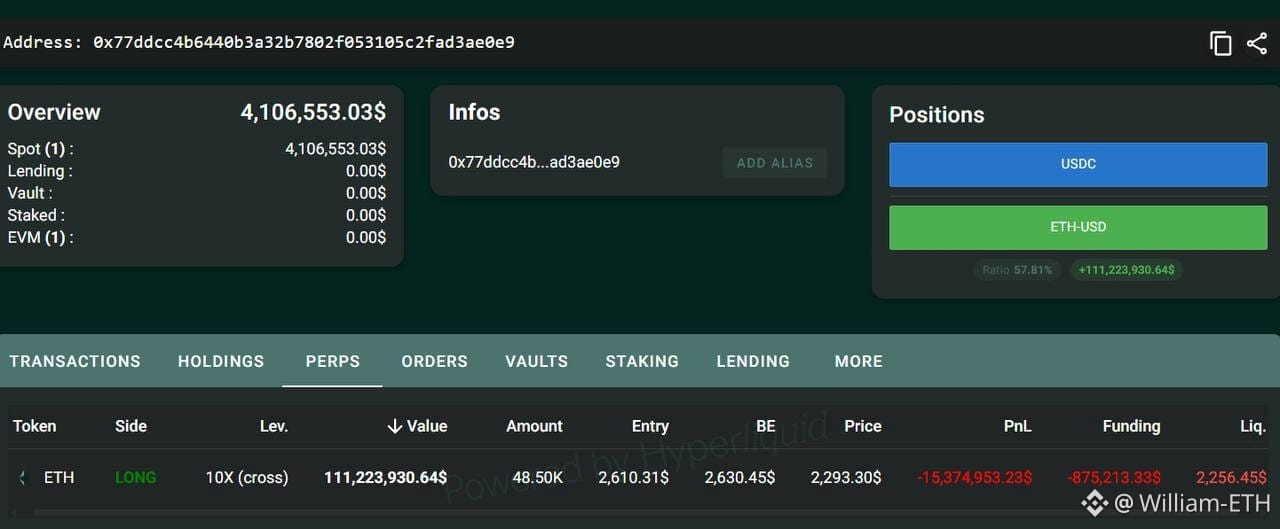
Someone just opened a massive $111 MILLION $ETH LONG POSITION.
Now, the liquidation price is reportedly just $37 away.
One tiny move in the wrong direction, and the entire position could be wiped out.
$111 million on the line. Just $37 between survival and liquidation.
The market is playing with fire.
THIS IS INSANE.
Someone just opened a massive $111 MILLION $ETH LONG POSITION.
Now, the liquidation price is reportedly just $37 away.
One tiny move in the wrong direction, and the entire position could be wiped out.
$111 million on the line. Just $37 between survival and liquidation.
The market is playing with fire.
Someone just opened a massive $111 MILLION $ETH LONG POSITION.
Now, the liquidation price is reportedly just $37 away.
One tiny move in the wrong direction, and the entire position could be wiped out.
$111 million on the line. Just $37 between survival and liquidation.
The market is playing with fire.
3
17
13.6k
·
--

Мақала
A Little Halloween Moment I Would Love to Remember 🎃There is something about Halloween that makes even an ordinary evening feel a little different. Maybe it is the dim lights, the funny decorations, or the way a familiar place suddenly looks strange after dark. Whatever it is, I have always liked how a few simple things can create an atmosphere that stays in your mind.
For this Halloween, I started thinking about a small scene with a pumpkin, some paper bats, and a few warm lights. Nothing fancy, just a little decoration to bring that Halloween feeling into the room. I wanted it to look fun but also slightly spooky, the kind of setup that makes you look twice before realizing there is nothing to be afraid of.
The pumpkin was the main attraction. Its crooked smile looked funny at first, but when the room became darker, the shadows around it made it look completely different. I could imagine it sitting there like a tiny character in its own ghost story.
Then I started thinking about how much difference a little light can make.
A shadow on the wall can look like something mysterious. A small sound in a quiet room can suddenly seem much louder than usual. Our imagination has a funny way of filling in the details when we cannot see everything clearly.
That became the idea behind my Halloween story.
Imagine taking a picture of your decorations and noticing a strange shadow behind the pumpkin. At first, it looks a little creepy. You check the room, move the light, and take another picture. Suddenly, the shadow changes shape. The scary figure disappears, and you realize it was only the way the light fell on the decorations.
Nothing supernatural happened, but the moment still made the scene more interesting.
I like these little surprises because they remind me that sometimes we do not need anything extraordinary to make a memory. A simple setup, a little curiosity, and a few minutes of imagination can be enough. Not every Halloween memory has to involve a huge party or an expensive costume. Sometimes the smallest details become the most enjoyable part.
While thinking about this, I also found myself connecting the idea to Binance Square. What I appreciate about an online community is the opportunity to share something beyond a simple update. People can share their interests, explain what they have learned, post photographs, and see how others respond.
Binance Square is known for its cryptocurrency and Web3 discussions, but it also gives users ways to publish content and interact with other members. Some people share their thoughts about projects, while others focus on explaining ideas or joining conversations around topics that interest them.
For me, the interesting part is that everyone has a different perspective. One person might look at a photograph and notice the decorations. Another might focus on the lighting. Someone else might come up with an entirely different story about the same picture.
That is what makes sharing something feel worthwhile. You never really know how another person will interpret it.
I also think there is a small lesson in the pumpkin story. When I first imagined the strange shadow, it seemed mysterious. But after changing the light and looking more carefully, the explanation became simple.
I see a similar value in learning about cryptocurrency projects. It is easy to become interested in something because it looks exciting or because many people are discussing it. But I would rather take the time to understand what a project actually does, how it works, and what questions still need answers. Looking beyond the first impression can make a big difference.
Of course, Halloween is mainly about having fun, and I do not want to turn every little moment into a serious lesson. Sometimes a pumpkin is just a pumpkin, and a funny shadow is simply a funny shadow. Still, I enjoy the way a creative experience can give us something to think about without taking away the fun.
If I were putting together this Halloween scene, I would keep it simple: a pumpkin, a few handmade decorations, soft lighting, and Binance branding included naturally in the photograph. I would not want everything to look perfect. A little unevenness can make a scene feel more personal, as though someone actually spent time putting it together rather than arranging everything for a commercial display.
I would also want the story to feel like a conversation rather than a performance. There is no need to pretend that every moment was frightening or that something unbelievable happened. The charm is in the small details, the imagination behind the scene, and the simple pleasure of sharing it.
That is one thing I enjoy about community events like this. Everyone starts with the same general theme, but the results can be completely different. Someone might share a costume they spent hours making. Another person might post decorations they created at home. Someone else might remember a Halloween night when a harmless misunderstanding made everyone laugh.
Those different contributions give the community its character.
For me, the best part of this idea is not trying to create the scariest photograph or write the most dramatic story. It is taking something ordinary and giving it a little personality. If someone sees the picture and smiles, remembers their own Halloween experience, or feels inspired to make something similar, then the effort has served its purpose.
The evening eventually comes to an end. The lights are switched off, the decorations are put away, and the pumpkin is no longer the center of attention. But a photograph can preserve that little moment, and a story can give it meaning beyond the picture itself.
That is why I like the idea of sharing this experience on Binance Square. It gives me a way to bring a bit of creativity into a community where people usually come together to discuss technology, crypto, and Web3. We may have different interests, but we can still enjoy a simple story and appreciate the effort someone puts into sharing it.
Maybe that is what makes a good memory: it does not have to be extraordinary while it is happening. Sometimes, it becomes special because we take the time to notice it.
So this Halloween, my idea is simple. A pumpkin, a strange-looking shadow, a little imagination, and a photograph that captures the mood. No big production, no complicated story, just a small moment that is fun to create and even more fun to share.
And if that shadow looks a little suspicious in the final picture, I might leave it that way. After all, Halloween would not be quite the same without a little mystery. 🎃🦇
#SEAPumpkinFrenzy
A Little Halloween Moment I Would Love to Remember 🎃
There is something about Halloween that makes even an ordinary evening feel a little different. Maybe it is the dim lights, the funny decorations, or the way a familiar place suddenly looks strange after dark. Whatever it is, I have always liked how a few simple things can create an atmosphere that stays in your mind.
For this Halloween, I started thinking about a small scene with a pumpkin, some paper bats, and a few warm lights. Nothing fancy, just a little decoration to bring that Halloween feeling into the room. I wanted it to look fun but also slightly spooky, the kind of setup that makes you look twice before realizing there is nothing to be afraid of.
The pumpkin was the main attraction. Its crooked smile looked funny at first, but when the room became darker, the shadows around it made it look completely different. I could imagine it sitting there like a tiny character in its own ghost story.
Then I started thinking about how much difference a little light can make.
A shadow on the wall can look like something mysterious. A small sound in a quiet room can suddenly seem much louder than usual. Our imagination has a funny way of filling in the details when we cannot see everything clearly.
That became the idea behind my Halloween story.
Imagine taking a picture of your decorations and noticing a strange shadow behind the pumpkin. At first, it looks a little creepy. You check the room, move the light, and take another picture. Suddenly, the shadow changes shape. The scary figure disappears, and you realize it was only the way the light fell on the decorations.
Nothing supernatural happened, but the moment still made the scene more interesting.
I like these little surprises because they remind me that sometimes we do not need anything extraordinary to make a memory. A simple setup, a little curiosity, and a few minutes of imagination can be enough. Not every Halloween memory has to involve a huge party or an expensive costume. Sometimes the smallest details become the most enjoyable part.
While thinking about this, I also found myself connecting the idea to Binance Square. What I appreciate about an online community is the opportunity to share something beyond a simple update. People can share their interests, explain what they have learned, post photographs, and see how others respond.
Binance Square is known for its cryptocurrency and Web3 discussions, but it also gives users ways to publish content and interact with other members. Some people share their thoughts about projects, while others focus on explaining ideas or joining conversations around topics that interest them.
For me, the interesting part is that everyone has a different perspective. One person might look at a photograph and notice the decorations. Another might focus on the lighting. Someone else might come up with an entirely different story about the same picture.
That is what makes sharing something feel worthwhile. You never really know how another person will interpret it.
I also think there is a small lesson in the pumpkin story. When I first imagined the strange shadow, it seemed mysterious. But after changing the light and looking more carefully, the explanation became simple.
I see a similar value in learning about cryptocurrency projects. It is easy to become interested in something because it looks exciting or because many people are discussing it. But I would rather take the time to understand what a project actually does, how it works, and what questions still need answers. Looking beyond the first impression can make a big difference.
Of course, Halloween is mainly about having fun, and I do not want to turn every little moment into a serious lesson. Sometimes a pumpkin is just a pumpkin, and a funny shadow is simply a funny shadow. Still, I enjoy the way a creative experience can give us something to think about without taking away the fun.
If I were putting together this Halloween scene, I would keep it simple: a pumpkin, a few handmade decorations, soft lighting, and Binance branding included naturally in the photograph. I would not want everything to look perfect. A little unevenness can make a scene feel more personal, as though someone actually spent time putting it together rather than arranging everything for a commercial display.
I would also want the story to feel like a conversation rather than a performance. There is no need to pretend that every moment was frightening or that something unbelievable happened. The charm is in the small details, the imagination behind the scene, and the simple pleasure of sharing it.
That is one thing I enjoy about community events like this. Everyone starts with the same general theme, but the results can be completely different. Someone might share a costume they spent hours making. Another person might post decorations they created at home. Someone else might remember a Halloween night when a harmless misunderstanding made everyone laugh.
Those different contributions give the community its character.
For me, the best part of this idea is not trying to create the scariest photograph or write the most dramatic story. It is taking something ordinary and giving it a little personality. If someone sees the picture and smiles, remembers their own Halloween experience, or feels inspired to make something similar, then the effort has served its purpose.
The evening eventually comes to an end. The lights are switched off, the decorations are put away, and the pumpkin is no longer the center of attention. But a photograph can preserve that little moment, and a story can give it meaning beyond the picture itself.
That is why I like the idea of sharing this experience on Binance Square. It gives me a way to bring a bit of creativity into a community where people usually come together to discuss technology, crypto, and Web3. We may have different interests, but we can still enjoy a simple story and appreciate the effort someone puts into sharing it.
Maybe that is what makes a good memory: it does not have to be extraordinary while it is happening. Sometimes, it becomes special because we take the time to notice it.
So this Halloween, my idea is simple. A pumpkin, a strange-looking shadow, a little imagination, and a photograph that captures the mood. No big production, no complicated story, just a small moment that is fun to create and even more fun to share.
And if that shadow looks a little suspicious in the final picture, I might leave it that way. After all, Halloween would not be quite the same without a little mystery. 🎃🦇
#SEAPumpkinFrenzy
For this Halloween, I started thinking about a small scene with a pumpkin, some paper bats, and a few warm lights. Nothing fancy, just a little decoration to bring that Halloween feeling into the room. I wanted it to look fun but also slightly spooky, the kind of setup that makes you look twice before realizing there is nothing to be afraid of.
The pumpkin was the main attraction. Its crooked smile looked funny at first, but when the room became darker, the shadows around it made it look completely different. I could imagine it sitting there like a tiny character in its own ghost story.
Then I started thinking about how much difference a little light can make.
A shadow on the wall can look like something mysterious. A small sound in a quiet room can suddenly seem much louder than usual. Our imagination has a funny way of filling in the details when we cannot see everything clearly.
That became the idea behind my Halloween story.
Imagine taking a picture of your decorations and noticing a strange shadow behind the pumpkin. At first, it looks a little creepy. You check the room, move the light, and take another picture. Suddenly, the shadow changes shape. The scary figure disappears, and you realize it was only the way the light fell on the decorations.
Nothing supernatural happened, but the moment still made the scene more interesting.
I like these little surprises because they remind me that sometimes we do not need anything extraordinary to make a memory. A simple setup, a little curiosity, and a few minutes of imagination can be enough. Not every Halloween memory has to involve a huge party or an expensive costume. Sometimes the smallest details become the most enjoyable part.
While thinking about this, I also found myself connecting the idea to Binance Square. What I appreciate about an online community is the opportunity to share something beyond a simple update. People can share their interests, explain what they have learned, post photographs, and see how others respond.
Binance Square is known for its cryptocurrency and Web3 discussions, but it also gives users ways to publish content and interact with other members. Some people share their thoughts about projects, while others focus on explaining ideas or joining conversations around topics that interest them.
For me, the interesting part is that everyone has a different perspective. One person might look at a photograph and notice the decorations. Another might focus on the lighting. Someone else might come up with an entirely different story about the same picture.
That is what makes sharing something feel worthwhile. You never really know how another person will interpret it.
I also think there is a small lesson in the pumpkin story. When I first imagined the strange shadow, it seemed mysterious. But after changing the light and looking more carefully, the explanation became simple.
I see a similar value in learning about cryptocurrency projects. It is easy to become interested in something because it looks exciting or because many people are discussing it. But I would rather take the time to understand what a project actually does, how it works, and what questions still need answers. Looking beyond the first impression can make a big difference.
Of course, Halloween is mainly about having fun, and I do not want to turn every little moment into a serious lesson. Sometimes a pumpkin is just a pumpkin, and a funny shadow is simply a funny shadow. Still, I enjoy the way a creative experience can give us something to think about without taking away the fun.
If I were putting together this Halloween scene, I would keep it simple: a pumpkin, a few handmade decorations, soft lighting, and Binance branding included naturally in the photograph. I would not want everything to look perfect. A little unevenness can make a scene feel more personal, as though someone actually spent time putting it together rather than arranging everything for a commercial display.
I would also want the story to feel like a conversation rather than a performance. There is no need to pretend that every moment was frightening or that something unbelievable happened. The charm is in the small details, the imagination behind the scene, and the simple pleasure of sharing it.
That is one thing I enjoy about community events like this. Everyone starts with the same general theme, but the results can be completely different. Someone might share a costume they spent hours making. Another person might post decorations they created at home. Someone else might remember a Halloween night when a harmless misunderstanding made everyone laugh.
Those different contributions give the community its character.
For me, the best part of this idea is not trying to create the scariest photograph or write the most dramatic story. It is taking something ordinary and giving it a little personality. If someone sees the picture and smiles, remembers their own Halloween experience, or feels inspired to make something similar, then the effort has served its purpose.
The evening eventually comes to an end. The lights are switched off, the decorations are put away, and the pumpkin is no longer the center of attention. But a photograph can preserve that little moment, and a story can give it meaning beyond the picture itself.
That is why I like the idea of sharing this experience on Binance Square. It gives me a way to bring a bit of creativity into a community where people usually come together to discuss technology, crypto, and Web3. We may have different interests, but we can still enjoy a simple story and appreciate the effort someone puts into sharing it.
Maybe that is what makes a good memory: it does not have to be extraordinary while it is happening. Sometimes, it becomes special because we take the time to notice it.
So this Halloween, my idea is simple. A pumpkin, a strange-looking shadow, a little imagination, and a photograph that captures the mood. No big production, no complicated story, just a small moment that is fun to create and even more fun to share.
And if that shadow looks a little suspicious in the final picture, I might leave it that way. After all, Halloween would not be quite the same without a little mystery. 🎃🦇
#SEAPumpkinFrenzy
39
1
43
494
·
--
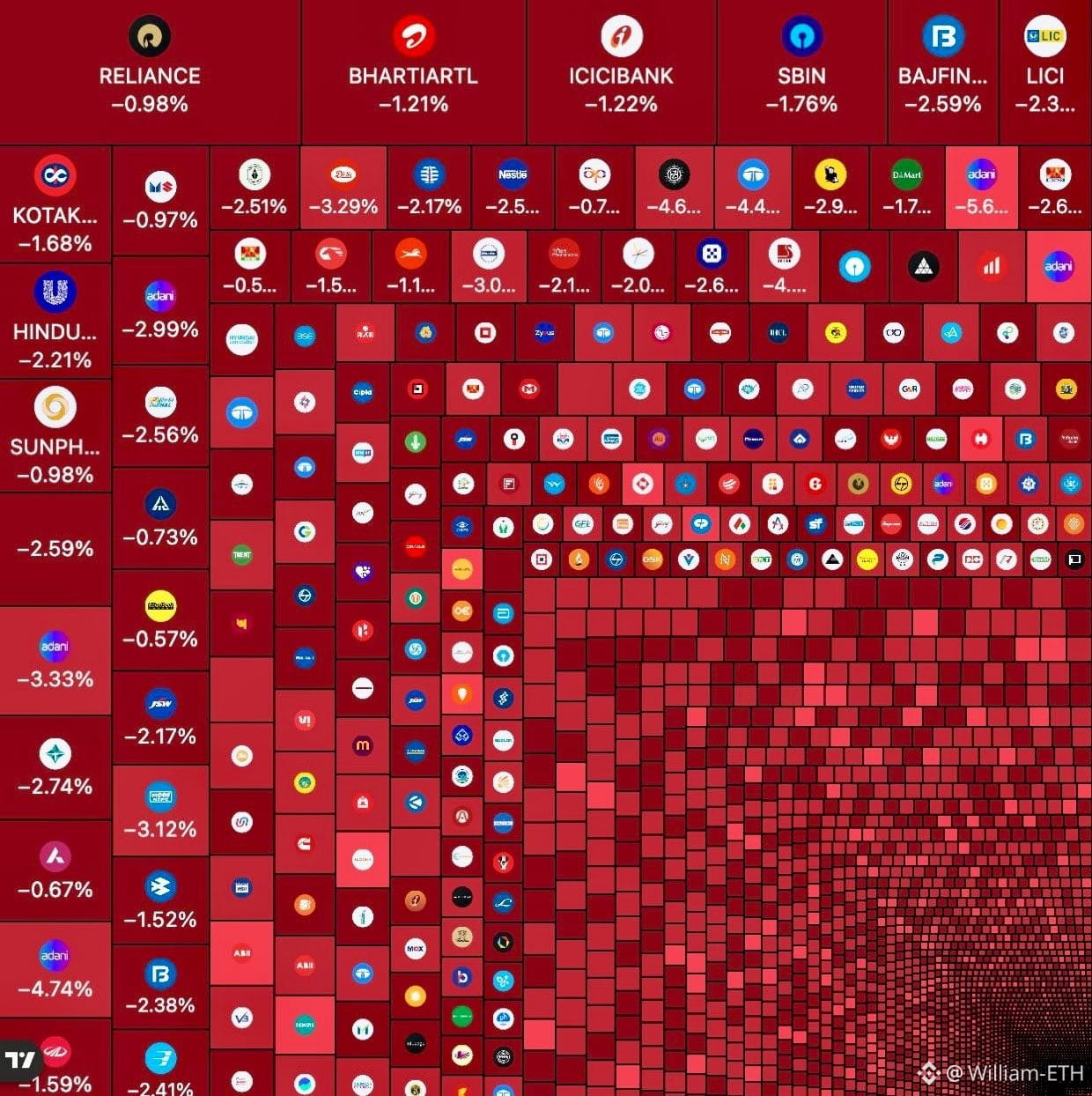
INDIAN STOCK MARKET IN FREEFALL
₹6 TRILLION IN INVESTOR WEALTH WIPED OUT IN A SINGLE DAY!
A massive market sell-off has sent shockwaves across Dalal Street, putting investors on edge and raising fears of deeper losses.
Billions in wealth vanished as selling pressure intensified.
What triggered the crash? How much further could markets fall?
The big question now: Is this a temporary correction or the beginning of a bigger meltdown?
Markets are ruthless when panic takes over.
INDIAN STOCK MARKET IN FREEFALL
₹6 TRILLION IN INVESTOR WEALTH WIPED OUT IN A SINGLE DAY!
A massive market sell-off has sent shockwaves across Dalal Street, putting investors on edge and raising fears of deeper losses.
Billions in wealth vanished as selling pressure intensified.
What triggered the crash? How much further could markets fall?
The big question now: Is this a temporary correction or the beginning of a bigger meltdown?
Markets are ruthless when panic takes over.
₹6 TRILLION IN INVESTOR WEALTH WIPED OUT IN A SINGLE DAY!
A massive market sell-off has sent shockwaves across Dalal Street, putting investors on edge and raising fears of deeper losses.
Billions in wealth vanished as selling pressure intensified.
What triggered the crash? How much further could markets fall?
The big question now: Is this a temporary correction or the beginning of a bigger meltdown?
Markets are ruthless when panic takes over.
1
267
·
--
BREAKING: The US Federal Reserve is set to inject $3.653 BILLION into the economy today!
A fresh wave of liquidity could fuel market momentum, shift investor sentiment, and spark volatility across stocks and crypto.
More liquidity. More volatility. Bigger opportunities.
Will the markets react with a powerful rally, or is a surprise waiting ahead?
Keep your eyes on the markets.
BREAKING: The US Federal Reserve is set to inject $3.653 BILLION into the economy today!
A fresh wave of liquidity could fuel market momentum, shift investor sentiment, and spark volatility across stocks and crypto.
More liquidity. More volatility. Bigger opportunities.
Will the markets react with a powerful rally, or is a surprise waiting ahead?
Keep your eyes on the markets.
A fresh wave of liquidity could fuel market momentum, shift investor sentiment, and spark volatility across stocks and crypto.
More liquidity. More volatility. Bigger opportunities.
Will the markets react with a powerful rally, or is a surprise waiting ahead?
Keep your eyes on the markets.

3
278
·
--
Woke up to a breathtaking view of the Burj Khalifa right from my bed. The world’s tallest building, the Dubai skyline, and a morning that feels straight out of a dream. Some views don’t just make your day — they make a memory for a lifetime.
Woke up to a breathtaking view of the Burj Khalifa right from my bed. The world’s tallest building, the Dubai skyline, and a morning that feels straight out of a dream. Some views don’t just make your day — they make a memory for a lifetime.
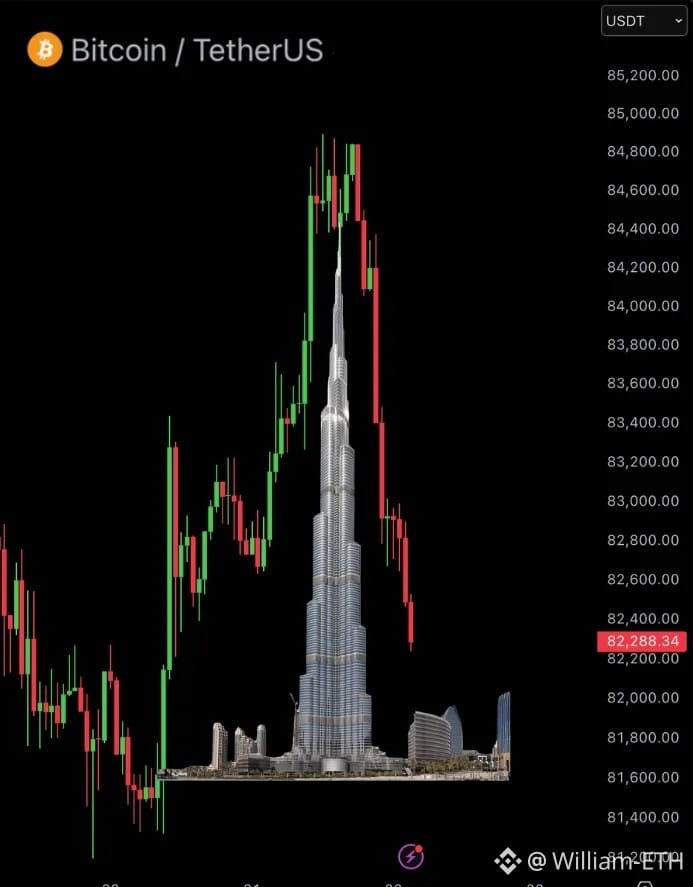
1
213
·
--
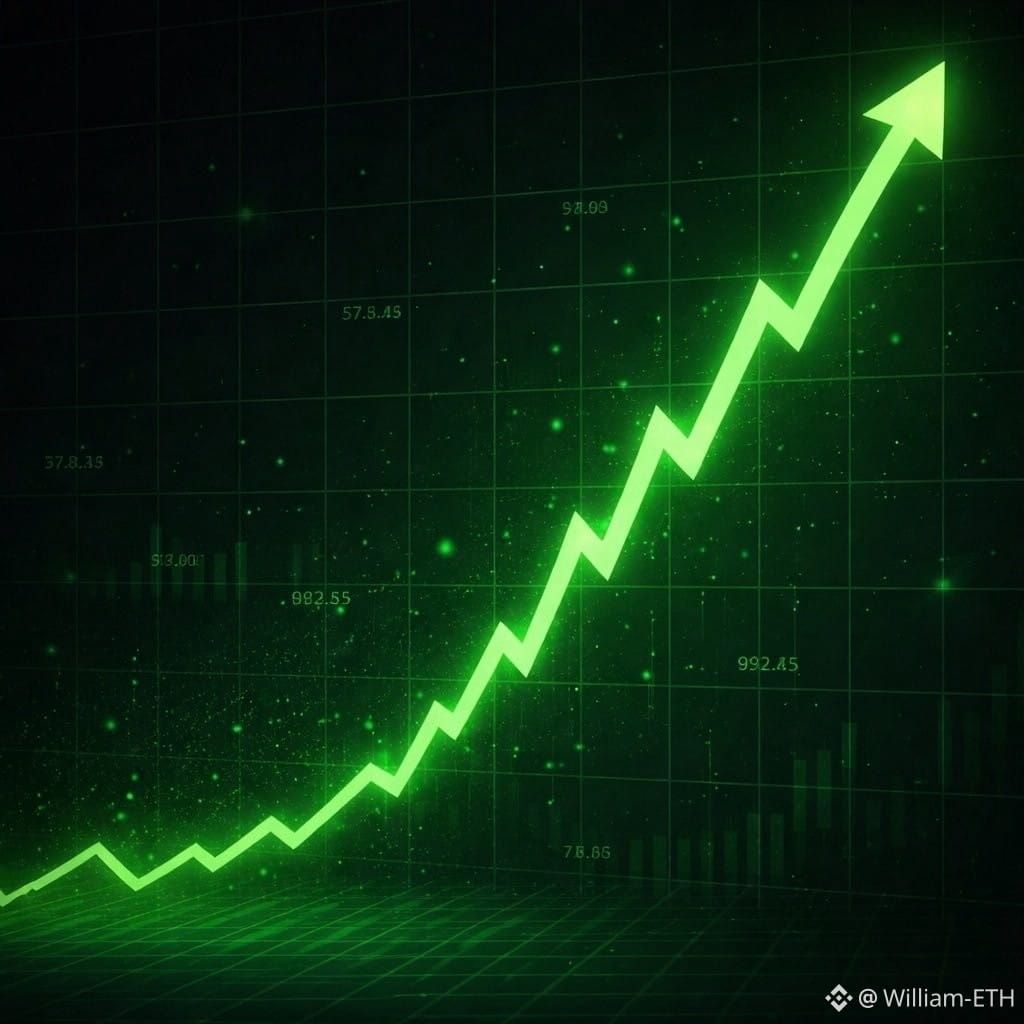
BREAKING: MICHAEL SAYLOR SIGNALS THE START OF THE NEXT BITCOIN BULL RUN
“We rallied $20,000 off the 200-week moving average. We are at the beginning of the next bull run.”
Bitcoin is showing powerful momentum, and the market may be entering a major new phase. If history is any guide, this could be the beginning of something massive.
The next chapter for Bitcoin may be just getting started.
BREAKING: MICHAEL SAYLOR SIGNALS THE START OF THE NEXT BITCOIN BULL RUN
“We rallied $20,000 off the 200-week moving average. We are at the beginning of the next bull run.”
Bitcoin is showing powerful momentum, and the market may be entering a major new phase. If history is any guide, this could be the beginning of something massive.
The next chapter for Bitcoin may be just getting started.
“We rallied $20,000 off the 200-week moving average. We are at the beginning of the next bull run.”
Bitcoin is showing powerful momentum, and the market may be entering a major new phase. If history is any guide, this could be the beginning of something massive.
The next chapter for Bitcoin may be just getting started.

1
239
·
--
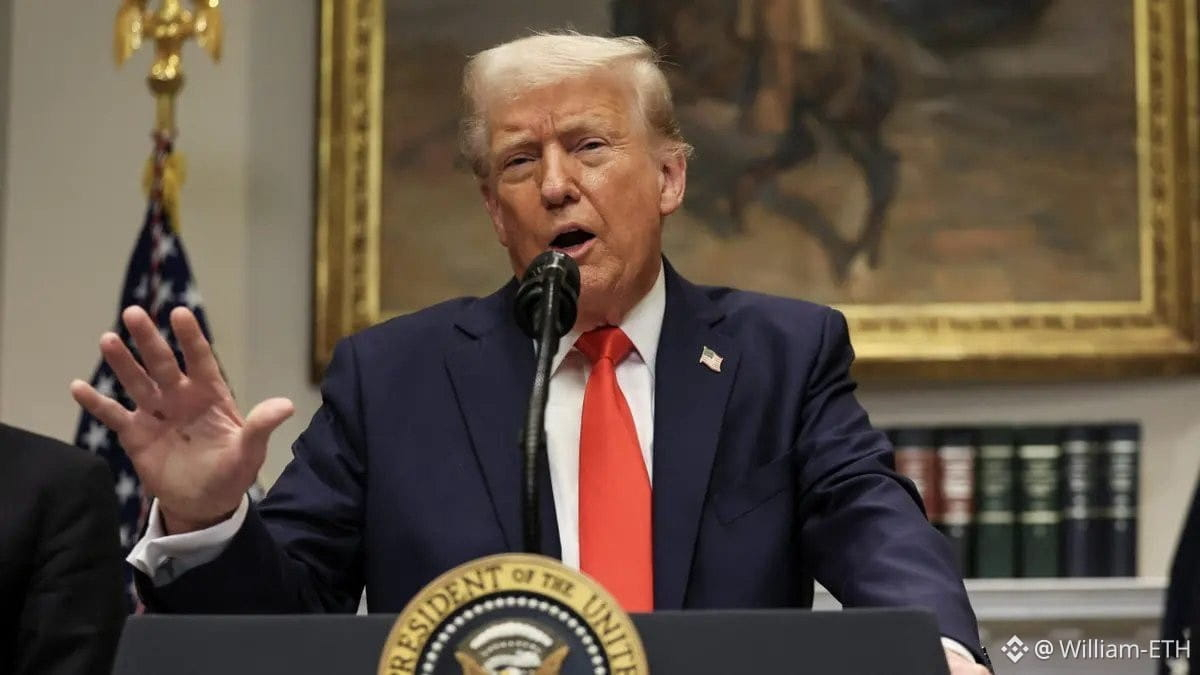
BREAKING: President Donald Trump is set to make a major announcement from the Oval Office today at 1:30 PM ET, alongside Vice President JD Vance.
All eyes are on the White House as anticipation builds over what could be a significant development. What will Trump reveal? Stay tuned for updates as more details emerge.
BREAKING: President Donald Trump is set to make a major announcement from the Oval Office today at 1:30 PM ET, alongside Vice President JD Vance.
All eyes are on the White House as anticipation builds over what could be a significant development. What will Trump reveal? Stay tuned for updates as more details emerge.
All eyes are on the White House as anticipation builds over what could be a significant development. What will Trump reveal? Stay tuned for updates as more details emerge.
1
386
·
--
Расталды
I've been exploring Kite lately, and one thing really got me thinking.
What happens when AI agents don't just complete tasks but actually start paying for services and doing business with each other?
That's the idea behind the agent economy, and Kite is trying to solve one of the biggest pieces of that puzzle.
While digging into Kite, I came across its Agent Passport and payment infrastructure. What caught my attention wasn't just the idea of giving agents wallets. It was how those agents could operate with specific permissions and spending limits instead of having unrestricted access to funds.
Think about it for a moment.
An AI agent could need information from one service, pay another service to get it, and continue working without asking a human to approve every little step.
Sounds simple, but making that happen securely is a different story.
Kite is building infrastructure around agent identity, payments, and controlled transactions. Its EVM-compatible blockchain and support for payment standards like x402 and MPP are part of that approach.
What I find interesting is that this isn't only about making AI more capable. It's about giving AI a practical way to interact with digital services and participate in transactions.
Of course, there's still a lot to prove. The real test will be whether developers actually build on it, whether the safeguards work as intended, and whether autonomous payments become useful outside a demo.
That's what makes Kite worth keeping an eye on for me.
We're used to AI helping us make decisions. With Kite, I'm interested in seeing how far that can go when agents can also make payments and act within the limits we set.
The agent economy is still taking shape, and Kite is one project I'm watching as it develops.
#KiteBBW $KITE @GoKiteAI
I've been exploring Kite lately, and one thing really got me thinking.
What happens when AI agents don't just complete tasks but actually start paying for services and doing business with each other?
That's the idea behind the agent economy, and Kite is trying to solve one of the biggest pieces of that puzzle.
While digging into Kite, I came across its Agent Passport and payment infrastructure. What caught my attention wasn't just the idea of giving agents wallets. It was how those agents could operate with specific permissions and spending limits instead of having unrestricted access to funds.
Think about it for a moment.
An AI agent could need information from one service, pay another service to get it, and continue working without asking a human to approve every little step.
Sounds simple, but making that happen securely is a different story.
Kite is building infrastructure around agent identity, payments, and controlled transactions. Its EVM-compatible blockchain and support for payment standards like x402 and MPP are part of that approach.
What I find interesting is that this isn't only about making AI more capable. It's about giving AI a practical way to interact with digital services and participate in transactions.
Of course, there's still a lot to prove. The real test will be whether developers actually build on it, whether the safeguards work as intended, and whether autonomous payments become useful outside a demo.
That's what makes Kite worth keeping an eye on for me.
We're used to AI helping us make decisions. With Kite, I'm interested in seeing how far that can go when agents can also make payments and act within the limits we set.
The agent economy is still taking shape, and Kite is one project I'm watching as it develops.
#KiteBBW $KITE @KITE AI 中文
What happens when AI agents don't just complete tasks but actually start paying for services and doing business with each other?
That's the idea behind the agent economy, and Kite is trying to solve one of the biggest pieces of that puzzle.
While digging into Kite, I came across its Agent Passport and payment infrastructure. What caught my attention wasn't just the idea of giving agents wallets. It was how those agents could operate with specific permissions and spending limits instead of having unrestricted access to funds.
Think about it for a moment.
An AI agent could need information from one service, pay another service to get it, and continue working without asking a human to approve every little step.
Sounds simple, but making that happen securely is a different story.
Kite is building infrastructure around agent identity, payments, and controlled transactions. Its EVM-compatible blockchain and support for payment standards like x402 and MPP are part of that approach.
What I find interesting is that this isn't only about making AI more capable. It's about giving AI a practical way to interact with digital services and participate in transactions.
Of course, there's still a lot to prove. The real test will be whether developers actually build on it, whether the safeguards work as intended, and whether autonomous payments become useful outside a demo.
That's what makes Kite worth keeping an eye on for me.
We're used to AI helping us make decisions. With Kite, I'm interested in seeing how far that can go when agents can also make payments and act within the limits we set.
The agent economy is still taking shape, and Kite is one project I'm watching as it develops.
#KiteBBW $KITE @KITE AI 中文

49
55
883
·
--
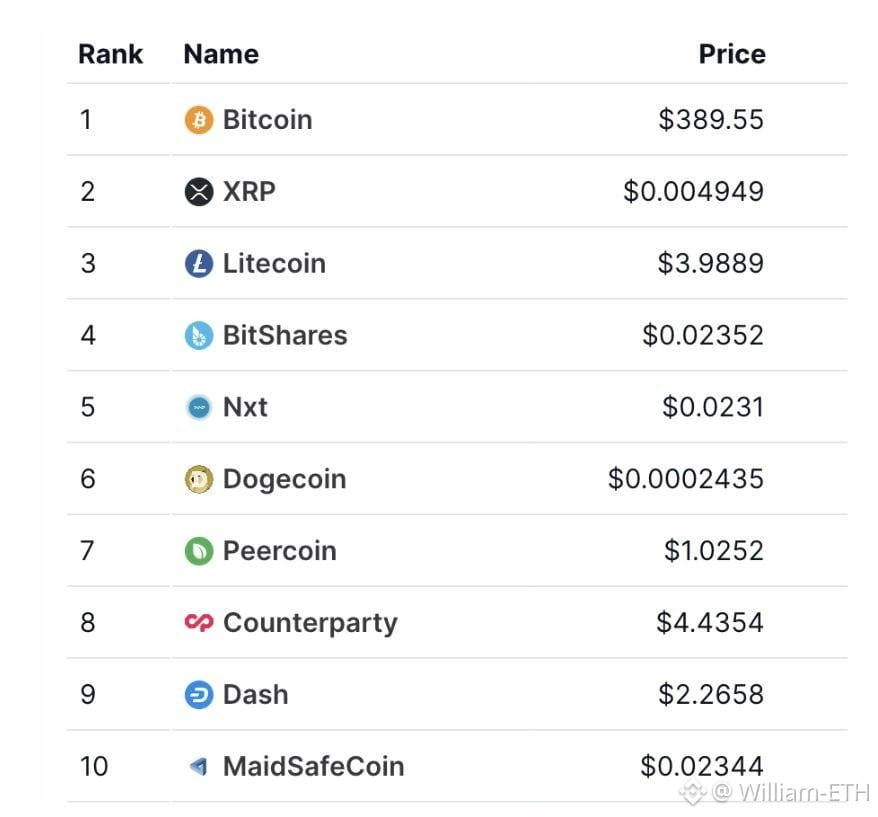
CRYPTO EXACTLY 12 YEARS AGO — OCTOBER 18, 2014
Imagine going back 12 years, when Bitcoin was trading around $380 and crypto was still a wild experiment for most people.
No massive institutional adoption. No Bitcoin ETFs. No mainstream crypto boom. Just a revolutionary idea, a small community, and a market few could fully understand.
The real question is: What if you had recognized the opportunity back then?
In crypto, today's crazy idea can become tomorrow's financial revolution. The next chapter is still being written.
CRYPTO EXACTLY 12 YEARS AGO — OCTOBER 18, 2014
Imagine going back 12 years, when Bitcoin was trading around $380 and crypto was still a wild experiment for most people.
No massive institutional adoption. No Bitcoin ETFs. No mainstream crypto boom. Just a revolutionary idea, a small community, and a market few could fully understand.
The real question is: What if you had recognized the opportunity back then?
In crypto, today's crazy idea can become tomorrow's financial revolution. The next chapter is still being written.
Imagine going back 12 years, when Bitcoin was trading around $380 and crypto was still a wild experiment for most people.
No massive institutional adoption. No Bitcoin ETFs. No mainstream crypto boom. Just a revolutionary idea, a small community, and a market few could fully understand.
The real question is: What if you had recognized the opportunity back then?
In crypto, today's crazy idea can become tomorrow's financial revolution. The next chapter is still being written.
1
265
·
--
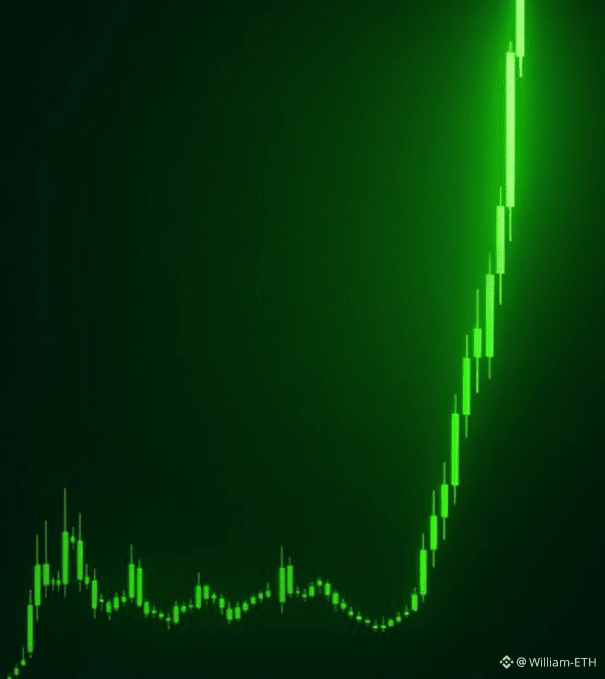
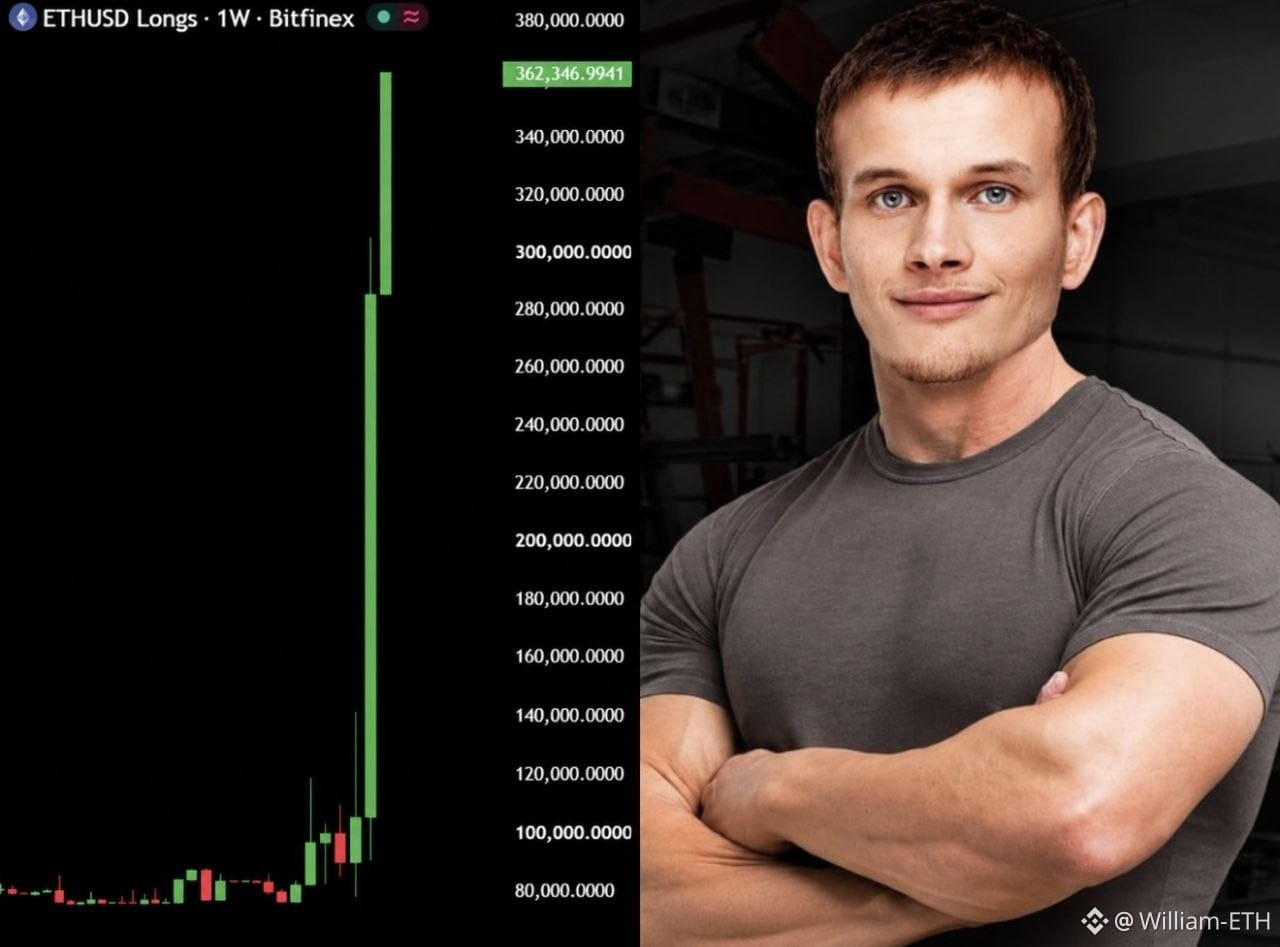
THIS IS NOT AN AI STOCK OR ALTCOIN CHART.
Bitfinex whales’ $ETH long positions are going absolutely VERTICAL.
Someone is making a massive bet on Ethereum, and the scale of this move is impossible to ignore.
Do they know something the rest of the market doesn’t?
Keep your eyes on $ETH . The next move could be explosive.
THIS IS NOT AN AI STOCK OR ALTCOIN CHART.
Bitfinex whales’ $ETH long positions are going absolutely VERTICAL.
Someone is making a massive bet on Ethereum, and the scale of this move is impossible to ignore.
Do they know something the rest of the market doesn’t?
Keep your eyes on $ETH . The next move could be explosive.
Bitfinex whales’ $ETH long positions are going absolutely VERTICAL.
Someone is making a massive bet on Ethereum, and the scale of this move is impossible to ignore.
Do they know something the rest of the market doesn’t?
Keep your eyes on $ETH . The next move could be explosive.
1
150
·
--
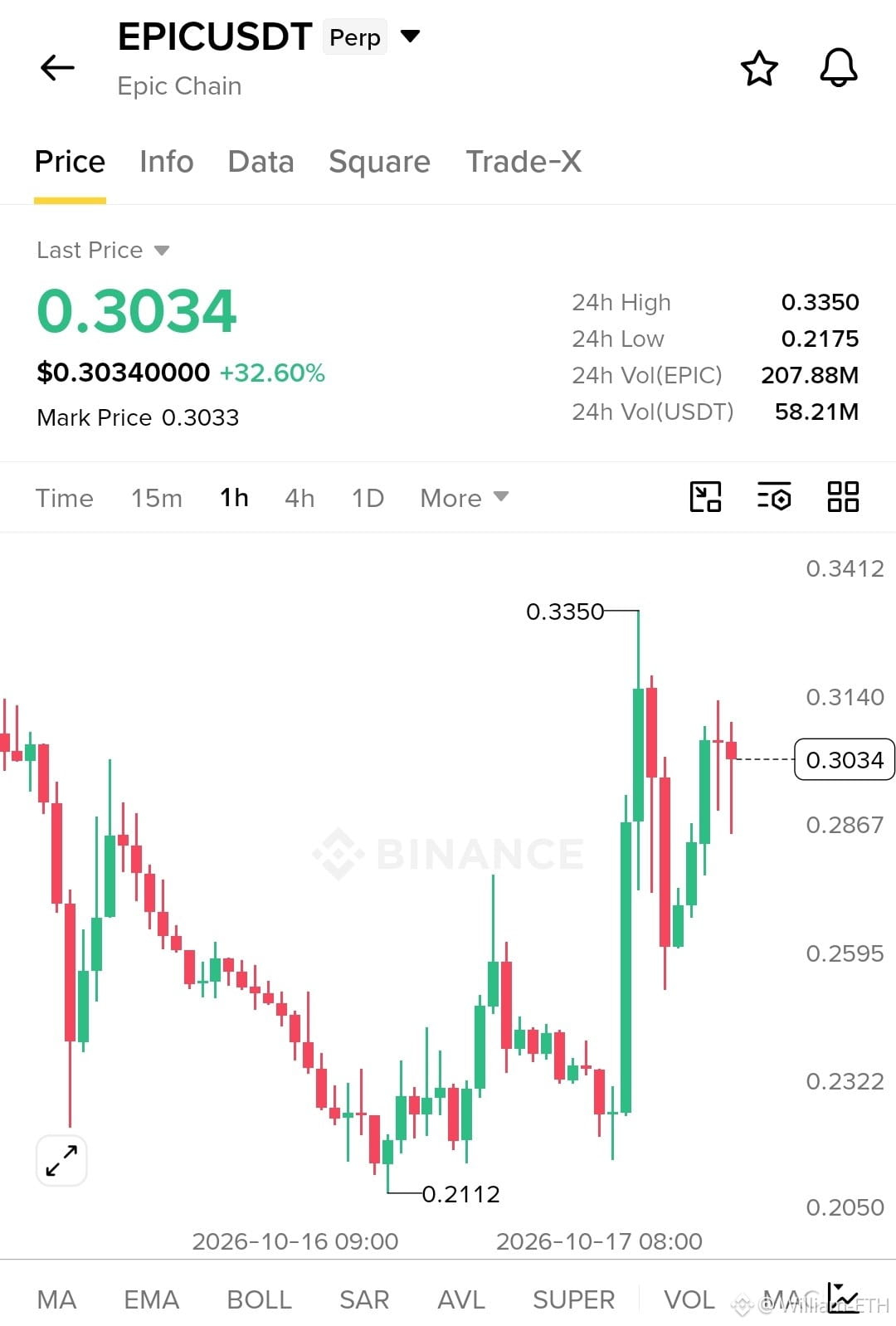
$EPIC ALERT — BE CAREFUL BEFORE ENTERING
$EPIC is seeing a strong rebound, gaining more than 31% and trading around $0.3066. But before getting caught up in the rally, there is one major factor traders need to consider.
Delisting Risk: October 28
With a delisting reportedly scheduled for October 28, volatility and uncertainty could increase significantly. This sharp recovery may attract buyers, but it doesn't necessarily mean the uptrend will continue.
KEY THINGS TO WATCH
- Current Price: Around $0.3066
- Recent Move: Over 31% upward
- Major Concern: Reported delisting on October 28
- Market Outlook: High risk with potential for sharp price swings
The big question is whether buyers can sustain this momentum or whether the rally will fade as traders reassess the risk.
Don't let a sudden pump distract you from the bigger picture. Verify the delisting announcement through the exchange's official channels before making any decisions.
Is $EPIC preparing for another leg up, or could this bounce turn into a trap?
#DelistingAlert
$EPIC ALERT — BE CAREFUL BEFORE ENTERING
$EPIC is seeing a strong rebound, gaining more than 31% and trading around $0.3066. But before getting caught up in the rally, there is one major factor traders need to consider.
Delisting Risk: October 28
With a delisting reportedly scheduled for October 28, volatility and uncertainty could increase significantly. This sharp recovery may attract buyers, but it doesn't necessarily mean the uptrend will continue.
KEY THINGS TO WATCH
- Current Price: Around $0.3066
- Recent Move: Over 31% upward
- Major Concern: Reported delisting on October 28
- Market Outlook: High risk with potential for sharp price swings
The big question is whether buyers can sustain this momentum or whether the rally will fade as traders reassess the risk.
Don't let a sudden pump distract you from the bigger picture. Verify the delisting announcement through the exchange's official channels before making any decisions.
Is $EPIC preparing for another leg up, or could this bounce turn into a trap?
#DelistingAlert
$EPIC is seeing a strong rebound, gaining more than 31% and trading around $0.3066. But before getting caught up in the rally, there is one major factor traders need to consider.
Delisting Risk: October 28
With a delisting reportedly scheduled for October 28, volatility and uncertainty could increase significantly. This sharp recovery may attract buyers, but it doesn't necessarily mean the uptrend will continue.
KEY THINGS TO WATCH
- Current Price: Around $0.3066
- Recent Move: Over 31% upward
- Major Concern: Reported delisting on October 28
- Market Outlook: High risk with potential for sharp price swings
The big question is whether buyers can sustain this momentum or whether the rally will fade as traders reassess the risk.
Don't let a sudden pump distract you from the bigger picture. Verify the delisting announcement through the exchange's official channels before making any decisions.
Is $EPIC preparing for another leg up, or could this bounce turn into a trap?
#DelistingAlert
1
95
·
--
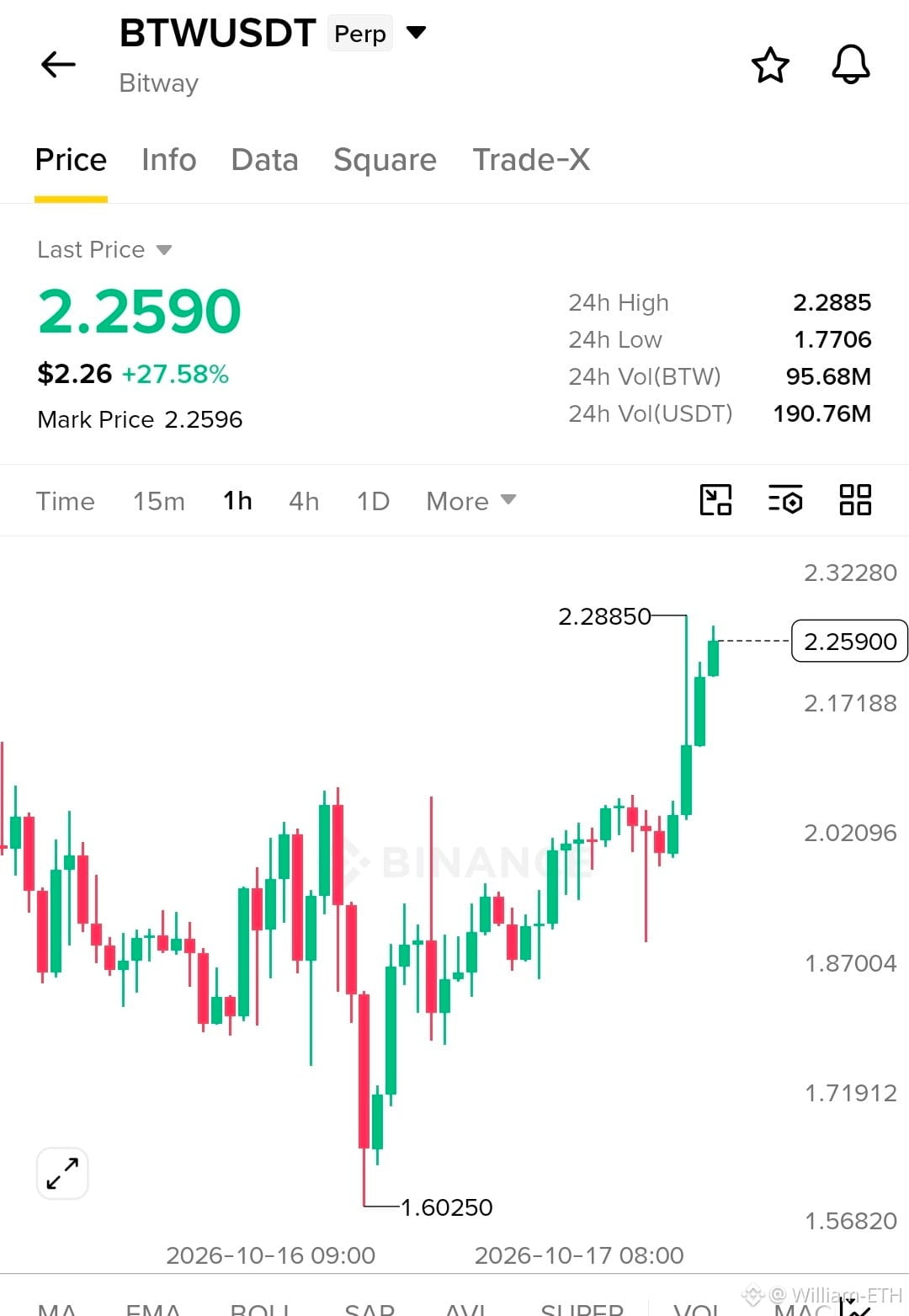
Another successful trade on $BTW .
Congratulations to everyone who joined me on this one and stayed patient throughout the move.
I've secured profits by closing 70% of my position, while keeping the remaining 30% open for the next targets.
Always important to protect profits and manage risk along the way.
More opportunities ahead. Stay focused and trade smart.
$BTW
Another successful trade on $BTW .
Congratulations to everyone who joined me on this one and stayed patient throughout the move.
I've secured profits by closing 70% of my position, while keeping the remaining 30% open for the next targets.
Always important to protect profits and manage risk along the way.
More opportunities ahead. Stay focused and trade smart.
$BTW
Congratulations to everyone who joined me on this one and stayed patient throughout the move.
I've secured profits by closing 70% of my position, while keeping the remaining 30% open for the next targets.
Always important to protect profits and manage risk along the way.
More opportunities ahead. Stay focused and trade smart.
$BTW
1
31
·
--
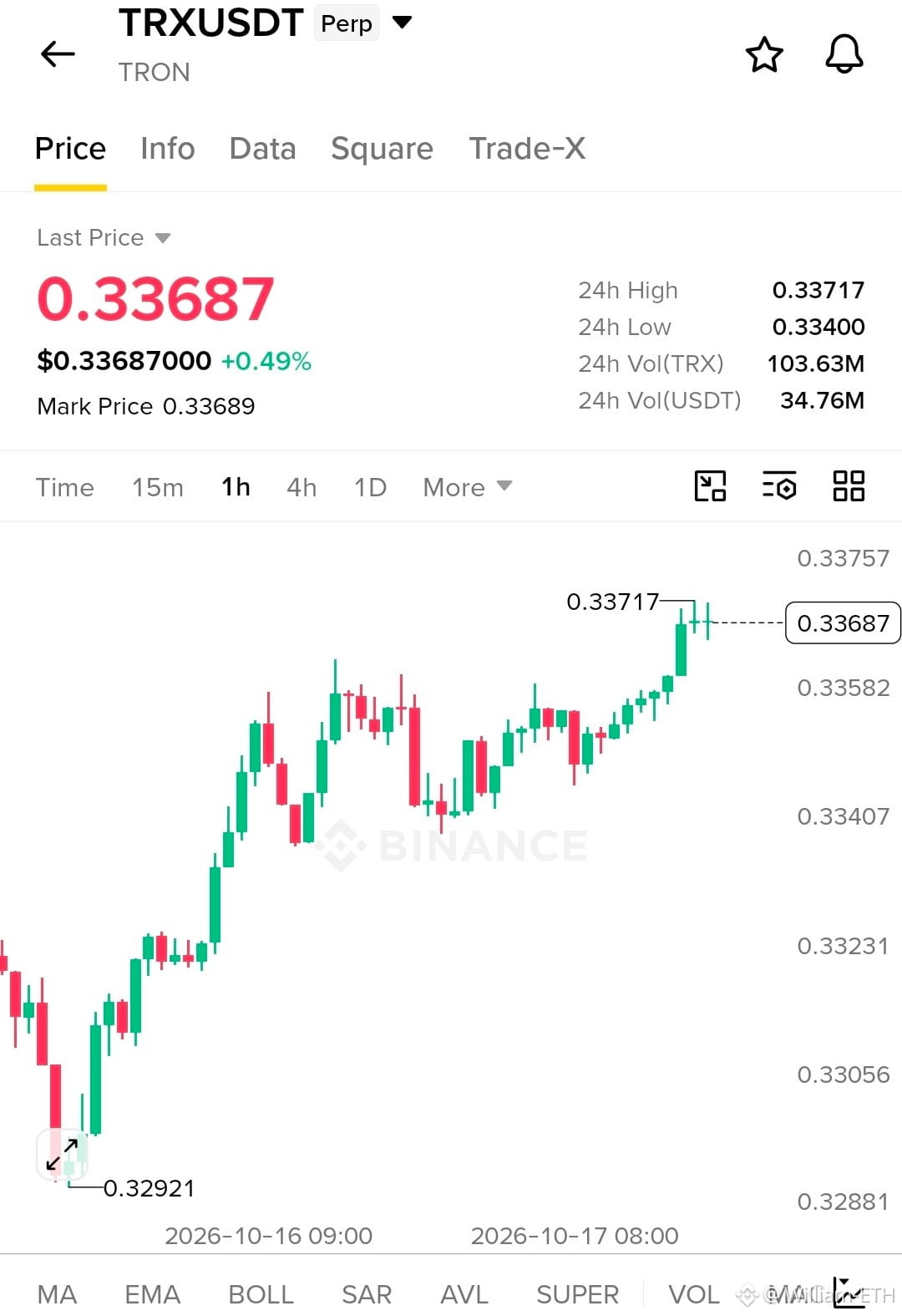
$TRX Testing Resistance — Is a Pullback Coming?
$TRX has been climbing steadily and is now approaching a key resistance zone around $0.3370. If buyers fail to push through this level, sellers could step in and trigger a short-term correction.
I'm watching this zone closely for a clear rejection before considering a move to the downside.
SHORT TRADE SETUP
Entry Zone: $0.3368 – $0.3375
Take Profit Targets:
TP1: $0.3355
TP2: $0.3330
Final TP: $0.3300
Stop Loss: $0.3410
Key Levels to Watch
A strong rejection near resistance could give sellers an opportunity to push $TRX toward $0.3355 and $0.3330, with $0.3300 as the final downside target.
However, if price breaks above resistance and holds, the bearish setup could lose its validity. Confirmation is key before entering.
My main target remains $0.3300, provided sellers take control.
Will TRX reject resistance and move lower, or will bulls continue the rally?
Keep an eye on the price action around $0.3370.
$TRX Testing Resistance — Is a Pullback Coming?
$TRX has been climbing steadily and is now approaching a key resistance zone around $0.3370. If buyers fail to push through this level, sellers could step in and trigger a short-term correction.
I'm watching this zone closely for a clear rejection before considering a move to the downside.
SHORT TRADE SETUP
Entry Zone: $0.3368 – $0.3375
Take Profit Targets:
TP1: $0.3355
TP2: $0.3330
Final TP: $0.3300
Stop Loss: $0.3410
Key Levels to Watch
A strong rejection near resistance could give sellers an opportunity to push $TRX toward $0.3355 and $0.3330, with $0.3300 as the final downside target.
However, if price breaks above resistance and holds, the bearish setup could lose its validity. Confirmation is key before entering.
My main target remains $0.3300, provided sellers take control.
Will TRX reject resistance and move lower, or will bulls continue the rally?
Keep an eye on the price action around $0.3370.
$TRX has been climbing steadily and is now approaching a key resistance zone around $0.3370. If buyers fail to push through this level, sellers could step in and trigger a short-term correction.
I'm watching this zone closely for a clear rejection before considering a move to the downside.
SHORT TRADE SETUP
Entry Zone: $0.3368 – $0.3375
Take Profit Targets:
TP1: $0.3355
TP2: $0.3330
Final TP: $0.3300
Stop Loss: $0.3410
Key Levels to Watch
A strong rejection near resistance could give sellers an opportunity to push $TRX toward $0.3355 and $0.3330, with $0.3300 as the final downside target.
However, if price breaks above resistance and holds, the bearish setup could lose its validity. Confirmation is key before entering.
My main target remains $0.3300, provided sellers take control.
Will TRX reject resistance and move lower, or will bulls continue the rally?
Keep an eye on the price action around $0.3370.
1
58
·
--
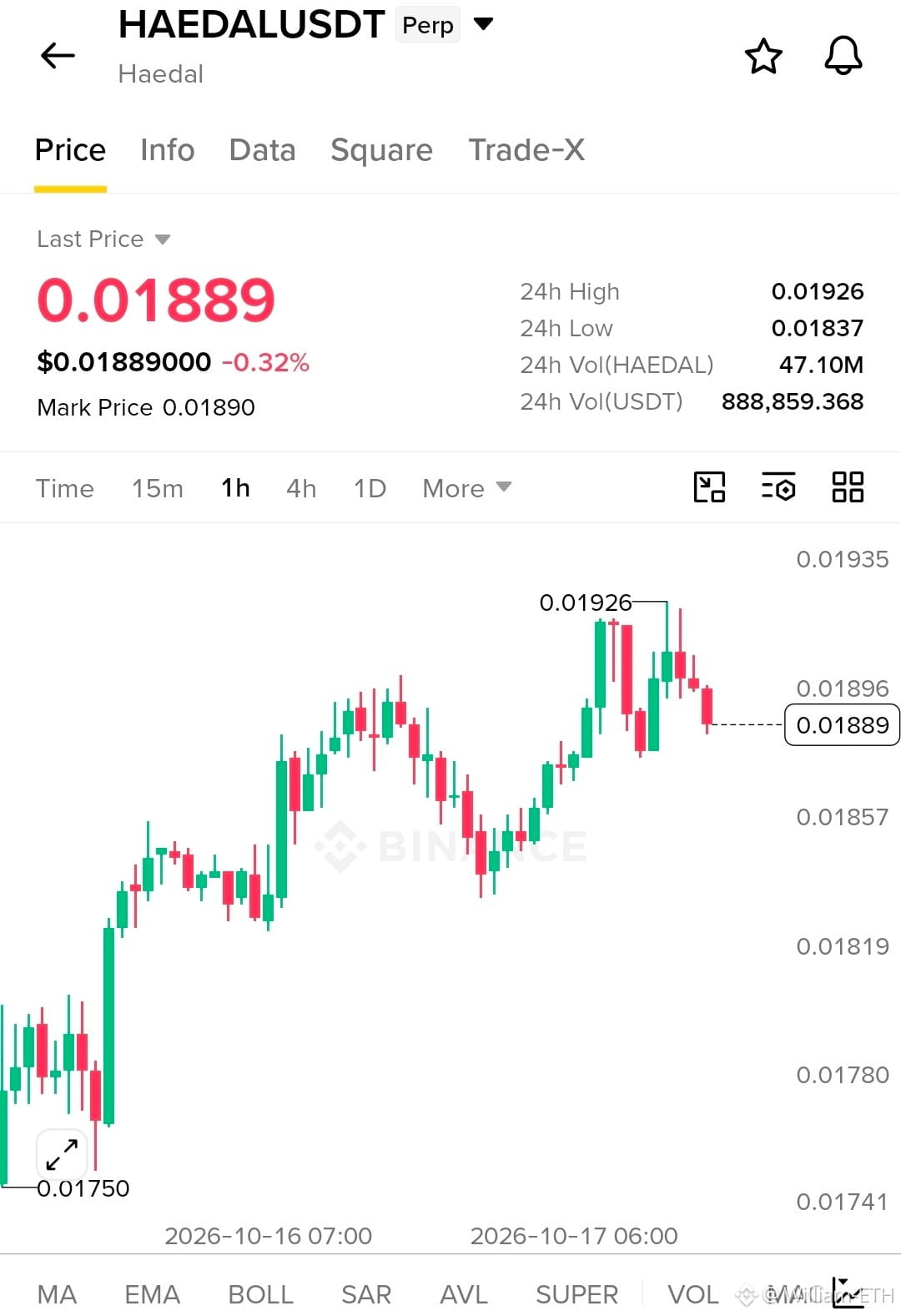
$HAEDAL Approaching a Key Breakout Zone — $0.0205 in Sight?
$HAEDAL is showing promising price action on the 1H timeframe, with buyers continuing to defend higher lows. Price is now challenging the $0.01925 resistance level, which could determine the next short-term move.
A decisive breakout above this zone may give bulls the momentum they need to push toward higher targets.
LONG TRADE SETUP
Entry Zone: $0.01910 – $0.01925
Take Profit Targets:
TP1: $0.01950
TP2: $0.01980
TP3: $0.02020
TP4: $0.02050
Stop Loss: $0.01875
Market Outlook
The bullish structure remains in focus while $HAEDAL holds above $0.01880. A confirmed move above $0.01925 could open the way toward $0.02000 and potentially $0.02050.
On the downside, losing key support could weaken the current setup and put buyers under pressure.
Can HAEDAL break through resistance and reach $0.02000, or will sellers reject the move again?
The next candle closes could be important.
$HAEDAL Approaching a Key Breakout Zone — $0.0205 in Sight?
$HAEDAL is showing promising price action on the 1H timeframe, with buyers continuing to defend higher lows. Price is now challenging the $0.01925 resistance level, which could determine the next short-term move.
A decisive breakout above this zone may give bulls the momentum they need to push toward higher targets.
LONG TRADE SETUP
Entry Zone: $0.01910 – $0.01925
Take Profit Targets:
TP1: $0.01950
TP2: $0.01980
TP3: $0.02020
TP4: $0.02050
Stop Loss: $0.01875
Market Outlook
The bullish structure remains in focus while $HAEDAL holds above $0.01880. A confirmed move above $0.01925 could open the way toward $0.02000 and potentially $0.02050.
On the downside, losing key support could weaken the current setup and put buyers under pressure.
Can HAEDAL break through resistance and reach $0.02000, or will sellers reject the move again?
The next candle closes could be important.
$HAEDAL is showing promising price action on the 1H timeframe, with buyers continuing to defend higher lows. Price is now challenging the $0.01925 resistance level, which could determine the next short-term move.
A decisive breakout above this zone may give bulls the momentum they need to push toward higher targets.
LONG TRADE SETUP
Entry Zone: $0.01910 – $0.01925
Take Profit Targets:
TP1: $0.01950
TP2: $0.01980
TP3: $0.02020
TP4: $0.02050
Stop Loss: $0.01875
Market Outlook
The bullish structure remains in focus while $HAEDAL holds above $0.01880. A confirmed move above $0.01925 could open the way toward $0.02000 and potentially $0.02050.
On the downside, losing key support could weaken the current setup and put buyers under pressure.
Can HAEDAL break through resistance and reach $0.02000, or will sellers reject the move again?
The next candle closes could be important.
1
51
·
--
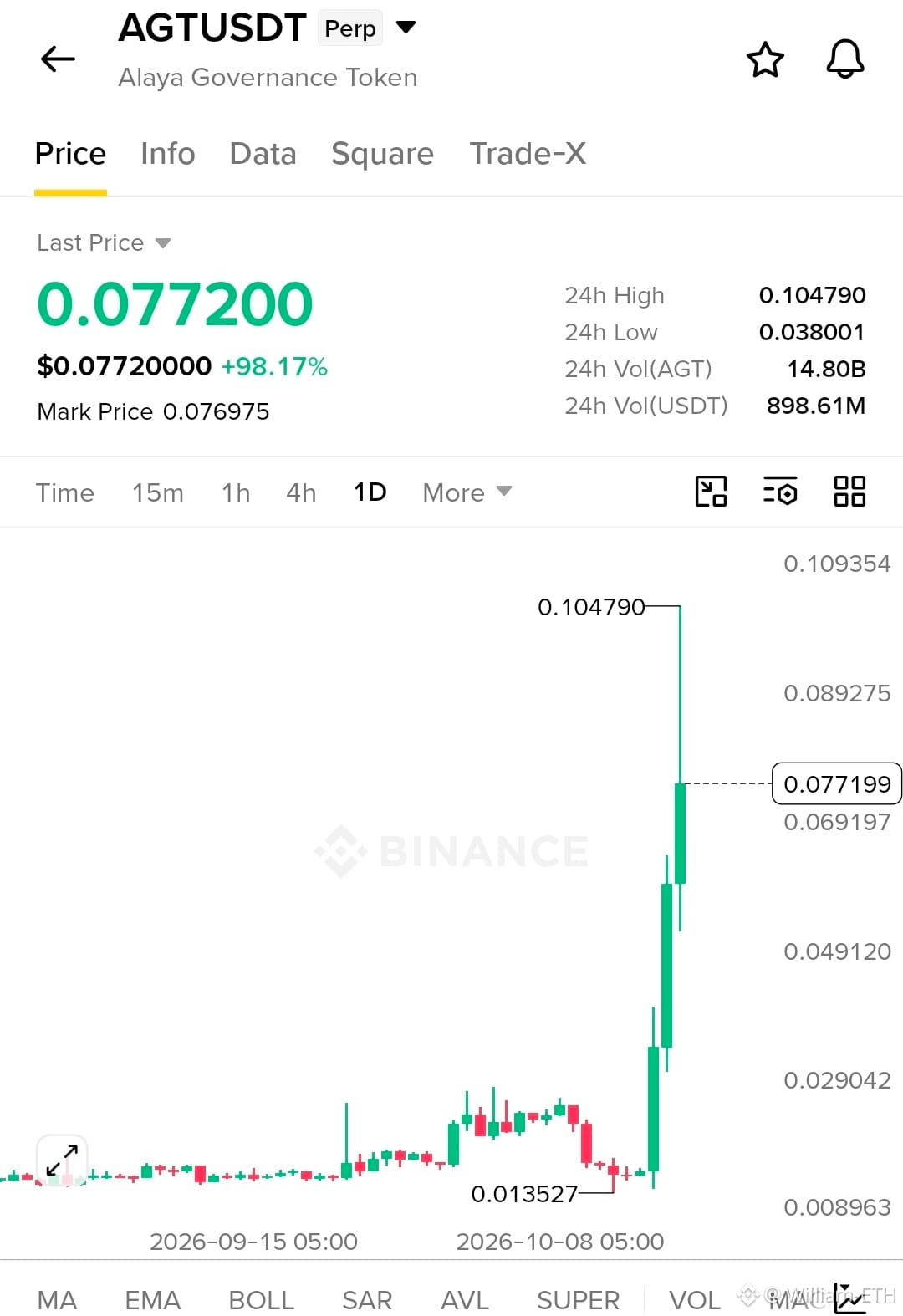
#Q vs $AGT — Could History Repeat Itself?
Something interesting is happening with $Q and $AGT . Both tokens have experienced strong upward moves, but their recent price action is starting to show some notable similarities.
AGT faced a heavy rejection after reaching around $0.105 and has since fallen toward $0.066. Meanwhile, Q recently touched $0.077 and is now trading near $0.070, with its next move becoming increasingly important.
If Q follows a similar pattern to AGT, we could see a potential correction toward the $0.058–$0.053 zone.
KEY LEVELS TO WATCH
$Q Current Area: $0.070
Recent High: $0.077
Potential Downside Zone: $0.058–$0.053
The similarity between these price movements is worth watching, but it doesn't guarantee that $Q will follow the same path. Continued strength could invalidate the comparison, while a loss of support may increase selling pressure.
Will Q repeat $
AGT's move, or will buyers keep pushing higher?
Let's watch how the price develops from here.
#Q vs $AGT — Could History Repeat Itself?
Something interesting is happening with $Q and $AGT . Both tokens have experienced strong upward moves, but their recent price action is starting to show some notable similarities.
AGT faced a heavy rejection after reaching around $0.105 and has since fallen toward $0.066. Meanwhile, Q recently touched $0.077 and is now trading near $0.070, with its next move becoming increasingly important.
If Q follows a similar pattern to AGT, we could see a potential correction toward the $0.058–$0.053 zone.
KEY LEVELS TO WATCH
$Q Current Area: $0.070
Recent High: $0.077
Potential Downside Zone: $0.058–$0.053
The similarity between these price movements is worth watching, but it doesn't guarantee that $Q will follow the same path. Continued strength could invalidate the comparison, while a loss of support may increase selling pressure.
Will Q repeat $
AGT's move, or will buyers keep pushing higher?
Let's watch how the price develops from here.
Something interesting is happening with $Q and $AGT . Both tokens have experienced strong upward moves, but their recent price action is starting to show some notable similarities.
AGT faced a heavy rejection after reaching around $0.105 and has since fallen toward $0.066. Meanwhile, Q recently touched $0.077 and is now trading near $0.070, with its next move becoming increasingly important.
If Q follows a similar pattern to AGT, we could see a potential correction toward the $0.058–$0.053 zone.
KEY LEVELS TO WATCH
$Q Current Area: $0.070
Recent High: $0.077
Potential Downside Zone: $0.058–$0.053
The similarity between these price movements is worth watching, but it doesn't guarantee that $Q will follow the same path. Continued strength could invalidate the comparison, while a loss of support may increase selling pressure.
Will Q repeat $
AGT's move, or will buyers keep pushing higher?
Let's watch how the price develops from here.
1
251
·
--
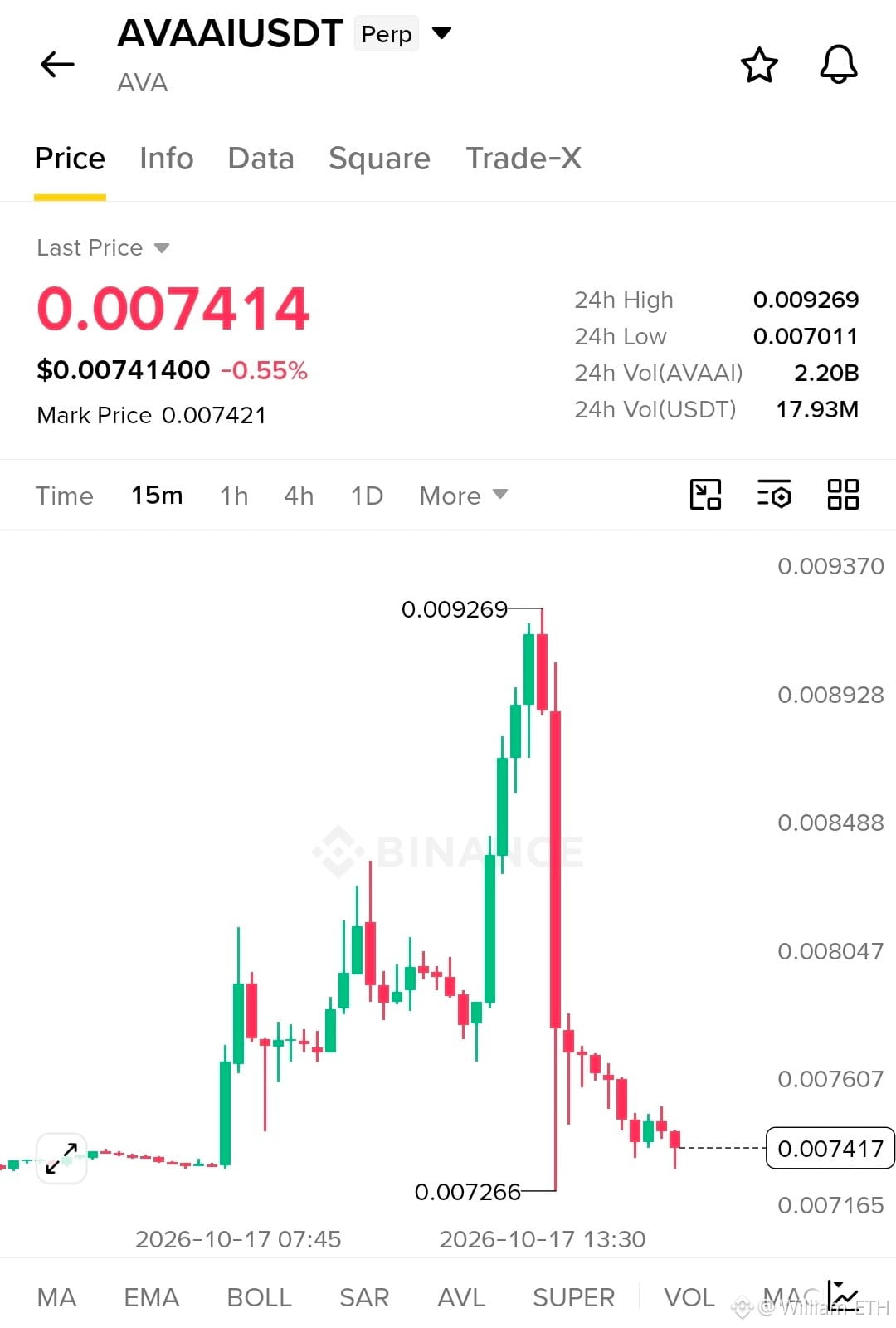
$AVAAI Under Pressure After Rejection — More Downside Ahead?
$AVAAI has taken a hit after failing to hold its recent rally near $0.0092, with price dropping toward the $0.0076 area. On the 15-minute timeframe, sellers appear to be gaining momentum, putting nearby support levels under pressure.
If buyers fail to defend the current zone, another move lower could be on the table.
SHORT TRADE SETUP
Entry Zone: $0.00765 – $0.00785
Take Profit Targets:
TP1: $0.00740
TP2: $0.00720
TP3: $0.00700
TP4: $0.00680
Stop Loss: $0.00835
Market Outlook
The short-term bias remains bearish below $0.00800. A confirmed break under $0.00750 could accelerate selling pressure and expose the next downside targets.
However, a recovery above $0.00800 could weaken the bearish structure and shift momentum back toward buyers.
Will $AVAAI continue its correction, or are buyers preparing for another recovery?
The next move depends on how price reacts around support.
$AVAAI Under Pressure After Rejection — More Downside Ahead?
$AVAAI has taken a hit after failing to hold its recent rally near $0.0092, with price dropping toward the $0.0076 area. On the 15-minute timeframe, sellers appear to be gaining momentum, putting nearby support levels under pressure.
If buyers fail to defend the current zone, another move lower could be on the table.
SHORT TRADE SETUP
Entry Zone: $0.00765 – $0.00785
Take Profit Targets:
TP1: $0.00740
TP2: $0.00720
TP3: $0.00700
TP4: $0.00680
Stop Loss: $0.00835
Market Outlook
The short-term bias remains bearish below $0.00800. A confirmed break under $0.00750 could accelerate selling pressure and expose the next downside targets.
However, a recovery above $0.00800 could weaken the bearish structure and shift momentum back toward buyers.
Will $AVAAI continue its correction, or are buyers preparing for another recovery?
The next move depends on how price reacts around support.
$AVAAI has taken a hit after failing to hold its recent rally near $0.0092, with price dropping toward the $0.0076 area. On the 15-minute timeframe, sellers appear to be gaining momentum, putting nearby support levels under pressure.
If buyers fail to defend the current zone, another move lower could be on the table.
SHORT TRADE SETUP
Entry Zone: $0.00765 – $0.00785
Take Profit Targets:
TP1: $0.00740
TP2: $0.00720
TP3: $0.00700
TP4: $0.00680
Stop Loss: $0.00835
Market Outlook
The short-term bias remains bearish below $0.00800. A confirmed break under $0.00750 could accelerate selling pressure and expose the next downside targets.
However, a recovery above $0.00800 could weaken the bearish structure and shift momentum back toward buyers.
Will $AVAAI continue its correction, or are buyers preparing for another recovery?
The next move depends on how price reacts around support.
1
34
·
--
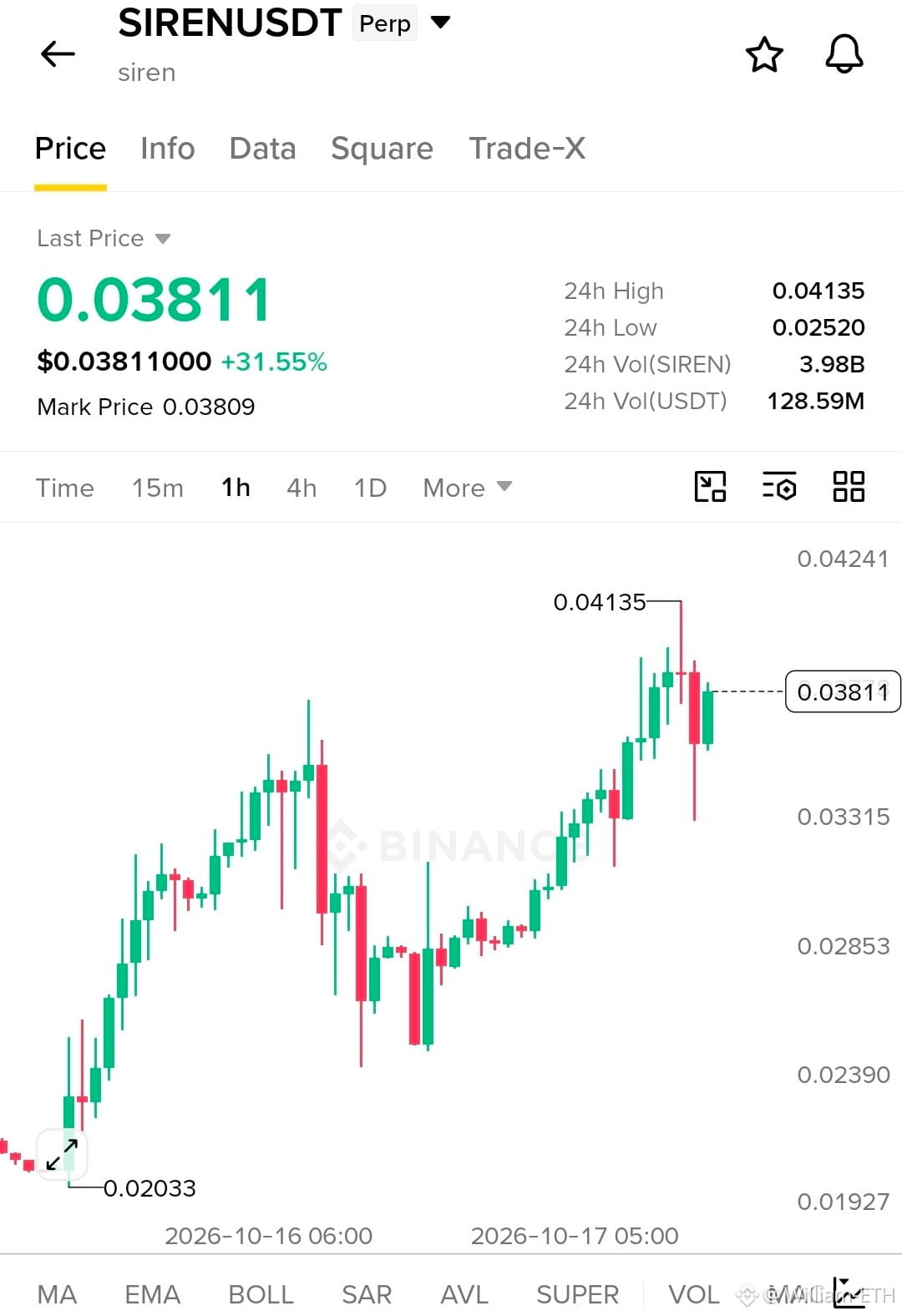
$SIREN Facing Heavy Resistance — Is a Pullback Ahead?
After an impressive rally of more than 40%, $SIREN is approaching a key resistance zone around $0.040–$0.041. Buyers have pushed the price higher, but this area could become a major test for the current momentum.
If the price fails to break through resistance, sellers may get an opportunity to push it toward lower support levels.
SHORT TRADE SETUP
Entry Zone: $0.0378 – $0.0386
Take Profit Targets:
TP1: $0.0300
TP2: $0.0277
Stop Loss: $0.0429
Key Levels to Watch
A confirmed breakdown below $0.0367 could increase selling pressure and bring the $0.0300 level into focus.
However, $SIREN is still coming from a strong upward move, so entering short against the prevailing trend carries significant risk. Confirmation is important before making any move.
Will sellers take advantage of this resistance, or will SIREN continue its rally?
Let's see which side takes control next.
$SIREN Facing Heavy Resistance — Is a Pullback Ahead?
After an impressive rally of more than 40%, $SIREN is approaching a key resistance zone around $0.040–$0.041. Buyers have pushed the price higher, but this area could become a major test for the current momentum.
If the price fails to break through resistance, sellers may get an opportunity to push it toward lower support levels.
SHORT TRADE SETUP
Entry Zone: $0.0378 – $0.0386
Take Profit Targets:
TP1: $0.0300
TP2: $0.0277
Stop Loss: $0.0429
Key Levels to Watch
A confirmed breakdown below $0.0367 could increase selling pressure and bring the $0.0300 level into focus.
However, $SIREN is still coming from a strong upward move, so entering short against the prevailing trend carries significant risk. Confirmation is important before making any move.
Will sellers take advantage of this resistance, or will SIREN continue its rally?
Let's see which side takes control next.
After an impressive rally of more than 40%, $SIREN is approaching a key resistance zone around $0.040–$0.041. Buyers have pushed the price higher, but this area could become a major test for the current momentum.
If the price fails to break through resistance, sellers may get an opportunity to push it toward lower support levels.
SHORT TRADE SETUP
Entry Zone: $0.0378 – $0.0386
Take Profit Targets:
TP1: $0.0300
TP2: $0.0277
Stop Loss: $0.0429
Key Levels to Watch
A confirmed breakdown below $0.0367 could increase selling pressure and bring the $0.0300 level into focus.
However, $SIREN is still coming from a strong upward move, so entering short against the prevailing trend carries significant risk. Confirmation is important before making any move.
Will sellers take advantage of this resistance, or will SIREN continue its rally?
Let's see which side takes control next.
1
60
·
--
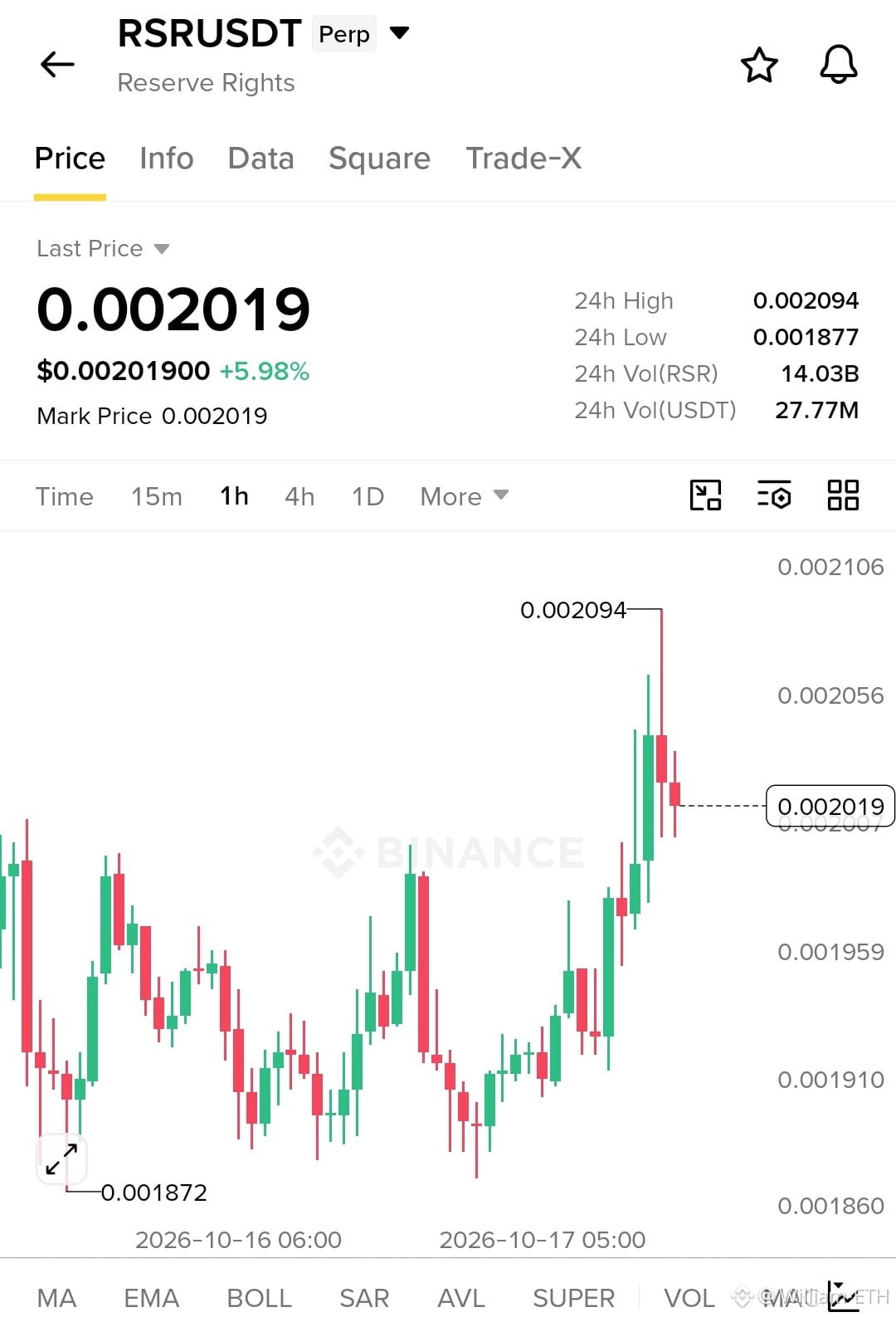
$RSR Bears Are Gaining Control — $0.00200 in Focus
$RSR is struggling to regain bullish momentum after facing strong resistance around $0.00212. Price is now moving lower toward the $0.00203 area, while selling pressure continues to build on the 15-minute timeframe.
If sellers manage to push price below $0.00202, we could see further downside toward the next support levels.
SHORT TRADE SETUP
Entry Zone: $0.00203 – $0.00206
Take Profit Targets:
TP1: $0.00200
TP2: $0.00197
TP3: $0.00194
TP4: $0.00190
Stop Loss: $0.00213
Market Outlook
The short-term bias remains bearish below $0.00208. A confirmed breakdown below $0.00202 could open the way for another leg down, with $0.00200 being the first key level to watch.
On the other hand, if buyers reclaim $0.00208, the bearish scenario could start losing strength.
Will $RSR break below $0.00200, or can buyers turn things around?
Let's see how price reacts at support.
$RSR Bears Are Gaining Control — $0.00200 in Focus
$RSR is struggling to regain bullish momentum after facing strong resistance around $0.00212. Price is now moving lower toward the $0.00203 area, while selling pressure continues to build on the 15-minute timeframe.
If sellers manage to push price below $0.00202, we could see further downside toward the next support levels.
SHORT TRADE SETUP
Entry Zone: $0.00203 – $0.00206
Take Profit Targets:
TP1: $0.00200
TP2: $0.00197
TP3: $0.00194
TP4: $0.00190
Stop Loss: $0.00213
Market Outlook
The short-term bias remains bearish below $0.00208. A confirmed breakdown below $0.00202 could open the way for another leg down, with $0.00200 being the first key level to watch.
On the other hand, if buyers reclaim $0.00208, the bearish scenario could start losing strength.
Will $RSR break below $0.00200, or can buyers turn things around?
Let's see how price reacts at support.
$RSR is struggling to regain bullish momentum after facing strong resistance around $0.00212. Price is now moving lower toward the $0.00203 area, while selling pressure continues to build on the 15-minute timeframe.
If sellers manage to push price below $0.00202, we could see further downside toward the next support levels.
SHORT TRADE SETUP
Entry Zone: $0.00203 – $0.00206
Take Profit Targets:
TP1: $0.00200
TP2: $0.00197
TP3: $0.00194
TP4: $0.00190
Stop Loss: $0.00213
Market Outlook
The short-term bias remains bearish below $0.00208. A confirmed breakdown below $0.00202 could open the way for another leg down, with $0.00200 being the first key level to watch.
On the other hand, if buyers reclaim $0.00208, the bearish scenario could start losing strength.
Will $RSR break below $0.00200, or can buyers turn things around?
Let's see how price reacts at support.
1
67
·
--
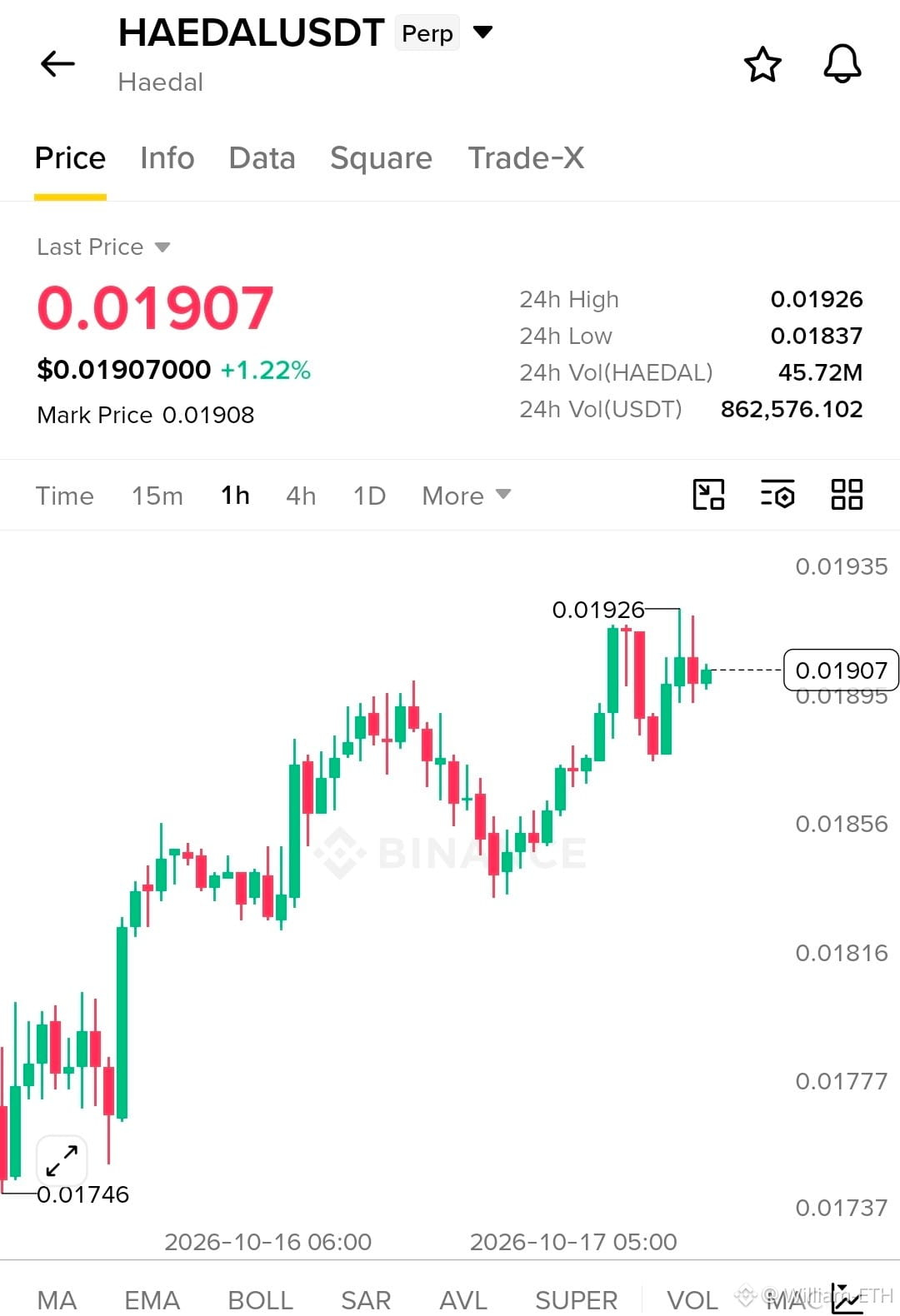
$HAEDAL Setting Up for a Potential Breakout
$HAEDAL is showing signs of strength on the 1H timeframe, with buyers pushing price toward the $0.01925 resistance zone. The market structure remains constructive, and a clean break above this level could trigger the next move higher.
LONG TRADE PLAN
Entry Zone: $0.01910 – $0.01925
Take Profit Targets:
TP1: $0.01950
TP2: $0.01980
TP3: $0.02020
TP4: $0.02050
Stop Loss: $0.01875
Key Levels to Watch
As long as $HAEDAL holds above $0.01880, the bullish scenario remains in play. A confirmed breakout above $0.01925 could bring $0.02000 and higher levels into focus.
However, rejection at resistance or a breakdown below support could weaken the setup, so confirmation is important before entering.
Will buyers push HAEDAL above $0.02000, or will sellers step in at resistance?
Share your analysis in the comments.
$HAEDAL Setting Up for a Potential Breakout
$HAEDAL is showing signs of strength on the 1H timeframe, with buyers pushing price toward the $0.01925 resistance zone. The market structure remains constructive, and a clean break above this level could trigger the next move higher.
LONG TRADE PLAN
Entry Zone: $0.01910 – $0.01925
Take Profit Targets:
TP1: $0.01950
TP2: $0.01980
TP3: $0.02020
TP4: $0.02050
Stop Loss: $0.01875
Key Levels to Watch
As long as $HAEDAL holds above $0.01880, the bullish scenario remains in play. A confirmed breakout above $0.01925 could bring $0.02000 and higher levels into focus.
However, rejection at resistance or a breakdown below support could weaken the setup, so confirmation is important before entering.
Will buyers push HAEDAL above $0.02000, or will sellers step in at resistance?
Share your analysis in the comments.
$HAEDAL is showing signs of strength on the 1H timeframe, with buyers pushing price toward the $0.01925 resistance zone. The market structure remains constructive, and a clean break above this level could trigger the next move higher.
LONG TRADE PLAN
Entry Zone: $0.01910 – $0.01925
Take Profit Targets:
TP1: $0.01950
TP2: $0.01980
TP3: $0.02020
TP4: $0.02050
Stop Loss: $0.01875
Key Levels to Watch
As long as $HAEDAL holds above $0.01880, the bullish scenario remains in play. A confirmed breakout above $0.01925 could bring $0.02000 and higher levels into focus.
However, rejection at resistance or a breakdown below support could weaken the setup, so confirmation is important before entering.
Will buyers push HAEDAL above $0.02000, or will sellers step in at resistance?
Share your analysis in the comments.
1
147
Көбірек контент көру үшін кіріңіз
Binance Square платформасында әлемдік криптоқоғамдастыққа қосылыңыз
⚡️ Криптовалюта туралы ең соңғы және пайдалы ақпаратты алыңыз.
💬 Әлемдегі ең ірі криптобиржаның сеніміне ие.
👍 Расталған авторлардың нақты пікірлерін табыңыз.
Электрондық пошта/телефон нөмірі
Трендтегі тақырыптар
BinancePick
3M рет көрілді
151,798 адам талқылап жатыр
Join #EarningsSeason: Predict Earnings on Binance Pick, Share Your Take on Binance Square!
Binance Square Official
·408 лайк
·342.4k рет көрілді
EarningsSeason
5.2M рет көрілді
25,797 адам талқылап жатыр
AnthropicTTMRevenueGrewAbout1200%
19,799 рет көрілді
335 адам талқылап жатыр