
#euextendscentralcontactpointtocasps
euextendscentralcontactpointtocasps
Қызу саудада
Ең соңғы

·
--
Жоғары (өспелі)
#euextendscentralcontactpointtocasps
🚨 EU JUST MADE ANOTHER MOVE ON CRYPTO REGULATION! 🇪🇺🔥
The European Union is extending its central contact point to CASPs (Crypto-Asset Service Providers), bringing more crypto activity under a clearer regulatory framework.
📌 What does this mean?
More oversight, stronger regulatory coordination, and potentially greater compliance requirements for crypto companies operating in Europe.
For the crypto market, regulation can be a double-edged sword. 🧐
⚡ More rules may increase short-term pressure on some firms, but clearer regulation could also improve institutional confidence and support wider crypto adoption over the long term.
👀 Europe is tightening the framework — and crypto traders are watching.
#crypto #Eu #MiCA
$BTC
#euextendscentralcontactpointtocasps
🚨 EU JUST MADE ANOTHER MOVE ON CRYPTO REGULATION! 🇪🇺🔥
The European Union is extending its central contact point to CASPs (Crypto-Asset Service Providers), bringing more crypto activity under a clearer regulatory framework.
📌 What does this mean?
More oversight, stronger regulatory coordination, and potentially greater compliance requirements for crypto companies operating in Europe.
For the crypto market, regulation can be a double-edged sword. 🧐
⚡ More rules may increase short-term pressure on some firms, but clearer regulation could also improve institutional confidence and support wider crypto adoption over the long term.
👀 Europe is tightening the framework — and crypto traders are watching.
#crypto #Eu #MiCA
$BTC
🚨 EU JUST MADE ANOTHER MOVE ON CRYPTO REGULATION! 🇪🇺🔥
The European Union is extending its central contact point to CASPs (Crypto-Asset Service Providers), bringing more crypto activity under a clearer regulatory framework.
📌 What does this mean?
More oversight, stronger regulatory coordination, and potentially greater compliance requirements for crypto companies operating in Europe.
For the crypto market, regulation can be a double-edged sword. 🧐
⚡ More rules may increase short-term pressure on some firms, but clearer regulation could also improve institutional confidence and support wider crypto adoption over the long term.
👀 Europe is tightening the framework — and crypto traders are watching.
#crypto #Eu #MiCA
$BTC
274

#EUExtendsCentralContactPointToCASPs
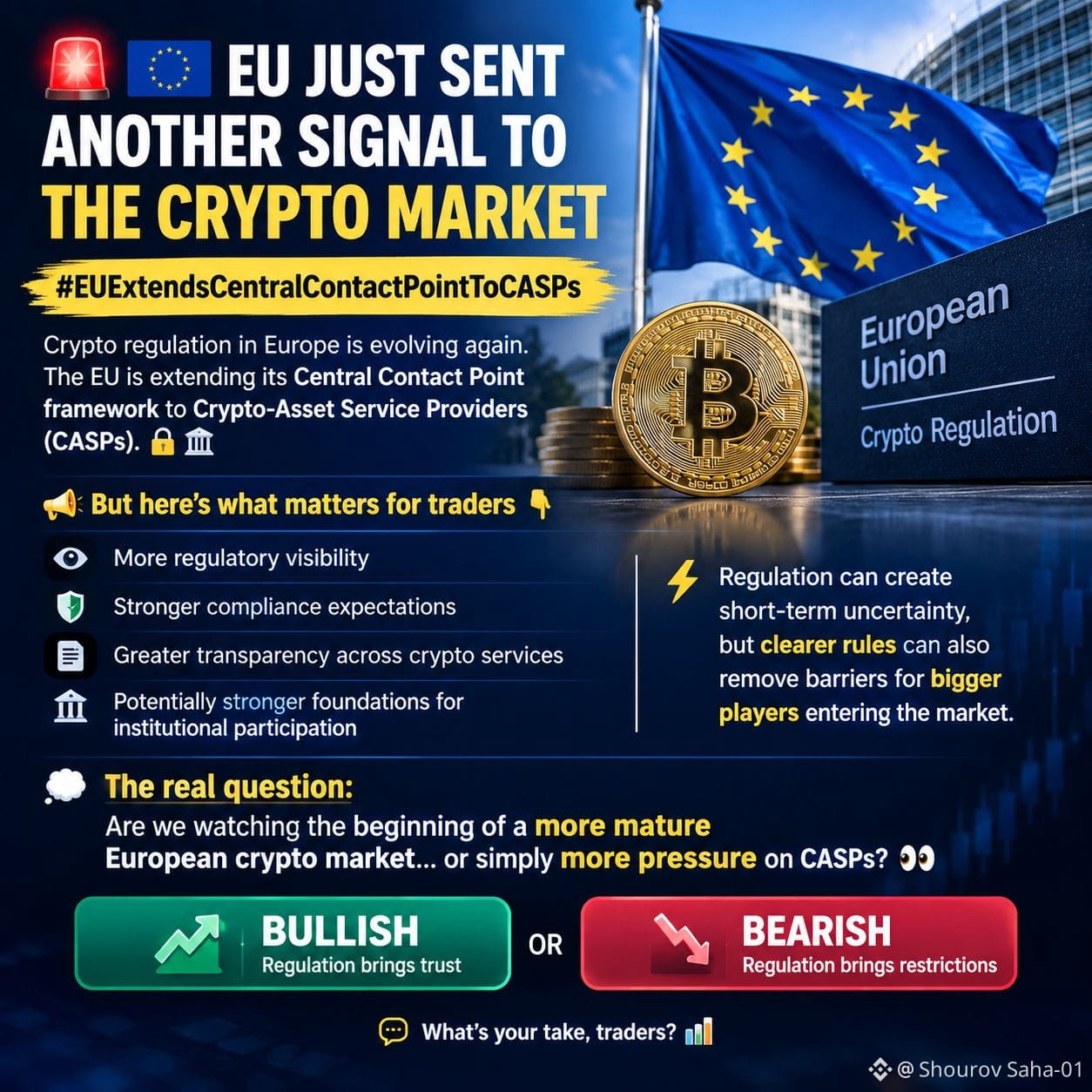
🚨 🇪🇺 EU JUST SENT ANOTHER SIGNAL TO THE CRYPTO MARKET
#EUExtendsCentralContactPointToCASPs
Crypto regulation in Europe is evolving again. The EU is extending its Central Contact Point framework to Crypto-Asset Service Providers (CASPs). 🔐🏦
But here’s what matters for traders 👇
📍 More regulatory visibility
📍 Stronger compliance expectations
📍 Greater transparency across crypto services
📍 Potentially stronger foundations for institutional participation
⚡ Regulation can create short-term uncertainty, but clearer rules can also remove barriers for bigger players entering the market.
The real question:
Are we watching the beginning of a more mature European crypto market… or simply more pressure on CASPs? 👀
🟢 BULLISH — Regulation brings trust
🔴 BEARISH — Regulation brings restrictions
What’s your take, traders? 📊
#Binance #trading #market #UpdateAlert
$BULLA $NEAR $MARSCOIN
#EUExtendsCentralContactPointToCASPs
🚨 🇪🇺 EU JUST SENT ANOTHER SIGNAL TO THE CRYPTO MARKET
#EUExtendsCentralContactPointToCASPs
Crypto regulation in Europe is evolving again. The EU is extending its Central Contact Point framework to Crypto-Asset Service Providers (CASPs). 🔐🏦
But here’s what matters for traders 👇
📍 More regulatory visibility
📍 Stronger compliance expectations
📍 Greater transparency across crypto services
📍 Potentially stronger foundations for institutional participation
⚡ Regulation can create short-term uncertainty, but clearer rules can also remove barriers for bigger players entering the market.
The real question:
Are we watching the beginning of a more mature European crypto market… or simply more pressure on CASPs? 👀
🟢 BULLISH — Regulation brings trust
🔴 BEARISH — Regulation brings restrictions
What’s your take, traders? 📊
#Binance #trading #market #UpdateAlert
$BULLA $NEAR $MARSCOIN
🚨 🇪🇺 EU JUST SENT ANOTHER SIGNAL TO THE CRYPTO MARKET
#EUExtendsCentralContactPointToCASPs
Crypto regulation in Europe is evolving again. The EU is extending its Central Contact Point framework to Crypto-Asset Service Providers (CASPs). 🔐🏦
But here’s what matters for traders 👇
📍 More regulatory visibility
📍 Stronger compliance expectations
📍 Greater transparency across crypto services
📍 Potentially stronger foundations for institutional participation
⚡ Regulation can create short-term uncertainty, but clearer rules can also remove barriers for bigger players entering the market.
The real question:
Are we watching the beginning of a more mature European crypto market… or simply more pressure on CASPs? 👀
🟢 BULLISH — Regulation brings trust
🔴 BEARISH — Regulation brings restrictions
What’s your take, traders? 📊
#Binance #trading #market #UpdateAlert
$BULLA $NEAR $MARSCOIN
1
3


🇪🇺 EU Extends Central Contact Point to CASPs
The European Union is expanding its regulatory framework for Crypto-Asset Service Providers (CASPs).
🔹 Stronger regulatory oversight
🔹 Greater transparency and compliance
🔹 Enhanced cooperation between authorities
🔹 A more structured environment for crypto businesses
📈 What it means: EU crypto regulation continues to evolve, potentially bringing greater clarity and accountability to the digital-asset industry.
$NVDAB $AAPL.US $GOOGL.US
#Eu #Crypto #CASP #MiCA #Regulation #Blockchain #DigitalAssets #CryptoNews
#EUExtendsCentralContactPointToCASPs
🇪🇺 EU Extends Central Contact Point to CASPs
The European Union is expanding its regulatory framework for Crypto-Asset Service Providers (CASPs).
🔹 Stronger regulatory oversight
🔹 Greater transparency and compliance
🔹 Enhanced cooperation between authorities
🔹 A more structured environment for crypto businesses
📈 What it means: EU crypto regulation continues to evolve, potentially bringing greater clarity and accountability to the digital-asset industry.
$NVDAB $AAPL.US $GOOGL.US
#Eu #Crypto #CASP #MiCA #Regulation #Blockchain #DigitalAssets #CryptoNews
#EUExtendsCentralContactPointToCASPs
The European Union is expanding its regulatory framework for Crypto-Asset Service Providers (CASPs).
🔹 Stronger regulatory oversight
🔹 Greater transparency and compliance
🔹 Enhanced cooperation between authorities
🔹 A more structured environment for crypto businesses
📈 What it means: EU crypto regulation continues to evolve, potentially bringing greater clarity and accountability to the digital-asset industry.
$NVDAB $AAPL.US $GOOGL.US
#Eu #Crypto #CASP #MiCA #Regulation #Blockchain #DigitalAssets #CryptoNews
#EUExtendsCentralContactPointToCASPs
8

#euextendscentralcontactpointtocasps
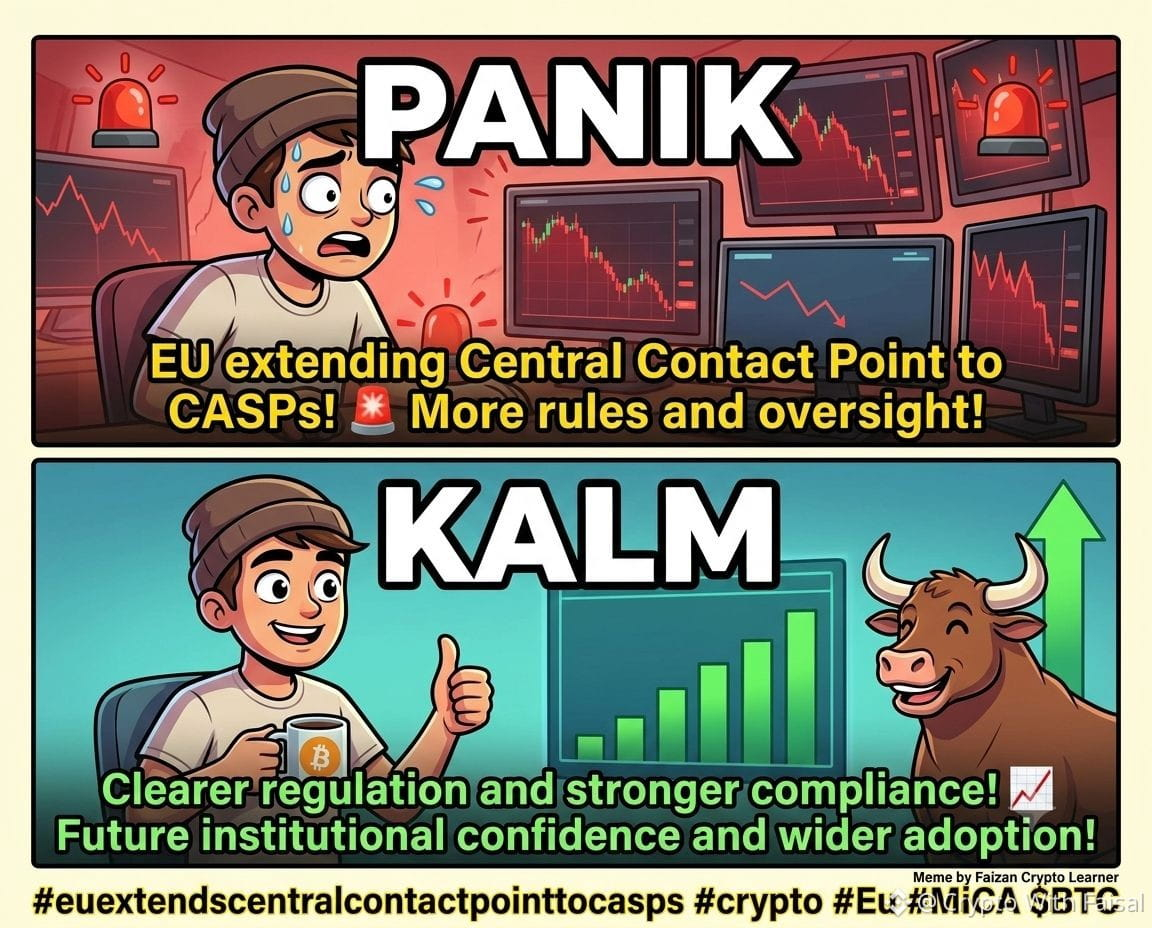
Big moves in Europe for the crypto space! 🚨🇪🇺
The EU is officially tightening its regulatory grip by bringing Crypto-Asset Service Providers (CASPs) under its central contact point umbrella.
So, what's the real takeaway?
Yes, this means more red tape and compliance hoops for crypto companies operating in Europe right now. But let’s look at the bigger picture: clearer rules mean the "wild west" narrative is fading.
While heavy oversight might sting in the short term, regulatory clarity is exactly what we need to build institutional trust and drive massive, mainstream adoption in the long run. 📈🤝
The rules of the game are changing. Are you ready for the next era of crypto? 👀
#Eu #CASP #CryptoNews #MiCA
$ZEC
{future}(ZECUSDT)
$DASH
{future}(DASHUSDT)
$HYPE
{future}(HYPEUSDT)
#euextendscentralcontactpointtocasps
Big moves in Europe for the crypto space! 🚨🇪🇺
The EU is officially tightening its regulatory grip by bringing Crypto-Asset Service Providers (CASPs) under its central contact point umbrella.
So, what's the real takeaway?
Yes, this means more red tape and compliance hoops for crypto companies operating in Europe right now. But let’s look at the bigger picture: clearer rules mean the "wild west" narrative is fading.
While heavy oversight might sting in the short term, regulatory clarity is exactly what we need to build institutional trust and drive massive, mainstream adoption in the long run. 📈🤝
The rules of the game are changing. Are you ready for the next era of crypto? 👀
#Eu #CASP #CryptoNews #MiCA
$ZEC
$DASH
$HYPE
Big moves in Europe for the crypto space! 🚨🇪🇺
The EU is officially tightening its regulatory grip by bringing Crypto-Asset Service Providers (CASPs) under its central contact point umbrella.
So, what's the real takeaway?
Yes, this means more red tape and compliance hoops for crypto companies operating in Europe right now. But let’s look at the bigger picture: clearer rules mean the "wild west" narrative is fading.
While heavy oversight might sting in the short term, regulatory clarity is exactly what we need to build institutional trust and drive massive, mainstream adoption in the long run. 📈🤝
The rules of the game are changing. Are you ready for the next era of crypto? 👀
#Eu #CASP #CryptoNews #MiCA
$ZEC
$DASH
$HYPE
119

·
--
🚨 Big News for Crypto in Europe! 🇪🇺👇
The EU is officially extending the Central Contact Point (CCP) requirement to CASPs (Crypto-Asset Service Providers)!
If you’re running a crypto platform, exchange, or custody service operating in the EU, here is what this means for you:
📍 What’s changing? CASPs operating cross-border within the EU must now establish a dedicated Central Contact Point in host Member States to streamline compliance, anti-money laundering (AML) oversight, and communication with local regulators.
⚡ Why it matters:
Enhanced Regulatory Oversight: No more operating in regulatory blind spots.
Stronger Consumer Protection: Fast-track communication for fraud prevention and law enforcement requests.
Standardized Operations: Paves the way for seamless integration under MiCA framework standards.
Is this a step forward for institutional trust, or added friction for Web3 innovation? 🤔
Drop your thoughts below! 💬
$XRP $SUI $ZEC
#euextendscentralcontactpointtocasps #AppleDebutsFoldablePhone #US10YTreasuryYieldHitsHighestSinceNov2023 #USTreasuryToBuyBackUpTo$6BLongDatedDebt #BitcoinSurpasses$79K
🚨 Big News for Crypto in Europe! 🇪🇺👇
The EU is officially extending the Central Contact Point (CCP) requirement to CASPs (Crypto-Asset Service Providers)!
If you’re running a crypto platform, exchange, or custody service operating in the EU, here is what this means for you:
📍 What’s changing? CASPs operating cross-border within the EU must now establish a dedicated Central Contact Point in host Member States to streamline compliance, anti-money laundering (AML) oversight, and communication with local regulators.
⚡ Why it matters:
Enhanced Regulatory Oversight: No more operating in regulatory blind spots.
Stronger Consumer Protection: Fast-track communication for fraud prevention and law enforcement requests.
Standardized Operations: Paves the way for seamless integration under MiCA framework standards.
Is this a step forward for institutional trust, or added friction for Web3 innovation? 🤔
Drop your thoughts below! 💬
$XRP $SUI $ZEC
#euextendscentralcontactpointtocasps #AppleDebutsFoldablePhone #US10YTreasuryYieldHitsHighestSinceNov2023 #USTreasuryToBuyBackUpTo$6BLongDatedDebt #BitcoinSurpasses$79K
The EU is officially extending the Central Contact Point (CCP) requirement to CASPs (Crypto-Asset Service Providers)!
If you’re running a crypto platform, exchange, or custody service operating in the EU, here is what this means for you:
📍 What’s changing? CASPs operating cross-border within the EU must now establish a dedicated Central Contact Point in host Member States to streamline compliance, anti-money laundering (AML) oversight, and communication with local regulators.
⚡ Why it matters:
Enhanced Regulatory Oversight: No more operating in regulatory blind spots.
Stronger Consumer Protection: Fast-track communication for fraud prevention and law enforcement requests.
Standardized Operations: Paves the way for seamless integration under MiCA framework standards.
Is this a step forward for institutional trust, or added friction for Web3 innovation? 🤔
Drop your thoughts below! 💬
$XRP $SUI $ZEC
#euextendscentralcontactpointtocasps #AppleDebutsFoldablePhone #US10YTreasuryYieldHitsHighestSinceNov2023 #USTreasuryToBuyBackUpTo$6BLongDatedDebt #BitcoinSurpasses$79K
68

·
--
Жоғары (өспелі)
#euextendscentralcontactpointtocasps
JUST IN: EU expands Central Contact Point framework to Crypto Asset Service Providers, tying CASPs into AML/regulatory liaison networks for local on-ground contacts. This could sharpen regulator collaboration and cross-border oversight. $BTC
{future}(BTCUSDT)
$VTHO
{future}(VTHOUSDT)
$ETH
{future}(ETHUSDT)
#euextendscentralcontactpointtocasps
JUST IN: EU expands Central Contact Point framework to Crypto Asset Service Providers, tying CASPs into AML/regulatory liaison networks for local on-ground contacts. This could sharpen regulator collaboration and cross-border oversight. $BTC
$VTHO
$ETH
JUST IN: EU expands Central Contact Point framework to Crypto Asset Service Providers, tying CASPs into AML/regulatory liaison networks for local on-ground contacts. This could sharpen regulator collaboration and cross-border oversight. $BTC
$VTHO
$ETH

66
·
--
Apple just dropped the foldable iPhone — and the market is paying attention. This isn't just another product cycle; it's a new product category, a new CEO on stage, and a $1,999 price tag that pushes $AAPL further into ultra-premium territory. Foldables are the narrative, and Apple is now the headline.
{future}(AAPLUSDT)
#appledebutsfoldablephone #EUExtendsCentralContactPointToCASPs #US10YTreasuryYieldHitsHighestSinceNov2023 #BrentCrudeTops$100 #USTreasuryToBuyBackUpTo$6BLongDatedDebt
Apple just dropped the foldable iPhone — and the market is paying attention. This isn't just another product cycle; it's a new product category, a new CEO on stage, and a $1,999 price tag that pushes $AAPL further into ultra-premium territory. Foldables are the narrative, and Apple is now the headline.
#appledebutsfoldablephone #EUExtendsCentralContactPointToCASPs #US10YTreasuryYieldHitsHighestSinceNov2023 #BrentCrudeTops$100 #USTreasuryToBuyBackUpTo$6BLongDatedDebt
#appledebutsfoldablephone #EUExtendsCentralContactPointToCASPs #US10YTreasuryYieldHitsHighestSinceNov2023 #BrentCrudeTops$100 #USTreasuryToBuyBackUpTo$6BLongDatedDebt

Evalyn Mccabe CiLf:
даже на фото видно след на месте где он складывается :)
1
842

·
--
$IOST
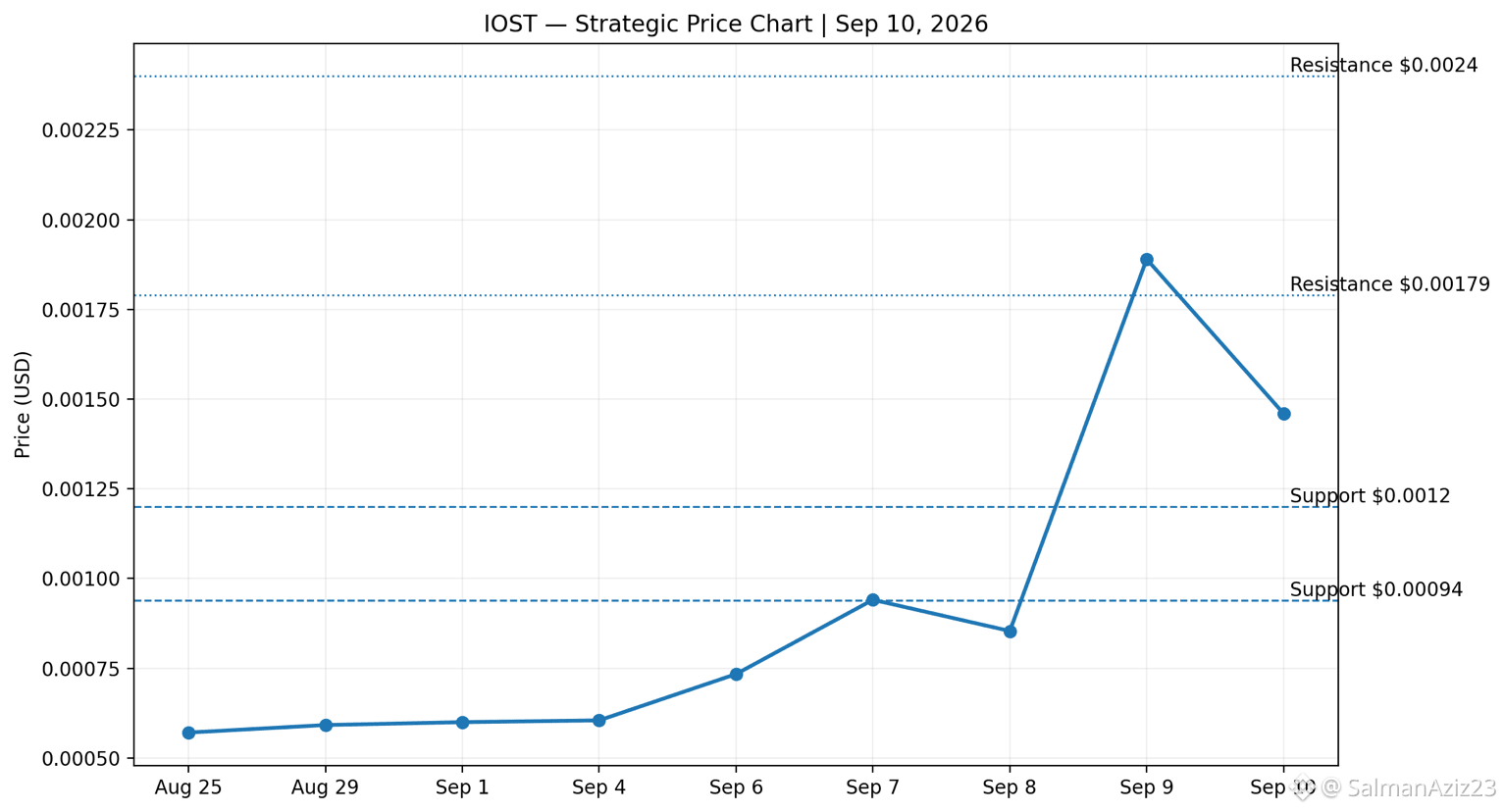
IOST just showed explosive momentum — now comes the real test.
It recently surged ~41% in a week, followed by a sharp correction after the 70M-token burn catalyst.
Current price is around $0.00093. Support: $0.000775 → $0.000665.
Resistance: $0.00104 → $0.00118.
Holding $0.000775 could set up another momentum attempt; losing it risks a deeper retracement.
#iost #AppleDebutsFoldablePhone #EUExtendsCentralContactPointToCASPs #BitcoinSurpasses$79K
$IOST
IOST just showed explosive momentum — now comes the real test.
It recently surged ~41% in a week, followed by a sharp correction after the 70M-token burn catalyst.
Current price is around $0.00093. Support: $0.000775 → $0.000665.
Resistance: $0.00104 → $0.00118.
Holding $0.000775 could set up another momentum attempt; losing it risks a deeper retracement.
#iost #AppleDebutsFoldablePhone #EUExtendsCentralContactPointToCASPs #BitcoinSurpasses$79K
IOST just showed explosive momentum — now comes the real test.
It recently surged ~41% in a week, followed by a sharp correction after the 70M-token burn catalyst.
Current price is around $0.00093. Support: $0.000775 → $0.000665.
Resistance: $0.00104 → $0.00118.
Holding $0.000775 could set up another momentum attempt; losing it risks a deeper retracement.
#iost #AppleDebutsFoldablePhone #EUExtendsCentralContactPointToCASPs #BitcoinSurpasses$79K
178

·
--

SOLO-SUKUNA
·
--
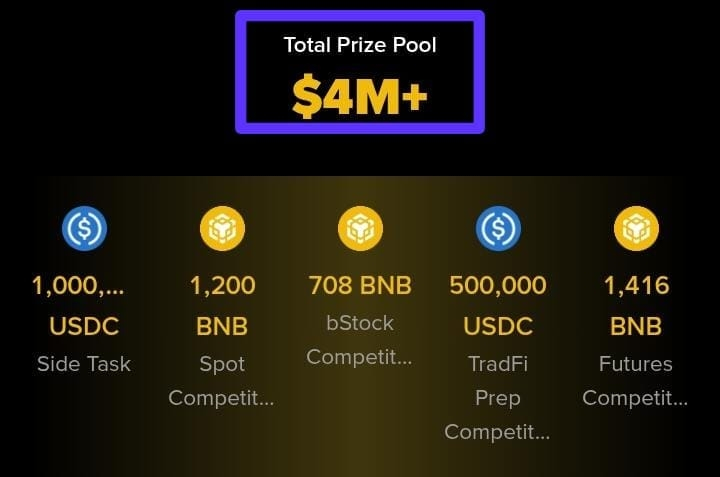
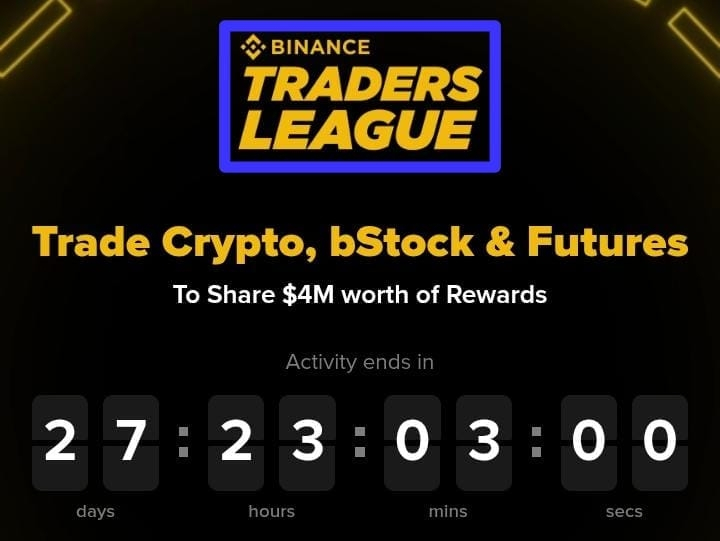
💫 Binance Trader League S4
🌲 Total Rewards 4M +
💢 6 Different Offers
🔗 Click To Join :
💢 Referral Offer
👉Referral code sy new acount bnaen
👉MUB/Usdt MN 100 Vol ke trade kren new mn
👉 Reward Est. ( 2$ )
💢 First Time Bstock Trade
👉 MUB/Usdt mn 20$ ka volume bnaen
👉 Reward Est ( 2$ )
💢 Spot Competition
👉 Spot Competition MN ranking base offer hn
👉 Rank sy bahr. Volume base pr Reward mly ga
💢 Future Competition
👉 Only Top 300 User ko reward mly ga
👉 Skip kr den
💢 bStock Competition
👉 Ranking base pr reward mly ga
👉 bStock crunce buy kr ky hold rkhna hy
👉 Sell krny sy volume count nhn ho ga
👉 Skip
💢 TradFi Compition
👉 Ranking base reward hy
👉 Top 50 rank sy bahr hony or
👉 1 Lakh Usdc ka share mly ga
👉 Eligible hon ky leay mini 500 ka Volum bnaen
👉 XauUsdt ( Gold ) + All bStock
#SoloSukuna $XAUT
🌲 Total Rewards 4M +
💢 6 Different Offers
🔗 Click To Join :
💢 Referral Offer
👉Referral code sy new acount bnaen
👉MUB/Usdt MN 100 Vol ke trade kren new mn
👉 Reward Est. ( 2$ )
💢 First Time Bstock Trade
👉 MUB/Usdt mn 20$ ka volume bnaen
👉 Reward Est ( 2$ )
💢 Spot Competition
👉 Spot Competition MN ranking base offer hn
👉 Rank sy bahr. Volume base pr Reward mly ga
💢 Future Competition
👉 Only Top 300 User ko reward mly ga
👉 Skip kr den
💢 bStock Competition
👉 Ranking base pr reward mly ga
👉 bStock crunce buy kr ky hold rkhna hy
👉 Sell krny sy volume count nhn ho ga
👉 Skip
💢 TradFi Compition
👉 Ranking base reward hy
👉 Top 50 rank sy bahr hony or
👉 1 Lakh Usdc ka share mly ga
👉 Eligible hon ky leay mini 500 ka Volum bnaen
👉 XauUsdt ( Gold ) + All bStock
#SoloSukuna $XAUT
AAPLUS+0,59%
1

·
--
Жоғары (өспелі)
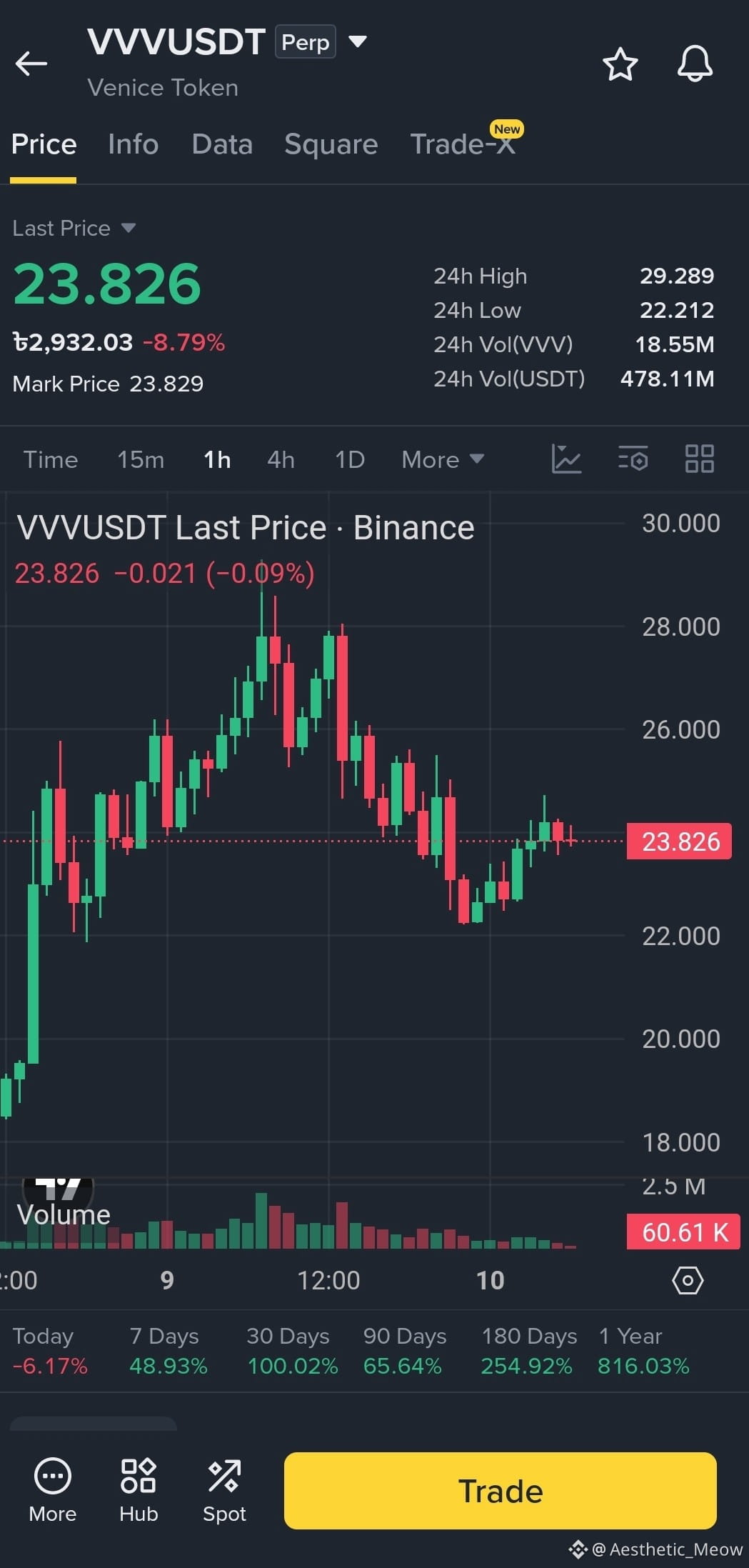
🔥 HABIBIES, $VVV IS BUILDING A COMEBACK — $25 COULD BE NEXT! 🚀
🟢 VVV LONG
🌐 Entry: 23.40 – 23.85
❌ Stoploss: 22.85
🎯 TP1: 24.50
🎯 TP2: 25.30
🎯 TP3: 26.00
⚡ 3X
😈 Risk: 1–2% DYOR
{future}(VVVUSDT)
$ZEC
{future}(ZECUSDT)
$IOST
{future}(IOSTUSDT)
#AppleDebutsFoldablePhone #EUExtendsCentralContactPointToCASPs #USADPWeeklyEmploymentRises12000
🔥 HABIBIES, $VVV IS BUILDING A COMEBACK — $25 COULD BE NEXT! 🚀
🟢 VVV LONG
🌐 Entry: 23.40 – 23.85
❌ Stoploss: 22.85
🎯 TP1: 24.50
🎯 TP2: 25.30
🎯 TP3: 26.00
⚡ 3X
😈 Risk: 1–2% DYOR
$ZEC
$IOST
#AppleDebutsFoldablePhone #EUExtendsCentralContactPointToCASPs #USADPWeeklyEmploymentRises12000
🟢 VVV LONG
🌐 Entry: 23.40 – 23.85
❌ Stoploss: 22.85
🎯 TP1: 24.50
🎯 TP2: 25.30
🎯 TP3: 26.00
⚡ 3X
😈 Risk: 1–2% DYOR
$ZEC
$IOST
#AppleDebutsFoldablePhone #EUExtendsCentralContactPointToCASPs #USADPWeeklyEmploymentRises12000
1
1
172
·
--
The US Treasury Buyback Expansion: What $6B Means for Liquidity & Yields
The US Department of the Treasury announced an increase in its long-dated debt buyback ceiling—up to $6 billion for a single operation. This expansion scales up the Treasury's liquidity support framework, focusing on purchasing older, less liquid 10-year and 20-year coupon securities.
1. Strategic Objectives
💥Improving Market Depth: By absorbing off-the-run (older) long-term bonds, the Treasury frees up balance sheet capacity for primary dealers, helping them market newer issue (on-the-run) Treasuries.
💥Yield Curve Smoothing: High supply pressure on long-duration paper can distort rates. Increasing buyback caps gives the Treasury broader flexibility to manage structural supply-demand mismatches at the long end.
💥Liquidity Maintenance: Rather than relying solely on the Federal Reserve’s quantitative tools, the Treasury leverages buybacks as an ongoing, structural mechanism to prevent localized liquidity freezes in sovereign debt markets.
2. Key Market & Macro Impacts
💥Bond Market Efficiency: Reduces bid-ask spreads for off-the-run Treasuries and supports market-making activities during periods of elevated volatility.
💥Issuance Dynamics: To fund these buybacks, the Treasury typically issues shorter-term debt (such as T-Bills), effectively shifting the debt maturity profile toward the shorter end.
💥Broader Asset Classes: Enhanced stability in benchmark Treasury yields provides clearer pricing anchors for mortgages, corporate bonds, and risk assets.
$XAU $NVDAB $BZ
#AppleDebutsFoldablePhone #EUExtendsCentralContactPointToCASPs #US10YTreasuryYieldHitsHighestSinceNov2023 #BitcoinSurpasses$79K
The US Treasury Buyback Expansion: What $6B Means for Liquidity & Yields
The US Department of the Treasury announced an increase in its long-dated debt buyback ceiling—up to $6 billion for a single operation. This expansion scales up the Treasury's liquidity support framework, focusing on purchasing older, less liquid 10-year and 20-year coupon securities.
1. Strategic Objectives
💥Improving Market Depth: By absorbing off-the-run (older) long-term bonds, the Treasury frees up balance sheet capacity for primary dealers, helping them market newer issue (on-the-run) Treasuries.
💥Yield Curve Smoothing: High supply pressure on long-duration paper can distort rates. Increasing buyback caps gives the Treasury broader flexibility to manage structural supply-demand mismatches at the long end.
💥Liquidity Maintenance: Rather than relying solely on the Federal Reserve’s quantitative tools, the Treasury leverages buybacks as an ongoing, structural mechanism to prevent localized liquidity freezes in sovereign debt markets.
2. Key Market & Macro Impacts
💥Bond Market Efficiency: Reduces bid-ask spreads for off-the-run Treasuries and supports market-making activities during periods of elevated volatility.
💥Issuance Dynamics: To fund these buybacks, the Treasury typically issues shorter-term debt (such as T-Bills), effectively shifting the debt maturity profile toward the shorter end.
💥Broader Asset Classes: Enhanced stability in benchmark Treasury yields provides clearer pricing anchors for mortgages, corporate bonds, and risk assets.
$XAU $NVDAB $BZ
#AppleDebutsFoldablePhone #EUExtendsCentralContactPointToCASPs #US10YTreasuryYieldHitsHighestSinceNov2023 #BitcoinSurpasses$79K
The US Department of the Treasury announced an increase in its long-dated debt buyback ceiling—up to $6 billion for a single operation. This expansion scales up the Treasury's liquidity support framework, focusing on purchasing older, less liquid 10-year and 20-year coupon securities.
1. Strategic Objectives
💥Improving Market Depth: By absorbing off-the-run (older) long-term bonds, the Treasury frees up balance sheet capacity for primary dealers, helping them market newer issue (on-the-run) Treasuries.
💥Yield Curve Smoothing: High supply pressure on long-duration paper can distort rates. Increasing buyback caps gives the Treasury broader flexibility to manage structural supply-demand mismatches at the long end.
💥Liquidity Maintenance: Rather than relying solely on the Federal Reserve’s quantitative tools, the Treasury leverages buybacks as an ongoing, structural mechanism to prevent localized liquidity freezes in sovereign debt markets.
2. Key Market & Macro Impacts
💥Bond Market Efficiency: Reduces bid-ask spreads for off-the-run Treasuries and supports market-making activities during periods of elevated volatility.
💥Issuance Dynamics: To fund these buybacks, the Treasury typically issues shorter-term debt (such as T-Bills), effectively shifting the debt maturity profile toward the shorter end.
💥Broader Asset Classes: Enhanced stability in benchmark Treasury yields provides clearer pricing anchors for mortgages, corporate bonds, and risk assets.
$XAU $NVDAB $BZ
#AppleDebutsFoldablePhone #EUExtendsCentralContactPointToCASPs #US10YTreasuryYieldHitsHighestSinceNov2023 #BitcoinSurpasses$79K
29

·
--
Жоғары (өспелі)
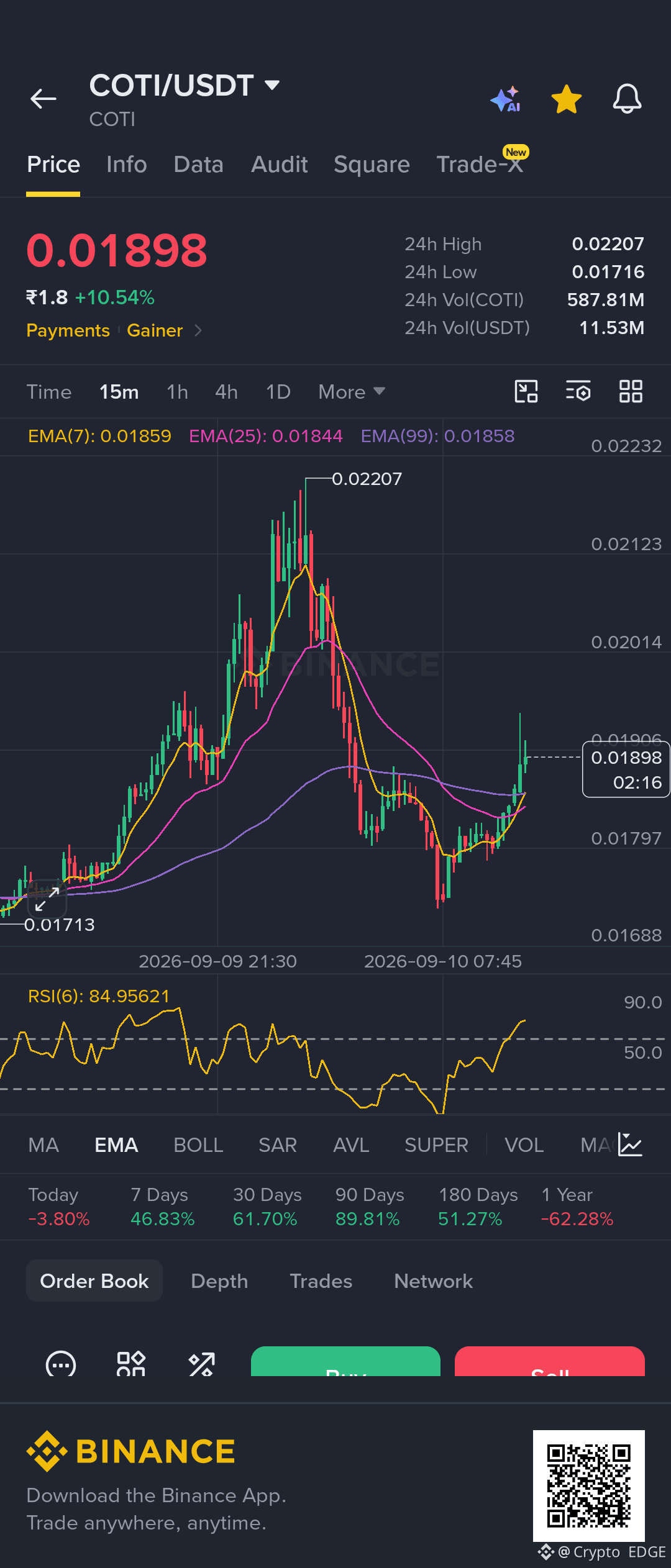
$COTI
Buy Set-up
{future}(COTIUSDT)
$BULLA $ZEC
{future}(ZECUSDT)
#AppleDebutsFoldablePhone #EUExtendsCentralContactPointToCASPs #US10YTreasuryYieldHitsHighestSinceNov2023 #USADPWeeklyEmploymentRises12000 #RippleLobbiesToAdvanceCLARITYActVote
[https://www.binance.com/download](https://www.binance.com/download)?utm_medium=screenshot
$COTI
Buy Set-up
$BULLA $ZEC
#AppleDebutsFoldablePhone #EUExtendsCentralContactPointToCASPs #US10YTreasuryYieldHitsHighestSinceNov2023 #USADPWeeklyEmploymentRises12000 #RippleLobbiesToAdvanceCLARITYActVote
https://www.binance.com/download?utm_medium=screenshot
Buy Set-up
$BULLA $ZEC
#AppleDebutsFoldablePhone #EUExtendsCentralContactPointToCASPs #US10YTreasuryYieldHitsHighestSinceNov2023 #USADPWeeklyEmploymentRises12000 #RippleLobbiesToAdvanceCLARITYActVote
https://www.binance.com/download?utm_medium=screenshot
45

·
--
Жоғары (өспелі)
#AppleDebutsFoldablePhone
🍎 Apple Debuts Foldable iPhone?
Apple is reportedly entering the foldable smartphone race with a highly anticipated foldable iPhone. 📱
🔹 Premium foldable design
🔹 Expected to target the high-end market
🔹 Could intensify competition with Samsung and other foldable brands
🔹 Apple’s ecosystem may give the device a major edge👇👇👇👇👇👇@oldmanCrypto @X_mucaN @Cas_Abb @Square-Creator-4e942efe1b655 @Ramadone @NextGemHunter @BinanceTurkish @Binance_Labs @btc_fahmi @Eros_crypto
If Apple successfully delivers, foldables could become a much bigger mainstream trend. 🚀
Would you buy a foldable iPhone?
#Apple #iPhone #FoldableiPhone #Tech #CryptoCommunity #BinanceSquare $BTC
{future}(BTCUSDT)
$SOL
{future}(SOLUSDT)
$ETH
{future}(ETHUSDT)
#AppleDebutsFoldablePhone #EUExtendsCentralContactPointToCASPs #US10YTreasuryYieldHitsHighestSinceNov2023
#AppleDebutsFoldablePhone
🍎 Apple Debuts Foldable iPhone?
Apple is reportedly entering the foldable smartphone race with a highly anticipated foldable iPhone. 📱
🔹 Premium foldable design
🔹 Expected to target the high-end market
🔹 Could intensify competition with Samsung and other foldable brands
🔹 Apple’s ecosystem may give the device a major edge👇👇👇👇👇👇@Oldman Crypto @X mucaN @Cas Abbé @Ramin RA @_Ram @ParvezMayar @Binance Global Türkçe @Binance Labs @BTC_Fahmi @Eros crypto
If Apple successfully delivers, foldables could become a much bigger mainstream trend. 🚀
Would you buy a foldable iPhone?
#Apple #iPhone #FoldableiPhone #Tech #CryptoCommunity #BinanceSquare $BTC
$SOL
$ETH
#AppleDebutsFoldablePhone #EUExtendsCentralContactPointToCASPs #US10YTreasuryYieldHitsHighestSinceNov2023
🍎 Apple Debuts Foldable iPhone?
Apple is reportedly entering the foldable smartphone race with a highly anticipated foldable iPhone. 📱
🔹 Premium foldable design
🔹 Expected to target the high-end market
🔹 Could intensify competition with Samsung and other foldable brands
🔹 Apple’s ecosystem may give the device a major edge👇👇👇👇👇👇@Oldman Crypto @X mucaN @Cas Abbé @Ramin RA @_Ram @ParvezMayar @Binance Global Türkçe @Binance Labs @BTC_Fahmi @Eros crypto
If Apple successfully delivers, foldables could become a much bigger mainstream trend. 🚀
Would you buy a foldable iPhone?
#Apple #iPhone #FoldableiPhone #Tech #CryptoCommunity #BinanceSquare $BTC
$SOL
$ETH
#AppleDebutsFoldablePhone #EUExtendsCentralContactPointToCASPs #US10YTreasuryYieldHitsHighestSinceNov2023

1
7

·
--
$VVV #VVVcoin 📈🌎 VVV Coin Binance Update 🚀 | Is VVV Ready for a Big Move?
VVV Trending on Binance 🔥 | Price Update & Market Analysis
#TrendingPredictions #AppleDebutsFoldablePhone #EUExtendsCentralContactPointToCASPs #USADPWeeklyEmploymentRises12000
$VVV #VVVcoin 📈🌎 VVV Coin Binance Update 🚀 | Is VVV Ready for a Big Move?
VVV Trending on Binance 🔥 | Price Update & Market Analysis
#TrendingPredictions #AppleDebutsFoldablePhone #EUExtendsCentralContactPointToCASPs #USADPWeeklyEmploymentRises12000
VVV Trending on Binance 🔥 | Price Update & Market Analysis
#TrendingPredictions #AppleDebutsFoldablePhone #EUExtendsCentralContactPointToCASPs #USADPWeeklyEmploymentRises12000

16

·
--
Жоғары (өспелі)
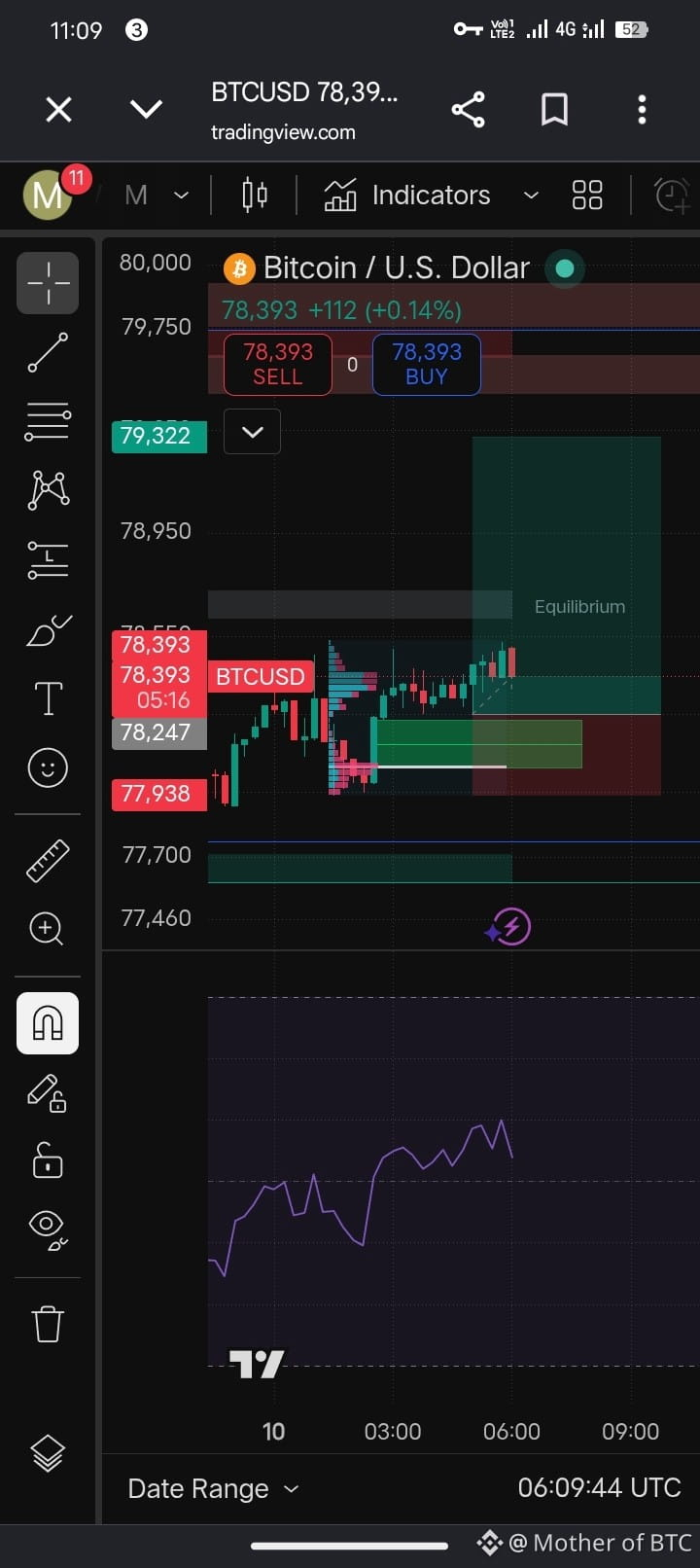
₿ Bitcoin ($BTC ) — Latest Analysis
BTC is trading around $78K–$79K and remains technically constructive after recently reaching above $81K. A golden cross (50-day MA above 200-day MA) is supporting the bullish outlook. (Business Insider)
Resistance: $80K–$81.5K
Next upside: $83K–$84K
Support: $77K–$78K
Bias: 🟢 Bullish above $78K, but volatility is likely around U.S. inflation data and rising Treasury yields. (Reuters)
Short-term view: Hold above $78K → potential push toward $81K–$84K. Break below $77K → caution for a deeper pullback.
Not financial advice.
{future}(BTCUSDT)
#AppleDebutsFoldablePhone #EUExtendsCentralContactPointToCASPs #US10YTreasuryYieldHitsHighestSinceNov2023 #USADPWeeklyEmploymentRises12000 #BankOfAmericaGroupPilotsUSBDCStablecoin
₿ Bitcoin ($BTC ) — Latest Analysis
BTC is trading around $78K–$79K and remains technically constructive after recently reaching above $81K. A golden cross (50-day MA above 200-day MA) is supporting the bullish outlook. (Business Insider)
Resistance: $80K–$81.5K
Next upside: $83K–$84K
Support: $77K–$78K
Bias: 🟢 Bullish above $78K, but volatility is likely around U.S. inflation data and rising Treasury yields. (Reuters)
Short-term view: Hold above $78K → potential push toward $81K–$84K. Break below $77K → caution for a deeper pullback.
Not financial advice.
#AppleDebutsFoldablePhone #EUExtendsCentralContactPointToCASPs #US10YTreasuryYieldHitsHighestSinceNov2023 #USADPWeeklyEmploymentRises12000 #BankOfAmericaGroupPilotsUSBDCStablecoin
BTC is trading around $78K–$79K and remains technically constructive after recently reaching above $81K. A golden cross (50-day MA above 200-day MA) is supporting the bullish outlook. (Business Insider)
Resistance: $80K–$81.5K
Next upside: $83K–$84K
Support: $77K–$78K
Bias: 🟢 Bullish above $78K, but volatility is likely around U.S. inflation data and rising Treasury yields. (Reuters)
Short-term view: Hold above $78K → potential push toward $81K–$84K. Break below $77K → caution for a deeper pullback.
Not financial advice.
#AppleDebutsFoldablePhone #EUExtendsCentralContactPointToCASPs #US10YTreasuryYieldHitsHighestSinceNov2023 #USADPWeeklyEmploymentRises12000 #BankOfAmericaGroupPilotsUSBDCStablecoin
11
·
--
Жоғары (өспелі)
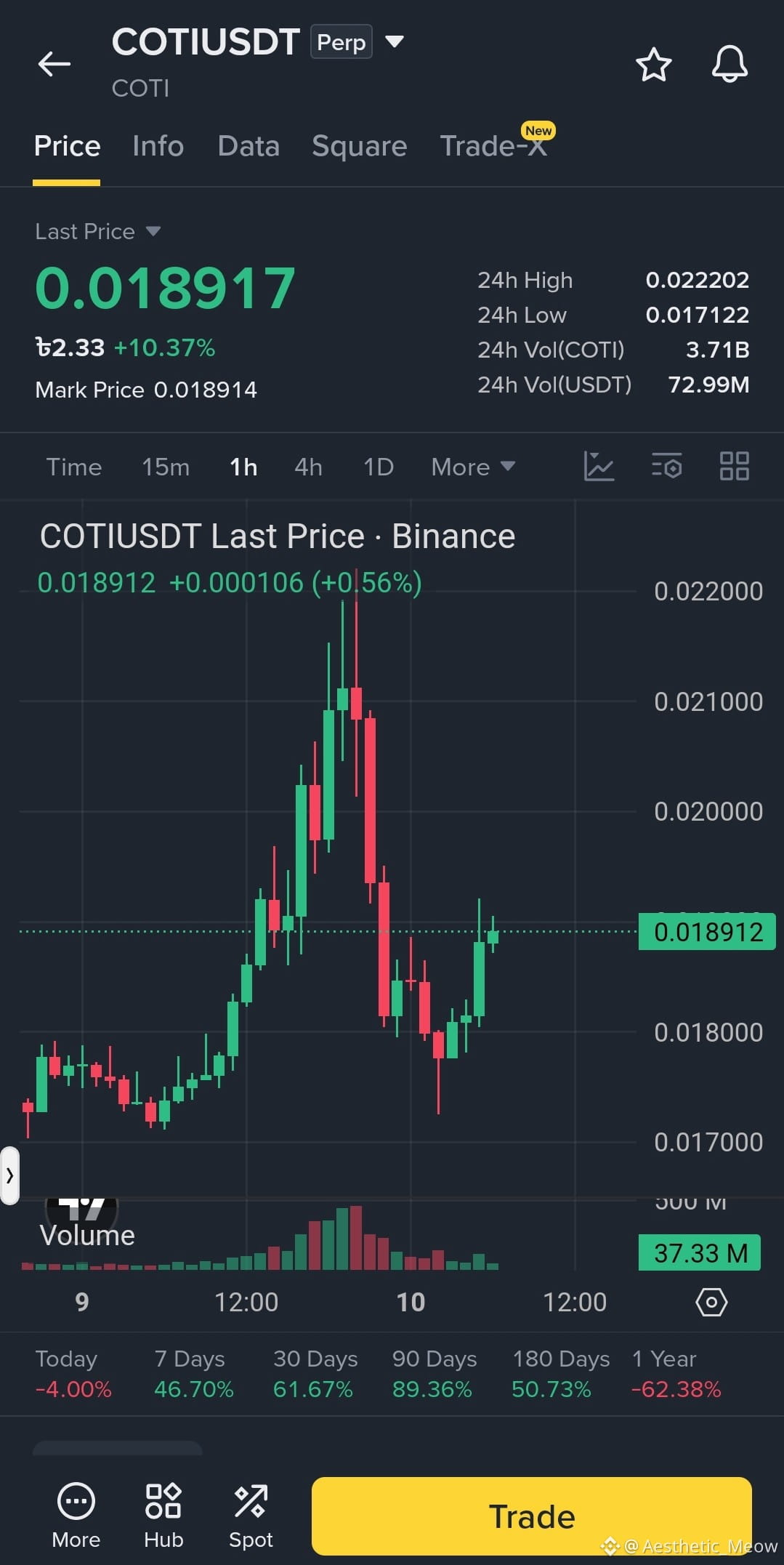
🚀 HABIBIES, $COTI IS BOUNCING BACK — CAN THE BULLS RECLAIM $0.020? 🔥
🟢 COTI LONG
🌐 Entry: 0.01860 – 0.01895
❌ Stoploss: 0.01790
🎯 TP1: 0.01950
🎯 TP2: 0.02020
🎯 TP3: 0.02100
⚡ 3X
😈 Risk: 1–2% DYOR
{future}(COTIUSDT)
$ZEC
{future}(ZECUSDT)
$BR
{future}(BRUSDT)
#AppleDebutsFoldablePhone #EUExtendsCentralContactPointToCASPs #US10YTreasuryYieldHitsHighestSinceNov2023
🚀 HABIBIES, $COTI IS BOUNCING BACK — CAN THE BULLS RECLAIM $0.020? 🔥
🟢 COTI LONG
🌐 Entry: 0.01860 – 0.01895
❌ Stoploss: 0.01790
🎯 TP1: 0.01950
🎯 TP2: 0.02020
🎯 TP3: 0.02100
⚡ 3X
😈 Risk: 1–2% DYOR
$ZEC
$BR
#AppleDebutsFoldablePhone #EUExtendsCentralContactPointToCASPs #US10YTreasuryYieldHitsHighestSinceNov2023
🟢 COTI LONG
🌐 Entry: 0.01860 – 0.01895
❌ Stoploss: 0.01790
🎯 TP1: 0.01950
🎯 TP2: 0.02020
🎯 TP3: 0.02100
⚡ 3X
😈 Risk: 1–2% DYOR
$ZEC
$BR
#AppleDebutsFoldablePhone #EUExtendsCentralContactPointToCASPs #US10YTreasuryYieldHitsHighestSinceNov2023
1
1
126

·
--
Жоғары (өспелі)
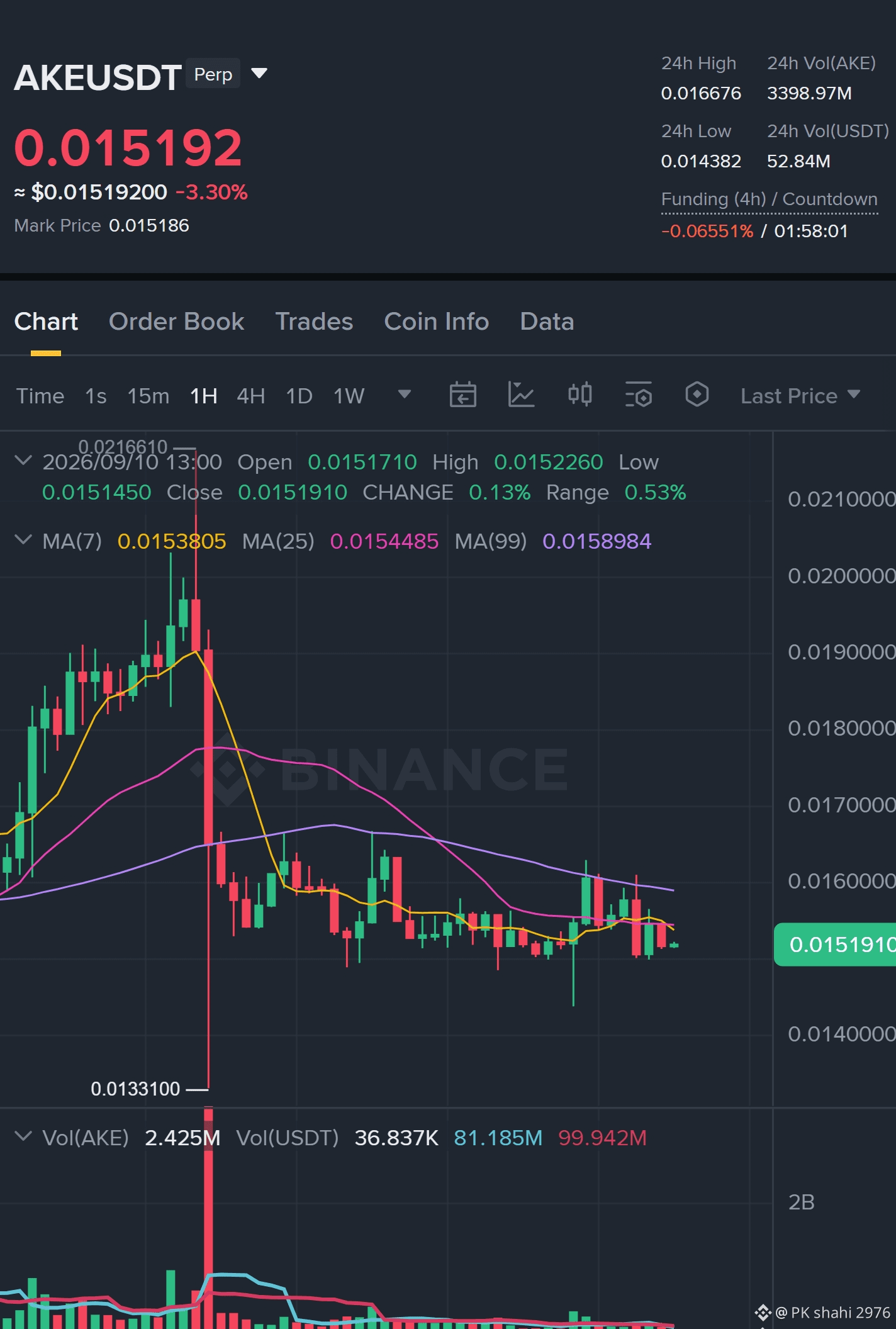
$AKE /USDT
{future}(AKEUSDT)
_LONG_Trade Plan:
- Entry: 0.01515 – 0.01527
- TP1: 0.01566 (R:R 1:0.7)
- TP2: 0.01596 (R:R 1:1.3)
- TP3: 0.01641 (R:R 1:2.0)
- SL: 0.01461
Why this setup?
- 4h keeps the long map valid, backed by a bullish 1D backdrop and price reacting from 0.01515–0.01527 near 0.01521.
- 15m RSI at 44 reads neutral, so upside continuation stays open if buyers defend this zone.
- Volume is speaking: 4.04x pace, 1.56M traded versus 385.38K expected, real buy-side participation.#EUExtendsCentralContactPointToCASPs
$AKE /USDT
_LONG_Trade Plan:
- Entry: 0.01515 – 0.01527
- TP1: 0.01566 (R:R 1:0.7)
- TP2: 0.01596 (R:R 1:1.3)
- TP3: 0.01641 (R:R 1:2.0)
- SL: 0.01461
Why this setup?
- 4h keeps the long map valid, backed by a bullish 1D backdrop and price reacting from 0.01515–0.01527 near 0.01521.
- 15m RSI at 44 reads neutral, so upside continuation stays open if buyers defend this zone.
- Volume is speaking: 4.04x pace, 1.56M traded versus 385.38K expected, real buy-side participation.#EUExtendsCentralContactPointToCASPs
_LONG_Trade Plan:
- Entry: 0.01515 – 0.01527
- TP1: 0.01566 (R:R 1:0.7)
- TP2: 0.01596 (R:R 1:1.3)
- TP3: 0.01641 (R:R 1:2.0)
- SL: 0.01461
Why this setup?
- 4h keeps the long map valid, backed by a bullish 1D backdrop and price reacting from 0.01515–0.01527 near 0.01521.
- 15m RSI at 44 reads neutral, so upside continuation stays open if buyers defend this zone.
- Volume is speaking: 4.04x pace, 1.56M traded versus 385.38K expected, real buy-side participation.#EUExtendsCentralContactPointToCASPs
1
39
·
--
Жоғары (өспелі)
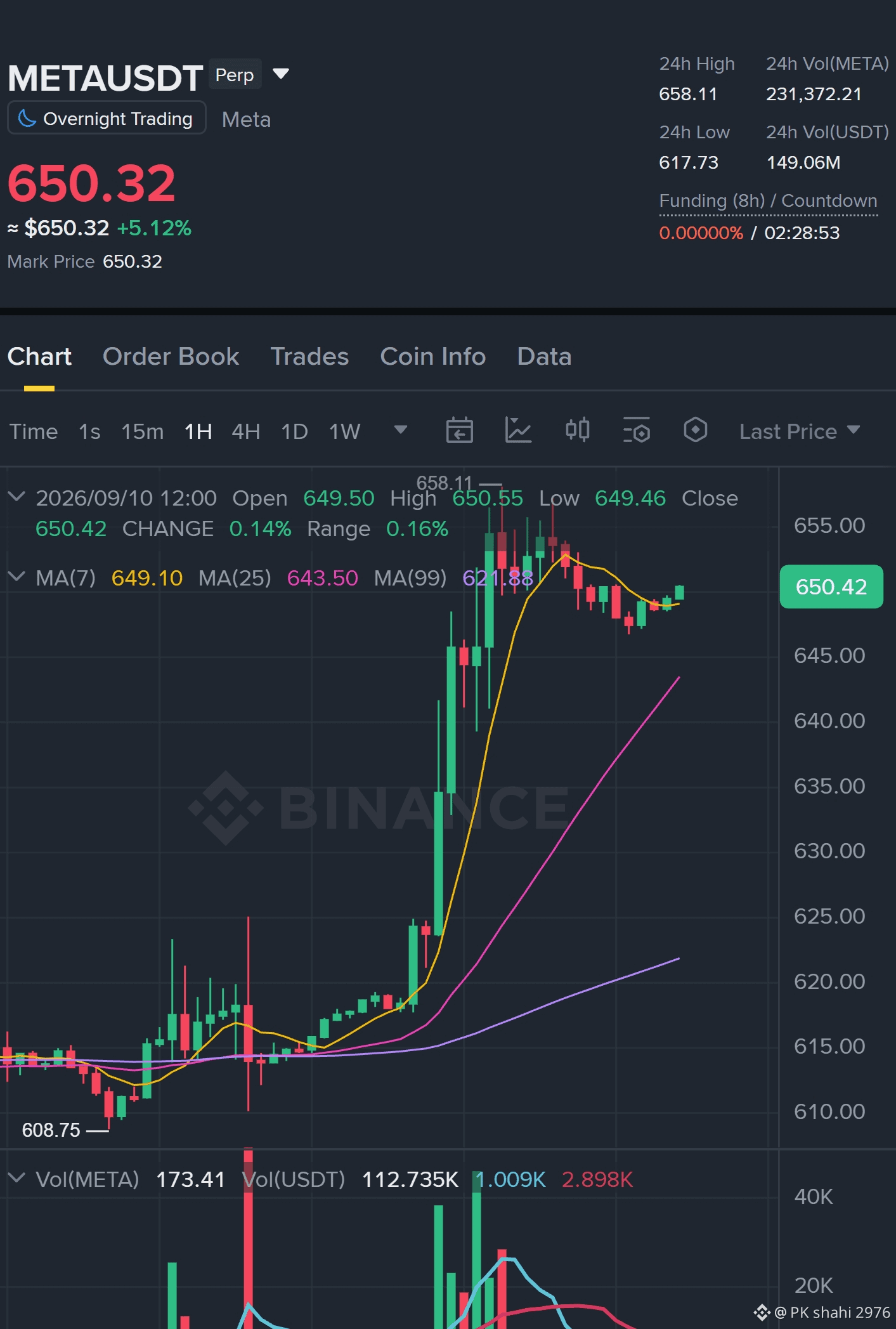
$META /USDT
{future}(METAUSDT)
_LONG_
Trade Plan:
Entry: 652.81160 – 654.96840
SL: 632.02130
TP1: 670.29153
TP2: 681.22588
TP3: 697.62741#EUExtendsCentralContactPointToCASPs
$META /USDT
_LONG_
Trade Plan:
Entry: 652.81160 – 654.96840
SL: 632.02130
TP1: 670.29153
TP2: 681.22588
TP3: 697.62741#EUExtendsCentralContactPointToCASPs
_LONG_
Trade Plan:
Entry: 652.81160 – 654.96840
SL: 632.02130
TP1: 670.29153
TP2: 681.22588
TP3: 697.62741#EUExtendsCentralContactPointToCASPs
1
1
·
--
Төмен (кемімелі)
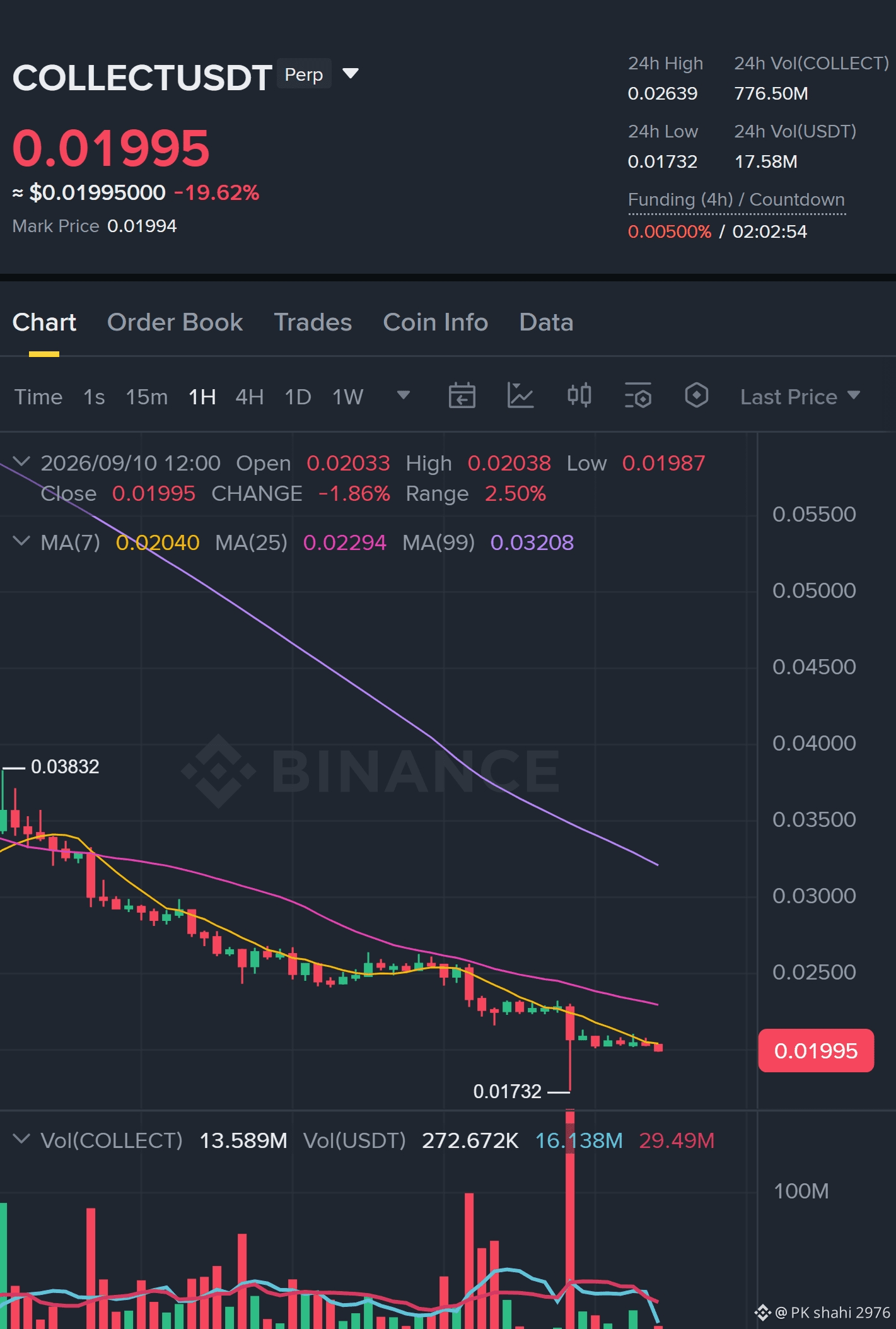
$COLLECT /USDT
{future}(COLLECTUSDT)
_SHORT_Trade Plan:
- Entry: 0.01984 – 0.02002
- TP1: 0.01928 (R:R 1:0.7)
- TP2: 0.01885 (R:R 1:1.2)
- TP3: 0.01820 (R:R 1:2.0)
- SL: 0.02080
Why this setup?
- This is a location trade first: 4h short structure, daily range-bound context, and price reacting from 0.01984–0.02002.
- RSI15 at 33 still leaves downside room, but only while sellers hold control.
- Volume is running at 0.75x, with 2.49M traded against 3.33M expected, confirming which side is participating.#EUExtendsCentralContactPointToCASPs
$COLLECT /USDT
_SHORT_Trade Plan:
- Entry: 0.01984 – 0.02002
- TP1: 0.01928 (R:R 1:0.7)
- TP2: 0.01885 (R:R 1:1.2)
- TP3: 0.01820 (R:R 1:2.0)
- SL: 0.02080
Why this setup?
- This is a location trade first: 4h short structure, daily range-bound context, and price reacting from 0.01984–0.02002.
- RSI15 at 33 still leaves downside room, but only while sellers hold control.
- Volume is running at 0.75x, with 2.49M traded against 3.33M expected, confirming which side is participating.#EUExtendsCentralContactPointToCASPs
_SHORT_Trade Plan:
- Entry: 0.01984 – 0.02002
- TP1: 0.01928 (R:R 1:0.7)
- TP2: 0.01885 (R:R 1:1.2)
- TP3: 0.01820 (R:R 1:2.0)
- SL: 0.02080
Why this setup?
- This is a location trade first: 4h short structure, daily range-bound context, and price reacting from 0.01984–0.02002.
- RSI15 at 33 still leaves downside room, but only while sellers hold control.
- Volume is running at 0.75x, with 2.49M traded against 3.33M expected, confirming which side is participating.#EUExtendsCentralContactPointToCASPs
2
124

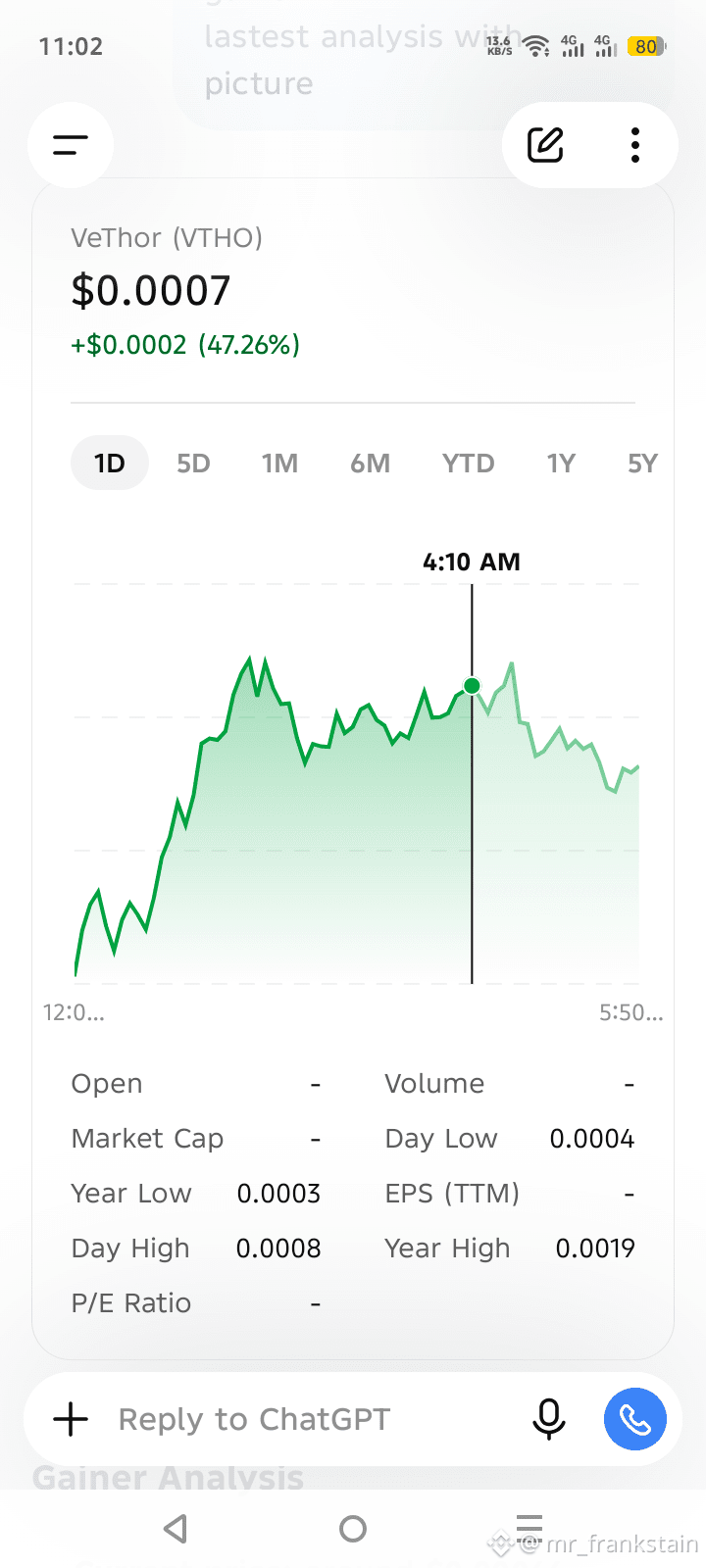
$VTHO (VeThor) — Latest Top Gainer Analysis
Current price: around $0.00066.
Momentum: 🔥 Very strong — $VTHO is up roughly 47% today, with the intraday high near $0.00075. �
Investing.com Philippines +1
Resistance: $0.00075, then $0.00080.
Support: $0.00060, followed by $0.00047.
The rally is supported by very high trading volume and attention around VeChain's upcoming Interstellar upgrade. �
CoinMarketCap
Outlook: 🟢 Bullish, but after such a sharp move, a short-term pullback is possible.
Overall: 🔥 Strong bullish momentum above $0.00060 | Breakout above $0.00075 could extend the rally | Below $0.00060 = caution.$VTHO
{spot}(VTHOUSDT)
#AppleDebutsFoldablePhone #BankOfAmericaGroupPilotsUSBDCStablecoin #EUExtendsCentralContactPointToCASPs #RippleLobbiesToAdvanceCLARITYActVote
$VTHO (VeThor) — Latest Top Gainer Analysis
Current price: around $0.00066.
Momentum: 🔥 Very strong — $VTHO is up roughly 47% today, with the intraday high near $0.00075. �
Investing.com Philippines +1
Resistance: $0.00075, then $0.00080.
Support: $0.00060, followed by $0.00047.
The rally is supported by very high trading volume and attention around VeChain's upcoming Interstellar upgrade. �
CoinMarketCap
Outlook: 🟢 Bullish, but after such a sharp move, a short-term pullback is possible.
Overall: 🔥 Strong bullish momentum above $0.00060 | Breakout above $0.00075 could extend the rally | Below $0.00060 = caution.$VTHO
#AppleDebutsFoldablePhone #BankOfAmericaGroupPilotsUSBDCStablecoin #EUExtendsCentralContactPointToCASPs #RippleLobbiesToAdvanceCLARITYActVote
Current price: around $0.00066.
Momentum: 🔥 Very strong — $VTHO is up roughly 47% today, with the intraday high near $0.00075. �
Investing.com Philippines +1
Resistance: $0.00075, then $0.00080.
Support: $0.00060, followed by $0.00047.
The rally is supported by very high trading volume and attention around VeChain's upcoming Interstellar upgrade. �
CoinMarketCap
Outlook: 🟢 Bullish, but after such a sharp move, a short-term pullback is possible.
Overall: 🔥 Strong bullish momentum above $0.00060 | Breakout above $0.00075 could extend the rally | Below $0.00060 = caution.$VTHO
#AppleDebutsFoldablePhone #BankOfAmericaGroupPilotsUSBDCStablecoin #EUExtendsCentralContactPointToCASPs #RippleLobbiesToAdvanceCLARITYActVote
52
Көбірек контент көру үшін кіріңіз
Binance Square платформасында әлемдік криптоқоғамдастыққа қосылыңыз
⚡️ Криптовалюта туралы ең соңғы және пайдалы ақпаратты алыңыз.
💬 Әлемдегі ең ірі криптобиржаның сеніміне ие.
👍 Расталған авторлардың нақты пікірлерін табыңыз.
Электрондық пошта/телефон нөмірі
Трендтегі тақырыптар
1
#AppleDebutsFoldablePhone
13,634 рет көрілді
313 адам талқылап жатыр
2
#EUExtendsCentralContactPointToCASPs
1,281 рет көрілді
75 адам талқылап жатыр
3
#US10YTreasuryYieldHitsHighestSinceNov2023
16,365 рет көрілді
299 адам талқылап жатыр
4
#USTreasuryToBuyBackUpTo$6BLongDatedDebt
12,495 рет көрілді
153 адам талқылап жатыр
5
#BitcoinSurpasses$79K
61,759 рет көрілді
268 адам талқылап жатыр
6
#BrentCrudeTops$100
117,023 рет көрілді
391 адам талқылап жатыр
7
#USADPWeeklyEmploymentRises12000
97,703 рет көрілді
1,198 адам талқылап жатыр
8
#BankOfAmericaGroupPilotsUSBDCStablecoin
72,129 рет көрілді
983 адам талқылап жатыр
9
#RippleLobbiesToAdvanceCLARITYActVote
107,234 рет көрілді
1,259 адам талқылап жатыр
10
#GrayscaleZcashETFTops$500M
17,697 рет көрілді
126 адам талқылап жатыр