

#wallets
wallets
234,468 рет көрілді
274 адам талқылап жатыр
Қызу саудада
Ең соңғы

·
--
CRYPTO QUESTIONS NOBODY ASKS #03
🏦📱 IS YOUR WALLET BECOMING YOUR BANK?
For decades, we have separated our financial activities.
A bank account for money.
A broker for investments.
An exchange for trading.
A payment app for transfers.
A separate platform for other financial services.
But crypto is slowly challenging that separation.
Imagine opening one wallet and being able to:
💰 Hold digital money
🔄 Swap assets
📈 Trade
💳 Make payments
🌎 Send money internationally
🏦 Earn returns through certain protocols
🏠 Hold tokenized assets
🤖 Give an AI agent limited permission to transact
Suddenly, the wallet isn't just somewhere you store crypto.
It starts becoming an interface to a financial system.
And here's the interesting part:
The wallet doesn't necessarily need to know where you live, which bank you use, or which country you're sending money to in order to interact with a blockchain network.
But that doesn't mean traditional banks are disappearing.
Banks still provide important functions such as regulated custody, lending, payments infrastructure and access to the traditional financial system.
Instead, we may be heading toward a world where banking and blockchain-based finance increasingly overlap.
The biggest question may therefore not be:
“Will crypto replace banks?”
It may be:
“Which financial services will eventually move into wallets?”
And if wallets become the main interface for money, payments and digital assets...
What exactly will a crypto wallet look like five or ten years from now?
👇 What do you think?
Will the wallet of the future look more like today's bank account—or something completely different?
#CryptoQuestions #crypto #Wallets
CRYPTO QUESTIONS NOBODY ASKS #03
🏦📱 IS YOUR WALLET BECOMING YOUR BANK?
For decades, we have separated our financial activities.
A bank account for money.
A broker for investments.
An exchange for trading.
A payment app for transfers.
A separate platform for other financial services.
But crypto is slowly challenging that separation.
Imagine opening one wallet and being able to:
💰 Hold digital money
🔄 Swap assets
📈 Trade
💳 Make payments
🌎 Send money internationally
🏦 Earn returns through certain protocols
🏠 Hold tokenized assets
🤖 Give an AI agent limited permission to transact
Suddenly, the wallet isn't just somewhere you store crypto.
It starts becoming an interface to a financial system.
And here's the interesting part:
The wallet doesn't necessarily need to know where you live, which bank you use, or which country you're sending money to in order to interact with a blockchain network.
But that doesn't mean traditional banks are disappearing.
Banks still provide important functions such as regulated custody, lending, payments infrastructure and access to the traditional financial system.
Instead, we may be heading toward a world where banking and blockchain-based finance increasingly overlap.
The biggest question may therefore not be:
“Will crypto replace banks?”
It may be:
“Which financial services will eventually move into wallets?”
And if wallets become the main interface for money, payments and digital assets...
What exactly will a crypto wallet look like five or ten years from now?
👇 What do you think?
Will the wallet of the future look more like today's bank account—or something completely different?
#CryptoQuestions #crypto #Wallets
🏦📱 IS YOUR WALLET BECOMING YOUR BANK?
For decades, we have separated our financial activities.
A bank account for money.
A broker for investments.
An exchange for trading.
A payment app for transfers.
A separate platform for other financial services.
But crypto is slowly challenging that separation.
Imagine opening one wallet and being able to:
💰 Hold digital money
🔄 Swap assets
📈 Trade
💳 Make payments
🌎 Send money internationally
🏦 Earn returns through certain protocols
🏠 Hold tokenized assets
🤖 Give an AI agent limited permission to transact
Suddenly, the wallet isn't just somewhere you store crypto.
It starts becoming an interface to a financial system.
And here's the interesting part:
The wallet doesn't necessarily need to know where you live, which bank you use, or which country you're sending money to in order to interact with a blockchain network.
But that doesn't mean traditional banks are disappearing.
Banks still provide important functions such as regulated custody, lending, payments infrastructure and access to the traditional financial system.
Instead, we may be heading toward a world where banking and blockchain-based finance increasingly overlap.
The biggest question may therefore not be:
“Will crypto replace banks?”
It may be:
“Which financial services will eventually move into wallets?”
And if wallets become the main interface for money, payments and digital assets...
What exactly will a crypto wallet look like five or ten years from now?
👇 What do you think?
Will the wallet of the future look more like today's bank account—or something completely different?
#CryptoQuestions #crypto #Wallets
74

·
--
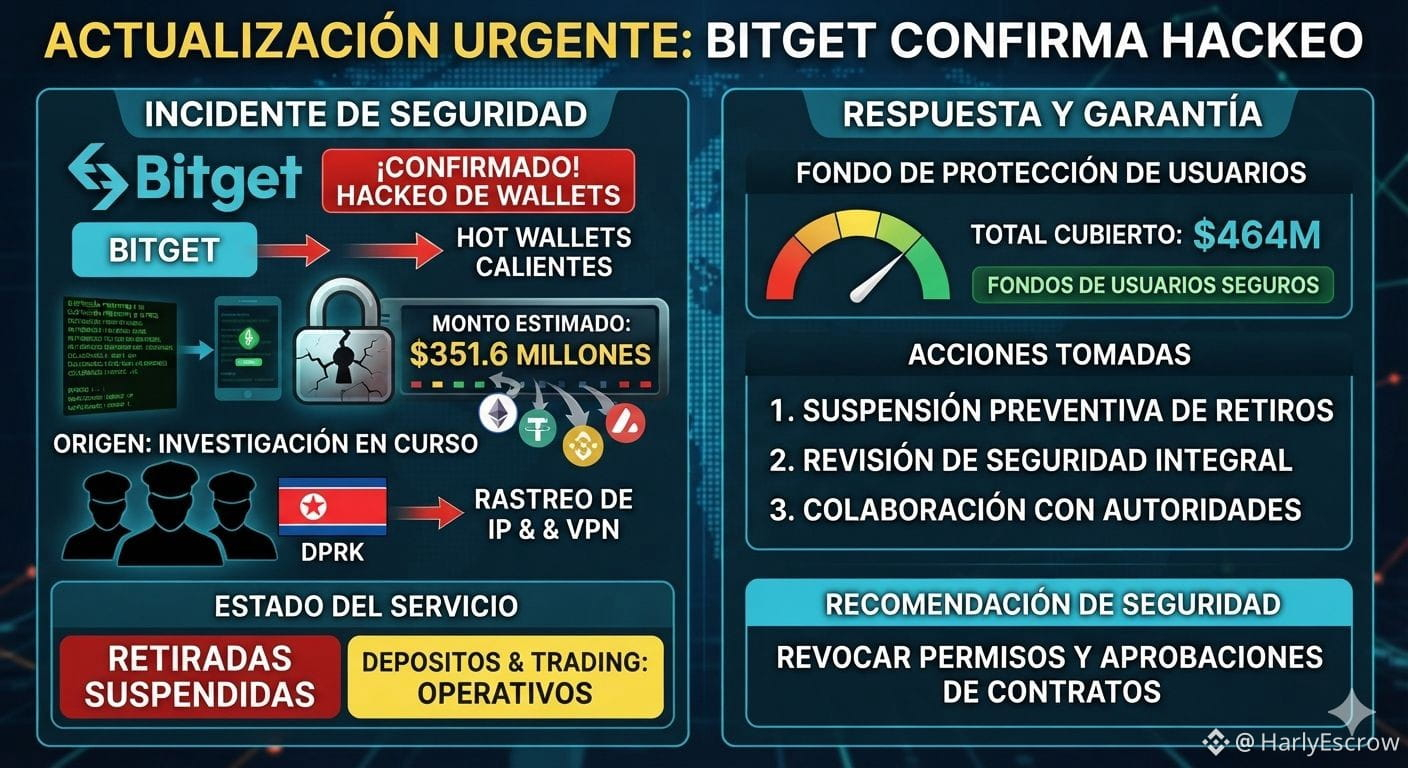
🚨 Bitget ha confirmado oficialmente un hackeo masivo en sus billeteras calientes (hot wallets) por un monto estimado de 351.6 millones de dólares. El incidente, detectado originalmente por investigadores en la cadena de bloques (on-chain), forzó al exchange de criptomonedas a suspender temporalmente todos los retiros de los usuarios mientras se realiza una revisión exhaustiva de seguridad. #Bitget #wallets
$BTC $XRP $SOL #BTC
🚨 Bitget ha confirmado oficialmente un hackeo masivo en sus billeteras calientes (hot wallets) por un monto estimado de 351.6 millones de dólares. El incidente, detectado originalmente por investigadores en la cadena de bloques (on-chain), forzó al exchange de criptomonedas a suspender temporalmente todos los retiros de los usuarios mientras se realiza una revisión exhaustiva de seguridad. #Bitget #wallets
$BTC $XRP $SOL #BTC
$BTC $XRP $SOL #BTC
3
2.5k

·
--
La securite reste l'un des plus grands sujets crypto en 2026.
Entre signatures de wallet, risques DeFi, bridges, smart contracts et erreurs utilisateur, le vrai enjeu n'est pas seulement de construire plus vite, mais de rendre l'experience plus sure.
Un point important : l'adoption massive ne viendra pas uniquement avec de meilleurs rendements. Elle viendra aussi quand signer une transaction deviendra compréhensible pour tout le monde.
Qu'est-ce qui vous semble le plus urgent : meilleure education utilisateur, wallets plus simples, ou standards de securite plus stricts ?
#DeFi #Wallets #BlockchainSecurity #Web3
La securite reste l'un des plus grands sujets crypto en 2026.
Entre signatures de wallet, risques DeFi, bridges, smart contracts et erreurs utilisateur, le vrai enjeu n'est pas seulement de construire plus vite, mais de rendre l'experience plus sure.
Un point important : l'adoption massive ne viendra pas uniquement avec de meilleurs rendements. Elle viendra aussi quand signer une transaction deviendra compréhensible pour tout le monde.
Qu'est-ce qui vous semble le plus urgent : meilleure education utilisateur, wallets plus simples, ou standards de securite plus stricts ?
#DeFi #Wallets #BlockchainSecurity #Web3
Entre signatures de wallet, risques DeFi, bridges, smart contracts et erreurs utilisateur, le vrai enjeu n'est pas seulement de construire plus vite, mais de rendre l'experience plus sure.
Un point important : l'adoption massive ne viendra pas uniquement avec de meilleurs rendements. Elle viendra aussi quand signer une transaction deviendra compréhensible pour tout le monde.
Qu'est-ce qui vous semble le plus urgent : meilleure education utilisateur, wallets plus simples, ou standards de securite plus stricts ?
#DeFi #Wallets #BlockchainSecurity #Web3
1
167

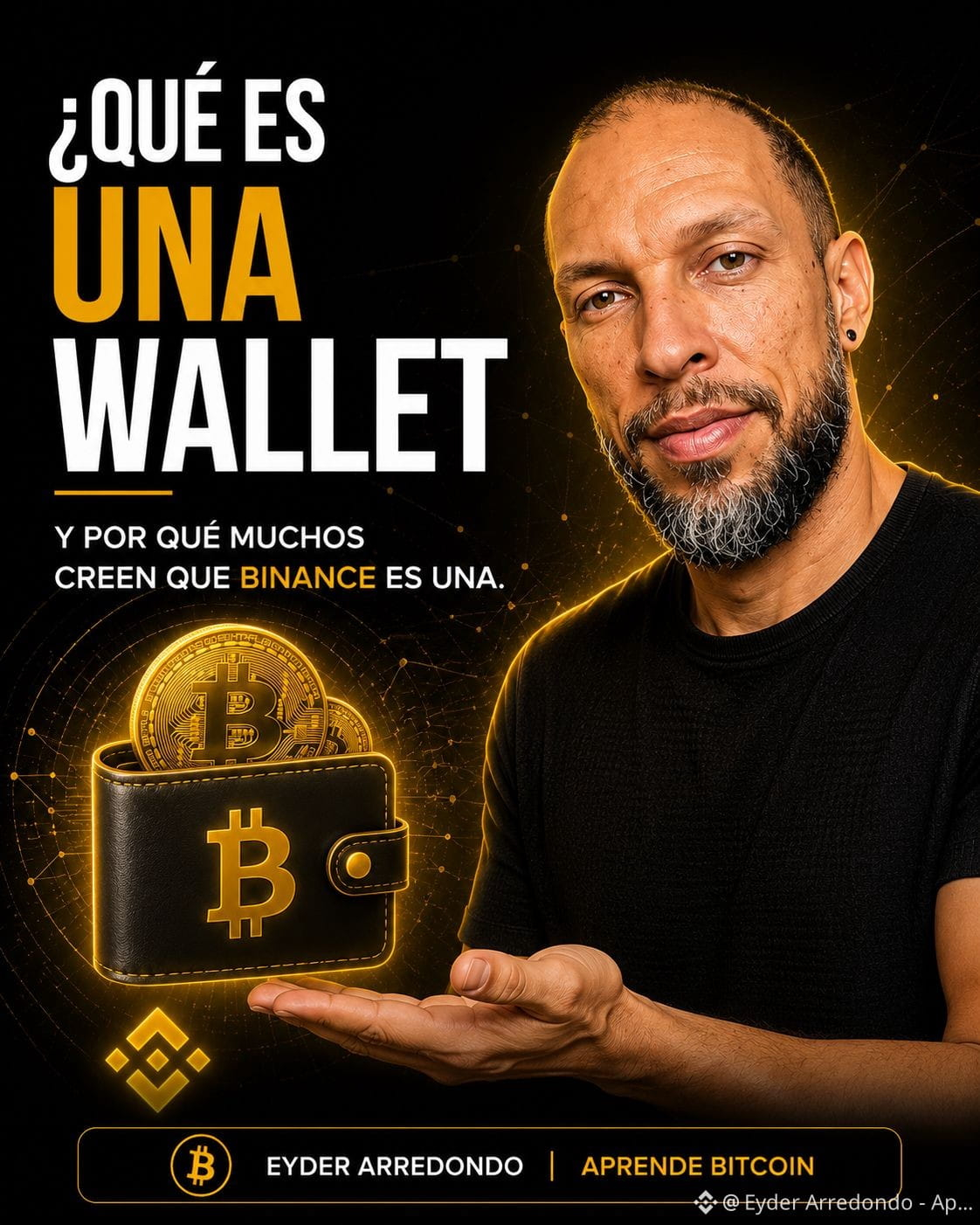
🚨 ¿Qué es una Wallet? Y por qué muchos creen que Binance es una...
💡 Muchos principiantes piensan que Binance es una Wallet… pero no es exactamente así.
📱 Una Wallet (billetera) es el lugar donde puedes almacenar, enviar y recibir tus criptomonedas.
🏦 Binance es principalmente un exchange, es decir, una plataforma para comprar, vender e intercambiar criptomonedas. Aunque también ofrece una billetera integrada para administrar tus fondos.
🔑 A medida que aprendas más sobre $BTC descubrirás que existen diferentes tipos de wallets, cada una con ventajas según el uso que quieras darles.
🎓 Entender esta diferencia es uno de los primeros pasos para usar Bitcoin con mayor seguridad.
👇 ¿Ya sabías que Binance y una Wallet no son exactamente lo mismo?
Cuéntamelo en los comentarios y sígueme para aprender Bitcoin y Binance desde cero.
#Bitcoin #Binance #AprendeBitcoin #wallets
🚨 ¿Qué es una Wallet? Y por qué muchos creen que Binance es una...
💡 Muchos principiantes piensan que Binance es una Wallet… pero no es exactamente así.
📱 Una Wallet (billetera) es el lugar donde puedes almacenar, enviar y recibir tus criptomonedas.
🏦 Binance es principalmente un exchange, es decir, una plataforma para comprar, vender e intercambiar criptomonedas. Aunque también ofrece una billetera integrada para administrar tus fondos.
🔑 A medida que aprendas más sobre $BTC descubrirás que existen diferentes tipos de wallets, cada una con ventajas según el uso que quieras darles.
🎓 Entender esta diferencia es uno de los primeros pasos para usar Bitcoin con mayor seguridad.
👇 ¿Ya sabías que Binance y una Wallet no son exactamente lo mismo?
Cuéntamelo en los comentarios y sígueme para aprender Bitcoin y Binance desde cero.
#Bitcoin #Binance #AprendeBitcoin #wallets
💡 Muchos principiantes piensan que Binance es una Wallet… pero no es exactamente así.
📱 Una Wallet (billetera) es el lugar donde puedes almacenar, enviar y recibir tus criptomonedas.
🏦 Binance es principalmente un exchange, es decir, una plataforma para comprar, vender e intercambiar criptomonedas. Aunque también ofrece una billetera integrada para administrar tus fondos.
🔑 A medida que aprendas más sobre $BTC descubrirás que existen diferentes tipos de wallets, cada una con ventajas según el uso que quieras darles.
🎓 Entender esta diferencia es uno de los primeros pasos para usar Bitcoin con mayor seguridad.
👇 ¿Ya sabías que Binance y una Wallet no son exactamente lo mismo?
Cuéntamelo en los comentarios y sígueme para aprender Bitcoin y Binance desde cero.
#Bitcoin #Binance #AprendeBitcoin #wallets
2
159

·
--
🎮 Downloaded a Steam Game, Lost Your #crypto
👮♀️ The #FBI has arrested a 21-year-old hacker who uploaded fake games to Steam containing hidden crypto-draining malware.
Over two years, he allegedly:
• Infected 8,000+ computers.
• Gained access to 80 crypto #wallets .
• Stole at least $220,000 in crypto.
Ironically, he was caught after converting the stolen funds into Uber Eats gift cards. Investigators reportedly traced the food delivery address—and showed up with a search warrant instead of lunch. 🍔
The fake games looked legitimate and even launched normally, making them difficult to spot. The case is a reminder that installing unknown software can put your wallet at risk, especially if your seed phrase or wallet files are stored on the same device.
🛡 Treat every unfamiliar download as a potential security risk—even if it comes from a trusted platform.
#SouthKoreaPreparesSecondCBDCPhase @wisegbevecryptonews9
🎮 Downloaded a Steam Game, Lost Your #crypto
👮♀️ The #FBI has arrested a 21-year-old hacker who uploaded fake games to Steam containing hidden crypto-draining malware.
Over two years, he allegedly:
• Infected 8,000+ computers.
• Gained access to 80 crypto #wallets .
• Stole at least $220,000 in crypto.
Ironically, he was caught after converting the stolen funds into Uber Eats gift cards. Investigators reportedly traced the food delivery address—and showed up with a search warrant instead of lunch. 🍔
The fake games looked legitimate and even launched normally, making them difficult to spot. The case is a reminder that installing unknown software can put your wallet at risk, especially if your seed phrase or wallet files are stored on the same device.
🛡 Treat every unfamiliar download as a potential security risk—even if it comes from a trusted platform.
#SouthKoreaPreparesSecondCBDCPhase @WISE PUMPS
👮♀️ The #FBI has arrested a 21-year-old hacker who uploaded fake games to Steam containing hidden crypto-draining malware.
Over two years, he allegedly:
• Infected 8,000+ computers.
• Gained access to 80 crypto #wallets .
• Stole at least $220,000 in crypto.
Ironically, he was caught after converting the stolen funds into Uber Eats gift cards. Investigators reportedly traced the food delivery address—and showed up with a search warrant instead of lunch. 🍔
The fake games looked legitimate and even launched normally, making them difficult to spot. The case is a reminder that installing unknown software can put your wallet at risk, especially if your seed phrase or wallet files are stored on the same device.
🛡 Treat every unfamiliar download as a potential security risk—even if it comes from a trusted platform.
#SouthKoreaPreparesSecondCBDCPhase @WISE PUMPS

1
3.7k

📚 Crypto Wallets 101: Hot vs Cold Storage, Security Best Practices
On July 2, 2026, with $2.18T in crypto value on the line, wallet security is not optional.
Hot wallets (connected to the internet) are convenient for daily trading but vulnerable to hacks. Cold wallets (offline hardware devices) are essential for long-term storage.
Best practice: use hot wallets for small amounts used in regular trading. Store the majority of your holdings in cold storage. Never keep large amounts on exchanges. Write down your seed phrase on paper and store it securely.
📌 Key Takeaway:
Hot wallets for daily trading, cold storage for long-term holdings — the simplest rule in crypto security can save you from devastating losses.
#CryptoSecurity #Wallets
#BinanceAlphaAlert
📚 Crypto Wallets 101: Hot vs Cold Storage, Security Best Practices
On July 2, 2026, with $2.18T in crypto value on the line, wallet security is not optional.
Hot wallets (connected to the internet) are convenient for daily trading but vulnerable to hacks. Cold wallets (offline hardware devices) are essential for long-term storage.
Best practice: use hot wallets for small amounts used in regular trading. Store the majority of your holdings in cold storage. Never keep large amounts on exchanges. Write down your seed phrase on paper and store it securely.
📌 Key Takeaway:
Hot wallets for daily trading, cold storage for long-term holdings — the simplest rule in crypto security can save you from devastating losses.
#CryptoSecurity #Wallets
#BinanceAlphaAlert
On July 2, 2026, with $2.18T in crypto value on the line, wallet security is not optional.
Hot wallets (connected to the internet) are convenient for daily trading but vulnerable to hacks. Cold wallets (offline hardware devices) are essential for long-term storage.
Best practice: use hot wallets for small amounts used in regular trading. Store the majority of your holdings in cold storage. Never keep large amounts on exchanges. Write down your seed phrase on paper and store it securely.
📌 Key Takeaway:
Hot wallets for daily trading, cold storage for long-term holdings — the simplest rule in crypto security can save you from devastating losses.
#CryptoSecurity #Wallets
#BinanceAlphaAlert
38

·
--
Your wallet doesn't need to be hacked to lose your crypto.
One careless approval is enough.
Every time you connect your wallet to a DApp, you're asked to approve a transaction. Many users click "Approve" without reading what they're allowing.
Some approvals give a smart contract unlimited access to your tokens.
Weeks or even months later, if that contract is compromised or turns malicious, your funds can disappear without you sharing your seed phrase.
Take 2 minutes today to protect yourself.
Review your wallet approvals
Revoke permissions you no longer use
Avoid unlimited approvals whenever possible
Only interact with trusted DApps
Always read what you're approving
In crypto, security isn't just about protecting your seed phrase. It's also about managing your wallet permission.
#Wallets
Your wallet doesn't need to be hacked to lose your crypto.
One careless approval is enough.
Every time you connect your wallet to a DApp, you're asked to approve a transaction. Many users click "Approve" without reading what they're allowing.
Some approvals give a smart contract unlimited access to your tokens.
Weeks or even months later, if that contract is compromised or turns malicious, your funds can disappear without you sharing your seed phrase.
Take 2 minutes today to protect yourself.
Review your wallet approvals
Revoke permissions you no longer use
Avoid unlimited approvals whenever possible
Only interact with trusted DApps
Always read what you're approving
In crypto, security isn't just about protecting your seed phrase. It's also about managing your wallet permission.
#Wallets
One careless approval is enough.
Every time you connect your wallet to a DApp, you're asked to approve a transaction. Many users click "Approve" without reading what they're allowing.
Some approvals give a smart contract unlimited access to your tokens.
Weeks or even months later, if that contract is compromised or turns malicious, your funds can disappear without you sharing your seed phrase.
Take 2 minutes today to protect yourself.
Review your wallet approvals
Revoke permissions you no longer use
Avoid unlimited approvals whenever possible
Only interact with trusted DApps
Always read what you're approving
In crypto, security isn't just about protecting your seed phrase. It's also about managing your wallet permission.
#Wallets
68
·
--
La DeFi ne pourra pas toucher le grand public sans un enorme progres sur la securite.
Aujourd'hui, beaucoup d'utilisateurs ne comprennent pas vraiment ce qu'ils signent avec leur wallet. Et quand une erreur coute cher, l'experience devient trop risquee pour une adoption massive.
Le prochain grand cycle DeFi ne sera peut-etre pas seulement celui du rendement, mais celui des wallets plus simples, des permissions plus claires et des standards de securite plus solides.
Priorite selon vous : education, UX ou regulation ?
#DeFi #Wallets #Web3 #Security
La DeFi ne pourra pas toucher le grand public sans un enorme progres sur la securite.
Aujourd'hui, beaucoup d'utilisateurs ne comprennent pas vraiment ce qu'ils signent avec leur wallet. Et quand une erreur coute cher, l'experience devient trop risquee pour une adoption massive.
Le prochain grand cycle DeFi ne sera peut-etre pas seulement celui du rendement, mais celui des wallets plus simples, des permissions plus claires et des standards de securite plus solides.
Priorite selon vous : education, UX ou regulation ?
#DeFi #Wallets #Web3 #Security
Aujourd'hui, beaucoup d'utilisateurs ne comprennent pas vraiment ce qu'ils signent avec leur wallet. Et quand une erreur coute cher, l'experience devient trop risquee pour une adoption massive.
Le prochain grand cycle DeFi ne sera peut-etre pas seulement celui du rendement, mais celui des wallets plus simples, des permissions plus claires et des standards de securite plus solides.
Priorite selon vous : education, UX ou regulation ?
#DeFi #Wallets #Web3 #Security
1
116
◎ Self-Custody Solutions Improve: User-friendly wallets drive adoption
On July 22, 2026, Hardware and software wallet providers are making self-custody more accessible with improved UX while maintaining security.
Following the Consensys security incident and Kaspersky malware warnings, self-custody is more critical than ever.
Modern wallets support Bitcoin $BTC, Ethereum $ETH, Solana $SOL, and thousands of other assets.
📌 Key Takeaway:
Self-custody is becoming more accessible — new wallet designs balance security with user experience for mainstream adoption.
#SelfCustody #Wallets #CryptoSecurity
#BinanceAlphaAlert
◎ Self-Custody Solutions Improve: User-friendly wallets drive adoption
On July 22, 2026, Hardware and software wallet providers are making self-custody more accessible with improved UX while maintaining security.
Following the Consensys security incident and Kaspersky malware warnings, self-custody is more critical than ever.
Modern wallets support Bitcoin $BTC , Ethereum $ETH , Solana $SOL , and thousands of other assets.
📌 Key Takeaway:
Self-custody is becoming more accessible — new wallet designs balance security with user experience for mainstream adoption.
#SelfCustody #Wallets #CryptoSecurity
#BinanceAlphaAlert
On July 22, 2026, Hardware and software wallet providers are making self-custody more accessible with improved UX while maintaining security.
Following the Consensys security incident and Kaspersky malware warnings, self-custody is more critical than ever.
Modern wallets support Bitcoin $BTC , Ethereum $ETH , Solana $SOL , and thousands of other assets.
📌 Key Takeaway:
Self-custody is becoming more accessible — new wallet designs balance security with user experience for mainstream adoption.
#SelfCustody #Wallets #CryptoSecurity
#BinanceAlphaAlert
71

·
--
Мақала
Your Crypto Wallet Isn't an Investment It's Your Digital VaultMost people spend hours researching which cryptocurrency to buy.
But very few spend the same amount of time thinking about where they'll keep it.
That's a mistake that every crypto investor should avoid.
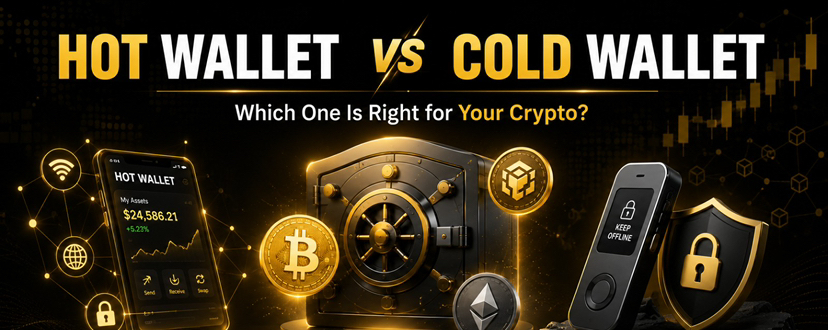
When you own cryptocurrency, your wallet is what gives you access to your assets. Whether you're holding Bitcoin, BNB, or other digital assets, understanding the difference between hot wallets and cold wallets is one of the first lessons every investor should learn.
A hot wallet is connected to the internet. It's convenient for everyday transactions, trading, and interacting with decentralized applications. Because it's always online, it's easier to access but it also requires extra attention to security.
A cold wallet, on the other hand, stores your private keys offline. Since it isn't continuously connected to the internet, it provides an additional layer of protection for long-term holdings. Many experienced investors prefer using cold storage for assets they don't plan to move frequently.
Neither option is "better" for everyone.
If you're actively trading, convenience may matter more.
If you're investing for the long term, stronger security could be the priority.
The most important habit isn't choosing the perfect wallet it's protecting your recovery phrase, enabling two-factor authentication wherever available, and never sharing sensitive information with anyone.
💡 Key Takeaway
The first step to protecting your crypto isn't finding the next big coin it's securing the coins you already own.
What matters more to you when choosing a wallet: convenience or maximum security?
#BinanceSquare #CryptoSecurity #wallets
Your Crypto Wallet Isn't an Investment It's Your Digital Vault
Most people spend hours researching which cryptocurrency to buy.
But very few spend the same amount of time thinking about where they'll keep it.
That's a mistake that every crypto investor should avoid.
When you own cryptocurrency, your wallet is what gives you access to your assets. Whether you're holding Bitcoin, BNB, or other digital assets, understanding the difference between hot wallets and cold wallets is one of the first lessons every investor should learn.
A hot wallet is connected to the internet. It's convenient for everyday transactions, trading, and interacting with decentralized applications. Because it's always online, it's easier to access but it also requires extra attention to security.
A cold wallet, on the other hand, stores your private keys offline. Since it isn't continuously connected to the internet, it provides an additional layer of protection for long-term holdings. Many experienced investors prefer using cold storage for assets they don't plan to move frequently.
Neither option is "better" for everyone.
If you're actively trading, convenience may matter more.
If you're investing for the long term, stronger security could be the priority.
The most important habit isn't choosing the perfect wallet it's protecting your recovery phrase, enabling two-factor authentication wherever available, and never sharing sensitive information with anyone.
💡 Key Takeaway
The first step to protecting your crypto isn't finding the next big coin it's securing the coins you already own.
What matters more to you when choosing a wallet: convenience or maximum security?
#BinanceSquare #CryptoSecurity #wallets
But very few spend the same amount of time thinking about where they'll keep it.
That's a mistake that every crypto investor should avoid.
When you own cryptocurrency, your wallet is what gives you access to your assets. Whether you're holding Bitcoin, BNB, or other digital assets, understanding the difference between hot wallets and cold wallets is one of the first lessons every investor should learn.
A hot wallet is connected to the internet. It's convenient for everyday transactions, trading, and interacting with decentralized applications. Because it's always online, it's easier to access but it also requires extra attention to security.
A cold wallet, on the other hand, stores your private keys offline. Since it isn't continuously connected to the internet, it provides an additional layer of protection for long-term holdings. Many experienced investors prefer using cold storage for assets they don't plan to move frequently.
Neither option is "better" for everyone.
If you're actively trading, convenience may matter more.
If you're investing for the long term, stronger security could be the priority.
The most important habit isn't choosing the perfect wallet it's protecting your recovery phrase, enabling two-factor authentication wherever available, and never sharing sensitive information with anyone.
💡 Key Takeaway
The first step to protecting your crypto isn't finding the next big coin it's securing the coins you already own.
What matters more to you when choosing a wallet: convenience or maximum security?
#BinanceSquare #CryptoSecurity #wallets
1
253


·
--
If you're still chasing wallet hype without checking the infrastructure layer underneath, stop now.
A lot of traders get burned because they only see the shiny app, not who controls custody, onboarding, fees, and user flow behind it. That’s how you miss the real value or buy into weak infrastructure too late.
The debate is simple: some say the front-end brand wins because users only care about convenience. Fair point. But I think the second layer is where the real moat gets built, especially with Wallet-as-a-Service models like WhiteBIT’s setup.
Instead of every project building wallets from scratch, WaaS lets businesses plug in crypto wallets faster and focus on users. That matters for $WBT, $BNB, and $ETH ecosystems because adoption often comes from infrastructure people never notice until it breaks.
So the question is whether the next big winners are the apps everyone uses, or the wallet layers quietly powering them behind the scenes?
#CryptoInfrastructure #Wallets #Web3
If you're still chasing wallet hype without checking the infrastructure layer underneath, stop now.
A lot of traders get burned because they only see the shiny app, not who controls custody, onboarding, fees, and user flow behind it. That’s how you miss the real value or buy into weak infrastructure too late.
The debate is simple: some say the front-end brand wins because users only care about convenience. Fair point. But I think the second layer is where the real moat gets built, especially with Wallet-as-a-Service models like WhiteBIT’s setup.
Instead of every project building wallets from scratch, WaaS lets businesses plug in crypto wallets faster and focus on users. That matters for $WBT, $BNB , and $ETH ecosystems because adoption often comes from infrastructure people never notice until it breaks.
So the question is whether the next big winners are the apps everyone uses, or the wallet layers quietly powering them behind the scenes?
#CryptoInfrastructure #Wallets #Web3
A lot of traders get burned because they only see the shiny app, not who controls custody, onboarding, fees, and user flow behind it. That’s how you miss the real value or buy into weak infrastructure too late.
The debate is simple: some say the front-end brand wins because users only care about convenience. Fair point. But I think the second layer is where the real moat gets built, especially with Wallet-as-a-Service models like WhiteBIT’s setup.
Instead of every project building wallets from scratch, WaaS lets businesses plug in crypto wallets faster and focus on users. That matters for $WBT, $BNB , and $ETH ecosystems because adoption often comes from infrastructure people never notice until it breaks.
So the question is whether the next big winners are the apps everyone uses, or the wallet layers quietly powering them behind the scenes?
#CryptoInfrastructure #Wallets #Web3
27



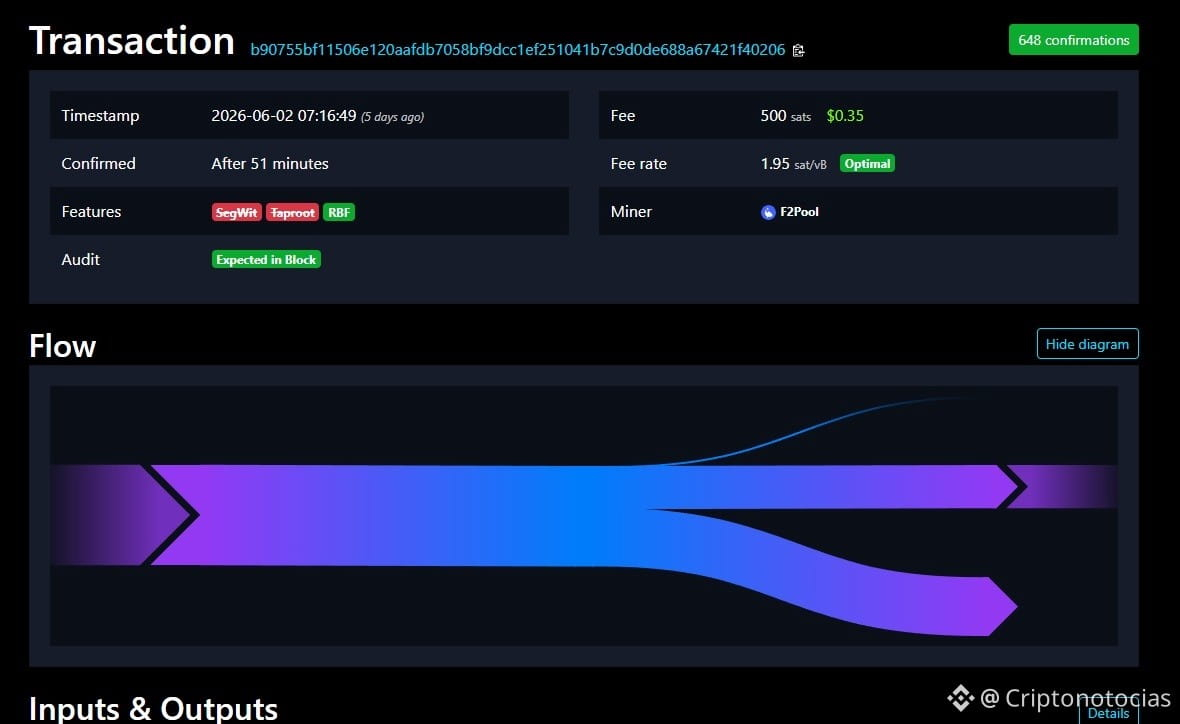
⚖️ #wallets de Bitcoin inactivas por 15 años movieron fondos mientras una demanda en NY intentaba declararlas abandonadas. Esto refuerza el argumento de la defensa: la inactividad no es abandono y sin llaves privadas no hay control real.
$BTC
{spot}(BTCUSDT)
$SOL
⚖️ #wallets de Bitcoin inactivas por 15 años movieron fondos mientras una demanda en NY intentaba declararlas abandonadas. Esto refuerza el argumento de la defensa: la inactividad no es abandono y sin llaves privadas no hay control real.
$BTC
$SOL
$BTC
$SOL
169
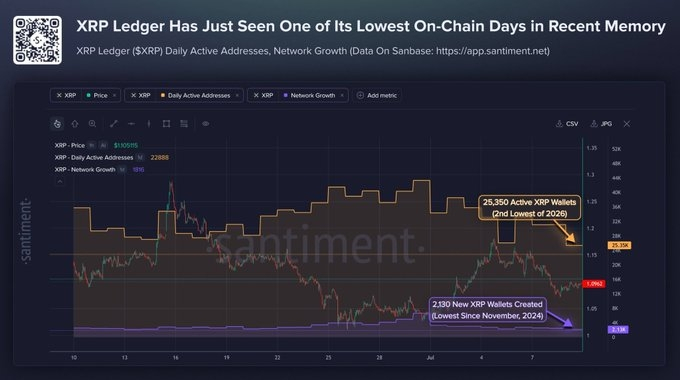
📉 XRP volvió a caer por debajo de 1 dólar y acumula una caída superior al 70% desde su máximo histórico de 3,65 dólares, alcanzado en julio de 2025. Mientras tanto, las ballenas sumaron 32 wallets con al menos 1 millón de unidades de la criptomoneda.
#xrp #criptonews #wallets
$XRP
{future}(XRPUSDT)
$BTC
{future}(BTCUSDT)
$ETH
{future}(ETHUSDT)
📉 XRP volvió a caer por debajo de 1 dólar y acumula una caída superior al 70% desde su máximo histórico de 3,65 dólares, alcanzado en julio de 2025. Mientras tanto, las ballenas sumaron 32 wallets con al menos 1 millón de unidades de la criptomoneda.
#xrp #criptonews #wallets
$XRP
$BTC
$ETH
#xrp #criptonews #wallets
$XRP
$BTC
$ETH

1
921

·
--
"Not your keys, not your coins" was always true. It was never the full story.
Here's the uncomfortable math: more Bitcoin has been permanently lost to forgotten passwords and discarded hard drives than to every exchange hack combined. Self-custody solved counterparty risk and replaced it with a single point of failure: you.
The industry treated this as an education problem. It's actually a design problem.
People don't lose keys because they're careless. They lose keys because seed phrases are a recovery system built for machines, operated by humans, with no undo button.
The next generation of wallets won't win on security. They'll win on recovery:
- Social recovery through guardians instead of one fragile phrase
- Passkeys and MPC splitting key control across devices
- Smart contract wallets with spending limits and fallback modes
- Inheritance protocols so savings don't die with their owners
Notice that institutions never truly self-custody — they use qualified custodians with layered controls and redundancy. Retail deserves the same architecture without handing coins to a third party.
The endgame isn't "your keys." It's recoverable sovereignty: you hold ultimate control, and a lost phone doesn't mean a lost decade of savings.
The wallet that solves this won't need a pitch. It will just become the default.
$BTC $ETH $BNB
#SelfCustody #Wallets #CryptoSecurity #Bitcoin #Recovery
"Not your keys, not your coins" was always true. It was never the full story.
Here's the uncomfortable math: more Bitcoin has been permanently lost to forgotten passwords and discarded hard drives than to every exchange hack combined. Self-custody solved counterparty risk and replaced it with a single point of failure: you.
The industry treated this as an education problem. It's actually a design problem.
People don't lose keys because they're careless. They lose keys because seed phrases are a recovery system built for machines, operated by humans, with no undo button.
The next generation of wallets won't win on security. They'll win on recovery:
- Social recovery through guardians instead of one fragile phrase
- Passkeys and MPC splitting key control across devices
- Smart contract wallets with spending limits and fallback modes
- Inheritance protocols so savings don't die with their owners
Notice that institutions never truly self-custody — they use qualified custodians with layered controls and redundancy. Retail deserves the same architecture without handing coins to a third party.
The endgame isn't "your keys." It's recoverable sovereignty: you hold ultimate control, and a lost phone doesn't mean a lost decade of savings.
The wallet that solves this won't need a pitch. It will just become the default.
$BTC $ETH $BNB
#SelfCustody #Wallets #CryptoSecurity #Bitcoin #Recovery
Here's the uncomfortable math: more Bitcoin has been permanently lost to forgotten passwords and discarded hard drives than to every exchange hack combined. Self-custody solved counterparty risk and replaced it with a single point of failure: you.
The industry treated this as an education problem. It's actually a design problem.
People don't lose keys because they're careless. They lose keys because seed phrases are a recovery system built for machines, operated by humans, with no undo button.
The next generation of wallets won't win on security. They'll win on recovery:
- Social recovery through guardians instead of one fragile phrase
- Passkeys and MPC splitting key control across devices
- Smart contract wallets with spending limits and fallback modes
- Inheritance protocols so savings don't die with their owners
Notice that institutions never truly self-custody — they use qualified custodians with layered controls and redundancy. Retail deserves the same architecture without handing coins to a third party.
The endgame isn't "your keys." It's recoverable sovereignty: you hold ultimate control, and a lost phone doesn't mean a lost decade of savings.
The wallet that solves this won't need a pitch. It will just become the default.
$BTC $ETH $BNB
#SelfCustody #Wallets #CryptoSecurity #Bitcoin #Recovery
83

·
--
MPC Does Not Replace PolicyMulti-party computation can remove one complete private key as a single point of failure. Several participants hold separate shares and cooperate to produce one valid signature only when the threshold is met.
That is valuable, but the threshold is not the complete security model.
The operational question is what causes those shares to participate. If an internal service can create a signing request without passing the expected checks, or if the signers accept a vague instruction that is not bound to the exact transaction, the system can produce a cryptographically valid signature for an unauthorized action.
A serious MPC design should bind approval to the chain, destination, value, calldata, fees, nonce policy and expiry. Signers should verify the approval bundle before participating. Shares should be separated across real failure domains, not placed under one cloud account, one administrator or one vendor-controlled path.
Policy changes need stronger controls than routine transactions. Emergency recovery should be slower, separately governed and tested. Monitoring should compare approved intent with the transaction that was actually broadcast.
MPC protects key control. It does not automatically prove that the request is legitimate or economically safe.
TokenToolHub explains threshold signing, policy bypass, share refresh, monitoring and recovery design:
https://tokentoolhub.com/multi-party-computation-mpc-web3/
#CryptoSecurity #MPC #blockchain #Web3 #wallets
MPC Does Not Replace Policy
Multi-party computation can remove one complete private key as a single point of failure. Several participants hold separate shares and cooperate to produce one valid signature only when the threshold is met.
That is valuable, but the threshold is not the complete security model.
The operational question is what causes those shares to participate. If an internal service can create a signing request without passing the expected checks, or if the signers accept a vague instruction that is not bound to the exact transaction, the system can produce a cryptographically valid signature for an unauthorized action.
A serious MPC design should bind approval to the chain, destination, value, calldata, fees, nonce policy and expiry. Signers should verify the approval bundle before participating. Shares should be separated across real failure domains, not placed under one cloud account, one administrator or one vendor-controlled path.
Policy changes need stronger controls than routine transactions. Emergency recovery should be slower, separately governed and tested. Monitoring should compare approved intent with the transaction that was actually broadcast.
MPC protects key control. It does not automatically prove that the request is legitimate or economically safe.
TokenToolHub explains threshold signing, policy bypass, share refresh, monitoring and recovery design:
https://tokentoolhub.com/multi-party-computation-mpc-web3/
#CryptoSecurity #MPC #blockchain #Web3 #wallets
That is valuable, but the threshold is not the complete security model.
The operational question is what causes those shares to participate. If an internal service can create a signing request without passing the expected checks, or if the signers accept a vague instruction that is not bound to the exact transaction, the system can produce a cryptographically valid signature for an unauthorized action.
A serious MPC design should bind approval to the chain, destination, value, calldata, fees, nonce policy and expiry. Signers should verify the approval bundle before participating. Shares should be separated across real failure domains, not placed under one cloud account, one administrator or one vendor-controlled path.
Policy changes need stronger controls than routine transactions. Emergency recovery should be slower, separately governed and tested. Monitoring should compare approved intent with the transaction that was actually broadcast.
MPC protects key control. It does not automatically prove that the request is legitimate or economically safe.
TokenToolHub explains threshold signing, policy bypass, share refresh, monitoring and recovery design:
https://tokentoolhub.com/multi-party-computation-mpc-web3/
#CryptoSecurity #MPC #blockchain #Web3 #wallets
79
·
--
Batch Calls Need Better ChecksERC-5792 gives applications a standard way to ask a wallet to process several ordered on-chain calls through wallet_sendCalls. That can reduce repetitive prompts and make flows such as approve, swap and stake easier to complete.
Convenience does not remove risk. The application must check the wallet’s capabilities for the requested chain, simulate the complete batch and preserve the batch identifier until a terminal status is reached.
Atomicity also needs careful handling. A wallet may support an atomic batch, reject the required capability or use a different execution route. Applications should not silently replace a required atomic flow with several independent transactions.
Status handling matters after submission. Confirmed execution does not prove that no residual token approval remains. Partial failure needs investigation, and an app should avoid duplicating a request simply because the interface refreshed or lost local state.
TokenToolHub explains the complete lifecycle, from capability discovery and wallet confirmation to receipts, fallback behavior and permission review:
https://tokentoolhub.com/erc-5792-wallet-sendcalls-batch-transactions/
#Ethereum #Web3 #wallets #blockchain #Developers
Batch Calls Need Better Checks
ERC-5792 gives applications a standard way to ask a wallet to process several ordered on-chain calls through wallet_sendCalls. That can reduce repetitive prompts and make flows such as approve, swap and stake easier to complete.
Convenience does not remove risk. The application must check the wallet’s capabilities for the requested chain, simulate the complete batch and preserve the batch identifier until a terminal status is reached.
Atomicity also needs careful handling. A wallet may support an atomic batch, reject the required capability or use a different execution route. Applications should not silently replace a required atomic flow with several independent transactions.
Status handling matters after submission. Confirmed execution does not prove that no residual token approval remains. Partial failure needs investigation, and an app should avoid duplicating a request simply because the interface refreshed or lost local state.
TokenToolHub explains the complete lifecycle, from capability discovery and wallet confirmation to receipts, fallback behavior and permission review:
https://tokentoolhub.com/erc-5792-wallet-sendcalls-batch-transactions/
#Ethereum #Web3 #wallets #blockchain #Developers
Convenience does not remove risk. The application must check the wallet’s capabilities for the requested chain, simulate the complete batch and preserve the batch identifier until a terminal status is reached.
Atomicity also needs careful handling. A wallet may support an atomic batch, reject the required capability or use a different execution route. Applications should not silently replace a required atomic flow with several independent transactions.
Status handling matters after submission. Confirmed execution does not prove that no residual token approval remains. Partial failure needs investigation, and an app should avoid duplicating a request simply because the interface refreshed or lost local state.
TokenToolHub explains the complete lifecycle, from capability discovery and wallet confirmation to receipts, fallback behavior and permission review:
https://tokentoolhub.com/erc-5792-wallet-sendcalls-batch-transactions/
#Ethereum #Web3 #wallets #blockchain #Developers
45
Көбірек контент көру үшін кіріңіз
Binance Square платформасында әлемдік криптоқоғамдастыққа қосылыңыз
⚡️ Криптовалюта туралы ең соңғы және пайдалы ақпаратты алыңыз.
💬 Әлемдегі ең ірі криптобиржаның сеніміне ие.
👍 Расталған авторлардың нақты пікірлерін табыңыз.
Электрондық пошта/телефон нөмірі
Трендтегі тақырыптар
1
#KoreaProposesTokenizingStocksAndBonds
3,283 рет көрілді
124 адам талқылап жатыр
2
#MetaMaskExitsLidoValidatorsAfterSecurityIncident
64,958 рет көрілді
877 адам талқылап жатыр
3
#MicronBeatsEarningsLiftsGuidance
39,258 рет көрілді
674 адам талқылап жатыр
4
#CFTCSubmitsTwoEventContractRulesToWhiteHouse
27,524 рет көрілді
566 адам талқылап жатыр
5
#BitcoinClears$85200
35,150 рет көрілді
350 адам талқылап жатыр
6
#AltcoinSeasonIndexHoldsAbove60For5Days
172,253 рет көрілді
2,136 адам талқылап жатыр
7
#USADPAdds90000JobsInSeptember
81,139 рет көрілді
1,218 адам талқылап жатыр
8
#USCorePCEEasesTo3%InAugust
56,526 рет көрілді
793 адам талқылап жатыр
9
#KospiPostsWorstQuarterSince2020
29,996 рет көрілді
627 адам талқылап жатыр
10
#SECToClarifyOnChainFundraisingRules
73,359 рет көрілді
857 адам талқылап жатыр