

#oil
oil
5M рет көрілді
14,260 адам талқылап жатыр
Қызу саудада
Ең соңғы

·
--
Жоғары (өспелі)
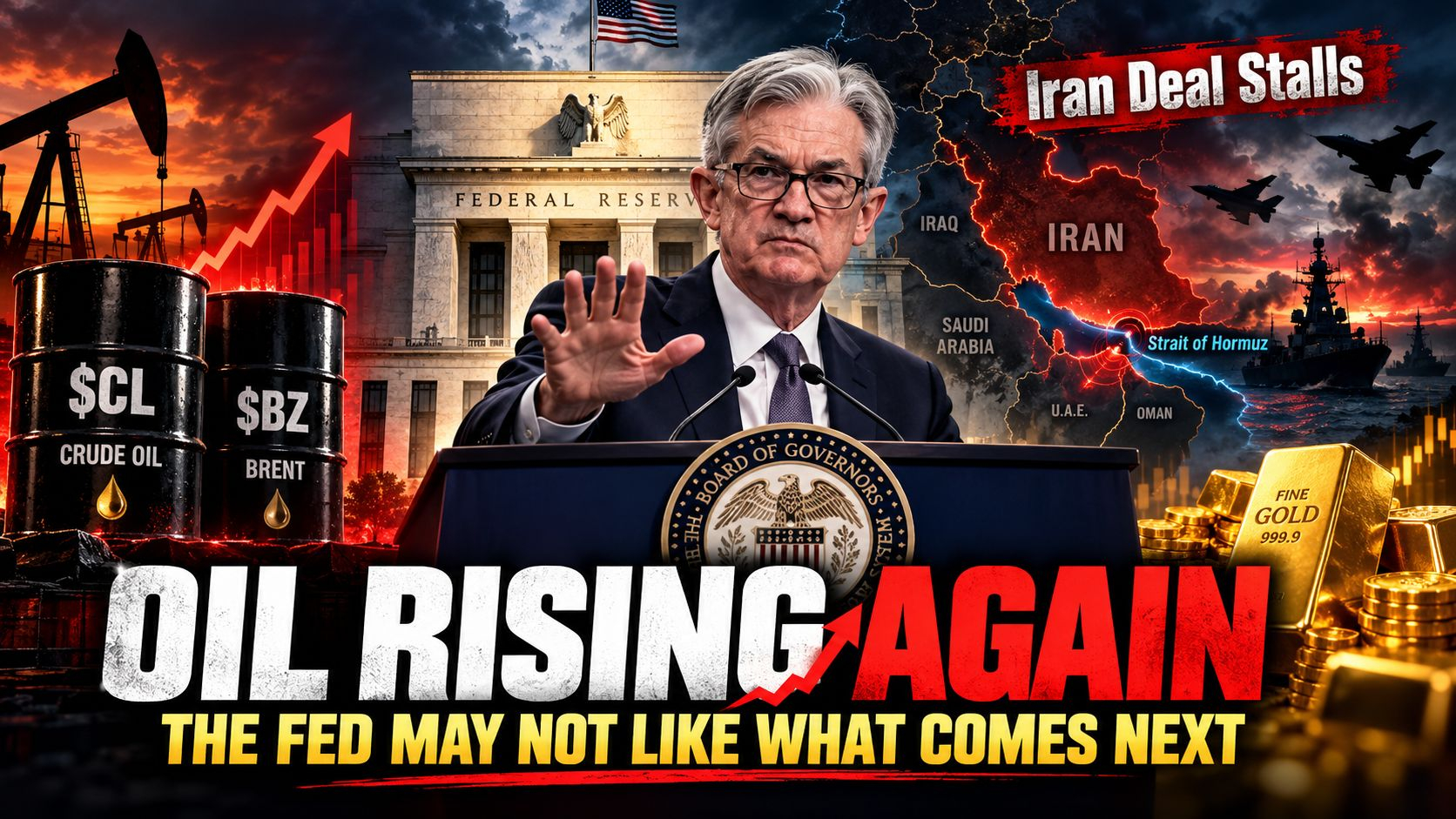
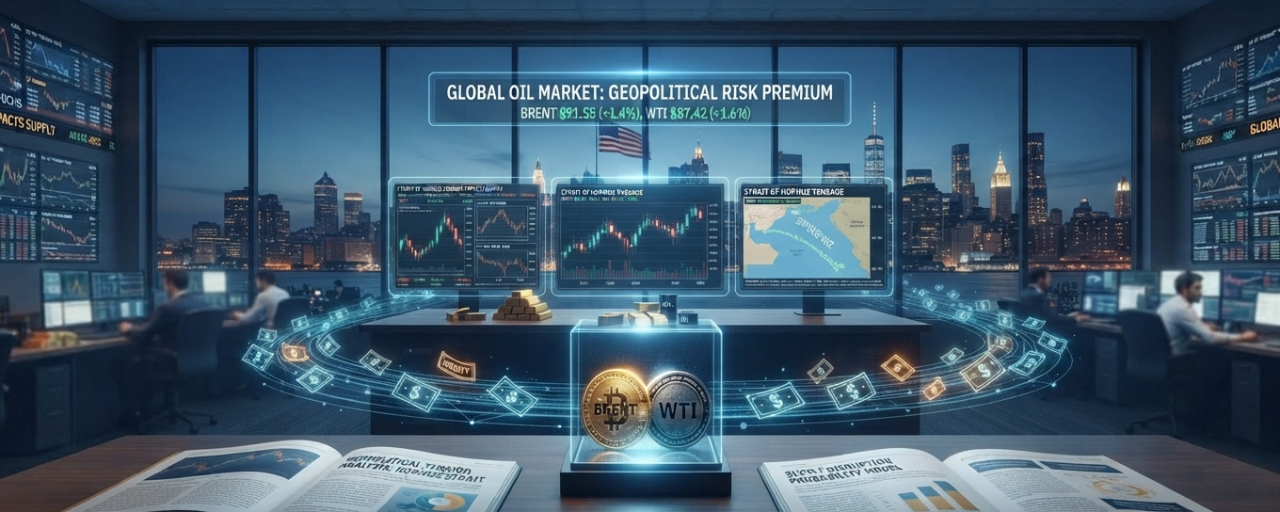
🚨 $CL $BZ ARE RISING AGAIN AS THE IRAN DEAL STALLS — THE FED MAY NOT LIKE WHAT COMES NEXT.
Oil is pushing higher again as hopes for a quick U.S.–Iran agreement fade.
That matters because the market chain is brutal:
No deal → Hormuz risk stays elevated
Oil stays high → inflation pressure stays sticky
Sticky inflation → Fed cuts get harder
Higher-for-longer rates → pressure on tech, stocks and crypto
This is why the Iran story is no longer “just an oil trade.”
It’s becoming a macro liquidity trade.
If CL and BZ keep climbing, the Fed may be forced to stay cautious even if growth slows.
The market wants easier policy.
Oil may be the thing that stops it. 👀 $XAU
{future}(XAUUSDT)
{future}(CLUSDT)
{future}(BZUSDT)
#oil #Fed #Inflation #iran #Hormuz
🚨 $CL $BZ ARE RISING AGAIN AS THE IRAN DEAL STALLS — THE FED MAY NOT LIKE WHAT COMES NEXT.
Oil is pushing higher again as hopes for a quick U.S.–Iran agreement fade.
That matters because the market chain is brutal:
No deal → Hormuz risk stays elevated
Oil stays high → inflation pressure stays sticky
Sticky inflation → Fed cuts get harder
Higher-for-longer rates → pressure on tech, stocks and crypto
This is why the Iran story is no longer “just an oil trade.”
It’s becoming a macro liquidity trade.
If CL and BZ keep climbing, the Fed may be forced to stay cautious even if growth slows.
The market wants easier policy.
Oil may be the thing that stops it. 👀 $XAU
#oil #Fed #Inflation #iran #Hormuz
Oil is pushing higher again as hopes for a quick U.S.–Iran agreement fade.
That matters because the market chain is brutal:
No deal → Hormuz risk stays elevated
Oil stays high → inflation pressure stays sticky
Sticky inflation → Fed cuts get harder
Higher-for-longer rates → pressure on tech, stocks and crypto
This is why the Iran story is no longer “just an oil trade.”
It’s becoming a macro liquidity trade.
If CL and BZ keep climbing, the Fed may be forced to stay cautious even if growth slows.
The market wants easier policy.
Oil may be the thing that stops it. 👀 $XAU
#oil #Fed #Inflation #iran #Hormuz
353

·
--
Жоғары (өспелі)
#oil
Commodities
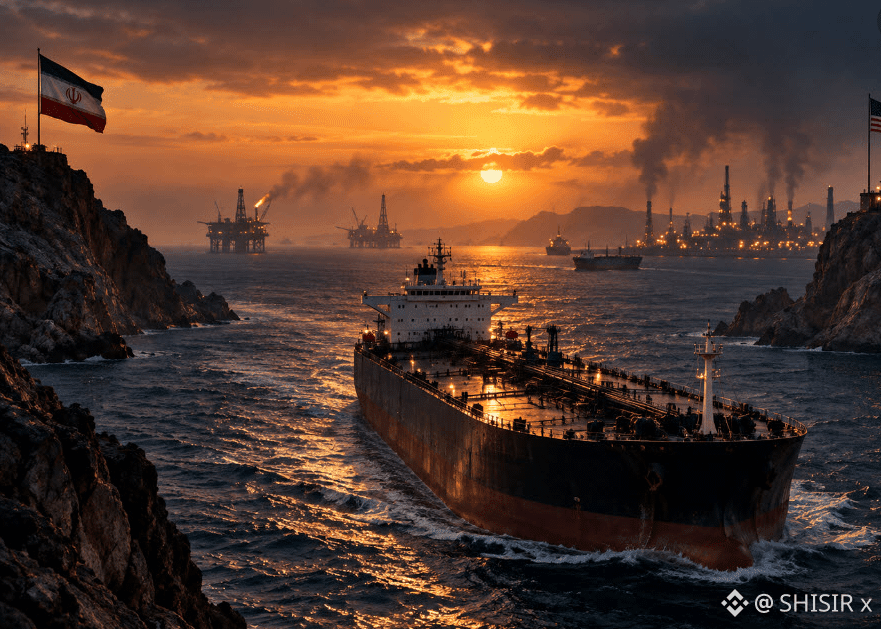
The real oil shock isn't disappearing, it's moving into shipping costs
Oil is still moving out of the Middle East, but the problem is that moving it has become dramatically more expensive
If there's anything the US-Iran conflict has taught us, it is that the oil market has proven remarkably good at finding ways around disruption.
Barrels are still moving out of the Middle East despite the upheaval around traditional shipping routes. But the main problem is moving them has become extraordinarily expensive.
#oil
Commodities
The real oil shock isn't disappearing, it's moving into shipping costs
Oil is still moving out of the Middle East, but the problem is that moving it has become dramatically more expensive
If there's anything the US-Iran conflict has taught us, it is that the oil market has proven remarkably good at finding ways around disruption.
Barrels are still moving out of the Middle East despite the upheaval around traditional shipping routes. But the main problem is moving them has become extraordinarily expensive.
Commodities
The real oil shock isn't disappearing, it's moving into shipping costs
Oil is still moving out of the Middle East, but the problem is that moving it has become dramatically more expensive
If there's anything the US-Iran conflict has taught us, it is that the oil market has proven remarkably good at finding ways around disruption.
Barrels are still moving out of the Middle East despite the upheaval around traditional shipping routes. But the main problem is moving them has become extraordinarily expensive.
138

Расталды
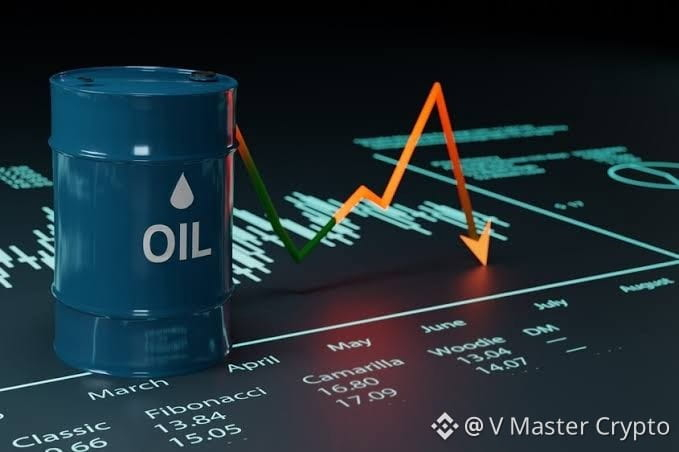
$DEXE $BTC $ZEC Oil prices rose while stocks and bonds fell after US President Donald Trump rejected Iran’s latest proposal to reopen the Strait of Hormuz, reversing some of the optimism that lifted markets late last week.
Oil prices jumped more than 3%, with the international benchmark Brent trading above $107 a barrel early Monday morning in Europe, reflecting renewed concerns about a supply crisis that has pushed up costs worldwide.
#oil #OilMarket #OilPrice #Bitcoin❗
$DEXE $BTC $ZEC Oil prices rose while stocks and bonds fell after US President Donald Trump rejected Iran’s latest proposal to reopen the Strait of Hormuz, reversing some of the optimism that lifted markets late last week.
Oil prices jumped more than 3%, with the international benchmark Brent trading above $107 a barrel early Monday morning in Europe, reflecting renewed concerns about a supply crisis that has pushed up costs worldwide.
#oil #OilMarket #OilPrice #Bitcoin❗
Oil prices jumped more than 3%, with the international benchmark Brent trading above $107 a barrel early Monday morning in Europe, reflecting renewed concerns about a supply crisis that has pushed up costs worldwide.
#oil #OilMarket #OilPrice #Bitcoin❗
I_B_S:
Solution of Straight of Hormuz: Transfer & Start all industries in Iran 😂😂
1
1
171

·
--
🚨 GLOBAL ENERGY SPIKE AS $OIL PUSHES TOWARD CRITICAL $100 MACRO LIQUIDITY POOL! 📈
Intraday momentum signals major institutional rebalancing as Brent crude reaches $99.38 and WTI surges to $93.18, both logging gains exceeding 2.00%. 📊 This sharp expansion into upper structural resistance reflects aggressive energy demand absorption across global order books.
💡 As macro liquidity sweeps toward the psychological $100 threshold, capital flows across risk assets are bracing for secondary volatility spikes. 📌 Institutional market participants are closely monitoring whether this supply imbalance forces broader market repricing. 💬 How are you hedging your portfolio as energy benchmarks test key liquidity zones? 👇
⚠️ Not financial advice. Always manage your risk. 🛡️
🏷️ #OIL #Macro #Commodities #Trading #Energy
⚡ 📊
🚨 GLOBAL ENERGY SPIKE AS $OIL PUSHES TOWARD CRITICAL $100 MACRO LIQUIDITY POOL! 📈
Intraday momentum signals major institutional rebalancing as Brent crude reaches $99.38 and WTI surges to $93.18, both logging gains exceeding 2.00%. 📊 This sharp expansion into upper structural resistance reflects aggressive energy demand absorption across global order books.
💡 As macro liquidity sweeps toward the psychological $100 threshold, capital flows across risk assets are bracing for secondary volatility spikes. 📌 Institutional market participants are closely monitoring whether this supply imbalance forces broader market repricing. 💬 How are you hedging your portfolio as energy benchmarks test key liquidity zones? 👇
⚠️ Not financial advice. Always manage your risk. 🛡️
🏷️ #OIL #Macro #Commodities #Trading #Energy
⚡ 📊
Intraday momentum signals major institutional rebalancing as Brent crude reaches $99.38 and WTI surges to $93.18, both logging gains exceeding 2.00%. 📊 This sharp expansion into upper structural resistance reflects aggressive energy demand absorption across global order books.
💡 As macro liquidity sweeps toward the psychological $100 threshold, capital flows across risk assets are bracing for secondary volatility spikes. 📌 Institutional market participants are closely monitoring whether this supply imbalance forces broader market repricing. 💬 How are you hedging your portfolio as energy benchmarks test key liquidity zones? 👇
⚠️ Not financial advice. Always manage your risk. 🛡️
🏷️ #OIL #Macro #Commodities #Trading #Energy
⚡ 📊
69
·
--
【2026年09月28日】
$OIL 资金与价格对照
价格:93.36|态度:偏空观望
短线资金在往外走,温和流出态势
资金方向和我的看法大致同向,但仍要等位置。
支撑位看 93,阻力位看 93.84。
关键点位(4h):
· 上方关键阻力 93.84(已扫 · 距+0.49%)
· 下方关键支撑 93(未扫 · 距-0.41%)
· 下方承接区 92.86-93.96 中位93.41
· 多头支撑带 89.14-93.2
· 上方压力区 93.74-94.1 中位93.92
· 空头压力带 93.43-96.47
记录于 2026年09月28日
仅供参考,不构成投资建议,盈亏自负。
觉得有用随手赞一下,后续继续跟。
$OIL #交易信号 #资金流向 #支撑阻力 #OIL
【2026年09月28日】
$OIL 资金与价格对照
价格:93.36|态度:偏空观望
短线资金在往外走,温和流出态势
资金方向和我的看法大致同向,但仍要等位置。
支撑位看 93,阻力位看 93.84。
关键点位(4h):
· 上方关键阻力 93.84(已扫 · 距+0.49%)
· 下方关键支撑 93(未扫 · 距-0.41%)
· 下方承接区 92.86-93.96 中位93.41
· 多头支撑带 89.14-93.2
· 上方压力区 93.74-94.1 中位93.92
· 空头压力带 93.43-96.47
记录于 2026年09月28日
仅供参考,不构成投资建议,盈亏自负。
觉得有用随手赞一下,后续继续跟。
$OIL #交易信号 #资金流向 #支撑阻力 #OIL
$OIL 资金与价格对照
价格:93.36|态度:偏空观望
短线资金在往外走,温和流出态势
资金方向和我的看法大致同向,但仍要等位置。
支撑位看 93,阻力位看 93.84。
关键点位(4h):
· 上方关键阻力 93.84(已扫 · 距+0.49%)
· 下方关键支撑 93(未扫 · 距-0.41%)
· 下方承接区 92.86-93.96 中位93.41
· 多头支撑带 89.14-93.2
· 上方压力区 93.74-94.1 中位93.92
· 空头压力带 93.43-96.47
记录于 2026年09月28日
仅供参考,不构成投资建议,盈亏自负。
觉得有用随手赞一下,后续继续跟。
$OIL #交易信号 #资金流向 #支撑阻力 #OIL
47

🚨 CL | BZ — OIL MARKET ALERT 🛢️🔥
⚠️ $CL — WTI Crude Slides Hard
$BTW
WTI crude suffered another sharp move lower as Iran signaled it was willing to reopen the Strait of Hormuz and return to diplomatic discussions with Washington, conditional on U.S. acceptance of its terms. WTI settled at $92.41, down 2.33% on Friday. The contract also dropped sharply during the week, highlighting just how sensitive oil remains to geopolitical headlines.
🌍 $BZ — Brent Holds a Different Picture
Brent finished Friday at around $104.32, down 2.14% on the day. Despite Friday’s sell-off, Brent remained slightly higher for the week, showing that the global benchmark is still carrying a significant geopolitical risk premium.
🚨 Why Traders Are Watching
CL → Iran talks + Hormuz reopening expectations
BZ → Geopolitical risk premium + global supply concerns
Oil → Headlines can trigger extreme intraday volatility
📊 MASTER MARKET WATCH
A sustained reopening of the Strait of Hormuz could reduce the supply-risk premium, while any breakdown in negotiations could quickly bring that premium back. Oil’s next major move may therefore depend heavily on geopolitical headlines rather than price action alone.
🔥 Oil is moving on headlines — and volatility is the real story.
⚠️ This is market information, not financial advice.
#CL
{future}(BZUSDT)
#BZ #CrudeOil #Oil
🚨 CL | BZ — OIL MARKET ALERT 🛢️🔥
⚠️ $CL — WTI Crude Slides Hard
$BTW
WTI crude suffered another sharp move lower as Iran signaled it was willing to reopen the Strait of Hormuz and return to diplomatic discussions with Washington, conditional on U.S. acceptance of its terms. WTI settled at $92.41, down 2.33% on Friday. The contract also dropped sharply during the week, highlighting just how sensitive oil remains to geopolitical headlines.
🌍 $BZ — Brent Holds a Different Picture
Brent finished Friday at around $104.32, down 2.14% on the day. Despite Friday’s sell-off, Brent remained slightly higher for the week, showing that the global benchmark is still carrying a significant geopolitical risk premium.
🚨 Why Traders Are Watching
CL → Iran talks + Hormuz reopening expectations
BZ → Geopolitical risk premium + global supply concerns
Oil → Headlines can trigger extreme intraday volatility
📊 MASTER MARKET WATCH
A sustained reopening of the Strait of Hormuz could reduce the supply-risk premium, while any breakdown in negotiations could quickly bring that premium back. Oil’s next major move may therefore depend heavily on geopolitical headlines rather than price action alone.
🔥 Oil is moving on headlines — and volatility is the real story.
⚠️ This is market information, not financial advice.
#CL
#BZ #CrudeOil #Oil
⚠️ $CL — WTI Crude Slides Hard
$BTW
WTI crude suffered another sharp move lower as Iran signaled it was willing to reopen the Strait of Hormuz and return to diplomatic discussions with Washington, conditional on U.S. acceptance of its terms. WTI settled at $92.41, down 2.33% on Friday. The contract also dropped sharply during the week, highlighting just how sensitive oil remains to geopolitical headlines.
🌍 $BZ — Brent Holds a Different Picture
Brent finished Friday at around $104.32, down 2.14% on the day. Despite Friday’s sell-off, Brent remained slightly higher for the week, showing that the global benchmark is still carrying a significant geopolitical risk premium.
🚨 Why Traders Are Watching
CL → Iran talks + Hormuz reopening expectations
BZ → Geopolitical risk premium + global supply concerns
Oil → Headlines can trigger extreme intraday volatility
📊 MASTER MARKET WATCH
A sustained reopening of the Strait of Hormuz could reduce the supply-risk premium, while any breakdown in negotiations could quickly bring that premium back. Oil’s next major move may therefore depend heavily on geopolitical headlines rather than price action alone.
🔥 Oil is moving on headlines — and volatility is the real story.
⚠️ This is market information, not financial advice.
#CL
#BZ #CrudeOil #Oil

87

·
--
Жоғары (өспелі)
🛢️ النفط تحت المجهر… وهرمز في قلب المشهد
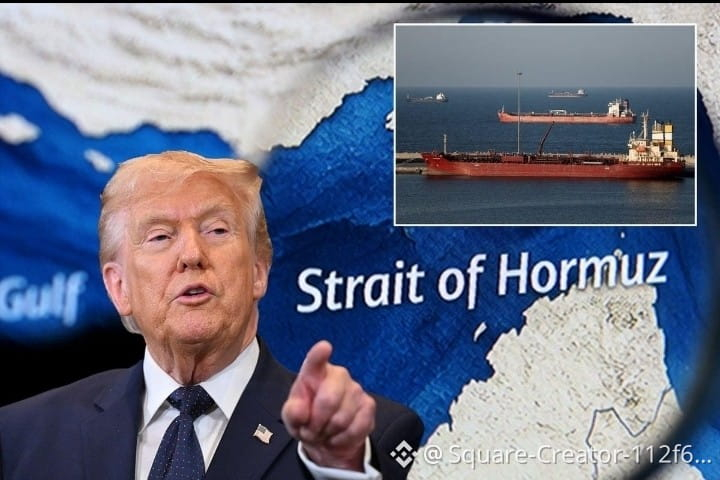
رفض ترامب المقترح الإيراني بشأن إعادة فتح مضيق هرمز، مع توقع استئناف المحادثات هذا الأسبوع.
🔺 التصعيد قد يدعم النفط.
🔻 التقدم الدبلوماسي قد يخفف ضغوطه.
وأي ارتفاع مستمر في الطاقة قد يعيد الضغط على التضخم والسيولة وشهية المخاطرة، بما فيها الكريبتو.
الأسواق تترقب الخطوة التالية.
$BTC $BZ $CL
#bitcoin #Crypto #TrumpRejectsIranHormuzReopening
#oil #brent
🛢️ النفط تحت المجهر… وهرمز في قلب المشهد
رفض ترامب المقترح الإيراني بشأن إعادة فتح مضيق هرمز، مع توقع استئناف المحادثات هذا الأسبوع.
🔺 التصعيد قد يدعم النفط.
🔻 التقدم الدبلوماسي قد يخفف ضغوطه.
وأي ارتفاع مستمر في الطاقة قد يعيد الضغط على التضخم والسيولة وشهية المخاطرة، بما فيها الكريبتو.
الأسواق تترقب الخطوة التالية.
$BTC $BZ $CL
#bitcoin #Crypto #TrumpRejectsIranHormuzReopening
#oil #brent
رفض ترامب المقترح الإيراني بشأن إعادة فتح مضيق هرمز، مع توقع استئناف المحادثات هذا الأسبوع.
🔺 التصعيد قد يدعم النفط.
🔻 التقدم الدبلوماسي قد يخفف ضغوطه.
وأي ارتفاع مستمر في الطاقة قد يعيد الضغط على التضخم والسيولة وشهية المخاطرة، بما فيها الكريبتو.
الأسواق تترقب الخطوة التالية.
$BTC $BZ $CL
#bitcoin #Crypto #TrumpRejectsIranHormuzReopening
#oil #brent
1
169

·
--
🚨 GEOPOLITICAL TENSIONS IN HORMUZ ESCALATE AS $OIL TURBULENCE THREATENS GLOBAL MARKETS! 💥
The chess match in the Strait of Hormuz is tightening after Iran seized a U.S. underwater drone and diplomatic talks hit a wall. 📊 With Brent crude holding near $104.32 and WTI pulling back 7.9% to $92.41, energy choke points are injecting fresh macro friction across global order books.
💡 Smart money is closely reading these geopolitical ripples because raw supply shocks quickly filter down into macro liquidity and high-beta assets. 🌊 When vital trade corridors freeze, volatility flows directly onto every major trading desk. 🤔 How are you adjusting your market exposure as geopolitical tensions flare up? 👇
⚠️ Not financial advice. Always manage your risk. 🛡️
🏷️ #OIL #Macro #Energy #MarketUpdate #Crypto
⚡ 🛡️
🚨 GEOPOLITICAL TENSIONS IN HORMUZ ESCALATE AS $OIL TURBULENCE THREATENS GLOBAL MARKETS! 💥
The chess match in the Strait of Hormuz is tightening after Iran seized a U.S. underwater drone and diplomatic talks hit a wall. 📊 With Brent crude holding near $104.32 and WTI pulling back 7.9% to $92.41, energy choke points are injecting fresh macro friction across global order books.
💡 Smart money is closely reading these geopolitical ripples because raw supply shocks quickly filter down into macro liquidity and high-beta assets. 🌊 When vital trade corridors freeze, volatility flows directly onto every major trading desk. 🤔 How are you adjusting your market exposure as geopolitical tensions flare up? 👇
⚠️ Not financial advice. Always manage your risk. 🛡️
🏷️ #OIL #Macro #Energy #MarketUpdate #Crypto
⚡ 🛡️
The chess match in the Strait of Hormuz is tightening after Iran seized a U.S. underwater drone and diplomatic talks hit a wall. 📊 With Brent crude holding near $104.32 and WTI pulling back 7.9% to $92.41, energy choke points are injecting fresh macro friction across global order books.
💡 Smart money is closely reading these geopolitical ripples because raw supply shocks quickly filter down into macro liquidity and high-beta assets. 🌊 When vital trade corridors freeze, volatility flows directly onto every major trading desk. 🤔 How are you adjusting your market exposure as geopolitical tensions flare up? 👇
⚠️ Not financial advice. Always manage your risk. 🛡️
🏷️ #OIL #Macro #Energy #MarketUpdate #Crypto
⚡ 🛡️
110
🚨 STOCKS | A Hidden Oil Bottleneck Is Building — And Energy Stocks Could Be Next
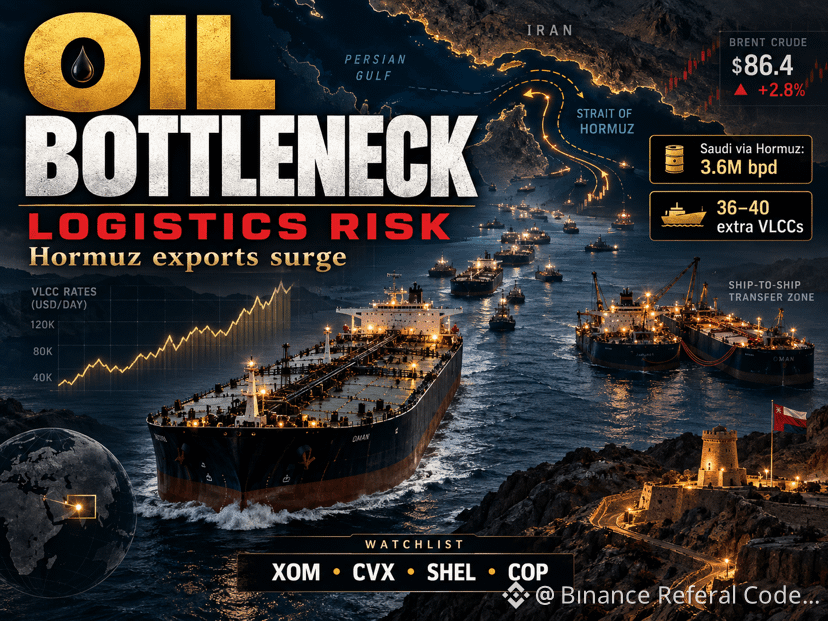
The Middle East oil story is shifting from production to transportation capacity.
Saudi Arabia has dramatically increased crude exports through the Strait of Hormuz after attacks disrupted its East-West pipeline.
September Saudi exports through Hormuz are now on track to reach roughly:
3.6 MILLION barrels/day
versus only around:
900,000 barrels/day in August.
But there’s a problem.
The surge is creating intense demand for supertankers, while ship-to-ship transfer capacity around Oman is reaching its limits. Reuters reports that moving the additional Saudi crude could require roughly 36–40 extra VLCC tankers.
Why does this matter for stocks?
This isn’t only an oil-price story anymore.
It’s becoming a physical logistics story.
If transportation constraints persist, the market could see pressure across:
Crude prices
Tanker rates
Refining margins
Energy-company earnings
U.S. markets are closed today, so there is no Sunday price move in these stocks to report.
When Wall Street reopens, watch:
$XOM.US • $CVX • $SHELL • $COP
And keep an eye on Saudi Aramco / 2222 as Middle East markets trade.
The key question for the new week:
Can Saudi Arabia keep redirecting millions of barrels through the Gulf without creating another major bottleneck in the global oil supply chain?
#Stocks #Oil #XOM #CVX
🚨 STOCKS | A Hidden Oil Bottleneck Is Building — And Energy Stocks Could Be Next
The Middle East oil story is shifting from production to transportation capacity.
Saudi Arabia has dramatically increased crude exports through the Strait of Hormuz after attacks disrupted its East-West pipeline.
September Saudi exports through Hormuz are now on track to reach roughly:
3.6 MILLION barrels/day
versus only around:
900,000 barrels/day in August.
But there’s a problem.
The surge is creating intense demand for supertankers, while ship-to-ship transfer capacity around Oman is reaching its limits. Reuters reports that moving the additional Saudi crude could require roughly 36–40 extra VLCC tankers.
Why does this matter for stocks?
This isn’t only an oil-price story anymore.
It’s becoming a physical logistics story.
If transportation constraints persist, the market could see pressure across:
Crude prices
Tanker rates
Refining margins
Energy-company earnings
U.S. markets are closed today, so there is no Sunday price move in these stocks to report.
When Wall Street reopens, watch:
$XOM.US • $CVX • $SHELL • $COP
And keep an eye on Saudi Aramco / 2222 as Middle East markets trade.
The key question for the new week:
Can Saudi Arabia keep redirecting millions of barrels through the Gulf without creating another major bottleneck in the global oil supply chain?
#Stocks #Oil #XOM #CVX
The Middle East oil story is shifting from production to transportation capacity.
Saudi Arabia has dramatically increased crude exports through the Strait of Hormuz after attacks disrupted its East-West pipeline.
September Saudi exports through Hormuz are now on track to reach roughly:
3.6 MILLION barrels/day
versus only around:
900,000 barrels/day in August.
But there’s a problem.
The surge is creating intense demand for supertankers, while ship-to-ship transfer capacity around Oman is reaching its limits. Reuters reports that moving the additional Saudi crude could require roughly 36–40 extra VLCC tankers.
Why does this matter for stocks?
This isn’t only an oil-price story anymore.
It’s becoming a physical logistics story.
If transportation constraints persist, the market could see pressure across:
Crude prices
Tanker rates
Refining margins
Energy-company earnings
U.S. markets are closed today, so there is no Sunday price move in these stocks to report.
When Wall Street reopens, watch:
$XOM.US • $CVX • $SHELL • $COP
And keep an eye on Saudi Aramco / 2222 as Middle East markets trade.
The key question for the new week:
Can Saudi Arabia keep redirecting millions of barrels through the Gulf without creating another major bottleneck in the global oil supply chain?
#Stocks #Oil #XOM #CVX
347
·
--
Төмен (кемімелі)
potential oil price increase in future as US president denies opening of straight of hormuz. The year could start catastrophic events .#oil
potential oil price increase in future as US president denies opening of straight of hormuz. The year could start catastrophic events .#oil
288

Мақала
Trump Rejects Iran’s Hormuz Plan: Oil Risk Is Back🚨 Trump rejected Iran’s 7 day plan to reopen the Strait of Hormuz. 👀🛢️
Iran proposed a roadmap that could restore normal shipping through Hormuz within seven days, alongside a ceasefire and renewed nuclear talks.
But Trump said he rejected the proposal.
Now the oil market is back to watching the same risk:
🛢️ Hormuz disruption
📈 Supply concerns
⚠️ Higher geopolitical risk
🔥 Potential for renewed volatility
The Strait is critical to global energy trade, with roughly a quarter of seaborne oil flows and about a fifth of global LNG trade normally passing through it.
The bigger question for oil isn't just what was rejected.
It's what happens to shipping and supply next. 👀
$CL $BZ
#Oil
#BrentCrude #Hormuz #Geopolitics #EnergyMarkets
Trump Rejects Iran’s Hormuz Plan: Oil Risk Is Back
🚨 Trump rejected Iran’s 7 day plan to reopen the Strait of Hormuz. 👀🛢️
Iran proposed a roadmap that could restore normal shipping through Hormuz within seven days, alongside a ceasefire and renewed nuclear talks.
But Trump said he rejected the proposal.
Now the oil market is back to watching the same risk:
🛢️ Hormuz disruption
📈 Supply concerns
⚠️ Higher geopolitical risk
🔥 Potential for renewed volatility
The Strait is critical to global energy trade, with roughly a quarter of seaborne oil flows and about a fifth of global LNG trade normally passing through it.
The bigger question for oil isn't just what was rejected.
It's what happens to shipping and supply next. 👀
$CL $BZ
#Oil
#BrentCrude #Hormuz #Geopolitics #EnergyMarkets
Iran proposed a roadmap that could restore normal shipping through Hormuz within seven days, alongside a ceasefire and renewed nuclear talks.
But Trump said he rejected the proposal.
Now the oil market is back to watching the same risk:
🛢️ Hormuz disruption
📈 Supply concerns
⚠️ Higher geopolitical risk
🔥 Potential for renewed volatility
The Strait is critical to global energy trade, with roughly a quarter of seaborne oil flows and about a fifth of global LNG trade normally passing through it.
The bigger question for oil isn't just what was rejected.
It's what happens to shipping and supply next. 👀
$CL $BZ
#Oil
#BrentCrude #Hormuz #Geopolitics #EnergyMarkets
179
·
--
#oil Trump phê duyệt tiêu chuẩn tiết kiệm nhiên liệu mới, bác bỏ đề xuất ngừng bắn có điều kiện của Iran theo các nguồn tin, sang tuần giá dầu khó đoán. pump tp lên mốc 117 đô la dầu brent. drop về dưới 75 đô la. cược lớn Long Short. 🤑💵💰$BZ
{future}(BZUSDT)
$CL
{future}(CLUSDT)
$BTC
{future}(BTCUSDT)
#oil Trump phê duyệt tiêu chuẩn tiết kiệm nhiên liệu mới, bác bỏ đề xuất ngừng bắn có điều kiện của Iran theo các nguồn tin, sang tuần giá dầu khó đoán. pump tp lên mốc 117 đô la dầu brent. drop về dưới 75 đô la. cược lớn Long Short. 🤑💵💰$BZ
$CL
$BTC
$CL
$BTC
58

Мақала
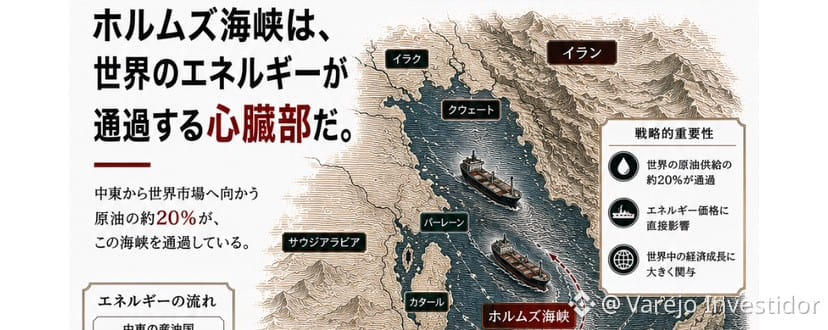
世界のエネルギー価格を左右する「海上チョークポイント」ホルムズ海峡は、単なる地理上の狭い海域ではありません。ペルシャ湾岸のエネルギー生産地域と世界の消費市場を結ぶ、国際エネルギー物流の重要な通過点です。
2024年には、この海峡を通過した石油は平均約2,000万バレル/日に達し、世界の石油液体消費量の約20%に相当しました。また、世界のLNG貿易の約5分の1も通過していました。
そのため、ホルムズ海峡の安定性は原油価格だけでなく、輸送コスト、インフレ、企業収益、為替、金利など、幅広い市場に影響する可能性があります。
さらに重要なのは、流れの多くがアジア市場へ向かっていることです。2024年には、ホルムズ海峡を通過した原油・コンデンセートの約84%がアジア市場向けで、中国、インド、日本、韓国が主要な仕向け地でした。
一方、最新のEIAデータでは2026年第2四半期の通過量が大きく低下しており、エネルギー輸送の構造が急速に変化していることも示されています。
投資家にとって重要なのは、地政学的なニュースだけを見ることではありません。原油、LNG、海運、インフレ、金利、企業利益まで、どのような経路で影響が伝わるのかを理解することです。
ホルムズ海峡を追うことは、エネルギー市場だけでなく、世界経済の連鎖構造を追うことでもあります。
関連する7つの資産をチェックし、エネルギー市場との関係を追跡しましょう。
#Money #JapanCrypto #economy #oil
$BP.US
$XOM.US
{stock_us}(XOM.US)
$USOY.ETF
{etf_us}(USOY.ETF)
{stock_us}(BP.US)
世界のエネルギー価格を左右する「海上チョークポイント」
ホルムズ海峡は、単なる地理上の狭い海域ではありません。ペルシャ湾岸のエネルギー生産地域と世界の消費市場を結ぶ、国際エネルギー物流の重要な通過点です。
2024年には、この海峡を通過した石油は平均約2,000万バレル/日に達し、世界の石油液体消費量の約20%に相当しました。また、世界のLNG貿易の約5分の1も通過していました。
そのため、ホルムズ海峡の安定性は原油価格だけでなく、輸送コスト、インフレ、企業収益、為替、金利など、幅広い市場に影響する可能性があります。
さらに重要なのは、流れの多くがアジア市場へ向かっていることです。2024年には、ホルムズ海峡を通過した原油・コンデンセートの約84%がアジア市場向けで、中国、インド、日本、韓国が主要な仕向け地でした。
一方、最新のEIAデータでは2026年第2四半期の通過量が大きく低下しており、エネルギー輸送の構造が急速に変化していることも示されています。
投資家にとって重要なのは、地政学的なニュースだけを見ることではありません。原油、LNG、海運、インフレ、金利、企業利益まで、どのような経路で影響が伝わるのかを理解することです。
ホルムズ海峡を追うことは、エネルギー市場だけでなく、世界経済の連鎖構造を追うことでもあります。
関連する7つの資産をチェックし、エネルギー市場との関係を追跡しましょう。
#Money #JapanCrypto #economy #oil
$BP.US
$XOM.US
$USOY.ETF
2024年には、この海峡を通過した石油は平均約2,000万バレル/日に達し、世界の石油液体消費量の約20%に相当しました。また、世界のLNG貿易の約5分の1も通過していました。
そのため、ホルムズ海峡の安定性は原油価格だけでなく、輸送コスト、インフレ、企業収益、為替、金利など、幅広い市場に影響する可能性があります。
さらに重要なのは、流れの多くがアジア市場へ向かっていることです。2024年には、ホルムズ海峡を通過した原油・コンデンセートの約84%がアジア市場向けで、中国、インド、日本、韓国が主要な仕向け地でした。
一方、最新のEIAデータでは2026年第2四半期の通過量が大きく低下しており、エネルギー輸送の構造が急速に変化していることも示されています。
投資家にとって重要なのは、地政学的なニュースだけを見ることではありません。原油、LNG、海運、インフレ、金利、企業利益まで、どのような経路で影響が伝わるのかを理解することです。
ホルムズ海峡を追うことは、エネルギー市場だけでなく、世界経済の連鎖構造を追うことでもあります。
関連する7つの資産をチェックし、エネルギー市場との関係を追跡しましょう。
#Money #JapanCrypto #economy #oil
$BP.US
$XOM.US
$USOY.ETF
USOYETF+1,95%
BPUS+1,81%
XOMUS+1,53%
2
12
Мақала
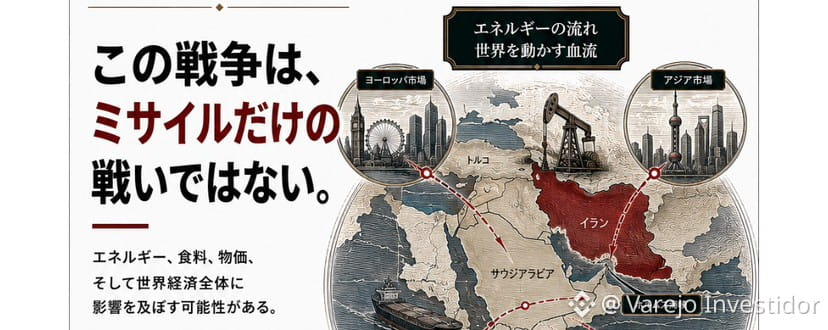
エネルギー価格が映す、世界経済の見えない連鎖地政学的な緊張は、ミサイルや軍事行動だけで市場を動かすわけではありません。エネルギー、輸送、食料、物価、為替、そして世界経済へと影響が連鎖する可能性があります。
特に原油は、世界の経済活動と深く結び付いた重要な資源です。中東の主要な生産地域や海上輸送ルートに混乱が生じれば、供給だけでなく輸送コストや保険料、企業コストにも影響する可能性があります。
ホルムズ海峡のような重要な海上輸送ルートは、エネルギー市場を理解する上で重要なポイントです。欧州、アジア、北米などの市場もエネルギー価格や貿易を通じて相互につながっています。
原油価格の変化は、エネルギー企業に直接関係するだけではありません。インフレ、金利、消費、製造業、航空・海運など、幅広い市場に波及する可能性があります。
そのため、地政学を分析するときは軍事面だけを見るのではなく、エネルギー供給、輸送ルート、商品価格、為替、金融市場まで含めて考える必要があります。
一つの地域で起きる変化が、世界各地の資産価格へ伝わる。その連鎖構造を理解することが、グローバル市場を読むための重要な視点になります。
関連する資産をチェックし、エネルギーと世界市場のつながりを追跡しましょう。
#Economy #Japan #money #oil
$OILT.ETF
$USOY.ETF
{etf_us}(USOY.ETF)
$XOM.US
{stock_us}(XOM.US)
{stock_us}(BP.US)
エネルギー価格が映す、世界経済の見えない連鎖
地政学的な緊張は、ミサイルや軍事行動だけで市場を動かすわけではありません。エネルギー、輸送、食料、物価、為替、そして世界経済へと影響が連鎖する可能性があります。
特に原油は、世界の経済活動と深く結び付いた重要な資源です。中東の主要な生産地域や海上輸送ルートに混乱が生じれば、供給だけでなく輸送コストや保険料、企業コストにも影響する可能性があります。
ホルムズ海峡のような重要な海上輸送ルートは、エネルギー市場を理解する上で重要なポイントです。欧州、アジア、北米などの市場もエネルギー価格や貿易を通じて相互につながっています。
原油価格の変化は、エネルギー企業に直接関係するだけではありません。インフレ、金利、消費、製造業、航空・海運など、幅広い市場に波及する可能性があります。
そのため、地政学を分析するときは軍事面だけを見るのではなく、エネルギー供給、輸送ルート、商品価格、為替、金融市場まで含めて考える必要があります。
一つの地域で起きる変化が、世界各地の資産価格へ伝わる。その連鎖構造を理解することが、グローバル市場を読むための重要な視点になります。
関連する資産をチェックし、エネルギーと世界市場のつながりを追跡しましょう。
#Economy #Japan #money #oil
$OILT.ETF
$USOY.ETF
$XOM.US
特に原油は、世界の経済活動と深く結び付いた重要な資源です。中東の主要な生産地域や海上輸送ルートに混乱が生じれば、供給だけでなく輸送コストや保険料、企業コストにも影響する可能性があります。
ホルムズ海峡のような重要な海上輸送ルートは、エネルギー市場を理解する上で重要なポイントです。欧州、アジア、北米などの市場もエネルギー価格や貿易を通じて相互につながっています。
原油価格の変化は、エネルギー企業に直接関係するだけではありません。インフレ、金利、消費、製造業、航空・海運など、幅広い市場に波及する可能性があります。
そのため、地政学を分析するときは軍事面だけを見るのではなく、エネルギー供給、輸送ルート、商品価格、為替、金融市場まで含めて考える必要があります。
一つの地域で起きる変化が、世界各地の資産価格へ伝わる。その連鎖構造を理解することが、グローバル市場を読むための重要な視点になります。
関連する資産をチェックし、エネルギーと世界市場のつながりを追跡しましょう。
#Economy #Japan #money #oil
$OILT.ETF
$USOY.ETF
$XOM.US
USOYETF+1,95%
BPUS+1,81%
XOMUS+1,53%
1
15
Мақала
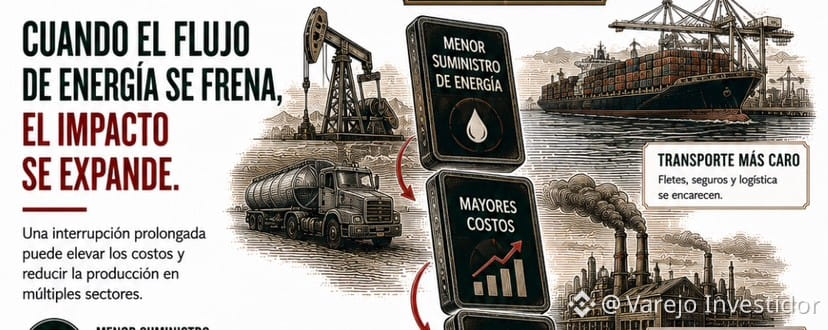
CUANDO LA ENERGÍA SE ENCARECE, EL SHOCK VIAJA POR TODA LA ECONOMÍAUna interrupción energética rara vez queda confinada al sector petrolero. El impacto puede avanzar por una cadena de costos que conecta transporte, industria, alimentos, comercio y consumo.
Cuando disminuye la disponibilidad de petróleo y derivados, las empresas enfrentan mayores costos de combustible y logística. Las refinerías también pueden operar con restricciones cuando escasea el crudo o existen problemas de infraestructura. En 2026, la IEA registró fuertes alteraciones en los flujos internacionales de petróleo y una reducción de la actividad de refinación durante las disrupciones asociadas al conflicto en Medio Oriente.
El siguiente eslabón aparece en la producción. Sectores intensivos en energía pueden reducir operaciones, mientras que los mayores costos de transporte afectan materias primas y productos terminados.
El efecto puede llegar finalmente al consumidor. El Banco Mundial señala que los shocks del precio del petróleo tienen una relación importante con los movimientos de la inflación mundial. Su análisis histórico estima que los shocks petroleros explicaron más del 38% de la variación de la inflación global durante las últimas cinco décadas estudiadas.
En 2026, las instituciones internacionales también documentaron cómo las perturbaciones energéticas vinculadas al conflicto en Medio Oriente se transmitieron hacia fertilizantes, alimentos, cadenas de suministro e inflación.
Por eso, el petróleo no debe analizarse únicamente como una materia prima. También funciona como un insumo transversal que conecta prácticamente toda la economía.
Explora los activos relacionados con petróleo, gas, refinación, transporte y energía para seguir cómo los cambios en el suministro pueden atravesar distintos sectores.
#invest #economy #dinero #oil
$USO.ETF
$USOY.ETF
{etf_us}(USOY.ETF)
$XOP.ETF
{etf_us}(XOP.ETF)
{etf_us}(USO.ETF)
CUANDO LA ENERGÍA SE ENCARECE, EL SHOCK VIAJA POR TODA LA ECONOMÍA
Una interrupción energética rara vez queda confinada al sector petrolero. El impacto puede avanzar por una cadena de costos que conecta transporte, industria, alimentos, comercio y consumo.
Cuando disminuye la disponibilidad de petróleo y derivados, las empresas enfrentan mayores costos de combustible y logística. Las refinerías también pueden operar con restricciones cuando escasea el crudo o existen problemas de infraestructura. En 2026, la IEA registró fuertes alteraciones en los flujos internacionales de petróleo y una reducción de la actividad de refinación durante las disrupciones asociadas al conflicto en Medio Oriente.
El siguiente eslabón aparece en la producción. Sectores intensivos en energía pueden reducir operaciones, mientras que los mayores costos de transporte afectan materias primas y productos terminados.
El efecto puede llegar finalmente al consumidor. El Banco Mundial señala que los shocks del precio del petróleo tienen una relación importante con los movimientos de la inflación mundial. Su análisis histórico estima que los shocks petroleros explicaron más del 38% de la variación de la inflación global durante las últimas cinco décadas estudiadas.
En 2026, las instituciones internacionales también documentaron cómo las perturbaciones energéticas vinculadas al conflicto en Medio Oriente se transmitieron hacia fertilizantes, alimentos, cadenas de suministro e inflación.
Por eso, el petróleo no debe analizarse únicamente como una materia prima. También funciona como un insumo transversal que conecta prácticamente toda la economía.
Explora los activos relacionados con petróleo, gas, refinación, transporte y energía para seguir cómo los cambios en el suministro pueden atravesar distintos sectores.
#invest #economy #dinero #oil
$USO.ETF
$USOY.ETF
$XOP.ETF
Cuando disminuye la disponibilidad de petróleo y derivados, las empresas enfrentan mayores costos de combustible y logística. Las refinerías también pueden operar con restricciones cuando escasea el crudo o existen problemas de infraestructura. En 2026, la IEA registró fuertes alteraciones en los flujos internacionales de petróleo y una reducción de la actividad de refinación durante las disrupciones asociadas al conflicto en Medio Oriente.
El siguiente eslabón aparece en la producción. Sectores intensivos en energía pueden reducir operaciones, mientras que los mayores costos de transporte afectan materias primas y productos terminados.
El efecto puede llegar finalmente al consumidor. El Banco Mundial señala que los shocks del precio del petróleo tienen una relación importante con los movimientos de la inflación mundial. Su análisis histórico estima que los shocks petroleros explicaron más del 38% de la variación de la inflación global durante las últimas cinco décadas estudiadas.
En 2026, las instituciones internacionales también documentaron cómo las perturbaciones energéticas vinculadas al conflicto en Medio Oriente se transmitieron hacia fertilizantes, alimentos, cadenas de suministro e inflación.
Por eso, el petróleo no debe analizarse únicamente como una materia prima. También funciona como un insumo transversal que conecta prácticamente toda la economía.
Explora los activos relacionados con petróleo, gas, refinación, transporte y energía para seguir cómo los cambios en el suministro pueden atravesar distintos sectores.
#invest #economy #dinero #oil
$USO.ETF
$USOY.ETF
$XOP.ETF
USOYETF+1,95%
XOPETF+1,18%
USOETF+2,59%
1
44
Мақала
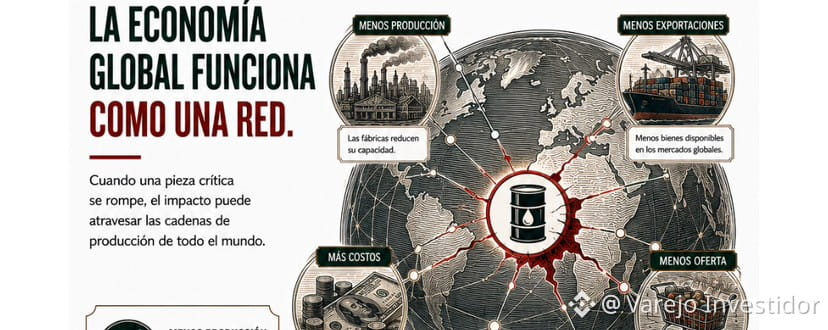
EL SHOCK ENERGÉTICO PUEDE CONVERTIRSE EN UN SHOCK ECONÓMICOUna interrupción en el suministro de energía no afecta únicamente al mercado petrolero. Puede transmitirse por toda la cadena económica a través de transporte, producción, comercio, precios y consumo.
La experiencia de 2026 muestra la velocidad de esa transmisión. La IEA registró una fuerte caída de la oferta mundial de petróleo durante las disrupciones en Medio Oriente, junto con restricciones en las refinerías y una reducción de la disponibilidad de productos derivados.
El mecanismo funciona en cadena. Menos energía disponible puede elevar los costos de combustible. El transporte se encarece, las industrias enfrentan mayores costos operativos y algunas empresas pueden reducir producción. Con menor oferta de determinados bienes, la presión puede llegar a los precios finales.
La transmisión tampoco se limita al petróleo. La IEA, el FMI y el Banco Mundial señalaron que las disrupciones energéticas de 2026 también afectaron mercados de gas, fertilizantes y otras materias primas, además de generar presiones sobre inflación y crecimiento.
La relación entre energía e inflación está documentada históricamente. Un estudio del Banco Mundial estima que los shocks del precio del petróleo explicaron más del 38% de la variación de la inflación mundial durante las últimas cinco décadas analizadas.
Por eso, estudiar energía exige mirar más allá del barril. La verdadera cuestión es entender cómo un cambio en un punto de la red puede transmitirse hacia muchos otros sectores.
Explora los activos relacionados con petróleo, gas, refinación, transporte y energía para seguir las principales conexiones de esta cadena económica.
#oil #IranIsraelConflict #economy #finance
$USOY.ETF
{etf_us}(USOY.ETF)
$XOP.ETF
{etf_us}(XOP.ETF)
$CVX.US
{stock_us}(CVX.US)
EL SHOCK ENERGÉTICO PUEDE CONVERTIRSE EN UN SHOCK ECONÓMICO
Una interrupción en el suministro de energía no afecta únicamente al mercado petrolero. Puede transmitirse por toda la cadena económica a través de transporte, producción, comercio, precios y consumo.
La experiencia de 2026 muestra la velocidad de esa transmisión. La IEA registró una fuerte caída de la oferta mundial de petróleo durante las disrupciones en Medio Oriente, junto con restricciones en las refinerías y una reducción de la disponibilidad de productos derivados.
El mecanismo funciona en cadena. Menos energía disponible puede elevar los costos de combustible. El transporte se encarece, las industrias enfrentan mayores costos operativos y algunas empresas pueden reducir producción. Con menor oferta de determinados bienes, la presión puede llegar a los precios finales.
La transmisión tampoco se limita al petróleo. La IEA, el FMI y el Banco Mundial señalaron que las disrupciones energéticas de 2026 también afectaron mercados de gas, fertilizantes y otras materias primas, además de generar presiones sobre inflación y crecimiento.
La relación entre energía e inflación está documentada históricamente. Un estudio del Banco Mundial estima que los shocks del precio del petróleo explicaron más del 38% de la variación de la inflación mundial durante las últimas cinco décadas analizadas.
Por eso, estudiar energía exige mirar más allá del barril. La verdadera cuestión es entender cómo un cambio en un punto de la red puede transmitirse hacia muchos otros sectores.
Explora los activos relacionados con petróleo, gas, refinación, transporte y energía para seguir las principales conexiones de esta cadena económica.
#oil #IranIsraelConflict #economy #finance
$USOY.ETF
$XOP.ETF
$CVX.US
La experiencia de 2026 muestra la velocidad de esa transmisión. La IEA registró una fuerte caída de la oferta mundial de petróleo durante las disrupciones en Medio Oriente, junto con restricciones en las refinerías y una reducción de la disponibilidad de productos derivados.
El mecanismo funciona en cadena. Menos energía disponible puede elevar los costos de combustible. El transporte se encarece, las industrias enfrentan mayores costos operativos y algunas empresas pueden reducir producción. Con menor oferta de determinados bienes, la presión puede llegar a los precios finales.
La transmisión tampoco se limita al petróleo. La IEA, el FMI y el Banco Mundial señalaron que las disrupciones energéticas de 2026 también afectaron mercados de gas, fertilizantes y otras materias primas, además de generar presiones sobre inflación y crecimiento.
La relación entre energía e inflación está documentada históricamente. Un estudio del Banco Mundial estima que los shocks del precio del petróleo explicaron más del 38% de la variación de la inflación mundial durante las últimas cinco décadas analizadas.
Por eso, estudiar energía exige mirar más allá del barril. La verdadera cuestión es entender cómo un cambio en un punto de la red puede transmitirse hacia muchos otros sectores.
Explora los activos relacionados con petróleo, gas, refinación, transporte y energía para seguir las principales conexiones de esta cadena económica.
#oil #IranIsraelConflict #economy #finance
$USOY.ETF
$XOP.ETF
$CVX.US
USOYETF+1,95%
CVXUS+1,25%
XOPETF+1,18%
1
57
Мақала
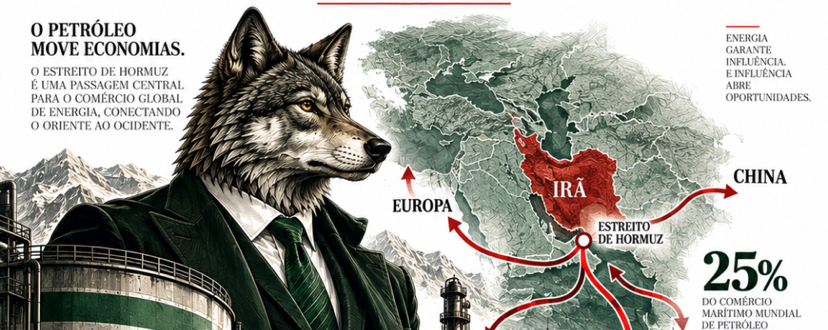
O PRIMEIRO ATIVO É A ENERGIAEnergia não é apenas uma commodity. Ela é uma infraestrutura estratégica capaz de conectar produção, transporte, indústria e comércio entre diferentes regiões do mundo.
O Irã ocupa uma posição relevante nesse sistema por sua localização próxima ao Estreito de Ormuz, uma das principais passagens marítimas para o transporte internacional de petróleo. Essa posição conecta o Golfo Pérsico a importantes mercados consumidores na Ásia e em outras regiões.
O petróleo, porém, não circula sozinho. Ele depende de navios, portos, oleodutos, refinarias, seguros, infraestrutura logística e mercados capazes de transformar recursos naturais em produtos utilizados pela economia.
Por isso, qualquer alteração relevante nas rotas energéticas pode ultrapassar o setor de petróleo e alcançar transporte, indústria, inflação, comércio internacional e mercados financeiros.
A conexão entre Irã, Ásia e Europa também mostra como geografia e energia estão diretamente relacionadas. Recursos naturais possuem valor econômico, mas sua importância aumenta quando estão associados a rotas capazes de conectá-los aos consumidores.
Para o investidor, acompanhar energia significa observar uma cadeia inteira: petróleo, transporte marítimo, refino, infraestrutura e empresas expostas às commodities.
Energia movimenta muito mais do que máquinas. Ela movimenta economias.
Explore os ativos relacionados abaixo para acompanhar diferentes setores ligados ao petróleo, energia, transporte e infraestrutura global.
#Oil #petróleo #economia #dinheiro
$OIS.US
$XOP.ETF
{etf_us}(XOP.ETF)
$USO.ETF
{etf_us}(USO.ETF)
{stock_us}(OIS.US)
O PRIMEIRO ATIVO É A ENERGIA
Energia não é apenas uma commodity. Ela é uma infraestrutura estratégica capaz de conectar produção, transporte, indústria e comércio entre diferentes regiões do mundo.
O Irã ocupa uma posição relevante nesse sistema por sua localização próxima ao Estreito de Ormuz, uma das principais passagens marítimas para o transporte internacional de petróleo. Essa posição conecta o Golfo Pérsico a importantes mercados consumidores na Ásia e em outras regiões.
O petróleo, porém, não circula sozinho. Ele depende de navios, portos, oleodutos, refinarias, seguros, infraestrutura logística e mercados capazes de transformar recursos naturais em produtos utilizados pela economia.
Por isso, qualquer alteração relevante nas rotas energéticas pode ultrapassar o setor de petróleo e alcançar transporte, indústria, inflação, comércio internacional e mercados financeiros.
A conexão entre Irã, Ásia e Europa também mostra como geografia e energia estão diretamente relacionadas. Recursos naturais possuem valor econômico, mas sua importância aumenta quando estão associados a rotas capazes de conectá-los aos consumidores.
Para o investidor, acompanhar energia significa observar uma cadeia inteira: petróleo, transporte marítimo, refino, infraestrutura e empresas expostas às commodities.
Energia movimenta muito mais do que máquinas. Ela movimenta economias.
Explore os ativos relacionados abaixo para acompanhar diferentes setores ligados ao petróleo, energia, transporte e infraestrutura global.
#Oil #petróleo #economia #dinheiro
$OIS.US
$XOP.ETF
$USO.ETF
O Irã ocupa uma posição relevante nesse sistema por sua localização próxima ao Estreito de Ormuz, uma das principais passagens marítimas para o transporte internacional de petróleo. Essa posição conecta o Golfo Pérsico a importantes mercados consumidores na Ásia e em outras regiões.
O petróleo, porém, não circula sozinho. Ele depende de navios, portos, oleodutos, refinarias, seguros, infraestrutura logística e mercados capazes de transformar recursos naturais em produtos utilizados pela economia.
Por isso, qualquer alteração relevante nas rotas energéticas pode ultrapassar o setor de petróleo e alcançar transporte, indústria, inflação, comércio internacional e mercados financeiros.
A conexão entre Irã, Ásia e Europa também mostra como geografia e energia estão diretamente relacionadas. Recursos naturais possuem valor econômico, mas sua importância aumenta quando estão associados a rotas capazes de conectá-los aos consumidores.
Para o investidor, acompanhar energia significa observar uma cadeia inteira: petróleo, transporte marítimo, refino, infraestrutura e empresas expostas às commodities.
Energia movimenta muito mais do que máquinas. Ela movimenta economias.
Explore os ativos relacionados abaixo para acompanhar diferentes setores ligados ao petróleo, energia, transporte e infraestrutura global.
#Oil #petróleo #economia #dinheiro
$OIS.US
$XOP.ETF
$USO.ETF
OISUS+0,12%
XOPETF+1,18%
USOETF+2,59%
1
19

·
--
Расталды
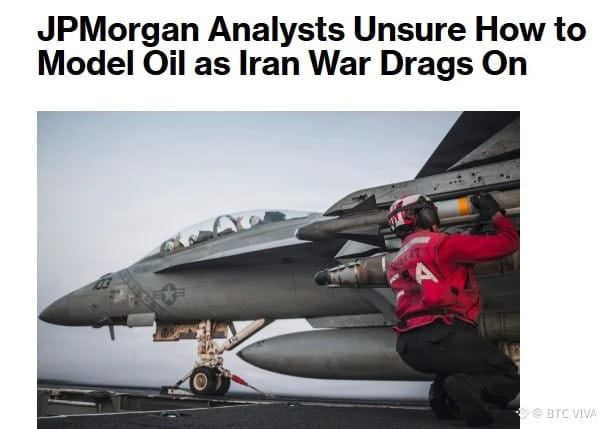
😱😱😱😱😱😱😱 The world is on the brink of a global oil crisis due to the war with Iran, according to JPMorgan.
Further escalation would lead to a sharp rise in oil, gasoline, and diesel prices worldwide, while some countries would face fuel shortages. The G7 is preparing to hold emergency talks on the situation.
Thanks to "peacemaker" Trump for such global "stability" 🤷♂️#TrumpRejectsIranHormuzReopening
#oil #TRUMP
$BZ
{future}(BZUSDT)
$TRUMP
{spot}(TRUMPUSDT)
😱😱😱😱😱😱😱 The world is on the brink of a global oil crisis due to the war with Iran, according to JPMorgan.
Further escalation would lead to a sharp rise in oil, gasoline, and diesel prices worldwide, while some countries would face fuel shortages. The G7 is preparing to hold emergency talks on the situation.
Thanks to "peacemaker" Trump for such global "stability" 🤷♂️#TrumpRejectsIranHormuzReopening
#oil #TRUMP
$BZ
$TRUMP
Further escalation would lead to a sharp rise in oil, gasoline, and diesel prices worldwide, while some countries would face fuel shortages. The G7 is preparing to hold emergency talks on the situation.
Thanks to "peacemaker" Trump for such global "stability" 🤷♂️#TrumpRejectsIranHormuzReopening
#oil #TRUMP
$BZ
$TRUMP
Crpto 3262:
Great insight
1
14
3.6k
Көбірек контент көру үшін кіріңіз
Binance Square платформасында әлемдік криптоқоғамдастыққа қосылыңыз
⚡️ Криптовалюта туралы ең соңғы және пайдалы ақпаратты алыңыз.
💬 Әлемдегі ең ірі криптобиржаның сеніміне ие.
👍 Расталған авторлардың нақты пікірлерін табыңыз.
Электрондық пошта/телефон нөмірі
Трендтегі тақырыптар
1
#BTCFallsBelow$83000
1,353 рет көрілді
47 адам талқылап жатыр
2
#FedProposesPaymentStablecoinRules
10,126 рет көрілді
258 адам талқылап жатыр
3
#ChinaMayLetAlibabaByteDanceBuyNvidiaChips
12,737 рет көрілді
317 адам талқылап жатыр
4
#USChinaRelease$30BTariffCutProductLists
2,150 рет көрілді
38 адам талқылап жатыр
5
#SKoreaFSCConsidersVirtualAssetMarketMaker
10,561 рет көрілді
263 адам талқылап жатыр
6
#ChinaIndustrialProfitGrowthSlowsFourthMonth
11,005 рет көрілді
267 адам талқылап жатыр
7
#BitwiseFilesFinalNEARSpotETFProspectus
126,840 рет көрілді
1,833 адам талқылап жатыр
8
#BitgetHackerMoves$83MStolenXRP
41,317 рет көрілді
179 адам талқылап жатыр
9
#SOLSpotETFWeeklyInflow$188M
25,840 рет көрілді
142 адам талқылап жатыр
10
#DogecoinETFsPostBiggestWeekSinceLaunch
71,376 рет көрілді
1,152 адам талқылап жатыр