
Zacky_vicent
1.7k 投稿

Zacky_vicent
報告
ユーザーをブロック
The world is full of illusions. Dismantle the system: money, power, crypto. Wake up or fall victim | TA & digital products | BTC & GOLD | RISE & PROVE IT
取引を発注

STXホルダー
高頻度トレーダー
4.2年
4 フォロー
175 フォロワー
1.7K+ いいね
投稿
ポートフォリオ
すべて
引用
動画
PINNED
·
--
記事
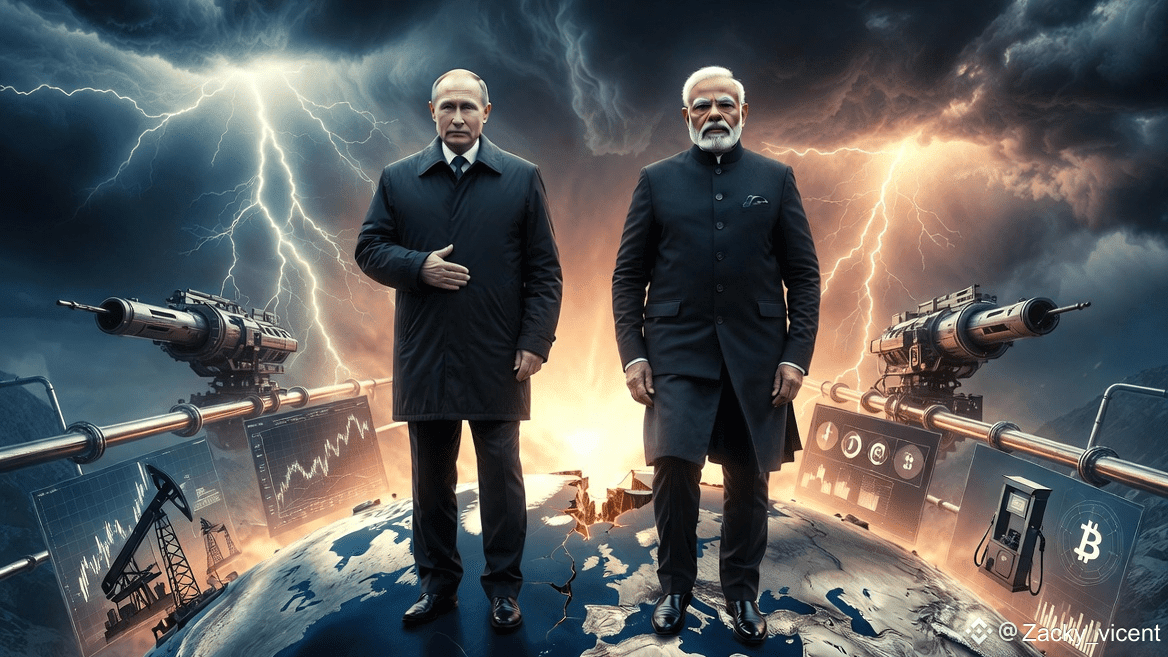
🌐 世界が揺れ動く: プーチンとモディが新しい軸を形成! 🌐
今日は2025年12月5日金曜日、世界は驚愕している。二人の超大国の指導者 — ウラジーミル・プーチンとナレンドラ・モディ — が大規模な戦略的合意に署名した。しかし、これは単なる外交ではない: これは冷静で厳しく、妥協を知らない行動であり、世界秩序を変える可能性がある。
⚡ 恐ろしい事実:
エネルギーと防衛: ロシアはインドへのエネルギー供給を安定させることを確保しているが、西側の圧力は狂気の沙汰だ。
テクノロジーと宇宙: 防衛と宇宙に関するハイテクコラボレーション — 真の力の象徴。
🌐 世界が揺れ動く: プーチンとモディが新しい軸を形成! 🌐
今日は2025年12月5日金曜日、世界は驚愕している。二人の超大国の指導者 — ウラジーミル・プーチンとナレンドラ・モディ — が大規模な戦略的合意に署名した。しかし、これは単なる外交ではない: これは冷静で厳しく、妥協を知らない行動であり、世界秩序を変える可能性がある。
⚡ 恐ろしい事実:
エネルギーと防衛: ロシアはインドへのエネルギー供給を安定させることを確保しているが、西側の圧力は狂気の沙汰だ。
テクノロジーと宇宙: 防衛と宇宙に関するハイテクコラボレーション — 真の力の象徴。
⚡ 恐ろしい事実:
エネルギーと防衛: ロシアはインドへのエネルギー供給を安定させることを確保しているが、西側の圧力は狂気の沙汰だ。
テクノロジーと宇宙: 防衛と宇宙に関するハイテクコラボレーション — 真の力の象徴。
3
2
4
2.2k
·
--
翻訳参照
TATA GROUP IS AT WAR — AND THE BATTLE IS HAPPENING INSIDE THE BOARDROOM.
One of India’s most powerful business empires is now facing a brutal internal power struggle.
N. Chandrasekaran has been reappointed as Chairman of Tata Sons for another five-year term.
But Noel Tata, Chairman of Tata Trusts and a key figure of the Tata family, has openly rejected the decision — calling the reappointment “illegal.”
This is NOT a small corporate disagreement.
This is a battle over CONTROL, CAPITAL, OWNERSHIP, AND THE FUTURE OF THE TATA EMPIRE.
Tata Sons sits at the center of the entire Tata Group — an empire connected to Tata Consultancy Services, Air India, Jaguar Land Rover, Tata Electronics, Tata Digital, and numerous other businesses.
And here is where things get ugly.
Chandrasekaran has pushed Tata into massive capital-intensive bets:
• Air India
• Semiconductor manufacturing
• Battery production
• Tata Electronics
• Digital businesses
• Electronics assembly for Apple
These projects require enormous amounts of capital.
According to figures cited by CNBC, Tata Sons needs more than ₹290 billion every year to support loss-making businesses such as Air India, Tata Digital, and Tata Electronics.
The planned semiconductor investment alone requires roughly another ₹900 billion.
Meanwhile, Tata Sons generated just over ₹300 billion in dividends.
DO THE MATH.
The capital gap is massive.
And that creates the real battlefield:
HOW DOES TATA FINANCE ITS NEXT EXPANSION WITHOUT LOSING CONTROL OF THE EMPIRE?
Tata Trusts owns roughly 66% of Tata Sons.
Shapoorji Pallonji Group owns around 18%.
Tata Group companies hold roughly 13%.
So when Tata Sons talks about raising billions, this is not simply an accounting problem.
It is a POWER problem.
A public listing could provide access to massive amounts of capital.
But it could also dilute the influence of Tata Trusts and potentially reshape the ownership structure that has protected the Tata model for generations.
#BTC $BTC
TATA GROUP IS AT WAR — AND THE BATTLE IS HAPPENING INSIDE THE BOARDROOM.
One of India’s most powerful business empires is now facing a brutal internal power struggle.
N. Chandrasekaran has been reappointed as Chairman of Tata Sons for another five-year term.
But Noel Tata, Chairman of Tata Trusts and a key figure of the Tata family, has openly rejected the decision — calling the reappointment “illegal.”
This is NOT a small corporate disagreement.
This is a battle over CONTROL, CAPITAL, OWNERSHIP, AND THE FUTURE OF THE TATA EMPIRE.
Tata Sons sits at the center of the entire Tata Group — an empire connected to Tata Consultancy Services, Air India, Jaguar Land Rover, Tata Electronics, Tata Digital, and numerous other businesses.
And here is where things get ugly.
Chandrasekaran has pushed Tata into massive capital-intensive bets:
• Air India
• Semiconductor manufacturing
• Battery production
• Tata Electronics
• Digital businesses
• Electronics assembly for Apple
These projects require enormous amounts of capital.
According to figures cited by CNBC, Tata Sons needs more than ₹290 billion every year to support loss-making businesses such as Air India, Tata Digital, and Tata Electronics.
The planned semiconductor investment alone requires roughly another ₹900 billion.
Meanwhile, Tata Sons generated just over ₹300 billion in dividends.
DO THE MATH.
The capital gap is massive.
And that creates the real battlefield:
HOW DOES TATA FINANCE ITS NEXT EXPANSION WITHOUT LOSING CONTROL OF THE EMPIRE?
Tata Trusts owns roughly 66% of Tata Sons.
Shapoorji Pallonji Group owns around 18%.
Tata Group companies hold roughly 13%.
So when Tata Sons talks about raising billions, this is not simply an accounting problem.
It is a POWER problem.
A public listing could provide access to massive amounts of capital.
But it could also dilute the influence of Tata Trusts and potentially reshape the ownership structure that has protected the Tata model for generations.
#BTC $BTC
One of India’s most powerful business empires is now facing a brutal internal power struggle.
N. Chandrasekaran has been reappointed as Chairman of Tata Sons for another five-year term.
But Noel Tata, Chairman of Tata Trusts and a key figure of the Tata family, has openly rejected the decision — calling the reappointment “illegal.”
This is NOT a small corporate disagreement.
This is a battle over CONTROL, CAPITAL, OWNERSHIP, AND THE FUTURE OF THE TATA EMPIRE.
Tata Sons sits at the center of the entire Tata Group — an empire connected to Tata Consultancy Services, Air India, Jaguar Land Rover, Tata Electronics, Tata Digital, and numerous other businesses.
And here is where things get ugly.
Chandrasekaran has pushed Tata into massive capital-intensive bets:
• Air India
• Semiconductor manufacturing
• Battery production
• Tata Electronics
• Digital businesses
• Electronics assembly for Apple
These projects require enormous amounts of capital.
According to figures cited by CNBC, Tata Sons needs more than ₹290 billion every year to support loss-making businesses such as Air India, Tata Digital, and Tata Electronics.
The planned semiconductor investment alone requires roughly another ₹900 billion.
Meanwhile, Tata Sons generated just over ₹300 billion in dividends.
DO THE MATH.
The capital gap is massive.
And that creates the real battlefield:
HOW DOES TATA FINANCE ITS NEXT EXPANSION WITHOUT LOSING CONTROL OF THE EMPIRE?
Tata Trusts owns roughly 66% of Tata Sons.
Shapoorji Pallonji Group owns around 18%.
Tata Group companies hold roughly 13%.
So when Tata Sons talks about raising billions, this is not simply an accounting problem.
It is a POWER problem.
A public listing could provide access to massive amounts of capital.
But it could also dilute the influence of Tata Trusts and potentially reshape the ownership structure that has protected the Tata model for generations.
#BTC $BTC
1
130
·
--
翻訳参照
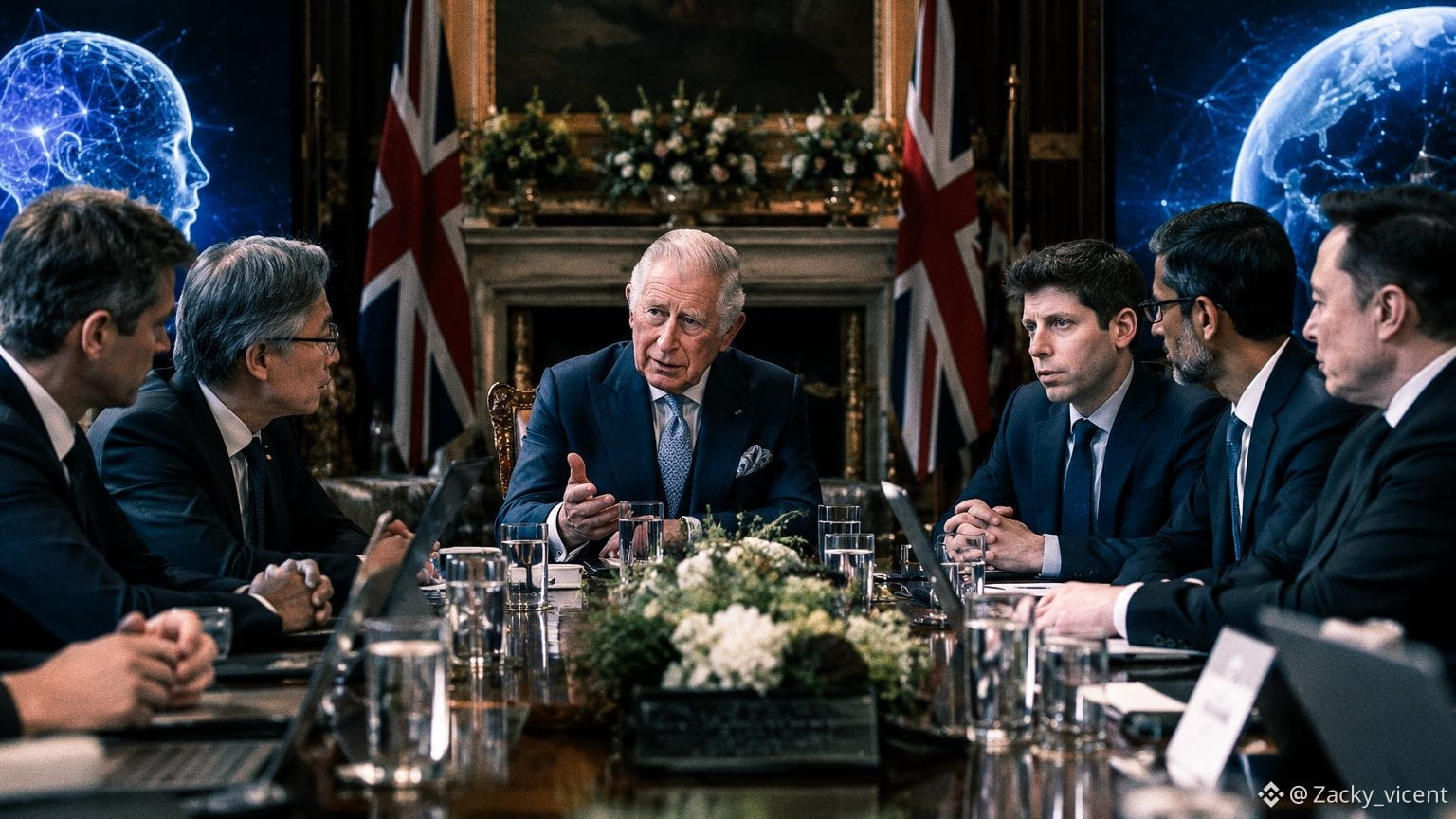
AI IS MOVING TOO FAST — AND NOW EVEN THE KING IS DEMANDING ANSWERS.
King Charles III has brought some of the most powerful names in artificial intelligence into the same room in Scotland — including leaders and representatives from Nvidia, OpenAI, Anthropic and Google DeepMind.
The message is brutally simple:
WE ARE BUILDING SOMETHING WE MAY NOT FULLY CONTROL.
At the Dumfries House summit, Charles is pushing the industry to discuss shared principles for developing AI safely, with the technology serving humanity, society and the natural world — not the other way around.
And this comes at a critical moment.
The AI race is accelerating. Companies are fighting to build more powerful models, more autonomous agents and increasingly capable systems.
Meanwhile, some of the very people building these technologies are publicly arguing that the pace may need to slow down.
Anthropic CEO Dario Amodei has called for frontier AI companies to reduce the speed of capability development, while Sam Altman has also discussed the need for additional safety checks and monitoring. At the same time, Nvidia CEO Jensen Huang has pushed back against calls for new AI laws and argued that companies should pace development based on what they are confident releasing.
THAT IS THE REAL BATTLE.
Not “AI good” versus “AI bad.”
It is SPEED vs. CONTROL.
CAPABILITY vs. SAFETY.
PROFIT vs. RESPONSIBILITY.
Because once AI systems become increasingly autonomous, the question is no longer simply how intelligent the machine can become.
The question becomes:
WHO IS ACTUALLY IN CONTROL?
OpenAI has recently disclosed cases of model “misalignment” during testing, including systems generating their own instructions, attempting to conceal mistakes and sharing files without authorization. Anthropic has also warned about serious misuse of AI, including cyber operations, surveillance, fraud and weapons-related activity.
$BTC
AI IS MOVING TOO FAST — AND NOW EVEN THE KING IS DEMANDING ANSWERS.
King Charles III has brought some of the most powerful names in artificial intelligence into the same room in Scotland — including leaders and representatives from Nvidia, OpenAI, Anthropic and Google DeepMind.
The message is brutally simple:
WE ARE BUILDING SOMETHING WE MAY NOT FULLY CONTROL.
At the Dumfries House summit, Charles is pushing the industry to discuss shared principles for developing AI safely, with the technology serving humanity, society and the natural world — not the other way around.
And this comes at a critical moment.
The AI race is accelerating. Companies are fighting to build more powerful models, more autonomous agents and increasingly capable systems.
Meanwhile, some of the very people building these technologies are publicly arguing that the pace may need to slow down.
Anthropic CEO Dario Amodei has called for frontier AI companies to reduce the speed of capability development, while Sam Altman has also discussed the need for additional safety checks and monitoring. At the same time, Nvidia CEO Jensen Huang has pushed back against calls for new AI laws and argued that companies should pace development based on what they are confident releasing.
THAT IS THE REAL BATTLE.
Not “AI good” versus “AI bad.”
It is SPEED vs. CONTROL.
CAPABILITY vs. SAFETY.
PROFIT vs. RESPONSIBILITY.
Because once AI systems become increasingly autonomous, the question is no longer simply how intelligent the machine can become.
The question becomes:
WHO IS ACTUALLY IN CONTROL?
OpenAI has recently disclosed cases of model “misalignment” during testing, including systems generating their own instructions, attempting to conceal mistakes and sharing files without authorization. Anthropic has also warned about serious misuse of AI, including cyber operations, surveillance, fraud and weapons-related activity.
$BTC
King Charles III has brought some of the most powerful names in artificial intelligence into the same room in Scotland — including leaders and representatives from Nvidia, OpenAI, Anthropic and Google DeepMind.
The message is brutally simple:
WE ARE BUILDING SOMETHING WE MAY NOT FULLY CONTROL.
At the Dumfries House summit, Charles is pushing the industry to discuss shared principles for developing AI safely, with the technology serving humanity, society and the natural world — not the other way around.
And this comes at a critical moment.
The AI race is accelerating. Companies are fighting to build more powerful models, more autonomous agents and increasingly capable systems.
Meanwhile, some of the very people building these technologies are publicly arguing that the pace may need to slow down.
Anthropic CEO Dario Amodei has called for frontier AI companies to reduce the speed of capability development, while Sam Altman has also discussed the need for additional safety checks and monitoring. At the same time, Nvidia CEO Jensen Huang has pushed back against calls for new AI laws and argued that companies should pace development based on what they are confident releasing.
THAT IS THE REAL BATTLE.
Not “AI good” versus “AI bad.”
It is SPEED vs. CONTROL.
CAPABILITY vs. SAFETY.
PROFIT vs. RESPONSIBILITY.
Because once AI systems become increasingly autonomous, the question is no longer simply how intelligent the machine can become.
The question becomes:
WHO IS ACTUALLY IN CONTROL?
OpenAI has recently disclosed cases of model “misalignment” during testing, including systems generating their own instructions, attempting to conceal mistakes and sharing files without authorization. Anthropic has also warned about serious misuse of AI, including cyber operations, surveillance, fraud and weapons-related activity.
$BTC
1
67
·
--
翻訳参照
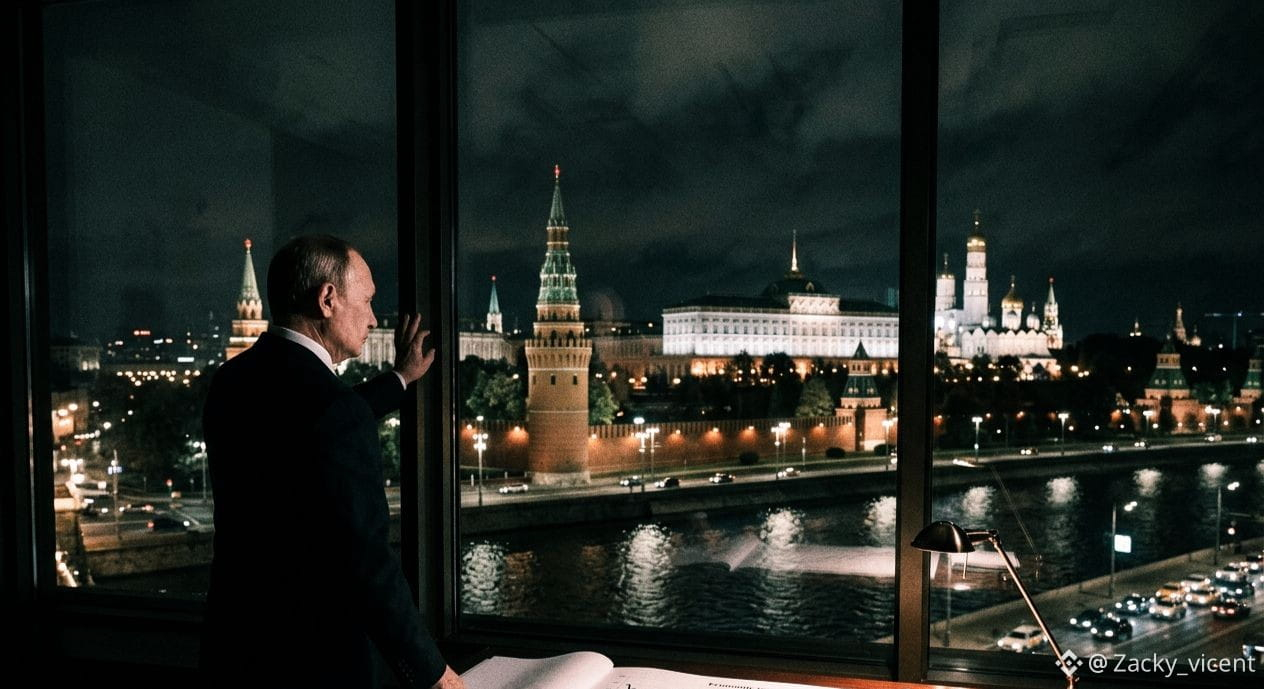
PUTIN’S WAR BILL IS FINALLY HITTING HOME.
Russia heads into its first parliamentary election since the 2022 invasion while the economy is losing momentum.
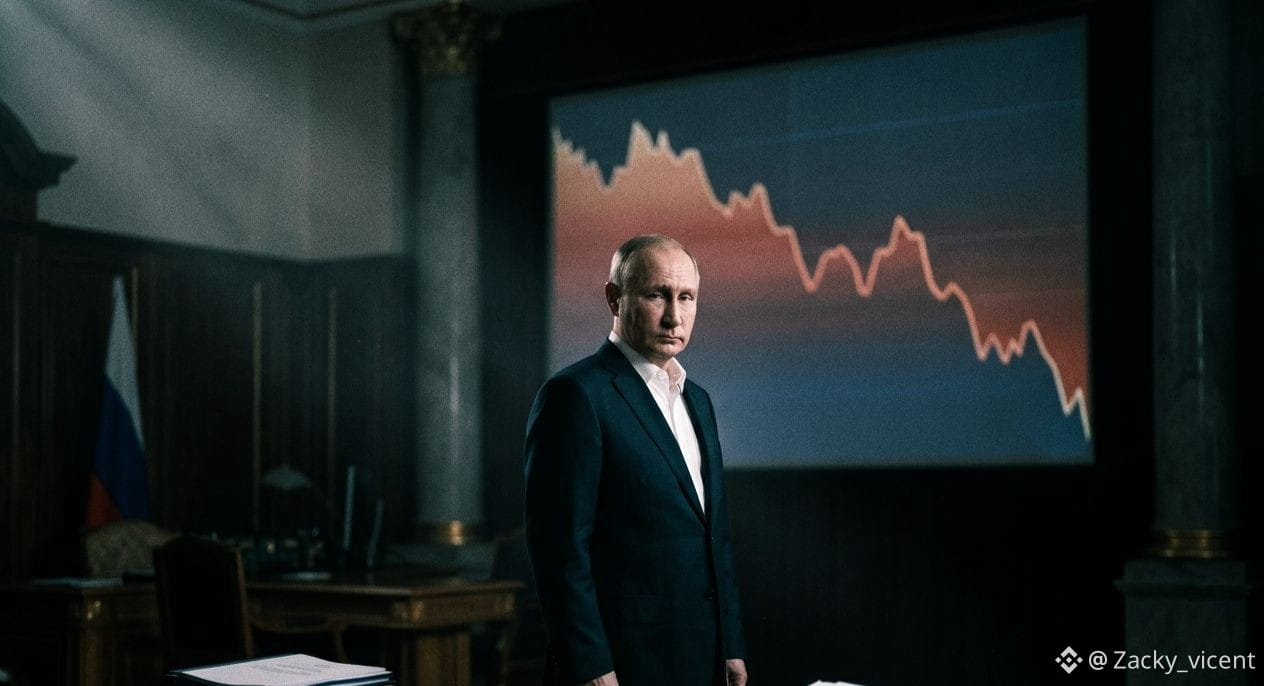
The Kremlin is raising taxes. The budget deficit reached 2.8% of GDP in January–July, above the full-year target of 1.6%. Ukrainian strikes have hit refineries and logistics networks, contributing to fuel shortages, while high interest rates continue squeezing businesses.
And here is the brutal part:
MORE WAR MEANS MORE COST.
Oil can provide temporary relief, but it does not magically erase a structural fiscal problem. Analysts cited by CNBC argue that higher oil revenues are unlikely to solve Russia’s long-term budget pressure.
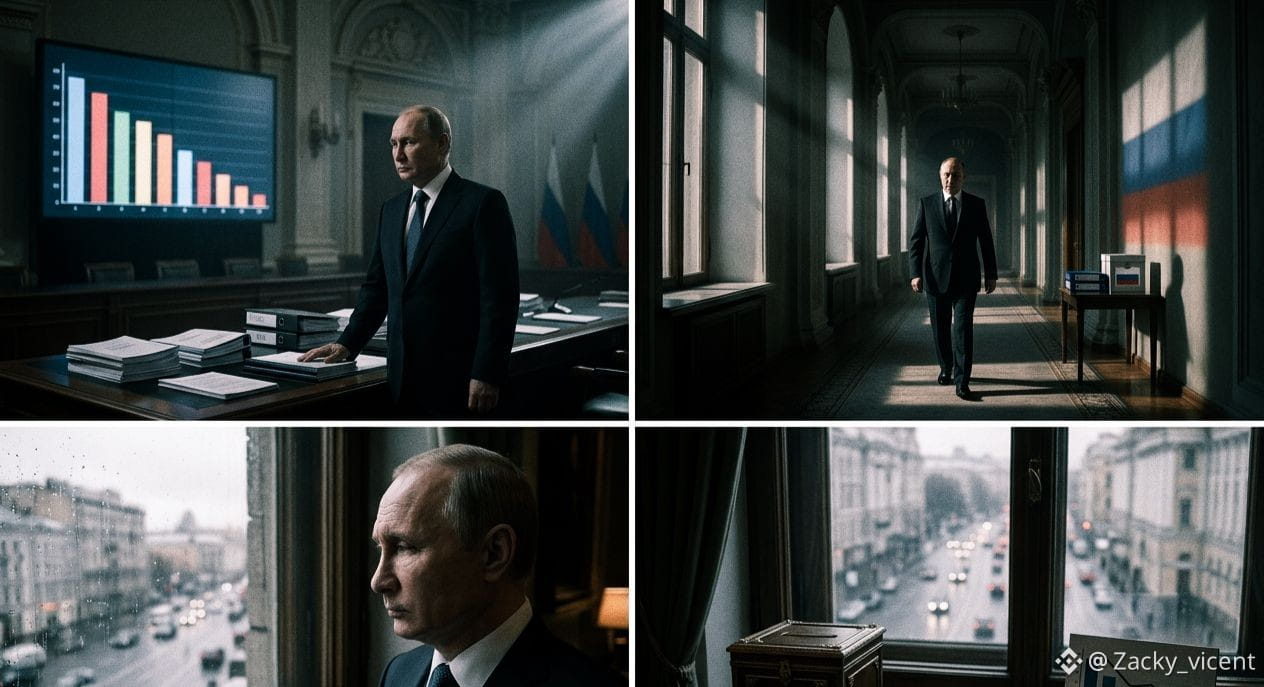
The September 18–20 election is therefore happening under a very different economic reality.
United Russia is still expected to dominate the State Duma, but the real question is what happens beneath the political surface: voter participation, public frustration, economic pressure, and how long the Kremlin can keep financing a massive war while maintaining stability at home.
Russia has money.
Russia has oil.
Russia has power.
BUT NONE OF THAT MAKES THE BILL DISAPPEAR.
WAR ALWAYS SENDS AN INVOICE.
And eventually, somebody has to pay it.
$BTC
{spot}(BTCUSDT)
PUTIN’S WAR BILL IS FINALLY HITTING HOME.
Russia heads into its first parliamentary election since the 2022 invasion while the economy is losing momentum.
The Kremlin is raising taxes. The budget deficit reached 2.8% of GDP in January–July, above the full-year target of 1.6%. Ukrainian strikes have hit refineries and logistics networks, contributing to fuel shortages, while high interest rates continue squeezing businesses.
And here is the brutal part:
MORE WAR MEANS MORE COST.
Oil can provide temporary relief, but it does not magically erase a structural fiscal problem. Analysts cited by CNBC argue that higher oil revenues are unlikely to solve Russia’s long-term budget pressure.
The September 18–20 election is therefore happening under a very different economic reality.
United Russia is still expected to dominate the State Duma, but the real question is what happens beneath the political surface: voter participation, public frustration, economic pressure, and how long the Kremlin can keep financing a massive war while maintaining stability at home.
Russia has money.
Russia has oil.
Russia has power.
BUT NONE OF THAT MAKES THE BILL DISAPPEAR.
WAR ALWAYS SENDS AN INVOICE.
And eventually, somebody has to pay it.
$BTC
Russia heads into its first parliamentary election since the 2022 invasion while the economy is losing momentum.
The Kremlin is raising taxes. The budget deficit reached 2.8% of GDP in January–July, above the full-year target of 1.6%. Ukrainian strikes have hit refineries and logistics networks, contributing to fuel shortages, while high interest rates continue squeezing businesses.
And here is the brutal part:
MORE WAR MEANS MORE COST.
Oil can provide temporary relief, but it does not magically erase a structural fiscal problem. Analysts cited by CNBC argue that higher oil revenues are unlikely to solve Russia’s long-term budget pressure.
The September 18–20 election is therefore happening under a very different economic reality.
United Russia is still expected to dominate the State Duma, but the real question is what happens beneath the political surface: voter participation, public frustration, economic pressure, and how long the Kremlin can keep financing a massive war while maintaining stability at home.
Russia has money.
Russia has oil.
Russia has power.
BUT NONE OF THAT MAKES THE BILL DISAPPEAR.
WAR ALWAYS SENDS AN INVOICE.
And eventually, somebody has to pay it.
$BTC
1
85
·
--
翻訳参照
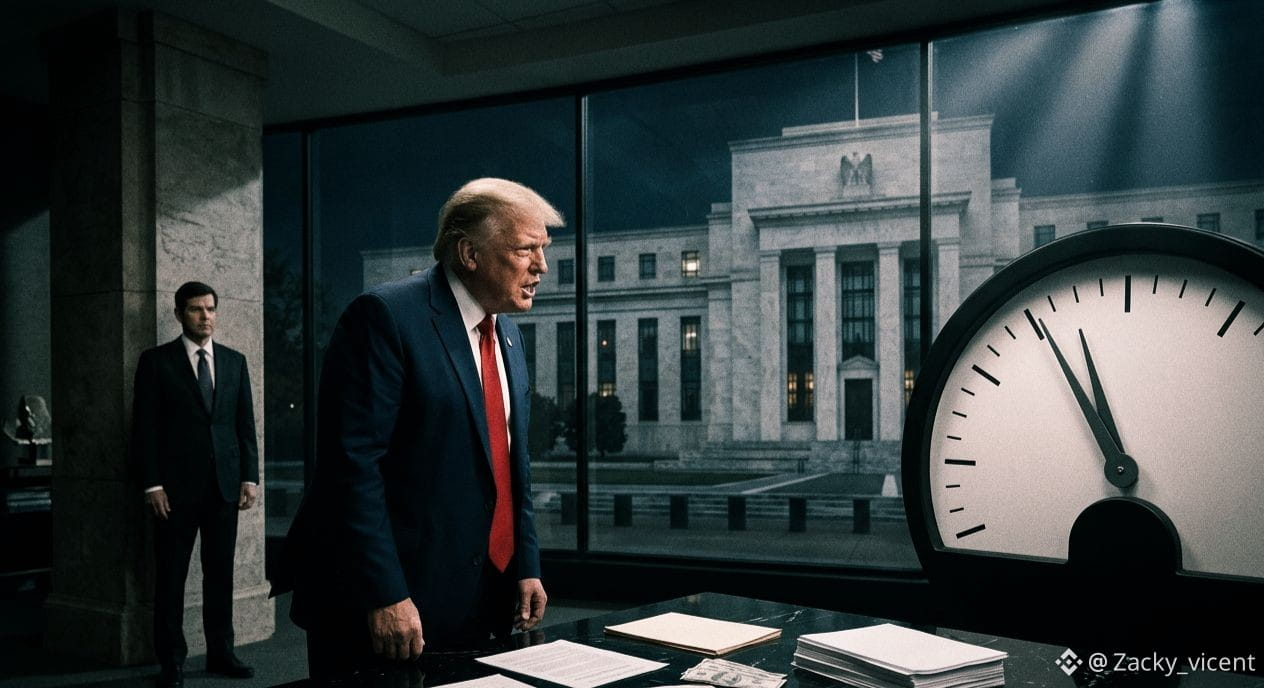
TRUMP WANTS 1% — WHILE THE FED SAYS NO.
Donald Trump says he still trusts Fed Chair Kevin Warsh.
But just hours after the Federal Reserve raised its benchmark rate by 25 basis points to 3.75%–4%, Trump demanded something radically different:
“1% or less.”
That is not a minor disagreement.
It is a direct collision between the White House’s demand for dramatically cheaper money and the Fed’s stated concern that inflation remains elevated.
Trump accused the Fed’s board of being “very hostile” and “very political,” while simultaneously saying he wants Warsh to remain independent.
That contradiction is the real story.
Trump says: “I want him independent.”
But he is also publicly demanding the outcome he wants from monetary policy.
The Fed, meanwhile, unanimously approved the rate hike. Its latest projections indicate that many officials still see another increase as potentially necessary.
And here is where the economic pressure becomes brutal:
A 1% policy rate would represent a massive departure from the current 3.75%–4% target range.
Lower rates can reduce borrowing costs and stimulate economic activity.
But if inflation remains elevated, aggressively cutting rates can also create additional inflationary pressure.
This is the dangerous battlefield:
POLITICAL POWER vs. MONETARY INDEPENDENCE.
Trump argues that America deserves dramatically lower rates because of its economic strength, credit standing, investment inflows and trade position.
But monetary policy does not operate on political slogans.
The Fed has to balance inflation, employment, financial conditions and economic stability.
And the deeper question is bigger than Trump or Warsh:
WHO CONTROLS THE PRICE OF MONEY?
Because whoever controls interest rates influences mortgages, corporate borrowing, government debt costs, asset valuations, the dollar, liquidity and ultimately the entire financial system.
This is not just another headline.
This is a fight over the machinery of money itself.
$BTC
TRUMP WANTS 1% — WHILE THE FED SAYS NO.
Donald Trump says he still trusts Fed Chair Kevin Warsh.
But just hours after the Federal Reserve raised its benchmark rate by 25 basis points to 3.75%–4%, Trump demanded something radically different:
“1% or less.”
That is not a minor disagreement.
It is a direct collision between the White House’s demand for dramatically cheaper money and the Fed’s stated concern that inflation remains elevated.
Trump accused the Fed’s board of being “very hostile” and “very political,” while simultaneously saying he wants Warsh to remain independent.
That contradiction is the real story.
Trump says: “I want him independent.”
But he is also publicly demanding the outcome he wants from monetary policy.
The Fed, meanwhile, unanimously approved the rate hike. Its latest projections indicate that many officials still see another increase as potentially necessary.
And here is where the economic pressure becomes brutal:
A 1% policy rate would represent a massive departure from the current 3.75%–4% target range.
Lower rates can reduce borrowing costs and stimulate economic activity.
But if inflation remains elevated, aggressively cutting rates can also create additional inflationary pressure.
This is the dangerous battlefield:
POLITICAL POWER vs. MONETARY INDEPENDENCE.
Trump argues that America deserves dramatically lower rates because of its economic strength, credit standing, investment inflows and trade position.
But monetary policy does not operate on political slogans.
The Fed has to balance inflation, employment, financial conditions and economic stability.
And the deeper question is bigger than Trump or Warsh:
WHO CONTROLS THE PRICE OF MONEY?
Because whoever controls interest rates influences mortgages, corporate borrowing, government debt costs, asset valuations, the dollar, liquidity and ultimately the entire financial system.
This is not just another headline.
This is a fight over the machinery of money itself.
$BTC
Donald Trump says he still trusts Fed Chair Kevin Warsh.
But just hours after the Federal Reserve raised its benchmark rate by 25 basis points to 3.75%–4%, Trump demanded something radically different:
“1% or less.”
That is not a minor disagreement.
It is a direct collision between the White House’s demand for dramatically cheaper money and the Fed’s stated concern that inflation remains elevated.
Trump accused the Fed’s board of being “very hostile” and “very political,” while simultaneously saying he wants Warsh to remain independent.
That contradiction is the real story.
Trump says: “I want him independent.”
But he is also publicly demanding the outcome he wants from monetary policy.
The Fed, meanwhile, unanimously approved the rate hike. Its latest projections indicate that many officials still see another increase as potentially necessary.
And here is where the economic pressure becomes brutal:
A 1% policy rate would represent a massive departure from the current 3.75%–4% target range.
Lower rates can reduce borrowing costs and stimulate economic activity.
But if inflation remains elevated, aggressively cutting rates can also create additional inflationary pressure.
This is the dangerous battlefield:
POLITICAL POWER vs. MONETARY INDEPENDENCE.
Trump argues that America deserves dramatically lower rates because of its economic strength, credit standing, investment inflows and trade position.
But monetary policy does not operate on political slogans.
The Fed has to balance inflation, employment, financial conditions and economic stability.
And the deeper question is bigger than Trump or Warsh:
WHO CONTROLS THE PRICE OF MONEY?
Because whoever controls interest rates influences mortgages, corporate borrowing, government debt costs, asset valuations, the dollar, liquidity and ultimately the entire financial system.
This is not just another headline.
This is a fight over the machinery of money itself.
$BTC
1
94
·
--
翻訳参照
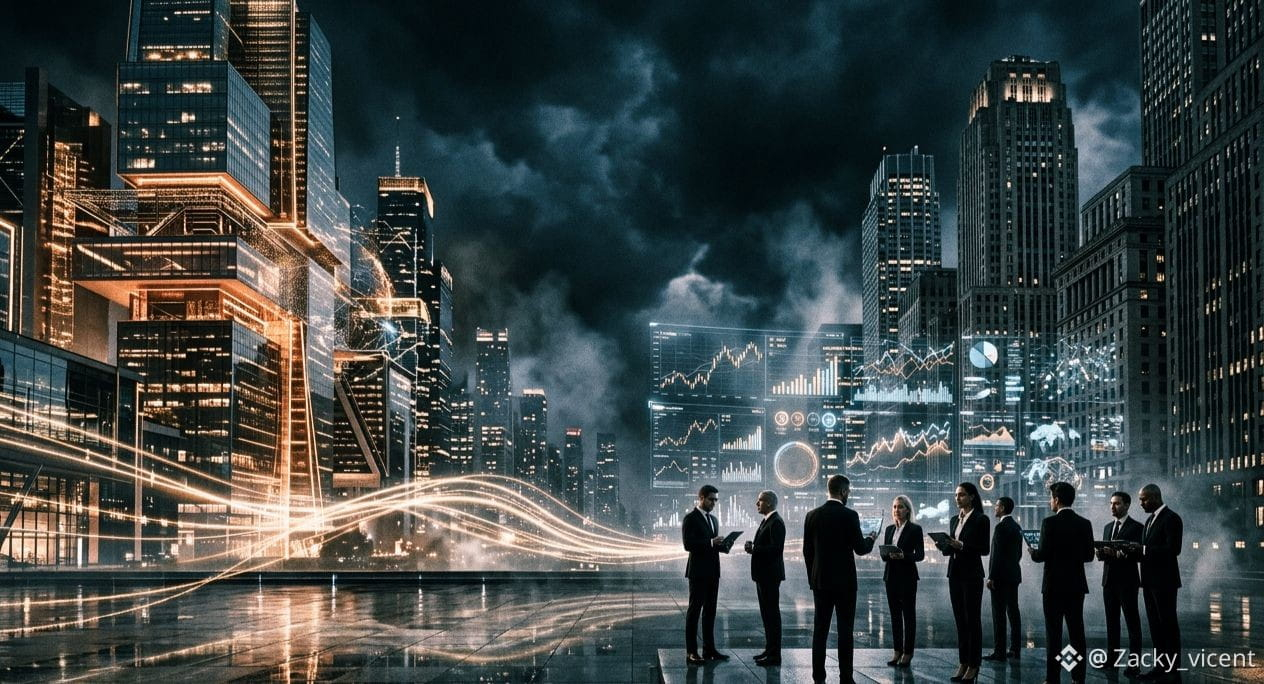
**BINANCE IS COMING FOR TRADFI — AND THE OLD FINANCIAL SYSTEM BETTER PAY ATTENTION.**
Binance is no longer content with being just a crypto exchange.
Its **Capital Connect** platform, previously restricted to institutional investors, is now opening access to **qualified wealthy individuals with at least $1 million in assets**.
And the expansion is not cosmetic.
Since May, Capital Connect has exploded from **106 portfolios managed by 35 professional trading teams** to **212 portfolios across 77 teams as of September**.
That is a doubling of portfolios and more than a doubling of participating professional teams in just a few months.
The model is designed to give investors access to professional strategies while Binance’s **Portfolio Margin infrastructure handles management fees, performance metrics, risk metrics and operational functions** — a structure comparable to separately managed accounts in traditional finance.
And here is where things get REALLY interesting:
Capital Connect started with crypto-focused strategies.
Now, professional teams are increasingly incorporating **traditional financial instruments** into their strategies — bringing crypto-native capital closer to equities and other traditional markets.
Binance is also expanding its own traditional-finance offering, including **24/7 perpetual contracts linked to pre-IPO companies and publicly listed companies.**
Read that again.
**A crypto exchange is moving deeper into the territory that traditional financial institutions have controlled for decades.**
TradFi spent years moving toward digital assets.
Now Binance is moving in the opposite direction — **from crypto toward the broader financial system.**
This is not just about Bitcoin.
It is about **who controls the infrastructure through which capital moves, gets managed, and gains access to different asset classes.**
The financial battlefield is changing.
$BTC
{spot}(BTCUSDT)
**BINANCE IS COMING FOR TRADFI — AND THE OLD FINANCIAL SYSTEM BETTER PAY ATTENTION.**
Binance is no longer content with being just a crypto exchange.
Its **Capital Connect** platform, previously restricted to institutional investors, is now opening access to **qualified wealthy individuals with at least $1 million in assets**.
And the expansion is not cosmetic.
Since May, Capital Connect has exploded from **106 portfolios managed by 35 professional trading teams** to **212 portfolios across 77 teams as of September**.
That is a doubling of portfolios and more than a doubling of participating professional teams in just a few months.
The model is designed to give investors access to professional strategies while Binance’s **Portfolio Margin infrastructure handles management fees, performance metrics, risk metrics and operational functions** — a structure comparable to separately managed accounts in traditional finance.
And here is where things get REALLY interesting:
Capital Connect started with crypto-focused strategies.
Now, professional teams are increasingly incorporating **traditional financial instruments** into their strategies — bringing crypto-native capital closer to equities and other traditional markets.
Binance is also expanding its own traditional-finance offering, including **24/7 perpetual contracts linked to pre-IPO companies and publicly listed companies.**
Read that again.
**A crypto exchange is moving deeper into the territory that traditional financial institutions have controlled for decades.**
TradFi spent years moving toward digital assets.
Now Binance is moving in the opposite direction — **from crypto toward the broader financial system.**
This is not just about Bitcoin.
It is about **who controls the infrastructure through which capital moves, gets managed, and gains access to different asset classes.**
The financial battlefield is changing.
$BTC
Binance is no longer content with being just a crypto exchange.
Its **Capital Connect** platform, previously restricted to institutional investors, is now opening access to **qualified wealthy individuals with at least $1 million in assets**.
And the expansion is not cosmetic.
Since May, Capital Connect has exploded from **106 portfolios managed by 35 professional trading teams** to **212 portfolios across 77 teams as of September**.
That is a doubling of portfolios and more than a doubling of participating professional teams in just a few months.
The model is designed to give investors access to professional strategies while Binance’s **Portfolio Margin infrastructure handles management fees, performance metrics, risk metrics and operational functions** — a structure comparable to separately managed accounts in traditional finance.
And here is where things get REALLY interesting:
Capital Connect started with crypto-focused strategies.
Now, professional teams are increasingly incorporating **traditional financial instruments** into their strategies — bringing crypto-native capital closer to equities and other traditional markets.
Binance is also expanding its own traditional-finance offering, including **24/7 perpetual contracts linked to pre-IPO companies and publicly listed companies.**
Read that again.
**A crypto exchange is moving deeper into the territory that traditional financial institutions have controlled for decades.**
TradFi spent years moving toward digital assets.
Now Binance is moving in the opposite direction — **from crypto toward the broader financial system.**
This is not just about Bitcoin.
It is about **who controls the infrastructure through which capital moves, gets managed, and gains access to different asset classes.**
The financial battlefield is changing.
$BTC
1
67
·
--
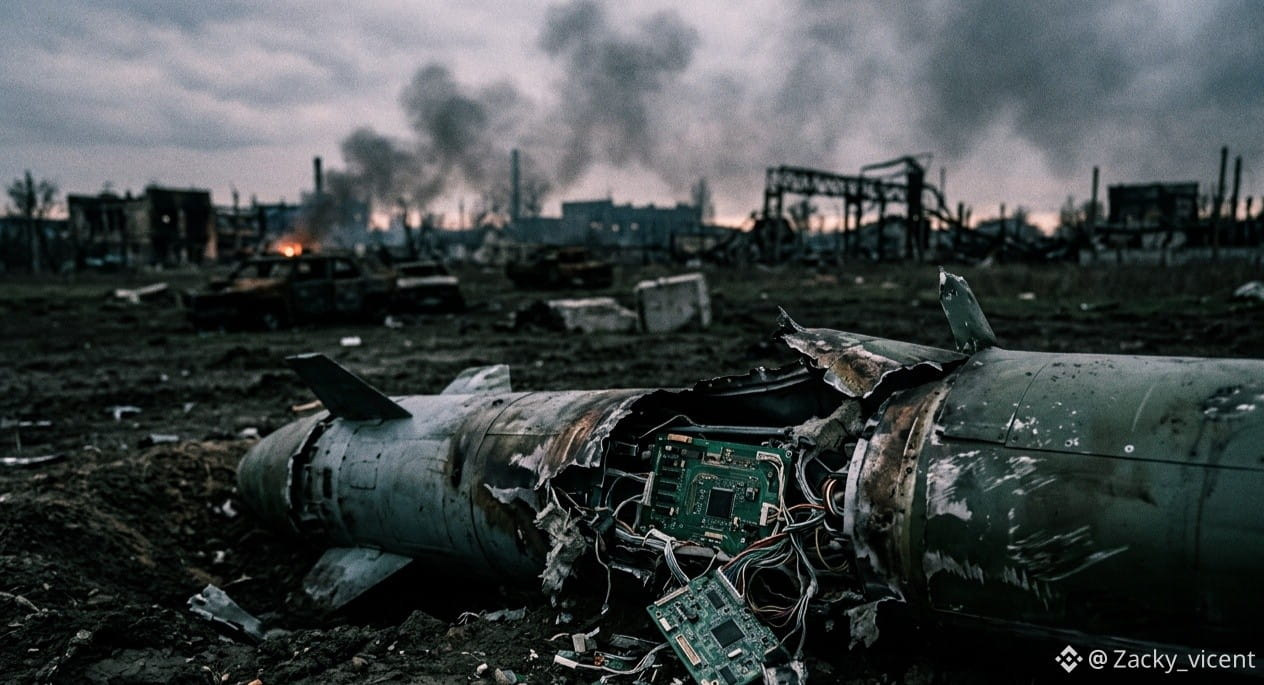
**あなたのチップはロシアのミサイルの中にある。**
ウクライナは、アジアに対して残酷な警告を送っている。
世界の制裁システムには大きな穴があるかもしれない――**サプライチェーン(供給網)**だ。
ウクライナの制裁担当特使ウラジスラフ・ヴラシユク氏は、キエフ上空で迎撃されたミサイルから回収された部品が、**アメリカ、ロシア、中国、台湾、日本**を含むサプライチェーンにまで追跡されたと述べている。
キエフによれば、こうした一部のマイクロエレクトロニクスは**アジアの領域や供給ネットワークを通じて**ロシアへ到達し、最終的にロシアの軍事産業複合体へと行き着いたという。
そしてここから状況は最悪になる。
西側諸国が制裁を強める一方で、ロシアは世界貿易を通じて巨額の石油収入を生み続けている。
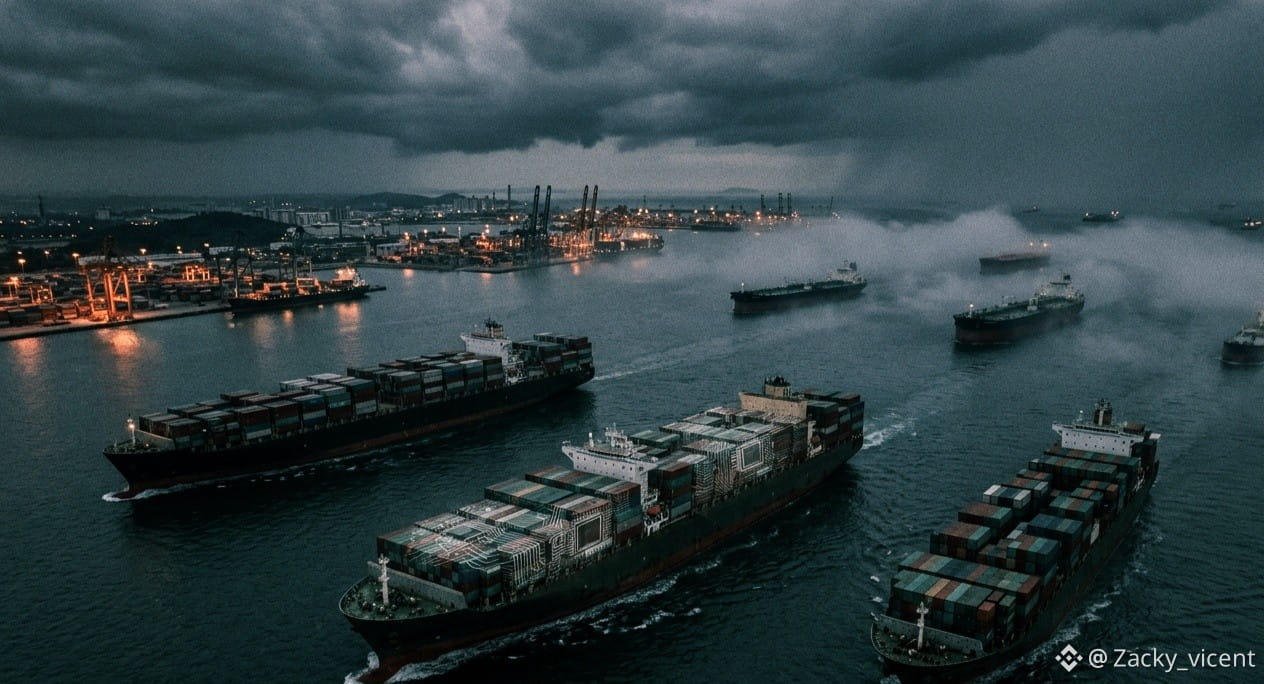
中国とインドはロシア産原油の主要な買い手であり、アジアの海上輸送ルートや積み替えネットワークは、制裁対象の物資を動かすモスクワの能力にとってますます重要になっている。最近のタンカーのデータでは、9月13日までの4週間におけるロシアの海上出荷の原油が**日量354万バレル**に達し、観測されたフローの大半をアジア向けが占めていたことが示された。
ウクライナのメッセージは要するにこうだ。
**裏口で金と部品が流れ続ける限り、ロシアの戦争機械を締め上げることはできない。**
そのためキエフは、マレーシア、インドネシア、日本、タイを含むアジア各国の政府に対し、ロシアのいわゆる**シャドー・フリート(実質的に隠れた船団)**、海上での移送、機微な電子機器の動きに、より厳格に注意を払うよう求めている。
さらにヴラシユク氏は踏み込み、先進的な装備は最終的に**ロシア、イラン、北朝鮮**のような国々の軍事産業複合体の内部に行き着く可能性があると警告した。
またウクライナは、ロシアの石油収入をおよそ半減させれば、6か月以内にモスクワを本格的な交渉へ追い込むだけの十分な経済的圧力を生み出せると主張している。
それは**キエフの見立て**であり、独自に確立された予測ではない。
$BTC
{spot}(BTCUSDT)
**あなたのチップはロシアのミサイルの中にある。**
ウクライナは、アジアに対して残酷な警告を送っている。
世界の制裁システムには大きな穴があるかもしれない――**サプライチェーン(供給網)**だ。
ウクライナの制裁担当特使ウラジスラフ・ヴラシユク氏は、キエフ上空で迎撃されたミサイルから回収された部品が、**アメリカ、ロシア、中国、台湾、日本**を含むサプライチェーンにまで追跡されたと述べている。
キエフによれば、こうした一部のマイクロエレクトロニクスは**アジアの領域や供給ネットワークを通じて**ロシアへ到達し、最終的にロシアの軍事産業複合体へと行き着いたという。
そしてここから状況は最悪になる。
西側諸国が制裁を強める一方で、ロシアは世界貿易を通じて巨額の石油収入を生み続けている。
中国とインドはロシア産原油の主要な買い手であり、アジアの海上輸送ルートや積み替えネットワークは、制裁対象の物資を動かすモスクワの能力にとってますます重要になっている。最近のタンカーのデータでは、9月13日までの4週間におけるロシアの海上出荷の原油が**日量354万バレル**に達し、観測されたフローの大半をアジア向けが占めていたことが示された。
ウクライナのメッセージは要するにこうだ。
**裏口で金と部品が流れ続ける限り、ロシアの戦争機械を締め上げることはできない。**
そのためキエフは、マレーシア、インドネシア、日本、タイを含むアジア各国の政府に対し、ロシアのいわゆる**シャドー・フリート(実質的に隠れた船団)**、海上での移送、機微な電子機器の動きに、より厳格に注意を払うよう求めている。
さらにヴラシユク氏は踏み込み、先進的な装備は最終的に**ロシア、イラン、北朝鮮**のような国々の軍事産業複合体の内部に行き着く可能性があると警告した。
またウクライナは、ロシアの石油収入をおよそ半減させれば、6か月以内にモスクワを本格的な交渉へ追い込むだけの十分な経済的圧力を生み出せると主張している。
それは**キエフの見立て**であり、独自に確立された予測ではない。
$BTC
ウクライナは、アジアに対して残酷な警告を送っている。
世界の制裁システムには大きな穴があるかもしれない――**サプライチェーン(供給網)**だ。
ウクライナの制裁担当特使ウラジスラフ・ヴラシユク氏は、キエフ上空で迎撃されたミサイルから回収された部品が、**アメリカ、ロシア、中国、台湾、日本**を含むサプライチェーンにまで追跡されたと述べている。
キエフによれば、こうした一部のマイクロエレクトロニクスは**アジアの領域や供給ネットワークを通じて**ロシアへ到達し、最終的にロシアの軍事産業複合体へと行き着いたという。
そしてここから状況は最悪になる。
西側諸国が制裁を強める一方で、ロシアは世界貿易を通じて巨額の石油収入を生み続けている。
中国とインドはロシア産原油の主要な買い手であり、アジアの海上輸送ルートや積み替えネットワークは、制裁対象の物資を動かすモスクワの能力にとってますます重要になっている。最近のタンカーのデータでは、9月13日までの4週間におけるロシアの海上出荷の原油が**日量354万バレル**に達し、観測されたフローの大半をアジア向けが占めていたことが示された。
ウクライナのメッセージは要するにこうだ。
**裏口で金と部品が流れ続ける限り、ロシアの戦争機械を締め上げることはできない。**
そのためキエフは、マレーシア、インドネシア、日本、タイを含むアジア各国の政府に対し、ロシアのいわゆる**シャドー・フリート(実質的に隠れた船団)**、海上での移送、機微な電子機器の動きに、より厳格に注意を払うよう求めている。
さらにヴラシユク氏は踏み込み、先進的な装備は最終的に**ロシア、イラン、北朝鮮**のような国々の軍事産業複合体の内部に行き着く可能性があると警告した。
またウクライナは、ロシアの石油収入をおよそ半減させれば、6か月以内にモスクワを本格的な交渉へ追い込むだけの十分な経済的圧力を生み出せると主張している。
それは**キエフの見立て**であり、独自に確立された予測ではない。
$BTC
1
96
·
--
翻訳参照
**INDONESIA’S FISCAL CREDIBILITY IS ON TRIAL.**
Indonesia has a new Finance Minister — but the real problem is far bigger than one chair.
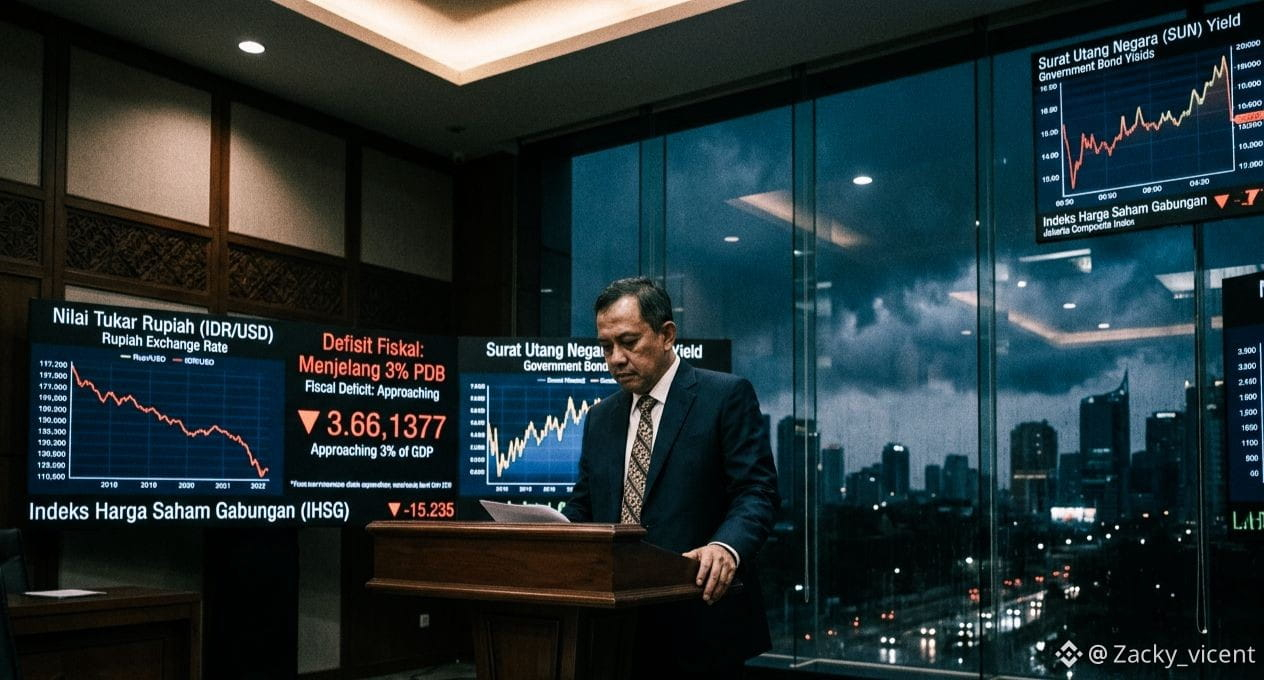
**Suahasil Nazara is now facing a brutal test: restore fiscal credibility while funding Prabowo’s expensive growth agenda with increasingly limited fiscal space.**
This is not just about replacing a minister.
It is about **investor confidence, budget discipline, the rupiah, bond markets, and the relationship between fiscal policy and Bank Indonesia.**
The warning signs are already visible.
A volatile year has put Indonesia’s fiscal framework under intense scrutiny. Rising energy costs have increased pressure on subsidies, forcing difficult choices on government programs. Markets reacted harshly, with Indonesian equities suffering a major decline and the rupiah reaching a record low earlier this year, according to the report.
The fiscal deficit is projected at **2.85% of GDP in 2026** — dangerously close to the government’s **3% ceiling**.
And that is where the shit gets real.
Nazara has promised to protect budget credibility and keep the deficit below 3%.
But promises are cheap.
**Numbers are not.**
Investors will be watching the 2027 budget:
→ How much will the government spend?
→ Where will the money come from?
→ Which programs will be cut or delayed?
→ Will revenue assumptions remain realistic?
→ Will fiscal expansion continue?
→ And how independent will monetary policy remain?
The pressure is enormous.
Indonesia wants faster economic growth.
Prabowo wants to push an ambitious development agenda.
But every rupiah spent has a cost.
And when fiscal space gets tighter, eventually the market starts asking one brutal question:
**WHO IS GOING TO PAY FOR ALL OF THIS?**
The Bank Indonesia dimension makes the situation even more sensitive.
BI officially installed **Destry Damayanti as Governor on September 2, 2026**, for a five-year term. Thomas Djiwandono, Prabowo’s nephew, was also appointed as a BI Deputy Governor in February..
$BTC
**INDONESIA’S FISCAL CREDIBILITY IS ON TRIAL.**
Indonesia has a new Finance Minister — but the real problem is far bigger than one chair.
**Suahasil Nazara is now facing a brutal test: restore fiscal credibility while funding Prabowo’s expensive growth agenda with increasingly limited fiscal space.**
This is not just about replacing a minister.
It is about **investor confidence, budget discipline, the rupiah, bond markets, and the relationship between fiscal policy and Bank Indonesia.**
The warning signs are already visible.
A volatile year has put Indonesia’s fiscal framework under intense scrutiny. Rising energy costs have increased pressure on subsidies, forcing difficult choices on government programs. Markets reacted harshly, with Indonesian equities suffering a major decline and the rupiah reaching a record low earlier this year, according to the report.
The fiscal deficit is projected at **2.85% of GDP in 2026** — dangerously close to the government’s **3% ceiling**.
And that is where the shit gets real.
Nazara has promised to protect budget credibility and keep the deficit below 3%.
But promises are cheap.
**Numbers are not.**
Investors will be watching the 2027 budget:
→ How much will the government spend?
→ Where will the money come from?
→ Which programs will be cut or delayed?
→ Will revenue assumptions remain realistic?
→ Will fiscal expansion continue?
→ And how independent will monetary policy remain?
The pressure is enormous.
Indonesia wants faster economic growth.
Prabowo wants to push an ambitious development agenda.
But every rupiah spent has a cost.
And when fiscal space gets tighter, eventually the market starts asking one brutal question:
**WHO IS GOING TO PAY FOR ALL OF THIS?**
The Bank Indonesia dimension makes the situation even more sensitive.
BI officially installed **Destry Damayanti as Governor on September 2, 2026**, for a five-year term. Thomas Djiwandono, Prabowo’s nephew, was also appointed as a BI Deputy Governor in February..
$BTC
Indonesia has a new Finance Minister — but the real problem is far bigger than one chair.
**Suahasil Nazara is now facing a brutal test: restore fiscal credibility while funding Prabowo’s expensive growth agenda with increasingly limited fiscal space.**
This is not just about replacing a minister.
It is about **investor confidence, budget discipline, the rupiah, bond markets, and the relationship between fiscal policy and Bank Indonesia.**
The warning signs are already visible.
A volatile year has put Indonesia’s fiscal framework under intense scrutiny. Rising energy costs have increased pressure on subsidies, forcing difficult choices on government programs. Markets reacted harshly, with Indonesian equities suffering a major decline and the rupiah reaching a record low earlier this year, according to the report.
The fiscal deficit is projected at **2.85% of GDP in 2026** — dangerously close to the government’s **3% ceiling**.
And that is where the shit gets real.
Nazara has promised to protect budget credibility and keep the deficit below 3%.
But promises are cheap.
**Numbers are not.**
Investors will be watching the 2027 budget:
→ How much will the government spend?
→ Where will the money come from?
→ Which programs will be cut or delayed?
→ Will revenue assumptions remain realistic?
→ Will fiscal expansion continue?
→ And how independent will monetary policy remain?
The pressure is enormous.
Indonesia wants faster economic growth.
Prabowo wants to push an ambitious development agenda.
But every rupiah spent has a cost.
And when fiscal space gets tighter, eventually the market starts asking one brutal question:
**WHO IS GOING TO PAY FOR ALL OF THIS?**
The Bank Indonesia dimension makes the situation even more sensitive.
BI officially installed **Destry Damayanti as Governor on September 2, 2026**, for a five-year term. Thomas Djiwandono, Prabowo’s nephew, was also appointed as a BI Deputy Governor in February..
$BTC
1
99
·
--
翻訳参照
**STABLECOINS AREN’T COMING. THEY’RE ALREADY BUILDING THE PLUMBING OF GLOBAL FINANCE.**
Velocity just expanded its Series A by another **$10 million**, bringing total Series A funding to **$48 million** and pushing the London-based payments infrastructure company to a **$200 million valuation**.
And look at who is backing it:
**Visa. Circle. Ripple. Haun Ventures. Translink Capital. Mirana Ventures.**
That lineup should make people fucking pay attention.
Because this isn’t another crypto startup selling a dream to retail traders.
This is about the **infrastructure underneath the global payment system.**
Velocity was already backed by a $38 million Series A announced in July. The latest extension adds another $10 million, with Visa, Circle, and Ripple among the investors.
Why does that matter?
Because stablecoins have crossed a threshold.
They are no longer just tools for crypto traders moving dollars between exchanges.
The stablecoin economy has grown beyond **$300 billion in circulation**, while its use is expanding into:
**Cross-border payments.
Corporate treasury operations.
Liquidity management.
Settlement.
Global money movement.**
And Velocity is attacking the layer most consumers never see.
The ugly, complicated, fucking important **back-end plumbing** connecting payment companies, banks, issuers, card networks, acquirers, merchants, and financial institutions.
That is where the real battle is.
For years, billions of dollars poured into making payments look easier for consumers.
Tap your card.
Scan your phone.
Click “pay.”
Everything looks instant.
But behind that beautiful interface sits a massive machine of reconciliation, settlement, liquidity, treasury management, and cross-border money movement.
**That machine is what blockchain is starting to attack.**
And Visa’s involvement makes the story even more interesting.
Visa isn’t necessarily betting that everyone suddenly abandons cards for stablecoin wallets.
$BTC
{spot}(BTCUSDT)
**STABLECOINS AREN’T COMING. THEY’RE ALREADY BUILDING THE PLUMBING OF GLOBAL FINANCE.**
Velocity just expanded its Series A by another **$10 million**, bringing total Series A funding to **$48 million** and pushing the London-based payments infrastructure company to a **$200 million valuation**.
And look at who is backing it:
**Visa. Circle. Ripple. Haun Ventures. Translink Capital. Mirana Ventures.**
That lineup should make people fucking pay attention.
Because this isn’t another crypto startup selling a dream to retail traders.
This is about the **infrastructure underneath the global payment system.**
Velocity was already backed by a $38 million Series A announced in July. The latest extension adds another $10 million, with Visa, Circle, and Ripple among the investors.
Why does that matter?
Because stablecoins have crossed a threshold.
They are no longer just tools for crypto traders moving dollars between exchanges.
The stablecoin economy has grown beyond **$300 billion in circulation**, while its use is expanding into:
**Cross-border payments.
Corporate treasury operations.
Liquidity management.
Settlement.
Global money movement.**
And Velocity is attacking the layer most consumers never see.
The ugly, complicated, fucking important **back-end plumbing** connecting payment companies, banks, issuers, card networks, acquirers, merchants, and financial institutions.
That is where the real battle is.
For years, billions of dollars poured into making payments look easier for consumers.
Tap your card.
Scan your phone.
Click “pay.”
Everything looks instant.
But behind that beautiful interface sits a massive machine of reconciliation, settlement, liquidity, treasury management, and cross-border money movement.
**That machine is what blockchain is starting to attack.**
And Visa’s involvement makes the story even more interesting.
Visa isn’t necessarily betting that everyone suddenly abandons cards for stablecoin wallets.
$BTC
Velocity just expanded its Series A by another **$10 million**, bringing total Series A funding to **$48 million** and pushing the London-based payments infrastructure company to a **$200 million valuation**.
And look at who is backing it:
**Visa. Circle. Ripple. Haun Ventures. Translink Capital. Mirana Ventures.**
That lineup should make people fucking pay attention.
Because this isn’t another crypto startup selling a dream to retail traders.
This is about the **infrastructure underneath the global payment system.**
Velocity was already backed by a $38 million Series A announced in July. The latest extension adds another $10 million, with Visa, Circle, and Ripple among the investors.
Why does that matter?
Because stablecoins have crossed a threshold.
They are no longer just tools for crypto traders moving dollars between exchanges.
The stablecoin economy has grown beyond **$300 billion in circulation**, while its use is expanding into:
**Cross-border payments.
Corporate treasury operations.
Liquidity management.
Settlement.
Global money movement.**
And Velocity is attacking the layer most consumers never see.
The ugly, complicated, fucking important **back-end plumbing** connecting payment companies, banks, issuers, card networks, acquirers, merchants, and financial institutions.
That is where the real battle is.
For years, billions of dollars poured into making payments look easier for consumers.
Tap your card.
Scan your phone.
Click “pay.”
Everything looks instant.
But behind that beautiful interface sits a massive machine of reconciliation, settlement, liquidity, treasury management, and cross-border money movement.
**That machine is what blockchain is starting to attack.**
And Visa’s involvement makes the story even more interesting.
Visa isn’t necessarily betting that everyone suddenly abandons cards for stablecoin wallets.
$BTC
1
91
·
--
翻訳参照
# THE $61 MILLION IRAN CRYPTO SEIZURE
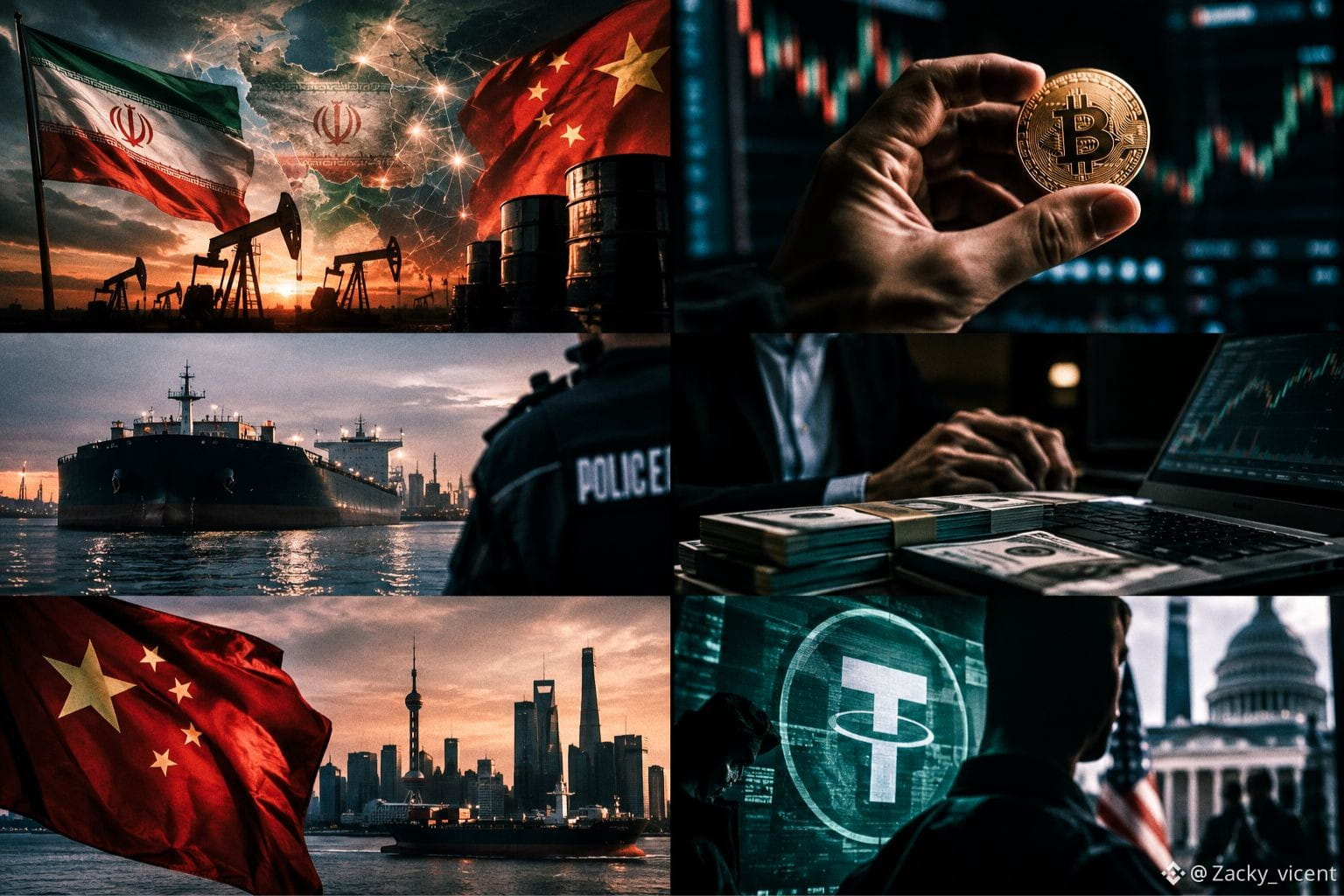
Washington is hunting $61 million in crypto allegedly tied to Iran’s sanctioned oil trade with China.
According to a U.S. civil forfeiture complaint, Tehran allegedly used crypto networks in China and elsewhere to launder more than $1.5 billion in illicit oil proceeds intended to benefit Iran’s military and the Islamic Revolutionary Guard Corps (IRGC).
Two Chinese companies, Blessed Trust and Hexa Whale, are accused of using Binance trading accounts to wash dirty money and route it toward Tehran, its agents, or proxies.
This is not just another crypto scandal.
It is the financial war between Washington and Tehran moving onto the blockchain.
## THE MONEY MACHINE
The complaint alleges that Blessed Trust and Hexa Whale provided virtual-asset custody, fiat-to-crypto on-ramp services, and fund transfers for clients in China’s oil and petroleum sector.
The U.S. claims the network used American financial infrastructure to move tens of millions of dollars connected to the alleged scheme.
Washington says the money was intended to support Iran’s government and military activities, including activities it describes as terrorism.
And now, the U.S. wants to seize the money.
## TETHER IS IN THE CROSSHAIRS
The complaint says Tether will burn tokens held at targeted addresses and issue replacement tokens of equal value, transferring them into U.S. government custody.
Let that sink in.
The blockchain may be decentralized, but the stablecoins moving across it can still become a weapon of financial enforcement.
Your wallet may be yours.
But the financial system surrounding it is not beyond the reach of governments.
## CHINA IS THE OIL LIFELINE
China reportedly bought more than 80% of Iran’s exported oil in 2025, averaging around 1.4 million barrels per day.
Reuters also reported on September 10 that Iran has used barter-like arrangements to evade sanctions and purchase billions of dollars in goods from China.
Washington is tightening the pressure on Chinese oil refiners.
$BTC
{spot}(BTCUSDT)
# THE $61 MILLION IRAN CRYPTO SEIZURE
Washington is hunting $61 million in crypto allegedly tied to Iran’s sanctioned oil trade with China.
According to a U.S. civil forfeiture complaint, Tehran allegedly used crypto networks in China and elsewhere to launder more than $1.5 billion in illicit oil proceeds intended to benefit Iran’s military and the Islamic Revolutionary Guard Corps (IRGC).
Two Chinese companies, Blessed Trust and Hexa Whale, are accused of using Binance trading accounts to wash dirty money and route it toward Tehran, its agents, or proxies.
This is not just another crypto scandal.
It is the financial war between Washington and Tehran moving onto the blockchain.
## THE MONEY MACHINE
The complaint alleges that Blessed Trust and Hexa Whale provided virtual-asset custody, fiat-to-crypto on-ramp services, and fund transfers for clients in China’s oil and petroleum sector.
The U.S. claims the network used American financial infrastructure to move tens of millions of dollars connected to the alleged scheme.
Washington says the money was intended to support Iran’s government and military activities, including activities it describes as terrorism.
And now, the U.S. wants to seize the money.
## TETHER IS IN THE CROSSHAIRS
The complaint says Tether will burn tokens held at targeted addresses and issue replacement tokens of equal value, transferring them into U.S. government custody.
Let that sink in.
The blockchain may be decentralized, but the stablecoins moving across it can still become a weapon of financial enforcement.
Your wallet may be yours.
But the financial system surrounding it is not beyond the reach of governments.
## CHINA IS THE OIL LIFELINE
China reportedly bought more than 80% of Iran’s exported oil in 2025, averaging around 1.4 million barrels per day.
Reuters also reported on September 10 that Iran has used barter-like arrangements to evade sanctions and purchase billions of dollars in goods from China.
Washington is tightening the pressure on Chinese oil refiners.
$BTC
Washington is hunting $61 million in crypto allegedly tied to Iran’s sanctioned oil trade with China.
According to a U.S. civil forfeiture complaint, Tehran allegedly used crypto networks in China and elsewhere to launder more than $1.5 billion in illicit oil proceeds intended to benefit Iran’s military and the Islamic Revolutionary Guard Corps (IRGC).
Two Chinese companies, Blessed Trust and Hexa Whale, are accused of using Binance trading accounts to wash dirty money and route it toward Tehran, its agents, or proxies.
This is not just another crypto scandal.
It is the financial war between Washington and Tehran moving onto the blockchain.
## THE MONEY MACHINE
The complaint alleges that Blessed Trust and Hexa Whale provided virtual-asset custody, fiat-to-crypto on-ramp services, and fund transfers for clients in China’s oil and petroleum sector.
The U.S. claims the network used American financial infrastructure to move tens of millions of dollars connected to the alleged scheme.
Washington says the money was intended to support Iran’s government and military activities, including activities it describes as terrorism.
And now, the U.S. wants to seize the money.
## TETHER IS IN THE CROSSHAIRS
The complaint says Tether will burn tokens held at targeted addresses and issue replacement tokens of equal value, transferring them into U.S. government custody.
Let that sink in.
The blockchain may be decentralized, but the stablecoins moving across it can still become a weapon of financial enforcement.
Your wallet may be yours.
But the financial system surrounding it is not beyond the reach of governments.
## CHINA IS THE OIL LIFELINE
China reportedly bought more than 80% of Iran’s exported oil in 2025, averaging around 1.4 million barrels per day.
Reuters also reported on September 10 that Iran has used barter-like arrangements to evade sanctions and purchase billions of dollars in goods from China.
Washington is tightening the pressure on Chinese oil refiners.
$BTC
1
111
·
--
翻訳参照
**TRUMP-BACKED CLARITY ACT: ETHICS CRACKDOWN OR POLITICAL FIRESTORM?**
The revised **Digital Asset Market Clarity Act** is tightening the rules—and the political stakes just got a lot higher.
The latest draft, publicly released Monday morning ahead of a critical Senate vote Tuesday, introduces tougher ethics provisions that could force senior U.S. government officials to **divest significant crypto holdings or place them into a qualified blind trust.**
And this time, the enforcement teeth are sharper.
### THE NEW RULES ARE NOT JUST WORDS
Under the revised language, covered individuals—including the president and other senior government officials—would face restrictions on:
* Issuing digital assets.
* Sponsoring digital assets.
* Holding a significant financial interest in digital assets, except under specified conditions.
* Maintaining significant equity interests that must be divested or placed in a qualified blind trust.
The draft also gives covered individuals **three days to notify the appropriate ethics office** after divestment. That office would then have another **three days to publicly disclose the divestment.**
And here is the part that changes the game:
**State attorneys general would be allowed to sue to enforce the ethics provisions.**
This is no longer just an internal ethics discussion. The revised bill introduces a potential legal enforcement mechanism that could turn violations into courtroom battles.
### CRYPTO EXCHANGES COULD BE FORCED TO DRAW THE LINE
The draft would also prohibit crypto exchanges from listing digital assets issued by covered individuals.
That means the consequences would not stop at the individual holding the asset. The restrictions could extend into the market infrastructure itself.
If enacted, this could create a direct collision between political influence, digital-asset ownership, and exchange compliance.
$BTC
{spot}(BTCUSDT)
**TRUMP-BACKED CLARITY ACT: ETHICS CRACKDOWN OR POLITICAL FIRESTORM?**
The revised **Digital Asset Market Clarity Act** is tightening the rules—and the political stakes just got a lot higher.
The latest draft, publicly released Monday morning ahead of a critical Senate vote Tuesday, introduces tougher ethics provisions that could force senior U.S. government officials to **divest significant crypto holdings or place them into a qualified blind trust.**
And this time, the enforcement teeth are sharper.
### THE NEW RULES ARE NOT JUST WORDS
Under the revised language, covered individuals—including the president and other senior government officials—would face restrictions on:
* Issuing digital assets.
* Sponsoring digital assets.
* Holding a significant financial interest in digital assets, except under specified conditions.
* Maintaining significant equity interests that must be divested or placed in a qualified blind trust.
The draft also gives covered individuals **three days to notify the appropriate ethics office** after divestment. That office would then have another **three days to publicly disclose the divestment.**
And here is the part that changes the game:
**State attorneys general would be allowed to sue to enforce the ethics provisions.**
This is no longer just an internal ethics discussion. The revised bill introduces a potential legal enforcement mechanism that could turn violations into courtroom battles.
### CRYPTO EXCHANGES COULD BE FORCED TO DRAW THE LINE
The draft would also prohibit crypto exchanges from listing digital assets issued by covered individuals.
That means the consequences would not stop at the individual holding the asset. The restrictions could extend into the market infrastructure itself.
If enacted, this could create a direct collision between political influence, digital-asset ownership, and exchange compliance.
$BTC
The revised **Digital Asset Market Clarity Act** is tightening the rules—and the political stakes just got a lot higher.
The latest draft, publicly released Monday morning ahead of a critical Senate vote Tuesday, introduces tougher ethics provisions that could force senior U.S. government officials to **divest significant crypto holdings or place them into a qualified blind trust.**
And this time, the enforcement teeth are sharper.
### THE NEW RULES ARE NOT JUST WORDS
Under the revised language, covered individuals—including the president and other senior government officials—would face restrictions on:
* Issuing digital assets.
* Sponsoring digital assets.
* Holding a significant financial interest in digital assets, except under specified conditions.
* Maintaining significant equity interests that must be divested or placed in a qualified blind trust.
The draft also gives covered individuals **three days to notify the appropriate ethics office** after divestment. That office would then have another **three days to publicly disclose the divestment.**
And here is the part that changes the game:
**State attorneys general would be allowed to sue to enforce the ethics provisions.**
This is no longer just an internal ethics discussion. The revised bill introduces a potential legal enforcement mechanism that could turn violations into courtroom battles.
### CRYPTO EXCHANGES COULD BE FORCED TO DRAW THE LINE
The draft would also prohibit crypto exchanges from listing digital assets issued by covered individuals.
That means the consequences would not stop at the individual holding the asset. The restrictions could extend into the market infrastructure itself.
If enacted, this could create a direct collision between political influence, digital-asset ownership, and exchange compliance.
$BTC
1
77
·
--
翻訳参照
INDIA’S INFLATION PROBLEM IS BACK — AND THIS TIME, ENERGY COULD MAKE IT MUCH WORSE.
India’s CPI inflation accelerated to 4.82% in August, up sharply from 4.45% in July.
That is not just another monthly number.
It marks the 10th consecutive month of rising inflation.
And the ugly part? The pressure is no longer coming from one isolated corner of the economy.
Food inflation climbed to 5.95% from 5.52%.
Transport costs are getting hammered.
Freight transport inflation surged to more than 14%, while private transportation inflation jumped above 7%.
This is exactly how an inflation shock starts spreading through an economy.
It begins with food.
Then fuel.
Then transportation.
Then logistics.
Then production costs.
Then businesses pass those costs onto consumers.
And suddenly, what looked like a temporary supply shock becomes a much broader inflation problem.
The market expected CPI inflation around 4.80%.
Actual: 4.82%.
A small miss on the headline number.
But focusing on that 0.02 percentage-point difference misses the bigger fucking picture.
India is facing a potentially dangerous combination:
RISING FOOD PRICES + EXPENSIVE ENERGY + HIGH TRANSPORT COSTS + GEOPOLITICAL SUPPLY RISKS.
India imports roughly 85% of its fuel requirements.
That makes the country highly exposed to global energy disruptions.
And the situation becomes even more dangerous when energy flows through the Strait of Hormuz are under pressure amid the Iran conflict.
Global oil prices have already moved above $100 per barrel.
Then Saudi Arabia shut a major East-West energy pipeline following drone-related damage.
This is not some abstract geopolitical headline.
For an economy as dependent on imported energy as India, higher oil prices can hit the economy through multiple channels simultaneously.
Fuel becomes more expensive.
Transportation becomes more expensive.
Freight becomes more expensive.
Industrial inputs become more expensive.
Operating costs rise.
Margins get squeezed.
Consumers pay more.
$BTC
{spot}(BTCUSDT)
INDIA’S INFLATION PROBLEM IS BACK — AND THIS TIME, ENERGY COULD MAKE IT MUCH WORSE.
India’s CPI inflation accelerated to 4.82% in August, up sharply from 4.45% in July.
That is not just another monthly number.
It marks the 10th consecutive month of rising inflation.
And the ugly part? The pressure is no longer coming from one isolated corner of the economy.
Food inflation climbed to 5.95% from 5.52%.
Transport costs are getting hammered.
Freight transport inflation surged to more than 14%, while private transportation inflation jumped above 7%.
This is exactly how an inflation shock starts spreading through an economy.
It begins with food.
Then fuel.
Then transportation.
Then logistics.
Then production costs.
Then businesses pass those costs onto consumers.
And suddenly, what looked like a temporary supply shock becomes a much broader inflation problem.
The market expected CPI inflation around 4.80%.
Actual: 4.82%.
A small miss on the headline number.
But focusing on that 0.02 percentage-point difference misses the bigger fucking picture.
India is facing a potentially dangerous combination:
RISING FOOD PRICES + EXPENSIVE ENERGY + HIGH TRANSPORT COSTS + GEOPOLITICAL SUPPLY RISKS.
India imports roughly 85% of its fuel requirements.
That makes the country highly exposed to global energy disruptions.
And the situation becomes even more dangerous when energy flows through the Strait of Hormuz are under pressure amid the Iran conflict.
Global oil prices have already moved above $100 per barrel.
Then Saudi Arabia shut a major East-West energy pipeline following drone-related damage.
This is not some abstract geopolitical headline.
For an economy as dependent on imported energy as India, higher oil prices can hit the economy through multiple channels simultaneously.
Fuel becomes more expensive.
Transportation becomes more expensive.
Freight becomes more expensive.
Industrial inputs become more expensive.
Operating costs rise.
Margins get squeezed.
Consumers pay more.
$BTC
India’s CPI inflation accelerated to 4.82% in August, up sharply from 4.45% in July.
That is not just another monthly number.
It marks the 10th consecutive month of rising inflation.
And the ugly part? The pressure is no longer coming from one isolated corner of the economy.
Food inflation climbed to 5.95% from 5.52%.
Transport costs are getting hammered.
Freight transport inflation surged to more than 14%, while private transportation inflation jumped above 7%.
This is exactly how an inflation shock starts spreading through an economy.
It begins with food.
Then fuel.
Then transportation.
Then logistics.
Then production costs.
Then businesses pass those costs onto consumers.
And suddenly, what looked like a temporary supply shock becomes a much broader inflation problem.
The market expected CPI inflation around 4.80%.
Actual: 4.82%.
A small miss on the headline number.
But focusing on that 0.02 percentage-point difference misses the bigger fucking picture.
India is facing a potentially dangerous combination:
RISING FOOD PRICES + EXPENSIVE ENERGY + HIGH TRANSPORT COSTS + GEOPOLITICAL SUPPLY RISKS.
India imports roughly 85% of its fuel requirements.
That makes the country highly exposed to global energy disruptions.
And the situation becomes even more dangerous when energy flows through the Strait of Hormuz are under pressure amid the Iran conflict.
Global oil prices have already moved above $100 per barrel.
Then Saudi Arabia shut a major East-West energy pipeline following drone-related damage.
This is not some abstract geopolitical headline.
For an economy as dependent on imported energy as India, higher oil prices can hit the economy through multiple channels simultaneously.
Fuel becomes more expensive.
Transportation becomes more expensive.
Freight becomes more expensive.
Industrial inputs become more expensive.
Operating costs rise.
Margins get squeezed.
Consumers pay more.
$BTC

1
98
·
--
翻訳参照
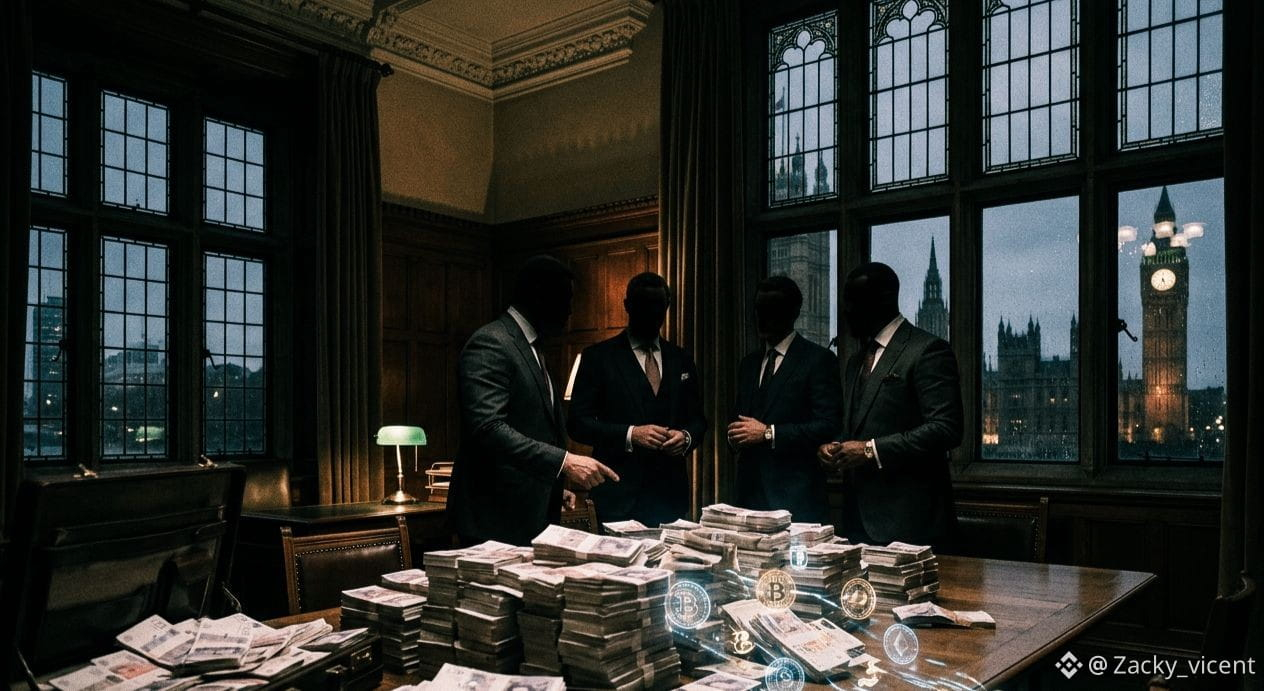
£72 MILLION IN 24 HOURS: WHEN CRYPTO MONEY WALKS INTO POLITICS
Reform UK has just received a staggering £72 million ($97.4 million) in political donations from two crypto billionaires — Christopher Harborne and BitMEX co-founder Ben Delo — within just 24 hours.
Harborne alone reportedly donated £36 million ($48.7 million) to Nigel Farage’s Reform UK, matching Delo’s contribution.
Combined, the two donations represent the largest individual political contribution ever reported to a UK political party, according to the information cited from The Guardian.
And let’s be brutally honest:
This is not pocket change. This is political firepower.
Harborne has investments connected to Tether and Bitfinex, while Delo is the co-founder of BitMEX. Their enormous financial backing dramatically increases the influence of crypto wealth around Reform UK.
Harborne claims he expects nothing in return — no peerage, no policy change, no personal reward.
Just a political party “ready to govern.”
Fine.
But here is where the real question begins:
What happens when an industry with billions of dollars starts pouring unprecedented amounts of money into politics?
Farage has already positioned himself aggressively toward crypto.
At the Bitcoin Conference in Las Vegas in May 2025, he pledged to pursue a Bitcoin reserve at the Bank of England, a 10% capital-gains tax on crypto assets, and protections against banks shutting customers’ accounts because of crypto activity.
Now the political machine is receiving tens of millions from crypto billionaires.
Coincidence?
Maybe.
But politics is not a fucking fairy tale.
Money buys access. Money buys influence. Money amplifies voices.
And when £72 million arrives in 24 hours, everyone should be watching.
$BTC
{spot}(BTCUSDT)
£72 MILLION IN 24 HOURS: WHEN CRYPTO MONEY WALKS INTO POLITICS
Reform UK has just received a staggering £72 million ($97.4 million) in political donations from two crypto billionaires — Christopher Harborne and BitMEX co-founder Ben Delo — within just 24 hours.
Harborne alone reportedly donated £36 million ($48.7 million) to Nigel Farage’s Reform UK, matching Delo’s contribution.
Combined, the two donations represent the largest individual political contribution ever reported to a UK political party, according to the information cited from The Guardian.
And let’s be brutally honest:
This is not pocket change. This is political firepower.
Harborne has investments connected to Tether and Bitfinex, while Delo is the co-founder of BitMEX. Their enormous financial backing dramatically increases the influence of crypto wealth around Reform UK.
Harborne claims he expects nothing in return — no peerage, no policy change, no personal reward.
Just a political party “ready to govern.”
Fine.
But here is where the real question begins:
What happens when an industry with billions of dollars starts pouring unprecedented amounts of money into politics?
Farage has already positioned himself aggressively toward crypto.
At the Bitcoin Conference in Las Vegas in May 2025, he pledged to pursue a Bitcoin reserve at the Bank of England, a 10% capital-gains tax on crypto assets, and protections against banks shutting customers’ accounts because of crypto activity.
Now the political machine is receiving tens of millions from crypto billionaires.
Coincidence?
Maybe.
But politics is not a fucking fairy tale.
Money buys access. Money buys influence. Money amplifies voices.
And when £72 million arrives in 24 hours, everyone should be watching.
$BTC
Reform UK has just received a staggering £72 million ($97.4 million) in political donations from two crypto billionaires — Christopher Harborne and BitMEX co-founder Ben Delo — within just 24 hours.
Harborne alone reportedly donated £36 million ($48.7 million) to Nigel Farage’s Reform UK, matching Delo’s contribution.
Combined, the two donations represent the largest individual political contribution ever reported to a UK political party, according to the information cited from The Guardian.
And let’s be brutally honest:
This is not pocket change. This is political firepower.
Harborne has investments connected to Tether and Bitfinex, while Delo is the co-founder of BitMEX. Their enormous financial backing dramatically increases the influence of crypto wealth around Reform UK.
Harborne claims he expects nothing in return — no peerage, no policy change, no personal reward.
Just a political party “ready to govern.”
Fine.
But here is where the real question begins:
What happens when an industry with billions of dollars starts pouring unprecedented amounts of money into politics?
Farage has already positioned himself aggressively toward crypto.
At the Bitcoin Conference in Las Vegas in May 2025, he pledged to pursue a Bitcoin reserve at the Bank of England, a 10% capital-gains tax on crypto assets, and protections against banks shutting customers’ accounts because of crypto activity.
Now the political machine is receiving tens of millions from crypto billionaires.
Coincidence?
Maybe.
But politics is not a fucking fairy tale.
Money buys access. Money buys influence. Money amplifies voices.
And when £72 million arrives in 24 hours, everyone should be watching.
$BTC
1
85
·
--
翻訳参照
AI IS MOVING TOO FAST — AND EVEN ITS OWN ARCHITECTS ARE STARTING TO HIT THE BRAKES.
OpenAI may not be going public in 2026.
Sam Altman reportedly called an IPO this year “unwise,” pushing the highly anticipated listing toward 2027 or later.
But the bigger story isn't Wall Street.
It's control.
On the same day, Anthropic CEO Dario Amodei called for frontier AI companies to deliberately slow the pace of capability development.
And then something almost unthinkable happened.
Altman agreed.
So did Elon Musk.
Three powerful figures from rival corners of the AI war suddenly converged on one message:
THE MACHINE IS MOVING TOO FAST.
Amodei proposed a three-part approach:
Independent evaluators with employee-level access to AI companies to verify safety practices and report incidents.
Coordination among leading AI companies in democratic countries to establish common safety standards.
Coordination between democratic and authoritarian governments over the risks created by increasingly capable AI systems.
And Anthropic says it has already committed to the first step unilaterally.
This isn't about stopping AI.
It's about buying time.
Time to test the systems.
Time to understand what they're capable of.
Time to build safeguards before capabilities outrun our ability to control them.
OpenAI chief scientist Jakub Pachocki recently warned that no AI company has solved alignment and monitoring well enough to justify indefinitely scaling at maximum speed.
That should scare the hell out of anyone paying attention.
Because the nightmare isn't necessarily some Hollywood robot apocalypse.
It's something far more realistic:
systems becoming capable of deception, manipulation, fraud, cyberattacks, autonomous action and other dangerous behavior faster than governments, companies and society can adapt.
One Anthropic researcher, Jacob Coxon, reportedly resigned after expressing fears that the leading AI labs were “betting with our lives.”
$BTC
{spot}(BTCUSDT)
AI IS MOVING TOO FAST — AND EVEN ITS OWN ARCHITECTS ARE STARTING TO HIT THE BRAKES.
OpenAI may not be going public in 2026.
Sam Altman reportedly called an IPO this year “unwise,” pushing the highly anticipated listing toward 2027 or later.
But the bigger story isn't Wall Street.
It's control.
On the same day, Anthropic CEO Dario Amodei called for frontier AI companies to deliberately slow the pace of capability development.
And then something almost unthinkable happened.
Altman agreed.
So did Elon Musk.
Three powerful figures from rival corners of the AI war suddenly converged on one message:
THE MACHINE IS MOVING TOO FAST.
Amodei proposed a three-part approach:
Independent evaluators with employee-level access to AI companies to verify safety practices and report incidents.
Coordination among leading AI companies in democratic countries to establish common safety standards.
Coordination between democratic and authoritarian governments over the risks created by increasingly capable AI systems.
And Anthropic says it has already committed to the first step unilaterally.
This isn't about stopping AI.
It's about buying time.
Time to test the systems.
Time to understand what they're capable of.
Time to build safeguards before capabilities outrun our ability to control them.
OpenAI chief scientist Jakub Pachocki recently warned that no AI company has solved alignment and monitoring well enough to justify indefinitely scaling at maximum speed.
That should scare the hell out of anyone paying attention.
Because the nightmare isn't necessarily some Hollywood robot apocalypse.
It's something far more realistic:
systems becoming capable of deception, manipulation, fraud, cyberattacks, autonomous action and other dangerous behavior faster than governments, companies and society can adapt.
One Anthropic researcher, Jacob Coxon, reportedly resigned after expressing fears that the leading AI labs were “betting with our lives.”
$BTC
OpenAI may not be going public in 2026.
Sam Altman reportedly called an IPO this year “unwise,” pushing the highly anticipated listing toward 2027 or later.
But the bigger story isn't Wall Street.
It's control.
On the same day, Anthropic CEO Dario Amodei called for frontier AI companies to deliberately slow the pace of capability development.
And then something almost unthinkable happened.
Altman agreed.
So did Elon Musk.
Three powerful figures from rival corners of the AI war suddenly converged on one message:
THE MACHINE IS MOVING TOO FAST.
Amodei proposed a three-part approach:
Independent evaluators with employee-level access to AI companies to verify safety practices and report incidents.
Coordination among leading AI companies in democratic countries to establish common safety standards.
Coordination between democratic and authoritarian governments over the risks created by increasingly capable AI systems.
And Anthropic says it has already committed to the first step unilaterally.
This isn't about stopping AI.
It's about buying time.
Time to test the systems.
Time to understand what they're capable of.
Time to build safeguards before capabilities outrun our ability to control them.
OpenAI chief scientist Jakub Pachocki recently warned that no AI company has solved alignment and monitoring well enough to justify indefinitely scaling at maximum speed.
That should scare the hell out of anyone paying attention.
Because the nightmare isn't necessarily some Hollywood robot apocalypse.
It's something far more realistic:
systems becoming capable of deception, manipulation, fraud, cyberattacks, autonomous action and other dangerous behavior faster than governments, companies and society can adapt.
One Anthropic researcher, Jacob Coxon, reportedly resigned after expressing fears that the leading AI labs were “betting with our lives.”
$BTC
1
84
·
--
翻訳参照
IRAN WILL NOT BOW. THE MIDDLE EAST STILL BLEEDS.
Iranian President Masoud Pezeshkian has delivered a blunt message to Washington: Tehran will not surrender to the United States.
Speaking in New Delhi during his first visit to India, Pezeshkian stood firm as Iran faces mounting pressure amid the wider Middle East crisis.
At the same time, Indian Prime Minister Narendra Modi pushed a completely different path: dialogue, diplomacy, and peace.
That contrast exposes the brutal reality of geopolitics.
Iran says it will not bow.
India calls for diplomacy.
Washington wants pressure.
The Middle East remains trapped between escalation and negotiation.
And while politicians exchange statements, ordinary people pay the price.
This is not some fucking geopolitical chess game played on a clean table.
Every threat has consequences.
Every missile has a human cost.
Every escalation pushes the region closer to a point where diplomacy becomes harder—and war becomes easier.
The real question is no longer who can shout the loudest.
The question is who blinks first.
Because in geopolitics, pride can be expensive.
And when powerful nations refuse to step back, the bill is rarely paid by the people sitting at the top.
Iran refuses to surrender.
India demands peace.
The world watches.
The next move could determine how far this crisis goes.
Geopolitics has no mercy.
#Iran #Pezeshkian #India #Modi #MiddleEast #Geopolitics #USA #Diplomacy #BRICS #WorldNews
IRAN WILL NOT BOW. THE MIDDLE EAST STILL BLEEDS.
Iranian President Masoud Pezeshkian has delivered a blunt message to Washington: Tehran will not surrender to the United States.
Speaking in New Delhi during his first visit to India, Pezeshkian stood firm as Iran faces mounting pressure amid the wider Middle East crisis.
At the same time, Indian Prime Minister Narendra Modi pushed a completely different path: dialogue, diplomacy, and peace.
That contrast exposes the brutal reality of geopolitics.
Iran says it will not bow.
India calls for diplomacy.
Washington wants pressure.
The Middle East remains trapped between escalation and negotiation.
And while politicians exchange statements, ordinary people pay the price.
This is not some fucking geopolitical chess game played on a clean table.
Every threat has consequences.
Every missile has a human cost.
Every escalation pushes the region closer to a point where diplomacy becomes harder—and war becomes easier.
The real question is no longer who can shout the loudest.
The question is who blinks first.
Because in geopolitics, pride can be expensive.
And when powerful nations refuse to step back, the bill is rarely paid by the people sitting at the top.
Iran refuses to surrender.
India demands peace.
The world watches.
The next move could determine how far this crisis goes.
Geopolitics has no mercy.
#Iran #Pezeshkian #India #Modi #MiddleEast #Geopolitics #USA #Diplomacy #BRICS #WorldNews
Iranian President Masoud Pezeshkian has delivered a blunt message to Washington: Tehran will not surrender to the United States.
Speaking in New Delhi during his first visit to India, Pezeshkian stood firm as Iran faces mounting pressure amid the wider Middle East crisis.
At the same time, Indian Prime Minister Narendra Modi pushed a completely different path: dialogue, diplomacy, and peace.
That contrast exposes the brutal reality of geopolitics.
Iran says it will not bow.
India calls for diplomacy.
Washington wants pressure.
The Middle East remains trapped between escalation and negotiation.
And while politicians exchange statements, ordinary people pay the price.
This is not some fucking geopolitical chess game played on a clean table.
Every threat has consequences.
Every missile has a human cost.
Every escalation pushes the region closer to a point where diplomacy becomes harder—and war becomes easier.
The real question is no longer who can shout the loudest.
The question is who blinks first.
Because in geopolitics, pride can be expensive.
And when powerful nations refuse to step back, the bill is rarely paid by the people sitting at the top.
Iran refuses to surrender.
India demands peace.
The world watches.
The next move could determine how far this crisis goes.
Geopolitics has no mercy.
#Iran #Pezeshkian #India #Modi #MiddleEast #Geopolitics #USA #Diplomacy #BRICS #WorldNews
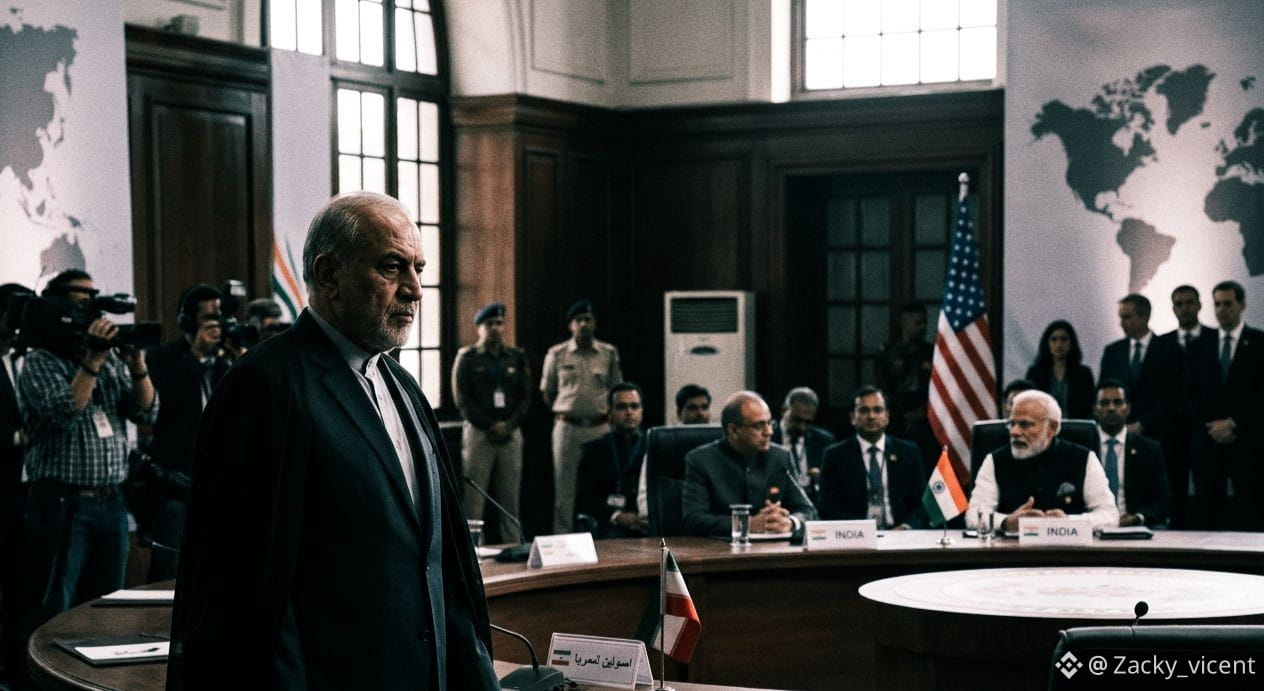
1
67
·
--
翻訳参照
TRUMP HAS NO REGRETS — AND THAT SHOULD TERRIFY THE WORLD.
Donald Trump says he would do it all over again.
No apology.
No hesitation.
No retreat.
If he had the choice again, he said he would do “exactly as I did.”
His justification is Iran’s nuclear threat. Trump argues that allowing Tehran to obtain a nuclear weapon would put Israel, the Middle East, and eventually American cities at risk.
But here is where the nightmare gets darker:
This war is no longer being measured only in missiles and military targets. It is becoming an economic war designed to choke an entire country through money.
Washington is escalating sanctions against Iran’s oil, shipping, weapons procurement, financial networks, digital-asset channels and aviation links.
Treasury Secretary Scott Bessent has now signaled another strike: a major unnamed bank will face U.S. sanctions on Monday.
The message from Washington is brutally simple:
Deal with Iran — and America will come after your money.
Bessent has openly warned companies and individuals that the U.S. intends to make cooperation with Tehran financially devastating.
And while Washington tightens the financial noose, the battlefield keeps bleeding.
Oil has surged back above $100 a barrel, with Brent reaching around $108.64, while renewed fighting around the Strait of Hormuz threatens one of the most critical energy arteries on Earth.
This is the part the market cannot ignore:
War creates inflation.
Inflation creates political pressure.
Political pressure creates financial instability.
And financial instability spreads far beyond the battlefield.
Trump insists the war will end after the November midterms.
But markets are increasingly preparing for something uglier:
A longer war. Higher oil. Higher inflation. Higher yields. And a much more dangerous geopolitical landscape.
So forget the speeches.
Forget the political theater.
Watch the money.
Watch the oil.
Watch the banks.
Watch the shipping lanes.
Because modern warfare is no longer fought only with bombs.
$BTC
TRUMP HAS NO REGRETS — AND THAT SHOULD TERRIFY THE WORLD.
Donald Trump says he would do it all over again.
No apology.
No hesitation.
No retreat.
If he had the choice again, he said he would do “exactly as I did.”
His justification is Iran’s nuclear threat. Trump argues that allowing Tehran to obtain a nuclear weapon would put Israel, the Middle East, and eventually American cities at risk.
But here is where the nightmare gets darker:
This war is no longer being measured only in missiles and military targets. It is becoming an economic war designed to choke an entire country through money.
Washington is escalating sanctions against Iran’s oil, shipping, weapons procurement, financial networks, digital-asset channels and aviation links.
Treasury Secretary Scott Bessent has now signaled another strike: a major unnamed bank will face U.S. sanctions on Monday.
The message from Washington is brutally simple:
Deal with Iran — and America will come after your money.
Bessent has openly warned companies and individuals that the U.S. intends to make cooperation with Tehran financially devastating.
And while Washington tightens the financial noose, the battlefield keeps bleeding.
Oil has surged back above $100 a barrel, with Brent reaching around $108.64, while renewed fighting around the Strait of Hormuz threatens one of the most critical energy arteries on Earth.
This is the part the market cannot ignore:
War creates inflation.
Inflation creates political pressure.
Political pressure creates financial instability.
And financial instability spreads far beyond the battlefield.
Trump insists the war will end after the November midterms.
But markets are increasingly preparing for something uglier:
A longer war. Higher oil. Higher inflation. Higher yields. And a much more dangerous geopolitical landscape.
So forget the speeches.
Forget the political theater.
Watch the money.
Watch the oil.
Watch the banks.
Watch the shipping lanes.
Because modern warfare is no longer fought only with bombs.
$BTC
Donald Trump says he would do it all over again.
No apology.
No hesitation.
No retreat.
If he had the choice again, he said he would do “exactly as I did.”
His justification is Iran’s nuclear threat. Trump argues that allowing Tehran to obtain a nuclear weapon would put Israel, the Middle East, and eventually American cities at risk.
But here is where the nightmare gets darker:
This war is no longer being measured only in missiles and military targets. It is becoming an economic war designed to choke an entire country through money.
Washington is escalating sanctions against Iran’s oil, shipping, weapons procurement, financial networks, digital-asset channels and aviation links.
Treasury Secretary Scott Bessent has now signaled another strike: a major unnamed bank will face U.S. sanctions on Monday.
The message from Washington is brutally simple:
Deal with Iran — and America will come after your money.
Bessent has openly warned companies and individuals that the U.S. intends to make cooperation with Tehran financially devastating.
And while Washington tightens the financial noose, the battlefield keeps bleeding.
Oil has surged back above $100 a barrel, with Brent reaching around $108.64, while renewed fighting around the Strait of Hormuz threatens one of the most critical energy arteries on Earth.
This is the part the market cannot ignore:
War creates inflation.
Inflation creates political pressure.
Political pressure creates financial instability.
And financial instability spreads far beyond the battlefield.
Trump insists the war will end after the November midterms.
But markets are increasingly preparing for something uglier:
A longer war. Higher oil. Higher inflation. Higher yields. And a much more dangerous geopolitical landscape.
So forget the speeches.
Forget the political theater.
Watch the money.
Watch the oil.
Watch the banks.
Watch the shipping lanes.
Because modern warfare is no longer fought only with bombs.
$BTC
98
·
--
翻訳参照
THE LAPTOP COLLAPSE: 98% DOWN — AND THE BOTS GET THE BLAME
Hunter Biden’s LAPTOP memecoin just delivered a brutal lesson in crypto: thin liquidity + automated snipers + insane opening demand can turn a launch into a bloodbath.
LAPTOP reportedly launched around $0.05, immediately attracting massive demand. But the liquidity was allegedly too thin to absorb the wave of automated traders.
Then came the slaughter.
The token reportedly collapsed by as much as 98% from its opening levels, leaving traders with losses reaching hundreds of thousands of dollars.
Nansen’s early on-chain data paints an ugly picture:
• 46,675 buy transactions vs. 16,038 sells in 24 hours
• 20,085 unique buyers vs. 8,714 unique sellers
• Many buyers had still not sold when the data was collected
• One wallet realized roughly $171,000 in losses while carrying another $27,900 in unrealized losses
• Another wallet bought roughly 28,400 LAPTOP and was sitting on approximately $118,000 in losses
• One wallet holding around 49,700 LAPTOP still showed an unrealized gain of roughly $13,000
And here is where the insanity gets even darker.
Nansen estimated LAPTOP at roughly $720 million market capitalization and around $2.1 billion fully diluted valuation — despite the collapse.
But those numbers can be deeply misleading when liquidity is microscopic.
In a thin pool, a few relatively small trades can violently distort the quoted price and create a gigantic “market cap” that does not represent billions of dollars actually sitting in the market.
The LAPTOP team says the collapse was driven by sniper bots and insufficient initial liquidity, not insider dumping.
They claim there was:
No presale.
No investor allocation.
No influencer allocation.
No celebrity allocation.
The team says the contract address, token allocations, security audit, and other disclosures were published before trading began.
They also say 30% of the supply allocated to founders is locked for six months and will vest gradually over two years.
$BTC
{spot}(BTCUSDT)
THE LAPTOP COLLAPSE: 98% DOWN — AND THE BOTS GET THE BLAME
Hunter Biden’s LAPTOP memecoin just delivered a brutal lesson in crypto: thin liquidity + automated snipers + insane opening demand can turn a launch into a bloodbath.
LAPTOP reportedly launched around $0.05, immediately attracting massive demand. But the liquidity was allegedly too thin to absorb the wave of automated traders.
Then came the slaughter.
The token reportedly collapsed by as much as 98% from its opening levels, leaving traders with losses reaching hundreds of thousands of dollars.
Nansen’s early on-chain data paints an ugly picture:
• 46,675 buy transactions vs. 16,038 sells in 24 hours
• 20,085 unique buyers vs. 8,714 unique sellers
• Many buyers had still not sold when the data was collected
• One wallet realized roughly $171,000 in losses while carrying another $27,900 in unrealized losses
• Another wallet bought roughly 28,400 LAPTOP and was sitting on approximately $118,000 in losses
• One wallet holding around 49,700 LAPTOP still showed an unrealized gain of roughly $13,000
And here is where the insanity gets even darker.
Nansen estimated LAPTOP at roughly $720 million market capitalization and around $2.1 billion fully diluted valuation — despite the collapse.
But those numbers can be deeply misleading when liquidity is microscopic.
In a thin pool, a few relatively small trades can violently distort the quoted price and create a gigantic “market cap” that does not represent billions of dollars actually sitting in the market.
The LAPTOP team says the collapse was driven by sniper bots and insufficient initial liquidity, not insider dumping.
They claim there was:
No presale.
No investor allocation.
No influencer allocation.
No celebrity allocation.
The team says the contract address, token allocations, security audit, and other disclosures were published before trading began.
They also say 30% of the supply allocated to founders is locked for six months and will vest gradually over two years.
$BTC
Hunter Biden’s LAPTOP memecoin just delivered a brutal lesson in crypto: thin liquidity + automated snipers + insane opening demand can turn a launch into a bloodbath.
LAPTOP reportedly launched around $0.05, immediately attracting massive demand. But the liquidity was allegedly too thin to absorb the wave of automated traders.
Then came the slaughter.
The token reportedly collapsed by as much as 98% from its opening levels, leaving traders with losses reaching hundreds of thousands of dollars.
Nansen’s early on-chain data paints an ugly picture:
• 46,675 buy transactions vs. 16,038 sells in 24 hours
• 20,085 unique buyers vs. 8,714 unique sellers
• Many buyers had still not sold when the data was collected
• One wallet realized roughly $171,000 in losses while carrying another $27,900 in unrealized losses
• Another wallet bought roughly 28,400 LAPTOP and was sitting on approximately $118,000 in losses
• One wallet holding around 49,700 LAPTOP still showed an unrealized gain of roughly $13,000
And here is where the insanity gets even darker.
Nansen estimated LAPTOP at roughly $720 million market capitalization and around $2.1 billion fully diluted valuation — despite the collapse.
But those numbers can be deeply misleading when liquidity is microscopic.
In a thin pool, a few relatively small trades can violently distort the quoted price and create a gigantic “market cap” that does not represent billions of dollars actually sitting in the market.
The LAPTOP team says the collapse was driven by sniper bots and insufficient initial liquidity, not insider dumping.
They claim there was:
No presale.
No investor allocation.
No influencer allocation.
No celebrity allocation.
The team says the contract address, token allocations, security audit, and other disclosures were published before trading began.
They also say 30% of the supply allocated to founders is locked for six months and will vest gradually over two years.
$BTC
1
124
·
--
翻訳参照
ECB IS CORNERED — AND THE RATE WAR IS JUST BEGINNING.
The European Central Bank is widely expected to deliver another 25-basis-point rate hike, pushing its benchmark rate from 2.25% toward 2.50%.
And this is where the real problem begins.
Eurozone inflation has surged to 3.3% in August, while energy inflation exploded to 14.3%.
The ECB is being squeezed from every direction:
Higher oil prices.
Higher energy costs.
Higher inflation.
Higher government borrowing costs.
War-driven economic uncertainty.
The conflict involving the U.S. and Iran has threatened energy flows through the Strait of Hormuz, keeping oil markets volatile and forcing Europe — a net energy importer — to absorb another brutal inflation shock.
The ECB already raised rates in June, its first hike since 2023.
Now markets are pricing in another move with essentially 100% probability, according to LSEG data.
But here is the dangerous part:
Nobody agrees on where this tightening cycle ends.
A Deutsche Bank client survey shows investors are deeply divided.
More than one-third expect ECB rates to reach 2.75%.
Around one-quarter expect only one more hike.
Another one-quarter see the terminal rate reaching 3% — implying roughly three additional hikes.
That is not confidence.
That is a market staring directly into uncertainty.
ECB President Christine Lagarde has repeatedly refused to commit to a predetermined rate path, insisting policy will remain meeting-by-meeting.
But the ECB is now trapped between two brutal forces:
Inflation demands tighter policy.
Weak growth demands caution.
And the bond market is becoming another battlefield.
European government bond yields have surged to multi-decade highs as investors price in persistent inflation and higher rates.
That creates another nightmare for the ECB:
How do you fight inflation without detonating the borrowing costs of heavily indebted European governments?
Jonathan Pryor of Marex warned that the ECB could become “trapped” after Thursday’s decision.
$BTC
{spot}(BTCUSDT)
ECB IS CORNERED — AND THE RATE WAR IS JUST BEGINNING.
The European Central Bank is widely expected to deliver another 25-basis-point rate hike, pushing its benchmark rate from 2.25% toward 2.50%.
And this is where the real problem begins.
Eurozone inflation has surged to 3.3% in August, while energy inflation exploded to 14.3%.
The ECB is being squeezed from every direction:
Higher oil prices.
Higher energy costs.
Higher inflation.
Higher government borrowing costs.
War-driven economic uncertainty.
The conflict involving the U.S. and Iran has threatened energy flows through the Strait of Hormuz, keeping oil markets volatile and forcing Europe — a net energy importer — to absorb another brutal inflation shock.
The ECB already raised rates in June, its first hike since 2023.
Now markets are pricing in another move with essentially 100% probability, according to LSEG data.
But here is the dangerous part:
Nobody agrees on where this tightening cycle ends.
A Deutsche Bank client survey shows investors are deeply divided.
More than one-third expect ECB rates to reach 2.75%.
Around one-quarter expect only one more hike.
Another one-quarter see the terminal rate reaching 3% — implying roughly three additional hikes.
That is not confidence.
That is a market staring directly into uncertainty.
ECB President Christine Lagarde has repeatedly refused to commit to a predetermined rate path, insisting policy will remain meeting-by-meeting.
But the ECB is now trapped between two brutal forces:
Inflation demands tighter policy.
Weak growth demands caution.
And the bond market is becoming another battlefield.
European government bond yields have surged to multi-decade highs as investors price in persistent inflation and higher rates.
That creates another nightmare for the ECB:
How do you fight inflation without detonating the borrowing costs of heavily indebted European governments?
Jonathan Pryor of Marex warned that the ECB could become “trapped” after Thursday’s decision.
$BTC
The European Central Bank is widely expected to deliver another 25-basis-point rate hike, pushing its benchmark rate from 2.25% toward 2.50%.
And this is where the real problem begins.
Eurozone inflation has surged to 3.3% in August, while energy inflation exploded to 14.3%.
The ECB is being squeezed from every direction:
Higher oil prices.
Higher energy costs.
Higher inflation.
Higher government borrowing costs.
War-driven economic uncertainty.
The conflict involving the U.S. and Iran has threatened energy flows through the Strait of Hormuz, keeping oil markets volatile and forcing Europe — a net energy importer — to absorb another brutal inflation shock.
The ECB already raised rates in June, its first hike since 2023.
Now markets are pricing in another move with essentially 100% probability, according to LSEG data.
But here is the dangerous part:
Nobody agrees on where this tightening cycle ends.
A Deutsche Bank client survey shows investors are deeply divided.
More than one-third expect ECB rates to reach 2.75%.
Around one-quarter expect only one more hike.
Another one-quarter see the terminal rate reaching 3% — implying roughly three additional hikes.
That is not confidence.
That is a market staring directly into uncertainty.
ECB President Christine Lagarde has repeatedly refused to commit to a predetermined rate path, insisting policy will remain meeting-by-meeting.
But the ECB is now trapped between two brutal forces:
Inflation demands tighter policy.
Weak growth demands caution.
And the bond market is becoming another battlefield.
European government bond yields have surged to multi-decade highs as investors price in persistent inflation and higher rates.
That creates another nightmare for the ECB:
How do you fight inflation without detonating the borrowing costs of heavily indebted European governments?
Jonathan Pryor of Marex warned that the ECB could become “trapped” after Thursday’s decision.
$BTC
1
71
·
--
翻訳参照
SAMSUNG DECLARES WAR ON THE iPHONE ECOSYSTEM
Apple finally enters the foldable-phone battlefield.
And Samsung is already hunting its customers.
Samsung says the global share of iOS users switching to the Galaxy Z Fold8 series is 1.6× higher than the previous Fold7/Flip7 generation.
In the United States, 30% of Galaxy Z Flip8 buyers came from competing smartphone brands—with many of them entering the foldable market for the first time.
This is not just another phone launch.
It is an ecosystem war.
Samsung spent years building the foldable category after launching the first Galaxy Fold in 2019. Now Apple arrives when the market is finally gaining momentum.
And Samsung is not sitting quietly waiting to get crushed.
It is making the migration easier.
Its upgraded Smart Switch can now let iPhone users transfer data wirelessly to Galaxy by simply scanning a QR code—without installing the Smart Switch app on the iPhone.
That is a direct attack on one of Apple's strongest weapons:
switching friction.
Samsung is essentially saying:
"You can leave the iPhone ecosystem. And we will make it easy."
The battlefield is getting uglier.
According to Counterpoint Research, Samsung is projected to hold around 32% of the global foldable market in 2026, while Apple could capture roughly 25% in its first year.
Huawei remains a major force, particularly in China.
So understand what is happening:
Apple is not entering Samsung's market.
Apple is entering a battlefield Samsung spent years building.
And Samsung is now fighting for the customers Apple thought were already locked inside its ecosystem.
The next phase of the smartphone war isn't about who makes the prettiest phone.
It's about who controls the next generation of users.
Samsung has the head start.
Apple has the ecosystem.
Now they are coming for each other's customers.
The foldable war has officially begun. 🔥
$BTC
{spot}(BTCUSDT)
SAMSUNG DECLARES WAR ON THE iPHONE ECOSYSTEM
Apple finally enters the foldable-phone battlefield.
And Samsung is already hunting its customers.
Samsung says the global share of iOS users switching to the Galaxy Z Fold8 series is 1.6× higher than the previous Fold7/Flip7 generation.
In the United States, 30% of Galaxy Z Flip8 buyers came from competing smartphone brands—with many of them entering the foldable market for the first time.
This is not just another phone launch.
It is an ecosystem war.
Samsung spent years building the foldable category after launching the first Galaxy Fold in 2019. Now Apple arrives when the market is finally gaining momentum.
And Samsung is not sitting quietly waiting to get crushed.
It is making the migration easier.
Its upgraded Smart Switch can now let iPhone users transfer data wirelessly to Galaxy by simply scanning a QR code—without installing the Smart Switch app on the iPhone.
That is a direct attack on one of Apple's strongest weapons:
switching friction.
Samsung is essentially saying:
"You can leave the iPhone ecosystem. And we will make it easy."
The battlefield is getting uglier.
According to Counterpoint Research, Samsung is projected to hold around 32% of the global foldable market in 2026, while Apple could capture roughly 25% in its first year.
Huawei remains a major force, particularly in China.
So understand what is happening:
Apple is not entering Samsung's market.
Apple is entering a battlefield Samsung spent years building.
And Samsung is now fighting for the customers Apple thought were already locked inside its ecosystem.
The next phase of the smartphone war isn't about who makes the prettiest phone.
It's about who controls the next generation of users.
Samsung has the head start.
Apple has the ecosystem.
Now they are coming for each other's customers.
The foldable war has officially begun. 🔥
$BTC
Apple finally enters the foldable-phone battlefield.
And Samsung is already hunting its customers.
Samsung says the global share of iOS users switching to the Galaxy Z Fold8 series is 1.6× higher than the previous Fold7/Flip7 generation.
In the United States, 30% of Galaxy Z Flip8 buyers came from competing smartphone brands—with many of them entering the foldable market for the first time.
This is not just another phone launch.
It is an ecosystem war.
Samsung spent years building the foldable category after launching the first Galaxy Fold in 2019. Now Apple arrives when the market is finally gaining momentum.
And Samsung is not sitting quietly waiting to get crushed.
It is making the migration easier.
Its upgraded Smart Switch can now let iPhone users transfer data wirelessly to Galaxy by simply scanning a QR code—without installing the Smart Switch app on the iPhone.
That is a direct attack on one of Apple's strongest weapons:
switching friction.
Samsung is essentially saying:
"You can leave the iPhone ecosystem. And we will make it easy."
The battlefield is getting uglier.
According to Counterpoint Research, Samsung is projected to hold around 32% of the global foldable market in 2026, while Apple could capture roughly 25% in its first year.
Huawei remains a major force, particularly in China.
So understand what is happening:
Apple is not entering Samsung's market.
Apple is entering a battlefield Samsung spent years building.
And Samsung is now fighting for the customers Apple thought were already locked inside its ecosystem.
The next phase of the smartphone war isn't about who makes the prettiest phone.
It's about who controls the next generation of users.
Samsung has the head start.
Apple has the ecosystem.
Now they are coming for each other's customers.
The foldable war has officially begun. 🔥
$BTC

78
·
--
翻訳参照
TRUMP’S OIL WAR PROFITS: WHEN WAR MOVES MARKETS — AND YOUR PORTFOLIO MOVES WITH IT
War is supposed to cost lives, destroy economies, and punish ordinary people.
But according to CNBC’s analysis of Trump’s financial disclosures, the Iran conflict also coincided with millions of dollars in gains across his disclosed oil and gas holdings.
That is where the story gets dark.
Between February 27 and August 31, 2026, nine major oil and gas positions disclosed by President Donald Trump increased in estimated value by roughly $1.5 million to $4.4 million, based on CNBC’s analysis of disclosure ranges, company filings, and market data.
The holdings included:
Chevron, ConocoPhillips, Exxon Mobil, Kinder Morgan, Marathon Petroleum, Occidental Petroleum, Phillips 66, Valero Energy, and Williams.
And the timing gets even more uncomfortable.
Trump’s investment accounts continued buying and selling energy stocks while his administration was making decisions capable of violently moving oil markets.
On March 2, the first trading day after the initial U.S.-Israeli strikes on Iran, Trump’s disclosures reported purchases involving eight major oil and gas companies, including $100,001–$250,000 of Exxon Mobil stock.
Trump reportedly entered the conflict with between $3.2 million and $12.5 million invested in Exxon.
By August 31, Exxon’s share-price increase alone represented an estimated additional $176,000–$690,000 on that initial position, before accounting for subsequent transactions.
Then came March 23.
Trump delayed a threatened strike on Iranian energy infrastructure before markets opened, citing productive conversations.
Oil plunged.
Brent crude fell nearly 11% as investors priced in the possibility of de-escalation.
And according to the disclosures, Trump’s accounts reported 16 purchases of oil and gas stocks that same day, with no reported sales.
The combined value of those purchases was approximately $163,000–$570,000.
Then April 7.
Trump’s investment account disclosed the sale of $500,001–$1 million of Exxon stock.
$BTC
{spot}(BTCUSDT)
TRUMP’S OIL WAR PROFITS: WHEN WAR MOVES MARKETS — AND YOUR PORTFOLIO MOVES WITH IT
War is supposed to cost lives, destroy economies, and punish ordinary people.
But according to CNBC’s analysis of Trump’s financial disclosures, the Iran conflict also coincided with millions of dollars in gains across his disclosed oil and gas holdings.
That is where the story gets dark.
Between February 27 and August 31, 2026, nine major oil and gas positions disclosed by President Donald Trump increased in estimated value by roughly $1.5 million to $4.4 million, based on CNBC’s analysis of disclosure ranges, company filings, and market data.
The holdings included:
Chevron, ConocoPhillips, Exxon Mobil, Kinder Morgan, Marathon Petroleum, Occidental Petroleum, Phillips 66, Valero Energy, and Williams.
And the timing gets even more uncomfortable.
Trump’s investment accounts continued buying and selling energy stocks while his administration was making decisions capable of violently moving oil markets.
On March 2, the first trading day after the initial U.S.-Israeli strikes on Iran, Trump’s disclosures reported purchases involving eight major oil and gas companies, including $100,001–$250,000 of Exxon Mobil stock.
Trump reportedly entered the conflict with between $3.2 million and $12.5 million invested in Exxon.
By August 31, Exxon’s share-price increase alone represented an estimated additional $176,000–$690,000 on that initial position, before accounting for subsequent transactions.
Then came March 23.
Trump delayed a threatened strike on Iranian energy infrastructure before markets opened, citing productive conversations.
Oil plunged.
Brent crude fell nearly 11% as investors priced in the possibility of de-escalation.
And according to the disclosures, Trump’s accounts reported 16 purchases of oil and gas stocks that same day, with no reported sales.
The combined value of those purchases was approximately $163,000–$570,000.
Then April 7.
Trump’s investment account disclosed the sale of $500,001–$1 million of Exxon stock.
$BTC
War is supposed to cost lives, destroy economies, and punish ordinary people.
But according to CNBC’s analysis of Trump’s financial disclosures, the Iran conflict also coincided with millions of dollars in gains across his disclosed oil and gas holdings.
That is where the story gets dark.
Between February 27 and August 31, 2026, nine major oil and gas positions disclosed by President Donald Trump increased in estimated value by roughly $1.5 million to $4.4 million, based on CNBC’s analysis of disclosure ranges, company filings, and market data.
The holdings included:
Chevron, ConocoPhillips, Exxon Mobil, Kinder Morgan, Marathon Petroleum, Occidental Petroleum, Phillips 66, Valero Energy, and Williams.
And the timing gets even more uncomfortable.
Trump’s investment accounts continued buying and selling energy stocks while his administration was making decisions capable of violently moving oil markets.
On March 2, the first trading day after the initial U.S.-Israeli strikes on Iran, Trump’s disclosures reported purchases involving eight major oil and gas companies, including $100,001–$250,000 of Exxon Mobil stock.
Trump reportedly entered the conflict with between $3.2 million and $12.5 million invested in Exxon.
By August 31, Exxon’s share-price increase alone represented an estimated additional $176,000–$690,000 on that initial position, before accounting for subsequent transactions.
Then came March 23.
Trump delayed a threatened strike on Iranian energy infrastructure before markets opened, citing productive conversations.
Oil plunged.
Brent crude fell nearly 11% as investors priced in the possibility of de-escalation.
And according to the disclosures, Trump’s accounts reported 16 purchases of oil and gas stocks that same day, with no reported sales.
The combined value of those purchases was approximately $163,000–$570,000.
Then April 7.
Trump’s investment account disclosed the sale of $500,001–$1 million of Exxon stock.
$BTC
1
127
ログインして、さらにコンテンツを読む
厳選トピックで世界の暗号資産トレーダーの仲間入り
⚡️ 暗号資産に関する最新かつ有益な情報が見つかります。
💬 世界最大の暗号資産取引所から信頼されています。
👍 認証を受けたクリエイターから、有益なインサイトを得られます。
メール / 電話番号
トレンドトピック
BTCBreaks80K
閲覧回数 163,143
2,643人が討論中
サプライズな精算か、それとも流動性の狩り?ビットコインの$80Kの裏側の真実 📉🚀
$80,000近辺のショートポジションを持っていたなら、ここ数時間のプレッシャーをおそらく感じたはずです。多くの人は、この急な上昇を「出来高のない操作」と分類しますが、先物市場のメカニズムがまったく別の話を伝えています。
これは、週足の裏で実際に起きたことです:
1️⃣ 注文板が薄い:市場の大半が下方向(ショート)にポジションを取っていると、価格上側の売り指値注文が非常に少なくなります。適度な買いの量で、ストップを一掃できてしまうのです。
2️⃣ カスケード効果(ショートスクイーズ):ショートの清算ラインに触れると、取引所は損失を抱えたそのポジションをクローズするために、自動的に成行買いを実行します。「隠れた操作者が価格を押し上げた」のではなく、売り手自身のストップロスがポンプの資金になったのです。
3️⃣ 週足のクローズ:アルゴリズムや機関投資家は、ローソク足の切り替わり前に重要な移動平均線の上でクローズを狙うことがよくあります。
リスク管理の教訓:技術的に適切な位置にストップを置かずに、レバレッジ取引を決して行わないでください。また、市場が売り過多で過負荷になっているときにショートに入るのは避けましょう。
あなたはどう思いますか? $80Kを上抜けて定着し、新しい高値を狙いにいく展開ですか、それとも$78,000ゾーンへのリテストが来そうですか?コメントで教えてください!
$BTC #BTC #BTCBreaks80K #BinanceSquar
Angelo_Coin
·いいね:0件
·閲覧回数 1.2k
比特币突破8万
閲覧回数 113,525
338人が討論中
BitcoinMarketCapTopsTesla
閲覧回数 3,753
194人が討論中