
BASTET MEME
142 投稿
BASTET MEME
報告
ユーザーをブロック
Don't let your dreams one day be the foundation of investment, patience and restraint.
取引を発注
低高頻度トレーダー
5年
36 フォロー
212 フォロワー
152 いいね
投稿
ポートフォリオ
すべて
引用
PINNED
·
--
記事
翻訳参照
Who Really Controls Your Crypto? The Security Question Every Investor Must AskImagine waking up one morning and discovering that your cryptocurrency is no longer accessible.
Your exchange account may still exist. Your balance may still appear on the screen. But what happens if the platform experiences a security breach, suspends withdrawals, or loses access to critical systems?
This raises one of the most important questions in the crypto industry:
Do you really own your crypto, or do you simply trust someone else to protect it?
The Difference Between Owning Crypto and Controlling It
When you keep your assets on a centralized exchange, the platform generally controls the private keys associated with its custodial wallets.
You have an account balance and the ability to trade, deposit, and withdraw, but you depend on the exchange's security systems, internal controls, and operational decisions.
This model offers convenience, liquidity, and fast trading. However, it also introduces risks:
Exchange security breaches.
Internal access vulnerabilities.
Withdrawal suspensions.
Operational failures.
Regulatory or liquidity-related restrictions.
On the other hand, self-custody gives users direct control over their private keys.
But there is a trade-off: if you lose your recovery phrase, expose your private key, or approve a malicious transaction, recovering your assets may be extremely difficult or impossible.
Neither model is completely risk-free.
Five Practical Steps Every Crypto Investor Should Take
1. Enable Strong Account Protection
Use an authenticator app or hardware security key where supported. Avoid relying exclusively on SMS authentication.
2. Secure Your Email Account
Your email is often the gateway to your financial accounts. Protect it with a unique password and strong two-factor authentication.
3. Activate Withdrawal Address Whitelisting
Where available, restrict withdrawals to previously approved wallet addresses.
4. Consider Self-Custody for Long-Term Holdings
Keep only the funds you need for active trading on exchanges. Consider a reputable hardware wallet for long-term storage, and securely back up your recovery phrase offline.
5. Verify Before You Trust
Check official announcements, proof-of-reserves information, security disclosures, and independent audit reports. Remember that proof of reserves alone does not necessarily establish that all customer liabilities are covered.
What Should the Future of Crypto Exchanges Look Like?
The solution is not to eliminate centralized exchanges. They remain important to liquidity, accessibility, and market infrastructure.
The real solution is to redesign how they protect customer assets.
Imagine a hybrid security model with:
Non-custodial options that allow users to maintain control of their assets.
Multi-party authorization for large withdrawals.
Independent security monitoring.
Automatic transaction delays when suspicious activity is detected.
Transparent proof of reserves and liabilities.
Regular independent security audits.
Clearly defined emergency protection mechanisms.
Under this model, compromising one employee account, one device, or one internal system should never be enough to authorize a catastrophic transfer.
A New Standard for Crypto Security
The industry should stop measuring security only by how much money an exchange can compensate after a disaster.
Real security means reducing the possibility of that disaster in the first place.
Investors deserve more than promises. They deserve transparency, accountability, and meaningful control over their assets.
The future of cryptocurrency should combine the convenience of centralized platforms with the ownership principles of decentralization.
Because in the end, the most important question is not how much crypto you own.
It is how much control you actually have over it.
Let's discuss:
If you could choose, which security model would you trust more?
A) Centralized exchanges with stronger protection and emergency reserves.
B) Non-custodial wallets where users control their private keys.
C) A hybrid system combining exchange convenience with direct user control.
Share your thoughts below. The future of crypto security should be shaped by informed investors, not just by the platforms that serve them.
Educational content only. Not financial or investment advice.
#Crypto
#Blockchain
#Web3
#DeFi
#CryptoEducation
$BNB
Who Really Controls Your Crypto? The Security Question Every Investor Must Ask
Imagine waking up one morning and discovering that your cryptocurrency is no longer accessible.
Your exchange account may still exist. Your balance may still appear on the screen. But what happens if the platform experiences a security breach, suspends withdrawals, or loses access to critical systems?
This raises one of the most important questions in the crypto industry:
Do you really own your crypto, or do you simply trust someone else to protect it?
The Difference Between Owning Crypto and Controlling It
When you keep your assets on a centralized exchange, the platform generally controls the private keys associated with its custodial wallets.
You have an account balance and the ability to trade, deposit, and withdraw, but you depend on the exchange's security systems, internal controls, and operational decisions.
This model offers convenience, liquidity, and fast trading. However, it also introduces risks:
Exchange security breaches.
Internal access vulnerabilities.
Withdrawal suspensions.
Operational failures.
Regulatory or liquidity-related restrictions.
On the other hand, self-custody gives users direct control over their private keys.
But there is a trade-off: if you lose your recovery phrase, expose your private key, or approve a malicious transaction, recovering your assets may be extremely difficult or impossible.
Neither model is completely risk-free.
Five Practical Steps Every Crypto Investor Should Take
1. Enable Strong Account Protection
Use an authenticator app or hardware security key where supported. Avoid relying exclusively on SMS authentication.
2. Secure Your Email Account
Your email is often the gateway to your financial accounts. Protect it with a unique password and strong two-factor authentication.
3. Activate Withdrawal Address Whitelisting
Where available, restrict withdrawals to previously approved wallet addresses.
4. Consider Self-Custody for Long-Term Holdings
Keep only the funds you need for active trading on exchanges. Consider a reputable hardware wallet for long-term storage, and securely back up your recovery phrase offline.
5. Verify Before You Trust
Check official announcements, proof-of-reserves information, security disclosures, and independent audit reports. Remember that proof of reserves alone does not necessarily establish that all customer liabilities are covered.
What Should the Future of Crypto Exchanges Look Like?
The solution is not to eliminate centralized exchanges. They remain important to liquidity, accessibility, and market infrastructure.
The real solution is to redesign how they protect customer assets.
Imagine a hybrid security model with:
Non-custodial options that allow users to maintain control of their assets.
Multi-party authorization for large withdrawals.
Independent security monitoring.
Automatic transaction delays when suspicious activity is detected.
Transparent proof of reserves and liabilities.
Regular independent security audits.
Clearly defined emergency protection mechanisms.
Under this model, compromising one employee account, one device, or one internal system should never be enough to authorize a catastrophic transfer.
A New Standard for Crypto Security
The industry should stop measuring security only by how much money an exchange can compensate after a disaster.
Real security means reducing the possibility of that disaster in the first place.
Investors deserve more than promises. They deserve transparency, accountability, and meaningful control over their assets.
The future of cryptocurrency should combine the convenience of centralized platforms with the ownership principles of decentralization.
Because in the end, the most important question is not how much crypto you own.
It is how much control you actually have over it.
Let's discuss:
If you could choose, which security model would you trust more?
A) Centralized exchanges with stronger protection and emergency reserves.
B) Non-custodial wallets where users control their private keys.
C) A hybrid system combining exchange convenience with direct user control.
Share your thoughts below. The future of crypto security should be shaped by informed investors, not just by the platforms that serve them.
Educational content only. Not financial or investment advice.
#Crypto
#Blockchain
#Web3
#DeFi
#CryptoEducation
$BNB
91
PINNED
·
--
記事
翻訳参照
Binance Security Crisis: Compensation Is Not Enough — We Need a Fundamental SolutionBinance's response to the recent security crisis, including asset recovery efforts, compensation measures, and the gradual restoration of withdrawals, represents important steps toward protecting users and maintaining confidence in the cryptocurrency ecosystem.
However, compensating victims after a major security breach is not a permanent solution. The real challenge is preventing unauthorized access and ensuring that no single compromised account, employee, device, or internal system can put billions of dollars at risk.
The cryptocurrency industry needs a fundamental change in its security model.
First, users should have the option to maintain direct control over their assets through non-custodial solutions, rather than relying entirely on centralized custody.
Second, large withdrawals and critical transactions should require approval from multiple independent security parties. No single employee, device, or compromised system should be able to authorize them alone.
Finally, a dedicated and independently monitored emergency protection fund should be maintained to help protect users in exceptional circumstances, with clear and transparent rules governing its use.
Binance has an opportunity to turn this crisis into a major step forward for the entire industry. Its strength should not be measured only by its ability to recover from a crisis, but by its ability to prevent the next one.
The goal should not simply be to build bigger compensation funds. It should be to build systems where catastrophic losses become significantly harder to execute in the first place.
Centralized exchanges can continue providing liquidity, convenience, and advanced trading services while adopting non-custodial options, stronger authorization mechanisms, and transparent security standards.
The fundamental principle is simple: Your assets should never depend on the security of a single account, employee, or company system.
The future of cryptocurrency must be built on prevention, transparency, and user control — not compensation after disaster strikes.
#BTC走势分析 #Binance #CZ #BNB_Market_Update #meme板块关注热点
$BNB
Binance Security Crisis: Compensation Is Not Enough — We Need a Fundamental Solution
Binance's response to the recent security crisis, including asset recovery efforts, compensation measures, and the gradual restoration of withdrawals, represents important steps toward protecting users and maintaining confidence in the cryptocurrency ecosystem.
However, compensating victims after a major security breach is not a permanent solution. The real challenge is preventing unauthorized access and ensuring that no single compromised account, employee, device, or internal system can put billions of dollars at risk.
The cryptocurrency industry needs a fundamental change in its security model.
First, users should have the option to maintain direct control over their assets through non-custodial solutions, rather than relying entirely on centralized custody.
Second, large withdrawals and critical transactions should require approval from multiple independent security parties. No single employee, device, or compromised system should be able to authorize them alone.
Finally, a dedicated and independently monitored emergency protection fund should be maintained to help protect users in exceptional circumstances, with clear and transparent rules governing its use.
Binance has an opportunity to turn this crisis into a major step forward for the entire industry. Its strength should not be measured only by its ability to recover from a crisis, but by its ability to prevent the next one.
The goal should not simply be to build bigger compensation funds. It should be to build systems where catastrophic losses become significantly harder to execute in the first place.
Centralized exchanges can continue providing liquidity, convenience, and advanced trading services while adopting non-custodial options, stronger authorization mechanisms, and transparent security standards.
The fundamental principle is simple: Your assets should never depend on the security of a single account, employee, or company system.
The future of cryptocurrency must be built on prevention, transparency, and user control — not compensation after disaster strikes.
#BTC走势分析 #Binance #CZ #BNB_Market_Update #meme板块关注热点
$BNB
122
·
--

記事
翻訳参照
Stop Guessing the Crypto Market: 3 Types of Analysis Every Investor Should UnderstandThe crypto market moves fast. Prices can rise sharply in hours, fall without warning, and change direction when investors least expect it.
But successful market analysis is not about predicting every move. It is about understanding the available evidence, identifying risks, and making decisions based on more than emotions.
If you want to understand where a cryptocurrency might be heading, you need to look at three important dimensions.
1. Technical Analysis: What Is the Price Telling You?
Technical analysis studies historical price movements and trading volume to identify possible market trends.
Here are five useful tools:
Support: A price area where buying interest has previously appeared.
Resistance: A price area where selling pressure has previously increased.
Moving Averages: Help identify the broader direction of a trend.
RSI: Measures the speed and strength of recent price movements.
Trading Volume: Helps evaluate whether a price movement has meaningful market participation.
For example, a cryptocurrency breaking above resistance with increasing trading volume may indicate stronger buying interest.
However, a breakout without sufficient confirmation can turn into a false signal.
Remember: Charts help you understand market behavior. They do not guarantee what happens next.
2. Fundamental Analysis: Does the Project Have Real Value?
A cryptocurrency should not be judged by its price alone.
Before evaluating a project, ask:
What problem does it actually solve?
Is there real demand for its technology?
Does it have a clear purpose and useful applications?
Are its tokenomics transparent?
Is the token supply concentrated in a small number of wallets?
Is the development team delivering on its roadmap?
A project with strong technology, genuine adoption, transparent tokenomics, and consistent development deserves deeper research than one relying entirely on marketing and hype.
A rising price does not automatically mean a project is becoming more valuable.
3. On-Chain Analysis: What Is Actually Happening on the Blockchain?
One of crypto's biggest advantages is transparency.
Public blockchain data can reveal activity that traditional financial markets do not always make available.
Useful indicators include:
Active Addresses: Are more people interacting with the network?
Transaction Volume: Is actual network activity increasing?
Whale Movements: Are large holders accumulating or distributing tokens?
Exchange Inflows and Outflows: Are assets moving toward exchanges or away from them?
TVL: How much capital is deposited in DeFi protocols?
But be careful: more transactions do not always mean more genuine users, and large wallet movements do not automatically predict a price increase or decrease.
Context matters.
The Smart Approach: Combine All Three
The strongest market research does not depend on a single indicator.
Imagine a cryptocurrency showing the following signals:
Its chart indicates an upward trend.
Its project is delivering real developments.
Its on-chain activity is growing consistently.
Together, these signals may provide a stronger research case than price movement alone.
But if the chart looks bullish while network activity is declining and token supply is becoming increasingly concentrated, that deserves further investigation.
A Simple Checklist Before Buying Any Cryptocurrency
Before making a decision, ask yourself:
Do I understand what this project does?
Is the current price movement supported by volume?
Are its fundamentals improving?
What does its on-chain activity reveal?
How much could I afford to lose if my analysis is wrong?
Never confuse a popular narrative with verified evidence.
Final Thought
The biggest advantage in crypto is not having the fastest reaction or discovering every new token first.
It is developing the discipline to separate real information from market noise.
Don't just watch the price. Understand the story behind it.
What do you trust most when analyzing a cryptocurrency?
A) Technical Analysis
B) Fundamental Analysis
C) On-Chain Data
D) A combination of all three
Share your perspective in the comments. Let's make crypto discussions more informed and useful.
Disclaimer: This article is for educational purposes only and does not constitute financial or investment advice. Always conduct your own research (DYOR) before making financial decisions.
#CryptoMarket
#MarketAnalysis
#TechnicalAnalysis
#FundamentalAnalysis
#OnChainAnalysis #BTC☀ #LearnFromMistakes
$BTC
Stop Guessing the Crypto Market: 3 Types of Analysis Every Investor Should Understand
The crypto market moves fast. Prices can rise sharply in hours, fall without warning, and change direction when investors least expect it.
But successful market analysis is not about predicting every move. It is about understanding the available evidence, identifying risks, and making decisions based on more than emotions.
If you want to understand where a cryptocurrency might be heading, you need to look at three important dimensions.
1. Technical Analysis: What Is the Price Telling You?
Technical analysis studies historical price movements and trading volume to identify possible market trends.
Here are five useful tools:
Support: A price area where buying interest has previously appeared.
Resistance: A price area where selling pressure has previously increased.
Moving Averages: Help identify the broader direction of a trend.
RSI: Measures the speed and strength of recent price movements.
Trading Volume: Helps evaluate whether a price movement has meaningful market participation.
For example, a cryptocurrency breaking above resistance with increasing trading volume may indicate stronger buying interest.
However, a breakout without sufficient confirmation can turn into a false signal.
Remember: Charts help you understand market behavior. They do not guarantee what happens next.
2. Fundamental Analysis: Does the Project Have Real Value?
A cryptocurrency should not be judged by its price alone.
Before evaluating a project, ask:
What problem does it actually solve?
Is there real demand for its technology?
Does it have a clear purpose and useful applications?
Are its tokenomics transparent?
Is the token supply concentrated in a small number of wallets?
Is the development team delivering on its roadmap?
A project with strong technology, genuine adoption, transparent tokenomics, and consistent development deserves deeper research than one relying entirely on marketing and hype.
A rising price does not automatically mean a project is becoming more valuable.
3. On-Chain Analysis: What Is Actually Happening on the Blockchain?
One of crypto's biggest advantages is transparency.
Public blockchain data can reveal activity that traditional financial markets do not always make available.
Useful indicators include:
Active Addresses: Are more people interacting with the network?
Transaction Volume: Is actual network activity increasing?
Whale Movements: Are large holders accumulating or distributing tokens?
Exchange Inflows and Outflows: Are assets moving toward exchanges or away from them?
TVL: How much capital is deposited in DeFi protocols?
But be careful: more transactions do not always mean more genuine users, and large wallet movements do not automatically predict a price increase or decrease.
Context matters.
The Smart Approach: Combine All Three
The strongest market research does not depend on a single indicator.
Imagine a cryptocurrency showing the following signals:
Its chart indicates an upward trend.
Its project is delivering real developments.
Its on-chain activity is growing consistently.
Together, these signals may provide a stronger research case than price movement alone.
But if the chart looks bullish while network activity is declining and token supply is becoming increasingly concentrated, that deserves further investigation.
A Simple Checklist Before Buying Any Cryptocurrency
Before making a decision, ask yourself:
Do I understand what this project does?
Is the current price movement supported by volume?
Are its fundamentals improving?
What does its on-chain activity reveal?
How much could I afford to lose if my analysis is wrong?
Never confuse a popular narrative with verified evidence.
Final Thought
The biggest advantage in crypto is not having the fastest reaction or discovering every new token first.
It is developing the discipline to separate real information from market noise.
Don't just watch the price. Understand the story behind it.
What do you trust most when analyzing a cryptocurrency?
A) Technical Analysis
B) Fundamental Analysis
C) On-Chain Data
D) A combination of all three
Share your perspective in the comments. Let's make crypto discussions more informed and useful.
Disclaimer: This article is for educational purposes only and does not constitute financial or investment advice. Always conduct your own research (DYOR) before making financial decisions.
#CryptoMarket
#MarketAnalysis
#TechnicalAnalysis
#FundamentalAnalysis
#OnChainAnalysis #BTC☀ #LearnFromMistakes
$BTC
57
·
--

記事
Binanceのセキュリティインシデント:冷静さを保ち、情報を集め、暗号資産を守りましょうBinanceのすべてのユーザーと暗号資産投資家の皆様へ
Binanceに関する最近のセキュリティインシデントを受け、暗号資産コミュニティ全体で懸念が広がっているのは当然のことです。この規模のインシデントが発生すると、投資家は自然と次の3つの重要な疑問を抱きます。
資金は安全ですか?
このプラットフォームを引き続き信頼できますか?
投資を守るために何をすべきですか?
これらはもっともな疑問であり、パニックや憶測、根拠のない安心の言葉ではなく、明確で責任ある回答が求められます。
1. 何が起きたのかを理解する
Binanceのセキュリティインシデント:冷静さを保ち、情報を集め、暗号資産を守りましょう
Binanceのすべてのユーザーと暗号資産投資家の皆様へ
Binanceに関する最近のセキュリティインシデントを受け、暗号資産コミュニティ全体で懸念が広がっているのは当然のことです。この規模のインシデントが発生すると、投資家は自然と次の3つの重要な疑問を抱きます。
資金は安全ですか?
このプラットフォームを引き続き信頼できますか?
投資を守るために何をすべきですか?
これらはもっともな疑問であり、パニックや憶測、根拠のない安心の言葉ではなく、明確で責任ある回答が求められます。
1. 何が起きたのかを理解する
Binanceに関する最近のセキュリティインシデントを受け、暗号資産コミュニティ全体で懸念が広がっているのは当然のことです。この規模のインシデントが発生すると、投資家は自然と次の3つの重要な疑問を抱きます。
資金は安全ですか?
このプラットフォームを引き続き信頼できますか?
投資を守るために何をすべきですか?
これらはもっともな疑問であり、パニックや憶測、根拠のない安心の言葉ではなく、明確で責任ある回答が求められます。
1. 何が起きたのかを理解する
133
·
--
記事
夢が現実と出会うとき最終日、私たちはBastetMemeがどのように作られたのかについて話しました。
大規模なチーム配分はありません。
隠された資金の手当てはありません。
保証された富の約束はありません。
ただの透明性と、小さなコミュニティ、そして夢。
しかし、その後に必ずどのプロジェクトにも突きつけられる疑問がやってきました:
注目に値段がつく世界で、良いアイデアは生き残れるのだろうか?
プロジェクトを作るのはひとつのことだと、厳しい現実から学びました。
それに気づいてもらうのはまた別のことです。
私たちはバステトの物語を共有しました。
私たちはコンテンツを作りました。
私たちは会話を始めようとしました。
私たちはクリプト・コミュニティに働きかけました。
夢が現実と出会うとき
最終日、私たちはBastetMemeがどのように作られたのかについて話しました。
大規模なチーム配分はありません。
隠された資金の手当てはありません。
保証された富の約束はありません。
ただの透明性と、小さなコミュニティ、そして夢。
しかし、その後に必ずどのプロジェクトにも突きつけられる疑問がやってきました:
注目に値段がつく世界で、良いアイデアは生き残れるのだろうか?
プロジェクトを作るのはひとつのことだと、厳しい現実から学びました。
それに気づいてもらうのはまた別のことです。
私たちはバステトの物語を共有しました。
私たちはコンテンツを作りました。
私たちは会話を始めようとしました。
私たちはクリプト・コミュニティに働きかけました。
大規模なチーム配分はありません。
隠された資金の手当てはありません。
保証された富の約束はありません。
ただの透明性と、小さなコミュニティ、そして夢。
しかし、その後に必ずどのプロジェクトにも突きつけられる疑問がやってきました:
注目に値段がつく世界で、良いアイデアは生き残れるのだろうか?
プロジェクトを作るのはひとつのことだと、厳しい現実から学びました。
それに気づいてもらうのはまた別のことです。
私たちはバステトの物語を共有しました。
私たちはコンテンツを作りました。
私たちは会話を始めようとしました。
私たちはクリプト・コミュニティに働きかけました。
98
·
--
記事
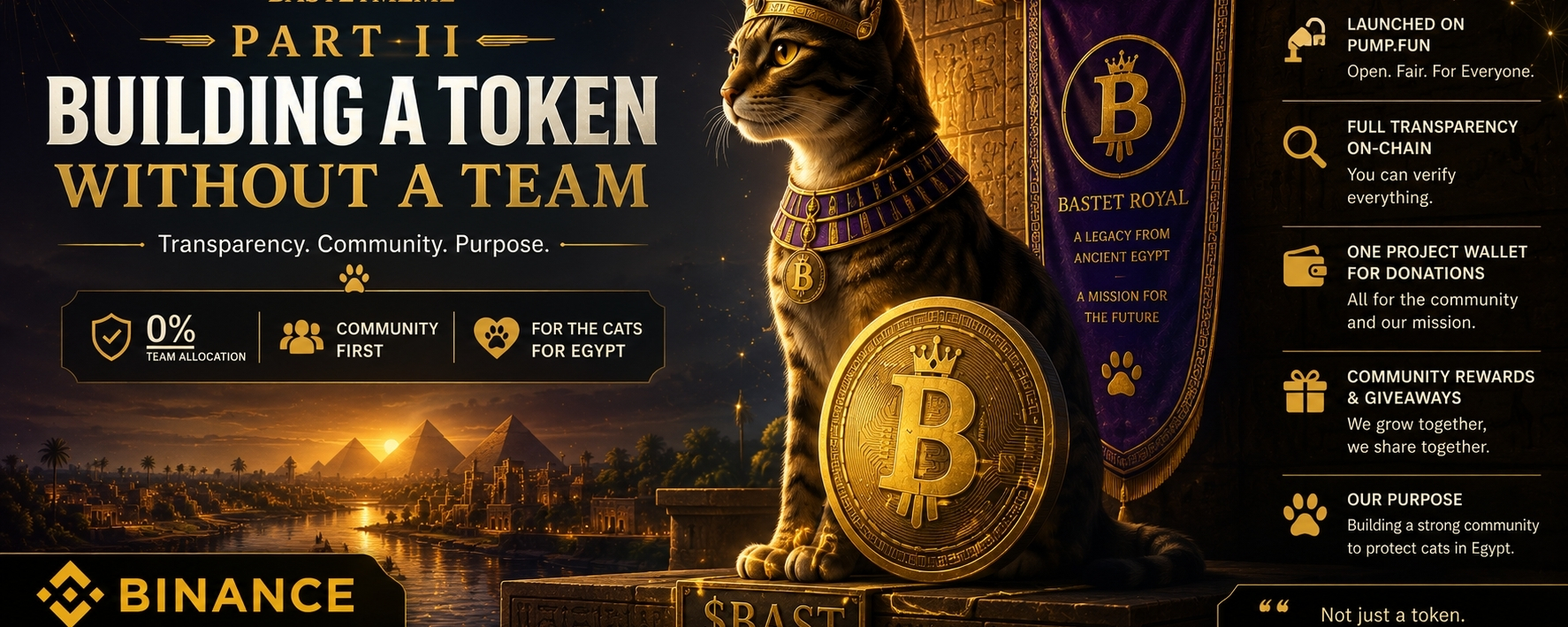
BASTETMEME — PART II
チームなしでトークンを作る先週金曜日、BastetMemeがどう始まったかをお話ししました。
それは夢から始まりました。
でも、夢は簡単に語れます。
それを作ることは、また別の話です。
Bastetというアイデアを本物の暗号資産プロジェクトにすることを決めたとき、私たちは、どんな小さなプロジェクトにも最終的に直面する疑問にぶつかりました:
自分の背中に大きな資産がないのに、どうやって何かを作り上げるのですか?
私たちの答えはシンプルでした:
透明性とともに作ろう。コミュニティとともに作ろう。
私たちは、従来型のチーム配分で$BASTを作ったわけではありません。
開発者、創業者、インサイダー向けに大きな割合は用意されていませんでした。
BASTETMEME — PART II チームなしでトークンを作る
先週金曜日、BastetMemeがどう始まったかをお話ししました。
それは夢から始まりました。
でも、夢は簡単に語れます。
それを作ることは、また別の話です。
Bastetというアイデアを本物の暗号資産プロジェクトにすることを決めたとき、私たちは、どんな小さなプロジェクトにも最終的に直面する疑問にぶつかりました:
自分の背中に大きな資産がないのに、どうやって何かを作り上げるのですか?
私たちの答えはシンプルでした:
透明性とともに作ろう。コミュニティとともに作ろう。
私たちは、従来型のチーム配分で$BASTを作ったわけではありません。
開発者、創業者、インサイダー向けに大きな割合は用意されていませんでした。
それは夢から始まりました。
でも、夢は簡単に語れます。
それを作ることは、また別の話です。
Bastetというアイデアを本物の暗号資産プロジェクトにすることを決めたとき、私たちは、どんな小さなプロジェクトにも最終的に直面する疑問にぶつかりました:
自分の背中に大きな資産がないのに、どうやって何かを作り上げるのですか?
私たちの答えはシンプルでした:
透明性とともに作ろう。コミュニティとともに作ろう。
私たちは、従来型のチーム配分で$BASTを作ったわけではありません。
開発者、創業者、インサイダー向けに大きな割合は用意されていませんでした。
61
·
--
記事
翻訳参照
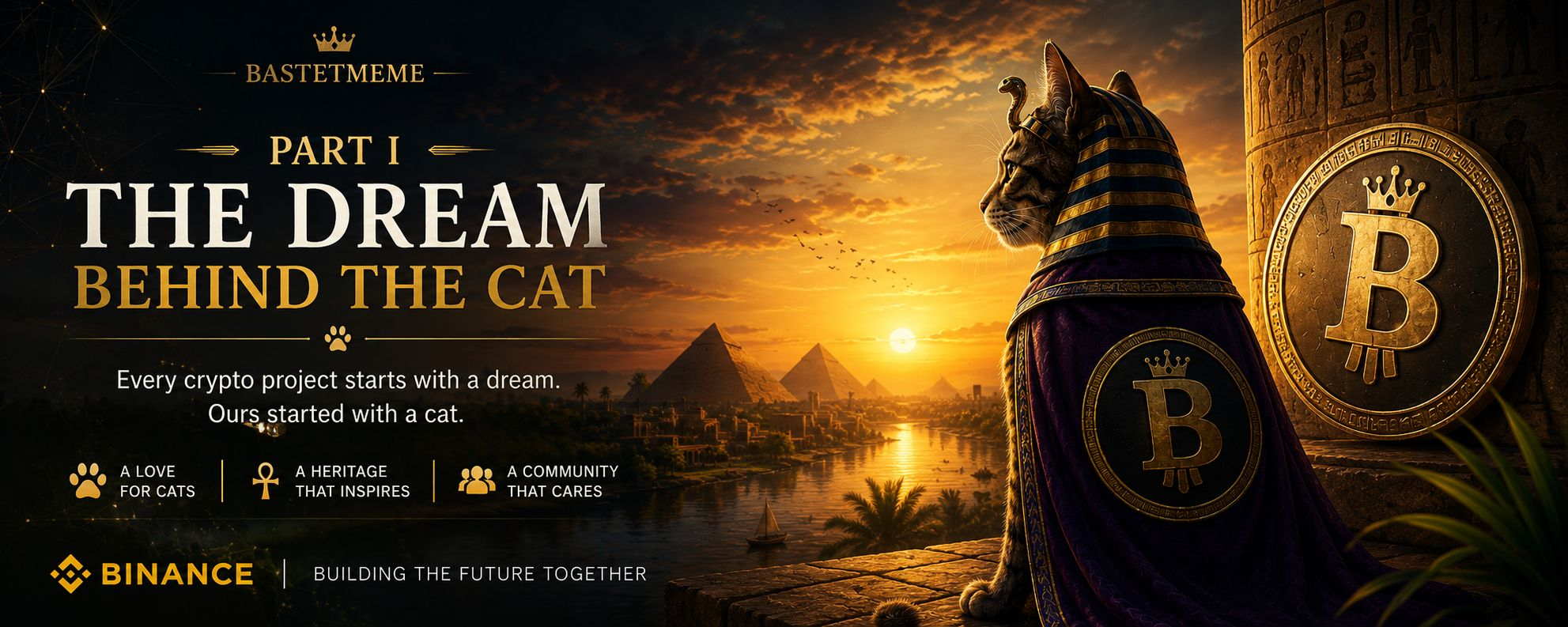
BASTETMEME — PART I
The Dream Behind the CatEvery crypto project starts with a dream.
Some dreams begin with money.
Some begin with ambition.
Ours began with a cat.
Not with a chart.
Not with a marketing budget.
Not with a promise of becoming rich.
It began with a simple question:
What if a crypto community could actually do something good for the animals that have no voice?
I have always loved cats and animals. And I have always been fascinated by crypto and Web3 — not only because of trading, but because of the idea behind it: people from different places can come together around an idea without needing a traditional institution to bring them together.
Then there was Egypt.
A country where cats are not just animals. They are part of thousands of years of culture and history.
And at the center of that history stands Bastet.
The ancient Egyptian goddess associated with cats, protection and the home became the inspiration behind a new idea.
But I didn't want Bastet to remain only a symbol from the past.
I imagined a new Bastet.
A royal cat.
A male mascot carrying an ancient Egyptian identity into the modern world of Web3.
And that was how BastetMeme began.
At first, it was just an idea.
There was no large treasury behind it.
No wealthy team waiting to finance massive campaigns.
No guaranteed investors.
Just a person with a dream, a love for cats, and the belief that perhaps a community could make that dream bigger than its creator.
The idea was never simply:
“Let's create another meme token.”
It was:
“Let's create a community that loves cats — and see what that community can eventually build.”
$BAST became the symbol.
Bastet Royal became the face.
And the cats of Egypt became the reason.
I knew from the beginning that this would not be easy.
A token can be created in minutes.
A community cannot.
Trust cannot.
A mission cannot.
Those things have to be earned.
So the first chapter of BastetMeme was never really about the token.
It was about trying to turn an idea into a community.
A community that could talk.
Create.
Share.
Help.
And perhaps, one day, look back and say:
“We actually changed something.”
But there was one thing I didn't fully understand when the journey began.
The crypto world is full of people searching for the next big opportunity.
Very few are searching for a cause.
And that difference would become one of the hardest lessons of the BastetMeme journey.
To be continued…
Part II — Building a Token With No Team Allocation
#CZ #BASTETMEME
$BTC $DOGE
BASTETMEME — PART I The Dream Behind the Cat
Every crypto project starts with a dream.
Some dreams begin with money.
Some begin with ambition.
Ours began with a cat.
Not with a chart.
Not with a marketing budget.
Not with a promise of becoming rich.
It began with a simple question:
What if a crypto community could actually do something good for the animals that have no voice?
I have always loved cats and animals. And I have always been fascinated by crypto and Web3 — not only because of trading, but because of the idea behind it: people from different places can come together around an idea without needing a traditional institution to bring them together.
Then there was Egypt.
A country where cats are not just animals. They are part of thousands of years of culture and history.
And at the center of that history stands Bastet.
The ancient Egyptian goddess associated with cats, protection and the home became the inspiration behind a new idea.
But I didn't want Bastet to remain only a symbol from the past.
I imagined a new Bastet.
A royal cat.
A male mascot carrying an ancient Egyptian identity into the modern world of Web3.
And that was how BastetMeme began.
At first, it was just an idea.
There was no large treasury behind it.
No wealthy team waiting to finance massive campaigns.
No guaranteed investors.
Just a person with a dream, a love for cats, and the belief that perhaps a community could make that dream bigger than its creator.
The idea was never simply:
“Let's create another meme token.”
It was:
“Let's create a community that loves cats — and see what that community can eventually build.”
$BAST became the symbol.
Bastet Royal became the face.
And the cats of Egypt became the reason.
I knew from the beginning that this would not be easy.
A token can be created in minutes.
A community cannot.
Trust cannot.
A mission cannot.
Those things have to be earned.
So the first chapter of BastetMeme was never really about the token.
It was about trying to turn an idea into a community.
A community that could talk.
Create.
Share.
Help.
And perhaps, one day, look back and say:
“We actually changed something.”
But there was one thing I didn't fully understand when the journey began.
The crypto world is full of people searching for the next big opportunity.
Very few are searching for a cause.
And that difference would become one of the hardest lessons of the BastetMeme journey.
To be continued…
Part II — Building a Token With No Team Allocation
#CZ #BASTETMEME
$BTC $DOGE
38
·
--
人工知能は、単にあなたを大企業のプロジェクトや製品に導くための現代の営業マンに過ぎません。それ以上でもそれ以下でもありません。
人工知能は、単にあなたを大企業のプロジェクトや製品に導くための現代の営業マンに過ぎません。それ以上でもそれ以下でもありません。
Elaouzi
·
--
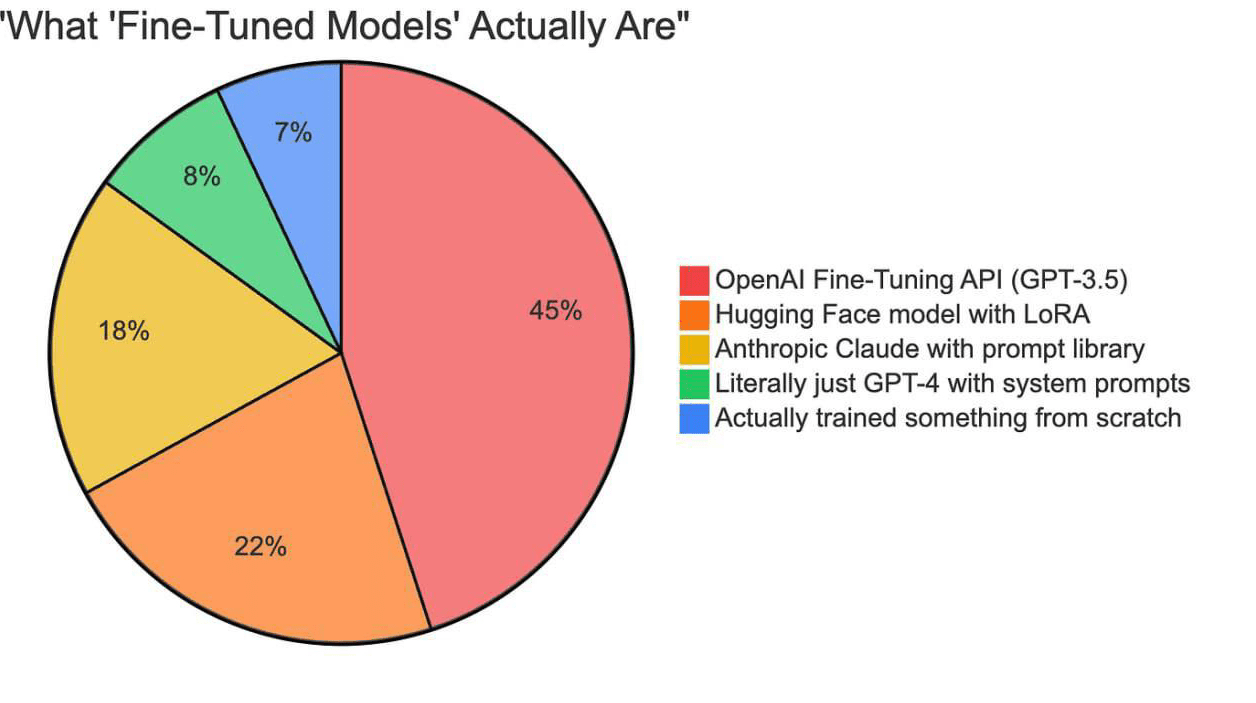
偽の人工知能スキャンダル: 73%の企業が「改善されたChatGPT」を私たちに売っているのか?
親愛なるフォロワーの皆さん、私たちが多くの人々が話すのを避けている人工知能市場の真実を明らかにします!200社以上のスタートアップを詳細に分析した結果、圧倒的多数(73%)が他社の既製モデルに主に依存していることが分かりました。
正直に言うと、多くの製品で「特許技術の人工知能」として流通しているものは、ただの:
正直に言うと、多くの製品で「特許技術の人工知能」として流通しているものは、ただの:
2
111
·
--

記事
時間の売り手夢にあふれた街で、夜空に星が明るく輝いているところに、アハメドという名の若者がいて、奇妙で素晴らしいアイデアを持っていました。彼は物ではなく「時間」を売ることを決めました。彼は自分の幸福の1分、思考の1時間、または人生の1日を売りました。彼は自分の魂の瞬間を売り、人々はそれを熱心に買いました。
アハメドは時間を売り始め、人々は彼から買い始めました。ある人は自分の退屈な日常に加えるために、彼の幸福の1分を買い、別の人は難しい問題の解決策を見つけるために、彼の思考の1時間を買いました。アハメドは高い価格で時間を売りましたが、人々はためらうことなく支払いました。
時間の売り手
夢にあふれた街で、夜空に星が明るく輝いているところに、アハメドという名の若者がいて、奇妙で素晴らしいアイデアを持っていました。彼は物ではなく「時間」を売ることを決めました。彼は自分の幸福の1分、思考の1時間、または人生の1日を売りました。彼は自分の魂の瞬間を売り、人々はそれを熱心に買いました。
アハメドは時間を売り始め、人々は彼から買い始めました。ある人は自分の退屈な日常に加えるために、彼の幸福の1分を買い、別の人は難しい問題の解決策を見つけるために、彼の思考の1時間を買いました。アハメドは高い価格で時間を売りましたが、人々はためらうことなく支払いました。
アハメドは時間を売り始め、人々は彼から買い始めました。ある人は自分の退屈な日常に加えるために、彼の幸福の1分を買い、別の人は難しい問題の解決策を見つけるために、彼の思考の1時間を買いました。アハメドは高い価格で時間を売りましたが、人々はためらうことなく支払いました。
10
·
--
素晴らしい言葉
素晴らしい言葉

Professor_MohammedEM
·
--
🌍🔥 Piの旅は始まったばかりです!
パイオニアたちよ、私たちは単なる別の暗号通貨プロジェクト以上の何かの第一章を生きています。
Piの物語は、騒音や空虚な約束に基づいていません—それはビジョン、忍耐、コミュニティに基づいています。
今、一部のアナリストは、時間の経過とともに1兆ドル以上がPiエコシステムに流入する可能性があると考えています。
そのことを少し考えてみてください—このレベルの流動性は、一つのトークンだけを揺るがすのではなく、世界的な暗号通貨の採用の風景を再形成します。
Piの物語は、騒音や空虚な約束に基づいていません—それはビジョン、忍耐、コミュニティに基づいています。
今、一部のアナリストは、時間の経過とともに1兆ドル以上がPiエコシステムに流入する可能性があると考えています。
そのことを少し考えてみてください—このレベルの流動性は、一つのトークンだけを揺るがすのではなく、世界的な暗号通貨の採用の風景を再形成します。

14
·
--
有名な通貨のことで、情報を持っている人も持っていない人も、知識なしに意見を述べる。話を広めず、自分で読んで調べてから意見を述べてほしい。
有名な通貨のことで、情報を持っている人も持っていない人も、知識なしに意見を述べる。話を広めず、自分で読んで調べてから意見を述べてほしい。
CRYPto tokens 89
·
--
Piコインの保有者へのニュース
@yousif170: 314,000ドルだと思っていた全ての人を騙すこと。
✅ はい、ニコラス・クーカリスまたはPiネットワークの創設チームがコインの95%以上を所有していることが実証されました。このプロジェクトは全く信頼できず、実際の暗号通貨としての信頼性を完全に失います。
🔹 これはつまり:
コインは完全に中央集権的です — 決定権は一人または一団体にあり、ビットコインやイーサリアムのような本物の暗号通貨のような分散型ネットワークではありません。
✅ はい、ニコラス・クーカリスまたはPiネットワークの創設チームがコインの95%以上を所有していることが実証されました。このプロジェクトは全く信頼できず、実際の暗号通貨としての信頼性を完全に失います。
🔹 これはつまり:
コインは完全に中央集権的です — 決定権は一人または一団体にあり、ビットコインやイーサリアムのような本物の暗号通貨のような分散型ネットワークではありません。
69
·
--

記事
ビットコインの2025年第4四半期の展望## 主要ドライバー
1. ポストハルビング供給クランチ (2024年のハルビングの影響が強まる)。
2. グローバル流動性: フェドの金利決定 (利下げ = 強気)。
3. 機関投資家の需要: ETFの流入、企業の採用。
4. 規制: 完全なMiCA実施 (EU)、米国の選挙政策の変化。
5. マクロリスク: インフレ、サイバー攻撃、地政学的ショック。
---
### 価格シナリオ
| シナリオ | 確率 | BTC価格範囲 | カタリスト
|---------------------|-----------------|---------------------|-----------------
ビットコインの2025年第4四半期の展望
## 主要ドライバー
1. ポストハルビング供給クランチ (2024年のハルビングの影響が強まる)。
2. グローバル流動性: フェドの金利決定 (利下げ = 強気)。
3. 機関投資家の需要: ETFの流入、企業の採用。
4. 規制: 完全なMiCA実施 (EU)、米国の選挙政策の変化。
5. マクロリスク: インフレ、サイバー攻撃、地政学的ショック。
---
### 価格シナリオ
| シナリオ | 確率 | BTC価格範囲 | カタリスト
|---------------------|-----------------|---------------------|-----------------
1. ポストハルビング供給クランチ (2024年のハルビングの影響が強まる)。
2. グローバル流動性: フェドの金利決定 (利下げ = 強気)。
3. 機関投資家の需要: ETFの流入、企業の採用。
4. 規制: 完全なMiCA実施 (EU)、米国の選挙政策の変化。
5. マクロリスク: インフレ、サイバー攻撃、地政学的ショック。
---
### 価格シナリオ
| シナリオ | 確率 | BTC価格範囲 | カタリスト
|---------------------|-----------------|---------------------|-----------------
1
28
·
--
ブリッシュ
Huma Finance ($HUMA);
Huma Financeは、従来の金融(TradFi)と分散型金融(DeFi)を結びつける分散型資金調達プラットフォーム(PayFi)です。グローバルな決済を簡素化し、収入担保ローンや迅速な金融決済に重点を置いて、ブロックチェーン上で即時流動性を提供することを目指しています。プラットフォームはSolanaネットワーク上で動作し、取引の迅速さとコストの低さを保証し、国境を越えた決済やリアルタイム決済などのソリューションをサポートしています。
Huma Financeの未来:
急成長: プラットフォームは、1年間で54億ドルのPayFi取引を達成し、2025年末までに100億ドルに達することを目指しています。
パートナーシップ: CircleやSuperstateなどの主要なエンティティと協力して流動性戦略を改善しています。
市場の可能性: 従来の金融に結びつくDeFiソリューションの需要が高まる中、Huma Financeには有望な未来があるかもしれませんが、暗号通貨市場の変動リスクに直面しています。
課題: 成功は、拡大の継続、ユーザーエクスペリエンスの改善、規制および技術的課題の克服に依存しています。
#HUMAFINANCE
$HUMA
Huma Finance ($HUMA );
Huma Financeは、従来の金融(TradFi)と分散型金融(DeFi)を結びつける分散型資金調達プラットフォーム(PayFi)です。グローバルな決済を簡素化し、収入担保ローンや迅速な金融決済に重点を置いて、ブロックチェーン上で即時流動性を提供することを目指しています。プラットフォームはSolanaネットワーク上で動作し、取引の迅速さとコストの低さを保証し、国境を越えた決済やリアルタイム決済などのソリューションをサポートしています。
Huma Financeの未来:
急成長: プラットフォームは、1年間で54億ドルのPayFi取引を達成し、2025年末までに100億ドルに達することを目指しています。
パートナーシップ: CircleやSuperstateなどの主要なエンティティと協力して流動性戦略を改善しています。
市場の可能性: 従来の金融に結びつくDeFiソリューションの需要が高まる中、Huma Financeには有望な未来があるかもしれませんが、暗号通貨市場の変動リスクに直面しています。
課題: 成功は、拡大の継続、ユーザーエクスペリエンスの改善、規制および技術的課題の克服に依存しています。
#HUMAFINANCE
$HUMA
195
·
--
これは、ビットコインが歴史的な最高値を達成するための大きな押し上げの始まりであり、大崩壊の前にビットコインが底に達することを意味します😂😂
これは、ビットコインが歴史的な最高値を達成するための大きな押し上げの始まりであり、大崩壊の前にビットコインが底に達することを意味します😂😂


حيتان العرب Arabicwhales
·
--
過去12時間の間に、14年の停滞の後、8つのサトシ時代のウォレットが目覚め、80,000 $BTC(価値86.8億ドル)が新しいウォレットに移動されました! 😱
🔹 これらのウォレットのうち2つは、2011年4月に0.78ドルでビットコインを受け取り、残りは2011年5月に3.37$ ドルで受け取りました—その時、総額はわずか21.78万ドルでした!
🔹 今日、この量は86.8億ドルに相当し、39,800倍のリターンです! 🤯
📊 これは巨大な売却の始まりですか?
あなたの予測を共有してください 👇
🔹 これらのウォレットのうち2つは、2011年4月に0.78ドルでビットコインを受け取り、残りは2011年5月に3.37$ ドルで受け取りました—その時、総額はわずか21.78万ドルでした!
🔹 今日、この量は86.8億ドルに相当し、39,800倍のリターンです! 🤯
📊 これは巨大な売却の始まりですか?
あなたの予測を共有してください 👇

252
·
--
22
22

8_NovaMeme
·
--
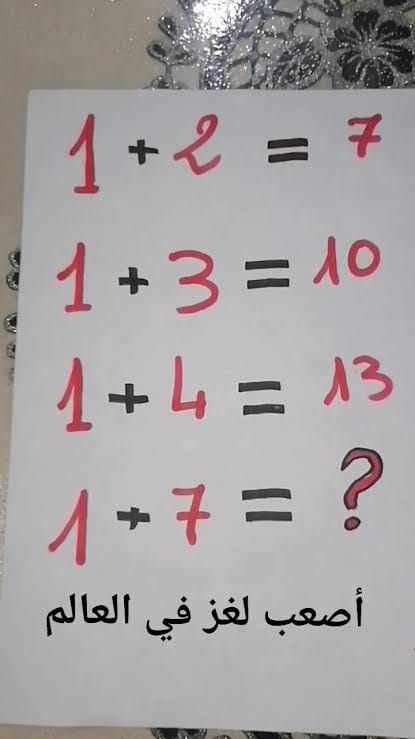
ブリッシュ世界で最も難しい謎 📍📍📍📍📍🔥🔥🔥🔥🔥🔥
答えを知らない人だけが#answerthequestion werthequestionを与える、正しい答えを出す人が#lockyquiz uizの勝者になる $BTC $TRUMP $BTC TH
答えを知らない人だけが#answerthequestion werthequestionを与える、正しい答えを出す人が#lockyquiz uizの勝者になる $BTC $TRUMP $BTC TH

3
·
--
ビットコインさえも、日々が来る
ビットコインさえも、日々が来る

mras645
·
--
分散化?大きな嘘 🤥
$200M のハッキング後、ネットワーク $SUI で彼らは取引を禁止し、資金を凍結し始めた 🚫💸
仮面が剥がれ、真実が見えた…
実際に分散化されているのはビットコインだけ 🟧
$SUI
$BTC
$200M のハッキング後、ネットワーク $SUI で彼らは取引を禁止し、資金を凍結し始めた 🚫💸
仮面が剥がれ、真実が見えた…
実際に分散化されているのはビットコインだけ 🟧
$SUI
$BTC

55
·
--

記事
今週のビットコインビットコイン(BTC/USD)のテクニカル分析:
現在の状況:
ビットコインは現在104,000ドルの水準で取引されており、最近の数日間で顕著な変動があります。
106,000ドルのレベルで強い抵抗があり、ビットコインは決定的にこれを突破することができず、下落修正の可能性や横ばい取引の継続を示唆しています。
今週のビットコイン
ビットコイン(BTC/USD)のテクニカル分析:
現在の状況:
ビットコインは現在104,000ドルの水準で取引されており、最近の数日間で顕著な変動があります。
106,000ドルのレベルで強い抵抗があり、ビットコインは決定的にこれを突破することができず、下落修正の可能性や横ばい取引の継続を示唆しています。
現在の状況:
ビットコインは現在104,000ドルの水準で取引されており、最近の数日間で顕著な変動があります。
106,000ドルのレベルで強い抵抗があり、ビットコインは決定的にこれを突破することができず、下落修正の可能性や横ばい取引の継続を示唆しています。
2
5.2k
ログインして、さらにコンテンツを読む
厳選トピックで世界の暗号資産トレーダーの仲間入り
⚡️ 暗号資産に関する最新かつ有益な情報が見つかります。
💬 世界最大の暗号資産取引所から信頼されています。
👍 認証を受けたクリエイターから、有益なインサイトを得られます。
メール / 電話番号