

Alex champion
153 投稿

Alex champion
報告
ユーザーをブロック
取引を発注
高頻度トレーダー
2.2か月
4 フォロー
192 フォロワー
118 いいね
投稿
ポートフォリオ
·
--
ブリッシュ
翻訳参照
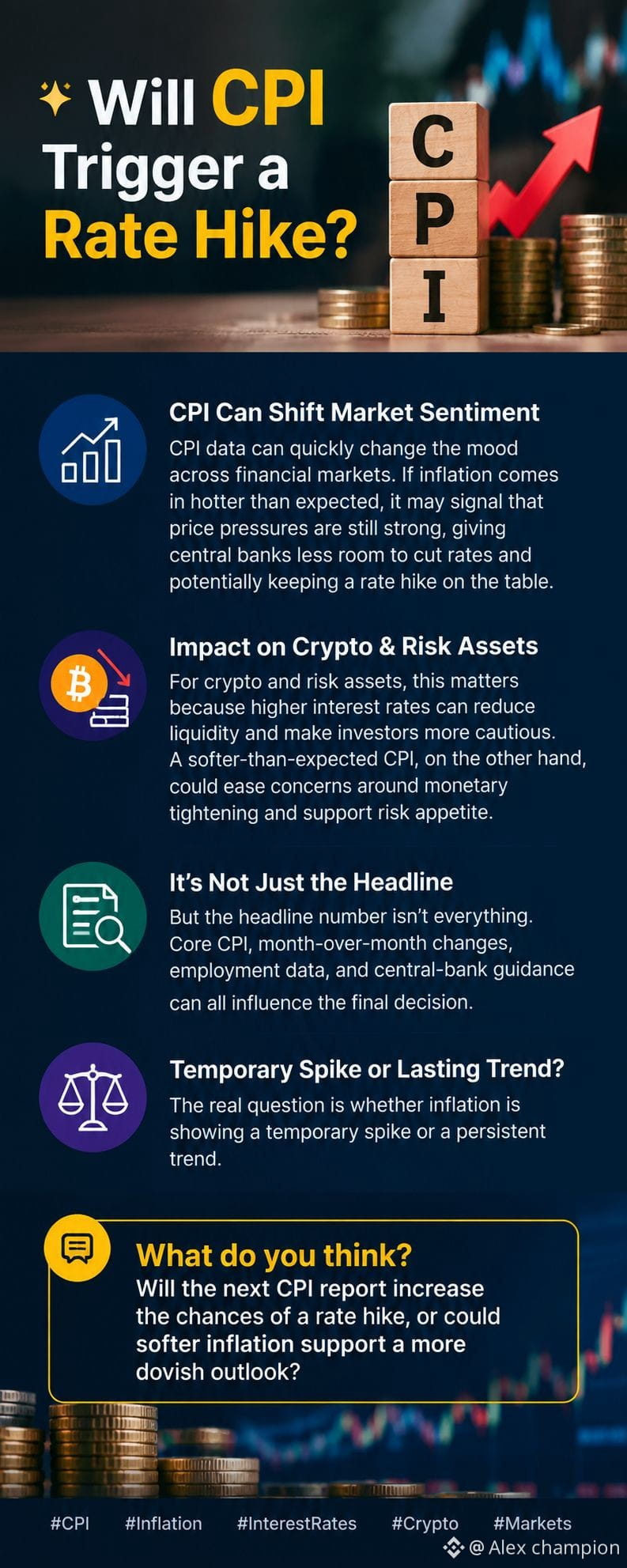
✨ Will CPI Trigger a Rate Hike?
CPI data can quickly change the mood across financial markets. If inflation comes in hotter than expected, it may signal that price pressures are still strong, giving central banks less room to cut rates and potentially keeping a rate hike on the table.
For crypto and risk assets, this matters because higher interest rates can reduce liquidity and make investors more cautious. A softer-than-expected CPI, on the other hand, could ease concerns around monetary tightening and support risk appetite.
But the headline number isn’t everything. Core CPI, month-over-month changes, employment data, and central-bank guidance can all influence the final decision.
The real question is whether inflation is showing a temporary spike or a persistent trend.
📊 What do you think? Will the next CPI report increase the chances of a rate hike, or could softer inflation support a more dovish outlook?
$MET
{future}(METUSDT)
$RAYSOL
{future}(RAYSOLUSDT)
$LSK
{future}(LSKUSDT)
#CPIWatch
✨ Will CPI Trigger a Rate Hike?
CPI data can quickly change the mood across financial markets. If inflation comes in hotter than expected, it may signal that price pressures are still strong, giving central banks less room to cut rates and potentially keeping a rate hike on the table.
For crypto and risk assets, this matters because higher interest rates can reduce liquidity and make investors more cautious. A softer-than-expected CPI, on the other hand, could ease concerns around monetary tightening and support risk appetite.
But the headline number isn’t everything. Core CPI, month-over-month changes, employment data, and central-bank guidance can all influence the final decision.
The real question is whether inflation is showing a temporary spike or a persistent trend.
📊 What do you think? Will the next CPI report increase the chances of a rate hike, or could softer inflation support a more dovish outlook?
$MET
$RAYSOL
$LSK
#CPIWatch
CPI data can quickly change the mood across financial markets. If inflation comes in hotter than expected, it may signal that price pressures are still strong, giving central banks less room to cut rates and potentially keeping a rate hike on the table.
For crypto and risk assets, this matters because higher interest rates can reduce liquidity and make investors more cautious. A softer-than-expected CPI, on the other hand, could ease concerns around monetary tightening and support risk appetite.
But the headline number isn’t everything. Core CPI, month-over-month changes, employment data, and central-bank guidance can all influence the final decision.
The real question is whether inflation is showing a temporary spike or a persistent trend.
📊 What do you think? Will the next CPI report increase the chances of a rate hike, or could softer inflation support a more dovish outlook?
$MET
$RAYSOL
$LSK
#CPIWatch
82
·
--
弱気相場
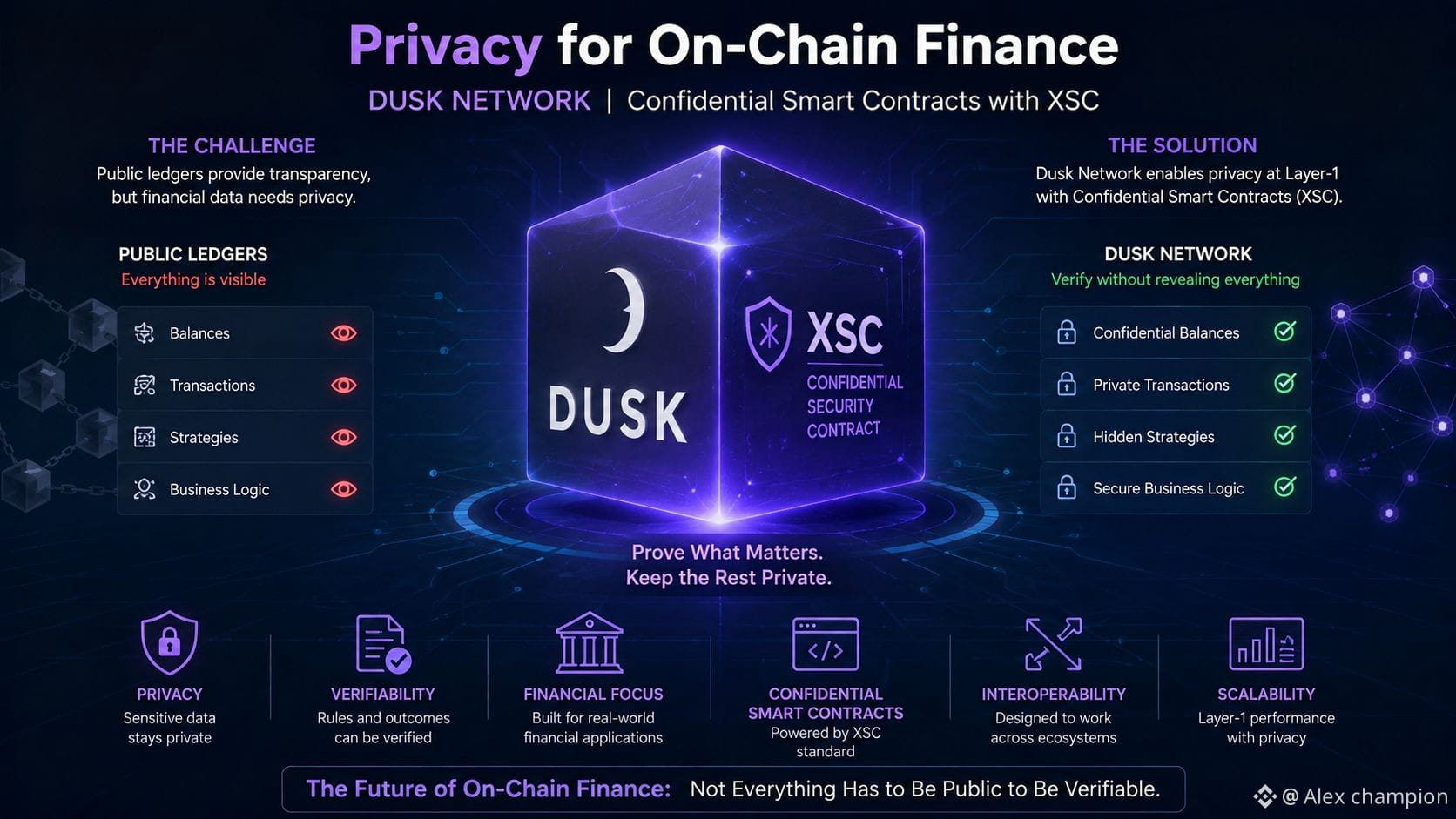
暗号資産のナラティブが、市場サイクルごとに「速いブロックチェーン」「より安い取引手数料」から、AI、現実世界の資産、そしてより高度な金融商品へと変わっていくのを、いつも実感しています。それでも、ブロックチェーンの導入が進むにつれて重要性が増し続けている一つの課題があります。それが「プライバシー」です。公開台帳は検証を容易にしますが、金融活動には、誰にでも見えるべきではない情報が必要になることがよくあります。そこで私は、Dusk Networkをより詳しく調べることにしました。私の関心を引いたのは、Duskがこの問題にレイヤー1のレベルで取り組み、金融アプリケーションに焦点を当て、Confidential Security Contract(XSC)という標準を通じて機密(コンフィデンシャル)スマートコントラクトをサポートしている点です。私は、単に取引を隠すだけなのか、それとも重要なルールは検証できつつも、機微情報は非公開のまま維持できるアプリケーションを構築するのか、という違いについて考え始めました。その違いは、すべての残高、取引、あるいは業務ロジックを公開せずに、ブロックチェーン基盤を求める企業や金融利用者にとって、意味を持ちうるはずです。同時に、Duskがコンプライアンス、相互運用性、スケーラビリティ、そして開発者の複雑さをめぐる難しいトレードオフをどう扱うのかも気になります。プライバシーは有用ですが、説明責任や検証が必要な仕組みの中で機能しなければなりません。私が注目しているのは、機密スマートコントラクトが単なる専門的なアイデアを超えて、オンチェーン・ファイナンスのための実用的な基盤になり得るかどうかです。将来的に、より多くの金融活動が公開ネットワークに移行するなら、透明性は依然としてすべてを明らかにすることを意味するのでしょうか。それとも、残りは非公開にしつつ、重要な部分だけを「証明」するという、より良いモデルがあり得るのでしょうか?
@Dusk_Foundation #dusk $DUSK
{future}(DUSKUSDT)
暗号資産のナラティブが、市場サイクルごとに「速いブロックチェーン」「より安い取引手数料」から、AI、現実世界の資産、そしてより高度な金融商品へと変わっていくのを、いつも実感しています。それでも、ブロックチェーンの導入が進むにつれて重要性が増し続けている一つの課題があります。それが「プライバシー」です。公開台帳は検証を容易にしますが、金融活動には、誰にでも見えるべきではない情報が必要になることがよくあります。そこで私は、Dusk Networkをより詳しく調べることにしました。私の関心を引いたのは、Duskがこの問題にレイヤー1のレベルで取り組み、金融アプリケーションに焦点を当て、Confidential Security Contract(XSC)という標準を通じて機密(コンフィデンシャル)スマートコントラクトをサポートしている点です。私は、単に取引を隠すだけなのか、それとも重要なルールは検証できつつも、機微情報は非公開のまま維持できるアプリケーションを構築するのか、という違いについて考え始めました。その違いは、すべての残高、取引、あるいは業務ロジックを公開せずに、ブロックチェーン基盤を求める企業や金融利用者にとって、意味を持ちうるはずです。同時に、Duskがコンプライアンス、相互運用性、スケーラビリティ、そして開発者の複雑さをめぐる難しいトレードオフをどう扱うのかも気になります。プライバシーは有用ですが、説明責任や検証が必要な仕組みの中で機能しなければなりません。私が注目しているのは、機密スマートコントラクトが単なる専門的なアイデアを超えて、オンチェーン・ファイナンスのための実用的な基盤になり得るかどうかです。将来的に、より多くの金融活動が公開ネットワークに移行するなら、透明性は依然としてすべてを明らかにすることを意味するのでしょうか。それとも、残りは非公開にしつつ、重要な部分だけを「証明」するという、より良いモデルがあり得るのでしょうか?
@Dusk #dusk $DUSK
@Dusk #dusk $DUSK
3
5
157
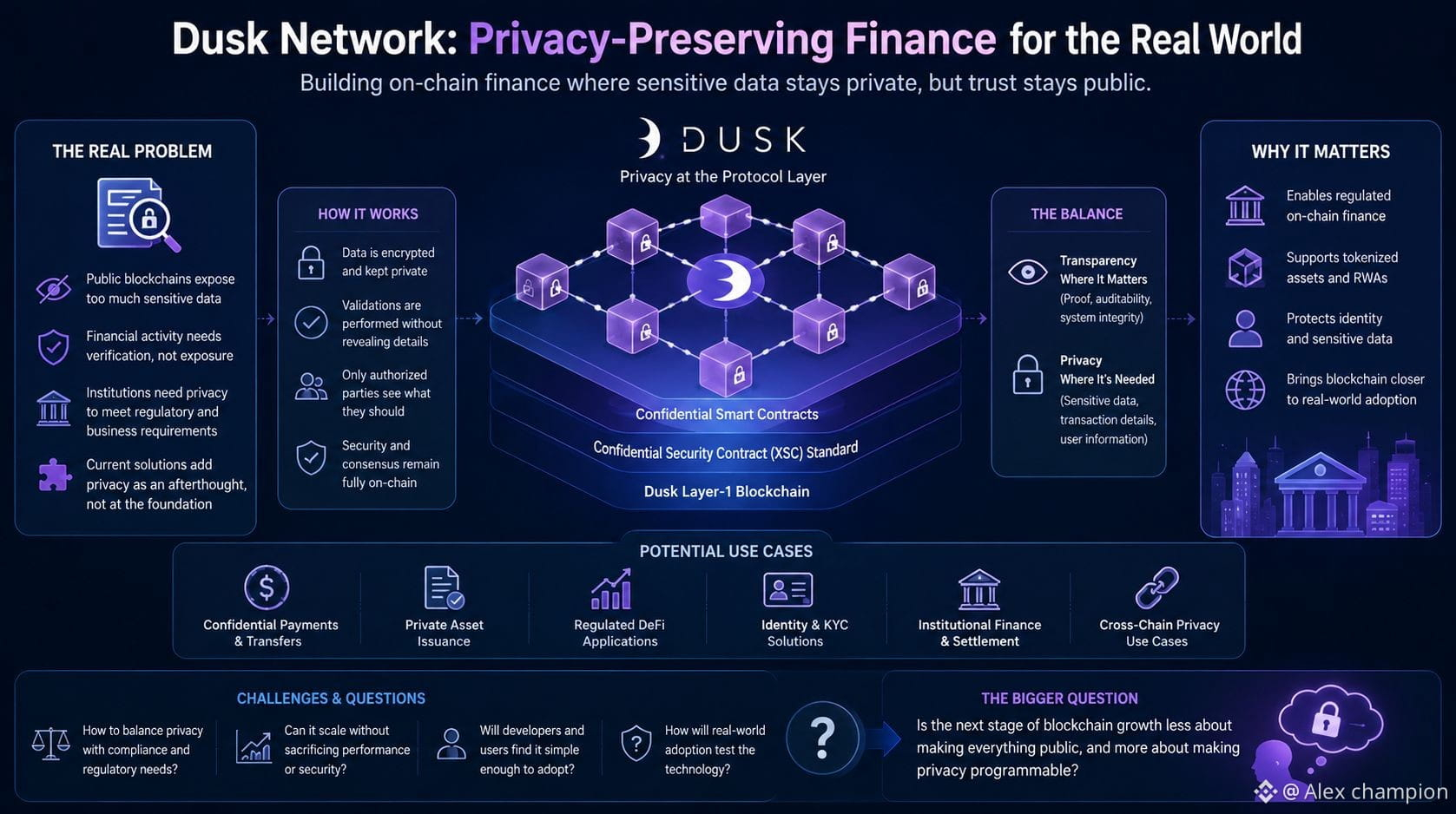
暗号資産は、より高速なチェーン、より安価な取引、AIのナラティブ、そしてますます複雑化する金融アプリケーションを求めて、何年にもわたりサイクルを回してきました。しかし一つの問題が何度も立ち返ってきます。――公開の場で、あらゆる機微情報を見せることなく、役に立つオンチェーンの金融をどう構築するのか? それが私がDusk Networkをより深く調べるきっかけになりました。私の目を引いたのは、Duskがこの課題に対して、プライバシーを後付けのものとして扱うのではなく、ブロックチェーン層そのもので取り組んでいる点です。レイヤー1として、秘匿スマートコントラクトとConfidential Security Contract(XSC)標準を中心に設計されており、いくつかの領域では透明性を必要としつつ、それでも機微なデータを保護したい金融アプリケーションにとって、興味深い構造を生み出しています。ブロックチェーンが投機の領域を超え、規制された市場、トークン化された資産、そして現実世界の金融インフラへと進むにつれて、このバランスがどれほど重要になり得るのかを考え始めました。同時に、パブリック・ブロックチェーンでのプライバシーは単純な問題ではありません。コンプライアンス、スケーラビリティ、使いやすさ、そして異なる参加者が、すべてを見ずにどのように情報を検証するのか――そのあたりにトレードオフが存在します。Duskが、機密取引を実用的なまま維持しつつ、機関投資家や規制当局の期待にも応えられることを証明できるのか、気になります。私が最も関心を持っているのは、プライバシーが価値あるように聞こえるかどうかではなく、このアーキテクチャが過度に複雑にならずに、実際の普及を支えられるかどうかです。もしかすると、より大きな問いは、ブロックチェーンの次の成長段階が、「すべてを公開すること」よりも、「本当に何をプライベートとして守るべきか」を決めることに、より依存していくのではないかという点にあるのかもしれません。
@Dusk_Foundation #dusk $DUSK
{future}(DUSKUSDT)
暗号資産は、より高速なチェーン、より安価な取引、AIのナラティブ、そしてますます複雑化する金融アプリケーションを求めて、何年にもわたりサイクルを回してきました。しかし一つの問題が何度も立ち返ってきます。――公開の場で、あらゆる機微情報を見せることなく、役に立つオンチェーンの金融をどう構築するのか? それが私がDusk Networkをより深く調べるきっかけになりました。私の目を引いたのは、Duskがこの課題に対して、プライバシーを後付けのものとして扱うのではなく、ブロックチェーン層そのもので取り組んでいる点です。レイヤー1として、秘匿スマートコントラクトとConfidential Security Contract(XSC)標準を中心に設計されており、いくつかの領域では透明性を必要としつつ、それでも機微なデータを保護したい金融アプリケーションにとって、興味深い構造を生み出しています。ブロックチェーンが投機の領域を超え、規制された市場、トークン化された資産、そして現実世界の金融インフラへと進むにつれて、このバランスがどれほど重要になり得るのかを考え始めました。同時に、パブリック・ブロックチェーンでのプライバシーは単純な問題ではありません。コンプライアンス、スケーラビリティ、使いやすさ、そして異なる参加者が、すべてを見ずにどのように情報を検証するのか――そのあたりにトレードオフが存在します。Duskが、機密取引を実用的なまま維持しつつ、機関投資家や規制当局の期待にも応えられることを証明できるのか、気になります。私が最も関心を持っているのは、プライバシーが価値あるように聞こえるかどうかではなく、このアーキテクチャが過度に複雑にならずに、実際の普及を支えられるかどうかです。もしかすると、より大きな問いは、ブロックチェーンの次の成長段階が、「すべてを公開すること」よりも、「本当に何をプライベートとして守るべきか」を決めることに、より依存していくのではないかという点にあるのかもしれません。
@Dusk #dusk $DUSK
@Dusk #dusk $DUSK
2
5
135
·
--
ブリッシュ
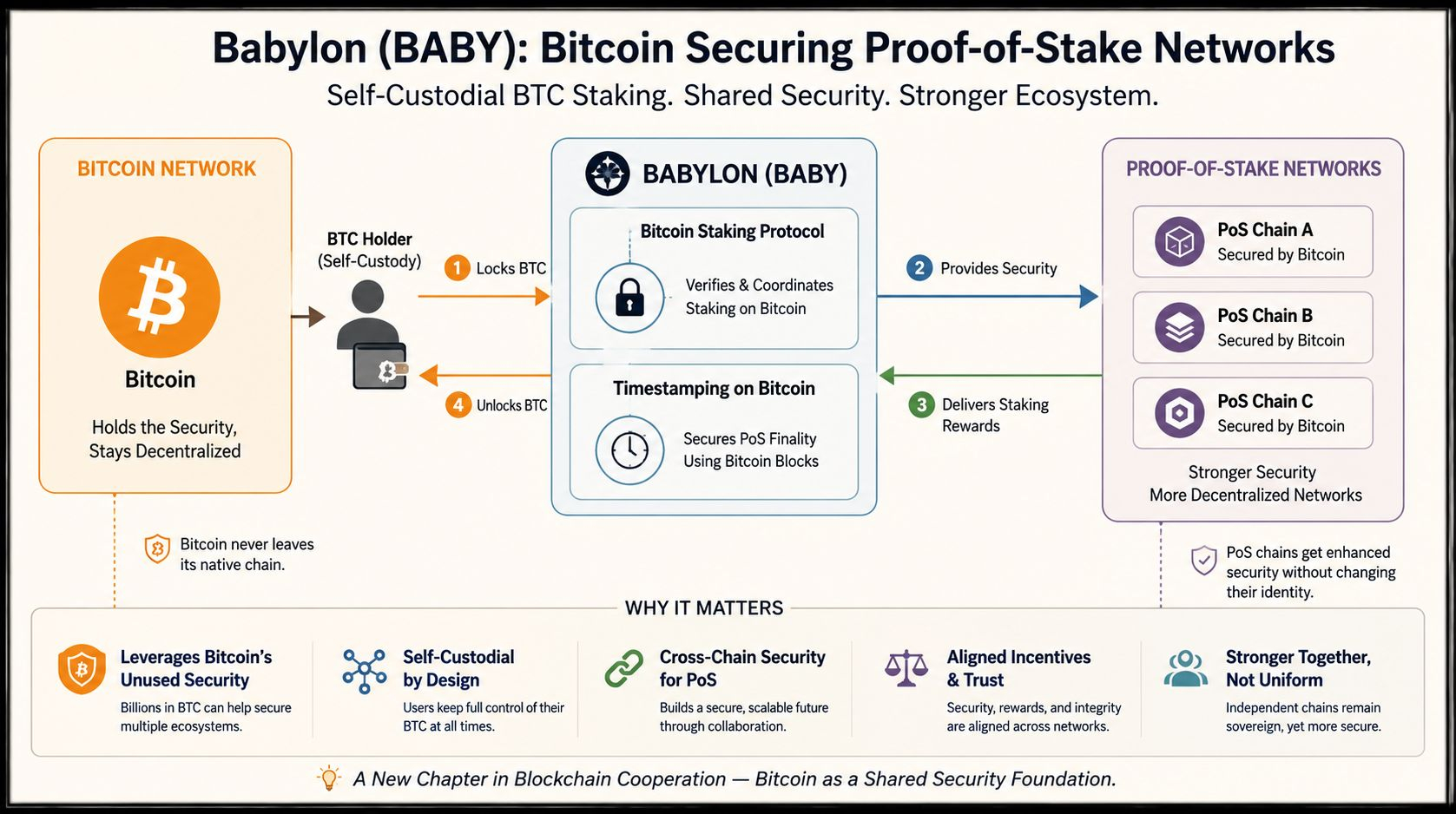
私は、最も面白い暗号のアイデアは、別のブロックチェーンを作ることに注目するものではなく、すでにそれらが価値ある理由を変えずに、既存のネットワークをより有用にすることに向けられているのだと気づき続けています。この考え方がきっかけで、私は Babylon(BABY)を調べる時間を費やしました。私の注意を引いたのは、ラップ資産や従来のカストディに頼らずに、自身のネイティブチェーン上でビットコインがプルーフ・オブ・ステーク(PoS)ネットワークのセキュリティを支えられるようにしようとしている点です。私は、ビットコインの中にどれほど未使用のセキュリティが存在し、それが自らの原則を弱めることなく他のエコシステムに現実的に役立てられるのかを考え始めました。興味深いのは、議論がステーキング報酬にとどまらず、共有セキュリティ、信頼、ネットワークの連携といった、より広い問いに踏み込んでいることです。同時に、採用が複数のチェーンに広がっていく中でも、このモデルがシンプルで分散的で、そして回復力を保てるのかが気になります。強力な概念は価値がありますが、現実の実装では、しばしば予想外のトレードオフが明らかになります。このようなアプローチは、独立したブロックチェーンのエコシステム同士の協力のあり方を、アイデンティティを損なわずに徐々に変えていくことができるのでしょうか?
@babylonlabs_io #baby $BABY
{future}(BABYUSDT)
私は、最も面白い暗号のアイデアは、別のブロックチェーンを作ることに注目するものではなく、すでにそれらが価値ある理由を変えずに、既存のネットワークをより有用にすることに向けられているのだと気づき続けています。この考え方がきっかけで、私は Babylon(BABY)を調べる時間を費やしました。私の注意を引いたのは、ラップ資産や従来のカストディに頼らずに、自身のネイティブチェーン上でビットコインがプルーフ・オブ・ステーク(PoS)ネットワークのセキュリティを支えられるようにしようとしている点です。私は、ビットコインの中にどれほど未使用のセキュリティが存在し、それが自らの原則を弱めることなく他のエコシステムに現実的に役立てられるのかを考え始めました。興味深いのは、議論がステーキング報酬にとどまらず、共有セキュリティ、信頼、ネットワークの連携といった、より広い問いに踏み込んでいることです。同時に、採用が複数のチェーンに広がっていく中でも、このモデルがシンプルで分散的で、そして回復力を保てるのかが気になります。強力な概念は価値がありますが、現実の実装では、しばしば予想外のトレードオフが明らかになります。このようなアプローチは、独立したブロックチェーンのエコシステム同士の協力のあり方を、アイデンティティを損なわずに徐々に変えていくことができるのでしょうか?
@BabylonLabs_io #baby $BABY
@BabylonLabs_io #baby $BABY
22
21
431
·
--
弱気相場
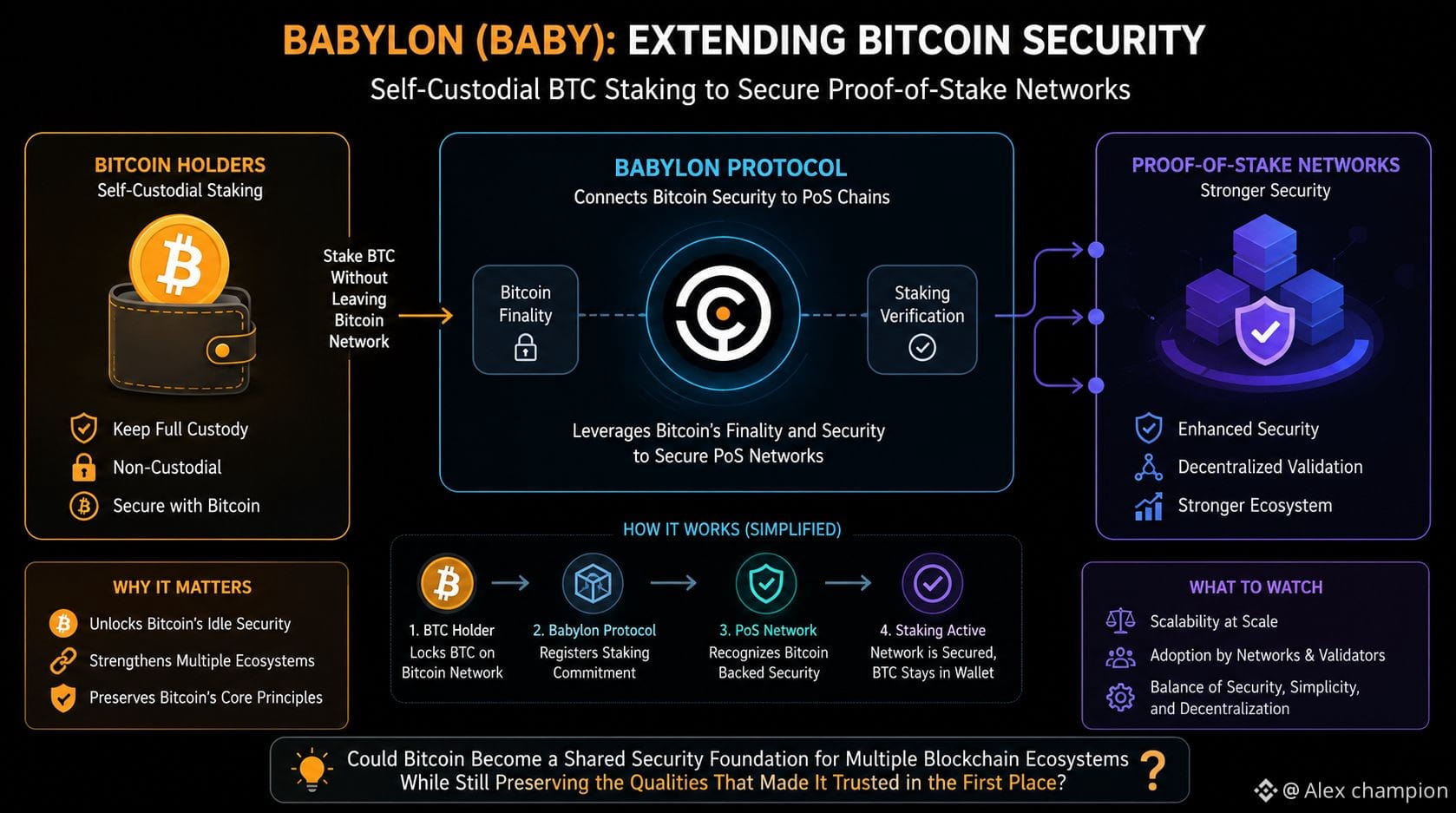
暗号資産業界全体で私がずっと感じているのは、延々と新しいチェーンを作り続ける話題から、すでに存在するものをより強くするための賢い方法を見つける方向へ、会話が徐々に移ってきているということです。その変化がきっかけで、Babylon(BABY)について調べる時間を取ることになりました。私の関心を引いたのは、ビットコイン保有者がBTCを自己管理(セルフカストディアル)でステーキングできるようにし、それによってビットコインネットワーク自体から離れることなく、プルーフ・オブ・ステーク(PoS)ネットワークのセキュリティを支えることを狙っている点です。私は、より広いエコシステムにほとんど参加していないビットコインに、どれほどの価値が蓄積されているのか、そしてビットコインの中核となる原則を損なわずに、そのセキュリティを拡張できるのだろうかと考え始めました。私が面白いと思うのは、このプロジェクトが、別の孤立したエコシステムを作ることよりも、実用的なインフラの課題を解決することに焦点を当てているように見える点です。同時に、より多くのネットワーク、バリデーター、ユーザーが関わってくるにつれて、このモデルがスケールの中で本当に機能するのかが気になっています。技術設計は一つのことですが、そのアイデアが長期的に価値を持ち続けるかどうかを最終的に左右するのは、長期的な信頼性と普及です。プロトコルが進化していく中で、セキュリティ、シンプルさ、分散化のバランスが重要な注目点になると考えています。完成した解決策としてBabylonを見るのではなく、より大きな問いを投げかける興味深い実験だと捉えています。つまり、ビットコインは、最初に信頼されるようになったその品質を保ちながら、複数のブロックチェーン・エコシステムのための共通のセキュリティ基盤になり得るのではないでしょうか?
@babylonlabs_io #baby $BABY
{future}(BABYUSDT)
暗号資産業界全体で私がずっと感じているのは、延々と新しいチェーンを作り続ける話題から、すでに存在するものをより強くするための賢い方法を見つける方向へ、会話が徐々に移ってきているということです。その変化がきっかけで、Babylon(BABY)について調べる時間を取ることになりました。私の関心を引いたのは、ビットコイン保有者がBTCを自己管理(セルフカストディアル)でステーキングできるようにし、それによってビットコインネットワーク自体から離れることなく、プルーフ・オブ・ステーク(PoS)ネットワークのセキュリティを支えることを狙っている点です。私は、より広いエコシステムにほとんど参加していないビットコインに、どれほどの価値が蓄積されているのか、そしてビットコインの中核となる原則を損なわずに、そのセキュリティを拡張できるのだろうかと考え始めました。私が面白いと思うのは、このプロジェクトが、別の孤立したエコシステムを作ることよりも、実用的なインフラの課題を解決することに焦点を当てているように見える点です。同時に、より多くのネットワーク、バリデーター、ユーザーが関わってくるにつれて、このモデルがスケールの中で本当に機能するのかが気になっています。技術設計は一つのことですが、そのアイデアが長期的に価値を持ち続けるかどうかを最終的に左右するのは、長期的な信頼性と普及です。プロトコルが進化していく中で、セキュリティ、シンプルさ、分散化のバランスが重要な注目点になると考えています。完成した解決策としてBabylonを見るのではなく、より大きな問いを投げかける興味深い実験だと捉えています。つまり、ビットコインは、最初に信頼されるようになったその品質を保ちながら、複数のブロックチェーン・エコシステムのための共通のセキュリティ基盤になり得るのではないでしょうか?
@BabylonLabs_io #baby $BABY
@BabylonLabs_io #baby $BABY
19
1
17
88
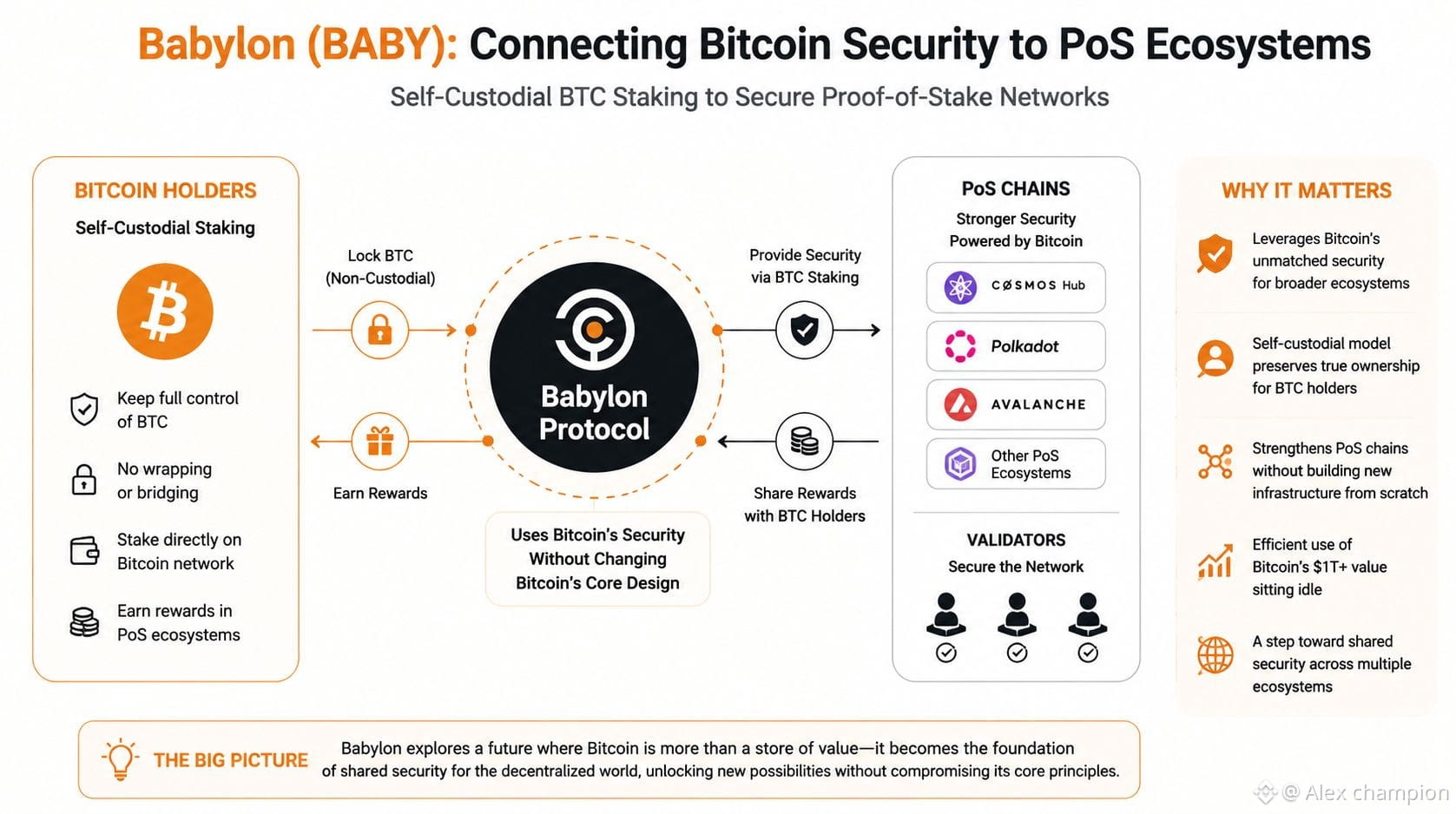
ここ数年で、暗号資産業界の関心が、数え切れない新しいブロックチェーンの立ち上げから、時間をかけて信頼を得てきた既存のネットワークをより有効に活用する方向へ徐々に移ってきていることに気づきました。この変化がきっかけで、Babylon(BABY)について少し時間をかけて調べることにしました。私の目を引いたのは、自己管理(セルフカストディ)のBTCステーキングという概念だけではなく、さらに広く「人々が自分の資産の管理権を手放す必要なしに、ビットコインのセキュリティがプルーフ・オブ・ステークのエコシステムを守ることに貢献できるのか」という問いでした。ビットコインのネットワーク上には、価値がどれほど積み重なっているのに、実際には価値の保存として機能する以上のことはほとんどしていないのではないかと思いました。一方で、多くの新しいチェーンは、より強固なセキュリティモデルを求め続けています。Babylonは、コアとなる設計を変えずにビットコインがより大きな役割を担えるようにすることで、その「中間的な道」を探っているように見えます。同時に、エコシステムが成長していくにつれて、ビットコイン保有者、バリデーター、PoSチェーンのインセンティブが一致したままでいられるのか、そしてセキュリティ上の恩恵によってその追加の複雑さが正当化されるのかが気になっています。インフラ構想は理論上は説得力があることが多い一方で、その強みと弱みは実際の導入によって初めて明らかになります。私が最も注目しているのは、Babylonがすぐに成功するかどうかではなく、複数のエコシステムにわたって共有インフラとして、確立されたブロックチェーンのセキュリティを活用するという、より大きな変化の兆しになるかどうかです。
@babylonlabs_io #baby $BABY
{future}(BABYUSDT)
ここ数年で、暗号資産業界の関心が、数え切れない新しいブロックチェーンの立ち上げから、時間をかけて信頼を得てきた既存のネットワークをより有効に活用する方向へ徐々に移ってきていることに気づきました。この変化がきっかけで、Babylon(BABY)について少し時間をかけて調べることにしました。私の目を引いたのは、自己管理(セルフカストディ)のBTCステーキングという概念だけではなく、さらに広く「人々が自分の資産の管理権を手放す必要なしに、ビットコインのセキュリティがプルーフ・オブ・ステークのエコシステムを守ることに貢献できるのか」という問いでした。ビットコインのネットワーク上には、価値がどれほど積み重なっているのに、実際には価値の保存として機能する以上のことはほとんどしていないのではないかと思いました。一方で、多くの新しいチェーンは、より強固なセキュリティモデルを求め続けています。Babylonは、コアとなる設計を変えずにビットコインがより大きな役割を担えるようにすることで、その「中間的な道」を探っているように見えます。同時に、エコシステムが成長していくにつれて、ビットコイン保有者、バリデーター、PoSチェーンのインセンティブが一致したままでいられるのか、そしてセキュリティ上の恩恵によってその追加の複雑さが正当化されるのかが気になっています。インフラ構想は理論上は説得力があることが多い一方で、その強みと弱みは実際の導入によって初めて明らかになります。私が最も注目しているのは、Babylonがすぐに成功するかどうかではなく、複数のエコシステムにわたって共有インフラとして、確立されたブロックチェーンのセキュリティを活用するという、より大きな変化の兆しになるかどうかです。
@BabylonLabs_io #baby $BABY
@BabylonLabs_io #baby $BABY
4
9
77
翻訳参照
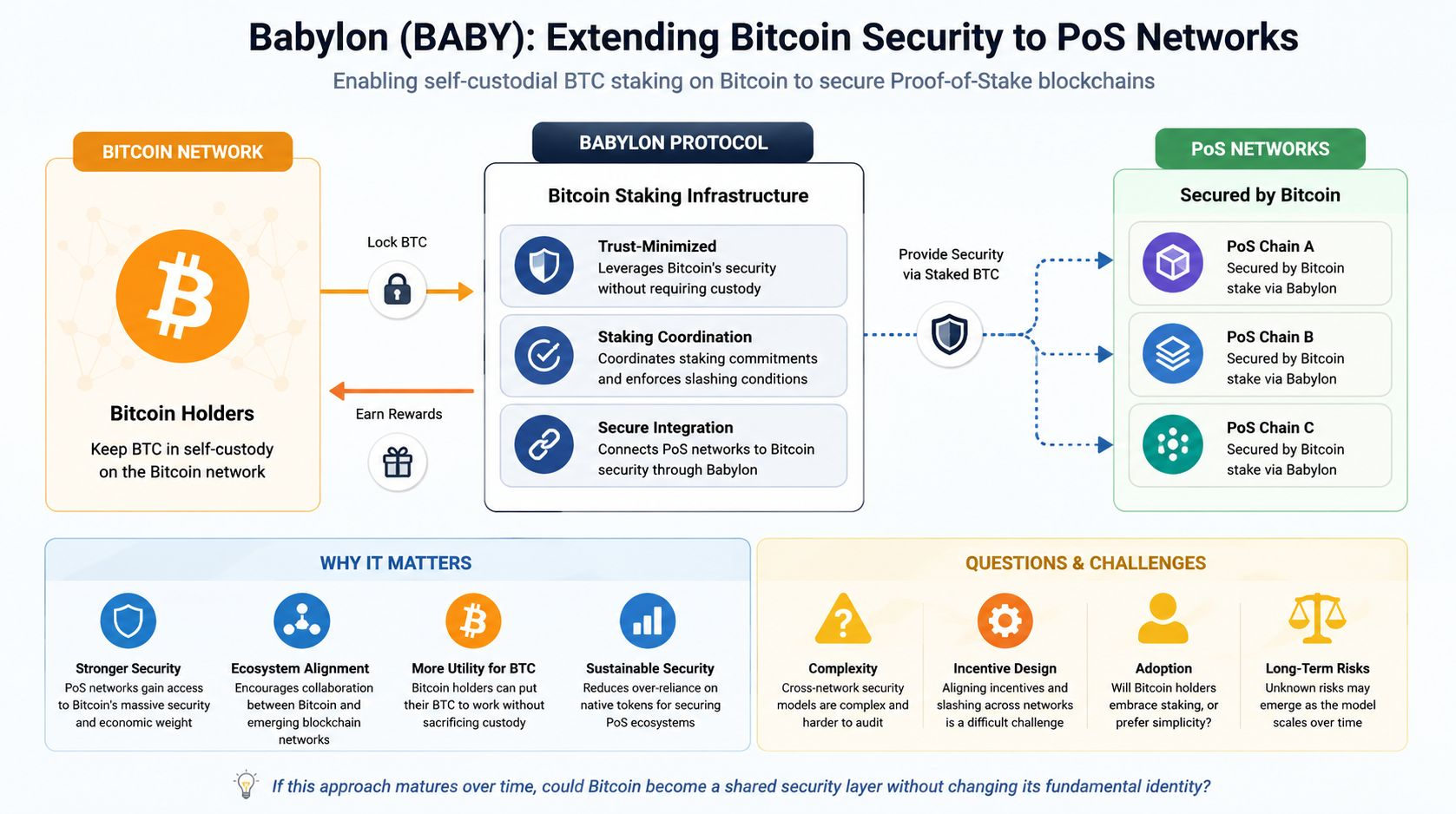
One thing I’ve noticed over the past few crypto cycles is that the conversation has gradually shifted from launching new blockchains to finding better ways to use the networks that already have strong security and adoption. That shift is what led me to spend some time looking into Babylon (BABY). What caught my attention wasn’t simply the idea of BTC staking, but the question of whether Bitcoin’s security can play a larger role across the broader blockchain ecosystem without requiring users to give up custody of their coins. From what I understand, Babylon is exploring a model where Bitcoin holders can contribute to the security of Proof-of-Stake networks while keeping their BTC on the Bitcoin network. I started thinking about how this could change the relationship between Bitcoin and newer chains, especially since many PoS ecosystems rely heavily on the value of their own native assets for security. At the same time, I think there are still important questions to answer. Cross-network security is rarely simple, and incentive design often looks easier on paper than it does in practice. Adoption is another unknown because many Bitcoin holders value simplicity over additional yield opportunities. Even so, I find the concept worth following because it reflects a broader trend toward cooperation between blockchain networks rather than isolation. If this approach matures over time, could Bitcoin become a shared security layer without changing its fundamental identity?
@babylonlabs_io #baby $BABY
{future}(BABYUSDT)
One thing I’ve noticed over the past few crypto cycles is that the conversation has gradually shifted from launching new blockchains to finding better ways to use the networks that already have strong security and adoption. That shift is what led me to spend some time looking into Babylon (BABY). What caught my attention wasn’t simply the idea of BTC staking, but the question of whether Bitcoin’s security can play a larger role across the broader blockchain ecosystem without requiring users to give up custody of their coins. From what I understand, Babylon is exploring a model where Bitcoin holders can contribute to the security of Proof-of-Stake networks while keeping their BTC on the Bitcoin network. I started thinking about how this could change the relationship between Bitcoin and newer chains, especially since many PoS ecosystems rely heavily on the value of their own native assets for security. At the same time, I think there are still important questions to answer. Cross-network security is rarely simple, and incentive design often looks easier on paper than it does in practice. Adoption is another unknown because many Bitcoin holders value simplicity over additional yield opportunities. Even so, I find the concept worth following because it reflects a broader trend toward cooperation between blockchain networks rather than isolation. If this approach matures over time, could Bitcoin become a shared security layer without changing its fundamental identity?
@BabylonLabs_io #baby $BABY
@BabylonLabs_io #baby $BABY
8
9
287
ログインして、さらにコンテンツを読む
厳選トピックで世界の暗号資産トレーダーの仲間入り
⚡️ 暗号資産に関する最新かつ有益な情報が見つかります。
💬 世界最大の暗号資産取引所から信頼されています。
👍 認証を受けたクリエイターから、有益なインサイトを得られます。
メール / 電話番号
トレンドトピック
BitwiseFilesFinalNEARSpotETFProspectus
閲覧回数 39,648
1,033人が討論中
#bitwisefilesfinalnearspotetfprospectus 🚀
NEARトークンは$562.$NEAR に到達できますか?
ビットワイズは、NYSEアーカのティッカー「NRR」で上場する現物NEAR ETFを準備しています。マネージャーはすでに、$155、あるいは2030年までに$562といった目標について議論していました。$RESOLV $DASH
Rajo C
·いいね:6件
·閲覧回数 3.7k
BitgetHackerMoves$83MStolenXRP
閲覧回数 21,686
142人が討論中
SOLSpotETFWeeklyInflow$188M
閲覧回数 12,207
107人が討論中