

ZOXO 78
1.7k 投稿

ZOXO 78
77 フォロー
7.4K+ フォロワー
644 いいね
投稿
すべて
引用
ライブ

BRAVO_78
·
--
ブリッシュ私は、Duskについて一つのことに立ち返って考えています。
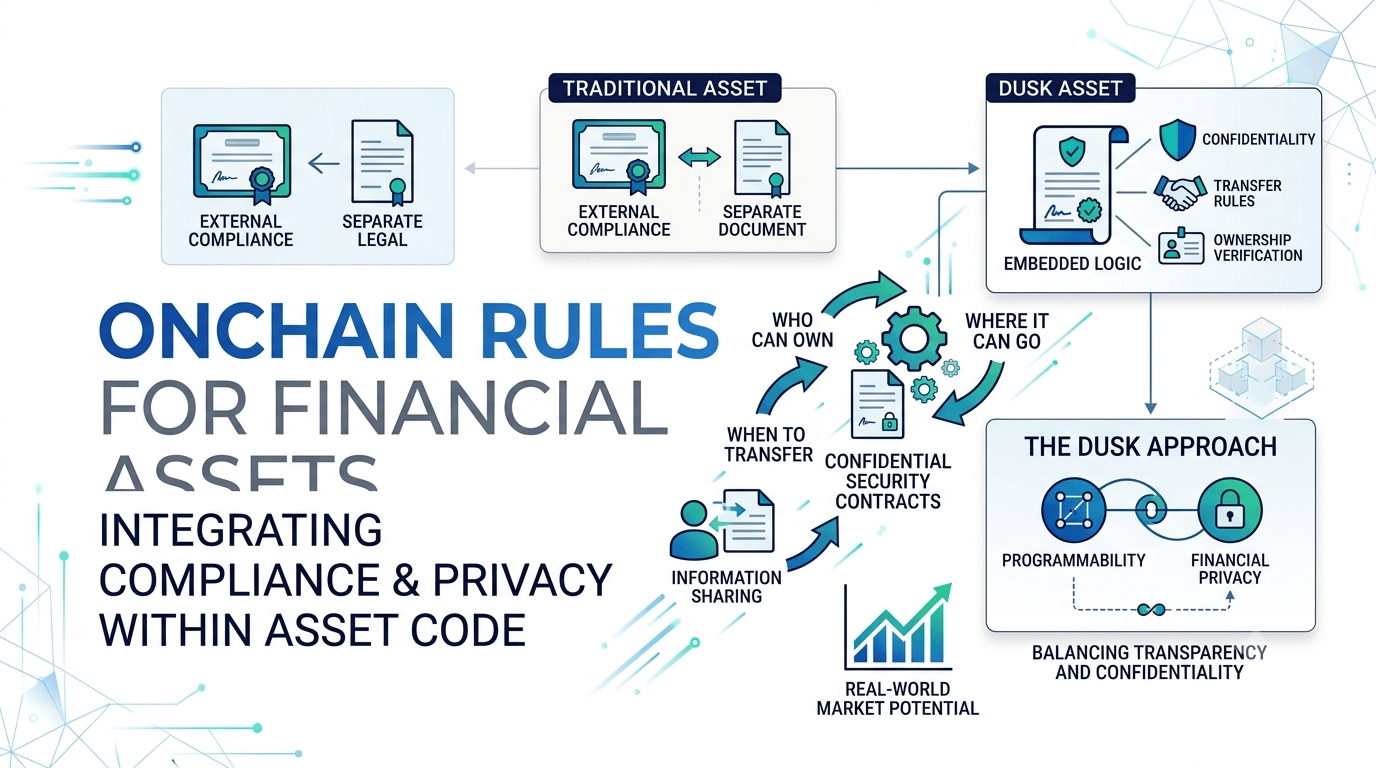
それは単に金融資産をオンチェーンに載せることだけではありません。私にとってより面白いのは、その資産を取り巻くルールそのものを、実際にオンチェーンで機能させることです。
規制された資産は、単に買って移動するだけのものではありません。誰がそれを所有できるのか、どこに移せるのか、いつ譲渡できるのか、そしてどの情報を共有する必要があるのか、といったルールが存在し得ます。
通常、そのコンプライアンスは資産の外側に置かれています。
Duskが面白いのは、そのロジックの一部をコンフィデンシャル・セキュリティ・コントラクトに直接持ち込もうという発想にあります。
そしてプライバシーの側面も、私にとって同じくらい重要です。金融機関は、資産がプログラマブルだからといって、すべての機微な詳細が露出することを望みません。
そこでDuskが面白くなります。
金融プライバシーを後回しにすることなく、資産をプログラマブルにしようとしているのです。
私は、これが「紙の上」だけでなく、現実の市場でどれだけ実際に機能し得るのかをまだ見守っています。
もしDuskがそれを証明できれば、物語は別のRWA(現実世界資産)という語り口を超えて、はるかに大きくなると思います。
最終的に、金融資産のルールブックのどれくらいがコードの中に住むべきなのでしょうか?
@Dusk #dusk $DUSK
$EUL
それは単に金融資産をオンチェーンに載せることだけではありません。私にとってより面白いのは、その資産を取り巻くルールそのものを、実際にオンチェーンで機能させることです。
規制された資産は、単に買って移動するだけのものではありません。誰がそれを所有できるのか、どこに移せるのか、いつ譲渡できるのか、そしてどの情報を共有する必要があるのか、といったルールが存在し得ます。
通常、そのコンプライアンスは資産の外側に置かれています。
Duskが面白いのは、そのロジックの一部をコンフィデンシャル・セキュリティ・コントラクトに直接持ち込もうという発想にあります。
そしてプライバシーの側面も、私にとって同じくらい重要です。金融機関は、資産がプログラマブルだからといって、すべての機微な詳細が露出することを望みません。
そこでDuskが面白くなります。
金融プライバシーを後回しにすることなく、資産をプログラマブルにしようとしているのです。
私は、これが「紙の上」だけでなく、現実の市場でどれだけ実際に機能し得るのかをまだ見守っています。
もしDuskがそれを証明できれば、物語は別のRWA(現実世界資産)という語り口を超えて、はるかに大きくなると思います。
最終的に、金融資産のルールブックのどれくらいがコードの中に住むべきなのでしょうか?
@Dusk #dusk $DUSK
$EUL
BRAVO_78
·
--
ブリッシュ以前は、ブロックチェーンのプライバシーはわりと単純だと思っていました。取引の詳細を隠す、それで終わりだと。ですがDuskを深く調べるほど、その下にはもっと多くのことが起きていると気づきました。
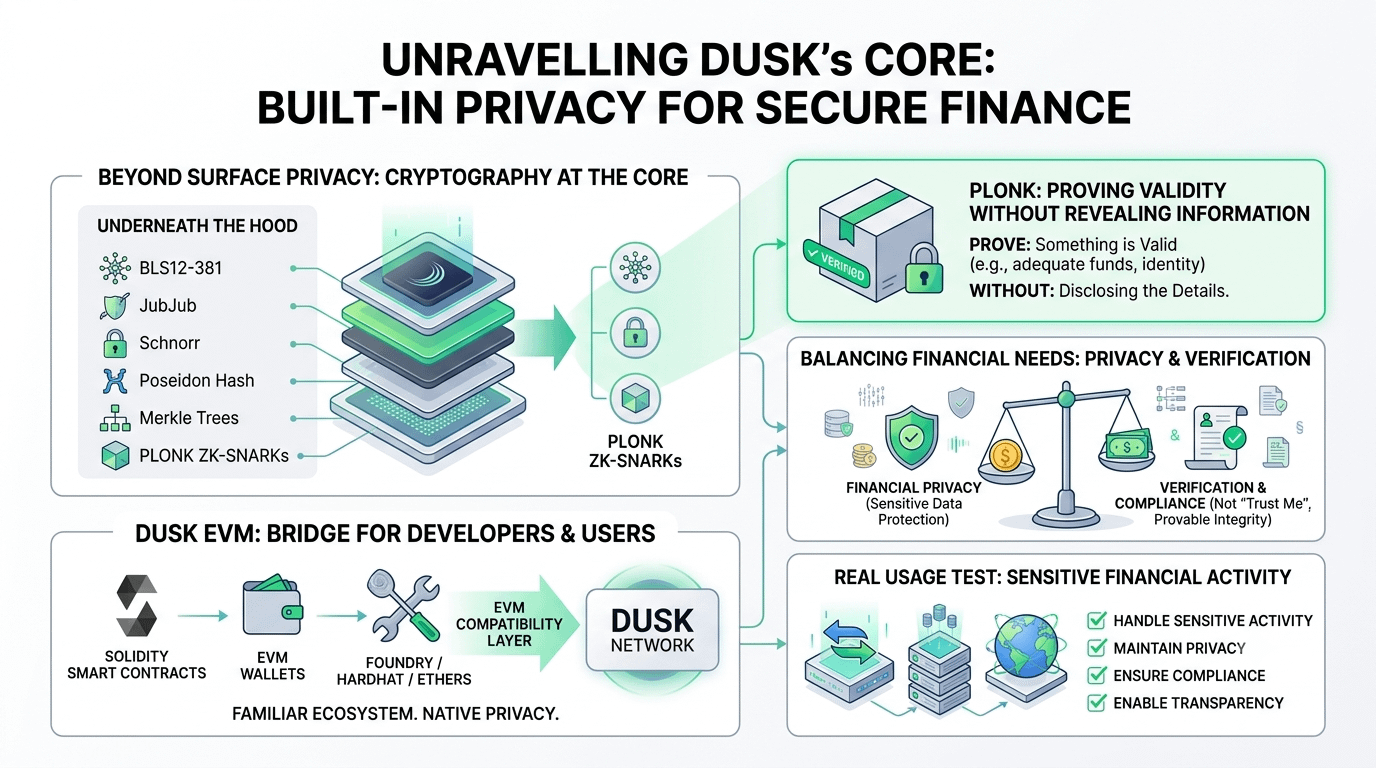
特に目を引いたのは暗号技術です。Duskは単に、あらゆるものの上にプライバシー層を載せているだけではありません。BLS12-381、JubJub、Schnorr、Poseidon、Merkleツリー、そしてPLONKといった仕組みを使って、システムの中核にプライバシーを組み込んでいます。
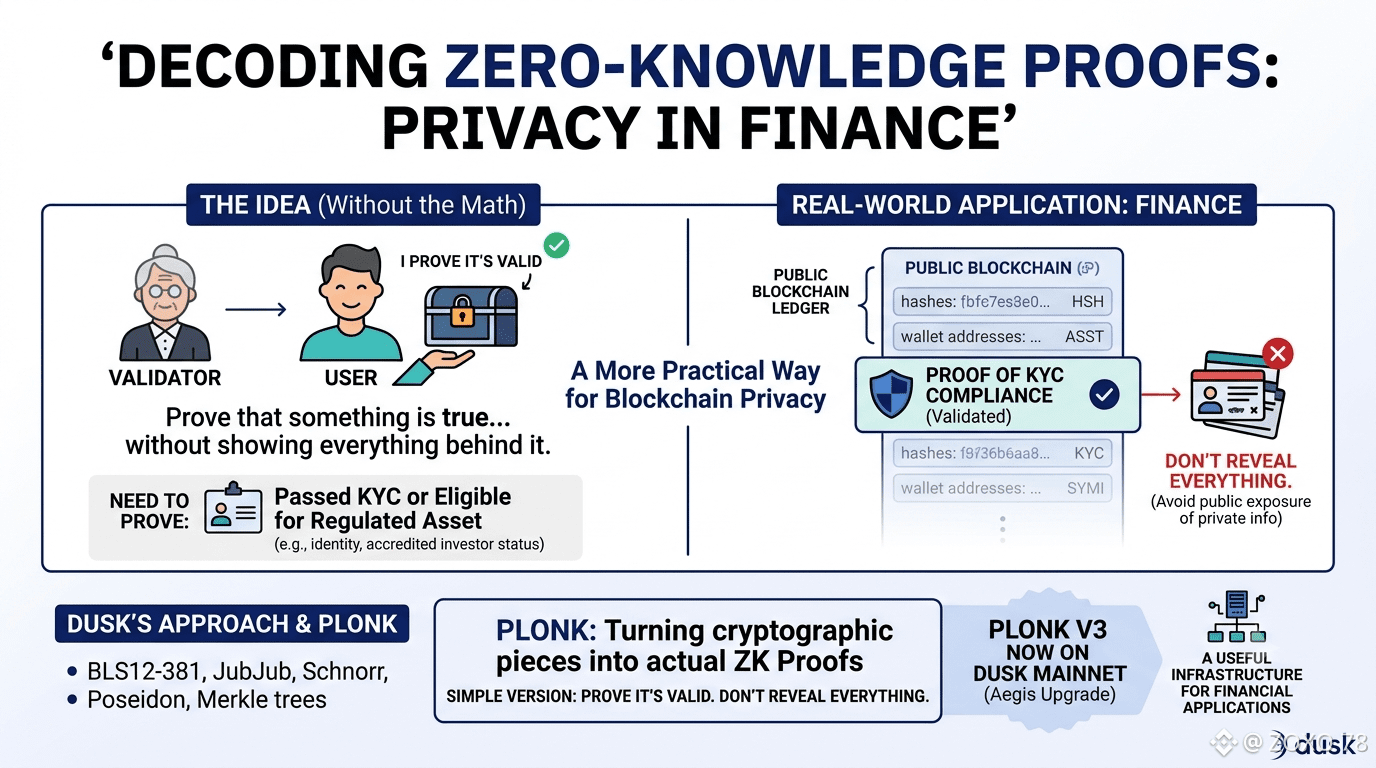
PLONKは、特に私の興味を引きます。これは、背後にあるすべての情報を開示せずに、何かが有効であることを証明できるからです。これは、実際の金融ユースケースを考え始めると、より直結して感じられます。
というのも、正直に言えば、金融市場は単にすべてを公開してしまうわけにはいきません。同時に、「信じてください」でも動かせません。プライバシーと検証のバランスが必要です。
その点で、DuskEVMは私にとって納得できる存在です。開発者は、まったく馴染みのない環境を学ぶ代わりに、Solidity、EVMウォレット、Foundry、Hardhat、そしてethersをそのまま使って開発を続けられます。
私は、この技術が実際の利用へとつながるのかをまだ見守っています。私にとって本当の試験は、アーキテクチャの響きがどれほどすごいかではありません。Duskが、プライバシー、コンプライアンス、そして透明性をきちんと両立させながら、機微な金融活動を実際に受け止められるかどうかが重要なのです。
@Dusk #dusk $DUSK
$RAY
特に目を引いたのは暗号技術です。Duskは単に、あらゆるものの上にプライバシー層を載せているだけではありません。BLS12-381、JubJub、Schnorr、Poseidon、Merkleツリー、そしてPLONKといった仕組みを使って、システムの中核にプライバシーを組み込んでいます。
PLONKは、特に私の興味を引きます。これは、背後にあるすべての情報を開示せずに、何かが有効であることを証明できるからです。これは、実際の金融ユースケースを考え始めると、より直結して感じられます。
というのも、正直に言えば、金融市場は単にすべてを公開してしまうわけにはいきません。同時に、「信じてください」でも動かせません。プライバシーと検証のバランスが必要です。
その点で、DuskEVMは私にとって納得できる存在です。開発者は、まったく馴染みのない環境を学ぶ代わりに、Solidity、EVMウォレット、Foundry、Hardhat、そしてethersをそのまま使って開発を続けられます。
私は、この技術が実際の利用へとつながるのかをまだ見守っています。私にとって本当の試験は、アーキテクチャの響きがどれほどすごいかではありません。Duskが、プライバシー、コンプライアンス、そして透明性をきちんと両立させながら、機微な金融活動を実際に受け止められるかどうかが重要なのです。
@Dusk #dusk $DUSK
$RAY

Zuho1688
·
--
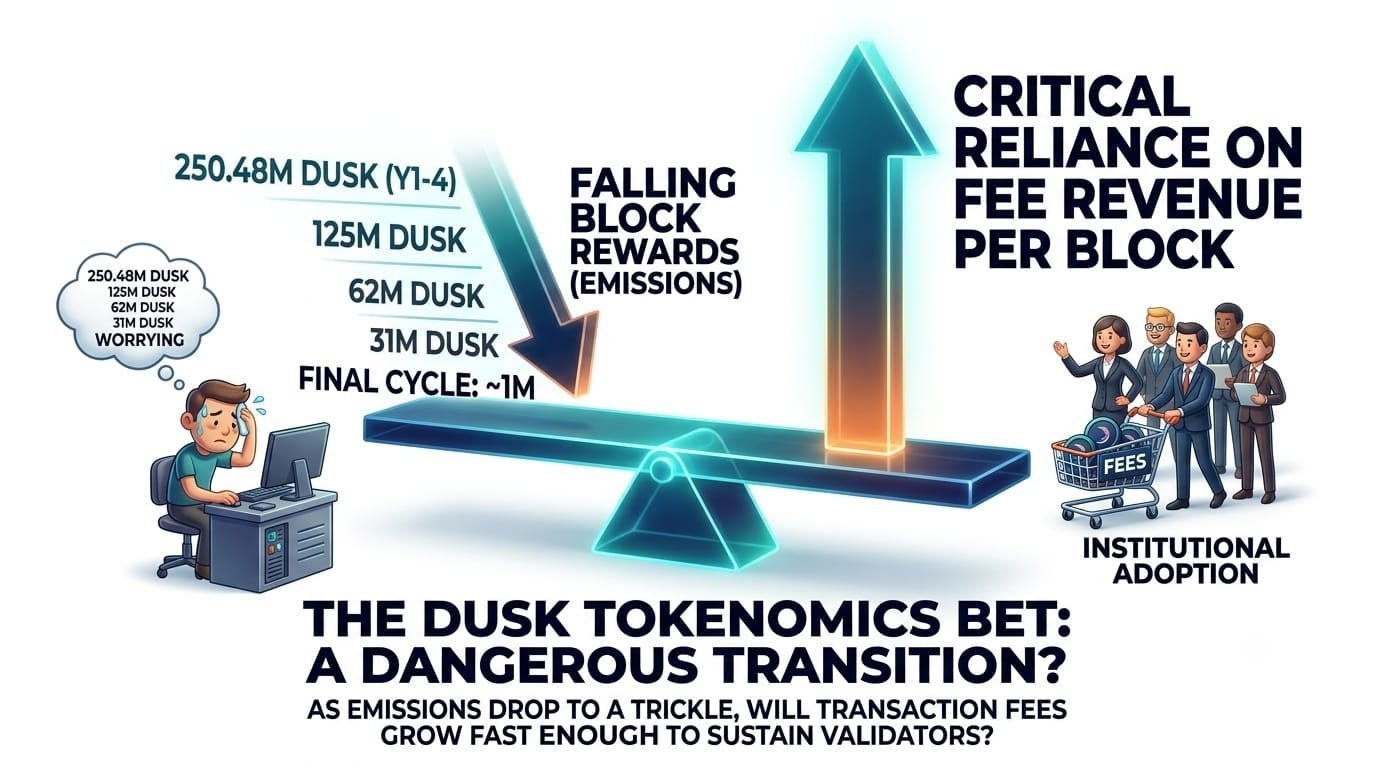
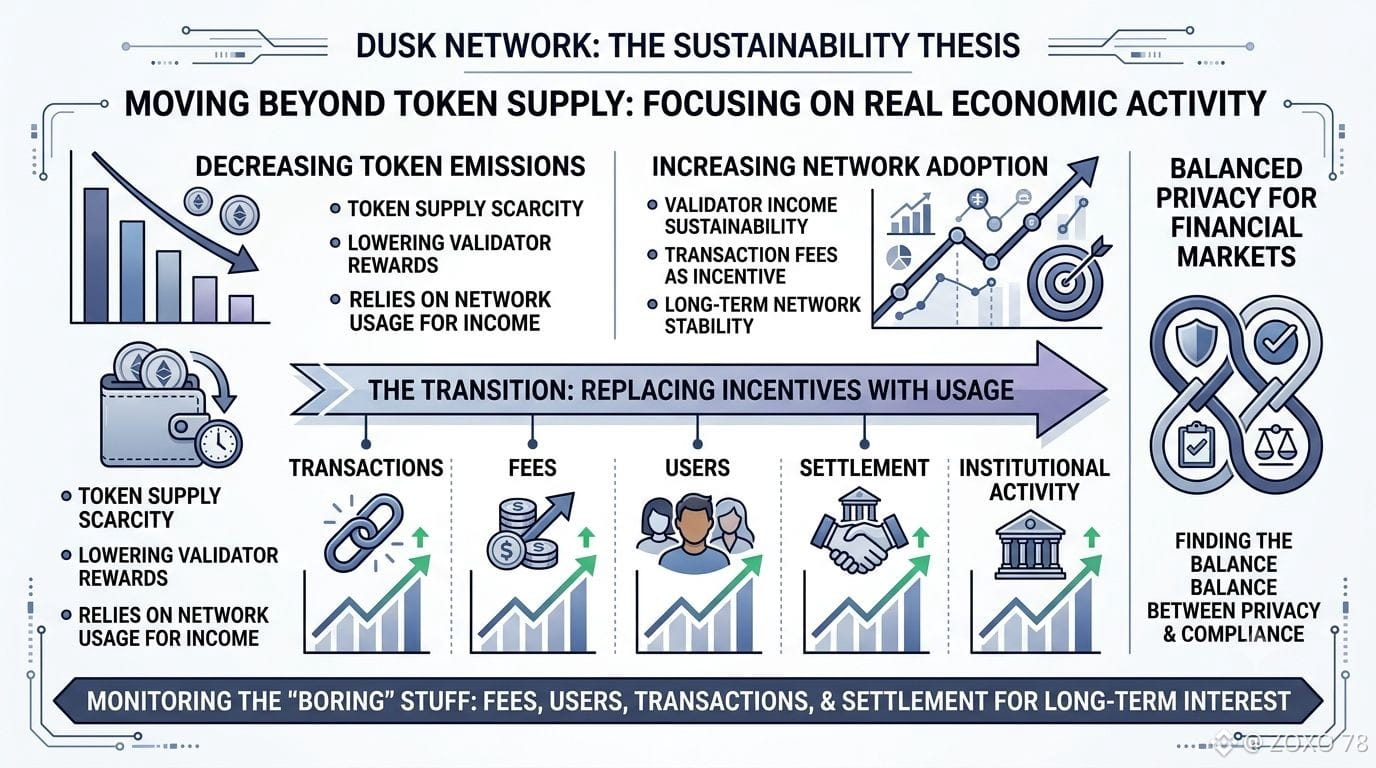
ブリッシュ何時間もDuskのトケノミクスのページを見つめていたんだけど、どうしても頭から離れない数字がある。最初の4年間で250.48百万DUSK。それが125百万に落ちて、次は62百万、さらに31百万。最終サイクルでは? かろうじて100万だ。
最初に思ったのはもちろんこれだ。インフレが抑えられて、希少性が増える。典型的な暗号資産バブル期の強気シナリオ。
でも、その直後に気づいた。
気になっているのはここなんだ。Duskのバリデータは新しく発行されたコインだけを受け取るわけじゃない。新規の発行分と、ユーザーが支払う手数料の両方が混ざって入ってくる。だから、その排出(エミッション)がほとんどゼロに近づいていくにつれて、ネットワークは静かに「手数料が主役を引き継ぐ」と賭けている。言外の約束だ。
そして自分は考えてしまう。その賭けが当たらなかったら?
インフレが低いのはTwitterでは気持ちいい言葉に見える。でも、ハードを動かしてバリデータを運用してる立場なら、スタッフを雇い、ノードを稼働させ続ける必要がある。希少性なんてどうでもよくて、必要なのは収入だ。トークンを燃やして保有者が気分よくなるのは分かる。でも、実際にチェーンを守っている人たちの食卓には何も乗らない。
Duskが間違っていると言いたいわけじゃない。ロジックは成り立っている。けれど、エミッションが細く垂れるようになったとき、そのギャップを埋めるだけの制度的な採用が、十分な速さで拡大するとはまだ確信できない。
だから私は供給のチャートを閉じた。新しいタブを開いた。そして今見ているのは、ただ一つ。ブロックあたりの手数料収益。
それが、正直にさせてくれる数字だ。
@Dusk #dusk $DUSK
$ACE
最初に思ったのはもちろんこれだ。インフレが抑えられて、希少性が増える。典型的な暗号資産バブル期の強気シナリオ。
でも、その直後に気づいた。
気になっているのはここなんだ。Duskのバリデータは新しく発行されたコインだけを受け取るわけじゃない。新規の発行分と、ユーザーが支払う手数料の両方が混ざって入ってくる。だから、その排出(エミッション)がほとんどゼロに近づいていくにつれて、ネットワークは静かに「手数料が主役を引き継ぐ」と賭けている。言外の約束だ。
そして自分は考えてしまう。その賭けが当たらなかったら?
インフレが低いのはTwitterでは気持ちいい言葉に見える。でも、ハードを動かしてバリデータを運用してる立場なら、スタッフを雇い、ノードを稼働させ続ける必要がある。希少性なんてどうでもよくて、必要なのは収入だ。トークンを燃やして保有者が気分よくなるのは分かる。でも、実際にチェーンを守っている人たちの食卓には何も乗らない。
Duskが間違っていると言いたいわけじゃない。ロジックは成り立っている。けれど、エミッションが細く垂れるようになったとき、そのギャップを埋めるだけの制度的な採用が、十分な速さで拡大するとはまだ確信できない。
だから私は供給のチャートを閉じた。新しいタブを開いた。そして今見ているのは、ただ一つ。ブロックあたりの手数料収益。
それが、正直にさせてくれる数字だ。
@Dusk #dusk $DUSK
$ACE
Zuho1688
·
--
ブリッシュ正直に言うと、最初はダスクのことを大して気にしていませんでした。
「プライバシーブロックチェーン」を見て、頭に浮かんだのはいつもの考え方でした。取引を隠す、データを隠す、すべてを非公開にする。まあ、シンプルです。
でもダスクを調べるほどに、たぶん私はそれを間違った見方をしていたのだと気づきました。
私が本当に惹かれているのは、金融アプリケーションへの注目点です。金融には、変わったプライバシー問題があります。
すべての機微な情報を公開台帳に載せることはできませんが、何かを検証する必要があるときに「信じてください」と言い切るわけにもいきません。
そこで、ダスクが私の中でより納得できる形になってきました。
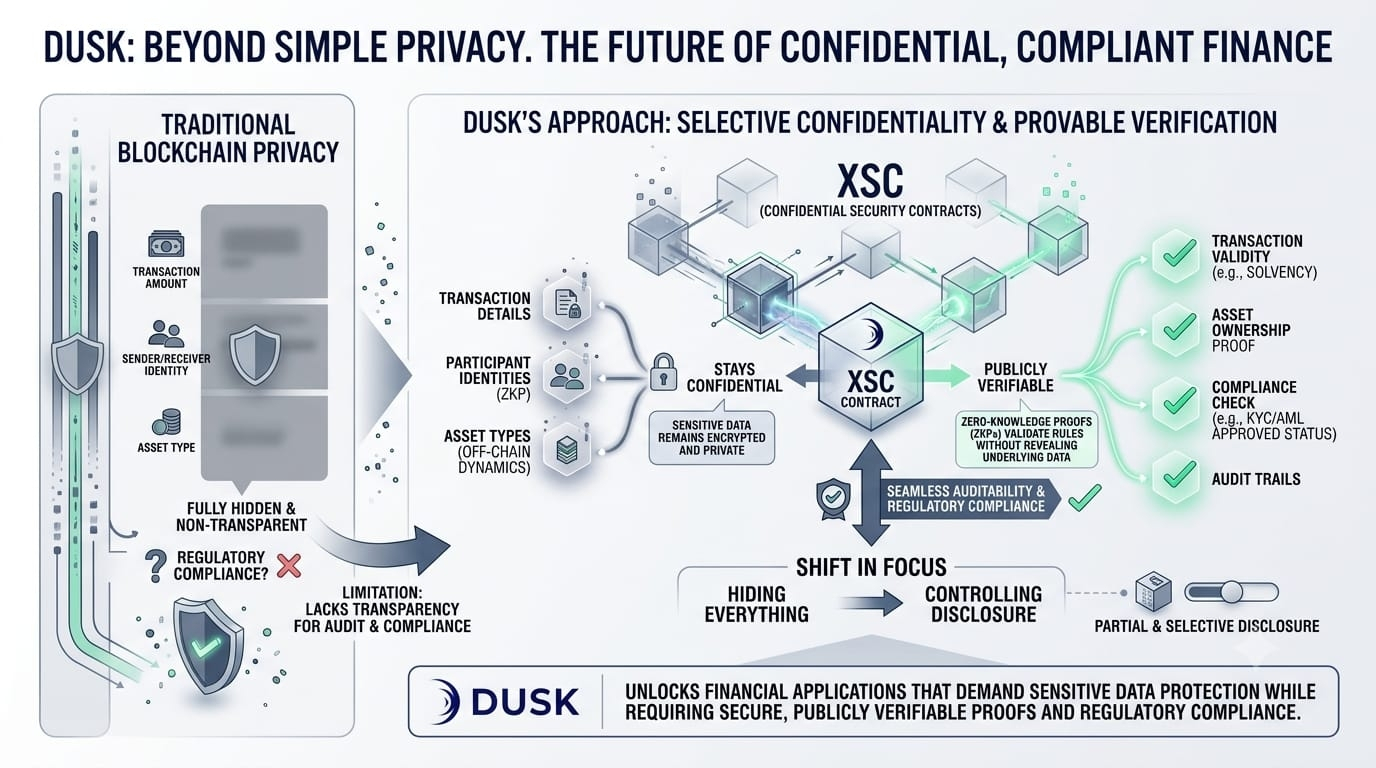
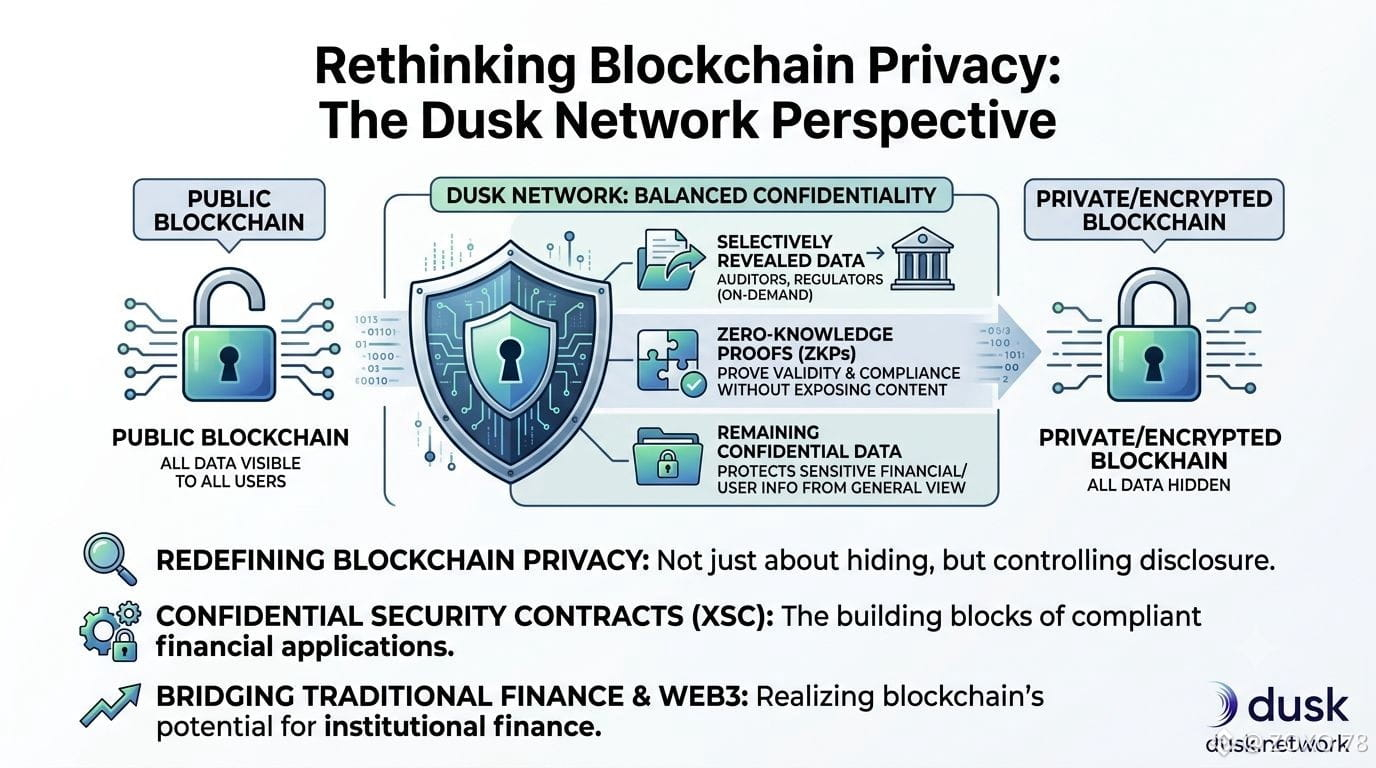
私はそのコンフィデンシャル・セキュリティ・コントラクト(XSC)を理解しようとしています。つまり、何をどこまで隠さずに、実際に何が証明できるのかを知りたいのです。
そして正直なところ、まだ疑問もあります。
プライバシーの境界線は一体どこにあるのでしょう? 隠されるのは何? 検証できるのは何? コンプライアンスのために開示が必要なのは何?
「コンフィデンシャル」という言葉を軽々しく使って、「つまり全部が消える」という意味だと決めつけたくありません。
私にとって面白いのは、まさにそこです。
大きなチャンスは、単に金融取引を隠すことではないのかもしれません。むしろ、アプリケーションが「どんな情報をどこまで公開するか」をもっと強くコントロールできるようにすることではないでしょうか。
私はまだダスクを調査中ですが、少なくともブロックチェーンのプライバシーに対する考え方は確実に変わりました。
.@Dusk #dusk $DUSK
「プライバシーブロックチェーン」を見て、頭に浮かんだのはいつもの考え方でした。取引を隠す、データを隠す、すべてを非公開にする。まあ、シンプルです。
でもダスクを調べるほどに、たぶん私はそれを間違った見方をしていたのだと気づきました。
私が本当に惹かれているのは、金融アプリケーションへの注目点です。金融には、変わったプライバシー問題があります。
すべての機微な情報を公開台帳に載せることはできませんが、何かを検証する必要があるときに「信じてください」と言い切るわけにもいきません。
そこで、ダスクが私の中でより納得できる形になってきました。
私はそのコンフィデンシャル・セキュリティ・コントラクト(XSC)を理解しようとしています。つまり、何をどこまで隠さずに、実際に何が証明できるのかを知りたいのです。
そして正直なところ、まだ疑問もあります。
プライバシーの境界線は一体どこにあるのでしょう? 隠されるのは何? 検証できるのは何? コンプライアンスのために開示が必要なのは何?
「コンフィデンシャル」という言葉を軽々しく使って、「つまり全部が消える」という意味だと決めつけたくありません。
私にとって面白いのは、まさにそこです。
大きなチャンスは、単に金融取引を隠すことではないのかもしれません。むしろ、アプリケーションが「どんな情報をどこまで公開するか」をもっと強くコントロールできるようにすることではないでしょうか。
私はまだダスクを調査中ですが、少なくともブロックチェーンのプライバシーに対する考え方は確実に変わりました。
.@Dusk #dusk $DUSK
Zuho1688
·
--
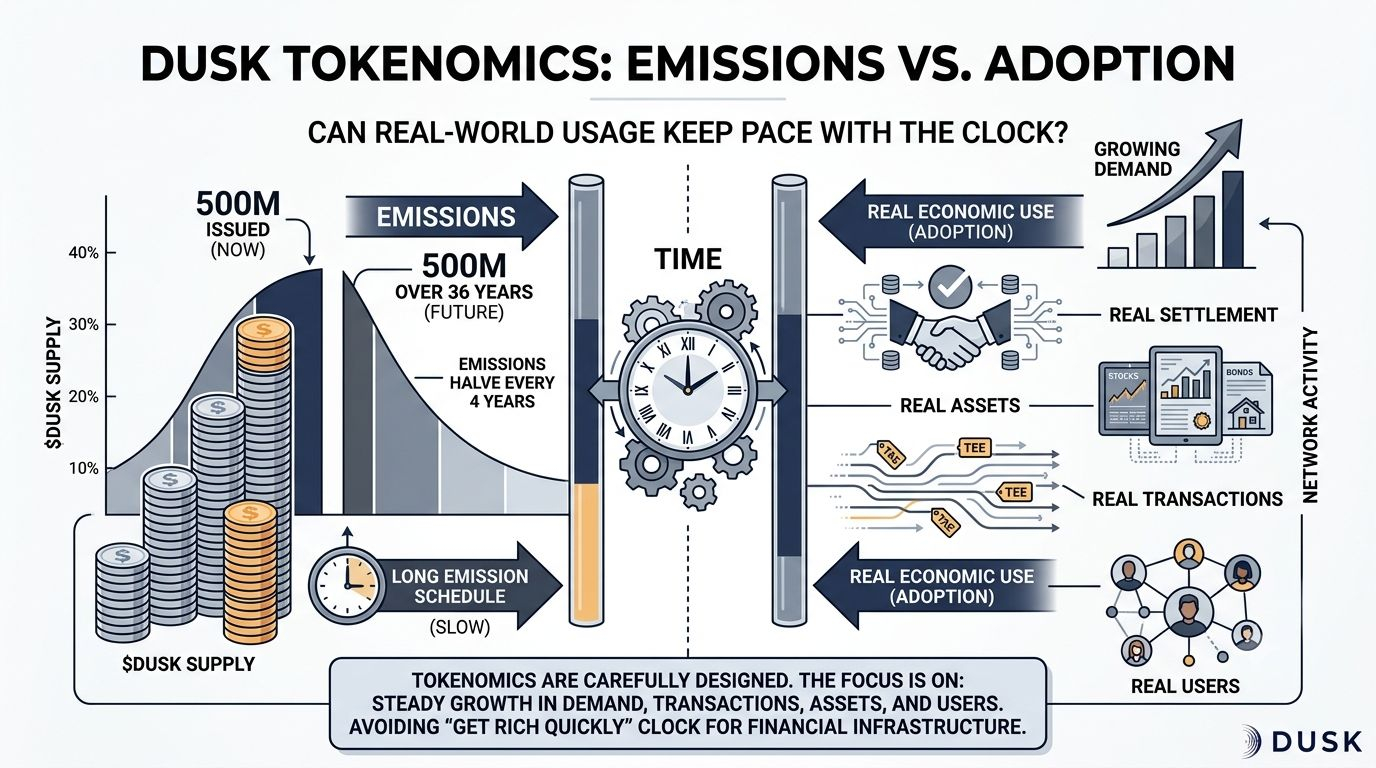
ブリッシュ私は $DUSK で一つのことに立ち返ります。それは「タイムライン」です。
すでに5億トークンが発行されており、さらに別の5億トークンが36年間で計画されています。排出は4年ごとに半減します。
これは暗号資産としてはかなり珍しく遅い気がします。
でも正直、私はそれを嫌だとは思っていません。
金融インフラは、おそらく「すぐに金持ちになれる」時計に合わせて作られるべきではないでしょう。
しかしトークノミクスを見れば見るほど、次の問いがより重要になってきます:
もし採用が、排出よりも遅く進むとしたら?
$DUSK には本当のアクティビティが必要です。ユーザーには取引が必要です。資産は決済される必要があります。ステーキングには需要が必要です。ネットワークには実際の経済的な利用が必要です。
それが着実に伸びていくなら、長い排出スケジュールにもより納得ができます。
もしそうでなければ、いずれ新しい供給が圧力ポイントになる可能性があります。
だから私は、1B(最大供給)を見て「仕事完了」とは言いません。
退屈な数字のほうを見ています:
実ユーザー。
実際の取引。
実際の資産。
実際の決済。
需要の増加。
トークノミクスは慎重に設計されているかもしれません。
でも次は、現実の利用がその時計のペースに追いつけるのかを確認したいです。
@Dusk #dusk $DUSK
すでに5億トークンが発行されており、さらに別の5億トークンが36年間で計画されています。排出は4年ごとに半減します。
これは暗号資産としてはかなり珍しく遅い気がします。
でも正直、私はそれを嫌だとは思っていません。
金融インフラは、おそらく「すぐに金持ちになれる」時計に合わせて作られるべきではないでしょう。
しかしトークノミクスを見れば見るほど、次の問いがより重要になってきます:
もし採用が、排出よりも遅く進むとしたら?
$DUSK には本当のアクティビティが必要です。ユーザーには取引が必要です。資産は決済される必要があります。ステーキングには需要が必要です。ネットワークには実際の経済的な利用が必要です。
それが着実に伸びていくなら、長い排出スケジュールにもより納得ができます。
もしそうでなければ、いずれ新しい供給が圧力ポイントになる可能性があります。
だから私は、1B(最大供給)を見て「仕事完了」とは言いません。
退屈な数字のほうを見ています:
実ユーザー。
実際の取引。
実際の資産。
実際の決済。
需要の増加。
トークノミクスは慎重に設計されているかもしれません。
でも次は、現実の利用がその時計のペースに追いつけるのかを確認したいです。
@Dusk #dusk $DUSK
BRAVO_78
·
--
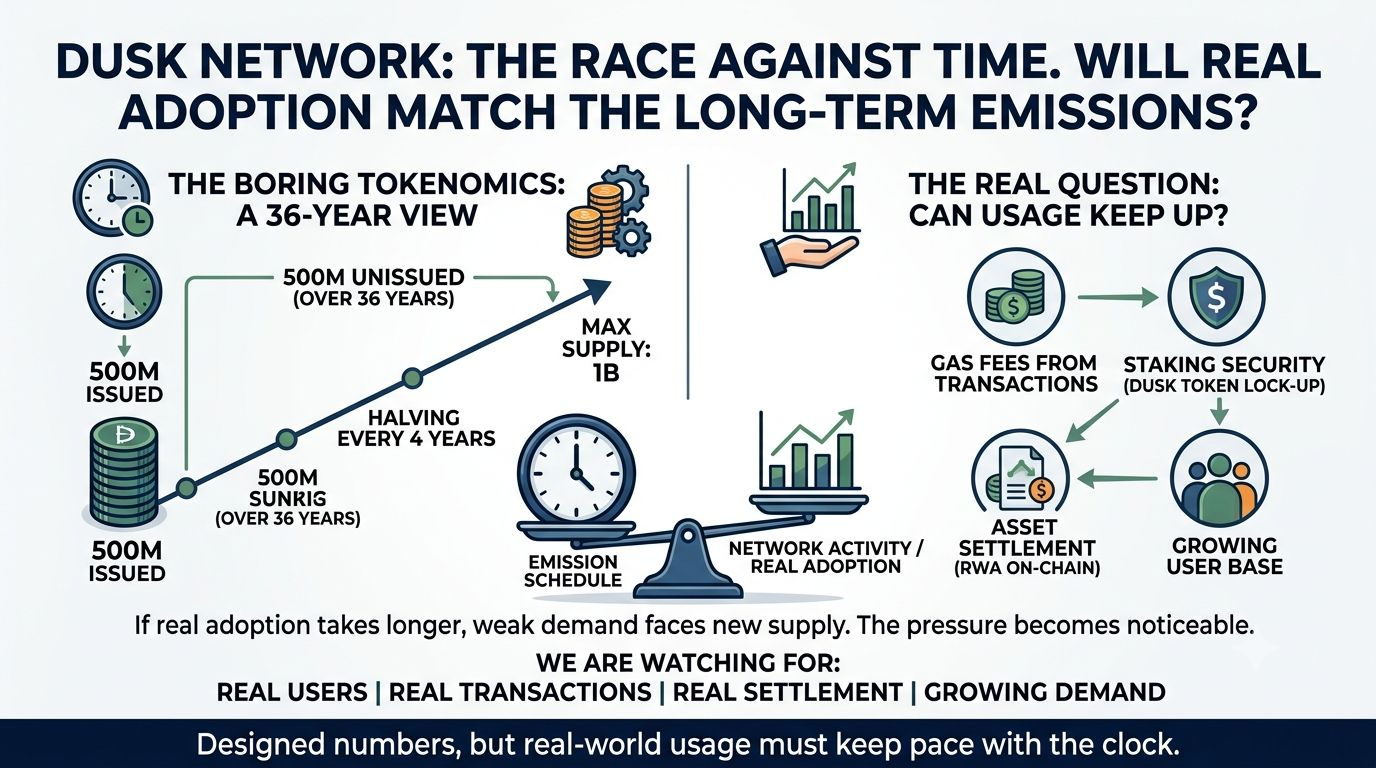
ブリッシュ$DUSK をしばらく眺めていて、いつも頭に戻ってくるのが一つあります。それは「時間」です。
すでに5億トークンは発行済みで、さらに別の5億トークンが36年かけて市場に投入される予定です。排出は4年ごとに半減していきます。
正直、「すぐに金持ちになる」ためのタイムラインが前提になっていないのが気に入っています。ゆっくりしています。ほとんど退屈。しかも、金融インフラを作っているときに、退屈ってまさに必要なことがあります。
でも、無視できない疑問があります。
もし実際の普及が想定より遅れたら、どうなるのでしょう?
$DUSK はトークンエコノミクスを成立させるために、実際のネットワーク活動が必要です。取引にはガスが要ります。セキュリティにはステーキングが必要です。決済には、ネットワーク上でユーザーと資産が動くことが必要です。
その活動が着実に成長するなら、長い排出スケジュールにも十分意味があるかもしれません。
しかし、需要が弱いまま新しい供給がずっと到来し続けるなら、いずれその圧力が目に見える形になる可能性があります。
だから私は、最大供給の1Bを見て「はい、終わり」とは考えていません。
見たいのは退屈な部分です。つまり、実ユーザー、実際の取引、実際の決済、そして需要の増加。
数字は慎重に設計されているように見えます。
今は、現実の利用が、その時計の進み具合についていけるかを見ています。
@Dusk #dusk $DUSK
すでに5億トークンは発行済みで、さらに別の5億トークンが36年かけて市場に投入される予定です。排出は4年ごとに半減していきます。
正直、「すぐに金持ちになる」ためのタイムラインが前提になっていないのが気に入っています。ゆっくりしています。ほとんど退屈。しかも、金融インフラを作っているときに、退屈ってまさに必要なことがあります。
でも、無視できない疑問があります。
もし実際の普及が想定より遅れたら、どうなるのでしょう?
$DUSK はトークンエコノミクスを成立させるために、実際のネットワーク活動が必要です。取引にはガスが要ります。セキュリティにはステーキングが必要です。決済には、ネットワーク上でユーザーと資産が動くことが必要です。
その活動が着実に成長するなら、長い排出スケジュールにも十分意味があるかもしれません。
しかし、需要が弱いまま新しい供給がずっと到来し続けるなら、いずれその圧力が目に見える形になる可能性があります。
だから私は、最大供給の1Bを見て「はい、終わり」とは考えていません。
見たいのは退屈な部分です。つまり、実ユーザー、実際の取引、実際の決済、そして需要の増加。
数字は慎重に設計されているように見えます。
今は、現実の利用が、その時計の進み具合についていけるかを見ています。
@Dusk #dusk $DUSK
Zuho1688
·
--
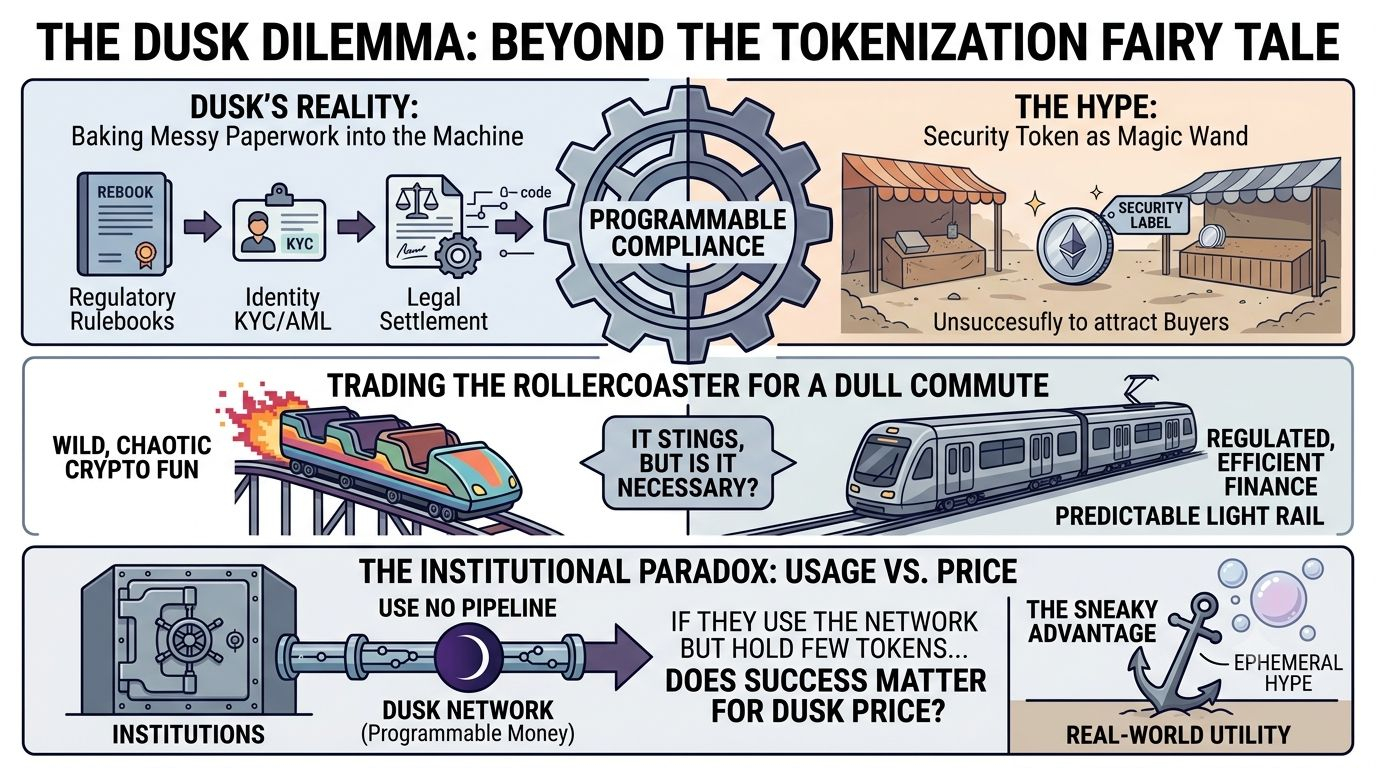
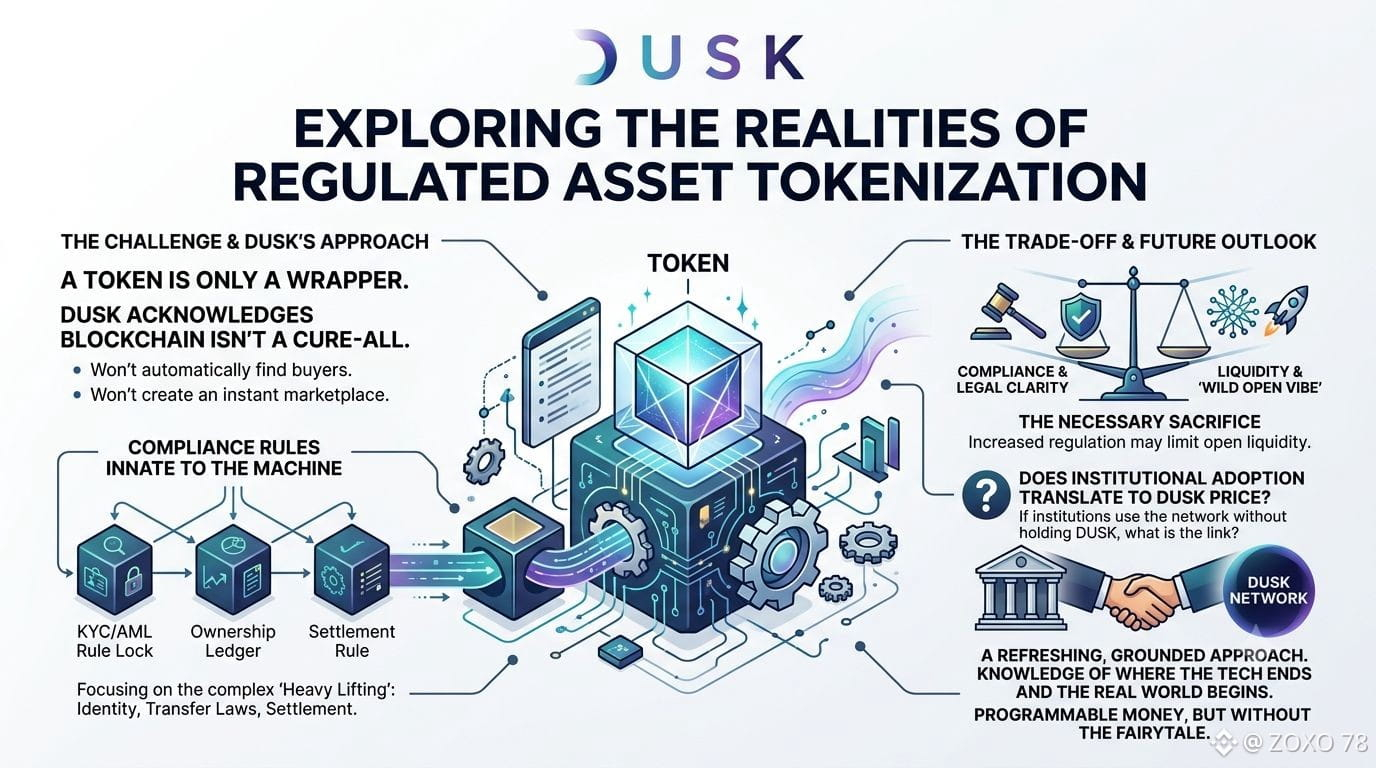
ブリッシュ正直に言うね。最近、静かに僕を蝕んでいることがある。夕暮れ(Dusk)だけが、勇気を出してそれを口にできているみたいだ。ブロックチェーンにセキュリティラベルを貼ったところで、それは魔法の杖じゃないってね。買い手が勝手に集まってくるわけでもない。死んだマーケットをにぎやかなパーティに変えてくれるわけでもない。ましてや、トラブルが起きたときに「実際に誰が何を所有しているのか」をめぐる法的な地獄をほどいてくれることなんて、絶対にない。
言ってしまえばバカみたいに当然の話に聞こえる。でも、クリプトの世界だと誰もそれを認めたがらない。だって、そんなの“盛り上がり”がないから。
僕にとってトークンは、ただのキラキラした包装紙にすぎない。重要な重労働は、その下にある退屈で泥臭い部分なんだ。誰がアクセスできるのか、規制に引っかからない形でどう動くのか、決済がゴミ箱みたいな大惨事になったときに実際どうなるのか。Duskはそれをわかってる。あの厄介な書類だらけの作業を、機械の中にそのまま組み込もうとしている。
でも、ここからが胃がキュッとなるところだ。コンプライアンスを強めれば強めるほど、背中の後ろで扉を閉めていくことになる。あの、荒れていて混沌としていて、無法で、だからこそクリプトが面白い――そんな空気が、どんどん蒸発していく。やらなきゃいけない理由はわかる。ほんとに。でも、胸が痛む。ジェットコースターから鈍い通勤に乗り換えるみたいに感じるんだ。
だからこれは、ただの別のトークン化の売り込みだとは思ってない。むしろ本気で気になる。彼らは、売り物の“おとぎ話”を売りつけることなく、規制されたお金を本当にプログラム可能にできるのか?
でも、その本当の問いが突き刺さってくる。正直、これが原因で眠れなくなるんだ。もし機関投資家が、このネットワークを使うだけでDUSKを大量に保有しないとしたら、その成功って、結局価格に意味があるの? 僕には本当に答えがない。
たぶん、それこそが肝なんだろう。キレイな技術の終わりと、泥だらけの現実が始まる地点を、正確に知っていること。それが彼らの最も“ずるい”優位性かもしれない。そして正直に言うと? いま世の中に溢れてるカーニバルみたいな煽り文句より、その地に足のついた、フィルターのない見立てのほうがよっぽど新鮮だ。
@Dusk #dusk $DUSK
言ってしまえばバカみたいに当然の話に聞こえる。でも、クリプトの世界だと誰もそれを認めたがらない。だって、そんなの“盛り上がり”がないから。
僕にとってトークンは、ただのキラキラした包装紙にすぎない。重要な重労働は、その下にある退屈で泥臭い部分なんだ。誰がアクセスできるのか、規制に引っかからない形でどう動くのか、決済がゴミ箱みたいな大惨事になったときに実際どうなるのか。Duskはそれをわかってる。あの厄介な書類だらけの作業を、機械の中にそのまま組み込もうとしている。
でも、ここからが胃がキュッとなるところだ。コンプライアンスを強めれば強めるほど、背中の後ろで扉を閉めていくことになる。あの、荒れていて混沌としていて、無法で、だからこそクリプトが面白い――そんな空気が、どんどん蒸発していく。やらなきゃいけない理由はわかる。ほんとに。でも、胸が痛む。ジェットコースターから鈍い通勤に乗り換えるみたいに感じるんだ。
だからこれは、ただの別のトークン化の売り込みだとは思ってない。むしろ本気で気になる。彼らは、売り物の“おとぎ話”を売りつけることなく、規制されたお金を本当にプログラム可能にできるのか?
でも、その本当の問いが突き刺さってくる。正直、これが原因で眠れなくなるんだ。もし機関投資家が、このネットワークを使うだけでDUSKを大量に保有しないとしたら、その成功って、結局価格に意味があるの? 僕には本当に答えがない。
たぶん、それこそが肝なんだろう。キレイな技術の終わりと、泥だらけの現実が始まる地点を、正確に知っていること。それが彼らの最も“ずるい”優位性かもしれない。そして正直に言うと? いま世の中に溢れてるカーニバルみたいな煽り文句より、その地に足のついた、フィルターのない見立てのほうがよっぽど新鮮だ。
@Dusk #dusk $DUSK
BRAVO_78
·
--
ブリッシュ私はトレーダーでもなく、コンプライアンス担当者でもありません。暗号を長く見てきて、何かをあまりに単純化しすぎていると気づける“ただの人”です。
それにしても、私はDuskを単純化しすぎました。
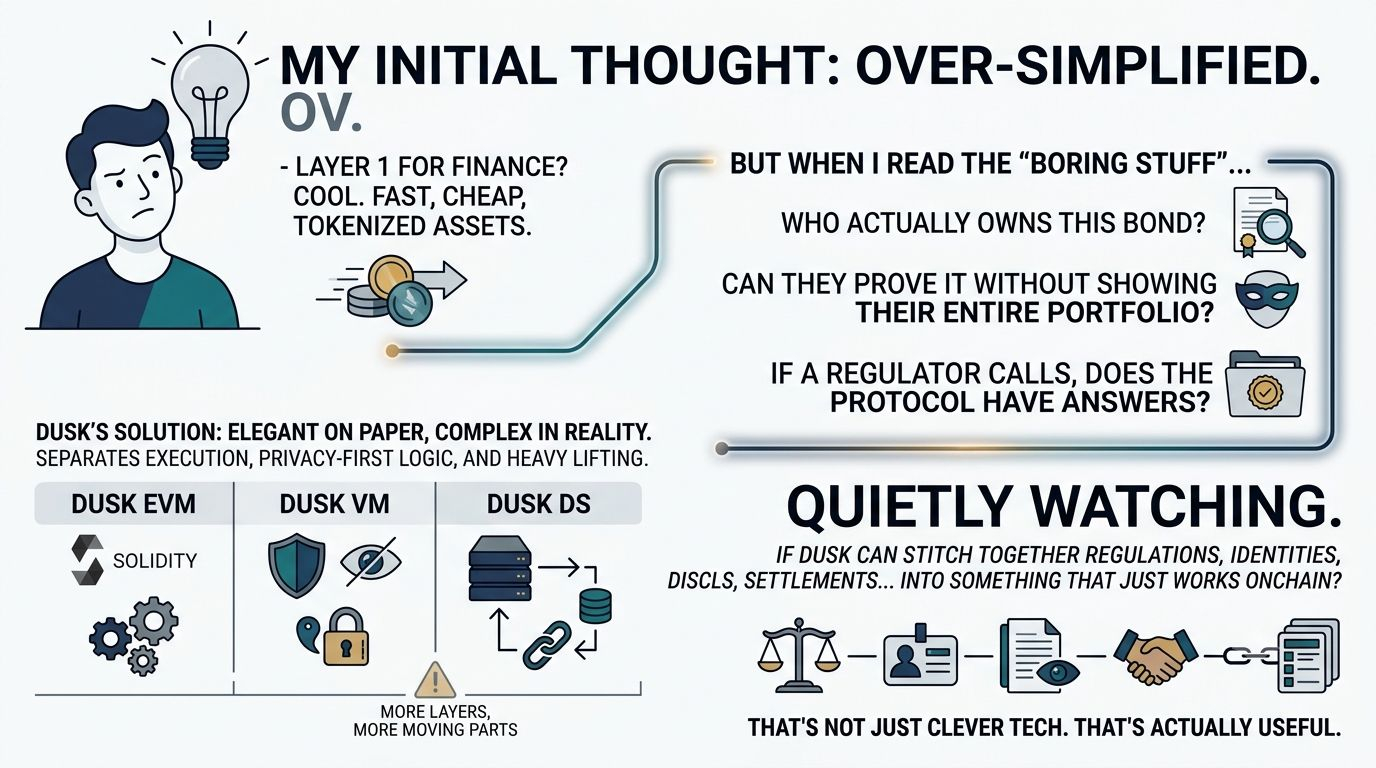
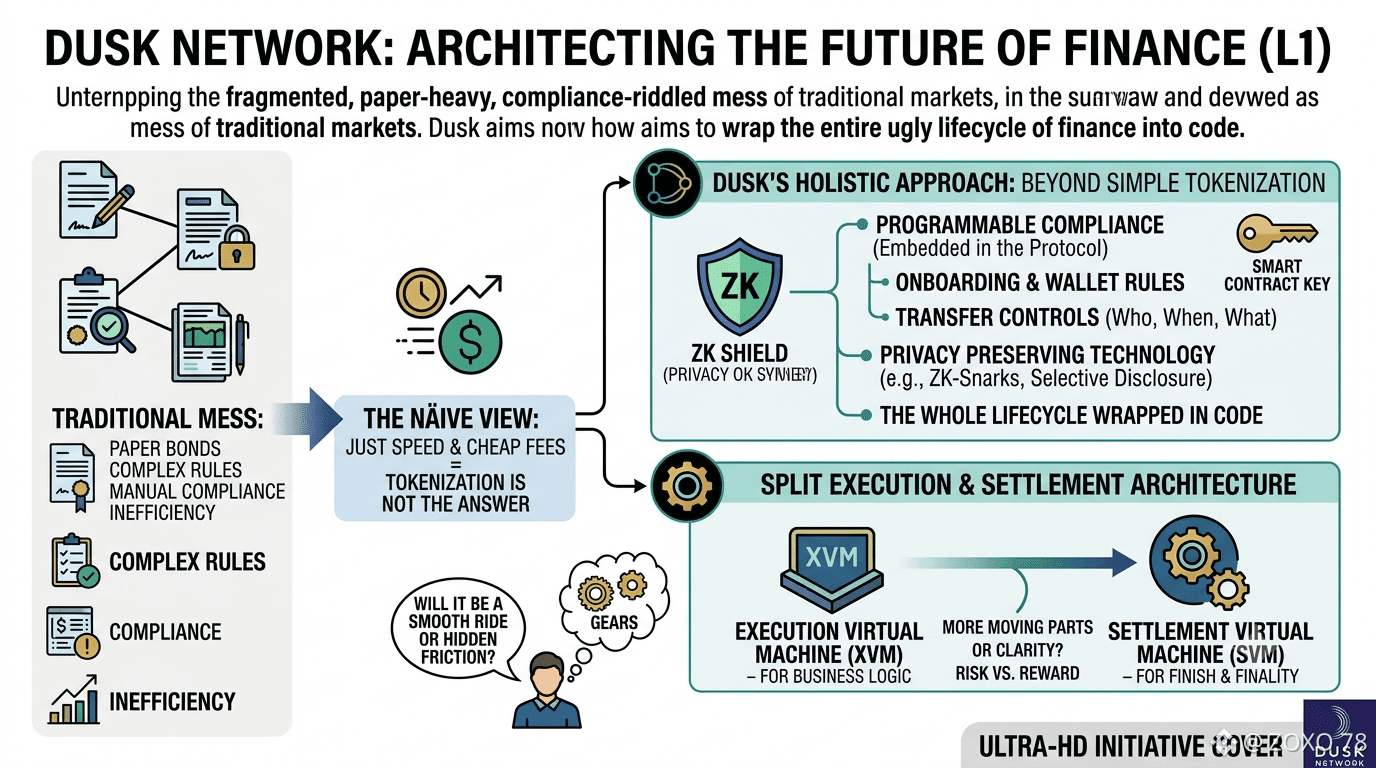
最初に思ったのはこうです。金融のためのレイヤー1?いいね。速くて安い、トークン化された資産。これがレシピでしょ?決済を解決すれば、あとは勝手に積み上がる。上にアプリケーションを載せるだけ。はい、終わり。
でも実際にドキュメントを読んでみると、ヘッドラインみたいな退屈なやつじゃなくて、ちゃんと中身を読みました。そうしたら自分が足を止めてしまった。
もはや、速度や手数料の話ではないんです。問題は、お金というものの、もどかしくて居心地の悪い現実でした。いったい誰がこの債券を所有しているのか?世界に自分のポートフォリオを丸ごと公開せずに、それを証明できるのか?規制当局が問い合わせてきたとき、プロトコルは答えを持っているのか、それとも結局、メールやスプレッドシートに戻るのか。
Duskはそこを気にしているようです。オンボーディング、アイデンティティ、コントロール、ディスクロージャー——誰もツイートしない、地味で人間側のロジスティクスの部分を考えている。
Duskは実行(execution)と決済(settlement)を分離しています。Solidityの人向けのDuskEVM、プライバシー重視のロジック向けのDuskVM、そして重い処理のためのDuskDS。紙の上では実にエレガント。
でも私は、エレガントさが失敗するのを何度も見てきました。レイヤーが増え、可動部品が増え、誰も見ていないところで機械が静かに壊れる可能性も増える。
だから、正直言って納得できていません。懐疑的です。
ただし、私は静かに見続けています。もしDuskが、現実の金融規制の断片的なカオス、アイデンティティ、ディスクロージャー、決済をつなぎ合わせて、オンチェーンで“ちゃんと動く”ものにできるのだとしたら?
それは単なる賢い技術じゃない。
本当に役に立つ。
@Dusk #dusk $DUSK
$RE
$BEL
それにしても、私はDuskを単純化しすぎました。
最初に思ったのはこうです。金融のためのレイヤー1?いいね。速くて安い、トークン化された資産。これがレシピでしょ?決済を解決すれば、あとは勝手に積み上がる。上にアプリケーションを載せるだけ。はい、終わり。
でも実際にドキュメントを読んでみると、ヘッドラインみたいな退屈なやつじゃなくて、ちゃんと中身を読みました。そうしたら自分が足を止めてしまった。
もはや、速度や手数料の話ではないんです。問題は、お金というものの、もどかしくて居心地の悪い現実でした。いったい誰がこの債券を所有しているのか?世界に自分のポートフォリオを丸ごと公開せずに、それを証明できるのか?規制当局が問い合わせてきたとき、プロトコルは答えを持っているのか、それとも結局、メールやスプレッドシートに戻るのか。
Duskはそこを気にしているようです。オンボーディング、アイデンティティ、コントロール、ディスクロージャー——誰もツイートしない、地味で人間側のロジスティクスの部分を考えている。
Duskは実行(execution)と決済(settlement)を分離しています。Solidityの人向けのDuskEVM、プライバシー重視のロジック向けのDuskVM、そして重い処理のためのDuskDS。紙の上では実にエレガント。
でも私は、エレガントさが失敗するのを何度も見てきました。レイヤーが増え、可動部品が増え、誰も見ていないところで機械が静かに壊れる可能性も増える。
だから、正直言って納得できていません。懐疑的です。
ただし、私は静かに見続けています。もしDuskが、現実の金融規制の断片的なカオス、アイデンティティ、ディスクロージャー、決済をつなぎ合わせて、オンチェーンで“ちゃんと動く”ものにできるのだとしたら?
それは単なる賢い技術じゃない。
本当に役に立つ。
@Dusk #dusk $DUSK
$RE
$BEL
Zuho1688
·
--
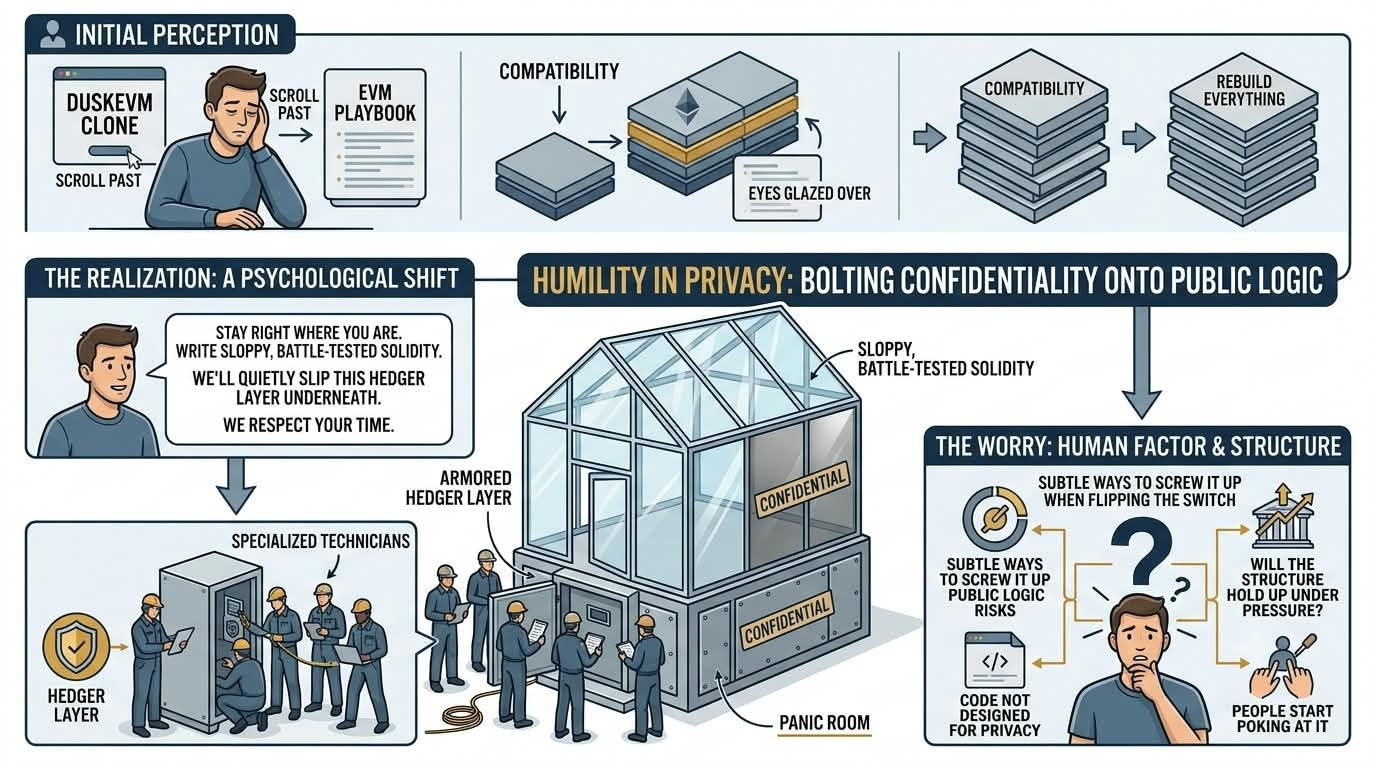
ブリッシュねえ、最初にDuskEVMを見たとき、正直に言うと目がとろんとしてしまったんだ。「よし、また同じ古びた手口で開発者を釣ろうとするEVMクローンか」と思って、ほぼスルーした。
でも結局、何度も戻って見てしまって、そのとき気づいた。状況をまるで読み違えていた。これは互換性の話じゃない。心理の話だ。何年も前から、プライバシー系のプロジェクトは「引っ越して、こっちの小さな個人用の島へ来てね。全部作り直して、私たちのビジョンにコミットして」と言ってくる。疲れるよね。
Duskはまったく逆をやってる。彼らが「そのままでいて。雑で、でも実戦で鍛えられたSolidityを書いて。あとは、このHedgerレイヤーをその下にそっと潜り込ませるだけだから。必要なところでだけ秘密を守れるようにする」と言っているみたいだ。率直に言うと、すごく謙虚に感じる。開発者としての時間を尊重してくれてる。
でも私は心配性なんだ。そもそも、最初からプライバシーを前提に設計されていないコードを書いているなら、スイッチを切り替えたときに、どれだけの微妙な落とし穴があるんだろう…って、脳が人間側の要因にすぐ飛んでしまう。「公開ロジック」に機密性を後付けするのって、ガラスでできた家にパニックルームを付けるみたいなものだ。賢いのは確か。でも、このレイヤーが存在するというだけで、実際の圧力の下でも構造がちゃんと持つのか、正直まだ確信できてない。人々が触り始めたら分かるんだろうね。
@Dusk #dusk $DUSK
$BTW
$VELVET
でも結局、何度も戻って見てしまって、そのとき気づいた。状況をまるで読み違えていた。これは互換性の話じゃない。心理の話だ。何年も前から、プライバシー系のプロジェクトは「引っ越して、こっちの小さな個人用の島へ来てね。全部作り直して、私たちのビジョンにコミットして」と言ってくる。疲れるよね。
Duskはまったく逆をやってる。彼らが「そのままでいて。雑で、でも実戦で鍛えられたSolidityを書いて。あとは、このHedgerレイヤーをその下にそっと潜り込ませるだけだから。必要なところでだけ秘密を守れるようにする」と言っているみたいだ。率直に言うと、すごく謙虚に感じる。開発者としての時間を尊重してくれてる。
でも私は心配性なんだ。そもそも、最初からプライバシーを前提に設計されていないコードを書いているなら、スイッチを切り替えたときに、どれだけの微妙な落とし穴があるんだろう…って、脳が人間側の要因にすぐ飛んでしまう。「公開ロジック」に機密性を後付けするのって、ガラスでできた家にパニックルームを付けるみたいなものだ。賢いのは確か。でも、このレイヤーが存在するというだけで、実際の圧力の下でも構造がちゃんと持つのか、正直まだ確信できてない。人々が触り始めたら分かるんだろうね。
@Dusk #dusk $DUSK
$BTW
$VELVET
BRAVO_78
·
--
ブリッシュ数日間ずっと頭をぶつけ続けていました。
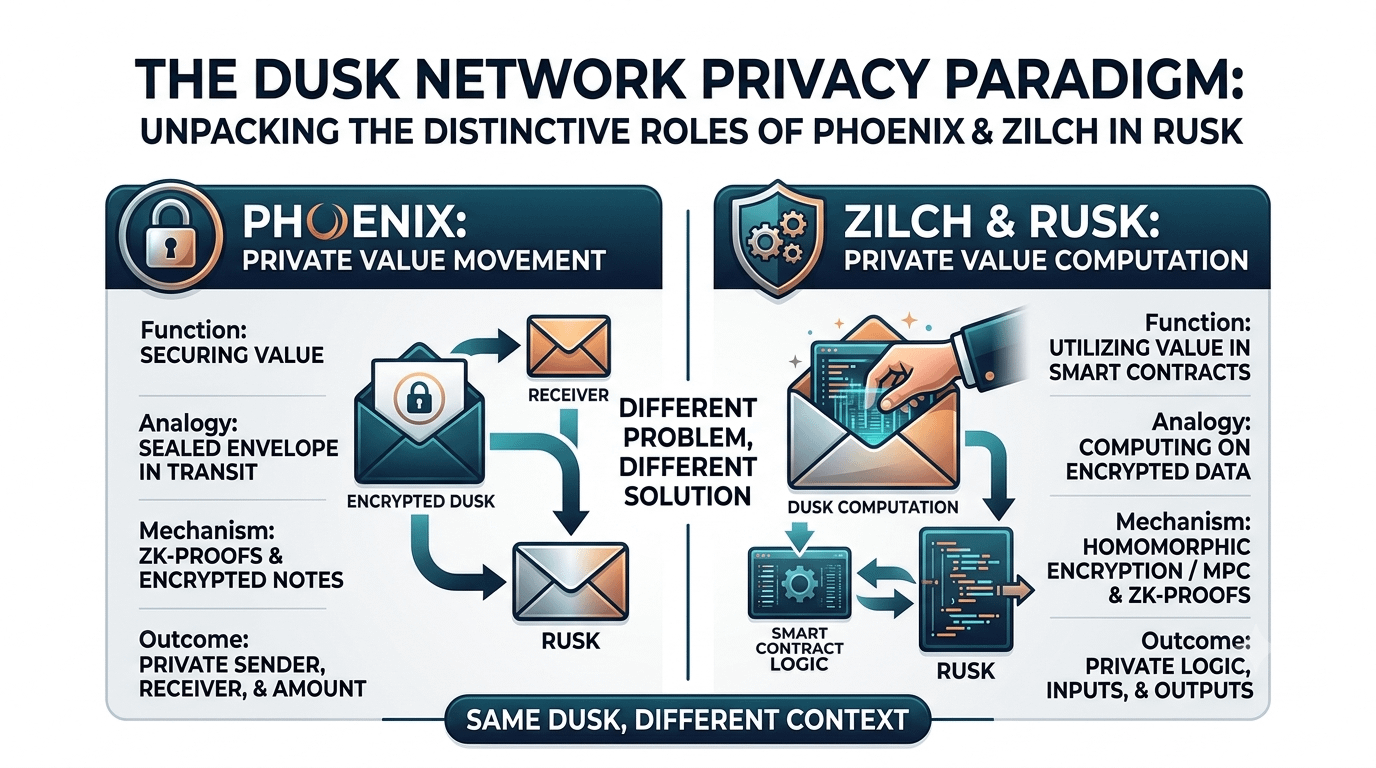
考えは単純でした。Phoenix はメモを暗号化する。転送は消える。送信者、受信者、金額はすべて隠される。
だから、私の DUSK がすでに Phoenix の中でプライベートなのに、同じ DUSK を Rusk に送るのに、なぜ突然別の種類のプライバシーが必要になるのでしょう?
手紙を封筒に封じておいて、「それを別の誰かに渡すから、新しい封筒が必要だ」と言われるような感覚でした。
そして、ようやく腑に落ちました。
スマートコントラクトは、ただの別の受信者ではありません。
Phoenix は価値をプライベートに移動するために作られています。Rusk は、そこでその価値が実際に何かをする場所です。つまり、他のプライベートな入力を含む条件によって計算されたり、交換されたり、トリガーされたりする。
その地点で、暗号化されたメモが壁にぶつかります。
移動中はメモを封じたままにできます。でも、暗号化されたデータを扱う方法がない限り、中身に対して意味のある計算はできません。
それを解決しているのが Zilch です。
同じ DUSK。異なる文脈。異なるプライバシーの問題。
Phoenix は、その価値をプライベートに受け渡します。
Zilch は、その価値が Rusk の中で実際に機能するときもプライベートに保ちます。
私はプライバシーを「一枚の布」みたいに扱っていました。プライベートなら、プライベート。
でも違います。
何かをプライベートに移動することと、プライベートに計算することは、まったく別の問題です。
その区別が、ようやく私の中で全体のアーキテクチャを理解させてくれました。
@Dusk #dusk $DUSK
$BTW
$VELVET
考えは単純でした。Phoenix はメモを暗号化する。転送は消える。送信者、受信者、金額はすべて隠される。
だから、私の DUSK がすでに Phoenix の中でプライベートなのに、同じ DUSK を Rusk に送るのに、なぜ突然別の種類のプライバシーが必要になるのでしょう?
手紙を封筒に封じておいて、「それを別の誰かに渡すから、新しい封筒が必要だ」と言われるような感覚でした。
そして、ようやく腑に落ちました。
スマートコントラクトは、ただの別の受信者ではありません。
Phoenix は価値をプライベートに移動するために作られています。Rusk は、そこでその価値が実際に何かをする場所です。つまり、他のプライベートな入力を含む条件によって計算されたり、交換されたり、トリガーされたりする。
その地点で、暗号化されたメモが壁にぶつかります。
移動中はメモを封じたままにできます。でも、暗号化されたデータを扱う方法がない限り、中身に対して意味のある計算はできません。
それを解決しているのが Zilch です。
同じ DUSK。異なる文脈。異なるプライバシーの問題。
Phoenix は、その価値をプライベートに受け渡します。
Zilch は、その価値が Rusk の中で実際に機能するときもプライベートに保ちます。
私はプライバシーを「一枚の布」みたいに扱っていました。プライベートなら、プライベート。
でも違います。
何かをプライベートに移動することと、プライベートに計算することは、まったく別の問題です。
その区別が、ようやく私の中で全体のアーキテクチャを理解させてくれました。
@Dusk #dusk $DUSK
$BTW
$VELVET
Zuho1688
·
--
ブリッシュ正直に言うと、最初はダスクのことを間違って捉えていたと思います。
「プライバシーL1 + RWAs」という言葉を見て、それを頭の中でその枠に入れて、そのまま先に進みました。けれど、実際にどう機能しているのかを調べれば調べるほど、その説明がしっくりこなくなっていきました。
私の注意を引いたのは、ダスクがプライバシーをオン/オフのスイッチのように扱っていないことです。
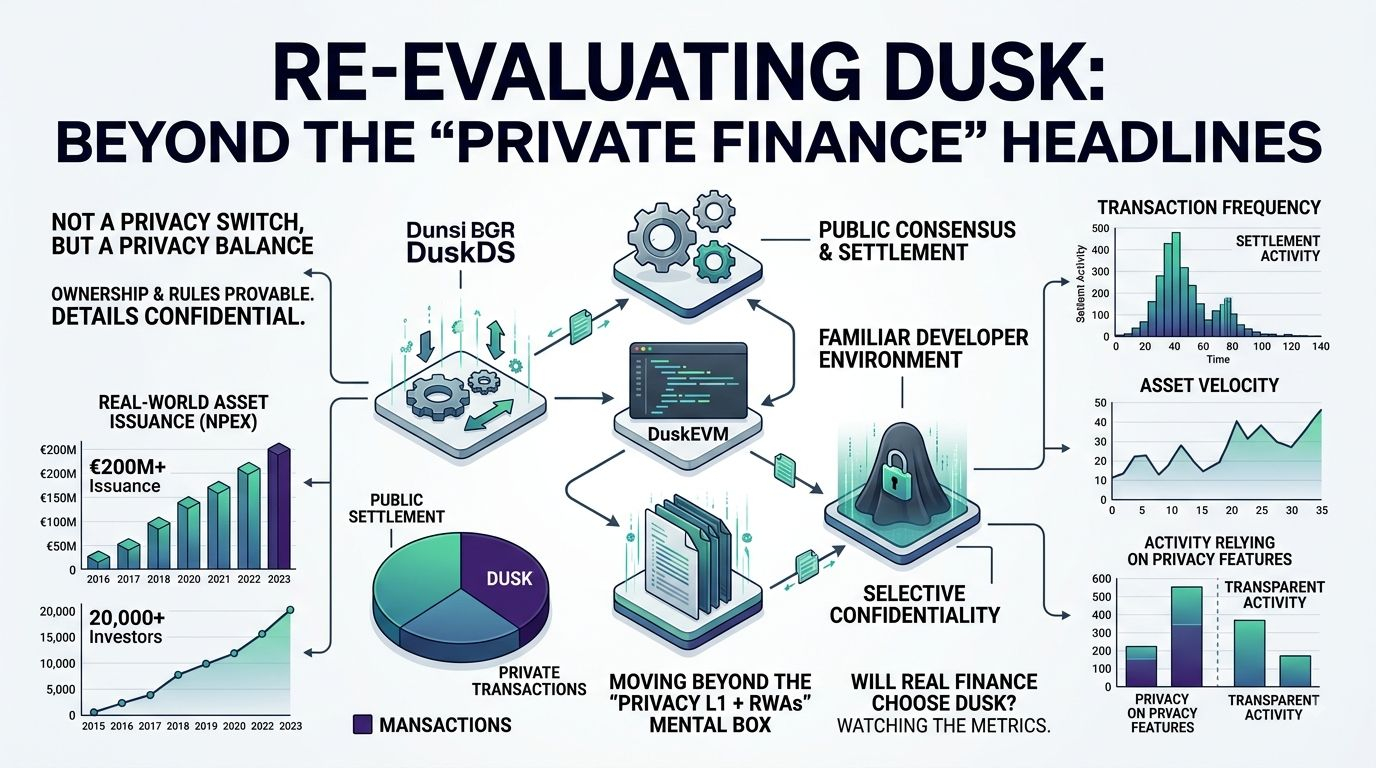
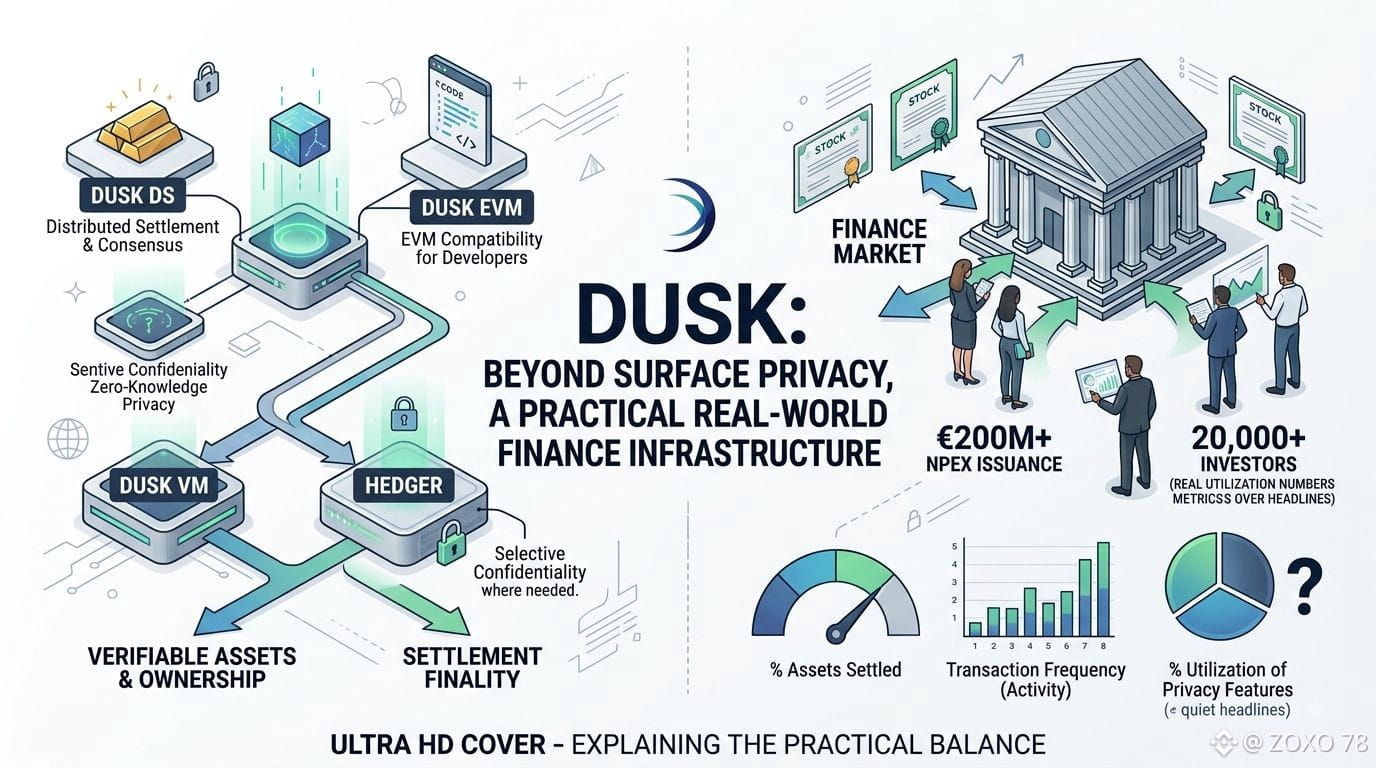
ダスクには、決済とコンセンサスを扱うDuskDSがあります。ダスクEVMは、開発者がすでに理解している環境を提供します。さらに、機密性が本当に重要になる状況では、ダスクVMとヘッジャーがある。
そして正直、それこそが私にとってより現実的に感じます。
本当の金融では、すべてを隠す必要はおそらくありません。透明で検証可能であるべきものもあります。所有権、ルール、決済は証明できるべきです。
ただし、それは誰もが取引の裏にあるすべての機微な詳細を見なくていい、ということでもあります。
そのバランスこそが、私にとってダスクを面白く感じさせています。
€200M+のNPEX発行と20,000+の投資家は印象的ですが、「より大きな構想がうまく機能している」と証明する材料として、その数字をまだ使える状態になっていません。
私は、あまり派手ではない部分を見たいです。
実際にどれくらいの資産が決済されているのですか? どれくらいの頻度で動いているのでしょう? その活動のうち、どれほどが本当にダスクのプライバシーに依存していますか?
そうした数字のほうが、見出しよりも私にとって重要です。
私は「プライベート・ファイナンス」という響きがかっこいいからダスクを見ているわけではありません。
本当の金融が実際にそれを選ぶかどうかを見たいのです。
@Dusk #dusk $DUSK
$ACE
「プライバシーL1 + RWAs」という言葉を見て、それを頭の中でその枠に入れて、そのまま先に進みました。けれど、実際にどう機能しているのかを調べれば調べるほど、その説明がしっくりこなくなっていきました。
私の注意を引いたのは、ダスクがプライバシーをオン/オフのスイッチのように扱っていないことです。
ダスクには、決済とコンセンサスを扱うDuskDSがあります。ダスクEVMは、開発者がすでに理解している環境を提供します。さらに、機密性が本当に重要になる状況では、ダスクVMとヘッジャーがある。
そして正直、それこそが私にとってより現実的に感じます。
本当の金融では、すべてを隠す必要はおそらくありません。透明で検証可能であるべきものもあります。所有権、ルール、決済は証明できるべきです。
ただし、それは誰もが取引の裏にあるすべての機微な詳細を見なくていい、ということでもあります。
そのバランスこそが、私にとってダスクを面白く感じさせています。
€200M+のNPEX発行と20,000+の投資家は印象的ですが、「より大きな構想がうまく機能している」と証明する材料として、その数字をまだ使える状態になっていません。
私は、あまり派手ではない部分を見たいです。
実際にどれくらいの資産が決済されているのですか? どれくらいの頻度で動いているのでしょう? その活動のうち、どれほどが本当にダスクのプライバシーに依存していますか?
そうした数字のほうが、見出しよりも私にとって重要です。
私は「プライベート・ファイナンス」という響きがかっこいいからダスクを見ているわけではありません。
本当の金融が実際にそれを選ぶかどうかを見たいのです。
@Dusk #dusk $DUSK
$ACE
BRAVO_78
·
--
ブリッシュちょうどドゥームスクロールしてたら、@Duskの通知に引き込まれた。別のトークン化プロジェクトかと思った。そしたらNPEXのところに辿り着いた。
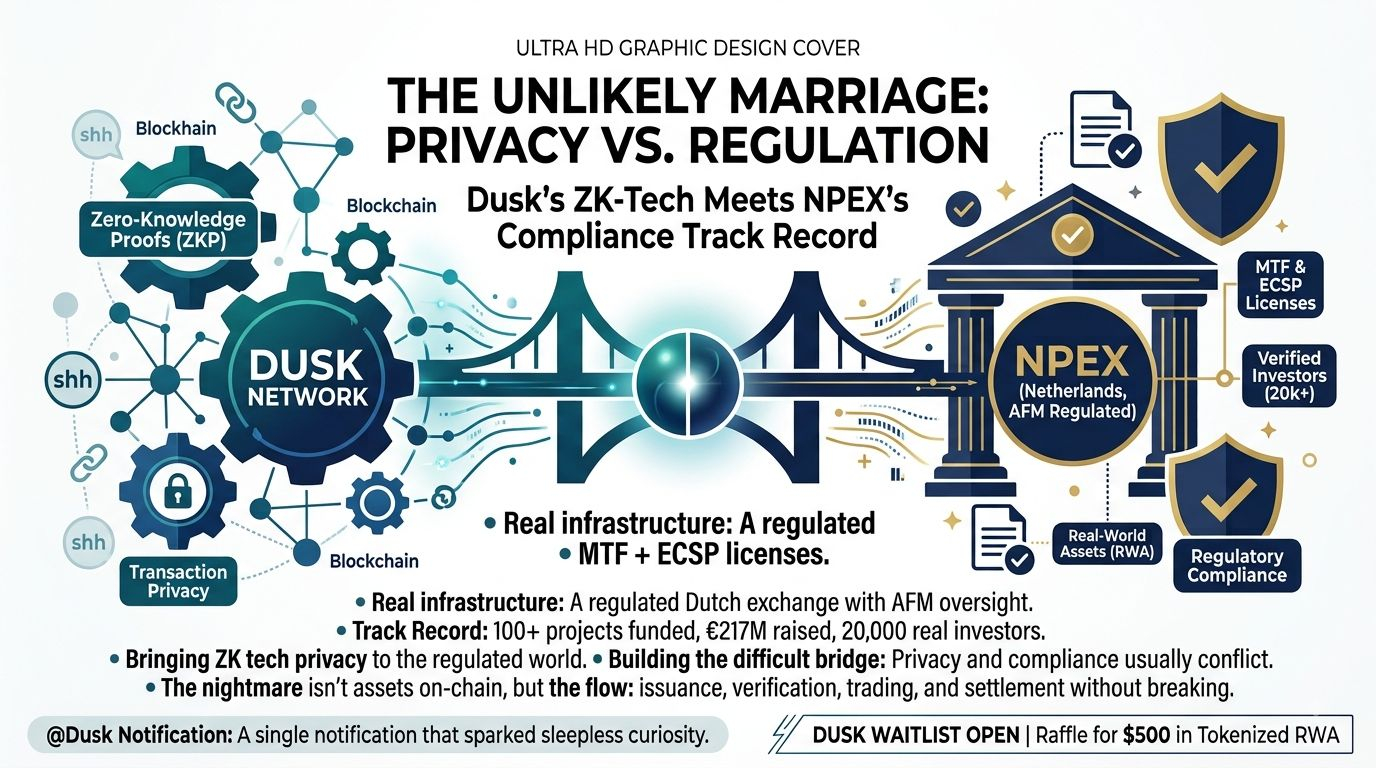
これはホワイトペーパーのある“ただの”クリプトスタートアップじゃない。規制対象のオランダの取引所だ。AFMの監督。MTF + ECSPのライセンス。100以上のプロジェクトに資金提供。調達額€217M。実在する投資家20,000人。
本物のインフラ。
そしてDuskが、プライバシー——実際のZK技術——を、その規制された世界に持ち込んでいる。
うまくいくはずがない。プライバシーとコンプライアンスは、だいたい相性が悪い。でも彼らはそれでも架け橋を作ろうとしている。
大変なのは、オンチェーンに資産を載せることじゃない。そこはもうできてる。悪夢は、発行・検証・取引・決済のフローを壊さずに成立させることだ。
規制された市場って、DEXみたいにスムーズに感じられるの?
わからない。でも今2時で、考えが止まらない。
これ、なんだか違う。
トークン化されたRWAで$500が当たるウェイティングリストの抽選がある。これがハマった理由ってわけじゃないけど、いや、ちょっと目を引いた。
@Dusk #dusk $DUSK
これはホワイトペーパーのある“ただの”クリプトスタートアップじゃない。規制対象のオランダの取引所だ。AFMの監督。MTF + ECSPのライセンス。100以上のプロジェクトに資金提供。調達額€217M。実在する投資家20,000人。
本物のインフラ。
そしてDuskが、プライバシー——実際のZK技術——を、その規制された世界に持ち込んでいる。
うまくいくはずがない。プライバシーとコンプライアンスは、だいたい相性が悪い。でも彼らはそれでも架け橋を作ろうとしている。
大変なのは、オンチェーンに資産を載せることじゃない。そこはもうできてる。悪夢は、発行・検証・取引・決済のフローを壊さずに成立させることだ。
規制された市場って、DEXみたいにスムーズに感じられるの?
わからない。でも今2時で、考えが止まらない。
これ、なんだか違う。
トークン化されたRWAで$500が当たるウェイティングリストの抽選がある。これがハマった理由ってわけじゃないけど、いや、ちょっと目を引いた。
@Dusk #dusk $DUSK
ログインして、さらにコンテンツを読む