

DocTorCrypTo__016
449 投稿

DocTorCrypTo__016
報告
ユーザーをブロック
取引を発注
高頻度トレーダー
4年
3 フォロー
63 フォロワー
148 いいね
投稿
ポートフォリオ
すべて
引用

記事
翻訳参照
AGPUB — Details & FundamentalsAGPUB — Details & Fundamentals
AGPUB is Axe Compute Tokenized bStock. It is different from a typical crypto coin such as BTC, SOL or ETH: AGPUB is a tokenized security designed to track the economic exposure of Axe Compute Inc. (NASDAQ: AGPU). Binance began AGPUB/USDT trading on September 23, 2026. �
Binance +1
🔹 Basic information
Item
Details
Token
AGPUB
Underlying company
Axe Compute Inc.
Stock ticker
AGPU
Type
Tokenized bStock / tokenized security
Network
BNB Smart Chain
Binance pair
AGPUB/USDT
Contract
0xa455ae0f04a2b86eee47adCA98985E61D14CbEfb
Listing
Sept. 23, 2026
Conversion
1 AGPUB ↔ 1 underlying share, subject to eligibility/laws
Binance states that AGPUB is backed by the corresponding underlying equity and that conversion is 1:1 for eligible users. �
Binance +1
🏢 What does Axe Compute do?
Axe Compute focuses on GPU infrastructure for AI. The company says its network provides access to 435,000+ GPUs across 200+ locations, with enterprise deployments targeted at roughly 24–48 hours. Its business is aimed at companies needing GPU capacity for AI workloads. �
Axe Compute +1
The AI/GPU infrastructure theme is therefore the main fundamental story behind AGPUB.
📊 Fundamental positives
1. AI infrastructure exposure
Axe Compute operates in the rapidly expanding AI-compute/GPU infrastructure market. �
Axe Compute
2. Large GPU network
The company reports access to more than 435,000 GPUs across 200+ locations. �
Axe Compute
3. Enterprise contracts
Axe Compute says it closed a $260M three-year enterprise contract in 2026 for deployment of a dedicated NVIDIA B300 cluster. �
Axe Compute
4. Tokenized-stock structure
AGPUB is designed to provide economic exposure to the underlying AGPU equity rather than relying purely on crypto-token utility. �
CoinMarketCap
5. 24/7 blockchain trading
The tokenized format allows trading on Binance outside traditional stock-market hours, subject to Binance's applicable rules and restrictions. �
CoinMarketCap
⚠️ Important risks
Axe Compute's own financial reporting shows net cash used in continuing operations of about $9.88M in 2025, so the business is not simply a mature, highly profitable company. �
Axe Compute
Other important risks include:
AI/GPU infrastructure is highly competitive.
Large capital requirements can pressure cash flow.
AGPU/AGPUB can be volatile.
The underlying company has exposure to digital-asset and GPU-compute risks.
Tokenized securities have regulatory and jurisdiction restrictions.
AGPUB is not the same thing as directly owning AGPU shares.
Binance says bStocks are not available to U.S. persons and availability depends on applicable regulations. �
Binance
🧠 Bottom line on fundamentals
AGPUB's fundamental value is primarily tied to Axe Compute/AGPU, not to a separate crypto ecosystem. The major thesis is AI + GPU infrastructure growth, while the major concerns are profitability/cash requirements, competition, execution and the volatility of the underlying equity.
If you're looking at AGPUB specifically for Binance trading, I can also give you its current price, market cap, circulating supply, ATH/ATL, 24h volume, support/resistance and a LONG/SHORT setup using the latest data.
AGPUB — Details & Fundamentals
AGPUB — Details & Fundamentals
AGPUB is Axe Compute Tokenized bStock. It is different from a typical crypto coin such as BTC, SOL or ETH: AGPUB is a tokenized security designed to track the economic exposure of Axe Compute Inc. (NASDAQ: AGPU). Binance began AGPUB/USDT trading on September 23, 2026. �
Binance +1
🔹 Basic information
Item
Details
Token
AGPUB
Underlying company
Axe Compute Inc.
Stock ticker
AGPU
Type
Tokenized bStock / tokenized security
Network
BNB Smart Chain
Binance pair
AGPUB/USDT
Contract
0xa455ae0f04a2b86eee47adCA98985E61D14CbEfb
Listing
Sept. 23, 2026
Conversion
1 AGPUB ↔ 1 underlying share, subject to eligibility/laws
Binance states that AGPUB is backed by the corresponding underlying equity and that conversion is 1:1 for eligible users. �
Binance +1
🏢 What does Axe Compute do?
Axe Compute focuses on GPU infrastructure for AI. The company says its network provides access to 435,000+ GPUs across 200+ locations, with enterprise deployments targeted at roughly 24–48 hours. Its business is aimed at companies needing GPU capacity for AI workloads. �
Axe Compute +1
The AI/GPU infrastructure theme is therefore the main fundamental story behind AGPUB.
📊 Fundamental positives
1. AI infrastructure exposure
Axe Compute operates in the rapidly expanding AI-compute/GPU infrastructure market. �
Axe Compute
2. Large GPU network
The company reports access to more than 435,000 GPUs across 200+ locations. �
Axe Compute
3. Enterprise contracts
Axe Compute says it closed a $260M three-year enterprise contract in 2026 for deployment of a dedicated NVIDIA B300 cluster. �
Axe Compute
4. Tokenized-stock structure
AGPUB is designed to provide economic exposure to the underlying AGPU equity rather than relying purely on crypto-token utility. �
CoinMarketCap
5. 24/7 blockchain trading
The tokenized format allows trading on Binance outside traditional stock-market hours, subject to Binance's applicable rules and restrictions. �
CoinMarketCap
⚠️ Important risks
Axe Compute's own financial reporting shows net cash used in continuing operations of about $9.88M in 2025, so the business is not simply a mature, highly profitable company. �
Axe Compute
Other important risks include:
AI/GPU infrastructure is highly competitive.
Large capital requirements can pressure cash flow.
AGPU/AGPUB can be volatile.
The underlying company has exposure to digital-asset and GPU-compute risks.
Tokenized securities have regulatory and jurisdiction restrictions.
AGPUB is not the same thing as directly owning AGPU shares.
Binance says bStocks are not available to U.S. persons and availability depends on applicable regulations. �
Binance
🧠 Bottom line on fundamentals
AGPUB's fundamental value is primarily tied to Axe Compute/AGPU, not to a separate crypto ecosystem. The major thesis is AI + GPU infrastructure growth, while the major concerns are profitability/cash requirements, competition, execution and the volatility of the underlying equity.
If you're looking at AGPUB specifically for Binance trading, I can also give you its current price, market cap, circulating supply, ATH/ATL, 24h volume, support/resistance and a LONG/SHORT setup using the latest data.
AGPUB is Axe Compute Tokenized bStock. It is different from a typical crypto coin such as BTC, SOL or ETH: AGPUB is a tokenized security designed to track the economic exposure of Axe Compute Inc. (NASDAQ: AGPU). Binance began AGPUB/USDT trading on September 23, 2026. �
Binance +1
🔹 Basic information
Item
Details
Token
AGPUB
Underlying company
Axe Compute Inc.
Stock ticker
AGPU
Type
Tokenized bStock / tokenized security
Network
BNB Smart Chain
Binance pair
AGPUB/USDT
Contract
0xa455ae0f04a2b86eee47adCA98985E61D14CbEfb
Listing
Sept. 23, 2026
Conversion
1 AGPUB ↔ 1 underlying share, subject to eligibility/laws
Binance states that AGPUB is backed by the corresponding underlying equity and that conversion is 1:1 for eligible users. �
Binance +1
🏢 What does Axe Compute do?
Axe Compute focuses on GPU infrastructure for AI. The company says its network provides access to 435,000+ GPUs across 200+ locations, with enterprise deployments targeted at roughly 24–48 hours. Its business is aimed at companies needing GPU capacity for AI workloads. �
Axe Compute +1
The AI/GPU infrastructure theme is therefore the main fundamental story behind AGPUB.
📊 Fundamental positives
1. AI infrastructure exposure
Axe Compute operates in the rapidly expanding AI-compute/GPU infrastructure market. �
Axe Compute
2. Large GPU network
The company reports access to more than 435,000 GPUs across 200+ locations. �
Axe Compute
3. Enterprise contracts
Axe Compute says it closed a $260M three-year enterprise contract in 2026 for deployment of a dedicated NVIDIA B300 cluster. �
Axe Compute
4. Tokenized-stock structure
AGPUB is designed to provide economic exposure to the underlying AGPU equity rather than relying purely on crypto-token utility. �
CoinMarketCap
5. 24/7 blockchain trading
The tokenized format allows trading on Binance outside traditional stock-market hours, subject to Binance's applicable rules and restrictions. �
CoinMarketCap
⚠️ Important risks
Axe Compute's own financial reporting shows net cash used in continuing operations of about $9.88M in 2025, so the business is not simply a mature, highly profitable company. �
Axe Compute
Other important risks include:
AI/GPU infrastructure is highly competitive.
Large capital requirements can pressure cash flow.
AGPU/AGPUB can be volatile.
The underlying company has exposure to digital-asset and GPU-compute risks.
Tokenized securities have regulatory and jurisdiction restrictions.
AGPUB is not the same thing as directly owning AGPU shares.
Binance says bStocks are not available to U.S. persons and availability depends on applicable regulations. �
Binance
🧠 Bottom line on fundamentals
AGPUB's fundamental value is primarily tied to Axe Compute/AGPU, not to a separate crypto ecosystem. The major thesis is AI + GPU infrastructure growth, while the major concerns are profitability/cash requirements, competition, execution and the volatility of the underlying equity.
If you're looking at AGPUB specifically for Binance trading, I can also give you its current price, market cap, circulating supply, ATH/ATL, 24h volume, support/resistance and a LONG/SHORT setup using the latest data.
44
·
--
ブリッシュ
🚀 $BIO — ブレイクアウト・ウォッチ
$BIO
{future}(BIOUSDT)
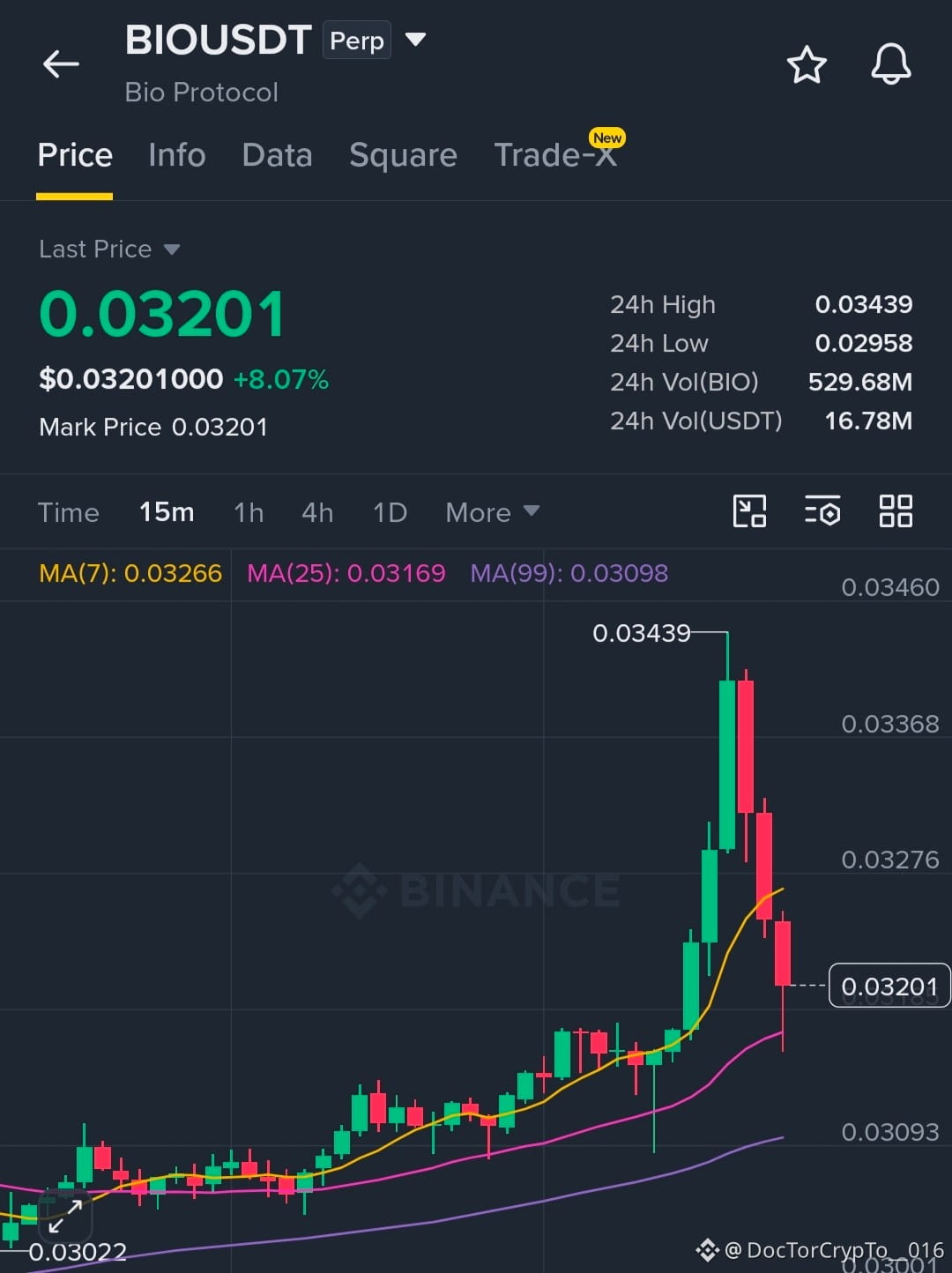
$BIO は、重要な$0.029〜$0.030ゾーンを取り戻した後、強い強気モメンタムを構築しています。注目すべき次の主要レベルは$0.0344です。
📍 エントリーゾーン: $0.0320 – $0.0340
🎯 TP1: $0.0360
🎯 TP2: $0.0390
🎯 TP3: $0.0430
🎯 TP4: $0.0480
🛑 ストップロス: $0.0235
確定したブレイクアウトと、$0.0344を上回ってのホールドができれば、さらなる上昇余地が生まれる可能性があります。
⚠️ 適切なリスク管理で取引を行ってください。DYOR。金融アドバイスではありません。
#BIO #crypto #altcoins #trading
🚀 $BIO — ブレイクアウト・ウォッチ
$BIO
$BIO は、重要な$0.029〜$0.030ゾーンを取り戻した後、強い強気モメンタムを構築しています。注目すべき次の主要レベルは$0.0344です。
📍 エントリーゾーン: $0.0320 – $0.0340
🎯 TP1: $0.0360
🎯 TP2: $0.0390
🎯 TP3: $0.0430
🎯 TP4: $0.0480
🛑 ストップロス: $0.0235
確定したブレイクアウトと、$0.0344を上回ってのホールドができれば、さらなる上昇余地が生まれる可能性があります。
⚠️ 適切なリスク管理で取引を行ってください。DYOR。金融アドバイスではありません。
#BIO #crypto #altcoins #trading
$BIO
$BIO は、重要な$0.029〜$0.030ゾーンを取り戻した後、強い強気モメンタムを構築しています。注目すべき次の主要レベルは$0.0344です。
📍 エントリーゾーン: $0.0320 – $0.0340
🎯 TP1: $0.0360
🎯 TP2: $0.0390
🎯 TP3: $0.0430
🎯 TP4: $0.0480
🛑 ストップロス: $0.0235
確定したブレイクアウトと、$0.0344を上回ってのホールドができれば、さらなる上昇余地が生まれる可能性があります。
⚠️ 適切なリスク管理で取引を行ってください。DYOR。金融アドバイスではありません。
#BIO #crypto #altcoins #trading
207
·
--
ブリッシュ
🚀 $BTW 日本語での新しいATH到達!
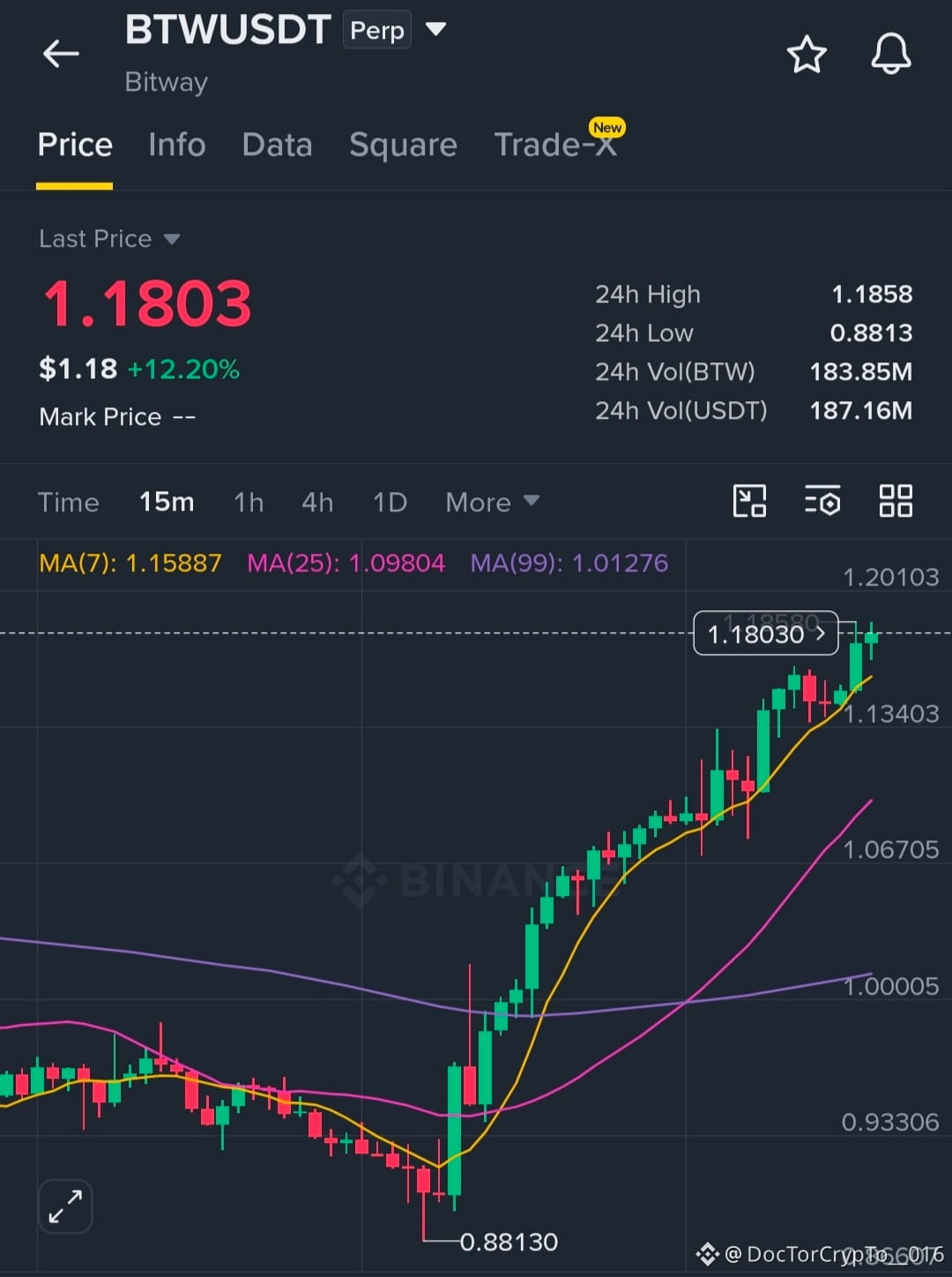
$0.10未満の初期ゾーンから、約$1.18まで——これは12倍以上の大きな値動きです。🔥
本当の優位性は、人々が気づく前に強いセットアップを見つけて、取引が進むのを待つ忍耐力にあります。
早めのエントリー+強いモメンタム+忍耐=強力な結果。
$BTW は、監視しておくべき“その手の動き”の1つに違いありません。👀
#BTW #crypto #altcoins #BİNANCE #CryptoTrading #ATH
$BTW
{future}(BTWUSDT)
🚀 $BTW 日本語での新しいATH到達!
$0.10未満の初期ゾーンから、約$1.18まで——これは12倍以上の大きな値動きです。🔥
本当の優位性は、人々が気づく前に強いセットアップを見つけて、取引が進むのを待つ忍耐力にあります。
早めのエントリー+強いモメンタム+忍耐=強力な結果。
$BTW は、監視しておくべき“その手の動き”の1つに違いありません。👀
#BTW #crypto #altcoins #BİNANCE #CryptoTrading #ATH
$BTW
$0.10未満の初期ゾーンから、約$1.18まで——これは12倍以上の大きな値動きです。🔥
本当の優位性は、人々が気づく前に強いセットアップを見つけて、取引が進むのを待つ忍耐力にあります。
早めのエントリー+強いモメンタム+忍耐=強力な結果。
$BTW は、監視しておくべき“その手の動き”の1つに違いありません。👀
#BTW #crypto #altcoins #BİNANCE #CryptoTrading #ATH
$BTW
577

記事
翻訳参照
Phala Network (PHA)Phala Network (PHA) is a privacy-preserving decentralized cloud computing protocol designed to compete with centralized providers like AWS and Google Cloud. Built using the Substrate framework within the Polkadot ecosystem, Phala combines hardware security with blockchain decentralization to enable verifiable, confidential off-chain computations.
1. Core Technological Fundamentals
Trusted Execution Environments (TEEs): Phala offloads heavy compute tasks from the blockchain into hardware-secured enclaves (like Intel SGX CPUs). This ensures that sensitive data processed off-chain remains confidential, tamper-proof, and isolated from external interference.
Separation of Consensus and Compute: The network architecture decouples consensus tasks from heavy computational workloads:
Gatekeeper Nodes: Manage consensus rules, state validation, and cross-chain communications.
Miner / Worker Nodes: Rent out CPU hardware power inside TEEs to process private calculations in parallel.
Phat Contracts (Agentized Smart Contracts): Unlike standard EVM smart contracts limited by gas limits and lack of internet access, Phala's Phat Contracts act as decentralized, privacy-first off-chain microservices. They feature cross-chain interoperability, HTTP requests, and decentralized AI-agent execution.
AI & Web3 Integration: Phala serves as a key decentralized infrastructure layer for running AI Agents, autonomous trading bots, multi-agent systems, and Web3 analytics without exposing underlying private data.
2. PHA Tokenomics & Utility
PHA is the native utility, governance, and staking token powering the Phala ecosystem. MetricDetails
Max / Total Supply1,000,000,000 PHA
Circulating Supply~840M – 850M PHA (~85% in circulation)
Network TypePolkadot Parachain / Substrate (also available as ERC-20 on Ethereum)Key Token Utilities
Resource Payment: Used to pay for off-chain CPU computing capacity, execution fees for Phat Contracts, and cross-chain messaging fees.
Staking & Security: Node operators (miners) stake PHA as collateral to ensure honest performance inside TEE enclaves. Malicious behavior results in token slashing.
Governance: Token holders vote on protocol upgrades, treasury spending, and operational parameters through the Phala DAO.
Data Exchange & Rewards: Serves as the medium of exchange to compensate node providers supplying hardware resources to the decentralized cloud.
3. Key Strengths & Potential Risks
Strengths
AI Infrastructure Synergy: Highly positioned to capture growth in Web3 × AI agents by serving as an off-chain compute engine for confidential model execution.
Polkadot Cross-Chain Interoperability: Can supply private cloud compute to other blockchains (Ethereum, EVM L2s, and Polkadot parachains) using cross-chain bridges.
Scalable Architecture: By moving computational heavy lifting off-chain into TEEs, throughput is not bound by blockchain block space.
Risks
Hardware Dependency: Relies heavily on hardware-level TEE security (e.g., Intel SGX), which has historically faced hardware-side side-channel vulnerability disclosures.
Competitive Sector: Faces strong competition from both Web2 cloud providers and other Web3 decentralized compute/AI protocols (e.g., Render, Akash, Near, Bittensor).
Token Liquidity & Market Volatility: Smaller market cap asset subject to broader crypto market macro cycles and ecosystem adoption rates.
Phala Network (PHA)
Phala Network (PHA) is a privacy-preserving decentralized cloud computing protocol designed to compete with centralized providers like AWS and Google Cloud. Built using the Substrate framework within the Polkadot ecosystem, Phala combines hardware security with blockchain decentralization to enable verifiable, confidential off-chain computations.
1. Core Technological Fundamentals
Trusted Execution Environments (TEEs): Phala offloads heavy compute tasks from the blockchain into hardware-secured enclaves (like Intel SGX CPUs). This ensures that sensitive data processed off-chain remains confidential, tamper-proof, and isolated from external interference.
Separation of Consensus and Compute: The network architecture decouples consensus tasks from heavy computational workloads:
Gatekeeper Nodes: Manage consensus rules, state validation, and cross-chain communications.
Miner / Worker Nodes: Rent out CPU hardware power inside TEEs to process private calculations in parallel.
Phat Contracts (Agentized Smart Contracts): Unlike standard EVM smart contracts limited by gas limits and lack of internet access, Phala's Phat Contracts act as decentralized, privacy-first off-chain microservices. They feature cross-chain interoperability, HTTP requests, and decentralized AI-agent execution.
AI & Web3 Integration: Phala serves as a key decentralized infrastructure layer for running AI Agents, autonomous trading bots, multi-agent systems, and Web3 analytics without exposing underlying private data.
2. PHA Tokenomics & Utility
PHA is the native utility, governance, and staking token powering the Phala ecosystem. MetricDetails
Max / Total Supply1,000,000,000 PHA
Circulating Supply~840M – 850M PHA (~85% in circulation)
Network TypePolkadot Parachain / Substrate (also available as ERC-20 on Ethereum)Key Token Utilities
Resource Payment: Used to pay for off-chain CPU computing capacity, execution fees for Phat Contracts, and cross-chain messaging fees.
Staking & Security: Node operators (miners) stake PHA as collateral to ensure honest performance inside TEE enclaves. Malicious behavior results in token slashing.
Governance: Token holders vote on protocol upgrades, treasury spending, and operational parameters through the Phala DAO.
Data Exchange & Rewards: Serves as the medium of exchange to compensate node providers supplying hardware resources to the decentralized cloud.
3. Key Strengths & Potential Risks
Strengths
AI Infrastructure Synergy: Highly positioned to capture growth in Web3 × AI agents by serving as an off-chain compute engine for confidential model execution.
Polkadot Cross-Chain Interoperability: Can supply private cloud compute to other blockchains (Ethereum, EVM L2s, and Polkadot parachains) using cross-chain bridges.
Scalable Architecture: By moving computational heavy lifting off-chain into TEEs, throughput is not bound by blockchain block space.
Risks
Hardware Dependency: Relies heavily on hardware-level TEE security (e.g., Intel SGX), which has historically faced hardware-side side-channel vulnerability disclosures.
Competitive Sector: Faces strong competition from both Web2 cloud providers and other Web3 decentralized compute/AI protocols (e.g., Render, Akash, Near, Bittensor).
Token Liquidity & Market Volatility: Smaller market cap asset subject to broader crypto market macro cycles and ecosystem adoption rates.
1. Core Technological Fundamentals
Trusted Execution Environments (TEEs): Phala offloads heavy compute tasks from the blockchain into hardware-secured enclaves (like Intel SGX CPUs). This ensures that sensitive data processed off-chain remains confidential, tamper-proof, and isolated from external interference.
Separation of Consensus and Compute: The network architecture decouples consensus tasks from heavy computational workloads:
Gatekeeper Nodes: Manage consensus rules, state validation, and cross-chain communications.
Miner / Worker Nodes: Rent out CPU hardware power inside TEEs to process private calculations in parallel.
Phat Contracts (Agentized Smart Contracts): Unlike standard EVM smart contracts limited by gas limits and lack of internet access, Phala's Phat Contracts act as decentralized, privacy-first off-chain microservices. They feature cross-chain interoperability, HTTP requests, and decentralized AI-agent execution.
AI & Web3 Integration: Phala serves as a key decentralized infrastructure layer for running AI Agents, autonomous trading bots, multi-agent systems, and Web3 analytics without exposing underlying private data.
2. PHA Tokenomics & Utility
PHA is the native utility, governance, and staking token powering the Phala ecosystem. MetricDetails
Max / Total Supply1,000,000,000 PHA
Circulating Supply~840M – 850M PHA (~85% in circulation)
Network TypePolkadot Parachain / Substrate (also available as ERC-20 on Ethereum)Key Token Utilities
Resource Payment: Used to pay for off-chain CPU computing capacity, execution fees for Phat Contracts, and cross-chain messaging fees.
Staking & Security: Node operators (miners) stake PHA as collateral to ensure honest performance inside TEE enclaves. Malicious behavior results in token slashing.
Governance: Token holders vote on protocol upgrades, treasury spending, and operational parameters through the Phala DAO.
Data Exchange & Rewards: Serves as the medium of exchange to compensate node providers supplying hardware resources to the decentralized cloud.
3. Key Strengths & Potential Risks
Strengths
AI Infrastructure Synergy: Highly positioned to capture growth in Web3 × AI agents by serving as an off-chain compute engine for confidential model execution.
Polkadot Cross-Chain Interoperability: Can supply private cloud compute to other blockchains (Ethereum, EVM L2s, and Polkadot parachains) using cross-chain bridges.
Scalable Architecture: By moving computational heavy lifting off-chain into TEEs, throughput is not bound by blockchain block space.
Risks
Hardware Dependency: Relies heavily on hardware-level TEE security (e.g., Intel SGX), which has historically faced hardware-side side-channel vulnerability disclosures.
Competitive Sector: Faces strong competition from both Web2 cloud providers and other Web3 decentralized compute/AI protocols (e.g., Render, Akash, Near, Bittensor).
Token Liquidity & Market Volatility: Smaller market cap asset subject to broader crypto market macro cycles and ecosystem adoption rates.
197
PIXELWeb3ゲームの進化は強力な新しいフェーズに入っており、@pixels がその変革を牽引しています。従来の短期的な盛り上がりに依存するプレイ・トゥ・アーンモデルとは異なり、Pixelsはプレイヤー、クリエイター、投資家がすべて長期的な価値創造から利益を得られる持続可能な経済を構築しています。
このエコシステムの中心には$PIXEL があり、これはゲーム内のアクティビティ、資産所有、報酬配分を支える主要なユーティリティトークンとして機能します。Pixelsが真に際立つのは、農業やリソース管理からソーシャルインタラクション、土地開発に至るまで、複数のエンゲージメント層を統合しているところです — すべてが統一された経済システムで結びついています。
PIXEL
Web3ゲームの進化は強力な新しいフェーズに入っており、@Pixels がその変革を牽引しています。従来の短期的な盛り上がりに依存するプレイ・トゥ・アーンモデルとは異なり、Pixelsはプレイヤー、クリエイター、投資家がすべて長期的な価値創造から利益を得られる持続可能な経済を構築しています。
このエコシステムの中心には$PIXEL があり、これはゲーム内のアクティビティ、資産所有、報酬配分を支える主要なユーティリティトークンとして機能します。Pixelsが真に際立つのは、農業やリソース管理からソーシャルインタラクション、土地開発に至るまで、複数のエンゲージメント層を統合しているところです — すべてが統一された経済システムで結びついています。
このエコシステムの中心には$PIXEL があり、これはゲーム内のアクティビティ、資産所有、報酬配分を支える主要なユーティリティトークンとして機能します。Pixelsが真に際立つのは、農業やリソース管理からソーシャルインタラクション、土地開発に至るまで、複数のエンゲージメント層を統合しているところです — すべてが統一された経済システムで結びついています。
19
Web3ゲームの進化は、@pixels が先頭を切っていることで明らかです 🚀
従来のプレイ・トゥ・アーンとは異なり、$PIXEL は、ユーティリティが話題性よりも重要な持続可能なゲーム内経済を構築しています。農業、クラフト、ソーシャルインタラクションから資産の真の所有権まで、Pixelsは本物の「プレイ・アンド・オウン」体験を提供します。
今、スタックの導入により、エコシステムはさらにレベルアップしています。このAI駆動システムはプレイヤーの行動を追跡し、よりスマートな報酬を提供して、短期的なインフレーションではなく、保持率と長期的な成長を改善します。
BitPinas
このシフトは、#pixel が単なるゲームではなく、プレイヤーと開発者の両方が利益を得る完全なGameFiインフラストラクチャになりつつあることを示しています。Web3ゲームの未来は、楽しさ、経済、スケーラビリティのバランスを取るエコシステムを支持するでしょう…そしてPixelsは既にその方向に進んでいます。 🌱
#pixel $PIXEL
Web3ゲームの進化は、@Pixels が先頭を切っていることで明らかです 🚀
従来のプレイ・トゥ・アーンとは異なり、$PIXEL は、ユーティリティが話題性よりも重要な持続可能なゲーム内経済を構築しています。農業、クラフト、ソーシャルインタラクションから資産の真の所有権まで、Pixelsは本物の「プレイ・アンド・オウン」体験を提供します。
今、スタックの導入により、エコシステムはさらにレベルアップしています。このAI駆動システムはプレイヤーの行動を追跡し、よりスマートな報酬を提供して、短期的なインフレーションではなく、保持率と長期的な成長を改善します。
BitPinas
このシフトは、#pixel が単なるゲームではなく、プレイヤーと開発者の両方が利益を得る完全なGameFiインフラストラクチャになりつつあることを示しています。Web3ゲームの未来は、楽しさ、経済、スケーラビリティのバランスを取るエコシステムを支持するでしょう…そしてPixelsは既にその方向に進んでいます。 🌱
#pixel $PIXEL
従来のプレイ・トゥ・アーンとは異なり、$PIXEL は、ユーティリティが話題性よりも重要な持続可能なゲーム内経済を構築しています。農業、クラフト、ソーシャルインタラクションから資産の真の所有権まで、Pixelsは本物の「プレイ・アンド・オウン」体験を提供します。
今、スタックの導入により、エコシステムはさらにレベルアップしています。このAI駆動システムはプレイヤーの行動を追跡し、よりスマートな報酬を提供して、短期的なインフレーションではなく、保持率と長期的な成長を改善します。
BitPinas
このシフトは、#pixel が単なるゲームではなく、プレイヤーと開発者の両方が利益を得る完全なGameFiインフラストラクチャになりつつあることを示しています。Web3ゲームの未来は、楽しさ、経済、スケーラビリティのバランスを取るエコシステムを支持するでしょう…そしてPixelsは既にその方向に進んでいます。 🌱
#pixel $PIXEL
20
·
--
ブリッシュ
$ZBT 回復を示している – 強気の継続セットアップ
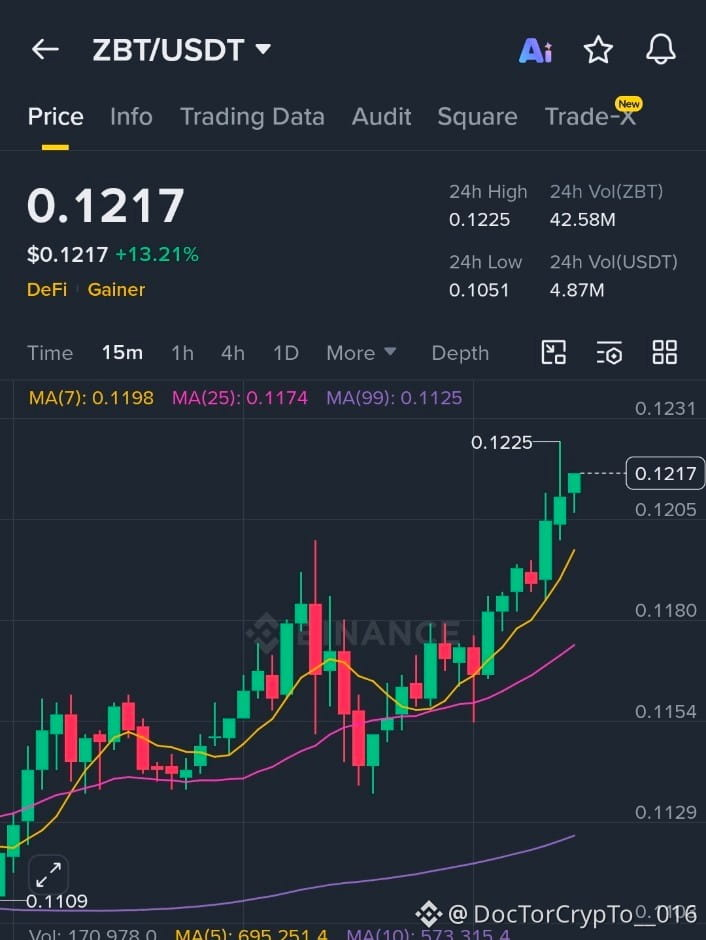
$ZBT は、ローカルボトムからのクリーンなバウンス後に力を取り戻し始めています。価格構造は高値と高値の底を更新しながら強気にシフトしており、低い時間足でのモメンタムが形成されています。
📊 トレードプラン (ZBTUSDT ロング)
🔹 エントリーゾーン: $0.120 – $0.125
🔹 ストップロス: $0.113
🎯 目標:
✅ TP1: $0.129
✅ TP2: $0.132
✅ TP3: $0.136
⚡ なぜこのセットアップなのか?
• サポートゾーンからの強い反応
• マーケット構造が強気に転換
• 買い圧力の増加(短期モメンタム)
⚠️ リスクノート:
価格が$0.112を失った場合、構造が崩れる→盲目的にホールドするのは避けるべきです。これはスキャルプ/ショートスイングであり、まだロングタームホールドではありません。
💡 プロのヒント:
緑のキャンドルを追いかけるのではなく、確認(小さなプルバック + バウンス)を待ちましょう。
$ZBT 回復を示している – 強気の継続セットアップ
$ZBT は、ローカルボトムからのクリーンなバウンス後に力を取り戻し始めています。価格構造は高値と高値の底を更新しながら強気にシフトしており、低い時間足でのモメンタムが形成されています。
📊 トレードプラン (ZBTUSDT ロング)
🔹 エントリーゾーン: $0.120 – $0.125
🔹 ストップロス: $0.113
🎯 目標:
✅ TP1: $0.129
✅ TP2: $0.132
✅ TP3: $0.136
⚡ なぜこのセットアップなのか?
• サポートゾーンからの強い反応
• マーケット構造が強気に転換
• 買い圧力の増加(短期モメンタム)
⚠️ リスクノート:
価格が$0.112を失った場合、構造が崩れる→盲目的にホールドするのは避けるべきです。これはスキャルプ/ショートスイングであり、まだロングタームホールドではありません。
💡 プロのヒント:
緑のキャンドルを追いかけるのではなく、確認(小さなプルバック + バウンス)を待ちましょう。
$ZBT は、ローカルボトムからのクリーンなバウンス後に力を取り戻し始めています。価格構造は高値と高値の底を更新しながら強気にシフトしており、低い時間足でのモメンタムが形成されています。
📊 トレードプラン (ZBTUSDT ロング)
🔹 エントリーゾーン: $0.120 – $0.125
🔹 ストップロス: $0.113
🎯 目標:
✅ TP1: $0.129
✅ TP2: $0.132
✅ TP3: $0.136
⚡ なぜこのセットアップなのか?
• サポートゾーンからの強い反応
• マーケット構造が強気に転換
• 買い圧力の増加(短期モメンタム)
⚠️ リスクノート:
価格が$0.112を失った場合、構造が崩れる→盲目的にホールドするのは避けるべきです。これはスキャルプ/ショートスイングであり、まだロングタームホールドではありません。
💡 プロのヒント:
緑のキャンドルを追いかけるのではなく、確認(小さなプルバック + バウンス)を待ちましょう。
40
·
--
ブリッシュ
$XVS 強いブレイクアウトモメンタム
📈 トレードセットアップ (ロング):
エントリーゾーン: $3.20 – $3.35
ストップロス: $2.90
テイクプロフィットターゲット:
• TP1: $3.65
• TP2: $3.85
• TP3: $4.00
📊 マーケットインサイト:
XVSは強いブルモメンタムで統合レンジをブレイクアウトしました。ボリュームの拡張はバイヤーの関心を確認しており、価格はブレイクアウトゾーンの上で保持されています — これは強さの重要なサインです。
価格が$3.00のサポートエリアを上回る限り、ブル構造は維持されます。エントリーゾーンへの小さなプルバックは、弱さではなく健全なリテストと見なされるべきです。
⚠️ リスクノート:
価格が$2.85のサポートを失うと、ブレイクアウト構造が弱まります — したがって、厳格なリスク管理が重要です。
🔥 結論:
モメンタムはブルに有利です。もし継続があれば、XVSは短期的に$3.80–$4.00ゾーンに向かってプッシュできるでしょう。
次のチャンスにエントリーするには下をタップ👇
$XVS
{future}(XVSUSDT)
$XVS 強いブレイクアウトモメンタム
📈 トレードセットアップ (ロング):
エントリーゾーン: $3.20 – $3.35
ストップロス: $2.90
テイクプロフィットターゲット:
• TP1: $3.65
• TP2: $3.85
• TP3: $4.00
📊 マーケットインサイト:
XVSは強いブルモメンタムで統合レンジをブレイクアウトしました。ボリュームの拡張はバイヤーの関心を確認しており、価格はブレイクアウトゾーンの上で保持されています — これは強さの重要なサインです。
価格が$3.00のサポートエリアを上回る限り、ブル構造は維持されます。エントリーゾーンへの小さなプルバックは、弱さではなく健全なリテストと見なされるべきです。
⚠️ リスクノート:
価格が$2.85のサポートを失うと、ブレイクアウト構造が弱まります — したがって、厳格なリスク管理が重要です。
🔥 結論:
モメンタムはブルに有利です。もし継続があれば、XVSは短期的に$3.80–$4.00ゾーンに向かってプッシュできるでしょう。
次のチャンスにエントリーするには下をタップ👇
$XVS
📈 トレードセットアップ (ロング):
エントリーゾーン: $3.20 – $3.35
ストップロス: $2.90
テイクプロフィットターゲット:
• TP1: $3.65
• TP2: $3.85
• TP3: $4.00
📊 マーケットインサイト:
XVSは強いブルモメンタムで統合レンジをブレイクアウトしました。ボリュームの拡張はバイヤーの関心を確認しており、価格はブレイクアウトゾーンの上で保持されています — これは強さの重要なサインです。
価格が$3.00のサポートエリアを上回る限り、ブル構造は維持されます。エントリーゾーンへの小さなプルバックは、弱さではなく健全なリテストと見なされるべきです。
⚠️ リスクノート:
価格が$2.85のサポートを失うと、ブレイクアウト構造が弱まります — したがって、厳格なリスク管理が重要です。
🔥 結論:
モメンタムはブルに有利です。もし継続があれば、XVSは短期的に$3.80–$4.00ゾーンに向かってプッシュできるでしょう。
次のチャンスにエントリーするには下をタップ👇
$XVS
21
🔥 $MOVR 隠れた宝石か、それとも死にかけたプロジェクトか?詳しく見てみましょう 👇
Moonriver ($MOVR ) は、多くのトレーダーが忘れてしまったプロジェクトの一つですが、賢い資金はファンダメンタルを無視しません。
💡 MOVRとは?
Kusama上のスマートコントラクトプラットフォームで、Moonbeamのためのライブテストグラウンドとして機能します。通常のテストネットとは異なり、MOVRは実際の価値で動いています — 実際のユーザー、実際のお金、そして実際のリスクが伴います。
⚙️ 重要な理由:
✔ Ethereum互換(EVM)→ 開発者にとって簡単
✔ クロスチェーンの未来 → 複数のエコシステムを接続
✔ 実際のユーティリティ → ガス料金、ステーキング、ガバナンス
✔ 供給量が少ない(約10M)→ 高いボラティリティの可能性
📉 現実チェック:
MOVRはまだATHから大幅に下落しています。市場の関心は低下し、ボリュームも少なく、競争が激しい(ETH、SOL、AVAX)。
📊 では、機会は何か?
ポルカドット/Kusamaエコシステムが再び目を覚ますと、MOVRは速く動く可能性があります。供給が少ない + ナラティブのシフト = 爆発的なポテンシャル。
⚠️ スマートな戦略:
ポンプを追いかけないでください。エコシステムを信じているなら、ディップでゆっくり蓄積しましょう。ここでは忍耐が鍵です。
👀 最後の考え:
MOVRは死んでいません…ただ眠っているだけです。そして、暗号では、眠っている巨人はいつでも目を覚ますことができます 🚀
#crypto #MOVR #アルトコイン #トレーディング #Web3
🔥 $MOVR 隠れた宝石か、それとも死にかけたプロジェクトか?詳しく見てみましょう 👇
Moonriver ($MOVR ) は、多くのトレーダーが忘れてしまったプロジェクトの一つですが、賢い資金はファンダメンタルを無視しません。
💡 MOVRとは?
Kusama上のスマートコントラクトプラットフォームで、Moonbeamのためのライブテストグラウンドとして機能します。通常のテストネットとは異なり、MOVRは実際の価値で動いています — 実際のユーザー、実際のお金、そして実際のリスクが伴います。
⚙️ 重要な理由:
✔ Ethereum互換(EVM)→ 開発者にとって簡単
✔ クロスチェーンの未来 → 複数のエコシステムを接続
✔ 実際のユーティリティ → ガス料金、ステーキング、ガバナンス
✔ 供給量が少ない(約10M)→ 高いボラティリティの可能性
📉 現実チェック:
MOVRはまだATHから大幅に下落しています。市場の関心は低下し、ボリュームも少なく、競争が激しい(ETH、SOL、AVAX)。
📊 では、機会は何か?
ポルカドット/Kusamaエコシステムが再び目を覚ますと、MOVRは速く動く可能性があります。供給が少ない + ナラティブのシフト = 爆発的なポテンシャル。
⚠️ スマートな戦略:
ポンプを追いかけないでください。エコシステムを信じているなら、ディップでゆっくり蓄積しましょう。ここでは忍耐が鍵です。
👀 最後の考え:
MOVRは死んでいません…ただ眠っているだけです。そして、暗号では、眠っている巨人はいつでも目を覚ますことができます 🚀
#crypto #MOVR #アルトコイン #トレーディング #Web3
Moonriver ($MOVR ) は、多くのトレーダーが忘れてしまったプロジェクトの一つですが、賢い資金はファンダメンタルを無視しません。
💡 MOVRとは?
Kusama上のスマートコントラクトプラットフォームで、Moonbeamのためのライブテストグラウンドとして機能します。通常のテストネットとは異なり、MOVRは実際の価値で動いています — 実際のユーザー、実際のお金、そして実際のリスクが伴います。
⚙️ 重要な理由:
✔ Ethereum互換(EVM)→ 開発者にとって簡単
✔ クロスチェーンの未来 → 複数のエコシステムを接続
✔ 実際のユーティリティ → ガス料金、ステーキング、ガバナンス
✔ 供給量が少ない(約10M)→ 高いボラティリティの可能性
📉 現実チェック:
MOVRはまだATHから大幅に下落しています。市場の関心は低下し、ボリュームも少なく、競争が激しい(ETH、SOL、AVAX)。
📊 では、機会は何か?
ポルカドット/Kusamaエコシステムが再び目を覚ますと、MOVRは速く動く可能性があります。供給が少ない + ナラティブのシフト = 爆発的なポテンシャル。
⚠️ スマートな戦略:
ポンプを追いかけないでください。エコシステムを信じているなら、ディップでゆっくり蓄積しましょう。ここでは忍耐が鍵です。
👀 最後の考え:
MOVRは死んでいません…ただ眠っているだけです。そして、暗号では、眠っている巨人はいつでも目を覚ますことができます 🚀
#crypto #MOVR #アルトコイン #トレーディング #Web3

142
·
--
ブリッシュ
BTC – ブレイクアウトかフェイクムーブか?
ビットコインは現在、次の方向性が決まるゾーンにいます。マーケットは圧縮状態にあり、ボラティリティが低下しています — これは大きなムーブが近いことを意味します。
🔍 マーケット構造:
タイトなレンジ形成
流動性が両サイドに存在
トレーダーは混乱している(完璧なトラップゾーン)
📈 ブルシナリオ:
もしBTCがボリュームを伴って強いブレイクアウトをすると、上昇モメンタムが速くなる可能性があります。
📉 ベアシナリオ:
もし下方向にブレイクする場合、最初にストップハントが行われ、その後反応が得られます。
⚠️ リマインダー:
フェイクブレイクアウトを避けるために、必ず確認を取ってください。
⚡ “明確なブレイクアウトを待って、推測はしないでください。”
⚡ デイリーマーケットインサイトのためにフォローしてください ✅
次の機会に入るには下をタップ👇
$BTC
{future}(BTCUSDT)
BTC – ブレイクアウトかフェイクムーブか?
ビットコインは現在、次の方向性が決まるゾーンにいます。マーケットは圧縮状態にあり、ボラティリティが低下しています — これは大きなムーブが近いことを意味します。
🔍 マーケット構造:
タイトなレンジ形成
流動性が両サイドに存在
トレーダーは混乱している(完璧なトラップゾーン)
📈 ブルシナリオ:
もしBTCがボリュームを伴って強いブレイクアウトをすると、上昇モメンタムが速くなる可能性があります。
📉 ベアシナリオ:
もし下方向にブレイクする場合、最初にストップハントが行われ、その後反応が得られます。
⚠️ リマインダー:
フェイクブレイクアウトを避けるために、必ず確認を取ってください。
⚡ “明確なブレイクアウトを待って、推測はしないでください。”
⚡ デイリーマーケットインサイトのためにフォローしてください ✅
次の機会に入るには下をタップ👇
$BTC
ビットコインは現在、次の方向性が決まるゾーンにいます。マーケットは圧縮状態にあり、ボラティリティが低下しています — これは大きなムーブが近いことを意味します。
🔍 マーケット構造:
タイトなレンジ形成
流動性が両サイドに存在
トレーダーは混乱している(完璧なトラップゾーン)
📈 ブルシナリオ:
もしBTCがボリュームを伴って強いブレイクアウトをすると、上昇モメンタムが速くなる可能性があります。
📉 ベアシナリオ:
もし下方向にブレイクする場合、最初にストップハントが行われ、その後反応が得られます。
⚠️ リマインダー:
フェイクブレイクアウトを避けるために、必ず確認を取ってください。
⚡ “明確なブレイクアウトを待って、推測はしないでください。”
⚡ デイリーマーケットインサイトのためにフォローしてください ✅
次の機会に入るには下をタップ👇
$BTC
21
·
--
ブリッシュ
ORDIは再び的を射ました 🚀
クリーンなセットアップ - 精密なエントリー、強いフォロースルー
ORDIの教科書通りの動き… disciplined traders が待っているまさに価格アクションの種類です。セットアップはスムーズに展開し、主要な需要ゾーンからの鋭い上昇を実現しました。
モメンタムはタイミングよく起こり、買い手は全力でコントロールし、ためらうことなく価格を押し上げました。これは運ではありません — 適切な実行を伴った計画的なトレードでした。
忍耐強く戦略に従ったトレーダーは、今やしっかりとした利益を享受しています。一方、遅れてエントリーした者たちは再び、すでに動き出した後の価格を追いかけています。
反応することと計画することの違いです。
次の機会に入るには下をタップしてください 👇
$ORDI
{future}(ORDIUSDT)
ORDIは再び的を射ました 🚀
クリーンなセットアップ - 精密なエントリー、強いフォロースルー
ORDIの教科書通りの動き… disciplined traders が待っているまさに価格アクションの種類です。セットアップはスムーズに展開し、主要な需要ゾーンからの鋭い上昇を実現しました。
モメンタムはタイミングよく起こり、買い手は全力でコントロールし、ためらうことなく価格を押し上げました。これは運ではありません — 適切な実行を伴った計画的なトレードでした。
忍耐強く戦略に従ったトレーダーは、今やしっかりとした利益を享受しています。一方、遅れてエントリーした者たちは再び、すでに動き出した後の価格を追いかけています。
反応することと計画することの違いです。
次の機会に入るには下をタップしてください 👇
$ORDI
クリーンなセットアップ - 精密なエントリー、強いフォロースルー
ORDIの教科書通りの動き… disciplined traders が待っているまさに価格アクションの種類です。セットアップはスムーズに展開し、主要な需要ゾーンからの鋭い上昇を実現しました。
モメンタムはタイミングよく起こり、買い手は全力でコントロールし、ためらうことなく価格を押し上げました。これは運ではありません — 適切な実行を伴った計画的なトレードでした。
忍耐強く戦略に従ったトレーダーは、今やしっかりとした利益を享受しています。一方、遅れてエントリーした者たちは再び、すでに動き出した後の価格を追いかけています。
反応することと計画することの違いです。
次の機会に入るには下をタップしてください 👇
$ORDI
DocTorCrypTo__016
·
--
ブリッシュ$ORDI ブレイクアウト確認済み
🚀 プルバックでのロングチャンス
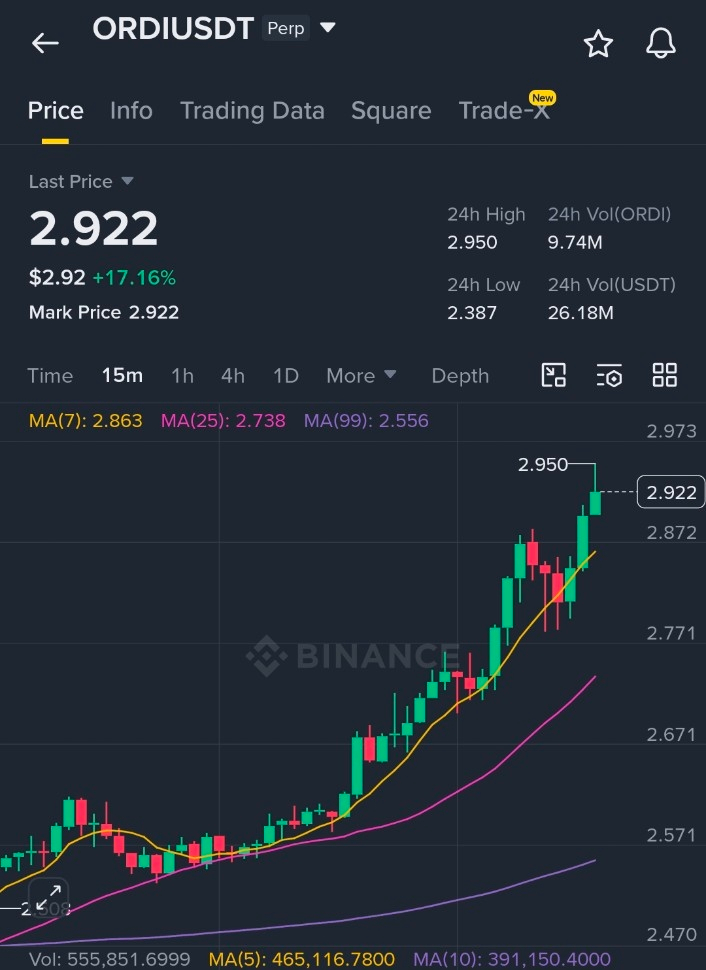
ORDIは重要な抵抗ゾーンを突破し、強い強気の勢いを確認しました。
現在、価格はブレイクアウトレベルの上に保持されており、買い手の強さを示しています。
しかし、そのような動きの後には、小さなプルバックや再テストが起こる可能性が高く — これにより、より良いエントリー機会が得られるかもしれません。
📍 エントリーゾーン (DCA戦略):
⚡ • 2.85 – 2.75
⚡ • 2.65 – 2.55
⚡ • 2.45 – 2.35
🛑 ストップロス:
⚡ • 2.20
🎯 ターゲット:
⚡ • 2.95
⚡ • 3.10
⚡ • 3.30
モメンタムは強気のままですが、価格を追いかけるのは避けてください。市場があなたのレベルに来るのを待ち、ディップで賢くエントリーしましょう。
$ORDI
🚀 プルバックでのロングチャンス
ORDIは重要な抵抗ゾーンを突破し、強い強気の勢いを確認しました。
現在、価格はブレイクアウトレベルの上に保持されており、買い手の強さを示しています。
しかし、そのような動きの後には、小さなプルバックや再テストが起こる可能性が高く — これにより、より良いエントリー機会が得られるかもしれません。
📍 エントリーゾーン (DCA戦略):
⚡ • 2.85 – 2.75
⚡ • 2.65 – 2.55
⚡ • 2.45 – 2.35
🛑 ストップロス:
⚡ • 2.20
🎯 ターゲット:
⚡ • 2.95
⚡ • 3.10
⚡ • 3.30
モメンタムは強気のままですが、価格を追いかけるのは避けてください。市場があなたのレベルに来るのを待ち、ディップで賢くエントリーしましょう。
$ORDI
212
·
--
ブリッシュ
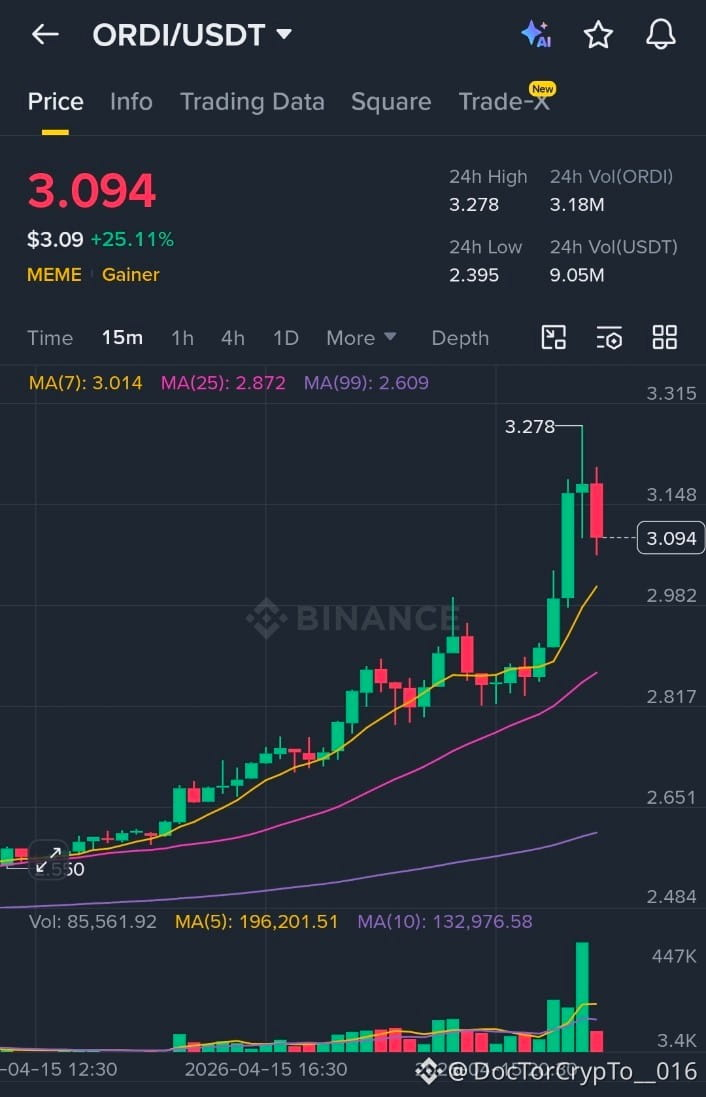
#Congratulations😊😍 $ORDI 2番目のターゲットが無事に達成されました...まだまだブル相場は終わりません...
#Congratulations😊😍 $ORDI 2番目のターゲットが無事に達成されました...まだまだブル相場は終わりません...
DocTorCrypTo__016
·
--
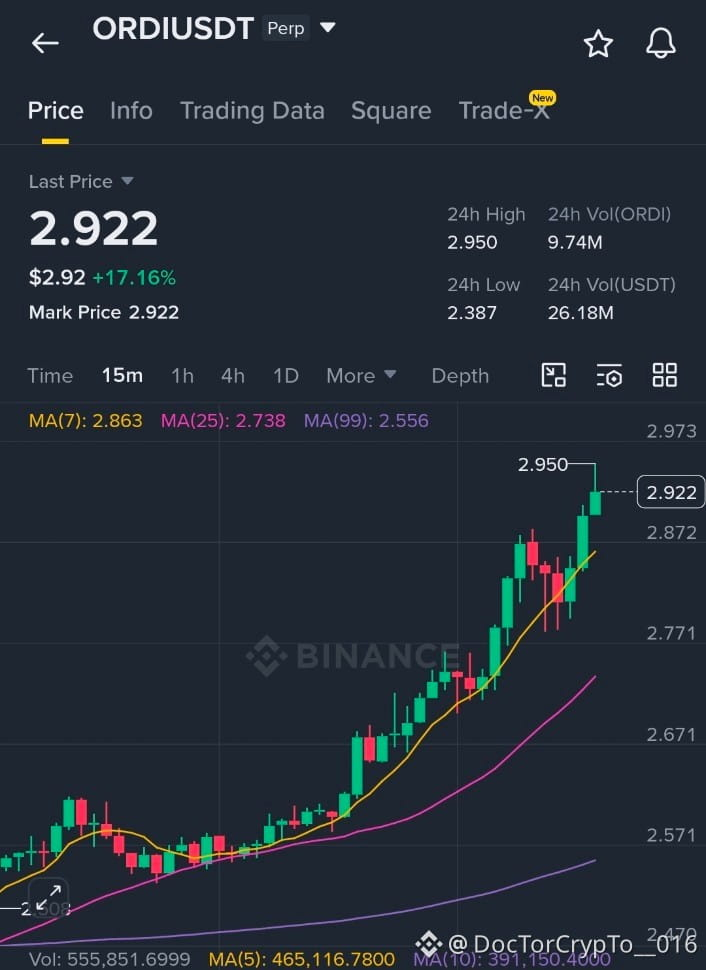
ブリッシュ$ORDI ブレイクアウト確認済み
🚀 プルバックでのロングチャンス
ORDIは重要な抵抗ゾーンを突破し、強い強気の勢いを確認しました。
現在、価格はブレイクアウトレベルの上に保持されており、買い手の強さを示しています。
しかし、そのような動きの後には、小さなプルバックや再テストが起こる可能性が高く — これにより、より良いエントリー機会が得られるかもしれません。
📍 エントリーゾーン (DCA戦略):
⚡ • 2.85 – 2.75
⚡ • 2.65 – 2.55
⚡ • 2.45 – 2.35
🛑 ストップロス:
⚡ • 2.20
🎯 ターゲット:
⚡ • 2.95
⚡ • 3.10
⚡ • 3.30
モメンタムは強気のままですが、価格を追いかけるのは避けてください。市場があなたのレベルに来るのを待ち、ディップで賢くエントリーしましょう。
$ORDI
🚀 プルバックでのロングチャンス
ORDIは重要な抵抗ゾーンを突破し、強い強気の勢いを確認しました。
現在、価格はブレイクアウトレベルの上に保持されており、買い手の強さを示しています。
しかし、そのような動きの後には、小さなプルバックや再テストが起こる可能性が高く — これにより、より良いエントリー機会が得られるかもしれません。
📍 エントリーゾーン (DCA戦略):
⚡ • 2.85 – 2.75
⚡ • 2.65 – 2.55
⚡ • 2.45 – 2.35
🛑 ストップロス:
⚡ • 2.20
🎯 ターゲット:
⚡ • 2.95
⚡ • 3.10
⚡ • 3.30
モメンタムは強気のままですが、価格を追いかけるのは避けてください。市場があなたのレベルに来るのを待ち、ディップで賢くエントリーしましょう。
$ORDI
201
·
--
ブリッシュ
$ORDI ブレイクアウト確認済み
🚀 プルバックでのロングチャンス
ORDIは重要な抵抗ゾーンを突破し、強い強気の勢いを確認しました。
現在、価格はブレイクアウトレベルの上に保持されており、買い手の強さを示しています。
しかし、そのような動きの後には、小さなプルバックや再テストが起こる可能性が高く — これにより、より良いエントリー機会が得られるかもしれません。
📍 エントリーゾーン (DCA戦略):
⚡ • 2.85 – 2.75
⚡ • 2.65 – 2.55
⚡ • 2.45 – 2.35
🛑 ストップロス:
⚡ • 2.20
🎯 ターゲット:
⚡ • 2.95
⚡ • 3.10
⚡ • 3.30
モメンタムは強気のままですが、価格を追いかけるのは避けてください。市場があなたのレベルに来るのを待ち、ディップで賢くエントリーしましょう。
$ORDI
{future}(ORDIUSDT)
$ORDI ブレイクアウト確認済み
🚀 プルバックでのロングチャンス
ORDIは重要な抵抗ゾーンを突破し、強い強気の勢いを確認しました。
現在、価格はブレイクアウトレベルの上に保持されており、買い手の強さを示しています。
しかし、そのような動きの後には、小さなプルバックや再テストが起こる可能性が高く — これにより、より良いエントリー機会が得られるかもしれません。
📍 エントリーゾーン (DCA戦略):
⚡ • 2.85 – 2.75
⚡ • 2.65 – 2.55
⚡ • 2.45 – 2.35
🛑 ストップロス:
⚡ • 2.20
🎯 ターゲット:
⚡ • 2.95
⚡ • 3.10
⚡ • 3.30
モメンタムは強気のままですが、価格を追いかけるのは避けてください。市場があなたのレベルに来るのを待ち、ディップで賢くエントリーしましょう。
$ORDI
🚀 プルバックでのロングチャンス
ORDIは重要な抵抗ゾーンを突破し、強い強気の勢いを確認しました。
現在、価格はブレイクアウトレベルの上に保持されており、買い手の強さを示しています。
しかし、そのような動きの後には、小さなプルバックや再テストが起こる可能性が高く — これにより、より良いエントリー機会が得られるかもしれません。
📍 エントリーゾーン (DCA戦略):
⚡ • 2.85 – 2.75
⚡ • 2.65 – 2.55
⚡ • 2.45 – 2.35
🛑 ストップロス:
⚡ • 2.20
🎯 ターゲット:
⚡ • 2.95
⚡ • 3.10
⚡ • 3.30
モメンタムは強気のままですが、価格を追いかけるのは避けてください。市場があなたのレベルに来るのを待ち、ディップで賢くエントリーしましょう。
$ORDI
2
116
Pixels Web3Web3ゲームの成長は無視できないほどになってきており、特に目立っているプロジェクトの一つが@pixels です。楽しいゲームプレイと真のデジタル所有権を組み合わせるというアイデアに基づいて構築されたPixelsは、プレイヤーが単なるユーザーではなく、生きた経済の参加者である強力なエコシステムを作り上げています。
$PIXEL のユニークな点は、サステナビリティとコミュニティ主導の価値に焦点を当てていることです。短期的なハイプの代わりに、Pixelsは農業、リソース管理、ソーシャルインタラクションが実際の報酬に貢献する長期的なゲーム体験を築いています。これは、プレイヤーが時間を費やすだけで実際の価値を得られない従来のゲームモデルからの大きなシフトです。
Pixels Web3
Web3ゲームの成長は無視できないほどになってきており、特に目立っているプロジェクトの一つが@Pixels です。楽しいゲームプレイと真のデジタル所有権を組み合わせるというアイデアに基づいて構築されたPixelsは、プレイヤーが単なるユーザーではなく、生きた経済の参加者である強力なエコシステムを作り上げています。
$PIXEL のユニークな点は、サステナビリティとコミュニティ主導の価値に焦点を当てていることです。短期的なハイプの代わりに、Pixelsは農業、リソース管理、ソーシャルインタラクションが実際の報酬に貢献する長期的なゲーム体験を築いています。これは、プレイヤーが時間を費やすだけで実際の価値を得られない従来のゲームモデルからの大きなシフトです。
$PIXEL のユニークな点は、サステナビリティとコミュニティ主導の価値に焦点を当てていることです。短期的なハイプの代わりに、Pixelsは農業、リソース管理、ソーシャルインタラクションが実際の報酬に貢献する長期的なゲーム体験を築いています。これは、プレイヤーが時間を費やすだけで実際の価値を得られない従来のゲームモデルからの大きなシフトです。
1
14
Web3ゲームの成長はまだ始まったばかりで、@pixels はブロックチェーンがゲーム経済をどのように再構築できるかの完璧な例です。従来のゲームとは異なり、Pixelsはプレイヤーに資産の真の所有権を与え、彼らが生きたエコシステムの中で稼ぎ、取引し、構築することを可能にします。�
CoinMarketCap
$PIXEL が面白いのは、その実用性です — 単なるトークンではなく、NFTのミンティング、ゲーム内アップグレード、ギルド参加、さらには将来のガバナンス決定を支えています。�
CoinMarketCap
ユーザーが増え、エコシステムが拡大するにつれて、このようなプロジェクトはプレイ・トゥ・アーンやソーシャルゲームの未来を定義する可能性があります。短期的な価格アクションだけでなく、長期的なビジョンに注目してください。
#pixel $PIXEL
Web3ゲームの成長はまだ始まったばかりで、@Pixels はブロックチェーンがゲーム経済をどのように再構築できるかの完璧な例です。従来のゲームとは異なり、Pixelsはプレイヤーに資産の真の所有権を与え、彼らが生きたエコシステムの中で稼ぎ、取引し、構築することを可能にします。�
CoinMarketCap
$PIXEL が面白いのは、その実用性です — 単なるトークンではなく、NFTのミンティング、ゲーム内アップグレード、ギルド参加、さらには将来のガバナンス決定を支えています。�
CoinMarketCap
ユーザーが増え、エコシステムが拡大するにつれて、このようなプロジェクトはプレイ・トゥ・アーンやソーシャルゲームの未来を定義する可能性があります。短期的な価格アクションだけでなく、長期的なビジョンに注目してください。
#pixel $PIXEL
CoinMarketCap
$PIXEL が面白いのは、その実用性です — 単なるトークンではなく、NFTのミンティング、ゲーム内アップグレード、ギルド参加、さらには将来のガバナンス決定を支えています。�
CoinMarketCap
ユーザーが増え、エコシステムが拡大するにつれて、このようなプロジェクトはプレイ・トゥ・アーンやソーシャルゲームの未来を定義する可能性があります。短期的な価格アクションだけでなく、長期的なビジョンに注目してください。
#pixel $PIXEL
1
·
--
ブリッシュ
みんな、おめでとう
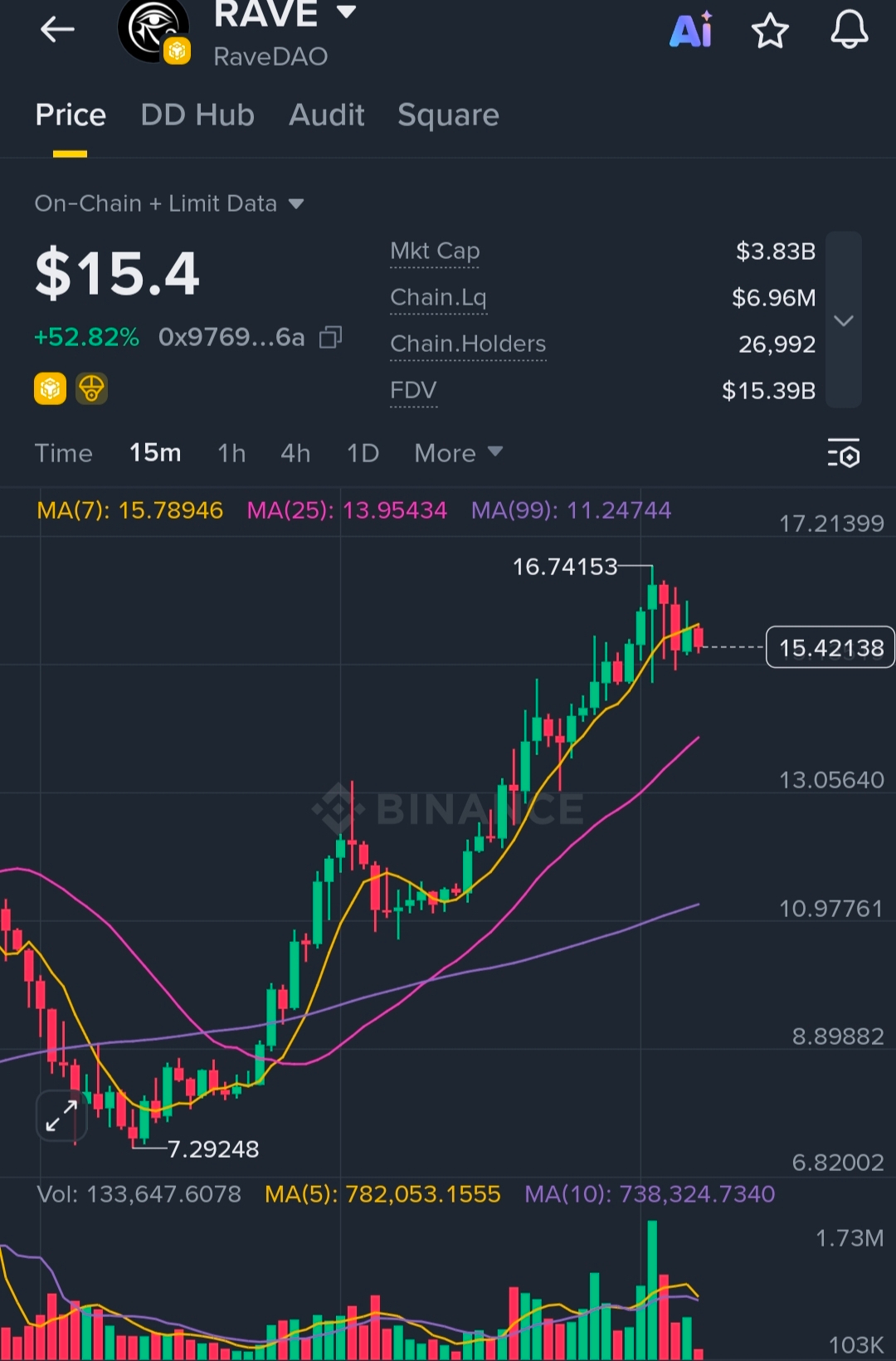
🚀 $RAVE はまだ終わっていない — さらに大きな動きが来る
二日前に、$RAVE が $12 に向かっていると明言しましたが、予想通り、動きはまだ強く、ここで止まることはありませんでした。それはただの最初のターゲットでした。
今、本当の動きが始まります。
💥 次のターゲット: $22
これはランダムなハイプではありません — モメンタムはまだ intact で、買い手はアクティブ、トレンドは明らかにブルです。構造が維持される限り、$RAVE は現在のレベルからさらに高く押し上げるポテンシャルがあります。
📊 トレードセットアップ:
• エントリーゾーン: 現在の市場価格 / ややディップ
• ストップロス: 最近のサポートの下
• ターゲット: $12 → $16 → $22
⚡ 強いモメンタム + FOMOの蓄積 + トレンドの継続 = 爆発的な動きのポテンシャル
このチャンスを見逃さないでください。
計画に従い、リスクを管理し、群衆の先を行きましょう。
みんな、おめでとう
🚀 $RAVE はまだ終わっていない — さらに大きな動きが来る
二日前に、$RAVE が $12 に向かっていると明言しましたが、予想通り、動きはまだ強く、ここで止まることはありませんでした。それはただの最初のターゲットでした。
今、本当の動きが始まります。
💥 次のターゲット: $22
これはランダムなハイプではありません — モメンタムはまだ intact で、買い手はアクティブ、トレンドは明らかにブルです。構造が維持される限り、$RAVE は現在のレベルからさらに高く押し上げるポテンシャルがあります。
📊 トレードセットアップ:
• エントリーゾーン: 現在の市場価格 / ややディップ
• ストップロス: 最近のサポートの下
• ターゲット: $12 → $16 → $22
⚡ 強いモメンタム + FOMOの蓄積 + トレンドの継続 = 爆発的な動きのポテンシャル
このチャンスを見逃さないでください。
計画に従い、リスクを管理し、群衆の先を行きましょう。
🚀 $RAVE はまだ終わっていない — さらに大きな動きが来る
二日前に、$RAVE が $12 に向かっていると明言しましたが、予想通り、動きはまだ強く、ここで止まることはありませんでした。それはただの最初のターゲットでした。
今、本当の動きが始まります。
💥 次のターゲット: $22
これはランダムなハイプではありません — モメンタムはまだ intact で、買い手はアクティブ、トレンドは明らかにブルです。構造が維持される限り、$RAVE は現在のレベルからさらに高く押し上げるポテンシャルがあります。
📊 トレードセットアップ:
• エントリーゾーン: 現在の市場価格 / ややディップ
• ストップロス: 最近のサポートの下
• ターゲット: $12 → $16 → $22
⚡ 強いモメンタム + FOMOの蓄積 + トレンドの継続 = 爆発的な動きのポテンシャル
このチャンスを見逃さないでください。
計画に従い、リスクを管理し、群衆の先を行きましょう。
DocTorCrypTo__016
·
--
$RAVE 次のターゲット.. $12
取引して利益を得る
取引して利益を得る
1
250
アカウントを守るためのシンプルなルール
もし1つのルールだけ守れば、あなたのアカウントは救えます:
👉 取引ごとにリスクは2〜3%を超えないこと
🔴 なぜ?
1回の損失でアカウントが壊れることはありません。
複数のチャンスを得ることができます。
感情的なプレッシャーが軽減されます。
🟢 例:
アカウントが$100の場合、1回の取引でリスクを$2〜3に抑えましょう。
💡 真実:
大きな利益は1回の取引からではなく、一貫性から得られます。
もしあなたがディシプリンドトレーディングを学びたいなら、フォローしてください ✅
#USMilitaryToBlockadeStraitOfHormuz #CryptoMarketRebounds
アカウントを守るためのシンプルなルール
もし1つのルールだけ守れば、あなたのアカウントは救えます:
👉 取引ごとにリスクは2〜3%を超えないこと
🔴 なぜ?
1回の損失でアカウントが壊れることはありません。
複数のチャンスを得ることができます。
感情的なプレッシャーが軽減されます。
🟢 例:
アカウントが$100の場合、1回の取引でリスクを$2〜3に抑えましょう。
💡 真実:
大きな利益は1回の取引からではなく、一貫性から得られます。
もしあなたがディシプリンドトレーディングを学びたいなら、フォローしてください ✅
#USMilitaryToBlockadeStraitOfHormuz #CryptoMarketRebounds
もし1つのルールだけ守れば、あなたのアカウントは救えます:
👉 取引ごとにリスクは2〜3%を超えないこと
🔴 なぜ?
1回の損失でアカウントが壊れることはありません。
複数のチャンスを得ることができます。
感情的なプレッシャーが軽減されます。
🟢 例:
アカウントが$100の場合、1回の取引でリスクを$2〜3に抑えましょう。
💡 真実:
大きな利益は1回の取引からではなく、一貫性から得られます。
もしあなたがディシプリンドトレーディングを学びたいなら、フォローしてください ✅
#USMilitaryToBlockadeStraitOfHormuz #CryptoMarketRebounds
1
11
📊 $BTC 更新 – 流動性が構築されている
ビットコインはまだレンジで動いていて、市場での明確な方向性はまだ確認されていない。このフェーズは通常、大きな動きの前に現れる。
🔍 現在の状況:
価格は横ばい
流動性は上方向と下方向の両方で構築されている
フェイクブレイクアウトのチャンスもある
📈 強気の見方:
ボリュームを伴う強いブレイクアウトがあれば、次のレッグアップは速くなる可能性がある。
📉 弱気の見方:
ダウンサイドブレイクがあれば、まず流動性を掴んでから反応があるだろう。
⚠️ ヒント:
早急にエントリーするのではなく、確認を待つこと。
💡 “市場は忍耐強い者に報いる。”
毎日のシンプルな暗号更新のためにフォローしてください ✅
$BTC
{spot}(BTCUSDT)
#USMilitaryToBlockadeStraitOfHormuz #CryptoMarketRebounds #USDCFreezeDebate
📊 $BTC 更新 – 流動性が構築されている
ビットコインはまだレンジで動いていて、市場での明確な方向性はまだ確認されていない。このフェーズは通常、大きな動きの前に現れる。
🔍 現在の状況:
価格は横ばい
流動性は上方向と下方向の両方で構築されている
フェイクブレイクアウトのチャンスもある
📈 強気の見方:
ボリュームを伴う強いブレイクアウトがあれば、次のレッグアップは速くなる可能性がある。
📉 弱気の見方:
ダウンサイドブレイクがあれば、まず流動性を掴んでから反応があるだろう。
⚠️ ヒント:
早急にエントリーするのではなく、確認を待つこと。
💡 “市場は忍耐強い者に報いる。”
毎日のシンプルな暗号更新のためにフォローしてください ✅
$BTC
#USMilitaryToBlockadeStraitOfHormuz #CryptoMarketRebounds #USDCFreezeDebate
ビットコインはまだレンジで動いていて、市場での明確な方向性はまだ確認されていない。このフェーズは通常、大きな動きの前に現れる。
🔍 現在の状況:
価格は横ばい
流動性は上方向と下方向の両方で構築されている
フェイクブレイクアウトのチャンスもある
📈 強気の見方:
ボリュームを伴う強いブレイクアウトがあれば、次のレッグアップは速くなる可能性がある。
📉 弱気の見方:
ダウンサイドブレイクがあれば、まず流動性を掴んでから反応があるだろう。
⚠️ ヒント:
早急にエントリーするのではなく、確認を待つこと。
💡 “市場は忍耐強い者に報いる。”
毎日のシンプルな暗号更新のためにフォローしてください ✅
$BTC
#USMilitaryToBlockadeStraitOfHormuz #CryptoMarketRebounds #USDCFreezeDebate
4
ほとんどのトレーダーが利益を失う理由(シンプルな真実)
クリプト市場では90%の人が利益を上げられない…理由は市場ではなく、彼らの決断にある。
❌ よくある間違い:
計画なしでトレードすること
ストップロスを使わないこと
オーバートレード(すべての動きを追いかける)
感情に流されてエントリーすること
✅ スマートなアプローチ:
常に計画を持ってトレードする
リスクを管理する(SLは必須)
明確なセットアップを待つ
忍耐を持つ — 毎日トレードする必要はない
💡 現実:
市場は常にチャンスを提供するが、
規律ある人だけが利益を得る。
💭 “トレーディングは正しいことではなく…リスクを管理することだ。”
ほとんどのトレーダーが利益を失う理由(シンプルな真実)
クリプト市場では90%の人が利益を上げられない…理由は市場ではなく、彼らの決断にある。
❌ よくある間違い:
計画なしでトレードすること
ストップロスを使わないこと
オーバートレード(すべての動きを追いかける)
感情に流されてエントリーすること
✅ スマートなアプローチ:
常に計画を持ってトレードする
リスクを管理する(SLは必須)
明確なセットアップを待つ
忍耐を持つ — 毎日トレードする必要はない
💡 現実:
市場は常にチャンスを提供するが、
規律ある人だけが利益を得る。
💭 “トレーディングは正しいことではなく…リスクを管理することだ。”
クリプト市場では90%の人が利益を上げられない…理由は市場ではなく、彼らの決断にある。
❌ よくある間違い:
計画なしでトレードすること
ストップロスを使わないこと
オーバートレード(すべての動きを追いかける)
感情に流されてエントリーすること
✅ スマートなアプローチ:
常に計画を持ってトレードする
リスクを管理する(SLは必須)
明確なセットアップを待つ
忍耐を持つ — 毎日トレードする必要はない
💡 現実:
市場は常にチャンスを提供するが、
規律ある人だけが利益を得る。
💭 “トレーディングは正しいことではなく…リスクを管理することだ。”
24
📊 $BTC BTC 更新 – 大きな動きが近づいている?
ビットコインは現在、タイトなレンジで取引されており、市場で圧縮が発生しています。こうしたフェーズの後には、通常強い動きが来ます。
🔍 市場の洞察:
価格が横ばいに動いている
ボラティリティは低い
流動性が両サイドで構築されている
📈 強気ケース:
もしBTCが強いボリュームで上方向にブレイクアウトすれば、急速な上昇が期待できるでしょう。
📉 弱気ケース:
サポートがブレイクされた場合、回復の前に最初に低いレベルがテストされるでしょう。
⚠️ リマインダー:
取引を行う前に確認を待ちましょう。
必ずストップロスを使用してください — 市場はいつでも逆転する可能性があります。
💡 “セットアップを待って、価格を追わないで。”
😎 もしシンプルで明確な更新が必要なら、ぜひフォローしてください ✅
$BTC
{spot}(BTCUSDT)
📊 $BTC BTC 更新 – 大きな動きが近づいている?
ビットコインは現在、タイトなレンジで取引されており、市場で圧縮が発生しています。こうしたフェーズの後には、通常強い動きが来ます。
🔍 市場の洞察:
価格が横ばいに動いている
ボラティリティは低い
流動性が両サイドで構築されている
📈 強気ケース:
もしBTCが強いボリュームで上方向にブレイクアウトすれば、急速な上昇が期待できるでしょう。
📉 弱気ケース:
サポートがブレイクされた場合、回復の前に最初に低いレベルがテストされるでしょう。
⚠️ リマインダー:
取引を行う前に確認を待ちましょう。
必ずストップロスを使用してください — 市場はいつでも逆転する可能性があります。
💡 “セットアップを待って、価格を追わないで。”
😎 もしシンプルで明確な更新が必要なら、ぜひフォローしてください ✅
$BTC
ビットコインは現在、タイトなレンジで取引されており、市場で圧縮が発生しています。こうしたフェーズの後には、通常強い動きが来ます。
🔍 市場の洞察:
価格が横ばいに動いている
ボラティリティは低い
流動性が両サイドで構築されている
📈 強気ケース:
もしBTCが強いボリュームで上方向にブレイクアウトすれば、急速な上昇が期待できるでしょう。
📉 弱気ケース:
サポートがブレイクされた場合、回復の前に最初に低いレベルがテストされるでしょう。
⚠️ リマインダー:
取引を行う前に確認を待ちましょう。
必ずストップロスを使用してください — 市場はいつでも逆転する可能性があります。
💡 “セットアップを待って、価格を追わないで。”
😎 もしシンプルで明確な更新が必要なら、ぜひフォローしてください ✅
$BTC
22
ログインして、さらにコンテンツを読む
厳選トピックで世界の暗号資産トレーダーの仲間入り
⚡️ 暗号資産に関する最新かつ有益な情報が見つかります。
💬 世界最大の暗号資産取引所から信頼されています。
👍 認証を受けたクリエイターから、有益なインサイトを得られます。
メール / 電話番号
トレンドトピック
QNTRises39%
閲覧回数 40,171
1,115人が討論中
🚨 QNTが急騰中!📈
$QNT が今日は大きく動いており、買い圧力が加速するにつれて約40%も上昇しています。
この上昇によりQuantは再び注目の的に戻り、トレーダーはこの勢いが続くのか、それとも次に押し目が来るのかを見ています。
🔥 注目ポイント:
• 強い出来高
• 直近の高値を上回るモメンタム
• $100という心理的節目
• 買い手が主導権を維持できるか
大きな動きは大きなボラティリティを伴います。注意してリスク管理をしましょう。
あなたは$QNTを見ていますか?👀
#QNT #altcoins #CryptoNews
#qntrises39% $QNT
The07
·いいね:4件
·閲覧回数 4k
EthereumBreaksAbove$2700
閲覧回数 3,706
110人が討論中
BitgetBreachForgedRequestsNotStolenKeys
閲覧回数 38,647
884人が討論中