

PRO TRADER 66
7.2k 投稿

PRO TRADER 66
報告
ユーザーをブロック
Professional Crypto Trader | Futures & Spot | Technical Analysis | Trade Smart, Stay Disciplined 💪
5 フォロー
10.5K+ フォロワー
10.8K+ いいね
投稿
すべて
引用
ライブ
·
--
弱気相場
🚨 Bitgetの3億5,160万ドル規模のハッキングには北朝鮮とのつながりがある可能性。
CEOのグレイシー・チェン氏は、予備調査により、北朝鮮のハッキング集団と以前関連していたVPNサービスに紐づくIPアドレスが確認されたと述べています。さらに、攻撃のパターンも過去の事件と類似しているとのことです。
報道によると、この侵害はBitgetのバックエンドのウォレット基盤に及んだ一方で、秘密鍵(プライベートキー)は侵害されていません。
ただし、犯人の特定(帰属)はまだ確認されておらず、調査は継続中です。
#CyberSecurity #Hack
#Crypto #Bitget #northkorea
🚨 Bitgetの3億5,160万ドル規模のハッキングには北朝鮮とのつながりがある可能性。
CEOのグレイシー・チェン氏は、予備調査により、北朝鮮のハッキング集団と以前関連していたVPNサービスに紐づくIPアドレスが確認されたと述べています。さらに、攻撃のパターンも過去の事件と類似しているとのことです。
報道によると、この侵害はBitgetのバックエンドのウォレット基盤に及んだ一方で、秘密鍵(プライベートキー)は侵害されていません。
ただし、犯人の特定(帰属)はまだ確認されておらず、調査は継続中です。
#CyberSecurity #Hack
#Crypto #Bitget #northkorea
CEOのグレイシー・チェン氏は、予備調査により、北朝鮮のハッキング集団と以前関連していたVPNサービスに紐づくIPアドレスが確認されたと述べています。さらに、攻撃のパターンも過去の事件と類似しているとのことです。
報道によると、この侵害はBitgetのバックエンドのウォレット基盤に及んだ一方で、秘密鍵(プライベートキー)は侵害されていません。
ただし、犯人の特定(帰属)はまだ確認されておらず、調査は継続中です。
#CyberSecurity #Hack
#Crypto #Bitget #northkorea
1
92
·
--
弱気相場
✨ CPIで利上げは引き起こされる?
市場はCPIを注視しています。📊
インフレが予想より強い場合、FRBは高い金利をより長く維持するための圧力を受けやすくなるほか、追加の利上げも検討する可能性があります。
しかしCPIが落ち着けば、利下げへの期待が強まり、仮想通貨のようなリスク資産を支えることにつながるかもしれません。📈
重要なのは数字そのものだけではなく、CPIがFRBの次の一手にどう影響するかです。
CPI → FRBの判断 → 流動性 → 仮想通貨の反応。
警戒を。ボラティリティが続く可能性があります。⚡
$FF
{future}(FFUSDT)
$LSK
{future}(LSKUSDT)
$RAYSOL
{future}(RAYSOLUSDT)
#CPIWatch
✨ CPIで利上げは引き起こされる?
市場はCPIを注視しています。📊
インフレが予想より強い場合、FRBは高い金利をより長く維持するための圧力を受けやすくなるほか、追加の利上げも検討する可能性があります。
しかしCPIが落ち着けば、利下げへの期待が強まり、仮想通貨のようなリスク資産を支えることにつながるかもしれません。📈
重要なのは数字そのものだけではなく、CPIがFRBの次の一手にどう影響するかです。
CPI → FRBの判断 → 流動性 → 仮想通貨の反応。
警戒を。ボラティリティが続く可能性があります。⚡
$FF
$LSK
$RAYSOL
#CPIWatch
市場はCPIを注視しています。📊
インフレが予想より強い場合、FRBは高い金利をより長く維持するための圧力を受けやすくなるほか、追加の利上げも検討する可能性があります。
しかしCPIが落ち着けば、利下げへの期待が強まり、仮想通貨のようなリスク資産を支えることにつながるかもしれません。📈
重要なのは数字そのものだけではなく、CPIがFRBの次の一手にどう影響するかです。
CPI → FRBの判断 → 流動性 → 仮想通貨の反応。
警戒を。ボラティリティが続く可能性があります。⚡
$FF
$LSK
$RAYSOL
#CPIWatch

2
3
107
·
--
ブリッシュ
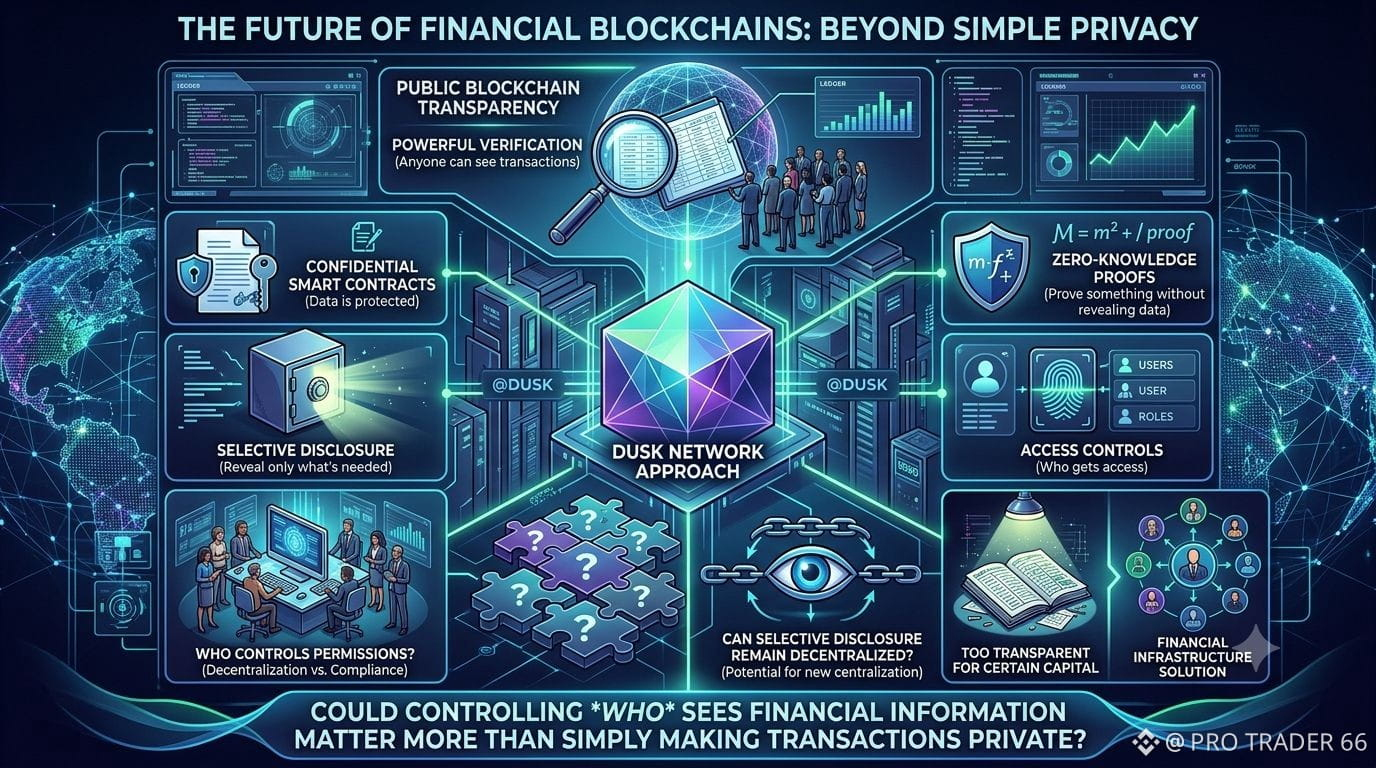
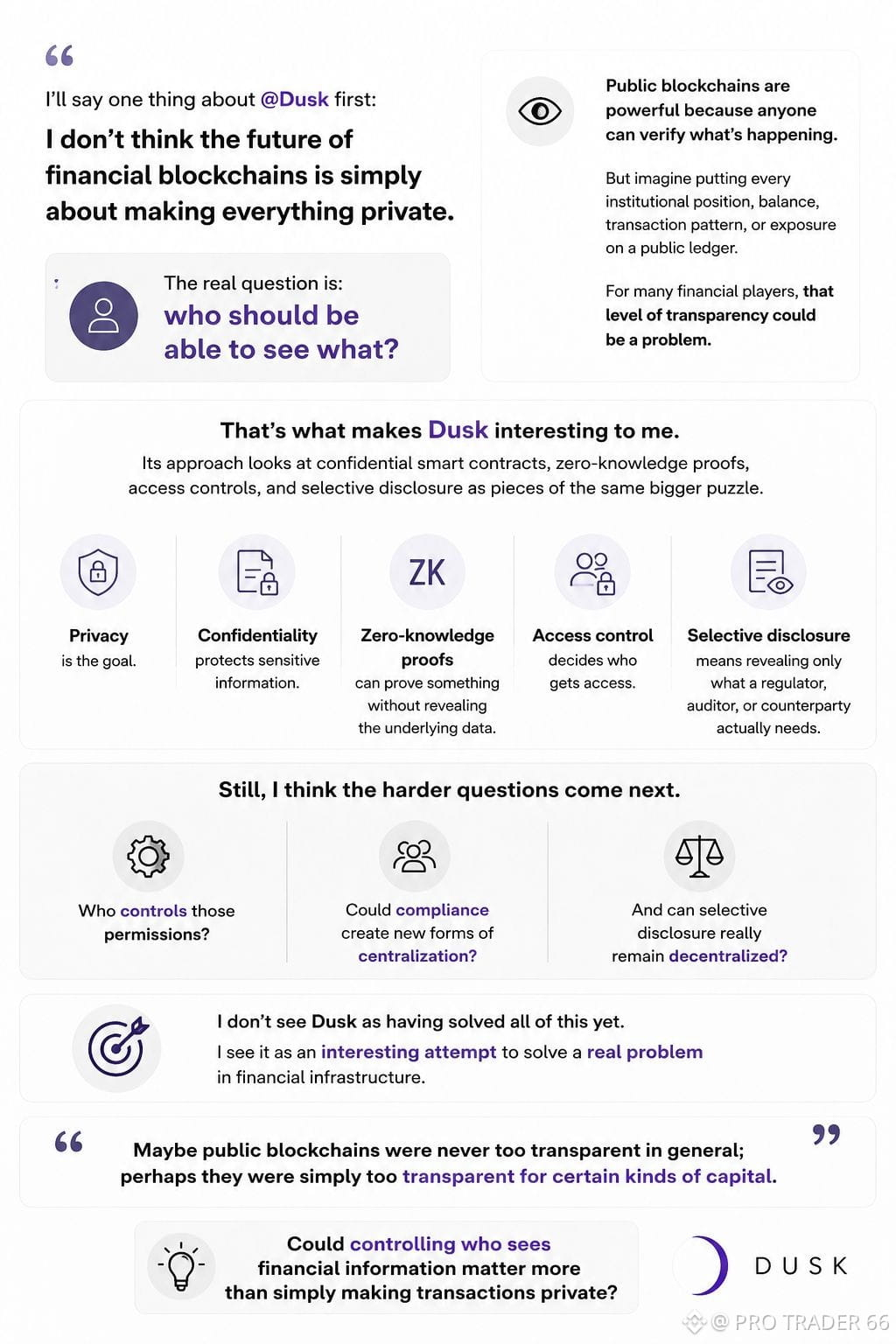
最初に1つだけ言っておくと、@Dusk_Foundation について思うのは、金融ブロックチェーンの未来が、単にすべてをプライベートにすることだけにあるとは思わない、ということです。
本当の問いはこうです。誰が何を見られるべきなのか?
パブリック・ブロックチェーンは、誰でも起きていることを検証できるため強力です。しかし、すべての機関投資家のポジション、残高、取引のパターン、あるいはエクスポージャーを公開台帳に載せるとしたらどうでしょう。多くの金融プレイヤーにとって、そのレベルの透明性は問題になり得ます。
それが、私にとってDuskが面白い理由です。
同社のアプローチは、機密スマートコントラクト、ゼロ知識証明、アクセス制御、選択的開示を、より大きな一つのパズルの同じピースとして捉えているように見えます。
ただし、それらは同じものではありません。
プライバシーが目的です。機密性は機微な情報を守ります。ゼロ知識証明は、元データを明かさずに何かを証明できます。アクセス制御は、誰がアクセスできるかを決めます。選択的開示は、規制当局、監査人、または取引の相手方が実際に必要とする分だけを開示することです。
それでも、次に来るのはもっと難しい問いだと思います。
それらの権限を誰が管理するのでしょうか? コンプライアンスは、新たな形の中央集権を生み出してしまうのでしょうか? そして選択的開示は、本当に分散型のままでいられるのでしょうか?
私はまだ、Duskがこれらすべてを解決したとは見ていません。金融インフラにおける実在の問題を解こうとする、興味深い試みだと捉えています。
もしかすると、パブリック・ブロックチェーンはそもそも「一般に」透明すぎるわけではなかったのかもしれません。特定の種類の資本に対してだけ、透明性が過剰だったのではないでしょうか。
金融情報を誰が見るかを制御することは、取引をプライベートにするだけよりも、より重要になり得るのでしょうか?
@Dusk_Foundation #dusk $DUSK
{future}(DUSKUSDT)
$BTR
{future}(BTRUSDT)
$ONG
{future}(ONGUSDT)
最初に1つだけ言っておくと、@Dusk について思うのは、金融ブロックチェーンの未来が、単にすべてをプライベートにすることだけにあるとは思わない、ということです。
本当の問いはこうです。誰が何を見られるべきなのか?
パブリック・ブロックチェーンは、誰でも起きていることを検証できるため強力です。しかし、すべての機関投資家のポジション、残高、取引のパターン、あるいはエクスポージャーを公開台帳に載せるとしたらどうでしょう。多くの金融プレイヤーにとって、そのレベルの透明性は問題になり得ます。
それが、私にとってDuskが面白い理由です。
同社のアプローチは、機密スマートコントラクト、ゼロ知識証明、アクセス制御、選択的開示を、より大きな一つのパズルの同じピースとして捉えているように見えます。
ただし、それらは同じものではありません。
プライバシーが目的です。機密性は機微な情報を守ります。ゼロ知識証明は、元データを明かさずに何かを証明できます。アクセス制御は、誰がアクセスできるかを決めます。選択的開示は、規制当局、監査人、または取引の相手方が実際に必要とする分だけを開示することです。
それでも、次に来るのはもっと難しい問いだと思います。
それらの権限を誰が管理するのでしょうか? コンプライアンスは、新たな形の中央集権を生み出してしまうのでしょうか? そして選択的開示は、本当に分散型のままでいられるのでしょうか?
私はまだ、Duskがこれらすべてを解決したとは見ていません。金融インフラにおける実在の問題を解こうとする、興味深い試みだと捉えています。
もしかすると、パブリック・ブロックチェーンはそもそも「一般に」透明すぎるわけではなかったのかもしれません。特定の種類の資本に対してだけ、透明性が過剰だったのではないでしょうか。
金融情報を誰が見るかを制御することは、取引をプライベートにするだけよりも、より重要になり得るのでしょうか?
@Dusk #dusk $DUSK
$BTR
$ONG
本当の問いはこうです。誰が何を見られるべきなのか?
パブリック・ブロックチェーンは、誰でも起きていることを検証できるため強力です。しかし、すべての機関投資家のポジション、残高、取引のパターン、あるいはエクスポージャーを公開台帳に載せるとしたらどうでしょう。多くの金融プレイヤーにとって、そのレベルの透明性は問題になり得ます。
それが、私にとってDuskが面白い理由です。
同社のアプローチは、機密スマートコントラクト、ゼロ知識証明、アクセス制御、選択的開示を、より大きな一つのパズルの同じピースとして捉えているように見えます。
ただし、それらは同じものではありません。
プライバシーが目的です。機密性は機微な情報を守ります。ゼロ知識証明は、元データを明かさずに何かを証明できます。アクセス制御は、誰がアクセスできるかを決めます。選択的開示は、規制当局、監査人、または取引の相手方が実際に必要とする分だけを開示することです。
それでも、次に来るのはもっと難しい問いだと思います。
それらの権限を誰が管理するのでしょうか? コンプライアンスは、新たな形の中央集権を生み出してしまうのでしょうか? そして選択的開示は、本当に分散型のままでいられるのでしょうか?
私はまだ、Duskがこれらすべてを解決したとは見ていません。金融インフラにおける実在の問題を解こうとする、興味深い試みだと捉えています。
もしかすると、パブリック・ブロックチェーンはそもそも「一般に」透明すぎるわけではなかったのかもしれません。特定の種類の資本に対してだけ、透明性が過剰だったのではないでしょうか。
金融情報を誰が見るかを制御することは、取引をプライベートにするだけよりも、より重要になり得るのでしょうか?
@Dusk #dusk $DUSK
$BTR
$ONG
8
7
1.1k
·
--
ブリッシュ
@Dusk_Foundation について私が面白いと感じるのは、それを単に取引を隠そうとするブロックチェーンだとは捉えていない点です。
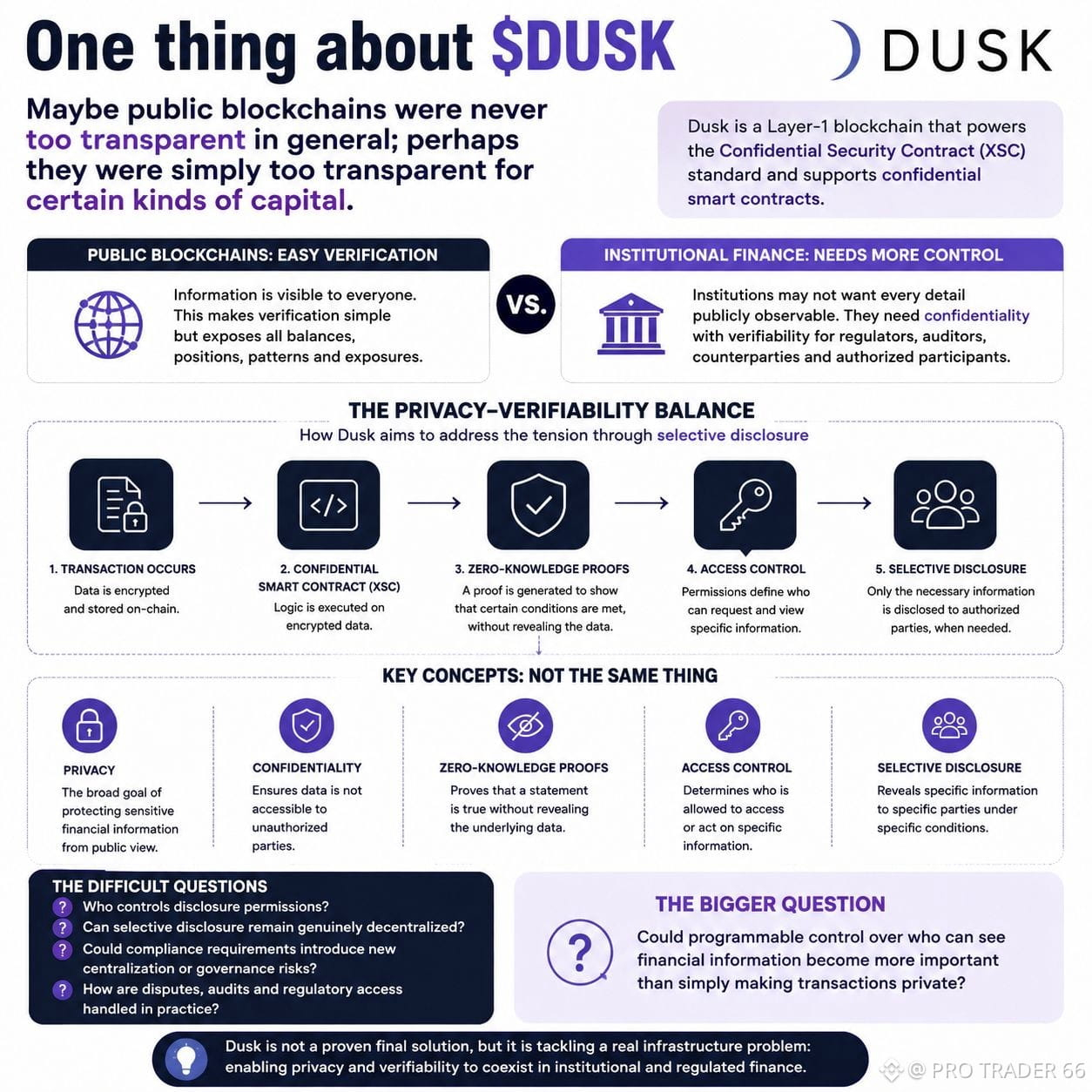
私は、より難しい問題を解こうとする試みだと見ています。つまり、「検証可能でありながら、金融情報をどのように機密のまま保てるのか?」という問題です。
パブリック・ブロックチェーンでは、データが見えるため検証が容易になります。しかし、機関投資家の金融では、あらゆる残高、ポジション、取引のパターン、エクスポージャーを公に観測可能にしたくない場合があります。
そこで重要になるのが、機密スマートコントラクト、ゼロ知識証明、アクセス制御、そして選択的開示といった考え方です。これらは同じものではありませんが、組み合わせることで、「すべてを誰にでも公開せずに、正しい情報を正しい人にだけ検証させる」可能性が生まれます。
私にとって、まさにこの点でDUSKが興味深い存在になっています。
ただし、難しい問いはまだ未解決だとも思います。誰が開示を制御するのか? 規制遵守の要件が新たな集中化リスクを持ち込むことはないのか? そして、選択的開示は本当に分散化を維持できるのか?
たぶん、パブリック・ブロックチェーンは一般に透明すぎるというより、特定の種類の資本に対しては単に透明すぎたのかもしれません。
金融情報を誰が見られるかをプログラムで制御できることは、「取引を非公開にすること」よりも重要になってくるのでしょうか?
@Dusk_Foundation #dusk $DUSK
{future}(DUSKUSDT)
$TAC
{future}(TACUSDT)
$STAR
{future}(STARUSDT)
@Dusk について私が面白いと感じるのは、それを単に取引を隠そうとするブロックチェーンだとは捉えていない点です。
私は、より難しい問題を解こうとする試みだと見ています。つまり、「検証可能でありながら、金融情報をどのように機密のまま保てるのか?」という問題です。
パブリック・ブロックチェーンでは、データが見えるため検証が容易になります。しかし、機関投資家の金融では、あらゆる残高、ポジション、取引のパターン、エクスポージャーを公に観測可能にしたくない場合があります。
そこで重要になるのが、機密スマートコントラクト、ゼロ知識証明、アクセス制御、そして選択的開示といった考え方です。これらは同じものではありませんが、組み合わせることで、「すべてを誰にでも公開せずに、正しい情報を正しい人にだけ検証させる」可能性が生まれます。
私にとって、まさにこの点でDUSKが興味深い存在になっています。
ただし、難しい問いはまだ未解決だとも思います。誰が開示を制御するのか? 規制遵守の要件が新たな集中化リスクを持ち込むことはないのか? そして、選択的開示は本当に分散化を維持できるのか?
たぶん、パブリック・ブロックチェーンは一般に透明すぎるというより、特定の種類の資本に対しては単に透明すぎたのかもしれません。
金融情報を誰が見られるかをプログラムで制御できることは、「取引を非公開にすること」よりも重要になってくるのでしょうか?
@Dusk #dusk $DUSK
$TAC
$STAR
私は、より難しい問題を解こうとする試みだと見ています。つまり、「検証可能でありながら、金融情報をどのように機密のまま保てるのか?」という問題です。
パブリック・ブロックチェーンでは、データが見えるため検証が容易になります。しかし、機関投資家の金融では、あらゆる残高、ポジション、取引のパターン、エクスポージャーを公に観測可能にしたくない場合があります。
そこで重要になるのが、機密スマートコントラクト、ゼロ知識証明、アクセス制御、そして選択的開示といった考え方です。これらは同じものではありませんが、組み合わせることで、「すべてを誰にでも公開せずに、正しい情報を正しい人にだけ検証させる」可能性が生まれます。
私にとって、まさにこの点でDUSKが興味深い存在になっています。
ただし、難しい問いはまだ未解決だとも思います。誰が開示を制御するのか? 規制遵守の要件が新たな集中化リスクを持ち込むことはないのか? そして、選択的開示は本当に分散化を維持できるのか?
たぶん、パブリック・ブロックチェーンは一般に透明すぎるというより、特定の種類の資本に対しては単に透明すぎたのかもしれません。
金融情報を誰が見られるかをプログラムで制御できることは、「取引を非公開にすること」よりも重要になってくるのでしょうか?
@Dusk #dusk $DUSK
$TAC
$STAR
4
7
308
·
--
弱気相場
@Dusk_Foundation について、そしてプライベート取引を超えた問いについて考えてきました。
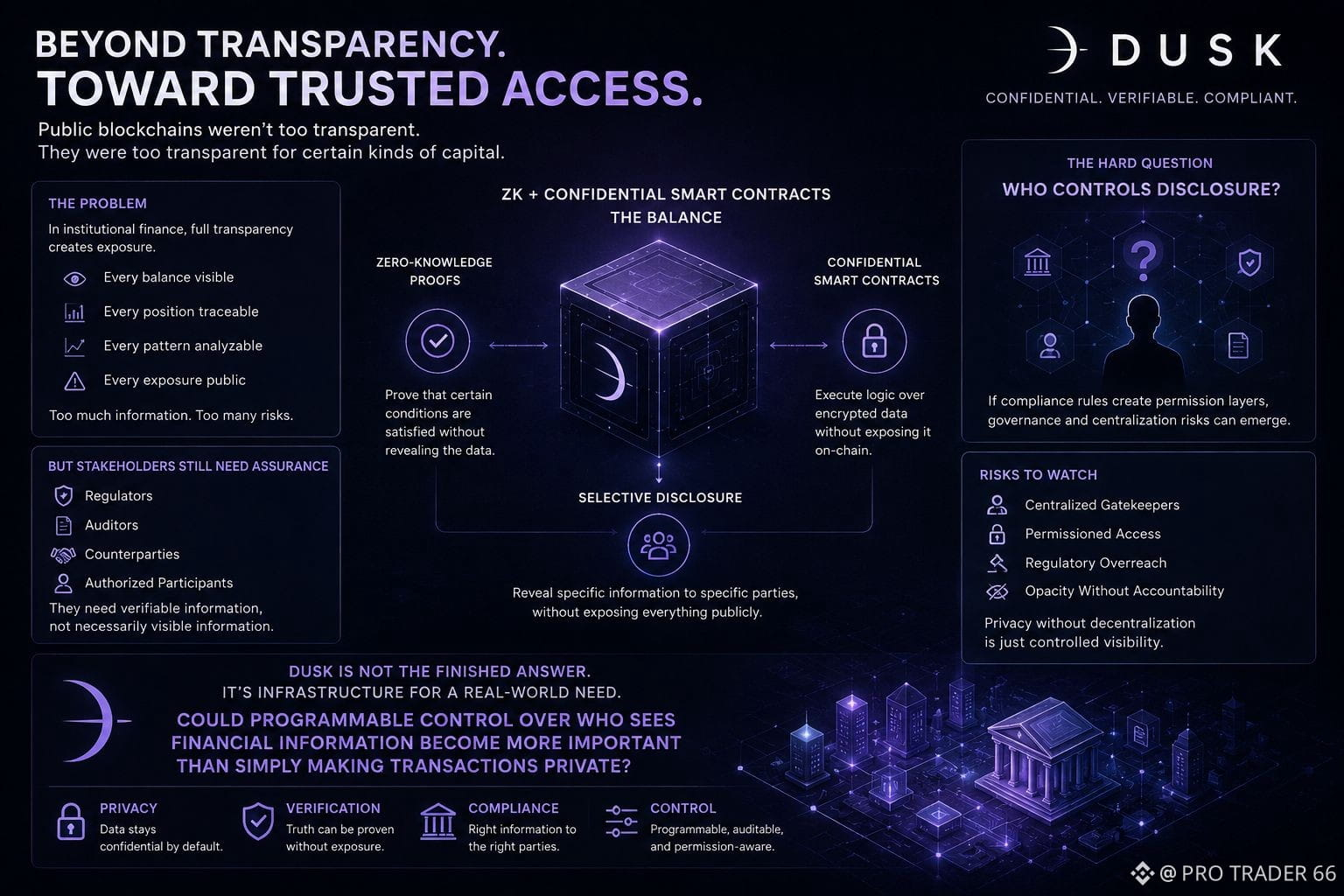
たぶんパブリック・ブロックチェーンは、一般的に透明すぎたのではなく、特定の種類の資本にとっては単に透明すぎたのかもしれません。
機関投資の分野では、すべての残高、ポジション、取引パターン、エクスポージャーを可視化することは問題を生みえます。それでも、規制当局、監査人、取引先、そして認可された参加者には、検証可能な情報が必要です。
そこで、Duskのアプローチが興味深くなります。
プライバシーは機密性とは同じではありません。ゼロ知識証明はアクセス制御とは同じではありません。そして選択的開示は、また別の意味を持ちます。つまり、すべてを公開するのではなく、特定の当事者に対して特定の情報を開示するということです。
機密スマートコントラクトとZK証明は、そのバランスを実現できる可能性があります。不要な露出を抑えつつ、特定の条件が満たされていることを証明するのです。
しかし難しい問いは残ります。開示を誰が制御するのか?
コンプライアンスのルールが許可のレイヤーを生むなら、ガバナンスや中央集権化のリスクが表面化しうる。
私はDuskを、完成された答えというよりも、現実のインフラ課題を解こうとする試みとして見ています。
金融情報を誰が見るのかをプログラマブルに制御することは、単に取引をプライベートにすることよりも重要になるのでしょうか?
@Dusk_Foundation #dusk $DUSK
{future}(DUSKUSDT)
$SUPER
{future}(SUPERUSDT)
$UAI
{future}(UAIUSDT)
@Dusk について、そしてプライベート取引を超えた問いについて考えてきました。
たぶんパブリック・ブロックチェーンは、一般的に透明すぎたのではなく、特定の種類の資本にとっては単に透明すぎたのかもしれません。
機関投資の分野では、すべての残高、ポジション、取引パターン、エクスポージャーを可視化することは問題を生みえます。それでも、規制当局、監査人、取引先、そして認可された参加者には、検証可能な情報が必要です。
そこで、Duskのアプローチが興味深くなります。
プライバシーは機密性とは同じではありません。ゼロ知識証明はアクセス制御とは同じではありません。そして選択的開示は、また別の意味を持ちます。つまり、すべてを公開するのではなく、特定の当事者に対して特定の情報を開示するということです。
機密スマートコントラクトとZK証明は、そのバランスを実現できる可能性があります。不要な露出を抑えつつ、特定の条件が満たされていることを証明するのです。
しかし難しい問いは残ります。開示を誰が制御するのか?
コンプライアンスのルールが許可のレイヤーを生むなら、ガバナンスや中央集権化のリスクが表面化しうる。
私はDuskを、完成された答えというよりも、現実のインフラ課題を解こうとする試みとして見ています。
金融情報を誰が見るのかをプログラマブルに制御することは、単に取引をプライベートにすることよりも重要になるのでしょうか?
@Dusk #dusk $DUSK
$SUPER
$UAI
たぶんパブリック・ブロックチェーンは、一般的に透明すぎたのではなく、特定の種類の資本にとっては単に透明すぎたのかもしれません。
機関投資の分野では、すべての残高、ポジション、取引パターン、エクスポージャーを可視化することは問題を生みえます。それでも、規制当局、監査人、取引先、そして認可された参加者には、検証可能な情報が必要です。
そこで、Duskのアプローチが興味深くなります。
プライバシーは機密性とは同じではありません。ゼロ知識証明はアクセス制御とは同じではありません。そして選択的開示は、また別の意味を持ちます。つまり、すべてを公開するのではなく、特定の当事者に対して特定の情報を開示するということです。
機密スマートコントラクトとZK証明は、そのバランスを実現できる可能性があります。不要な露出を抑えつつ、特定の条件が満たされていることを証明するのです。
しかし難しい問いは残ります。開示を誰が制御するのか?
コンプライアンスのルールが許可のレイヤーを生むなら、ガバナンスや中央集権化のリスクが表面化しうる。
私はDuskを、完成された答えというよりも、現実のインフラ課題を解こうとする試みとして見ています。
金融情報を誰が見るのかをプログラマブルに制御することは、単に取引をプライベートにすることよりも重要になるのでしょうか?
@Dusk #dusk $DUSK
$SUPER
$UAI
1
1
2
361
·
--
弱気相場
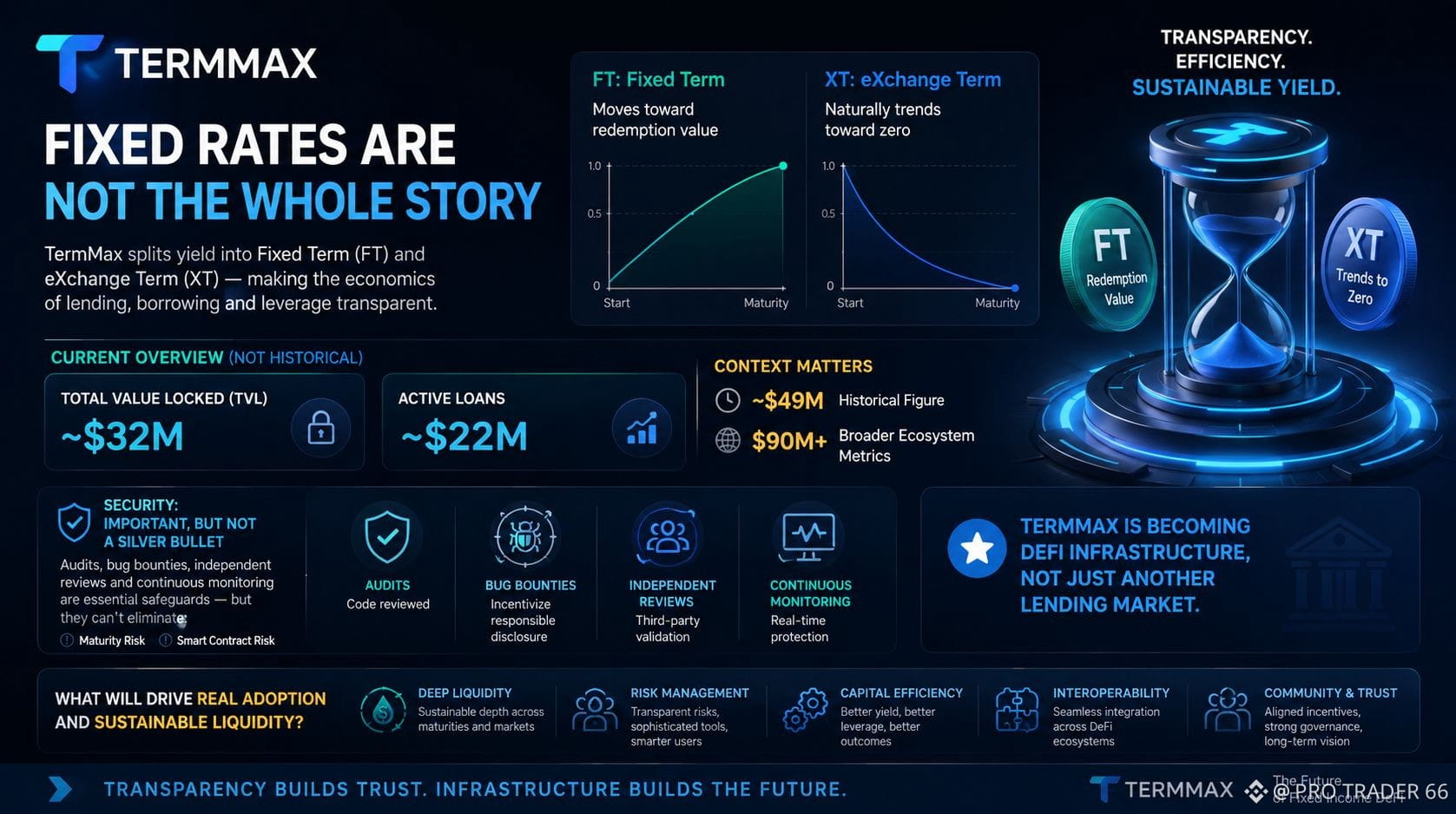
固定金利だけが全てではないので、TermMax は面白いと感じます。FT と XT は経済性を分けていて、FT は償還へ向かって推移し、XT は満期が近づくにつれて自然にゼロへトレンドします。
これにより、貸出・借入、固定利回り、レバレッジがより見通しやすくなりますが、真の試金石は流動性です。
現在の数字はおおむね TVL が ~$32M、アクティブローンが ~$22M に近いので、以前の ~$34M の TVL と ~$29M のローンは現在値として提示しないほうがいいでしょう。$49M は歴史的な数値であり、一方で $90M+ はより広いエコシステム指標を反映しているように見えます。
また、セキュリティも慎重に見ています。監査、バグバウンティ、独立したレビュー、継続的なモニタリングは有効なセーフガードですが、流動性、満期、スマートコントラクトのリスクを完全に排除することはできません。
私にとっては、TermMax は単なる別のレンディング市場ではなく、DeFi のインフラとして興味深くなってきています。
最終的に、本当の普及と持続可能な流動性を押し動かすのは何でしょうか?
@termmax #TeamMax
$BLESS
{future}(BLESSUSDT)
$ENA
{future}(ENAUSDT)
$TUT
{future}(TUTUSDT)
固定金利だけが全てではないので、TermMax は面白いと感じます。FT と XT は経済性を分けていて、FT は償還へ向かって推移し、XT は満期が近づくにつれて自然にゼロへトレンドします。
これにより、貸出・借入、固定利回り、レバレッジがより見通しやすくなりますが、真の試金石は流動性です。
現在の数字はおおむね TVL が ~$32M、アクティブローンが ~$22M に近いので、以前の ~$34M の TVL と ~$29M のローンは現在値として提示しないほうがいいでしょう。$49M は歴史的な数値であり、一方で $90M+ はより広いエコシステム指標を反映しているように見えます。
また、セキュリティも慎重に見ています。監査、バグバウンティ、独立したレビュー、継続的なモニタリングは有効なセーフガードですが、流動性、満期、スマートコントラクトのリスクを完全に排除することはできません。
私にとっては、TermMax は単なる別のレンディング市場ではなく、DeFi のインフラとして興味深くなってきています。
最終的に、本当の普及と持続可能な流動性を押し動かすのは何でしょうか?
@TermMax #TeamMax
$BLESS
$ENA
$TUT
これにより、貸出・借入、固定利回り、レバレッジがより見通しやすくなりますが、真の試金石は流動性です。
現在の数字はおおむね TVL が ~$32M、アクティブローンが ~$22M に近いので、以前の ~$34M の TVL と ~$29M のローンは現在値として提示しないほうがいいでしょう。$49M は歴史的な数値であり、一方で $90M+ はより広いエコシステム指標を反映しているように見えます。
また、セキュリティも慎重に見ています。監査、バグバウンティ、独立したレビュー、継続的なモニタリングは有効なセーフガードですが、流動性、満期、スマートコントラクトのリスクを完全に排除することはできません。
私にとっては、TermMax は単なる別のレンディング市場ではなく、DeFi のインフラとして興味深くなってきています。
最終的に、本当の普及と持続可能な流動性を押し動かすのは何でしょうか?
@TermMax #TeamMax
$BLESS
$ENA
$TUT
2
4
1.9k
·
--
ブリッシュ
私はいくつかのDuskの技術的な詳細を見ているうちに、ある前提がずっと気になっていました。Duskを単に「プライバシー・ブロックチェーン」として説明するのは簡単だ、という点です。
しかし、より深い問題はずっと難しいと思います。
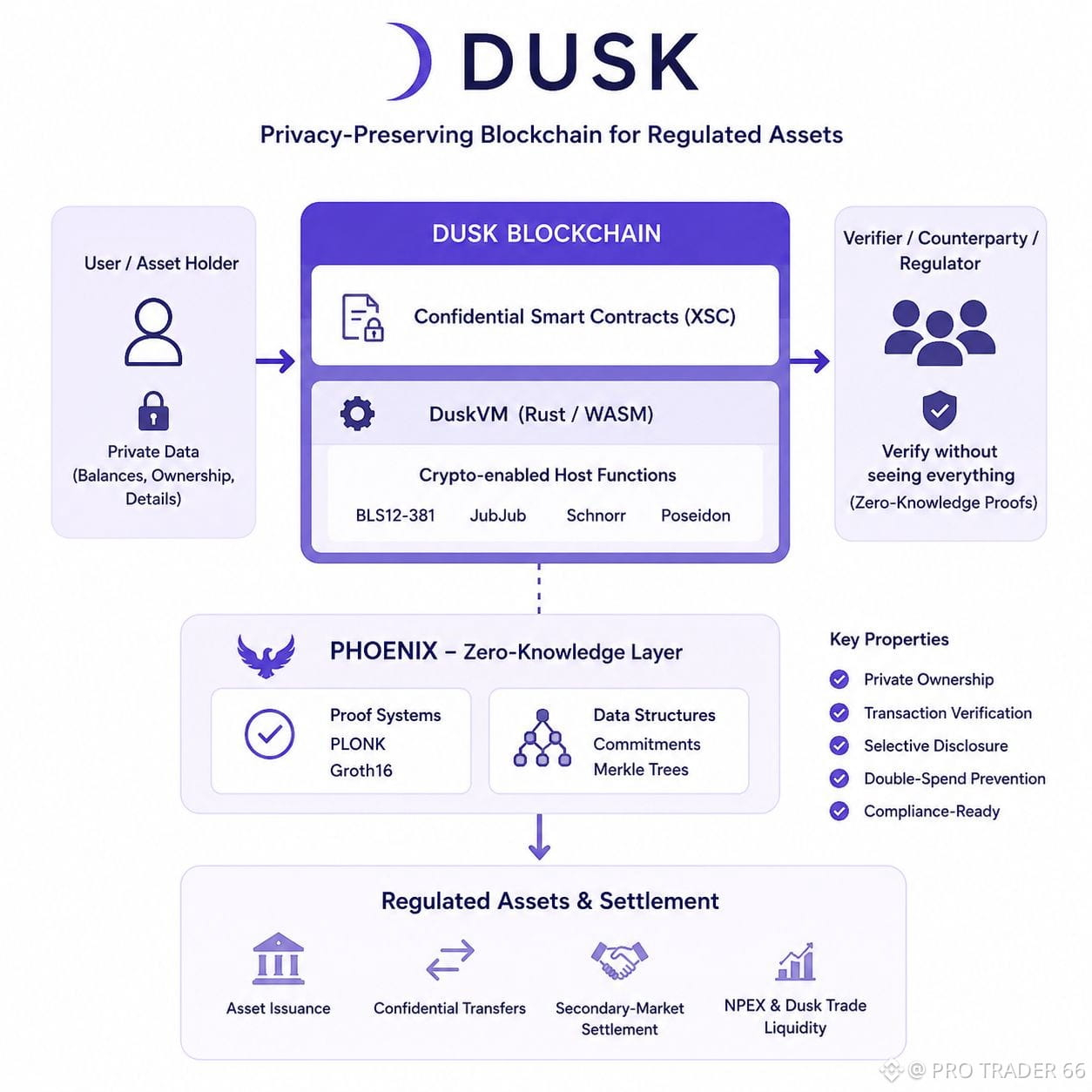
規制対象の資産にはプライバシーが必要ですが、それと同時に検証、コンプライアンス、信頼できる決済も必要です。従来のパブリック・ブロックチェーンは情報を出しすぎることが多く、一方でクローズドなシステムは合成可能性(コンポーザビリティ)を犠牲にしてしまいます。
私の関心を引いたのは、Duskがこの課題にインフラ・レベルでどう取り組んでいるかです。DuskVMはRust/WASMのコントラクトに対応しており、暗号化対応のホスト関数がBLS12-381、JubJub、Schnorr、Poseidonといったプリミティブを提供します。Phoenixはゼロ知識証明を用い、PLONKやGroth16の検証も含むため、基盤となるデータをすべて明かさずに条件を証明できます。
コミットメント、Merkleツリーのメンバーシップ、秘密鍵の知識といった概念により、選択的開示が可能になります。
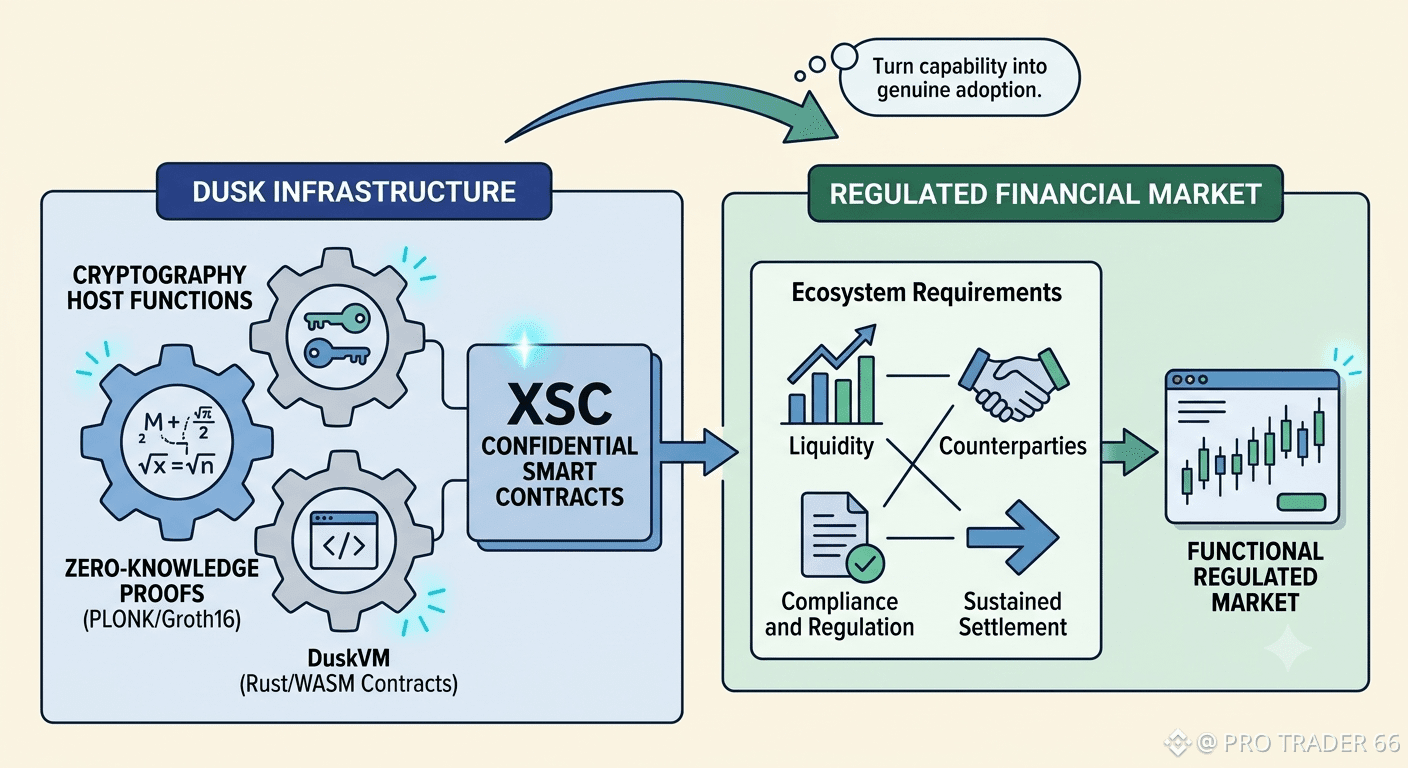
当初は、プライバシーが主なプロダクトだと思っていました。でも今は、もっと大きな実験が見えてきました。XSCを通じて、実行、暗号、プライバシー、検証可能性が共に働き、機密性の高いスマートコントラクトや規制対象資産のために機能するのか?
それでも、技術的な能力は採用とは別物です。流動性、取引相手、コンプライアンス、そして継続的な決済が本当に成立するかは、まだ実証されていません。
Duskは、高度なプライバシー・インフラを、実際に使える「規制された金融市場」へと変えられるのでしょうか?
@Dusk_Foundation #dusk $DUSK
{future}(DUSKUSDT)
$AVAAI
{future}(AVAAIUSDT)
$BOME
{future}(BOMEUSDT)
私はいくつかのDuskの技術的な詳細を見ているうちに、ある前提がずっと気になっていました。Duskを単に「プライバシー・ブロックチェーン」として説明するのは簡単だ、という点です。
しかし、より深い問題はずっと難しいと思います。
規制対象の資産にはプライバシーが必要ですが、それと同時に検証、コンプライアンス、信頼できる決済も必要です。従来のパブリック・ブロックチェーンは情報を出しすぎることが多く、一方でクローズドなシステムは合成可能性(コンポーザビリティ)を犠牲にしてしまいます。
私の関心を引いたのは、Duskがこの課題にインフラ・レベルでどう取り組んでいるかです。DuskVMはRust/WASMのコントラクトに対応しており、暗号化対応のホスト関数がBLS12-381、JubJub、Schnorr、Poseidonといったプリミティブを提供します。Phoenixはゼロ知識証明を用い、PLONKやGroth16の検証も含むため、基盤となるデータをすべて明かさずに条件を証明できます。
コミットメント、Merkleツリーのメンバーシップ、秘密鍵の知識といった概念により、選択的開示が可能になります。
当初は、プライバシーが主なプロダクトだと思っていました。でも今は、もっと大きな実験が見えてきました。XSCを通じて、実行、暗号、プライバシー、検証可能性が共に働き、機密性の高いスマートコントラクトや規制対象資産のために機能するのか?
それでも、技術的な能力は採用とは別物です。流動性、取引相手、コンプライアンス、そして継続的な決済が本当に成立するかは、まだ実証されていません。
Duskは、高度なプライバシー・インフラを、実際に使える「規制された金融市場」へと変えられるのでしょうか?
@Dusk #dusk $DUSK
$AVAAI
$BOME
しかし、より深い問題はずっと難しいと思います。
規制対象の資産にはプライバシーが必要ですが、それと同時に検証、コンプライアンス、信頼できる決済も必要です。従来のパブリック・ブロックチェーンは情報を出しすぎることが多く、一方でクローズドなシステムは合成可能性(コンポーザビリティ)を犠牲にしてしまいます。
私の関心を引いたのは、Duskがこの課題にインフラ・レベルでどう取り組んでいるかです。DuskVMはRust/WASMのコントラクトに対応しており、暗号化対応のホスト関数がBLS12-381、JubJub、Schnorr、Poseidonといったプリミティブを提供します。Phoenixはゼロ知識証明を用い、PLONKやGroth16の検証も含むため、基盤となるデータをすべて明かさずに条件を証明できます。
コミットメント、Merkleツリーのメンバーシップ、秘密鍵の知識といった概念により、選択的開示が可能になります。
当初は、プライバシーが主なプロダクトだと思っていました。でも今は、もっと大きな実験が見えてきました。XSCを通じて、実行、暗号、プライバシー、検証可能性が共に働き、機密性の高いスマートコントラクトや規制対象資産のために機能するのか?
それでも、技術的な能力は採用とは別物です。流動性、取引相手、コンプライアンス、そして継続的な決済が本当に成立するかは、まだ実証されていません。
Duskは、高度なプライバシー・インフラを、実際に使える「規制された金融市場」へと変えられるのでしょうか?
@Dusk #dusk $DUSK
$AVAAI
$BOME
1
2
438
·
--
ブリッシュ
本人確認中
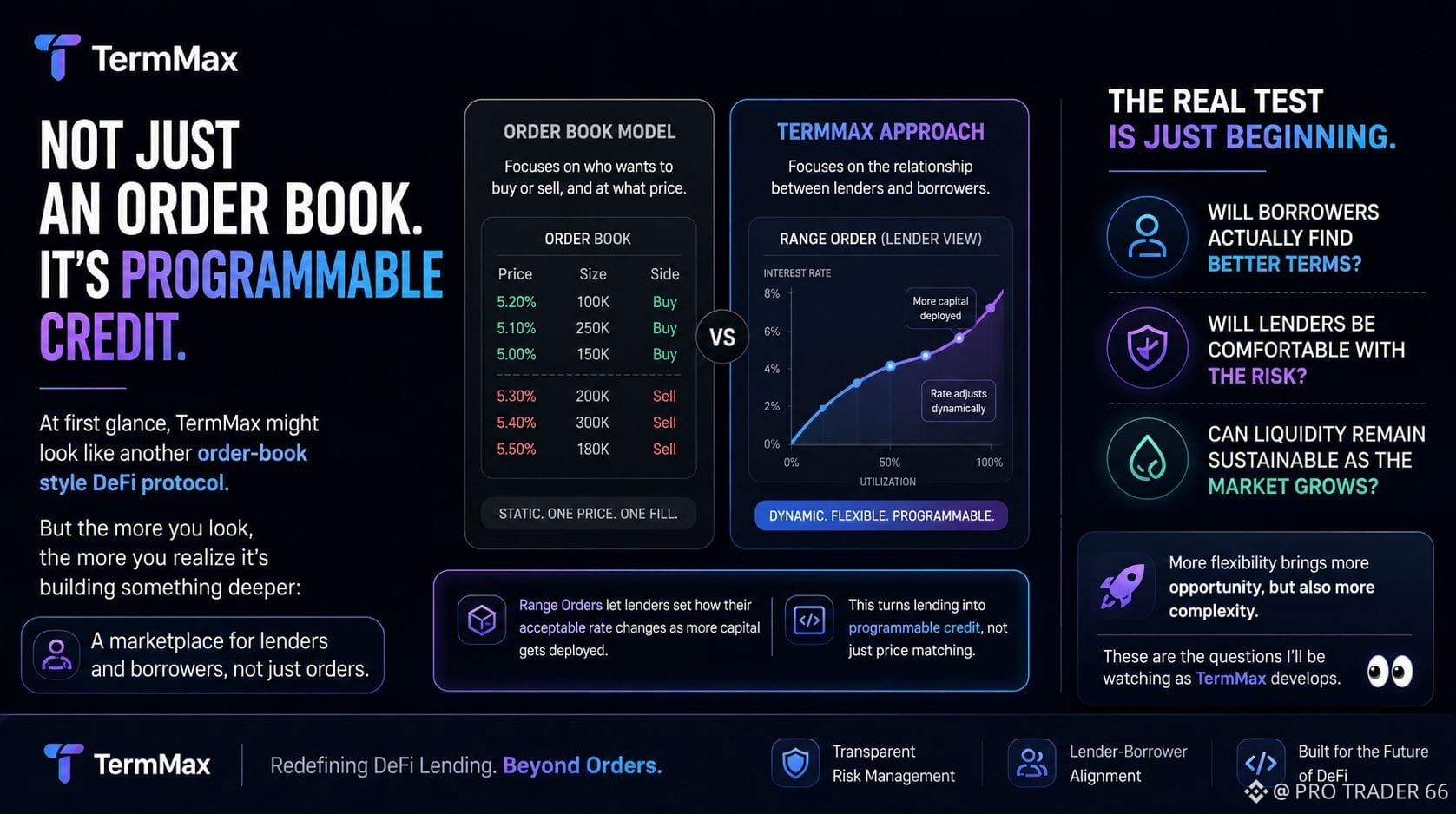
最初に@termmax を見て、こう思いました——また別の取引所型のDeFiプロトコルだと。
調べれば調べるほど、その説明には当てはまらないように思えてきます。
板(オーダーブック)は主に「誰が買いたいのか/売りたいのか」と「どの価格で取引したいのか」を教えてくれます。TermMaxは、貸し手と借り手の関係により焦点が当たっているように感じます。
その良い例が「レンジ・オーダー」です。貸し手は、運用される資本が増えていくにつれて、許容できる利率がどのように変化するかを設定できます。単一の固定金利に頼るのではなく、条件を変えられるわけです。
そうすると、これは単純な板ではなく、もっと「プログラム可能なクレジット」っぽくなってきます。
ただ、ここからが本当の試金石だと思っています。
柔軟性が増えるのは便利に見える一方で、複雑さも増します。
借り手は本当に、より良い条件を見つけられるのでしょうか?
貸し手は、そのリスクに納得して運用できるのでしょうか?
そして、市場が成長するにつれて、流動性は持続可能な状態を保てるのでしょうか?
TermMaxが開発されていく中で、私はこれらの点を注視するつもりです。👀
@termmax #TermMax
$BOME
{future}(BOMEUSDT)
$MAGMA
{future}(MAGMAUSDT)
$RED
{future}(REDUSDT)
最初に@TermMax を見て、こう思いました——また別の取引所型のDeFiプロトコルだと。
調べれば調べるほど、その説明には当てはまらないように思えてきます。
板(オーダーブック)は主に「誰が買いたいのか/売りたいのか」と「どの価格で取引したいのか」を教えてくれます。TermMaxは、貸し手と借り手の関係により焦点が当たっているように感じます。
その良い例が「レンジ・オーダー」です。貸し手は、運用される資本が増えていくにつれて、許容できる利率がどのように変化するかを設定できます。単一の固定金利に頼るのではなく、条件を変えられるわけです。
そうすると、これは単純な板ではなく、もっと「プログラム可能なクレジット」っぽくなってきます。
ただ、ここからが本当の試金石だと思っています。
柔軟性が増えるのは便利に見える一方で、複雑さも増します。
借り手は本当に、より良い条件を見つけられるのでしょうか?
貸し手は、そのリスクに納得して運用できるのでしょうか?
そして、市場が成長するにつれて、流動性は持続可能な状態を保てるのでしょうか?
TermMaxが開発されていく中で、私はこれらの点を注視するつもりです。👀
@TermMax #TermMax
$BOME
$MAGMA
$RED
調べれば調べるほど、その説明には当てはまらないように思えてきます。
板(オーダーブック)は主に「誰が買いたいのか/売りたいのか」と「どの価格で取引したいのか」を教えてくれます。TermMaxは、貸し手と借り手の関係により焦点が当たっているように感じます。
その良い例が「レンジ・オーダー」です。貸し手は、運用される資本が増えていくにつれて、許容できる利率がどのように変化するかを設定できます。単一の固定金利に頼るのではなく、条件を変えられるわけです。
そうすると、これは単純な板ではなく、もっと「プログラム可能なクレジット」っぽくなってきます。
ただ、ここからが本当の試金石だと思っています。
柔軟性が増えるのは便利に見える一方で、複雑さも増します。
借り手は本当に、より良い条件を見つけられるのでしょうか?
貸し手は、そのリスクに納得して運用できるのでしょうか?
そして、市場が成長するにつれて、流動性は持続可能な状態を保てるのでしょうか?
TermMaxが開発されていく中で、私はこれらの点を注視するつもりです。👀
@TermMax #TermMax
$BOME
$MAGMA
$RED
4
2
647
·
--
ブリッシュ
本人確認中
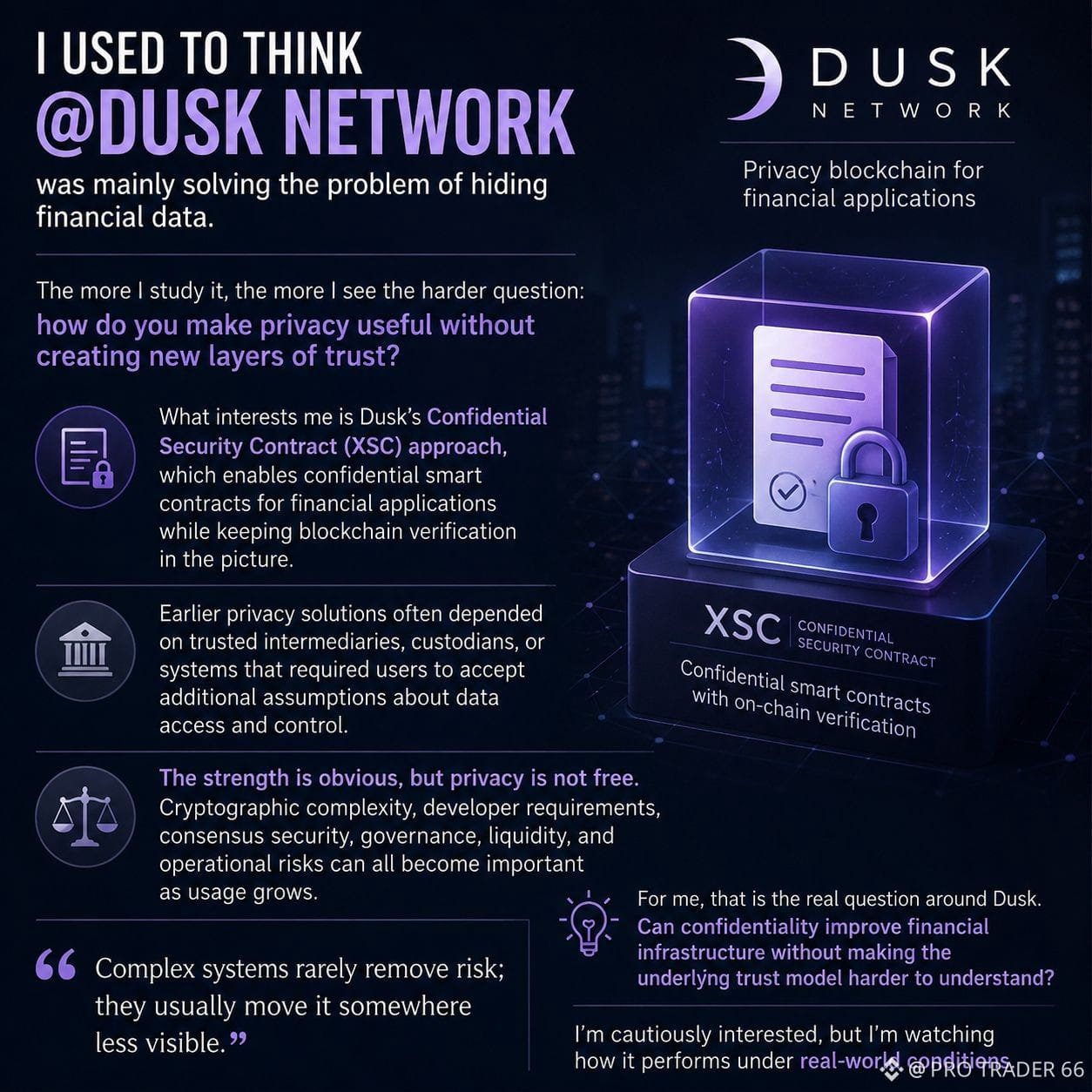
以前は、@Dusk_Foundation のネットワークが主に金融データを隠す問題を解決しているのだと思っていました。学べば学ぶほど、より難しい問いが見えてきます。つまり、プライバシーを有用なものにしつつ、新たな層の「信頼」を生み出さずにどう実現するのか?
私が興味を持っているのは、Dusk の Confidential Security Contract(XSC)というアプローチです。これは、ブロックチェーンによる検証を視野に残しながら、金融アプリケーション向けの機密スマートコントラクトを可能にします。
これまでのプライバシーの解決策は、信頼できる仲介者やカストディアンに依存したり、あるいはユーザーに対してデータへのアクセスや管理に関する追加の前提を受け入れることを求める仕組みに頼ることが多くありました。
強みは明らかですが、プライバシーはただではありません。暗号の複雑さ、開発者に求められる要件、コンセンサスのセキュリティ、ガバナンス、流動性、そして運用上のリスクは、利用が広がるにつれて重要になり得ます。
複雑なシステムがリスクを取り除くことはめったにありません。たいていは、目に見えにくい場所へ移すだけです。
私にとって、Dusk の周りの本当の問いはここにあります。機密性は、基盤となる信頼モデルを理解しにくくすることなく、金融インフラを改善できるのでしょうか?
私は慎重に興味を持っていますが、現実の条件下でどのように機能するのかを見ています。
@Dusk_Foundation #dusk $DUSK
{future}(DUSKUSDT)
$HEMI
{future}(HEMIUSDT)
$TREE
{future}(TREEUSDT)
以前は、@Dusk のネットワークが主に金融データを隠す問題を解決しているのだと思っていました。学べば学ぶほど、より難しい問いが見えてきます。つまり、プライバシーを有用なものにしつつ、新たな層の「信頼」を生み出さずにどう実現するのか?
私が興味を持っているのは、Dusk の Confidential Security Contract(XSC)というアプローチです。これは、ブロックチェーンによる検証を視野に残しながら、金融アプリケーション向けの機密スマートコントラクトを可能にします。
これまでのプライバシーの解決策は、信頼できる仲介者やカストディアンに依存したり、あるいはユーザーに対してデータへのアクセスや管理に関する追加の前提を受け入れることを求める仕組みに頼ることが多くありました。
強みは明らかですが、プライバシーはただではありません。暗号の複雑さ、開発者に求められる要件、コンセンサスのセキュリティ、ガバナンス、流動性、そして運用上のリスクは、利用が広がるにつれて重要になり得ます。
複雑なシステムがリスクを取り除くことはめったにありません。たいていは、目に見えにくい場所へ移すだけです。
私にとって、Dusk の周りの本当の問いはここにあります。機密性は、基盤となる信頼モデルを理解しにくくすることなく、金融インフラを改善できるのでしょうか?
私は慎重に興味を持っていますが、現実の条件下でどのように機能するのかを見ています。
@Dusk #dusk $DUSK
$HEMI
$TREE
私が興味を持っているのは、Dusk の Confidential Security Contract(XSC)というアプローチです。これは、ブロックチェーンによる検証を視野に残しながら、金融アプリケーション向けの機密スマートコントラクトを可能にします。
これまでのプライバシーの解決策は、信頼できる仲介者やカストディアンに依存したり、あるいはユーザーに対してデータへのアクセスや管理に関する追加の前提を受け入れることを求める仕組みに頼ることが多くありました。
強みは明らかですが、プライバシーはただではありません。暗号の複雑さ、開発者に求められる要件、コンセンサスのセキュリティ、ガバナンス、流動性、そして運用上のリスクは、利用が広がるにつれて重要になり得ます。
複雑なシステムがリスクを取り除くことはめったにありません。たいていは、目に見えにくい場所へ移すだけです。
私にとって、Dusk の周りの本当の問いはここにあります。機密性は、基盤となる信頼モデルを理解しにくくすることなく、金融インフラを改善できるのでしょうか?
私は慎重に興味を持っていますが、現実の条件下でどのように機能するのかを見ています。
@Dusk #dusk $DUSK
$HEMI
$TREE
15
5
574
·
--
弱気相場
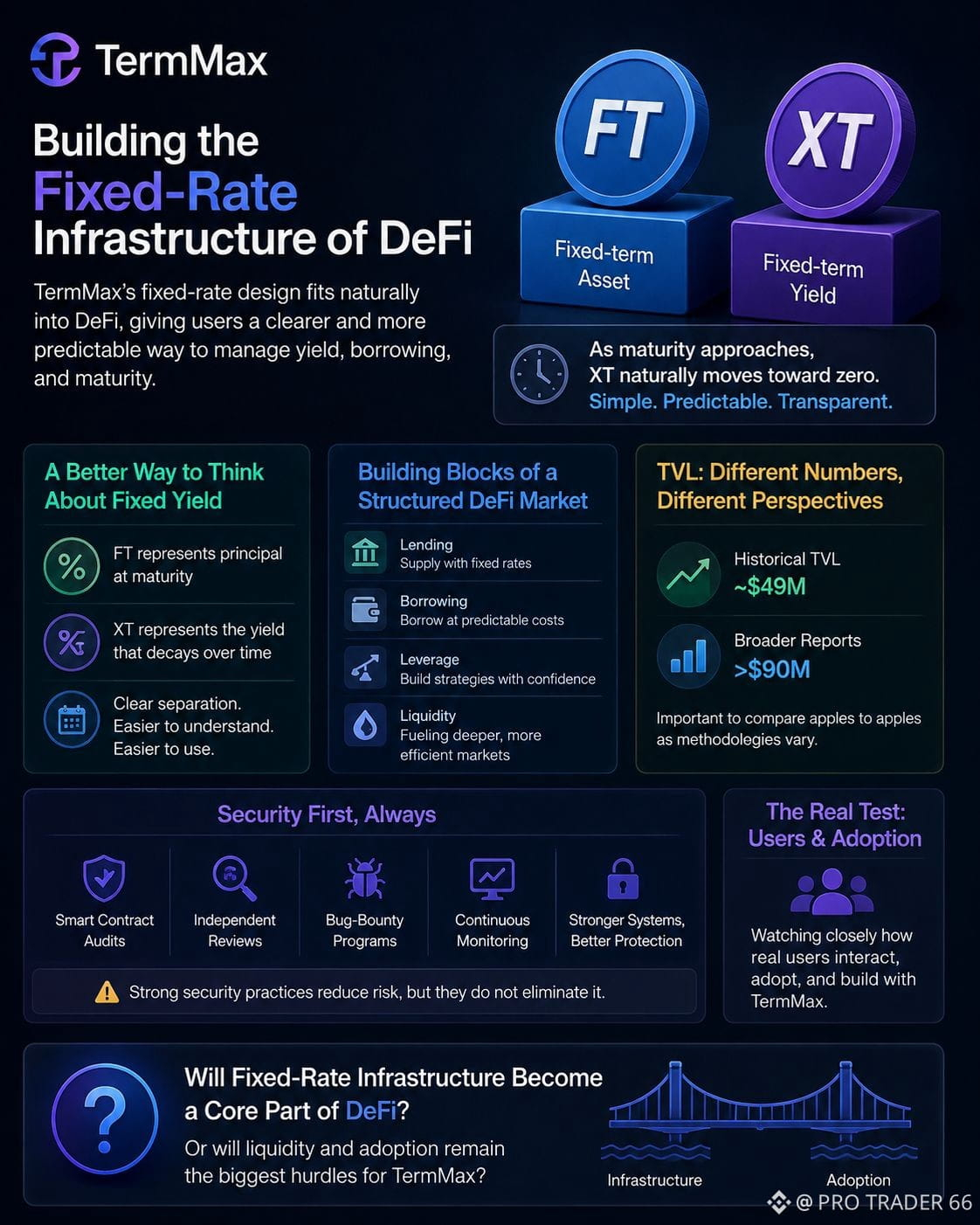
@termmax について私の目を引いたのは、その固定金利の設計がDeFiに自然に馴染んでいる点です。
FTとXTが、固定利回り、借り入れ、満期についてユーザーがより分かりやすく考えるための手段を提供しているのが気に入っています。満期が近づくにつれて、XTは自然にゼロへ向かうため、仕組みが理解しやすくなります。
より関心があるのは全体像です。TermMaxは、貸し出し、借り入れ、レバレッジ、流動性を、より構造化されたDeFi市場へと結びつけています。過去のTVLの数値が約$49M、また関連する広報で$90M超のものも見かけましたが、測定している内容が異なる可能性があるため、それらを単純に比較するのは慎重であるべきだと思います。
セキュリティ面も注目に値すると考えています。監査、独立したレビュー、バグバウンティプログラム、継続的な監視は良いシグナルですが、リスクを完全に排除するものではありません。
私は、実際のユーザーがこのプロダクトにどう反応するか、引き続き見ています。
固定金利のインフラはDeFiの重要な一部になるのでしょうか?それとも、TermMaxにとって最大のハードルは流動性と普及のままになるでしょうか?
@termmax #TermMax
$CLO
{future}(CLOUSDT)
$ACE
{future}(ACEUSDT)
$LA
{future}(LAUSDT)
@TermMax について私の目を引いたのは、その固定金利の設計がDeFiに自然に馴染んでいる点です。
FTとXTが、固定利回り、借り入れ、満期についてユーザーがより分かりやすく考えるための手段を提供しているのが気に入っています。満期が近づくにつれて、XTは自然にゼロへ向かうため、仕組みが理解しやすくなります。
より関心があるのは全体像です。TermMaxは、貸し出し、借り入れ、レバレッジ、流動性を、より構造化されたDeFi市場へと結びつけています。過去のTVLの数値が約$49M、また関連する広報で$90M超のものも見かけましたが、測定している内容が異なる可能性があるため、それらを単純に比較するのは慎重であるべきだと思います。
セキュリティ面も注目に値すると考えています。監査、独立したレビュー、バグバウンティプログラム、継続的な監視は良いシグナルですが、リスクを完全に排除するものではありません。
私は、実際のユーザーがこのプロダクトにどう反応するか、引き続き見ています。
固定金利のインフラはDeFiの重要な一部になるのでしょうか?それとも、TermMaxにとって最大のハードルは流動性と普及のままになるでしょうか?
@TermMax #TermMax
$CLO
$ACE
$LA
FTとXTが、固定利回り、借り入れ、満期についてユーザーがより分かりやすく考えるための手段を提供しているのが気に入っています。満期が近づくにつれて、XTは自然にゼロへ向かうため、仕組みが理解しやすくなります。
より関心があるのは全体像です。TermMaxは、貸し出し、借り入れ、レバレッジ、流動性を、より構造化されたDeFi市場へと結びつけています。過去のTVLの数値が約$49M、また関連する広報で$90M超のものも見かけましたが、測定している内容が異なる可能性があるため、それらを単純に比較するのは慎重であるべきだと思います。
セキュリティ面も注目に値すると考えています。監査、独立したレビュー、バグバウンティプログラム、継続的な監視は良いシグナルですが、リスクを完全に排除するものではありません。
私は、実際のユーザーがこのプロダクトにどう反応するか、引き続き見ています。
固定金利のインフラはDeFiの重要な一部になるのでしょうか?それとも、TermMaxにとって最大のハードルは流動性と普及のままになるでしょうか?
@TermMax #TermMax
$CLO
$ACE
$LA
11
1
6
341
·
--
ブリッシュ
本人確認中
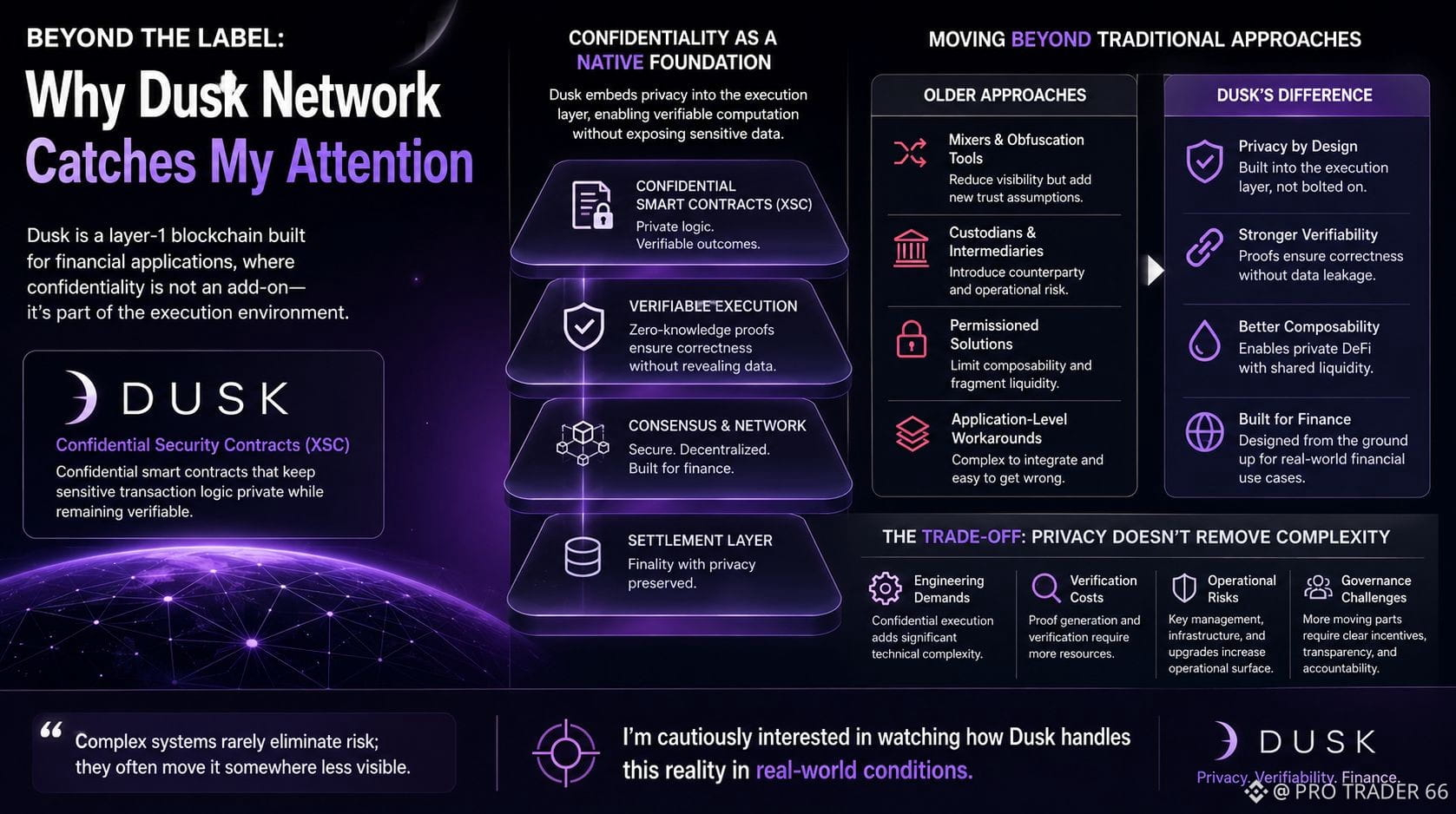
ブロックチェーンを単なるラベル以上のものとして見てきましたが、@Dusk_Foundation Networkの機密セキュリティ・コントラクト(XSC)設計を掘り下げたところ、興味を引かれました。
私が惹かれるのは、プライバシーを外部レイヤーとして追加するのではなく、機密性を実行環境そのものの一部にするという考えです。Duskは金融アプリケーションに焦点を当てたレイヤー1であり、検証を可能にしつつ、機微なロジックを非公開に保つための機密スマートコントラクトが設計されています。
従来のアプローチは、多くの場合、ミキサー、カストディアン、許可制のシステム、あるいはアプリケーションレベルでの回避策に依存してきました。これらは可視性を下げられる一方で、信頼の前提を増やしたり、流動性を分断したり、さらに新たなセキュリティ面を生み出したりする可能性もあります。
それでも、プライバシーは複雑さを取り除きません。機密実行は、エンジニアリング、検証、運用、ガバナンスといった課題を新たに持ち込むことがあります。
複雑なシステムは、たいていリスクをなくすのではなく、見えにくい場所へ移すだけだということを学びました。
だからこそ、現実の条件下でDuskがどのように機能するのかを、慎重に見守りたいと思っています。
@Dusk_Foundation #dusk $DUSK
{future}(DUSKUSDT)
$CLO
{future}(CLOUSDT)
$1000RATS
{future}(1000RATSUSDT)
ブロックチェーンを単なるラベル以上のものとして見てきましたが、@Dusk Networkの機密セキュリティ・コントラクト(XSC)設計を掘り下げたところ、興味を引かれました。
私が惹かれるのは、プライバシーを外部レイヤーとして追加するのではなく、機密性を実行環境そのものの一部にするという考えです。Duskは金融アプリケーションに焦点を当てたレイヤー1であり、検証を可能にしつつ、機微なロジックを非公開に保つための機密スマートコントラクトが設計されています。
従来のアプローチは、多くの場合、ミキサー、カストディアン、許可制のシステム、あるいはアプリケーションレベルでの回避策に依存してきました。これらは可視性を下げられる一方で、信頼の前提を増やしたり、流動性を分断したり、さらに新たなセキュリティ面を生み出したりする可能性もあります。
それでも、プライバシーは複雑さを取り除きません。機密実行は、エンジニアリング、検証、運用、ガバナンスといった課題を新たに持ち込むことがあります。
複雑なシステムは、たいていリスクをなくすのではなく、見えにくい場所へ移すだけだということを学びました。
だからこそ、現実の条件下でDuskがどのように機能するのかを、慎重に見守りたいと思っています。
@Dusk #dusk $DUSK
$CLO
$1000RATS
私が惹かれるのは、プライバシーを外部レイヤーとして追加するのではなく、機密性を実行環境そのものの一部にするという考えです。Duskは金融アプリケーションに焦点を当てたレイヤー1であり、検証を可能にしつつ、機微なロジックを非公開に保つための機密スマートコントラクトが設計されています。
従来のアプローチは、多くの場合、ミキサー、カストディアン、許可制のシステム、あるいはアプリケーションレベルでの回避策に依存してきました。これらは可視性を下げられる一方で、信頼の前提を増やしたり、流動性を分断したり、さらに新たなセキュリティ面を生み出したりする可能性もあります。
それでも、プライバシーは複雑さを取り除きません。機密実行は、エンジニアリング、検証、運用、ガバナンスといった課題を新たに持ち込むことがあります。
複雑なシステムは、たいていリスクをなくすのではなく、見えにくい場所へ移すだけだということを学びました。
だからこそ、現実の条件下でDuskがどのように機能するのかを、慎重に見守りたいと思っています。
@Dusk #dusk $DUSK
$CLO
$1000RATS
12
4
442
·
--
ブリッシュ
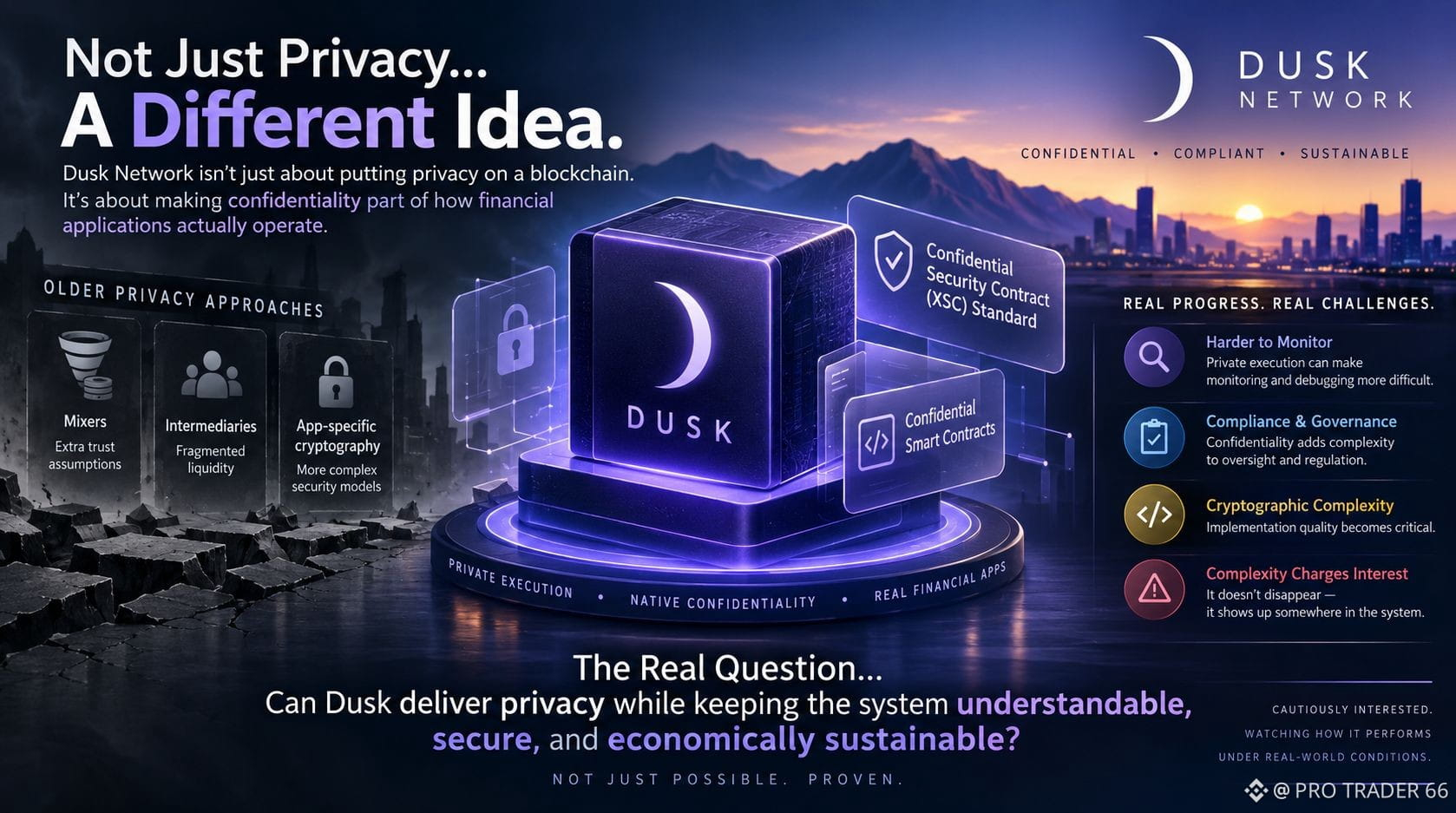
以前は、@Dusk_Foundation Network は主にプライバシーをブロックチェーン上に置くことについてのものだと思っていました。設計をよく見るほど、私は別の考え方が見えてきます。つまり、機密性を、実際の金融アプリケーションがどのように動作するかの一部として組み込むことです。
私の目を引くのは、Dusk の Confidential Security Contract(XSC)標準と、それが機密スマートコントラクトをサポートしている点です。古いプライバシー手法は、しばしばミキサー、仲介者、あるいはアプリケーション固有の暗号に頼っていました。そうした解決策は機密情報を保護できますが、追加の信頼前提が生まれたり、流動性が断片化したり、より複雑なセキュリティモデルにつながる可能性もあります。
方向性は良いと思いますが、ネイティブな機密性が難しい問題をすべて消してくれるとは思っていません。秘密裏の実行は、監視、デバッグ、コンプライアンス、ガバナンスをより難しくし得ます。さらに、暗号の複雑さによって、実装品質が決定的に重要になります。
複雑さには、システムのどこかで利息を請求する癖があります。
私にとって興味深い問いは、Dusk がプライバシーを提供できるかどうかではありません。それを、システムを理解可能で、安全で、かつ経済的に持続可能な状態のまま実現できるかどうかです。私は慎重に関心を持っており、現実の条件下でどのように機能するのかを見守っています。
@Dusk_Foundation #dusk $DUSK
{future}(DUSKUSDT)
$H
{future}(HUSDT)
$SPORTFUN
{future}(SPORTFUNUSDT)
以前は、@Dusk Network は主にプライバシーをブロックチェーン上に置くことについてのものだと思っていました。設計をよく見るほど、私は別の考え方が見えてきます。つまり、機密性を、実際の金融アプリケーションがどのように動作するかの一部として組み込むことです。
私の目を引くのは、Dusk の Confidential Security Contract(XSC)標準と、それが機密スマートコントラクトをサポートしている点です。古いプライバシー手法は、しばしばミキサー、仲介者、あるいはアプリケーション固有の暗号に頼っていました。そうした解決策は機密情報を保護できますが、追加の信頼前提が生まれたり、流動性が断片化したり、より複雑なセキュリティモデルにつながる可能性もあります。
方向性は良いと思いますが、ネイティブな機密性が難しい問題をすべて消してくれるとは思っていません。秘密裏の実行は、監視、デバッグ、コンプライアンス、ガバナンスをより難しくし得ます。さらに、暗号の複雑さによって、実装品質が決定的に重要になります。
複雑さには、システムのどこかで利息を請求する癖があります。
私にとって興味深い問いは、Dusk がプライバシーを提供できるかどうかではありません。それを、システムを理解可能で、安全で、かつ経済的に持続可能な状態のまま実現できるかどうかです。私は慎重に関心を持っており、現実の条件下でどのように機能するのかを見守っています。
@Dusk #dusk $DUSK
$H
$SPORTFUN
私の目を引くのは、Dusk の Confidential Security Contract(XSC)標準と、それが機密スマートコントラクトをサポートしている点です。古いプライバシー手法は、しばしばミキサー、仲介者、あるいはアプリケーション固有の暗号に頼っていました。そうした解決策は機密情報を保護できますが、追加の信頼前提が生まれたり、流動性が断片化したり、より複雑なセキュリティモデルにつながる可能性もあります。
方向性は良いと思いますが、ネイティブな機密性が難しい問題をすべて消してくれるとは思っていません。秘密裏の実行は、監視、デバッグ、コンプライアンス、ガバナンスをより難しくし得ます。さらに、暗号の複雑さによって、実装品質が決定的に重要になります。
複雑さには、システムのどこかで利息を請求する癖があります。
私にとって興味深い問いは、Dusk がプライバシーを提供できるかどうかではありません。それを、システムを理解可能で、安全で、かつ経済的に持続可能な状態のまま実現できるかどうかです。私は慎重に関心を持っており、現実の条件下でどのように機能するのかを見守っています。
@Dusk #dusk $DUSK
$H
$SPORTFUN
27
11
349
·
--
ブリッシュ
本人確認中
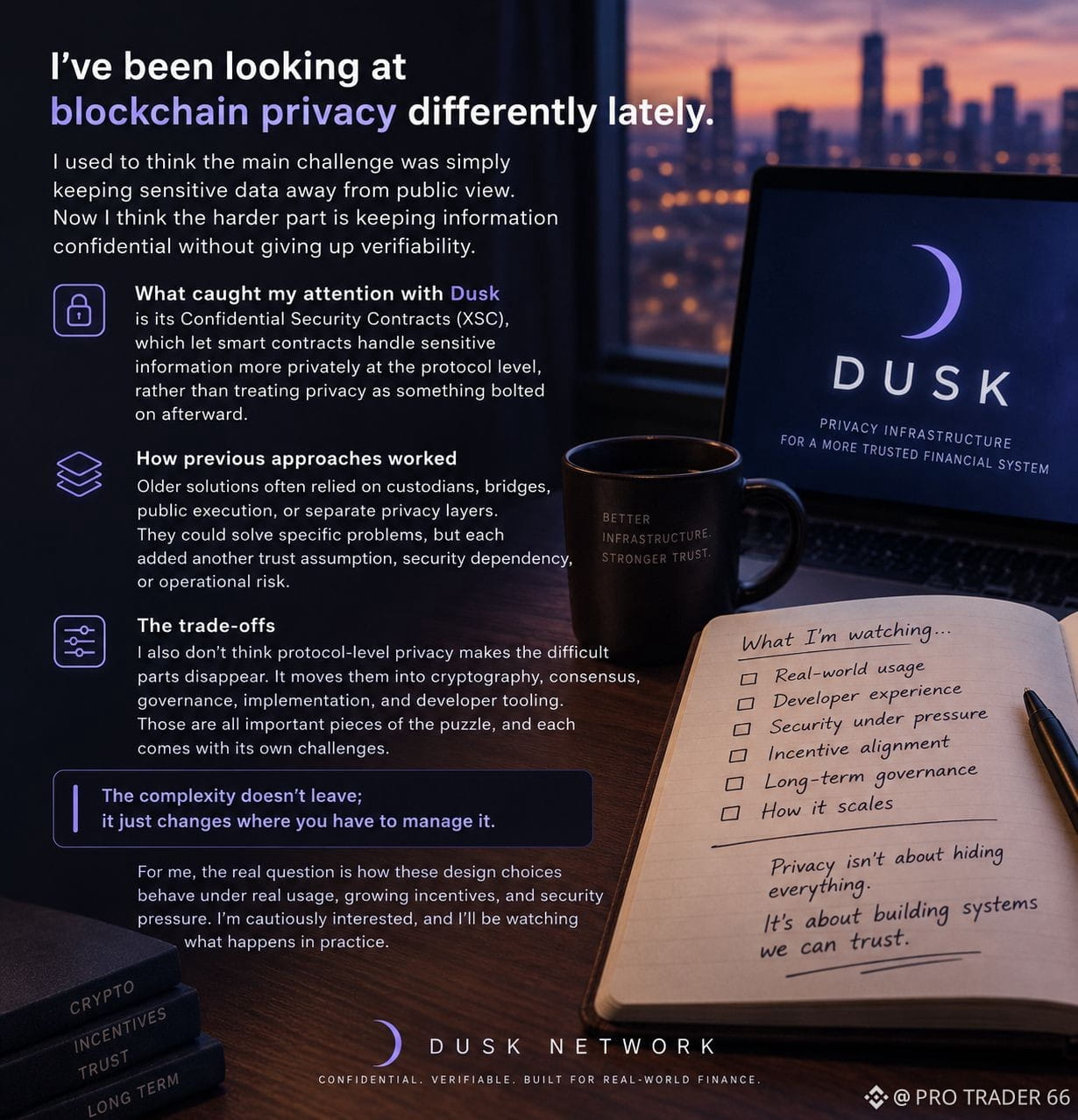
最近、ブロックチェーンのプライバシーについて考え方を変えています。以前は、主な課題は単に機密データを公開の目から遠ざけることだと思っていました。しかし今は、検証可能性を犠牲にすることなく情報を機密に保つことのほうが難しい点だと考えています。
そのため、DuskのConfidential Security Contracts(XSC)に注目しました。これは、プライバシーを後付けのものとして扱うのではなく、ネットワーク内で機密スマートコントラクトを直接サポートするという発想です。
従来のアプローチでは、しばしば管理者(カストディアン)、ブリッジ、公的実行、あるいは別個のプライバシーレイヤーが使われていました。特定の問題は解決できるかもしれませんが、それぞれがさらに別の信頼仮定、セキュリティ依存、または運用上のリスクを追加してしまいます。
また、プロトコルレベルのプライバシーで難しい部分が消えるとは思っていません。難しい部分は暗号、コンセンサス、ガバナンス、実装、そして開発者向けツールへと移されるだけです。
複雑さはなくなりません。単に、管理すべき場所が変わるだけです。
私にとって本当の問いは、これらの選択が、実際の利用の中で、競争インセンティブが増していく中で、そしてセキュリティの圧力が高まる中で、どのように振る舞うのかです。私は慎重に関心を持っており、実際に何が起きるのかを見守っていきます。
@Dusk_Foundation #dusk $DUSK
{future}(DUSKUSDT)
$VELVET
{future}(VELVETUSDT)
$COW
{future}(COWUSDT)
最近、ブロックチェーンのプライバシーについて考え方を変えています。以前は、主な課題は単に機密データを公開の目から遠ざけることだと思っていました。しかし今は、検証可能性を犠牲にすることなく情報を機密に保つことのほうが難しい点だと考えています。
そのため、DuskのConfidential Security Contracts(XSC)に注目しました。これは、プライバシーを後付けのものとして扱うのではなく、ネットワーク内で機密スマートコントラクトを直接サポートするという発想です。
従来のアプローチでは、しばしば管理者(カストディアン)、ブリッジ、公的実行、あるいは別個のプライバシーレイヤーが使われていました。特定の問題は解決できるかもしれませんが、それぞれがさらに別の信頼仮定、セキュリティ依存、または運用上のリスクを追加してしまいます。
また、プロトコルレベルのプライバシーで難しい部分が消えるとは思っていません。難しい部分は暗号、コンセンサス、ガバナンス、実装、そして開発者向けツールへと移されるだけです。
複雑さはなくなりません。単に、管理すべき場所が変わるだけです。
私にとって本当の問いは、これらの選択が、実際の利用の中で、競争インセンティブが増していく中で、そしてセキュリティの圧力が高まる中で、どのように振る舞うのかです。私は慎重に関心を持っており、実際に何が起きるのかを見守っていきます。
@Dusk #dusk $DUSK
$VELVET
$COW
そのため、DuskのConfidential Security Contracts(XSC)に注目しました。これは、プライバシーを後付けのものとして扱うのではなく、ネットワーク内で機密スマートコントラクトを直接サポートするという発想です。
従来のアプローチでは、しばしば管理者(カストディアン)、ブリッジ、公的実行、あるいは別個のプライバシーレイヤーが使われていました。特定の問題は解決できるかもしれませんが、それぞれがさらに別の信頼仮定、セキュリティ依存、または運用上のリスクを追加してしまいます。
また、プロトコルレベルのプライバシーで難しい部分が消えるとは思っていません。難しい部分は暗号、コンセンサス、ガバナンス、実装、そして開発者向けツールへと移されるだけです。
複雑さはなくなりません。単に、管理すべき場所が変わるだけです。
私にとって本当の問いは、これらの選択が、実際の利用の中で、競争インセンティブが増していく中で、そしてセキュリティの圧力が高まる中で、どのように振る舞うのかです。私は慎重に関心を持っており、実際に何が起きるのかを見守っていきます。
@Dusk #dusk $DUSK
$VELVET
$COW
12
7
134
·
--
弱気相場
本人確認中
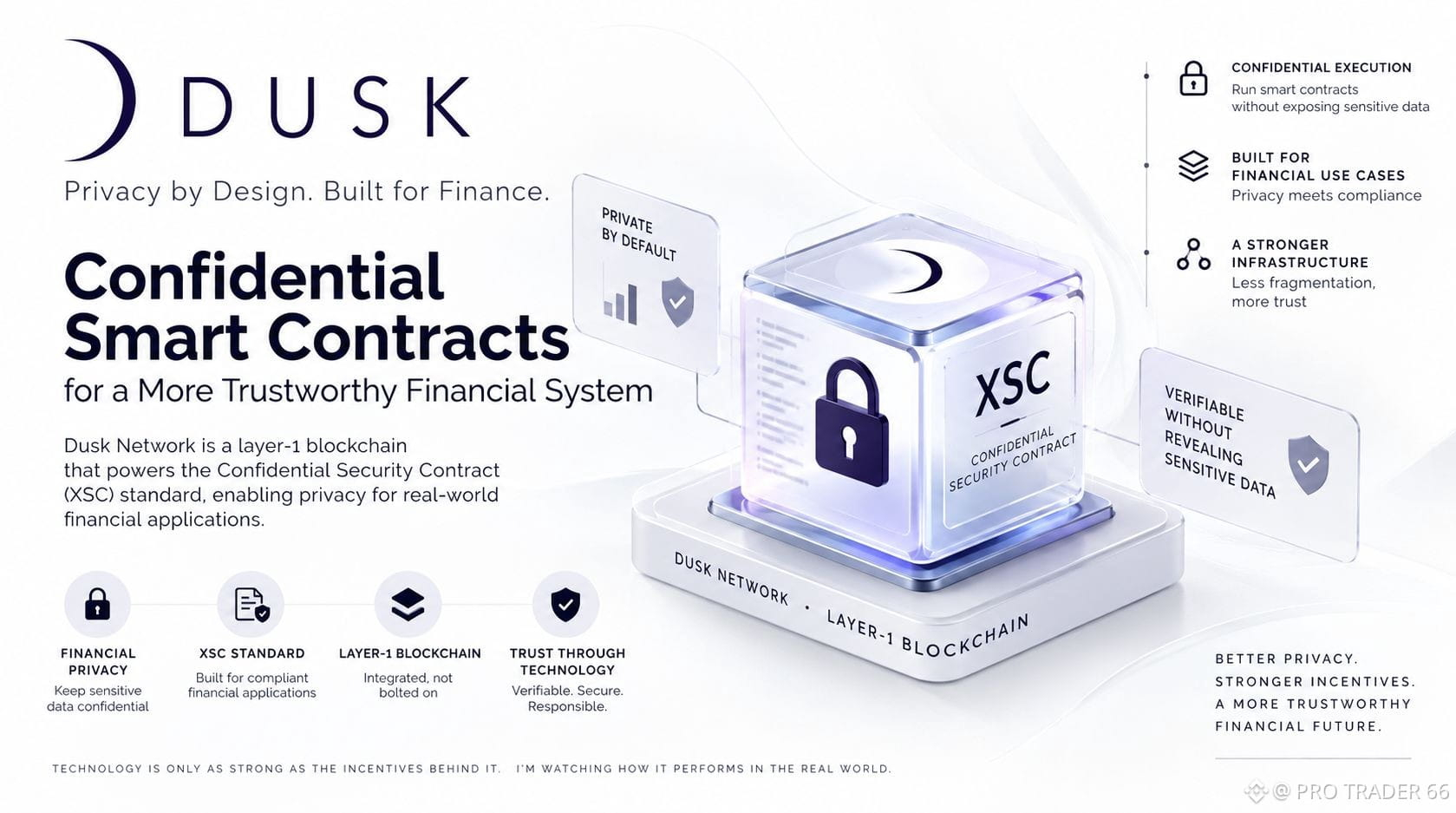
ブロックチェーン上のプライバシーが「データを見えなくすること」よりも、「検証可能でありながら、どの情報を安全に機密として残せるかを決めること」にあると私は気づいています。Dusk Networkのアプローチに惹かれるのは、プライバシーを単なる付加機能として扱うのではなく、Confidential Security Contract(XSC)標準が機密性のある金融アプリケーションを中心に設計されているからです。
これまでのブロックチェーンシステムでは、機密性の高い活動を公開状態に押し出したり、外部のカストディアンに委ねたり、あるいは別個のプライバシー層で補ったりすることがよくありました。これらの方法は機能する場合もありますが、新たな信頼前提、流動性の分断、仲介者への依存といった問題を生む可能性があります。Duskは、代わりに機密スマートコントラクトとレイヤー1環境を組み合わせており、分断を減らせるかもしれません。
ただし、その代償は複雑さです。機密実行、コンプライアンス要件、バリデータのインセンティブ、そして安全なコントラクト設計が、慎重に管理される必要のある運用上のリスクを生みます。複雑さは消えるわけではなく、通常はシステムの別の層へ移ります。
その点こそが、私が最も重要だと感じる部分です。プライバシー基盤は、そのインセンティブ、実装、そして現実世界でのセキュリティの強度にしか過ぎません。私は慎重に関心を持っていますが、Duskが金融ワークロードや敵対的な条件下でどのように振る舞うのかを見ています。
@Dusk_Foundation $DUSK #dusk
{future}(DUSKUSDT)
$AKE
{future}(AKEUSDT)
$EDEN
{future}(EDENUSDT)
ブロックチェーン上のプライバシーが「データを見えなくすること」よりも、「検証可能でありながら、どの情報を安全に機密として残せるかを決めること」にあると私は気づいています。Dusk Networkのアプローチに惹かれるのは、プライバシーを単なる付加機能として扱うのではなく、Confidential Security Contract(XSC)標準が機密性のある金融アプリケーションを中心に設計されているからです。
これまでのブロックチェーンシステムでは、機密性の高い活動を公開状態に押し出したり、外部のカストディアンに委ねたり、あるいは別個のプライバシー層で補ったりすることがよくありました。これらの方法は機能する場合もありますが、新たな信頼前提、流動性の分断、仲介者への依存といった問題を生む可能性があります。Duskは、代わりに機密スマートコントラクトとレイヤー1環境を組み合わせており、分断を減らせるかもしれません。
ただし、その代償は複雑さです。機密実行、コンプライアンス要件、バリデータのインセンティブ、そして安全なコントラクト設計が、慎重に管理される必要のある運用上のリスクを生みます。複雑さは消えるわけではなく、通常はシステムの別の層へ移ります。
その点こそが、私が最も重要だと感じる部分です。プライバシー基盤は、そのインセンティブ、実装、そして現実世界でのセキュリティの強度にしか過ぎません。私は慎重に関心を持っていますが、Duskが金融ワークロードや敵対的な条件下でどのように振る舞うのかを見ています。
@Dusk $DUSK #dusk
$AKE
$EDEN
これまでのブロックチェーンシステムでは、機密性の高い活動を公開状態に押し出したり、外部のカストディアンに委ねたり、あるいは別個のプライバシー層で補ったりすることがよくありました。これらの方法は機能する場合もありますが、新たな信頼前提、流動性の分断、仲介者への依存といった問題を生む可能性があります。Duskは、代わりに機密スマートコントラクトとレイヤー1環境を組み合わせており、分断を減らせるかもしれません。
ただし、その代償は複雑さです。機密実行、コンプライアンス要件、バリデータのインセンティブ、そして安全なコントラクト設計が、慎重に管理される必要のある運用上のリスクを生みます。複雑さは消えるわけではなく、通常はシステムの別の層へ移ります。
その点こそが、私が最も重要だと感じる部分です。プライバシー基盤は、そのインセンティブ、実装、そして現実世界でのセキュリティの強度にしか過ぎません。私は慎重に関心を持っていますが、Duskが金融ワークロードや敵対的な条件下でどのように振る舞うのかを見ています。
@Dusk $DUSK #dusk
$AKE
$EDEN
8
5
183
·
--
ブリッシュ
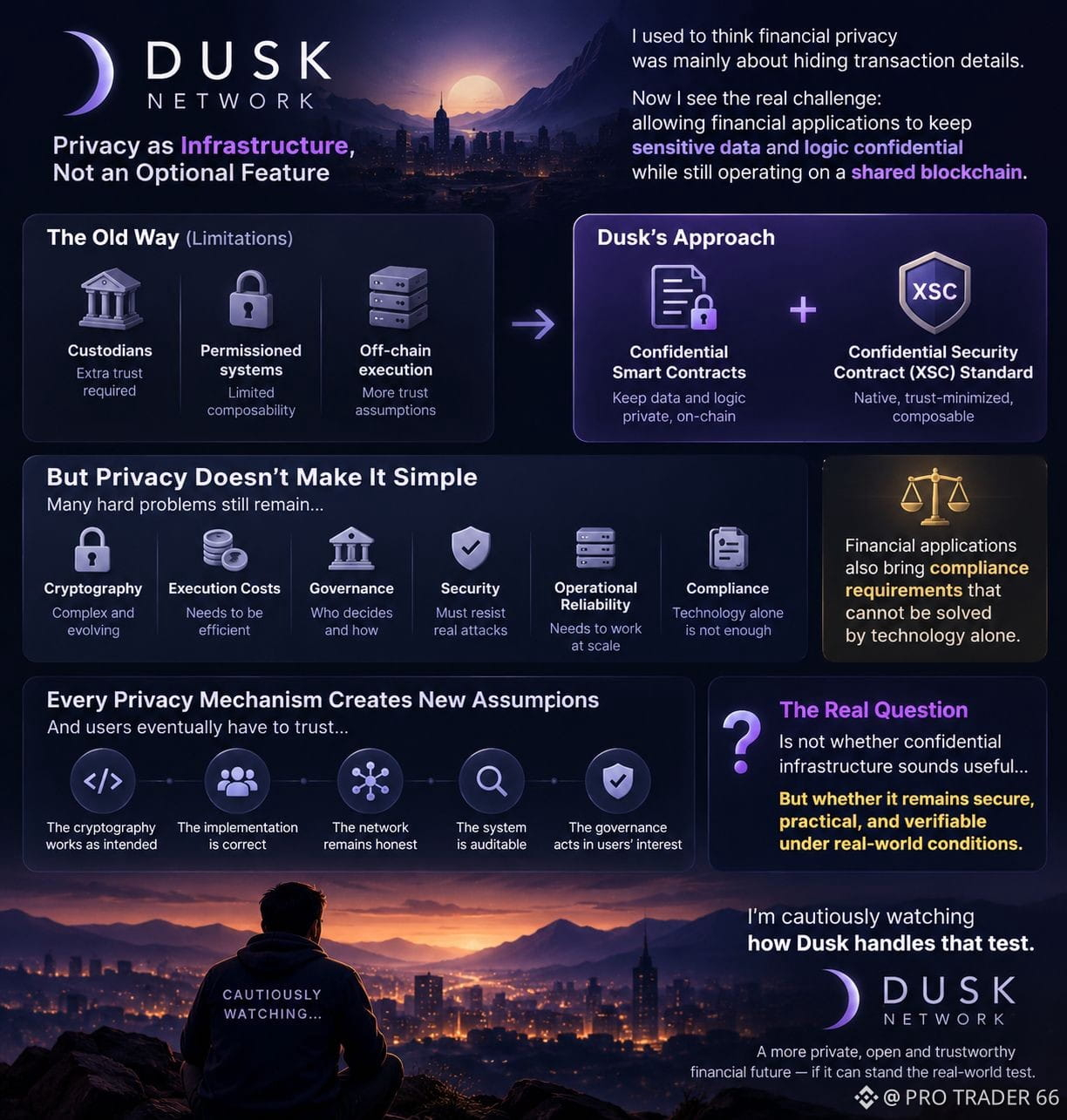
プライバシーを“オプション機能”ではなく“インフラ”として扱うブロックチェーンを調べていたところ、その理由で Dusk Network が目に留まりました。
以前は、金融のプライバシーとは主に取引の詳細を隠すことだと思っていました。しかし今は、より難しい課題が見えてきました。すなわち、機密データやロジックを秘匿したまま、共有ブロックチェーン上で金融アプリケーションを動かすことです。
Dusk は、機密スマートコントラクトと Confidential Security Contract(XSC)標準によってこの問題に取り組んでいます。これは重要な設計上の選択だと思います。というのも、古い解決策はしばしばカストディアン(管理者)への依存、許可制システム、あるいはオフチェーン実行に頼っており、それが追加の信頼前提を生み、相互運用性(コンポーザビリティ)を低下させ得るからです。
ただし、プライバシーは基盤システムを必ずしも単純にはしません。暗号、実行コスト、ガバナンス、安全性、そして運用上の信頼性は依然として重要です。さらに金融アプリケーションには、技術だけでは解決できないコンプライアンス要件も伴います。
私は、あらゆるプライバシーの仕組みが新たな前提を生み、それをユーザーが最終的に信頼する必要が生まれるのではないかと考えています。
私にとって本当の問いは、機密インフラが有用そうに見えるかどうかではありません。現実の条件のもとで、それが安全で、実用的で、検証可能なままでいられるかどうかです。私は慎重に、Dusk がその試練をどう乗り越えるかを見守っています。
@Dusk_Foundation $DUSK #dusk
{future}(DUSKUSDT)
$AKE
{future}(AKEUSDT)
$COTI
{future}(COTIUSDT)
プライバシーを“オプション機能”ではなく“インフラ”として扱うブロックチェーンを調べていたところ、その理由で Dusk Network が目に留まりました。
以前は、金融のプライバシーとは主に取引の詳細を隠すことだと思っていました。しかし今は、より難しい課題が見えてきました。すなわち、機密データやロジックを秘匿したまま、共有ブロックチェーン上で金融アプリケーションを動かすことです。
Dusk は、機密スマートコントラクトと Confidential Security Contract(XSC)標準によってこの問題に取り組んでいます。これは重要な設計上の選択だと思います。というのも、古い解決策はしばしばカストディアン(管理者)への依存、許可制システム、あるいはオフチェーン実行に頼っており、それが追加の信頼前提を生み、相互運用性(コンポーザビリティ)を低下させ得るからです。
ただし、プライバシーは基盤システムを必ずしも単純にはしません。暗号、実行コスト、ガバナンス、安全性、そして運用上の信頼性は依然として重要です。さらに金融アプリケーションには、技術だけでは解決できないコンプライアンス要件も伴います。
私は、あらゆるプライバシーの仕組みが新たな前提を生み、それをユーザーが最終的に信頼する必要が生まれるのではないかと考えています。
私にとって本当の問いは、機密インフラが有用そうに見えるかどうかではありません。現実の条件のもとで、それが安全で、実用的で、検証可能なままでいられるかどうかです。私は慎重に、Dusk がその試練をどう乗り越えるかを見守っています。
@Dusk $DUSK #dusk
$AKE
$COTI
以前は、金融のプライバシーとは主に取引の詳細を隠すことだと思っていました。しかし今は、より難しい課題が見えてきました。すなわち、機密データやロジックを秘匿したまま、共有ブロックチェーン上で金融アプリケーションを動かすことです。
Dusk は、機密スマートコントラクトと Confidential Security Contract(XSC)標準によってこの問題に取り組んでいます。これは重要な設計上の選択だと思います。というのも、古い解決策はしばしばカストディアン(管理者)への依存、許可制システム、あるいはオフチェーン実行に頼っており、それが追加の信頼前提を生み、相互運用性(コンポーザビリティ)を低下させ得るからです。
ただし、プライバシーは基盤システムを必ずしも単純にはしません。暗号、実行コスト、ガバナンス、安全性、そして運用上の信頼性は依然として重要です。さらに金融アプリケーションには、技術だけでは解決できないコンプライアンス要件も伴います。
私は、あらゆるプライバシーの仕組みが新たな前提を生み、それをユーザーが最終的に信頼する必要が生まれるのではないかと考えています。
私にとって本当の問いは、機密インフラが有用そうに見えるかどうかではありません。現実の条件のもとで、それが安全で、実用的で、検証可能なままでいられるかどうかです。私は慎重に、Dusk がその試練をどう乗り越えるかを見守っています。
@Dusk $DUSK #dusk
$AKE
$COTI
13
13
659
·
--
弱気相場
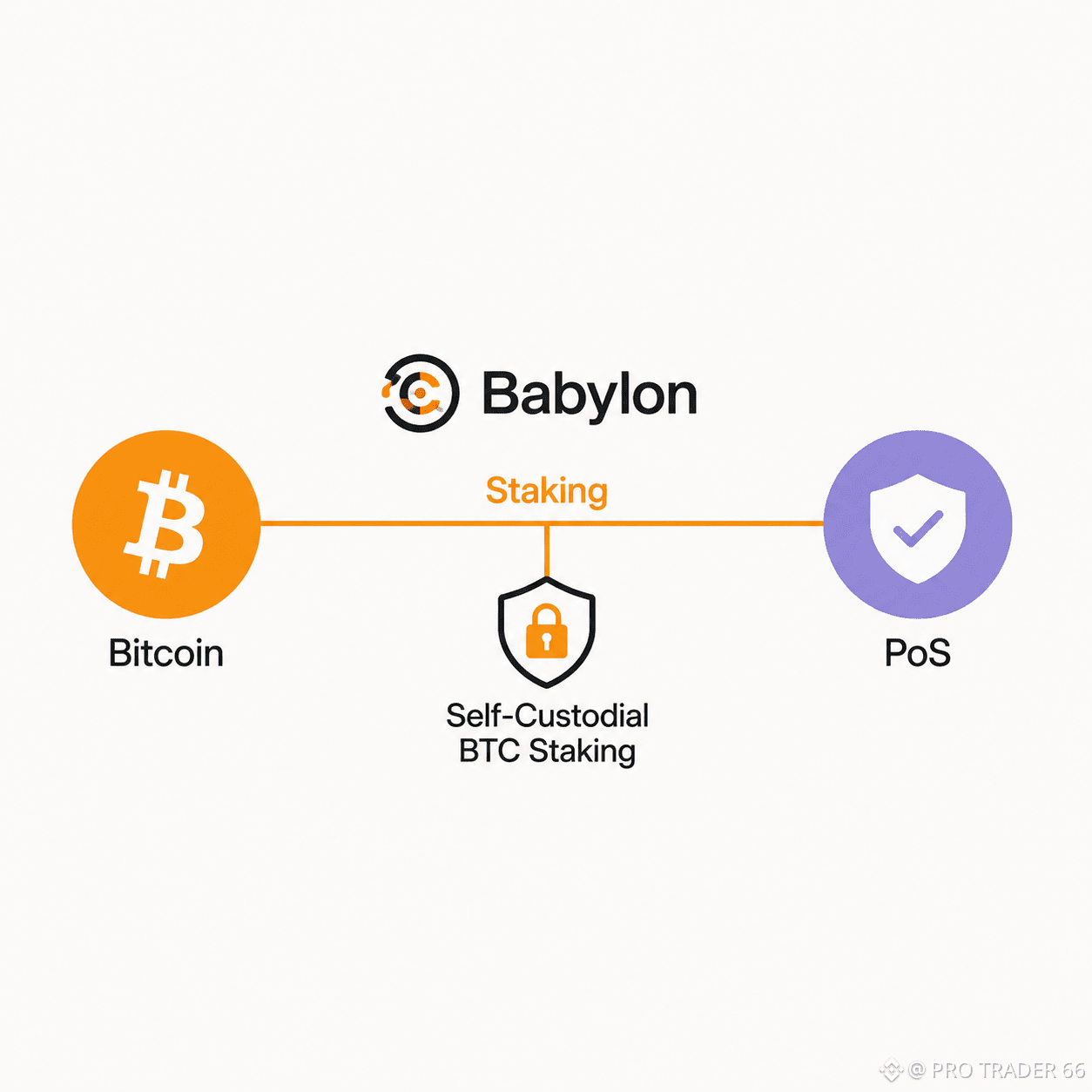
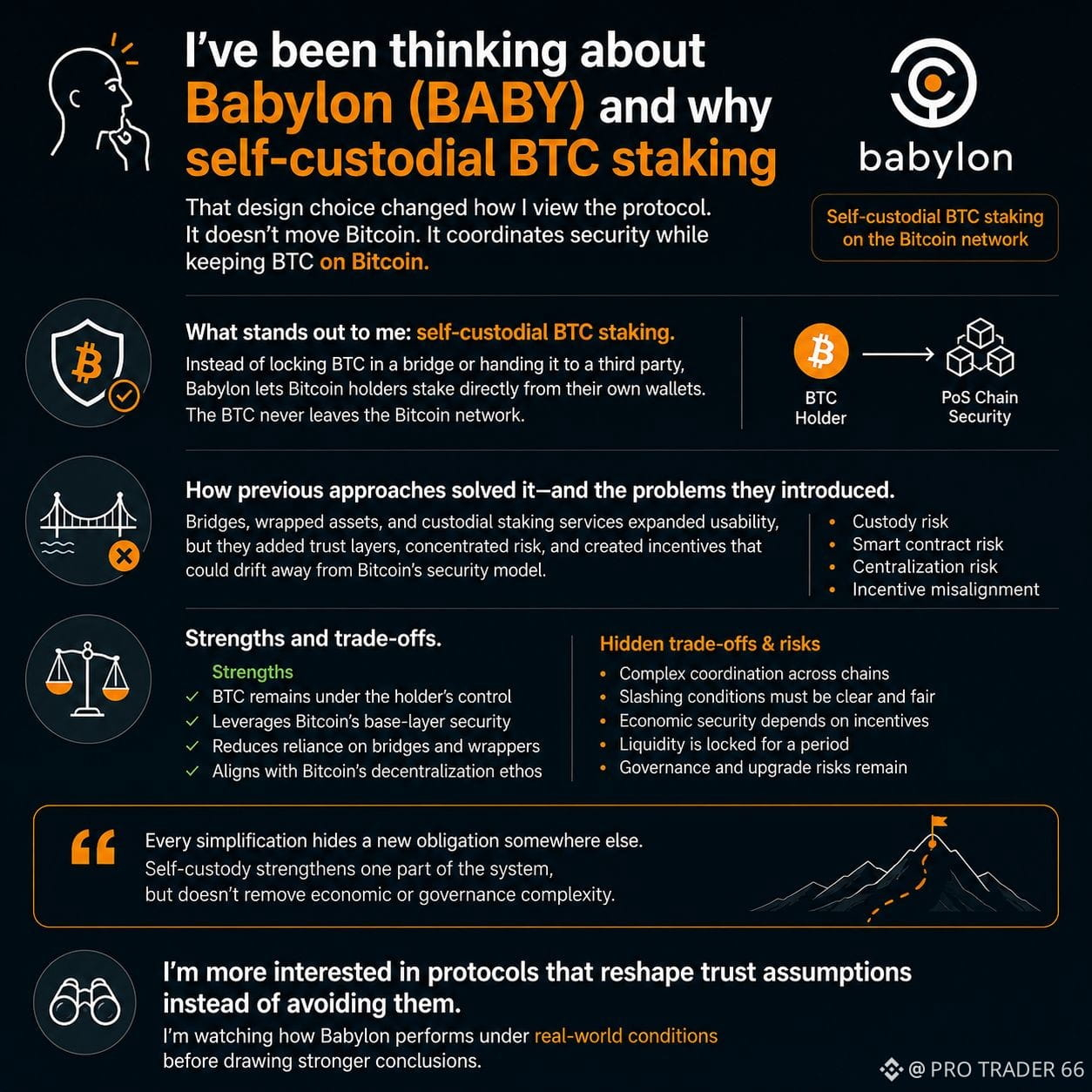
バビロンが、誰かにビットコインを別のネットワークへブリッジさせるのではなく、自分で管理するBTCステーキングを選んだ理由について考えていました。その設計判断は、私のプロトコルの見方を変えました。信頼を移転するのではなく、基盤となる資産をビットコイン上に残したまま、セキュリティを調整しようとするのです。
これまでのアプローチの多くは、ラップド資産、カストディ(管理)を行う仲介者、あるいは外部バリデータの前提に依存していることがありました。これらの方法は機能を拡張しましたが、その一方で追加の信頼レイヤーが生まれ、リスクが集中し、ビットコイン自身のセキュリティモデルと食い違う可能性のあるインセンティブも生み出しました。バビロンのアプローチは、それらの依存をいくらか減らしますが、調整、スラッシング条件、そしてビットコイン保有者とPoSエコシステムを結びつけるインセンティブに関する別種の運用上の課題を導入します。
どんな単純化にも、どこか別の場所で新しい義務が隠れています。私はこれらの仕組みを研究するたびに、その考えが何度も戻ってきます。自己管理はセキュリティモデルの一部を強めますが、より広い設計から経済面やガバナンスの複雑さを取り除くわけではありません。
私は、信頼の前提を避けるのではなく再構成するプロトコルに、より関心を持ち始めています。より強い結論を引き出す前に、バビロンが現実の条件下でどのように機能するのかを見ています。
@babylonlabs_io #baby $BABY
{future}(BABYUSDT)
$BTC
{future}(BTCUSDT)
バビロンが、誰かにビットコインを別のネットワークへブリッジさせるのではなく、自分で管理するBTCステーキングを選んだ理由について考えていました。その設計判断は、私のプロトコルの見方を変えました。信頼を移転するのではなく、基盤となる資産をビットコイン上に残したまま、セキュリティを調整しようとするのです。
これまでのアプローチの多くは、ラップド資産、カストディ(管理)を行う仲介者、あるいは外部バリデータの前提に依存していることがありました。これらの方法は機能を拡張しましたが、その一方で追加の信頼レイヤーが生まれ、リスクが集中し、ビットコイン自身のセキュリティモデルと食い違う可能性のあるインセンティブも生み出しました。バビロンのアプローチは、それらの依存をいくらか減らしますが、調整、スラッシング条件、そしてビットコイン保有者とPoSエコシステムを結びつけるインセンティブに関する別種の運用上の課題を導入します。
どんな単純化にも、どこか別の場所で新しい義務が隠れています。私はこれらの仕組みを研究するたびに、その考えが何度も戻ってきます。自己管理はセキュリティモデルの一部を強めますが、より広い設計から経済面やガバナンスの複雑さを取り除くわけではありません。
私は、信頼の前提を避けるのではなく再構成するプロトコルに、より関心を持ち始めています。より強い結論を引き出す前に、バビロンが現実の条件下でどのように機能するのかを見ています。
@BabylonLabs_io #baby $BABY
$BTC
これまでのアプローチの多くは、ラップド資産、カストディ(管理)を行う仲介者、あるいは外部バリデータの前提に依存していることがありました。これらの方法は機能を拡張しましたが、その一方で追加の信頼レイヤーが生まれ、リスクが集中し、ビットコイン自身のセキュリティモデルと食い違う可能性のあるインセンティブも生み出しました。バビロンのアプローチは、それらの依存をいくらか減らしますが、調整、スラッシング条件、そしてビットコイン保有者とPoSエコシステムを結びつけるインセンティブに関する別種の運用上の課題を導入します。
どんな単純化にも、どこか別の場所で新しい義務が隠れています。私はこれらの仕組みを研究するたびに、その考えが何度も戻ってきます。自己管理はセキュリティモデルの一部を強めますが、より広い設計から経済面やガバナンスの複雑さを取り除くわけではありません。
私は、信頼の前提を避けるのではなく再構成するプロトコルに、より関心を持ち始めています。より強い結論を引き出す前に、バビロンが現実の条件下でどのように機能するのかを見ています。
@BabylonLabs_io #baby $BABY
$BTC
25
12
494
·
--
弱気相場
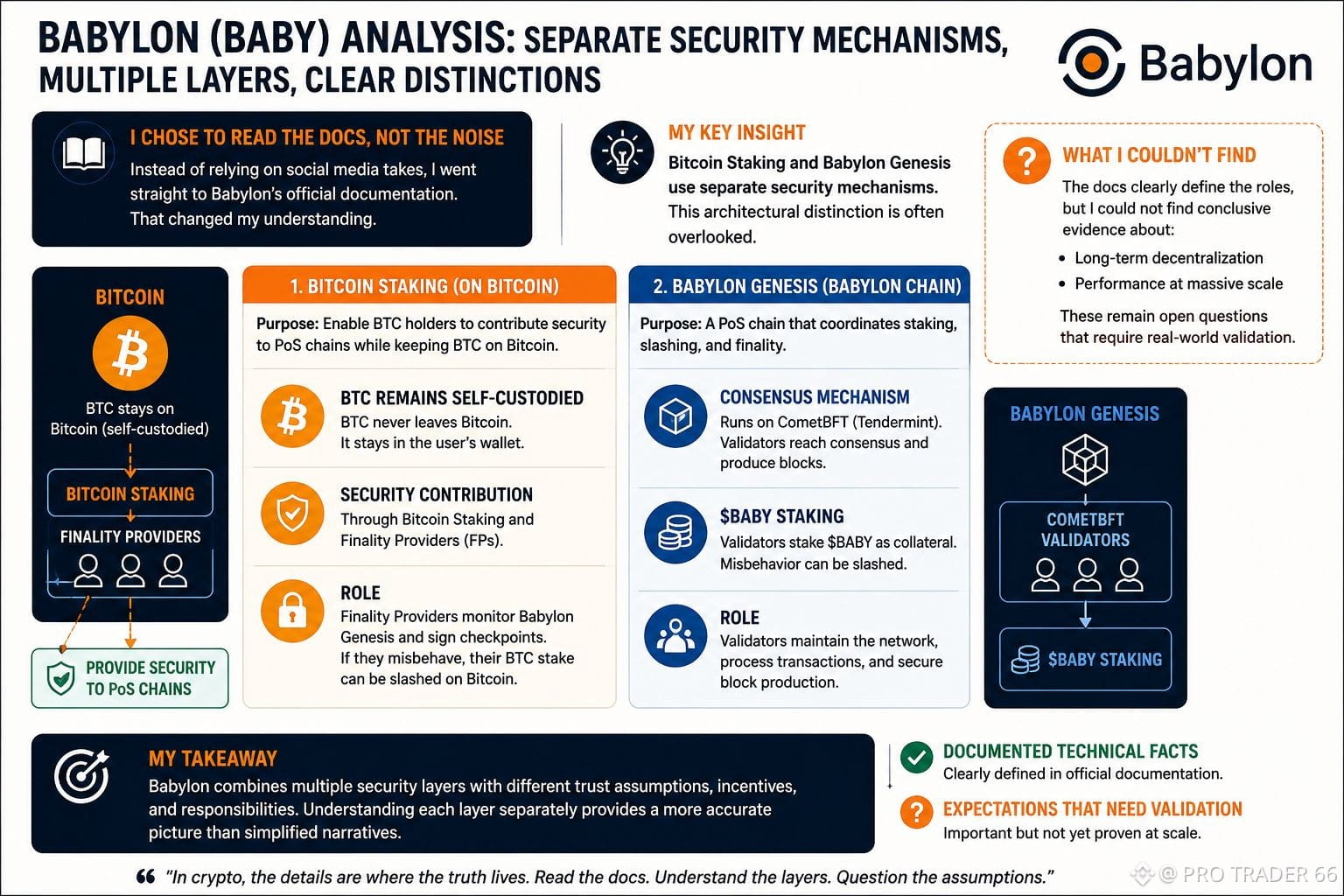
ソーシャルメディアに頼るのではなく、Babylonの公式ドキュメントを読むことに決めたところ、プロジェクトに対する理解が変わりました。最初はBitcoin StakingとBabylon Genesisが同じセキュリティモデルを共有していると考えていましたが、ドキュメントによると別々の仕組みを使っています。BTCはBitcoin上で自己保管を維持し、Bitcoin StakingとFinality Providersによってセキュリティに貢献します。一方、Babylon GenesisはCometBFTのバリデータと$BABY stakingに依存して、コンセンサスとブロック生成を行います。このアーキテクチャ上の違いは、簡略化された議論では見落とされがちです。ドキュメントはこれらの役割を明確に定義していますが、大規模な規模での長期的な分散性やパフォーマンスについて決定的な根拠を見つけることはできませんでした。私の学びとして、Babylonは異なる信頼の前提、インセンティブ、責務を持つ複数のセキュリティ層を組み合わせています。各層を個別に理解することでより正確な全体像が得られ、また、実世界での検証がまだ必要な期待と、ドキュメントで裏付けられた技術的事実とを切り分けられます。
@babylonlabs_io #baby $BABY $BTC
{future}(BABYUSDT)
ソーシャルメディアに頼るのではなく、Babylonの公式ドキュメントを読むことに決めたところ、プロジェクトに対する理解が変わりました。最初はBitcoin StakingとBabylon Genesisが同じセキュリティモデルを共有していると考えていましたが、ドキュメントによると別々の仕組みを使っています。BTCはBitcoin上で自己保管を維持し、Bitcoin StakingとFinality Providersによってセキュリティに貢献します。一方、Babylon GenesisはCometBFTのバリデータと$BABY stakingに依存して、コンセンサスとブロック生成を行います。このアーキテクチャ上の違いは、簡略化された議論では見落とされがちです。ドキュメントはこれらの役割を明確に定義していますが、大規模な規模での長期的な分散性やパフォーマンスについて決定的な根拠を見つけることはできませんでした。私の学びとして、Babylonは異なる信頼の前提、インセンティブ、責務を持つ複数のセキュリティ層を組み合わせています。各層を個別に理解することでより正確な全体像が得られ、また、実世界での検証がまだ必要な期待と、ドキュメントで裏付けられた技術的事実とを切り分けられます。
@BabylonLabs_io #baby $BABY $BTC
@BabylonLabs_io #baby $BABY $BTC
8
7
137
ログインして、さらにコンテンツを読む
厳選トピックで世界の暗号資産トレーダーの仲間入り
⚡️ 暗号資産に関する最新かつ有益な情報が見つかります。
💬 世界最大の暗号資産取引所から信頼されています。
👍 認証を受けたクリエイターから、有益なインサイトを得られます。
メール / 電話番号
トレンドトピック
FedMinutesFocusOnOctoberPause
閲覧回数 152,941
1,273人が討論中
🚨 警戒レベル引き上げ ‼️ 次の1時間は無闇に取引しないでください 🚨
皆さん、FOMC議事要旨の発表まで1時間を切りました。
今日すでに大きなボラティリティが見られたことを考えると、発表直前に誰にも無謀な高レバレッジポジションを取ってほしくありません。
私が注目している大きな反応は、ゴールド(XAU)、シルバー(XAG)、BTC、ETHです。さらにSOLのような銘柄や、レバレッジの高い時価総額が中小規模のアルトコインは、BTCの値動きを増幅させる可能性があります。
今夜は特にゴールドとシルバーに注意が必要です。市場はすでに米ドルと米国債利回りに反応しており、両方の貴金属はFRB議事要旨の発表を前に大きな圧力を受けています。
簡単に言うと、
📉タカ派的なFOMC議事要旨 → 米ドル・利回りが上昇する可能性 → BTC、暗号資産、ゴールド、シルバーに下押し圧力
📈ハト派的なFOMC議事要旨 → 米ドル・利回りが落ち着く可能性 → BTC、ゴールド、シルバー、リスク資産が大きく反発する可能性があります。
そして、最初のローソク足が罠になることもあるので忘れないでください。一度急騰してすぐに急落し、両方向で清算が起きてから、本当の方向性が見えてくることもあります。
今はポジションを守り、不要なレバレッジを減らし、最初の値動きにFOMOで飛び乗らないようにしてください。
今夜はまず$XAU 、$XAG 、$BTC を注視しています。これらの動きを見れば、市場がFRBの発表をどう受け止めているか、すぐに分かるでしょう。
時間どおりに皆さんに最新情報をお知らせします。
@Panda Traders をフォローして、今すぐ通知をオンにしてください。
#FedMinutesFocusOnOctoberPause
Panda Traders
·いいね:18件
·閲覧回数 3.8k
BinanceLaunchesBinanceIntelligence
閲覧回数 1.1M
6,479人が討論中
EvernorthDelaysNasdaqDebutToOct12
閲覧回数 12,126
288人が討論中