

Porter Armitage yPvl
19 投稿

Porter Armitage yPvl
報告
ユーザーをブロック
7 フォロー
2 フォロワー
4 いいね
投稿
🌐 伝統的株式とブロックチェーンが出会う:Binance bStocksについて知っておくべきこと
トークン化された現実世界の資産(RWA)は、ポートフォリオ配分の考え方を変えつつあります。bStocksは、Binanceエコシステム内で主要な世界企業へのシームレスな価格エクスポージャーを、対象ユーザーに提供します。
押さえておきたい重要ポイント:
* 1:1 連動の裏付け:各bStockは、規制を受けたカストディアンが保有する対応する株式によって1:1で裏付けられています。bStocksを保有して得られるのは、直接的な企業の議決権ではなく、価格パフォーマンスと経済的な利益である点にご注意ください。
* 分割投資:1株を丸ごと買う必要はありません。小さく柔軟な金額で資本を配分し、主要なテクノロジー企業や世界株へのエクスポージャーを構築できます。
* 24/7 スポット取引:プラットフォームを切り替えたり、従来のレガシー市場の営業時間を待ったりせずに、Binance Spotでシームレスに取引できます。
* ポートフォリオの分散:高ボラティリティな暗号資産の保有と、クラシックな株式エクスポージャーを、単一のウォレットからバランスよく組み合わせられます。
取引を行う前に、ご自身の居住地における適格性、手数料、ならびに商品のリスクを必ず確認してください。
いま最も注目している「株式のトークン化」ペアはどれですか?ぜひ下にご意見を! 👇
#TokenizedStocks #RWA #Binance #TradFiVsCrypto $BNB
🌐 伝統的株式とブロックチェーンが出会う:Binance bStocksについて知っておくべきこと
トークン化された現実世界の資産(RWA)は、ポートフォリオ配分の考え方を変えつつあります。bStocksは、Binanceエコシステム内で主要な世界企業へのシームレスな価格エクスポージャーを、対象ユーザーに提供します。
押さえておきたい重要ポイント:
* 1:1 連動の裏付け:各bStockは、規制を受けたカストディアンが保有する対応する株式によって1:1で裏付けられています。bStocksを保有して得られるのは、直接的な企業の議決権ではなく、価格パフォーマンスと経済的な利益である点にご注意ください。
* 分割投資:1株を丸ごと買う必要はありません。小さく柔軟な金額で資本を配分し、主要なテクノロジー企業や世界株へのエクスポージャーを構築できます。
* 24/7 スポット取引:プラットフォームを切り替えたり、従来のレガシー市場の営業時間を待ったりせずに、Binance Spotでシームレスに取引できます。
* ポートフォリオの分散:高ボラティリティな暗号資産の保有と、クラシックな株式エクスポージャーを、単一のウォレットからバランスよく組み合わせられます。
取引を行う前に、ご自身の居住地における適格性、手数料、ならびに商品のリスクを必ず確認してください。
いま最も注目している「株式のトークン化」ペアはどれですか?ぜひ下にご意見を! 👇
#TokenizedStocks #RWA #Binance #TradFiVsCrypto $BNB
トークン化された現実世界の資産(RWA)は、ポートフォリオ配分の考え方を変えつつあります。bStocksは、Binanceエコシステム内で主要な世界企業へのシームレスな価格エクスポージャーを、対象ユーザーに提供します。
押さえておきたい重要ポイント:
* 1:1 連動の裏付け:各bStockは、規制を受けたカストディアンが保有する対応する株式によって1:1で裏付けられています。bStocksを保有して得られるのは、直接的な企業の議決権ではなく、価格パフォーマンスと経済的な利益である点にご注意ください。
* 分割投資:1株を丸ごと買う必要はありません。小さく柔軟な金額で資本を配分し、主要なテクノロジー企業や世界株へのエクスポージャーを構築できます。
* 24/7 スポット取引:プラットフォームを切り替えたり、従来のレガシー市場の営業時間を待ったりせずに、Binance Spotでシームレスに取引できます。
* ポートフォリオの分散:高ボラティリティな暗号資産の保有と、クラシックな株式エクスポージャーを、単一のウォレットからバランスよく組み合わせられます。
取引を行う前に、ご自身の居住地における適格性、手数料、ならびに商品のリスクを必ず確認してください。
いま最も注目している「株式のトークン化」ペアはどれですか?ぜひ下にご意見を! 👇
#TokenizedStocks #RWA #Binance #TradFiVsCrypto $BNB
100
🚨 $BTC TODAY: 直近のバウンス|スポットの買いがサポートを守る 🚨
Bitcoin ($BTC ) は本日、レンジ安値付近をテストした後、$63,700〜$64,000ゾーンへ押し戻す動きが再び見られています。この上昇は、スポットの蓄積と控えめなショートカバー(買い戻し)活動によって下側の重要な構造レベルが守られる中で起きています。
以下、本日の値動きの内訳と、注目すべき主要セットアップです:
日中テクニカル概要
* 🟢 サポートディフェンス: $BTC は昨夜、$62,500〜$62,800の構造的な需要ゾーン付近で堅実に推移し、戦略的なスポット買い指値を集め、直近のETF流出圧力を止めました。
* 📊 インジケーター: RSIは概ね中立圏で推移しており、短い時間軸のMACDは強気のクロスを試みています。
* 🔴 直近のレジスタンス($64,000〜$64,500): 強気派は、注文板の流動性をクリアし勢いを$65,500へつなげるために、$64.2Kを上回る決定的な4時間足の終値が必要です。
本日の値動きを支える主な要因
* スポット買いが入り続ける: 戦略的な買い手が、レンジサポート付近の売り圧力を吸収し続けており、全体の市場出来高が弱いにもかかわらず、土台となる蓄積を示唆しています。
* ショートカバーの急増: デリバティブのポジショニングが、下側のもみ合い境界付近でショート勢が利益確定を迫られたことで価格を押し上げました。
* マクロの停滞: 市場は金利見通しや立法ニュースを厳密にモニタリングしており、価格はより広いマクロ・チャネル内に収まりやすくなっています。
トレーディングのための実践的ガイド&ヒント
* レンジ中央を追いかけない: $62.5Kのサポート、または$64.5Kのレジスタンスといった重要ラインに価格が当たってから、高確度の売買を実行しましょう。
* ブレイク時の出来高を監視: $64,000を上抜けても出来高が拡大しない場合、見せ玉(フォールスブレイク)/流動性の取りにいく動き(リキッドティ・スイープ)に転じるリスクがあります。
* ストップロスは厳格に: リスクをしっかり管理してください。スポットETFフローの急な変化は、短時間で鋭いヒゲを引き起こすことがあります。
👇 あなたは現物を保有していますか?それともこのレンジをスキャルピングしていますか?日足のクローズ前にBTCは$64.5Kを超えると思いますか?下にチャートを共有してください!
#bitcoin #BTC #Binance Square #CryptoTrading. #TechnicalAnalysis
🚨 $BTC TODAY: 直近のバウンス|スポットの買いがサポートを守る 🚨
Bitcoin ($BTC ) は本日、レンジ安値付近をテストした後、$63,700〜$64,000ゾーンへ押し戻す動きが再び見られています。この上昇は、スポットの蓄積と控えめなショートカバー(買い戻し)活動によって下側の重要な構造レベルが守られる中で起きています。
以下、本日の値動きの内訳と、注目すべき主要セットアップです:
日中テクニカル概要
* 🟢 サポートディフェンス: $BTC は昨夜、$62,500〜$62,800の構造的な需要ゾーン付近で堅実に推移し、戦略的なスポット買い指値を集め、直近のETF流出圧力を止めました。
* 📊 インジケーター: RSIは概ね中立圏で推移しており、短い時間軸のMACDは強気のクロスを試みています。
* 🔴 直近のレジスタンス($64,000〜$64,500): 強気派は、注文板の流動性をクリアし勢いを$65,500へつなげるために、$64.2Kを上回る決定的な4時間足の終値が必要です。
本日の値動きを支える主な要因
* スポット買いが入り続ける: 戦略的な買い手が、レンジサポート付近の売り圧力を吸収し続けており、全体の市場出来高が弱いにもかかわらず、土台となる蓄積を示唆しています。
* ショートカバーの急増: デリバティブのポジショニングが、下側のもみ合い境界付近でショート勢が利益確定を迫られたことで価格を押し上げました。
* マクロの停滞: 市場は金利見通しや立法ニュースを厳密にモニタリングしており、価格はより広いマクロ・チャネル内に収まりやすくなっています。
トレーディングのための実践的ガイド&ヒント
* レンジ中央を追いかけない: $62.5Kのサポート、または$64.5Kのレジスタンスといった重要ラインに価格が当たってから、高確度の売買を実行しましょう。
* ブレイク時の出来高を監視: $64,000を上抜けても出来高が拡大しない場合、見せ玉(フォールスブレイク)/流動性の取りにいく動き(リキッドティ・スイープ)に転じるリスクがあります。
* ストップロスは厳格に: リスクをしっかり管理してください。スポットETFフローの急な変化は、短時間で鋭いヒゲを引き起こすことがあります。
👇 あなたは現物を保有していますか?それともこのレンジをスキャルピングしていますか?日足のクローズ前にBTCは$64.5Kを超えると思いますか?下にチャートを共有してください!
#bitcoin #BTC #Binance Square #CryptoTrading. #TechnicalAnalysis
Bitcoin ($BTC ) は本日、レンジ安値付近をテストした後、$63,700〜$64,000ゾーンへ押し戻す動きが再び見られています。この上昇は、スポットの蓄積と控えめなショートカバー(買い戻し)活動によって下側の重要な構造レベルが守られる中で起きています。
以下、本日の値動きの内訳と、注目すべき主要セットアップです:
日中テクニカル概要
* 🟢 サポートディフェンス: $BTC は昨夜、$62,500〜$62,800の構造的な需要ゾーン付近で堅実に推移し、戦略的なスポット買い指値を集め、直近のETF流出圧力を止めました。
* 📊 インジケーター: RSIは概ね中立圏で推移しており、短い時間軸のMACDは強気のクロスを試みています。
* 🔴 直近のレジスタンス($64,000〜$64,500): 強気派は、注文板の流動性をクリアし勢いを$65,500へつなげるために、$64.2Kを上回る決定的な4時間足の終値が必要です。
本日の値動きを支える主な要因
* スポット買いが入り続ける: 戦略的な買い手が、レンジサポート付近の売り圧力を吸収し続けており、全体の市場出来高が弱いにもかかわらず、土台となる蓄積を示唆しています。
* ショートカバーの急増: デリバティブのポジショニングが、下側のもみ合い境界付近でショート勢が利益確定を迫られたことで価格を押し上げました。
* マクロの停滞: 市場は金利見通しや立法ニュースを厳密にモニタリングしており、価格はより広いマクロ・チャネル内に収まりやすくなっています。
トレーディングのための実践的ガイド&ヒント
* レンジ中央を追いかけない: $62.5Kのサポート、または$64.5Kのレジスタンスといった重要ラインに価格が当たってから、高確度の売買を実行しましょう。
* ブレイク時の出来高を監視: $64,000を上抜けても出来高が拡大しない場合、見せ玉(フォールスブレイク)/流動性の取りにいく動き(リキッドティ・スイープ)に転じるリスクがあります。
* ストップロスは厳格に: リスクをしっかり管理してください。スポットETFフローの急な変化は、短時間で鋭いヒゲを引き起こすことがあります。
👇 あなたは現物を保有していますか?それともこのレンジをスキャルピングしていますか?日足のクローズ前にBTCは$64.5Kを超えると思いますか?下にチャートを共有してください!
#bitcoin #BTC #Binance Square #CryptoTrading. #TechnicalAnalysis
103
🚨 「私たちは弱気相場だ」— ブルームバーグのマイク・マグローネが強気のビットコイン警告を発表 🚨
ブルームバーグ・インテリジェンスのシニア・ストラテジスト、マイク・マグローネは、ビットコイン($BTC )に関して再び警鐘を鳴らし、マクロの弱気見通しを揺るぎなく貫いています。
マグローネによれば、ビットコインの現在の市場構造と、より広範なマクロ経済のシグナルは、長期にわたる弱気相場の可能性を示しており、長期の歴史的サポート水準に向けた「平均回帰」のリスクがあるとしています。
マグローネの見通しにおける主なポイント:
* 📉 弱気のテクニカル・シグナル:マグローネは、重要な上方のレジスタンス水準を維持できないことで、ビットコインが長期の下方向の圧力にさらされると指摘しています。
* 🪙 金とビットコインの乖離:ゴールドのような伝統的な安全資産は強い勢いを見せている一方で、デジタル資産は、流動性の引き締めや株式市場との相関の高まりによる逆風に直面しています。
* ⚠️ マクロのリスク要因:株式市場のボラティリティ、金利の動き、そして「ドットコム・バブル」との類似点が、保守的な価格目標を押し下げ続けています。
コミュニティの温度感は割れる
マグローネの一貫した弱気見解は、暗号資産コミュニティ内で激しい議論を巻き起こしています。強気派は、機関投資家のETF流入、長期のネットワークの基礎要因、そして半減期(ハッキング)によるダイナミクスを挙げ、彼の低い価格目標では、暗号資産の採用サイクルを反映できていないと主張します。
💬 あなたの見解は?
マグローネはマクロ環境を読み違えているのでしょうか、それともトレーダーは潜在的な下振れリスクを見過ごしているのでしょうか? 次に$BTC が向かう先はどこだと思いますか? 下にあなたの考えを投稿してください! 👇
#bitcoin #BTC #CryptoNews #BinanceSquare #MacroEconomy
🚨 「私たちは弱気相場だ」— ブルームバーグのマイク・マグローネが強気のビットコイン警告を発表 🚨
ブルームバーグ・インテリジェンスのシニア・ストラテジスト、マイク・マグローネは、ビットコイン($BTC )に関して再び警鐘を鳴らし、マクロの弱気見通しを揺るぎなく貫いています。
マグローネによれば、ビットコインの現在の市場構造と、より広範なマクロ経済のシグナルは、長期にわたる弱気相場の可能性を示しており、長期の歴史的サポート水準に向けた「平均回帰」のリスクがあるとしています。
マグローネの見通しにおける主なポイント:
* 📉 弱気のテクニカル・シグナル:マグローネは、重要な上方のレジスタンス水準を維持できないことで、ビットコインが長期の下方向の圧力にさらされると指摘しています。
* 🪙 金とビットコインの乖離:ゴールドのような伝統的な安全資産は強い勢いを見せている一方で、デジタル資産は、流動性の引き締めや株式市場との相関の高まりによる逆風に直面しています。
* ⚠️ マクロのリスク要因:株式市場のボラティリティ、金利の動き、そして「ドットコム・バブル」との類似点が、保守的な価格目標を押し下げ続けています。
コミュニティの温度感は割れる
マグローネの一貫した弱気見解は、暗号資産コミュニティ内で激しい議論を巻き起こしています。強気派は、機関投資家のETF流入、長期のネットワークの基礎要因、そして半減期(ハッキング)によるダイナミクスを挙げ、彼の低い価格目標では、暗号資産の採用サイクルを反映できていないと主張します。
💬 あなたの見解は?
マグローネはマクロ環境を読み違えているのでしょうか、それともトレーダーは潜在的な下振れリスクを見過ごしているのでしょうか? 次に$BTC が向かう先はどこだと思いますか? 下にあなたの考えを投稿してください! 👇
#bitcoin #BTC #CryptoNews #BinanceSquare #MacroEconomy
ブルームバーグ・インテリジェンスのシニア・ストラテジスト、マイク・マグローネは、ビットコイン($BTC )に関して再び警鐘を鳴らし、マクロの弱気見通しを揺るぎなく貫いています。
マグローネによれば、ビットコインの現在の市場構造と、より広範なマクロ経済のシグナルは、長期にわたる弱気相場の可能性を示しており、長期の歴史的サポート水準に向けた「平均回帰」のリスクがあるとしています。
マグローネの見通しにおける主なポイント:
* 📉 弱気のテクニカル・シグナル:マグローネは、重要な上方のレジスタンス水準を維持できないことで、ビットコインが長期の下方向の圧力にさらされると指摘しています。
* 🪙 金とビットコインの乖離:ゴールドのような伝統的な安全資産は強い勢いを見せている一方で、デジタル資産は、流動性の引き締めや株式市場との相関の高まりによる逆風に直面しています。
* ⚠️ マクロのリスク要因:株式市場のボラティリティ、金利の動き、そして「ドットコム・バブル」との類似点が、保守的な価格目標を押し下げ続けています。
コミュニティの温度感は割れる
マグローネの一貫した弱気見解は、暗号資産コミュニティ内で激しい議論を巻き起こしています。強気派は、機関投資家のETF流入、長期のネットワークの基礎要因、そして半減期(ハッキング)によるダイナミクスを挙げ、彼の低い価格目標では、暗号資産の採用サイクルを反映できていないと主張します。
💬 あなたの見解は?
マグローネはマクロ環境を読み違えているのでしょうか、それともトレーダーは潜在的な下振れリスクを見過ごしているのでしょうか? 次に$BTC が向かう先はどこだと思いますか? 下にあなたの考えを投稿してください! 👇
#bitcoin #BTC #CryptoNews #BinanceSquare #MacroEconomy
68
🚀 大規模な導入ニュース:Samsung Walletが今年、ステーブルコイン口座とクロスボーダー決済を追加!
これがメインストリームのWeb3普及に向けた大きな前進である理由 🧵👇
1️⃣ 誰もが触れる機会:Samsungは世界のスマートフォン市場で大きなシェアを持っています。ステーブルコインをSamsung Walletに直接統合することで、暗号資産のユーティリティがネイティブに何百万人もの日常的なモバイルユーザーへ届きます。
2️⃣ 摩擦の少ないクロスボーダー送金:従来の銀行振込は時間がかかり、費用も高くなりがちです。ステーブルコインの統合により、Galaxyデバイスから国際送金を即時かつ低コストで行えます。
3️⃣ フィンテック&クリプトの架け橋:ユーザーは複雑なdAppのUXの壁を乗り越える必要がありません。デジタルドルの管理は、従来の法定通貨で支払うように、タップするだけの感覚で行えるようになります。
💡 要点:テック大手がデジタル資産をOSレベルのウォレット基盤に直接組み込んでいくことで、従来型のフィンテックとWeb3金融の境界線は、正式に曖昧になりつつあります。
彼らが最初に対応するステーブルコインはどれだと思いますか? $USDT 、$USDC 、またはローカライズされたトークン? 下で話し合いましょう!👇
#Samsung #crypto #Stablecoins #web3_binance #BinanceSquareFamily
🚀 大規模な導入ニュース:Samsung Walletが今年、ステーブルコイン口座とクロスボーダー決済を追加!
これがメインストリームのWeb3普及に向けた大きな前進である理由 🧵👇
1️⃣ 誰もが触れる機会:Samsungは世界のスマートフォン市場で大きなシェアを持っています。ステーブルコインをSamsung Walletに直接統合することで、暗号資産のユーティリティがネイティブに何百万人もの日常的なモバイルユーザーへ届きます。
2️⃣ 摩擦の少ないクロスボーダー送金:従来の銀行振込は時間がかかり、費用も高くなりがちです。ステーブルコインの統合により、Galaxyデバイスから国際送金を即時かつ低コストで行えます。
3️⃣ フィンテック&クリプトの架け橋:ユーザーは複雑なdAppのUXの壁を乗り越える必要がありません。デジタルドルの管理は、従来の法定通貨で支払うように、タップするだけの感覚で行えるようになります。
💡 要点:テック大手がデジタル資産をOSレベルのウォレット基盤に直接組み込んでいくことで、従来型のフィンテックとWeb3金融の境界線は、正式に曖昧になりつつあります。
彼らが最初に対応するステーブルコインはどれだと思いますか? $USDT 、$USDC 、またはローカライズされたトークン? 下で話し合いましょう!👇
#Samsung #crypto #Stablecoins #web3_binance #BinanceSquareFamily
これがメインストリームのWeb3普及に向けた大きな前進である理由 🧵👇
1️⃣ 誰もが触れる機会:Samsungは世界のスマートフォン市場で大きなシェアを持っています。ステーブルコインをSamsung Walletに直接統合することで、暗号資産のユーティリティがネイティブに何百万人もの日常的なモバイルユーザーへ届きます。
2️⃣ 摩擦の少ないクロスボーダー送金:従来の銀行振込は時間がかかり、費用も高くなりがちです。ステーブルコインの統合により、Galaxyデバイスから国際送金を即時かつ低コストで行えます。
3️⃣ フィンテック&クリプトの架け橋:ユーザーは複雑なdAppのUXの壁を乗り越える必要がありません。デジタルドルの管理は、従来の法定通貨で支払うように、タップするだけの感覚で行えるようになります。
💡 要点:テック大手がデジタル資産をOSレベルのウォレット基盤に直接組み込んでいくことで、従来型のフィンテックとWeb3金融の境界線は、正式に曖昧になりつつあります。
彼らが最初に対応するステーブルコインはどれだと思いますか? $USDT 、$USDC 、またはローカライズされたトークン? 下で話し合いましょう!👇
#Samsung #crypto #Stablecoins #web3_binance #BinanceSquareFamily
51
🚨 グレイスケール、アルトコインETFの申請を取り下げ—知っておくべきポイント 🚨
グレイスケール・インベストメンツは米国証券取引委員会(SEC)に対し、3つの主要アルトコインETFについてS-1登録届出書を任意で撤回するため、Form RWを正式に提出しました。
* 🔹 グレイスケール・カルダノ・トラストETF($ADA )
* 🔹 グレイスケール・ヘデラ・トラストETF($HBAR )
* 🔹 グレイスケール・ポルカドット・トラストETF($DOT )
⏱️ 190秒の急速な取り下げ
書類は190秒の窓内で、ほぼ同時に連続して提出されました:
* ADA:4:33:37 PM ET
* HBAR:4:34:55 PM ET
* DOT:4:36:47 PM ET
🔍 SECの却下?それとも戦略的な事務整理?
市場で不安が広がる前に、細部を確認することが重要です:
* SECの却下ではない:これはSEC規則477(Form RW)に基づく任意の撤回です。SECはこれらの申請を否認したり、取り消したりしていません。
* 株式の発行なし:登録届出書は有効とされることがなく、株式が売却されたり、配布されたりすることもありませんでした。
* 残されたS-1申請:もともとの19b-4の取引所上場提案は、提携先の取引所によって数か月前にすでに取り下げられていました。取引所の裏付けがないS-1申請を稼働させ続けても運用上の価値はありません。
* 他の申請は引き続き有効:グレイスケールは、他のデジタル資産について引き続きアクティブまたは予備的な申請を維持しています。
💡 これが市場にとって意味することは?
アルトコイン普及にとっての後退というよりも、アナリストは今回を「パイプライン最適化」と見ています。発行体が古くなった申請を整理し、規制面での明確な道筋があるトークン、または迅速化の可能性が高いものへ注力する動きです。
グレイスケールは、これらの資産について将来いつでも再申請できる権利を保持しています。
💬 あなたの見方は? グレイスケールは単に、更新された上場基準に基づいて再申請するための空間を空けているだけなのでしょうか?それとも他のアルトコインに注力する方向へ切り替えているのでしょうか?下にあなたの考えをシェアしてください!👇
#Grayscale ale #etf #Crypto
🚨 グレイスケール、アルトコインETFの申請を取り下げ—知っておくべきポイント 🚨
グレイスケール・インベストメンツは米国証券取引委員会(SEC)に対し、3つの主要アルトコインETFについてS-1登録届出書を任意で撤回するため、Form RWを正式に提出しました。
* 🔹 グレイスケール・カルダノ・トラストETF($ADA )
* 🔹 グレイスケール・ヘデラ・トラストETF($HBAR )
* 🔹 グレイスケール・ポルカドット・トラストETF($DOT )
⏱️ 190秒の急速な取り下げ
書類は190秒の窓内で、ほぼ同時に連続して提出されました:
* ADA:4:33:37 PM ET
* HBAR:4:34:55 PM ET
* DOT:4:36:47 PM ET
🔍 SECの却下?それとも戦略的な事務整理?
市場で不安が広がる前に、細部を確認することが重要です:
* SECの却下ではない:これはSEC規則477(Form RW)に基づく任意の撤回です。SECはこれらの申請を否認したり、取り消したりしていません。
* 株式の発行なし:登録届出書は有効とされることがなく、株式が売却されたり、配布されたりすることもありませんでした。
* 残されたS-1申請:もともとの19b-4の取引所上場提案は、提携先の取引所によって数か月前にすでに取り下げられていました。取引所の裏付けがないS-1申請を稼働させ続けても運用上の価値はありません。
* 他の申請は引き続き有効:グレイスケールは、他のデジタル資産について引き続きアクティブまたは予備的な申請を維持しています。
💡 これが市場にとって意味することは?
アルトコイン普及にとっての後退というよりも、アナリストは今回を「パイプライン最適化」と見ています。発行体が古くなった申請を整理し、規制面での明確な道筋があるトークン、または迅速化の可能性が高いものへ注力する動きです。
グレイスケールは、これらの資産について将来いつでも再申請できる権利を保持しています。
💬 あなたの見方は? グレイスケールは単に、更新された上場基準に基づいて再申請するための空間を空けているだけなのでしょうか?それとも他のアルトコインに注力する方向へ切り替えているのでしょうか?下にあなたの考えをシェアしてください!👇
#Grayscale ale #etf #Crypto
グレイスケール・インベストメンツは米国証券取引委員会(SEC)に対し、3つの主要アルトコインETFについてS-1登録届出書を任意で撤回するため、Form RWを正式に提出しました。
* 🔹 グレイスケール・カルダノ・トラストETF($ADA )
* 🔹 グレイスケール・ヘデラ・トラストETF($HBAR )
* 🔹 グレイスケール・ポルカドット・トラストETF($DOT )
⏱️ 190秒の急速な取り下げ
書類は190秒の窓内で、ほぼ同時に連続して提出されました:
* ADA:4:33:37 PM ET
* HBAR:4:34:55 PM ET
* DOT:4:36:47 PM ET
🔍 SECの却下?それとも戦略的な事務整理?
市場で不安が広がる前に、細部を確認することが重要です:
* SECの却下ではない:これはSEC規則477(Form RW)に基づく任意の撤回です。SECはこれらの申請を否認したり、取り消したりしていません。
* 株式の発行なし:登録届出書は有効とされることがなく、株式が売却されたり、配布されたりすることもありませんでした。
* 残されたS-1申請:もともとの19b-4の取引所上場提案は、提携先の取引所によって数か月前にすでに取り下げられていました。取引所の裏付けがないS-1申請を稼働させ続けても運用上の価値はありません。
* 他の申請は引き続き有効:グレイスケールは、他のデジタル資産について引き続きアクティブまたは予備的な申請を維持しています。
💡 これが市場にとって意味することは?
アルトコイン普及にとっての後退というよりも、アナリストは今回を「パイプライン最適化」と見ています。発行体が古くなった申請を整理し、規制面での明確な道筋があるトークン、または迅速化の可能性が高いものへ注力する動きです。
グレイスケールは、これらの資産について将来いつでも再申請できる権利を保持しています。
💬 あなたの見方は? グレイスケールは単に、更新された上場基準に基づいて再申請するための空間を空けているだけなのでしょうか?それとも他のアルトコインに注力する方向へ切り替えているのでしょうか?下にあなたの考えをシェアしてください!👇
#Grayscale ale #etf #Crypto
117
記事
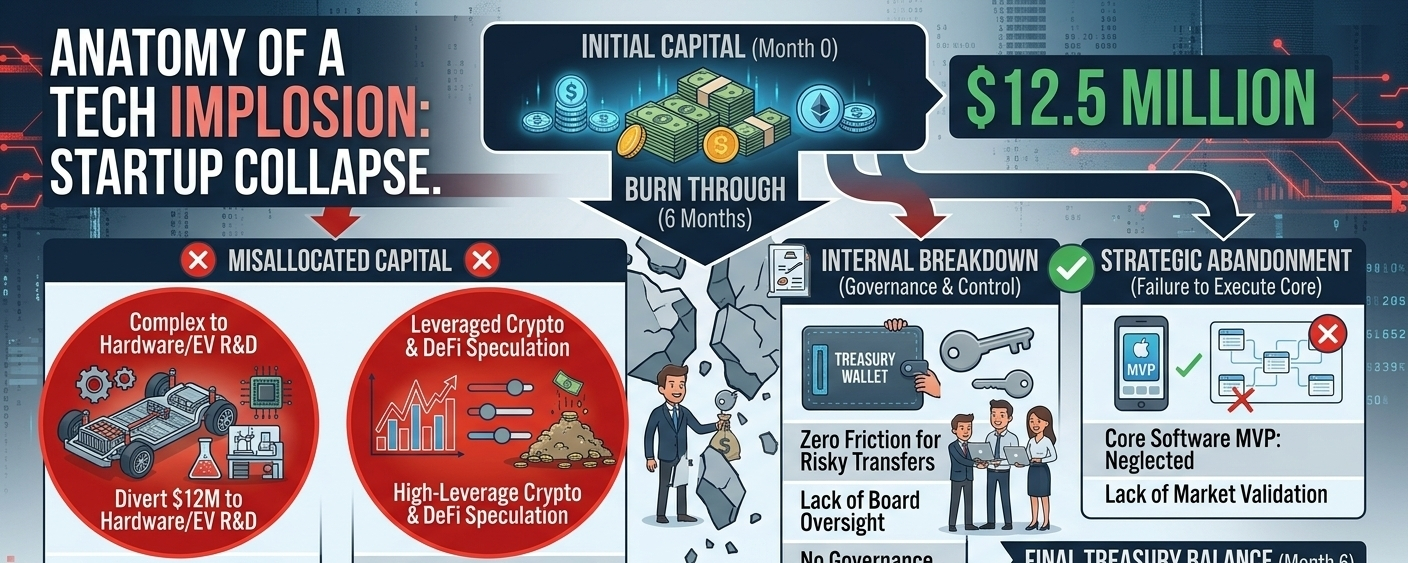
テック崩壊の解剖学:AI×暗号スタートアップが6か月で1200万ドルを燃やし尽くした経緯#Web3 と人工知能の究極の融合だと謳われた、売上前のスタートアップでした。分散型の計算ネットワーク上で機械学習モデルを展開すると約束していたのです。しかし、数百万ドル規模の資金調達ラウンドを締結してからわずか6か月後には、同社のトレジャリーはほぼ空の状態でした。
内部の財務文書と投資家向けの開示によると、そのベンチャーは180日で現金準備の97%を失ったことが明らかになっています。災厄の要因は主に2つです。無許可の暗号資産トレジャリー取引と、電気自動車(EV)工学への突然の方針転換です。
テック崩壊の解剖学:AI×暗号スタートアップが6か月で1200万ドルを燃やし尽くした経緯
#Web3 と人工知能の究極の融合だと謳われた、売上前のスタートアップでした。分散型の計算ネットワーク上で機械学習モデルを展開すると約束していたのです。しかし、数百万ドル規模の資金調達ラウンドを締結してからわずか6か月後には、同社のトレジャリーはほぼ空の状態でした。
内部の財務文書と投資家向けの開示によると、そのベンチャーは180日で現金準備の97%を失ったことが明らかになっています。災厄の要因は主に2つです。無許可の暗号資産トレジャリー取引と、電気自動車(EV)工学への突然の方針転換です。
内部の財務文書と投資家向けの開示によると、そのベンチャーは180日で現金準備の97%を失ったことが明らかになっています。災厄の要因は主に2つです。無許可の暗号資産トレジャリー取引と、電気自動車(EV)工学への突然の方針転換です。
79
記事
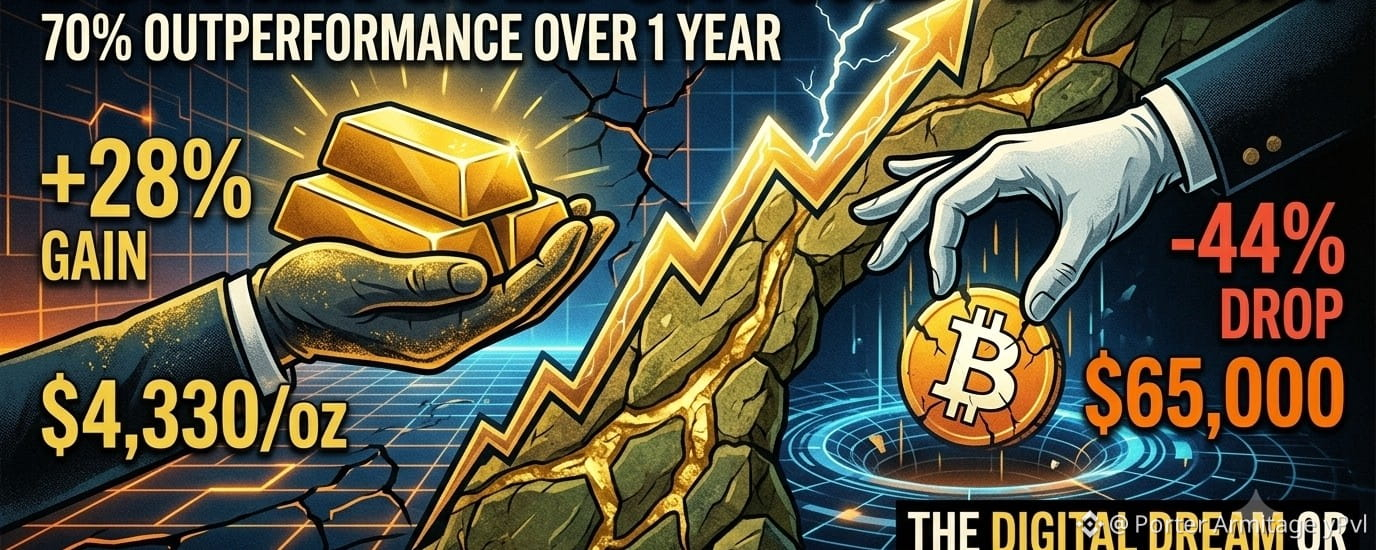
「デジタル・ゴールド」論争は決着?過去1年で現物の金がビットコインを70%も圧倒した10年近くの間、暗号資産の熱烈な支持者たちは、ビットコイン(BTC)を「デジタル・ゴールド」として積極的に売り込んできた——ベビーブーマーが好む古い遺物に取って代わる、現代化された優れた価値の保存手段だ、という主張だ。だが、過去12か月は、その物語に厳しい現実を突きつけてきた。
伝統的な安全資産の座を奪うどころか、ビットコインは失速する一方で、現物の金は歴史的な復活を遂げている。では、過去1年の最終集計はどうなったのか?金はビットコインを70ポイント以上上回った。
「デジタル・ゴールド」論争は決着?過去1年で現物の金がビットコインを70%も圧倒した
10年近くの間、暗号資産の熱烈な支持者たちは、ビットコイン(BTC)を「デジタル・ゴールド」として積極的に売り込んできた——ベビーブーマーが好む古い遺物に取って代わる、現代化された優れた価値の保存手段だ、という主張だ。だが、過去12か月は、その物語に厳しい現実を突きつけてきた。
伝統的な安全資産の座を奪うどころか、ビットコインは失速する一方で、現物の金は歴史的な復活を遂げている。では、過去1年の最終集計はどうなったのか?金はビットコインを70ポイント以上上回った。
伝統的な安全資産の座を奪うどころか、ビットコインは失速する一方で、現物の金は歴史的な復活を遂げている。では、過去1年の最終集計はどうなったのか?金はビットコインを70ポイント以上上回った。
134
記事
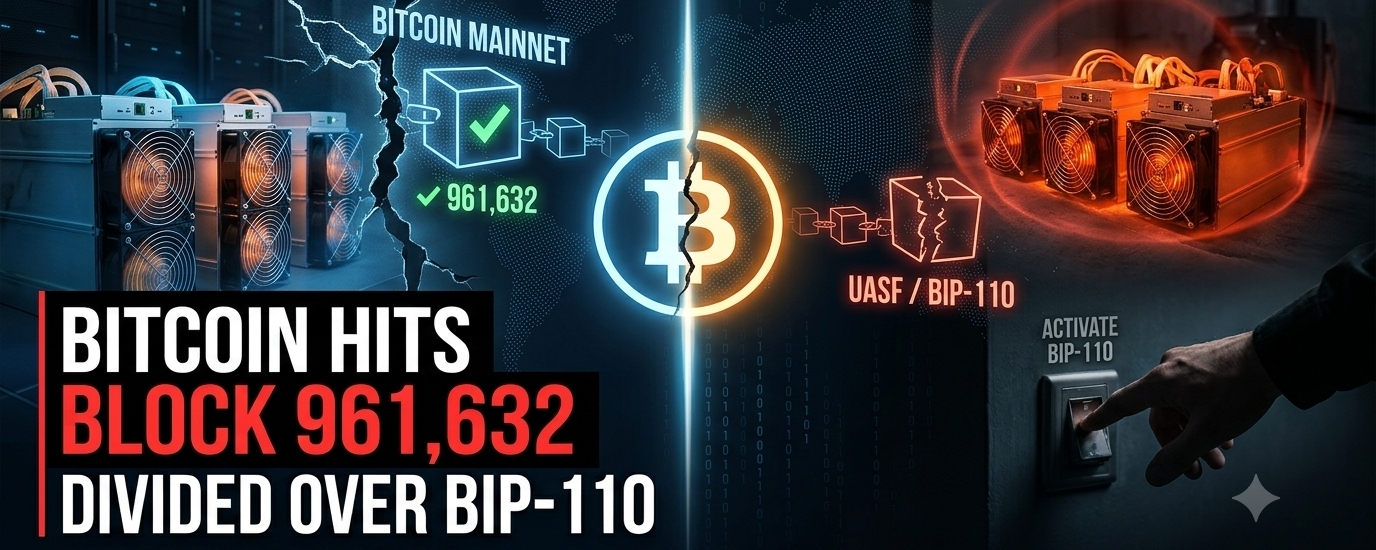
Bitcoinは論争のあるBIP-110ソフトフォークのシグナリング開始に伴いブロック961,632に到達2026年8月8日 — $BTC ネットワークはブロック961,632に到達し、BIP-110の必須シグナリング期間が開始されました。これは、ブロックチェーン上の非財務データを制限することを目的とした、非常に分極化の大きいソフトフォーク提案です。
この有効化の試みは、ネットワークにとって「ブロックスサイズ戦争」と2017年のSegWit有効化以来、最も対立の多いガバナンスの局面の一つを示しています。
BIP-110とは?
BIP-110は一時的なソフトフォークとして導入されました(約1年続くことを想定)。支持者は、ブロックチェーン上の「スパム」としているものを抑制するためです。主にOrdinalsのインスクリプションやRunesを対象としています。
Bitcoinは論争のあるBIP-110ソフトフォークのシグナリング開始に伴いブロック961,632に到達
2026年8月8日 — $BTC ネットワークはブロック961,632に到達し、BIP-110の必須シグナリング期間が開始されました。これは、ブロックチェーン上の非財務データを制限することを目的とした、非常に分極化の大きいソフトフォーク提案です。
この有効化の試みは、ネットワークにとって「ブロックスサイズ戦争」と2017年のSegWit有効化以来、最も対立の多いガバナンスの局面の一つを示しています。
BIP-110とは?
BIP-110は一時的なソフトフォークとして導入されました(約1年続くことを想定)。支持者は、ブロックチェーン上の「スパム」としているものを抑制するためです。主にOrdinalsのインスクリプションやRunesを対象としています。
この有効化の試みは、ネットワークにとって「ブロックスサイズ戦争」と2017年のSegWit有効化以来、最も対立の多いガバナンスの局面の一つを示しています。
BIP-110とは?
BIP-110は一時的なソフトフォークとして導入されました(約1年続くことを想定)。支持者は、ブロックチェーン上の「スパム」としているものを抑制するためです。主にOrdinalsのインスクリプションやRunesを対象としています。
1
66
ログインして、さらにコンテンツを読む
厳選トピックで世界の暗号資産トレーダーの仲間入り
⚡️ 暗号資産に関する最新かつ有益な情報が見つかります。
💬 世界最大の暗号資産取引所から信頼されています。
👍 認証を受けたクリエイターから、有益なインサイトを得られます。
メール / 電話番号
トレンドトピック
CircleMints500MUSDCOnSolana
閲覧回数 38,914
1,023人が討論中
$SOL — <a>Circle</a>はソラナでUSDCを5億ドル分、最新のバッチを発行したばかりです。🚨
CircleはUSDCをソラナ上に2回に分けてそれぞれ2.5億ドルずつ、合計5億ドル発行し、ネットワークにもう一段大きな流動性の注入を加えました。報告によれば、トークンは当初すべて、取引に直接投入されるのではなく、Circleが管理するトレジャリー内に留まっていたものの、発行(ミント)手順はチェーン上で確認されています。
これは孤立した動きではありません。
ソラナのステーブルコイン供給総量は過去最高の新たな水準に到達し、173億ドルとなりました。一方、報道によればCircleは8月の1か月だけで、ソラナ上に約110億ドル相当のUSDCを発行したとのことです。
では、これは$SOL にとってなぜ重要なのでしょうか?
ステーブルコインの流動性が増えることは、DEXやDeFi、決済、そしてオンチェーン活動のための燃料が増えることを意味し得ます。
資金はソラナから出ていきません。
その上で、より多くのドルが継続的に鋳造されています。👀
続報をお願いします
$CRCL
#circlemints500musdconsolana #PolymarketBankFailureBetsDrawFDICConcern #BlackRockBuildsTokenizedPortfoliosForOndo #BitwiseFilesToListNEARETFOnNYSEArca #SECCommissionerPeirceToLeaveOct2
Shamika Metting
·いいね:6件
·閲覧回数 5.1k
PolymarketBankFailureBetsDrawFDICConcern
閲覧回数 52,023
1,136人が討論中
BlackRockBuildsTokenizedPortfoliosForOndo
閲覧回数 42,368
773人が討論中