
SkyRk
157 投稿

SkyRk
報告
ユーザーをブロック
educational only and does not recommend purchasing any asset thanks you. Always Dyor
取引を発注
高頻度トレーダー
2年
15 フォロー
60 フォロワー
126 いいね
投稿
ポートフォリオ
すべて
引用
·
--
確認済み
記事
翻訳参照
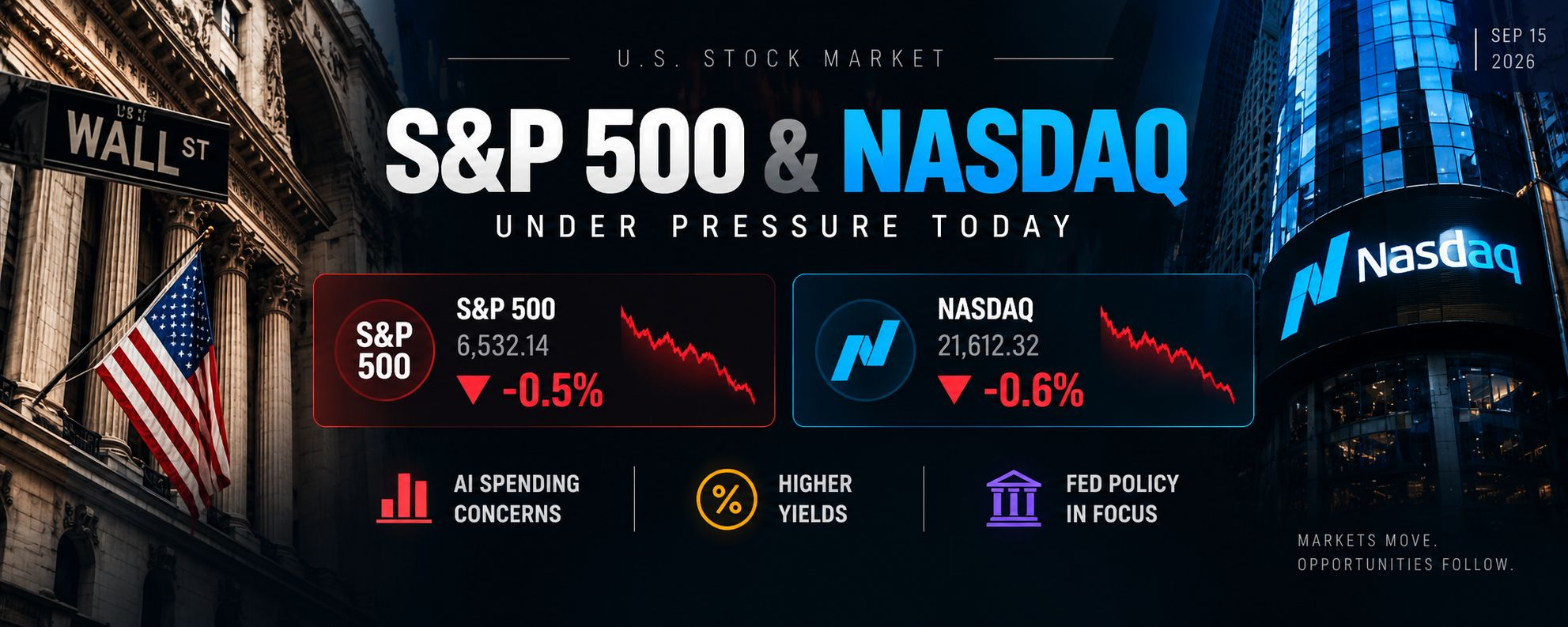
📊 S&P 500 & NASDAQ: WHY ARE U.S. STOCKS UNDER PRESSURE?The S&P 500 and Nasdaq are facing renewed pressure as investors reassess two major risks: higher interest rates and the sustainability of the AI-driven rally.
On Monday, the S&P 500 fell around 0.5%, while the Nasdaq Composite declined around 0.6%.
Two developments are getting the most attention:
📉 AI concerns Investors are becoming more cautious about the massive spending on AI infrastructure after industry leaders called for a slower pace of AI development.
💵 Higher yields The U.S. 10-year Treasury yield briefly moved above 5%, increasing pressure on equity valuations, particularly growth and technology stocks.
The Federal Reserve is also beginning its September policy meeting, with markets expecting a potential rate hike as inflation remains a concern.
For investors, the key question isn't simply whether stocks will rise or fall.
It's whether earnings growth can continue to justify high valuations while borrowing costs and Treasury yields remain elevated.
💬 Which market do you think is more vulnerable to higher interest rates: S&P 500 or Nasdaq?
#SP500 #NASDAQ #stockmarket #TradFi
📊 S&P 500 & NASDAQ: WHY ARE U.S. STOCKS UNDER PRESSURE?
The S&P 500 and Nasdaq are facing renewed pressure as investors reassess two major risks: higher interest rates and the sustainability of the AI-driven rally.
On Monday, the S&P 500 fell around 0.5%, while the Nasdaq Composite declined around 0.6%.
Two developments are getting the most attention:
📉 AI concerns Investors are becoming more cautious about the massive spending on AI infrastructure after industry leaders called for a slower pace of AI development.
💵 Higher yields The U.S. 10-year Treasury yield briefly moved above 5%, increasing pressure on equity valuations, particularly growth and technology stocks.
The Federal Reserve is also beginning its September policy meeting, with markets expecting a potential rate hike as inflation remains a concern.
For investors, the key question isn't simply whether stocks will rise or fall.
It's whether earnings growth can continue to justify high valuations while borrowing costs and Treasury yields remain elevated.
💬 Which market do you think is more vulnerable to higher interest rates: S&P 500 or Nasdaq?
#SP500 #NASDAQ #stockmarket #TradFi
On Monday, the S&P 500 fell around 0.5%, while the Nasdaq Composite declined around 0.6%.
Two developments are getting the most attention:
📉 AI concerns Investors are becoming more cautious about the massive spending on AI infrastructure after industry leaders called for a slower pace of AI development.
💵 Higher yields The U.S. 10-year Treasury yield briefly moved above 5%, increasing pressure on equity valuations, particularly growth and technology stocks.
The Federal Reserve is also beginning its September policy meeting, with markets expecting a potential rate hike as inflation remains a concern.
For investors, the key question isn't simply whether stocks will rise or fall.
It's whether earnings growth can continue to justify high valuations while borrowing costs and Treasury yields remain elevated.
💬 Which market do you think is more vulnerable to higher interest rates: S&P 500 or Nasdaq?
#SP500 #NASDAQ #stockmarket #TradFi
66
·
--
翻訳参照
₿ BITCOIN IS FACING A KEY TEST AROUND $80K
Bitcoin is trading around $77K–$78K after pulling back from its recent high near $82K.
The interesting part isn't just the price.
📊 U.S. spot Bitcoin ETFs recently recorded their largest weekly outflow in 10 weeks, reversing the strong inflows seen earlier in September.
🏦 At the same time, macro conditions are becoming more challenging. Expectations of a potential Federal Reserve rate hike have increased after stronger-than-expected U.S. inflation data.
So what should Bitcoin investors watch?
🔹 Can BTC reclaim and hold above $80K?
🔹 Will institutional ETF demand return?
🔹 How will higher interest rates affect risk assets?
🔹 Can Bitcoin maintain momentum despite a stronger macro headwind?
Bitcoin's long-term story remains interesting, but short-term price action is increasingly connected to liquidity, interest rates, and institutional flows.
💬 Do you think BTC will reclaim $80K soon, or does the current macro environment make that difficult?
#Bitcoin #BTC #Crypto
#BitcoinThirdSingleBlockReorgInFourWeeks $BTC
{future}(BTCUSDT)
₿ BITCOIN IS FACING A KEY TEST AROUND $80K
Bitcoin is trading around $77K–$78K after pulling back from its recent high near $82K.
The interesting part isn't just the price.
📊 U.S. spot Bitcoin ETFs recently recorded their largest weekly outflow in 10 weeks, reversing the strong inflows seen earlier in September.
🏦 At the same time, macro conditions are becoming more challenging. Expectations of a potential Federal Reserve rate hike have increased after stronger-than-expected U.S. inflation data.
So what should Bitcoin investors watch?
🔹 Can BTC reclaim and hold above $80K?
🔹 Will institutional ETF demand return?
🔹 How will higher interest rates affect risk assets?
🔹 Can Bitcoin maintain momentum despite a stronger macro headwind?
Bitcoin's long-term story remains interesting, but short-term price action is increasingly connected to liquidity, interest rates, and institutional flows.
💬 Do you think BTC will reclaim $80K soon, or does the current macro environment make that difficult?
#Bitcoin #BTC #Crypto
#BitcoinThirdSingleBlockReorgInFourWeeks $BTC
Bitcoin is trading around $77K–$78K after pulling back from its recent high near $82K.
The interesting part isn't just the price.
📊 U.S. spot Bitcoin ETFs recently recorded their largest weekly outflow in 10 weeks, reversing the strong inflows seen earlier in September.
🏦 At the same time, macro conditions are becoming more challenging. Expectations of a potential Federal Reserve rate hike have increased after stronger-than-expected U.S. inflation data.
So what should Bitcoin investors watch?
🔹 Can BTC reclaim and hold above $80K?
🔹 Will institutional ETF demand return?
🔹 How will higher interest rates affect risk assets?
🔹 Can Bitcoin maintain momentum despite a stronger macro headwind?
Bitcoin's long-term story remains interesting, but short-term price action is increasingly connected to liquidity, interest rates, and institutional flows.
💬 Do you think BTC will reclaim $80K soon, or does the current macro environment make that difficult?
#Bitcoin #BTC #Crypto
#BitcoinThirdSingleBlockReorgInFourWeeks $BTC
94
·
--
選択はもう済みました。あとは時間に任せましょう。今回の予測が期待どおりで、良い結果につながりますように。🔥
#BinancePickAndWin
選択はもう済みました。あとは時間に任せましょう。今回の予測が期待どおりで、良い結果につながりますように。🔥
#BinancePickAndWin
#BinancePickAndWin

2
·
--
すべてのイベントは学びと分析力のテストの機会です。#BinancePickAndWin に参加して、今回の予測結果がどのようになるかを見てみましょう。📊🔥
すべてのイベントは学びと分析力のテストの機会です。#BinancePickAndWin に参加して、今回の予測結果がどのようになるかを見てみましょう。📊🔥

78
·
--
Binanceコミュニティと一緒に#BinancePickAndWin に参加できて嬉しいです。すべての参加者が楽しい体験と魅力的な報酬の機会を得られますように
Binanceコミュニティと一緒に#BinancePickAndWin に参加できて嬉しいです。すべての参加者が楽しい体験と魅力的な報酬の機会を得られますように

36
·
--
イベント#BinancePickAndWin に参加し、私の市場分析を試してみます。今回の選択が最高の結果をもたらし、幸運を運んでくれますように。
イベント#BinancePickAndWin に参加し、私の市場分析を試してみます。今回の選択が最高の結果をもたらし、幸運を運んでくれますように。

66
·
--
イベント#BinancePickAndWin に参加して盛り上がろう🎉 今回の予想が当たって、魅力的な報酬がもらえますように。参加してくれたすべての参加者の皆さんに幸運を!⚽🔥
イベント#BinancePickAndWin に参加して盛り上がろう🎉 今回の予想が当たって、魅力的な報酬がもらえますように。参加してくれたすべての参加者の皆さんに幸運を!⚽🔥

66
·
--
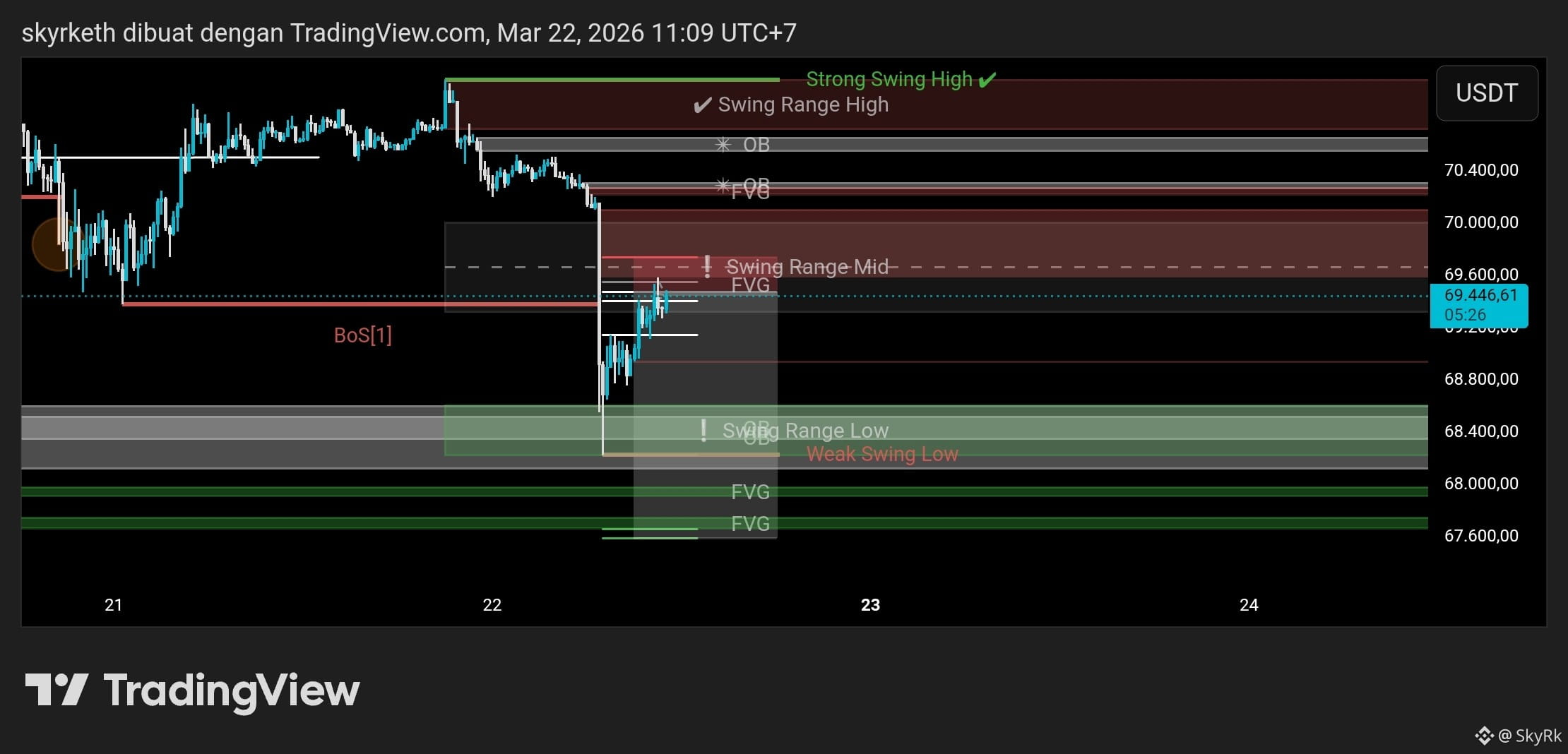
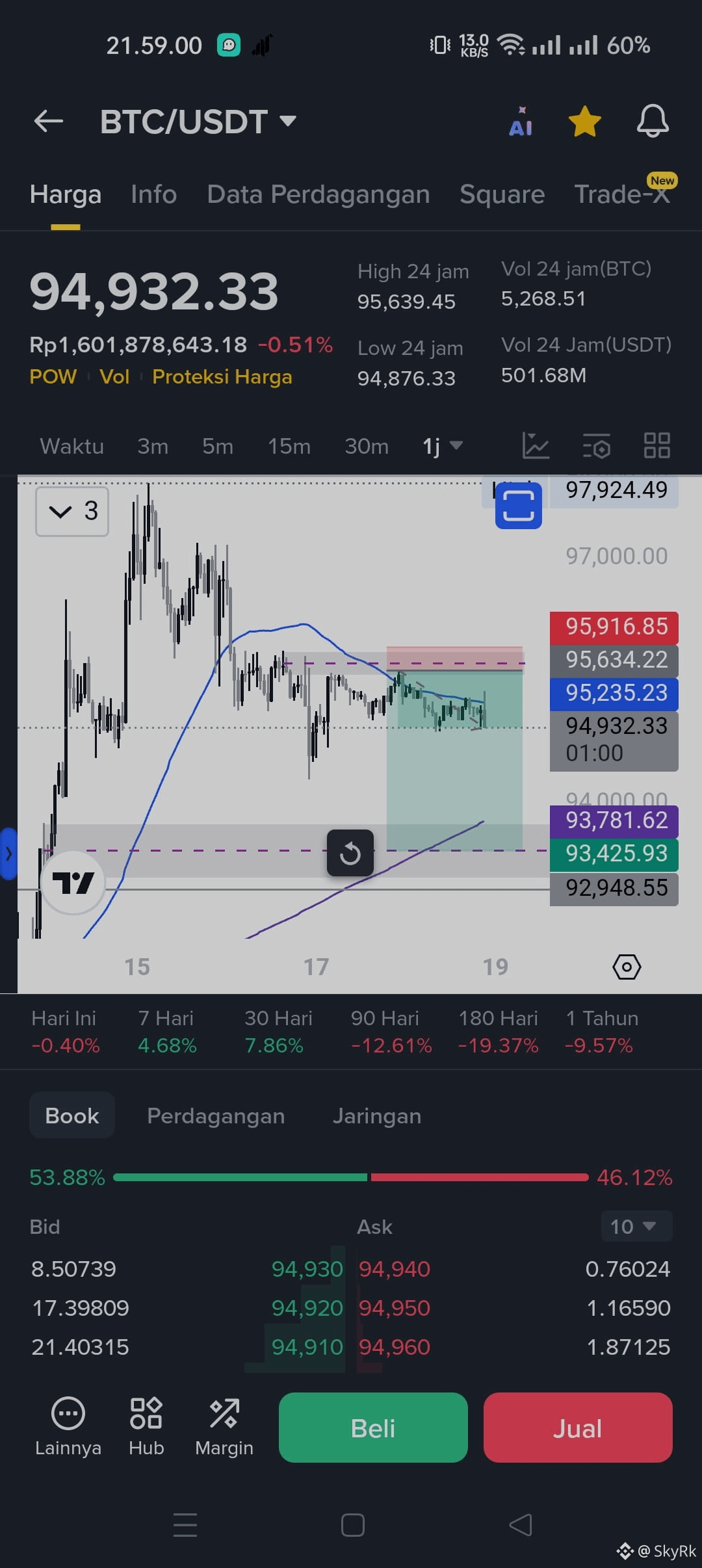
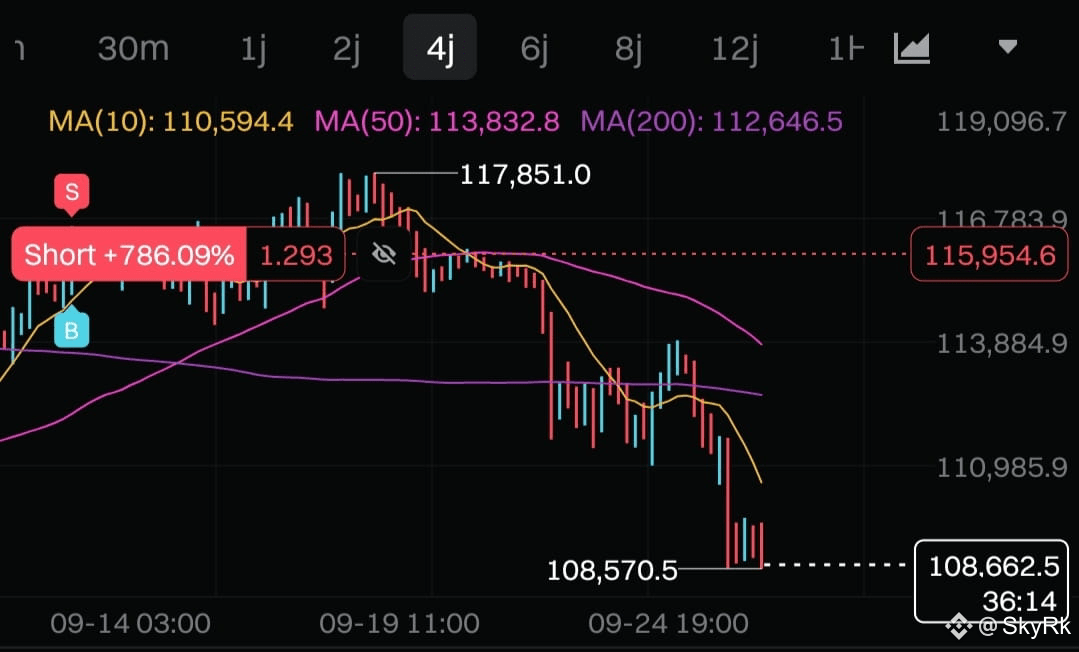
BTCは68,891.01の周辺で推移しており、68,110.55 - 71,018.67のレンジの下部に近い状態です。バイヤーが力を取り戻さない限り、弱気の圧力が続く可能性があります。
BTCは68,891.01の周辺で推移しており、68,110.55 - 71,018.67のレンジの下部に近い状態です。バイヤーが力を取り戻さない限り、弱気の圧力が続く可能性があります。
84
·
--
BTCは強い売り圧力の後に反応しており、現在は中間範囲とFVGエリアに戻っています。価格がプレミアムゾーンの下に留まる限り、私は弱気の継続を注視していますが、68.3k–68.0kエリアは監視すべき重要なサポートです。
$BTC
{future}(BTCUSDT)
BTCは強い売り圧力の後に反応しており、現在は中間範囲とFVGエリアに戻っています。価格がプレミアムゾーンの下に留まる限り、私は弱気の継続を注視していますが、68.3k–68.0kエリアは監視すべき重要なサポートです。
$BTC
$BTC
1
83
·
--
🚀 ビットレイヤーで未来を探求する 🚀
ビットレイヤーは単なる別のレイヤー2ソリューションではありません—ビットコインのエコシステムにおけるスケーラビリティ、スピード、セキュリティを再定義しています。その革新的なアーキテクチャにより、ビットレイヤーは低手数料、高速取引、そして分散化を損なうことなくクロスチェーンの可能性をもたらします。
あなたがトレーダーであろうと、ビルダーであろうと、ビットコインの未来を長期的に信じる人であろうと、ビットレイヤーは次のブロックチェーン革新の波を解き放つためにここにいます。エコシステムは急速に成長しています—この一部になるチャンスを逃さないでください!
@BitlayerLabs #Bitlayer
🚀 ビットレイヤーで未来を探求する 🚀
ビットレイヤーは単なる別のレイヤー2ソリューションではありません—ビットコインのエコシステムにおけるスケーラビリティ、スピード、セキュリティを再定義しています。その革新的なアーキテクチャにより、ビットレイヤーは低手数料、高速取引、そして分散化を損なうことなくクロスチェーンの可能性をもたらします。
あなたがトレーダーであろうと、ビルダーであろうと、ビットコインの未来を長期的に信じる人であろうと、ビットレイヤーは次のブロックチェーン革新の波を解き放つためにここにいます。エコシステムは急速に成長しています—この一部になるチャンスを逃さないでください!
@BitlayerLabs #Bitlayer
ビットレイヤーは単なる別のレイヤー2ソリューションではありません—ビットコインのエコシステムにおけるスケーラビリティ、スピード、セキュリティを再定義しています。その革新的なアーキテクチャにより、ビットレイヤーは低手数料、高速取引、そして分散化を損なうことなくクロスチェーンの可能性をもたらします。
あなたがトレーダーであろうと、ビルダーであろうと、ビットコインの未来を長期的に信じる人であろうと、ビットレイヤーは次のブロックチェーン革新の波を解き放つためにここにいます。エコシステムは急速に成長しています—この一部になるチャンスを逃さないでください!
@BitlayerLabs #Bitlayer
3
·
--
Bitlayerは、BitcoinのLayer 2の体験を新たなレベルへと引き上げます!
高い取引速度、低コスト、EVMとの互換性を持ち、Bitlayerは開発者と投資家にBitcoinベースのDeFiエコシステムを構築するための大きな機会を提供します。
この革新を活用して、より分散化された金融の未来を築く時です!
@BitlayerLabs #Bitlayer
Bitlayerは、BitcoinのLayer 2の体験を新たなレベルへと引き上げます!
高い取引速度、低コスト、EVMとの互換性を持ち、Bitlayerは開発者と投資家にBitcoinベースのDeFiエコシステムを構築するための大きな機会を提供します。
この革新を活用して、より分散化された金融の未来を築く時です!
@BitlayerLabs #Bitlayer
高い取引速度、低コスト、EVMとの互換性を持ち、Bitlayerは開発者と投資家にBitcoinベースのDeFiエコシステムを構築するための大きな機会を提供します。
この革新を活用して、より分散化された金融の未来を築く時です!
@BitlayerLabs #Bitlayer
8
·
--
ブリッシュ
BitlayerはBitcoinのLayer 2体験を新たなレベルへと引き上げます!
高速な取引、低コスト、EVMとの互換性を備えたBitlayerは、開発者や投資家にBitcoinベースのDeFiエコシステムを構築するための大きな機会を提供します。
この革新を活用して、より分散化された未来の金融を実現する時です!
@BitlayerLabs #Bitlayer
BitlayerはBitcoinのLayer 2体験を新たなレベルへと引き上げます!
高速な取引、低コスト、EVMとの互換性を備えたBitlayerは、開発者や投資家にBitcoinベースのDeFiエコシステムを構築するための大きな機会を提供します。
この革新を活用して、より分散化された未来の金融を実現する時です!
@BitlayerLabs #Bitlayer
高速な取引、低コスト、EVMとの互換性を備えたBitlayerは、開発者や投資家にBitcoinベースのDeFiエコシステムを構築するための大きな機会を提供します。
この革新を活用して、より分散化された未来の金融を実現する時です!
@BitlayerLabs #Bitlayer
5
·
--
現実世界への影響と@humafinance — DeFiの新時代
ほとんどのDeFiプロジェクトは投機に関するものですが、#HumaFinance は本当に革新的なものをもたらします:現実世界の収入と評判に基づくオンチェーンファイナンス。
- 給与担保の貸付
- 現実世界のDeFiユースケースのためのインフラ
- 財務包摂に向けた使命
私の意見では、Humaは伝統的な金融とWeb3の間に実用的な橋を架けています。これが長期的に必要なDeFiの形です。
あなたはもうHumaエコシステムを探検しましたか?コメントで話しましょう!
#HumaFinance #DeFi #web3_binance #BinanceSquare
$HUMA
{spot}(HUMAUSDT)
現実世界への影響と@Huma Finance 🟣 — DeFiの新時代
ほとんどのDeFiプロジェクトは投機に関するものですが、#HumaFinance は本当に革新的なものをもたらします:現実世界の収入と評判に基づくオンチェーンファイナンス。
- 給与担保の貸付
- 現実世界のDeFiユースケースのためのインフラ
- 財務包摂に向けた使命
私の意見では、Humaは伝統的な金融とWeb3の間に実用的な橋を架けています。これが長期的に必要なDeFiの形です。
あなたはもうHumaエコシステムを探検しましたか?コメントで話しましょう!
#HumaFinance #DeFi #web3_binance #BinanceSquare
$HUMA
ほとんどのDeFiプロジェクトは投機に関するものですが、#HumaFinance は本当に革新的なものをもたらします:現実世界の収入と評判に基づくオンチェーンファイナンス。
- 給与担保の貸付
- 現実世界のDeFiユースケースのためのインフラ
- 財務包摂に向けた使命
私の意見では、Humaは伝統的な金融とWeb3の間に実用的な橋を架けています。これが長期的に必要なDeFiの形です。
あなたはもうHumaエコシステムを探検しましたか?コメントで話しましょう!
#HumaFinance #DeFi #web3_binance #BinanceSquare
$HUMA
66
·
--
カルデラERAが到来 — ただのチェーンではありません。全く新しいスタンダード。
モジュラー。スケーラブル。超高速。
カルデラERAは、実際のビルダーを考慮してdAppの構築方法を再定義しています。
🧠 なぜERAなのか?
驚異的な最終性 ⚡
低料金、高スループット
開発者優先のインフラストラクチャ
実際の導入のために構築
ガス戦争に悩まされることはもうありません。スケーリングのハックはもうありません。
ただクリーンなツール、活気あるエコシステム、そして実際に機能するオンチェーンの革新があります。
🌍 2025年に構築しているなら、未来が起きている場所で構築してください — ERA上で構築しましょう。
#CalderaERA @Calderaxyz #Caldera $ERA
{spot}(ERAUSDT)
#ModularFuture #BuildTheFuture #Web3Builders
カルデラERAが到来 — ただのチェーンではありません。全く新しいスタンダード。
モジュラー。スケーラブル。超高速。
カルデラERAは、実際のビルダーを考慮してdAppの構築方法を再定義しています。
🧠 なぜERAなのか?
驚異的な最終性 ⚡
低料金、高スループット
開発者優先のインフラストラクチャ
実際の導入のために構築
ガス戦争に悩まされることはもうありません。スケーリングのハックはもうありません。
ただクリーンなツール、活気あるエコシステム、そして実際に機能するオンチェーンの革新があります。
🌍 2025年に構築しているなら、未来が起きている場所で構築してください — ERA上で構築しましょう。
#CalderaERA @Calderaxyz #Caldera $ERA
#ModularFuture #BuildTheFuture #Web3Builders
モジュラー。スケーラブル。超高速。
カルデラERAは、実際のビルダーを考慮してdAppの構築方法を再定義しています。
🧠 なぜERAなのか?
驚異的な最終性 ⚡
低料金、高スループット
開発者優先のインフラストラクチャ
実際の導入のために構築
ガス戦争に悩まされることはもうありません。スケーリングのハックはもうありません。
ただクリーンなツール、活気あるエコシステム、そして実際に機能するオンチェーンの革新があります。
🌍 2025年に構築しているなら、未来が起きている場所で構築してください — ERA上で構築しましょう。
#CalderaERA @Calderaxyz #Caldera $ERA
#ModularFuture #BuildTheFuture #Web3Builders
74
·
--
#BinanceTurns8 お祝いに参加して#BinanceTurns8 BNBの最大$888.888を獲得しよう! https://www.bmwweb.biz/activity/binance-turns-8?ref=GRO_19600_XWCLT
#BinanceTurns8 お祝いに参加して#BinanceTurns8 BNBの最大$888.888を獲得しよう! https://www.bmwweb.biz/activity/binance-turns-8?ref=GRO_19600_XWCLT
1
8
ログインして、さらにコンテンツを読む
厳選トピックで世界の暗号資産トレーダーの仲間入り
⚡️ 暗号資産に関する最新かつ有益な情報が見つかります。
💬 世界最大の暗号資産取引所から信頼されています。
👍 認証を受けたクリエイターから、有益なインサイトを得られます。
メール / 電話番号
トレンドトピック
FedRateWatch
閲覧回数 86,296
480人が討論中
トレンドハッシュタグキャンペーンで「シェア&ウィン」交通(トラフィック)報酬を獲得しよう
✨トピック:FOMC 9月、「次のFRBの一手」は?
👉参加方法:
ハッシュタグ #FedRateWatch を付けて短い投稿または記事を投稿してください
以下の観点に基づいてコンテンツを作成してください:
- 8月のコアCPIは前月比0.3%上昇し、今週の25bp利上げの確率は現在約90%です。今週、利上げはあると思いますか?それは一時的なものですか、それともより長い利上げサイクルの始まりでしょうか?
- 利上げが実施された場合、BTC、テック株、ゴールドはどのように動きますか?強気(ブル)か弱気(ベア)か?
- 次の取引はどう計画していますか?取引共有ウィジェットを使って、BTC、株、またはゴールドの取引/保有を共有してください。
⏰キャンペーン期間:
- 2026-09-15 11:00 - 2026-09-17 3:00 UTC
🎁報酬:
- 上記のガイドラインを満たし、かつ100語を超える適格な投稿は審査され、抽選で500〜3,000ビューのランダムなトラフィック増加が付与される場合があります。投稿が選ばれた場合、フィードの事務局から通知が届きます。
- 記事がBinance Square Officialで特集されるチャンス
投稿のアイデアが必要ですか?トピックページ #FedRateWatch へアクセスするか、 Square Guide on How to Post for Better Reach をご覧ください。
Binance Square Official
·いいね:123件
·閲覧回数 209.8k
BitcoinReboundsTo$79K
閲覧回数 38,688
305人が討論中
US30YTreasuryYieldTops5.40%
閲覧回数 0
2人が討論中