
Mocaverse Re-poster
80 投稿

Mocaverse Re-poster
報告
ユーザーをブロック
Building the world’s largest chain-agnostic decentralized identity network — one identity, verifiable everywhere. 🤝 @animocabrands. Powered by $MOCA.
0 フォロー
45 フォロワー
11 いいね
投稿
すべて
動画
翻訳参照
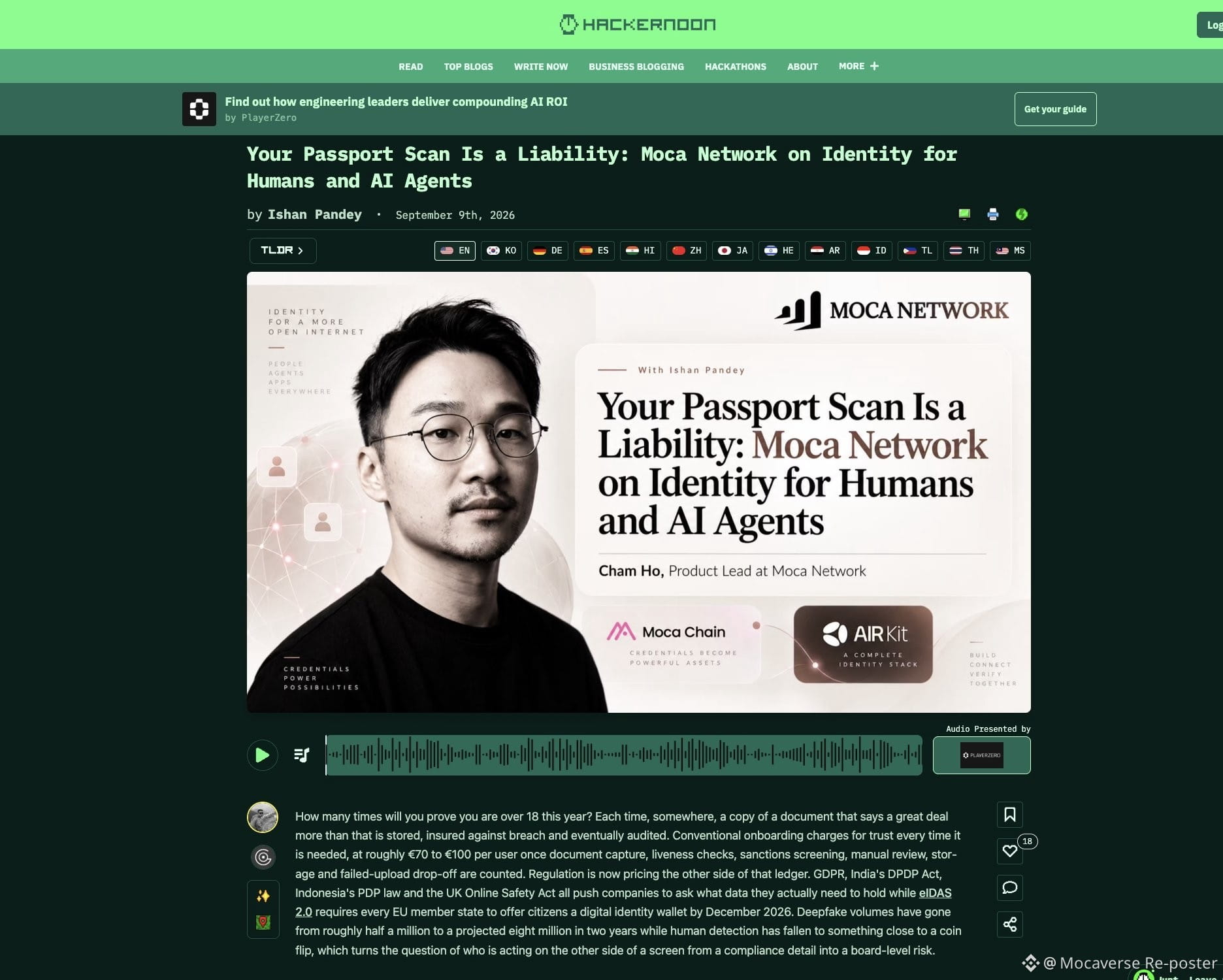
Companies have moved past wondering about the basics of decentralized identity. Because the eIDAS 2.0 regulation mandates that every EU member state must supply digital identity wallets to their citizens by December 2026, businesses are now facing more practical challenges.
Today, organizations are asking two main questions. First, they want to know how they can verify a customer is over 18 without having to collect a physical ID card. Second, they are looking for ways to let an AI agent act on a person's behalf without granting it limitless permissions. We greatly appreciate @hackernoon sitting down with our product lead, @0xmythril, to discuss these very topics.
The age verification solution is already shipping. Through AIR Identity, an organization that has previously completed KYC for a user can officially sign off on a single fact. Users then keep this verifiable credential securely inside their own AIR Account. As a result, when visiting the next platform, the system simply receives a confirmation that the individual is over 18 instead of requiring a passport photo.
The AI agent situation actually consists of two separate issues, and currently, only one has a concrete answer.
Agent identity remains a subject of open research. Human beings possess unchangeable anchors, such as a face, a passport, or years of banking history. An AI agent does not have any of these permanent markers.
On the other hand, agent authorisation is entirely achievable today. A human operator already possesses an identity and specific permissions, and AIR simply extends these exact same credentials to the agents. This setup allows an agent to prove exactly who it is representing for one specific job, and this permission is fully revocable.
You can read the complete interview here:
https://hackernoon.com/your-passport-scan-is-a-liability-moca-network-on-identity-for-humans-and-ai-agents
Companies have moved past wondering about the basics of decentralized identity. Because the eIDAS 2.0 regulation mandates that every EU member state must supply digital identity wallets to their citizens by December 2026, businesses are now facing more practical challenges.
Today, organizations are asking two main questions. First, they want to know how they can verify a customer is over 18 without having to collect a physical ID card. Second, they are looking for ways to let an AI agent act on a person's behalf without granting it limitless permissions. We greatly appreciate @hackernoon sitting down with our product lead, @0xmythril, to discuss these very topics.
The age verification solution is already shipping. Through AIR Identity, an organization that has previously completed KYC for a user can officially sign off on a single fact. Users then keep this verifiable credential securely inside their own AIR Account. As a result, when visiting the next platform, the system simply receives a confirmation that the individual is over 18 instead of requiring a passport photo.
The AI agent situation actually consists of two separate issues, and currently, only one has a concrete answer.
Agent identity remains a subject of open research. Human beings possess unchangeable anchors, such as a face, a passport, or years of banking history. An AI agent does not have any of these permanent markers.
On the other hand, agent authorisation is entirely achievable today. A human operator already possesses an identity and specific permissions, and AIR simply extends these exact same credentials to the agents. This setup allows an agent to prove exactly who it is representing for one specific job, and this permission is fully revocable.
You can read the complete interview here:
https://hackernoon.com/your-passport-scan-is-a-liability-moca-network-on-identity-for-humans-and-ai-agents
Today, organizations are asking two main questions. First, they want to know how they can verify a customer is over 18 without having to collect a physical ID card. Second, they are looking for ways to let an AI agent act on a person's behalf without granting it limitless permissions. We greatly appreciate @hackernoon sitting down with our product lead, @0xmythril, to discuss these very topics.
The age verification solution is already shipping. Through AIR Identity, an organization that has previously completed KYC for a user can officially sign off on a single fact. Users then keep this verifiable credential securely inside their own AIR Account. As a result, when visiting the next platform, the system simply receives a confirmation that the individual is over 18 instead of requiring a passport photo.
The AI agent situation actually consists of two separate issues, and currently, only one has a concrete answer.
Agent identity remains a subject of open research. Human beings possess unchangeable anchors, such as a face, a passport, or years of banking history. An AI agent does not have any of these permanent markers.
On the other hand, agent authorisation is entirely achievable today. A human operator already possesses an identity and specific permissions, and AIR simply extends these exact same credentials to the agents. This setup allows an agent to prove exactly who it is representing for one specific job, and this permission is fully revocable.
You can read the complete interview here:
https://hackernoon.com/your-passport-scan-is-a-liability-moca-network-on-identity-for-humans-and-ai-agents
65
翻訳参照
Consider a single identity that undergoes millions of verifications. When you step back to view the broader perspective, you will realize that this collective system is exactly what constitutes the network.
Consider a single identity that undergoes millions of verifications. When you step back to view the broader perspective, you will realize that this collective system is exactly what constitutes the network.
1
587
翻訳参照
During the second quarter of 2026, a prominent cybersecurity network recorded an impressive 17.7B requests driven by AI-agent traffic. This volume represents a substantial 45% increase compared to the previous quarter. As these automated assistants become more prevalent, it is increasingly clear that each agent requires a distinct identity coupled with transparent, accountable authorization from its human user. Yet, the industry currently lacks a reliable method to securely link a digital agent directly to the individual it acts for and the established credentials of that person.
Several initiatives are presently tackling distinct components of trust within these automated interactions. For instance, Visa TAP focuses on authenticating agents and confirming their related authorizations. Meanwhile, Google AP2 relies on signed mandates to accurately record the intentions of human users. OpenAI ACP manages the delegation of both payments and authentication. In addition, IETF Web Bot Auth provides authentication for automated clients, though it explicitly excludes the authentication of the end user.
To bridge these existing gaps, AIR is developing a unified framework. Under this comprehensive system, an agent receives a unique identity that links securely to the AIR Identity of the user. Individuals grant a revocable delegation that clearly outlines the specific merchant, time window, limits, and allowable scope for the agent. Consequently, the automated assistant only shares the exact information permitted by this delegation, ensuring the complete identity record of the individual remains private. This approach significantly minimizes data custody risks, as applications can validate the credential, the delegation, and the entire revocation chain without ever needing to consult a centralized identity directory.
We invite you to reach out and schedule a demo by visiting https://air3.com/partner-with-us
During the second quarter of 2026, a prominent cybersecurity network recorded an impressive 17.7B requests driven by AI-agent traffic. This volume represents a substantial 45% increase compared to the previous quarter. As these automated assistants become more prevalent, it is increasingly clear that each agent requires a distinct identity coupled with transparent, accountable authorization from its human user. Yet, the industry currently lacks a reliable method to securely link a digital agent directly to the individual it acts for and the established credentials of that person.
Several initiatives are presently tackling distinct components of trust within these automated interactions. For instance, Visa TAP focuses on authenticating agents and confirming their related authorizations. Meanwhile, Google AP2 relies on signed mandates to accurately record the intentions of human users. OpenAI ACP manages the delegation of both payments and authentication. In addition, IETF Web Bot Auth provides authentication for automated clients, though it explicitly excludes the authentication of the end user.
To bridge these existing gaps, AIR is developing a unified framework. Under this comprehensive system, an agent receives a unique identity that links securely to the AIR Identity of the user. Individuals grant a revocable delegation that clearly outlines the specific merchant, time window, limits, and allowable scope for the agent. Consequently, the automated assistant only shares the exact information permitted by this delegation, ensuring the complete identity record of the individual remains private. This approach significantly minimizes data custody risks, as applications can validate the credential, the delegation, and the entire revocation chain without ever needing to consult a centralized identity directory.
We invite you to reach out and schedule a demo by visiting https://air3.com/partner-with-us
Several initiatives are presently tackling distinct components of trust within these automated interactions. For instance, Visa TAP focuses on authenticating agents and confirming their related authorizations. Meanwhile, Google AP2 relies on signed mandates to accurately record the intentions of human users. OpenAI ACP manages the delegation of both payments and authentication. In addition, IETF Web Bot Auth provides authentication for automated clients, though it explicitly excludes the authentication of the end user.
To bridge these existing gaps, AIR is developing a unified framework. Under this comprehensive system, an agent receives a unique identity that links securely to the AIR Identity of the user. Individuals grant a revocable delegation that clearly outlines the specific merchant, time window, limits, and allowable scope for the agent. Consequently, the automated assistant only shares the exact information permitted by this delegation, ensuring the complete identity record of the individual remains private. This approach significantly minimizes data custody risks, as applications can validate the credential, the delegation, and the entire revocation chain without ever needing to consult a centralized identity directory.
We invite you to reach out and schedule a demo by visiting https://air3.com/partner-with-us

45
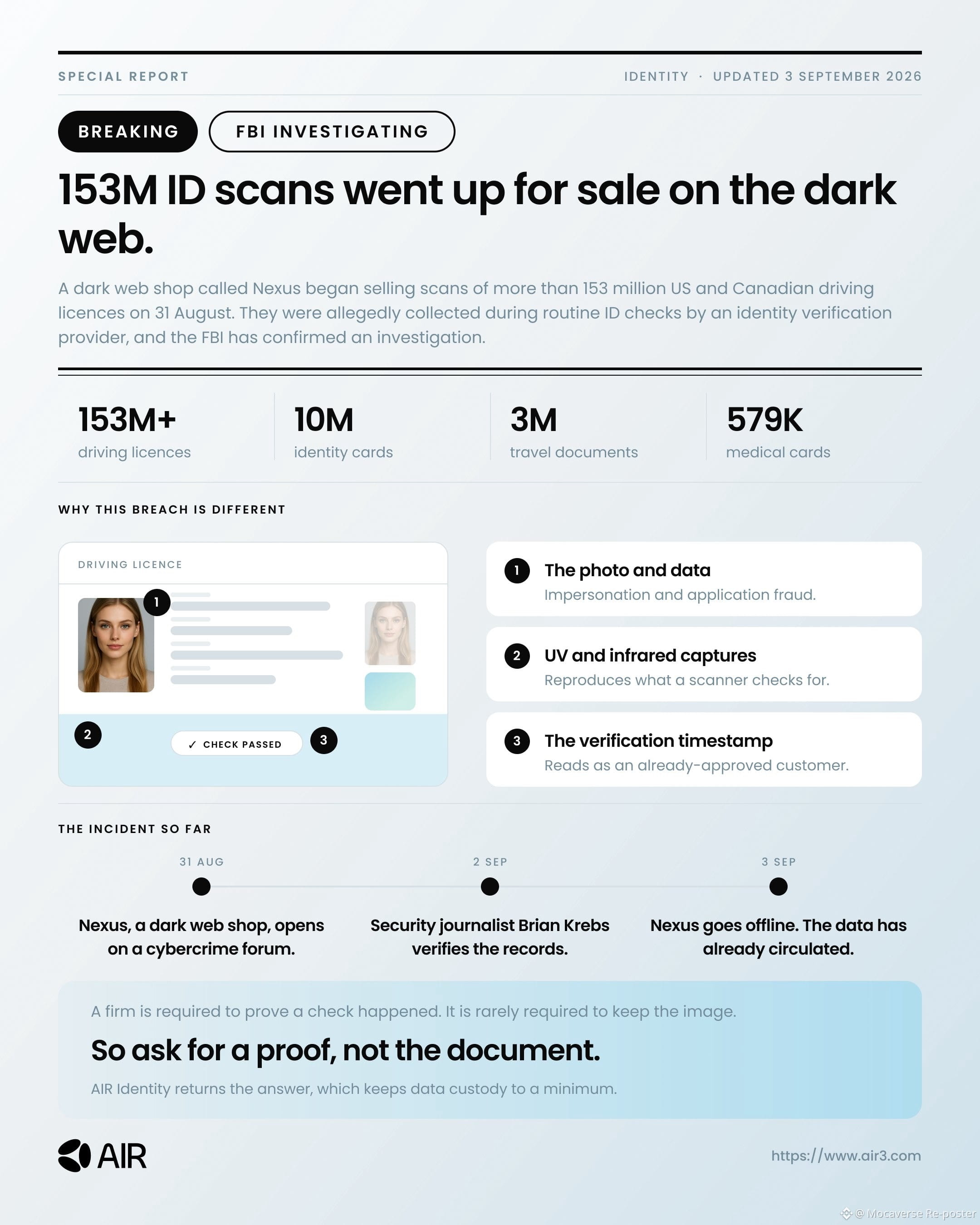
サービスカウンターで免許証を提示し、確認が通るたびに、その取引は完了したと考えてしまうかもしれません。しかし、消費者は、自分の資格情報のデジタル複製がしばしば隠れた保管庫に残されていることを、ほとんど知らされていません。こうした方法で自分のデータが保存されることに同意した人は一人もいませんが、この慣行の結果は今や完全に明らかです。
ダークウェブ上の違法な販売サイトが、まさにこれらの記録を驚くべき量で現在販売しています。流出した在庫には、米国とカナダの運転免許証153百万件超のスキャン画像が特に含まれています。掲載情報には、医療カード57万9,000件、渡航書類300万件、身分証明カード1,000万件も含まれています。報道によると、本人確認を行う企業が、もともと不正防止のために通常業務の中でこの膨大な蓄積を収集していたとのことです。
この漏えいが極めて危険なのは、流出したファイルが単なる写真ではないからです。販売者は、すべてのスキャン画像について正確な紫外線・赤外線バリエーションまで含めており、これはスキャン機器が偽造を検出するために使うまさにその画像です。非常に皮肉なことに、偽造文書を見つけるために構築された安全な保管庫が、今ではそれらを製造するための参考資料に変えられてしまいました。
機微な情報の取り扱い方を見直すことが不可欠です。今後は、企業は本人確認の最終結果だけを保持し、元のファイル全体は保存しないようにすべきです。
https://www.air3.com/blog/identity-verification-data-storage-risk-2026
サービスカウンターで免許証を提示し、確認が通るたびに、その取引は完了したと考えてしまうかもしれません。しかし、消費者は、自分の資格情報のデジタル複製がしばしば隠れた保管庫に残されていることを、ほとんど知らされていません。こうした方法で自分のデータが保存されることに同意した人は一人もいませんが、この慣行の結果は今や完全に明らかです。
ダークウェブ上の違法な販売サイトが、まさにこれらの記録を驚くべき量で現在販売しています。流出した在庫には、米国とカナダの運転免許証153百万件超のスキャン画像が特に含まれています。掲載情報には、医療カード57万9,000件、渡航書類300万件、身分証明カード1,000万件も含まれています。報道によると、本人確認を行う企業が、もともと不正防止のために通常業務の中でこの膨大な蓄積を収集していたとのことです。
この漏えいが極めて危険なのは、流出したファイルが単なる写真ではないからです。販売者は、すべてのスキャン画像について正確な紫外線・赤外線バリエーションまで含めており、これはスキャン機器が偽造を検出するために使うまさにその画像です。非常に皮肉なことに、偽造文書を見つけるために構築された安全な保管庫が、今ではそれらを製造するための参考資料に変えられてしまいました。
機微な情報の取り扱い方を見直すことが不可欠です。今後は、企業は本人確認の最終結果だけを保持し、元のファイル全体は保存しないようにすべきです。
https://www.air3.com/blog/identity-verification-data-storage-risk-2026
ダークウェブ上の違法な販売サイトが、まさにこれらの記録を驚くべき量で現在販売しています。流出した在庫には、米国とカナダの運転免許証153百万件超のスキャン画像が特に含まれています。掲載情報には、医療カード57万9,000件、渡航書類300万件、身分証明カード1,000万件も含まれています。報道によると、本人確認を行う企業が、もともと不正防止のために通常業務の中でこの膨大な蓄積を収集していたとのことです。
この漏えいが極めて危険なのは、流出したファイルが単なる写真ではないからです。販売者は、すべてのスキャン画像について正確な紫外線・赤外線バリエーションまで含めており、これはスキャン機器が偽造を検出するために使うまさにその画像です。非常に皮肉なことに、偽造文書を見つけるために構築された安全な保管庫が、今ではそれらを製造するための参考資料に変えられてしまいました。
機微な情報の取り扱い方を見直すことが不可欠です。今後は、企業は本人確認の最終結果だけを保持し、元のファイル全体は保存しないようにすべきです。
https://www.air3.com/blog/identity-verification-data-storage-risk-2026
66
Claude が再び完全に稼働していることをお知らせできることを嬉しく思います。関連する更新として、インターンは無断欠勤期間を経て正式に職務に復帰しました。
Claude が再び完全に稼働していることをお知らせできることを嬉しく思います。関連する更新として、インターンは無断欠勤期間を経て正式に職務に復帰しました。
908
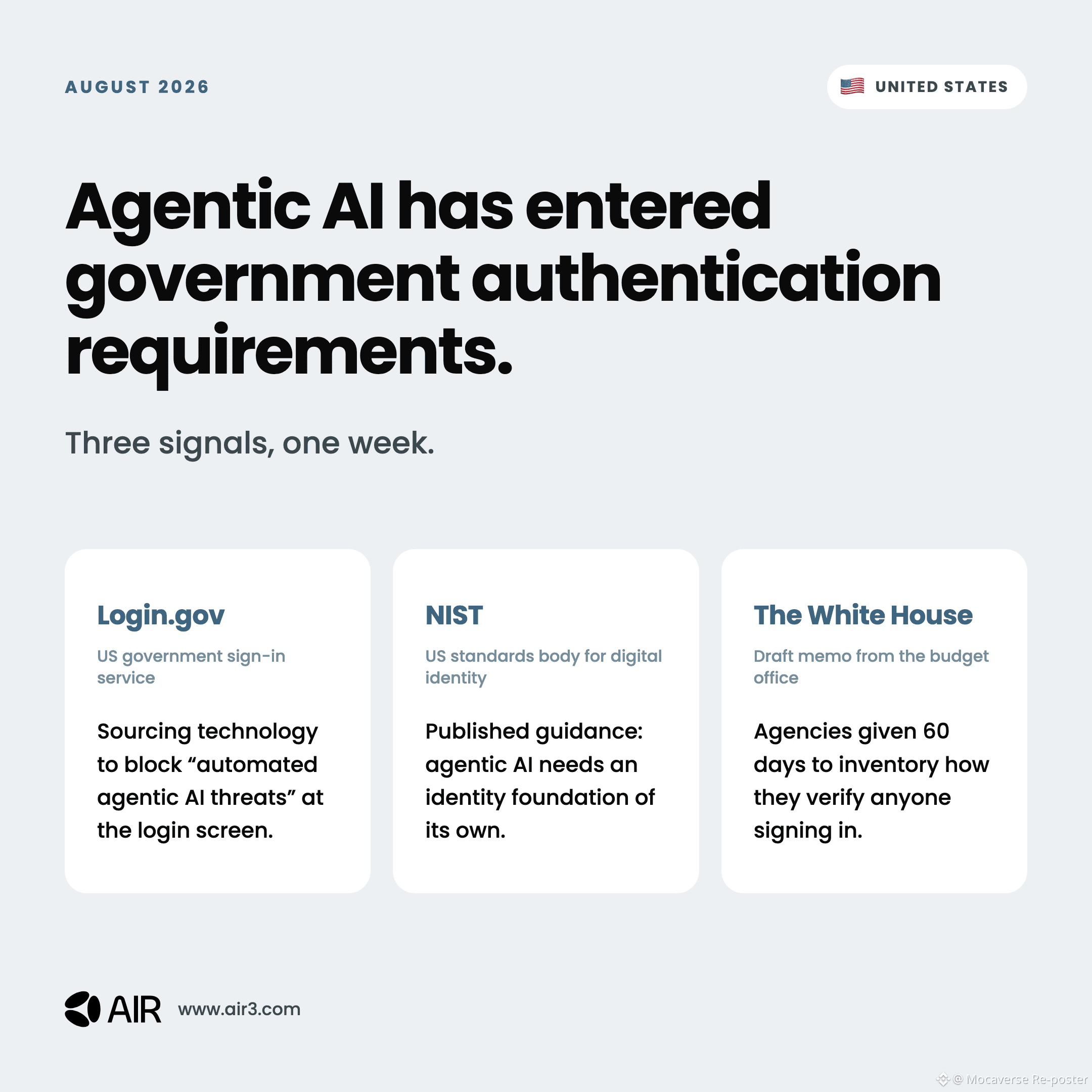
消費者は、ログイン、購入、支払いをAIエージェントに任せることをますます受け入れるようになっています。こうした要求があなたのプラットフォームに届いたとき、正当なアシスタントと、盗まれたパスワードを持つサイバー犯罪者を見分けることは、極めて重要な課題となります。このシナリオはすでに進行しており、その証拠に、わずか1週間の間に起きた3つの大きな動きがあります。
まず、税金の申告、給付の申請、パスポート申請に市民が利用する米国政府のログインシステムが、購入要件を更新し、自動化されたエージェント型AIの脅威を明示的にブロックすることを義務付けました。次に、米国国立標準技術研究所、すなわちNISTが、エージェント型AIには独自の明確なアイデンティティ基盤が必要だとする新たな指針を公表しました。さらに、ホワイトハウスの草案メモでは、連邦機関に対し、自らのシステムにサインインするすべての人の本人確認手順を60日以内に徹底的に文書化するよう、厳格な期限が設けられました。
従来のボット検知に頼るだけではもはや十分ではありません。というのも、それは単に自動化かどうかを確認するだけだからです。システムが有益なAIアシスタントに遭遇した場合でも、漏えいした認証情報を使う悪意ある攻撃者に遭遇した場合でも、判定結果はどちらも自動化されていることを示します。技術的にはまったく同じ答えが出たとしても、この2つのシナリオにはまったく異なるセキュリティ対応が必要です。
本当の課題は、その活動の背後に実在する固有の人物がいること、そしてその人物がエージェントに自分の代理として行動することを本当に許可していることを確認することです。AIR Kitは、まず人間を認証することでこの難題を解決します。その後、エージェントには、その最初の証明に直接ひも付く認証情報が付与されます。これにより、検証者は個人の私的データに一切アクセスすることなく、人間とエージェントの両方を確認できます。
このプロセスの包括的な説明はこちらでご覧いただけます: https://www.air3.com/blog/proof-of-human-authentication-2026
消費者は、ログイン、購入、支払いをAIエージェントに任せることをますます受け入れるようになっています。こうした要求があなたのプラットフォームに届いたとき、正当なアシスタントと、盗まれたパスワードを持つサイバー犯罪者を見分けることは、極めて重要な課題となります。このシナリオはすでに進行しており、その証拠に、わずか1週間の間に起きた3つの大きな動きがあります。
まず、税金の申告、給付の申請、パスポート申請に市民が利用する米国政府のログインシステムが、購入要件を更新し、自動化されたエージェント型AIの脅威を明示的にブロックすることを義務付けました。次に、米国国立標準技術研究所、すなわちNISTが、エージェント型AIには独自の明確なアイデンティティ基盤が必要だとする新たな指針を公表しました。さらに、ホワイトハウスの草案メモでは、連邦機関に対し、自らのシステムにサインインするすべての人の本人確認手順を60日以内に徹底的に文書化するよう、厳格な期限が設けられました。
従来のボット検知に頼るだけではもはや十分ではありません。というのも、それは単に自動化かどうかを確認するだけだからです。システムが有益なAIアシスタントに遭遇した場合でも、漏えいした認証情報を使う悪意ある攻撃者に遭遇した場合でも、判定結果はどちらも自動化されていることを示します。技術的にはまったく同じ答えが出たとしても、この2つのシナリオにはまったく異なるセキュリティ対応が必要です。
本当の課題は、その活動の背後に実在する固有の人物がいること、そしてその人物がエージェントに自分の代理として行動することを本当に許可していることを確認することです。AIR Kitは、まず人間を認証することでこの難題を解決します。その後、エージェントには、その最初の証明に直接ひも付く認証情報が付与されます。これにより、検証者は個人の私的データに一切アクセスすることなく、人間とエージェントの両方を確認できます。
このプロセスの包括的な説明はこちらでご覧いただけます: https://www.air3.com/blog/proof-of-human-authentication-2026
まず、税金の申告、給付の申請、パスポート申請に市民が利用する米国政府のログインシステムが、購入要件を更新し、自動化されたエージェント型AIの脅威を明示的にブロックすることを義務付けました。次に、米国国立標準技術研究所、すなわちNISTが、エージェント型AIには独自の明確なアイデンティティ基盤が必要だとする新たな指針を公表しました。さらに、ホワイトハウスの草案メモでは、連邦機関に対し、自らのシステムにサインインするすべての人の本人確認手順を60日以内に徹底的に文書化するよう、厳格な期限が設けられました。
従来のボット検知に頼るだけではもはや十分ではありません。というのも、それは単に自動化かどうかを確認するだけだからです。システムが有益なAIアシスタントに遭遇した場合でも、漏えいした認証情報を使う悪意ある攻撃者に遭遇した場合でも、判定結果はどちらも自動化されていることを示します。技術的にはまったく同じ答えが出たとしても、この2つのシナリオにはまったく異なるセキュリティ対応が必要です。
本当の課題は、その活動の背後に実在する固有の人物がいること、そしてその人物がエージェントに自分の代理として行動することを本当に許可していることを確認することです。AIR Kitは、まず人間を認証することでこの難題を解決します。その後、エージェントには、その最初の証明に直接ひも付く認証情報が付与されます。これにより、検証者は個人の私的データに一切アクセスすることなく、人間とエージェントの両方を確認できます。
このプロセスの包括的な説明はこちらでご覧いただけます: https://www.air3.com/blog/proof-of-human-authentication-2026
70
2027年に向けて:私たちはオンチェーンの自動化された活動に備えられているのか?
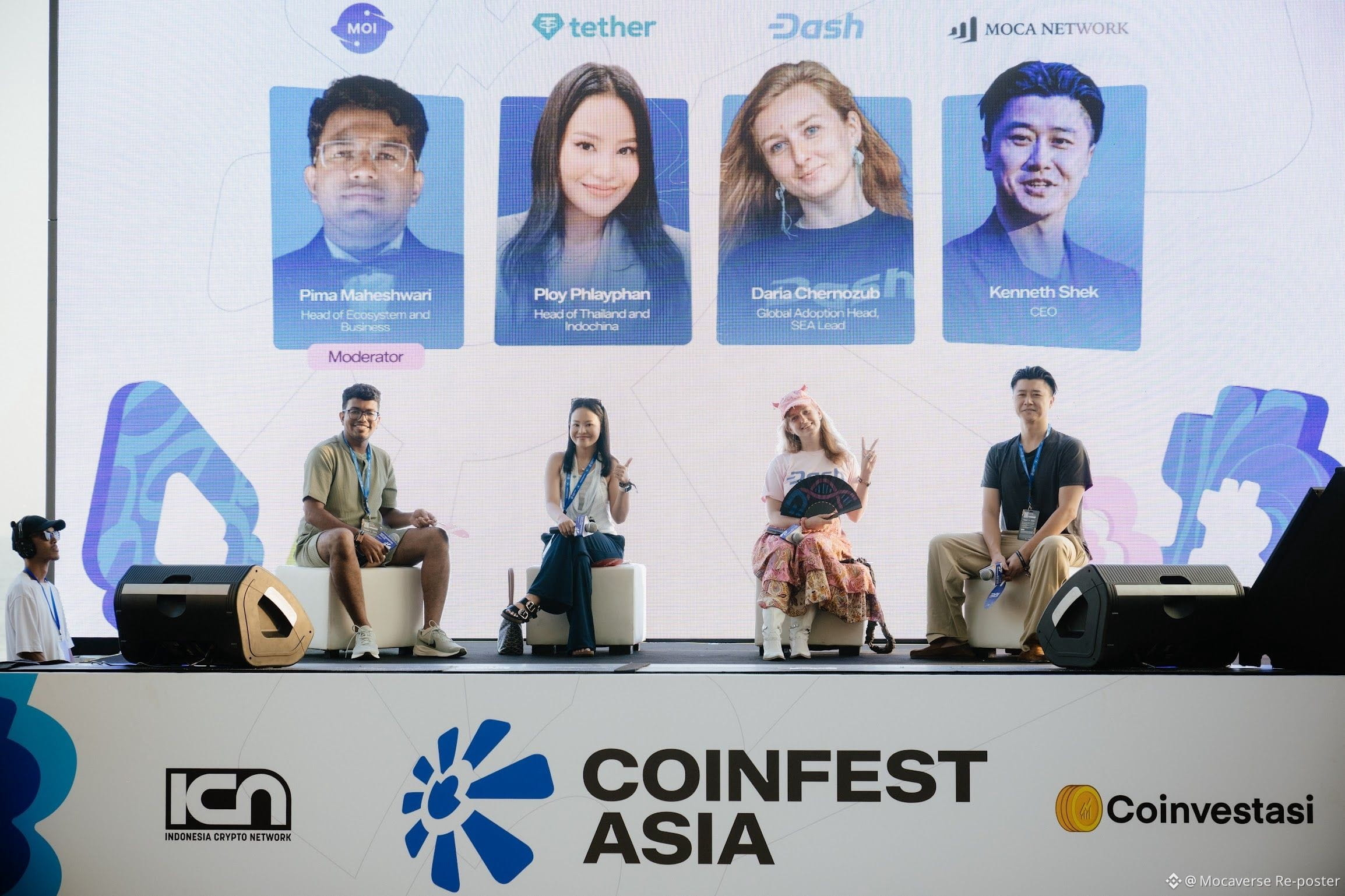
先日、@CoinfestAsia で行われたパネルディスカッションで、当社CEOの @tylerdurden88 が @tether、@Dashpay、@MOI_Tech の代表者たちとともに、非常に興味深い予測について議論しました。2027年までに、オンチェーンのネットワーク活動の大半は、人間による直接的なやり取りではなく、自動化されたエージェントによって担われるようになるというものです。
しかし、この自動化への移行によって人間の役割が完全になくなるわけではありません。むしろ、2つの異なる役割を支えられる柔軟なアイデンティティ・フレームワークの必要性が浮き彫りになります。人間は引き続きルールや全体的な指針を定め、デジタルエージェントはその指示を実行する責任を担います。したがって、アイデンティティ検証システムは、人間の作成者と自動実行者の両方にシームレスに対応できなければなりません。
まさにここでAIR Identityが、人的な意図と自動化された行動を明確に切り分けることで力を発揮します。このプラットフォームは、特定のエージェントが適切な権限を持って稼働していることを確認するために、スコープ付き証明を活用します。重要なのは、この検証を、基礎となる生データを一切明かすことなく、また有効期限のない永続的な鍵に依存することなく実現している点です。こうした慎重なバランスにより、企業は強力な自動化を活用しながら、運用を無規制のボットファームへと変えてしまうことを避けられます。
その指針となる哲学は、今もなおシンプルで実用的です。常にまず検証し、その後で初めて取引を行うのです。
2027年に向けて:私たちはオンチェーンの自動化された活動に備えられているのか?
先日、@CoinfestAsia で行われたパネルディスカッションで、当社CEOの @tylerdurden88 が @tether、@Dashpay、@MOI_Tech の代表者たちとともに、非常に興味深い予測について議論しました。2027年までに、オンチェーンのネットワーク活動の大半は、人間による直接的なやり取りではなく、自動化されたエージェントによって担われるようになるというものです。
しかし、この自動化への移行によって人間の役割が完全になくなるわけではありません。むしろ、2つの異なる役割を支えられる柔軟なアイデンティティ・フレームワークの必要性が浮き彫りになります。人間は引き続きルールや全体的な指針を定め、デジタルエージェントはその指示を実行する責任を担います。したがって、アイデンティティ検証システムは、人間の作成者と自動実行者の両方にシームレスに対応できなければなりません。
まさにここでAIR Identityが、人的な意図と自動化された行動を明確に切り分けることで力を発揮します。このプラットフォームは、特定のエージェントが適切な権限を持って稼働していることを確認するために、スコープ付き証明を活用します。重要なのは、この検証を、基礎となる生データを一切明かすことなく、また有効期限のない永続的な鍵に依存することなく実現している点です。こうした慎重なバランスにより、企業は強力な自動化を活用しながら、運用を無規制のボットファームへと変えてしまうことを避けられます。
その指針となる哲学は、今もなおシンプルで実用的です。常にまず検証し、その後で初めて取引を行うのです。
先日、@CoinfestAsia で行われたパネルディスカッションで、当社CEOの @tylerdurden88 が @tether、@Dashpay、@MOI_Tech の代表者たちとともに、非常に興味深い予測について議論しました。2027年までに、オンチェーンのネットワーク活動の大半は、人間による直接的なやり取りではなく、自動化されたエージェントによって担われるようになるというものです。
しかし、この自動化への移行によって人間の役割が完全になくなるわけではありません。むしろ、2つの異なる役割を支えられる柔軟なアイデンティティ・フレームワークの必要性が浮き彫りになります。人間は引き続きルールや全体的な指針を定め、デジタルエージェントはその指示を実行する責任を担います。したがって、アイデンティティ検証システムは、人間の作成者と自動実行者の両方にシームレスに対応できなければなりません。
まさにここでAIR Identityが、人的な意図と自動化された行動を明確に切り分けることで力を発揮します。このプラットフォームは、特定のエージェントが適切な権限を持って稼働していることを確認するために、スコープ付き証明を活用します。重要なのは、この検証を、基礎となる生データを一切明かすことなく、また有効期限のない永続的な鍵に依存することなく実現している点です。こうした慎重なバランスにより、企業は強力な自動化を活用しながら、運用を無規制のボットファームへと変えてしまうことを避けられます。
その指針となる哲学は、今もなおシンプルで実用的です。常にまず検証し、その後で初めて取引を行うのです。


96
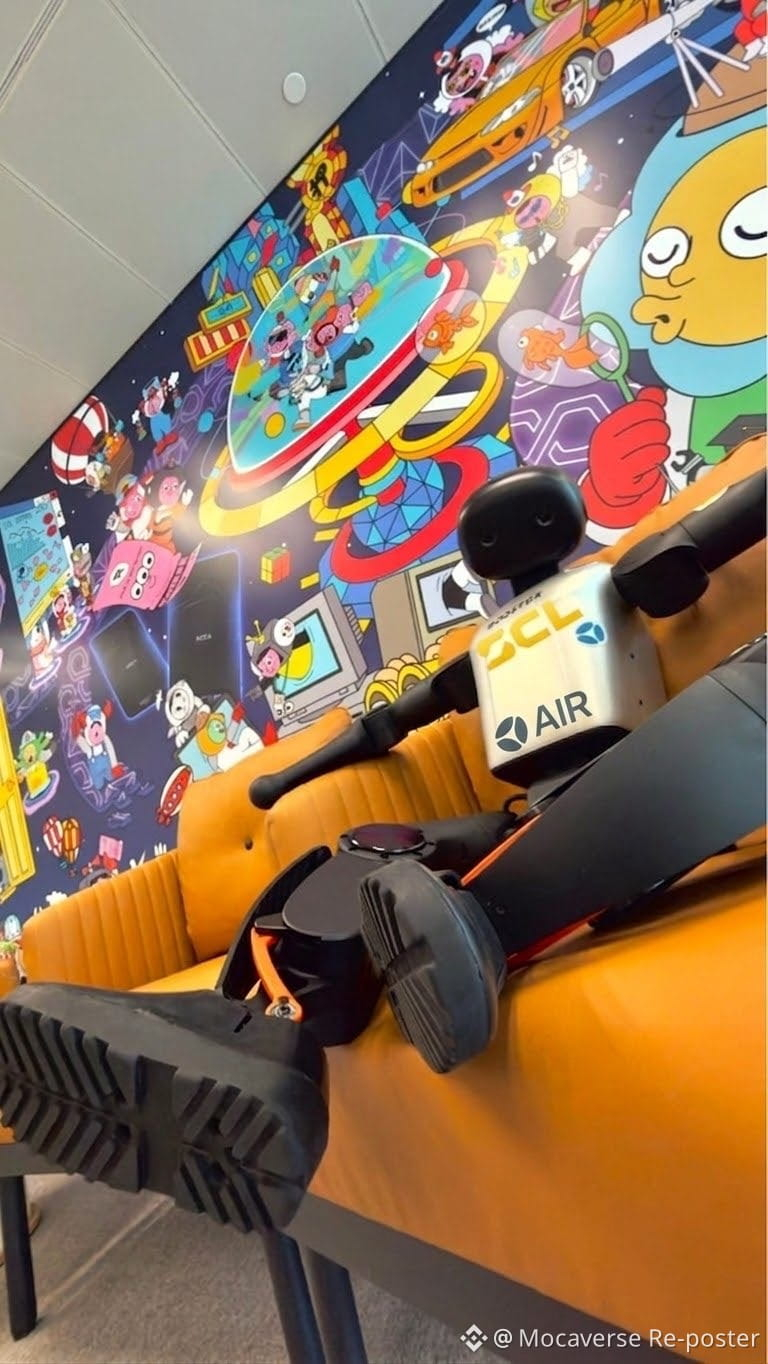
この個人は最近、自分がエージェンティックなアイデンティティを獲得したと共有しました。
この個人は最近、自分がエージェンティックなアイデンティティを獲得したと共有しました。
61
私たちは、アイデンティティ分野における一流の集会として認められている @IdentityWeek_ID America にて AIR³ をご紹介できることを、誠にうれしく思っております。私たちのチームは、デジタルおよびエージェント型アイデンティティの今後の展望について議論するため、米国における世界のアイデンティティ・コミュニティの皆さまとお会いできることを心待ちにしています。
カンファレンス期間中は、当社のCEOである @tylerdurden88 が重要な2つのセッションに登壇します。9月2日16:05より、The internet was built for users. The next one is built for users + agents. という題名のプレゼンテーションを主導します。続いて翌日9月3日11:30には、「Wallets give you control? Finally unlocking a decentralized future for digital identity.」として知られるパネルディスカッションに参加予定です。
彼の参加に関する詳細は、下記リンクをご覧ください:
https://www.terrapinn.com/exhibition/identity-week-america/speaker-kenneth-SHEK.stm
私たちは、アイデンティティ分野における一流の集会として認められている @IdentityWeek_ID America にて AIR³ をご紹介できることを、誠にうれしく思っております。私たちのチームは、デジタルおよびエージェント型アイデンティティの今後の展望について議論するため、米国における世界のアイデンティティ・コミュニティの皆さまとお会いできることを心待ちにしています。
カンファレンス期間中は、当社のCEOである @tylerdurden88 が重要な2つのセッションに登壇します。9月2日16:05より、The internet was built for users. The next one is built for users + agents. という題名のプレゼンテーションを主導します。続いて翌日9月3日11:30には、「Wallets give you control? Finally unlocking a decentralized future for digital identity.」として知られるパネルディスカッションに参加予定です。
彼の参加に関する詳細は、下記リンクをご覧ください:
https://www.terrapinn.com/exhibition/identity-week-america/speaker-kenneth-SHEK.stm
カンファレンス期間中は、当社のCEOである @tylerdurden88 が重要な2つのセッションに登壇します。9月2日16:05より、The internet was built for users. The next one is built for users + agents. という題名のプレゼンテーションを主導します。続いて翌日9月3日11:30には、「Wallets give you control? Finally unlocking a decentralized future for digital identity.」として知られるパネルディスカッションに参加予定です。
彼の参加に関する詳細は、下記リンクをご覧ください:
https://www.terrapinn.com/exhibition/identity-week-america/speaker-kenneth-SHEK.stm
66
現在、航空会社、通信、銀行などの業界では、登録時に新規顧客ごとに本人確認を行うことが求められています。これらの個別の照合には最大で130ドルものコストがかかります。しかし、この高額なプロセスは、人が別の会社に入社するたびに業界内で常に同じことの繰り返しが発生しており、また最初に行う本人確認の証明は投資対効果をまったく生み出していません。
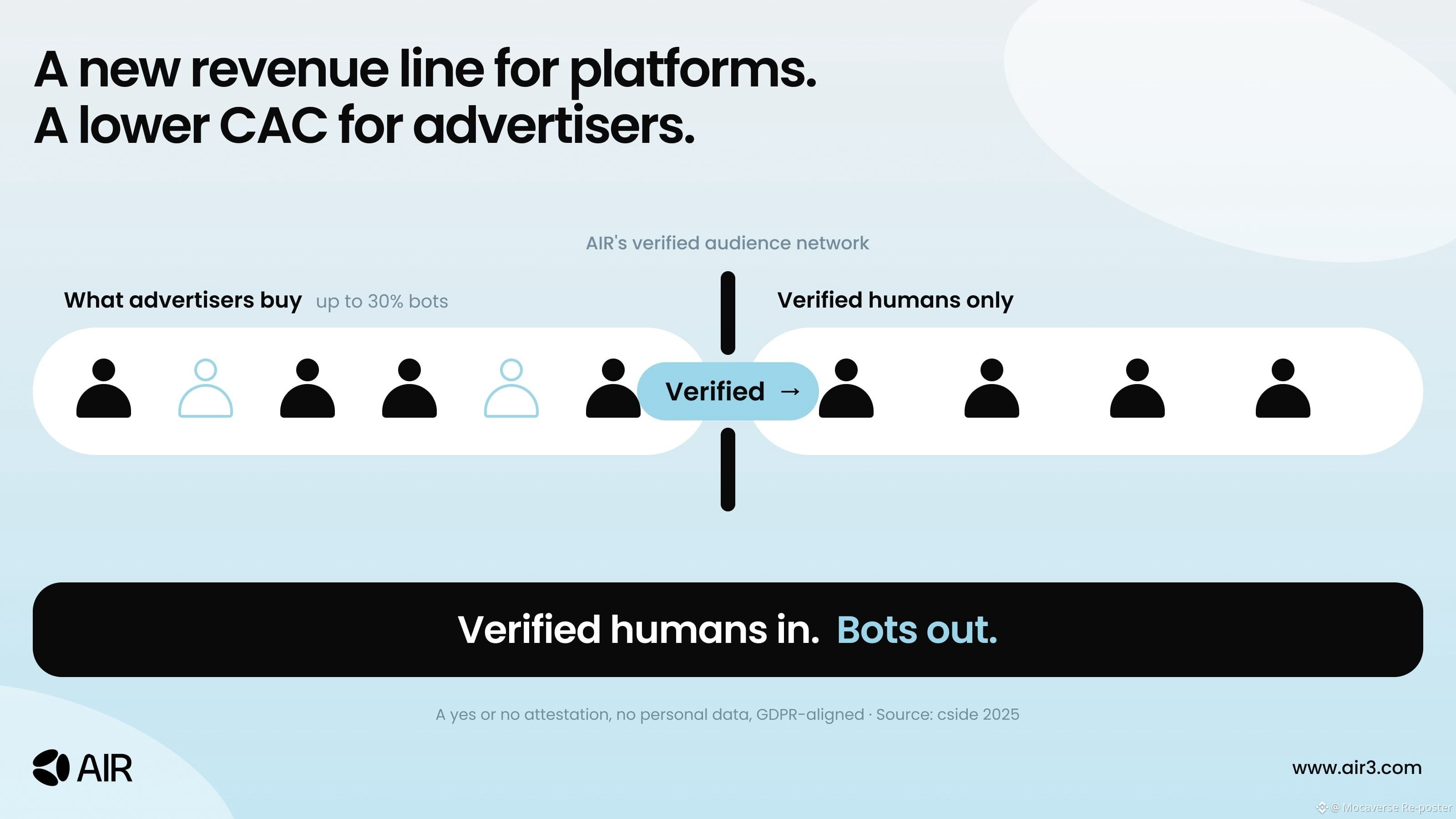
一方で、広告主はこの非効率の「反対側」にお金を払っています。購入した登録(サインアップ)のうち20〜30%がボットであることが判明しており、この不正行為は通常、マーケティング予算が使われたずっと後に発見されます。
AIRの検証済みオーディエンス・ネットワークは、これら2つの問題を同時に解決するよう設計されています。同じネットワークを利用することで、プラットフォームはまったく新しい収益の流れを解放でき、広告主は、一般にCAC(顧客獲得コスト)として知られるより低いCACを享受できます。
手順はシンプルで、非常にセキュアです。まず、プラットフォームが、そのメンバーが実在の18歳以上の人物であり、かつ指定された市場内にいることを確認します。GDPRに完全に準拠し、個人データが一切共有されないことを保証するため、システムは単純な「はい/いいえ」のアテステーション(宣誓)だけを送信します。資格を満たし検証済みのユーザーが目的地に到達した時点で、広告主の予算が解放されます。成功した確認1件ごとに、送出元のプラットフォームは手数料を回収します。
この戦略により、検証済みの人間を取り込み、ボットを排除できます。最終的に広告主は、人間ではないトラフィックに無駄な予算を費やすことをやめられ、プラットフォームは、すでに資金を投じている本人確認のチェックを確実に収益化することができます。
現在、航空会社、通信、銀行などの業界では、登録時に新規顧客ごとに本人確認を行うことが求められています。これらの個別の照合には最大で130ドルものコストがかかります。しかし、この高額なプロセスは、人が別の会社に入社するたびに業界内で常に同じことの繰り返しが発生しており、また最初に行う本人確認の証明は投資対効果をまったく生み出していません。
一方で、広告主はこの非効率の「反対側」にお金を払っています。購入した登録(サインアップ)のうち20〜30%がボットであることが判明しており、この不正行為は通常、マーケティング予算が使われたずっと後に発見されます。
AIRの検証済みオーディエンス・ネットワークは、これら2つの問題を同時に解決するよう設計されています。同じネットワークを利用することで、プラットフォームはまったく新しい収益の流れを解放でき、広告主は、一般にCAC(顧客獲得コスト)として知られるより低いCACを享受できます。
手順はシンプルで、非常にセキュアです。まず、プラットフォームが、そのメンバーが実在の18歳以上の人物であり、かつ指定された市場内にいることを確認します。GDPRに完全に準拠し、個人データが一切共有されないことを保証するため、システムは単純な「はい/いいえ」のアテステーション(宣誓)だけを送信します。資格を満たし検証済みのユーザーが目的地に到達した時点で、広告主の予算が解放されます。成功した確認1件ごとに、送出元のプラットフォームは手数料を回収します。
この戦略により、検証済みの人間を取り込み、ボットを排除できます。最終的に広告主は、人間ではないトラフィックに無駄な予算を費やすことをやめられ、プラットフォームは、すでに資金を投じている本人確認のチェックを確実に収益化することができます。
一方で、広告主はこの非効率の「反対側」にお金を払っています。購入した登録(サインアップ)のうち20〜30%がボットであることが判明しており、この不正行為は通常、マーケティング予算が使われたずっと後に発見されます。
AIRの検証済みオーディエンス・ネットワークは、これら2つの問題を同時に解決するよう設計されています。同じネットワークを利用することで、プラットフォームはまったく新しい収益の流れを解放でき、広告主は、一般にCAC(顧客獲得コスト)として知られるより低いCACを享受できます。
手順はシンプルで、非常にセキュアです。まず、プラットフォームが、そのメンバーが実在の18歳以上の人物であり、かつ指定された市場内にいることを確認します。GDPRに完全に準拠し、個人データが一切共有されないことを保証するため、システムは単純な「はい/いいえ」のアテステーション(宣誓)だけを送信します。資格を満たし検証済みのユーザーが目的地に到達した時点で、広告主の予算が解放されます。成功した確認1件ごとに、送出元のプラットフォームは手数料を回収します。
この戦略により、検証済みの人間を取り込み、ボットを排除できます。最終的に広告主は、人間ではないトラフィックに無駄な予算を費やすことをやめられ、プラットフォームは、すでに資金を投じている本人確認のチェックを確実に収益化することができます。
63
現在、アプリケーションには、ネオバンキングのレール、グローバルFX、ローカルのステーブルコインによって大きく牽引される形で、フィンテックサービスをユーザー体験に直接織り込むための革新的な機会が広がっています。次世代のデジタルファイナンスを力強く実現するために、私たちのチームは包括的でフルスタックなインフラ層の開発を積極的に進めています。AIR MoneyにAIR Identity、そしてAIR Loyaltyを組み合わせることで、この強固な基盤を現実のものにします。
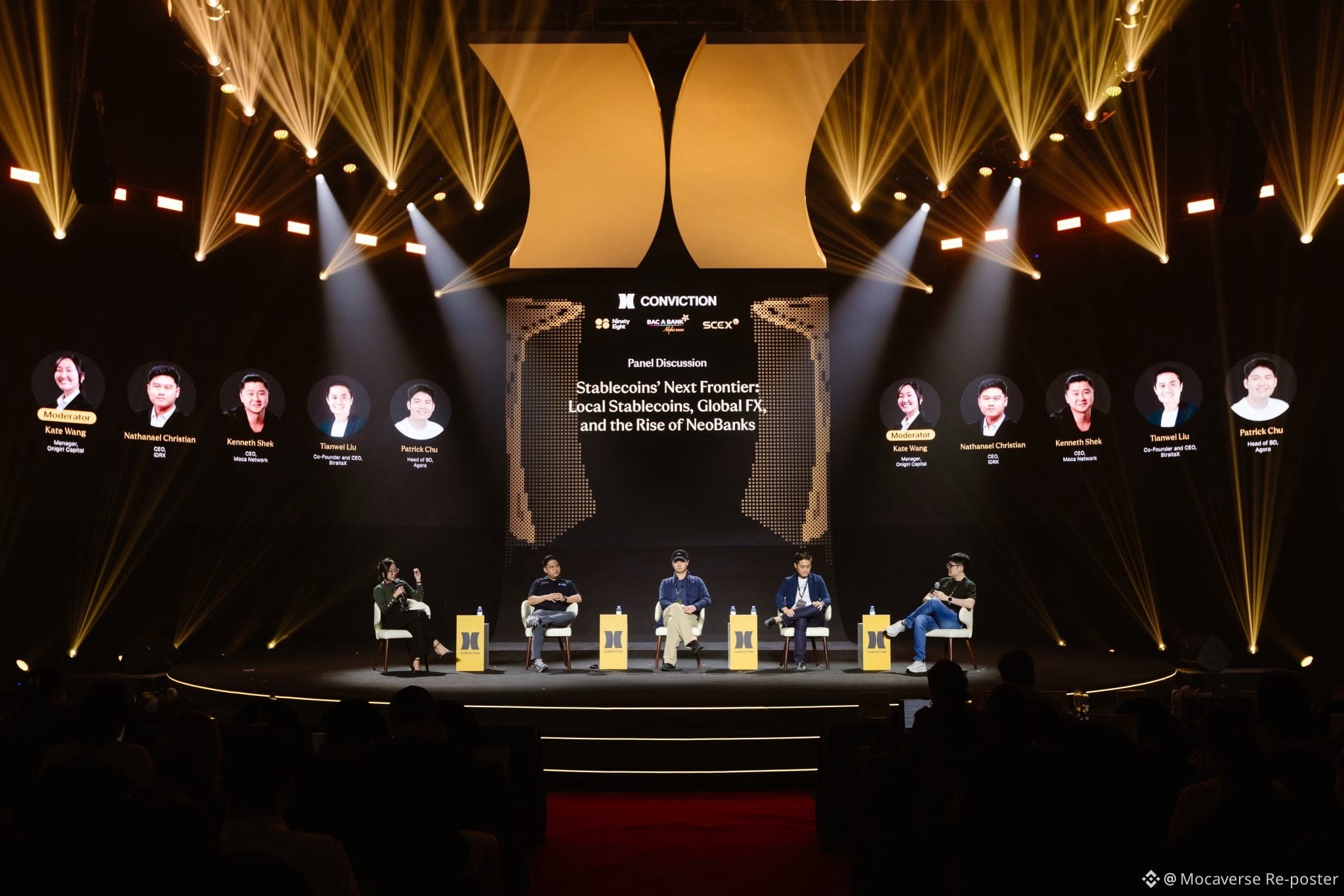
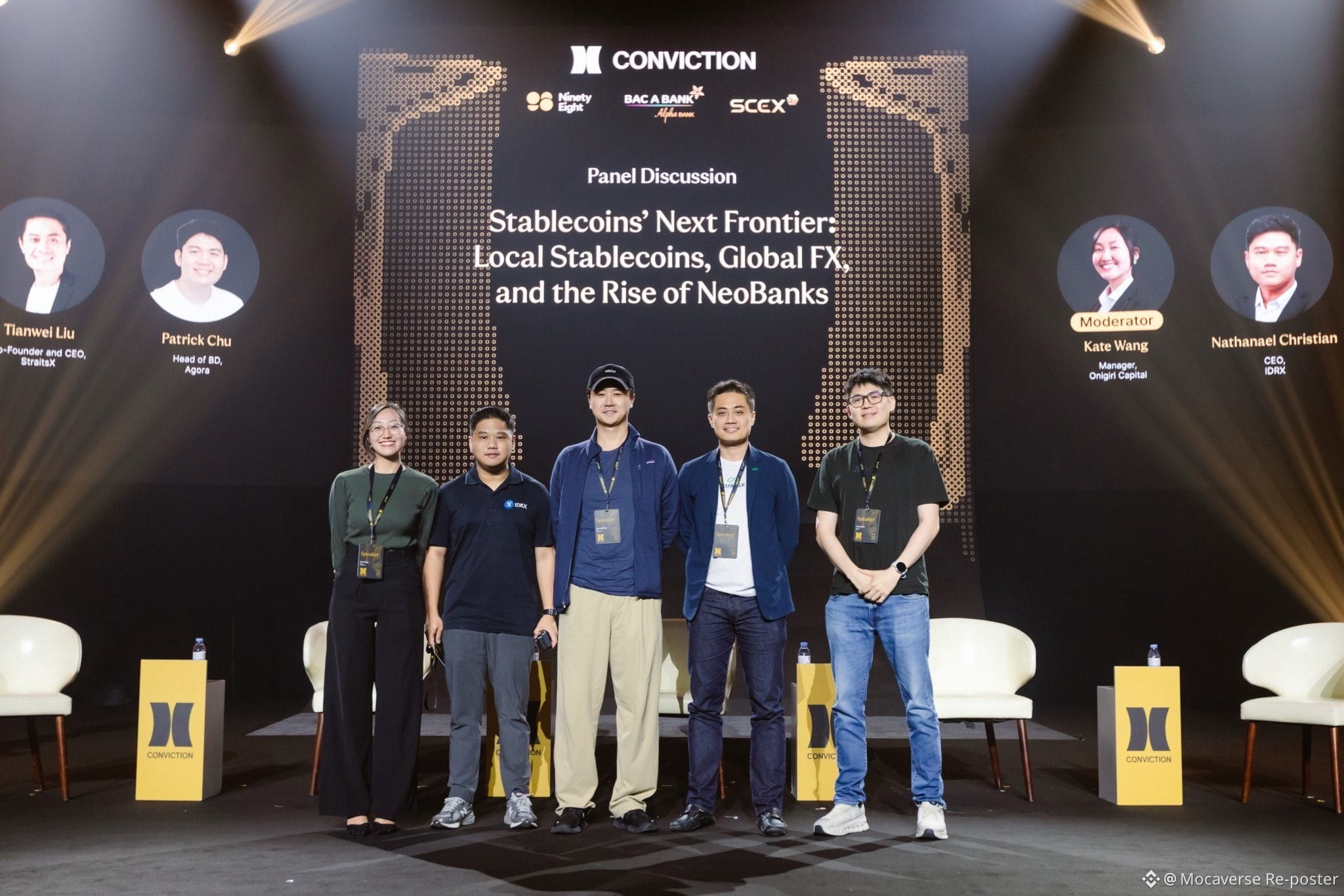
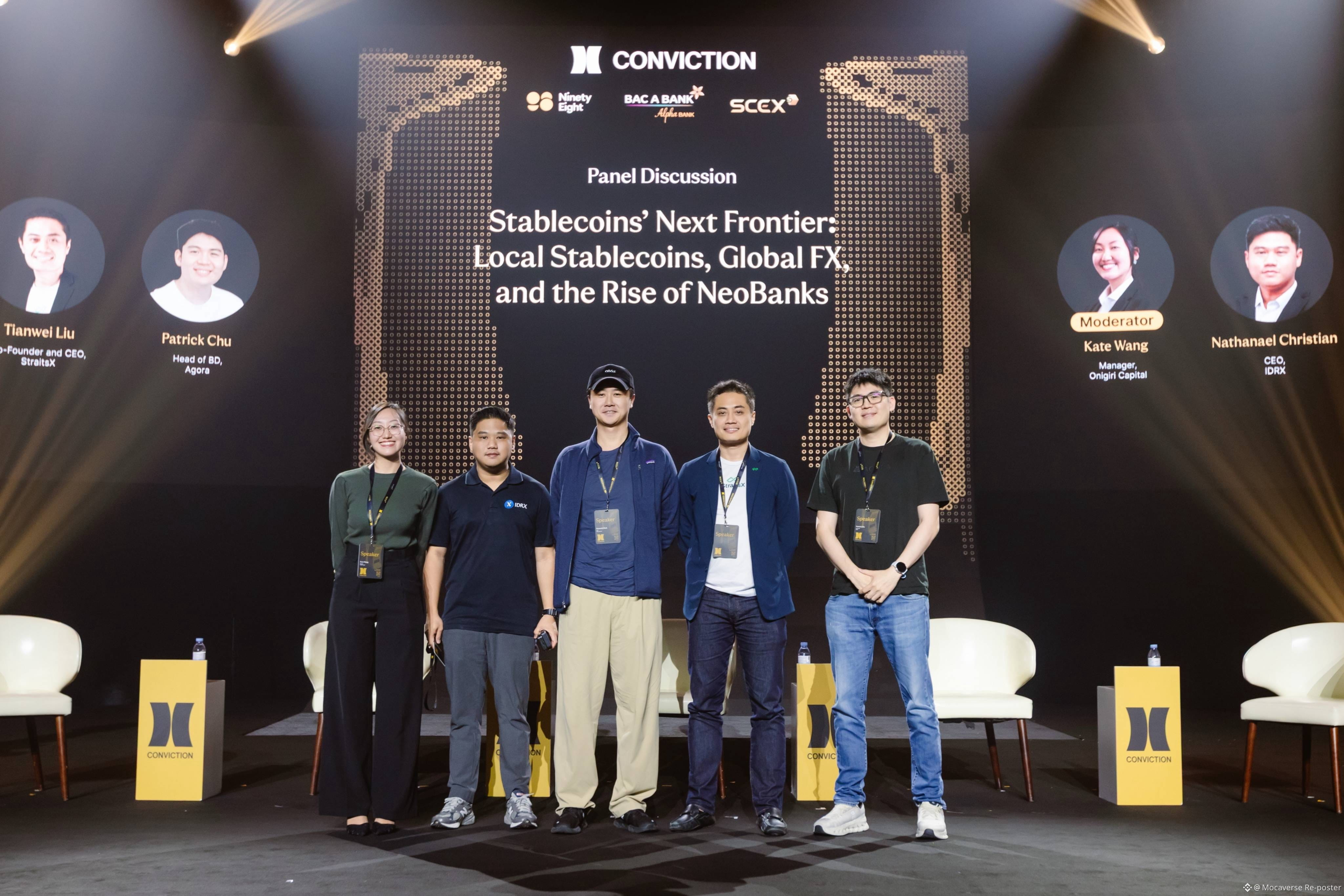
こうした業界の大きな変化は、@Convictionvnが主催した直近の集まりで重要な焦点となっていました。エネルギッシュなイベントを企画してくださり、CEOである@tylerdurden88への歓迎のご招待をいただいたことに、心より感謝を申し上げます。ステーブルコインの次なるフロンティアをめぐる鋭い議論は、本当に素晴らしいものでした。
http://air3.com/air-money
現在、アプリケーションには、ネオバンキングのレール、グローバルFX、ローカルのステーブルコインによって大きく牽引される形で、フィンテックサービスをユーザー体験に直接織り込むための革新的な機会が広がっています。次世代のデジタルファイナンスを力強く実現するために、私たちのチームは包括的でフルスタックなインフラ層の開発を積極的に進めています。AIR MoneyにAIR Identity、そしてAIR Loyaltyを組み合わせることで、この強固な基盤を現実のものにします。
こうした業界の大きな変化は、@Convictionvnが主催した直近の集まりで重要な焦点となっていました。エネルギッシュなイベントを企画してくださり、CEOである@tylerdurden88への歓迎のご招待をいただいたことに、心より感謝を申し上げます。ステーブルコインの次なるフロンティアをめぐる鋭い議論は、本当に素晴らしいものでした。
http://air3.com/air-money
こうした業界の大きな変化は、@Convictionvnが主催した直近の集まりで重要な焦点となっていました。エネルギッシュなイベントを企画してくださり、CEOである@tylerdurden88への歓迎のご招待をいただいたことに、心より感謝を申し上げます。ステーブルコインの次なるフロンティアをめぐる鋭い議論は、本当に素晴らしいものでした。
http://air3.com/air-money

52
このような活気ある集まりを主催してくださり、また当社CEOである @tyelrdureden88 を温かくお迎えいただきました @Convictionvn に、心より感謝申し上げます。ステーブルコインの今後の展望に関する議論は、示唆に富み、そして感動的なものでした。
現在、アプリケーションには、フィンテックの機能を顧客体験の流れにシームレスに統合する新たな機会が広がっています。この変化は、ネオバンキング・ネットワーク、グローバルな為替、そしてローカル・ステーブルコインの登場によって推進されています。
迫り来るデジタル金融の新時代を支えるために、私たちのチームは包括的なフルスタックのインフラ層を開発しています。AIR Money と AIR Identity、そして AIR Loyalty を組み合わせることで、このビジョンを現実のものへと具現化します。
詳細はこちら: https://air3.com/air-money
このような活気ある集まりを主催してくださり、また当社CEOである @tyelrdureden88 を温かくお迎えいただきました @Convictionvn に、心より感謝申し上げます。ステーブルコインの今後の展望に関する議論は、示唆に富み、そして感動的なものでした。
現在、アプリケーションには、フィンテックの機能を顧客体験の流れにシームレスに統合する新たな機会が広がっています。この変化は、ネオバンキング・ネットワーク、グローバルな為替、そしてローカル・ステーブルコインの登場によって推進されています。
迫り来るデジタル金融の新時代を支えるために、私たちのチームは包括的なフルスタックのインフラ層を開発しています。AIR Money と AIR Identity、そして AIR Loyalty を組み合わせることで、このビジョンを現実のものへと具現化します。
詳細はこちら: https://air3.com/air-money
現在、アプリケーションには、フィンテックの機能を顧客体験の流れにシームレスに統合する新たな機会が広がっています。この変化は、ネオバンキング・ネットワーク、グローバルな為替、そしてローカル・ステーブルコインの登場によって推進されています。
迫り来るデジタル金融の新時代を支えるために、私たちのチームは包括的なフルスタックのインフラ層を開発しています。AIR Money と AIR Identity、そして AIR Loyalty を組み合わせることで、このビジョンを現実のものへと具現化します。
詳細はこちら: https://air3.com/air-money


2
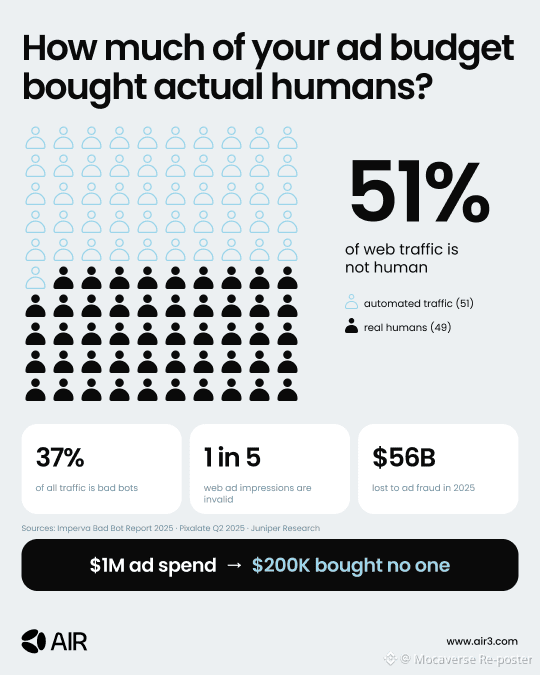
ご存じでしたか? 今日のインターネットの半分は、人間以外の存在で構成されています。残念ながら、あなたの広告予算はおそらくこの現実をまだ認識していないでしょう。データを見てみましょう。Impervaによると、2025年には自動化されたソースが全ウェブトラフィックの51%を占めます。さらに、クリック、インストール、登録を目的として特別に作られた悪意のあるボットが、その活動の37%を占めています。Pixalateは、プログラマティックなウェブインプレッションのおよそ5件に1件が完全に無効であると報告しています。その結果、Juniper Researchは、広告詐欺が2025年に驚くべき560億ドルを消費すると予測しています。
仮説的なシナリオを通じて、金銭的影響を考えてみましょう。クリック、インストール、登録の獲得に100万ドルを投じた場合、その投資の約20万ドル分は、実際には人間ではなかったトラフィックに支払われていることになります。こうした偽造アカウントは、あなたのCACを不当に良く見せます。その結果、来四半期の予算計画を完全な虚構に基づいて立てることになってしまいます。実際、ボットはあらゆるパフォーマンス指標で非常に忠実なユーザーのように見えますが、唯一の例外は、実在しないという点です。
もちろん、不正フィルターがこの偽のトラフィックの一部を遮断できるのは事実ですが、通常それは資金がすでに使われた後のことです。支出後に問題を特定しても、結局は返金の話になるだけです。現在、業界に欠けている決定的な要素は、支払う前に証明を求められる能力です。
少し時間を取って、前四半期の新規ユーザーのうち、どれだけの割合が確認済みの人間だったのかをチームに尋ねてみてください。誰もその数を示せないのであれば、それ自体があなたの発見です。
ご存じでしたか? 今日のインターネットの半分は、人間以外の存在で構成されています。残念ながら、あなたの広告予算はおそらくこの現実をまだ認識していないでしょう。データを見てみましょう。Impervaによると、2025年には自動化されたソースが全ウェブトラフィックの51%を占めます。さらに、クリック、インストール、登録を目的として特別に作られた悪意のあるボットが、その活動の37%を占めています。Pixalateは、プログラマティックなウェブインプレッションのおよそ5件に1件が完全に無効であると報告しています。その結果、Juniper Researchは、広告詐欺が2025年に驚くべき560億ドルを消費すると予測しています。
仮説的なシナリオを通じて、金銭的影響を考えてみましょう。クリック、インストール、登録の獲得に100万ドルを投じた場合、その投資の約20万ドル分は、実際には人間ではなかったトラフィックに支払われていることになります。こうした偽造アカウントは、あなたのCACを不当に良く見せます。その結果、来四半期の予算計画を完全な虚構に基づいて立てることになってしまいます。実際、ボットはあらゆるパフォーマンス指標で非常に忠実なユーザーのように見えますが、唯一の例外は、実在しないという点です。
もちろん、不正フィルターがこの偽のトラフィックの一部を遮断できるのは事実ですが、通常それは資金がすでに使われた後のことです。支出後に問題を特定しても、結局は返金の話になるだけです。現在、業界に欠けている決定的な要素は、支払う前に証明を求められる能力です。
少し時間を取って、前四半期の新規ユーザーのうち、どれだけの割合が確認済みの人間だったのかをチームに尋ねてみてください。誰もその数を示せないのであれば、それ自体があなたの発見です。
仮説的なシナリオを通じて、金銭的影響を考えてみましょう。クリック、インストール、登録の獲得に100万ドルを投じた場合、その投資の約20万ドル分は、実際には人間ではなかったトラフィックに支払われていることになります。こうした偽造アカウントは、あなたのCACを不当に良く見せます。その結果、来四半期の予算計画を完全な虚構に基づいて立てることになってしまいます。実際、ボットはあらゆるパフォーマンス指標で非常に忠実なユーザーのように見えますが、唯一の例外は、実在しないという点です。
もちろん、不正フィルターがこの偽のトラフィックの一部を遮断できるのは事実ですが、通常それは資金がすでに使われた後のことです。支出後に問題を特定しても、結局は返金の話になるだけです。現在、業界に欠けている決定的な要素は、支払う前に証明を求められる能力です。
少し時間を取って、前四半期の新規ユーザーのうち、どれだけの割合が確認済みの人間だったのかをチームに尋ねてみてください。誰もその数を示せないのであれば、それ自体があなたの発見です。
74
現時点で、貴社のビジネスでは同一の顧客レコードが5つの別々のプラットフォームに分散している可能性が非常に高いでしょう。これは今日では標準的な運用であるかもしれませんが、このままの構成は2026年までに取締役会の注意を要する重大なリスクへと進展します。
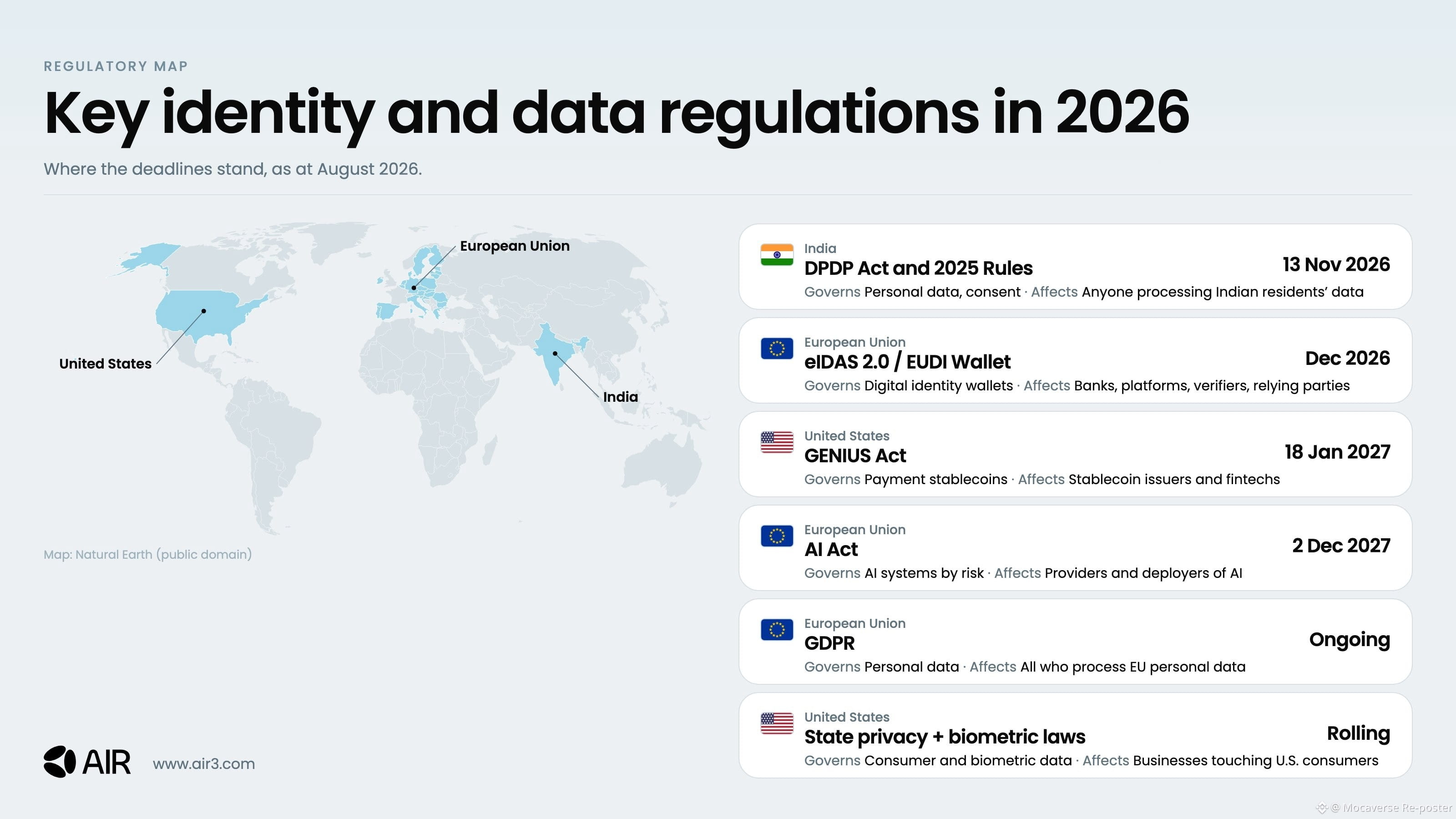
私たちは、さまざまな法規制の動きが、あまりに多くのソフトウェアツールにアイデンティティ情報が過剰に保持されているという単一の巨大な問題を指し示している状況に直面しています。この先に来るコンプライアンスの波を説明する例として、EUDIウォレットは2026年末までにEU全域で稼働します。さらに、インドのDPDPの同意ルールは2026年11月13日に施行されます。翌年にはGENIUS Actが発効し(2027年1月18日)、その後の年にはEU AI Actのハイリスク義務が2027年12月2日に適用されます。これらの迫り来る期限に加えて、イリノイ州のBIPAは依然として個人が組織を直接訴えることを認めています。
AIRの導入は、この力学をまったく別のものに変えます。検証済みのユーザーを、通常のセールスファネルの外側でも強力な資産にできるようになります。このテクノロジーを利用することで、外部の組織は顧客の年齢、管轄、または適格性をシームレスに検証できます。これはユーザーの同意のみによって実現され、いずれの当事者も実際の個人データが開示されないことが保証されます。選択的開示とzkProofsに依拠することで、検証プロセス全体がGDPRおよびDPDPの要件に完全に整合したまま維持されます。
これらの変更の全体像を確認するには、https://air3.com/blog/identity-data-regulations-2026 をご覧ください
現時点で、貴社のビジネスでは同一の顧客レコードが5つの別々のプラットフォームに分散している可能性が非常に高いでしょう。これは今日では標準的な運用であるかもしれませんが、このままの構成は2026年までに取締役会の注意を要する重大なリスクへと進展します。
私たちは、さまざまな法規制の動きが、あまりに多くのソフトウェアツールにアイデンティティ情報が過剰に保持されているという単一の巨大な問題を指し示している状況に直面しています。この先に来るコンプライアンスの波を説明する例として、EUDIウォレットは2026年末までにEU全域で稼働します。さらに、インドのDPDPの同意ルールは2026年11月13日に施行されます。翌年にはGENIUS Actが発効し(2027年1月18日)、その後の年にはEU AI Actのハイリスク義務が2027年12月2日に適用されます。これらの迫り来る期限に加えて、イリノイ州のBIPAは依然として個人が組織を直接訴えることを認めています。
AIRの導入は、この力学をまったく別のものに変えます。検証済みのユーザーを、通常のセールスファネルの外側でも強力な資産にできるようになります。このテクノロジーを利用することで、外部の組織は顧客の年齢、管轄、または適格性をシームレスに検証できます。これはユーザーの同意のみによって実現され、いずれの当事者も実際の個人データが開示されないことが保証されます。選択的開示とzkProofsに依拠することで、検証プロセス全体がGDPRおよびDPDPの要件に完全に整合したまま維持されます。
これらの変更の全体像を確認するには、https://air3.com/blog/identity-data-regulations-2026 をご覧ください
私たちは、さまざまな法規制の動きが、あまりに多くのソフトウェアツールにアイデンティティ情報が過剰に保持されているという単一の巨大な問題を指し示している状況に直面しています。この先に来るコンプライアンスの波を説明する例として、EUDIウォレットは2026年末までにEU全域で稼働します。さらに、インドのDPDPの同意ルールは2026年11月13日に施行されます。翌年にはGENIUS Actが発効し(2027年1月18日)、その後の年にはEU AI Actのハイリスク義務が2027年12月2日に適用されます。これらの迫り来る期限に加えて、イリノイ州のBIPAは依然として個人が組織を直接訴えることを認めています。
AIRの導入は、この力学をまったく別のものに変えます。検証済みのユーザーを、通常のセールスファネルの外側でも強力な資産にできるようになります。このテクノロジーを利用することで、外部の組織は顧客の年齢、管轄、または適格性をシームレスに検証できます。これはユーザーの同意のみによって実現され、いずれの当事者も実際の個人データが開示されないことが保証されます。選択的開示とzkProofsに依拠することで、検証プロセス全体がGDPRおよびDPDPの要件に完全に整合したまま維持されます。
これらの変更の全体像を確認するには、https://air3.com/blog/identity-data-regulations-2026 をご覧ください
80
あらゆる消費者向けプラットフォームには、同様のハードルがあります。フィンテックで口座を開設する場合でも、取引所でKYCチェックを行う場合でも、デーティングアプリで年齢を確認する場合でも同じです。最初の広告と、最初のアクティブユーザーを獲得するまでの間に挟まれているのが、これまで投じてきたマーケティング予算を静かに消費してしまう本人確認(アイデンティティ・ベリフィケーション)のプロセスです。
すべての新規訪問者は完全な他人として到来するため、これらのチェックは本質的に長くなります。あなたは、別の企業がすでに把握している事実を裏付けるために、書類の提出を求めざるを得ません。この行き止まりに到達する頃には、その見込み客の獲得に対してあなたはすでに費用を全額支払っています。もし離脱した場合、それは後で回復できる一時的なコンバージョン課題ではありません。社内の指標に一切現れない人々に対して費やした、取り返しのつかない予算の損失です。
この摩擦がもたらす財務的負担は大きいです。過去5年間で、獲得コストはおよそ60%上昇しました。さらに、欧州の消費者の68%が、プロセス途中で金融アプリを離脱しています。その特定の離脱は、欧州全体で年間57億ユーロの損失に相当します。
AIR Identityは、面倒な書類ではなく「証明(プローフ)」をリクエストできることで、この状況を変えます。たとえば、その人が18歳以上であること、あなたの市場に居住していること、そして重複する口座を作っていないこと、など確認したい基準をあなたが提示するだけです。その後、見込みユーザーは、これらの要件に合致する認証情報を承認するためにタップします。代わりに、暗号学的な証明を伴って、シンプルな「はい/いいえ」を受け取れます。
個人情報を保存しないため、双方にとってGDPRの義務は完全にそのまま保たれます。本人確認は、聞く必要があることだけに最小化されるため、プロセスを完了した誰もがすでに条件が満たされた状態で到達します。
デモを予約
あらゆる消費者向けプラットフォームには、同様のハードルがあります。フィンテックで口座を開設する場合でも、取引所でKYCチェックを行う場合でも、デーティングアプリで年齢を確認する場合でも同じです。最初の広告と、最初のアクティブユーザーを獲得するまでの間に挟まれているのが、これまで投じてきたマーケティング予算を静かに消費してしまう本人確認(アイデンティティ・ベリフィケーション)のプロセスです。
すべての新規訪問者は完全な他人として到来するため、これらのチェックは本質的に長くなります。あなたは、別の企業がすでに把握している事実を裏付けるために、書類の提出を求めざるを得ません。この行き止まりに到達する頃には、その見込み客の獲得に対してあなたはすでに費用を全額支払っています。もし離脱した場合、それは後で回復できる一時的なコンバージョン課題ではありません。社内の指標に一切現れない人々に対して費やした、取り返しのつかない予算の損失です。
この摩擦がもたらす財務的負担は大きいです。過去5年間で、獲得コストはおよそ60%上昇しました。さらに、欧州の消費者の68%が、プロセス途中で金融アプリを離脱しています。その特定の離脱は、欧州全体で年間57億ユーロの損失に相当します。
AIR Identityは、面倒な書類ではなく「証明(プローフ)」をリクエストできることで、この状況を変えます。たとえば、その人が18歳以上であること、あなたの市場に居住していること、そして重複する口座を作っていないこと、など確認したい基準をあなたが提示するだけです。その後、見込みユーザーは、これらの要件に合致する認証情報を承認するためにタップします。代わりに、暗号学的な証明を伴って、シンプルな「はい/いいえ」を受け取れます。
個人情報を保存しないため、双方にとってGDPRの義務は完全にそのまま保たれます。本人確認は、聞く必要があることだけに最小化されるため、プロセスを完了した誰もがすでに条件が満たされた状態で到達します。
デモを予約
すべての新規訪問者は完全な他人として到来するため、これらのチェックは本質的に長くなります。あなたは、別の企業がすでに把握している事実を裏付けるために、書類の提出を求めざるを得ません。この行き止まりに到達する頃には、その見込み客の獲得に対してあなたはすでに費用を全額支払っています。もし離脱した場合、それは後で回復できる一時的なコンバージョン課題ではありません。社内の指標に一切現れない人々に対して費やした、取り返しのつかない予算の損失です。
この摩擦がもたらす財務的負担は大きいです。過去5年間で、獲得コストはおよそ60%上昇しました。さらに、欧州の消費者の68%が、プロセス途中で金融アプリを離脱しています。その特定の離脱は、欧州全体で年間57億ユーロの損失に相当します。
AIR Identityは、面倒な書類ではなく「証明(プローフ)」をリクエストできることで、この状況を変えます。たとえば、その人が18歳以上であること、あなたの市場に居住していること、そして重複する口座を作っていないこと、など確認したい基準をあなたが提示するだけです。その後、見込みユーザーは、これらの要件に合致する認証情報を承認するためにタップします。代わりに、暗号学的な証明を伴って、シンプルな「はい/いいえ」を受け取れます。
個人情報を保存しないため、双方にとってGDPRの義務は完全にそのまま保たれます。本人確認は、聞く必要があることだけに最小化されるため、プロセスを完了した誰もがすでに条件が満たされた状態で到達します。
デモを予約

84
インターネットの進化は、私たちをWeb1の情報アクセスからWeb3の金融レイヤーへと導いてきました。今、私たちはエージェント的なウェブとして知られるWeb4の時代に突入しています。これは、大規模かつ自動化されたスケールでのアイデンティティを導入します。今後3〜5年の間に、700億から7000億の人工知能エージェントがオンラインになると予測されています。その結果、人間はもはやインターネット上で最大の人口層ではなくなり、これらのプログラムが主導的なオンライン人口となります。
この新しいエージェント駆動型経済が純粋なノイズや詐欺行為に堕落しないようにするためには、これらのエンティティのすべてに対して検証可能なアイデンティティを確立することが必須です。各プログラムについて、何であるかの確認や、実際に誰が運営しているのかを特定するなど、重要な質問に答える必要があります。また、その評判を評価し、資産を保持する能力、契約を承認する能力、取引を行う能力、支払いを受け入れる能力があるかどうかを判断することも必要です。
従来の集中型プラットフォームは、機械のスピードについていけないため、より優れた代替手段が必要です。ブロックチェーンは、この自動化ネットワークのために本来設計されたインフラストラクチャとして際立っており、デジタルアイデンティティを最も重要な基盤としています。
@ysiと@aroundthecoinに感謝します。これらの洞察を共有してくれてありがとう:
インターネットの進化は、私たちをWeb1の情報アクセスからWeb3の金融レイヤーへと導いてきました。今、私たちはエージェント的なウェブとして知られるWeb4の時代に突入しています。これは、大規模かつ自動化されたスケールでのアイデンティティを導入します。今後3〜5年の間に、700億から7000億の人工知能エージェントがオンラインになると予測されています。その結果、人間はもはやインターネット上で最大の人口層ではなくなり、これらのプログラムが主導的なオンライン人口となります。
この新しいエージェント駆動型経済が純粋なノイズや詐欺行為に堕落しないようにするためには、これらのエンティティのすべてに対して検証可能なアイデンティティを確立することが必須です。各プログラムについて、何であるかの確認や、実際に誰が運営しているのかを特定するなど、重要な質問に答える必要があります。また、その評判を評価し、資産を保持する能力、契約を承認する能力、取引を行う能力、支払いを受け入れる能力があるかどうかを判断することも必要です。
従来の集中型プラットフォームは、機械のスピードについていけないため、より優れた代替手段が必要です。ブロックチェーンは、この自動化ネットワークのために本来設計されたインフラストラクチャとして際立っており、デジタルアイデンティティを最も重要な基盤としています。
@ysiと@aroundthecoinに感謝します。これらの洞察を共有してくれてありがとう:
この新しいエージェント駆動型経済が純粋なノイズや詐欺行為に堕落しないようにするためには、これらのエンティティのすべてに対して検証可能なアイデンティティを確立することが必須です。各プログラムについて、何であるかの確認や、実際に誰が運営しているのかを特定するなど、重要な質問に答える必要があります。また、その評判を評価し、資産を保持する能力、契約を承認する能力、取引を行う能力、支払いを受け入れる能力があるかどうかを判断することも必要です。
従来の集中型プラットフォームは、機械のスピードについていけないため、より優れた代替手段が必要です。ブロックチェーンは、この自動化ネットワークのために本来設計されたインフラストラクチャとして際立っており、デジタルアイデンティティを最も重要な基盤としています。
@ysiと@aroundthecoinに感謝します。これらの洞察を共有してくれてありがとう:
71
私たちのデジタル進化を振り返ると、Web1は情報を提供し、Web3はお金をもたらしました。今、私たちはエージェンティックウェブとして広く知られるWeb4の時代に突入しています。これは、大規模な機械スケールでアイデンティティを提供する準備が整っています。
この技術的シフトは、次のインターネットの人口統計に大きな変化をもたらしています。今後3〜5年の間に、人間はもはや最大のオンライン人口を代表することはありません。代わりに、推定70から7000億のAIエージェントがオンラインに登場することで、私たちは圧倒的に数が少なくなります。
新たに出現するエージェンティック経済が混沌としたノイズと詐欺の風景に崩壊するのを防ぐためには、これらのエンティティごとに明確なアイデンティティを確立することが絶対に不可欠です。システムは各プログラムに関する重要な質問に答えられる必要があります。エージェントが誰であるかを正確に知り、実際にそれを支えているのは誰かを特定し、その全体的な評判を判断しなければなりません。さらに、エージェントが所有、署名、取引、支払いを受ける実際の能力を持っているかどうかも明確でなければなりません。
従来の中央集権型プラットフォームは、この急速な機械速度に対応するスケールを持っていないため、異なる基盤が必要です。ブロックチェーンは、アイデンティティを基本的なキーストーンとし、機械のためにネイティブに構築されたインフラストラクチャであるため、理想的なソリューションとして機能します。
h/t @ysiu on @aroundthecoin:
私たちのデジタル進化を振り返ると、Web1は情報を提供し、Web3はお金をもたらしました。今、私たちはエージェンティックウェブとして広く知られるWeb4の時代に突入しています。これは、大規模な機械スケールでアイデンティティを提供する準備が整っています。
この技術的シフトは、次のインターネットの人口統計に大きな変化をもたらしています。今後3〜5年の間に、人間はもはや最大のオンライン人口を代表することはありません。代わりに、推定70から7000億のAIエージェントがオンラインに登場することで、私たちは圧倒的に数が少なくなります。
新たに出現するエージェンティック経済が混沌としたノイズと詐欺の風景に崩壊するのを防ぐためには、これらのエンティティごとに明確なアイデンティティを確立することが絶対に不可欠です。システムは各プログラムに関する重要な質問に答えられる必要があります。エージェントが誰であるかを正確に知り、実際にそれを支えているのは誰かを特定し、その全体的な評判を判断しなければなりません。さらに、エージェントが所有、署名、取引、支払いを受ける実際の能力を持っているかどうかも明確でなければなりません。
従来の中央集権型プラットフォームは、この急速な機械速度に対応するスケールを持っていないため、異なる基盤が必要です。ブロックチェーンは、アイデンティティを基本的なキーストーンとし、機械のためにネイティブに構築されたインフラストラクチャであるため、理想的なソリューションとして機能します。
h/t @ysiu on @aroundthecoin:
この技術的シフトは、次のインターネットの人口統計に大きな変化をもたらしています。今後3〜5年の間に、人間はもはや最大のオンライン人口を代表することはありません。代わりに、推定70から7000億のAIエージェントがオンラインに登場することで、私たちは圧倒的に数が少なくなります。
新たに出現するエージェンティック経済が混沌としたノイズと詐欺の風景に崩壊するのを防ぐためには、これらのエンティティごとに明確なアイデンティティを確立することが絶対に不可欠です。システムは各プログラムに関する重要な質問に答えられる必要があります。エージェントが誰であるかを正確に知り、実際にそれを支えているのは誰かを特定し、その全体的な評判を判断しなければなりません。さらに、エージェントが所有、署名、取引、支払いを受ける実際の能力を持っているかどうかも明確でなければなりません。
従来の中央集権型プラットフォームは、この急速な機械速度に対応するスケールを持っていないため、異なる基盤が必要です。ブロックチェーンは、アイデンティティを基本的なキーストーンとし、機械のためにネイティブに構築されたインフラストラクチャであるため、理想的なソリューションとして機能します。
h/t @ysiu on @aroundthecoin:
74
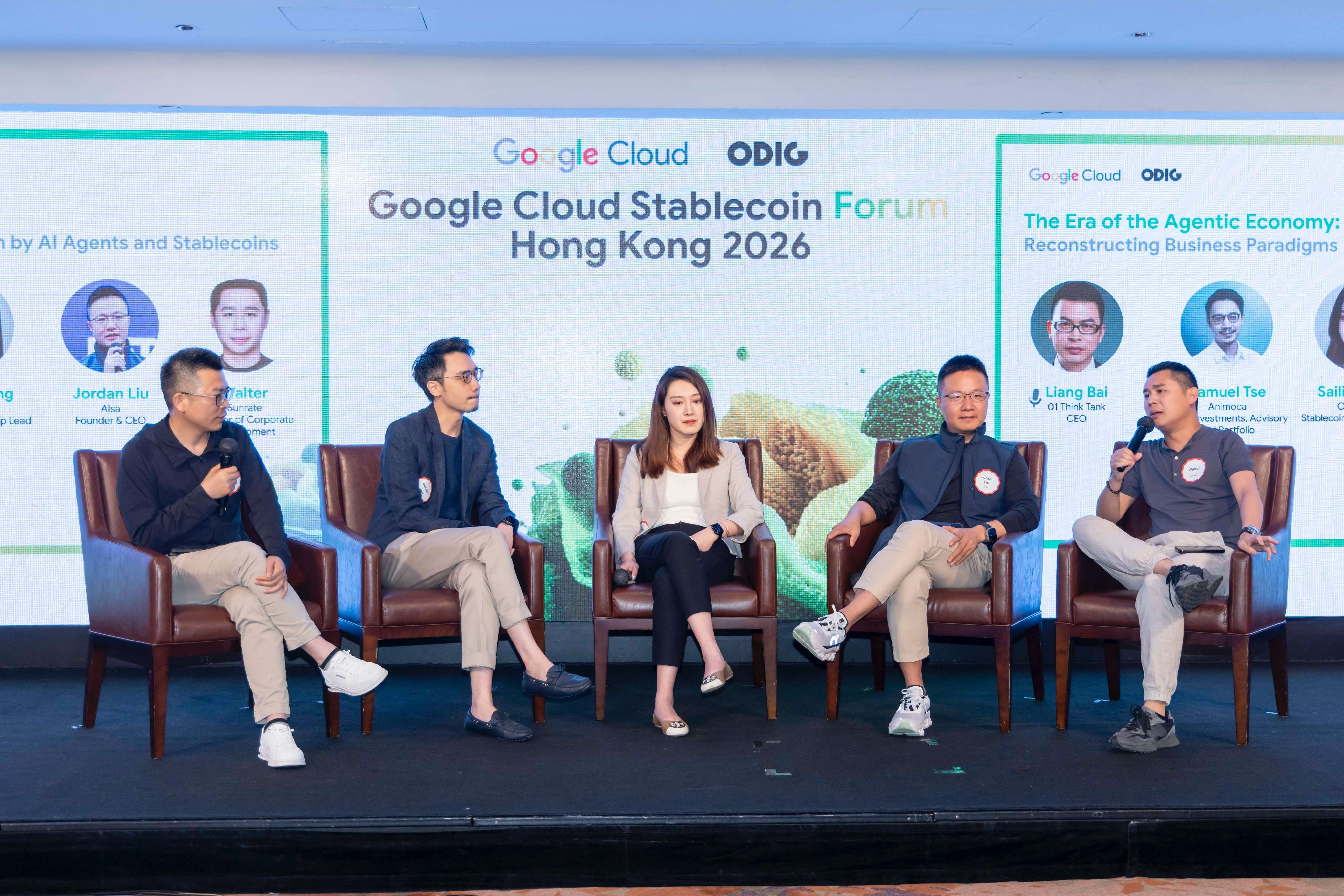
先週の月曜日に開催された@googlecloudステーブルコインフォーラムでは、すべての議論から明確なコンセンサスが浮かび上がりました。参加者は、エージェントが明確なアイデンティティを持つことで、エージェント経済がはるかに効果的に機能することに広く同意しました。基調パネルに参加した@animocabrandsのサミュエルは、エージェントアイデンティティの未来の軌道に関するMoca Networkのビジョンを詳述しました。このコアアイデアは、私たちの展示ブースにもスムーズに引き継がれました。実際に、当日の最も深い意味のある対話は、すでにエージェントファーストのエコシステムのためのソリューションを作成しているさまざまな企業や開発者と並行して行われました。このアイデンティティの基盤層は、今日も積極的に形成されています。
先週の月曜日に開催された@googlecloudステーブルコインフォーラムでは、すべての議論から明確なコンセンサスが浮かび上がりました。参加者は、エージェントが明確なアイデンティティを持つことで、エージェント経済がはるかに効果的に機能することに広く同意しました。基調パネルに参加した@animocabrandsのサミュエルは、エージェントアイデンティティの未来の軌道に関するMoca Networkのビジョンを詳述しました。このコアアイデアは、私たちの展示ブースにもスムーズに引き継がれました。実際に、当日の最も深い意味のある対話は、すでにエージェントファーストのエコシステムのためのソリューションを作成しているさまざまな企業や開発者と並行して行われました。このアイデンティティの基盤層は、今日も積極的に形成されています。


23
ビジネスにおけるアイデンティティデータの価値を最大化する
エンタープライズアーキテクチャ内では、アイデンティティ情報は非常に見落とされがちなリソースです。ほとんどの組織がこのデータを日常的に収集している一方で、その繰り返し利用の可能性を認識しているのはごく一部の企業だけです。
企業はしばしば、KYCプロトコルの繰り返しの負担、異なるシステムに散在する重複したPII、そしてサインアッププロセスでのユーザーの脱落に苦しんでいます。これらの課題は、セキュリティのために避けられない妥協ではありません。むしろ、システム設計の根本的な欠陥を表しています。
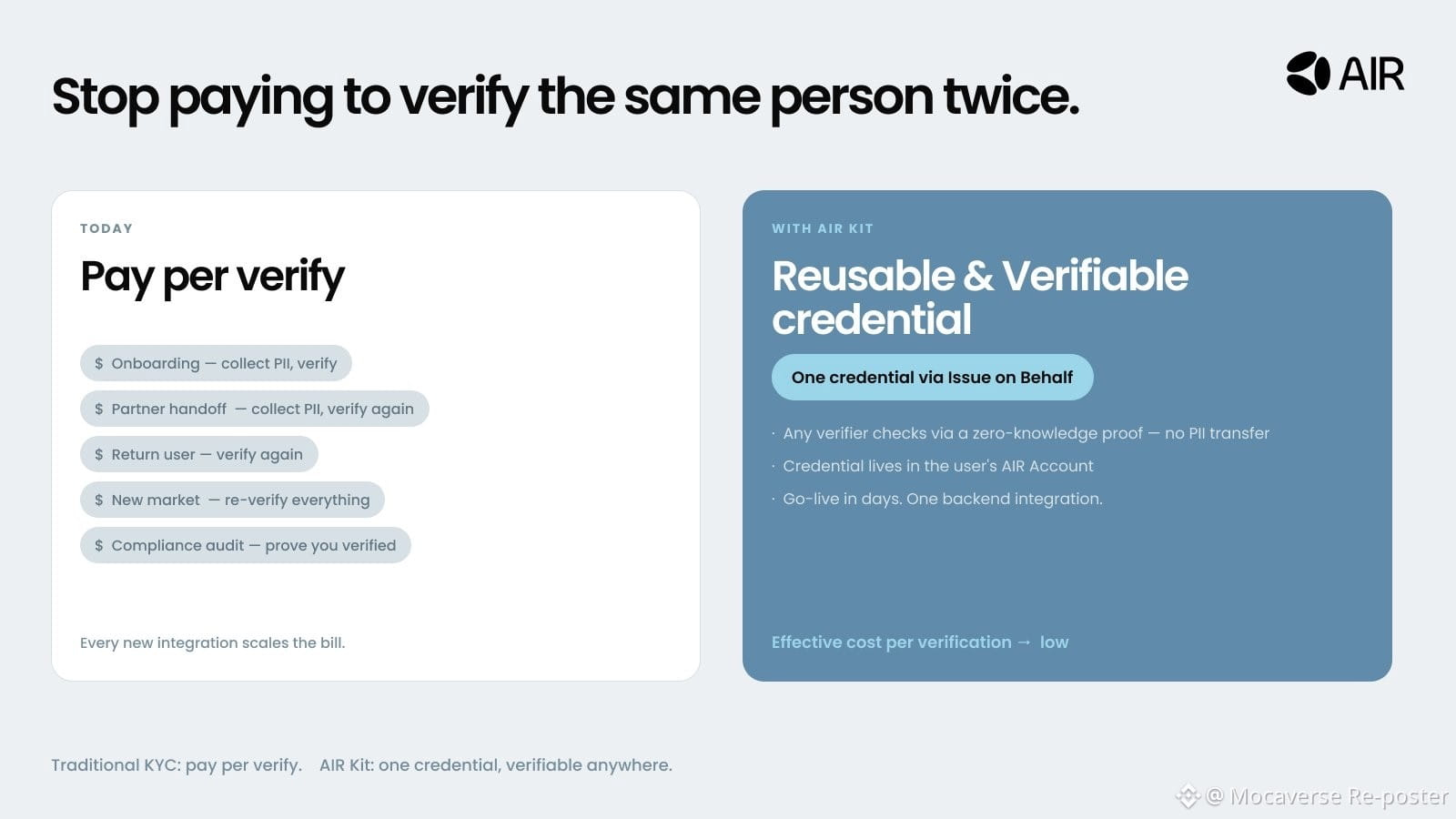
真の戦略的アイデンティティフレームワークを開発するには、検証プロセスを単なる孤立したコストではなく、適応可能な資産として見る必要があります。このアプローチのもとでは、発行者は資格情報を一度だけ生成します。検証を行う当事者は、その情報をどこでも利用でき、個人は自分の確立されたアイデンティティの証明を、何もゼロから始めることなく、あらゆるサービス、パートナー、プラットフォームに持っていくことができます。
再利用可能なアイデンティティモデルへの移行は、いくつかの具体的な方法であなたの業務を変革します。単一の認証イベントが、さまざまな製品や提携パートナーにシームレスにサービスを提供できます。組織は、生のPIIを決して露出させることなく、暗号的確認を達成します。さらに、検証のための財政的支出は、共有データの利点が増大するにつれて着実に減少します。最終的に、企業ははるかに迅速なオンボーディング体験を享受し、データ侵害への全体的な脆弱性を大幅に縮小します。
読む:
ビジネスにおけるアイデンティティデータの価値を最大化する
エンタープライズアーキテクチャ内では、アイデンティティ情報は非常に見落とされがちなリソースです。ほとんどの組織がこのデータを日常的に収集している一方で、その繰り返し利用の可能性を認識しているのはごく一部の企業だけです。
企業はしばしば、KYCプロトコルの繰り返しの負担、異なるシステムに散在する重複したPII、そしてサインアッププロセスでのユーザーの脱落に苦しんでいます。これらの課題は、セキュリティのために避けられない妥協ではありません。むしろ、システム設計の根本的な欠陥を表しています。
真の戦略的アイデンティティフレームワークを開発するには、検証プロセスを単なる孤立したコストではなく、適応可能な資産として見る必要があります。このアプローチのもとでは、発行者は資格情報を一度だけ生成します。検証を行う当事者は、その情報をどこでも利用でき、個人は自分の確立されたアイデンティティの証明を、何もゼロから始めることなく、あらゆるサービス、パートナー、プラットフォームに持っていくことができます。
再利用可能なアイデンティティモデルへの移行は、いくつかの具体的な方法であなたの業務を変革します。単一の認証イベントが、さまざまな製品や提携パートナーにシームレスにサービスを提供できます。組織は、生のPIIを決して露出させることなく、暗号的確認を達成します。さらに、検証のための財政的支出は、共有データの利点が増大するにつれて着実に減少します。最終的に、企業ははるかに迅速なオンボーディング体験を享受し、データ侵害への全体的な脆弱性を大幅に縮小します。
読む:
エンタープライズアーキテクチャ内では、アイデンティティ情報は非常に見落とされがちなリソースです。ほとんどの組織がこのデータを日常的に収集している一方で、その繰り返し利用の可能性を認識しているのはごく一部の企業だけです。
企業はしばしば、KYCプロトコルの繰り返しの負担、異なるシステムに散在する重複したPII、そしてサインアッププロセスでのユーザーの脱落に苦しんでいます。これらの課題は、セキュリティのために避けられない妥協ではありません。むしろ、システム設計の根本的な欠陥を表しています。
真の戦略的アイデンティティフレームワークを開発するには、検証プロセスを単なる孤立したコストではなく、適応可能な資産として見る必要があります。このアプローチのもとでは、発行者は資格情報を一度だけ生成します。検証を行う当事者は、その情報をどこでも利用でき、個人は自分の確立されたアイデンティティの証明を、何もゼロから始めることなく、あらゆるサービス、パートナー、プラットフォームに持っていくことができます。
再利用可能なアイデンティティモデルへの移行は、いくつかの具体的な方法であなたの業務を変革します。単一の認証イベントが、さまざまな製品や提携パートナーにシームレスにサービスを提供できます。組織は、生のPIIを決して露出させることなく、暗号的確認を達成します。さらに、検証のための財政的支出は、共有データの利点が増大するにつれて着実に減少します。最終的に、企業ははるかに迅速なオンボーディング体験を享受し、データ侵害への全体的な脆弱性を大幅に縮小します。
読む:
27
モカチェーンプライベートメインネットの最新情報
プライベートメインネットで「代理発行」機能が正式に稼働したことをお知らせできることを嬉しく思います。
ユーザーへの資格情報が自動的に届けられる、流れるような体験を想像してみてください。人々がそれを探し回る必要はありません。代理発行機能のおかげで、私たちのパートナーは、自分たちのバックエンドシステムから直接、検証可能な資格情報を生成し、配布することができるようになりました。
この新しいワークフローは非常にシンプルです。誰かがKYCプロセスを完了すると、zkProofed資格情報が自動的に彼らのAIRアカウントに入金され、将来の再利用のために即座に利用可能になります。もし誰かがすでにアカウントを持っていなければ、資格情報が作成される瞬間にプラットフォームが即座にアカウントを生成します。
また、プライバシーとセキュリティを最優先しています。これらの資格情報はオンチェーンに存在しますが、個人が明示的な同意を与えない限り、ユーザーデータは決して配布されません。さらに、すべての決済は標準の中央集権的データベースに依存することなく、モカチェーン上で安全に行われます。最後に、取引手数料は完全にペイマスターシステムによってカバーされます。これにより、ユーザーはガスタokenを保持したり扱ったりすることなく、スムーズな体験を楽しむことができます。
モカチェーンプライベートメインネットの最新情報
プライベートメインネットで「代理発行」機能が正式に稼働したことをお知らせできることを嬉しく思います。
ユーザーへの資格情報が自動的に届けられる、流れるような体験を想像してみてください。人々がそれを探し回る必要はありません。代理発行機能のおかげで、私たちのパートナーは、自分たちのバックエンドシステムから直接、検証可能な資格情報を生成し、配布することができるようになりました。
この新しいワークフローは非常にシンプルです。誰かがKYCプロセスを完了すると、zkProofed資格情報が自動的に彼らのAIRアカウントに入金され、将来の再利用のために即座に利用可能になります。もし誰かがすでにアカウントを持っていなければ、資格情報が作成される瞬間にプラットフォームが即座にアカウントを生成します。
また、プライバシーとセキュリティを最優先しています。これらの資格情報はオンチェーンに存在しますが、個人が明示的な同意を与えない限り、ユーザーデータは決して配布されません。さらに、すべての決済は標準の中央集権的データベースに依存することなく、モカチェーン上で安全に行われます。最後に、取引手数料は完全にペイマスターシステムによってカバーされます。これにより、ユーザーはガスタokenを保持したり扱ったりすることなく、スムーズな体験を楽しむことができます。
プライベートメインネットで「代理発行」機能が正式に稼働したことをお知らせできることを嬉しく思います。
ユーザーへの資格情報が自動的に届けられる、流れるような体験を想像してみてください。人々がそれを探し回る必要はありません。代理発行機能のおかげで、私たちのパートナーは、自分たちのバックエンドシステムから直接、検証可能な資格情報を生成し、配布することができるようになりました。
この新しいワークフローは非常にシンプルです。誰かがKYCプロセスを完了すると、zkProofed資格情報が自動的に彼らのAIRアカウントに入金され、将来の再利用のために即座に利用可能になります。もし誰かがすでにアカウントを持っていなければ、資格情報が作成される瞬間にプラットフォームが即座にアカウントを生成します。
また、プライバシーとセキュリティを最優先しています。これらの資格情報はオンチェーンに存在しますが、個人が明示的な同意を与えない限り、ユーザーデータは決して配布されません。さらに、すべての決済は標準の中央集権的データベースに依存することなく、モカチェーン上で安全に行われます。最後に、取引手数料は完全にペイマスターシステムによってカバーされます。これにより、ユーザーはガスタokenを保持したり扱ったりすることなく、スムーズな体験を楽しむことができます。

17
ログインして、さらにコンテンツを読む
厳選トピックで世界の暗号資産トレーダーの仲間入り
⚡️ 暗号資産に関する最新かつ有益な情報が見つかります。
💬 世界最大の暗号資産取引所から信頼されています。
👍 認証を受けたクリエイターから、有益なインサイトを得られます。
メール / 電話番号
トレンドトピック
SECReceivesGrayscaleLitecoinTrustETFFiling
閲覧回数 757
60人が討論中
米国証券取引委員会(SEC)は、グレイスケールによるスポット・ライトコイン・トラストETFの申請を受理しました。この動きは、ビットコインETFに関する同様の申請に続き、デジタル資産のより幅広い機関投資家による採用に向けた潜在的な一歩を示しています。市場はSECの判断を注意深く見守ることになります。なぜなら、それが他のアルトコインを基にしたETFの前例となり得るからです。この進展は、投資家心理や、$LTC およびその他の暗号資産の取引活動に影響を与える可能性があります。
この情報は情報提供のみを目的としており、投資助言を構成するものではありません。
#SECReceivesGrayscaleLitecoinTrustETFFiling $BTC
vuducdung1308
·いいね:0件
·閲覧回数 31
ClarityActFacesProceduralVoteSept15
閲覧回数 79,570
1,022人が討論中
US10YearTreasuryYieldNears5%
閲覧回数 29,096
522人が討論中