

Ragnar_bnb
5.9k 投稿

Ragnar_bnb
 厳選トピック確認済
報告
ユーザーをブロック
Latest crypto news & trading signals | X : @ragnar_bnb
取引を発注
高頻度トレーダー
3.2年
368 フォロー
35.8K+ フォロワー
36.6K+ いいね
投稿
ポートフォリオ
すべて
引用
ライブ
·
--
ブリッシュ
翻訳参照
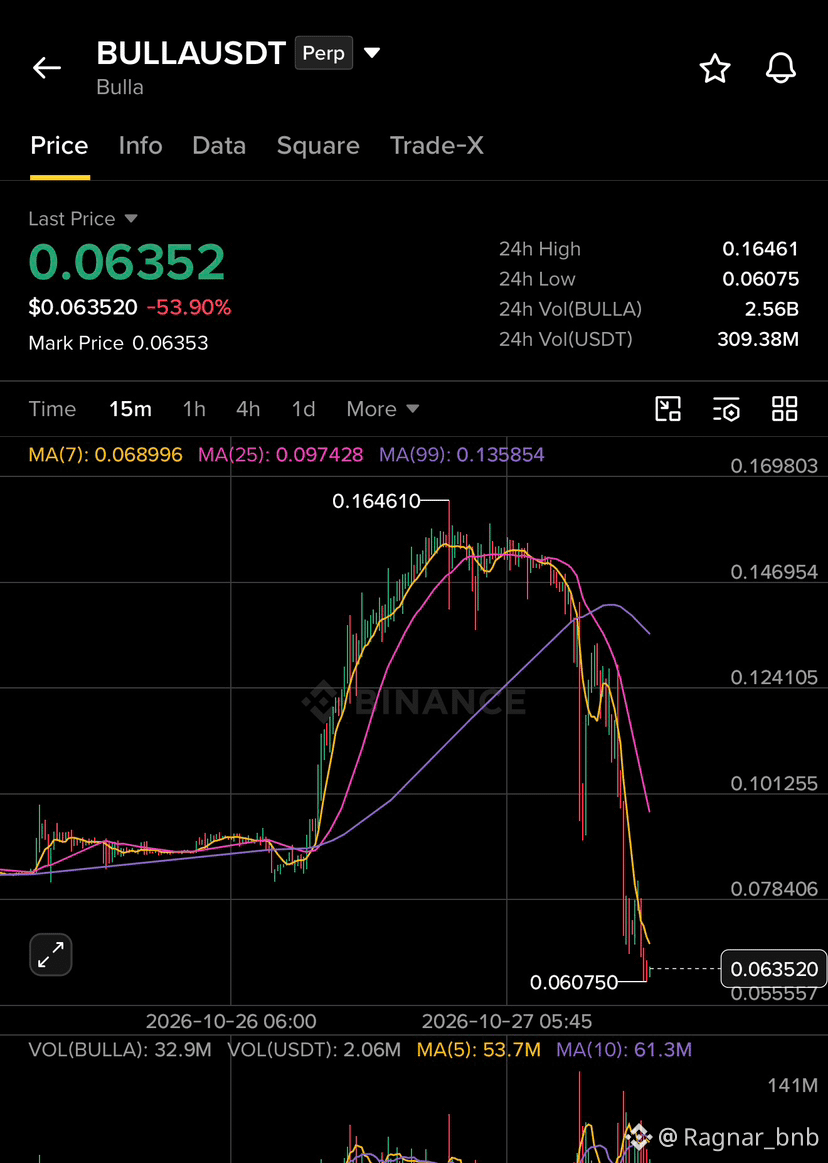
$BULLA gainer yesterday and loser today😅
And it will be gainer again tomorrow lol.
$BULLA gainer yesterday and loser today😅
And it will be gainer again tomorrow lol.
And it will be gainer again tomorrow lol.
223
·
--
ブリッシュ
翻訳参照
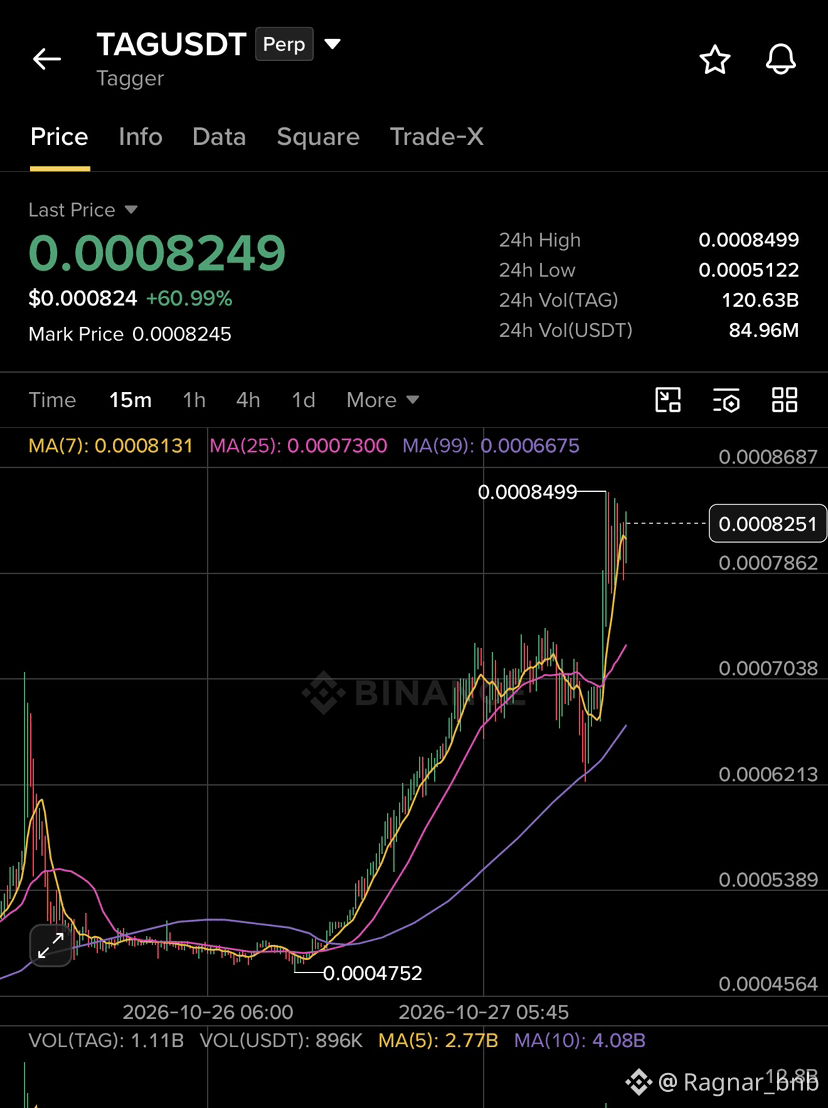
🚀 $TAG EXPLODES +60.99%!
$TAG is showing massive bullish momentum on the 15M chart, with all three moving averages aligned upward.
📈 Potential LONG Setup
🟢 Entry: 0.000780–0.000800
🎯 TP1: 0.000850
🎯 TP2: 0.000870
🎯 TP3: 0.000900
🛑 SL: 0.000755
🔥 Resistance: 0.0008499
Will $TAG break higher or face a correction? Don’t FOMO after a massive pump wait for confirmation and manage risk!
🚀 $TAG EXPLODES +60.99%!
$TAG is showing massive bullish momentum on the 15M chart, with all three moving averages aligned upward.
📈 Potential LONG Setup
🟢 Entry: 0.000780–0.000800
🎯 TP1: 0.000850
🎯 TP2: 0.000870
🎯 TP3: 0.000900
🛑 SL: 0.000755
🔥 Resistance: 0.0008499
Will $TAG break higher or face a correction? Don’t FOMO after a massive pump wait for confirmation and manage risk!
$TAG is showing massive bullish momentum on the 15M chart, with all three moving averages aligned upward.
📈 Potential LONG Setup
🟢 Entry: 0.000780–0.000800
🎯 TP1: 0.000850
🎯 TP2: 0.000870
🎯 TP3: 0.000900
🛑 SL: 0.000755
🔥 Resistance: 0.0008499
Will $TAG break higher or face a correction? Don’t FOMO after a massive pump wait for confirmation and manage risk!
45
·
--
翻訳参照
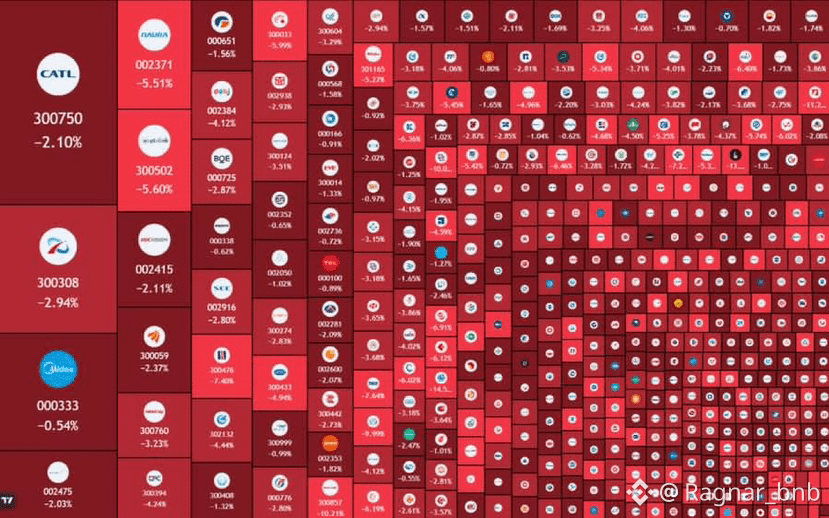
🚨 CHINA’S STOCK MARKET IN SHOCK! 🇨🇳
💥 A staggering ¥1.43 trillion reportedly wiped out from Chinese stocks as fears of an AI bubble intensify.
📉 Is China’s AI boom losing momentum, or is this just a market correction?
⚠️ Stay alert. Volatility can create opportunities and serious risks.
#AI #stockmarket #Crypto $NVDAB $AAPLB $MSFTB
🚨 CHINA’S STOCK MARKET IN SHOCK! 🇨🇳
💥 A staggering ¥1.43 trillion reportedly wiped out from Chinese stocks as fears of an AI bubble intensify.
📉 Is China’s AI boom losing momentum, or is this just a market correction?
⚠️ Stay alert. Volatility can create opportunities and serious risks.
#AI #stockmarket #Crypto $NVDAB $AAPLB $MSFTB
💥 A staggering ¥1.43 trillion reportedly wiped out from Chinese stocks as fears of an AI bubble intensify.
📉 Is China’s AI boom losing momentum, or is this just a market correction?
⚠️ Stay alert. Volatility can create opportunities and serious risks.
#AI #stockmarket #Crypto $NVDAB $AAPLB $MSFTB
1
132
·
--
弱気相場
翻訳参照
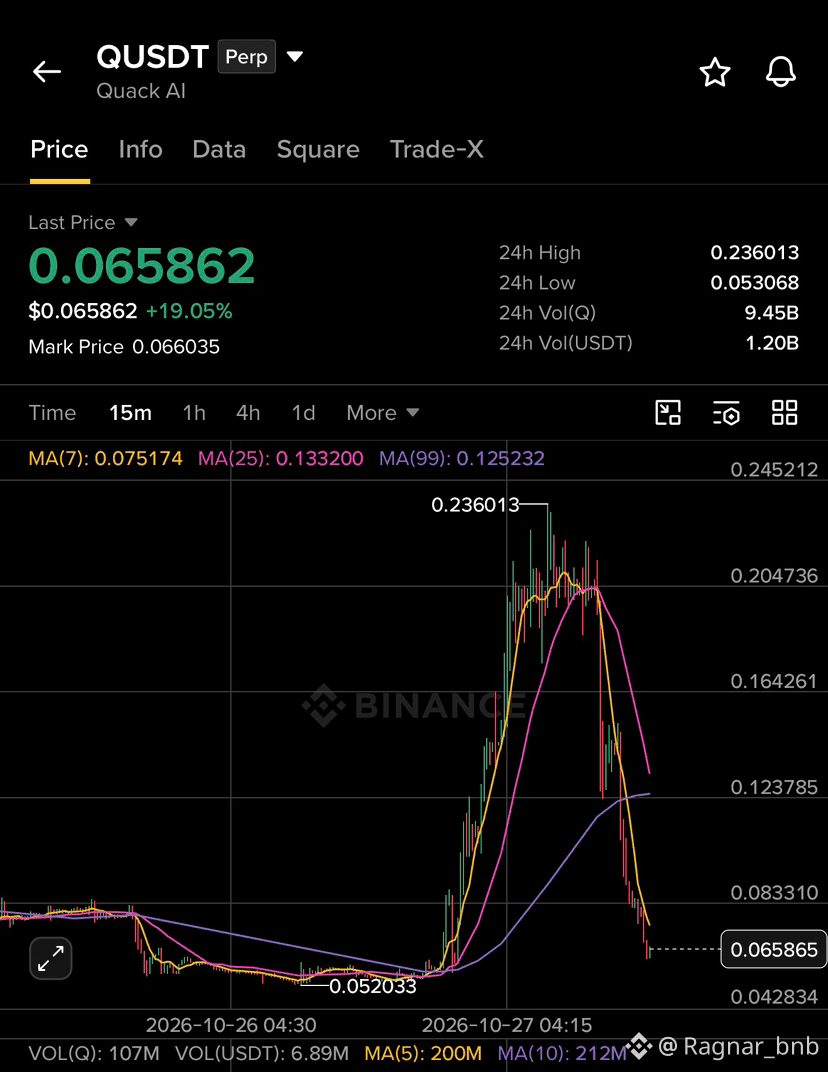
Did you take my call here?
If yes congrats, $Q below $0.05
Did you take my call here?
If yes congrats, $Q below $0.05
If yes congrats, $Q below $0.05
Ragnar_bnb
·
--
弱気相場Told you $Q would dump..
Congrats if u made profit.
Its going to $.1
Congrats if u made profit.
Its going to $.1
337
·
--
弱気相場
翻訳参照
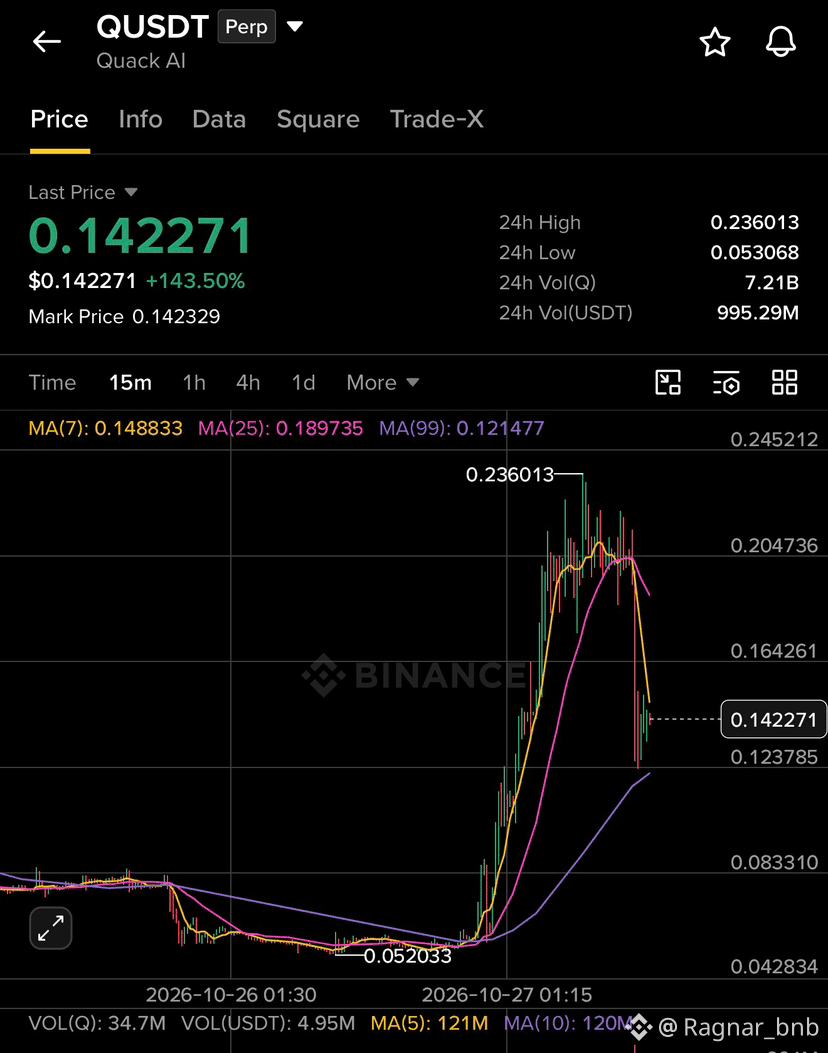
Told you $Q would dump..
Congrats if u made profit.
Its going to $.1
Told you $Q would dump..
Congrats if u made profit.
Its going to $.1
Congrats if u made profit.
Its going to $.1
Ragnar_bnb
·
--
弱気相場$Q Will come down for sure…
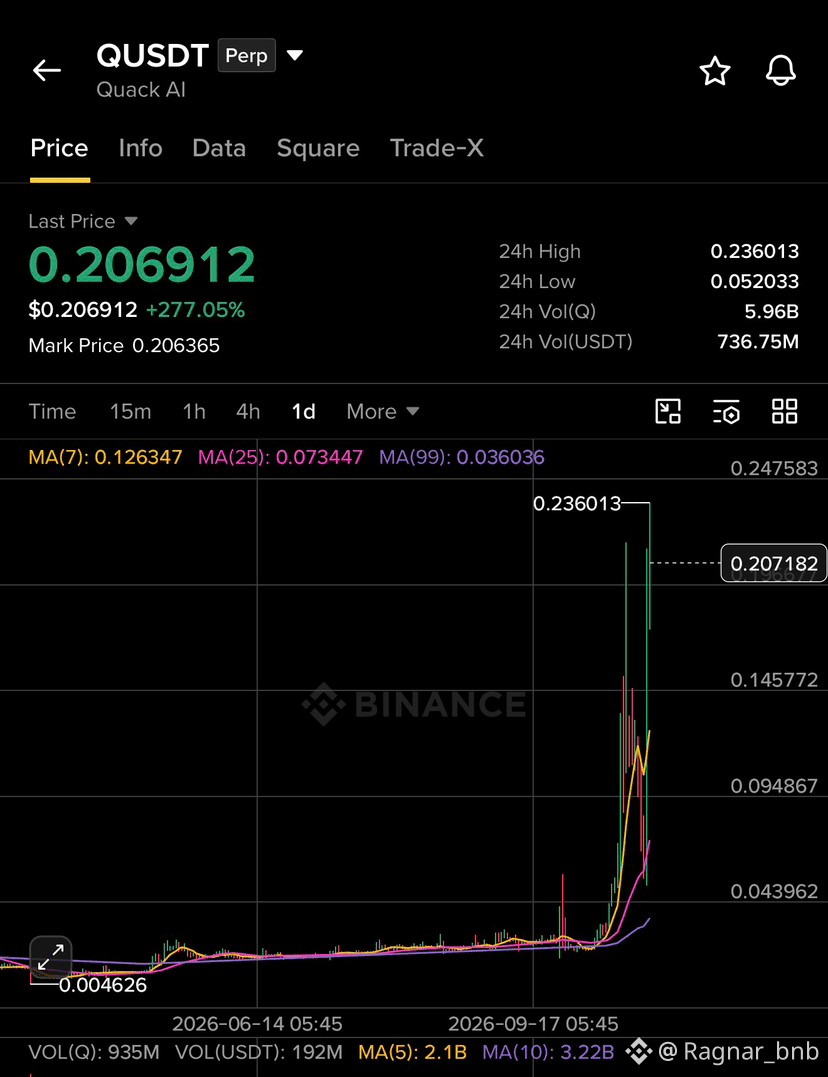
🚨 $Q PUMPING +277%!
Price is near 0.207, with resistance at 0.236.
Short it below 0.2.
📈 Bullish momentum, but a sharp correction is possible after this massive pump.
🎯 My move: Wait for confirmation before LONG or SHORT. Manage risk!
#signaladvisor
🚨 $Q PUMPING +277%!
Price is near 0.207, with resistance at 0.236.
Short it below 0.2.
📈 Bullish momentum, but a sharp correction is possible after this massive pump.
🎯 My move: Wait for confirmation before LONG or SHORT. Manage risk!
#signaladvisor
1
1
438
·
--
弱気相場
翻訳参照
$Q Will come down for sure…
🚨 $Q PUMPING +277%!
Price is near 0.207, with resistance at 0.236.
Short it below 0.2.
📈 Bullish momentum, but a sharp correction is possible after this massive pump.
🎯 My move: Wait for confirmation before LONG or SHORT. Manage risk!
#signaladvisor
$Q Will come down for sure…
🚨 $Q PUMPING +277%!
Price is near 0.207, with resistance at 0.236.
Short it below 0.2.
📈 Bullish momentum, but a sharp correction is possible after this massive pump.
🎯 My move: Wait for confirmation before LONG or SHORT. Manage risk!
#signaladvisor
🚨 $Q PUMPING +277%!
Price is near 0.207, with resistance at 0.236.
Short it below 0.2.
📈 Bullish momentum, but a sharp correction is possible after this massive pump.
🎯 My move: Wait for confirmation before LONG or SHORT. Manage risk!
#signaladvisor
1
1
428
·
--
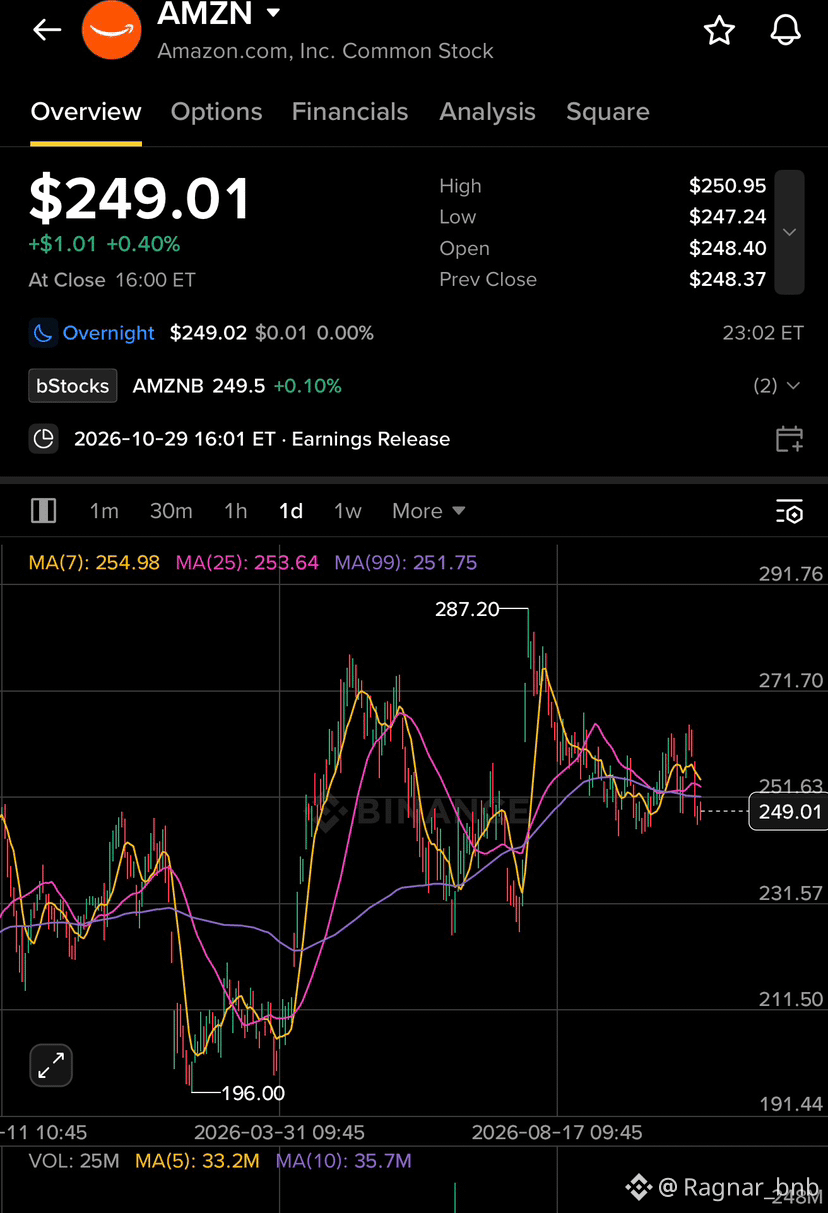
🚨 市場にとって重要な一週間がやってきます!
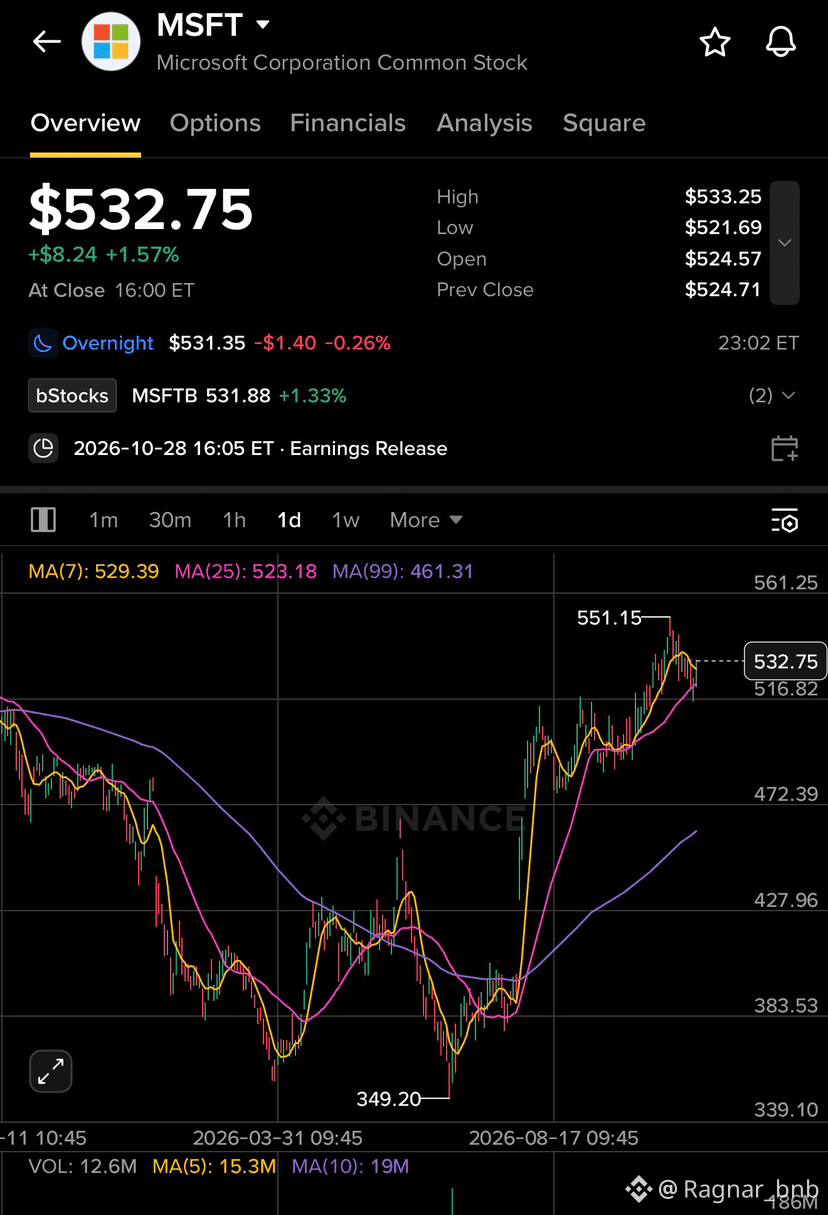
暗号資産市場と従来型市場の両方を揺るがす可能性のある、経済指標が目白押しの一週間に備えましょう。👀
📅 注目のイベント:
🔹 火曜日:🇺🇸 米国新築住宅販売件数
🔹 水曜日:🏦 米連邦準備制度理事会(FRB)の金利決定 + Microsoft ($MSFT ) と Alphabet ($GOOGL) の決算発表
🔹 木曜日:📊 米国PCEインフレ率 + 第3四半期GDPデータ + Amazon ($AMZN ) と Intel ($INTC) の決算発表
🔹 一週間を通して:📈 S&P 500構成企業の約20%が決算を発表する見込みです。
💡 注目すべき理由:FRBの政策、インフレ、経済成長、そして大手テック企業の決算が、株式、ビットコイン、アルトコインの大きな値動きのきっかけになる可能性があります。
👀 どのイベントに最も注目していますか?
$BTC $ETH $BNB $SOL $GOOGL $INTC
#BinancePick #EarningsSeason
🚨 市場にとって重要な一週間がやってきます!
暗号資産市場と従来型市場の両方を揺るがす可能性のある、経済指標が目白押しの一週間に備えましょう。👀
📅 注目のイベント:
🔹 火曜日:🇺🇸 米国新築住宅販売件数
🔹 水曜日:🏦 米連邦準備制度理事会(FRB)の金利決定 + Microsoft ($MSFT ) と Alphabet ($GOOGL ) の決算発表
🔹 木曜日:📊 米国PCEインフレ率 + 第3四半期GDPデータ + Amazon ($AMZN ) と Intel ($INTC) の決算発表
🔹 一週間を通して:📈 S&P 500構成企業の約20%が決算を発表する見込みです。
💡 注目すべき理由:FRBの政策、インフレ、経済成長、そして大手テック企業の決算が、株式、ビットコイン、アルトコインの大きな値動きのきっかけになる可能性があります。
👀 どのイベントに最も注目していますか?
$BTC $ETH $BNB $SOL $GOOGL $INTC
#BinancePick #EarningsSeason
暗号資産市場と従来型市場の両方を揺るがす可能性のある、経済指標が目白押しの一週間に備えましょう。👀
📅 注目のイベント:
🔹 火曜日:🇺🇸 米国新築住宅販売件数
🔹 水曜日:🏦 米連邦準備制度理事会(FRB)の金利決定 + Microsoft ($MSFT ) と Alphabet ($GOOGL ) の決算発表
🔹 木曜日:📊 米国PCEインフレ率 + 第3四半期GDPデータ + Amazon ($AMZN ) と Intel ($INTC) の決算発表
🔹 一週間を通して:📈 S&P 500構成企業の約20%が決算を発表する見込みです。
💡 注目すべき理由:FRBの政策、インフレ、経済成長、そして大手テック企業の決算が、株式、ビットコイン、アルトコインの大きな値動きのきっかけになる可能性があります。
👀 どのイベントに最も注目していますか?
$BTC $ETH $BNB $SOL $GOOGL $INTC
#BinancePick #EarningsSeason
295
·
--
ブリッシュ
翻訳参照
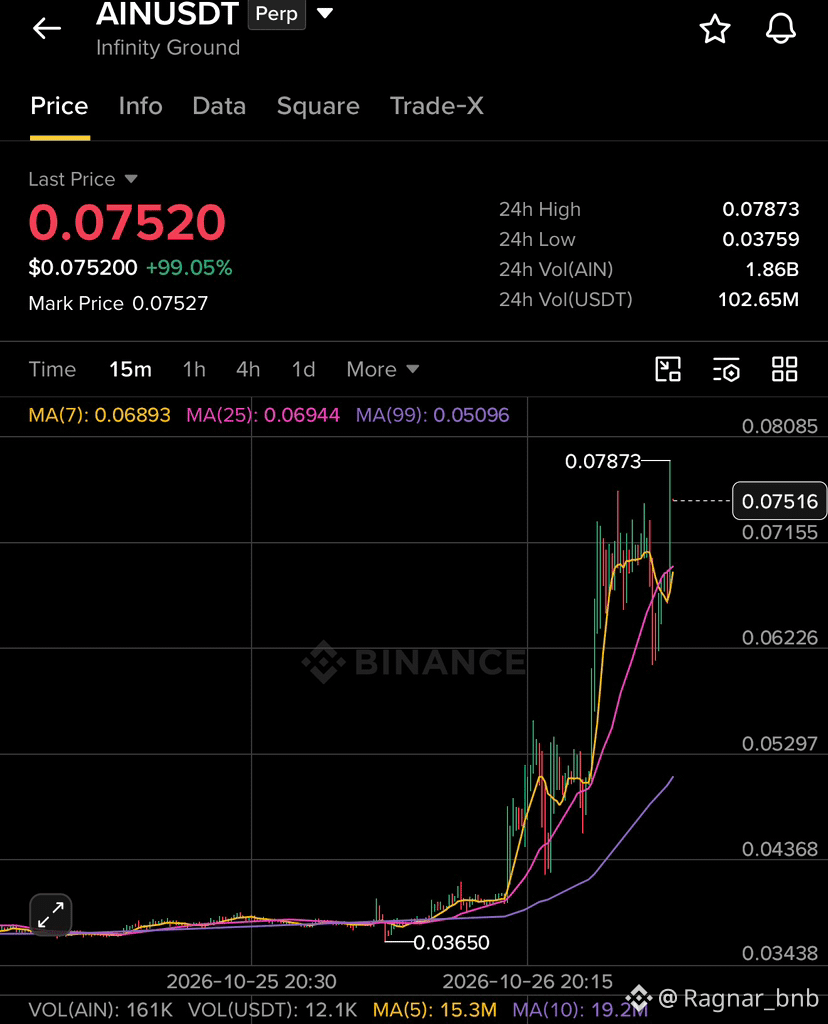
New gainer in the house $AIN ..
Its pumping good now and best for short term scalp
but be aware it will come down like it went up asap.
So be carefull and short it later.
Best of luck.
#BinancePick
New gainer in the house $AIN ..
Its pumping good now and best for short term scalp
but be aware it will come down like it went up asap.
So be carefull and short it later.
Best of luck.
#BinancePick
Its pumping good now and best for short term scalp
but be aware it will come down like it went up asap.
So be carefull and short it later.
Best of luck.
#BinancePick
176
·
--
ブリッシュ
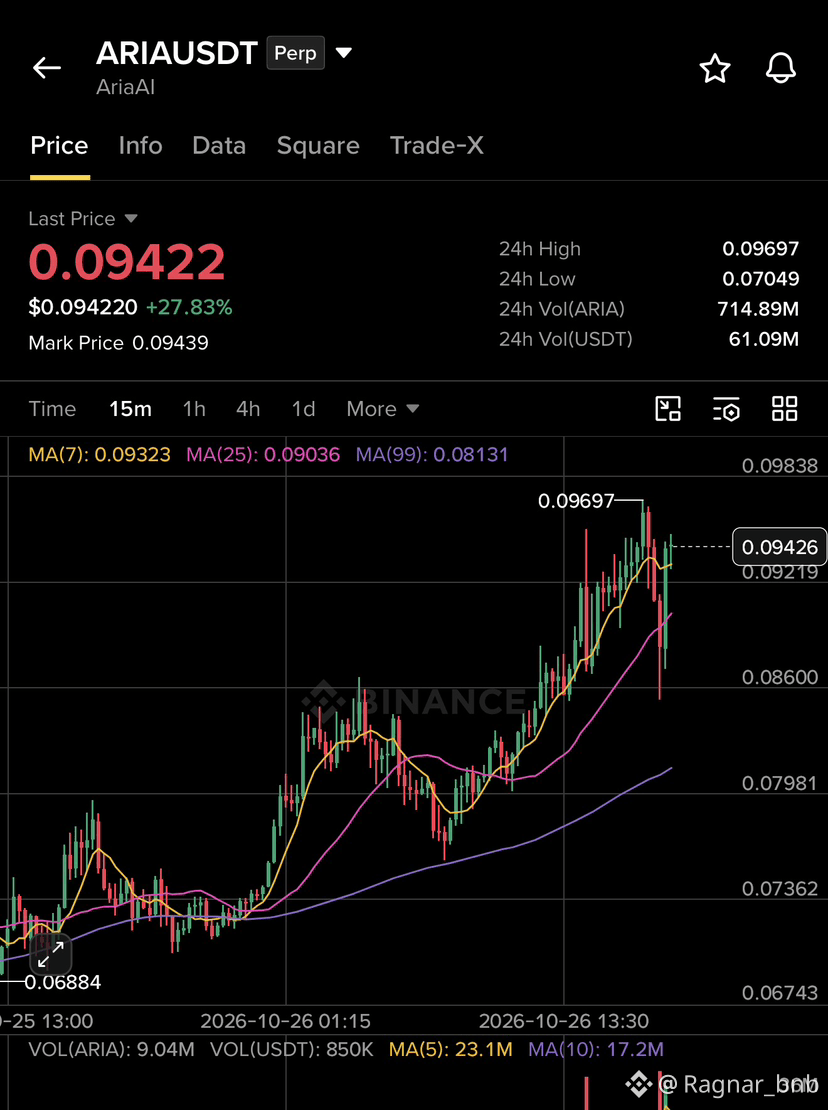
🚀 $ARIA : 強気派は再び上昇を狙う?
15分足チャートは引き続き強気ですが、0.0970付近で強く反落しており、ボラティリティの高さを示しています。
📈 ロングの可能性があるセットアップ:
🟢 エントリー:0.0915~0.0930
🎯 TP1:0.0950
🎯 TP2:0.0969
🎯 TP3:0.1000
🛑 SL:0.0895
⚠️ 確認を待ち、FOMOによる飛び乗りは避けましょう。サポートを割った場合、このセットアップは無効になります。
$ARIA は0.0970を奪回できるでしょうか?
{alpha}(560x5d3a12c42e5372b2cc3264ab3cdcf660a1555238)
🚀 $ARIA : 強気派は再び上昇を狙う?
15分足チャートは引き続き強気ですが、0.0970付近で強く反落しており、ボラティリティの高さを示しています。
📈 ロングの可能性があるセットアップ:
🟢 エントリー:0.0915~0.0930
🎯 TP1:0.0950
🎯 TP2:0.0969
🎯 TP3:0.1000
🛑 SL:0.0895
⚠️ 確認を待ち、FOMOによる飛び乗りは避けましょう。サポートを割った場合、このセットアップは無効になります。
$ARIA は0.0970を奪回できるでしょうか?
15分足チャートは引き続き強気ですが、0.0970付近で強く反落しており、ボラティリティの高さを示しています。
📈 ロングの可能性があるセットアップ:
🟢 エントリー:0.0915~0.0930
🎯 TP1:0.0950
🎯 TP2:0.0969
🎯 TP3:0.1000
🛑 SL:0.0895
⚠️ 確認を待ち、FOMOによる飛び乗りは避けましょう。サポートを割った場合、このセットアップは無効になります。
$ARIA は0.0970を奪回できるでしょうか?
1
352
·
--
ブリッシュ
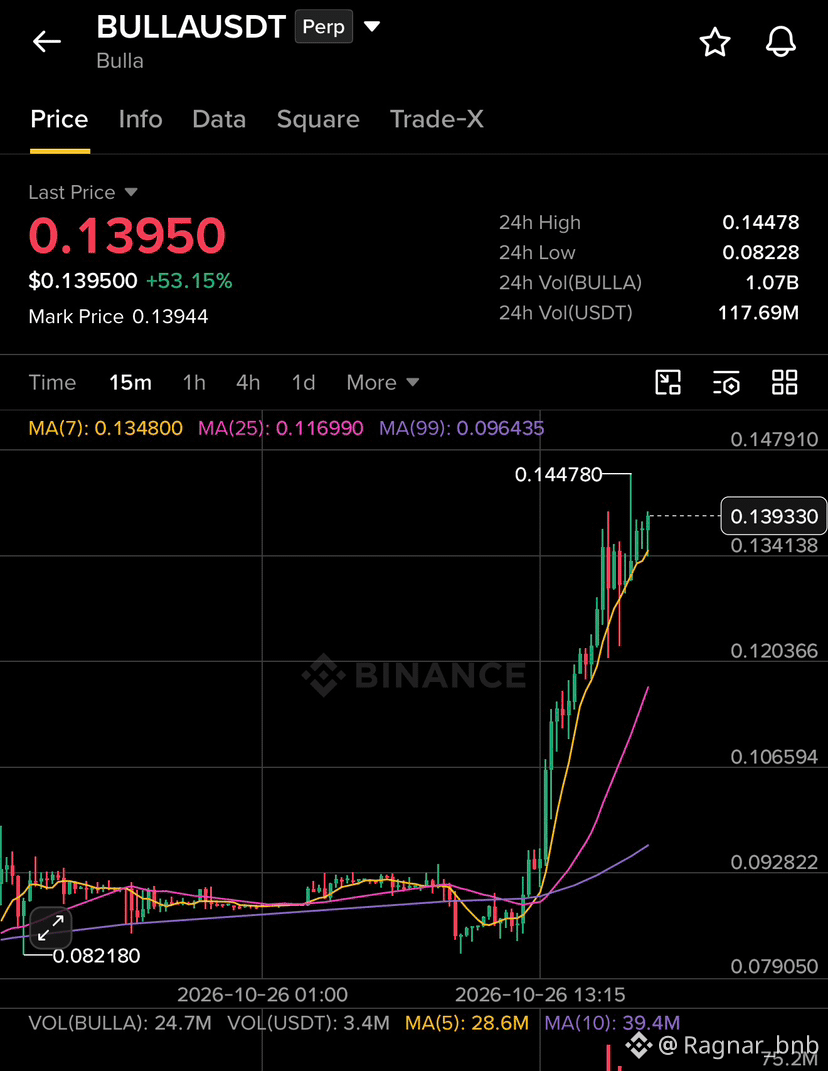
🚀 $BULLA 急騰 +53%!
$BULLA は15分足チャートで力強い上昇モメンタムを示しており、3本すべての移動平均線が上向きに揃っています。
📈 ロングのセットアップ候補
🟢 エントリー:0.1330~0.1360
🎯 TP1:0.1448
🎯 TP2:0.1500
🎯 TP3:0.1550
🛑 SL:0.1290
🔥 主なレジスタンス:0.14478
BULLAは新高値を更新するでしょうか、それとも調整が来るでしょうか?大幅上昇の後にFOMOで飛び乗らず、確認を待ってリスクを管理しましょう。
#BinancePick #EarningsSeason #TradingSignals
🚀 $BULLA 急騰 +53%!
$BULLA は15分足チャートで力強い上昇モメンタムを示しており、3本すべての移動平均線が上向きに揃っています。
📈 ロングのセットアップ候補
🟢 エントリー:0.1330~0.1360
🎯 TP1:0.1448
🎯 TP2:0.1500
🎯 TP3:0.1550
🛑 SL:0.1290
🔥 主なレジスタンス:0.14478
BULLAは新高値を更新するでしょうか、それとも調整が来るでしょうか?大幅上昇の後にFOMOで飛び乗らず、確認を待ってリスクを管理しましょう。
#BinancePick #EarningsSeason #TradingSignals
$BULLA は15分足チャートで力強い上昇モメンタムを示しており、3本すべての移動平均線が上向きに揃っています。
📈 ロングのセットアップ候補
🟢 エントリー:0.1330~0.1360
🎯 TP1:0.1448
🎯 TP2:0.1500
🎯 TP3:0.1550
🛑 SL:0.1290
🔥 主なレジスタンス:0.14478
BULLAは新高値を更新するでしょうか、それとも調整が来るでしょうか?大幅上昇の後にFOMOで飛び乗らず、確認を待ってリスクを管理しましょう。
#BinancePick #EarningsSeason #TradingSignals
1
448
·
--
ブリッシュ
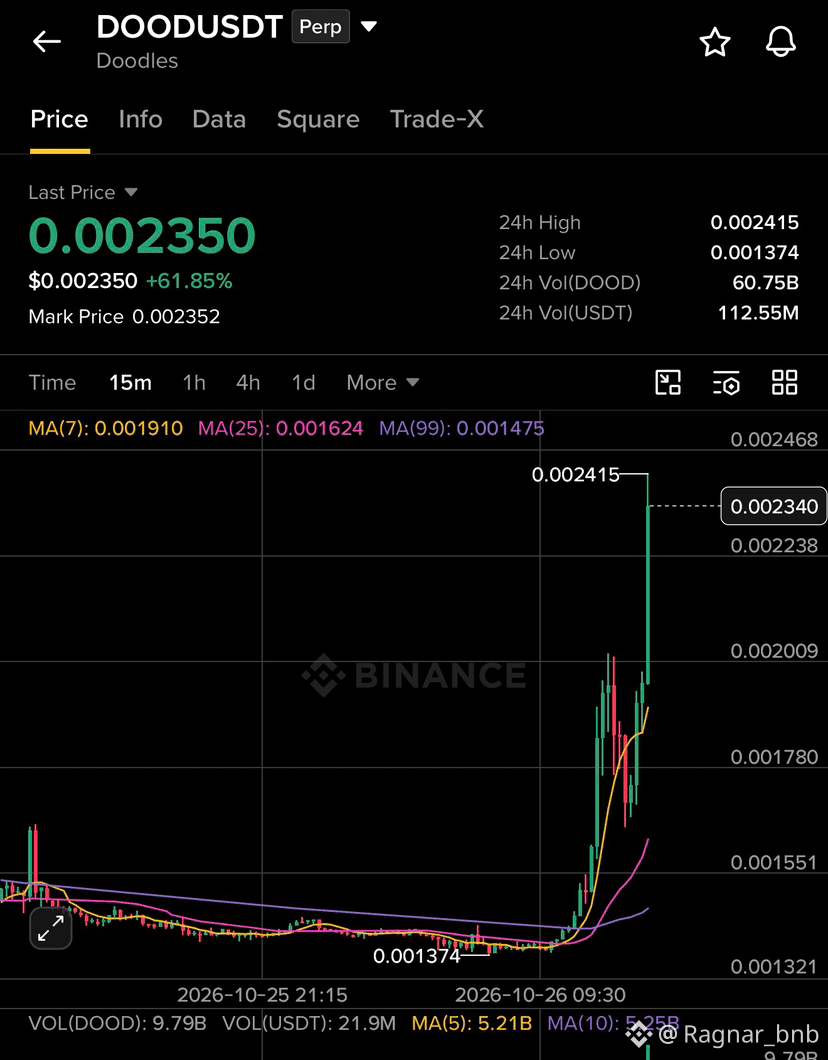
🚀 $DOOD が+61.85%急騰!
$DOOD は15分足チャートで強い上昇モメンタムを見せており、急激なブレイクアウトと出来高の増加が見られます。
📈 ロングの可能性
🟢 エントリー:0.00220–0.00226
🎯 TP1:0.002415
🎯 TP2:0.00250
🎯 TP3:0.00260
🛑 SL:0.00208
⚠️ 価格は大きく上昇しています!FOMOで飛び乗らず、押し目と確認を待ちましょう。ボラティリティによって急反転する可能性があります。
$DOOD は高値を更新できるでしょうか? 👀
#cryptotrading #取引シグナル
🚀 $DOOD が+61.85%急騰!
$DOOD は15分足チャートで強い上昇モメンタムを見せており、急激なブレイクアウトと出来高の増加が見られます。
📈 ロングの可能性
🟢 エントリー:0.00220–0.00226
🎯 TP1:0.002415
🎯 TP2:0.00250
🎯 TP3:0.00260
🛑 SL:0.00208
⚠️ 価格は大きく上昇しています!FOMOで飛び乗らず、押し目と確認を待ちましょう。ボラティリティによって急反転する可能性があります。
$DOOD は高値を更新できるでしょうか? 👀
#cryptotrading #取引シグナル
$DOOD は15分足チャートで強い上昇モメンタムを見せており、急激なブレイクアウトと出来高の増加が見られます。
📈 ロングの可能性
🟢 エントリー:0.00220–0.00226
🎯 TP1:0.002415
🎯 TP2:0.00250
🎯 TP3:0.00260
🛑 SL:0.00208
⚠️ 価格は大きく上昇しています!FOMOで飛び乗らず、押し目と確認を待ちましょう。ボラティリティによって急反転する可能性があります。
$DOOD は高値を更新できるでしょうか? 👀
#cryptotrading #取引シグナル
1
300
·
--
ブリッシュ
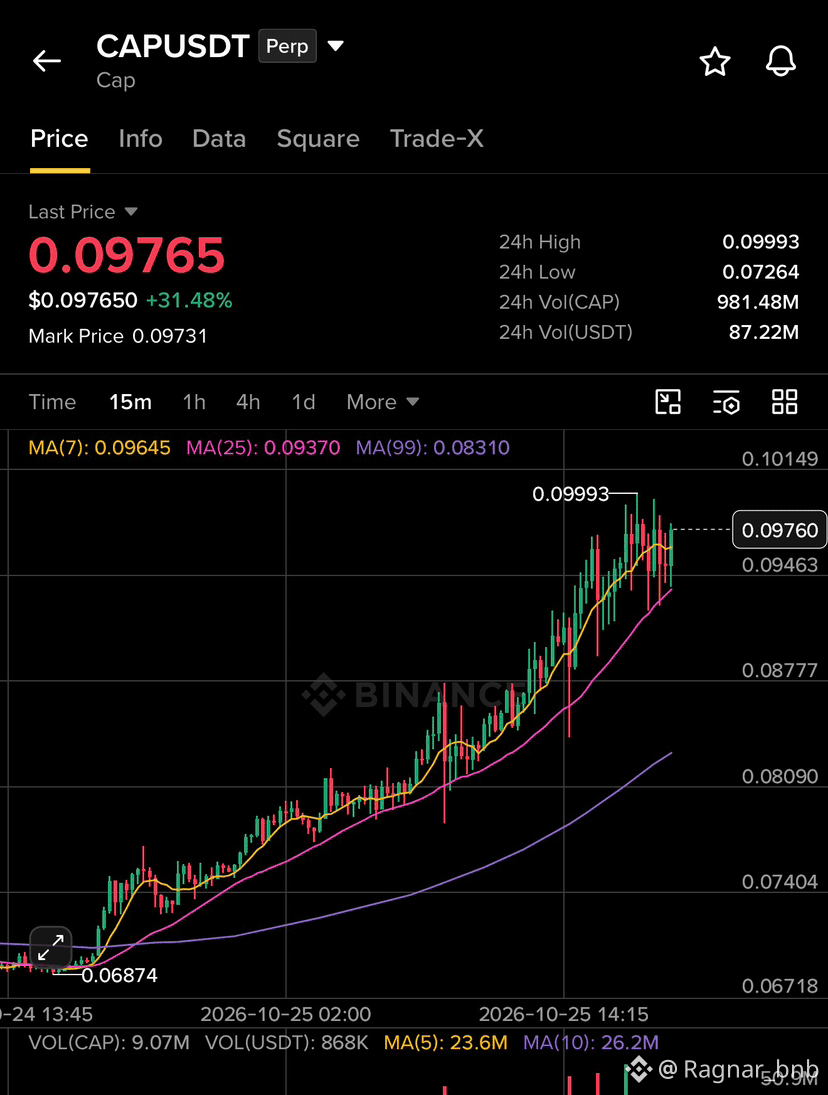
🚀 CAPUSDT:強気派は0.1000を目指す!
$CAP は24時間で31.48%上昇。15分足チャートも、MA(7)がMA(25)とMA(99)を上回り、強気基調を維持しています。
📈 ロングの可能性
🟢 エントリー:0.0945–0.0960
🎯 利確目標1:0.0990
🎯 利確目標2:0.1020
🎯 利確目標3:0.1050
🛑 損切り:0.0925
⚠️ 0.1000付近に抵抗線があります。急騰後にFOMOで飛び乗らず、確認を待ってリスクを管理しましょう。
$CAP はさらに上昇するでしょうか、それとも調整に直面するでしょうか?
#Binance #cryptotrading #取引シグナル
🚀 CAPUSDT:強気派は0.1000を目指す!
$CAP は24時間で31.48%上昇。15分足チャートも、MA(7)がMA(25)とMA(99)を上回り、強気基調を維持しています。
📈 ロングの可能性
🟢 エントリー:0.0945–0.0960
🎯 利確目標1:0.0990
🎯 利確目標2:0.1020
🎯 利確目標3:0.1050
🛑 損切り:0.0925
⚠️ 0.1000付近に抵抗線があります。急騰後にFOMOで飛び乗らず、確認を待ってリスクを管理しましょう。
$CAP はさらに上昇するでしょうか、それとも調整に直面するでしょうか?
#Binance #cryptotrading #取引シグナル
$CAP は24時間で31.48%上昇。15分足チャートも、MA(7)がMA(25)とMA(99)を上回り、強気基調を維持しています。
📈 ロングの可能性
🟢 エントリー:0.0945–0.0960
🎯 利確目標1:0.0990
🎯 利確目標2:0.1020
🎯 利確目標3:0.1050
🛑 損切り:0.0925
⚠️ 0.1000付近に抵抗線があります。急騰後にFOMOで飛び乗らず、確認を待ってリスクを管理しましょう。
$CAP はさらに上昇するでしょうか、それとも調整に直面するでしょうか?
#Binance #cryptotrading #取引シグナル
2
408
·
--
ブリッシュ
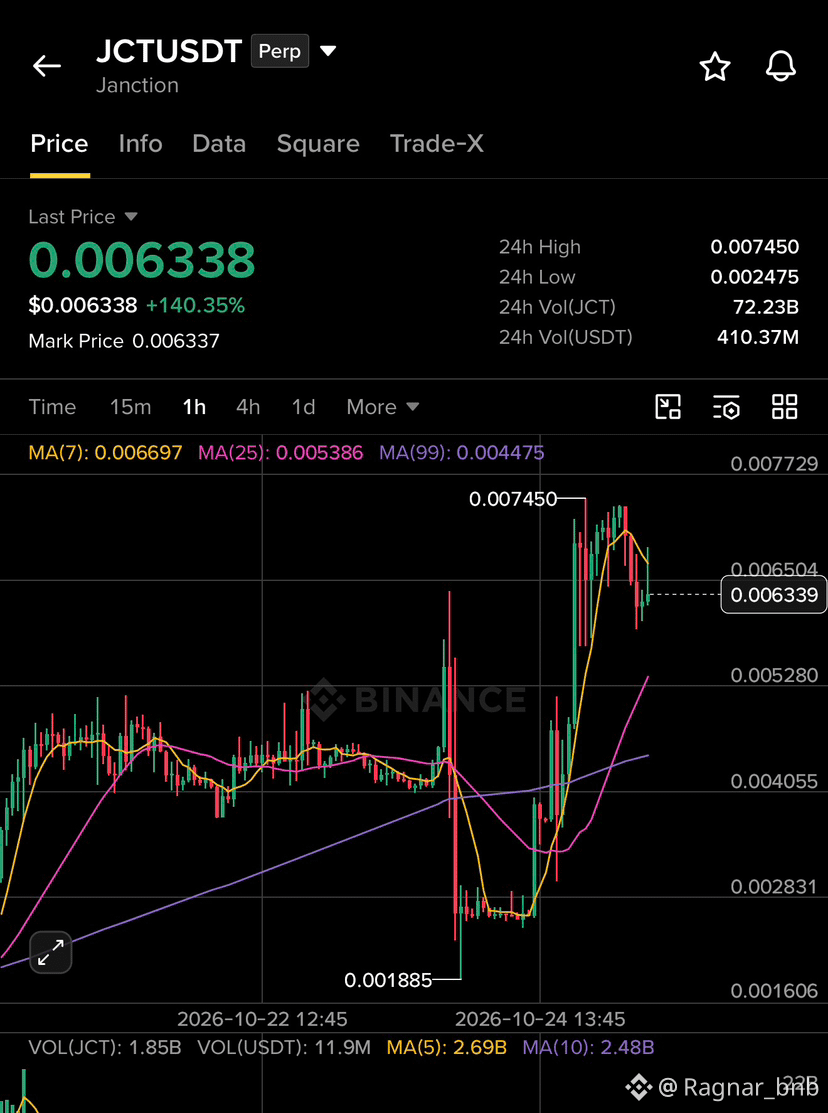
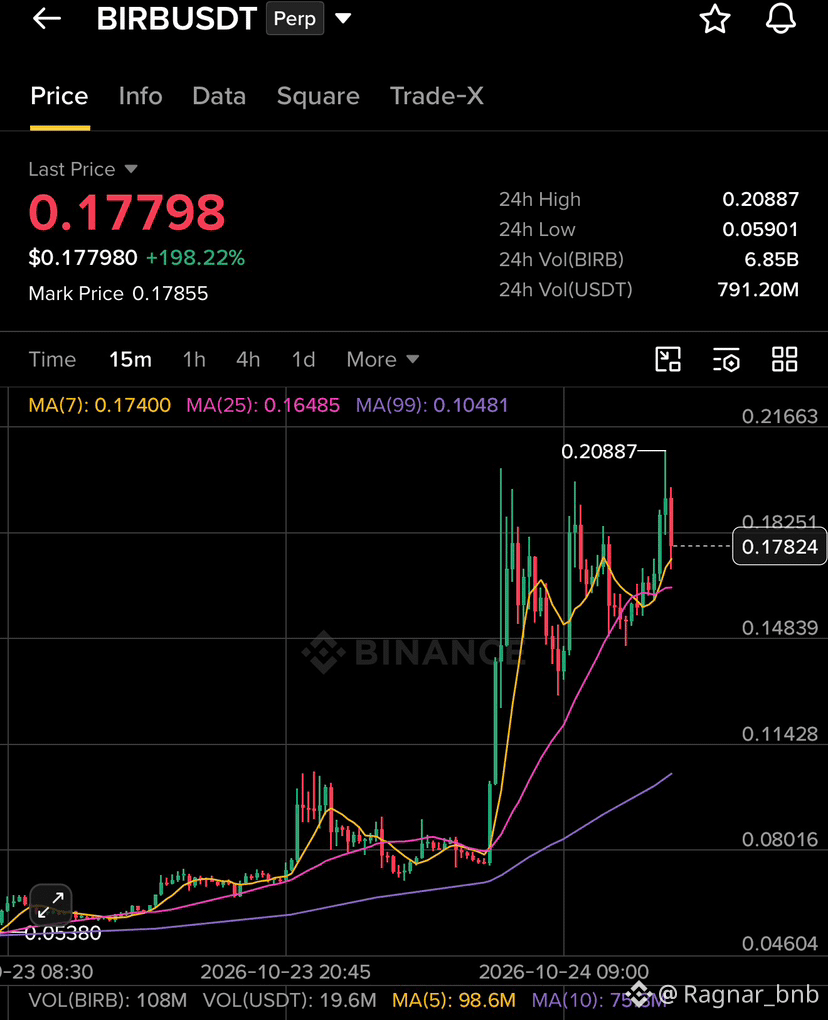
最初は$IRYS 、次に$ORDER 、そして今日は$JCT
偽のパンプ相場の手口…注意😅
スキャルピングのみ…上値を拒まれた後にショート。
最初は$IRYS 、次に$ORDER 、そして今日は$JCT
偽のパンプ相場の手口…注意😅
スキャルピングのみ…上値を拒まれた後にショート。
偽のパンプ相場の手口…注意😅
スキャルピングのみ…上値を拒まれた後にショート。
1.2k
·
--
弱気相場
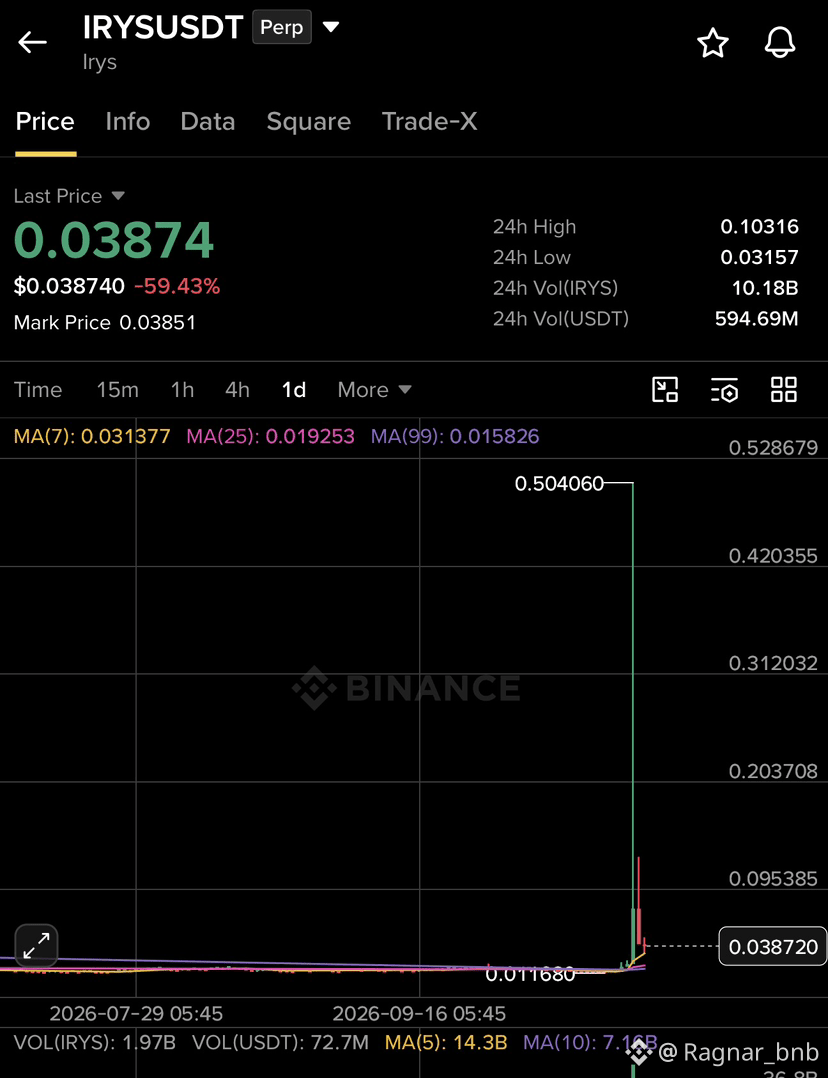
$IRYS 元の位置に戻ってきてるみたい😅
まだロングしないで…長期保有するつもりなら買ってもいいかも。
{alpha}(560x91152b4ef635403efbae860edd0f8c321d7c035d)
$IRYS 元の位置に戻ってきてるみたい😅
まだロングしないで…長期保有するつもりなら買ってもいいかも。
まだロングしないで…長期保有するつもりなら買ってもいいかも。
Ragnar_bnb
·
--
弱気相場$IRYS $XNY $PHA 今日の負け組。今はしばらくショートし続けて。その後はロングにしよう。
1
594
·
--
ブリッシュ
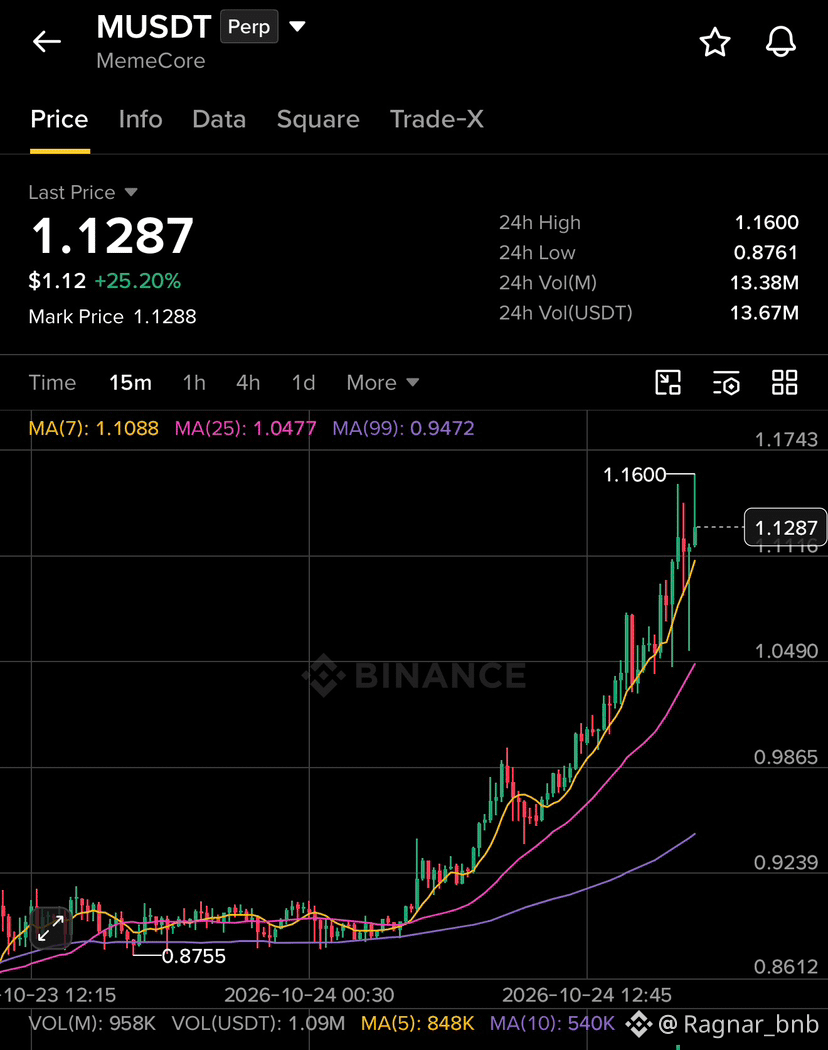
🚀 $M : まだ強気派が主導権を握っている?
$MUSDTは過去24時間で25.2%上昇し、15分足チャートでは強い上昇モメンタムを示しています。📈
🎯 取引プラン - ロング
🟢 エントリー: 1.1050–1.1150
🎯 利確目標1: 1.1450
🎯 利確目標2: 1.1600
🎯 利確目標3: 1.1750
🛑 損切り: 1.0880
⚠️ 高値でFOMOに駆られて飛び乗らないように!押し目と確認を待ちましょう。1.16付近で反落すれば、急な調整につながる可能性があります。
賢く取引し、リスクを管理しましょう。
#Binance #cryptotrading #TradingSignal
🚀 $M : まだ強気派が主導権を握っている?
$MUSDTは過去24時間で25.2%上昇し、15分足チャートでは強い上昇モメンタムを示しています。📈
🎯 取引プラン - ロング
🟢 エントリー: 1.1050–1.1150
🎯 利確目標1: 1.1450
🎯 利確目標2: 1.1600
🎯 利確目標3: 1.1750
🛑 損切り: 1.0880
⚠️ 高値でFOMOに駆られて飛び乗らないように!押し目と確認を待ちましょう。1.16付近で反落すれば、急な調整につながる可能性があります。
賢く取引し、リスクを管理しましょう。
#Binance #cryptotrading #TradingSignal
$MUSDTは過去24時間で25.2%上昇し、15分足チャートでは強い上昇モメンタムを示しています。📈
🎯 取引プラン - ロング
🟢 エントリー: 1.1050–1.1150
🎯 利確目標1: 1.1450
🎯 利確目標2: 1.1600
🎯 利確目標3: 1.1750
🛑 損切り: 1.0880
⚠️ 高値でFOMOに駆られて飛び乗らないように!押し目と確認を待ちましょう。1.16付近で反落すれば、急な調整につながる可能性があります。
賢く取引し、リスクを管理しましょう。
#Binance #cryptotrading #TradingSignal
273
·
--
ブリッシュ
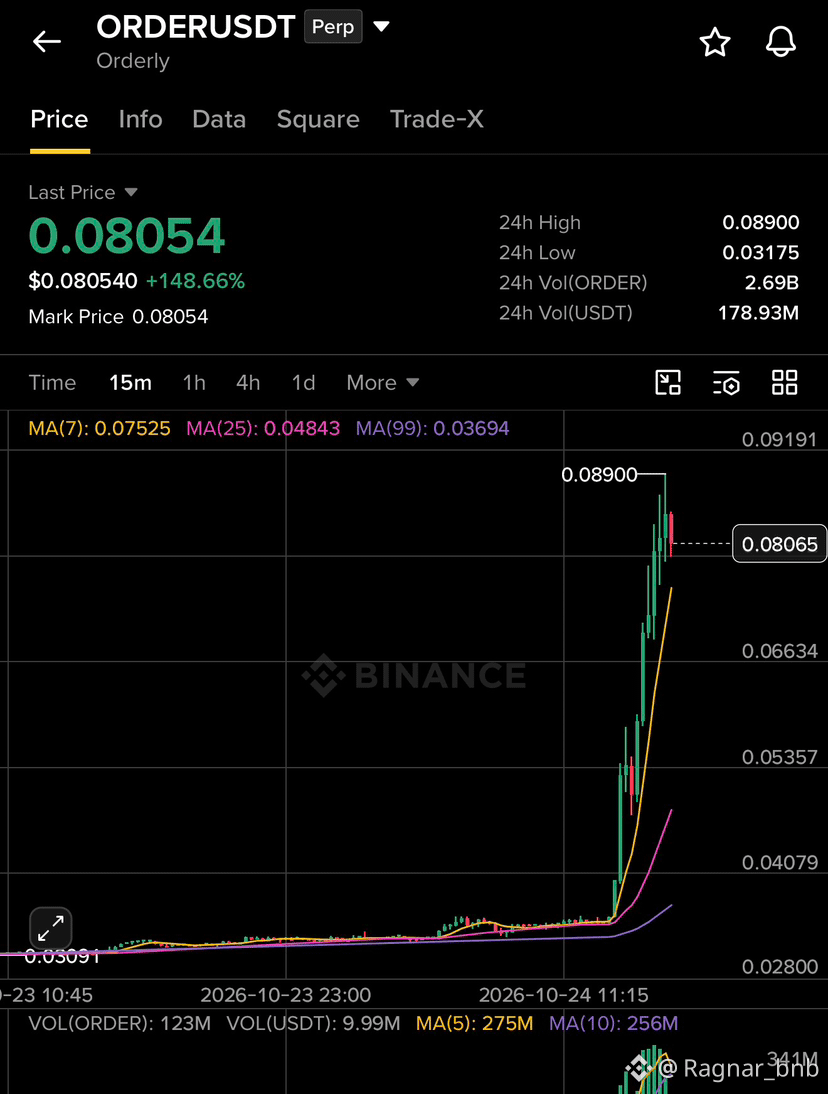
新たな上昇銘柄が登場🚀
$ORDER 今すぐ急いでロングでスキャルピングしよう..
あとでショート
新たな上昇銘柄が登場🚀
$ORDER 今すぐ急いでロングでスキャルピングしよう..
あとでショート
$ORDER 今すぐ急いでロングでスキャルピングしよう..
あとでショート
540
·
--
ブリッシュ
553
·
--
ブリッシュ
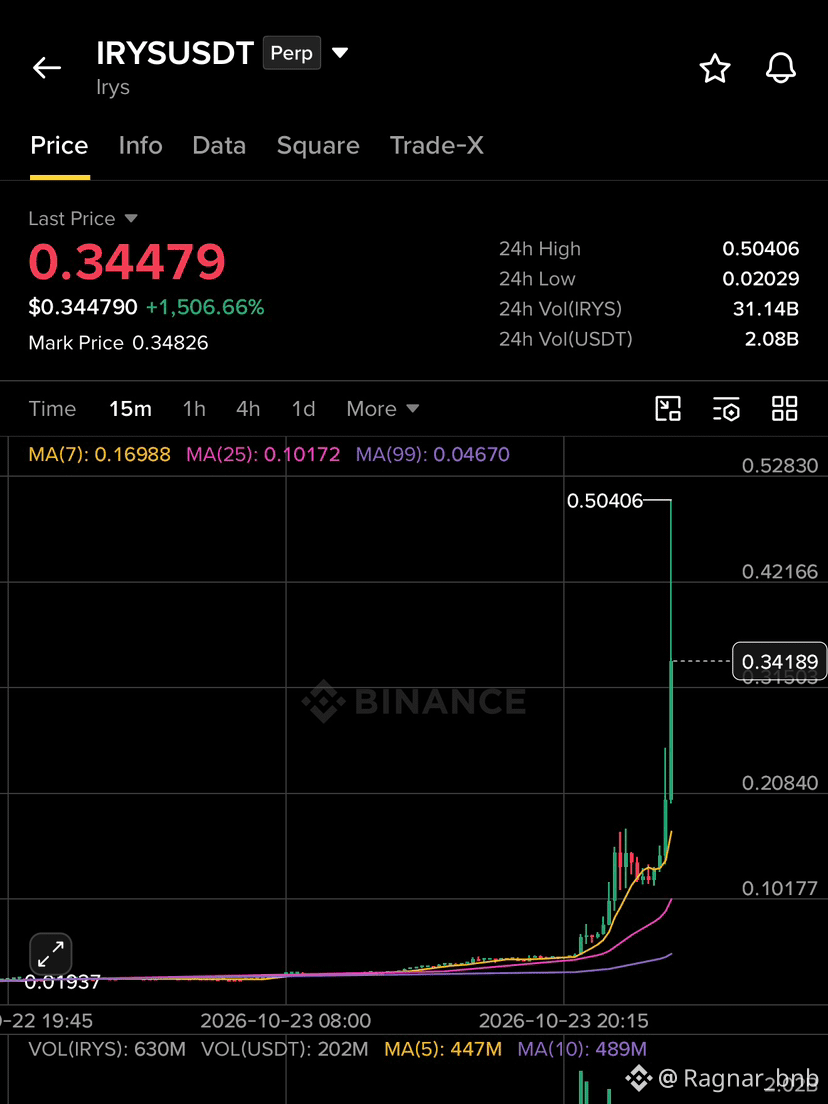
なんてこった🚀🚀 $IRYS からの信じられない爆上げ
上がるって言ったけど、これはさすがに😅🚀
なんてこった🚀🚀 $IRYS からの信じられない爆上げ
上がるって言ったけど、これはさすがに😅🚀
上がるって言ったけど、これはさすがに😅🚀
Ragnar_bnb
·
--
ブリッシュショートスクイーズが来るって言っただろ。
$IRYS 今は調整してるところだ。
もっと上がるかもな、分かるだろ
$IRYS 今は調整してるところだ。
もっと上がるかもな、分かるだろ
400
ログインして、さらにコンテンツを読む
厳選トピックで世界の暗号資産トレーダーの仲間入り
⚡️ 暗号資産に関する最新かつ有益な情報が見つかります。
💬 世界最大の暗号資産取引所から信頼されています。
👍 認証を受けたクリエイターから、有益なインサイトを得られます。
メール / 電話番号