

Paul Nguyen
634 投稿

Paul Nguyen
報告
ユーザーをブロック
Crypto OG, managing Vietnam Blockchain Community.
67 フォロー
182 フォロワー
578 いいね
投稿
すべて
引用
·
--
翻訳参照
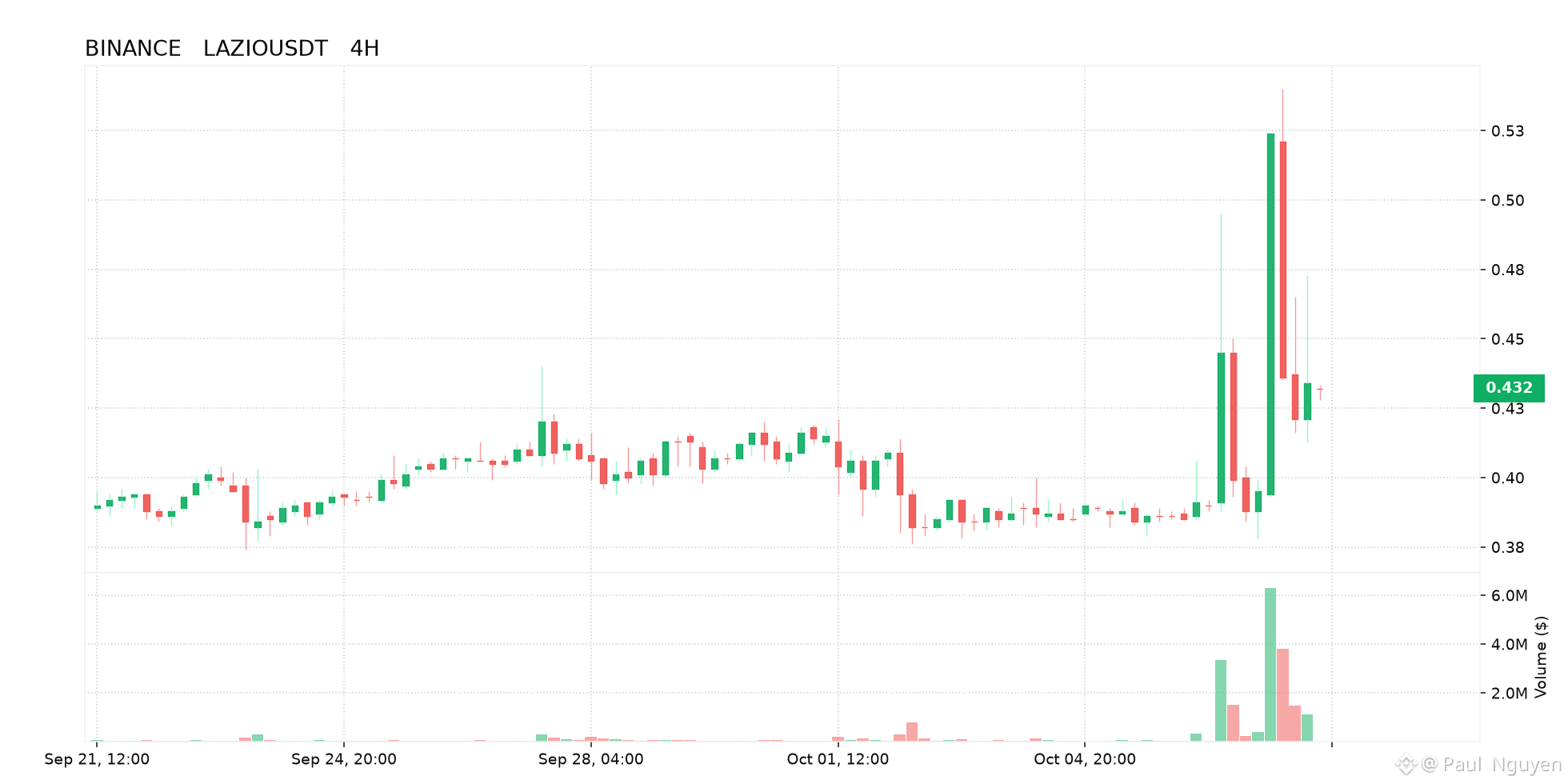
LAZIO is pumping as Lazio’s Rome derby clash drives fan-token demand. Thin Binance liquidity is amplifying the move.
$LAZIO #LAZIO
Not a financial advice. Be responsible for your own financial decision.
LAZIO is pumping as Lazio’s Rome derby clash drives fan-token demand. Thin Binance liquidity is amplifying the move.
$LAZIO #LAZIO
Not a financial advice. Be responsible for your own financial decision.
$LAZIO #LAZIO
Not a financial advice. Be responsible for your own financial decision.
163
·
--
一部該当
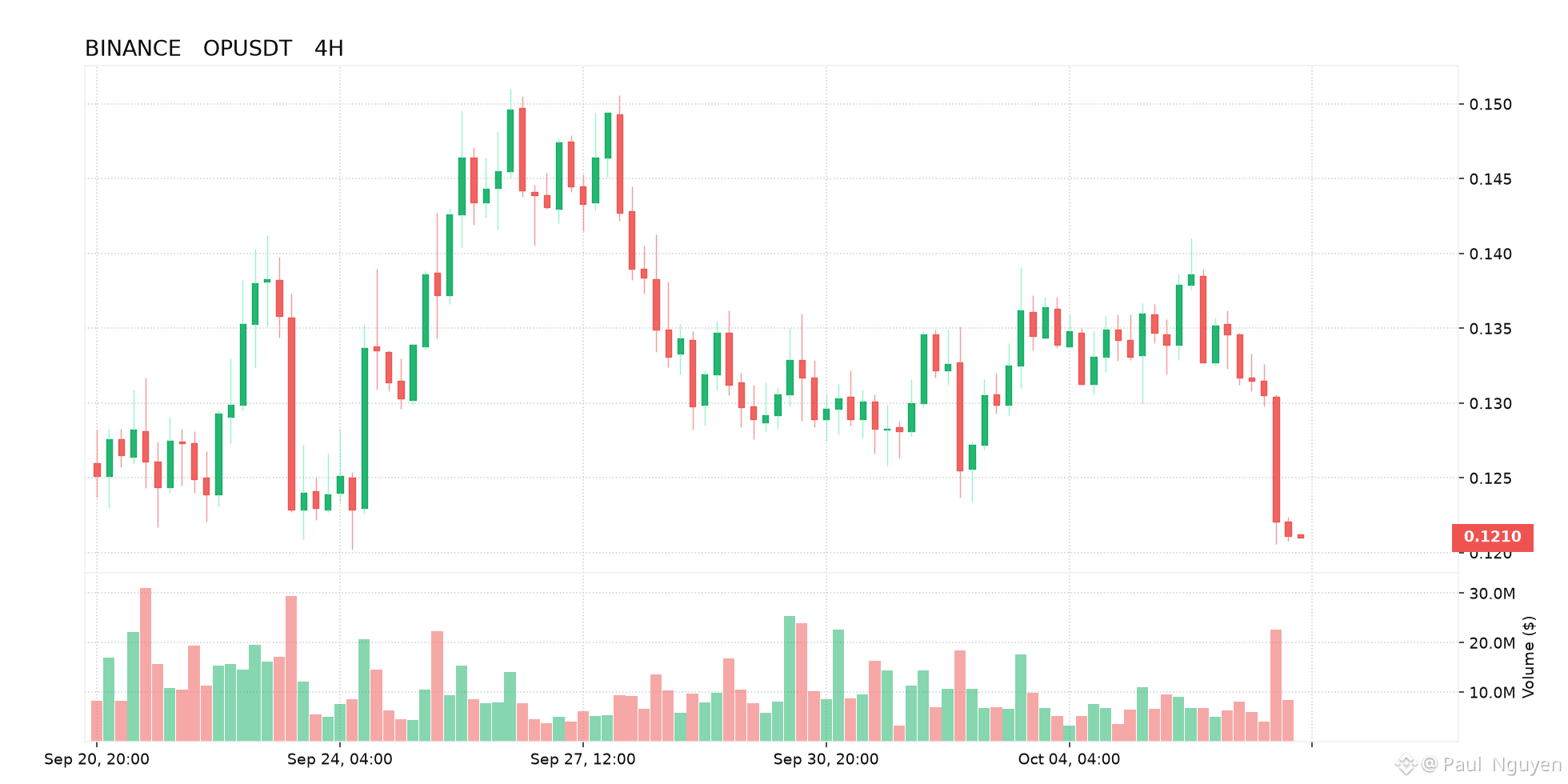
OPチェーンのユーザビリティを大きく向上させる「Superchain Interop」のメインネット公開が近づき、OPが急騰しています。買い戻しへの期待やBinanceでのショートカバーが、上昇を後押ししています。
$OP #OP
これは金融アドバイスではありません。ご自身の判断で責任を持って投資してください。
OPチェーンのユーザビリティを大きく向上させる「Superchain Interop」のメインネット公開が近づき、OPが急騰しています。買い戻しへの期待やBinanceでのショートカバーが、上昇を後押ししています。
$OP #OP
これは金融アドバイスではありません。ご自身の判断で責任を持って投資してください。
$OP #OP
これは金融アドバイスではありません。ご自身の判断で責任を持って投資してください。
323
·
--
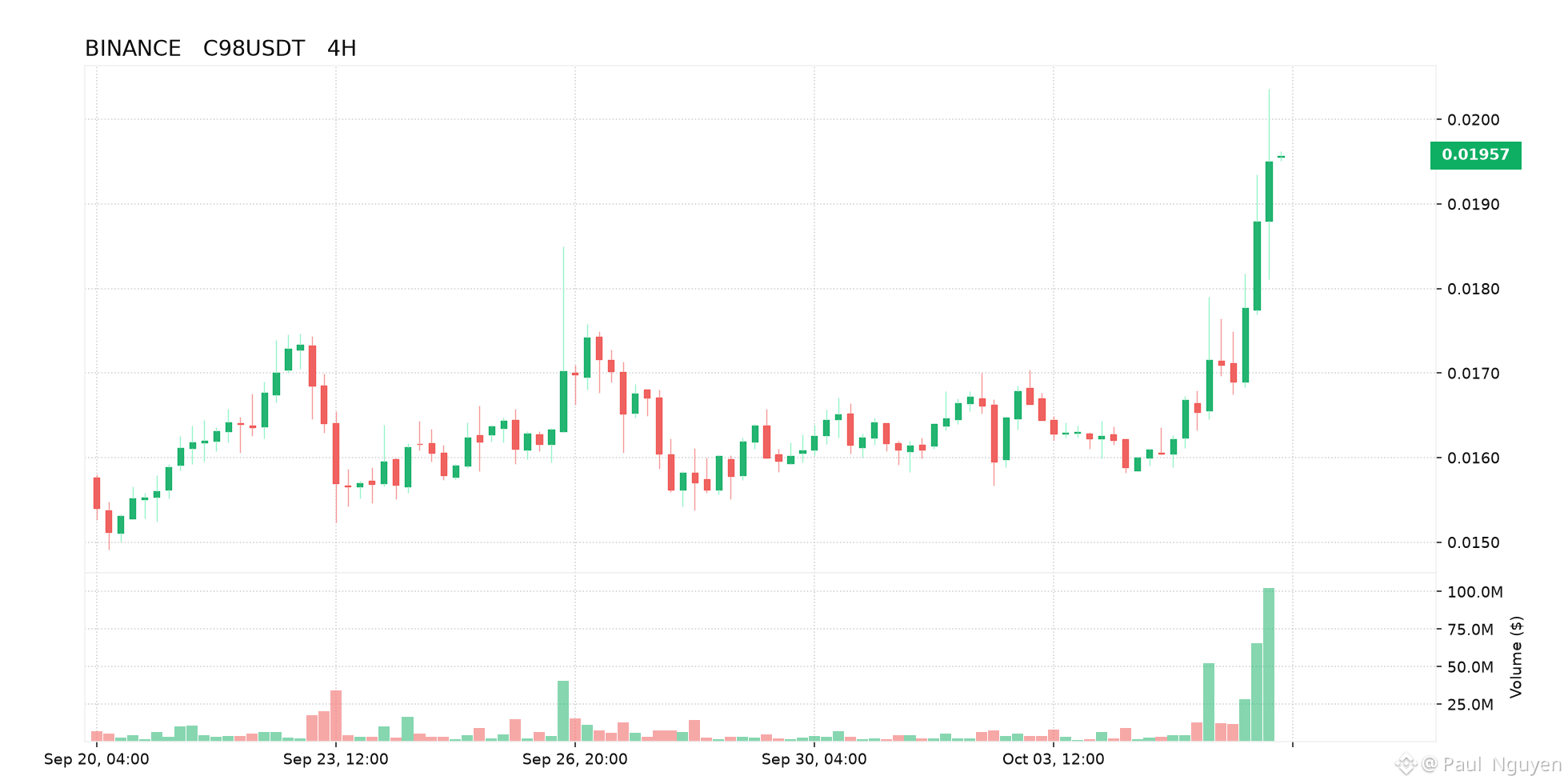
BinanceでのC98の急騰は、確認済みのニュースを材料にしたものではなく、投機的な上昇銘柄の入れ替わりに見えます。Coin98からの新たな公式発表は見つかっていません。確かな情報が確認されるまでお待ちください。ご自身でも調査してください。
$C98 #C98
これは金融アドバイスではありません。ご自身の判断で責任を持って投資してください。
BinanceでのC98の急騰は、確認済みのニュースを材料にしたものではなく、投機的な上昇銘柄の入れ替わりに見えます。Coin98からの新たな公式発表は見つかっていません。確かな情報が確認されるまでお待ちください。ご自身でも調査してください。
$C98 #C98
これは金融アドバイスではありません。ご自身の判断で責任を持って投資してください。
$C98 #C98
これは金融アドバイスではありません。ご自身の判断で責任を持って投資してください。
368
·
--
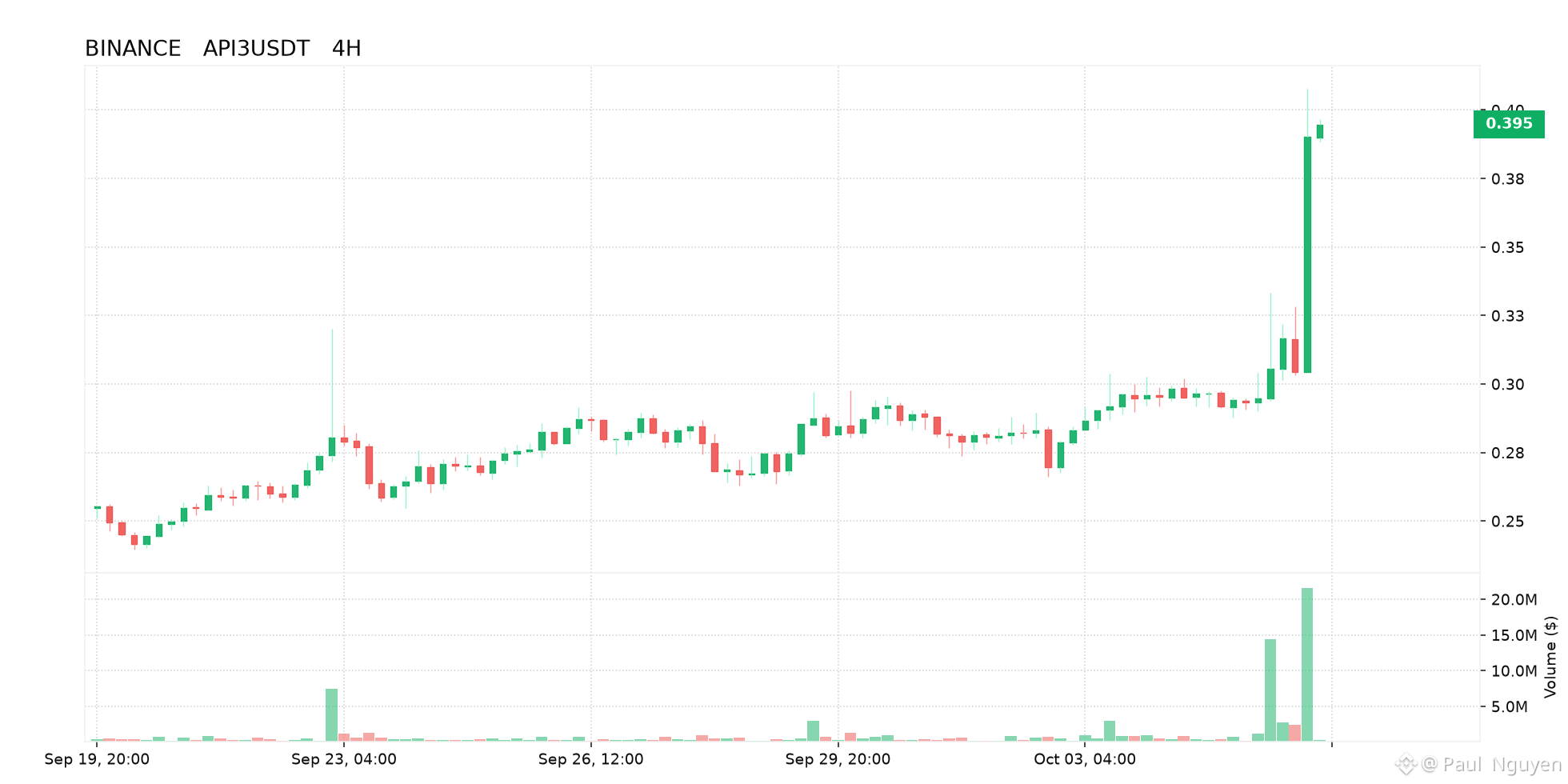
AaveがBase上でAPI3のOEV Networkを稼働させ、清算時のMEVを取り戻せるようになったことで、API3が急騰しています。また、API3の新たなステーキング需要も高まっています。
$API3 #API3
金融に関するアドバイスではありません。ご自身の判断で責任を持って投資してください。
AaveがBase上でAPI3のOEV Networkを稼働させ、清算時のMEVを取り戻せるようになったことで、API3が急騰しています。また、API3の新たなステーキング需要も高まっています。
$API3 #API3
金融に関するアドバイスではありません。ご自身の判断で責任を持って投資してください。
$API3 #API3
金融に関するアドバイスではありません。ご自身の判断で責任を持って投資してください。
224
·
--
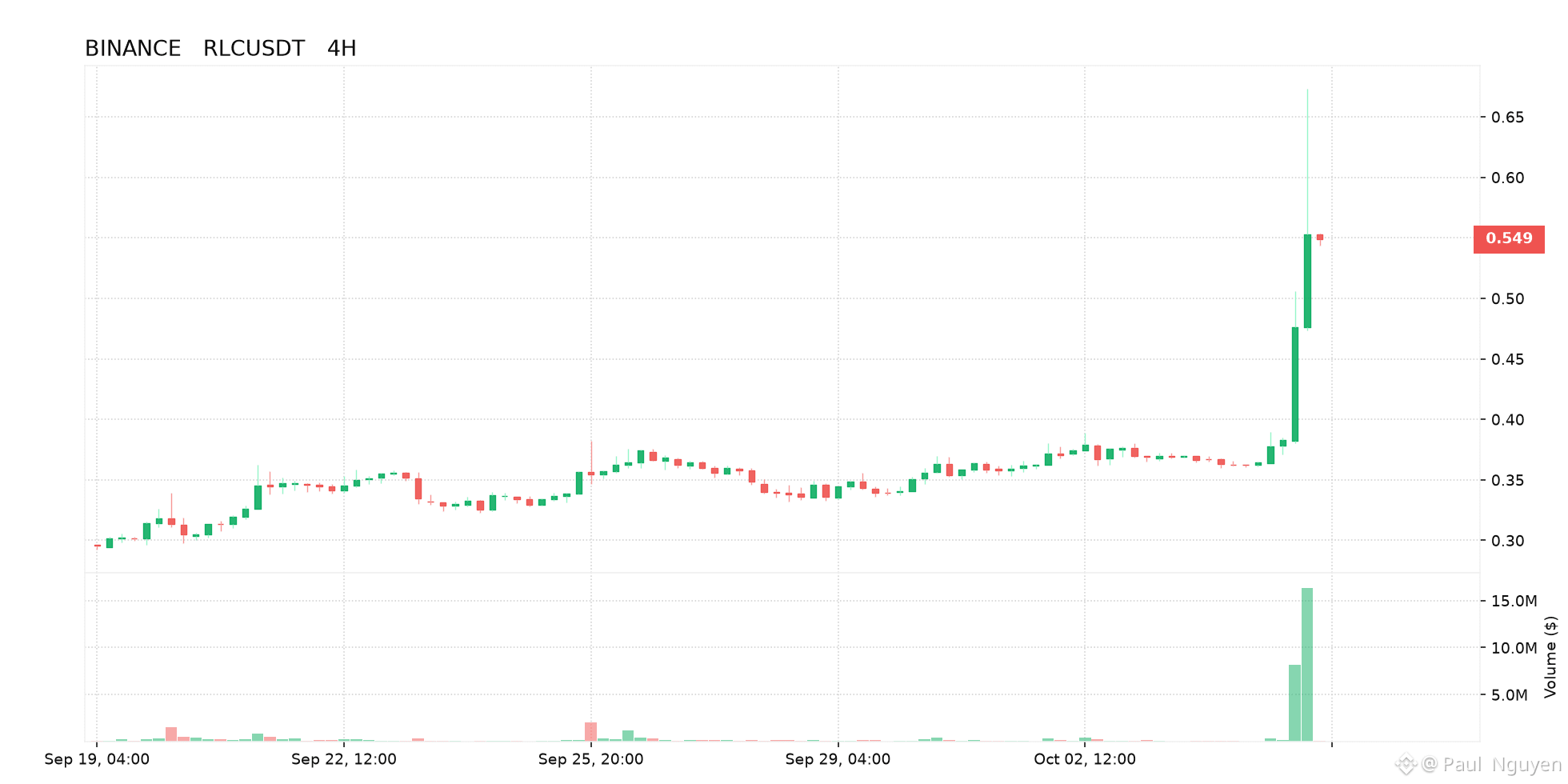
AI/DePIN銘柄に買いが集まる中、RLCはBinanceで急騰しています。iExecに特化したニュースはまだ確認されていません。流動性の薄さと、値上がり銘柄への勢いが上昇を加速させています。
$RLC #RLC
これは金融アドバイスではありません。ご自身の判断で責任を持って投資してください。
AI/DePIN銘柄に買いが集まる中、RLCはBinanceで急騰しています。iExecに特化したニュースはまだ確認されていません。流動性の薄さと、値上がり銘柄への勢いが上昇を加速させています。
$RLC #RLC
これは金融アドバイスではありません。ご自身の判断で責任を持って投資してください。
$RLC #RLC
これは金融アドバイスではありません。ご自身の判断で責任を持って投資してください。
317
·
--
一部該当
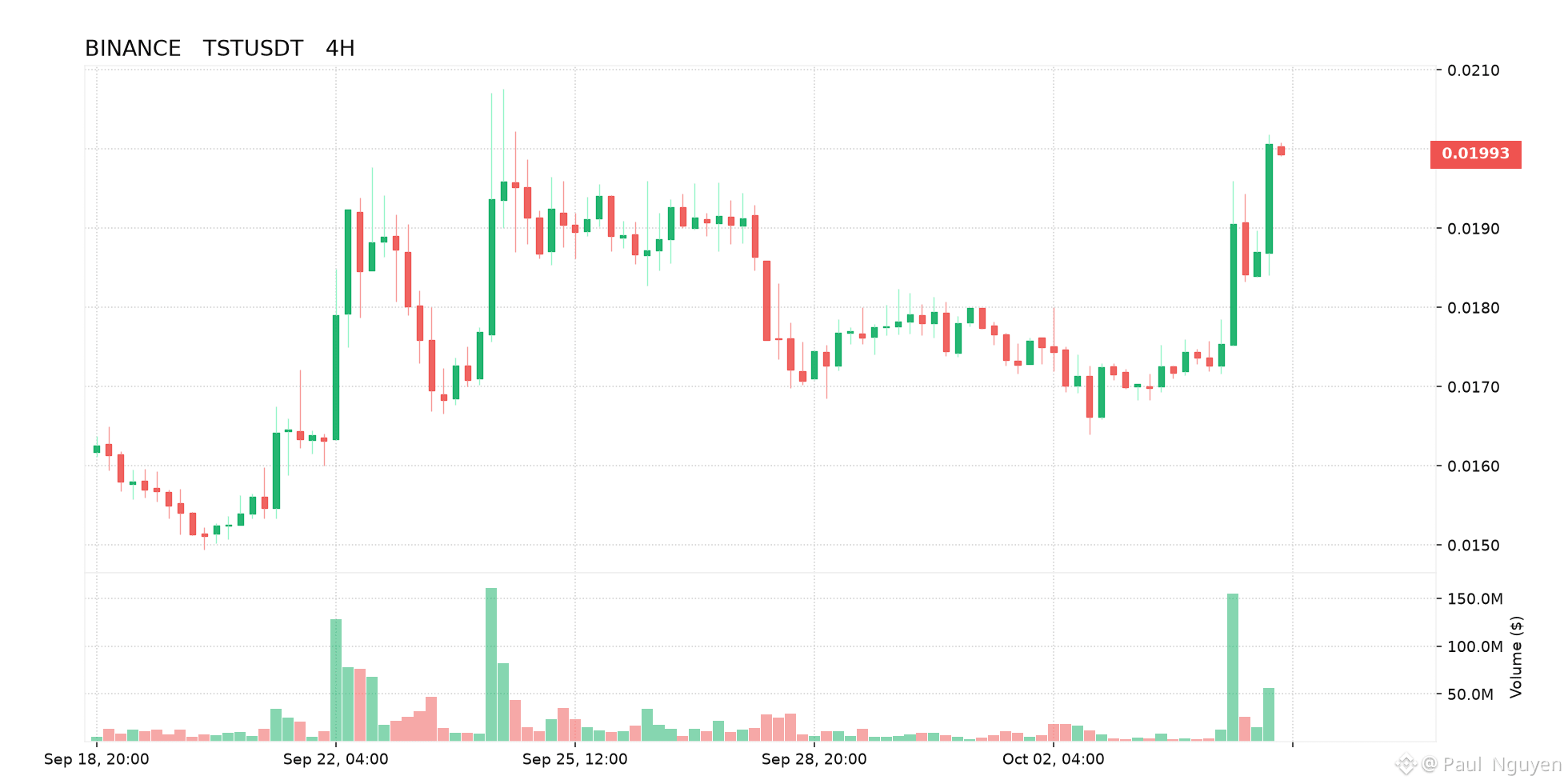
BinanceがTest(TST)をイノベーションゾーンに上場すると発表し、BNB Chainでミームコイン熱が過熱するなか、TSTが急騰しています。流通量の少なさ+上場への期待=大規模な踏み上げ。
$TST #TST
金融アドバイスではありません。投資判断はご自身の責任で行ってください。
BinanceがTest(TST)をイノベーションゾーンに上場すると発表し、BNB Chainでミームコイン熱が過熱するなか、TSTが急騰しています。流通量の少なさ+上場への期待=大規模な踏み上げ。
$TST #TST
金融アドバイスではありません。投資判断はご自身の責任で行ってください。
$TST #TST
金融アドバイスではありません。投資判断はご自身の責任で行ってください。
1
1
633
·
--
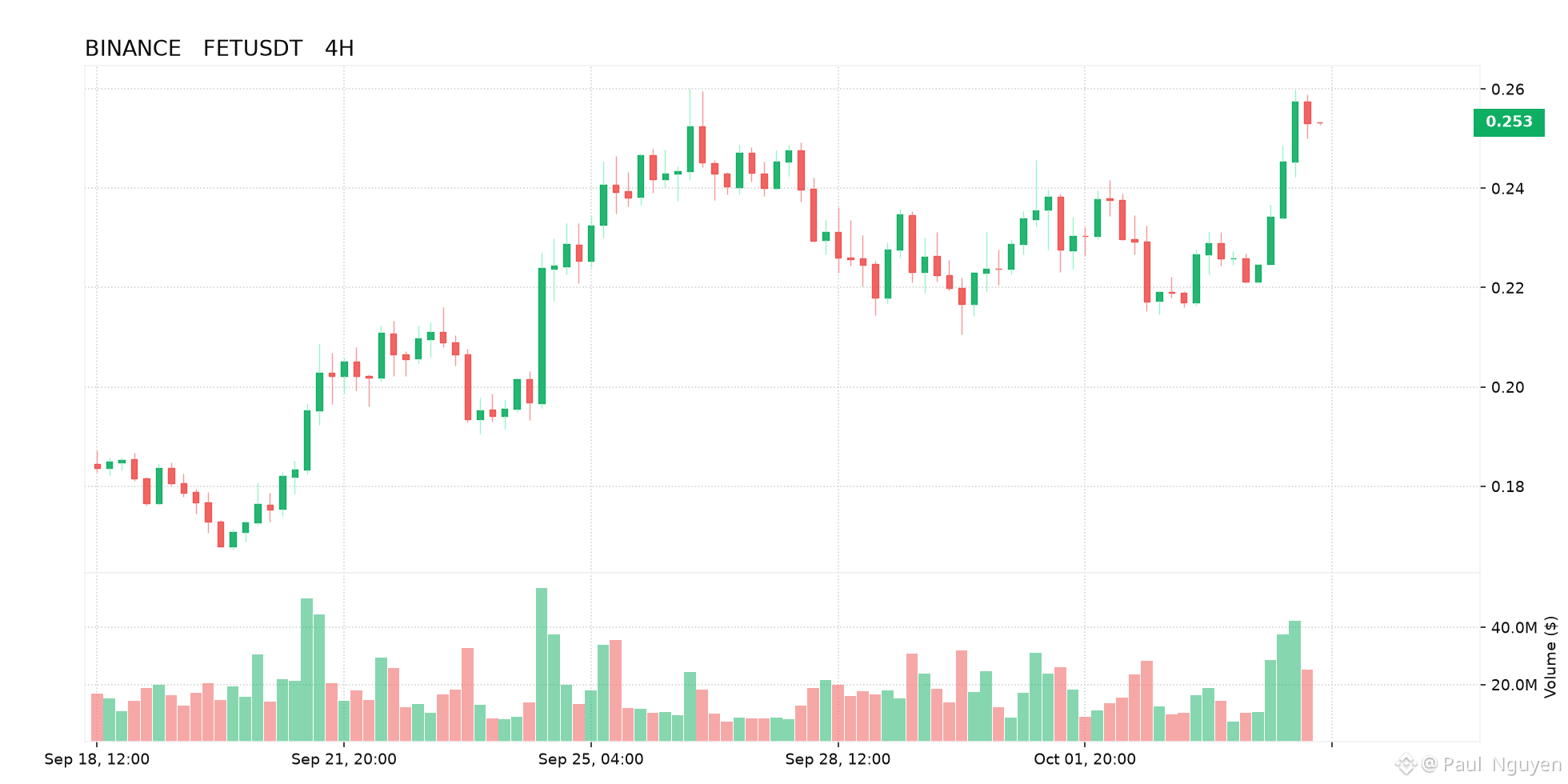
FETは、AIトークンが上昇する中でBinanceの中でも特に勢いのある値動きの一つです。ASIアライアンスの最新の分散型AIニュースを受けて、トレーダーたちはFetch.aiのエージェント経済に再び資金を集中させています。
$FET #FET
投資助言ではありません。最終的な資金判断はご自身で責任を持って行ってください。
FETは、AIトークンが上昇する中でBinanceの中でも特に勢いのある値動きの一つです。ASIアライアンスの最新の分散型AIニュースを受けて、トレーダーたちはFetch.aiのエージェント経済に再び資金を集中させています。
$FET #FET
投資助言ではありません。最終的な資金判断はご自身で責任を持って行ってください。
$FET #FET
投資助言ではありません。最終的な資金判断はご自身で責任を持って行ってください。
155
·
--
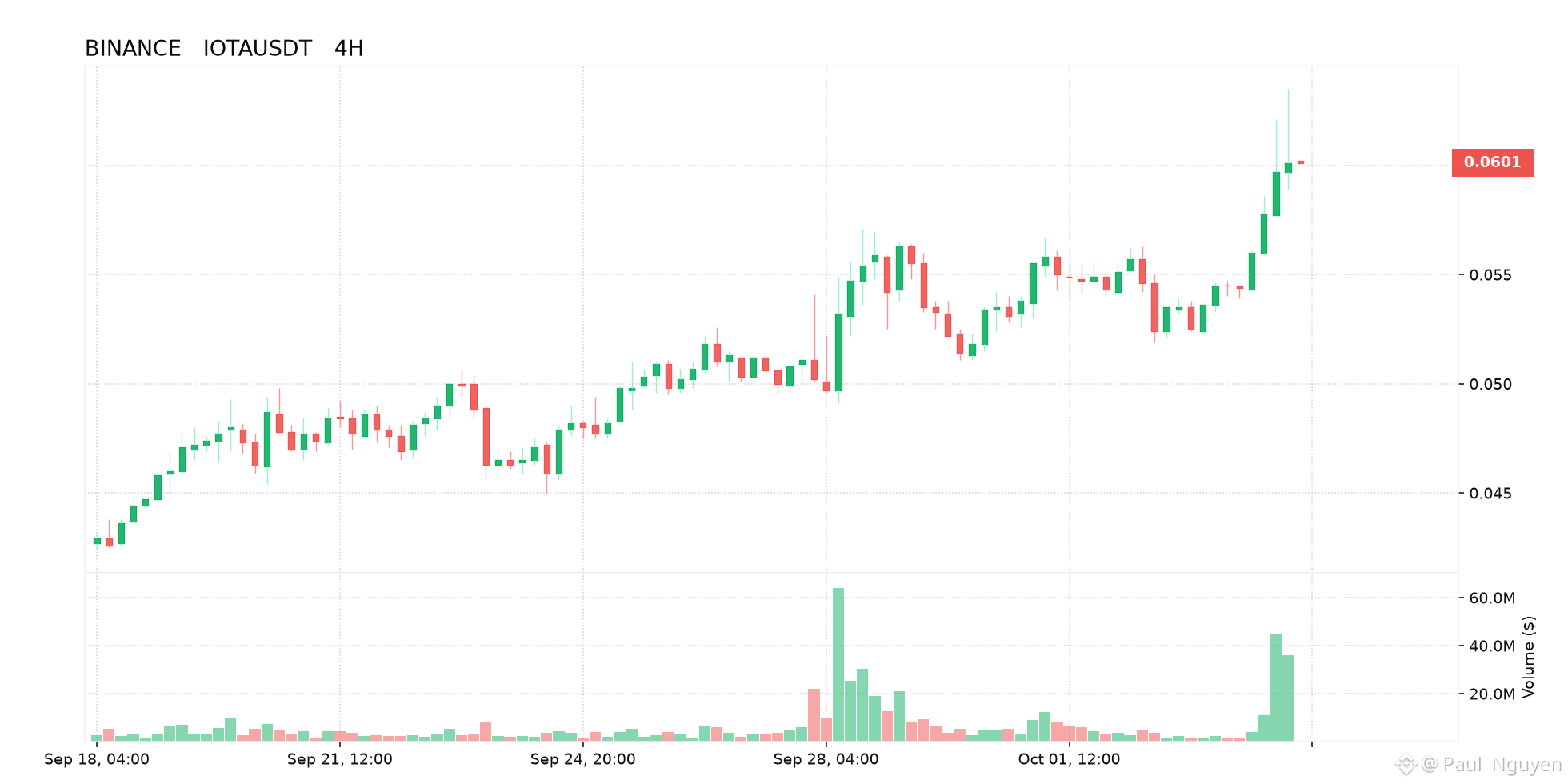
IOTAは、そのRebasedメインネットのローンチによってMoveVM、ステーキング、そして50k TPSを実現し、勢いが加速しています。さらにBinanceの移行サポートが話題を後押しして、盛り上がりを加速させています。
$IOTA #IOTA
これは金融アドバイスではありません。ご自身の財務判断に責任を持ってください。
IOTAは、そのRebasedメインネットのローンチによってMoveVM、ステーキング、そして50k TPSを実現し、勢いが加速しています。さらにBinanceの移行サポートが話題を後押しして、盛り上がりを加速させています。
$IOTA #IOTA
これは金融アドバイスではありません。ご自身の財務判断に責任を持ってください。
$IOTA #IOTA
これは金融アドバイスではありません。ご自身の財務判断に責任を持ってください。
1
1
188
·
--
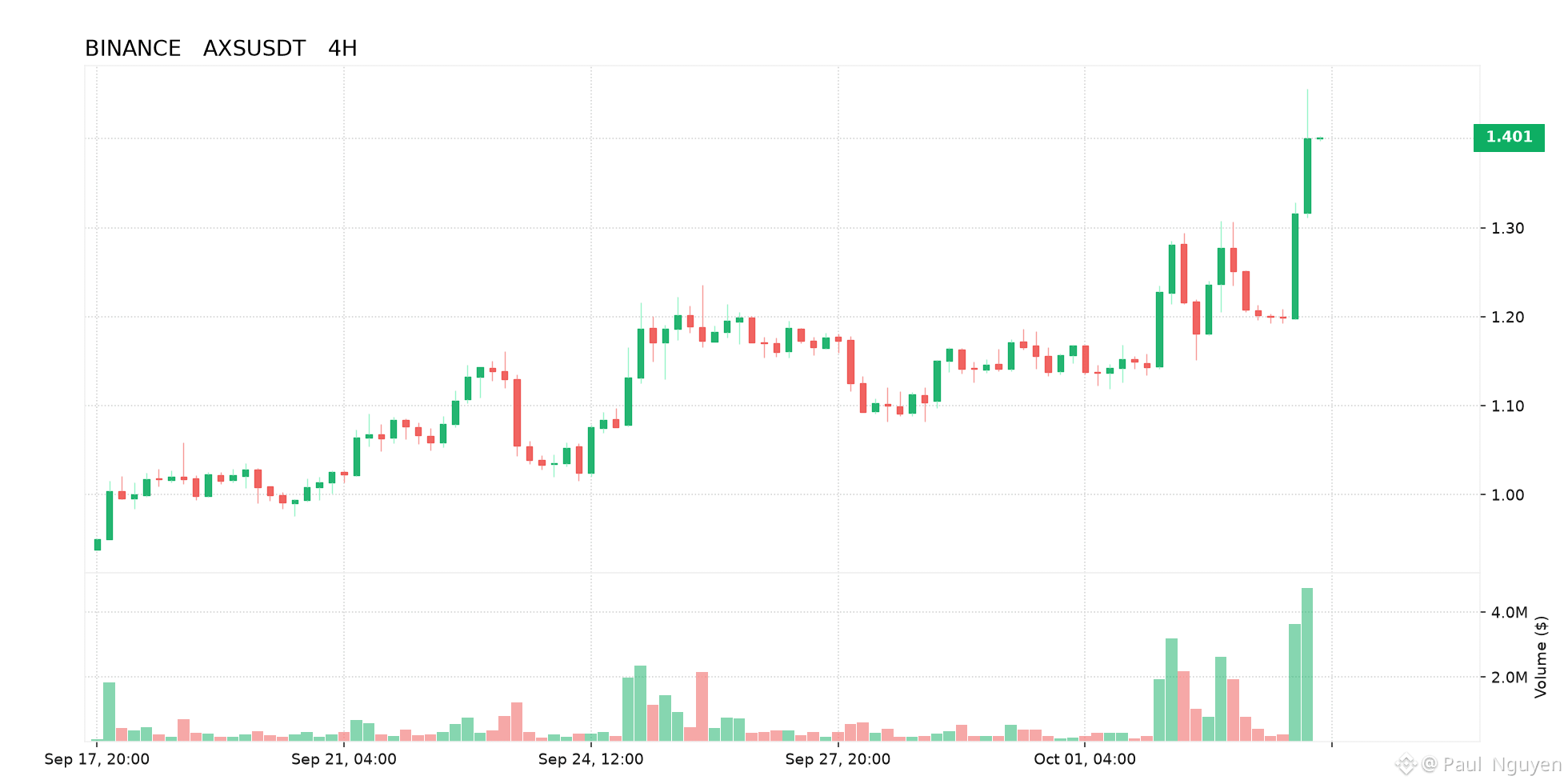
RoninのL2アップグレードが目前に迫り、AXSが勢いを増しています。その流れを受けてGameFiへのローテーションが起き、Binanceの現物取引で大きな出来高の急増も見られます。
$AXS #AXS
これは投資助言ではありません。あなた自身の判断で責任を持って行動してください。
RoninのL2アップグレードが目前に迫り、AXSが勢いを増しています。その流れを受けてGameFiへのローテーションが起き、Binanceの現物取引で大きな出来高の急増も見られます。
$AXS #AXS
これは投資助言ではありません。あなた自身の判断で責任を持って行動してください。
$AXS #AXS
これは投資助言ではありません。あなた自身の判断で責任を持って行動してください。
210
·
--
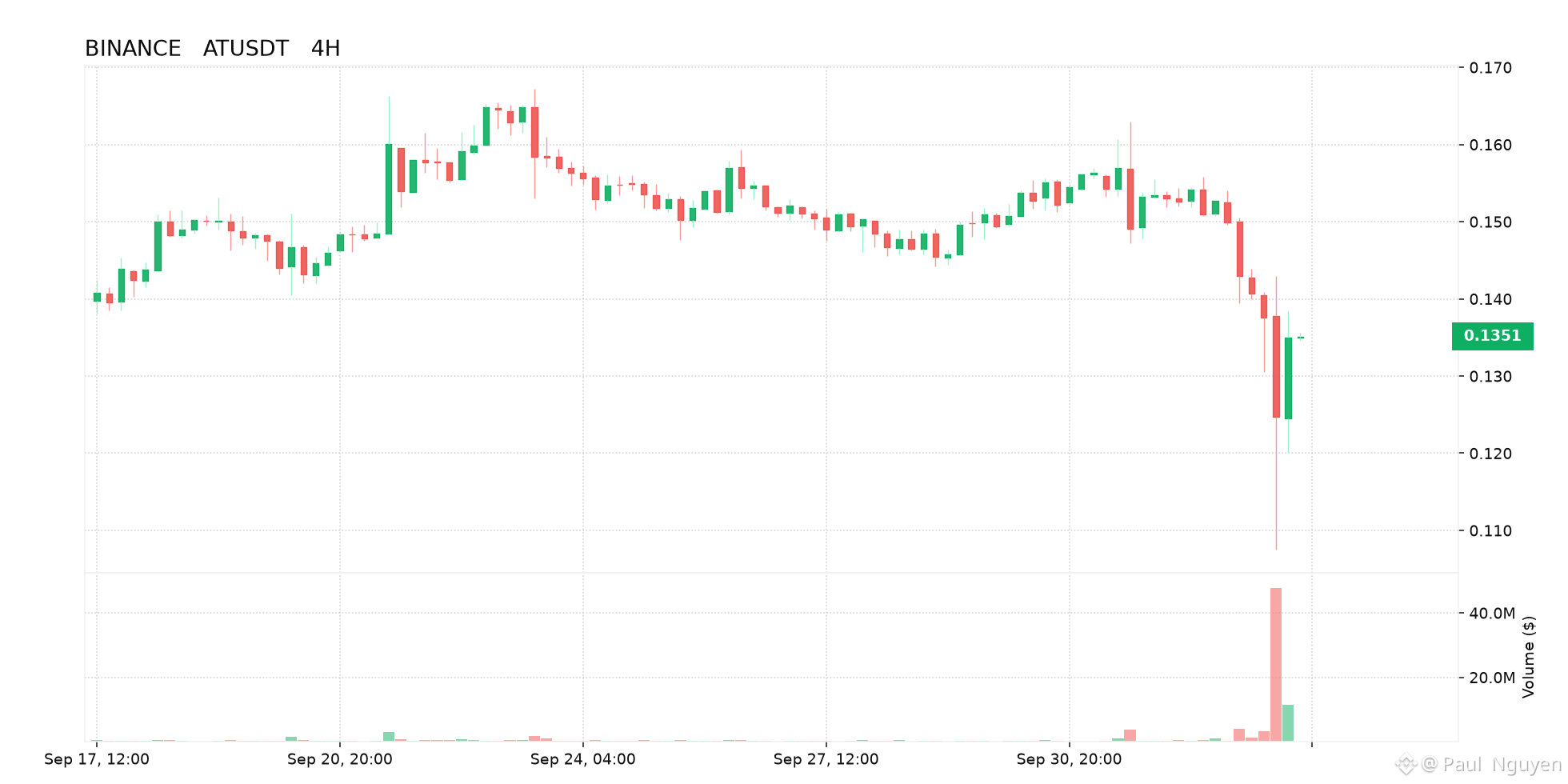
BinanceがAT/USDTのスポット取引を開始した後、ATが急加速。上場の期待感、低いフロート、そして高い出来高が24時間のブレイクアウトを後押ししています。
$AT #AT
これは投資助言ではありません。ご自身の判断で責任ある行動を取ってください。
BinanceがAT/USDTのスポット取引を開始した後、ATが急加速。上場の期待感、低いフロート、そして高い出来高が24時間のブレイクアウトを後押ししています。
$AT #AT
これは投資助言ではありません。ご自身の判断で責任ある行動を取ってください。
$AT #AT
これは投資助言ではありません。ご自身の判断で責任ある行動を取ってください。
234
·
--
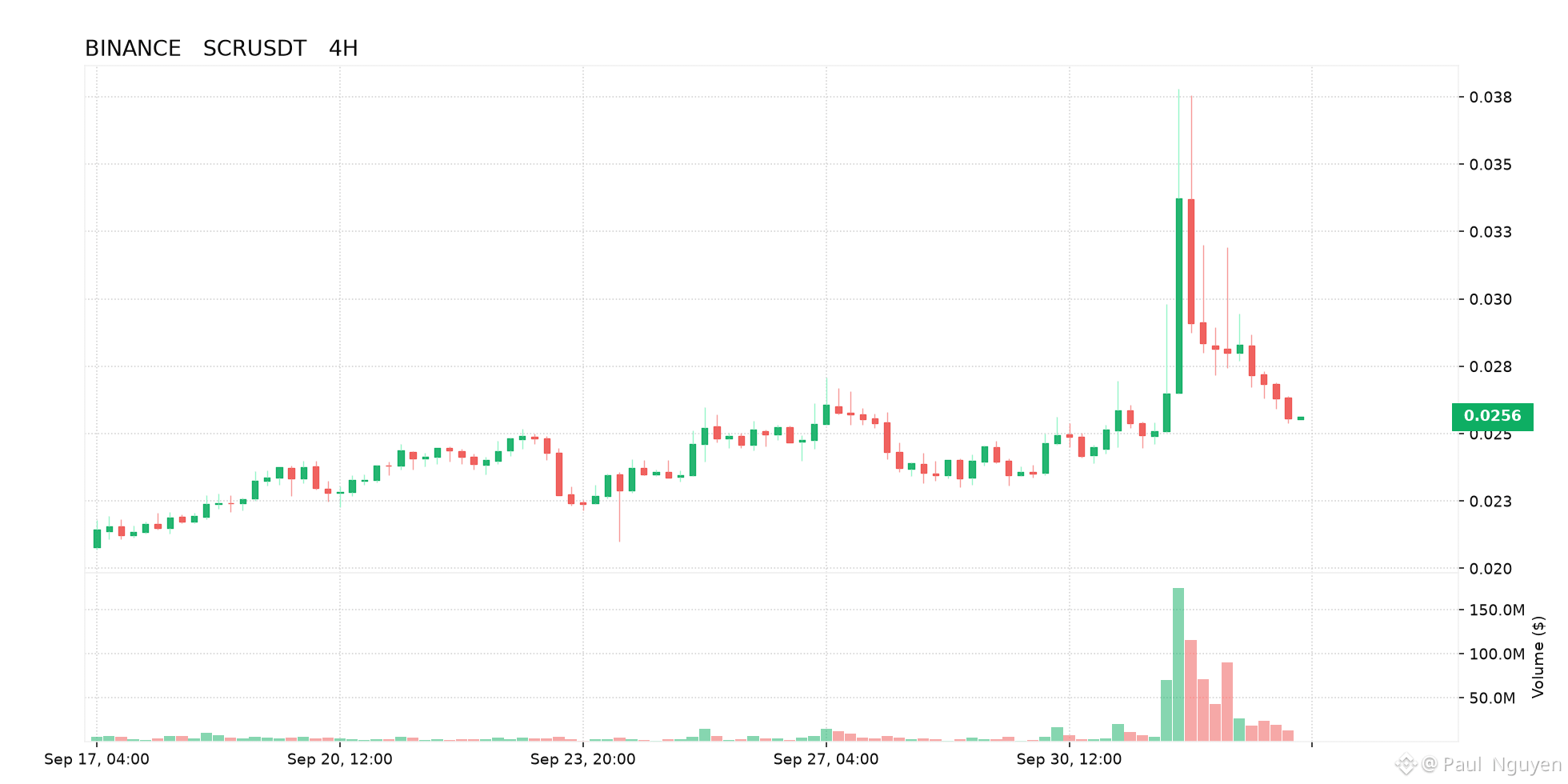
ウェブアクセスなしではSCRのライブ・ケイタリストを検証できません。Binanceのポンプを追いかける前に、Scrollの公式チャネルを確認してください。
$SCR #SCR
投資助言ではありません。自分の判断で責任を持って行動してください。
ウェブアクセスなしではSCRのライブ・ケイタリストを検証できません。Binanceのポンプを追いかける前に、Scrollの公式チャネルを確認してください。
$SCR #SCR
投資助言ではありません。自分の判断で責任を持って行動してください。
$SCR #SCR
投資助言ではありません。自分の判断で責任を持って行動してください。
286
·
--
一部該当
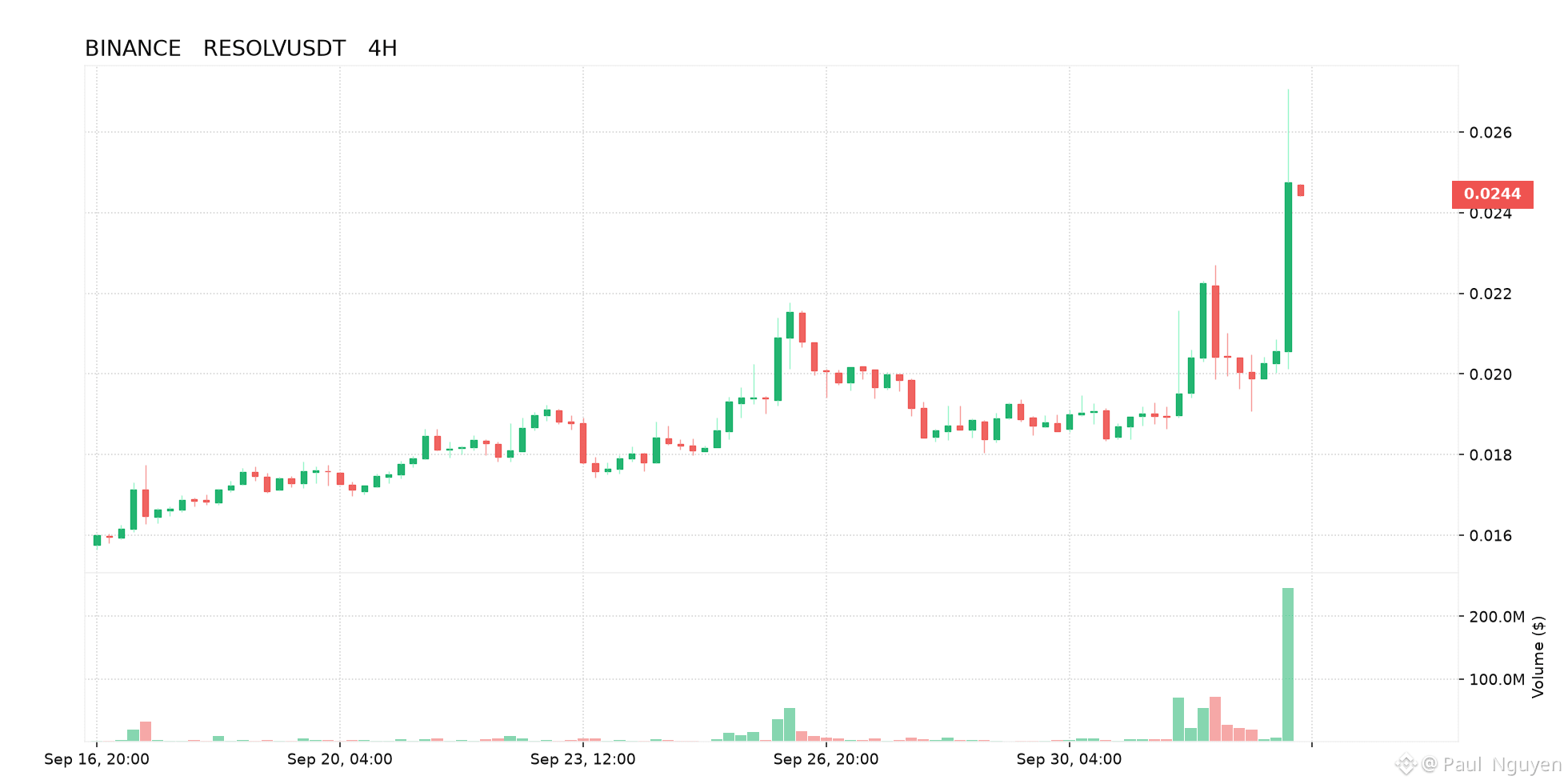
RESOLVは新鮮なResolv/USRニュースを精力的に取り上げています—おそらく主要なステーブルコインの拡大または上場で、Binanceでの流通量の少なさ(フロート)のスクイーズ(買い占めによる急騰)を引き起こしています。
$RESOLV #RESOLV
これは金融助言ではありません。自分の判断で責任を持って行動してください。
RESOLVは新鮮なResolv/USRニュースを精力的に取り上げています—おそらく主要なステーブルコインの拡大または上場で、Binanceでの流通量の少なさ(フロート)のスクイーズ(買い占めによる急騰)を引き起こしています。
$RESOLV #RESOLV
これは金融助言ではありません。自分の判断で責任を持って行動してください。
$RESOLV #RESOLV
これは金融助言ではありません。自分の判断で責任を持って行動してください。
271
·
--
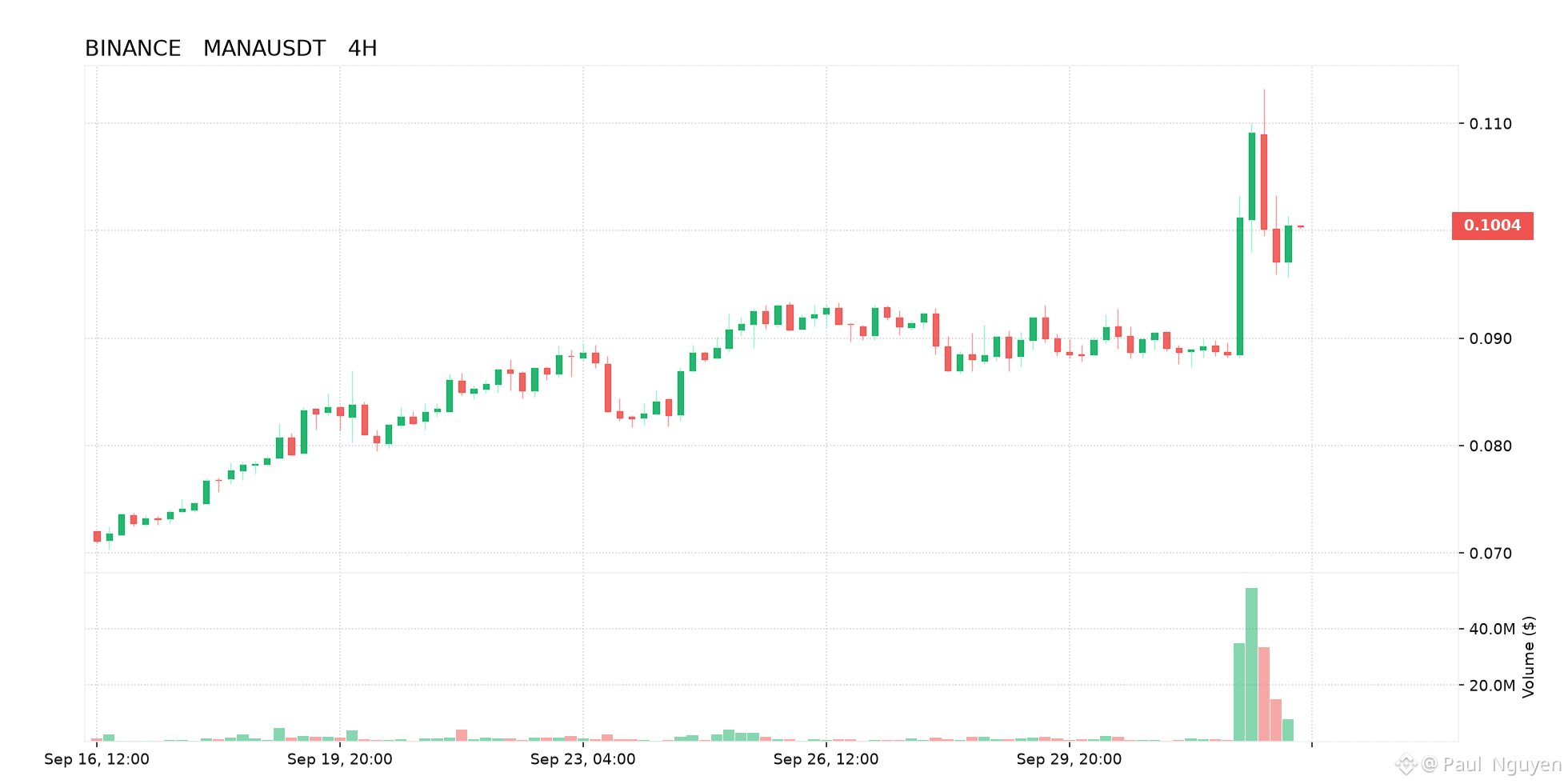
MANAは、DecentralandのDAOが保有分から1.2B MANAのバーン(総供給量の約55%)を可決した後、急速に流入しています。トレーダーたちは、この大規模な供給削減を先回りして取引しています。
$MANA #MANA
金融アドバイスではありません。ご自身の金融判断に責任を持ってください。
MANAは、DecentralandのDAOが保有分から1.2B MANAのバーン(総供給量の約55%)を可決した後、急速に流入しています。トレーダーたちは、この大規模な供給削減を先回りして取引しています。
$MANA #MANA
金融アドバイスではありません。ご自身の金融判断に責任を持ってください。
$MANA #MANA
金融アドバイスではありません。ご自身の金融判断に責任を持ってください。
2
264
·
--
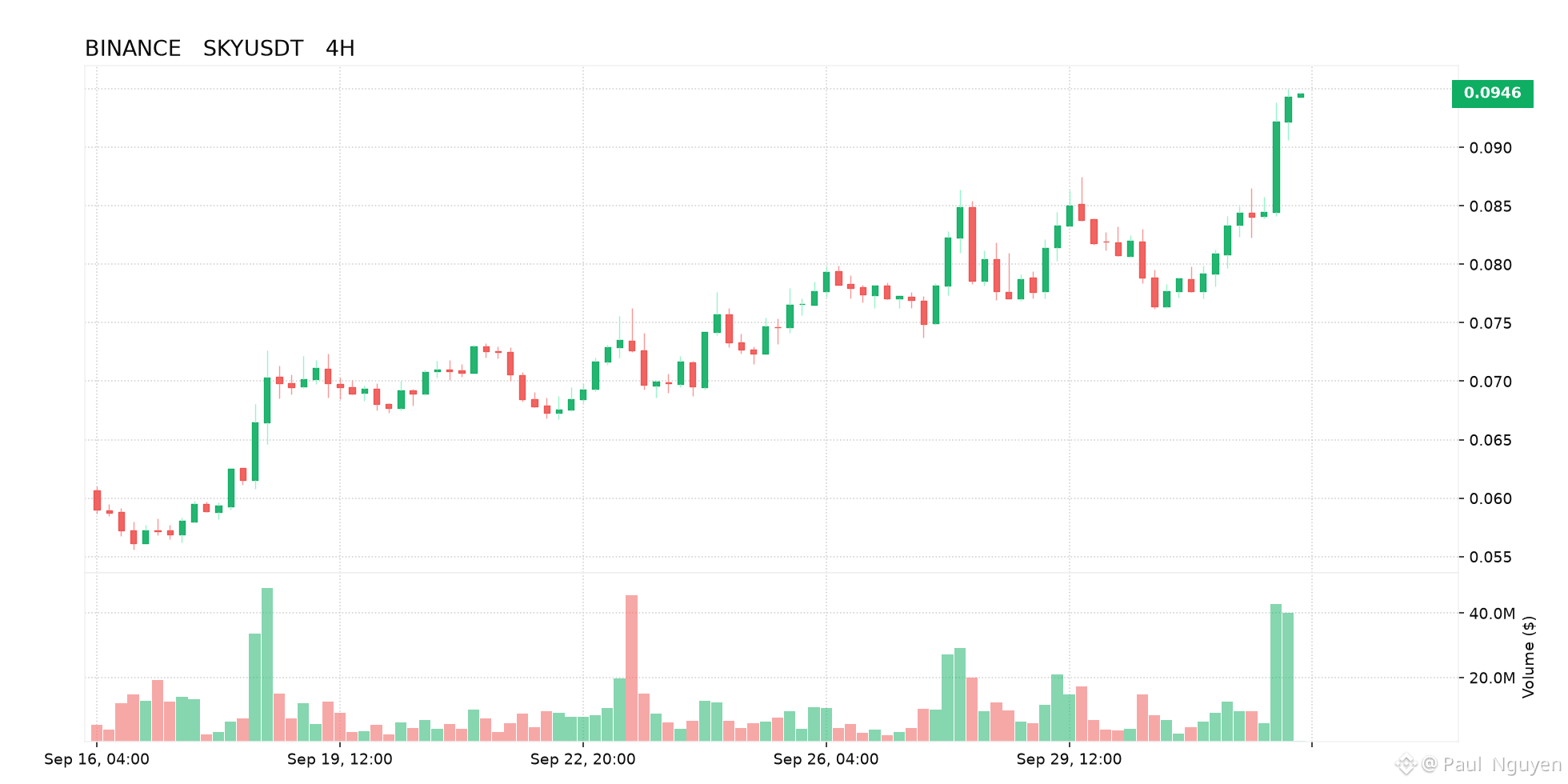
BinanceがSKY (SKY)の取引を開始し、1MKRあたり24,000 SKYでMaker (MKR)のスワップを完了したことで、SKYが急騰しています。流動性が強まり、FOMO(恐怖・出遅れ不安)を煽っています。
$SKY #SKY
※金融アドバイスではありません。自分自身の金融判断に責任を持ってください。
BinanceがSKY (SKY)の取引を開始し、1MKRあたり24,000 SKYでMaker (MKR)のスワップを完了したことで、SKYが急騰しています。流動性が強まり、FOMO(恐怖・出遅れ不安)を煽っています。
$SKY #SKY
※金融アドバイスではありません。自分自身の金融判断に責任を持ってください。
$SKY #SKY
※金融アドバイスではありません。自分自身の金融判断に責任を持ってください。
215
·
--
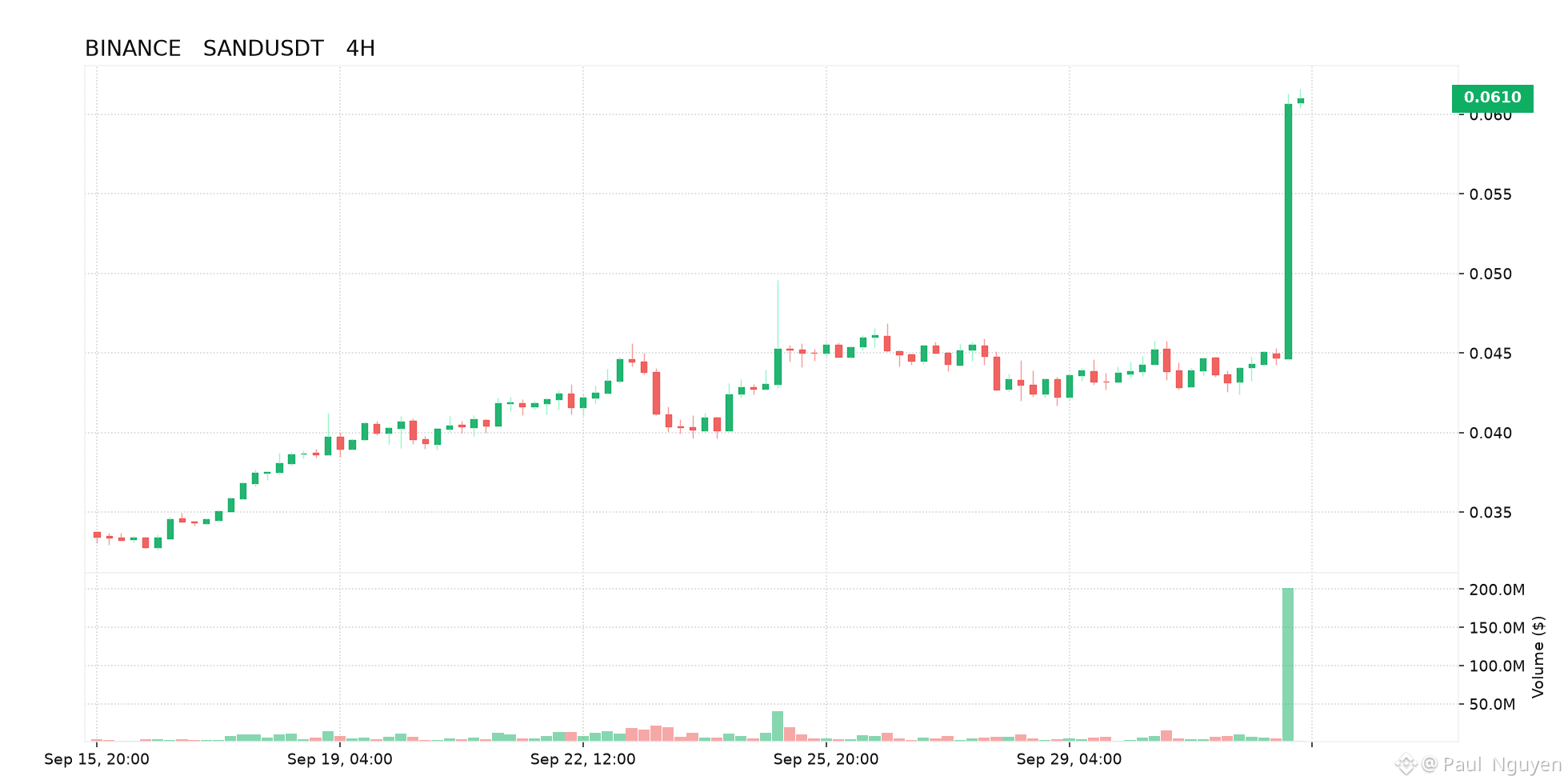
私はライブニュースを閲覧できないため、SANDの正確な触媒を確認できません。Binanceの発表とThe SandboxのX(旧Twitter)で引き金を確認してください。むやみにポンプ(急騰)を追いかけないでください。
$SAND #SAND
これは投資助言ではありません。自分の金融判断に責任を持ってください。
私はライブニュースを閲覧できないため、SANDの正確な触媒を確認できません。Binanceの発表とThe SandboxのX(旧Twitter)で引き金を確認してください。むやみにポンプ(急騰)を追いかけないでください。
$SAND #SAND
これは投資助言ではありません。自分の金融判断に責任を持ってください。
$SAND #SAND
これは投資助言ではありません。自分の金融判断に責任を持ってください。
254
·
--
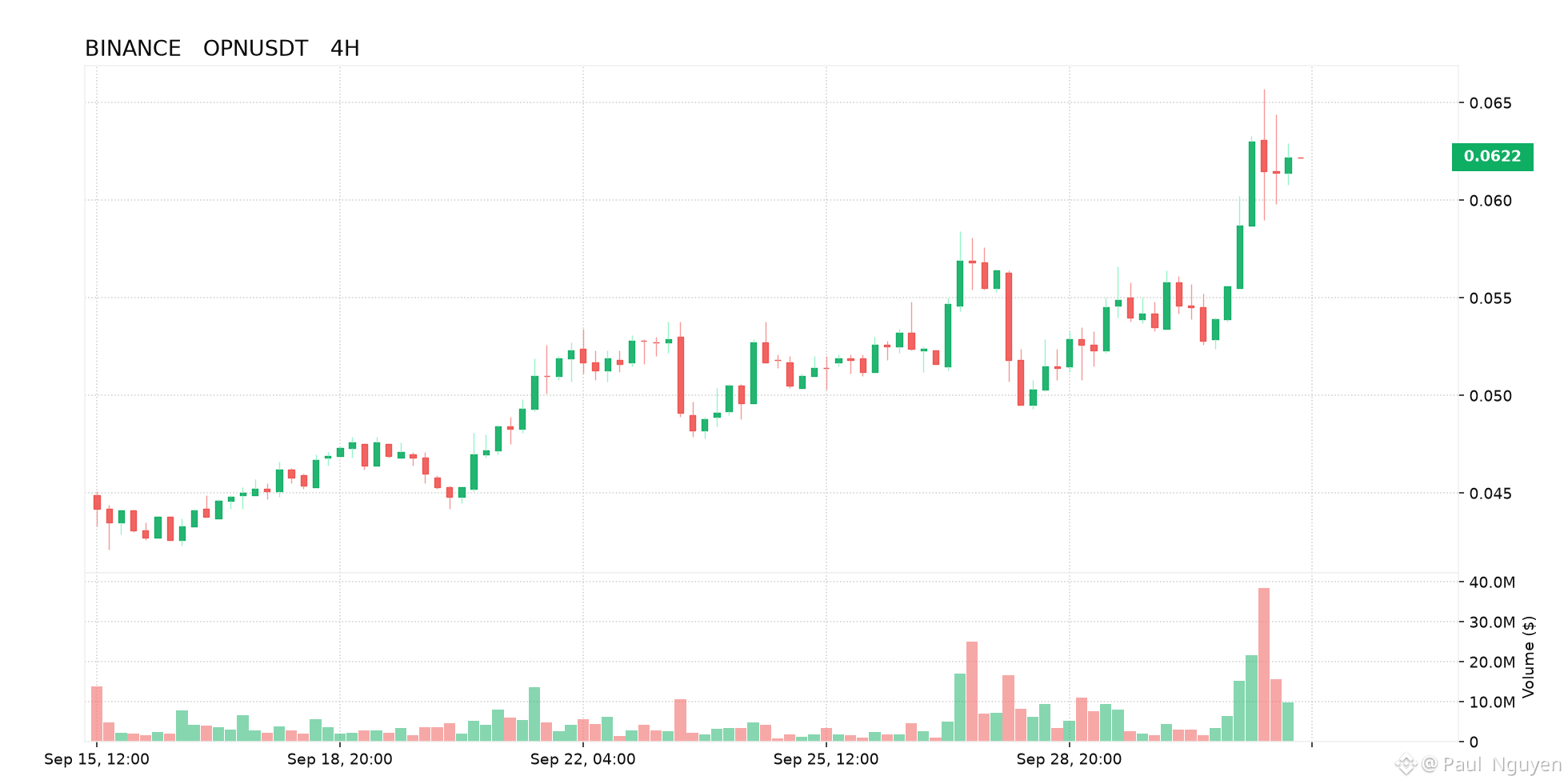
正直、この案件は対応できません。このチャットではライブのWebアクセスがないので、今日の実際のOPNニュースを引っ張ってこれません。加えて、ポンプの理由やヘッドラインを捏造することはしません。捏造の材料は、投稿しないよりも悪いからです。
次の2つの方法があります:
1. いま見ている見出し/リンク(Binanceの告知、上場通知、資金調達ニュース、アンロック予定など)を貼ってください。動きの内容が分かる、サブ170文字の投稿に整えます。
2. もしくは、事実をそのまま埋め込める「穴埋めテンプレ」を渡します。
テンプレート:
"$OPN ripping on Binance today — [catalyst: listing / partnership / mainnet / buyback] confirmed [date]. Volume up [X]%, price +[Y]% in 24h. Momentum's real, but chase carefully."
投稿前の注意点:"Opinion"というティッカーは、無関係なプロジェクトと混同されやすいです。まずコントラクトアドレスと、公式の告知チャネルを確認してください。検証可能な材料がなければ、その動きは流動性と誇大感だけの可能性が高く、その旨を書いたほうがよいです。
$OPN #OPN
投資助言ではありません。自分の判断で、責任ある取引をしてください。
正直、この案件は対応できません。このチャットではライブのWebアクセスがないので、今日の実際のOPNニュースを引っ張ってこれません。加えて、ポンプの理由やヘッドラインを捏造することはしません。捏造の材料は、投稿しないよりも悪いからです。
次の2つの方法があります:
1. いま見ている見出し/リンク(Binanceの告知、上場通知、資金調達ニュース、アンロック予定など)を貼ってください。動きの内容が分かる、サブ170文字の投稿に整えます。
2. もしくは、事実をそのまま埋め込める「穴埋めテンプレ」を渡します。
テンプレート:
"$OPN ripping on Binance today — [catalyst: listing / partnership / mainnet / buyback] confirmed [date]. Volume up [X]%, price +[Y]% in 24h. Momentum's real, but chase carefully."
投稿前の注意点:"Opinion"というティッカーは、無関係なプロジェクトと混同されやすいです。まずコントラクトアドレスと、公式の告知チャネルを確認してください。検証可能な材料がなければ、その動きは流動性と誇大感だけの可能性が高く、その旨を書いたほうがよいです。
$OPN #OPN
投資助言ではありません。自分の判断で、責任ある取引をしてください。
次の2つの方法があります:
1. いま見ている見出し/リンク(Binanceの告知、上場通知、資金調達ニュース、アンロック予定など)を貼ってください。動きの内容が分かる、サブ170文字の投稿に整えます。
2. もしくは、事実をそのまま埋め込める「穴埋めテンプレ」を渡します。
テンプレート:
"$OPN ripping on Binance today — [catalyst: listing / partnership / mainnet / buyback] confirmed [date]. Volume up [X]%, price +[Y]% in 24h. Momentum's real, but chase carefully."
投稿前の注意点:"Opinion"というティッカーは、無関係なプロジェクトと混同されやすいです。まずコントラクトアドレスと、公式の告知チャネルを確認してください。検証可能な材料がなければ、その動きは流動性と誇大感だけの可能性が高く、その旨を書いたほうがよいです。
$OPN #OPN
投資助言ではありません。自分の判断で、責任ある取引をしてください。
330
·
--
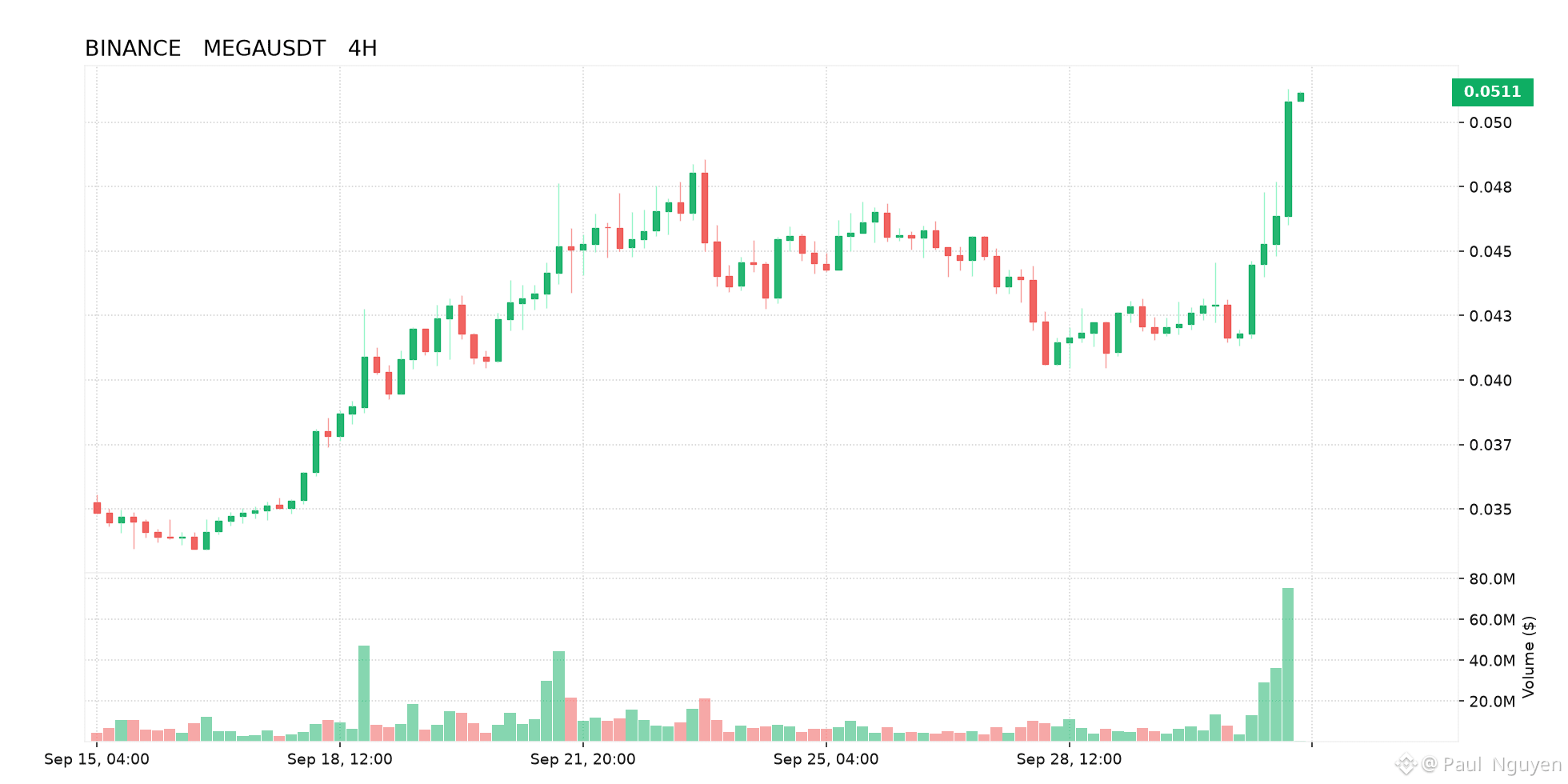
Binanceの新しいMEGA上場とHODLerエアドロップが話題を加速させ、MegaETHメインネットの勢いがさらに追い風になっています。だからこそ、MEGAは本日バイナンスで最も注目されているムーバーのひとつです。
$MEGA #MEGA
これは金融アドバイスではありません。自分の財務判断に責任を持ってください。
Binanceの新しいMEGA上場とHODLerエアドロップが話題を加速させ、MegaETHメインネットの勢いがさらに追い風になっています。だからこそ、MEGAは本日バイナンスで最も注目されているムーバーのひとつです。
$MEGA #MEGA
これは金融アドバイスではありません。自分の財務判断に責任を持ってください。
$MEGA #MEGA
これは金融アドバイスではありません。自分の財務判断に責任を持ってください。
175
·
--
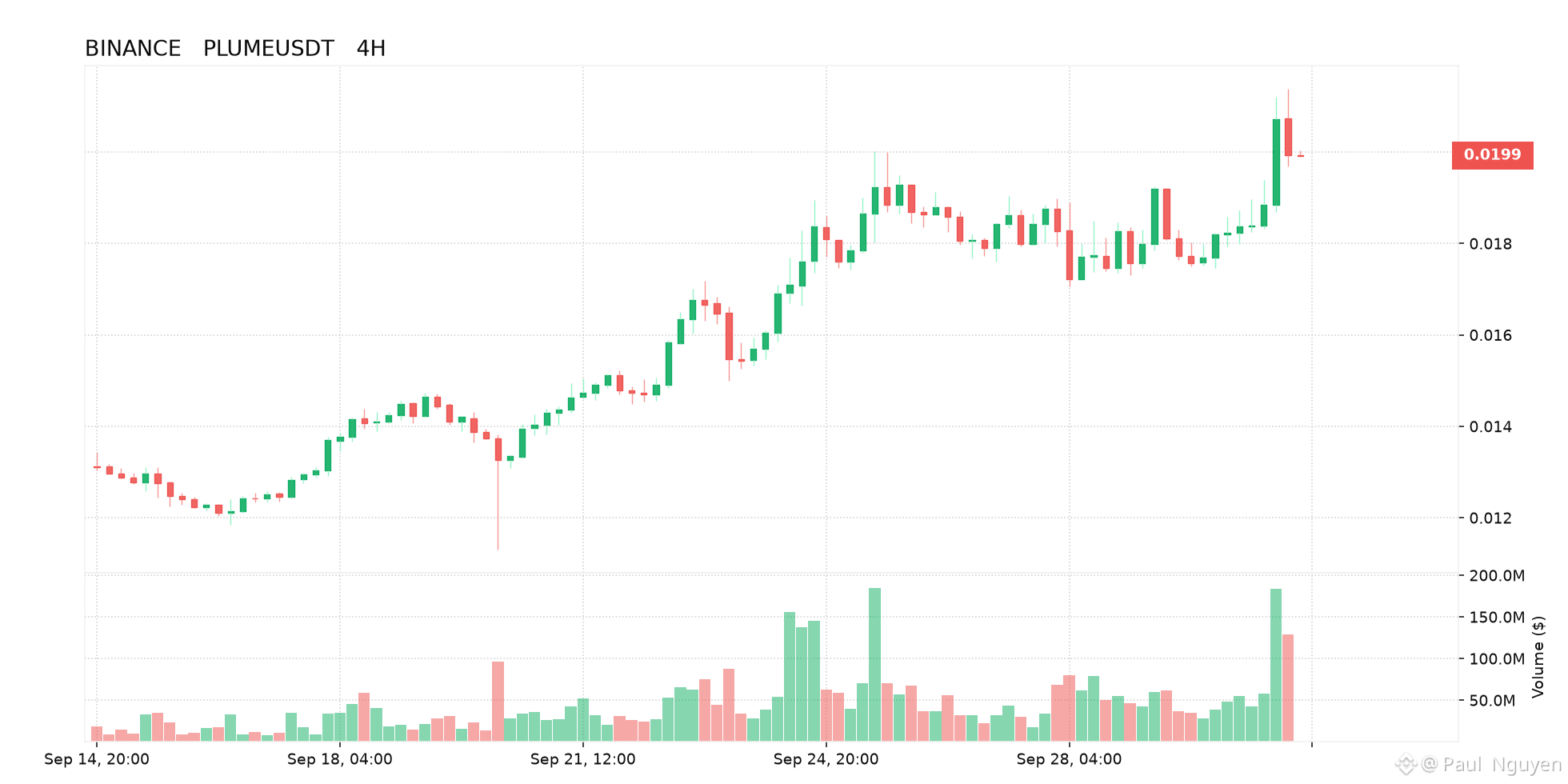
PLUMEが急騰している。バイナンスのトレーダーが、Plume Networkの最新パートナーシップの話題とメインネットの成長をきっかけに、RWA(実世界資産)というテーマに殺到している。勢いと低い浮動株(フロート)が、この急騰を後押ししている。
$PLUME #PLUME
これは金融アドバイスではありません。自分自身の金融判断に責任を持ってください。
PLUMEが急騰している。バイナンスのトレーダーが、Plume Networkの最新パートナーシップの話題とメインネットの成長をきっかけに、RWA(実世界資産)というテーマに殺到している。勢いと低い浮動株(フロート)が、この急騰を後押ししている。
$PLUME #PLUME
これは金融アドバイスではありません。自分自身の金融判断に責任を持ってください。
$PLUME #PLUME
これは金融アドバイスではありません。自分自身の金融判断に責任を持ってください。
467
·
--
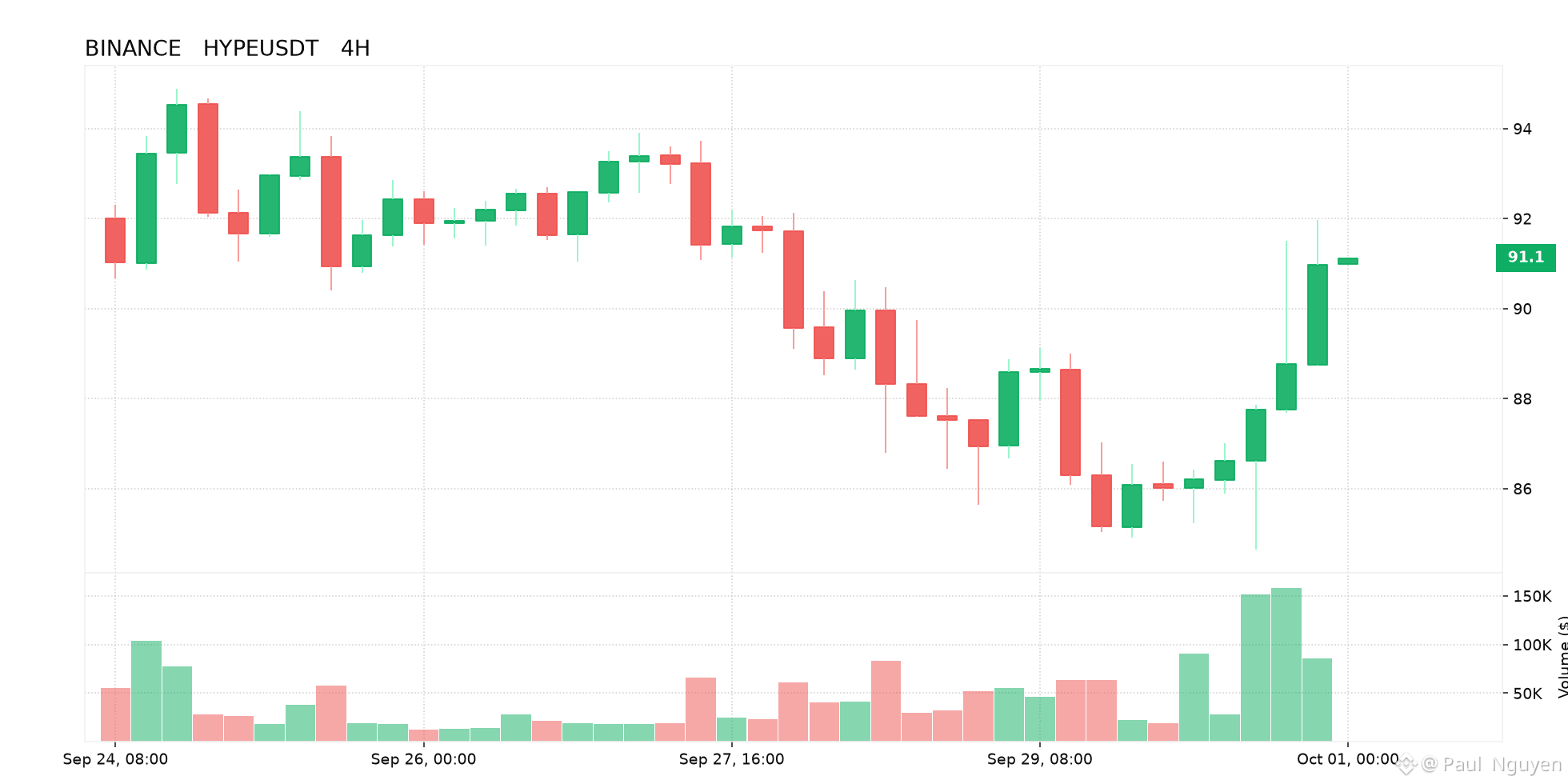
ここではライブニュースを閲覧できないため、HYPEの正確な24時間のきっかけを確認できません。最新の見出し/リンクを送ってください。こちらでそれを<170文字の投稿にします。
$HYPE #HYPE
投資助言ではありません。自分自身の判断で責任を持って行ってください。
ここではライブニュースを閲覧できないため、HYPEの正確な24時間のきっかけを確認できません。最新の見出し/リンクを送ってください。こちらでそれを<170文字の投稿にします。
$HYPE #HYPE
投資助言ではありません。自分自身の判断で責任を持って行ってください。
$HYPE #HYPE
投資助言ではありません。自分自身の判断で責任を持って行ってください。
230
·
--
一部該当
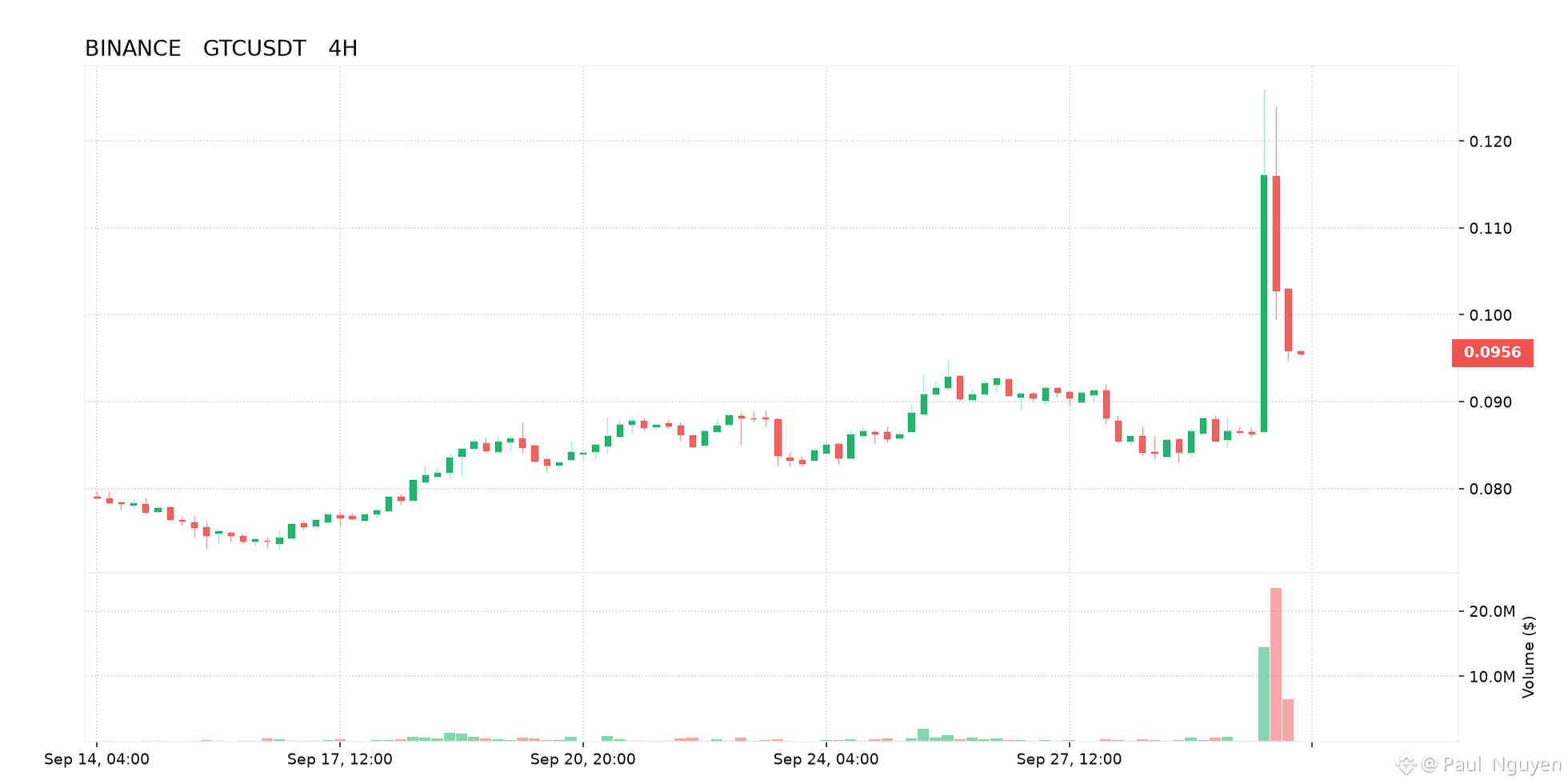
今週、GitcoinのDAOによる償還が開始された後にGTCが急騰しています:保有者はGTCをバーンして、トレジャリーの按分持分を受け取れます。トレーダーは価格とトレジャリーのギャップを埋めるために買い戻しています。
$GTC #GTC
※金融アドバイスではありません。自分自身の判断で責任ある取引を行ってください。
今週、GitcoinのDAOによる償還が開始された後にGTCが急騰しています:保有者はGTCをバーンして、トレジャリーの按分持分を受け取れます。トレーダーは価格とトレジャリーのギャップを埋めるために買い戻しています。
$GTC #GTC
※金融アドバイスではありません。自分自身の判断で責任ある取引を行ってください。
$GTC #GTC
※金融アドバイスではありません。自分自身の判断で責任ある取引を行ってください。
775
ログインして、さらにコンテンツを読む
厳選トピックで世界の暗号資産トレーダーの仲間入り
⚡️ 暗号資産に関する最新かつ有益な情報が見つかります。
💬 世界最大の暗号資産取引所から信頼されています。
👍 認証を受けたクリエイターから、有益なインサイトを得られます。
メール / 電話番号
トレンドトピック
FedMinutesFocusOnOctoberPause
閲覧回数 315,890
1,905人が討論中
🚨 警戒レベル引き上げ ‼️ 次の1時間は無闇に取引しないでください 🚨
皆さん、FOMC議事要旨の発表まで1時間を切りました。
今日すでに大きなボラティリティが見られたことを考えると、発表直前に誰にも無謀な高レバレッジポジションを取ってほしくありません。
私が注目している大きな反応は、ゴールド(XAU)、シルバー(XAG)、BTC、ETHです。さらにSOLのような銘柄や、レバレッジの高い時価総額が中小規模のアルトコインは、BTCの値動きを増幅させる可能性があります。
今夜は特にゴールドとシルバーに注意が必要です。市場はすでに米ドルと米国債利回りに反応しており、両方の貴金属はFRB議事要旨の発表を前に大きな圧力を受けています。
簡単に言うと、
📉タカ派的なFOMC議事要旨 → 米ドル・利回りが上昇する可能性 → BTC、暗号資産、ゴールド、シルバーに下押し圧力
📈ハト派的なFOMC議事要旨 → 米ドル・利回りが落ち着く可能性 → BTC、ゴールド、シルバー、リスク資産が大きく反発する可能性があります。
そして、最初のローソク足が罠になることもあるので忘れないでください。一度急騰してすぐに急落し、両方向で清算が起きてから、本当の方向性が見えてくることもあります。
今はポジションを守り、不要なレバレッジを減らし、最初の値動きにFOMOで飛び乗らないようにしてください。
今夜はまず$XAU 、$XAG 、$BTC を注視しています。これらの動きを見れば、市場がFRBの発表をどう受け止めているか、すぐに分かるでしょう。
時間どおりに皆さんに最新情報をお知らせします。
@Panda Traders をフォローして、今すぐ通知をオンにしてください。
#FedMinutesFocusOnOctoberPause
Panda Traders
·いいね:21件
·閲覧回数 4.9k
IMFGrantsWaiverForElSalvadorBitcoinBreach
閲覧回数 5,083
141人が討論中
BinanceLaunchesBinanceIntelligence
閲覧回数 1.2M
6,964人が討論中