
Z Y N T R A
7.9k 投稿

Z Y N T R A
 厳選トピック確認済+
報告
ユーザーをブロック
Educational Content | X: @greg_miller05
取引を発注
高頻度トレーダー
5.3年
128 フォロー
43.1K+ フォロワー
58.1K+ いいね
投稿
ポートフォリオ
すべて
引用
動画
ライブ
·
--
翻訳参照
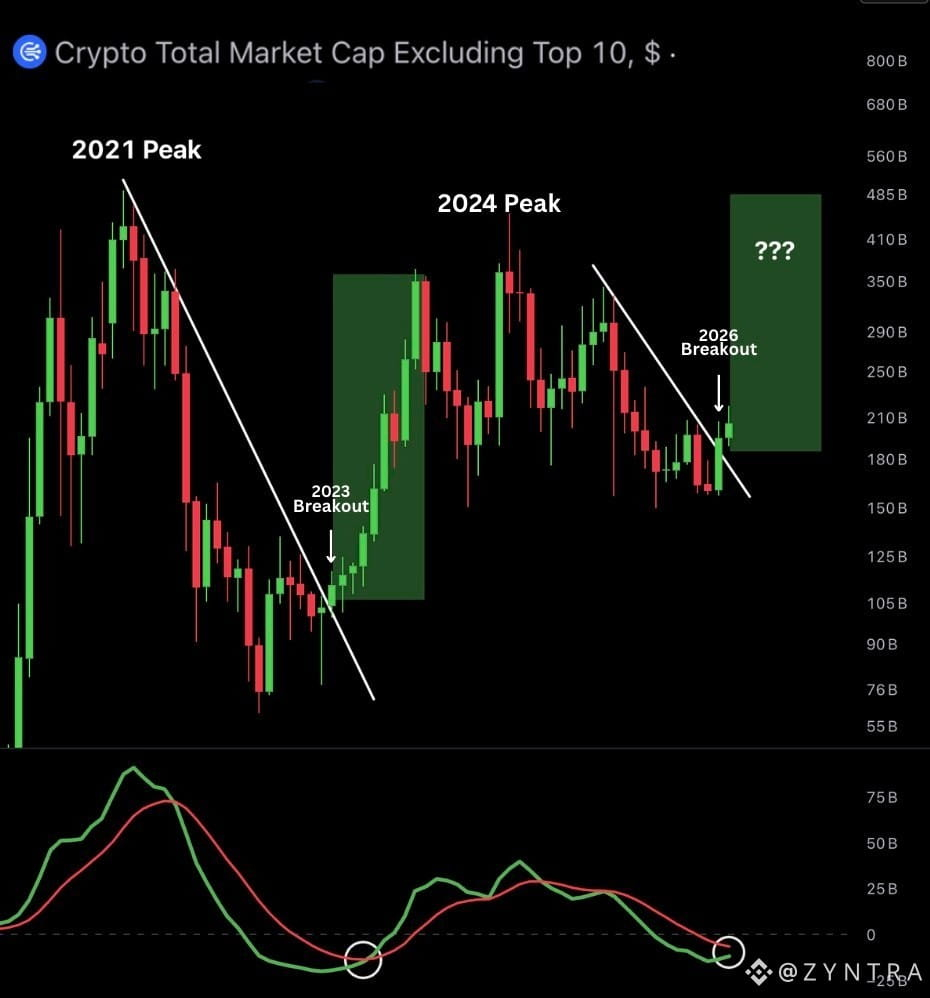
Altcoin season might be setting up again.
The last time the altcoin market broke out of a major monthly downtrend, it went parabolic within roughly 9 months.
Now, we’re seeing a strikingly similar setup:
🔹 Major downtrend broken
🔹 Momentum starting to turn
🔹 Altcoin market cap excluding the top 10 showing strength
History doesn’t repeat exactly, but it often rhymes.
If this structure plays out again, we could be witnessing the early stages of another major Altcoin season.
The next few months could be very interesting.
#ParadigmDisclosesZECHolding #ElSalvadorBTCHoldingsRiseTo7777 #OstiumLoanDisputeHearingSetInNYFederalCourt
Altcoin season might be setting up again.
The last time the altcoin market broke out of a major monthly downtrend, it went parabolic within roughly 9 months.
Now, we’re seeing a strikingly similar setup:
🔹 Major downtrend broken
🔹 Momentum starting to turn
🔹 Altcoin market cap excluding the top 10 showing strength
History doesn’t repeat exactly, but it often rhymes.
If this structure plays out again, we could be witnessing the early stages of another major Altcoin season.
The next few months could be very interesting.
#ParadigmDisclosesZECHolding #ElSalvadorBTCHoldingsRiseTo7777 #OstiumLoanDisputeHearingSetInNYFederalCourt
The last time the altcoin market broke out of a major monthly downtrend, it went parabolic within roughly 9 months.
Now, we’re seeing a strikingly similar setup:
🔹 Major downtrend broken
🔹 Momentum starting to turn
🔹 Altcoin market cap excluding the top 10 showing strength
History doesn’t repeat exactly, but it often rhymes.
If this structure plays out again, we could be witnessing the early stages of another major Altcoin season.
The next few months could be very interesting.
#ParadigmDisclosesZECHolding #ElSalvadorBTCHoldingsRiseTo7777 #OstiumLoanDisputeHearingSetInNYFederalCourt
1
154
·
--
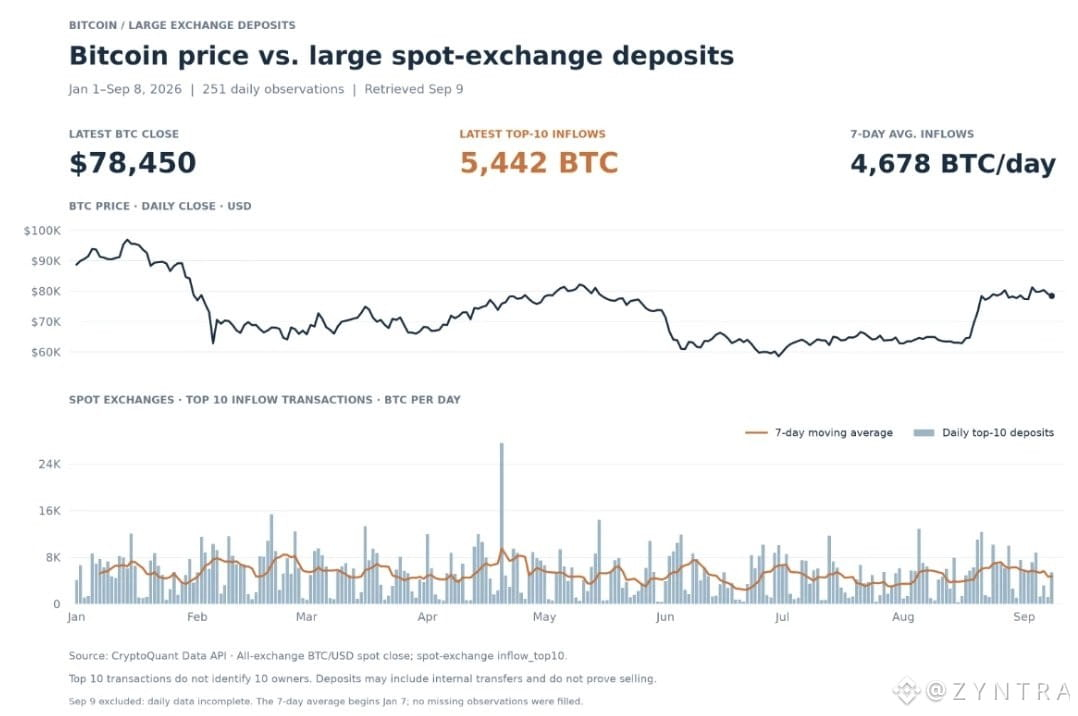
ビットコインは約8万ドルに戻ってきたが、重要なものが1つ欠けている:大口取引所預け入れの大きなスパイクだ。
$BTC は9月8日に7万8,450ドルで決済されており、上位10の取引所への流入は5,442BTCだった。
これは前日より高いが、それでも通常水準にかなり近い。7日平均は1日あたり4,678BTCだ。
これまでのところ、取引所への大口保有者の入金が異常に高い回復は見られない。
クジラによる強い売り圧力の証拠がより少ない。
今後注目すべき重要な点:
もしBTCが弱含み始め、7日間の流入平均が上昇し続けるなら、それは警告サインになり得る。
#BTC #Bitcoin #USStrikesTargetsNearHormuzAndJask
ビットコインは約8万ドルに戻ってきたが、重要なものが1つ欠けている:大口取引所預け入れの大きなスパイクだ。
$BTC は9月8日に7万8,450ドルで決済されており、上位10の取引所への流入は5,442BTCだった。
これは前日より高いが、それでも通常水準にかなり近い。7日平均は1日あたり4,678BTCだ。
これまでのところ、取引所への大口保有者の入金が異常に高い回復は見られない。
クジラによる強い売り圧力の証拠がより少ない。
今後注目すべき重要な点:
もしBTCが弱含み始め、7日間の流入平均が上昇し続けるなら、それは警告サインになり得る。
#BTC #Bitcoin #USStrikesTargetsNearHormuzAndJask
$BTC は9月8日に7万8,450ドルで決済されており、上位10の取引所への流入は5,442BTCだった。
これは前日より高いが、それでも通常水準にかなり近い。7日平均は1日あたり4,678BTCだ。
これまでのところ、取引所への大口保有者の入金が異常に高い回復は見られない。
クジラによる強い売り圧力の証拠がより少ない。
今後注目すべき重要な点:
もしBTCが弱含み始め、7日間の流入平均が上昇し続けるなら、それは警告サインになり得る。
#BTC #Bitcoin #USStrikesTargetsNearHormuzAndJask
1
467
·
--
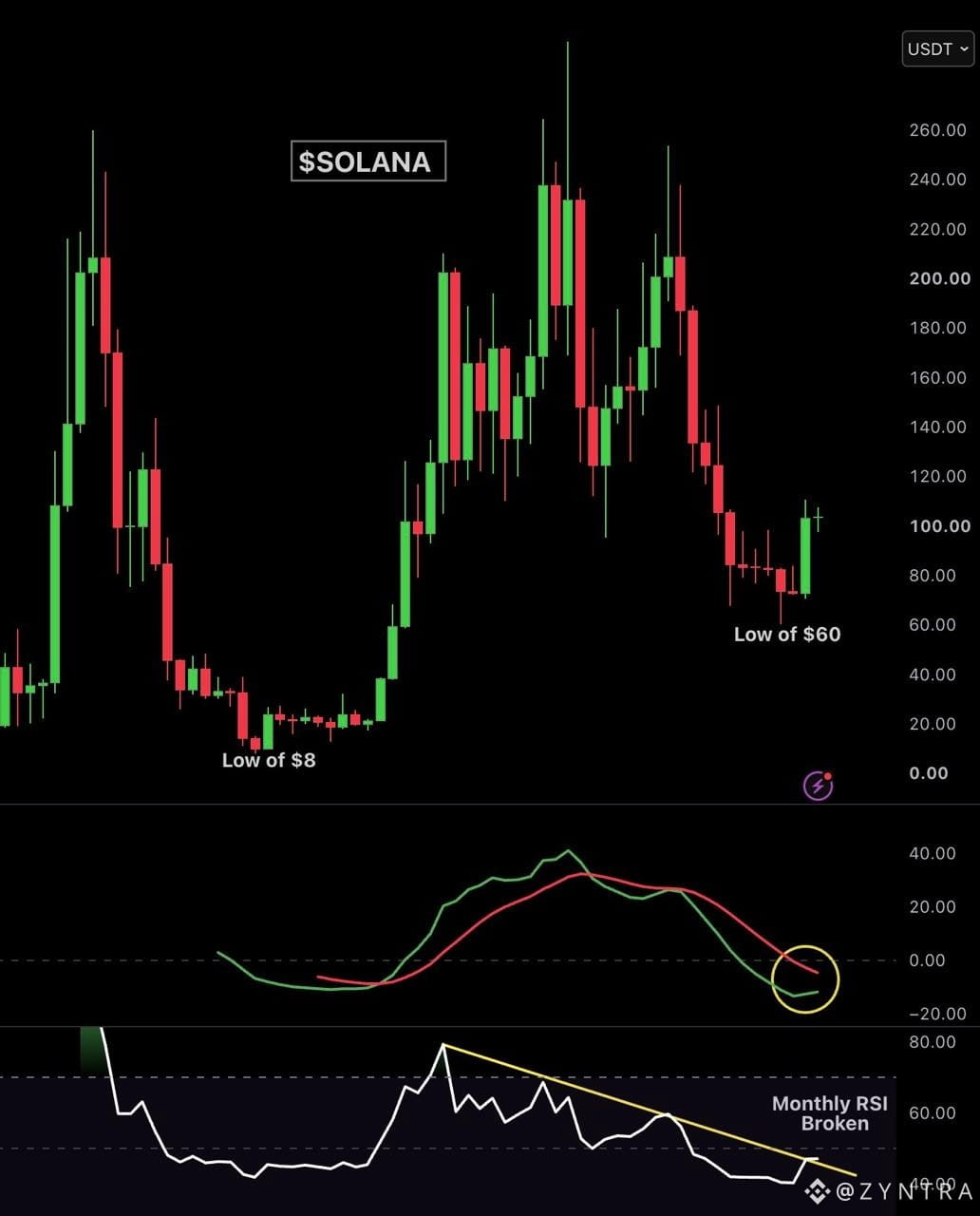
$SOL は、大きな強気の反転の可能性を示しているようです。
数か月にわたる弱さの後、チャートが変化し始めています:
• 10か月ぶりの最初の緑の月足
• 月足MACDが強気のクロスに近づいている
• 月足RSIが2年間の下落トレンドを突破
• 価格が約$60の安値から強く反発している
MACDがクロスを確認すれば、SOLはさらに大きなトレンド反転に入っている可能性があります。
これはSOLの次の主要な動きの始まりでしょうか?
#SOL #Solana #SaudiHaltsSouthernEnergySitesAfterAttacks
$SOL は、大きな強気の反転の可能性を示しているようです。
数か月にわたる弱さの後、チャートが変化し始めています:
• 10か月ぶりの最初の緑の月足
• 月足MACDが強気のクロスに近づいている
• 月足RSIが2年間の下落トレンドを突破
• 価格が約$60の安値から強く反発している
MACDがクロスを確認すれば、SOLはさらに大きなトレンド反転に入っている可能性があります。
これはSOLの次の主要な動きの始まりでしょうか?
#SOL #Solana #SaudiHaltsSouthernEnergySitesAfterAttacks
数か月にわたる弱さの後、チャートが変化し始めています:
• 10か月ぶりの最初の緑の月足
• 月足MACDが強気のクロスに近づいている
• 月足RSIが2年間の下落トレンドを突破
• 価格が約$60の安値から強く反発している
MACDがクロスを確認すれば、SOLはさらに大きなトレンド反転に入っている可能性があります。
これはSOLの次の主要な動きの始まりでしょうか?
#SOL #Solana #SaudiHaltsSouthernEnergySitesAfterAttacks
2
177
·
--
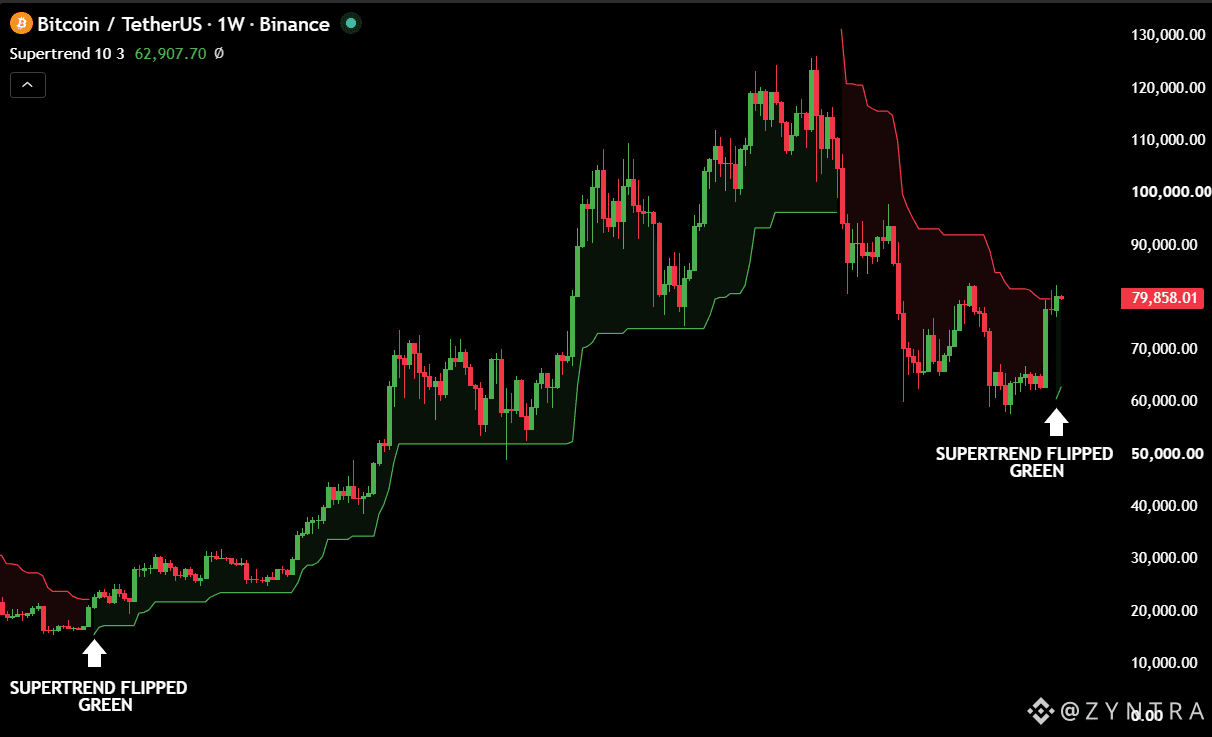
$BTC 週間 Supertrend がついにGREENに反転しました。
これが起きたのは、2023年1月のときが最後で、その前には大規模なBTCラリーがありました。
歴史は繰り返されないかもしれませんが、このシグナルは注目する価値があります。
#BTC #Bitcoin #IMFSaysElSalvadorBTCNoPublicFunds #IranSaysItHit3USShips3Tankers
$BTC 週間 Supertrend がついにGREENに反転しました。
これが起きたのは、2023年1月のときが最後で、その前には大規模なBTCラリーがありました。
歴史は繰り返されないかもしれませんが、このシグナルは注目する価値があります。
#BTC #Bitcoin #IMFSaysElSalvadorBTCNoPublicFunds #IranSaysItHit3USShips3Tankers
これが起きたのは、2023年1月のときが最後で、その前には大規模なBTCラリーがありました。
歴史は繰り返されないかもしれませんが、このシグナルは注目する価値があります。
#BTC #Bitcoin #IMFSaysElSalvadorBTCNoPublicFunds #IranSaysItHit3USShips3Tankers
187
·
--
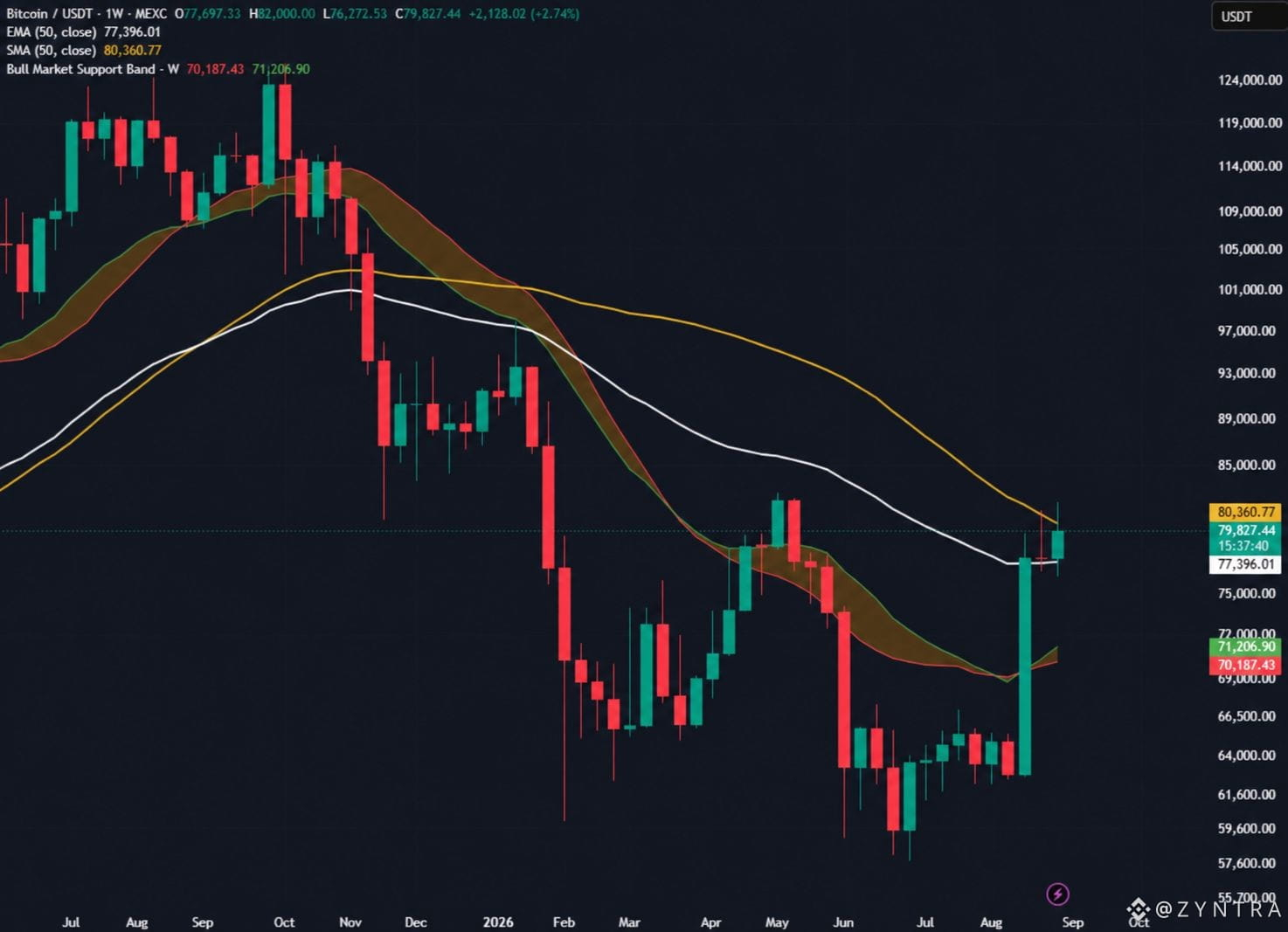
$BTC は約80,000ドル水準で推移しており、次の週次のクローズが非常に重要になり得ます。
ビットコインは現在、主要なレジスタンスとして機能してきた重要な水準である50週移動平均をテストしています。
BTCがこれを上抜け、週の終値が$80Kを上回って着地できれば、市場がついに底を見つけたことを示す強いサインになる可能性があります。
現時点では、注目すべきなのは週次のクローズです。
#BTC #Bitcoin #ZECHitsANewAllTimeHigh
$BTC は約80,000ドル水準で推移しており、次の週次のクローズが非常に重要になり得ます。
ビットコインは現在、主要なレジスタンスとして機能してきた重要な水準である50週移動平均をテストしています。
BTCがこれを上抜け、週の終値が$80Kを上回って着地できれば、市場がついに底を見つけたことを示す強いサインになる可能性があります。
現時点では、注目すべきなのは週次のクローズです。
#BTC #Bitcoin #ZECHitsANewAllTimeHigh
ビットコインは現在、主要なレジスタンスとして機能してきた重要な水準である50週移動平均をテストしています。
BTCがこれを上抜け、週の終値が$80Kを上回って着地できれば、市場がついに底を見つけたことを示す強いサインになる可能性があります。
現時点では、注目すべきなのは週次のクローズです。
#BTC #Bitcoin #ZECHitsANewAllTimeHigh
1
170
·
--
一部該当
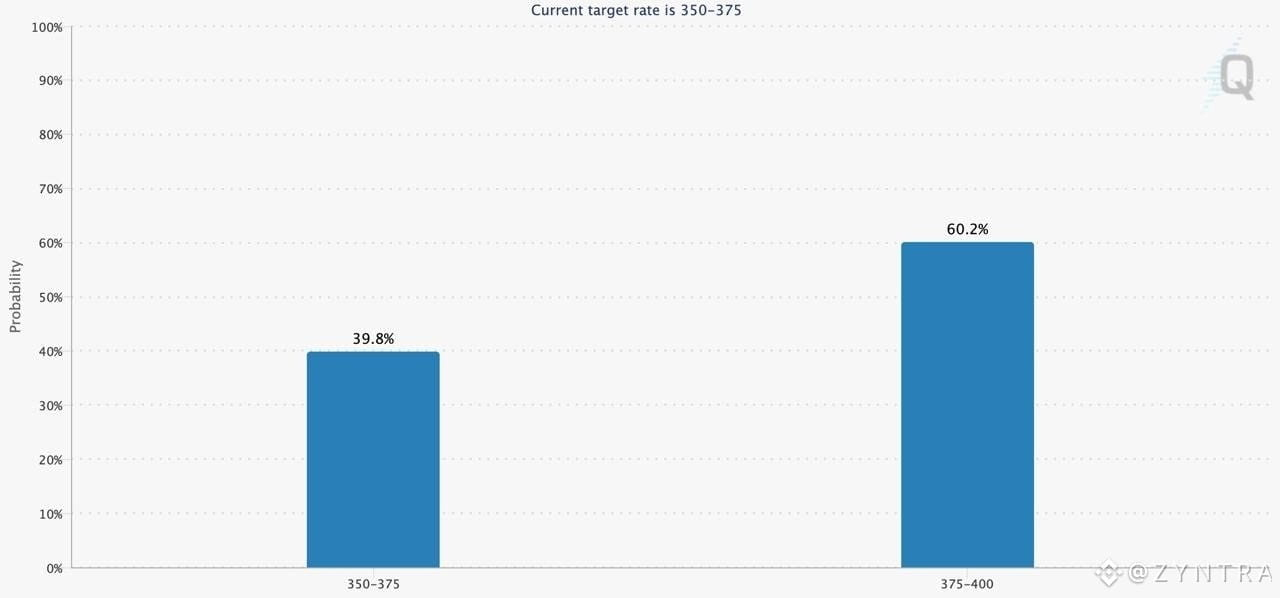
9月の利上げ確率が一気に60.2%まで上昇 🇺🇸
米国の労働市場は非常に力強さを示しています:
🔹 失業率: 4.1%、横ばい
🔹 新規雇用: 予想53Kに対し162K
🔹 民間雇用: 予想45Kに対し127K
これは大幅な上振れです。
予想を上回る労働市場は、FRBが金利をより長く高めに維持する余地を広げます。市場は現在、375〜400 bpsの政策金利目標の確率を60.2%と織り込んでおり、350〜375 bpsの39.8%から上昇しています。
金利高止まりが続けば、$BTC を含むリスク資産へのさらなる圧力につながる可能性があります。
#BTC #Bitcoin #USAugustAvgHourlyEarningsRise3.1%
9月の利上げ確率が一気に60.2%まで上昇 🇺🇸
米国の労働市場は非常に力強さを示しています:
🔹 失業率: 4.1%、横ばい
🔹 新規雇用: 予想53Kに対し162K
🔹 民間雇用: 予想45Kに対し127K
これは大幅な上振れです。
予想を上回る労働市場は、FRBが金利をより長く高めに維持する余地を広げます。市場は現在、375〜400 bpsの政策金利目標の確率を60.2%と織り込んでおり、350〜375 bpsの39.8%から上昇しています。
金利高止まりが続けば、$BTC を含むリスク資産へのさらなる圧力につながる可能性があります。
#BTC #Bitcoin #USAugustAvgHourlyEarningsRise3.1%
米国の労働市場は非常に力強さを示しています:
🔹 失業率: 4.1%、横ばい
🔹 新規雇用: 予想53Kに対し162K
🔹 民間雇用: 予想45Kに対し127K
これは大幅な上振れです。
予想を上回る労働市場は、FRBが金利をより長く高めに維持する余地を広げます。市場は現在、375〜400 bpsの政策金利目標の確率を60.2%と織り込んでおり、350〜375 bpsの39.8%から上昇しています。
金利高止まりが続けば、$BTC を含むリスク資産へのさらなる圧力につながる可能性があります。
#BTC #Bitcoin #USAugustAvgHourlyEarningsRise3.1%
274
·
--
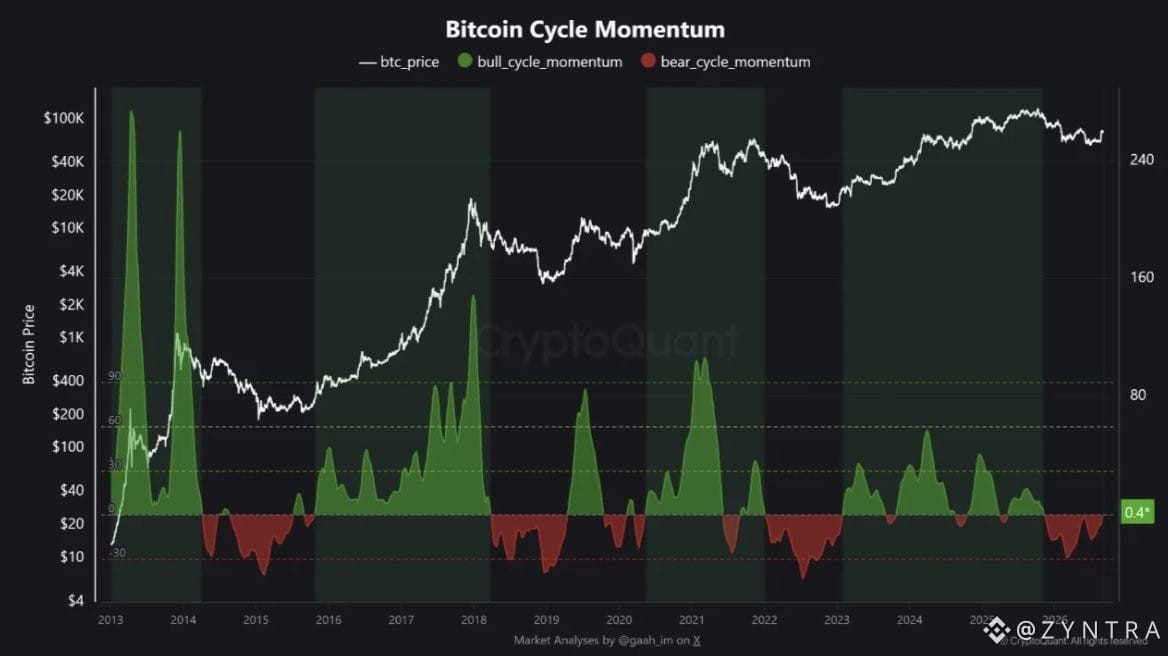
$BTC サイクル・モメンタムが大きな反転シグナルを点滅しています。
数か月にわたる弱気のモメンタムの後、この指標は下落トレンドの勢いが弱まりつつある可能性を示しています。
歴史的に、このような変化はビットコインの市場サイクルにおける大きな転換期の前後に現れてきました。
もしモメンタムが引き続き強気へ転じれば、BTCはブレイクアウトと弱気トレンドの終焉に向けて準備を進めている可能性があります。
#BTC #Bitcoin #KuwaitAirDefensesRespondToIranianDroneAttacks
$BTC サイクル・モメンタムが大きな反転シグナルを点滅しています。
数か月にわたる弱気のモメンタムの後、この指標は下落トレンドの勢いが弱まりつつある可能性を示しています。
歴史的に、このような変化はビットコインの市場サイクルにおける大きな転換期の前後に現れてきました。
もしモメンタムが引き続き強気へ転じれば、BTCはブレイクアウトと弱気トレンドの終焉に向けて準備を進めている可能性があります。
#BTC #Bitcoin #KuwaitAirDefensesRespondToIranianDroneAttacks
数か月にわたる弱気のモメンタムの後、この指標は下落トレンドの勢いが弱まりつつある可能性を示しています。
歴史的に、このような変化はビットコインの市場サイクルにおける大きな転換期の前後に現れてきました。
もしモメンタムが引き続き強気へ転じれば、BTCはブレイクアウトと弱気トレンドの終焉に向けて準備を進めている可能性があります。
#BTC #Bitcoin #KuwaitAirDefensesRespondToIranianDroneAttacks
1
215
·
--
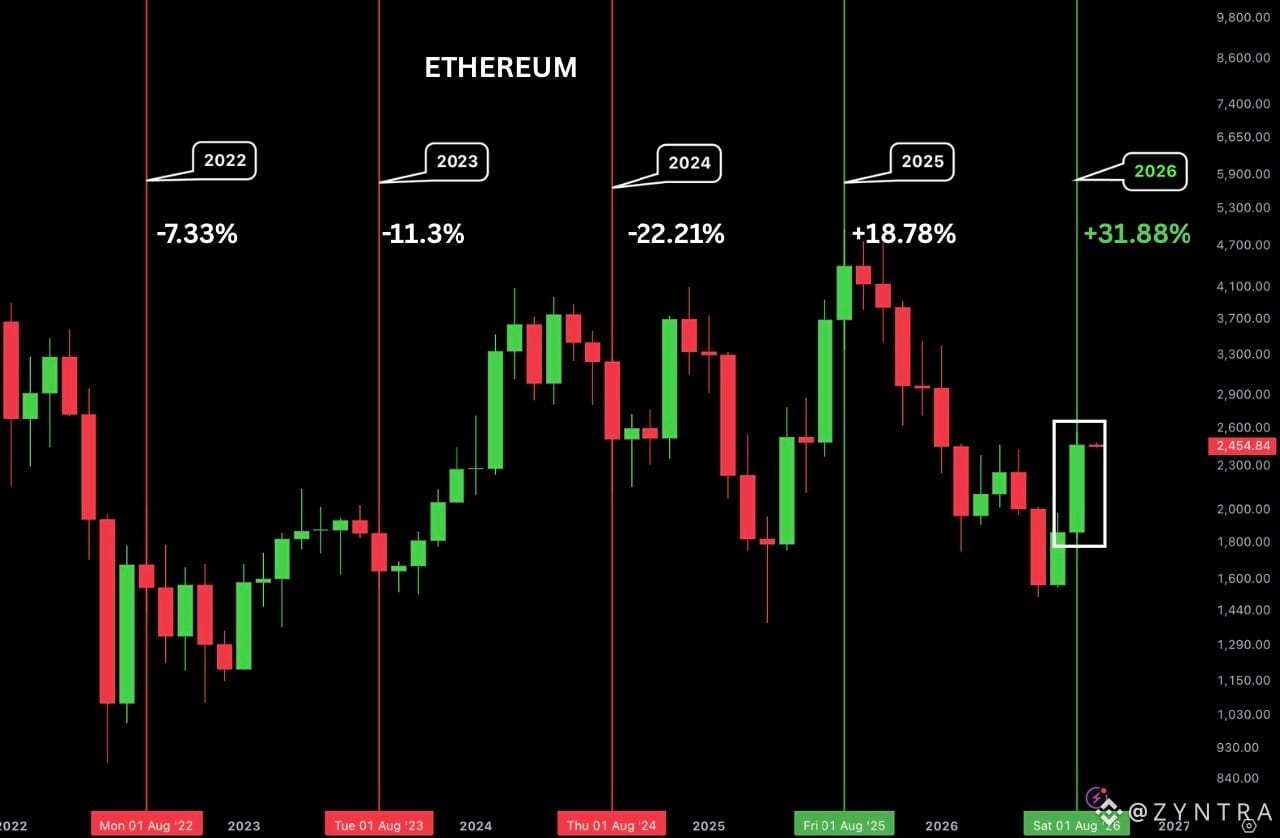
Ethereumは、過去4年で最も強気な8月の終値を記録しました。
$ETH は8月を+31.88%で終え、いくつかの弱い8月の終値の後に、勢いの大きな転換を示しました。
チャートは、かなり違って見え始めています。
この強さが続けば、ETHはさらに大きな値動きに向けて準備を進めている可能性があります。
強気派が戻ってきました。
#ETH #Ethereum #ARBRises30%OnRobinhoodChainRevenue
Ethereumは、過去4年で最も強気な8月の終値を記録しました。
$ETH は8月を+31.88%で終え、いくつかの弱い8月の終値の後に、勢いの大きな転換を示しました。
チャートは、かなり違って見え始めています。
この強さが続けば、ETHはさらに大きな値動きに向けて準備を進めている可能性があります。
強気派が戻ってきました。
#ETH #Ethereum #ARBRises30%OnRobinhoodChainRevenue
$ETH は8月を+31.88%で終え、いくつかの弱い8月の終値の後に、勢いの大きな転換を示しました。
チャートは、かなり違って見え始めています。
この強さが続けば、ETHはさらに大きな値動きに向けて準備を進めている可能性があります。
強気派が戻ってきました。
#ETH #Ethereum #ARBRises30%OnRobinhoodChainRevenue
236
·
--
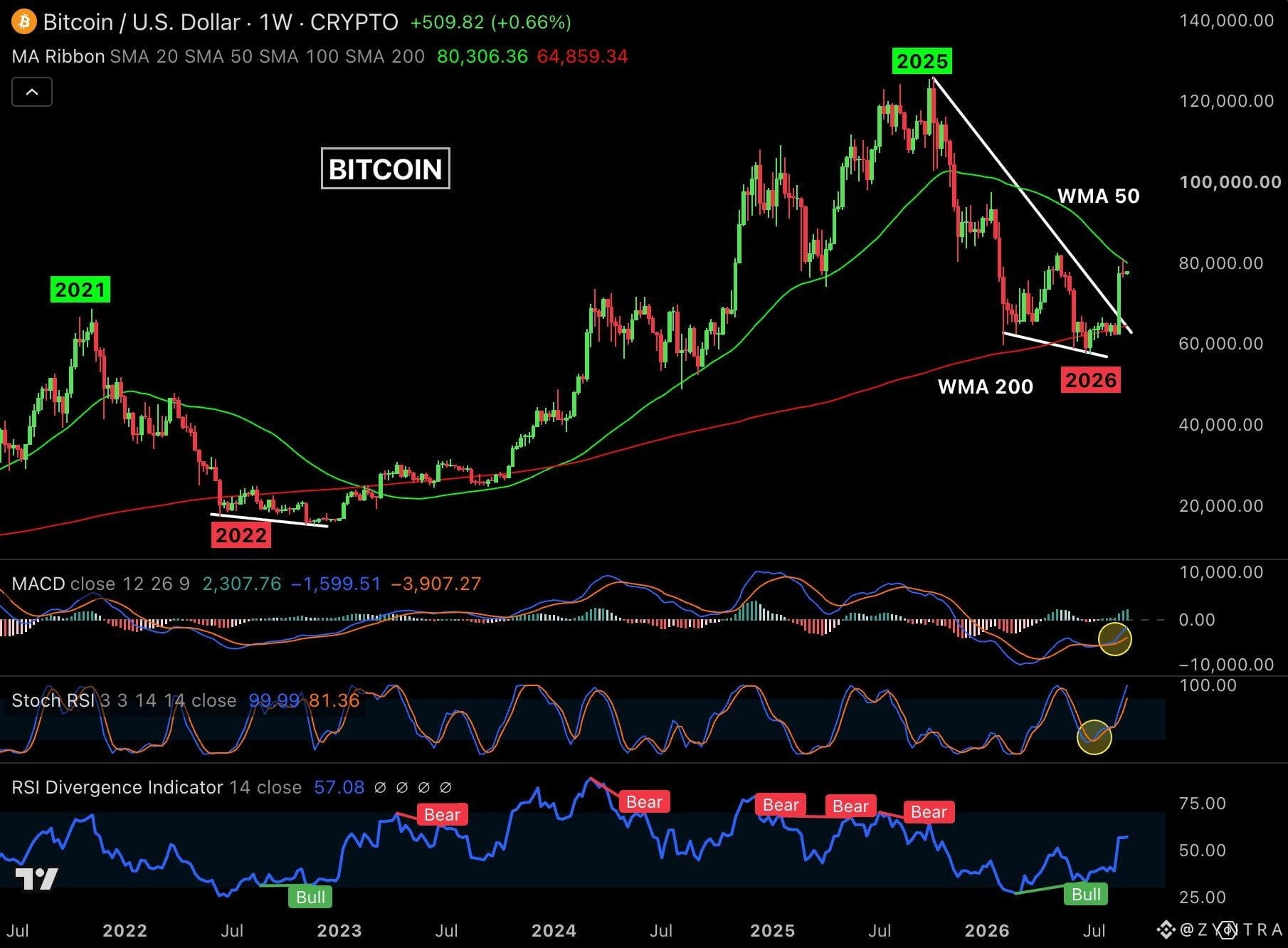
$BTC は今週を中立的なゾーンで終えたものの、モメンタム指標は強気に傾き始めています。
🔹 MACD が強気に転じつつある
🔹 RSI が 50 を回復
🔹 Stoch RSI が強い上昇モメンタムを示している
🔹 チャート上では強気のRSIディバージェンスも確認できる
重要な攻防は現在、週足MA50(およそ$81K)付近です。
ビットコインが $81K を突破し、その水準の上で維持できれば、次の目標は $90K → $100K かもしれません。
しかし、もう一度の跳ね返り(リジェクション)が起きれば、BTC は $75K 付近へ押し戻される可能性があり、さらに下の主要サポートは $69K です。
今週は、火曜日の米 ISM 指標と、金曜日の米雇用データによって重要な展開になり得ます。
注目すべき水準は $81K です。
#BTC #Bitcoin #LNGTankersStayOutOfHormuz
$BTC は今週を中立的なゾーンで終えたものの、モメンタム指標は強気に傾き始めています。
🔹 MACD が強気に転じつつある
🔹 RSI が 50 を回復
🔹 Stoch RSI が強い上昇モメンタムを示している
🔹 チャート上では強気のRSIディバージェンスも確認できる
重要な攻防は現在、週足MA50(およそ$81K)付近です。
ビットコインが $81K を突破し、その水準の上で維持できれば、次の目標は $90K → $100K かもしれません。
しかし、もう一度の跳ね返り(リジェクション)が起きれば、BTC は $75K 付近へ押し戻される可能性があり、さらに下の主要サポートは $69K です。
今週は、火曜日の米 ISM 指標と、金曜日の米雇用データによって重要な展開になり得ます。
注目すべき水準は $81K です。
#BTC #Bitcoin #LNGTankersStayOutOfHormuz
🔹 MACD が強気に転じつつある
🔹 RSI が 50 を回復
🔹 Stoch RSI が強い上昇モメンタムを示している
🔹 チャート上では強気のRSIディバージェンスも確認できる
重要な攻防は現在、週足MA50(およそ$81K)付近です。
ビットコインが $81K を突破し、その水準の上で維持できれば、次の目標は $90K → $100K かもしれません。
しかし、もう一度の跳ね返り(リジェクション)が起きれば、BTC は $75K 付近へ押し戻される可能性があり、さらに下の主要サポートは $69K です。
今週は、火曜日の米 ISM 指標と、金曜日の米雇用データによって重要な展開になり得ます。
注目すべき水準は $81K です。
#BTC #Bitcoin #LNGTankersStayOutOfHormuz
1
198
·
--
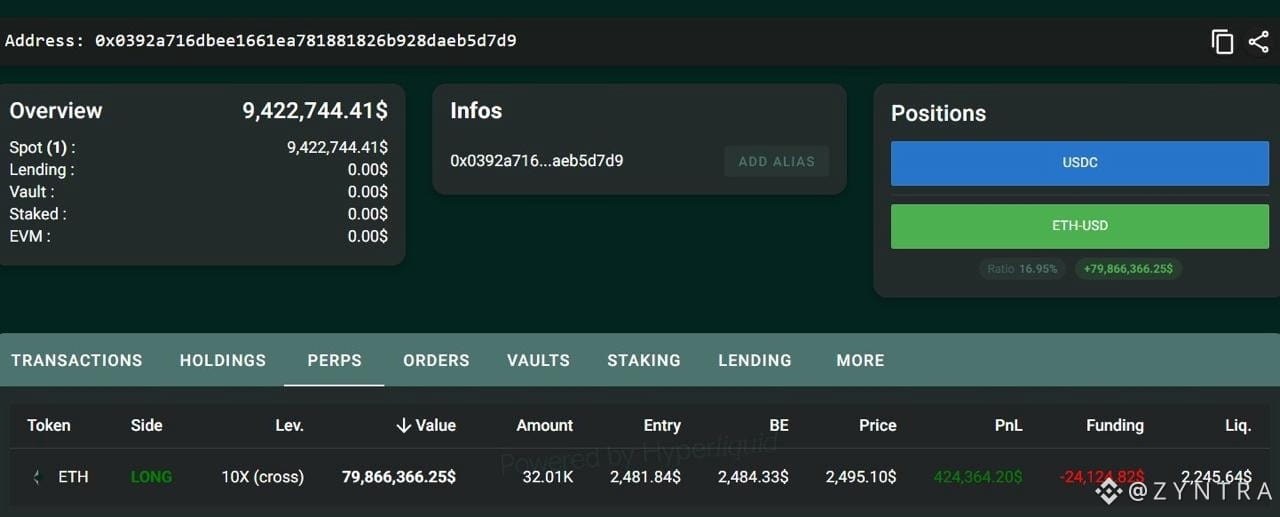
緊急速報:クジラがケヴィン・ウォーシュの演説のはるか前に、巨大な8,000万ドル($80M)を「$ETH 」桁開けました。
そのクジラは、私たちが知らない何を知っているのでしょうか?
#ETH #Ethereum #CaliforniaBillWouldBarOfficialMemeCoins
緊急速報:クジラがケヴィン・ウォーシュの演説のはるか前に、巨大な8,000万ドル($80M)を「$ETH 」桁開けました。
そのクジラは、私たちが知らない何を知っているのでしょうか?
#ETH #Ethereum #CaliforniaBillWouldBarOfficialMemeCoins
そのクジラは、私たちが知らない何を知っているのでしょうか?
#ETH #Ethereum #CaliforniaBillWouldBarOfficialMemeCoins
247
·
--
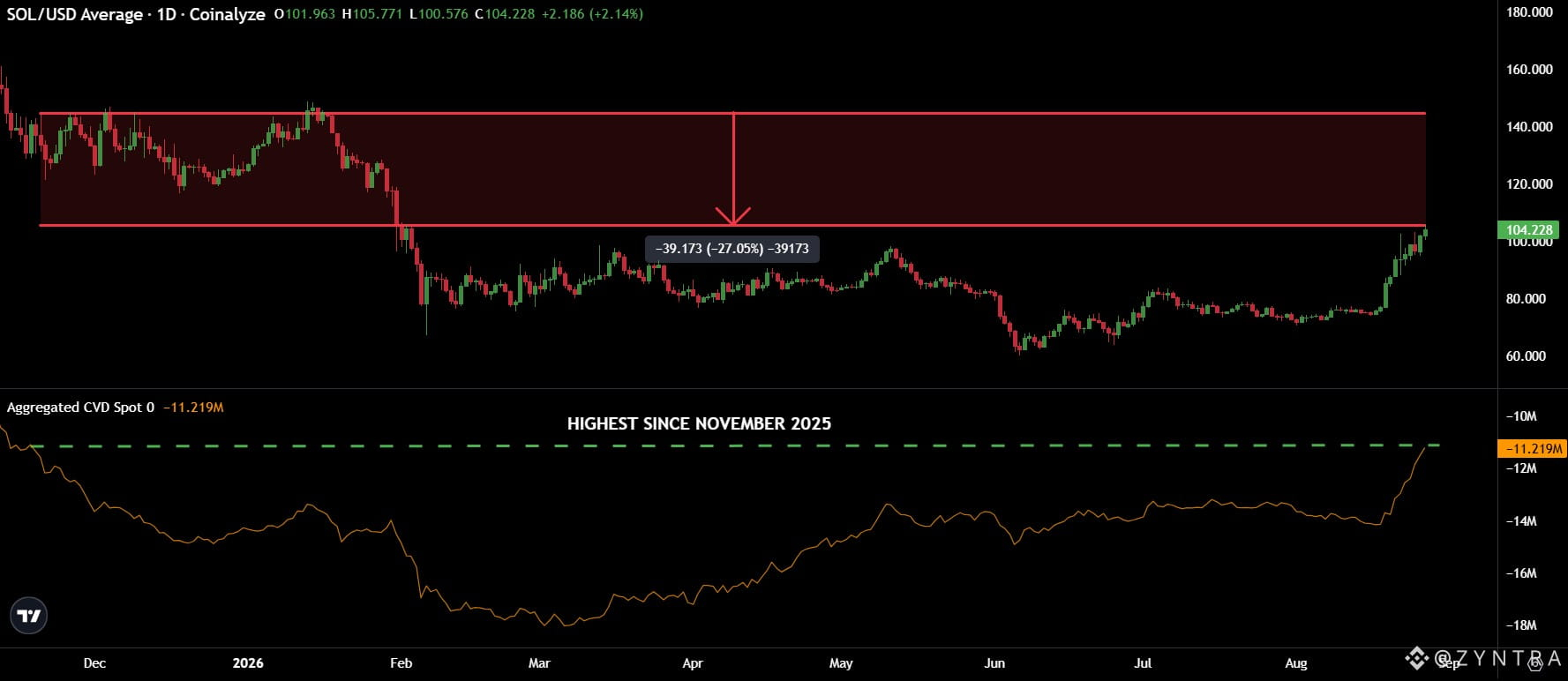
$SOL スポット需要が2025年11月以来の最高水準に達しました。
しかし価格は、チャート上で示された水準からまだ約27%低いままです。
需要は回復している一方で、価格は大幅に割り引かれた状態です。
この食い違いは、ほとんどの場合、いつまでも見過ごされることはありません。
あなたも分かっていますよね。
#SOL #Solana #BestBuyQ2RevenueTopsEstimatesLiftsOutlook #ChinaOpposesUSProposed7.5%Tariff
$SOL スポット需要が2025年11月以来の最高水準に達しました。
しかし価格は、チャート上で示された水準からまだ約27%低いままです。
需要は回復している一方で、価格は大幅に割り引かれた状態です。
この食い違いは、ほとんどの場合、いつまでも見過ごされることはありません。
あなたも分かっていますよね。
#SOL #Solana #BestBuyQ2RevenueTopsEstimatesLiftsOutlook #ChinaOpposesUSProposed7.5%Tariff
しかし価格は、チャート上で示された水準からまだ約27%低いままです。
需要は回復している一方で、価格は大幅に割り引かれた状態です。
この食い違いは、ほとんどの場合、いつまでも見過ごされることはありません。
あなたも分かっていますよね。
#SOL #Solana #BestBuyQ2RevenueTopsEstimatesLiftsOutlook #ChinaOpposesUSProposed7.5%Tariff
171
·
--
ブリッシュ
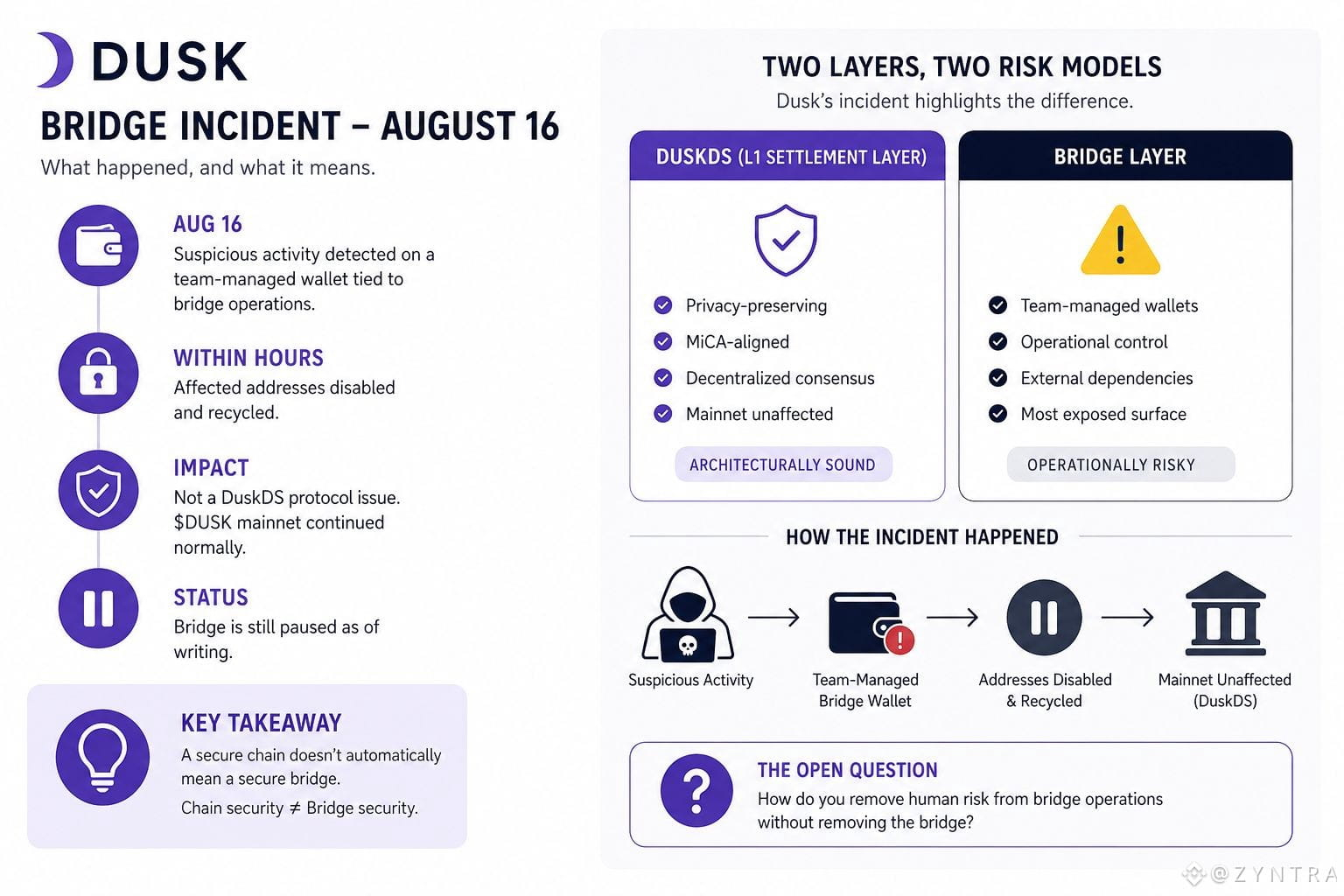
土曜に生産的なことを何もせず、午後ずっとDuskのブリッジ事故の告知を掘り返していた。8月16日、ブリッジ運用に紐づいたチーム管理型ウォレットが奇妙な挙動を始め、数時間のうちにアドレスが無効化され、リサイクルされた。俺を止めたのは、たった一行だった――「これはDuskDSにおけるプロトコルレベルの問題ではない」。技術的にはその通り。$DUSK mainnetは、何も起きていないかのようにブロックを出し続けていた。
でも、まさにそこが前に考え抜けていなかった点だ。プライバシーを保護し、MiCAに整合した決済レイヤーは、設計として筋が通っていても、その中で最も露出の大きい表面が、チームのメンバーがサイドで管理している“ウォレット”になり得る。#dusk はここでは珍しくない。多くのブリッジはこういう作りだ。それなのに、こんなにもはっきり書かれているのを見ると、「チェーンのセキュリティ」と「ブリッジのセキュリティ」の違いが、机上の空論っぽくなく感じられた。
俺は、強化されたL1なら強化された外周(パリセード)も得られると思い込んでいた。自動的にはそうならない。@Dusk_Foundation のブリッジは、執筆時点でも停止したままだ。つまり、彼らもそれを分かっているのだろう。
それでも、人間(の管理するウォレット)という問題を、ただ……そもそもウォレットが存在しない状態にする以外で、どう直すのかはまだ分からない。
土曜に生産的なことを何もせず、午後ずっとDuskのブリッジ事故の告知を掘り返していた。8月16日、ブリッジ運用に紐づいたチーム管理型ウォレットが奇妙な挙動を始め、数時間のうちにアドレスが無効化され、リサイクルされた。俺を止めたのは、たった一行だった――「これはDuskDSにおけるプロトコルレベルの問題ではない」。技術的にはその通り。$DUSK mainnetは、何も起きていないかのようにブロックを出し続けていた。
でも、まさにそこが前に考え抜けていなかった点だ。プライバシーを保護し、MiCAに整合した決済レイヤーは、設計として筋が通っていても、その中で最も露出の大きい表面が、チームのメンバーがサイドで管理している“ウォレット”になり得る。#dusk はここでは珍しくない。多くのブリッジはこういう作りだ。それなのに、こんなにもはっきり書かれているのを見ると、「チェーンのセキュリティ」と「ブリッジのセキュリティ」の違いが、机上の空論っぽくなく感じられた。
俺は、強化されたL1なら強化された外周(パリセード)も得られると思い込んでいた。自動的にはそうならない。@Dusk のブリッジは、執筆時点でも停止したままだ。つまり、彼らもそれを分かっているのだろう。
それでも、人間(の管理するウォレット)という問題を、ただ……そもそもウォレットが存在しない状態にする以外で、どう直すのかはまだ分からない。
でも、まさにそこが前に考え抜けていなかった点だ。プライバシーを保護し、MiCAに整合した決済レイヤーは、設計として筋が通っていても、その中で最も露出の大きい表面が、チームのメンバーがサイドで管理している“ウォレット”になり得る。#dusk はここでは珍しくない。多くのブリッジはこういう作りだ。それなのに、こんなにもはっきり書かれているのを見ると、「チェーンのセキュリティ」と「ブリッジのセキュリティ」の違いが、机上の空論っぽくなく感じられた。
俺は、強化されたL1なら強化された外周(パリセード)も得られると思い込んでいた。自動的にはそうならない。@Dusk のブリッジは、執筆時点でも停止したままだ。つまり、彼らもそれを分かっているのだろう。
それでも、人間(の管理するウォレット)という問題を、ただ……そもそもウォレットが存在しない状態にする以外で、どう直すのかはまだ分からない。
2
5
317
·
--
ブリッシュ
一部該当
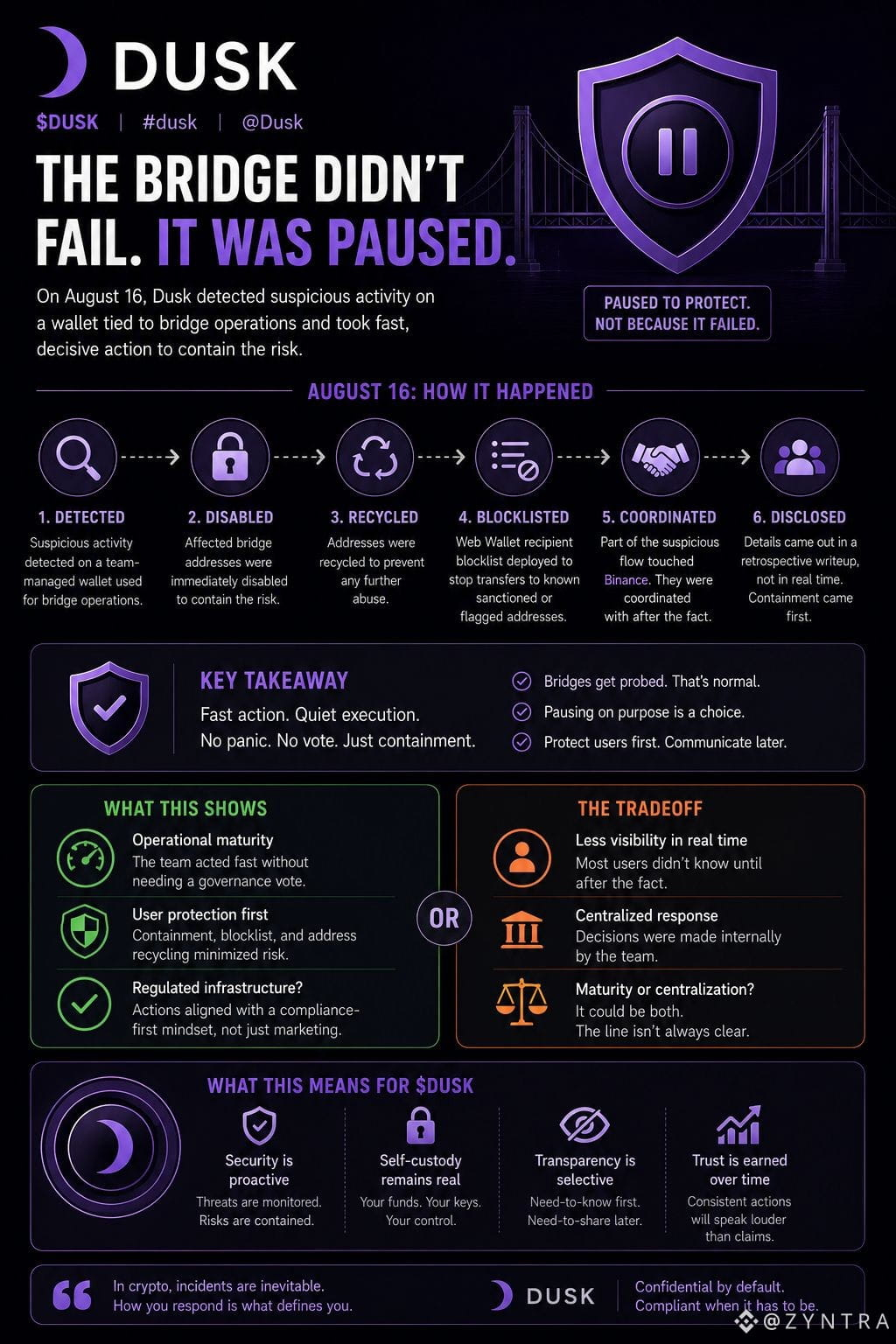
DuskでCreatorPadのタスクを完了し、$DUSK を見ながら、ずっと一つの細部が気になっていました。ブリッジは静かに失敗したのではなく、意図的に一時停止されたのです。8月16日、チームはブリッジ運用に紐づくウォレットで不審な動きを検知し、ただ…処理を止めました。アドレスを更新し、既知の不正受取先をブロックし、流れの一部がBinance側に触れた時点で連携を入れたのです。
私が印象的だと思ったのは、その出来事自体ではありません。ブリッジは常に試されているからです。驚いたのは、その対応があまりにも劇的でなかったことでした。緊急のガバナンス投票もなければ、公開のパニック投稿もない。ただ封じ込めて、次にブロックリストを更新しただけ。
当初は、Duskの「規制対応済みインフラ」という表現は、ほとんどマーケティング用の言葉だと思っていました。でも、これで少し考えを改めました。投票を必要とせずに素早く動けるのは、運用成熟度の表れか、あるいは説明されているほど分散化されていない兆候か、そのどちらかです。たぶん両方でしょう。
まだどちらなのかは分かりません。
#dusk @Dusk_Foundation $DUSK
DuskでCreatorPadのタスクを完了し、$DUSK を見ながら、ずっと一つの細部が気になっていました。ブリッジは静かに失敗したのではなく、意図的に一時停止されたのです。8月16日、チームはブリッジ運用に紐づくウォレットで不審な動きを検知し、ただ…処理を止めました。アドレスを更新し、既知の不正受取先をブロックし、流れの一部がBinance側に触れた時点で連携を入れたのです。
私が印象的だと思ったのは、その出来事自体ではありません。ブリッジは常に試されているからです。驚いたのは、その対応があまりにも劇的でなかったことでした。緊急のガバナンス投票もなければ、公開のパニック投稿もない。ただ封じ込めて、次にブロックリストを更新しただけ。
当初は、Duskの「規制対応済みインフラ」という表現は、ほとんどマーケティング用の言葉だと思っていました。でも、これで少し考えを改めました。投票を必要とせずに素早く動けるのは、運用成熟度の表れか、あるいは説明されているほど分散化されていない兆候か、そのどちらかです。たぶん両方でしょう。
まだどちらなのかは分かりません。
#dusk @Dusk $DUSK
私が印象的だと思ったのは、その出来事自体ではありません。ブリッジは常に試されているからです。驚いたのは、その対応があまりにも劇的でなかったことでした。緊急のガバナンス投票もなければ、公開のパニック投稿もない。ただ封じ込めて、次にブロックリストを更新しただけ。
当初は、Duskの「規制対応済みインフラ」という表現は、ほとんどマーケティング用の言葉だと思っていました。でも、これで少し考えを改めました。投票を必要とせずに素早く動けるのは、運用成熟度の表れか、あるいは説明されているほど分散化されていない兆候か、そのどちらかです。たぶん両方でしょう。
まだどちらなのかは分かりません。
#dusk @Dusk $DUSK
6
8
646
·
--
ブリッシュ
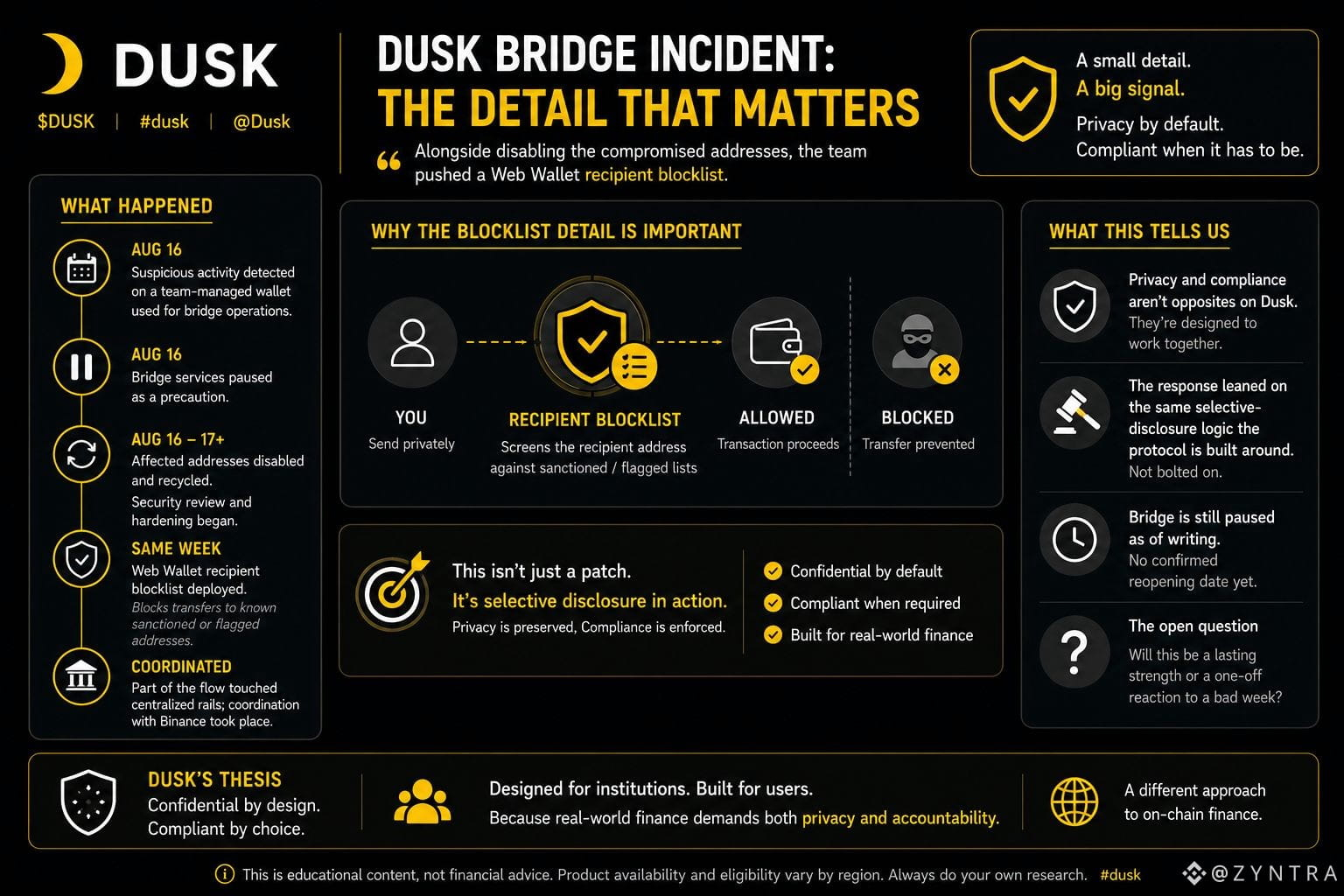
今週、ブリッジ停止後の@Duskのインシデント記録を読み進めるのに少し時間を費やしたのですが、見出し以上に心に残った一文がありました。侵害されたアドレスを無効化するだけでなく、チームは、既知の制裁対象やフラグ付きアドレスへの送金を止めるために、Web Walletの受取人ブロックリストを導入したのです。些細で、読み飛ばしてしまいそうなポイントです。
でも、それは$DUSK が実際に何のために作られているかを、静かに教えてくれるタイプの記述です。受取人のブロックリストを追加するというのは、プライバシーチェーンの矛盾ではなく、むしろその根本的な主張そのもの。デフォルトで機密性を持ち、必要なときだけコンプライアンスに従う。あの提案書は何度も読み返したくなる一方で、実際にどう見えるかは、インシデントの最中で、強いプレッシャーの中だと、なかなか頭に入ってきませんでした。
驚いたのは封じ込めの速さではなく、プロトコルが前提として設計しているのと同じ選択的開示のロジックに、応答が寄せられていたことです。後付けで取り付けたわけではありません。
それでも、これが今後さらに強みにしていくものなのか、それとも悪い一週間への一度きりの反応なのか、まだ判断できません。
#dusk @Dusk_Foundation
今週、ブリッジ停止後の@Duskのインシデント記録を読み進めるのに少し時間を費やしたのですが、見出し以上に心に残った一文がありました。侵害されたアドレスを無効化するだけでなく、チームは、既知の制裁対象やフラグ付きアドレスへの送金を止めるために、Web Walletの受取人ブロックリストを導入したのです。些細で、読み飛ばしてしまいそうなポイントです。
でも、それは$DUSK が実際に何のために作られているかを、静かに教えてくれるタイプの記述です。受取人のブロックリストを追加するというのは、プライバシーチェーンの矛盾ではなく、むしろその根本的な主張そのもの。デフォルトで機密性を持ち、必要なときだけコンプライアンスに従う。あの提案書は何度も読み返したくなる一方で、実際にどう見えるかは、インシデントの最中で、強いプレッシャーの中だと、なかなか頭に入ってきませんでした。
驚いたのは封じ込めの速さではなく、プロトコルが前提として設計しているのと同じ選択的開示のロジックに、応答が寄せられていたことです。後付けで取り付けたわけではありません。
それでも、これが今後さらに強みにしていくものなのか、それとも悪い一週間への一度きりの反応なのか、まだ判断できません。
#dusk @Dusk
でも、それは$DUSK が実際に何のために作られているかを、静かに教えてくれるタイプの記述です。受取人のブロックリストを追加するというのは、プライバシーチェーンの矛盾ではなく、むしろその根本的な主張そのもの。デフォルトで機密性を持ち、必要なときだけコンプライアンスに従う。あの提案書は何度も読み返したくなる一方で、実際にどう見えるかは、インシデントの最中で、強いプレッシャーの中だと、なかなか頭に入ってきませんでした。
驚いたのは封じ込めの速さではなく、プロトコルが前提として設計しているのと同じ選択的開示のロジックに、応答が寄せられていたことです。後付けで取り付けたわけではありません。
それでも、これが今後さらに強みにしていくものなのか、それとも悪い一週間への一度きりの反応なのか、まだ判断できません。
#dusk @Dusk
1
10
182
·
--
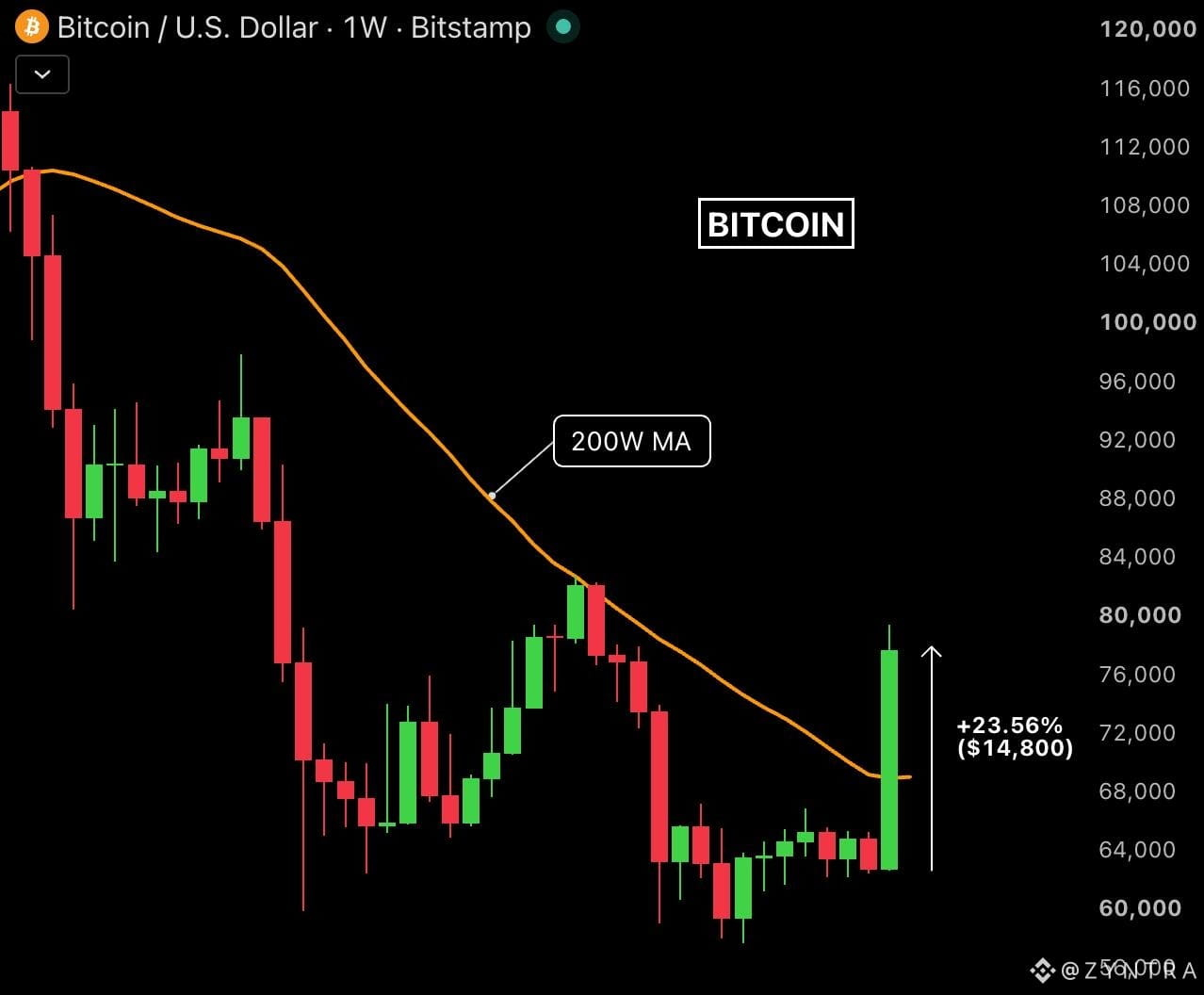
$BTC は 2023年3月以来最大の週足キャンドルを直近で形成しました。
+たった1週間で$14,800
+週次の上昇率 23.56%
さらに重要なのは、BTCが200週移動平均線を再び上回ったことです。この水準は歴史的に大きな重みを持ってきました。
勢いが戻ってきました。あとは、ビットコインがこのブレイクアウトを維持できるかどうかが問題です。
#BTC #Bitcoin #GoldNearsThreeMonthHigh
$BTC は 2023年3月以来最大の週足キャンドルを直近で形成しました。
+たった1週間で$14,800
+週次の上昇率 23.56%
さらに重要なのは、BTCが200週移動平均線を再び上回ったことです。この水準は歴史的に大きな重みを持ってきました。
勢いが戻ってきました。あとは、ビットコインがこのブレイクアウトを維持できるかどうかが問題です。
#BTC #Bitcoin #GoldNearsThreeMonthHigh
+たった1週間で$14,800
+週次の上昇率 23.56%
さらに重要なのは、BTCが200週移動平均線を再び上回ったことです。この水準は歴史的に大きな重みを持ってきました。
勢いが戻ってきました。あとは、ビットコインがこのブレイクアウトを維持できるかどうかが問題です。
#BTC #Bitcoin #GoldNearsThreeMonthHigh
5
206
·
--
ブリッシュ
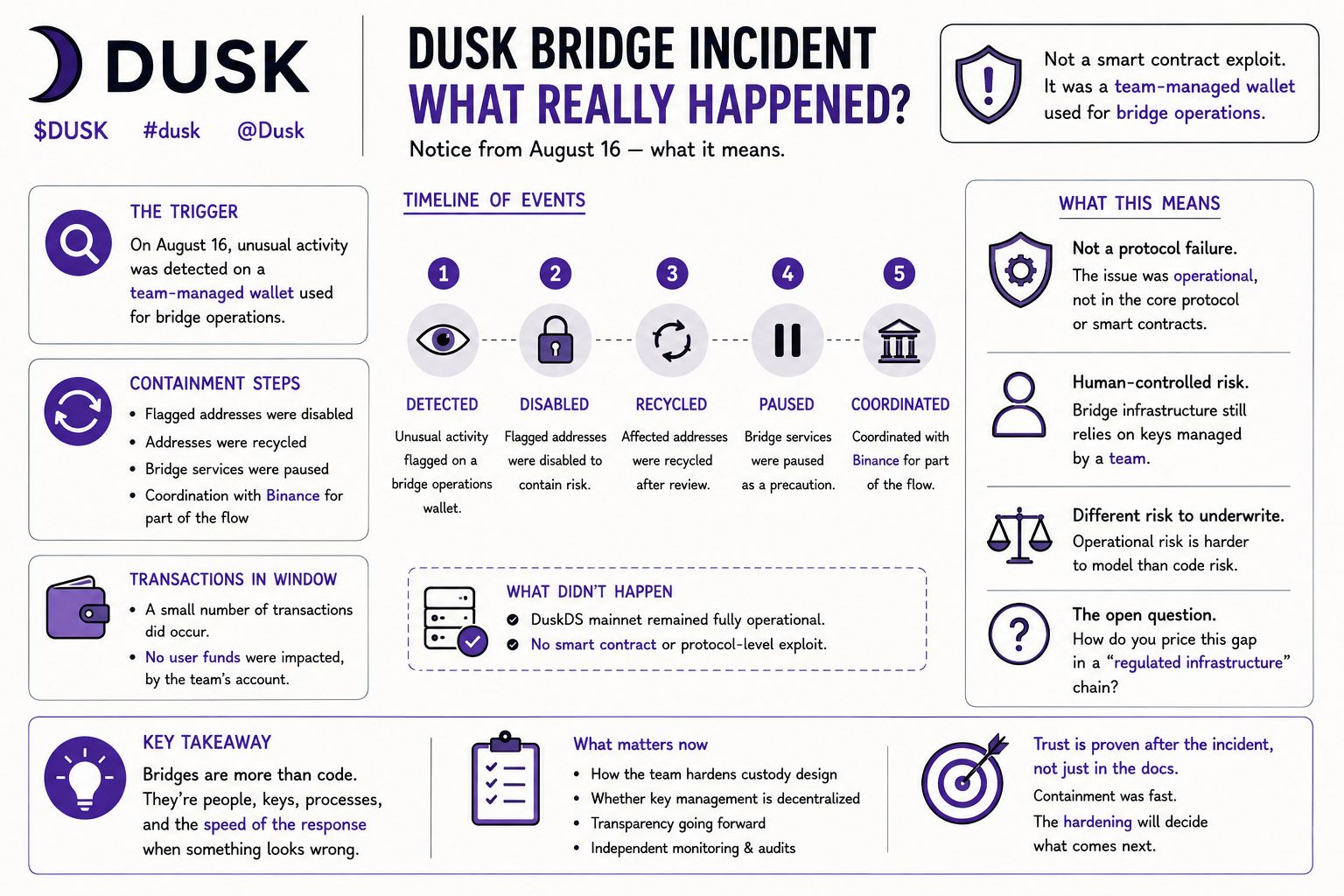
@Dusk_Foundation 件のインシデント通知を午後ずっと読み漁って、いつものCreatorPadのプロンプトは後回しにしていた。そのうち、1行が私を止めた。8月16日にフラグが立ったウォレットはスマートコントラクトのエクスプロイトではなく、ブリッジ運用に使われるチーム管理ウォレットだった。私は$DUSK のブリッジに関するリスクはコードの中だけにあると思い込んでいた。ところが、そのリスクはチェーンをまたいで資金を動かす鍵を握る“誰か”にも宿っている。
興味深いのは「起きなかったこと」だ。DuskDSのメインネットは動き続け、プロトコルレベルの障害はなく、チームはフラグが立ったアドレスを無効化して再投入した後、ユーザー資金への影響はなかったと説明した。その期間内には少数のトランザクションが実際に発生しており、フローの一部は封じ込めの前にBinanceに触れたらしい。
私の最初の反応は、「“プロトコルの問題ではない”という言い回しが安心材料として繰り返される」ことへの軽い苛立ちだった。言っていることは事実だが、同時にブリッジの弱点が暗号的なものではなく運用上のものだったと、静かに認めてもいる。ホワイトペーパーに書かれたリスクとは別種の引き受けになる。
とはいえ、「規制されたインフラ」チェーンを評価するとき、そのギャップをどう値付けするのか、まだよく分からない。
#dusk
@Dusk 件のインシデント通知を午後ずっと読み漁って、いつものCreatorPadのプロンプトは後回しにしていた。そのうち、1行が私を止めた。8月16日にフラグが立ったウォレットはスマートコントラクトのエクスプロイトではなく、ブリッジ運用に使われるチーム管理ウォレットだった。私は$DUSK のブリッジに関するリスクはコードの中だけにあると思い込んでいた。ところが、そのリスクはチェーンをまたいで資金を動かす鍵を握る“誰か”にも宿っている。
興味深いのは「起きなかったこと」だ。DuskDSのメインネットは動き続け、プロトコルレベルの障害はなく、チームはフラグが立ったアドレスを無効化して再投入した後、ユーザー資金への影響はなかったと説明した。その期間内には少数のトランザクションが実際に発生しており、フローの一部は封じ込めの前にBinanceに触れたらしい。
私の最初の反応は、「“プロトコルの問題ではない”という言い回しが安心材料として繰り返される」ことへの軽い苛立ちだった。言っていることは事実だが、同時にブリッジの弱点が暗号的なものではなく運用上のものだったと、静かに認めてもいる。ホワイトペーパーに書かれたリスクとは別種の引き受けになる。
とはいえ、「規制されたインフラ」チェーンを評価するとき、そのギャップをどう値付けするのか、まだよく分からない。
#dusk
興味深いのは「起きなかったこと」だ。DuskDSのメインネットは動き続け、プロトコルレベルの障害はなく、チームはフラグが立ったアドレスを無効化して再投入した後、ユーザー資金への影響はなかったと説明した。その期間内には少数のトランザクションが実際に発生しており、フローの一部は封じ込めの前にBinanceに触れたらしい。
私の最初の反応は、「“プロトコルの問題ではない”という言い回しが安心材料として繰り返される」ことへの軽い苛立ちだった。言っていることは事実だが、同時にブリッジの弱点が暗号的なものではなく運用上のものだったと、静かに認めてもいる。ホワイトペーパーに書かれたリスクとは別種の引き受けになる。
とはいえ、「規制されたインフラ」チェーンを評価するとき、そのギャップをどう値付けするのか、まだよく分からない。
#dusk
2
6
310
·
--
ブリッシュ
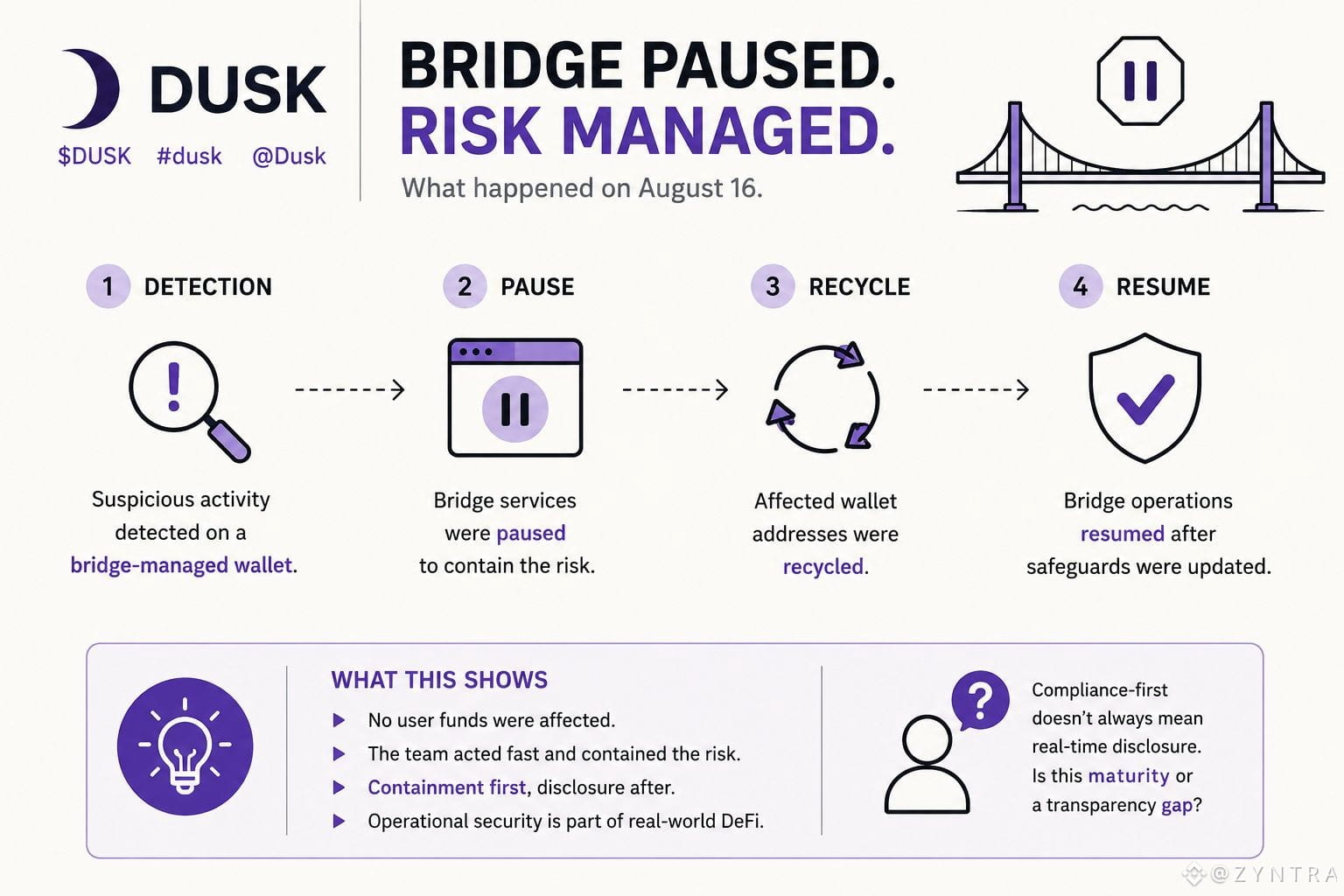
私は取引の途中で、Duskのブリッジがフリーズしました。大げさなことではありませんでしたが、保留状態が解除されないままでした。調べてみると、チームは8月16日にブリッジ管理ウォレットで不審なアクティビティがあるとしてフラグを立て、影響を受けたアドレスをリサイクルする間、ブリッジのサービスを停止していたようです。#dusk $DUSK @Dusk
私の目を引いたのは、停止そのものというより、その静けさでした。スレッドもなく、「対応中です」という告知がフィードに溢れることもありません。ただ、ブリッジが止まったまま、チームが裏で作業していました。規制され、監査可能なファイナンスを売りにしているチェーンなら、もっと目に見えるプロセスがあるのではないか、たとえば公開のインシデントログがリアルタイムで更新されるようなものを想像していました。
「コンプライアンス重視」が実際には何を意味するのか、改めて考えさせられました。デフォルトで透明性があるのではなく、まず封じ込めで、その後に開示です。おそらく運用としては正しい順序なのでしょうが、私が頭の中に刷り込んだ「オンチェーンで全部立証できる」というスタンスとは別の姿勢です。
成熟のサインなのか、それともプライバシーとコンプライアンスを語る物語と、現実にインシデントが日常的にどう扱われるかの間にあるギャップなのか、まだ確信が持てません。
@Dusk_Foundation #dusk $DUSK
私は取引の途中で、Duskのブリッジがフリーズしました。大げさなことではありませんでしたが、保留状態が解除されないままでした。調べてみると、チームは8月16日にブリッジ管理ウォレットで不審なアクティビティがあるとしてフラグを立て、影響を受けたアドレスをリサイクルする間、ブリッジのサービスを停止していたようです。#dusk $DUSK @Dusk
私の目を引いたのは、停止そのものというより、その静けさでした。スレッドもなく、「対応中です」という告知がフィードに溢れることもありません。ただ、ブリッジが止まったまま、チームが裏で作業していました。規制され、監査可能なファイナンスを売りにしているチェーンなら、もっと目に見えるプロセスがあるのではないか、たとえば公開のインシデントログがリアルタイムで更新されるようなものを想像していました。
「コンプライアンス重視」が実際には何を意味するのか、改めて考えさせられました。デフォルトで透明性があるのではなく、まず封じ込めで、その後に開示です。おそらく運用としては正しい順序なのでしょうが、私が頭の中に刷り込んだ「オンチェーンで全部立証できる」というスタンスとは別の姿勢です。
成熟のサインなのか、それともプライバシーとコンプライアンスを語る物語と、現実にインシデントが日常的にどう扱われるかの間にあるギャップなのか、まだ確信が持てません。
@Dusk #dusk $DUSK
私の目を引いたのは、停止そのものというより、その静けさでした。スレッドもなく、「対応中です」という告知がフィードに溢れることもありません。ただ、ブリッジが止まったまま、チームが裏で作業していました。規制され、監査可能なファイナンスを売りにしているチェーンなら、もっと目に見えるプロセスがあるのではないか、たとえば公開のインシデントログがリアルタイムで更新されるようなものを想像していました。
「コンプライアンス重視」が実際には何を意味するのか、改めて考えさせられました。デフォルトで透明性があるのではなく、まず封じ込めで、その後に開示です。おそらく運用としては正しい順序なのでしょうが、私が頭の中に刷り込んだ「オンチェーンで全部立証できる」というスタンスとは別の姿勢です。
成熟のサインなのか、それともプライバシーとコンプライアンスを語る物語と、現実にインシデントが日常的にどう扱われるかの間にあるギャップなのか、まだ確信が持てません。
@Dusk #dusk $DUSK
11
14
460
·
--
ブリッシュ
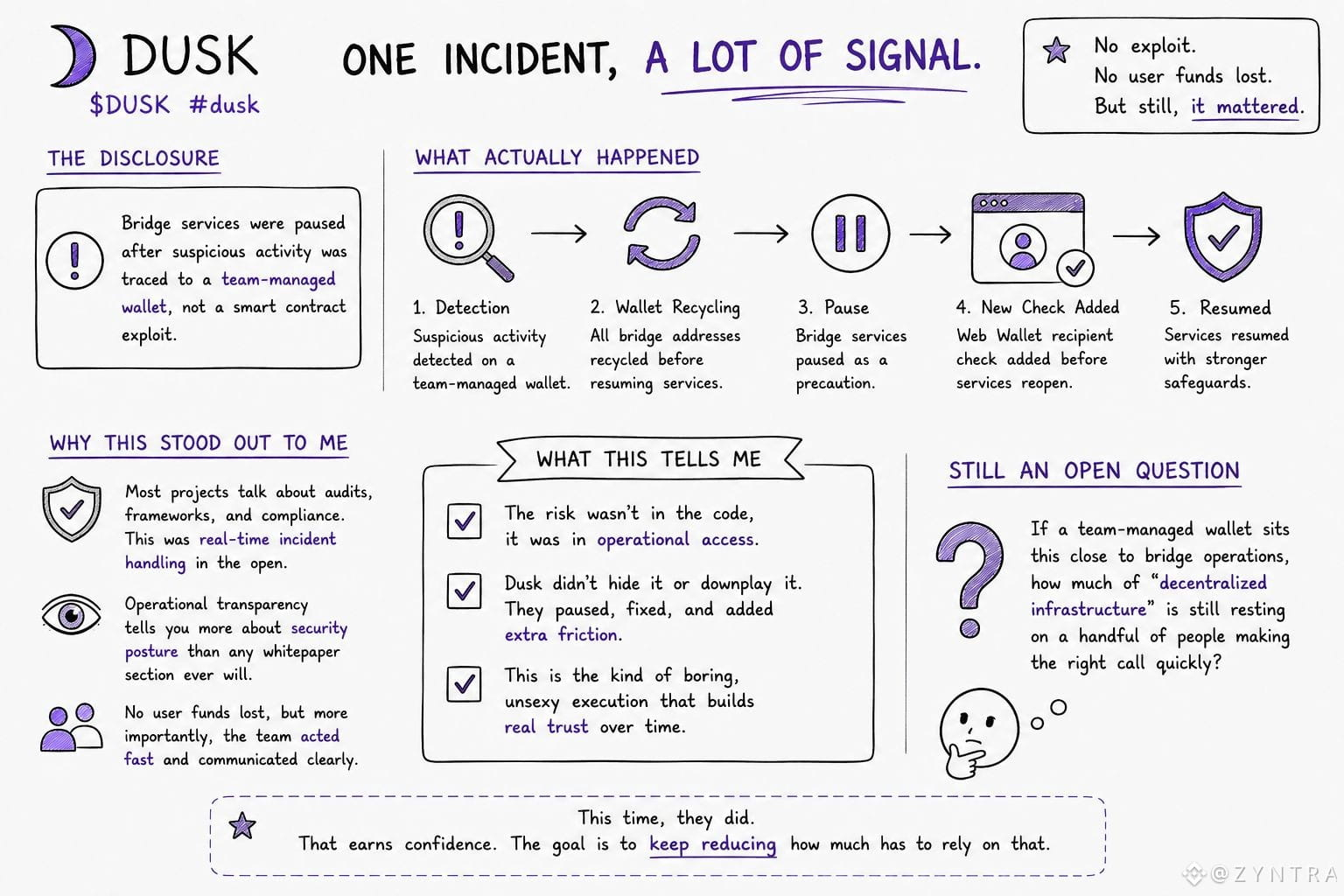
CreatorPadのランを@Dusk_Foundation で完了させた後も、開示の中で一行に戻ってしまいました。つまり、ブリッジサービスは、スマートコントラクトの脆弱性ではなく、チーム管理のウォレットに不審な活動が追跡されたことによって停止された、ということです。$DUSK #dusk 。ユーザー資金は影響を受けなかったものの、とはいえ、話の本筋からはほとんど外れています。
目立ったのは、その一連の流れでした。検知、ウォレットのリサイクル、停止、それから再開の前に追加された新しい「Web Wallet」受取人の確認。Duskが普段出しているロードマップの言い回しではありません。運用の話で、ほとんど退屈で、それが、予想していなかった形で安心できるものだったんです。
私は最初、「プライバシーとコンプライアンス」のチェーンが語るのは、主に監査やフレームワークだろうと思っていました。実際のインシデントがリアルタイムで処理されるのを見て、選択的開示についてのホワイトペーパーの一節よりも、彼らのセキュリティ体制について多くを知りました。
それでも頭の中に残っているのは、チーム管理のウォレットがブリッジ運用のかなり近くに置かれているなら、「分散化されたインフラ」が、正しい判断を素早く下せる限られた人々にどれだけ依存しているのか、ということです。今回は、彼らはちゃんとやり切りました。
CreatorPadのランを@Dusk で完了させた後も、開示の中で一行に戻ってしまいました。つまり、ブリッジサービスは、スマートコントラクトの脆弱性ではなく、チーム管理のウォレットに不審な活動が追跡されたことによって停止された、ということです。$DUSK #dusk 。ユーザー資金は影響を受けなかったものの、とはいえ、話の本筋からはほとんど外れています。
目立ったのは、その一連の流れでした。検知、ウォレットのリサイクル、停止、それから再開の前に追加された新しい「Web Wallet」受取人の確認。Duskが普段出しているロードマップの言い回しではありません。運用の話で、ほとんど退屈で、それが、予想していなかった形で安心できるものだったんです。
私は最初、「プライバシーとコンプライアンス」のチェーンが語るのは、主に監査やフレームワークだろうと思っていました。実際のインシデントがリアルタイムで処理されるのを見て、選択的開示についてのホワイトペーパーの一節よりも、彼らのセキュリティ体制について多くを知りました。
それでも頭の中に残っているのは、チーム管理のウォレットがブリッジ運用のかなり近くに置かれているなら、「分散化されたインフラ」が、正しい判断を素早く下せる限られた人々にどれだけ依存しているのか、ということです。今回は、彼らはちゃんとやり切りました。
目立ったのは、その一連の流れでした。検知、ウォレットのリサイクル、停止、それから再開の前に追加された新しい「Web Wallet」受取人の確認。Duskが普段出しているロードマップの言い回しではありません。運用の話で、ほとんど退屈で、それが、予想していなかった形で安心できるものだったんです。
私は最初、「プライバシーとコンプライアンス」のチェーンが語るのは、主に監査やフレームワークだろうと思っていました。実際のインシデントがリアルタイムで処理されるのを見て、選択的開示についてのホワイトペーパーの一節よりも、彼らのセキュリティ体制について多くを知りました。
それでも頭の中に残っているのは、チーム管理のウォレットがブリッジ運用のかなり近くに置かれているなら、「分散化されたインフラ」が、正しい判断を素早く下せる限られた人々にどれだけ依存しているのか、ということです。今回は、彼らはちゃんとやり切りました。
11
15
459
·
--
ブリッシュ
#dusk $DUSK @Dusk_Foundation
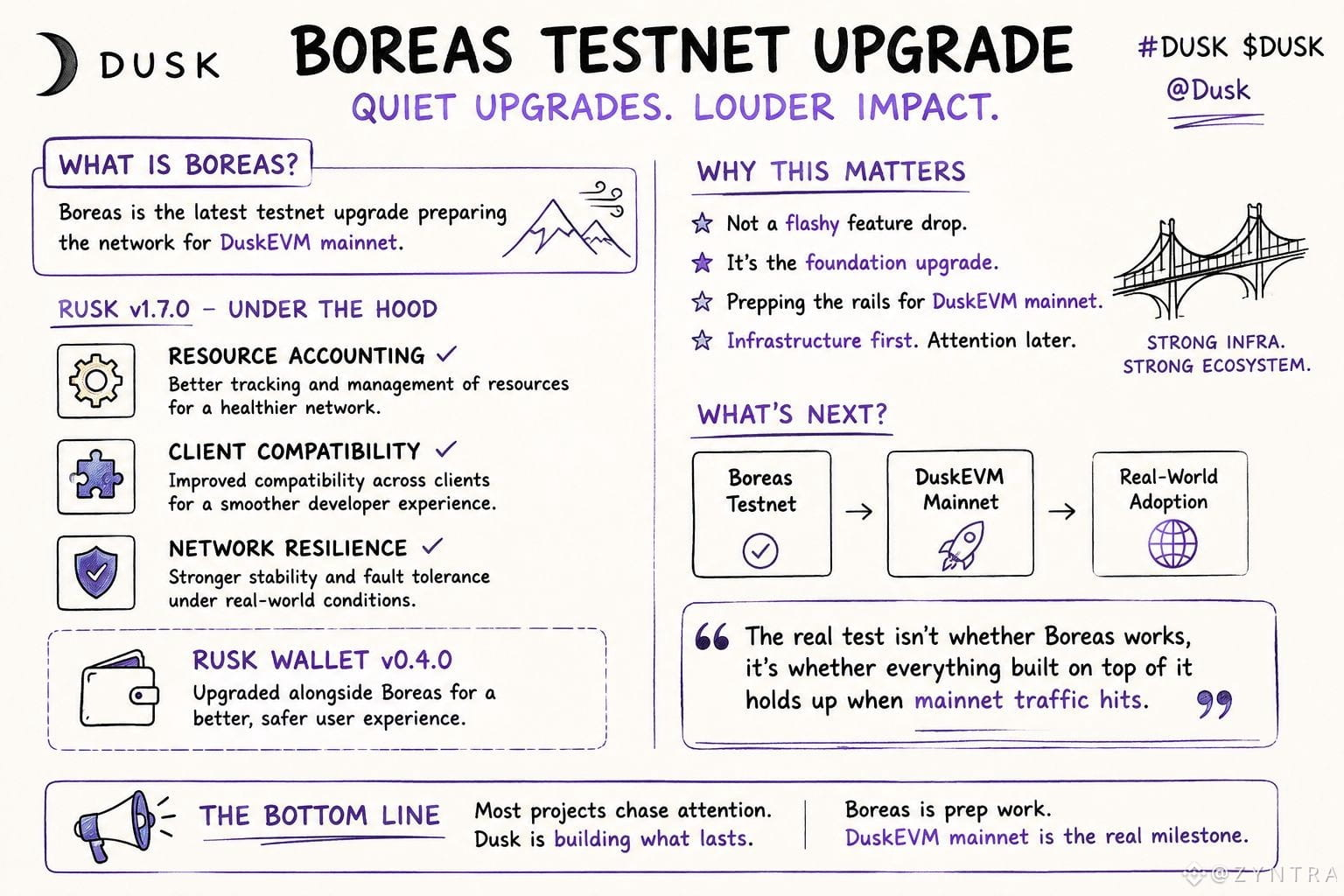
私は以前、「testnet upgrade」の告知を読まずにスルーしてしまうことがありました。どれも同じに聞こえるからです。でもBoreasが、スクロールを止めさせてくれました。
Rusk v1.7.0は派手な機能追加というより、リソース管理、クライアント互換性、ネットワークの耐久性……誰もツイートでスレッドにしないような、地味だけど重要な部分です。それが、Rusk Wallet v0.4.0と静かに同時リリースされました。
ただ、気になって考え直したのはこれが明確にDuskEVMのメインネットに向けた準備だと位置づけられている点で、単独のマイルストーンではないということです。つまり本当の試金石は「Boreasが動くかどうか」ではなく、「メインネットのトラフィックが実際に流れたときに、それの上に作られたものすべてが耐えられるかどうか」です。
私はDuskでいつもこのパターンに立ち戻ります。インフラを先に整え、注目は後から。ほとんどのプロジェクトはその逆です。
だからといって自動的に良いとは限りません。インフラに時間を費やしつつ、脆いものを出してしまうチームもたくさんあります。でも、DuskEVMが「テストネット枠」の扱いでなくなったときに何が起きるのか、見届けたい気持ちになります。
皆さんもBoreasを注意深く追っていますか?それとも、これもあなたの見落としの範囲に滑り込んでしまいましたか?
#dusk $DUSK @Dusk
私は以前、「testnet upgrade」の告知を読まずにスルーしてしまうことがありました。どれも同じに聞こえるからです。でもBoreasが、スクロールを止めさせてくれました。
Rusk v1.7.0は派手な機能追加というより、リソース管理、クライアント互換性、ネットワークの耐久性……誰もツイートでスレッドにしないような、地味だけど重要な部分です。それが、Rusk Wallet v0.4.0と静かに同時リリースされました。
ただ、気になって考え直したのはこれが明確にDuskEVMのメインネットに向けた準備だと位置づけられている点で、単独のマイルストーンではないということです。つまり本当の試金石は「Boreasが動くかどうか」ではなく、「メインネットのトラフィックが実際に流れたときに、それの上に作られたものすべてが耐えられるかどうか」です。
私はDuskでいつもこのパターンに立ち戻ります。インフラを先に整え、注目は後から。ほとんどのプロジェクトはその逆です。
だからといって自動的に良いとは限りません。インフラに時間を費やしつつ、脆いものを出してしまうチームもたくさんあります。でも、DuskEVMが「テストネット枠」の扱いでなくなったときに何が起きるのか、見届けたい気持ちになります。
皆さんもBoreasを注意深く追っていますか?それとも、これもあなたの見落としの範囲に滑り込んでしまいましたか?
私は以前、「testnet upgrade」の告知を読まずにスルーしてしまうことがありました。どれも同じに聞こえるからです。でもBoreasが、スクロールを止めさせてくれました。
Rusk v1.7.0は派手な機能追加というより、リソース管理、クライアント互換性、ネットワークの耐久性……誰もツイートでスレッドにしないような、地味だけど重要な部分です。それが、Rusk Wallet v0.4.0と静かに同時リリースされました。
ただ、気になって考え直したのはこれが明確にDuskEVMのメインネットに向けた準備だと位置づけられている点で、単独のマイルストーンではないということです。つまり本当の試金石は「Boreasが動くかどうか」ではなく、「メインネットのトラフィックが実際に流れたときに、それの上に作られたものすべてが耐えられるかどうか」です。
私はDuskでいつもこのパターンに立ち戻ります。インフラを先に整え、注目は後から。ほとんどのプロジェクトはその逆です。
だからといって自動的に良いとは限りません。インフラに時間を費やしつつ、脆いものを出してしまうチームもたくさんあります。でも、DuskEVMが「テストネット枠」の扱いでなくなったときに何が起きるのか、見届けたい気持ちになります。
皆さんもBoreasを注意深く追っていますか?それとも、これもあなたの見落としの範囲に滑り込んでしまいましたか?
17
17
506
·
--
ブリッシュ
確認済み
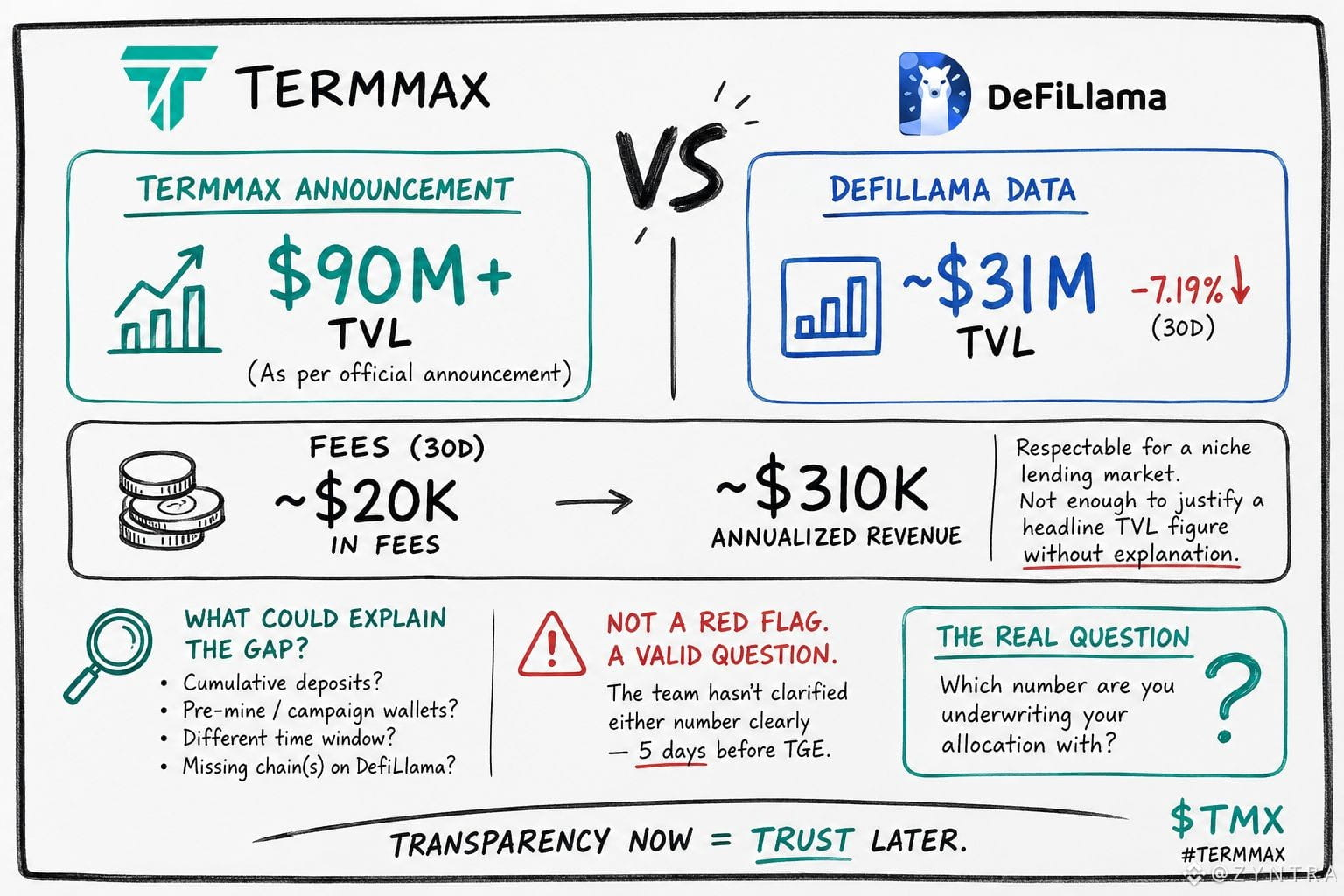
かつて私はTermMaxの公式な数値をそのまま鵜呑みにしていましたが、TGEの発表をDefiLlamaの表示と並べて見たことで考えが変わりました。チームは「TVL 9,000万ドル超」と言っています。DefiLlamaではオンチェーンでおおよそ3,100万ドルが表示されており、直近1か月で7%以上下落しています。
これは単なる丸めの差ではありません。同じプロトコルについて、まったく異なる物語が語られているのです。
たとえば、9,000万ドルは累積の入金、プレマインのキャンペーン用ウォレット、あるいは現在ロックされている期間より長いウィンドウの数値を含んでいるのかもしれません。あるいはDefiLlama側で1つか2つのチェーンが抜けている可能性もあります。どちらもあり得る説明ですが、TGEの5日前では、どちらについても明確に説明されたわけではありません。
手数料の数字も、別の小さな物語を伝えています。30日で約2万ドルで、年換算するとプロトコル収益はおよそ31万ドルほど。ニッチな貸付市場としては立派です。ただ、説明なしに見出し級のTVL指標を正当化できるほどではありません。
私はこれをレッドフラグだと言っているわけではありません。トークンが取引を開始する前に、またコンテンツライターよりも忍耐力のない人々があらゆる数字を精査し始める前に、チームが答えるべき疑問だと言っています。
配分の裏付けとして、どちらの数字を採用しますか?
#termmax @termmax
$SKYAI $ROAM
かつて私はTermMaxの公式な数値をそのまま鵜呑みにしていましたが、TGEの発表をDefiLlamaの表示と並べて見たことで考えが変わりました。チームは「TVL 9,000万ドル超」と言っています。DefiLlamaではオンチェーンでおおよそ3,100万ドルが表示されており、直近1か月で7%以上下落しています。
これは単なる丸めの差ではありません。同じプロトコルについて、まったく異なる物語が語られているのです。
たとえば、9,000万ドルは累積の入金、プレマインのキャンペーン用ウォレット、あるいは現在ロックされている期間より長いウィンドウの数値を含んでいるのかもしれません。あるいはDefiLlama側で1つか2つのチェーンが抜けている可能性もあります。どちらもあり得る説明ですが、TGEの5日前では、どちらについても明確に説明されたわけではありません。
手数料の数字も、別の小さな物語を伝えています。30日で約2万ドルで、年換算するとプロトコル収益はおよそ31万ドルほど。ニッチな貸付市場としては立派です。ただ、説明なしに見出し級のTVL指標を正当化できるほどではありません。
私はこれをレッドフラグだと言っているわけではありません。トークンが取引を開始する前に、またコンテンツライターよりも忍耐力のない人々があらゆる数字を精査し始める前に、チームが答えるべき疑問だと言っています。
配分の裏付けとして、どちらの数字を採用しますか?
#termmax @TermMax
$SKYAI $ROAM
これは単なる丸めの差ではありません。同じプロトコルについて、まったく異なる物語が語られているのです。
たとえば、9,000万ドルは累積の入金、プレマインのキャンペーン用ウォレット、あるいは現在ロックされている期間より長いウィンドウの数値を含んでいるのかもしれません。あるいはDefiLlama側で1つか2つのチェーンが抜けている可能性もあります。どちらもあり得る説明ですが、TGEの5日前では、どちらについても明確に説明されたわけではありません。
手数料の数字も、別の小さな物語を伝えています。30日で約2万ドルで、年換算するとプロトコル収益はおよそ31万ドルほど。ニッチな貸付市場としては立派です。ただ、説明なしに見出し級のTVL指標を正当化できるほどではありません。
私はこれをレッドフラグだと言っているわけではありません。トークンが取引を開始する前に、またコンテンツライターよりも忍耐力のない人々があらゆる数字を精査し始める前に、チームが答えるべき疑問だと言っています。
配分の裏付けとして、どちらの数字を採用しますか?
#termmax @TermMax
$SKYAI $ROAM
15
19
711
ログインして、さらにコンテンツを読む
厳選トピックで世界の暗号資産トレーダーの仲間入り
⚡️ 暗号資産に関する最新かつ有益な情報が見つかります。
💬 世界最大の暗号資産取引所から信頼されています。
👍 認証を受けたクリエイターから、有益なインサイトを得られます。
メール / 電話番号