
muninga
3 投稿

muninga
0 フォロー
0 フォロワー
0 いいね
投稿
よりつながるDeFiを目指して
DeFiにおける最大の課題のひとつが、流動性の断片化です。資産とユーザーはさまざまなネットワークに分散しており、エコシステム間を移動する際には、まだ不必要に複雑に感じられることがあります。
STON.fiは、その状況を変えようと取り組んでいます。
分散型取引インフラとOmnistonを通じて、STON.fiは、摩擦をより少なくしてユーザーがエコシステムをまたいで流動性にアクセスできる、よりつながった環境を構築しています。
大きなチャンスは、単にあるトークンを別のトークンに交換することではありません。ユーザーや資本がチェーンをまたいで拡大していく中で、流動性を効率よく移動させるためのインフラを作ることです。
マルチチェーンDeFiが成熟するにつれ、シームレスな流動性へのアクセスは、インフラストラクチャ・スタックの中でも特に重要な要素のひとつになり得ます。
STON.fiは、その物語のど真ん中に位置づけています。
#Stonfi #DeFi #TON #Web3
DeFiにおける最大の課題のひとつが、流動性の断片化です。資産とユーザーはさまざまなネットワークに分散しており、エコシステム間を移動する際には、まだ不必要に複雑に感じられることがあります。
STON.fiは、その状況を変えようと取り組んでいます。
分散型取引インフラとOmnistonを通じて、STON.fiは、摩擦をより少なくしてユーザーがエコシステムをまたいで流動性にアクセスできる、よりつながった環境を構築しています。
大きなチャンスは、単にあるトークンを別のトークンに交換することではありません。ユーザーや資本がチェーンをまたいで拡大していく中で、流動性を効率よく移動させるためのインフラを作ることです。
マルチチェーンDeFiが成熟するにつれ、シームレスな流動性へのアクセスは、インフラストラクチャ・スタックの中でも特に重要な要素のひとつになり得ます。
STON.fiは、その物語のど真ん中に位置づけています。
#Stonfi #DeFi #TON #Web3
翻訳参照
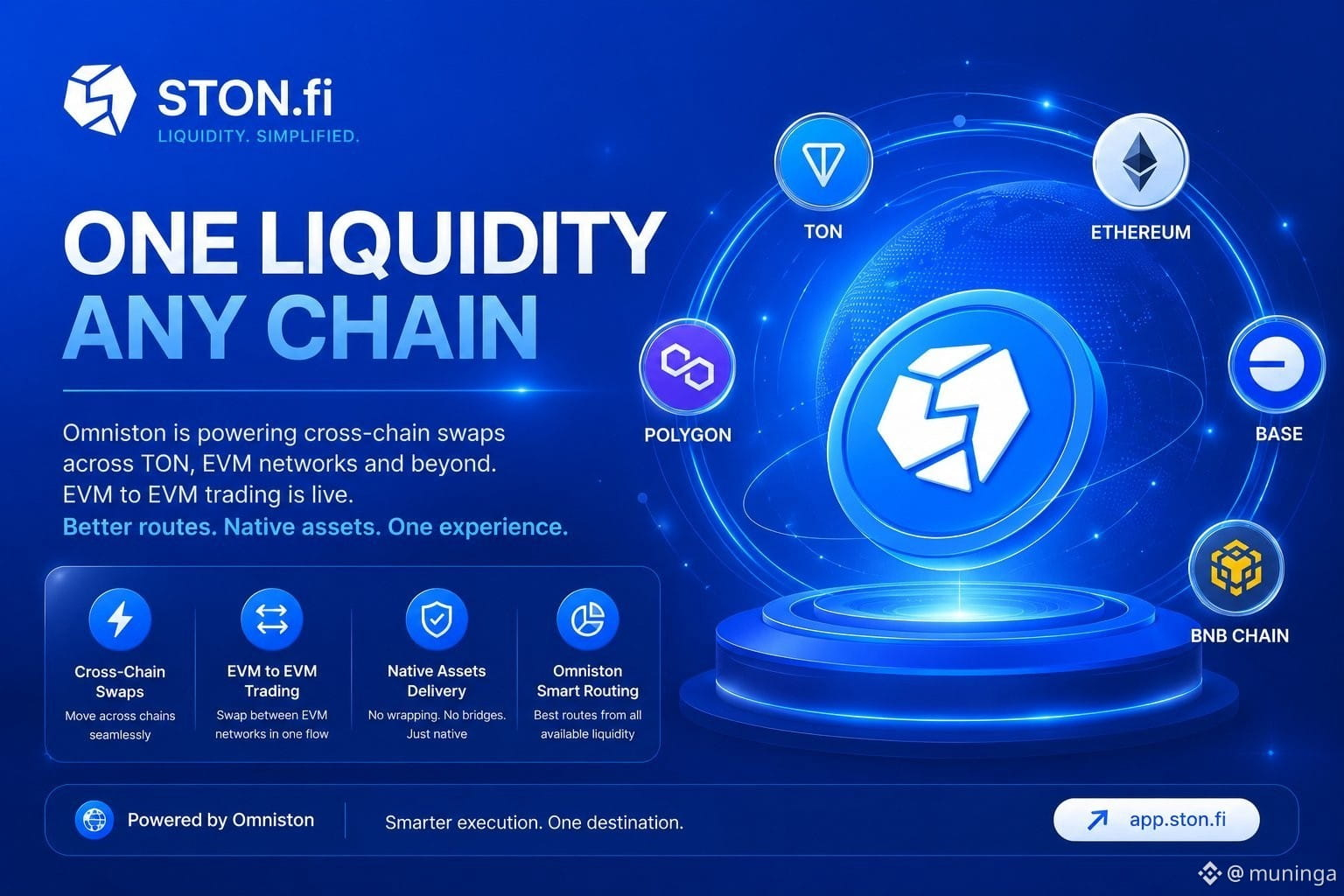
Liquidity Is the Real Game
DeFi can have thousands of tokens and still struggle with one fundamental issue: fragmented liquidity.
When liquidity is scattered across different chains and protocols, users often face additional steps, higher friction, and a less efficient trading experience.
This is where STON.fi becomes interesting.
@STONfi DEX is building a broader DeFi infrastructure around decentralized swaps and liquidity, while Omniston extends the vision toward cross-chain liquidity access.
The long-term opportunity is significant.
If users can interact with liquidity across ecosystems without constantly thinking about the underlying infrastructure, DeFi becomes easier to use and more scalable.
The next phase of DeFi may not be about adding more isolated ecosystems.
It may be about connecting the ones that already exist.
That is the direction STON.fi is building toward.
#STONfi #DeFi: #crypto
DeFi can have thousands of tokens and still struggle with one fundamental issue: fragmented liquidity.
When liquidity is scattered across different chains and protocols, users often face additional steps, higher friction, and a less efficient trading experience.
This is where STON.fi becomes interesting.
@STONfi DEX is building a broader DeFi infrastructure around decentralized swaps and liquidity, while Omniston extends the vision toward cross-chain liquidity access.
The long-term opportunity is significant.
If users can interact with liquidity across ecosystems without constantly thinking about the underlying infrastructure, DeFi becomes easier to use and more scalable.
The next phase of DeFi may not be about adding more isolated ecosystems.
It may be about connecting the ones that already exist.
That is the direction STON.fi is building toward.
#STONfi #DeFi: #crypto
翻訳参照
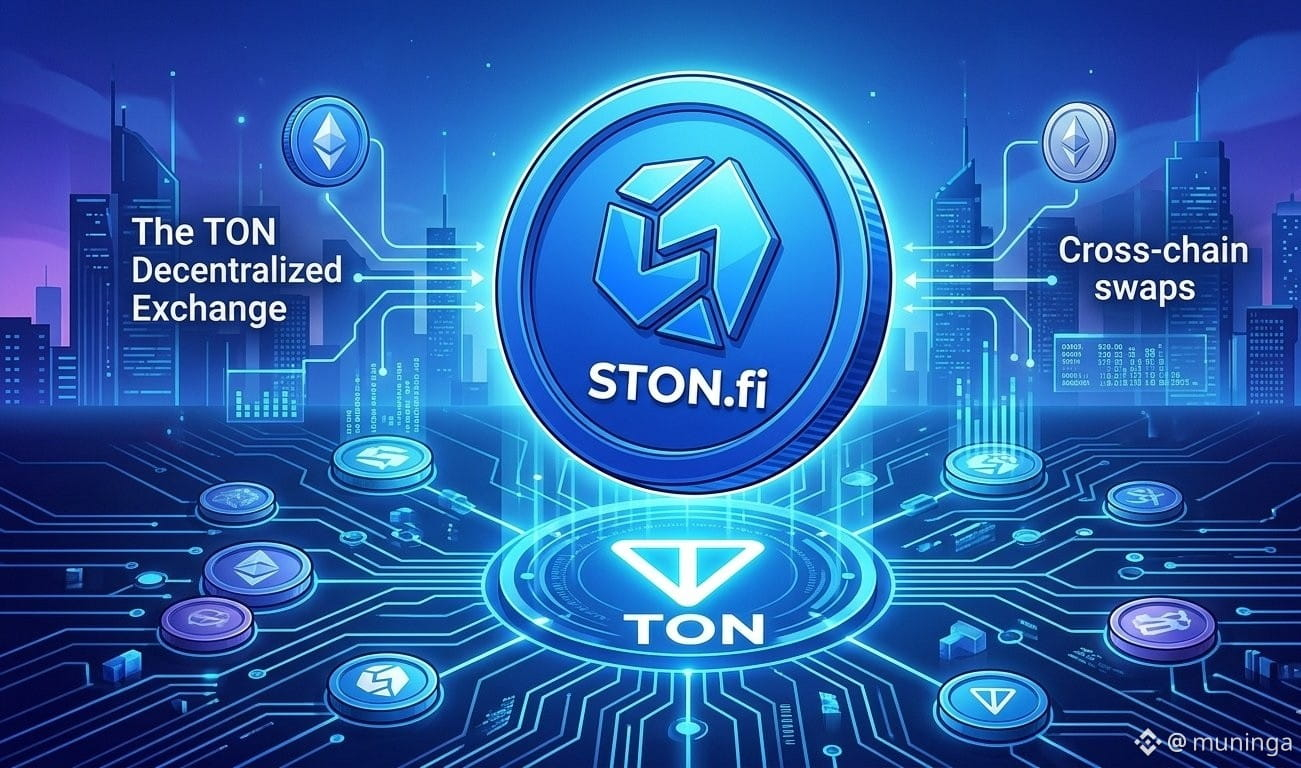
STON.fi and the Next Phase of DeFi
The DeFi market is gradually moving beyond the simple DEX narrative.
Users now expect more efficient swaps, deeper liquidity, cross-chain accessibility, and a smoother experience when moving capital between ecosystems.
@STONfi DEX is building with that evolution in mind.
Its ecosystem combines decentralized trading infrastructure with liquidity-focused products, while Omniston adds another layer by helping connect liquidity across different blockchain environments.
This matters because fragmented liquidity creates friction.
A user should not need to understand every technical layer behind a transaction just to move assets from one ecosystem to another.
The infrastructure should handle the complexity.
As multichain adoption grows, protocols that can improve liquidity connectivity and simplify the user experience could play an increasingly important role in the broader DeFi economy.
STON.fi is building toward that future, one where decentralized liquidity is more accessible, connected, and efficient.
#STONfi #TON #Omniston #DeFi #Web3 #Crypto
The DeFi market is gradually moving beyond the simple DEX narrative.
Users now expect more efficient swaps, deeper liquidity, cross-chain accessibility, and a smoother experience when moving capital between ecosystems.
@STONfi DEX is building with that evolution in mind.
Its ecosystem combines decentralized trading infrastructure with liquidity-focused products, while Omniston adds another layer by helping connect liquidity across different blockchain environments.
This matters because fragmented liquidity creates friction.
A user should not need to understand every technical layer behind a transaction just to move assets from one ecosystem to another.
The infrastructure should handle the complexity.
As multichain adoption grows, protocols that can improve liquidity connectivity and simplify the user experience could play an increasingly important role in the broader DeFi economy.
STON.fi is building toward that future, one where decentralized liquidity is more accessible, connected, and efficient.
#STONfi #TON #Omniston #DeFi #Web3 #Crypto
ログインして、さらにコンテンツを読む