


V E L O R I A
 厳選トピック確認済
Less Emotions, More Confirmations | Lost in Charts, Found in Profit 📈
1.0K+ フォロー
32.7K+ フォロワー
22.5K+ いいね
投稿
すべて
引用
ライブ
翻訳参照

AZ__
·
--
[リプレイ] 🎙️ 進化するか、取り残されるか! | BBW 2026
01 時間 35 分 25 秒 · リスナー数:201人

翻訳参照
AZ__
·
--
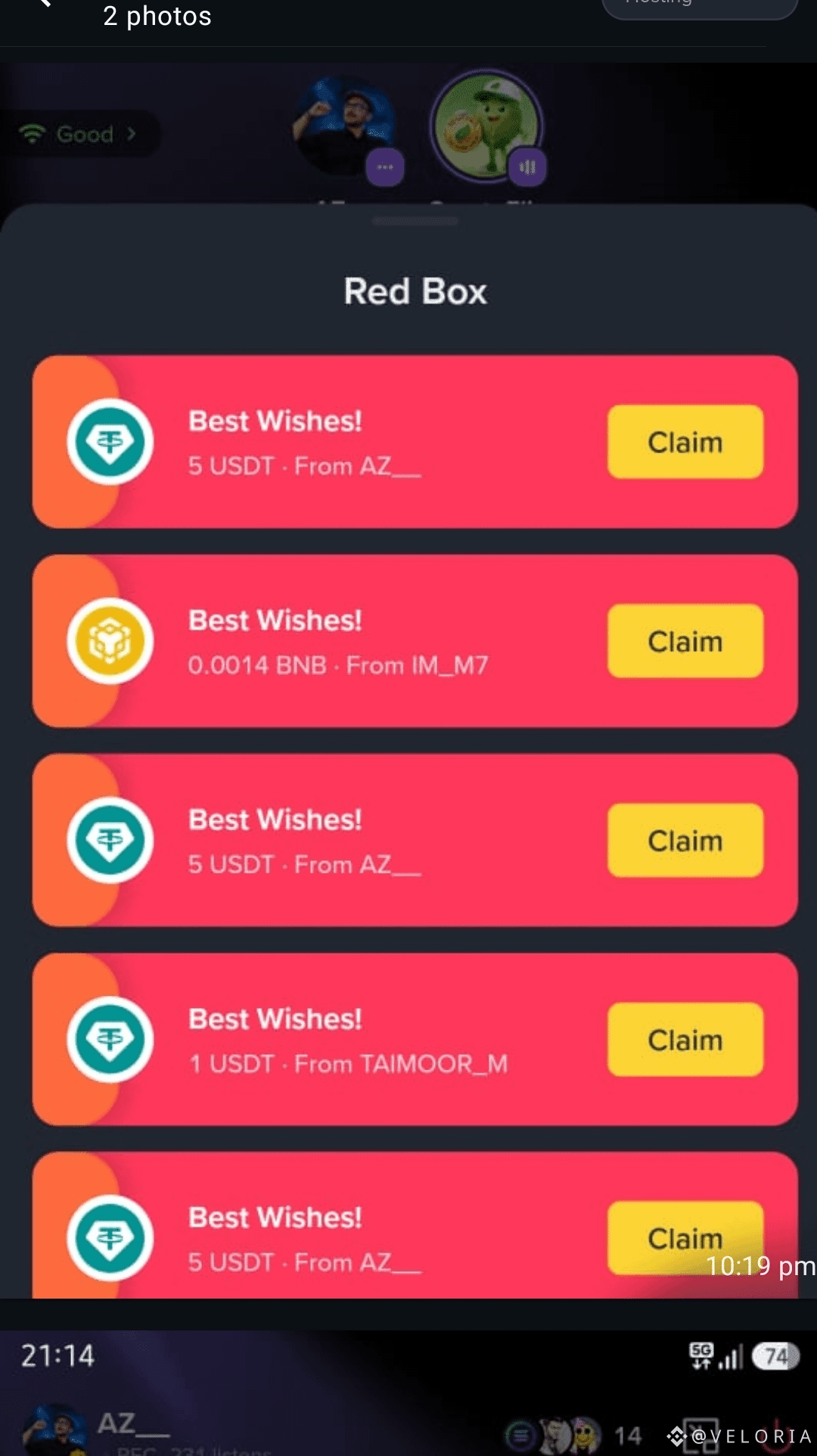
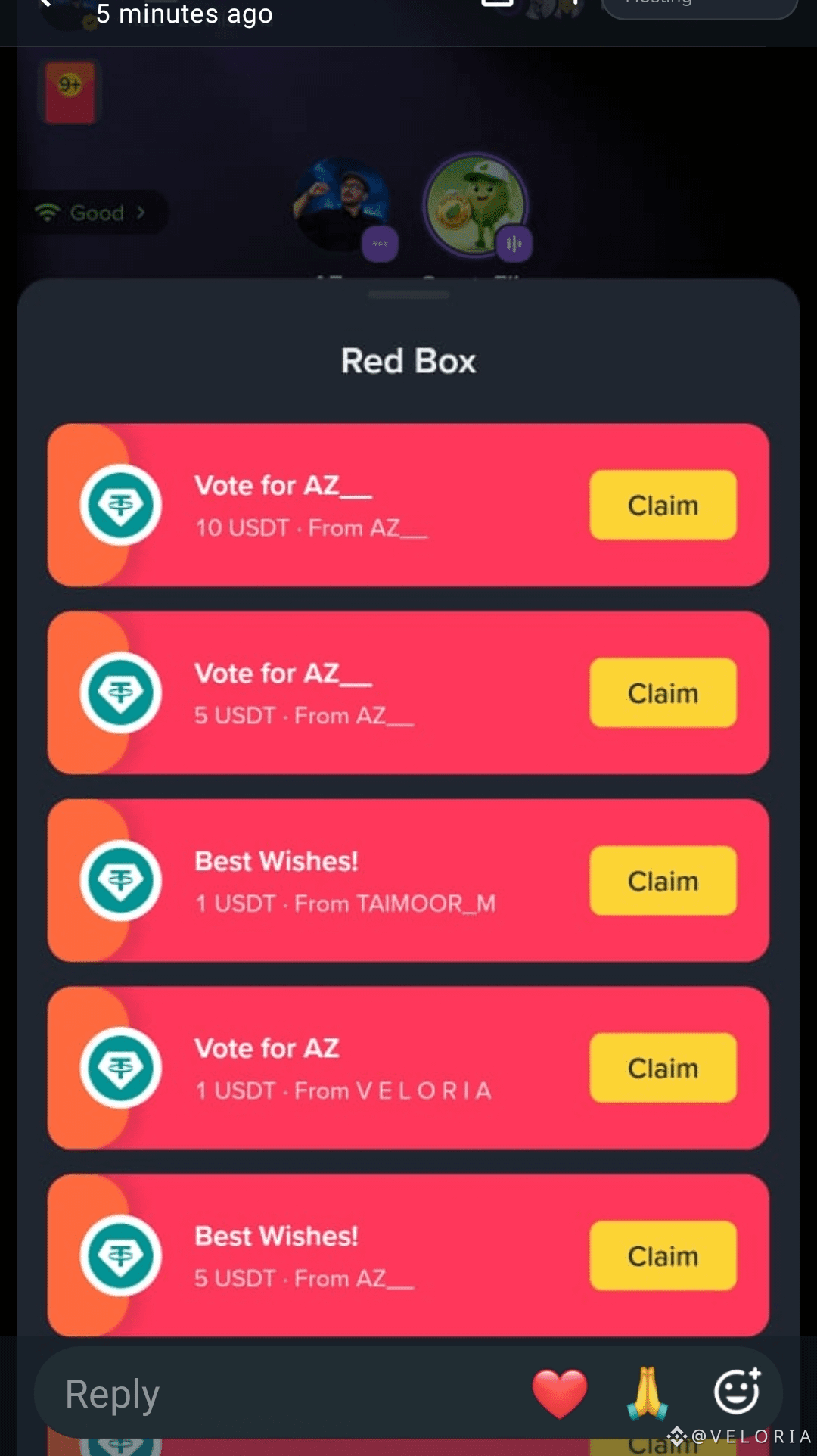
ブリッシュ@AZ__ にはもう投票した? 👀
Click Here to Vote 🗳
$JCT
$BR
$NIL
Click Here to Vote 🗳
$JCT
$BR
$NIL
AZ__
·
--
[リプレイ] 🎙️ 怠けずに、AZ__に投票しよう
01 時間 15 分 16 秒 · リスナー数:377人
AZ__
·
--
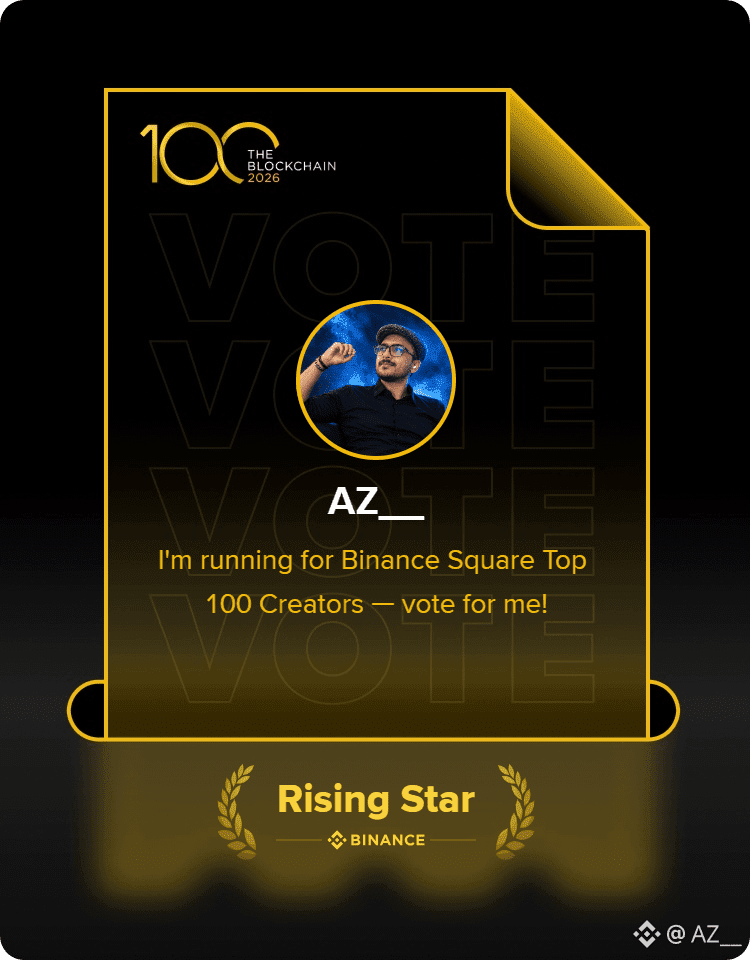
Blockchain 100 AwardsでAZ__に投票しましょう!
Vote For AZ__
Vote for Shafique Jaffery
$BR
$PHA
$NIL
Vote For AZ__
Vote for Shafique Jaffery
$BR
$PHA
$NIL


Binance Square Official
·
--
⏰「The Blockchain 100」の推薦受付は本日15:59(UTC)に締め切られます。
一人ひとりのビジョンで、ブロックチェーンの未来を切り拓こう!
今年の部門:
年間最優秀コミュニティインフルエンサー
年間最優秀トレーダー
年間最優秀コンテンツクリエイター – 最優秀ライブ配信者
年間最優秀コンテンツクリエイター – 最優秀長編コンテンツ
クリエイターコンテンツ – ライジングスター
残り4時間。👉 Nominate now
🗳 投票期間:2026-10-19 09:00~2026-10-28 15:59(UTC)
🏆 受賞者発表:2026-10-29 09:00(UTC)
一人ひとりのビジョンで、ブロックチェーンの未来を切り拓こう!
今年の部門:
年間最優秀コミュニティインフルエンサー
年間最優秀トレーダー
年間最優秀コンテンツクリエイター – 最優秀ライブ配信者
年間最優秀コンテンツクリエイター – 最優秀長編コンテンツ
クリエイターコンテンツ – ライジングスター
残り4時間。👉 Nominate now
🗳 投票期間:2026-10-19 09:00~2026-10-28 15:59(UTC)
🏆 受賞者発表:2026-10-29 09:00(UTC)
AZ__
·
--
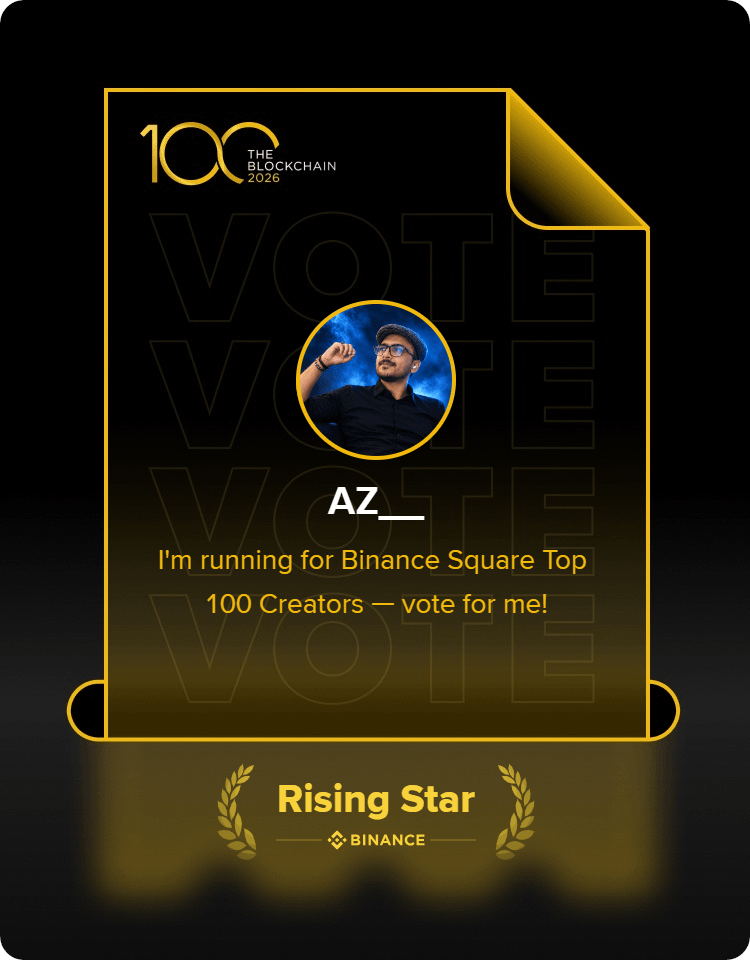
弱気相場Binanceの「今年のコンテンツクリエイター – ライジングスター」に選ばれるため、応援してください!
「今年のコンテンツクリエイター – ライジングスター」にノミネートしていただけたら、とても嬉しいです!❤️
この1年間、Binance Squareで継続的にコンテンツを投稿し、市場の見通しを共有したり、Binanceの機能やキャンペーンを活用するための情報をコミュニティにお届けしたり、パキスタン時間の午後11時ごろに定期的なライブ配信を行ったりしてきました。
私のコンテンツやアドバイス、ライブ配信が皆さんの役に立っていたら、ぜひノミネートをお願いします!🙌
ノミネート方法:
🚀 Nominate Me Now — Click Here!
1~2. どちらの質問にも「No」を選択してください。
3. 誰をノミネートしますか?
名前:AZ__
Binance Squareのユーザー名:AzAs_
4. 候補者のソーシャルメディアプロフィール:
X(Twitter):@Asif_MAHGZ
5. ノミネート部門:
Content Creator of the Year – Rising Star
6. このクリエイターをノミネートする理由を教えてください。
私のコンテンツやコミュニティについて、実際に感じたことをお聞かせください。日々の投稿、市場の見通し、Binanceの機能やキャンペーンに関する案内、ライブ配信などについて触れていただけます。私が個人的にお役に立てたことがあれば、その経験を共有していただけると、とても嬉しいです。
7~8. トレーダーのライブ取引記録:
どちらも空欄のままにしてください。
9. 候補者の連絡先情報:
「X Profile link」を選択し、@Asif_MAHGZ と入力してください。
10. どのようなお名前でお呼びすればよいですか?
ご自身のお名前を入力してください。
11. あなたの連絡先情報:
ご自身のメールアドレスまたはソーシャルメディアのプロフィールを入力するか、「Prefer not to disclose」を選択してください。
12. ほかに伝えておきたいことはありますか?
任意:私がコミュニティをサポートしたことや貢献したことについて、ほかの具体的なエピソードがあれば共有してください。
🙏 応援していただけることに心から感謝します。私がこの評価にふさわしいと思っていただけたら、ぜひ少し時間をとってノミネートし、率直な感想をお寄せください。
一緒に、より強いコミュニティを築いていきましょう!
「今年のコンテンツクリエイター – ライジングスター」にノミネートしていただけたら、とても嬉しいです!❤️
この1年間、Binance Squareで継続的にコンテンツを投稿し、市場の見通しを共有したり、Binanceの機能やキャンペーンを活用するための情報をコミュニティにお届けしたり、パキスタン時間の午後11時ごろに定期的なライブ配信を行ったりしてきました。
私のコンテンツやアドバイス、ライブ配信が皆さんの役に立っていたら、ぜひノミネートをお願いします!🙌
ノミネート方法:
🚀 Nominate Me Now — Click Here!
1~2. どちらの質問にも「No」を選択してください。
3. 誰をノミネートしますか?
名前:AZ__
Binance Squareのユーザー名:AzAs_
4. 候補者のソーシャルメディアプロフィール:
X(Twitter):@Asif_MAHGZ
5. ノミネート部門:
Content Creator of the Year – Rising Star
6. このクリエイターをノミネートする理由を教えてください。
私のコンテンツやコミュニティについて、実際に感じたことをお聞かせください。日々の投稿、市場の見通し、Binanceの機能やキャンペーンに関する案内、ライブ配信などについて触れていただけます。私が個人的にお役に立てたことがあれば、その経験を共有していただけると、とても嬉しいです。
7~8. トレーダーのライブ取引記録:
どちらも空欄のままにしてください。
9. 候補者の連絡先情報:
「X Profile link」を選択し、@Asif_MAHGZ と入力してください。
10. どのようなお名前でお呼びすればよいですか?
ご自身のお名前を入力してください。
11. あなたの連絡先情報:
ご自身のメールアドレスまたはソーシャルメディアのプロフィールを入力するか、「Prefer not to disclose」を選択してください。
12. ほかに伝えておきたいことはありますか?
任意:私がコミュニティをサポートしたことや貢献したことについて、ほかの具体的なエピソードがあれば共有してください。
🙏 応援していただけることに心から感謝します。私がこの評価にふさわしいと思っていただけたら、ぜひ少し時間をとってノミネートし、率直な感想をお寄せください。
一緒に、より強いコミュニティを築いていきましょう!

NSCrypto82
·
--
NS CRYPTO
BTC • アルトコイン • 市場分析
毎日の最新情報をフォロー
BTC • アルトコイン • 市場分析
毎日の最新情報をフォロー

Jin_e_rebel
·
--
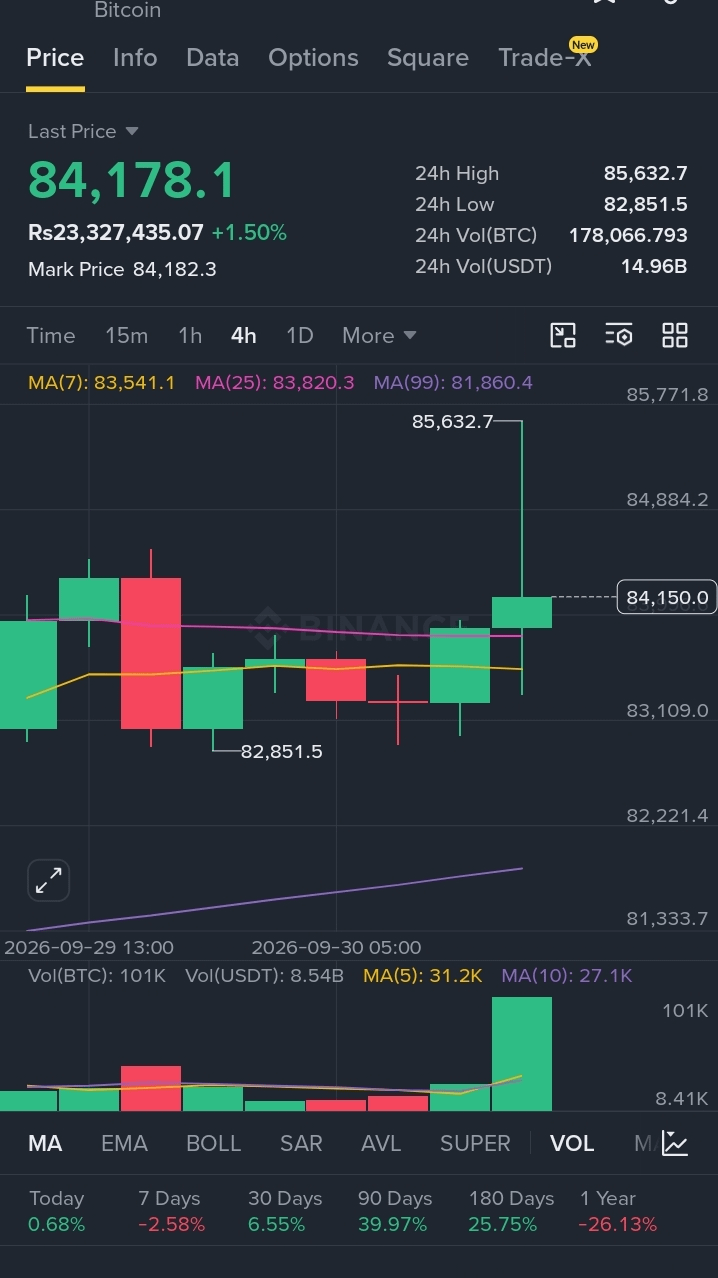
📊 BTC/USDT 先物シグナル
🟢 方向: ロング
💰 エントリー: 84,000–84,200
🎯 利確目標1: 84,700
🎯 利確目標2: 85,300
🎯 利確目標3: 86,000
🛑 損切り: 83,500
📈 24時間変動率: +1.16%
💎 市場: ビットコイン無期限先物
🔥 出来高: 15.15B USDT$BTC
$QNT
🟢 方向: ロング
💰 エントリー: 84,000–84,200
🎯 利確目標1: 84,700
🎯 利確目標2: 85,300
🎯 利確目標3: 86,000
🛑 損切り: 83,500
📈 24時間変動率: +1.16%
💎 市場: ビットコイン無期限先物
🔥 出来高: 15.15B USDT$BTC
$QNT
ログインして、さらにコンテンツを読む