

Muhammad Awais Mallick
227 投稿

Muhammad Awais Mallick
報告
ユーザーをブロック
取引を発注
高頻度トレーダー
5.7年
109 フォロー
2.0K+ フォロワー
164 いいね
投稿
ポートフォリオ
すべて
引用
ライブ
🎙️ $Dusk to the moon
Duskは親戚みたいだ。
終了
01 時間 24 分 14 秒
58
0
0
$DUSK 7.5K USDT(30日間の取引)
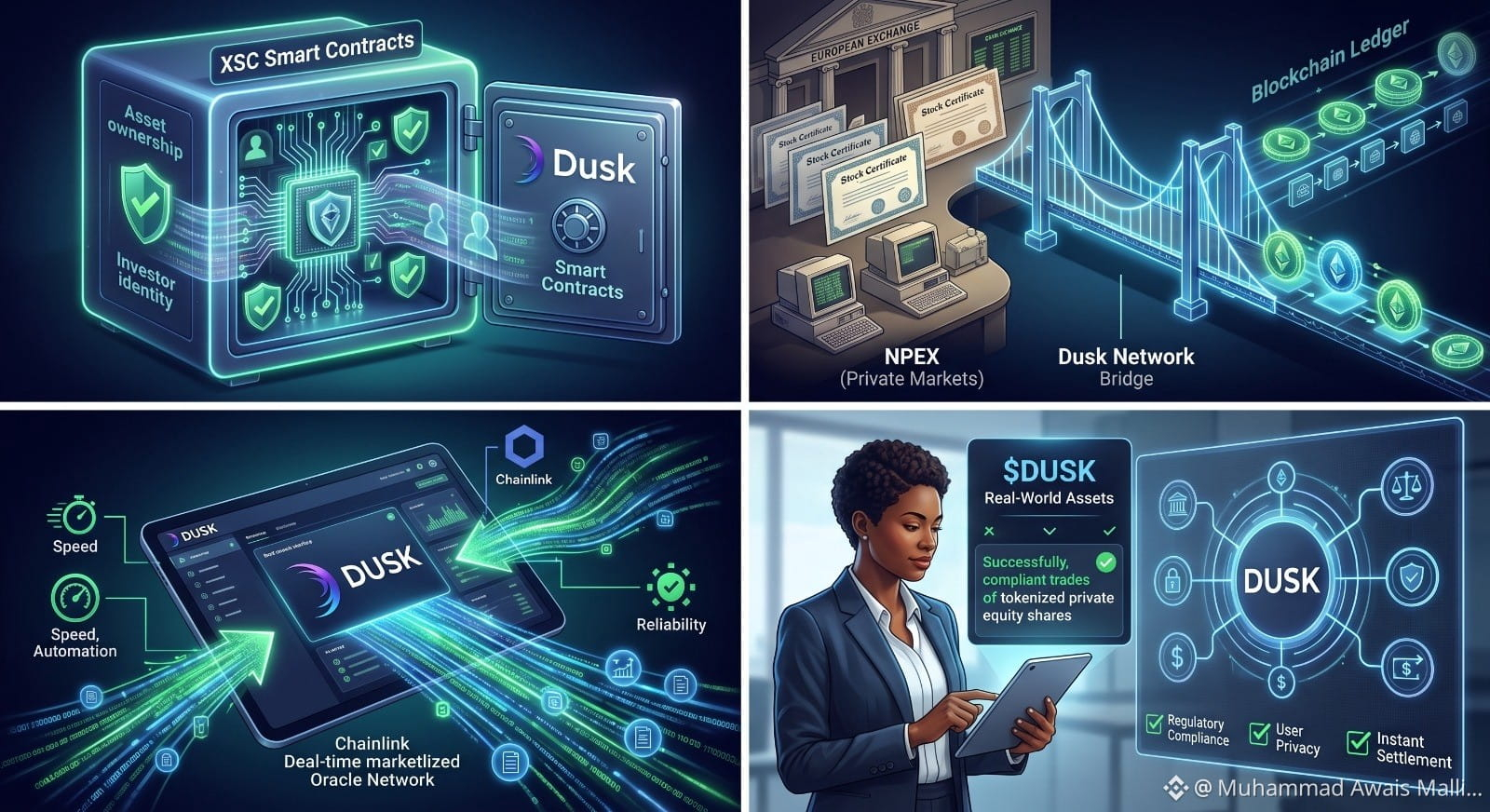
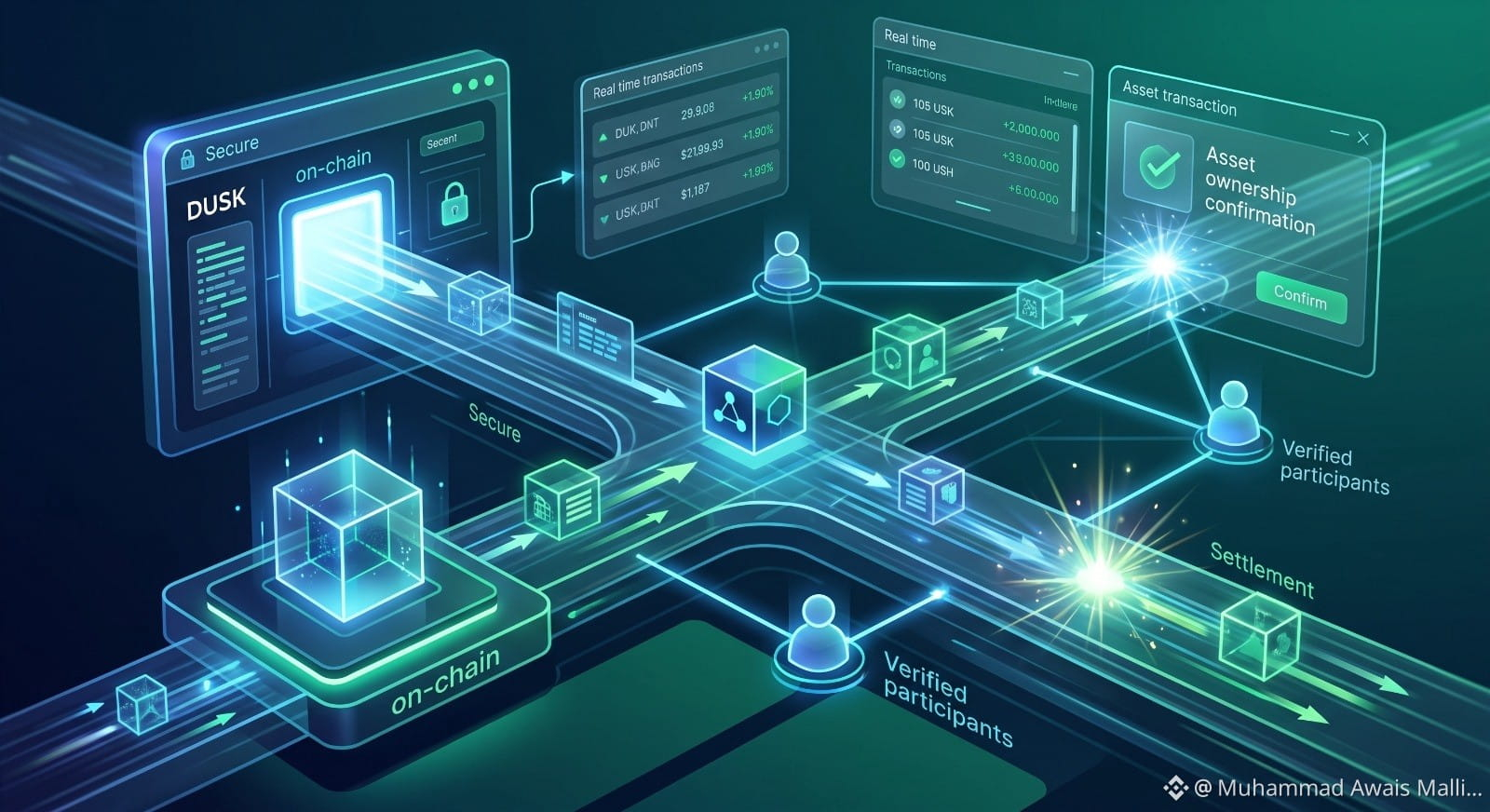
多くの暗号資産プロジェクトが魅力的なストーリーを売りにするだけなのに対し、$DUSK はNPEX(プライベート市場向けの実在する欧州の証券取引所)と提携することで、その技術を究極の試練にかけています。ブロックチェーン上で実在の株式を扱うのは、非常に困難です。厳格な法律に従い、ユーザーのプライバシーを守り、さらに「誰が何を保有しているのか」を正確に証明する必要があります。これは、単に基本的な暗号トークンを発行するよりもはるかに難しいことです。
Duskは、プライベートのXSCスマートコントラクトを使ってこの課題に挑みます。これらのコントラクトにより、法的に承認された投資家だけがこれらの資産を保有できることを保証し、その一方で機微なデータは完全に安全に保たれます。さらにDuskはChainlinkとも連携し、安全な市場データを取り込むことで、従来の金融におけるプロセスをより速く、より安く、そして完全に自動化します。
Duskにとって、この提携は単なるマーケティング上の誇大宣伝ではありません。これは、ブロックチェーンが従来の銀行業務における厳格なルールを実際に処理できるかを証明する、大規模なストレステストです。これらの約束を実行することで、Duskはリアルワールド・アセットの先導を担うだけの力があることを示しています。
#dusk $DUSK @Dusk_Foundation
多くの暗号資産プロジェクトが魅力的なストーリーを売りにするだけなのに対し、$DUSK はNPEX(プライベート市場向けの実在する欧州の証券取引所)と提携することで、その技術を究極の試練にかけています。ブロックチェーン上で実在の株式を扱うのは、非常に困難です。厳格な法律に従い、ユーザーのプライバシーを守り、さらに「誰が何を保有しているのか」を正確に証明する必要があります。これは、単に基本的な暗号トークンを発行するよりもはるかに難しいことです。
Duskは、プライベートのXSCスマートコントラクトを使ってこの課題に挑みます。これらのコントラクトにより、法的に承認された投資家だけがこれらの資産を保有できることを保証し、その一方で機微なデータは完全に安全に保たれます。さらにDuskはChainlinkとも連携し、安全な市場データを取り込むことで、従来の金融におけるプロセスをより速く、より安く、そして完全に自動化します。
Duskにとって、この提携は単なるマーケティング上の誇大宣伝ではありません。これは、ブロックチェーンが従来の銀行業務における厳格なルールを実際に処理できるかを証明する、大規模なストレステストです。これらの約束を実行することで、Duskはリアルワールド・アセットの先導を担うだけの力があることを示しています。
#dusk $DUSK @Dusk
Duskは、プライベートのXSCスマートコントラクトを使ってこの課題に挑みます。これらのコントラクトにより、法的に承認された投資家だけがこれらの資産を保有できることを保証し、その一方で機微なデータは完全に安全に保たれます。さらにDuskはChainlinkとも連携し、安全な市場データを取り込むことで、従来の金融におけるプロセスをより速く、より安く、そして完全に自動化します。
Duskにとって、この提携は単なるマーケティング上の誇大宣伝ではありません。これは、ブロックチェーンが従来の銀行業務における厳格なルールを実際に処理できるかを証明する、大規模なストレステストです。これらの約束を実行することで、Duskはリアルワールド・アセットの先導を担うだけの力があることを示しています。
#dusk $DUSK @Dusk
1
298
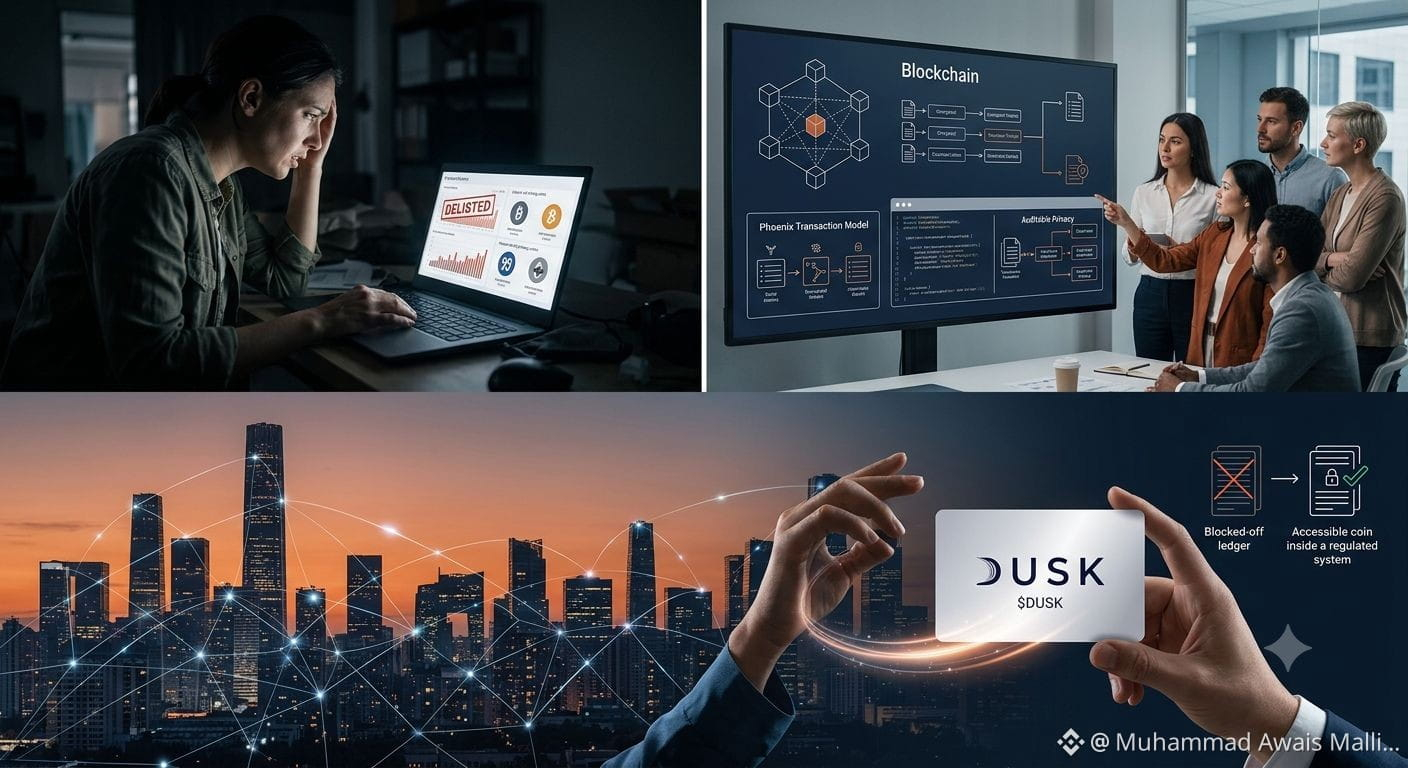
私は何年もプライバシーコインを使っていましたが、ある日取引所がほとんど警告もなく一夜でそれらを上場廃止にしたんです。その経験で、プライバシーコインというカテゴリー全体に対して不安を感じるようになりました。
規制当局は完全な匿名性をレッドフラグだと見て、何も追跡できない状態は危険です。そのため取引所はリスクを避けるために単に関係を切ったのです。この背景があるからこそ、私は @Dusk に惹かれました。Dusk は Phoenix というトランザクションモデルを使っており、取引の詳細はデフォルトで非公開のままですが、法的に必要とされる場合にはコンプライアンスや選択的開示が可能になるように構成されています。昔のプライバシーコインのように、ずっと可視性を完全に遮断してしまうのとは違います。
私は戻って、Monero と Zcash がどう動いているかとも比較しましたが、設計思想の違いは明確でした。
Dusk は最初から「金融規制」を前提に作られていて、後付けでダメージコントロールするために追加されたわけではありません。これは、将来の取引所の方針変更にもあなたの保有資産が無言で上場廃止されずに生き残ってほしいと思うなら、かなり重要です。$DUSK は、市場で最も匿名性が高いコインになろうとしているのではありません。規制された金融システムの中で最も“使いやすい”プライベートコインになろうとしているのです。#dusk
プライバシーコインが次々と上場廃止になっていくのを見て、監査可能なプライバシーだけが長期的に生き残る唯一の形だと思いますか?
#dusk $DUSK @Dusk_Foundation
私は何年もプライバシーコインを使っていましたが、ある日取引所がほとんど警告もなく一夜でそれらを上場廃止にしたんです。その経験で、プライバシーコインというカテゴリー全体に対して不安を感じるようになりました。
規制当局は完全な匿名性をレッドフラグだと見て、何も追跡できない状態は危険です。そのため取引所はリスクを避けるために単に関係を切ったのです。この背景があるからこそ、私は @Dusk に惹かれました。Dusk は Phoenix というトランザクションモデルを使っており、取引の詳細はデフォルトで非公開のままですが、法的に必要とされる場合にはコンプライアンスや選択的開示が可能になるように構成されています。昔のプライバシーコインのように、ずっと可視性を完全に遮断してしまうのとは違います。
私は戻って、Monero と Zcash がどう動いているかとも比較しましたが、設計思想の違いは明確でした。
Dusk は最初から「金融規制」を前提に作られていて、後付けでダメージコントロールするために追加されたわけではありません。これは、将来の取引所の方針変更にもあなたの保有資産が無言で上場廃止されずに生き残ってほしいと思うなら、かなり重要です。$DUSK は、市場で最も匿名性が高いコインになろうとしているのではありません。規制された金融システムの中で最も“使いやすい”プライベートコインになろうとしているのです。#dusk
プライバシーコインが次々と上場廃止になっていくのを見て、監査可能なプライバシーだけが長期的に生き残る唯一の形だと思いますか?
#dusk $DUSK @Dusk
規制当局は完全な匿名性をレッドフラグだと見て、何も追跡できない状態は危険です。そのため取引所はリスクを避けるために単に関係を切ったのです。この背景があるからこそ、私は @Dusk に惹かれました。Dusk は Phoenix というトランザクションモデルを使っており、取引の詳細はデフォルトで非公開のままですが、法的に必要とされる場合にはコンプライアンスや選択的開示が可能になるように構成されています。昔のプライバシーコインのように、ずっと可視性を完全に遮断してしまうのとは違います。
私は戻って、Monero と Zcash がどう動いているかとも比較しましたが、設計思想の違いは明確でした。
Dusk は最初から「金融規制」を前提に作られていて、後付けでダメージコントロールするために追加されたわけではありません。これは、将来の取引所の方針変更にもあなたの保有資産が無言で上場廃止されずに生き残ってほしいと思うなら、かなり重要です。$DUSK は、市場で最も匿名性が高いコインになろうとしているのではありません。規制された金融システムの中で最も“使いやすい”プライベートコインになろうとしているのです。#dusk
プライバシーコインが次々と上場廃止になっていくのを見て、監査可能なプライバシーだけが長期的に生き残る唯一の形だと思いますか?
#dusk $DUSK @Dusk
2
1
154
私の父が、小さな非公開企業の株を買ったり売ったりしたいときはいつも書類仕事に取り組む姿を見て育ちました。署名を集め、ブローカーに渡し、数週間待つ必要があったのです。だから、私がNPEXと@Duskの提携について読んだとき、それは実際に私個人にとって意味のある話でした。NPEXはオランダの取引所で、MTF、ブローカー、ECSの本物のライセンスを保有しています。そして、Duskチェーン上で、従来型の有価証券を合計3億ユーロ以上もトークン化してきました。
これは、ピッチデック上で主張をするだけの無作為なRWAナラティブのコインではありません。ライセンスを持った取引所が、実際の資産をオンチェーンで動かしていて、古い書類のスピードではなく、ブロックチェーンのスピードでそれらを取引できるようにしているのです。
ここでの決済がどう機能するのかも確認しました。記録は直接チェーンに刻まれるので、父が扱っていたような“複数日待ち”の期間はありません。私がこれまで見てきた他のRWAプロジェクトと違うのは、その規制面の裏付けです。NPEXはこっそり試験をしているわけではなく、実運用しています。$DUSK ということは、実在の規制された取引所が構築することを選んだ、チェーンを担保するトークンへのエクスポージャーを持つということです。これは、多くの投機的なトークンとはまったく異なるリスク・プロファイルです。 #dusk
では、暗号スタートアップではなく、ライセンスを持つ取引所が主導しているなら、トークン化された株をもっと信頼できると思いませんか?
#dusk $DUSK @Dusk_Foundation
{future}(DUSKUSDT)
私の父が、小さな非公開企業の株を買ったり売ったりしたいときはいつも書類仕事に取り組む姿を見て育ちました。署名を集め、ブローカーに渡し、数週間待つ必要があったのです。だから、私がNPEXと@Duskの提携について読んだとき、それは実際に私個人にとって意味のある話でした。NPEXはオランダの取引所で、MTF、ブローカー、ECSの本物のライセンスを保有しています。そして、Duskチェーン上で、従来型の有価証券を合計3億ユーロ以上もトークン化してきました。
これは、ピッチデック上で主張をするだけの無作為なRWAナラティブのコインではありません。ライセンスを持った取引所が、実際の資産をオンチェーンで動かしていて、古い書類のスピードではなく、ブロックチェーンのスピードでそれらを取引できるようにしているのです。
ここでの決済がどう機能するのかも確認しました。記録は直接チェーンに刻まれるので、父が扱っていたような“複数日待ち”の期間はありません。私がこれまで見てきた他のRWAプロジェクトと違うのは、その規制面の裏付けです。NPEXはこっそり試験をしているわけではなく、実運用しています。$DUSK ということは、実在の規制された取引所が構築することを選んだ、チェーンを担保するトークンへのエクスポージャーを持つということです。これは、多くの投機的なトークンとはまったく異なるリスク・プロファイルです。 #dusk
では、暗号スタートアップではなく、ライセンスを持つ取引所が主導しているなら、トークン化された株をもっと信頼できると思いませんか?
#dusk $DUSK @Dusk
これは、ピッチデック上で主張をするだけの無作為なRWAナラティブのコインではありません。ライセンスを持った取引所が、実際の資産をオンチェーンで動かしていて、古い書類のスピードではなく、ブロックチェーンのスピードでそれらを取引できるようにしているのです。
ここでの決済がどう機能するのかも確認しました。記録は直接チェーンに刻まれるので、父が扱っていたような“複数日待ち”の期間はありません。私がこれまで見てきた他のRWAプロジェクトと違うのは、その規制面の裏付けです。NPEXはこっそり試験をしているわけではなく、実運用しています。$DUSK ということは、実在の規制された取引所が構築することを選んだ、チェーンを担保するトークンへのエクスポージャーを持つということです。これは、多くの投機的なトークンとはまったく異なるリスク・プロファイルです。 #dusk
では、暗号スタートアップではなく、ライセンスを持つ取引所が主導しているなら、トークン化された株をもっと信頼できると思いませんか?
#dusk $DUSK @Dusk
1
2.6k
TermMax のドキュメントに埋もれている:キュレーターは「Spread Capture」(市場をまたいだレート差から利益を得る)と、彼らが「Strict Supervision」と呼ぶ「Performance Fees」(バルブ(ベース)パラメータに対するタイムロック付きの監視)で収益を得る。#TermMax
これらのバルブを運用している機関名には、MEV Capital、Keyrock、Edge Capital などが含まれます。収益モデルはポイントシステムには一切触れず、スプレッドと手数料だけで成り立っています。たとえその週に小口のリテールウォレットが XP ファーミングをしていなくても、収益は発生します。彼らのバルブに預けた預託者は、キュレーターのマッチした注文を通じてプレマイン/XP を得られますが、キュレーター自身の経済はすでに使用量ベース・収益ベースで、今日の稼働収益として成立しています。
これは、Post 1 のチェックイン・キャンペーンと同じプロトコルの中にある、まったく異なるインセンティブ構造です。片方は実際のスプレッドの捕捉で動いています。もう片方はウォレットのタップです。
もし TermMax の長期的なトークン価値がキュレーターによって生み出されるプロトコル収益から来るのだとしたら、TGE 前のポイント競争は、6か月後に本当に重要になるものを測れているのでしょうか?#termmax @termmax
TermMax のドキュメントに埋もれている:キュレーターは「Spread Capture」(市場をまたいだレート差から利益を得る)と、彼らが「Strict Supervision」と呼ぶ「Performance Fees」(バルブ(ベース)パラメータに対するタイムロック付きの監視)で収益を得る。#TermMax
これらのバルブを運用している機関名には、MEV Capital、Keyrock、Edge Capital などが含まれます。収益モデルはポイントシステムには一切触れず、スプレッドと手数料だけで成り立っています。たとえその週に小口のリテールウォレットが XP ファーミングをしていなくても、収益は発生します。彼らのバルブに預けた預託者は、キュレーターのマッチした注文を通じてプレマイン/XP を得られますが、キュレーター自身の経済はすでに使用量ベース・収益ベースで、今日の稼働収益として成立しています。
これは、Post 1 のチェックイン・キャンペーンと同じプロトコルの中にある、まったく異なるインセンティブ構造です。片方は実際のスプレッドの捕捉で動いています。もう片方はウォレットのタップです。
もし TermMax の長期的なトークン価値がキュレーターによって生み出されるプロトコル収益から来るのだとしたら、TGE 前のポイント競争は、6か月後に本当に重要になるものを測れているのでしょうか?#termmax @TermMax
これらのバルブを運用している機関名には、MEV Capital、Keyrock、Edge Capital などが含まれます。収益モデルはポイントシステムには一切触れず、スプレッドと手数料だけで成り立っています。たとえその週に小口のリテールウォレットが XP ファーミングをしていなくても、収益は発生します。彼らのバルブに預けた預託者は、キュレーターのマッチした注文を通じてプレマイン/XP を得られますが、キュレーター自身の経済はすでに使用量ベース・収益ベースで、今日の稼働収益として成立しています。
これは、Post 1 のチェックイン・キャンペーンと同じプロトコルの中にある、まったく異なるインセンティブ構造です。片方は実際のスプレッドの捕捉で動いています。もう片方はウォレットのタップです。
もし TermMax の長期的なトークン価値がキュレーターによって生み出されるプロトコル収益から来るのだとしたら、TGE 前のポイント競争は、6か月後に本当に重要になるものを測れているのでしょうか?#termmax @TermMax
Real yield
0%
Pros > XP!
0%
Long term?
0%
0 投票 • 投票は終了しました
2
1.5k
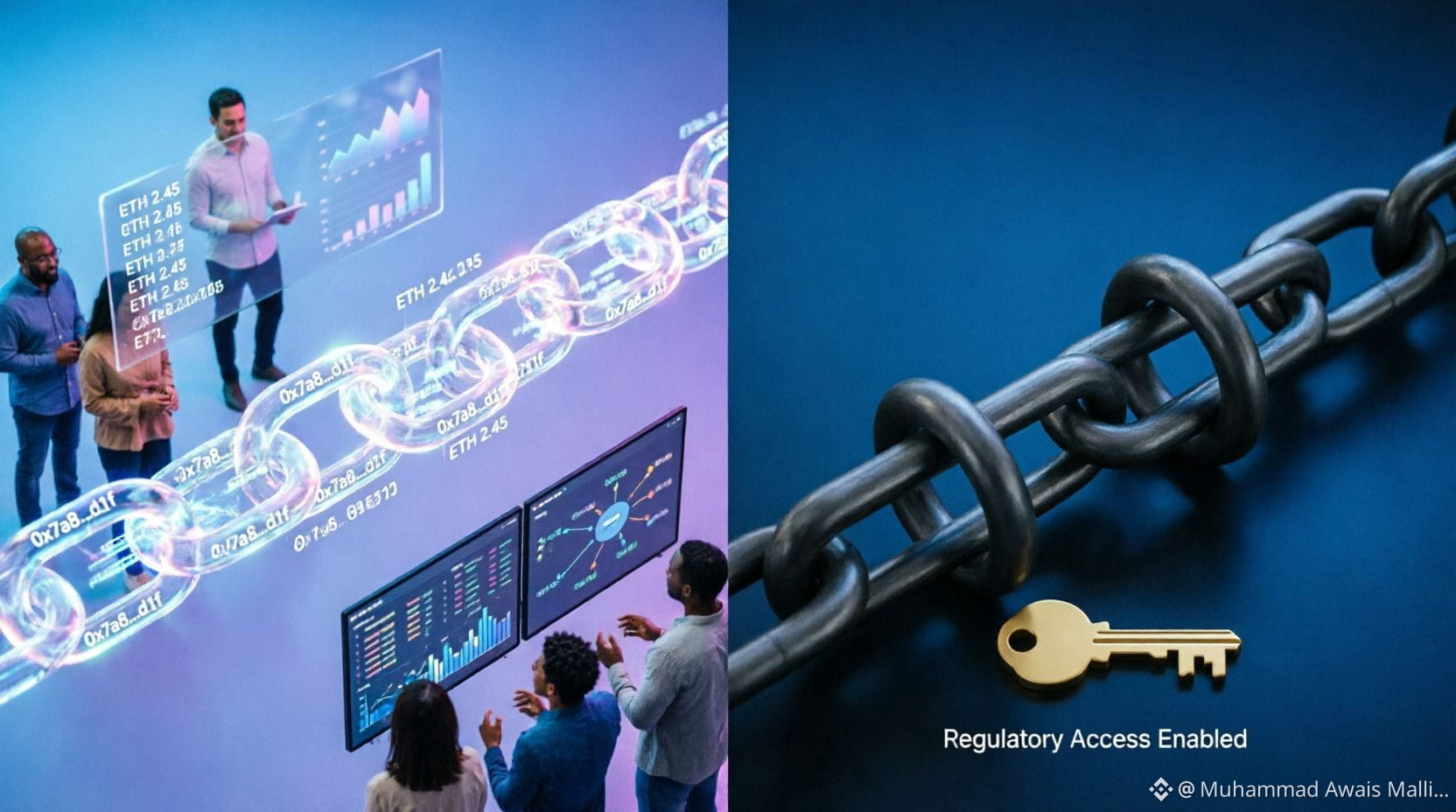
2021年に暗号資産のプライバシーコインに入ったのは、誰でもEtherscanを開いて私のウォレット履歴を丸ごと見られてしまうのが嫌だったからです。給与も取引も全部、日記みたいに公開されてしまう。けれどプライバシーコインには大きな問題があって、銀行や規制当局が触れたがらなかったため、現実の用途では一切使えませんでした。そこで、@Dusk_Foundation を見つけたんです。
Dusk Networkは、機密スマートコントラクトのために作られたレイヤー1ブロックチェーンで、XSC標準と呼ばれるものの上で動いています。XSCはConfidential Security Contractの略です。私を惹きつけたのは、その発想そのものです。取引は公開から見えないまま保たれる一方で、規制当局が何かを確認する必要があるなら、適切な許可を通してアクセスできる。これは「隠すためのプライバシー」ではなく「守るためのプライバシー」で、それまで私が使っていた古いプライバシーコインとは考え方がまったく違います。
XSCがどのようにオンチェーンでセキュリティトークンを発行するのか、その基礎を読み進めていくうちに、なぜ銀行やライセンスを持つ取引所が、それを避けるのではなく実際に使えるのかが腑に落ちました。$DUSK を保有することは、いわゆる“流行”に賭ける感じというより、伝統的な金融が合法的に接続できるインフラに賭けているように思えます。
金融市場は、非中央集権性だけでなく、コンプライアンスを証明できるブロックチェーンしか信用しないと思いますか?
#dusk $DUSK @Dusk_Foundation
2021年に暗号資産のプライバシーコインに入ったのは、誰でもEtherscanを開いて私のウォレット履歴を丸ごと見られてしまうのが嫌だったからです。給与も取引も全部、日記みたいに公開されてしまう。けれどプライバシーコインには大きな問題があって、銀行や規制当局が触れたがらなかったため、現実の用途では一切使えませんでした。そこで、@Dusk を見つけたんです。
Dusk Networkは、機密スマートコントラクトのために作られたレイヤー1ブロックチェーンで、XSC標準と呼ばれるものの上で動いています。XSCはConfidential Security Contractの略です。私を惹きつけたのは、その発想そのものです。取引は公開から見えないまま保たれる一方で、規制当局が何かを確認する必要があるなら、適切な許可を通してアクセスできる。これは「隠すためのプライバシー」ではなく「守るためのプライバシー」で、それまで私が使っていた古いプライバシーコインとは考え方がまったく違います。
XSCがどのようにオンチェーンでセキュリティトークンを発行するのか、その基礎を読み進めていくうちに、なぜ銀行やライセンスを持つ取引所が、それを避けるのではなく実際に使えるのかが腑に落ちました。$DUSK を保有することは、いわゆる“流行”に賭ける感じというより、伝統的な金融が合法的に接続できるインフラに賭けているように思えます。
金融市場は、非中央集権性だけでなく、コンプライアンスを証明できるブロックチェーンしか信用しないと思いますか?
#dusk $DUSK @Dusk
Dusk Networkは、機密スマートコントラクトのために作られたレイヤー1ブロックチェーンで、XSC標準と呼ばれるものの上で動いています。XSCはConfidential Security Contractの略です。私を惹きつけたのは、その発想そのものです。取引は公開から見えないまま保たれる一方で、規制当局が何かを確認する必要があるなら、適切な許可を通してアクセスできる。これは「隠すためのプライバシー」ではなく「守るためのプライバシー」で、それまで私が使っていた古いプライバシーコインとは考え方がまったく違います。
XSCがどのようにオンチェーンでセキュリティトークンを発行するのか、その基礎を読み進めていくうちに、なぜ銀行やライセンスを持つ取引所が、それを避けるのではなく実際に使えるのかが腑に落ちました。$DUSK を保有することは、いわゆる“流行”に賭ける感じというより、伝統的な金融が合法的に接続できるインフラに賭けているように思えます。
金融市場は、非中央集権性だけでなく、コンプライアンスを証明できるブロックチェーンしか信用しないと思いますか?
#dusk $DUSK @Dusk
1
2
3.4k
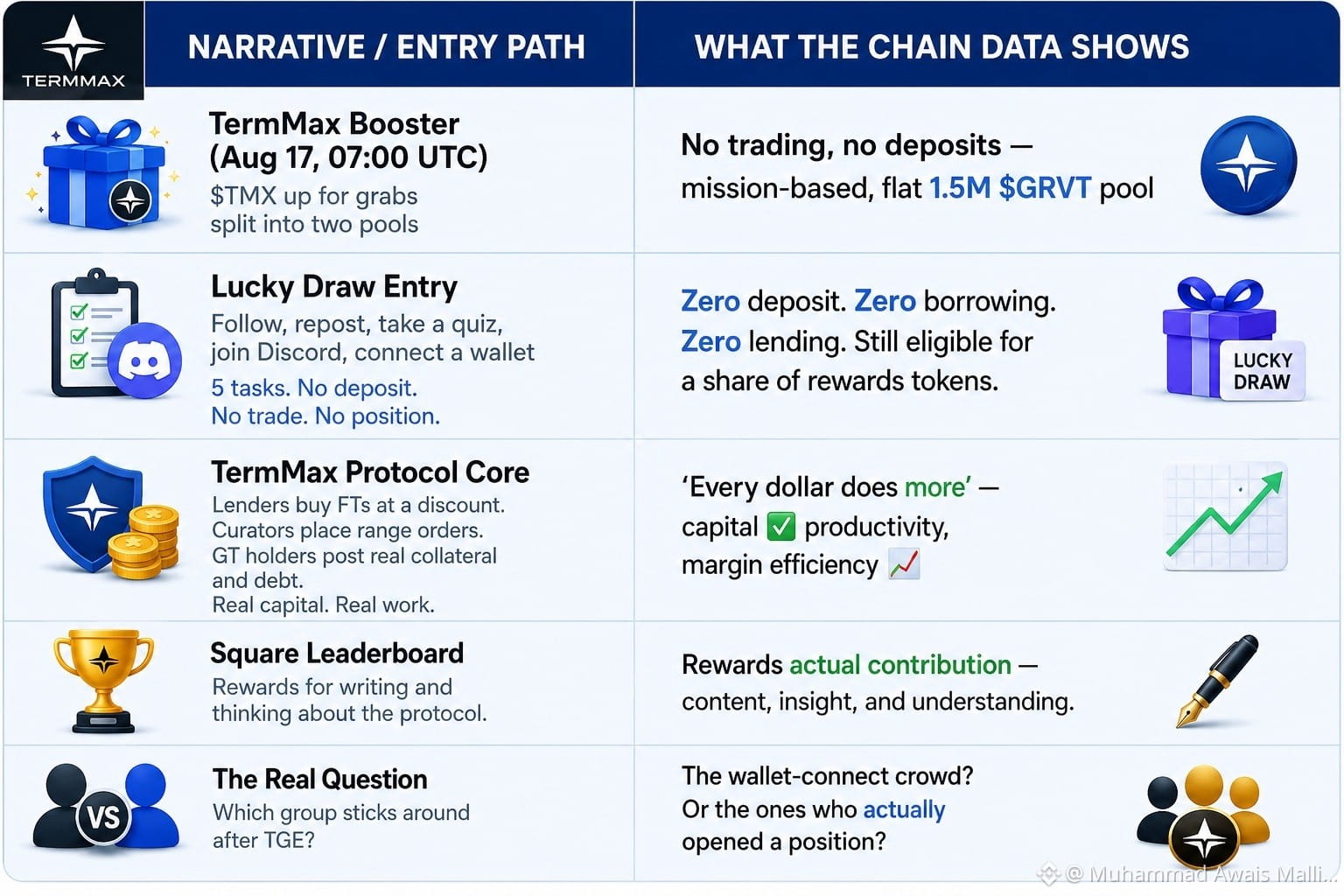
TermMax Boosterは8月17日07:00(UTC)にBinance Walletで公開されました。TermMaxは2つのプールに分かれて登場します。片方はラッキードロー:リポストする、クイズに参加する、Discordに参加する、ウォレットを接続する。入金も取引もポジションも不要。5つのタスクをタップして進めるだけで抽選に参加できます。
今朝、ラッキードローの条件を2回読み、その後実際のプロトコルがどう動くのかをもう一度読み直したところ、何か引っかかりました。TermMaxの設計全体は、実際の資本が実際の仕事をすることを前提にしています。貸し手が割引でFTを購入し、キュレーターが複数の市場にまたがるレンジ注文を出し、GTホルダーが実際の担保と負債を保有する。固定金利モデルは、その背後に実在する流動性が出回っている場合にのみ意味があります。
しかし、現時点で報酬プールに入る最も簡単な方法は、そのどれも不要です。入金ゼロ、借り入れゼロ、貸し出しゼロでも、報酬トークンの分配対象にまだ含まれます。
この文章を途中まで打ちながらコーヒーで気分転換しつつ、行ったり来たりしました。これは単に、ファネル上部の通常の成長で、まずは人を入口に呼び込んでから後で深さを心配するだけなのでしょうか? それとも、報酬の対象としている「使うこと」よりも「現れてくること」のほうが大事だというメッセージを、静かに送っているのでしょうか?
Squareのリーダーボード側は違います。こちらは実際にプロトコルについて書いて考えることを報酬にしています。しかし、ミッションプールは純粋に注意(注目)だけで、見返りを賭ける(賭け銭を投じる)要素はありません。
TGE後に残るのはどちらでしょうか? ウォレット接続勢でしょうか、それとも実際にポジションを開いた人たちでしょうか。
#termmax @termmax
TermMax Boosterは8月17日07:00(UTC)にBinance Walletで公開されました。TermMaxは2つのプールに分かれて登場します。片方はラッキードロー:リポストする、クイズに参加する、Discordに参加する、ウォレットを接続する。入金も取引もポジションも不要。5つのタスクをタップして進めるだけで抽選に参加できます。
今朝、ラッキードローの条件を2回読み、その後実際のプロトコルがどう動くのかをもう一度読み直したところ、何か引っかかりました。TermMaxの設計全体は、実際の資本が実際の仕事をすることを前提にしています。貸し手が割引でFTを購入し、キュレーターが複数の市場にまたがるレンジ注文を出し、GTホルダーが実際の担保と負債を保有する。固定金利モデルは、その背後に実在する流動性が出回っている場合にのみ意味があります。
しかし、現時点で報酬プールに入る最も簡単な方法は、そのどれも不要です。入金ゼロ、借り入れゼロ、貸し出しゼロでも、報酬トークンの分配対象にまだ含まれます。
この文章を途中まで打ちながらコーヒーで気分転換しつつ、行ったり来たりしました。これは単に、ファネル上部の通常の成長で、まずは人を入口に呼び込んでから後で深さを心配するだけなのでしょうか? それとも、報酬の対象としている「使うこと」よりも「現れてくること」のほうが大事だというメッセージを、静かに送っているのでしょうか?
Squareのリーダーボード側は違います。こちらは実際にプロトコルについて書いて考えることを報酬にしています。しかし、ミッションプールは純粋に注意(注目)だけで、見返りを賭ける(賭け銭を投じる)要素はありません。
TGE後に残るのはどちらでしょうか? ウォレット接続勢でしょうか、それとも実際にポジションを開いた人たちでしょうか。
#termmax @TermMax
今朝、ラッキードローの条件を2回読み、その後実際のプロトコルがどう動くのかをもう一度読み直したところ、何か引っかかりました。TermMaxの設計全体は、実際の資本が実際の仕事をすることを前提にしています。貸し手が割引でFTを購入し、キュレーターが複数の市場にまたがるレンジ注文を出し、GTホルダーが実際の担保と負債を保有する。固定金利モデルは、その背後に実在する流動性が出回っている場合にのみ意味があります。
しかし、現時点で報酬プールに入る最も簡単な方法は、そのどれも不要です。入金ゼロ、借り入れゼロ、貸し出しゼロでも、報酬トークンの分配対象にまだ含まれます。
この文章を途中まで打ちながらコーヒーで気分転換しつつ、行ったり来たりしました。これは単に、ファネル上部の通常の成長で、まずは人を入口に呼び込んでから後で深さを心配するだけなのでしょうか? それとも、報酬の対象としている「使うこと」よりも「現れてくること」のほうが大事だというメッセージを、静かに送っているのでしょうか?
Squareのリーダーボード側は違います。こちらは実際にプロトコルについて書いて考えることを報酬にしています。しかし、ミッションプールは純粋に注意(注目)だけで、見返りを賭ける(賭け銭を投じる)要素はありません。
TGE後に残るのはどちらでしょうか? ウォレット接続勢でしょうか、それとも実際にポジションを開いた人たちでしょうか。
#termmax @TermMax
1
2
4.1k
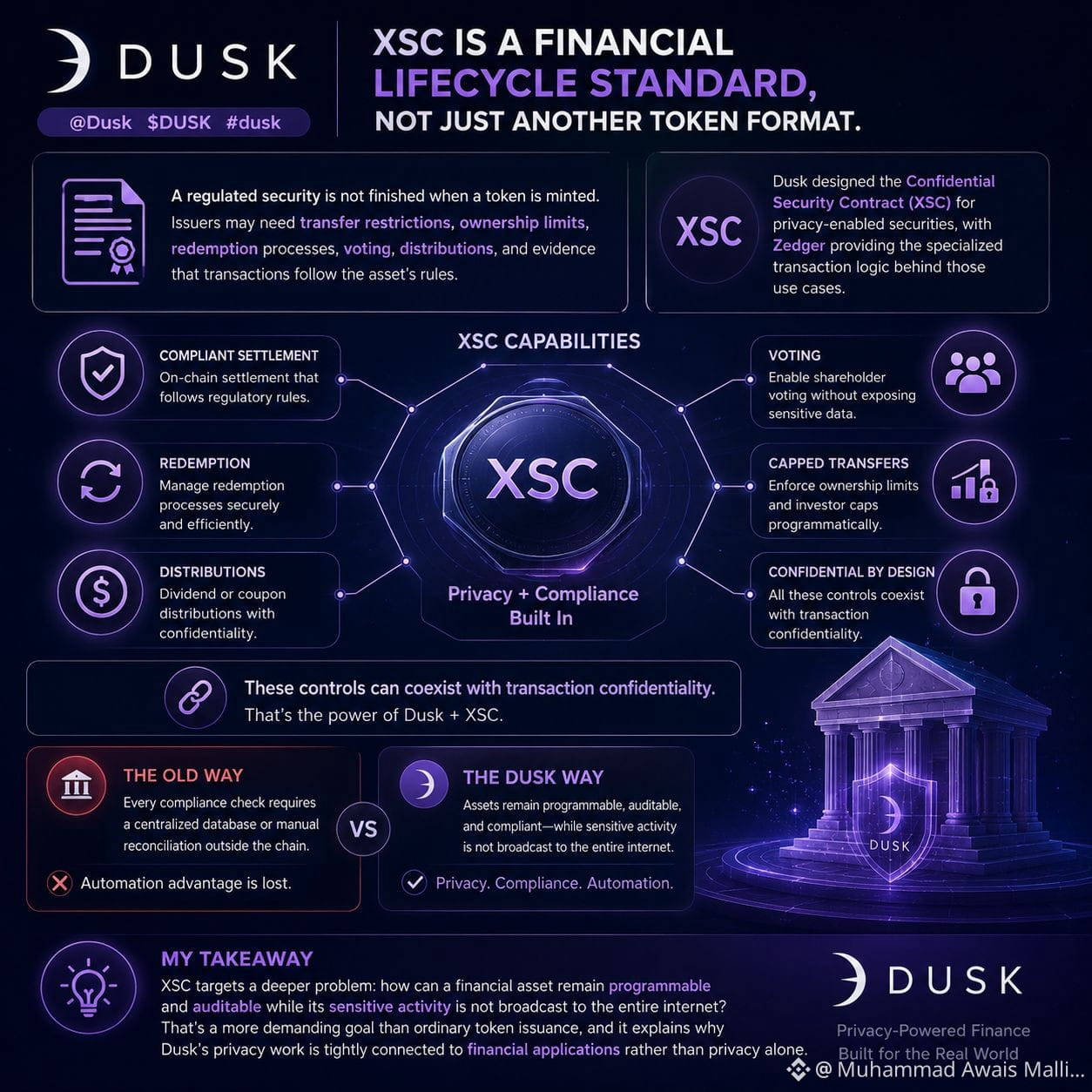
@Dusk_Foundation は、XSCを単なる別のトークン形式ではなく「金融ライフサイクルの標準」として捉えることで、より説得力の増す内容になります。規制対象の証券は、トークンが発行された時点で完成するわけではありません。発行体には、譲渡制限、保有上限、償還(リデンプション)プロセス、議決権、分配、そして取引が当該資産のルールに従っていることの証拠などが必要になる場合があります。$DUSK は、プライバシー対応の証券のためにConfidential Security Contract(XSC)を設計しました。Zedgerは、これらのユースケースの背後にある専門的な取引ロジックを提供しています。公式のDusk資料では、準拠した決済、証券の償還、配当の分配、議決、および上限付きの譲渡といった機能が説明されています。重要なのは、これらの統制が取引の秘匿性と共存できる点です。
それによって、トークン化された現実世界の資産をめぐる議論が変わります。債券や株式の表象をオンチェーンに載せることは比較的簡単です。しかし、その金融商品を規制対象としてのライフサイクル全体を通じて管理するのは難しい。すべてのコンプライアンス確認がチェーン外で集中型データベースや手作業による照合を必要とするなら、ブロックチェーンの自動化による優位性の多くは失われます。
#dusk を調査した私の見解では、XSCはより深い課題を狙っています。つまり、金融資産が、その機微な活動をインターネット全体に公開せずとも、どのように「プログラム可能」で「監査可能」であり続けられるのか、という問題です。これは通常のトークン発行よりも要求水準の高い目標であり、そのためDuskのプライバシーの取り組みは「プライバシーそれ自体」だけでなく金融アプリケーションと密接に結びついていることが説明できます。
#dusk
{future}(DUSKUSDT)
@Dusk は、XSCを単なる別のトークン形式ではなく「金融ライフサイクルの標準」として捉えることで、より説得力の増す内容になります。規制対象の証券は、トークンが発行された時点で完成するわけではありません。発行体には、譲渡制限、保有上限、償還(リデンプション)プロセス、議決権、分配、そして取引が当該資産のルールに従っていることの証拠などが必要になる場合があります。$DUSK は、プライバシー対応の証券のためにConfidential Security Contract(XSC)を設計しました。Zedgerは、これらのユースケースの背後にある専門的な取引ロジックを提供しています。公式のDusk資料では、準拠した決済、証券の償還、配当の分配、議決、および上限付きの譲渡といった機能が説明されています。重要なのは、これらの統制が取引の秘匿性と共存できる点です。
それによって、トークン化された現実世界の資産をめぐる議論が変わります。債券や株式の表象をオンチェーンに載せることは比較的簡単です。しかし、その金融商品を規制対象としてのライフサイクル全体を通じて管理するのは難しい。すべてのコンプライアンス確認がチェーン外で集中型データベースや手作業による照合を必要とするなら、ブロックチェーンの自動化による優位性の多くは失われます。
#dusk を調査した私の見解では、XSCはより深い課題を狙っています。つまり、金融資産が、その機微な活動をインターネット全体に公開せずとも、どのように「プログラム可能」で「監査可能」であり続けられるのか、という問題です。これは通常のトークン発行よりも要求水準の高い目標であり、そのためDuskのプライバシーの取り組みは「プライバシーそれ自体」だけでなく金融アプリケーションと密接に結びついていることが説明できます。
#dusk
それによって、トークン化された現実世界の資産をめぐる議論が変わります。債券や株式の表象をオンチェーンに載せることは比較的簡単です。しかし、その金融商品を規制対象としてのライフサイクル全体を通じて管理するのは難しい。すべてのコンプライアンス確認がチェーン外で集中型データベースや手作業による照合を必要とするなら、ブロックチェーンの自動化による優位性の多くは失われます。
#dusk を調査した私の見解では、XSCはより深い課題を狙っています。つまり、金融資産が、その機微な活動をインターネット全体に公開せずとも、どのように「プログラム可能」で「監査可能」であり続けられるのか、という問題です。これは通常のトークン発行よりも要求水準の高い目標であり、そのためDuskのプライバシーの取り組みは「プライバシーそれ自体」だけでなく金融アプリケーションと密接に結びついていることが説明できます。
#dusk
2
2
4.9k
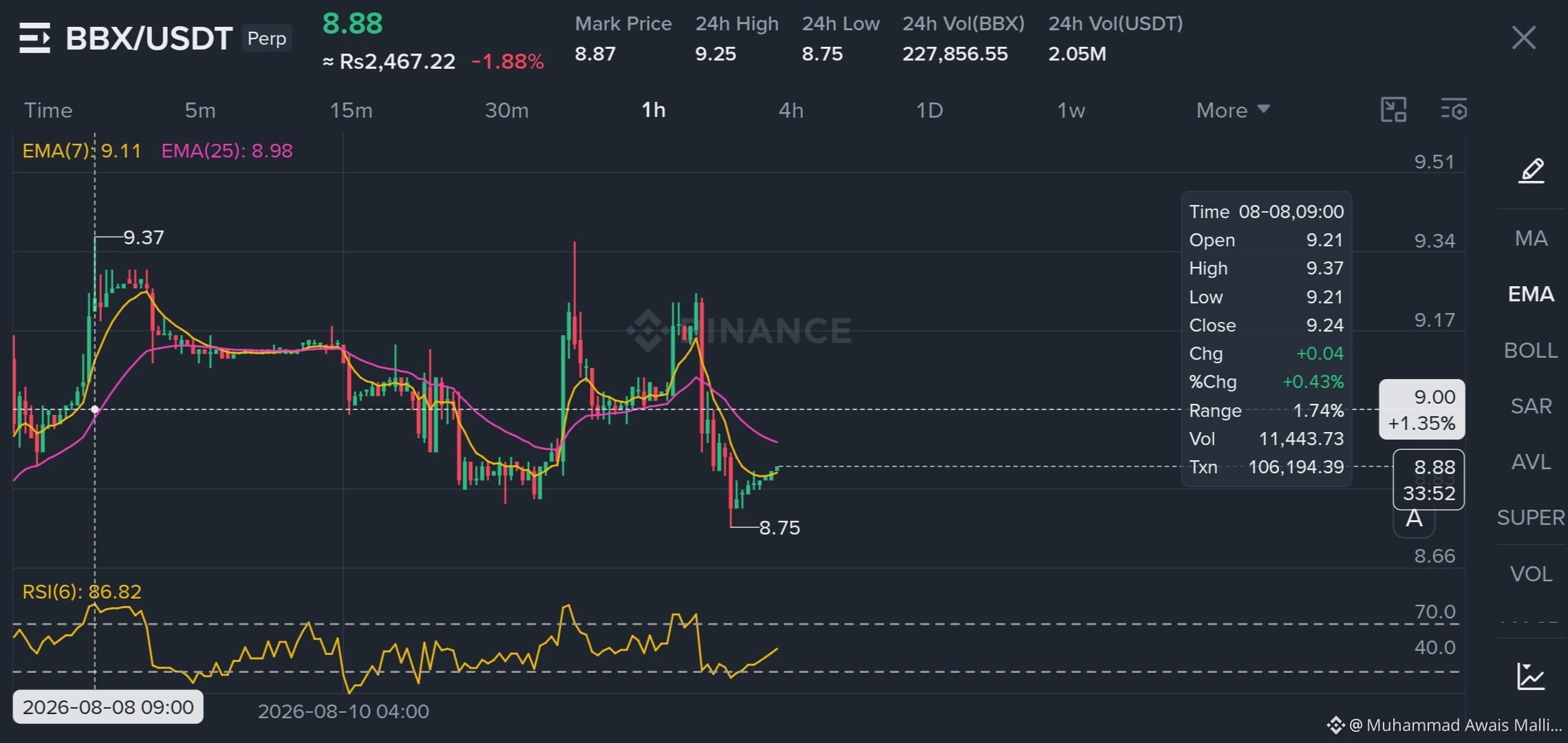
$BBX は、直近の押し目後に面白いリカバリーを見せています👀🔥
$9.37付近に到達した後、BBXは$8.75まで下落しましたが、サポートに支えられて反発し、$8.88へ向けて戻ってきました。1Hチャートでは現在、価格が安定しようとしている一方で、出来高は依然として強く、直近24時間の出来高は$2M超です。
RSIも低い水準から回復し始めており、売り圧が和らいでいる可能性を示唆しています。
BBXは間違いなく注目すべき銘柄で、勢いを取り戻し、再び上の水準に挑戦しようとしています。📊⚡
BBXは$9を奪還し、さらに上へもう一段動くのでしょうか?
#BinanceSquareFamily #BNBChain #StockMarketSuccess
{future}(BBXUSDT)
$BBX は、直近の押し目後に面白いリカバリーを見せています👀🔥
$9.37付近に到達した後、BBXは$8.75まで下落しましたが、サポートに支えられて反発し、$8.88へ向けて戻ってきました。1Hチャートでは現在、価格が安定しようとしている一方で、出来高は依然として強く、直近24時間の出来高は$2M超です。
RSIも低い水準から回復し始めており、売り圧が和らいでいる可能性を示唆しています。
BBXは間違いなく注目すべき銘柄で、勢いを取り戻し、再び上の水準に挑戦しようとしています。📊⚡
BBXは$9を奪還し、さらに上へもう一段動くのでしょうか?
#BinanceSquareFamily #BNBChain #StockMarketSuccess
$9.37付近に到達した後、BBXは$8.75まで下落しましたが、サポートに支えられて反発し、$8.88へ向けて戻ってきました。1Hチャートでは現在、価格が安定しようとしている一方で、出来高は依然として強く、直近24時間の出来高は$2M超です。
RSIも低い水準から回復し始めており、売り圧が和らいでいる可能性を示唆しています。
BBXは間違いなく注目すべき銘柄で、勢いを取り戻し、再び上の水準に挑戦しようとしています。📊⚡
BBXは$9を奪還し、さらに上へもう一段動くのでしょうか?
#BinanceSquareFamily #BNBChain #StockMarketSuccess
24
1
110
·
--
ブリッシュ
🔥 AIA/USDT は次の上昇が近づいている!
$AIA は、価格が両方のEMAを上回って維持され、モメンタムが強気に転じていることで、強い4H構造を示しています。📈
🎯 エントリー:$0.0683〜$0.0692
🎯 TP1:$0.0725
🎯 TP2:$0.0744
🚀 TP3:$0.0795
🛑 SL:$0.0658
注目すべき重要な水準は $0.0744 です。これを上抜けて定着できれば、$0.0795 へ向かう動きが発生する可能性があります。
強気派が優勢です。いまはブレイクを見守りましょう。🐂🔥
#AIA #BinanceSquareTalks #Altcoins #TradingSignals #CryptoSignal:
{future}(AIAUSDT)
🔥 AIA/USDT は次の上昇が近づいている!
$AIA は、価格が両方のEMAを上回って維持され、モメンタムが強気に転じていることで、強い4H構造を示しています。📈
🎯 エントリー:$0.0683〜$0.0692
🎯 TP1:$0.0725
🎯 TP2:$0.0744
🚀 TP3:$0.0795
🛑 SL:$0.0658
注目すべき重要な水準は $0.0744 です。これを上抜けて定着できれば、$0.0795 へ向かう動きが発生する可能性があります。
強気派が優勢です。いまはブレイクを見守りましょう。🐂🔥
#AIA #BinanceSquareTalks #Altcoins #TradingSignals #CryptoSignal:
$AIA は、価格が両方のEMAを上回って維持され、モメンタムが強気に転じていることで、強い4H構造を示しています。📈
🎯 エントリー:$0.0683〜$0.0692
🎯 TP1:$0.0725
🎯 TP2:$0.0744
🚀 TP3:$0.0795
🛑 SL:$0.0658
注目すべき重要な水準は $0.0744 です。これを上抜けて定着できれば、$0.0795 へ向かう動きが発生する可能性があります。
強気派が優勢です。いまはブレイクを見守りましょう。🐂🔥
#AIA #BinanceSquareTalks #Altcoins #TradingSignals #CryptoSignal:
2
502
$TUT は、現在の BNB Chain エコシステムの中でも特にアクティブなミームコインの1つです。過去24時間で、 ,$TUT は約 +124.59% 上昇しました。時価総額は約 1.5094億ドル、24時間の取引高はおよそ 9.4296億ドルで、投機的な関心と流動性の高さがうかがえます。 「Memes」および「Binance Ecosystem」タグの下に位置する TUT は、BNB Smart Chain 上で進行中のミームコイン・ナラティブに乗っていますが、ミーム系の銘柄である以上、値動きは不安定になりやすく、センチメント(市場心理)に大きく左右されます。
#TUTUSDT #BTC☀ #ETH
{future}(TUTUSDT)
$TUT は、現在の BNB Chain エコシステムの中でも特にアクティブなミームコインの1つです。過去24時間で、 ,$TUT は約 +124.59% 上昇しました。時価総額は約 1.5094億ドル、24時間の取引高はおよそ 9.4296億ドルで、投機的な関心と流動性の高さがうかがえます。 「Memes」および「Binance Ecosystem」タグの下に位置する TUT は、BNB Smart Chain 上で進行中のミームコイン・ナラティブに乗っていますが、ミーム系の銘柄である以上、値動きは不安定になりやすく、センチメント(市場心理)に大きく左右されます。
#TUTUSDT #BTC☀ #ETH
#TUTUSDT #BTC☀ #ETH
74
3
8
261
本人確認中
ワールド・リバティ・ファイナンシャル($WLFI )を発見しよう。現在時価総額上位50に入るマルチチェーンのDeFi資産で、Ethereum、BNB Smart Chain、Solana上で稼働しています。$WLFI は、暗号資産の次の成長の波が、オンチェーンの利用者にも従来の資本にも語りかけられる、よりアクセスしやすく透明性の高い金融商品から生まれるという考えに基づいて構築されています。流動性と信頼がますます重要になっている市場において、WLFIのマルチチェーン展開は、主要なエコシステム間で活動をつなぎながら、より幅広いアクセスを可能にします。DeFiが純粋な投機から、より構造化された金融サービスへと進化していく様子を見守っているなら、WLFIは追跡する価値のある名称の一つです。特に、新しい統合やプロダクトが時間をかけて順次展開されていく中で注目です。判断を下す前には、ファンダメンタルズ、トークン設計、リスクを必ず調べる時間を取りましょう。ただし「金融の未来」という物語に関心があるなら、WLFIを常に注目リストに入れておいてください。
#WLFI #BTC #ETH
{future}(WLFIUSDT)
{spot}(BTCUSDT)
ワールド・リバティ・ファイナンシャル($WLFI )を発見しよう。現在時価総額上位50に入るマルチチェーンのDeFi資産で、Ethereum、BNB Smart Chain、Solana上で稼働しています。$WLFI は、暗号資産の次の成長の波が、オンチェーンの利用者にも従来の資本にも語りかけられる、よりアクセスしやすく透明性の高い金融商品から生まれるという考えに基づいて構築されています。流動性と信頼がますます重要になっている市場において、WLFIのマルチチェーン展開は、主要なエコシステム間で活動をつなぎながら、より幅広いアクセスを可能にします。DeFiが純粋な投機から、より構造化された金融サービスへと進化していく様子を見守っているなら、WLFIは追跡する価値のある名称の一つです。特に、新しい統合やプロダクトが時間をかけて順次展開されていく中で注目です。判断を下す前には、ファンダメンタルズ、トークン設計、リスクを必ず調べる時間を取りましょう。ただし「金融の未来」という物語に関心があるなら、WLFIを常に注目リストに入れておいてください。
#WLFI #BTC #ETH
#WLFI #BTC #ETH
305
3
6
305
·
--
ブリッシュ
$GRVT 79.5 USDT(30日間の取引)
$GRVT (GRVT)は約$0.2948で取引されており、過去7日で約3.92%上昇した一方、直近24時間では4.06%下落しています。時価総額は約$33.89Mで、24時間出来高は強い$699.9Mです。こうした小型株サイズと活発な売買が組み合わさっているため、GRVTは注目度の高い高ベータのアルトコインです。特に、この週次の勢いが今日の下げを新たな蓄積(アキュムレーション)ゾーンへと変える場合は要チェックです。
#grvt_io
{future}(GRVTUSDT)
{future}(BTCUSDT)
$GRVT (GRVT)は約$0.2948で取引されており、過去7日で約3.92%上昇した一方、直近24時間では4.06%下落しています。時価総額は約$33.89Mで、24時間出来高は強い$699.9Mです。こうした小型株サイズと活発な売買が組み合わさっているため、GRVTは注目度の高い高ベータのアルトコインです。特に、この週次の勢いが今日の下げを新たな蓄積(アキュムレーション)ゾーンへと変える場合は要チェックです。
#grvt_io
#grvt_io
225
4
6
265
ログインして、さらにコンテンツを読む
厳選トピックで世界の暗号資産トレーダーの仲間入り
⚡️ 暗号資産に関する最新かつ有益な情報が見つかります。
💬 世界最大の暗号資産取引所から信頼されています。
👍 認証を受けたクリエイターから、有益なインサイトを得られます。
メール / 電話番号
トレンドトピック
MetaMaskExitsLidoValidatorsAfterSecurityIncident
閲覧回数 34,911
645人が討論中
🚨 メタマスク、セキュリティ侵害後にETHバリデータの一部を非カストディアル・ステーキング運用から開始して退出させた
MetaMaskによると、継続中のセキュリティ侵害が同社のインフラの一部に影響し、非カストディアルのステーキング運用で影響を受けたバリデータをプロアクティブに退出させる必要があるとのことです。同社はこれまでのところ、MetaMaskウォレットに対する差し迫った脅威は見つかっていないとしています。
重要なポイントは?
これらのバリデータはLidoのステーキングに紐づいており、退出プロセスによって調査が続く間、一時的にステーキングからETHが外れる可能性があります。Lido関連の報道によれば、完全な退出・引き出し・再入のサイクルには最大で約45日かかる可能性があるとされています。
つまり、市場は次の2点を切り分けるべきです。
ウォレット利用者が「現在、直ちにリスクにさらされている」と告げられているわけではない。
しかし、バリデータのインフラは明らかに緊急退出を引き起こすほど重大だった。
そして、イーサリアム最大級のウォレットブランドの1つが予防措置としてバリデータを引き揚げ始めたとなれば、トレーダーは注意を払います。
セキュリティインシデントは、盗まれた資金がなくても市場を動かし得る。
時には、反応そのものがシグナルです。👀
$ETH $LDO
#metamaskexitslidovalidatorsaftersecurityincident
KimHotbae
·いいね:1件
·閲覧回数 2.6k
MicronBeatsEarningsLiftsGuidance
閲覧回数 23,208
536人が討論中
CFTCSubmitsTwoEventContractRulesToWhiteHouse
閲覧回数 18,321
474人が討論中