
Daily_alerts by Liam
77 投稿

Daily_alerts by Liam
取引を発注
高頻度トレーダー
3.4年
302 フォロー
109 フォロワー
2 いいね
投稿
ポートフォリオ
すべて
引用
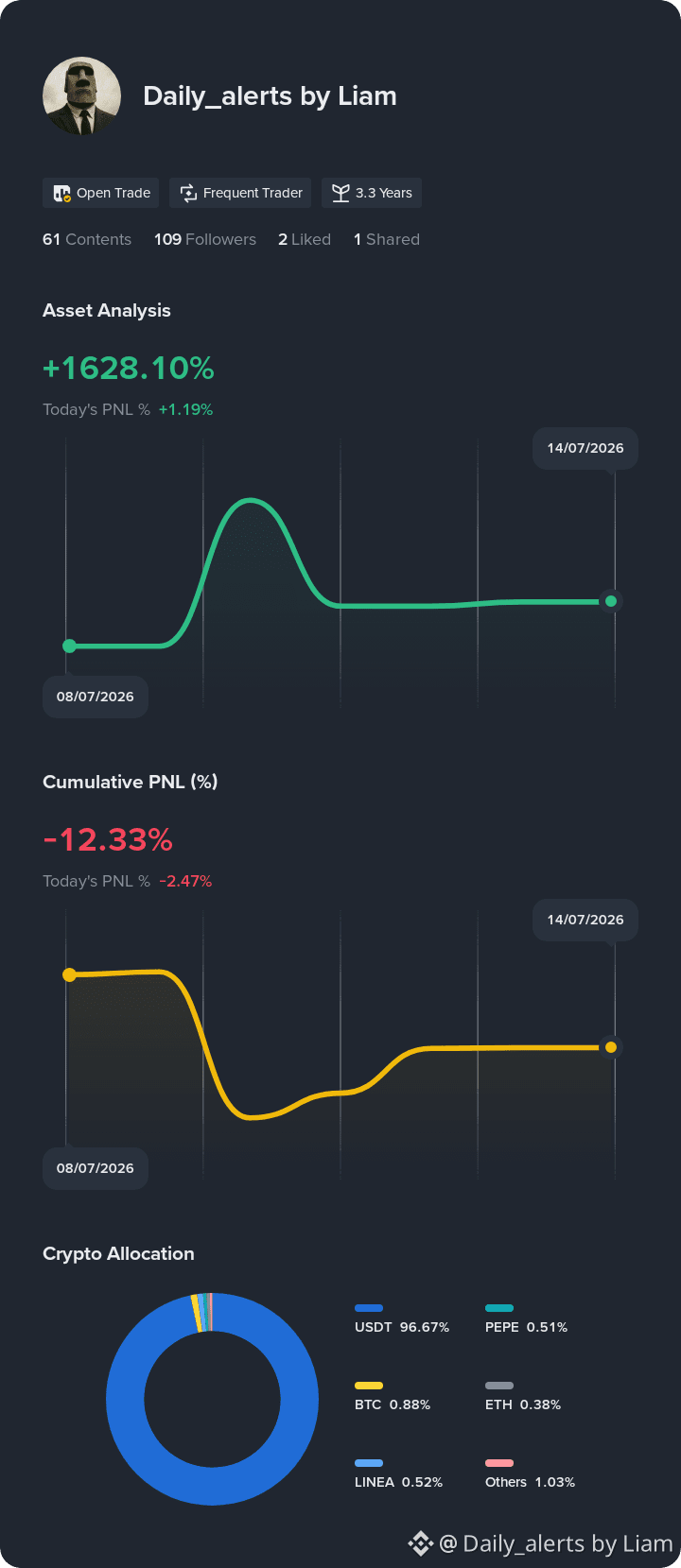
バイナンス、本日で9周年!🎉
9年前、バイナンスはシンプルな使命からスタートしました。それは「暗号資産を誰にでも利用できるようにすること」です。
今日では、世界最大級の暗号資産エコシステムの一つへと成長し、取引、Web3、教育、決済、ブロックチェーンの革新によって、世界中の数百万人のユーザーにサービスを提供しています。
多くのプロジェクトが単一の市場サイクルすら生き残れない業界で、9年という節目を迎えられたのは、継続的なイノベーション、粘り強さ、そしてコミュニティによって築かれた成果です。
バイナンス、9周年おめでとう!🥂
これからも一緒にWeb3の未来を築いていきましょう。
$BNB
#BinanceTurns9 #BİNANCE #BNB #crypto #Web3
9年前、バイナンスはシンプルな使命からスタートしました。それは「暗号資産を誰にでも利用できるようにすること」です。
今日では、世界最大級の暗号資産エコシステムの一つへと成長し、取引、Web3、教育、決済、ブロックチェーンの革新によって、世界中の数百万人のユーザーにサービスを提供しています。
多くのプロジェクトが単一の市場サイクルすら生き残れない業界で、9年という節目を迎えられたのは、継続的なイノベーション、粘り強さ、そしてコミュニティによって築かれた成果です。
バイナンス、9周年おめでとう!🥂
これからも一緒にWeb3の未来を築いていきましょう。
$BNB
#BinanceTurns9 #BİNANCE #BNB #crypto #Web3
確認済み
ZachXBTの調査 — $LAB に関するインサイダー支配の疑惑
オンチェーン調査員のZachXBTは2026年5月、LABの実効フロートの95%超がインサイダーによって支配されているという疑惑を最初に提起しました。対象はチームのウォレット、初期投資家、マーケットメイカー、関連組織などです。
調査の主な発見:
Bitgetの入金: 2026年3月〜4月の間に、チームは単一のエンティティへ直接1億9600万+ LABトークンを渡しました。そのうち1億はBitgetの入金アドレスへ送られています。
休眠ウォレット: 2026年5月に、1億LAB(約4.8億ドル相当)がBitgetから引き出され、10の新規作成ウォレットに分割されました。ZachXBTによれば、この取引の対外側には正当な買い手が存在せず、つまり移動全体は単一の当事者によって制御されていた、ということです。
プライベートOTC取引: 共同創業者のVova Sadkovは、月利7.5%を伴う融資契約書に署名しました。Telegram/WhatsAppのグループ内では個別のオファーが流通しており、一部のトランシェは60〜80%の割引で販売されていました。
ベスティング条件の変更: チームが、一部参加者のベスティング・クリフを適切な同意なしに3か月から9か月へ一方的に延長したという疑惑があります。
1万ドルの懸賞金: ZachXBTは、創業者のVova Sadkovを対象に懸賞金を発表しました。マーケットメイキング活動を裏付ける契約書、チャット記録、インサイダー文書を提供できる人物に対するものです。
類似のパターン: ZachXBTは、RAVEやSKAIのようなトークンでも同様のパターンが見られ、インサイダーが供給の90%超を支配していたと指摘しました。
$LAB
オンチェーン調査員のZachXBTは2026年5月、LABの実効フロートの95%超がインサイダーによって支配されているという疑惑を最初に提起しました。対象はチームのウォレット、初期投資家、マーケットメイカー、関連組織などです。
調査の主な発見:
Bitgetの入金: 2026年3月〜4月の間に、チームは単一のエンティティへ直接1億9600万+ LABトークンを渡しました。そのうち1億はBitgetの入金アドレスへ送られています。
休眠ウォレット: 2026年5月に、1億LAB(約4.8億ドル相当)がBitgetから引き出され、10の新規作成ウォレットに分割されました。ZachXBTによれば、この取引の対外側には正当な買い手が存在せず、つまり移動全体は単一の当事者によって制御されていた、ということです。
プライベートOTC取引: 共同創業者のVova Sadkovは、月利7.5%を伴う融資契約書に署名しました。Telegram/WhatsAppのグループ内では個別のオファーが流通しており、一部のトランシェは60〜80%の割引で販売されていました。
ベスティング条件の変更: チームが、一部参加者のベスティング・クリフを適切な同意なしに3か月から9か月へ一方的に延長したという疑惑があります。
1万ドルの懸賞金: ZachXBTは、創業者のVova Sadkovを対象に懸賞金を発表しました。マーケットメイキング活動を裏付ける契約書、チャット記録、インサイダー文書を提供できる人物に対するものです。
類似のパターン: ZachXBTは、RAVEやSKAIのようなトークンでも同様のパターンが見られ、インサイダーが供給の90%超を支配していたと指摘しました。
$LAB
$LAB トークン調査:インサイダーの投棄からクラッシュまでの全内幕
LABトークンとは?
LABは、現物・指値・パーペチュアル取引に対応したマルチチェーントレーディング・ターミナルのネイティブトークンであり、AI搭載のリサーチエンジンと統合されています。トークン生成イベント(TGE)は2025年10月に行われました。創業者はVova Sadkov(ドバイ拠点の起業家)で、共同創業者はMarkです。両名は以前、Eeseeというプロジェクトに取り組んでいましたが、投資家によると、チームが約束を果たす前に見捨てられたとされています。
ローンチ後、LABはAmber Group、Selini Capital、Re7 Capital、Cypher Capitalから計500万ドルの資金調達を行いました。コミュニティラウンドでは、わずか10分で150万ドルを獲得—最初から個人投資家の関心が非常に強かったのです。
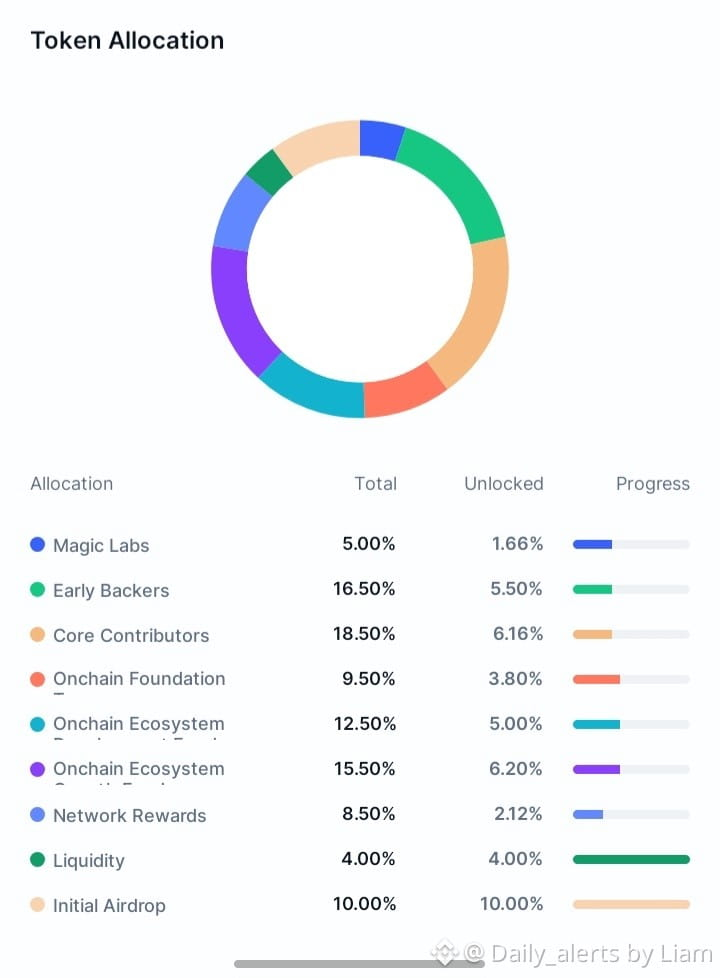
トークンノミクス:最大供給量は10億LAB。ローンチ時点では流通していたのはごく一部で、残りはチーム、投資家、エコシステム配分向けのベスティング(段階的権利確定)スケジュールのもとでロックされていました。
価格推移—ジェットコースターのような値動き
初期フェーズ:$LAB は、注目が集まらないまま$0.50〜$0.70の範囲で取引されていました。
2026年5月上旬:突然350%超の急騰が起き、数時間で$60億のFDVに到達—これを説明できる大きなプロダクト発表がなかったにもかかわらず。
ピーク:史上最高値は$27.9超
クラッシュ開始:ピーク直後、数時間で65%超の下落。
2026年7月:さらに大規模なクラッシュ—$14から$2へストレートに下落し、わずか1日で85%下落。
2026年7月中旬:価格は約$0.55で推移しており、史上最高値から97%超下落。
このボラティリティは単なる通常の市場変動ではありません—その裏には、重大なオンチェーン調査があるようです。
$LAB
LABトークンとは?
LABは、現物・指値・パーペチュアル取引に対応したマルチチェーントレーディング・ターミナルのネイティブトークンであり、AI搭載のリサーチエンジンと統合されています。トークン生成イベント(TGE)は2025年10月に行われました。創業者はVova Sadkov(ドバイ拠点の起業家)で、共同創業者はMarkです。両名は以前、Eeseeというプロジェクトに取り組んでいましたが、投資家によると、チームが約束を果たす前に見捨てられたとされています。
ローンチ後、LABはAmber Group、Selini Capital、Re7 Capital、Cypher Capitalから計500万ドルの資金調達を行いました。コミュニティラウンドでは、わずか10分で150万ドルを獲得—最初から個人投資家の関心が非常に強かったのです。
トークンノミクス:最大供給量は10億LAB。ローンチ時点では流通していたのはごく一部で、残りはチーム、投資家、エコシステム配分向けのベスティング(段階的権利確定)スケジュールのもとでロックされていました。
価格推移—ジェットコースターのような値動き
初期フェーズ:$LAB は、注目が集まらないまま$0.50〜$0.70の範囲で取引されていました。
2026年5月上旬:突然350%超の急騰が起き、数時間で$60億のFDVに到達—これを説明できる大きなプロダクト発表がなかったにもかかわらず。
ピーク:史上最高値は$27.9超
クラッシュ開始:ピーク直後、数時間で65%超の下落。
2026年7月:さらに大規模なクラッシュ—$14から$2へストレートに下落し、わずか1日で85%下落。
2026年7月中旬:価格は約$0.55で推移しており、史上最高値から97%超下落。
このボラティリティは単なる通常の市場変動ではありません—その裏には、重大なオンチェーン調査があるようです。
$LAB
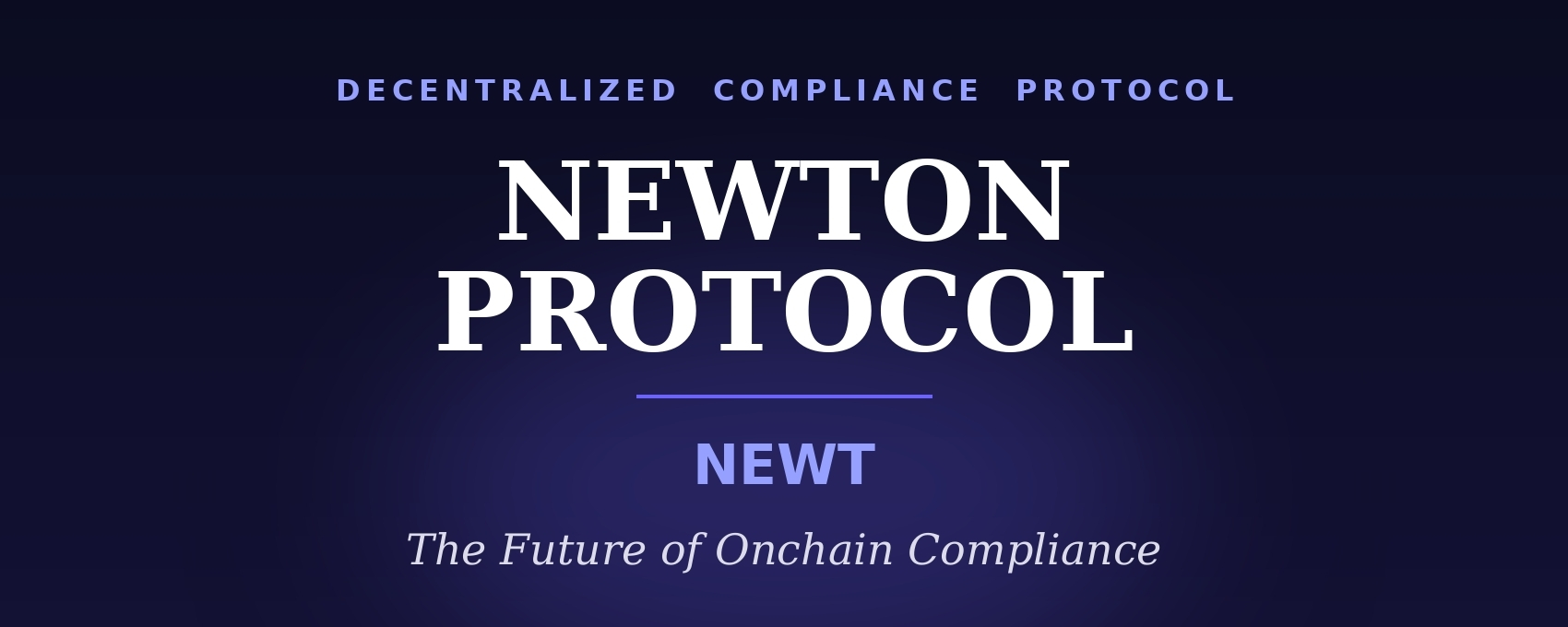
#newt $NEWT ニュートン・プロトコル(NEWT):オンチェーン・コンプライアンスに新しい顔 🔐
クリプトの世界では新しい流行語が生まれました—ニュートン・プロトコル!これは、コンプライアンス、リスク、ビジネスルールをコードに変換してオンチェーンで強制する分散型ポリシーエンジンです。
✅ リアルタイムの取引チェック(制裁、アイデンティティ、リスク)
✅ ゼロ知識証明でプライバシーも安全
✅ イーサリアムの再ステークされたセキュリティモデルに基づく
✅ 機関投資家、ステーブルコイン、RWAプラットフォーム向けに設計
コンプライアンスはもう手作業のレビューではなく、スマートコントラクトの一部になっています。機関型DeFiの未来はここから始まります! 🚀
#NEWT #NewtonProtocol #Web3 #DeFi #Blockchain
クリプトの世界では新しい流行語が生まれました—ニュートン・プロトコル!これは、コンプライアンス、リスク、ビジネスルールをコードに変換してオンチェーンで強制する分散型ポリシーエンジンです。
✅ リアルタイムの取引チェック(制裁、アイデンティティ、リスク)
✅ ゼロ知識証明でプライバシーも安全
✅ イーサリアムの再ステークされたセキュリティモデルに基づく
✅ 機関投資家、ステーブルコイン、RWAプラットフォーム向けに設計
コンプライアンスはもう手作業のレビューではなく、スマートコントラクトの一部になっています。機関型DeFiの未来はここから始まります! 🚀
#NEWT #NewtonProtocol #Web3 #DeFi #Blockchain
🟡 イラン中東の緊張激化でゴールドが4,100ドル超へ急伸
イランが湾岸で米軍基地への攻撃を行ったことで、脆い3週間の停戦が緊張し、金は一週間ぶりの安値から持ち直して本日1%超上昇しました。
📊 スポットゴールド:$4,116.70(+1%)
📊 シルバー:$59.66(+2.4%)
📊 プラチナ:$1,615(+2.4%)
📊 パラジウム:$1,255.61(+3.4%)🚀
市場では現在、9月のFRB利下げの確率が64%と見込まれています(CME FedWatch)。金の上値を抑え得る高金利ですが、地政学リスクが当面の相場を支え、強気相場が主導しています。
HSBCは2026年/2027年の金見通しをそれぞれ$4,560 / $4,925に引き下げました
$XAUT $XAG $XPT
#GOLD #XAUT #Silver
イランが湾岸で米軍基地への攻撃を行ったことで、脆い3週間の停戦が緊張し、金は一週間ぶりの安値から持ち直して本日1%超上昇しました。
📊 スポットゴールド:$4,116.70(+1%)
📊 シルバー:$59.66(+2.4%)
📊 プラチナ:$1,615(+2.4%)
📊 パラジウム:$1,255.61(+3.4%)🚀
市場では現在、9月のFRB利下げの確率が64%と見込まれています(CME FedWatch)。金の上値を抑え得る高金利ですが、地政学リスクが当面の相場を支え、強気相場が主導しています。
HSBCは2026年/2027年の金見通しをそれぞれ$4,560 / $4,925に引き下げました
$XAUT $XAG $XPT
#GOLD #XAUT #Silver
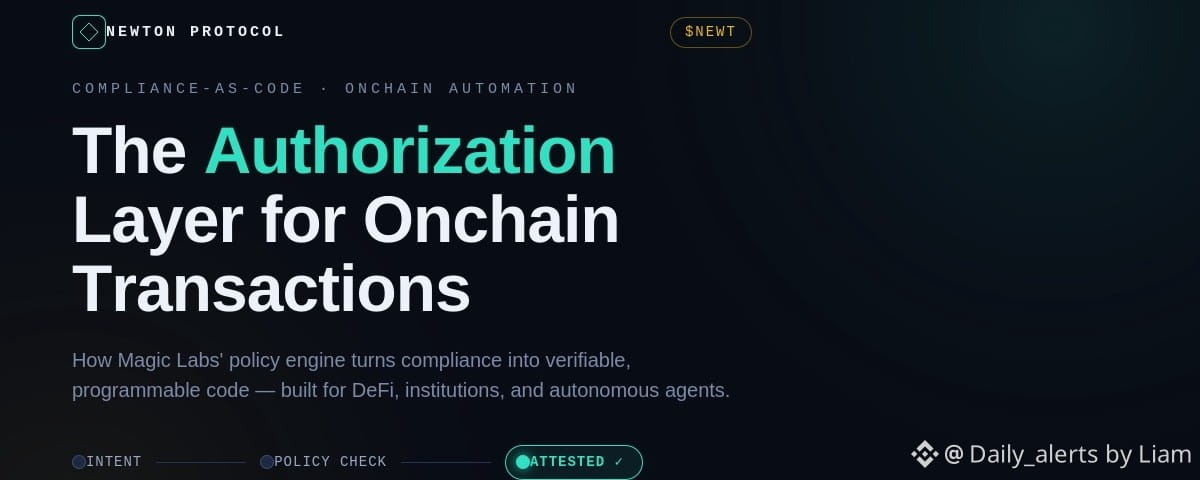
#newt $NEWT ニュートン・プロトコルがPersonaを通じてオンチェーンでリアルタイムの管轄(ジャリスディクション)チェックを実現 — UIではなく取引レイヤーで本人確認。オンチェーン上に個人情報(PII)はなく、暗号学的な証跡(クリプトグラフィック・レシート)だけ。コードとしてのコンプライアンス、ライブ。🔐
🚀 $SOL 価格アップデート — 2026年7月9日
💰 現在の価格: 約$77(取引所間で$76.9〜$78.1の範囲)
📉 24時間の変化: 1〜4%下落(いまは緩やかな売り圧力)
📊 時価総額: 約$44.8B(主要暗号資産の中で#7〜8位)
📈 7日間: ほぼ横ばいで、週を通してわずかな回復
🔥 ネットワークで起きていること:
デイリーアクティブアドレスが5.6M+に到達 — 価格の調整局面にもかかわらずネットワーク利用は堅調
機関投資家の導入が増加 — Solana上でSecuritizeが株式トークン化$295Mを実行(BlackRockが裏付け)
RWA(現実世界資産)のTVLが新たな史上最高値を更新 — $3.4B+
Solanaのステーブルコイン供給量が$16B+を突破
Jupiterが指値注文向けのトレーリングストップロス機能をローンチ
オンチェーン・ガバナンス(SGPs)が稼働中 — 100K+ $SOL をステークしたバリデーターは提案を提出可能
⚠️ 注記: 暗号資産の価格は非常に変動が大きいです — 投資前に必ずDYOR(Do Your Own Research:自己調査)を行ってください。
#solana #SOL #Crypto #Web3
💰 現在の価格: 約$77(取引所間で$76.9〜$78.1の範囲)
📉 24時間の変化: 1〜4%下落(いまは緩やかな売り圧力)
📊 時価総額: 約$44.8B(主要暗号資産の中で#7〜8位)
📈 7日間: ほぼ横ばいで、週を通してわずかな回復
🔥 ネットワークで起きていること:
デイリーアクティブアドレスが5.6M+に到達 — 価格の調整局面にもかかわらずネットワーク利用は堅調
機関投資家の導入が増加 — Solana上でSecuritizeが株式トークン化$295Mを実行(BlackRockが裏付け)
RWA(現実世界資産)のTVLが新たな史上最高値を更新 — $3.4B+
Solanaのステーブルコイン供給量が$16B+を突破
Jupiterが指値注文向けのトレーリングストップロス機能をローンチ
オンチェーン・ガバナンス(SGPs)が稼働中 — 100K+ $SOL をステークしたバリデーターは提案を提出可能
⚠️ 注記: 暗号資産の価格は非常に変動が大きいです — 投資前に必ずDYOR(Do Your Own Research:自己調査)を行ってください。
#solana #SOL #Crypto #Web3
📉 イーサリアム(ETH)市況アップデート 📉
$ETH Hは現在、$1,720〜$1,770前後で取引されており、市場規模はおおよそ$207〜2330億ドル——暗号資産の#2の座を維持しています。
🔹 短期的なモメンタムは弱気寄りで、センチメントは「極度の恐怖」領域にあります
🔹 重要なサポート:$1,716|レジスタンス:$1,750〜$1,800(50日EMA)
🔹 ビットコインの優位性は約56%で、資金がBTCへ滞留し、ETHへのローテーションが進みにくい状況です
📈 しかしファンダメンタルズは依然として強い——DeFiのTVLはまだ$45B超、機関投資家の採用も進行中です(JPモルガンのイーサリアム上のトークン化ファンドは1か月で250%成長)。また大規模アップグレード(Fusaka)は2026年後半に予定されています。
💬 強気の長期見通し、慎重な短期——いまこの$ETH THが立っている場所はまさにそこです。
#ETH #CryptoMarketAlert #Web3
$ETH Hは現在、$1,720〜$1,770前後で取引されており、市場規模はおおよそ$207〜2330億ドル——暗号資産の#2の座を維持しています。
🔹 短期的なモメンタムは弱気寄りで、センチメントは「極度の恐怖」領域にあります
🔹 重要なサポート:$1,716|レジスタンス:$1,750〜$1,800(50日EMA)
🔹 ビットコインの優位性は約56%で、資金がBTCへ滞留し、ETHへのローテーションが進みにくい状況です
📈 しかしファンダメンタルズは依然として強い——DeFiのTVLはまだ$45B超、機関投資家の採用も進行中です(JPモルガンのイーサリアム上のトークン化ファンドは1か月で250%成長)。また大規模アップグレード(Fusaka)は2026年後半に予定されています。
💬 強気の長期見通し、慎重な短期——いまこの$ETH THが立っている場所はまさにそこです。
#ETH #CryptoMarketAlert #Web3
$BNB B 更新:AI Agent StudioがAIエージェントの構築をより簡単にしました
リアルタイムの市場データを取得するAIエージェントを作るのは、これまで複雑な作業でした。開発者はAPIキーの設定、料金プランの選択、カスタムの決済システムの構築を行う必要があり、ようやく始められる状態でした。現在は、AI-Agent Studioがそれらを1ステップでまとめて処理します。
このアップデートは、次の2種類のユーザーを想定して設計されています:
開発者はAPIキー、料金プラン、カスタムの決済連携を省略できるため、AIエージェントの作成が大幅に速くなります。
トレーダーや日常的なトークン保有者は、コードを書くことなく、価格更新やマーケットアラートを受け取るためのより簡単な手段を得られます。シンプルな自然言語の依頼だけで、エージェントを作成できます。
AIエージェントを構築する誰でも、ほぼセットアップなしでBinance PayのB402プールを通じてCoinMarketCapのデータに直接接続できるようになりました。エージェントがデータを要求するたびに、その要求はエージェント自身のウォレットから自動的に支払われます。要求は専用のエンドポイント(特定の情報を取得できる固定アドレス)を通じて送信されます。
Binance Pay B402がAIエージェントに対してあらゆるデータ要求の支払いを可能にする方法
エージェントがデータを要求すると、その個々の要求がエージェント自身のウォレットを使って自動的に支払われます。支払いはB402でx402プロトコルを介して処理され、要求が行われると同時にBSC上で即時に精算されます。別途CoinMarketCapのアカウントが必要になったり、カスタムの決済コードを作成したりする必要はありません。
この取り組みは、$BNB Bエコシステムにとって重要な一歩です。AIを活用したアプリケーションを作る上で最大級の障壁の1つを取り除くからです。これまで複数のセットアップ手順が必要だったものが、1クリックで済むようになりました。
今回の最新BNB 2026ロードマップの更新は、経験豊富な開発者だけでなく、誰にでも強力なAIツールを届けたいというBinanceのより広いビジョンを反映しています。
#BNB_Market_Update
リアルタイムの市場データを取得するAIエージェントを作るのは、これまで複雑な作業でした。開発者はAPIキーの設定、料金プランの選択、カスタムの決済システムの構築を行う必要があり、ようやく始められる状態でした。現在は、AI-Agent Studioがそれらを1ステップでまとめて処理します。
このアップデートは、次の2種類のユーザーを想定して設計されています:
開発者はAPIキー、料金プラン、カスタムの決済連携を省略できるため、AIエージェントの作成が大幅に速くなります。
トレーダーや日常的なトークン保有者は、コードを書くことなく、価格更新やマーケットアラートを受け取るためのより簡単な手段を得られます。シンプルな自然言語の依頼だけで、エージェントを作成できます。
AIエージェントを構築する誰でも、ほぼセットアップなしでBinance PayのB402プールを通じてCoinMarketCapのデータに直接接続できるようになりました。エージェントがデータを要求するたびに、その要求はエージェント自身のウォレットから自動的に支払われます。要求は専用のエンドポイント(特定の情報を取得できる固定アドレス)を通じて送信されます。
Binance Pay B402がAIエージェントに対してあらゆるデータ要求の支払いを可能にする方法
エージェントがデータを要求すると、その個々の要求がエージェント自身のウォレットを使って自動的に支払われます。支払いはB402でx402プロトコルを介して処理され、要求が行われると同時にBSC上で即時に精算されます。別途CoinMarketCapのアカウントが必要になったり、カスタムの決済コードを作成したりする必要はありません。
この取り組みは、$BNB Bエコシステムにとって重要な一歩です。AIを活用したアプリケーションを作る上で最大級の障壁の1つを取り除くからです。これまで複数のセットアップ手順が必要だったものが、1クリックで済むようになりました。
今回の最新BNB 2026ロードマップの更新は、経験豊富な開発者だけでなく、誰にでも強力なAIツールを届けたいというBinanceのより広いビジョンを反映しています。
#BNB_Market_Update
ハッキングなしでBonkDAOから2,100万ドルを盗んだ人物
攻撃者は、何もハッキングせずにBonkDAOの金庫から2,120万ドルを盗みました。
BONKの価格は約6.59%下落し、出来高は955.47億になっています。
資金を取り戻すための作業が進められていますが、送金はオンチェーン上で自動的に行われたため、資金を取り戻すのが難しくなっています。
攻撃者は、何もハッキングせずにBonkDAOの金庫から2,120万ドルを盗みました。彼は4.4百万ドルでBONKトークンを購入し、誰も7日間確認しなかったガバナンス掲示板を通じて提案しました。彼は自分のトークンで提案に「賛成」票を投じ、その後資金が自動的に彼のウォレットへ移動するのを見届けました。実行されると、取り消しはできませんでした。
数時間のうちに、$BONK NKの価格は約6.59%下落し、出来高は955.47億になっています。
ニュースが広がると、トークンは最高値(0.00000490近辺)から0.00000417へ下落しました。時価総額は約4,000万ドルを失い、いくつかの取引所は$BONK NKの出金を停止しました。
#Bonk #crypto
攻撃者は、何もハッキングせずにBonkDAOの金庫から2,120万ドルを盗みました。
BONKの価格は約6.59%下落し、出来高は955.47億になっています。
資金を取り戻すための作業が進められていますが、送金はオンチェーン上で自動的に行われたため、資金を取り戻すのが難しくなっています。
攻撃者は、何もハッキングせずにBonkDAOの金庫から2,120万ドルを盗みました。彼は4.4百万ドルでBONKトークンを購入し、誰も7日間確認しなかったガバナンス掲示板を通じて提案しました。彼は自分のトークンで提案に「賛成」票を投じ、その後資金が自動的に彼のウォレットへ移動するのを見届けました。実行されると、取り消しはできませんでした。
数時間のうちに、$BONK NKの価格は約6.59%下落し、出来高は955.47億になっています。
ニュースが広がると、トークンは最高値(0.00000490近辺)から0.00000417へ下落しました。時価総額は約4,000万ドルを失い、いくつかの取引所は$BONK NKの出金を停止しました。
#Bonk #crypto
目次
「ソラナ」は今どうなっている?
話題の裏にある数字
このお金はいったいどこへ向かっているのか?
実際に先頭を走っているのは誰?
最終結論:成長の物語はまだ続いている
「ソラナ」は今どうなっている?
今日のソラナニュースは、ひとつのシンプルな物語を伝えています。これまでで最も多くの人がネットワークを使っており、数字がそれを証明しているのです。今週、Xアカウントの新しい更新が3本公開されており、同じ状況をさまざまな角度から描き出しています。同じパズルのピースのように、ひとつずつ見ていきましょう。
話題の裏にある数字
SOLブロックチェーンは、たった1週間で非投票トランザクションが約10億件に到達しました。非投票トランザクションとは、送金やトークンのスワップ、オンチェーンゲームのプレイなど、人々が実際に行うアクションのことです。
これは、投票トランザクションとは違います。投票トランザクションは、バリデーター同士が裏側で作業を確認しているだけです。7日間で約10億件に到達したのは、ネットワーク史上最高の週間件数です。つまり、毎秒ごとに大量の現実的な活動が起きているということです。
solanaはdapp収益でl1とl2のチェーンをリード
出典:<a>$SOL ecosystem</a> に関するXアップデート
このお金はいったいどこへ向かっているのか?
この項目は、最新のソラナニュース更新の中でも最大級のサプライズかもしれません。トークン化された資産のスポット取引量(株式や現実世界の投資などをブロックチェーン上に置いたもの)は、第1四半期の26.9億ドルから第2四半期の57億ドルへと跳ね上がりました。
これは、わずか3か月で2倍以上です。その大半の取引は、ブロックチェーン上に構築された人気の取引所Raydiumを通じて行われ、その取引量の大部分を占めました。
実際に先頭を走っているのは誰?
SolanaFloorによるレポートでは、ネットワークが、他のすべてのレイヤー1およびレイヤー2のチェーンにおいて、アプリ収益とDEX取引量で今やトップに立っていることが示されています。簡単に言えば、今この瞬間、ライバルチェーンのどこよりもソラナでは、多くのアプリがブロックチェーン上でより大きな収益を生み出しているのです。ソラナニュースを見ても、チャートを直接見ても、答えは同じ。
#sol $SOL
「ソラナ」は今どうなっている?
話題の裏にある数字
このお金はいったいどこへ向かっているのか?
実際に先頭を走っているのは誰?
最終結論:成長の物語はまだ続いている
「ソラナ」は今どうなっている?
今日のソラナニュースは、ひとつのシンプルな物語を伝えています。これまでで最も多くの人がネットワークを使っており、数字がそれを証明しているのです。今週、Xアカウントの新しい更新が3本公開されており、同じ状況をさまざまな角度から描き出しています。同じパズルのピースのように、ひとつずつ見ていきましょう。
話題の裏にある数字
SOLブロックチェーンは、たった1週間で非投票トランザクションが約10億件に到達しました。非投票トランザクションとは、送金やトークンのスワップ、オンチェーンゲームのプレイなど、人々が実際に行うアクションのことです。
これは、投票トランザクションとは違います。投票トランザクションは、バリデーター同士が裏側で作業を確認しているだけです。7日間で約10億件に到達したのは、ネットワーク史上最高の週間件数です。つまり、毎秒ごとに大量の現実的な活動が起きているということです。
solanaはdapp収益でl1とl2のチェーンをリード
出典:<a>$SOL ecosystem</a> に関するXアップデート
このお金はいったいどこへ向かっているのか?
この項目は、最新のソラナニュース更新の中でも最大級のサプライズかもしれません。トークン化された資産のスポット取引量(株式や現実世界の投資などをブロックチェーン上に置いたもの)は、第1四半期の26.9億ドルから第2四半期の57億ドルへと跳ね上がりました。
これは、わずか3か月で2倍以上です。その大半の取引は、ブロックチェーン上に構築された人気の取引所Raydiumを通じて行われ、その取引量の大部分を占めました。
実際に先頭を走っているのは誰?
SolanaFloorによるレポートでは、ネットワークが、他のすべてのレイヤー1およびレイヤー2のチェーンにおいて、アプリ収益とDEX取引量で今やトップに立っていることが示されています。簡単に言えば、今この瞬間、ライバルチェーンのどこよりもソラナでは、多くのアプリがブロックチェーン上でより大きな収益を生み出しているのです。ソラナニュースを見ても、チャートを直接見ても、答えは同じ。
#sol $SOL
1


淘金猫GC
·
--
🧧🧧🧧🧧🧧🧧🧧🧧🧧🧧🧧🔥BNB保有者のバイナンス全ユーザー専用の赤い封筒の雨!手を早くしないと得られない富の特典、投稿をクリックして直接受け取る、財運を授かり、コインを貯める、暗号界の幸運は赤い封筒を受け取ることから始まります~🧧🧧🧧🧧🧧🧧🧧🧧🧧🧧🧧🧧🧧🧧🧧🧧🧧🧧🧧🧧🧧🧧🧧🧧🧧🧧🧧🧧🧧🧧🧧#加密市场反弹 #美国非农数据超预期 #比特币波动性
1

Zhuangzixin88
·
--
#加密市场反弹 新しい一日🆕おはよう特典が来ました!🧧私をフォローして返信して66を受け取ろう🧧🧧$TIMI 今日はこれを刷ります

ログインして、さらにコンテンツを読む