
Bull-Alex
8.3k 投稿

Bull-Alex
報告
ユーザーをブロック
X @SangiShako69247
取引を発注
超高頻度トレーダー
12か月
940 フォロー
27.2K+ フォロワー
13.6K+ いいね
投稿
ポートフォリオ
すべて
ライブ
·
--
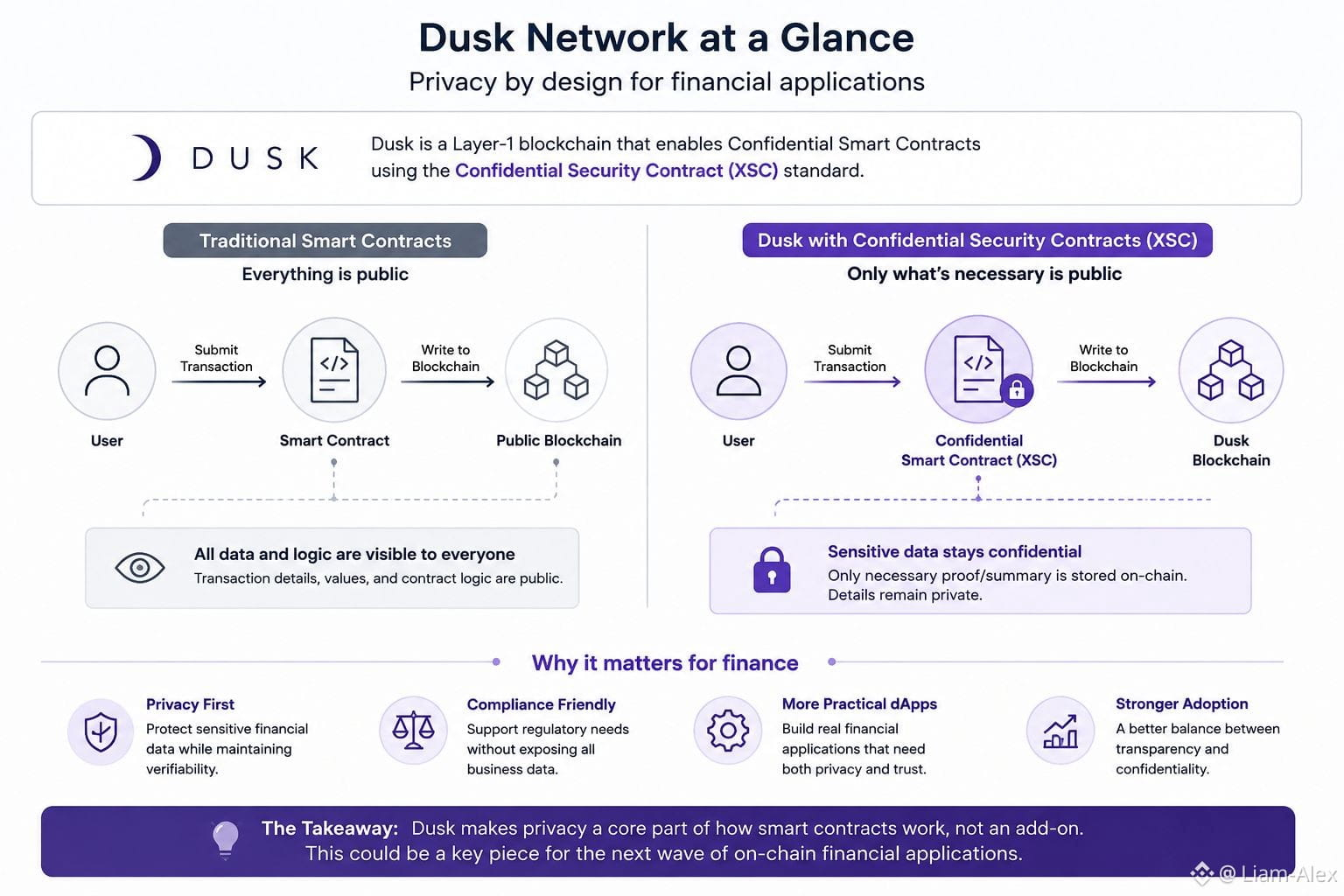
Duskを調べていると、私が何度も立ち返っていたのは、スマートコントラクトのレベルでプライバシーがどのように扱われるかという点でした。
暗号の分野でのプライバシーに関する議論は、取引を隠すことや、既存の仕組みにプライバシーを“後付け”することに焦点が当てられがちです。Duskは、Confidential Security Contract(XSC)という標準で、少し違ったアプローチを取ります。
考え方はとてもシンプルです。金融アプリケーションは、機密性の高い情報のあらゆる要素を公開する必要がなくても、オンチェーンで動かせるということです。
考えれば考えるほど、これがよりしっくりきました。もしブロックチェーンが本格的な金融活動に使われるのなら、常に完全な透明性が現実的とは限りません。検証できる必要がある情報もあれば、単に非公開のままでよい情報もあります。
つまり、私にとってDuskの面白さは「プライバシー特化のブロックチェーン」だけではありません。
それは、機密性を“後から追加されるもの”として扱うのではなく、契約そのものの中に組み込むという発想です。
このような設計によって、金融アプリにおける透明性とプライバシーの適切なバランスを実現できるのか、気になっています。
@Dusk_Foundation #dusk $DUSK
Duskを調べていると、私が何度も立ち返っていたのは、スマートコントラクトのレベルでプライバシーがどのように扱われるかという点でした。
暗号の分野でのプライバシーに関する議論は、取引を隠すことや、既存の仕組みにプライバシーを“後付け”することに焦点が当てられがちです。Duskは、Confidential Security Contract(XSC)という標準で、少し違ったアプローチを取ります。
考え方はとてもシンプルです。金融アプリケーションは、機密性の高い情報のあらゆる要素を公開する必要がなくても、オンチェーンで動かせるということです。
考えれば考えるほど、これがよりしっくりきました。もしブロックチェーンが本格的な金融活動に使われるのなら、常に完全な透明性が現実的とは限りません。検証できる必要がある情報もあれば、単に非公開のままでよい情報もあります。
つまり、私にとってDuskの面白さは「プライバシー特化のブロックチェーン」だけではありません。
それは、機密性を“後から追加されるもの”として扱うのではなく、契約そのものの中に組み込むという発想です。
このような設計によって、金融アプリにおける透明性とプライバシーの適切なバランスを実現できるのか、気になっています。
@Dusk #dusk $DUSK
暗号の分野でのプライバシーに関する議論は、取引を隠すことや、既存の仕組みにプライバシーを“後付け”することに焦点が当てられがちです。Duskは、Confidential Security Contract(XSC)という標準で、少し違ったアプローチを取ります。
考え方はとてもシンプルです。金融アプリケーションは、機密性の高い情報のあらゆる要素を公開する必要がなくても、オンチェーンで動かせるということです。
考えれば考えるほど、これがよりしっくりきました。もしブロックチェーンが本格的な金融活動に使われるのなら、常に完全な透明性が現実的とは限りません。検証できる必要がある情報もあれば、単に非公開のままでよい情報もあります。
つまり、私にとってDuskの面白さは「プライバシー特化のブロックチェーン」だけではありません。
それは、機密性を“後から追加されるもの”として扱うのではなく、契約そのものの中に組み込むという発想です。
このような設計によって、金融アプリにおける透明性とプライバシーの適切なバランスを実現できるのか、気になっています。
@Dusk #dusk $DUSK
1
2
186
·
--
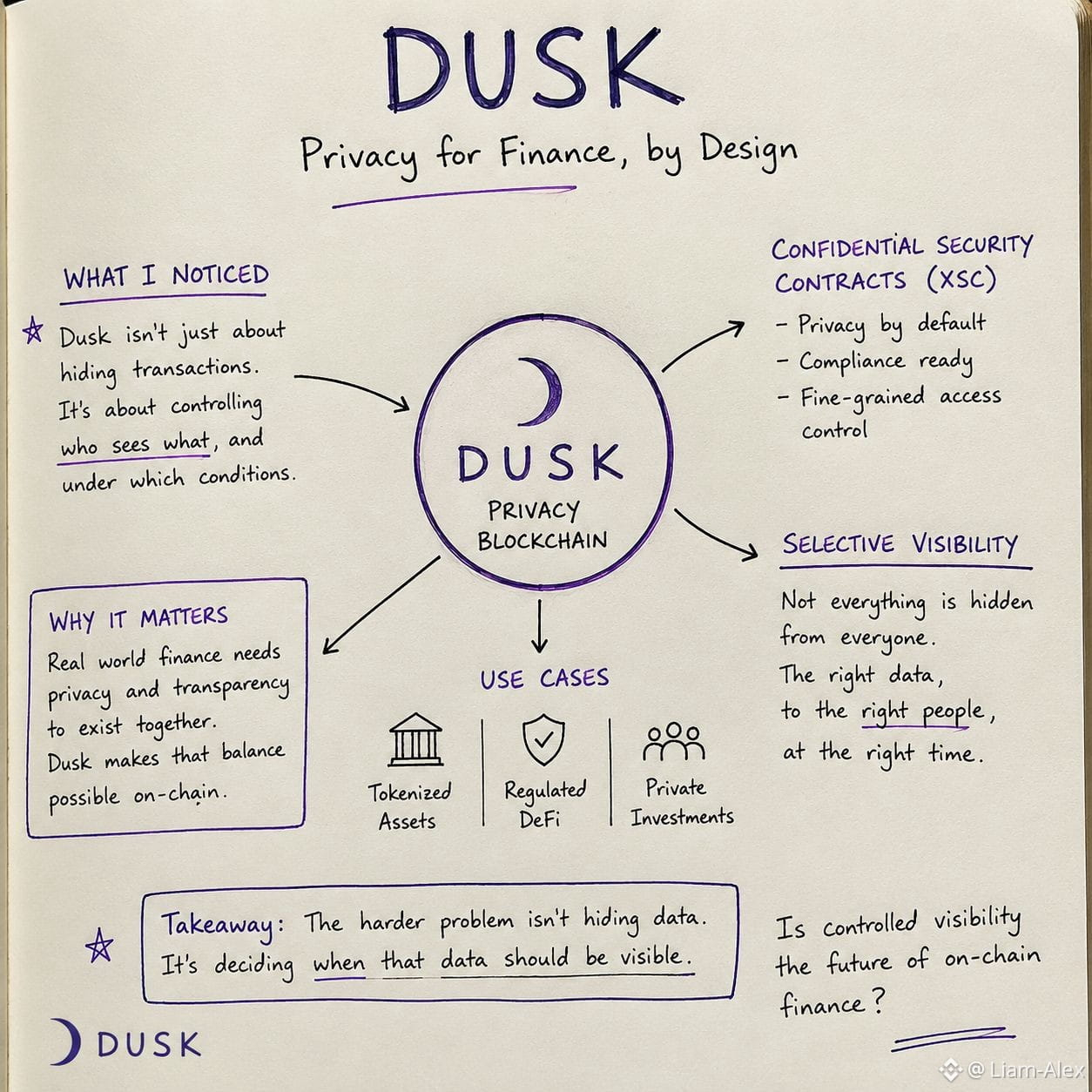
Duskを調べていると、ある点が私の注意を引きました。
最初は、プライバシーの観点は単に取引を隠すことに関するものだと思っていました。ですが、よく見ると、それはそれ以上に複雑であるように思えます。
Duskでは、プライバシーは必ずしも「すべてが隠される」アプローチというわけではありません。重要なのは、どの金融情報を、そして誰に対して見せるのかをコントロールすることです。
それは、実際の金融市場を考えるとより納得できます。
企業は、自社のポジションや取引履歴を誰にでも見せたくないかもしれません。しかし、それでも規制当局、投資家、あるいは別の正当な権限を持つ相手に対して、ある種のことを証明する必要はあるでしょう。
だから私にとって面白いのは、単に機密性の高い取引の話だけではありません。
それは、プライバシーが選択的であり得るという考えです。
人々がプライバシー重視のブロックチェーンについて語るとき、そこが見落とされがちだと私は思っています。金融の世界では、完全な不可視性が必ずしも役に立つとは限りません。プライバシーと検証可能性は、同時に存在する必要があることもあります。
Duskを調べたうえでの私の結論は、難しいのはデータを隠すことではなく、そのデータをいつ見える状態にすべきかを決めることだという点です。
正直、それははるかに現実的な課題のように感じます。
あなたなら、デフォルトであらゆるものを非公開にしたいですか?それとも、異なる当事者が何を見られるかを細かくコントロールしたいですか?
#dusk $DUSK @Dusk_Foundation
{future}(DUSKUSDT)
Duskを調べていると、ある点が私の注意を引きました。
最初は、プライバシーの観点は単に取引を隠すことに関するものだと思っていました。ですが、よく見ると、それはそれ以上に複雑であるように思えます。
Duskでは、プライバシーは必ずしも「すべてが隠される」アプローチというわけではありません。重要なのは、どの金融情報を、そして誰に対して見せるのかをコントロールすることです。
それは、実際の金融市場を考えるとより納得できます。
企業は、自社のポジションや取引履歴を誰にでも見せたくないかもしれません。しかし、それでも規制当局、投資家、あるいは別の正当な権限を持つ相手に対して、ある種のことを証明する必要はあるでしょう。
だから私にとって面白いのは、単に機密性の高い取引の話だけではありません。
それは、プライバシーが選択的であり得るという考えです。
人々がプライバシー重視のブロックチェーンについて語るとき、そこが見落とされがちだと私は思っています。金融の世界では、完全な不可視性が必ずしも役に立つとは限りません。プライバシーと検証可能性は、同時に存在する必要があることもあります。
Duskを調べたうえでの私の結論は、難しいのはデータを隠すことではなく、そのデータをいつ見える状態にすべきかを決めることだという点です。
正直、それははるかに現実的な課題のように感じます。
あなたなら、デフォルトであらゆるものを非公開にしたいですか?それとも、異なる当事者が何を見られるかを細かくコントロールしたいですか?
#dusk $DUSK @Dusk
最初は、プライバシーの観点は単に取引を隠すことに関するものだと思っていました。ですが、よく見ると、それはそれ以上に複雑であるように思えます。
Duskでは、プライバシーは必ずしも「すべてが隠される」アプローチというわけではありません。重要なのは、どの金融情報を、そして誰に対して見せるのかをコントロールすることです。
それは、実際の金融市場を考えるとより納得できます。
企業は、自社のポジションや取引履歴を誰にでも見せたくないかもしれません。しかし、それでも規制当局、投資家、あるいは別の正当な権限を持つ相手に対して、ある種のことを証明する必要はあるでしょう。
だから私にとって面白いのは、単に機密性の高い取引の話だけではありません。
それは、プライバシーが選択的であり得るという考えです。
人々がプライバシー重視のブロックチェーンについて語るとき、そこが見落とされがちだと私は思っています。金融の世界では、完全な不可視性が必ずしも役に立つとは限りません。プライバシーと検証可能性は、同時に存在する必要があることもあります。
Duskを調べたうえでの私の結論は、難しいのはデータを隠すことではなく、そのデータをいつ見える状態にすべきかを決めることだという点です。
正直、それははるかに現実的な課題のように感じます。
あなたなら、デフォルトであらゆるものを非公開にしたいですか?それとも、異なる当事者が何を見られるかを細かくコントロールしたいですか?
#dusk $DUSK @Dusk
2
1
183
·
--
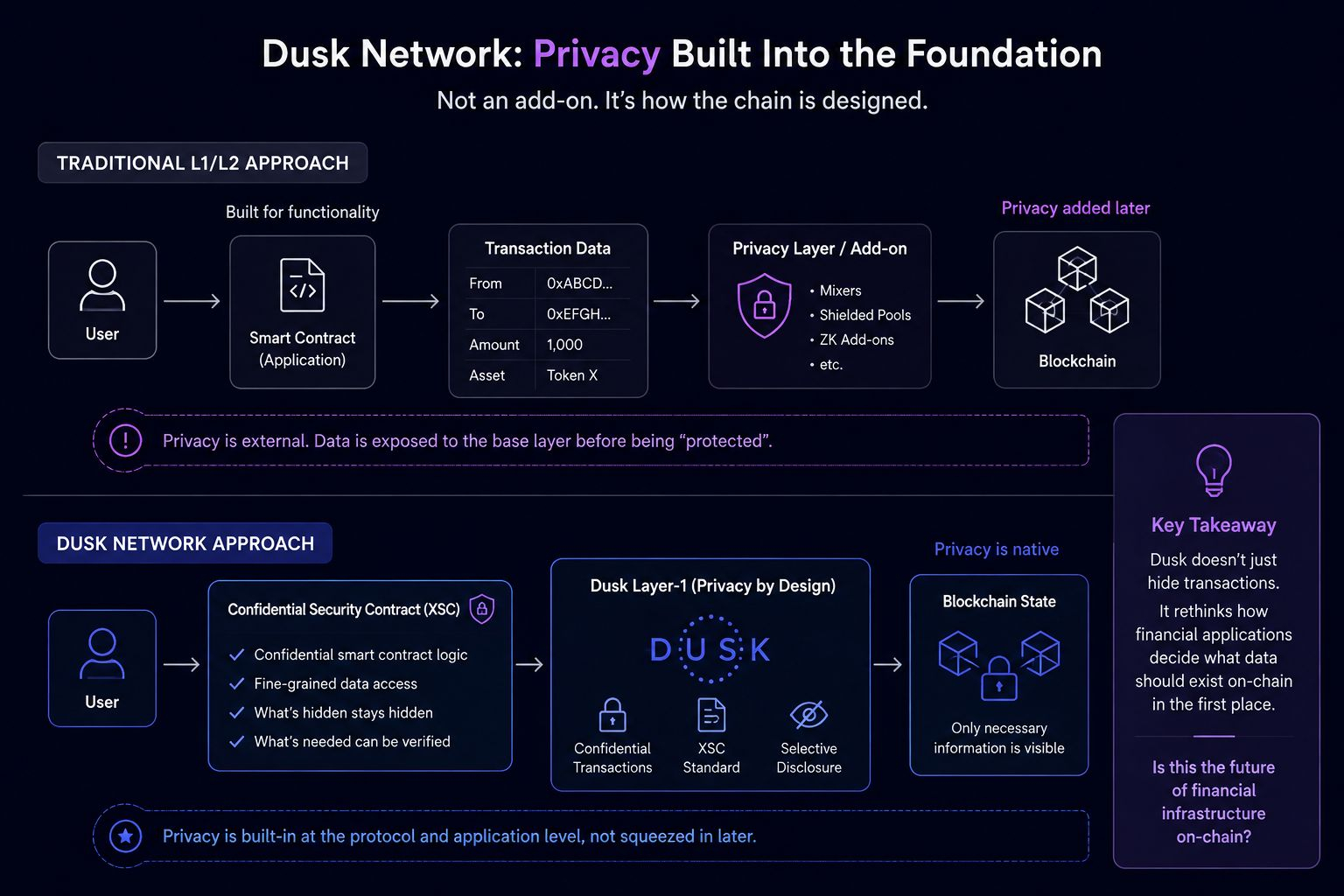
Dusk Networkを調べていると、プライバシーは追加機能として扱われるのではなく、チェーンが金融アプリケーションを扱う仕組みの中に最初から組み込まれているように見えました。
Duskは、機密スマートコントラクトとそのXSC規格を基盤としたレイヤー1です。注目したのは、これにより機密性が、金融アプリケーションの実際のロジックにより近い場所に置かれている点です。
そこで、ブロックチェーン上の「プライバシー」が本当に意味するものについて、改めて考え直しました。
必ずしもすべてを隠すことを意味する必要はありません。金融システムでは、どの情報が、誰に、そしていつ見えるかを制御することが、より重要になる場合があります。
これは、従来の金融アプリケーションが扱うどれほど多くの機密データがあるかを考えると、重要な違いだと感じます。
Duskの面白い点は、単にプライベートな取引を提供していることだけではなく、機密性をアプリケーションそのものに組み込めるというところなのかもしれません。
プライバシー重視のブロックチェーンが、最終的に進むべき方向はそこではないでしょうか。
#dusk $DUSK @Dusk_Foundation
{future}(DUSKUSDT)
Dusk Networkを調べていると、プライバシーは追加機能として扱われるのではなく、チェーンが金融アプリケーションを扱う仕組みの中に最初から組み込まれているように見えました。
Duskは、機密スマートコントラクトとそのXSC規格を基盤としたレイヤー1です。注目したのは、これにより機密性が、金融アプリケーションの実際のロジックにより近い場所に置かれている点です。
そこで、ブロックチェーン上の「プライバシー」が本当に意味するものについて、改めて考え直しました。
必ずしもすべてを隠すことを意味する必要はありません。金融システムでは、どの情報が、誰に、そしていつ見えるかを制御することが、より重要になる場合があります。
これは、従来の金融アプリケーションが扱うどれほど多くの機密データがあるかを考えると、重要な違いだと感じます。
Duskの面白い点は、単にプライベートな取引を提供していることだけではなく、機密性をアプリケーションそのものに組み込めるというところなのかもしれません。
プライバシー重視のブロックチェーンが、最終的に進むべき方向はそこではないでしょうか。
#dusk $DUSK @Dusk
Duskは、機密スマートコントラクトとそのXSC規格を基盤としたレイヤー1です。注目したのは、これにより機密性が、金融アプリケーションの実際のロジックにより近い場所に置かれている点です。
そこで、ブロックチェーン上の「プライバシー」が本当に意味するものについて、改めて考え直しました。
必ずしもすべてを隠すことを意味する必要はありません。金融システムでは、どの情報が、誰に、そしていつ見えるかを制御することが、より重要になる場合があります。
これは、従来の金融アプリケーションが扱うどれほど多くの機密データがあるかを考えると、重要な違いだと感じます。
Duskの面白い点は、単にプライベートな取引を提供していることだけではなく、機密性をアプリケーションそのものに組み込めるというところなのかもしれません。
プライバシー重視のブロックチェーンが、最終的に進むべき方向はそこではないでしょうか。
#dusk $DUSK @Dusk
2
2
196
·
--
Dusk Networkは、「統合リクイディティ」という考え方をもう少し注意深く見てみる価値があるものにしています。
DeFiには、簡単な罠があります。異なる場所の流動性を、ひとつのきれいなインターフェースの裏側にまとめることで、断片化された市場があたかもひとつの市場のように感じられてしまうことです。
でも、それは本当に同じ市場なのでしょうか?
本当の試金石は、その下で何が起きているかです。資本とオーダーブックは本当に連動していますか? 複数の取引環境からの流動性は、同じマーケット・デプスに寄与していますか? ユーザーは実際に、より良い約定(エクセキューション)、より狭いスプレッド、より高い資本効率、より高い実現レートを得られるのでしょうか?
それとも、断片化されたままの流動性を、ただより見やすくしているだけなのでしょうか?
さらに、アロケーション(配分)層も考慮する必要があります。
キュレーター、ヴォールト戦略、自動化された配分によって、ユーザーにとっては物事がシンプルになりますが、その一方で、資本がどこに向かうのか、ユーザーが最終的にどのエクスポージャーを持つのか、という意思決定が持ち込まれます。
だからこそ私は、「流動性を見ること」と「同じ市場で流動性同士が競合すること」を分けて考えたいのです。
Duskについては、見出しのTVLよりも、実行データ(エクセキューションデータ)の方に関心があります。つまり、そのアーキテクチャは本当にマーケット・デプスをどれだけ改善し、約定の質を高め、資本効率を向上させ、実現リターンを引き上げているのか?
私は、その部分が測定されているのを見たい。
Duskは、約定(実行)レイヤーで本当に流動性を統合しているのか、それとも主に、断片化された流動性へのアクセスを容易にしているだけなのか?
$BEAT
{alpha}(560xcf3232b85b43bca90e51d38cc06cc8bb8c8a3e36)
$TRUMP
{future}(TRUMPUSDT)
#dusk @Dusk_Foundation $DUSK
Dusk Networkは、「統合リクイディティ」という考え方をもう少し注意深く見てみる価値があるものにしています。
DeFiには、簡単な罠があります。異なる場所の流動性を、ひとつのきれいなインターフェースの裏側にまとめることで、断片化された市場があたかもひとつの市場のように感じられてしまうことです。
でも、それは本当に同じ市場なのでしょうか?
本当の試金石は、その下で何が起きているかです。資本とオーダーブックは本当に連動していますか? 複数の取引環境からの流動性は、同じマーケット・デプスに寄与していますか? ユーザーは実際に、より良い約定(エクセキューション)、より狭いスプレッド、より高い資本効率、より高い実現レートを得られるのでしょうか?
それとも、断片化されたままの流動性を、ただより見やすくしているだけなのでしょうか?
さらに、アロケーション(配分)層も考慮する必要があります。
キュレーター、ヴォールト戦略、自動化された配分によって、ユーザーにとっては物事がシンプルになりますが、その一方で、資本がどこに向かうのか、ユーザーが最終的にどのエクスポージャーを持つのか、という意思決定が持ち込まれます。
だからこそ私は、「流動性を見ること」と「同じ市場で流動性同士が競合すること」を分けて考えたいのです。
Duskについては、見出しのTVLよりも、実行データ(エクセキューションデータ)の方に関心があります。つまり、そのアーキテクチャは本当にマーケット・デプスをどれだけ改善し、約定の質を高め、資本効率を向上させ、実現リターンを引き上げているのか?
私は、その部分が測定されているのを見たい。
Duskは、約定(実行)レイヤーで本当に流動性を統合しているのか、それとも主に、断片化された流動性へのアクセスを容易にしているだけなのか?
$BEAT
$TRUMP
#dusk @Dusk $DUSK
DeFiには、簡単な罠があります。異なる場所の流動性を、ひとつのきれいなインターフェースの裏側にまとめることで、断片化された市場があたかもひとつの市場のように感じられてしまうことです。
でも、それは本当に同じ市場なのでしょうか?
本当の試金石は、その下で何が起きているかです。資本とオーダーブックは本当に連動していますか? 複数の取引環境からの流動性は、同じマーケット・デプスに寄与していますか? ユーザーは実際に、より良い約定(エクセキューション)、より狭いスプレッド、より高い資本効率、より高い実現レートを得られるのでしょうか?
それとも、断片化されたままの流動性を、ただより見やすくしているだけなのでしょうか?
さらに、アロケーション(配分)層も考慮する必要があります。
キュレーター、ヴォールト戦略、自動化された配分によって、ユーザーにとっては物事がシンプルになりますが、その一方で、資本がどこに向かうのか、ユーザーが最終的にどのエクスポージャーを持つのか、という意思決定が持ち込まれます。
だからこそ私は、「流動性を見ること」と「同じ市場で流動性同士が競合すること」を分けて考えたいのです。
Duskについては、見出しのTVLよりも、実行データ(エクセキューションデータ)の方に関心があります。つまり、そのアーキテクチャは本当にマーケット・デプスをどれだけ改善し、約定の質を高め、資本効率を向上させ、実現リターンを引き上げているのか?
私は、その部分が測定されているのを見たい。
Duskは、約定(実行)レイヤーで本当に流動性を統合しているのか、それとも主に、断片化された流動性へのアクセスを容易にしているだけなのか?
$BEAT
$TRUMP
#dusk @Dusk $DUSK
🟢 Actually unified
0%
🟡 Mostly aggregation
0%
🔴 Too early to tell
0%
0 投票 • 投票は終了しました
1
546
·
--
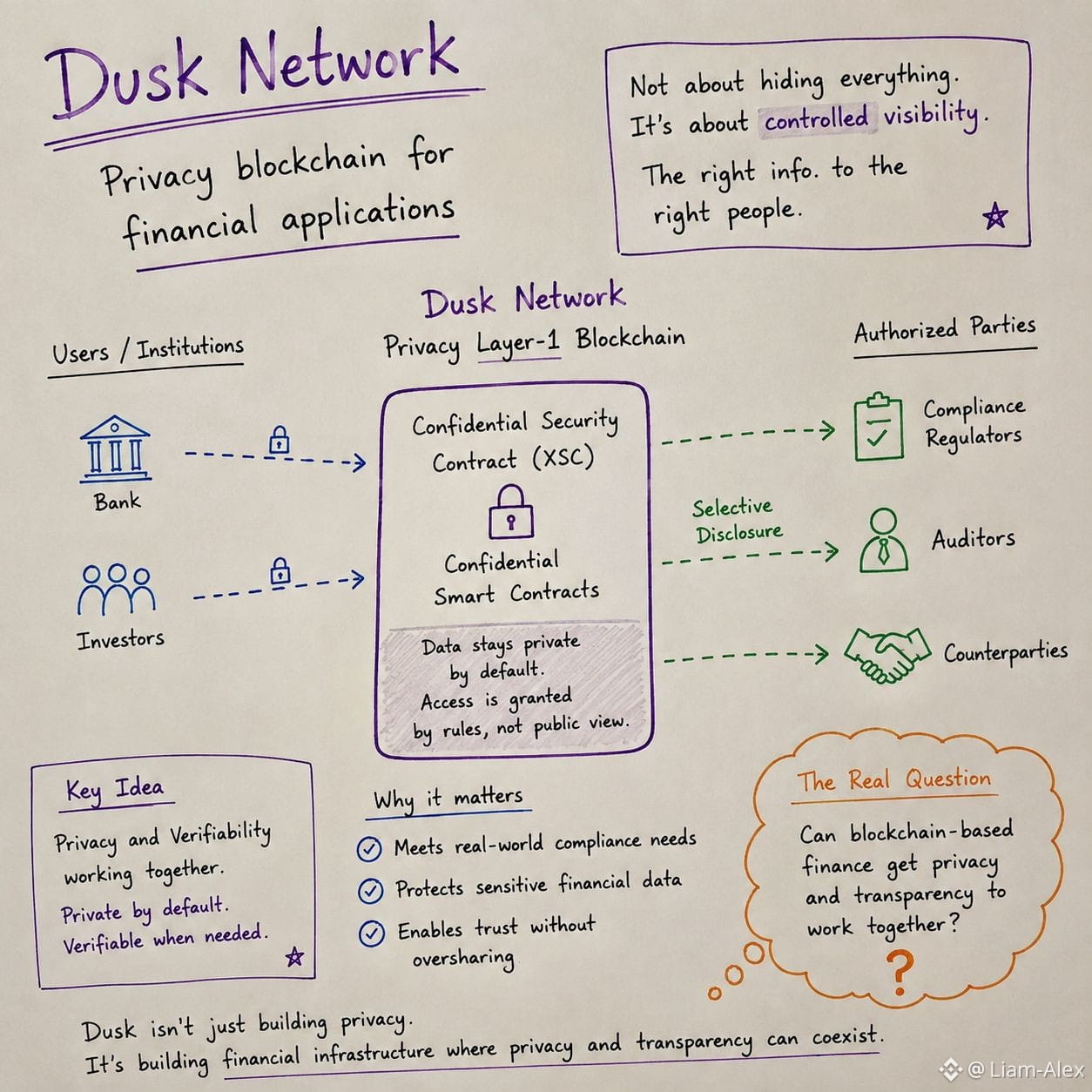
Duskを掘り下げていて気づいたことのひとつは、同プロジェクトのプライバシー面が、最初に想像していたよりも少し奥行きのあるものだという点です。
要は、すべてを完全に見えなくすることが目的というわけではありません。
面白いのは、機微な金融情報を非公開のまま保ちつつ、必要な相手が実際に確認すべき内容は検証できるようにすることです。
これは重要です。金融アプリはブラックボックスのように動くだけでは済みません。コンプライアンス、監査、取引相手、そしてその他の状況では、ある程度の情報は「証明可能」である必要があります。
Duskは、秘密計算(コンフィデンシャル)スマートコントラクトやXSC標準を通じて、この課題にブロックチェーンの層で取り組もうとしているように見えます。
私の結論はかなりシンプルで、「役に立つプライバシー」とは、おそらく“誰にも何も見えない”ことではない、ということです。
それに近いのは、「正しい情報が、正しい相手にだけ見える」形であり、それ以外をすべて公開することはない、という状態です。
それは、はるかに難しい問題のように感じます。
そして正直に言うと、Duskで注目すべきポイントはそこだと思います。ブロックチェーンを基盤にした金融は、どちらかを犠牲にすることなく、プライバシーと透明性を両立させることが本当にできるのでしょうか?
@Dusk_Foundation $DUSK #dusk
{future}(DUSKUSDT)
Duskを掘り下げていて気づいたことのひとつは、同プロジェクトのプライバシー面が、最初に想像していたよりも少し奥行きのあるものだという点です。
要は、すべてを完全に見えなくすることが目的というわけではありません。
面白いのは、機微な金融情報を非公開のまま保ちつつ、必要な相手が実際に確認すべき内容は検証できるようにすることです。
これは重要です。金融アプリはブラックボックスのように動くだけでは済みません。コンプライアンス、監査、取引相手、そしてその他の状況では、ある程度の情報は「証明可能」である必要があります。
Duskは、秘密計算(コンフィデンシャル)スマートコントラクトやXSC標準を通じて、この課題にブロックチェーンの層で取り組もうとしているように見えます。
私の結論はかなりシンプルで、「役に立つプライバシー」とは、おそらく“誰にも何も見えない”ことではない、ということです。
それに近いのは、「正しい情報が、正しい相手にだけ見える」形であり、それ以外をすべて公開することはない、という状態です。
それは、はるかに難しい問題のように感じます。
そして正直に言うと、Duskで注目すべきポイントはそこだと思います。ブロックチェーンを基盤にした金融は、どちらかを犠牲にすることなく、プライバシーと透明性を両立させることが本当にできるのでしょうか?
@Dusk $DUSK #dusk
要は、すべてを完全に見えなくすることが目的というわけではありません。
面白いのは、機微な金融情報を非公開のまま保ちつつ、必要な相手が実際に確認すべき内容は検証できるようにすることです。
これは重要です。金融アプリはブラックボックスのように動くだけでは済みません。コンプライアンス、監査、取引相手、そしてその他の状況では、ある程度の情報は「証明可能」である必要があります。
Duskは、秘密計算(コンフィデンシャル)スマートコントラクトやXSC標準を通じて、この課題にブロックチェーンの層で取り組もうとしているように見えます。
私の結論はかなりシンプルで、「役に立つプライバシー」とは、おそらく“誰にも何も見えない”ことではない、ということです。
それに近いのは、「正しい情報が、正しい相手にだけ見える」形であり、それ以外をすべて公開することはない、という状態です。
それは、はるかに難しい問題のように感じます。
そして正直に言うと、Duskで注目すべきポイントはそこだと思います。ブロックチェーンを基盤にした金融は、どちらかを犠牲にすることなく、プライバシーと透明性を両立させることが本当にできるのでしょうか?
@Dusk $DUSK #dusk
1
93
·
--
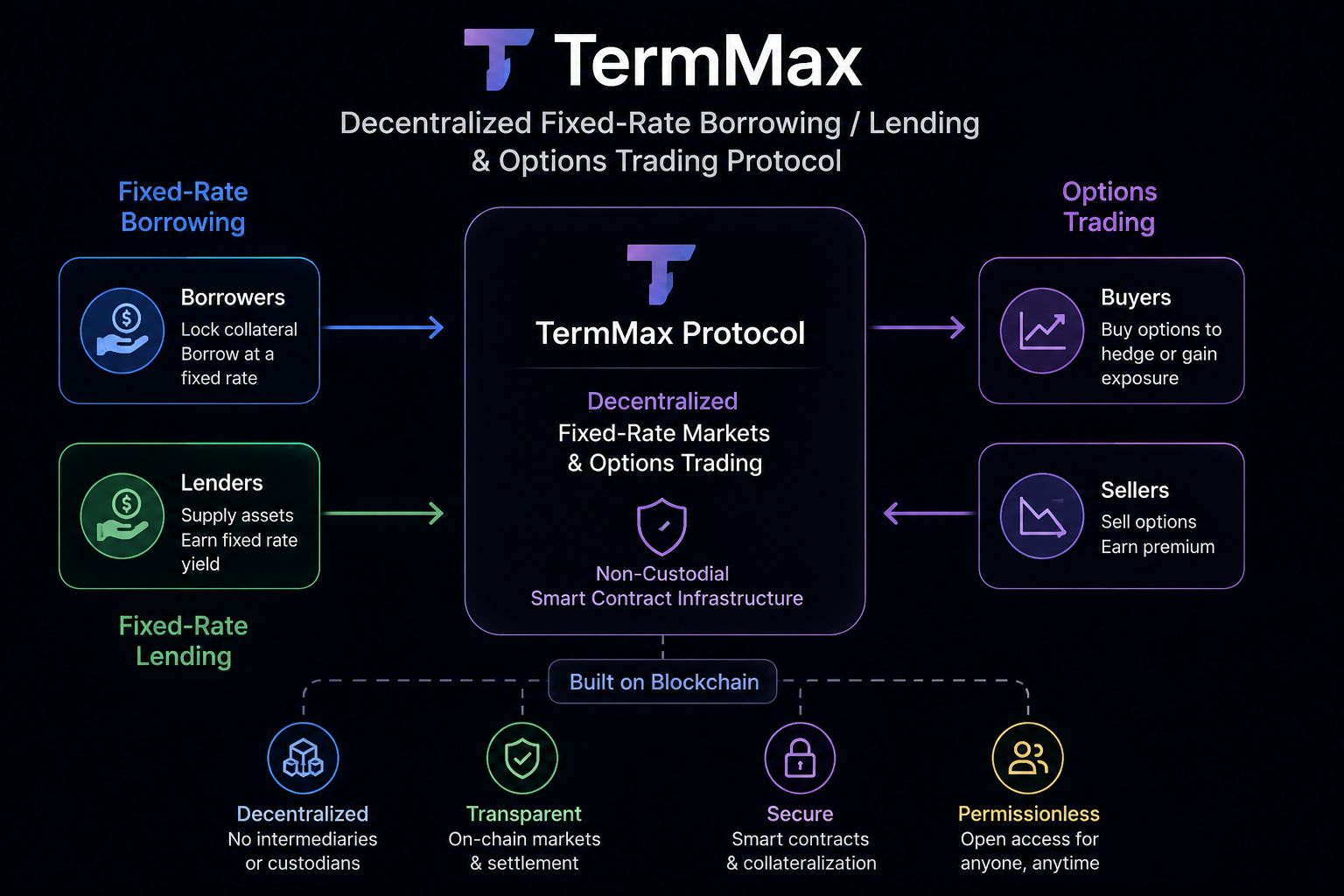
TermMaxをしばらく見ていて感じたのは、いくつかの異なるDeFiの要素をうまくまとめつつ、そのアイデアが過度に複雑に見えないようにしている点です。
TermMaxは、固定金利での借り入れと貸し出しに、オプション取引を組み合わせています。なかなか面白い組み合わせです。固定金利は、金利が常に動き回るのを見ながら考えるのではなく、相手にしている金利がより明確にわかるので、貸し借りの考え方そのものを変えてくれます。
そしてオプションの側面です。調べれば調べるほど、その組み合わせが興味深いと感じました。というのも、借り入れ、貸し出し、そしてオプションは、通常DeFiの別々のパーツのように思えるからです。TermMaxでは、それらを同じプロトコルの中にまとめています。
また、デザインが分散型であることも気に入っています。もちろん、それだけで自動的に何かが良くなるわけではありませんが、従来の仲介者に頼るのではなく、こうした金融ツールをプロトコルに直接組み込むという考え方に合っているからです。
正直に言うと、注目すべき面白さは、それらの要素が実際にどのように連携するのかだと思います。固定金利の側がTermMaxに異なる土台を与え、そこにオプションを加えることで、全体の設計が一般的な貸し出し市場というより、より幅広い金融ツールのセットのように感じられます。
$BTW
{alpha}(560x444045b0ee1ee319a660a5e3d604ca0ffa35acaa)
$ONG
{future}(ONGUSDT)
#TermMax @termmax
TermMaxをしばらく見ていて感じたのは、いくつかの異なるDeFiの要素をうまくまとめつつ、そのアイデアが過度に複雑に見えないようにしている点です。
TermMaxは、固定金利での借り入れと貸し出しに、オプション取引を組み合わせています。なかなか面白い組み合わせです。固定金利は、金利が常に動き回るのを見ながら考えるのではなく、相手にしている金利がより明確にわかるので、貸し借りの考え方そのものを変えてくれます。
そしてオプションの側面です。調べれば調べるほど、その組み合わせが興味深いと感じました。というのも、借り入れ、貸し出し、そしてオプションは、通常DeFiの別々のパーツのように思えるからです。TermMaxでは、それらを同じプロトコルの中にまとめています。
また、デザインが分散型であることも気に入っています。もちろん、それだけで自動的に何かが良くなるわけではありませんが、従来の仲介者に頼るのではなく、こうした金融ツールをプロトコルに直接組み込むという考え方に合っているからです。
正直に言うと、注目すべき面白さは、それらの要素が実際にどのように連携するのかだと思います。固定金利の側がTermMaxに異なる土台を与え、そこにオプションを加えることで、全体の設計が一般的な貸し出し市場というより、より幅広い金融ツールのセットのように感じられます。
$BTW
$ONG
#TermMax @TermMax
TermMaxは、固定金利での借り入れと貸し出しに、オプション取引を組み合わせています。なかなか面白い組み合わせです。固定金利は、金利が常に動き回るのを見ながら考えるのではなく、相手にしている金利がより明確にわかるので、貸し借りの考え方そのものを変えてくれます。
そしてオプションの側面です。調べれば調べるほど、その組み合わせが興味深いと感じました。というのも、借り入れ、貸し出し、そしてオプションは、通常DeFiの別々のパーツのように思えるからです。TermMaxでは、それらを同じプロトコルの中にまとめています。
また、デザインが分散型であることも気に入っています。もちろん、それだけで自動的に何かが良くなるわけではありませんが、従来の仲介者に頼るのではなく、こうした金融ツールをプロトコルに直接組み込むという考え方に合っているからです。
正直に言うと、注目すべき面白さは、それらの要素が実際にどのように連携するのかだと思います。固定金利の側がTermMaxに異なる土台を与え、そこにオプションを加えることで、全体の設計が一般的な貸し出し市場というより、より幅広い金融ツールのセットのように感じられます。
$BTW
$ONG
#TermMax @TermMax
12
3
229
·
--
Duskを調べていて私の目に留まったのは、プライバシーがチェーンに別レイヤーとして後付けされているようには見えないことです。
面白いのは、DuskがXSC規格を通じて機密のスマートコントラクトをどのように接続しているかという点です。金融アプリケーションに関しては、これは実に理にかなっています。
金融データのすべてを公開の場に置きたいわけではありませんが、それでもネットワークには、ルールが守られていることを検証する必要があります。
そこでこそ、Duskが興味深いと感じます。
「全部隠す」というよりも、「中身をすべて公開せずに、その背後にある重要なロジックは検証可能なままにしておく」という考え方に近い気がします。
以前は、その観点からプライバシーについて考えたことはあまりありませんでした。
そして今、より多くの金融アプリケーションがこのモデルの周りに作られていくことで、実際にどこまで到達できるのか気になっています。
#dusk @Dusk_Foundation $DUSK
{future}(DUSKUSDT)
$牛来
{alpha}(560xbeea1d618e533a387d941f58a7d4c9b7bd377777)
$BOME
{future}(BOMEUSDT)
Duskを調べていて私の目に留まったのは、プライバシーがチェーンに別レイヤーとして後付けされているようには見えないことです。
面白いのは、DuskがXSC規格を通じて機密のスマートコントラクトをどのように接続しているかという点です。金融アプリケーションに関しては、これは実に理にかなっています。
金融データのすべてを公開の場に置きたいわけではありませんが、それでもネットワークには、ルールが守られていることを検証する必要があります。
そこでこそ、Duskが興味深いと感じます。
「全部隠す」というよりも、「中身をすべて公開せずに、その背後にある重要なロジックは検証可能なままにしておく」という考え方に近い気がします。
以前は、その観点からプライバシーについて考えたことはあまりありませんでした。
そして今、より多くの金融アプリケーションがこのモデルの周りに作られていくことで、実際にどこまで到達できるのか気になっています。
#dusk @Dusk $DUSK
$牛来
$BOME
面白いのは、DuskがXSC規格を通じて機密のスマートコントラクトをどのように接続しているかという点です。金融アプリケーションに関しては、これは実に理にかなっています。
金融データのすべてを公開の場に置きたいわけではありませんが、それでもネットワークには、ルールが守られていることを検証する必要があります。
そこでこそ、Duskが興味深いと感じます。
「全部隠す」というよりも、「中身をすべて公開せずに、その背後にある重要なロジックは検証可能なままにしておく」という考え方に近い気がします。
以前は、その観点からプライバシーについて考えたことはあまりありませんでした。
そして今、より多くの金融アプリケーションがこのモデルの周りに作られていくことで、実際にどこまで到達できるのか気になっています。
#dusk @Dusk $DUSK
$牛来
$BOME
🔐 Yes
0%
🤔 Maybe
0%
🚫 Not yet
0%
0 投票 • 投票は終了しました
1
1
112
·
--
Duskを調べていて特に目立ったのは、プライバシーがチェーンに“別レイヤーとして後付け”されているようには見えないことでした。
面白いのは、DuskがそのXSC標準によって、機密性のあるスマートコントラクトをどのように接続しているかです。金融アプリケーションにとっては、実はそれがとても理にかなっています。
必ずしもすべての金融データを公開の場に置きたいわけではありませんが、それでもネットワークには、ルールが守られていることを検証する必要があります。
そこで、Duskが興味深いのだと思います。
「全部隠す」というより、「背後にあるすべてを公開せずに、重要なロジックは検証可能なままにする」という感じがします。
これまで、その観点からプライバシーについて深く考えたことはあまりありませんでした。
そして、より多くの金融アプリケーションがこのモデルの周りに作られ始めたとき、このモデルが実際にどこまで到達できるのか気になってきました。
#dusk @Dusk_Foundation $DUSK
{future}(DUSKUSDT)
$牛来
{alpha}(560xbeea1d618e533a387d941f58a7d4c9b7bd377777)
$BOME
{future}(BOMEUSDT)
Duskを調べていて特に目立ったのは、プライバシーがチェーンに“別レイヤーとして後付け”されているようには見えないことでした。
面白いのは、DuskがそのXSC標準によって、機密性のあるスマートコントラクトをどのように接続しているかです。金融アプリケーションにとっては、実はそれがとても理にかなっています。
必ずしもすべての金融データを公開の場に置きたいわけではありませんが、それでもネットワークには、ルールが守られていることを検証する必要があります。
そこで、Duskが興味深いのだと思います。
「全部隠す」というより、「背後にあるすべてを公開せずに、重要なロジックは検証可能なままにする」という感じがします。
これまで、その観点からプライバシーについて深く考えたことはあまりありませんでした。
そして、より多くの金融アプリケーションがこのモデルの周りに作られ始めたとき、このモデルが実際にどこまで到達できるのか気になってきました。
#dusk @Dusk $DUSK
$牛来
$BOME
面白いのは、DuskがそのXSC標準によって、機密性のあるスマートコントラクトをどのように接続しているかです。金融アプリケーションにとっては、実はそれがとても理にかなっています。
必ずしもすべての金融データを公開の場に置きたいわけではありませんが、それでもネットワークには、ルールが守られていることを検証する必要があります。
そこで、Duskが興味深いのだと思います。
「全部隠す」というより、「背後にあるすべてを公開せずに、重要なロジックは検証可能なままにする」という感じがします。
これまで、その観点からプライバシーについて深く考えたことはあまりありませんでした。
そして、より多くの金融アプリケーションがこのモデルの周りに作られ始めたとき、このモデルが実際にどこまで到達できるのか気になってきました。
#dusk @Dusk $DUSK
$牛来
$BOME
🔐 Yes
0%
🤔 Maybe
0%
🚫 Not yet
0%
0 投票 • 投票は終了しました
119
·
--
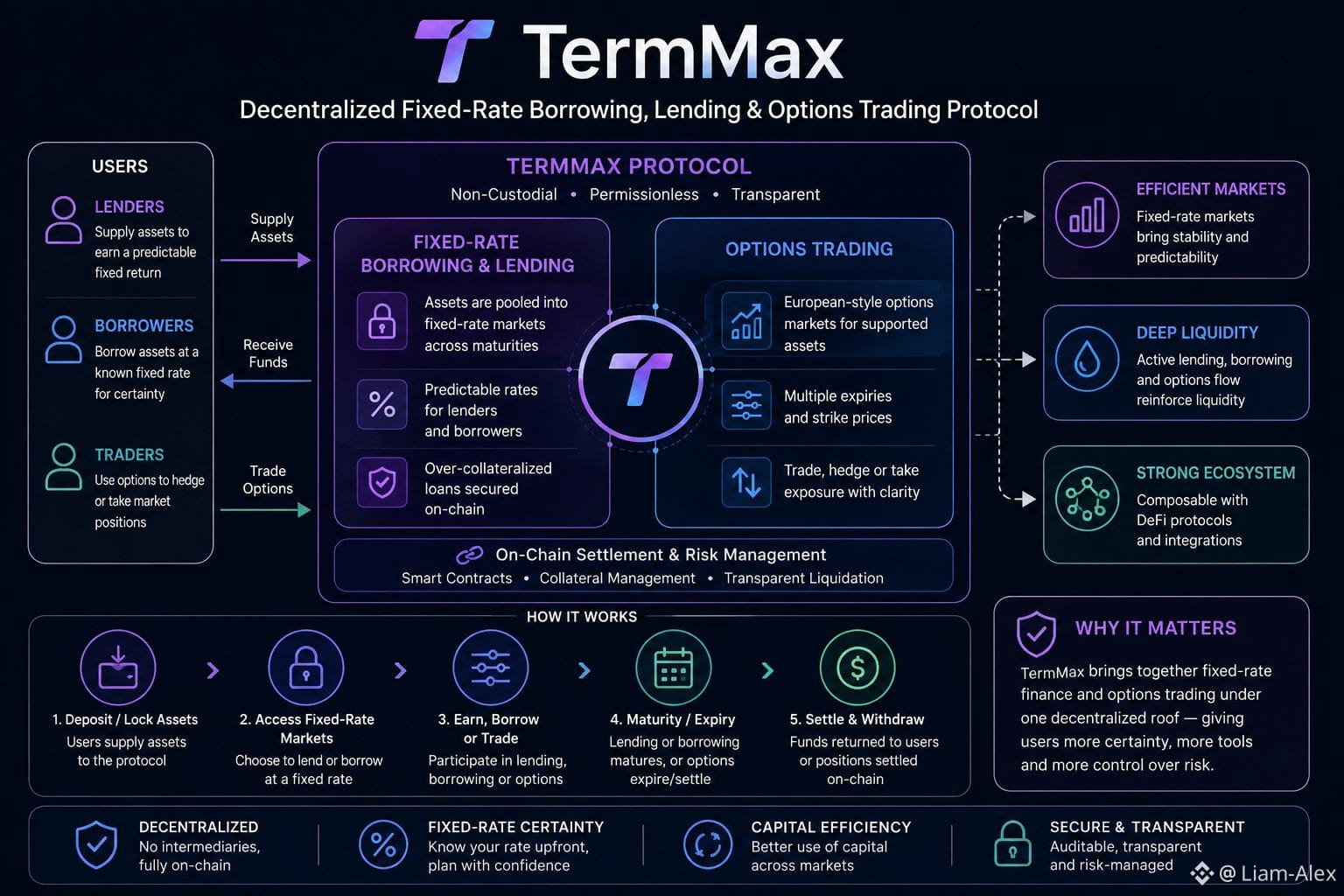
ほとんどのDeFiレンディングは、市場の動きに応じて変動する金利を中心に構築されています。TermMaxは、固定金利での借り入れと貸し出しに注目することで別の道を選び、さらにオプショントレーディングにも対応しています。
面白いのは、その組み合わせです。固定金利の市場では、一定期間にわたって、利用者は明確なコストまたはリターンを見込めます。一方で、オプションは追加の市場エクスポージャーを取得したり、管理したりするために使えます。
つまり、興味深い依存関係が生まれます。固定金利の商品には、市場の両側で十分な需要が必要ですが、オプションには、実用性を保つための十分な流動性が必要です。両システムは補完し合う可能性もありますが、同じ資本をめぐって競合することもあります。
ここでは、TVL(総ロック額)、ユーザー、流動性、活動データは提示されていないため、その設計が実際にどれほどうまく機能しているかはまだ判断できません。
そこで注目したいのはシンプルです。組み合わせによって資本効率がより深まるのか、それとも、利用者が最も必要とする場所へ流動性を集中させにくくするのか?
#TermMax @termmax
ほとんどのDeFiレンディングは、市場の動きに応じて変動する金利を中心に構築されています。TermMaxは、固定金利での借り入れと貸し出しに注目することで別の道を選び、さらにオプショントレーディングにも対応しています。
面白いのは、その組み合わせです。固定金利の市場では、一定期間にわたって、利用者は明確なコストまたはリターンを見込めます。一方で、オプションは追加の市場エクスポージャーを取得したり、管理したりするために使えます。
つまり、興味深い依存関係が生まれます。固定金利の商品には、市場の両側で十分な需要が必要ですが、オプションには、実用性を保つための十分な流動性が必要です。両システムは補完し合う可能性もありますが、同じ資本をめぐって競合することもあります。
ここでは、TVL(総ロック額)、ユーザー、流動性、活動データは提示されていないため、その設計が実際にどれほどうまく機能しているかはまだ判断できません。
そこで注目したいのはシンプルです。組み合わせによって資本効率がより深まるのか、それとも、利用者が最も必要とする場所へ流動性を集中させにくくするのか?
#TermMax @TermMax
面白いのは、その組み合わせです。固定金利の市場では、一定期間にわたって、利用者は明確なコストまたはリターンを見込めます。一方で、オプションは追加の市場エクスポージャーを取得したり、管理したりするために使えます。
つまり、興味深い依存関係が生まれます。固定金利の商品には、市場の両側で十分な需要が必要ですが、オプションには、実用性を保つための十分な流動性が必要です。両システムは補完し合う可能性もありますが、同じ資本をめぐって競合することもあります。
ここでは、TVL(総ロック額)、ユーザー、流動性、活動データは提示されていないため、その設計が実際にどれほどうまく機能しているかはまだ判断できません。
そこで注目したいのはシンプルです。組み合わせによって資本効率がより深まるのか、それとも、利用者が最も必要とする場所へ流動性を集中させにくくするのか?
#TermMax @TermMax
9
4
121
·
--
Duskを調べていて、ちょっと面白いことに気づきました。つまり、そのプライバシーへのアプローチは、何でも隠すことが本質ではないという点です。
#dusk
ポイントは、機密性の高い金融情報を非公開のままにしつつ、見えている必要がある部分はそのまま見えるようにすることです。
それで、私はDuskを少し違った見方で考えるようになりました。
金融アプリにおけるプライバシーは、おそらく完全に消えることではありません。誰が何を見られるかを、よりコントロールできることが重要なんです。
正直、それってオンチェーンにおけるプライバシーを考えるうえで、ずっと役に立つ考え方だと感じます。
たぶん本当の問いは、「プライベートか公開か?」ではない。
「誰が、何を、そしていつ見られるべきか?」です。
#dusk @Dusk_Foundation $DUSK
{future}(DUSKUSDT)
$牛来
{alpha}(560xbeea1d618e533a387d941f58a7d4c9b7bd377777)
$BTW
{future}(BTWUSDT)
Duskを調べていて、ちょっと面白いことに気づきました。つまり、そのプライバシーへのアプローチは、何でも隠すことが本質ではないという点です。
#dusk
ポイントは、機密性の高い金融情報を非公開のままにしつつ、見えている必要がある部分はそのまま見えるようにすることです。
それで、私はDuskを少し違った見方で考えるようになりました。
金融アプリにおけるプライバシーは、おそらく完全に消えることではありません。誰が何を見られるかを、よりコントロールできることが重要なんです。
正直、それってオンチェーンにおけるプライバシーを考えるうえで、ずっと役に立つ考え方だと感じます。
たぶん本当の問いは、「プライベートか公開か?」ではない。
「誰が、何を、そしていつ見られるべきか?」です。
#dusk @Dusk $DUSK
$牛来
$BTW
#dusk
ポイントは、機密性の高い金融情報を非公開のままにしつつ、見えている必要がある部分はそのまま見えるようにすることです。
それで、私はDuskを少し違った見方で考えるようになりました。
金融アプリにおけるプライバシーは、おそらく完全に消えることではありません。誰が何を見られるかを、よりコントロールできることが重要なんです。
正直、それってオンチェーンにおけるプライバシーを考えるうえで、ずっと役に立つ考え方だと感じます。
たぶん本当の問いは、「プライベートか公開か?」ではない。
「誰が、何を、そしていつ見られるべきか?」です。
#dusk @Dusk $DUSK
$牛来
$BTW
🔒 Privacy
57%
👀 Selective visibility
0%
⚖️ Both
43%
7 投票 • 投票は終了しました
6
4
5.7k
·
--
私がダスクを調べれば調べるほど、私の中にひとつのことがはっきりと浮かび上がってきました。ここでのプライバシーは、情報を隠すことだけを意味しているわけではないのです。
@Dusk_Foundation
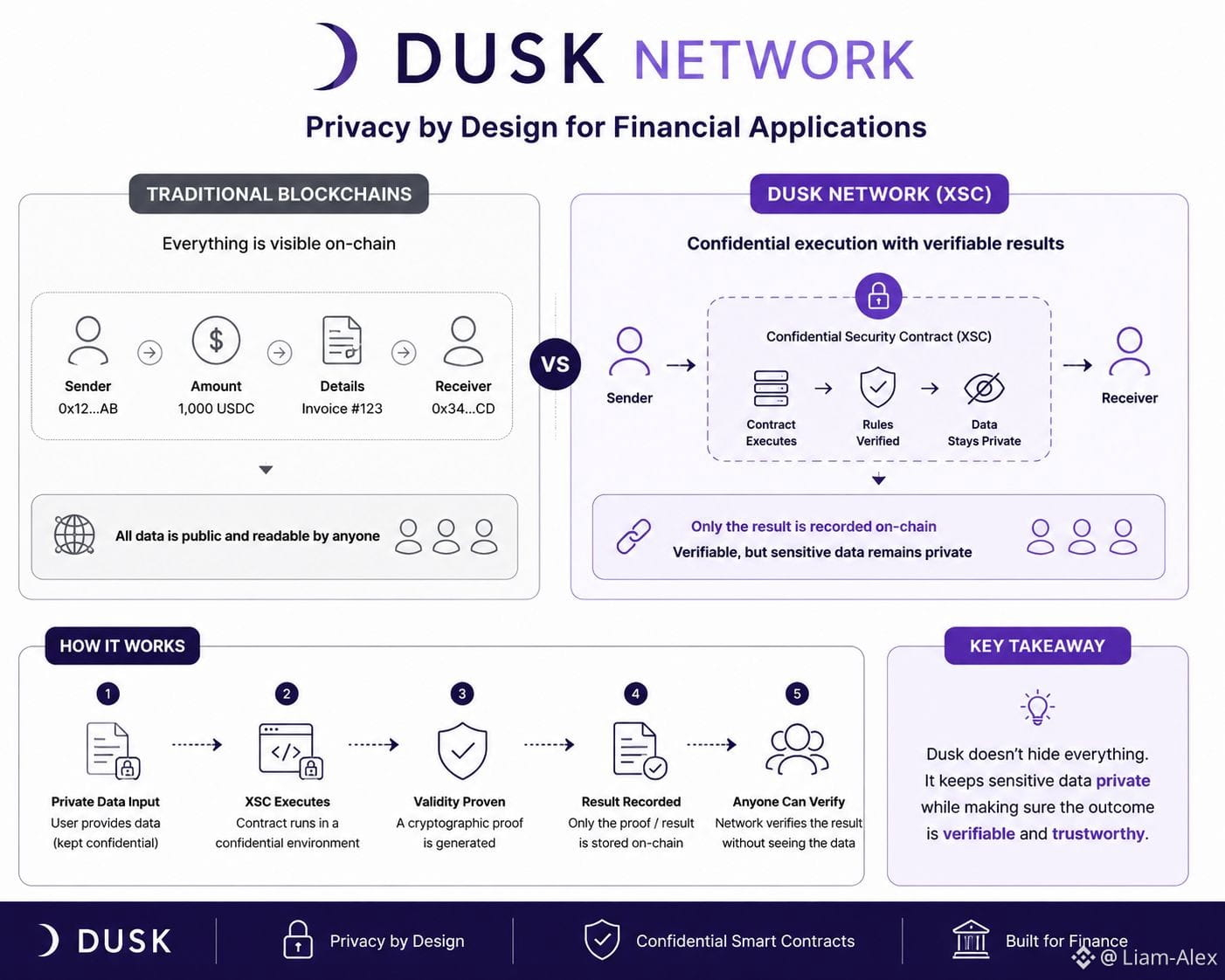
金融アプリケーションでは、いくつかの情報は非公開にしておく必要があります。一方で、取引や活動が信頼でき、検証可能であることも求められます。
それは簡単そうに聞こえますが、双方がうまく噛み合うようにするのが面白い部分です。
ダスクは「どうやって全部を隠すのか?」と本当は聞いているわけではないのだと気づかされました。より近いのは、「本当に見える必要があるのは何か?」という問いです。
それは、プライバシーを考えるうえで、はるかに実践的な捉え方だと感じました。
$1000SATS
{future}(1000SATSUSDT)
$CLO
{alpha}(560x81d3a238b02827f62b9f390f947d36d4a5bf89d2)
#dusk $DUSK @Dusk_Foundation
私がダスクを調べれば調べるほど、私の中にひとつのことがはっきりと浮かび上がってきました。ここでのプライバシーは、情報を隠すことだけを意味しているわけではないのです。
@Dusk
金融アプリケーションでは、いくつかの情報は非公開にしておく必要があります。一方で、取引や活動が信頼でき、検証可能であることも求められます。
それは簡単そうに聞こえますが、双方がうまく噛み合うようにするのが面白い部分です。
ダスクは「どうやって全部を隠すのか?」と本当は聞いているわけではないのだと気づかされました。より近いのは、「本当に見える必要があるのは何か?」という問いです。
それは、プライバシーを考えるうえで、はるかに実践的な捉え方だと感じました。
$1000SATS
$CLO
#dusk $DUSK @Dusk
@Dusk
金融アプリケーションでは、いくつかの情報は非公開にしておく必要があります。一方で、取引や活動が信頼でき、検証可能であることも求められます。
それは簡単そうに聞こえますが、双方がうまく噛み合うようにするのが面白い部分です。
ダスクは「どうやって全部を隠すのか?」と本当は聞いているわけではないのだと気づかされました。より近いのは、「本当に見える必要があるのは何か?」という問いです。
それは、プライバシーを考えるうえで、はるかに実践的な捉え方だと感じました。
$1000SATS
$CLO
#dusk $DUSK @Dusk
4
7
179
·
--
Duskを見れば見るほど、シンプルな1つの要素に何度も立ち返ります。それは、プライバシーは必ずしもすべてを隠すことを意味するわけではない、ということです。
@Dusk_Foundation
私の注目を集めたのは、機密契約が公開チェーン上にすべての根底にある詳細を載せることなく、機微な情報とどのように連携し得るかという点です。
最初は、プライバシーとは「取引を隠す」だけのことだと思っていました。
$DUSK
しかし、もっと実用的な見方があると気づきました。つまり、証明すべきことは実際に証明しつつ、他の誰にも見せる必要のない情報は渡さない、という考え方です。
それによって、私には金融アプリケーションにとってより理にかなっているように感じられます。
ただし、まだトレードオフはあります。プライバシーを追加すればするほど、開発者や利用者にとってシステムはより複雑になる可能性があります。
とはいえ、Duskについて私が最も面白いと感じるのは、たぶんそこです。データを隠すことだけが目的ではありません。何が開示されるかを、より自分でコントロールできるようにすることなんです。
正直、それははるかに難しい問題のようにも思えます。
#dusk
$PORTAL
{future}(PORTALUSDT)
$KII
{alpha}(560xeec6574eabba52bac3f0277f2cd5ac7e67197886)
Duskを見れば見るほど、シンプルな1つの要素に何度も立ち返ります。それは、プライバシーは必ずしもすべてを隠すことを意味するわけではない、ということです。
@Dusk
私の注目を集めたのは、機密契約が公開チェーン上にすべての根底にある詳細を載せることなく、機微な情報とどのように連携し得るかという点です。
最初は、プライバシーとは「取引を隠す」だけのことだと思っていました。
$DUSK
しかし、もっと実用的な見方があると気づきました。つまり、証明すべきことは実際に証明しつつ、他の誰にも見せる必要のない情報は渡さない、という考え方です。
それによって、私には金融アプリケーションにとってより理にかなっているように感じられます。
ただし、まだトレードオフはあります。プライバシーを追加すればするほど、開発者や利用者にとってシステムはより複雑になる可能性があります。
とはいえ、Duskについて私が最も面白いと感じるのは、たぶんそこです。データを隠すことだけが目的ではありません。何が開示されるかを、より自分でコントロールできるようにすることなんです。
正直、それははるかに難しい問題のようにも思えます。
#dusk
$PORTAL
$KII
@Dusk
私の注目を集めたのは、機密契約が公開チェーン上にすべての根底にある詳細を載せることなく、機微な情報とどのように連携し得るかという点です。
最初は、プライバシーとは「取引を隠す」だけのことだと思っていました。
$DUSK
しかし、もっと実用的な見方があると気づきました。つまり、証明すべきことは実際に証明しつつ、他の誰にも見せる必要のない情報は渡さない、という考え方です。
それによって、私には金融アプリケーションにとってより理にかなっているように感じられます。
ただし、まだトレードオフはあります。プライバシーを追加すればするほど、開発者や利用者にとってシステムはより複雑になる可能性があります。
とはいえ、Duskについて私が最も面白いと感じるのは、たぶんそこです。データを隠すことだけが目的ではありません。何が開示されるかを、より自分でコントロールできるようにすることなんです。
正直、それははるかに難しい問題のようにも思えます。
#dusk
$PORTAL
$KII
🔐 Privacy
0%
👀 Transparency
100%
1 投票 • 投票は終了しました
4
3
479
·
--
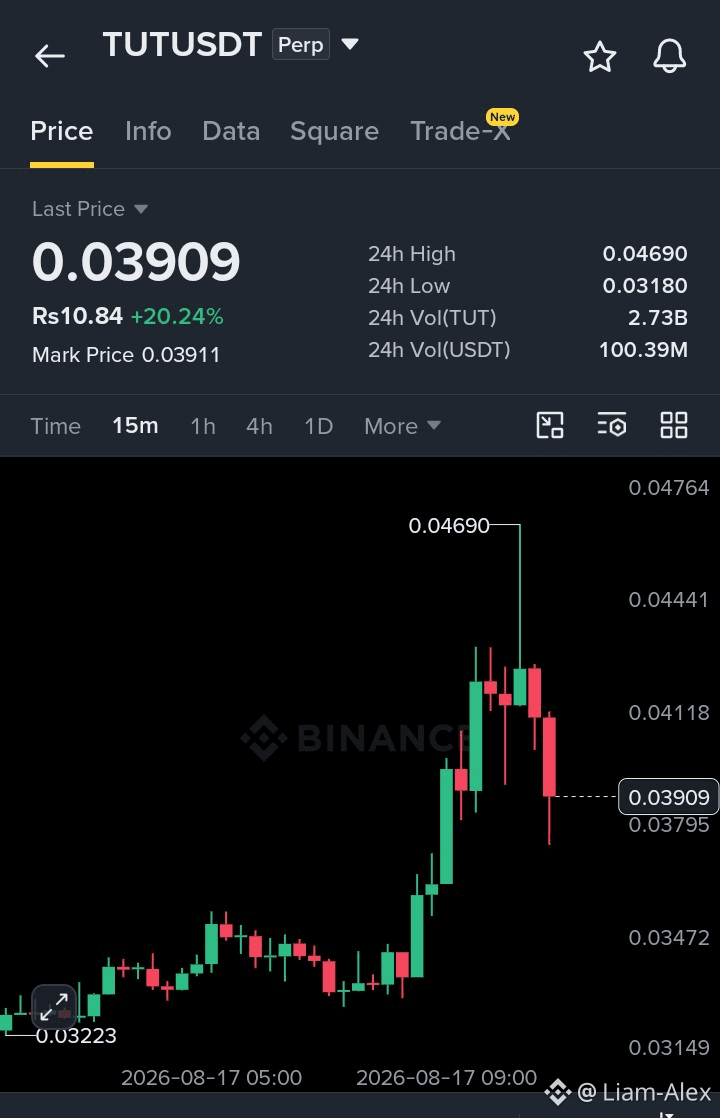
$TUT
EP: $0.03800–$0.03920
TP1: $0.04118
TP2: $0.04441
TP3: $0.04690
SL: $0.03680
15分足の構造は、強いブレイクアウト後も強気のままです。ただし、$0.04690でのリジェクションから勢いが冷えています。
$0.03795が重要なサポートゾーンです。これを維持できれば、より高い安値(higher-low)の構造が保たれます。
$0.04118を取り返せれば、上方向の流動性が$0.04441および直前の高値$0.04690へ向けて再び開かれます。
$TUT
#SP500EarningsBeatExpectations #SP500TopsRecord7800 #USToPressNationsToPickUSOrChinaAICoalition #SECCancelsCryptoRulemakingMeeting #SP500EarningsBeatExpectations
$TUT
EP: $0.03800–$0.03920
TP1: $0.04118
TP2: $0.04441
TP3: $0.04690
SL: $0.03680
15分足の構造は、強いブレイクアウト後も強気のままです。ただし、$0.04690でのリジェクションから勢いが冷えています。
$0.03795が重要なサポートゾーンです。これを維持できれば、より高い安値(higher-low)の構造が保たれます。
$0.04118を取り返せれば、上方向の流動性が$0.04441および直前の高値$0.04690へ向けて再び開かれます。
$TUT
#SP500EarningsBeatExpectations #SP500TopsRecord7800 #USToPressNationsToPickUSOrChinaAICoalition #SECCancelsCryptoRulemakingMeeting #SP500EarningsBeatExpectations
EP: $0.03800–$0.03920
TP1: $0.04118
TP2: $0.04441
TP3: $0.04690
SL: $0.03680
15分足の構造は、強いブレイクアウト後も強気のままです。ただし、$0.04690でのリジェクションから勢いが冷えています。
$0.03795が重要なサポートゾーンです。これを維持できれば、より高い安値(higher-low)の構造が保たれます。
$0.04118を取り返せれば、上方向の流動性が$0.04441および直前の高値$0.04690へ向けて再び開かれます。
$TUT
#SP500EarningsBeatExpectations #SP500TopsRecord7800 #USToPressNationsToPickUSOrChinaAICoalition #SECCancelsCryptoRulemakingMeeting #SP500EarningsBeatExpectations
157
·
--
Duskを調べていく中で気づいたことの1つは、Duskのプライバシーへの取り組みが、最初に私が理解していたものとは少し違う、という点です。
@Dusk_Foundation
単にすべてを隠そうとしているわけではありません。
私が注目したのは、機微な情報をプライベートに保ちつつ、本当に検証する必要のある「具体的な詳細」だけを開示できるようにする、という考え方です。
それは、金融アプリケーションを考えるとより納得できます。誰かがある資産を保有または譲渡できることを証明する必要があるかもしれませんが、だからといって誰もがその人の完全な身元や金融履歴を見るべきだ、というわけではありません。
DuskのXSCと選択的開示のアプローチを見て、金融におけるプライバシーは「消えること」そのものではないのだと実感しました。重要なのは、何を・誰に・いつ開示するのかをコントロールできることです。
それは、ずっと現実的な課題のように感じます。
私は以前、プライバシー系のブロックチェーンにおける主な問いは「どれくらい隠せるか?」だと思っていました。
でも今は、「どれくらい開示するかを選べるのか?」がより良い問いなのではないかと思います。
皆さんはどう見ていますか——完全な匿名性よりも、選択的なプライバシーのほうが現実の金融アプリケーションにとって役立つのでしょうか?
@Dusk_Foundation #dusk $DUSK
$HEMI
{future}(HEMIUSDT)
$AIO
{future}(AIOUSDT)
Duskを調べていく中で気づいたことの1つは、Duskのプライバシーへの取り組みが、最初に私が理解していたものとは少し違う、という点です。
@Dusk
単にすべてを隠そうとしているわけではありません。
私が注目したのは、機微な情報をプライベートに保ちつつ、本当に検証する必要のある「具体的な詳細」だけを開示できるようにする、という考え方です。
それは、金融アプリケーションを考えるとより納得できます。誰かがある資産を保有または譲渡できることを証明する必要があるかもしれませんが、だからといって誰もがその人の完全な身元や金融履歴を見るべきだ、というわけではありません。
DuskのXSCと選択的開示のアプローチを見て、金融におけるプライバシーは「消えること」そのものではないのだと実感しました。重要なのは、何を・誰に・いつ開示するのかをコントロールできることです。
それは、ずっと現実的な課題のように感じます。
私は以前、プライバシー系のブロックチェーンにおける主な問いは「どれくらい隠せるか?」だと思っていました。
でも今は、「どれくらい開示するかを選べるのか?」がより良い問いなのではないかと思います。
皆さんはどう見ていますか——完全な匿名性よりも、選択的なプライバシーのほうが現実の金融アプリケーションにとって役立つのでしょうか?
@Dusk #dusk $DUSK
$HEMI
$AIO
@Dusk
単にすべてを隠そうとしているわけではありません。
私が注目したのは、機微な情報をプライベートに保ちつつ、本当に検証する必要のある「具体的な詳細」だけを開示できるようにする、という考え方です。
それは、金融アプリケーションを考えるとより納得できます。誰かがある資産を保有または譲渡できることを証明する必要があるかもしれませんが、だからといって誰もがその人の完全な身元や金融履歴を見るべきだ、というわけではありません。
DuskのXSCと選択的開示のアプローチを見て、金融におけるプライバシーは「消えること」そのものではないのだと実感しました。重要なのは、何を・誰に・いつ開示するのかをコントロールできることです。
それは、ずっと現実的な課題のように感じます。
私は以前、プライバシー系のブロックチェーンにおける主な問いは「どれくらい隠せるか?」だと思っていました。
でも今は、「どれくらい開示するかを選べるのか?」がより良い問いなのではないかと思います。
皆さんはどう見ていますか——完全な匿名性よりも、選択的なプライバシーのほうが現実の金融アプリケーションにとって役立つのでしょうか?
@Dusk #dusk $DUSK
$HEMI
$AIO
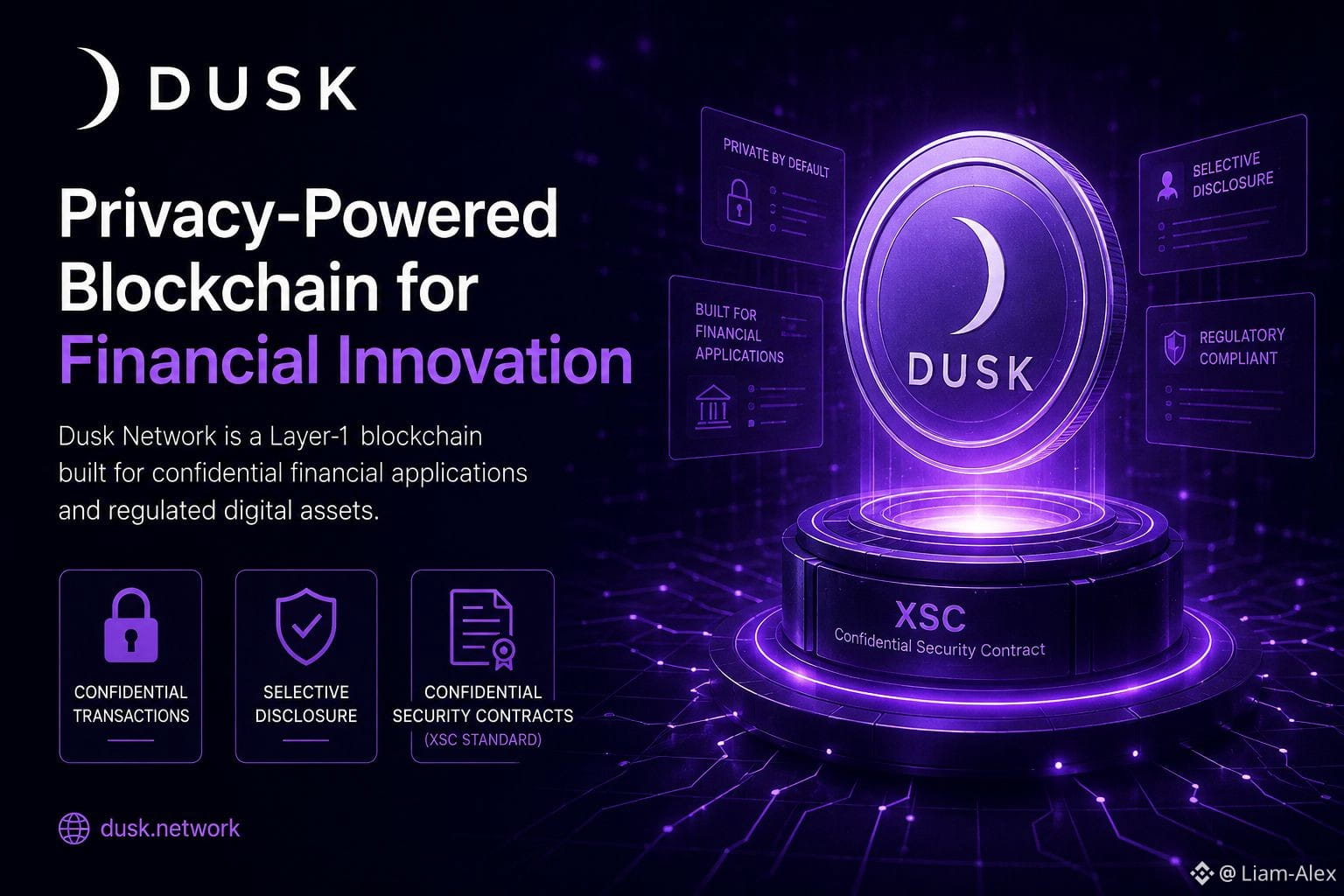
8
2
467
·
--
Duskを調べているときに気になったのは、そのプライバシーの考え方が「すべてを完全に隠す」ことを目的にしているわけではない、という点でした。
Duskでは、機密性の高い金融情報はプライベートに保ちつつ、見える必要がある、または検証可能である必要がある部分は、そのままそうした状態で維持する、という発想です。
それは私にとって、金融のユースケースにおいてより納得できるものに思えました。
従来の金融では、取引のあらゆる詳細を誰もが見るわけではありません。情報の中にはプライベートにすべきものがあり、一方で特定の詳細は、規制当局や機関、またはその他の権限を持つ関係者によって確認される必要があります。
そのため、Duskの「選択的なプライバシー」という考え方は、「ただのプライベート・ブロックチェーン」よりも興味深く感じました。
私の結論としては、プライバシーは、おおよそ「すべてを完全に公開する」か「完全に隠すか」の二択として扱うよりも、開示されるものをコントロールできるときに、よりうまく機能する可能性が高いと思います。
実際の金融活動がオンチェーン上で動き始めたとき、このアプローチがどこまで進められるのかが気になります。選択的プライバシーは、完全な透明性よりも実用的なモデルになり得るのでしょうか?
$DUSK #dusk @Dusk_Foundation
$COW
{future}(COWUSDT)
$CYS
{alpha}(560x0c69199c1562233640e0db5ce2c399a88eb507c7)
Duskを調べているときに気になったのは、そのプライバシーの考え方が「すべてを完全に隠す」ことを目的にしているわけではない、という点でした。
Duskでは、機密性の高い金融情報はプライベートに保ちつつ、見える必要がある、または検証可能である必要がある部分は、そのままそうした状態で維持する、という発想です。
それは私にとって、金融のユースケースにおいてより納得できるものに思えました。
従来の金融では、取引のあらゆる詳細を誰もが見るわけではありません。情報の中にはプライベートにすべきものがあり、一方で特定の詳細は、規制当局や機関、またはその他の権限を持つ関係者によって確認される必要があります。
そのため、Duskの「選択的なプライバシー」という考え方は、「ただのプライベート・ブロックチェーン」よりも興味深く感じました。
私の結論としては、プライバシーは、おおよそ「すべてを完全に公開する」か「完全に隠すか」の二択として扱うよりも、開示されるものをコントロールできるときに、よりうまく機能する可能性が高いと思います。
実際の金融活動がオンチェーン上で動き始めたとき、このアプローチがどこまで進められるのかが気になります。選択的プライバシーは、完全な透明性よりも実用的なモデルになり得るのでしょうか?
$DUSK #dusk @Dusk
$COW
$CYS
Duskでは、機密性の高い金融情報はプライベートに保ちつつ、見える必要がある、または検証可能である必要がある部分は、そのままそうした状態で維持する、という発想です。
それは私にとって、金融のユースケースにおいてより納得できるものに思えました。
従来の金融では、取引のあらゆる詳細を誰もが見るわけではありません。情報の中にはプライベートにすべきものがあり、一方で特定の詳細は、規制当局や機関、またはその他の権限を持つ関係者によって確認される必要があります。
そのため、Duskの「選択的なプライバシー」という考え方は、「ただのプライベート・ブロックチェーン」よりも興味深く感じました。
私の結論としては、プライバシーは、おおよそ「すべてを完全に公開する」か「完全に隠すか」の二択として扱うよりも、開示されるものをコントロールできるときに、よりうまく機能する可能性が高いと思います。
実際の金融活動がオンチェーン上で動き始めたとき、このアプローチがどこまで進められるのかが気になります。選択的プライバシーは、完全な透明性よりも実用的なモデルになり得るのでしょうか?
$DUSK #dusk @Dusk
$COW
$CYS
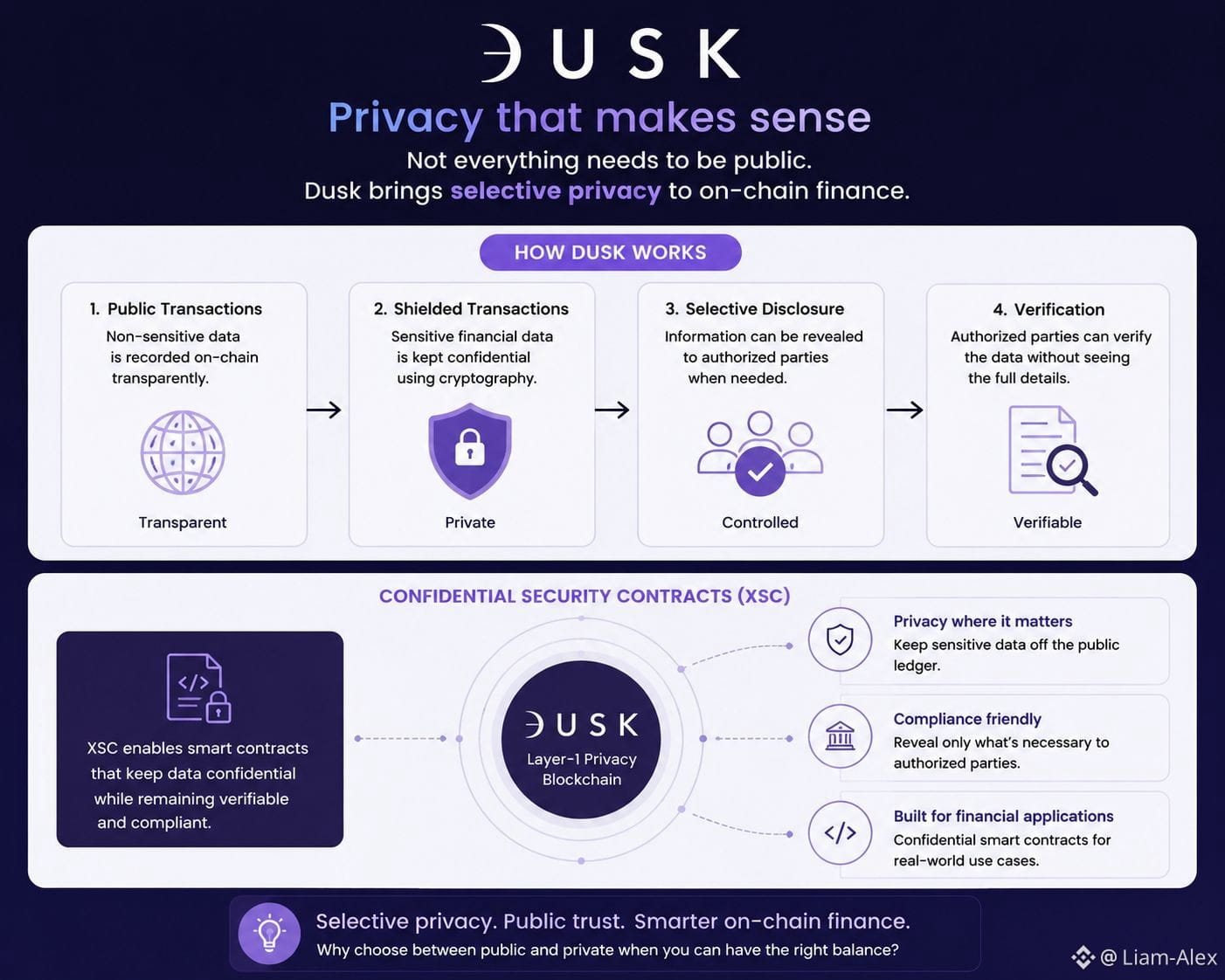
15
4
765
·
--
$VELVET USDT
EP: $1.10〜$1.11
TP1: $1.15
TP2: $1.20
TP3: $1.27
SL: $1.04
トレンドは強気で、買い手が強い勢いを維持しています。
構造は$1.04を上回っていれば建設的なままです。
$1.10以上での保ち合いは、$1.15〜$1.27に向けた継続を支える可能性があります。
$VELVET USDT
#DollarFallsToMayLow #TradersCutFedRateHikeBetsBeforeMid2027 #SECCancelsCryptoInvestmentContractRulesMeeting #CboeSeeks3xBitcoinAndEtherETFs #SanDiskRises7%OnRevenueGrowthOutlook
$VELVET USDT
EP: $1.10〜$1.11
TP1: $1.15
TP2: $1.20
TP3: $1.27
SL: $1.04
トレンドは強気で、買い手が強い勢いを維持しています。
構造は$1.04を上回っていれば建設的なままです。
$1.10以上での保ち合いは、$1.15〜$1.27に向けた継続を支える可能性があります。
$VELVET USDT
#DollarFallsToMayLow #TradersCutFedRateHikeBetsBeforeMid2027 #SECCancelsCryptoInvestmentContractRulesMeeting #CboeSeeks3xBitcoinAndEtherETFs #SanDiskRises7%OnRevenueGrowthOutlook
EP: $1.10〜$1.11
TP1: $1.15
TP2: $1.20
TP3: $1.27
SL: $1.04
トレンドは強気で、買い手が強い勢いを維持しています。
構造は$1.04を上回っていれば建設的なままです。
$1.10以上での保ち合いは、$1.15〜$1.27に向けた継続を支える可能性があります。
$VELVET USDT
#DollarFallsToMayLow #TradersCutFedRateHikeBetsBeforeMid2027 #SECCancelsCryptoInvestmentContractRulesMeeting #CboeSeeks3xBitcoinAndEtherETFs #SanDiskRises7%OnRevenueGrowthOutlook
1
53
·
--
$HEMI USDT
EP: $0.00522–$0.00527
TP1: $0.00550
TP2: $0.00580
TP3: $0.00620
SL: $0.00495
モメンタムは強気で、すでに価格が大きく拡大していることを示しています。
構造は継続を支持しており、$0.00495が保たれている限り安心です。
現在のモメンタムが維持されるなら、さらなる買いは$0.00550–$0.00620を目指せます。
$HEMI USDT
#DollarFallsToMayLow #TradersCutFedRateHikeBetsBeforeMid2027 #SECCancelsCryptoInvestmentContractRulesMeeting #CboeSeeks3xBitcoinAndEtherETFs #USJulyRetailSalesFall0.6%
$HEMI USDT
EP: $0.00522–$0.00527
TP1: $0.00550
TP2: $0.00580
TP3: $0.00620
SL: $0.00495
モメンタムは強気で、すでに価格が大きく拡大していることを示しています。
構造は継続を支持しており、$0.00495が保たれている限り安心です。
現在のモメンタムが維持されるなら、さらなる買いは$0.00550–$0.00620を目指せます。
$HEMI USDT
#DollarFallsToMayLow #TradersCutFedRateHikeBetsBeforeMid2027 #SECCancelsCryptoInvestmentContractRulesMeeting #CboeSeeks3xBitcoinAndEtherETFs #USJulyRetailSalesFall0.6%
EP: $0.00522–$0.00527
TP1: $0.00550
TP2: $0.00580
TP3: $0.00620
SL: $0.00495
モメンタムは強気で、すでに価格が大きく拡大していることを示しています。
構造は継続を支持しており、$0.00495が保たれている限り安心です。
現在のモメンタムが維持されるなら、さらなる買いは$0.00550–$0.00620を目指せます。
$HEMI USDT
#DollarFallsToMayLow #TradersCutFedRateHikeBetsBeforeMid2027 #SECCancelsCryptoInvestmentContractRulesMeeting #CboeSeeks3xBitcoinAndEtherETFs #USJulyRetailSalesFall0.6%
1
89
·
--
$ROBO USDT
EP: $0.0182–$0.0184
TP1: $0.0192
TP2: $0.0202
TP3: $0.0215
SL: $0.0172
20%の上昇拡大の後、モメンタムはプラスです。
$0.0172より上で強気の構造は維持されています。
このゾーンを保持することで、$0.0192〜$0.0215に向けたさらなる買いを引き寄せる可能性があります。
$ROBO USDT
#DollarFallsToMayLow #TradersCutFedRateHikeBetsBeforeMid2027 #SECCancelsCryptoInvestmentContractRulesMeeting #CboeSeeks3xBitcoinAndEtherETFs #USJulyRetailSalesFall0.6%
$ROBO USDT
EP: $0.0182–$0.0184
TP1: $0.0192
TP2: $0.0202
TP3: $0.0215
SL: $0.0172
20%の上昇拡大の後、モメンタムはプラスです。
$0.0172より上で強気の構造は維持されています。
このゾーンを保持することで、$0.0192〜$0.0215に向けたさらなる買いを引き寄せる可能性があります。
$ROBO USDT
#DollarFallsToMayLow #TradersCutFedRateHikeBetsBeforeMid2027 #SECCancelsCryptoInvestmentContractRulesMeeting #CboeSeeks3xBitcoinAndEtherETFs #USJulyRetailSalesFall0.6%
EP: $0.0182–$0.0184
TP1: $0.0192
TP2: $0.0202
TP3: $0.0215
SL: $0.0172
20%の上昇拡大の後、モメンタムはプラスです。
$0.0172より上で強気の構造は維持されています。
このゾーンを保持することで、$0.0192〜$0.0215に向けたさらなる買いを引き寄せる可能性があります。
$ROBO USDT
#DollarFallsToMayLow #TradersCutFedRateHikeBetsBeforeMid2027 #SECCancelsCryptoInvestmentContractRulesMeeting #CboeSeeks3xBitcoinAndEtherETFs #USJulyRetailSalesFall0.6%
1
92
·
--
$AIO USDT
EP: 0.0480ドル~0.0483ドル
TP1: 0.0500ドル
TP2: 0.0520ドル
TP3: 0.0550ドル
SL: 0.0455ドル
トレンドの強さは強気で、買い手が短期のモメンタムをコントロールしています。
構造は0.0455ドル以上で建設的なままです。
サポートが防衛されている限り、0.0500ドル~0.0550ドルへの継続が有利です。
$AIO USDT
#DollarFallsToMayLow #TradersCutFedRateHikeBetsBeforeMid2027 #SECCancelsCryptoInvestmentContractRulesMeeting #CboeSeeks3xBitcoinAndEtherETFs #USJulyRetailSalesFall0.6%
$AIO USDT
EP: 0.0480ドル~0.0483ドル
TP1: 0.0500ドル
TP2: 0.0520ドル
TP3: 0.0550ドル
SL: 0.0455ドル
トレンドの強さは強気で、買い手が短期のモメンタムをコントロールしています。
構造は0.0455ドル以上で建設的なままです。
サポートが防衛されている限り、0.0500ドル~0.0550ドルへの継続が有利です。
$AIO USDT
#DollarFallsToMayLow #TradersCutFedRateHikeBetsBeforeMid2027 #SECCancelsCryptoInvestmentContractRulesMeeting #CboeSeeks3xBitcoinAndEtherETFs #USJulyRetailSalesFall0.6%
EP: 0.0480ドル~0.0483ドル
TP1: 0.0500ドル
TP2: 0.0520ドル
TP3: 0.0550ドル
SL: 0.0455ドル
トレンドの強さは強気で、買い手が短期のモメンタムをコントロールしています。
構造は0.0455ドル以上で建設的なままです。
サポートが防衛されている限り、0.0500ドル~0.0550ドルへの継続が有利です。
$AIO USDT
#DollarFallsToMayLow #TradersCutFedRateHikeBetsBeforeMid2027 #SECCancelsCryptoInvestmentContractRulesMeeting #CboeSeeks3xBitcoinAndEtherETFs #USJulyRetailSalesFall0.6%
1
65
·
--
$STAR USDT
EP: $0.0925–$0.0933
TP1: $0.0970
TP2: $0.1010
TP3: $0.1060
SL: $0.0875
17%の上昇後、強い上昇モメンタムが見られます。
$0.0875が維持されている間は、継続が優勢です。
現在のレンジを上抜けると、$0.0970〜$0.1060を目指せます。
$STAR USDT
#DollarFallsToMayLow #TradersCutFedRateHikeBetsBeforeMid2027 #SECCancelsCryptoInvestmentContractRulesMeeting #CboeSeeks3xBitcoinAndEtherETFs #USJulyRetailSalesFall0.6%
$STAR USDT
EP: $0.0925–$0.0933
TP1: $0.0970
TP2: $0.1010
TP3: $0.1060
SL: $0.0875
17%の上昇後、強い上昇モメンタムが見られます。
$0.0875が維持されている間は、継続が優勢です。
現在のレンジを上抜けると、$0.0970〜$0.1060を目指せます。
$STAR USDT
#DollarFallsToMayLow #TradersCutFedRateHikeBetsBeforeMid2027 #SECCancelsCryptoInvestmentContractRulesMeeting #CboeSeeks3xBitcoinAndEtherETFs #USJulyRetailSalesFall0.6%
EP: $0.0925–$0.0933
TP1: $0.0970
TP2: $0.1010
TP3: $0.1060
SL: $0.0875
17%の上昇後、強い上昇モメンタムが見られます。
$0.0875が維持されている間は、継続が優勢です。
現在のレンジを上抜けると、$0.0970〜$0.1060を目指せます。
$STAR USDT
#DollarFallsToMayLow #TradersCutFedRateHikeBetsBeforeMid2027 #SECCancelsCryptoInvestmentContractRulesMeeting #CboeSeeks3xBitcoinAndEtherETFs #USJulyRetailSalesFall0.6%
70
ログインして、さらにコンテンツを読む
厳選トピックで世界の暗号資産トレーダーの仲間入り
⚡️ 暗号資産に関する最新かつ有益な情報が見つかります。
💬 世界最大の暗号資産取引所から信頼されています。
👍 認証を受けたクリエイターから、有益なインサイトを得られます。
メール / 電話番号