
KellyTID
248 投稿

KellyTID
報告
ユーザーをブロック
Still Building / web3 enthusiast
取引を発注
低高頻度トレーダー
3年
93 フォロー
26 フォロワー
144 いいね
投稿
ポートフォリオ
すべて
引用
PINNED
·
--
翻訳参照
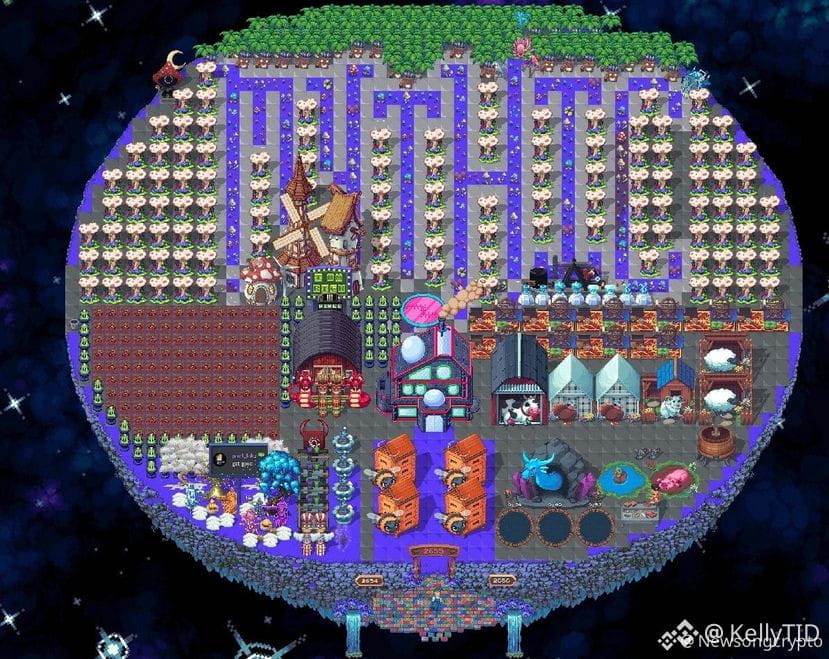
Back when I first discovered $PIXEL , I saw it the same way as every other game token: play the game, earn the token, spend it, repeat. One straightforward cycle. Seemed solid enough at the time.
But as I kept observing, the picture started changing. It stopped feeling like activity confined to a single game. Instead, the whole system began spanning multiple experiences, linking them together. That’s when my perspective flipped.
If Pixels truly evolves beyond being just one game and becomes the underlying infrastructure that distributes value across many, then $PIXEL transforms. It becomes the layer in between moving attention, rewards, and players from one world to the next.
Sounds promising for growth… but it only works if people keep coming back and actually reusing the token.
I used to think every new integration would automatically boost demand. Now I’m more skeptical. When players farm, cash out immediately, or only interact with the token once per session, the supply just keeps flowing around without ever getting locked up or absorbed. Surface-level activity looks strong, but true holding and retention? Still fragile.
That’s why I suspect we might still be early.
Real infrastructure proves itself when usage becomes habitual — not when it needs fresh incentives every time to pull players in.
These days I’m less excited about announcements of new games joining… and far more focused on whether $PIXEL starts getting organically reused across the ecosystem without constant carrots.
Is PIXEL on its way to becoming the glue that holds the Pixels universe together, or is it still operating like a typical play-to-earn token?
Curious to hear your thoughts.
@pixels
Back when I first discovered $PIXEL , I saw it the same way as every other game token: play the game, earn the token, spend it, repeat. One straightforward cycle. Seemed solid enough at the time.
But as I kept observing, the picture started changing. It stopped feeling like activity confined to a single game. Instead, the whole system began spanning multiple experiences, linking them together. That’s when my perspective flipped.
If Pixels truly evolves beyond being just one game and becomes the underlying infrastructure that distributes value across many, then $PIXEL transforms. It becomes the layer in between moving attention, rewards, and players from one world to the next.
Sounds promising for growth… but it only works if people keep coming back and actually reusing the token.
I used to think every new integration would automatically boost demand. Now I’m more skeptical. When players farm, cash out immediately, or only interact with the token once per session, the supply just keeps flowing around without ever getting locked up or absorbed. Surface-level activity looks strong, but true holding and retention? Still fragile.
That’s why I suspect we might still be early.
Real infrastructure proves itself when usage becomes habitual — not when it needs fresh incentives every time to pull players in.
These days I’m less excited about announcements of new games joining… and far more focused on whether $PIXEL starts getting organically reused across the ecosystem without constant carrots.
Is PIXEL on its way to becoming the glue that holds the Pixels universe together, or is it still operating like a typical play-to-earn token?
Curious to hear your thoughts.
@Pixels
But as I kept observing, the picture started changing. It stopped feeling like activity confined to a single game. Instead, the whole system began spanning multiple experiences, linking them together. That’s when my perspective flipped.
If Pixels truly evolves beyond being just one game and becomes the underlying infrastructure that distributes value across many, then $PIXEL transforms. It becomes the layer in between moving attention, rewards, and players from one world to the next.
Sounds promising for growth… but it only works if people keep coming back and actually reusing the token.
I used to think every new integration would automatically boost demand. Now I’m more skeptical. When players farm, cash out immediately, or only interact with the token once per session, the supply just keeps flowing around without ever getting locked up or absorbed. Surface-level activity looks strong, but true holding and retention? Still fragile.
That’s why I suspect we might still be early.
Real infrastructure proves itself when usage becomes habitual — not when it needs fresh incentives every time to pull players in.
These days I’m less excited about announcements of new games joining… and far more focused on whether $PIXEL starts getting organically reused across the ecosystem without constant carrots.
Is PIXEL on its way to becoming the glue that holds the Pixels universe together, or is it still operating like a typical play-to-earn token?
Curious to hear your thoughts.
@Pixels
31
36
6.3k
·
--
翻訳参照
Hi guys go on x and see the trending update on $ANSEM airdrop on solana.
Hi guys go on x and see the trending update on $ANSEM airdrop on solana.
·
--
翻訳参照
What @pixels does brilliantly is hide its Web3 backbone.
You don’t get hit with wallets, gas, or token lectures upfront. You play first. Progress feels earned through action, not theory. Land NFTs, pets, and passive yields exist quietly in the background while the pixel world stays approachable and fun.
After phasing out the inflationary $BERRY era and refining tokenomics around $PIXEL as a premium currency, the economy finally feels sustainable. No more hype-driven crashes just steady utility from real daily engagement.
That’s why it’s sitting at over 1 million daily active users with strong retention in 2026. Not because it screams “crypto,” but because it feels like a living digital homestead.
#pixel $PIXEL
What @Pixels does brilliantly is hide its Web3 backbone.
You don’t get hit with wallets, gas, or token lectures upfront. You play first. Progress feels earned through action, not theory. Land NFTs, pets, and passive yields exist quietly in the background while the pixel world stays approachable and fun.
After phasing out the inflationary $BERRY era and refining tokenomics around $PIXEL as a premium currency, the economy finally feels sustainable. No more hype-driven crashes just steady utility from real daily engagement.
That’s why it’s sitting at over 1 million daily active users with strong retention in 2026. Not because it screams “crypto,” but because it feels like a living digital homestead.
#pixel $PIXEL
You don’t get hit with wallets, gas, or token lectures upfront. You play first. Progress feels earned through action, not theory. Land NFTs, pets, and passive yields exist quietly in the background while the pixel world stays approachable and fun.
After phasing out the inflationary $BERRY era and refining tokenomics around $PIXEL as a premium currency, the economy finally feels sustainable. No more hype-driven crashes just steady utility from real daily engagement.
That’s why it’s sitting at over 1 million daily active users with strong retention in 2026. Not because it screams “crypto,” but because it feels like a living digital homestead.
#pixel $PIXEL
5
8
18
·
--
記事
翻訳参照
Pixels as Behavioral Training: The Quiet Onboarding into a New Digital EconomyThe original take paints @pixels as a stealthy trap luring players with innocent farming only to burden them with escalating management, optimization pressure, and maintenance that quietly replaces fun. It’s a compelling narrative, especially for those who dive deep and feel the weight of ever-growing systems. But there’s another perspective worth exploring: what if that “shift” isn’t a loss of fun, but the natural maturation of a well-designed game that rewards different playstyles at different depths? What if the increasing complexity isn’t a hidden burden, but an invitation to deeper engagement that many players actively enjoy and what if the real genius of Pixels lies in letting players choose their own relationship with it?
The Myth of the Inevitable Grind
It’s true that Pixels grows more layered over time. Inventory fills up. Crafting trees branch out. Energy systems, skill progression, land management, and social features create more decisions. For some players, this can start to feel like digital chores: logging in because crops are ready rather than because they want to.
Yet many longtime players report the opposite experience. What begins as simple planting evolves into satisfying mastery. Leveling skills, optimizing layouts for efficiency, experimenting with animal husbandry, or participating in community events and guild activities brings a sense of accomplishment that pure casual loops often lack. The “cognitive workload” isn’t universally draining—it can be the rewarding puzzle-solving that keeps the game fresh months or years later.
Players who treat Pixels like a relaxed hobby often find ways to keep it light: focusing on a few favorite crops, ignoring advanced crafting, or simply socializing in the vibrant pixel world.
The game doesn’t punish casual play. Energy regenerates, basic farming remains viable, and new players continue to onboard smoothly without needing to master every system immediately. The maintenance feeling only emerges for those who choose to scale up and even then, many describe it as meditative rather than stressful, akin to tending a real garden or organizing a creative project.
Recent community sentiment and reviews echo this duality. Some voice frustration with repetitive tasks or inventory clutter, but others celebrate hitting new levels, saving for dream land plots, or rediscovering enjoyment after pushing through early plateaus. The game’s expansion into PvE, PvP elements (planned or added in later chapters), and additional experiences shows the team actively addressing depth while preserving accessibility.
Web3 Done Right Or Just a Good Game?
The understated blockchain integration remains one of Pixels’ strengths. It avoids overwhelming newcomers with wallets or token talk, letting enjoyment lead. But from this angle, the “quiet Web3” isn’t merely clever onboarding; it’s evidence that Pixels has transcended the label of “crypto game” to become a legitimate social farming MMO that happens to offer real ownership as a bonus.
Land NFTs, VIP passes, and the $PIXEL economy provide tangible progression and rewards without forcing participation. High daily active user numbers often in the hundreds of thousands suggest strong retention driven by fun and community, not just earning potential. Players stick around because they enjoy the world, the social hangouts, the creative building, and the gentle progression loop, with economic layers adding optional depth rather than mandatory complexity.
This challenges the idea that the game “stops needing to look like Web3.” In reality, the seamless blend might be why it succeeds where many others falter: it delivers a polished, enjoyable experience first, then layers on ownership for those who want it. The behavioral adaptation happens, but not as covert training for a new digital economy—it’s simply good game design teaching systems thinking through play, much like classic simulation games have done for decades.
Embracing the Spectrum of Play
Pixels shines precisely because it supports multiple mindsets without forcing one path:
• The Casual Farmer: Logs in for short, relaxing sessions, plants what looks fun, chats with neighbors, and logs off satisfied.
• The Optimizer: Treats systems as puzzles, min-maxes yields, plans long-term investments, and finds joy in efficiency.
• The Social Player: Focuses on community events, collaborative building, or simply existing in the lively pixel universe.
• The Earner: Leverages ownership and tasks for real value, but still needs the core loop to feel worthwhile.
The “hidden evolution” isn’t a one-way march from fun to maintenance. It’s a branching path where players can dial their involvement up or down. Many who feel the initial shift toward management later find renewed joy by setting personal goals, taking breaks, or embracing new updates that refresh the experience.
Critics of “job-like” daily tasks in games exist across all genres, not just Web3. The difference here is agency: Pixels gives tools to mitigate burnout (energy management, automation-like features through better tools/land, social sharing) while continuing to evolve. Its sustained popularity and plans for further content suggest the team understands this balance.
The Real Transformation
Ultimately, Pixels doesn’t trick players into cognitive labor. It offers a living, breathing digital homestead that grows with you if you want it to. The pixelated charm isn’t masking sophistication; it’s making sophistication approachable and charming.
For some, the systems will always feel like work, and that’s valid they may prefer pure cozy games without progression pressure. For others, the evolution from simple farming to interconnected mastery is exactly what elevates Pixels above disposable mobile farms or shallow play-to-earn experiments. It becomes a hobby, a creative outlet, a social space, and yes, sometimes a mindful practice in resourcefulness.
The quiet genius isn’t in turning play into maintenance without notice. It’s in creating a flexible world where both casual relaxation and engaged stewardship coexist, letting each player define what “fun” means on any given day.
In the end, Pixels isn’t forcing a behavioral shift toward digital economies. It’s simply a well-crafted game that rewards returning to it in whatever way feels right—whether that’s a quick harvest or a deep strategic session. The farm starts easy, the systems invite more, but the choice to engage deeply remains yours.
The pixels on screen stay charmingly simple. What you build with them—light play or thoughtful system reveals more about your own preferences than any hidden agenda. And in a gaming landscape full of prescriptive experiences, that freedom might be the most refreshing evolution of all.
Play @pixels at play.pixels.xyz and discover your own rhythm. The loop can stay effortless, or it can grow with you. Either way, the joy is in the tending however you choose to do it.
#PİXEL
Pixels as Behavioral Training: The Quiet Onboarding into a New Digital Economy
The original take paints @Pixels as a stealthy trap luring players with innocent farming only to burden them with escalating management, optimization pressure, and maintenance that quietly replaces fun. It’s a compelling narrative, especially for those who dive deep and feel the weight of ever-growing systems. But there’s another perspective worth exploring: what if that “shift” isn’t a loss of fun, but the natural maturation of a well-designed game that rewards different playstyles at different depths? What if the increasing complexity isn’t a hidden burden, but an invitation to deeper engagement that many players actively enjoy and what if the real genius of Pixels lies in letting players choose their own relationship with it?
The Myth of the Inevitable Grind
It’s true that Pixels grows more layered over time. Inventory fills up. Crafting trees branch out. Energy systems, skill progression, land management, and social features create more decisions. For some players, this can start to feel like digital chores: logging in because crops are ready rather than because they want to.
Yet many longtime players report the opposite experience. What begins as simple planting evolves into satisfying mastery. Leveling skills, optimizing layouts for efficiency, experimenting with animal husbandry, or participating in community events and guild activities brings a sense of accomplishment that pure casual loops often lack. The “cognitive workload” isn’t universally draining—it can be the rewarding puzzle-solving that keeps the game fresh months or years later.
Players who treat Pixels like a relaxed hobby often find ways to keep it light: focusing on a few favorite crops, ignoring advanced crafting, or simply socializing in the vibrant pixel world.
The game doesn’t punish casual play. Energy regenerates, basic farming remains viable, and new players continue to onboard smoothly without needing to master every system immediately. The maintenance feeling only emerges for those who choose to scale up and even then, many describe it as meditative rather than stressful, akin to tending a real garden or organizing a creative project.
Recent community sentiment and reviews echo this duality. Some voice frustration with repetitive tasks or inventory clutter, but others celebrate hitting new levels, saving for dream land plots, or rediscovering enjoyment after pushing through early plateaus. The game’s expansion into PvE, PvP elements (planned or added in later chapters), and additional experiences shows the team actively addressing depth while preserving accessibility.
Web3 Done Right Or Just a Good Game?
The understated blockchain integration remains one of Pixels’ strengths. It avoids overwhelming newcomers with wallets or token talk, letting enjoyment lead. But from this angle, the “quiet Web3” isn’t merely clever onboarding; it’s evidence that Pixels has transcended the label of “crypto game” to become a legitimate social farming MMO that happens to offer real ownership as a bonus.
Land NFTs, VIP passes, and the $PIXEL economy provide tangible progression and rewards without forcing participation. High daily active user numbers often in the hundreds of thousands suggest strong retention driven by fun and community, not just earning potential. Players stick around because they enjoy the world, the social hangouts, the creative building, and the gentle progression loop, with economic layers adding optional depth rather than mandatory complexity.
This challenges the idea that the game “stops needing to look like Web3.” In reality, the seamless blend might be why it succeeds where many others falter: it delivers a polished, enjoyable experience first, then layers on ownership for those who want it. The behavioral adaptation happens, but not as covert training for a new digital economy—it’s simply good game design teaching systems thinking through play, much like classic simulation games have done for decades.
Embracing the Spectrum of Play
Pixels shines precisely because it supports multiple mindsets without forcing one path:
• The Casual Farmer: Logs in for short, relaxing sessions, plants what looks fun, chats with neighbors, and logs off satisfied.
• The Optimizer: Treats systems as puzzles, min-maxes yields, plans long-term investments, and finds joy in efficiency.
• The Social Player: Focuses on community events, collaborative building, or simply existing in the lively pixel universe.
• The Earner: Leverages ownership and tasks for real value, but still needs the core loop to feel worthwhile.
The “hidden evolution” isn’t a one-way march from fun to maintenance. It’s a branching path where players can dial their involvement up or down. Many who feel the initial shift toward management later find renewed joy by setting personal goals, taking breaks, or embracing new updates that refresh the experience.
Critics of “job-like” daily tasks in games exist across all genres, not just Web3. The difference here is agency: Pixels gives tools to mitigate burnout (energy management, automation-like features through better tools/land, social sharing) while continuing to evolve. Its sustained popularity and plans for further content suggest the team understands this balance.
The Real Transformation
Ultimately, Pixels doesn’t trick players into cognitive labor. It offers a living, breathing digital homestead that grows with you if you want it to. The pixelated charm isn’t masking sophistication; it’s making sophistication approachable and charming.
For some, the systems will always feel like work, and that’s valid they may prefer pure cozy games without progression pressure. For others, the evolution from simple farming to interconnected mastery is exactly what elevates Pixels above disposable mobile farms or shallow play-to-earn experiments. It becomes a hobby, a creative outlet, a social space, and yes, sometimes a mindful practice in resourcefulness.
The quiet genius isn’t in turning play into maintenance without notice. It’s in creating a flexible world where both casual relaxation and engaged stewardship coexist, letting each player define what “fun” means on any given day.
In the end, Pixels isn’t forcing a behavioral shift toward digital economies. It’s simply a well-crafted game that rewards returning to it in whatever way feels right—whether that’s a quick harvest or a deep strategic session. The farm starts easy, the systems invite more, but the choice to engage deeply remains yours.
The pixels on screen stay charmingly simple. What you build with them—light play or thoughtful system reveals more about your own preferences than any hidden agenda. And in a gaming landscape full of prescriptive experiences, that freedom might be the most refreshing evolution of all.
Play @Pixels at play.pixels.xyz and discover your own rhythm. The loop can stay effortless, or it can grow with you. Either way, the joy is in the tending however you choose to do it.
#PİXEL
The Myth of the Inevitable Grind
It’s true that Pixels grows more layered over time. Inventory fills up. Crafting trees branch out. Energy systems, skill progression, land management, and social features create more decisions. For some players, this can start to feel like digital chores: logging in because crops are ready rather than because they want to.
Yet many longtime players report the opposite experience. What begins as simple planting evolves into satisfying mastery. Leveling skills, optimizing layouts for efficiency, experimenting with animal husbandry, or participating in community events and guild activities brings a sense of accomplishment that pure casual loops often lack. The “cognitive workload” isn’t universally draining—it can be the rewarding puzzle-solving that keeps the game fresh months or years later.
Players who treat Pixels like a relaxed hobby often find ways to keep it light: focusing on a few favorite crops, ignoring advanced crafting, or simply socializing in the vibrant pixel world.
The game doesn’t punish casual play. Energy regenerates, basic farming remains viable, and new players continue to onboard smoothly without needing to master every system immediately. The maintenance feeling only emerges for those who choose to scale up and even then, many describe it as meditative rather than stressful, akin to tending a real garden or organizing a creative project.
Recent community sentiment and reviews echo this duality. Some voice frustration with repetitive tasks or inventory clutter, but others celebrate hitting new levels, saving for dream land plots, or rediscovering enjoyment after pushing through early plateaus. The game’s expansion into PvE, PvP elements (planned or added in later chapters), and additional experiences shows the team actively addressing depth while preserving accessibility.
Web3 Done Right Or Just a Good Game?
The understated blockchain integration remains one of Pixels’ strengths. It avoids overwhelming newcomers with wallets or token talk, letting enjoyment lead. But from this angle, the “quiet Web3” isn’t merely clever onboarding; it’s evidence that Pixels has transcended the label of “crypto game” to become a legitimate social farming MMO that happens to offer real ownership as a bonus.
Land NFTs, VIP passes, and the $PIXEL economy provide tangible progression and rewards without forcing participation. High daily active user numbers often in the hundreds of thousands suggest strong retention driven by fun and community, not just earning potential. Players stick around because they enjoy the world, the social hangouts, the creative building, and the gentle progression loop, with economic layers adding optional depth rather than mandatory complexity.
This challenges the idea that the game “stops needing to look like Web3.” In reality, the seamless blend might be why it succeeds where many others falter: it delivers a polished, enjoyable experience first, then layers on ownership for those who want it. The behavioral adaptation happens, but not as covert training for a new digital economy—it’s simply good game design teaching systems thinking through play, much like classic simulation games have done for decades.
Embracing the Spectrum of Play
Pixels shines precisely because it supports multiple mindsets without forcing one path:
• The Casual Farmer: Logs in for short, relaxing sessions, plants what looks fun, chats with neighbors, and logs off satisfied.
• The Optimizer: Treats systems as puzzles, min-maxes yields, plans long-term investments, and finds joy in efficiency.
• The Social Player: Focuses on community events, collaborative building, or simply existing in the lively pixel universe.
• The Earner: Leverages ownership and tasks for real value, but still needs the core loop to feel worthwhile.
The “hidden evolution” isn’t a one-way march from fun to maintenance. It’s a branching path where players can dial their involvement up or down. Many who feel the initial shift toward management later find renewed joy by setting personal goals, taking breaks, or embracing new updates that refresh the experience.
Critics of “job-like” daily tasks in games exist across all genres, not just Web3. The difference here is agency: Pixels gives tools to mitigate burnout (energy management, automation-like features through better tools/land, social sharing) while continuing to evolve. Its sustained popularity and plans for further content suggest the team understands this balance.
The Real Transformation
Ultimately, Pixels doesn’t trick players into cognitive labor. It offers a living, breathing digital homestead that grows with you if you want it to. The pixelated charm isn’t masking sophistication; it’s making sophistication approachable and charming.
For some, the systems will always feel like work, and that’s valid they may prefer pure cozy games without progression pressure. For others, the evolution from simple farming to interconnected mastery is exactly what elevates Pixels above disposable mobile farms or shallow play-to-earn experiments. It becomes a hobby, a creative outlet, a social space, and yes, sometimes a mindful practice in resourcefulness.
The quiet genius isn’t in turning play into maintenance without notice. It’s in creating a flexible world where both casual relaxation and engaged stewardship coexist, letting each player define what “fun” means on any given day.
In the end, Pixels isn’t forcing a behavioral shift toward digital economies. It’s simply a well-crafted game that rewards returning to it in whatever way feels right—whether that’s a quick harvest or a deep strategic session. The farm starts easy, the systems invite more, but the choice to engage deeply remains yours.
The pixels on screen stay charmingly simple. What you build with them—light play or thoughtful system reveals more about your own preferences than any hidden agenda. And in a gaming landscape full of prescriptive experiences, that freedom might be the most refreshing evolution of all.
Play @Pixels at play.pixels.xyz and discover your own rhythm. The loop can stay effortless, or it can grow with you. Either way, the joy is in the tending however you choose to do it.
#PİXEL
6
6
88
·
--

記事
プライバシー・バイ・デザイン:Pixelはブロックチェーンの透明性の罠を解決できるか?暗号通貨の循環的な世界では、新しいプロジェクトが大胆な主張、派手なマーケティング、野心的なロードマップを伴って登場することがよくあります。しかし、時折、静かな自信を持ったものが現れます。それは、現状に対する慎重に考えられた批判と、それを修正するための技術的に洗練された試みが組み合わさったものです。 @pixels は、展開のフェーズ1に近づくにつれて、この珍しい型にはまるようです。
プロジェクトの中心的な主張は簡潔でありながら深いものです:今日のブロックチェーンはあまりにも多くの情報を晒しています。すべてのウォレットアドレス、取引、残高、相互作用が永続的に可視化され、追跡可能で、リンク可能であるという過激な透明性は、長い間、信頼性と監査可能性の基盤として称賛されてきました。これにより、誰でも中央集権的な仲介者に頼ることなく、台帳を検証することができます。しかし、この美徳には影の側面があります。実際には、個人の財務履歴を公の記録に変え、主権通貨よりも監視に近いものにします。普通の経済行動はある程度の裁量を必要とします。ほとんどの人は、自分の支出習慣、保有資産、または取引先がすべて分析、リンク、利用できる不変の公共データベースに永続的に刻まれることを望んでいません。
プライバシー・バイ・デザイン:Pixelはブロックチェーンの透明性の罠を解決できるか?
暗号通貨の循環的な世界では、新しいプロジェクトが大胆な主張、派手なマーケティング、野心的なロードマップを伴って登場することがよくあります。しかし、時折、静かな自信を持ったものが現れます。それは、現状に対する慎重に考えられた批判と、それを修正するための技術的に洗練された試みが組み合わさったものです。 @Pixels は、展開のフェーズ1に近づくにつれて、この珍しい型にはまるようです。
プロジェクトの中心的な主張は簡潔でありながら深いものです:今日のブロックチェーンはあまりにも多くの情報を晒しています。すべてのウォレットアドレス、取引、残高、相互作用が永続的に可視化され、追跡可能で、リンク可能であるという過激な透明性は、長い間、信頼性と監査可能性の基盤として称賛されてきました。これにより、誰でも中央集権的な仲介者に頼ることなく、台帳を検証することができます。しかし、この美徳には影の側面があります。実際には、個人の財務履歴を公の記録に変え、主権通貨よりも監視に近いものにします。普通の経済行動はある程度の裁量を必要とします。ほとんどの人は、自分の支出習慣、保有資産、または取引先がすべて分析、リンク、利用できる不変の公共データベースに永続的に刻まれることを望んでいません。
プロジェクトの中心的な主張は簡潔でありながら深いものです:今日のブロックチェーンはあまりにも多くの情報を晒しています。すべてのウォレットアドレス、取引、残高、相互作用が永続的に可視化され、追跡可能で、リンク可能であるという過激な透明性は、長い間、信頼性と監査可能性の基盤として称賛されてきました。これにより、誰でも中央集権的な仲介者に頼ることなく、台帳を検証することができます。しかし、この美徳には影の側面があります。実際には、個人の財務履歴を公の記録に変え、主権通貨よりも監視に近いものにします。普通の経済行動はある程度の裁量を必要とします。ほとんどの人は、自分の支出習慣、保有資産、または取引先がすべて分析、リンク、利用できる不変の公共データベースに永続的に刻まれることを望んでいません。
27
24
494
·
--
翻訳参照
Pixel, heading into Phase 1, fits that pattern.
Blockchains today expose too much.
Every wallet, transaction, and interaction sits permanently visible great for auditability, terrible for normal economic life. Radical transparency starts to feel less like trustlessness and more like built-in surveillance.
Pixel’s approach makes sense: using zero-knowledge proofs to verify without revealing. Privacy and verifiability don’t have to be enemies. It’s a thoughtful, overdue middle ground.
But in this space, good ideas are never the scarce resource. The real test is whether the architecture survives actual users. ZK systems bring complexity, and complexity has a habit of throttling adoption developers hesitate, users bounce, demand stays theoretical.
So the question remains: Is privacy a deep, lasting need worth the friction, or just another compelling narrative that fades when reality hits?
Pixel may have a credible answer. Phase 1 is where theory meets resistance.
What do you think will ZK privacy finally break through?
@pixels
#pixel $PIXEL
Pixel, heading into Phase 1, fits that pattern.
Blockchains today expose too much.
Every wallet, transaction, and interaction sits permanently visible great for auditability, terrible for normal economic life. Radical transparency starts to feel less like trustlessness and more like built-in surveillance.
Pixel’s approach makes sense: using zero-knowledge proofs to verify without revealing. Privacy and verifiability don’t have to be enemies. It’s a thoughtful, overdue middle ground.
But in this space, good ideas are never the scarce resource. The real test is whether the architecture survives actual users. ZK systems bring complexity, and complexity has a habit of throttling adoption developers hesitate, users bounce, demand stays theoretical.
So the question remains: Is privacy a deep, lasting need worth the friction, or just another compelling narrative that fades when reality hits?
Pixel may have a credible answer. Phase 1 is where theory meets resistance.
What do you think will ZK privacy finally break through?
@Pixels
#pixel $PIXEL
Blockchains today expose too much.
Every wallet, transaction, and interaction sits permanently visible great for auditability, terrible for normal economic life. Radical transparency starts to feel less like trustlessness and more like built-in surveillance.
Pixel’s approach makes sense: using zero-knowledge proofs to verify without revealing. Privacy and verifiability don’t have to be enemies. It’s a thoughtful, overdue middle ground.
But in this space, good ideas are never the scarce resource. The real test is whether the architecture survives actual users. ZK systems bring complexity, and complexity has a habit of throttling adoption developers hesitate, users bounce, demand stays theoretical.
So the question remains: Is privacy a deep, lasting need worth the friction, or just another compelling narrative that fades when reality hits?
Pixel may have a credible answer. Phase 1 is where theory meets resistance.
What do you think will ZK privacy finally break through?
@Pixels
#pixel $PIXEL
12
12
116
·
--
翻訳参照
#pixel $PIXEL
Pixels @pixels isn’t just farming anymore.
It’s turning into a battlefield where games fight for your time and $PIXEL stakes.
You stake into the ones you believe in. More players and staking = bigger reward share. Real activity wins.
Boring games? Players rotate out fast. Rewards dry up. Dead.
This forces devs to build experiences worth playing not just farming.
Old meta: infinite emissions.
New meta: rewards follow attention.
You’re no longer just grinding.
You’re positioning early in the games that can actually hold players.
Get it right and you stop being exit liquidity.
#Pixels #PIXEL
#pixel $PIXEL
Pixels @Pixels isn’t just farming anymore.
It’s turning into a battlefield where games fight for your time and $PIXEL stakes.
You stake into the ones you believe in. More players and staking = bigger reward share. Real activity wins.
Boring games? Players rotate out fast. Rewards dry up. Dead.
This forces devs to build experiences worth playing not just farming.
Old meta: infinite emissions.
New meta: rewards follow attention.
You’re no longer just grinding.
You’re positioning early in the games that can actually hold players.
Get it right and you stop being exit liquidity.
#Pixels #PIXEL
Pixels @Pixels isn’t just farming anymore.
It’s turning into a battlefield where games fight for your time and $PIXEL stakes.
You stake into the ones you believe in. More players and staking = bigger reward share. Real activity wins.
Boring games? Players rotate out fast. Rewards dry up. Dead.
This forces devs to build experiences worth playing not just farming.
Old meta: infinite emissions.
New meta: rewards follow attention.
You’re no longer just grinding.
You’re positioning early in the games that can actually hold players.
Get it right and you stop being exit liquidity.
#Pixels #PIXEL
5
5
24
·
--
翻訳参照
Thanks for sharing! @pixels to the moon.
Thanks for sharing! @Pixels to the moon.


MAYA_
·
--
ブリッシュ#pixel $PIXEL
正直なところ... 1つのことについて考え続けている理由がわからない - ゲームがプレイする場所から経済システム全体に徐々に変わるとき、私たちは本当にそれがゲームでなくなる場所を理解しているのでしょうか?
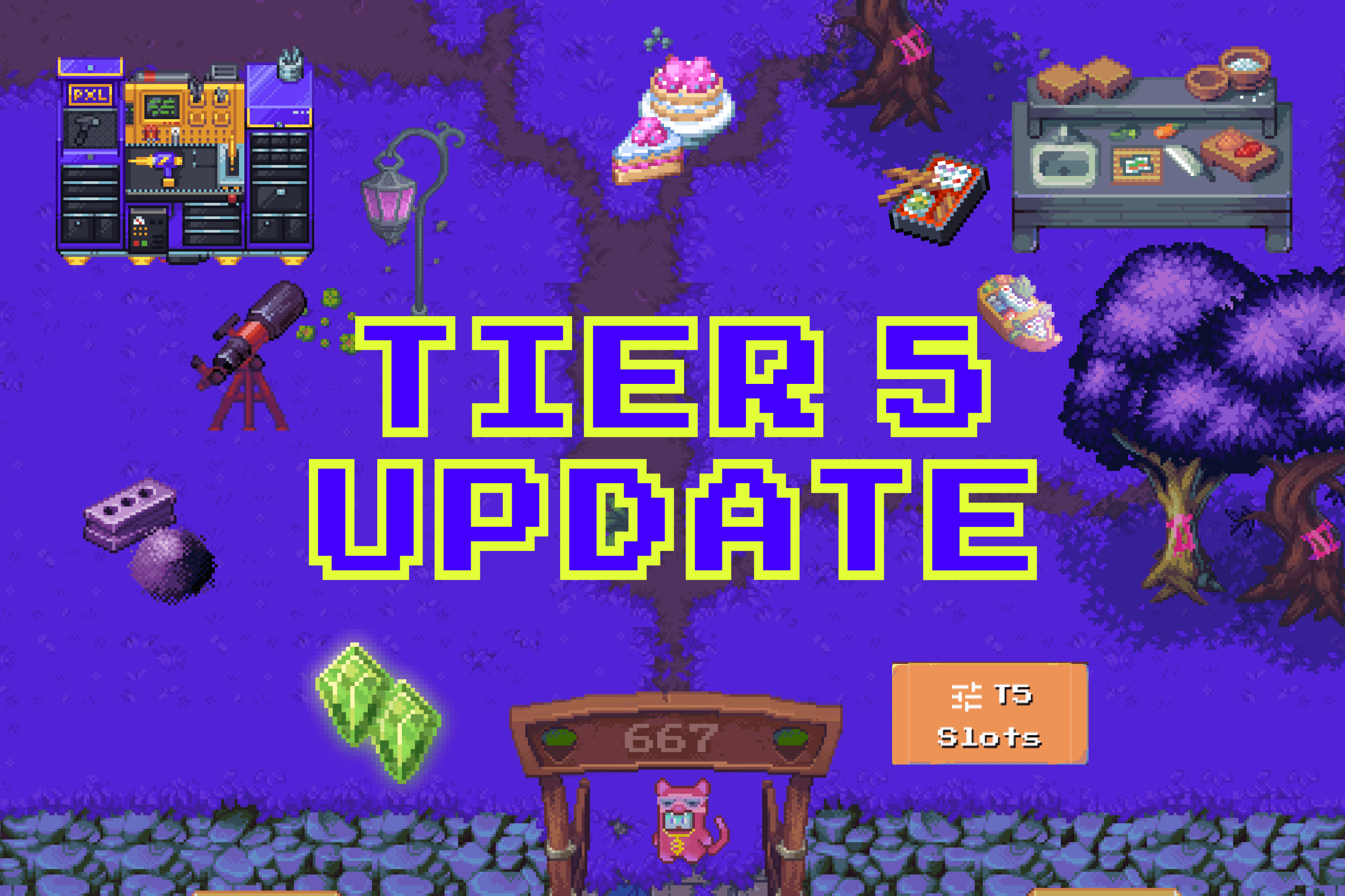
本当に言わなければならないなら... @Pixels は同じように思えます。外から見ると、それはまだ農業やクラフトゲームですが、内部の層を見ると、ここには徐々にインフラが構築されているのがわかります... それは報酬やトークン経済に限定されるものではありません。例えば、NFT土地の重要性を高めたり、T5機械用の別々のスロット権を設置したりすること - これは実際にはゲームプレイ以上の資産ベースのルールセットを作成しており、それについて考えると - 私は本当におバカです... 私が理解している限り、ここでの本当の転換点は所有権です。以前は、ゲームの所有権は非常に名目上のものでした - あなたはプレイし、アップグレードしましたが、システムはあなたを非常に簡単に置き換えることができました。今や土地、スロット権、更新システム - すべてが一緒になることで、あなたは単にプレイしているのではなく、小さなデジタルオペレーションを運営しているという印象を与えます。そして、そのオペレーションを維持するには、定期的な参加、リソース管理、計画が必要です。しかし、ここで奇妙なプレッシャーも生じます。なぜなら、ゲームはもはや単なるリラックスする場所ではなくなったからです。それは「継続的な責任」の一部になってしまいます。30日ごとの更新、HQベースのスロットアクセス - これらすべてが一緒になると、常に動いているミニ経済のように感じます。しかし、私は全体を全くネガティブに見ていません。なぜなら、その中で非常に広範な大きな実験が行われているからです。ゲームと実際の経済行動の境界がどこで出会うのかを見るために。もしかしたら将来的には、そのようなシステムがノルムとなり、ゲームが単なるエンターテイメントではなく小規模なデジタル生産層になるかもしれません。
全体として、質問は戻ってきます - これはまだゲームなのか、それとも私たちは徐々にゲームの名の下に新しい種類の経済を作り出している構造を見ているのでしょうか?何が起こるか見てみましょう.....🤔👀
正直なところ... 1つのことについて考え続けている理由がわからない - ゲームがプレイする場所から経済システム全体に徐々に変わるとき、私たちは本当にそれがゲームでなくなる場所を理解しているのでしょうか?
本当に言わなければならないなら... @Pixels は同じように思えます。外から見ると、それはまだ農業やクラフトゲームですが、内部の層を見ると、ここには徐々にインフラが構築されているのがわかります... それは報酬やトークン経済に限定されるものではありません。例えば、NFT土地の重要性を高めたり、T5機械用の別々のスロット権を設置したりすること - これは実際にはゲームプレイ以上の資産ベースのルールセットを作成しており、それについて考えると - 私は本当におバカです... 私が理解している限り、ここでの本当の転換点は所有権です。以前は、ゲームの所有権は非常に名目上のものでした - あなたはプレイし、アップグレードしましたが、システムはあなたを非常に簡単に置き換えることができました。今や土地、スロット権、更新システム - すべてが一緒になることで、あなたは単にプレイしているのではなく、小さなデジタルオペレーションを運営しているという印象を与えます。そして、そのオペレーションを維持するには、定期的な参加、リソース管理、計画が必要です。しかし、ここで奇妙なプレッシャーも生じます。なぜなら、ゲームはもはや単なるリラックスする場所ではなくなったからです。それは「継続的な責任」の一部になってしまいます。30日ごとの更新、HQベースのスロットアクセス - これらすべてが一緒になると、常に動いているミニ経済のように感じます。しかし、私は全体を全くネガティブに見ていません。なぜなら、その中で非常に広範な大きな実験が行われているからです。ゲームと実際の経済行動の境界がどこで出会うのかを見るために。もしかしたら将来的には、そのようなシステムがノルムとなり、ゲームが単なるエンターテイメントではなく小規模なデジタル生産層になるかもしれません。
全体として、質問は戻ってきます - これはまだゲームなのか、それとも私たちは徐々にゲームの名の下に新しい種類の経済を作り出している構造を見ているのでしょうか?何が起こるか見てみましょう.....🤔👀
·
--
翻訳参照
Lets go!!!
Lets go!!!

Crypto Expert BNB
·
--
ブリッシュ昨夜$ASTER について調べていました。それはただのランダムなトークン以上のものに感じ始めています...
しかし、私の注意を引いたのは...
最初はそのユーティリティです。ただのハイプのためにそこに座っているわけではありません。実際にエコシステムの中で役割を果たしています。私が見る限り、$ASTER は取引を支えるために設計されており、DeFi活動をサポートし、Aster Chain内でコア資産として機能する可能性があります。それはしっかりとした基盤です。
しかし、私が本当に好奇心をそそられるのは長期的なビジョンです...? 🤔
チームがDeFi、AI、ユーザーエクスペリエンスが一緒に集まるスケーラブルなネットワークを構築しようとしているように感じます。もし彼らがこれを適切に実行すれば、短期的な投機だけでなく、実際の採用の扉を開くことができるかもしれません。
私はそれが成功することが保証されているとは言っていません。暗号はそんなふうには機能しません。しかし、明確なユーティリティと長期的な思考を持つプロジェクトは通常、時間とともに際立ちます📊
これらすべてを分析した結果、ASTERは長期投資に適した良いトークンだと言えるでしょう。
今のところ、私は注意深く見守っていて…おそらく早めにポジショニングしています。
$ASTER についてあなたの意見は何ですか?コメントで教えてください...
#Aster #ASTER #AsterDEX #BinanceSquare
しかし、私の注意を引いたのは...
最初はそのユーティリティです。ただのハイプのためにそこに座っているわけではありません。実際にエコシステムの中で役割を果たしています。私が見る限り、$ASTER は取引を支えるために設計されており、DeFi活動をサポートし、Aster Chain内でコア資産として機能する可能性があります。それはしっかりとした基盤です。
しかし、私が本当に好奇心をそそられるのは長期的なビジョンです...? 🤔
チームがDeFi、AI、ユーザーエクスペリエンスが一緒に集まるスケーラブルなネットワークを構築しようとしているように感じます。もし彼らがこれを適切に実行すれば、短期的な投機だけでなく、実際の採用の扉を開くことができるかもしれません。
私はそれが成功することが保証されているとは言っていません。暗号はそんなふうには機能しません。しかし、明確なユーティリティと長期的な思考を持つプロジェクトは通常、時間とともに際立ちます📊
これらすべてを分析した結果、ASTERは長期投資に適した良いトークンだと言えるでしょう。
今のところ、私は注意深く見守っていて…おそらく早めにポジショニングしています。
$ASTER についてあなたの意見は何ですか?コメントで教えてください...
#Aster #ASTER #AsterDEX #BinanceSquare
1
·
--
翻訳参照
Was an amazing experience and im loving the adventure on $PIXEL
Was an amazing experience and im loving the adventure on $PIXEL
1
70
·
--
翻訳参照
There are rare digital spaces that stop feeling like games and start feeling like places where you can truly breathe, build, and belong.
Pixels is quietly becoming one of them.
Beyond the farming and blockchain mechanics, it’s building something deeper a living digital home where your time feels respected, your actions matter, and your presence leaves a gentle mark.
In Pixels, every small choice today shapes the world you return to tomorrow. Your land becomes a reflection of how you play whether you optimize for growth, design cozy spaces, or simply enjoy the peaceful rhythm of the game. The world doesn’t reset when you leave. It continues. And when you come back, it feels like it remembers you.
Progress here rewards consistency, not speed. Community turns individual actions into a shared, living environment. Even the $PIXEL token is tied to real participation rather than speculation.
In a noisy Web3 world full of hype, Pixels stands out by moving slowly and thoughtfully creating a space where effort turns into presence, and presence turns into belonging.
A gentle reminder that the best digital experiences aren’t always the loudest. Sometimes they’re the ones that simply feel like home.
@pixels
There are rare digital spaces that stop feeling like games and start feeling like places where you can truly breathe, build, and belong.
Pixels is quietly becoming one of them.
Beyond the farming and blockchain mechanics, it’s building something deeper a living digital home where your time feels respected, your actions matter, and your presence leaves a gentle mark.
In Pixels, every small choice today shapes the world you return to tomorrow. Your land becomes a reflection of how you play whether you optimize for growth, design cozy spaces, or simply enjoy the peaceful rhythm of the game. The world doesn’t reset when you leave. It continues. And when you come back, it feels like it remembers you.
Progress here rewards consistency, not speed. Community turns individual actions into a shared, living environment. Even the $PIXEL token is tied to real participation rather than speculation.
In a noisy Web3 world full of hype, Pixels stands out by moving slowly and thoughtfully creating a space where effort turns into presence, and presence turns into belonging.
A gentle reminder that the best digital experiences aren’t always the loudest. Sometimes they’re the ones that simply feel like home.
@Pixels
Pixels is quietly becoming one of them.
Beyond the farming and blockchain mechanics, it’s building something deeper a living digital home where your time feels respected, your actions matter, and your presence leaves a gentle mark.
In Pixels, every small choice today shapes the world you return to tomorrow. Your land becomes a reflection of how you play whether you optimize for growth, design cozy spaces, or simply enjoy the peaceful rhythm of the game. The world doesn’t reset when you leave. It continues. And when you come back, it feels like it remembers you.
Progress here rewards consistency, not speed. Community turns individual actions into a shared, living environment. Even the $PIXEL token is tied to real participation rather than speculation.
In a noisy Web3 world full of hype, Pixels stands out by moving slowly and thoughtfully creating a space where effort turns into presence, and presence turns into belonging.
A gentle reminder that the best digital experiences aren’t always the loudest. Sometimes they’re the ones that simply feel like home.
@Pixels
12
10
20
·
--
翻訳参照
Beyond Farming: How Pixels Is Building a Living Digital HomeIn the crowded landscape of Web3 gaming, where hype often outpaces substance, @pixels stands apart as something quieter and more enduring. It’s not another flashy play-to-earn scheme chasing quick flips. Instead, it has evolved into a living, breathing digital world a cozy, pixel-art farming MMO on the Ronin blockchain that feels less like a game and more like a place where people return because it quietly respects their time and presence.
Launched as a free-to-play social farming and exploration experience, Pixels draws inspiration from classics like Stardew Valley but layers in true ownership through NFT land plots, pets, and on-chain progression. What began as simple crop-tending has grown into an interconnected ecosystem of farming, crafting, questing, community building, and personal expression. In 2026, with reports of over a million daily active users, it has proven that blockchain mechanics can enhance rather than distract from genuine enjoyment.
The Heart of Pixels: Simple Human Truths in a Digital World
At its core, Pixels understands a fundamental truth: people don’t stay for complexity or forced grinding — they stay for feeling. The design taps into natural behaviors like exploration, creation, collection, and steady growth, then weaves them into a responsive system that evolves with the player.
You plant crops, raise animals, gather resources, level skills, and craft items in a charming 16-bit open world. But unlike traditional games where progress resets or fades when you log off, @pixels creates continuity. The world keeps turning. When you return — whether after a day or a week your farm reflects the care you’ve invested. That small sense of being “remembered” by the game builds a subtle emotional attachment that many players describe as calming and rewarding.
The rhythm is gentle: small actions today lead to slightly bigger outcomes tomorrow. This creates a quiet loop of satisfaction rather than pressure, turning casual play into something that feels meaningful over time.
A Living Ecosystem Where Everything Connects
What truly sets Pixels apart is its interconnected design. Farming flows naturally into crafting. Crafting supports progression. Progression ties into ownership. And ownership influences your long-term role in the shared world.
Land isn’t just a static asset — it’s your personal corner of the universe. There are limited NFT farm lands (only about 5,000 exist), available in different types like regular, water, or space plots, each with unique traits that affect yields and possibilities. Some players optimize for efficiency and high production. Others treat their land as a creative canvas, decorating and designing cozy spaces that reflect their personality. Over weeks and months, these choices shape not just your farm but your identity within the community.
Free “Speck” plots let anyone start farming immediately, while owned NFT lands offer deeper functionality, better yields, and the ability to host others. Everything feels purposeful because nothing exists in isolation — your actions ripple through the ecosystem.
Ownership That Feels Personal, Not Just Technical
Blockchain integration in Pixels avoids the common pitfall of feeling gimmicky. True ownership here translates to emotional investment. Your land, builds, pets, and progress are yours on-chain. You can trade, upgrade, or simply cherish them as extensions of your playstyle.
This isn’t abstract financial speculation for most players. It’s closer to tending a real garden or decorating a personal space. Some focus on strategic resource flow and long-term planning. Others experiment with aesthetics and social hosting. The result is a world full of diverse “presences” — players who leave visible traces of their time and creativity behind.
When your digital space starts mirroring how you think and play, it becomes harder to walk away. That attachment turns temporary curiosity into lasting commitment.
Progression Rooted in Consistency and Presence
Pixels rewards time and attention differently from games built around dopamine spikes or pay-to-win shortcuts. Progression emphasizes steady effort over burst activity. Daily tasks, seasonal rewards, skill advancement, and returning to your farm all contribute to a sense of earned growth.
This design fosters quiet pride. Players often speak of the satisfaction that comes from watching their farm mature through consistent care, rather than chasing fleeting highs. In a world full of instant gratification, Pixels makes consistency feel valuable — and memorable.
Community as a Shared, Living Environment
No virtual world thrives in isolation, and Pixels excels at turning individual actions into collective vitality. Players aren’t just farming side-by-side; they’re shaping the same evolving space. Some build impressive structures, others explore hidden systems or optimize resource networks, while many simply enjoy the peaceful atmosphere and social interactions.
The result is a world that feels inhabited even during quieter moments. Guilds, visitor hosting on lands, collaborative quests, and community events add layers of connection. It becomes a digital third place — somewhere between home and the wider internet — where presence itself adds value.
The $PIXEL Token: Tied to Behavior, Not Pure Speculation
The native $PIXEL token serves as premium utility within the ecosystem. It’s used for upgrades, crafting certain high-tier items, guild features, pet minting, VIP perks, and other convenience or expressive elements. While it has governance potential and can be staked for rewards, its primary role supports active participation rather than external trading hype.
This inward focus rewarding contribution, engagement, and long-term play helps align incentives with healthy behavior. Players think more about what they’re building right now than what the token might do on exchanges tomorrow. Recent economic adjustments, including the shift away from the earlier $BERRY model toward a more sustainable system with off-chain Coins for daily activities, reflect ongoing efforts to create positive “return on reward spend.”
Pixels as a Quiet Experiment in Meaningful Digital Spaces
In the broader conversation about the future of virtual worlds, Pixels is testing something important: What happens when time spent online feels respected and transformative rather than disposable?
It isn’t claiming to revolutionize everything overnight. It’s simply building, chapter by chapter — adding combat systems, expanded exploration, creator tools, and cross-game integrations while staying true to its cozy roots. The vision points toward a platform where players can even build their own experiences with native digital collectibles.
For now, Pixels offers a rare example of blockchain enhancing emotional depth instead of overshadowing it. It creates a space where effort becomes presence, presence becomes memory, and memory becomes a sense of belonging.
In an industry often criticized for burnout and fleeting trends, that’s no small achievement. Pixels isn’t shouting about being the future. It’s patiently becoming a place worth returning to a gentle, growing world that remembers you in its own pixelated way.
Whether you’re tending virtual crops for relaxation, expressing yourself through land design, or connecting with a global community of fellow builders, Pixels invites you to play at your own pace. And in doing so, it reminds us that the best digital experiences aren’t always the loudest. Sometimes, they’re the ones that simply feel like home.
Play Pixels for free at play.pixels.xyz
Follow the journey: @pixels_online
Token: $PIXEL on Ronin
Beyond Farming: How Pixels Is Building a Living Digital Home
In the crowded landscape of Web3 gaming, where hype often outpaces substance, @Pixels stands apart as something quieter and more enduring. It’s not another flashy play-to-earn scheme chasing quick flips. Instead, it has evolved into a living, breathing digital world a cozy, pixel-art farming MMO on the Ronin blockchain that feels less like a game and more like a place where people return because it quietly respects their time and presence.
Launched as a free-to-play social farming and exploration experience, Pixels draws inspiration from classics like Stardew Valley but layers in true ownership through NFT land plots, pets, and on-chain progression. What began as simple crop-tending has grown into an interconnected ecosystem of farming, crafting, questing, community building, and personal expression. In 2026, with reports of over a million daily active users, it has proven that blockchain mechanics can enhance rather than distract from genuine enjoyment.
The Heart of Pixels: Simple Human Truths in a Digital World
At its core, Pixels understands a fundamental truth: people don’t stay for complexity or forced grinding — they stay for feeling. The design taps into natural behaviors like exploration, creation, collection, and steady growth, then weaves them into a responsive system that evolves with the player.
You plant crops, raise animals, gather resources, level skills, and craft items in a charming 16-bit open world. But unlike traditional games where progress resets or fades when you log off, @Pixels creates continuity. The world keeps turning. When you return — whether after a day or a week your farm reflects the care you’ve invested. That small sense of being “remembered” by the game builds a subtle emotional attachment that many players describe as calming and rewarding.
The rhythm is gentle: small actions today lead to slightly bigger outcomes tomorrow. This creates a quiet loop of satisfaction rather than pressure, turning casual play into something that feels meaningful over time.
A Living Ecosystem Where Everything Connects
What truly sets Pixels apart is its interconnected design. Farming flows naturally into crafting. Crafting supports progression. Progression ties into ownership. And ownership influences your long-term role in the shared world.
Land isn’t just a static asset — it’s your personal corner of the universe. There are limited NFT farm lands (only about 5,000 exist), available in different types like regular, water, or space plots, each with unique traits that affect yields and possibilities. Some players optimize for efficiency and high production. Others treat their land as a creative canvas, decorating and designing cozy spaces that reflect their personality. Over weeks and months, these choices shape not just your farm but your identity within the community.
Free “Speck” plots let anyone start farming immediately, while owned NFT lands offer deeper functionality, better yields, and the ability to host others. Everything feels purposeful because nothing exists in isolation — your actions ripple through the ecosystem.
Ownership That Feels Personal, Not Just Technical
Blockchain integration in Pixels avoids the common pitfall of feeling gimmicky. True ownership here translates to emotional investment. Your land, builds, pets, and progress are yours on-chain. You can trade, upgrade, or simply cherish them as extensions of your playstyle.
This isn’t abstract financial speculation for most players. It’s closer to tending a real garden or decorating a personal space. Some focus on strategic resource flow and long-term planning. Others experiment with aesthetics and social hosting. The result is a world full of diverse “presences” — players who leave visible traces of their time and creativity behind.
When your digital space starts mirroring how you think and play, it becomes harder to walk away. That attachment turns temporary curiosity into lasting commitment.
Progression Rooted in Consistency and Presence
Pixels rewards time and attention differently from games built around dopamine spikes or pay-to-win shortcuts. Progression emphasizes steady effort over burst activity. Daily tasks, seasonal rewards, skill advancement, and returning to your farm all contribute to a sense of earned growth.
This design fosters quiet pride. Players often speak of the satisfaction that comes from watching their farm mature through consistent care, rather than chasing fleeting highs. In a world full of instant gratification, Pixels makes consistency feel valuable — and memorable.
Community as a Shared, Living Environment
No virtual world thrives in isolation, and Pixels excels at turning individual actions into collective vitality. Players aren’t just farming side-by-side; they’re shaping the same evolving space. Some build impressive structures, others explore hidden systems or optimize resource networks, while many simply enjoy the peaceful atmosphere and social interactions.
The result is a world that feels inhabited even during quieter moments. Guilds, visitor hosting on lands, collaborative quests, and community events add layers of connection. It becomes a digital third place — somewhere between home and the wider internet — where presence itself adds value.
The $PIXEL Token: Tied to Behavior, Not Pure Speculation
The native $PIXEL token serves as premium utility within the ecosystem. It’s used for upgrades, crafting certain high-tier items, guild features, pet minting, VIP perks, and other convenience or expressive elements. While it has governance potential and can be staked for rewards, its primary role supports active participation rather than external trading hype.
This inward focus rewarding contribution, engagement, and long-term play helps align incentives with healthy behavior. Players think more about what they’re building right now than what the token might do on exchanges tomorrow. Recent economic adjustments, including the shift away from the earlier $BERRY model toward a more sustainable system with off-chain Coins for daily activities, reflect ongoing efforts to create positive “return on reward spend.”
Pixels as a Quiet Experiment in Meaningful Digital Spaces
In the broader conversation about the future of virtual worlds, Pixels is testing something important: What happens when time spent online feels respected and transformative rather than disposable?
It isn’t claiming to revolutionize everything overnight. It’s simply building, chapter by chapter — adding combat systems, expanded exploration, creator tools, and cross-game integrations while staying true to its cozy roots. The vision points toward a platform where players can even build their own experiences with native digital collectibles.
For now, Pixels offers a rare example of blockchain enhancing emotional depth instead of overshadowing it. It creates a space where effort becomes presence, presence becomes memory, and memory becomes a sense of belonging.
In an industry often criticized for burnout and fleeting trends, that’s no small achievement. Pixels isn’t shouting about being the future. It’s patiently becoming a place worth returning to a gentle, growing world that remembers you in its own pixelated way.
Whether you’re tending virtual crops for relaxation, expressing yourself through land design, or connecting with a global community of fellow builders, Pixels invites you to play at your own pace. And in doing so, it reminds us that the best digital experiences aren’t always the loudest. Sometimes, they’re the ones that simply feel like home.
Play Pixels for free at play.pixels.xyz
Follow the journey: @pixels_online
Token: $PIXEL on Ronin
Launched as a free-to-play social farming and exploration experience, Pixels draws inspiration from classics like Stardew Valley but layers in true ownership through NFT land plots, pets, and on-chain progression. What began as simple crop-tending has grown into an interconnected ecosystem of farming, crafting, questing, community building, and personal expression. In 2026, with reports of over a million daily active users, it has proven that blockchain mechanics can enhance rather than distract from genuine enjoyment.
The Heart of Pixels: Simple Human Truths in a Digital World
At its core, Pixels understands a fundamental truth: people don’t stay for complexity or forced grinding — they stay for feeling. The design taps into natural behaviors like exploration, creation, collection, and steady growth, then weaves them into a responsive system that evolves with the player.
You plant crops, raise animals, gather resources, level skills, and craft items in a charming 16-bit open world. But unlike traditional games where progress resets or fades when you log off, @Pixels creates continuity. The world keeps turning. When you return — whether after a day or a week your farm reflects the care you’ve invested. That small sense of being “remembered” by the game builds a subtle emotional attachment that many players describe as calming and rewarding.
The rhythm is gentle: small actions today lead to slightly bigger outcomes tomorrow. This creates a quiet loop of satisfaction rather than pressure, turning casual play into something that feels meaningful over time.
A Living Ecosystem Where Everything Connects
What truly sets Pixels apart is its interconnected design. Farming flows naturally into crafting. Crafting supports progression. Progression ties into ownership. And ownership influences your long-term role in the shared world.
Land isn’t just a static asset — it’s your personal corner of the universe. There are limited NFT farm lands (only about 5,000 exist), available in different types like regular, water, or space plots, each with unique traits that affect yields and possibilities. Some players optimize for efficiency and high production. Others treat their land as a creative canvas, decorating and designing cozy spaces that reflect their personality. Over weeks and months, these choices shape not just your farm but your identity within the community.
Free “Speck” plots let anyone start farming immediately, while owned NFT lands offer deeper functionality, better yields, and the ability to host others. Everything feels purposeful because nothing exists in isolation — your actions ripple through the ecosystem.
Ownership That Feels Personal, Not Just Technical
Blockchain integration in Pixels avoids the common pitfall of feeling gimmicky. True ownership here translates to emotional investment. Your land, builds, pets, and progress are yours on-chain. You can trade, upgrade, or simply cherish them as extensions of your playstyle.
This isn’t abstract financial speculation for most players. It’s closer to tending a real garden or decorating a personal space. Some focus on strategic resource flow and long-term planning. Others experiment with aesthetics and social hosting. The result is a world full of diverse “presences” — players who leave visible traces of their time and creativity behind.
When your digital space starts mirroring how you think and play, it becomes harder to walk away. That attachment turns temporary curiosity into lasting commitment.
Progression Rooted in Consistency and Presence
Pixels rewards time and attention differently from games built around dopamine spikes or pay-to-win shortcuts. Progression emphasizes steady effort over burst activity. Daily tasks, seasonal rewards, skill advancement, and returning to your farm all contribute to a sense of earned growth.
This design fosters quiet pride. Players often speak of the satisfaction that comes from watching their farm mature through consistent care, rather than chasing fleeting highs. In a world full of instant gratification, Pixels makes consistency feel valuable — and memorable.
Community as a Shared, Living Environment
No virtual world thrives in isolation, and Pixels excels at turning individual actions into collective vitality. Players aren’t just farming side-by-side; they’re shaping the same evolving space. Some build impressive structures, others explore hidden systems or optimize resource networks, while many simply enjoy the peaceful atmosphere and social interactions.
The result is a world that feels inhabited even during quieter moments. Guilds, visitor hosting on lands, collaborative quests, and community events add layers of connection. It becomes a digital third place — somewhere between home and the wider internet — where presence itself adds value.
The $PIXEL Token: Tied to Behavior, Not Pure Speculation
The native $PIXEL token serves as premium utility within the ecosystem. It’s used for upgrades, crafting certain high-tier items, guild features, pet minting, VIP perks, and other convenience or expressive elements. While it has governance potential and can be staked for rewards, its primary role supports active participation rather than external trading hype.
This inward focus rewarding contribution, engagement, and long-term play helps align incentives with healthy behavior. Players think more about what they’re building right now than what the token might do on exchanges tomorrow. Recent economic adjustments, including the shift away from the earlier $BERRY model toward a more sustainable system with off-chain Coins for daily activities, reflect ongoing efforts to create positive “return on reward spend.”
Pixels as a Quiet Experiment in Meaningful Digital Spaces
In the broader conversation about the future of virtual worlds, Pixels is testing something important: What happens when time spent online feels respected and transformative rather than disposable?
It isn’t claiming to revolutionize everything overnight. It’s simply building, chapter by chapter — adding combat systems, expanded exploration, creator tools, and cross-game integrations while staying true to its cozy roots. The vision points toward a platform where players can even build their own experiences with native digital collectibles.
For now, Pixels offers a rare example of blockchain enhancing emotional depth instead of overshadowing it. It creates a space where effort becomes presence, presence becomes memory, and memory becomes a sense of belonging.
In an industry often criticized for burnout and fleeting trends, that’s no small achievement. Pixels isn’t shouting about being the future. It’s patiently becoming a place worth returning to a gentle, growing world that remembers you in its own pixelated way.
Whether you’re tending virtual crops for relaxation, expressing yourself through land design, or connecting with a global community of fellow builders, Pixels invites you to play at your own pace. And in doing so, it reminds us that the best digital experiences aren’t always the loudest. Sometimes, they’re the ones that simply feel like home.
Play Pixels for free at play.pixels.xyz
Follow the journey: @pixels_online
Token: $PIXEL on Ronin
12
10
12
·
--
記事
翻訳参照
Pixels Is Learning the Hard Truth: Not All Growth Is Good GrowthWhen Pixels first exploded onto the scene as a browser-based farming game on the Ronin blockchain, the narrative was simple and intoxicating: flood the funnel with daily active users, spark token activity, and let momentum carry the project. More players meant more noise, more transactions, and a thriving tokenized economy. Or so the story went.
But raw scale has a way of revealing its limits in web3 gaming. @pixels proved it could deliver massive audiences it became the top web3 title by daily active users in 2024, reportedly generating around $20 million in revenue that year. Yet success on paper masked deeper issues: runaway token inflation, persistent sell pressure from rewards, and an economy that often subsidized short-term activity rather than building lasting value.
The game’s own evolution tells the real story. By late 2024 and into 2025, the team confronted the unsustainability of “growth at all costs.” Rewards were flowing out faster than revenue was flowing back in. The response? A deliberate pivot away from chasing the biggest possible audience toward cultivating a better one.
At the heart of this shift is a metric that sounds deceptively simple but carries profound implications: RORS, or Return on Reward Spend. It’s the ratio of revenue earned back versus rewards paid out. Pixels has indicated RORS hovering around 0.8 in recent periods. On the surface, that’s a familiar game industry benchmark. Dig deeper, and it’s subsidy accounting in disguise. It reveals an economy that still isn’t fully self-sustaining every new player isn’t automatically accretive. Some are net extractors.
This realization forces a financial filter on retention. In a tokenized system, you can’t afford to treat every newcomer as equally valuable. The focus moves from vanity metrics like peak DAUs to player quality: who stays, who spends, who reinvests tokens back into the ecosystem, and who generates usable behavioral data for smarter future loops.
Market conditions only amplify the need for precision. As of mid-April 2026, the $PIXEL token trades with a market cap in the $25–28 million range (with some data points varying based on recent volatility), high 24-hour volumes relative to its size, and roughly 3.38 billion of its 5 billion total supply already circulating. That high turnover suggests constant repricing and movement rather than quiet accumulation exactly the environment where loose reward distribution can accelerate leakage instead of loyalty.
In response, Pixels has introduced smarter targeting, expanded VIP tier structures (where spending $PIXEL earns points and escalating perks), added withdrawal friction in places, and designed more spend-oriented gameplay loops. These aren’t just retention tweaks; they’re attempts to reward players more likely to create durable value those who treat the game as a hobby with skin in the game rather than a quick farm.
The upside is clear: lower user acquisition costs, reduced waste on low-quality traffic, and a tighter feedback loop for improving the product. Better players generate better data, which in turn enables more precise incentives. It’s a virtuous cycle that many traditional games have long optimized for.
Yet the risks are real and worth watching. A system optimized for quality can start to feel gated or less welcoming to true casuals. If the “precision” filter hardens into exclusion, the playful, open-world charm that helped Pixels stand out could erode. The challenge is balancing sustainability with accessibility—keeping the farm fun without turning it into an exclusive club.
This strategic recalibration doesn’t happen in isolation. It mirrors broader dynamics in crypto. The total market cap sits near $2.5–2.6 trillion, with Bitcoin dominance holding steady around 57%. Liquidity is present but increasingly selective and defensive. Stablecoin supply hovers above $300 billion, while Bitcoin ETF flows remain volatile strong inflows one week (like the $871 million into IBIT in a recent period) can give way to outflows the next. In such an environment, “rented” attention from incentive-driven users evaporates quickly when rewards soften. Weak economies get exposed fast.
What Pixels appears to be building is quieter but more ambitious than the initial hype suggested. It’s evolving from a simple farming game with a token attached into a measured acquisition and retention engine—where the token’s primary utility is improving player quality and economic health over time.
The industry as a whole is making a similar transition. In an era shaped by data, AI-driven personalization, and maturing tokenomics, who stays predictably matters far more than who arrives noisily. Counting heads was phase one. Classifying behavior and lifetime value is phase two.
In the end, Pixels isn’t abandoning growth. It’s rejecting the kind of growth that leaves nothing behind—no habits, no spend, no ecosystem value. In a space littered with projects that chased explosive user numbers only to collapse under their own inflationary weight, this measured approach feels like a necessary maturation.
Whether it fully succeeds will depend on execution: Can the team keep the experience engaging while tightening the economics? Can they attract high-quality players without alienating the casual base that gave them their early scale? The answers will matter not just for Pixels, but for the next wave of web3 games trying to prove that tokenized economies can be sustainable—not just speculative.
$PIXEL isn’t just a farming token anymore. It’s becoming a loyalty signal. And in crypto gaming, that might be the scarcest resource of all.
Pixels Is Learning the Hard Truth: Not All Growth Is Good Growth
When Pixels first exploded onto the scene as a browser-based farming game on the Ronin blockchain, the narrative was simple and intoxicating: flood the funnel with daily active users, spark token activity, and let momentum carry the project. More players meant more noise, more transactions, and a thriving tokenized economy. Or so the story went.
But raw scale has a way of revealing its limits in web3 gaming. @Pixels proved it could deliver massive audiences it became the top web3 title by daily active users in 2024, reportedly generating around $20 million in revenue that year. Yet success on paper masked deeper issues: runaway token inflation, persistent sell pressure from rewards, and an economy that often subsidized short-term activity rather than building lasting value.
The game’s own evolution tells the real story. By late 2024 and into 2025, the team confronted the unsustainability of “growth at all costs.” Rewards were flowing out faster than revenue was flowing back in. The response? A deliberate pivot away from chasing the biggest possible audience toward cultivating a better one.
At the heart of this shift is a metric that sounds deceptively simple but carries profound implications: RORS, or Return on Reward Spend. It’s the ratio of revenue earned back versus rewards paid out. Pixels has indicated RORS hovering around 0.8 in recent periods. On the surface, that’s a familiar game industry benchmark. Dig deeper, and it’s subsidy accounting in disguise. It reveals an economy that still isn’t fully self-sustaining every new player isn’t automatically accretive. Some are net extractors.
This realization forces a financial filter on retention. In a tokenized system, you can’t afford to treat every newcomer as equally valuable. The focus moves from vanity metrics like peak DAUs to player quality: who stays, who spends, who reinvests tokens back into the ecosystem, and who generates usable behavioral data for smarter future loops.
Market conditions only amplify the need for precision. As of mid-April 2026, the $PIXEL token trades with a market cap in the $25–28 million range (with some data points varying based on recent volatility), high 24-hour volumes relative to its size, and roughly 3.38 billion of its 5 billion total supply already circulating. That high turnover suggests constant repricing and movement rather than quiet accumulation exactly the environment where loose reward distribution can accelerate leakage instead of loyalty.
In response, Pixels has introduced smarter targeting, expanded VIP tier structures (where spending $PIXEL earns points and escalating perks), added withdrawal friction in places, and designed more spend-oriented gameplay loops. These aren’t just retention tweaks; they’re attempts to reward players more likely to create durable value those who treat the game as a hobby with skin in the game rather than a quick farm.
The upside is clear: lower user acquisition costs, reduced waste on low-quality traffic, and a tighter feedback loop for improving the product. Better players generate better data, which in turn enables more precise incentives. It’s a virtuous cycle that many traditional games have long optimized for.
Yet the risks are real and worth watching. A system optimized for quality can start to feel gated or less welcoming to true casuals. If the “precision” filter hardens into exclusion, the playful, open-world charm that helped Pixels stand out could erode. The challenge is balancing sustainability with accessibility—keeping the farm fun without turning it into an exclusive club.
This strategic recalibration doesn’t happen in isolation. It mirrors broader dynamics in crypto. The total market cap sits near $2.5–2.6 trillion, with Bitcoin dominance holding steady around 57%. Liquidity is present but increasingly selective and defensive. Stablecoin supply hovers above $300 billion, while Bitcoin ETF flows remain volatile strong inflows one week (like the $871 million into IBIT in a recent period) can give way to outflows the next. In such an environment, “rented” attention from incentive-driven users evaporates quickly when rewards soften. Weak economies get exposed fast.
What Pixels appears to be building is quieter but more ambitious than the initial hype suggested. It’s evolving from a simple farming game with a token attached into a measured acquisition and retention engine—where the token’s primary utility is improving player quality and economic health over time.
The industry as a whole is making a similar transition. In an era shaped by data, AI-driven personalization, and maturing tokenomics, who stays predictably matters far more than who arrives noisily. Counting heads was phase one. Classifying behavior and lifetime value is phase two.
In the end, Pixels isn’t abandoning growth. It’s rejecting the kind of growth that leaves nothing behind—no habits, no spend, no ecosystem value. In a space littered with projects that chased explosive user numbers only to collapse under their own inflationary weight, this measured approach feels like a necessary maturation.
Whether it fully succeeds will depend on execution: Can the team keep the experience engaging while tightening the economics? Can they attract high-quality players without alienating the casual base that gave them their early scale? The answers will matter not just for Pixels, but for the next wave of web3 games trying to prove that tokenized economies can be sustainable—not just speculative.
$PIXEL isn’t just a farming token anymore. It’s becoming a loyalty signal. And in crypto gaming, that might be the scarcest resource of all.
But raw scale has a way of revealing its limits in web3 gaming. @Pixels proved it could deliver massive audiences it became the top web3 title by daily active users in 2024, reportedly generating around $20 million in revenue that year. Yet success on paper masked deeper issues: runaway token inflation, persistent sell pressure from rewards, and an economy that often subsidized short-term activity rather than building lasting value.
The game’s own evolution tells the real story. By late 2024 and into 2025, the team confronted the unsustainability of “growth at all costs.” Rewards were flowing out faster than revenue was flowing back in. The response? A deliberate pivot away from chasing the biggest possible audience toward cultivating a better one.
At the heart of this shift is a metric that sounds deceptively simple but carries profound implications: RORS, or Return on Reward Spend. It’s the ratio of revenue earned back versus rewards paid out. Pixels has indicated RORS hovering around 0.8 in recent periods. On the surface, that’s a familiar game industry benchmark. Dig deeper, and it’s subsidy accounting in disguise. It reveals an economy that still isn’t fully self-sustaining every new player isn’t automatically accretive. Some are net extractors.
This realization forces a financial filter on retention. In a tokenized system, you can’t afford to treat every newcomer as equally valuable. The focus moves from vanity metrics like peak DAUs to player quality: who stays, who spends, who reinvests tokens back into the ecosystem, and who generates usable behavioral data for smarter future loops.
Market conditions only amplify the need for precision. As of mid-April 2026, the $PIXEL token trades with a market cap in the $25–28 million range (with some data points varying based on recent volatility), high 24-hour volumes relative to its size, and roughly 3.38 billion of its 5 billion total supply already circulating. That high turnover suggests constant repricing and movement rather than quiet accumulation exactly the environment where loose reward distribution can accelerate leakage instead of loyalty.
In response, Pixels has introduced smarter targeting, expanded VIP tier structures (where spending $PIXEL earns points and escalating perks), added withdrawal friction in places, and designed more spend-oriented gameplay loops. These aren’t just retention tweaks; they’re attempts to reward players more likely to create durable value those who treat the game as a hobby with skin in the game rather than a quick farm.
The upside is clear: lower user acquisition costs, reduced waste on low-quality traffic, and a tighter feedback loop for improving the product. Better players generate better data, which in turn enables more precise incentives. It’s a virtuous cycle that many traditional games have long optimized for.
Yet the risks are real and worth watching. A system optimized for quality can start to feel gated or less welcoming to true casuals. If the “precision” filter hardens into exclusion, the playful, open-world charm that helped Pixels stand out could erode. The challenge is balancing sustainability with accessibility—keeping the farm fun without turning it into an exclusive club.
This strategic recalibration doesn’t happen in isolation. It mirrors broader dynamics in crypto. The total market cap sits near $2.5–2.6 trillion, with Bitcoin dominance holding steady around 57%. Liquidity is present but increasingly selective and defensive. Stablecoin supply hovers above $300 billion, while Bitcoin ETF flows remain volatile strong inflows one week (like the $871 million into IBIT in a recent period) can give way to outflows the next. In such an environment, “rented” attention from incentive-driven users evaporates quickly when rewards soften. Weak economies get exposed fast.
What Pixels appears to be building is quieter but more ambitious than the initial hype suggested. It’s evolving from a simple farming game with a token attached into a measured acquisition and retention engine—where the token’s primary utility is improving player quality and economic health over time.
The industry as a whole is making a similar transition. In an era shaped by data, AI-driven personalization, and maturing tokenomics, who stays predictably matters far more than who arrives noisily. Counting heads was phase one. Classifying behavior and lifetime value is phase two.
In the end, Pixels isn’t abandoning growth. It’s rejecting the kind of growth that leaves nothing behind—no habits, no spend, no ecosystem value. In a space littered with projects that chased explosive user numbers only to collapse under their own inflationary weight, this measured approach feels like a necessary maturation.
Whether it fully succeeds will depend on execution: Can the team keep the experience engaging while tightening the economics? Can they attract high-quality players without alienating the casual base that gave them their early scale? The answers will matter not just for Pixels, but for the next wave of web3 games trying to prove that tokenized economies can be sustainable—not just speculative.
$PIXEL isn’t just a farming token anymore. It’s becoming a loyalty signal. And in crypto gaming, that might be the scarcest resource of all.
1
21
·
--
翻訳参照
Pixel is moving beyond the typical “game token” vibe and into something deeper: a true living in-game economy.
What stands out isn’t just farming or progression it’s how resources, land, crafting, and social layers all interconnect.
Every decision creates ripple effects that build real depth and momentum.
With @pixels , value isn’t only about holding assets. It’s about compounding your position through smart gameplay tied to $PIXEL . The shift toward a persistent world feels right: players aren’t just chasing rewards they’re shaping their place in the ecosystem over time.
If this direction continues, Pixels could set the standard for dynamic, player-driven Web3 economies. Interconnected, strategic, and actually fun.
#Pixels @pixels #Web3Gaming
Pixel is moving beyond the typical “game token” vibe and into something deeper: a true living in-game economy.
What stands out isn’t just farming or progression it’s how resources, land, crafting, and social layers all interconnect.
Every decision creates ripple effects that build real depth and momentum.
With @Pixels , value isn’t only about holding assets. It’s about compounding your position through smart gameplay tied to $PIXEL . The shift toward a persistent world feels right: players aren’t just chasing rewards they’re shaping their place in the ecosystem over time.
If this direction continues, Pixels could set the standard for dynamic, player-driven Web3 economies. Interconnected, strategic, and actually fun.
#Pixels @Pixels #Web3Gaming
What stands out isn’t just farming or progression it’s how resources, land, crafting, and social layers all interconnect.
Every decision creates ripple effects that build real depth and momentum.
With @Pixels , value isn’t only about holding assets. It’s about compounding your position through smart gameplay tied to $PIXEL . The shift toward a persistent world feels right: players aren’t just chasing rewards they’re shaping their place in the ecosystem over time.
If this direction continues, Pixels could set the standard for dynamic, player-driven Web3 economies. Interconnected, strategic, and actually fun.
#Pixels @Pixels #Web3Gaming
54
·
--
翻訳参照
Love the insight.
Love the insight.

Immaculatep
·
--
なぜ99%のWeb3ゲームは失敗するのか、そしてピクセルがどのようにルールブックを書き換えたか
🎯 メタバースのゴーストタウン
少し現実を見ましょう。私たちは皆そこにいました。
新しい「革命的な」Web3ゲームが華やかなトレーラーと「月へ行こう」のロードマップで発表されました。私たちはトークンを購入し、何時間も努力し、その後は沈黙。フロア価格は下がり、ディスコードは「いつ月?」や「開発者、何かしろ」といった海に変わり、ゲームはまた別のデジタルゴーストタウンになります。このサイクルが私が認めたくないほど繰り返されるのを見てきました。
厳しい真実は、99%のWeb3ゲームが失敗するということです。彼らはカードの家の上に築かれているため失敗します:持続不可能な「プレイ・トゥ・アーン」(P2E)モデルで、そこにいる唯一の理由は価値を引き出して捨てることです。これは底辺への競争です。
少し現実を見ましょう。私たちは皆そこにいました。
新しい「革命的な」Web3ゲームが華やかなトレーラーと「月へ行こう」のロードマップで発表されました。私たちはトークンを購入し、何時間も努力し、その後は沈黙。フロア価格は下がり、ディスコードは「いつ月?」や「開発者、何かしろ」といった海に変わり、ゲームはまた別のデジタルゴーストタウンになります。このサイクルが私が認めたくないほど繰り返されるのを見てきました。
厳しい真実は、99%のWeb3ゲームが失敗するということです。彼らはカードの家の上に築かれているため失敗します:持続不可能な「プレイ・トゥ・アーン」(P2E)モデルで、そこにいる唯一の理由は価値を引き出して捨てることです。これは底辺への競争です。
·
--
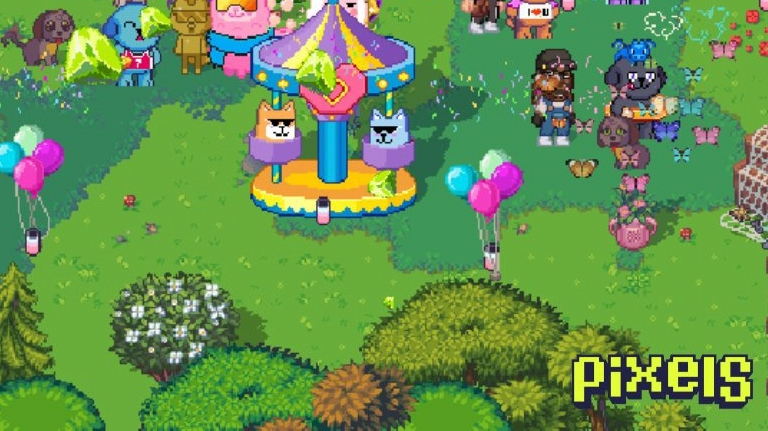
記事
翻訳参照
Pixels: The Web3 Farming Game That Turned Time, Strategy, and Community Into Real ValueIn the crowded and often volatile landscape of Web3 gaming, where many titles chase quick hype cycles only to collapse under unsustainable token emissions and player fatigue, Pixels stands out as a thoughtful outlier. Built as a free-to-play social farming and exploration game on the Ronin blockchain, Pixels has steadily demonstrated that a player-driven economy can be both engaging and resilient prioritizing meaningful gameplay, strategic depth, and community over pure extraction.
From Pixel Art Charm to Blockchain Depth
At its heart, Pixels draws inspiration from classics like Stardew Valley and Runescape, wrapping nostalgic 2D pixel-art visuals around an open-world experience of farming, resource gathering, crafting, and social interaction. Players manage virtual land, grow crops, raise animals, explore, complete quests, and build relationships in a shared universe. What elevates it beyond a simple life-sim is the seamless integration of true ownership: land plots, assets, and progress are backed by blockchain, giving players real agency over what they build.
Unlike many early play-to-earn experiments that reduced gameplay to mindless grinding for token dumps, Pixels designs its loops so that time, strategy, and consistency drive progress. Resource management, land optimization, and collaborative activities feel natural. Logging in becomes about nurturing a growing virtual homestead or trading with neighbors, not just chasing daily rewards. This casual-yet-deep approach has helped Pixels amass millions of players, with peaks of hundreds of thousands of daily active users, making it one of the most played decentralized applications in the space.
The Evolution of a Sustainable Economy
Pixels’ economic model has matured significantly. It once featured a dual-token system with $BERRY (an inflationary soft currency) alongside the premium $PIXEL token. Recognizing the pitfalls of unchecked inflation common in Web3 games the team transitioned to a more focused structure. $BERRY was phased out and largely converted, replaced in part by an off-chain “Coins” currency for everyday transactions, while $PIXEL became the central utility and governance asset.
Today, $PIXEL serves as the backbone of the ecosystem. Players use it for:
• Upgrading assets
• Minting NFTs (such as pets or premium items)
• Joining or creating guilds
• Accessing VIP features
• Purchasing Coins
• Participating in staking for rewards and ecosystem influence
This utility-driven design helps maintain relevance even as reward emissions are managed carefully. Staking $PIXEL unlocks boosts, exclusive perks, and the ability to shape future developments, turning holders into active stakeholders rather than passive farmers. Recent initiatives, including heavier withdrawal fees redistributed to stakers and experiments like the Stacked rewards app, further aim to create positive feedback loops where player spending and engagement generate sustainable revenue.
Land ownership exemplifies the strategic layer. Farmland NFTs aren’t cosmetic; they directly influence productivity, resource yields, and long-term earning potential. Players must think about layout, crop rotation, animal care, and market conditions rather than simply grinding repetitive tasks. This balance between effort, planning, and social elements reduces burnout and encourages deeper investment in the world.
Community, Iteration, and Social Stickiness
What truly differentiates Pixels is its emphasis on social gameplay. Trading goods, cooperating on quests, joining guilds, and sharing strategies create a vibrant network effect. Players aren’t isolated wallets farming in silence they’re part of a living community where collaboration adds layers of value beyond tokens.
The development team reinforces this trust through consistent, player-informed updates. Patches refine mechanics, improve user experience, introduce new features (such as exploration elements, task boards, and events), and address economic balance without disrupting the core fun. Recent roadmap items point toward Chapter 2 enhancements focused on guilds and economic overhauls, and even Chapter 3 explorations into combat systems, signaling a commitment to long-term evolution.
Additional experiments like mobile-native spin-offs and rewards hubs show ambition to expand the $PIXEL universe into a broader platform where user-generated content and multiple games can coexist, all natively supporting digital collectibles.
Challenges on the Horizon
No Web3 game is without hurdles. Balancing token supply to avoid saturation, sustaining organic player growth amid broader market volatility, and ensuring new features don’t alienate casual users remain ongoing priorities. External factors, such as crypto market cycles, also influence sentiment. Yet Pixels has navigated these by adopting a measured, long-term mindset focusing on revenue generation alongside rewards, lowering reliance on pure token incentives, and drawing lessons from both traditional gaming and successful Web3 precedents.
Why Pixels Matters for the Future of Web3 Gaming
In an industry still recovering from overhyped play-to-earn cycles that often left players disillusioned, Pixels offers a compelling blueprint. It demonstrates that earning can be a natural byproduct of enjoyable, meaningful gameplay rather than the sole driver. When players stay because they’re invested in their land, their community, and the evolving world not just the token price the economy gains genuine resilience.
With millions of players, a maturing single-token utility model, strong social features, and a roadmap that keeps the experience fresh, Pixel is positioning itself as more than just another blockchain game. It’s building a living digital economy where participants have real agency, strategy rewards patience, and fun remains front and center.
For Web3 enthusiasts, farmers at heart, or anyone curious about the next evolution of gaming on the blockchain, Pixels is worth exploring. In a space that has seen too many short-lived hype trains, this is one project steadily laying tracks for something more enduring.
Play for free at pixels.xyz and discover your own corner of the Pixels universe.
The soil is fertile what will you grow?
#PIXEL #Web3Gaming
Pixels: The Web3 Farming Game That Turned Time, Strategy, and Community Into Real Value
In the crowded and often volatile landscape of Web3 gaming, where many titles chase quick hype cycles only to collapse under unsustainable token emissions and player fatigue, Pixels stands out as a thoughtful outlier. Built as a free-to-play social farming and exploration game on the Ronin blockchain, Pixels has steadily demonstrated that a player-driven economy can be both engaging and resilient prioritizing meaningful gameplay, strategic depth, and community over pure extraction.
From Pixel Art Charm to Blockchain Depth
At its heart, Pixels draws inspiration from classics like Stardew Valley and Runescape, wrapping nostalgic 2D pixel-art visuals around an open-world experience of farming, resource gathering, crafting, and social interaction. Players manage virtual land, grow crops, raise animals, explore, complete quests, and build relationships in a shared universe. What elevates it beyond a simple life-sim is the seamless integration of true ownership: land plots, assets, and progress are backed by blockchain, giving players real agency over what they build.
Unlike many early play-to-earn experiments that reduced gameplay to mindless grinding for token dumps, Pixels designs its loops so that time, strategy, and consistency drive progress. Resource management, land optimization, and collaborative activities feel natural. Logging in becomes about nurturing a growing virtual homestead or trading with neighbors, not just chasing daily rewards. This casual-yet-deep approach has helped Pixels amass millions of players, with peaks of hundreds of thousands of daily active users, making it one of the most played decentralized applications in the space.
The Evolution of a Sustainable Economy
Pixels’ economic model has matured significantly. It once featured a dual-token system with $BERRY (an inflationary soft currency) alongside the premium $PIXEL token. Recognizing the pitfalls of unchecked inflation common in Web3 games the team transitioned to a more focused structure. $BERRY was phased out and largely converted, replaced in part by an off-chain “Coins” currency for everyday transactions, while $PIXEL became the central utility and governance asset.
Today, $PIXEL serves as the backbone of the ecosystem. Players use it for:
• Upgrading assets
• Minting NFTs (such as pets or premium items)
• Joining or creating guilds
• Accessing VIP features
• Purchasing Coins
• Participating in staking for rewards and ecosystem influence
This utility-driven design helps maintain relevance even as reward emissions are managed carefully. Staking $PIXEL unlocks boosts, exclusive perks, and the ability to shape future developments, turning holders into active stakeholders rather than passive farmers. Recent initiatives, including heavier withdrawal fees redistributed to stakers and experiments like the Stacked rewards app, further aim to create positive feedback loops where player spending and engagement generate sustainable revenue.
Land ownership exemplifies the strategic layer. Farmland NFTs aren’t cosmetic; they directly influence productivity, resource yields, and long-term earning potential. Players must think about layout, crop rotation, animal care, and market conditions rather than simply grinding repetitive tasks. This balance between effort, planning, and social elements reduces burnout and encourages deeper investment in the world.
Community, Iteration, and Social Stickiness
What truly differentiates Pixels is its emphasis on social gameplay. Trading goods, cooperating on quests, joining guilds, and sharing strategies create a vibrant network effect. Players aren’t isolated wallets farming in silence they’re part of a living community where collaboration adds layers of value beyond tokens.
The development team reinforces this trust through consistent, player-informed updates. Patches refine mechanics, improve user experience, introduce new features (such as exploration elements, task boards, and events), and address economic balance without disrupting the core fun. Recent roadmap items point toward Chapter 2 enhancements focused on guilds and economic overhauls, and even Chapter 3 explorations into combat systems, signaling a commitment to long-term evolution.
Additional experiments like mobile-native spin-offs and rewards hubs show ambition to expand the $PIXEL universe into a broader platform where user-generated content and multiple games can coexist, all natively supporting digital collectibles.
Challenges on the Horizon
No Web3 game is without hurdles. Balancing token supply to avoid saturation, sustaining organic player growth amid broader market volatility, and ensuring new features don’t alienate casual users remain ongoing priorities. External factors, such as crypto market cycles, also influence sentiment. Yet Pixels has navigated these by adopting a measured, long-term mindset focusing on revenue generation alongside rewards, lowering reliance on pure token incentives, and drawing lessons from both traditional gaming and successful Web3 precedents.
Why Pixels Matters for the Future of Web3 Gaming
In an industry still recovering from overhyped play-to-earn cycles that often left players disillusioned, Pixels offers a compelling blueprint. It demonstrates that earning can be a natural byproduct of enjoyable, meaningful gameplay rather than the sole driver. When players stay because they’re invested in their land, their community, and the evolving world not just the token price the economy gains genuine resilience.
With millions of players, a maturing single-token utility model, strong social features, and a roadmap that keeps the experience fresh, Pixel is positioning itself as more than just another blockchain game. It’s building a living digital economy where participants have real agency, strategy rewards patience, and fun remains front and center.
For Web3 enthusiasts, farmers at heart, or anyone curious about the next evolution of gaming on the blockchain, Pixels is worth exploring. In a space that has seen too many short-lived hype trains, this is one project steadily laying tracks for something more enduring.
Play for free at pixels.xyz and discover your own corner of the Pixels universe.
The soil is fertile what will you grow?
#PIXEL #Web3Gaming
From Pixel Art Charm to Blockchain Depth
At its heart, Pixels draws inspiration from classics like Stardew Valley and Runescape, wrapping nostalgic 2D pixel-art visuals around an open-world experience of farming, resource gathering, crafting, and social interaction. Players manage virtual land, grow crops, raise animals, explore, complete quests, and build relationships in a shared universe. What elevates it beyond a simple life-sim is the seamless integration of true ownership: land plots, assets, and progress are backed by blockchain, giving players real agency over what they build.
Unlike many early play-to-earn experiments that reduced gameplay to mindless grinding for token dumps, Pixels designs its loops so that time, strategy, and consistency drive progress. Resource management, land optimization, and collaborative activities feel natural. Logging in becomes about nurturing a growing virtual homestead or trading with neighbors, not just chasing daily rewards. This casual-yet-deep approach has helped Pixels amass millions of players, with peaks of hundreds of thousands of daily active users, making it one of the most played decentralized applications in the space.
The Evolution of a Sustainable Economy
Pixels’ economic model has matured significantly. It once featured a dual-token system with $BERRY (an inflationary soft currency) alongside the premium $PIXEL token. Recognizing the pitfalls of unchecked inflation common in Web3 games the team transitioned to a more focused structure. $BERRY was phased out and largely converted, replaced in part by an off-chain “Coins” currency for everyday transactions, while $PIXEL became the central utility and governance asset.
Today, $PIXEL serves as the backbone of the ecosystem. Players use it for:
• Upgrading assets
• Minting NFTs (such as pets or premium items)
• Joining or creating guilds
• Accessing VIP features
• Purchasing Coins
• Participating in staking for rewards and ecosystem influence
This utility-driven design helps maintain relevance even as reward emissions are managed carefully. Staking $PIXEL unlocks boosts, exclusive perks, and the ability to shape future developments, turning holders into active stakeholders rather than passive farmers. Recent initiatives, including heavier withdrawal fees redistributed to stakers and experiments like the Stacked rewards app, further aim to create positive feedback loops where player spending and engagement generate sustainable revenue.
Land ownership exemplifies the strategic layer. Farmland NFTs aren’t cosmetic; they directly influence productivity, resource yields, and long-term earning potential. Players must think about layout, crop rotation, animal care, and market conditions rather than simply grinding repetitive tasks. This balance between effort, planning, and social elements reduces burnout and encourages deeper investment in the world.
Community, Iteration, and Social Stickiness
What truly differentiates Pixels is its emphasis on social gameplay. Trading goods, cooperating on quests, joining guilds, and sharing strategies create a vibrant network effect. Players aren’t isolated wallets farming in silence they’re part of a living community where collaboration adds layers of value beyond tokens.
The development team reinforces this trust through consistent, player-informed updates. Patches refine mechanics, improve user experience, introduce new features (such as exploration elements, task boards, and events), and address economic balance without disrupting the core fun. Recent roadmap items point toward Chapter 2 enhancements focused on guilds and economic overhauls, and even Chapter 3 explorations into combat systems, signaling a commitment to long-term evolution.
Additional experiments like mobile-native spin-offs and rewards hubs show ambition to expand the $PIXEL universe into a broader platform where user-generated content and multiple games can coexist, all natively supporting digital collectibles.
Challenges on the Horizon
No Web3 game is without hurdles. Balancing token supply to avoid saturation, sustaining organic player growth amid broader market volatility, and ensuring new features don’t alienate casual users remain ongoing priorities. External factors, such as crypto market cycles, also influence sentiment. Yet Pixels has navigated these by adopting a measured, long-term mindset focusing on revenue generation alongside rewards, lowering reliance on pure token incentives, and drawing lessons from both traditional gaming and successful Web3 precedents.
Why Pixels Matters for the Future of Web3 Gaming
In an industry still recovering from overhyped play-to-earn cycles that often left players disillusioned, Pixels offers a compelling blueprint. It demonstrates that earning can be a natural byproduct of enjoyable, meaningful gameplay rather than the sole driver. When players stay because they’re invested in their land, their community, and the evolving world not just the token price the economy gains genuine resilience.
With millions of players, a maturing single-token utility model, strong social features, and a roadmap that keeps the experience fresh, Pixel is positioning itself as more than just another blockchain game. It’s building a living digital economy where participants have real agency, strategy rewards patience, and fun remains front and center.
For Web3 enthusiasts, farmers at heart, or anyone curious about the next evolution of gaming on the blockchain, Pixels is worth exploring. In a space that has seen too many short-lived hype trains, this is one project steadily laying tracks for something more enduring.
Play for free at pixels.xyz and discover your own corner of the Pixels universe.
The soil is fertile what will you grow?
#PIXEL #Web3Gaming
2
·
--
翻訳参照
Pixel #Pixel is leveling up in a big way with their new stacking mechanics.
It’s not just another “lock your tokens” feature it’s a proper strategic layer that lets you compound progress while staying fully active in the game world.
You farm, trade, build, and explore… and your stacked positions keep getting stronger at the same time. It creates this beautiful feedback loop where real engagement actually rewards you more over time.
No more pure short-term farming meta. This pushes players toward consistency, smart decisions, and long-term value creation instead.
If Pixels keeps building in this direction, they’re showing the whole Web3 gaming space how to do utility, progression, and sustainable economies right all powered by $PIXEL .
Really impressed with where this is headed.
What do you think are you stacking yet? $PIXEL
Pixel #Pixel is leveling up in a big way with their new stacking mechanics.
It’s not just another “lock your tokens” feature it’s a proper strategic layer that lets you compound progress while staying fully active in the game world.
You farm, trade, build, and explore… and your stacked positions keep getting stronger at the same time. It creates this beautiful feedback loop where real engagement actually rewards you more over time.
No more pure short-term farming meta. This pushes players toward consistency, smart decisions, and long-term value creation instead.
If Pixels keeps building in this direction, they’re showing the whole Web3 gaming space how to do utility, progression, and sustainable economies right all powered by $PIXEL .
Really impressed with where this is headed.
What do you think are you stacking yet? $PIXEL
It’s not just another “lock your tokens” feature it’s a proper strategic layer that lets you compound progress while staying fully active in the game world.
You farm, trade, build, and explore… and your stacked positions keep getting stronger at the same time. It creates this beautiful feedback loop where real engagement actually rewards you more over time.
No more pure short-term farming meta. This pushes players toward consistency, smart decisions, and long-term value creation instead.
If Pixels keeps building in this direction, they’re showing the whole Web3 gaming space how to do utility, progression, and sustainable economies right all powered by $PIXEL .
Really impressed with where this is headed.
What do you think are you stacking yet? $PIXEL
1
3
18
·
--
翻訳参照
Hi guys don’t stop making those baby steps… it will pay off eventually.
Hi guys don’t stop making those baby steps… it will pay off eventually.

3
ログインして、さらにコンテンツを読む
厳選トピックで世界の暗号資産トレーダーの仲間入り
⚡️ 暗号資産に関する最新かつ有益な情報が見つかります。
💬 世界最大の暗号資産取引所から信頼されています。
👍 認証を受けたクリエイターから、有益なインサイトを得られます。
メール / 電話番号
トレンドトピック
SaylorHintsStrategyBitcoinBuy
閲覧回数 2.2M
11,964人が討論中
#saylorhintsstrategybitcoinbuy
🚨 サイヤーが日曜の $BTC ヒントを投下 👀
マイケル・セイラーがいつものビットコインチャートをまたリポストしました。
もし歴史が繰り返されるなら、あのオレンジの点が別の Strategy BTC の購入が近いことを示しているかもしれません。 🟠
そしてセイラーが買うと、市場は注目します。
🐋 巨大なBTC保有
💰 継続的な蓄積戦略
📈 短期的なセンチメントの押し上げの可能性
ただし重要なのはここ:
リポストは 購入の確証ではありません。
本当のシグナルは、Strategy が公式に取引を報告したときに出ます。
🔥 もし別の大規模なBTC買いが発表されれば、今度は市場は反応するでしょうか?
それとも、セイラーの蓄積があまりに日常化していて、トレーダーがほとんど反応しなくなってきているのでしょうか?
👀 発表を見守りましょう。
$MSTRB
#BTC #strategy #crypto #BitcoinNews
sdatta
·いいね:4件
·閲覧回数 3.2k
BOJRaisesRatesTo31YearHigh
閲覧回数 211,251
3,001人が討論中
BuffettStepsDownAsBerkshireChairman
閲覧回数 102,115
1,589人が討論中