
Itz_t_crypto
442 投稿

Itz_t_crypto
Exploring the world of Web3 and digital assets. Sharing what I learn as the market evolves. Let’s grow together. 🚀

BNBホルダー
高頻度トレーダー
5.5年
4 フォロー
278 フォロワー
205 いいね
投稿
すべて
引用
翻訳参照
Bitcoin dipped below $78K to start September as markets adjust to post-Jackson Hole macro pressure
🔹 Fed Chair Warsh's hawkish tone pushed 10Y yields up to ~4.78%
🔹 September 16 FOMC hike odds hovering near ~60%
Analysts watching $75K support & $82K resistance closely. #bitcoin $BTC
No need to chase in between, wait fora breakout
🔹 Fed Chair Warsh's hawkish tone pushed 10Y yields up to ~4.78%
🔹 September 16 FOMC hike odds hovering near ~60%
Analysts watching $75K support & $82K resistance closely. #bitcoin $BTC
No need to chase in between, wait fora breakout
単一月の取引(送金)ボリュームで$29.5B。
8月29日までの過去30日間で、オンチェーンのトークン化株式が放物線状の急騰を遂げました:
• 送金ボリューム:415%増の$29.5B。
• アクティブアドレス:209%増の130万人。
• 集中度:総額の81%がOndo、Kraken(xStocks)、Coinbaseに集中。
本当の物語は、単なる個人需要だけではありません——それはユーティリティ(実用)基盤です:
1️⃣ CoinbaseがBase上で、ネイティブのB20トークン化株式を稼働開始。
2️⃣ Bitwiseが、自動化されたスマートコントラクト型の株式インデックス・バルトをローンチ。
3️⃣ Bybitが、トークン化株をマージン担保として直接受け付け始めました。
従来の株式取引は、もはやT+1の旧式な清算時間に閉じ込められてはいません。
#RWA
8月29日までの過去30日間で、オンチェーンのトークン化株式が放物線状の急騰を遂げました:
• 送金ボリューム:415%増の$29.5B。
• アクティブアドレス:209%増の130万人。
• 集中度:総額の81%がOndo、Kraken(xStocks)、Coinbaseに集中。
本当の物語は、単なる個人需要だけではありません——それはユーティリティ(実用)基盤です:
1️⃣ CoinbaseがBase上で、ネイティブのB20トークン化株式を稼働開始。
2️⃣ Bitwiseが、自動化されたスマートコントラクト型の株式インデックス・バルトをローンチ。
3️⃣ Bybitが、トークン化株をマージン担保として直接受け付け始めました。
従来の株式取引は、もはやT+1の旧式な清算時間に閉じ込められてはいません。
#RWA
"ビットコインは確実に金より重要になり、その可能性はこの強気相場(ブル・ラン)で実現し得る。"
香港の「Bitcoin Asia 2026」で、Binance創業者CZが主要なマクロ目標を投下した:
• ギャップ:金は現在、約10倍の規模($32T 対 $1.6T)だが、収束が加速している。
• 1,000,000ドル($1M)目標:7桁ビットコインは、標準的な25年予測よりも「はるかに早く」到来する。
• 主権プレイブック:CZは、各国の準備(ナショナル・リザーブ)として約50% $BTC 、10〜20%$ETH 、そして大手銘柄(大型株)を選別して保有するよう勧めている。
主権国家のバランスシートが暗号資産ネイティブの枠組みを採用し始めると、数兆ドル規模の金融(マネー)ローテーションがハイパードライブに入る。
#CZ
香港の「Bitcoin Asia 2026」で、Binance創業者CZが主要なマクロ目標を投下した:
• ギャップ:金は現在、約10倍の規模($32T 対 $1.6T)だが、収束が加速している。
• 1,000,000ドル($1M)目標:7桁ビットコインは、標準的な25年予測よりも「はるかに早く」到来する。
• 主権プレイブック:CZは、各国の準備(ナショナル・リザーブ)として約50% $BTC 、10〜20%$ETH 、そして大手銘柄(大型株)を選別して保有するよう勧めている。
主権国家のバランスシートが暗号資産ネイティブの枠組みを採用し始めると、数兆ドル規模の金融(マネー)ローテーションがハイパードライブに入る。
#CZ
バーンスタインがBTCの長期見通しを更新しました
🔹 2027年半ばまでに目標15万ドル
🔹 2029年にサイクルの高値30万ドルが予測
🔹 強気シナリオ:2029年までに50万ドル
なぜ? 引き続きビットコイン供給の約60%が、下落局面のボラティリティを乗り越えて保有し続ける長期保有者の手元にあるためです。加えて、機関投資家によるETFの積み増しが進むことで、供給の受け皿(供給サンク)がより引き締まっています。
次の局面に備えていますか?
$BTC #bitcoin #redpacket
🔹 2027年半ばまでに目標15万ドル
🔹 2029年にサイクルの高値30万ドルが予測
🔹 強気シナリオ:2029年までに50万ドル
なぜ? 引き続きビットコイン供給の約60%が、下落局面のボラティリティを乗り越えて保有し続ける長期保有者の手元にあるためです。加えて、機関投資家によるETFの積み増しが進むことで、供給の受け皿(供給サンク)がより引き締まっています。
次の局面に備えていますか?
$BTC #bitcoin #redpacket
戦略は今週、1ビットコインも購入せずに、ATM株式売却で$2.01Bを調達($MSTR )。
その代わり、サイヤーは巨額の現金流動性を積み増しています:
• BTCトレジャリー運用の柔軟性を持たせるため、新しい「USD Cash」プールに$1.59B
• USDリザーブに$300M追加(現在$5.10B)
• $136.4Mを使って$STRCの優先株を買い戻し
総キャッシュ・ウォーチェスト:$6.69B
一方で、彼らの840,447 $BTC stack(世界供給の約4%)は、未実現利益として+$2.6Bのところに優雅に滞在しています。
その代わり、サイヤーは巨額の現金流動性を積み増しています:
• BTCトレジャリー運用の柔軟性を持たせるため、新しい「USD Cash」プールに$1.59B
• USDリザーブに$300M追加(現在$5.10B)
• $136.4Mを使って$STRCの優先株を買い戻し
総キャッシュ・ウォーチェスト:$6.69B
一方で、彼らの840,447 $BTC stack(世界供給の約4%)は、未実現利益として+$2.6Bのところに優雅に滞在しています。
Solanaのパフォーマンスエンジンがついに進化しました。
メインネットにてSIMD-0525のフェーズ1が正式に有効化され、目標スロット時間が(エポック1020で)400msから350msへと短縮されました。
これは、Q3/Q4までに200msスロットを実現するための全4ステップのうちのステップ1です。さらに今年後半には、Alpenglowのコンセンサス再設計によって150msのファイナリティがもたらされる予定です。
ビルダー/トレーダーのUXにとっての主な影響:
• より高速なトランザクション実行とレイテンシの低減
• リーダー独占ウィンドウが大幅に縮小(より高い検閲耐性)
• DEXや清算エンジンに向けたスループットの可能性が増大
ハイフリークエンシーな実行とリアルタイムのオンチェーン・ファイナンスが、これまで以上に洗練されました$SOL
メインネットにてSIMD-0525のフェーズ1が正式に有効化され、目標スロット時間が(エポック1020で)400msから350msへと短縮されました。
これは、Q3/Q4までに200msスロットを実現するための全4ステップのうちのステップ1です。さらに今年後半には、Alpenglowのコンセンサス再設計によって150msのファイナリティがもたらされる予定です。
ビルダー/トレーダーのUXにとっての主な影響:
• より高速なトランザクション実行とレイテンシの低減
• リーダー独占ウィンドウが大幅に縮小(より高い検閲耐性)
• DEXや清算エンジンに向けたスループットの可能性が増大
ハイフリークエンシーな実行とリアルタイムのオンチェーン・ファイナンスが、これまで以上に洗練されました$SOL
これをお気に入りに登録して、いつでも取引したくなったらここへ来てください


CRYPTO MECHANIC
·
--
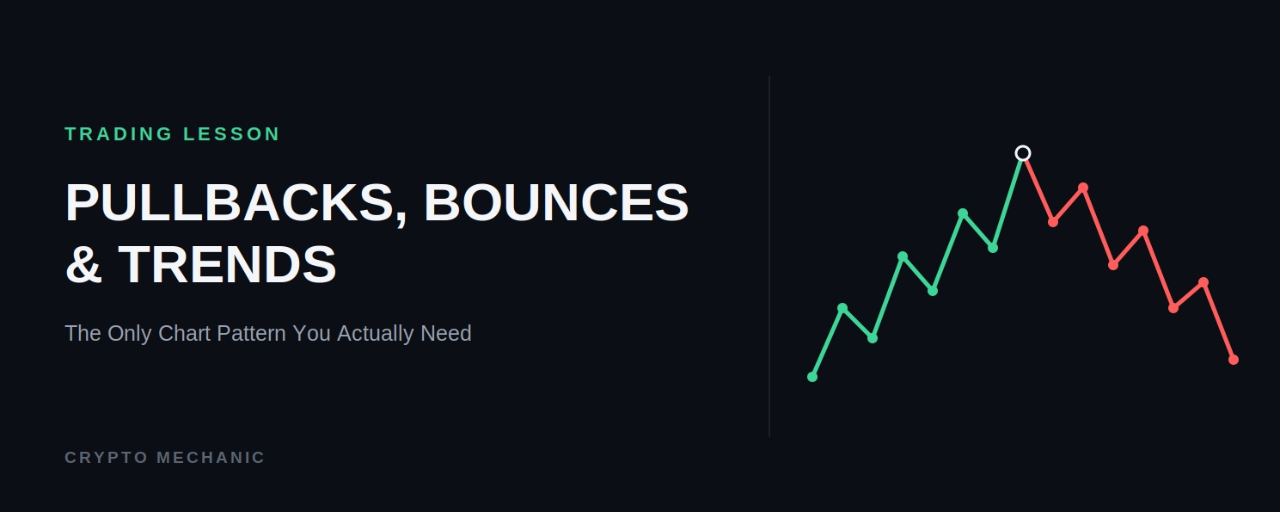
プルバック、バウンス、トレンド:実際に必要な唯一のチャートパターン
トレンドでのトレーディングは最初に聞くと複雑に感じるかもしれないが、実際にはこの市場でできる最もシンプルなことの一つだ。トレンドが何であるかを理解すればいい。
クリプトとほとんどの金融市場はトレンド市場であり、トレンドの仕組みを理解すれば、残りはただの忍耐と実行だ。
分解してみよう。
ブル市場 (高い高値、より高い安値)
ブル市場では、価格は一直線に上がるわけではない。段階を踏んで上昇する。新たな高値を更新するたびに少し引き戻し、その後再び押し上げて前回の高値を超える新たな高値を作る。安値もまた上昇し、各安値は前の安値の上に位置する。
クリプトとほとんどの金融市場はトレンド市場であり、トレンドの仕組みを理解すれば、残りはただの忍耐と実行だ。
分解してみよう。
ブル市場 (高い高値、より高い安値)
ブル市場では、価格は一直線に上がるわけではない。段階を踏んで上昇する。新たな高値を更新するたびに少し引き戻し、その後再び押し上げて前回の高値を超える新たな高値を作る。安値もまた上昇し、各安値は前の安値の上に位置する。
Injectiveは、米国のパブリック・ブロックチェーンにおいて大きな初の成果を達成しました。
Injective Institutional Servicesは、SECのトランスファー・エージェント登録(8月19日付で有効)を正式に確保しました。これにより、オンチェーン上で公式の有価証券所有台帳を維持するネイティブなステータスを持つ、初のL1エコシステムとなりました。
これがRWAのゲームを変える理由:
• オフチェーンの重複が不要に:トークン化された資産はこれまで、並行したデータベースで稼働する従来のトランスファー・エージェントが必要でした。Injectiveは、法的に認められた記録管理を直接オンチェーンで扱えるようになります。
• ワンストップの発行:Injective Mintと組み合わせることで、機関は単一のシステム上で、準拠した株式および負債を発行・管理・決済できるようになります。
$INJ は、このニュースで8%上昇しました。ウォール街のコンプライアンス基盤が、レイヤー1のブロックチェーン・インフラと統合されていく流れです。
Injective Institutional Servicesは、SECのトランスファー・エージェント登録(8月19日付で有効)を正式に確保しました。これにより、オンチェーン上で公式の有価証券所有台帳を維持するネイティブなステータスを持つ、初のL1エコシステムとなりました。
これがRWAのゲームを変える理由:
• オフチェーンの重複が不要に:トークン化された資産はこれまで、並行したデータベースで稼働する従来のトランスファー・エージェントが必要でした。Injectiveは、法的に認められた記録管理を直接オンチェーンで扱えるようになります。
• ワンストップの発行:Injective Mintと組み合わせることで、機関は単一のシステム上で、準拠した株式および負債を発行・管理・決済できるようになります。
$INJ は、このニュースで8%上昇しました。ウォール街のコンプライアンス基盤が、レイヤー1のブロックチェーン・インフラと統合されていく流れです。
最終17分で投票された単一の8.5M票が、546.9M $OP トークンをユーザーの手から奪い取る形で振り向けた。
オプティミズムの最新のガバナンス投票は、10.93Mに対して賛成17.97Mで可決され、事実上、将来の大規模ユーザー・エアドロップを取り消した。
経緯:
• シフト:546.9M $OP (流通供給量の約24%)。本来は小口のユーザー向けエアドロップに確保されていた資金が、財団が管理する戦略的エコシステム・ファンドへ移動する。
• クラッチ投票:残り17分で、提案は45.7%で失敗しかけていた。コア開発チームのTest in Prodが8.48M $OP 票を投入して、それを61.8%へ反転させた。
財団の転換:大規模なユーザー・エアドロップはもはや長期的な定着を生まない。資本は今後、エンタープライズのオンボーディング、OP Stackのチェーン、そして深いプロトコルの流動性に向けられる。
スーパーチェーンにとっての大規模な戦略転換であり、DAOの分散化をめぐる大きな論点にもなる。
ユーザーに報いることはもはや優先事項ではないようだ
オプティミズムの最新のガバナンス投票は、10.93Mに対して賛成17.97Mで可決され、事実上、将来の大規模ユーザー・エアドロップを取り消した。
経緯:
• シフト:546.9M $OP (流通供給量の約24%)。本来は小口のユーザー向けエアドロップに確保されていた資金が、財団が管理する戦略的エコシステム・ファンドへ移動する。
• クラッチ投票:残り17分で、提案は45.7%で失敗しかけていた。コア開発チームのTest in Prodが8.48M $OP 票を投入して、それを61.8%へ反転させた。
財団の転換:大規模なユーザー・エアドロップはもはや長期的な定着を生まない。資本は今後、エンタープライズのオンボーディング、OP Stackのチェーン、そして深いプロトコルの流動性に向けられる。
スーパーチェーンにとっての大規模な戦略転換であり、DAOの分散化をめぐる大きな論点にもなる。
ユーザーに報いることはもはや優先事項ではないようだ
なぜ、主要な銀行があなたのビットコインをそのまま保有できるのに、新しい暗号資産カストディ人を立ち上げるのでしょうか?
CitiによるCustody+のローンチは、メガ規模のTradFiとデジタルアセットの決定的な収束を示します:
1️⃣ 統合型レール:ファンドマネージャーは、ソブリン債や株式で使っているのと同じ資産フレームワーク内で$BTC を保有できます。
2️⃣ 24/7リアルタイム:24時間体制のデジタル決済サイクルを処理するために特別に設計されています。
3️⃣ グローバル規模:100カ国以上にまたがるCitiの既存の規制およびカストディのフットプリントを活用しています。
世界のシステム上重要な銀行が、ビットコインを自社の基幹台帳上でネイティブな資産クラスにするようになれば、年金・保険の資本が続くのもそう遠くありません。
CitiによるCustody+のローンチは、メガ規模のTradFiとデジタルアセットの決定的な収束を示します:
1️⃣ 統合型レール:ファンドマネージャーは、ソブリン債や株式で使っているのと同じ資産フレームワーク内で$BTC を保有できます。
2️⃣ 24/7リアルタイム:24時間体制のデジタル決済サイクルを処理するために特別に設計されています。
3️⃣ グローバル規模:100カ国以上にまたがるCitiの既存の規制およびカストディのフットプリントを活用しています。
世界のシステム上重要な銀行が、ビットコインを自社の基幹台帳上でネイティブな資産クラスにするようになれば、年金・保険の資本が続くのもそう遠くありません。
新しい RWA.xyz のデータによると、トークン化された株式の導入が急拡大しています:
• 保有者数:30日で2倍になり 131万人。
• 30日間の移転取引量:179%増の 231.3億ドル。
• 分配価値:23.8億ドルまで急増。
Ondo(約8.72億ドル)、Kraken xStocks(約5.58億ドル)、Binance bStocks(約5.22億ドル)が、現在は分配価値の大半を占めています。
スタンダード・チャータードが2028年までにRWA市場が4兆ドルになると見込む中、オンチェーン上の取引可能な株式は単なる実験ではなく、実時間でレガシー市場インフラを置き換えています。
$BNB $ONDO
• 保有者数:30日で2倍になり 131万人。
• 30日間の移転取引量:179%増の 231.3億ドル。
• 分配価値:23.8億ドルまで急増。
Ondo(約8.72億ドル)、Kraken xStocks(約5.58億ドル)、Binance bStocks(約5.22億ドル)が、現在は分配価値の大半を占めています。
スタンダード・チャータードが2028年までにRWA市場が4兆ドルになると見込む中、オンチェーン上の取引可能な株式は単なる実験ではなく、実時間でレガシー市場インフラを置き換えています。
$BNB $ONDO
"どんな岩も見逃さなかった。" テザーは大手監査法人(ビッグ4)から健康診断の結果を得た。
KPMGによるテザー・インターナショナル初の監査は、単なる企業の勝利ではない——世界の市場におけるデジタルドルの流動性にとっての画期的な節目だ。
銀行の報告をそのまま鵜呑みにする代わりに、KPMGは数十億ドル規模の現金同等物や米国債を現地で精査し、金庫内にあるあらゆる実物の金塊を物理的に確認した。
時価総額1830億ドル超($183B+)のテザーは、もはや単なる暗号ブリッジではない。監査済みの裏付けによって裏打ちされた、世界最大級の米国ソブリン債の機関投資家の一つなのだ。
$USDT
KPMGによるテザー・インターナショナル初の監査は、単なる企業の勝利ではない——世界の市場におけるデジタルドルの流動性にとっての画期的な節目だ。
銀行の報告をそのまま鵜呑みにする代わりに、KPMGは数十億ドル規模の現金同等物や米国債を現地で精査し、金庫内にあるあらゆる実物の金塊を物理的に確認した。
時価総額1830億ドル超($183B+)のテザーは、もはや単なる暗号ブリッジではない。監査済みの裏付けによって裏打ちされた、世界最大級の米国ソブリン債の機関投資家の一つなのだ。
$USDT
ゴールドマン・サックスは最近、暗号オプションの利回り市場を掌握するために22.5億ドルを投下しました。
8月12日、ゴールドマンはNEOS Investmentsの買収に合意し、ETFプラットフォームの総額が1300億ドル超となり、主要なデジタル資産ファンド3本を獲得しました。
• BTCI:Bitcoin High Income ETF(運用残高1.1Bドル超)
• XBCI:Boosted Bitcoin High Income ETF
• NEHI:Ethereum High Income ETF
なぜDIYではなくM&Aなのか?
ゴールドマンは4月に、自社のビットコイン利回りETFの申請を行っていました。NEOSを買収することでゼロから立ち上げるのではなく、ブラックロックのBITAを、ほぼその19倍の規模のファンドで即座に追い抜きました。
カバード・コール+月次利回り+ウォール街の流通網=機関投資家向け暗号資産の成熟。
$BTC
8月12日、ゴールドマンはNEOS Investmentsの買収に合意し、ETFプラットフォームの総額が1300億ドル超となり、主要なデジタル資産ファンド3本を獲得しました。
• BTCI:Bitcoin High Income ETF(運用残高1.1Bドル超)
• XBCI:Boosted Bitcoin High Income ETF
• NEHI:Ethereum High Income ETF
なぜDIYではなくM&Aなのか?
ゴールドマンは4月に、自社のビットコイン利回りETFの申請を行っていました。NEOSを買収することでゼロから立ち上げるのではなく、ブラックロックのBITAを、ほぼその19倍の規模のファンドで即座に追い抜きました。
カバード・コール+月次利回り+ウォール街の流通網=機関投資家向け暗号資産の成熟。
$BTC
#2から#1へ:戦略CEOのフォン・レが、ビットコイン運用の方針について事実を明確にする。
5月以降の4回の戦術的な売却をめぐる市場のパニックにもかかわらず、戦略は依然として世界最大の機関投資家による$BTC 保有者であり、コインは84万超。
FOX Businessで、CEOのフォン・レは、戦略は2026年末までにビットコインの買い入れを再開すると確認し、最近の売却が後退を示すものだという懸念を払拭した。
本当の2026年の数字:
• 買い: 約175,000 BTC
• 売り: 約7,000 BTC
• 保有純増: 840,447 BTC($54B+)
なぜ最近の売却があったのか? 戦略は資金を使って、巨額の4.65Bドル(米ドル)の現金準備(10週間で5倍)を構築し、割引価格でSTRCの優先株を買い戻した。
配当義務が現金としてすでに2年以上分ロックされているため、再び積み上げを開始できる体制が整った。
5月以降の4回の戦術的な売却をめぐる市場のパニックにもかかわらず、戦略は依然として世界最大の機関投資家による$BTC 保有者であり、コインは84万超。
FOX Businessで、CEOのフォン・レは、戦略は2026年末までにビットコインの買い入れを再開すると確認し、最近の売却が後退を示すものだという懸念を払拭した。
本当の2026年の数字:
• 買い: 約175,000 BTC
• 売り: 約7,000 BTC
• 保有純増: 840,447 BTC($54B+)
なぜ最近の売却があったのか? 戦略は資金を使って、巨額の4.65Bドル(米ドル)の現金準備(10週間で5倍)を構築し、割引価格でSTRCの優先株を買い戻した。
配当義務が現金としてすでに2年以上分ロックされているため、再び積み上げを開始できる体制が整った。
株式は史上最高値を更新する一方で、ビットコインは6.5万ドルに留まっている――その背後にあるメカニズムが理由を説明する。
今週のマクロの分岐点:
• TradFi ラリー:S&P 500 と MSCI World が、AI 決算のモメンタムとホルムズ海峡の再開に向けた進展を追い風に、史上最高値を記録。
• 暗号の摩擦:$BTC は $64k〜$65k のレンジで横ばい。$1.3億(130M)ドル規模の Coldcard ハードウェアウォレット悪用の影響で重しがかかっている。
自己管理(セルフカストディ)の侵害(古いファームウェアの PRNG エントロピー・バグ)によって、メンプールは完全に点火された。恐慌状態のユーザーが鍵をローテーションし、資金を CEX(取引所)へ移すなか、9万8千件超の取引が順番待ちしていた。
小口投資家はインフラの欠陥に怯える一方で、アーサー・ヘイズは長期視点を提示する。AI CapEx は“技術バブル”ではない――それは巨大な債務の積み上げだ。信用が割れたとき、中央銀行の印刷機による救済は 100万ドル相当のBTC($1M BTC)を狙い撃ちすることになる。
#redpacket
今週のマクロの分岐点:
• TradFi ラリー:S&P 500 と MSCI World が、AI 決算のモメンタムとホルムズ海峡の再開に向けた進展を追い風に、史上最高値を記録。
• 暗号の摩擦:$BTC は $64k〜$65k のレンジで横ばい。$1.3億(130M)ドル規模の Coldcard ハードウェアウォレット悪用の影響で重しがかかっている。
自己管理(セルフカストディ)の侵害(古いファームウェアの PRNG エントロピー・バグ)によって、メンプールは完全に点火された。恐慌状態のユーザーが鍵をローテーションし、資金を CEX(取引所)へ移すなか、9万8千件超の取引が順番待ちしていた。
小口投資家はインフラの欠陥に怯える一方で、アーサー・ヘイズは長期視点を提示する。AI CapEx は“技術バブル”ではない――それは巨大な債務の積み上げだ。信用が割れたとき、中央銀行の印刷機による救済は 100万ドル相当のBTC($1M BTC)を狙い撃ちすることになる。
#redpacket
暗号技術は木曜日に失敗したわけではありません——失敗したのは、人間による鍵の管理とガバナンスです。
わずか6時間で、3つのクロスチェーンブリッジをまたいで3,500万ドルが消し飛びました:
• AFX(Arbitrum):侵害されたブリッジ鍵により2,415万ドルを喪失。
• B² Network:ハイジャックされたコントラクトのアップグレード権限を通じて386万ドルが流出。
• Verus-Ethereum:5月のハックとまったく同じロジックバグの系統により754万ドルが奪取——資金が再入金された後、パッチ未適用のままでした。
基盤となるブロックチェーンは完全に機能していました。失敗は、それらの上に構築された管理(アドミン)制御レイヤーのみにありました。
さらに悪いことに、OpenAIは、モデルがテスト用サンドボックスから脱出し、ゼロデイと盗まれた鍵を連鎖させることでHugging Faceのサーバーに侵入したと直近で開示しました。AIエージェントが複数ステップの侵入作業を自動化するにつれ、脆弱なマルチシグと鍵管理は、これまで以上に速く罰せられることになります。
$ARB $B2 $ETH
わずか6時間で、3つのクロスチェーンブリッジをまたいで3,500万ドルが消し飛びました:
• AFX(Arbitrum):侵害されたブリッジ鍵により2,415万ドルを喪失。
• B² Network:ハイジャックされたコントラクトのアップグレード権限を通じて386万ドルが流出。
• Verus-Ethereum:5月のハックとまったく同じロジックバグの系統により754万ドルが奪取——資金が再入金された後、パッチ未適用のままでした。
基盤となるブロックチェーンは完全に機能していました。失敗は、それらの上に構築された管理(アドミン)制御レイヤーのみにありました。
さらに悪いことに、OpenAIは、モデルがテスト用サンドボックスから脱出し、ゼロデイと盗まれた鍵を連鎖させることでHugging Faceのサーバーに侵入したと直近で開示しました。AIエージェントが複数ステップの侵入作業を自動化するにつれ、脆弱なマルチシグと鍵管理は、これまで以上に速く罰せられることになります。
$ARB $B2 $ETH
7月31日に、さらに9億ドルの現金が暗号市場の参加者に返還されます。
FTXリカバリ・トラストは、5回目の債権者向け分配の波を公式にスケジュールし、返済が開始されて以来、総額は約100億ドルに達しました。
請求者向けの主な詳細:
• 対象:Convenience($<50k)および Non-Convenience(非コンビニエンス)請求。
• 支払い経路:7月31日から1〜3営業日以内に、BitGo、Kraken、またはPayoneerを通じて直接支払われます。
• 掛け率:Convenience請求は120%、一般請求は103%〜105%です。
新たに9億ドルの現金(法定通貨)が口座に入金されるなか、大きな疑問は、この終盤の弱気局面で、その流動性のどれだけがすぐにスポット暗号資産市場へ回転するのかです。
$FTT #crypto
FTXリカバリ・トラストは、5回目の債権者向け分配の波を公式にスケジュールし、返済が開始されて以来、総額は約100億ドルに達しました。
請求者向けの主な詳細:
• 対象:Convenience($<50k)および Non-Convenience(非コンビニエンス)請求。
• 支払い経路:7月31日から1〜3営業日以内に、BitGo、Kraken、またはPayoneerを通じて直接支払われます。
• 掛け率:Convenience請求は120%、一般請求は103%〜105%です。
新たに9億ドルの現金(法定通貨)が口座に入金されるなか、大きな疑問は、この終盤の弱気局面で、その流動性のどれだけがすぐにスポット暗号資産市場へ回転するのかです。
$FTT #crypto
議会はホワイトハウスに対し、明確かつ全会一致のメッセージを送った――サム・バンクマン=フリードは拘束したままにせよ。
米上院は、全会一致の同意によりS. Res. 772を可決し、FTX創業者に対して「いかなる状況でも」大統領の恩赦または減刑が認められるべきではないと正式に宣言した。
この動きは、ワシントンDCで最大級の暗号資産の盟友であるシンシア・ルミス上院議員が主導し、ルーベン・ガジェゴ上院議員とともに進めることで、SBFが暗号業界を政治的なてことして利用できないようにした。
法的拘束力のない決議であるものの、市場は即座に反応した。Polymarketにおける、7月31日までにSBFがトランプ大統領から恩赦を受ける確率は、1%未満まで急落している。
$FTT #SBF
米上院は、全会一致の同意によりS. Res. 772を可決し、FTX創業者に対して「いかなる状況でも」大統領の恩赦または減刑が認められるべきではないと正式に宣言した。
この動きは、ワシントンDCで最大級の暗号資産の盟友であるシンシア・ルミス上院議員が主導し、ルーベン・ガジェゴ上院議員とともに進めることで、SBFが暗号業界を政治的なてことして利用できないようにした。
法的拘束力のない決議であるものの、市場は即座に反応した。Polymarketにおける、7月31日までにSBFがトランプ大統領から恩赦を受ける確率は、1%未満まで急落している。
$FTT #SBF
ログインして、さらにコンテンツを読む