

加密货币专家
94 投稿
加密货币专家
報告
ユーザーをブロック
📈 专注加密货币市场分析|分享市场趋势、交易策略和行业动态|理性分析,持续学习 🚀
0 フォロー
0 フォロワー
1 いいね
投稿
·
--
翻訳参照
#BNBSurpasses$790#BNBSurpasses$790 as BNB pushes beyond a major milestone, fueling fresh excitement across the crypto community. Momentum is building, attention is rising, and the next move could be significant. Keep BNB on your watchlist, do your own research, assess the risks, and decide whether this opportunity fits your crypto strategy.
#BNBSurpasses$790#BNBSurpasses$790 as BNB pushes beyond a major milestone, fueling fresh excitement across the crypto community. Momentum is building, attention is rising, and the next move could be significant. Keep BNB on your watchlist, do your own research, assess the risks, and decide whether this opportunity fits your crypto strategy.
67
·
--
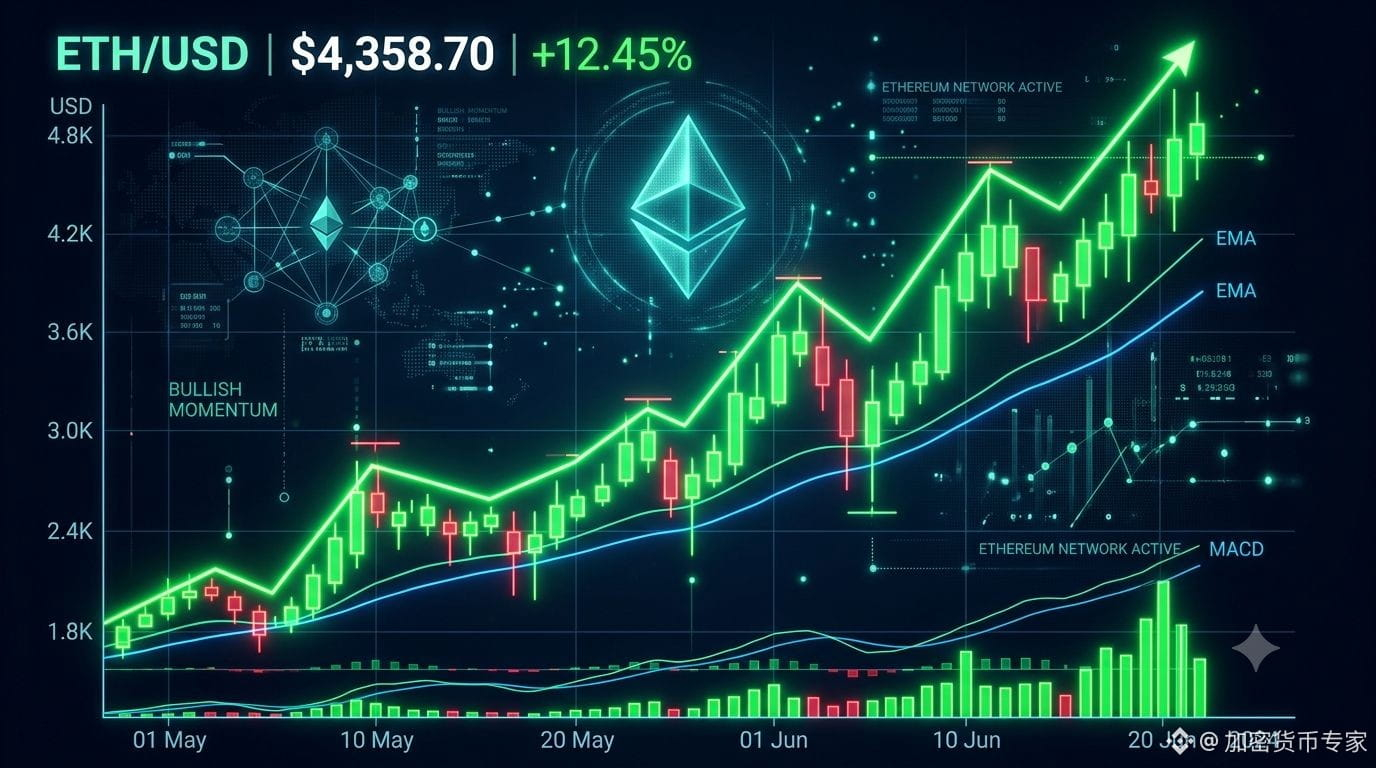
⟠ イーサリアムは単なる通貨ではありません。スマートコントラクト、DeFi、NFTを稼働させるプログラマブルなブロックチェーンです。ETHがそれらを動かす燃料である、インターネットの分散型アプリ基盤だと考えてください。#Ethereum #ETHETFsApproved $ETH
{spot}(ETHUSDT)
⟠ イーサリアムは単なる通貨ではありません。スマートコントラクト、DeFi、NFTを稼働させるプログラマブルなブロックチェーンです。ETHがそれらを動かす燃料である、インターネットの分散型アプリ基盤だと考えてください。#Ethereum #ETHETFsApproved $ETH
59
·
--
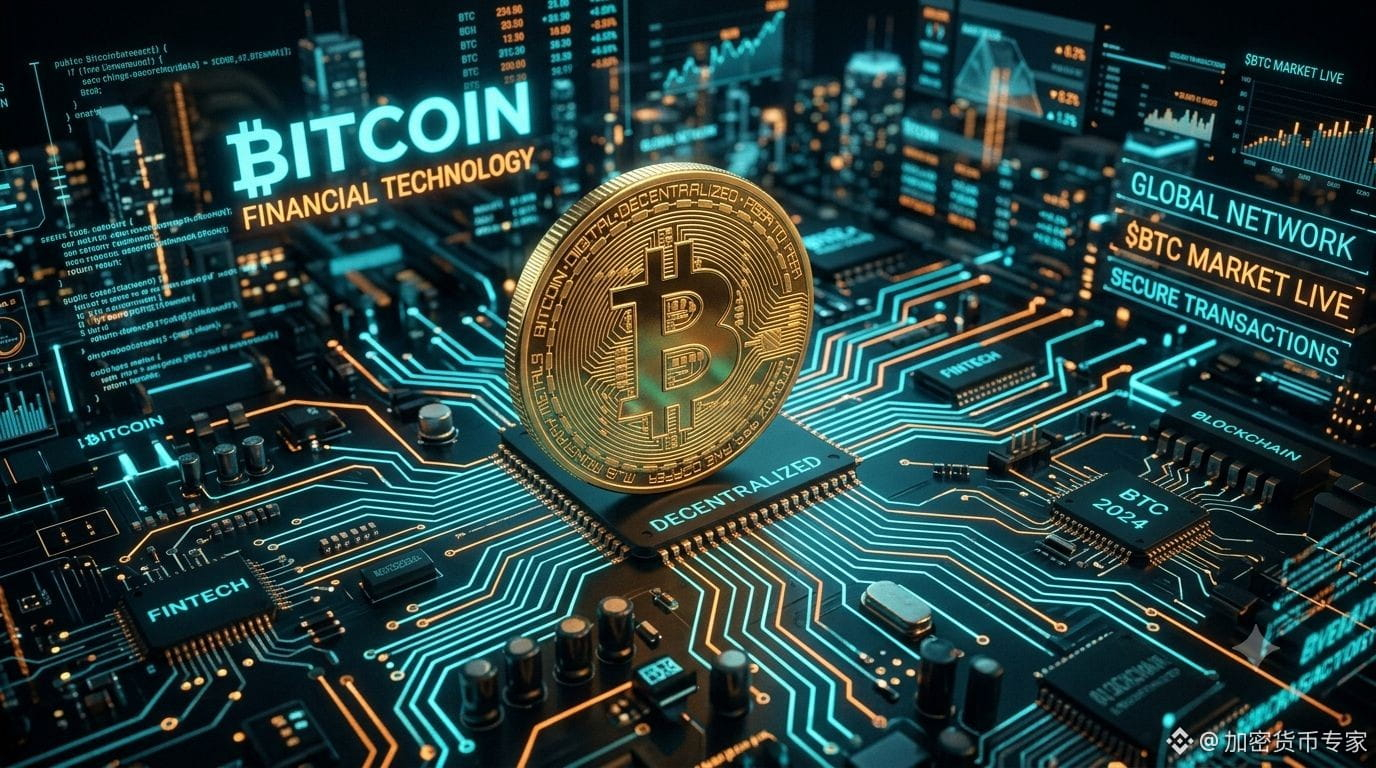
₿ ビットコインは暗号資産のOG。初の分散型デジタル通貨で、上限は2100万枚。中央の権限も、印刷機もない。あるのは数学とコンセンサスだけ。今でも、他のすべてが基準として測られる“ものさし”だ。 #Bitcoin #BTC $BTC
{future}(BTCUSDT)
₿ ビットコインは暗号資産のOG。初の分散型デジタル通貨で、上限は2100万枚。中央の権限も、印刷機もない。あるのは数学とコンセンサスだけ。今でも、他のすべてが基準として測られる“ものさし”だ。 #Bitcoin #BTC $BTC
94
·
--
Ondo Finance(ONDO)
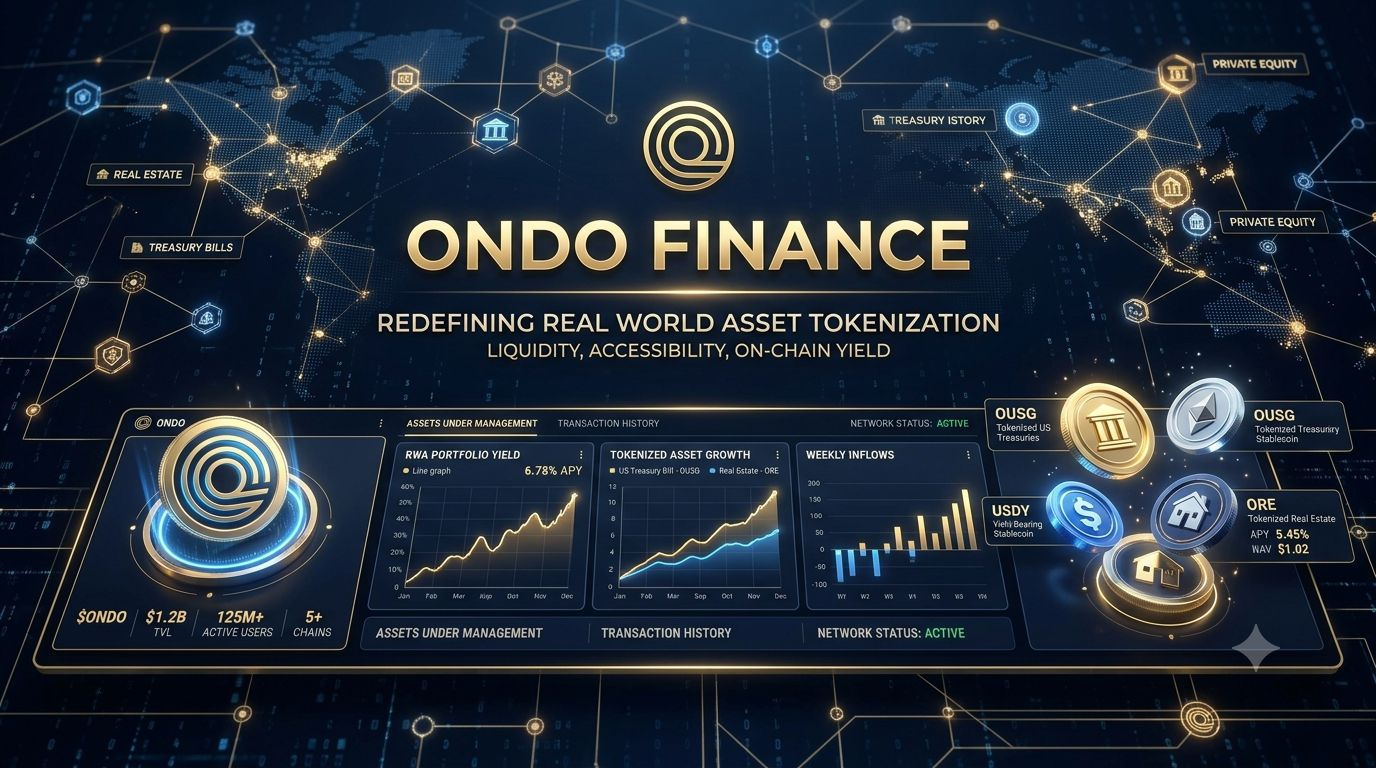
ONDOは、現実世界の資産トークン化(RWA)という波に乗り続けており、複数のチェーンにわたってトークン化された米国株式およびETFを展開しながら、機関投資家との提携を拡大しています。(Mudrex) 業界全体でRWAの物語が勢いを増す中、ONDOはトークン化された伝統的資産へのエクスポージャーとして注目すべき名前です。#Ondo #RWA #DEFİ $ONDO
{future}(ONDOUSDT)
$BTC
{spot}(BTCUSDT)
#KoreaSingleStockLeveragedETFTradingFalls
Ondo Finance(ONDO)
ONDOは、現実世界の資産トークン化(RWA)という波に乗り続けており、複数のチェーンにわたってトークン化された米国株式およびETFを展開しながら、機関投資家との提携を拡大しています。(Mudrex) 業界全体でRWAの物語が勢いを増す中、ONDOはトークン化された伝統的資産へのエクスポージャーとして注目すべき名前です。#Ondo #RWA #DEFİ $ONDO
$BTC
#KoreaSingleStockLeveragedETFTradingFalls
ONDOは、現実世界の資産トークン化(RWA)という波に乗り続けており、複数のチェーンにわたってトークン化された米国株式およびETFを展開しながら、機関投資家との提携を拡大しています。(Mudrex) 業界全体でRWAの物語が勢いを増す中、ONDOはトークン化された伝統的資産へのエクスポージャーとして注目すべき名前です。#Ondo #RWA #DEFİ $ONDO
$BTC
#KoreaSingleStockLeveragedETFTradingFalls
69
·
--
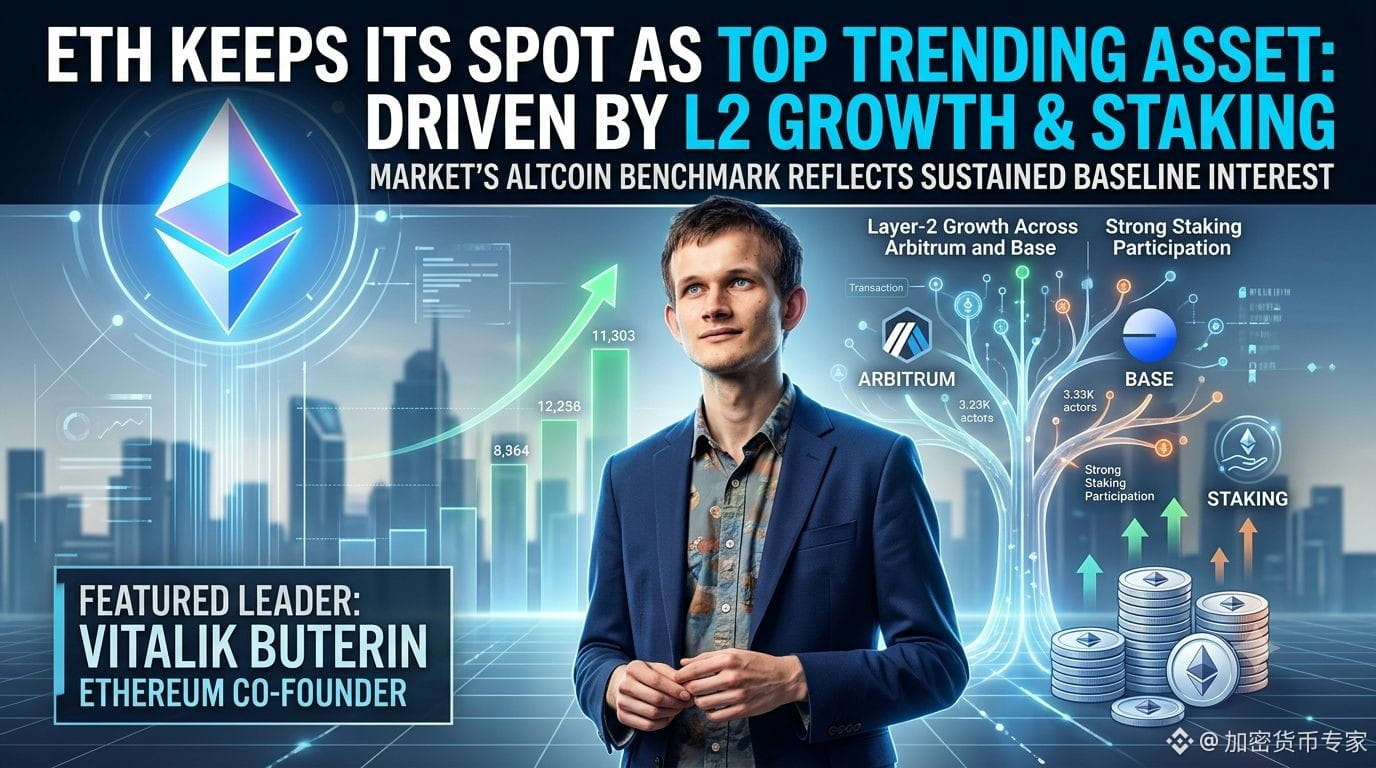
ETHは、ArbitrumとBaseにおける堅調なレイヤー2の成長、そして強いステーキング参加により、トップのトレンド資産としての地位を維持しています。今月のトレンド状況は、単一のきっかけというより、継続的な基礎的関心の反映です。(Mudrex)市場のアルトコイン指標として、ETHはより広範なセンチメントの変化を追うトレーダーにとって中核的な注目銘柄のままです。 #Ethereum #ETH #crypto $ETH
{spot}(ETHUSDT)
$BTC
{spot}(BTCUSDT)
ETHは、ArbitrumとBaseにおける堅調なレイヤー2の成長、そして強いステーキング参加により、トップのトレンド資産としての地位を維持しています。今月のトレンド状況は、単一のきっかけというより、継続的な基礎的関心の反映です。(Mudrex)市場のアルトコイン指標として、ETHはより広範なセンチメントの変化を追うトレーダーにとって中核的な注目銘柄のままです。 #Ethereum #ETH #crypto $ETH
$BTC
$BTC
50
·
--
弱気相場
#ゴールドフォールズ3.24%今週 — 6,448回視聴、254件の議論。金の3.24%の週次下落が、金利・ドル・世界のリスクに関するセンチメントの変化の中で起きていることについての議論。トレーダーは、反発の可能性、またはより深い下落に備えて重要なサポート水準を注視している$GOLD.US
{stock_us}(GOLD.US)
#ゴールドフォールズ3.24%今週 — 6,448回視聴、254件の議論。金の3.24%の週次下落が、金利・ドル・世界のリスクに関するセンチメントの変化の中で起きていることについての議論。トレーダーは、反発の可能性、またはより深い下落に備えて重要なサポート水準を注視している$GOLD.US

97
·
--
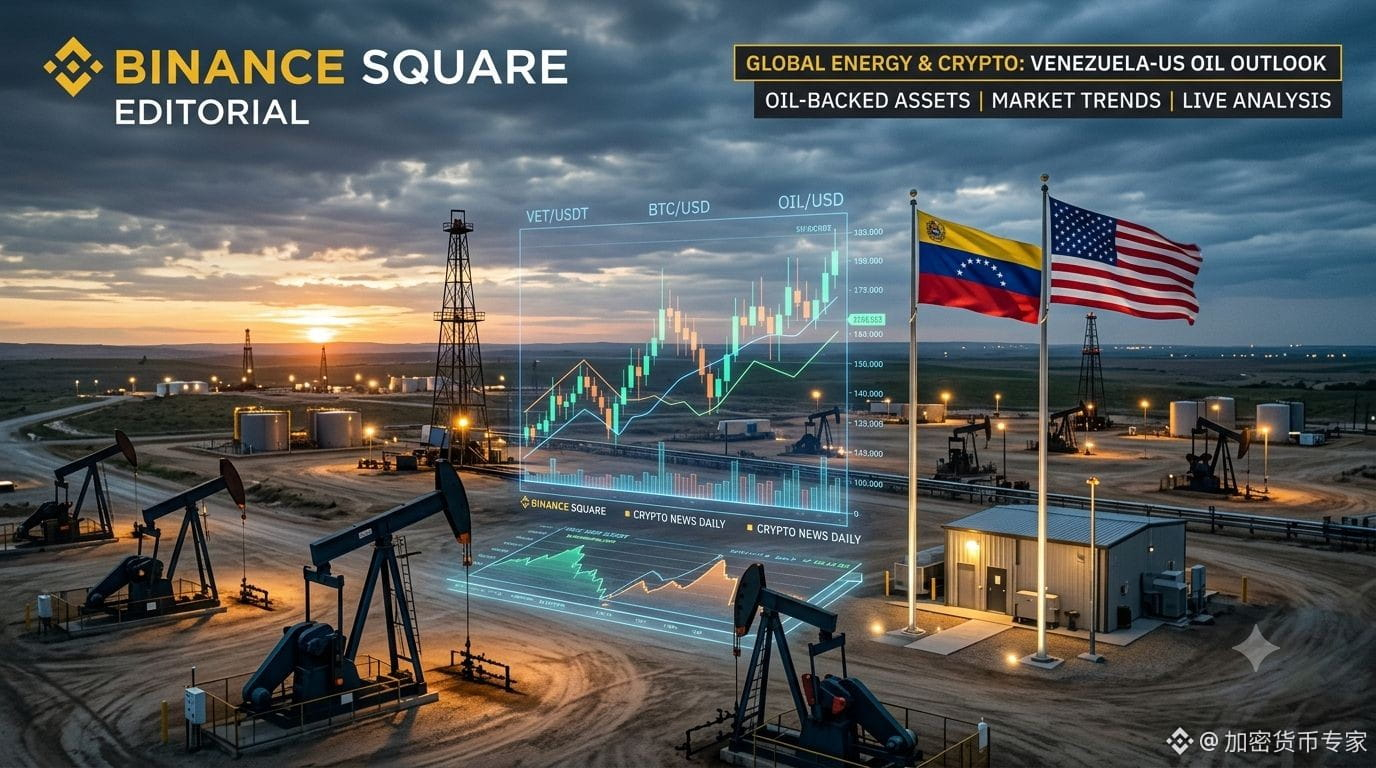
#ベネズエラUSサイン25年石油協定 — 4,024回再生、158件の議論。新たに結成された米国とベネズエラの石油パートナーシップの報道。これにより、合弁事業に同国の未開発埋蔵量を開発するための長期権が付与された。デルシー・ロドリゲス acting(暫定)大統領はこれを「歴史的な節目」と呼んだ。一方、当局者は、実際の生産増が具体化するまでには数年かかる可能性があるとしている。$BTC
{spot}(BTCUSDT)
#ベネズエラUSサイン25年石油協定 — 4,024回再生、158件の議論。新たに結成された米国とベネズエラの石油パートナーシップの報道。これにより、合弁事業に同国の未開発埋蔵量を開発するための長期権が付与された。デルシー・ロドリゲス acting(暫定)大統領はこれを「歴史的な節目」と呼んだ。一方、当局者は、実際の生産増が具体化するまでには数年かかる可能性があるとしている。$BTC
70
·
--
#トランプ、ベネズエラの17鉱区の石油取引に到達 — 11,339回視聴、270件の議論。トランプは、自身が「世界史上最大の石油取引」だと呼ぶ内容として、開発対象のベネズエラの17の石油鉱区(実証済みの埋蔵可能性が650億バレル)をめぐり、米国に過半数の持分を与えると発表した(CBCニュース)。この取引は、1000億ドル超の投資と、見込まれる税収が2090億ドル超であることを求めている(ABCニュース)。$TRUMP
{spot}(TRUMPUSDT)
$BTC
{spot}(BTCUSDT)
#トランプ、ベネズエラの17鉱区の石油取引に到達 — 11,339回視聴、270件の議論。トランプは、自身が「世界史上最大の石油取引」だと呼ぶ内容として、開発対象のベネズエラの17の石油鉱区(実証済みの埋蔵可能性が650億バレル)をめぐり、米国に過半数の持分を与えると発表した(CBCニュース)。この取引は、1000億ドル超の投資と、見込まれる税収が2090億ドル超であることを求めている(ABCニュース)。$TRUMP
$BTC
$BTC

58
·
--
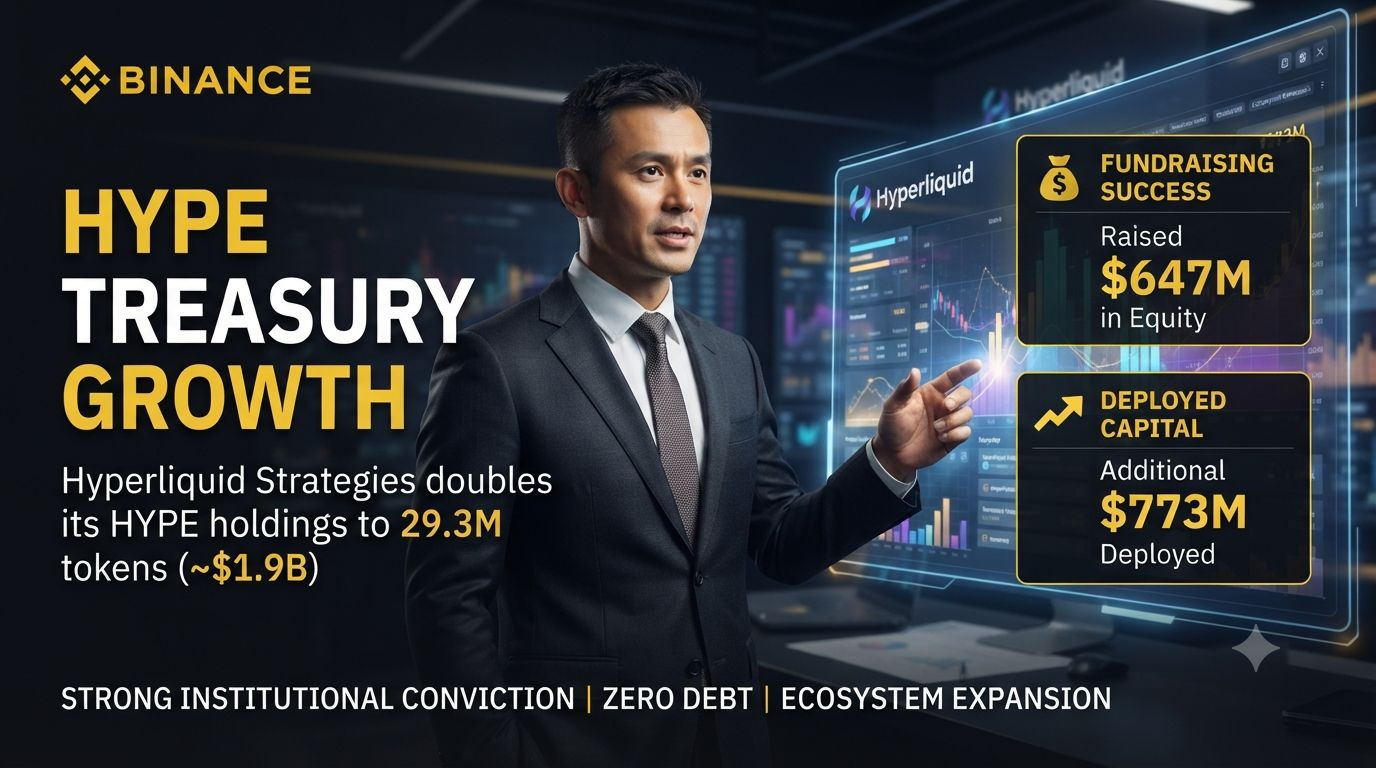
HYPEトレジャリー成長
💰 Hyperliquid Strategiesはエクイティで6億4,700万ドルを調達し、負債ゼロのままHYPEトレジャリーを2倍以上の2,930万トークン(約19億ドル)へ拡大しました。続いて同社はさらに7億7,300万ドルを投じて、平均約46.77ドルで追加の1,650万HYPEを購入。Hyperliquidエコシステムにおける機関投資家の強い確信がうかがえます。 #HYPE #Hyperliquid $HYPE
{future}(HYPEUSDT)
HYPEトレジャリー成長
💰 Hyperliquid Strategiesはエクイティで6億4,700万ドルを調達し、負債ゼロのままHYPEトレジャリーを2倍以上の2,930万トークン(約19億ドル)へ拡大しました。続いて同社はさらに7億7,300万ドルを投じて、平均約46.77ドルで追加の1,650万HYPEを購入。Hyperliquidエコシステムにおける機関投資家の強い確信がうかがえます。 #HYPE #Hyperliquid $HYPE
💰 Hyperliquid Strategiesはエクイティで6億4,700万ドルを調達し、負債ゼロのままHYPEトレジャリーを2倍以上の2,930万トークン(約19億ドル)へ拡大しました。続いて同社はさらに7億7,300万ドルを投じて、平均約46.77ドルで追加の1,650万HYPEを購入。Hyperliquidエコシステムにおける機関投資家の強い確信がうかがえます。 #HYPE #Hyperliquid $HYPE
75
·
--
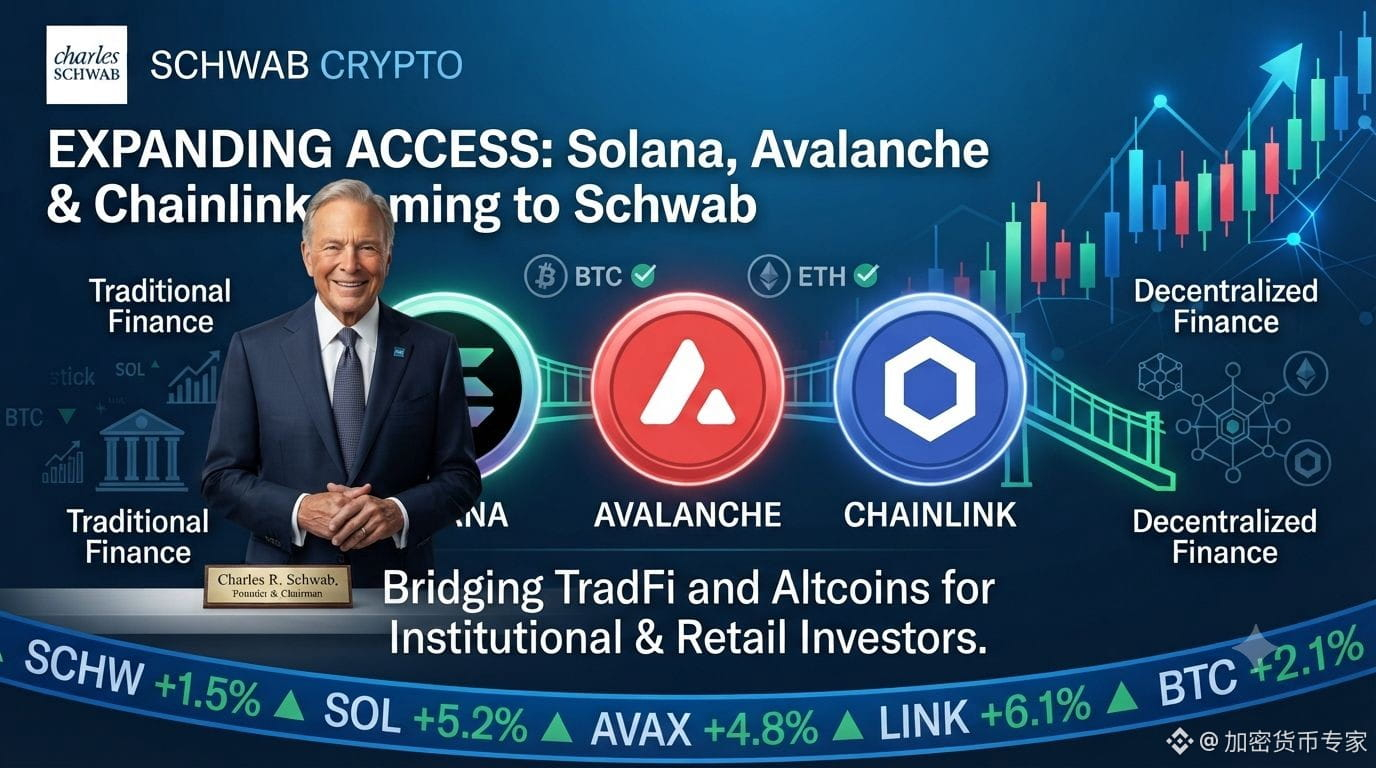
📈 チャールズ・シュワブは、ソラナ、アバランチ、チェーンリンクをシュワブ・クリプトに追加する計画を発表し、既存のBTC/ETHの提供範囲を拡大します。これは、規制されたブローカーを通じたアルトコインへの機関投資家の需要が高まっていることを示唆しています。伝統的な金融は引き続き暗号資産へと橋渡しを進めており、SOL、AVAX、LINKに対する新たな個人投資家需要の拡大につながる可能性があります。 #Crypto #TradFi $SOL
{spot}(SOLUSDT)
$LINK
{spot}(LINKUSDT)
📈 チャールズ・シュワブは、ソラナ、アバランチ、チェーンリンクをシュワブ・クリプトに追加する計画を発表し、既存のBTC/ETHの提供範囲を拡大します。これは、規制されたブローカーを通じたアルトコインへの機関投資家の需要が高まっていることを示唆しています。伝統的な金融は引き続き暗号資産へと橋渡しを進めており、SOL、AVAX、LINKに対する新たな個人投資家需要の拡大につながる可能性があります。 #Crypto #TradFi $SOL
$LINK
$LINK
45
·
--
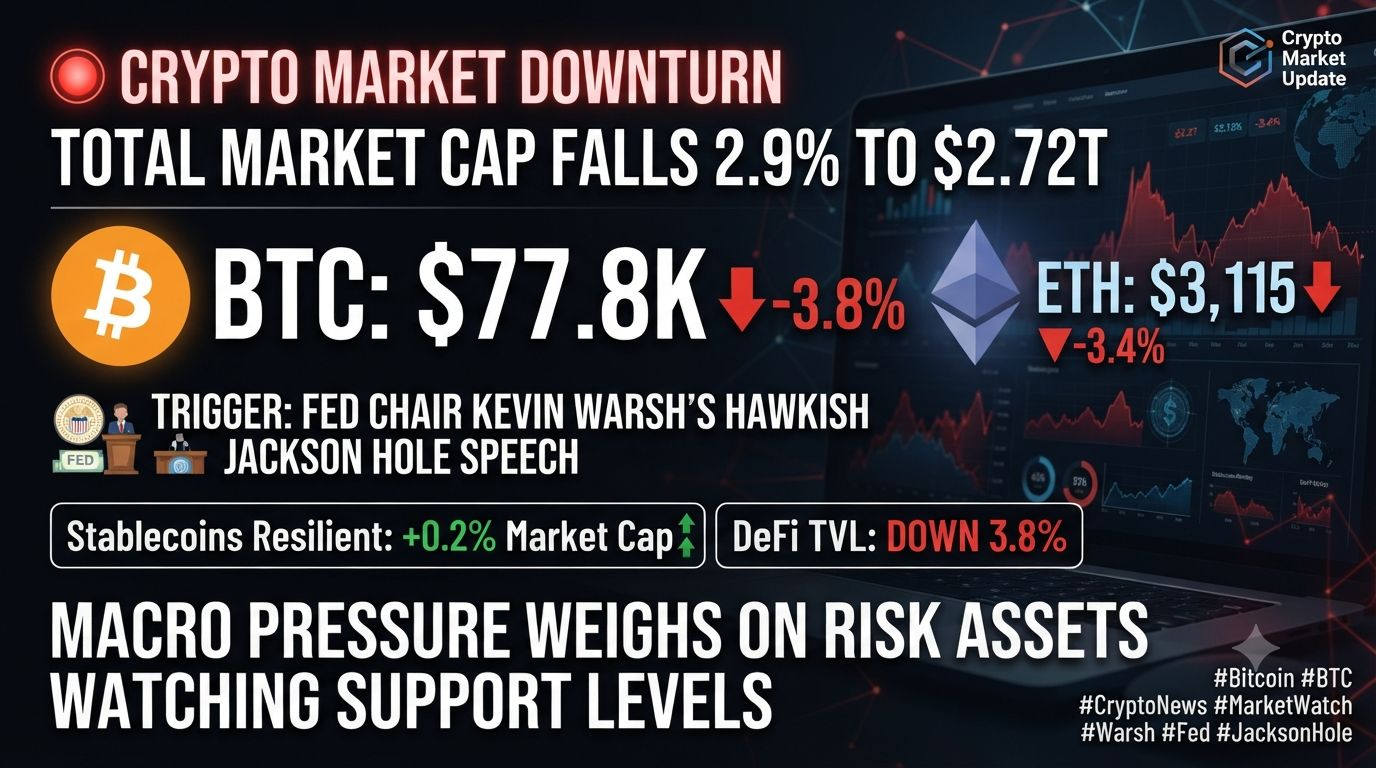
🔴 本日、暗号資産の時価総額は2.9%下落して2.72兆ドルに。ビットコインは約3.8%下落して77.8Kドル、イーサリアムも下落した。引き金:パウエル議長のハト派的なジャクソンホール講演…ではなく、ケビン・ウォーシュFRB議長(のよりタカ派な発言)が金融引き下げへの不確実性を高めたこと。ステーブルコインは堅調(+0.2%)を維持。DeFiのTVLは3.8%下落。マクロの圧力がリスク資産に及ぶ中、サポート水準を注視。 #Bitcoin #BTC $BTC
{spot}(BTCUSDT)
🔴 本日、暗号資産の時価総額は2.9%下落して2.72兆ドルに。ビットコインは約3.8%下落して77.8Kドル、イーサリアムも下落した。引き金:パウエル議長のハト派的なジャクソンホール講演…ではなく、ケビン・ウォーシュFRB議長(のよりタカ派な発言)が金融引き下げへの不確実性を高めたこと。ステーブルコインは堅調(+0.2%)を維持。DeFiのTVLは3.8%下落。マクロの圧力がリスク資産に及ぶ中、サポート水準を注視。 #Bitcoin #BTC $BTC
48
·
--
弱気相場
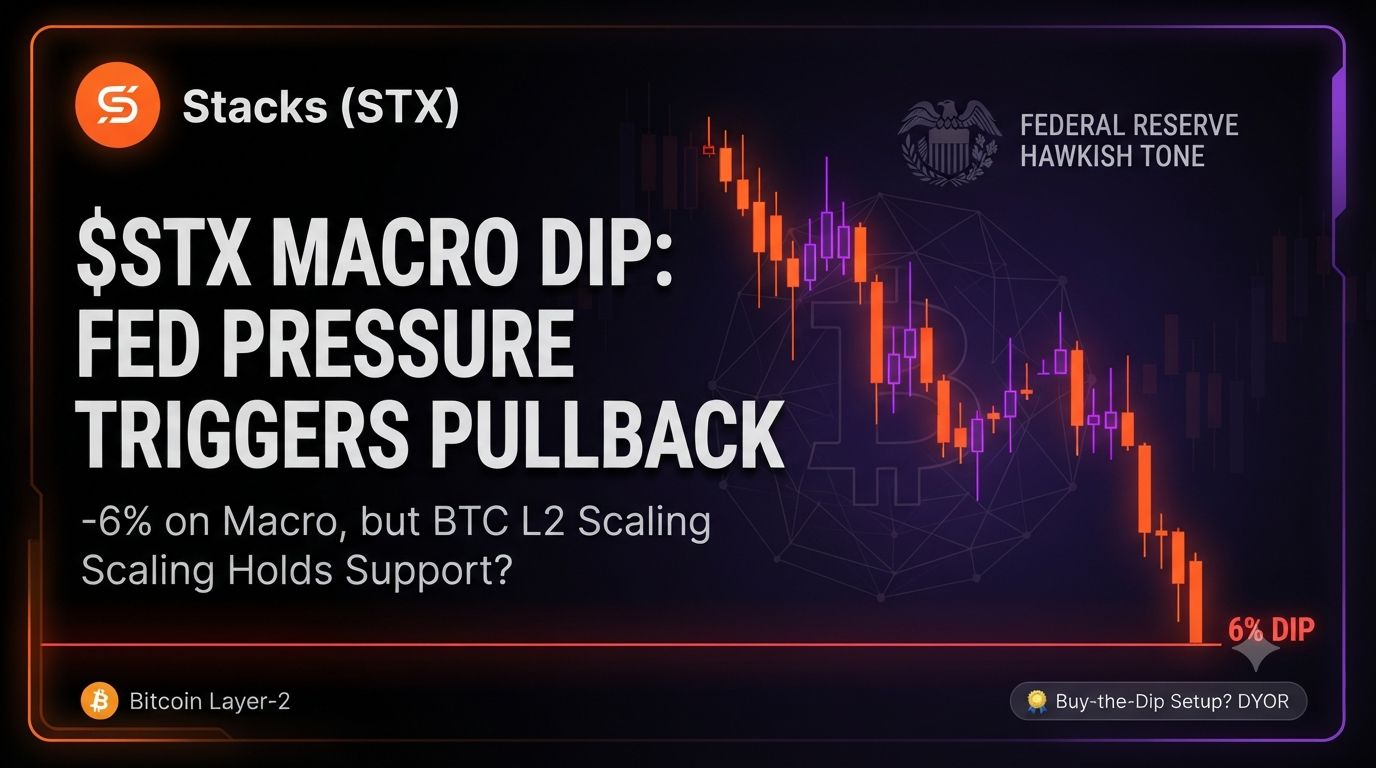
$STX dipped 6% フェドの強硬なトーンがより広範な市場の下落を引き起こし、ベータの高い BTC レイヤー2 のトークン、特に Stacks が最も影響を受けました。プロジェクト固有の悪材料はありません—ただマクロ要因による圧力です。Bitcoin L2 スケーリングを信じる人にとっては押し目買いのセットアップかもしれません。DYOR。 #Stacks #STX $STX
{spot}(STXUSDT)
$BTC
{spot}(BTCUSDT)
$STX dipped 6% フェドの強硬なトーンがより広範な市場の下落を引き起こし、ベータの高い BTC レイヤー2 のトークン、特に Stacks が最も影響を受けました。プロジェクト固有の悪材料はありません—ただマクロ要因による圧力です。Bitcoin L2 スケーリングを信じる人にとっては押し目買いのセットアップかもしれません。DYOR。 #Stacks #STX $STX
$BTC
$BTC
103
·
--
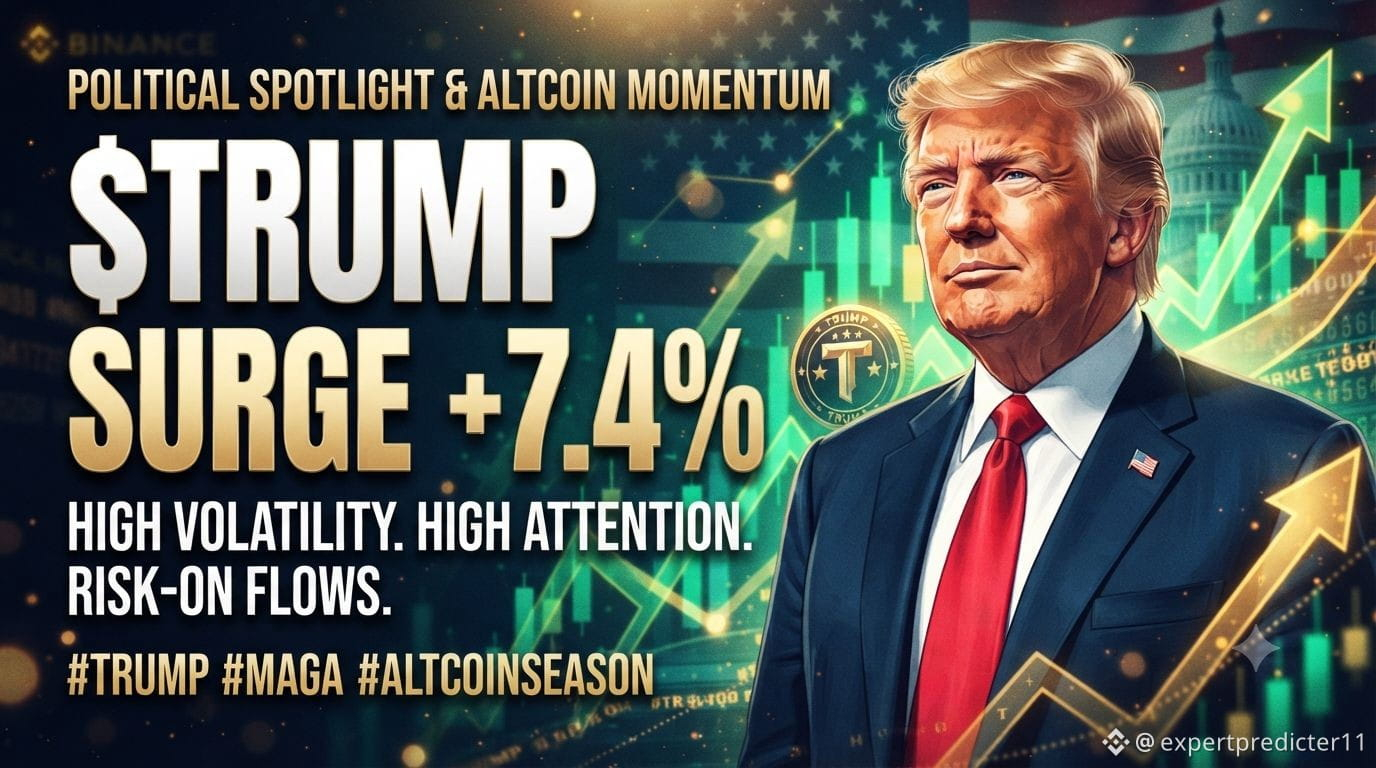
$TRUMP は、新たな政治的およびメディアの注目を背景に、今日7%超の上昇を見せました。リスクオンのアルトコイン流入の波に乗っており、高ボラティリティで注目度も高い—まさに見出しを動かす存在です。いつものとおり、政治的に緊張感のあるトークンではポジションは慎重に調整してください。センチメントは、それが形成されるのと同じくらい速く反転し得ます。 #TRUMP #altcoinseason $TRUMP
{future}(TRUMPUSDT)
$BTC
{spot}(BTCUSDT)
{future}(ETHUSDT)
$TRUMP は、新たな政治的およびメディアの注目を背景に、今日7%超の上昇を見せました。リスクオンのアルトコイン流入の波に乗っており、高ボラティリティで注目度も高い—まさに見出しを動かす存在です。いつものとおり、政治的に緊張感のあるトークンではポジションは慎重に調整してください。センチメントは、それが形成されるのと同じくらい速く反転し得ます。 #TRUMP #altcoinseason $TRUMP
$BTC
$BTC
225
·
--
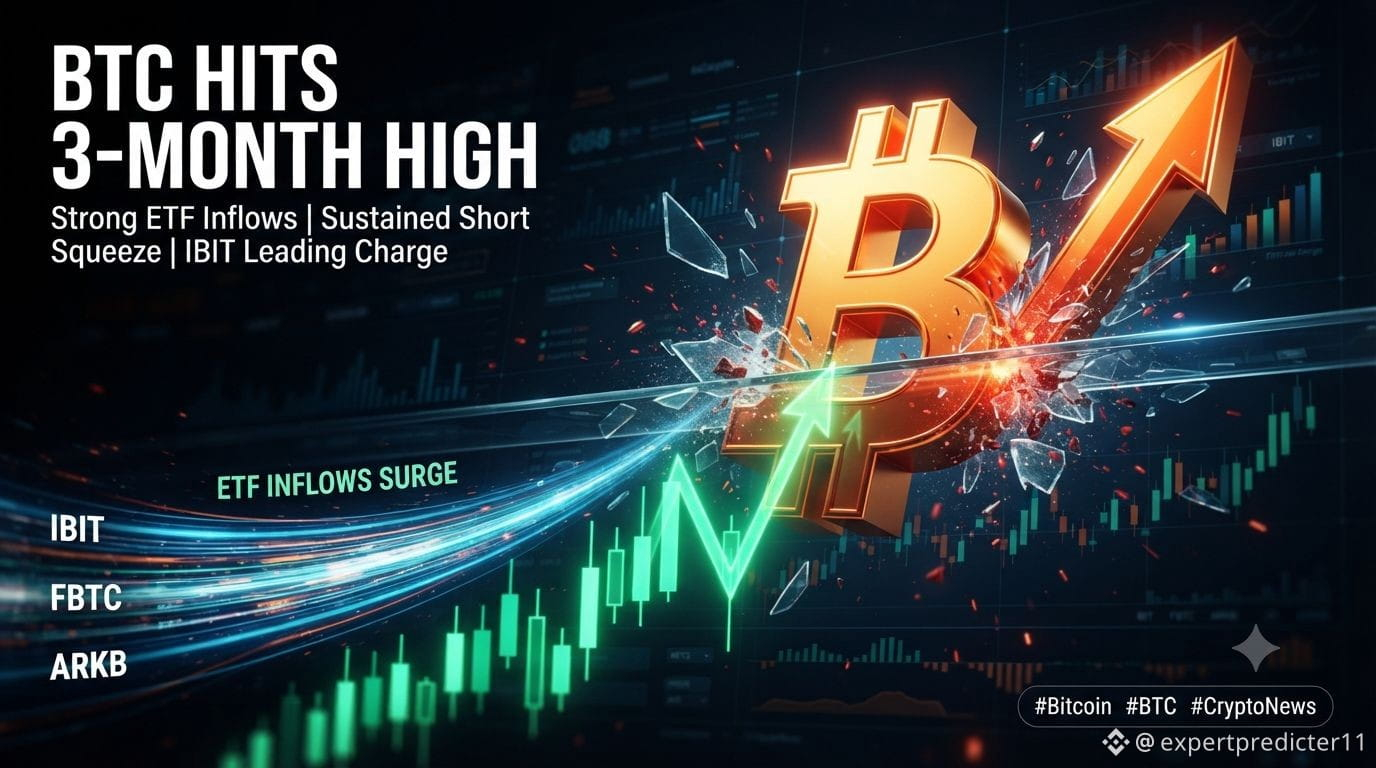
BTCはちょうど3か月ぶりの高値に到達しました🔥 強いETF流入と継続するショートスクイーズがこの動きを後押ししており、先導役はブラックロックのIBITです。強気派はさらなる高値を見込んでいますが、タカ派的なFRB方針によるマクロの逆風が確信を試す可能性があります。重要なレジスタンスを上抜けた継続に注目しましょう。 #Bitcoin #BTC $BTC
{spot}(BTCUSDT)
BTCはちょうど3か月ぶりの高値に到達しました🔥 強いETF流入と継続するショートスクイーズがこの動きを後押ししており、先導役はブラックロックのIBITです。強気派はさらなる高値を見込んでいますが、タカ派的なFRB方針によるマクロの逆風が確信を試す可能性があります。重要なレジスタンスを上抜けた継続に注目しましょう。 #Bitcoin #BTC $BTC
94
·
--
🚀 $BTR (Bitlayer): +278%
🚀 $NCT(PolySwarm): +252%
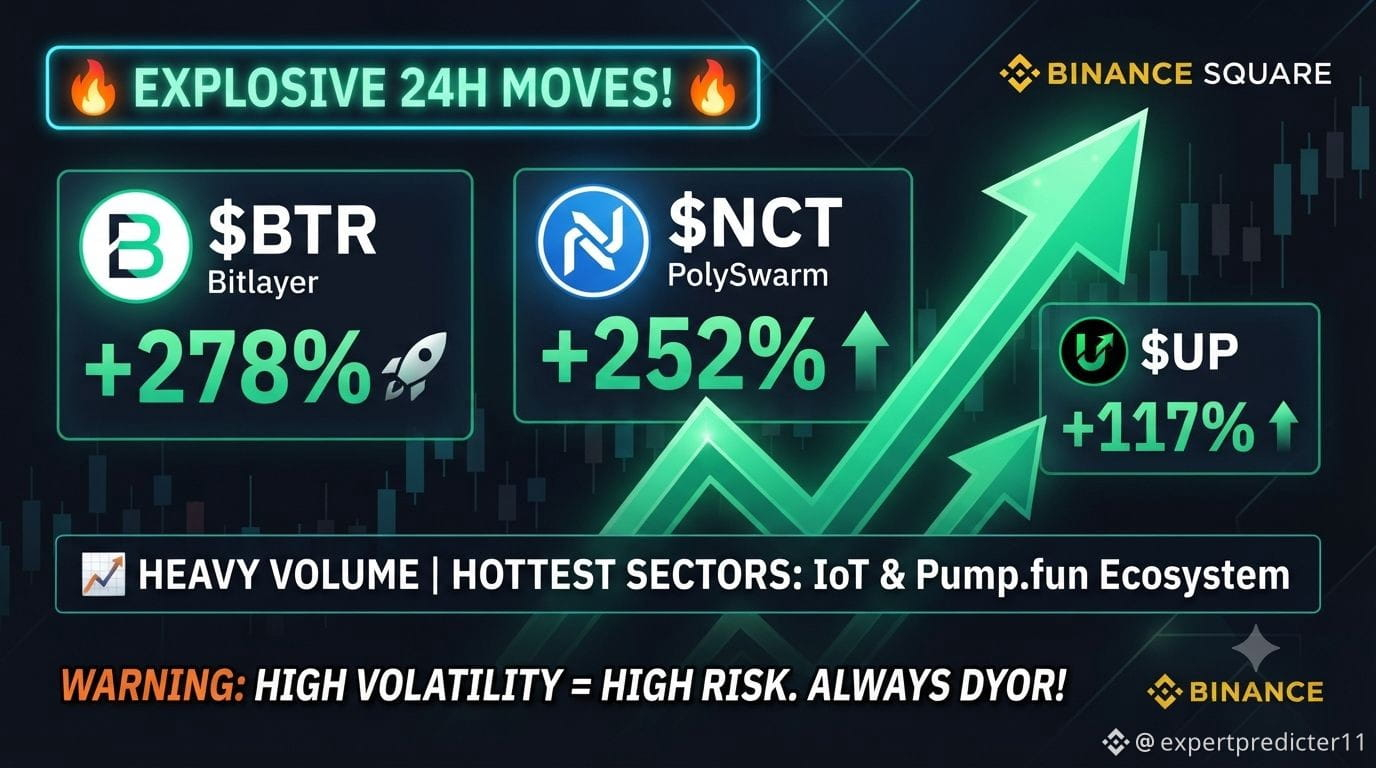
🚀 $UP : +117%🔥 爆発的な24時間の値動き:$BTR (Bitlayer)が278%急騰、$NCT(PolySwarm)が252%上昇、$UPが117%ジャンプ。取引量が非常に多い中での動きです。IoTとPump.funエコシステムのトークンは、いま注目のセクターで特に熱いカテゴリです。ボラティリティが高い=リスクも高い—取引の前に必ずDYORを! #Altcoins #Binance #crypto $BTR
{future}(BTRUSDT)
🚀 $BTR (Bitlayer): +278%
🚀 $NCT(PolySwarm): +252%
🚀 $UP : +117%🔥 爆発的な24時間の値動き:$BTR (Bitlayer)が278%急騰、$NCT(PolySwarm)が252%上昇、$UPが117%ジャンプ。取引量が非常に多い中での動きです。IoTとPump.funエコシステムのトークンは、いま注目のセクターで特に熱いカテゴリです。ボラティリティが高い=リスクも高い—取引の前に必ずDYORを! #Altcoins #Binance #crypto $BTR
🚀 $NCT(PolySwarm): +252%
🚀 $UP : +117%🔥 爆発的な24時間の値動き:$BTR (Bitlayer)が278%急騰、$NCT(PolySwarm)が252%上昇、$UPが117%ジャンプ。取引量が非常に多い中での動きです。IoTとPump.funエコシステムのトークンは、いま注目のセクターで特に熱いカテゴリです。ボラティリティが高い=リスクも高い—取引の前に必ずDYORを! #Altcoins #Binance #crypto $BTR
225
·
--
PYTH 注目🔥
PYTHはBinanceで注目を集めています。特に、Binanceが最近PYTHのトレーディング・トーナメントを取り上げたことで、さらに注目が高まっています。取引が活発になると、トークンに目が向く可能性がありますが、ボラティリティも急速に上昇し得ます。トレーダーは出来高、モメンタム、そして市場のセンチメントを慎重に見守りましょう。PYTHは次の大きな動きに備えているのでしょうか?👀📊 #PYTH #Binance #Crypto $PYTH
PYTH 注目🔥
PYTHはBinanceで注目を集めています。特に、Binanceが最近PYTHのトレーディング・トーナメントを取り上げたことで、さらに注目が高まっています。取引が活発になると、トークンに目が向く可能性がありますが、ボラティリティも急速に上昇し得ます。トレーダーは出来高、モメンタム、そして市場のセンチメントを慎重に見守りましょう。PYTHは次の大きな動きに備えているのでしょうか?👀📊 #PYTH #Binance #Crypto $PYTH
PYTHはBinanceで注目を集めています。特に、Binanceが最近PYTHのトレーディング・トーナメントを取り上げたことで、さらに注目が高まっています。取引が活発になると、トークンに目が向く可能性がありますが、ボラティリティも急速に上昇し得ます。トレーダーは出来高、モメンタム、そして市場のセンチメントを慎重に見守りましょう。PYTHは次の大きな動きに備えているのでしょうか?👀📊 #PYTH #Binance #Crypto $PYTH
72
·
--
イーサリアム・ウォッチ 👀
イーサリアムは暗号資産の中でも最大級の名前の一つで、トレーダーたちはビットコインとともにその勢いを注意深く見守っています。市場の信頼が高まると、ETHが大きな注目を集めることがよくあります。今の重要な問いは、買い手がその勢いを維持し、イーサリアムをより強い水準へ押し上げられるかどうかです。あなたのETHの見通しは? 🚀 #ETH #Ethereum #Binance
$ETH
{spot}(ETHUSDT)
イーサリアム・ウォッチ 👀
イーサリアムは暗号資産の中でも最大級の名前の一つで、トレーダーたちはビットコインとともにその勢いを注意深く見守っています。市場の信頼が高まると、ETHが大きな注目を集めることがよくあります。今の重要な問いは、買い手がその勢いを維持し、イーサリアムをより強い水準へ押し上げられるかどうかです。あなたのETHの見通しは? 🚀 #ETH #Ethereum #Binance
$ETH
イーサリアムは暗号資産の中でも最大級の名前の一つで、トレーダーたちはビットコインとともにその勢いを注意深く見守っています。市場の信頼が高まると、ETHが大きな注目を集めることがよくあります。今の重要な問いは、買い手がその勢いを維持し、イーサリアムをより強い水準へ押し上げられるかどうかです。あなたのETHの見通しは? 🚀 #ETH #Ethereum #Binance
$ETH
46
·
--
ビットコインの勢い 🚀
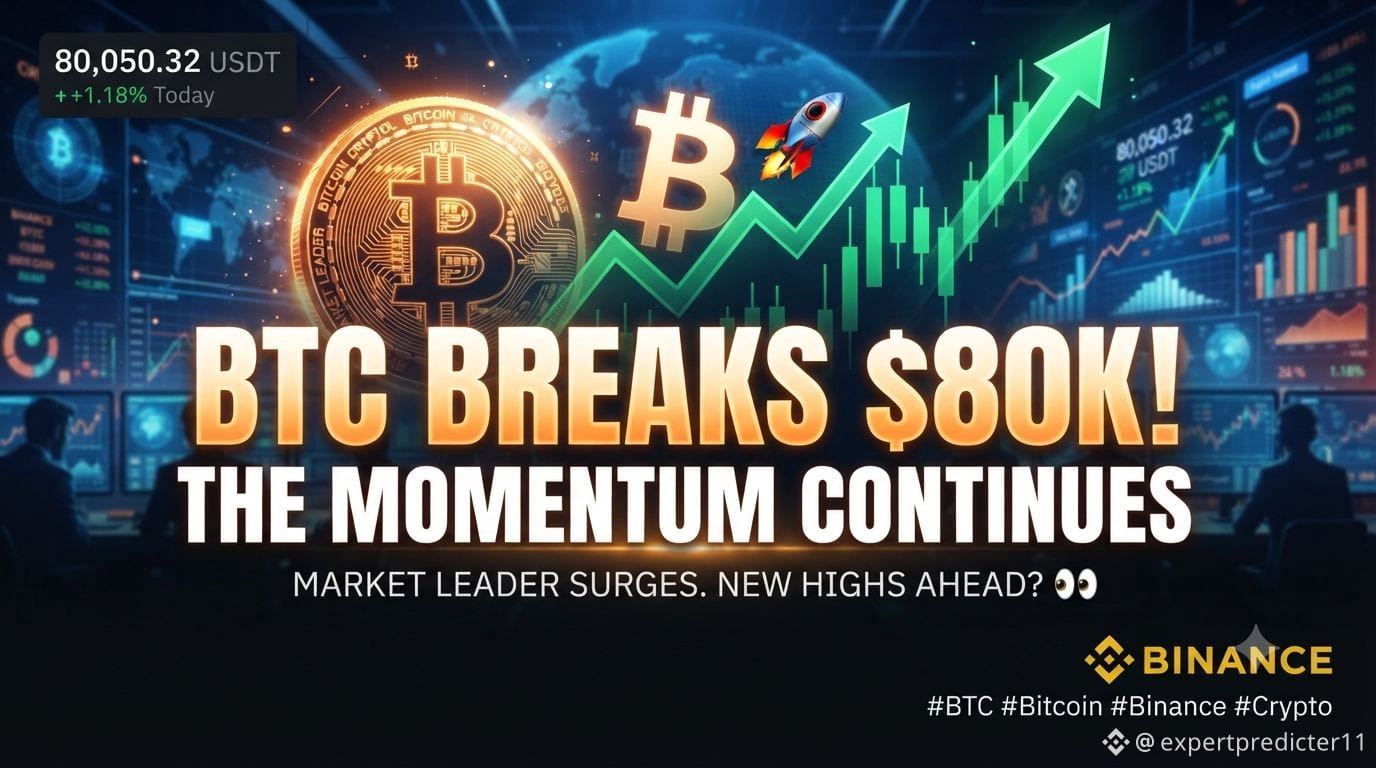
ビットコインは$80Kの水準を再び上回り、トレーダーは勢いが継続するかどうかに注目しています。BTCは依然として市場のリーダーであり、次の動きは暗号資産全体の市場に影響を与える可能性があります。私たちはもう一度ブレイクアウトの準備をしているのでしょうか、それとも次の大きな局面の前にビットコインが調整するのでしょうか? 👀📈 #BTC #Bitcoin #Binance #Crypto
$BTC
{spot}(BTCUSDT)
ビットコインの勢い 🚀
ビットコインは$80Kの水準を再び上回り、トレーダーは勢いが継続するかどうかに注目しています。BTCは依然として市場のリーダーであり、次の動きは暗号資産全体の市場に影響を与える可能性があります。私たちはもう一度ブレイクアウトの準備をしているのでしょうか、それとも次の大きな局面の前にビットコインが調整するのでしょうか? 👀📈 #BTC #Bitcoin #Binance #Crypto
$BTC
ビットコインは$80Kの水準を再び上回り、トレーダーは勢いが継続するかどうかに注目しています。BTCは依然として市場のリーダーであり、次の動きは暗号資産全体の市場に影響を与える可能性があります。私たちはもう一度ブレイクアウトの準備をしているのでしょうか、それとも次の大きな局面の前にビットコインが調整するのでしょうか? 👀📈 #BTC #Bitcoin #Binance #Crypto
$BTC
43
·
--
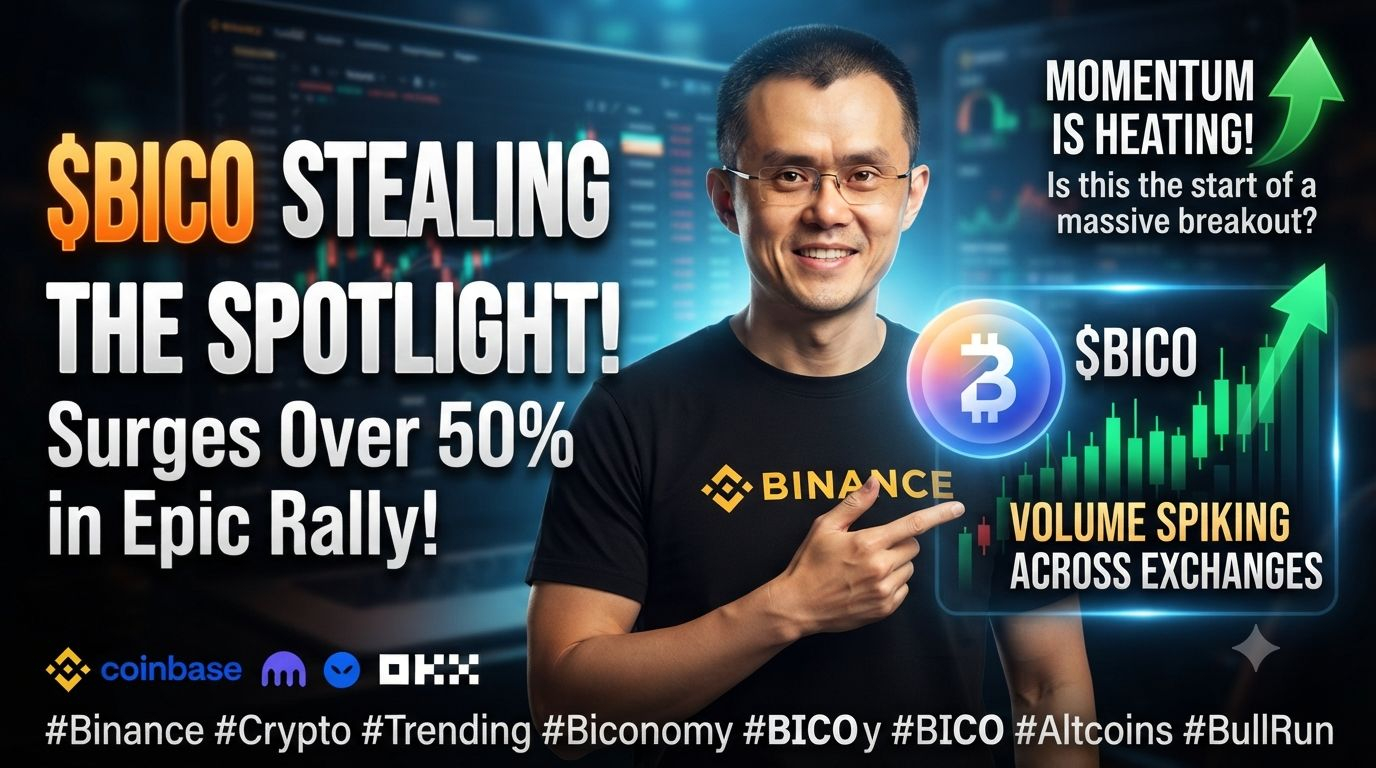
🔥 $BICO (Biconomy)が今日の主役をさらっており、取引者が殺到して50%超を急伸しています!勢いが急速に加速しており、主要取引所で出来高が急増中です。これがより大きなブレイクアウトの始まりなのか、それとも短命なポンプなのか?注目しておきましょう。👀 #Binance #Crypto #TrendingTopic $BICO
{spot}(BICOUSDT)
🔥 $BICO (Biconomy)が今日の主役をさらっており、取引者が殺到して50%超を急伸しています!勢いが急速に加速しており、主要取引所で出来高が急増中です。これがより大きなブレイクアウトの始まりなのか、それとも短命なポンプなのか?注目しておきましょう。👀 #Binance #Crypto #TrendingTopic $BICO
90
·
--
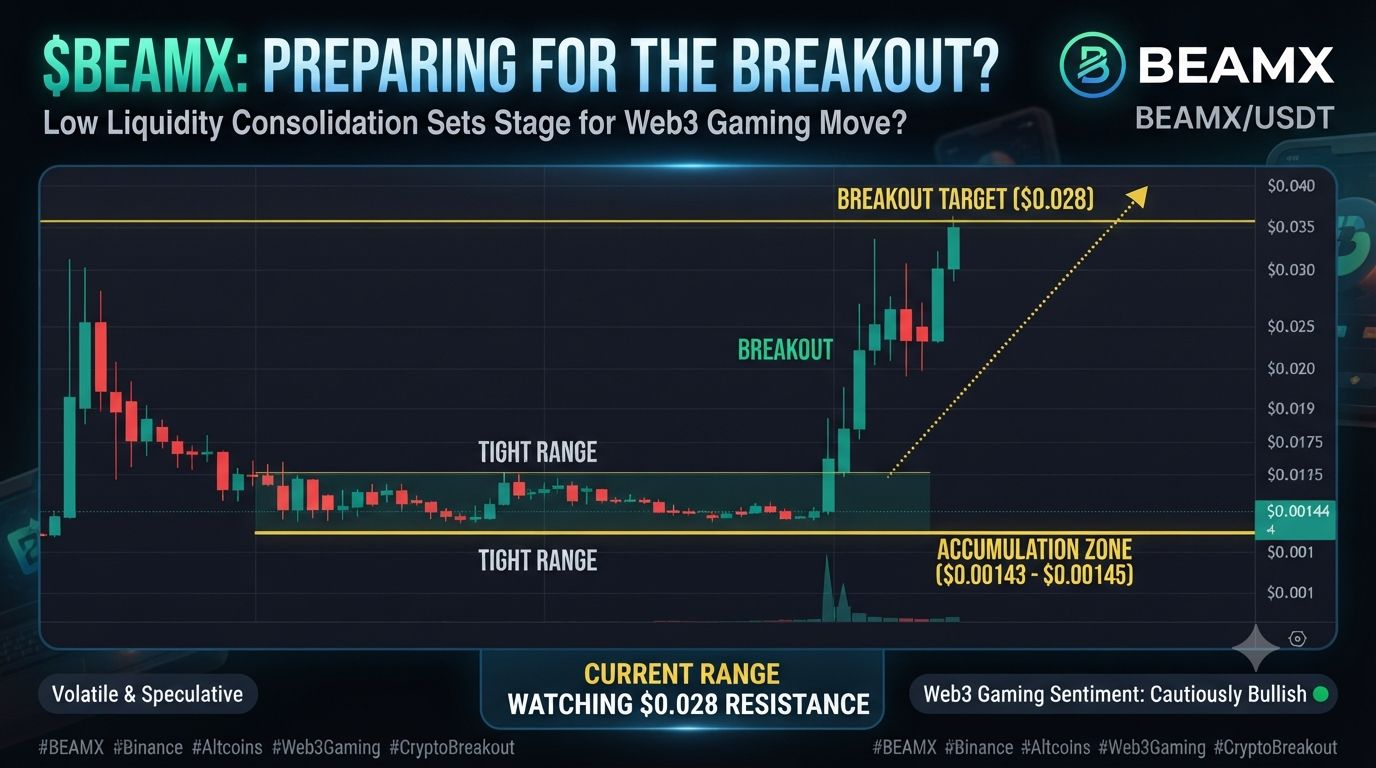
💎 $BEAMX 狭い範囲で推移しながらも、流動性が低いにもかかわらずレーダーの外を飛び続けている。トレーダーたちは、Web3ゲームの勢いが再び戻ってくれば、$0.028 へのブレイクアウトを狙っている。ボラティリティが高く投機的だが、アルトコイン市場全体のセンチメントが慎重に強気のままなら、注目すべき銘柄。 🎮 #BEAMX #Binance #altcoins $BEAMX
{spot}(BEAMXUSDT)
💎 $BEAMX 狭い範囲で推移しながらも、流動性が低いにもかかわらずレーダーの外を飛び続けている。トレーダーたちは、Web3ゲームの勢いが再び戻ってくれば、$0.028 へのブレイクアウトを狙っている。ボラティリティが高く投機的だが、アルトコイン市場全体のセンチメントが慎重に強気のままなら、注目すべき銘柄。 🎮 #BEAMX #Binance #altcoins $BEAMX
98
ログインして、さらにコンテンツを読む
厳選トピックで世界の暗号資産トレーダーの仲間入り
⚡️ 暗号資産に関する最新かつ有益な情報が見つかります。
💬 世界最大の暗号資産取引所から信頼されています。
👍 認証を受けたクリエイターから、有益なインサイトを得られます。
メール / 電話番号