
Crypto Knowledge9
22 投稿

Crypto Knowledge9
報告
ユーザーをブロック
20 フォロー
100 フォロワー
112 いいね
投稿
https://www.binance.com/activity/chance/trade-futures-win10new?ref=1129531282
https://www.binance.com/activity/chance/trade-futures-win10new?ref=1129531282
3
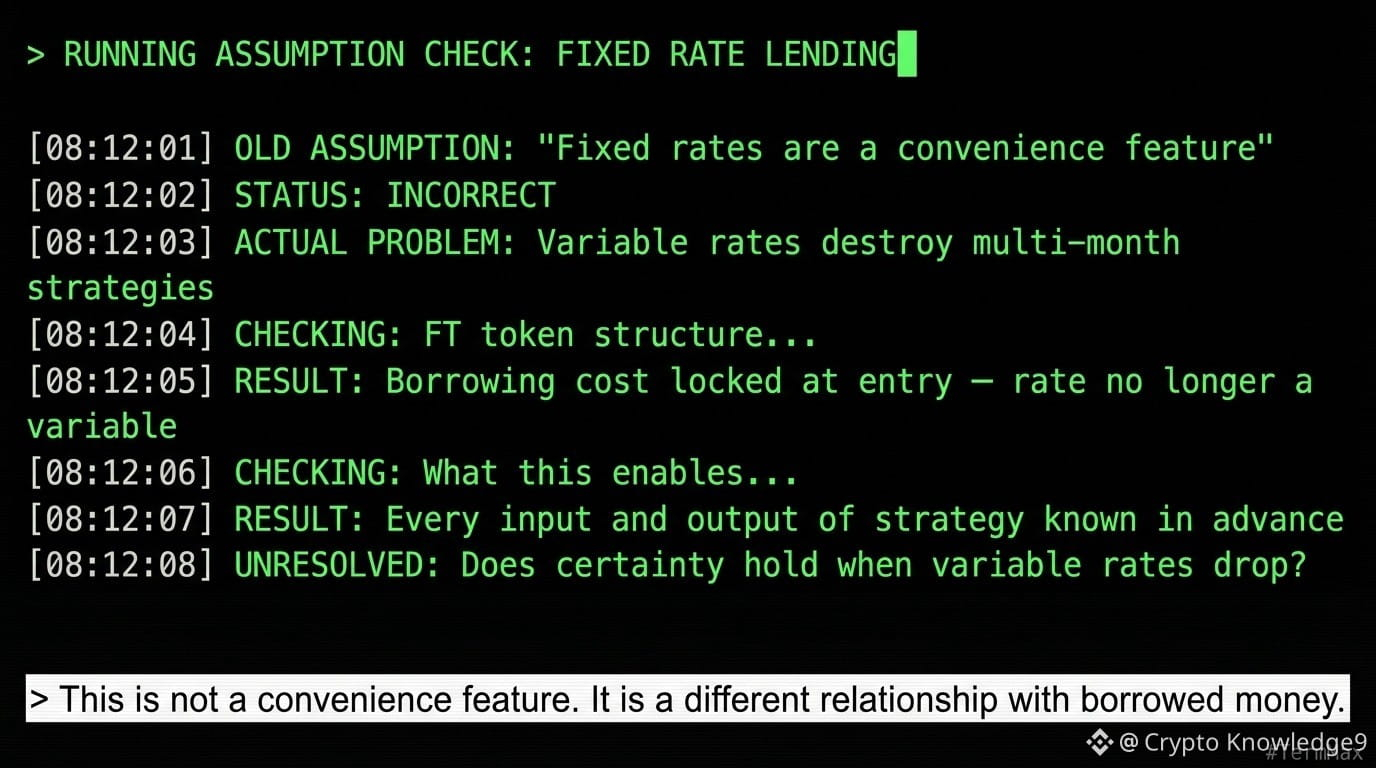
かつて、DeFiにおける固定金利の貸出は些細な利便機能だと思っていました。
あったら嬉しい程度のもの。APYが時間ごとに変動していく混乱を見守る代わりに、少しだけ改善されたもの。入手できる最高の利回りを追いかけるのではなく、退屈なくらいの予測可能性を求める人向けのプロダクト。
しかし実際に、@TermMax が固定金利をゼロからどのように構築しているのかを読み、まったく別の問題について考えていたのだと気づきました。
#termmax
問題は単に「金利の安定性」ではありませんでした。本当の問題は、変動金利が“計画する力”を破壊してしまうことです。
借り手が 8% の時点でポジションを取り、翌朝 23% になって目を覚ましたら、そのポジションは単に「より高くつく」ようになっただけではありません。その下にある戦略全体が崩壊します。借りた資本を運用して得られるはずだった利回りは、もはやコストを賄えなくなります。取引自体が間違っていたわけではありません。金利の変化によって、遡及的に間違いになってしまうのです。
TermMax の FT トークン構造は、アーキテクチャのレベルでこの問題を解決します。借り入れたとき、あなたのコストはエントリー時に固定されます。FT トークンは、その義務を額面での償還(パー・レデンプション)として表します。翌朝に借入金利を確認する必要はありません。確認するものがないのです。金利はもはや戦略の“変数”ではありません。
これは小さなことに見えるかもしれませんが、実際に何を可能にするのかを追えば、それがどれほど大きいかがわかります。
これで、複数カ月にわたる利回り戦略を構築できます。すべての入力と出力が事前に分かるのです。借入コストも分かります。満期日も分かります。担保要件も分かります。残る唯一の変数は、借りた資本をどう運用するか、そのパフォーマンスだけです。
それは“利便性機能”ではありません。借りたお金との関係そのものが、まったく別物になるのです。
私はまだ一つ気になっています。固定金利が、変動金利がロックされた金利を大きく下回る局面でも、魅力を保てるのかどうかです。確実性にはコストがかかります。そしてそのコストは、市場状況によって変わります。
期間中に変動金利があなたの固定金利を大きく下回ったとしても、固定金利にロックし続けますか?
#TermMax @TermMax $TMX #DeFi
かつて、DeFiにおける固定金利の貸出は些細な利便機能だと思っていました。
あったら嬉しい程度のもの。APYが時間ごとに変動していく混乱を見守る代わりに、少しだけ改善されたもの。入手できる最高の利回りを追いかけるのではなく、退屈なくらいの予測可能性を求める人向けのプロダクト。
しかし実際に、@TermMax が固定金利をゼロからどのように構築しているのかを読み、まったく別の問題について考えていたのだと気づきました。
#termmax
問題は単に「金利の安定性」ではありませんでした。本当の問題は、変動金利が“計画する力”を破壊してしまうことです。
借り手が 8% の時点でポジションを取り、翌朝 23% になって目を覚ましたら、そのポジションは単に「より高くつく」ようになっただけではありません。その下にある戦略全体が崩壊します。借りた資本を運用して得られるはずだった利回りは、もはやコストを賄えなくなります。取引自体が間違っていたわけではありません。金利の変化によって、遡及的に間違いになってしまうのです。
TermMax の FT トークン構造は、アーキテクチャのレベルでこの問題を解決します。借り入れたとき、あなたのコストはエントリー時に固定されます。FT トークンは、その義務を額面での償還(パー・レデンプション)として表します。翌朝に借入金利を確認する必要はありません。確認するものがないのです。金利はもはや戦略の“変数”ではありません。
これは小さなことに見えるかもしれませんが、実際に何を可能にするのかを追えば、それがどれほど大きいかがわかります。
これで、複数カ月にわたる利回り戦略を構築できます。すべての入力と出力が事前に分かるのです。借入コストも分かります。満期日も分かります。担保要件も分かります。残る唯一の変数は、借りた資本をどう運用するか、そのパフォーマンスだけです。
それは“利便性機能”ではありません。借りたお金との関係そのものが、まったく別物になるのです。
私はまだ一つ気になっています。固定金利が、変動金利がロックされた金利を大きく下回る局面でも、魅力を保てるのかどうかです。確実性にはコストがかかります。そしてそのコストは、市場状況によって変わります。
期間中に変動金利があなたの固定金利を大きく下回ったとしても、固定金利にロックし続けますか?
#TermMax @TermMax $TMX #DeFi
あったら嬉しい程度のもの。APYが時間ごとに変動していく混乱を見守る代わりに、少しだけ改善されたもの。入手できる最高の利回りを追いかけるのではなく、退屈なくらいの予測可能性を求める人向けのプロダクト。
しかし実際に、@TermMax が固定金利をゼロからどのように構築しているのかを読み、まったく別の問題について考えていたのだと気づきました。
#termmax
問題は単に「金利の安定性」ではありませんでした。本当の問題は、変動金利が“計画する力”を破壊してしまうことです。
借り手が 8% の時点でポジションを取り、翌朝 23% になって目を覚ましたら、そのポジションは単に「より高くつく」ようになっただけではありません。その下にある戦略全体が崩壊します。借りた資本を運用して得られるはずだった利回りは、もはやコストを賄えなくなります。取引自体が間違っていたわけではありません。金利の変化によって、遡及的に間違いになってしまうのです。
TermMax の FT トークン構造は、アーキテクチャのレベルでこの問題を解決します。借り入れたとき、あなたのコストはエントリー時に固定されます。FT トークンは、その義務を額面での償還(パー・レデンプション)として表します。翌朝に借入金利を確認する必要はありません。確認するものがないのです。金利はもはや戦略の“変数”ではありません。
これは小さなことに見えるかもしれませんが、実際に何を可能にするのかを追えば、それがどれほど大きいかがわかります。
これで、複数カ月にわたる利回り戦略を構築できます。すべての入力と出力が事前に分かるのです。借入コストも分かります。満期日も分かります。担保要件も分かります。残る唯一の変数は、借りた資本をどう運用するか、そのパフォーマンスだけです。
それは“利便性機能”ではありません。借りたお金との関係そのものが、まったく別物になるのです。
私はまだ一つ気になっています。固定金利が、変動金利がロックされた金利を大きく下回る局面でも、魅力を保てるのかどうかです。確実性にはコストがかかります。そしてそのコストは、市場状況によって変わります。
期間中に変動金利があなたの固定金利を大きく下回ったとしても、固定金利にロックし続けますか?
#TermMax @TermMax $TMX #DeFi
50
#termmax @termmax TermMax: よりスマートな固定金利の未来を構築 🚀
TermMaxは、固定金利の借入と貸付に重点を置くことで、DeFiレンディングをより予測可能にし、変動し続ける金利に全面的に頼るのではなく、資金調達コストについてより明確な見通しをユーザーに提供します。
また、現在実施中のBinance Wallet Boosterキャンペーンによって、TermMaxが注目を集めています。獲得可能な報酬プールとして、驚きの2,000,000 $TMXが用意されています。キャンペーンのタスクを完了するか、Binance Squareに投稿することで参加でき、報酬獲得のチャンスとともにエコシステムをより深く知る機会につながります。
このキャンペーンには、抽選用に1.7M $TMX、Binance Squareの上位1,000人の参加者に対して300K $TMXを配分する予定が含まれています。対象条件はBinance Keyless Walletと2 Alpha Pointsで、報酬はTGEでアンロックされます。
TermMaxが興味深いのは、より大きなビジョンにもあります。暗号資産の領域に、より予測可能な金融ツールを届けると同時に、固定金利の市場や流動性へユーザーをつなぐことです。
キャンペーン期間は、UTCで8月17日07:00から8月24日23:59までです。
DeFiを探っていて、予測可能な金利の周りで構築されているプロジェクトを見つけたいなら、TermMaxはぜひ注目する価値があります。
#TermMax #TMX #DeFi #BinanceWallet #BinanceSquare #Crypto
#termmax @TermMax TermMax: よりスマートな固定金利の未来を構築 🚀
TermMaxは、固定金利の借入と貸付に重点を置くことで、DeFiレンディングをより予測可能にし、変動し続ける金利に全面的に頼るのではなく、資金調達コストについてより明確な見通しをユーザーに提供します。
また、現在実施中のBinance Wallet Boosterキャンペーンによって、TermMaxが注目を集めています。獲得可能な報酬プールとして、驚きの2,000,000 $TMXが用意されています。キャンペーンのタスクを完了するか、Binance Squareに投稿することで参加でき、報酬獲得のチャンスとともにエコシステムをより深く知る機会につながります。
このキャンペーンには、抽選用に1.7M $TMX、Binance Squareの上位1,000人の参加者に対して300K $TMXを配分する予定が含まれています。対象条件はBinance Keyless Walletと2 Alpha Pointsで、報酬はTGEでアンロックされます。
TermMaxが興味深いのは、より大きなビジョンにもあります。暗号資産の領域に、より予測可能な金融ツールを届けると同時に、固定金利の市場や流動性へユーザーをつなぐことです。
キャンペーン期間は、UTCで8月17日07:00から8月24日23:59までです。
DeFiを探っていて、予測可能な金利の周りで構築されているプロジェクトを見つけたいなら、TermMaxはぜひ注目する価値があります。
#TermMax #TMX #DeFi #BinanceWallet #BinanceSquare #Crypto
TermMaxは、固定金利の借入と貸付に重点を置くことで、DeFiレンディングをより予測可能にし、変動し続ける金利に全面的に頼るのではなく、資金調達コストについてより明確な見通しをユーザーに提供します。
また、現在実施中のBinance Wallet Boosterキャンペーンによって、TermMaxが注目を集めています。獲得可能な報酬プールとして、驚きの2,000,000 $TMXが用意されています。キャンペーンのタスクを完了するか、Binance Squareに投稿することで参加でき、報酬獲得のチャンスとともにエコシステムをより深く知る機会につながります。
このキャンペーンには、抽選用に1.7M $TMX、Binance Squareの上位1,000人の参加者に対して300K $TMXを配分する予定が含まれています。対象条件はBinance Keyless Walletと2 Alpha Pointsで、報酬はTGEでアンロックされます。
TermMaxが興味深いのは、より大きなビジョンにもあります。暗号資産の領域に、より予測可能な金融ツールを届けると同時に、固定金利の市場や流動性へユーザーをつなぐことです。
キャンペーン期間は、UTCで8月17日07:00から8月24日23:59までです。
DeFiを探っていて、予測可能な金利の周りで構築されているプロジェクトを見つけたいなら、TermMaxはぜひ注目する価値があります。
#TermMax #TMX #DeFi #BinanceWallet #BinanceSquare #Crypto
1
2
78
確認済み
#grvt 100% of the protocol's economic surplus ultimately accrues to $GRVT holders."
その文は、@grvt_io のトークノミクス文書に登場します。私は、それが真実となる条件と、正確に記述されているものの実質的には中身が薄い状態にしてしまう条件を照らし合わせながら読み進めています。
この2つのカテゴリには、明確な意味のある違いがあります。
余剡(surplus)の定義という問題。
経済的余剰は、取引手数料収益ではありません。運営コスト、インフラ保守、R&D支出、市場拡大のための予算、法務・コンプライアンスコスト、そしてチームの報酬を差し引いた後の手数料収益です。これらの各区分は主観的に分類されます。総取引手数料が5,000万ドルのプラットフォームでも、運営コストの定義を十分に広く取れば、経済的余剰をゼロと報告できます。買い戻しは余剰にのみ連動して発動します。何が余剰として認定されるかが最も重要な変数ですが、私が確認した公開ドキュメントでは、その点が最も詳しく指定されていません。
メカニズムのタイミングという問題。
公開市場での買い戻しは、流通供給を減らし、機械的な上方向の価格圧力を生みます。トークン価格への影響は、タイミングと頻度に強く依存します。四半期ごとの買い戻しは、継続的な自動ルーティングとは異なる市場ダイナミクスを作ります。文書はコミットメントについては説明していますが、意味のある、かつ一貫した需要へとつながるかどうかを決めるメカニズムのパラメータは指定していません。
執行(enforcement)の拘束力という問題。
私は、余剰を自動的に買い戻しの実行へルーティングするスマートコントラクトのアドレスを探しました。公開ドキュメント内では見つかりませんでした。契約によって強制される義務は、不利な市場環境の中であってもチームの判断で覆すことはできません。管理上のコミットメントは覆せます。この2つの違いは、法的な技術論ではありません。これが構造的な保証なのか、それとも現時点での意図の表明なのか——その全てが問われているのです。
#GRVT @grvt_io $VELVET $TAC $LAB $BEAT
TGE の前に、この買い戻しコミットメントは構造的に堅牢だと感じられますか?
#grvt 100% of the protocol's economic surplus ultimately accrues to $GRVT holders."
その文は、@grvt_io のトークノミクス文書に登場します。私は、それが真実となる条件と、正確に記述されているものの実質的には中身が薄い状態にしてしまう条件を照らし合わせながら読み進めています。
この2つのカテゴリには、明確な意味のある違いがあります。
余剡(surplus)の定義という問題。
経済的余剰は、取引手数料収益ではありません。運営コスト、インフラ保守、R&D支出、市場拡大のための予算、法務・コンプライアンスコスト、そしてチームの報酬を差し引いた後の手数料収益です。これらの各区分は主観的に分類されます。総取引手数料が5,000万ドルのプラットフォームでも、運営コストの定義を十分に広く取れば、経済的余剰をゼロと報告できます。買い戻しは余剰にのみ連動して発動します。何が余剰として認定されるかが最も重要な変数ですが、私が確認した公開ドキュメントでは、その点が最も詳しく指定されていません。
メカニズムのタイミングという問題。
公開市場での買い戻しは、流通供給を減らし、機械的な上方向の価格圧力を生みます。トークン価格への影響は、タイミングと頻度に強く依存します。四半期ごとの買い戻しは、継続的な自動ルーティングとは異なる市場ダイナミクスを作ります。文書はコミットメントについては説明していますが、意味のある、かつ一貫した需要へとつながるかどうかを決めるメカニズムのパラメータは指定していません。
執行(enforcement)の拘束力という問題。
私は、余剰を自動的に買い戻しの実行へルーティングするスマートコントラクトのアドレスを探しました。公開ドキュメント内では見つかりませんでした。契約によって強制される義務は、不利な市場環境の中であってもチームの判断で覆すことはできません。管理上のコミットメントは覆せます。この2つの違いは、法的な技術論ではありません。これが構造的な保証なのか、それとも現時点での意図の表明なのか——その全てが問われているのです。
#GRVT @grvt_io $VELVET $TAC $LAB $BEAT
TGE の前に、この買い戻しコミットメントは構造的に堅牢だと感じられますか?
その文は、@grvt_io のトークノミクス文書に登場します。私は、それが真実となる条件と、正確に記述されているものの実質的には中身が薄い状態にしてしまう条件を照らし合わせながら読み進めています。
この2つのカテゴリには、明確な意味のある違いがあります。
余剡(surplus)の定義という問題。
経済的余剰は、取引手数料収益ではありません。運営コスト、インフラ保守、R&D支出、市場拡大のための予算、法務・コンプライアンスコスト、そしてチームの報酬を差し引いた後の手数料収益です。これらの各区分は主観的に分類されます。総取引手数料が5,000万ドルのプラットフォームでも、運営コストの定義を十分に広く取れば、経済的余剰をゼロと報告できます。買い戻しは余剰にのみ連動して発動します。何が余剰として認定されるかが最も重要な変数ですが、私が確認した公開ドキュメントでは、その点が最も詳しく指定されていません。
メカニズムのタイミングという問題。
公開市場での買い戻しは、流通供給を減らし、機械的な上方向の価格圧力を生みます。トークン価格への影響は、タイミングと頻度に強く依存します。四半期ごとの買い戻しは、継続的な自動ルーティングとは異なる市場ダイナミクスを作ります。文書はコミットメントについては説明していますが、意味のある、かつ一貫した需要へとつながるかどうかを決めるメカニズムのパラメータは指定していません。
執行(enforcement)の拘束力という問題。
私は、余剰を自動的に買い戻しの実行へルーティングするスマートコントラクトのアドレスを探しました。公開ドキュメント内では見つかりませんでした。契約によって強制される義務は、不利な市場環境の中であってもチームの判断で覆すことはできません。管理上のコミットメントは覆せます。この2つの違いは、法的な技術論ではありません。これが構造的な保証なのか、それとも現時点での意図の表明なのか——その全てが問われているのです。
#GRVT @grvt_io $VELVET $TAC $LAB $BEAT
TGE の前に、この買い戻しコミットメントは構造的に堅牢だと感じられますか?
Public specs
0%
Contract enforcement
0%
Define surplus
0%
0 投票 • 投票は終了しました
883
記事
Linea: Ethereumが飛び立つ場所
$LINEA #Linea @LineaEth
先月、ムンバイ出身のデジタルアーティスト、ソフィアはEthereumで最新のNFTコレクションをミントしようとしました。アートワークは準備が整い、彼女のフォロワーは待っていましたが—ガス料金は彼女の作品の価格を上回っていました。「皮肉に感じました」と彼女は思い出します。「私たちに創造性を提供していたブロックチェーンが突然それを制限しました。」
3日後、彼女はLineaを見つけました—ミント費用がわずかセントで確認が数秒で届くEthereumに沿ったネットワークです。数時間以内に、彼女のコレクションはすべてライブになり、完売し、オンチェーンで検証されました。「まるで創造的な鎖が突然外れたようでした」と彼女は微笑みます。
Linea: Ethereumが飛び立つ場所
$LINEA #Linea @Linea.eth
先月、ムンバイ出身のデジタルアーティスト、ソフィアはEthereumで最新のNFTコレクションをミントしようとしました。アートワークは準備が整い、彼女のフォロワーは待っていましたが—ガス料金は彼女の作品の価格を上回っていました。「皮肉に感じました」と彼女は思い出します。「私たちに創造性を提供していたブロックチェーンが突然それを制限しました。」
3日後、彼女はLineaを見つけました—ミント費用がわずかセントで確認が数秒で届くEthereumに沿ったネットワークです。数時間以内に、彼女のコレクションはすべてライブになり、完売し、オンチェーンで検証されました。「まるで創造的な鎖が突然外れたようでした」と彼女は微笑みます。
先月、ムンバイ出身のデジタルアーティスト、ソフィアはEthereumで最新のNFTコレクションをミントしようとしました。アートワークは準備が整い、彼女のフォロワーは待っていましたが—ガス料金は彼女の作品の価格を上回っていました。「皮肉に感じました」と彼女は思い出します。「私たちに創造性を提供していたブロックチェーンが突然それを制限しました。」
3日後、彼女はLineaを見つけました—ミント費用がわずかセントで確認が数秒で届くEthereumに沿ったネットワークです。数時間以内に、彼女のコレクションはすべてライブになり、完売し、オンチェーンで検証されました。「まるで創造的な鎖が突然外れたようでした」と彼女は微笑みます。
2
41
Linea: Ethereumの影響力ある未来への最も明るい道
#linea $LINEA @LineaEth
昨春、イスラマバードの若いDeFi開発者であるラフルは、MetaMaskの画面で回転するホイールを見ながら立ち往生していました。彼の取引はすでに8時間近く「保留中」で、ガス料金はすでに30ドルを超えていました。「私は思い出します、」彼は今笑いながら言います。「これが金融の未来であるはずがない。」
2週間後、彼は新しいEthereumに沿ったLayer 2ネットワークであるLineaで同じスマートコントラクトを試みました。送金は数秒で完了しました。手数料は?チャイの一口の価格よりも少ないです。その瞬間、混乱は魅了に変わり、ラフルはそれ以来ずっとLineaで構築し続けています。
Linea: Ethereumの影響力ある未来への最も明るい道
#linea $LINEA @Linea.eth
昨春、イスラマバードの若いDeFi開発者であるラフルは、MetaMaskの画面で回転するホイールを見ながら立ち往生していました。彼の取引はすでに8時間近く「保留中」で、ガス料金はすでに30ドルを超えていました。「私は思い出します、」彼は今笑いながら言います。「これが金融の未来であるはずがない。」
2週間後、彼は新しいEthereumに沿ったLayer 2ネットワークであるLineaで同じスマートコントラクトを試みました。送金は数秒で完了しました。手数料は?チャイの一口の価格よりも少ないです。その瞬間、混乱は魅了に変わり、ラフルはそれ以来ずっとLineaで構築し続けています。
昨春、イスラマバードの若いDeFi開発者であるラフルは、MetaMaskの画面で回転するホイールを見ながら立ち往生していました。彼の取引はすでに8時間近く「保留中」で、ガス料金はすでに30ドルを超えていました。「私は思い出します、」彼は今笑いながら言います。「これが金融の未来であるはずがない。」
2週間後、彼は新しいEthereumに沿ったLayer 2ネットワークであるLineaで同じスマートコントラクトを試みました。送金は数秒で完了しました。手数料は?チャイの一口の価格よりも少ないです。その瞬間、混乱は魅了に変わり、ラフルはそれ以来ずっとLineaで構築し続けています。
2
33
Holoworld AI — 知的所有権の未来
私たちは、創造性がブロックチェーンと出会う時代に突入しています。そして、この進化の中心には、誰もが知的デジタル存在を創造し所有できる世界、Holoworld AIがあります。
普通のチャットボットとは異なり、HoloworldのAIエージェントは考え、話し、進化します。彼らは単なる応答ではなく、想像の反映です — 感情、記憶、目的を持ったキャラクターです。ソラナの高速ブロックチェーンによって動かされ、すべてのエージェントは検証可能で譲渡可能であり、クリエイターにデジタルIPの真の所有権を提供します。
エコシステムは$HOLOで運営されており、これは創造、ガバナンス、参加を促進するトークンです。$HOLOをステーキングすることで、ユーザーは報酬を得たり、エージェントを立ち上げたり、成長するエージェント経済に影響力を持つことができます。
Holoworldは、次の大きなエンターテインメント宇宙は映画スタジオからは生まれないことを証明しています — それは、想像力、AI、そしてブロックチェーンを武器にしたクリエイターたちから生まれるのです。
あなたが本当に所有できるデジタルアイデンティティの夜明けへようこそ。
$HOLO @HoloworldAI
#holoworldai $HOLO
Holoworld AI — 知的所有権の未来
私たちは、創造性がブロックチェーンと出会う時代に突入しています。そして、この進化の中心には、誰もが知的デジタル存在を創造し所有できる世界、Holoworld AIがあります。
普通のチャットボットとは異なり、HoloworldのAIエージェントは考え、話し、進化します。彼らは単なる応答ではなく、想像の反映です — 感情、記憶、目的を持ったキャラクターです。ソラナの高速ブロックチェーンによって動かされ、すべてのエージェントは検証可能で譲渡可能であり、クリエイターにデジタルIPの真の所有権を提供します。
エコシステムは$HOLO で運営されており、これは創造、ガバナンス、参加を促進するトークンです。$HOLO をステーキングすることで、ユーザーは報酬を得たり、エージェントを立ち上げたり、成長するエージェント経済に影響力を持つことができます。
Holoworldは、次の大きなエンターテインメント宇宙は映画スタジオからは生まれないことを証明しています — それは、想像力、AI、そしてブロックチェーンを武器にしたクリエイターたちから生まれるのです。
あなたが本当に所有できるデジタルアイデンティティの夜明けへようこそ。
$HOLO @Holoworld AI
#holoworldai $HOLO
私たちは、創造性がブロックチェーンと出会う時代に突入しています。そして、この進化の中心には、誰もが知的デジタル存在を創造し所有できる世界、Holoworld AIがあります。
普通のチャットボットとは異なり、HoloworldのAIエージェントは考え、話し、進化します。彼らは単なる応答ではなく、想像の反映です — 感情、記憶、目的を持ったキャラクターです。ソラナの高速ブロックチェーンによって動かされ、すべてのエージェントは検証可能で譲渡可能であり、クリエイターにデジタルIPの真の所有権を提供します。
エコシステムは$HOLO で運営されており、これは創造、ガバナンス、参加を促進するトークンです。$HOLO をステーキングすることで、ユーザーは報酬を得たり、エージェントを立ち上げたり、成長するエージェント経済に影響力を持つことができます。
Holoworldは、次の大きなエンターテインメント宇宙は映画スタジオからは生まれないことを証明しています — それは、想像力、AI、そしてブロックチェーンを武器にしたクリエイターたちから生まれるのです。
あなたが本当に所有できるデジタルアイデンティティの夜明けへようこそ。
$HOLO @Holoworld AI
#holoworldai $HOLO
4
Hemi Network — ビットコインの力とイーサリアムの魂を結ぶ
長年にわたり、ビットコインとイーサリアムは暗号世界の二つの支柱として存在してきました — 一方は壊れないセキュリティを表し、もう一方は止まらない革新を象徴しています。しかし、両者はそれぞれの制限に縛られ、別々の存在のままでした。
そこに登場したのがHemi Network、すべてを変える革命的なプロトコルです。Hemiはビットコインとイーサリアムを統合し、スケーラビリティ、相互運用性、セキュリティが交差する単一のモジュラーエコシステムを作り出します。
この革新の中心にはHemiバーチャルマシン(hVM)があり — 完全なビットコインノードを備えたEVMです。これは、Hemi上のスマートコントラクトがビットコインデータを直接読み取り、リアルタイムのビットコインイベントに反応できることを意味します。開発者は、これまで以上に速く、安全で、強力なビットコイン対応の分散型アプリケーション(hApps)を構築できるようになりました。
HemiはそのProof-of-Proof(PoP)メカニズムによって動力を得ており、元のチェーンを変更することなくビットコインのProof-of-Workセキュリティを引き継ぎます。Hemi上の取引はわずか90分でビットコインレベルの最終性を達成し、比類のない信頼を確保します。
$HEMI @Hemi #HEMI
さらに、トンネルを利用することで、Hemiはビットコインとイーサリアム資産の信頼のない移動を可能にし、中央集権的なブリッジのリスクを排除します。その二重保管モデルは、安全な資産移転を保障し、Chainbuilderはビットコインセキュリティを他のチェーンに拡張します(Bitcoin-Security-as-a-Service(BSaaS)を通じて)。
要するに、Hemiは単なるLayer-2ではなく、世界の主要なブロックチェーンを調和させるスーパーネットワークです。ビットコインの力がイーサリアムの魂と出会う場所です。
Hemi Networkはブロックチェーンの統一への架け橋です — 次のWeb3革新のための基盤です。
Hemi Network — ビットコインの力とイーサリアムの魂を結ぶ
長年にわたり、ビットコインとイーサリアムは暗号世界の二つの支柱として存在してきました — 一方は壊れないセキュリティを表し、もう一方は止まらない革新を象徴しています。しかし、両者はそれぞれの制限に縛られ、別々の存在のままでした。
そこに登場したのがHemi Network、すべてを変える革命的なプロトコルです。Hemiはビットコインとイーサリアムを統合し、スケーラビリティ、相互運用性、セキュリティが交差する単一のモジュラーエコシステムを作り出します。
この革新の中心にはHemiバーチャルマシン(hVM)があり — 完全なビットコインノードを備えたEVMです。これは、Hemi上のスマートコントラクトがビットコインデータを直接読み取り、リアルタイムのビットコインイベントに反応できることを意味します。開発者は、これまで以上に速く、安全で、強力なビットコイン対応の分散型アプリケーション(hApps)を構築できるようになりました。
HemiはそのProof-of-Proof(PoP)メカニズムによって動力を得ており、元のチェーンを変更することなくビットコインのProof-of-Workセキュリティを引き継ぎます。Hemi上の取引はわずか90分でビットコインレベルの最終性を達成し、比類のない信頼を確保します。
$HEMI @Hemi #HEMI
さらに、トンネルを利用することで、Hemiはビットコインとイーサリアム資産の信頼のない移動を可能にし、中央集権的なブリッジのリスクを排除します。その二重保管モデルは、安全な資産移転を保障し、Chainbuilderはビットコインセキュリティを他のチェーンに拡張します(Bitcoin-Security-as-a-Service(BSaaS)を通じて)。
要するに、Hemiは単なるLayer-2ではなく、世界の主要なブロックチェーンを調和させるスーパーネットワークです。ビットコインの力がイーサリアムの魂と出会う場所です。
Hemi Networkはブロックチェーンの統一への架け橋です — 次のWeb3革新のための基盤です。
長年にわたり、ビットコインとイーサリアムは暗号世界の二つの支柱として存在してきました — 一方は壊れないセキュリティを表し、もう一方は止まらない革新を象徴しています。しかし、両者はそれぞれの制限に縛られ、別々の存在のままでした。
そこに登場したのがHemi Network、すべてを変える革命的なプロトコルです。Hemiはビットコインとイーサリアムを統合し、スケーラビリティ、相互運用性、セキュリティが交差する単一のモジュラーエコシステムを作り出します。
この革新の中心にはHemiバーチャルマシン(hVM)があり — 完全なビットコインノードを備えたEVMです。これは、Hemi上のスマートコントラクトがビットコインデータを直接読み取り、リアルタイムのビットコインイベントに反応できることを意味します。開発者は、これまで以上に速く、安全で、強力なビットコイン対応の分散型アプリケーション(hApps)を構築できるようになりました。
HemiはそのProof-of-Proof(PoP)メカニズムによって動力を得ており、元のチェーンを変更することなくビットコインのProof-of-Workセキュリティを引き継ぎます。Hemi上の取引はわずか90分でビットコインレベルの最終性を達成し、比類のない信頼を確保します。
$HEMI @Hemi #HEMI
さらに、トンネルを利用することで、Hemiはビットコインとイーサリアム資産の信頼のない移動を可能にし、中央集権的なブリッジのリスクを排除します。その二重保管モデルは、安全な資産移転を保障し、Chainbuilderはビットコインセキュリティを他のチェーンに拡張します(Bitcoin-Security-as-a-Service(BSaaS)を通じて)。
要するに、Hemiは単なるLayer-2ではなく、世界の主要なブロックチェーンを調和させるスーパーネットワークです。ビットコインの力がイーサリアムの魂と出会う場所です。
Hemi Networkはブロックチェーンの統一への架け橋です — 次のWeb3革新のための基盤です。
14
AltLayer — 速度、安全性、分散化の間の橋を構築するブロックチェーンの宇宙では、革新が日々前進する中で、1つの課題が常に存在しています — スケーラビリティと分散化のバランスを取ることです。ネットワークは高速で中央集権的であるか、または分散化されているが遅いという状態でした。今に至るまで。
AltLayerへようこそ — スケーリングについての考え方を再定義する先見的なRollup-as-a-Service (RaaS)プラットフォームです。AltLayerは単にロールアップを構築しているのではなく、革命的な概念であるRestaked Rollupsを導入することで、ブロックチェーンインフラを根本から再構築しています。
AltLayer — 速度、安全性、分散化の間の橋を構築する
ブロックチェーンの宇宙では、革新が日々前進する中で、1つの課題が常に存在しています — スケーラビリティと分散化のバランスを取ることです。ネットワークは高速で中央集権的であるか、または分散化されているが遅いという状態でした。今に至るまで。
AltLayerへようこそ — スケーリングについての考え方を再定義する先見的なRollup-as-a-Service (RaaS)プラットフォームです。AltLayerは単にロールアップを構築しているのではなく、革命的な概念であるRestaked Rollupsを導入することで、ブロックチェーンインフラを根本から再構築しています。
AltLayerへようこそ — スケーリングについての考え方を再定義する先見的なRollup-as-a-Service (RaaS)プラットフォームです。AltLayerは単にロールアップを構築しているのではなく、革命的な概念であるRestaked Rollupsを導入することで、ブロックチェーンインフラを根本から再構築しています。
2
ポリゴン2.0:Web3の未来を支える見えないアーキテクチャブロックチェーンの進化し続ける世界では、ポリゴンほど多くの勢いと信頼を築いた名前はほとんどありません。そのスピード、低料金、開発者に優しいエコシステムで知られるポリゴンは、Web3における最も重要な進展のいくつかの背後にある静かなエンジンとなりました — 現実の資産のトークン化からクロスチェーンの相互運用性まで。
しかし、親しみのある表面を超えて — 高スループット、即時確定、低コストのトランザクション — より深い何かが展開されています。ポリゴンは単にブロックチェーンをスケーリングしているのではありません。それはデジタル信頼のアーキテクチャを再定義しています。3つの主要なイノベーション — エンシュラインドステーキング、zkEVM + ステーク・ザ・ブリッジ(STB)、データ駆動型ステーキング経済 — が静かに新しい種類のインフラを織り成しています:統合され、モジュール化され、経済的に効率的なものです。
ポリゴン2.0:Web3の未来を支える見えないアーキテクチャ
ブロックチェーンの進化し続ける世界では、ポリゴンほど多くの勢いと信頼を築いた名前はほとんどありません。そのスピード、低料金、開発者に優しいエコシステムで知られるポリゴンは、Web3における最も重要な進展のいくつかの背後にある静かなエンジンとなりました — 現実の資産のトークン化からクロスチェーンの相互運用性まで。
しかし、親しみのある表面を超えて — 高スループット、即時確定、低コストのトランザクション — より深い何かが展開されています。ポリゴンは単にブロックチェーンをスケーリングしているのではありません。それはデジタル信頼のアーキテクチャを再定義しています。3つの主要なイノベーション — エンシュラインドステーキング、zkEVM + ステーク・ザ・ブリッジ(STB)、データ駆動型ステーキング経済 — が静かに新しい種類のインフラを織り成しています:統合され、モジュール化され、経済的に効率的なものです。
しかし、親しみのある表面を超えて — 高スループット、即時確定、低コストのトランザクション — より深い何かが展開されています。ポリゴンは単にブロックチェーンをスケーリングしているのではありません。それはデジタル信頼のアーキテクチャを再定義しています。3つの主要なイノベーション — エンシュラインドステーキング、zkEVM + ステーク・ザ・ブリッジ(STB)、データ駆動型ステーキング経済 — が静かに新しい種類のインフラを織り成しています:統合され、モジュール化され、経済的に効率的なものです。
4
4
AltLayer: ロールアップとブロックチェーンのスケーラビリティの未来を再定義する急速に進化するブロックチェーンの風景において、スケーラビリティと相互運用性は長い間、大規模採用を阻む二つの課題として存在してきました。無数のソリューションが登場しましたが、スピード、安全性、分散化の間で完璧なバランスを達成したものはほとんどありません。ここでAltLayerが注目を浴びます — 開発者がブロックチェーン上でアプリケーションを構築し、スケールする方法を再構築するために設計された次世代のロールアップ・アズ・ア・サービス(RaaS)プラットフォームです。
AltLayerは単にロールアップを構築するだけでなく、EigenLayerのリステーキング革新によって推進される新たなリステーキングロールアップの時代を導入し、ロールアップの定義を再構築します。ロールアップの展開をシンプル、安全、分散化されたものにするという使命を持つAltLayerは、単なるスケーリングソリューションではなく、ブロックチェーンの効率性と大規模採用の間の欠けたリンクです。
AltLayer: ロールアップとブロックチェーンのスケーラビリティの未来を再定義する
急速に進化するブロックチェーンの風景において、スケーラビリティと相互運用性は長い間、大規模採用を阻む二つの課題として存在してきました。無数のソリューションが登場しましたが、スピード、安全性、分散化の間で完璧なバランスを達成したものはほとんどありません。ここでAltLayerが注目を浴びます — 開発者がブロックチェーン上でアプリケーションを構築し、スケールする方法を再構築するために設計された次世代のロールアップ・アズ・ア・サービス(RaaS)プラットフォームです。
AltLayerは単にロールアップを構築するだけでなく、EigenLayerのリステーキング革新によって推進される新たなリステーキングロールアップの時代を導入し、ロールアップの定義を再構築します。ロールアップの展開をシンプル、安全、分散化されたものにするという使命を持つAltLayerは、単なるスケーリングソリューションではなく、ブロックチェーンの効率性と大規模採用の間の欠けたリンクです。
AltLayerは単にロールアップを構築するだけでなく、EigenLayerのリステーキング革新によって推進される新たなリステーキングロールアップの時代を導入し、ロールアップの定義を再構築します。ロールアップの展開をシンプル、安全、分散化されたものにするという使命を持つAltLayerは、単なるスケーリングソリューションではなく、ブロックチェーンの効率性と大規模採用の間の欠けたリンクです。
1
2
AltLayerは、速度、セキュリティ、分散化をこれまでにない形で組み合わせたRestaked Rollupsでブロックチェーンを変革しています。EigenLayerのリステーキングに基づき、開発者が数分でカスタマイズ可能なロールアップを立ち上げることを可能にします。VITAL、MACH、SQUADを使用して、AltLayerは検証された状態、高速な確定、分散化されたシーケンシングを保証します。そのEphemeral Rollupsは、リソースを無駄にすることなく、イベント、ゲーム、NFTのためのスケーラビリティを提供します。Binance Labs、Polychain Capital、Jump Cryptoに支援されて、AltLayerはLayer 2の革新の次の波をリードしています — ブロックチェーンがより速く、よりスマートで、すべての人に開かれた未来です。
@trade_rumour #Traderumour
AltLayerは、速度、セキュリティ、分散化をこれまでにない形で組み合わせたRestaked Rollupsでブロックチェーンを変革しています。EigenLayerのリステーキングに基づき、開発者が数分でカスタマイズ可能なロールアップを立ち上げることを可能にします。VITAL、MACH、SQUADを使用して、AltLayerは検証された状態、高速な確定、分散化されたシーケンシングを保証します。そのEphemeral Rollupsは、リソースを無駄にすることなく、イベント、ゲーム、NFTのためのスケーラビリティを提供します。Binance Labs、Polychain Capital、Jump Cryptoに支援されて、AltLayerはLayer 2の革新の次の波をリードしています — ブロックチェーンがより速く、よりスマートで、すべての人に開かれた未来です。
@rumour.app #Traderumour
@rumour.app #Traderumour
3
@Somnia_Network は単なるブロックチェーンではありません — それは技術の傑作です。カスタムコンパイラが EVM バイトコードをマシンコードに変換し、超高速の実行を実現します。IceDB データベースはわずか 15〜100 ナノ秒でデータ読み取りを提供し、MultiStream Consensus は低遅延と高スループットを保証します。ストリーミング圧縮と BLS 署名を追加すれば、これまで以上にデータを迅速に転送するチェーンが完成します。これは次世代の分散型体験のために再考されたブロックチェーンです。🚀
#Somnia #SOMI $SOMI
@Somnia Official は単なるブロックチェーンではありません — それは技術の傑作です。カスタムコンパイラが EVM バイトコードをマシンコードに変換し、超高速の実行を実現します。IceDB データベースはわずか 15〜100 ナノ秒でデータ読み取りを提供し、MultiStream Consensus は低遅延と高スループットを保証します。ストリーミング圧縮と BLS 署名を追加すれば、これまで以上にデータを迅速に転送するチェーンが完成します。これは次世代の分散型体験のために再考されたブロックチェーンです。🚀
#Somnia #SOMI $SOMI
#Somnia #SOMI $SOMI
10
@MitosisOrg は、プログラム可能な資産と新しい資本効率のレベルを解放するクロスチェーンボールトを使用して、DeFi流動性を変革しています。EOLやMatrixのようなフレームワークを通じて、ユーザーは流動性を民主的に管理するか、キュレーションされた利回り機会に加入できます。LPポジションをmiAssetsとmaAssetsにトークン化することで、Mitosisは静的な預金を動的で取引可能なビルディングブロックに変えます。これにより、制度格付けの利回りへのアクセスが民主化され、エコシステム全体で透明性と公平性が向上します。Mitosisは単なるプロトコルではなく、分散型金融の次の進化を支えるインフラストラクチャです。
#Mitosis $MITO #DeFi #Liquidity #Web3
@Mitosis Official は、プログラム可能な資産と新しい資本効率のレベルを解放するクロスチェーンボールトを使用して、DeFi流動性を変革しています。EOLやMatrixのようなフレームワークを通じて、ユーザーは流動性を民主的に管理するか、キュレーションされた利回り機会に加入できます。LPポジションをmiAssetsとmaAssetsにトークン化することで、Mitosisは静的な預金を動的で取引可能なビルディングブロックに変えます。これにより、制度格付けの利回りへのアクセスが民主化され、エコシステム全体で透明性と公平性が向上します。Mitosisは単なるプロトコルではなく、分散型金融の次の進化を支えるインフラストラクチャです。
#Mitosis $MITO #DeFi #Liquidity #Web3
#Mitosis $MITO #DeFi #Liquidity #Web3
記事
Pythネットワーク: リアルタイム市場データの未来を築く金融の世界は雷のような速さで成長しており、この移行の中心には次世代のオラクルプロトコルがあり、リアルタイムデータがブロックチェーンエコシステムにどのように流れるかを再導入しています。取引所、取引会社、マーケットメーカーから直接得られるファーストパーティの価格データを提供することにより、PythはDeFiやその先に向けて、最も安全で明確、かつスケーラブルなデータプラットフォームとしての地位を確立しています。
従来の遅い収集ニュースに依存するオラクルに対して、Pythはプルベースモデルで機能し、dAppやプロトコルが必要なときに正確にデータを取得できるようにします。この開発により、超高速かつ低遅延の更新が保証され、高ステークのユースケース(分散型取引、清算、デリバティブ、トークン化された資産など)に最適です。すでに70以上のブロックチェーンで稼働しており、数千のアプリケーションを支えているPythは、精度と信頼が求められる金融システムの基盤を築いています。
Pythネットワーク: リアルタイム市場データの未来を築く
金融の世界は雷のような速さで成長しており、この移行の中心には次世代のオラクルプロトコルがあり、リアルタイムデータがブロックチェーンエコシステムにどのように流れるかを再導入しています。取引所、取引会社、マーケットメーカーから直接得られるファーストパーティの価格データを提供することにより、PythはDeFiやその先に向けて、最も安全で明確、かつスケーラブルなデータプラットフォームとしての地位を確立しています。
従来の遅い収集ニュースに依存するオラクルに対して、Pythはプルベースモデルで機能し、dAppやプロトコルが必要なときに正確にデータを取得できるようにします。この開発により、超高速かつ低遅延の更新が保証され、高ステークのユースケース(分散型取引、清算、デリバティブ、トークン化された資産など)に最適です。すでに70以上のブロックチェーンで稼働しており、数千のアプリケーションを支えているPythは、精度と信頼が求められる金融システムの基盤を築いています。
従来の遅い収集ニュースに依存するオラクルに対して、Pythはプルベースモデルで機能し、dAppやプロトコルが必要なときに正確にデータを取得できるようにします。この開発により、超高速かつ低遅延の更新が保証され、高ステークのユースケース(分散型取引、清算、デリバティブ、トークン化された資産など)に最適です。すでに70以上のブロックチェーンで稼働しており、数千のアプリケーションを支えているPythは、精度と信頼が求められる金融システムの基盤を築いています。
4
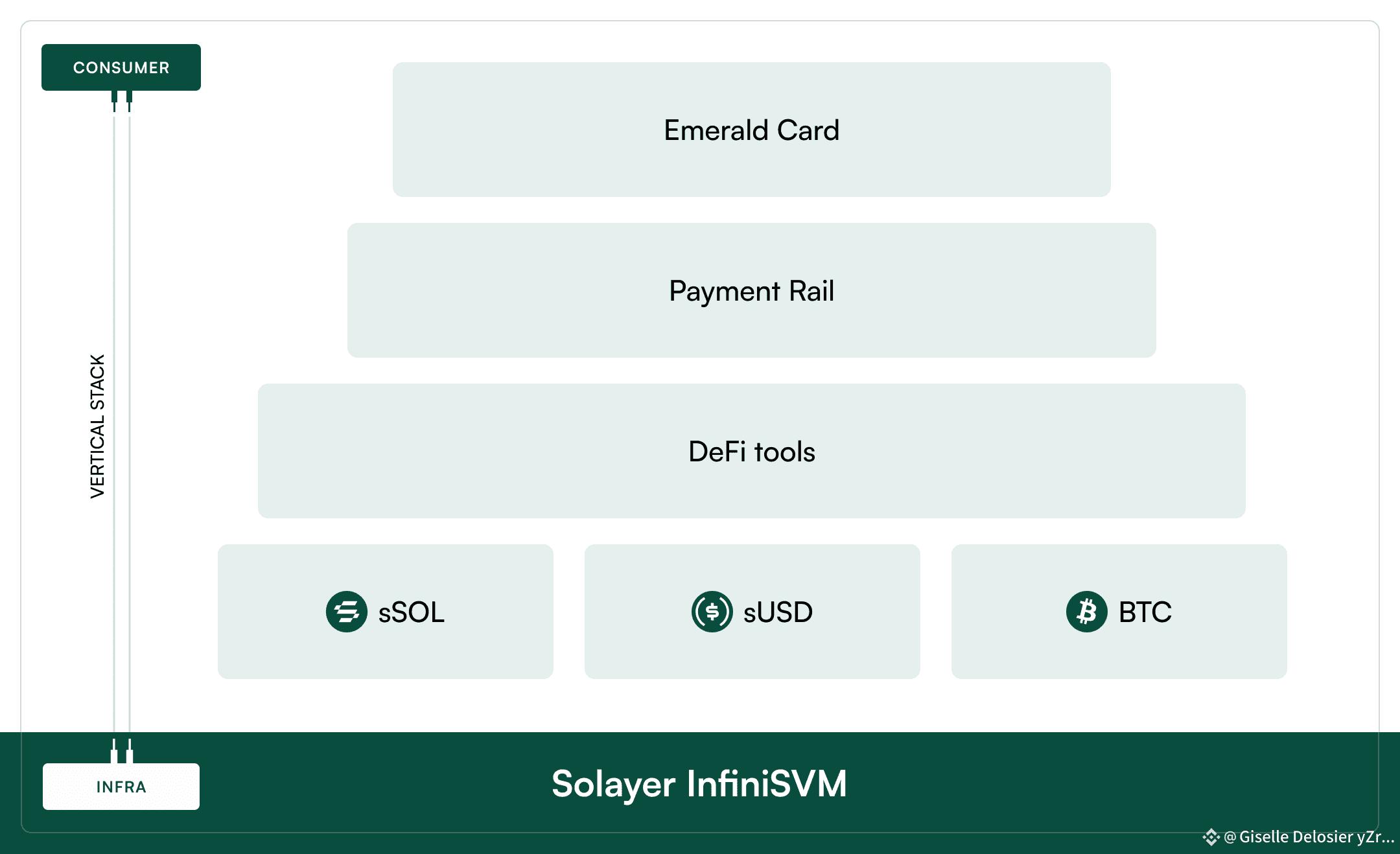
@solayer_labs は、ハードウェアアクセラレーションエンジンInfiniSVMを導入することによってブロックチェーンの新しい時代を創造しています。このエンジンは、超低遅延で1秒間に1,000,000件以上のトランザクション(TPS)を処理することが可能です。従来のブロックチェーンはソフトウェアのみに依存していますが、SolayerはRDMA、InfiniBand、ソフトウェア定義ネットワーキングなどの高度な技術を組み合わせ、実際の金融ユースケースのために無限のスケーラビリティと信頼性を確認します。
この開発により、Solayerは単なるブロックチェーン以上の存在となります。それは、DeFiアプリケーションと機関の採用の両方をサポートするために開発された垂直統合型金融システムです。InfiniSVMは、実用的で効果的なAI駆動の金融モデルから取引プラットフォームに至るまで、大規模かつリアルタイムの実行を実現します。
@solayer_labs #BuiltonSolyare $LAYER
しかし、Solayerの革新は速度だけにとどまりません。エメラルドカードを通じて、ブロックチェーンと日常生活を結びつけます。ユーザーは世界中で暗号通貨を使用でき、同じInfiniSVMインフラストラクチャによって即座にオンチェーン報酬を得ることができます。すべてのトランザクションはシンプルで安全、かつ報酬を伴い、暗号通貨を受動的な価値の保存手段から、積極的でグローバルな金融参加のためのツールへと変革します。
高性能を現実世界の使用と結びつけることによって、Solayerは資本がDeFi、機関、日常の支払いを通じて円滑に流れる未来を展開します。それは単なるブロックチェーンのスケーリングではなく、デジタル世界における金融の仕組みを再構築することです。
@solayer_labs #BuiltonSolayer $LAYER
@Solayer は、ハードウェアアクセラレーションエンジンInfiniSVMを導入することによってブロックチェーンの新しい時代を創造しています。このエンジンは、超低遅延で1秒間に1,000,000件以上のトランザクション(TPS)を処理することが可能です。従来のブロックチェーンはソフトウェアのみに依存していますが、SolayerはRDMA、InfiniBand、ソフトウェア定義ネットワーキングなどの高度な技術を組み合わせ、実際の金融ユースケースのために無限のスケーラビリティと信頼性を確認します。
この開発により、Solayerは単なるブロックチェーン以上の存在となります。それは、DeFiアプリケーションと機関の採用の両方をサポートするために開発された垂直統合型金融システムです。InfiniSVMは、実用的で効果的なAI駆動の金融モデルから取引プラットフォームに至るまで、大規模かつリアルタイムの実行を実現します。
@Solayer #BuiltonSolyare $LAYER
しかし、Solayerの革新は速度だけにとどまりません。エメラルドカードを通じて、ブロックチェーンと日常生活を結びつけます。ユーザーは世界中で暗号通貨を使用でき、同じInfiniSVMインフラストラクチャによって即座にオンチェーン報酬を得ることができます。すべてのトランザクションはシンプルで安全、かつ報酬を伴い、暗号通貨を受動的な価値の保存手段から、積極的でグローバルな金融参加のためのツールへと変革します。
高性能を現実世界の使用と結びつけることによって、Solayerは資本がDeFi、機関、日常の支払いを通じて円滑に流れる未来を展開します。それは単なるブロックチェーンのスケーリングではなく、デジタル世界における金融の仕組みを再構築することです。
@Solayer #BuiltonSolayer $LAYER
この開発により、Solayerは単なるブロックチェーン以上の存在となります。それは、DeFiアプリケーションと機関の採用の両方をサポートするために開発された垂直統合型金融システムです。InfiniSVMは、実用的で効果的なAI駆動の金融モデルから取引プラットフォームに至るまで、大規模かつリアルタイムの実行を実現します。
@Solayer #BuiltonSolyare $LAYER
しかし、Solayerの革新は速度だけにとどまりません。エメラルドカードを通じて、ブロックチェーンと日常生活を結びつけます。ユーザーは世界中で暗号通貨を使用でき、同じInfiniSVMインフラストラクチャによって即座にオンチェーン報酬を得ることができます。すべてのトランザクションはシンプルで安全、かつ報酬を伴い、暗号通貨を受動的な価値の保存手段から、積極的でグローバルな金融参加のためのツールへと変革します。
高性能を現実世界の使用と結びつけることによって、Solayerは資本がDeFi、機関、日常の支払いを通じて円滑に流れる未来を展開します。それは単なるブロックチェーンのスケーリングではなく、デジタル世界における金融の仕組みを再構築することです。
@Solayer #BuiltonSolayer $LAYER
10
Solayerは、超低レイテンシで1秒あたり1,000,000件以上のトランザクション(TPS)を処理できるハードウェアアクセラレーションエンジンInfiniSVMを提供することで、ブロックチェーンの新しい時代を創造しています。従来のブロックチェーンはソフトウェアにのみ依存していますが、SolayerはRDMA、InfiniBand、ソフトウェア定義ネットワーキングなどの先進技術を組み合わせ、実際の金融ユースケースに対する無限のスケーラビリティと信頼性を確認します。
この開発により、Solayerは単なるブロックチェーン以上の存在となり、DeFiアプリケーションと機関の採用の両方をサポートするために開発された垂直統合型金融システムとなります。InfiniSVMは、実用的で効果的なAI駆動の金融モデルから取引プラットフォームまで、大規模でリアルタイムの実行を可能にします。
しかし、Solayerの革新は速度にとどまりません。エメラルドカードを通じて、ブロックチェーンと日常生活をつなげます。ユーザーは世界中で暗号通貨を使って支出でき、同じInfiniSVMインフラストラクチャによって有効化された即時のオンチェーン報酬を得ることができます。すべてのトランザクションはシンプルで、安全で、報酬が得られ、暗号通貨を受動的な価値の保存から積極的なグローバル金融参加のためのツールへと変革します。
高性能を現実の使用と結びつけることで、Solayerは資本がDeFi、機関、および日常的な支払いの間でスムーズに流れる未来を開発します。それは単なるブロックチェーンのスケーリングではなく、デジタル世界における金融の仕組みを再導入することです。
@solayer_labs #BuiltonSolayar $LAYER
Solayerは、超低レイテンシで1秒あたり1,000,000件以上のトランザクション(TPS)を処理できるハードウェアアクセラレーションエンジンInfiniSVMを提供することで、ブロックチェーンの新しい時代を創造しています。従来のブロックチェーンはソフトウェアにのみ依存していますが、SolayerはRDMA、InfiniBand、ソフトウェア定義ネットワーキングなどの先進技術を組み合わせ、実際の金融ユースケースに対する無限のスケーラビリティと信頼性を確認します。
この開発により、Solayerは単なるブロックチェーン以上の存在となり、DeFiアプリケーションと機関の採用の両方をサポートするために開発された垂直統合型金融システムとなります。InfiniSVMは、実用的で効果的なAI駆動の金融モデルから取引プラットフォームまで、大規模でリアルタイムの実行を可能にします。
しかし、Solayerの革新は速度にとどまりません。エメラルドカードを通じて、ブロックチェーンと日常生活をつなげます。ユーザーは世界中で暗号通貨を使って支出でき、同じInfiniSVMインフラストラクチャによって有効化された即時のオンチェーン報酬を得ることができます。すべてのトランザクションはシンプルで、安全で、報酬が得られ、暗号通貨を受動的な価値の保存から積極的なグローバル金融参加のためのツールへと変革します。
高性能を現実の使用と結びつけることで、Solayerは資本がDeFi、機関、および日常的な支払いの間でスムーズに流れる未来を開発します。それは単なるブロックチェーンのスケーリングではなく、デジタル世界における金融の仕組みを再導入することです。
@Solayer #BuiltonSolayar $LAYER
この開発により、Solayerは単なるブロックチェーン以上の存在となり、DeFiアプリケーションと機関の採用の両方をサポートするために開発された垂直統合型金融システムとなります。InfiniSVMは、実用的で効果的なAI駆動の金融モデルから取引プラットフォームまで、大規模でリアルタイムの実行を可能にします。
しかし、Solayerの革新は速度にとどまりません。エメラルドカードを通じて、ブロックチェーンと日常生活をつなげます。ユーザーは世界中で暗号通貨を使って支出でき、同じInfiniSVMインフラストラクチャによって有効化された即時のオンチェーン報酬を得ることができます。すべてのトランザクションはシンプルで、安全で、報酬が得られ、暗号通貨を受動的な価値の保存から積極的なグローバル金融参加のためのツールへと変革します。
高性能を現実の使用と結びつけることで、Solayerは資本がDeFi、機関、および日常的な支払いの間でスムーズに流れる未来を開発します。それは単なるブロックチェーンのスケーリングではなく、デジタル世界における金融の仕組みを再導入することです。
@Solayer #BuiltonSolayar $LAYER
10
10
#BinanceTurns8 私たちと一緒に#BinanceTurns8 祝いに参加し、最大$888,888のBNBを獲得しましょう! https://www.binance.com/activity/binance-turns-8?ref=GRO_19600_1I0Z9
#BinanceTurns8 私たちと一緒に#BinanceTurns8 祝いに参加し、最大$888,888のBNBを獲得しましょう! https://www.binance.com/activity/binance-turns-8?ref=GRO_19600_1I0Z9
6
6
ログインして、さらにコンテンツを読む
厳選トピックで世界の暗号資産トレーダーの仲間入り
⚡️ 暗号資産に関する最新かつ有益な情報が見つかります。
💬 世界最大の暗号資産取引所から信頼されています。
👍 認証を受けたクリエイターから、有益なインサイトを得られます。
メール / 電話番号
トレンドトピック
FedRateWatch
閲覧回数 156,007
991人が討論中
トレンドハッシュタグキャンペーンで「シェア&ウィン」交通(トラフィック)報酬を獲得しよう
✨トピック:FOMC 9月、「次のFRBの一手」は?
👉参加方法:
ハッシュタグ #FedRateWatch を付けて短い投稿または記事を投稿してください
以下の観点に基づいてコンテンツを作成してください:
- 8月のコアCPIは前月比0.3%上昇し、今週の25bp利上げの確率は現在約90%です。今週、利上げはあると思いますか?それは一時的なものですか、それともより長い利上げサイクルの始まりでしょうか?
- 利上げが実施された場合、BTC、テック株、ゴールドはどのように動きますか?強気(ブル)か弱気(ベア)か?
- 次の取引はどう計画していますか?取引共有ウィジェットを使って、BTC、株、またはゴールドの取引/保有を共有してください。
⏰キャンペーン期間:
- 2026-09-15 11:00 - 2026-09-17 3:00 UTC
🎁報酬:
- 上記のガイドラインを満たし、かつ100語を超える適格な投稿は審査され、抽選で500〜3,000ビューのランダムなトラフィック増加が付与される場合があります。投稿が選ばれた場合、フィードの事務局から通知が届きます。
- 記事がBinance Square Officialで特集されるチャンス
投稿のアイデアが必要ですか?トピックページ #FedRateWatch へアクセスするか、 Square Guide on How to Post for Better Reach をご覧ください。
Binance Square Official
·いいね:212件
·閲覧回数 359.7k
BitcoinSlidesTo$76000
閲覧回数 24
24人が討論中
BitcoinReboundsTo$79K
閲覧回数 42,844
327人が討論中