
Christy Crypto
15.9k 投稿

Christy Crypto
✨Be the light crypto needs,Lead with heart and trade with truth,Inspire through honesty and good action,Spread truth, share kindness and build trust✨.
取引を発注
高頻度トレーダー
4.1年
4.3K+ フォロー
23.4K+ フォロワー
9.0K+ いいね
投稿
ポートフォリオ
すべて
引用
ライブ
PINNED
翻訳参照
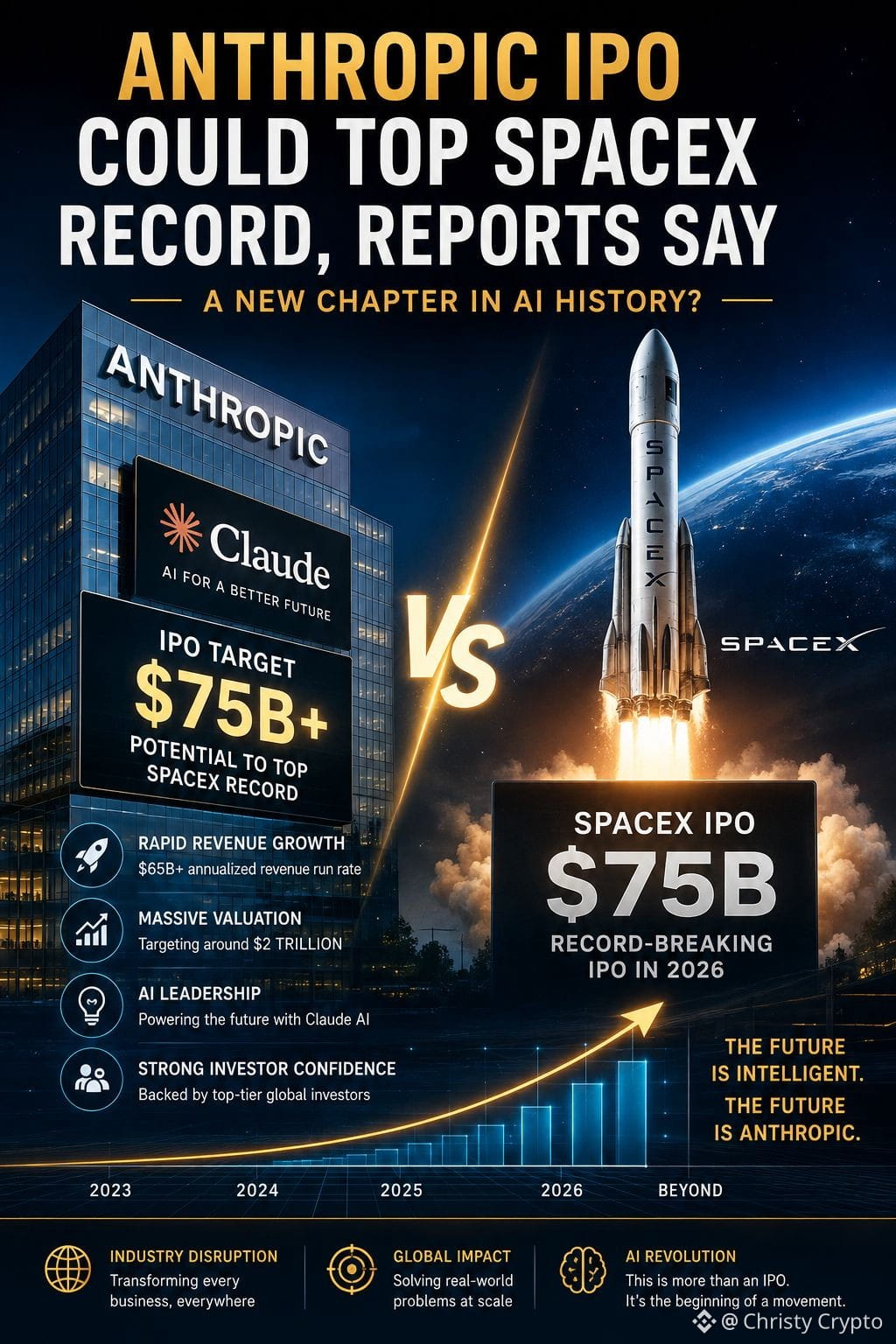
#AnthropicIPOCouldTopSpaceXRecord
Anthropic is becoming one of the biggest names in artificial intelligence, and reports that its potential IPO could rival or even surpass SpaceX’s record-breaking offering have attracted major attention. The company, best known for its Claude AI models, has experienced rapid growth as businesses and developers increasingly adopt AI for coding, research, customer service, analysis, and automation.
The potential scale of the IPO is what makes the story especially significant. Reports suggest Anthropic could seek to raise more than $75 billion, potentially challenging the size of SpaceX’s 2026 IPO. Such a listing would place Anthropic among the most valuable technology companies ever to enter the public market.
Anthropic’s growth is being driven by strong demand for its AI products and enterprise services. Its reported revenue growth has been extremely rapid, reflecting the broader acceleration of AI adoption worldwide. Investors are increasingly looking for companies that can turn AI innovation into sustainable commercial growth, and Anthropic is positioning itself as one of the leading competitors in this race.
However, a huge IPO also comes with huge expectations. AI development requires enormous spending on computing power, chips, data centers, research, and highly skilled employees. Anthropic also faces intense competition from companies such as OpenAI and Google. Future investors will need to examine not only revenue growth but also profitability, cash requirements, competition, and long-term demand.
If Anthropic successfully completes an IPO at the scale being reported, it could become a defining moment for the AI industry. It would show how strongly financial markets believe artificial intelligence can reshape the global economy.
But record-breaking fundraising alone does not guarantee success. The real test will come after the IPO, when Anthropic must continue innovating, growing revenue, managing costs, and proving that its valuation is supported by long-term business fundamentals.
$NVDAB
Anthropic is becoming one of the biggest names in artificial intelligence, and reports that its potential IPO could rival or even surpass SpaceX’s record-breaking offering have attracted major attention. The company, best known for its Claude AI models, has experienced rapid growth as businesses and developers increasingly adopt AI for coding, research, customer service, analysis, and automation.
The potential scale of the IPO is what makes the story especially significant. Reports suggest Anthropic could seek to raise more than $75 billion, potentially challenging the size of SpaceX’s 2026 IPO. Such a listing would place Anthropic among the most valuable technology companies ever to enter the public market.
Anthropic’s growth is being driven by strong demand for its AI products and enterprise services. Its reported revenue growth has been extremely rapid, reflecting the broader acceleration of AI adoption worldwide. Investors are increasingly looking for companies that can turn AI innovation into sustainable commercial growth, and Anthropic is positioning itself as one of the leading competitors in this race.
However, a huge IPO also comes with huge expectations. AI development requires enormous spending on computing power, chips, data centers, research, and highly skilled employees. Anthropic also faces intense competition from companies such as OpenAI and Google. Future investors will need to examine not only revenue growth but also profitability, cash requirements, competition, and long-term demand.
If Anthropic successfully completes an IPO at the scale being reported, it could become a defining moment for the AI industry. It would show how strongly financial markets believe artificial intelligence can reshape the global economy.
But record-breaking fundraising alone does not guarantee success. The real test will come after the IPO, when Anthropic must continue innovating, growing revenue, managing costs, and proving that its valuation is supported by long-term business fundamentals.
$NVDAB
💜❤️💜
鎏渊
·
--
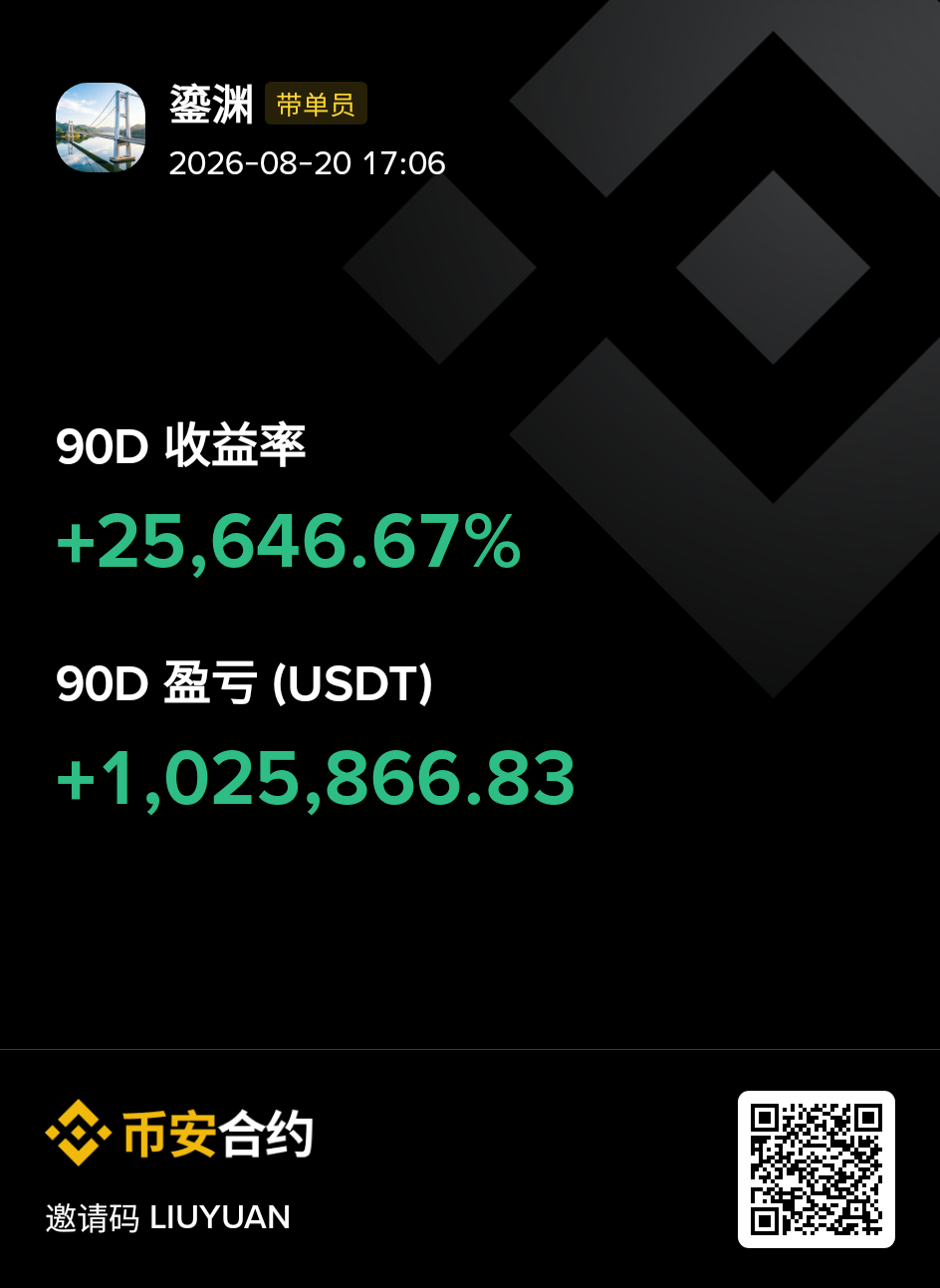
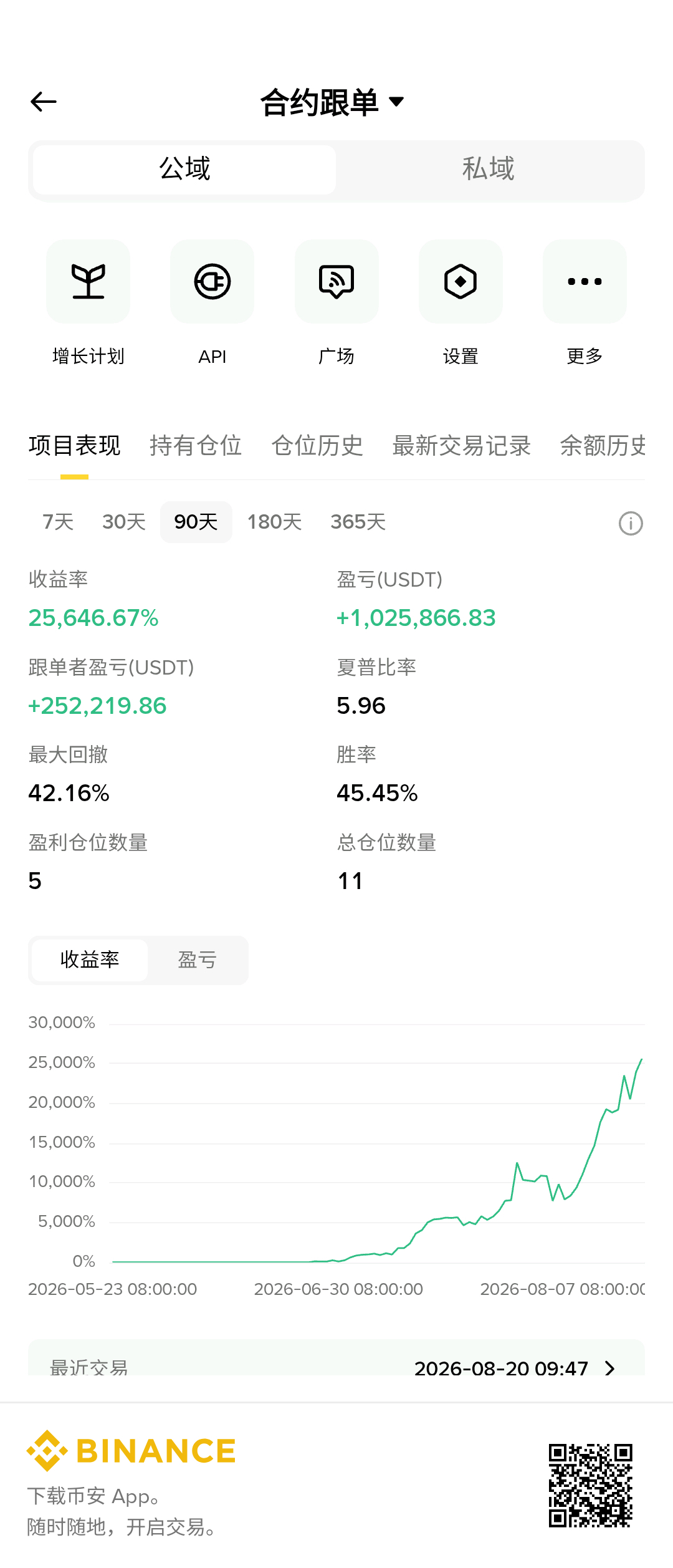
🎉250倍及跟单盈利25W又同步达成🤑$CL
🎁ファン福利🧧今夜20時に配布💵$SNDK
#FOMC会议纪要 $SKHYNIX
🎁ファン福利🧧今夜20時に配布💵$SNDK
#FOMC会议纪要 $SKHYNIX
こちらの生配信に参加してね、みんな
https://app.binance.com/uni-qr/cspa/44005728708577?r=T9YN1C8E&l=en&source=share&uc=app_square_share_link&us=copylink
https://app.binance.com/uni-qr/cspa/44005728708577?r=T9YN1C8E&l=en&source=share&uc=app_square_share_link&us=copylink
#GoodnightBinanceFam
🌙✨ おやすみなさい、Binanceファミリー!💛
1日の終わりに、皆さんの心が安らぎで満たされ、夢が成功で満たされますように。
しっかり休んでエネルギーを充電し、暗号資産の世界で新たなチャンスに向けて目覚めましょう。📈🚀
明日にはグリーンのキャンドル、素晴らしいニュース、そして誰もが喜べる限りない祝福が訪れますように。穏やかに眠って、新しい一日ごとに成長するためのもう一つのチャンスがあることを忘れないでください。💎💫
おやすみなさい、Binanceファミリー!甘い夢を!🌙💛 #BinanceSquareFamily #Crypto
🌙✨ おやすみなさい、Binanceファミリー!💛
1日の終わりに、皆さんの心が安らぎで満たされ、夢が成功で満たされますように。
しっかり休んでエネルギーを充電し、暗号資産の世界で新たなチャンスに向けて目覚めましょう。📈🚀
明日にはグリーンのキャンドル、素晴らしいニュース、そして誰もが喜べる限りない祝福が訪れますように。穏やかに眠って、新しい一日ごとに成長するためのもう一つのチャンスがあることを忘れないでください。💎💫
おやすみなさい、Binanceファミリー!甘い夢を!🌙💛 #BinanceSquareFamily #Crypto

zarga

Khaled zarga
·
--
皆さんおはようございます
我慢すれば必ず得られる
朝食の時間 😉😉😉😉
そして皆さん、朝食に一緒に来てください。プレゼントは投稿にあります。投稿をぜひシェアしてください。皆さんに神のご加護がありますように。
我慢すれば必ず得られる
朝食の時間 😉😉😉😉
そして皆さん、朝食に一緒に来てください。プレゼントは投稿にあります。投稿をぜひシェアしてください。皆さんに神のご加護がありますように。
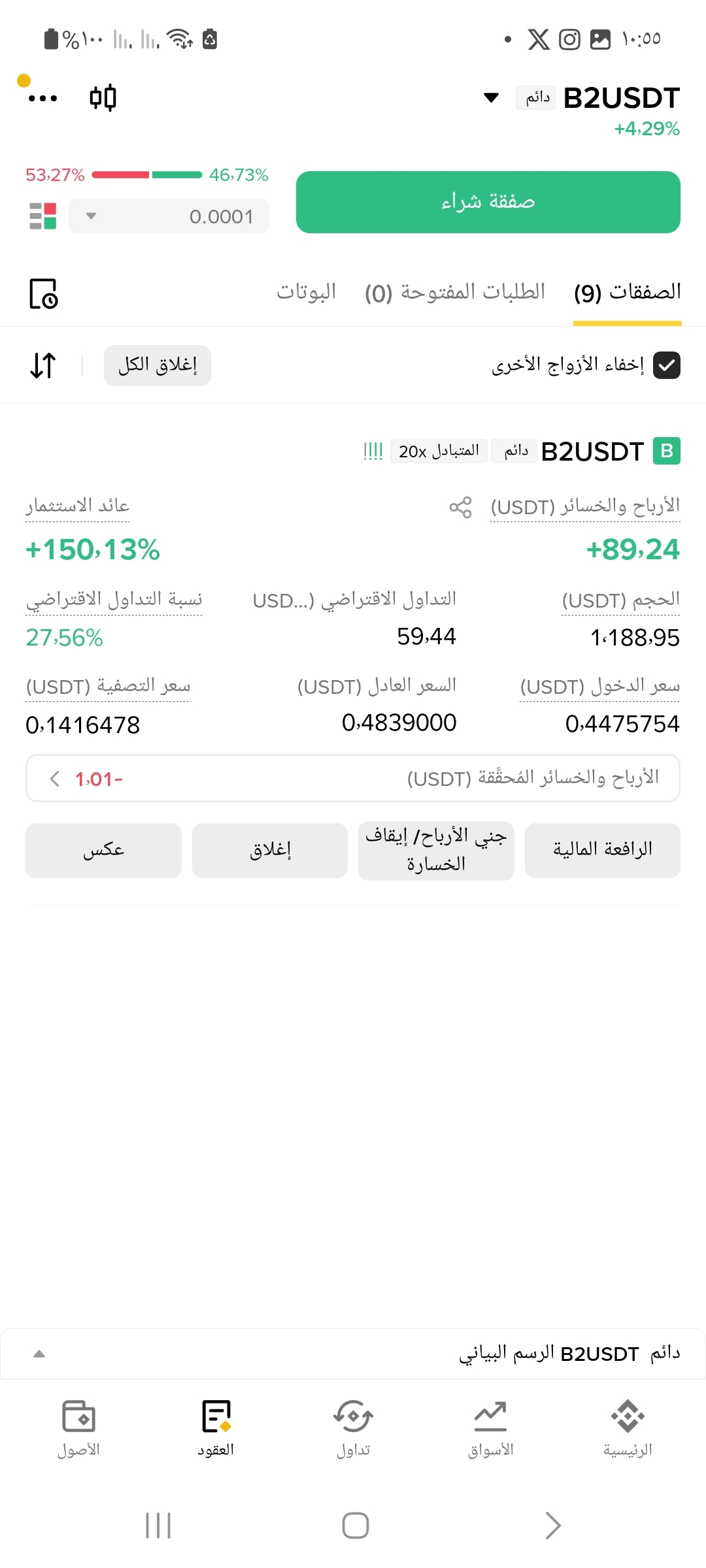
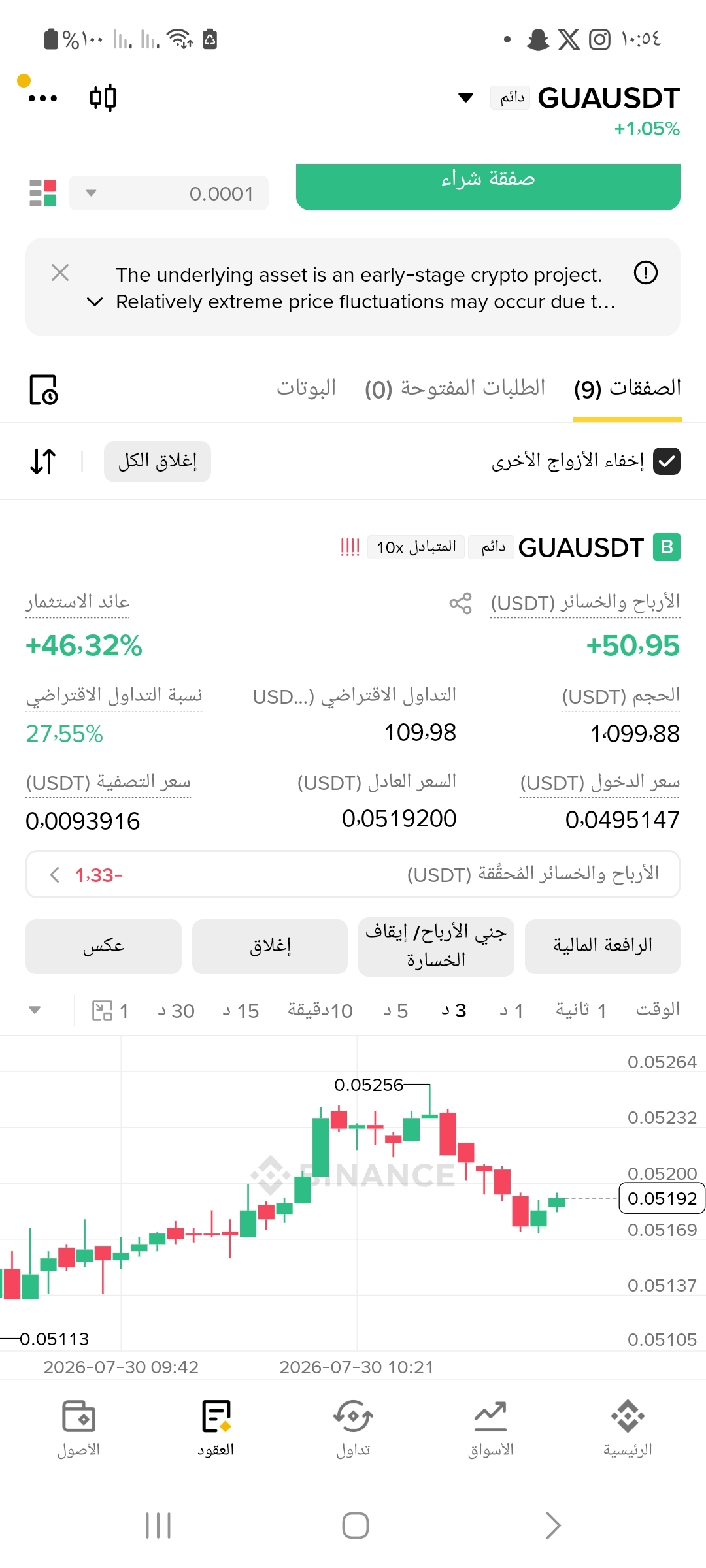
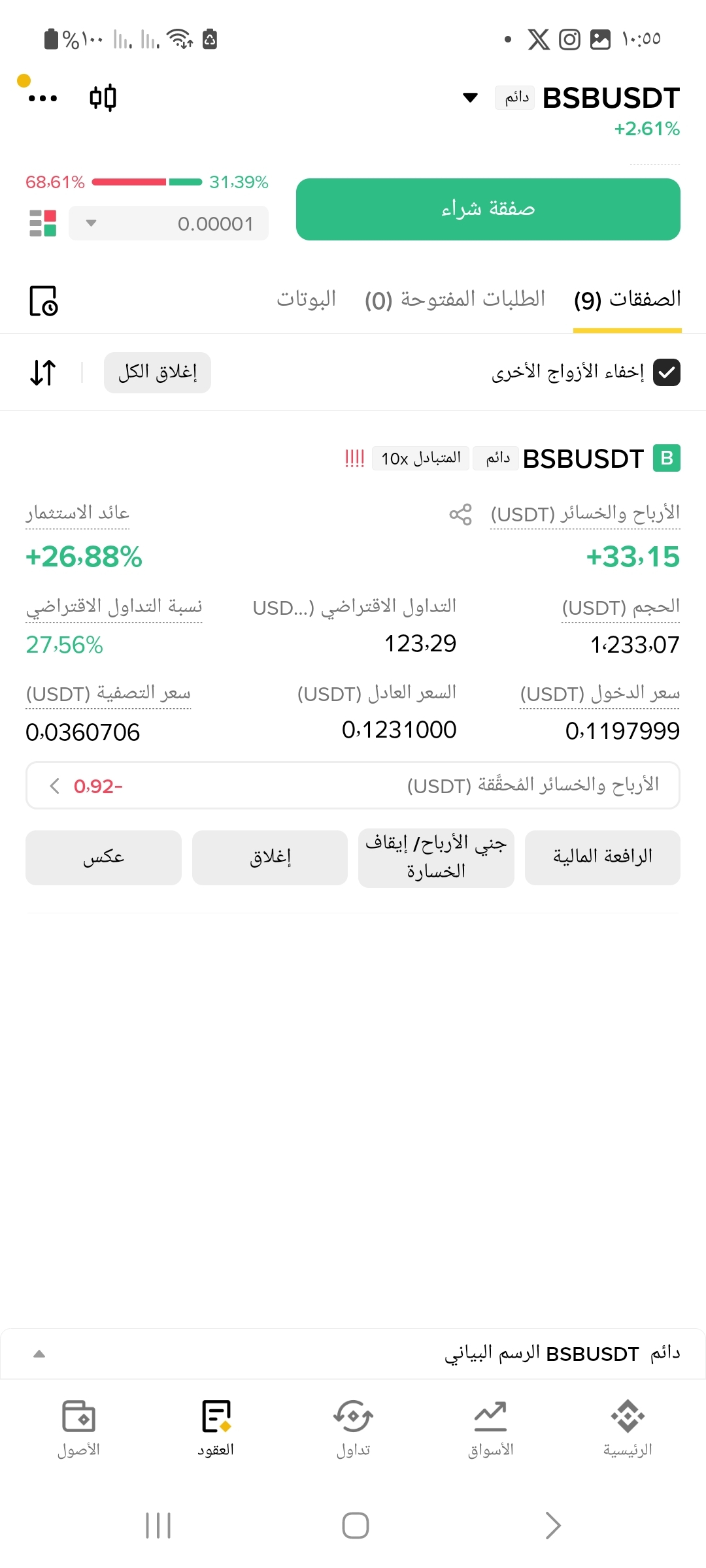
🙏
Christy Crypto
·
--
大切な人を失ういちばんつらいのは、さよならを言わなきゃいけないことじゃなくて、彼らのいない世界で生きることを学ぶことだと思う。いなくなったあとに心の中に残る空虚や、埋めきれない空白を埋めようとし続けること。おばあちゃん&おじいちゃん...会いたいよ。いつか苦しみも痛みも涙もない場所で、また会えることを願っています...❤️


❤️💜❤️
送り主:Christy Crypto
大切な人を失ういちばんつらいのは、さよならを言わなきゃいけないことじゃなくて、彼らのいない世界で生きることを学ぶことだと思う。いなくなったあとに心の中に残る空虚や、埋めきれない空白を埋めようとし続けること。おばあちゃん&おじいちゃん...会いたいよ。いつか苦しみも痛みも涙もない場所で、また会えることを願っています...❤️

翻訳参照
everyone join here
Khaled zarga
·
--
[終了] 🎙️ みなさんこんにちは。これは命令ではなく、みんなのためになるようにライヴ共有してほしいというお願いです
リスナー数:11.1k人
#GoodDayBinanceFamily
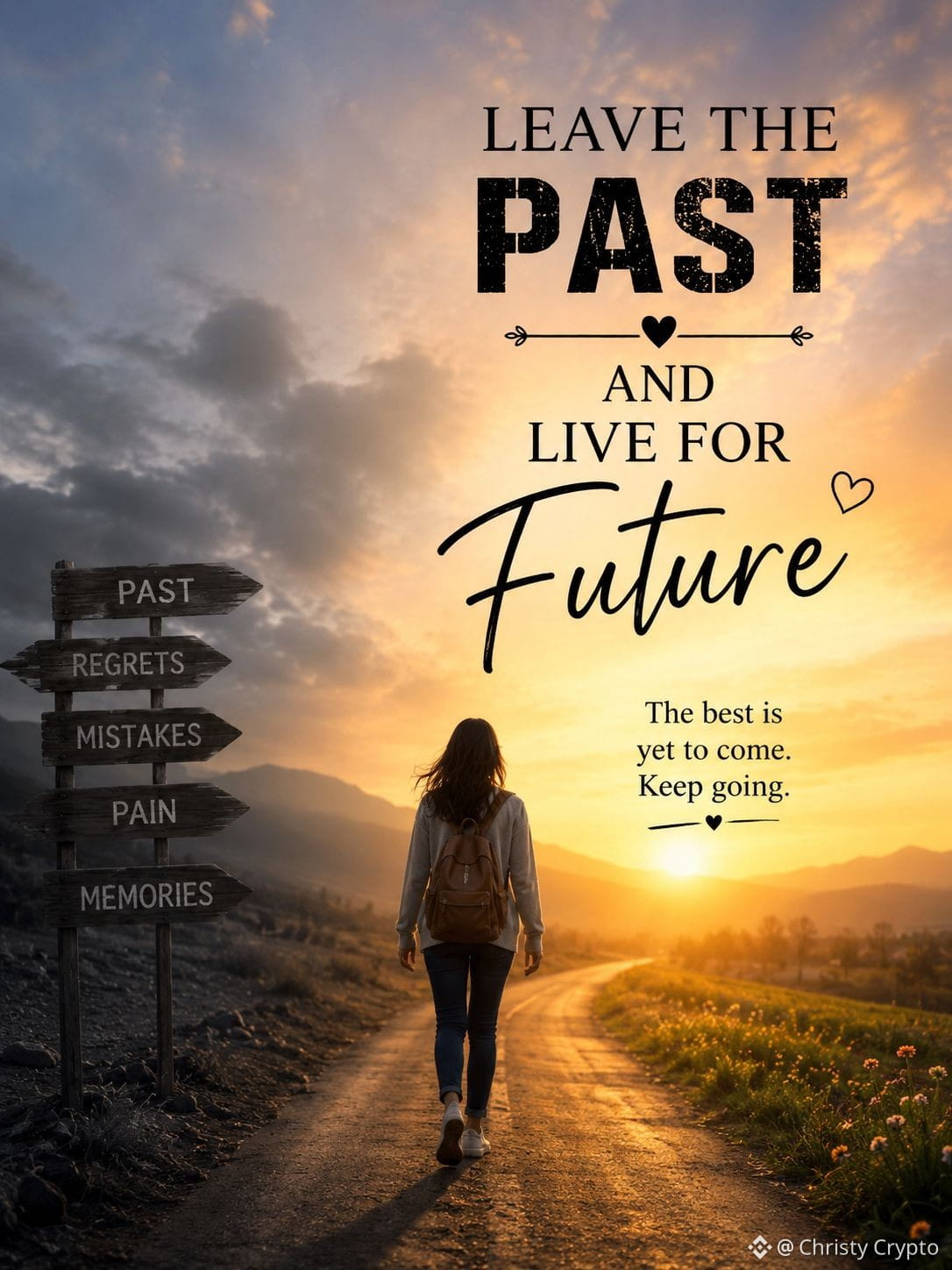
人は変わる。人生も変わる。時間はすべてを変えてしまう。時には、いちばん優しいことは、過去をあるべき場所に置いていくことだ。私たちが関心がなくなったから離れるのではない。ただしがみつけば、より多くの問題が生まれてしまうから離れるのだ。ある人は「永遠」ではなく、美しい思い出として存在するように運命づけられていることがある。別れが誰かの幸せや平穏になってくれるのなら、それで十分かもしれない。だからいつも覚えていてほしい——新しい章を始めるための強さを見つけるには、過去にとどめるべき章があるのだということを。
人は変わる。人生も変わる。時間はすべてを変えてしまう。時には、いちばん優しいことは、過去をあるべき場所に置いていくことだ。私たちが関心がなくなったから離れるのではない。ただしがみつけば、より多くの問題が生まれてしまうから離れるのだ。ある人は「永遠」ではなく、美しい思い出として存在するように運命づけられていることがある。別れが誰かの幸せや平穏になってくれるのなら、それで十分かもしれない。だからいつも覚えていてほしい——新しい章を始めるための強さを見つけるには、過去にとどめるべき章があるのだということを。
翻訳参照
wow
Khaled zarga
·
--
先週木曜日の皆さんへのお祝いや応援に、神の御加護がありますように。 そして、神が皆さん全員に恵みをお授けくださいますように。いいねやシェア、そして交流はケチらずにお願いします。皆さんがうまくいきますように。 それぞれの方が、コメント欄に「その袋(封筒)でいくら得たか」のスクリーンショットを載せてください。✌️✌️✌️✌️✌️
#grvt
🚀 分散型取引の未来は大胆なイノベーションによって形作られており、@grvt_io は注目に値するプロジェクトのひとつです!🌍✨ Web3が進化し続ける中で、セキュリティ、透明性、効率、そしてシームレスなユーザー体験に重点を置くプラットフォームは、長く持続するインパクトを与える可能性があります。あらゆるマイルストーン、アップデート、コミュニティの達成は、より強固な分散型の金融エコシステムへと一歩ずつ近づけてくれます。💙
@grvt_io が今後どのように成長し、コミュニティを力づけ、新たな可能性をトレーダーや開発者にもたらしていくのか、とても楽しみです。暗号資産での成功は、価格だけの話ではありません。実際の価値を生み出し、イノベーションを後押しし、時間をかけて信頼を築いていくことです。🌱📈
旅を支えてくれている皆さんに大きな感謝を。知識の共有、 新機能のテスト、そしてエコシステムの拡大に協力してくれていることに心から感謝します。私たちは協力、テクノロジー、そして尽きない可能性によって、未来の金融を築いています。@grvt_io のコミュニティ全体の継続的な成長、成功、そしてこれから先の多くのワクワクする達成を願っています!🚀🔥🌟
#grvt #Crypto #Web3 #Blockchain #Innovation #Trading #FutureOfFinance 💎🌐
🚀 分散型取引の未来は大胆なイノベーションによって形作られており、@grvt_io は注目に値するプロジェクトのひとつです!🌍✨ Web3が進化し続ける中で、セキュリティ、透明性、効率、そしてシームレスなユーザー体験に重点を置くプラットフォームは、長く持続するインパクトを与える可能性があります。あらゆるマイルストーン、アップデート、コミュニティの達成は、より強固な分散型の金融エコシステムへと一歩ずつ近づけてくれます。💙
@grvt_io が今後どのように成長し、コミュニティを力づけ、新たな可能性をトレーダーや開発者にもたらしていくのか、とても楽しみです。暗号資産での成功は、価格だけの話ではありません。実際の価値を生み出し、イノベーションを後押しし、時間をかけて信頼を築いていくことです。🌱📈
旅を支えてくれている皆さんに大きな感謝を。知識の共有、 新機能のテスト、そしてエコシステムの拡大に協力してくれていることに心から感謝します。私たちは協力、テクノロジー、そして尽きない可能性によって、未来の金融を築いています。@grvt_io のコミュニティ全体の継続的な成長、成功、そしてこれから先の多くのワクワクする達成を願っています!🚀🔥🌟
#grvt #Crypto #Web3 #Blockchain #Innovation #Trading #FutureOfFinance 💎🌐
翻訳参照
#grvt
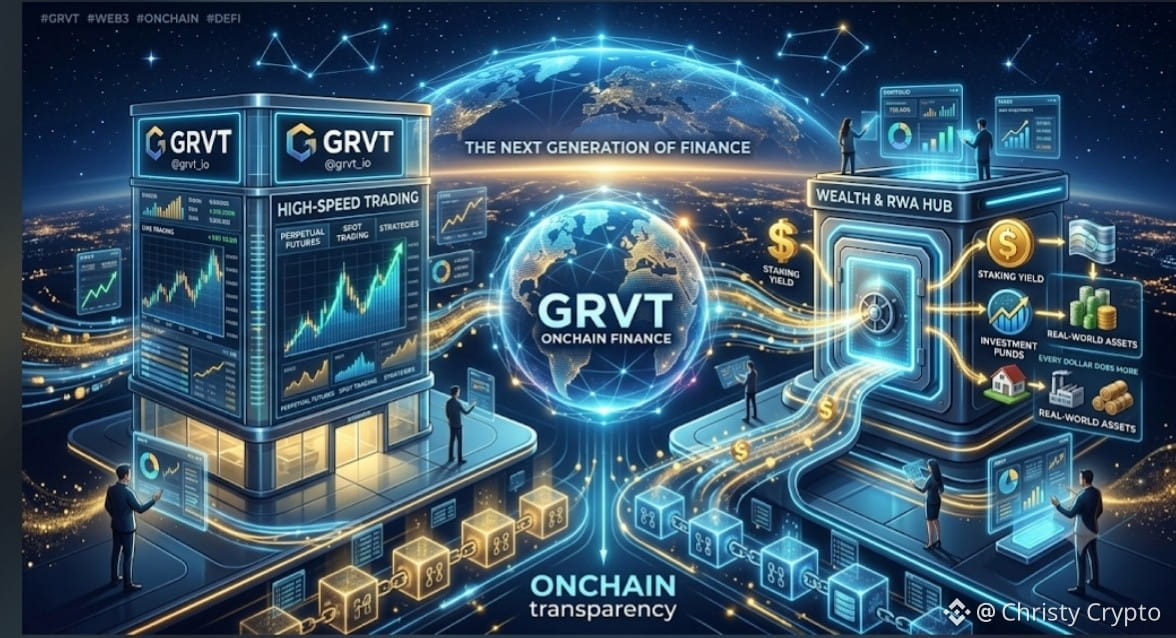
🚀 The next generation of finance is being built onchain, where technology, transparency, and smarter capital management come together. 🌐✨
@grvt_io is introducing a new way to experience crypto by combining the speed and performance traders expect with the openness of blockchain. Its platform brings together perpetual futures, spot trading, investment strategies, and innovative wealth-building opportunities in one ecosystem. 💎
What makes Grvt stand out is the vision behind “Every dollar does more” — a future where capital can remain productive instead of simply waiting on the sidelines. Users can trade while their capital has the potential to generate additional value, creating a more efficient financial experience. 📈🔥
Beyond trading, Grvt is exploring the future of onchain wealth through real-world asset (RWA) opportunities, helping connect traditional financial assets with blockchain technology. 🌍🏦
As DeFi continues to evolve, platforms that focus on speed, efficiency, accessibility, and sustainable growth will play an important role in shaping the future of digital finance. 🚀💫
Excited to follow the journey of @grvt_io and see how it contributes to the expanding world of Web3 finance. 🤝✨
#grvt
🚀 The next generation of finance is being built onchain, where technology, transparency, and smarter capital management come together. 🌐✨
@grvt_io is introducing a new way to experience crypto by combining the speed and performance traders expect with the openness of blockchain. Its platform brings together perpetual futures, spot trading, investment strategies, and innovative wealth-building opportunities in one ecosystem. 💎
What makes Grvt stand out is the vision behind “Every dollar does more” — a future where capital can remain productive instead of simply waiting on the sidelines. Users can trade while their capital has the potential to generate additional value, creating a more efficient financial experience. 📈🔥
Beyond trading, Grvt is exploring the future of onchain wealth through real-world asset (RWA) opportunities, helping connect traditional financial assets with blockchain technology. 🌍🏦
As DeFi continues to evolve, platforms that focus on speed, efficiency, accessibility, and sustainable growth will play an important role in shaping the future of digital finance. 🚀💫
Excited to follow the journey of @grvt_io and see how it contributes to the expanding world of Web3 finance. 🤝✨
#grvt
#GoodMorning🩵 #BinanceFamilly
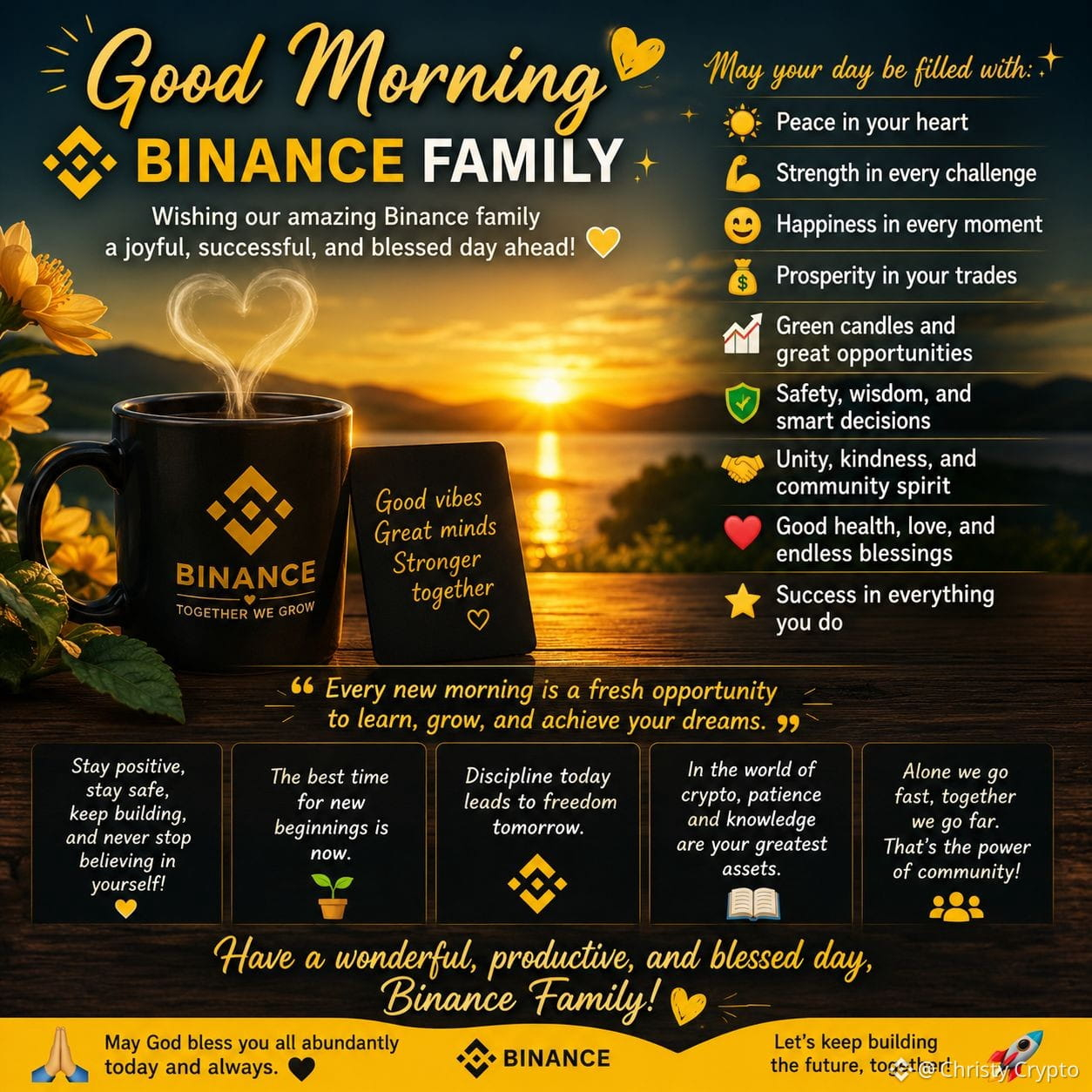
🌞💛 おはようございます、バイナンス・ファミリーの皆さん!💛🌞
素晴らしいバイナンス・ファミリーの皆さんに、喜びに満ちた成功と祝福の一日が訪れますように!🙏✨
今日が次のもので満たされますように:🌅 心に平和
💪 どんな挑戦にも強さ
😊 どの瞬間も幸せ
💰 取引に恵まれた豊かさ
📈 緑のローソク足と素晴らしいチャンス
🛡️ 安全、英知、そして賢い判断
🤝 団結、やさしさ、そしてコミュニティの精神
❤️ 健康、愛、そして尽きない祝福
🌟 あなたのすべてに成功を
覚えておいてください:新しい朝は、学び、成長し、夢を叶えるための新たなチャンスです。前向きに、そして安全に。作り続けて、自分を信じることを決してやめないでください!🚀💎
素晴らしく実りある、祝福のある一日を、バイナンス・ファミリーの皆さんへ!今日も、そしていつも、神のご加護がありますように。🙏💛
おはようございます!🌞☕🚀💚 BinanceFamily #StaySafe #KeepBuilding #Community
🌞💛 おはようございます、バイナンス・ファミリーの皆さん!💛🌞
素晴らしいバイナンス・ファミリーの皆さんに、喜びに満ちた成功と祝福の一日が訪れますように!🙏✨
今日が次のもので満たされますように:🌅 心に平和
💪 どんな挑戦にも強さ
😊 どの瞬間も幸せ
💰 取引に恵まれた豊かさ
📈 緑のローソク足と素晴らしいチャンス
🛡️ 安全、英知、そして賢い判断
🤝 団結、やさしさ、そしてコミュニティの精神
❤️ 健康、愛、そして尽きない祝福
🌟 あなたのすべてに成功を
覚えておいてください:新しい朝は、学び、成長し、夢を叶えるための新たなチャンスです。前向きに、そして安全に。作り続けて、自分を信じることを決してやめないでください!🚀💎
素晴らしく実りある、祝福のある一日を、バイナンス・ファミリーの皆さんへ!今日も、そしていつも、神のご加護がありますように。🙏💛
おはようございます!🌞☕🚀💚 BinanceFamily #StaySafe #KeepBuilding #Community
翻訳参照
#opg $OPG
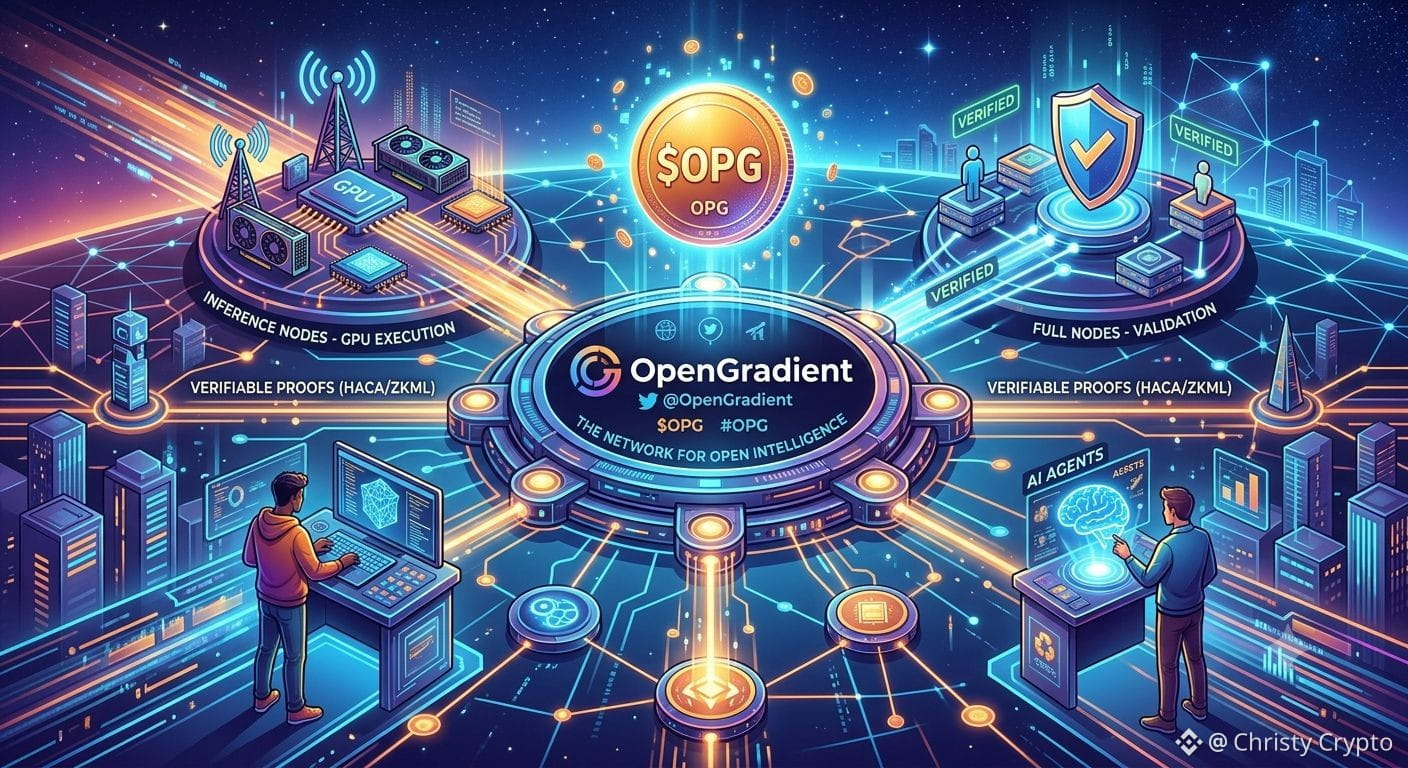
🧠 Centralized AI suffers from a dangerous "black box" flaw: we must blindly trust providers not to alter data. As autonomous AI agents begin managing real capital, this lack of transparency is a massive risk. Enter OpenGradient, a decentralized network changing how the world trusts machine learning. 🌐
Known via their project account @OpenGradient , the platform serves as "The Network for Open Intelligence." 🚀 Operating as an EVM-compatible Layer 1 AI coprocessor, OpenGradient bridges Web3 and AI so models can be hosted, executed, and cryptographically verified at scale.
🛡️⚡ Architecture & Trust Traditional blockchains require every node to re-run transactions, which fails for heavy AI workloads.
OpenGradient solves this with its Hybrid AI Compute Architecture (HACA) by separating execution from verification: ⚙️
Inference Nodes: Off-chain GPU nodes handle heavy AI reasoning with low latency.
🏎️Full Nodes: On-chain validators quickly verify cryptographic proofs. ⚖️
Developers can customize security using simple signatures, secure TEE enclaves, or advanced Zero-Knowledge Machine Learning (ZKML) proofs for maximum on-chain certainty. 🔒
💎 The Role of $OPG
The backbone of this ecosystem is its native utility token, $OPG . 🪙 Built on the Base network with a 1 billion supply,OPG powers the entire economy:
Payments & Rewards: AI agents pay OPG for inference, while node operators earn it for providing GPU power. 💸
Monetization & Governance: Creators monetize models on-hub, and holders vote on upgrades. 🗳️
Backed by heavyweights like crypto and Coinbase Ventures, @OpenGradient is building the trust layer for decentralized AI, ensuring machine learning stays open and secure. 🌟
#OPG
🧠 Centralized AI suffers from a dangerous "black box" flaw: we must blindly trust providers not to alter data. As autonomous AI agents begin managing real capital, this lack of transparency is a massive risk. Enter OpenGradient, a decentralized network changing how the world trusts machine learning. 🌐
Known via their project account @OpenGradient , the platform serves as "The Network for Open Intelligence." 🚀 Operating as an EVM-compatible Layer 1 AI coprocessor, OpenGradient bridges Web3 and AI so models can be hosted, executed, and cryptographically verified at scale.
🛡️⚡ Architecture & Trust Traditional blockchains require every node to re-run transactions, which fails for heavy AI workloads.
OpenGradient solves this with its Hybrid AI Compute Architecture (HACA) by separating execution from verification: ⚙️
Inference Nodes: Off-chain GPU nodes handle heavy AI reasoning with low latency.
🏎️Full Nodes: On-chain validators quickly verify cryptographic proofs. ⚖️
Developers can customize security using simple signatures, secure TEE enclaves, or advanced Zero-Knowledge Machine Learning (ZKML) proofs for maximum on-chain certainty. 🔒
💎 The Role of $OPG
The backbone of this ecosystem is its native utility token, $OPG . 🪙 Built on the Base network with a 1 billion supply,OPG powers the entire economy:
Payments & Rewards: AI agents pay OPG for inference, while node operators earn it for providing GPU power. 💸
Monetization & Governance: Creators monetize models on-hub, and holders vote on upgrades. 🗳️
Backed by heavyweights like crypto and Coinbase Ventures, @OpenGradient is building the trust layer for decentralized AI, ensuring machine learning stays open and secure. 🌟
#OPG
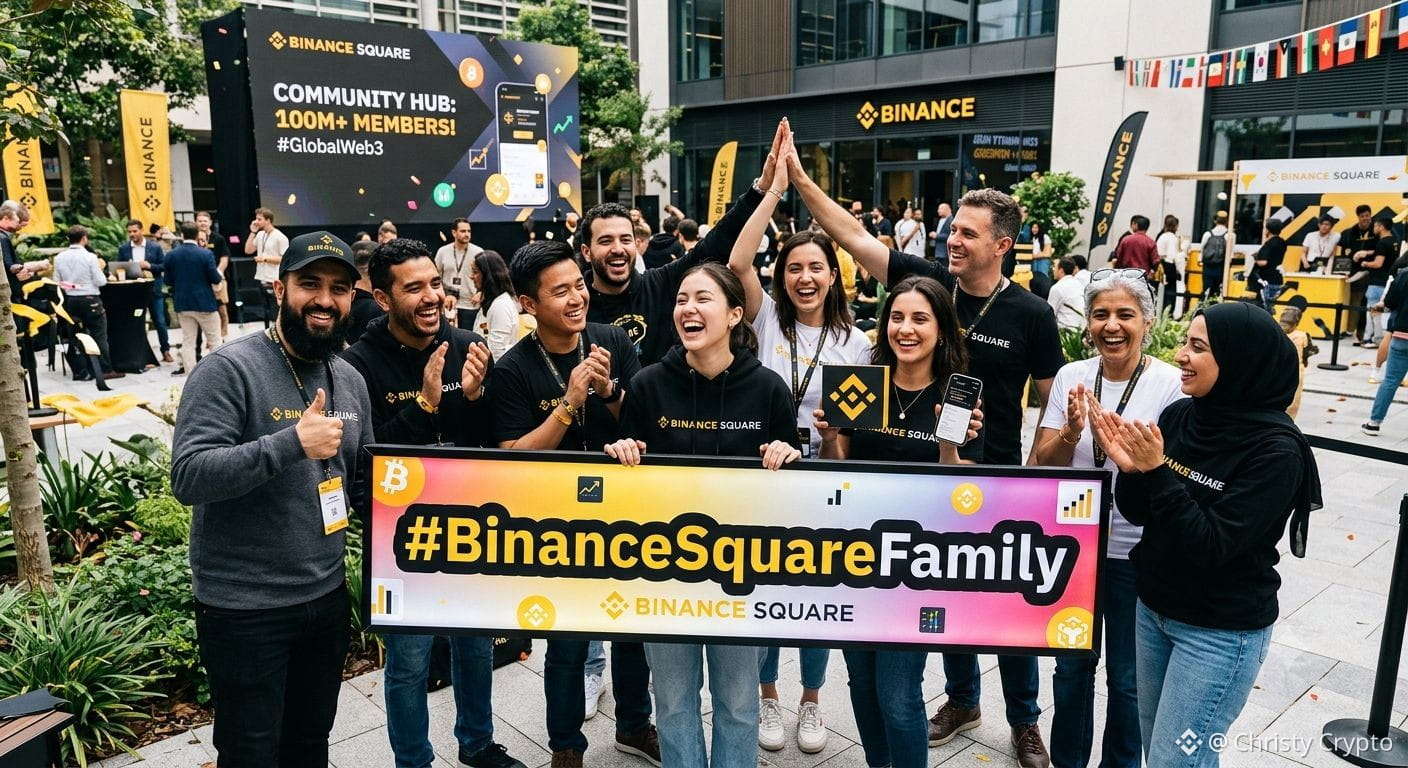
#BinanceSquareFamily は単なるトレンドのハッシュタグではありません。グローバルなWeb3コミュニティの活気ある鼓動です!🌐📈 トレーダー、クリエイター、そしてブロックチェーンの先駆者たちをつなぎ、 このデジタル・エコシステムはソーシャルトレードを“共同の旅”へと変えました。🚀🤝
Binance Squareでは、情報はただ消費されるだけではありません。共有され、議論され、称えられます。 価格の動きの速い市場変化を追っているときも、フォロワー数の大きな節目を祝っているときも、最新のトークン発表を見ながら道を切り拓いているときも、”ファミリー”は相互の支え合いと共有知によって成り立っています。
💡🔥 専門家の分析と日常のちょっとした好奇心のギャップをつなぎ、暗号資産の最前線で、集団的な成長、レジリエンス(回復力)、そして本物のつながりを育む独自の文化を生み出します! ⚡️💎
Binance Squareでは、情報はただ消費されるだけではありません。共有され、議論され、称えられます。 価格の動きの速い市場変化を追っているときも、フォロワー数の大きな節目を祝っているときも、最新のトークン発表を見ながら道を切り拓いているときも、”ファミリー”は相互の支え合いと共有知によって成り立っています。
💡🔥 専門家の分析と日常のちょっとした好奇心のギャップをつなぎ、暗号資産の最前線で、集団的な成長、レジリエンス(回復力)、そして本物のつながりを育む独自の文化を生み出します! ⚡️💎
#pixel $PIXEL
@Pixels は、すべてのアクションに重みがある世界を構築しており、スタックエコシステムはそのすべてがシームレスに機能する基盤です。切り離された機能の代わりに、ファーミング、クラフト、トレード、ソーシャルインタラクションがすべて相互にリンクしており、リソースが自然に循環するシステムを作り出しています。$PIXEL によって支えられ、この構造は日常のゲームプレイを共有経済への意義ある参加に変えます。
@Pixels の特長は、持続可能性に焦点を当てていることです。プレイヤーは単に稼いでいるだけではなく、価値が絶えず創造され再分配されるネットワークに貢献しています。スタックデザインは専門化を促進し、一部は生産に集中し、他は精製、トレード、またはビルドに取り組んでおり、$PIXEL をコアユーティリティとしてすべてがつながっています。
時間が経つにつれ、このレイヤー構造はエコシステムを強化し、よりレジリエントで魅力的にします。@Pixels は、ゲームプレイと経済が一致すると、プレイヤーは報酬以上のものを得ることができることを示しています。彼らは所有権、影響力、そして自分たちが育てる世界への実際の利害関係を得るのです。
#pixel
@Pixels は、すべてのアクションに重みがある世界を構築しており、スタックエコシステムはそのすべてがシームレスに機能する基盤です。切り離された機能の代わりに、ファーミング、クラフト、トレード、ソーシャルインタラクションがすべて相互にリンクしており、リソースが自然に循環するシステムを作り出しています。$PIXEL によって支えられ、この構造は日常のゲームプレイを共有経済への意義ある参加に変えます。
@Pixels の特長は、持続可能性に焦点を当てていることです。プレイヤーは単に稼いでいるだけではなく、価値が絶えず創造され再分配されるネットワークに貢献しています。スタックデザインは専門化を促進し、一部は生産に集中し、他は精製、トレード、またはビルドに取り組んでおり、$PIXEL をコアユーティリティとしてすべてがつながっています。
時間が経つにつれ、このレイヤー構造はエコシステムを強化し、よりレジリエントで魅力的にします。@Pixels は、ゲームプレイと経済が一致すると、プレイヤーは報酬以上のものを得ることができることを示しています。彼らは所有権、影響力、そして自分たちが育てる世界への実際の利害関係を得るのです。
#pixel
#pixel $PIXEL
Web3ゲームの広がる宇宙で、@Pixels は創造性、コミュニティ、所有権が一体となるユニークなスペースを切り開いています🌱。スタックエコシステムの美しさは、ファーミング、ビルディング、トレーディングのすべてのアクションが、より大きく相互接続された世界にフィードバックされるところにあります。これは単なる進展ではなく、プレイヤー自身によって形作られた生きた経済への参加に関するものです。
@Pixels が本当に際立っているのは、意味のあるエンゲージメントに焦点を当てていることです。プレイヤーはタスクを完了するだけでなく、自分たちと共に進化するシステムに貢献しています。スタックエコシステムは、資産や成果が単一の体験を超えて移動できるようにし、より深い価値と長期的なユーティリティを創造します。$PIXEL がこの構造をサポートすることで、インタラクションはより目的を持ち、報酬を感じることができ、ゲームプレイ自体を圧倒することはありません。
エコシステムが拡大し続ける中で、@Pixels はプレイヤー主導の環境へのシフトを強調し、コラボレーションと戦略が投資された時間と同じくらい重要であることを示しています🚀。すべての決定、すべてのインタラクションが世界に新しいレイヤーを追加し、より豊かでダイナミックにしています。
これは単なるゲーム以上のものです—プレイヤーが未来を定義する手助けをする成長するデジタル社会なのです🌍✨。#pixel
Web3ゲームの広がる宇宙で、@Pixels は創造性、コミュニティ、所有権が一体となるユニークなスペースを切り開いています🌱。スタックエコシステムの美しさは、ファーミング、ビルディング、トレーディングのすべてのアクションが、より大きく相互接続された世界にフィードバックされるところにあります。これは単なる進展ではなく、プレイヤー自身によって形作られた生きた経済への参加に関するものです。
@Pixels が本当に際立っているのは、意味のあるエンゲージメントに焦点を当てていることです。プレイヤーはタスクを完了するだけでなく、自分たちと共に進化するシステムに貢献しています。スタックエコシステムは、資産や成果が単一の体験を超えて移動できるようにし、より深い価値と長期的なユーティリティを創造します。$PIXEL がこの構造をサポートすることで、インタラクションはより目的を持ち、報酬を感じることができ、ゲームプレイ自体を圧倒することはありません。
エコシステムが拡大し続ける中で、@Pixels はプレイヤー主導の環境へのシフトを強調し、コラボレーションと戦略が投資された時間と同じくらい重要であることを示しています🚀。すべての決定、すべてのインタラクションが世界に新しいレイヤーを追加し、より豊かでダイナミックにしています。
これは単なるゲーム以上のものです—プレイヤーが未来を定義する手助けをする成長するデジタル社会なのです🌍✨。#pixel
ログインして、さらにコンテンツを読む