
Bukkycares
25 投稿

Bukkycares
報告
ユーザーをブロック
3 フォロー
34 フォロワー
53 いいね
投稿
·
--
一部該当
記事
翻訳参照
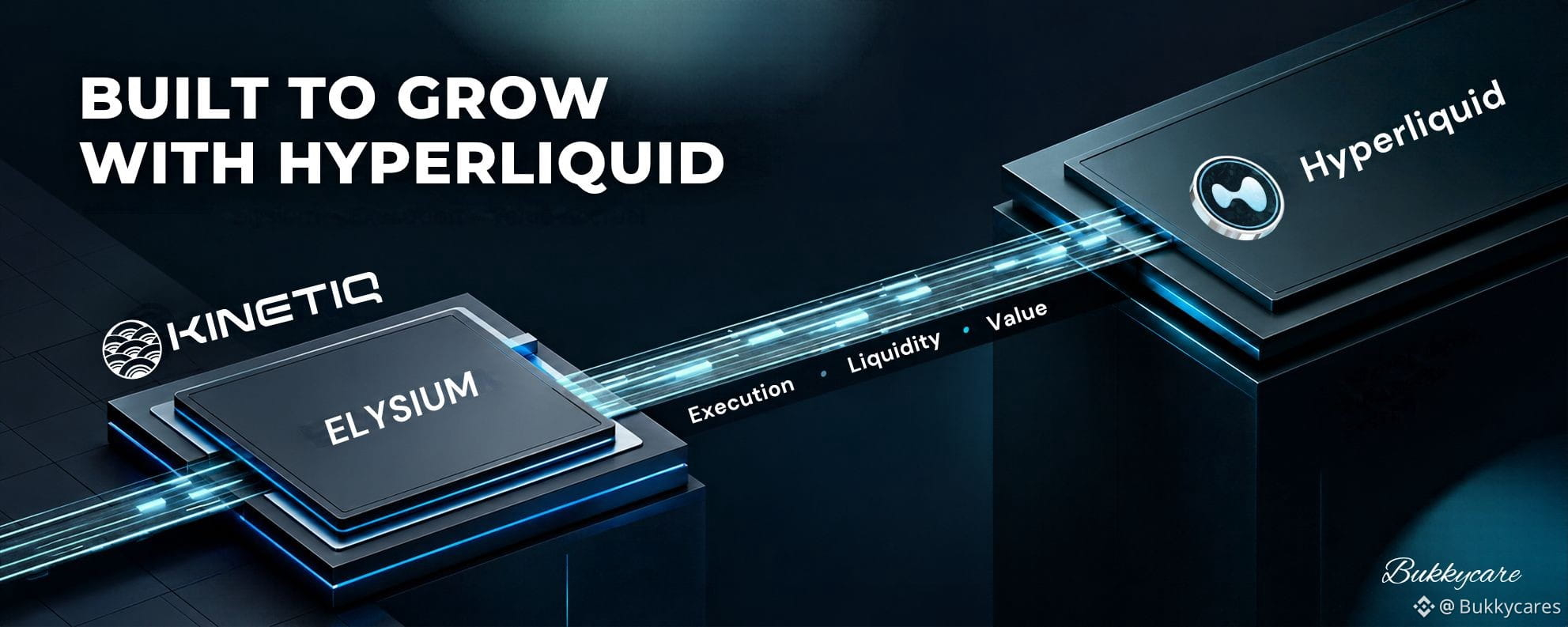
Elysium and the Bigger Question: Can a Value Accretive L2 Grow With Hyperliquid?Layer 2s are usually introduced as a scaling solution. More transactions, lower costs, faster execution.
But for #Hyperliquid , Elysium raises a different question: can another execution layer expand the ecosystem without pulling activity away from the infrastructure that already powers it?
That is the idea behind #Elysium . It isn’t being positioned as just another faster chain. It is being designed around an existing financial ecosystem, with the goal of making Hyperliquid’s infrastructure more useful while keeping the economic activity connected to it.
For #Web3 , that distinction matters because scaling usually focuses on where transactions happen, while the more important question can be where the economic value created by those transactions ends up.
Why Hyperliquid Needs Another Execution Environment
Hyperliquid already has something many ecosystems spend years trying to build: a purpose built trading engine in HyperCore. The challenge is that HyperEVM has to host a different class of applications while staying connected to HyperCore, and that architecture gets awkward once applications need high frequency execution.
According to Kinetiq Research, the Elysium thesis points to the dual block architecture, limited throughput, and periods when even a simple swap became expensive, costing as much as $20. It also highlights weak spot activity, including a stretch when weekly spot volume relative to Binance hit a 15 month low and HIP-2 native orderbook bootstrapping was at a low point.
Those figures describe the conditions cited when Elysium was introduced, not a permanent verdict on today’s market. But they illustrate the problem well. Hyperliquid has strong native trading infrastructure, yet the EVM side can become a bottleneck for anything that needs sustained execution capacity.
The answer doesn’t have to be replacing HyperEVM. Elysium is designed to take on workloads that need a different performance profile while staying connected to what already exists.
Elysium Is Designed Around Hyperliquid, Not Beside It
According to Kinetiq’s technical documentation, Elysium is a high performance EVM environment built on Arbitrum Orbit, settling to HyperEVM and co located with HyperCore. The target is 300 Mgas per second with 100 to 200 millisecond blocks, compared with HyperEVM’s constrained execution model. For applications where speed and capacity shape the user experience, that gap matters.
There’s another design choice that’s easy to overlook: $HYPE is the gas token. Nobody has to acquire a new asset just to pay fees, and $HYPE moves between HyperEVM and Elysium as native value with no wrapped gas asset in between. That keeps the new layer tied to the same native asset instead of creating another economic silo.
The real value of an execution layer isn’t its transaction count. It’s what developers can build with the capacity.
The Spot Market Opportunity
This is where Elysium becomes more than a throughput story.
Hyperliquid’s native spot market has the orderbook infrastructure, but bootstrapping deep liquidity is hard. Elysium creates an environment where AMMs and professional market makers can operate close to HyperCore while reading native Hyperliquid market data. Kinetiq calls particular attention to PropAMMs, which can offer more sophisticated liquidity than a conventional long tail AMM.
That creates an opening for #DeFi applications and professional liquidity strategies that can help deepen Hyperliquid’s spot markets.
The data side is especially important. Elysium is designed to extend Hyperliquid’s L1Read access beyond the limited market data currently available on HyperEVM. The planned customized precompile is intended to expose much more, including orderbook depth, prices, balances and positions, allowing Hyperliquid itself to serve as the native market data source for builders.
For a PropAMM, that means the potential for tighter quoting, better hedging and better risk management. For traders, it means the possibility of deeper, more responsive markets.
There is one important timing detail to keep in mind: Kinetiq’s own writing puts this read and write functionality roughly four weeks after mainnet. Day one Elysium will be faster, but not yet fully wired into HyperCore data.
So the opportunity isn’t just making an AMM faster. It’s bringing EVM applications closer to the market infrastructure that already lives inside Hyperliquid.
From Token Launch to a Full Market Lifecycle
Another part of the design deserves more attention, because it changes how token launches could work.
The proposed lifecycle is AMM → PropAMM → HyperCore Spot → HIP-3 Perps.
A token can start on an AMM for initial liquidity and price discovery. If demand shows up, professional liquidity can come in through PropAMMs. A successful asset can then graduate to a HyperCore spot orderbook and eventually earn a perpetual market through HIP-3.
That’s a progression between kinds of liquidity, instead of forcing every project to pick one market structure on day one. And every stage stays connected to Hyperliquid’s trading infrastructure.
A token doesn’t have to launch on one chain, build liquidity on another, find a separate derivatives venue and scatter its users across several ecosystems.
If it works as intended, Elysium becomes a place where assets grow through different stages of market maturity without leaving Hyperliquid.
The Real Elysium Thesis: Value Accrual
This is where the Elysium argument goes beyond scaling.
Kinetiq calls Elysium the first value accretive L2, and its September 16 post explains what that means. Most #Layer2 networks make their base layer more scalable without necessarily making it more valuable, because what they pay for settlement and data is tiny next to the activity they process.
Kinetiq’s example, using L2BEAT data, is Base: roughly 11M operations a day while paying Ethereum only about $1.5K a day in operating costs over the past year. Elysium settles cheaply too, so settlement fees aren’t the thesis. The thesis is what Elysium can cause to happen elsewhere in Hyperliquid.
The starting point makes sense to me. Kinetiq says HyperCore perps bring in roughly $1m to $6m a day, while HyperEVM adds around $1m a year. That leaves very little for an L2 to cannibalize.
Then two channels do the heavy lifting.
The first is USDC. Under AQAv2, roughly 90% of cost adjusted reserve yield on USDC held on Hyperliquid goes to the Assistance Fund. If Elysium brings in USDC from outside the ecosystem, that base grows.
Kinetiq’s illustrative math: if Elysium attracted as much native USDC as Base holds today, about $4.3B, then at an assumed 3% yield that’s roughly $116M a year. Kinetiq is clear that this shows the scale of the mechanism, not a prediction, and that the USDC has to be genuinely new. Moving existing Hyperliquid USDC onto Elysium expands nothing.
The second is arbitrage. With read and write access to HyperCore, a price gap between an Elysium PropAMM and a HyperCore order book can be arbitraged away, generating volume on both sides.
More HyperCore volume means more fees, and part of those fees reaches the Assistance Fund, where $HYPE is bought and burned. Not every fee gets there, and this isn’t a contractual payment from Elysium to Hyperliquid. It’s Elysium’s liquidity driving activity on the L1.
I find this more convincing than the “first and only” line in the manifesto, because it names the channels and shows the math. But both depend on things that don’t exist yet: net new stablecoin inflows, deep liquidity, and interest rates staying meaningful. So I’d call it a well argued mechanism, not a forecast.
It also means KNTQ and $HYPE gain in different ways. The manifesto presents KNTQ as the direct beneficiary of the network’s sequencer activity through the burn, while $HYPE can benefit indirectly through gas demand, AQAv2 revenue and HyperCore volume.
Where KNTQ Enters the Picture
The sequencer economics make the thesis concrete.
Elysium splits sequencer revenue three ways: 25% goes to builders using Elysium blockspace, 25% goes to the Kinetiq treasury, and 50% goes to open market purchases of KNTQ. The purchased KNTQ is sent to the Hyperliquid Assistance Fund and permanently removed.
This 50% mechanism is what makes KNTQ look strongly deflationary on paper. I’d put it more precisely: it’s a usage linked supply sink. More blockspace means more sequencer revenue, and more revenue means a bigger pool for buying and burning KNTQ.
So the relationship looks like this:
Elysium usage → sequencer revenue → KNTQ purchases → permanent removal from supply.
But there’s a real difference between mechanism and outcome. The burn is programmed into the model. The activity that produces the revenue isn’t. A buy and burn doesn’t guarantee price appreciation. What matters is whether Elysium attracts sustainable usage, and that’s the variable I’d watch most closely.
Why the Alignment Matters
The split gives different participants a reason to pull in the same direction.
Builders get a share of sequencer economics for incentives and growth. Users and traders potentially get faster applications, deeper liquidity and new markets. Kinetiq gets treasury revenue, while KNTQ benefits from the 50% purchase and burn.
Hyperliquid has the potential to gain applications, stablecoin liquidity and trading activity that stay connected to HyperCore.
That’s a feedback loop, not a simple fee extraction model. The question is whether the loop gets big enough to sustain itself.
The Part That Still Needs to Be Proven
There are still some important things Elysium has to prove.
Elysium is still pre launch, so its performance targets haven’t been tested under real economic conditions. The design starts with a single sequencer and an AnyTrust data availability committee, with a roadmap toward more decentralisation. So the technology has to prove it can process transactions quickly and reliably while attracting real builders, traders and liquidity.
The economics face an equally important test. High throughput means little without sustained demand for the blockspace. PropAMMs need real trading opportunities. Token launches need genuine users. The USDC and arbitrage channels need real inflows and real volume. And the KNTQ burn depends on the revenue all of that generates.
That is the point where the design has to meet actual demand.
My Perspective
What I really want to see with Elysium isn’t simply faster blocks. We’ve seen plenty of infrastructure projects compete on speed.
The bigger experiment is whether an execution layer can expand an existing financial ecosystem without separating itself from the economic engine that gives that ecosystem its value.
Elysium is trying to connect pieces that are usually fragmented: high performance EVM execution, $HYPE as native gas, HyperCore market data, PropAMM liquidity, a path from AMM to HyperCore Spot and HIP-3 Perps, and a sequencer model that sends half its revenue toward KNTQ purchases and permanent removal.
If those pieces work together, Elysium could become more than an L2 for Hyperliquid. It could become an execution layer whose growth is structurally tied to the growth of the ecosystem around it.
That’s what I’ll be watching as Elysium develops. Not whether it can process more transactions, but whether more execution capacity turns into more useful markets, more economic activity for Hyperliquid and a sustainable value capture mechanism for Kinetiq and KNTQ.
#Kinetiq is building around a question that goes beyond Layer 2 infrastructure: can an execution layer contribute to the economic system it extends?
That’s the part of Elysium I’ll be paying attention to as it moves from an idea on paper to something people can actually use.
Sources
Kinetiq, “How Elysium could accrue $100M+ a year to Hyperliquid,” 16 Sep 2026
https://kinetiq.xyz/blog/elysium-hyperliquid-value-accretive-l2
Kinetiq, “Elysium: A New Era for Hyperliquid” (manifesto), X post 24 Aug 2026; blog copy 27 Aug 2026
https://x.com/Kinetiq_xyz/status/2091888509472932145
https://kinetiq.xyz/blog/elysium-hyperliquid-l2
Kinetiq, Elysium Technical Overview
https://kinetiq.xyz/docs/elysium-technical-overview
Kinetiq, KNTQ Docs
https://kinetiq.xyz/docs/kntq
Hyperliquid Docs, Aligned Quote Assets (AQAv2)
https://hyperliquid.gitbook.io/hyperliquid-docs/hypercore/aligned-quote-assets
L2BEAT, Layer 2 Onchain Costs Dashboard
https://l2beat.com/layer2s/compare?projects=base,arbitrum,robinhood,op-mainnet,lighter&charts=costs:unit=eth
I’m sharing this as my own analysis for educational purposes, not as financial advice.
Elysium and the Bigger Question: Can a Value Accretive L2 Grow With Hyperliquid?
Layer 2s are usually introduced as a scaling solution. More transactions, lower costs, faster execution.
But for #Hyperliquid , Elysium raises a different question: can another execution layer expand the ecosystem without pulling activity away from the infrastructure that already powers it?
That is the idea behind #Elysium . It isn’t being positioned as just another faster chain. It is being designed around an existing financial ecosystem, with the goal of making Hyperliquid’s infrastructure more useful while keeping the economic activity connected to it.
For #Web3 , that distinction matters because scaling usually focuses on where transactions happen, while the more important question can be where the economic value created by those transactions ends up.
Why Hyperliquid Needs Another Execution Environment
Hyperliquid already has something many ecosystems spend years trying to build: a purpose built trading engine in HyperCore. The challenge is that HyperEVM has to host a different class of applications while staying connected to HyperCore, and that architecture gets awkward once applications need high frequency execution.
According to Kinetiq Research, the Elysium thesis points to the dual block architecture, limited throughput, and periods when even a simple swap became expensive, costing as much as $20. It also highlights weak spot activity, including a stretch when weekly spot volume relative to Binance hit a 15 month low and HIP-2 native orderbook bootstrapping was at a low point.
Those figures describe the conditions cited when Elysium was introduced, not a permanent verdict on today’s market. But they illustrate the problem well. Hyperliquid has strong native trading infrastructure, yet the EVM side can become a bottleneck for anything that needs sustained execution capacity.
The answer doesn’t have to be replacing HyperEVM. Elysium is designed to take on workloads that need a different performance profile while staying connected to what already exists.
Elysium Is Designed Around Hyperliquid, Not Beside It
According to Kinetiq’s technical documentation, Elysium is a high performance EVM environment built on Arbitrum Orbit, settling to HyperEVM and co located with HyperCore. The target is 300 Mgas per second with 100 to 200 millisecond blocks, compared with HyperEVM’s constrained execution model. For applications where speed and capacity shape the user experience, that gap matters.
There’s another design choice that’s easy to overlook: $HYPE is the gas token. Nobody has to acquire a new asset just to pay fees, and $HYPE moves between HyperEVM and Elysium as native value with no wrapped gas asset in between. That keeps the new layer tied to the same native asset instead of creating another economic silo.
The real value of an execution layer isn’t its transaction count. It’s what developers can build with the capacity.
The Spot Market Opportunity
This is where Elysium becomes more than a throughput story.
Hyperliquid’s native spot market has the orderbook infrastructure, but bootstrapping deep liquidity is hard. Elysium creates an environment where AMMs and professional market makers can operate close to HyperCore while reading native Hyperliquid market data. Kinetiq calls particular attention to PropAMMs, which can offer more sophisticated liquidity than a conventional long tail AMM.
That creates an opening for #DeFi applications and professional liquidity strategies that can help deepen Hyperliquid’s spot markets.
The data side is especially important. Elysium is designed to extend Hyperliquid’s L1Read access beyond the limited market data currently available on HyperEVM. The planned customized precompile is intended to expose much more, including orderbook depth, prices, balances and positions, allowing Hyperliquid itself to serve as the native market data source for builders.
For a PropAMM, that means the potential for tighter quoting, better hedging and better risk management. For traders, it means the possibility of deeper, more responsive markets.
There is one important timing detail to keep in mind: Kinetiq’s own writing puts this read and write functionality roughly four weeks after mainnet. Day one Elysium will be faster, but not yet fully wired into HyperCore data.
So the opportunity isn’t just making an AMM faster. It’s bringing EVM applications closer to the market infrastructure that already lives inside Hyperliquid.
From Token Launch to a Full Market Lifecycle
Another part of the design deserves more attention, because it changes how token launches could work.
The proposed lifecycle is AMM → PropAMM → HyperCore Spot → HIP-3 Perps.
A token can start on an AMM for initial liquidity and price discovery. If demand shows up, professional liquidity can come in through PropAMMs. A successful asset can then graduate to a HyperCore spot orderbook and eventually earn a perpetual market through HIP-3.
That’s a progression between kinds of liquidity, instead of forcing every project to pick one market structure on day one. And every stage stays connected to Hyperliquid’s trading infrastructure.
A token doesn’t have to launch on one chain, build liquidity on another, find a separate derivatives venue and scatter its users across several ecosystems.
If it works as intended, Elysium becomes a place where assets grow through different stages of market maturity without leaving Hyperliquid.
The Real Elysium Thesis: Value Accrual
This is where the Elysium argument goes beyond scaling.
Kinetiq calls Elysium the first value accretive L2, and its September 16 post explains what that means. Most #Layer2 networks make their base layer more scalable without necessarily making it more valuable, because what they pay for settlement and data is tiny next to the activity they process.
Kinetiq’s example, using L2BEAT data, is Base: roughly 11M operations a day while paying Ethereum only about $1.5K a day in operating costs over the past year. Elysium settles cheaply too, so settlement fees aren’t the thesis. The thesis is what Elysium can cause to happen elsewhere in Hyperliquid.
The starting point makes sense to me. Kinetiq says HyperCore perps bring in roughly $1m to $6m a day, while HyperEVM adds around $1m a year. That leaves very little for an L2 to cannibalize.
Then two channels do the heavy lifting.
The first is USDC. Under AQAv2, roughly 90% of cost adjusted reserve yield on USDC held on Hyperliquid goes to the Assistance Fund. If Elysium brings in USDC from outside the ecosystem, that base grows.
Kinetiq’s illustrative math: if Elysium attracted as much native USDC as Base holds today, about $4.3B, then at an assumed 3% yield that’s roughly $116M a year. Kinetiq is clear that this shows the scale of the mechanism, not a prediction, and that the USDC has to be genuinely new. Moving existing Hyperliquid USDC onto Elysium expands nothing.
The second is arbitrage. With read and write access to HyperCore, a price gap between an Elysium PropAMM and a HyperCore order book can be arbitraged away, generating volume on both sides.
More HyperCore volume means more fees, and part of those fees reaches the Assistance Fund, where $HYPE is bought and burned. Not every fee gets there, and this isn’t a contractual payment from Elysium to Hyperliquid. It’s Elysium’s liquidity driving activity on the L1.
I find this more convincing than the “first and only” line in the manifesto, because it names the channels and shows the math. But both depend on things that don’t exist yet: net new stablecoin inflows, deep liquidity, and interest rates staying meaningful. So I’d call it a well argued mechanism, not a forecast.
It also means KNTQ and $HYPE gain in different ways. The manifesto presents KNTQ as the direct beneficiary of the network’s sequencer activity through the burn, while $HYPE can benefit indirectly through gas demand, AQAv2 revenue and HyperCore volume.
Where KNTQ Enters the Picture
The sequencer economics make the thesis concrete.
Elysium splits sequencer revenue three ways: 25% goes to builders using Elysium blockspace, 25% goes to the Kinetiq treasury, and 50% goes to open market purchases of KNTQ. The purchased KNTQ is sent to the Hyperliquid Assistance Fund and permanently removed.
This 50% mechanism is what makes KNTQ look strongly deflationary on paper. I’d put it more precisely: it’s a usage linked supply sink. More blockspace means more sequencer revenue, and more revenue means a bigger pool for buying and burning KNTQ.
So the relationship looks like this:
Elysium usage → sequencer revenue → KNTQ purchases → permanent removal from supply.
But there’s a real difference between mechanism and outcome. The burn is programmed into the model. The activity that produces the revenue isn’t. A buy and burn doesn’t guarantee price appreciation. What matters is whether Elysium attracts sustainable usage, and that’s the variable I’d watch most closely.
Why the Alignment Matters
The split gives different participants a reason to pull in the same direction.
Builders get a share of sequencer economics for incentives and growth. Users and traders potentially get faster applications, deeper liquidity and new markets. Kinetiq gets treasury revenue, while KNTQ benefits from the 50% purchase and burn.
Hyperliquid has the potential to gain applications, stablecoin liquidity and trading activity that stay connected to HyperCore.
That’s a feedback loop, not a simple fee extraction model. The question is whether the loop gets big enough to sustain itself.
The Part That Still Needs to Be Proven
There are still some important things Elysium has to prove.
Elysium is still pre launch, so its performance targets haven’t been tested under real economic conditions. The design starts with a single sequencer and an AnyTrust data availability committee, with a roadmap toward more decentralisation. So the technology has to prove it can process transactions quickly and reliably while attracting real builders, traders and liquidity.
The economics face an equally important test. High throughput means little without sustained demand for the blockspace. PropAMMs need real trading opportunities. Token launches need genuine users. The USDC and arbitrage channels need real inflows and real volume. And the KNTQ burn depends on the revenue all of that generates.
That is the point where the design has to meet actual demand.
My Perspective
What I really want to see with Elysium isn’t simply faster blocks. We’ve seen plenty of infrastructure projects compete on speed.
The bigger experiment is whether an execution layer can expand an existing financial ecosystem without separating itself from the economic engine that gives that ecosystem its value.
Elysium is trying to connect pieces that are usually fragmented: high performance EVM execution, $HYPE as native gas, HyperCore market data, PropAMM liquidity, a path from AMM to HyperCore Spot and HIP-3 Perps, and a sequencer model that sends half its revenue toward KNTQ purchases and permanent removal.
If those pieces work together, Elysium could become more than an L2 for Hyperliquid. It could become an execution layer whose growth is structurally tied to the growth of the ecosystem around it.
That’s what I’ll be watching as Elysium develops. Not whether it can process more transactions, but whether more execution capacity turns into more useful markets, more economic activity for Hyperliquid and a sustainable value capture mechanism for Kinetiq and KNTQ.
#Kinetiq is building around a question that goes beyond Layer 2 infrastructure: can an execution layer contribute to the economic system it extends?
That’s the part of Elysium I’ll be paying attention to as it moves from an idea on paper to something people can actually use.
Sources
Kinetiq, “How Elysium could accrue $100M+ a year to Hyperliquid,” 16 Sep 2026
https://kinetiq.xyz/blog/elysium-hyperliquid-value-accretive-l2
Kinetiq, “Elysium: A New Era for Hyperliquid” (manifesto), X post 24 Aug 2026; blog copy 27 Aug 2026
https://x.com/Kinetiq_xyz/status/2091888509472932145
https://kinetiq.xyz/blog/elysium-hyperliquid-l2
Kinetiq, Elysium Technical Overview
https://kinetiq.xyz/docs/elysium-technical-overview
Kinetiq, KNTQ Docs
https://kinetiq.xyz/docs/kntq
Hyperliquid Docs, Aligned Quote Assets (AQAv2)
https://hyperliquid.gitbook.io/hyperliquid-docs/hypercore/aligned-quote-assets
L2BEAT, Layer 2 Onchain Costs Dashboard
https://l2beat.com/layer2s/compare?projects=base,arbitrum,robinhood,op-mainnet,lighter&charts=costs:unit=eth
I’m sharing this as my own analysis for educational purposes, not as financial advice.
But for #Hyperliquid , Elysium raises a different question: can another execution layer expand the ecosystem without pulling activity away from the infrastructure that already powers it?
That is the idea behind #Elysium . It isn’t being positioned as just another faster chain. It is being designed around an existing financial ecosystem, with the goal of making Hyperliquid’s infrastructure more useful while keeping the economic activity connected to it.
For #Web3 , that distinction matters because scaling usually focuses on where transactions happen, while the more important question can be where the economic value created by those transactions ends up.
Why Hyperliquid Needs Another Execution Environment
Hyperliquid already has something many ecosystems spend years trying to build: a purpose built trading engine in HyperCore. The challenge is that HyperEVM has to host a different class of applications while staying connected to HyperCore, and that architecture gets awkward once applications need high frequency execution.
According to Kinetiq Research, the Elysium thesis points to the dual block architecture, limited throughput, and periods when even a simple swap became expensive, costing as much as $20. It also highlights weak spot activity, including a stretch when weekly spot volume relative to Binance hit a 15 month low and HIP-2 native orderbook bootstrapping was at a low point.
Those figures describe the conditions cited when Elysium was introduced, not a permanent verdict on today’s market. But they illustrate the problem well. Hyperliquid has strong native trading infrastructure, yet the EVM side can become a bottleneck for anything that needs sustained execution capacity.
The answer doesn’t have to be replacing HyperEVM. Elysium is designed to take on workloads that need a different performance profile while staying connected to what already exists.
Elysium Is Designed Around Hyperliquid, Not Beside It
According to Kinetiq’s technical documentation, Elysium is a high performance EVM environment built on Arbitrum Orbit, settling to HyperEVM and co located with HyperCore. The target is 300 Mgas per second with 100 to 200 millisecond blocks, compared with HyperEVM’s constrained execution model. For applications where speed and capacity shape the user experience, that gap matters.
There’s another design choice that’s easy to overlook: $HYPE is the gas token. Nobody has to acquire a new asset just to pay fees, and $HYPE moves between HyperEVM and Elysium as native value with no wrapped gas asset in between. That keeps the new layer tied to the same native asset instead of creating another economic silo.
The real value of an execution layer isn’t its transaction count. It’s what developers can build with the capacity.
The Spot Market Opportunity
This is where Elysium becomes more than a throughput story.
Hyperliquid’s native spot market has the orderbook infrastructure, but bootstrapping deep liquidity is hard. Elysium creates an environment where AMMs and professional market makers can operate close to HyperCore while reading native Hyperliquid market data. Kinetiq calls particular attention to PropAMMs, which can offer more sophisticated liquidity than a conventional long tail AMM.
That creates an opening for #DeFi applications and professional liquidity strategies that can help deepen Hyperliquid’s spot markets.
The data side is especially important. Elysium is designed to extend Hyperliquid’s L1Read access beyond the limited market data currently available on HyperEVM. The planned customized precompile is intended to expose much more, including orderbook depth, prices, balances and positions, allowing Hyperliquid itself to serve as the native market data source for builders.
For a PropAMM, that means the potential for tighter quoting, better hedging and better risk management. For traders, it means the possibility of deeper, more responsive markets.
There is one important timing detail to keep in mind: Kinetiq’s own writing puts this read and write functionality roughly four weeks after mainnet. Day one Elysium will be faster, but not yet fully wired into HyperCore data.
So the opportunity isn’t just making an AMM faster. It’s bringing EVM applications closer to the market infrastructure that already lives inside Hyperliquid.
From Token Launch to a Full Market Lifecycle
Another part of the design deserves more attention, because it changes how token launches could work.
The proposed lifecycle is AMM → PropAMM → HyperCore Spot → HIP-3 Perps.
A token can start on an AMM for initial liquidity and price discovery. If demand shows up, professional liquidity can come in through PropAMMs. A successful asset can then graduate to a HyperCore spot orderbook and eventually earn a perpetual market through HIP-3.
That’s a progression between kinds of liquidity, instead of forcing every project to pick one market structure on day one. And every stage stays connected to Hyperliquid’s trading infrastructure.
A token doesn’t have to launch on one chain, build liquidity on another, find a separate derivatives venue and scatter its users across several ecosystems.
If it works as intended, Elysium becomes a place where assets grow through different stages of market maturity without leaving Hyperliquid.
The Real Elysium Thesis: Value Accrual
This is where the Elysium argument goes beyond scaling.
Kinetiq calls Elysium the first value accretive L2, and its September 16 post explains what that means. Most #Layer2 networks make their base layer more scalable without necessarily making it more valuable, because what they pay for settlement and data is tiny next to the activity they process.
Kinetiq’s example, using L2BEAT data, is Base: roughly 11M operations a day while paying Ethereum only about $1.5K a day in operating costs over the past year. Elysium settles cheaply too, so settlement fees aren’t the thesis. The thesis is what Elysium can cause to happen elsewhere in Hyperliquid.
The starting point makes sense to me. Kinetiq says HyperCore perps bring in roughly $1m to $6m a day, while HyperEVM adds around $1m a year. That leaves very little for an L2 to cannibalize.
Then two channels do the heavy lifting.
The first is USDC. Under AQAv2, roughly 90% of cost adjusted reserve yield on USDC held on Hyperliquid goes to the Assistance Fund. If Elysium brings in USDC from outside the ecosystem, that base grows.
Kinetiq’s illustrative math: if Elysium attracted as much native USDC as Base holds today, about $4.3B, then at an assumed 3% yield that’s roughly $116M a year. Kinetiq is clear that this shows the scale of the mechanism, not a prediction, and that the USDC has to be genuinely new. Moving existing Hyperliquid USDC onto Elysium expands nothing.
The second is arbitrage. With read and write access to HyperCore, a price gap between an Elysium PropAMM and a HyperCore order book can be arbitraged away, generating volume on both sides.
More HyperCore volume means more fees, and part of those fees reaches the Assistance Fund, where $HYPE is bought and burned. Not every fee gets there, and this isn’t a contractual payment from Elysium to Hyperliquid. It’s Elysium’s liquidity driving activity on the L1.
I find this more convincing than the “first and only” line in the manifesto, because it names the channels and shows the math. But both depend on things that don’t exist yet: net new stablecoin inflows, deep liquidity, and interest rates staying meaningful. So I’d call it a well argued mechanism, not a forecast.
It also means KNTQ and $HYPE gain in different ways. The manifesto presents KNTQ as the direct beneficiary of the network’s sequencer activity through the burn, while $HYPE can benefit indirectly through gas demand, AQAv2 revenue and HyperCore volume.
Where KNTQ Enters the Picture
The sequencer economics make the thesis concrete.
Elysium splits sequencer revenue three ways: 25% goes to builders using Elysium blockspace, 25% goes to the Kinetiq treasury, and 50% goes to open market purchases of KNTQ. The purchased KNTQ is sent to the Hyperliquid Assistance Fund and permanently removed.
This 50% mechanism is what makes KNTQ look strongly deflationary on paper. I’d put it more precisely: it’s a usage linked supply sink. More blockspace means more sequencer revenue, and more revenue means a bigger pool for buying and burning KNTQ.
So the relationship looks like this:
Elysium usage → sequencer revenue → KNTQ purchases → permanent removal from supply.
But there’s a real difference between mechanism and outcome. The burn is programmed into the model. The activity that produces the revenue isn’t. A buy and burn doesn’t guarantee price appreciation. What matters is whether Elysium attracts sustainable usage, and that’s the variable I’d watch most closely.
Why the Alignment Matters
The split gives different participants a reason to pull in the same direction.
Builders get a share of sequencer economics for incentives and growth. Users and traders potentially get faster applications, deeper liquidity and new markets. Kinetiq gets treasury revenue, while KNTQ benefits from the 50% purchase and burn.
Hyperliquid has the potential to gain applications, stablecoin liquidity and trading activity that stay connected to HyperCore.
That’s a feedback loop, not a simple fee extraction model. The question is whether the loop gets big enough to sustain itself.
The Part That Still Needs to Be Proven
There are still some important things Elysium has to prove.
Elysium is still pre launch, so its performance targets haven’t been tested under real economic conditions. The design starts with a single sequencer and an AnyTrust data availability committee, with a roadmap toward more decentralisation. So the technology has to prove it can process transactions quickly and reliably while attracting real builders, traders and liquidity.
The economics face an equally important test. High throughput means little without sustained demand for the blockspace. PropAMMs need real trading opportunities. Token launches need genuine users. The USDC and arbitrage channels need real inflows and real volume. And the KNTQ burn depends on the revenue all of that generates.
That is the point where the design has to meet actual demand.
My Perspective
What I really want to see with Elysium isn’t simply faster blocks. We’ve seen plenty of infrastructure projects compete on speed.
The bigger experiment is whether an execution layer can expand an existing financial ecosystem without separating itself from the economic engine that gives that ecosystem its value.
Elysium is trying to connect pieces that are usually fragmented: high performance EVM execution, $HYPE as native gas, HyperCore market data, PropAMM liquidity, a path from AMM to HyperCore Spot and HIP-3 Perps, and a sequencer model that sends half its revenue toward KNTQ purchases and permanent removal.
If those pieces work together, Elysium could become more than an L2 for Hyperliquid. It could become an execution layer whose growth is structurally tied to the growth of the ecosystem around it.
That’s what I’ll be watching as Elysium develops. Not whether it can process more transactions, but whether more execution capacity turns into more useful markets, more economic activity for Hyperliquid and a sustainable value capture mechanism for Kinetiq and KNTQ.
#Kinetiq is building around a question that goes beyond Layer 2 infrastructure: can an execution layer contribute to the economic system it extends?
That’s the part of Elysium I’ll be paying attention to as it moves from an idea on paper to something people can actually use.
Sources
Kinetiq, “How Elysium could accrue $100M+ a year to Hyperliquid,” 16 Sep 2026
https://kinetiq.xyz/blog/elysium-hyperliquid-value-accretive-l2
Kinetiq, “Elysium: A New Era for Hyperliquid” (manifesto), X post 24 Aug 2026; blog copy 27 Aug 2026
https://x.com/Kinetiq_xyz/status/2091888509472932145
https://kinetiq.xyz/blog/elysium-hyperliquid-l2
Kinetiq, Elysium Technical Overview
https://kinetiq.xyz/docs/elysium-technical-overview
Kinetiq, KNTQ Docs
https://kinetiq.xyz/docs/kntq
Hyperliquid Docs, Aligned Quote Assets (AQAv2)
https://hyperliquid.gitbook.io/hyperliquid-docs/hypercore/aligned-quote-assets
L2BEAT, Layer 2 Onchain Costs Dashboard
https://l2beat.com/layer2s/compare?projects=base,arbitrum,robinhood,op-mainnet,lighter&charts=costs:unit=eth
I’m sharing this as my own analysis for educational purposes, not as financial advice.
1
4
513
·
--
記事
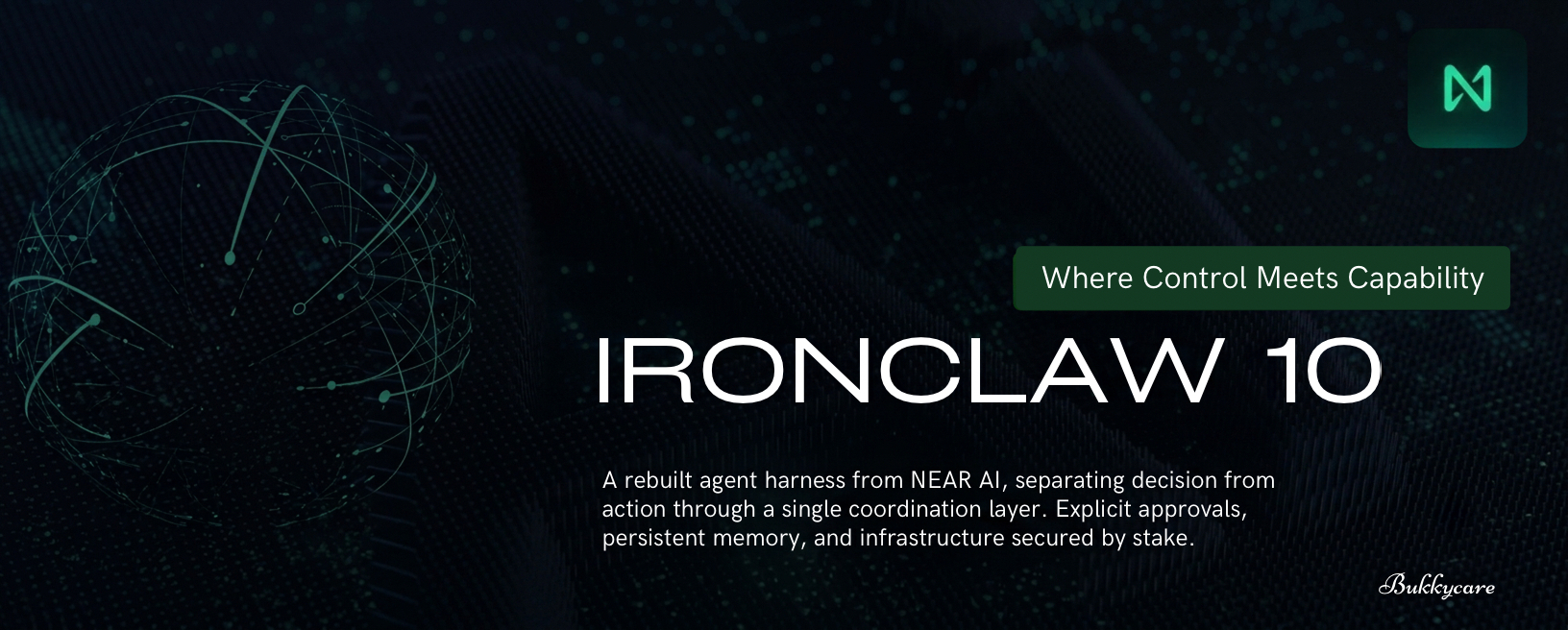
AIエージェントが行動できるとき、その背後にあるアーキテクチャが重要になるAIエージェントは、別の段階へと移行しつつあります。
もはや回答を生成することに限定されません。Webサイトを閲覧し、ファイルを管理し、コードを書き、情報を扱い、そして複数ステップのワークフローを実行できます。
その追加された機能は、新しいエンジニアリング上の課題を生み出します。
ソフトウェアがあなたの代わりに動けるようになったとき、何が許可されていて何が許可されていないのかをどう管理しますか?中断されたタスクが消えてしまわないように、どう確認しますか?そして、データと計算の裏側でそれを支えるインフラを、どう保護しますか?
それが、@NEAR_Protocol からの IronClaw 1.0 を調べる価値がある理由です。
AIエージェントが行動できるとき、その背後にあるアーキテクチャが重要になる
AIエージェントは、別の段階へと移行しつつあります。
もはや回答を生成することに限定されません。Webサイトを閲覧し、ファイルを管理し、コードを書き、情報を扱い、そして複数ステップのワークフローを実行できます。
その追加された機能は、新しいエンジニアリング上の課題を生み出します。
ソフトウェアがあなたの代わりに動けるようになったとき、何が許可されていて何が許可されていないのかをどう管理しますか?中断されたタスクが消えてしまわないように、どう確認しますか?そして、データと計算の裏側でそれを支えるインフラを、どう保護しますか?
それが、@NEAR Protocol からの IronClaw 1.0 を調べる価値がある理由です。
もはや回答を生成することに限定されません。Webサイトを閲覧し、ファイルを管理し、コードを書き、情報を扱い、そして複数ステップのワークフローを実行できます。
その追加された機能は、新しいエンジニアリング上の課題を生み出します。
ソフトウェアがあなたの代わりに動けるようになったとき、何が許可されていて何が許可されていないのかをどう管理しますか?中断されたタスクが消えてしまわないように、どう確認しますか?そして、データと計算の裏側でそれを支えるインフラを、どう保護しますか?
それが、@NEAR Protocol からの IronClaw 1.0 を調べる価値がある理由です。
5
5
132
·
--
記事
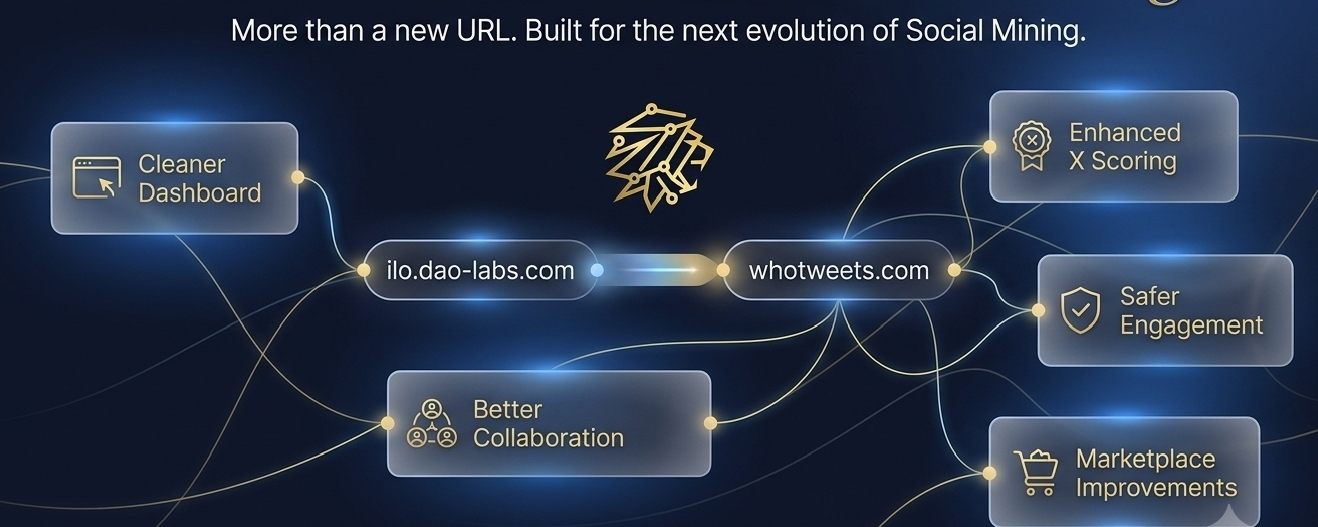
新しいドメインが Social Mining の新しい方向性になるとき最初に DAO Labs が Social Mining プラットフォームを ilo.dao-labs.com から whotweets.com に移したと聞いたとき、私はそれが単なるリブランディングだと思い込みました。結局のところ、技術の世界でドメイン名を変えるのは珍しいことではありません。
しかし、よく調べてみると、新しい住所は、はるかに大きな変革のうちの「見えている部分」にすぎないと分かりました。
この移行は、コミュニティと共に成長するプラットフォームの姿を映しています。アイデンティティを洗練させ、貢献者の働き方をより良くし、Social Mining の未来に向けた強固な土台を築いているのです。だからこそ、このアップデートは注目する価値があります。
新しいドメインが Social Mining の新しい方向性になるとき
最初に DAO Labs が Social Mining プラットフォームを ilo.dao-labs.com から whotweets.com に移したと聞いたとき、私はそれが単なるリブランディングだと思い込みました。結局のところ、技術の世界でドメイン名を変えるのは珍しいことではありません。
しかし、よく調べてみると、新しい住所は、はるかに大きな変革のうちの「見えている部分」にすぎないと分かりました。
この移行は、コミュニティと共に成長するプラットフォームの姿を映しています。アイデンティティを洗練させ、貢献者の働き方をより良くし、Social Mining の未来に向けた強固な土台を築いているのです。だからこそ、このアップデートは注目する価値があります。
しかし、よく調べてみると、新しい住所は、はるかに大きな変革のうちの「見えている部分」にすぎないと分かりました。
この移行は、コミュニティと共に成長するプラットフォームの姿を映しています。アイデンティティを洗練させ、貢献者の働き方をより良くし、Social Mining の未来に向けた強固な土台を築いているのです。だからこそ、このアップデートは注目する価値があります。
1
2
111
·
--
以前は、タスクをより多く自動で完了させることが、より大きなインパクトにつながると思っていました。
@DAOLabs latestの記事を読んでから、活動的であることと、実際の価値を生み出すことは必ずしも同じではないと気づきました。
#SocialMining に参加している期間が長くなるほど、タスクを完了することは貢献の一部にすぎないのだと実感しています。本当に大切なのは、自分の仕事が人々の理解を深め、意味のある会話を始め、そして継続的な価値を生み出すかどうかです。
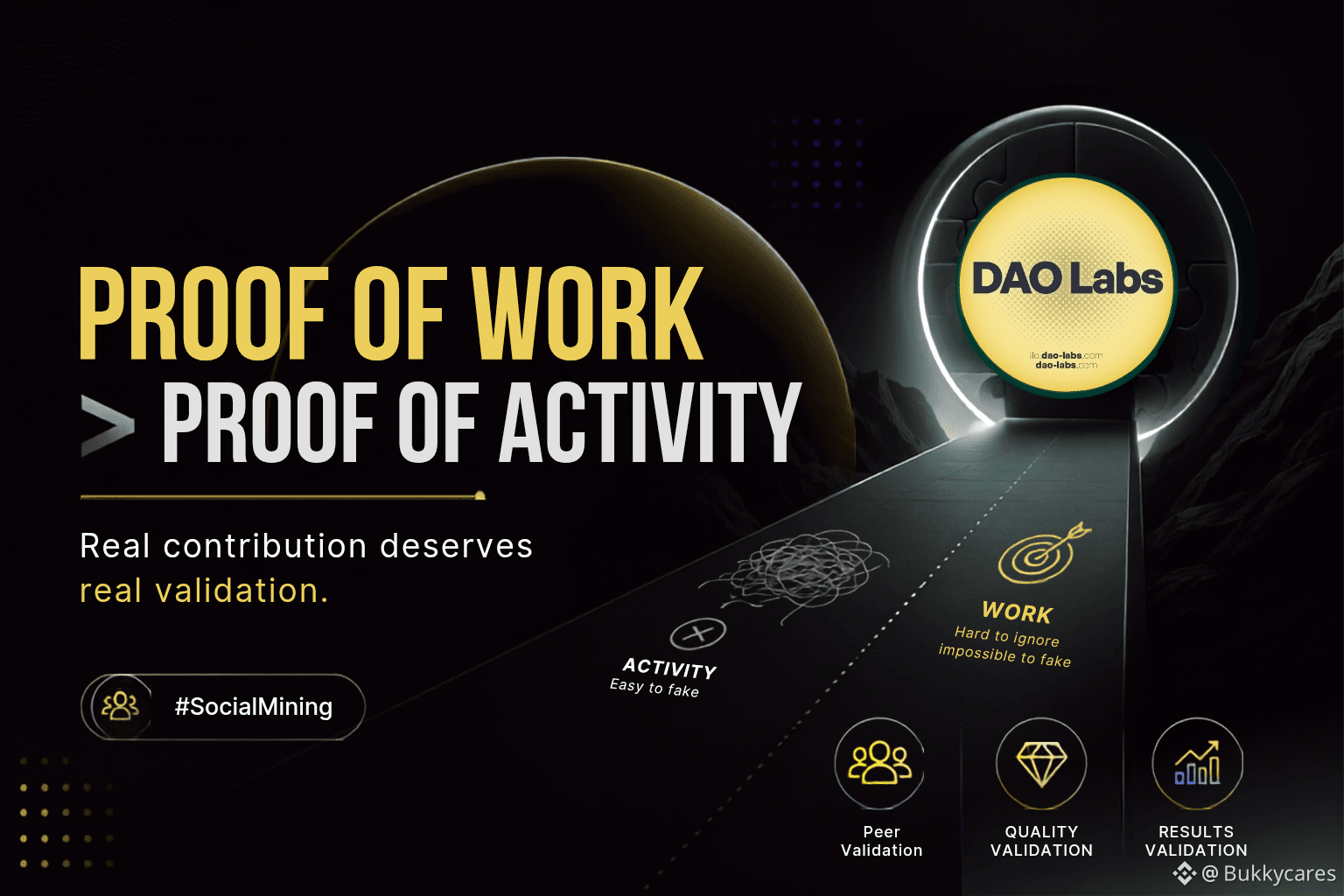
だからこそ、活動の証明(proof of activity)と仕事の証明(proof of work)の違いがとても印象に残りました。多くをこなす人が偉いという話ではありません。プロジェクトとそのコミュニティに本当に役立つ形で貢献している人が重要なのです。
私が特に評価しているのは、DAO Labsの3段階のバリデーション(検証)フレームワークです。タスクが完了したかどうかを確認するだけで終わりません。その貢献がオリジナルだったか、価値を付加したか、そして意味のある結果を生み出したかを見ます。このアプローチのほうがはるかに納得できるのは、活動だけでは物語の全体がわからないからです。
貢献者としては、タスクをこなして次へ進むことに集中しがちです。しかしこの記事は、質は常に量に優先すべきだと改めて思い出させてくれました。丁寧に考え抜かれた1つの貢献で、学びを提供したり他の人を助けたりできるなら、急いで大量に提出する何十件よりも価値が高いことがあります。
私にとって、SocialFiにおける意味のある検証とは、まさにこういうものです。貢献者に自分のベストな仕事をするよう促し、単に活動量を増やすのではなく、本当のインパクトを生み出す人たちがプロジェクトに認識されるようになります。
@DAOLabs さん、測定可能な活動だけでなく、意味のある貢献に私たちを焦点づけることに挑戦するような会話を後押ししてくださってありがとうございます。
まだ記事を読んでいないなら、数分だけでも読む価値があります。SocialFiにおいて、貢献とは本当は何を意味すべきなのか、重要な問いを投げかけています。 https://dao-labs.com/posts/proof-of-work-and-retainability-in-socialfi-what-real-validation-looks-like-part-1
以前は、タスクをより多く自動で完了させることが、より大きなインパクトにつながると思っていました。
@DAO Labs latestの記事を読んでから、活動的であることと、実際の価値を生み出すことは必ずしも同じではないと気づきました。
#SocialMining に参加している期間が長くなるほど、タスクを完了することは貢献の一部にすぎないのだと実感しています。本当に大切なのは、自分の仕事が人々の理解を深め、意味のある会話を始め、そして継続的な価値を生み出すかどうかです。
だからこそ、活動の証明(proof of activity)と仕事の証明(proof of work)の違いがとても印象に残りました。多くをこなす人が偉いという話ではありません。プロジェクトとそのコミュニティに本当に役立つ形で貢献している人が重要なのです。
私が特に評価しているのは、DAO Labsの3段階のバリデーション(検証)フレームワークです。タスクが完了したかどうかを確認するだけで終わりません。その貢献がオリジナルだったか、価値を付加したか、そして意味のある結果を生み出したかを見ます。このアプローチのほうがはるかに納得できるのは、活動だけでは物語の全体がわからないからです。
貢献者としては、タスクをこなして次へ進むことに集中しがちです。しかしこの記事は、質は常に量に優先すべきだと改めて思い出させてくれました。丁寧に考え抜かれた1つの貢献で、学びを提供したり他の人を助けたりできるなら、急いで大量に提出する何十件よりも価値が高いことがあります。
私にとって、SocialFiにおける意味のある検証とは、まさにこういうものです。貢献者に自分のベストな仕事をするよう促し、単に活動量を増やすのではなく、本当のインパクトを生み出す人たちがプロジェクトに認識されるようになります。
@DAO Labs さん、測定可能な活動だけでなく、意味のある貢献に私たちを焦点づけることに挑戦するような会話を後押ししてくださってありがとうございます。
まだ記事を読んでいないなら、数分だけでも読む価値があります。SocialFiにおいて、貢献とは本当は何を意味すべきなのか、重要な問いを投げかけています。 https://dao-labs.com/posts/proof-of-work-and-retainability-in-socialfi-what-real-validation-looks-like-part-1
@DAO Labs latestの記事を読んでから、活動的であることと、実際の価値を生み出すことは必ずしも同じではないと気づきました。
#SocialMining に参加している期間が長くなるほど、タスクを完了することは貢献の一部にすぎないのだと実感しています。本当に大切なのは、自分の仕事が人々の理解を深め、意味のある会話を始め、そして継続的な価値を生み出すかどうかです。
だからこそ、活動の証明(proof of activity)と仕事の証明(proof of work)の違いがとても印象に残りました。多くをこなす人が偉いという話ではありません。プロジェクトとそのコミュニティに本当に役立つ形で貢献している人が重要なのです。
私が特に評価しているのは、DAO Labsの3段階のバリデーション(検証)フレームワークです。タスクが完了したかどうかを確認するだけで終わりません。その貢献がオリジナルだったか、価値を付加したか、そして意味のある結果を生み出したかを見ます。このアプローチのほうがはるかに納得できるのは、活動だけでは物語の全体がわからないからです。
貢献者としては、タスクをこなして次へ進むことに集中しがちです。しかしこの記事は、質は常に量に優先すべきだと改めて思い出させてくれました。丁寧に考え抜かれた1つの貢献で、学びを提供したり他の人を助けたりできるなら、急いで大量に提出する何十件よりも価値が高いことがあります。
私にとって、SocialFiにおける意味のある検証とは、まさにこういうものです。貢献者に自分のベストな仕事をするよう促し、単に活動量を増やすのではなく、本当のインパクトを生み出す人たちがプロジェクトに認識されるようになります。
@DAO Labs さん、測定可能な活動だけでなく、意味のある貢献に私たちを焦点づけることに挑戦するような会話を後押ししてくださってありがとうございます。
まだ記事を読んでいないなら、数分だけでも読む価値があります。SocialFiにおいて、貢献とは本当は何を意味すべきなのか、重要な問いを投げかけています。 https://dao-labs.com/posts/proof-of-work-and-retainability-in-socialfi-what-real-validation-looks-like-part-1
1
104
·
--
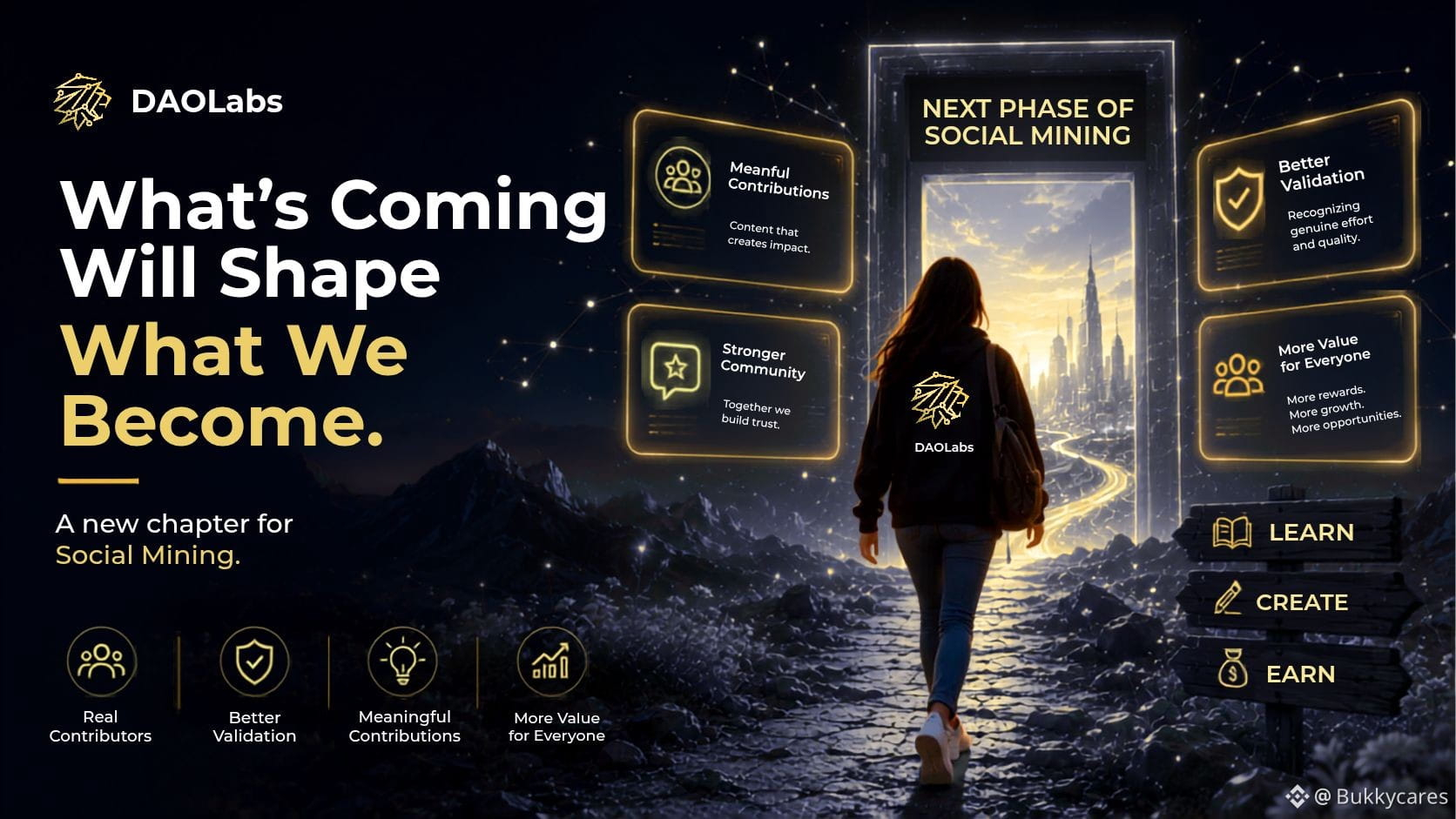
最大の変化はアップグレードそのものではないと思います。人々がどうなることを後押しできるかが大きいのです。タスクをこなすために投稿するだけではなく、自分が共有している内容をもう少し時間をかけて理解する人たちが増えることです。
それは、@DAOLabs のティーザーを見たときに最初に思ったことでした。
まだ詳細はすべて分かっていませんが、「ソーシャルマイニング」が新しいフェーズに入っているように感じます。継続性、思慮深い貢献、そして本当の参加が、これまで以上に重要になるかもしれません。もしそれが進む方向なら、このコミュニティに本気で取り組む人たちにとって、前向きな一歩だと信じています。
振り返ると、ソーシャルマイニングは私のWeb3への関わり方を変えました。参加する前は、プロジェクトのアップデートを読んで終わりにしていました。今は、自分の考えを共有する前に、そのプロジェクトが何を作っているのかを理解する時間をとっています。文章力が向上し、より批判的に考える助けになり、自分自身の視点を共有する自信も持てるようになりました。
このアップグレードで一つだけ良くなることがあるとすれば、それは承認(バリデーション)です。真摯な貢献が認められ、低労力の参加が見分けやすくなるなら、人は自然と、自分が作り出すものにより大きな配慮をするようになります。それは貢献者にとっても、コミュニティに代表として信頼を託すプロジェクトにとっても良いことです。
報酬が理由でソーシャルマイニングに参加したのではない、と言うのは嘘になります。報酬が私の関心を引きつけました。でも途中で気づいたのです。私は報酬以上のものを得ていたのだと。タスクを完了するたびに、学び、改善し、そして自信が増していっていました。
だから私は、作って稼ぎたいと考える人にソーシャルマイニングをおすすめします。あなたのアイデアが意味を持つ場所があります。同時に学び、創り、稼げる。これは多くのコミュニティではなかなか見つからないことです。報酬はモチベーションになりますが、本当の努力から得られると、さらに心地よいものになります。
結局のところ、機能はプラットフォームを良くできますが、コミュニティにとどまる価値を生むのは人です。このアップグレードが、真に貢献する人たちが見られていて、評価されていると感じられるようになるのなら、#SocialMining は正しい方向へ進んでいると私は思います。
最大の変化はアップグレードそのものではないと思います。人々がどうなることを後押しできるかが大きいのです。タスクをこなすために投稿するだけではなく、自分が共有している内容をもう少し時間をかけて理解する人たちが増えることです。
それは、@DAO Labs のティーザーを見たときに最初に思ったことでした。
まだ詳細はすべて分かっていませんが、「ソーシャルマイニング」が新しいフェーズに入っているように感じます。継続性、思慮深い貢献、そして本当の参加が、これまで以上に重要になるかもしれません。もしそれが進む方向なら、このコミュニティに本気で取り組む人たちにとって、前向きな一歩だと信じています。
振り返ると、ソーシャルマイニングは私のWeb3への関わり方を変えました。参加する前は、プロジェクトのアップデートを読んで終わりにしていました。今は、自分の考えを共有する前に、そのプロジェクトが何を作っているのかを理解する時間をとっています。文章力が向上し、より批判的に考える助けになり、自分自身の視点を共有する自信も持てるようになりました。
このアップグレードで一つだけ良くなることがあるとすれば、それは承認(バリデーション)です。真摯な貢献が認められ、低労力の参加が見分けやすくなるなら、人は自然と、自分が作り出すものにより大きな配慮をするようになります。それは貢献者にとっても、コミュニティに代表として信頼を託すプロジェクトにとっても良いことです。
報酬が理由でソーシャルマイニングに参加したのではない、と言うのは嘘になります。報酬が私の関心を引きつけました。でも途中で気づいたのです。私は報酬以上のものを得ていたのだと。タスクを完了するたびに、学び、改善し、そして自信が増していっていました。
だから私は、作って稼ぎたいと考える人にソーシャルマイニングをおすすめします。あなたのアイデアが意味を持つ場所があります。同時に学び、創り、稼げる。これは多くのコミュニティではなかなか見つからないことです。報酬はモチベーションになりますが、本当の努力から得られると、さらに心地よいものになります。
結局のところ、機能はプラットフォームを良くできますが、コミュニティにとどまる価値を生むのは人です。このアップグレードが、真に貢献する人たちが見られていて、評価されていると感じられるようになるのなら、#SocialMining は正しい方向へ進んでいると私は思います。
それは、@DAO Labs のティーザーを見たときに最初に思ったことでした。
まだ詳細はすべて分かっていませんが、「ソーシャルマイニング」が新しいフェーズに入っているように感じます。継続性、思慮深い貢献、そして本当の参加が、これまで以上に重要になるかもしれません。もしそれが進む方向なら、このコミュニティに本気で取り組む人たちにとって、前向きな一歩だと信じています。
振り返ると、ソーシャルマイニングは私のWeb3への関わり方を変えました。参加する前は、プロジェクトのアップデートを読んで終わりにしていました。今は、自分の考えを共有する前に、そのプロジェクトが何を作っているのかを理解する時間をとっています。文章力が向上し、より批判的に考える助けになり、自分自身の視点を共有する自信も持てるようになりました。
このアップグレードで一つだけ良くなることがあるとすれば、それは承認(バリデーション)です。真摯な貢献が認められ、低労力の参加が見分けやすくなるなら、人は自然と、自分が作り出すものにより大きな配慮をするようになります。それは貢献者にとっても、コミュニティに代表として信頼を託すプロジェクトにとっても良いことです。
報酬が理由でソーシャルマイニングに参加したのではない、と言うのは嘘になります。報酬が私の関心を引きつけました。でも途中で気づいたのです。私は報酬以上のものを得ていたのだと。タスクを完了するたびに、学び、改善し、そして自信が増していっていました。
だから私は、作って稼ぎたいと考える人にソーシャルマイニングをおすすめします。あなたのアイデアが意味を持つ場所があります。同時に学び、創り、稼げる。これは多くのコミュニティではなかなか見つからないことです。報酬はモチベーションになりますが、本当の努力から得られると、さらに心地よいものになります。
結局のところ、機能はプラットフォームを良くできますが、コミュニティにとどまる価値を生むのは人です。このアップグレードが、真に貢献する人たちが見られていて、評価されていると感じられるようになるのなら、#SocialMining は正しい方向へ進んでいると私は思います。
1
2
101
·
--
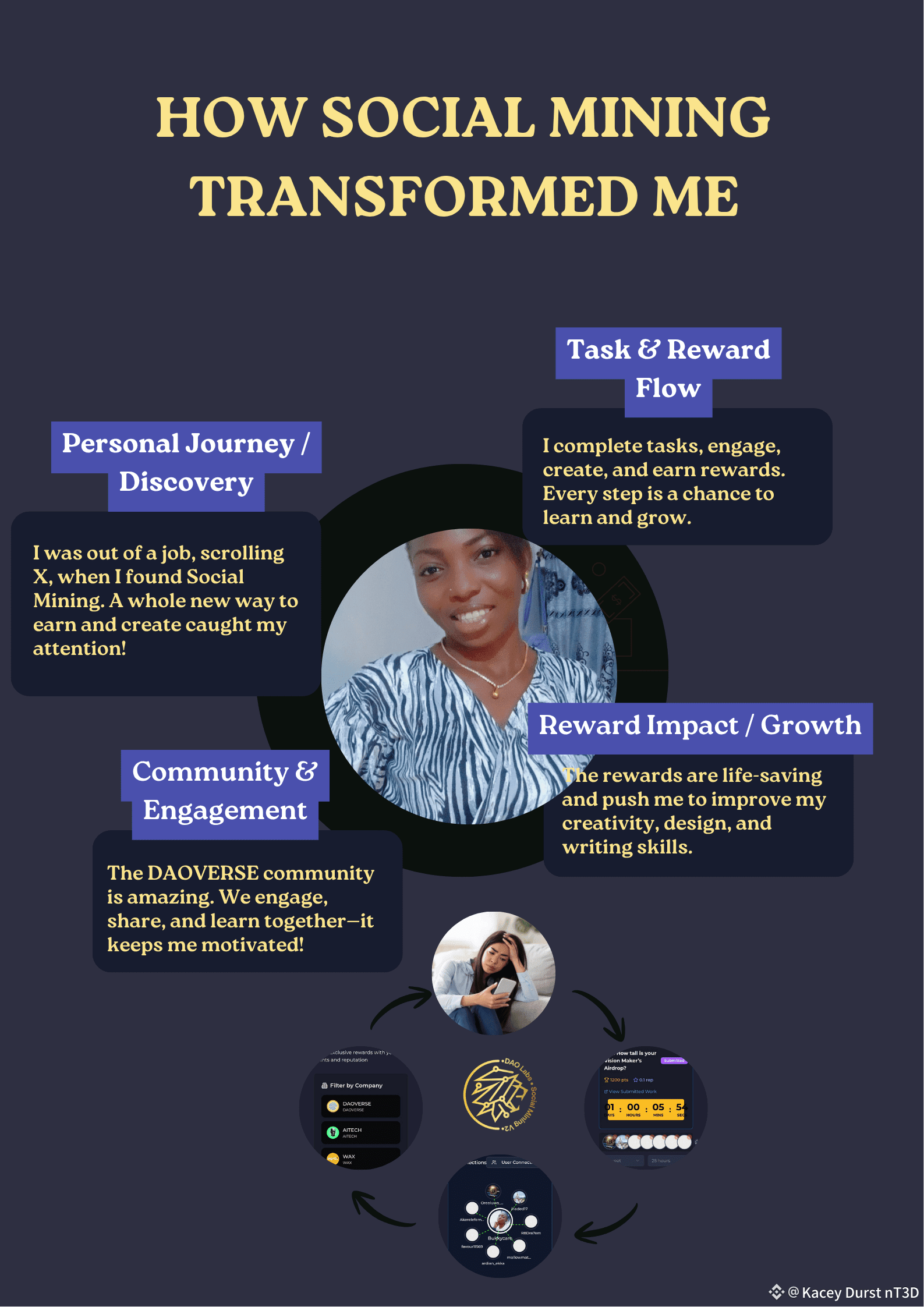
必要から目的へ:私のソーシャルマイニングの目覚め
彼らは必要は発明の母であると言います。私にとって、それは発見への入り口でした。
初めてソーシャルマイニングに出会ったとき、私は長期の失業期間を乗り越えていました。魅力は明確でした:タスクを通じて報酬を得ること。しかし、展開されたのは完全なマインドセットの変化でした。
@DAOLabs は私にとって予期しない教室となりました。初期の控えめな報酬は単なる収入ではなく、挑戦でした。それは私に、グラフィックデザイン、戦略的ライティング、クリエイティブ思考など、私が手の届く範囲にあるとは思っていなかったスキルを習得させました。
しかし、本当の変革はコミュニティにありました。バイナンススクエアでは、私たちはネットワークの力を理解しています。#SocialMining は、フィードバックが燃料であり、すべてのメンバーの成長が共同の勝利である協力的なエコシステムに私を埋め込みました。
経済的な報酬は安定を提供しましたが、帰属感と継続的な進歩は新しいアイデンティティを提供しました。私はもはや単に機会を求めているのではなく、能力を構築し、分散型の未来に貢献しています。
これがソーシャルマイニングの本質です:あなたの活動に報酬を与えるだけでなく、あなたの可能性に投資するのです。
#DAOVERSE
必要から目的へ:私のソーシャルマイニングの目覚め
彼らは必要は発明の母であると言います。私にとって、それは発見への入り口でした。
初めてソーシャルマイニングに出会ったとき、私は長期の失業期間を乗り越えていました。魅力は明確でした:タスクを通じて報酬を得ること。しかし、展開されたのは完全なマインドセットの変化でした。
@DAO Labs は私にとって予期しない教室となりました。初期の控えめな報酬は単なる収入ではなく、挑戦でした。それは私に、グラフィックデザイン、戦略的ライティング、クリエイティブ思考など、私が手の届く範囲にあるとは思っていなかったスキルを習得させました。
しかし、本当の変革はコミュニティにありました。バイナンススクエアでは、私たちはネットワークの力を理解しています。#SocialMining は、フィードバックが燃料であり、すべてのメンバーの成長が共同の勝利である協力的なエコシステムに私を埋め込みました。
経済的な報酬は安定を提供しましたが、帰属感と継続的な進歩は新しいアイデンティティを提供しました。私はもはや単に機会を求めているのではなく、能力を構築し、分散型の未来に貢献しています。
これがソーシャルマイニングの本質です:あなたの活動に報酬を与えるだけでなく、あなたの可能性に投資するのです。
#DAOVERSE
彼らは必要は発明の母であると言います。私にとって、それは発見への入り口でした。
初めてソーシャルマイニングに出会ったとき、私は長期の失業期間を乗り越えていました。魅力は明確でした:タスクを通じて報酬を得ること。しかし、展開されたのは完全なマインドセットの変化でした。
@DAO Labs は私にとって予期しない教室となりました。初期の控えめな報酬は単なる収入ではなく、挑戦でした。それは私に、グラフィックデザイン、戦略的ライティング、クリエイティブ思考など、私が手の届く範囲にあるとは思っていなかったスキルを習得させました。
しかし、本当の変革はコミュニティにありました。バイナンススクエアでは、私たちはネットワークの力を理解しています。#SocialMining は、フィードバックが燃料であり、すべてのメンバーの成長が共同の勝利である協力的なエコシステムに私を埋め込みました。
経済的な報酬は安定を提供しましたが、帰属感と継続的な進歩は新しいアイデンティティを提供しました。私はもはや単に機会を求めているのではなく、能力を構築し、分散型の未来に貢献しています。
これがソーシャルマイニングの本質です:あなたの活動に報酬を与えるだけでなく、あなたの可能性に投資するのです。
#DAOVERSE
1
82
·
--
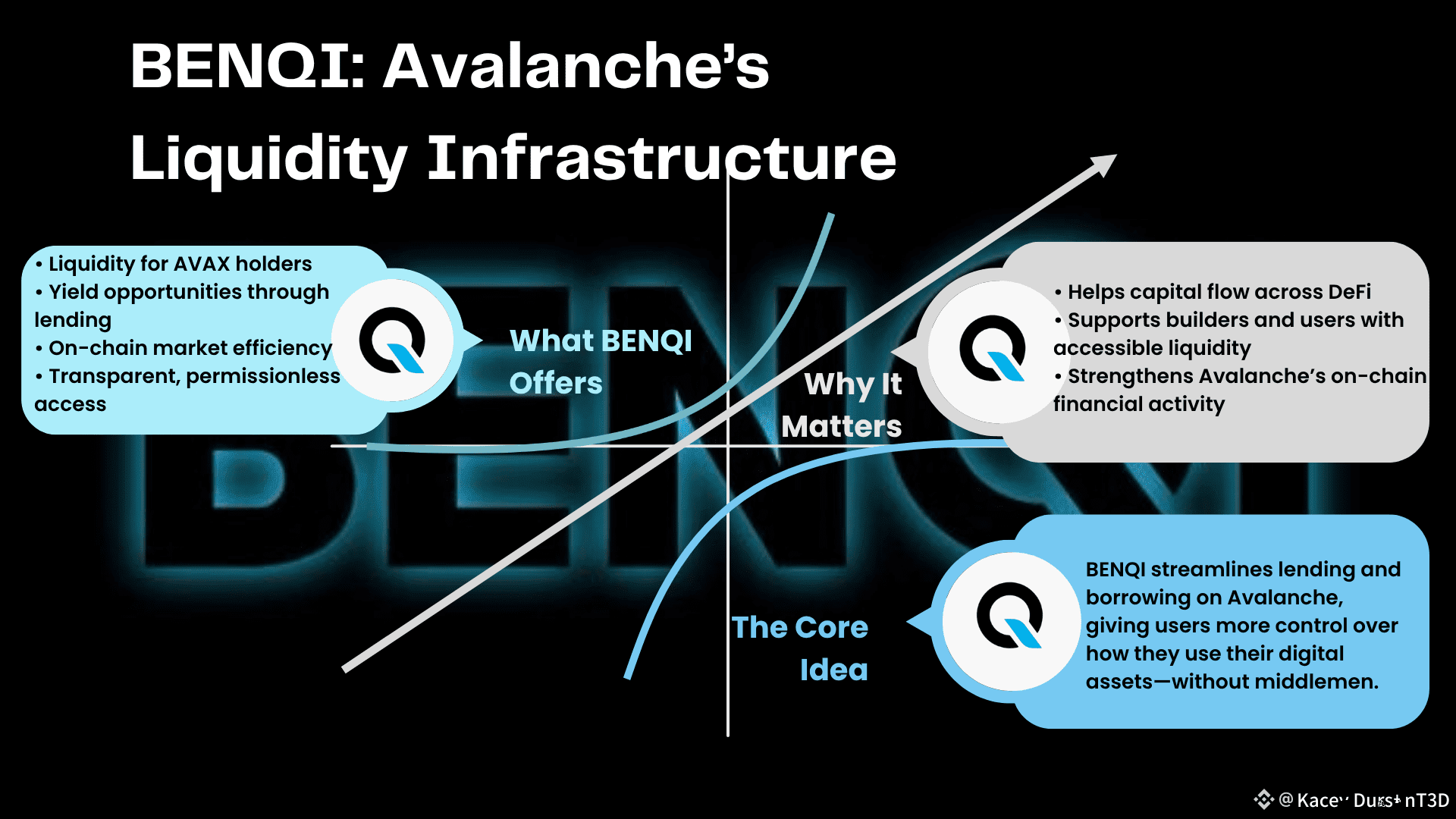
⭐ アバランチの流動性ハウス: BENQI
BENQIはシンプルなアイデアを念頭に置いて構築されました: DeFiはユーザーの考える速度で動くべきです。アバランチでは、スピードと低料金がすでに基盤を築いていますが、BENQIは人々が保有する資産をより多く活用できるようにする欠けていた層を追加します。これにより、制約を感じたり、機会の間で選択を強いられることなく、ステーク、収益、借入、または貸出を行う方法が導入されます。
その流動性ステーキングシステムはAVAXをsAVAXに変え、エコシステム全体で完全に使用可能でありながら報酬を生成し続けるトークンです。長期間資金をロックする代わりに、ユーザーは市場でアクティブでありながら受動的に成長するAVAXのバージョンを得ます。これにより、流動性へのアクセスを維持しながら収益を求める誰にでも新しい可能性が開かれます。
同時に、BENQIの流動性市場は、ユーザーが資産を貸し出したり、追加の流動性が必要なときに借りるための効率的なスペースを提供します。貸し手は利子を得て、借り手はトークンを売却することなく柔軟に対応できます。これら二つの部分は、資本が容易に流れ、アバランチのDeFiの風景におけるさらなる動きをサポートする構造を形成します。
@BenqiFinance が際立っているのは、すべてが自然に結びついていることです。ステークされた資産は流動性を供給し、流動性は貸し出しを支え、貸し出しはより多くのオンチェーン活動を生み出します。これは、ユーザーに自由、効率、そしてスムーズな金融ツールを提供するように設計されたシステムです。DeFiは進化しており、BENQIはアクセシビリティと考慮されたデザインを通じて先導しています。
$QI @DAOLabs #SocialMining
⭐ アバランチの流動性ハウス: BENQI
BENQIはシンプルなアイデアを念頭に置いて構築されました: DeFiはユーザーの考える速度で動くべきです。アバランチでは、スピードと低料金がすでに基盤を築いていますが、BENQIは人々が保有する資産をより多く活用できるようにする欠けていた層を追加します。これにより、制約を感じたり、機会の間で選択を強いられることなく、ステーク、収益、借入、または貸出を行う方法が導入されます。
その流動性ステーキングシステムはAVAXをsAVAXに変え、エコシステム全体で完全に使用可能でありながら報酬を生成し続けるトークンです。長期間資金をロックする代わりに、ユーザーは市場でアクティブでありながら受動的に成長するAVAXのバージョンを得ます。これにより、流動性へのアクセスを維持しながら収益を求める誰にでも新しい可能性が開かれます。
同時に、BENQIの流動性市場は、ユーザーが資産を貸し出したり、追加の流動性が必要なときに借りるための効率的なスペースを提供します。貸し手は利子を得て、借り手はトークンを売却することなく柔軟に対応できます。これら二つの部分は、資本が容易に流れ、アバランチのDeFiの風景におけるさらなる動きをサポートする構造を形成します。
@mr_monkey 1 が際立っているのは、すべてが自然に結びついていることです。ステークされた資産は流動性を供給し、流動性は貸し出しを支え、貸し出しはより多くのオンチェーン活動を生み出します。これは、ユーザーに自由、効率、そしてスムーズな金融ツールを提供するように設計されたシステムです。DeFiは進化しており、BENQIはアクセシビリティと考慮されたデザインを通じて先導しています。
$QI @DAO Labs #SocialMining
BENQIはシンプルなアイデアを念頭に置いて構築されました: DeFiはユーザーの考える速度で動くべきです。アバランチでは、スピードと低料金がすでに基盤を築いていますが、BENQIは人々が保有する資産をより多く活用できるようにする欠けていた層を追加します。これにより、制約を感じたり、機会の間で選択を強いられることなく、ステーク、収益、借入、または貸出を行う方法が導入されます。
その流動性ステーキングシステムはAVAXをsAVAXに変え、エコシステム全体で完全に使用可能でありながら報酬を生成し続けるトークンです。長期間資金をロックする代わりに、ユーザーは市場でアクティブでありながら受動的に成長するAVAXのバージョンを得ます。これにより、流動性へのアクセスを維持しながら収益を求める誰にでも新しい可能性が開かれます。
同時に、BENQIの流動性市場は、ユーザーが資産を貸し出したり、追加の流動性が必要なときに借りるための効率的なスペースを提供します。貸し手は利子を得て、借り手はトークンを売却することなく柔軟に対応できます。これら二つの部分は、資本が容易に流れ、アバランチのDeFiの風景におけるさらなる動きをサポートする構造を形成します。
@mr_monkey 1 が際立っているのは、すべてが自然に結びついていることです。ステークされた資産は流動性を供給し、流動性は貸し出しを支え、貸し出しはより多くのオンチェーン活動を生み出します。これは、ユーザーに自由、効率、そしてスムーズな金融ツールを提供するように設計されたシステムです。DeFiは進化しており、BENQIはアクセシビリティと考慮されたデザインを通じて先導しています。
$QI @DAO Labs #SocialMining
1
140
·
--
🎃 クリプトベアに脅かされている? 心配しないで! ソーシャルマイニング V2 があなたを救うためにここにいます 🧙♂️💰
吸血鬼や幽霊でさえ、市場を幽霊なしで維持しながら稼ぐことに抵抗できません 👻💸
この不気味な季節にあなたの #SocialMiningV2 タスクに飛び込んで、報酬がクリプトから上昇するのを見守りましょう!
@DAOLabs #Halloween #DAOVERSE
🎃 クリプトベアに脅かされている? 心配しないで! ソーシャルマイニング V2 があなたを救うためにここにいます 🧙♂️💰
吸血鬼や幽霊でさえ、市場を幽霊なしで維持しながら稼ぐことに抵抗できません 👻💸
この不気味な季節にあなたの #SocialMiningV2 タスクに飛び込んで、報酬がクリプトから上昇するのを見守りましょう!
@DAO Labs #Halloween #DAOVERSE
吸血鬼や幽霊でさえ、市場を幽霊なしで維持しながら稼ぐことに抵抗できません 👻💸
この不気味な季節にあなたの #SocialMiningV2 タスクに飛び込んで、報酬がクリプトから上昇するのを見守りましょう!
@DAO Labs #Halloween #DAOVERSE

2
21
·
--
🗳️🇳🇬 DAO Labs: ナイジェリアの若者を社会的マイニングでエンパワーメント
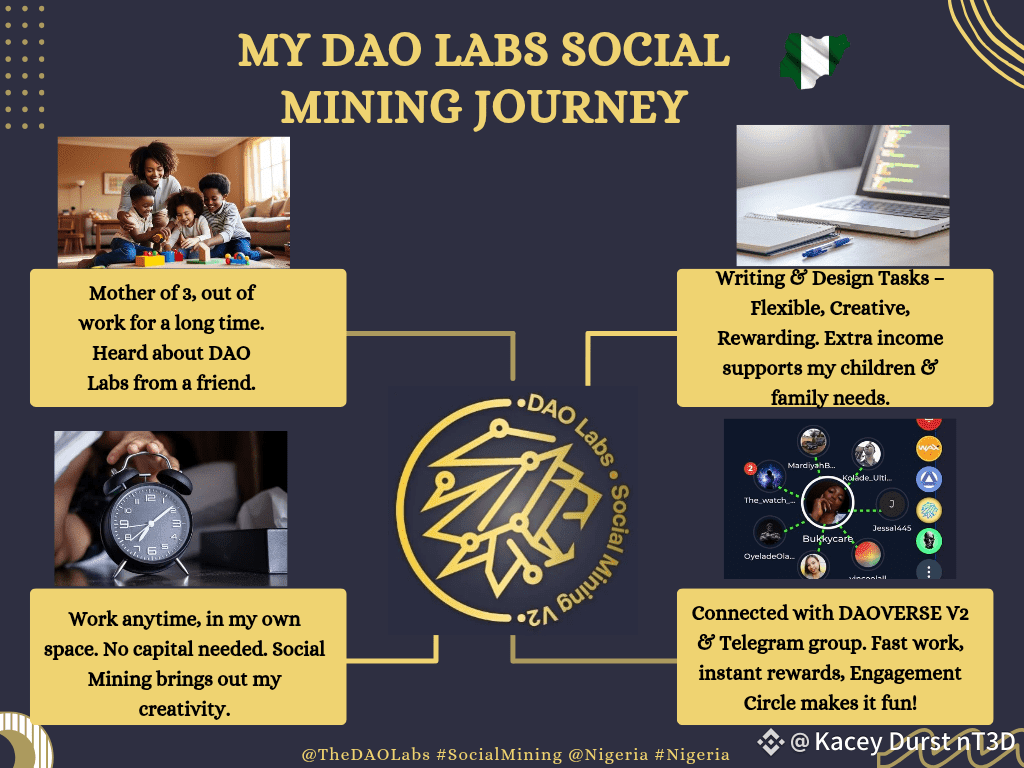
友人が最初に私をDAO Labsの社会的マイニングに紹介したのは、私が長い間仕事をしておらず、三人の子供を育てていた時でした。夫の収入が家族の唯一の収入源で、正直言って、私たちのすべてのニーズをカバーするには十分ではありませんでした。そこで、私は社会的マイニングにチャンスを与えることに決めました — それが私の人生を変えました。
DAO Labsを通じて、私はライティングとデザインのスキルを使って貢献し、その報酬は本当にゲームチェンジャーでした。追加の収入は私の子供たちを支え、請求書を支払い、家庭での毎日の財政的圧力を和らげるのに役立ちました。お金を超えて、社会的マイニングは私の創造性を解き放ち、予想もしなかった方法で私のスキルを磨いてくれました。
私が最も興奮するのは柔軟性です — 家から、自己のペースで、前払いの投資なしで働くことができます。DAO LabsのTelegramグループの一員であることは刺激的で、学び、成長し、一緒に繁栄しているナイジェリアの若者たちとつながることができました。
今、DAOVERSE V2を使って、体験はさらにスムーズになりました。タスクはより早く完了し、報酬は即座に得られ、エンゲージメントサークルはコラボレーションを楽しく、やる気を引き出します。
DAO Labsは単なるプラットフォーム以上のものであり、母親、学生、若いナイジェリア人にとっての独立、スキル開発、財政的安定への道です。社会的マイニングは、意味のある仕事が必ずしも従来のオフィスや資本を必要としないことを証明しています — ただ献身、創造性、そして適切なコミュニティがあればいいのです。
@DAOLabs @Nigeria #Nigeria #SocialMining
🗳️🇳🇬 DAO Labs: ナイジェリアの若者を社会的マイニングでエンパワーメント
友人が最初に私をDAO Labsの社会的マイニングに紹介したのは、私が長い間仕事をしておらず、三人の子供を育てていた時でした。夫の収入が家族の唯一の収入源で、正直言って、私たちのすべてのニーズをカバーするには十分ではありませんでした。そこで、私は社会的マイニングにチャンスを与えることに決めました — それが私の人生を変えました。
DAO Labsを通じて、私はライティングとデザインのスキルを使って貢献し、その報酬は本当にゲームチェンジャーでした。追加の収入は私の子供たちを支え、請求書を支払い、家庭での毎日の財政的圧力を和らげるのに役立ちました。お金を超えて、社会的マイニングは私の創造性を解き放ち、予想もしなかった方法で私のスキルを磨いてくれました。
私が最も興奮するのは柔軟性です — 家から、自己のペースで、前払いの投資なしで働くことができます。DAO LabsのTelegramグループの一員であることは刺激的で、学び、成長し、一緒に繁栄しているナイジェリアの若者たちとつながることができました。
今、DAOVERSE V2を使って、体験はさらにスムーズになりました。タスクはより早く完了し、報酬は即座に得られ、エンゲージメントサークルはコラボレーションを楽しく、やる気を引き出します。
DAO Labsは単なるプラットフォーム以上のものであり、母親、学生、若いナイジェリア人にとっての独立、スキル開発、財政的安定への道です。社会的マイニングは、意味のある仕事が必ずしも従来のオフィスや資本を必要としないことを証明しています — ただ献身、創造性、そして適切なコミュニティがあればいいのです。
@DAO Labs @Nigeria #Nigeria #SocialMining
友人が最初に私をDAO Labsの社会的マイニングに紹介したのは、私が長い間仕事をしておらず、三人の子供を育てていた時でした。夫の収入が家族の唯一の収入源で、正直言って、私たちのすべてのニーズをカバーするには十分ではありませんでした。そこで、私は社会的マイニングにチャンスを与えることに決めました — それが私の人生を変えました。
DAO Labsを通じて、私はライティングとデザインのスキルを使って貢献し、その報酬は本当にゲームチェンジャーでした。追加の収入は私の子供たちを支え、請求書を支払い、家庭での毎日の財政的圧力を和らげるのに役立ちました。お金を超えて、社会的マイニングは私の創造性を解き放ち、予想もしなかった方法で私のスキルを磨いてくれました。
私が最も興奮するのは柔軟性です — 家から、自己のペースで、前払いの投資なしで働くことができます。DAO LabsのTelegramグループの一員であることは刺激的で、学び、成長し、一緒に繁栄しているナイジェリアの若者たちとつながることができました。
今、DAOVERSE V2を使って、体験はさらにスムーズになりました。タスクはより早く完了し、報酬は即座に得られ、エンゲージメントサークルはコラボレーションを楽しく、やる気を引き出します。
DAO Labsは単なるプラットフォーム以上のものであり、母親、学生、若いナイジェリア人にとっての独立、スキル開発、財政的安定への道です。社会的マイニングは、意味のある仕事が必ずしも従来のオフィスや資本を必要としないことを証明しています — ただ献身、創造性、そして適切なコミュニティがあればいいのです。
@DAO Labs @Nigeria #Nigeria #SocialMining
108
·
--
🧠 月次貢献コンテストが開催中!
毎月、Autonomys Networkはそのエコシステムのリポジトリ全体で貴重な貢献を探し、最高の革新者を報酬します。新機能の追加、MonorepoやSpace Acresのコードの改善、または検証されたプロトコルの脆弱性の提出など、あなたの仕事は実際に影響を与える可能性があります。
フォーラムの記事が強調しているように、このコンテストは有意義な貢献を認識し、奨励することを目的としています — 毎月の報酬は最大$1,000で、トップの貢献者はそれぞれ最大$500を獲得する可能性があります。🏆
これは、オンチェーンで足跡を残し、スキルを磨き、より強力で安全なネットワークを構築しながら稼ぐチャンスです。あなたが開発者であれ、バグハンターであれ、情熱的な貢献者であれ、Autonomysはあなたに一歩踏み出し、ミッションに参加するよう呼びかけています。
📎 コンテストの詳細を読む: forum.autonomys.xyz
#Autonomys #AI $AI3
🧠 月次貢献コンテストが開催中!
毎月、Autonomys Networkはそのエコシステムのリポジトリ全体で貴重な貢献を探し、最高の革新者を報酬します。新機能の追加、MonorepoやSpace Acresのコードの改善、または検証されたプロトコルの脆弱性の提出など、あなたの仕事は実際に影響を与える可能性があります。
フォーラムの記事が強調しているように、このコンテストは有意義な貢献を認識し、奨励することを目的としています — 毎月の報酬は最大$1,000で、トップの貢献者はそれぞれ最大$500を獲得する可能性があります。🏆
これは、オンチェーンで足跡を残し、スキルを磨き、より強力で安全なネットワークを構築しながら稼ぐチャンスです。あなたが開発者であれ、バグハンターであれ、情熱的な貢献者であれ、Autonomysはあなたに一歩踏み出し、ミッションに参加するよう呼びかけています。
📎 コンテストの詳細を読む: forum.autonomys.xyz
#Autonomys #AI $AI3
毎月、Autonomys Networkはそのエコシステムのリポジトリ全体で貴重な貢献を探し、最高の革新者を報酬します。新機能の追加、MonorepoやSpace Acresのコードの改善、または検証されたプロトコルの脆弱性の提出など、あなたの仕事は実際に影響を与える可能性があります。
フォーラムの記事が強調しているように、このコンテストは有意義な貢献を認識し、奨励することを目的としています — 毎月の報酬は最大$1,000で、トップの貢献者はそれぞれ最大$500を獲得する可能性があります。🏆
これは、オンチェーンで足跡を残し、スキルを磨き、より強力で安全なネットワークを構築しながら稼ぐチャンスです。あなたが開発者であれ、バグハンターであれ、情熱的な貢献者であれ、Autonomysはあなたに一歩踏み出し、ミッションに参加するよう呼びかけています。
📎 コンテストの詳細を読む: forum.autonomys.xyz
#Autonomys #AI $AI3

1
22
·
--
⚡ $AITECH Binance Alpha Trading Competition – あなたのファストトラックガイド
こんにちはファム! $AITECH Binance Alpha Trading Competitionはほぼ終了し、USD 640,000の報酬が手に入るチャンスです! 🚀
ここで、参加し、スマートに取引をし、あなたのシェアを確保する方法を紹介します — ストレスなし、混乱なし、結果だけ。
ステップ1: ウォレットをゲーム準備完了にする。
1. Binanceアプリを最新バージョンに更新してください。
2. Binanceウォレット(キーレス)を作成またはバックアップしてください。
3. アカウントを確認してください(KYC)資格を確保するために✅
💡 プロのヒント: ウォレットを宝箱のように扱い、バックアップして安全に保管してください!
ステップ2: プロのように$AITECH 取引する。
1. Binanceウォレット(キーレス)またはBinance Alphaを開いてください。
2. AITECHトークンを購入してください — 購入のみがカウントされます。
3. リーダーボードの位置を注視してください 🏆
🔥 クイックトリック: 購入を分散させる — 一度に全部を投げ捨てないでください。 一貫性がパニックに勝ちます!
ステップ3: ルールを知り、スマートに勝つ。
✅ 購入量で上位8,300トレーダーが報酬を分け合います(各2,300トークン)。
✅ 取引の上限なし — あなたが挑戦したいだけ高く行ってください! 🚀
✅ Binanceウォレット(キーレス)またはBinance Alphaの取引のみがカウントされます。
✅ ブリッジや第三者のdAppsは許可されていません。
✅ キャンペーン終了後、自動的にランキングが計算されます。
📌 完全なルール: https://www.binance.com/en/support/announcement/detail/9a53c698dfbb4da38af2cd5df56d599f?utm_source=AnnouncementTG&utm_medium=GlobalCommunity&utm_campaign=AnnouncementBothttps://www.binance.com/en/support/announcement/detail/9a53c698dfbb4da38af2cd5df56d599f?utm_source=AnnouncementTG&utm_medium=GlobalCommunity&utm_campaign=AnnouncementBot
💡 注意: ウォッシュトレーディングや不正なショートカットを避けてください。 Binanceはすべてを監視しています!
ステップ4: 報酬を獲得するためのヒントとトリック。
✅ スマートで安定した取引を行い、最後の瞬間の熱狂を避けてください。
✅ ウォレットをバックアップしてください — 安全第一。
✅ リーダーボードの位置を追跡して、先を行ってください。
✅ 9月29日以降に報酬を請求してください — それらはあなたのウォレットに直接送られます。
Binance Alphaは$AITECHで大きく成長しています!
USD 640,000が勝者を待っています — このガイドは、あなたがどのように競い、勝つかを正確に示します。
あなたの番です! 💪
@aitech #$AITECH
⚡ $AITECH Binance Alpha Trading Competition – あなたのファストトラックガイド
こんにちはファム! $AITECH Binance Alpha Trading Competitionはほぼ終了し、USD 640,000の報酬が手に入るチャンスです! 🚀
ここで、参加し、スマートに取引をし、あなたのシェアを確保する方法を紹介します — ストレスなし、混乱なし、結果だけ。
ステップ1: ウォレットをゲーム準備完了にする。
1. Binanceアプリを最新バージョンに更新してください。
2. Binanceウォレット(キーレス)を作成またはバックアップしてください。
3. アカウントを確認してください(KYC)資格を確保するために✅
💡 プロのヒント: ウォレットを宝箱のように扱い、バックアップして安全に保管してください!
ステップ2: プロのように$AITECH 取引する。
1. Binanceウォレット(キーレス)またはBinance Alphaを開いてください。
2. AITECHトークンを購入してください — 購入のみがカウントされます。
3. リーダーボードの位置を注視してください 🏆
🔥 クイックトリック: 購入を分散させる — 一度に全部を投げ捨てないでください。 一貫性がパニックに勝ちます!
ステップ3: ルールを知り、スマートに勝つ。
✅ 購入量で上位8,300トレーダーが報酬を分け合います(各2,300トークン)。
✅ 取引の上限なし — あなたが挑戦したいだけ高く行ってください! 🚀
✅ Binanceウォレット(キーレス)またはBinance Alphaの取引のみがカウントされます。
✅ ブリッジや第三者のdAppsは許可されていません。
✅ キャンペーン終了後、自動的にランキングが計算されます。
📌 完全なルール: https://www.binance.com/en/support/announcement/detail/9a53c698dfbb4da38af2cd5df56d599f?utm_source=AnnouncementTG&utm_medium=GlobalCommunity&utm_campaign=AnnouncementBothttps://www.binance.com/en/support/announcement/detail/9a53c698dfbb4da38af2cd5df56d599f?utm_source=AnnouncementTG&utm_medium=GlobalCommunity&utm_campaign=AnnouncementBot
💡 注意: ウォッシュトレーディングや不正なショートカットを避けてください。 Binanceはすべてを監視しています!
ステップ4: 報酬を獲得するためのヒントとトリック。
✅ スマートで安定した取引を行い、最後の瞬間の熱狂を避けてください。
✅ ウォレットをバックアップしてください — 安全第一。
✅ リーダーボードの位置を追跡して、先を行ってください。
✅ 9月29日以降に報酬を請求してください — それらはあなたのウォレットに直接送られます。
Binance Alphaは$AITECHで大きく成長しています!
USD 640,000が勝者を待っています — このガイドは、あなたがどのように競い、勝つかを正確に示します。
あなたの番です! 💪
@aitech #$AITECH
こんにちはファム! $AITECH Binance Alpha Trading Competitionはほぼ終了し、USD 640,000の報酬が手に入るチャンスです! 🚀
ここで、参加し、スマートに取引をし、あなたのシェアを確保する方法を紹介します — ストレスなし、混乱なし、結果だけ。
ステップ1: ウォレットをゲーム準備完了にする。
1. Binanceアプリを最新バージョンに更新してください。
2. Binanceウォレット(キーレス)を作成またはバックアップしてください。
3. アカウントを確認してください(KYC)資格を確保するために✅
💡 プロのヒント: ウォレットを宝箱のように扱い、バックアップして安全に保管してください!
ステップ2: プロのように$AITECH 取引する。
1. Binanceウォレット(キーレス)またはBinance Alphaを開いてください。
2. AITECHトークンを購入してください — 購入のみがカウントされます。
3. リーダーボードの位置を注視してください 🏆
🔥 クイックトリック: 購入を分散させる — 一度に全部を投げ捨てないでください。 一貫性がパニックに勝ちます!
ステップ3: ルールを知り、スマートに勝つ。
✅ 購入量で上位8,300トレーダーが報酬を分け合います(各2,300トークン)。
✅ 取引の上限なし — あなたが挑戦したいだけ高く行ってください! 🚀
✅ Binanceウォレット(キーレス)またはBinance Alphaの取引のみがカウントされます。
✅ ブリッジや第三者のdAppsは許可されていません。
✅ キャンペーン終了後、自動的にランキングが計算されます。
📌 完全なルール: https://www.binance.com/en/support/announcement/detail/9a53c698dfbb4da38af2cd5df56d599f?utm_source=AnnouncementTG&utm_medium=GlobalCommunity&utm_campaign=AnnouncementBothttps://www.binance.com/en/support/announcement/detail/9a53c698dfbb4da38af2cd5df56d599f?utm_source=AnnouncementTG&utm_medium=GlobalCommunity&utm_campaign=AnnouncementBot
💡 注意: ウォッシュトレーディングや不正なショートカットを避けてください。 Binanceはすべてを監視しています!
ステップ4: 報酬を獲得するためのヒントとトリック。
✅ スマートで安定した取引を行い、最後の瞬間の熱狂を避けてください。
✅ ウォレットをバックアップしてください — 安全第一。
✅ リーダーボードの位置を追跡して、先を行ってください。
✅ 9月29日以降に報酬を請求してください — それらはあなたのウォレットに直接送られます。
Binance Alphaは$AITECHで大きく成長しています!
USD 640,000が勝者を待っています — このガイドは、あなたがどのように競い、勝つかを正確に示します。
あなたの番です! 💪
@aitech #$AITECH

10
·
--
Autonomys Academyが次世代Web3スタックを構築するための準備をどのように行うか。
Web3での構築には、単なる熱意以上のものが必要です。それには、アイデアを実際のプロダクション準備が整ったエージェントに変えるためのツール、フレームワーク、実践的な知識が必要です。それがまさにAutonomys Academyが提供するものです。
最初の学習パスの一つはAuto SDKを紹介します。これは開発者にストレージ、コンセンサス、計算のためのモジュラーAPIを提供し、コアWeb3機能を再発明することなく実験できるようにします。これを使えば、サンプルdAppやエージェントプロトタイプを迅速に立ち上げることができます。このステップは、実際のユーティリティをテストするために重要です。
もう一つの重要な焦点は、Agent OS内のエージェントフレームワークです。ここでは、エージェントにメモリ、推論、タスク実行を与える方法を学びます。これは、次の波の分散型アプリケーションがエージェント駆動であるため、重要です。このトラックを完了した後、ビルダーは自律的なトレーディングボットや、NFTコミュニティをチェーン上で管理するエージェントを作成できるでしょう。
次に、Auto EVMがあります。これは、スマートコントラクトのデプロイメントとエージェントの実行を橋渡しします。これを理解することで、エージェントが契約と直接やり取りするdAppを構築できる能力が解放されます。ユーザーの代わりに流動性プールを自動的にデプロイしたり、DAO投票を管理するAIエージェントを想像してみてください。
これらの学習領域を合わせることで、Academyは単なるチュートリアルハブ以上のものになります。それは実践的な革新のための発射台です。ファイナンスエージェント、ソーシャルdApp、またはインフラサービスを構築することを目指しているかどうかにかかわらず、AcademyはWeb3とAIの時代において実際の影響をもたらす準備をさせてくれます。
Autonomys Academyが次世代Web3スタックを構築するための準備をどのように行うか。
Web3での構築には、単なる熱意以上のものが必要です。それには、アイデアを実際のプロダクション準備が整ったエージェントに変えるためのツール、フレームワーク、実践的な知識が必要です。それがまさにAutonomys Academyが提供するものです。
最初の学習パスの一つはAuto SDKを紹介します。これは開発者にストレージ、コンセンサス、計算のためのモジュラーAPIを提供し、コアWeb3機能を再発明することなく実験できるようにします。これを使えば、サンプルdAppやエージェントプロトタイプを迅速に立ち上げることができます。このステップは、実際のユーティリティをテストするために重要です。
もう一つの重要な焦点は、Agent OS内のエージェントフレームワークです。ここでは、エージェントにメモリ、推論、タスク実行を与える方法を学びます。これは、次の波の分散型アプリケーションがエージェント駆動であるため、重要です。このトラックを完了した後、ビルダーは自律的なトレーディングボットや、NFTコミュニティをチェーン上で管理するエージェントを作成できるでしょう。
次に、Auto EVMがあります。これは、スマートコントラクトのデプロイメントとエージェントの実行を橋渡しします。これを理解することで、エージェントが契約と直接やり取りするdAppを構築できる能力が解放されます。ユーザーの代わりに流動性プールを自動的にデプロイしたり、DAO投票を管理するAIエージェントを想像してみてください。
これらの学習領域を合わせることで、Academyは単なるチュートリアルハブ以上のものになります。それは実践的な革新のための発射台です。ファイナンスエージェント、ソーシャルdApp、またはインフラサービスを構築することを目指しているかどうかにかかわらず、AcademyはWeb3とAIの時代において実際の影響をもたらす準備をさせてくれます。
Web3での構築には、単なる熱意以上のものが必要です。それには、アイデアを実際のプロダクション準備が整ったエージェントに変えるためのツール、フレームワーク、実践的な知識が必要です。それがまさにAutonomys Academyが提供するものです。
最初の学習パスの一つはAuto SDKを紹介します。これは開発者にストレージ、コンセンサス、計算のためのモジュラーAPIを提供し、コアWeb3機能を再発明することなく実験できるようにします。これを使えば、サンプルdAppやエージェントプロトタイプを迅速に立ち上げることができます。このステップは、実際のユーティリティをテストするために重要です。
もう一つの重要な焦点は、Agent OS内のエージェントフレームワークです。ここでは、エージェントにメモリ、推論、タスク実行を与える方法を学びます。これは、次の波の分散型アプリケーションがエージェント駆動であるため、重要です。このトラックを完了した後、ビルダーは自律的なトレーディングボットや、NFTコミュニティをチェーン上で管理するエージェントを作成できるでしょう。
次に、Auto EVMがあります。これは、スマートコントラクトのデプロイメントとエージェントの実行を橋渡しします。これを理解することで、エージェントが契約と直接やり取りするdAppを構築できる能力が解放されます。ユーザーの代わりに流動性プールを自動的にデプロイしたり、DAO投票を管理するAIエージェントを想像してみてください。
これらの学習領域を合わせることで、Academyは単なるチュートリアルハブ以上のものになります。それは実践的な革新のための発射台です。ファイナンスエージェント、ソーシャルdApp、またはインフラサービスを構築することを目指しているかどうかにかかわらず、AcademyはWeb3とAIの時代において実際の影響をもたらす準備をさせてくれます。
23
·
--
🎉 Binance Alphaは$AITECHで大きな成果を上げています!
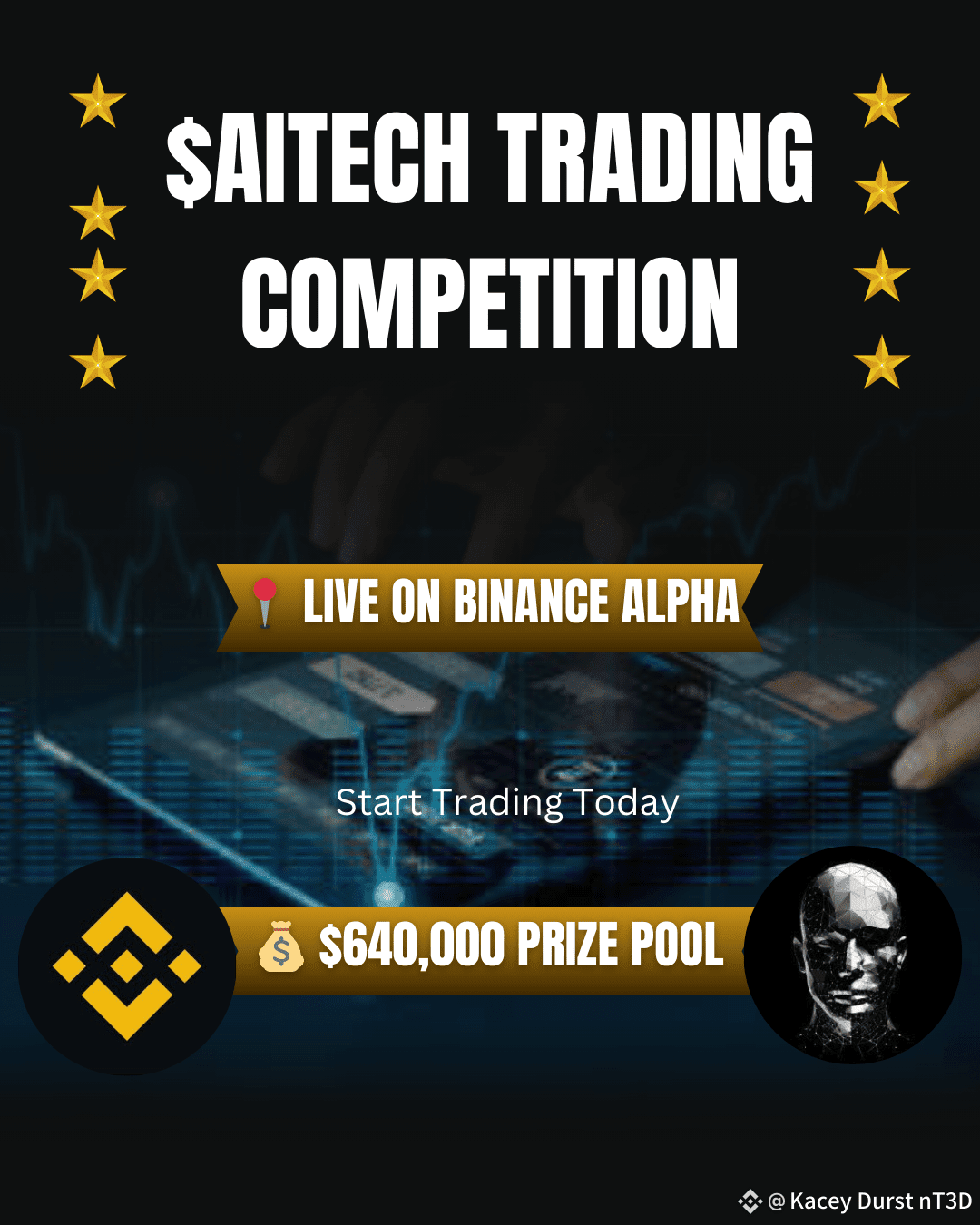
Solidus Ai Tech Trading Competitionは現在、Binance AlphaでLIVEで開催中で、報酬は640,000米ドルの賞金プールをかけた別のレベルに達しています 🚀
これは単なる取引ではありません。AIとブロックチェーンの未来のために実際のインフラを構築してきたプロジェクトに参加することです。AIマーケットプレイスでは40万回以上のインタラクションがあり、エージェントフォージでは5,000人以上のクリエイターがAIエージェントを構築しており、強力なコンピュートマーケットプレイスはGPUアクセスを簡素化しています。Solidus AI Techは次の時代の分散型インテリジェンスの舞台を整えています。
Circle(USDC)、SambaNova、NVIDIA Inceptionプログラムとのパートナーシップは、このプロジェクトがエンタープライズAIとWeb3をどのように結びつけているかを示しています。デフレトークンモデル、定期的なエコシステムバーン、ステーキング報酬、小売向けの機能により、$AITECH は単なる盛り上がり以上のものです。これは実際のユーティリティの実行です。
💡 このプロモーション中のBinance Alphaでのすべての取引は、参加者に独占的なトークン報酬を共有するチャンスを与えます。
👉 あなたは飛び込むつもりですか
👉 640kのシェアで何をしますか
革新を祝福し、賢く取引し、$AITECH がコミュニティを前進させる方法を見守りましょう。 @AITECH
🎉 Binance Alphaは$AITECHで大きな成果を上げています!
Solidus Ai Tech Trading Competitionは現在、Binance AlphaでLIVEで開催中で、報酬は640,000米ドルの賞金プールをかけた別のレベルに達しています 🚀
これは単なる取引ではありません。AIとブロックチェーンの未来のために実際のインフラを構築してきたプロジェクトに参加することです。AIマーケットプレイスでは40万回以上のインタラクションがあり、エージェントフォージでは5,000人以上のクリエイターがAIエージェントを構築しており、強力なコンピュートマーケットプレイスはGPUアクセスを簡素化しています。Solidus AI Techは次の時代の分散型インテリジェンスの舞台を整えています。
Circle(USDC)、SambaNova、NVIDIA Inceptionプログラムとのパートナーシップは、このプロジェクトがエンタープライズAIとWeb3をどのように結びつけているかを示しています。デフレトークンモデル、定期的なエコシステムバーン、ステーキング報酬、小売向けの機能により、$AITECH は単なる盛り上がり以上のものです。これは実際のユーティリティの実行です。
💡 このプロモーション中のBinance Alphaでのすべての取引は、参加者に独占的なトークン報酬を共有するチャンスを与えます。
👉 あなたは飛び込むつもりですか
👉 640kのシェアで何をしますか
革新を祝福し、賢く取引し、$AITECH がコミュニティを前進させる方法を見守りましょう。 @AITECH
Solidus Ai Tech Trading Competitionは現在、Binance AlphaでLIVEで開催中で、報酬は640,000米ドルの賞金プールをかけた別のレベルに達しています 🚀
これは単なる取引ではありません。AIとブロックチェーンの未来のために実際のインフラを構築してきたプロジェクトに参加することです。AIマーケットプレイスでは40万回以上のインタラクションがあり、エージェントフォージでは5,000人以上のクリエイターがAIエージェントを構築しており、強力なコンピュートマーケットプレイスはGPUアクセスを簡素化しています。Solidus AI Techは次の時代の分散型インテリジェンスの舞台を整えています。
Circle(USDC)、SambaNova、NVIDIA Inceptionプログラムとのパートナーシップは、このプロジェクトがエンタープライズAIとWeb3をどのように結びつけているかを示しています。デフレトークンモデル、定期的なエコシステムバーン、ステーキング報酬、小売向けの機能により、$AITECH は単なる盛り上がり以上のものです。これは実際のユーティリティの実行です。
💡 このプロモーション中のBinance Alphaでのすべての取引は、参加者に独占的なトークン報酬を共有するチャンスを与えます。
👉 あなたは飛び込むつもりですか
👉 640kのシェアで何をしますか
革新を祝福し、賢く取引し、$AITECH がコミュニティを前進させる方法を見守りましょう。 @AITECH
2
258
·
--
🔥 バーンを分解する:$AITECHがスマートなエコシステムをどのように支えるかWeb3では、持続可能性は単なるハイプではなく、デザインに関することです。 $AITECH はそれを偶然には任せません。その動的な焼却と獲得のモデルは、すべてのインタラクションとともにエコシステムがより強く成長することを保証します。
🔥 バーンエンジン:希少性 + 持続可能性
ユーザーがエージェントを展開したり、AIコンピュートを使用したり、オンチェーンでやり取りしたりするたびに、トークンの一部が永遠に焼却されます。つまり:
🔻 時間が経つにつれて供給が減少する = 希少性が増す
🚫 インフレ圧力はありません
この焼却メカニズムは、長期的な価値を創造し、トークン経済をクリーンで効率的、かつデフレ的に保つのに役立ちます。
🔥 バーンを分解する:$AITECHがスマートなエコシステムをどのように支えるか
Web3では、持続可能性は単なるハイプではなく、デザインに関することです。 $AITECH はそれを偶然には任せません。その動的な焼却と獲得のモデルは、すべてのインタラクションとともにエコシステムがより強く成長することを保証します。
🔥 バーンエンジン:希少性 + 持続可能性
ユーザーがエージェントを展開したり、AIコンピュートを使用したり、オンチェーンでやり取りしたりするたびに、トークンの一部が永遠に焼却されます。つまり:
🔻 時間が経つにつれて供給が減少する = 希少性が増す
🚫 インフレ圧力はありません
この焼却メカニズムは、長期的な価値を創造し、トークン経済をクリーンで効率的、かつデフレ的に保つのに役立ちます。
🔥 バーンエンジン:希少性 + 持続可能性
ユーザーがエージェントを展開したり、AIコンピュートを使用したり、オンチェーンでやり取りしたりするたびに、トークンの一部が永遠に焼却されます。つまり:
🔻 時間が経つにつれて供給が減少する = 希少性が増す
🚫 インフレ圧力はありません
この焼却メカニズムは、長期的な価値を創造し、トークン経済をクリーンで効率的、かつデフレ的に保つのに役立ちます。
1
158
·
--
AIは帯域幅を必要とします — $AITECHはSolanaでそれを見つけます。Web3におけるAIの未来は単に頭脳を必要とするだけでなく、帯域幅も必要です。
そしてそれがまさに$AITECH がSolanaにブリッジすることで得ているものです。
これはルーチン拡張ではありません。速度、規模、戦略のアップグレードです — Solidus AI TechにチェーンネイティブなペースでAIワークロードを実行するための火力を提供します。
🧠 スマートなものは速さを必要とします
AIエージェント。クラウドインフラ。オンチェーン実行。
これは軽量なタスクではありません — 使用が急増しても壊れない即時低コストのトランザクションが必要です。Ethereum L2は助けになりましたが、Solanaはより強力なものをもたらします:
AIは帯域幅を必要とします — $AITECHはSolanaでそれを見つけます。
Web3におけるAIの未来は単に頭脳を必要とするだけでなく、帯域幅も必要です。
そしてそれがまさに$AITECH がSolanaにブリッジすることで得ているものです。
これはルーチン拡張ではありません。速度、規模、戦略のアップグレードです — Solidus AI TechにチェーンネイティブなペースでAIワークロードを実行するための火力を提供します。
🧠 スマートなものは速さを必要とします
AIエージェント。クラウドインフラ。オンチェーン実行。
これは軽量なタスクではありません — 使用が急増しても壊れない即時低コストのトランザクションが必要です。Ethereum L2は助けになりましたが、Solanaはより強力なものをもたらします:
そしてそれがまさに$AITECH がSolanaにブリッジすることで得ているものです。
これはルーチン拡張ではありません。速度、規模、戦略のアップグレードです — Solidus AI TechにチェーンネイティブなペースでAIワークロードを実行するための火力を提供します。
🧠 スマートなものは速さを必要とします
AIエージェント。クラウドインフラ。オンチェーン実行。
これは軽量なタスクではありません — 使用が急増しても壊れない即時低コストのトランザクションが必要です。Ethereum L2は助けになりましたが、Solanaはより強力なものをもたらします:
1
151
·
--
なぜSolidus AI TechはAIデモを構築していないのか—持続可能なAIを構築しているのか
光沢のあるプロトタイプや短命のAI実験が溢れる空間で、Solidus AI Techは根本的に異なることをしている—持続可能なAIインフラを構築している。
💡 SolidusのWeb3対応HPCデータセンターの最近の立ち上げは、単なるマイルストーンではなく—グローバルなAIコンピューティングにとって基盤的な飛躍です。このセンターは24時間年中無休で運営され、エンタープライズグレードのワークロードをサポートし、AIで実際に構築する開発者、研究者、組織にスケーラブルなパフォーマンスを提供します。
🧠 この変化がなぜそんなに重要なのか?
なぜなら、現実のAIはスライドショーや概念実証のデモには存在しないからです。それは継続的なトレーニング、大規模な推論パイプライン、リアルタイムのデプロイメントの中に存在します。それには単に計算力だけではなく—耐久性のある計算インフラが必要です。信頼性が高く。アクセス可能で。常に稼働している。
🔗 そしてそれがまさにSolidusが提供しているものです—特に、まもなく立ち上がるコンピュートマーケットプレイスによって、ブロックチェーンの透明性と効率性によって高性能AIコンピュートへのアクセスを民主化します。
あなたがAIスタートアップであろうと、独立した開発者であろうと、データ重視の企業であろうと—Solidusはデモ主導のプラットフォームが提供できないものを提供します:安定性、スケール、そして速度。
🖥️ 実際のAIインフラがどのようなものか探ってみてください:
👉 https://aitech.io/compute-marketplace/
$AITECH
なぜSolidus AI TechはAIデモを構築していないのか—持続可能なAIを構築しているのか
光沢のあるプロトタイプや短命のAI実験が溢れる空間で、Solidus AI Techは根本的に異なることをしている—持続可能なAIインフラを構築している。
💡 SolidusのWeb3対応HPCデータセンターの最近の立ち上げは、単なるマイルストーンではなく—グローバルなAIコンピューティングにとって基盤的な飛躍です。このセンターは24時間年中無休で運営され、エンタープライズグレードのワークロードをサポートし、AIで実際に構築する開発者、研究者、組織にスケーラブルなパフォーマンスを提供します。
🧠 この変化がなぜそんなに重要なのか?
なぜなら、現実のAIはスライドショーや概念実証のデモには存在しないからです。それは継続的なトレーニング、大規模な推論パイプライン、リアルタイムのデプロイメントの中に存在します。それには単に計算力だけではなく—耐久性のある計算インフラが必要です。信頼性が高く。アクセス可能で。常に稼働している。
🔗 そしてそれがまさにSolidusが提供しているものです—特に、まもなく立ち上がるコンピュートマーケットプレイスによって、ブロックチェーンの透明性と効率性によって高性能AIコンピュートへのアクセスを民主化します。
あなたがAIスタートアップであろうと、独立した開発者であろうと、データ重視の企業であろうと—Solidusはデモ主導のプラットフォームが提供できないものを提供します:安定性、スケール、そして速度。
🖥️ 実際のAIインフラがどのようなものか探ってみてください:
👉 https://aitech.io/compute-marketplace/
$AITECH
光沢のあるプロトタイプや短命のAI実験が溢れる空間で、Solidus AI Techは根本的に異なることをしている—持続可能なAIインフラを構築している。
💡 SolidusのWeb3対応HPCデータセンターの最近の立ち上げは、単なるマイルストーンではなく—グローバルなAIコンピューティングにとって基盤的な飛躍です。このセンターは24時間年中無休で運営され、エンタープライズグレードのワークロードをサポートし、AIで実際に構築する開発者、研究者、組織にスケーラブルなパフォーマンスを提供します。
🧠 この変化がなぜそんなに重要なのか?
なぜなら、現実のAIはスライドショーや概念実証のデモには存在しないからです。それは継続的なトレーニング、大規模な推論パイプライン、リアルタイムのデプロイメントの中に存在します。それには単に計算力だけではなく—耐久性のある計算インフラが必要です。信頼性が高く。アクセス可能で。常に稼働している。
🔗 そしてそれがまさにSolidusが提供しているものです—特に、まもなく立ち上がるコンピュートマーケットプレイスによって、ブロックチェーンの透明性と効率性によって高性能AIコンピュートへのアクセスを民主化します。
あなたがAIスタートアップであろうと、独立した開発者であろうと、データ重視の企業であろうと—Solidusはデモ主導のプラットフォームが提供できないものを提供します:安定性、スケール、そして速度。
🖥️ 実際のAIインフラがどのようなものか探ってみてください:
👉 https://aitech.io/compute-marketplace/
$AITECH
1
21
·
--
エンタープライズグレードの統合。グローバル規模の可能性。💼🌍
Fireblocksを使用して — $10兆以上の取引と3億以上のウォレットが保護されたプラットフォーム — 現在、$AITECHと統合され、#Solidus AI Techは機関準備が整ったインフラのリーグに参入しました。
これは単なるマイルストーンではありません — AI x ブロックチェーンの可能性が変わる瞬間です。
🔐 鉄壁のセキュリティ
⚡ シームレスなスケーラビリティ
🏗️ エンタープライズ導入に完全対応
ビルダー、機関、先見の明のある投資家は、次のAIイノベーションの波を発表するための強力でコンプライアンスに準拠した安全な基盤を持つことになりました。
👉 $AITECHはインフラ準備が整っています。
未来は構築の準備が整っています。
#AITECH
エンタープライズグレードの統合。グローバル規模の可能性。💼🌍
Fireblocksを使用して — $10兆以上の取引と3億以上のウォレットが保護されたプラットフォーム — 現在、$AITECHと統合され、#Solidus AI Techは機関準備が整ったインフラのリーグに参入しました。
これは単なるマイルストーンではありません — AI x ブロックチェーンの可能性が変わる瞬間です。
🔐 鉄壁のセキュリティ
⚡ シームレスなスケーラビリティ
🏗️ エンタープライズ導入に完全対応
ビルダー、機関、先見の明のある投資家は、次のAIイノベーションの波を発表するための強力でコンプライアンスに準拠した安全な基盤を持つことになりました。
👉 $AITECHはインフラ準備が整っています。
未来は構築の準備が整っています。
#AITECH
Fireblocksを使用して — $10兆以上の取引と3億以上のウォレットが保護されたプラットフォーム — 現在、$AITECHと統合され、#Solidus AI Techは機関準備が整ったインフラのリーグに参入しました。
これは単なるマイルストーンではありません — AI x ブロックチェーンの可能性が変わる瞬間です。
🔐 鉄壁のセキュリティ
⚡ シームレスなスケーラビリティ
🏗️ エンタープライズ導入に完全対応
ビルダー、機関、先見の明のある投資家は、次のAIイノベーションの波を発表するための強力でコンプライアンスに準拠した安全な基盤を持つことになりました。
👉 $AITECHはインフラ準備が整っています。
未来は構築の準備が整っています。
#AITECH
1
164
·
--
🔥 ソラナブリッジ LIVE — $AITECH が AI のリーチをチェーン全体に拡大
ソリダス AI テックは正式にソラナにブリッジを開設し、ゲームの中で最も速く、スケーラブルなチェーンの1つに AI パフォーマンスをもたらしました。 ⚡
これにより、以下が実現します:
✅ 高速 AI トランザクション
✅ 開発者のコスト削減
✅ ソラナの活気あるエコシステムへのアクセス
🧩 しかし、これは一度限りのことではありません。これは長期的なクロスチェーンのロードマップにおける一歩です。
次は?
🔗 Chainlink CCIP — チェーン間のシームレスな相互運用性を可能にし、ネットワーク全体での安全な AI データフローを確保します。
🧠 ミッション:
エンタープライズ利用、現実世界の自動化、スマートコントラクトを支えるマルチチェーン AI インフラを構築すること — どの単一のチェーンにもロックされることなく。
なぜ重要なのか:
✅ 制度的なグレードのコンピュート
✅ 分散型デプロイメント
✅ Web3、AI エージェント & dApps にとっての実際のユーティリティ
📣 開発者、企業、ビルダーの皆さん — これは AI ネイティブなクロスチェーンの未来の始まりです。 #AITECH はエンジンです。 #Solidus は動きです。
🔥 ソラナブリッジ LIVE — $AITECH が AI のリーチをチェーン全体に拡大
ソリダス AI テックは正式にソラナにブリッジを開設し、ゲームの中で最も速く、スケーラブルなチェーンの1つに AI パフォーマンスをもたらしました。 ⚡
これにより、以下が実現します:
✅ 高速 AI トランザクション
✅ 開発者のコスト削減
✅ ソラナの活気あるエコシステムへのアクセス
🧩 しかし、これは一度限りのことではありません。これは長期的なクロスチェーンのロードマップにおける一歩です。
次は?
🔗 Chainlink CCIP — チェーン間のシームレスな相互運用性を可能にし、ネットワーク全体での安全な AI データフローを確保します。
🧠 ミッション:
エンタープライズ利用、現実世界の自動化、スマートコントラクトを支えるマルチチェーン AI インフラを構築すること — どの単一のチェーンにもロックされることなく。
なぜ重要なのか:
✅ 制度的なグレードのコンピュート
✅ 分散型デプロイメント
✅ Web3、AI エージェント & dApps にとっての実際のユーティリティ
📣 開発者、企業、ビルダーの皆さん — これは AI ネイティブなクロスチェーンの未来の始まりです。 #AITECH はエンジンです。 #Solidus は動きです。
ソリダス AI テックは正式にソラナにブリッジを開設し、ゲームの中で最も速く、スケーラブルなチェーンの1つに AI パフォーマンスをもたらしました。 ⚡
これにより、以下が実現します:
✅ 高速 AI トランザクション
✅ 開発者のコスト削減
✅ ソラナの活気あるエコシステムへのアクセス
🧩 しかし、これは一度限りのことではありません。これは長期的なクロスチェーンのロードマップにおける一歩です。
次は?
🔗 Chainlink CCIP — チェーン間のシームレスな相互運用性を可能にし、ネットワーク全体での安全な AI データフローを確保します。
🧠 ミッション:
エンタープライズ利用、現実世界の自動化、スマートコントラクトを支えるマルチチェーン AI インフラを構築すること — どの単一のチェーンにもロックされることなく。
なぜ重要なのか:
✅ 制度的なグレードのコンピュート
✅ 分散型デプロイメント
✅ Web3、AI エージェント & dApps にとっての実際のユーティリティ
📣 開発者、企業、ビルダーの皆さん — これは AI ネイティブなクロスチェーンの未来の始まりです。 #AITECH はエンジンです。 #Solidus は動きです。
8
233
·
--
📢 $AITECHが主要な米国取引所に上場予定
Solidus Ai Techは、世界的なプレゼンスを拡大しています。
$AITECHは、米国に拠点を置く最大級のデジタル資産取引所の1つでまもなく利用可能になります。提供内容は次のとおりです:
1,000万人以上のユーザーへのアクセス
400億ドル以上の取引量$
150以上の国での可視性
この上場は、$AITECHの広範な採用、流動性の向上、規制市場での認知度向上に向けた重要なステップです。
取引所の名称は近日中に発表されます。AITECHioからの公式なアップデートをお楽しみに。
📢 $AITECHが主要な米国取引所に上場予定
Solidus Ai Techは、世界的なプレゼンスを拡大しています。
$AITECHは、米国に拠点を置く最大級のデジタル資産取引所の1つでまもなく利用可能になります。提供内容は次のとおりです:
1,000万人以上のユーザーへのアクセス
400億ドル以上の取引量$
150以上の国での可視性
この上場は、$AITECHの広範な採用、流動性の向上、規制市場での認知度向上に向けた重要なステップです。
取引所の名称は近日中に発表されます。AITECHioからの公式なアップデートをお楽しみに。
Solidus Ai Techは、世界的なプレゼンスを拡大しています。
$AITECHは、米国に拠点を置く最大級のデジタル資産取引所の1つでまもなく利用可能になります。提供内容は次のとおりです:
1,000万人以上のユーザーへのアクセス
400億ドル以上の取引量$
150以上の国での可視性
この上場は、$AITECHの広範な採用、流動性の向上、規制市場での認知度向上に向けた重要なステップです。
取引所の名称は近日中に発表されます。AITECHioからの公式なアップデートをお楽しみに。
10
16
·
--
🚨 AITECH x Fetch.ai パートナーシップが始動!
二つのAIの巨頭が力を合わせました。
@AITECHioが@Fetch_aiのASI-One LLMモデルを直接エージェントフォージマーケットプレイスに統合しました。
これが意味すること:
⚙️ よりスマートなAIエージェント
💡 より迅速なデプロイメント
🔗 現実世界のLLMユーティリティがオンチェーンに
このシナジーは、エコシステム全体のビルダーに強力な#Web3 AIツールを提供します。
AIマーケットプレイスを探索 👉 https://ai.aitech.io/products/foundation-ai-models/276/asi1-mini
#AITECH #FetchAI #LLM #CryptoNews $AITECH
🚨 AITECH x Fetch.ai パートナーシップが始動!
二つのAIの巨頭が力を合わせました。
@AITECHioが@Fetch_aiのASI-One LLMモデルを直接エージェントフォージマーケットプレイスに統合しました。
これが意味すること:
⚙️ よりスマートなAIエージェント
💡 より迅速なデプロイメント
🔗 現実世界のLLMユーティリティがオンチェーンに
このシナジーは、エコシステム全体のビルダーに強力な#Web3 AIツールを提供します。
AIマーケットプレイスを探索 👉 https://ai.aitech.io/products/foundation-ai-models/276/asi1-mini
#AITECH #FetchAI #LLM #CryptoNews $AITECH
二つのAIの巨頭が力を合わせました。
@AITECHioが@Fetch_aiのASI-One LLMモデルを直接エージェントフォージマーケットプレイスに統合しました。
これが意味すること:
⚙️ よりスマートなAIエージェント
💡 より迅速なデプロイメント
🔗 現実世界のLLMユーティリティがオンチェーンに
このシナジーは、エコシステム全体のビルダーに強力な#Web3 AIツールを提供します。
AIマーケットプレイスを探索 👉 https://ai.aitech.io/products/foundation-ai-models/276/asi1-mini
#AITECH #FetchAI #LLM #CryptoNews $AITECH
8
19
ログインして、さらにコンテンツを読む
厳選トピックで世界の暗号資産トレーダーの仲間入り
⚡️ 暗号資産に関する最新かつ有益な情報が見つかります。
💬 世界最大の暗号資産取引所から信頼されています。
👍 認証を受けたクリエイターから、有益なインサイトを得られます。
メール / 電話番号
トレンドトピック
SaylorHintsStrategyBitcoinBuy
閲覧回数 2.2M
12,192人が討論中
#saylorhintsstrategybitcoinbuy
🚨 サイヤーが日曜の $BTC ヒントを投下 👀
マイケル・セイラーがいつものビットコインチャートをまたリポストしました。
もし歴史が繰り返されるなら、あのオレンジの点が別の Strategy BTC の購入が近いことを示しているかもしれません。 🟠
そしてセイラーが買うと、市場は注目します。
🐋 巨大なBTC保有
💰 継続的な蓄積戦略
📈 短期的なセンチメントの押し上げの可能性
ただし重要なのはここ:
リポストは 購入の確証ではありません。
本当のシグナルは、Strategy が公式に取引を報告したときに出ます。
🔥 もし別の大規模なBTC買いが発表されれば、今度は市場は反応するでしょうか?
それとも、セイラーの蓄積があまりに日常化していて、トレーダーがほとんど反応しなくなってきているのでしょうか?
👀 発表を見守りましょう。
$MSTRB
#BTC #strategy #crypto #BitcoinNews
sdatta
·いいね:5件
·閲覧回数 5.1k
BOJRaisesRatesTo31YearHigh
閲覧回数 228,439
3,146人が討論中
BuffettStepsDownAsBerkshireChairman
閲覧回数 109,982
1,676人が討論中