
Lady Rose 1
100 投稿

Lady Rose 1
報告
ユーザーをブロック
Crypto trader & Web3 content creator Kol
0 フォロー
2 フォロワー
1 いいね
投稿
·
--
翻訳参照
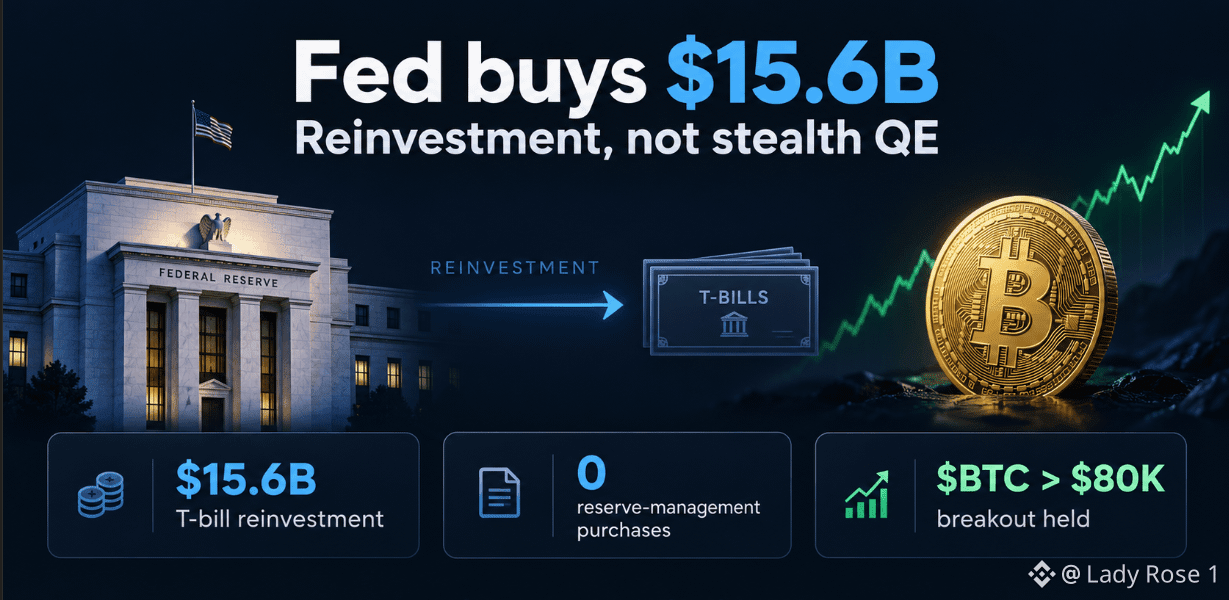
$BTC ripped after the Fed move, but I don’t think the $15.6B headline tells the full story. The New York Fed is buying around $15.6B of T-bills through scheduled reinvestment from Sept. 15 to Oct. 14. Reserve-management purchases are still at zero. So this is more about recycling principal from maturing agency securities into short-term Treasuries. The balance sheet stays roughly stable, which makes this very different from classic QE. The timing matters too. The Fed raised rates by 25 bp to 3.75%–4.00% in the same week, while $BTC moved from the mid-$75K area to above $80K shortly after. For me, the stronger drivers were probably the short squeeze, improving risk appetite, fresh spot ETF inflows, and traders buying once the Fed event was out of the way. The $15.6B reinvestment still helps the liquidity narrative, but it feels more like a supporting factor than the main reason for the breakout. I’m watching for sustained Fed balance-sheet growth or a restart in reserve-management purchases. That would be a much bigger signal for $BTC .
$BTC ripped after the Fed move, but I don’t think the $15.6B headline tells the full story. The New York Fed is buying around $15.6B of T-bills through scheduled reinvestment from Sept. 15 to Oct. 14. Reserve-management purchases are still at zero. So this is more about recycling principal from maturing agency securities into short-term Treasuries. The balance sheet stays roughly stable, which makes this very different from classic QE. The timing matters too. The Fed raised rates by 25 bp to 3.75%–4.00% in the same week, while $BTC moved from the mid-$75K area to above $80K shortly after. For me, the stronger drivers were probably the short squeeze, improving risk appetite, fresh spot ETF inflows, and traders buying once the Fed event was out of the way. The $15.6B reinvestment still helps the liquidity narrative, but it feels more like a supporting factor than the main reason for the breakout. I’m watching for sustained Fed balance-sheet growth or a restart in reserve-management purchases. That would be a much bigger signal for $BTC .
·
--
翻訳参照
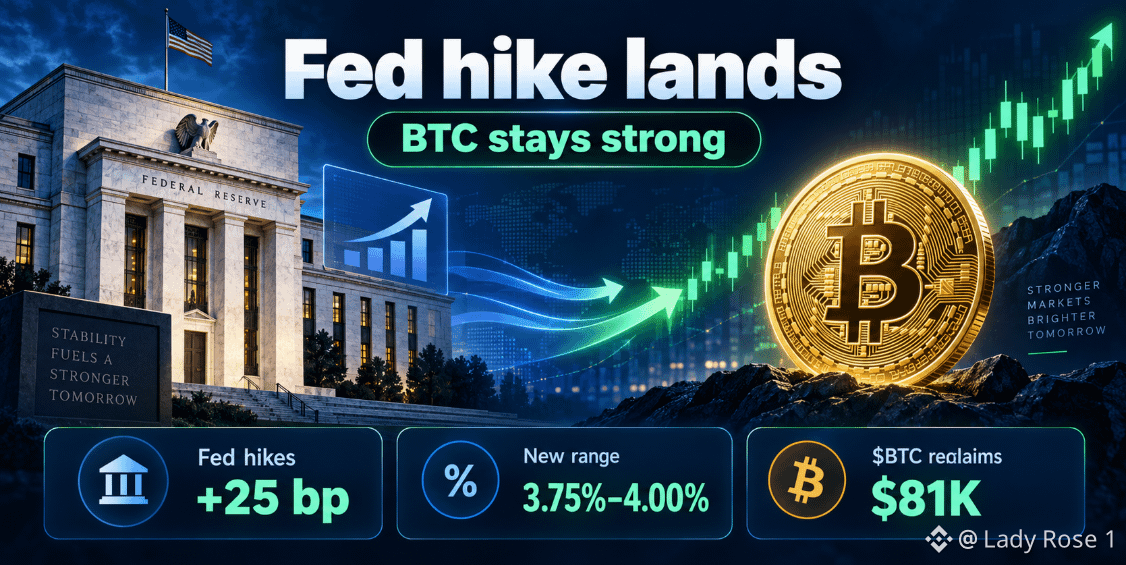
$BTC gave us a pretty clear reaction to the Fed’s first rate hike in three years. On Sept. 16, the Fed raised rates by 25 bp to 3.75%–4.00%. Markets had already priced the move heavily, with CME FedWatch showing roughly a 92% probability ahead of the decision. That made the surprise-hold scenario much more interesting. If the Fed had paused while traders were positioned for a hike, markets would have received a dovish surprise. Easier financial conditions, lower real yields and a softer dollar usually create a supportive environment for high-beta assets like crypto. The actual hike also showed how much of the tightening was already priced. $BTC traded around the mid-$75K area near the decision, absorbed the first wave of volatility, then recovered above $80K over the following sessions. That looks like a classic event-risk reset. Traders got the decision, repositioned, and risk appetite returned quickly. The bigger signal came from the Fed’s forward guidance. The updated projections kept another hike in play, so the market now has a clearer path to price through the rest of the year. For me, the key takeaway is simple: A priced-in hike created manageable volatility. A surprise hold would likely have delivered a stronger relief move across crypto. The next major test for $BTC is whether the current rate path stays intact while liquidity and risk appetite keep improving.
$BTC gave us a pretty clear reaction to the Fed’s first rate hike in three years. On Sept. 16, the Fed raised rates by 25 bp to 3.75%–4.00%. Markets had already priced the move heavily, with CME FedWatch showing roughly a 92% probability ahead of the decision. That made the surprise-hold scenario much more interesting. If the Fed had paused while traders were positioned for a hike, markets would have received a dovish surprise. Easier financial conditions, lower real yields and a softer dollar usually create a supportive environment for high-beta assets like crypto. The actual hike also showed how much of the tightening was already priced. $BTC traded around the mid-$75K area near the decision, absorbed the first wave of volatility, then recovered above $80K over the following sessions. That looks like a classic event-risk reset. Traders got the decision, repositioned, and risk appetite returned quickly. The bigger signal came from the Fed’s forward guidance. The updated projections kept another hike in play, so the market now has a clearer path to price through the rest of the year. For me, the key takeaway is simple: A priced-in hike created manageable volatility. A surprise hold would likely have delivered a stronger relief move across crypto. The next major test for $BTC is whether the current rate path stays intact while liquidity and risk appetite keep improving.
45
·
--
翻訳参照
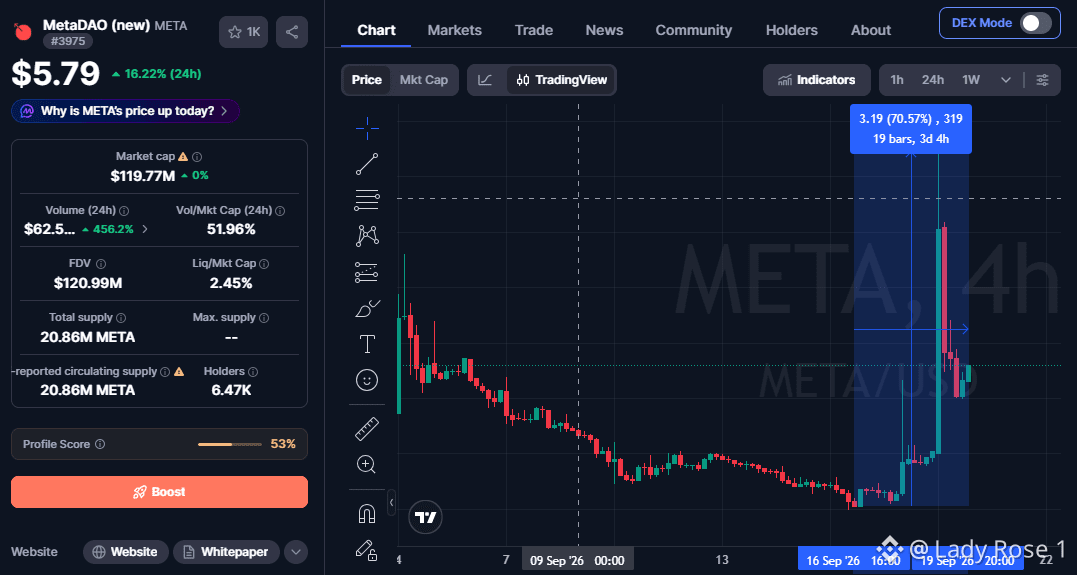
$META is up around 16% today, but the move becomes much more interesting when you look at the volume behind it. MetaDAO is trading near $5.79 with a market cap around $120M, while 24H volume has climbed above $60M, up more than 450%. That puts daily volume at roughly half of its market cap and shows how much fresh activity entered the market. The broader crypto rebound helped start the move. $BTC recovered toward the $80K–$81K area, risk appetite returned, and smaller high-beta alts started moving faster. $META fits that environment well as a smaller Solana ecosystem asset with an infrastructure and fundraising narrative. Then volume became the main short-term driver. META previously traded with much lighter daily activity. Moving into the $47M–$62M volume range created much stronger buying pressure in a market with relatively thin liquidity. That helps explain the sharp 4H candles and the roughly 70% move from the Sept. 16 local low. MetaDAO also received fresh product exposure through Sanctum’s futarchy vote. Sanctum used MetaDAO’s decision-market infrastructure for a major CLOUD proposal, giving traders a live example of the protocol being used by an established Solana project. The broader MetaDAO story is gaining attention too. Futarchy, on-chain fundraising and structured token launches are becoming stronger narratives as capital rotates back into higher-risk assets. So I see four forces behind this $META move: market recovery, massive volume expansion, Sanctum visibility and renewed interest in MetaDAO’s product. I’m watching whether volume stays elevated and whether buyers can hold the breakout zone after this first wave of momentum.
$META is up around 16% today, but the move becomes much more interesting when you look at the volume behind it. MetaDAO is trading near $5.79 with a market cap around $120M, while 24H volume has climbed above $60M, up more than 450%. That puts daily volume at roughly half of its market cap and shows how much fresh activity entered the market. The broader crypto rebound helped start the move. $BTC recovered toward the $80K–$81K area, risk appetite returned, and smaller high-beta alts started moving faster. $META fits that environment well as a smaller Solana ecosystem asset with an infrastructure and fundraising narrative. Then volume became the main short-term driver. META previously traded with much lighter daily activity. Moving into the $47M–$62M volume range created much stronger buying pressure in a market with relatively thin liquidity. That helps explain the sharp 4H candles and the roughly 70% move from the Sept. 16 local low. MetaDAO also received fresh product exposure through Sanctum’s futarchy vote. Sanctum used MetaDAO’s decision-market infrastructure for a major CLOUD proposal, giving traders a live example of the protocol being used by an established Solana project. The broader MetaDAO story is gaining attention too. Futarchy, on-chain fundraising and structured token launches are becoming stronger narratives as capital rotates back into higher-risk assets. So I see four forces behind this $META move: market recovery, massive volume expansion, Sanctum visibility and renewed interest in MetaDAO’s product. I’m watching whether volume stays elevated and whether buyers can hold the breakout zone after this first wave of momentum.
47
·
--
翻訳参照
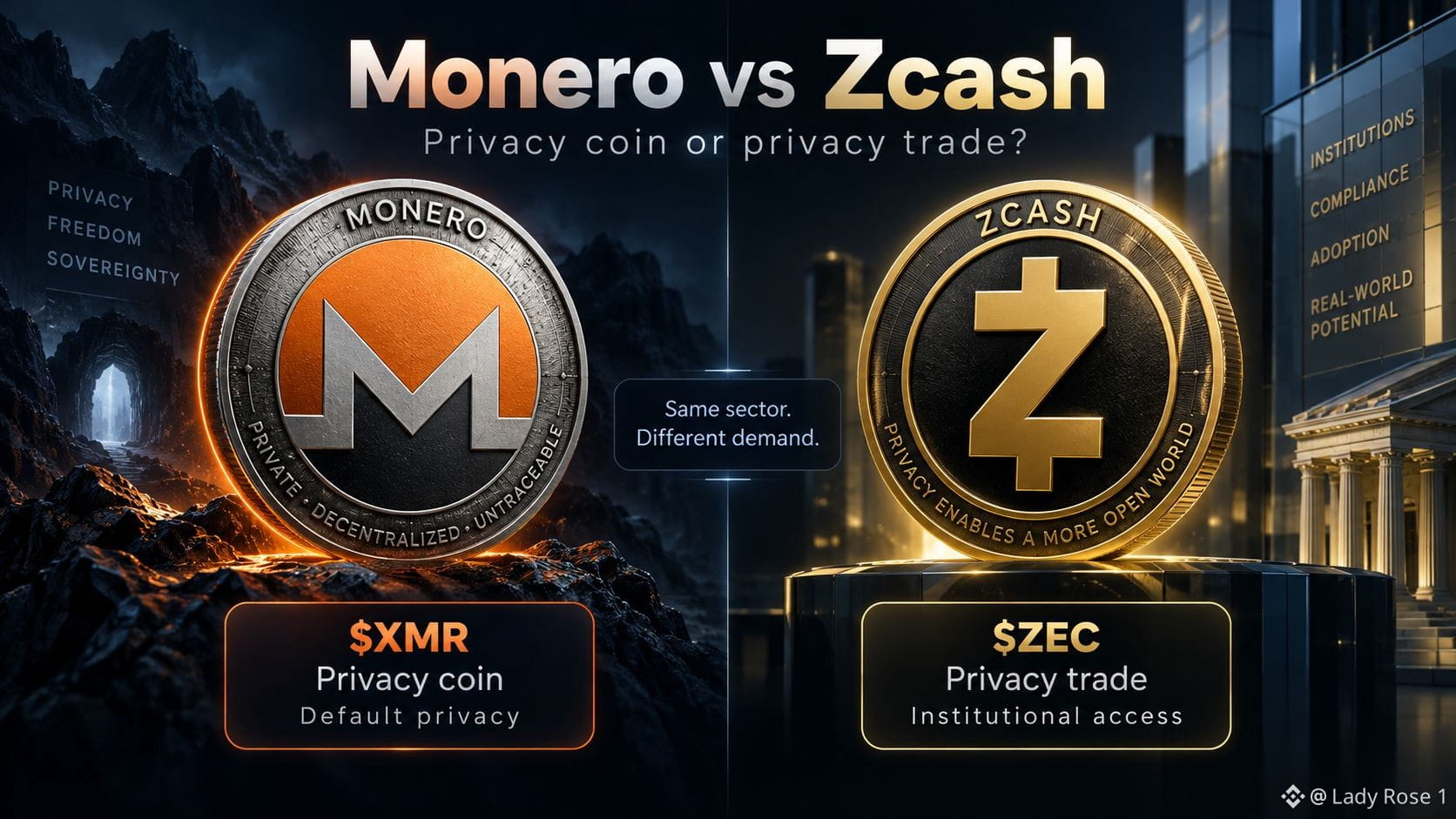
$XMR is the stronger privacy coin. $ZEC is the stronger privacy trade. That distinction explains a lot about the privacy sector in 2026. Monero makes privacy automatic. Every transaction hides the sender, receiver and amount. That gives XMR strong fungibility and makes it the natural choice for users who value private payments as the core product. Zcash takes a more flexible approach. Shielded transactions use zero-knowledge proofs, while transparent addresses and viewing keys make the asset easier to integrate with exchanges, wallets and regulated financial infrastructure. That flexibility gives ZEC a major advantage as a market trade. Zcash has deeper access to regulated liquidity, a 21M max supply, institutional backing, US-listed investment products and growing interest from large crypto investors. Capital can enter the ZEC trade much more easily when the privacy narrative heats up. Monero plays a different role. Its ecosystem leans heavily into P2P markets, swaps and privacy-focused infrastructure, while its user base keeps treating privacy as the main utility. So I see two clear demand profiles: - $XMR represents privacy as money. - $ZEC represents privacy as an investable narrative. That also explains why ZEC can move aggressively when institutional capital rotates into privacy coins, while XMR keeps its position as the stronger default-private payment network.
$XMR is the stronger privacy coin. $ZEC is the stronger privacy trade. That distinction explains a lot about the privacy sector in 2026. Monero makes privacy automatic. Every transaction hides the sender, receiver and amount. That gives XMR strong fungibility and makes it the natural choice for users who value private payments as the core product. Zcash takes a more flexible approach. Shielded transactions use zero-knowledge proofs, while transparent addresses and viewing keys make the asset easier to integrate with exchanges, wallets and regulated financial infrastructure. That flexibility gives ZEC a major advantage as a market trade. Zcash has deeper access to regulated liquidity, a 21M max supply, institutional backing, US-listed investment products and growing interest from large crypto investors. Capital can enter the ZEC trade much more easily when the privacy narrative heats up. Monero plays a different role. Its ecosystem leans heavily into P2P markets, swaps and privacy-focused infrastructure, while its user base keeps treating privacy as the main utility. So I see two clear demand profiles: - $XMR represents privacy as money. - $ZEC represents privacy as an investable narrative. That also explains why ZEC can move aggressively when institutional capital rotates into privacy coins, while XMR keeps its position as the stronger default-private payment network.
11
·
--
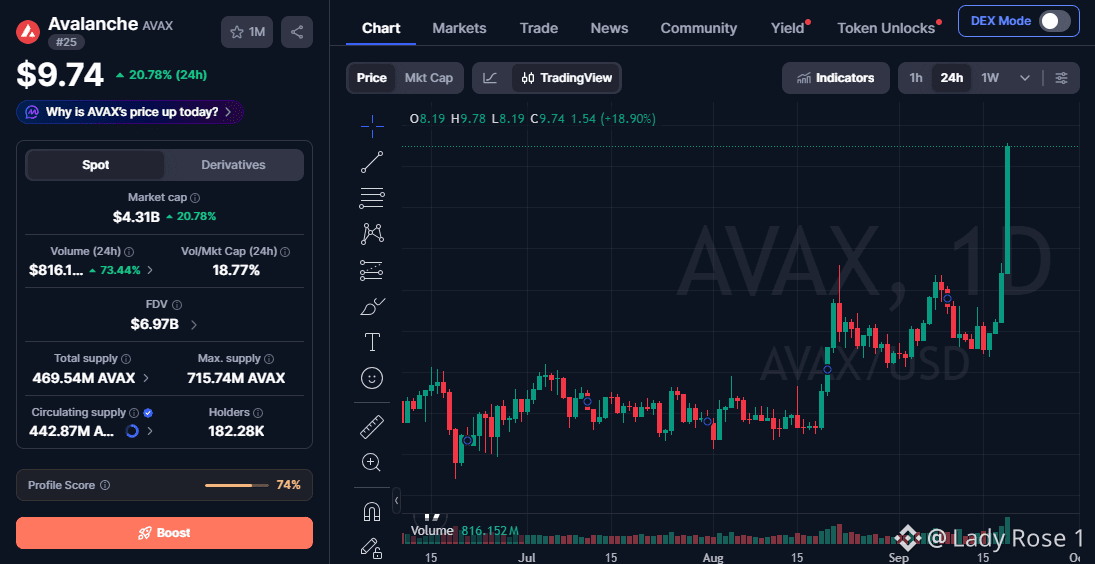
$AVAX は本日、市場で最も強い動きの一つを見せています。アバランチは約 $9.74 で取引されており、過去24時間で 20.78% 上昇しています。また、24時間の出来高は73%超増加しておよそ $816M となっています。チャートでは、直近のレンジを上抜けるクリーンなブレイクアウトが見られ、その後に強い拡大(レンジ拡張)キャンドルが続いています。さらに重要なのは、出来高が価格とともに増加していることで、流動性の低い一時的な急騰よりも、この動きにより大きな重みがあるという点です。$AVAX は最近の9月の高値も押し上げており、現時点では勢いがはっきりと強気側に戻っています。次に注目しているのはシンプルです。これほど急速に動いた後、買い手がこのブレイクアウト領域を維持できるかどうかです。価格が過去のレンジ上で推移しつつ、出来高が健全な状態を保てるなら、トレンドはさらに築き上げられる可能性があります。現時点では、AVAX には勢い、出来高、そして確認されたレンジ突破がすべて揃って連動しています。NFA.
$AVAX は本日、市場で最も強い動きの一つを見せています。アバランチは約 $9.74 で取引されており、過去24時間で 20.78% 上昇しています。また、24時間の出来高は73%超増加しておよそ $816M となっています。チャートでは、直近のレンジを上抜けるクリーンなブレイクアウトが見られ、その後に強い拡大(レンジ拡張)キャンドルが続いています。さらに重要なのは、出来高が価格とともに増加していることで、流動性の低い一時的な急騰よりも、この動きにより大きな重みがあるという点です。$AVAX は最近の9月の高値も押し上げており、現時点では勢いがはっきりと強気側に戻っています。次に注目しているのはシンプルです。これほど急速に動いた後、買い手がこのブレイクアウト領域を維持できるかどうかです。価格が過去のレンジ上で推移しつつ、出来高が健全な状態を保てるなら、トレンドはさらに築き上げられる可能性があります。現時点では、AVAX には勢い、出来高、そして確認されたレンジ突破がすべて揃って連動しています。NFA.
27
·
--
翻訳参照
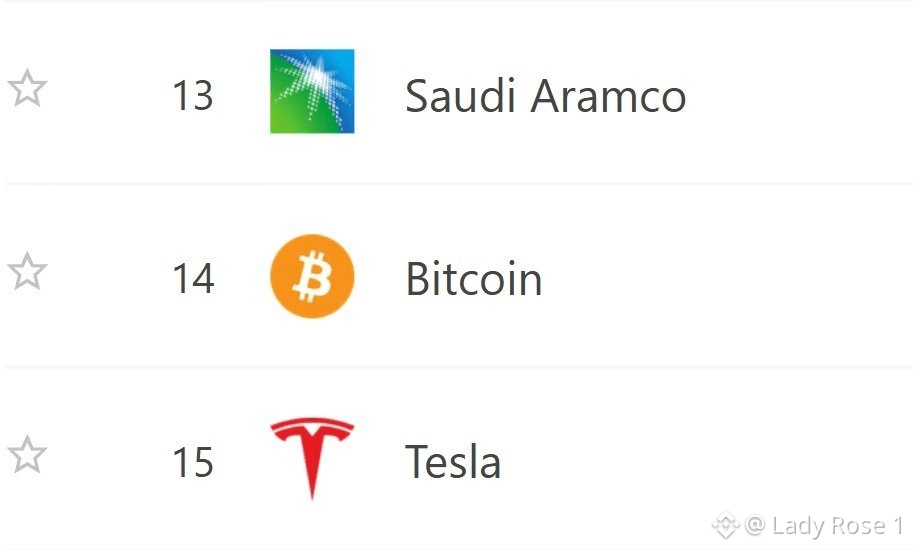
Bitcoin just passed Tesla in market cap. $BTC is now valued at around $1.63 trillion, putting it ahead of Tesla at roughly $1.44 trillion and making Bitcoin the 13th-largest asset in the world by market cap. That puts nearly $190B between the two at the current snapshot. Bitcoin now sits just behind Saudi Aramco at around $1.65T and Meta at around $1.70T. A pretty wild position for an asset that still trades 24/7 and has no company, CEO, earnings report, or traditional balance sheet behind it.
Bitcoin just passed Tesla in market cap. $BTC is now valued at around $1.63 trillion, putting it ahead of Tesla at roughly $1.44 trillion and making Bitcoin the 13th-largest asset in the world by market cap. That puts nearly $190B between the two at the current snapshot. Bitcoin now sits just behind Saudi Aramco at around $1.65T and Meta at around $1.70T. A pretty wild position for an asset that still trades 24/7 and has no company, CEO, earnings report, or traditional balance sheet behind it.
37
·
--
翻訳参照
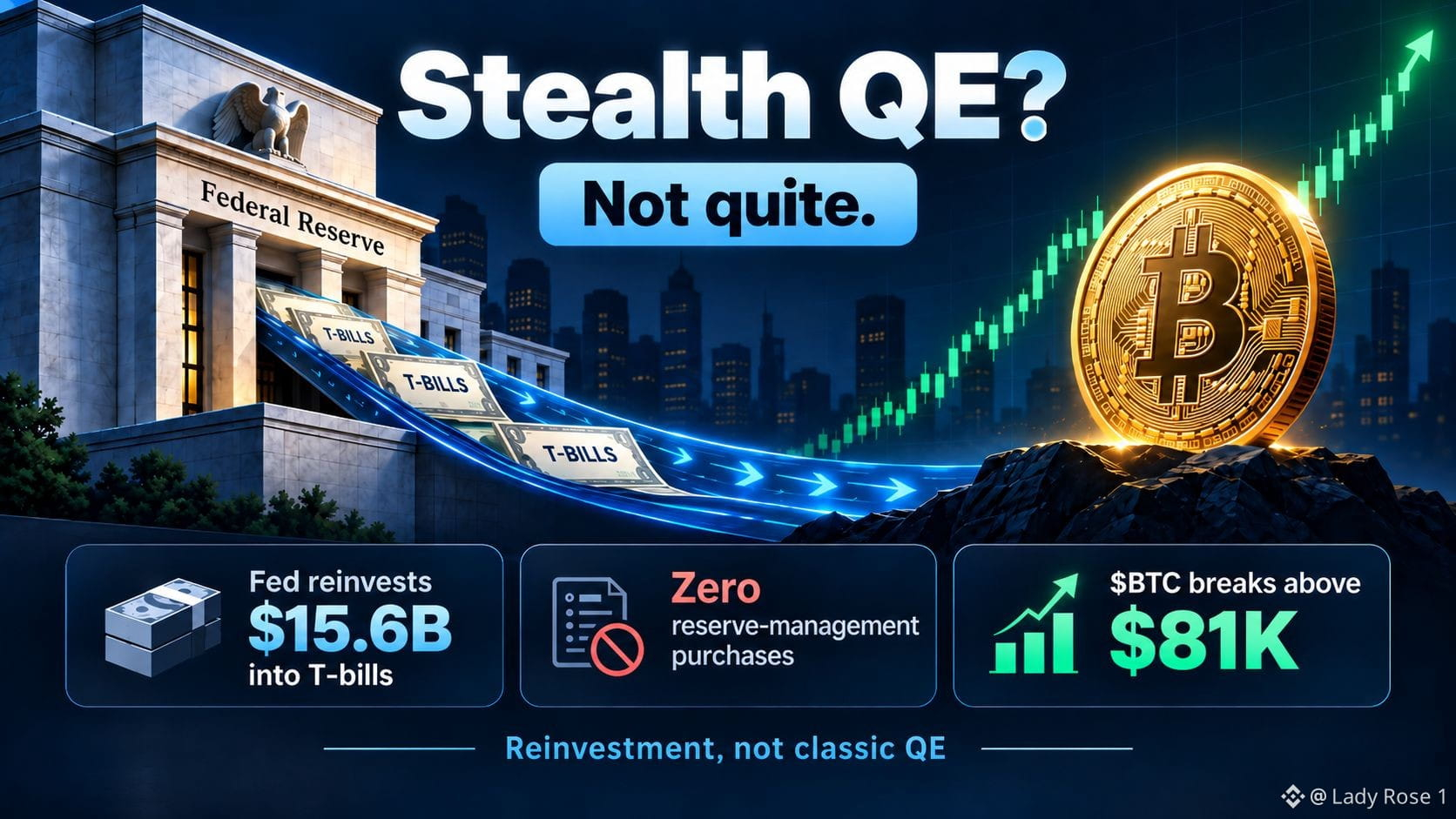
I see this move as scheduled balance-sheet management being turned into a much bigger liquidity narrative by the market. The Fed’s $15.6B is going into T-bills through reinvestment of principal coming from maturing agency debt and MBS. The key detail here is the structure of the operation. The Fed is recycling existing principal into short-term Treasuries, while classic QE usually comes with aggressive balance-sheet expansion and large-scale purchases designed to push financial conditions easier across the market. The timing also matters. $BTC was trading around the $75K–$77K area during the Sept. 16 rate hike and around the first bill operation on Sept. 17. The stronger move came on Sept. 18, when BTC pushed into the low $81K area. So the market reaction looks broader than one Fed operation. Traders already had liquidity, Treasury activity, dollar weakness, positioning and macro expectations in focus. Once headlines started circulating around “Fed bond buying,” that narrative gave bulls another reason to press risk higher. For me, the stronger confirmation would come from sustained Fed balance-sheet growth, a return of reserve-management purchases and a clear rise in system liquidity. Those would carry much more weight than a scheduled $15.6B reinvestment calendar. $BTC can still benefit from the liquidity narrative here, but this breakout looks more like a mix of positioning, sentiment, macro expectations and traders front-running easier financial conditions.
I see this move as scheduled balance-sheet management being turned into a much bigger liquidity narrative by the market. The Fed’s $15.6B is going into T-bills through reinvestment of principal coming from maturing agency debt and MBS. The key detail here is the structure of the operation. The Fed is recycling existing principal into short-term Treasuries, while classic QE usually comes with aggressive balance-sheet expansion and large-scale purchases designed to push financial conditions easier across the market. The timing also matters. $BTC was trading around the $75K–$77K area during the Sept. 16 rate hike and around the first bill operation on Sept. 17. The stronger move came on Sept. 18, when BTC pushed into the low $81K area. So the market reaction looks broader than one Fed operation. Traders already had liquidity, Treasury activity, dollar weakness, positioning and macro expectations in focus. Once headlines started circulating around “Fed bond buying,” that narrative gave bulls another reason to press risk higher. For me, the stronger confirmation would come from sustained Fed balance-sheet growth, a return of reserve-management purchases and a clear rise in system liquidity. Those would carry much more weight than a scheduled $15.6B reinvestment calendar. $BTC can still benefit from the liquidity narrative here, but this breakout looks more like a mix of positioning, sentiment, macro expectations and traders front-running easier financial conditions.
57
·
--
翻訳参照
$BTC is finding its way into another corner of traditional US finance: annuities used for long-term and retirement planning. Equitable has added a Bitcoin-linked investment option to its Structured Capital Strategies Premier product, with returns linked to BlackRock’s iShares Bitcoin Trust ETF, IBIT. According to Equitable, it is the first Bitcoin-linked investment option offered within a Registered Index-Linked Annuity, or RILA. The exposure is indirect. Investors do not own Bitcoin, and Equitable’s product holders do not acquire an interest in IBIT itself. The ETF is used as the reference for the investment option’s performance. This gives investors another way to gain Bitcoin-related exposure through a regulated financial product designed for long-term savings. Bitcoin keeps moving deeper into traditional finance.
$BTC is finding its way into another corner of traditional US finance: annuities used for long-term and retirement planning. Equitable has added a Bitcoin-linked investment option to its Structured Capital Strategies Premier product, with returns linked to BlackRock’s iShares Bitcoin Trust ETF, IBIT. According to Equitable, it is the first Bitcoin-linked investment option offered within a Registered Index-Linked Annuity, or RILA. The exposure is indirect. Investors do not own Bitcoin, and Equitable’s product holders do not acquire an interest in IBIT itself. The ETF is used as the reference for the investment option’s performance. This gives investors another way to gain Bitcoin-related exposure through a regulated financial product designed for long-term savings. Bitcoin keeps moving deeper into traditional finance.

69
·
--
翻訳参照
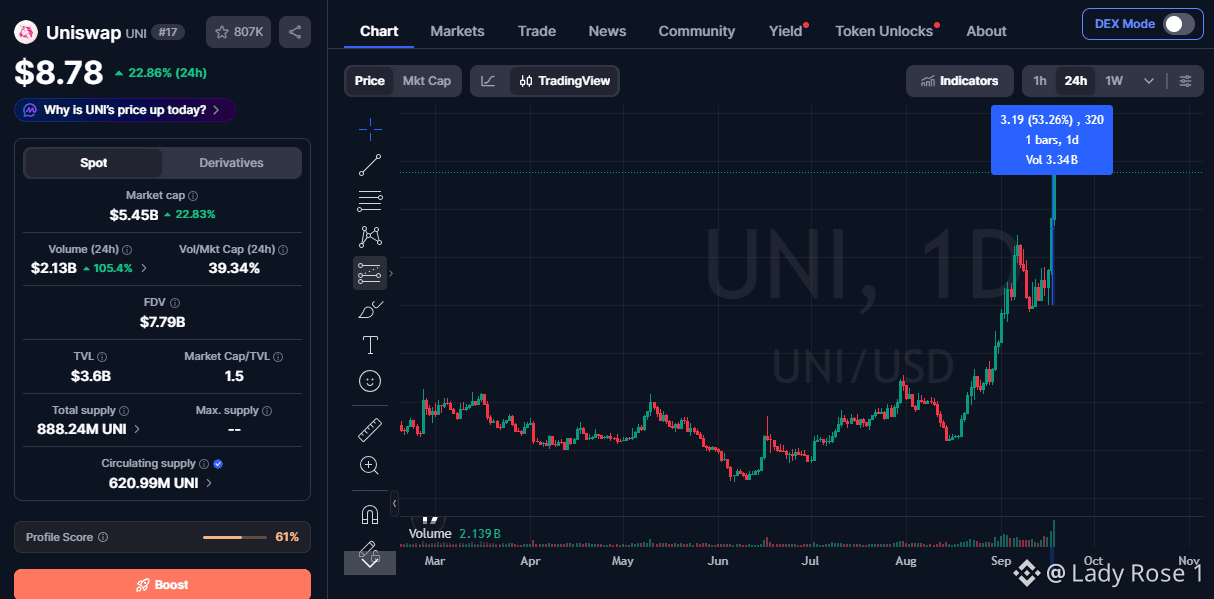
$UNI is back on my radar. UNI is trading around $8.78 after a strong breakout, with price up more than 20% in 24 hours and volume expanding hard with the move. The timing is interesting. On September 17, the SEC approved a temporary, conditional “Innovation Exemption” that creates a framework for certain tokenized U.S. stocks to trade onchain through permissioned AMMs and liquidity pools. That could become a meaningful tailwind for Uniswap. If more tokenized equities move onchain, AMM infrastructure gets a much bigger market to serve. More trading activity can mean more fees flowing through the protocol, while Uniswap’s fee and burn mechanics give that activity a direct link to UNI’s value capture. The broader RWA narrative is also getting stronger, with Uniswap sitting right in the middle of tokenized assets and onchain trading. From the chart, the move is already aggressive. UNI broke out of the range, pushed through recent highs, and did it with a clear expansion in volume. At $8.78, I’m watching whether buyers can hold the breakout structure after such a fast move. A clean hold after a pullback would keep the continuation thesis alive. Losing the recent breakout zone would likely open the door for a deeper reset before the next move. For me, this is one of the cleaner cases where fundamentals, narrative and price momentum are lining up at the same time. Bitget is also running the UNI Trading Club Championship for anyone actively trading the move:https://www.bitget.com/campaigns/479615984b8c4a11ac4bea09d574a247 NFA. DYOR.
$UNI is back on my radar. UNI is trading around $8.78 after a strong breakout, with price up more than 20% in 24 hours and volume expanding hard with the move. The timing is interesting. On September 17, the SEC approved a temporary, conditional “Innovation Exemption” that creates a framework for certain tokenized U.S. stocks to trade onchain through permissioned AMMs and liquidity pools. That could become a meaningful tailwind for Uniswap. If more tokenized equities move onchain, AMM infrastructure gets a much bigger market to serve. More trading activity can mean more fees flowing through the protocol, while Uniswap’s fee and burn mechanics give that activity a direct link to UNI’s value capture. The broader RWA narrative is also getting stronger, with Uniswap sitting right in the middle of tokenized assets and onchain trading. From the chart, the move is already aggressive. UNI broke out of the range, pushed through recent highs, and did it with a clear expansion in volume. At $8.78, I’m watching whether buyers can hold the breakout structure after such a fast move. A clean hold after a pullback would keep the continuation thesis alive. Losing the recent breakout zone would likely open the door for a deeper reset before the next move. For me, this is one of the cleaner cases where fundamentals, narrative and price momentum are lining up at the same time. Bitget is also running the UNI Trading Club Championship for anyone actively trading the move:https://www.bitget.com/campaigns/479615984b8c4a11ac4bea09d574a247 NFA. DYOR.
·
--
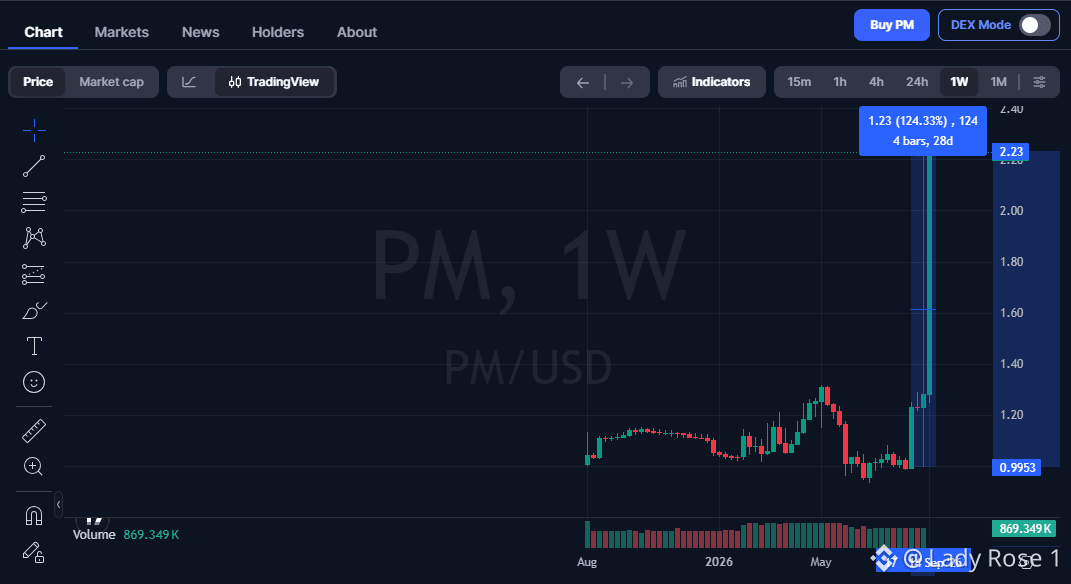
$PM は約4週間で120%以上上昇しており、値動きの大きさが私の注意を引きました。PumpMeme は7月の安値の後、$0.93〜$1.30の範囲で数か月間取引されたのち、上放れて値頃の探索局面に入りました。最初に目につくのは、市場がいかに薄いかという点です。$PM は時価総額が5,000万ドル超ある一方で、日次の取引出来高は評価額に比べると比較的小さいままです。CMC もまた、流動性が時価総額のごく一部にすぎないことを示しています。このように流動性が薄い市場では、出来立ての需要が価格を非常に素早く動かし得ます。攻撃的な買いを吸収するための流動性が少ないため、比較的小さな買い手の波でもチャート上でははるかに大きな値動きにつながります。さらに、コミュニティの活動も燃料になっています。PumpMeme は、メム作成、内蔵マーケットメイキング、集約された取引、AIツールといった内容を軸に、メムコインのローンチパッドという物語を引き続き推進しています。それによって、チャートに勢いが出てくるにつれて追いかけるストーリーがトレーダーに提供されます。これまでのところ、この値動きは、薄い流動性、コミュニティの注目、投機的な需要、そして長いレンジからのブレイクアウトの組み合わせによって動かされているように見えます。それがまた、$PM が比較的少ない出来高でこれほど攻勢的に動ける理由にもなっています。ここから私が注目しているポイントは、価格が上に動くにつれて取引出来高と流動性が拡大するかどうかです。もしそうなれば、このブレイクアウトはさらに多くの注目を集める可能性があります。ここにいる皆さんは $PM を取引していますか?それとも、この上昇が始まる前から保有していましたか?
$PM は約4週間で120%以上上昇しており、値動きの大きさが私の注意を引きました。PumpMeme は7月の安値の後、$0.93〜$1.30の範囲で数か月間取引されたのち、上放れて値頃の探索局面に入りました。最初に目につくのは、市場がいかに薄いかという点です。$PM は時価総額が5,000万ドル超ある一方で、日次の取引出来高は評価額に比べると比較的小さいままです。CMC もまた、流動性が時価総額のごく一部にすぎないことを示しています。このように流動性が薄い市場では、出来立ての需要が価格を非常に素早く動かし得ます。攻撃的な買いを吸収するための流動性が少ないため、比較的小さな買い手の波でもチャート上でははるかに大きな値動きにつながります。さらに、コミュニティの活動も燃料になっています。PumpMeme は、メム作成、内蔵マーケットメイキング、集約された取引、AIツールといった内容を軸に、メムコインのローンチパッドという物語を引き続き推進しています。それによって、チャートに勢いが出てくるにつれて追いかけるストーリーがトレーダーに提供されます。これまでのところ、この値動きは、薄い流動性、コミュニティの注目、投機的な需要、そして長いレンジからのブレイクアウトの組み合わせによって動かされているように見えます。それがまた、$PM が比較的少ない出来高でこれほど攻勢的に動ける理由にもなっています。ここから私が注目しているポイントは、価格が上に動くにつれて取引出来高と流動性が拡大するかどうかです。もしそうなれば、このブレイクアウトはさらに多くの注目を集める可能性があります。ここにいる皆さんは $PM を取引していますか?それとも、この上昇が始まる前から保有していましたか?
·
--
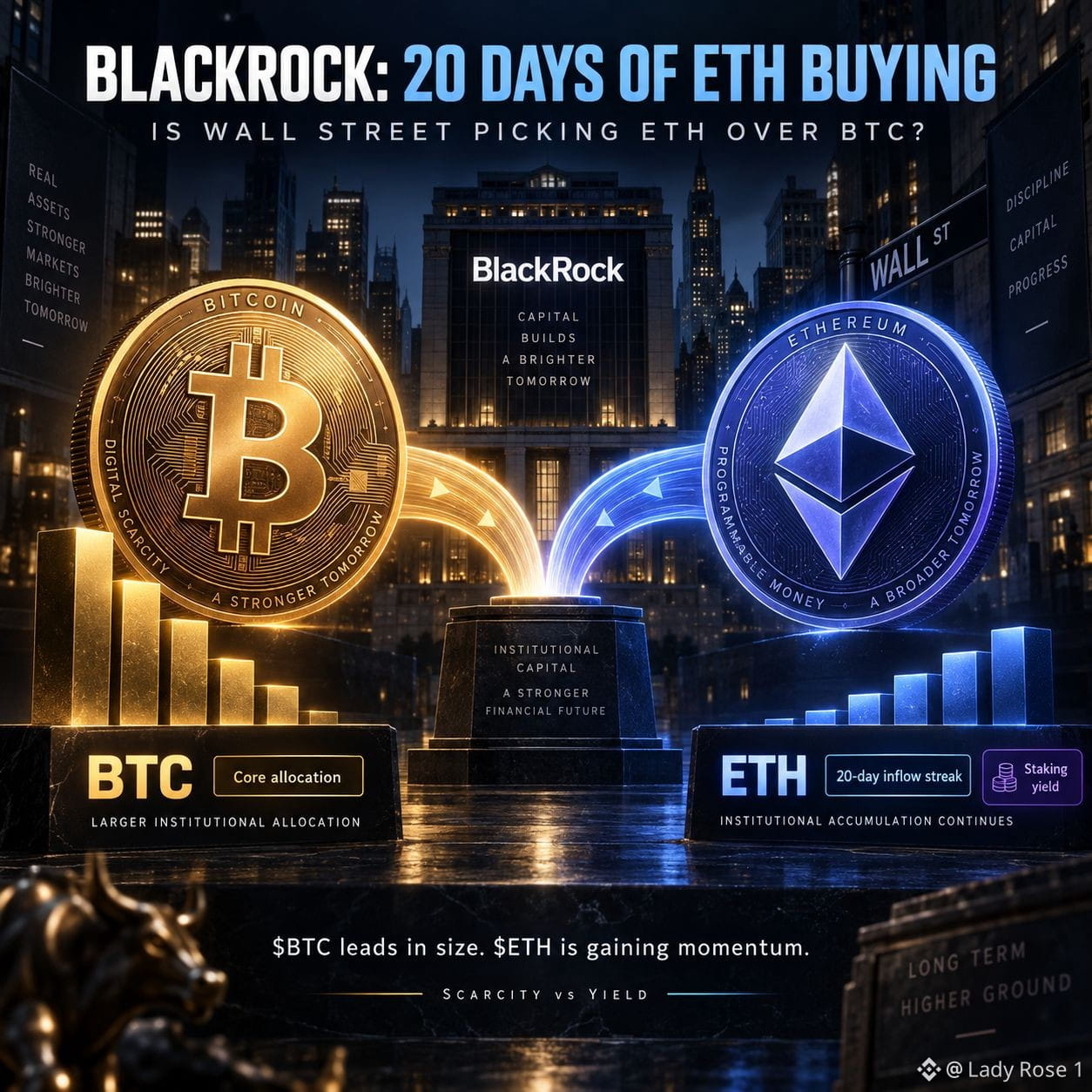
BlackRockのステーク型イーサリアムETFは、これまで約20連続の取引日で資金流入を記録しており、その連続期間中におよそ$251M相当の$ETHが積み上がりました。これは、イーサリアムに対する機関投資家の関心が高まっていることを示す、かなり強いシグナルです。私にとってより大きなポイントは、ウォール街が$BTCと並んで、より強力なETHポジションを構築し始めていることです。ビットコインは規模の面で、依然として主要な機関投資家向けの暗号資産配分先です。BlackRockのビットコインETFははるかに多くの資産を保有しており、より大きな累計フローを引き寄せています。イーサリアムには別の切り口があります。$BTCでは、機関投資家は強い価値保存(ストア・オブ・バリュー)の物語を持つ希少なデジタル資産へのエクスポージャーを得られます。$ETHではさらに、ステーキング、ステーブルコイン、トークン化、DeFi、そしてオンチェーン上の金融活動の大部分へのエクスポージャーも得られます。ステーク型のETH商品は、価格へのエクスポージャーとステーキング収益を投資家が組み合わせられるため、なおさら興味深くなります。ここにはもう一つ重要な詳細があります。BlackRockは主に、ETFへの資金流入(顧客マネー)に応じて、ファンドのためにETHを購入しています。つまり、20日間の連続は、投資家の需要がほぼ1か月にわたって一貫していることを示しています。これが、私の関心を引く点です。$BTCはすでに巨大な機関投資家としての優位を持っています。$ETHは今、自分自身の「レーン」を切り開いているように見えます。特に、利回りやブロックチェーン基盤への関心がある投資家にとってです。このトレンドが続けば、ウォール街はBTCとETHを、同じ暗号資産配分の中でもまったく異なる2つの要素として扱うようになるかもしれません。
BlackRockのステーク型イーサリアムETFは、これまで約20連続の取引日で資金流入を記録しており、その連続期間中におよそ$251M相当の$ETHが積み上がりました。これは、イーサリアムに対する機関投資家の関心が高まっていることを示す、かなり強いシグナルです。私にとってより大きなポイントは、ウォール街が$BTCと並んで、より強力なETHポジションを構築し始めていることです。ビットコインは規模の面で、依然として主要な機関投資家向けの暗号資産配分先です。BlackRockのビットコインETFははるかに多くの資産を保有しており、より大きな累計フローを引き寄せています。イーサリアムには別の切り口があります。$BTCでは、機関投資家は強い価値保存(ストア・オブ・バリュー)の物語を持つ希少なデジタル資産へのエクスポージャーを得られます。$ETHではさらに、ステーキング、ステーブルコイン、トークン化、DeFi、そしてオンチェーン上の金融活動の大部分へのエクスポージャーも得られます。ステーク型のETH商品は、価格へのエクスポージャーとステーキング収益を投資家が組み合わせられるため、なおさら興味深くなります。ここにはもう一つ重要な詳細があります。BlackRockは主に、ETFへの資金流入(顧客マネー)に応じて、ファンドのためにETHを購入しています。つまり、20日間の連続は、投資家の需要がほぼ1か月にわたって一貫していることを示しています。これが、私の関心を引く点です。$BTCはすでに巨大な機関投資家としての優位を持っています。$ETHは今、自分自身の「レーン」を切り開いているように見えます。特に、利回りやブロックチェーン基盤への関心がある投資家にとってです。このトレンドが続けば、ウォール街はBTCとETHを、同じ暗号資産配分の中でもまったく異なる2つの要素として扱うようになるかもしれません。
26
·
--
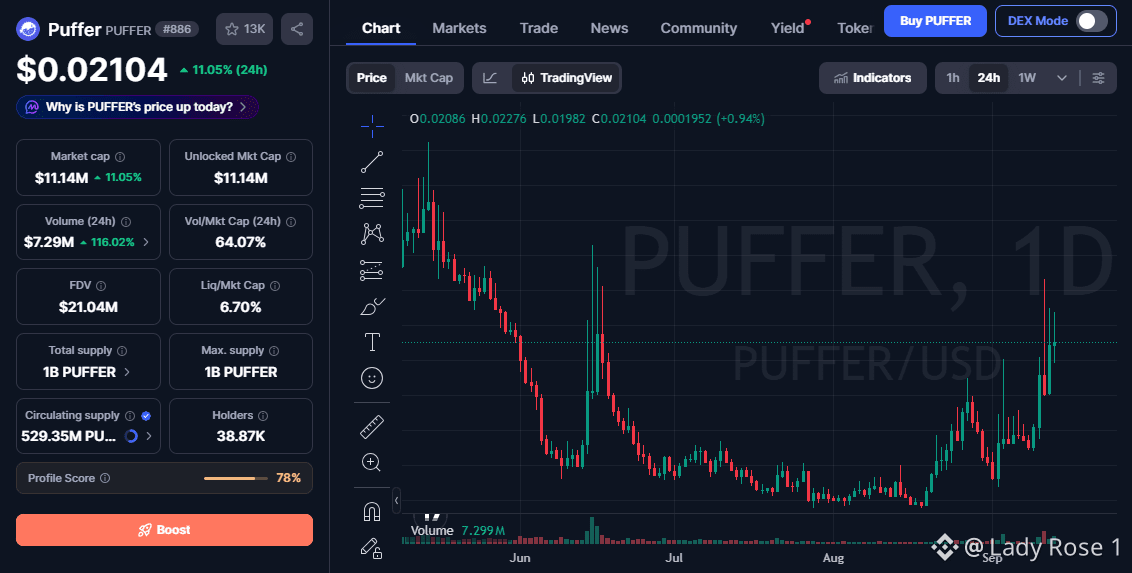
$PUFFER は再び注目を集めており、移行の主な理由として UniFi のナラティブが挙げられているようです。トークンは現在 $0.021 前後で推移しており、今日はおよそ 11% 上昇。24時間の出来高は約 $5M〜$7M、一方で時価総額は $11M です。これは、この規模のトークンとしてはかなり大きな動きです。Puffer はここ数日、特に高性能な実行、同期的なコンポーザビリティ、そして Ethereum を下敷きにしつつ高速なプリコンファームをめぐって UniFi について大きく語ってきました。アイデア自体はかなり分かりやすいです。UniFi は、ユーザーにより速い実行を提供しながら、Ethereum の流動性と決済へのアクセスも維持したいのです。このストーリーが再びトレーダーの関心を呼び始めています。チャートも、この動きがしばらく前から積み上がっていたことを示しています。$PUFFER は 7月の安値付近($0.011〜$0.012)から回復し、その後 8月、9月にかけて上昇を続けています。現在は過去 1週間で約 37% 上昇、過去 1か月では約 70% に近い水準です。出来高もトークン規模に比べて非常に強く、買い手が入ってくるとさらに勢いが増します。私にとって今回の上昇局面は、次の3つが同時に揃っていることによるものです。UniFi の期待感、強い取引出来高、そして比較的小型の時価総額トークンをめぐる勢いの高まりです。次に注目しているのは、具体的な UniFi のアップデートです。ローンチ日、プロダクトのマイルストーン、あるいは大きな統合が出れば、トレーダーが $PUFFER を見続けるもう一つの理由になり得ます。現時点では、ナラティブがはっきりと注目を集めていると言えます。ここで $PUFFER を UniFi のために追っている人はいますか?それとも主にモメンタム(勢い)を取引している感じですか?
$PUFFER は再び注目を集めており、移行の主な理由として UniFi のナラティブが挙げられているようです。トークンは現在 $0.021 前後で推移しており、今日はおよそ 11% 上昇。24時間の出来高は約 $5M〜$7M、一方で時価総額は $11M です。これは、この規模のトークンとしてはかなり大きな動きです。Puffer はここ数日、特に高性能な実行、同期的なコンポーザビリティ、そして Ethereum を下敷きにしつつ高速なプリコンファームをめぐって UniFi について大きく語ってきました。アイデア自体はかなり分かりやすいです。UniFi は、ユーザーにより速い実行を提供しながら、Ethereum の流動性と決済へのアクセスも維持したいのです。このストーリーが再びトレーダーの関心を呼び始めています。チャートも、この動きがしばらく前から積み上がっていたことを示しています。$PUFFER は 7月の安値付近($0.011〜$0.012)から回復し、その後 8月、9月にかけて上昇を続けています。現在は過去 1週間で約 37% 上昇、過去 1か月では約 70% に近い水準です。出来高もトークン規模に比べて非常に強く、買い手が入ってくるとさらに勢いが増します。私にとって今回の上昇局面は、次の3つが同時に揃っていることによるものです。UniFi の期待感、強い取引出来高、そして比較的小型の時価総額トークンをめぐる勢いの高まりです。次に注目しているのは、具体的な UniFi のアップデートです。ローンチ日、プロダクトのマイルストーン、あるいは大きな統合が出れば、トレーダーが $PUFFER を見続けるもう一つの理由になり得ます。現時点では、ナラティブがはっきりと注目を集めていると言えます。ここで $PUFFER を UniFi のために追っている人はいますか?それとも主にモメンタム(勢い)を取引している感じですか?
32
·
--
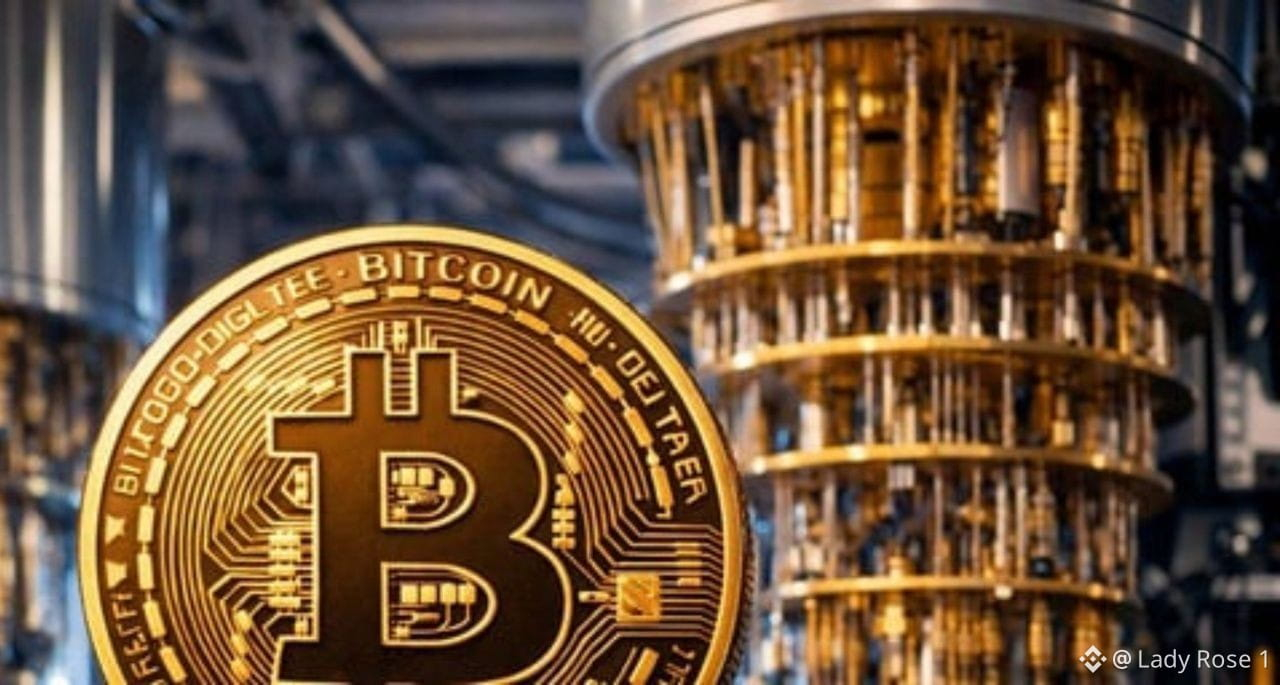
AIは、ビットコインの最大級の長期的なセキュリティ課題の1つを、量子コンピューティングという形でより明確にしたのかもしれません。AIエージェントを使うチームを含む100人以上の参加者が、ECDSA Failチャレンジに参加しました。その目的は、ビットコインがデジタル署名に用いる楕円曲線secp256k1に関連する量子回路を最適化することでした。結果は大きなものでした。提案された量子攻撃のリソーススコアは、10.75億から1.496億へと低下し、約86%の改善を示しました。これは、量子コンピュータが今日すぐに$BTCを破れるという意味ではありません。現在のハードウェアは、実用的な攻撃に必要な規模からはまだ大きくかけ離れています。変わったのは、理論上の手順における効率です。AIエージェントは、必要となる量子資源を大幅に削減する方法を研究者が見つけるのに役立ち、かつては時間のかかる手作業の最適化に大きく依存していた分野でも、AIが進展を加速し得ることを示しました。ビットコインにとっては、これは重要な長期的な問いにさらに重みを加えます。すなわち、「ネットワークはポスト量子暗号に向けて、どれくらいの速さで準備すべきか?」です。量子リスクはまだ数年先かもしれませんが、このような研究は、そのタイムラインに細かい注意を払う価値があることを示しています。
AIは、ビットコインの最大級の長期的なセキュリティ課題の1つを、量子コンピューティングという形でより明確にしたのかもしれません。AIエージェントを使うチームを含む100人以上の参加者が、ECDSA Failチャレンジに参加しました。その目的は、ビットコインがデジタル署名に用いる楕円曲線secp256k1に関連する量子回路を最適化することでした。結果は大きなものでした。提案された量子攻撃のリソーススコアは、10.75億から1.496億へと低下し、約86%の改善を示しました。これは、量子コンピュータが今日すぐに$BTCを破れるという意味ではありません。現在のハードウェアは、実用的な攻撃に必要な規模からはまだ大きくかけ離れています。変わったのは、理論上の手順における効率です。AIエージェントは、必要となる量子資源を大幅に削減する方法を研究者が見つけるのに役立ち、かつては時間のかかる手作業の最適化に大きく依存していた分野でも、AIが進展を加速し得ることを示しました。ビットコインにとっては、これは重要な長期的な問いにさらに重みを加えます。すなわち、「ネットワークはポスト量子暗号に向けて、どれくらいの速さで準備すべきか?」です。量子リスクはまだ数年先かもしれませんが、このような研究は、そのタイムラインに細かい注意を払う価値があることを示しています。
42
·
--
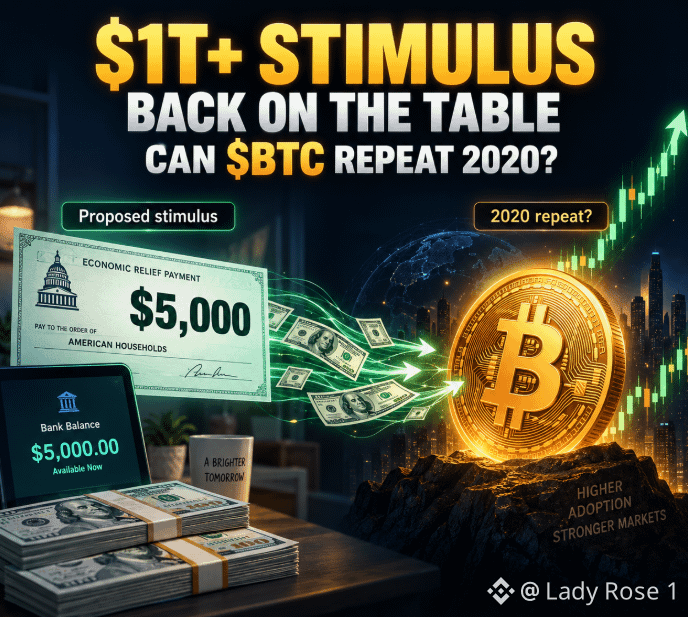
刺激策の小切手が会話に戻ってきました。明白な暗号の問いは、これが2020年のような$BTCの上昇につながり得るかどうかです。トランプは、(中間選挙後に)共和党が議会支配を維持するなら、米国の成人に対して5,000ドルの「トランプ配当」を提案しています。最終的な制度設計次第では、総コストはおよそ1.2Tドルから1.35Tドルに達する可能性があります。これは非常に大きな金額で、潜在的には家計の口座に直接振り込まれることになります。私たちはすでに2020年にこの“バージョン”を見ています。最初の刺激策の資金の一部はビットコインに流れ、Coinbaseでは、ちょうど1,200ドルの小切手額と一致する預金の急増さえ観測されました。しかし当時の大きな物語は、より広い流動性環境でした。金利はほぼゼロ、FRBは積極的にQEを実施し、マネーサプライは急速に拡大し、財政支出は非常に大きく、そしてビットコインはハイビング後で機関投資家の需要が増えてきていました。これらすべてが同時に起きたのです。今日の状況は異なります。ビットコインははるかに規模が大きく、機関の参加はより深くなっていて、同じ量の新規資金が与える相対的な影響は小さくなるかもしれません。それでも、1Tドル超の支払いプログラムは強力な触媒になり得ます。わずかな割合でも株式、$BTC、そして暗号資産に流れれば、新たな個人の流動性が加わり、市場全体のリスク選好を押し上げる可能性があります。私にとって鍵になるのは、刺激策の周辺で何が起きるかです。刺激策が、金融環境の緩和、利回りの低下、そして世界的な流動性の強まりとともに到来するなら、ビットコインへの影響ははるかに強力になるかもしれません。一方で、インフレと利回りが高止まりしたままだと、反応はより複雑になる可能性があります。だから私は、この小切手を“セットアップの一部”だと見ています。2020年の上昇は、いくつもの流動性要因が同時にそろったことから生まれました。もしそれが2026年に再び起き始めるなら、$BTCは非常に面白い存在になり得ます。
刺激策の小切手が会話に戻ってきました。明白な暗号の問いは、これが2020年のような$BTCの上昇につながり得るかどうかです。トランプは、(中間選挙後に)共和党が議会支配を維持するなら、米国の成人に対して5,000ドルの「トランプ配当」を提案しています。最終的な制度設計次第では、総コストはおよそ1.2Tドルから1.35Tドルに達する可能性があります。これは非常に大きな金額で、潜在的には家計の口座に直接振り込まれることになります。私たちはすでに2020年にこの“バージョン”を見ています。最初の刺激策の資金の一部はビットコインに流れ、Coinbaseでは、ちょうど1,200ドルの小切手額と一致する預金の急増さえ観測されました。しかし当時の大きな物語は、より広い流動性環境でした。金利はほぼゼロ、FRBは積極的にQEを実施し、マネーサプライは急速に拡大し、財政支出は非常に大きく、そしてビットコインはハイビング後で機関投資家の需要が増えてきていました。これらすべてが同時に起きたのです。今日の状況は異なります。ビットコインははるかに規模が大きく、機関の参加はより深くなっていて、同じ量の新規資金が与える相対的な影響は小さくなるかもしれません。それでも、1Tドル超の支払いプログラムは強力な触媒になり得ます。わずかな割合でも株式、$BTC、そして暗号資産に流れれば、新たな個人の流動性が加わり、市場全体のリスク選好を押し上げる可能性があります。私にとって鍵になるのは、刺激策の周辺で何が起きるかです。刺激策が、金融環境の緩和、利回りの低下、そして世界的な流動性の強まりとともに到来するなら、ビットコインへの影響ははるかに強力になるかもしれません。一方で、インフレと利回りが高止まりしたままだと、反応はより複雑になる可能性があります。だから私は、この小切手を“セットアップの一部”だと見ています。2020年の上昇は、いくつもの流動性要因が同時にそろったことから生まれました。もしそれが2026年に再び起き始めるなら、$BTCは非常に面白い存在になり得ます。
51
·
--
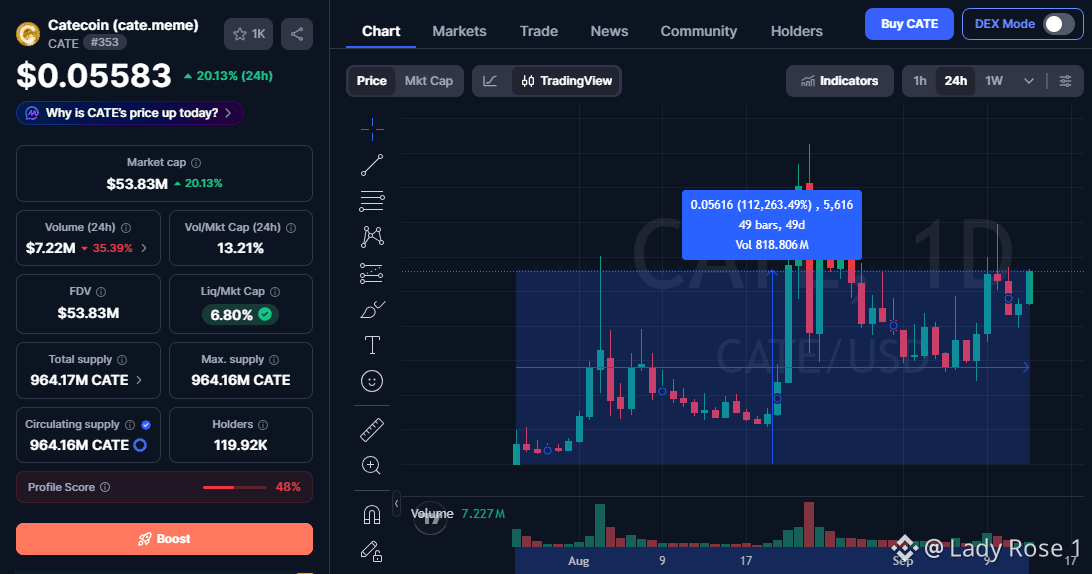
$CATE は本日約20%上昇しており、タイミングが興味深いです。というのも、価格が動き始めたのは Pump.fun が新しい Holder Rewards(ホルダー報酬)機能を導入した直後だったからです。 アイデアはかなりシンプルです。 条件を満たすトークンは、取引手数料の一部を1時間に何度もホルダーへ還元できます。 取引活動が活発であるほど、より多くの報酬が生まれ、それによって人々はホールドし続けるもう一つの理由を得られます。 これはすぐに CATE コミュニティ内で大きな話題になりました。 そしてその理由もわかります。 $CATE にはすでに約12万ホルダーがおり、コミュニティの話では、トークンはこれまでの累計取引出来高(ライフタイム・トレーディング・ボリューム)で $1B(10億ドル)超を生み出しているとのことです。 これほどの活動があるトークンなら、Holder Rewards のモデルとも非常に相性がよい可能性があります。 取引量が増えれば手数料も増えます。 より多くの手数料は、ホルダーへのより多くの報酬につながります。 それは人々がより長く保有し、コミュニティを活発に保つ後押しになります。 チャートは、トレーダーたちがこの物語(ナラティブ)にどれだけ素早く反応したかも示しています。 CATE は、Holder Rewards に関する注目が X 上で広がっている間、強い勢いを伴って $0.055〜$0.056 のあたりへ押し戻されました。 私にとってこれは、典型的なミームコインのナラティブに、さらにインセンティブの層が上乗せされたように見えます。 CATE にはすでにコミュニティ、ホルダーベース、取引活動がありました。 Holder Rewards は、トレーダーがもう一度それに注目するための新しい理由を与えただけです。 次に注目しているのは、CATE がこの新モデルを公式に採用するかどうか、そして最初の熱狂の波の後も出来高が強さを保つかどうかです。 どちらも起きるなら、このナラティブはしばらく面白さを保ち続けるかもしれません。
$CATE は本日約20%上昇しており、タイミングが興味深いです。というのも、価格が動き始めたのは Pump.fun が新しい Holder Rewards(ホルダー報酬)機能を導入した直後だったからです。 アイデアはかなりシンプルです。 条件を満たすトークンは、取引手数料の一部を1時間に何度もホルダーへ還元できます。 取引活動が活発であるほど、より多くの報酬が生まれ、それによって人々はホールドし続けるもう一つの理由を得られます。 これはすぐに CATE コミュニティ内で大きな話題になりました。 そしてその理由もわかります。 $CATE にはすでに約12万ホルダーがおり、コミュニティの話では、トークンはこれまでの累計取引出来高(ライフタイム・トレーディング・ボリューム)で $1B(10億ドル)超を生み出しているとのことです。 これほどの活動があるトークンなら、Holder Rewards のモデルとも非常に相性がよい可能性があります。 取引量が増えれば手数料も増えます。 より多くの手数料は、ホルダーへのより多くの報酬につながります。 それは人々がより長く保有し、コミュニティを活発に保つ後押しになります。 チャートは、トレーダーたちがこの物語(ナラティブ)にどれだけ素早く反応したかも示しています。 CATE は、Holder Rewards に関する注目が X 上で広がっている間、強い勢いを伴って $0.055〜$0.056 のあたりへ押し戻されました。 私にとってこれは、典型的なミームコインのナラティブに、さらにインセンティブの層が上乗せされたように見えます。 CATE にはすでにコミュニティ、ホルダーベース、取引活動がありました。 Holder Rewards は、トレーダーがもう一度それに注目するための新しい理由を与えただけです。 次に注目しているのは、CATE がこの新モデルを公式に採用するかどうか、そして最初の熱狂の波の後も出来高が強さを保つかどうかです。 どちらも起きるなら、このナラティブはしばらく面白さを保ち続けるかもしれません。
80
·
--
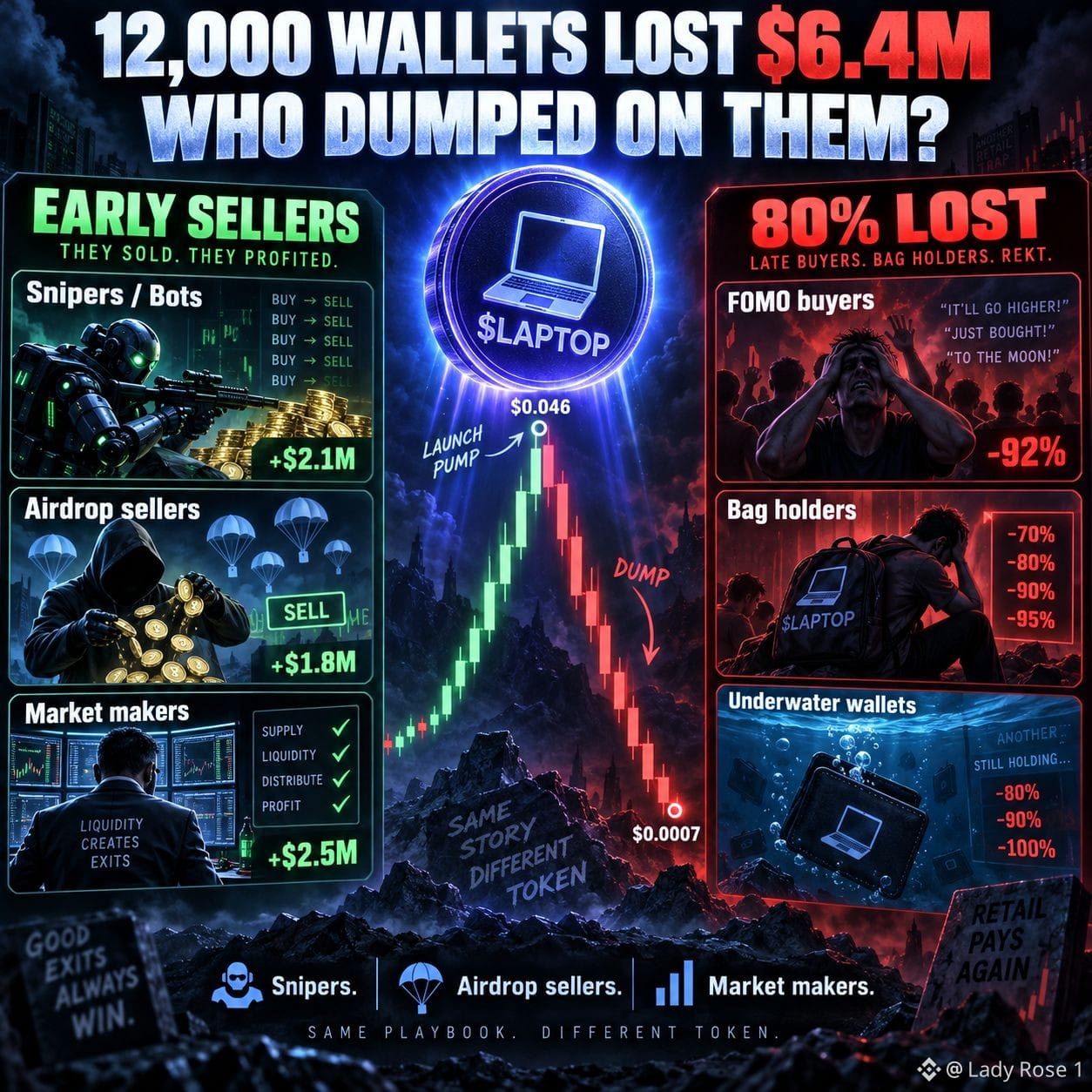
$LAPTOP のローンチは、何と“実際に儲けたのが誰なのか”を見ると、さらに度を超えてきます。何千ものウォレットが閉じ込められた一方で、報道によれば約12,000のウォレットが損失に陥ったとされ、追跡できたトレーダーの約80%に相当します。では、その膨大な需要に向けて誰が売っていたのでしょうか?データは主に、初期のスナイパー(短期狙い)、迅速にエアドロップを売る業者、そしてマーケットメイカーを指しています。流動性がまだ極端に薄い段階で入り込めた一部のボットや初期の買い手は、より多くのトレーダーが殺到するなかで大きな急騰(スパイク)に売り込みました。そうしたリターンの中には驚くべきものもあります。ある初期ウォレットは、報告によれば $900 を $250K 超まで増やしました。別のウォレットは、だいたい $250K を $1M 超へと変えたとのことです。エアドロップの受領者も一役買っていました。無料の $LAPTOP を受け取り、すぐに売却したウォレットがあり、その中には互いに密接に関連した2つのウォレットが含まれていて、合計で約 $600K を現金化したと報じられています。さらにいたのがマーケットメイカーです。Wintermute はマーケットメイク用に大量の在庫を受け取り、市場に数十万トークンを売り込んでいました。GSR や G20 も、相応の配分を受け取っています。これらをまとめると、ローンチ構造がかなり見えてきます。初期のトレーダーは最良のエントリーを手にしていました。エアドロップ受領者は“無料の在庫”を持っていたのです。マーケットメイカーには流動性提供のためのトークンがありました。そして後から買った人たちは、その下にほとんど流動性がない“縦に伸びるチャート”を追いかける形になっていました。こうして、小さな一群が巨額の利益を持ち去り、その一方で何千ものウォレットがわずか数時間で罠にかかるのです。皮肉なのはここだけではありません。$LAPTOP は一部で、$TRUMP でお金を失った人々に何かを返すことを目的に売り込まれていましたが、その自分自身のローンチは、ほぼ即座に“新たな利確待ち(損失を背負う側)の人たち”のグループを作ってしまったのです。私にとって最大の問題は、ローンチ構造そのものです。大きな注目、薄い流動性、そして素早い売り手——それらが揃ったことで、この種の値動きが起きるのに最適な環境ができあがってしまいました。
$LAPTOP のローンチは、何と“実際に儲けたのが誰なのか”を見ると、さらに度を超えてきます。何千ものウォレットが閉じ込められた一方で、報道によれば約12,000のウォレットが損失に陥ったとされ、追跡できたトレーダーの約80%に相当します。では、その膨大な需要に向けて誰が売っていたのでしょうか?データは主に、初期のスナイパー(短期狙い)、迅速にエアドロップを売る業者、そしてマーケットメイカーを指しています。流動性がまだ極端に薄い段階で入り込めた一部のボットや初期の買い手は、より多くのトレーダーが殺到するなかで大きな急騰(スパイク)に売り込みました。そうしたリターンの中には驚くべきものもあります。ある初期ウォレットは、報告によれば $900 を $250K 超まで増やしました。別のウォレットは、だいたい $250K を $1M 超へと変えたとのことです。エアドロップの受領者も一役買っていました。無料の $LAPTOP を受け取り、すぐに売却したウォレットがあり、その中には互いに密接に関連した2つのウォレットが含まれていて、合計で約 $600K を現金化したと報じられています。さらにいたのがマーケットメイカーです。Wintermute はマーケットメイク用に大量の在庫を受け取り、市場に数十万トークンを売り込んでいました。GSR や G20 も、相応の配分を受け取っています。これらをまとめると、ローンチ構造がかなり見えてきます。初期のトレーダーは最良のエントリーを手にしていました。エアドロップ受領者は“無料の在庫”を持っていたのです。マーケットメイカーには流動性提供のためのトークンがありました。そして後から買った人たちは、その下にほとんど流動性がない“縦に伸びるチャート”を追いかける形になっていました。こうして、小さな一群が巨額の利益を持ち去り、その一方で何千ものウォレットがわずか数時間で罠にかかるのです。皮肉なのはここだけではありません。$LAPTOP は一部で、$TRUMP でお金を失った人々に何かを返すことを目的に売り込まれていましたが、その自分自身のローンチは、ほぼ即座に“新たな利確待ち(損失を背負う側)の人たち”のグループを作ってしまったのです。私にとって最大の問題は、ローンチ構造そのものです。大きな注目、薄い流動性、そして素早い売り手——それらが揃ったことで、この種の値動きが起きるのに最適な環境ができあがってしまいました。
·
--
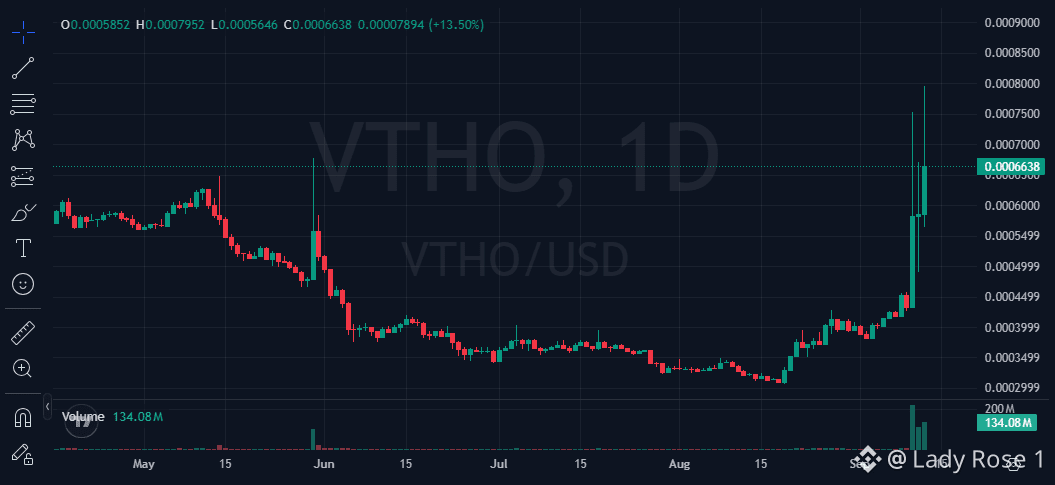
$VTHO は、今週見た中でもかなり突飛な値動きを見せています。価格の裏で起きていることを見て初めて、チャートの動きがつながって理解できてきます。いま最大の要因として見えるのはショートスクイーズです。ファンディングレートが深くマイナスに沈み、多くのトレーダーがショート側にポジションを取っていたことを示していました。そこから $VTHO が上に動き始めると、ロスカット(清算)がそれらのポジションを強制的にクローズさせ、さらに買い圧力を押し上げました。次にボリュームが爆発しました。取引活動は、トークンの時価総額の数倍規模にまで達し、すでに強かったムーブを、チャート上で見えているような巨大な日足キャンドルへと押し上げる助けになりました。さらに、注目を集める背景には“より大きなVeChainの物語”もあります。Hayabusa(ハヤブサ)アップグレードは、生成を StarGate(スターゲート)のステーキングとより密接に連動させることで、VTHO のトークノミクスを変更し、発行量を抑え、基礎となるトランザクション手数料をバーンする仕組みを強めました。VeChain は、ステーキングを通じて 15B 超の $VET がロックされているとも報告しており、一方で $VTHO 報酬キャンペーンがエコシステムに新しい注目を呼び戻しています。私の注目リストにあるもう一つの追い風は、まもなく予定されている Interstellar(インターステラー)アップグレードで、9月16日前後が見込まれています。EVM との互換性が向上し、開発者が VeChainThor 上でより作りやすくなるはずです。つまり私にとって、このポンプは複数の要素が同時に重なった結果です。混み合ったショートがスクイーズされる、巨大な投機的出来高、引き締まる VTHO のトークノミクス、伸びるステーキング活動、そして VeChain エコシステムへの新たな注目――この組み合わせが、なぜこれほどまでに急速で攻撃的な動きになったのかを説明しています。次に見ているのは出来高です。スクイーズが落ち着いたあとも活動の強さが維持されるなら、このムーブはさらに興味深いものになるでしょう。
$VTHO は、今週見た中でもかなり突飛な値動きを見せています。価格の裏で起きていることを見て初めて、チャートの動きがつながって理解できてきます。いま最大の要因として見えるのはショートスクイーズです。ファンディングレートが深くマイナスに沈み、多くのトレーダーがショート側にポジションを取っていたことを示していました。そこから $VTHO が上に動き始めると、ロスカット(清算)がそれらのポジションを強制的にクローズさせ、さらに買い圧力を押し上げました。次にボリュームが爆発しました。取引活動は、トークンの時価総額の数倍規模にまで達し、すでに強かったムーブを、チャート上で見えているような巨大な日足キャンドルへと押し上げる助けになりました。さらに、注目を集める背景には“より大きなVeChainの物語”もあります。Hayabusa(ハヤブサ)アップグレードは、生成を StarGate(スターゲート)のステーキングとより密接に連動させることで、VTHO のトークノミクスを変更し、発行量を抑え、基礎となるトランザクション手数料をバーンする仕組みを強めました。VeChain は、ステーキングを通じて 15B 超の $VET がロックされているとも報告しており、一方で $VTHO 報酬キャンペーンがエコシステムに新しい注目を呼び戻しています。私の注目リストにあるもう一つの追い風は、まもなく予定されている Interstellar(インターステラー)アップグレードで、9月16日前後が見込まれています。EVM との互換性が向上し、開発者が VeChainThor 上でより作りやすくなるはずです。つまり私にとって、このポンプは複数の要素が同時に重なった結果です。混み合ったショートがスクイーズされる、巨大な投機的出来高、引き締まる VTHO のトークノミクス、伸びるステーキング活動、そして VeChain エコシステムへの新たな注目――この組み合わせが、なぜこれほどまでに急速で攻撃的な動きになったのかを説明しています。次に見ているのは出来高です。スクイーズが落ち着いたあとも活動の強さが維持されるなら、このムーブはさらに興味深いものになるでしょう。
25
·
--
Blockstreamは、Liquidの侵害に対し強硬な姿勢を取っています。Liquidの準備金から約4,000 $BTC が流出しました。攻撃者はすでに盗まれた資金の約3,400 BTC(およそ85%)を返しています。現在も攻撃者は598.5 BTC(約4,700万ドル相当)を保有しており、残りの資金を解放する前に10%の懸賞金を要求しています。Blockstreamはこの要求を拒否し、本件を窃盗として扱っています。同社の主張はシンプルです。無断で資産を奪い、その一部を保有したうえで返還の代金を求める行為は、いかなる信頼できる「ホワイトハット活動」の定義にも当てはまりません。同社は今後、残っている資金を追跡し、侵害の背後にいる人物を特定するために、法執行機関、取引所、ブロックチェーン追跡の専門家を関与させる計画です。攻撃者は引き続き自分たちをホワイトハットだと説明していますが、未解決の598.5 $BTC が依然として最大の問題です。この時点で議論の焦点は、呼び名というより、残りの4,700万ドルがどうなるかに移っています。
Blockstreamは、Liquidの侵害に対し強硬な姿勢を取っています。Liquidの準備金から約4,000 $BTC が流出しました。攻撃者はすでに盗まれた資金の約3,400 BTC(およそ85%)を返しています。現在も攻撃者は598.5 BTC(約4,700万ドル相当)を保有しており、残りの資金を解放する前に10%の懸賞金を要求しています。Blockstreamはこの要求を拒否し、本件を窃盗として扱っています。同社の主張はシンプルです。無断で資産を奪い、その一部を保有したうえで返還の代金を求める行為は、いかなる信頼できる「ホワイトハット活動」の定義にも当てはまりません。同社は今後、残っている資金を追跡し、侵害の背後にいる人物を特定するために、法執行機関、取引所、ブロックチェーン追跡の専門家を関与させる計画です。攻撃者は引き続き自分たちをホワイトハットだと説明していますが、未解決の598.5 $BTC が依然として最大の問題です。この時点で議論の焦点は、呼び名というより、残りの4,700万ドルがどうなるかに移っています。

26
·
--
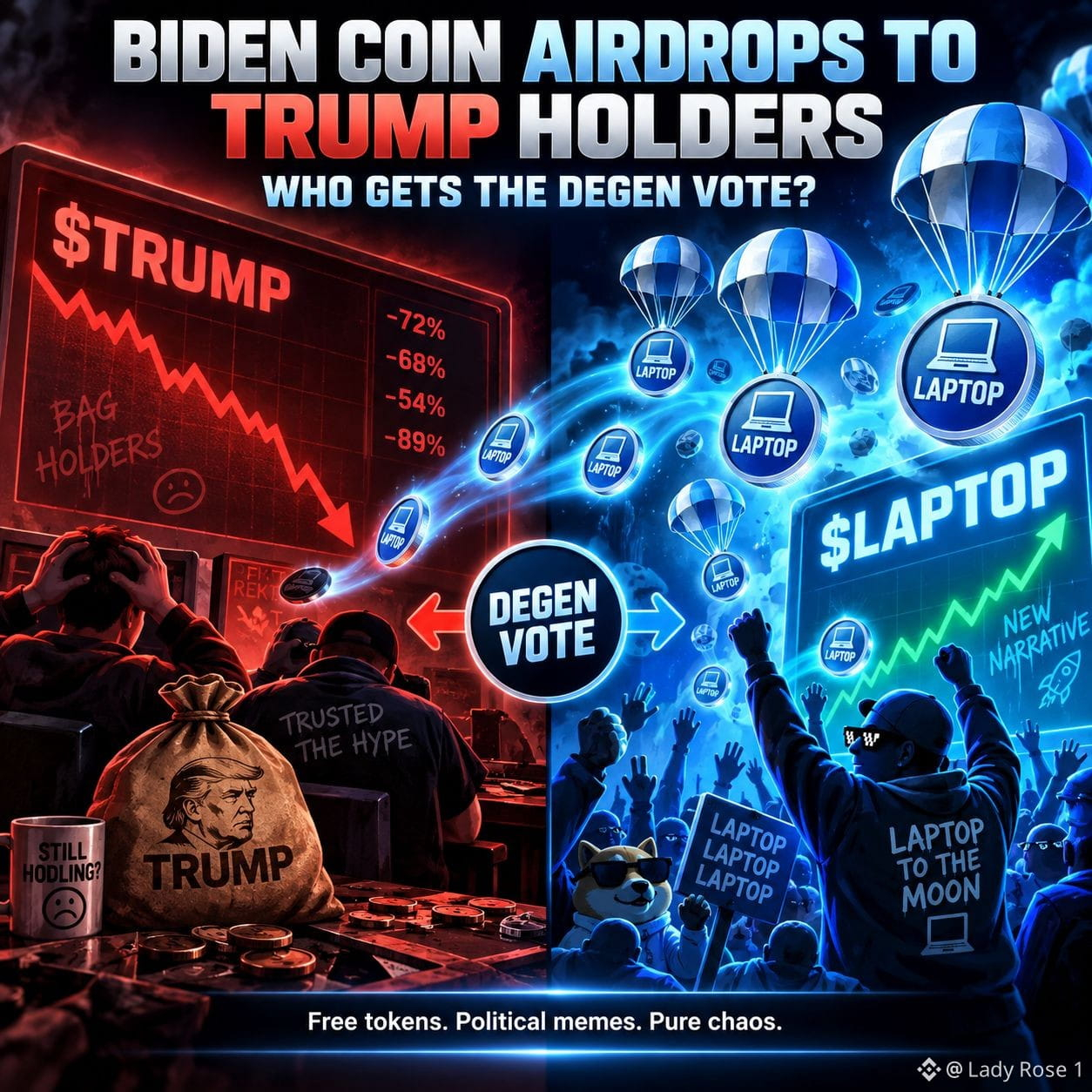
$LAPTOP エアドロップのトークンで $TRUMP のバグホルダーたちが一番の笑いどころになりそうな、今年見た中でもかなり面白い政治系メメコインの仕掛けかもしれません。正直なところ、今のところ $LAPTOP は純粋なカオスで“デジェン投票”を勝ち取っていると思います。コミュニティの配分の一部が、 $TRUMP で損失を出したウォレットに直接流れていきます。これ、クリプトにとってどれだけ完璧な布陣か考えてみてください。トランプのコインを買って、ババを掴んで動けないところに、ハンター・バイデンのトークンが現れて無料トークンを提供してくる。これはもう、政治そのもの、リベンジ取引、エアドロップ、そして新しいメム物語が一つのトレードに詰め込まれたようなものです。マーケティング面では賢いですね。 $TRUMP はすでに、政治系メメコインのトレーダーに巨大なオーディエンスを作り上げました。 $LAPTOP は、すでに参加して負けた人たちを狙うことで、同じ層に即座に露出できます。さらにトークン自体がメムにかなり寄っています。ノートPCのブランディング、バーンに紐づいた政治的条件、そして最終的に $TRUMP の時価総額をひっくり返すという発想まで、話題にできる材料は十分。とはいえ、政治系メメコインの投機がどれだけ大きくなり得るかの“証明”は、まだ $TRUMP の方が強いです。ローンチ時のブランディング、流動性、そして小口の注目(リテールの関心)も、別次元でした。でもデジェンは動きが速い。いちばん熱いティッカー、いちばん新しいエアドロップ、いちばん強い出来高、そしていちばん面白い物語——それらが注目を集めるのが常です。今、 $LAPTOP はその4つをかなり強い組み合わせで持っています。だから短期のデジェン勝負は $LAPTOP に一票です。長期的には、最初の熱狂の波の後も注目と流動性を保てるコインが、勝者になるだけだと思います。
$LAPTOP エアドロップのトークンで $TRUMP のバグホルダーたちが一番の笑いどころになりそうな、今年見た中でもかなり面白い政治系メメコインの仕掛けかもしれません。正直なところ、今のところ $LAPTOP は純粋なカオスで“デジェン投票”を勝ち取っていると思います。コミュニティの配分の一部が、 $TRUMP で損失を出したウォレットに直接流れていきます。これ、クリプトにとってどれだけ完璧な布陣か考えてみてください。トランプのコインを買って、ババを掴んで動けないところに、ハンター・バイデンのトークンが現れて無料トークンを提供してくる。これはもう、政治そのもの、リベンジ取引、エアドロップ、そして新しいメム物語が一つのトレードに詰め込まれたようなものです。マーケティング面では賢いですね。 $TRUMP はすでに、政治系メメコインのトレーダーに巨大なオーディエンスを作り上げました。 $LAPTOP は、すでに参加して負けた人たちを狙うことで、同じ層に即座に露出できます。さらにトークン自体がメムにかなり寄っています。ノートPCのブランディング、バーンに紐づいた政治的条件、そして最終的に $TRUMP の時価総額をひっくり返すという発想まで、話題にできる材料は十分。とはいえ、政治系メメコインの投機がどれだけ大きくなり得るかの“証明”は、まだ $TRUMP の方が強いです。ローンチ時のブランディング、流動性、そして小口の注目(リテールの関心)も、別次元でした。でもデジェンは動きが速い。いちばん熱いティッカー、いちばん新しいエアドロップ、いちばん強い出来高、そしていちばん面白い物語——それらが注目を集めるのが常です。今、 $LAPTOP はその4つをかなり強い組み合わせで持っています。だから短期のデジェン勝負は $LAPTOP に一票です。長期的には、最初の熱狂の波の後も注目と流動性を保てるコインが、勝者になるだけだと思います。
44
·
--
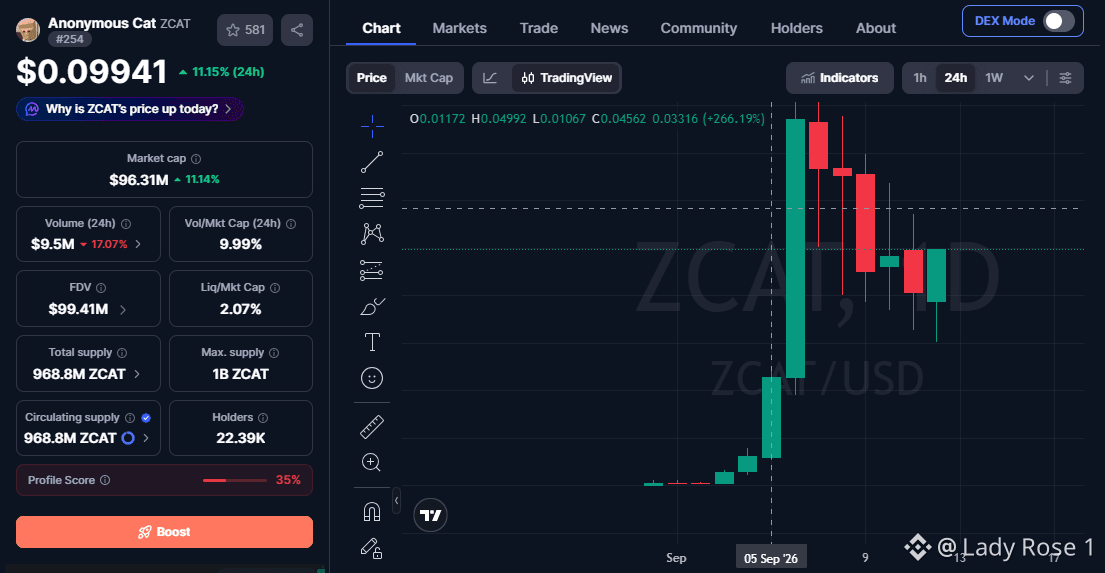
$ZCAT は今日は約11%上昇していて、トークンを調べてみると、実際にその値動きにはちゃんと筋が通っています。私にとって一番大きい要因は、$ZEC とのつながりです。ZCAT のすべての送金には3%の税がかかり、その手数料の一部が ZEC に換えられて保有者に分配されます。これは、そもそも Zcash 自体が強い勢いを見せているときには、かなり面白い構図になります。$ZEC が上がっていくほど、報酬目当てで ZCAT に注目するトレーダーが増えます。ZCAT の取引が活発になればなるほど手数料も増え、その手数料がより多くの ZEC を保有者へ分配する後押しになります。すると、シンプルなループが生まれます。つまり、ZEC に勢いがつくと、より多くの人が ZCAT を見るようになります。そこから取引活動が増えていき、より多い報酬や、さらに注目が集まることにつながります。Solana のミームコイン周りのソーシャルな可視性も、この動きを後押ししました。特に、資金がより高リスクなアルトコインへ回転している点が効いています。チャートでは、$0.085 は私が注目している水準です。$ZCAT がこのあたりを維持し続け、かつ $ZEC が $1,155 付近で強さを保っている限り、$0.12 へ向けたもう一段の押しも起こり得ると思っています。さらに、ZEC の支払いペースも見ています。ZCAT の活動が強いほど、報酬システムに回る手数料が増えるので、この指標は、現在の勢いに十分な燃料があるのかをかなり教えてくれます。だからこそ、これは私にとって面白い案件です。ミームとしての注目はある一方で、保有者にとって追いかける理由になる報酬メカニズムもあるんです。ここで $ZCAT を主に $ZEC の報酬目当てで保有している人はいますか?それとも勢いを売買しているだけですか?
$ZCAT は今日は約11%上昇していて、トークンを調べてみると、実際にその値動きにはちゃんと筋が通っています。私にとって一番大きい要因は、$ZEC とのつながりです。ZCAT のすべての送金には3%の税がかかり、その手数料の一部が ZEC に換えられて保有者に分配されます。これは、そもそも Zcash 自体が強い勢いを見せているときには、かなり面白い構図になります。$ZEC が上がっていくほど、報酬目当てで ZCAT に注目するトレーダーが増えます。ZCAT の取引が活発になればなるほど手数料も増え、その手数料がより多くの ZEC を保有者へ分配する後押しになります。すると、シンプルなループが生まれます。つまり、ZEC に勢いがつくと、より多くの人が ZCAT を見るようになります。そこから取引活動が増えていき、より多い報酬や、さらに注目が集まることにつながります。Solana のミームコイン周りのソーシャルな可視性も、この動きを後押ししました。特に、資金がより高リスクなアルトコインへ回転している点が効いています。チャートでは、$0.085 は私が注目している水準です。$ZCAT がこのあたりを維持し続け、かつ $ZEC が $1,155 付近で強さを保っている限り、$0.12 へ向けたもう一段の押しも起こり得ると思っています。さらに、ZEC の支払いペースも見ています。ZCAT の活動が強いほど、報酬システムに回る手数料が増えるので、この指標は、現在の勢いに十分な燃料があるのかをかなり教えてくれます。だからこそ、これは私にとって面白い案件です。ミームとしての注目はある一方で、保有者にとって追いかける理由になる報酬メカニズムもあるんです。ここで $ZCAT を主に $ZEC の報酬目当てで保有している人はいますか?それとも勢いを売買しているだけですか?
49
ログインして、さらにコンテンツを読む
厳選トピックで世界の暗号資産トレーダーの仲間入り
⚡️ 暗号資産に関する最新かつ有益な情報が見つかります。
💬 世界最大の暗号資産取引所から信頼されています。
👍 認証を受けたクリエイターから、有益なインサイトを得られます。
メール / 電話番号
トレンドトピック
SaylorHintsStrategyBitcoinBuy
閲覧回数 2.2M
11,574人が討論中
#SaylorHintsStrategyBitcoinBuy
マイケル・セイラーが再び、ビットコイン戦略に対する前向きなシグナルを発信しました。
しかし、最新データでは、この数週間の間に戦略がビットコインを購入していないことが示されています。2026年9月13日時点で、同社は845,050 BTCと、約64億ドルのUSD建て資産を保有しています。
BTCの購入ではなく、戦略は約1億3900万ドルを投じて、優先株STRCを買い戻しています。
それは市場にとってどういう意味でしょうか?
🔹 戦略は依然としてビットコインへの長期的な確信を維持
🔹 USDの余力が、次のBTC購入の余地を残す
🔹 新たな購入は、機関投資家のセンチメントに対する強気の触媒になり得る
🔹 ただし、ヒントは確定的な購入とは同じではない
現時点では、市場は「噂の蓄積」と「公式な提出(ファイリング)」を区別する必要があります。
確認を待ちましょう——見出しだけで買わないでください。
#Bitcoin #BTC #Strategy #MichaelSaylor
$BTC
XaliCoin
·いいね:1件
·閲覧回数 150
BOJRaisesRatesTo31YearHigh
閲覧回数 188,808
2,783人が討論中
BuffettStepsDownAsBerkshireChairman
閲覧回数 91,716
1,450人が討論中