
_asfandyar
58 投稿

_asfandyar
報告
ユーザーをブロック
取引を発注
高頻度トレーダー
7年
12 フォロー
20 フォロワー
23 いいね
投稿
ポートフォリオ
すべて
引用
·
--
ブリッシュ
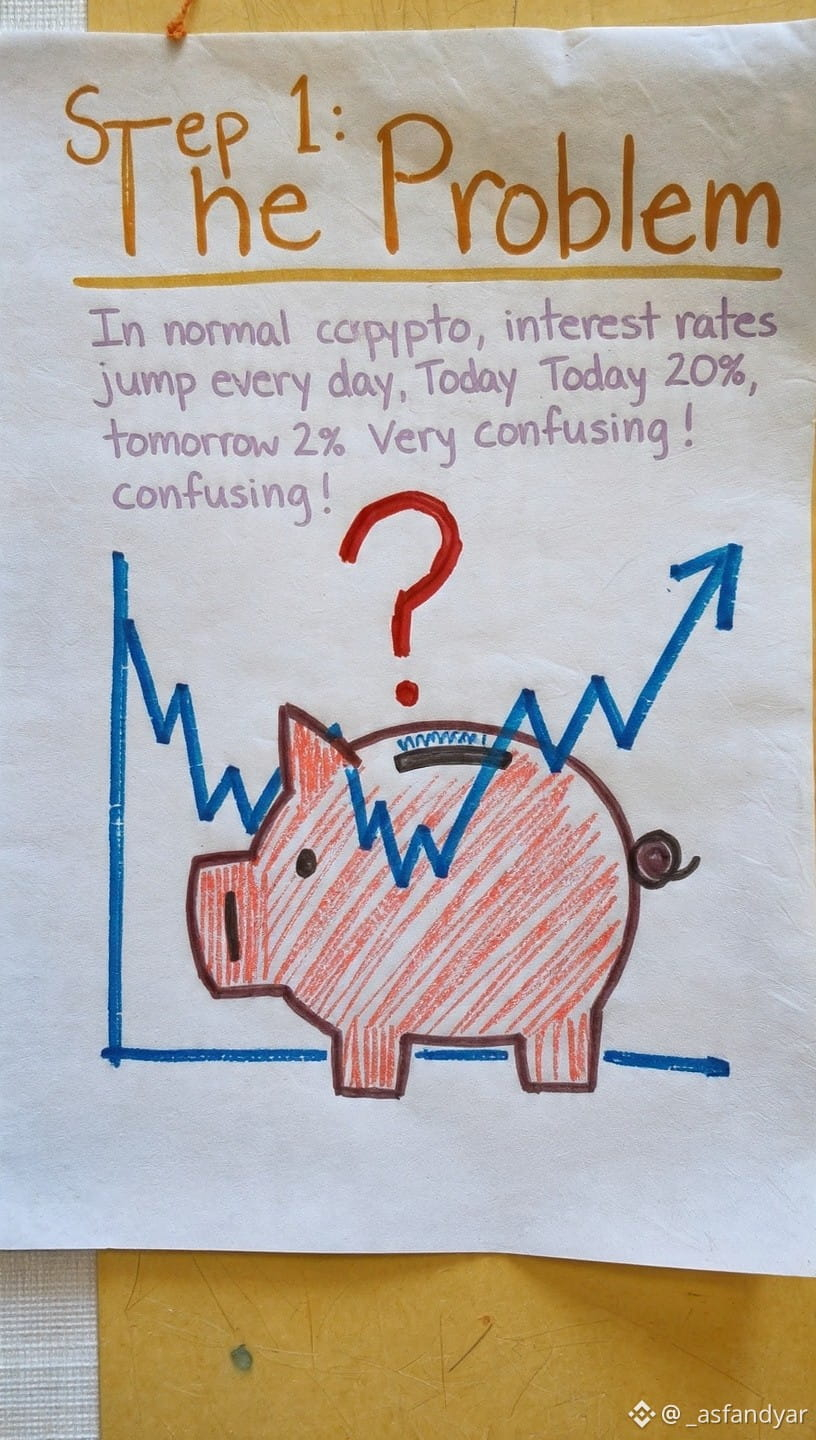
去年、私は「高APYプール」に資金を入れました。すると最初の1週間は30%で、先週は3.2%でした。
その後、@termmax を見つけました。
暗号資産で最大の問題は、金利(またはAPY)が毎日変わることです。 この@termmax は、固定金利のDeFiを提供することでそれに対応する解決策を示しています。
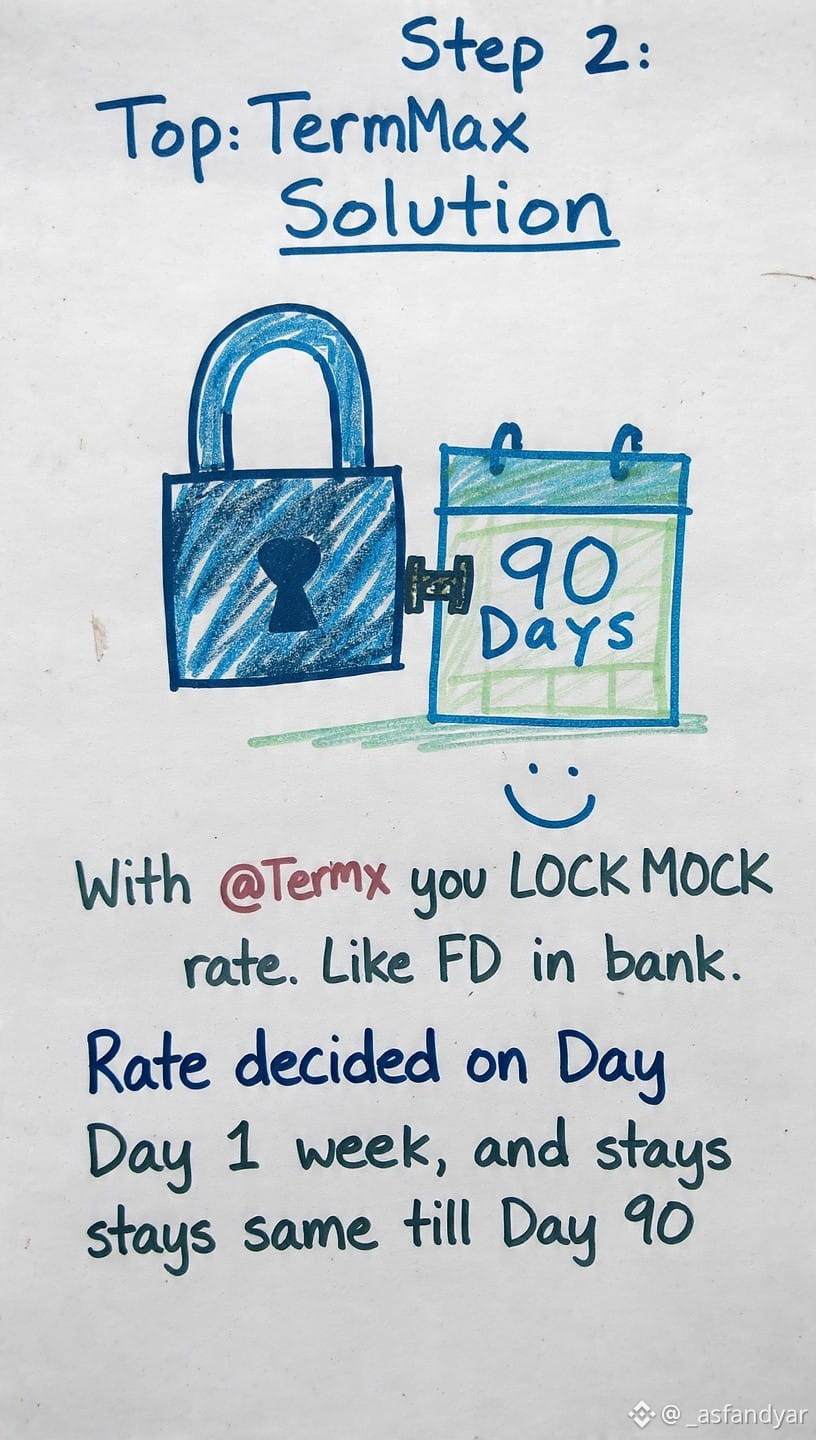
たとえば、資金を一定期間たとえば3か月、6か月、9か月、12か月ロックしたいなら、毎日動く従来の仕組みではなく、満期時に得られるリターンの正確な金額が分かります。その結果、APRも毎日変わりません。
1文でいうと term max です。
安全で、予測可能です。
なぜなら、最初の1日目に満期時にいくら手に入るかが分かるからです。
そしてまた@termmax を見つけました。
最初は、暗号資産で固定金利? 退屈そうだなと思いました。
でも実際はこうです。ホワイトペーパーの専門用語抜きで:
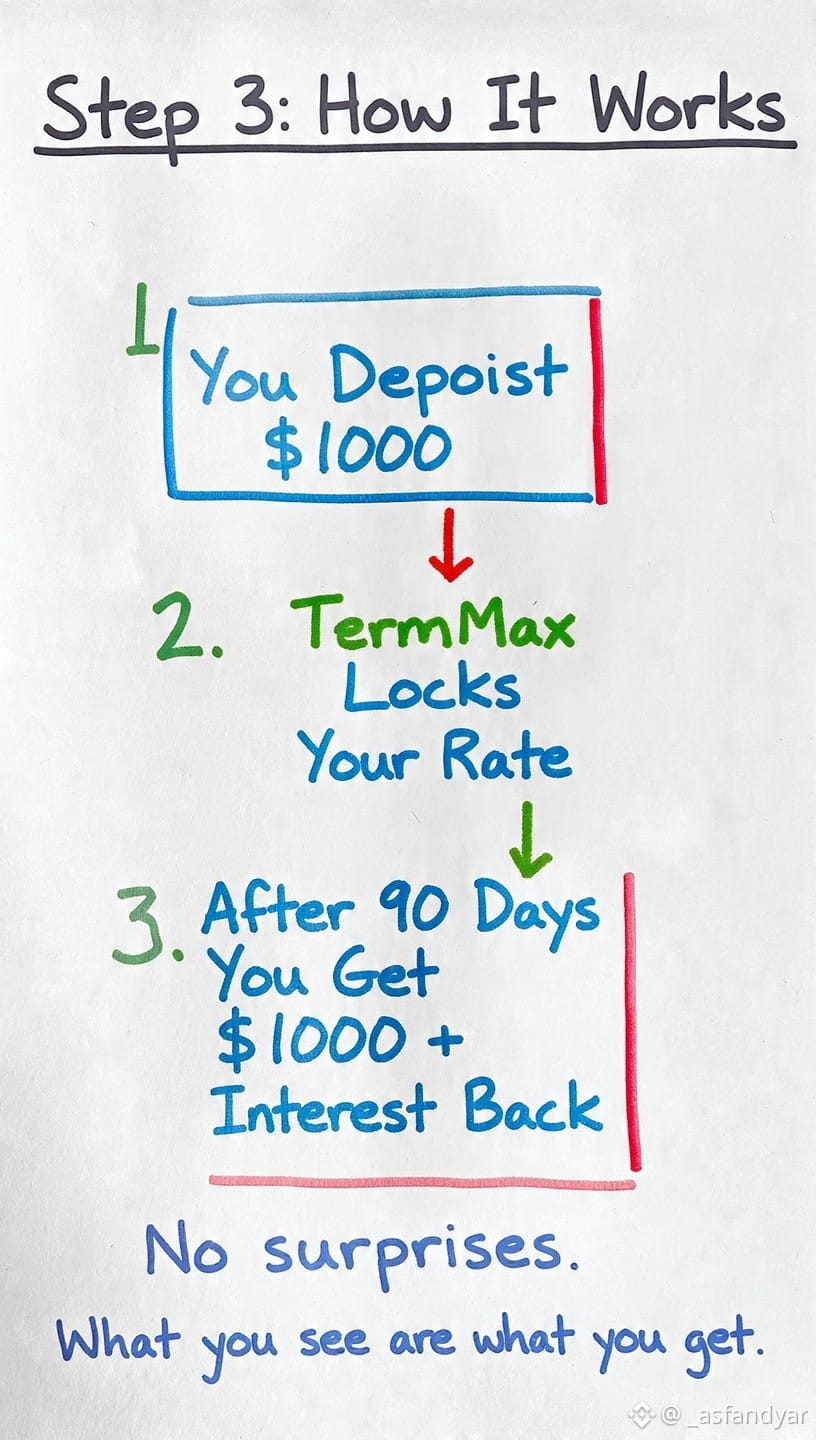
1. あなたが預けます。たとえば1000 USDCを90日間。
2. プロトコルが分けます。 一部は元本トークン(Principal Token - FT)。一部は利息トークン(Interest Token - XT)。
3. その「利息部分」は、Range Order Curveというものを通じて価格が決まります。難しい名前ですが、基本的にはみんなにとって公平な固定金利を見つけるだけです。
4. あなたの負債はGTトークンで管理されます。だから、すべてオンチェーンで透明性があります。
5. 90日目に、元本と、1日目にロックした利息が戻ります。途中で市場がどれだけ荒れてもです。
金利は動きません。まったく。
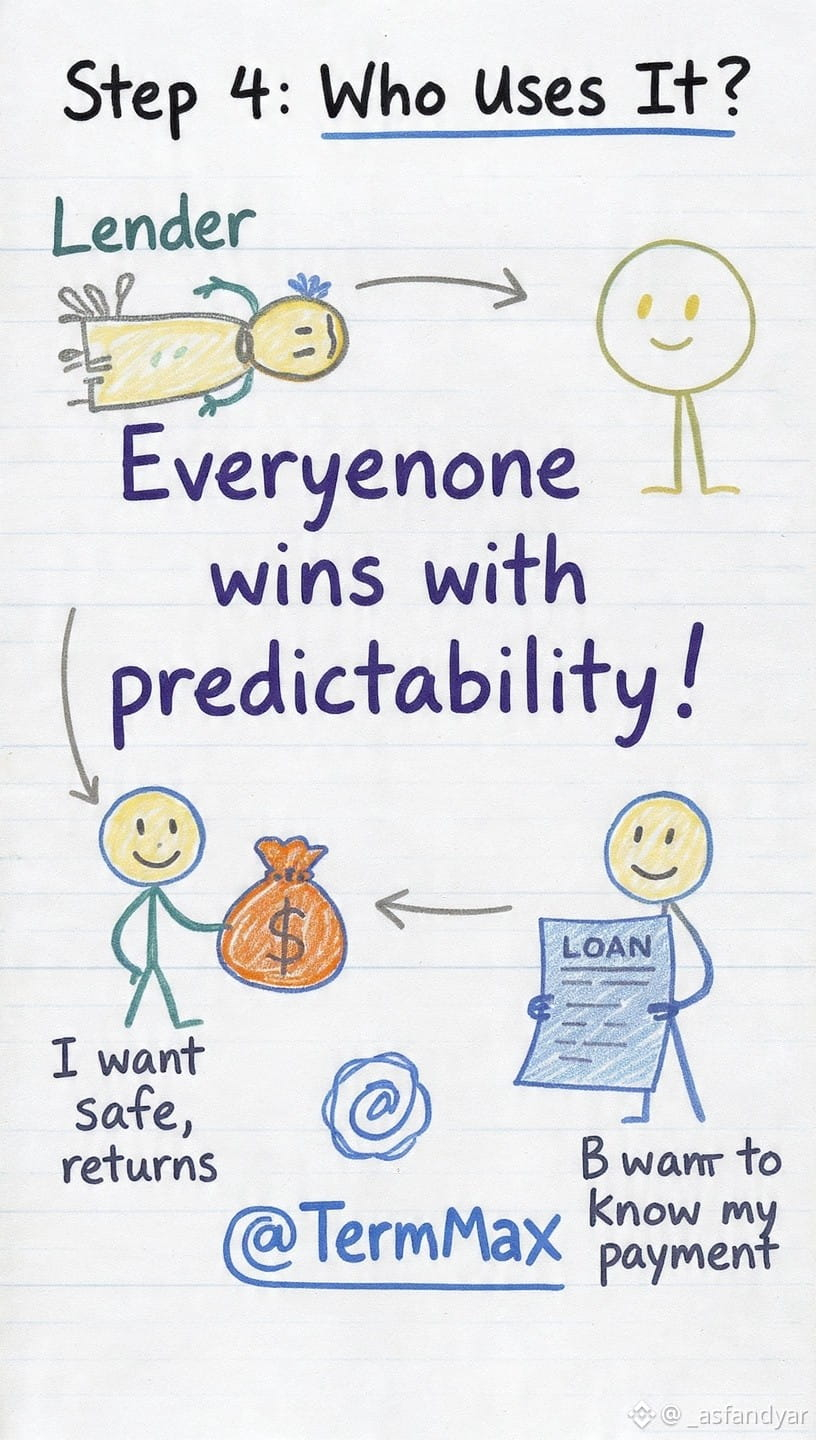
貸し手として見ると、これでようやく計画が立てられます。
OK、90日7.5%でロックね。いい感じ。
もう2時間おきにテレグラムを確認しなくて済む。
借り手にとっては、さらに大きいです。 たとえばローンを借りて、返済額が市場のボラティリティで突然2倍になるようなことがないと分かっていれば、実際に戦略を組めます。
DeFiは大人になっていく必要があります。そして大人になるには、予測可能性が必要です。
@termmax は、複雑にせずにそれを実際に提供している最初のプロトコルだと私は見ています。
もしできるなら、90日間の固定金利をロックしますか?
今の時点で、どんな固定金利なら安心できますか?
下で話し合いましょう👇
#TermMax
#termmax
去年、私は「高APYプール」に資金を入れました。すると最初の1週間は30%で、先週は3.2%でした。
その後、@TermMax を見つけました。
暗号資産で最大の問題は、金利(またはAPY)が毎日変わることです。 この@TermMax は、固定金利のDeFiを提供することでそれに対応する解決策を示しています。
たとえば、資金を一定期間たとえば3か月、6か月、9か月、12か月ロックしたいなら、毎日動く従来の仕組みではなく、満期時に得られるリターンの正確な金額が分かります。その結果、APRも毎日変わりません。
1文でいうと term max です。
安全で、予測可能です。
なぜなら、最初の1日目に満期時にいくら手に入るかが分かるからです。
そしてまた@TermMax を見つけました。
最初は、暗号資産で固定金利? 退屈そうだなと思いました。
でも実際はこうです。ホワイトペーパーの専門用語抜きで:
1. あなたが預けます。たとえば1000 USDCを90日間。
2. プロトコルが分けます。 一部は元本トークン(Principal Token - FT)。一部は利息トークン(Interest Token - XT)。
3. その「利息部分」は、Range Order Curveというものを通じて価格が決まります。難しい名前ですが、基本的にはみんなにとって公平な固定金利を見つけるだけです。
4. あなたの負債はGTトークンで管理されます。だから、すべてオンチェーンで透明性があります。
5. 90日目に、元本と、1日目にロックした利息が戻ります。途中で市場がどれだけ荒れてもです。
金利は動きません。まったく。
貸し手として見ると、これでようやく計画が立てられます。
OK、90日7.5%でロックね。いい感じ。
もう2時間おきにテレグラムを確認しなくて済む。
借り手にとっては、さらに大きいです。 たとえばローンを借りて、返済額が市場のボラティリティで突然2倍になるようなことがないと分かっていれば、実際に戦略を組めます。
DeFiは大人になっていく必要があります。そして大人になるには、予測可能性が必要です。
@TermMax は、複雑にせずにそれを実際に提供している最初のプロトコルだと私は見ています。
もしできるなら、90日間の固定金利をロックしますか?
今の時点で、どんな固定金利なら安心できますか?
下で話し合いましょう👇
#TermMax
#termmax
その後、@TermMax を見つけました。
暗号資産で最大の問題は、金利(またはAPY)が毎日変わることです。 この@TermMax は、固定金利のDeFiを提供することでそれに対応する解決策を示しています。
たとえば、資金を一定期間たとえば3か月、6か月、9か月、12か月ロックしたいなら、毎日動く従来の仕組みではなく、満期時に得られるリターンの正確な金額が分かります。その結果、APRも毎日変わりません。
1文でいうと term max です。
安全で、予測可能です。
なぜなら、最初の1日目に満期時にいくら手に入るかが分かるからです。
そしてまた@TermMax を見つけました。
最初は、暗号資産で固定金利? 退屈そうだなと思いました。
でも実際はこうです。ホワイトペーパーの専門用語抜きで:
1. あなたが預けます。たとえば1000 USDCを90日間。
2. プロトコルが分けます。 一部は元本トークン(Principal Token - FT)。一部は利息トークン(Interest Token - XT)。
3. その「利息部分」は、Range Order Curveというものを通じて価格が決まります。難しい名前ですが、基本的にはみんなにとって公平な固定金利を見つけるだけです。
4. あなたの負債はGTトークンで管理されます。だから、すべてオンチェーンで透明性があります。
5. 90日目に、元本と、1日目にロックした利息が戻ります。途中で市場がどれだけ荒れてもです。
金利は動きません。まったく。
貸し手として見ると、これでようやく計画が立てられます。
OK、90日7.5%でロックね。いい感じ。
もう2時間おきにテレグラムを確認しなくて済む。
借り手にとっては、さらに大きいです。 たとえばローンを借りて、返済額が市場のボラティリティで突然2倍になるようなことがないと分かっていれば、実際に戦略を組めます。
DeFiは大人になっていく必要があります。そして大人になるには、予測可能性が必要です。
@TermMax は、複雑にせずにそれを実際に提供している最初のプロトコルだと私は見ています。
もしできるなら、90日間の固定金利をロックしますか?
今の時点で、どんな固定金利なら安心できますか?
下で話し合いましょう👇
#TermMax
#termmax
70
·
--
翻訳参照
#termmax @termmax
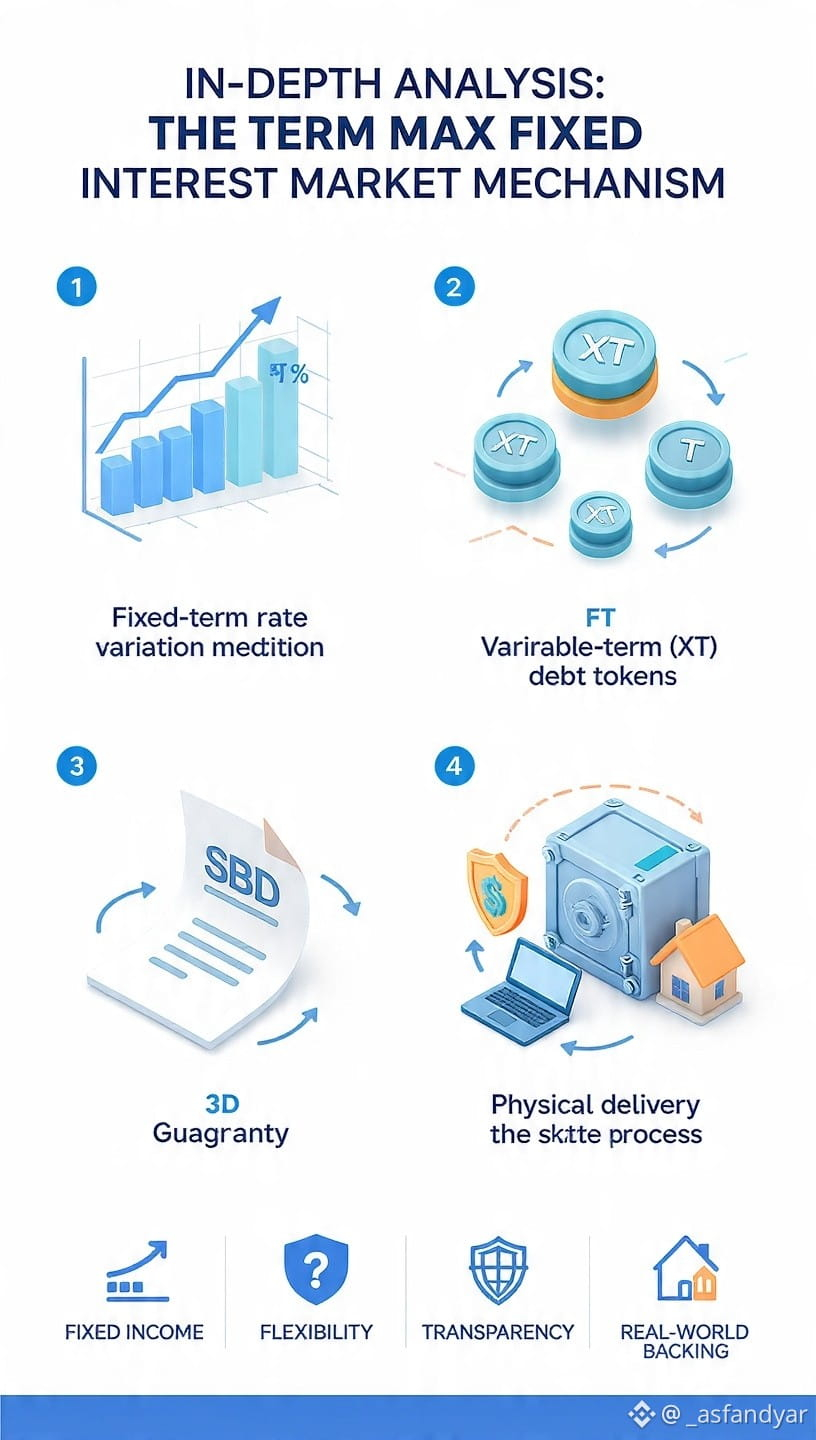
Most people don’t understand HOW fixed-rate DeFi actually works.
Let’s break down @termmax in 4 steps 👇
1. CORE CONCEPT: Range Order Market Making
The market interest rate is divided into segments. Liquidity combines at different levels to form a dynamic interest rate curve. This is what makes fixed rates possible.
2. LOAN FLOW: FT + XT = Debt Token
When you deposit, your asset splits into 2:
Principal Part + Interest Part
The interest part is exchanged via Range Order. Then it combines back to create a Debt Token.
3. DEBT POSITION: GT Token
GT = Guaranty Token
It records your borrower’s debt position and manages fixed income obligations on-chain.
4. PHYSICAL DELIVERY**
At maturity, the Redemption Pool transfers underlying assets + collateral directly to FT holders. Even RWA support.
KEY BENEFITS:
✅ Fixed Income: Stable & predictable returns
✅ Flexibility: Dynamic rate curve adapts to market
✅ Transparency: On-chain records
✅ Real-World Backing: Supported by assets & collateral
This is DeFi with TradFi predictability.
Which part did you find most interesting? 1, 2, 3 or 4? 👇 #TermMax
#termmax @TermMax
Most people don’t understand HOW fixed-rate DeFi actually works.
Let’s break down @TermMax in 4 steps 👇
1. CORE CONCEPT: Range Order Market Making
The market interest rate is divided into segments. Liquidity combines at different levels to form a dynamic interest rate curve. This is what makes fixed rates possible.
2. LOAN FLOW: FT + XT = Debt Token
When you deposit, your asset splits into 2:
Principal Part + Interest Part
The interest part is exchanged via Range Order. Then it combines back to create a Debt Token.
3. DEBT POSITION: GT Token
GT = Guaranty Token
It records your borrower’s debt position and manages fixed income obligations on-chain.
4. PHYSICAL DELIVERY**
At maturity, the Redemption Pool transfers underlying assets + collateral directly to FT holders. Even RWA support.
KEY BENEFITS:
✅ Fixed Income: Stable & predictable returns
✅ Flexibility: Dynamic rate curve adapts to market
✅ Transparency: On-chain records
✅ Real-World Backing: Supported by assets & collateral
This is DeFi with TradFi predictability.
Which part did you find most interesting? 1, 2, 3 or 4? 👇 #TermMax
Most people don’t understand HOW fixed-rate DeFi actually works.
Let’s break down @TermMax in 4 steps 👇
1. CORE CONCEPT: Range Order Market Making
The market interest rate is divided into segments. Liquidity combines at different levels to form a dynamic interest rate curve. This is what makes fixed rates possible.
2. LOAN FLOW: FT + XT = Debt Token
When you deposit, your asset splits into 2:
Principal Part + Interest Part
The interest part is exchanged via Range Order. Then it combines back to create a Debt Token.
3. DEBT POSITION: GT Token
GT = Guaranty Token
It records your borrower’s debt position and manages fixed income obligations on-chain.
4. PHYSICAL DELIVERY**
At maturity, the Redemption Pool transfers underlying assets + collateral directly to FT holders. Even RWA support.
KEY BENEFITS:
✅ Fixed Income: Stable & predictable returns
✅ Flexibility: Dynamic rate curve adapts to market
✅ Transparency: On-chain records
✅ Real-World Backing: Supported by assets & collateral
This is DeFi with TradFi predictability.
Which part did you find most interesting? 1, 2, 3 or 4? 👇 #TermMax
78
·
--
ブリッシュ
翻訳参照
I’ve been exploring and learning about @termmax and what I learn about it that its focus on making DeFi lending and borrowing more flexible through structured on-chain financial products.
The idea of bringing more efficient capital use to DeFi is interesting, especially as the ecosystem keeps evolving.
TMX token handle governance and keeps the ecosystem running.
By using TMX for governance and ecosystem utility makes it feel more community driven. This is how Defi should scale.
You can also trade options right on the protocol.
Who else is testing @termmax and what do you think about fixed rates #TermMax
let me know in the comments.
I’ve been exploring and learning about @TermMax and what I learn about it that its focus on making DeFi lending and borrowing more flexible through structured on-chain financial products.
The idea of bringing more efficient capital use to DeFi is interesting, especially as the ecosystem keeps evolving.
TMX token handle governance and keeps the ecosystem running.
By using TMX for governance and ecosystem utility makes it feel more community driven. This is how Defi should scale.
You can also trade options right on the protocol.
Who else is testing @TermMax and what do you think about fixed rates #TermMax
let me know in the comments.
The idea of bringing more efficient capital use to DeFi is interesting, especially as the ecosystem keeps evolving.
TMX token handle governance and keeps the ecosystem running.
By using TMX for governance and ecosystem utility makes it feel more community driven. This is how Defi should scale.
You can also trade options right on the protocol.
Who else is testing @TermMax and what do you think about fixed rates #TermMax
let me know in the comments.
73
·
--
ブリッシュ
#baby $BABY
#Babylon の Trustless Bitcoin Vaults(TBV)というアイデアは、私にとって特に印象的です。
ビットコイン保有者は、強固なセキュリティと完全なセルフカストディのどちらかを選ばなければならないわけではありません。TBV は、プログラマブルな保護、出金の遅延、そして回復オプションを導入し、鍵が侵害された場合の影響を軽減しつつ、ユーザーが自分の BTC を管理できる状態を保つことに役立ちます。これは長期的なビットコインのセキュリティにとって現実的な改善であり、今後どのように進化していくのかに注目しています。@babylonlabs_io
$BABY #SelfCustody #Web3
#baby $BABY
#Babylon の Trustless Bitcoin Vaults(TBV)というアイデアは、私にとって特に印象的です。
ビットコイン保有者は、強固なセキュリティと完全なセルフカストディのどちらかを選ばなければならないわけではありません。TBV は、プログラマブルな保護、出金の遅延、そして回復オプションを導入し、鍵が侵害された場合の影響を軽減しつつ、ユーザーが自分の BTC を管理できる状態を保つことに役立ちます。これは長期的なビットコインのセキュリティにとって現実的な改善であり、今後どのように進化していくのかに注目しています。@BabylonLabs_io
$BABY #SelfCustody #Web3
#Babylon の Trustless Bitcoin Vaults(TBV)というアイデアは、私にとって特に印象的です。
ビットコイン保有者は、強固なセキュリティと完全なセルフカストディのどちらかを選ばなければならないわけではありません。TBV は、プログラマブルな保護、出金の遅延、そして回復オプションを導入し、鍵が侵害された場合の影響を軽減しつつ、ユーザーが自分の BTC を管理できる状態を保つことに役立ちます。これは長期的なビットコインのセキュリティにとって現実的な改善であり、今後どのように進化していくのかに注目しています。@BabylonLabs_io
$BABY #SelfCustody #Web3
1
74
·
--
@babylonlabs_io #Babylon エコシステムについて学ぶ時間を少し取っており、私の目を引いたのは、分散化を犠牲にすることなくセキュリティを向上させる、信頼を最小化したインフラの構築に重点を置いている点です。Trustless Bitcoin Vaults(TBV)は、ユーザーが主導権を持ったまま、資産保護と復旧により賢いアプローチを提供する、エコシステムの中でも特に興味深い革新の一つです。このビジョンを前進させ続けている @BabylonLabs_iotag を見られて嬉しく、ここから $BABY エコシステムがどのように成長していくのか楽しみにしています。#baby
@BabylonLabs_io #Babylon エコシステムについて学ぶ時間を少し取っており、私の目を引いたのは、分散化を犠牲にすることなくセキュリティを向上させる、信頼を最小化したインフラの構築に重点を置いている点です。Trustless Bitcoin Vaults(TBV)は、ユーザーが主導権を持ったまま、資産保護と復旧により賢いアプローチを提供する、エコシステムの中でも特に興味深い革新の一つです。このビジョンを前進させ続けている @BabylonLabs_iotag を見られて嬉しく、ここから $BABY エコシステムがどのように成長していくのか楽しみにしています。#baby
1
75
·
--
お気に入り(優勝候補)が席巻するのか、それとも忘れられないアンダードッグの物語が始まろうとしているのか?今こそ直感を信じ、試合の形勢を分析して、勝敗予想を固めるタイミングです。ベンチで眺めるだけじゃなく、いまこそその場のアクションに参加しよう!
#binancepickandwin
お気に入り(優勝候補)が席巻するのか、それとも忘れられないアンダードッグの物語が始まろうとしているのか?今こそ直感を信じ、試合の形勢を分析して、勝敗予想を固めるタイミングです。ベンチで眺めるだけじゃなく、いまこそその場のアクションに参加しよう!
#binancepickandwin
#binancepickandwin
1
72
·
--
美しいゲームは決して裏切らない。戦術の妙から、劇的な土壇場のゴールまで、サッカーは私たちを席の端に釘付けにし続ける。これから待ち受ける大一番の数々に向けて、チームの調子を分析し、結果を予測することこそが戦略の究極の試練だ。番狂わせは起きるのか、それとも本命が圧倒するのか?私は予想を固めた。あなたの週末のスコア予想は?
#BinancePickAndWin
美しいゲームは決して裏切らない。戦術の妙から、劇的な土壇場のゴールまで、サッカーは私たちを席の端に釘付けにし続ける。これから待ち受ける大一番の数々に向けて、チームの調子を分析し、結果を予測することこそが戦略の究極の試練だ。番狂わせは起きるのか、それとも本命が圧倒するのか?私は予想を固めた。あなたの週末のスコア予想は?
#BinancePickAndWin
#BinancePickAndWin
1
71
·
--
サッカーのシーズンがついにやってきた!正直、興奮を抑えきれない。試合当日のエネルギーに勝るものはない。スタンドの大歓声、土壇場のゴール、クレイジーなVAR判定、そして90分の間に繰り広げられる純粋なドラマ。今シーズンはどのリーグも新加入の選手、若い才能の台頭、そして新しい戦術に挑む指揮官たちで大盛りだ。番狂わせや下克上の物語、忘れられないチャンピオンズリーグの夜を期待している。サッカーはただのスポーツじゃない。世界中の人々をひとつにする。大きなクラブを応援していても小さなチームを応援していても、情熱は同じだ。もう最初の数試合の予想は済ませていて、大きな勝利が来ることを願っている。このシーズンにワクワクしているのは自分だけ?下にあなたの好きなチームを書いて、サッカーについて語ろう! #BinancePickAndWin
サッカーのシーズンがついにやってきた!正直、興奮を抑えきれない。試合当日のエネルギーに勝るものはない。スタンドの大歓声、土壇場のゴール、クレイジーなVAR判定、そして90分の間に繰り広げられる純粋なドラマ。今シーズンはどのリーグも新加入の選手、若い才能の台頭、そして新しい戦術に挑む指揮官たちで大盛りだ。番狂わせや下克上の物語、忘れられないチャンピオンズリーグの夜を期待している。サッカーはただのスポーツじゃない。世界中の人々をひとつにする。大きなクラブを応援していても小さなチームを応援していても、情熱は同じだ。もう最初の数試合の予想は済ませていて、大きな勝利が来ることを願っている。このシーズンにワクワクしているのは自分だけ?下にあなたの好きなチームを書いて、サッカーについて語ろう! #BinancePickAndWin
1
·
--
#BinanceTurns9 Binance、9周年記念 - あなたが築く
9周年おめでとうございます。9年間の築き上げ、革新、そして世界の暗号資産革命をリードしてくれてありがとうございます。これからも、より多くの金融の自由とWeb3の発展を!
#BinanceTurns9
#BinanceTurns9 Binance、9周年記念 - あなたが築く
9周年おめでとうございます。9年間の築き上げ、革新、そして世界の暗号資産革命をリードしてくれてありがとうございます。これからも、より多くの金融の自由とWeb3の発展を!
#BinanceTurns9
9周年おめでとうございます。9年間の築き上げ、革新、そして世界の暗号資産革命をリードしてくれてありがとうございます。これからも、より多くの金融の自由とWeb3の発展を!
#BinanceTurns9
65
·
--
9周年おめでとうございます。9年間、築き、革新し、グローバルな暗号資産の革命をリードしてくれてありがとうございます。これからも、金融の自由とWeb3のさらなる進歩に向けて乾杯! #BinanceTurns9Years
9周年おめでとうございます。9年間、築き、革新し、グローバルな暗号資産の革命をリードしてくれてありがとうございます。これからも、金融の自由とWeb3のさらなる進歩に向けて乾杯! #BinanceTurns9Years
78
·
--
お気に入りの強豪チームを大声で応援しているのか、それとも番狂わせで歴史的な勝利をつかむ“ダークホース”に賭けているのかにかかわらず、フットボールは忘れられない瞬間を必ず届けてくれます。いよいよ、あなたの決定版となる試合分析を固め、独自の見解を共有し、直感がその“ひとつ上”のご褒美を手に入れられるか確かめる時です。今すぐ参加して、すばらしいフットボールの投稿を今日中にすばやく投稿しましょう!
#BinancePickAndWin
お気に入りの強豪チームを大声で応援しているのか、それとも番狂わせで歴史的な勝利をつかむ“ダークホース”に賭けているのかにかかわらず、フットボールは忘れられない瞬間を必ず届けてくれます。いよいよ、あなたの決定版となる試合分析を固め、独自の見解を共有し、直感がその“ひとつ上”のご褒美を手に入れられるか確かめる時です。今すぐ参加して、すばらしいフットボールの投稿を今日中にすばやく投稿しましょう!
#BinancePickAndWin
#BinancePickAndWin
2
·
--
フットボールはただの試合以上のものです――世界中で私たちをつなぐ情熱そのもの。見事な戦術のマスタークラスから、土壇場の決勝ゴールによる胸を躍らせるドラマまで、すべての試合日は忘れられない瞬間を届け、観客をワクワクさせ続けます。
熱がさらに高まる中で、結果を予想するのは半分が楽しみ。誰がピッチを支配し、トロフィーを手にするのでしょうか?試合予想を共有して会話に参加し、ワクワクする報酬をアンロックしてください!
#BinancePickAndWin
フットボールはただの試合以上のものです――世界中で私たちをつなぐ情熱そのもの。見事な戦術のマスタークラスから、土壇場の決勝ゴールによる胸を躍らせるドラマまで、すべての試合日は忘れられない瞬間を届け、観客をワクワクさせ続けます。
熱がさらに高まる中で、結果を予想するのは半分が楽しみ。誰がピッチを支配し、トロフィーを手にするのでしょうか?試合予想を共有して会話に参加し、ワクワクする報酬をアンロックしてください!
#BinancePickAndWin
熱がさらに高まる中で、結果を予想するのは半分が楽しみ。誰がピッチを支配し、トロフィーを手にするのでしょうか?試合予想を共有して会話に参加し、ワクワクする報酬をアンロックしてください!
#BinancePickAndWin
3
·
--
競争が激しさを増す中で、1点1点が本当に重要になってきており、首位を争うレースはいよいよ白熱しています。各チームはファンのために欠かせない勝利をつかもうと、ピッチ上でありったけを出し切り、自分たちの限界に挑んでいます。
今度こそ、最後まで勝ち抜いてトロフィーを手にするだけの戦術的な優位性があるのは誰だと思いますか?ぜひ下に予想を書いて、フットボールについて語りましょう!
#BinancePickAndWin
競争が激しさを増す中で、1点1点が本当に重要になってきており、首位を争うレースはいよいよ白熱しています。各チームはファンのために欠かせない勝利をつかもうと、ピッチ上でありったけを出し切り、自分たちの限界に挑んでいます。
今度こそ、最後まで勝ち抜いてトロフィーを手にするだけの戦術的な優位性があるのは誰だと思いますか?ぜひ下に予想を書いて、フットボールについて語りましょう!
#BinancePickAndWin
今度こそ、最後まで勝ち抜いてトロフィーを手にするだけの戦術的な優位性があるのは誰だと思いますか?ぜひ下に予想を書いて、フットボールについて語りましょう!
#BinancePickAndWin
1
·
--
お気に入りが優勢を保つのか、それとも忘れられないアンダードッグの物語が始まるのか?今こそ直感を信じて、フォームを分析し、試合予想を確定しよう。傍観するだけじゃない—その場の熱に参加しよう!
#binancepickandwin
お気に入りが優勢を保つのか、それとも忘れられないアンダードッグの物語が始まるのか?今こそ直感を信じて、フォームを分析し、試合予想を確定しよう。傍観するだけじゃない—その場の熱に参加しよう!
#binancepickandwin
#binancepickandwin
1
·
--
アクションが加速していく中で、結果を予想するのが半分の楽しさ。誰がピッチを制し、トロフィーを手にするのか?試合の予想を共有し、会話に参加して、ワクワクする報酬をアンロックしよう!
#BinancePickAndWin
アクションが加速していく中で、結果を予想するのが半分の楽しさ。誰がピッチを制し、トロフィーを手にするのか?試合の予想を共有し、会話に参加して、ワクワクする報酬をアンロックしよう!
#BinancePickAndWin
#BinancePickAndWin
1
·
--
フットボールは決して純粋なドラマを裏切らない。どの試合も予測不能な戦術、信じられないようなゴール、そして息をのむようなライバル関係で、ファンを席から引き離さない。こうした壮大な国際対決の勝敗を予想すること自体が、このスリルのすべてだ。
#BinancePickAndWin
フットボールは決して純粋なドラマを裏切らない。どの試合も予測不能な戦術、信じられないようなゴール、そして息をのむようなライバル関係で、ファンを席から引き離さない。こうした壮大な国際対決の勝敗を予想すること自体が、このスリルのすべてだ。
#BinancePickAndWin
#BinancePickAndWin
2
·
--
サッカーは、スリリングなゴールと忘れられない試合当日のドラマによって、世界中の何百万人もの人々を結びつける美しい競技です。深い戦術の組み立てを分析するのも、見事な番狂わせの勝利を祝うのも、このスポーツへの情熱は決して色あせることはありません。
#BinancePickAndWin
サッカーは、スリリングなゴールと忘れられない試合当日のドラマによって、世界中の何百万人もの人々を結びつける美しい競技です。深い戦術の組み立てを分析するのも、見事な番狂わせの勝利を祝うのも、このスポーツへの情熱は決して色あせることはありません。
#BinancePickAndWin
#BinancePickAndWin
6
·
--
決定的な試合分析を固める時間です。あなたならではの洞察を共有し、直感がその追加の報酬を獲得できるか確かめてみましょう。今すぐ参加して、すばらしいフットボール投稿を今日すぐ提出してください!
#BinancePickAndWin
決定的な試合分析を固める時間です。あなたならではの洞察を共有し、直感がその追加の報酬を獲得できるか確かめてみましょう。今すぐ参加して、すばらしいフットボール投稿を今日すぐ提出してください!
#BinancePickAndWin
#BinancePickAndWin
2
ログインして、さらにコンテンツを読む
厳選トピックで世界の暗号資産トレーダーの仲間入り
⚡️ 暗号資産に関する最新かつ有益な情報が見つかります。
💬 世界最大の暗号資産取引所から信頼されています。
👍 認証を受けたクリエイターから、有益なインサイトを得られます。
メール / 電話番号
トレンドトピック
CryptoLiquidations$674MIn24H
閲覧回数 1
7人が討論中
カナダの銀行規制当局(OSFI)が、トークン化された銀行預金が従来の法定通貨預金とまったく同一の法的および規制上の地位を有することを正式に確認した。
この節目の決定により、ティア1機関における規制上の不確実性が解消され、商業銀行がデジタルCADを発行し、トークン化された現実世界資産(RWA)をパブリックおよび許可制ブロックチェーン上で直接決済できる道が一気に開かれる。
📊 1H テクニカル取引セットアップ($ETH ):
方向性:🟢 ロング(確信度:82%)
エントリーゾーン:$3,420 – $3,455(需要ゾーンの再テスト)
損切り(SL):$3,360(1Hスイング安値の下/強い無効化)
利確1(TP1):$3,540
利確2(TP2):$3,620
利確3(TP3):$3,750
リスク/リワード比:約1:2.4(TP2まで)
💡 テクニカル分析:
機関投資家の基盤:Ethereumは、トークン化された預金およびエンタープライズ向けRWAプロトコルの主要な決済レイヤーであり続けている。
構造:1Hチャートでは、高値更新を伴うクリーンなブレイクアウトの後、出来高の低い押し目が50-EMAサポート帯まで入っている。
勢い:15M RSIは48.5で、買われ過ぎ(オーバーボート)の領域からリセットされつつ、構造的な市場サポートを維持している。
💬 市場の議論:
トークン化預金の対等な規制上の地位は、Ethereum上で大規模な機関投資家向けRWAの波を引き起こすのか。それともプライベートバンクのチェーンが取引量を奪うのか? 下のコメントであなたの見解を聞かせて! 👇
こちらをクリックしてチャートを見る 👇️
#CryptoLiquidations$674MIn24H #RevolutConfirmsFakeGovEmailDataBreach #TheoDõiFOMC #CanadaOSFISaysTokenizedDepositsEqualTraditionalDeposits #USBankCompletesCrossBorderPaymentPilotOnStellar
KimHotbae
·いいね:0件
·閲覧回数 5
RevolutConfirmsFakeGovEmailDataBreach
閲覧回数 1,707
99人が討論中
CanadaOSFISaysTokenizedDepositsEqualTraditionalDeposits
閲覧回数 345
24人が討論中