

Discoba
490 投稿

Discoba
報告
ユーザーをブロック
Crypto insights, narratives & creator economy | Focus is leverage. One clear path beats two blurred ones, every time. "Not financial advice"
0 フォロー
4 フォロワー
222 いいね
投稿
·
--
翻訳参照
$BTC has closed October green in 10 of the last 13 years; until 2025 broke the streak. The pattern is real: since 2013, Bitcoin has finished October green roughly 10 of 13 times, with average gains in the double digits. That's the math behind "Uptober. But 2025 is the year to remember. Bitcoin opened October at $119,000, hit a fresh $126,000 high within days; then a U.S.-China trade shock triggered the largest liquidation event on record at the time. BTC closed the month down about 4%, its first red October since 2018. This year, Bitcoin heads into October riding three straight green months, a streak last seen in 2012. Momentum and history are lining up again. So were they last year, right before the crash. Seasonality is a tendency, not a guarantee. A long green run didn't stop 2025 from breaking it; the thing that actually moved the needle was a macro shock nobody priced in. History says the odds favor green. It never said which year gets to be the exception. #BTC Price Analysis# #Macro Insights#
$BTC has closed October green in 10 of the last 13 years; until 2025 broke the streak. The pattern is real: since 2013, Bitcoin has finished October green roughly 10 of 13 times, with average gains in the double digits. That's the math behind "Uptober. But 2025 is the year to remember. Bitcoin opened October at $119,000, hit a fresh $126,000 high within days; then a U.S.-China trade shock triggered the largest liquidation event on record at the time. BTC closed the month down about 4%, its first red October since 2018. This year, Bitcoin heads into October riding three straight green months, a streak last seen in 2012. Momentum and history are lining up again. So were they last year, right before the crash. Seasonality is a tendency, not a guarantee. A long green run didn't stop 2025 from breaking it; the thing that actually moved the needle was a macro shock nobody priced in. History says the odds favor green. It never said which year gets to be the exception. #BTC Price Analysis# #Macro Insights#

30
·
--
翻訳参照
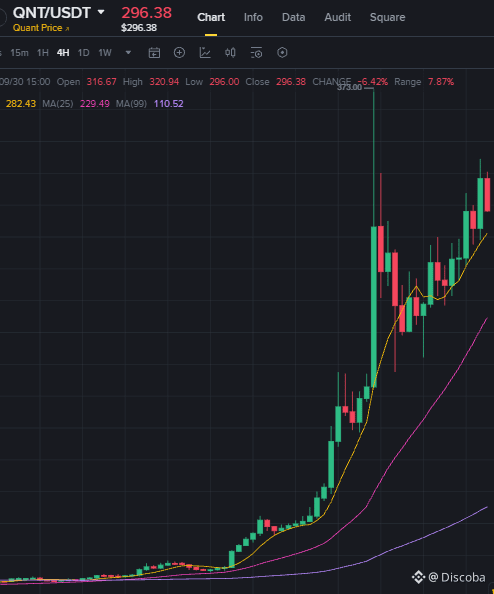
$NEAR Has the ETF. $QNT Has the Banks. Which Rally Has More Behind It? One is opening the door to Wall Street. The other is opening a door inside the banking system. $NEAR is around $4.97, up about 168% in 30 days. The big change came yesterday: Bitwise launched NRR, the first U.S. spot NEAR ETP, with trading beginning on NYSE Arca. Bitwise also intends to stake the fund’s NEAR, giving investors exposure to both price and staking rewards. But the ETF isn’t the whole story. NEAR Intents has processed almost $30B in cumulative volume, with ZEC among the assets generating meaningful recent flow. NEAR is therefore getting two separate narratives at once: regulated market access and actual cross-chain activity. Then there’s $QNT. QNT is near $288–295, up roughly 367% in 30 days. The catalyst here is much more institutional: The Clearing House selected Quant to provide the interoperability, orchestration and transaction-management layer for its new On-Chain Money Initiative. The network is expected to open to participating financial institutions in H1 2027, connecting tokenized deposits with existing RTP and CHIPS payment rails. But there’s a huge catch with both. NEAR now has easier access to U.S. investors. QNT now has a major institutional deployment attached to its name. Neither event proves that token demand will scale at the same speed as the repricing. That’s the real test from here: ETF flows and Intents usage for NEAR; actual bank adoption and transaction volumes for QNT. Two very different stories. Which one can turn today’s excitement into tomorrow’s recurring demand? #Altcoin Season# #BTC Price Analysis# #Macro Insights#
$NEAR Has the ETF. $QNT Has the Banks. Which Rally Has More Behind It? One is opening the door to Wall Street. The other is opening a door inside the banking system. $NEAR is around $4.97, up about 168% in 30 days. The big change came yesterday: Bitwise launched NRR, the first U.S. spot NEAR ETP, with trading beginning on NYSE Arca. Bitwise also intends to stake the fund’s NEAR, giving investors exposure to both price and staking rewards. But the ETF isn’t the whole story. NEAR Intents has processed almost $30B in cumulative volume, with ZEC among the assets generating meaningful recent flow. NEAR is therefore getting two separate narratives at once: regulated market access and actual cross-chain activity. Then there’s $QNT. QNT is near $288–295, up roughly 367% in 30 days. The catalyst here is much more institutional: The Clearing House selected Quant to provide the interoperability, orchestration and transaction-management layer for its new On-Chain Money Initiative. The network is expected to open to participating financial institutions in H1 2027, connecting tokenized deposits with existing RTP and CHIPS payment rails. But there’s a huge catch with both. NEAR now has easier access to U.S. investors. QNT now has a major institutional deployment attached to its name. Neither event proves that token demand will scale at the same speed as the repricing. That’s the real test from here: ETF flows and Intents usage for NEAR; actual bank adoption and transaction volumes for QNT. Two very different stories. Which one can turn today’s excitement into tomorrow’s recurring demand? #Altcoin Season# #BTC Price Analysis# #Macro Insights#
37
·
--
翻訳参照
🔥 A Number That Specific, That Fast, Is Never a Coincidence $BTC can't do what Tether just did. Democratic investigators on the Senate Permanent Subcommittee on Investigations, led by Sen. Richard Blumenthal, released a report naming USDT as the backbone of Iran's shadow banking system. Their finding: 84% of 846 U.S.-sanctioned, Iran-linked wallets transacted almost exclusively in the stablecoin. Tether answered the next day. The company said it helped freeze roughly $550 million in Iran-linked $USDT during 2026 alone: $344 million across two wallets in April, $130 million across four wallets in July after Treasury expanded its Central Bank of Iran designation, and another $75 million in smaller, unitemized actions. CEO Paolo Ardoino called USDT "not a haven for sanctioned actors, terrorist organizations or criminal networks." Tether also disclosed a running total: more than $4.9 billion frozen globally, across cooperation with over 340 law enforcement agencies in 67 countries. Both numbers are true at once, and that's the real story. $550 million frozen this year doesn't erase the fact that Iran-linked money kept finding its way into USDT in the first place. The freezes are only possible because a single company can blacklist any wallet on command, something no one can do to $Btc. That's a feature when regulators want cooperation. It's also the reason USDT will never offer the one thing Bitcoin actually guarantees: that nobody, including the people who built it, can freeze it without permission. #BTC Price Analysis# #CMC Quest: Earn Rewards# #Macro Insights#
🔥 A Number That Specific, That Fast, Is Never a Coincidence $BTC can't do what Tether just did. Democratic investigators on the Senate Permanent Subcommittee on Investigations, led by Sen. Richard Blumenthal, released a report naming USDT as the backbone of Iran's shadow banking system. Their finding: 84% of 846 U.S.-sanctioned, Iran-linked wallets transacted almost exclusively in the stablecoin. Tether answered the next day. The company said it helped freeze roughly $550 million in Iran-linked $USDT during 2026 alone: $344 million across two wallets in April, $130 million across four wallets in July after Treasury expanded its Central Bank of Iran designation, and another $75 million in smaller, unitemized actions. CEO Paolo Ardoino called USDT "not a haven for sanctioned actors, terrorist organizations or criminal networks." Tether also disclosed a running total: more than $4.9 billion frozen globally, across cooperation with over 340 law enforcement agencies in 67 countries. Both numbers are true at once, and that's the real story. $550 million frozen this year doesn't erase the fact that Iran-linked money kept finding its way into USDT in the first place. The freezes are only possible because a single company can blacklist any wallet on command, something no one can do to $Btc. That's a feature when regulators want cooperation. It's also the reason USDT will never offer the one thing Bitcoin actually guarantees: that nobody, including the people who built it, can freeze it without permission. #BTC Price Analysis# #CMC Quest: Earn Rewards# #Macro Insights#
69
·
--
翻訳参照
🔥 Banks Chose Two Old Altcoins to Build On $LINK is up 11% today alone to $15.55, extending a week that's already added nearly 17%. Infosys, whose banking software touches 1.7 billion accounts worldwide, integrated Chainlink this month, arriving days after Charles Schwab and a SWIFT-adjacent payments firm both added support. Chainlink's own treasury just crossed 6 million LINK held in reserve, meaning the network is accumulating faster than it's distributing. LINK still sits roughly 70% below its 2021 high of $52.70, but for the first time in months, every catalyst is pointing the same direction at once. $ADA got a similar signal and a much smaller reaction. The Cardano Foundation joined Mastercard's Crypto Partner Program on September 15 to work on cross-border payments, and the x402 SDK opened ADA payments across hundreds of apps a week later. ADA rallied, then stalled exactly where it always does: $0.26 resistance, now failed three separate times this month. It's trading near $0.25, still roughly 92% below its 2021 peak of $3.10. A clean break above $0.26 opens $0.28 to $0.32 near-term, with bulls eyeing $0.50 to $0.60 by year-end. Fail again, and $0.20 to $0.21 decides whether September's recovery holds. The gap comes down to what each deal actually plugs into. Chainlink's partners connect straight into settlement systems banks already run. Cardano's still need new payment rails built and adopted before the story pays off. Infrastructure that slots into what exists gets priced immediately. Infrastructure waiting to be built gets a maybe. #Altcoin Season# #CMC Quest: Earn Rewards# #Macro Insights#
🔥 Banks Chose Two Old Altcoins to Build On $LINK is up 11% today alone to $15.55, extending a week that's already added nearly 17%. Infosys, whose banking software touches 1.7 billion accounts worldwide, integrated Chainlink this month, arriving days after Charles Schwab and a SWIFT-adjacent payments firm both added support. Chainlink's own treasury just crossed 6 million LINK held in reserve, meaning the network is accumulating faster than it's distributing. LINK still sits roughly 70% below its 2021 high of $52.70, but for the first time in months, every catalyst is pointing the same direction at once. $ADA got a similar signal and a much smaller reaction. The Cardano Foundation joined Mastercard's Crypto Partner Program on September 15 to work on cross-border payments, and the x402 SDK opened ADA payments across hundreds of apps a week later. ADA rallied, then stalled exactly where it always does: $0.26 resistance, now failed three separate times this month. It's trading near $0.25, still roughly 92% below its 2021 peak of $3.10. A clean break above $0.26 opens $0.28 to $0.32 near-term, with bulls eyeing $0.50 to $0.60 by year-end. Fail again, and $0.20 to $0.21 decides whether September's recovery holds. The gap comes down to what each deal actually plugs into. Chainlink's partners connect straight into settlement systems banks already run. Cardano's still need new payment rails built and adopted before the story pays off. Infrastructure that slots into what exists gets priced immediately. Infrastructure waiting to be built gets a maybe. #Altcoin Season# #CMC Quest: Earn Rewards# #Macro Insights#

40
·
--
翻訳参照
🔥 She Built the Bridge Between Wall Street and Crypto. Now She's Walking Away From It The rule behind $BTC eight-month high just lost its architect. SEC Commissioner Hester Peirce announced her resignation, effective October 2, closing her own letter with the caption "T minus 7." Peirce, nicknamed "Crypto Mom," joined the SEC in 2018 and has led its Crypto Task Force since February 2025, the office that built the Innovation Exemption letting Apple, Nvidia, and other blue-chip stocks trade as tokenized assets on blockchain liquidity pools, the same policy that helped push $BTC to $86,331 last week, its highest price since January. Her departure leaves the SEC with just two sitting commissioners, both Republican, for the first time since a Democrat commissioner left the agency in January. The bigger problem is timing: the comment period for "Regulation Crypto Assets," the SEC's broader rulebook covering a proposed $75 million exemption threshold, doesn't close until October 20, more than two weeks after Peirce is gone. She'll be teaching law at Regent University before the agency even finishes reading the public's feedback on the framework she built. A two-commissioner SEC is legally valid, courts settled that decades ago. But it also means every future crypto rule now needs agreement between two people instead of a broader panel, on a docket that still includes tokenized securities, staking guidance, and custody rules working through the pipeline. The bridge Peirce built is standing. Who finishes building the rest of it is now an open question. #BTC Price Analysis# #Altcoin Season# #Macro Insights#
🔥 She Built the Bridge Between Wall Street and Crypto. Now She's Walking Away From It The rule behind $BTC eight-month high just lost its architect. SEC Commissioner Hester Peirce announced her resignation, effective October 2, closing her own letter with the caption "T minus 7." Peirce, nicknamed "Crypto Mom," joined the SEC in 2018 and has led its Crypto Task Force since February 2025, the office that built the Innovation Exemption letting Apple, Nvidia, and other blue-chip stocks trade as tokenized assets on blockchain liquidity pools, the same policy that helped push $BTC to $86,331 last week, its highest price since January. Her departure leaves the SEC with just two sitting commissioners, both Republican, for the first time since a Democrat commissioner left the agency in January. The bigger problem is timing: the comment period for "Regulation Crypto Assets," the SEC's broader rulebook covering a proposed $75 million exemption threshold, doesn't close until October 20, more than two weeks after Peirce is gone. She'll be teaching law at Regent University before the agency even finishes reading the public's feedback on the framework she built. A two-commissioner SEC is legally valid, courts settled that decades ago. But it also means every future crypto rule now needs agreement between two people instead of a broader panel, on a docket that still includes tokenized securities, staking guidance, and custody rules working through the pipeline. The bridge Peirce built is standing. Who finishes building the rest of it is now an open question. #BTC Price Analysis# #Altcoin Season# #Macro Insights#

47
·
--
翻訳参照
This Is the Second Time a Nine-Figure Hack Has Turned Into $BTC Through the Same Door The last time this exact route got used, $900 million disappeared through it too. On September 24, Bitget lost $387.5 million in a backend breach that investigators linked to North Korea-style techniques, with stolen assets spanning Ethereum, XRP Ledger, Zcash and TRON. Two days later, CEO Gracy Chen publicly asked THORChain, a decentralized cross-chain exchange, to block the attacker's already-identified wallets. THORChain refused: "A halt is not a selective freeze of specific funds or an individual swap," it said, comparing itself to Bitcoin and Ethereum. On Monday, the attacker used THORChain anyway, swapping 2,390 ETH into 75.2 $BTC, worth about $6.3 million, across 27 transactions. This isn't THORChain's first time in this position. When Bybit lost $1.4 billion in February 2025, still crypto's largest hack ever, roughly 72% of the stolen ETH, about $900 million, moved through THORChain and out into Bitcoin the same way. Security firm GoPlus argues the "can't intervene" defense doesn't hold up: THORChain's own documentation describes validator votes and chain-specific pause controls that Bitcoin and Ethereum simply don't have. THORChain's counter is consistency, not innocence: when it lost $10.7 million to its own exploit in May, it never blacklisted those addresses either. Neither side is lying. THORChain's rule really is the same for everyone, including itself. But a protocol that turns two of crypto's biggest hacks into Bitcoin isn't a coincidence, it's a routing decision. The real question isn't whether THORChain can technically intervene. It's whether "permissionless" and "the preferred getaway route into Bitcoin" can keep meaning the same thing. #BTC Price Analysis# #CMC Quest: Earn Rewards# #Macro Insights#
This Is the Second Time a Nine-Figure Hack Has Turned Into $BTC Through the Same Door The last time this exact route got used, $900 million disappeared through it too. On September 24, Bitget lost $387.5 million in a backend breach that investigators linked to North Korea-style techniques, with stolen assets spanning Ethereum, XRP Ledger, Zcash and TRON. Two days later, CEO Gracy Chen publicly asked THORChain, a decentralized cross-chain exchange, to block the attacker's already-identified wallets. THORChain refused: "A halt is not a selective freeze of specific funds or an individual swap," it said, comparing itself to Bitcoin and Ethereum. On Monday, the attacker used THORChain anyway, swapping 2,390 ETH into 75.2 $BTC, worth about $6.3 million, across 27 transactions. This isn't THORChain's first time in this position. When Bybit lost $1.4 billion in February 2025, still crypto's largest hack ever, roughly 72% of the stolen ETH, about $900 million, moved through THORChain and out into Bitcoin the same way. Security firm GoPlus argues the "can't intervene" defense doesn't hold up: THORChain's own documentation describes validator votes and chain-specific pause controls that Bitcoin and Ethereum simply don't have. THORChain's counter is consistency, not innocence: when it lost $10.7 million to its own exploit in May, it never blacklisted those addresses either. Neither side is lying. THORChain's rule really is the same for everyone, including itself. But a protocol that turns two of crypto's biggest hacks into Bitcoin isn't a coincidence, it's a routing decision. The real question isn't whether THORChain can technically intervene. It's whether "permissionless" and "the preferred getaway route into Bitcoin" can keep meaning the same thing. #BTC Price Analysis# #CMC Quest: Earn Rewards# #Macro Insights#

94
·
--
翻訳参照
🔥 $RUNE answered "defending crypto or defending hackers ? THORChain didn't even protect itself differently. September 24, Bitget lost $387.5 million after attackers cracked its backend authorization system, pulling funds out through 19 transactions across Ethereum, XRP Ledger, BNB Chain and TRON. CEO Gracy Chen says signs point to North Korea, though that's unconfirmed. Bitget's $464M protection fund covers customers regardless. Two days later, Chen asked THORChain to block the attacker's publicly tracked addresses. "Decentralization is a design principle, not a shield for facilitating known stolen funds," she wrote. THORChain shot back: What responsibility should $BTC , Eth, and BNB Chain bear when dealing with known stolen funds? Here's what makes this more than a PR fight. In May, THORChain's own vaults were drained too. Node operators halted the network fast to stop the bleeding; but never blacklisted those attackers' addresses afterward either. Same policy, applied to itself. Critics say that consistency proves the wrong thing. OKX founder Star Xu argues THORChain's validator-controlled vaults aren't decentralized like Bitcoin at all: "Distributing an intermediary does not eliminate the intermediary." A defined group can move funds once enough of them sign. This isn't new, either; after Bybit's $1.46B hack in 2025, roughly $1.2 billion reportedly moved through THORChain the same way. The real question isn't whether THORChain can intervene; May proved it can, fast. It's whether repeat use as a laundering rail eventually forces regulators, or its own node operators, to make that choice for it. #Security #BTC Price Analysis# #Macro Insights#
🔥 $RUNE answered "defending crypto or defending hackers ? THORChain didn't even protect itself differently. September 24, Bitget lost $387.5 million after attackers cracked its backend authorization system, pulling funds out through 19 transactions across Ethereum, XRP Ledger, BNB Chain and TRON. CEO Gracy Chen says signs point to North Korea, though that's unconfirmed. Bitget's $464M protection fund covers customers regardless. Two days later, Chen asked THORChain to block the attacker's publicly tracked addresses. "Decentralization is a design principle, not a shield for facilitating known stolen funds," she wrote. THORChain shot back: What responsibility should $BTC , Eth, and BNB Chain bear when dealing with known stolen funds? Here's what makes this more than a PR fight. In May, THORChain's own vaults were drained too. Node operators halted the network fast to stop the bleeding; but never blacklisted those attackers' addresses afterward either. Same policy, applied to itself. Critics say that consistency proves the wrong thing. OKX founder Star Xu argues THORChain's validator-controlled vaults aren't decentralized like Bitcoin at all: "Distributing an intermediary does not eliminate the intermediary." A defined group can move funds once enough of them sign. This isn't new, either; after Bybit's $1.46B hack in 2025, roughly $1.2 billion reportedly moved through THORChain the same way. The real question isn't whether THORChain can intervene; May proved it can, fast. It's whether repeat use as a laundering rail eventually forces regulators, or its own node operators, to make that choice for it. #Security #BTC Price Analysis# #Macro Insights#
32
·
--
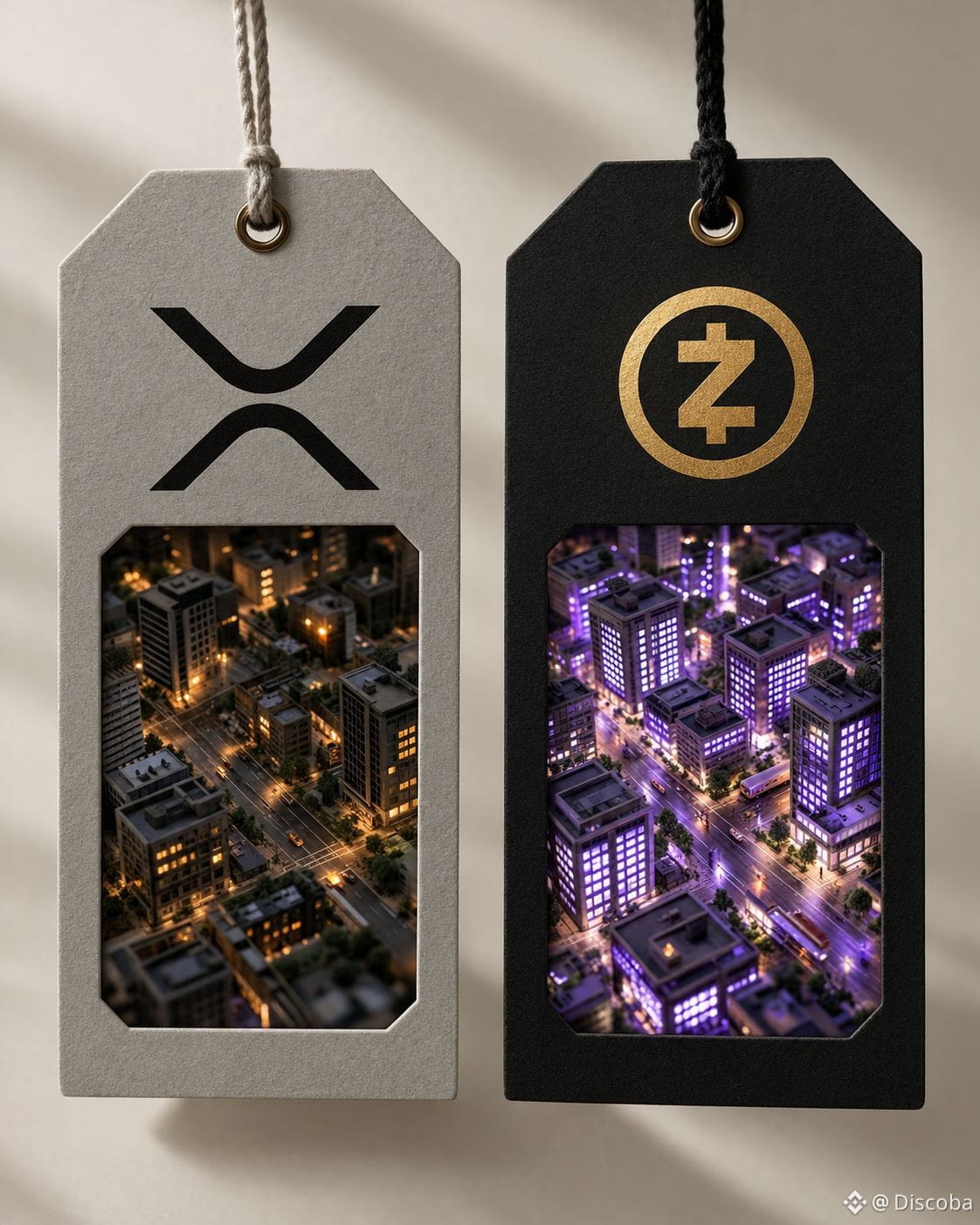
$XRP ちょうど目を覚ました。$ZEC 眠りから一度も戻らなかった。 そのうちの1つは、まさに始まったばかりだ。 $XRPは、数カ月で最も強い上昇局面を締めくくった。夏の間、$0.90〜$1.10の狭いレンジにしばられていたあと、ショートの清算、ETFへの資金流入の再開、そしてビットコインの$77,000超えを追い風に、わずか1週間で56%以上急騰した。 現在は$1.54近辺で取引されており、世界のSWIFT決済ボリュームの約9%を処理するACI Worldwideが、今週XRPを決済オプションとして追加した。 リップルは引き続き、自社のエスクロー(信託)スケジュールを通じて毎月最大4億XRPを流通に解放している。そしてリップル自身のCEOは最近、ステーブルコインがXRPよりも支払いにうまく機能する場合があると示唆した。XRPは依然として、2025年のサイクル高値からおよそ57%下の水準にとどまっている。 $ZECはまったく別の物語を語る。 ゼックキャッシュ(Zcash)は1月以降、約2,500%も上昇し、時価総額で第82位からトップ10入りへ躍進。今週は$1,693まで到達しており、2016年以来の高値だ。 この動きは、8月のグレースケールによるZcash ETF立ち上げ、欧州の上場投資商品、さらに今月、あるベンチャー企業がZECのポジションを開示し「ビットコインのプライベートな補完(a private complement to Bitcoin)」だと述べたことを受けて起きた。 プライバシーコインの時価総額はカテゴリ全体で336億ドルに達し、Zcashがそのうち60%以上を占めている。 2つの急騰には共通の根本原因がある。すなわち、このサイクルが始まる何年も前に作られた資産への需要を解放する、機関投資家向けラッパー(包み込む仕組み)だ。 本当の違いは規模のギャップにある。 1つは、フォーチュン500の支持を得てなお、深い穴から這い上がろうとしている決済ネットワーク。 もう1つは、あるユースケース──金融プライバシー──で1カ月の間に3倍になった。市場の大半はその可能性を完全に見切っていた。 #Altcoin Season# #BTC Price Analysis# #Macro Insights#
$XRP ちょうど目を覚ました。$ZEC 眠りから一度も戻らなかった。 そのうちの1つは、まさに始まったばかりだ。 $XRPは、数カ月で最も強い上昇局面を締めくくった。夏の間、$0.90〜$1.10の狭いレンジにしばられていたあと、ショートの清算、ETFへの資金流入の再開、そしてビットコインの$77,000超えを追い風に、わずか1週間で56%以上急騰した。 現在は$1.54近辺で取引されており、世界のSWIFT決済ボリュームの約9%を処理するACI Worldwideが、今週XRPを決済オプションとして追加した。 リップルは引き続き、自社のエスクロー(信託)スケジュールを通じて毎月最大4億XRPを流通に解放している。そしてリップル自身のCEOは最近、ステーブルコインがXRPよりも支払いにうまく機能する場合があると示唆した。XRPは依然として、2025年のサイクル高値からおよそ57%下の水準にとどまっている。 $ZECはまったく別の物語を語る。 ゼックキャッシュ(Zcash)は1月以降、約2,500%も上昇し、時価総額で第82位からトップ10入りへ躍進。今週は$1,693まで到達しており、2016年以来の高値だ。 この動きは、8月のグレースケールによるZcash ETF立ち上げ、欧州の上場投資商品、さらに今月、あるベンチャー企業がZECのポジションを開示し「ビットコインのプライベートな補完(a private complement to Bitcoin)」だと述べたことを受けて起きた。 プライバシーコインの時価総額はカテゴリ全体で336億ドルに達し、Zcashがそのうち60%以上を占めている。 2つの急騰には共通の根本原因がある。すなわち、このサイクルが始まる何年も前に作られた資産への需要を解放する、機関投資家向けラッパー(包み込む仕組み)だ。 本当の違いは規模のギャップにある。 1つは、フォーチュン500の支持を得てなお、深い穴から這い上がろうとしている決済ネットワーク。 もう1つは、あるユースケース──金融プライバシー──で1カ月の間に3倍になった。市場の大半はその可能性を完全に見切っていた。 #Altcoin Season# #BTC Price Analysis# #Macro Insights#
52
·
--
🔥 あるスコアボードは「アルトシーズン開始」を示唆。ほか2つは異論。 $BTC がブレイクした。1つはアルトコインが追随したという。 Glassnode の「アルトコイン・サイクル・シグナル」は、ビットコイン・シーズンからアルトコイン・シーズンへ反転し、$BTC が 87,000ドルを上回ったことで 100点中 81.25点に到達。さらに、6月以来初めて、今回の上昇は実際に広がりを見せた。 Glassnode は、ビットコインに対する相対パフォーマンスで 250 の大型アルトコインを追跡しており、この反転は前回と様子が違っていた。アルトコインのオープン・インタレストはビットコインに比べて低いままで、今回の値動きはレバレッジに支えられたものではない。つまり、功を奏したのは「ビットコインの押し戻し」だけではなく、広がり(ブレッドス)だった。 🤔 しかし、他の2つのスコアボードは異なる見解だ。Blockchain Center の「アルトコイン・シーズン・インデックス」は、上位50銘柄のうち75%が90日間でビットコインに勝つことを条件にしており、9月22日時点では 49 と低く、ビットコイン・シーズン領域にしっかりある。 @CoinMarketCap も同様に、上位100銘柄に対して90日・75%テストを実施しており、直近の高40〜低50の数値も同じ判定(ビットコイン・シーズン)だった。 ギャップの原因は、各モデルが実際に何を測っているかの違いにある。Glassnode は、広範なバスケットでの短期的な相対的強さを追うため、強い1セッションで反転することがあり得る。 一方、90日指標は、3か月の持続的なアウトパフォームが出るまで動かない。つまり、価格に対して遅れて現れるよう設計されている。ビットコイン・ドミナンスは、対照的にほとんど動いておらず、依然として59%前後。 3つの指標はどれも間違いではない。答えている質問が違うのだ。「いま取引がうまく機能しているのか」それとも「信じるのに十分長く続いているのか」か。 #Altcoin Season# #CMC Quest: Earn Rewards# #Macro Insights#
🔥 あるスコアボードは「アルトシーズン開始」を示唆。ほか2つは異論。 $BTC がブレイクした。1つはアルトコインが追随したという。 Glassnode の「アルトコイン・サイクル・シグナル」は、ビットコイン・シーズンからアルトコイン・シーズンへ反転し、$BTC が 87,000ドルを上回ったことで 100点中 81.25点に到達。さらに、6月以来初めて、今回の上昇は実際に広がりを見せた。 Glassnode は、ビットコインに対する相対パフォーマンスで 250 の大型アルトコインを追跡しており、この反転は前回と様子が違っていた。アルトコインのオープン・インタレストはビットコインに比べて低いままで、今回の値動きはレバレッジに支えられたものではない。つまり、功を奏したのは「ビットコインの押し戻し」だけではなく、広がり(ブレッドス)だった。 🤔 しかし、他の2つのスコアボードは異なる見解だ。Blockchain Center の「アルトコイン・シーズン・インデックス」は、上位50銘柄のうち75%が90日間でビットコインに勝つことを条件にしており、9月22日時点では 49 と低く、ビットコイン・シーズン領域にしっかりある。 @CoinMarketCap も同様に、上位100銘柄に対して90日・75%テストを実施しており、直近の高40〜低50の数値も同じ判定(ビットコイン・シーズン)だった。 ギャップの原因は、各モデルが実際に何を測っているかの違いにある。Glassnode は、広範なバスケットでの短期的な相対的強さを追うため、強い1セッションで反転することがあり得る。 一方、90日指標は、3か月の持続的なアウトパフォームが出るまで動かない。つまり、価格に対して遅れて現れるよう設計されている。ビットコイン・ドミナンスは、対照的にほとんど動いておらず、依然として59%前後。 3つの指標はどれも間違いではない。答えている質問が違うのだ。「いま取引がうまく機能しているのか」それとも「信じるのに十分長く続いているのか」か。 #Altcoin Season# #CMC Quest: Earn Rewards# #Macro Insights#
67
·
--
🔥 チェーンリンクが17億件の銀行口座を獲得したのに、それでも$LINKは下落—9月22日、ChainlinkはInfosys(コアバンキングおよび決済システムを、世界の1.7B超の顧客口座向けに稼働させている400億ドル規模のIT大手)が、Chainlinkのフルスタックを標準化すると発表しました。CCIP、Chainlink Runtime Environment、自動コンプライアンスエンジン、Proof of Reserve、そしてデータフィード。今回の発表は今月2件目となる、銀行向けの大きな取引です。先にはBottomlineとの合意があり、600行以上の銀行と、年間SWIFT取引高で約16兆ドルに関わっています。 ただし、発表に含まれていなかったのは以下です:特定の銀行名、導入のタイムライン、手数料体系。 発表から24時間以内に$LINKは最大4.4%下落しました。 しかし、視点を広げるとトークンは今週なお約20%上昇しており、約$13で取引されています。これは2021年の最高値から約75%下です。 本当の機関投資家の採用と、再評価されたトークンは同じマイルストーンではありません。Infosysはその1つ目をクリアしました。LINKは2つ目を待っており、市場はその違いを理解しているようです。 #Altcoin Season# #CMC Quest: Earn Rewards# #BTC Price Analysis#
🔥 チェーンリンクが17億件の銀行口座を獲得したのに、それでも$LINKは下落—9月22日、ChainlinkはInfosys(コアバンキングおよび決済システムを、世界の1.7B超の顧客口座向けに稼働させている400億ドル規模のIT大手)が、Chainlinkのフルスタックを標準化すると発表しました。CCIP、Chainlink Runtime Environment、自動コンプライアンスエンジン、Proof of Reserve、そしてデータフィード。今回の発表は今月2件目となる、銀行向けの大きな取引です。先にはBottomlineとの合意があり、600行以上の銀行と、年間SWIFT取引高で約16兆ドルに関わっています。 ただし、発表に含まれていなかったのは以下です:特定の銀行名、導入のタイムライン、手数料体系。 発表から24時間以内に$LINKは最大4.4%下落しました。 しかし、視点を広げるとトークンは今週なお約20%上昇しており、約$13で取引されています。これは2021年の最高値から約75%下です。 本当の機関投資家の採用と、再評価されたトークンは同じマイルストーンではありません。Infosysはその1つ目をクリアしました。LINKは2つ目を待っており、市場はその違いを理解しているようです。 #Altcoin Season# #CMC Quest: Earn Rewards# #BTC Price Analysis#
55
·
--
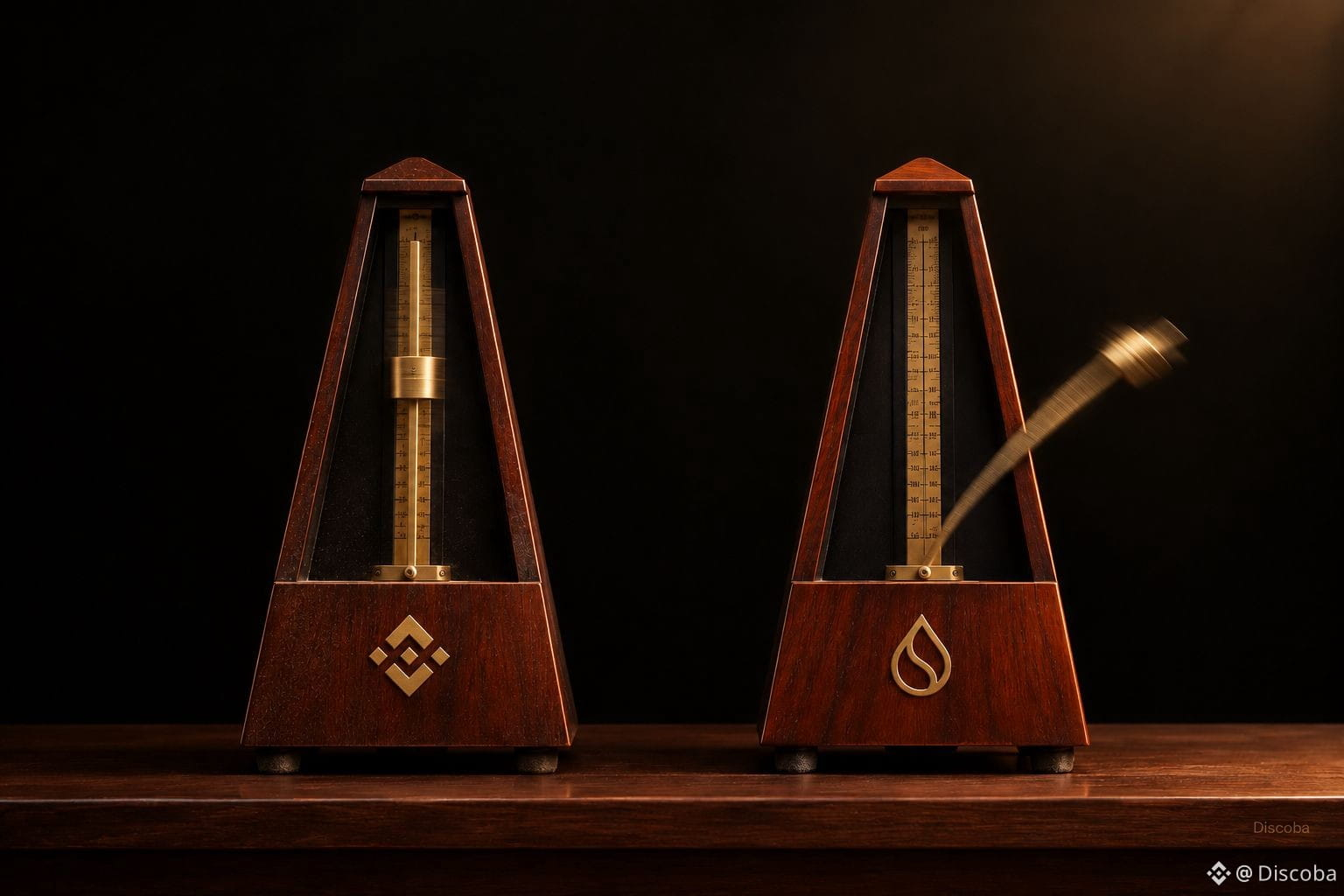
$BNB は時価総額 $100B 超のあたりで横ばいに推移している一方、$SUI は 1 日で 13% も急騰しました。BNB は $775 付近で取引されており、今月前半に $763 をブレイクしたあとも時価総額 $100B を快適に上回る位置を維持しています。この動きは投機的なノイズではありません。Binance Wallet は最近ワンクリックの流動性機能を追加し、直近のアップグレード後にテストネットのスループットは 88% 増加、さらに今週 BNB Chain 上で BlackRock 関連のトークン化ポートフォリオが稼働を開始しました。これはブルーチップ級のチャートです。低ボラティリティで、エコシステム主導。派手さよりも安定を求めるホルダーのために作られています。SUI は逆の物語です。トークンは本日 $1.16 まで 13% 超上昇し、出来高は $1.75B。Fear and Greed Index が 72 に上がる中、アルトコインへのより大きなローテーションの一部です。ビットコインの優位性は緩み、高ベータの Layer 1 に資金が流れ込んでおり、SUI は多くの銘柄よりもその波をより強く捉えているだけです。どちらの動きも、長期でどのトークンがより良い賭けかを教えてはくれません。教えてくれるのは、あなたが買っている「リスク特性」です。BNB のチャートは忍耐に報います。SUI はタイミングに報います。あなたのタイムラインではなく、胃袋に合う方を選びましょう。 #Altcoin Season# #Macro Insights# #BTC Price Analysis#
$BNB は時価総額 $100B 超のあたりで横ばいに推移している一方、$SUI は 1 日で 13% も急騰しました。BNB は $775 付近で取引されており、今月前半に $763 をブレイクしたあとも時価総額 $100B を快適に上回る位置を維持しています。この動きは投機的なノイズではありません。Binance Wallet は最近ワンクリックの流動性機能を追加し、直近のアップグレード後にテストネットのスループットは 88% 増加、さらに今週 BNB Chain 上で BlackRock 関連のトークン化ポートフォリオが稼働を開始しました。これはブルーチップ級のチャートです。低ボラティリティで、エコシステム主導。派手さよりも安定を求めるホルダーのために作られています。SUI は逆の物語です。トークンは本日 $1.16 まで 13% 超上昇し、出来高は $1.75B。Fear and Greed Index が 72 に上がる中、アルトコインへのより大きなローテーションの一部です。ビットコインの優位性は緩み、高ベータの Layer 1 に資金が流れ込んでおり、SUI は多くの銘柄よりもその波をより強く捉えているだけです。どちらの動きも、長期でどのトークンがより良い賭けかを教えてはくれません。教えてくれるのは、あなたが買っている「リスク特性」です。BNB のチャートは忍耐に報います。SUI はタイミングに報います。あなたのタイムラインではなく、胃袋に合う方を選びましょう。 #Altcoin Season# #Macro Insights# #BTC Price Analysis#
47
·
--
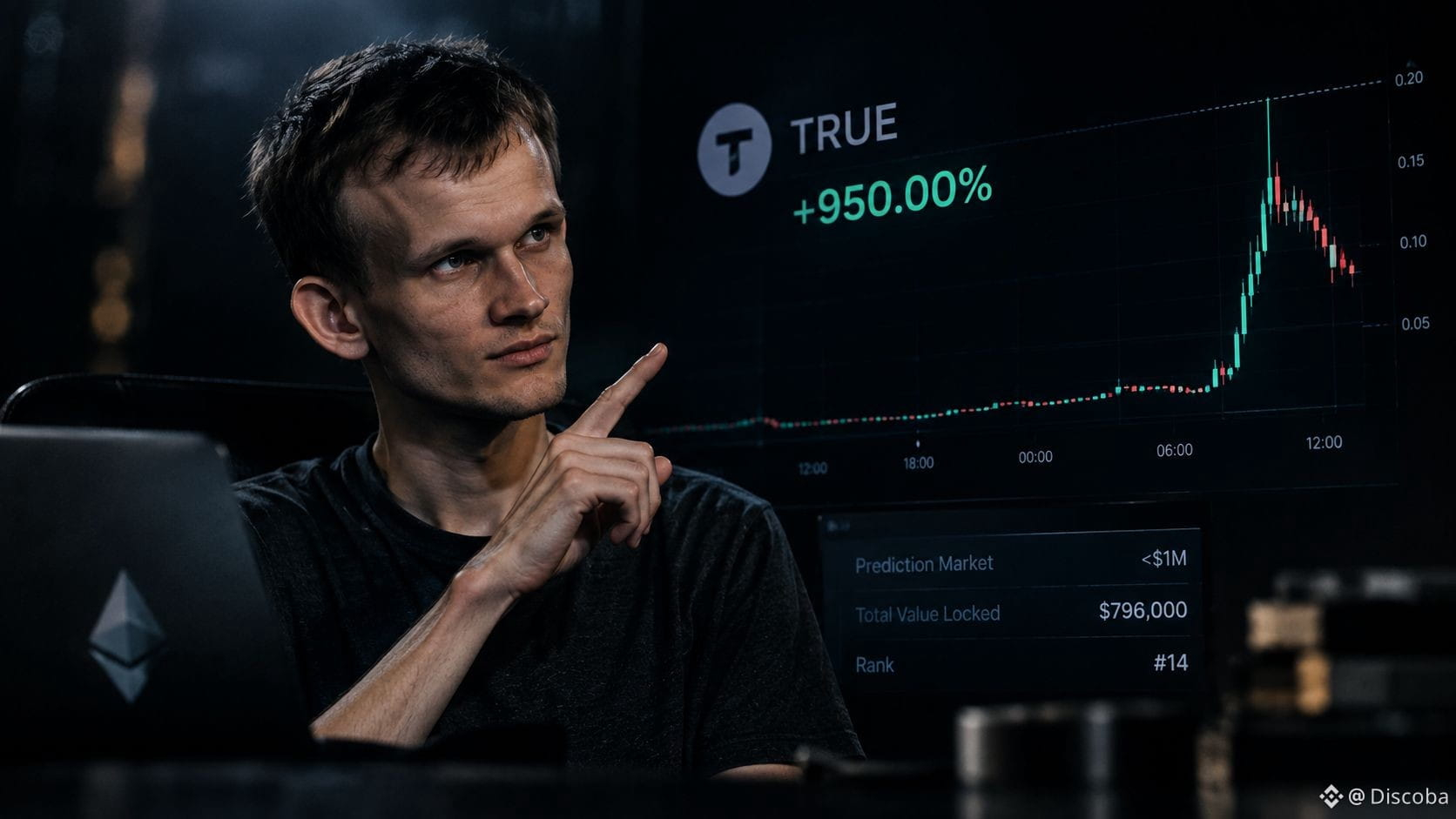
🔥 Vitalikの一言が、あるコインを950%も急騰させたのはなぜ? $ETH 共同創業者のVitalik Buterinは、たった一言と、ほぼ価値のないトークンが数時間で950%爆発的に上昇したことについて述べました。ButerinはBaseからEthereumへ移った小さなオンチェーン予測市場「Trueo」を、「not corposlop(利益のために“倫理”を偽るプラットフォーム)」と呼びました。彼は具体名は挙げませんでしたが、PolymarketとKalshiはどちらもボルチモアの賭博に関する訴訟で争っており、Kalshiはさらにニューヨーク州のAG(司法長官)からの別件訴訟にも直面しています。TRUEは数時間で$0.02から$0.21へジャンプしました。総ロック価値(TVL)は?わずか$796,000で、予測市場の中では14位です。ある一つの投稿が、プロジェクト全体を上回るほどの影響を持ちました。ところが、その勢いは維持できませんでした。Ethereumへの移行日(移行の予定日)は存在せず、$TRUEはすでに急騰分の大半を取り戻しています。本当の話は、「Vitalikが市場を動かせる」ということではありません。むしろ、動かすほどの市場がほとんど最初から存在していなかったのです。.. #Altcoin Season# #BTC Price Analysis# #Macro Insights#
🔥 Vitalikの一言が、あるコインを950%も急騰させたのはなぜ? $ETH 共同創業者のVitalik Buterinは、たった一言と、ほぼ価値のないトークンが数時間で950%爆発的に上昇したことについて述べました。ButerinはBaseからEthereumへ移った小さなオンチェーン予測市場「Trueo」を、「not corposlop(利益のために“倫理”を偽るプラットフォーム)」と呼びました。彼は具体名は挙げませんでしたが、PolymarketとKalshiはどちらもボルチモアの賭博に関する訴訟で争っており、Kalshiはさらにニューヨーク州のAG(司法長官)からの別件訴訟にも直面しています。TRUEは数時間で$0.02から$0.21へジャンプしました。総ロック価値(TVL)は?わずか$796,000で、予測市場の中では14位です。ある一つの投稿が、プロジェクト全体を上回るほどの影響を持ちました。ところが、その勢いは維持できませんでした。Ethereumへの移行日(移行の予定日)は存在せず、$TRUEはすでに急騰分の大半を取り戻しています。本当の話は、「Vitalikが市場を動かせる」ということではありません。むしろ、動かすほどの市場がほとんど最初から存在していなかったのです。.. #Altcoin Season# #BTC Price Analysis# #Macro Insights#
61
·
--
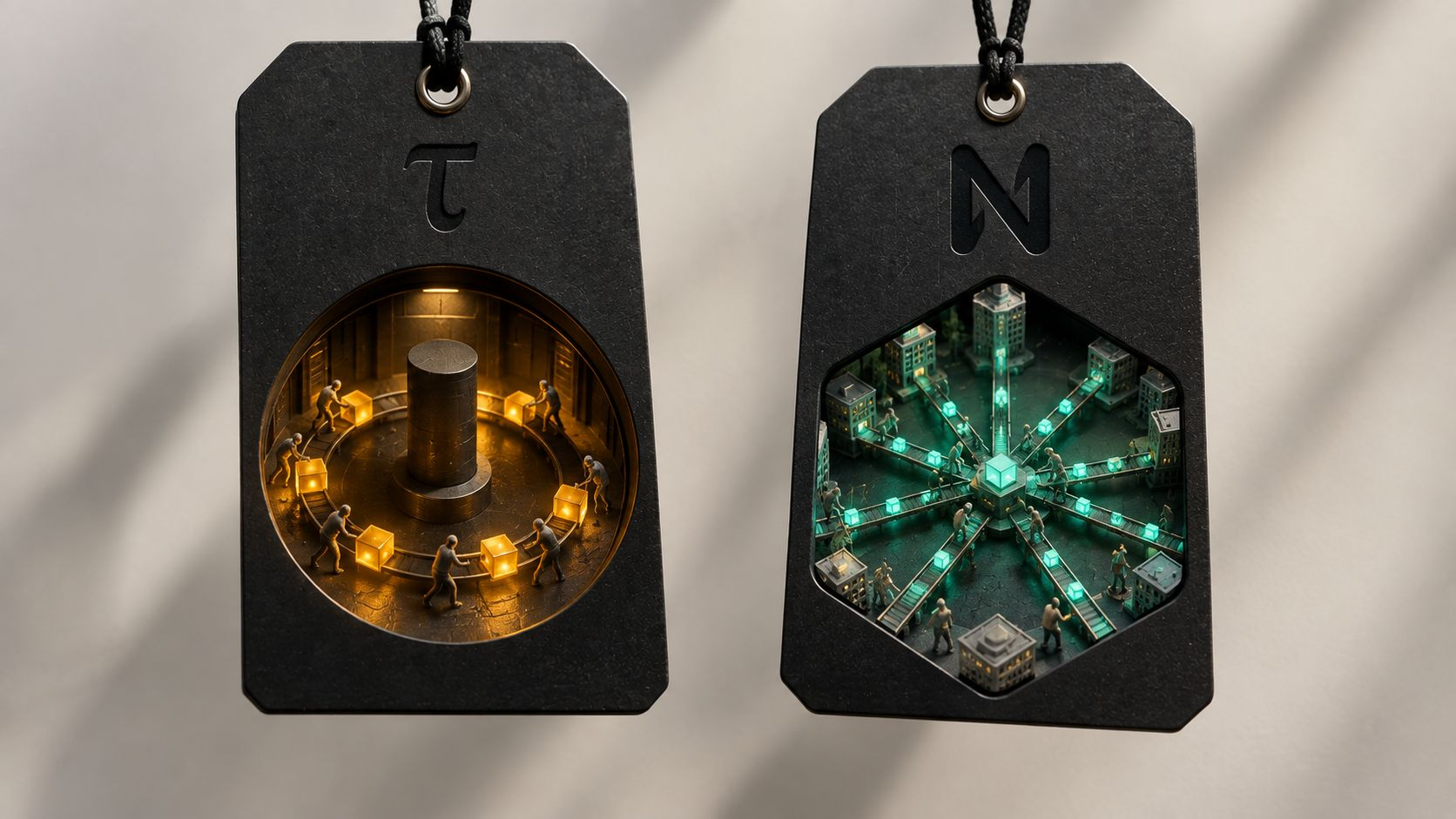
🔥 AIコインは復活。けれども $TAO と $NEAR はまったく別の物語を語っている — みんなこの「AIトークンのカムバック」だと言っている。まあ確かにそうかも。でもBittensorとNEAR Protocolをよく見れば、同じ波に乗っていないことがわかる。9月25日時点で、TAOは約$300+で、過去1カ月ではおよそ28%上昇。NEARはさらに進んでいて、$4.61近辺で推移し、同じ期間で約145%の上昇だ。どちらも鋭い「単日」の値動きが伴っている。TAOは9月21日に約20%ジャンプし、NEARはその前日の同じように約16%上昇した。では、実際に何が動かしているのか?まずBittensorから。ここでより面白いのは価格ではない。TAOそのものとの関係性がネットワークによってどう再配線されているかだ。7月のv441アップグレードにより、ルートネットワークに置かれた資本の管理方法が変わり、資本を受け身のままにせずに、バリデータがサブネットのバスケット間で配分を指示できるようになった。NEARはAIモデルやサブネットのマーケットプレイスであることを目指しているわけではない。AIエージェントが自分自身で資産を保有し、経済的な行動まで取れるようなインフラに賭けている。2026年のロードマップはこの方向に大きく舵を切っていて、NEAR Intents、Chain Signatures、NEAR AI、IronClaw――いずれも同じ「エージェント主導」の思想のピース。結局のところ、同じ物語、賭け先が違う。TAOの問いは、サブネットの成長やAI活動が、実際にトークン価値へとループバックできるのかどうか。NEARの問いは、「エージェント型経済」が、本当に大規模に取引を行うエージェントへと育つのか、それとも魅力的なスライドショーのまま終わるのか。価格が示しているのはセンチメントの強さだ。どの賭けが当たるか、あるいはどちらも当たらないのかまでは教えてくれない。その部分は、チャートではなく利用実績の数字によって、まだ“稼いで”いく必要がある。#Altcoin Season# #CMC Quest: Earn Rewards# #Macro Insights#
🔥 AIコインは復活。けれども $TAO と $NEAR はまったく別の物語を語っている — みんなこの「AIトークンのカムバック」だと言っている。まあ確かにそうかも。でもBittensorとNEAR Protocolをよく見れば、同じ波に乗っていないことがわかる。9月25日時点で、TAOは約$300+で、過去1カ月ではおよそ28%上昇。NEARはさらに進んでいて、$4.61近辺で推移し、同じ期間で約145%の上昇だ。どちらも鋭い「単日」の値動きが伴っている。TAOは9月21日に約20%ジャンプし、NEARはその前日の同じように約16%上昇した。では、実際に何が動かしているのか?まずBittensorから。ここでより面白いのは価格ではない。TAOそのものとの関係性がネットワークによってどう再配線されているかだ。7月のv441アップグレードにより、ルートネットワークに置かれた資本の管理方法が変わり、資本を受け身のままにせずに、バリデータがサブネットのバスケット間で配分を指示できるようになった。NEARはAIモデルやサブネットのマーケットプレイスであることを目指しているわけではない。AIエージェントが自分自身で資産を保有し、経済的な行動まで取れるようなインフラに賭けている。2026年のロードマップはこの方向に大きく舵を切っていて、NEAR Intents、Chain Signatures、NEAR AI、IronClaw――いずれも同じ「エージェント主導」の思想のピース。結局のところ、同じ物語、賭け先が違う。TAOの問いは、サブネットの成長やAI活動が、実際にトークン価値へとループバックできるのかどうか。NEARの問いは、「エージェント型経済」が、本当に大規模に取引を行うエージェントへと育つのか、それとも魅力的なスライドショーのまま終わるのか。価格が示しているのはセンチメントの強さだ。どの賭けが当たるか、あるいはどちらも当たらないのかまでは教えてくれない。その部分は、チャートではなく利用実績の数字によって、まだ“稼いで”いく必要がある。#Altcoin Season# #CMC Quest: Earn Rewards# #Macro Insights#
36
·
--
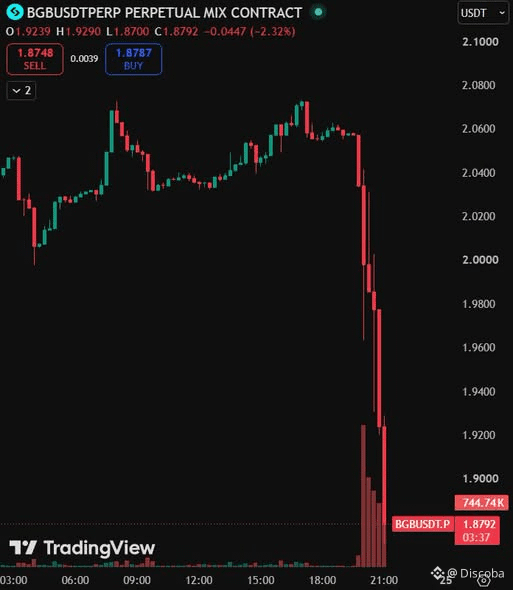
盗まれたステーブルコインがわずか6分で7,111 $ETH に変わった――Bitgetは$351.6百万ドルの損失を確認した。9月24日18:31 UTC。Bitgetのセキュリティシステムは、ホットウォレットから不審な資金の流出を検知した。数分以内に、Arbitrum上で新規作成されたウォレットがUSDTを1,9.7百万ドル受け取り、UniswapX と 1inch Fusion を通じて取引を連打し始める。6分で7,111 ETH、いくつかの注文はスポット価格の最大5%上乗せで約定。ロジックは単純だ。USDTは発行元によって凍結できるが、ETHはできない。凍結可能な資金があれば、スピードが価格を常に上回る。さらに別の痕跡として、$XRP Ledger にも発生していた。7つのウォレット、1億2,900万XRP、時価で約1億5,750万ドル――奪われた総額の中で最大の塊がそこにあった。初期のトラッカーは9,370万XRPと見ていたが、アドレスが増えるにつれて数は上昇した。CEOのグレイシー・チェンはその夜、合計を遅れて認めた:$351.6百万ドル。オンチェーン研究者が最初の1時間で見積もっていた$174〜183百万ドルのほぼ2倍だ。攻撃者はバックエンドのシステムに侵入し、送金データをなりすまし、交換所自身の認可プロセスに署名を通させてしまった。コールドウォレットは「完全に安全」だと彼女は言い、$464百万ドルのユーザー保護基金が損失全額をカバーするとしている。だが落とし穴がある。これらの主張はすべてBitget自身によるものだ。現時点では、独立した検証はまだない。一方で、出金はすべてのユーザーで凍結されており、ハックに一切触れていないはずの口座も含まれている。これは今月唯一の騒動でもない。Liquid Networkは3週間前に$320百万ドルを失ったが、自称「ホワイトハット」攻撃者がその大半を返した。BTCとETHはほとんど動かなかった。実際に割れたのはBitgetの自社トークンだけだった。BGBはその週、暗号資産市場全体の時価総額が9.8%上昇したのと同じタイミングで6.5%下落。市場はすでに結論を出している。これは暗号資産の問題ではなく、Bitgetの問題だ。では、社外の誰も確認していない「安全です」という声明に、どれほど信頼を置けるのか? #BTC Price Analysis# #Altcoin Season# #Macro Insights#
盗まれたステーブルコインがわずか6分で7,111 $ETH に変わった――Bitgetは$351.6百万ドルの損失を確認した。9月24日18:31 UTC。Bitgetのセキュリティシステムは、ホットウォレットから不審な資金の流出を検知した。数分以内に、Arbitrum上で新規作成されたウォレットがUSDTを1,9.7百万ドル受け取り、UniswapX と 1inch Fusion を通じて取引を連打し始める。6分で7,111 ETH、いくつかの注文はスポット価格の最大5%上乗せで約定。ロジックは単純だ。USDTは発行元によって凍結できるが、ETHはできない。凍結可能な資金があれば、スピードが価格を常に上回る。さらに別の痕跡として、$XRP Ledger にも発生していた。7つのウォレット、1億2,900万XRP、時価で約1億5,750万ドル――奪われた総額の中で最大の塊がそこにあった。初期のトラッカーは9,370万XRPと見ていたが、アドレスが増えるにつれて数は上昇した。CEOのグレイシー・チェンはその夜、合計を遅れて認めた:$351.6百万ドル。オンチェーン研究者が最初の1時間で見積もっていた$174〜183百万ドルのほぼ2倍だ。攻撃者はバックエンドのシステムに侵入し、送金データをなりすまし、交換所自身の認可プロセスに署名を通させてしまった。コールドウォレットは「完全に安全」だと彼女は言い、$464百万ドルのユーザー保護基金が損失全額をカバーするとしている。だが落とし穴がある。これらの主張はすべてBitget自身によるものだ。現時点では、独立した検証はまだない。一方で、出金はすべてのユーザーで凍結されており、ハックに一切触れていないはずの口座も含まれている。これは今月唯一の騒動でもない。Liquid Networkは3週間前に$320百万ドルを失ったが、自称「ホワイトハット」攻撃者がその大半を返した。BTCとETHはほとんど動かなかった。実際に割れたのはBitgetの自社トークンだけだった。BGBはその週、暗号資産市場全体の時価総額が9.8%上昇したのと同じタイミングで6.5%下落。市場はすでに結論を出している。これは暗号資産の問題ではなく、Bitgetの問題だ。では、社外の誰も確認していない「安全です」という声明に、どれほど信頼を置けるのか? #BTC Price Analysis# #Altcoin Season# #Macro Insights#
62
·
--
25時間、あるブロックチェーンが一方的に停止した。盗人を捕まえるには どの委員会も $BTC の取引を凍結できない。ところが今週、Cosmos のバリデータ委員会が、ブロックチェーン全体を凍結してしまった。9月22日、攻撃者は $20,200 を使ってガバナンストークンを購入し、投票が締め切られる12分前に、悪意ある Neutron の提案を 82% の支持で可決できるだけの票を獲得した。その名は「AIATO: AI Agent Takeover」。このエクスプロイトにより、Astroport や Drop を含む11のコントラクトが攻撃者に支配され、Neutron が自ら停止するまでに約 $440万 が流出した。さらに約 $500万 は露出した資産として閉じ込められたままとなった。すでに約120万 $ATOM(価値 $220万) が Cosmos Hub へ移されていた。つまりバリデータは、$BTC のネットワークにはそもそも仕組みとして存在しないことを実行した。チェーン全体を凍結したのだ。緊急のアップグレード準備のため、ブロック生産は25時間停止した。再起動後、最初のブロックで盗まれた $ATOM がリカバリ用マルチシグへ掃き込まれた。完全な勝利ではなかった。停止前の THORChain からの返金により、7ブロック後にそのトークンの 168,990 が攻撃者へ直接返還された。攻撃者はそれを Osmosis で約 $266,000 で売却し、誰かが反応する前に大半を ETH へ移した。Cosmos は、Hub 自体は決して侵害されておらず、盗まれた資金のためのブリッジとして使われただけだと主張している。この区別が果たす意味は大きい。暗号資産の創業の約束――Bitcoin がその思想のもとに作られたのは、「誰も取引を凍結したり巻き戻したりできない」ということだ。今週、あるバリデータセットはまさにそれを行い、奪われた $440万 のうち約 $200万 を取り戻した。 #Altcoin Season# #BTC Price Analysis# #Macro Insights#
25時間、あるブロックチェーンが一方的に停止した。盗人を捕まえるには どの委員会も $BTC の取引を凍結できない。ところが今週、Cosmos のバリデータ委員会が、ブロックチェーン全体を凍結してしまった。9月22日、攻撃者は $20,200 を使ってガバナンストークンを購入し、投票が締め切られる12分前に、悪意ある Neutron の提案を 82% の支持で可決できるだけの票を獲得した。その名は「AIATO: AI Agent Takeover」。このエクスプロイトにより、Astroport や Drop を含む11のコントラクトが攻撃者に支配され、Neutron が自ら停止するまでに約 $440万 が流出した。さらに約 $500万 は露出した資産として閉じ込められたままとなった。すでに約120万 $ATOM(価値 $220万) が Cosmos Hub へ移されていた。つまりバリデータは、$BTC のネットワークにはそもそも仕組みとして存在しないことを実行した。チェーン全体を凍結したのだ。緊急のアップグレード準備のため、ブロック生産は25時間停止した。再起動後、最初のブロックで盗まれた $ATOM がリカバリ用マルチシグへ掃き込まれた。完全な勝利ではなかった。停止前の THORChain からの返金により、7ブロック後にそのトークンの 168,990 が攻撃者へ直接返還された。攻撃者はそれを Osmosis で約 $266,000 で売却し、誰かが反応する前に大半を ETH へ移した。Cosmos は、Hub 自体は決して侵害されておらず、盗まれた資金のためのブリッジとして使われただけだと主張している。この区別が果たす意味は大きい。暗号資産の創業の約束――Bitcoin がその思想のもとに作られたのは、「誰も取引を凍結したり巻き戻したりできない」ということだ。今週、あるバリデータセットはまさにそれを行い、奪われた $440万 のうち約 $200万 を取り戻した。 #Altcoin Season# #BTC Price Analysis# #Macro Insights#

57
·
--
⚠️ Bitgetがハッキング被害!3億5,100万ドルを失う あるウォレットは6分で、凍結できないステーブルコインをETHへ換金しました。 Bitgetは、ホットおよびウォームウォレットから資金が流出する不正送金を検知しました。CEOのGracy Chenは、約3億5,160万ドルが失われたことを確認しました。これは、オンチェーンの研究者が最初に推定した1億7,400万〜1億8,300万ドルのほぼ2倍です。 攻撃者の最初の一手:USDT0を1,970万ドル分スワップし、約6分でArbitrum上の7,111 ETHへ交換。スプレッドはスポット価格に対して最大5%上乗せでした。 価格よりもスピードを優先するのは、発行元が反応する前に盗まれたステーブルコインを「凍結不能」にする必要があるあらゆるハックの特徴です。 次の足跡はXRP Ledgerにも及び、Bitgetのタグが付いた2つのウォレットが、同じ時間帯に9,370万$XRP(約1億4,300万ドル)を新しいアドレスへ送金しています。 Chenはコールドウォレットは「完全に安全」であり、4億6,400万ドルのユーザープロテクションファンドが全損失を補填すると述べています。 しかし、これらはいずれも自己申告であり、まだ独立して検証されていません。 影響を受けていないウォレットを含むすべてのユーザーの出金が凍結されます。これは、カウンターパーティリスクがリアルタイムで可視化されたものです。 背景として:これは2026年の最大級のハックの可能性があり、Liquid Networkの3億2,000万ドルの侵害から3週間後に発生したもので、2025年2月のBybitによる14億ドルの損失以来の最大規模です。 それでもニュースを受けて、$BTCは0.3%しか動かず、$ETHも0.2%でした。市場はこれをシステミックな問題として価格に織り込んでいません。現時点では「Bitgetの問題」として扱われています。 #BTC Price Analysis# #Bitcoin Price Prediction: What is Bitcoins next move?# #CMC
⚠️ Bitgetがハッキング被害!3億5,100万ドルを失う あるウォレットは6分で、凍結できないステーブルコインをETHへ換金しました。 Bitgetは、ホットおよびウォームウォレットから資金が流出する不正送金を検知しました。CEOのGracy Chenは、約3億5,160万ドルが失われたことを確認しました。これは、オンチェーンの研究者が最初に推定した1億7,400万〜1億8,300万ドルのほぼ2倍です。 攻撃者の最初の一手:USDT0を1,970万ドル分スワップし、約6分でArbitrum上の7,111 ETHへ交換。スプレッドはスポット価格に対して最大5%上乗せでした。 価格よりもスピードを優先するのは、発行元が反応する前に盗まれたステーブルコインを「凍結不能」にする必要があるあらゆるハックの特徴です。 次の足跡はXRP Ledgerにも及び、Bitgetのタグが付いた2つのウォレットが、同じ時間帯に9,370万$XRP(約1億4,300万ドル)を新しいアドレスへ送金しています。 Chenはコールドウォレットは「完全に安全」であり、4億6,400万ドルのユーザープロテクションファンドが全損失を補填すると述べています。 しかし、これらはいずれも自己申告であり、まだ独立して検証されていません。 影響を受けていないウォレットを含むすべてのユーザーの出金が凍結されます。これは、カウンターパーティリスクがリアルタイムで可視化されたものです。 背景として:これは2026年の最大級のハックの可能性があり、Liquid Networkの3億2,000万ドルの侵害から3週間後に発生したもので、2025年2月のBybitによる14億ドルの損失以来の最大規模です。 それでもニュースを受けて、$BTCは0.3%しか動かず、$ETHも0.2%でした。市場はこれをシステミックな問題として価格に織り込んでいません。現時点では「Bitgetの問題」として扱われています。 #BTC Price Analysis# #Bitcoin Price Prediction: What is Bitcoins next move?# #CMC
3
·
--
🔥 $ADA と $ARB は同じ“目覚まし”を受けました。まったく別の方向から――一体何が起きたのでしょう?スタンダード・チャータードが、2030年までにアービトラムの目標株価(価格)を $10 と設定したのです。これは、注意喚起が出る前に ARB が取引されていた水準からすると約70倍。誇大ではなく、アービトラムの拡張プログラムに基づいています。このプログラムは、ロビンフッド・チェーンのような他チェーンからのネット収益の10%を引き込むものです。さらに、ネットワーク上のトークン化された現実世界資産が、ついに過去最高の $980M を記録。ほかのどのチェーンよりも大きい数字です。カルダノの復活はより静かですが、同じくらい確かなもの。ADA は今週、たった1日で19位から16位へ上昇し、市場規模(時価総額)を $660M 増やしました。しかもその直後、カルダノ財団がマスターカードの「暗号パートナープログラム」に参加し、x402 プロトコルを統合。AIエージェントがオンチェーンで直接支払いできるようになりました。誰もが何年も「終わった」と言ってきた2つのチェーン。どちらも、また重要になる“フォーチュン500級”の理由を同じ週に手に入れたのです。#Altcoin Season# #BTC Price Analysis# #CMC
🔥 $ADA と $ARB は同じ“目覚まし”を受けました。まったく別の方向から――一体何が起きたのでしょう?スタンダード・チャータードが、2030年までにアービトラムの目標株価(価格)を $10 と設定したのです。これは、注意喚起が出る前に ARB が取引されていた水準からすると約70倍。誇大ではなく、アービトラムの拡張プログラムに基づいています。このプログラムは、ロビンフッド・チェーンのような他チェーンからのネット収益の10%を引き込むものです。さらに、ネットワーク上のトークン化された現実世界資産が、ついに過去最高の $980M を記録。ほかのどのチェーンよりも大きい数字です。カルダノの復活はより静かですが、同じくらい確かなもの。ADA は今週、たった1日で19位から16位へ上昇し、市場規模(時価総額)を $660M 増やしました。しかもその直後、カルダノ財団がマスターカードの「暗号パートナープログラム」に参加し、x402 プロトコルを統合。AIエージェントがオンチェーンで直接支払いできるようになりました。誰もが何年も「終わった」と言ってきた2つのチェーン。どちらも、また重要になる“フォーチュン500級”の理由を同じ週に手に入れたのです。#Altcoin Season# #BTC Price Analysis# #CMC

28
·
--
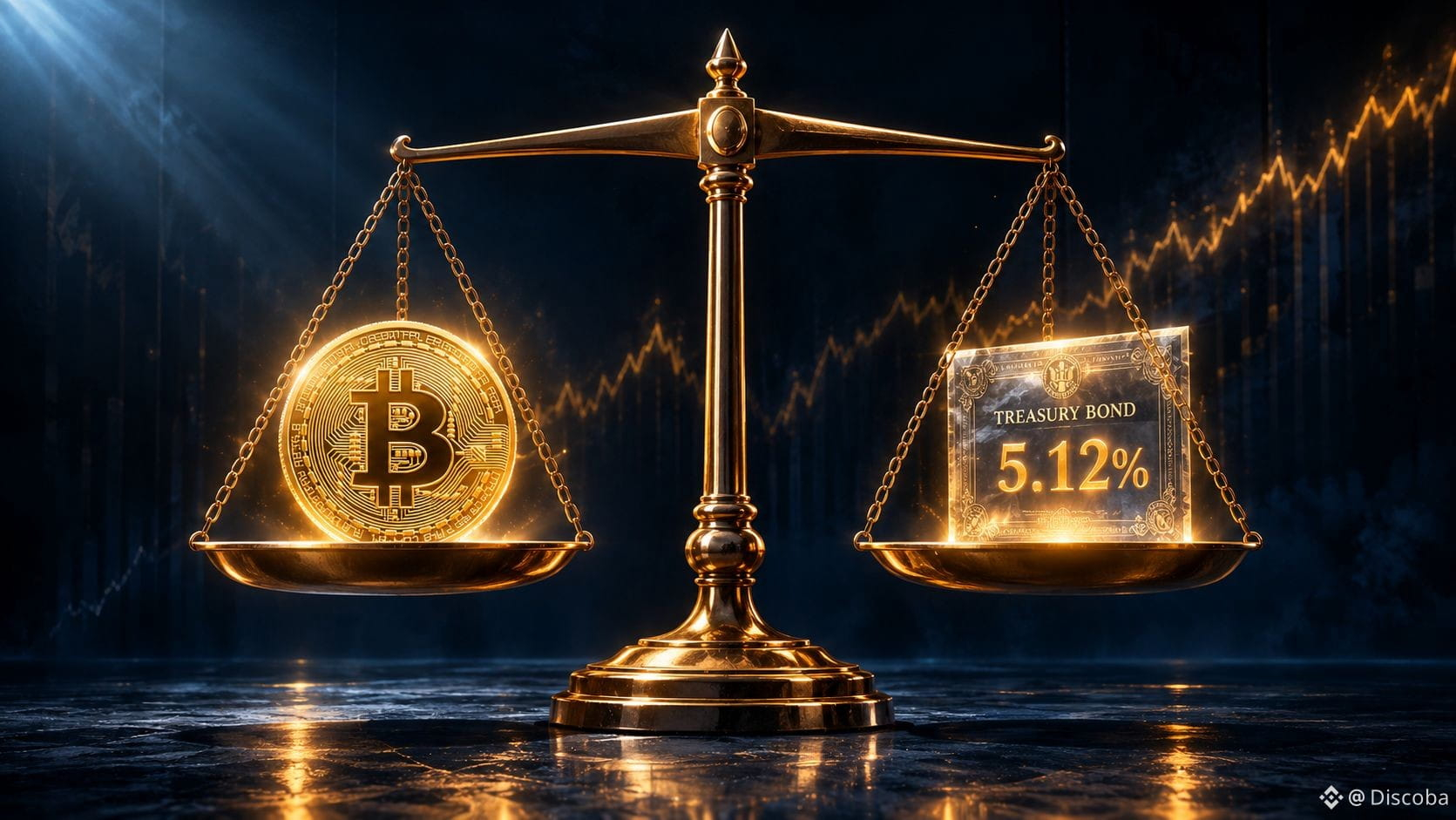
10年利回りが5.12%に到達、2007年以来の高水準。リスクフリーの5%に対して$BTCは勝負できるのか? 19年ぶりに、米政府は何もしないだけで5%超の利回りを支払っている。 10年国債利回りは水曜に16ベーシスポイント上昇して5.12%となり、2007年7月以来の高水準を更新。背景には、好調なPMIが58.4と急上昇(2021年以来最強)、原油が1バレル100ドルに接近、そして弱い5年債入札がある。 FRB(連邦準備制度)理事のミケル・バー氏は、さらなる利上げが依然必要だと述べ、CMEのFedWatchは現在、10月に追加利上げが行われる確率を約75%と織り込んでいる。 $BTCはそれを即座に受け止め、2%超下落して約83,200に後退。前日に付けた約8カ月ぶり高値から後退した。 多くの見出しが見落としている点:アナリストは「5%利回りそのもの」が真の問題だとは考えていない。 財務省の利回りは1980年以来、概ね5.5%で推移しており、今日の水準は「19年ぶりの高値」という枠組みほど極端ではない。 実際にビットコインを圧迫しているのは、利回りそのものではなく、強硬姿勢のFRBショックと債券市場のボラティリティだ。 見合いの材料:ビットコインは2022年以来、赤い9月で終えておらず、今月は+7.35%。 過去の傾向では、10月の平均リターンは19.92%と高く、11月に次ぐ。ただし昨年の「アップトーバー(Uptober)」はこのパターンを破り、3.69%の下落だった。 次に注目すべき水準:$82,833。 次の注目日:FRBの10月決定。 #BTC Price Analysis# #Altcoin Season# #Macro Insights#
10年利回りが5.12%に到達、2007年以来の高水準。リスクフリーの5%に対して$BTCは勝負できるのか? 19年ぶりに、米政府は何もしないだけで5%超の利回りを支払っている。 10年国債利回りは水曜に16ベーシスポイント上昇して5.12%となり、2007年7月以来の高水準を更新。背景には、好調なPMIが58.4と急上昇(2021年以来最強)、原油が1バレル100ドルに接近、そして弱い5年債入札がある。 FRB(連邦準備制度)理事のミケル・バー氏は、さらなる利上げが依然必要だと述べ、CMEのFedWatchは現在、10月に追加利上げが行われる確率を約75%と織り込んでいる。 $BTCはそれを即座に受け止め、2%超下落して約83,200に後退。前日に付けた約8カ月ぶり高値から後退した。 多くの見出しが見落としている点:アナリストは「5%利回りそのもの」が真の問題だとは考えていない。 財務省の利回りは1980年以来、概ね5.5%で推移しており、今日の水準は「19年ぶりの高値」という枠組みほど極端ではない。 実際にビットコインを圧迫しているのは、利回りそのものではなく、強硬姿勢のFRBショックと債券市場のボラティリティだ。 見合いの材料:ビットコインは2022年以来、赤い9月で終えておらず、今月は+7.35%。 過去の傾向では、10月の平均リターンは19.92%と高く、11月に次ぐ。ただし昨年の「アップトーバー(Uptober)」はこのパターンを破り、3.69%の下落だった。 次に注目すべき水準:$82,833。 次の注目日:FRBの10月決定。 #BTC Price Analysis# #Altcoin Season# #Macro Insights#
36
·
--
$HYPE 記録更新を達成。実際に本当に伸びているのか? $SOL はどうなる? では、時価総額が小さい市場にこそ、より大きなバリュエーションが隠れているとしたら? @CoinMarketCap によると、$92.22 付近で推移しており、直近7日で +15.2%。一方、SOLは $114.26 付近で、+14.1% となっています。 HYPE はその週次の窓でリードしていますが、僅差です。 新しい借入機能は本物です。ユーザーは担保を売却せずに、$HYPE または $BTC を担保として $USDC または $USDT を借りられます。 これは便利ですが、担保価格の下落や利息の発生によって、清算が発生する可能性は依然あります。 そこで、見出しが見落としがちな比較をします。 HYPE の流通時価総額は約 $23.2B。SOL の $67.1B に対してです。 流通供給量と SOL の価格を一定とすると、HYPE が追いつくには現状価格の約 2.9 倍が必要になります。 ただし、報告されている HYPE の総供給のうち、約 26.4% しか流通していません。 いまの総供給を現価格で見積もると、HYPE は約 $87.7B、SOL は $72.5B。 これは「すぐに売りが出る」予測ではありません。 「より小さく、より安いライバル」という主張には、供給のチェックが必要だということです。 Hyperliquid を“1プロダクトのパーペチュアル取引に賭けている”と言うのも見当違いで、スポット市場、貸付、そして HyperEVM アプリケーションもあります。 それは拡大していますが、まだ Solana レベルの広がりを裏付けるものではありません。 私の見立てでは、HYPE はより強いプロダクトの説得力を作りつつあります。 SOL に追いつくには、さらに多くの流通トークンを吸収できる、持続的な採用、収益、需要が必要です。単なる「また記録更新のキャンドル」では足りません。 トレーダーが勢い(モメンタム)に報いるのをやめて、彼らが支払っているものを比較し始めたとき、HYPE は $SOL と $BTC の上を走り続けられるでしょうか? #Altcoin Season# #CMC Quest: Earn Rewards# #Macro Insights#
$HYPE 記録更新を達成。実際に本当に伸びているのか? $SOL はどうなる? では、時価総額が小さい市場にこそ、より大きなバリュエーションが隠れているとしたら? @CoinMarketCap によると、$92.22 付近で推移しており、直近7日で +15.2%。一方、SOLは $114.26 付近で、+14.1% となっています。 HYPE はその週次の窓でリードしていますが、僅差です。 新しい借入機能は本物です。ユーザーは担保を売却せずに、$HYPE または $BTC を担保として $USDC または $USDT を借りられます。 これは便利ですが、担保価格の下落や利息の発生によって、清算が発生する可能性は依然あります。 そこで、見出しが見落としがちな比較をします。 HYPE の流通時価総額は約 $23.2B。SOL の $67.1B に対してです。 流通供給量と SOL の価格を一定とすると、HYPE が追いつくには現状価格の約 2.9 倍が必要になります。 ただし、報告されている HYPE の総供給のうち、約 26.4% しか流通していません。 いまの総供給を現価格で見積もると、HYPE は約 $87.7B、SOL は $72.5B。 これは「すぐに売りが出る」予測ではありません。 「より小さく、より安いライバル」という主張には、供給のチェックが必要だということです。 Hyperliquid を“1プロダクトのパーペチュアル取引に賭けている”と言うのも見当違いで、スポット市場、貸付、そして HyperEVM アプリケーションもあります。 それは拡大していますが、まだ Solana レベルの広がりを裏付けるものではありません。 私の見立てでは、HYPE はより強いプロダクトの説得力を作りつつあります。 SOL に追いつくには、さらに多くの流通トークンを吸収できる、持続的な採用、収益、需要が必要です。単なる「また記録更新のキャンドル」では足りません。 トレーダーが勢い(モメンタム)に報いるのをやめて、彼らが支払っているものを比較し始めたとき、HYPE は $SOL と $BTC の上を走り続けられるでしょうか? #Altcoin Season# #CMC Quest: Earn Rewards# #Macro Insights#

58
·
--
🔥 AppleとNvidiaが暗号“スタイル”の取引への道を得る ウォール街がオンチェーンに動くなら、$BTCは本当に勝つのか? SECは、株式がブロックチェーンの流動性プールを通じて取引されるためのルートを開設した。これにより、投資家が株式にアクセスする方法が変わる可能性がある。 それがビットコイン需要につながるかどうかは別問題だ。 9月17日、SECは、条件付きの「イノベーション・エクゼンプション」を5年間、適格なトークン化株式の取引会場や特定の流動性提供者に対して発行した。 見込まれる利点には、24時間取引、分割所有、ほぼ即時の決済が含まれる。 これは枠組みを作るものであり、そこに名前が挙がったすべての銘柄が既に利用可能になるという意味ではない。 所有権の詳細が重要だ。対象となるトークンは、議決権や配当を含む同等の通常株の権利を維持する必要がある。 株価に連動するだけの合成トークンは除外される。 発行体は第三者によるトークン化に異議を申し立てることができ、取引には制限があり、会場は基礎となる取引所の停止措置を尊重しなければならない。 🔺 ビットコインについては、間接的な利益の可能性があると見ている。つまり、より多くの機関がブロックチェーンのカストディ(保管)、ウォレット、決済に慣れることで、暗号インフラがこれまでより“馴染みのないもの”ではなくなるかもしれない。 ただし、トークン化されたNvidiaを買ってもBTCを買うことではない。これらの取引を扱うネットワーク、ステーブルコイン、プラットフォームのほうが、より直接的にその活動を取り込む可能性が高い。 トークン化株は、投資家の資金を巡って暗号資産と競合することもありうる。だから私は、この免除だけで$BTCの最近の上昇を評価(信用)しない。政策の発表と価格上昇だけでは、因果関係を確立できない。 ウォール街がブロックチェーンを採用することは、大きな変化だ。これにより$BTCに新しい買い手が来るのか、それとも既存の暗号トレーダーに“別の買い物”を提供するだけなのか? #BTC 価格分析# #CMC #マクロ・インサイト#
🔥 AppleとNvidiaが暗号“スタイル”の取引への道を得る ウォール街がオンチェーンに動くなら、$BTCは本当に勝つのか? SECは、株式がブロックチェーンの流動性プールを通じて取引されるためのルートを開設した。これにより、投資家が株式にアクセスする方法が変わる可能性がある。 それがビットコイン需要につながるかどうかは別問題だ。 9月17日、SECは、条件付きの「イノベーション・エクゼンプション」を5年間、適格なトークン化株式の取引会場や特定の流動性提供者に対して発行した。 見込まれる利点には、24時間取引、分割所有、ほぼ即時の決済が含まれる。 これは枠組みを作るものであり、そこに名前が挙がったすべての銘柄が既に利用可能になるという意味ではない。 所有権の詳細が重要だ。対象となるトークンは、議決権や配当を含む同等の通常株の権利を維持する必要がある。 株価に連動するだけの合成トークンは除外される。 発行体は第三者によるトークン化に異議を申し立てることができ、取引には制限があり、会場は基礎となる取引所の停止措置を尊重しなければならない。 🔺 ビットコインについては、間接的な利益の可能性があると見ている。つまり、より多くの機関がブロックチェーンのカストディ(保管)、ウォレット、決済に慣れることで、暗号インフラがこれまでより“馴染みのないもの”ではなくなるかもしれない。 ただし、トークン化されたNvidiaを買ってもBTCを買うことではない。これらの取引を扱うネットワーク、ステーブルコイン、プラットフォームのほうが、より直接的にその活動を取り込む可能性が高い。 トークン化株は、投資家の資金を巡って暗号資産と競合することもありうる。だから私は、この免除だけで$BTCの最近の上昇を評価(信用)しない。政策の発表と価格上昇だけでは、因果関係を確立できない。 ウォール街がブロックチェーンを採用することは、大きな変化だ。これにより$BTCに新しい買い手が来るのか、それとも既存の暗号トレーダーに“別の買い物”を提供するだけなのか? #BTC 価格分析# #CMC #マクロ・インサイト#
61
ログインして、さらにコンテンツを読む
厳選トピックで世界の暗号資産トレーダーの仲間入り
⚡️ 暗号資産に関する最新かつ有益な情報が見つかります。
💬 世界最大の暗号資産取引所から信頼されています。
👍 認証を受けたクリエイターから、有益なインサイトを得られます。
メール / 電話番号
トレンドトピック
BitcoinClears$85200
閲覧回数 13,691
220人が討論中
動きが出て、$BTC はデータがあった直前にあった場所にそのまま立っています。取引における本当の忍耐ってこういうことです。
データは混ざって入ってきましたが、いくつか重要な数字がありました。ADP 非農業部門雇用者数は予想の73Kに対して90Kでした。一方でコアPCEは、予想の0.3%に対して0.2%です。最終的なGDPも予想の1.5%に対して2.2%と強めでした。個人消費は予想の0.8%に対して0.9%でした。同時に、個人所得は予想の0.5%に対して0.2%で未達でした。
BTCは最初に85,600ドルまで急騰しましたが、今は必要なところに戻っています。私は引き続き、82,759ドルと80,000ドルの流動性の低いレンジを見ています。上側の流動性はもう終わって、あとは塵も残っていないからです。
データ発表中にライブセッションを行いました。その中で、市場は83,800ドル→85,600ドル→そして83,000ドル付近へと戻っていくのを見ました。それでも私たちは取引に入りませんでした。
それが忍耐です。
市場に明確な方向性がないときは、無理にエントリーはできません。同じレンジがまだ注目ポイントで、相場がセットアップを提示してくれるまで待ちます。
みなさん、セッションはどうでしたか? それから、尊敬するメンバーの皆さんともっと定期的にセッションをするべきでしょうか。そうすれば、市場について適切に議論できます。
#BitcoinClears$85200 #AltcoinSeasonIndexHoldsAbove60For5Days #USADPAdds90000JobsInSeptember #BitcoinSlipsBelow$84000 #SECToClarifyOnChainFundraisingRules
Crypto_LUX
·いいね:26件
·閲覧回数 20.6k
AltcoinSeasonIndexHoldsAbove60For5Days
閲覧回数 67,686
1,220人が討論中
USADPAdds90000JobsInSeptember
閲覧回数 31,181
684人が討論中