

B i t
303 投稿

B i t
報告
ユーザーをブロック
Crypto Analyst • Market Strategist • Navigating Trends & Opportunities
29 フォロー
106 フォロワー
111 いいね
投稿
すべて
引用
動画
PINNED
·
--
$BTC 第三のトップが形成される可能性があることは、アルトコインが輝く道を開くかもしれません!アルトコインシーズンが近づいているかもしれません – 忍耐強く待ち、投資が成長するのを見守り、その利益を確保する準備をしてください!
{spot}(ETHUSDT)
{spot}(BNBUSDT)
{spot}(SOLUSDT)
$BTC 第三のトップが形成される可能性があることは、アルトコインが輝く道を開くかもしれません!アルトコインシーズンが近づいているかもしれません – 忍耐強く待ち、投資が成長するのを見守り、その利益を確保する準備をしてください!
1
1
3
40
·
--
記事
翻訳参照
CRYPTO TRUST IS BUILT WHEN EXCHANGES TAKE RESPONSIBILITY — NOT JUST WHEN MARKETS GO UP!🔐
The latest Binance security incident raises an important question for the entire crypto industry:
Who protects users when an exchange experiences a major security failure?
Binance's latest update offers some important developments:
1️⃣ Financial accountability: Binance says it will absorb the financial impact of the stolen assets rather than pass it to users.
2️⃣ Emergency protection: SAFU and a portion of the Futures Insurance Fund are being used alongside corporate treasury resources.
3️⃣ Proof of Reserves: Binance has published a new reserve snapshot, with the full zero-knowledge proof expected by November 3.
4️⃣ Asset recovery: 90% of the impacted amount has reportedly been replenished, with the remaining 10% still being sourced.
But I believe the crypto industry needs to go further.
My three recommendations for building long-term trust:
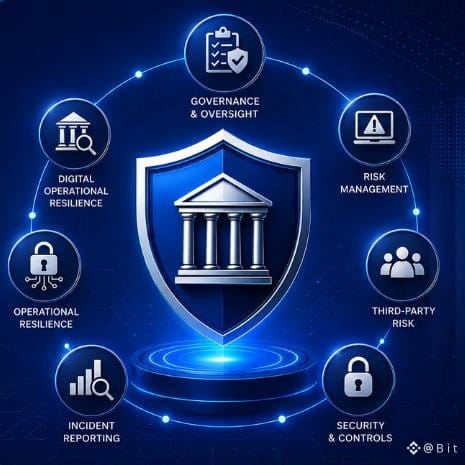
🔹 Independent security audits and transparent incident reporting.
🔹 Clearly defined emergency reserve and user-compensation frameworks.
🔹 Strong governance, risk management and independently verifiable Proof of Reserves.
Proof of Reserves is important, but it should be part of a broader accountability framework. It does not, by itself, prove that an exchange has no hidden liabilities or operational risks.
We cannot build the future of digital finance on speculation alone.
We need security, responsibility, transparency and trust.
One question for the crypto community:
Should exchanges be required to publish standardized security, reserve and incident-recovery reports, just as traditional financial institutions face regulatory reporting requirements?
Let's discuss. 👇
#Binance #blockchain #CryptoGovernance #Web3 #HackerAlert
CRYPTO TRUST IS BUILT WHEN EXCHANGES TAKE RESPONSIBILITY — NOT JUST WHEN MARKETS GO UP!
🔐
The latest Binance security incident raises an important question for the entire crypto industry:
Who protects users when an exchange experiences a major security failure?
Binance's latest update offers some important developments:
1️⃣ Financial accountability: Binance says it will absorb the financial impact of the stolen assets rather than pass it to users.
2️⃣ Emergency protection: SAFU and a portion of the Futures Insurance Fund are being used alongside corporate treasury resources.
3️⃣ Proof of Reserves: Binance has published a new reserve snapshot, with the full zero-knowledge proof expected by November 3.
4️⃣ Asset recovery: 90% of the impacted amount has reportedly been replenished, with the remaining 10% still being sourced.
But I believe the crypto industry needs to go further.
My three recommendations for building long-term trust:
🔹 Independent security audits and transparent incident reporting.
🔹 Clearly defined emergency reserve and user-compensation frameworks.
🔹 Strong governance, risk management and independently verifiable Proof of Reserves.
Proof of Reserves is important, but it should be part of a broader accountability framework. It does not, by itself, prove that an exchange has no hidden liabilities or operational risks.
We cannot build the future of digital finance on speculation alone.
We need security, responsibility, transparency and trust.
One question for the crypto community:
Should exchanges be required to publish standardized security, reserve and incident-recovery reports, just as traditional financial institutions face regulatory reporting requirements?
Let's discuss. 👇
#Binance #blockchain #CryptoGovernance #Web3 #HackerAlert
39
·
--
ブリッシュ
🔐 取引所が責任を果たすとき、暗号資産への信頼は築かれる――市場が上昇するときだけではありません!
最新の#Binance セキュリティインシデントは、暗号資産業界全体に重要な問いを投げかけています。
取引所で重大なセキュリティ障害が発生したとき、誰がユーザーを守るのでしょうか?
バイナンスの最新の発表では、いくつか重要な進展が示されています。
1️⃣ **財務上の責任:** バイナンスは、盗難資産による金銭的損失をユーザーに負担させず、自社で吸収するとしています。
2️⃣ **緊急時の保護:** SAFUと先物保険基金の一部が、企業の財務資源とともに活用されています。
3️⃣ **準備金証明:** バイナンスは新たな準備金スナップショットを公開し、完全なゼロ知識証明は11月3日までに公開される予定です。
4️⃣ **資産の補填:** 影響を受けた金額の90%が補填されたと報じられており、残りの10%についても調達が進められています。
しかし、暗号資産業界はさらに前進する必要があると私は考えます。
長期的な信頼を築くための、私からの3つの提言です。
🔹 独立したセキュリティ監査と、透明性の高いインシデント報告。
🔹 緊急時の準備金とユーザー補償の枠組みを明確に定めること。
🔹 強固なガバナンスとリスク管理、そして独立して検証可能な準備金証明。
準備金証明は重要ですが、より広範な説明責任の枠組みの一部であるべきです。それだけで、取引所に隠れた債務や運営上のリスクがないことを証明できるわけではありません。
投機だけを頼りに、デジタル金融の未来を築くことはできません。
私たちに必要なのは、セキュリティ、責任、透明性、そして信頼です。
暗号資産コミュニティへの質問です。
従来の金融機関が規制上の報告義務を負っているように、取引所にも標準化されたセキュリティ、準備金、インシデント復旧に関する報告書の公開を義務付けるべきでしょうか?
ぜひ話し合いましょう。👇
#Crypto_Jobs🎯 へ #Binance ance #blockchain #準備金証明 #Web3
63
·
--
翻訳参照
$BNB Bitcoin dropped to $78,297 on Binance spot on Oct. 29 as a Binance hot wallet was reportedly drained by a wallet linked to Tornado Cash. Binance said the exchange was urgently investigating a potential security issue. Tether CEO Paolo Ardoino confirmed that Tether froze roughly $1.57 billion related to the potential hack. Circle froze about $823 million. On-chain watchers circulated an estimate near $2.8 billion across five chains, but the total remains unreconciled. CoinGlass reported nearly $1 billion in liquidations over the past 24 hours.
$BNB Bitcoin dropped to $78,297 on Binance spot on Oct. 29 as a Binance hot wallet was reportedly drained by a wallet linked to Tornado Cash. Binance said the exchange was urgently investigating a potential security issue. Tether CEO Paolo Ardoino confirmed that Tether froze roughly $1.57 billion related to the potential hack. Circle froze about $823 million. On-chain watchers circulated an estimate near $2.8 billion across five chains, but the total remains unreconciled. CoinGlass reported nearly $1 billion in liquidations over the past 24 hours.
36
·
--
ブリッシュ
#sui は、まもなく巨大なローソク足で1.46まで急騰すると思う🤩
みんなはどう思う...???
#sui は、まもなく巨大なローソク足で1.46まで急騰すると思う🤩
みんなはどう思う...???
みんなはどう思う...???
180
·
--
翻訳参照
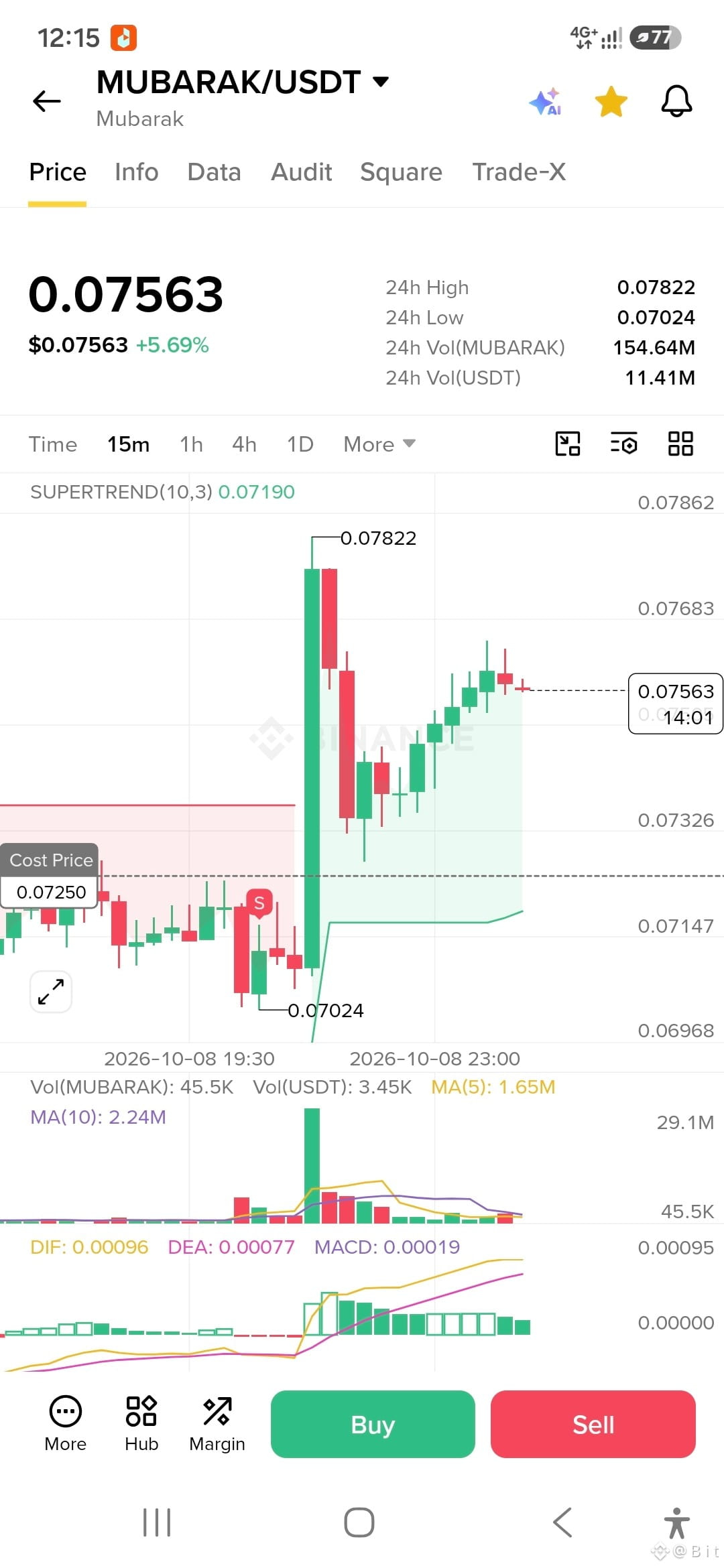
$MUBARAK Holder Concentration: The Risk Nobody Is Posting About
This is where the story gets less fun. The top 100 wallets hold 97.56% of the supply, per BscScan data. Whale wallets, just 0.03% of all holders, control 85.23% of the tokens.
$MUBARAK Holder Concentration: The Risk Nobody Is Posting About
This is where the story gets less fun. The top 100 wallets hold 97.56% of the supply, per BscScan data. Whale wallets, just 0.03% of all holders, control 85.23% of the tokens.
This is where the story gets less fun. The top 100 wallets hold 97.56% of the supply, per BscScan data. Whale wallets, just 0.03% of all holders, control 85.23% of the tokens.
1
310
·
--
1
1
193
·
--

記事
翻訳参照
crypto’s Needs Trust#BTC falling is one thing. But when many altcoins fall 2× or 3× harder, it raises a serious question: what is actually backing the value and trust in these projects?
Too many new tokens are launched, listed on exchanges, pumped, and then left investors holding the risk. If crypto wants to become a genuine alternative financial system—and eventually a future form of money—it needs more than speculation.
Exchanges #Binance and project teams should take critical compliance, transparency, tokenomics, reserves, ownership, audits, and disclosure seriously before listing new tokens.
We shouldn't have to wait for governments to create every rule.
The people building and operating this industry can voluntarily raise the standard themselves.
Satoshi's original idea was about creating a more open, decentralized and trustworthy financial system. If the industry turns crypto into a casino of endless new tokens, manipulation and speculation, people will eventually lose trust—and simply return to fiat.
Crypto doesn't just need more adoption.
Crypto needs more trust.
If the industry wants to build the future of money, it needs to start acting like it.
🙏 please share your thoughts?
crypto’s Needs Trust
#BTC falling is one thing. But when many altcoins fall 2× or 3× harder, it raises a serious question: what is actually backing the value and trust in these projects?
Too many new tokens are launched, listed on exchanges, pumped, and then left investors holding the risk. If crypto wants to become a genuine alternative financial system—and eventually a future form of money—it needs more than speculation.
Exchanges #Binance and project teams should take critical compliance, transparency, tokenomics, reserves, ownership, audits, and disclosure seriously before listing new tokens.
We shouldn't have to wait for governments to create every rule.
The people building and operating this industry can voluntarily raise the standard themselves.
Satoshi's original idea was about creating a more open, decentralized and trustworthy financial system. If the industry turns crypto into a casino of endless new tokens, manipulation and speculation, people will eventually lose trust—and simply return to fiat.
Crypto doesn't just need more adoption.
Crypto needs more trust.
If the industry wants to build the future of money, it needs to start acting like it.
🙏 please share your thoughts?
1
75
·
--
翻訳参照
#bitcoin.” falling is one thing. But when many altcoins fall 2× or 3× harder, it raises a serious question: **what is actually backing the value and trust in these projects?
Too many new tokens are launched, listed on exchanges, pumped, and then left investors holding the risk. If crypto wants to become a genuine alternative financial system—and eventually a future form of money—it needs more than speculation.
Exchanges and project teams should take critical compliance, transparency, tokenomics, reserves, ownership, audits, and disclosure seriously before listing new tokens.**
We shouldn't have to wait for governments to create every rule.
The people building and operating this industry can voluntarily raise the standard themselves.
Satoshi's original idea was about creating a more open, decentralized and trustworthy financial system. If the industry turns crypto into a casino of endless new tokens, manipulation and speculation, people will eventually lose trust—and simply return to fiat.
Crypto doesn't just need more adoption.
Crypto needs more trust.
If the industry wants to build the future of money, it needs to start acting like it.
#Bitcoin
122
·
--
翻訳参照
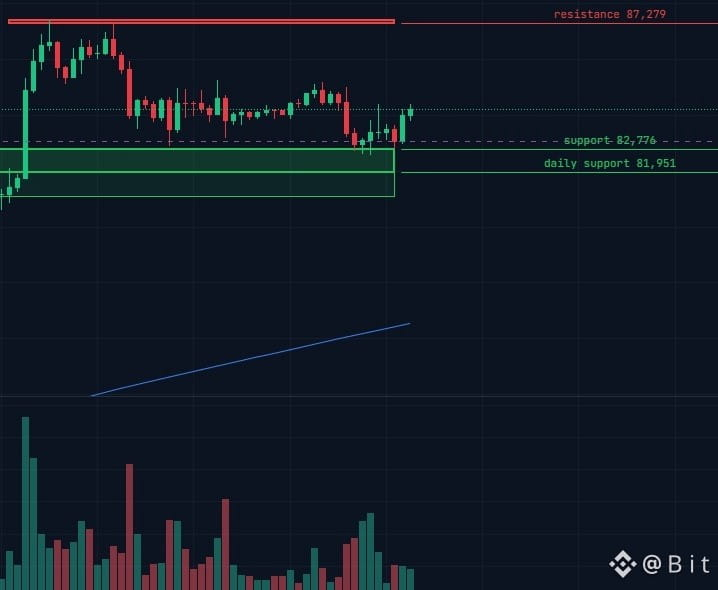
#Bitcoin❗ re sharingagain what exactly performed now what 82,776
#Bitcoin❗ re sharingagain what exactly performed now what 82,776
270
·
--
$TAO LTF 賢者
296-310 は蓄積ゾーンです。
ここで保てば、400 を達成します。
無効化は 293 以下の強い 1D です。
このブレイクが起これば、278 が来ます。
HTF 視点
ここから 338–433 への直行ルートなので、買いの場面では押し目が来ます。
その後のチャートは非常に明確です。470 を上抜けるか、141 に戻ってきます。
まとめ:
LTF 視点では、緑のボックスのサポートが、HTF の緑のボックスまで維持される見込みです。
これらの緑のボックスでの押し目におけるスポットの一部蓄積を考えるのは賢明です。
分析と見解は @Abu__Crypto からです、
$TAO LTF 賢者
296-310 は蓄積ゾーンです。
ここで保てば、400 を達成します。
無効化は 293 以下の強い 1D です。
このブレイクが起これば、278 が来ます。
HTF 視点
ここから 338–433 への直行ルートなので、買いの場面では押し目が来ます。
その後のチャートは非常に明確です。470 を上抜けるか、141 に戻ってきます。
まとめ:
LTF 視点では、緑のボックスのサポートが、HTF の緑のボックスまで維持される見込みです。
これらの緑のボックスでの押し目におけるスポットの一部蓄積を考えるのは賢明です。
分析と見解は @AbuCartel からです、
296-310 は蓄積ゾーンです。
ここで保てば、400 を達成します。
無効化は 293 以下の強い 1D です。
このブレイクが起これば、278 が来ます。
HTF 視点
ここから 338–433 への直行ルートなので、買いの場面では押し目が来ます。
その後のチャートは非常に明確です。470 を上抜けるか、141 に戻ってきます。
まとめ:
LTF 視点では、緑のボックスのサポートが、HTF の緑のボックスまで維持される見込みです。
これらの緑のボックスでの押し目におけるスポットの一部蓄積を考えるのは賢明です。
分析と見解は @AbuCartel からです、
1
1
1.2k
ログインして、さらにコンテンツを読む
厳選トピックで世界の暗号資産トレーダーの仲間入り
⚡️ 暗号資産に関する最新かつ有益な情報が見つかります。
💬 世界最大の暗号資産取引所から信頼されています。
👍 認証を受けたクリエイターから、有益なインサイトを得られます。
メール / 電話番号