
محمد عميره
412 投稿

محمد عميره
報告
ユーザーをブロック
8 フォロー
178 フォロワー
454 いいね
投稿
すべて
引用
動画
·
--
記事
翻訳参照
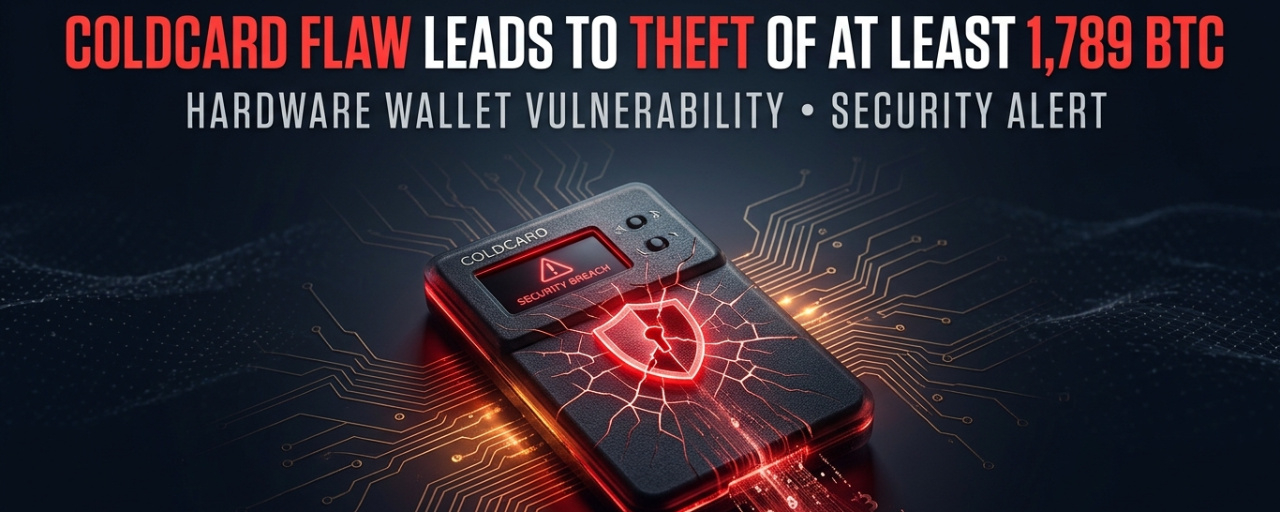
سرقة 1,789 BTC بسبب خلل في Coldcard! هل التخزين البارد آمن فعلًا؟في واحدة من أخطر الحوادث الأمنية التي شهدها عالم البيتكوين، كشفت شركة Coinkite، المطورة لمحفظة Coldcard، تفاصيل خلل برمجي استمر لأكثر من خمس سنوات، وساهم في سرقة ما لا يقل عن 1,789 BTC.
💰 القيمة التقديرية وقت السرقة: 114.7 مليون دولار.
🔍 ماذا حدث بالضبط؟
المشكلة لم تكن في سرقة الأجهزة أو اختراق المستخدمين مباشرة.
بل كانت في عملية إنشاء مفاتيح المحافظ!
بسبب خطأ برمجي في بعض إصدارات Coldcard، استخدمت الأجهزة مولّد أرقام عشوائية برمجيًا أضعف من نظام العشوائية الآمن الذي كان من المفترض استخدامه.
والنتيجة؟
أصبحت بعض عبارات الاسترداد (Seed Phrases) أقل أمانًا مما كان متوقعًا، ما سمح للمهاجمين بإعادة بناء المفاتيح الخاصة والوصول إلى أرصدة الضحايا دون الحاجة إلى امتلاك أجهزتهم.
الأمر الأكثر إثارة للقلق:
الخلل ظل موجودًا لأكثر من خمس سنوات.مرّ عبر 15 مراجعة أمنية مستقلة على الأقل.الشركة أصلحت الخلل في 31 يوليو 2026، وأضافت إجراءات حماية أخرى خلال أغسطس.تحديث البرنامج وحده لا يحمي المحافظ القديمة التي أُنشئت باستخدام عبارات استرداد متأثرة.
⚠️ ماذا يجب على المستخدمين المتأثرين فعله؟
توصي الشركة بإنشاء عبارة استرداد جديدة وآمنة على جهاز محدّث، ثم نقل الأموال إلى محفظة جديدة.
لا يكفي تحديث البرنامج مع الاستمرار في استخدام عبارة الاسترداد القديمة.
🧠 الدرس الأهم للمستثمرين:
التخزين البارد يقلل مخاطر الاعتماد على المنصات، لكنه لا يعني أن المخاطر الأمنية اختفت.
أمان البيتكوين يبدأ من لحظة إنشاء المفتاح الخاص، وليس فقط من طريقة تخزينه.
💬 هل ما زلت ترى أن Hardware Wallet هي الخيار الأكثر أمانًا لحفظ البيتكوين، أم أن هذه الحادثة ستغير نظرتك إلى التخزين الذاتي؟
#Bitcoin #BTC #Coldcard #CryptoSecurity #CyberSecurity #SelfCustody #CryptoNews #SmartCryptoRadar
#coldcardflawleadstotheftofatleast1789btc
سرقة 1,789 BTC بسبب خلل في Coldcard! هل التخزين البارد آمن فعلًا؟
في واحدة من أخطر الحوادث الأمنية التي شهدها عالم البيتكوين، كشفت شركة Coinkite، المطورة لمحفظة Coldcard، تفاصيل خلل برمجي استمر لأكثر من خمس سنوات، وساهم في سرقة ما لا يقل عن 1,789 BTC.
💰 القيمة التقديرية وقت السرقة: 114.7 مليون دولار.
🔍 ماذا حدث بالضبط؟
المشكلة لم تكن في سرقة الأجهزة أو اختراق المستخدمين مباشرة.
بل كانت في عملية إنشاء مفاتيح المحافظ!
بسبب خطأ برمجي في بعض إصدارات Coldcard، استخدمت الأجهزة مولّد أرقام عشوائية برمجيًا أضعف من نظام العشوائية الآمن الذي كان من المفترض استخدامه.
والنتيجة؟
أصبحت بعض عبارات الاسترداد (Seed Phrases) أقل أمانًا مما كان متوقعًا، ما سمح للمهاجمين بإعادة بناء المفاتيح الخاصة والوصول إلى أرصدة الضحايا دون الحاجة إلى امتلاك أجهزتهم.
الأمر الأكثر إثارة للقلق:
الخلل ظل موجودًا لأكثر من خمس سنوات.مرّ عبر 15 مراجعة أمنية مستقلة على الأقل.الشركة أصلحت الخلل في 31 يوليو 2026، وأضافت إجراءات حماية أخرى خلال أغسطس.تحديث البرنامج وحده لا يحمي المحافظ القديمة التي أُنشئت باستخدام عبارات استرداد متأثرة.
⚠️ ماذا يجب على المستخدمين المتأثرين فعله؟
توصي الشركة بإنشاء عبارة استرداد جديدة وآمنة على جهاز محدّث، ثم نقل الأموال إلى محفظة جديدة.
لا يكفي تحديث البرنامج مع الاستمرار في استخدام عبارة الاسترداد القديمة.
🧠 الدرس الأهم للمستثمرين:
التخزين البارد يقلل مخاطر الاعتماد على المنصات، لكنه لا يعني أن المخاطر الأمنية اختفت.
أمان البيتكوين يبدأ من لحظة إنشاء المفتاح الخاص، وليس فقط من طريقة تخزينه.
💬 هل ما زلت ترى أن Hardware Wallet هي الخيار الأكثر أمانًا لحفظ البيتكوين، أم أن هذه الحادثة ستغير نظرتك إلى التخزين الذاتي؟
#Bitcoin #BTC #Coldcard #CryptoSecurity #CyberSecurity #SelfCustody #CryptoNews #SmartCryptoRadar
#coldcardflawleadstotheftofatleast1789btc
1
55
·
--
ブリッシュ
🔥 SOLは68ドル:チャンス、それともまた罠?
8ドルのとき、多くの人がSolanaを詐欺だと言いました。
その後、SOLは史上最高値の259ドルまで上昇しました。
そして今、68ドルで、同じ主張が再び聞こえてきます。
「終わったコインだ!」
「もうおしまいだ!」
「もっと有望なチャンスがある!」
でも、本当に考えるべきことはこれです。
あなたは市場データに基づいて判断していますか?それとも、ただ周りに流されているだけですか?
📉 恐怖はチャンスを生むことがあります——ただし、下落しているコインがすべて割安とは限りません。
📈 強欲は危険なFOMOを生むことがあります——そして、ブレイクアウトがすべて追いかける価値があるわけではありません。
トレードから学ぶべき本当の教訓:
みんなが盛り上がっているからといって、買わないこと。
みんなが怖がっているからといって、売らないこと。
判断を下す前に、流動性、相場構造、出来高、リスクを分析しましょう。
SOLが過去に259ドルに達したからといって、将来500ドルになる保証はありません。次の値動きは、市場が実力で切り開く必要があります。
あなたは周りに流されていますか?それとも、自分の戦略に従っていますか? 👀
$SOL
{spot}(SOLUSDT)
#SOL #Solana #CryptoTrading #SmartMoney #市場心理 #BinanceSquare #CryptoEducation
🔥 SOLは68ドル:チャンス、それともまた罠?
8ドルのとき、多くの人がSolanaを詐欺だと言いました。
その後、SOLは史上最高値の259ドルまで上昇しました。
そして今、68ドルで、同じ主張が再び聞こえてきます。
「終わったコインだ!」
「もうおしまいだ!」
「もっと有望なチャンスがある!」
でも、本当に考えるべきことはこれです。
あなたは市場データに基づいて判断していますか?それとも、ただ周りに流されているだけですか?
📉 恐怖はチャンスを生むことがあります——ただし、下落しているコインがすべて割安とは限りません。
📈 強欲は危険なFOMOを生むことがあります——そして、ブレイクアウトがすべて追いかける価値があるわけではありません。
トレードから学ぶべき本当の教訓:
みんなが盛り上がっているからといって、買わないこと。
みんなが怖がっているからといって、売らないこと。
判断を下す前に、流動性、相場構造、出来高、リスクを分析しましょう。
SOLが過去に259ドルに達したからといって、将来500ドルになる保証はありません。次の値動きは、市場が実力で切り開く必要があります。
あなたは周りに流されていますか?それとも、自分の戦略に従っていますか? 👀
$SOL
#SOL #Solana #CryptoTrading #SmartMoney #市場心理 #BinanceSquare #CryptoEducation
1
272
·
--

記事
Binance Blockchain Week 2026:ウォール街と暗号資産の世界が融合する新時代の幕開けを目撃するのか?#evolveatbinanceblockchainweek
金融の世界は急速に変化しており、従来型金融とデジタル通貨の境界は徐々に消え始めています。
本日11月28日、世界各地の金融機関や暗号資産業界の著名人が参加するBinance Blockchain Week 2026が、タイのバンコクで「Evolve」をテーマに開幕します。
しかし、登壇者の名前以上に重要なのは、議論の議題そのものです。
Binance Blockchain Week 2026:ウォール街と暗号資産の世界が融合する新時代の幕開けを目撃するのか?
#evolveatbinanceblockchainweek
金融の世界は急速に変化しており、従来型金融とデジタル通貨の境界は徐々に消え始めています。
本日11月28日、世界各地の金融機関や暗号資産業界の著名人が参加するBinance Blockchain Week 2026が、タイのバンコクで「Evolve」をテーマに開幕します。
しかし、登壇者の名前以上に重要なのは、議論の議題そのものです。
金融の世界は急速に変化しており、従来型金融とデジタル通貨の境界は徐々に消え始めています。
本日11月28日、世界各地の金融機関や暗号資産業界の著名人が参加するBinance Blockchain Week 2026が、タイのバンコクで「Evolve」をテーマに開幕します。
しかし、登壇者の名前以上に重要なのは、議論の議題そのものです。
1
54
·
--
本人確認中
記事
翻訳参照
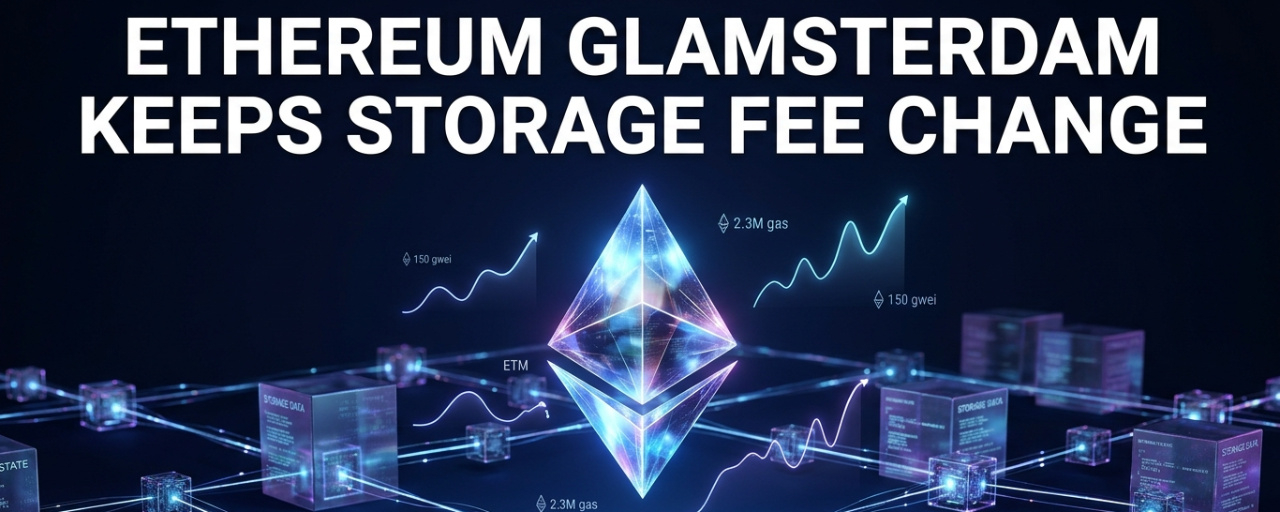
Ethereum Keeps Glamsterdam Storage Fee Changes: Could 15,000 Smart Contracts Be at Risk?Ethereum developers have reached an important decision on the upcoming Glamsterdam upgrade: the controversial storage-fee changes will remain in the planned specifications despite concerns about their impact on existing smart contracts.
The decision could shape Ethereum's long-term scalability, but it also creates a race for developers whose applications may not work as expected under the new fee structure.
What Exactly Did Developers Decide?
On November 26, Ethereum core developers reached a rough consensus to proceed with the current Glamsterdam specifications, including EIP-8037.
The proposal introduces a separate charge for creating permanent data on Ethereum, such as deploying smart contracts or adding new storage records.
Under the proposed rules, the storage-related base cost of deploying a new contract would rise from 32,000 to 183,600 gas, before additional code-storage and execution costs.
The goal is to make applications pay more accurately for the long-term storage burden they create for Ethereum nodes.
Why Are Developers Concerned?
The problem is not simply that some operations will become more expensive.
Many existing smart contracts were developed around the old gas-cost assumptions. If an application has a fixed gas allowance when calling another contract, the new pricing rules could cause that transaction to run out of gas and fail.
Ethereum Foundation developer Marius van der Wijden estimated that as many as 15,000 contracts could be exposed to this risk out of approximately 90 million contracts on the network.
Security reviews have also identified around 200 specific trouble spots. Most can reportedly be addressed through configuration changes, while 24 require contract upgrades or migration to replacement applications.
This does not mean 15,000 contracts are confirmed to be broken. It means they may need testing and, in some cases, corrective action.
What Happens Next?
The final public test is scheduled for December 15 on Ethereum's Hoodi testnet.
Affected development teams have a limited window to identify compatibility issues and fix the most serious problems before the upgrade progresses further.
A mainnet activation date has not yet been officially announced.
Is This Bullish or Bearish for ETH?
The answer is not straightforward.
Potential long-term benefits:
Better accounting for permanent data storage.More sustainable growth of Ethereum's state database.A stronger foundation for increasing network capacity.Improved alignment between network resource usage and fees.
Potential short-term challenges:
Higher costs for certain smart-contract operations.Compatibility work for existing applications.Possible transaction failures in contracts that are not updated.Uncertainty until testing and audits are completed.
Importantly, this change does not automatically mean that ordinary ETH transfers will become more expensive. Glamsterdam includes separate proposals affecting transaction costs, and the overall impact depends on the type of operation.
Final Thoughts
Ethereum is trying to solve a difficult problem: how to increase network capacity without allowing its underlying database to grow beyond what ordinary node operators can reasonably maintain.
Keeping the storage-fee changes may support that long-term objective, but developers must address compatibility risks before deployment.
For ETH investors, this is a major network-development story, not an automatic buy or sell signal.
Do you think Ethereum should prioritize long-term network sustainability even if some existing smart contracts need expensive updates?
$ETH
{spot}(ETHUSDT)
#Ethereum #ETH #Glamsterdam #EIP8037
#ethereumglamsterdamkeepsstoragefeechange
Ethereum Keeps Glamsterdam Storage Fee Changes: Could 15,000 Smart Contracts Be at Risk?
Ethereum developers have reached an important decision on the upcoming Glamsterdam upgrade: the controversial storage-fee changes will remain in the planned specifications despite concerns about their impact on existing smart contracts.
The decision could shape Ethereum's long-term scalability, but it also creates a race for developers whose applications may not work as expected under the new fee structure.
What Exactly Did Developers Decide?
On November 26, Ethereum core developers reached a rough consensus to proceed with the current Glamsterdam specifications, including EIP-8037.
The proposal introduces a separate charge for creating permanent data on Ethereum, such as deploying smart contracts or adding new storage records.
Under the proposed rules, the storage-related base cost of deploying a new contract would rise from 32,000 to 183,600 gas, before additional code-storage and execution costs.
The goal is to make applications pay more accurately for the long-term storage burden they create for Ethereum nodes.
Why Are Developers Concerned?
The problem is not simply that some operations will become more expensive.
Many existing smart contracts were developed around the old gas-cost assumptions. If an application has a fixed gas allowance when calling another contract, the new pricing rules could cause that transaction to run out of gas and fail.
Ethereum Foundation developer Marius van der Wijden estimated that as many as 15,000 contracts could be exposed to this risk out of approximately 90 million contracts on the network.
Security reviews have also identified around 200 specific trouble spots. Most can reportedly be addressed through configuration changes, while 24 require contract upgrades or migration to replacement applications.
This does not mean 15,000 contracts are confirmed to be broken. It means they may need testing and, in some cases, corrective action.
What Happens Next?
The final public test is scheduled for December 15 on Ethereum's Hoodi testnet.
Affected development teams have a limited window to identify compatibility issues and fix the most serious problems before the upgrade progresses further.
A mainnet activation date has not yet been officially announced.
Is This Bullish or Bearish for ETH?
The answer is not straightforward.
Potential long-term benefits:
Better accounting for permanent data storage.More sustainable growth of Ethereum's state database.A stronger foundation for increasing network capacity.Improved alignment between network resource usage and fees.
Potential short-term challenges:
Higher costs for certain smart-contract operations.Compatibility work for existing applications.Possible transaction failures in contracts that are not updated.Uncertainty until testing and audits are completed.
Importantly, this change does not automatically mean that ordinary ETH transfers will become more expensive. Glamsterdam includes separate proposals affecting transaction costs, and the overall impact depends on the type of operation.
Final Thoughts
Ethereum is trying to solve a difficult problem: how to increase network capacity without allowing its underlying database to grow beyond what ordinary node operators can reasonably maintain.
Keeping the storage-fee changes may support that long-term objective, but developers must address compatibility risks before deployment.
For ETH investors, this is a major network-development story, not an automatic buy or sell signal.
Do you think Ethereum should prioritize long-term network sustainability even if some existing smart contracts need expensive updates?
$ETH
#Ethereum #ETH #Glamsterdam #EIP8037
#ethereumglamsterdamkeepsstoragefeechange
1
19
·
--
弱気相場
翻訳参照
في الفترة الأخيرة، انتشرت منشورات وتحليلات بتتكلم عن عودة البيتكوين إلى 94,000 دولار وكأن الصعود أصبح مسألة وقت أو طريق مفتوح.
لكن خلينا نسأل سؤالًا مهمًا:
ما الدليل على الصعود؟ وأين شروط إبطال السيناريو؟
التوقع السعري وحده مش تحليل، وتكرار نفس الهدف في عشرات المنشورات لا يحوله إلى حقيقة.
البيتكوين يتداول قرب 60 ألف دولار وفق بيانات 27 نوفمبر، والوصول إلى 94 ألفًا يعني صعودًا بنحو 57%.
قبل الحديث عن هذا الهدف، لازم نراقب:
استعادة مستويات المقاومة المهمة والثبات فوقها.
تحسن السيولة والطلب الفعلي.
تدفقات صناديق ETF وحركة المستثمرين المؤسسيين.
بيانات العقود المفتوحة والتمويل والتصفية.
تأكيد الاتجاه على الفريمات اليومية والأسبوعية.
والأهم: ماذا لو فشل التعافي؟ ما مستويات إبطال السيناريو؟
أنا لا أقول إن البيتكوين لن يصل إلى 94 ألفًا، ولا أتبنى سيناريو هبوط حتمي.
أنا أرفض فقط تقديم الاحتمال على أنه ضمان.
المشكلة ليست في أن تتوقع الصعود، بل في أن تدفع الآخرين للمخاطرة بأموالهم ورافعتهم المالية اعتمادًا على كلمة «بسهولة».
في سوق العقود الآجلة، الثقة الزائدة قد تكون أغلى من الخطأ في التحليل نفسه.
لا تدخل صفقة لأن شخصًا وعدك بهدف سعري. ادخل فقط عندما تتوفر شروط واضحة، ومخاطرة محسوبة، وسيناريو بديل.
#Bitcoin #BTC #CryptoMarket #BinanceSquare $BTC
{spot}(BTCUSDT)
في الفترة الأخيرة، انتشرت منشورات وتحليلات بتتكلم عن عودة البيتكوين إلى 94,000 دولار وكأن الصعود أصبح مسألة وقت أو طريق مفتوح.
لكن خلينا نسأل سؤالًا مهمًا:
ما الدليل على الصعود؟ وأين شروط إبطال السيناريو؟
التوقع السعري وحده مش تحليل، وتكرار نفس الهدف في عشرات المنشورات لا يحوله إلى حقيقة.
البيتكوين يتداول قرب 60 ألف دولار وفق بيانات 27 نوفمبر، والوصول إلى 94 ألفًا يعني صعودًا بنحو 57%.
قبل الحديث عن هذا الهدف، لازم نراقب:
استعادة مستويات المقاومة المهمة والثبات فوقها.
تحسن السيولة والطلب الفعلي.
تدفقات صناديق ETF وحركة المستثمرين المؤسسيين.
بيانات العقود المفتوحة والتمويل والتصفية.
تأكيد الاتجاه على الفريمات اليومية والأسبوعية.
والأهم: ماذا لو فشل التعافي؟ ما مستويات إبطال السيناريو؟
أنا لا أقول إن البيتكوين لن يصل إلى 94 ألفًا، ولا أتبنى سيناريو هبوط حتمي.
أنا أرفض فقط تقديم الاحتمال على أنه ضمان.
المشكلة ليست في أن تتوقع الصعود، بل في أن تدفع الآخرين للمخاطرة بأموالهم ورافعتهم المالية اعتمادًا على كلمة «بسهولة».
في سوق العقود الآجلة، الثقة الزائدة قد تكون أغلى من الخطأ في التحليل نفسه.
لا تدخل صفقة لأن شخصًا وعدك بهدف سعري. ادخل فقط عندما تتوفر شروط واضحة، ومخاطرة محسوبة، وسيناريو بديل.
#Bitcoin #BTC #CryptoMarket #BinanceSquare $BTC
1
67
·
--
本人確認中
記事
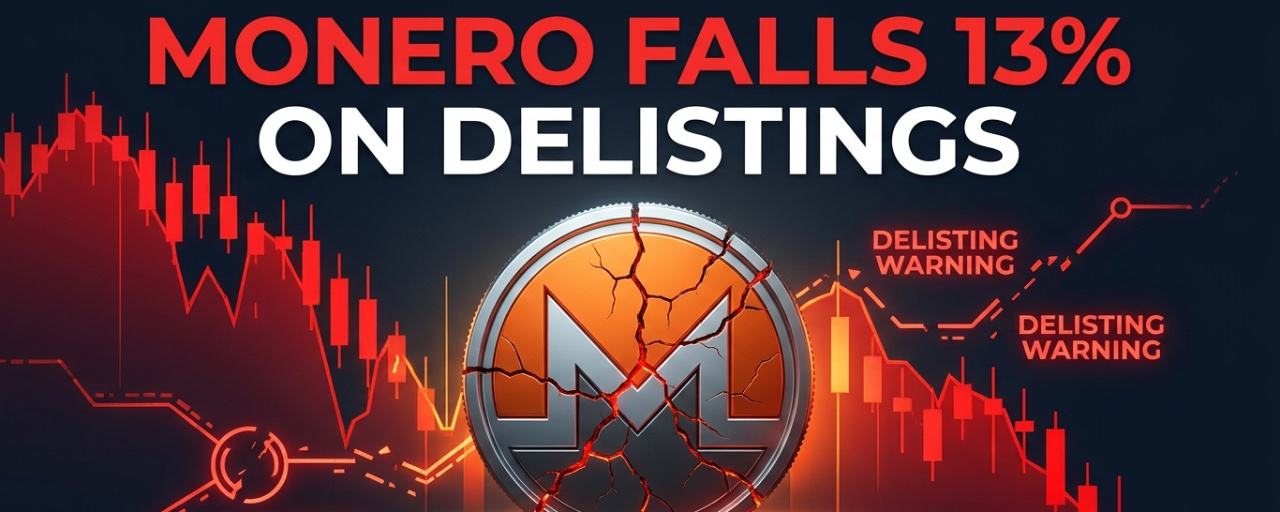
取引所の上場廃止でMoneroが13%急落:XMRは市場へのアクセスを失いつつあるのか?プライバシー重視の主要な暗号資産の一つであるMonero(XMR)が強い売り圧力にさらされ、取引所の上場廃止発表が相次ぐなか、価格は約13%下落しました。
これは単なる短期的な市場反応なのでしょうか。それとも、Moneroの将来にとってより根深い課題を示しているのでしょうか?
売り急ぎのきっかけは?
直近の下落要因となったのはKuCoinの発表です。同取引所は、2026年11月30日08:00 UTCに、Moneroの現物取引ペア4種類を上場廃止すると発表しました。
XMR/USDT
XMR/USDC
XMR/ETH
XMR/BTC
取引所の上場廃止でMoneroが13%急落:XMRは市場へのアクセスを失いつつあるのか?
プライバシー重視の主要な暗号資産の一つであるMonero(XMR)が強い売り圧力にさらされ、取引所の上場廃止発表が相次ぐなか、価格は約13%下落しました。
これは単なる短期的な市場反応なのでしょうか。それとも、Moneroの将来にとってより根深い課題を示しているのでしょうか?
売り急ぎのきっかけは?
直近の下落要因となったのはKuCoinの発表です。同取引所は、2026年11月30日08:00 UTCに、Moneroの現物取引ペア4種類を上場廃止すると発表しました。
XMR/USDT
XMR/USDC
XMR/ETH
XMR/BTC
これは単なる短期的な市場反応なのでしょうか。それとも、Moneroの将来にとってより根深い課題を示しているのでしょうか?
売り急ぎのきっかけは?
直近の下落要因となったのはKuCoinの発表です。同取引所は、2026年11月30日08:00 UTCに、Moneroの現物取引ペア4種類を上場廃止すると発表しました。
XMR/USDT
XMR/USDC
XMR/ETH
XMR/BTC
1
166
·
--
本人確認中
記事
Moneroが13%急落:取引所の上場廃止はXMRの未来を脅かすのか?🚨 Moneroが13%急落:取引所の上場廃止はXMRの未来を脅かすのか?
Monero(XMR)はここ数カ月で最も急激な下落の一つに見舞われ、1日で11%超下落しました。市場データによっては、損失が13%近くに達しています。
主な引き金は、取引所での上場廃止の動きが再び広がったこととみられます。
🔴 売りの引き金となったのは?
KuCoinは2026年11月30日、Moneroの現物取引ペア4種類を上場廃止すると発表しました。
XMR/USDT
XMR/USDC
XMR/ETH
XMR/BTC
この発表に先立ち、MEXCは11月にMoneroの取引ペアをすでに廃止しており、縮小が続く中央集権型取引所市場にさらなる圧力が加わっています。
Moneroが13%急落:取引所の上場廃止はXMRの未来を脅かすのか?
🚨 Moneroが13%急落:取引所の上場廃止はXMRの未来を脅かすのか?
Monero(XMR)はここ数カ月で最も急激な下落の一つに見舞われ、1日で11%超下落しました。市場データによっては、損失が13%近くに達しています。
主な引き金は、取引所での上場廃止の動きが再び広がったこととみられます。
🔴 売りの引き金となったのは?
KuCoinは2026年11月30日、Moneroの現物取引ペア4種類を上場廃止すると発表しました。
XMR/USDT
XMR/USDC
XMR/ETH
XMR/BTC
この発表に先立ち、MEXCは11月にMoneroの取引ペアをすでに廃止しており、縮小が続く中央集権型取引所市場にさらなる圧力が加わっています。
Monero(XMR)はここ数カ月で最も急激な下落の一つに見舞われ、1日で11%超下落しました。市場データによっては、損失が13%近くに達しています。
主な引き金は、取引所での上場廃止の動きが再び広がったこととみられます。
🔴 売りの引き金となったのは?
KuCoinは2026年11月30日、Moneroの現物取引ペア4種類を上場廃止すると発表しました。
XMR/USDT
XMR/USDC
XMR/ETH
XMR/BTC
この発表に先立ち、MEXCは11月にMoneroの取引ペアをすでに廃止しており、縮小が続く中央集権型取引所市場にさらなる圧力が加わっています。
1
174
·
--
弱気相場
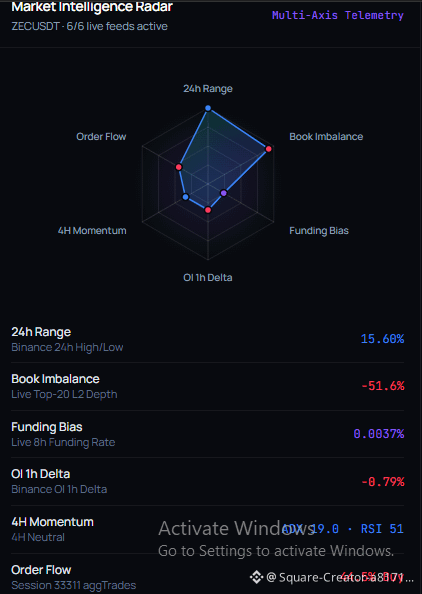
🚨 市場レーダー: データ $ZEC
{spot}(ZECUSDT)
が売り手の優勢を示しています! 📉
📊 市場インテリジェンスレーダーの数値:
🔴 注文板の不均衡: -51.6%(注文板では売り手が優勢)。
🔴 建玉変化(1時間): -0.79%(先物から資金が流出)。
🔴 注文フロー: 買い 44.5%(現物需要の弱さ)。
🟡 資金調達率の傾向: 0.0037%(わずかにプラス)。
💡 解説:
このデータによると、売り手が厚い流動性を支配しているため、上昇反発があっても弱いものになりそうです。短期的には市場は下落傾向です。
⚠️ 戦略:
✅ デイトレーダー向け: レジスタンスからのショートを探しましょう。
✅ 投資家向け: 数値が改善するまで買いポジションは避けましょう。
#ZEC #暗号資産 #CanMarketsReboundAfterThanksgiving? 取引 #OrderFlow #Crypto #取引 #BinanceRadar
🚨 市場レーダー: データ $ZEC
が売り手の優勢を示しています! 📉
📊 市場インテリジェンスレーダーの数値:
🔴 注文板の不均衡: -51.6%(注文板では売り手が優勢)。
🔴 建玉変化(1時間): -0.79%(先物から資金が流出)。
🔴 注文フロー: 買い 44.5%(現物需要の弱さ)。
🟡 資金調達率の傾向: 0.0037%(わずかにプラス)。
💡 解説:
このデータによると、売り手が厚い流動性を支配しているため、上昇反発があっても弱いものになりそうです。短期的には市場は下落傾向です。
⚠️ 戦略:
✅ デイトレーダー向け: レジスタンスからのショートを探しましょう。
✅ 投資家向け: 数値が改善するまで買いポジションは避けましょう。
#ZEC #暗号資産 #CanMarketsReboundAfterThanksgiving? 取引 #OrderFlow #Crypto #取引 #BinanceRadar
1
1
119
·
--
本人確認中
記事
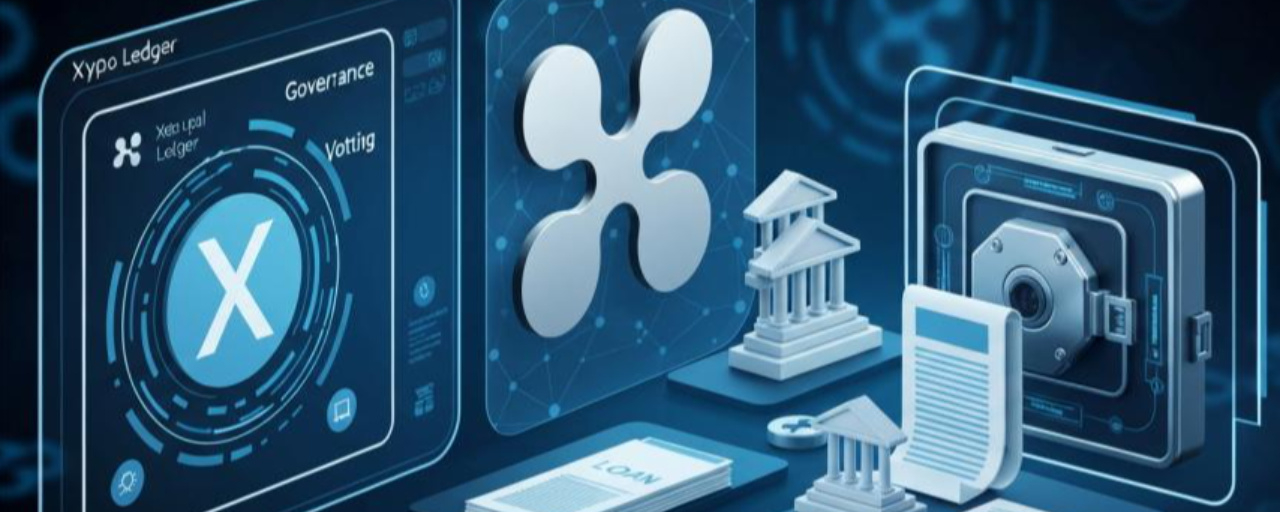
XRP Ledgerでバリデーター投票が29票に到達!ネイティブDeFiレンディングの実現が近づいている?XRP Ledgerで、インフラに関する大きな節目が見えてきました!
SingleAssetVault改正案(XLS-65)は、35人のバリデーターのうち29人から支持を得ており、必要な80%のしきい値を上回りました。
🔥 なぜこれが重要なのでしょうか?
SingleAssetVaultは、ネイティブなボールト基盤を導入するために設計されています。これにより、複数のユーザーが単一の資産をボールトに預け入れ、持分を表すマルチパーパス・トークン(MPT)を受け取れるようになります。
ただし、重要な違いがあります。
別個のLendingProtocol改正案は、35票中28票しか獲得しておらず、ちょうど80%です。
XRP Ledgerでバリデーター投票が29票に到達!ネイティブDeFiレンディングの実現が近づいている?
XRP Ledgerで、インフラに関する大きな節目が見えてきました!
SingleAssetVault改正案(XLS-65)は、35人のバリデーターのうち29人から支持を得ており、必要な80%のしきい値を上回りました。
🔥 なぜこれが重要なのでしょうか?
SingleAssetVaultは、ネイティブなボールト基盤を導入するために設計されています。これにより、複数のユーザーが単一の資産をボールトに預け入れ、持分を表すマルチパーパス・トークン(MPT)を受け取れるようになります。
ただし、重要な違いがあります。
別個のLendingProtocol改正案は、35票中28票しか獲得しておらず、ちょうど80%です。
SingleAssetVault改正案(XLS-65)は、35人のバリデーターのうち29人から支持を得ており、必要な80%のしきい値を上回りました。
🔥 なぜこれが重要なのでしょうか?
SingleAssetVaultは、ネイティブなボールト基盤を導入するために設計されています。これにより、複数のユーザーが単一の資産をボールトに預け入れ、持分を表すマルチパーパス・トークン(MPT)を受け取れるようになります。
ただし、重要な違いがあります。
別個のLendingProtocol改正案は、35票中28票しか獲得しておらず、ちょうど80%です。
1
55
·
--

記事
XRPの取引所入金に警戒:大口保有者はBinanceで売却を準備しているのか?暗号資産市場では、値動きから分かることは全体の一部にすぎません。オンチェーンの動きから、投資家が資産をどのように移動させているかの変化を読み取ることができます。
この分析で引用されたCryptoQuantのデータによると、BinanceにおけるXRPの入金取引は91.4%に達した一方、出金取引は約8%に低下したと報告されています。これらの水準は、2019年以降の過去の数値と比べて異例とされています。
しかし、これは実際には何を意味するのでしょうか?
1️⃣ 取引所への入金増加
XRPが個人ウォレットから取引所に移されると、取引に利用されやすくなります。これは売り圧力の高まりを示す可能性がありますが、入金だけでは投資家が売却する意図があるとは断定できません。
XRPの取引所入金に警戒:大口保有者はBinanceで売却を準備しているのか?
暗号資産市場では、値動きから分かることは全体の一部にすぎません。オンチェーンの動きから、投資家が資産をどのように移動させているかの変化を読み取ることができます。
この分析で引用されたCryptoQuantのデータによると、BinanceにおけるXRPの入金取引は91.4%に達した一方、出金取引は約8%に低下したと報告されています。これらの水準は、2019年以降の過去の数値と比べて異例とされています。
しかし、これは実際には何を意味するのでしょうか?
1️⃣ 取引所への入金増加
XRPが個人ウォレットから取引所に移されると、取引に利用されやすくなります。これは売り圧力の高まりを示す可能性がありますが、入金だけでは投資家が売却する意図があるとは断定できません。
この分析で引用されたCryptoQuantのデータによると、BinanceにおけるXRPの入金取引は91.4%に達した一方、出金取引は約8%に低下したと報告されています。これらの水準は、2019年以降の過去の数値と比べて異例とされています。
しかし、これは実際には何を意味するのでしょうか?
1️⃣ 取引所への入金増加
XRPが個人ウォレットから取引所に移されると、取引に利用されやすくなります。これは売り圧力の高まりを示す可能性がありますが、入金だけでは投資家が売却する意図があるとは断定できません。
1
192
·
--

記事
翻訳参照
EVOLVE: The Next Chapter of Blockchain Is About Real-World UtilityThe crypto industry is entering an important phase of evolution.
The next big breakthrough may not come from another speculative token or short-term market rally. It could come from blockchain becoming part of the financial infrastructure we use every day.
Here are three developments I'm watching closely:
🔹 Tokenization of Real-World Assets (RWA): Bringing bonds, real estate, and financial assets on-chain.
🔹 Institutional Adoption: Traditional finance increasingly exploring blockchain-based infrastructure.
🔹 AI + Blockchain: Combining intelligent automation with transparent, verifiable decentralized systems.
But one question matters more than hype:
Can blockchain move beyond speculation and deliver real value to billions of people?
That's the evolution I'm looking forward to discussing.
What do you believe will drive the next major wave of blockchain adoption: RWA, AI, payments, or institutional investment?
#Web3 #RWA #Crypto #Aİ
#evolveatbinanceblockchainweek
EVOLVE: The Next Chapter of Blockchain Is About Real-World Utility
The crypto industry is entering an important phase of evolution.
The next big breakthrough may not come from another speculative token or short-term market rally. It could come from blockchain becoming part of the financial infrastructure we use every day.
Here are three developments I'm watching closely:
🔹 Tokenization of Real-World Assets (RWA): Bringing bonds, real estate, and financial assets on-chain.
🔹 Institutional Adoption: Traditional finance increasingly exploring blockchain-based infrastructure.
🔹 AI + Blockchain: Combining intelligent automation with transparent, verifiable decentralized systems.
But one question matters more than hype:
Can blockchain move beyond speculation and deliver real value to billions of people?
That's the evolution I'm looking forward to discussing.
What do you believe will drive the next major wave of blockchain adoption: RWA, AI, payments, or institutional investment?
#Web3 #RWA #Crypto #Aİ
#evolveatbinanceblockchainweek
1
163
·
--
本人確認中
記事
翻訳参照
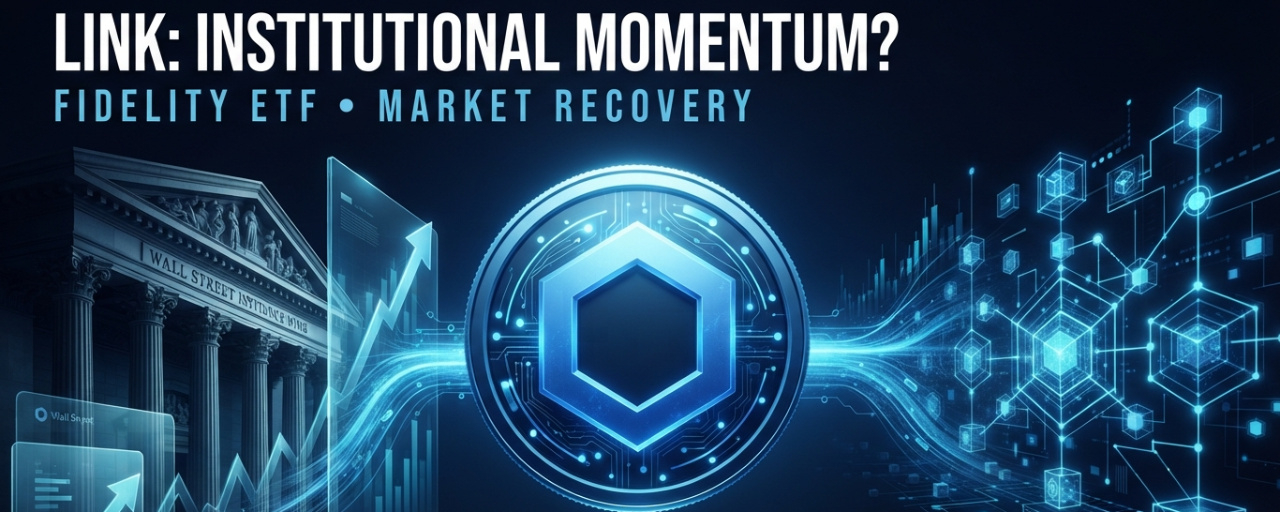
LINK Rallies as Fidelity Enters the Picture: Is Institutional Demand Finally Building?Chainlink (LINK) is showing renewed strength on November 27 as institutional developments bring fresh attention to the token.
The biggest catalyst is Fidelity's filing for a proposed spot Chainlink ETF in the United States.
But the key question for traders is simple: Is LINK entering a sustainable recovery, or is this rally mainly driven by market excitement?
1. Fidelity Opens a New Institutional Gateway
Fidelity filed a Form S-1 registration statement with the SEC for its proposed Fidelity Chainlink Fund, which is expected to trade on Nasdaq under the ticker FLNK.
The fund would hold LINK directly and would not stake its holdings.
This could expand access to Chainlink for traditional investors. However, the filing is not an approval, and the fund has not begun generating actual ETF inflows.
2. Chainlink Reserve Adds More LINK
On-chain tracking reports indicate that Chainlink Reserve received another 122,450 LINK on November 26, worth approximately $1.13 million.
This development is worth watching because it highlights Chainlink's token economics and its mechanism for converting service revenue into LINK.
However, reserve accumulation should not automatically be interpreted as direct institutional market buying.
3. What Is the Price Telling Us?
According to CoinMarketCap's November 27 snapshot at 06:33 UTC:
Price: $9.6324-hour change: +4.94%Weekly performance: +8.60%Monthly performance: -18.02%Daily trading turnover: approximately $251.3 million, below its historical median of $283.6 million.
The short-term recovery is encouraging, but LINK remains down on the monthly timeframe. Trading activity has also not yet confirmed an exceptional surge in demand.
4. What Would Confirm a Stronger Bullish Trend?
Traders should monitor three key signals:
Continued price appreciation accompanied by stronger spot-market volume.Rising Open Interest alongside price, without excessive funding rates.Former resistance levels turning into support after successful breakouts and retests.
If these conditions develop together, the bullish case becomes more convincing.
If price rises while spot participation remains weak, the move could still be a temporary rebound.
5. What Comes Next?
Fidelity's filing is an important institutional development, but ETF approval and actual capital inflows remain separate milestones.
Bottom line: Chainlink has meaningful institutional and ecosystem catalysts, and the market is beginning to respond. However, sustained spot demand and stronger market participation are still needed to confirm a lasting bullish reversal.
Do you think Fidelity's proposed ETF could mark a new chapter for LINK, or does the market need real institutional inflows before confirming a stronger uptrend?
$LINK
{spot}(LINKUSDT)
#LINK #Chainlink #Fidelity #CryptoETF
#canmarketsreboundafterthanksgiving?
LINK Rallies as Fidelity Enters the Picture: Is Institutional Demand Finally Building?
Chainlink (LINK) is showing renewed strength on November 27 as institutional developments bring fresh attention to the token.
The biggest catalyst is Fidelity's filing for a proposed spot Chainlink ETF in the United States.
But the key question for traders is simple: Is LINK entering a sustainable recovery, or is this rally mainly driven by market excitement?
1. Fidelity Opens a New Institutional Gateway
Fidelity filed a Form S-1 registration statement with the SEC for its proposed Fidelity Chainlink Fund, which is expected to trade on Nasdaq under the ticker FLNK.
The fund would hold LINK directly and would not stake its holdings.
This could expand access to Chainlink for traditional investors. However, the filing is not an approval, and the fund has not begun generating actual ETF inflows.
2. Chainlink Reserve Adds More LINK
On-chain tracking reports indicate that Chainlink Reserve received another 122,450 LINK on November 26, worth approximately $1.13 million.
This development is worth watching because it highlights Chainlink's token economics and its mechanism for converting service revenue into LINK.
However, reserve accumulation should not automatically be interpreted as direct institutional market buying.
3. What Is the Price Telling Us?
According to CoinMarketCap's November 27 snapshot at 06:33 UTC:
Price: $9.6324-hour change: +4.94%Weekly performance: +8.60%Monthly performance: -18.02%Daily trading turnover: approximately $251.3 million, below its historical median of $283.6 million.
The short-term recovery is encouraging, but LINK remains down on the monthly timeframe. Trading activity has also not yet confirmed an exceptional surge in demand.
4. What Would Confirm a Stronger Bullish Trend?
Traders should monitor three key signals:
Continued price appreciation accompanied by stronger spot-market volume.Rising Open Interest alongside price, without excessive funding rates.Former resistance levels turning into support after successful breakouts and retests.
If these conditions develop together, the bullish case becomes more convincing.
If price rises while spot participation remains weak, the move could still be a temporary rebound.
5. What Comes Next?
Fidelity's filing is an important institutional development, but ETF approval and actual capital inflows remain separate milestones.
Bottom line: Chainlink has meaningful institutional and ecosystem catalysts, and the market is beginning to respond. However, sustained spot demand and stronger market participation are still needed to confirm a lasting bullish reversal.
Do you think Fidelity's proposed ETF could mark a new chapter for LINK, or does the market need real institutional inflows before confirming a stronger uptrend?
$LINK
#LINK #Chainlink #Fidelity #CryptoETF
#canmarketsreboundafterthanksgiving?
1
142
·
--
翻訳参照

1
1
·
--
本人確認中
記事
ZEC(Zcash):史上最高値更新から急落へ、今後の展開は?Zcashは2026年を代表する話題のひとつでした。プライバシーコインへの関心の再燃、Grayscaleのファンド、そして大型アップグレード「NU7」を追い風に、安値から数年ぶりの高値まで上昇しました。その後、急激な調整が起こり、上昇分の大半が失われました。この記事では、Zcashとは何か、価格を動かした要因、テクニカル分析、そして今後のシナリオを解説します。
まず、Zcashとは?
ZEC(Zcash):史上最高値更新から急落へ、今後の展開は?
Zcashは2026年を代表する話題のひとつでした。プライバシーコインへの関心の再燃、Grayscaleのファンド、そして大型アップグレード「NU7」を追い風に、安値から数年ぶりの高値まで上昇しました。その後、急激な調整が起こり、上昇分の大半が失われました。この記事では、Zcashとは何か、価格を動かした要因、テクニカル分析、そして今後のシナリオを解説します。
まず、Zcashとは?
まず、Zcashとは?
1
78
·
--
ブリッシュ
📊 #STXUSDT | テクニカル分析 –
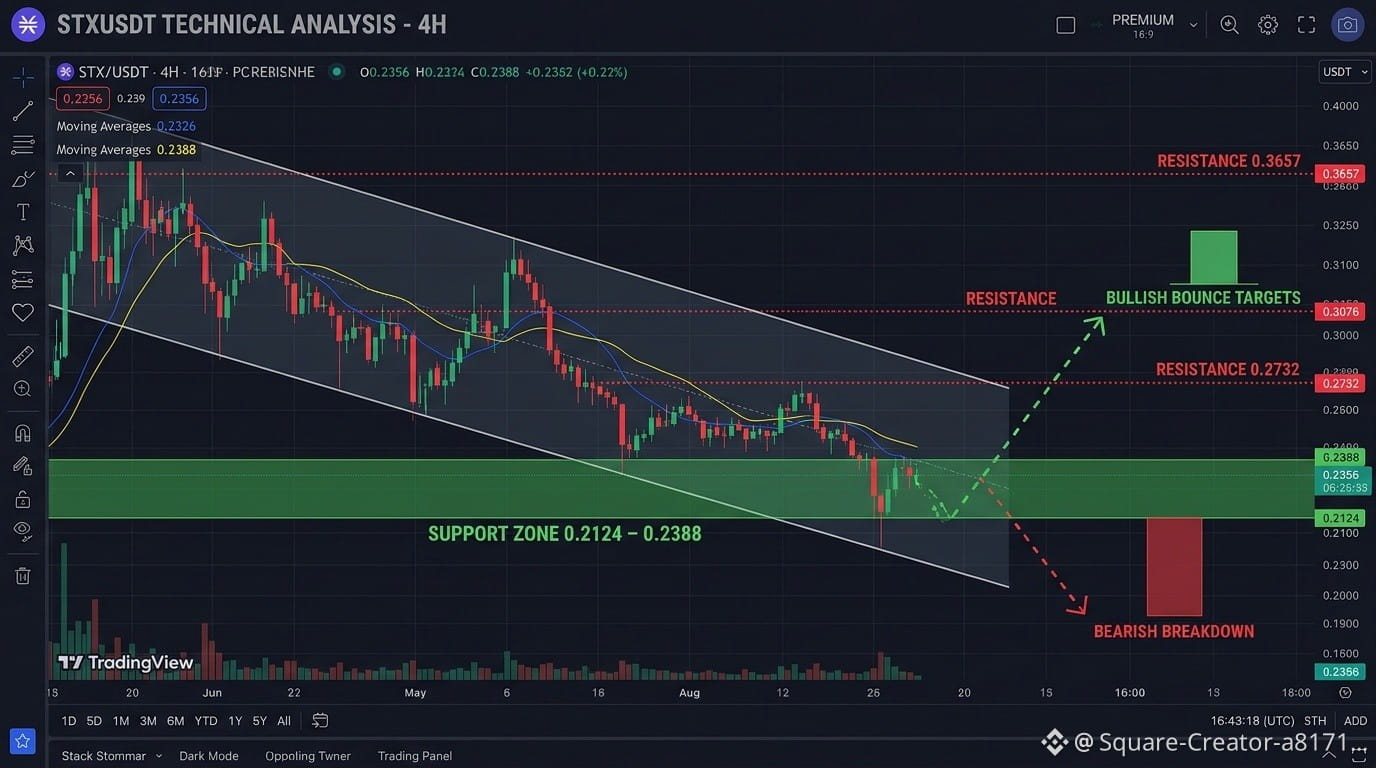
STXは下降チャネル内で推移しており、依然として売り圧力を受けています。明確な回復の兆しが現れる前に、下側のサポートゾーンを試す可能性があります。
🔸 サポートゾーン: 0.2124 – 0.2388
🔸 目標レジスタンス:
0.2732
0.3076
0.3657
🟢 強気シナリオ:
サポートゾーンから明確な反発が見られ、その後、最初のレジスタンスを上抜けてその上を維持できれば、次のレジスタンスに向けて上昇する機会となる可能性があります。
🔴 弱気シナリオ:
明確な終値でサポートゾーンを下抜けると、さらなる下落につながる可能性があり、短期的な回復の見込みが弱まります。
🎯 現在注目している点: チャネル下限での価格動向、取引量、反発を裏付ける実際の買い需要が現れるか、それとも売り圧力が続くか。
まとめ: 値動きを先読みしないこと。反発の確認は、価格がサポートに到達しただけであることより重要です。
#STX #Stacks #CryptoAnalysis #BinanceSquare #Altcoins #TechnicalAnalysis
$STX
{spot}(STXUSDT)
📊 #STXUSDT | テクニカル分析 –
STXは下降チャネル内で推移しており、依然として売り圧力を受けています。明確な回復の兆しが現れる前に、下側のサポートゾーンを試す可能性があります。
🔸 サポートゾーン: 0.2124 – 0.2388
🔸 目標レジスタンス:
0.2732
0.3076
0.3657
🟢 強気シナリオ:
サポートゾーンから明確な反発が見られ、その後、最初のレジスタンスを上抜けてその上を維持できれば、次のレジスタンスに向けて上昇する機会となる可能性があります。
🔴 弱気シナリオ:
明確な終値でサポートゾーンを下抜けると、さらなる下落につながる可能性があり、短期的な回復の見込みが弱まります。
🎯 現在注目している点: チャネル下限での価格動向、取引量、反発を裏付ける実際の買い需要が現れるか、それとも売り圧力が続くか。
まとめ: 値動きを先読みしないこと。反発の確認は、価格がサポートに到達しただけであることより重要です。
#STX #Stacks #CryptoAnalysis #BinanceSquare #Altcoins #TechnicalAnalysis
$STX
1
37
·
--

記事
2026年11月の暗号資産市場:厳しい冬と確認を待つ底値暗号資産市場は、2024年にビットコインETFが登場して以来、最も厳しい月の一つを迎えています。この2週間でビットコインは60,000ドルを何度も割り込み、センチメントは極度の恐怖水準まで悪化しました。本記事では、主な出来事や下落の要因、今後のシナリオを解説します。
2026年11月の暗号資産市場:厳しい冬と確認を待つ底値
暗号資産市場は、2024年にビットコインETFが登場して以来、最も厳しい月の一つを迎えています。この2週間でビットコインは60,000ドルを何度も割り込み、センチメントは極度の恐怖水準まで悪化しました。本記事では、主な出来事や下落の要因、今後のシナリオを解説します。
1
39
·
--
ブリッシュ
🚨 ZEC価格予測:Zcashは800ドルを超えて反発する準備ができているのか、それとも下落はまだ終わっていないのか?
Zcash(ZEC)は、今後の値動きを左右する可能性のある重要なテクニカルゾーンに差し掛かっています!
直近の大きな変動を経て、価格は回復を試みています。しかし、買い手には上昇トレンドを取り戻すだけの力があるのでしょうか?
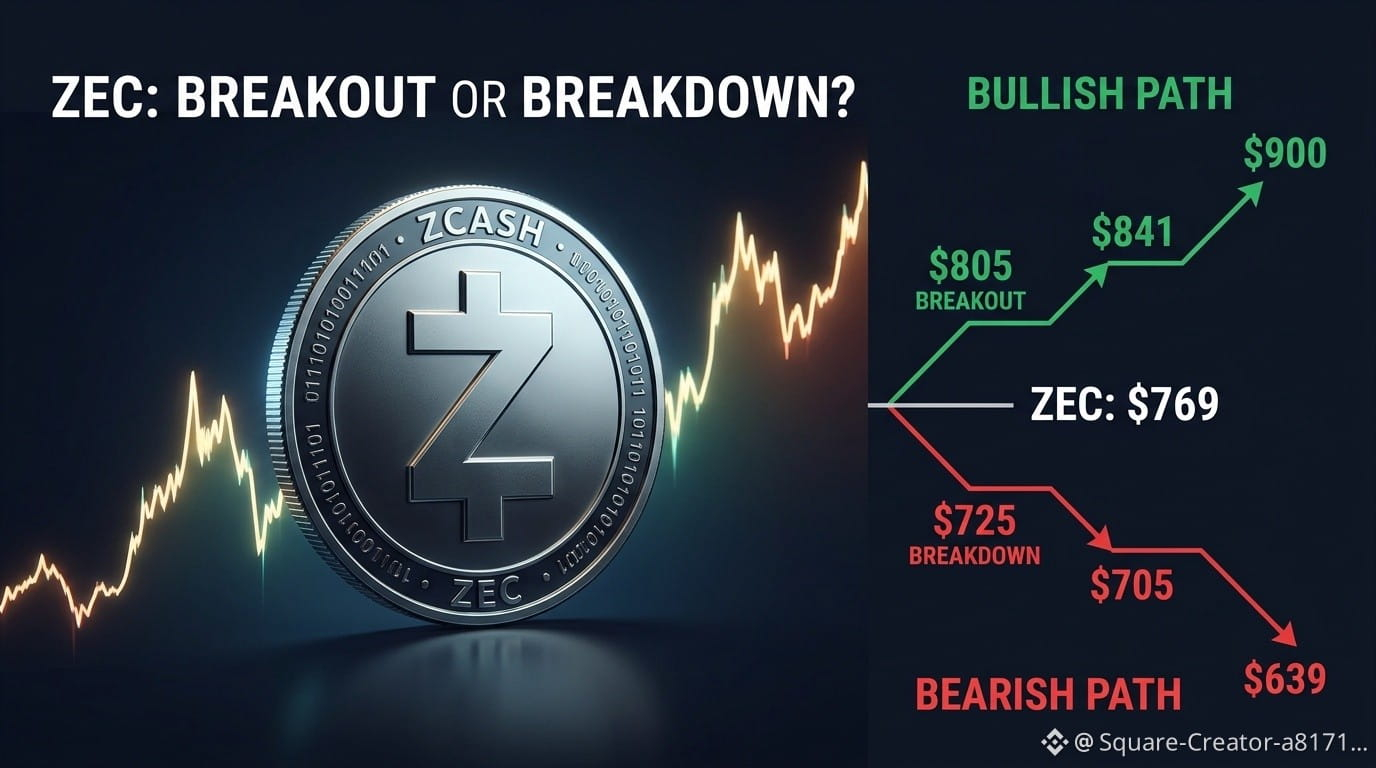
📊 重要な水準:
基準価格:約769$
最初のサポート:725$
次のサポート:705$
最初のレジスタンス:805$
2つ目のレジスタンス:841$
次の上値目標:900$
🟢 強気シナリオ:
価格が725$を上回って維持し、その後、強い日足終値と高い取引量を伴って805$を突破できれば、841$、さらに900$を目指す動きが見られるかもしれません。
🔴 弱気シナリオ:
価格が725$を維持できず、その水準を下回って終えた場合、705$、さらに639~633$のゾーンに向けて売り圧力が強まる可能性があります。
🎯 市場に対する私の見方:
回復を確認する重要な水準として、805$のゾーンを注視しています。特に日足のトレンドが引き続き弱いため、現時点では今の反発を確かな上昇トレンドへの転換とは見ていません。
⚠️ これらは条件付きのテクニカルシナリオであり、価格変動を保証するものでも、売買を推奨するものでもありません。
さて、皆さんはZECが近いうちに900$を超えると思いますか?それとも、まず700$のサポートを試すでしょうか?
$ZEC
{spot}(ZECUSDT)
#ZEC #Zcash #CryptoAnalysis #PricePrediction #BinanceSquare #Altcoins
🚨 ZEC価格予測:Zcashは800ドルを超えて反発する準備ができているのか、それとも下落はまだ終わっていないのか?
Zcash(ZEC)は、今後の値動きを左右する可能性のある重要なテクニカルゾーンに差し掛かっています!
直近の大きな変動を経て、価格は回復を試みています。しかし、買い手には上昇トレンドを取り戻すだけの力があるのでしょうか?
📊 重要な水準:
基準価格:約769$
最初のサポート:725$
次のサポート:705$
最初のレジスタンス:805$
2つ目のレジスタンス:841$
次の上値目標:900$
🟢 強気シナリオ:
価格が725$を上回って維持し、その後、強い日足終値と高い取引量を伴って805$を突破できれば、841$、さらに900$を目指す動きが見られるかもしれません。
🔴 弱気シナリオ:
価格が725$を維持できず、その水準を下回って終えた場合、705$、さらに639~633$のゾーンに向けて売り圧力が強まる可能性があります。
🎯 市場に対する私の見方:
回復を確認する重要な水準として、805$のゾーンを注視しています。特に日足のトレンドが引き続き弱いため、現時点では今の反発を確かな上昇トレンドへの転換とは見ていません。
⚠️ これらは条件付きのテクニカルシナリオであり、価格変動を保証するものでも、売買を推奨するものでもありません。
さて、皆さんはZECが近いうちに900$を超えると思いますか?それとも、まず700$のサポートを試すでしょうか?
$ZEC
#ZEC #Zcash #CryptoAnalysis #PricePrediction #BinanceSquare #Altcoins
1
337
·
--
本人確認中
記事
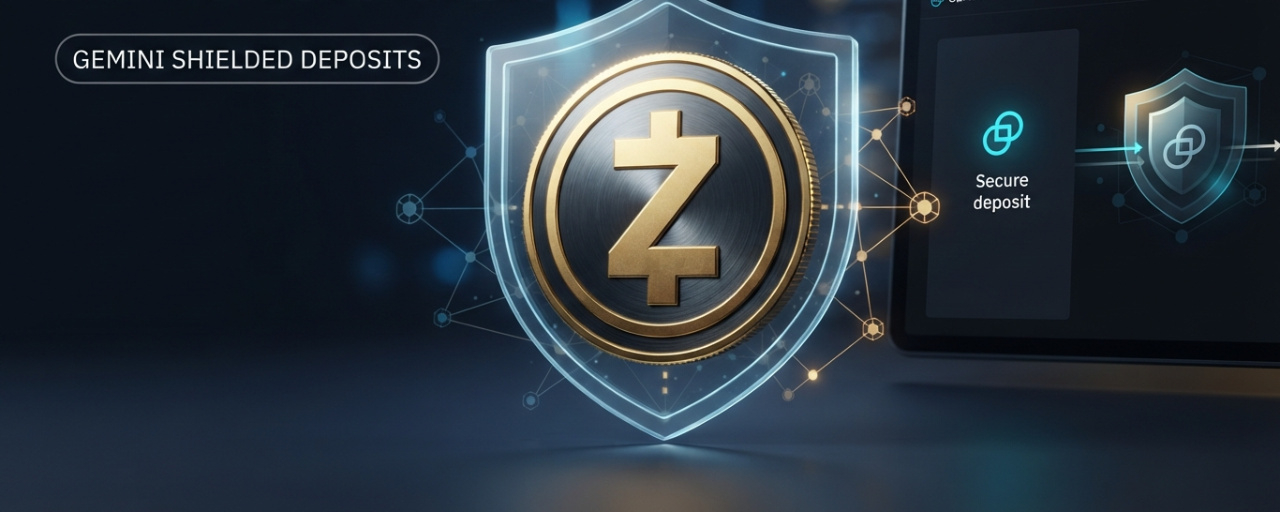
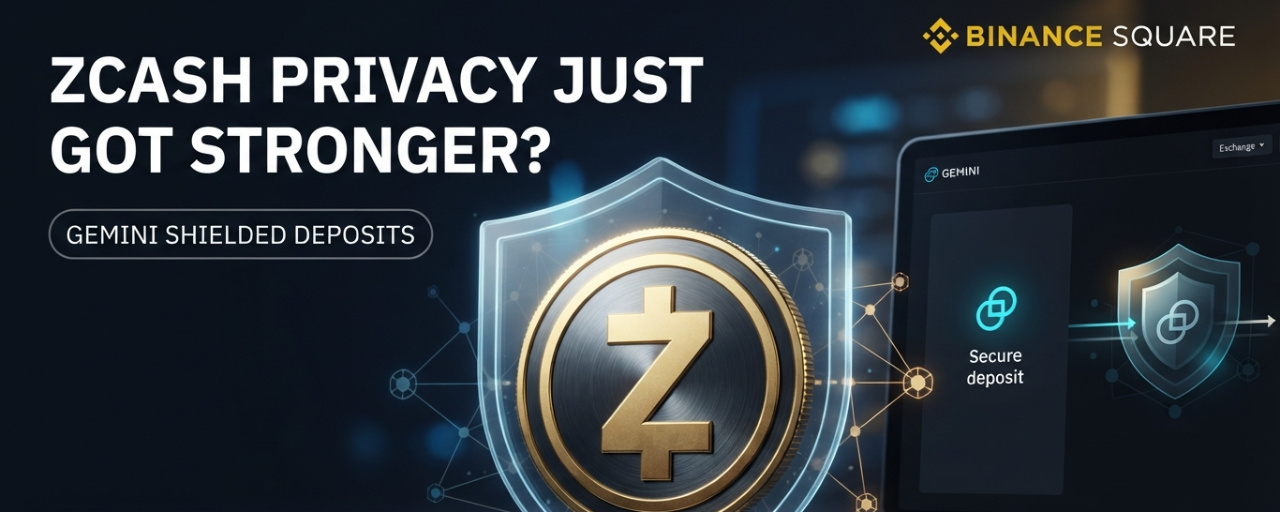
Zcashに重要な進展…Geminiがシールド型入金に対応!プライバシーへの関心再燃でZECに追い風となるか?Zcash(ZEC)の実用化を後押しする新たな動きとして、Geminiは11月24日、シールド型のUnified Addressを使ったZECの入金に対応したと発表しました。
これにより、ユーザーはこの機能に対応したウォレットを通じて、ブロックチェーン上の取引のプライバシーを保ちながら、プラットフォーム上でZECを送受信できるようになりました。
Zcashに重要な進展…Geminiがシールド型入金に対応!プライバシーへの関心再燃でZECに追い風となるか?
Zcash(ZEC)の実用化を後押しする新たな動きとして、Geminiは11月24日、シールド型のUnified Addressを使ったZECの入金に対応したと発表しました。
これにより、ユーザーはこの機能に対応したウォレットを通じて、ブロックチェーン上の取引のプライバシーを保ちながら、プラットフォーム上でZECを送受信できるようになりました。
これにより、ユーザーはこの機能に対応したウォレットを通じて、ブロックチェーン上の取引のプライバシーを保ちながら、プラットフォーム上でZECを送受信できるようになりました。
2
395
·
--
記事
SpaceXの軌道上データセンターはAIチップ需要を押し上げるのか?大きな進展が、AIインフラの未来を一変させる可能性があります。
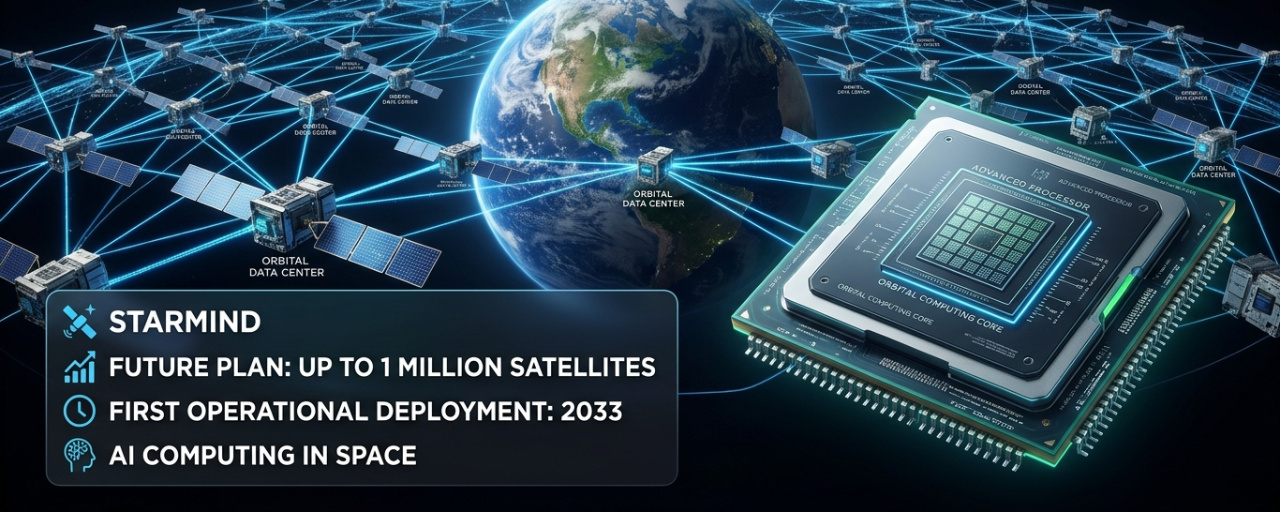
SpaceXは、AIコンピューティングインフラを軌道上に構築することを目的とした「Starmind」計画のもと、最大100万基の衛星を展開する認可を米連邦通信委員会(FCC)から受けました。
しかし、投資家にとってより大きな問いは、SpaceXが宇宙にデータセンターを建設する計画だけではありません。これによって、先進的なAIチップへの需要が最終的にどれほど増える可能性があるのか、という点です。
🛰️ SpaceXは何を計画しているのか?
SpaceXの軌道上データセンターはAIチップ需要を押し上げるのか?
大きな進展が、AIインフラの未来を一変させる可能性があります。
SpaceXは、AIコンピューティングインフラを軌道上に構築することを目的とした「Starmind」計画のもと、最大100万基の衛星を展開する認可を米連邦通信委員会(FCC)から受けました。
しかし、投資家にとってより大きな問いは、SpaceXが宇宙にデータセンターを建設する計画だけではありません。これによって、先進的なAIチップへの需要が最終的にどれほど増える可能性があるのか、という点です。
🛰️ SpaceXは何を計画しているのか?
SpaceXは、AIコンピューティングインフラを軌道上に構築することを目的とした「Starmind」計画のもと、最大100万基の衛星を展開する認可を米連邦通信委員会(FCC)から受けました。
しかし、投資家にとってより大きな問いは、SpaceXが宇宙にデータセンターを建設する計画だけではありません。これによって、先進的なAIチップへの需要が最終的にどれほど増える可能性があるのか、という点です。
🛰️ SpaceXは何を計画しているのか?
2
389
·
--
記事
米国のインフレデータでFRBの政策路線は維持——12月の利上げはほぼ確実か?米国の個人消費支出(PCE)価格指数は10月、前月比0.3%上昇し、予想と一致しました。9月の0.5%上昇からは鈍化しました。
しかし、内訳を見ると、状況はさらに複雑です。
📊 主な数値:
月間PCE:0.3%、予想どおり。
月間コアPCE:0.3%。
総合PCEの前年比:3.8%に上昇。
コアPCEの前年比:3.3%に上昇。
🏦 これはFRBにとって何を意味するのか?
月間インフレ率は鈍化したものの、総合・コアインフレ率の前年比上昇は、物価上昇圧力が依然として根強いことを示唆しています。
米国のインフレデータでFRBの政策路線は維持——12月の利上げはほぼ確実か?
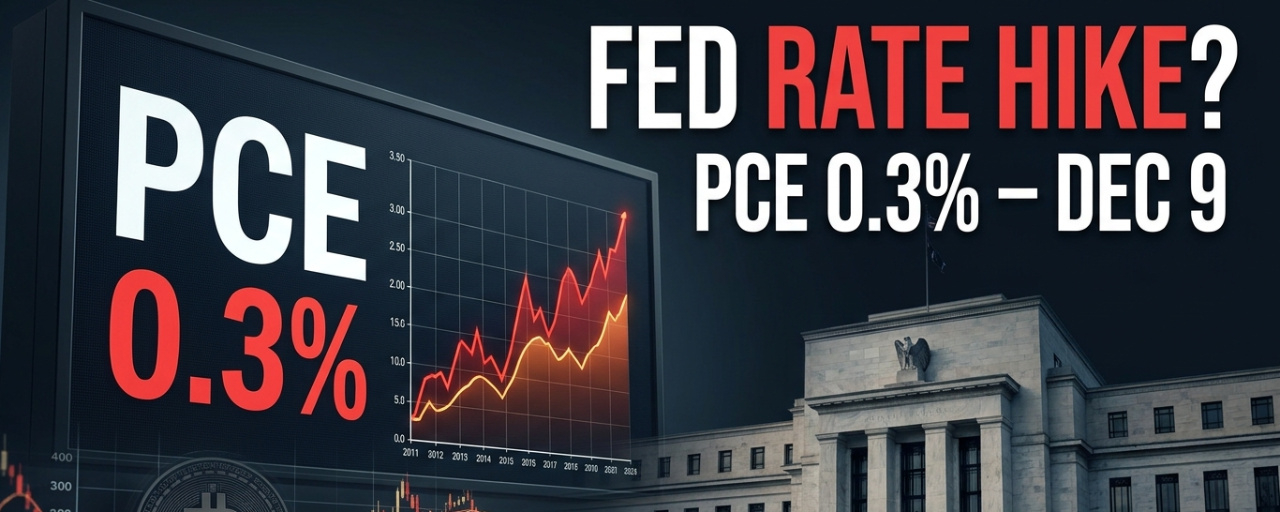
米国の個人消費支出(PCE)価格指数は10月、前月比0.3%上昇し、予想と一致しました。9月の0.5%上昇からは鈍化しました。
しかし、内訳を見ると、状況はさらに複雑です。
📊 主な数値:
月間PCE:0.3%、予想どおり。
月間コアPCE:0.3%。
総合PCEの前年比:3.8%に上昇。
コアPCEの前年比:3.3%に上昇。
🏦 これはFRBにとって何を意味するのか?
月間インフレ率は鈍化したものの、総合・コアインフレ率の前年比上昇は、物価上昇圧力が依然として根強いことを示唆しています。
しかし、内訳を見ると、状況はさらに複雑です。
📊 主な数値:
月間PCE:0.3%、予想どおり。
月間コアPCE:0.3%。
総合PCEの前年比:3.8%に上昇。
コアPCEの前年比:3.3%に上昇。
🏦 これはFRBにとって何を意味するのか?
月間インフレ率は鈍化したものの、総合・コアインフレ率の前年比上昇は、物価上昇圧力が依然として根強いことを示唆しています。
1
58
ログインして、さらにコンテンツを読む
厳選トピックで世界の暗号資産トレーダーの仲間入り
⚡️ 暗号資産に関する最新かつ有益な情報が見つかります。
💬 世界最大の暗号資産取引所から信頼されています。
👍 認証を受けたクリエイターから、有益なインサイトを得られます。
メール / 電話番号
トレンドトピック
EvolveAtBinanceBlockchainWeek
閲覧回数 2.1M
19,002人が討論中
Binance Blockchain Weekがいよいよ開幕!🌍
11月28日~29日、バンコクにいる方も遠方から参加する方も、ライブ配信を視聴してBinance Squareで会話に参加しましょう!
イベントの内容はこちら👇
📺 main stage liveを視聴
両日を通して、業界のスピーカーが今年のテーマ「進化」について見解を共有します。技術革新から現実世界での活用まで、暗号資産の次なる展開を探りましょう。
⚔️ 2つのトレード大会を視聴
Aster Open QualifierとBinance Trading Master Tournamentは、どちらもライブ配信されます。トレーダーたちの活躍をぜひご覧ください。
🏆 Blockchain 100 Awards Ceremonyを視聴
Blockchain 100のリストはコミュニティによって選ばれました。クリエイターたちと、彼らが共有するアイデアを一緒に祝いましょう!
💬 コミュニティの会話に参加
投稿に#EvolveAtBinanceBlockchainWeek を添えて写真をシェアし、楽しみにしていることや業界への見解、イベントで印象に残った瞬間を教えてください。
event pageがライブ配信中です!ワンクリックですべてのライブ配信に登録して、見逃さないようにしましょう👏
Binance Blockchain Week
·いいね:529件
·閲覧回数 776k
BitcoinETFsExtendOutflowStreakToEightDays
閲覧回数 37,679
469人が討論中
ColdcardFlawLeadsToTheftOfAtLeast1789BTC
閲覧回数 106,624
795人が討論中